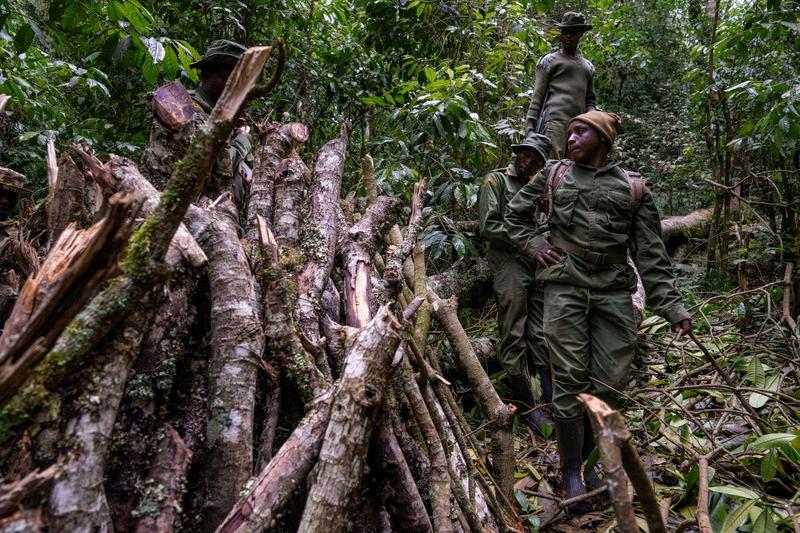
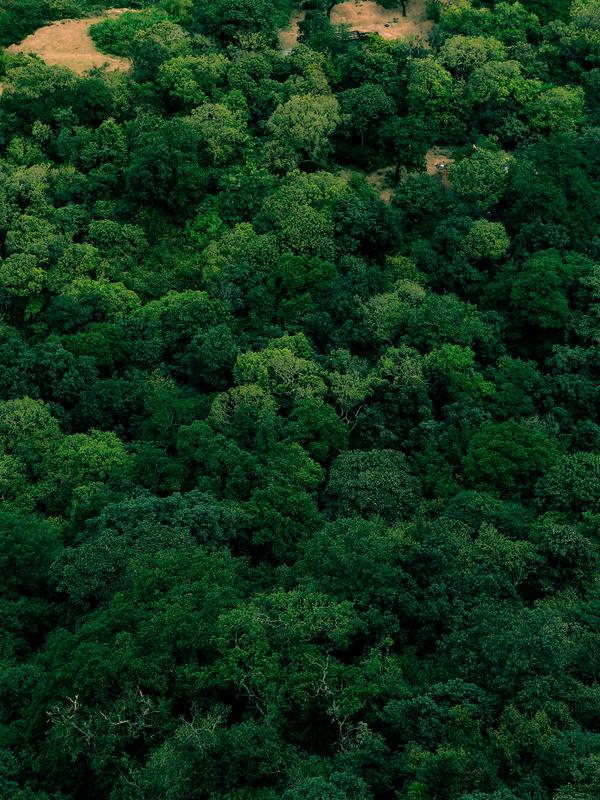
Forest destruction in the Mount Kenya ecosystem is driven by unsustainable logging, agricultural expansion, and illegal activities such as charcoal burning, poaching, and land encroachment. These pressures contribute to severe deforestation, habitat loss, and biodiversity decline, reducing the ecosystem’s ability to regulate water flow and store carbon. This degradation threatens wildlife and endangers the livelihoods of local communities that depend on forest resources and other ecosystem services.
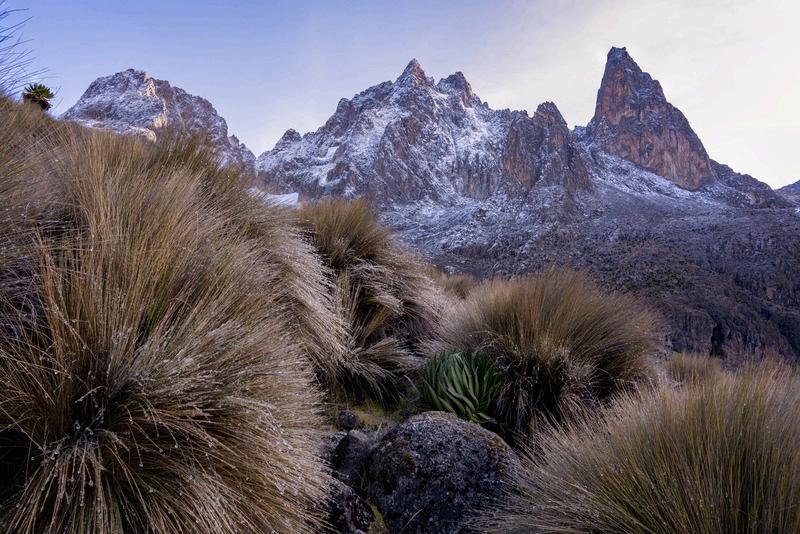
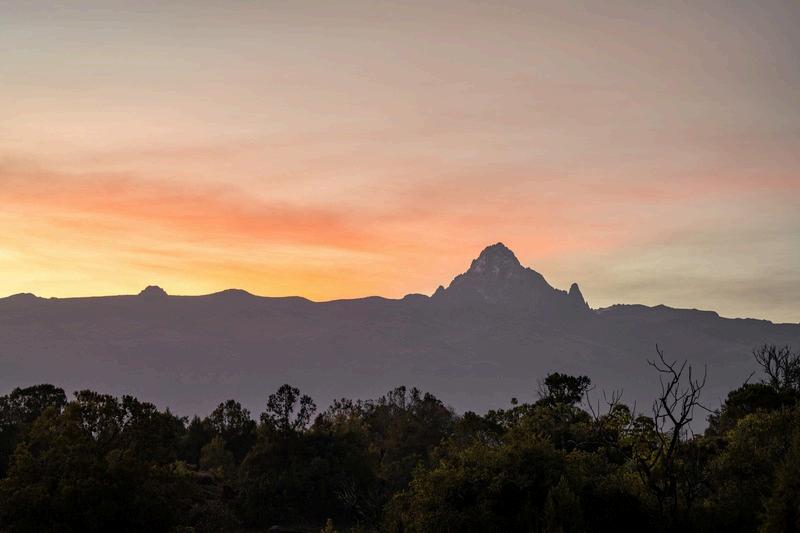
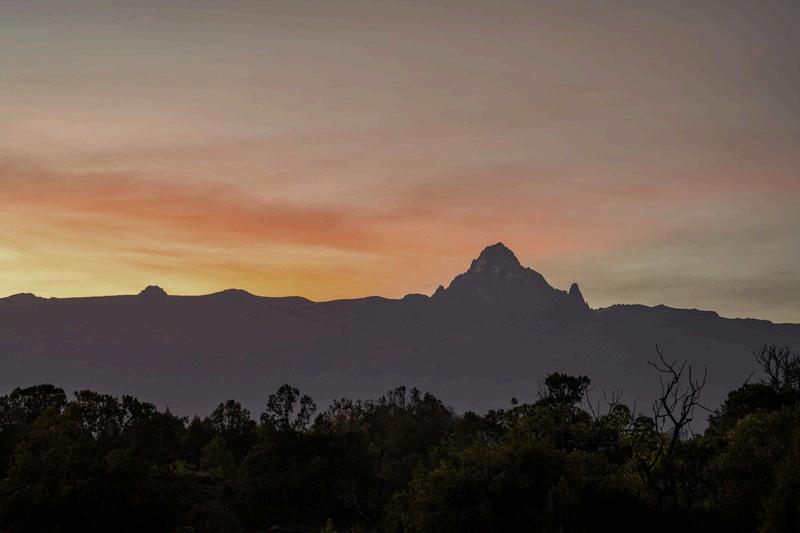
Mount Kenya Trust is a Kenyan NGO working to protect and conserve the forest ecosystems and wildlife around Mount Kenya, Africa’s second-highest mountain.
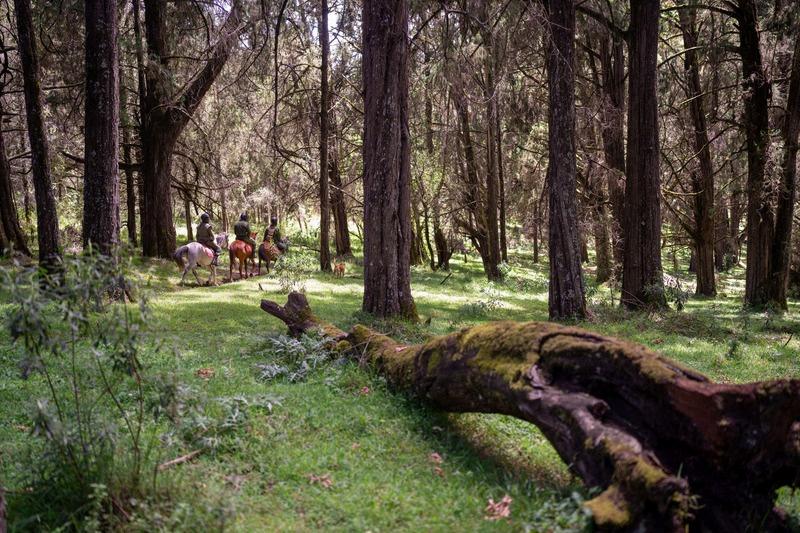
Mount Kenya’s Afromontane forests, extensive bamboo stands, and moorlands host significant biodiversity, including 81 endemic plant species and critically endangered species such as the Mountain Bongo.
Beyond its ecological value, the ecosystem is a vital watershed that supplies water to over 3.5 million people across ten counties, sustaining livelihoods, agriculture, and cultural heritage in Kenya's North and Central regions.
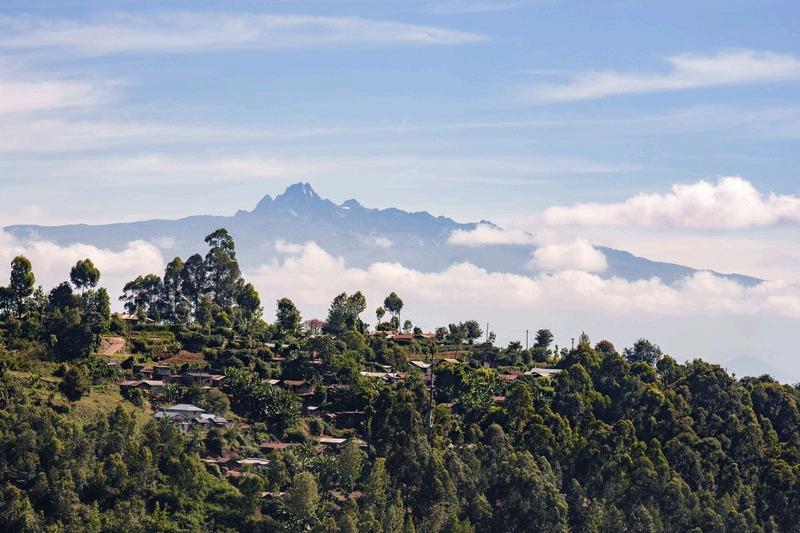
It is home to 27 forest-edge communities, most of whom rely on local agriculture, timber for construction, and wood fuel for cooking — activities that all directly impact the ecosystem.
A healthy Mount Kenya ecosystem where communities, forests and wildlife coexist harmoniously.
Mission
To sustainably conserve the Mt. Kenya ecosystem.
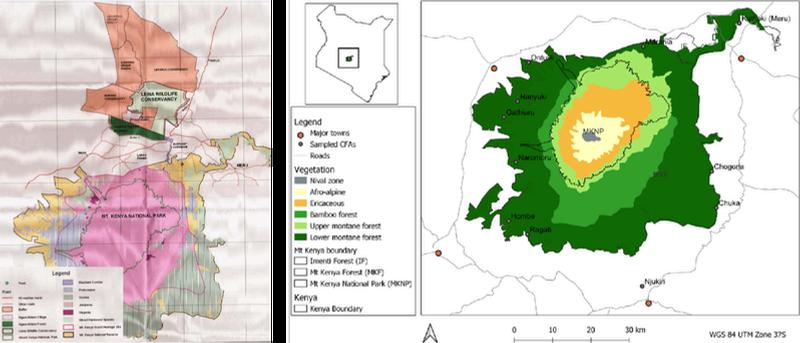
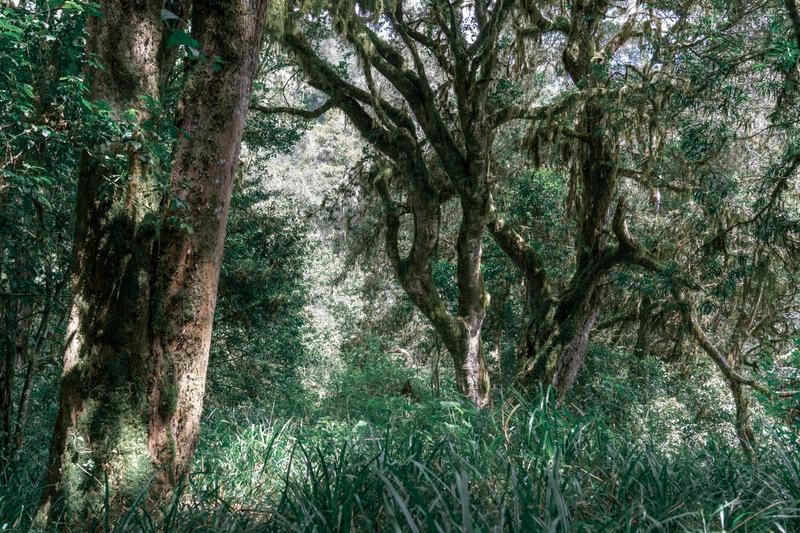
Mount Kenya Trust collaborates closely with the Kenya Forest Service (KFS) and local communities to recover and safeguard the Mount Kenya Forests and riparian lands that have suffered historical damage
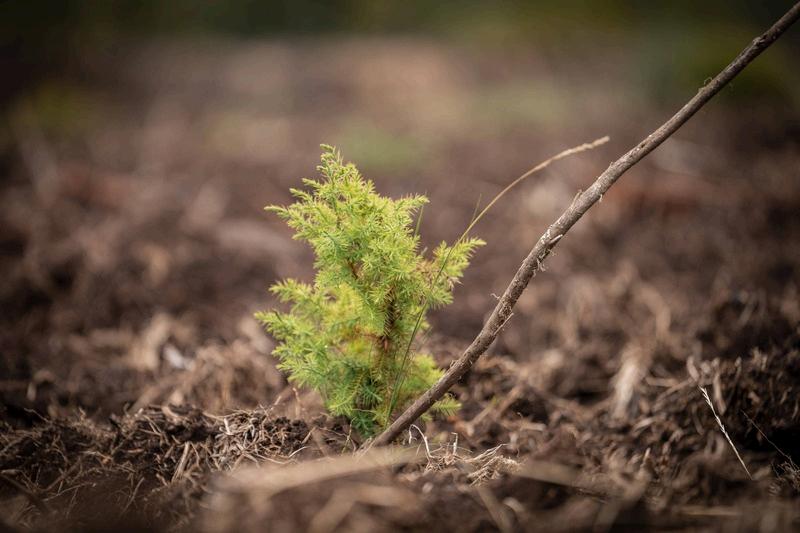
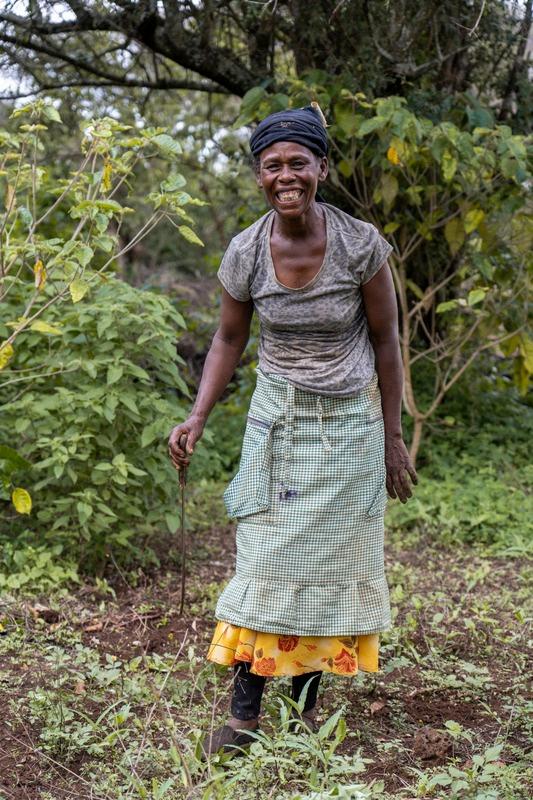
This project not only enhances the environment but also has a positive impact on livelihoods by at each stage of the project..
Active Involvement In Decision Making
Land Preparation, Tree Planting & Maintenance (3-5 Years Through TELIS Scheme)
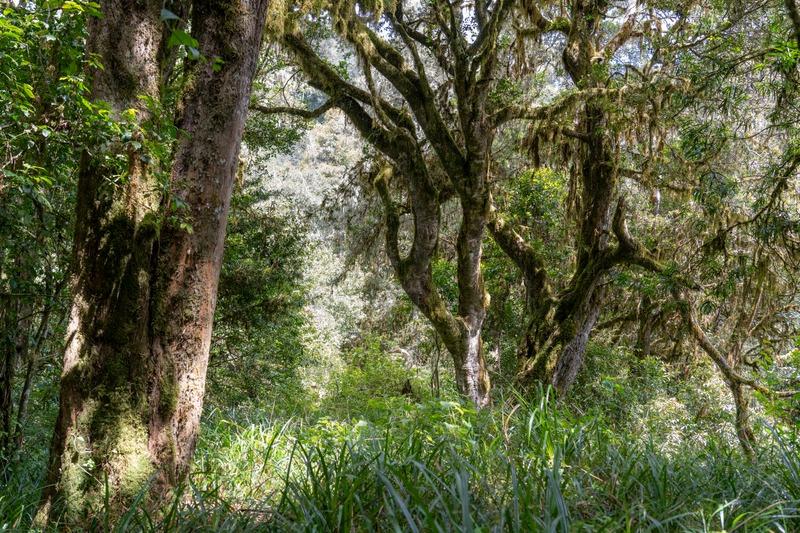
Livelihood and Employment
Opportunities and sense of ownership, incentivising communities to nurture trees to canopy close
Approvals
Oversight Community
Engagement
Site Allocation
Resource Mobilisation
Building capacity and offering technical assistance and education
Livelihood Opportunity
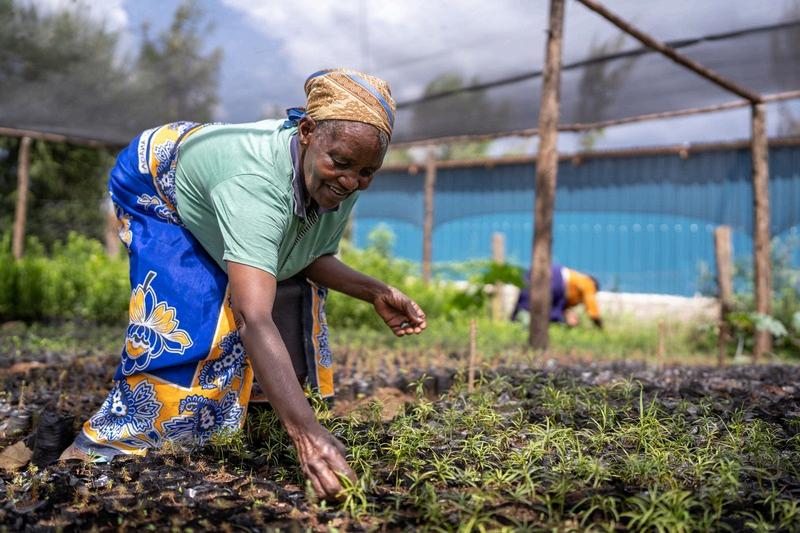
Supplying tree seedlings across restoration projects for MKT and other organisations in the landscape.
Monitoring through Tree Monitors and rangers.
Oversight for accountability, equality and best practices.
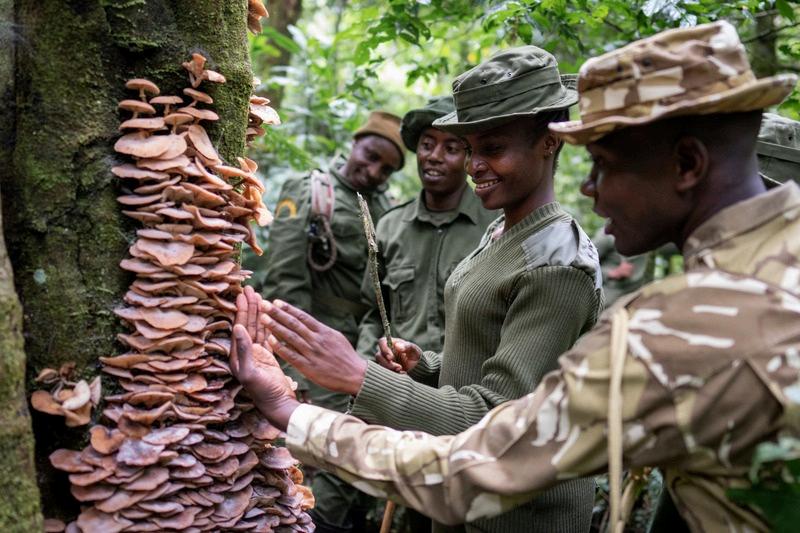
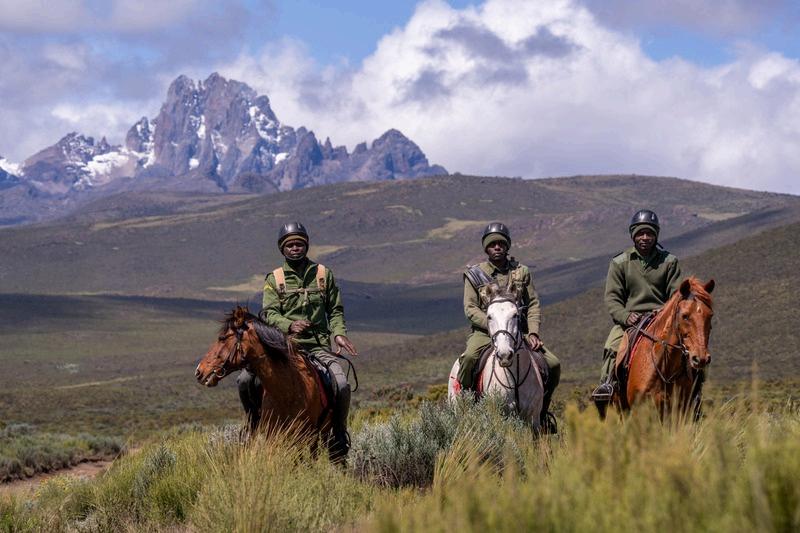
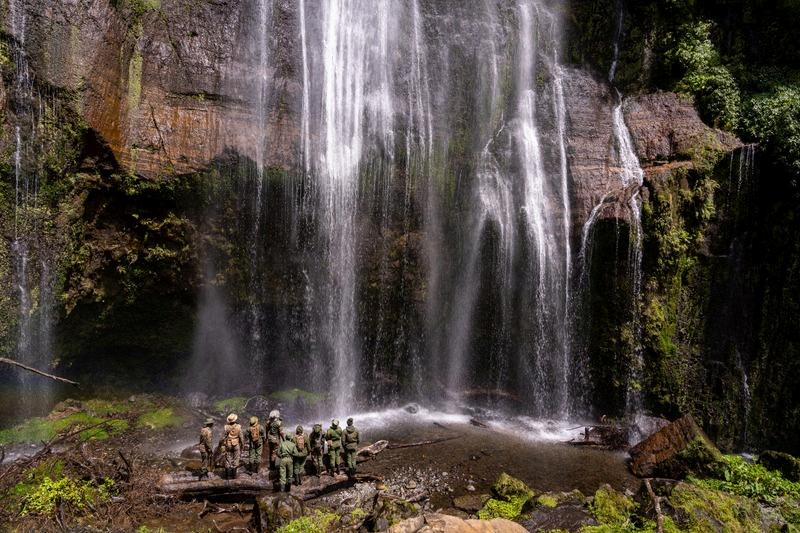
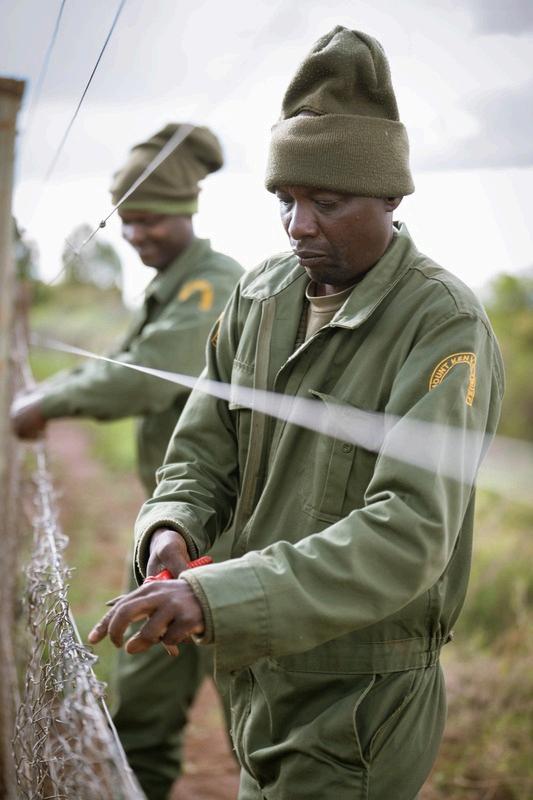
42 rangers divided into 6 teams stationed in strategic areas of the landscape to monitor forest and biodiversity through routine and joint patrols covering 10- 30 Kms daily.
Rangers work with community scouts, KWS and KFS to respond to ecosystem threats including poaching, logging, wildfires and conduct wildlife rescues.
Rangers educate engage with communities offering conservation education to people of all ages on topics including HumanWildlife coexistence and forest restoration
Monitoring Forest Health
Anti-logging Interventions
Wildfire Fighting
Assisting Active
Restoration
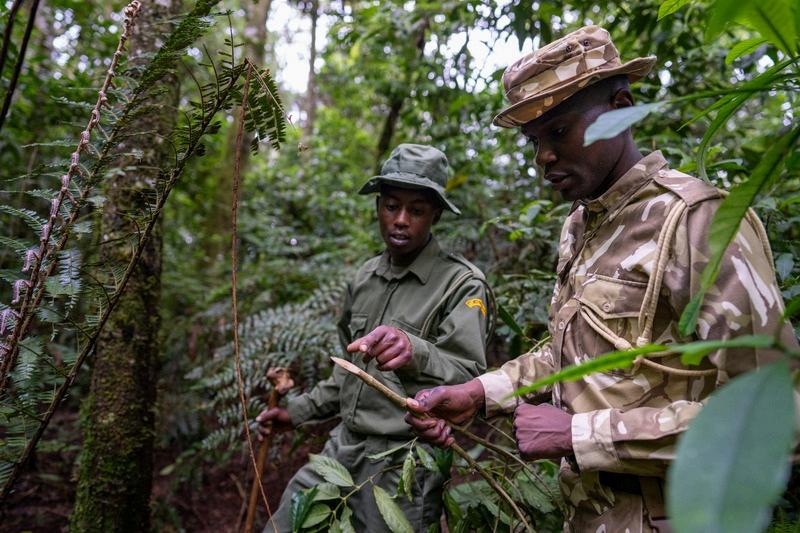
Wildlife Monitoring
Corridor Management
HWC Monitoring
HWC Response
Education
Anti-poaching Interventions
Bushmeat
Hunting Prevention
Wildlife Rescues
Riparian Patrols Assist Riparian Restoration
Clean-ups & Waste Removal
Education
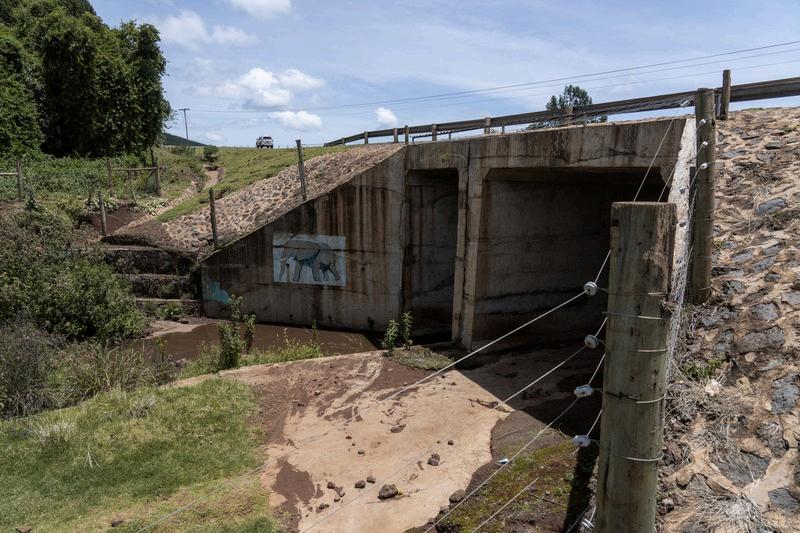
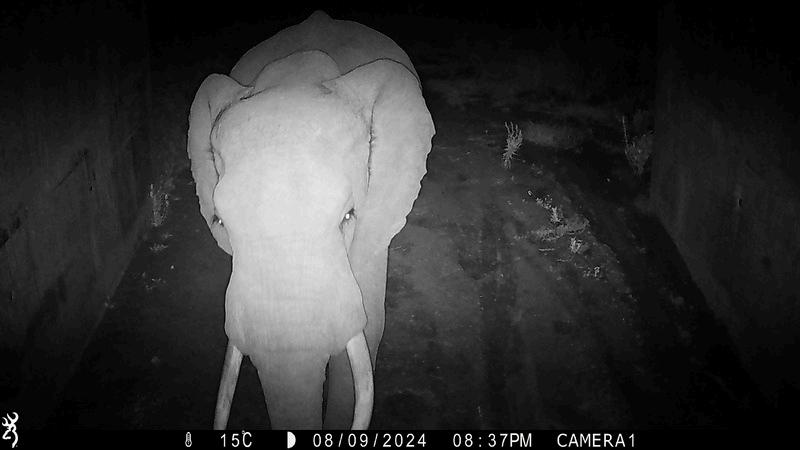
Over 2,000 Elephant Journeys Each Year and 19 Other Key Species, Including Lions, Zebras and Buffalo, Use the Mount Kenya Elephant Corridor to Safely Cross Mount Kenya-Ngare Ndare, Laikipia and Samburu Landscapes
Established in 2009 by Mount Kenya Trust and Parters Including Lewa Wildlife Conservancy and Kisima Farm and currently maintained by Mount Kenya Trust
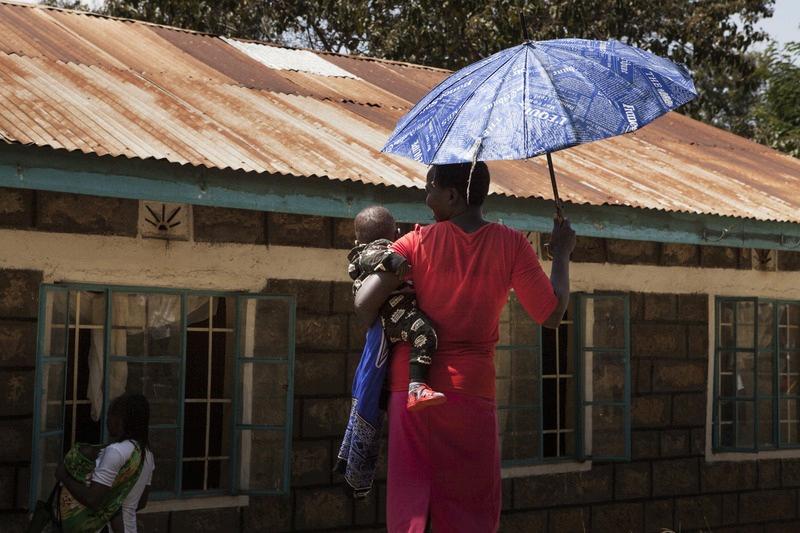

Healthy, informed communities are better equipped to care for their environment. When people have access to healthcare, education, and basic needs, they are more resilient, more engaged, and more likely to adopt sustainable practices
Reaching 100,000 forest community populations with healthcare information and awareness
Strengthening health systems by building the capacity of community health volunteers to deliver quality healthcare services. This in addition to building the capacity of healthcare practitioners to deliver youth friendly services.
PROVIDING FREE HEALTHCARE SERVICES TO 50,000 MARGINALISED FOREST COMMUNITIES EVERY YEAR
M.H.H
In collaboration with the ministry of health,ministry of education and private sector partners
Providing free basic curative services, cancer screening, SRH services through mobile outreaches
Eradicating period poverty while improving the livelihoods of women by processing reusable sanitary towels for free distribution to teenage girls
We raise awareness on the value of forests, teach practical restoration methods, support communities to grow and manage tree nurseries, and promote sustainable farming practices that work with nature.
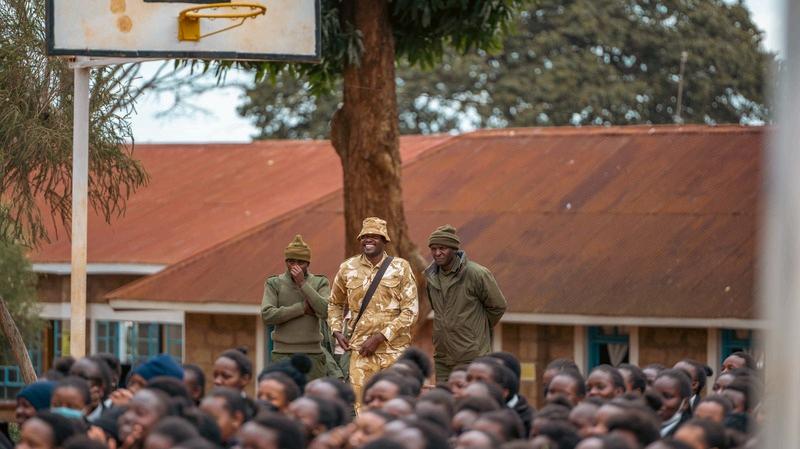
We link health and environment through community health talks, reproductive health education, menstrual hygiene awareness, and training local health champions to offer quality healthcare services.

We build understanding around forest and wildlife conservation, support peaceful coexistence with nature in addition to building capacity of CFAs on wildfire response and forest monitoring.
Education is Woven into Everything We Do Because Knowledge Inspires Action

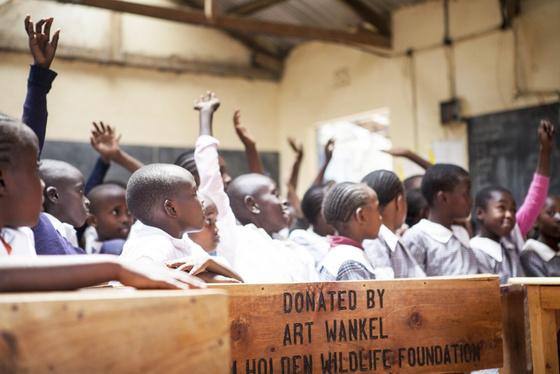
Delivering conservation concepts in a practical and engaging fashion, employing technology, games,trips and practicallessons. Technology is also employed to enhanceindependent learningand reach.
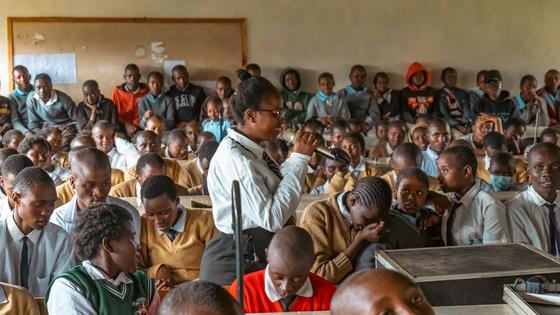
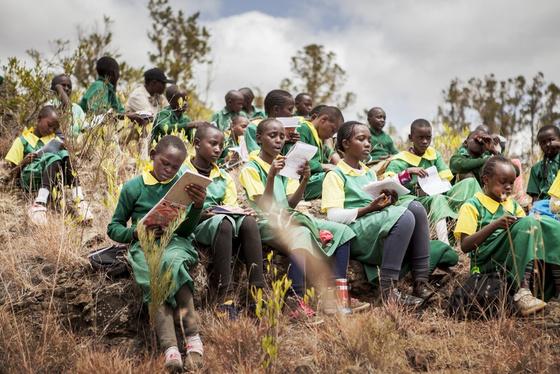
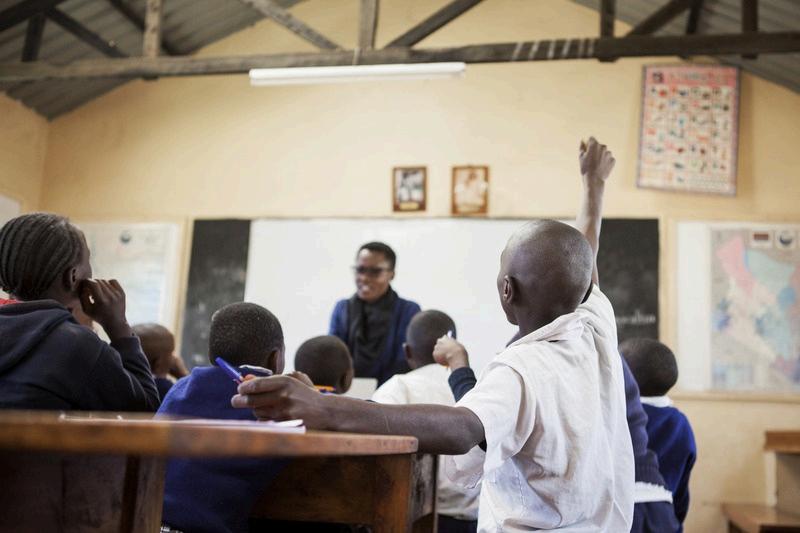
Nurturing skills, creativity and innovativeness for future career prospects and for the younger generation to contribute meaningfully in protecting their environment. This is through handson projects and regular checkins.
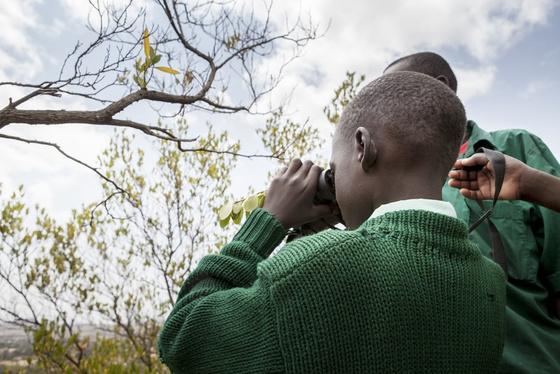
Technologytoenhancetheskillsofthe younger generation in an ever evolving digital world in addition to providing a seamless monitoring technique for education activities and course interactions.
Providing schools with sustainable solutions to meet clean water, food, timber and energy needs through water storage and harvesting solutions, woodlots and energy saving jikos. Meeting institutional demands that potentially could contribute to more pressuretotheforest.