Executive Director
Trees Planted With Our Overall Forest Restoration Milestone Reaching 3,000 Hectares
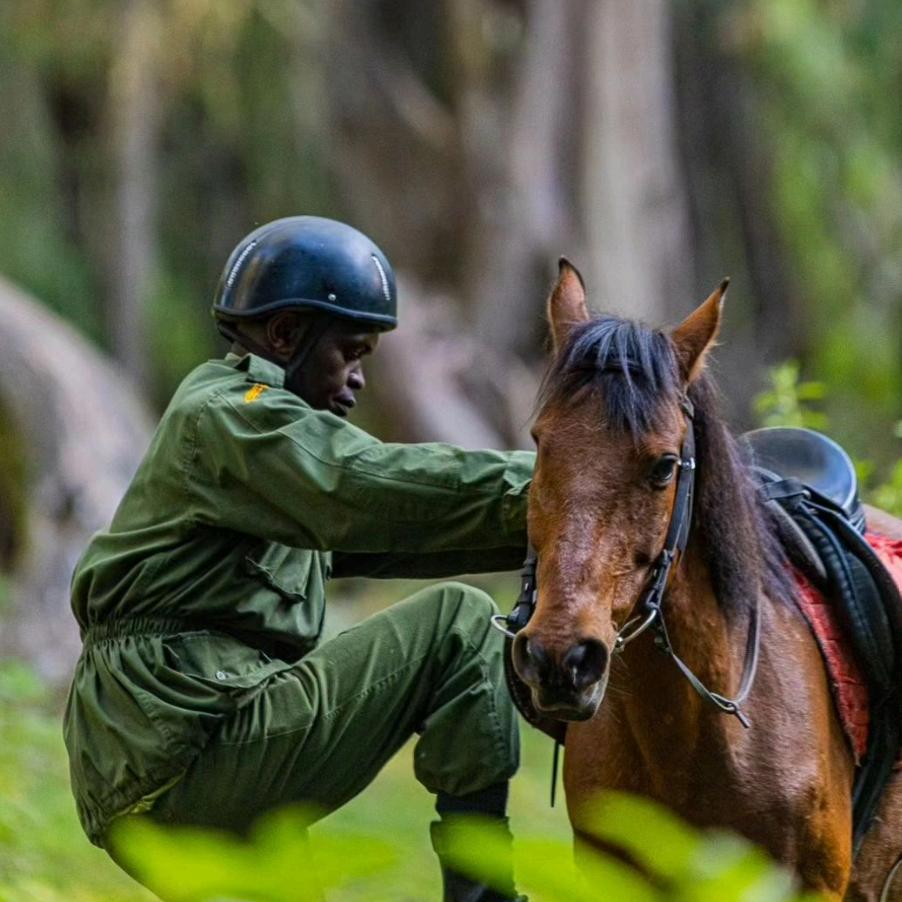
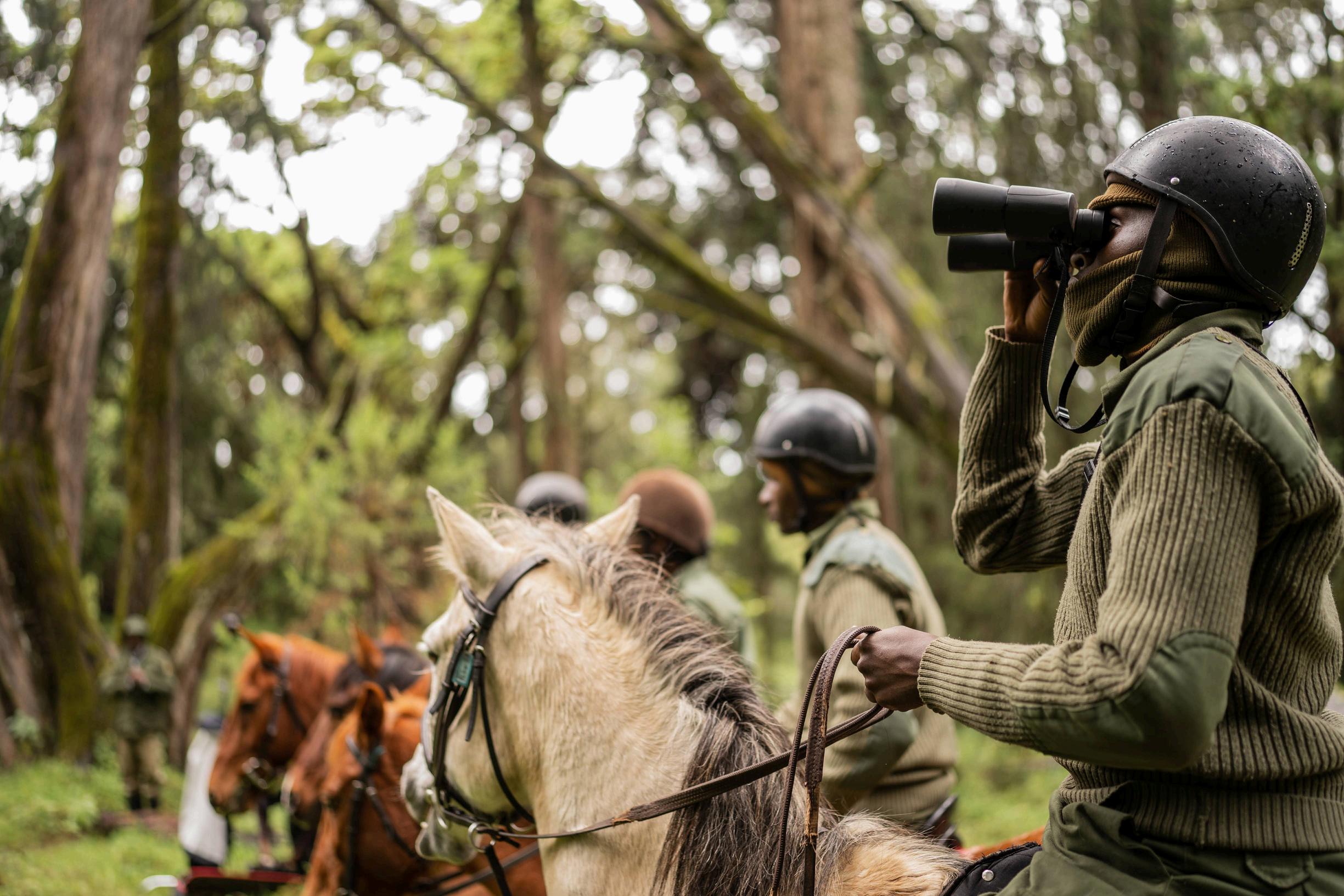
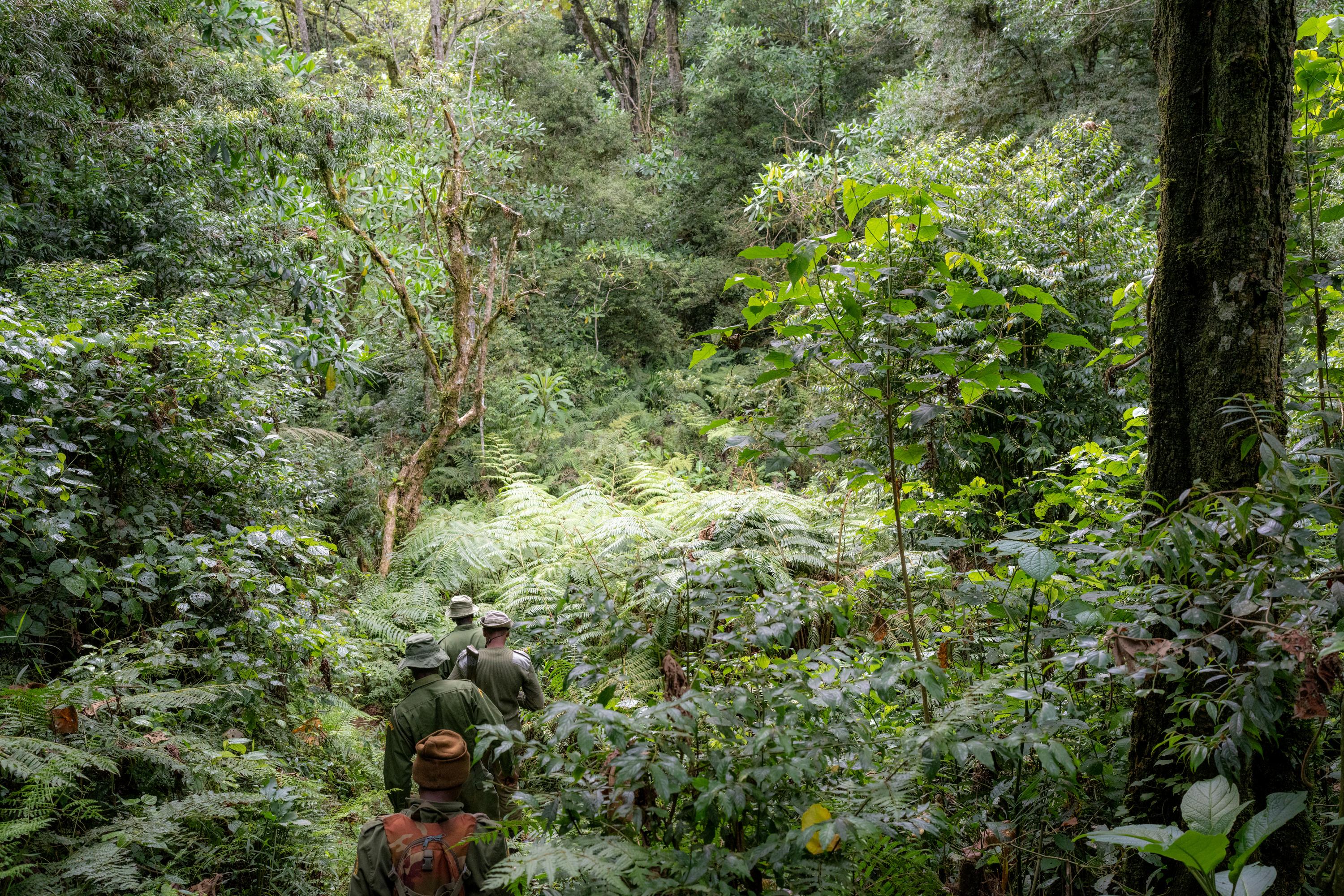
Covered in Patrol Distances From Our Ranger Teams Including Camping and Joint Patrols With KWS, KFS and Communities.
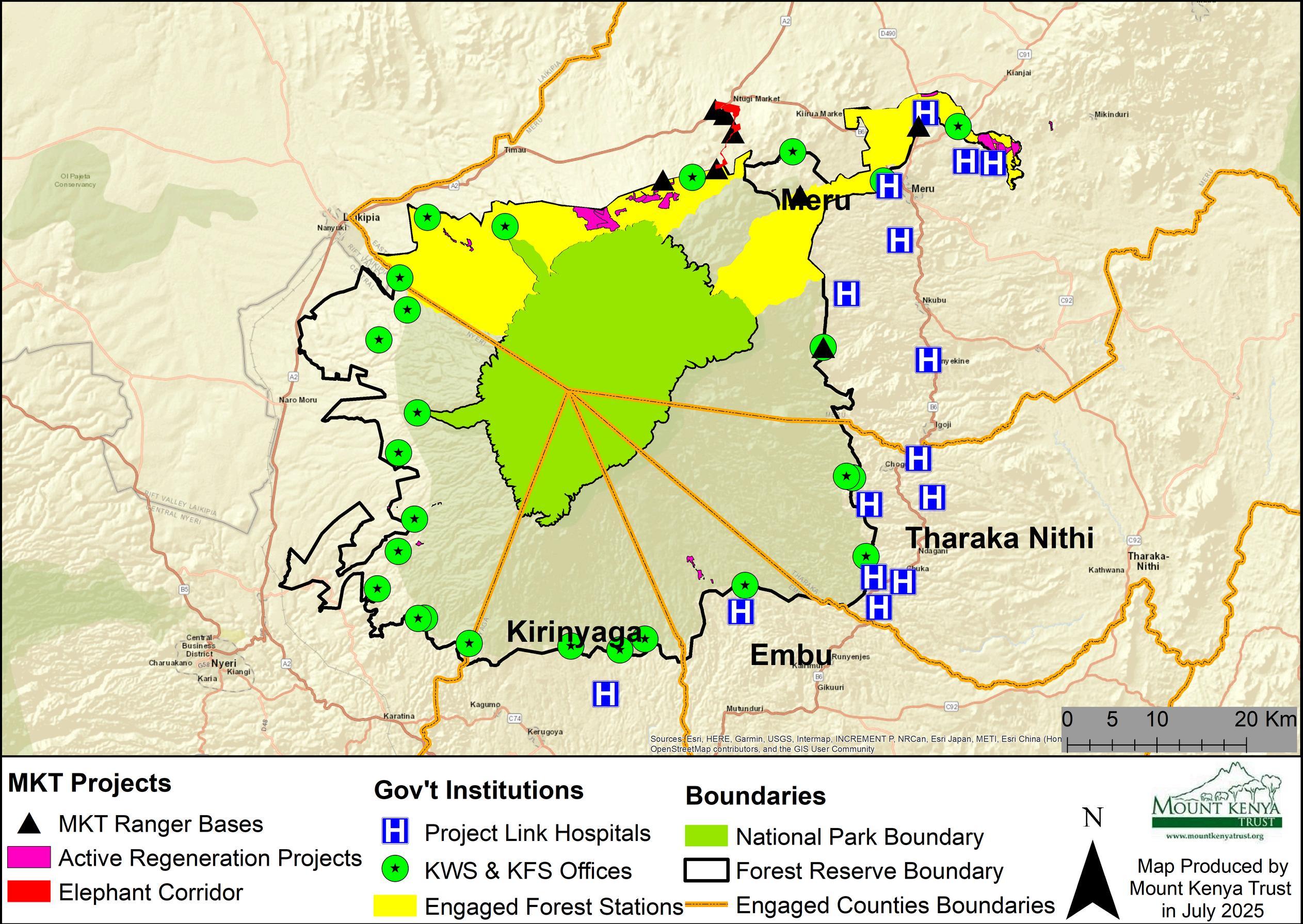
To amplify our impacts we have forged longterm strategic partnerships with both Government and private institutions at all levels around the landscape
Healthcare practitioners are now able to deliver youth friendly healthcare services, promoting youth inclusivity
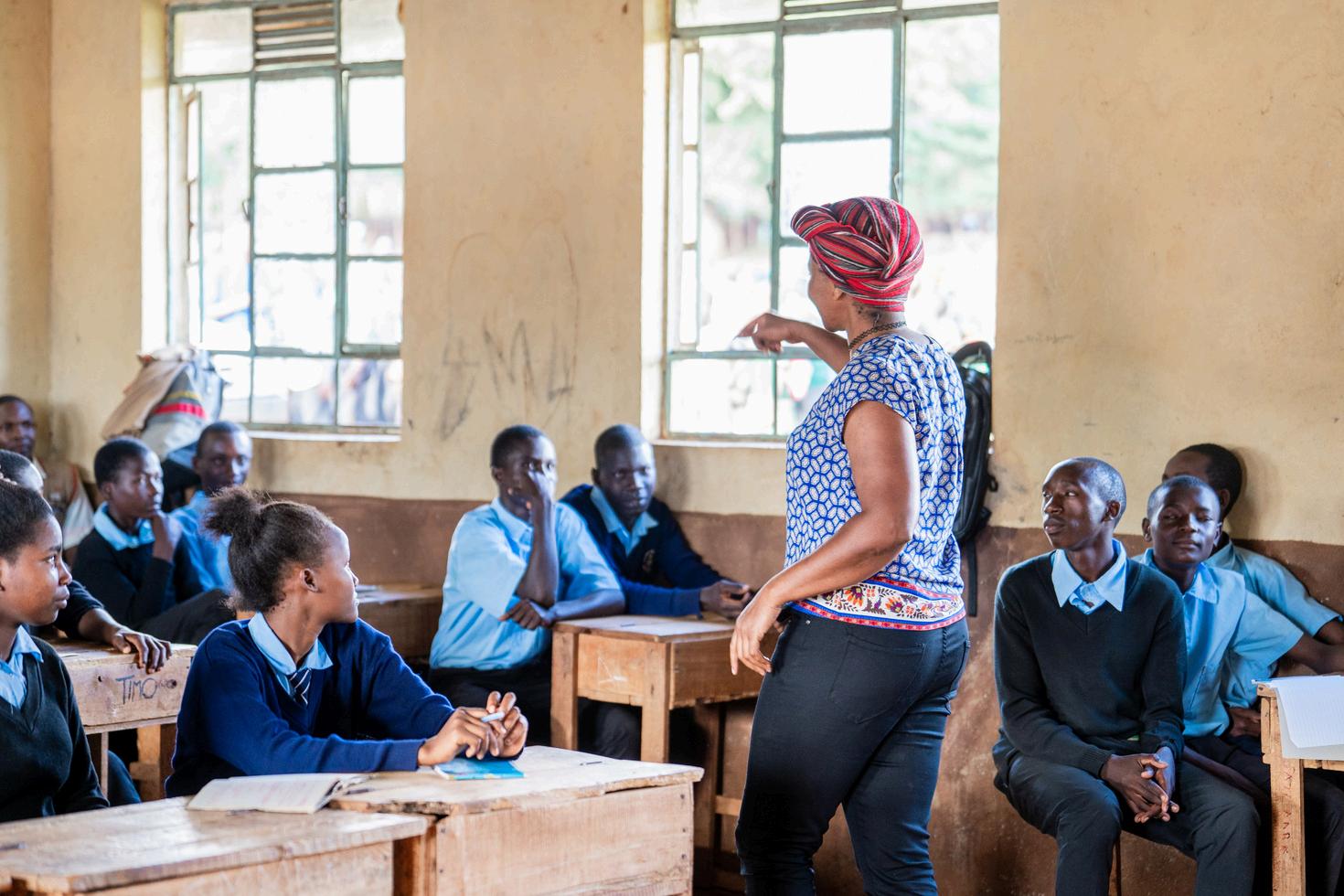
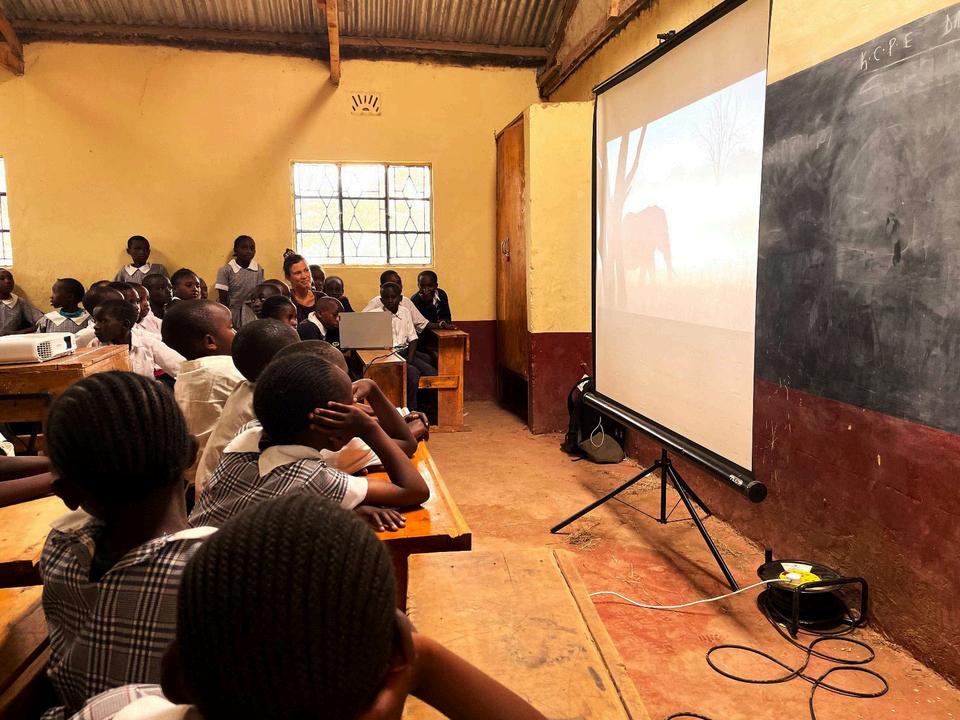
Students reached, through 39 conservation education school sessions.
Received free healthcare services ranging from cancer screening, basic curative service, family planning and other Sexual Reproductive Health related services.
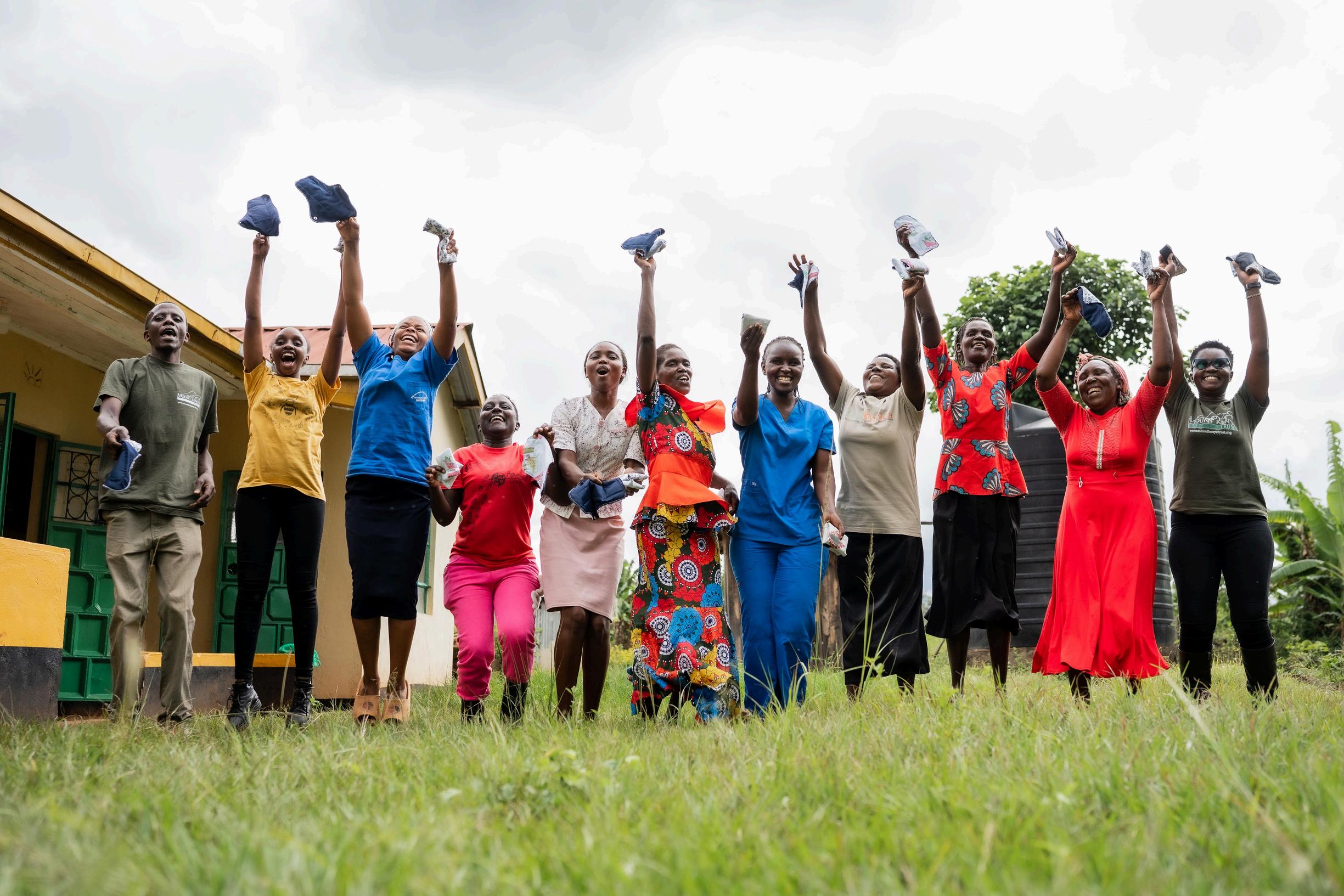
Reusable Sanitary Towels Produced for free Distribution To promote menstrual health and hygiene among teenage girls and ensure they do not lose 20% of their school year
A Successful Approach To Forest Landscape Restoration In Ontulili Forest
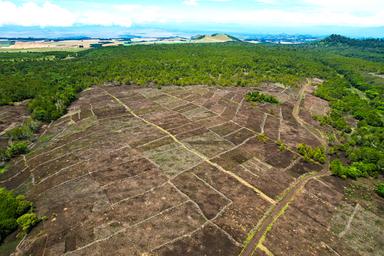
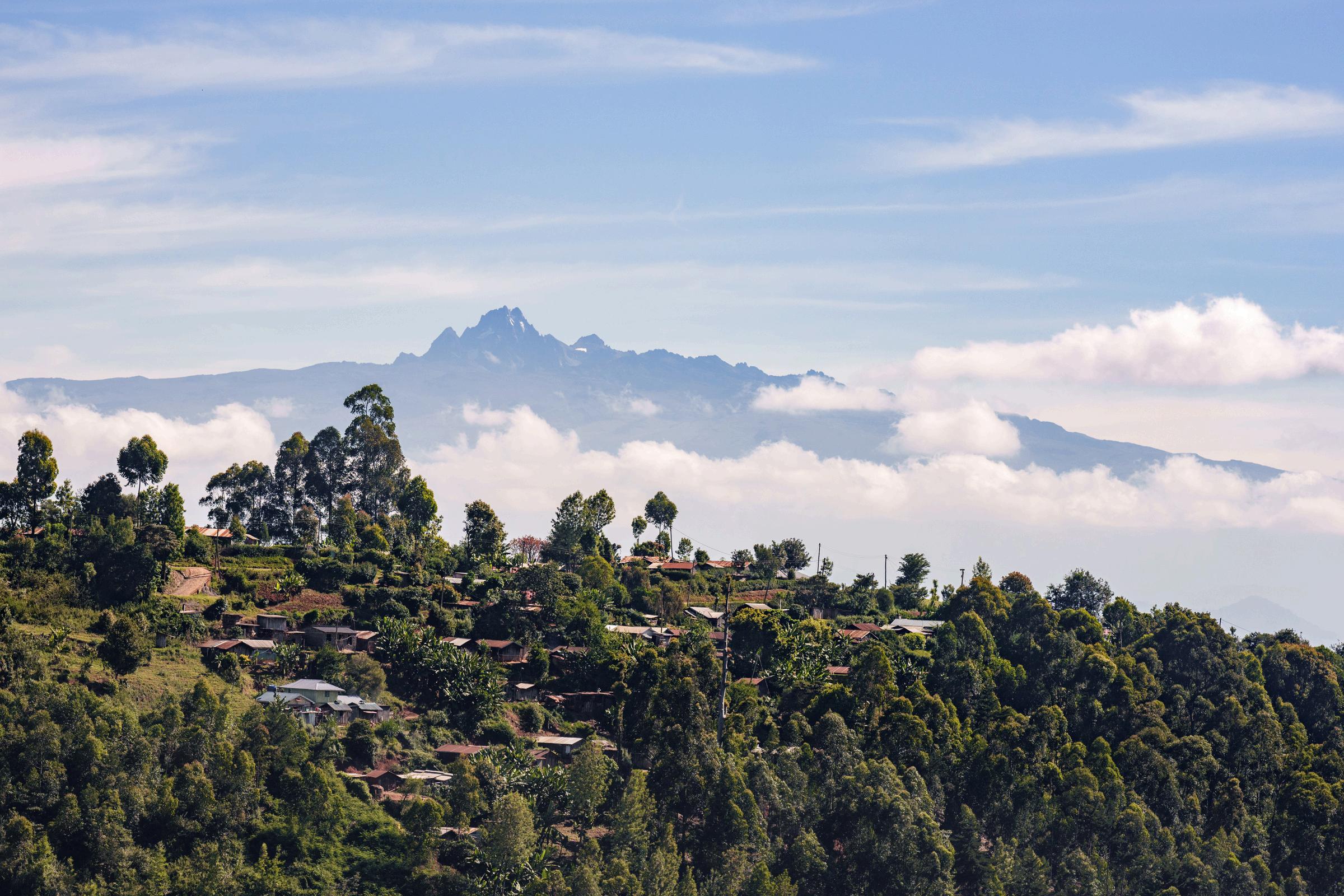
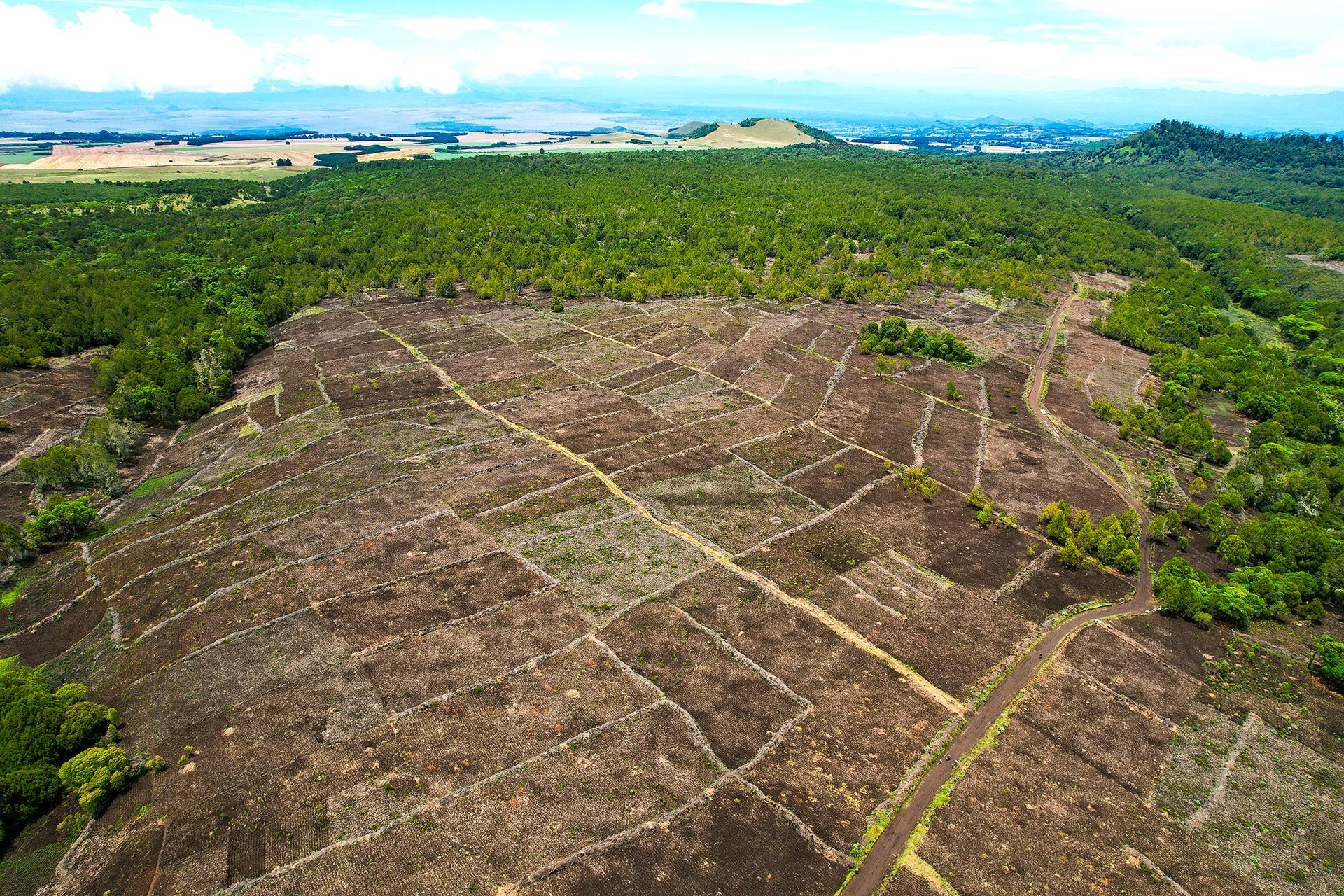
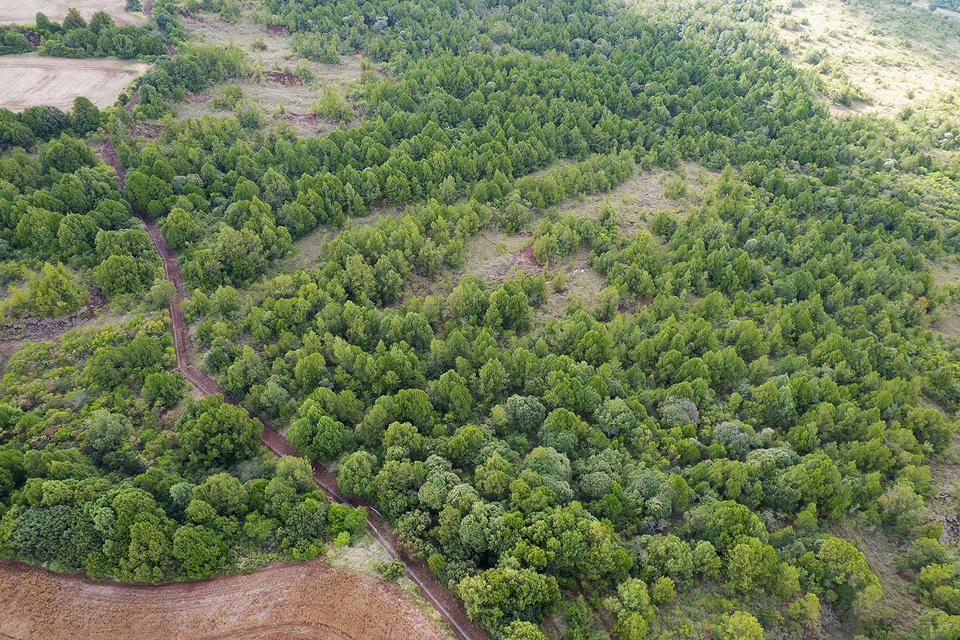
Ontulili Forest NW Mt Kenya: What you see as bare land are newly planted tree seedlings while the adjacent area covered with trees showcase successful restoration and closed canopies in Karuri, an area that was once encroached.
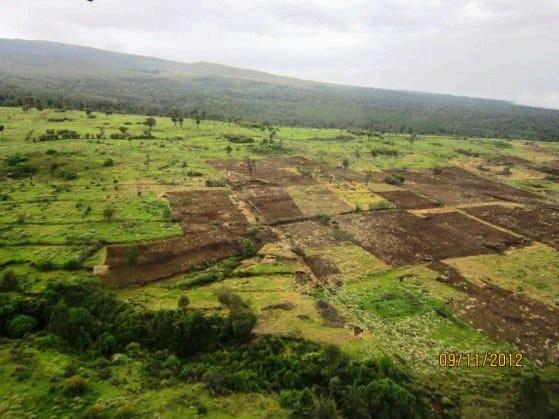
aruri was once a thriving woodland supporting diverse fauna, flora and indigenous communities Over the decades, it suffered from increasing pressure due to illegal settlements. By the early 2000s, large swathes of Karuri had become barren or heavily degraded.
MKT began working in Karuri in 2012, following concerns raised by local communities and the KFS The first partnership was forged with the highly motivated but under resourced local Karuri Community Forest Association. With training and support, the CFA was formalized, and its members began participating in tree nursery development, planting, and forest patrols This community-centered approach ensured local ownership and responsibility
Families that once depended on the forest for sustenance found themselves with no viable alternatives, trapped in a cycle of poverty and dependency. As income opportunities disappeared, communities were forced to exploit what little remained, deepening both ecological damage and economic hardship Women and youth were hit hardest, with few pathways to sustainable income
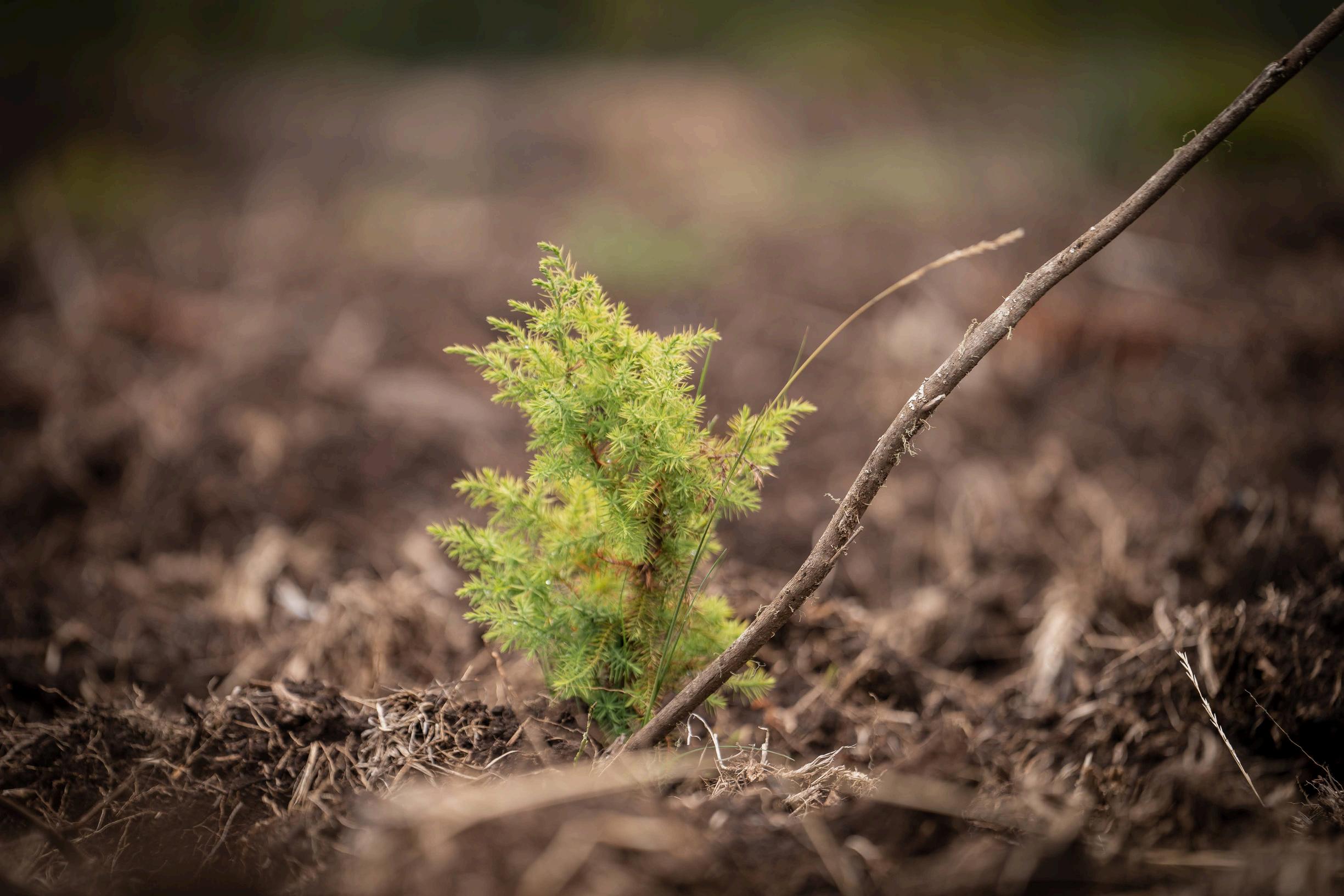
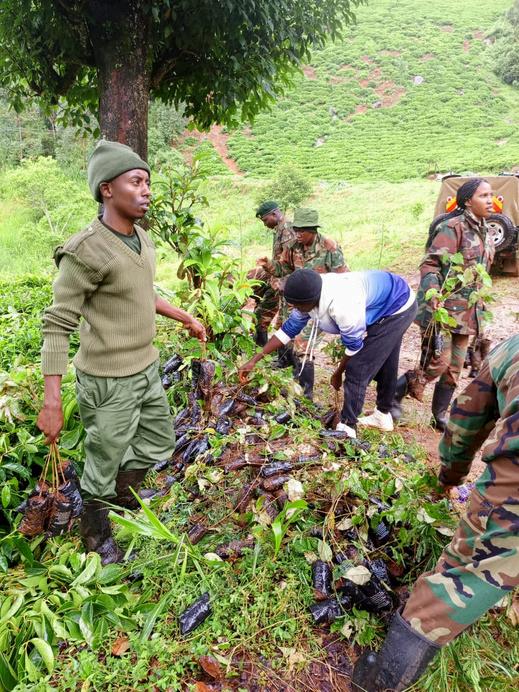
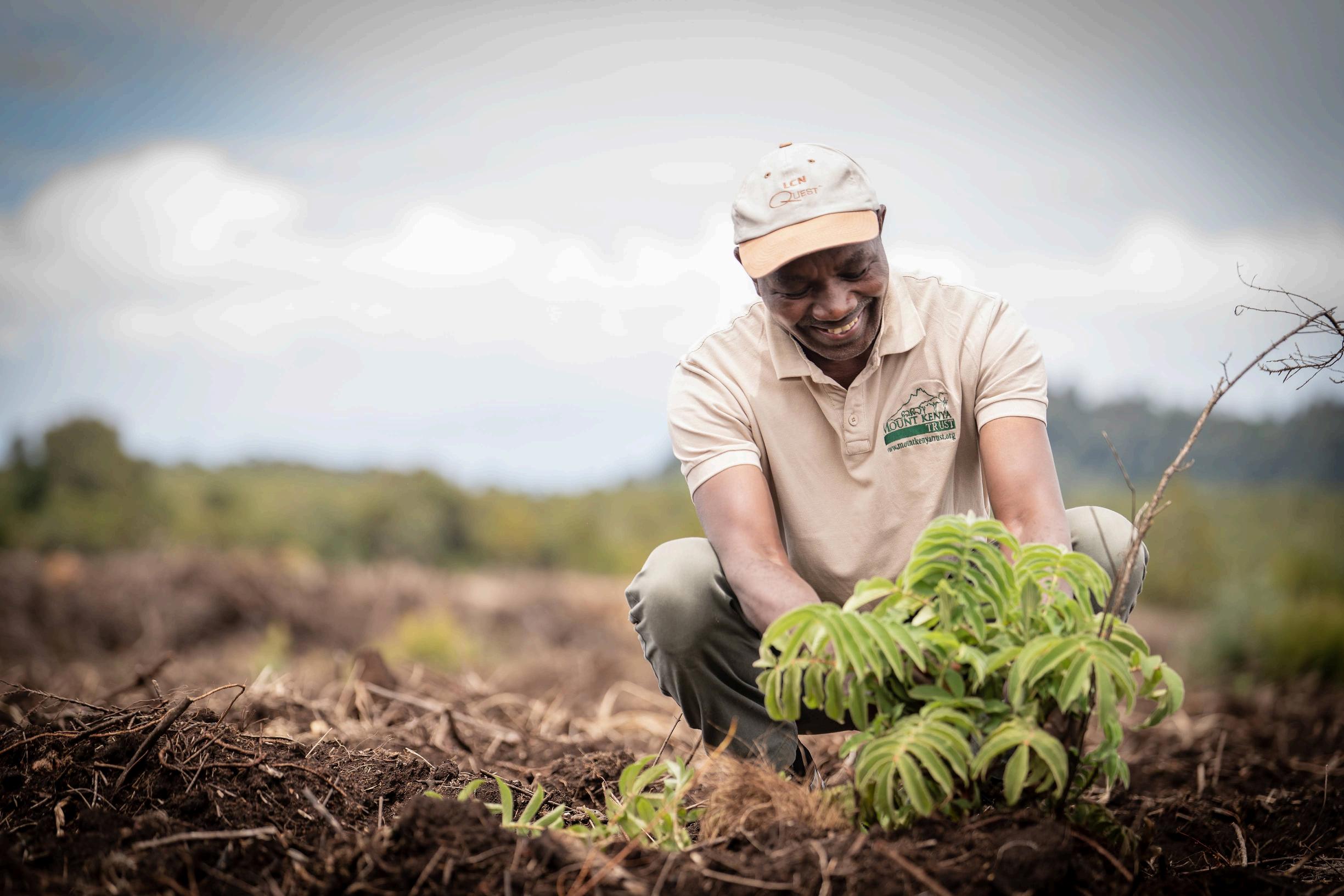
Through the Tree Establishment and Livelihood Improvement Scheme (TELIS), the project engaged 3750 local farmers to plant 750,000 indigenous trees for the past 13 years These farmers were not labourers, they became stewards of the forest, trained in sustainable land management, and empowered to manage restoration plots while intercropping with food crops during the early growth phase.
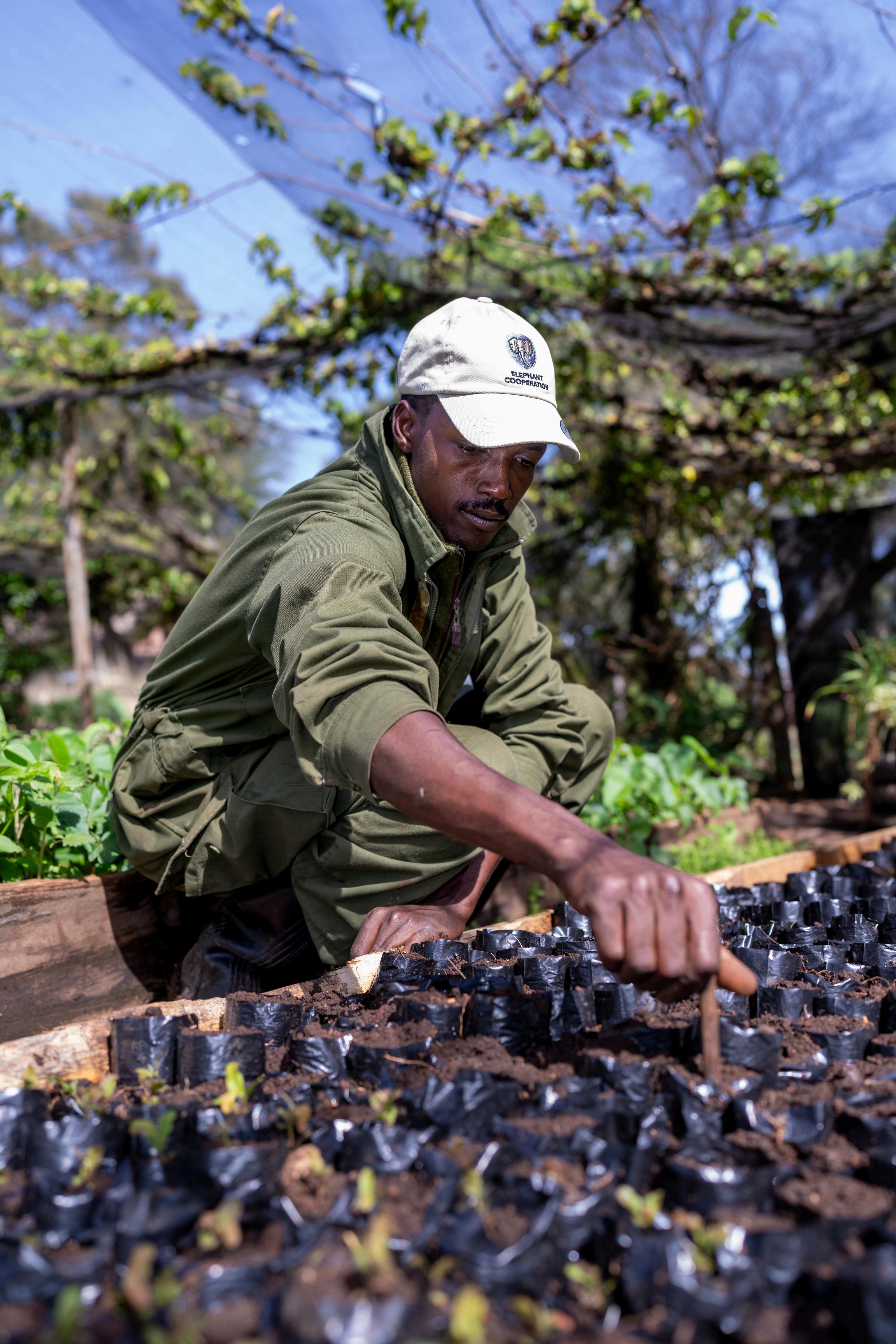
Community-run nurseries, many led by women and youth, supplied the seedlings creating lasting business opportunities and income generation. Jobs in land preparation, planting, and tree care created steady employment for people who had previously relied on unsustainable forest use
The impact of the Karuri restoration project has been transformational
Over 250,000 households experienced improved income stability through TELIS, nursery sales, and seasonal employment
Restoration work supported families in paying school fees, buying farm inputs, and investing in local businesses, turning environmental recovery into a tangible economic engine.
Women and youth gained a foothold in decision-making and income generation through leadership in nursery operations.
Tree survival rates have increased due to strong local stewardship, while restored land now supports richer biodiversity, better water catchment, and greater resilience to climate change.
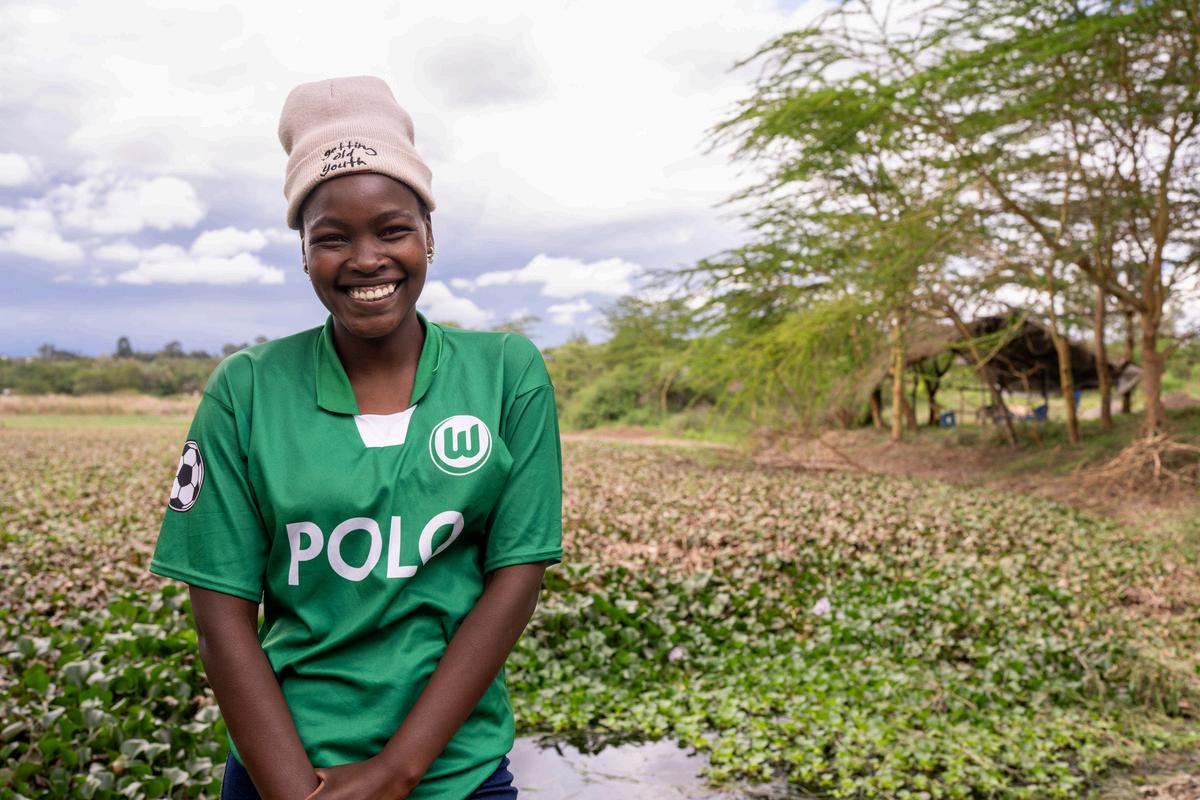
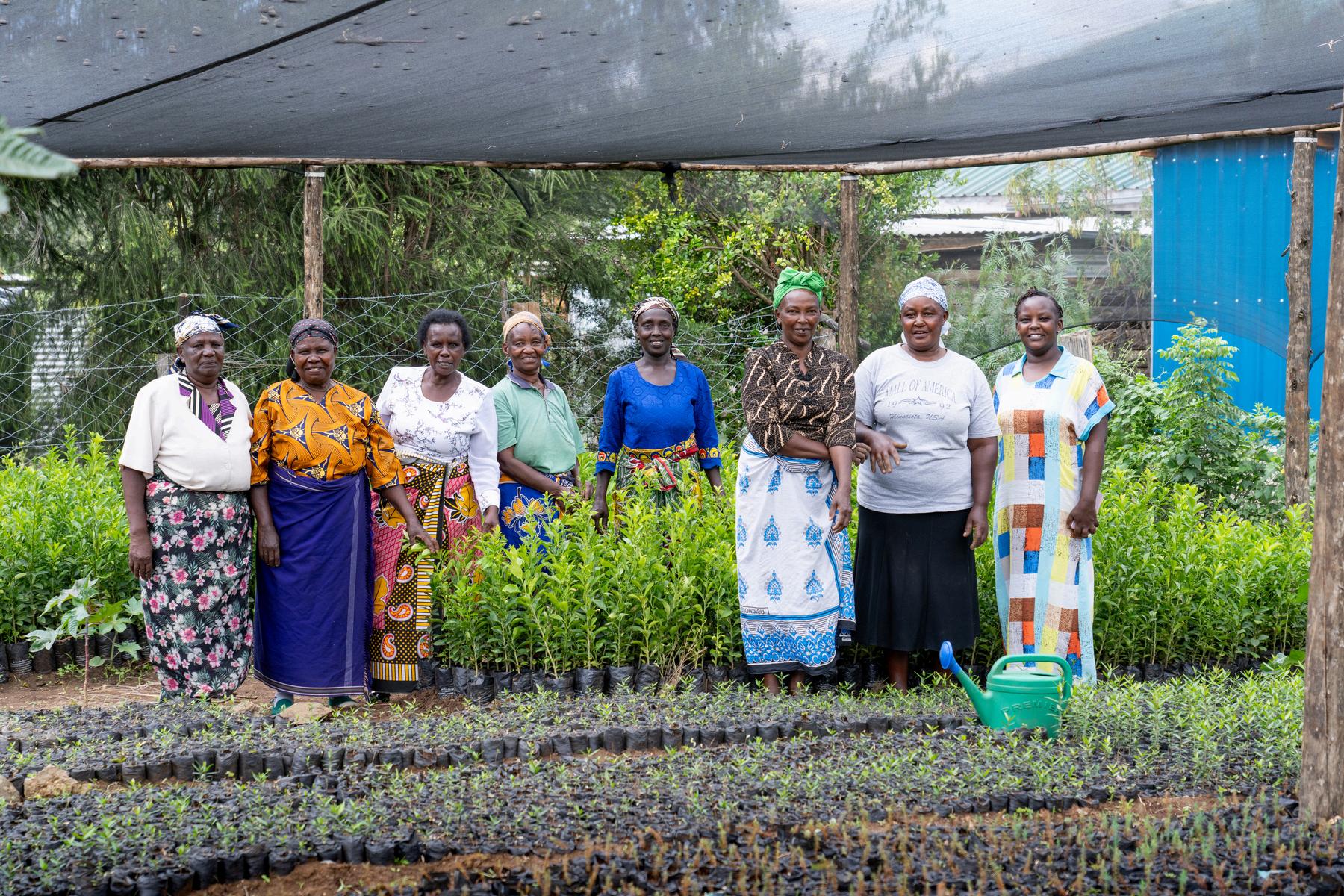
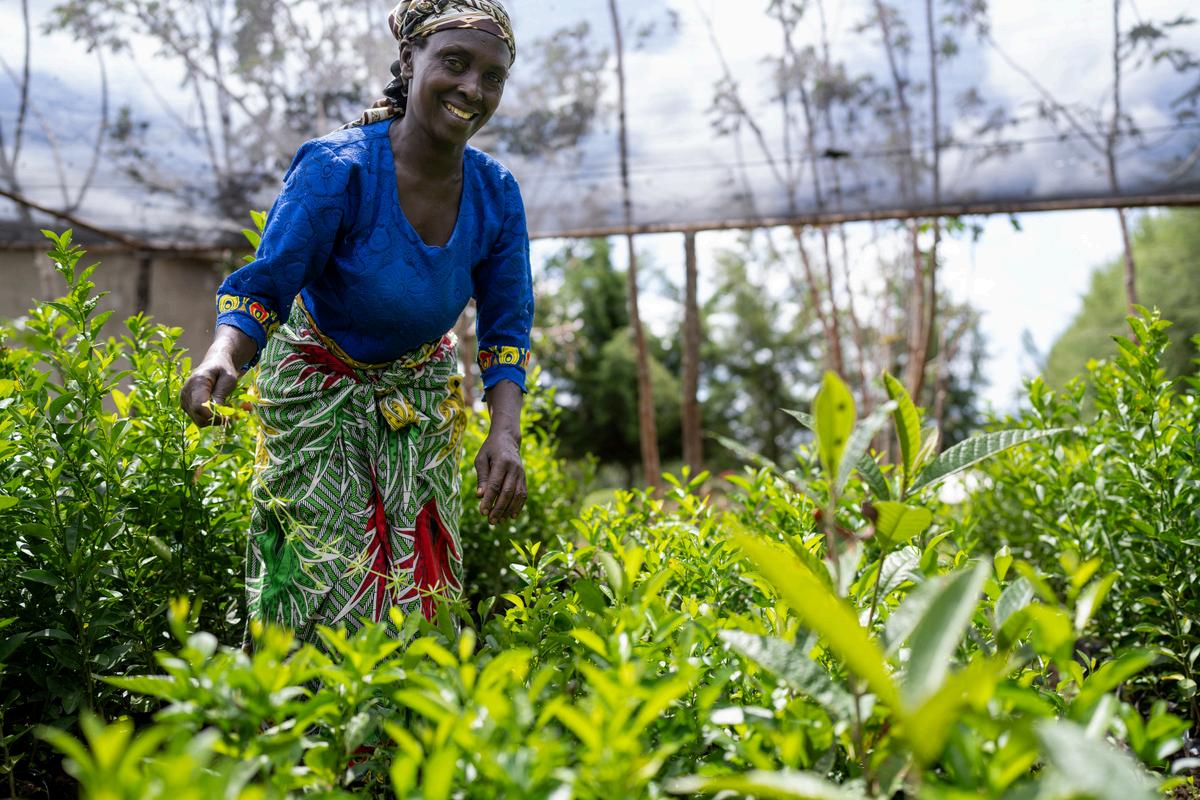
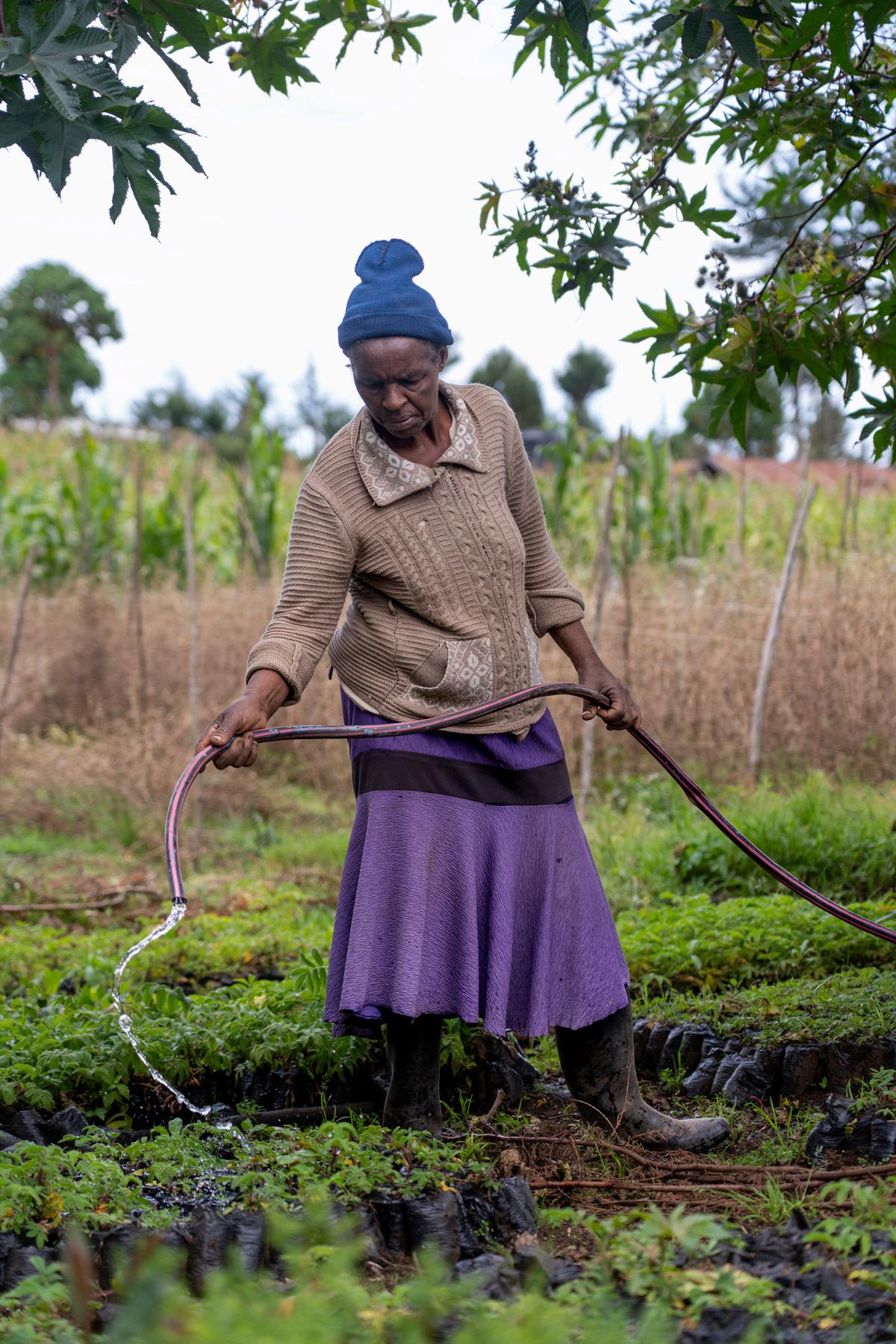
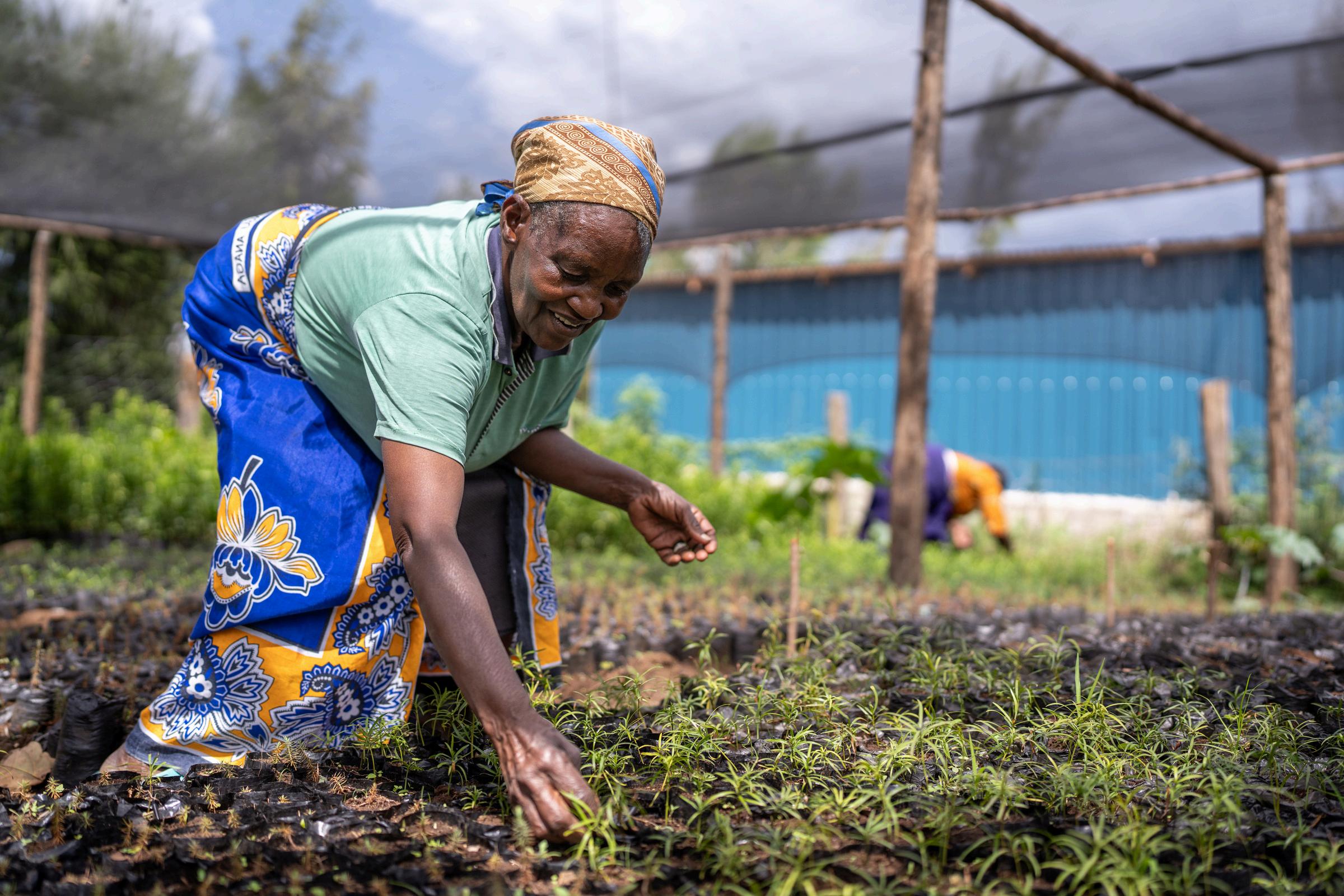
nursery into a thriving hub of environmental restoration and economic empowerment. Led by 67-year-old Pricilla, the group brings joy, resilience, and deep purpose to their work. Twice a week, they gather with laughter, tools in hand, to tend to their seedlings, carefully inspecting, potting, and nurturing each one with skilled attention.
Tree nurseries such as these are a foundation to Mount Kenya Trust’s forest restoration efforts, the suppliers of tree seedlings for the large-scale forest restoration work we do.
For over 15 years, this group has partnered with Mount Kenya Trust in supplying high-quality indigenous tree seedlings for forest restoration efforts. In 2024 alone, their nursery supported the planting of over 124,000 trees across 124.5 hectares of degraded forest in OntuliliKaruri. Beyond the trees, the nursery has blossomed into a lifeline. The women have received training in nursery management, grafting, propagation, composting, and marketing, alongside vital equipment such as water tanks, wheelbarrows, and hoses to address key operational challenges. Their generosity extends to neighbouring groups who share the nursery site, often lending tools and sharing knowledge freely.
The group’s income from seedling sales has made a tangible difference. Members like Rose have installed rainwater harvesting systems at home, while Wangui recently sent her daughter to high school, made possible through nursery proceeds. Pricilla proudly shares how their financial independence has enabled them to participate in table banking, supporting small loans for rent, school fees, and farming. One milestone moment came when a large payment from Mount Kenya Trust triggered an inquiry from the Kenya Revenue Authority, only to be confirmed as legitimate earnings, a powerful symbol of how far they’ve come. The Ontulili Women’s Group embodies what it means to restore not just forests, but futures. Through hard work and unity, they have grown a nursery into a space of pride, progress, and possibility.
W o r l d O
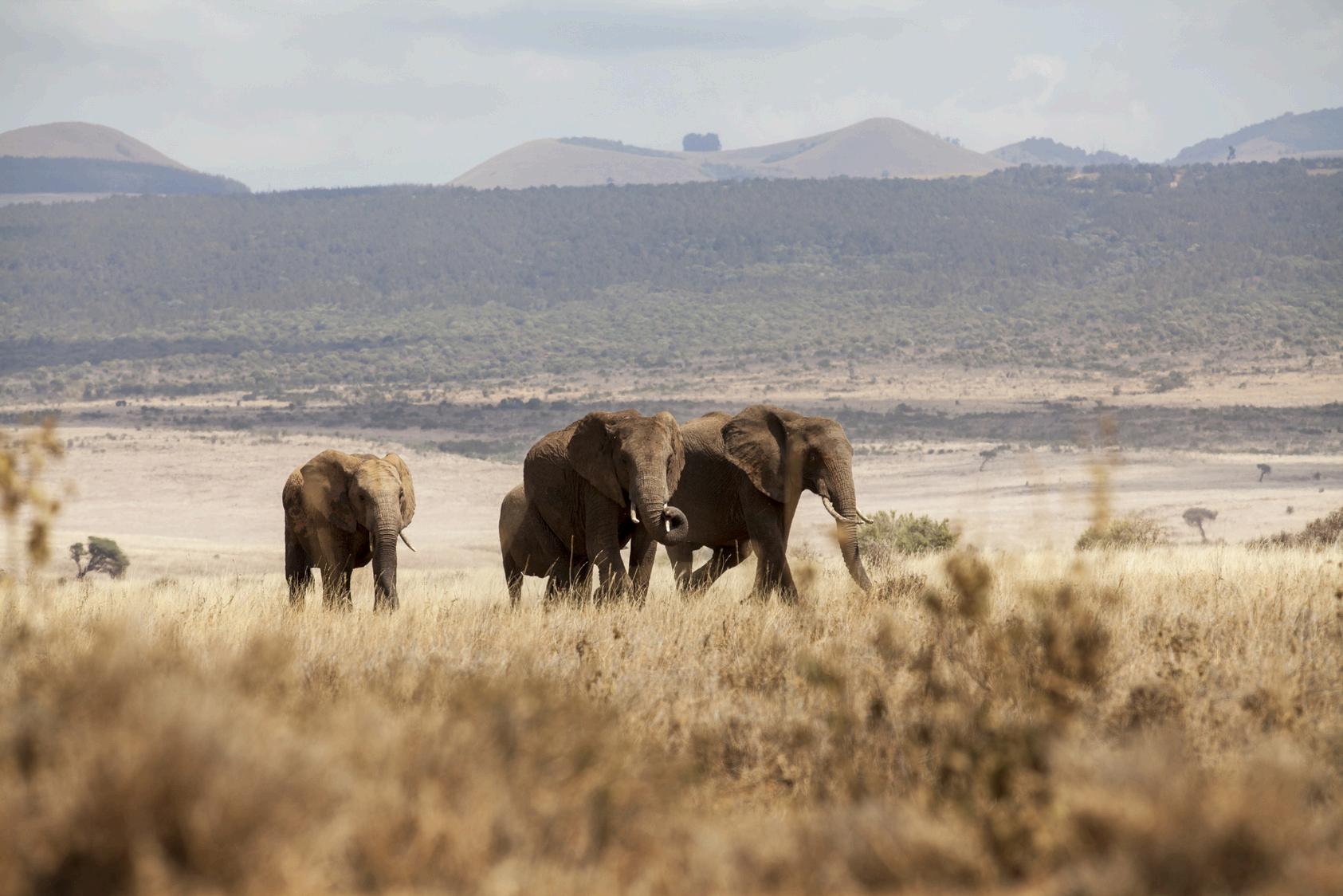
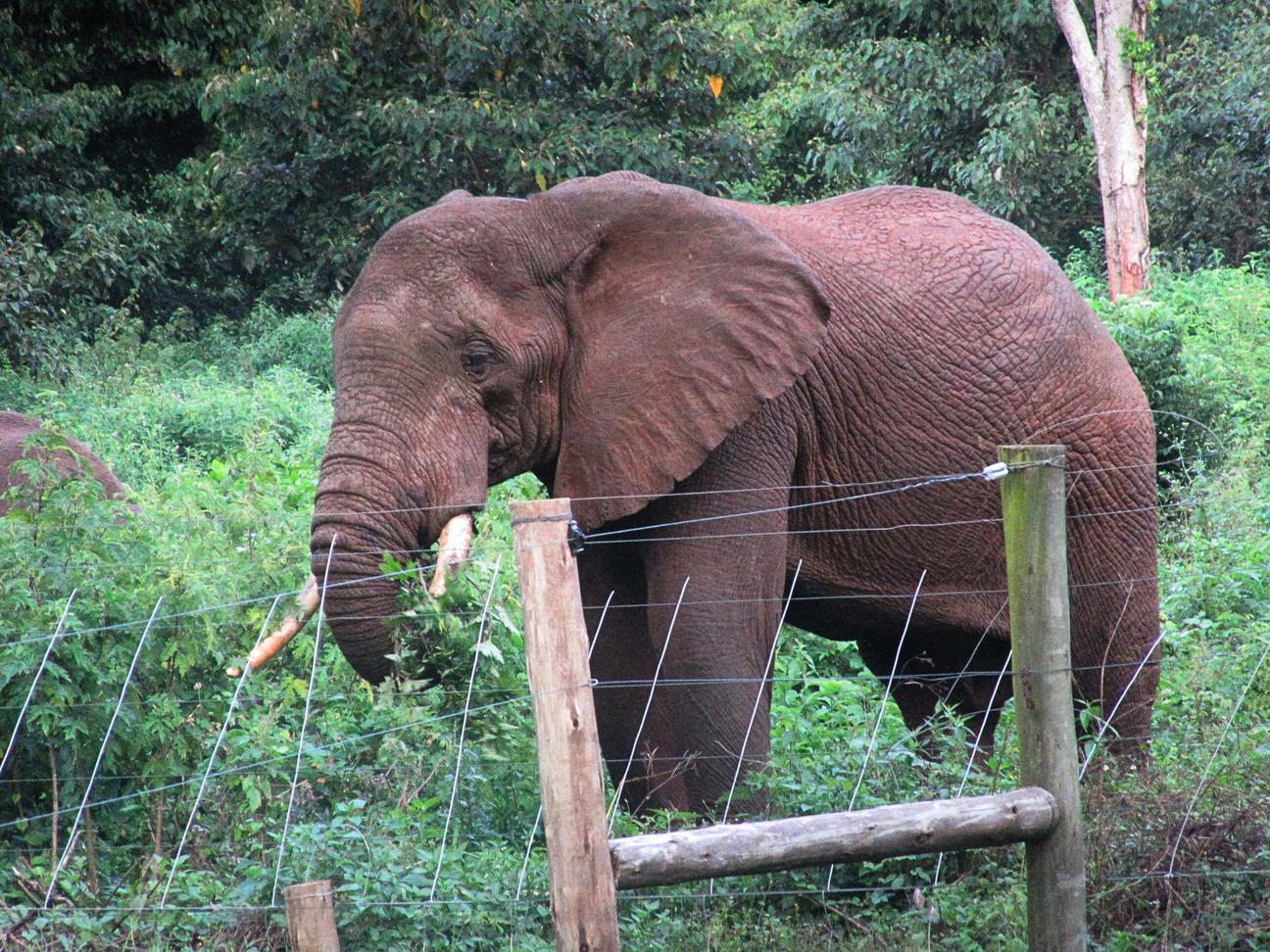
The Mount Kenya Elephant Corridor has now been functional for fifteen years. It’s such an incredible success story that’s it’s completely reshaped the geography of human-elephant conflict and elephant migration in the region.
Annually between 1200 and 1500 elephant journeys are recorded. Journeys are described as complete end to end corridor users in either direction - a 14km or more - distance one way Many ‘journeys will include the same elephants or elephant groups that have used the corridor in both directions a few times a year. Thanks to information, image and technology sharing between partners such as Lewa Wildlife Conservancy and Save the Elephants, we are able to assist each other with management and impact data. The corridor has many visitors besides elephant. Camera trap images and ranger patrol data include spoor tracks belonging to wild dog, leopard and lion!
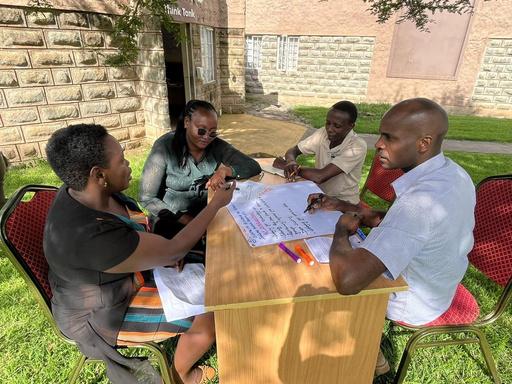
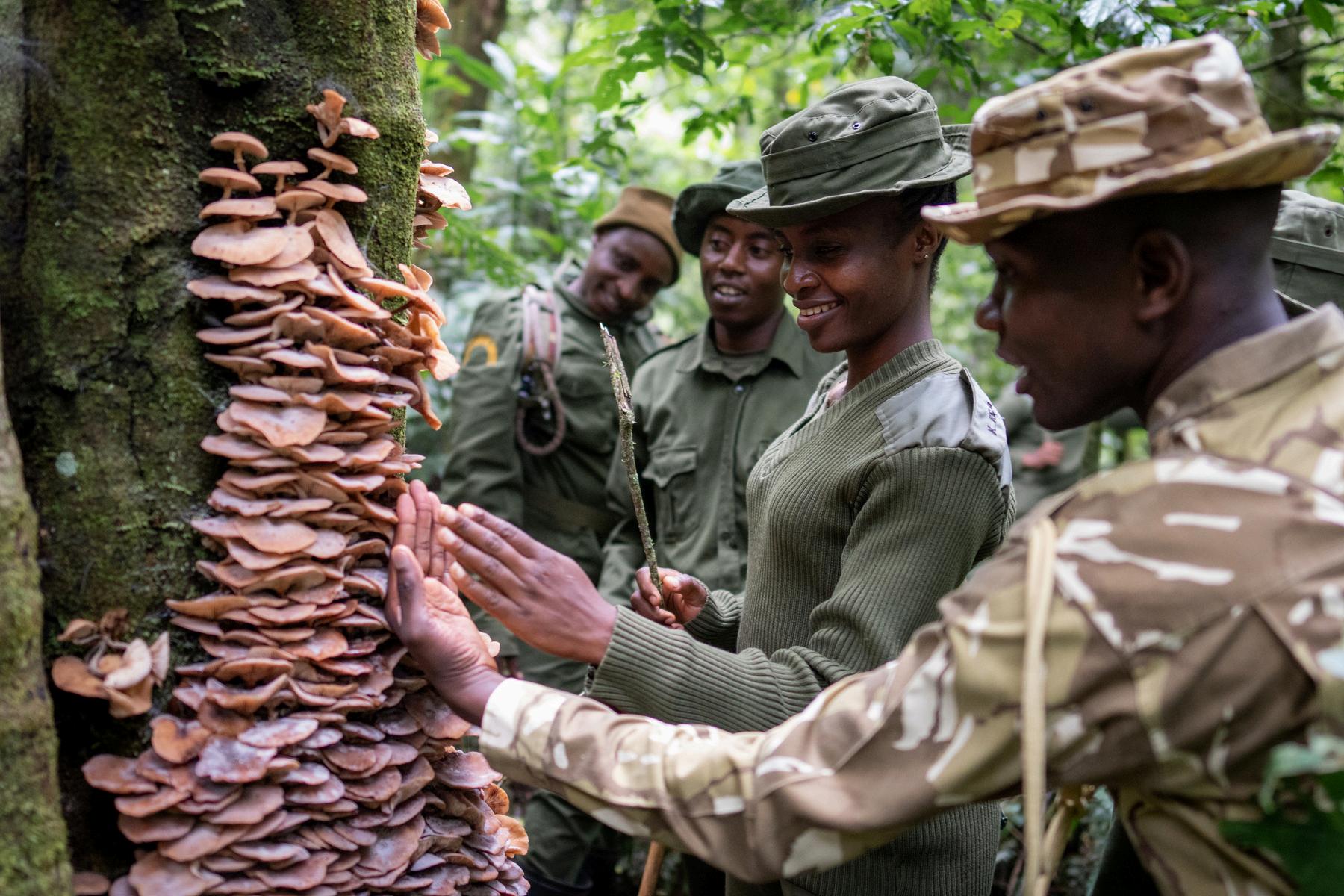
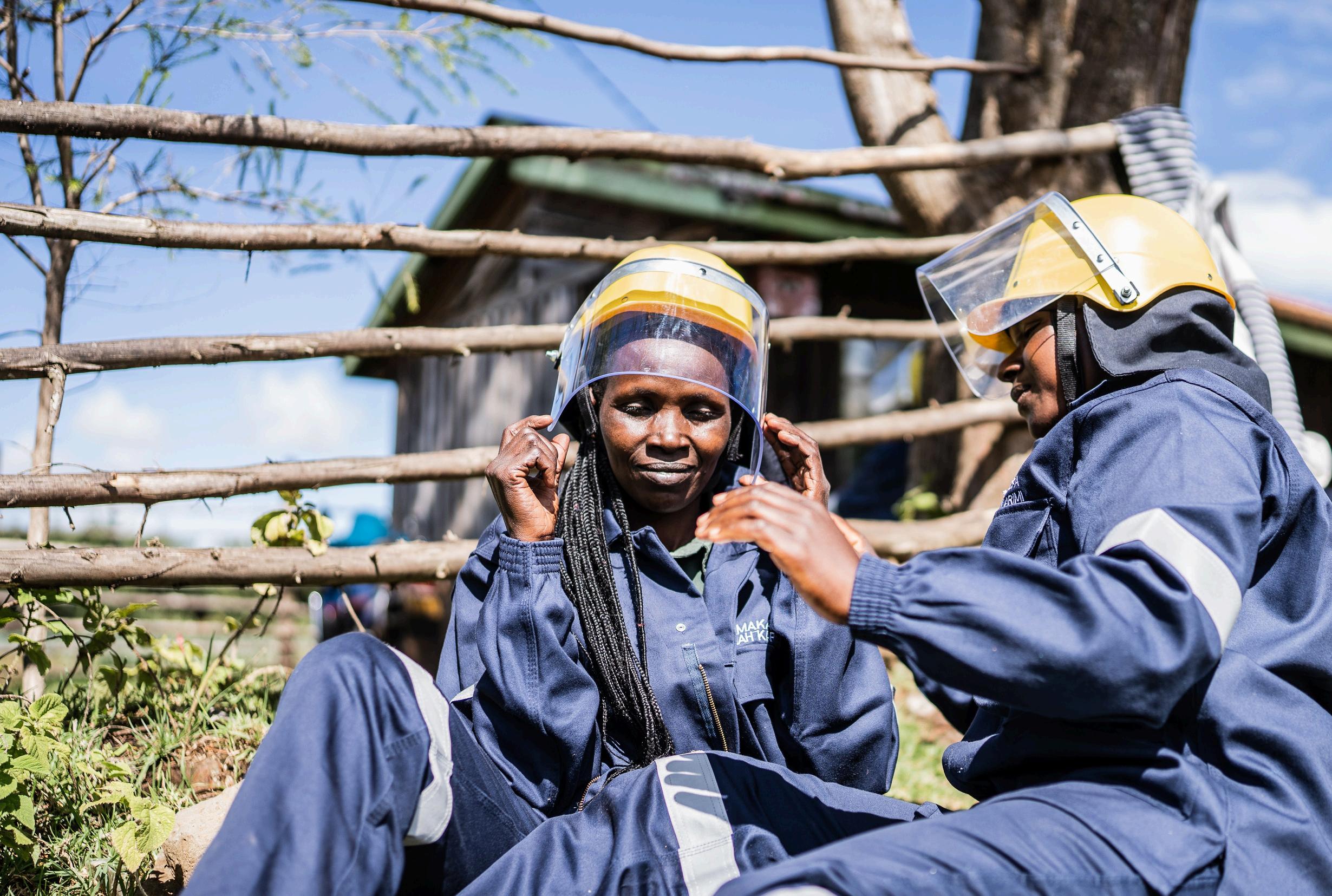
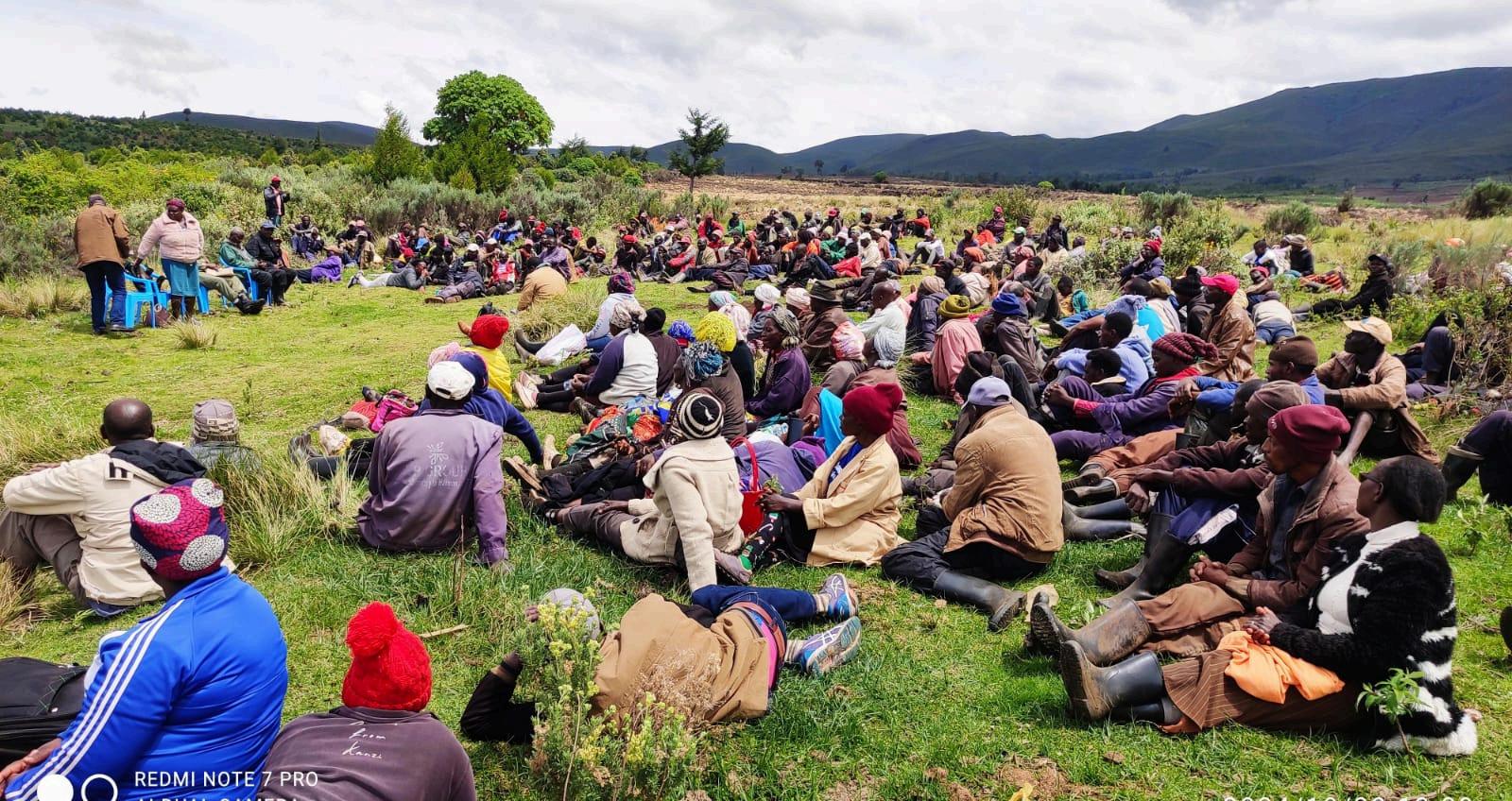
From training community members with firefighting skills to our partner tree nursery community groups on harvesting, germination and seedling care, the Trust’s project managers and field rangers are working more closely with community groups than ever before. Collaborative forest conservation and habitat management builds our collective capacity to succeed.
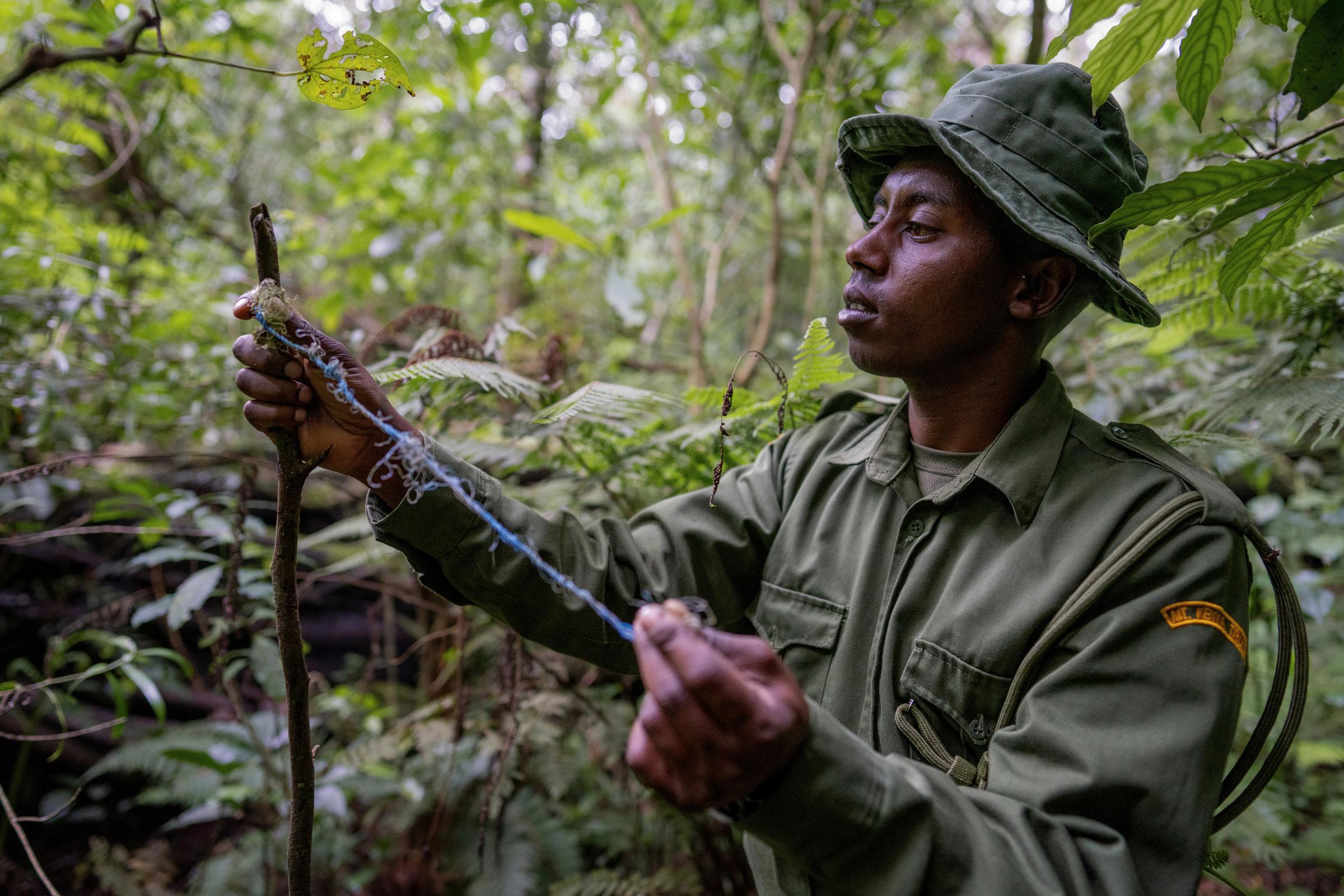
One of our key goals is to strengthen community forest management, by adopting new technology and working more closely with the Community Forest Associations. It requires us to grow partnerships and to work with organisations on threat management so that we are looking at the drivers of the threats, not just the numbers of incidences or culprits apprehended.
To this end we have increased support to training of forest monitoring in reforestation sites and indicators of natural regeneration to our teams. In terms of improving livelihoods linked with forest restoration, we trained 300 community forest nurseries members (that we already work with) in tree nursery management, and 350 farmers on conservation agriculture methods.