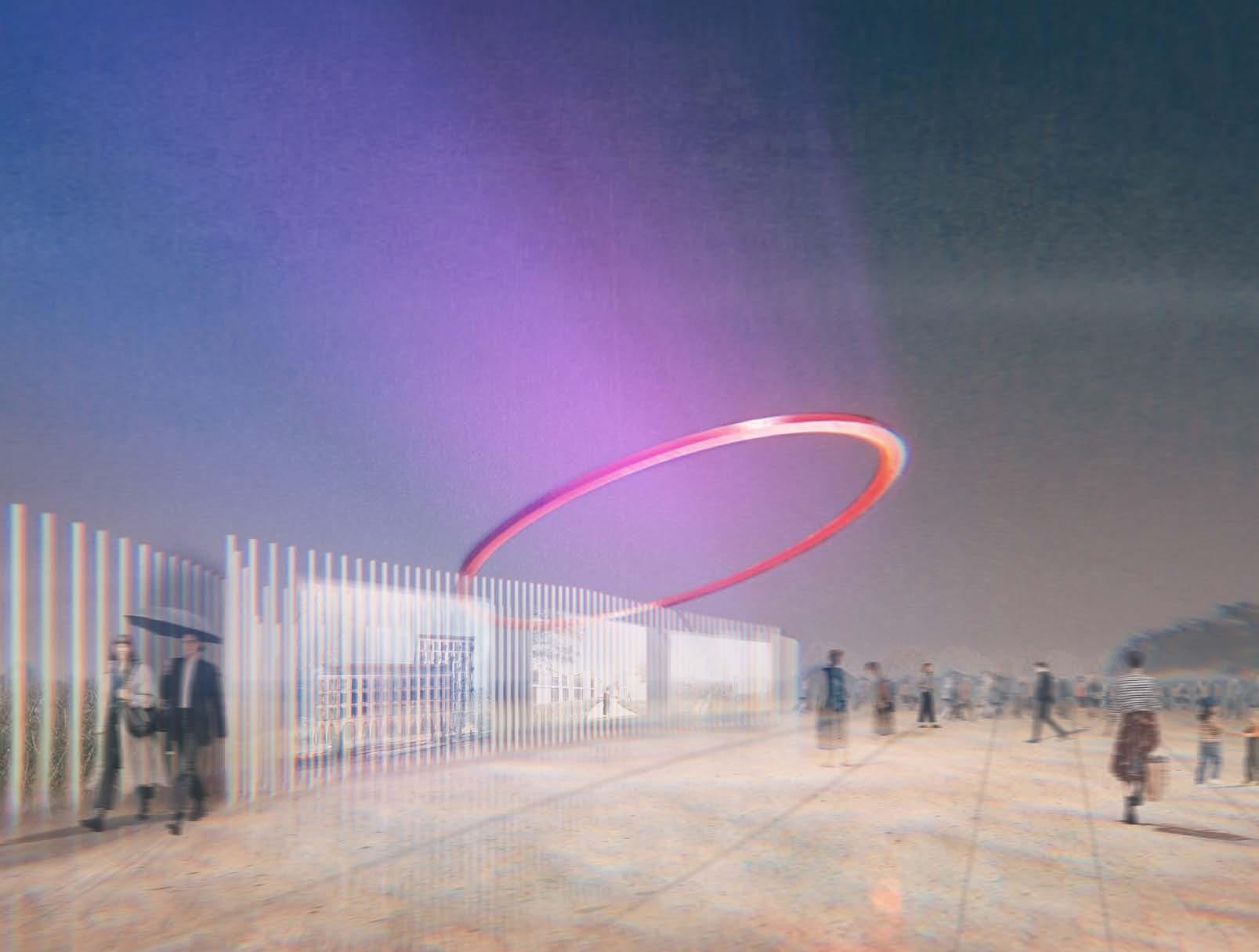
Selected Works 2021-2024
Mouhamad Jamili
Portfolio. Architecture, Interior Design, & Urbanism
Pages: 03-05 2021
Pages: 06-10 2023
Pages: 14-17 2022
Pages: 11-13 2021
Pages: 18 2023
Pages: 19-22 2023
PORTFOLIO | MOUHAMAD JAMILI
“Good design is unobtrusive and honest”
ATHLETICS PAVILION
Lusail, Qatar
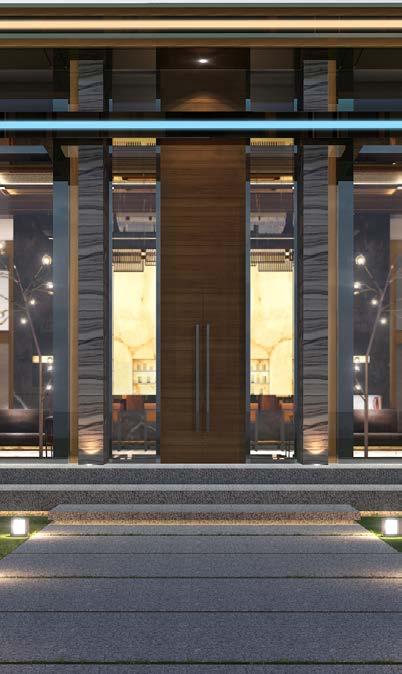
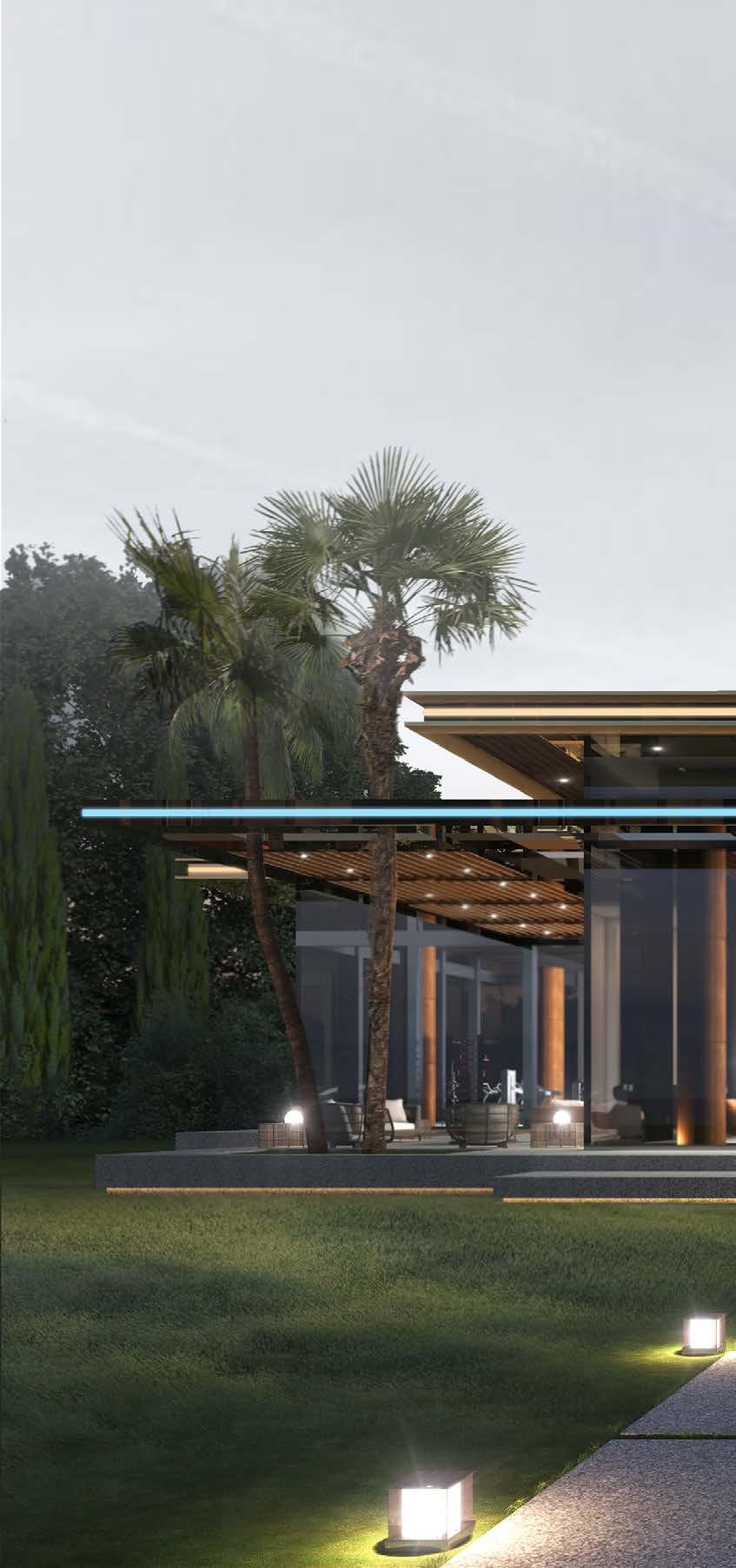
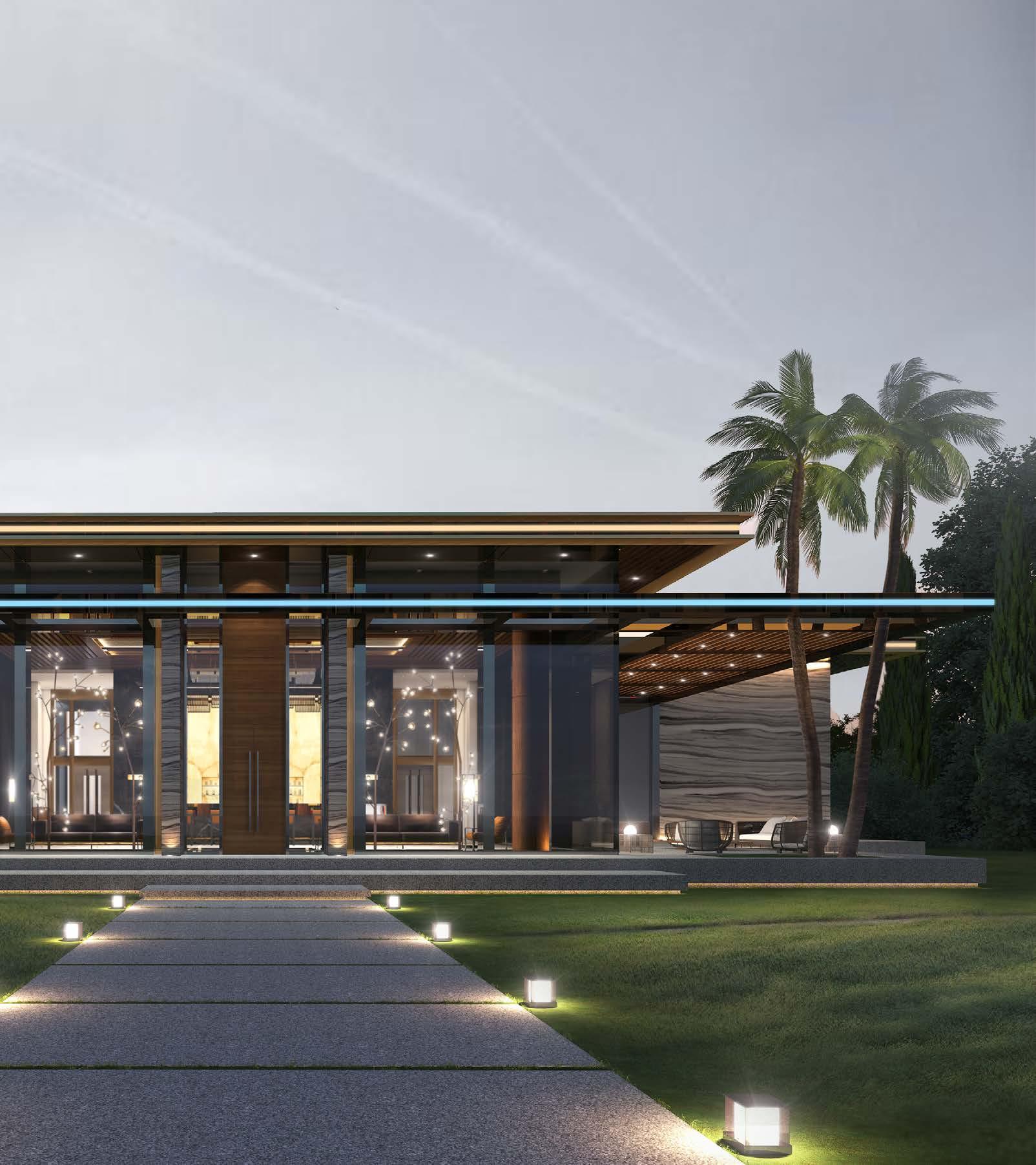
This upscale Athletics Pavilion, meticulously crafted to the needs of an esteemed VIP client seeking a private hospitality structure. The architectural concept, driven by precise lines and a predominant use of glass for the facade, reflects a modern aesthetic. The sleek glass facade was made possible with clever structural solutions, integrating columns seamlessly into the mullions of the curtain wall. This innovative approach takes into account the additional support required for the cantilever roof slab on either side, ensuring both functionality and aesthetic finesse in the design.
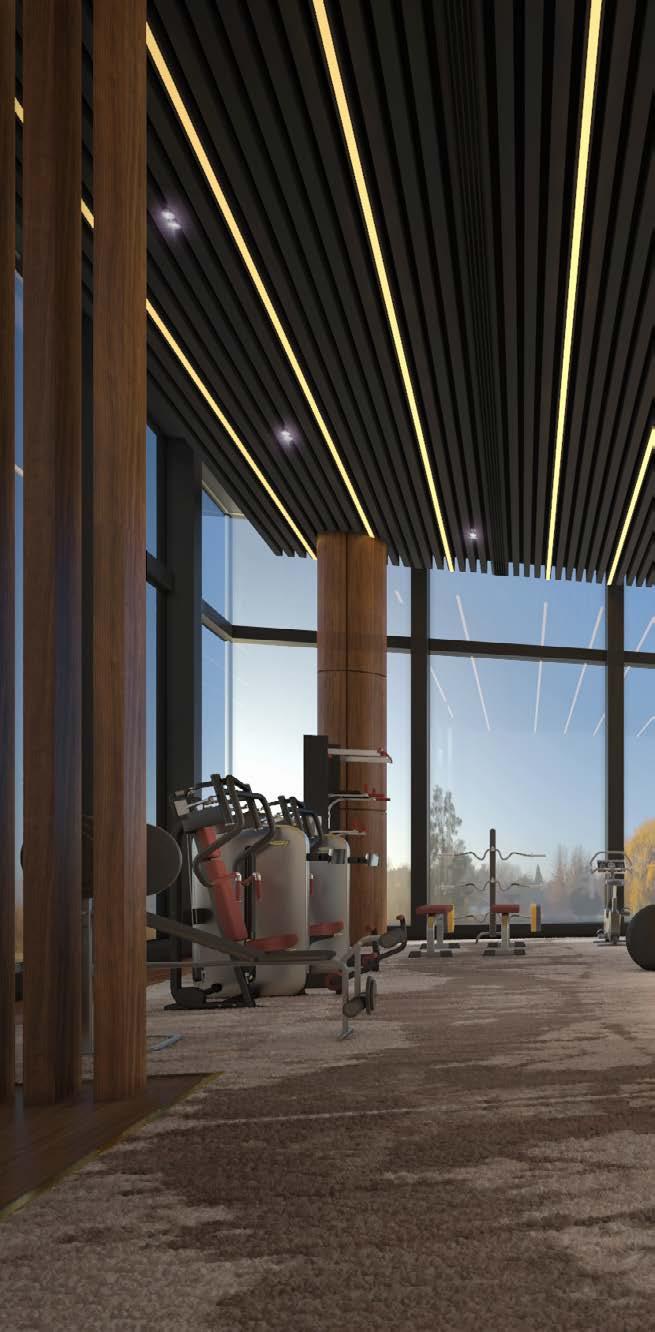
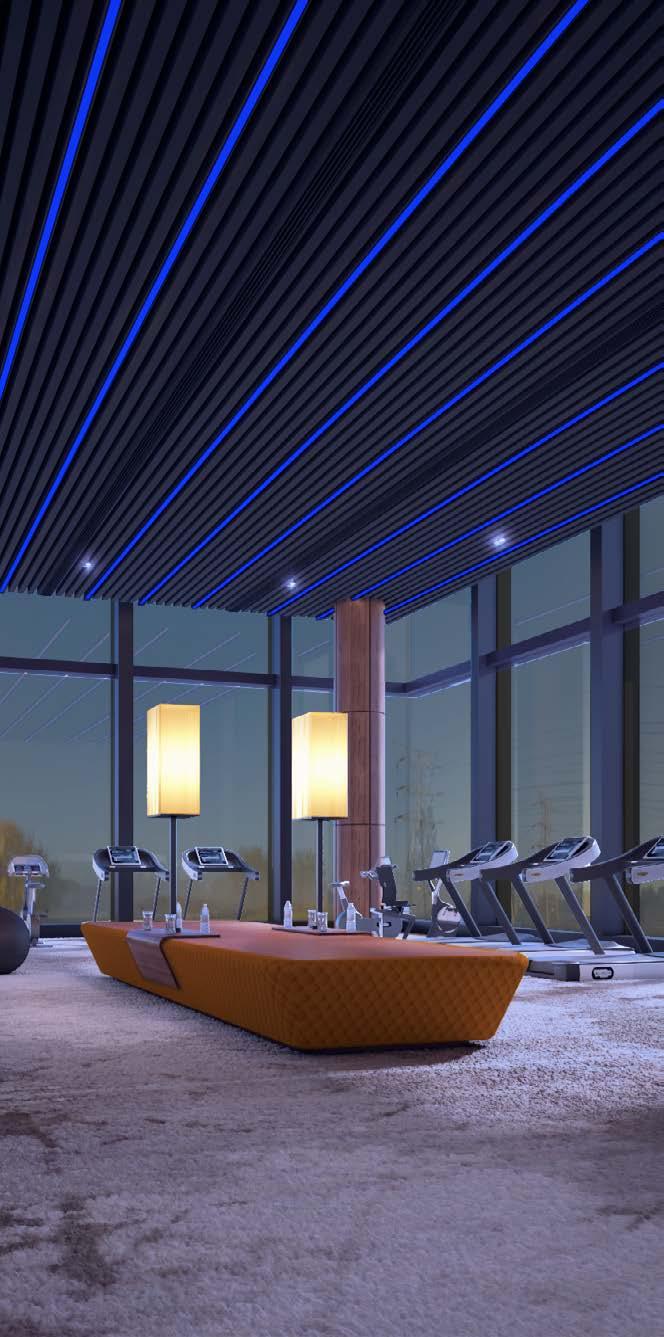
The Pavilion’s layout encompasses a range of luxurious amenities, commencing with an elegant foyer featuring a bar and lounge. Additionally, the design incorporates a state-ofthe-art gym equipped with high-end equipment for the ultimate exercise experience. The exterior landscaping is thoughtfully curated, showcasing a diverse array of local trees and vegetation, including the iconic date palm trees.
Every element, from furniture and lighting to materials, has been meticulously chosen, aligning seamlessly with both aesthetic and functional considerations. The result is a sophisticated and purposeful environment that fulfills the unique requirements of our discerning client.
Professional Project
Software Used


V.ray
Auto-Cad Photoshop Illustrator Rhinoceros
PORTFOLIO | MOUHAMAD JAMILI
Render of Cross Fit Gym
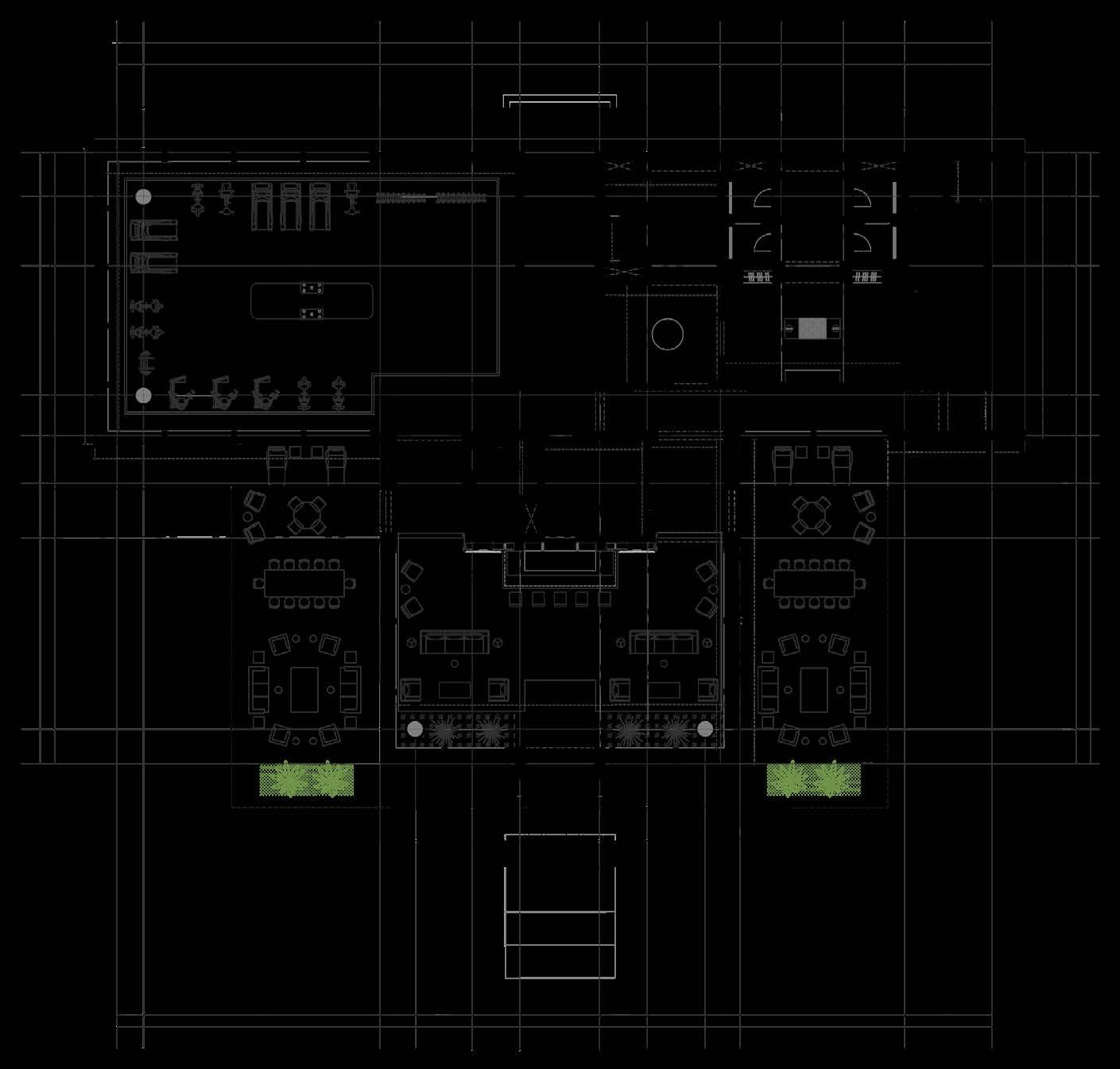
04 SELECTED WORKS | ATHLETICS PAVILION
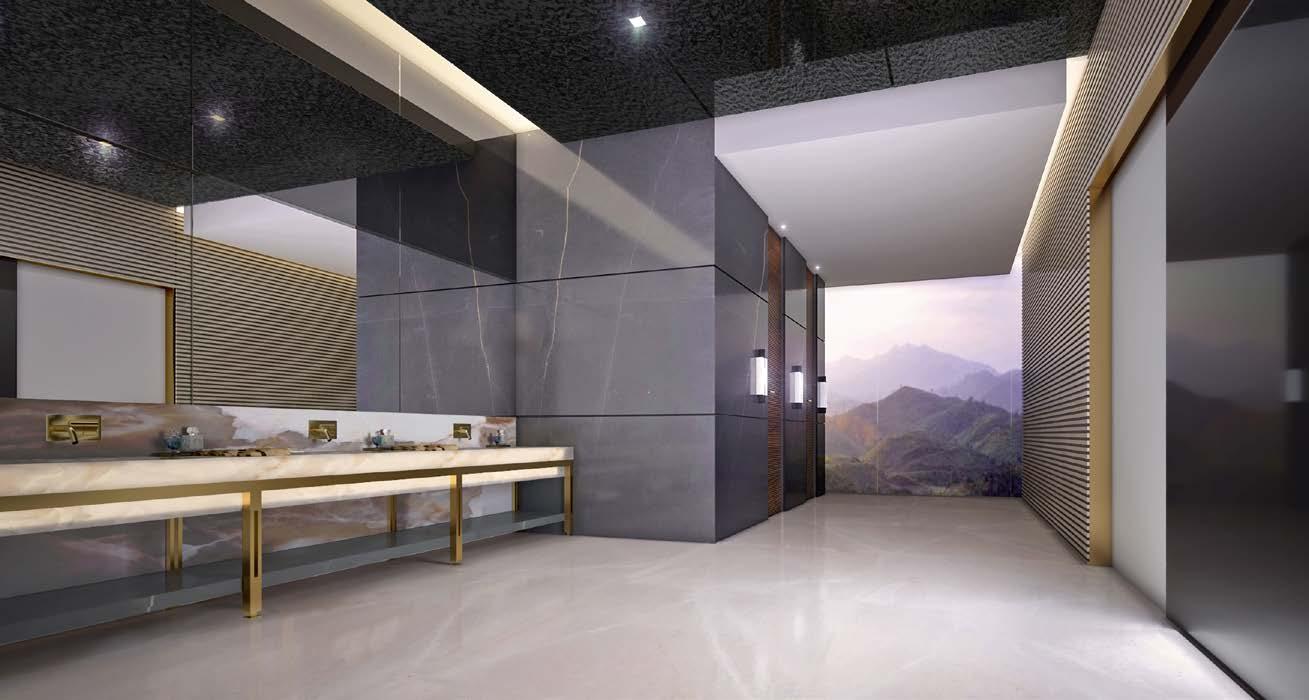
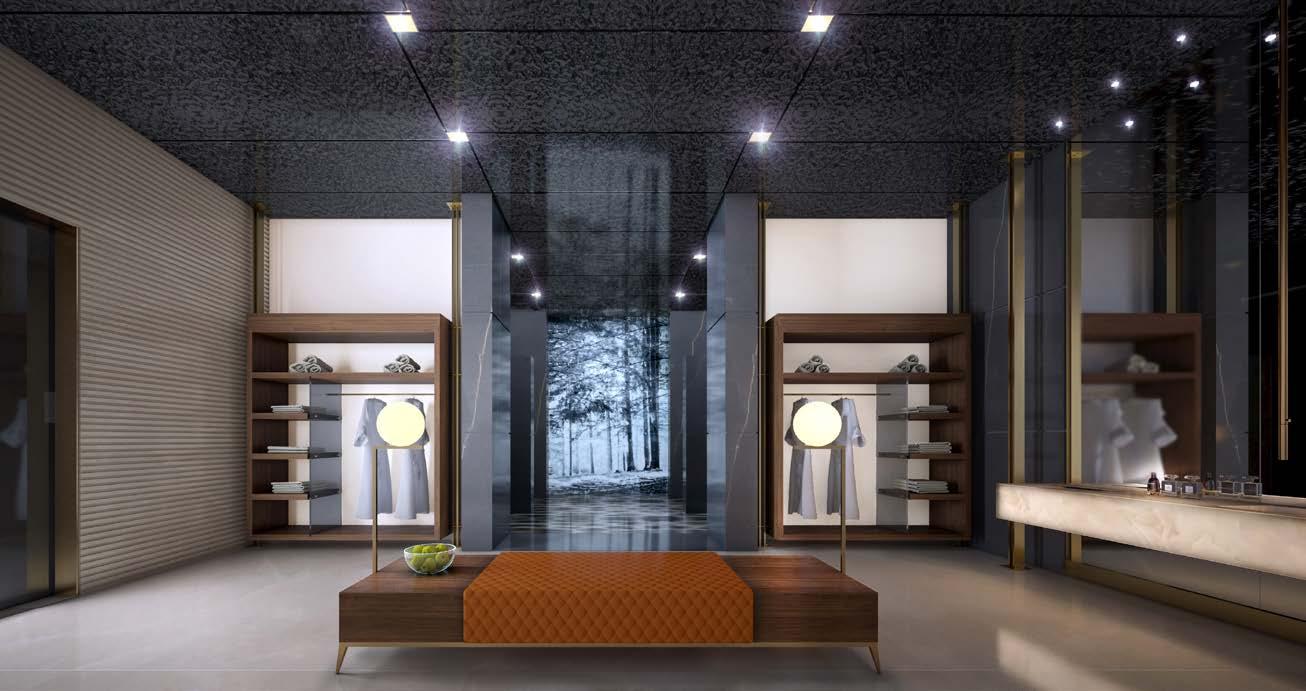 Changing Room
PORTFOLIO | MOUHAMAD JAMILI
Bathroom
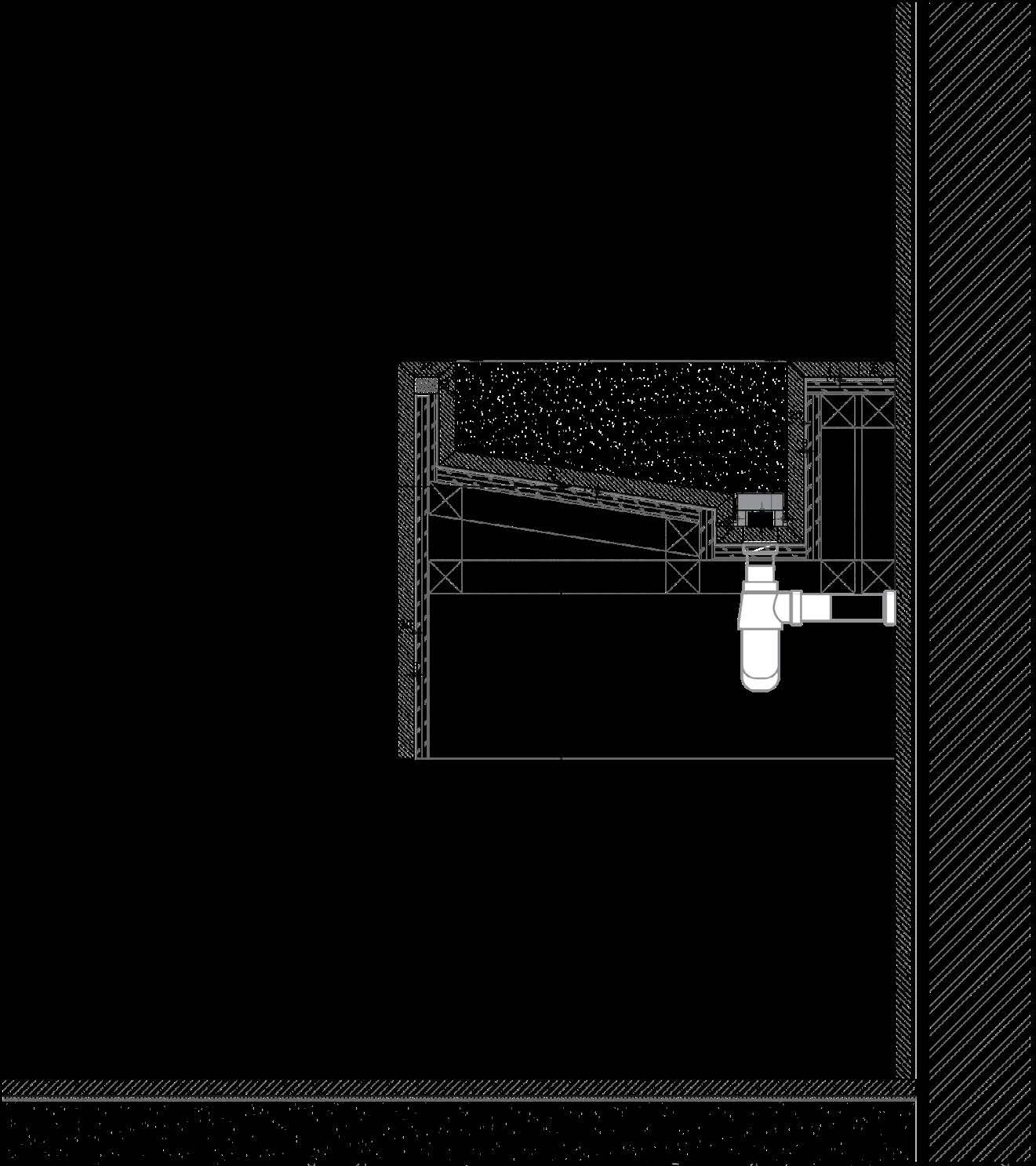
Sink Section Detail 05 SELECTED WORKS | ATHLETICS PAVILION
BRICK COMMONS
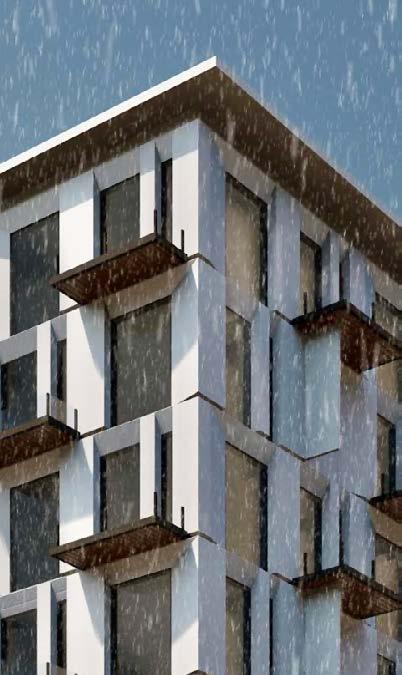
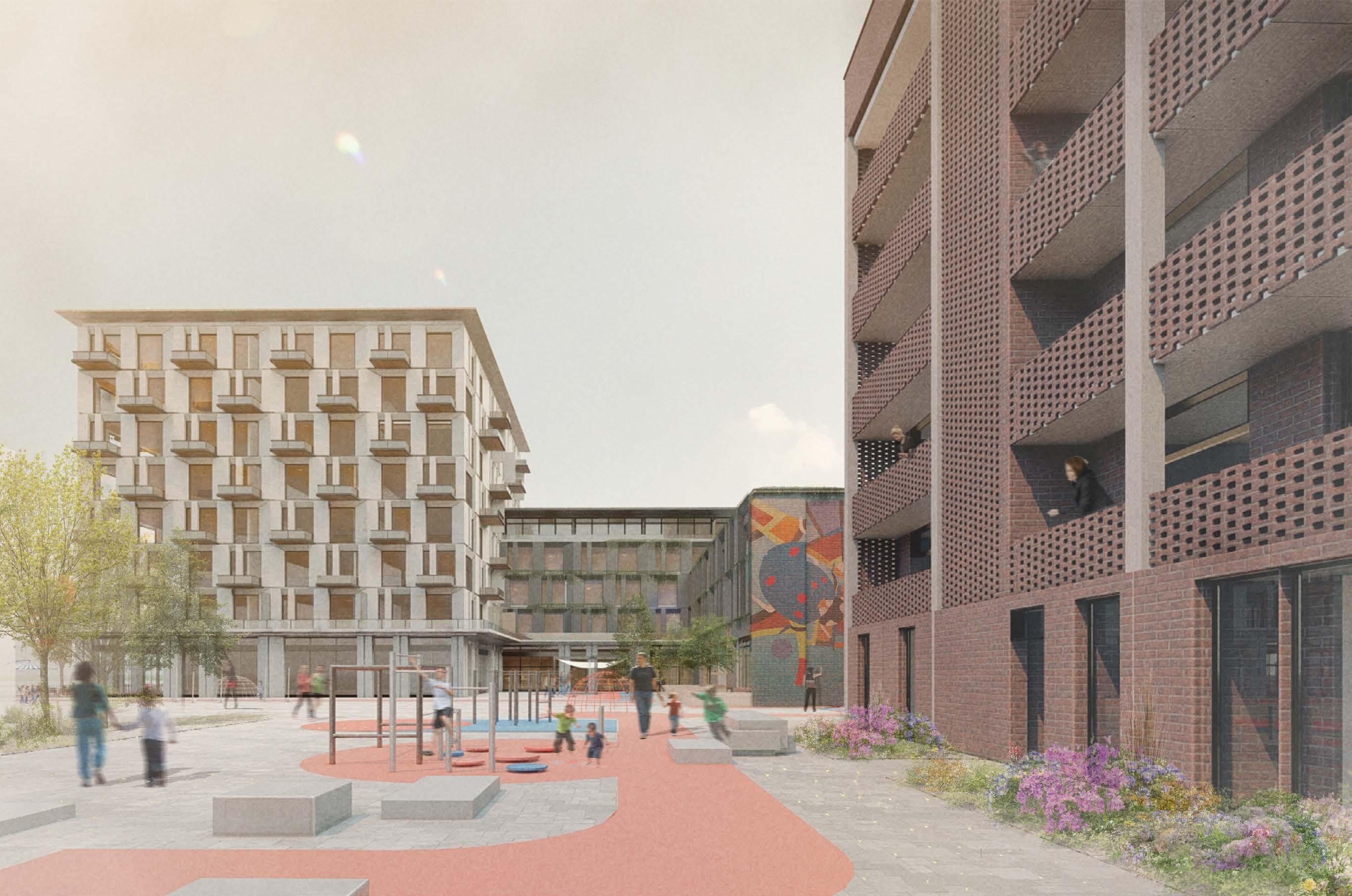
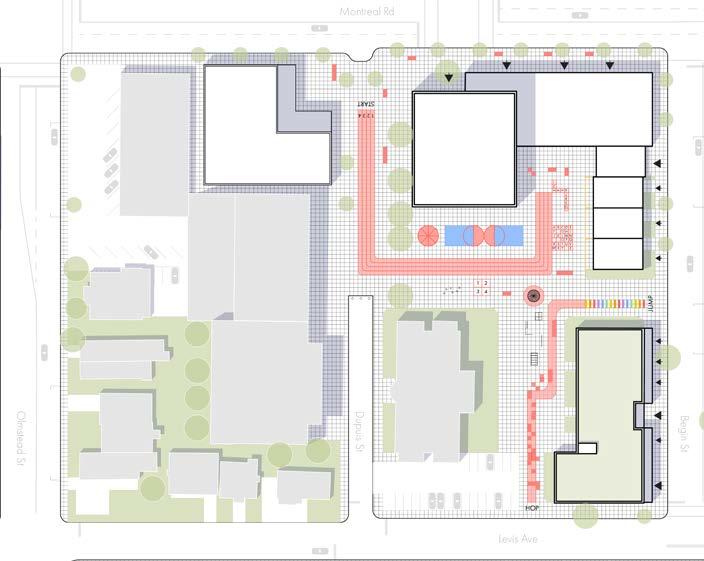
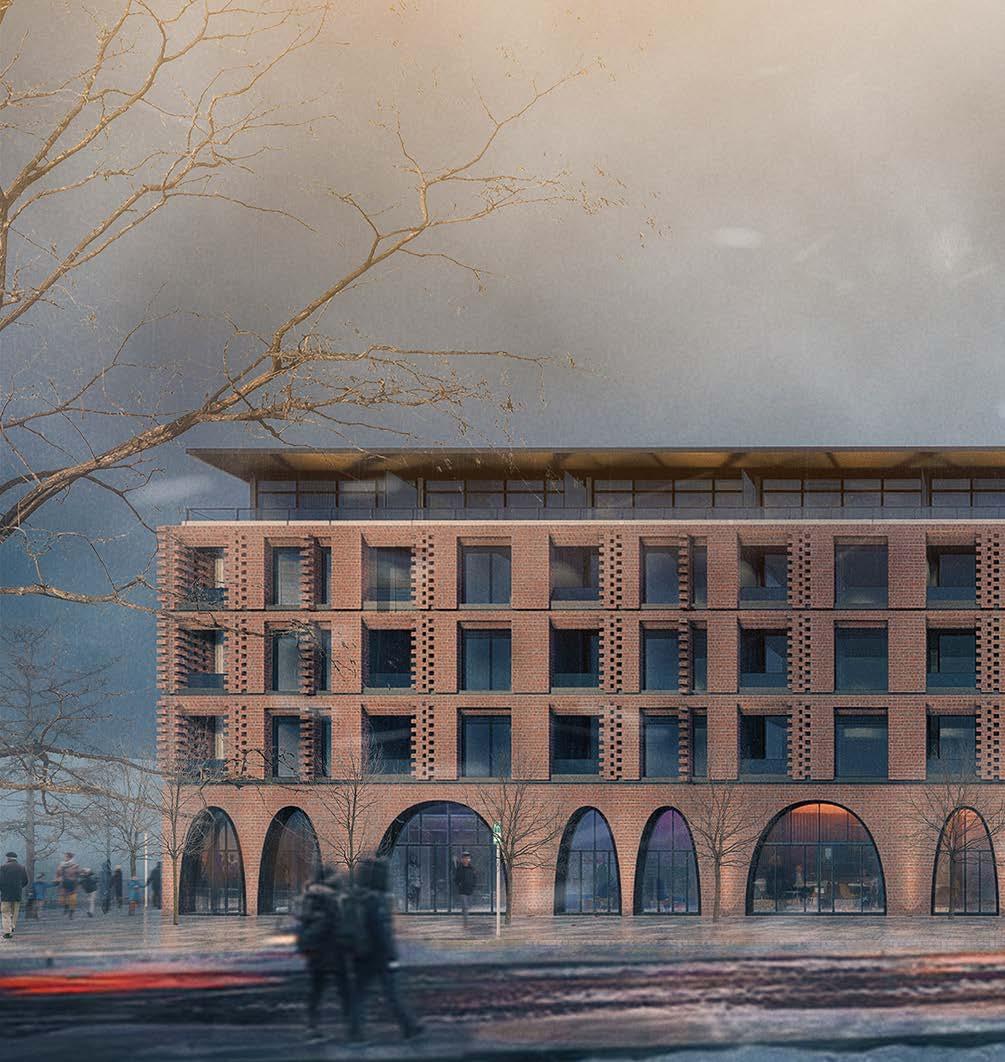
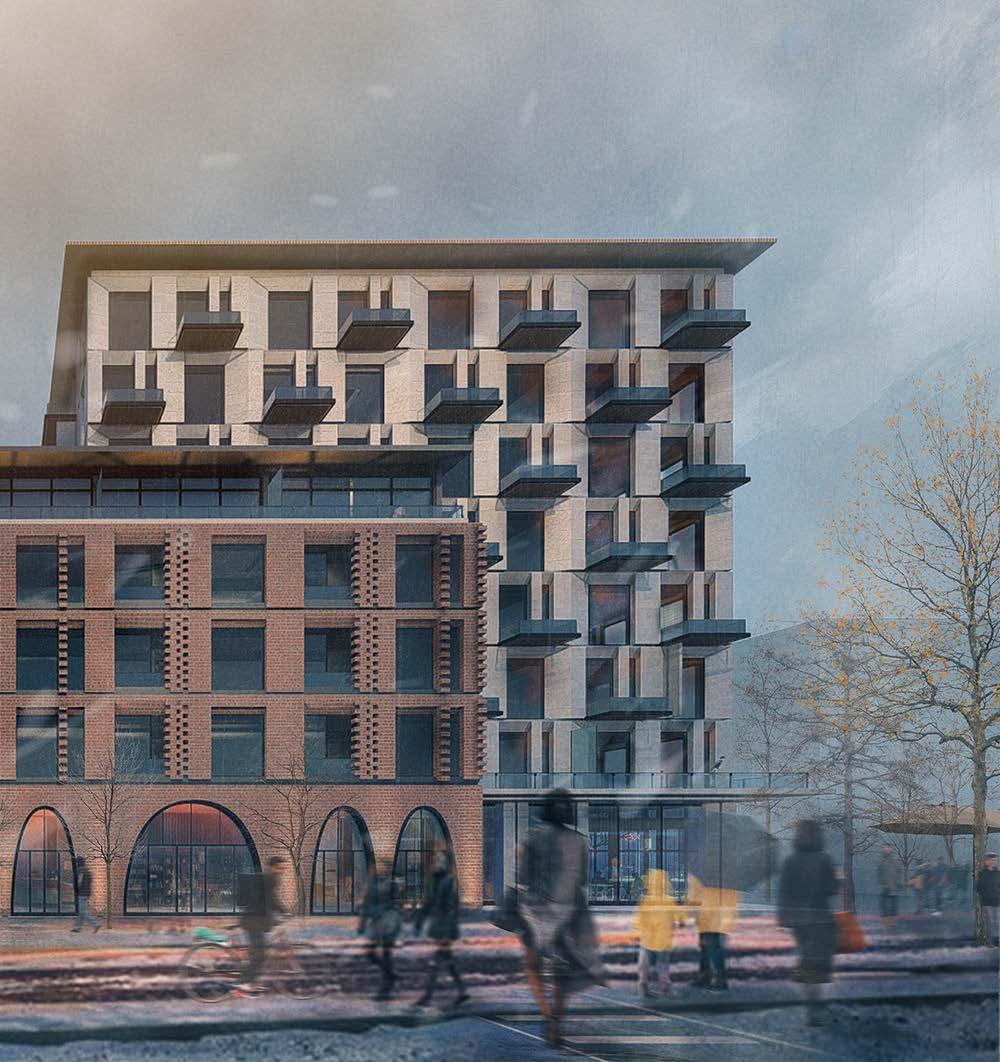
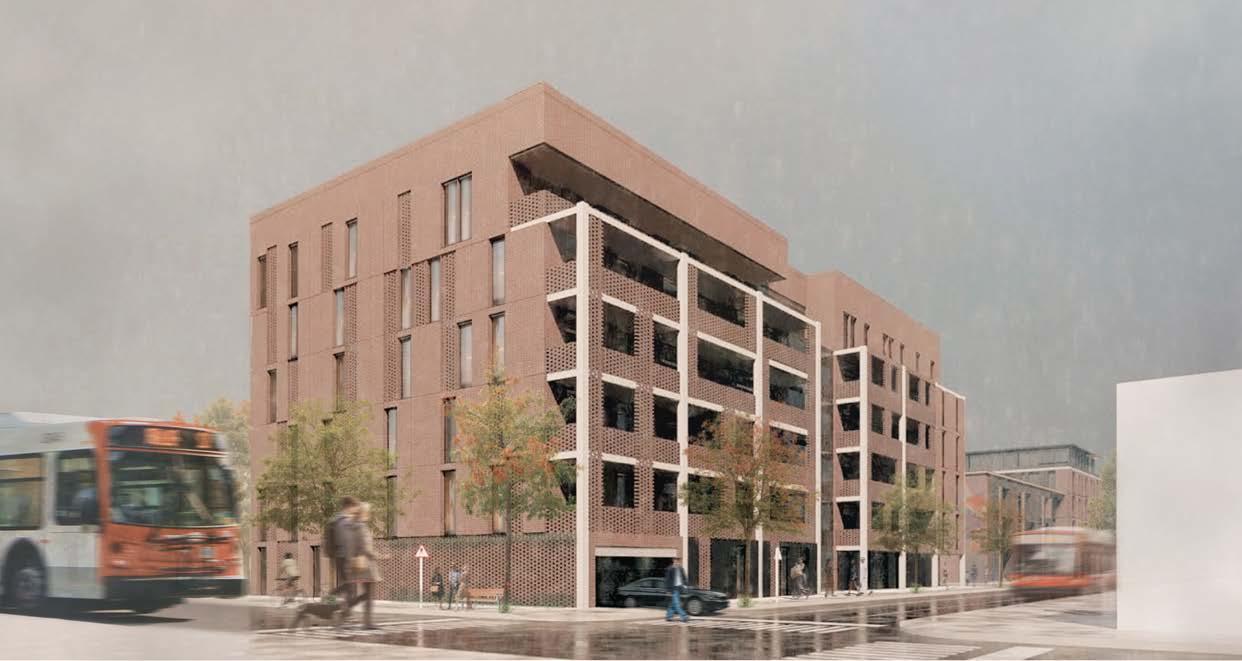
Brick Commons aims to be a housing community that accommodates a wide range of age groups and abilities. The project consists of two mid-rise buildings: ‘Building A’ located on Montreal Road, which serves as a mixed-use space, and ‘Building B’ situated along Lévis Avenue. The project is part of a larger call for urbanization and repurposing of the Vanier neighborhood to a vibrant and inclusive space for artists.
‘Building A’ features commercial spaces, as well as film and music studio spaces. The prominence of brick within the project is heavily influenced by the surrounding buildings along Montreal Road and within the greater community. The durability and ubiquity of brick and stone masonry allows for a cost-effective group of buildings that are able to withstand the realities of play.
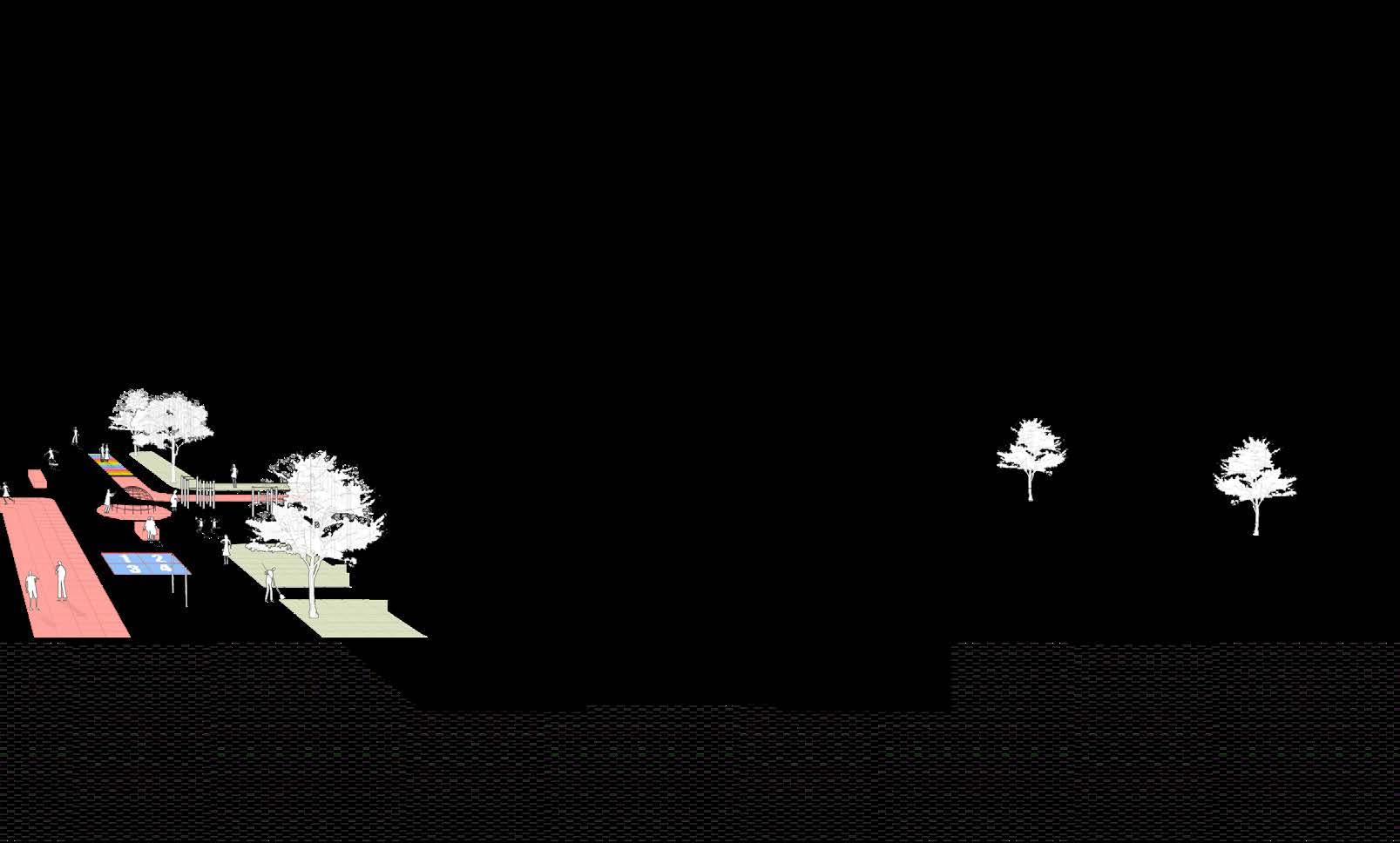
The open space is characterized by vibrant pavement, designed to be flexible and adaptable. The calisthenics bars offer a place for both kids and adults to utilize. This space is designed for the public and the community to create a lively and safe environment.
The project was the result of a collaborative effort between my colleague Amra Alagic and myself, with Amra designing ‘Building B’ and myself taking charge of ‘Building A’.
Second Place Hobin Prize Winner


Published in Building 22 Edition-23
Montreal Road
Project: 4th year Studio
Used
250
Ottawa, Ontario Academic
Software
V.ray Photoshop Illustrator Rhinoceros Lumion Revit
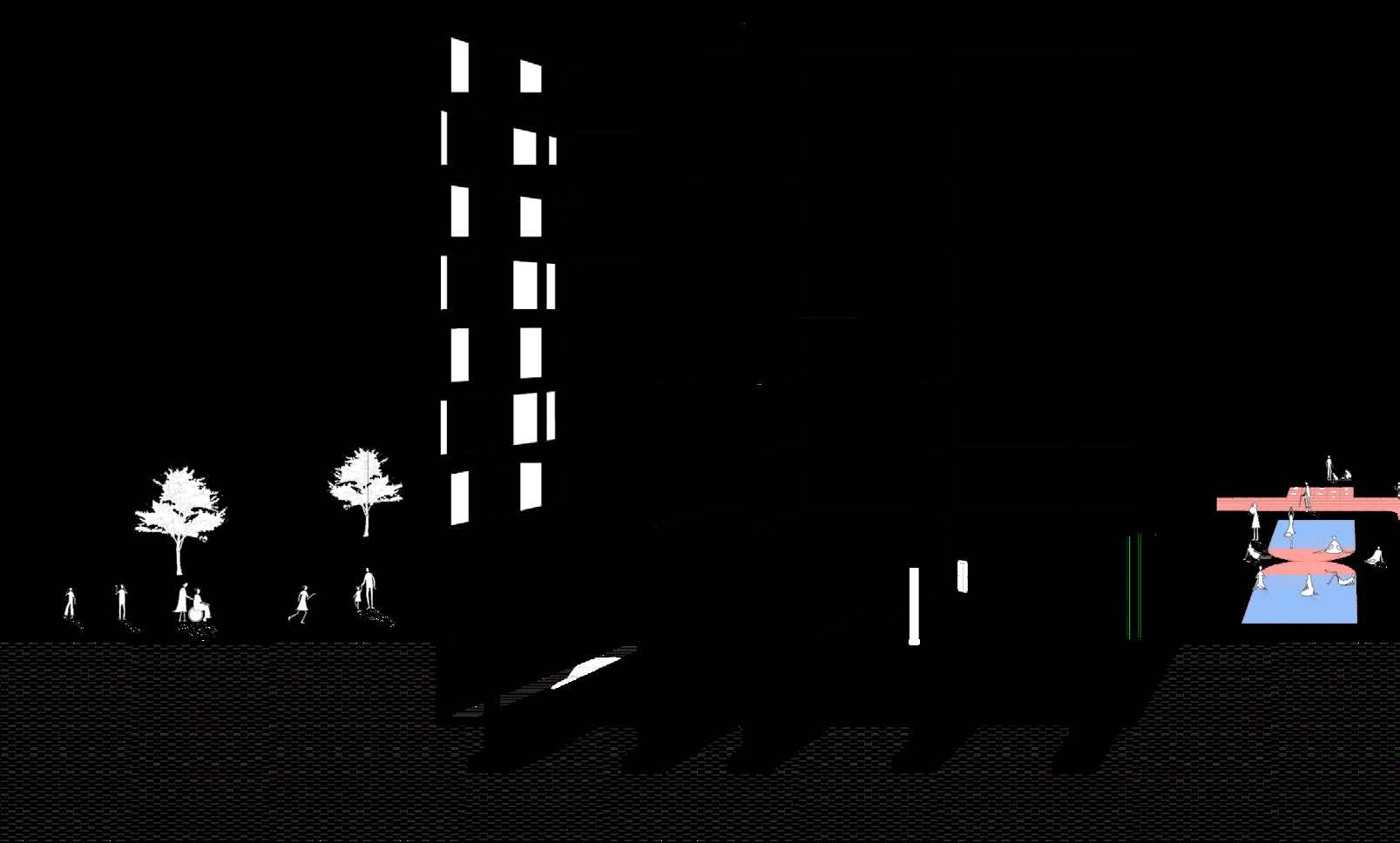
Site Section Site Section PORTFOLIO | MOUHAMAD JAMILI
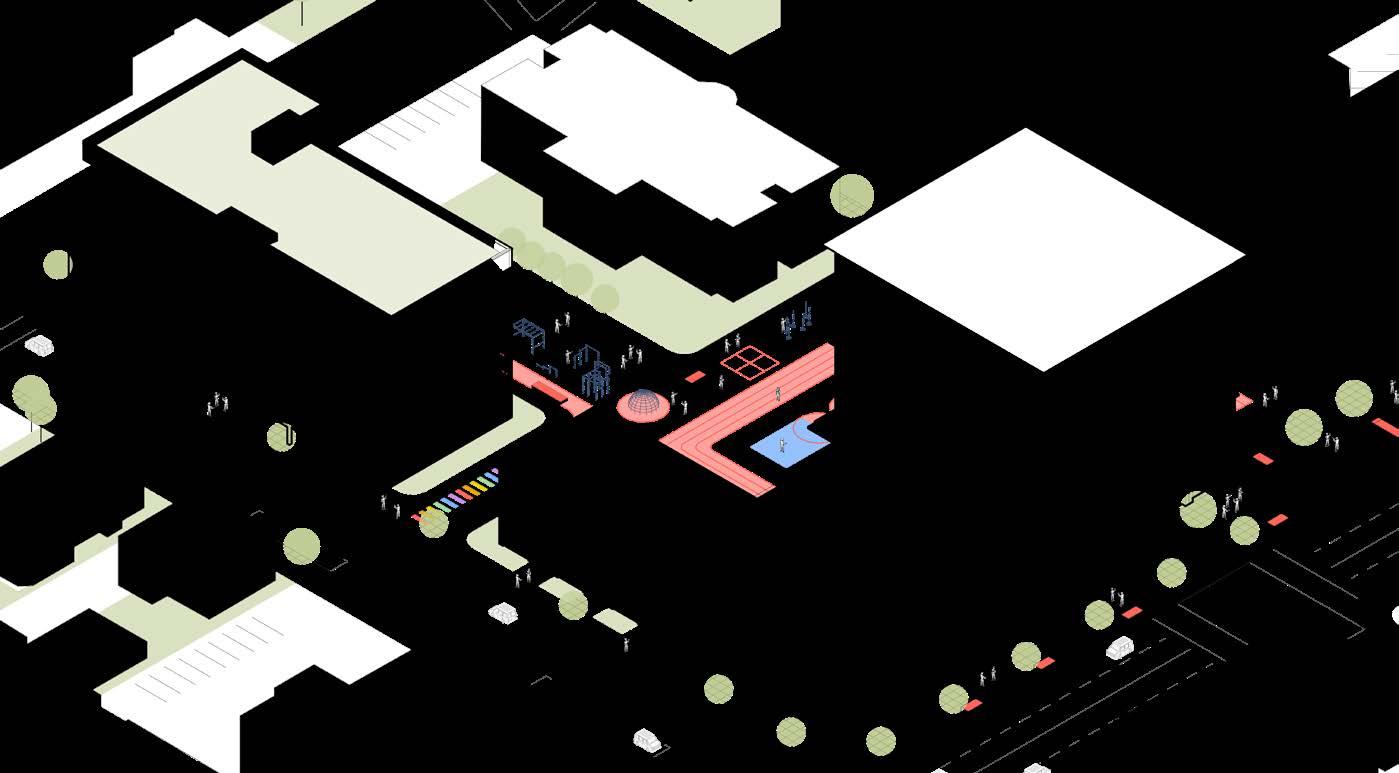
SELECTED WORKS | BRICK COMMONS A B 07
PORTFOLIO | MOUHAMAD JAMILI
Render of Building [A] from Montreal Road
08 SELECTED WORKS | BRICK COMMONS



Floating Gypsum Board
Rigid Insulation
Cast in Place Concrete Roof Wall
150 mm Stone Rain-Screen Drained
25 mm Air Cavity
76 mm Rigid Insulation
7 mm Polyethylene
76 mm Sheathing
80 mm Schock Isokorb
Metal Cap Flashing on Parapet & Cantilever
Sealant
Balcony-Slab
Accessibility Curb
80 mm Gypsum Board
Slopped Concrete Slab
80 mm Schock Isokorb
80 mm Wood Ceiling
Insulated Double Glazed Curtain Wall
Polyamide Pressure Plate
Thermal Insulated Gasket
Floor-Slab
8 mm Wood Flooring
1.5 mm Underlayment
7 mm Sub-Floor
76 mm Rigid Insulation
Polyethylene
300 mm Concrete Floor-Slab
Gypsum Board
Building [A] Detail Axo PORTFOLIO | MOUHAMAD JAMILI
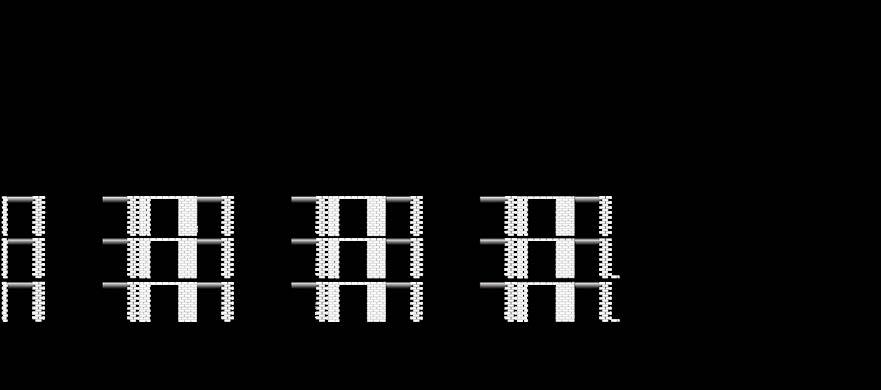
North Elevation

South Elevation
East Elevation
09 SELECTED WORKS | BRICK COMMONS
PORTFOLIO | MOUHAMAD JAMILI
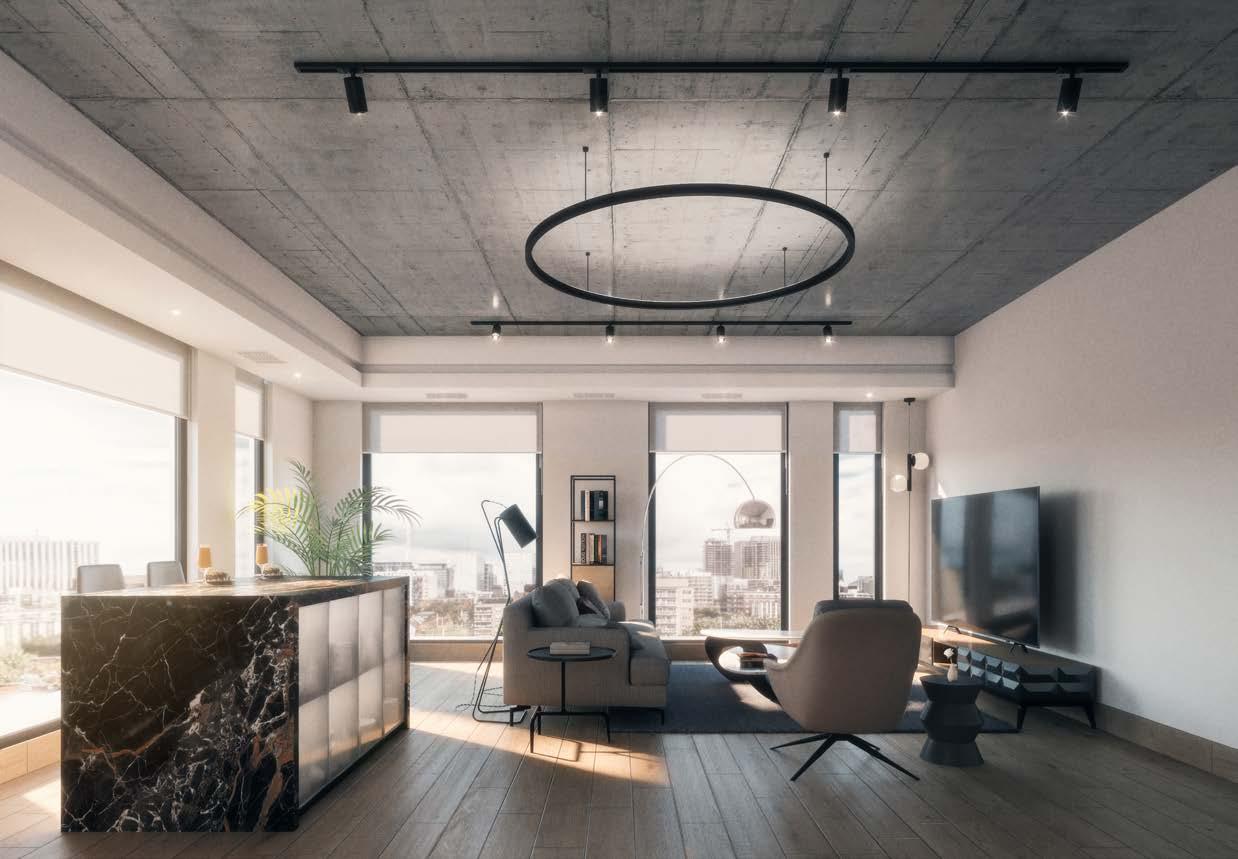
Render of Typical Unit Interior
Render of Building [B] from Levis Ae



10 Building [A] Plan : Levels 1-3 Building [A] Plan : Ground Floor Building [A] Plan : Levels 5-7 6.500 6.500 6.500 6.500 6.500 6.500 6.500 6.500 6.500 17.800 6.900 6.500 6.500 6.500 6.500 6.500 6.500 6.500 6.500 6.500 537.33 Sq. Ft. 1 BD SELECTED WORKS | BRICK COMMONS
ROOM 12
Lusail, Qatar
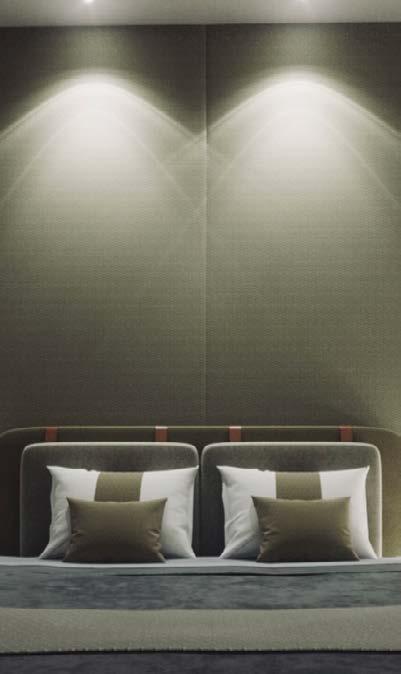
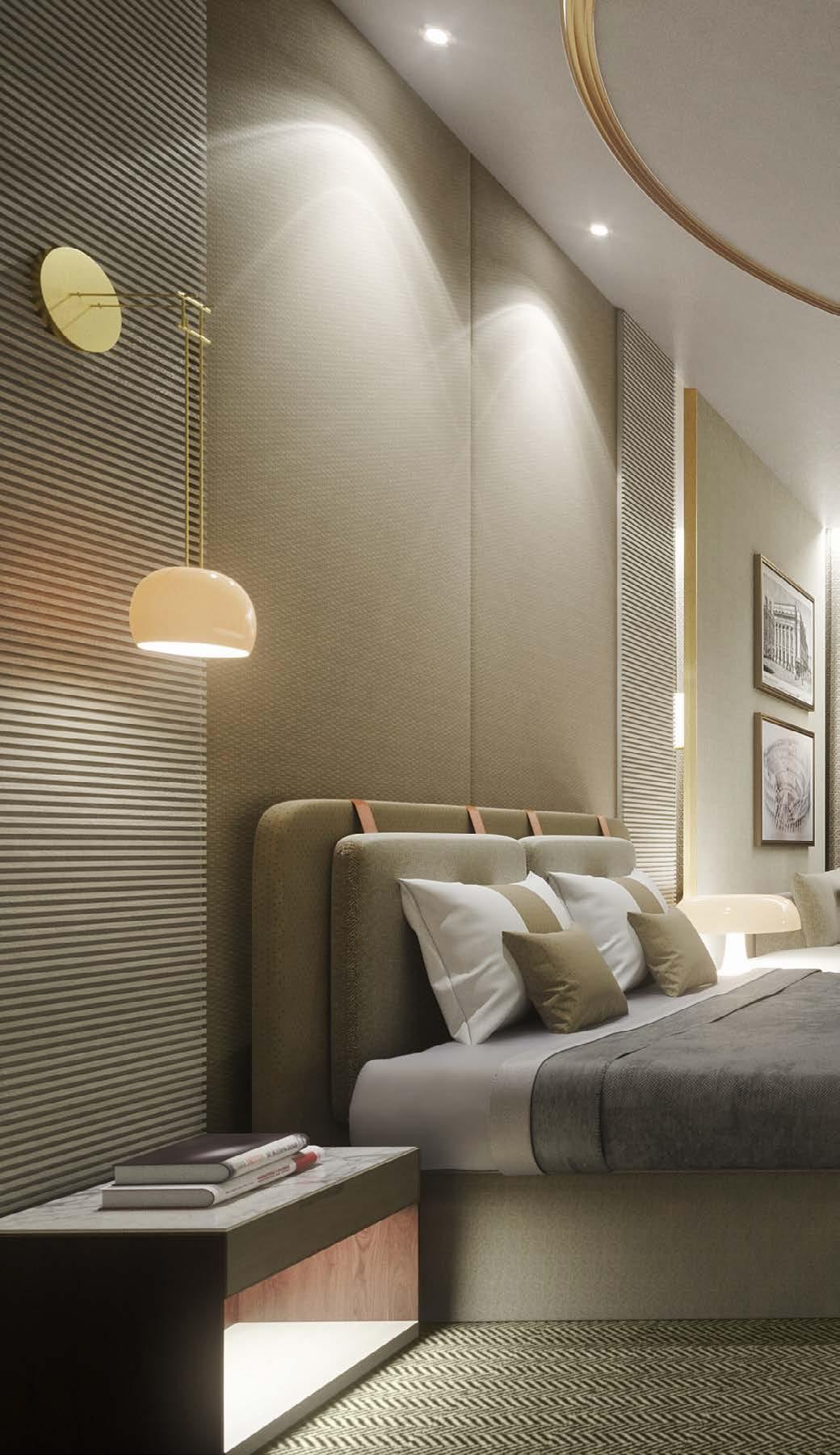
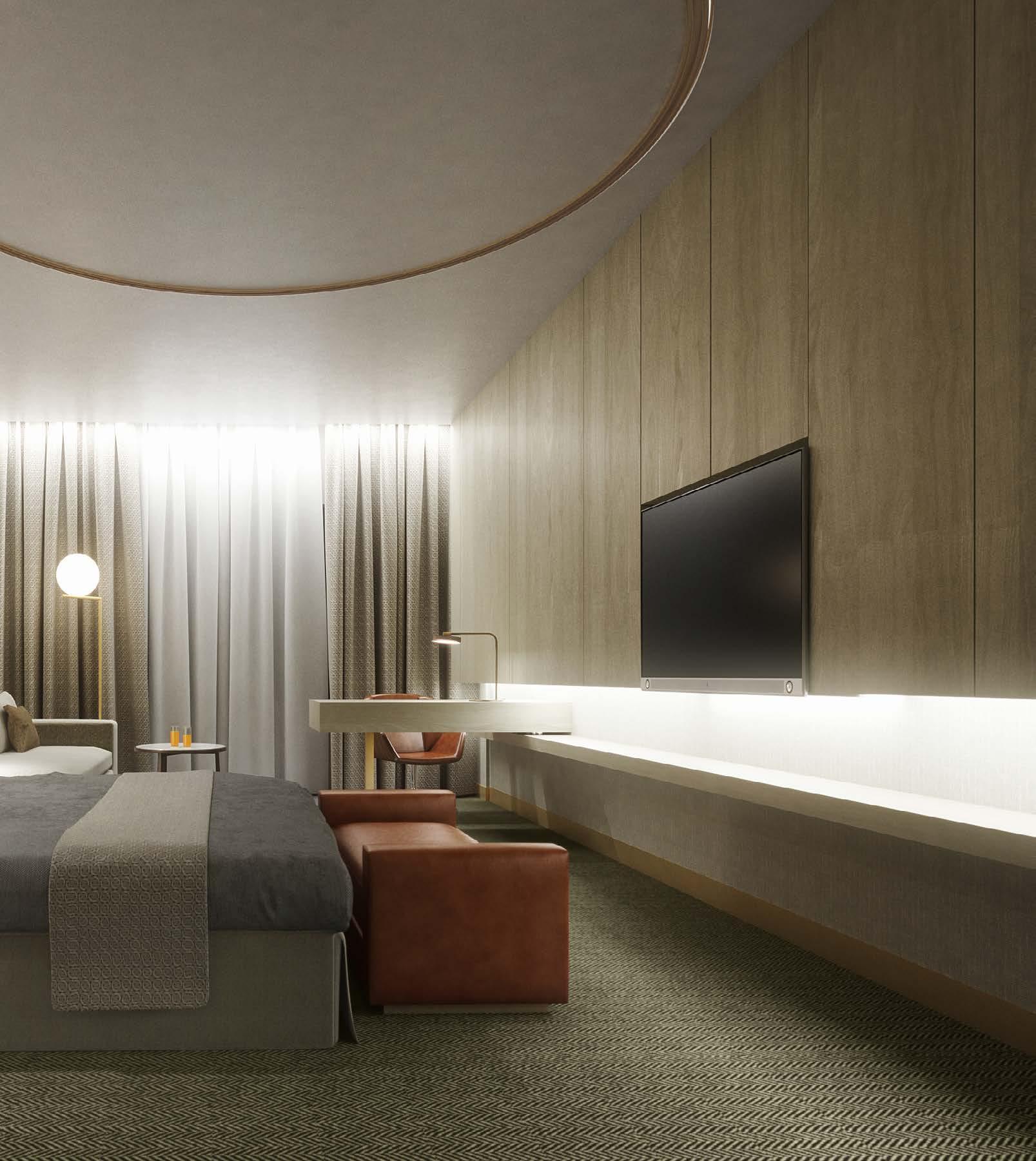
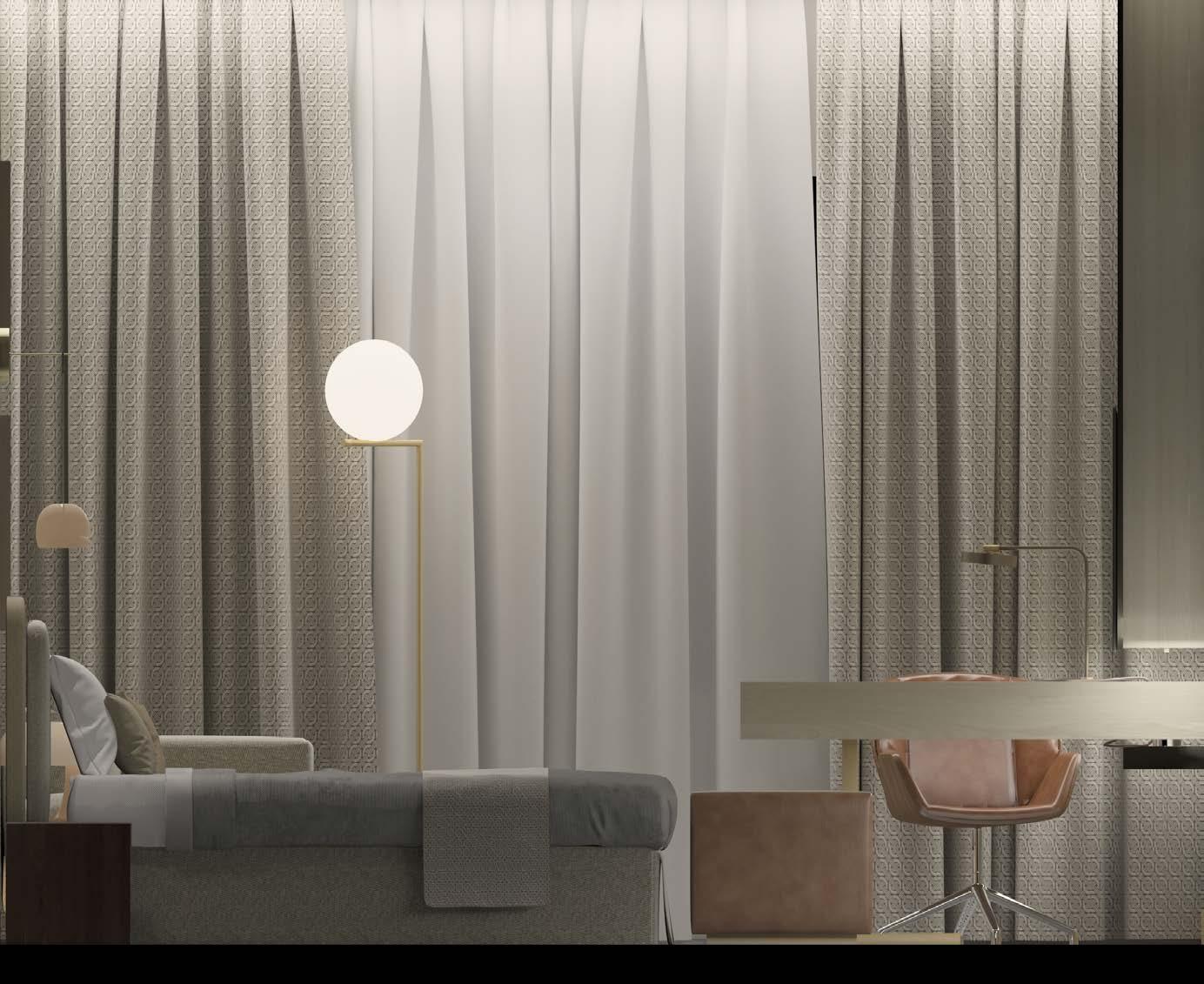
Situated within the newly developed city of Lusail in Qatar, this conceptual hotel room serves as an exemplary model layout designed for the upscale hotels rapidly emerging in 2021. The thoughtfully curated layout maximizes the efficient use of space, strategically placing all essential accommodations within the confines of a compact area.
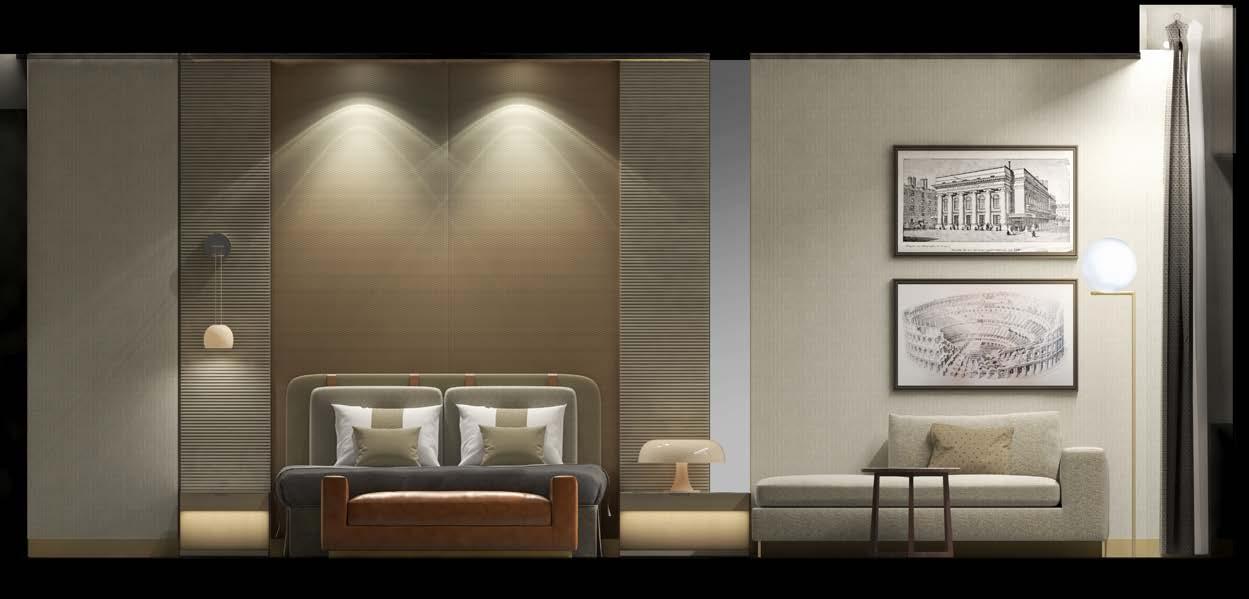
To enhance the exclusivity of the design, custom-made furniture was meticulously designed to seamlessly integrate with the limited space available. The utilization of premium materials, including bespoke leathers, high-quality fabrics, and refined wood elements, contributes to the overall sophistication and unique character of the space.
Professional Project
Software Used
V.ray Auto-Cad Photoshop Rhinoceros
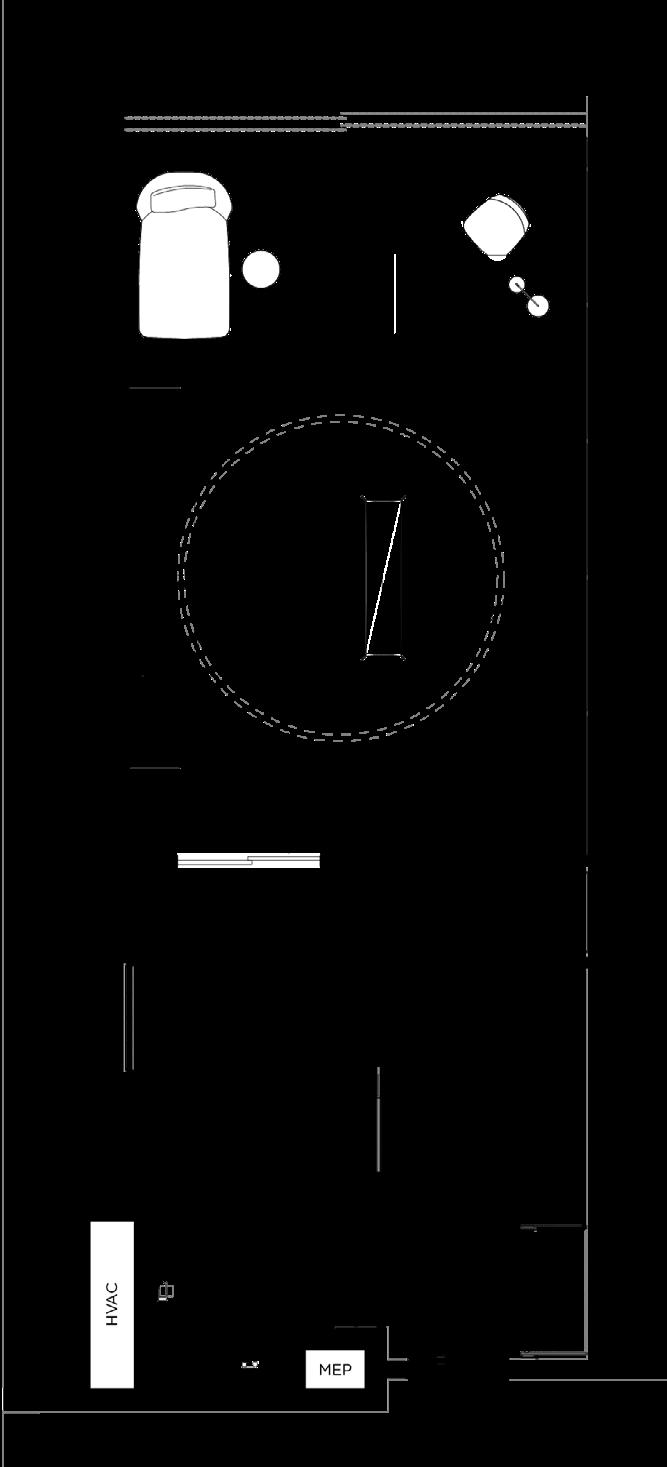
PORTFOLIO | MOUHAMAD JAMILI Plan
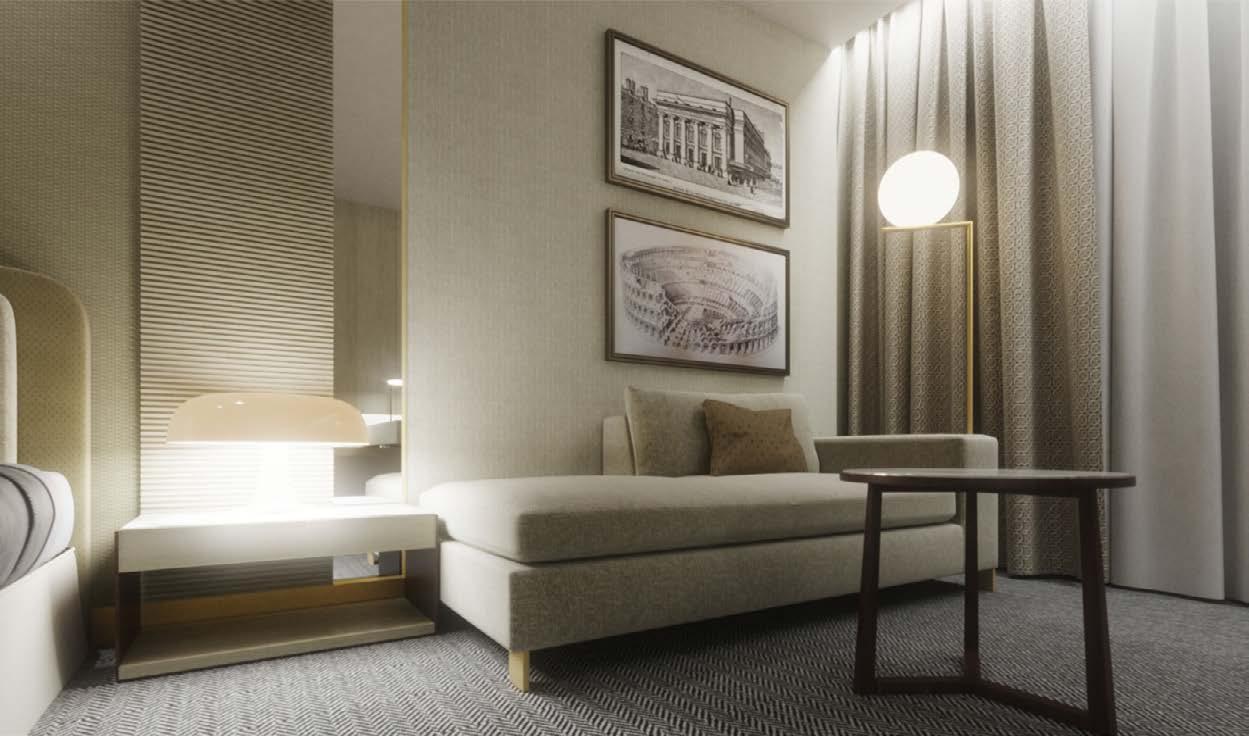
Render 2
12 SELECTED WORKS | LUSAIL UNIT 12
Elevation 1
Elevation 2 PORTFOLIO | MOUHAMAD JAMILI

13 SELECTED WORKS | LUSAIL UNIT 12
Recessed Curtain
MUSKOKA BAY
Gravenhurst, Muskoka
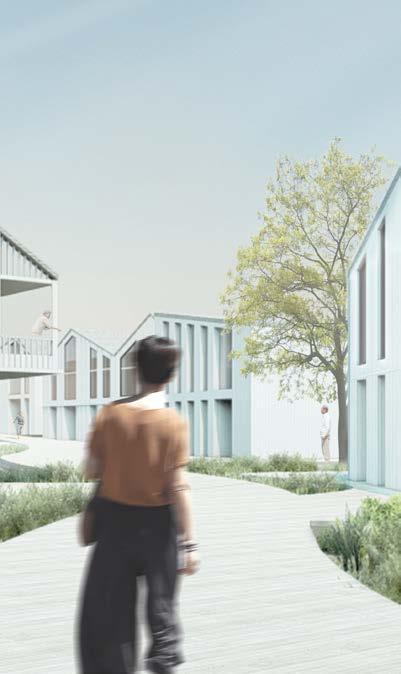
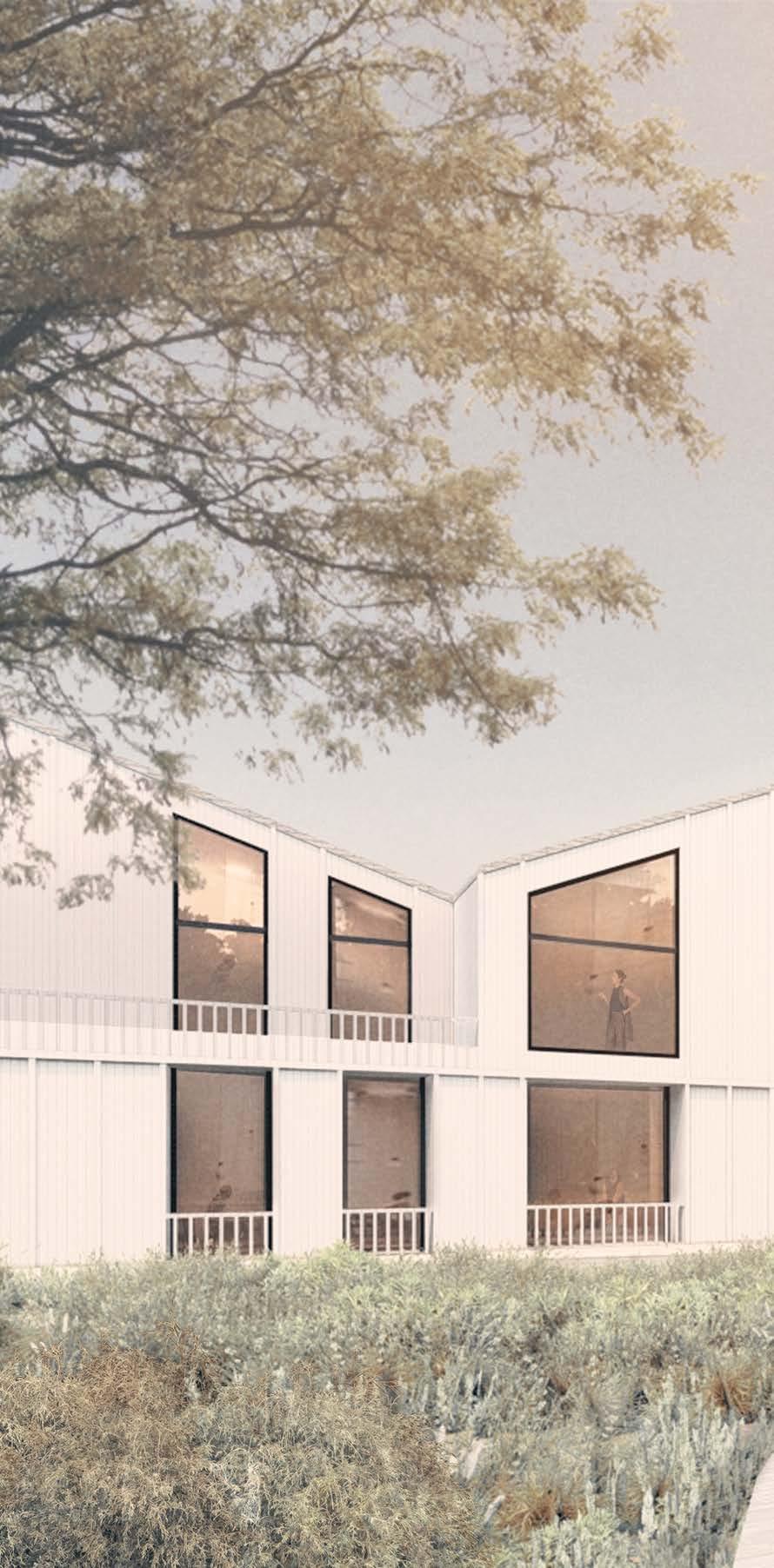
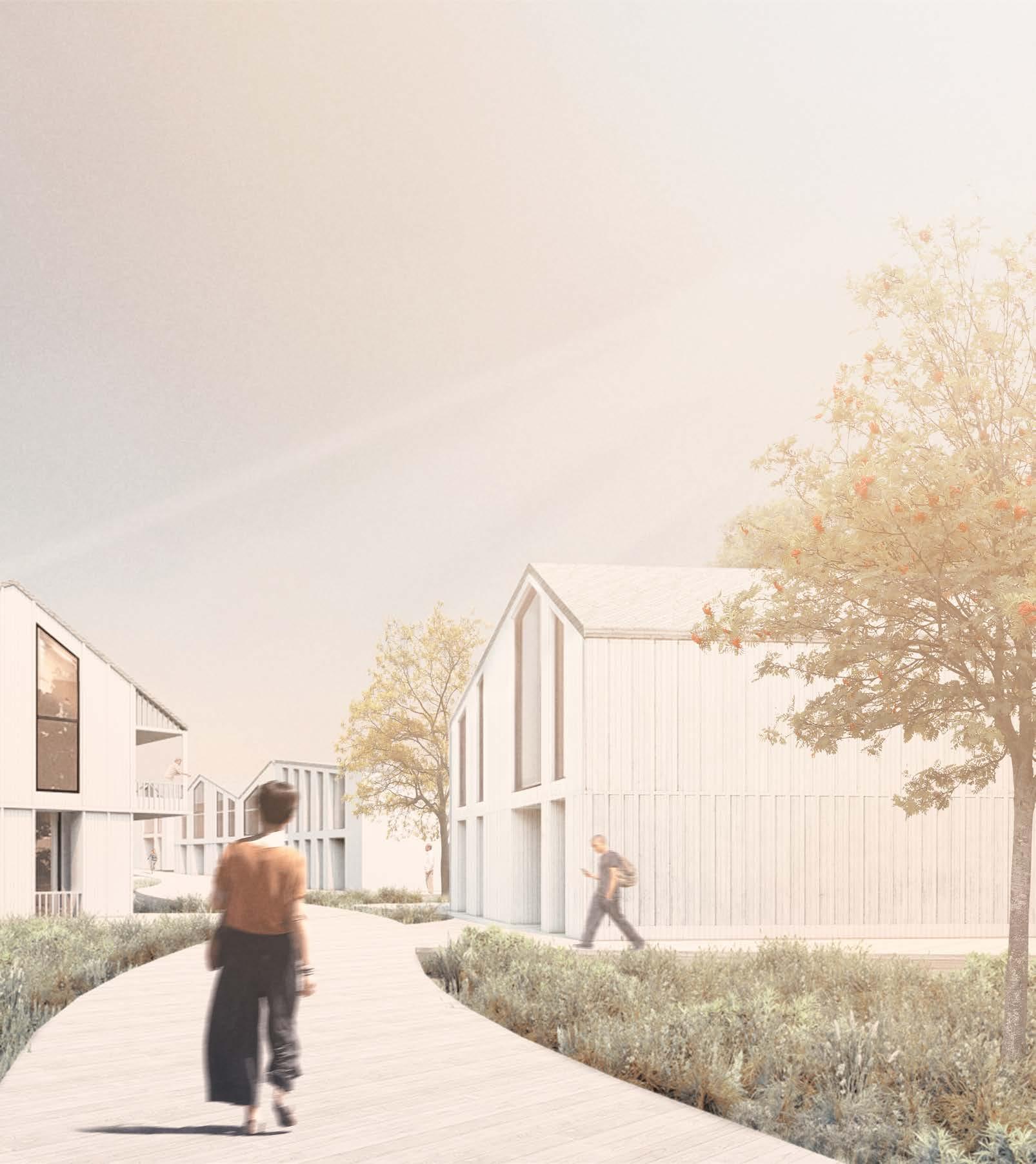
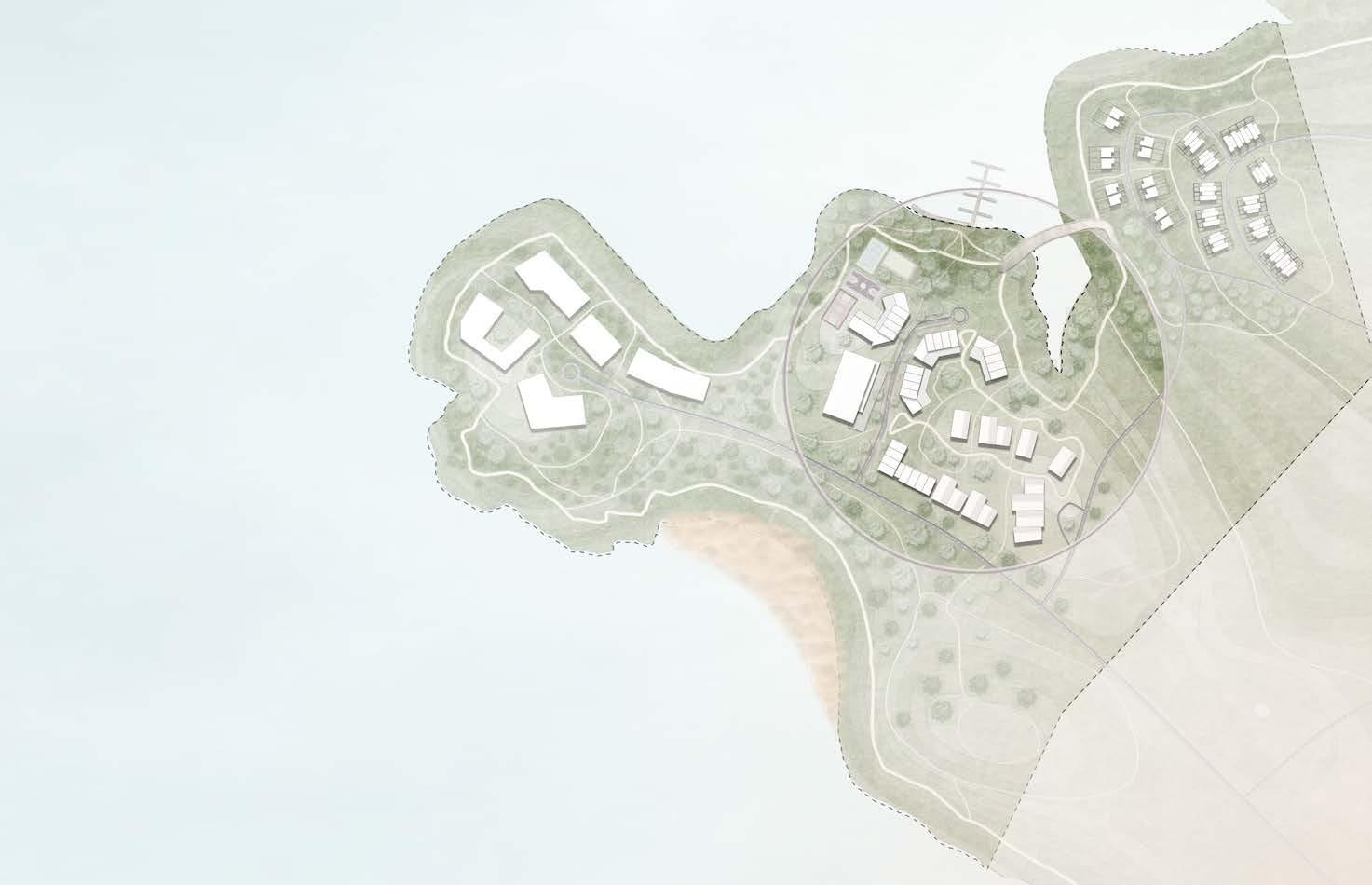
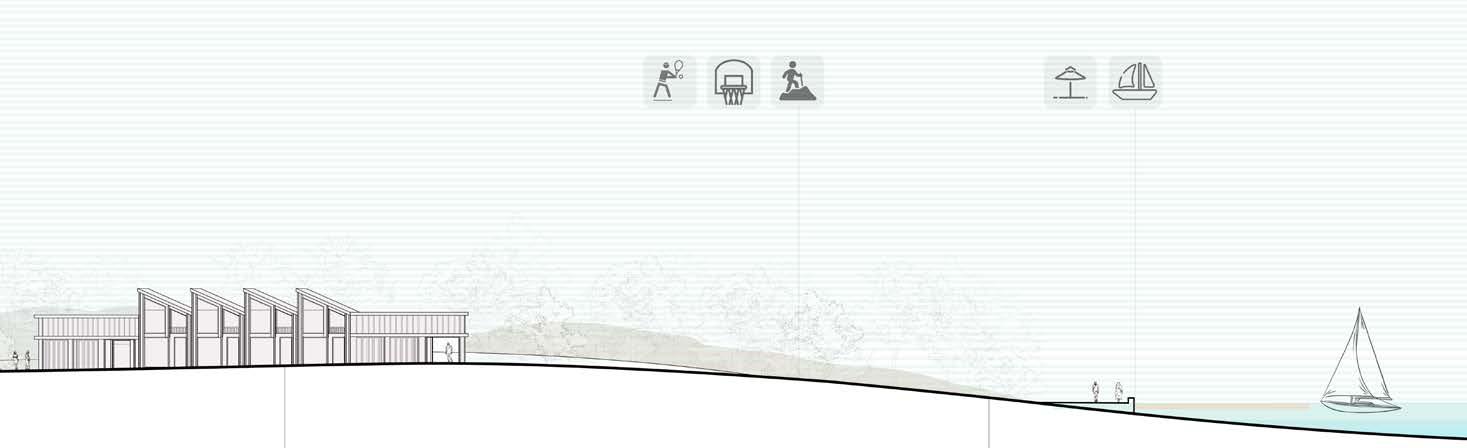
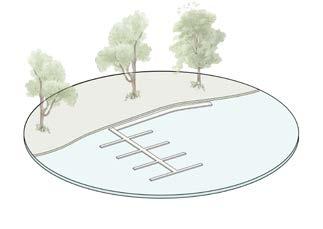
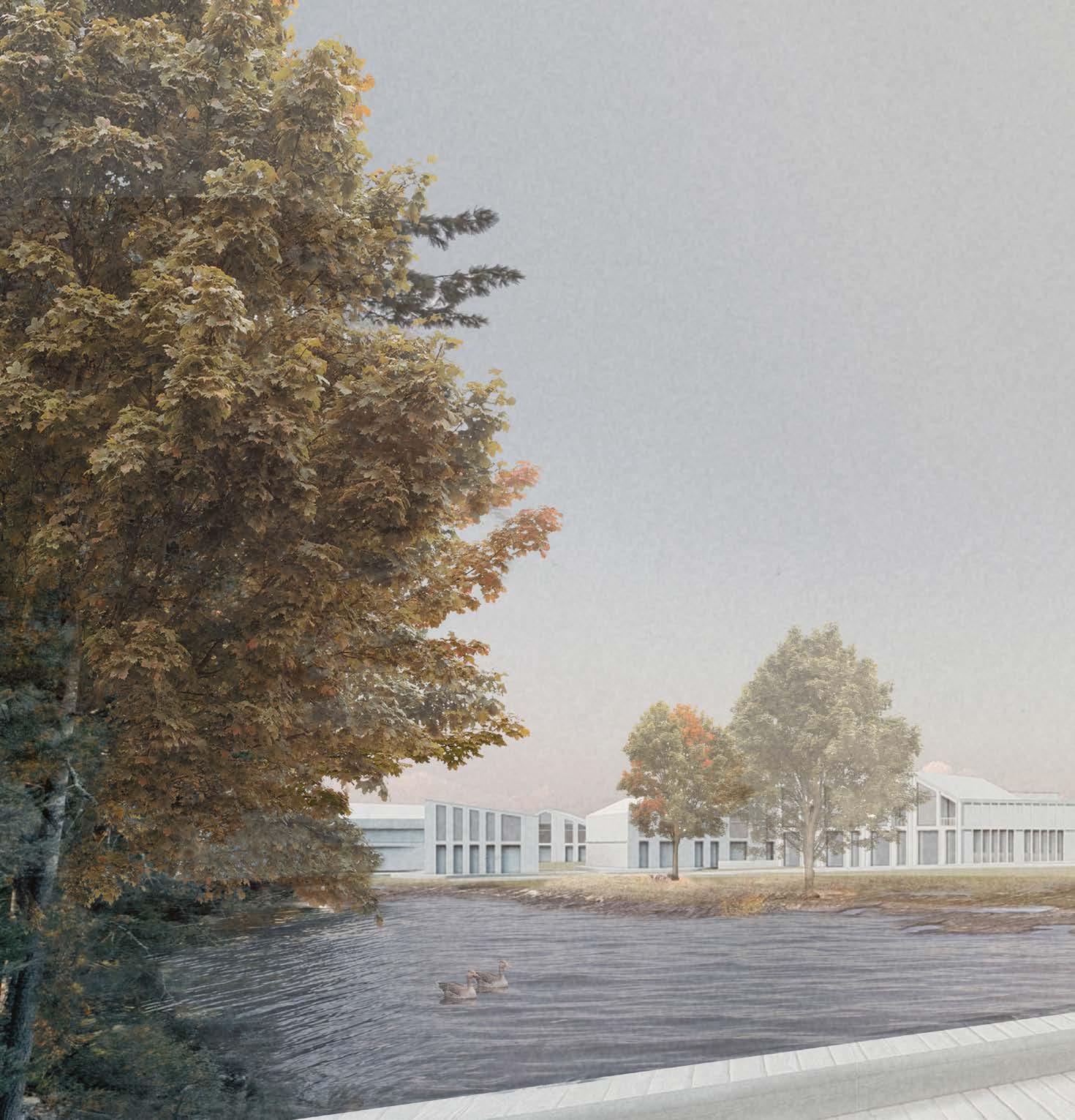
Muskoka Bay is a vernacular redevelopment on the wetlands of Gravenhurst, transforming what was once an abandoned sanitarium to a vibrant residential community. New commercial centers, and residential spaces are embraced by Lake Muskoka, providing an ideal location for peaceful living, outdoor activities and wildlife interconnection. All developments use local materials and respect existing green spaces to maintain the indigenous ecology and improve sustainability practices so that younger generations can continue to grow and prosper alongside the natural ecology.
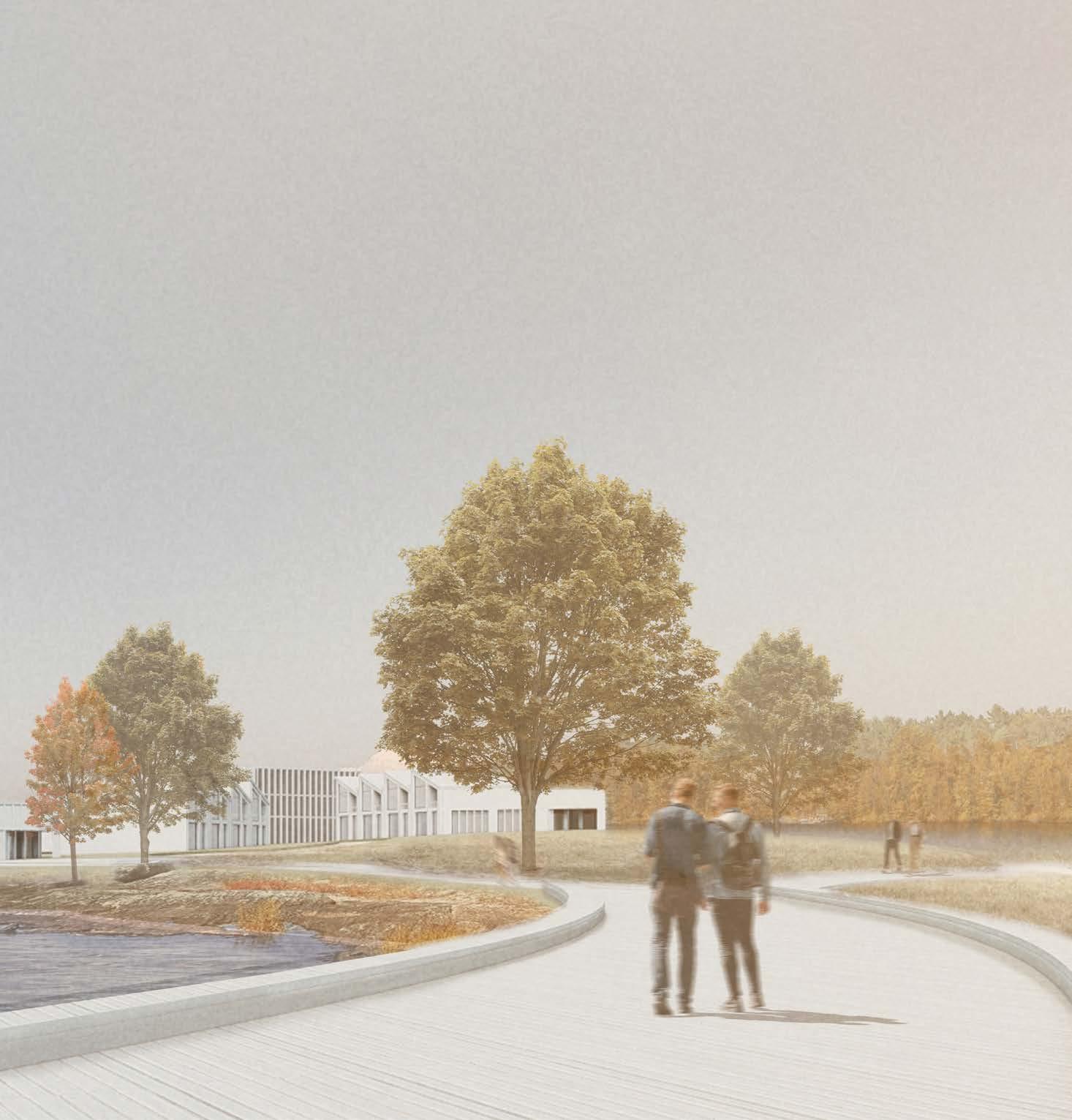
Once in the residential area, the streetscape is composed of contemporary, Timber frame homes that emulate the retreat of a summer cottage, shaded by preexisting local greenery. The mobility was further optimized through the strategic placement of the marina and the walking paths so that all visitors can be naturally guided towards the community hubs. Some of the hubs on the site include a community beach, a commercial street of pop up shops, a library, and enhanced, outdoor recreational spaces. Essentially, promoting healthier lifestyles, improved social engagement, and symbiosis with the natural realm.
Published in Building 22 Edition-22
Academic Project: 3rd year Studio
Software Used
Photoshop Illustrator Rhinoceros Lumion
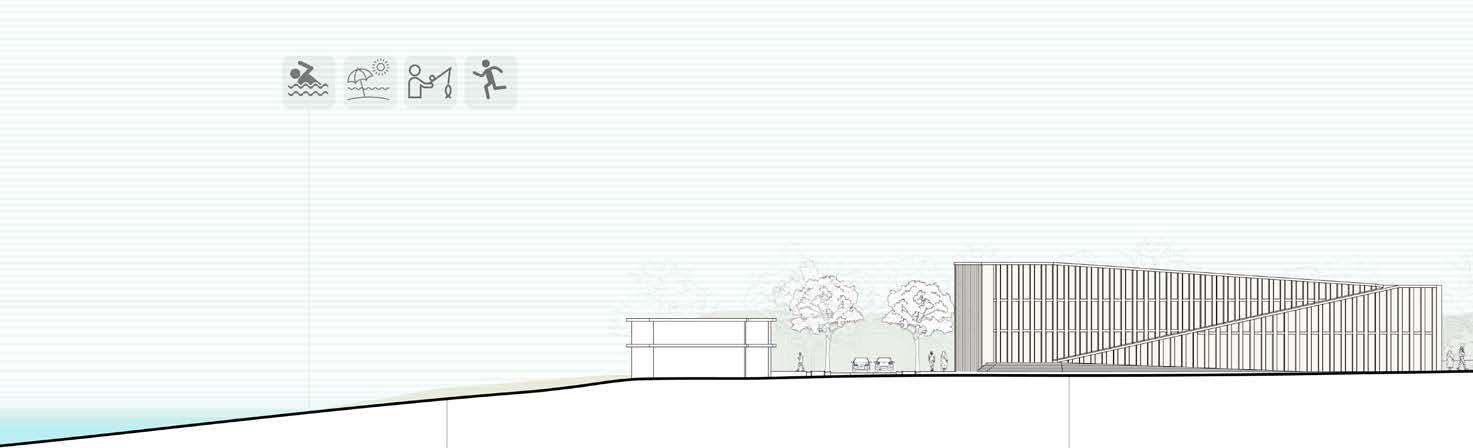
Library Beach Site Section Site Master Plan Site Section PORTFOLIO | MOUHAMAD JAMILI
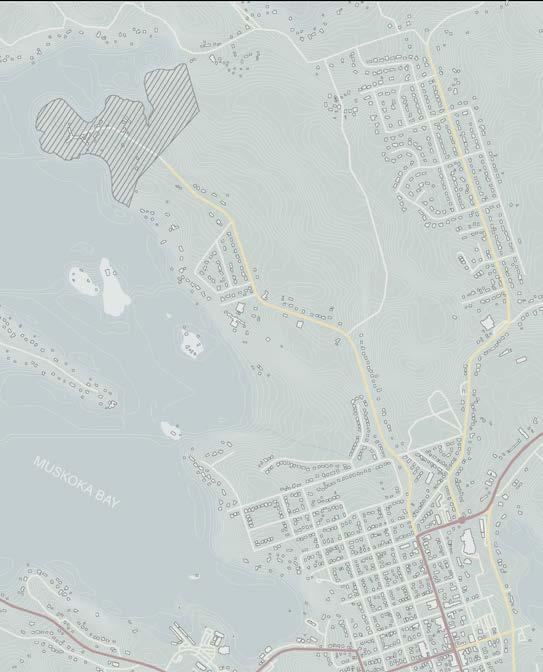
15 Dwellings Marina Highway Streets 100 m Gravenhurst Map SELECTED WORKS | MUSKOKA BAY
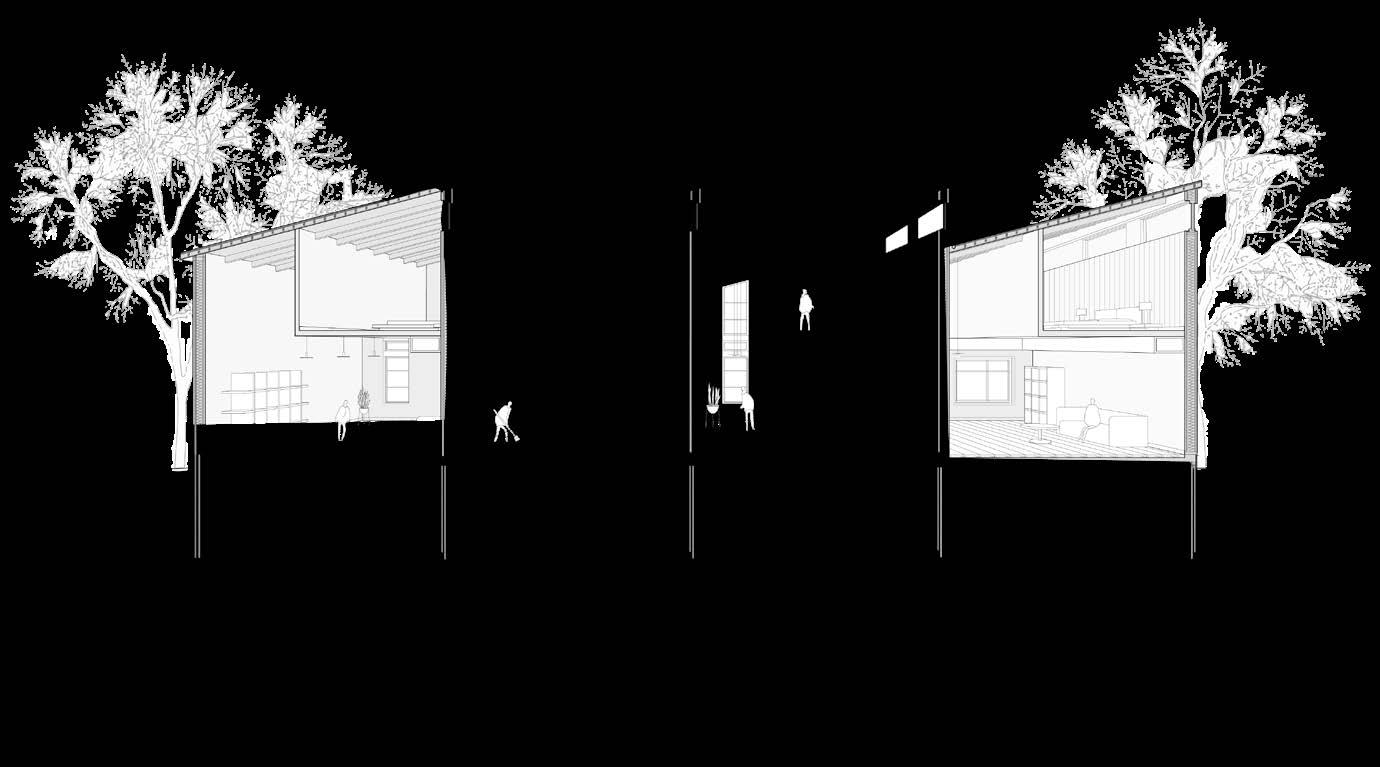
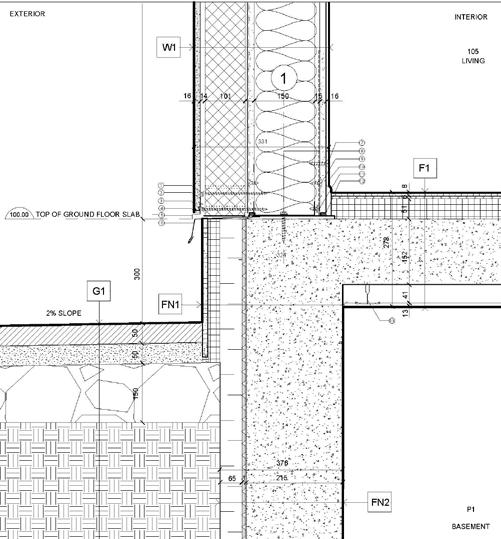

Foundation Detail
Perspective Section CLT Floor Detail FIRST FLOOR GROUND FLOOR PORTFOLIO | MOUHAMAD JAMILI
Townhomes
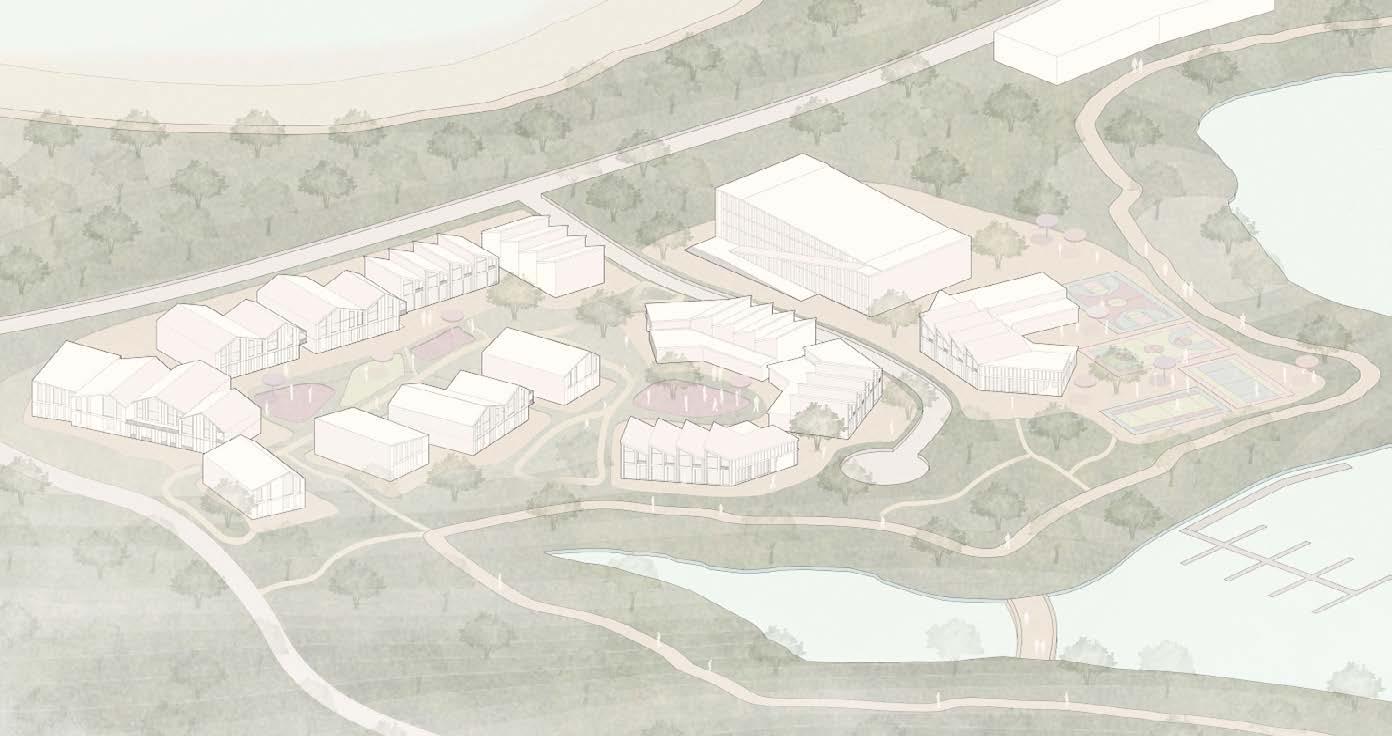
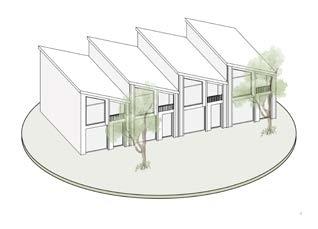
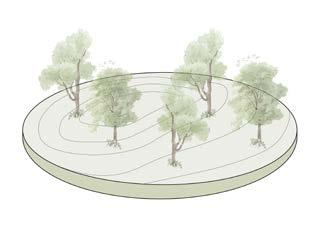
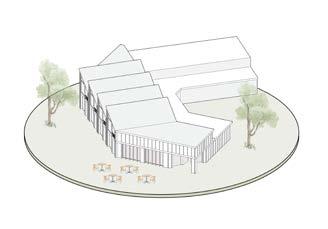
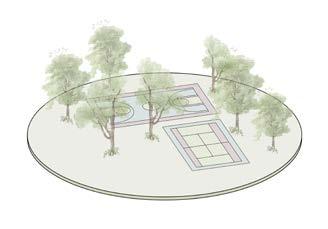
16 Commercial Activity Parks and Recreation Marina Natural Preservation Low Density Housing Scenic Routes SELECTED WORKS | MUSKOKA BAY
PORTFOLIO | MOUHAMAD JAMILI
Render Overlooking Focus Site from Proposed
22 17 SELECTED WORKS | MUSKOKA BAY
POP-UP SHOP
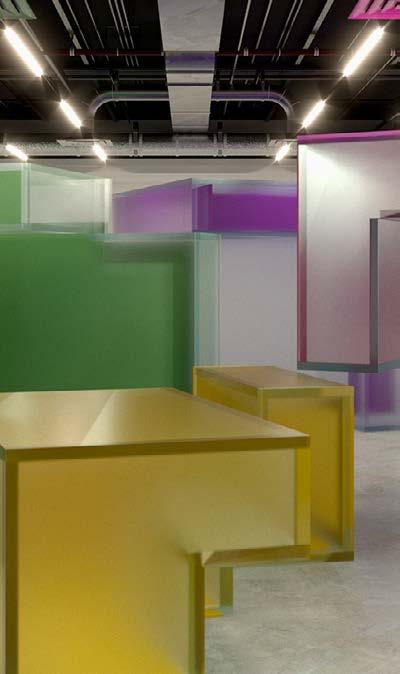
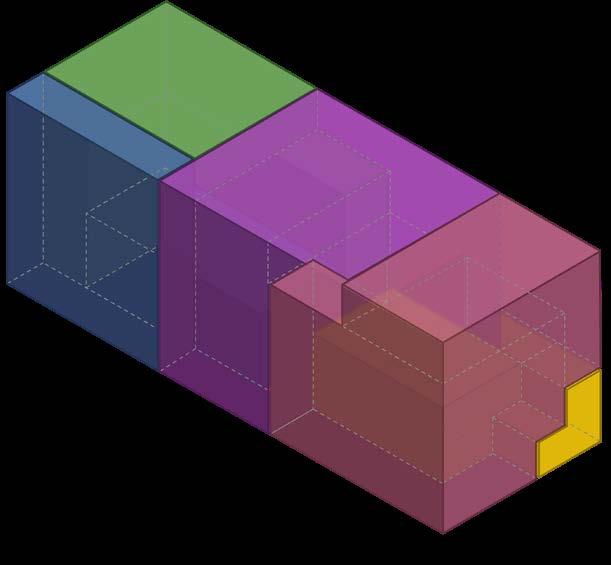
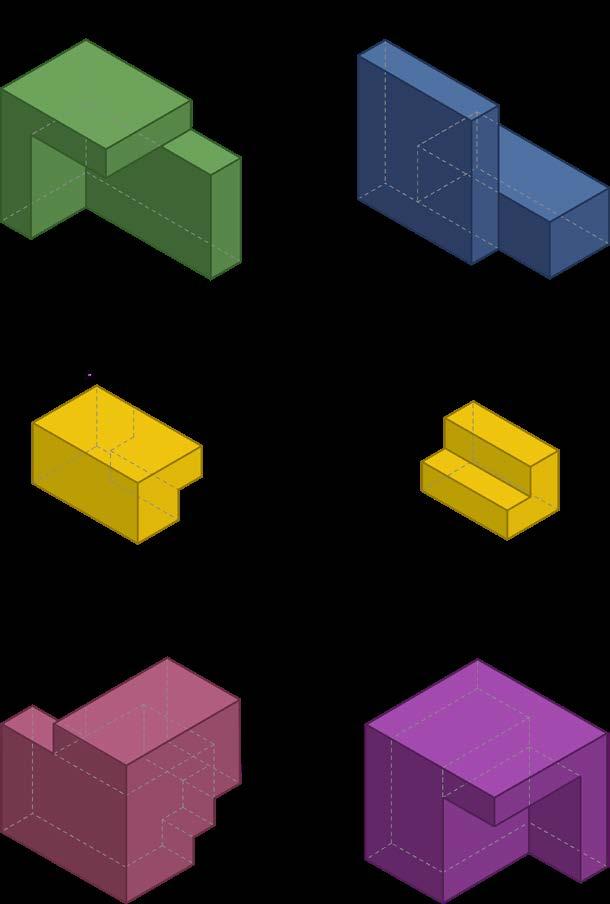
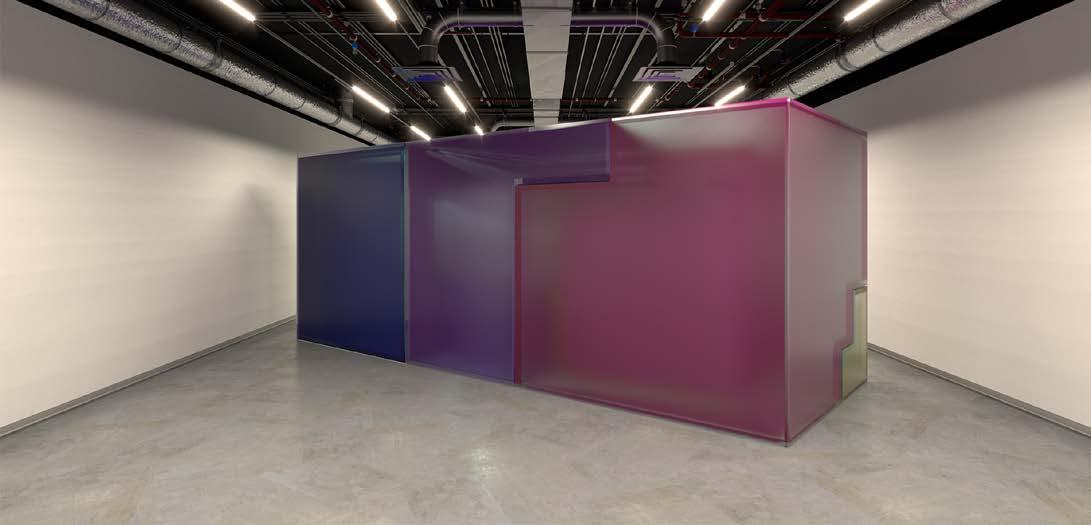
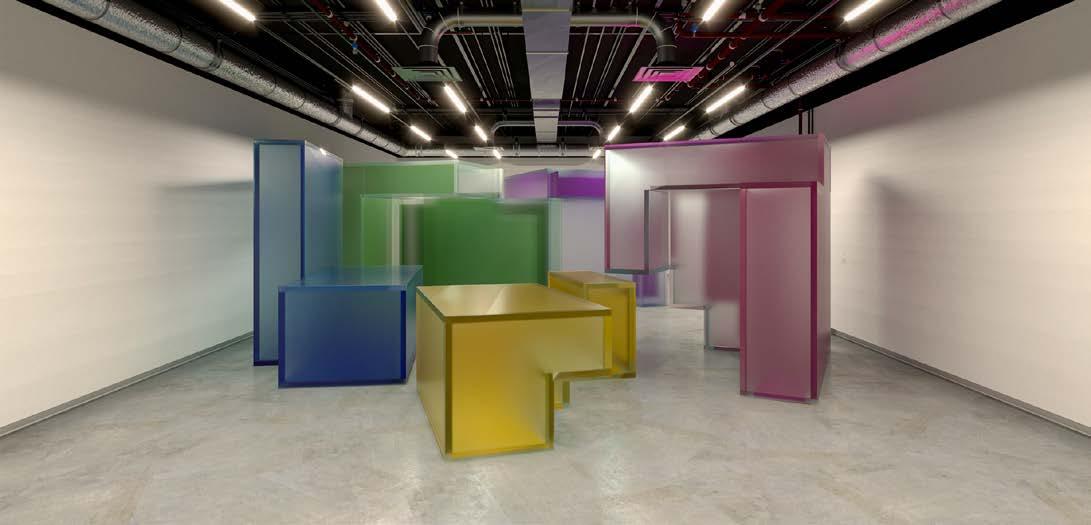
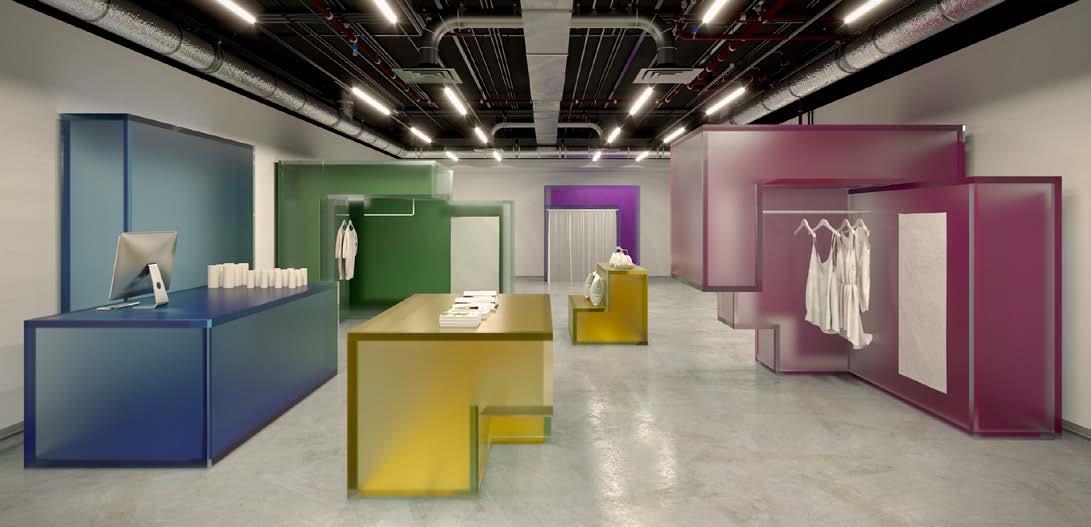
The creation of an innovative modular furniture collection for pop-up retail spaces. Drawing inspiration from Bureau Spectacular, the adaptable pieces ensure effortless assembly and disassembly. Crafted to seamlessly interlock, the structures’ unique design allows for easy transportation in shipping containers, providing mobility across diverse locations. Tailored to the ever-changing needs of retail environments, the collection offers a multifunctional solution, optimizing space utilization and enhancing the experiential aspect of each shop.
This project was designed under the supervision and lead of DS Studio’s design team.
Professional Project
Software Used
 V.ray Rhinoceros
18
URBAN TOUCH-POINT
Tirana, Albania
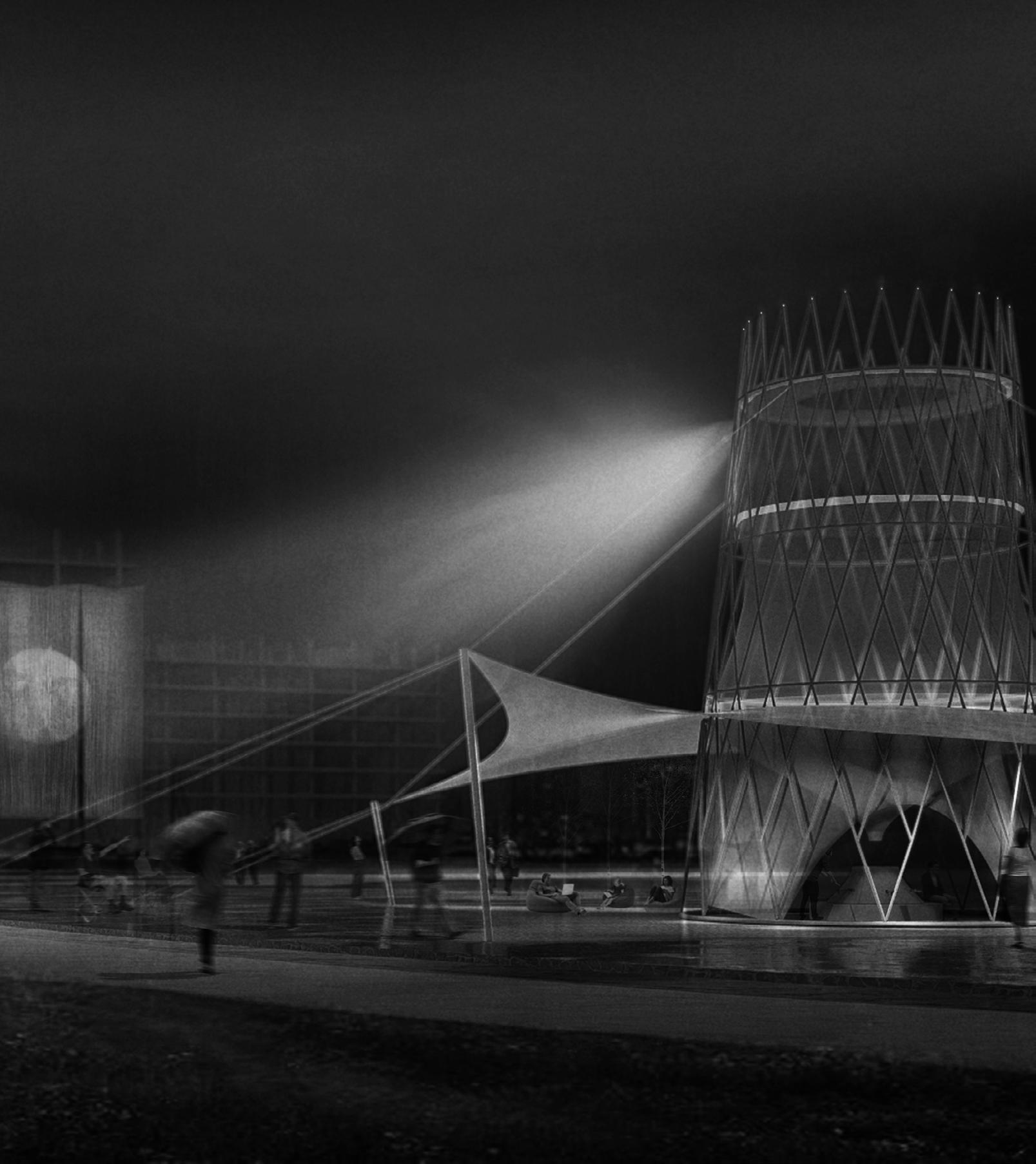
The 70-acre site in Tirana, Albania, is slated for redevelopment as part of the city’s plans for high-end architecture and a park. However, this redevelopment poses a threat to the informal settlements located on the site. This project seeks to provide livable and recreational spaces for the current residents through tactical architecture interventions that address water insecurity, lack of shelter, and insufficient promotion of activism. The design approach is intentionally minimal and non-permanent to maintain the residents’ livelihoods while allowing for adaptability.
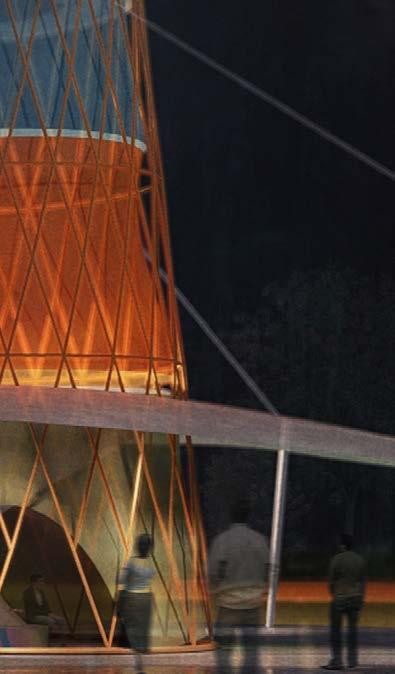
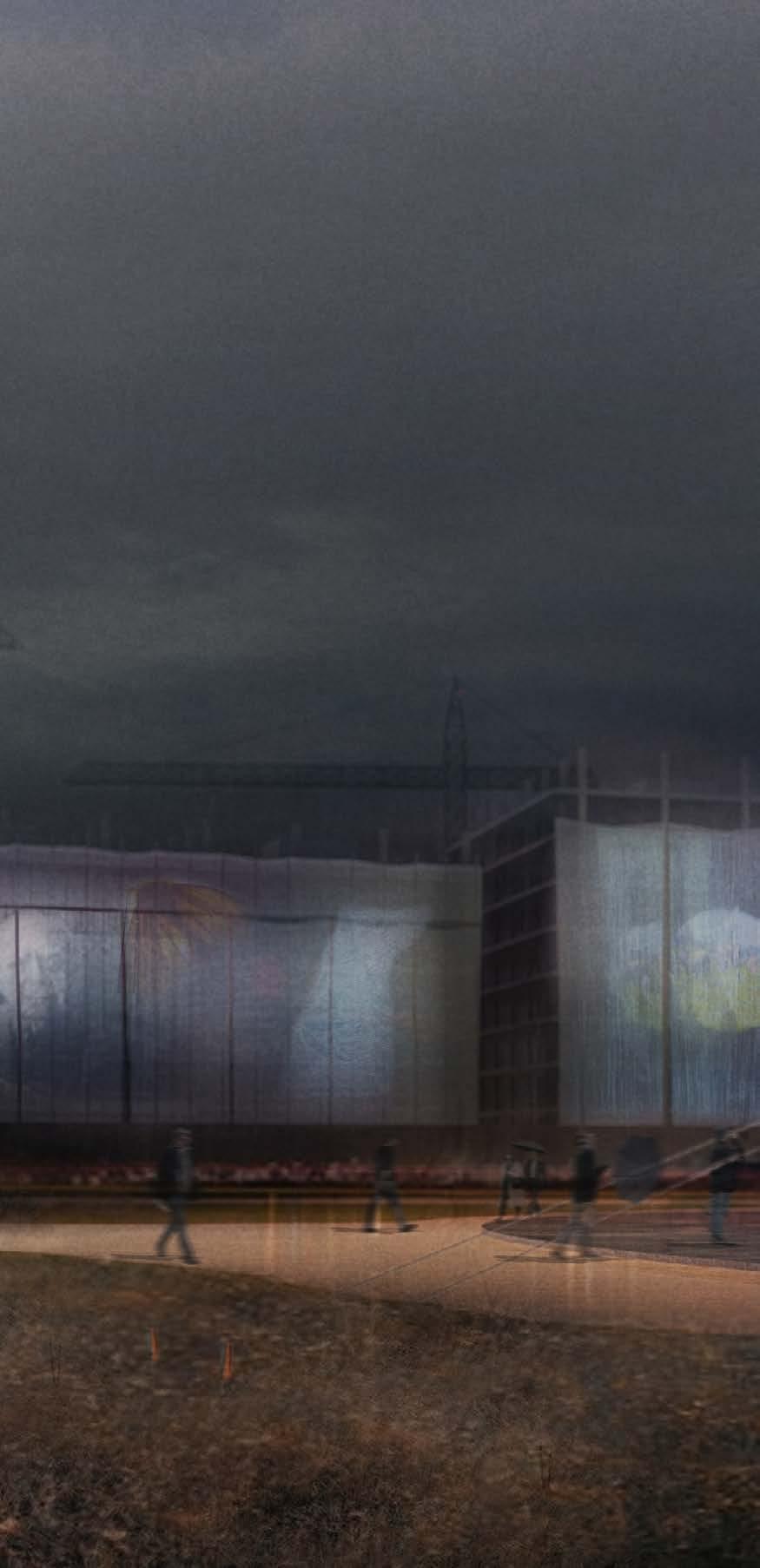
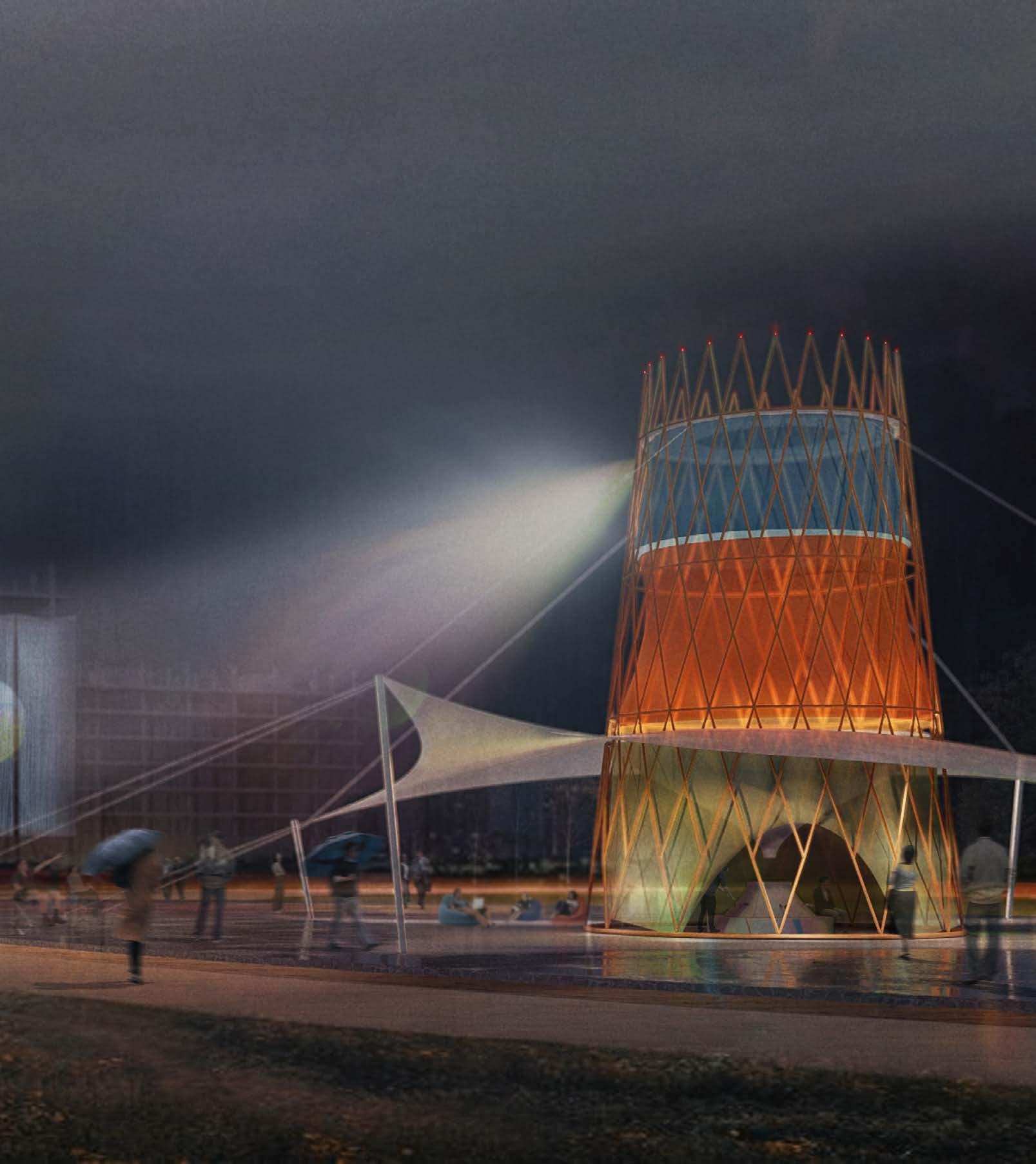
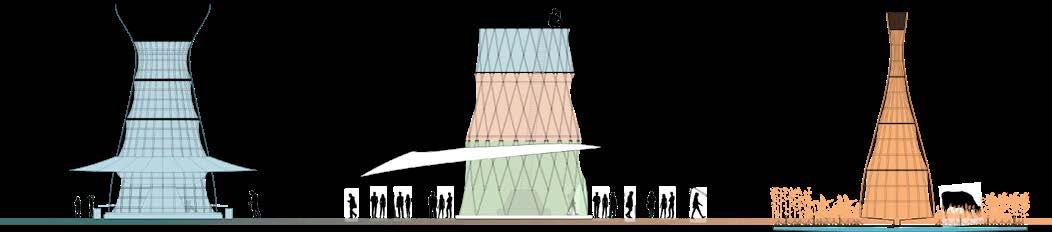
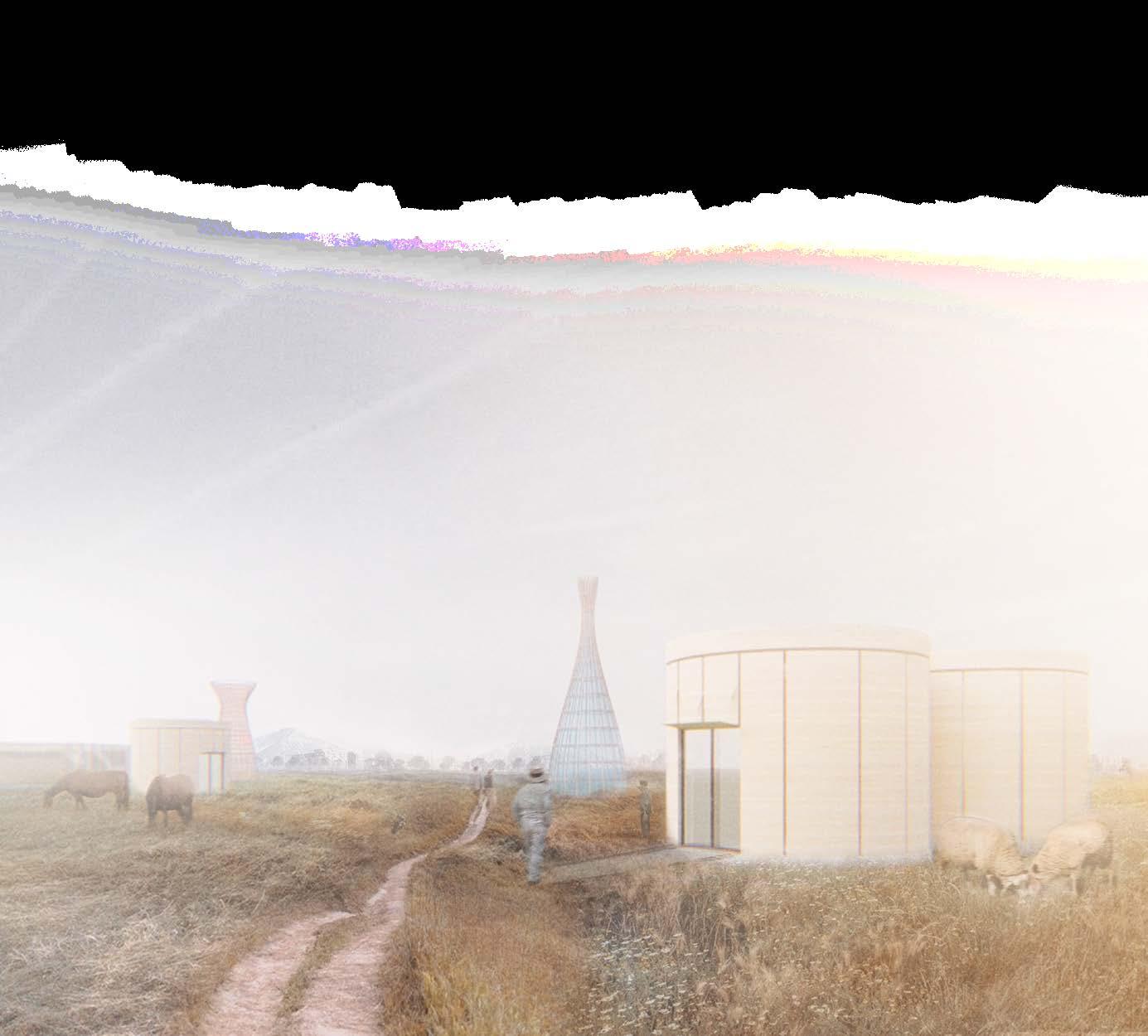
The project features several ‘Warka Water’ structures, strategically placed as nodes that connect different programming on the site. These structures also serve a community market, which offers an additional venue for activism through light projections that raise awareness by projecting images onto the construction sites. By prioritizing the needs of the current residents and their communities, the project uses architecture as a tool for activism.
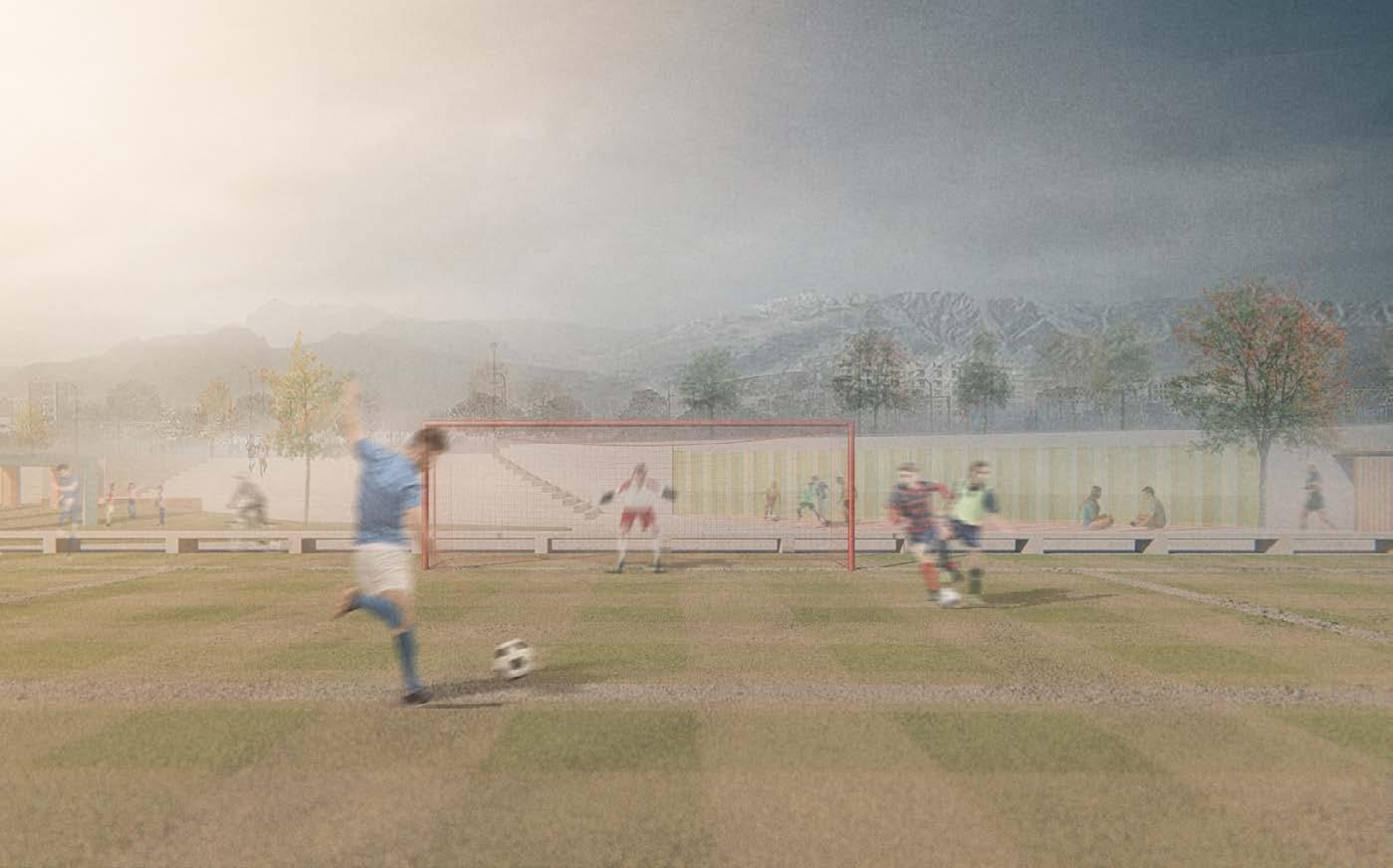
The creation of recreational and social spaces is expected to foster a sense of community and belonging while supporting the residents and enabling them to thrive amidst the planned redevelopment of the area.
Academic Project: 4th year Studio
Software Used
Published in Building 22 Edition-23 Photoshop Illustrator Rhinoceros Lumion
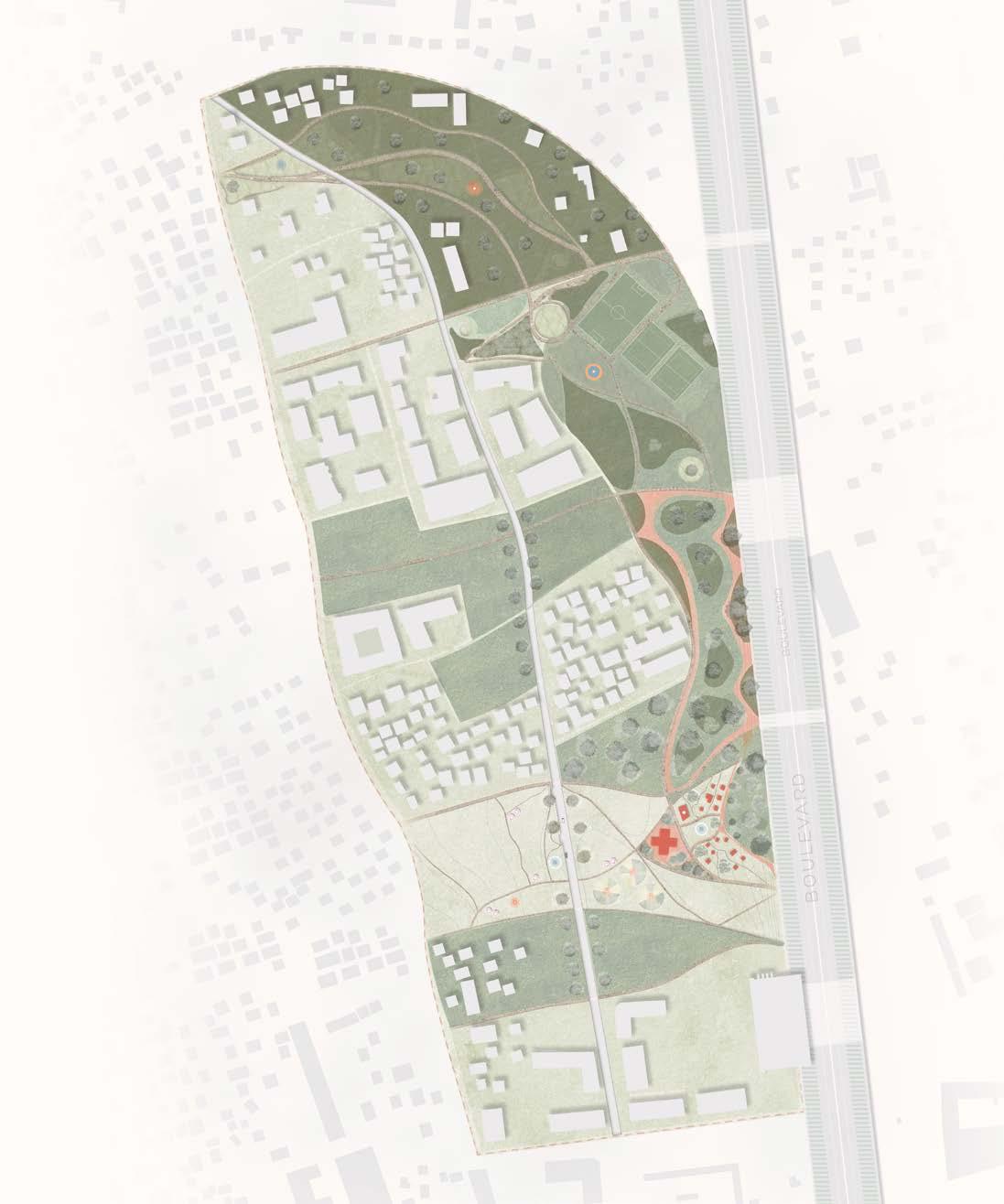
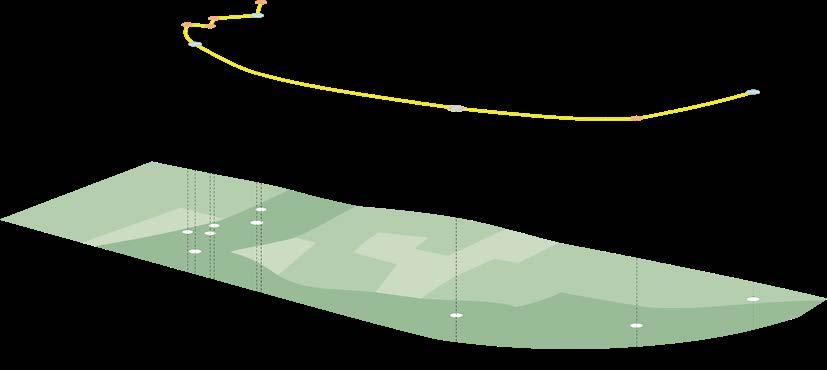
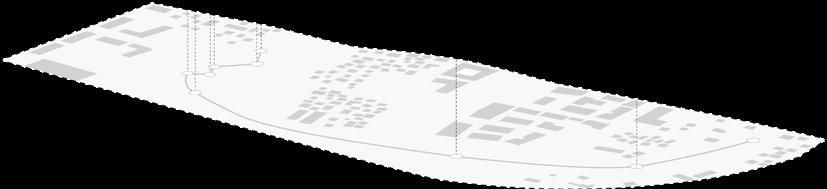
Tram Station Produce + Goods Market Recreational 100 m Garden Shelter Pods Street Parking Market 10 m 200 m Site Section Master Plan Site Section 1 Site Section 3 Community Garden Warka Water Shelter Pods Site Section 2 Site Section 4 PORTFOLIO | MOUHAMAD JAMILI

20
Thrift Bookstore Sport Structures
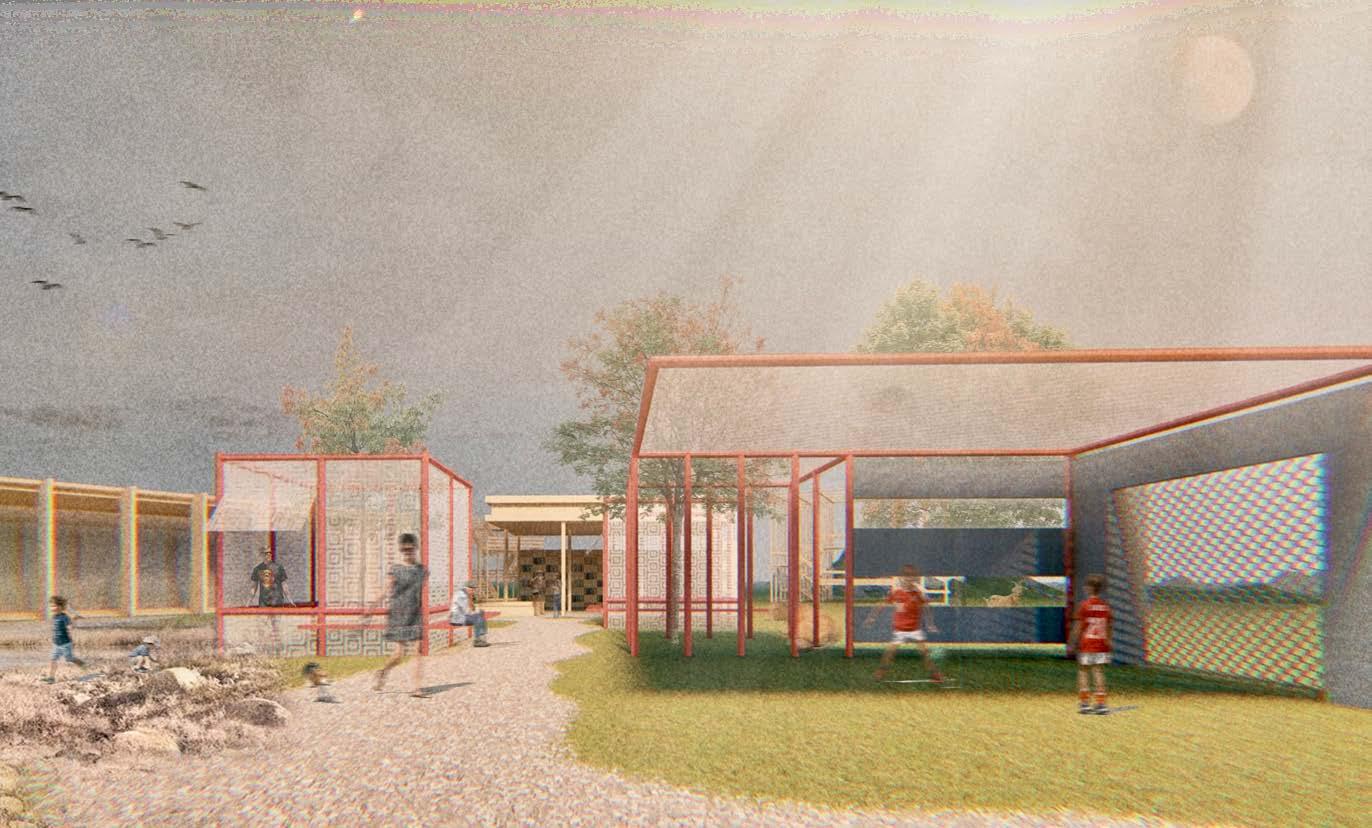
Render of Community Market Boutique Wood Fabric
SELECTED WORKS | URBAN-TOUCHPOINT
Concrete Foundation Seating
Food Vendors
WARKA B
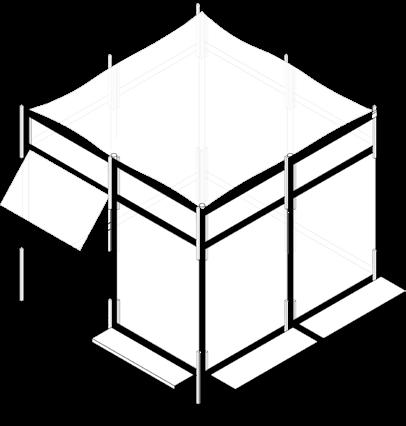
Purpose: Efficiently gather the maximum amount of drinking water using methods of rain water collection and water harvesting from humidity.
Count: Three.
Location: Community Market and near residential neighborhoods.
WARKA A
Purpose: Utilize nearby construction as a backdrop for light show images. projections will be controlled by community members.
Count: One.
Location: Recreation Centre, Boulevard side.
WARKA C
Purpose: Allowing the community to grow the crops needed for the produce market and personal uses.
Count: Five.
Location: community Garden and near residential neighborhoods.
PORTFOLIO | MOUHAMAD JAMILI

SHELTER PODS
These pods provide a sanctuary for the night shift workers or for travelers such as farmers, cab drivers, and construction workers who need a place to rest. The pods are designed to face the Qibla, as they also function as a Muslim prayer room.



21
of Site Landscape 4.00 m 4.00 m 3.00 m 4.00 m
Roof Sunlight + Shade
Passive Cooling Carpet Pre-cast Concrete SELECTED WORKS | URBAN-TOUCHPOINT
Render
Fabric
Groove

Site ‘Section 4’ Community Market PORTFOLIO | MOUHAMAD JAMILI
Render Recreational Activities Besides the Boulevard Wall
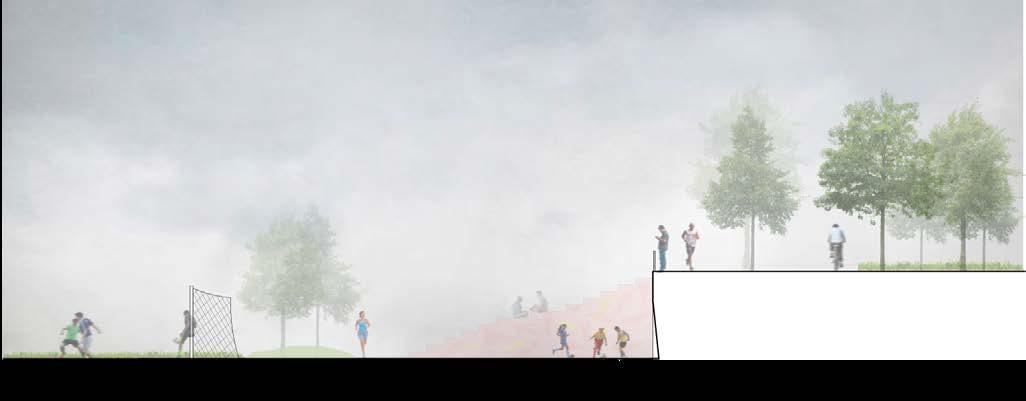
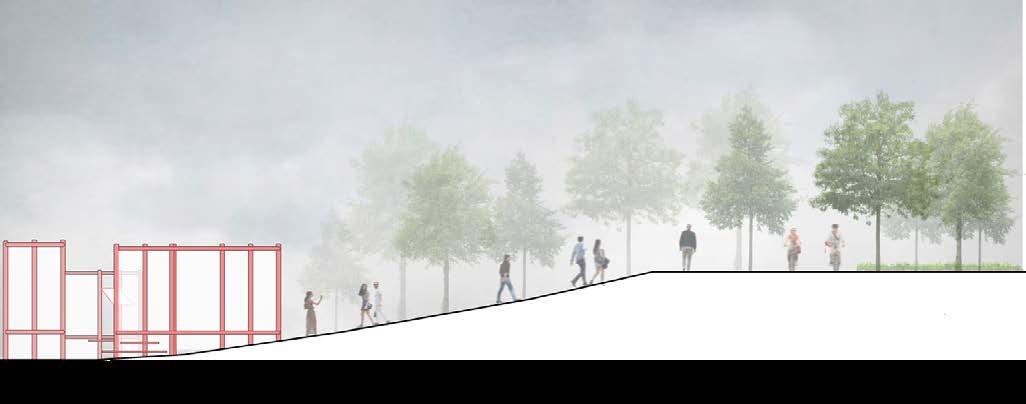
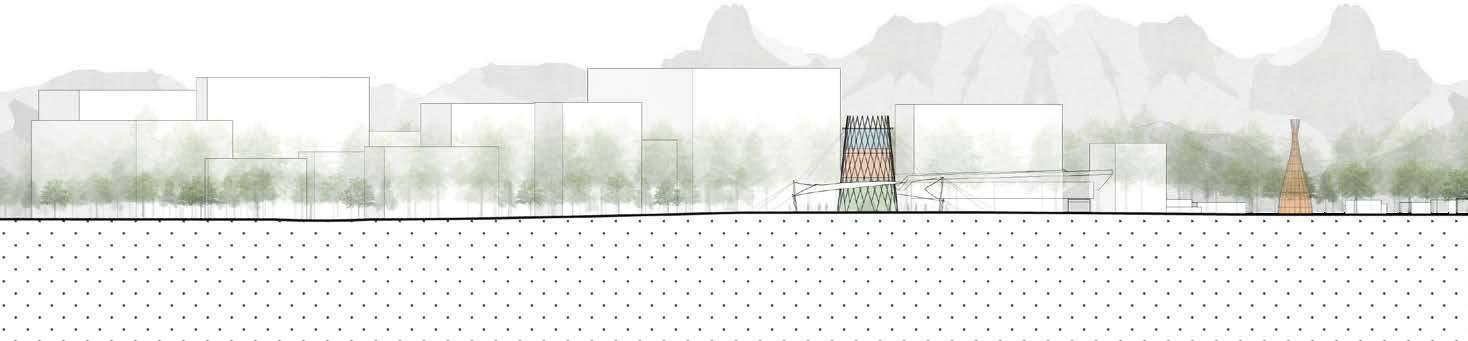
Boulevard-Market ‘Section 3’ Boulevard-Recreation Centre ‘Section 2’ Market Boulevard Football Boulevard Soft Ground play Informal Play Area
Space 22 Green Space SELECTED WORKS | URBAN-TOUCHPOINT
Recreational

Selected Works 2021-2024
Mouhamad Jamili Portfolio. Architecture, Interior Design, & Urbanism
