Abridged Portfolio

A Short Selection of Work from 2020-2022
Abridged Portfolio
A Short Selection of Work from 2020-2022
This project was conceived upon the duality of the climate crisis and the unconsciousness of the building.
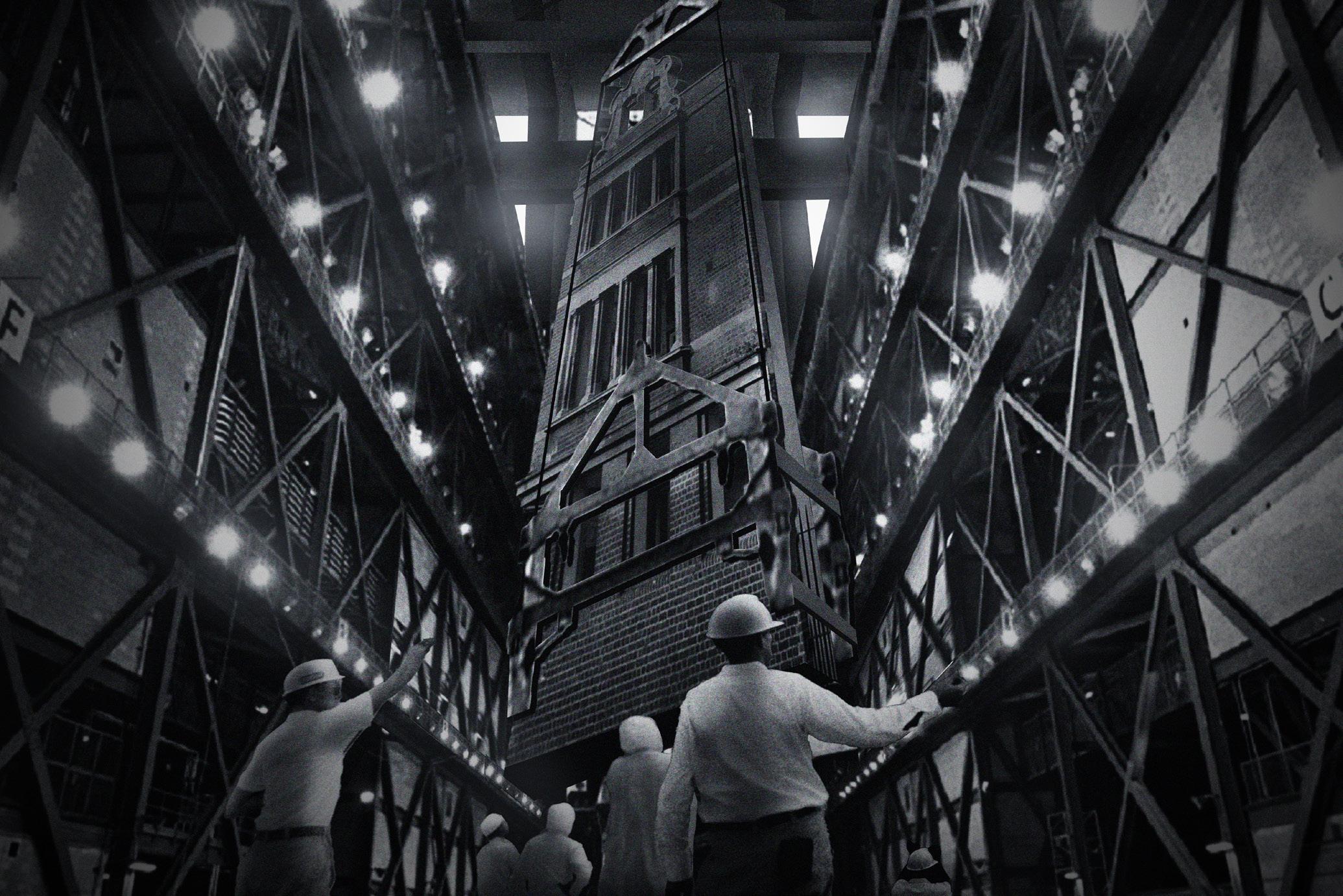
The Climate Crisis is an inherent archive of human activity. It is a collection of small activities that build upon each other over time, making it difficult to see the link between the climate crisis and our activities. This notion is related to the built environment where a lot of buildings remain derelict yet new buildings are being constructed producing a huge percentage of the world’s emission of CO2.
Derelict buildings are sparse in the cities, making it hard to see the scale and the quantity of those. This project aims to visualise the scale of human activity through archiving the building materials collected in London and to strike the emotional impact. The idea of the unconscious building was inspired by Sigmund Freud’s unconscious mind leading me to question what narratives lie within a building.
My project aims to bring people in, and bridge the different social crowds acting as a social condenser. Shifting the entrance of the street to the park side will draw people’s attention and let them know what is going on in the street, and have a chance to come and visit, which will consequently help revive the street as an art scene.
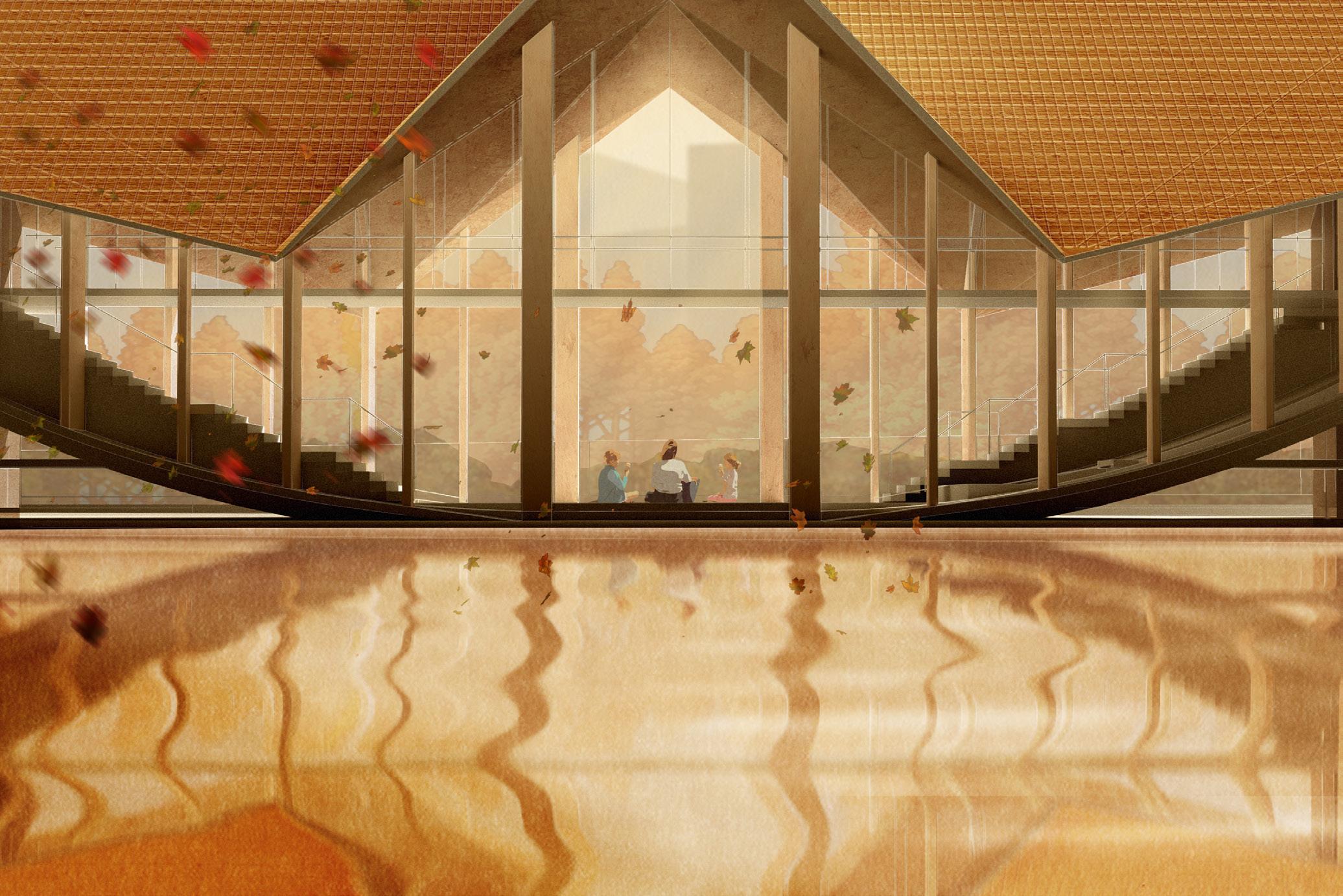
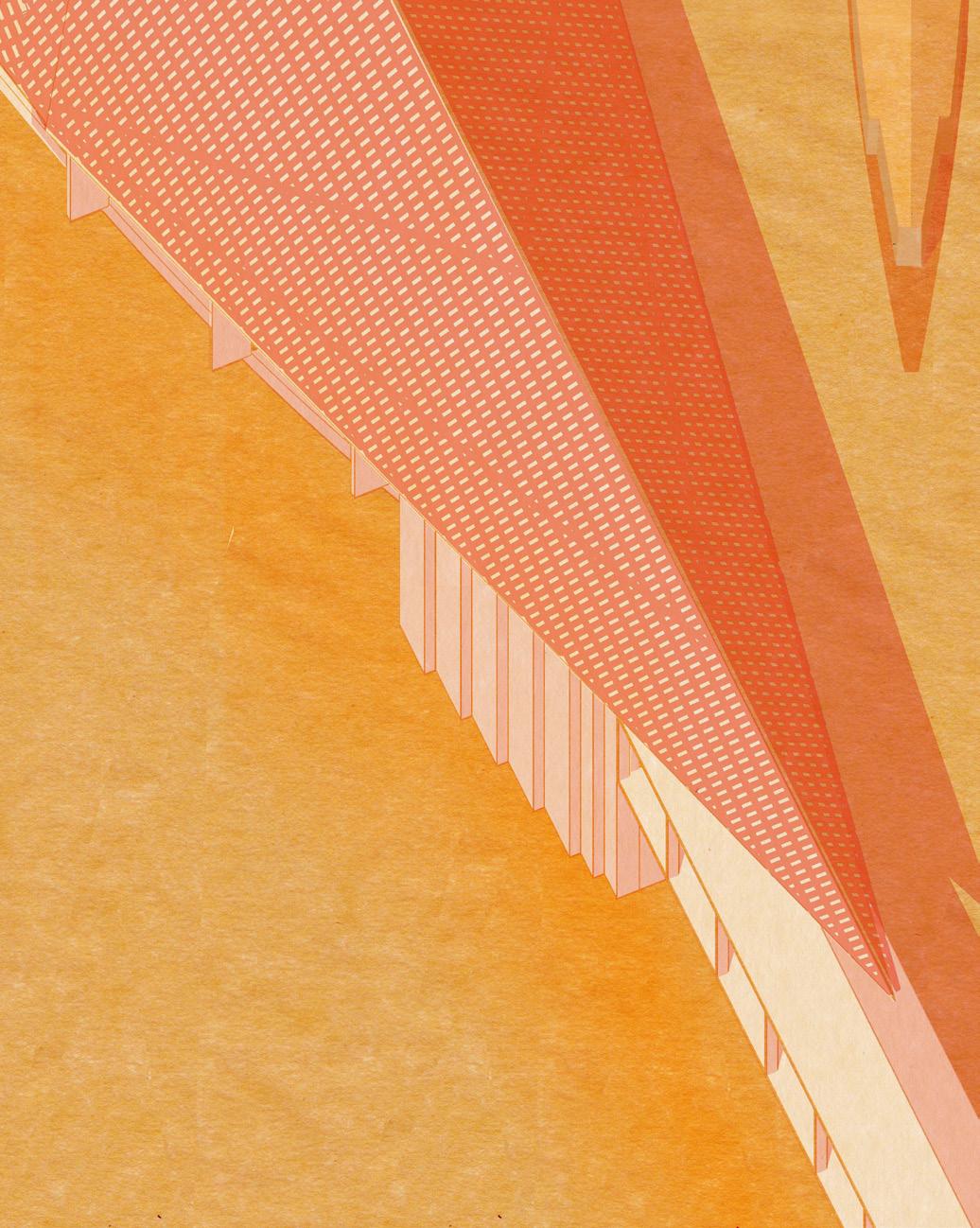
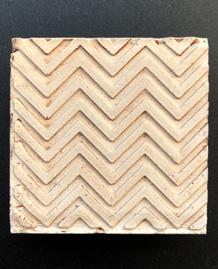
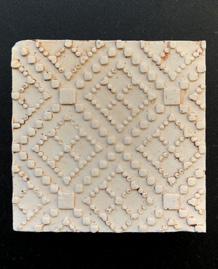
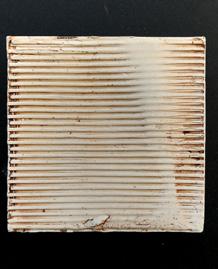
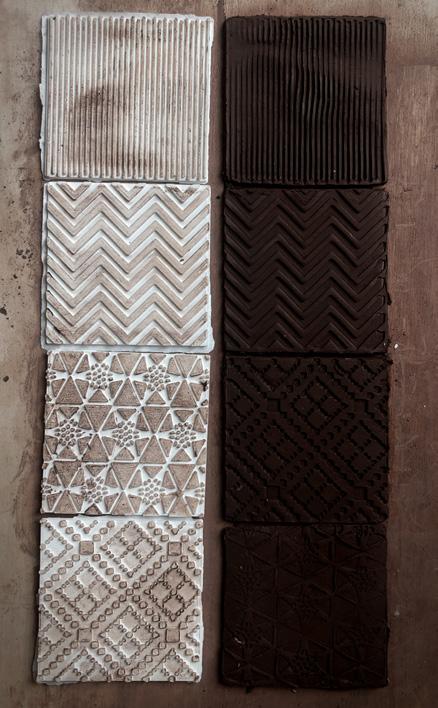
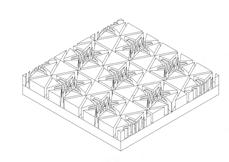
Taking the contextualist approach, the project sought a way to weave into the landscape while remaining “loud” enough to draw people in. Referencing the site’s forgotten craft, silk weaving, it investigated how roof tiles could be a reflection of the local climate through time letting it merge into the landscape. Just like thousands of strings form a textile, the unique patterns on the tiles will create site-specific fabric while reflecting its locality.
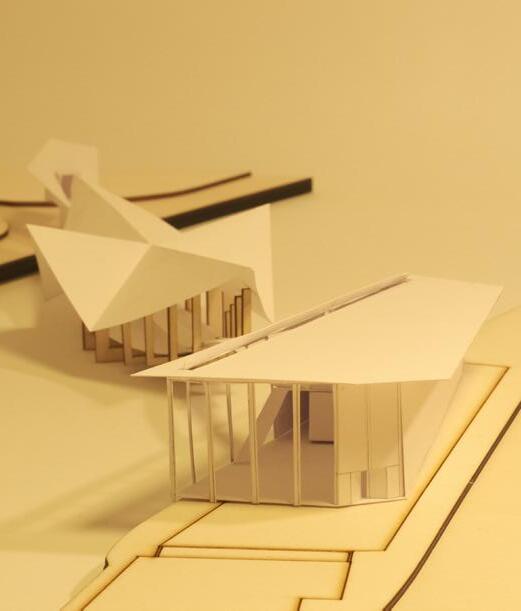
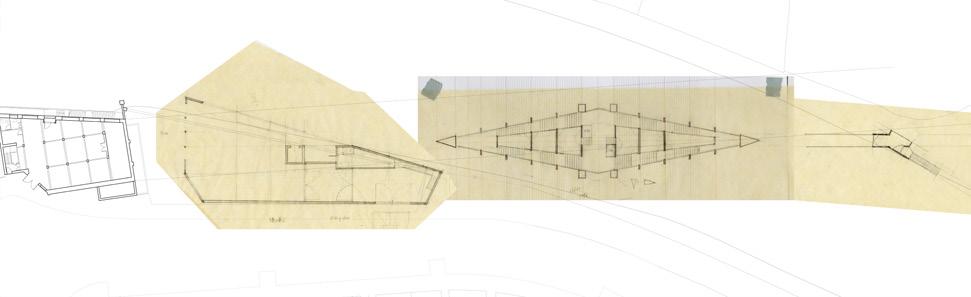
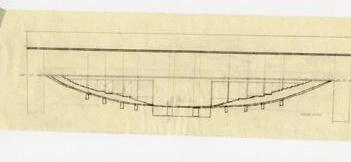
Processes

From sketches to drawings to physical models to digital models, I iterated my design through various mediums.
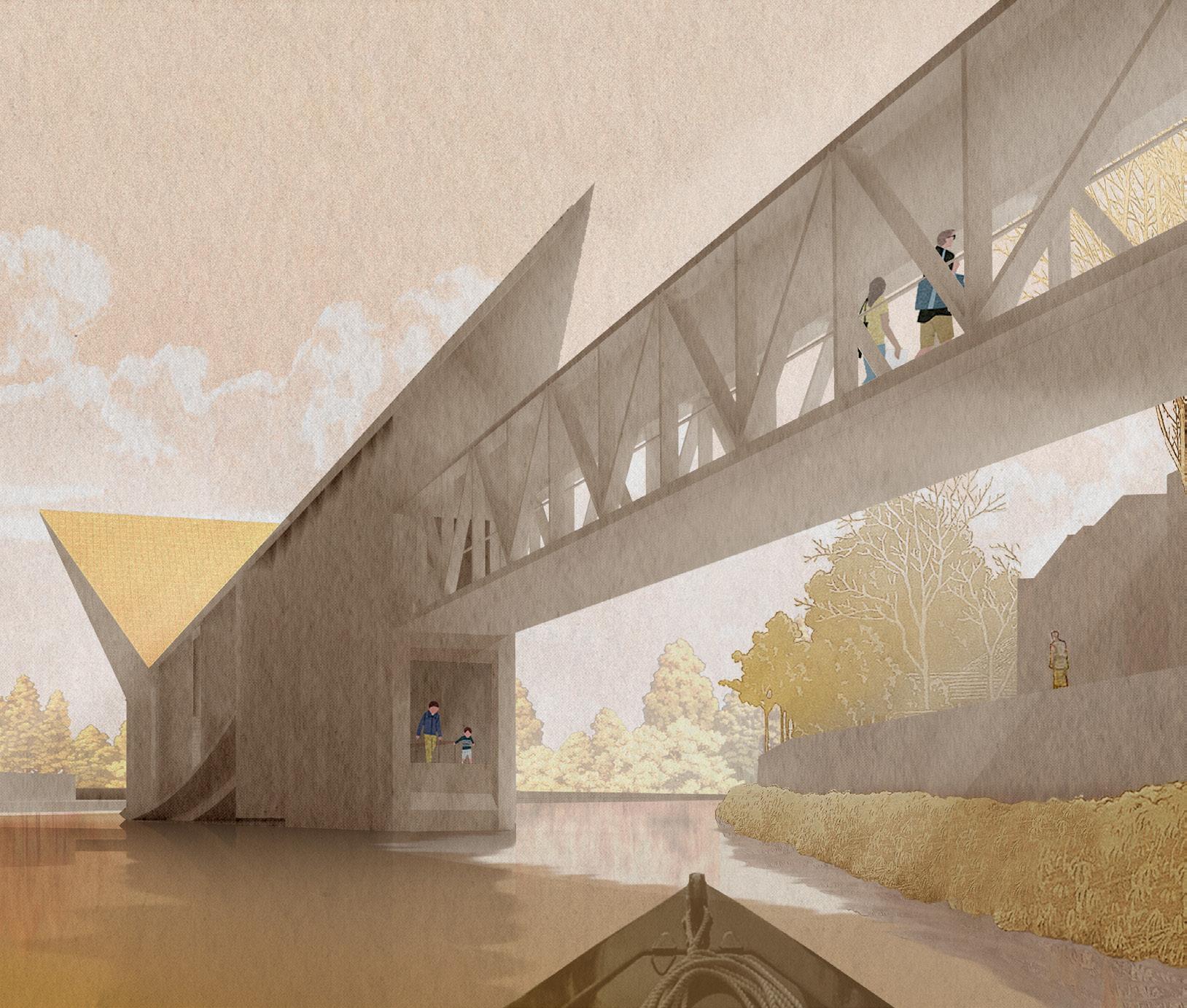
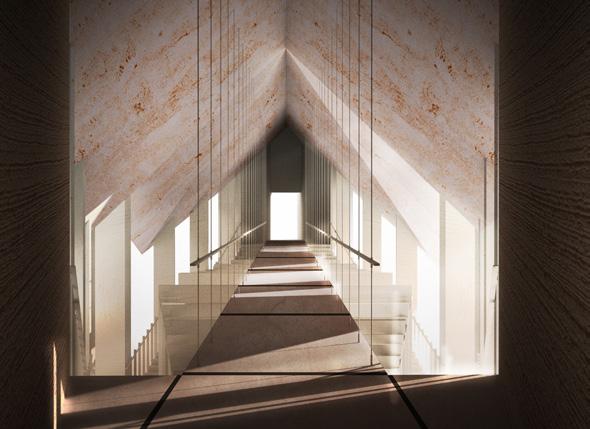
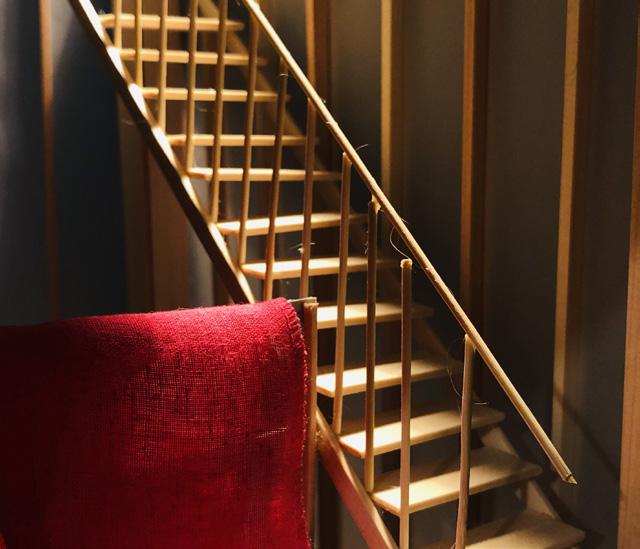
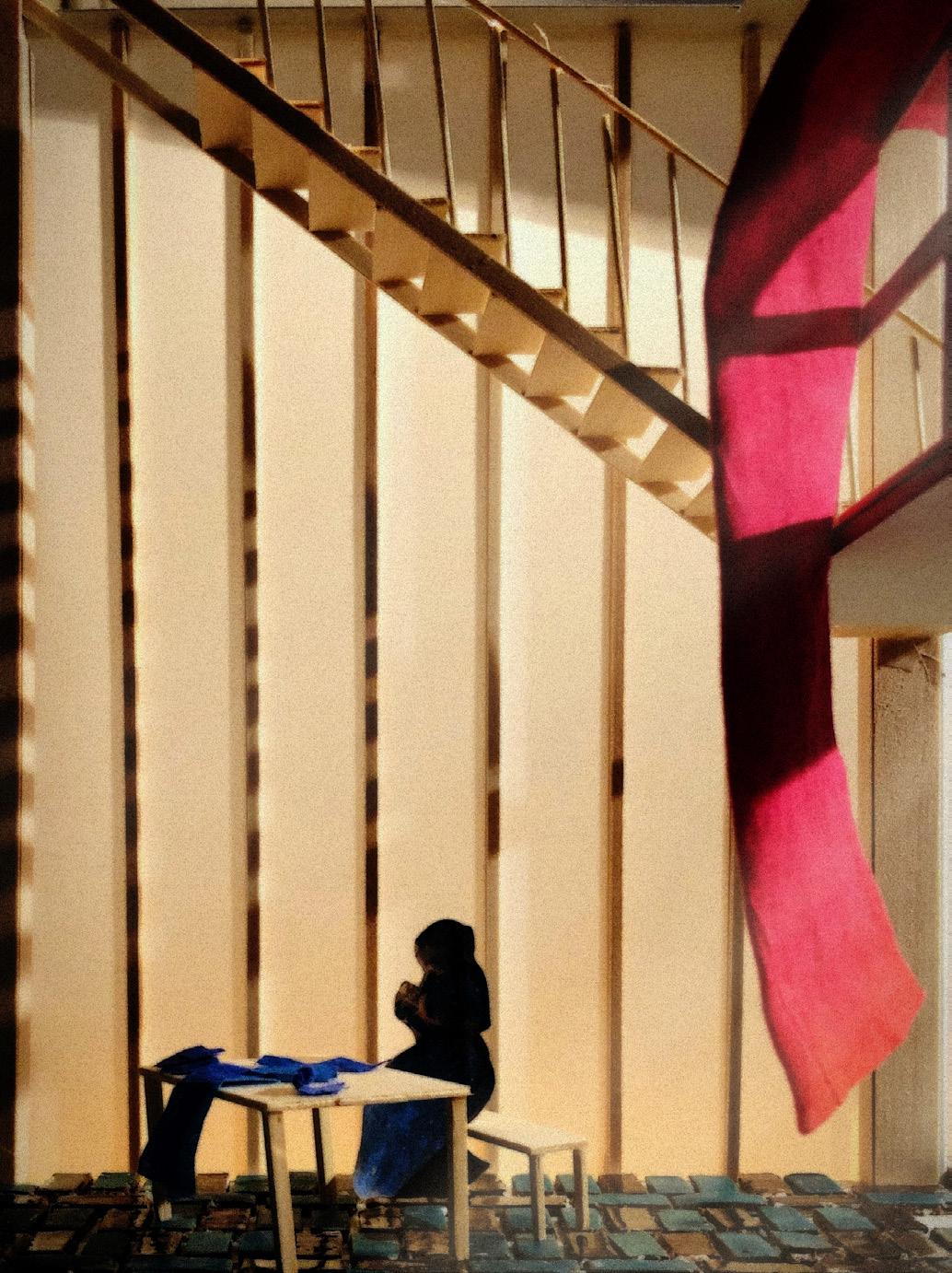
As you go up the staircase, the bridge leads you to Vyner Street. The structural ribs frame the journey towards Vyner Street while allowing light to pour in.

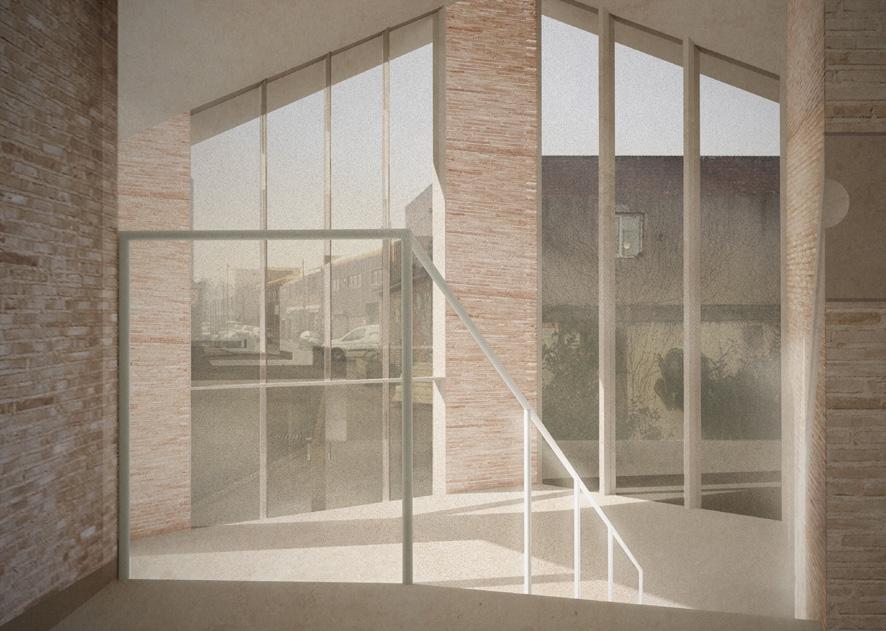
Internal gallery space. There will be partition walls to separate the rooms for multiple artists to display their work. The structural ribs help frame the view outside.
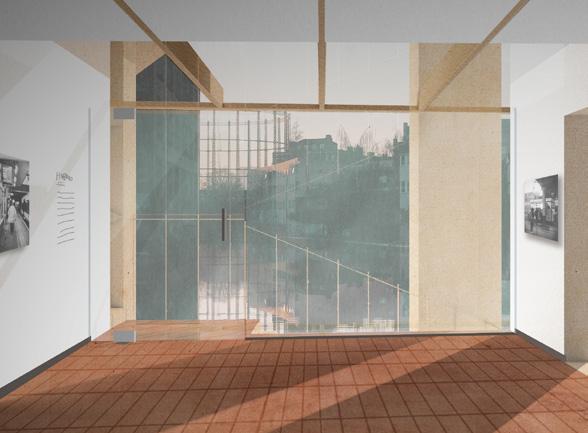
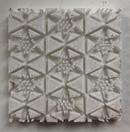
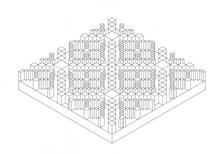
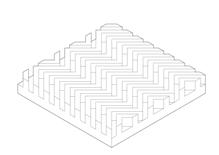
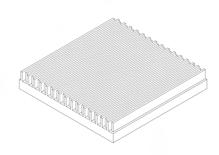
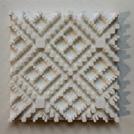
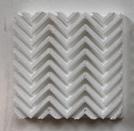
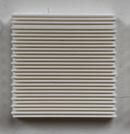
Through site analysis, I noticed relationship between materials and time, through the growth of moss collection or dirt, which became my main material focus.
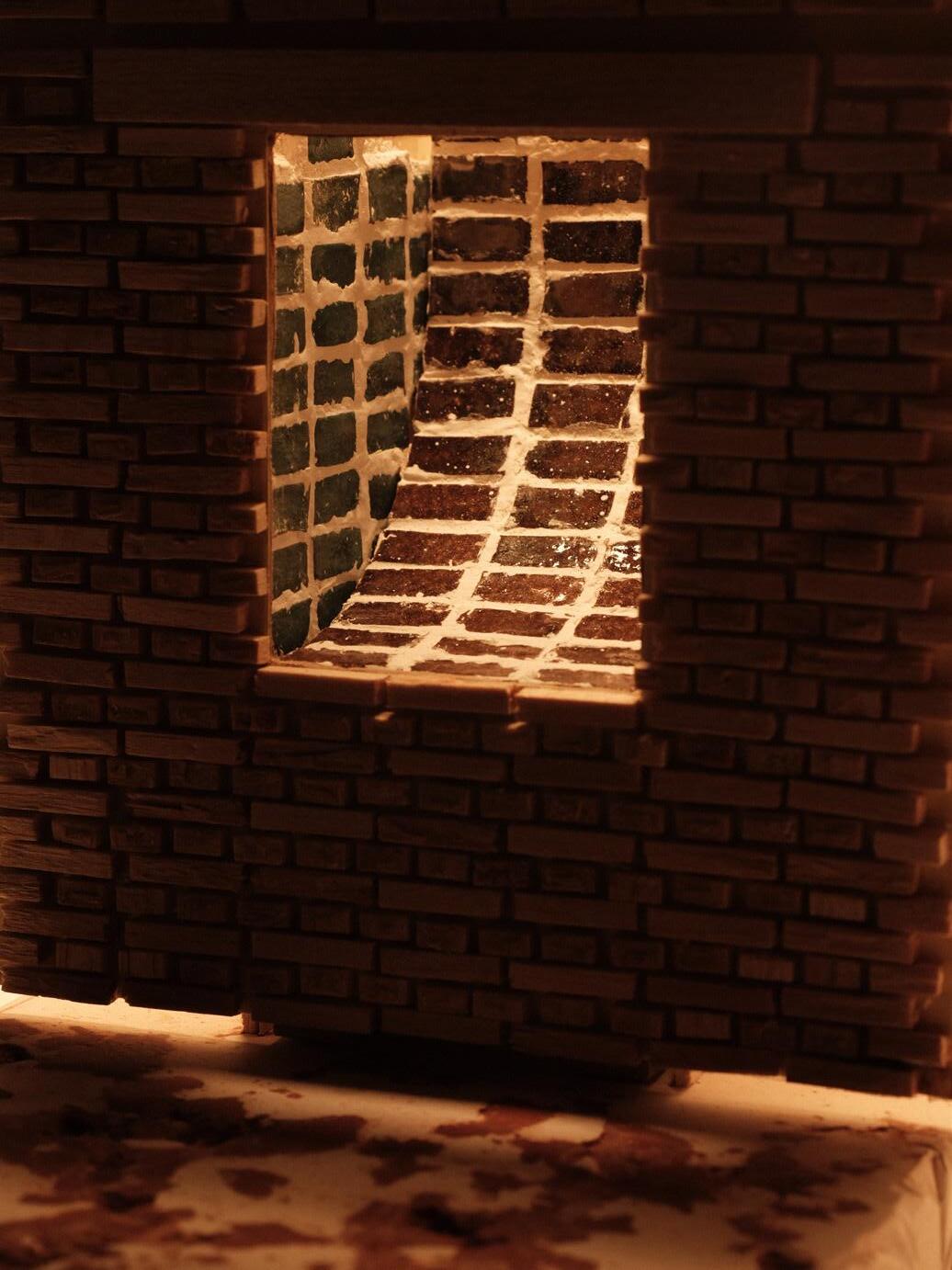
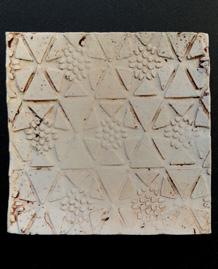
The material tests shows my exploration of tiles that blend into the landscape reflecting the locality by collecting dirt and growing moss over the time.
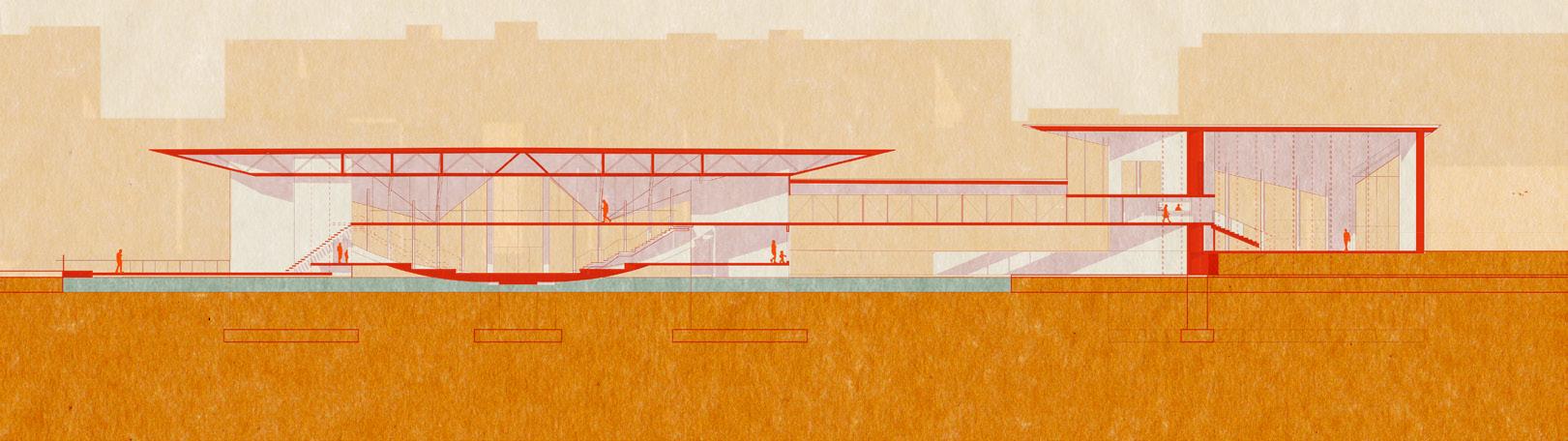
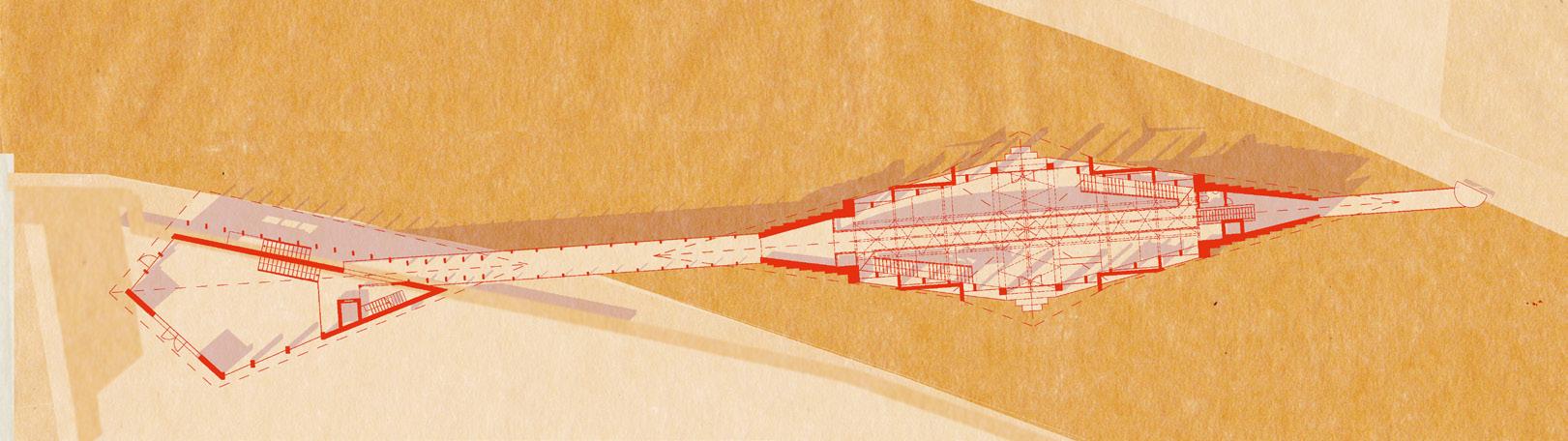
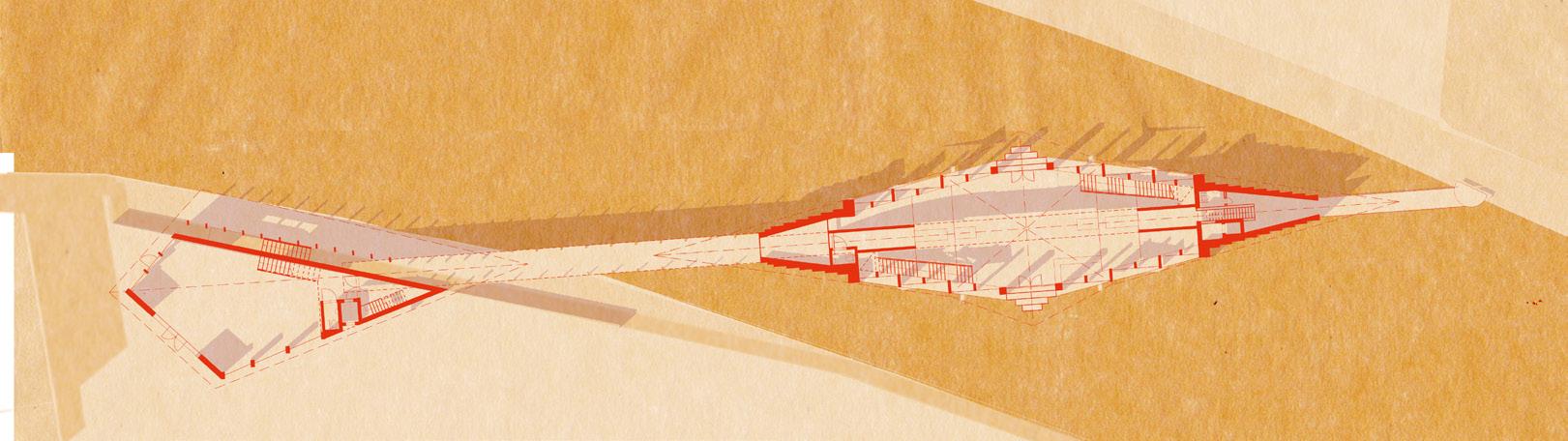
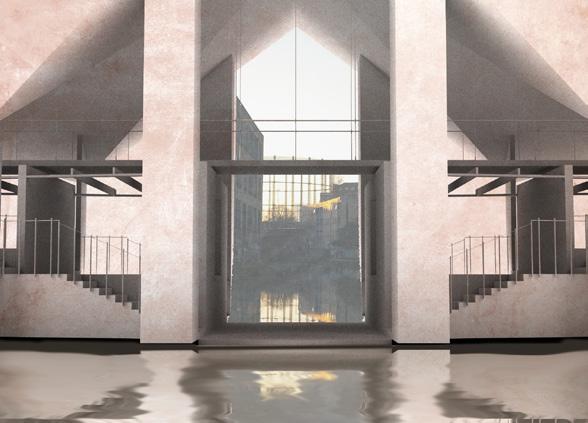
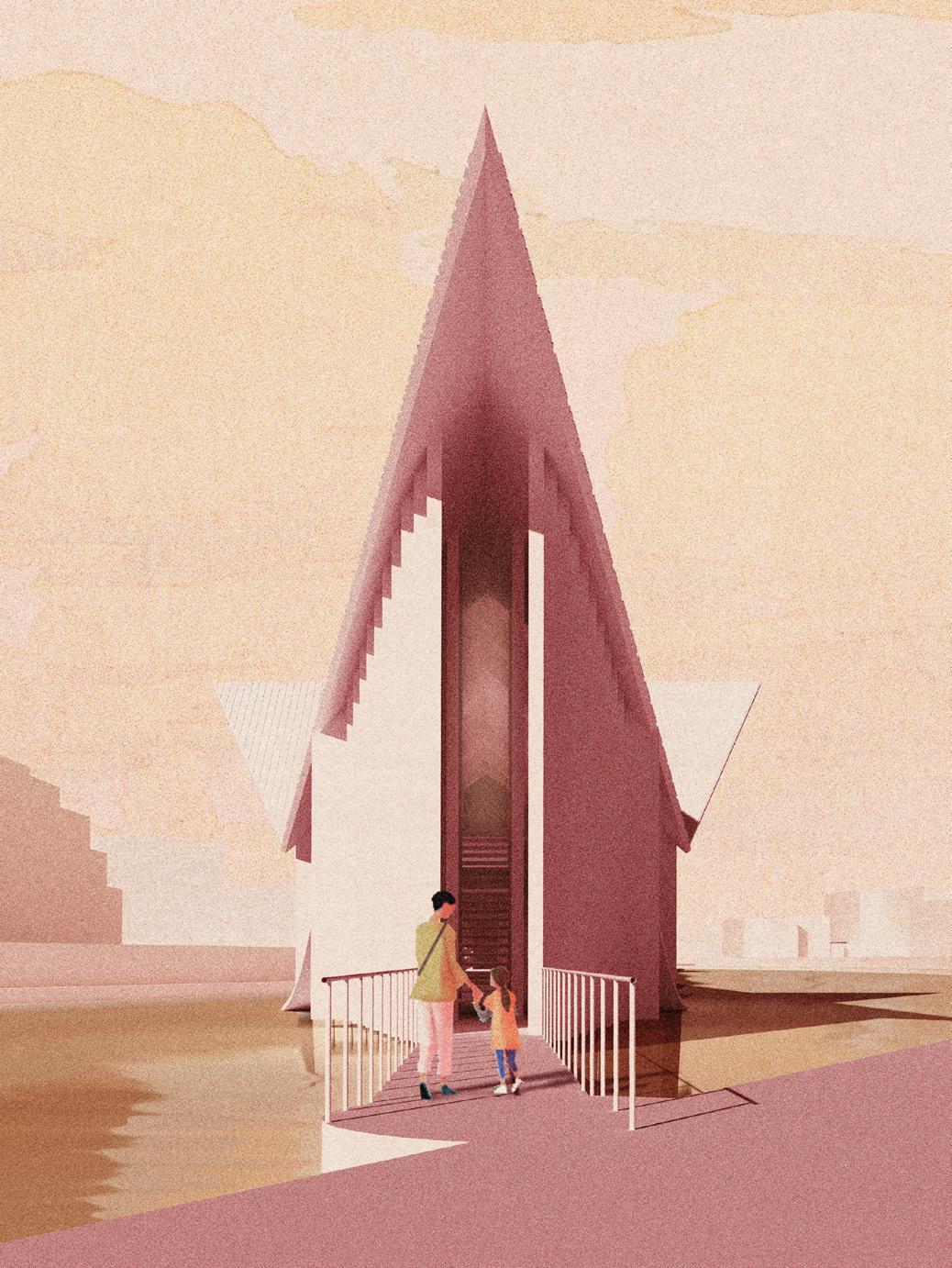
The bridge connects Victoria Park and Vyner Street. Starting from Victoria park side, you will enter the first gallery on the canal through a staircase. There will be a part where it touches the water giving the sense of the unusual experience of being on the water while displaying the various artwork.
The bridge will lead you to the next exhibition space on the land. The space on the land is bigger which will hold film screenings, larger installations/performances. The structure frames the view of Vyner Street leading you to enter the street.
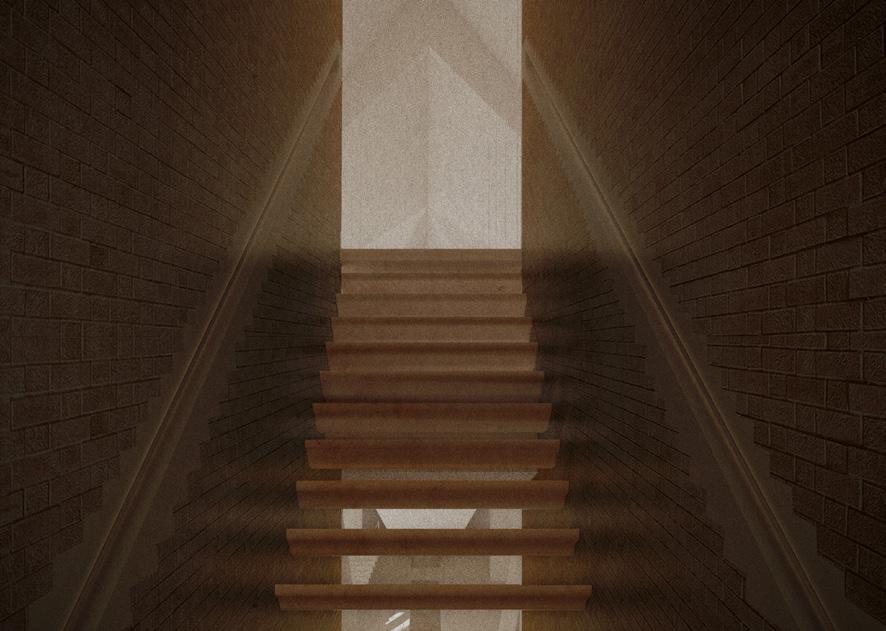
The staircase brings you to the bridge as you enter the builing into the dark. The light of the gallery space bleeds through the gaps of the steps, and draws you towards the gallery. The railing sits within the wall.
Under the bridge, there will be a gallery space, celebrating the artwork inside with the light coming in.
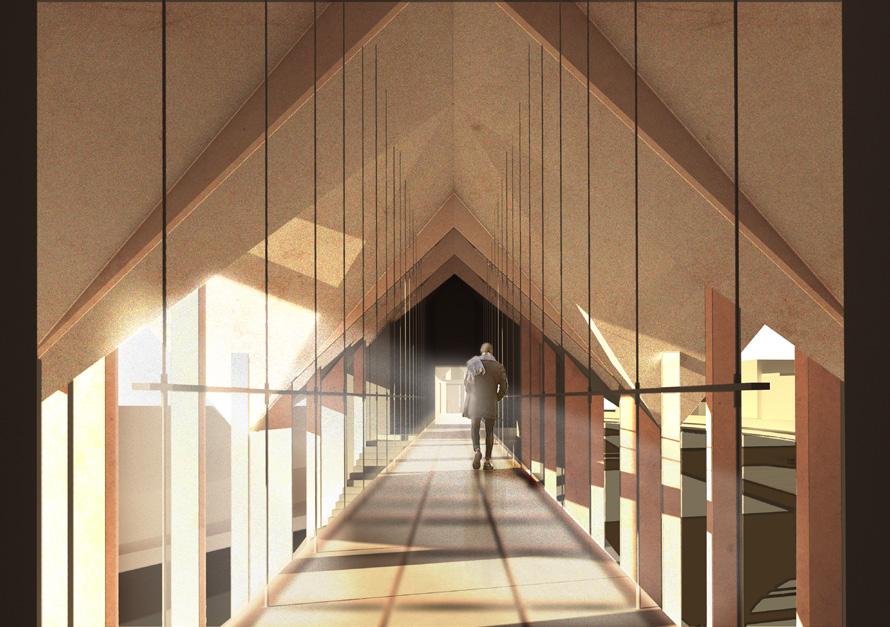
As you go up the staircase, the bridge leads you to Vyner Street. The structural ribs frame the journey towards Vyner Street while allowing light to pour in.
As you look down and see the space below, the artwork is exhibited celebrated by the whole space with the light coming in,
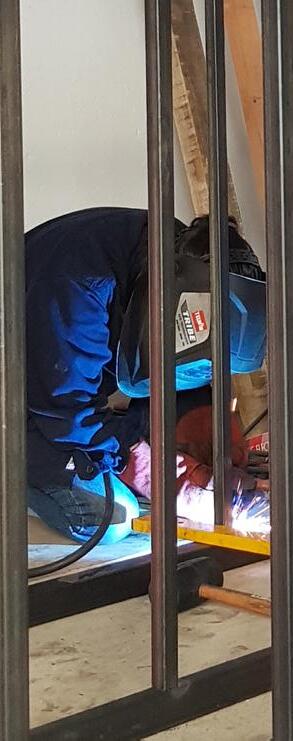
The Made Agency
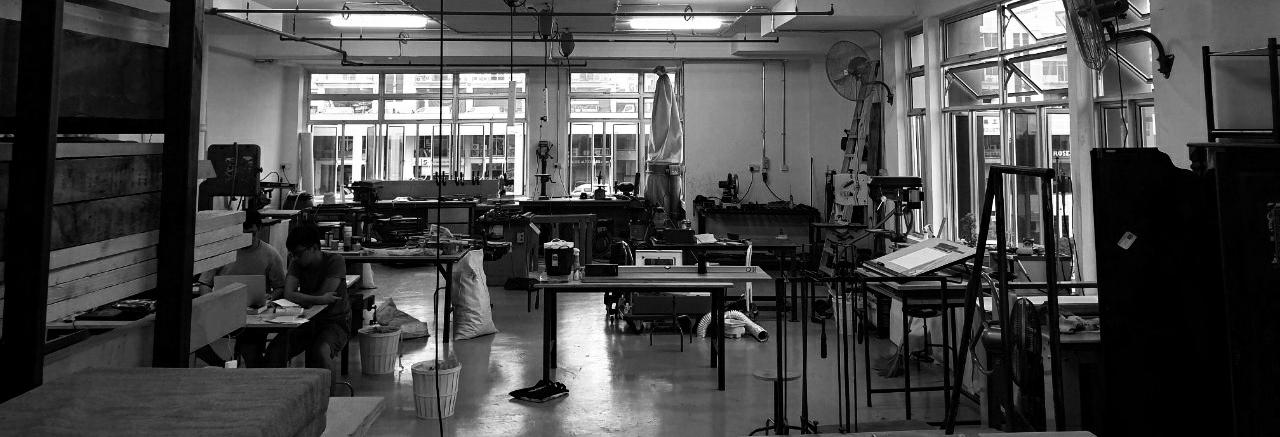
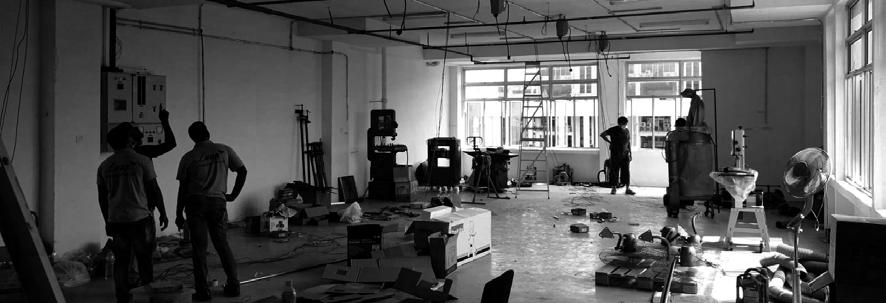
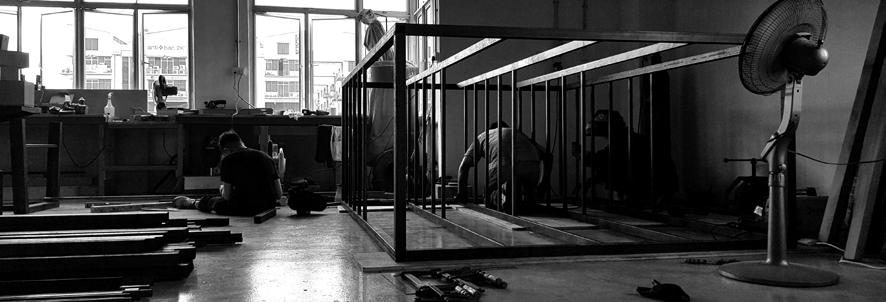
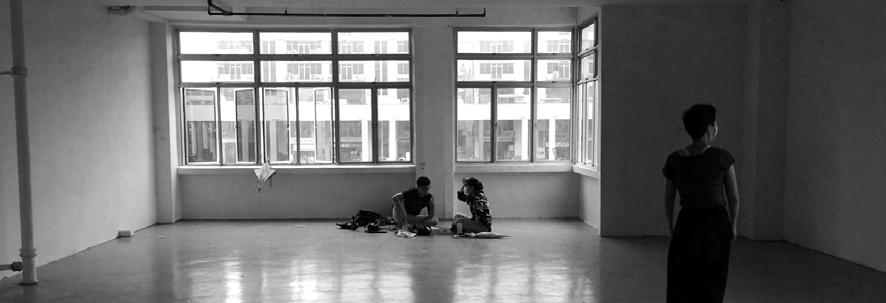
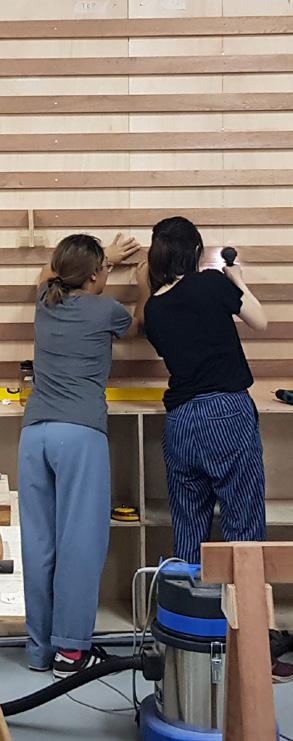
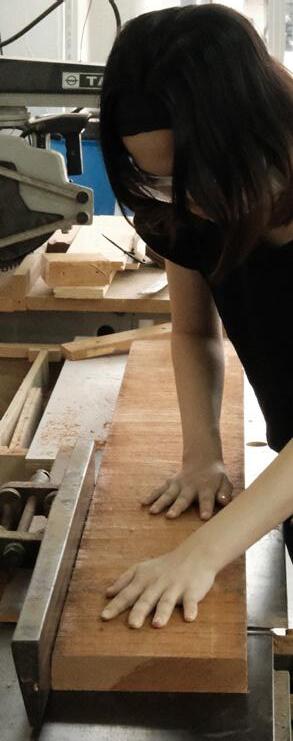
Building a workshop using second-hand machines with a group of friends in Singapore. Concept of thinking through making inspired me while contributing this activity.
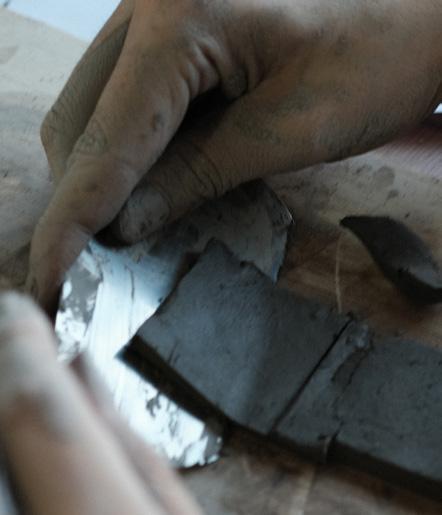
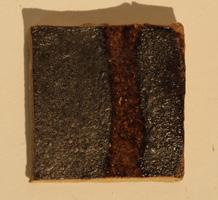
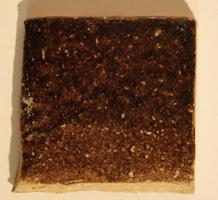
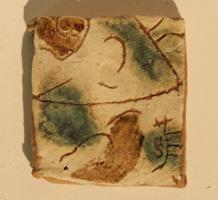
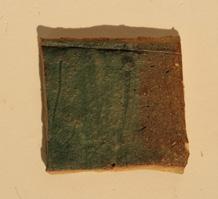
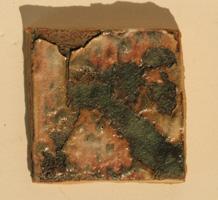
Experimenting with tiles and glazing. Experimenting with different glazing techniques helped me develop the window fragment where thicker layers of glazing that makes the surface shine like metal were used to bring the light in through the skylight, and fewer layered glazed tiles were used to let the light into the internal space.