Fighting for the Health of the Planet with AI
LIDS
Editor
Amanda Moore
Design & Illustrations
Sonia Monti
Writers
Michaela Jarvis
Greta Friar
Madeleine Turner
Shyla Putrevu
Proofreading
Vendi Pavic
Photography Credits
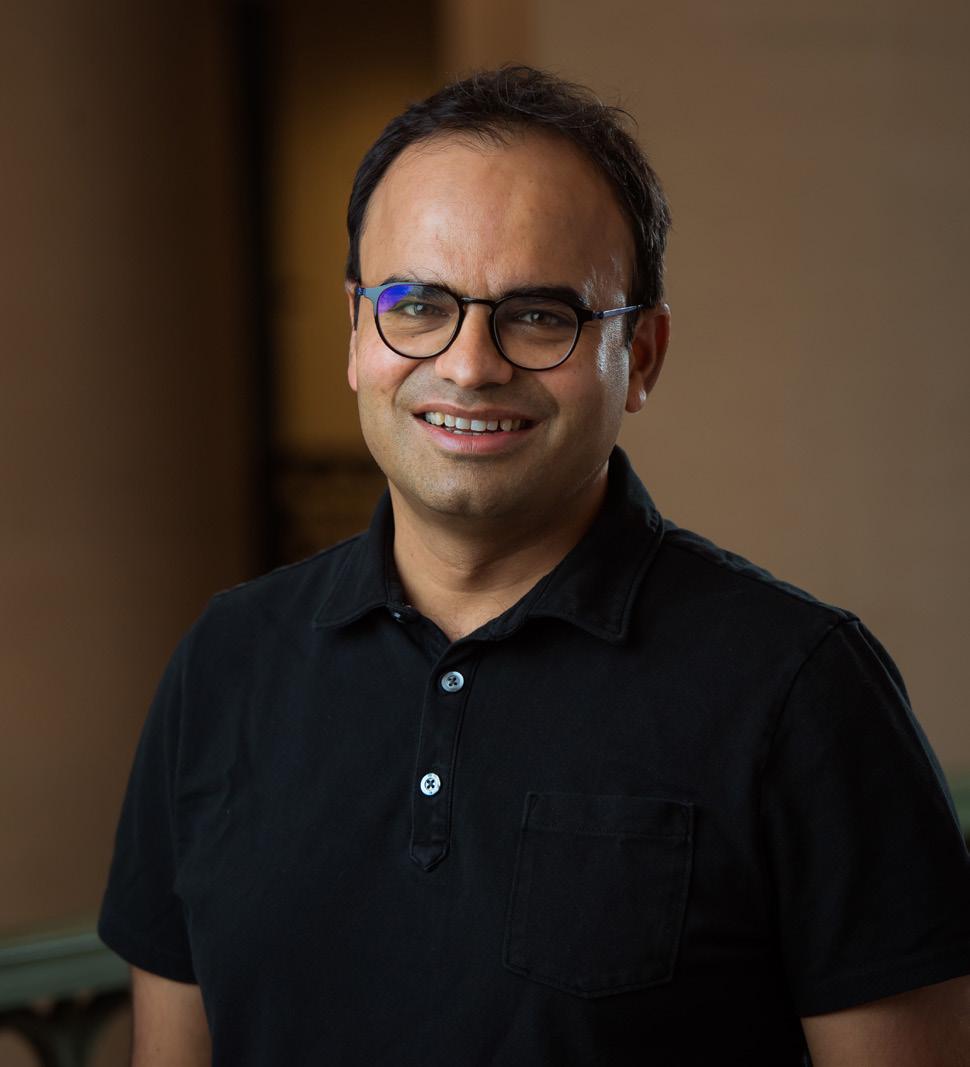
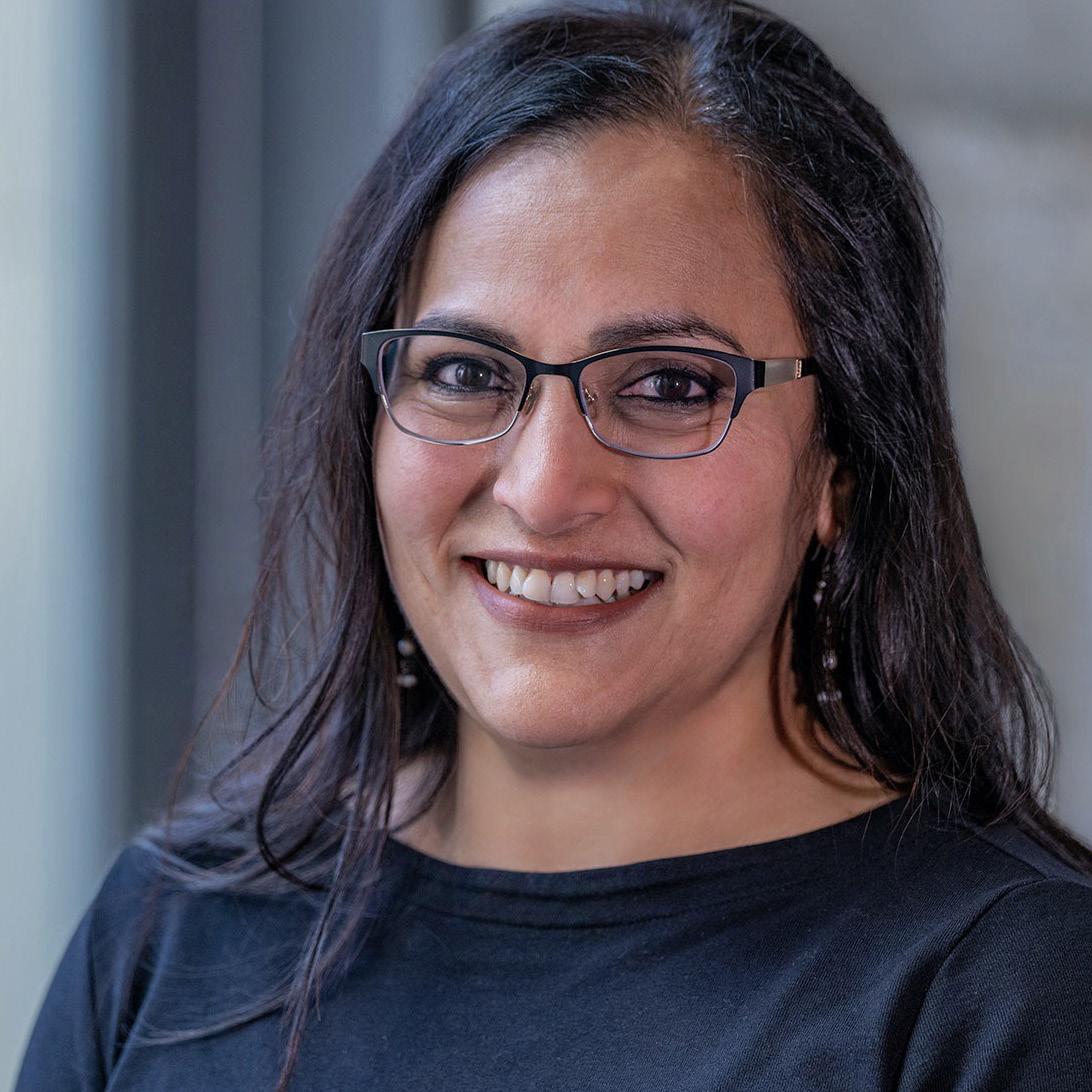
Photo of Priya Donti credit Adam Glanzman. Photos of Stan Reiss and Devavrat Shah courtesy of the interviewees.
Photos of Sertac Karaman, Andrea Henshall, and Shyla Putrevu credit Andy Ryan 2024.
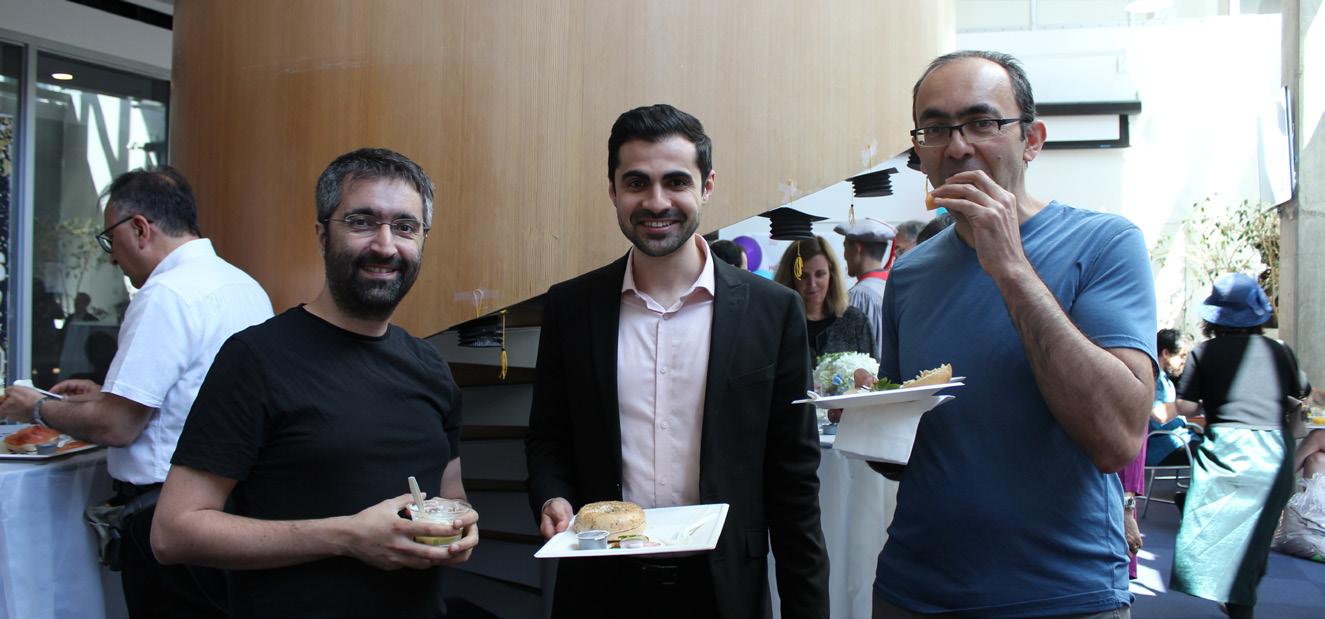
Photos of LIDS 2023 Graduation Celebration credit Jennifer Donovan.
Massachusetts Institute of Technology
Laboratory for Information and Decision Systems
77 Massachusetts Avenue, Room 32-D608
Cambridge, Massachusetts 02139
lids.mit.edu
About LIDS
The Laboratory for Information and Decision Systems (LIDS) at MIT, established in 1940 as the Servomechanisms Laboratory, currently focuses on four main research areas: communication and networks, control and system theory, optimization, and statistical signal processing. These areas range from basic theoretical studies to a wide array of applications in the communication, computer, control, electronics, and aerospace industries. LIDS is truly an interdisciplinary lab, home to over 150 graduate students and post-doctoral associates from EECS, Aero-Astro, and many other departments across MIT. The intellectual culture at LIDS encourages students, postdocs, and faculty to both develop the conceptual structures of the above system areas and apply these structures to important engineering problems.
Table of Contents
A Message from the Director
Thank you for reading Volume 19 of LIDS/All magazine. The 2022-23 academic year saw our community grow and thrive as we welcomed new faculty and students and advanced research in critically important domains such as autonomy, sustainability, and society, while continuing to play a major role in shaping education and research as part of the Schwarzman College of Computing.
Another story highlights the journey of Major (Retired) Andrea Henshall SM ’07 AeroAstro from piloting military planes to programming unmanned vehicles for humanitarian work.
The current volume features articles and images highlighting the work and research of our PIs, students, alumni, and staff.
A profile of PI Priya Donti explores her research applying machine learning to optimize renewable energy.
In another article, LIDS alum Stan Reiss SM ’95 EECS and OR, a partner at the earlystage venture capital firm Matrix, shares what he looks for in a good tech startup and how his time at LIDS and MIT gave him foundational knowledge that supported his 25-year career as an investor. In a 5Q, LIDS Administrative Assistant and Events Coordinator, Shyla Putrevu talks about what led her to LIDS and why its community is so special.
And, in a new feature focused on LIDS startup culture, we highlight Ikigai Labs, a startup launched by LIDS PI Devavrat Shah that grapples with the question, “How does one parse vast amounts of data and transform it into meaningful information in order to make the right decision with the help of simple algorithms?”
We hope you enjoy reading about the exceptional people in our community in this volume of LIDS/All!
Best,
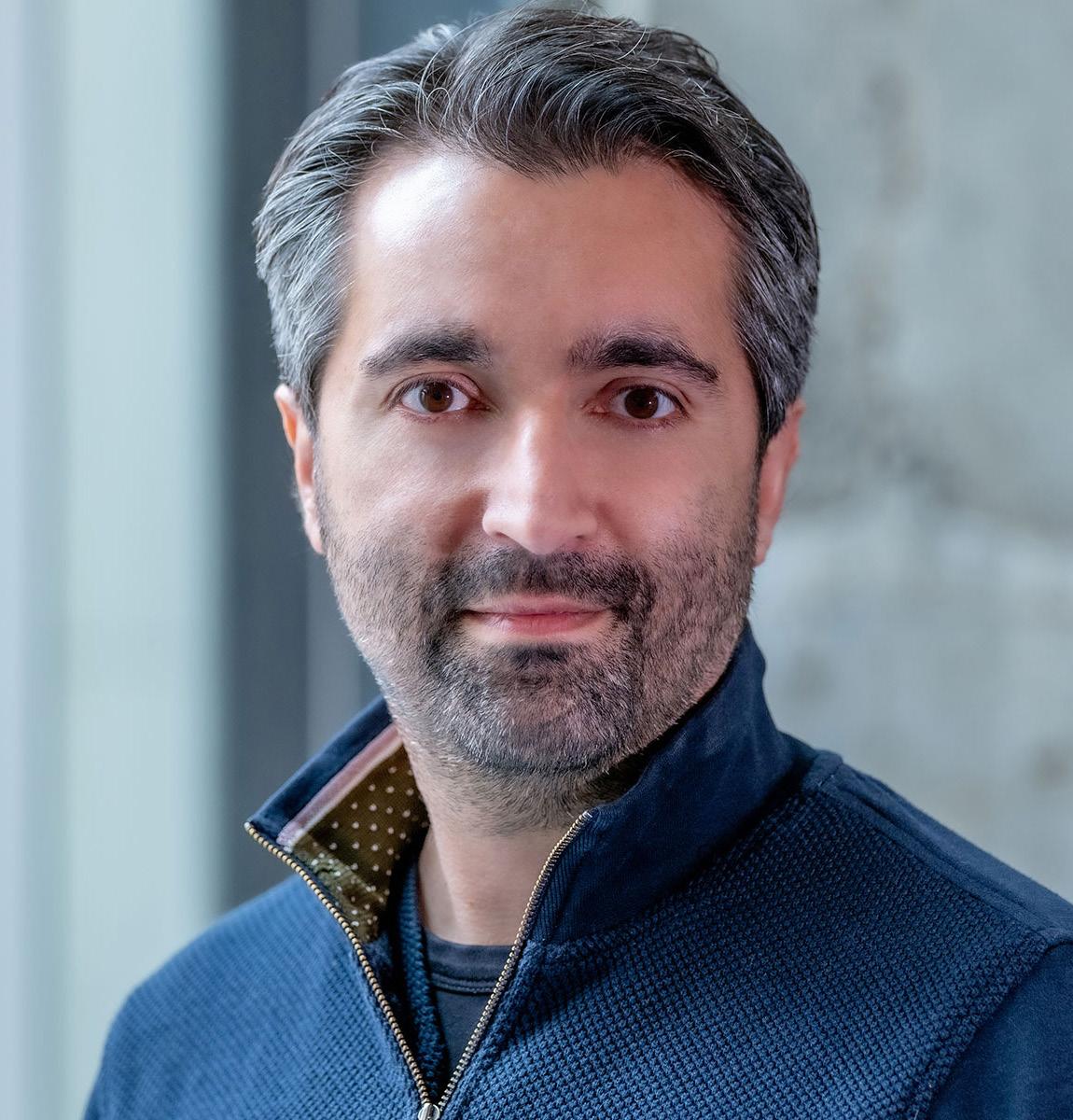
Sertac Karaman, Director
Fighting for the Health of the Planet with AI
By Michaela Jarvis
For Priya Donti, childhood trips to India were more than an opportunity to visit extended family. The biennial journeys activated in her a motivation that continues to shape her research and her teaching.
Contrasting her family home in Massachusetts, Donti – now the Silverman Family Career Development Professor at MIT EECS and a principal investigator at the MIT Laboratory for Information and Decision Systems – was struck by the disparities in how people live.
“It was very clear to me the extent to which inequity is a rampant issue around the world,” Donti says. “From a young age, I knew that I definitely wanted to address that issue.”
That motivation was further stoked by a high school biology teacher who focused his class on climate and sustainability.
“We learned that climate change, this huge, important issue, would exacerbate inequity,” Donti says. “That really stuck with me and put a fire in my belly.”
So, when Donti enrolled at Harvey Mudd College, she thought she would direct her energy toward the study of chemistry or materials science to create next-generation solar panels.
Those plans, however, were jilted. Donti “fell in love” with computer science, and then discovered work by researchers in the United Kingdom who were arguing that AI and machine learning would be essential to help integrate renewables into power grids.
“It was the first time I’d seen those two interests brought together,” she says. “I got hooked and have been working on that topic ever since.”
Pursuing a PhD at Carnegie Mellon, Donti was able to design her degree to include computer science and public policy. In her research, she explored the need for fundamental algorithms and tools that could manage, at scale, power grids relying heavily on renewables.
“I wanted to have a hand in developing those algorithms and toolkits by creating new machine learning techniques grounded in computer science,” she says. “But I wanted to make sure that the way I was doing the work was grounded both in the actual energy systems domain and working with people in that domain” to provide what was actually needed.
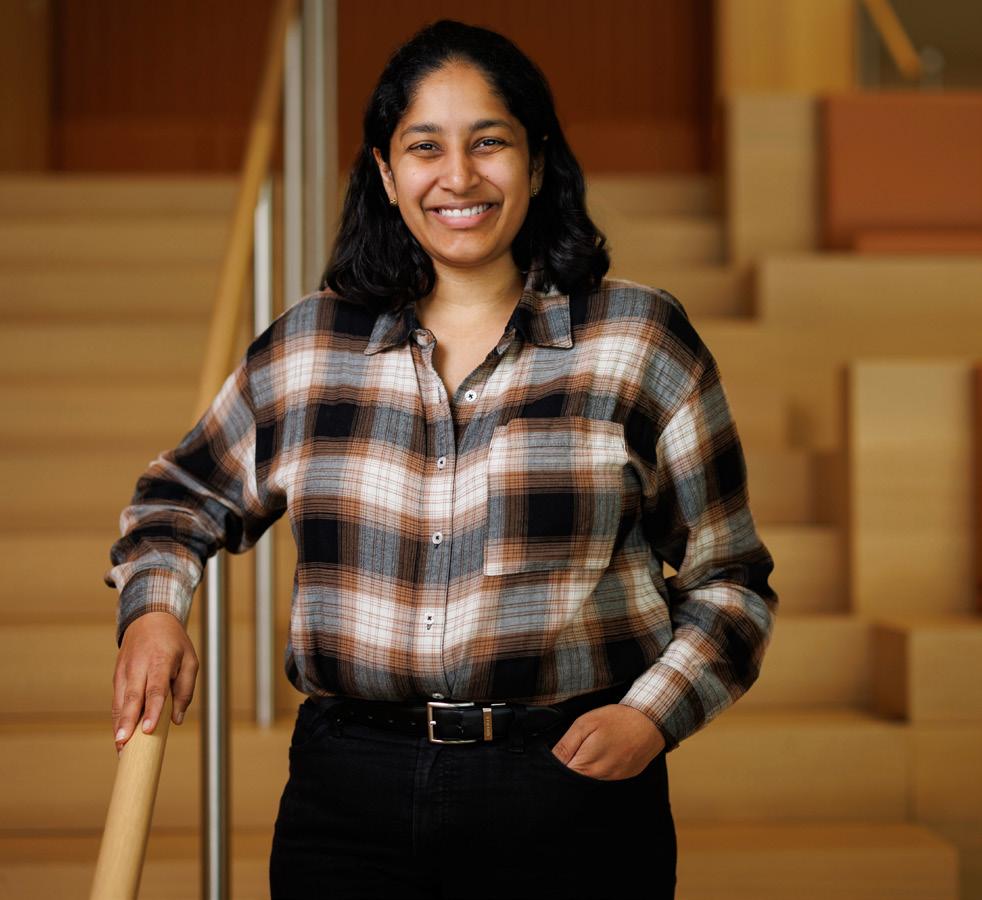
While Donti was working on her PhD, she cofounded a nonprofit called Climate Change AI. Her objective, she says, was to help the community of people involved in climate and sustainability – “be they computer scientists, academics, practitioners, or policymakers” – to come together and access resources, connection, and education “to help them along that journey.”
“In the climate space, you need experts in particular climate change-related sectors, experts in different technical and social science toolkits, problem owners, affected users, policymakers who know the regulations – all of those – to have on-theground scalable impact.”
When Donti came to MIT in September 2023, it was not surprising that she was drawn by its initiatives directing the application of computer science toward society’s biggest problems, especially the current threat to the health of the planet.
“We’re really thinking about where technology has a much longerhorizon impact and how technology, society, and policy all have to work together. Technology is not just one-and-done and monetizable in the context of a year.”
Her work uses deep learning models to incorporate the physics and hard constraints of electric power systems that employ renewables for better forecasting, optimization, and control.
“Machine learning is already really widely used for things like solar power forecasting, which is a prerequisite to managing and balancing power grids,” she says. “My focus is how do you improve the algorithms for actually balancing power grids in the face of a range of time-varying renewables?”
Among Donti’s breakthroughs is a promising solution for power grid operators to be able to optimize for cost, taking into account the actual physical realities of the grid, rather than relying on approximations. While the solution is not yet deployed, it appears to work ten times faster, and far more cheaply, than previous technologies and has attracted the attention of grid operators.
Another technology she is developing works to provide data that can be used in training machine learning systems for power system optimization. In general, much data related to the systems is private, either because it is proprietary or because of security concerns. Donti and her research group are working to create synthetic data and benchmarks that, Donti says, “can help to expose some of the underlying problems” in making power systems more efficient.
“The question is,” Donti says, “Can we bring our data sets to a point such that they are just hard enough to drive progress?”
For her efforts, Donti has been awarded the U.S. Department of Energy Computational Science Graduate Fellowship and the NSF Graduate Research Fellowship. She was recognized as part of MIT Technology Review’s 2021 list of “35 Innovators Under 35” and Vox’s 2023 “Future Perfect 50.”
Next spring, Donti will co-teach a class called AI for Climate Action with Sara Beery, EECS assistant professor, whose focus is AI for biodiversity and ecosystems, and Abigail Bodner, assistant professor in the departments of EECS and EAPS, whose focus is AI for climate and Earth science.
“We’re all super-excited about it,” Donti says.
Coming to MIT, Donti says:
“I knew that there would be an ecosystem of people who really cared, not just about success metrics like publications and citation counts, but about the impact of our work on society.”
From Piloting Military Planes to Programming Unmanned Vehicles for Humanitarian Work

By Greta Friar
Major (Retired) Andrea Henshall, SM ’07 MIT AeroAstro, SM ’18 Auburn University CS, and current PhD student in the Department of Aeronautics and Astronautics and LIDS, has wanted to be an astronautical engineer since the fourth grade. One might assume, therefore, that the trajectory to her current position developing the capabilities of autonomous vehicles in the lab of LIDS Director and AeroAstro professor Sertac Karaman was straightforward. However, Andrea took the long road to MIT. On her way here, she has accomplished a stunning amount.
Coming from a military family, Henshall knew that she wanted to serve in return for all of the opportunities she felt living in the US provided. She attended the Air Force Academy for its astronautical engineering program, but while there fell in love with flying. Upon graduation, Andrea was commissioned as an officer in the US Air Force with assignments to MIT followed by pilot training. First, she earned a Master’s degree at MIT as part of what is now called the Draper Scholars program, during which she designed an algorithm to help improve the accuracy of GPS—one she says is still in use today. Then she entered pilot training, eager to fly and serve closer to the front lines.
Andrea’s plans were unexpectedly challenged when she received a life-changing injury during a surgical procedure. The injury nearly killed her, and Andrea’s medical team wasn’t sure what sort of mobility she would have afterward. However, Andrea aggressively pursued recovery until she could not only resume athletic activities, but also withstand the physical strains required to fly military aircraft. After more than a year of recovery and training, Andrea was selected to join Air Force Special Operations.
While pursuing a career as a pilot, Andrea had ample opportunities to hone her engineering skills. The U-28 planes she flew had recently been repurposed for a broader set of missions and so needed many modifications, and Andrea joined the research and development team in charge of making these. Soon, she was splitting her time between flying active missions, designing plane modifications, and test-flying modified planes.
Andrea found that being a pilot made her a better engineer. As an end user of the technology she was developing, she was aware of practical aspects of the technology that non-pilots might not consider. At the same time, her engineering training made her a better pilot, because it gave her a deep understanding of the systems and aerodynamics.
Andrea found her work in Special Operations incredibly fulfilling, particularly the humanitarian assignments. On Andrea’s seventh tour of combat, her team provided humanitarian relief in the Philippines after Super Typhoon Haiyan. They searched for messages on roofs and roads from people asking for evacuation, aid, or supplies, and relayed the information to teams able to respond. Being able to help people in this way left a lasting impression on Andrea. Unfortunately, around this time, she began experiencing medical complications from her old injury that made her unsafe to fly. After this tour, she was medically discharged and had to figure out a new career plan. Andrea’s determination to fly ultimately transformed into determination to support her “siblings in service” in Special Operations, and the people they helped, however she could. She decided that the best use of her skills would be to engineer tools that could assist in operations like search and rescue.
Andrea set her sights on returning to MIT for a PhD. However, she had been away from research for a long time, and when she applied, she was rejected. Then, when she reapplied, she was rejected again and was rejected after her third application too. Andrea once again persisted; she knew that MIT acceptance was a problem whose solution she could engineer.
She reentered academia by earning a Master’s degree in computer science at Auburn University. With her refreshed research skills, she received an enthusiastic acceptance from MIT.
Andrea draws on the lessons she learned from her several rounds of applications to help other service members get into schools, working with programs including Service to School and the Warrior-Scholar Project. She has also founded or taken on leadership positions in a number of groups intended to help veterans and military members, including founding the MIT chapter of the Student Veterans of America, joining the ROTC Oversight Committee, and being a founding member of the Boston SOF Auxiliary, a local group of current and former Special Operations Forces who use their experiences to support others where needed.
Though Andrea’s path to MIT was long, now that she’s here she feels right at home. She is glad to be working within the LIDS community, which she says has provided a deeply collaborative environment full of constant learning.
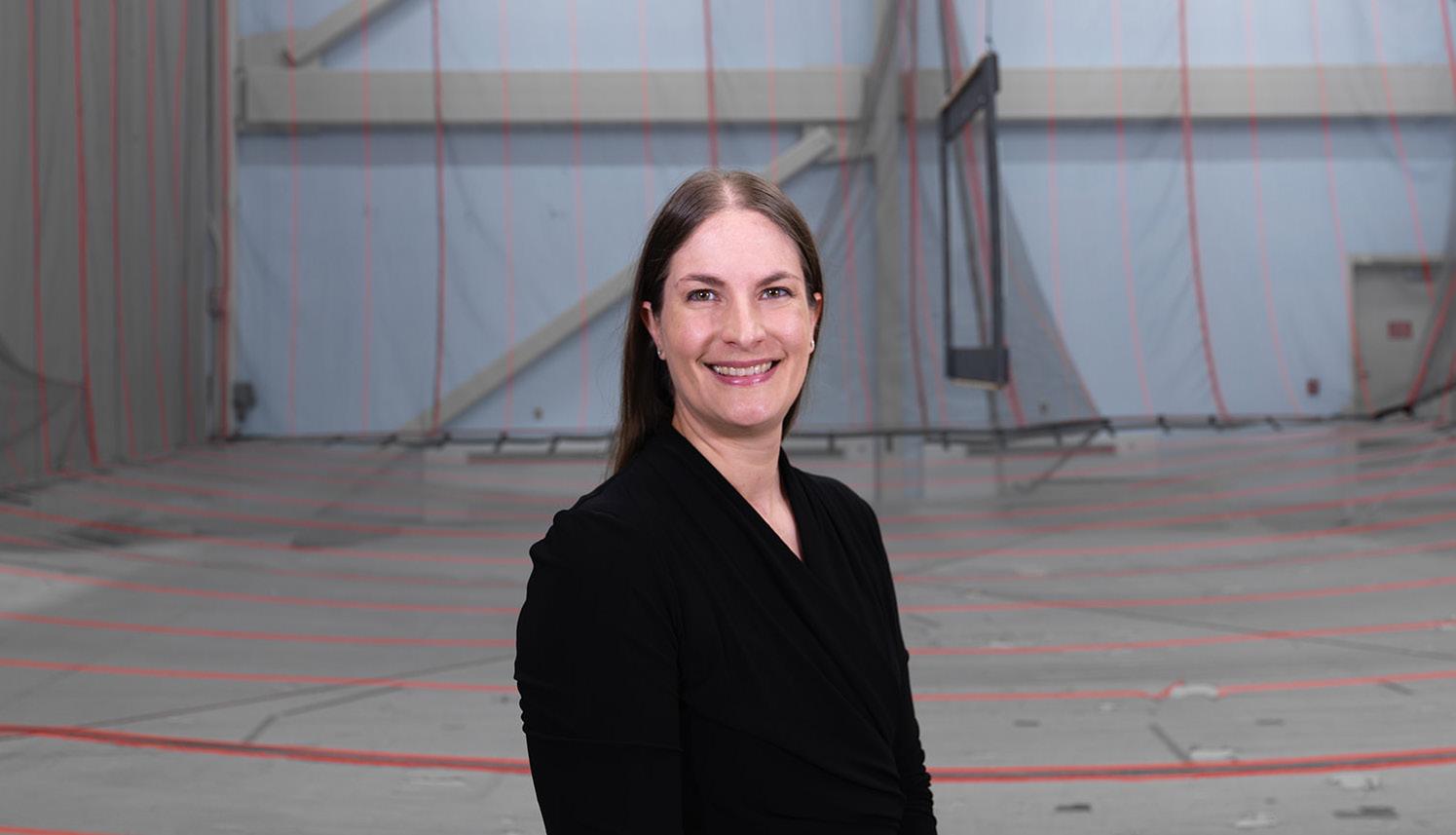
“Groups of drones working together could do much more thorough scans, and detect a wider variety of signals, hazards, and signs of life than we could. With the right training, they should outperform even highly trained humans.”
Andrea is part of a group in the Karaman lab that works to enable autonomous vehicles to navigate complex environments more quickly and efficiently than human-controlled vehicles. Unmanned vehicles are best for jobs that are “dirty, dangerous, or dull,” Andrea says, and that covers many military tasks. Her focus is on enabling groups of agents to work together to solve a shared goal— for example, multiple drones cooperating to perform search and rescue missions like those Andrea’s team contributed to in the Philippines.
A group of agents should be able to search a space more accurately and efficiently than a single agent, but more agents can mean exponentially more complexity. Andrea says that algorithms for multi-agent problems usually tackle this in one of two broad ways. They may use a more decentralized approach in which agents are handled individually or in small groups. This limits complexity but can lead to suboptimal solutions.
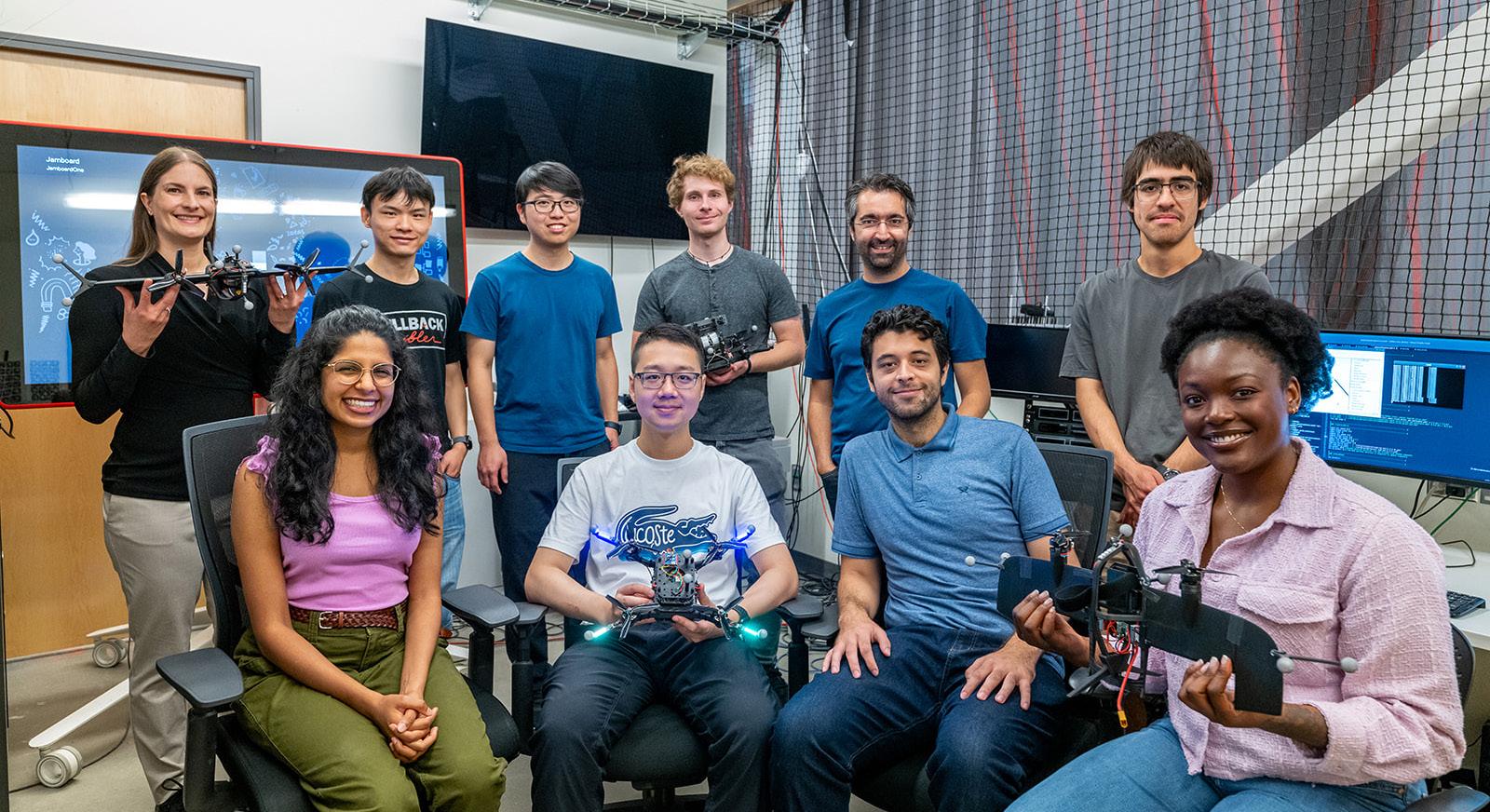
Andrea and fellow students in Sertac Karaman's group. Credit Andy Ryan.
For example, agents may act redundantly or get in each other’s way. The other end of the spectrum is a centralized approach, in which the algorithm weighs the actions of all the agents together. This approach should eventually find the optimal solution, but the complexity of the problem may prevent finding that solution with the time and resources available.
Andrea’s Multi-Level Action Tree Rollout (MLAT-R) algorithm finds a medium between these two strategies. It looks at agents individually, but does so within the context of a larger tree search—an extensive stochastic, centralized search—that will converge on an optimal set of actions for all agents. In tests, MLAT-R led to highly accurate solutions while remaining computationally efficient.
Computational efficiency is especially important for use cases such as drone search and rescue, in which agents must make real time decisions while facing scenarios on which they were not trained. MLAT-R is a rollout algorithm, which works in real time to overcome insufficiencies in agents’ training. It can be used with any sort of agent, so Andrea hopes it could prove useful for many applications in addition to search and rescue.
Although Andrea’s career trajectory has taken some unexpected turns, she has always kept one purpose firmly in her sights: to serve others—and she works towards that purpose with relentless determination.
“My goals are to keep learning, push the state of the art, and engineer solutions that support the incredible people I worked with in Special Operations, so they can continue to protect and give aid to people worldwide.”
By Greta Friar
A LIDS Education Pays Dividends
After twenty-five years as an investor, LIDS alum Stan Reiss SM ’95 EECS and OR, a partner at the early-stage venture capital firm Matrix, knows what he’s looking for in a technology startup. The startup team needs to have a great idea that will provide an edge in the market. Their product has to be close enough to market-ready for starting a company to make sense. Also, the team needs entrepreneurial acumen; this is where startup teams with commercial experience may excel over teams made up purely of researchers. It’s also where Stan can provide the most help; in fact, doing so is a large part of his job.
Matrix’s strategy is to be a lead investor, and so the partners are heavily involved with their investments. Stan typically joins the board of the startups that he backs and provides them with guidance borne from the wisdom of experience. Most entrepreneurs are first time entrepreneurs, and so they will encounter many unfamiliar scenarios. An investor may not have the depth of knowledge of the entrepreneur, but they have a breadth of knowledge that is valuable for addressing the many different aspects of building a business: recruiting the best people to join the company, fundraising and making deals, building a product at cost in high yields, setting up reliable supply chains, marketing, and more.
An investor who has been through the ups and downs of multiple market cycles can also prevent a new entrepreneur from panicking during a tough year.
“A good board member functions as a shock absorber,” Stan says. “We’ve seen more, and we can take a longer view. For an entrepreneur, the company is their entire life, so it makes sense that they tend to react to downsides in extreme ways. We can provide some balanced perspective.” By providing guidance, Stan not only identifies successful companies, but helps create them.
The breadth of knowledge that Stan provides is something he’s accumulated over decades in his job, but when Stan started at Matrix, he was as inexperienced as the entrepreneurs he was meant to advise. Stan had Master’s degrees in Electrical Engineering and Computer Science and Operations Research from MIT, and an MBA from Harvard Business School, but no experience in the startup world. That lack of startup experience is unusual for an investor.
“It made me an underdog; I got by on pure hustle.”
Stan had to learn on the job. He was hired in 2000, when technology markets were in rough shape. As the new guy, he was assigned a number of struggling companies, many of which ultimately failed. One of his earliest lessons as an investor was how to break it to an entrepreneur that their dream was not going to work out.
Although Stan did not have startup experience, he could draw on experience from his time at LIDS. Stan says that what he learned as a graduate student gave him the foundational knowledge and skillset to keep learning about his investment areas, and stay informed about technological advances and problems of interest. Knowledge from LIDS helped him assess the soundness of the ideas that companies pitched to him. His academic credentials also gave him credibility with technology entrepreneurs, which can be important for establishing trust at the beginning of a partnership.
Stan’s time at LIDS also helped launch his investing career in another way: his thesis advisor, Steven Finn, is the one who connected him to Matrix. Steven had had success as an entrepreneur—one reason Stan chose him as an advisor—and Matrix was a lead investor in his company. Since college, Stan had planned to one day run his own technology startup. While at business
school, Stan got lunch with Steven to ask for career advice. Steven arranged a meeting at Matrix for Stan to learn more about the technology startup world. Instead, the Matrix team offered Stan a job, sending his career in a new direction.
When Stan first joined Matrix, he was assigned to focus on optical networks, which had been the topic of his Master’s thesis research. As Stan gained experience as an investor and knowledge of the market, he decided there were not enough investment opportunities there and began to look in other areas. Although, he notes, one of his biggest successes remains an optical network company, Acacia Communications, which was ultimately acquired by Cisco. Stan has since focused on companies involved in computing systems, chips, subsystems, software, and other technical areas. His current focus is semiconductors and the ecosystem surrounding them, including software to develop and run them, tools to build them, their packaging, chips, and chiplets. One of the most recent additions to his portfolio is Baya Systems, a company that makes IP and software to help vendors build systems on a chip.
However, Stan allows for opportunities outside of his immediate focus area to catch his interest as well.
Another recent addition to his portfolio is LightForce Orthodontics, a company that 3D prints brackets for orthodontics.
Stan admits that this company may seems like an odd fit for him, but he became interested because of the technology. LightForce Orthodontics allows dentists to scan a patient’s teeth, create a digital workflow to predict how their teeth will move, and then 3D print custom-made brackets. This process significantly reduces the number of visits required, which leads to huge cost savings for the dentist and a better patient experience.
“It's this interesting situation of an industry that's not a rapid technology adopter, but then someone brings in this technology that is of massive value to the industry, and they've seen pretty impressive adoption.”

This is the best investing scenario, to Stan’s mind: someone coming up with a great idea in a market that no one else has realized is an interesting market yet.
Although Stan’s primary objective is to make money for Matrix’s investors, his personal goal is to invest in companies that grow to influence industries, whose products make a real difference in some way. On a smaller scale, this might look like improving a common medical experience. On a larger scale, it might mean revolutionizing computer processing.
“There are a lot of really interesting technological problems being worked on right now, including at MIT, and it’s exciting to think about how those things could impact society worldwide,” Stan says. “It’s exciting to be a part of that.”


Bringing Probabilistic AI to Big Business

By Madeleine Turner


Over the years, Devavrat Shah has worked on problems in a wide range of fields. Starting as a computer scientist and working with collaborators in operations research, he built scheduling algorithms to optimize switches in internet routers as part of his graduate thesis, designed methods for recommendation systems using social choice theory for social media platforms and streaming services, and more recently developed causal inference methods with roots in Econometrics, applying them to applications in social sciences and (back to) computer systems.
But at the core of these seemingly disparate challenges is the same question as Shah explains: How does one parse vast amounts of data and transform it into meaningful information in order to make the right decision with the help of simple algorithms?
Shah aims to bring academic progress into practice through a relatively young startup, Ikigai Labs, that is all about answering this question. Ikigai Labs has built an enterprise AI platform for forecasting and planning that leverages probabilistic AI to transform multiple, disparate sources of tabular and time series data into a unified and reconciled source of truth. This allows for the production of accurate and explainable forecasts as well as enable what-if analysis for planning to eventually produce optimized recommendations that businesses can use to make their decisions.
The company, co-founded by Shah and LIDS graduate Vinayak Ramesh, was launched shortly before the pandemic and has roots in Shah’s academic work that began over two decades ago.
“Ikigai’s mission is to enable the largest of enterprises to use their data to make better mission-critical decisions,”
says
Shah, an Andrew (1956) and Erna Viterbi Professor in the Department of Electrical Engineering and Computer Science at MIT and a Principal Investigator in MIT’s Laboratory for Information and Decision Systems (LIDS). “It’s decision-centric, very much what is in the genes of LIDS.”
Some common usage scenarios for the platform include numerous use-cases for supply chain and financial planning through efficient, accurate forecasts with sparse data and what-if scenario analysis for pricing and marketing as well as reconciling data across the organization. “These are very much cornerstones of large organizations,” Shah says.
The organization’s meat and potatoes, and what Shah has dedicated much of his academic work to, are probabilistic graphical models. Over the years, Shah’s research has focused on developing and understanding efficient methods for inference, learning, and computational infrastructure for it. Ikigai Labs uses specific “types” of probabilistic graphical models for tabular, time series data to enable data unification and reconciliation, forecasting and what-if analysis. Ikigai Labs markets these as Large Graphical Models (LGM).
As Shah explains, “LGMs provide a different approach to bringing AI to enterprises compared to, for example, LLMs.”
LLMs are excellent for unstructured (e.g. text) data. They are “complex” auto regressive models, i.e. the next word prediction depends on what has come before it in the “relevant window” of text. They are “foundational models,” in that they learn all sorts of patterns present in the vast amount of unstructured and structured data utilized for training, and then extrapolate them in the context of the given data presented to them.
In contrast, LGMs extract relevant patterns from enterprises’ structured data through universal representations behind model design, algorithms themselves. In that sense, LGMs are restrictive to structured (tabular, time series) data only. But the restriction helps them be efficient, accurate, and scalable.
“For enterprise forecasting and planning, this is exactly the need.”
The platform also addresses a common pitfall experienced by large organizations, which is the fact that data often exists in multiple silos, in an array of separate data stores, systems of records, and warehouses, for example. “Decision-makers in organizations sit across different layers. They’re looking at the same data but making decisions based on different aspects of that data,” Shah says. Part of the platform’s function is to reconcile that data, creating continuity and an opportunity for novel connections.
Maybe counterintuitively, keeping humans in the loop is another one of the advantages. “Our thesis is that decisions are not going to be fully automated, ever. People will be involved in the process,” Shah says. Instead of simply spitting out results, the platform offers a window into how conclusions are drawn, and from what information, as a way for humans to develop a sense of whether the AI’s predictions and recommendations can be trusted. The intent is not to replace human decision-makers, but rather to keep them in the driver’s seat. “An explanation allows you to actually interpret and more importantly, validate, whether you should trust a recommendation or not,” Shah says. While people may not be great at making accurate predictions without computational aid, Shah notes they often possess a strong intuition for whether an AI-recommendation is worth following.
Along a similar vein, in 2023, Ikigai Labs launched AI Academy, accessible to anyone, free of charge, as an initiative to demystify AI to non-experts who may be generally interested in the technology or interested in reaping its rewards. Shah adds:
“And if you want to take MIT-level education without leaving your current day-to-day work and where you live, the MicroMasters program provides a terrific low-cost opportunity.”
Shah beams as he talks about the successful MicroMasters program in Statistics and Data Science that he and colleagues at the Statistics and Data Science Center launched in the last decade at MIT.
From Academia to Industry: Work on Different Timescales
As someone who works in an applied field, Shah sees his role at Ikigai as part of a natural progression, although working to grow a startup was not always what he envisioned doing.
“I did my PhD very much committed to just being an academic. As I was going through that journey, I realized that a lot of interesting academic questions arise from questions posed in industry.”
Shah sees the interactions between academia and industry as iterative:
There is the satisfying dynamic of working in industry in order to identify hard and currentlyunsolvable problems, then taking those problems back to academia to take apart and puzzle over. “It’s an interesting cycle that continues for me,” Shah says.
He also sees academic and industry work happening on two different time scales, with for-profit enterprise focusing on short-term problem-solving in order to bring in revenue, and academics addressing both the past and a more distant future. “In academia we’re looking at all the amazing intellectual progress, trying to distill it and teach it to our students,” Shah says. “Then we are thinking about things that are not yet here, because they’re not solved. If we do well, hopefully a good industry will pick it up and translate it into the present.”
Intellectually, fields of Statistics, Machine Learning, Data Science, and AI have converged over the past few decades across natural and life sciences, engineering, and social sciences. This emerging synthesis is ripe with tremendous possibilities:
“In my generation, previously, if you did something with decision systems, you had to actually work with a company that worked on airplanes, for example. Today, with a greater availability and openness of data, a kind of democratization is what has happened; you can actually do things in an academic setting that can translate into real, interesting outcomes.”
&A Q
Sound Bytes with Shyla Putrevu
What do you do at LIDS and what excites you most about this kind of work/working at LIDS?
I am an Administrative Assistant and the Event Coordinator, so I handle a wide variety of things at LIDS. As an admin, I support three PIs and their research groups, which involves a lot of scheduling, procuring, processing reimbursements, catering and event support, as well as being the first point of contact for their visitors and guests.
As the Event Coordinator, I help plan, support, and run lab events. I recruit and oversee student committees for a wide range of student-led programs, including the annual Sanjoy Mitter LIDS Student Conference, weekly LIDS Tea Talks, and seminars. I coordinate with fellow LIDS administrative assistants, who lead other events, and I work closely with the Communications Officer and AV team.
What excites me most about this kind of work is the multifaceted aspect of it. No two days are the same and neither are any two projects. Events are full of exciting moments, things go smoothly one minute and seem ready to fall apart the next.
There’s a behind-the-scenes adrenaline rush as you try to quietly fix a dozen issues before anyone notices anything amiss. It’s a meaningful, satisfying kind of chaos.
I get to collaborate with different departments and service teams across MIT, it’s incredibly satisfying to be part of that broader network and see how all the moving parts enmesh. Sourcing vendors, crunching numbers on budgets, juggling spreadsheets and group Slacks, last-minute catering pivots, the occasional missing table, but somehow, it all comes together at curtain time.
What brought you to MIT and LIDS? What did you do before coming to MIT?
We moved to the Boston area in summer 2022 for my husband’s job. Just before that, I was a freelance interpreter for Cross Thread Solutions in the greater Cleveland area, working in French, Telugu, and Hindi. My days were spent driving to parent-teacher meetings, immigration court hearings, family court proceedings, and even the massive COVID vaccine clinics organized by the National Guard.
It was unpredictable but meaningful work, and a great way to rack up mileage. Once we landed in the Boston area, speed took on different meaning. I could spend 45 minutes driving three miles. That quickly ruled out the multi-stop interpreter routine, so I started looking for jobs within a 10-mile radius. There was a suspenseful week waiting to hear from both MIT and Harvard, but MIT was faster, and I’m so glad it worked out.
Before that, in Laramie I managed communications for the Wyoming Manufacturing Extension Partnership where I also helped family-run businesses with transition planning and ISO audit compliance. In Albany, at the New York State Office of Children and Family Services I spent eight years as a senior education specialist. There, I focused on training, curriculum development, and coordinating orientation programs for new supervisors and employees.
What is your favorite thing about the LIDS Community?
Exactly that, it’s a community. We’re just the right size where we all know each other.
There’s always an effort to do better, whether it’s refining an existing system, launching a new initiative, or reimagining a recurring event, there’s a constant hum of ideas and energy. And there’s flexibility, you’re trusted to bring a fresh perspective to your work, which lets you shape routine tasks into something personally meaningful.
And when I say I’ve been supported by the LIDS community, I mean it fully. For every event I’ve coordinated, people across the lab, from the director and DAF to faculty, students, and staff, have helped, encouraged or supported without hesitation. That’s not something I take for granted.
What’s something about you that folks here at LIDS might not guess?
When I was a cadet in the National Cadet Corps, sort of like ROTC, I ended up ranking first in my batch in shooting with a .22 rifle. It’s not a skill I’ve used much since, but it’s a fun bit of trivia that somehow always surprises people who know me.
What are your top 3 movies, books, shows, artists, musicians, and/or things to do in and around Boston?
Picking just a few favorites is impossible, I love way too many! But here are some of that will always be on my list of favorites:
Movies: Gandhi; The Bourne series; and Casino Royale (the Daniel Craig one) �� ��
Books: Anne of Green Gables; The Sherlock Holmes series by Sir Arthur Conan Doyle; When Breath Becomes Air �� ��
TV Shows: Seinfeld; I Love Luc; Spiral (Engrenages) �� ��
Artists: Rembrandt; John Constable; Thomas Cole �� ��
Musicians: Edith Piaf; The Beatles; Francis Cabrel �� ��
Things to Do in and Around Boston: Long fall drives to wineries; Italian food in the North End; working at LIDS (yes, really). �� ��
LIDS
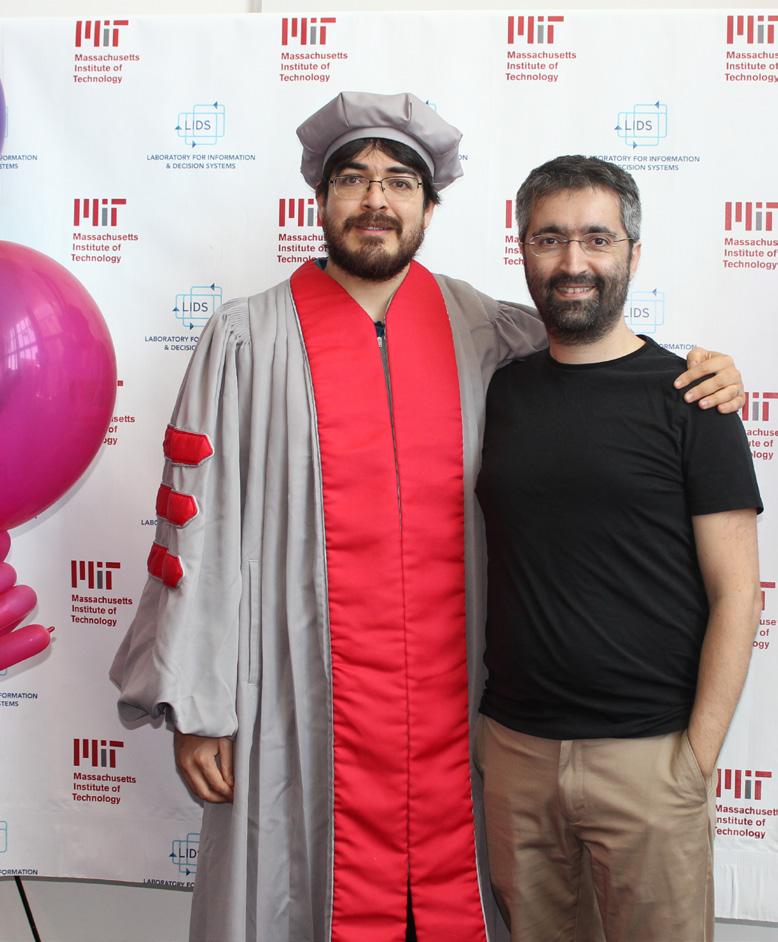
Graduation Celebration
SM & MEng received by
Marcus Abate – SM
William Chen – MEng
Gauthier Guinet – SM
Frances Hartwell – MEng
Tiffany Huang – MEng
Vindula JayawBardana – SM
Nicholas Jones – SM
Dominic Maggio – SM
Sean Mann – MEng
Youngjae Min – SM
Quang Nguyen – SM
Lisa Peng – MEng
Ao Qu – SM
Chirag Rao – SM
Haoyuan Sun – SM
Jason Teno – SM
Anzo The – SM
Vicky Jiaqi Zhang – SM
PhD received by
Adityanarayanan Rakhakrishnan
Alicia (Yi) Sun
Antoni Vidal Rosinol
Aviv Adler
Bai Liu
Chenyang Yuan
Chin-Chia Hsu
Heng Yang
James Siderius
Jason Altschuler
Jason Liang
Karren Dai Yang
Lei Xu
Muyuan Lin
Sam Gilmour
Tiancheng Yu
Xianglin (Flora) Meng
Xinzhe Fu
Yunzong Xu
Yuzhou Gu
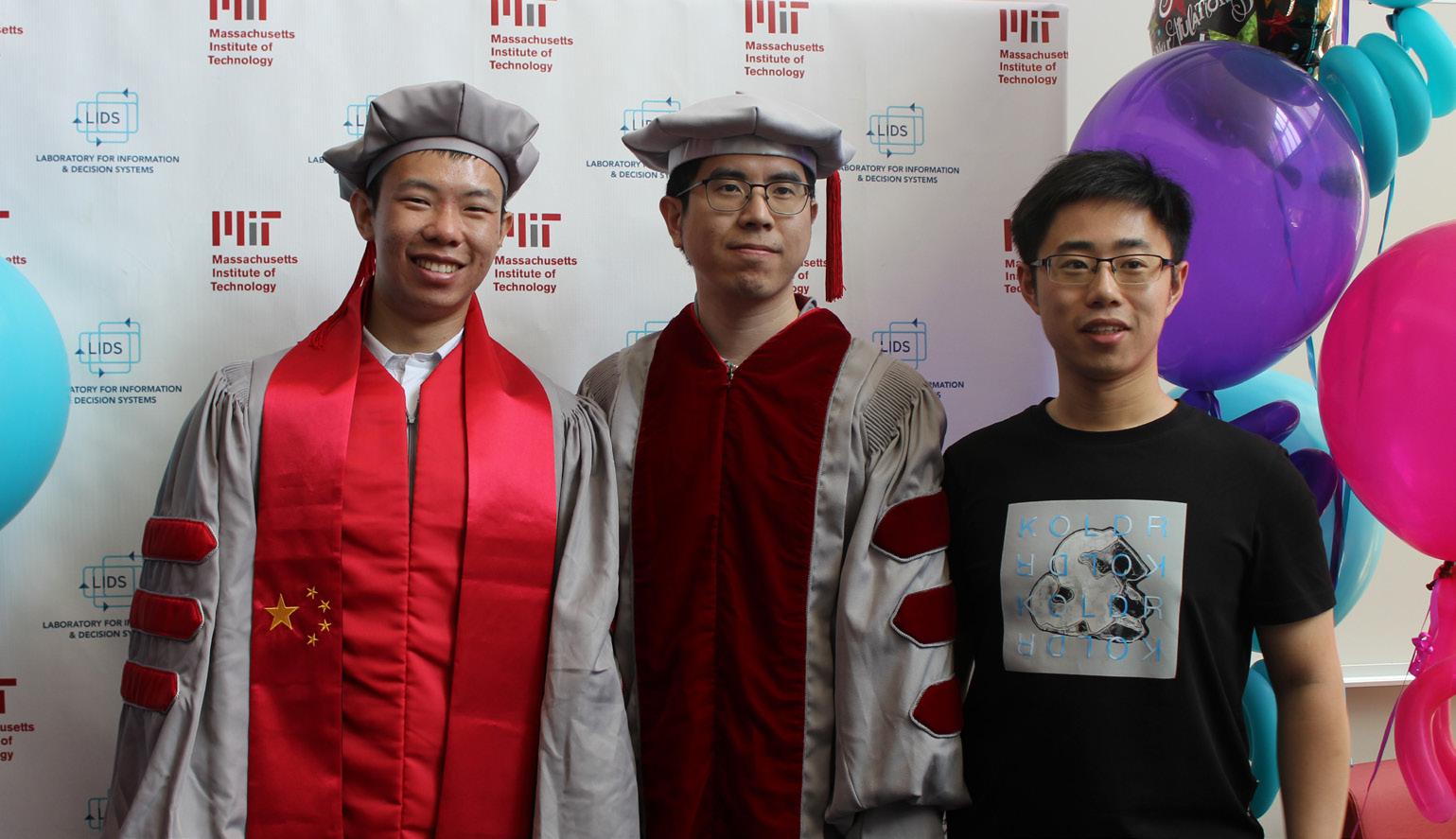
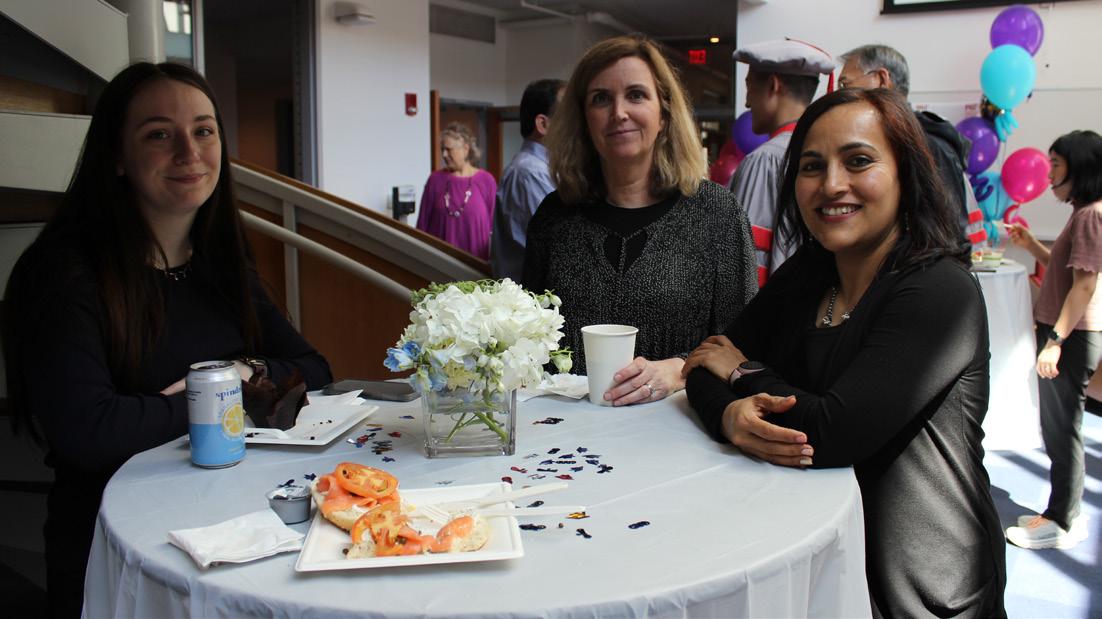
CLASS
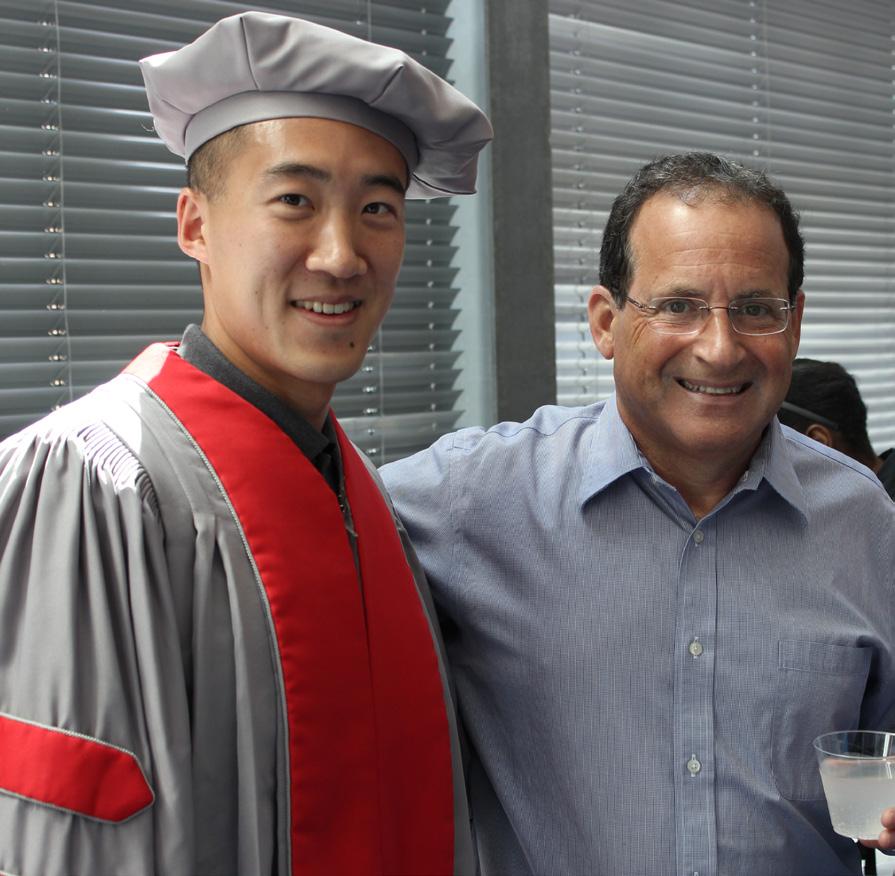
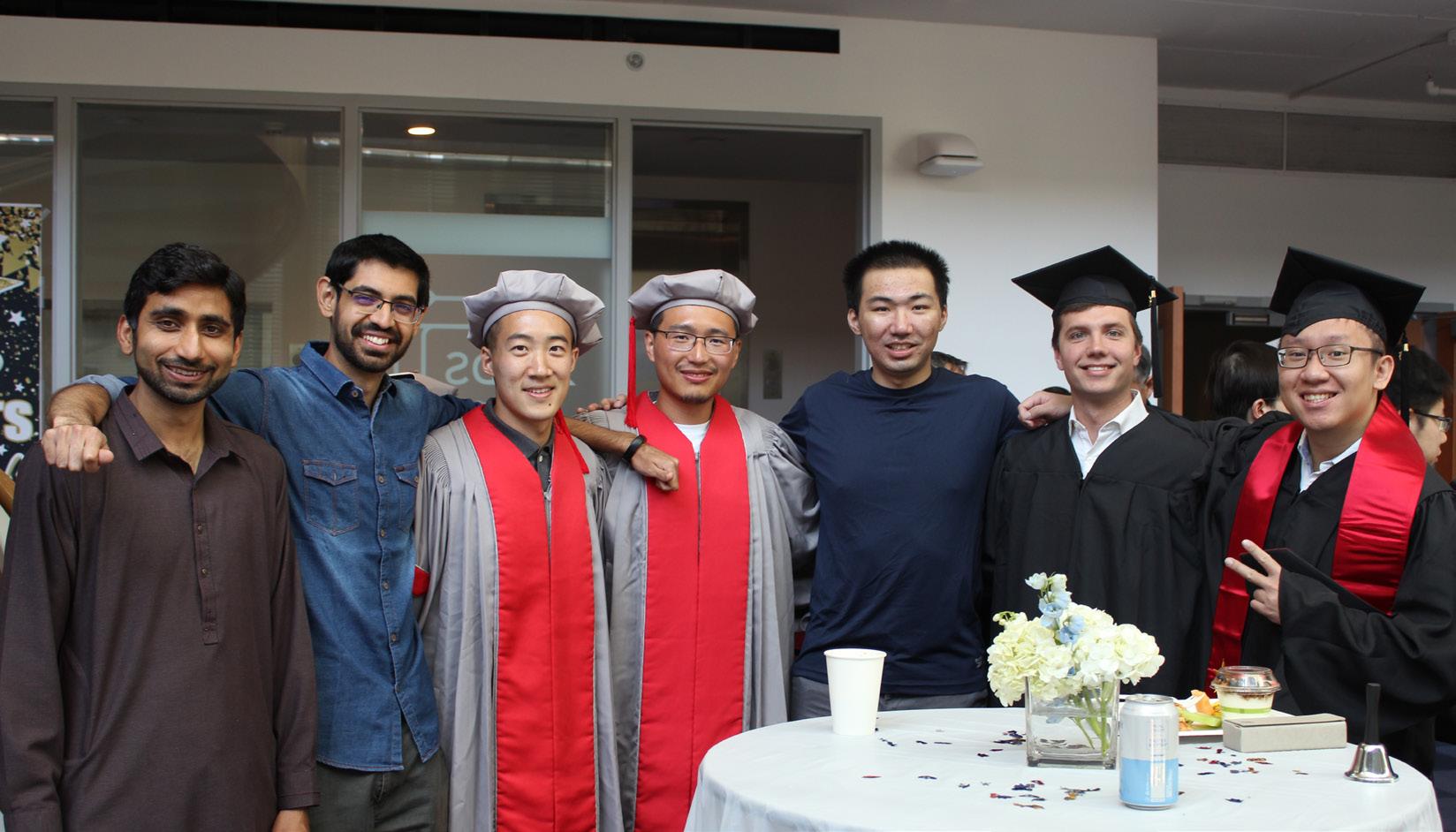
LIDS
AWARDS
Professor Navid Azizan received the 2023 Outstanding UROP Faculty Mentor Award.
Professor Dimitri Bertsekas received the 2022 IEEE Control Systems Award.
Dr. Audun Botterud and collaborators received a 2023 IEEE PES Prize Paper Award.
Professor Luca Carlone was named a 2023 Sloan Research Fellow.
Professors Luca Carlone & Jonathan How, together with students Yulun Tian, Yun Chang, and collaborators, received the 2022 IEEE Transactions on Robotics King-Sun Fu Memorial Best Paper Award.
Dr. Marija Ilic received the MIT Department of Electrical Engineering and Computer Science 2023 Seth J. Teller Award for Excellence, Inclusion, and Diversity.
Students Elaine Liu (mentored by Dr. Marija Ilic) and Boris Velasevic (mentored by Professor Navid Azizan) received 2023 Outstanding UROP Student Awards.
Professor Eytan Modiano received the American Institute of Aeronautics and Astronautics MIT chapter’s Excellence in Undergraduate Advising Award, 2023.
Professor Alexander (Sasha) Rakhlin received a 2022 MIT Teaching with Digital Technology Award.
Professor Devavrat Shah, student Abdullah Alomar, & collaborators received a Best Paper Award at the 20th USENIX Symposium on Networked Systems Design and Implementation (NSDI ‘23).
Postdoctoral Associate Jennifer Tang received the Best Student Paper Award at the 2022 IEEE International Symposium on Information Theory. The paper was co-authored by her supervisor, Professor Yury Polyanskiy.
HONORS
Professor Caroline Uhler was awarded a 2023 Thornton Faculty Research Innovation Fellowship.
Professor Uhler also received an NIH New Innovator Award for 2022.
Professor Cathy Wu received an NSF CAREER Award.
Professor Tamara Broderick was granted tenure by the Department of Electrical Engineering and Computer Science, effective July 1, 2023.
Professor Luca Carlone was elected to the Class of 2023 Associate Fellows by the American Institute of Aeronautics and Astronautics (AIAA).
Dr. Marija Ilic was elected an IFAC Fellow. Dr. Ilic was also appointed a Foreign Fellow of the Chinese Society for Electrical Engineering (CSEE).
Professor Sertac Karaman was promoted to Full Professor by the Department of Aeronautics and Astronautics, effective July 1, 2023.
Professor David Simchi-Levi was elected to the National Academy of Engineering. He was also appointed by the Technion as a Distinguished Visiting Professor in the School of Data and Decision Sciences.
Professor Caroline Uhler was named a SIAM Fellow.
LIDS Community
The 2022-2023 academic year saw a full return to the LIDS community’s signature activities.
Our students and postdocs continued to play a key role in organizing these activities. In addition to the LIDS Student Conference (which you can read about in a separate page) our various committees organized events including weekly socials, BBQ and ice skating, as well as weekly LIDS & Stats Tea Talks, a popular series of informal research presentations.
Our THANKS to all of the STUDENTS, FACULTY, and STAFF who made these a success! We’d like to thank here, in particular, the student and postdoc organizers:
LIDS Social Committee
Chirag Rao
Sathwik Chadaga
Nicholas Jones
Bai Liu
LIDS & Stats Tea Talks
Committee
Jian Qian
Nitya Mani
Daniel Shen
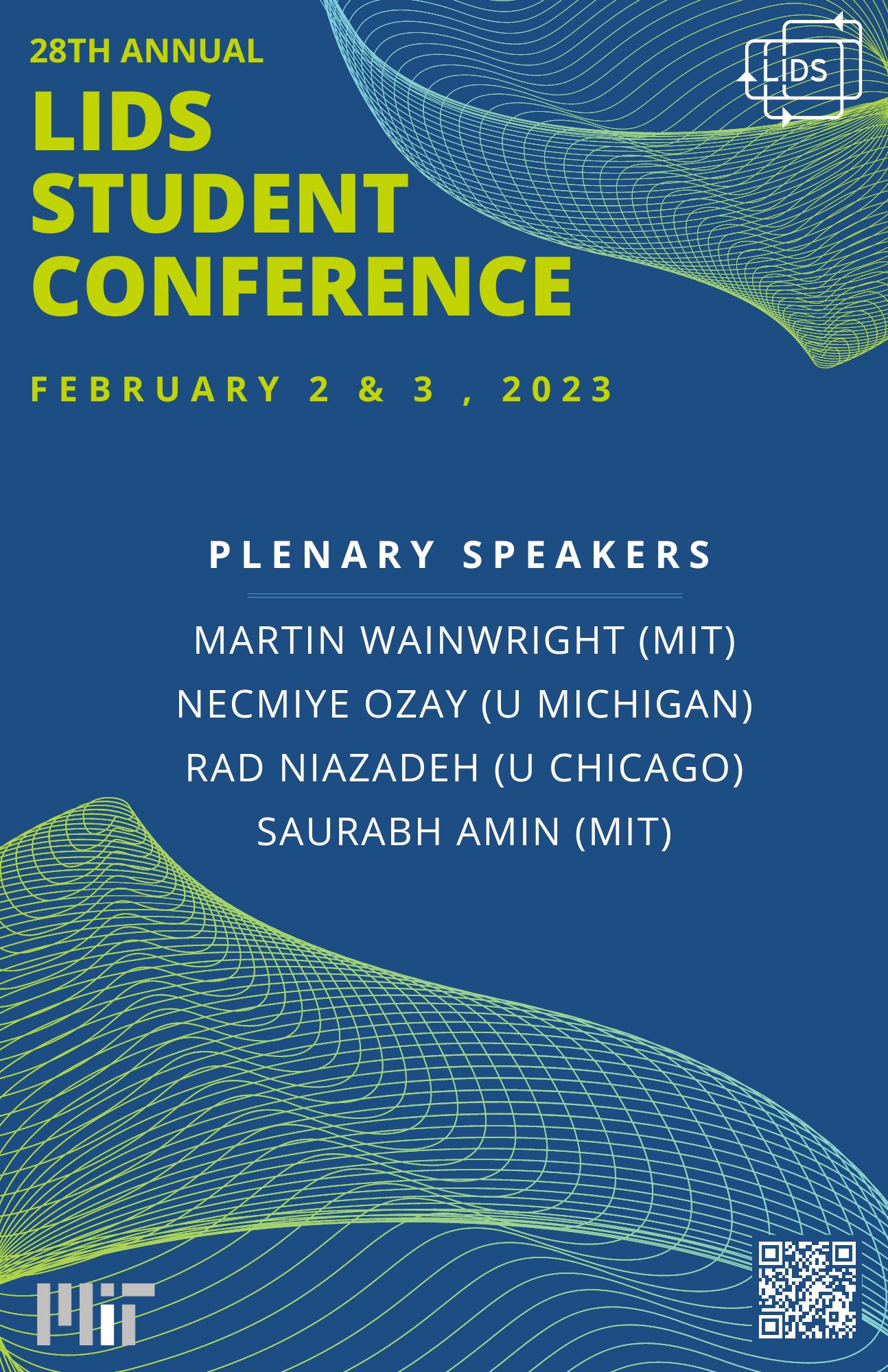
The annual LIDS Student Conference is a student-organized, student-run event that provides an opportunity for graduate students to present their research to peers and the community at large.
The conference also features a set of distinguished plenary speakers.
The 2023 Student Conference marks 28 years of this signature lab event.
Student Conference Chairs
Andrew Fishberg
Ashkan Soleymani
Behrooz Tahmasebi
Charles Burke Dawson
Feng Zhu
Xinyu Wu
Plenary Speakers
Martin Wainwright (MIT)
Necmiye Ozay (University of Michigan)
Rad Niazadeh (University of Chicago)
Saurabh Amin (MIT)
Student Speakers
Kwangjun Ahn
Feng Zhu
Sarah Cen
Renato Berlinghieri
Daniel Shen
Ashkan Soleymani
Gilhyun Ryou
Yi Tian
Allen Wang
Lujie Yang
Varun Murali
Alexandre Amice
Anzo The
Sung Min (Sam) Park
Austin J Stromme
Adityanarayanan Radhakrishnan
Yaqi Duan
Rohan Alur
Lelia Marie Hampton
Chandler Squires
Sylvie Koziel
Vishrant Tripathi
Gioele Zardini
Wentao Weng
Austin Saragih
New LIDS Faculty
The faculty members within LIDS are principally drawn from the departments of Electrical Engineering and Computer Science (EECS), Aeronautics and Astronautics (AA), and Civil and Environmental Engineering (CEE). However, LIDS has long been interdisciplinary, and recent research foci, combined with the pervasiveness of the analytical methodologies advanced by LIDS researchers, has broadened our collaborative scope even further. Some of the many entities at MIT with which LIDS has a strong relationship include: the Computer Science and Artificial Intelligence Laboratory (CSAIL), the Research Laboratory of Electronics (RLE), the Operations Research Center (ORC), the departments of Brain and Cognitive Sciences (BCS), Mathematics, Mechanical Engineering (MechE), Economics (Econ), and the Sloan School of Management.
In addition, LIDS has a close relationship with the Institute for Data, Systems, and Society (IDSS).
LIDS has been strengthened this year with the addition of new faculty members. Several additional faculty have committed to joining the lab in the coming academic year, as well, all bringing an invaluable range of perspectives and talents to our community.
Professor Martin Wainwright joined MIT (the Department of Electrical Engineering and Computer Science) and LIDS from the University of California at Berkeley, where he held the Howard Friesen Chair with a joint appointment between EECS and Statistics. A LIDS alum, he is broadly interested in statistics, machine learning, information theory and optimization.
Assistant Professor Chuchu Fan is a faculty member in the Department of Aeronautics and Astronautics. Her group uses rigorous mathematics including formal methods, machine learning, and control theory for the design, analysis, and verification of safe autonomous systems.
Three new faculty, who joined MIT’s Department of Electrical Engineering and Computer Science as Assistant Professors in September, also joined LIDS at that time. Priya Donti focuses on physics-informed deep learning for forecasting, optimization, and control in high-renewables power grids. Gabriele Farina focuses on learning and optimization methods for sequential decisionmaking and convex-concave saddle point problems, with applications to equilibrium finding in games. Kuikui Liu’s research interests are in the design and analysis of Markov chains, with applications to statistical physics, high-dimensional geometry, and statistics.
The already strong core of existing LIDS PIs, together with the extended community of Affiliate Members, have turned LIDS into a preeminent entity — both within MIT and more broadly in the academic world — in the fields of data science and the foundations of machine learning. Over the past few years, with the addition of faculty members from AeroAstro and CEE, LIDS has also developed a core expertise in autonomy algorithms and autonomous vehicles. At the same time, traditional LIDS core areas (communications, information theory, networks, optimization, and control) remain active and strong.