

2026 Trend Snapshot
2.0
Mapping the future of agave-based spirits
2026 Trend Snapshot
2.0
Mapping the future of agave-based spirits
The tequila and agave spirits category has been rapidly undergoing a profound transformation over the last decade and a half, moving firmly into the mainstream, away from its party image and consolidating its premium status globally.
Growth is driven by an abundance of in-category premiumisation, shifting cocktail culture, the health and wellness industry, and consumer yearning for heritage-driven storytelling.
Credibility and innovation are emerging as critical differentiators in this space, with artisanal mezcal and sotol gaining the most traction among adventurous consumers, and demographic shifts accelerating demand for authenticity and
experience-led consumption that the agave category offers in abundance.
In this trend snapshot, we will uncover our top predictions for the agave category and what will drive the next wave of agave enthusiasts. To do this, we’ve looked at what’s currently settled on shore as well as the more hazy changes that we see approaching from the horizon.
Let’s dive in.
“There’s been a very virtuous movement driven not so much by brands but by consumer curiosity”.
Tim Croizat, Managing Director for Pernod Ricard’s House of Tequila, via Drinks International Oct 2025
Across the board, premium and ultra-premium agave spirits are outpacing volume growth, with consumers increasingly equating quality with authenticity, provenance, and artisanal
The global mezcal market alone is forecast (CAGR 7.4%), driven by craft and heritage appeal*, while in the U.S., superpremium tequila and mezcal volumes have , now accounting for
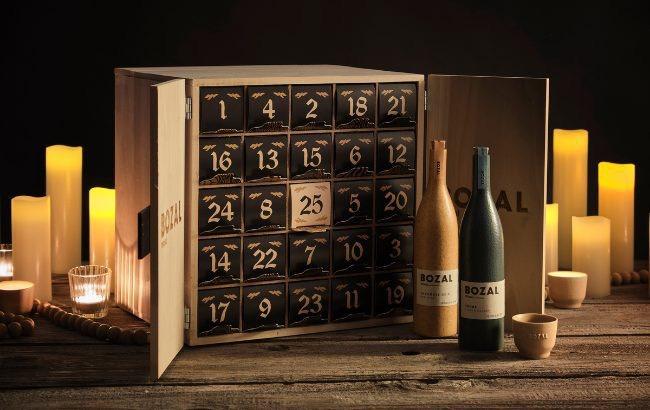
For Xmas 2025, the Spirits Business Top 10 boozy advent calendars list featured 3 out of 10 calendars focusing solely on tequila and agave-based spirits, and a further 3 featuring tequila cocktails as part of their offering.
Whether you like your tequila rim salted or your mezcal slowly sipped, the agave-spirits category is one of the fastest movers in the FMCG space, and cannot be ignored.
At a macro level, tequila is projected to reach 9.5% CAGR, with high-end and super-premium segments driving revenue**. Even at mid-low tier level, the IWSR reported that the category grew at a CAGR of
As we all catch up to this boom, it is time to take a breath, assess where we are and look to the future. This report aims to map what’s coming for agave-based and agave-adjacent spirits - it’s looking like an exciting future.



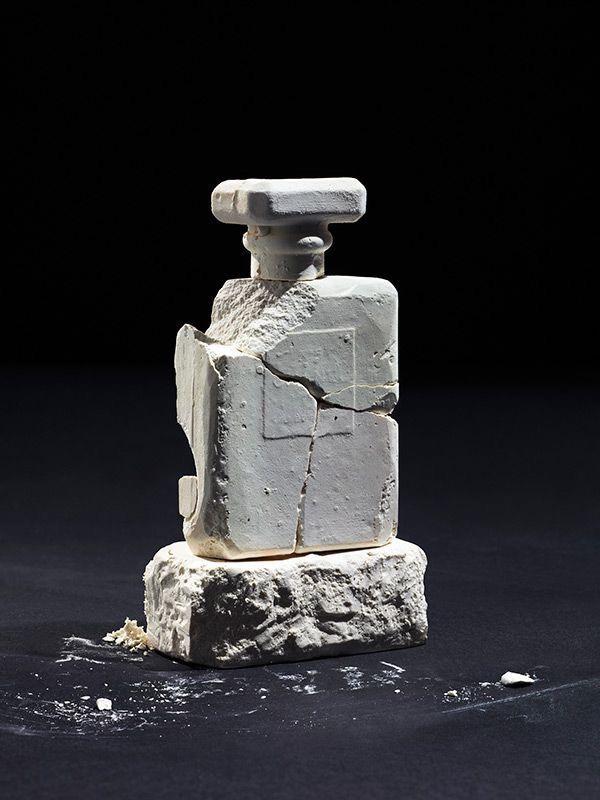



How agave spirits will lead the next wave of functional hedonism.
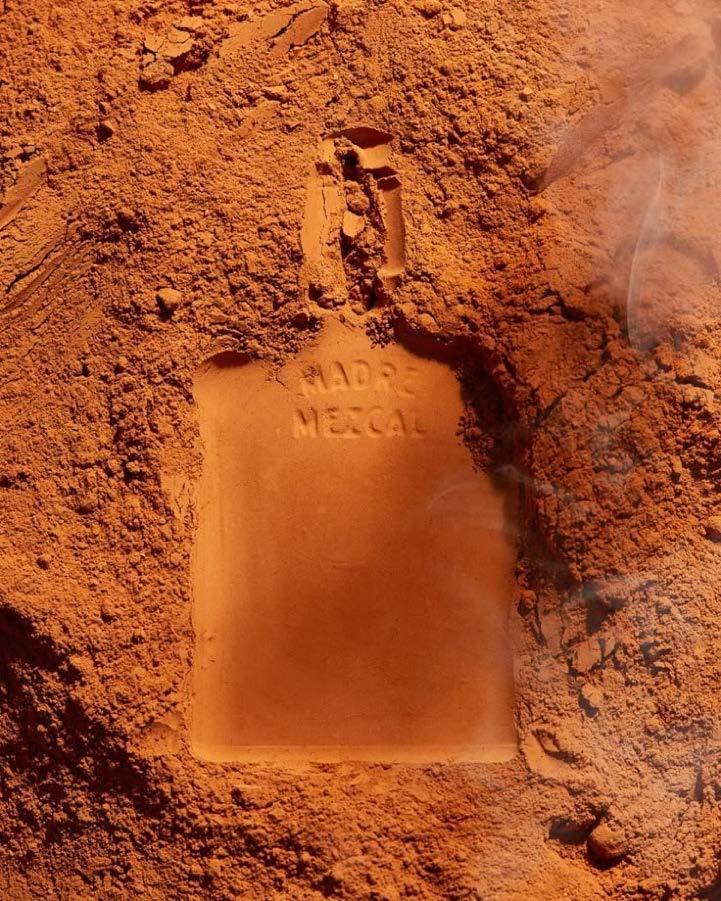
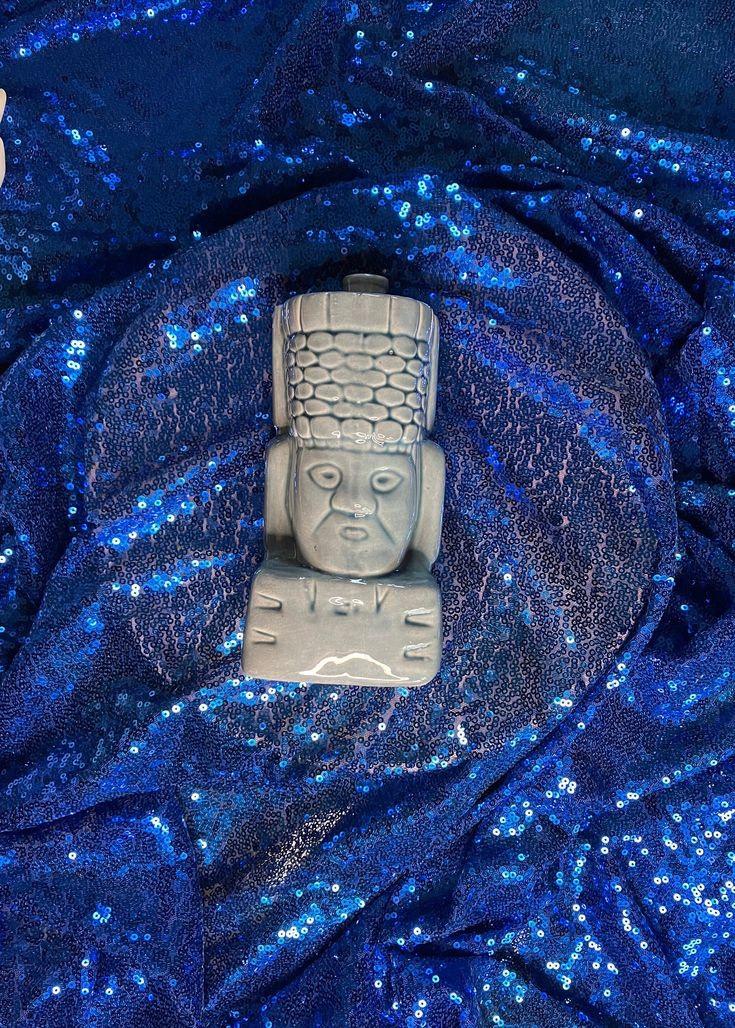


Bottles as cultural artefacts and objects d’art. Agave without borders and tradition without limits. The rise of wild and rare agave spirits.
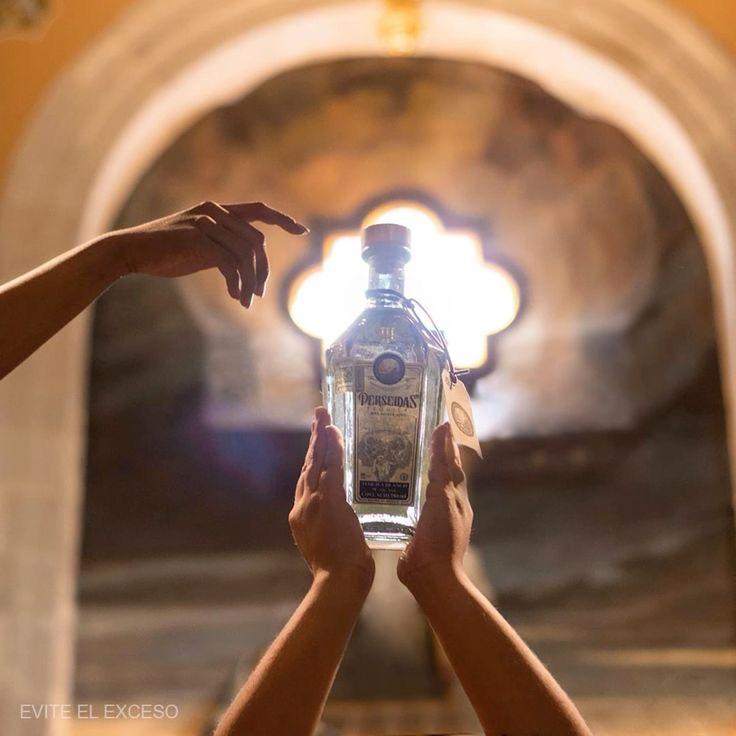
How agave spirits will lead the next wave of functional hedonism.
Mexico’s botanical heritage is nothing short of extraordinary.
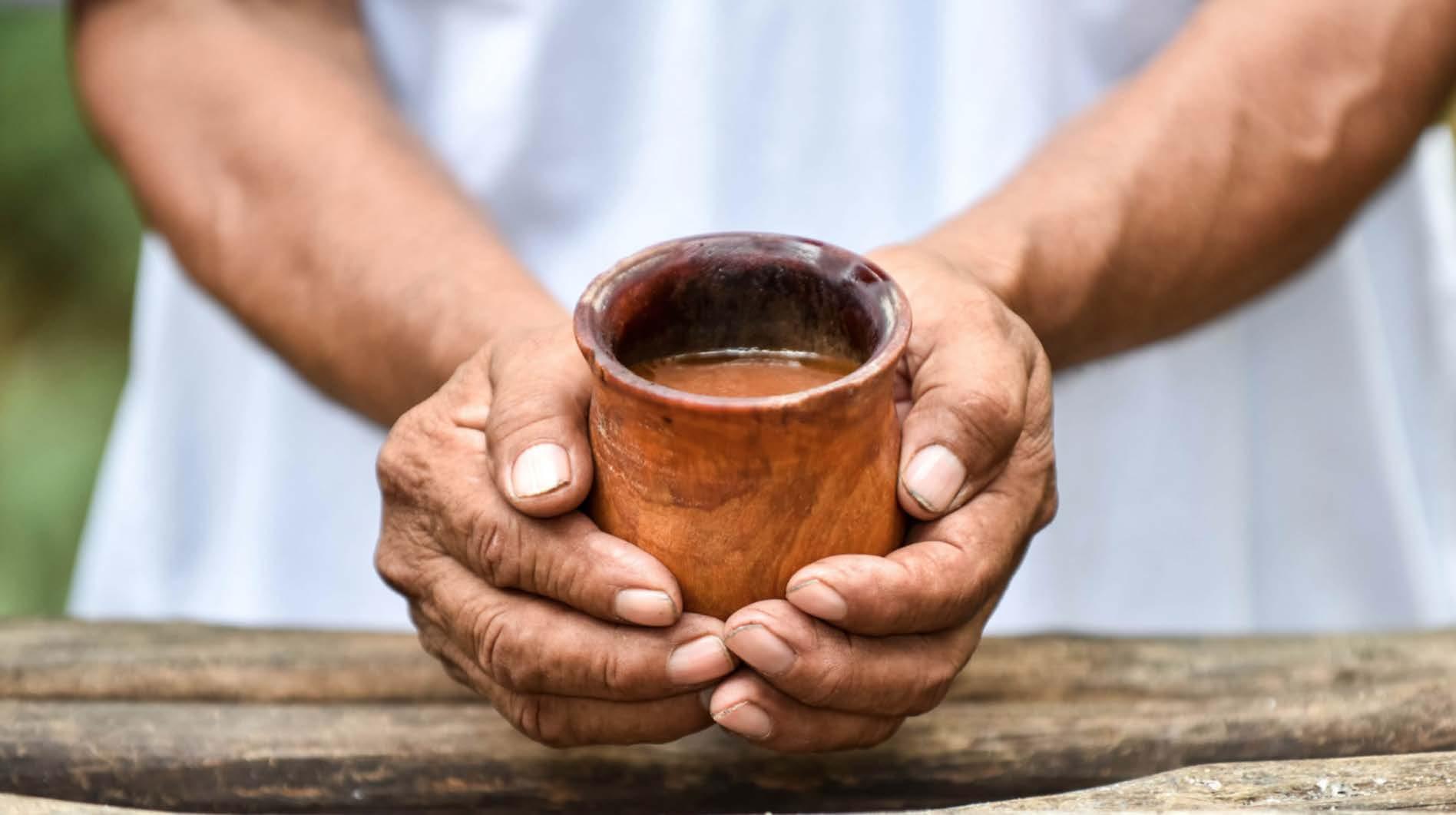
Renowned for its unparalleled biodiversity of psychoactive plants and mushrooms, the country has cultivated a deep spiritual and medicinal relationship with nature for millennia. Indigenous cultures across Mesoamerica have long integrated sacred plants into rituals of healing, divination, and transcendence (knowledge preserved in fragments of Aztec and Mayan codices) despite the Spanish burning nearly 99% of these texts. Today, this legacy lives on in traditional herbalism, a rich tapestry woven from Nahua, Maya, Purepecha, Otomi, and many others.
Fast-forward to the present: the global drinks industry is in the midst of a seismic shift.
Functional beverages, infused with adaptogens, nootropics, and medicinal mushrooms, are no longer
niche wellness products but mainstream, eye-level lifestyle choices. From lion’s mane lattes to reishiinfused chocolate bars, consumers are embracing ingredients that promise more than mere flavour.
In an era of polycrisis and digital overload, consumers are turning to experiences and products that feel mystical, transformative, and rooted in authenticity more than ever before, sipping not just for taste but for intention and social cachet. They are increasingly seeking beverages that promise not only pleasure but a portal to something bigger: clarity, creativity, perhaps even a brush with the divine.
So what happens when this functional trend collides with the world of spirits?
Agave-based spirits (tequila, mezcal, and Sotol) already carry a powerful cultural narrative rooted in ritual and reverence, something we can see carry all the way through to consumption.
A tequila order is one of the most ritualised cocktail orders, whether that be a Picante Margarita as the signature Soho House serve, or a shot with friends to signify the start of a good night. No other spirit holds the same cultural weight, reverence, or release.
As consumers seek deeper meaning and sensory storytelling, we predict a new frontier: agave spirits infused with ancient Mexican botanicals and adaptogenic allies.
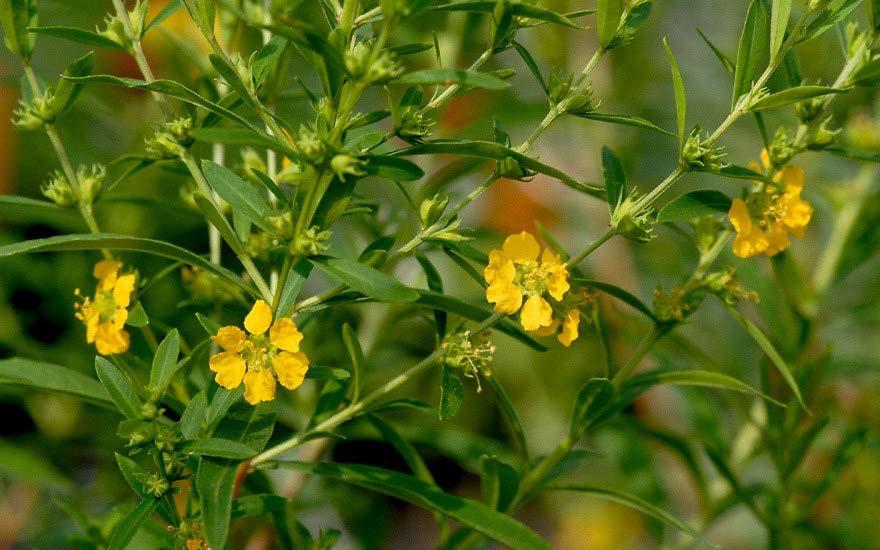
Imagine a mezcal that doesn’t just evoke smoky terroir but also channels the dream-enhancing properties of Calea zacatechichi (known as the “dream herb”), or a tequila paired with subtle notes
of cacao and psychoactive mushrooms, echoing the rising fascination with “magic mushroom” chocolate.
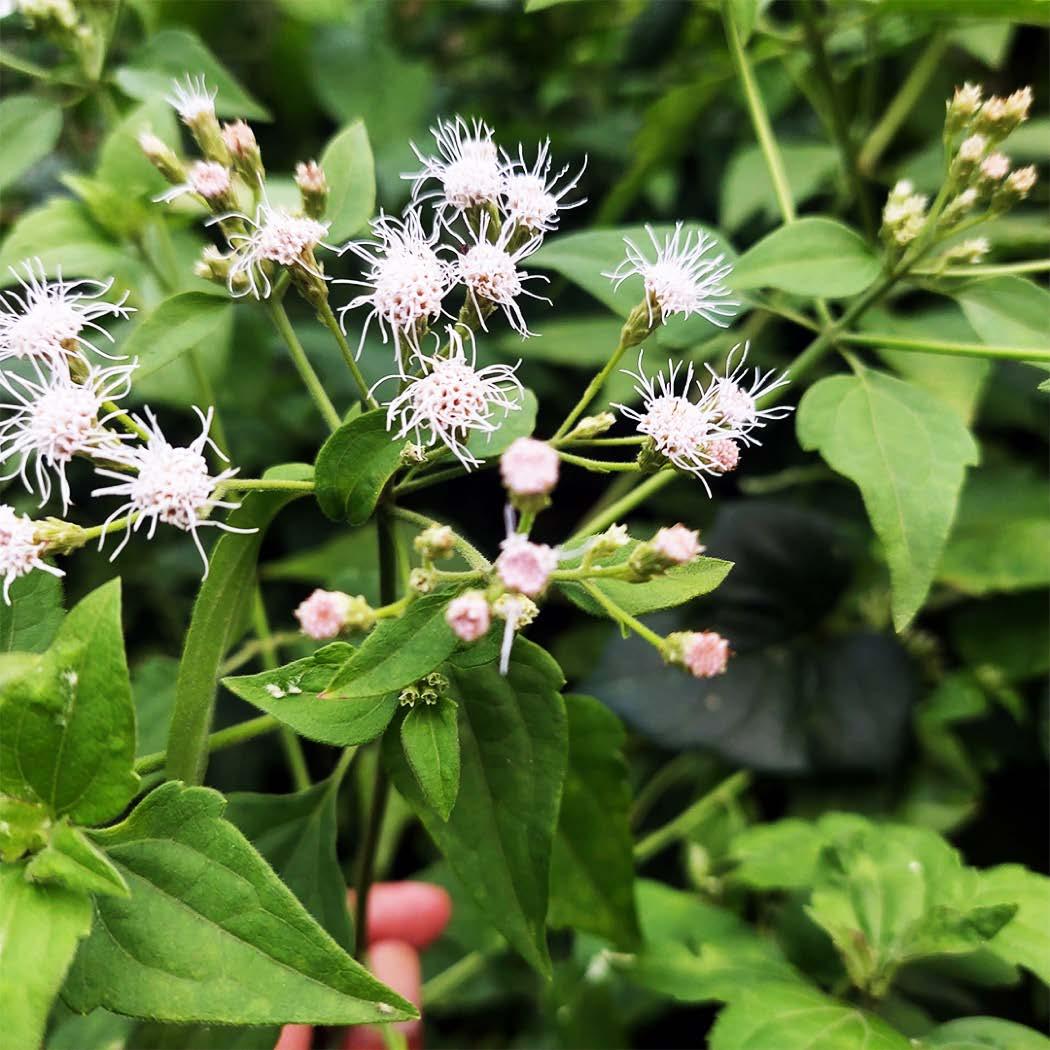
Perhaps we might see further ‘mystic mixology’ in the form of Sinicuichi (“Sun Opener”) infused agave cocktails served at music-events that seek to expand the “auditory system, brighten the field of vision, and induce vivid dreams that allow one to travel through memories.”
What is clear is that this interest in the divine, sacred and adaptogenic isn’t just about gimmickry; it taps into an increased yearning for reenchantment from consumers, a response to a world craving wonder and connection.
“
Where mainstream players trade on celebrity and inflated pricing with fauxluxe positioning, Nohaca elevates Mexican craftsmanship and storytelling.
”
Adam Dobson Founder of Nohaca Tequila
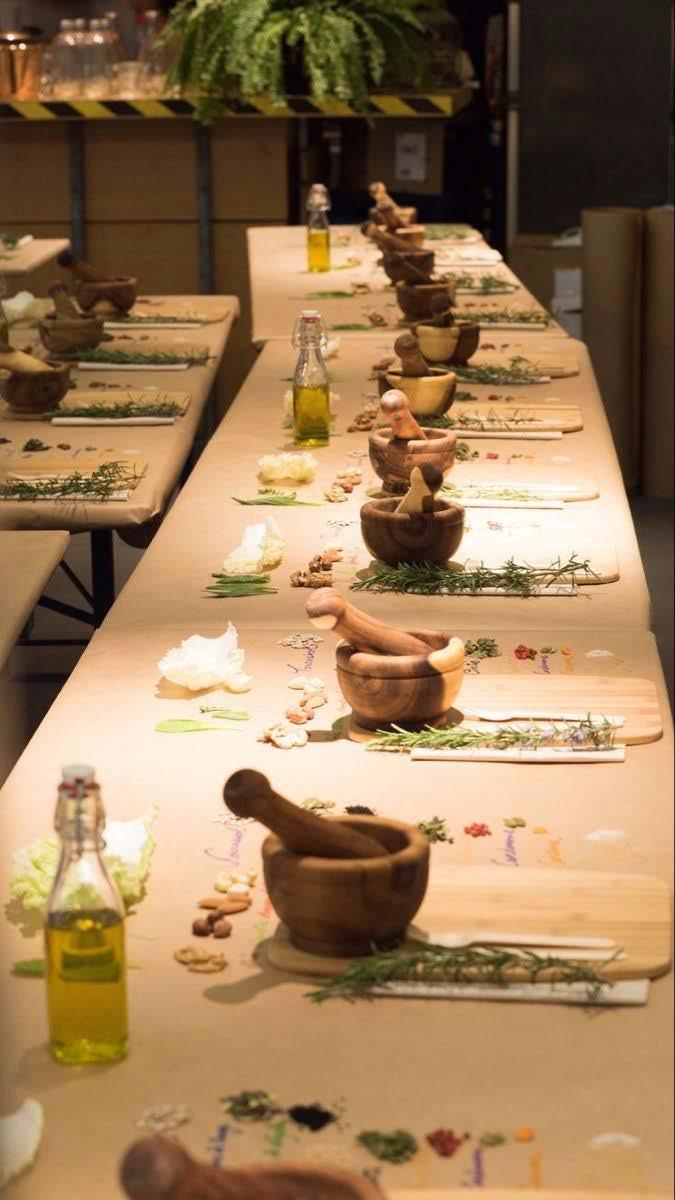
Consumers are no longer satisfied with drinks that simply taste good, they want beverages that fulfil more of a purpose, layered with meaning, and aligned with their evolving wellness rituals that extend into the esoteric.
The rise of adaptogens and functional mushrooms in mainstream drinks signals a cultural hunger for intention-driven indulgence that will impact the spirits world as much as the wider FMCG space.
We foresee bars becoming altars of intention that tap into new-age spirituality. Agave-based spirits infused with adaptogens and sacred herbs could be served in ceremonial-style experiences with guided “dream flights” pairing mezcal with lucid-dreaming botanicals, or tequila cocktails paired with wellness rituals to match the mood of a sound bath.
Limited-edition bottles might come with ritual kits: incense, tarot cards, or QR codes unlocking meditative soundscapes, while ARenabled packaging might reveal the mythologies behind each ingredient.
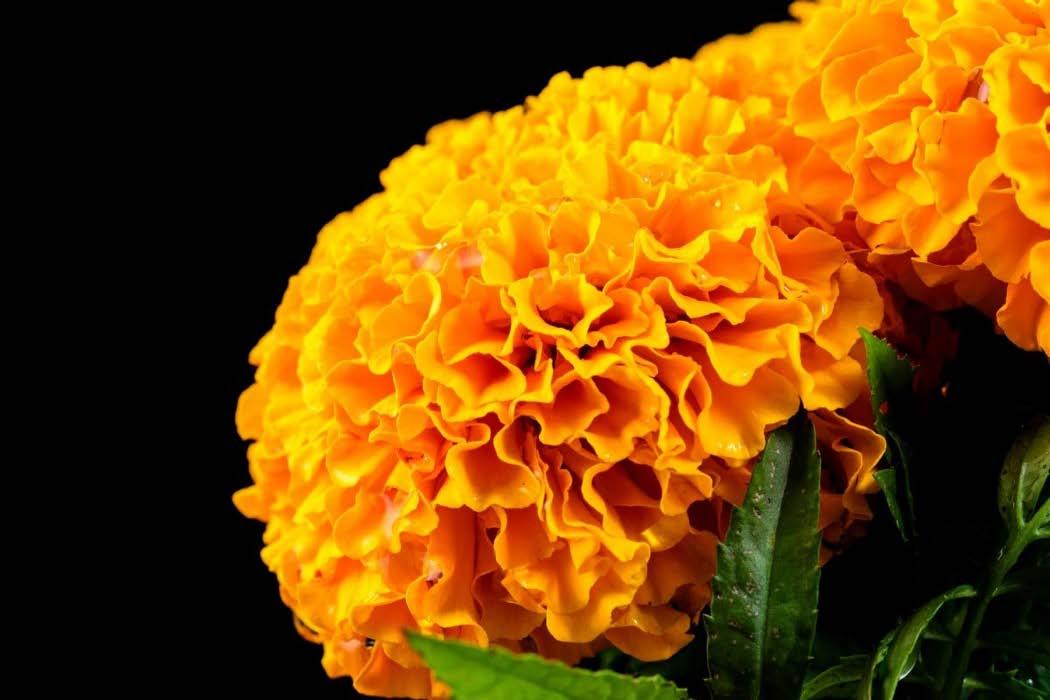
A tequila expression deeply rooted in the traditions of Mexican culture, Flor de Oro from Espolòn was created to celebrate Día de Muertos (Day of the Dead).
The liquid takes Espolon’s reposado as its base, infused with natural Mexican marigold flower extract to create a unique limited-edition tequila. With hundreds of thousands of marigolds being harvested each year for display on Día de Muertos altars, these flowers are an iconic symbol of the occasion.
The marigold is also said to have an extensive range of therapeutic qualities including anti-inflammatory
and antioxidant properties. While the functional properties of marigolds might not be the reason they were chosen for this liquid, it is difficult to separate the heritage of the flowers from their flavour.
For a brand that respects tradition without being beholden to it, this marigold tequila feels deeply appropriate; a classic base with an element of the unexpected. We hope future innovations will continue harvest from the rich botanics of Mexico.
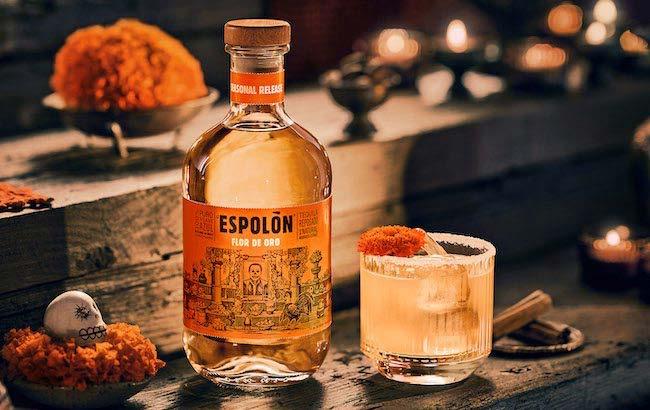
Source: Espolon

Bottles as cultural artefacts and objects d’art.
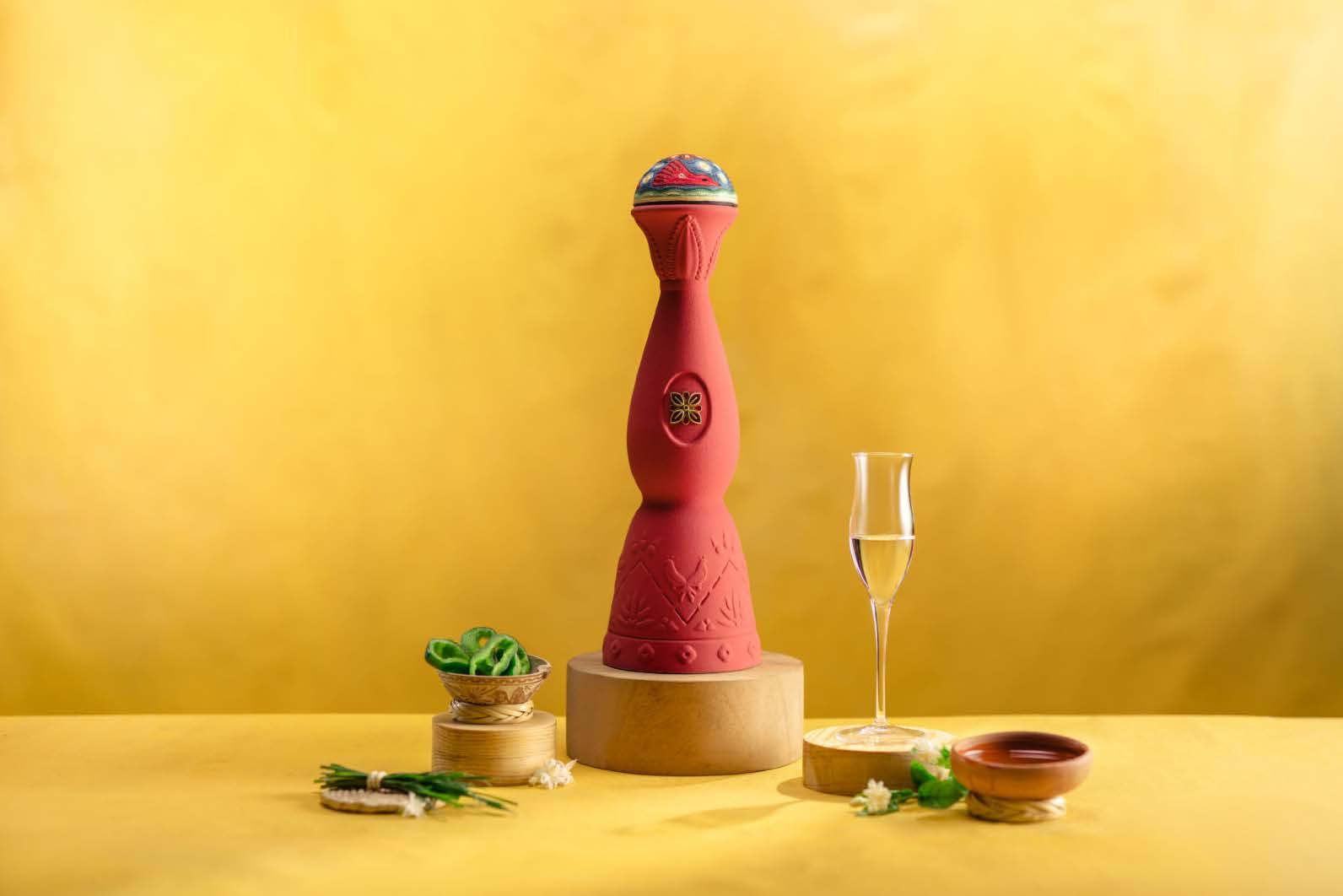
Luxury spirits are entering a new era, one where the bottle is no longer just a vessel but a statement of artistry and intent.
Tequila has always been more symbol than spirit, a true bastion of Mexican heritage, ritual, and craftsmanship. Now, as luxury consumers seek objects with soul, the bottle itself is becoming a stage for storytelling, stretching the limitations of what packaging means to a brand.
Clase Azul exemplifies this movement with its handpainted ceramic bottles, each one echoing centuries of artisanal tradition. These vessels are not disposable, they’re collectible, confident, and designed to live on as decorative heirlooms.
Similarly, emerging brands such as Tuff Brandy are experimenting with volcanic stone closures, textured ceramics, and locally sourced materials that root the product in its terroir.
Every detail becomes a semiotic cue: weight signals permanence, glaze reflects artistry, and imperfections whisper true artisanal authenticity.
We achieved something meaningful by reviving these designs. This tradition must not be forgotten; it’s a source of family pride to keep it alive
Ángel Ortiz Gabriel, Master Artisan
On his limited edition bottle designs for Clase Azul Master Artisans collection
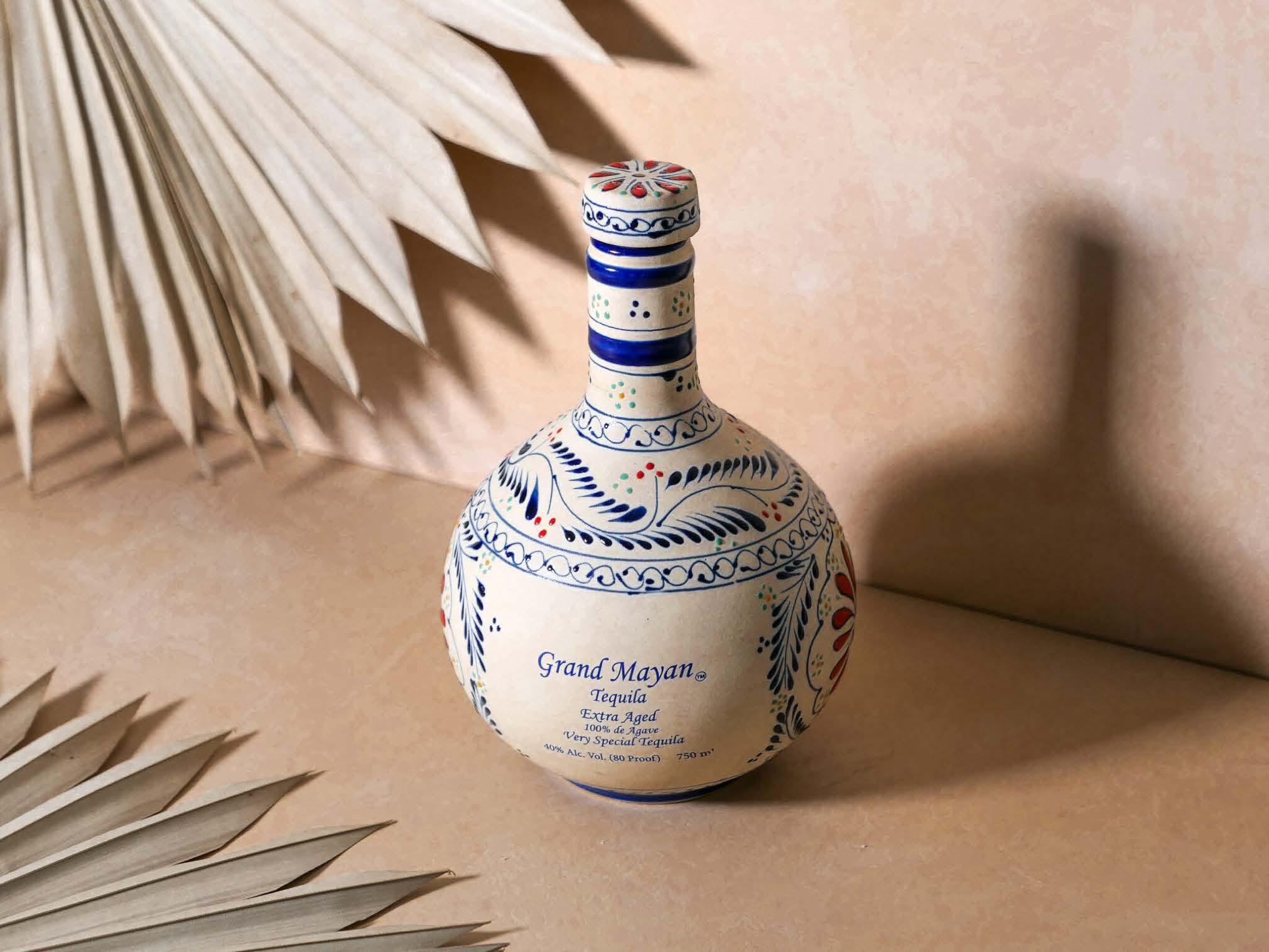
In a world saturated with digital ephemera, consumers crave tangible beauty and For tequila and agave-based spirits, this is a natural evolution; its story is inseparable from the land and the hands that craft it. By tle into an object of desire, brands can transform consumption into ritual, making the vessel as valuable as the liquid it
Expect collaborations with Mexican artists, ceramicists, and even indigenous craft collectives. Bottles will continue to become living archives of heritage, embedding cultural codes into their textures and forms.
Limited editions might incorporate regional motifs, traditional firing techniques, or reclaimed materials, turning packaging into a manifesto of authenticity and sustainability.
“[The 1800 Essential Artists collection is a] decade-long art project has produced accessible art collectibles for our fans, in collaboration with some of the world’s most notable artists.”
Lander Otegui Senior Vice President of Marketing at Proximo Spirits
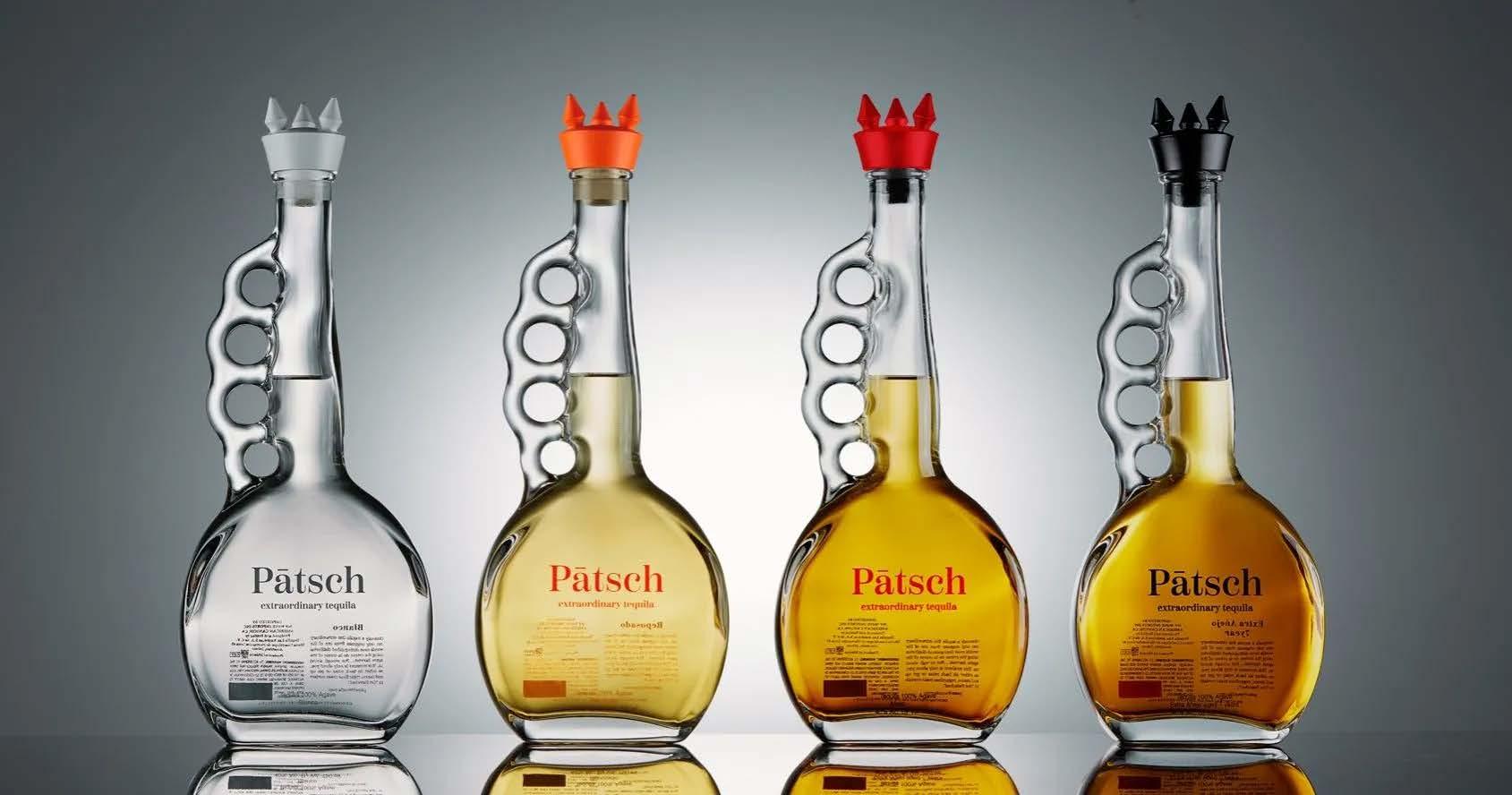
Few brands embody this shift as boldly as Patsch Tequila, a creation born from the mind of Martin Schapira, an aquatic architect whose design philosophy flows seamlessly from water to glass.
Schapira’s journey began as a decade-long passion for tequila, an obsession that evolved into a brand that reimagines how tequila can be experienced before the first sip.
The bottle itself is a sculptural masterpiece, inspired by architectural principles and aquatic forms, designed to command attention as much as any gallery piece.
This is where luxury design and highend spirits converge. Patsch’s bottle creates a tactile narrative. Its contours evoke movement and fluidity, while its materiality signals permanence and sophistication.
In a market where premiumisation increasingly depends on storytelling, Patsch positions the bottle as the first chapter, a physical manifesto of creativity and craft.
Tradition without limits.
For centuries, spirits have been anchored in geography. Tequila and mezcal, by law, can only be produced in designated regions of Mexico, a system designed to protect heritage and ensure authenticity.
But as global drinkers become more experimental and less bound by tradition, a provocative question is emerging: how much do we really care about official terroir?
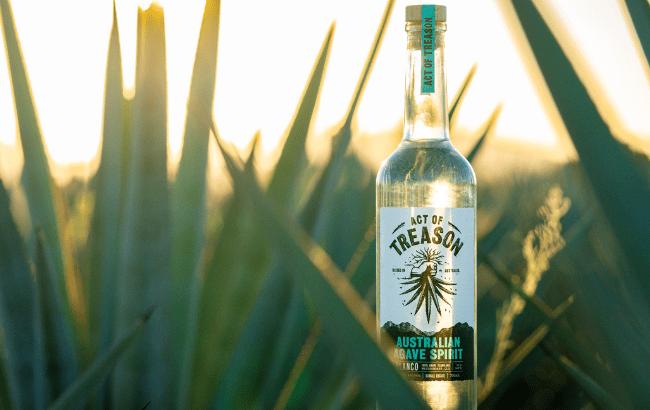
Agave is a resilient plant. It thrives in diverse climates far beyond Jalisco or Oaxaca, and distilleries can be built anywhere. This reality is fuelling a new wave of challenger brands that reject geographic orthodoxy in favour of creative freedom.
Consider Act of Treason, an Australian brand crafting award-winning agave spirits from plants grown on
the country’s northeastern coast. Or El Ladrón Yolo and Jano, both sourcing agave from California.
This movement signals a deeper cultural shift: authenticity is being redefined as its being questioned. While legacy tequila houses double down on heritage storytelling, celebrity endorsements, luxury cues, and narratives of Mexican craftsmanship, outsiders are reframing the conversation, bringing in brand iconography and stories that transcend terroir.
These outsiders are positioning themselves as innovators, not imitators, appealing to consumers who value originality over orthodoxy. For these drinkers, provenance is less about borders and more about a broader philosophy: sustainability, artistry, and transparency.
We can grow [agave in California] and blossom a whole new industry the way they said Cabernet could never be grown in Napa
“ ”
Dr. Krista Ramonas Co-founder of La Tintura
This taps into a wider trend around the globalisation of craft, where we’re seeing consumers increasingly comfortable with hybrid identities and global mash-ups. If whisky can be Japanese and rum can be French, why can’t agave spirits be Australian or Indian?
The debate itself becomes part of the allure. Purists defend tradition; progressives champion innovation. Brands can harness this tension to spark conversation and cultural cachet.
Expect more borderless agave brands that celebrate local terroir without Mexican geography, pairing agave with indigenous botanicals, regional craftsmanship, and sustainability narratives.
Limited editions may highlight climate adaptation stories or collaborations with local artisans, positioning anti-terroir as a badge of modernity rather than a compromise.
“There
is a rich history in [California] of taking something and turning it into something else. We have the climate and mind-set to do anything, and that grit to get it done.”
Gian
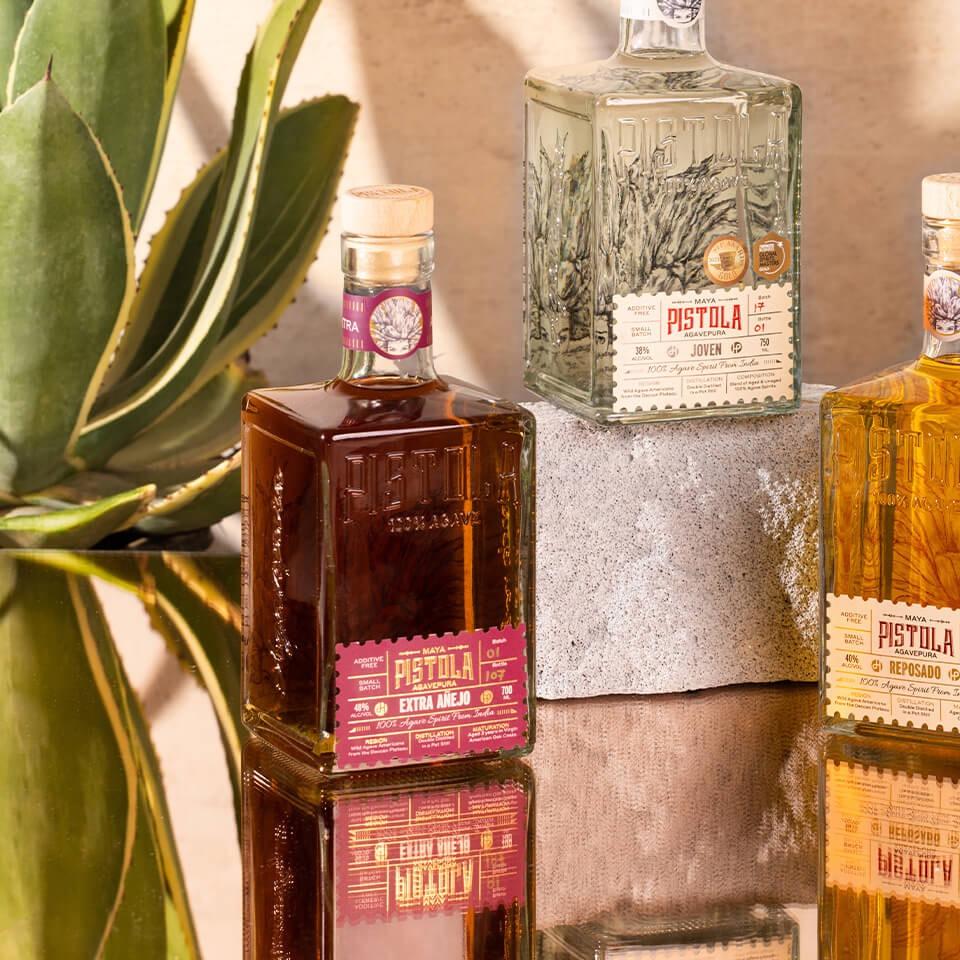
Born on the Deccan Plateau in India, 10,000 miles from the home of tequila in Jalisco, Mexico, Maya Pistola Agavepura is bringing agave spirits to a brand new audience.
Made from 100% Agave Americana grown wild in the highlands of the Deccan Plateau, the spirit is created in the traditional manner - just not in a traditional location.
The brand celebrates the natural variability of wild agave, giving each bottle its own unique character. Clearly a quality liquid, Maya Pistola
Agavepura won a gold medal for their Extra Anejo and silver for its Anejo at the Asian Spirits Masters 2025, adding to a total tally of over 40 global awards.
While clearly inspired by the heritage of tequila, this is a distinctly Indian expression of the spirit, tailored for the tastes of its home nation.
As the global appetite for craft spirits grows, Pistola is well positioned to take full advantage.
Source: Patsch Tequila

The rise of wild and rare agave spirits.
Tequila and mezcal may dominate the agave conversation, but a new wave of spirits is pushing boundaries (and palates) into uncharted territory. Consumers are no longer satisfied with the familiar; instead they’re seeking rarity, authenticity, and a sense of discovery.
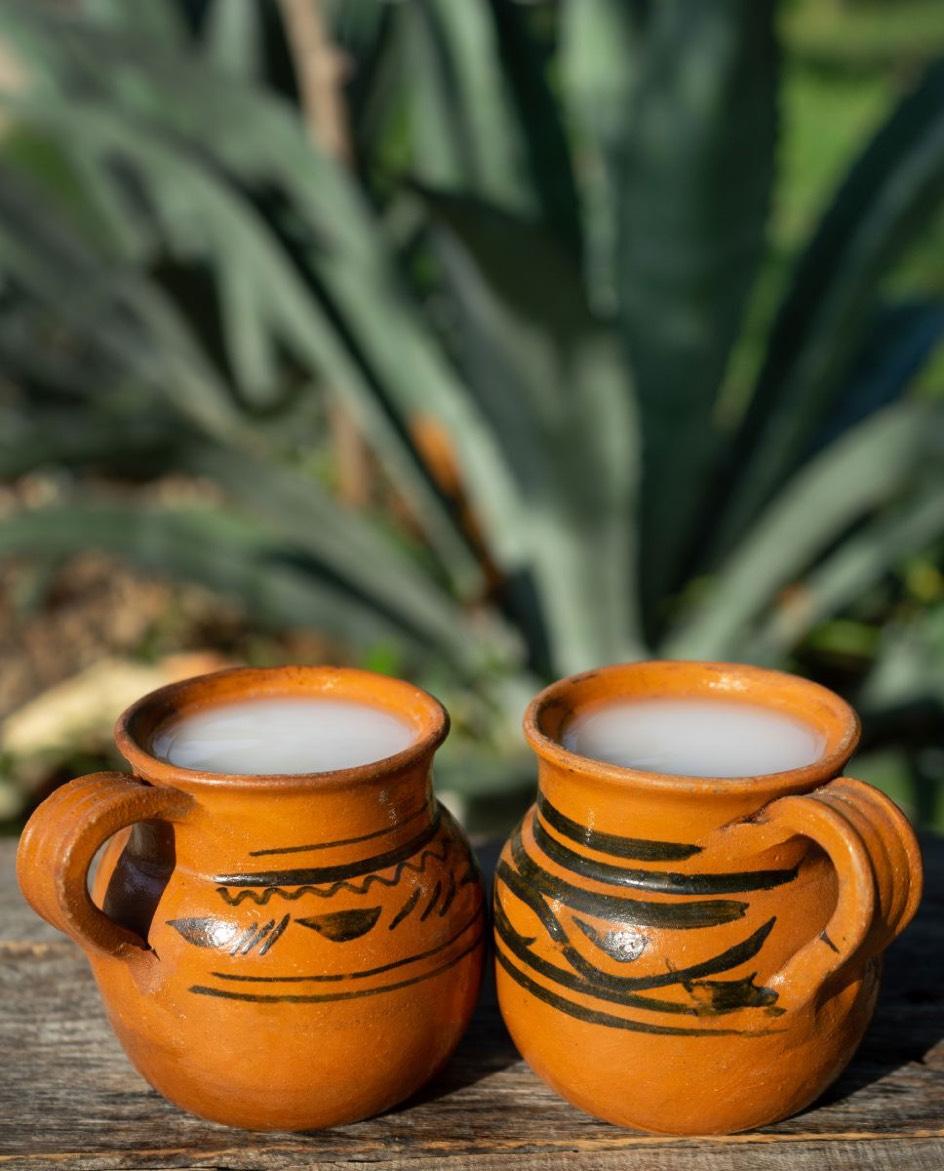
This appetite for adventure is fuelling interest in lesser-known Mexican spirits like raicilla, bacanora, pulque, and most notably, sotol, a distillate made from the Dasylirion plant, a desert cousin of agave.
The momentum here is truly undeniable. Earlier this year, New York hosted its first-ever Sotol Week, a celebration that surprised even seasoned industry watchers. The event spotlighted sotol’s earthy, herbaceous complexity and its deep cultural roots in northern Mexico, positioning it as the next frontier for agave enthusiasts.
We believe that this is more than a niche curiosity, it’s a signal that drinkers are craving spirits with wild provenance and untamed character, rejecting homogenised luxury cues in favour of something raw and real, beyond the expected.
Beyond Mexico, the adventurous spirit trend is global. Producers in Texas are crafting sotol from wildharvested plants, while alternative agave spirits emerge from South Africa’s Karoo Desert and India’s Deccan Plateau.* These brands leverage freedom from strict denomination rules to experiment with terroir, sustainability, and flavour innovation, creating spirits that feel rebellious yet deeply connected to nature.
For a new generation of drinkers, rarity equals prestige. Owning knowledge of sotol or raicilla signals cultural fluency and connoisseurship that cannot be bought with celebrity ownership or flavour experimentation.
Instead, these wilder spirits trade on craft, ecology, and origin stories, resonating with ecoconscious consumers seeking ethical indulgence.
Expect sotol to become the poster child for adventurous agave, within festivals, tasting experiences, and limited editions that drive intrigue and divide opinion. Brands will amplify narratives of wilderness and heritage, inviting consumers to “drink outside the map.”
Collaborations with chefs, mixologists, and cultural curators will elevate these spirits beyond novelty into lifestyle statements.
“There’s enough tequilas and gins and vodkas and things, but what intrigued me about this was that no one knows about it”
Lenny
Kravitz Musician & co-founder Nocheluna Via The New Yorker
“
For
those members of the committee who’ve never consumed sotol, I would recommend it
John Cornyn Texas Senator
”
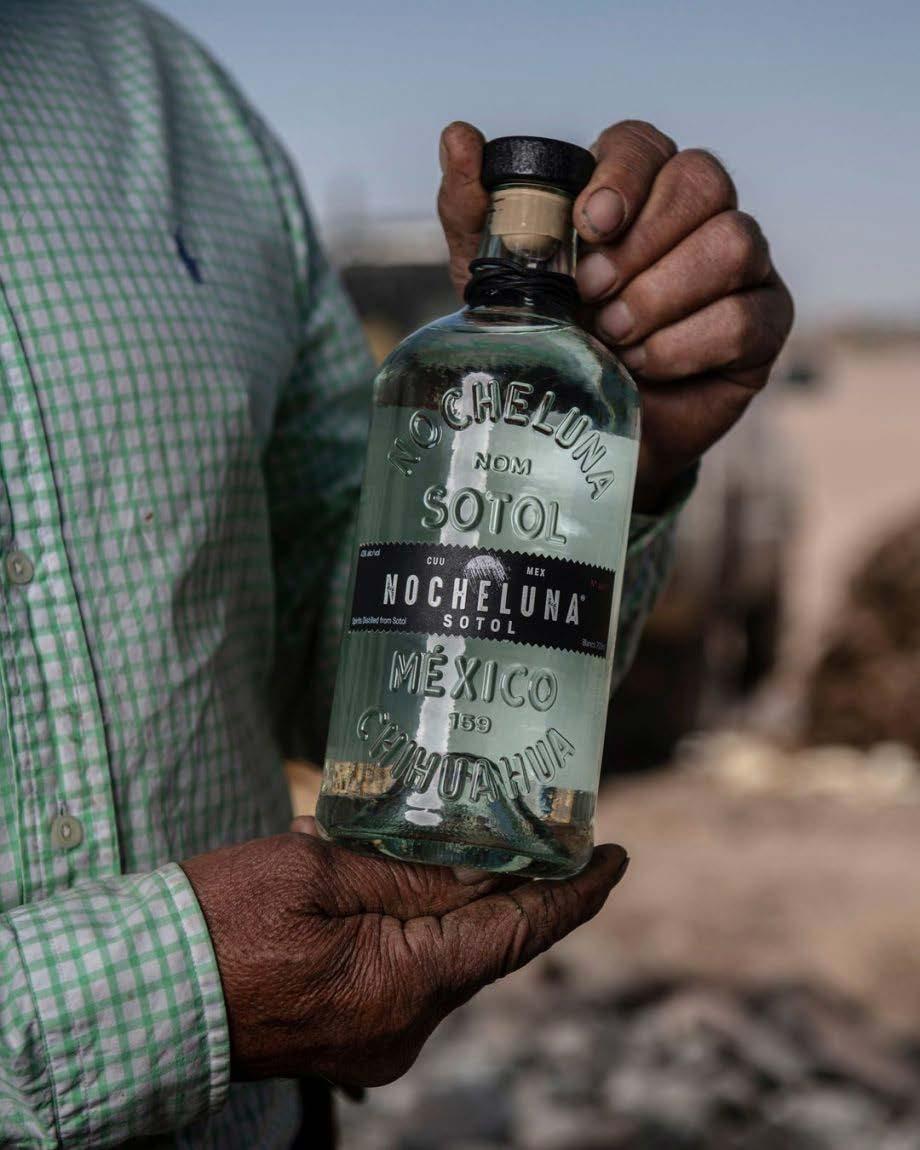
Billed as a ‘wild spirit for wild spirits,’ Nocheluna is bringing Sotol into the mainstream as the first celebrity brand for this spirit.
Created by Ricardo Pico, longtime promotor of Mexican Sotol, in collaboration with master distiller Don Lalo and musician Lenny Kravitz, with backing from Pernod Ricard, the brand hopes to highlight the potential of lesser-known Mexican spirits.
With sotol a more challenging flavour than most tequilas and mezcals, the brand worked with Casa Lumbre, a liquor company known for adjusting obscure spirits to make them more palatable for a broader audience.
Harvesting plants from the Chihuahuan Desert, he resulting spirit retains its core complexity, whilst flowing smoothly over the palate.
The bottle clearly takes inspiration from traditional spirits and the heritage of the liquid, with its subtle labelling and embossed lettering.
In their actions, the brand looks to the spirit of Kravitz and the Sotoleros to guide their actions; passionate, entrepreneurial and original. As consumer tastes become more adventurous, we believe Nocheluna will become a regular on the back bar.
How agave spirits will lead the next wave of functional hedonism.
Bottles as cultural artefacts and objects d’art. Agave without borders and tradition without limits. The rise of wild and rare agave spirits.



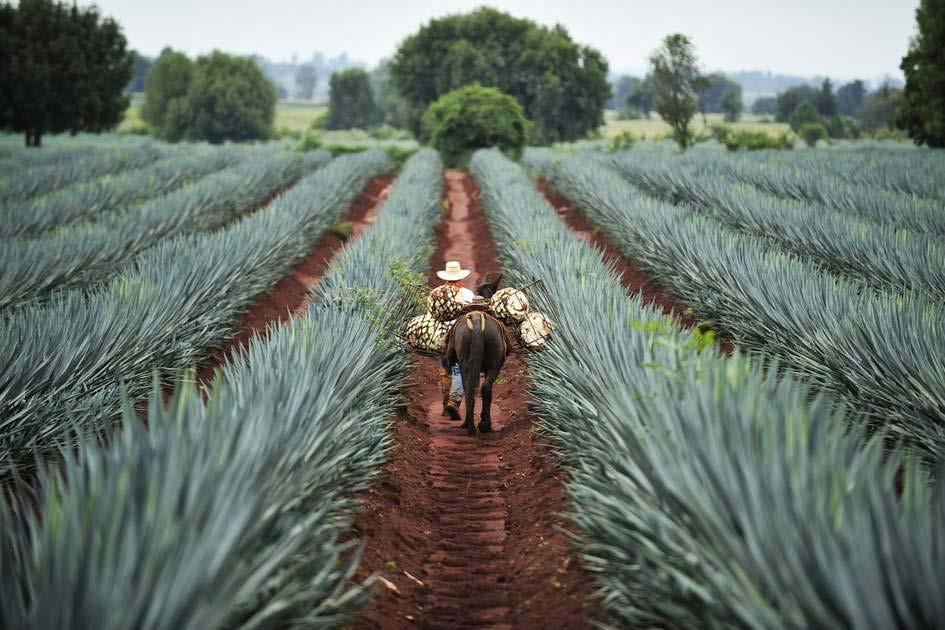
While the first wave of agave spirits was driven by classic tequilas from the major houses, the next will be much more diverse.
Our trends for the Agave 2.0 wave cover everything from source plant, to additional ingredients, to the bottle itself. While some trends may be further from fully blooming than others - we’re still waiting on the first truly functional tequila to launch - our goal is always to map the shifting landscape in order to help prepare brands for the future.
And as the world of agave changes, so too do its limits. A few years ago we never could have expected that places like Australia and India could be fertile climes for agave spirits, yet now these drinks are winning awards.
However Agave 2.0 develops, we are confident that it will be driven by this spirit of innovation. Brands should view this as essential to their planning, lest they be left behind.
We’re a branding and design agency. We believe that strategic creativity and design can be the unifier of brand experiences, and the key to making everything a brand does more cohesive and effective, building equity and driving sales.
From positioning to platform and packaging to point of sale, we understand how to help brands show up in ways that make people stop, shop and share.
Written by
Ralph
Barker - Senior Strategist
Casey Shepheard - Midweight Strategist
Our Foresight Approach
For us, the art of trend mapping is just that; mapping. In order to understand the future of any category, we track the contours, chiseling away each layer until a clearer picture is formed. Sometimes this means pushing through soil, sometimes rock. The important thing is to uncover the whole landscape so that we are able to gather the clearest view of the architecture that the future might rest upon.
Growth Director
Andrew Mitchell
andrew.mitchell@missouri-creative.com
Senior Strategist
Ralph Barker
ralph.barker@missouri-creative.com
Creative Director
Russell Kerridge