Innovations, implications & provocations for the future of No&Low
revoloutionalcohol-free
The is in full swing
In the first half of 2025, sales of NoLo drinks rose 35% year-on-year (Waitrose). What began as a Coke or J2O at the bar, or a half-hearted Dry January attempt, has now grown into a full cultural shift. In such a nascent and fast-moving space, where even kombucha and THC qualify as “non-alcoholic,” the category is expanding quickly but without clear boundaries. No and low drinking is only going to get bigger, and reactive innovation only gets you so far. As the category matures, the industry needs to know what’s next.
In this report we chart the cultural, scientific and creative forces shaping NoLo. From ancient remedies to new technologies, we’ve mapped trends to reveal where the category is headed.
Welcome to the future of drinking.
A Generation of Damp Drinkers

Low-proof drinking started with physical wellness and hangover avoidance, but motivations now range from better sleep to saving money to protecting mental health (KAM). There’s no single reason consumers are choosing NoLo.
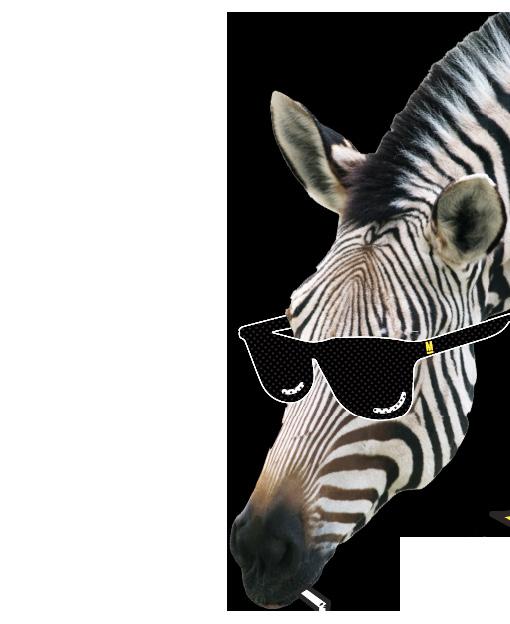
Still, many aren’t going fully dry. 46% of 25–34-year-olds drink alcohol alternatives (YouGov), but most remain ‘damp,’ not ‘dry.’ There’s a drinking trend that hit the headlines at the end of 2024 and is only gaining momentum - ‘Zebra Striping’ (Vogue, Forbes, Cosmopolitan, The Times). Named for the zebra’s alternating colours, the theory states that consumers are drinking one non-

alcoholic beverage for every alcoholic one. It’s a pithy phrase, but we feel the one-on-one-off system may be too regimental for the modern ‘damp’ drinker who prefers flexibility. In fact, from a recent survey we conducted, we found 54% of 18-25 year-olds switch up what they drink depending on their mood or the occasion*. It seems that the shift is about choosing the right drink for the right mood.
The question for brands: how do you meet this consumer where they are?
18-25 year-olds switch up what they drink depending on their mood or the occasion*.
The state of the art: A simple taxonomy of 0.0%
0.0 Classics
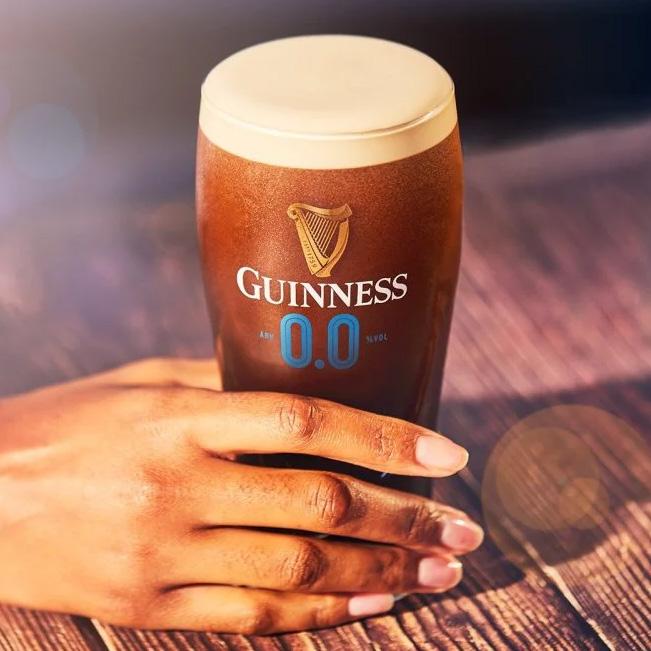
Examples: Guinness 0.0, Beefeater 0.0, Lucky Saint.
De-alcoholised versions of existing and recognisable drinks. Either 0.0% versions of existing products, or new native NoLo beers, wines and spirits.
Buzz Without Booze
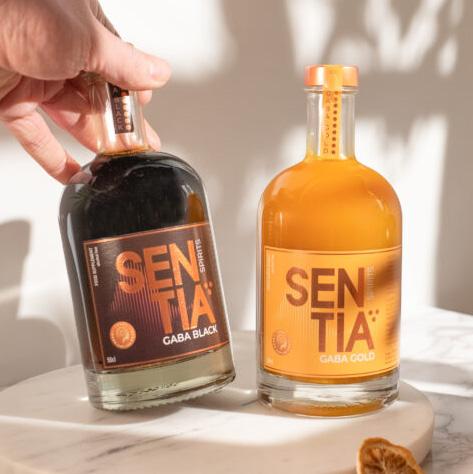
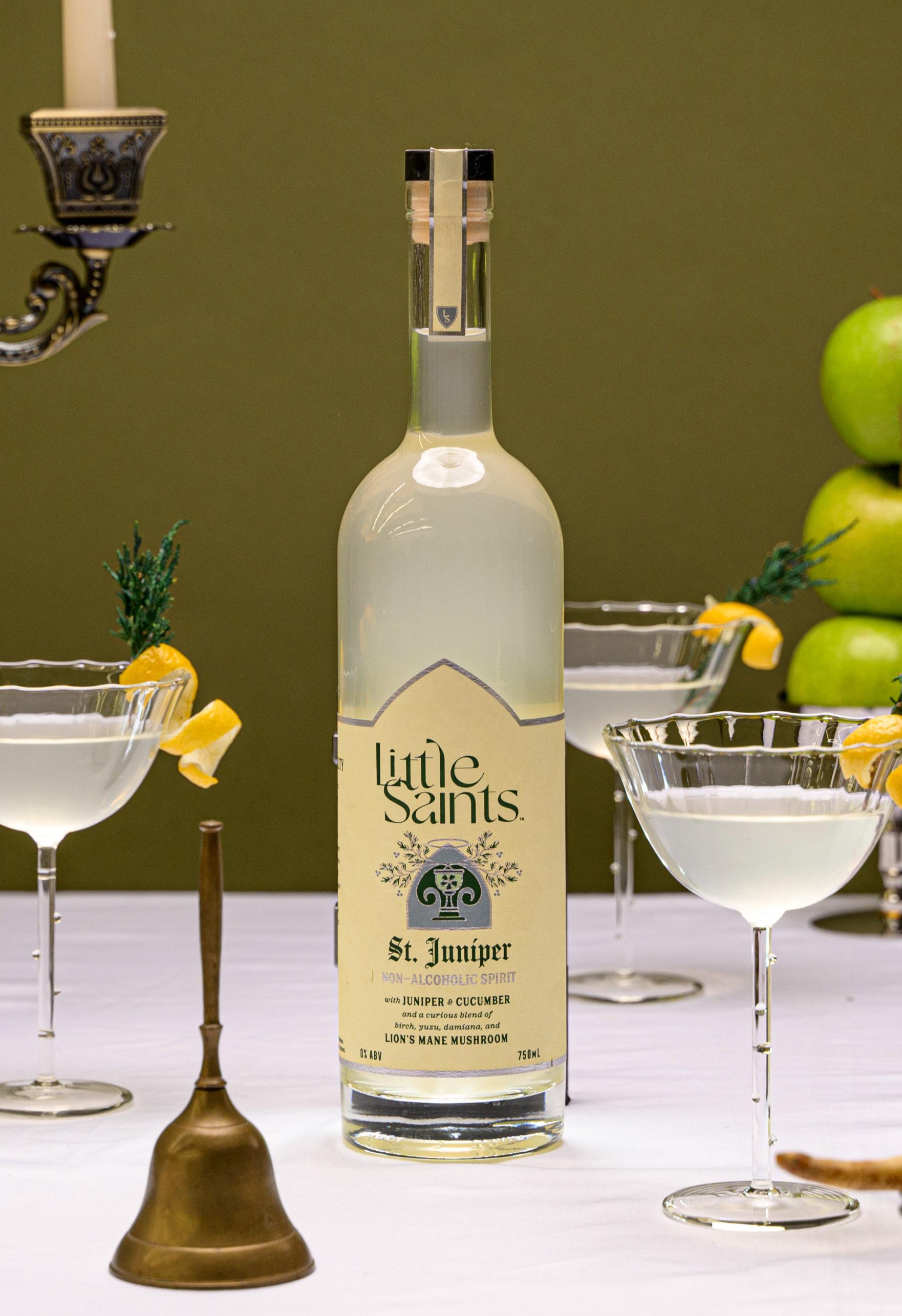
Examples: Sentia, Little Saints, Three Spirit, Nuwave.
Functional formulations that create similar effects and feelings to drinking alcohol through the addition of nootropics, adaptogens, etc.
Naturally NoLo
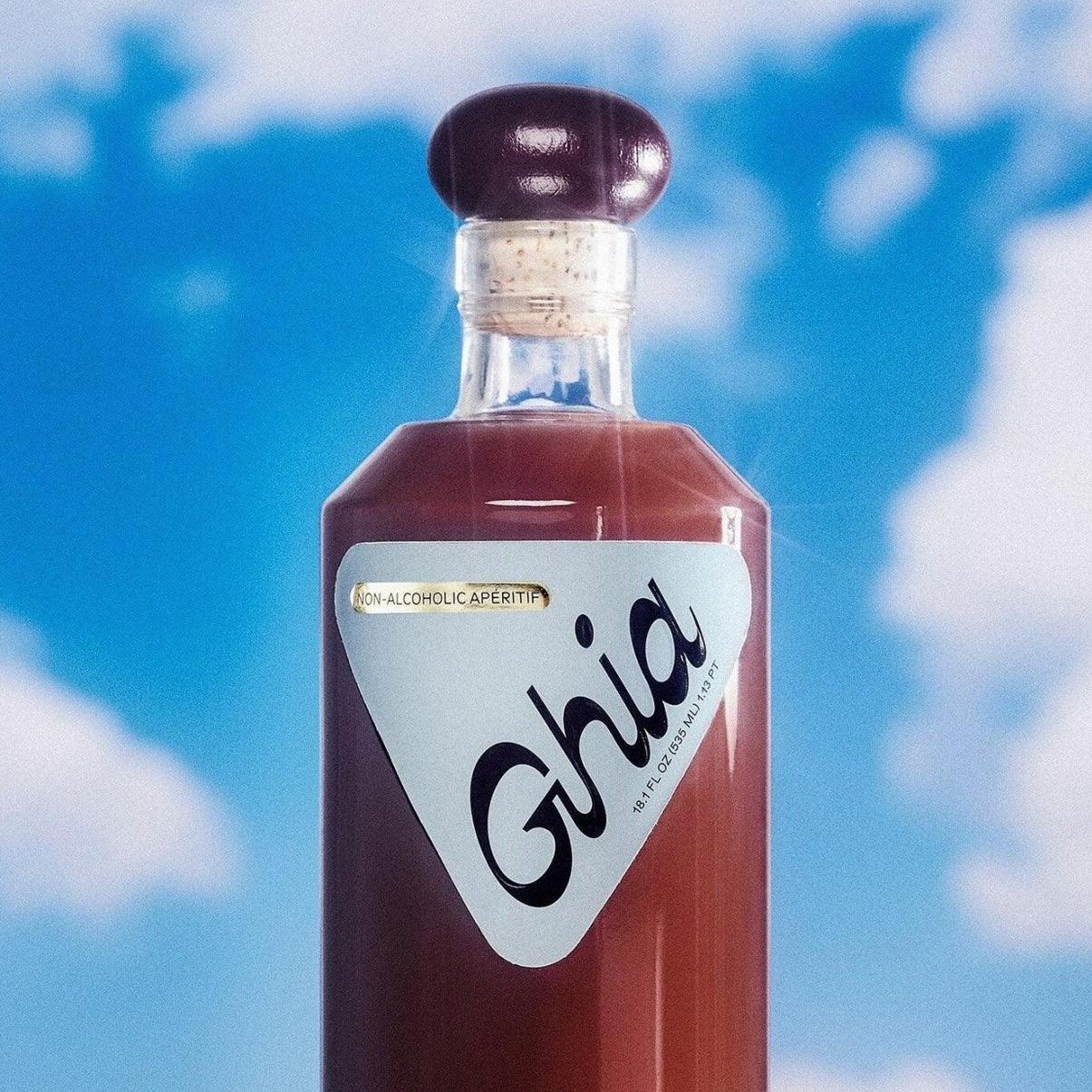
Examples: Ghia, Pentire, Seedlip, Botivo, Crodino.
Complex flavour profiles, inspired by those typical to spirits, created from naturally alcohol-free botanical formulations.
Alcohol Adjacent
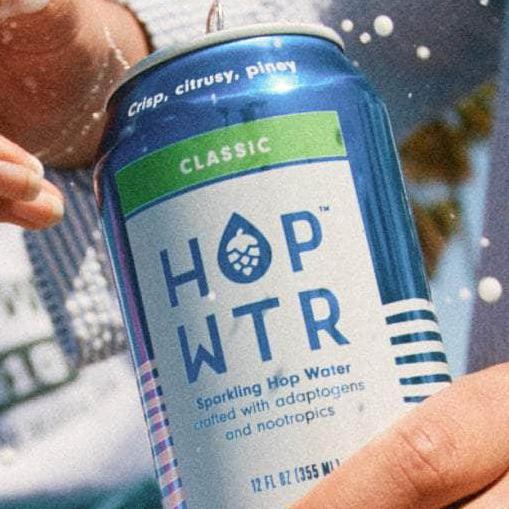
Examples: HopWtr, Daypack, Ooso, United Ferments.
Drinks created for similar moments to alcoholic drinks but a step removed from typical NoLo such as kombucha, sparkling tea or hop water.
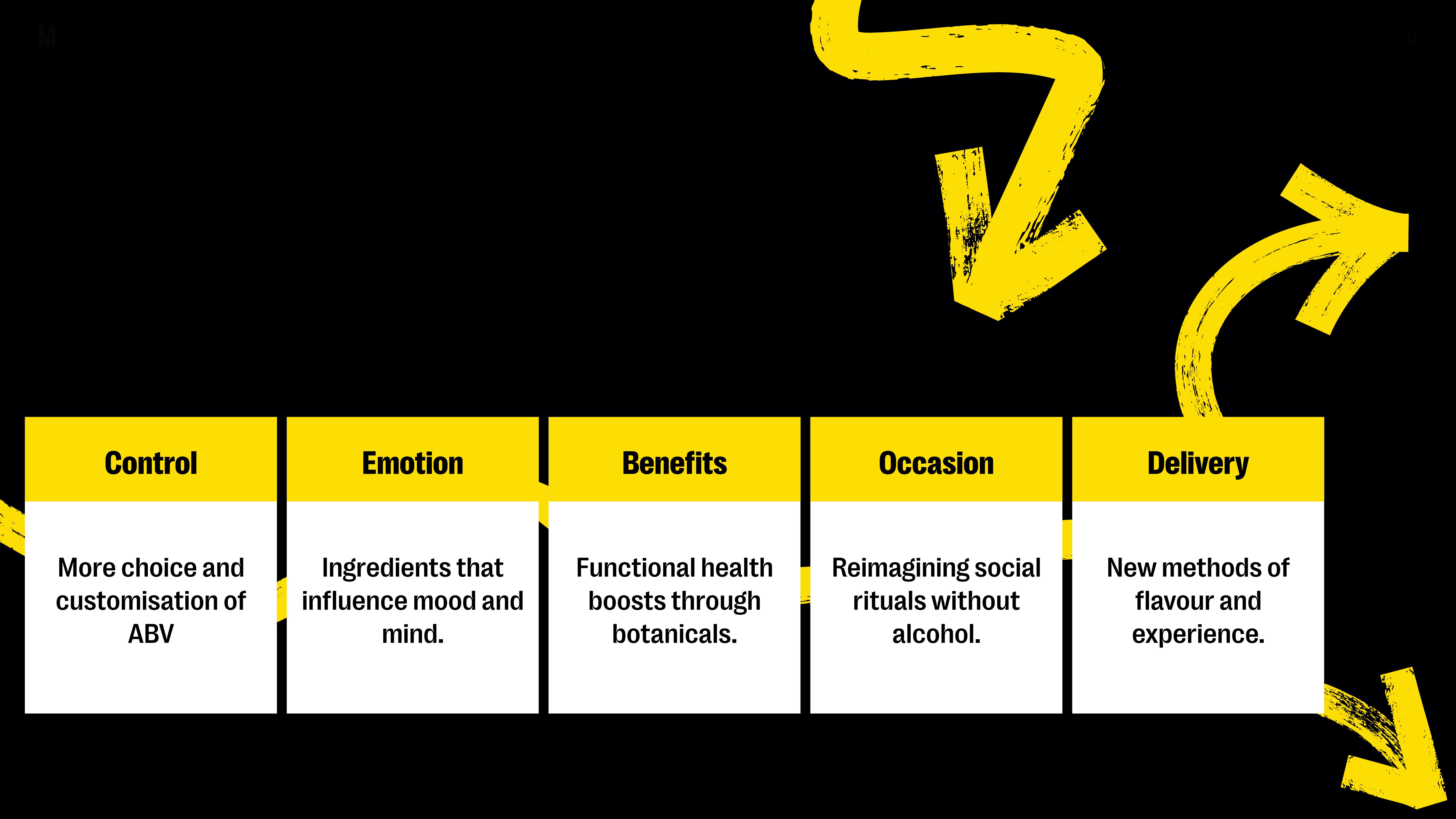
Enhancing the NoLo Experience
Our trends for the future of NoLo
Volume
At its core, the shift towards no and low alcohol drinking is a search for control. Control over how we feel, how we look, how we are perceived; alcohol affects all of it. And when it feels like the world is shifting and we are powerless to stop it, it’s no wonder that people are grasping onto any kind of order they can find.
But don’t confuse control for restriction; it just means more education so consumers can make more informed choices. As consumers become more cognisant of lowproof options, they are increasingly conversant in ABV.
We’re starting to see brands elevate this metric from a legal labelling requirement to a fully-fledged marketing tool - both for high and low percentages. It follows, then, that brands are looking for greater control over ABV in their products.
There is an essential issue that any dealcoholised drink must contend with: alcohol. More specifically, the ethanol molecule is an integral component of the liquid’s flavour and texture. Perfecting the dealcoholisation process has the potential to be very lucrative. BOLLE wine uses a double fermentation process, completing the dealcoholisation after the first fermentation, then adding fresh grape juice and yeast to re-introduce some of the character to the wine.
Similarly, startup ALTR has raised $5 million as of July 2025 with their novel membrane dealcoholisation technology. With this tech, they can specifically target the molecules of ethanol, allowing ALTR to accomplish highly specific ABV values without affecting the properties of the rest of the liquid. The goal is to allow wine producers to create blends across an ABV spectrum (Forbes).
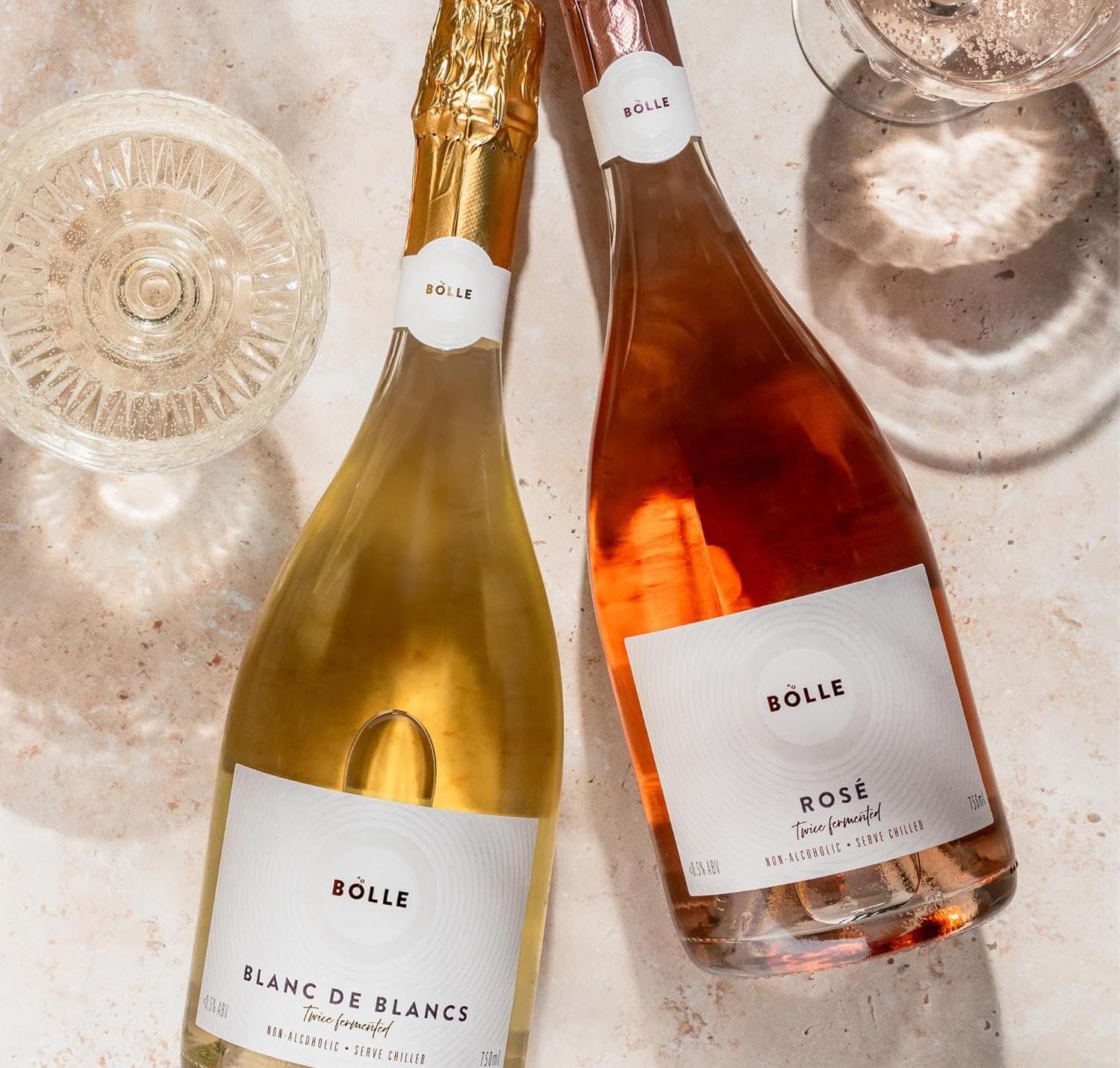
Source: BOLLE
Whilst lowering ABV is not new (just look at Stella Artois, which dropped from 5.2% to 5% in 2008, then again to 4.8% in 2012, and finally 4.6% in 2020) historically there’s been very little actual choice available to consumers when it comes to booze percentage.
A notable exception from Small Beer Co, who describe their range as “not 0%, not 5%, but right in the middle”. Yet, the last few years has seen a marked increase in interest from consumers in what Canvas8 calls ‘alcohol-flexibility’.
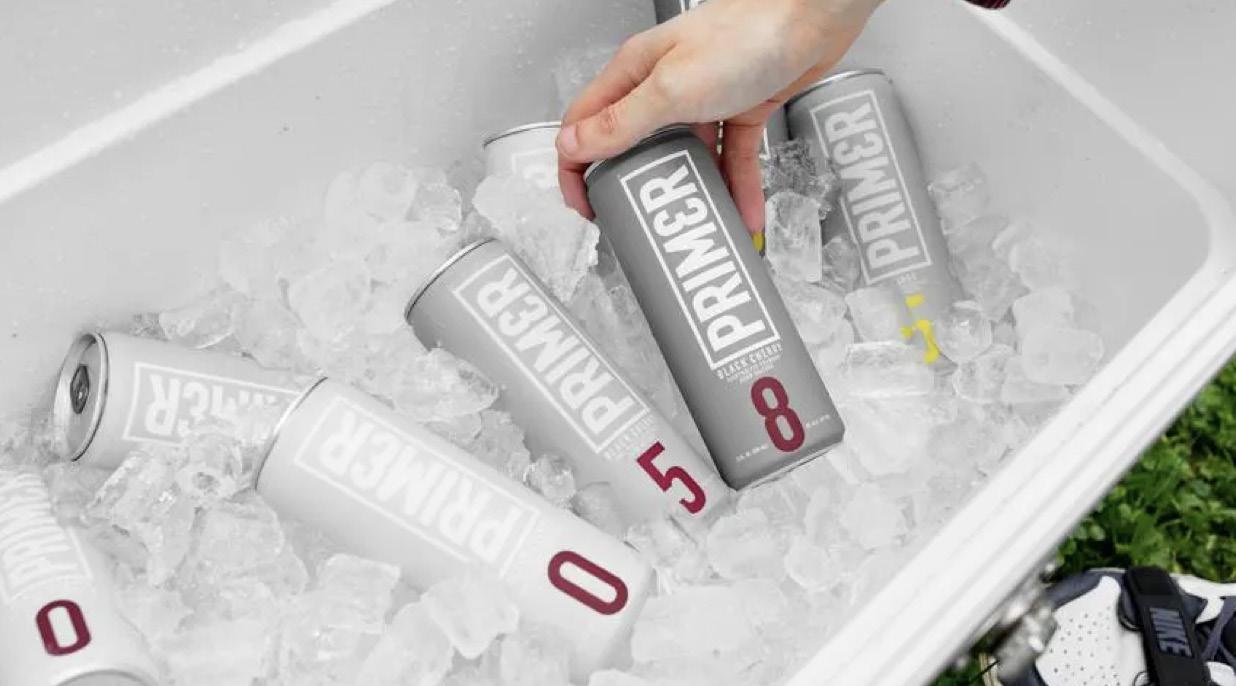
We believe this will become even more personalised, with consumers able to choose the exact ABV of their drinks in bars, every drink customised to their exact needs and wants. We’ll see both at-tap and at-table methods of modifying the ethanol content of drinks; bar taps that dealcoholise beers as they’re being drawn from the keg, and mixable sachets of ethanol dissolvers consumers can add to drinks themselves.

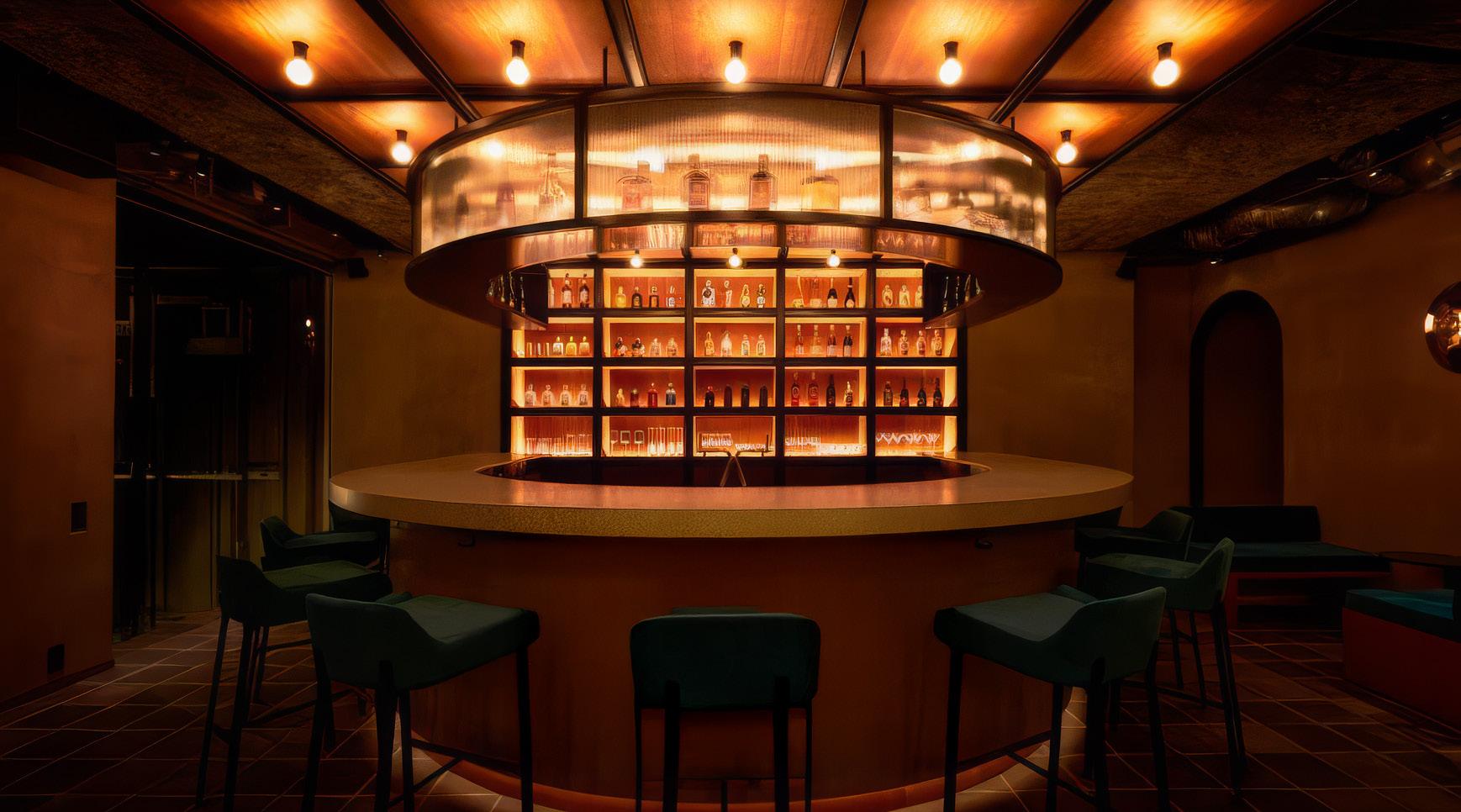
There are signs of this behaviour emerging already. Both System and Gradient offer the same drinks, just at a range of ABV levels, and Sumadori Bar in Shibuya, Japan lists exact ABV percentages for each cocktail on their menu, keeping them between 0% and 3%.
Source: System Selzers
Source: The 5th by Sumadori Bar
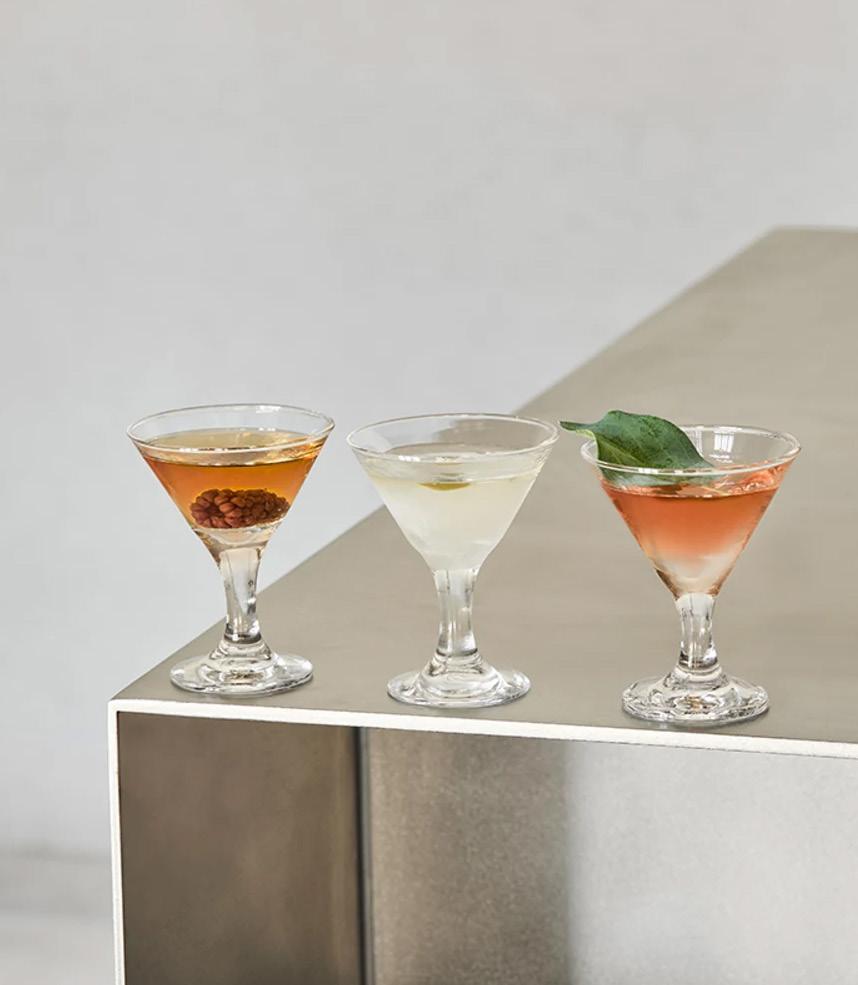
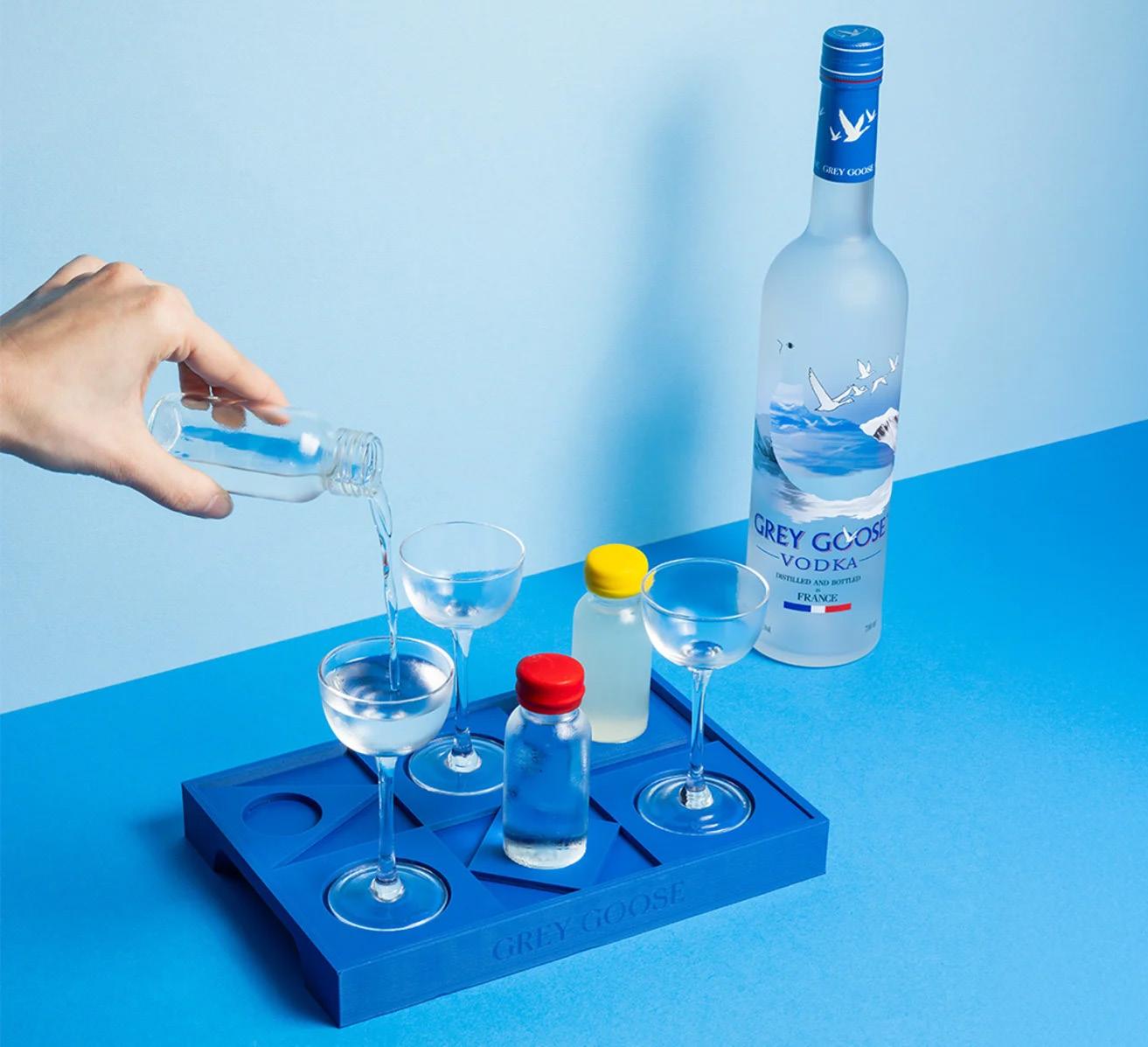
We’re also seeing a growing trend of mini cocktails being served in bars, either alone or as tiny flights (VML). They’re a simple win for consumers; they get the taste experience of a crafted alcoholic cocktail without imbibing the same volume of alcohol.
But what if they could enjoy a full-sized cocktail without the hangover effects?

“To some degree it’s less about the actual beverage and more about that moment of ‘cheers’ with somebody — that sense of connection”
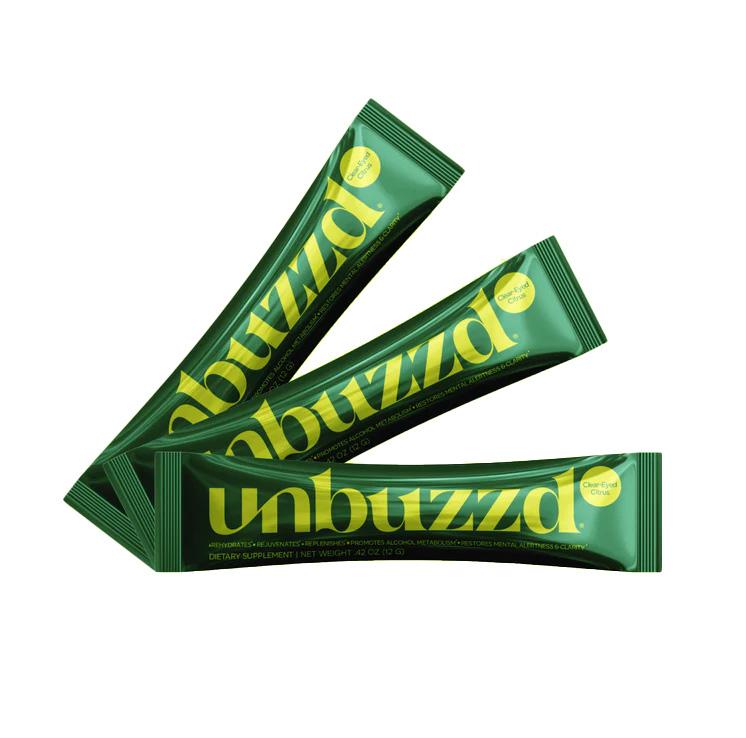
Think of this idea as the peer-reviewed version of drinking a Berocca and a litre of water before going to sleep. Startup Unbuzzd’s drink sachets contain Dihydromyricetin, a substance purported to “accelerate the metabolism of alcohol” (J. Neurosci.) to aid speedy morning-after recovery.
We predict a rise of such scientifically-backed hangover cures or even ‘wellness nightcaps’ served at bars before guests head off home.
On the other end of the spectrum, an August 2025 article from No Dumb Ideas explored a potential solution to the struggling DTC wine market by packaging new wines in 50mL bottles, and hosting ‘in-flight’ tasting flights on airplanes, complete with nasal saline to ensure re-hydration in the low pressure environment.
At its heart, Volume Control is all about providing personalised experiences for consumers who might be seeking to tweak their alcohol consumption in different ways, dependent on occasion, environment, and people.
Maggie Dahill; Beverage Director at Theodora Bar
Source: Grey Goose X Bar With Shapes for a Name
Provocations for brands
01 02 03 04 05
Get Personal
Allow consumers to choose exactly the right drink for them with enhanced personalisation options. Consider offering the same drink at different ABV levels.
Focus On Experience
Today’s consumers are looking for experience more than they’re looking to get drunk. Think about how serves can be elevated aesthetically or with added theatre.
Counter-Measures
Consumers want to stave off or pre-empt alcohol’s negative effects. Serve drinks with water, or bring electrolyte tabs with the bill regardless of whether they’ve been imbibing.
Design For Difference
Rather than recycling designs from alcoholic counterparts, there is an opportunity for brands to create distinct, fresh designs through unique format, colour, or use of brand assets.
Think Big, Design Small
Forget cans; lean into opportunity to share shelf space with wellness shots, juice formats, and lesser used design formats that offer less crowded shelf space.

Source: Little Saints


SENTIA have developed a blend of GABA-enhancers and bioenhancers which work in combination to create a feeling of tipsy ease. Each SENTIA spirit is enhanced with adaptogens to support certain moods and
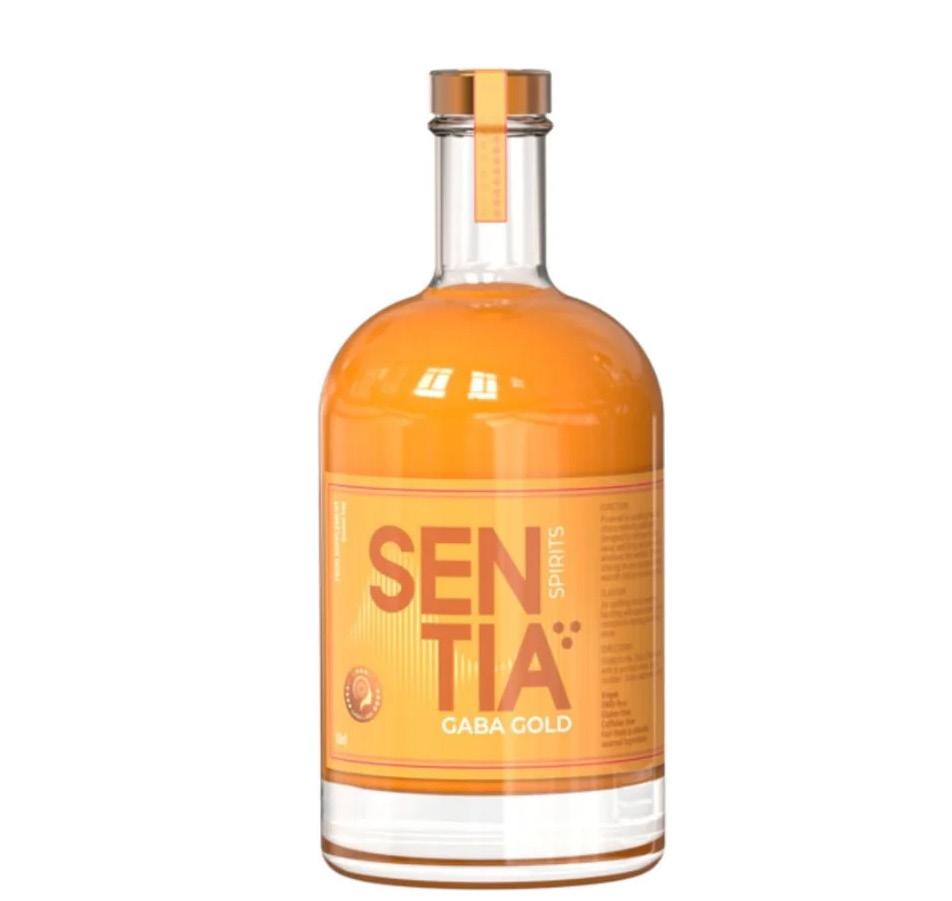
We predict this is only the beginning of mood-altering drinking. As the category and science develops, perhaps we’ll see drinks targeted for even more specific occasions such as a laughing elixir for standup shows or collaborations with drinks brands, artists and musicians to craft liquids that enhance the viewing and listening experience. Consider drinks laced with small doses of psychoactive ingredients such as Blue Lotus Flower served at late-night gallery events, boosting our perception of colour, and
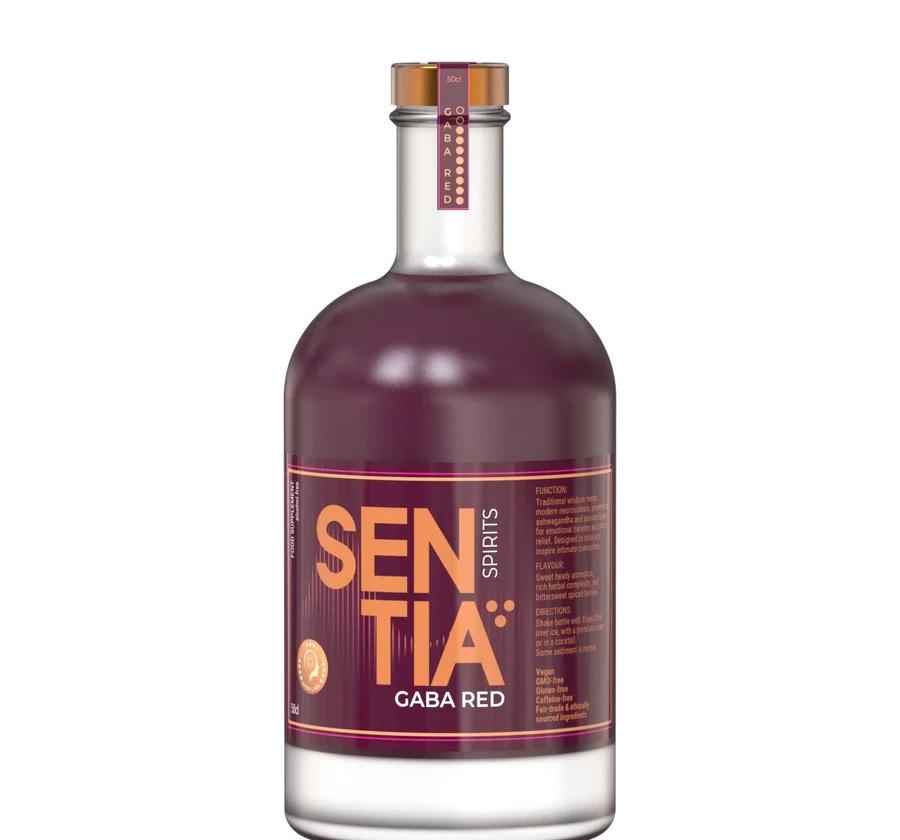

“Maybe if we can’t reverse or protect people against the harms of alcohol, can we give people what they want from alcohol without the harms?”
Prof. David Nutt, SENTIA

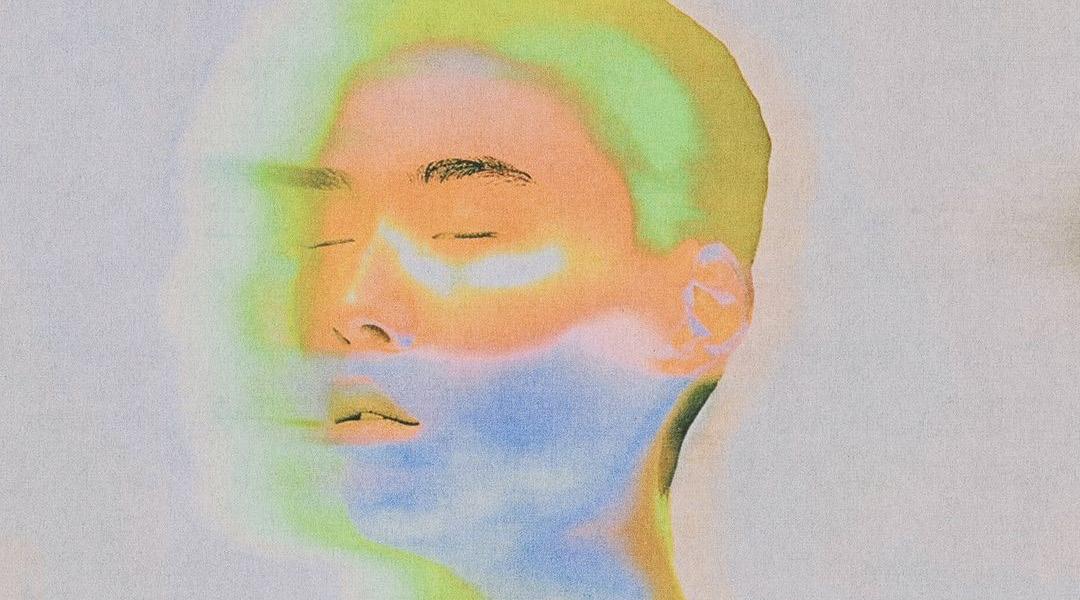
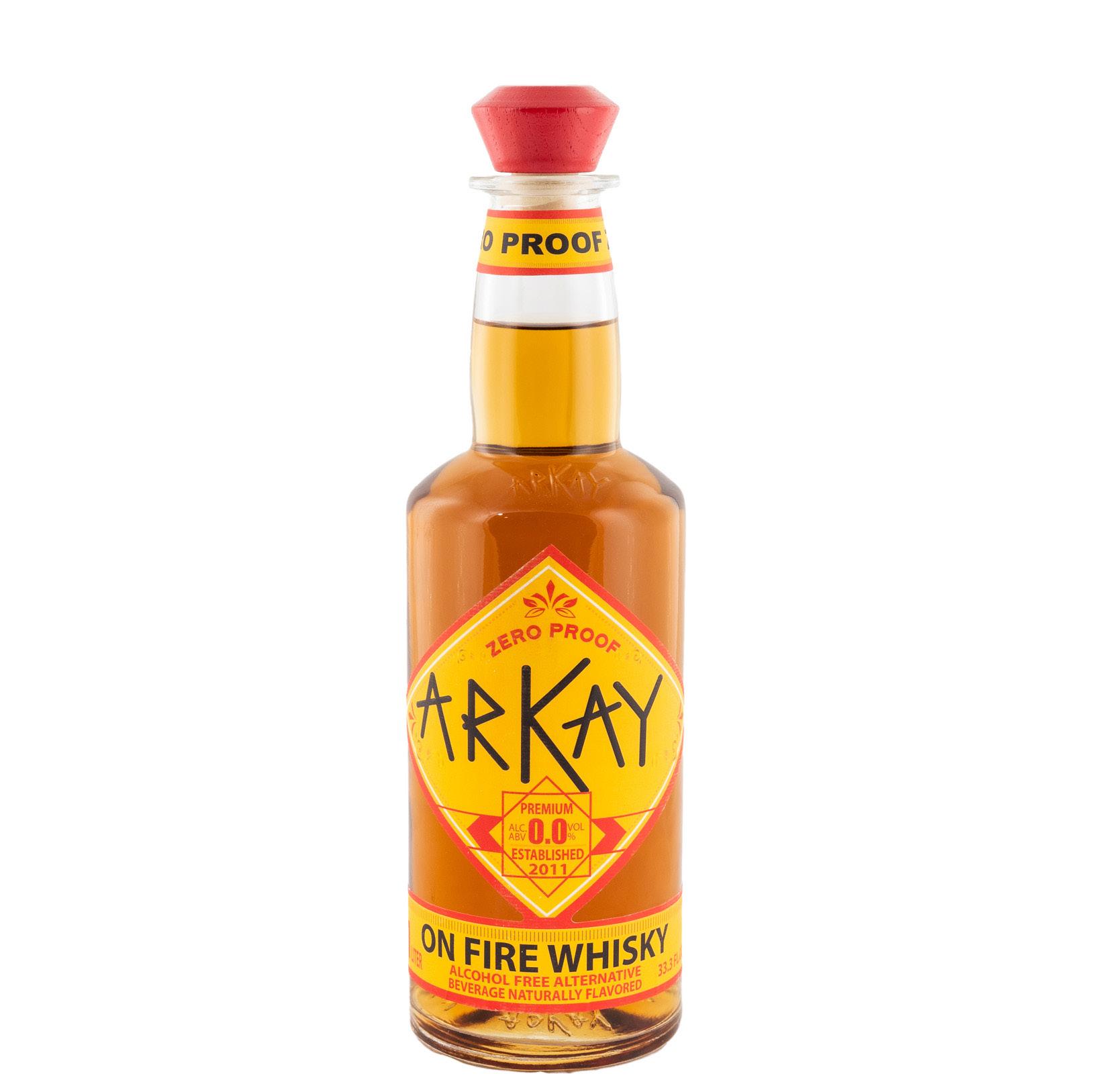
developed their novel WARM molecule that simulates the burning feel of liquor, giving verisimilitude to their zero-proof
Source: Discothèque Fragrances
Research shows that beauty, pleasure and sensory design can measurably shape emotion, moving aesthetics from simply ‘nice to have’ to critical in any quest for transformation and change.
Katherine Templar-Lewis; Creative Scientist & Co-Founder, Kinda Studios
“
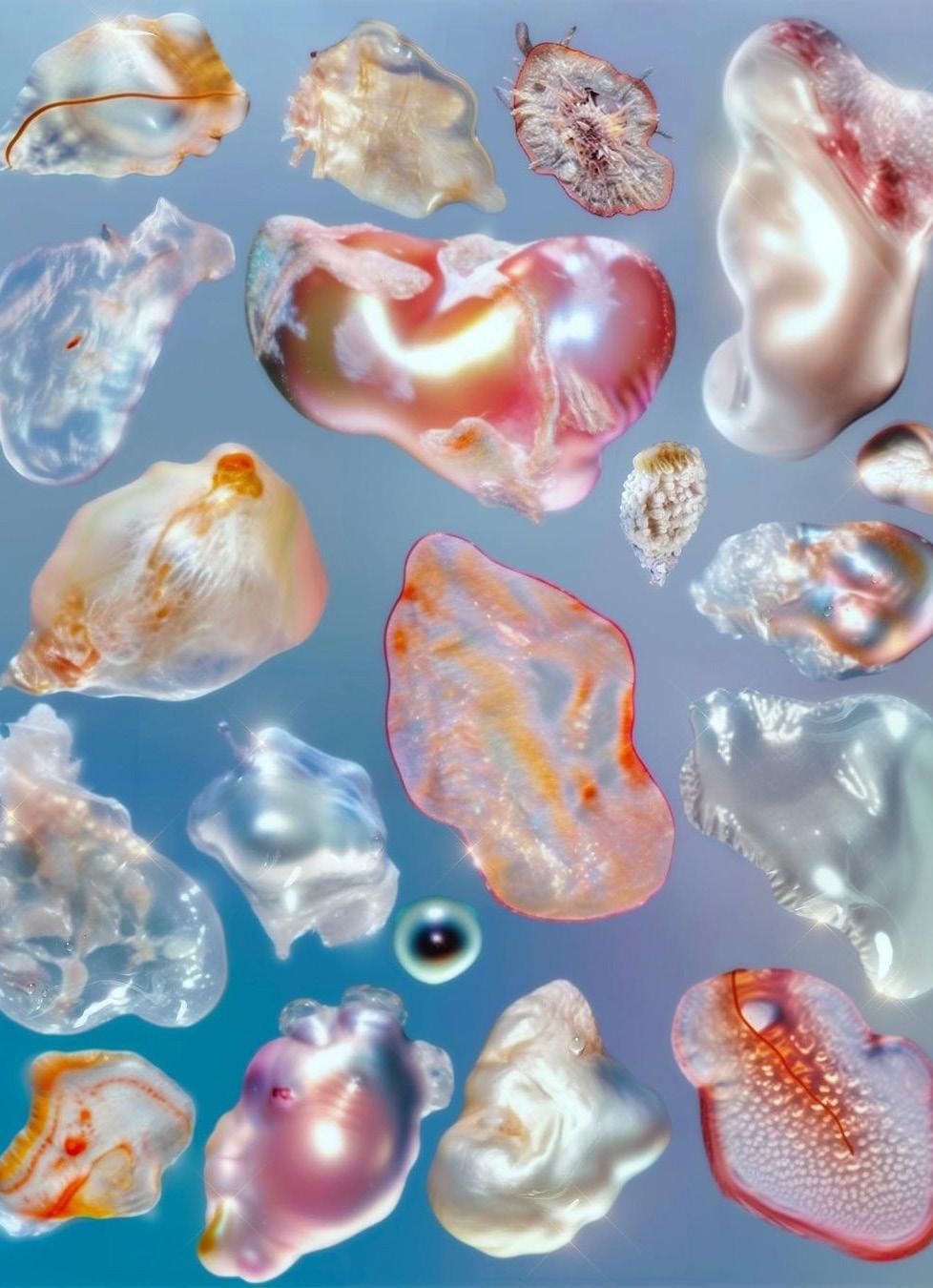
And just as mouthfeel and flavour will be pushed, so too will the product design. The emerging field of Neuroaesthetics shows that humans have instinctive responses to, and preferences for, certain colours and designs affect our behaviours.
We predict brands will adopt the principles of Neuroaesthetics to tune their pack designs to support the functional promises of the

Source: Kin Euphorics
Provocations for brands 01
02 03 04 05
Use Colour Coding
Lean into colour theory and Neuroaesthetics to generate an emotional connection with consumers and subconsciously prime them for the drinking experience.
Get Weird
Think outside the box in to evoke unique, highly specific emotions and vibes for consumers, and experiment with bold, maximalist pack design.
Boost Functional Benefits
Consumers are making cost-benefit analyses when choosing what to drink. Demonstrate the functional as well as emotional experience they will be getting to help justify the purchase.
Go Full Spectrum
Consider amplifying not only the tasting experience, but how you promote the effects of each addition to the product, aiming for clean transparency on wider holistic benefits.
Embrace Emotion
Draw attention to more abstract emotional benefits of products beyond ‘feel-good’. Express wider emotional range when it comes to copy and design. Have fun with feelings.

With our phones always within reach, the line between human and computer is ever thinning; we are rapidly becoming the cyborgs that Donna Haraway envisioned in the late 1980s. It’s likely we already are.

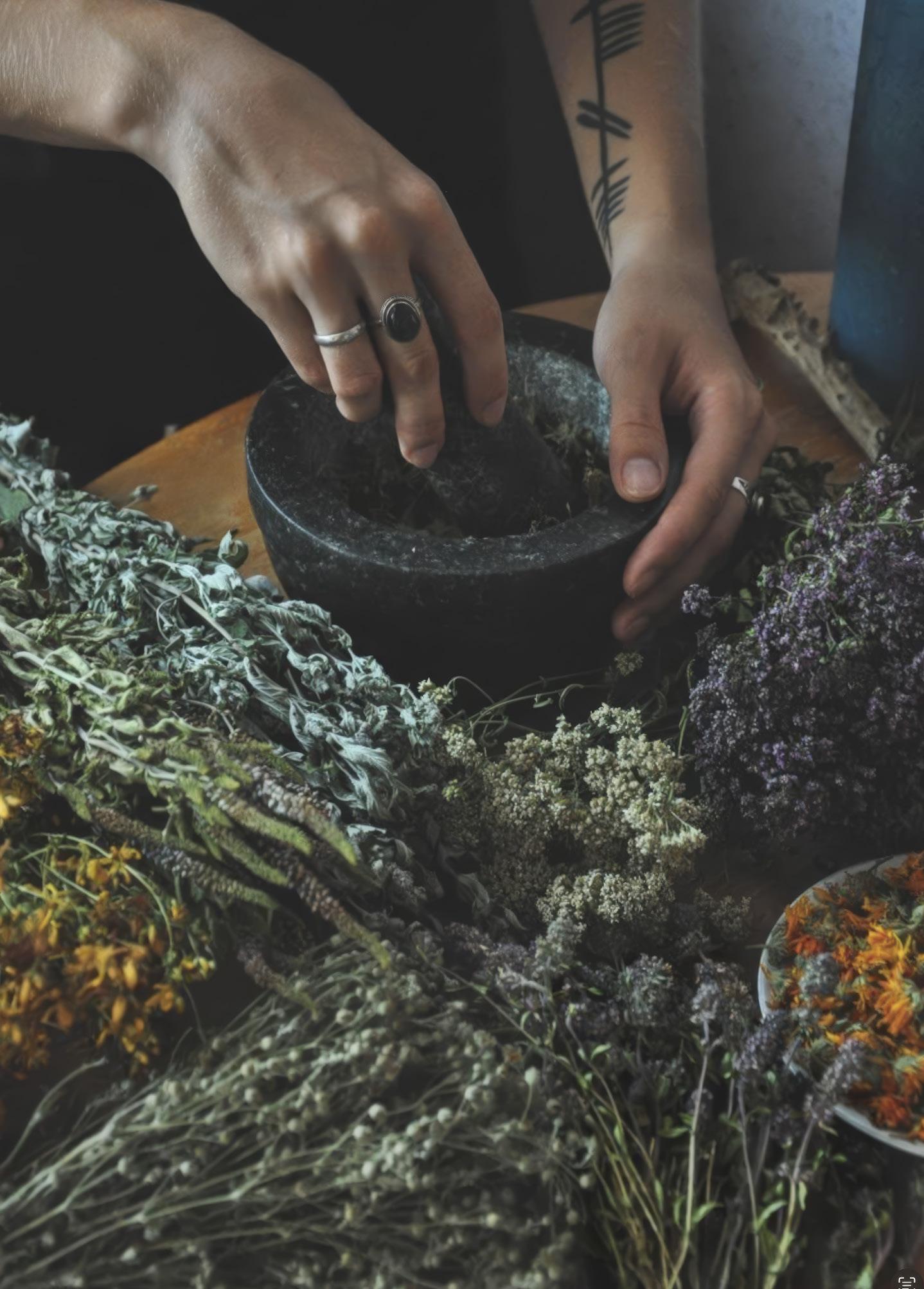
The more we find ourselves entwined with technology, the further we move away from our physical selves, from each other, and from the earth. We’ve seen a recent push back against this hyper-manufactured, ultra-processed life. Consumers are embracing their physicality through visceral experiences of taste and sensation, while herbalism and naturopathy are finding new audiences.
The alcohol industry is no stranger to herbal remedies. Chartreuse, the legendary liqueur made by French monks
for nearly 300 years, is derived from an alchemical recipe for an ‘elixir of long life’ (National Geographic). A favourite of the Queen Mother, who lived to 101, the monks may be onto something.
In the world of NoLo, the overtly herbal Negroni is the most popular non-alcoholic cocktail, with brands such as even offering a functional twist on the classic that incorporates the amino acid L-theanine into its nonalcoholic Negroni Spritz in an effort to “reduce anxiety, improve mental sharpness, and lift mood.”

And it is in herbal elixirs that today’s NoLo distillers are finding remedies to their own problems. Without the presence of alcohol, alternatives to spirits can lack depth, texture and complexity.
To some degree, part of the challenge of NoLo is anthropological. For millennia, yeasts have been a bubbling bedfellow to humankind, an “invisible participant in human culture”, “both makers and breakers of human social orders”, according to renowned biologist and author, Merlin Sheldrake. Simply put, alcohol and humanity are so tightly, microscopically, woven that NoLo brands must seek their own ancient stories in order to compete.
To counter this, we’re seeing brands turn to a form of ancient remedy: the revival of ‘shrubs.’ These concoctions of vinegar, sugar and fruit date back to 2500BC and have been used as both remedies and drinks for millennia. NoLo brands such as Botivo and Mother Root employ apple cider vinegar shrubs as the foundation of their 0.0 aperitivos, layering in botanicals to craft unique drinks for this new era of wellness-oriented living.
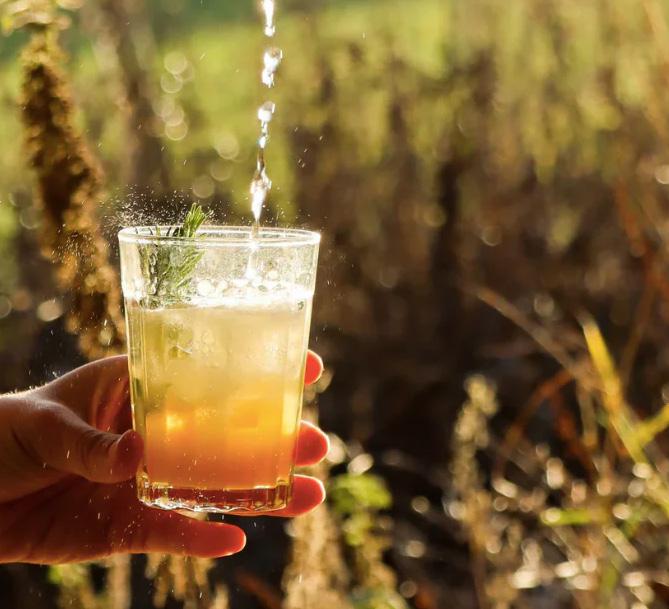
Source: Mother Root
Tapping into this ancient connection to the earth, drinks consultancy MyDrinkCreation offers several courses on ‘Wild Mixology’ that explore nature as canvas, with subscribers able to unlock seminars on subjects as esoteric as ‘Tasting the weather’ and ‘How Plants Think: Defence, Seduction & Survival as Flavour’, alongside more method-led courses such as ice fermentation.

“Yeasts are microscopic, which makes it easy for a thick narrative sediment to build up around their lives.”
We predict this continuity of tradition will become more prevalent in how NoLo drinks are both marketed and made, and we will see the revival of other ancient remedies embodied in novel liqueurs. Already, the traditional Indonesian medicine Jamu is seeing the beginnings of this revolution. Germanybased Good Jamu has turned this ritual drink into an accessible RTD.
The Kava plant is also ripe for an explosion across the world, with its natural ability to promote relaxation through psychoactive properties and ritualistic consumption moments. Further afield, we’re seeing scientists and historians collaborate to revive 1000 year old medieval antimicrobial remedies with some success (mBio), while chefs and chemical engineers revive ancient Roman sauce recipes (Smithsonian). We want to see zero-proof brands looking outside of beverages and finding inspiration in these recipes of the past.
Merlin Sheldrake, Entangled Life

70% of Americans either “somewhat” or “strongly” believe in Astrology, with 56% Millennials paying monthly for astrological services.
Soon, visiting a bar will feel like stepping into a portal to an ancient apothecary. Drinking will feel like the continuation of a conversation or dance that has flowed through generations.
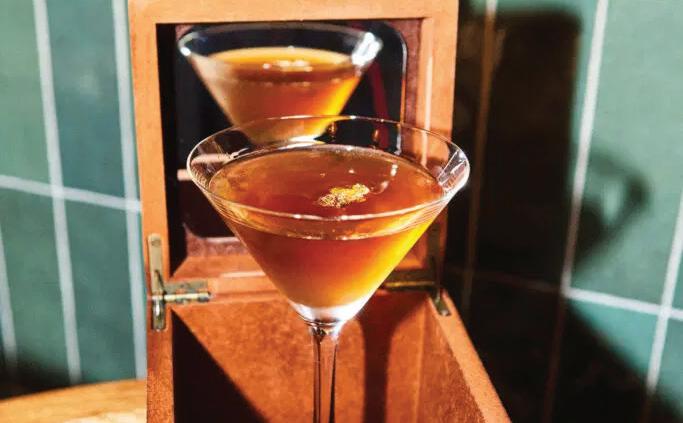
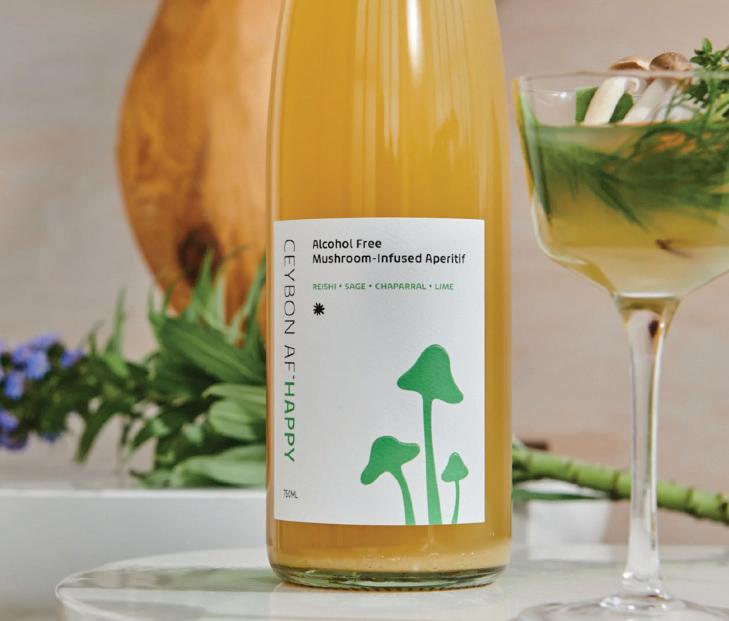
‘Apothecary-inspired mental wellness bar’ Spectre in Singapore leans into traditional Chinese medicine ingredients in their cocktails, paired with therapyspeak cleansing rituals and practices to support wellbeing. Founder of functional cocktail brand Ceybon, Dr. Giulietta Octavio does not differentiate between her holistic healing practice and the drinks themselves. Both provide medicinal benefits to consumers, just through different methods.
As consumers search for ways to feel more connected to rhythms of nature in a technological age, Eau Naturelle provides the links between generations of human wisdom, natural remedies and modern drinking.
The Harris Poll
Source: Spectre Bar
Source: Ceybon
Source: Lunae Sparkling
Provocations for brands 01
02 03 04 05
Plant Medicine
With consumers looking to the healing powers of Mother Nature, consider highlighting unusual botanicals and ancient medicinal benefits to stand out from competitors.
Make Mystical Magical Moments
Consumers are yearning for ‘re-enchantment,’ and are looking to brands to create experiences that feel magical and moving. Brands should create spaces that evoke these primal connections.
Connect Through Provenance
In an era of AI generation, consumers are placing increasingly premium value on products with real history and craft. If your brand has a legacy, leverage it. If not, create one.
Explore The Esoteric
Draw on varied topics to inspire design. Follow Orphic paths and pull from the worlds of art, history, science and myth, to enhance cut through in a crowded market full of copycats.
Look To The Stars
Meet consumers where their interests intersect. Consider language that evokes more astrological or themes, tying into codes of holistic wellness and Neo-Paganism.
Even premium NoLo brands like Ghia that resisted individual formats initially have seen the value in the RTD market.

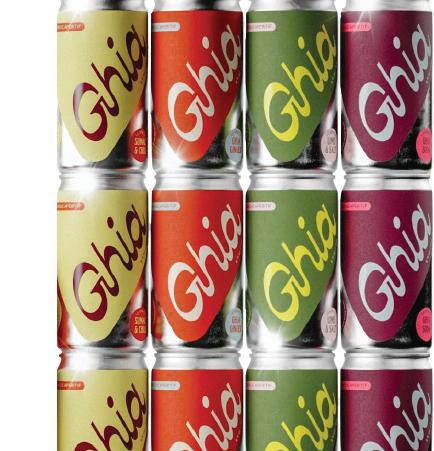
Single-serve RTDs have taken over a large part of the NoLo market. With each drink perfectly portioned for one person, tailored to their specific taste, and with the added benefit of getting complex and layered drinks without having to buy a heap of bottles and ingredients that won’t be used again, RTDs are often an ideal format for consumers.
Once the stalwart of sodas and cheap lager, cans are getting a makeover. With elegant and refined design, stylish serif fonts and compelling product stories – it’s not a drink, it’s an elixir - these next-gen cans are truly premium beverages, just easily accessible.
It’s hard to overestimate the effect that early-mover Kin Euphorics had on this market. We can see their influence, both in design and formulation, across the category, from the spectral colours and mood targeting of Brēz to the wavy font and active ingredients of Douze.
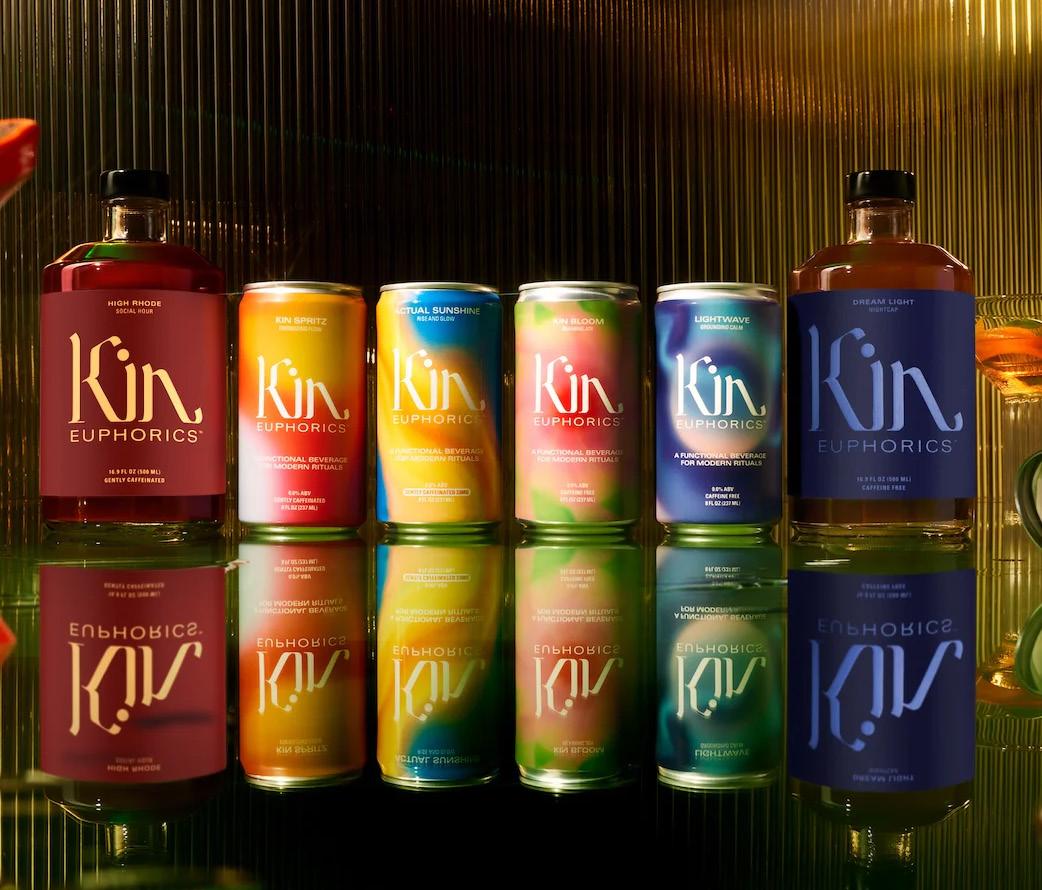
Yet, such single-serve canned drinks have a problem.
As high-end and beautifully crafted as they are, there is still a somewhat fuzzy line between zero-proof canned drinks and premium sodas. With a six-pack of these RTDs often costing upwards of £15 to a £7 pack of, for example, Hip Pop, consumers are questioning where their money is going.
Source: Kin Euphorics
Brands need to be able to answer that question, particularly those without obvious alcoholalike ‘functional’ benefits like those from THC or nootropics. As much as the look and feel of the product pack can contribute to the value, the liquid itself is the most important selling point. We’re seeing an increasing willingness to experiment with craft, flavour and ingredients, both from consumers and brands themselves.
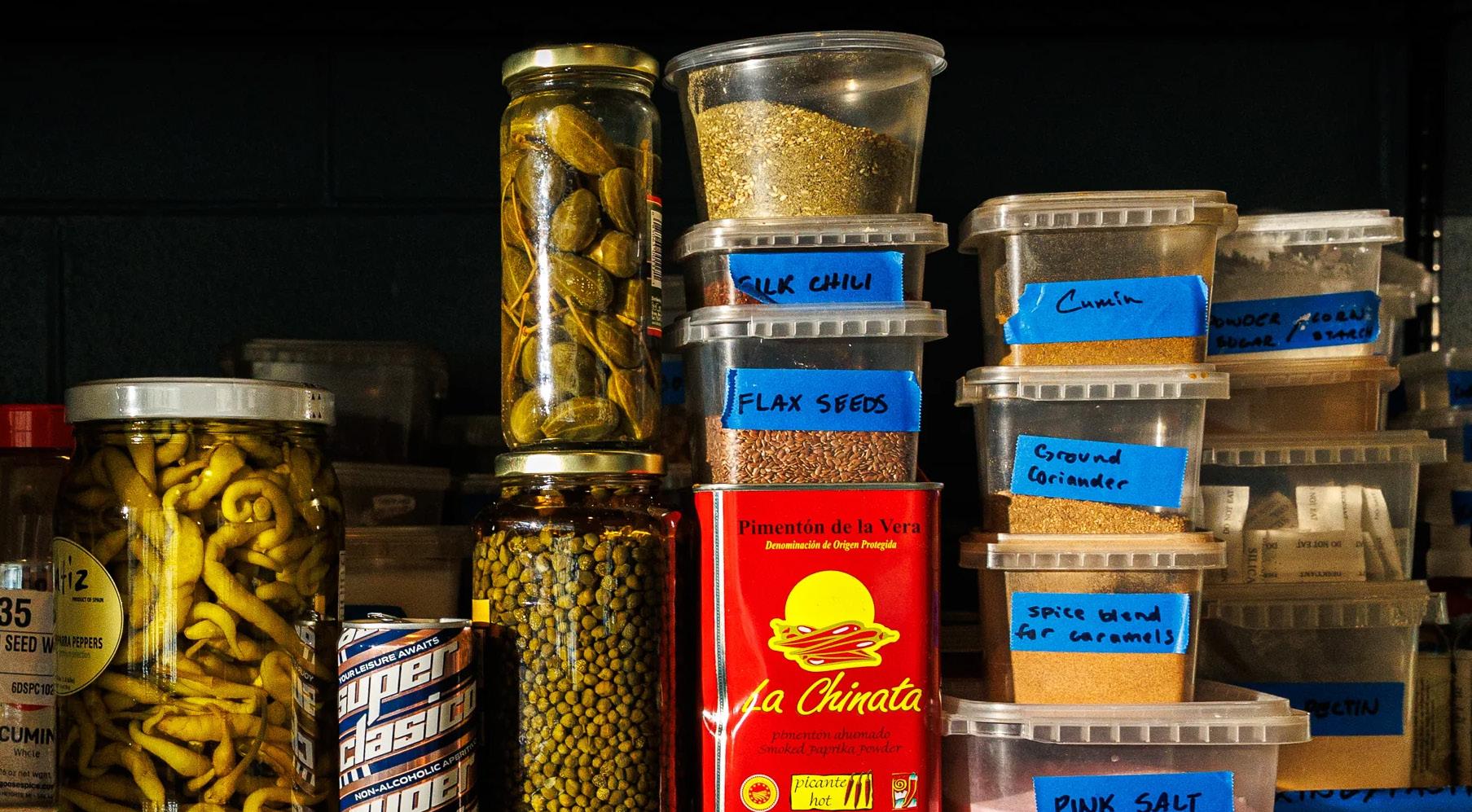
Pairing with the lightly-vinegary flavour of shrubs as a base, we’re seeing cocktails with more savoury flavours appearing; the use of botanicals is introducing brand new herbal and layered profiles. We’ve even seen distilled bread emerge from Cocktails in the City 2025.
We expect to see increasingly experimental flavour concoctions in NoLo drinks. We’ll see brands embracing niche mixology methods, serving clarified and fat-washed mocktails, perhaps even borrowing from the emerging world of quantum gastronomy.
We’ll see botanical and dealcoholised wine brands also embracing the traditional quality mark of vintage. Just as grapes have great years, so too do other natural ingredients. Brands will tap into these codes of luxury to elevate their liquids, creating special-editions bottled as investments and art pieces as much as drinks.

UK sales of ready to drink beverages have surged from approximately £530 million a decade ago to an estimated £970 million in 2024
The Guardian
Source: Casamara Club
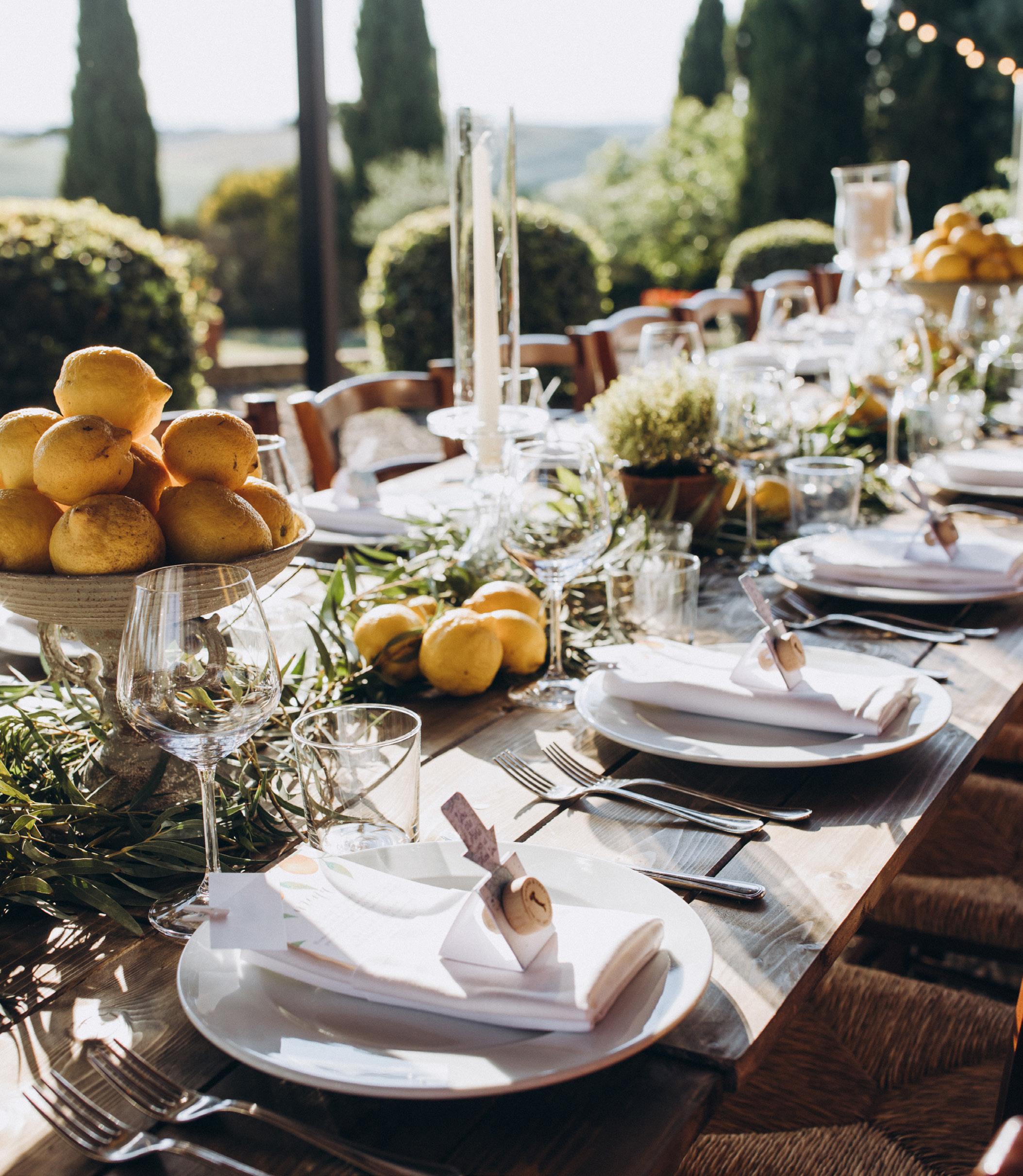
Gathering round the table is, to an extent, a theatrical moment. Laying the crockery and cutlery, lighting the candles, serving up the food, it all contributes to a shared experience but also a curated scene.
The convivial moment of opening a bottle of wine plays into this theatre, chosen to match the meal, for its beautiful label, for its story. But as drinking alcohol over dinner is no longer the universally accepted norm, what do guests bring? What becomes that table centrepiece?
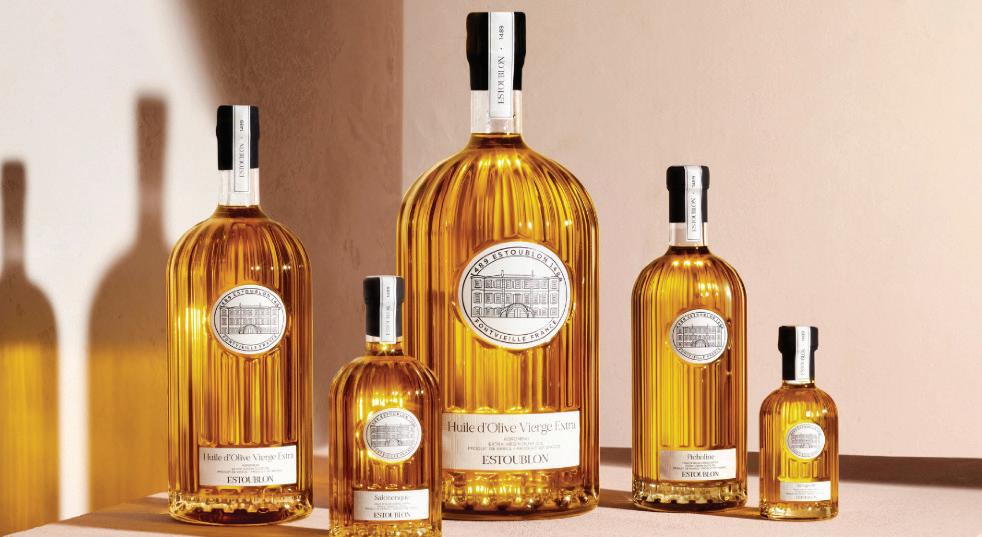
Over the last year or so, olive oil has encroached on this territory. Bottled more as an object d’art than a condiment (check out Estoublon), olive oil has become a popular dinner party gift to hosts (Waitrose F&D Report 24/25). But you can’t drink olive oil, and you can’t pop the cork when celebrations deserve effervescence.
NoLo brands see this dilemma, and the opportunity.
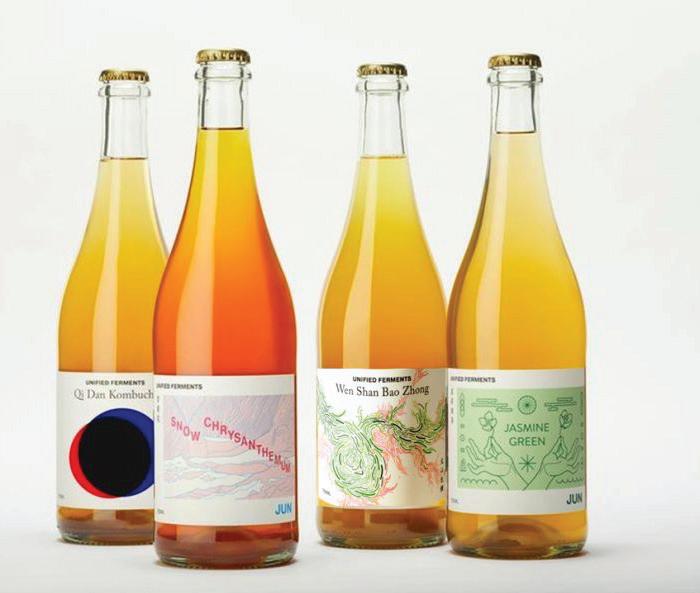
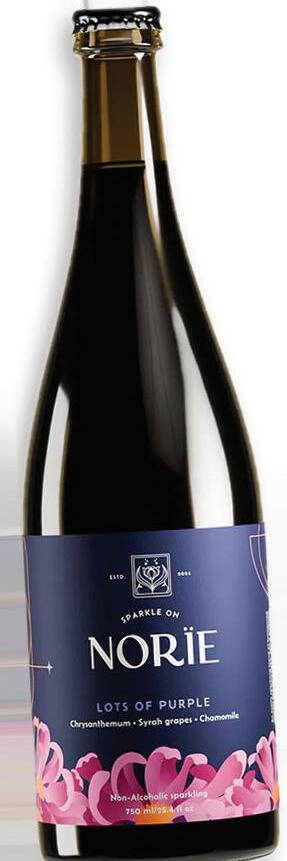
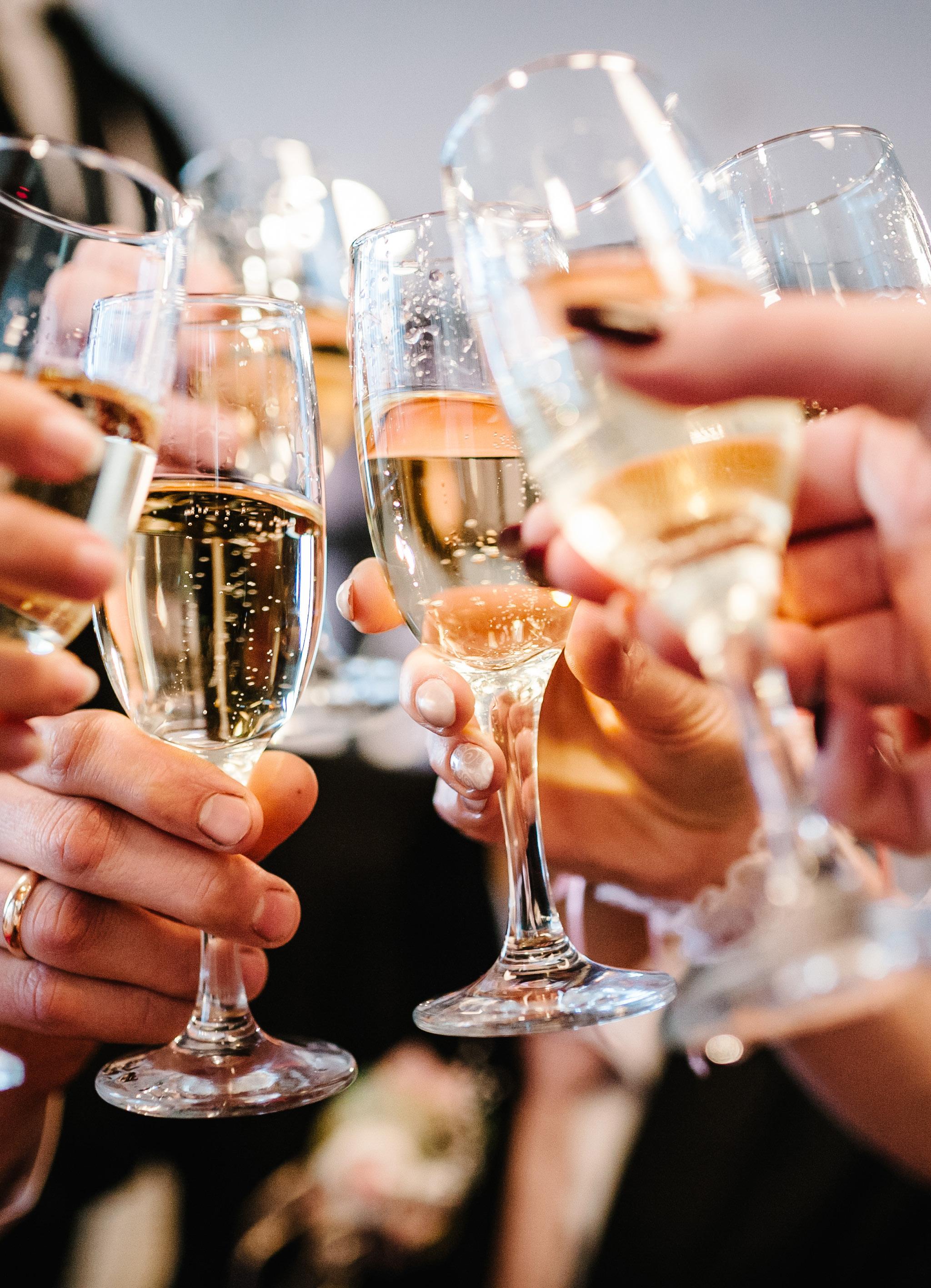
They’re creating drinks that suit the occasion as much as they taste great. Sparkling, complex and served in a 75cl size, the fermented flower blends of Norïe and sparkling teas from Unified Ferments and the Copenhagen Sparkling Tea Company all fit the bill of enhancing the occasion. And with indulgent suggested food pairings for each drink, they are clearly targeting the traditional wine moment.

“[Sparkling tea echoes] the celebratory Champagne ritual – chill the bottle, pop the cork, pour it into a flute…”
Oscar Dodd, Wine & Spirits Buyer at Fortnum & Mason
Source: Unified Ferments
Source: Estoublon
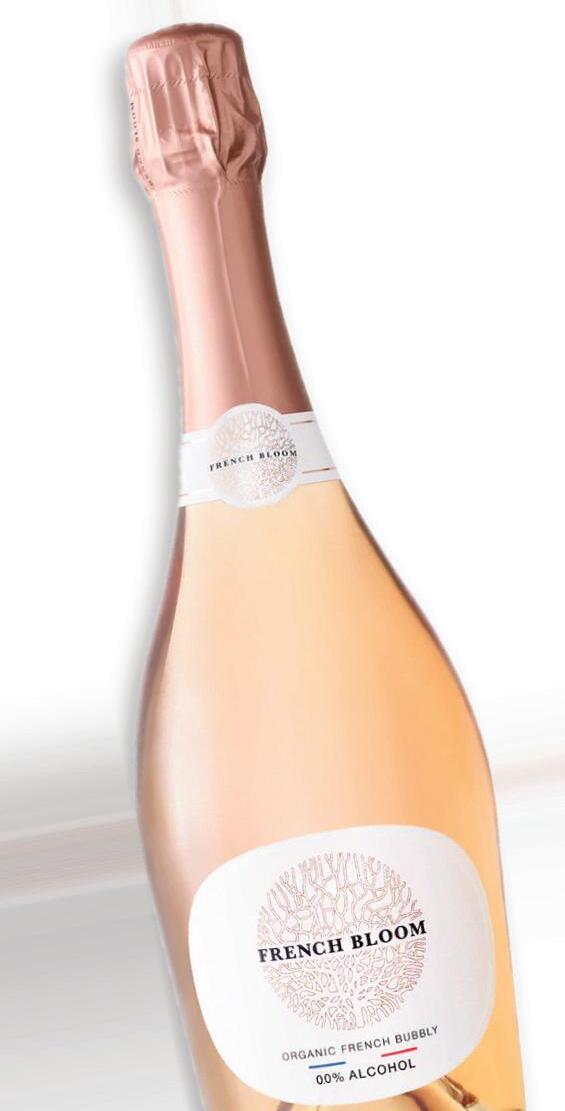
This luxification of non-alcoholic beverages is gaining traction. LVMH’s acquisition of 0.0% wine French Bloom shows confidence that this corner of the category is about to explode.
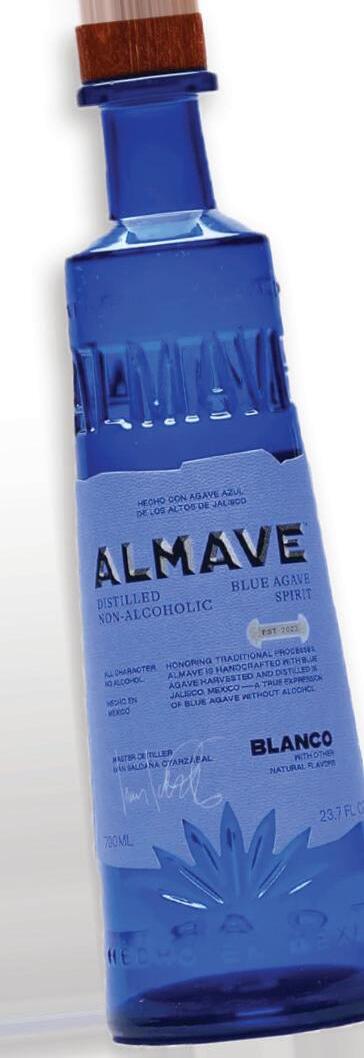
We predict it won’t be long before bottle service in high-end clubs will feature non-alcoholic spirits and wines. NoLo isn’t just moderation; if it sparkles or gives a buzz, it belongs in these spaces. The spectacle matters as much as the liquid; just imagine Lewis Hamilton’s 0.0% agave spirit Almave crossing the club floor.
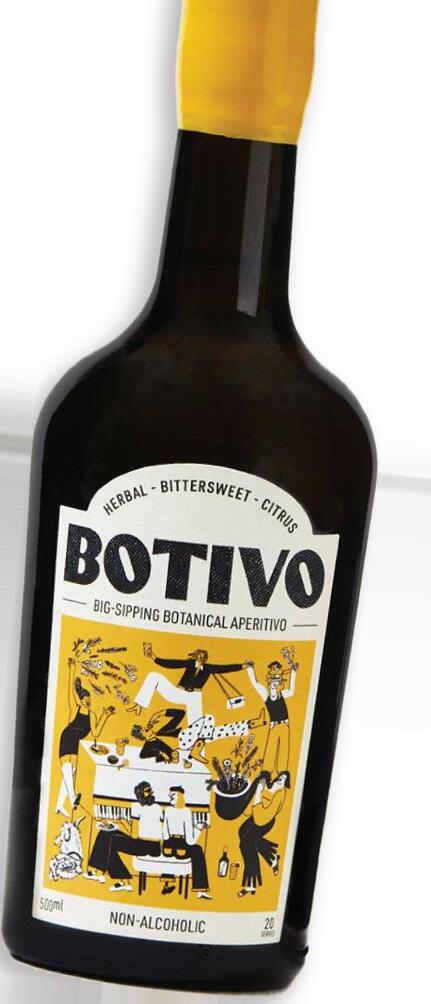
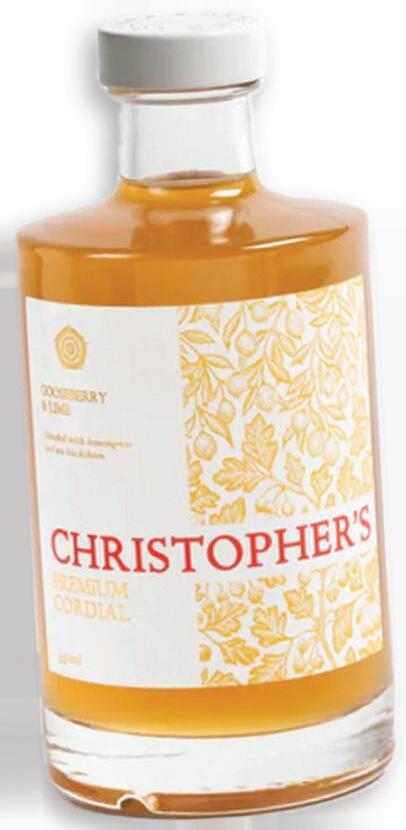
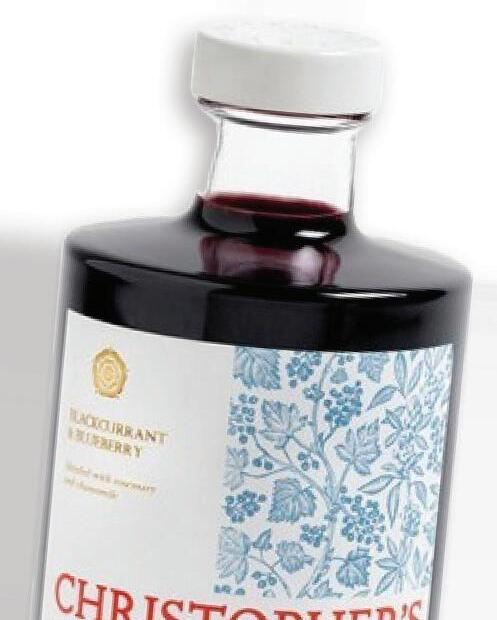
Zero-proof brands are already shifting from minimalism (Trip) to bold colours, detailed designs and implied luxury, adopting ‘heritage
maximalism’ codes from the world of fashion. Drawing from Arts and Crafts (Christopher’s Cordials) or Mid-century Modern (Botivo), they use heritage cues to anchor themselves in a fastmoving category.
Just like the regular alcohol category, NoLo contains multitudes. With Gilded Pours we are seeing an embrace of luxury, elevating occasions through both refined liquid and premium design codes.













Provocations for brands
01 02 03 04 05
Luxify the Everyday
Elevate your brand through positioning that speaks to bespoke occasions, taps into emotional moments, and expresses premiumisation through luxury codes.
Own Shareability
Amplify formats that can be accessed and enjoyed not only by the individual but the crowd. Create experiential offerings that make your brand the ultimate NoLo round.
Create Limited Editions
Consider curated partnerships with artists, designers and cultural leaders, countering the disposability of the common RTD and generating demand and collectibility.
Build and Amplify Stories
Generate stand-out brand stories that create space for implied heritage, expressive vibrancy and character. In the world of Gilded Pours, more is more.
Design as Dress Code
Design for the 1%, create for the 90%. When it comes to packaging and design, look to the world of luxury fashion houses for inspiration to drive consumer desire and brand loyalty.
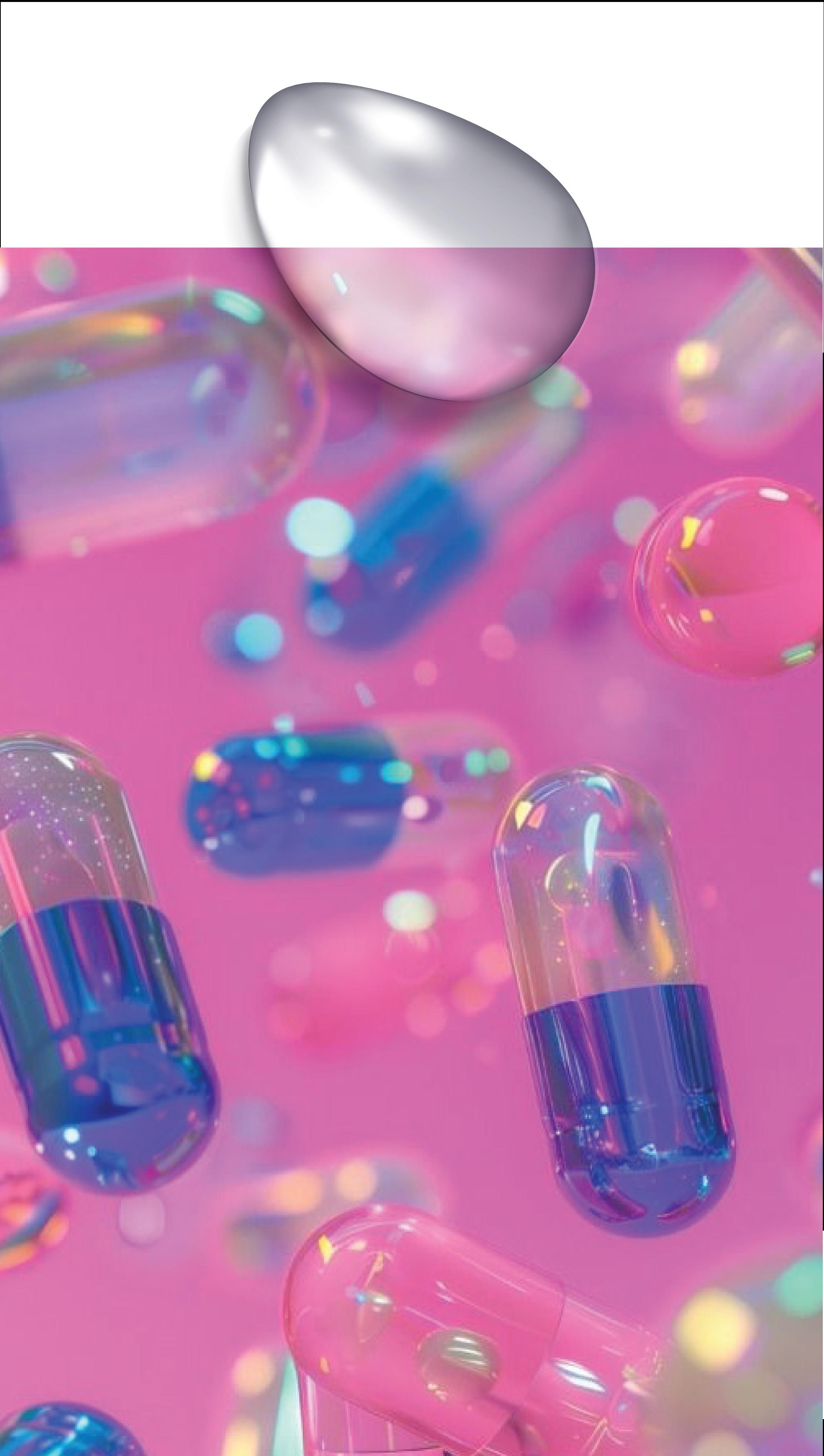
With an increasing number of brands offering dissolvable, tablet-form, gummy, or pill-based supplements to improve everything from gut health (Wild Dose), to energy (Moodeys), relaxation (Wild Nutrition) and even lucid dreaming (Anima Mundi), we are well and truly in the age of enhancement.
We foresee an ever-shrinking gap between the worlds of health supplement and NoLo experience, with brands borrowing from the booming wellbeing market to generate new and exciting formats to deliver non alcoholic drinks to consumers.
We’re already seeing supplements being incorporated into the traditional alcohol-drinking occasions. Brands like Happy Tuesdays are blurring the lines between wellness and indulgence. Their post-rave recovery packs contain a suite of vitamins and nutrients to help support physical and mental recovery after partying. But what if we could take these at the start of the night and avoid the after-effects entirely?
Our final trend explores what the future of sober supplementation might look like. What might brands learn from supplement subscription models for example? We see a gap where the right brand could capitalise on such a space, generating new forms of ritual when it comes to a night out on the town sans spirit.
In any drink, alcoholic or otherwise, the vast majority is simply... water. Water flavoured with many other ingredients, but water all the same. Some brands have clocked this, turning it into an opportunity to experiment with format and flavour delivery. From the ridiculous to the sublime, we’re seeing water itself become a luxified commodity, with Cheshirebased restaurant La Popote, offering a discerning menu of bottled water, selected by a certified ‘water sommelier,’ with prices from £5 to £19 a bottle.
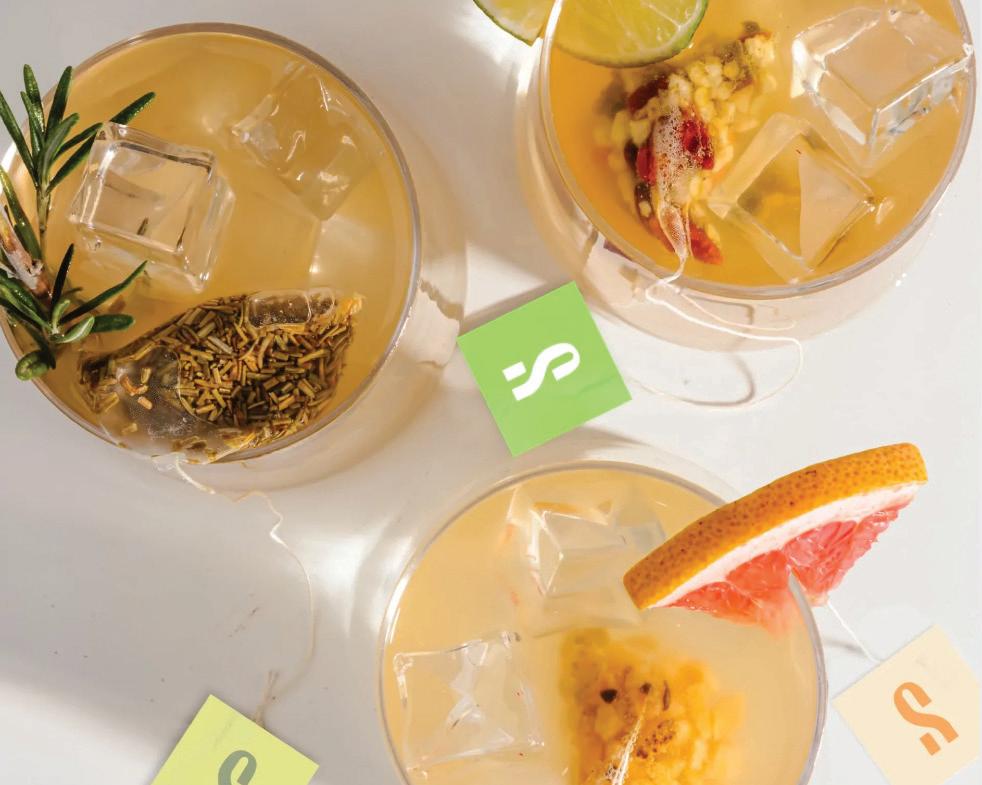
SAYSO has taken inspiration from a tried and tested flavour delivery system, creating dried cocktail mixes in teabags – just steep in water for a few minutes and the drink is good to go.
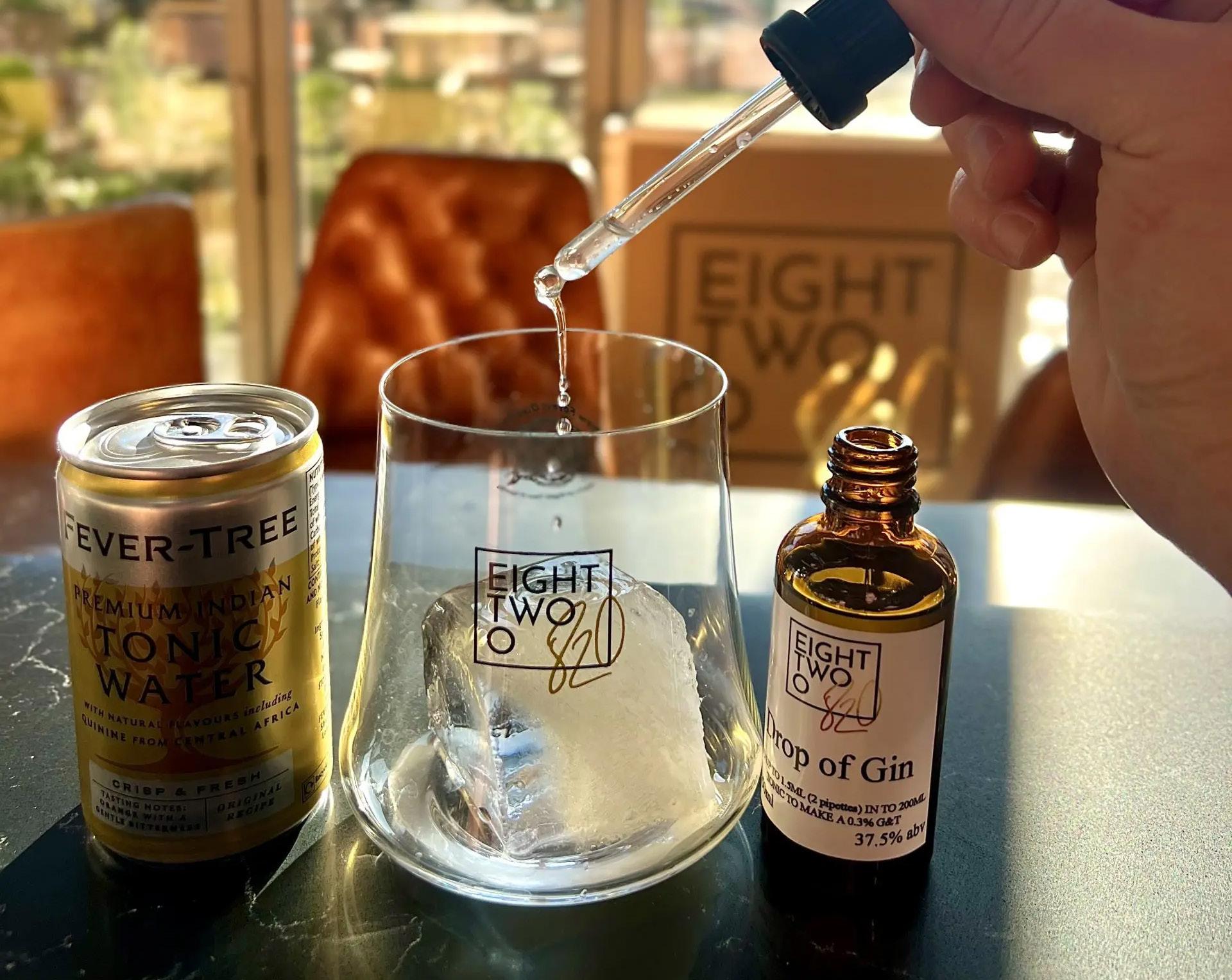
Even cordials and squash, though sugary and simple, show how a few drops can transform water. Drop of Gin from 820 Spirits employs the same principle, using a 1.5ml pipette to turn tonic into a G&T with under 0.5% ABV. We expect to see more brands following with concentrated NoLo drops: portable, efficient, and low calorie, without ethanol’s limits.

“We’re finally moving away from considering water just for hydration and towards water as an experience”
the ‘godfather of water’
Michael Mascha,
Source: SAYSO
Source: 820 Spirits
But flavour for drinks doesn’t even need to come in liquid form. Just look at how brands are innovating around electrolytes and hydration. Whether in sachet form like Liquid Death’s Death Dust or solid as Sipgood’s dissolvable tablet drops, this category is full of unusual and interesting formats that NoLo brands could borrow. Craftmix has already found joy with dry ingredients, creating portioned cocktail flavour sachets ready to dissolve and drink.
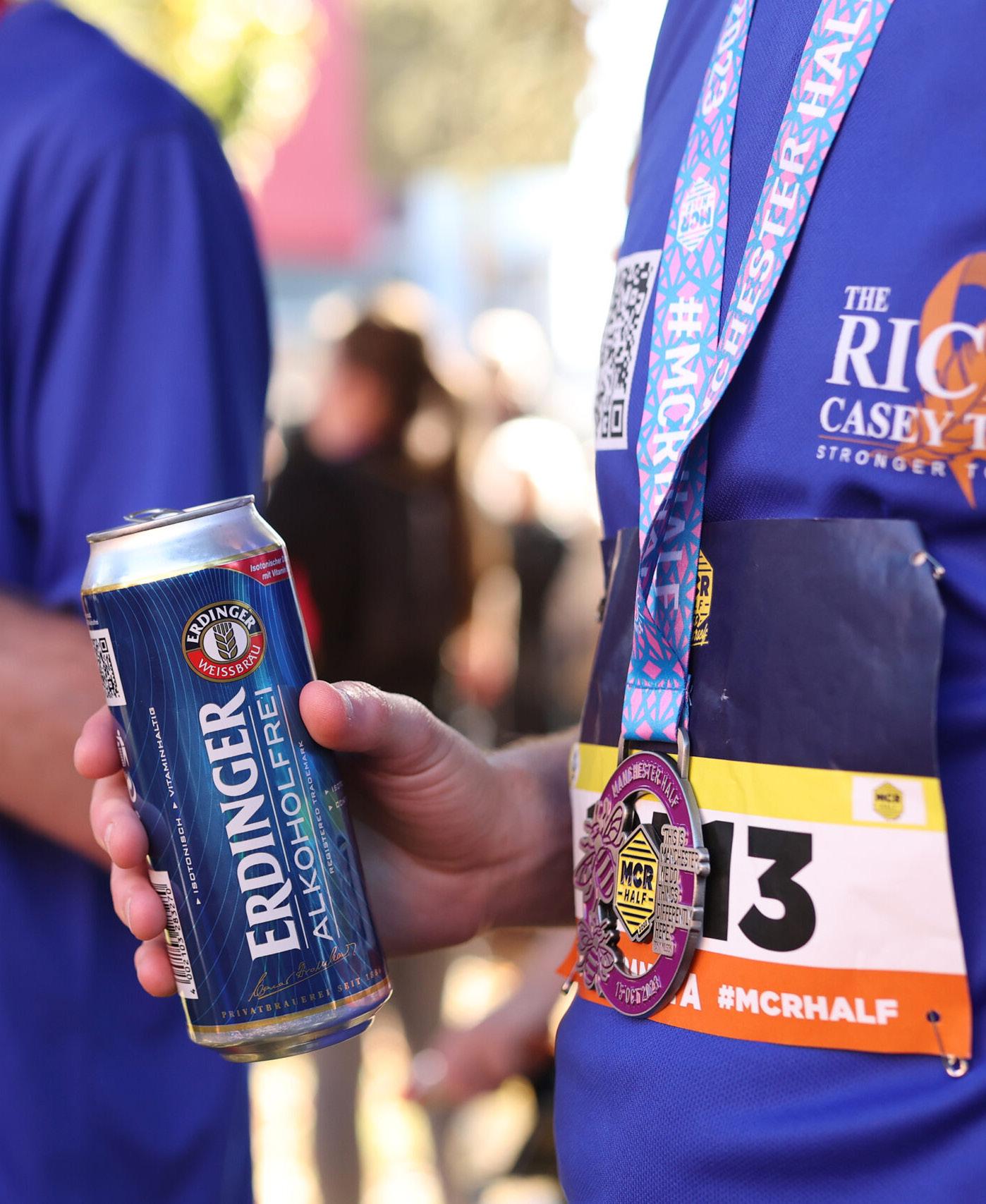
Or, consider the other way around –turning traditionally alcoholic drinks into hydration beverages. It turns out that non-alcoholic beer has an isotonic formula very similar to that of the human body, making it a surprisingly good recovery drink after exercise. Indeed, some brands are already taking advantage of this quality (Erdinger Alkoholfrei, Run’hard), and NoLo bottle shop Wise Bartender has an entire isotonic beer section on their website.

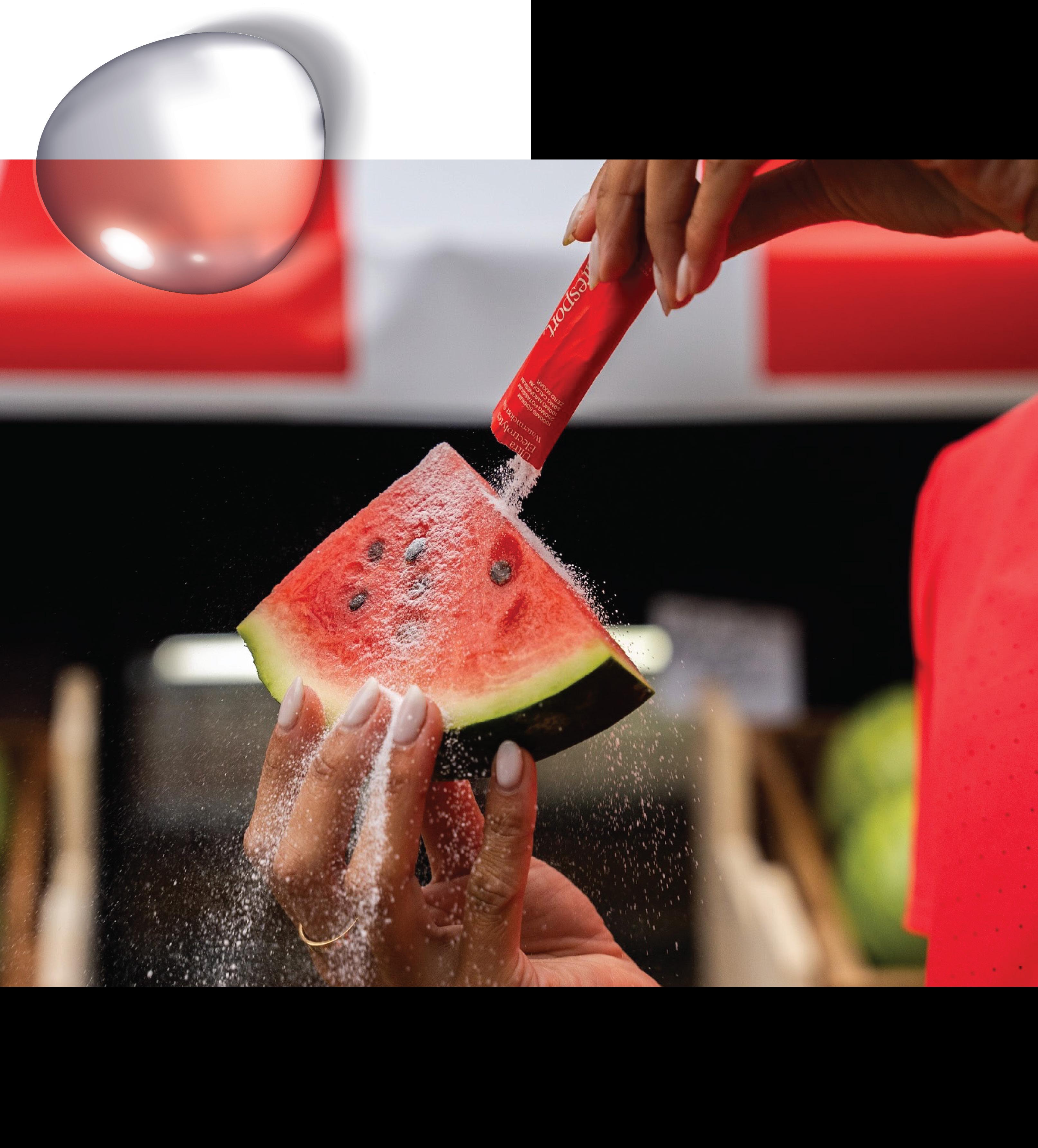
Puresport’s Hackney Half Marathon activation offered thirsty finishers watermelon slices doused in electrolyte sachets - taking water completely out of the equation.
Source: PureSport
We have shifted the focus from a traditional one-size-fits-all approach … I believe that personalisation and sustainability are two major trends that will continue to shape the health and wellness industry.
Melissa Snover, founder of Nourished
In this era, it can be hard to separate sci-fi from real life. We’re growing real meat cultures in labs and selling them in supermarkets (Mission Barns), we can 3D print food (Wired), it often feels like it won’t be long before the ‘replicators’ from Star Trek will be a fixture in every kitchen and tailored ‘meals-in-a-pill’ part of our daily diet.
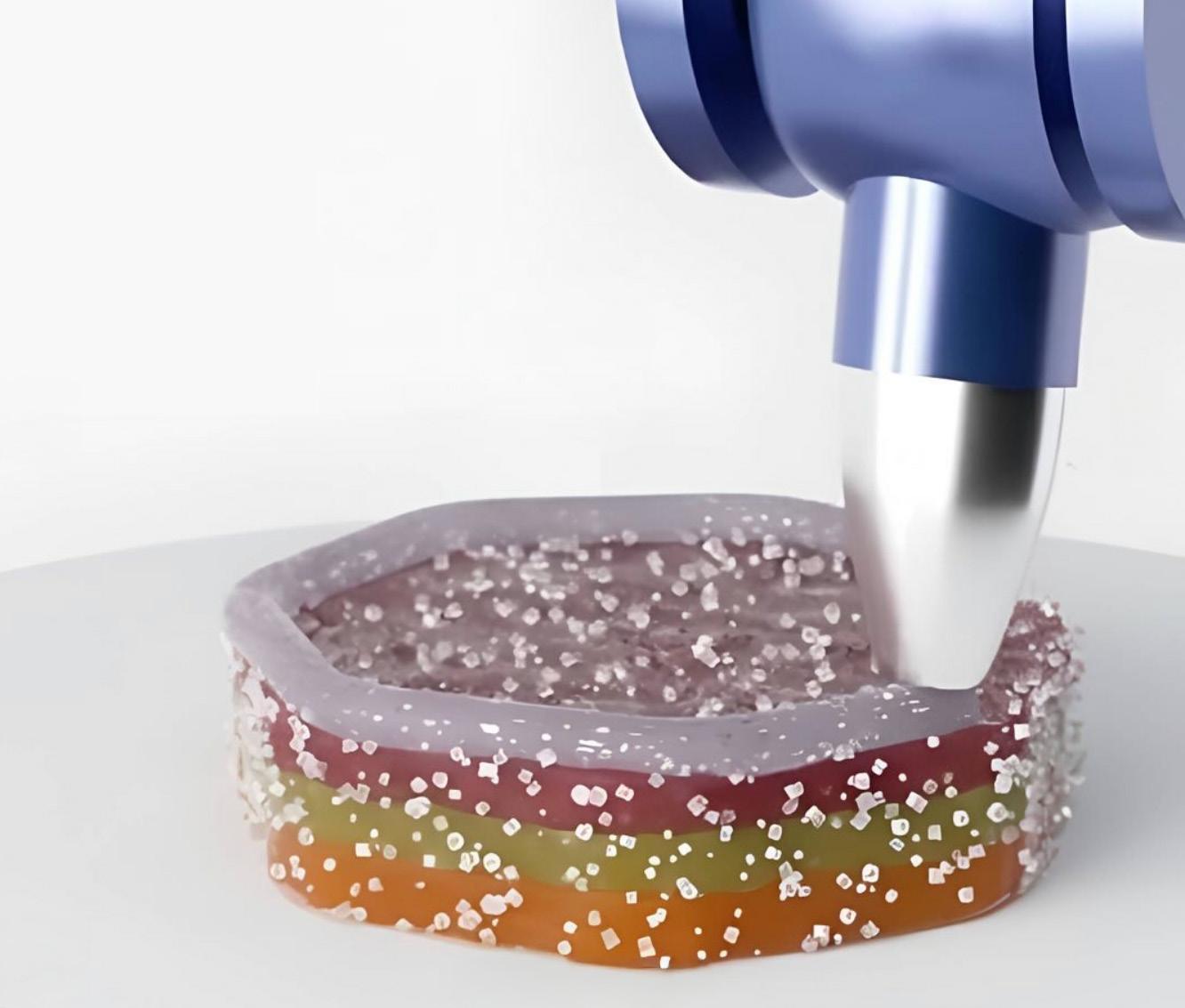
We predict more no and low alcohol brands will adopt solid and tablet formats for flavour and benefit delivery. Just as the delivery of supplements becomes more precise, the flavours of NoLo drinks will evolve into complex, multi-layered experiences, even utilising 3D printing technology like the personalised layered Nourished gummy vitamins.
Or, a similar layered release could be used for the delivery of adaptogens, letting drinkers feel the effects in waves, creating an ongoing experience throughout the session as they are guided through moods and feelings.
As the lines between wellness and pleasure continue to blur, Dropping In considers a future where innovative, health-centric and supplement-inspired mocktails blend taste and functionality in unique delivery formats.

Source: Nourished
Provocations for brands 01
02 03 04 05
Design For Portability
Consider innovative, easy to transport formats like tablets for NoLo cocktails, not limited by the requirement to contain difficult to condense ethanol.
Health-Benefit Boost
Think about where additional health benefits could be added to drinks; for example, functional ice cubed infused with vitamins could infuse drinks as they melt.
Functionality Reigns
Take inspiration from the wellness and supplement boom and add health benefits to NoLo products so drinkers get the best of both.
Personalise Products
Utilise developments in production and tailoring technology to create drinks unique to individuals’ needs, with benefit or flavour combinations perfect for each consumer.
Rethink Drinks
Make sure to highlight any health benefits of dealcoholised drinks, like isotonic composite or antioxidants to engage this wellness-focused audience.
Enhancing the NoLo Experience
Intention to Enhance
From simply having more control over ABV levels to fundamentally rethinking how drinks of the future may be crafted, we have explored how this sea change moment in drinking may evolve, how it will shape the industry, and how brands - both NoLo and more broadly - can navigate these shifting tides.
Some shifts are subtle, some bold. What matters is recognition of which shifts are about to become a wave so we can turn ourselves into the flow rather than against it.
If there is one thing we want you to take from this report it is this: it’s clear the drinks industry is moving toward a model of enhancement.
Regardless of your brand’s positioning or particular product, to connect with the consumers of the future it is vital that you show them how your product delivers on their search for elevation.

Special thanks to our contributor: Katherine Templar Lewis - Kinda Studios
About Missouri
We’re a branding and design agency. We believe that strategic creativity and design can be the unifier of brand experiences, and the key to making everything a brand does more cohesive and effective, building equity and driving sales.
From positioning to platforms and packaging to point-of-sale, we understand how to help brands show up in ways that make people stop, shop and share.
Our Foresight Approach
For us, the art of trend mapping is just that; mapping. In order to understand the future of any category, we track the contours, chiseling away each layer until a clearer picture is formed. Sometimes this means pushing through soil, sometimes rock. The important thing is to uncover the whole landscape so that we are able to gather the clearest view of the architecture that the future might rest upon. Connect with us!


Our team: Co-founders & Creative Directors
Stuart Wood

Paul Brennan
Growth Director
Andrew Mitchell