mikayla dawber selected works

mikayla dawber selected works



2023-2024 M.Arch University of Detroit Mercy
2019-2023 BSc Architecture University of Detroit Mercy
2019-2022 BA Visual Arts University of Detroit Mercy experience.
July 2024- Current Team Assistant Bailey Designs
2023-2024 Co-Editor Dichotomy Journal
2023-2024 Teaching Assistant University of Detroit Mercy 4thyeardesignstudio Construction,Structures,andEnvironmeny technicalCoursesforthefollowingclassyears: 1styearclass 2ndyearclass 3rdyearclass
Summer 2022 & 2023 Junior Interior Designer BGIS Direct Interiors skills.
Graphic Design / Creative Suite
3D Modeling / Revit, Sketchup
Drafting / AutoCAD
Architectural Rendering / Lumion, VRay
Hand Sketching
This portfolio is a curated array of academic and professional projects.
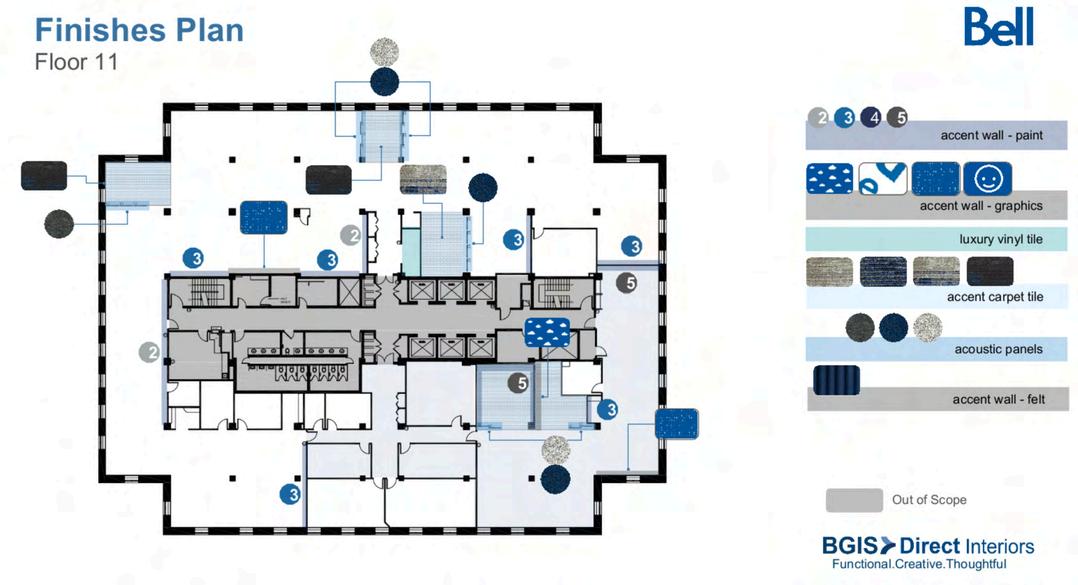
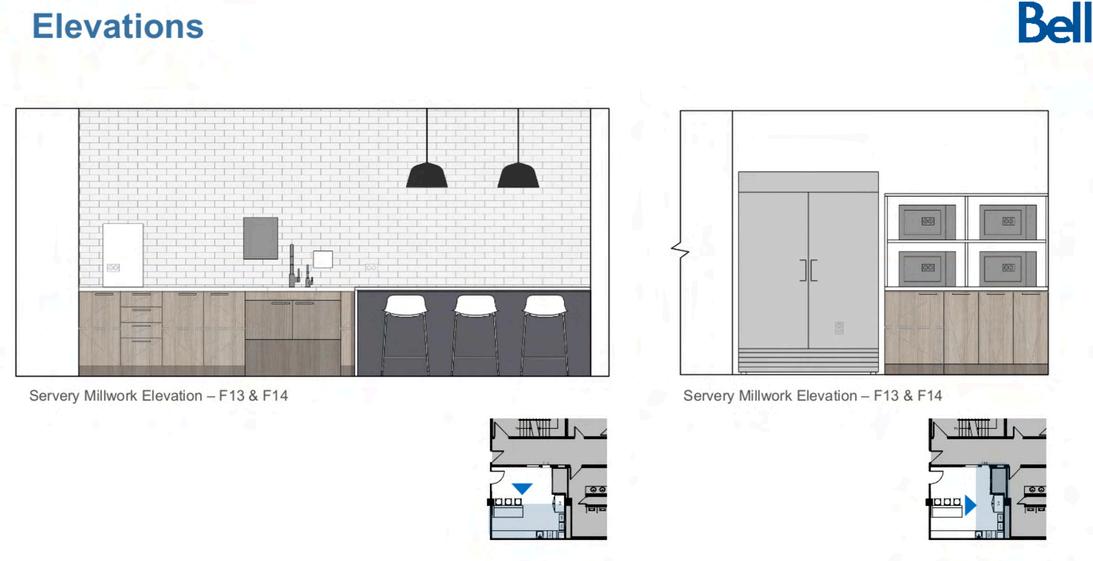
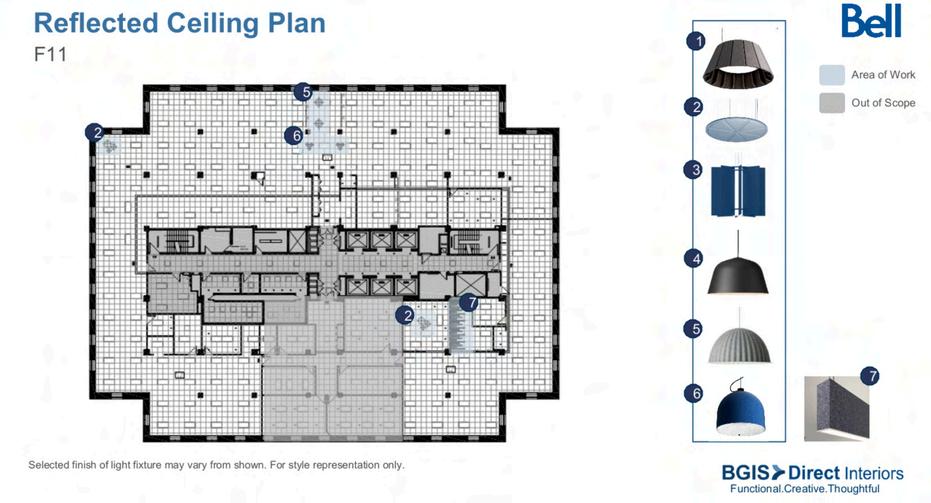
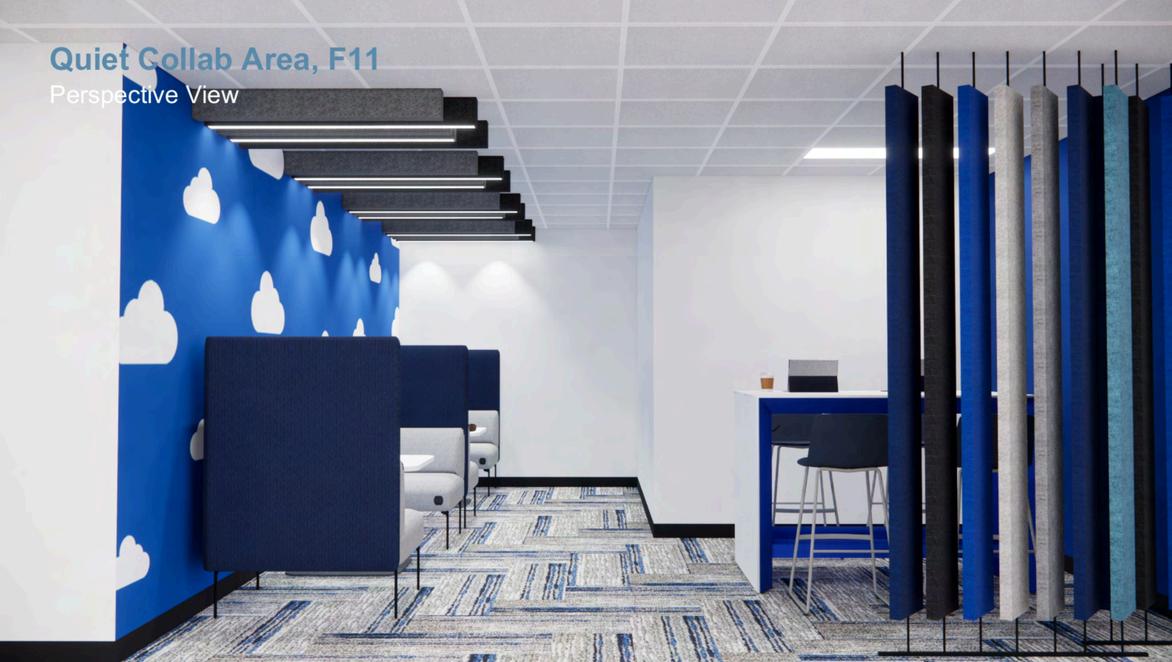
Commercial Interiors
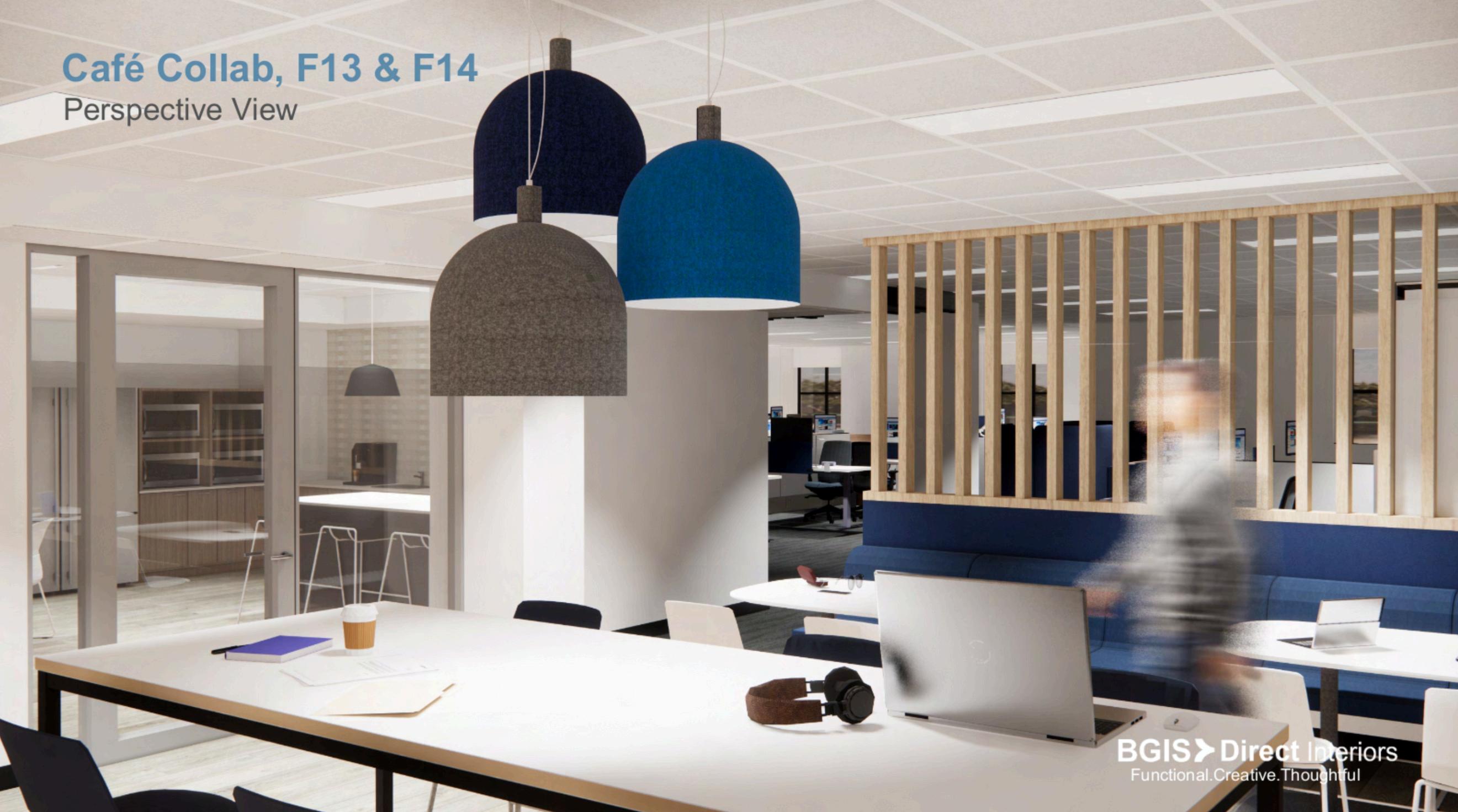
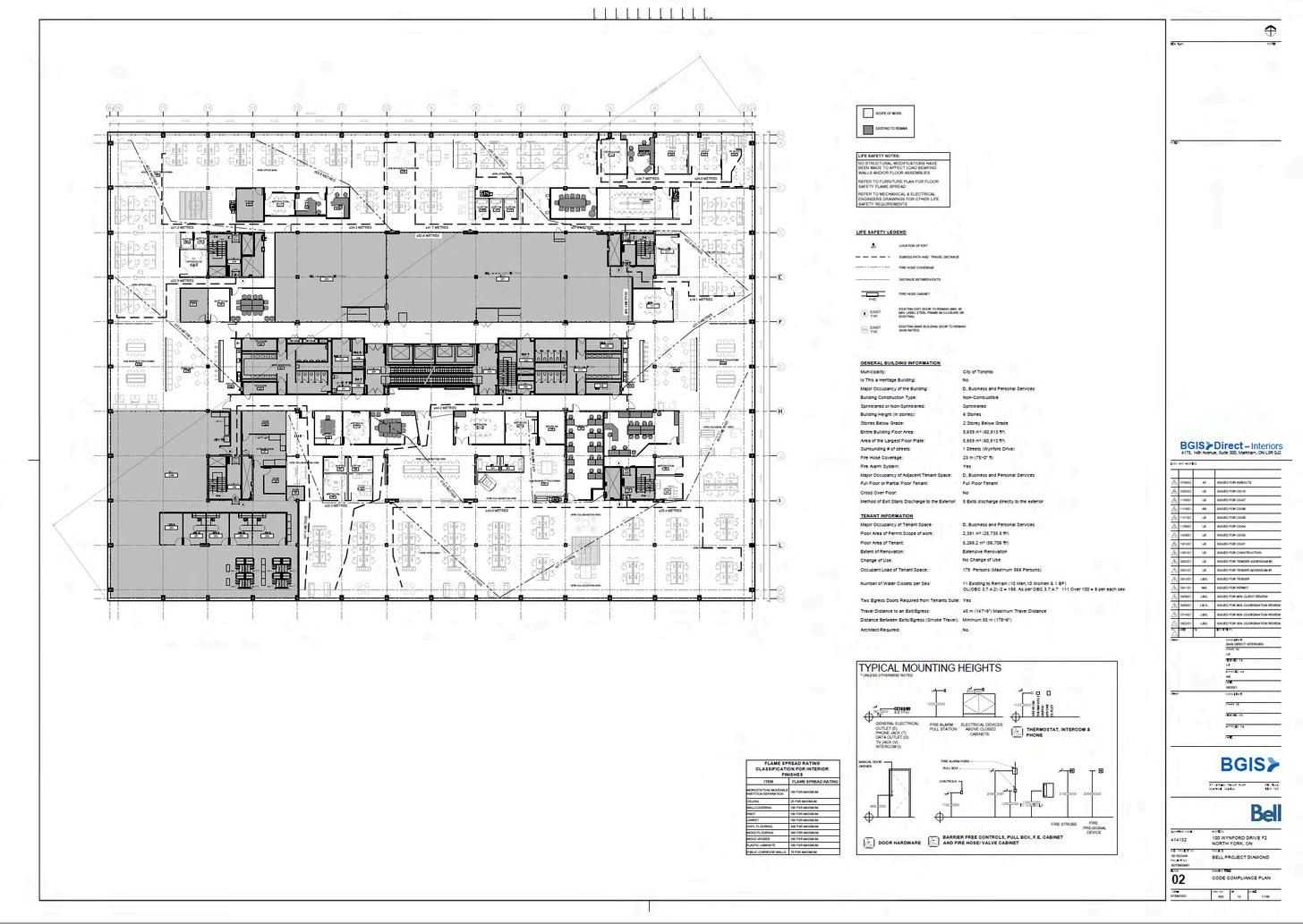
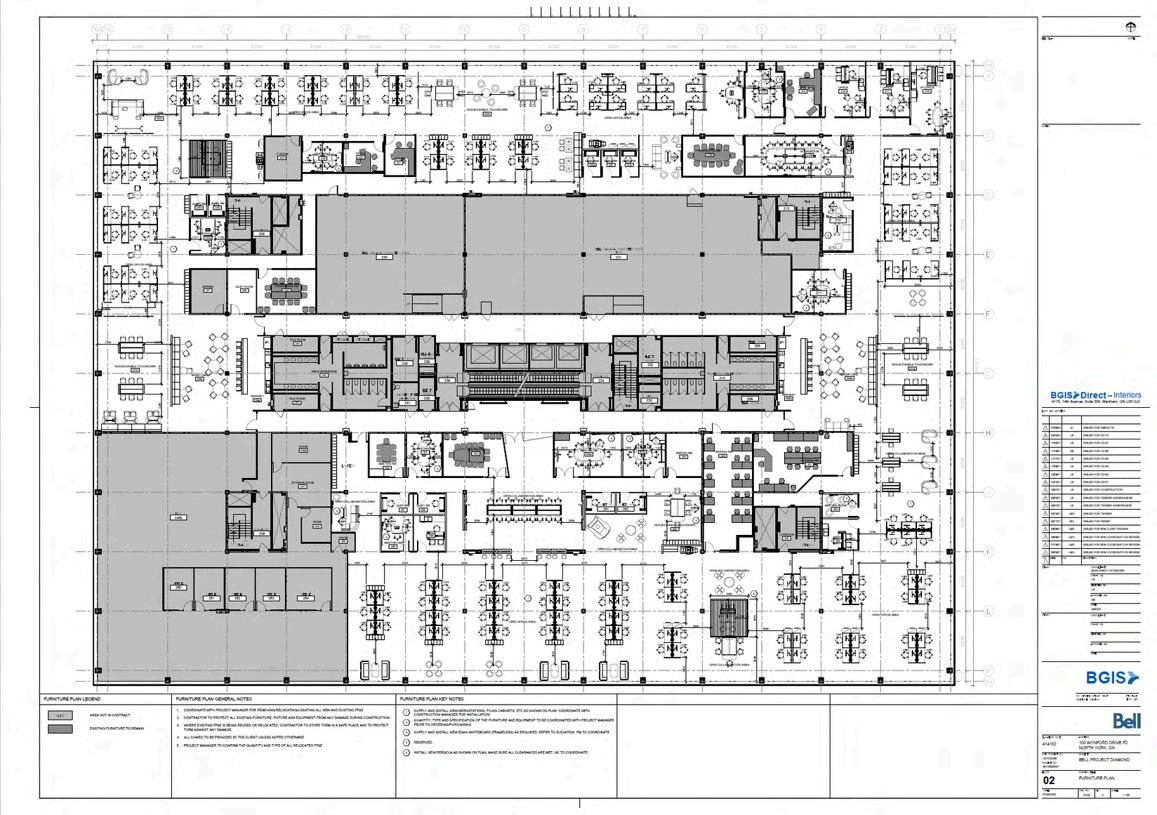
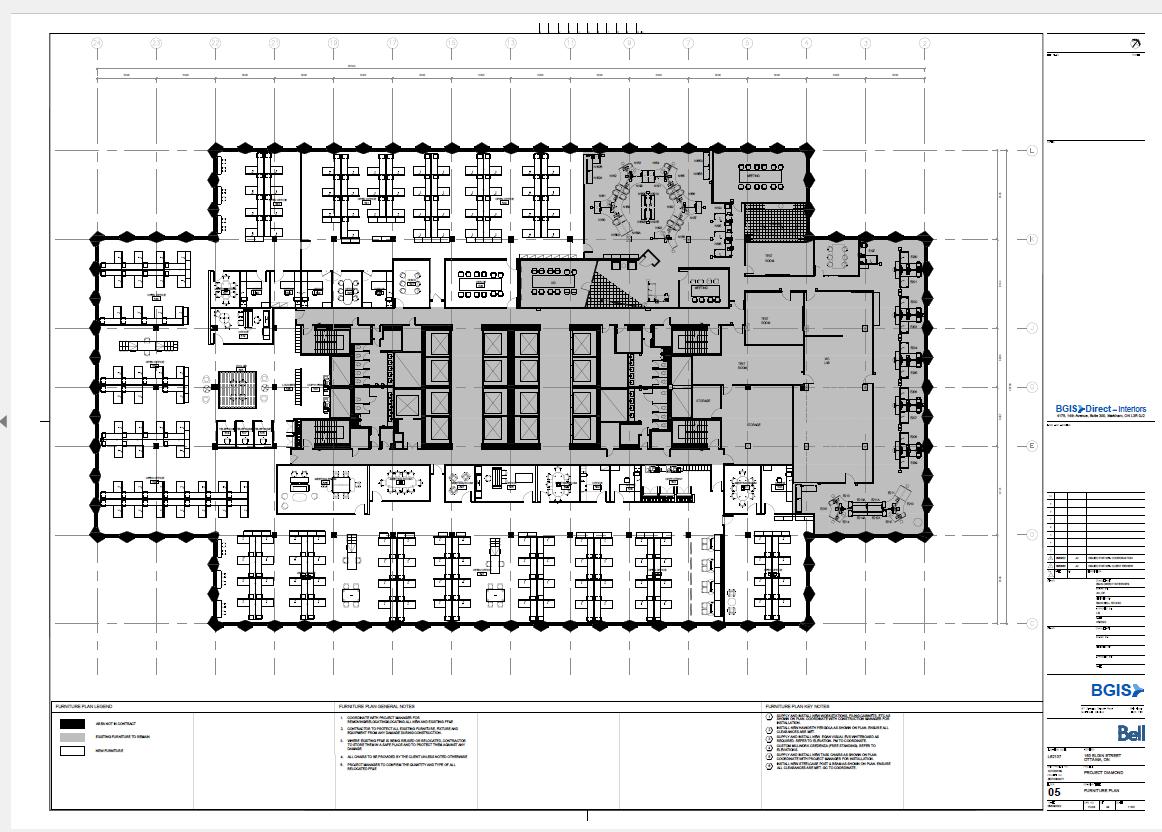
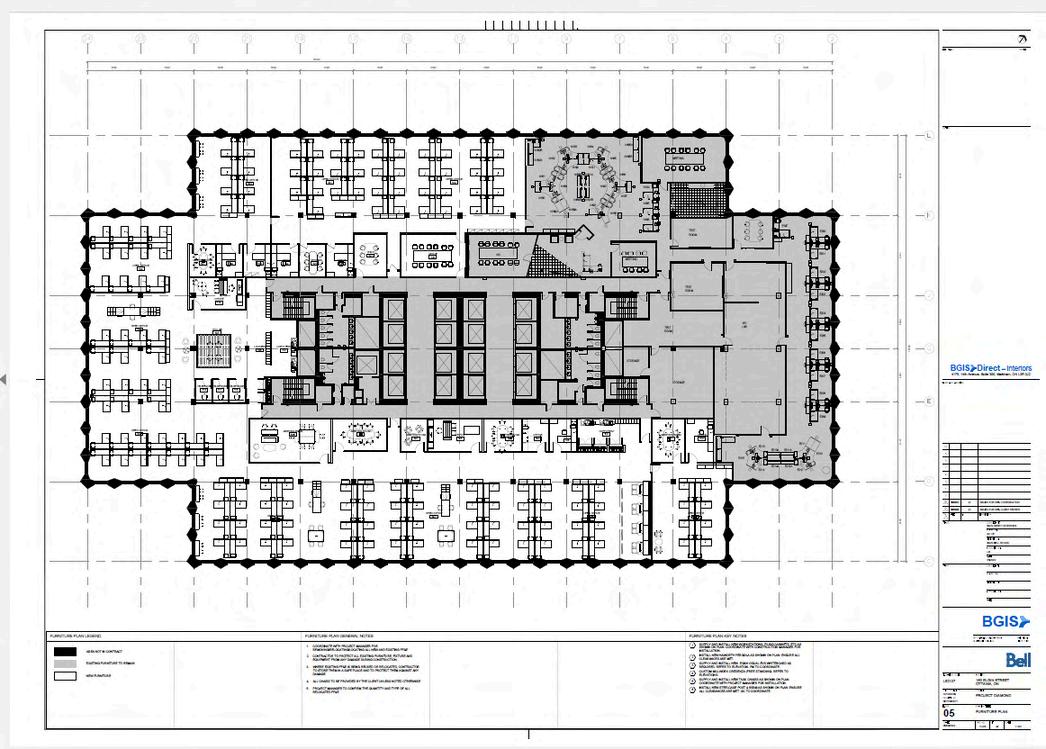
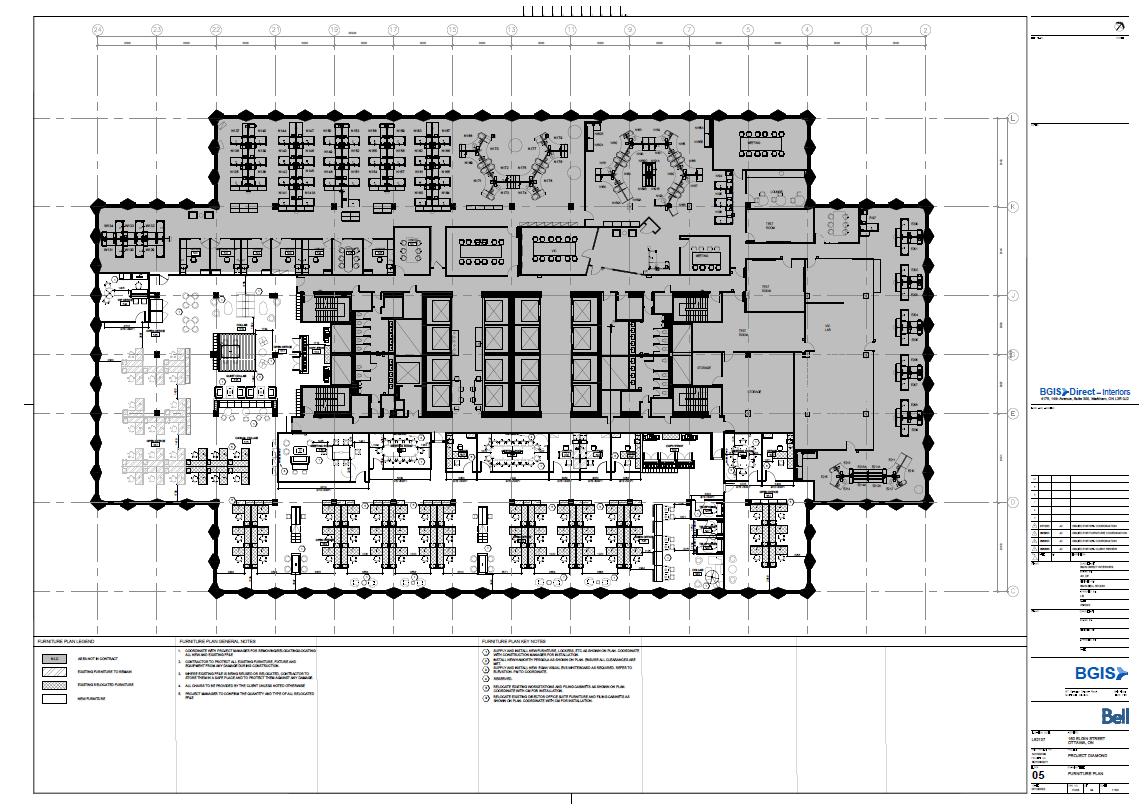
Junior Interior Designer with BGIS Direct Interiors 06
M.Arch Thesis 2024 05 Outsail Offices
Fourth Year Project
Diverging Home
Third Year Project
Professional Renderings
Team Assistant with Bailey Designs
Personal Branding
Bailey Designs Marketing
Team Assistant - Bailey Designs inc
Dichotomy Book Design
Co-Editor - Dichotomy Journal
M.Arch Thesis Book Design
M.Arch 2024
Living In Density
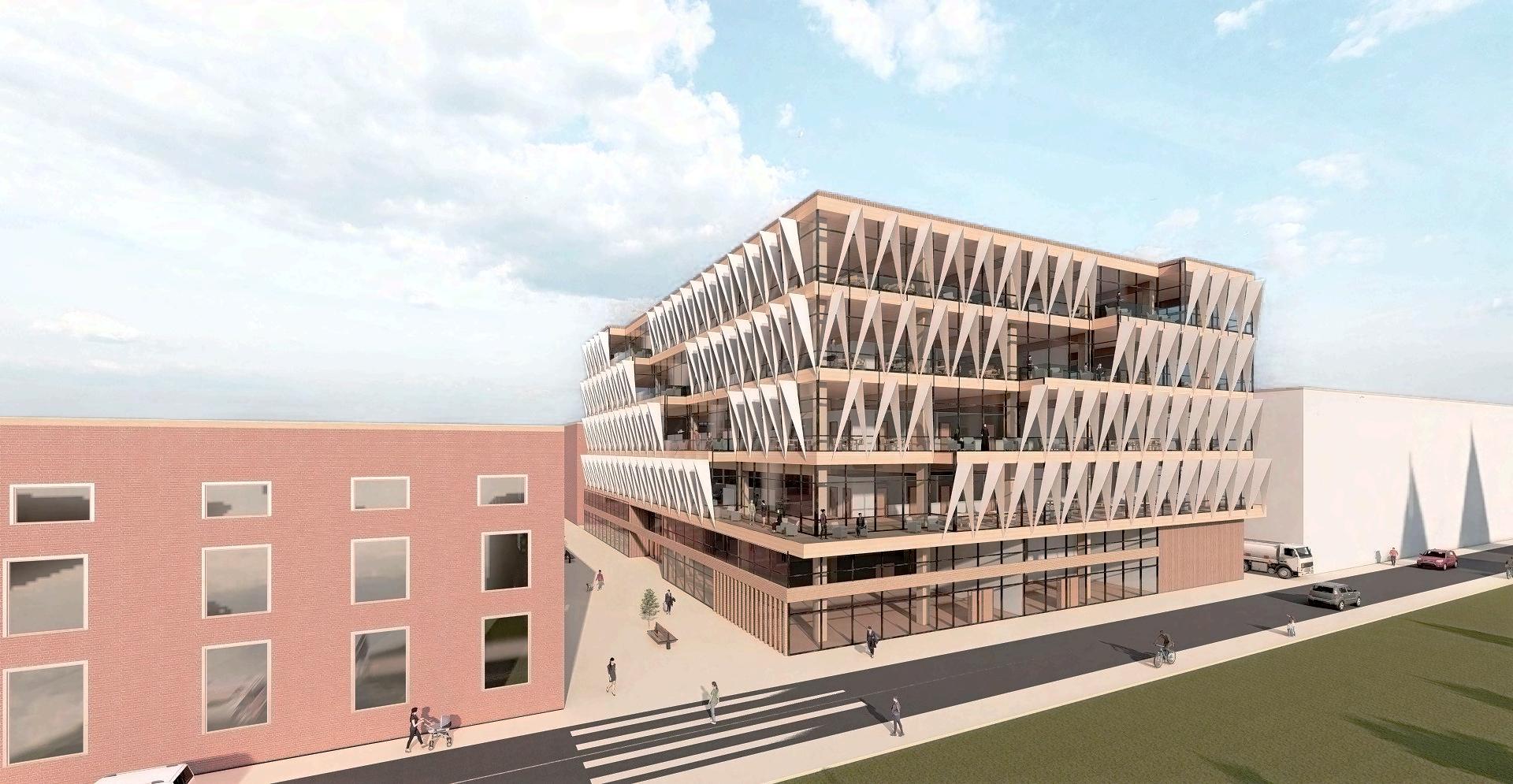
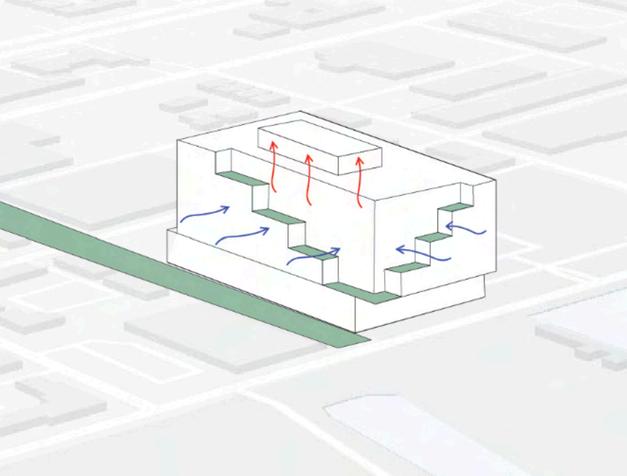
Connect to the surrounding context of the east riverfront
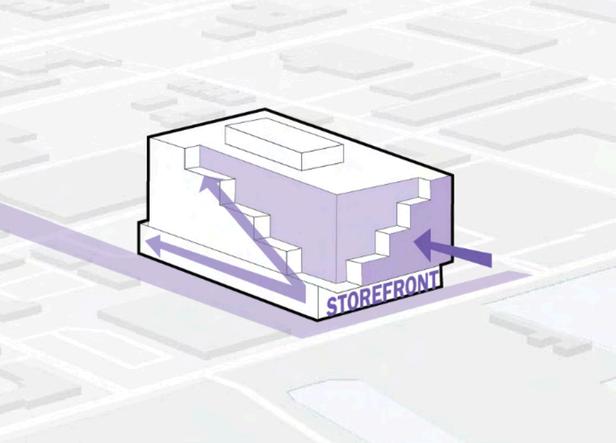
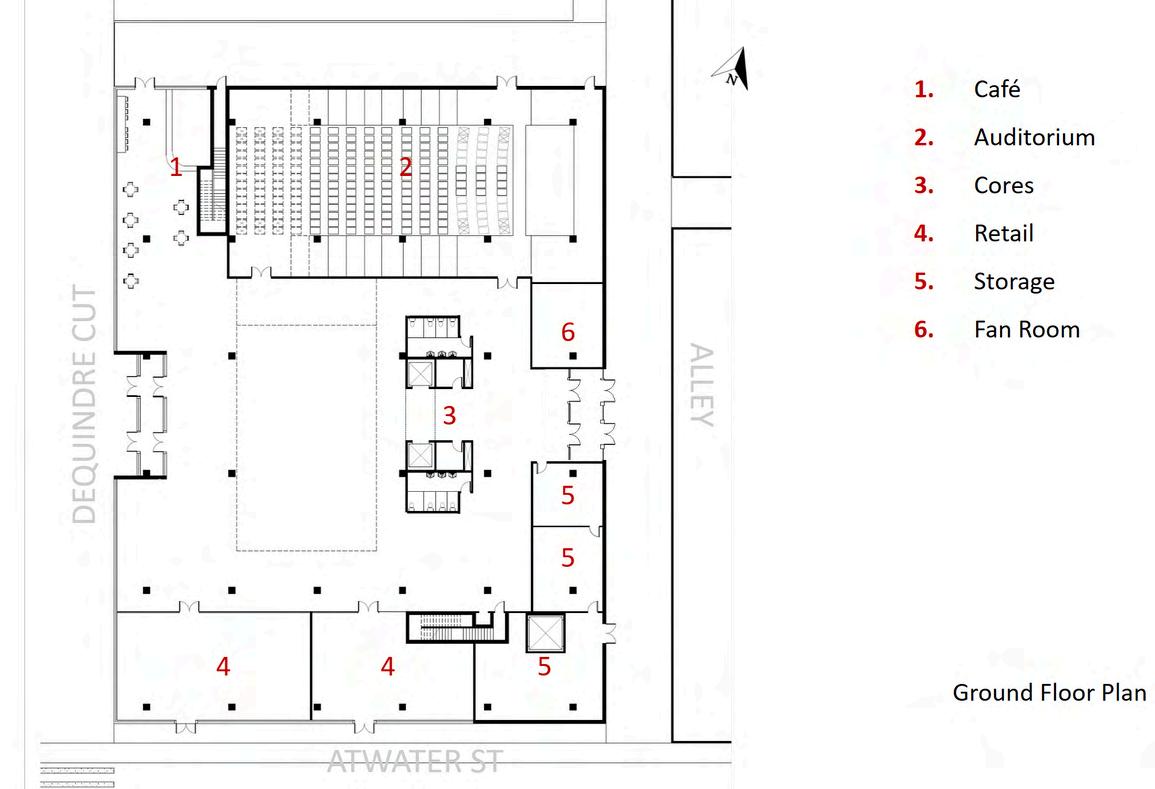
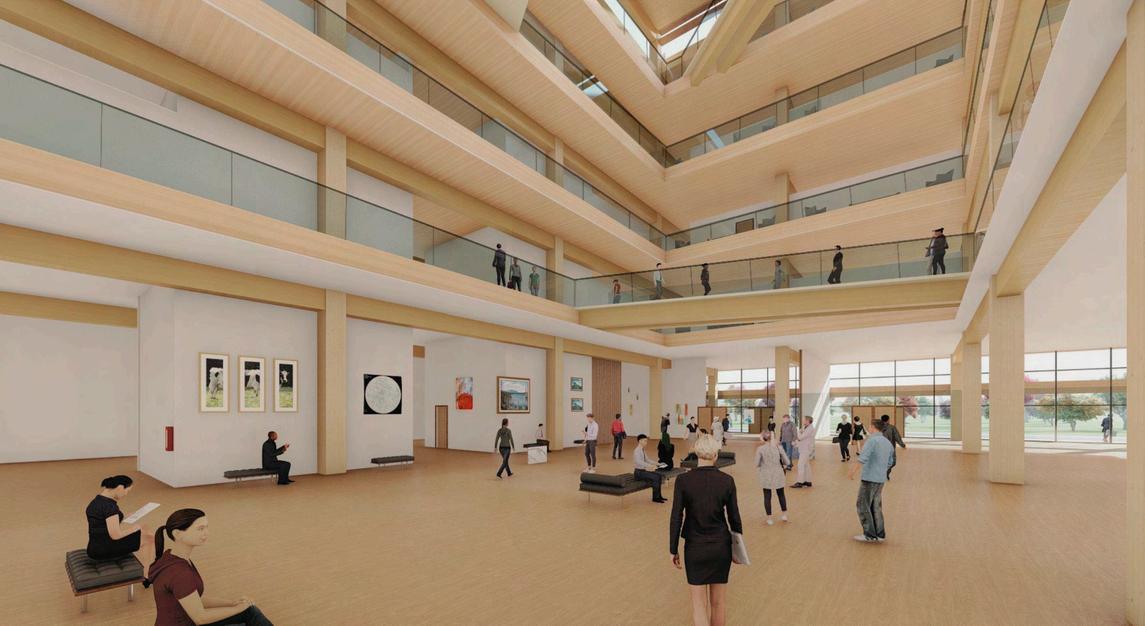
Transparentness on Ground Level for Pedestrians to See Into Building
Open Stair Design on Dequindre Cut and Atwater Street
Having Greenery on the Roof
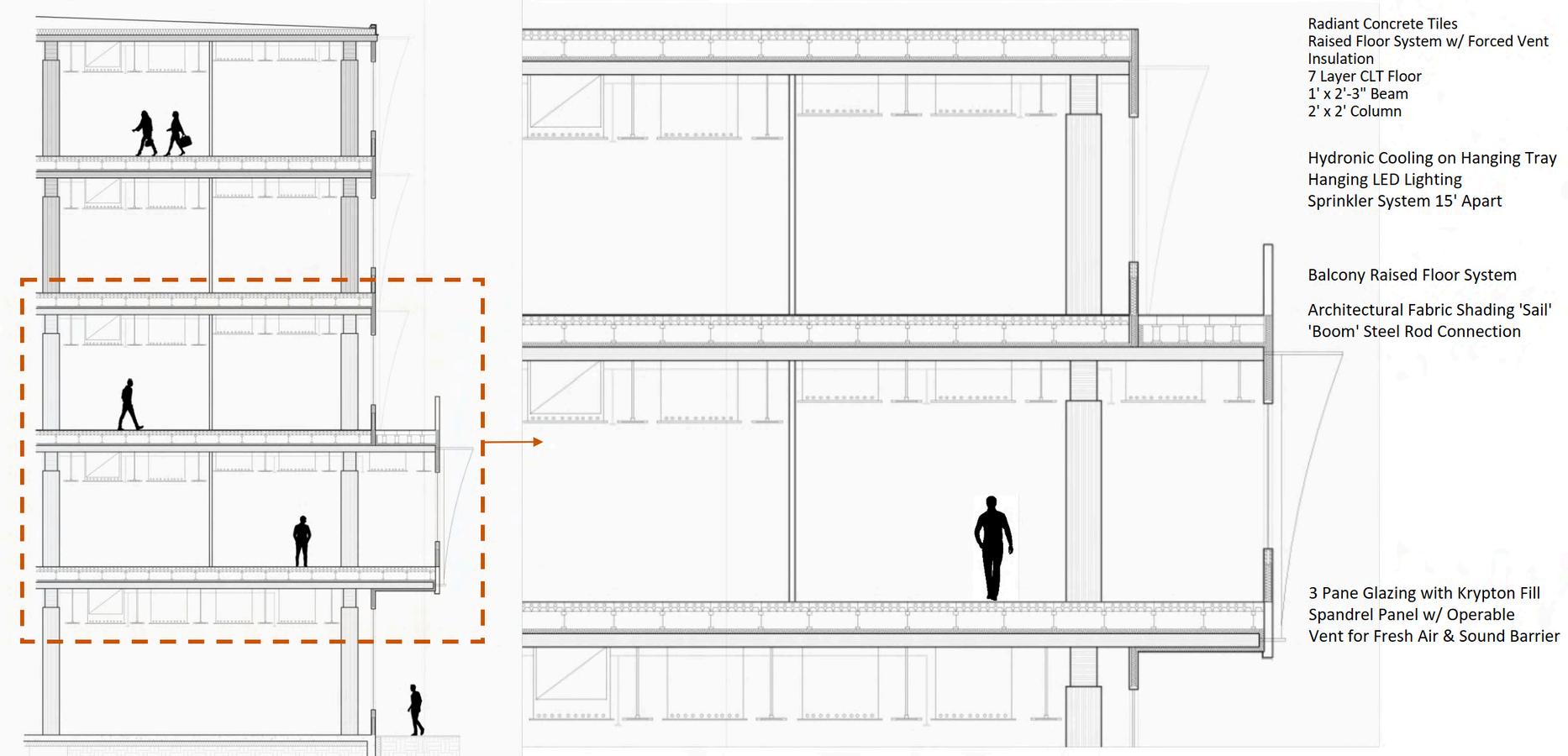
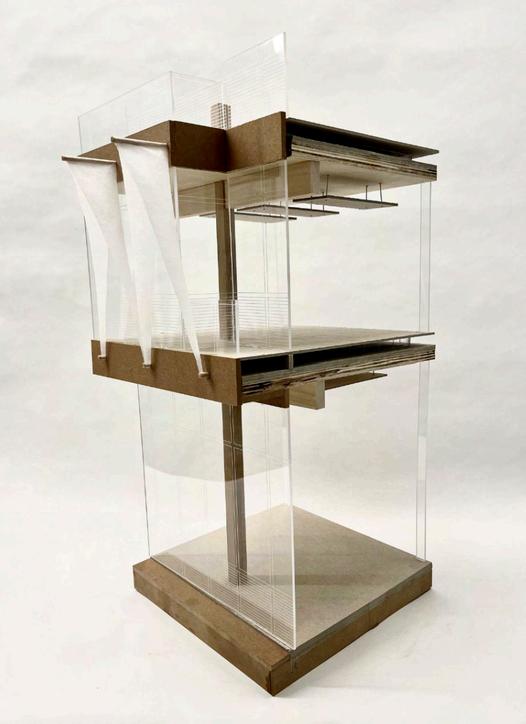
Indoor-to-outdoor connection through balcony spaces
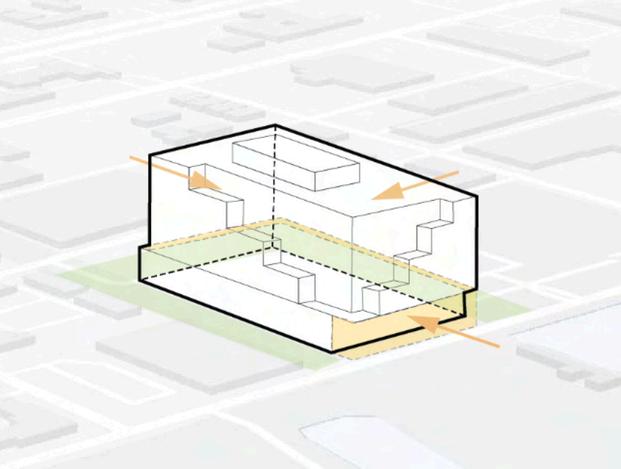
Shifting mass to create space between buildings around the site
Having Lighting Integrated for Visibility
Cross Walk on Atwater Street
Transparentness for occupants to view Inside and outside spaces
Choosing Material with Lower Carbon Footprint
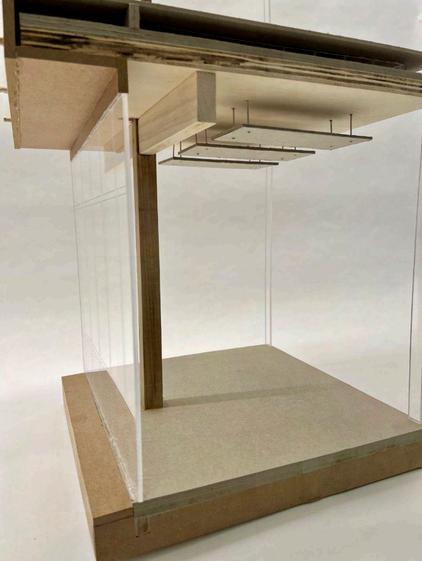
Using Efficient Passive & Active Systems
Triple Glazing Windows
Renewable resources
PV-T Panels on Roof
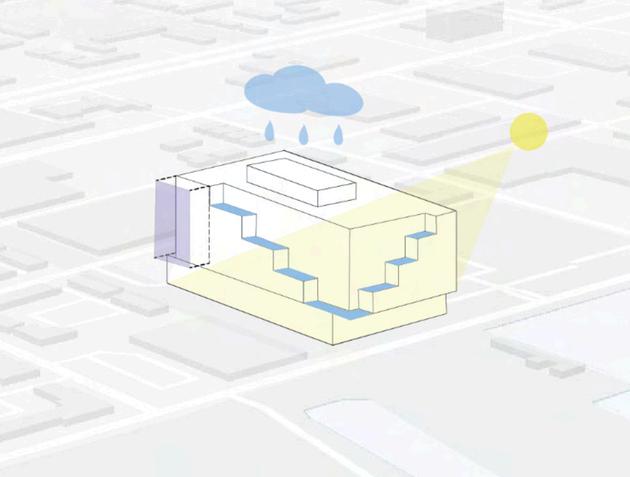
Rainwater Collection
Natural Ventilation
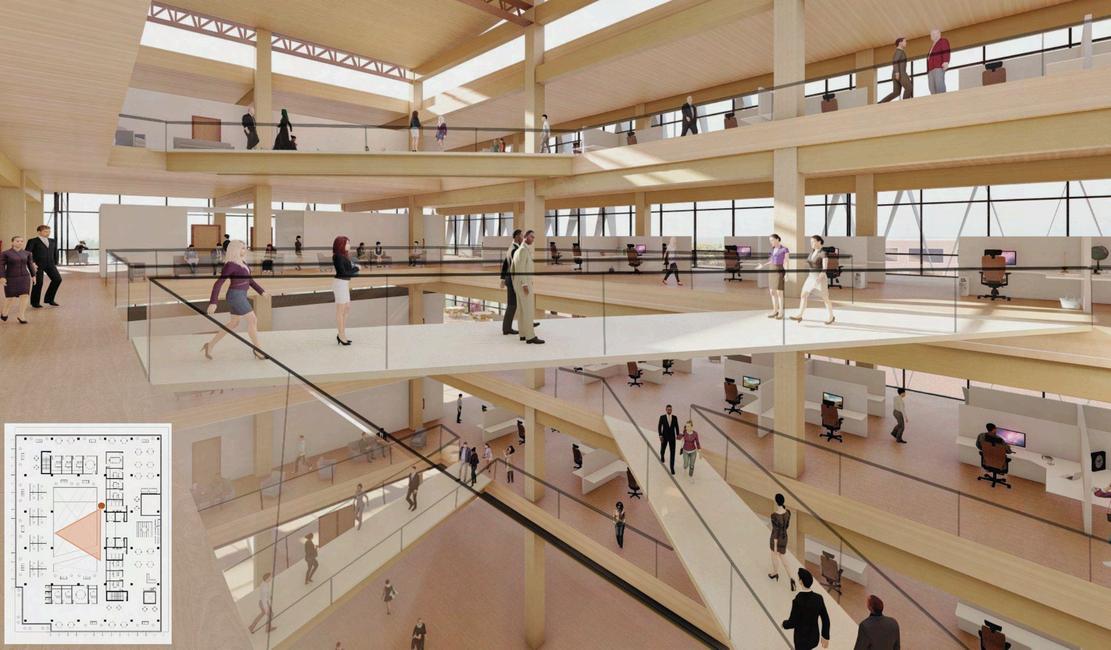
Natural Sunlight with Atrium
Green Space on Roofs
Views to Outdoors
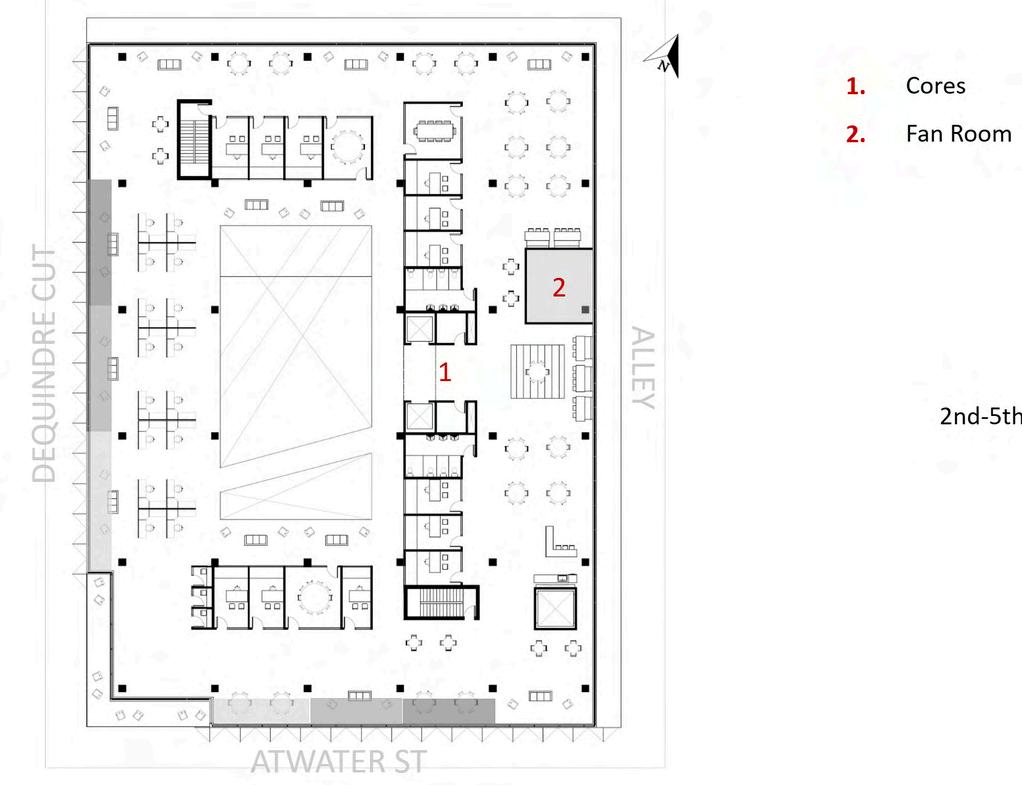
Multiple Collaborating Spaces
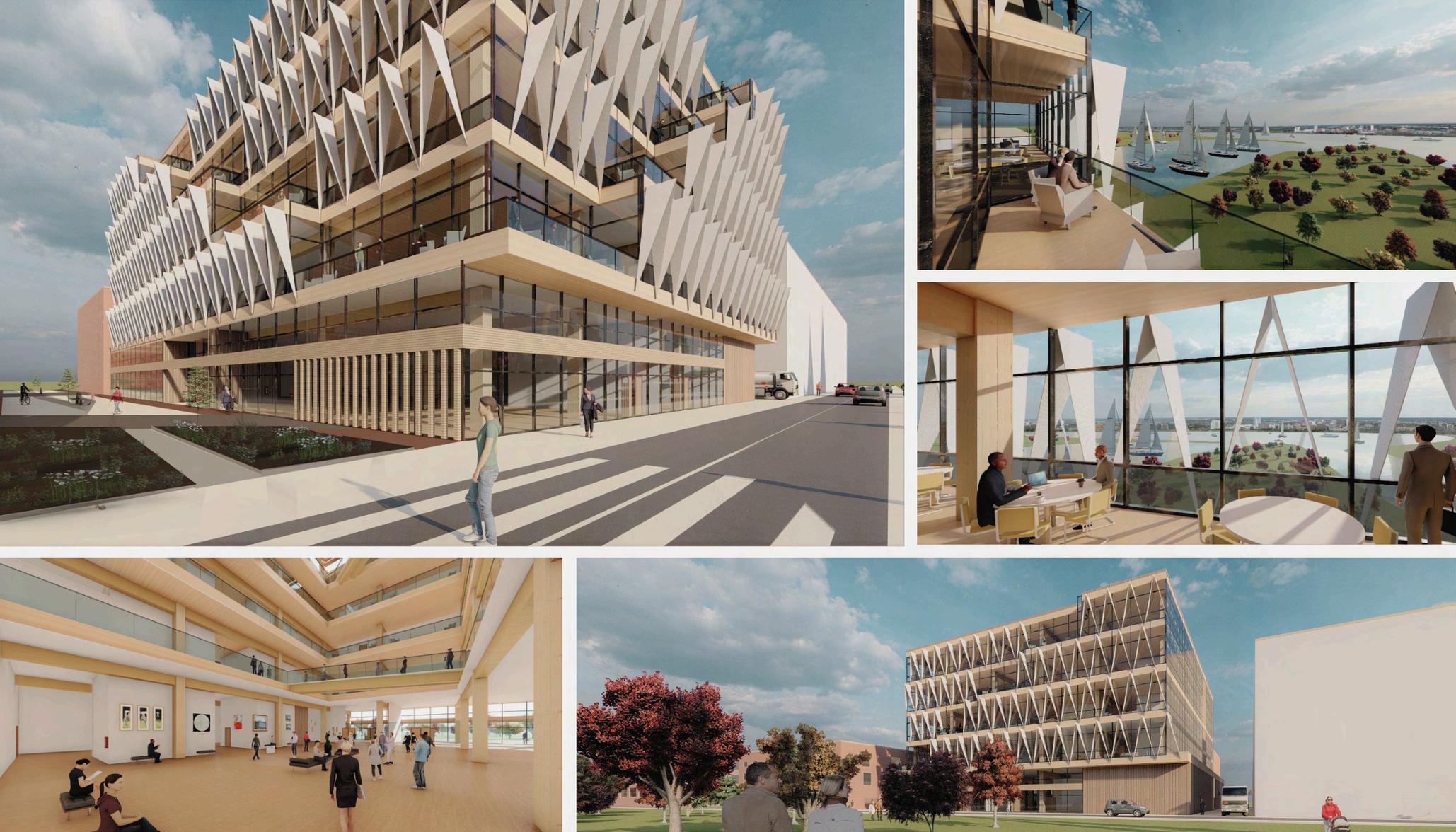
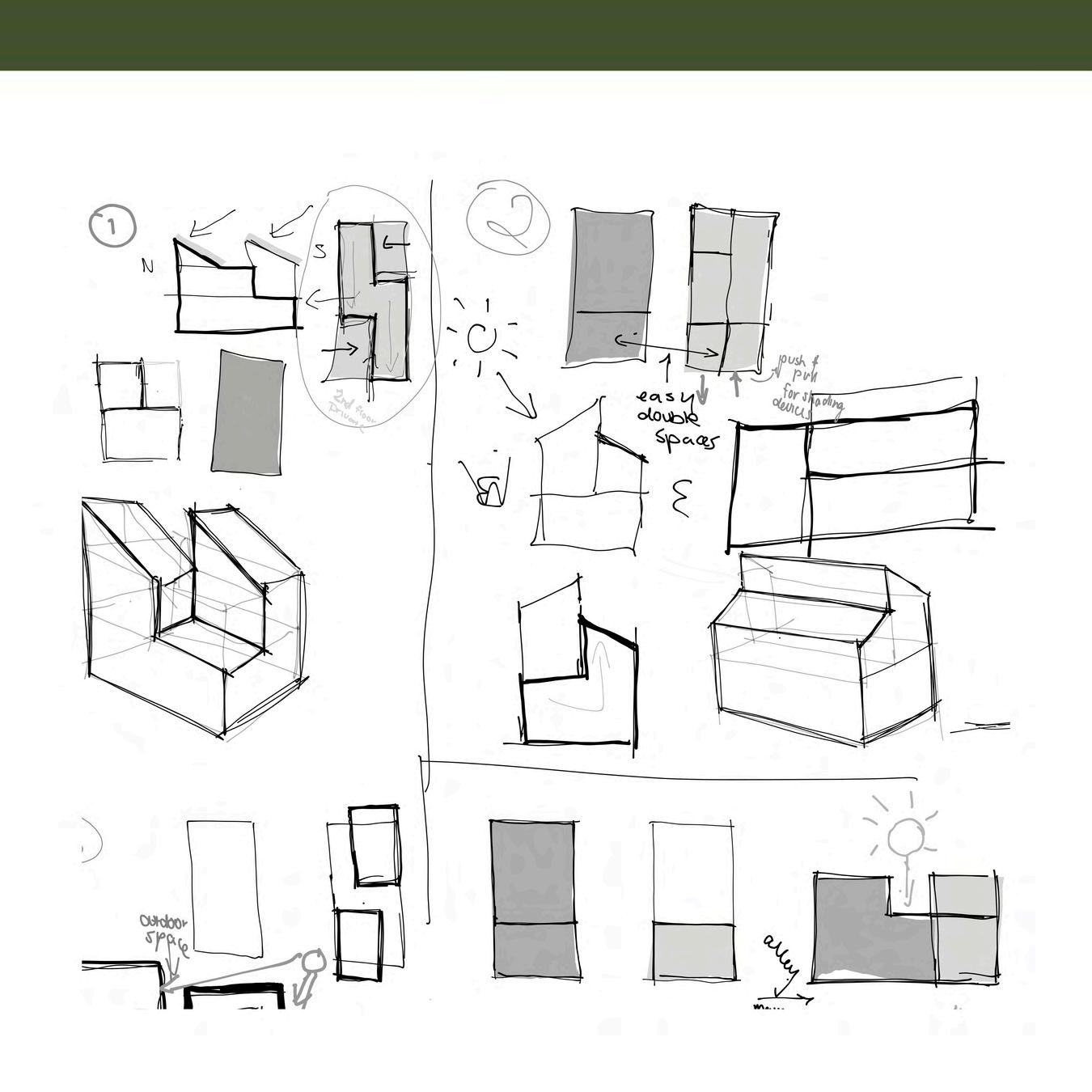

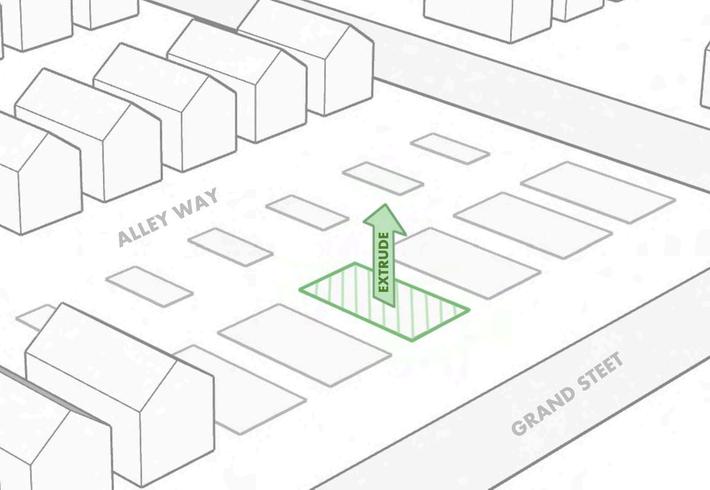
Mass study to understand spatial relationship and shading
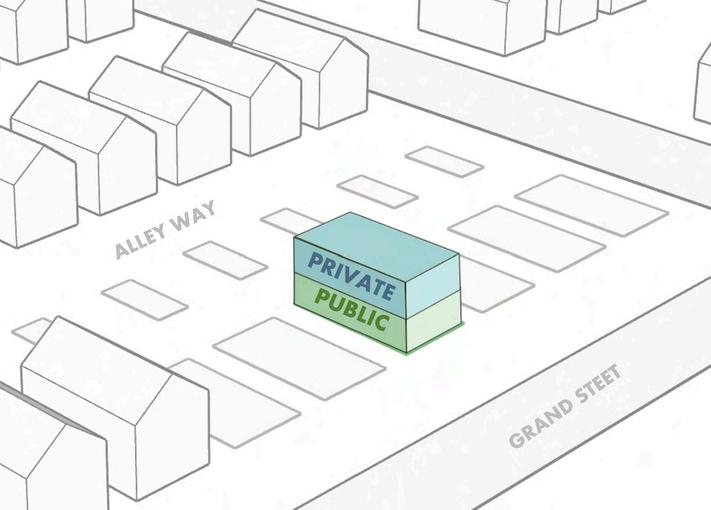
Spatial Relationship/organization between Public and Private spaces
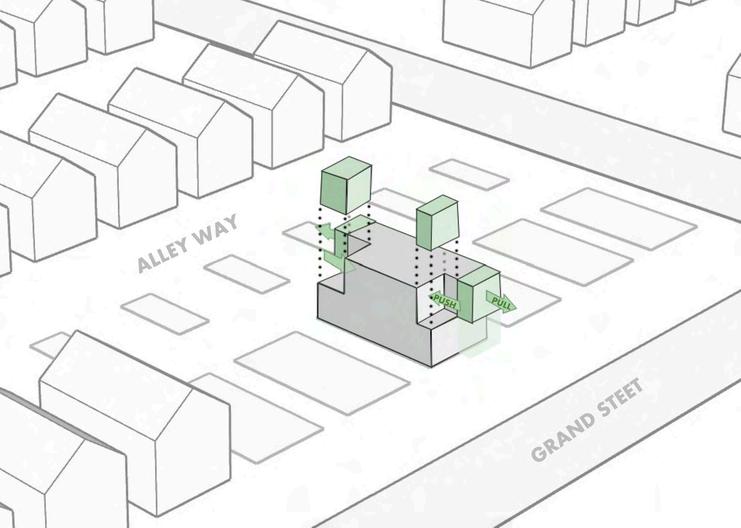
Push and pull of the building mass to develop indoor to outdoor connection
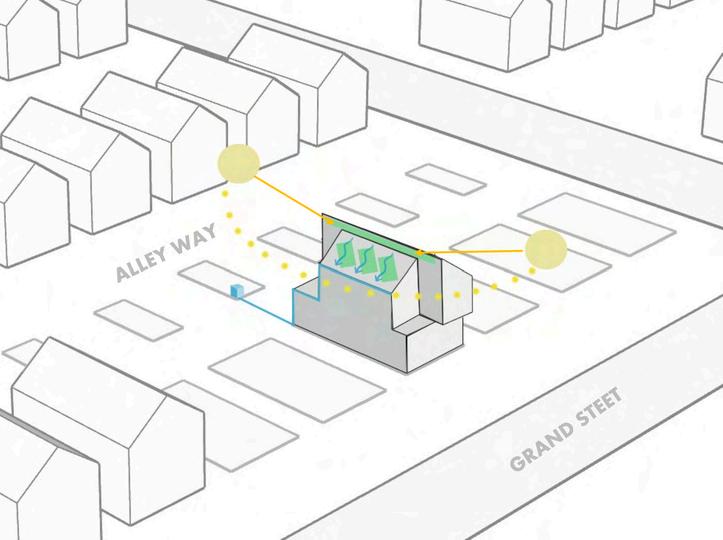
Further roof pitch analysis for solar energy and water collection opportunities
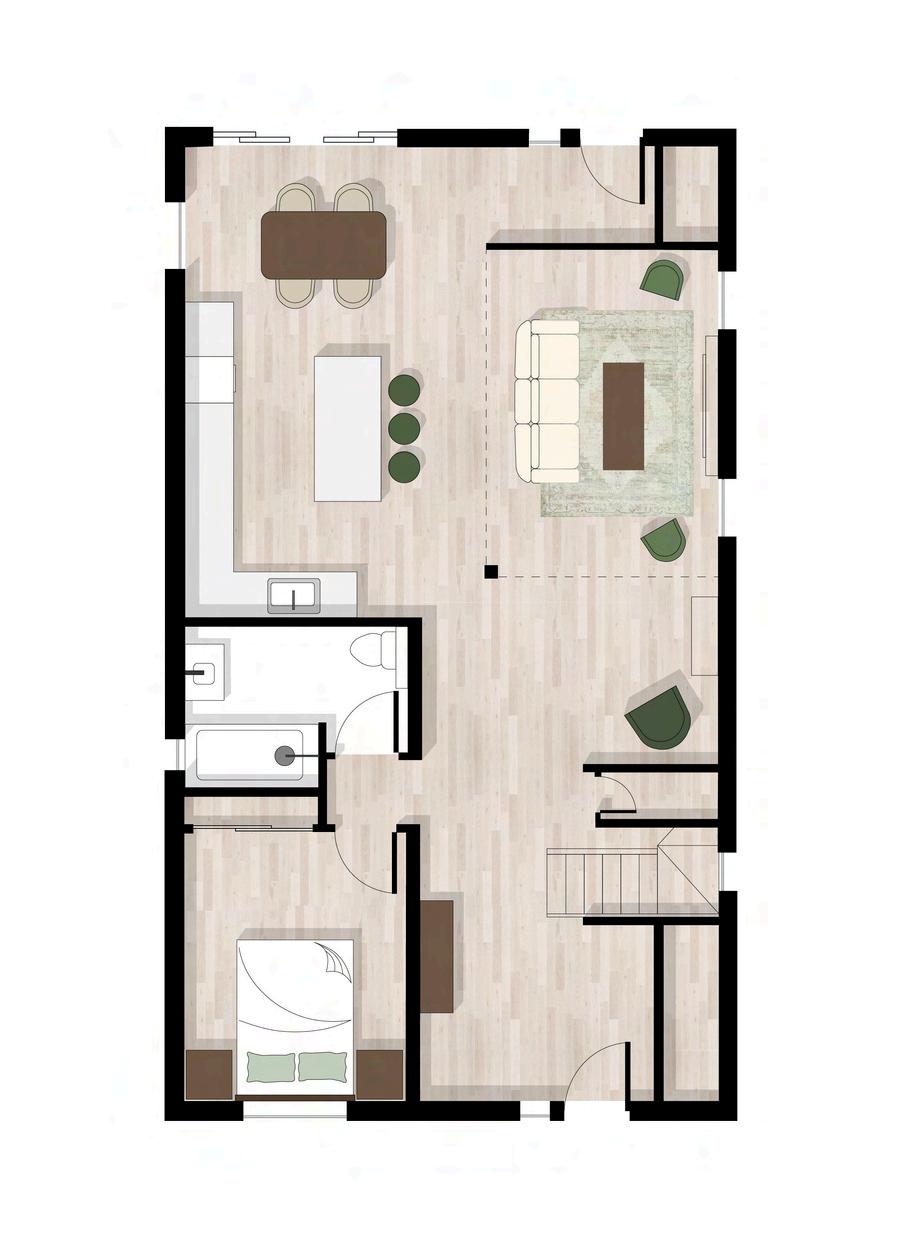
FIRST FLOOR
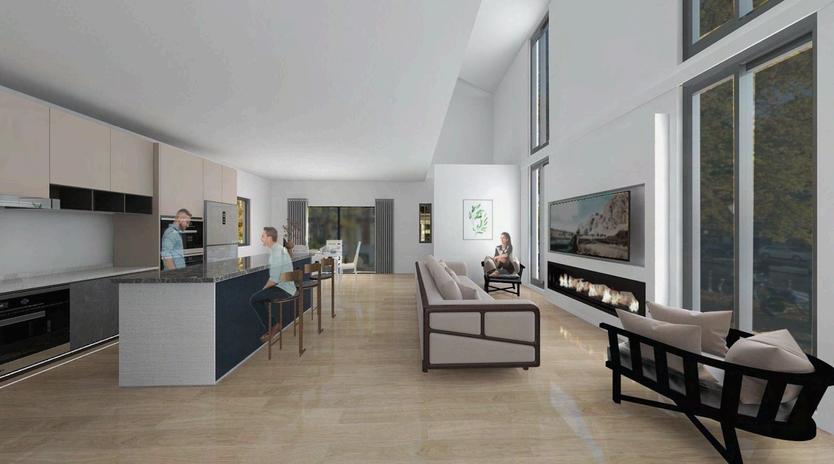
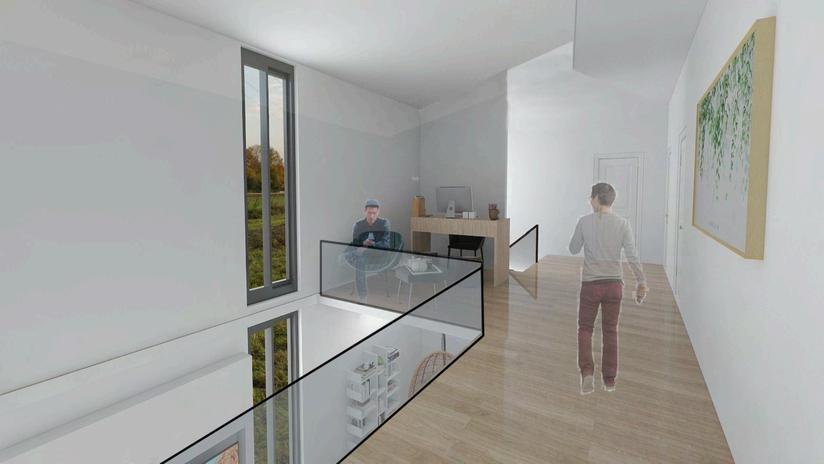
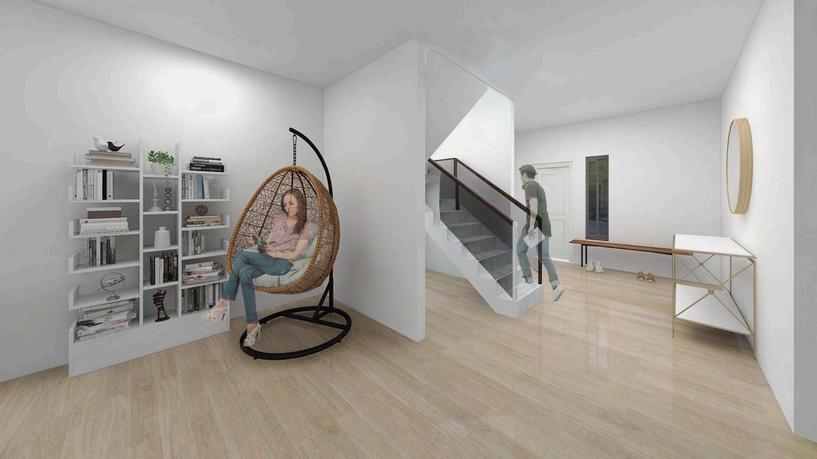
Support the design team with Zoning reviewsforprojectstoensurethedesigns comply with their specific bylaw requirements
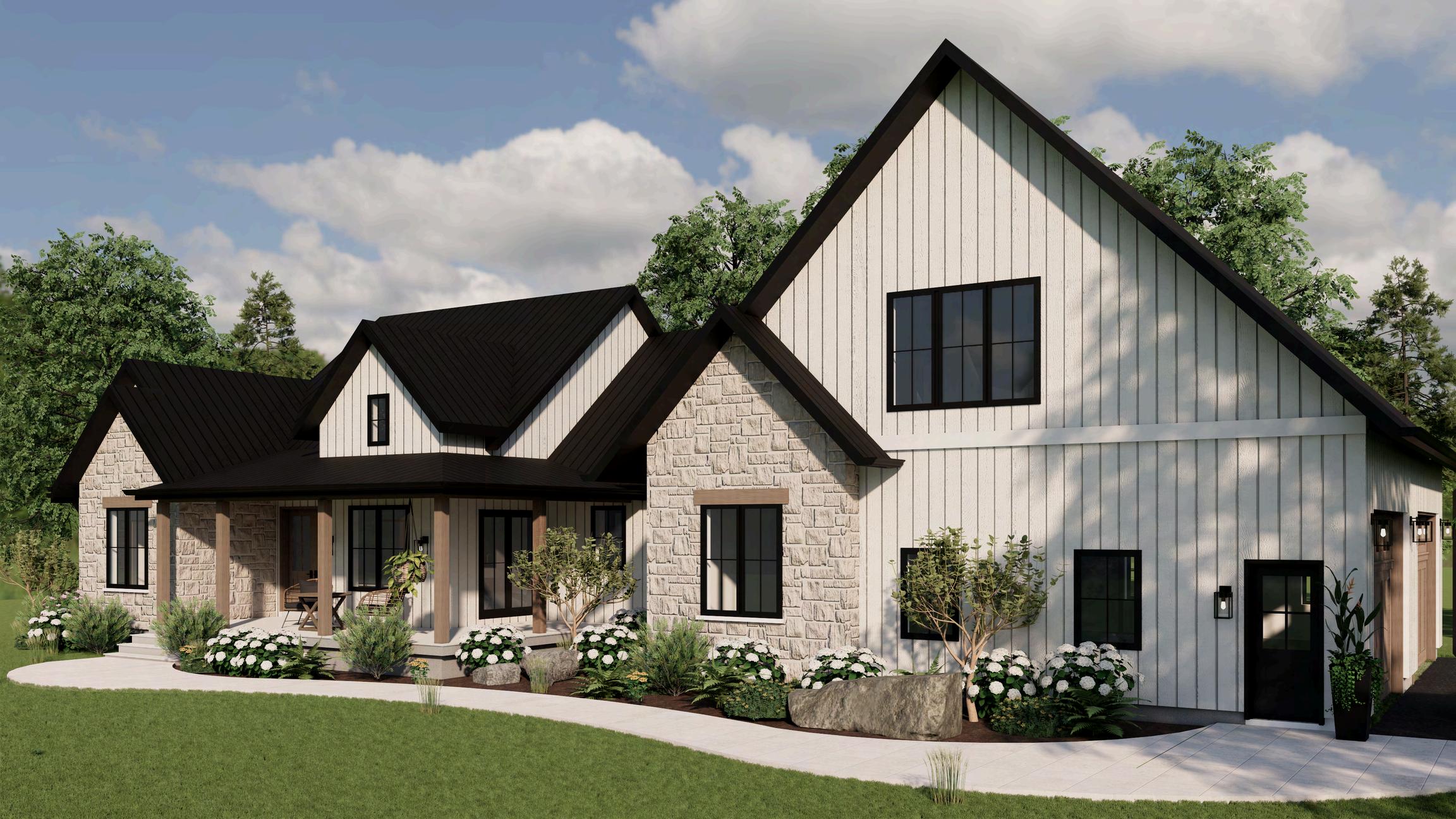
Develop photorealistic renderings for clientsaswellastobedisplayedonsocial mediaandthewebsite.
Social media management: Create content for social media and post on a regularbasis.
Client presentation work. Presenting our design in a format that is easy to understandandprocess.
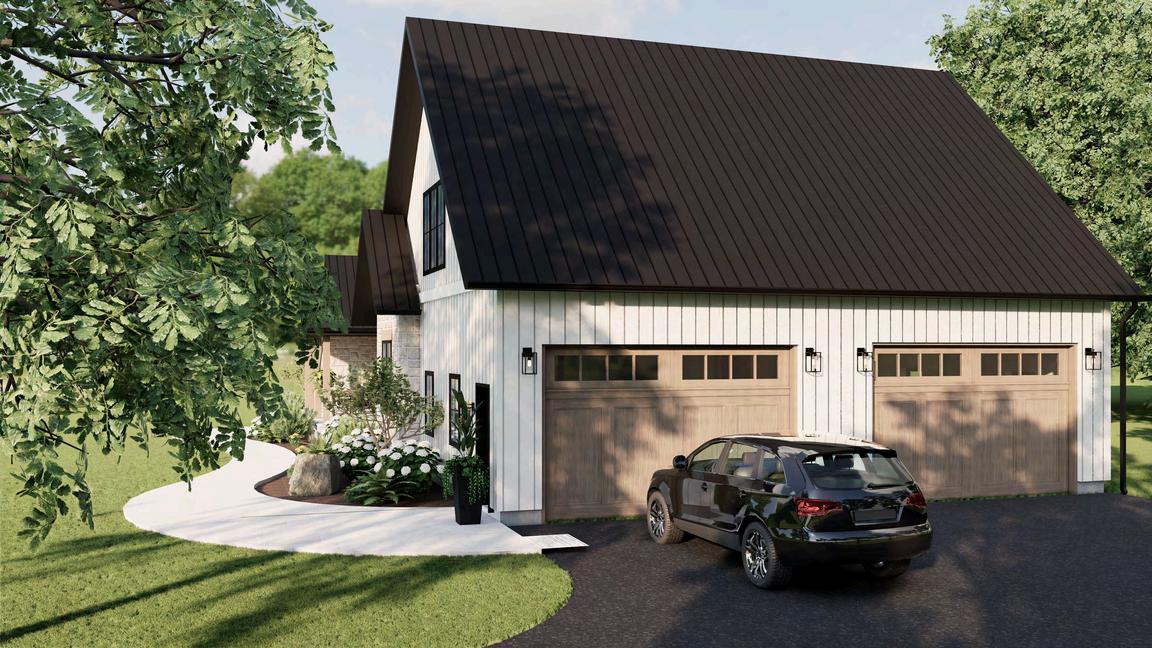
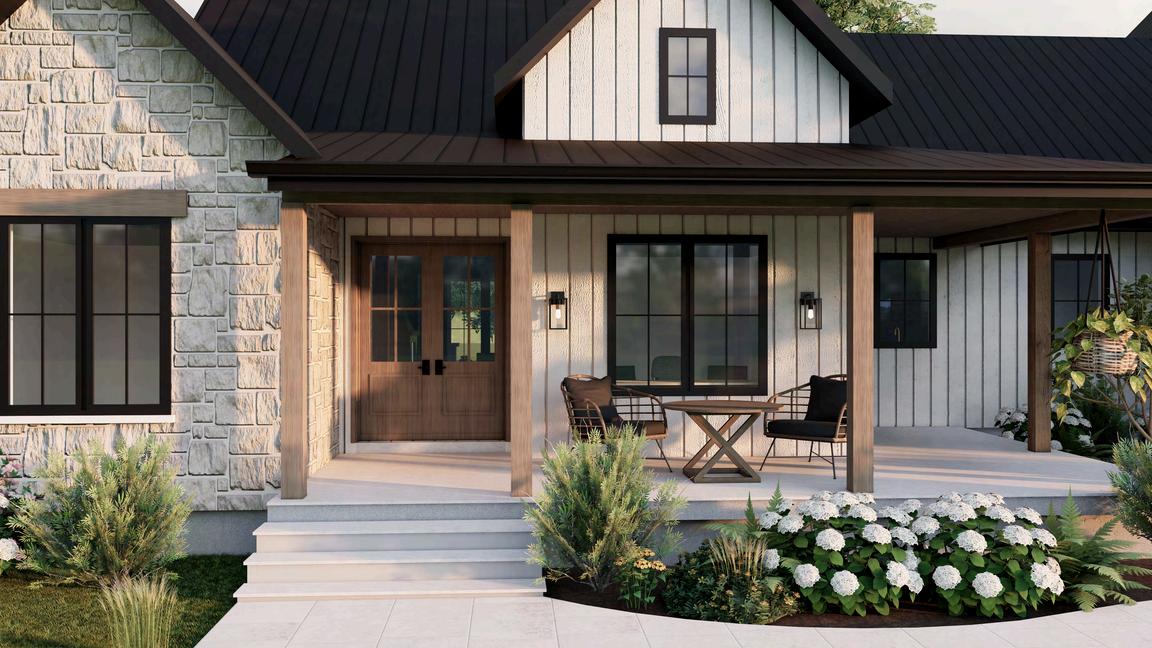
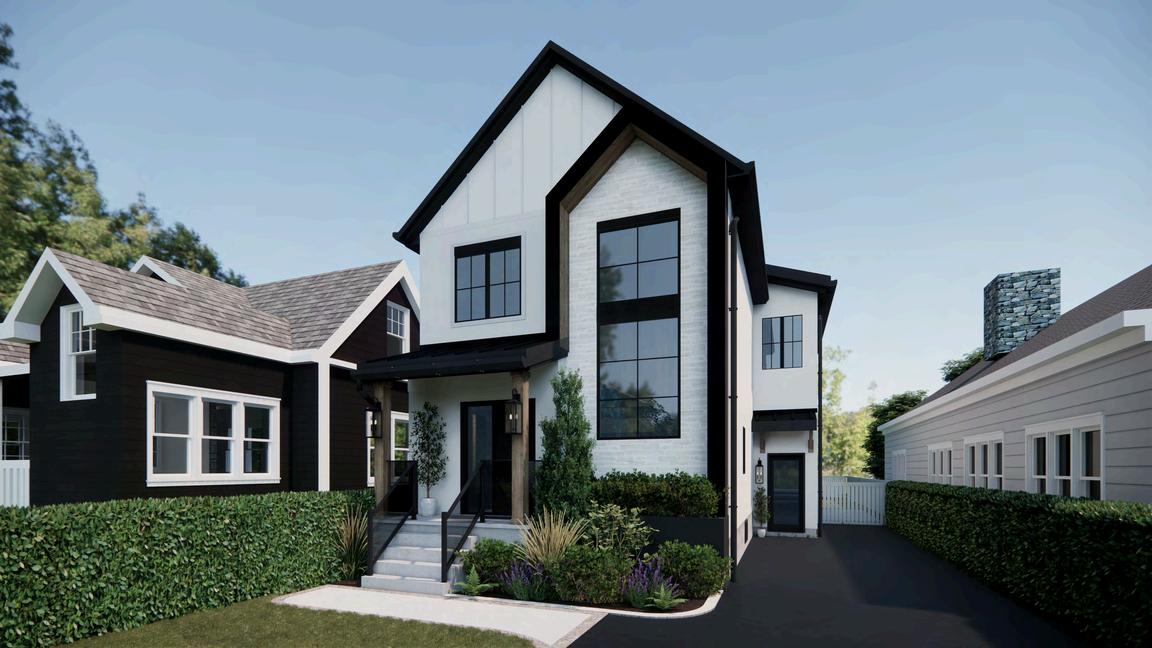
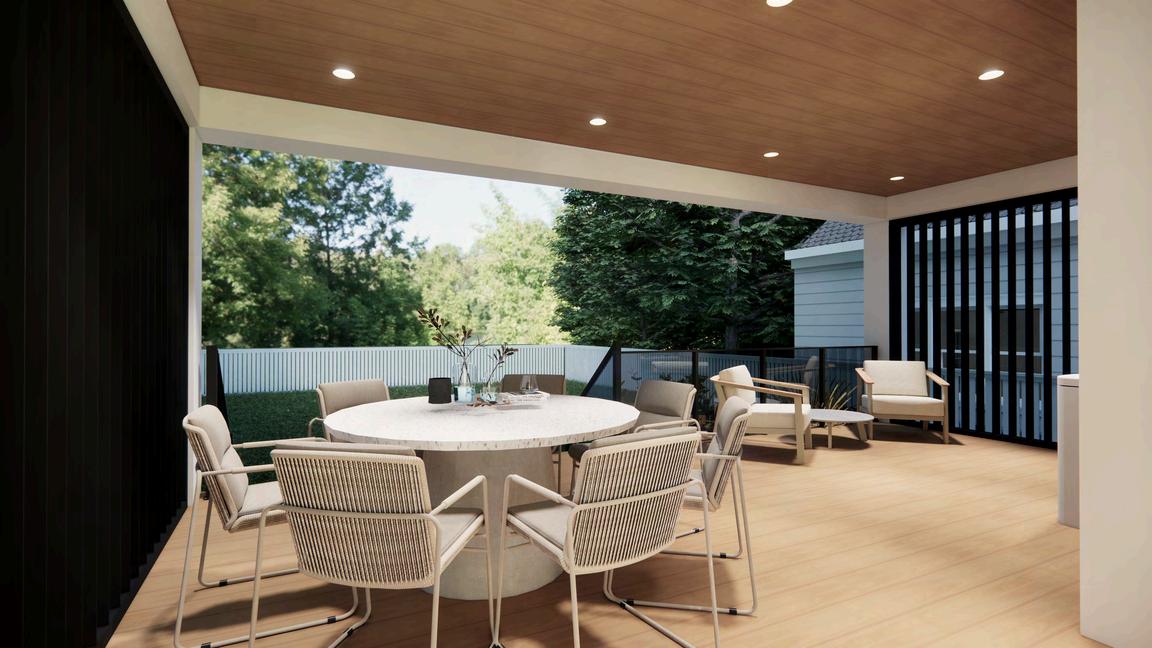
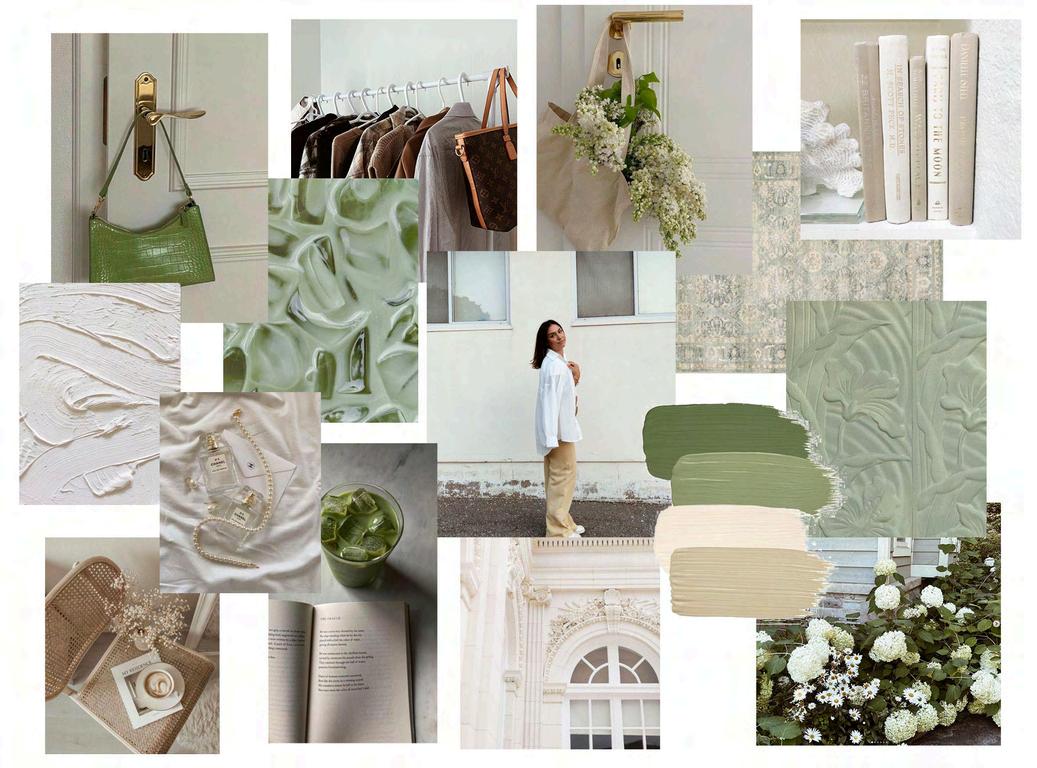
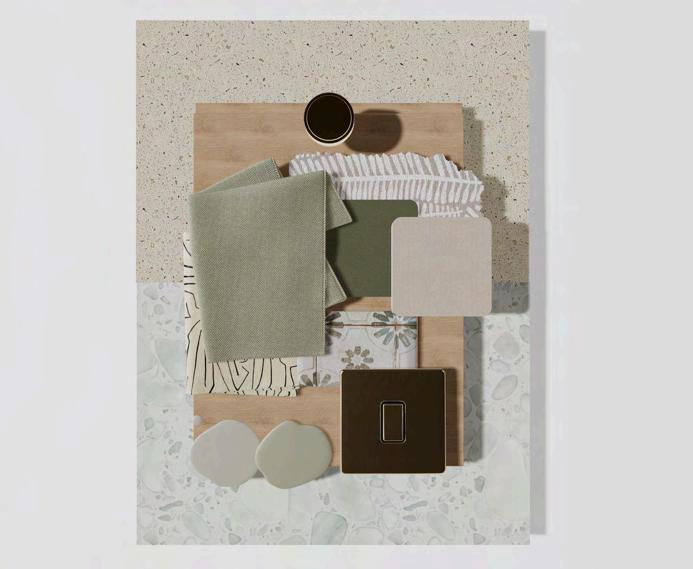
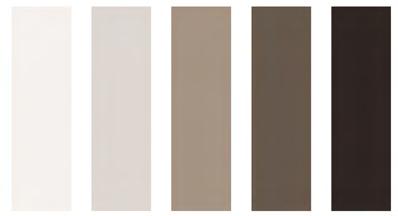
minimal breezy elegant























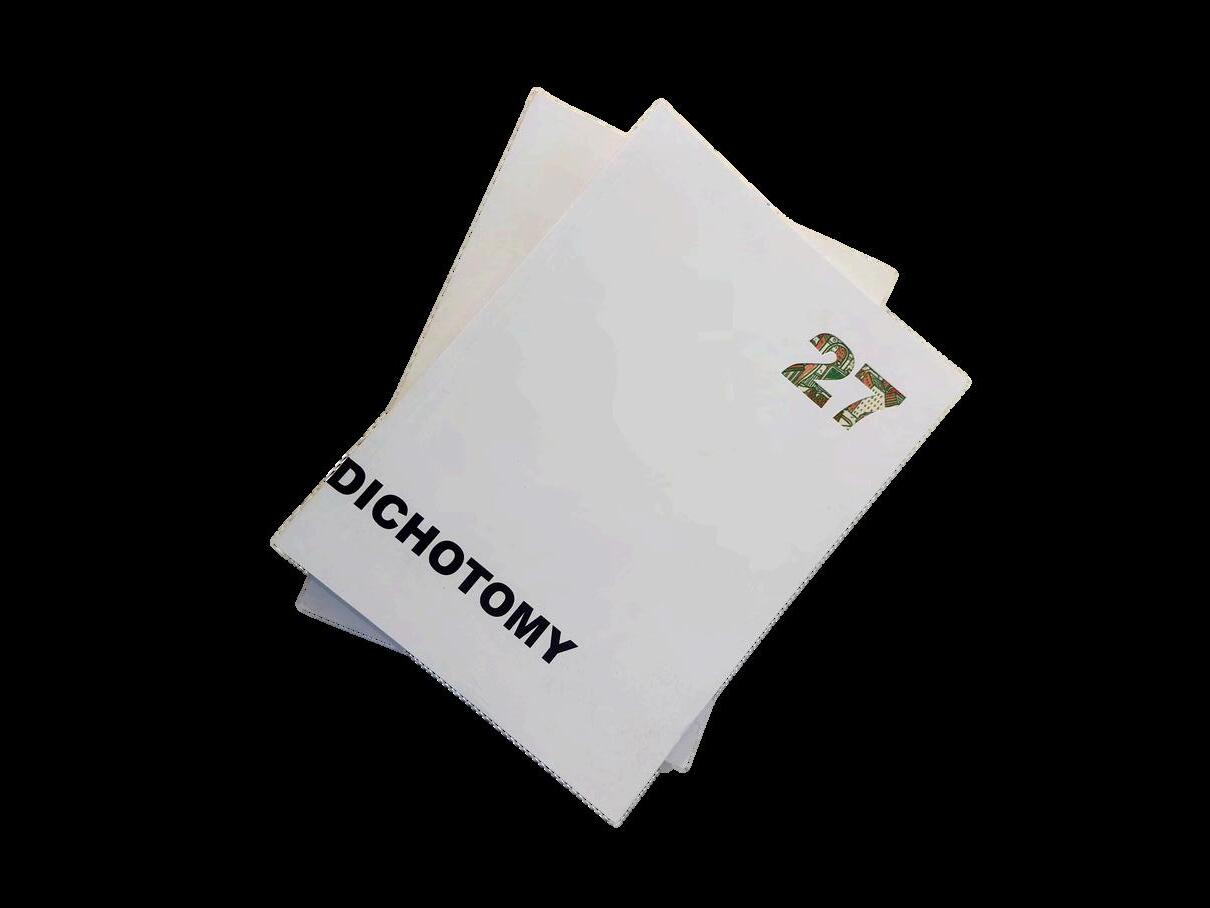
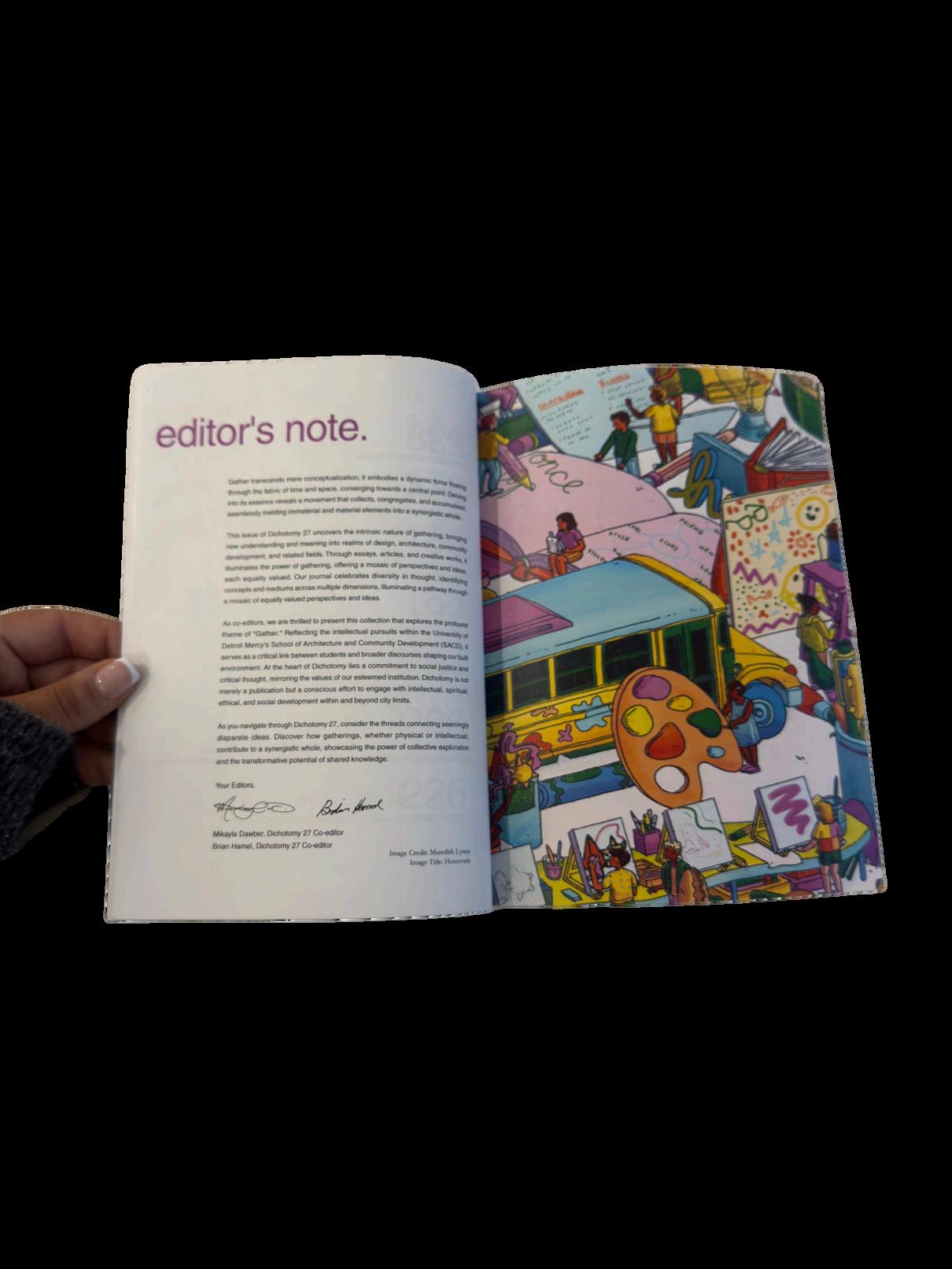
As Co-Editor in Chief, I specialized in overseeing the graphic editing and layout design of book articles, ensuring each publication was visually engaging and professionally executed. I collaborated with contributorstoaligncontentwithDichotomy’s standards,focusingoncreatingcohesiveand polishedvisualpresentations.Ahighlightofthis rolewasworkingcloselywithalocalartistfor artworkwithineachchapterspread,addinga uniqueandartistictouchtoeachpublication.

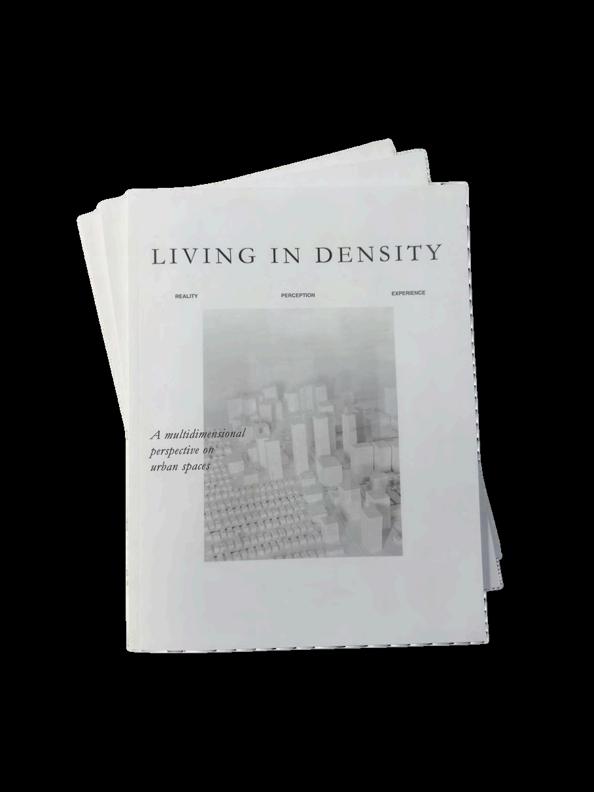
Aspartofmymaster’sthesis,Idesigned andproducedacomprehensivebookthatis now published in the University of Detroit Mercy’slibrary.Thisprojectrequiredmeto takefullownershipofthebook’screation, from cover design to layout development, ensuring that both the visual presentation andcontentwereengagingandcohesive.I organized and structured the material to effectively communicate the ideas of my thesis,whilealsopayingcloseattentionto typography, graphic elements, and overall readability.
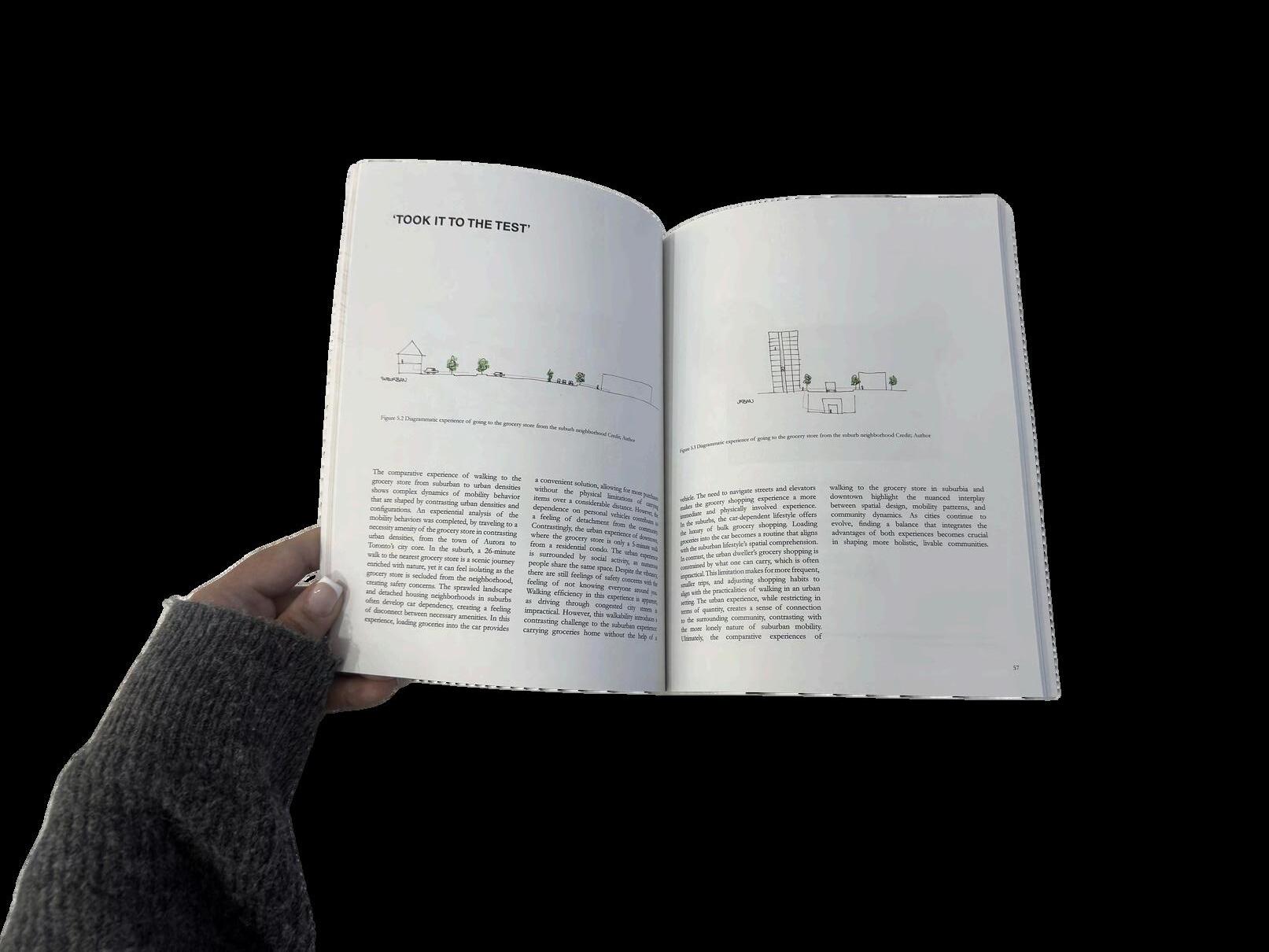
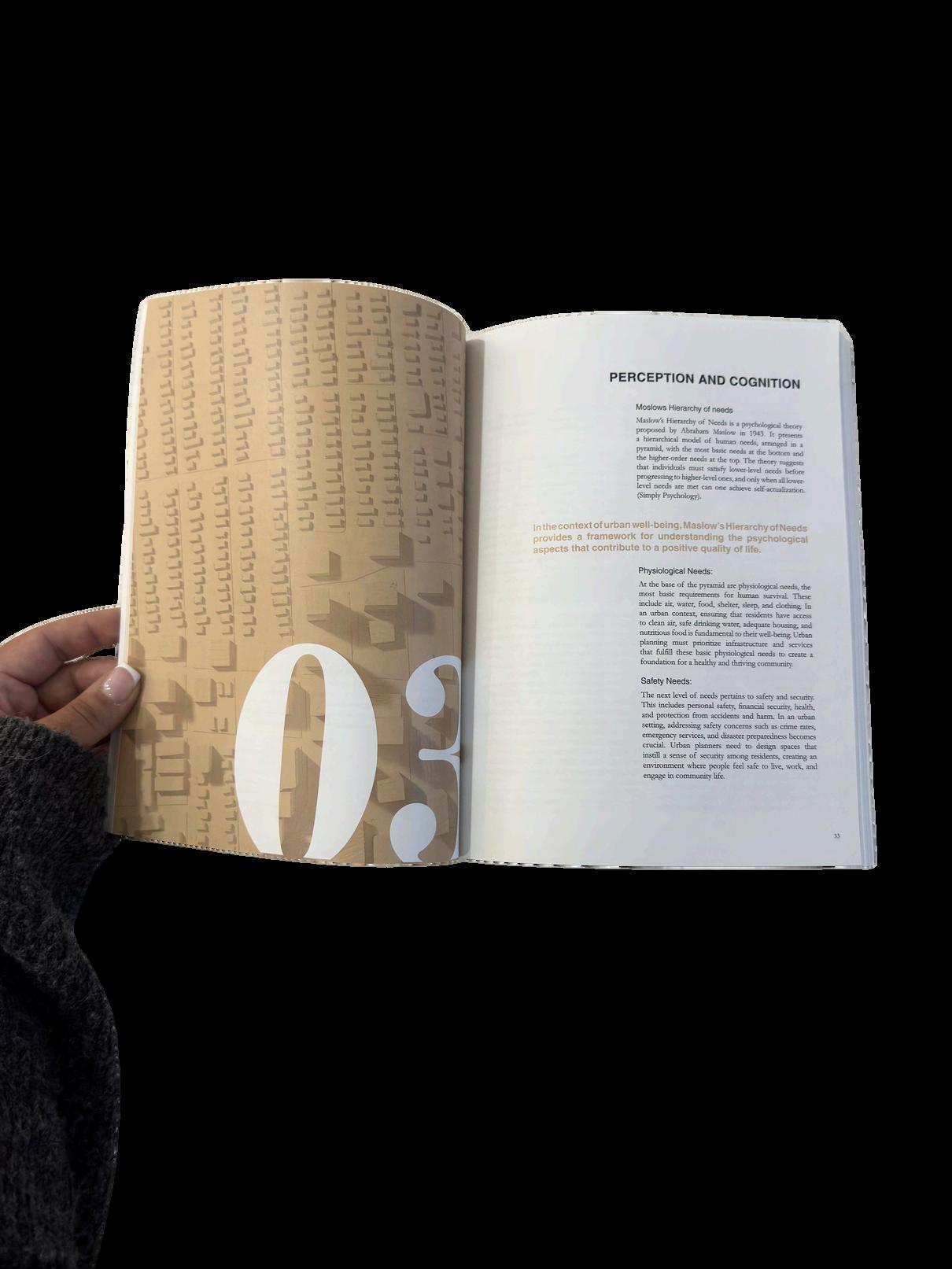
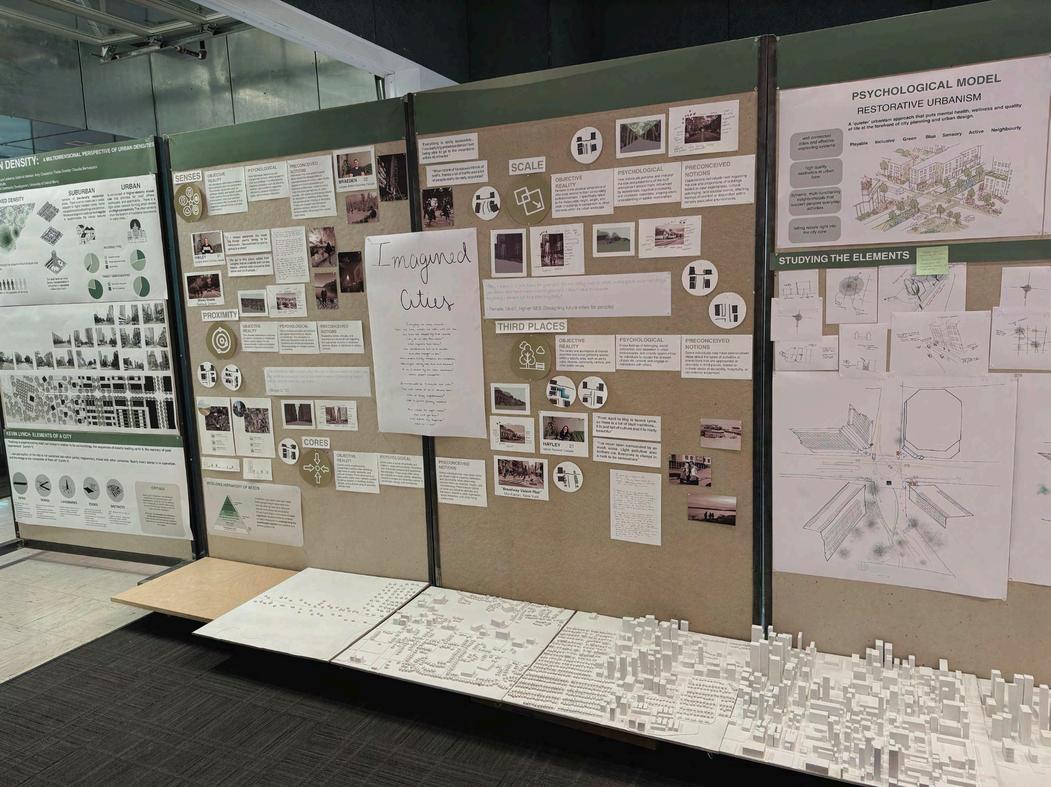
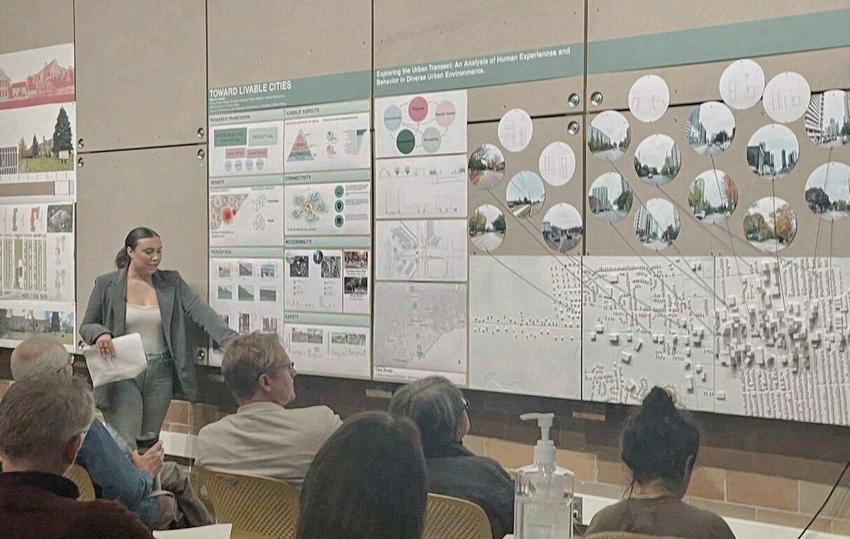
The core of our shared experiences can be found in the variety of urban life, where human behavior interacts with diverse urban environments.Asthescaleofcitiescontinues togrow,theneedtoprioritizepeopleinurban development becomes more and more significant, challenging the conventional emphasis on physical elements. This thesis delves into the complex relationship of psychology, social dynamics, and the built environment,bringinginsightintothevarious elementsofurbanlife.
This thesis introduces the 'elements of density' framework, which is a fresh methodology. This framework—Scale, Proximity, Senses, Cores, Third Places— allowsforacomprehensiveunderstandingof urbanlife,includingitssocial,psychological, and physical components. These elements have the ability to determine and influence our perceptions, comprehension, and experiences of everything around us. Learning and analysing the work of notable urbanists such as Kevin Lynch and Jane Jacobs, it challenges the psychological underlyingurbanattachment,recognizingthe nuanced relationship of nostalgia and perception in shaping our urban environments.
Through an in-depth investigation and involvement with multiple experiences, this researchaimstoencouragethedevelopment of vibrant cities. This multidisciplinary analysis is intended to improve the understanding of the complex elements of urbanlivingandfunctionasatooltoenhance thewayweliveincities.
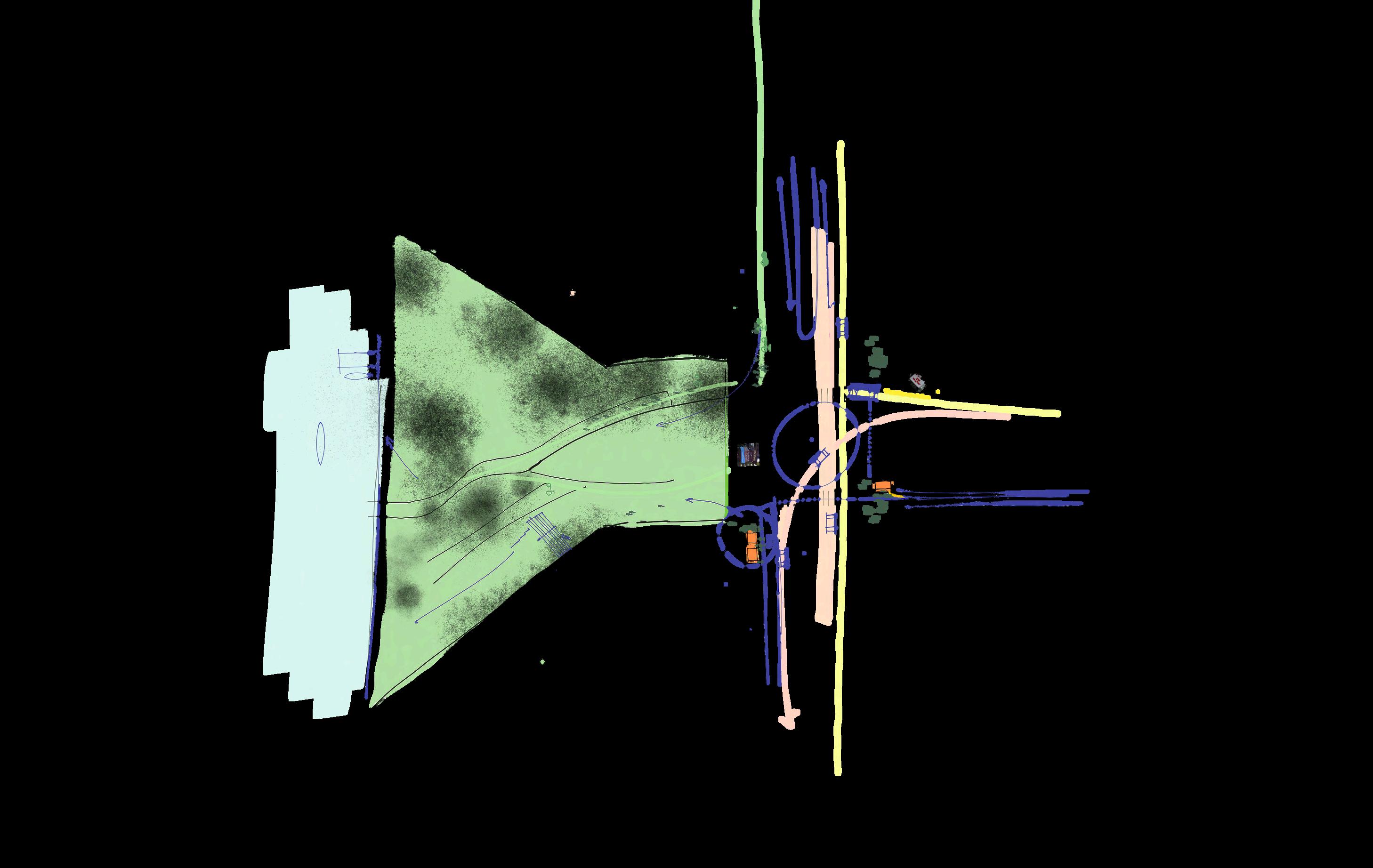
“Nothingisexperiencedbyitself,butalwaysinrelationtoitssurroundings,thesequencesofeventsleadinguptoit, thememoryofpastexperiences”(1)
“...ourperceptionofthecityisnotsustained,butratherpartial,fragmentary,mixedwithotherconcerns.Nearlyevery senseisinoperation,andtheimageisthecompositeofthemall”(2)
-theobservercustomarilyor potentiallymoves -streets,walkways,transitlines, canals,railroads -peopleobservethecitywhile movingthroughit,andalongthese pathstheenvironmentalelements arearranged
-linerarelementsnotusedbythe observer -boundarybetween2phases -shores,railroadcuts,development edge,walls -animprtantorganizingfeature, holdingtogethergeneralizedareas
-mediumtolargesectionsofacity -entering‘insideof’havingsome common,identifyingcharacter -dependonboththeindividualand thecity
-pointsanobservercanenter, whicharetheintensivefocifrom whichheistraveling. -concentrations,exstreetcorneror enclosedsquare -couldbecalledcores -canbefoundinalmostanyimage, certaincasesmaybethefocalpoint
-pointreference,butonedoesnot enter.
-definedphysicalcharacteristic: building,sign,store,mountain -canbedistant,seenatmanyangles -cluesofidentityandstructure

OBJECTIVE
REALITY
Pertainstothephysicaldimensions of structures relative to their surrounding built environment. It specificallyreferstothemeasurable height,length, andwidthofbuildingsincomparison tootherelementswithintheurban landscape.
PSYCHOLOGICAL
How individuals perceive and interpretthesizeandproportionsof thebuiltenvironmentaroundthem, influencedbyexperiences,cognitive processing, and emotional responses, shaping one’s understanding of spatial relationships.
PRECONCEIVED NOTIONS
Expectations individuals hold regardingthesizeandproportionsof buildingsbasedonpastexperiences, cultural upbringing, and societal norms,affectingfeelingsofcomfortor discomfortwithindenselypopulated environments.

OBJECTIVE REALITY
Thephysicalclosenessornearnessof objects, structures, or individuals within a given space. It is the measurement of distance between elementsinthebuiltenvironment.
PSYCHOLOGICAL
Howindividualsperceiveandinterpret thespatialrelationshipsofobjectsor individuals. This perception is influencedbyfactorssuchassocial dynamics and emotional responses, shapingfeelingsofintimacy,comfort,or crowding.
PRECONCEIVED NOTIONS
Preexisting beliefs, attitudes, and expectationsindividualsholdregarding theappropriatedistanceorcloseness between objects or individuals in variouscontexts.

theabundanceandvarietyofsensory stimulipresentwithintheenvironment. This includes visual cues such as buildings,streets,andpeople,auditory inputssuch asthesoundsoftraffic,conversations, andurbanactivities,andsensationslike thesmellsoffood,vegetation,exhaust fumes,andotherurbanscents.
Howindividualsexperienceandinterpret the sensory stimuli present in their surroundings. It is influenced by cognitiveprocessessuchasattention, memory, andemotionalresponseseffectedby personal interests or goals, and emotionalresponses.
PRECONCEIVED NOTIONS
Individualsmayhavepreconceivedideas about the pleasantness or unpleasantnessofcertainurbansmells based on cultural associations or personal preferences. Cultural norms may influence perceptions of urban sounds,withsomesounds beingviewedasdesirableorsoothing whileothersareperceivedasirritating ordisruptive.Thesecanimpacthow individualsperceivesensorystimuliin urban environments, influencing their overallexperience.

Central points emphasised by concentratedactivity,oftenexhibitinghigh levelsof social,economic,andculturalvibrancy. Theseareasserveasfocalpointswithin cities,typicallymarkedbydenseclusters ofbuildings,bustlingstreets,andadiverse arrayofamenitiesandservices.
coresevokeasenseofcentralityand vitality in urban environments, influencinghowindividualsperceiveand experiencethecityscape.Theseareas oftenserve asmagnetsforhumanactivity,attracting crowdsofpeopleandfosteringasense ofexcitement,energy,andconnectivity.
NOTIONS
Someindividualsmayviewurbancores asvibranthubsofcreativity,innovation, andopportunity,whileothersmay perceivethemascrowded,chaotic,and overwhelming.Preconceivednotionsof cores can influence attitudes and behaviorsrelatedtourbanexploration, social interaction, and urban living preferences.

The variety and abundance of diverse amenitiesandsocialgatheringspaceswithina specificarea,suchasparks,cafes,libraries, communitycenters,andotherpublicvenues.
Evokefeelingsofbelonging,socialconnection, andrelaxationinurbanenvironments,and provideopportunitiesforindividualstoescape thestressesofdailylife,unwind,andengage ininteractionswithothers.
PRECONCEIVED NOTIONS
Someindividualsmayhavepreconceivedideas aboutthetypesofactivitiesorinteractionsthat areappropriateordesirableinthirdplaces, based on cultural ideals of sociability, hospitality,orrecreationalenjoyment.