PORTFOLIO
MICHELLE CABRERA OTERO
1. COUNTERPOINT
2. INTERWINING LIGHT
3. METAMORPHOSIS
4. THE FUTURE OF CARVAJAL
5. ARTISTIC EXO
6. CULTURAL INTERSECTIONS
7. BIOTIC NICHES
8. INTERSHIP
13. ARCH: THESIS
9. INTERSHIP
10. INTERSHIP
11. TRACES OF SIGHT
12. TRACES OF SIGHT
COUNTERPOINT
PROJECT: MATERIALITY & ARCHITECTURE
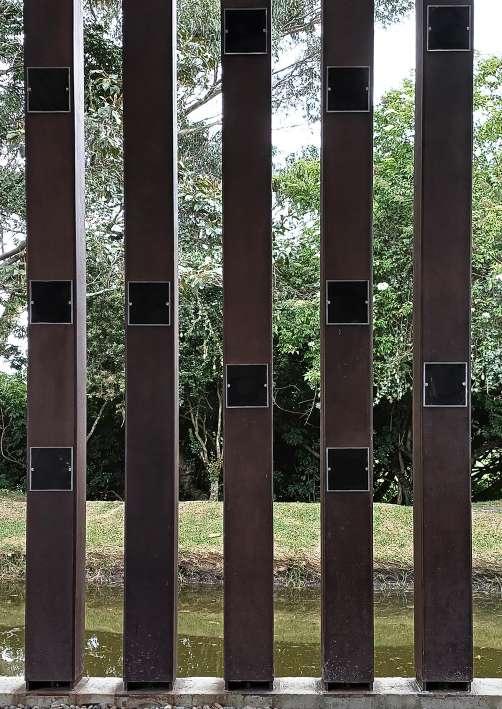
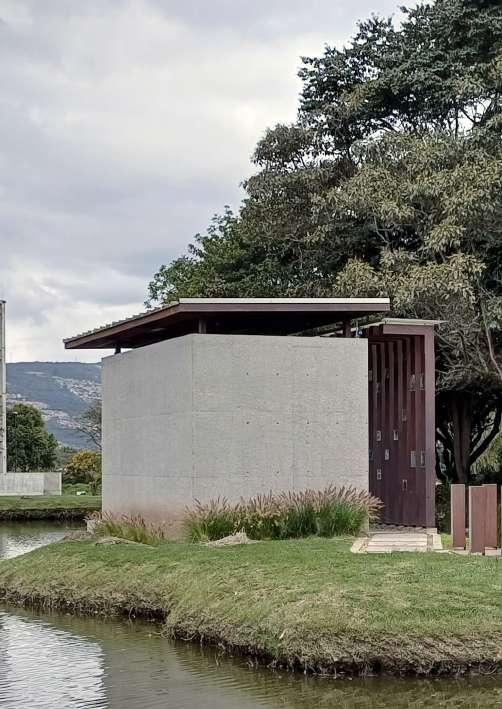
The fundamental concept for the architectural design and implementation of the project was the counterpoint, which refers to “the contrast between two things that happen simultaneously or that are found together”.
In the implementation of the volumes, it was sought to generate a contrast with the materiality of the ground through their simultaneous contact with land and water.
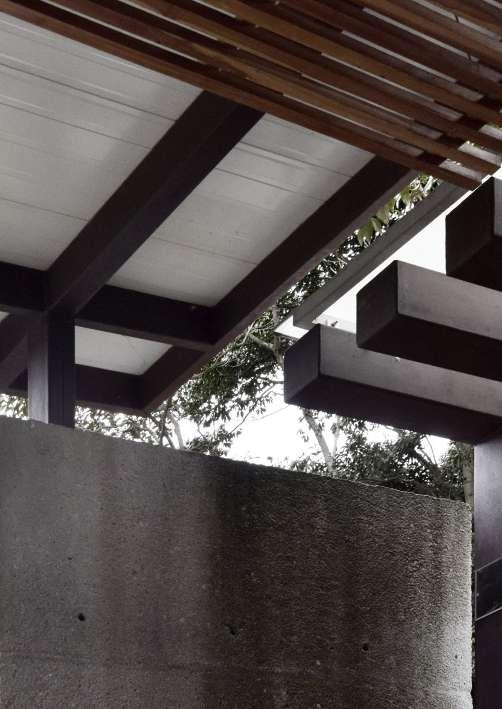
In terms of volumetry, an opposite is generated between the volumes by changing the perception of concrete, which in essence is a hard, rough, rectilinear and heavy material, and changing it to a soft, smooth, inflated, light and warm sensation. This was achieved through two elements.
EXPERIMENTATION
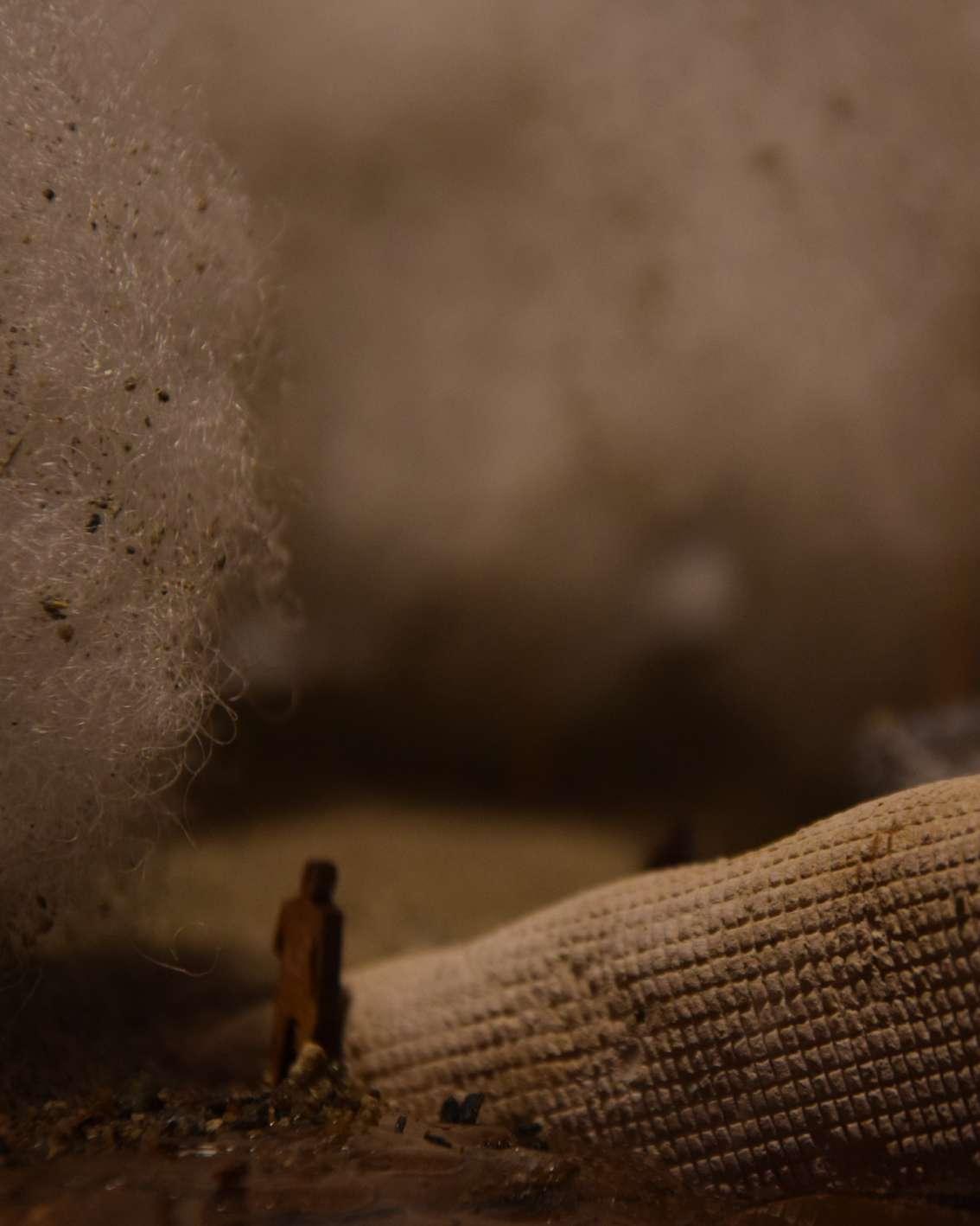
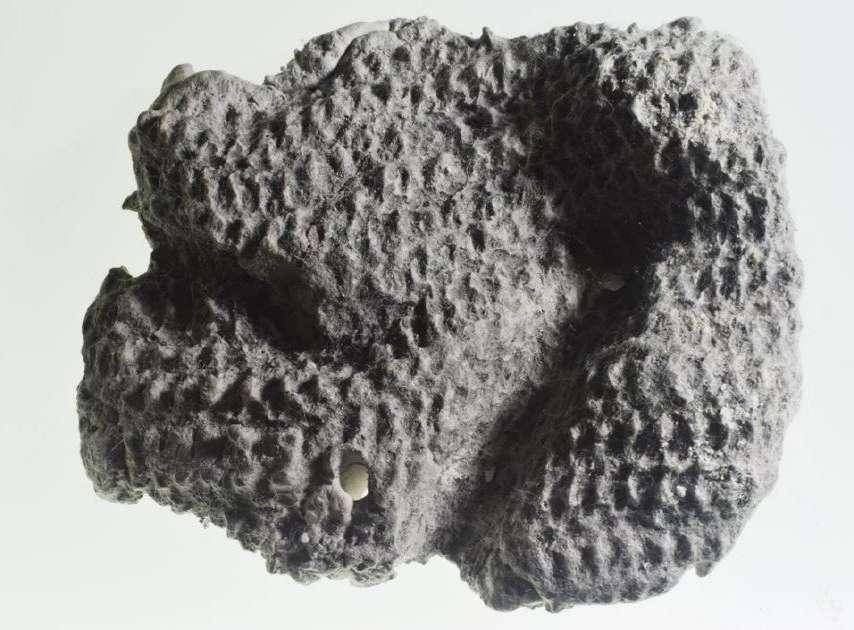
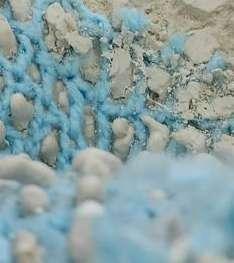
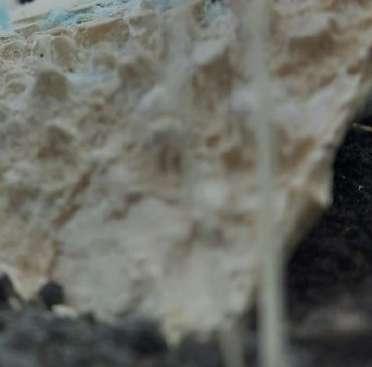
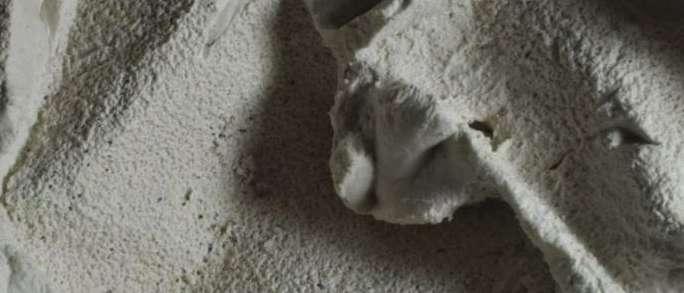
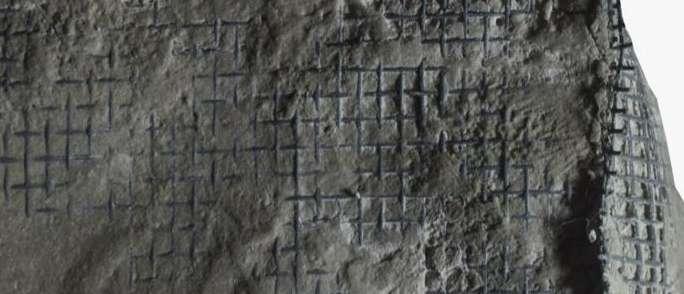
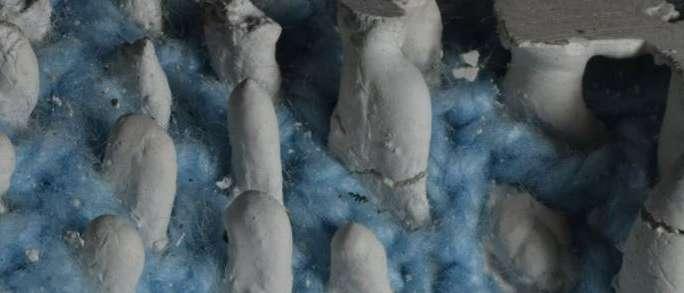
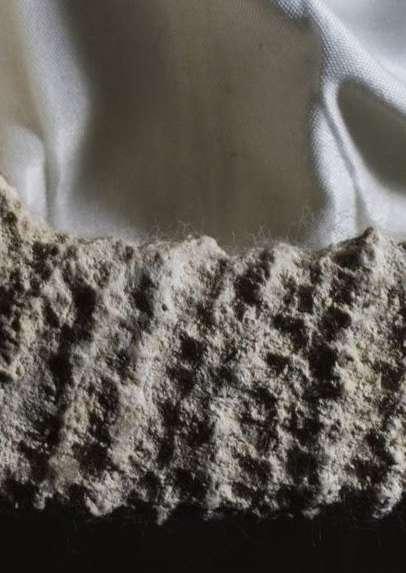
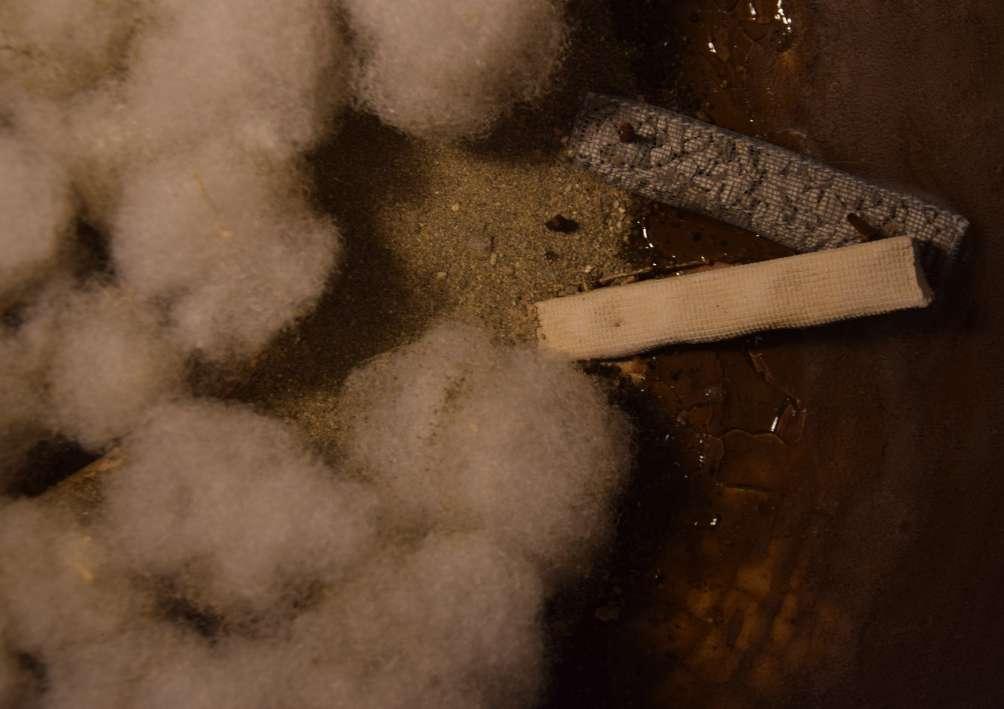
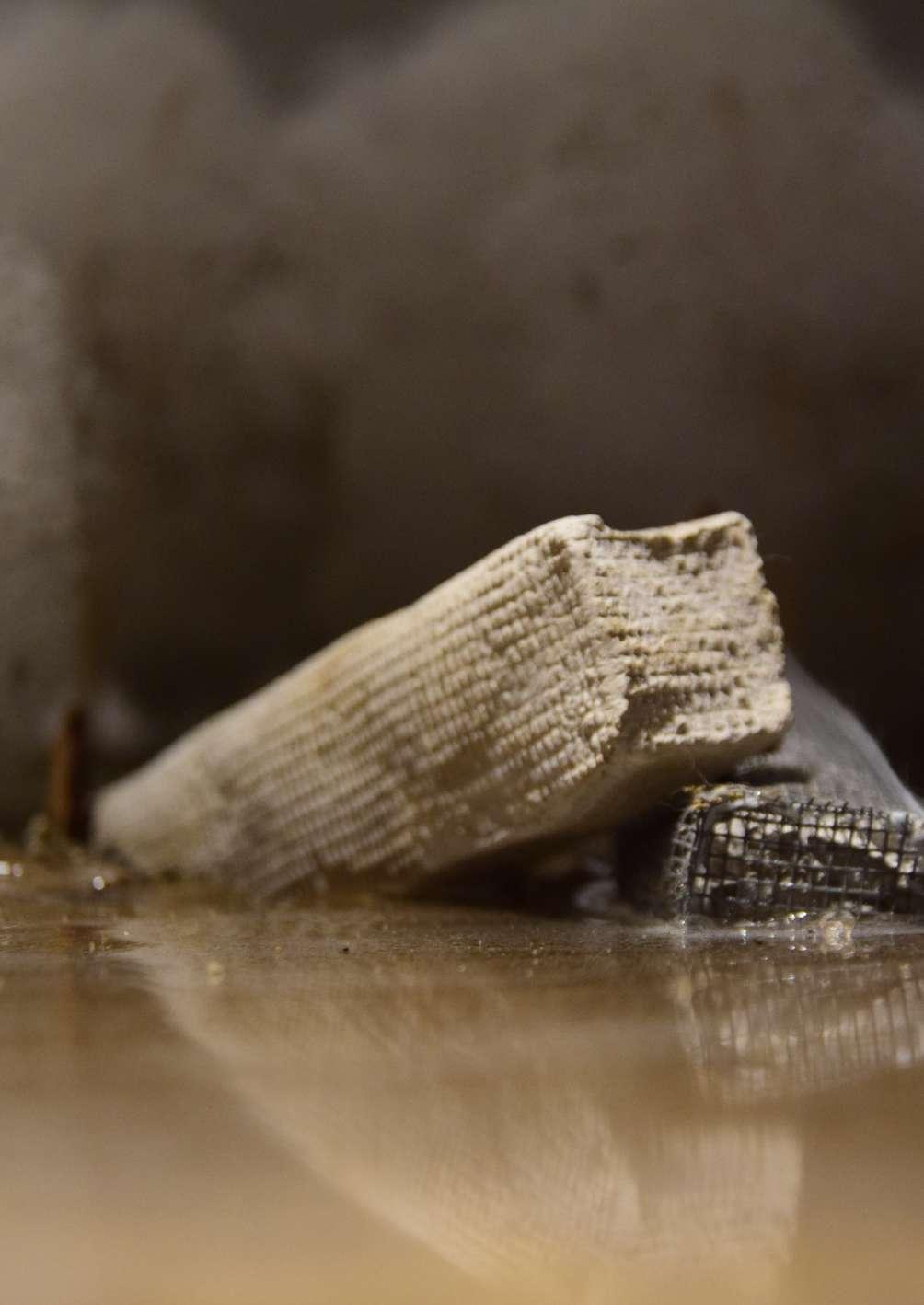
In order to understand the materials that we were going to implement, different concrete experimentations were carried out, through the use of fabric, wire and cardboard formworks. This would serve as a guide for handling and molding to use concrete to our advantage in the counterpoint project.
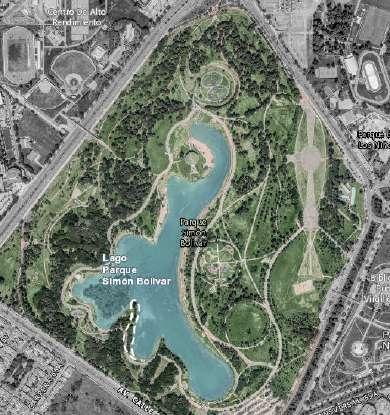
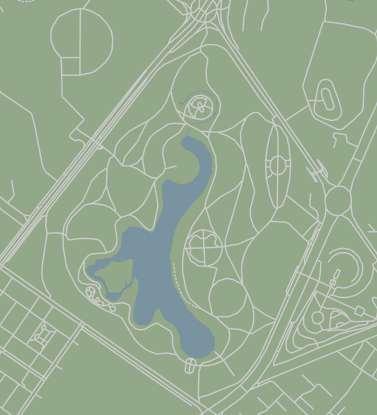
LOCATION: Simon Bolívar, Bogota D.C
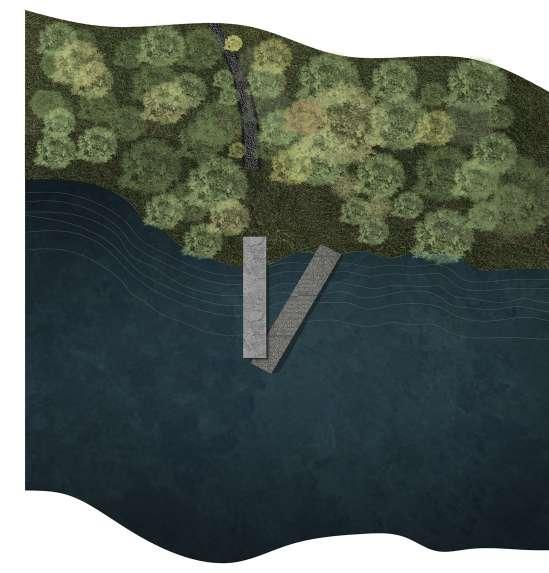
The project location is the Simon Bolivar Metropolitan Park. The “Contrapunto” pavilion is located 600 m away from the pedestrian entrance located on Pablo VI Avenue (53rd Street) in the area on the shore of the artificial lake (with a depth of approximately 2.3 m) and near the island located inside the park. PROPOSAL AND ANALYSIS
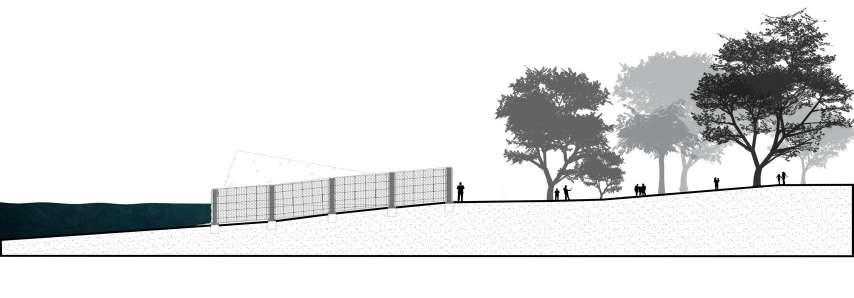
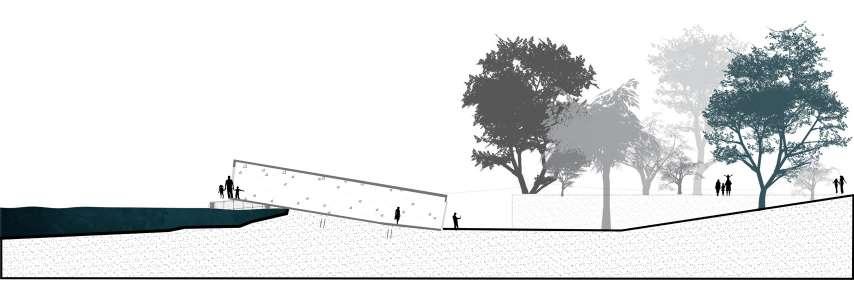
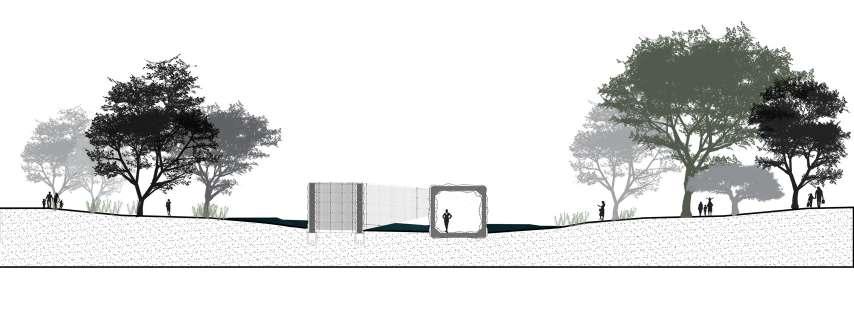
PROPOSAL:
THE MODEL
1. Concrete volume: Being a compact element, this is modified by changing the traditional rigid formwork for a flexible one, generating an inflated element, changing the hardness and texture of the material.
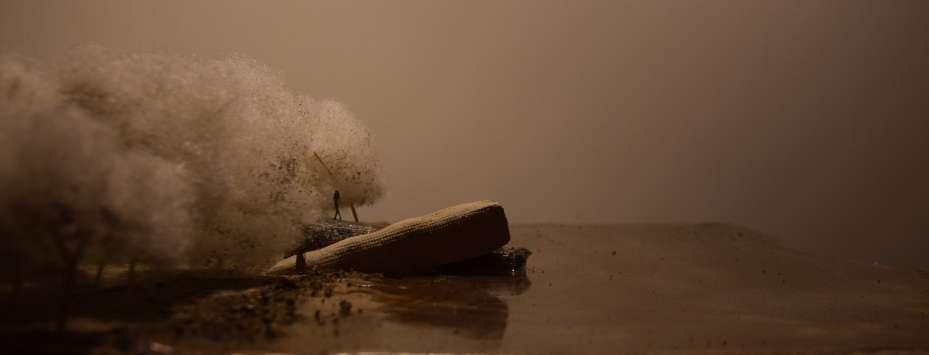
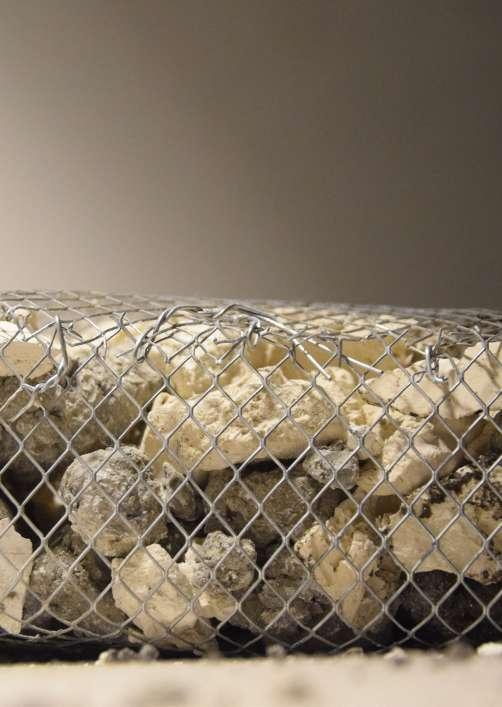
2. Volume in gabions: By changing the perception of concrete in its initial stage in its liquid state and seeing it in its final stage as rubble that can be reused. Furthermore, the implementation of a flexible mesh generates the sensation of being a soft and heavy element, allowing the passage of water and sunlight through the spaces generated between the rubble.
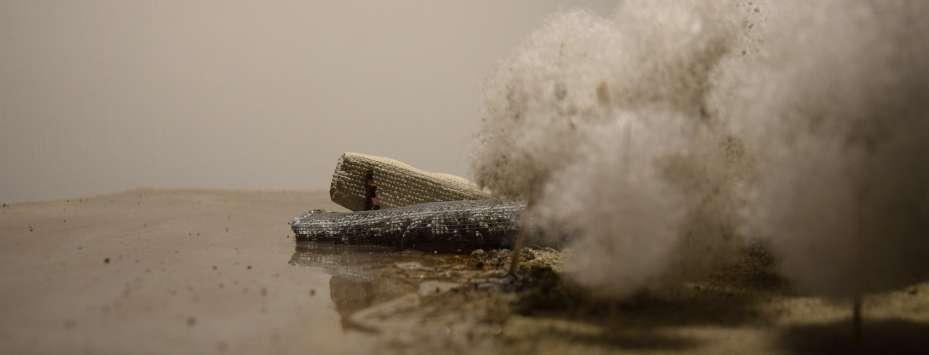
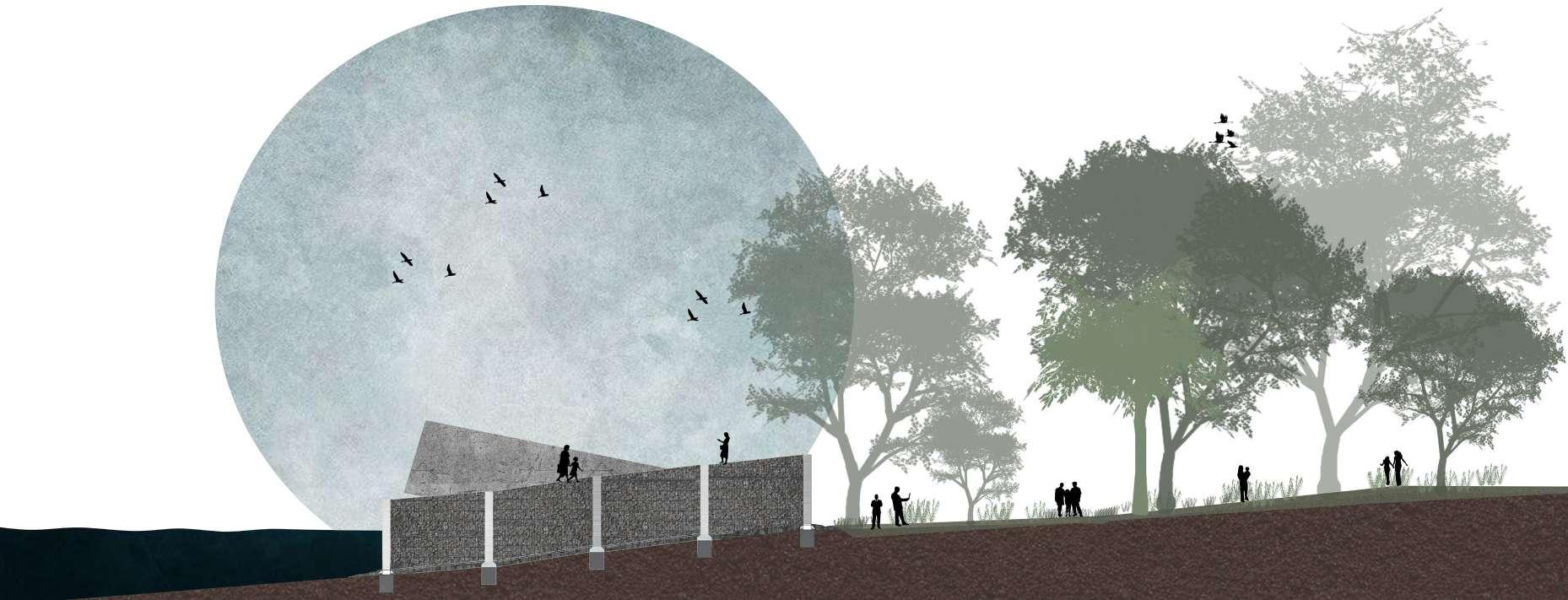
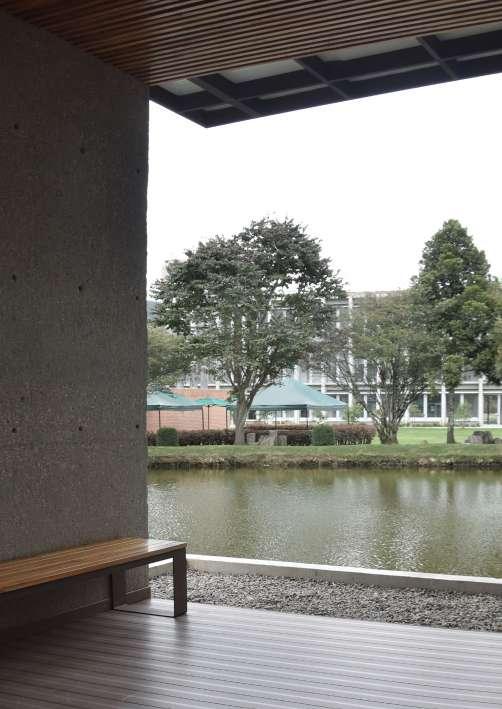
The first way to go through it is done with a deviation that leads to the pavilion and which while reaching the beginning of the volume the path is buried, this intervention is based on the creation of a sensory experience as a transition between earth and sky through a tunnel-like volume that is inside generates an effect of comfort by having inflated walls, simulating softness and softness.
The second tour is intuitive, through the green area and enters the volume of gabions (made with debris from other constructions, giving a new useful life to the material) having a flexible mesh and tensors generating thick but porous walls, inside this volume changes the experience by having the volume “flooded” by the lake due to permeability that give the gabions.
When locating the project, the first gesture for the design of the pavilion was to make a repetition of the modules (hexahedron) generating a grouping and then a subtraction in its interior, they are positioned parallel to each other but perpendicular in relation to the edge of the terrain, a 30° rotation is made to the volume of gabions generating an intersection with the solid concrete volume.
INTERWINING LIGHT
PROJECT:
MATERIALITY & ARCHITECTURE
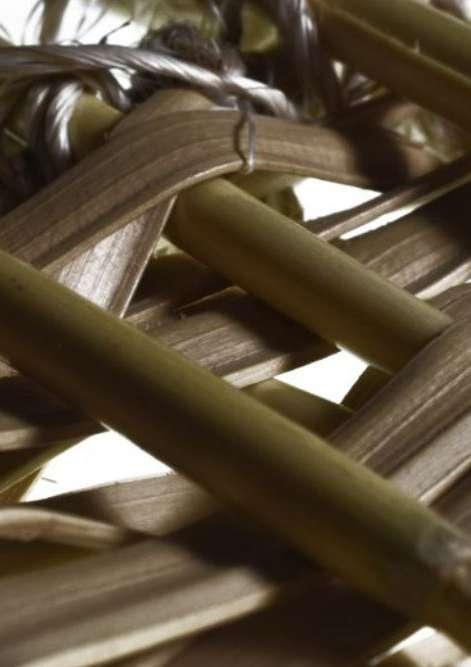
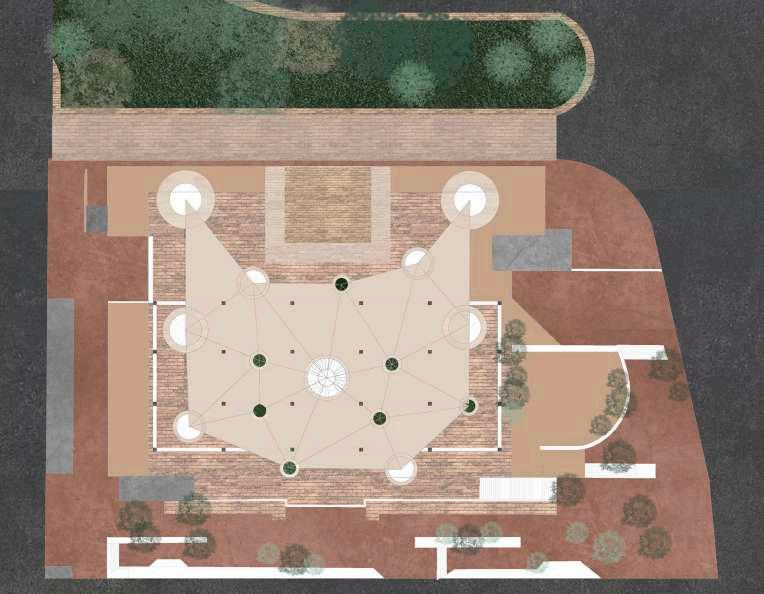
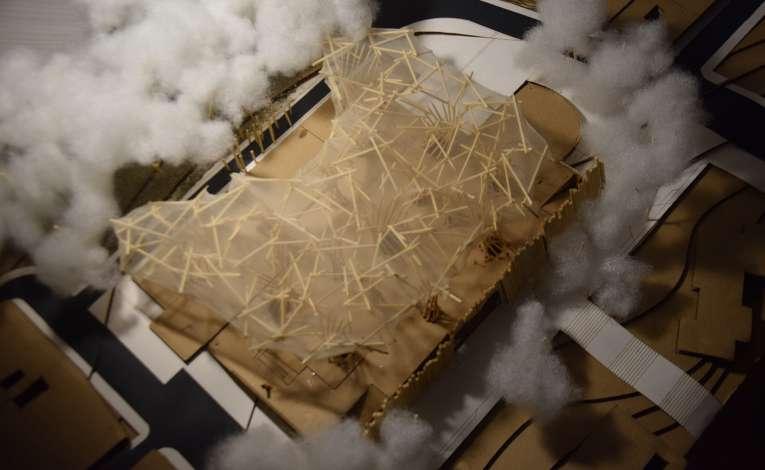
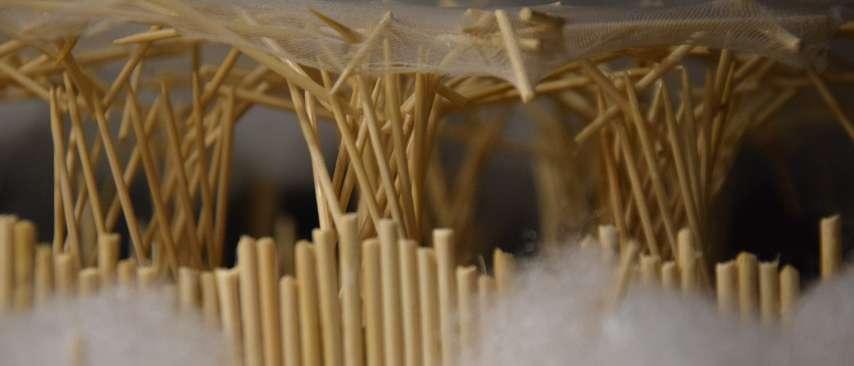
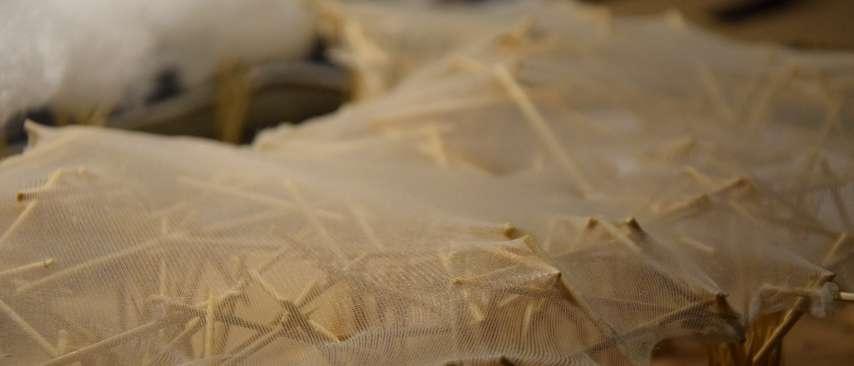
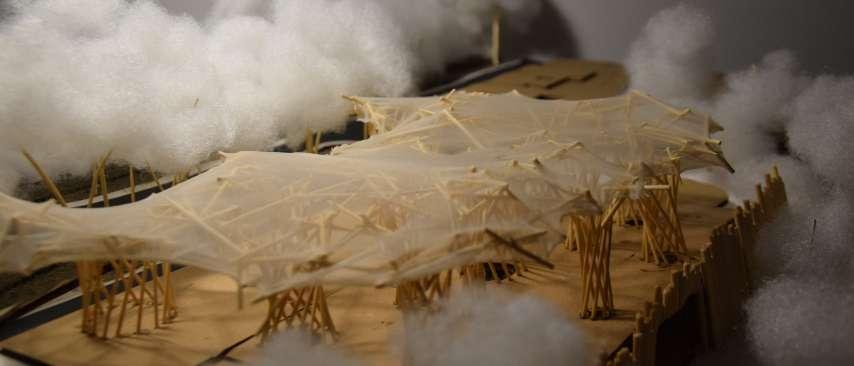
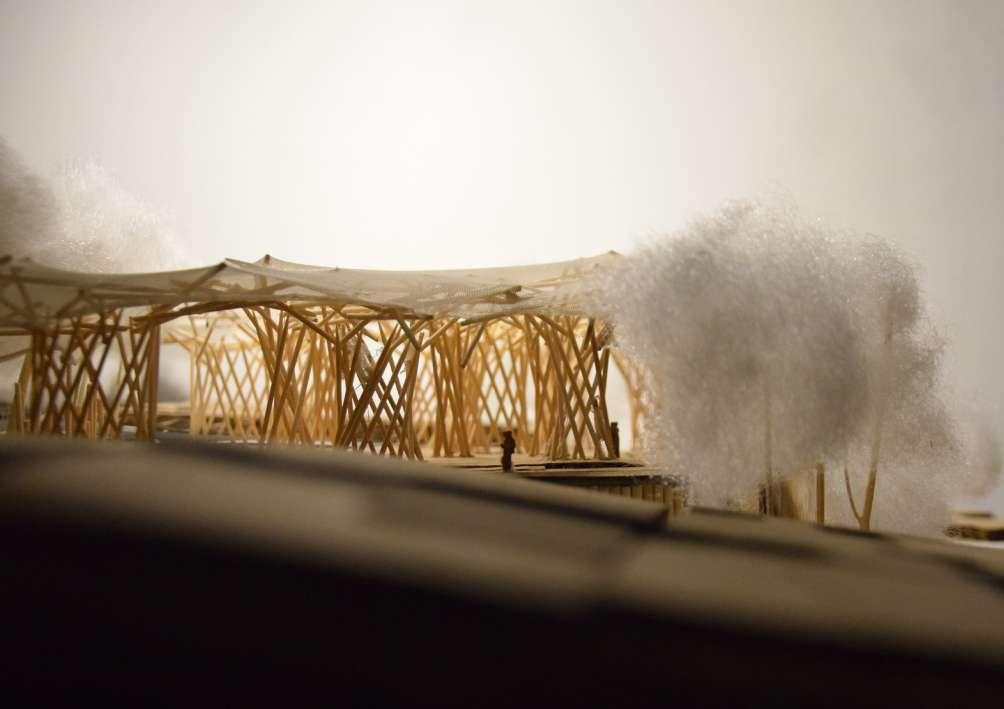
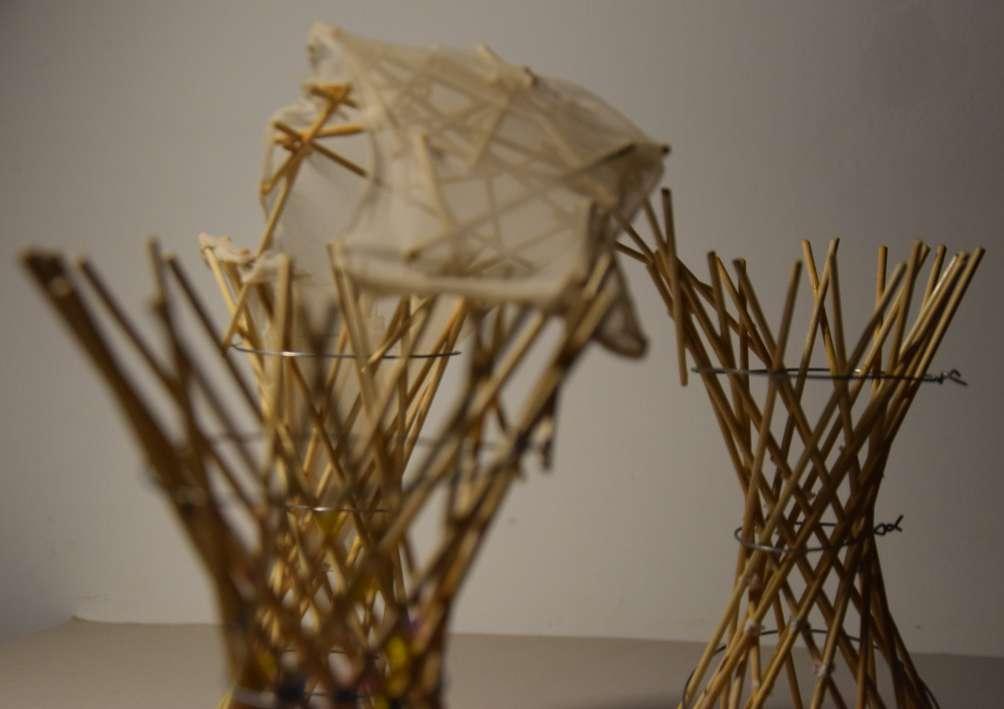
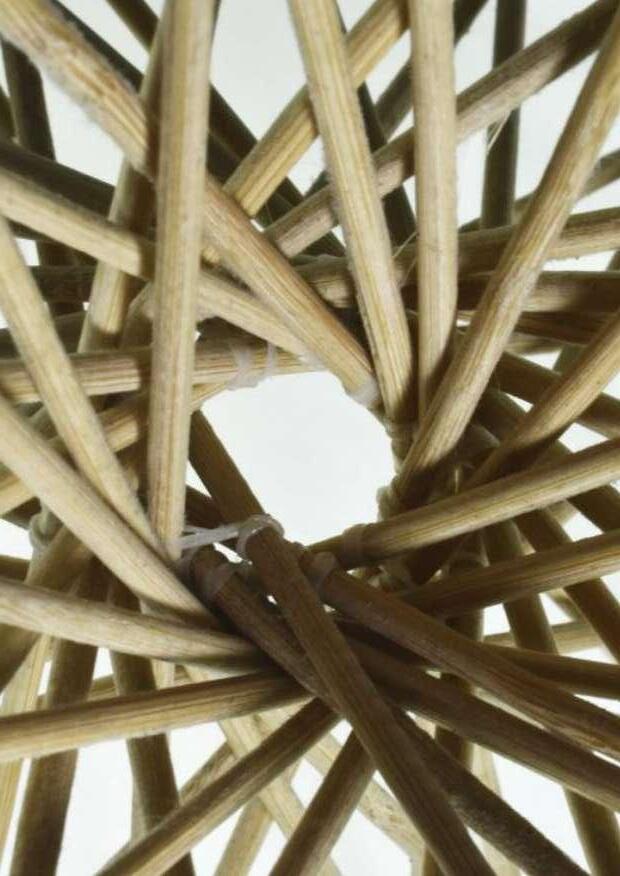
The proposal redesigns the Plaza de la Concordia’s cover, creating a space of light and shadow. It features a woven wooden framework with Tometo wood beams and a cover made from leftover formwork.
The hollow, tree-like columns, built with Capiron wood, allow for habitation by people or water. Medium: wooden sticks and white netting.
Involved promoting the use of recycled wood and optimizing the cover for effective water collection. This sustainable approach enhanced the structure’s functionality while maintaining its aesthetic appeal.
EXPERIMENTATION



LOCATION: Plaza la Concordia , Bogota D.C
PROPOSAL AND ANALYSIS
METAMORPHOSIS
PROJECT: MATERIALITY & ARCHITECTURE
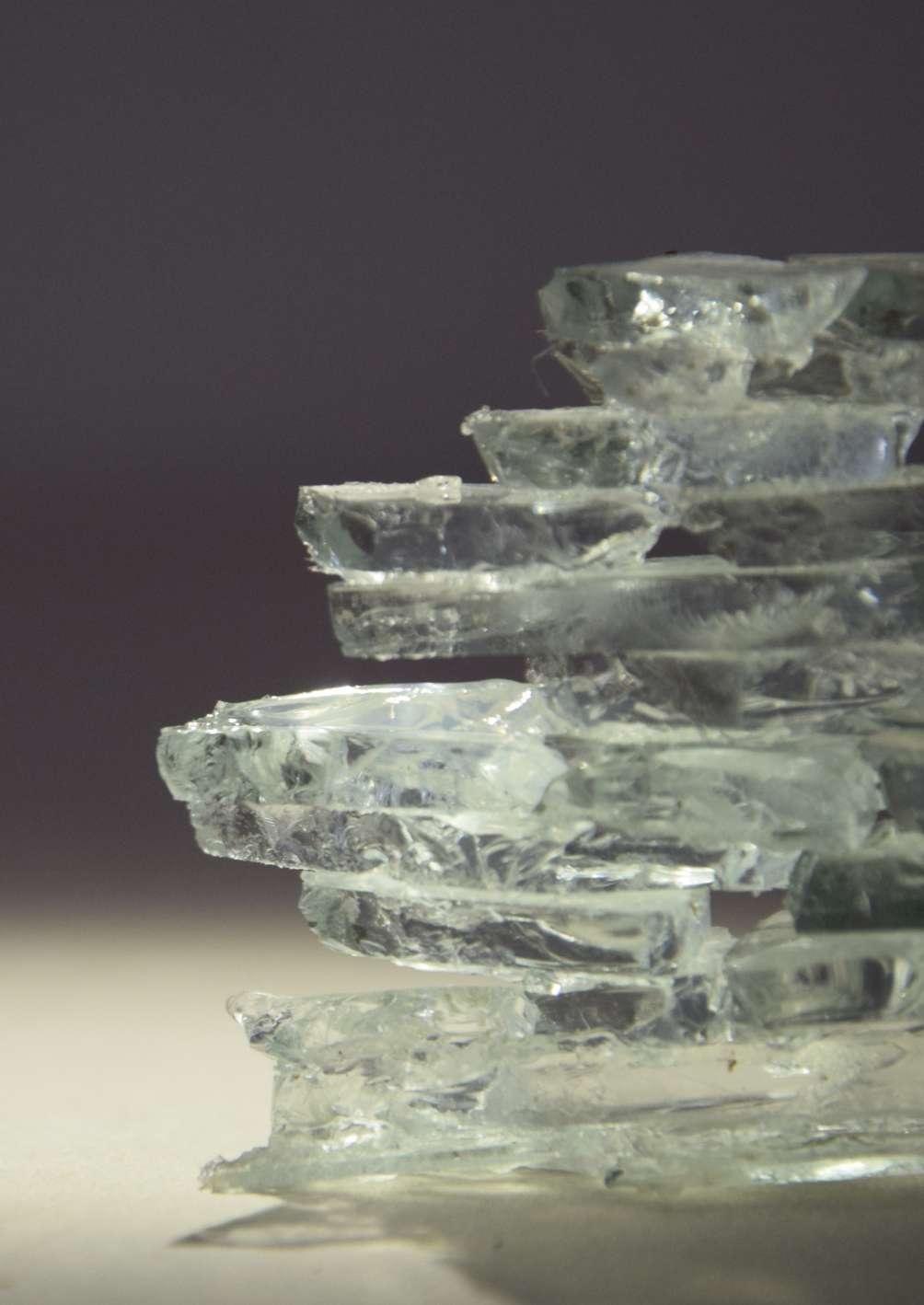
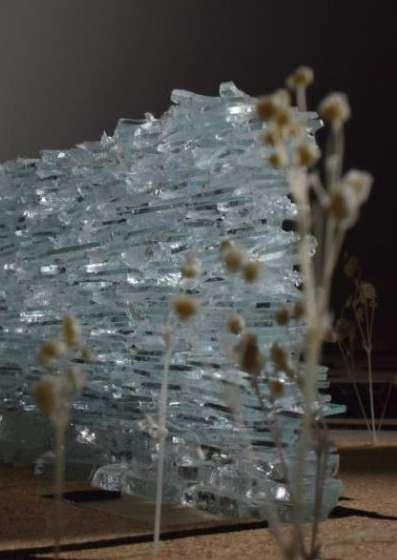
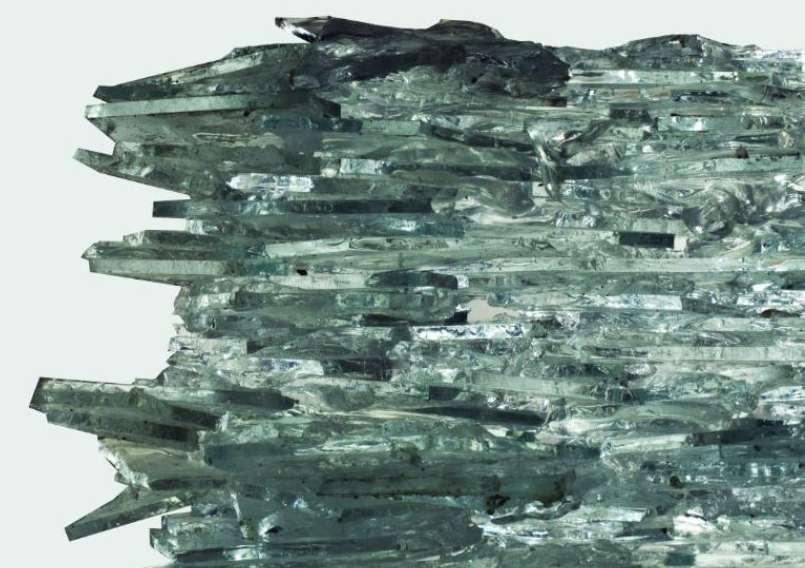
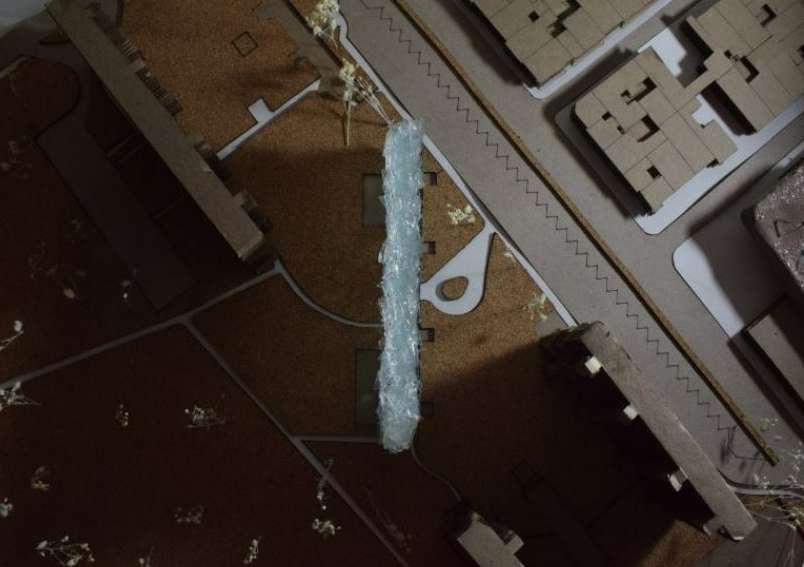
The proposal “Metamorphosis”, is so called because we understand glass as a material that appears to be fragile, but is actually very elastic and molds as a material that appears to be fragile, but in reality is very elastic and moldable under certain conditions.
The façade proposal is transformed into something extraordinary for the building. Where transparency is the guideline, by means of the superposition of the glass in a horizontal direction.
Creating a disorderly vision of the element at first glance, but as it is appreciated, the different modules that allow it to be the different modules that allow it to be configured, between the compactation of the material, they become private spaces and the more it is lightened, the more public the space becomes.
Allowing a transformation that is experienced with visuals, density and transparency
EXPERIMENTATION
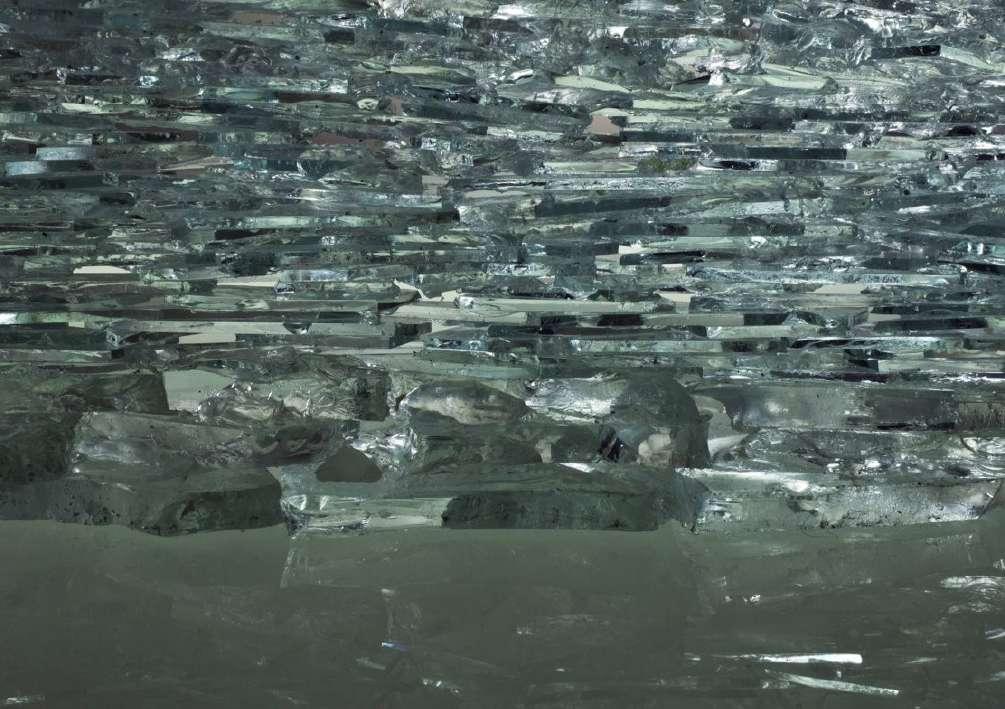
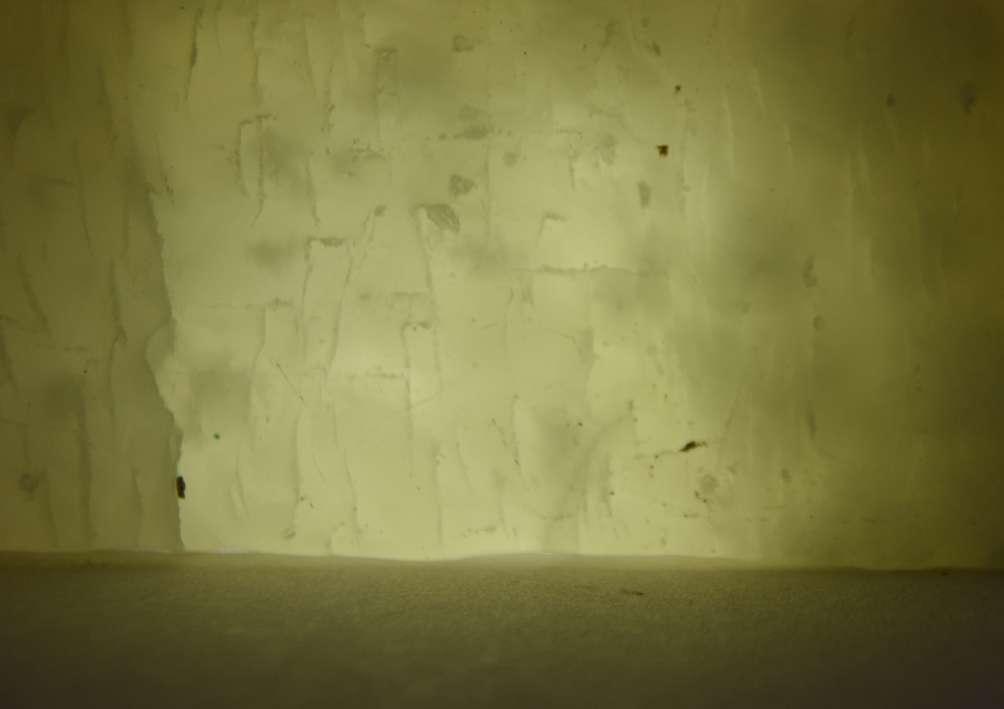
The Glass experimentation, involved creating experimental models using leftover materials like glass, plastic, and others to explore and play with textures. These experiments helped generate new ideas for the project’s materiality and surface finishes. Year: 2023
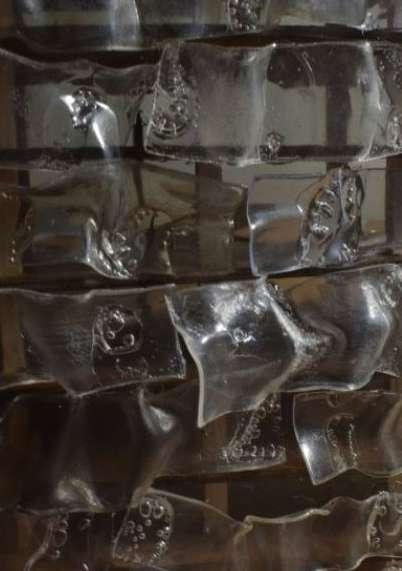
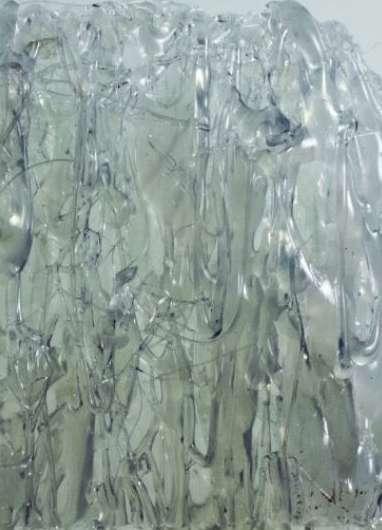
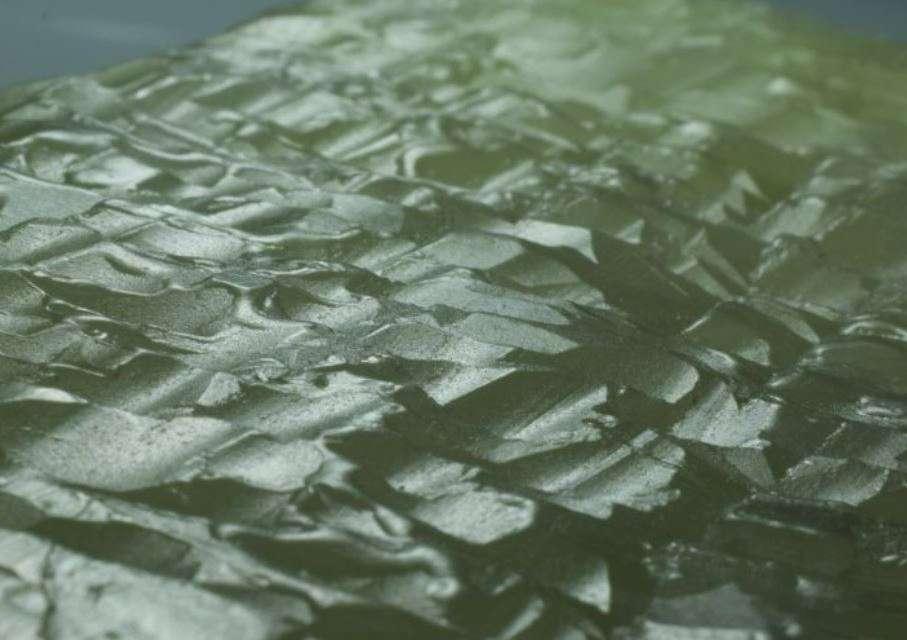
The proposal proposal showcases glass as an elastic and moldable material. The façade features horizontal glass layering, initially appearing disordered but revealing distinct modules up close. Compact sections create private spaces, while lighter areas offer public ones, transforming the experience through visuals, density, and transparency.
THE FUTURE OF CARVAJAL
PROJECT: URBAN CENTERS
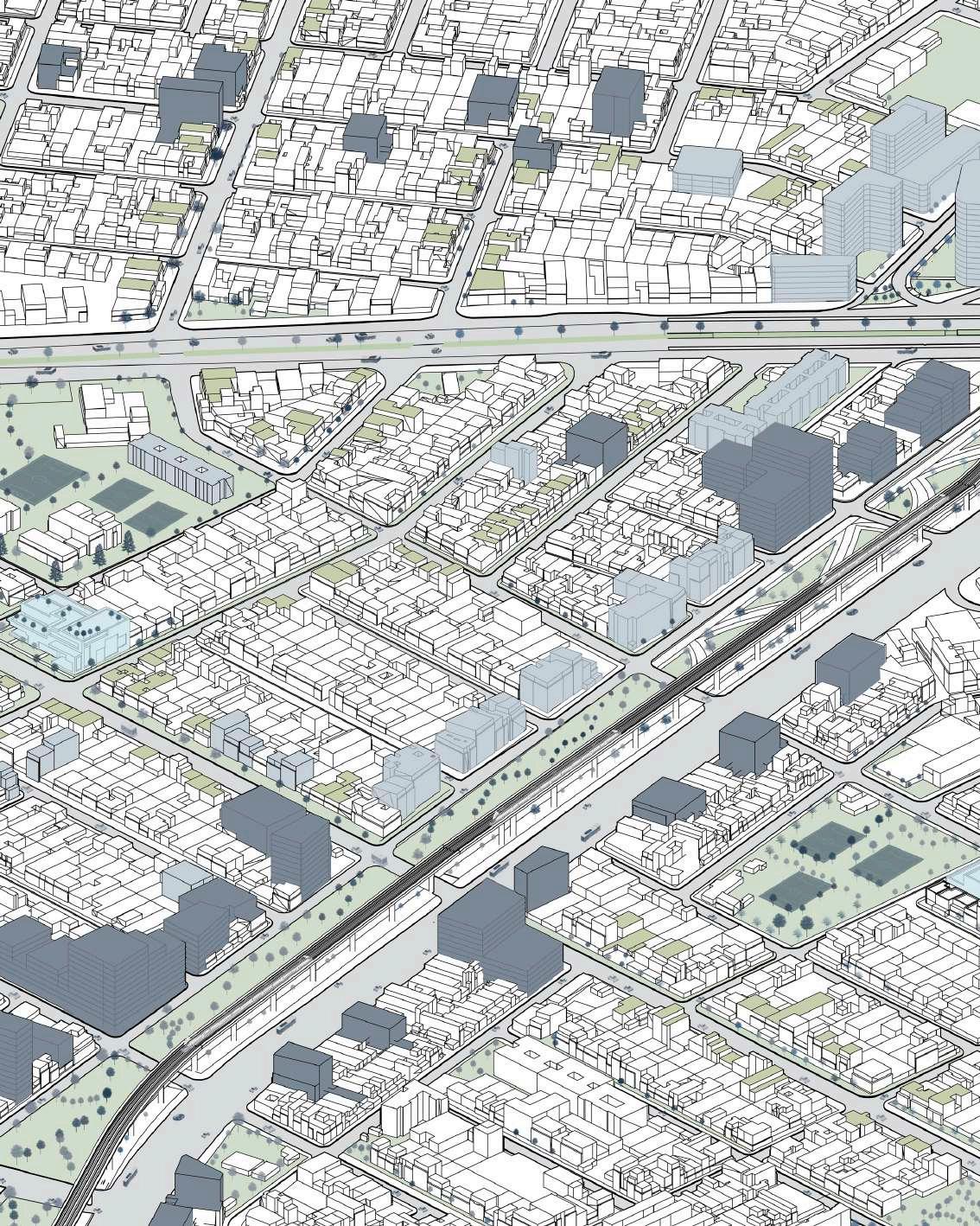
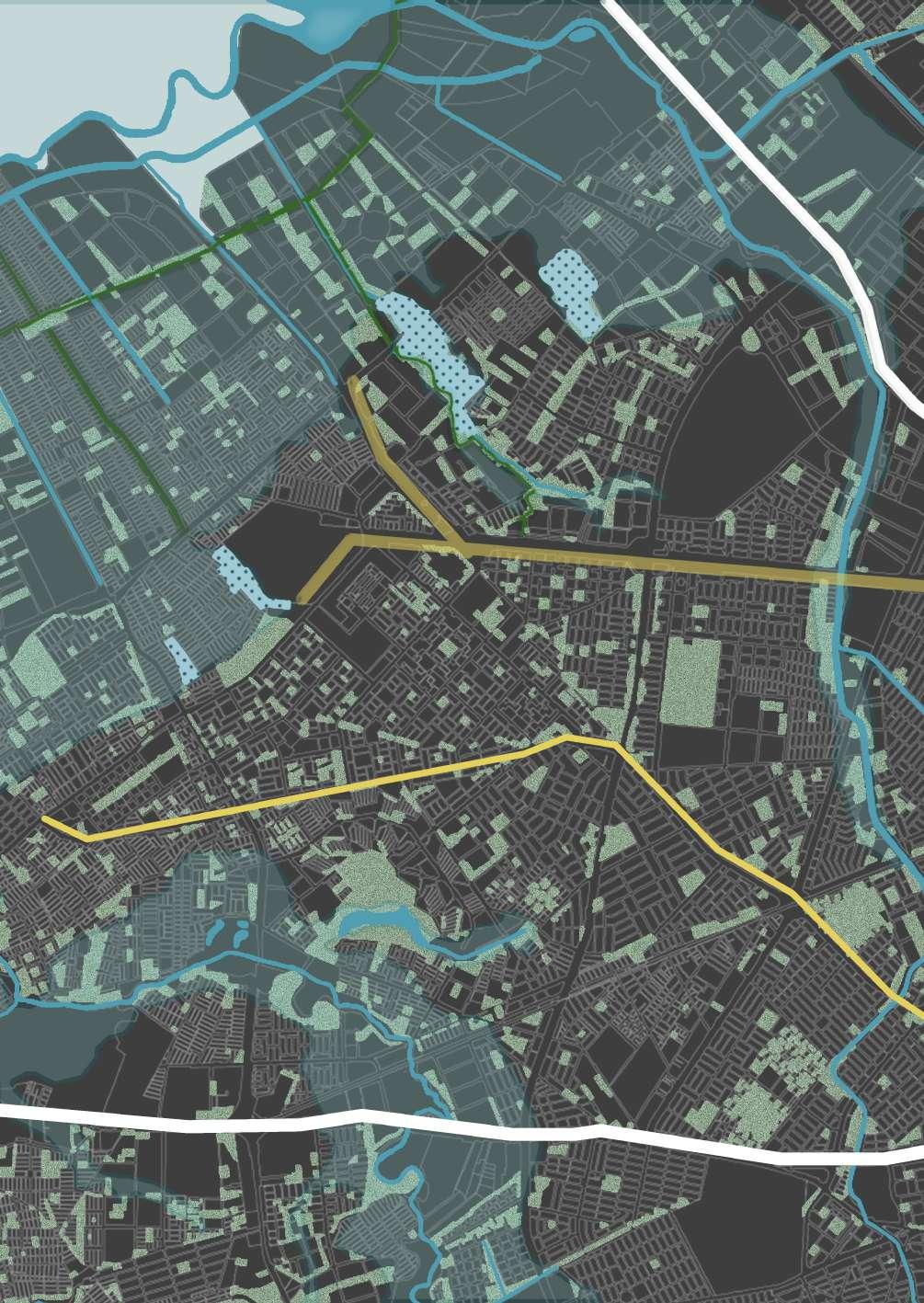
The Carvajal factory city project is an urban approach to this sector focused on the industries in the sector. Where the spaces of commerce, leisure, production are implemented for the complementation of the territorial dynamics for the benefit of the inhabitants. We rely on the bibliography Barrio tomado.
A historical investigation of a traditional neighborhood of Bogota, using a methodology based on the way the place has been inhabited and how each social actor generates transformation phenomena. The intention of this research is to be able to understand the phenomena that gives life to the sector of Carvajal.
With the goal of being able to build devices as a response to the identity of the sector and projecting into the future, through imagery that showed the synergy of activities that configured the flow of jobs, services and enjoyment. In the same way, these devices were proposed on the basis of production, mobility and innovation.
In short, the process carried out, developed the skills of creating cartographies and population analysis to be able to project urban changes based on the idea of generating spaces that exemplify what a factory city is.

LOCATION
PROPOSAL AND ANALYSIS
Objectives followed by the research:
1.To understand the way in which the sector is genetically hybridized and to follow a transformation.
2.To identify how the creation of the neighborhood has led it to an urban centrality focused on production.
3.To recognize the use of the properties and how this has configured the habitability of the space, giving life to leisure and nightlife.
CARVAJAL NEIGHBORHOOD OF KENNEDY
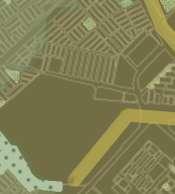
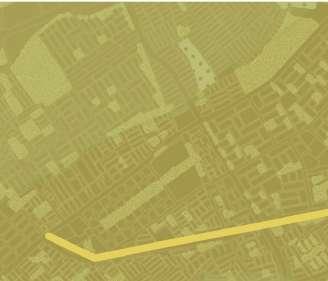

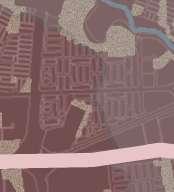
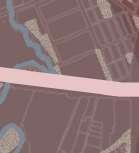
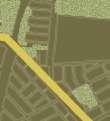

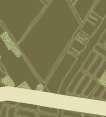
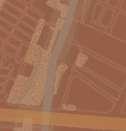


AREA OF STUDY:
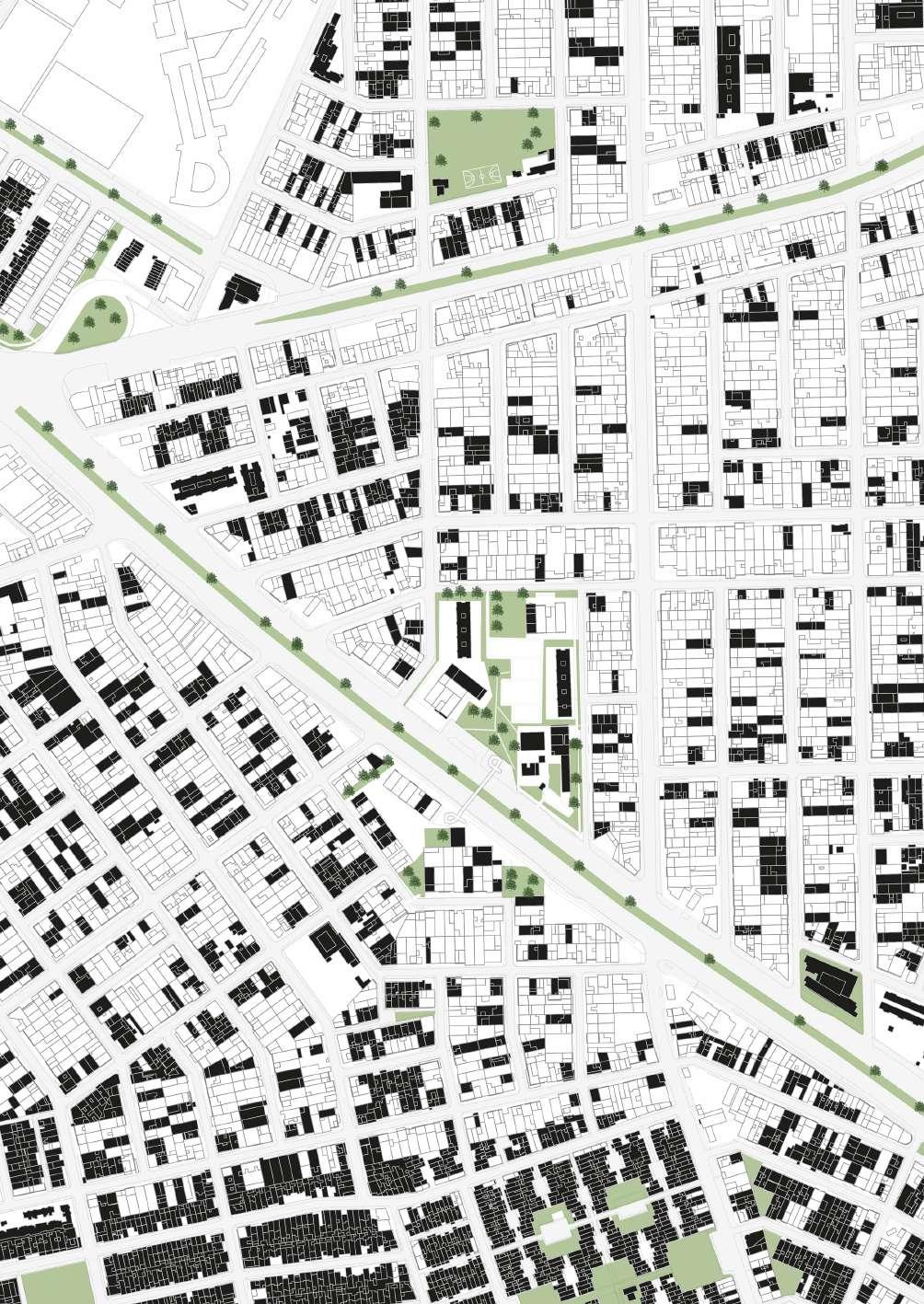
The Carvajal neighborhood was characterized by residential use, but through the transformations that arose in its surroundings with the construction of Av. 1 de Mayo, Boyacá and the construction of the first large shopping center in the south zone, it began a process of mutation to mixed uses and also consolidated as a sector of entry and processing of raw materials. Attracting a floating population that begins to generate a more diverse and agitated movement that begins to transform the urban dynamics and focuses on plastics industries, fabrics and on the other hand nightlife and leisure.
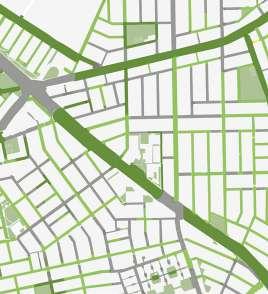
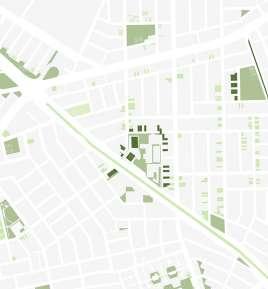
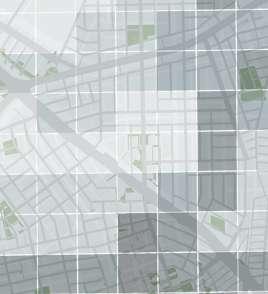
CONNECTIVITY OF THE GREEN NETWORK
PERMEABILITY OF THE GROUND PROXIMITY TO GREEN SPACES



GREEN AREA PER INHABITANT


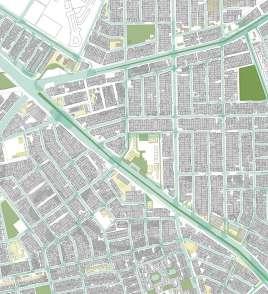
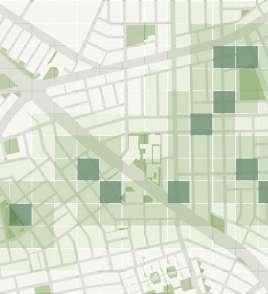
PROXIMITY TO CLEAN POINTS
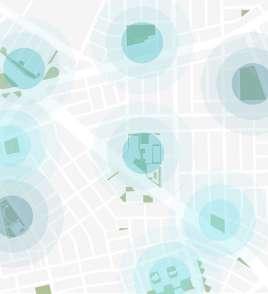
URBAN DENSITY OF HOUSING


INDUSTRY TYPOLOGY


DESIGN DEVICES
INNOVATION
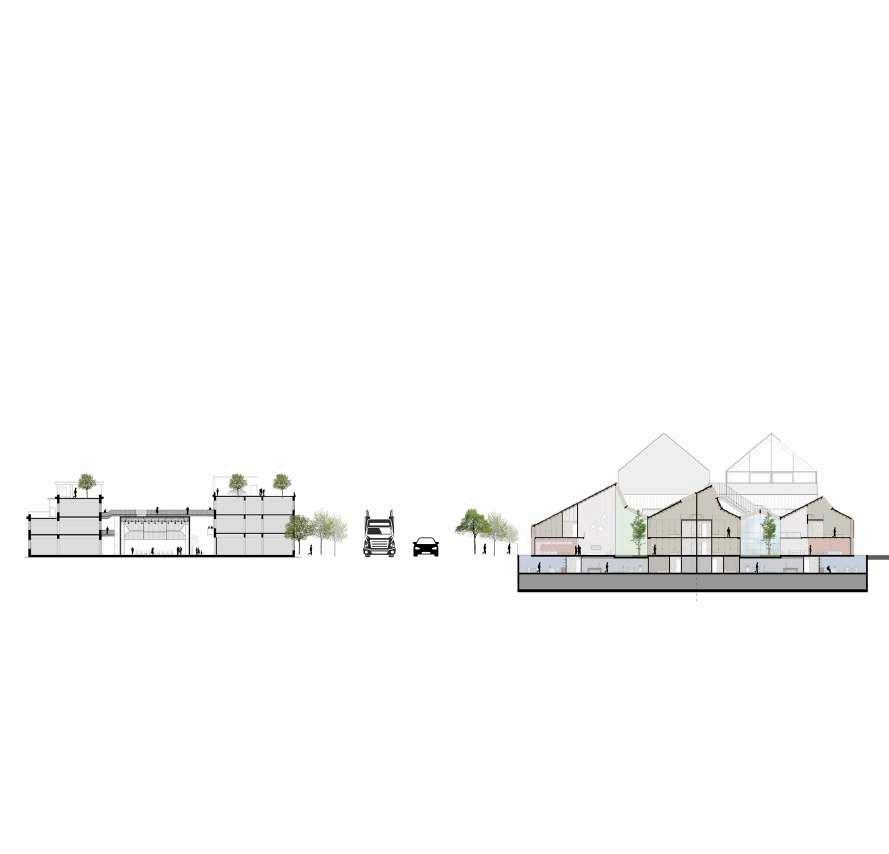
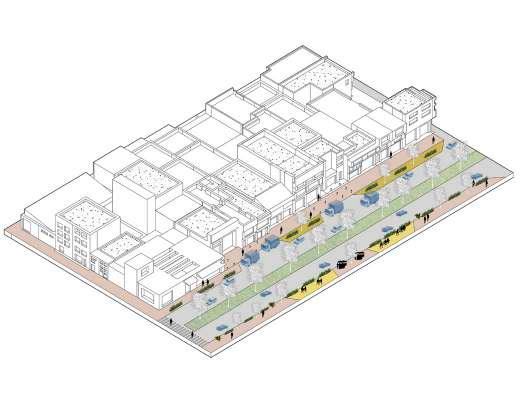
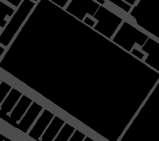
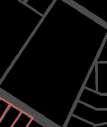
The road organization seeks to expand parking areas, signalize roads and create buffer spaces for industrial activities. Additionally, pedestrian zones will be implemented to create living fronts.
DEVICES IN ARCHITECTURAL PLANT
RENOVATION
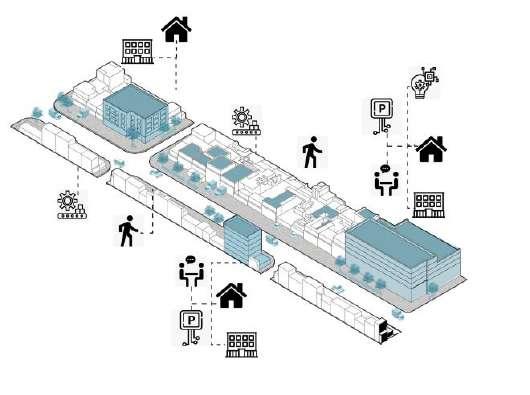
It is proposed to generate a synergy of activities for the configuration of workflows, services and enjoyment, through the combination of scales, which promote a variety of business types and facilitates the growth of the same - complementary productions - workflows - innovation spaces.
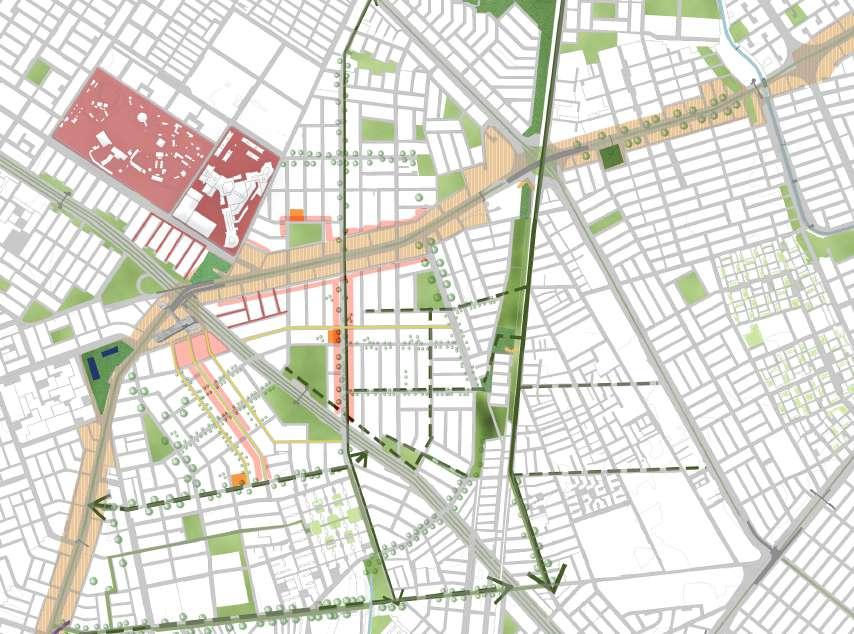
VISION
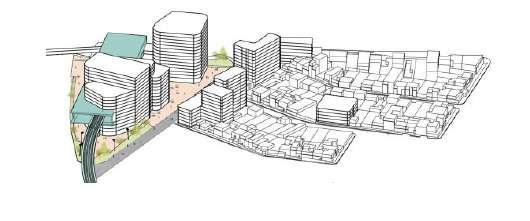
It seeks to consolidate an active edge system where activities of public interest are located, generating neighborhood centers, mixed streets where active transportation is prioritized (by bicycle and on foot), helping to densify and diversify these territories, beyond the currently prevailing timeless activities (motels and bars). ACTIVE EDGE
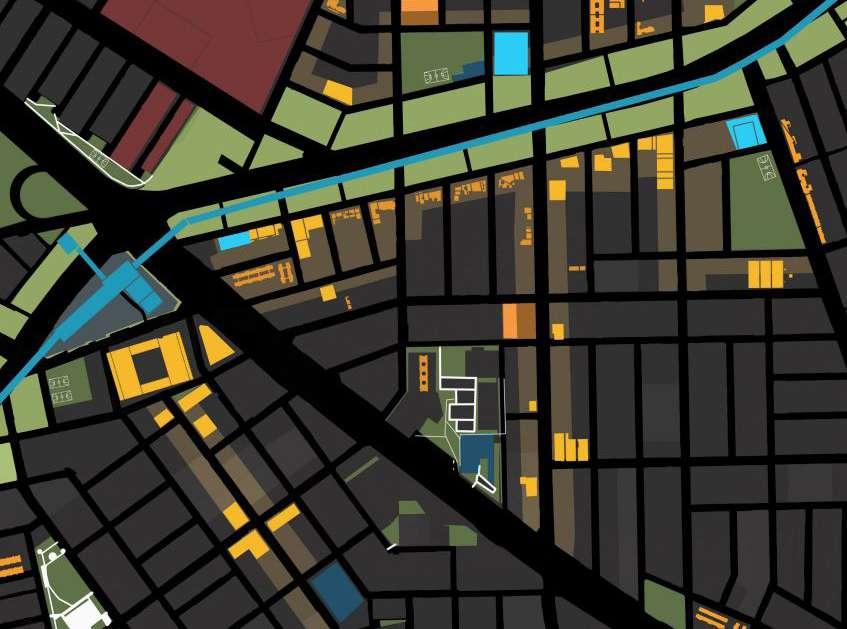
PROPOSAL FOR THE FUTURE
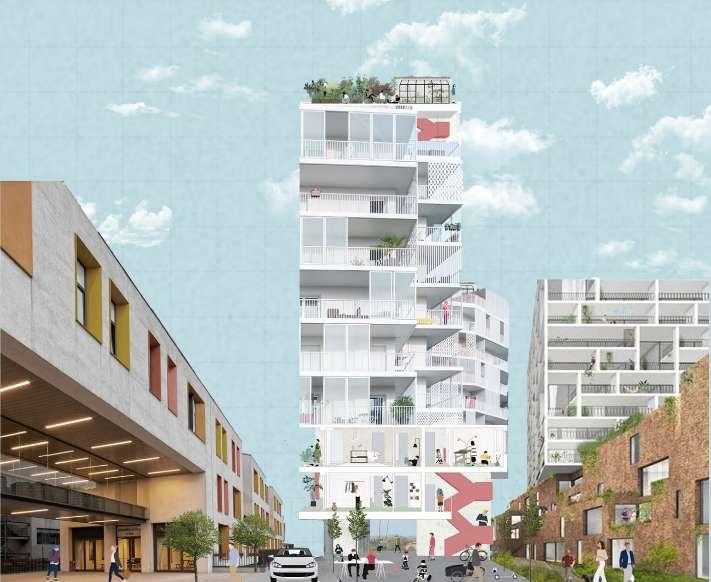
IMAGINARY
Carvajal is an articulator of services that understands the dynamics of production (auto parts manufacturing, plastic materials, metal coating) and adapts from them, it is a territory that interconnects different systems in an emergent way, from the productive agglomeration subsystems that transform the territory.
With this in mind, the distribution of land uses and building typologies are adjusted to the 3 aforementioned devices, in order to develop the Carvajal sector towards a manufacturing, productive, organized and identity-driven city in the same neighborhood.
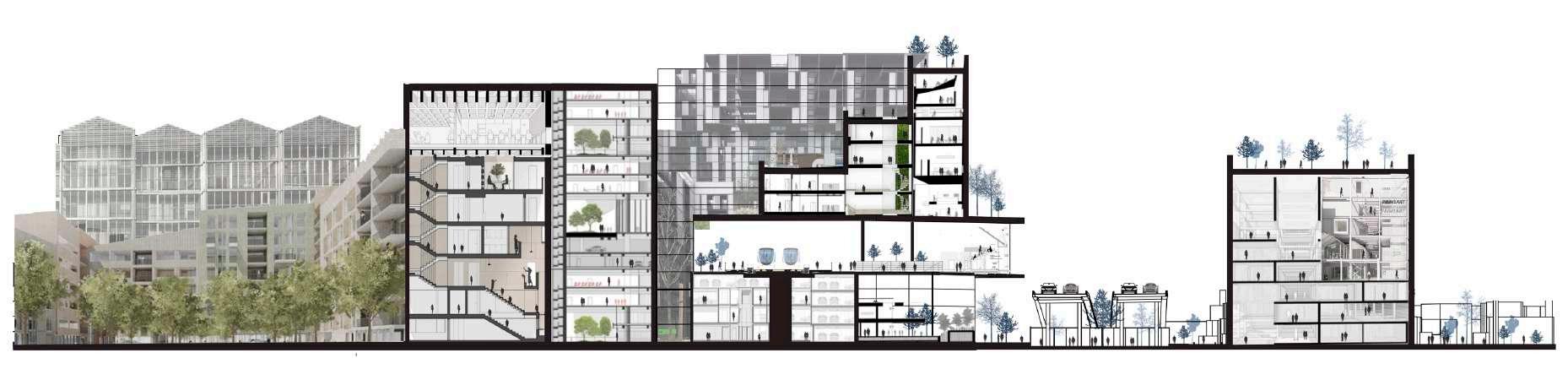
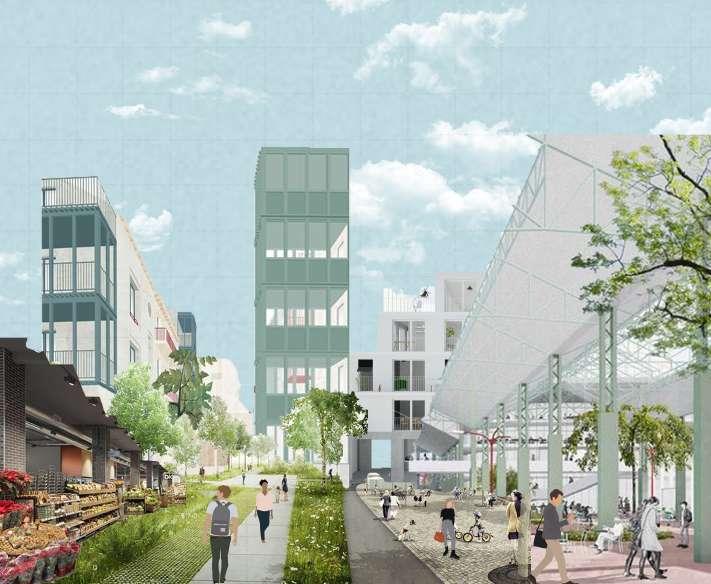
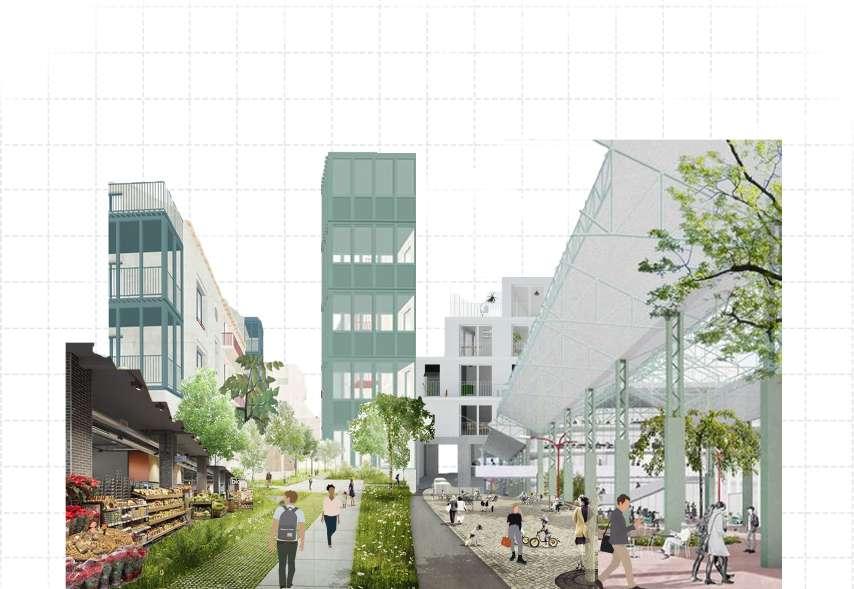
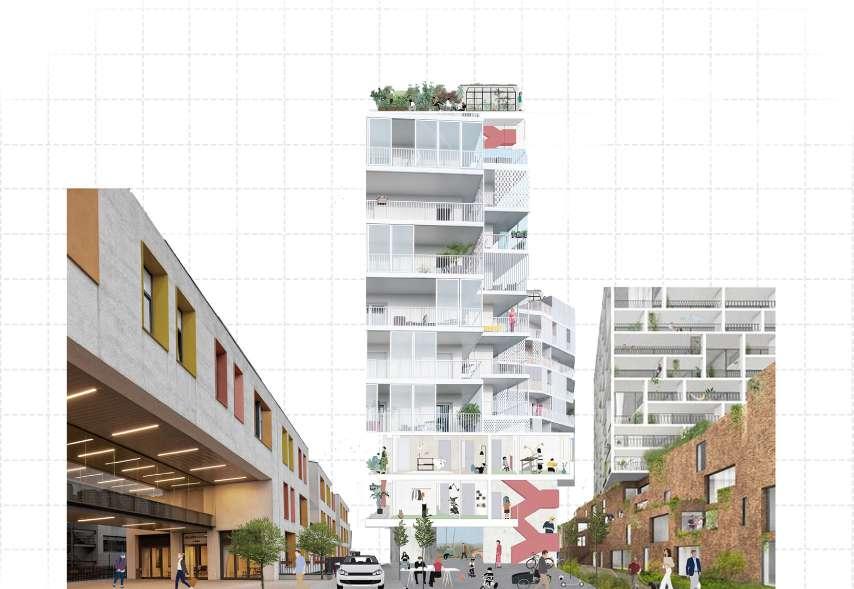
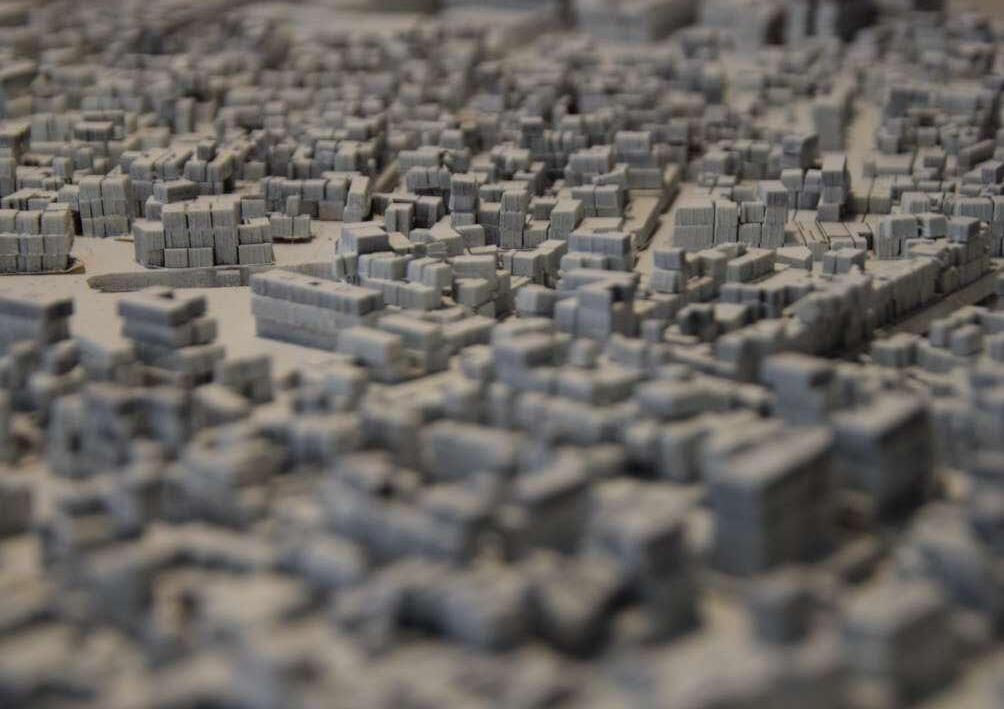
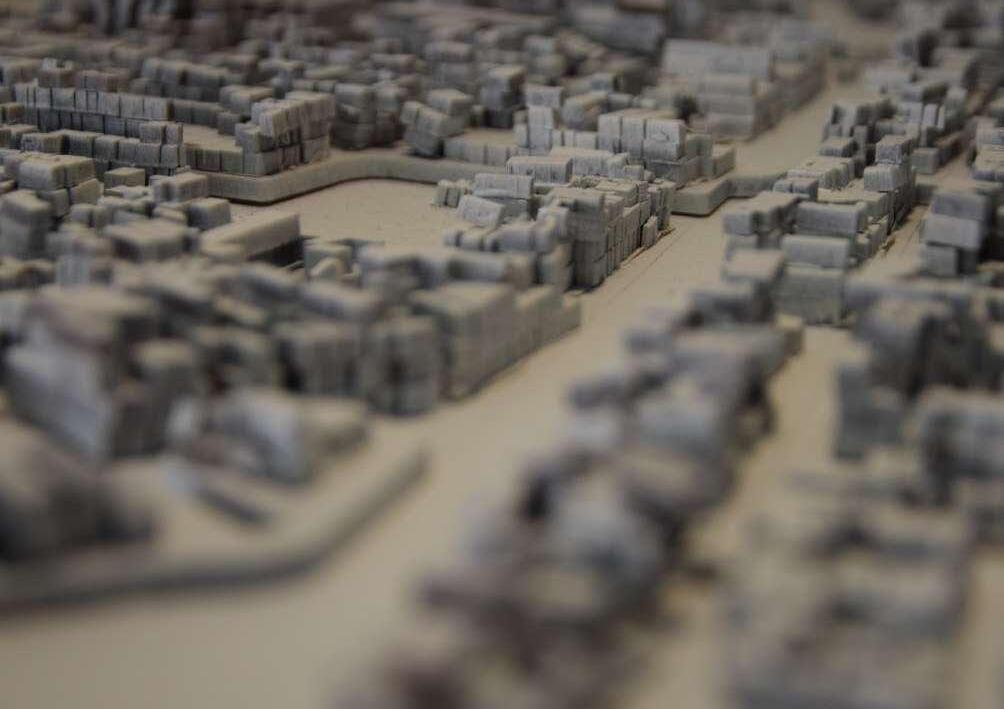
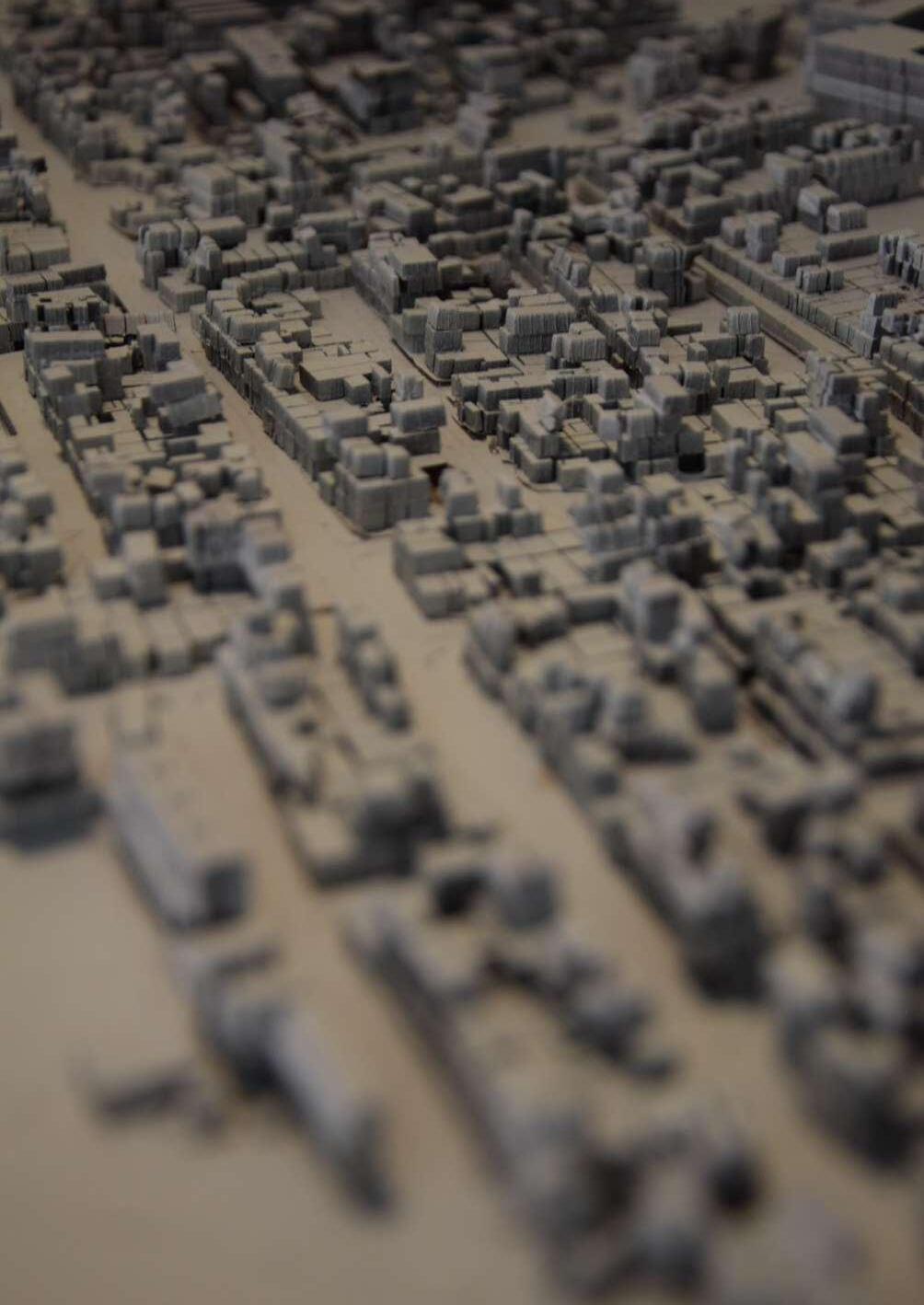
MODEL OF THE CARVAJAL NEIGHBORHOOD
ARTISTIC EIXO
PROJECT: NEW TERRITORIES
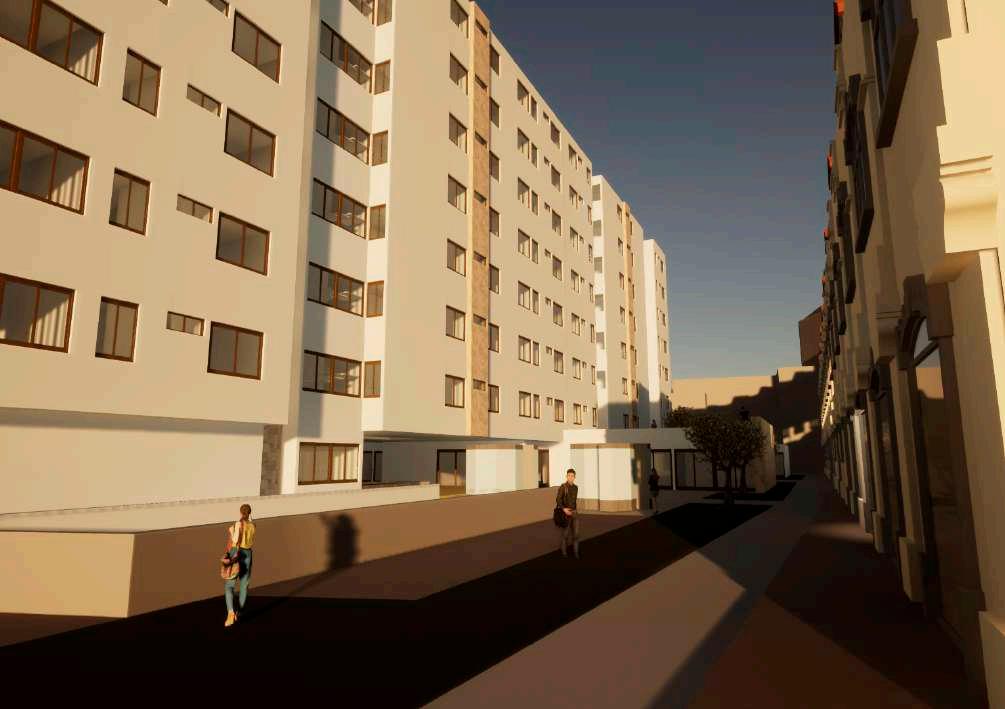
The project is articulated through axes, which create a circulation around the different spaces focused on art (visual, tactile, sound), as a space that works circularly, where art is worked and taught, where it is then exhibited in the public sphere and ultimately marketed, creating these cores that work with each other.
The purpose of this is to give students and artists of the area experience the communal way of working and how this can contribute to their learning.
Taking into account different artistic points and forms of expression with which they can be worth economically and creatively.
Ultimately we also give them other leisure spaces, such as outdoor meeting spaces, physical training spaces and playgrounds for the population of the area which in the future there will be a children’s garden.
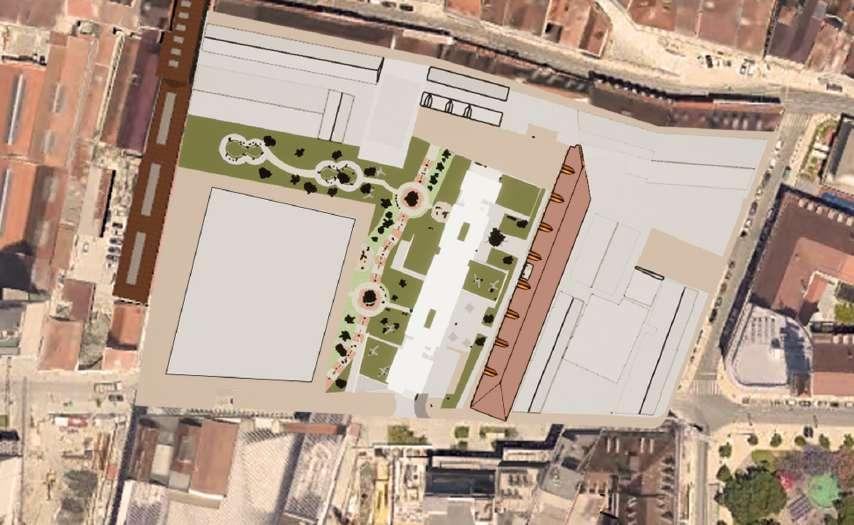
LOCATION: Lisboa, Portugal
ANALYSIS & GENRAL PLAN
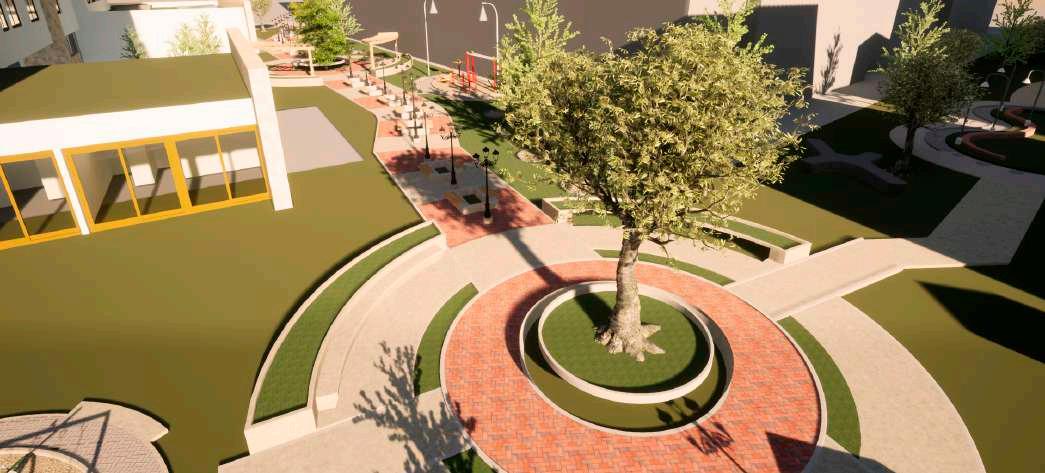
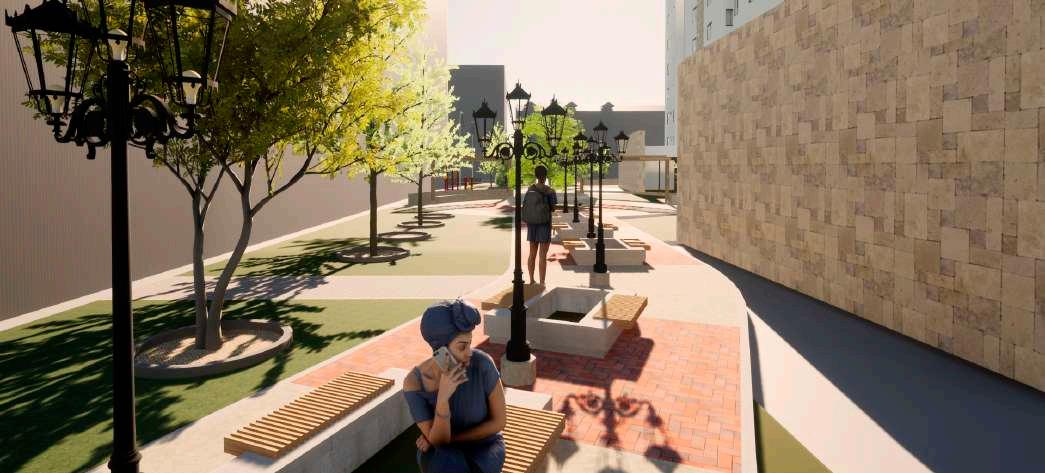
The public space seeks to connect through axes, the activities of building a and b, where it creates square spaces for artistic intervention. On the other hand, the articulation between the public road and the buildings, is guided by a path and a space of stay that are balanced to create a passage full of green. Ultimately this creates a gathering space for audio and visual arts, where artists can intervene and be seen in the open air, which can attract spectators.
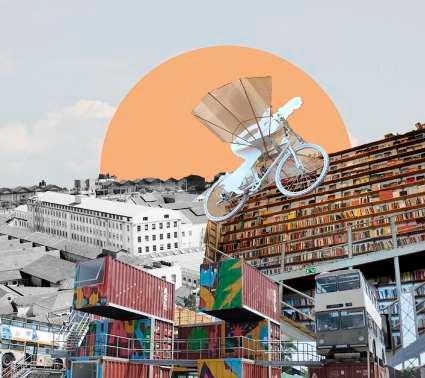
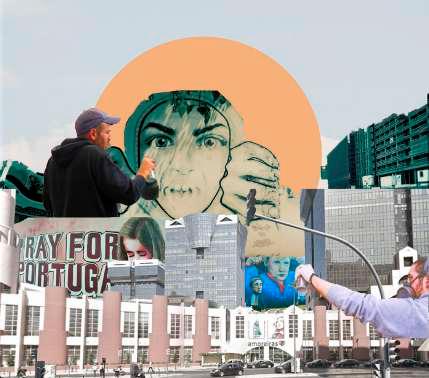
CONTEXTUALIZATION IMAGINARIES OF LISBON
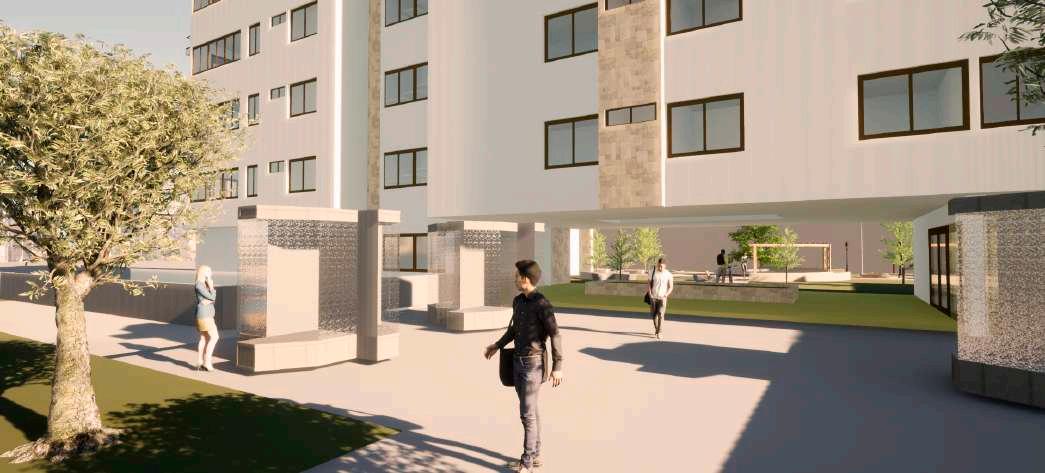
RENDERS OF THE PROJECT
PROJECT:
MODEL & IMAGINARY: BUILDING B
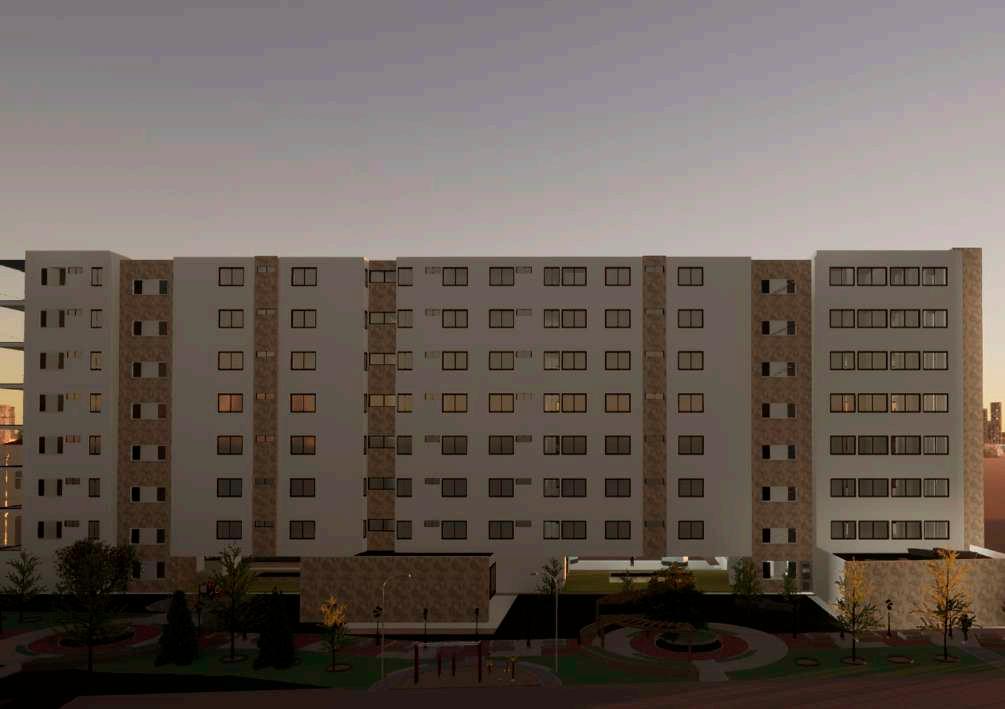
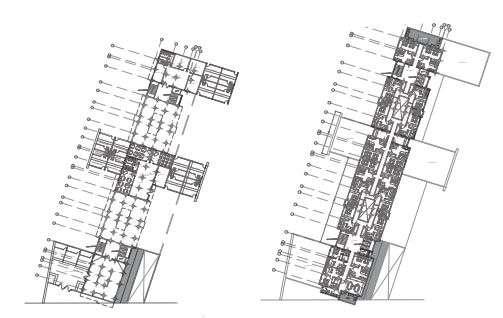
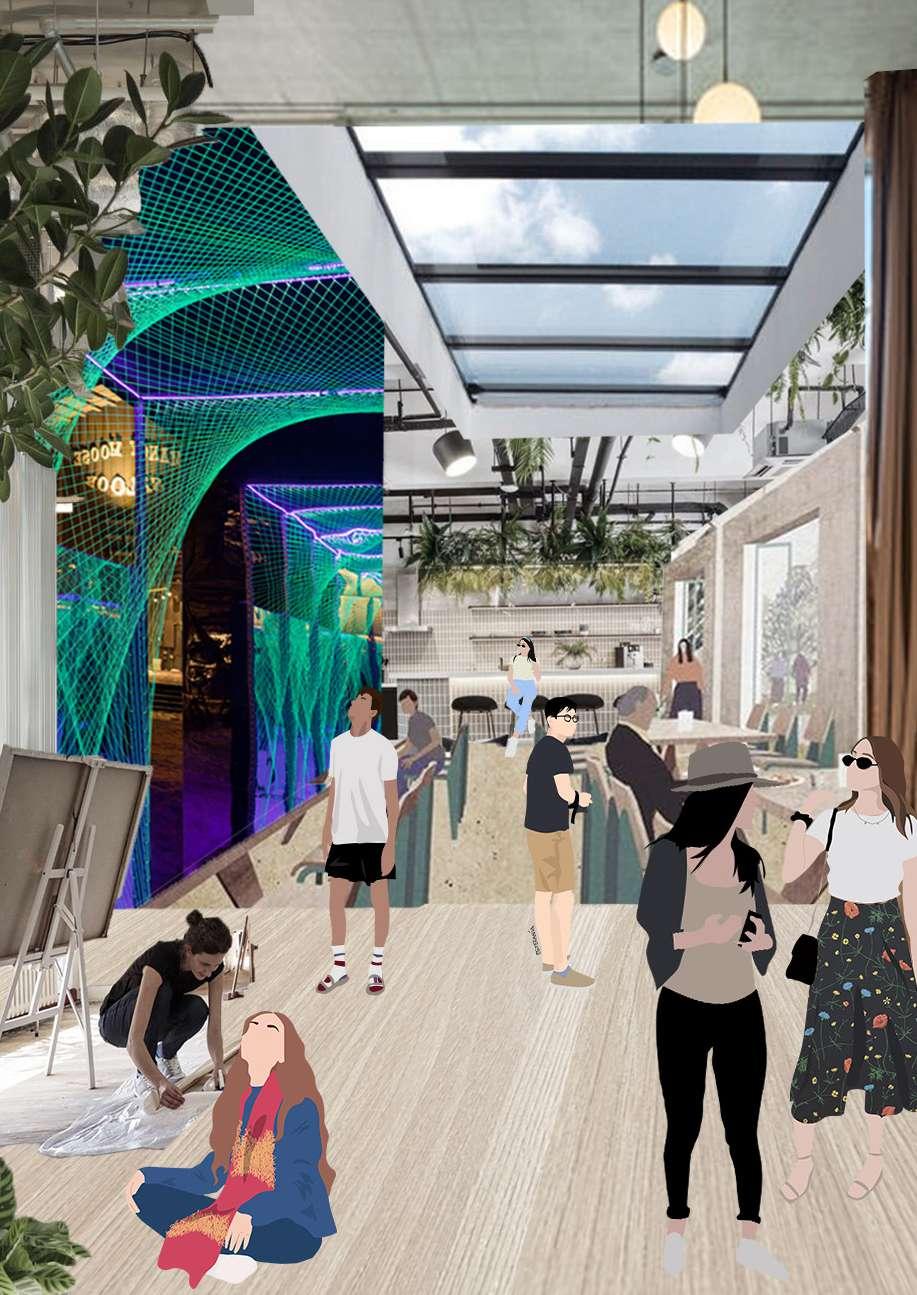
Building B has a parking basement, a lobby on the ground floor, making the re-signification of the public space. This receipt has many spaces for exhibition activities, reception, enjoyment, open galleries, workshops with classrooms of 135 meters. Next to Innovation Offices between 40 and 35 square meters, where the fixed population that makes use of the housing, and the floating population of artists, young entrepreneurs, among others, can interact in a horizontal way.
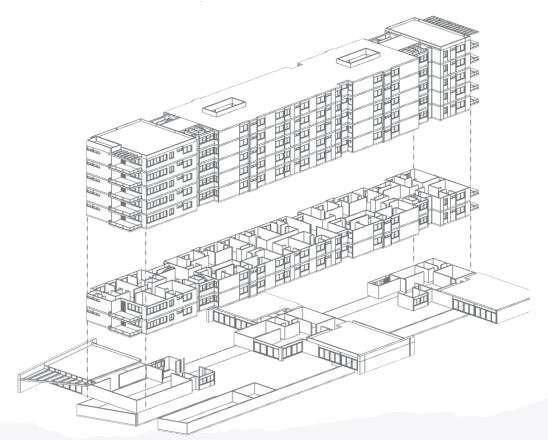
AXONOMETRY OF THE PROJECT
Of equal importance, it has commercial premises where art or entrepreneurship exercises can be carried out in areas between 25 and 28 square meters. In the following floors where collective housing is found. There are typologies of individual and shared housing units in areas ranging from 32 to 37 square meters. Circulation is through a main hall that connects all housing typologies around voids that provide ventilation to the building from the interior courtyards on the second floor.
CULTURAL INTERSECTIONS
PROJECT: MOBILITY & PUBLIC SPACE
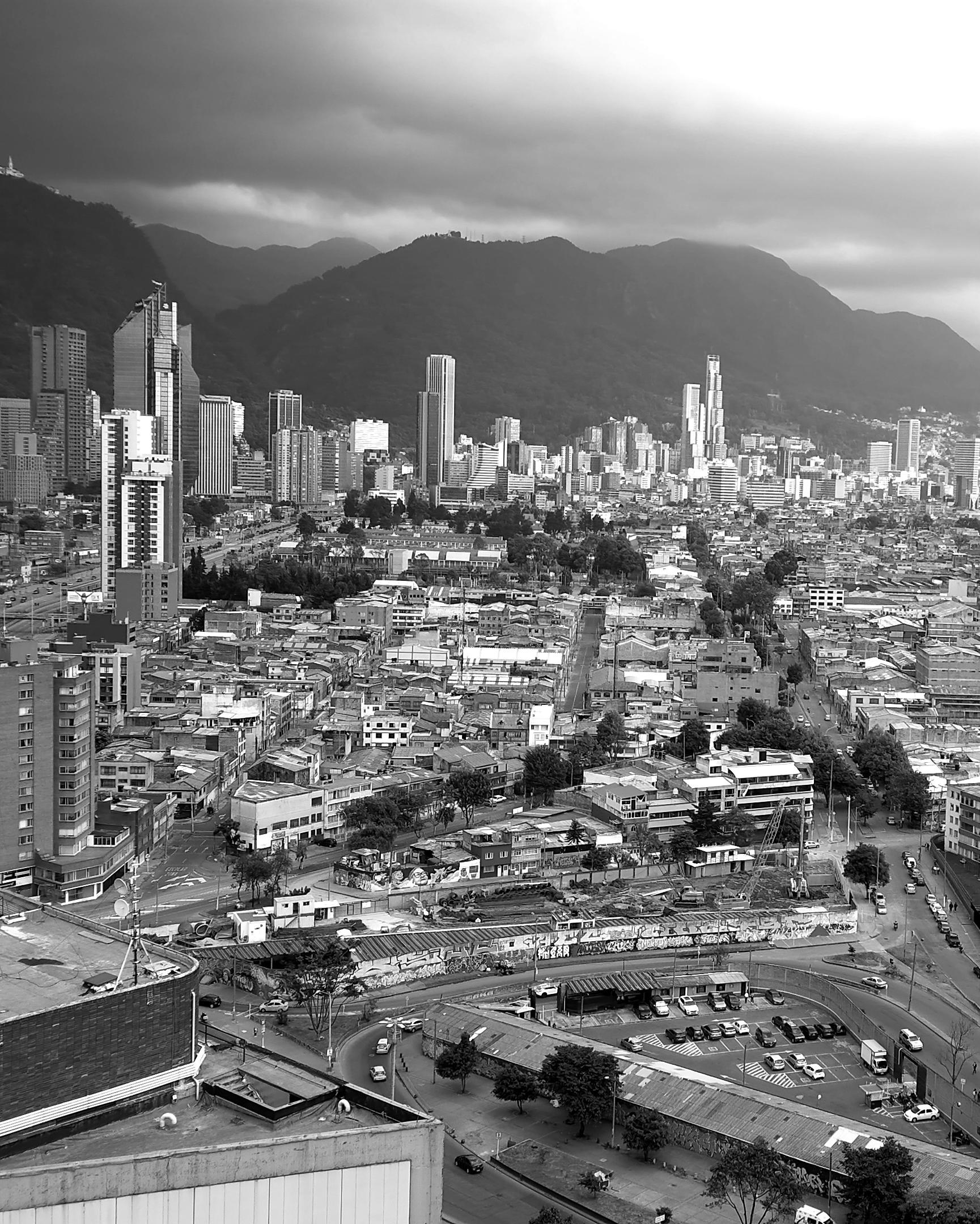
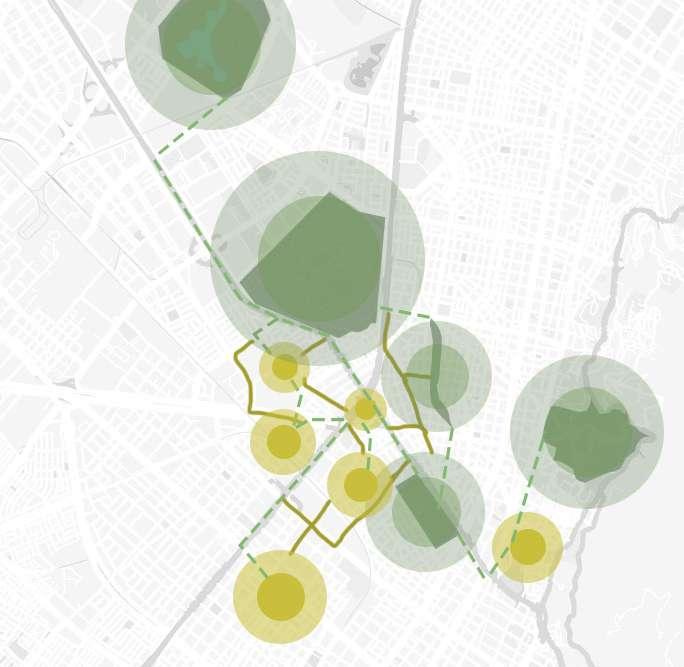
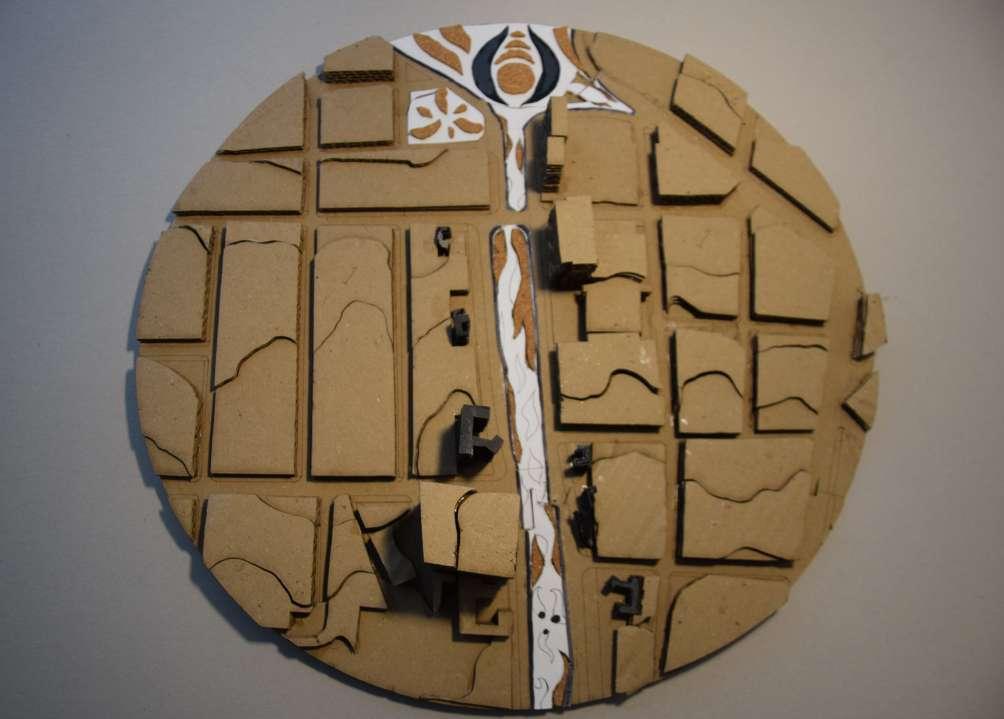
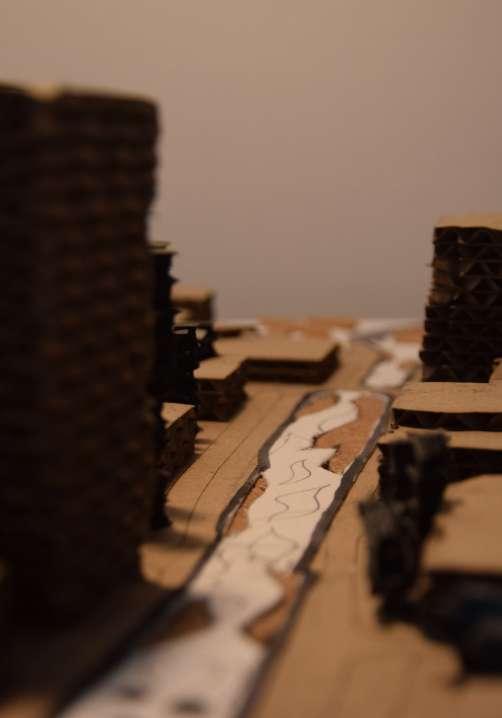
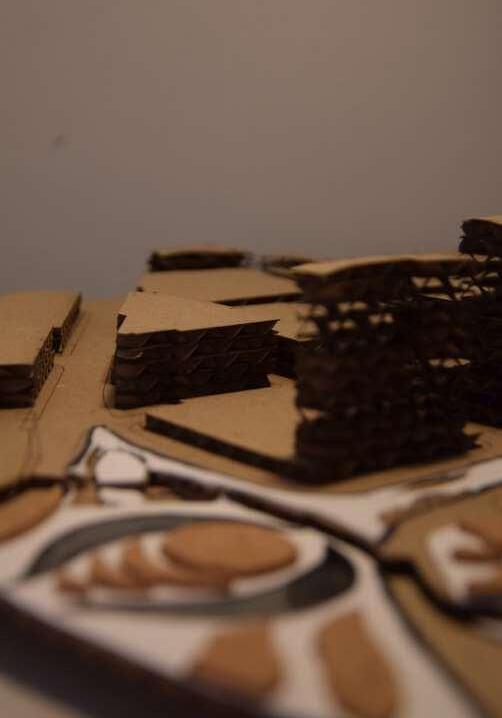
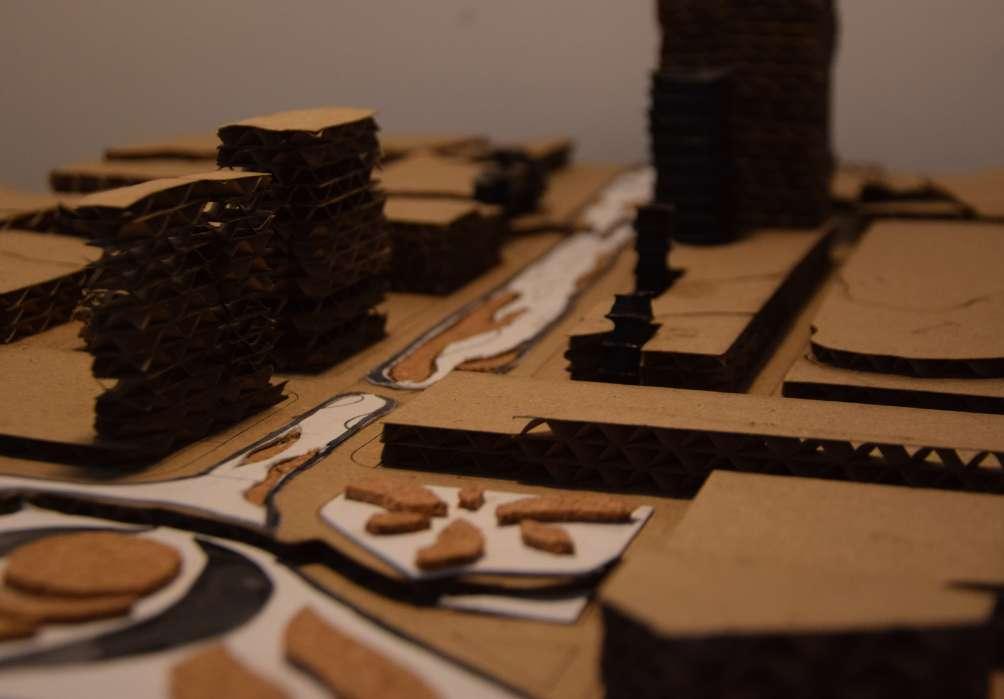
Through a depth research a metropolitan proposal was made in order to strengthen the environmental structure in Bogota, connecting the wetlands with the eastern hills, in order to generate a network of linear parks.
On the other hand, it is proposed to increase connectivity with the municipalities to the northeast of the city, through the creation of more roads that are linked to the current system of arterial roads in the city, in order to reduce dependence on the ring road.
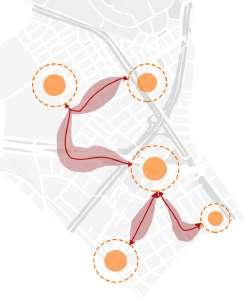
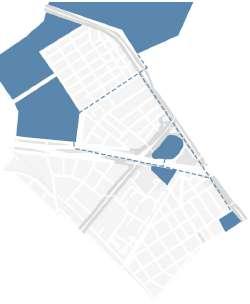
Secondly, it focused on connecting the emblematic spaces on El Dorado Avenue, known for being part of political, social and institutional activities that move different populations of the city.
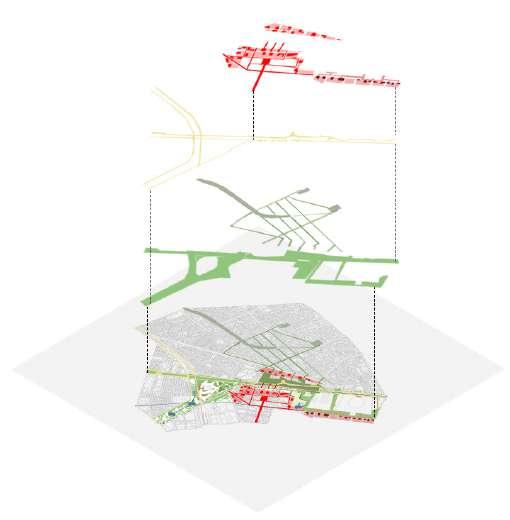
STRATEGIES
ZONAL & BARRIAL
COMMERCIAL
EMBLEMATIC SPACES
ENVIRONMENTAL
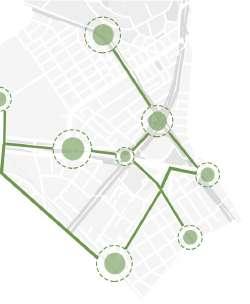
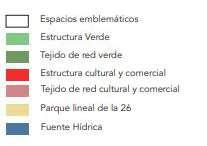
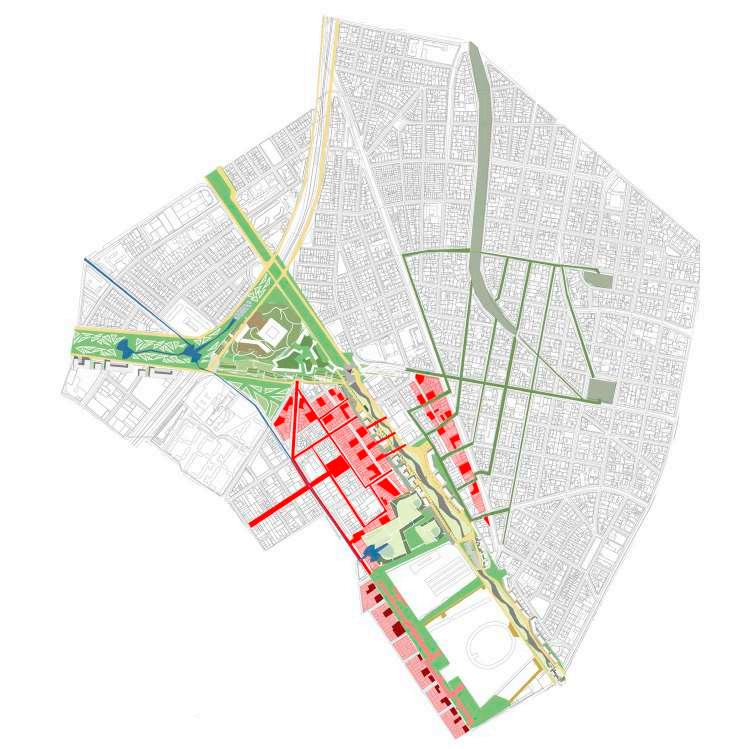
An integrated urban-zonal-neighborhood system is consolidated to improve the relationship between neighborhoods and the structure of the avenue.
By means of:
- a green structure that functions as a ring connecting each of these areas.
- temporary squares that revive the abandoned areas of the samper mendoza factories.
- exercise areas and courts for the housing neighborhoods around the node.
- markets and restaurants that attract a diverse floating population to the node.
- Connect the structure of the public space immediately adjacent to the river as a cultural and recreational structural axis.
PROJECT
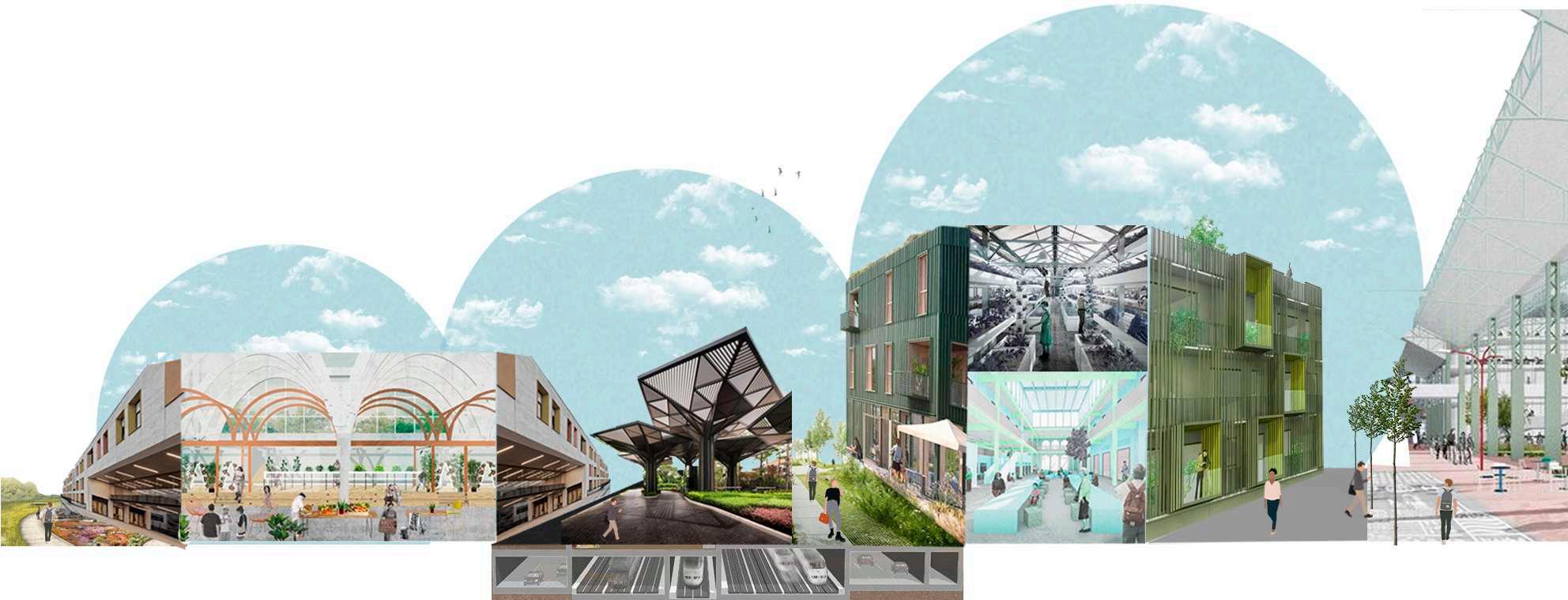
SECTIONS AND IMAGINARY IMAGES
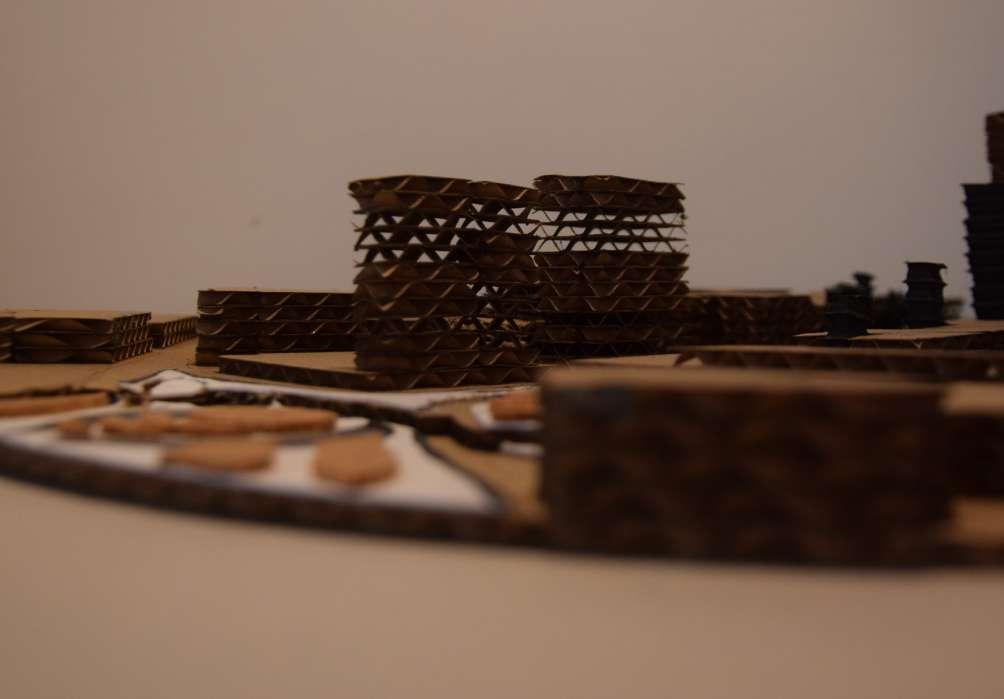
The main objective was to create an infrastructure and mobility fabric for the city without losing the water forms.
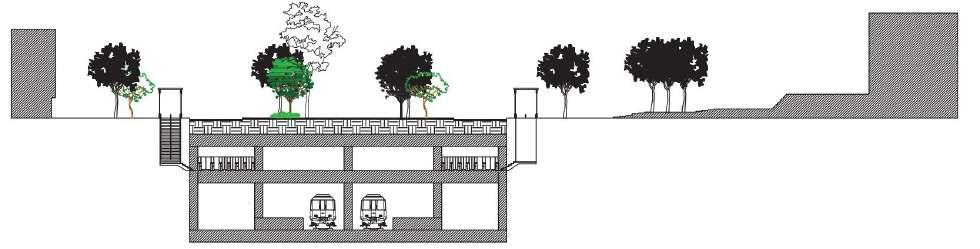
26TH AVENUE SECTION
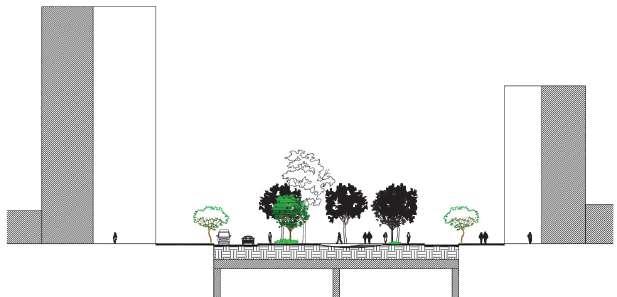
Revitalize and treat the river to turn it into an integrated space, seeking to attract a constant capacity of people, making it a meeting place.
Ideal spaces for various outdoor and indoor activities in the facilities that will be built on the fabric structure.
The surrounding neighborhoods can be revitalized by providing them with mixed programs, bringing diversity, efficiency and social integration by providing new spaces that encourage interactions and connections.
30TH AVENUE SECTION
IMAGINARY OF THE PROPOSAL
PROPOSAL VISUALIZATION IN 3D
BIOTIC NICHES
PROJECT: CITY & TREES
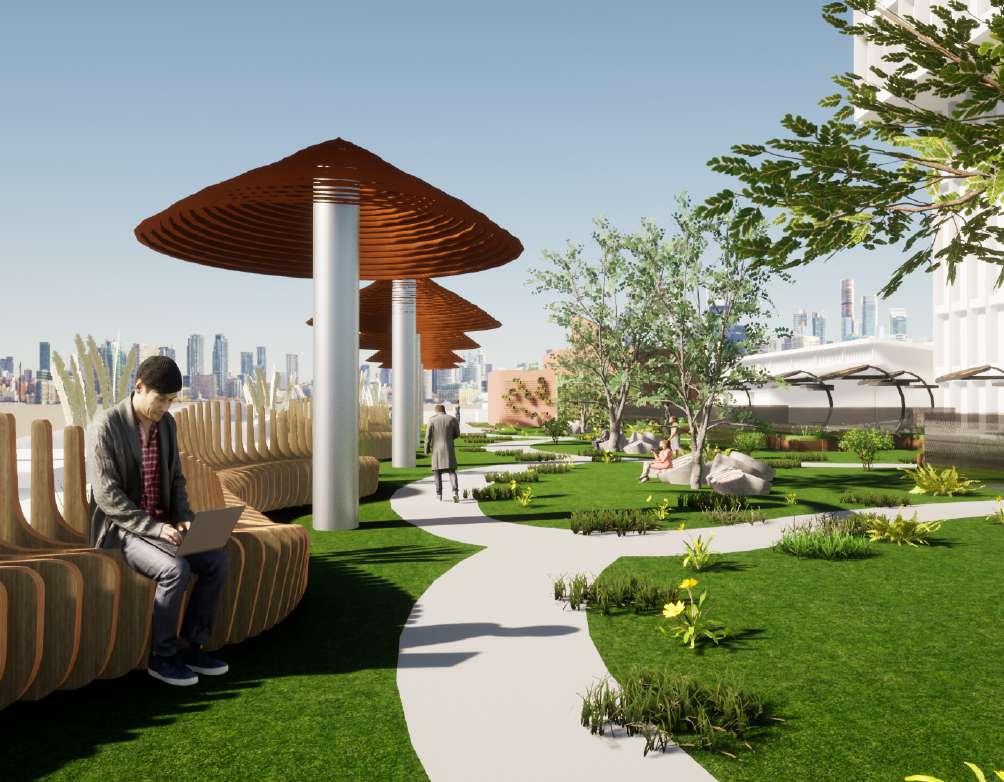
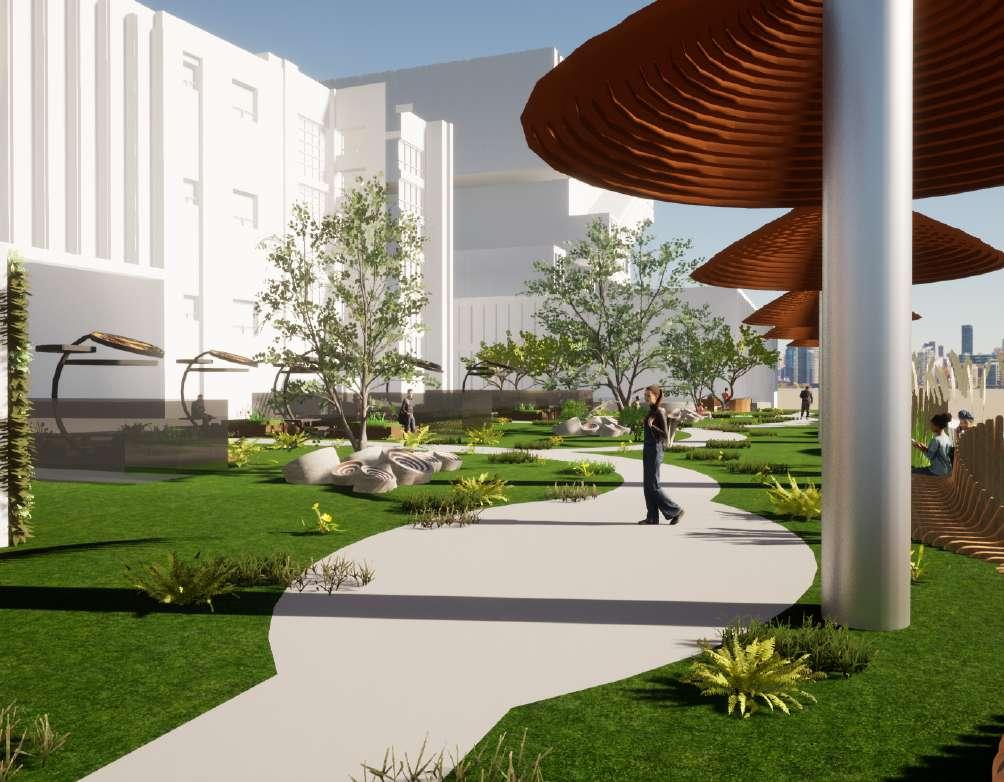
Trees have been a crucial part of the existence of human beings, they are part of the daily memory of a person, a community and even a city. They go unnoticed but they have been the element that provides us with resources, habitat and well-being.
This leads me to delve into their importance for the Universidad Javeriana and how, despite their presence, there is no visible plan of coherent arborization that adequately connects the spaces of the campus.
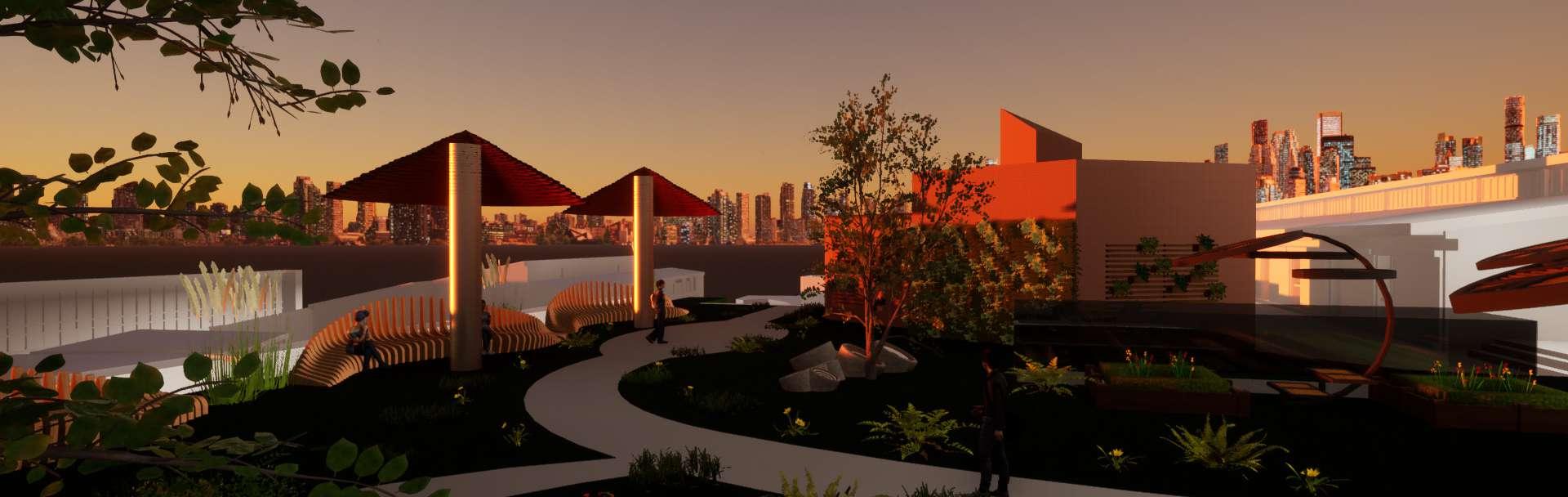
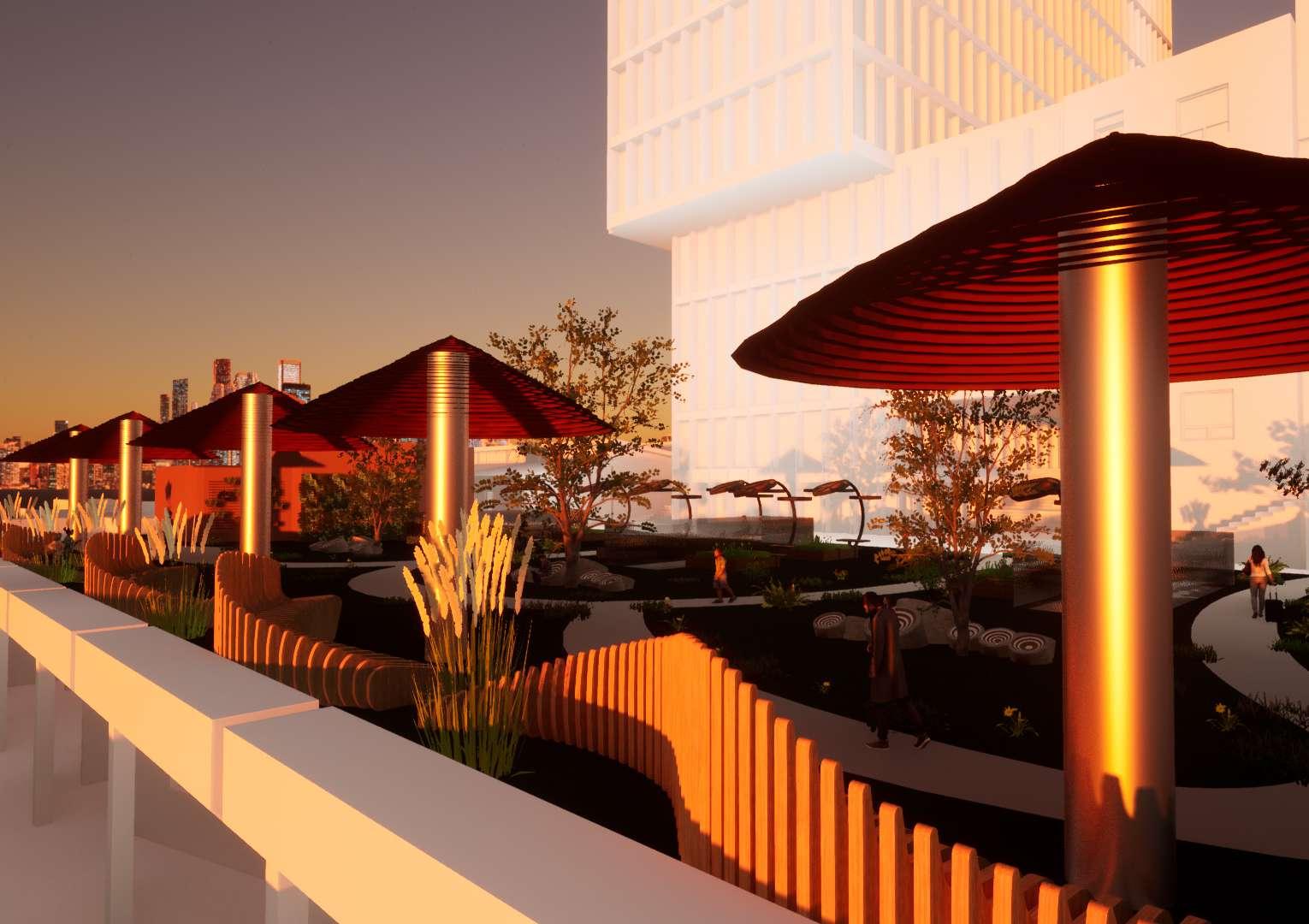
In response to this query I have proposed a plan, based on research on the species of the university and similar spaces, to design possible proposals for the creation of a plan of connectivity, interaction of spaces that invite the enjoyment of the environment and the relationship with the trees and the species that inhabit it.
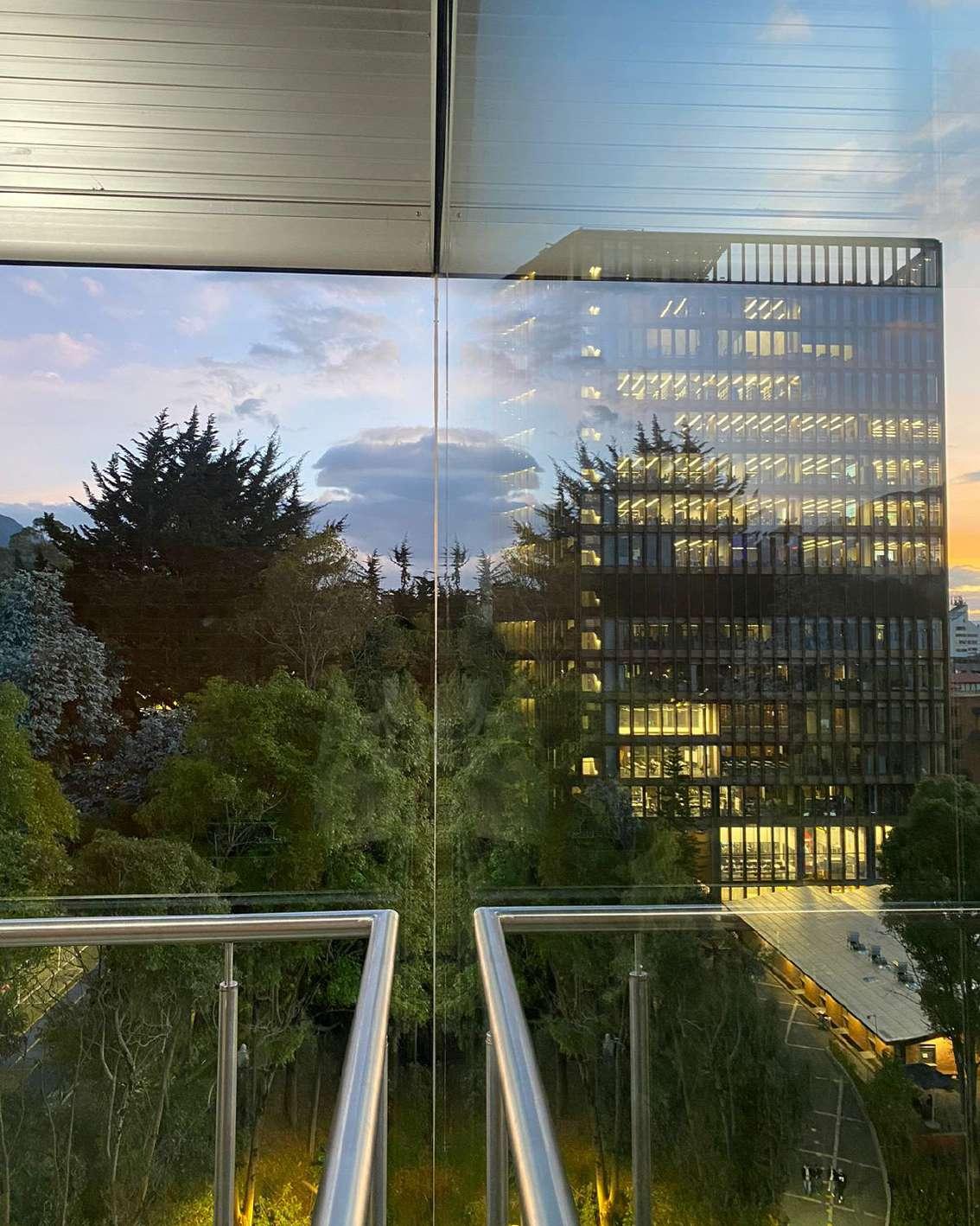
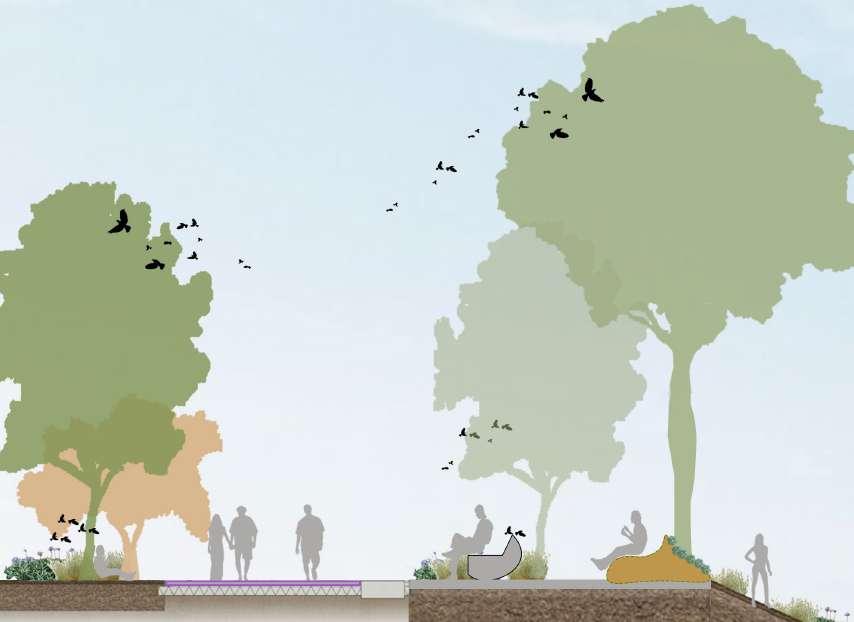
With the creation of this niche we seek to create an experience focused on experiencing the growth of a species, which will be able to consume (this is not a typical consumer experience). Through furniture that works with the production of species we can have a space that promotes consumer curiosity and encourages them to learn about the process of the fruits they enjoy every day.
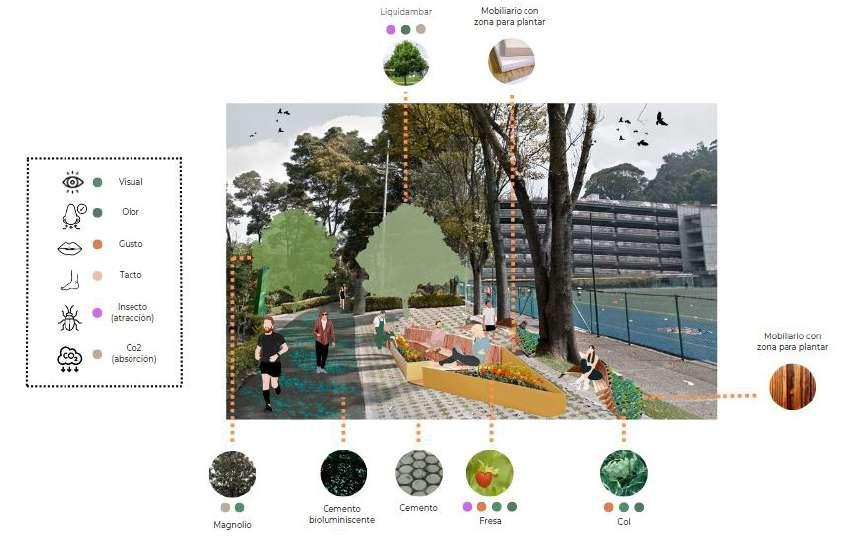
DELIGHTS WITHIN REACH
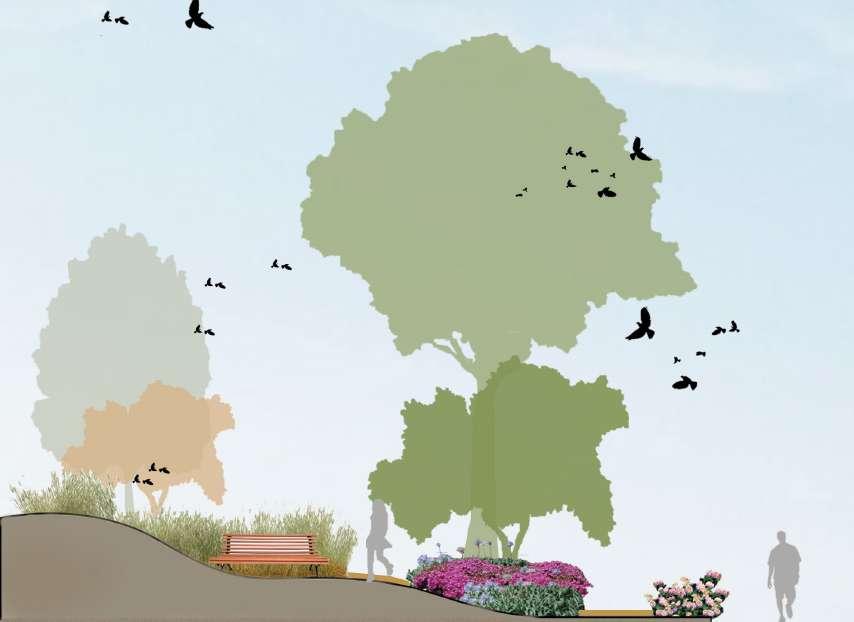
In this niche colors and smells will predominate. An environment composed of different species of flora will develop, causing the attraction of pollinating insects and bird species that seek to build their habitat. This niche will become the rebirth of a space where the main idea is to have in sight the biodiversity that gives life to the ecosystems.
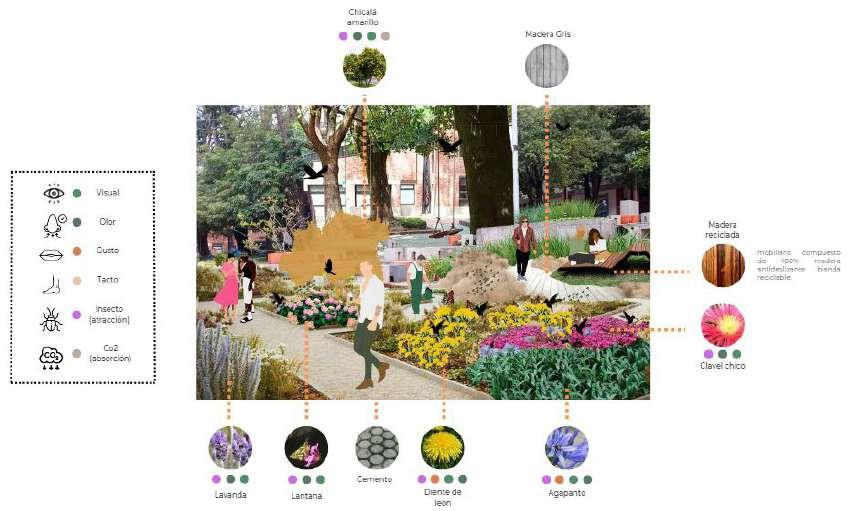
THE GARDEN OF EDEN
Location: Bucaramanga Cartography of Analysis
CONTEST:
NUEVO NORTE DE BUCARAMANGA
INTERSHIP
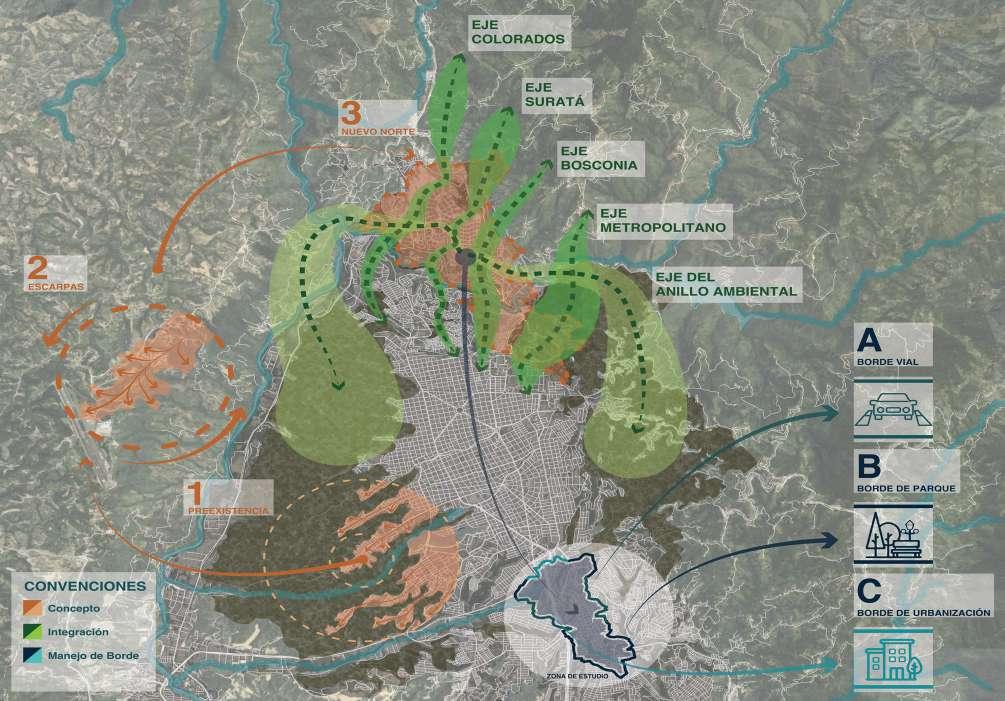
The research of the pre-existence and land use of Bucaramanga allowed me to understand the city through the POT of the city
Understanding in a deeper way the urban layout and the way in which the city is managed from the economic, social, public spaces, equipment and mobility areas
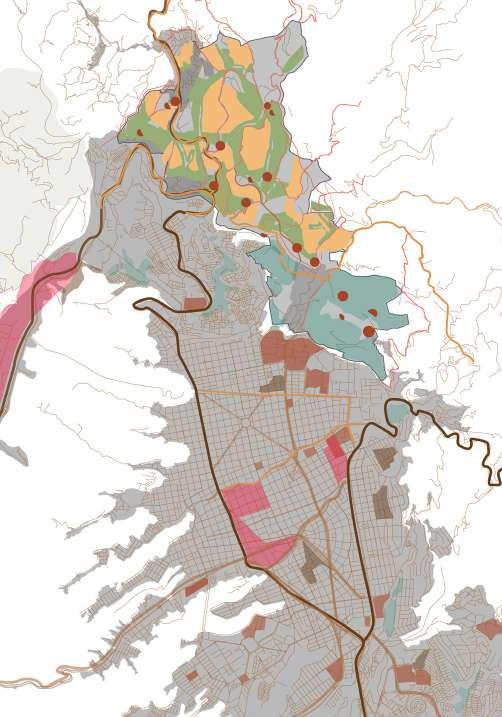
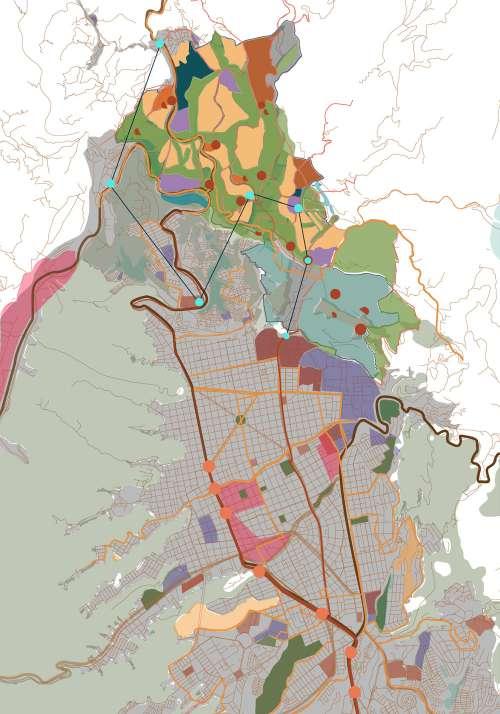
Once the proposal was understood, the execution of cartographies of the sub-unit allowed me to understand how to plot in a clear way the different elements of the pre-existence combined with those of the proposal, to create a cartography in illustrator, that needed to be coherent between the present and the future projection of the city.
PHOTOGRAPHY AND POST-PRODUCTION - BUILDINGS
INTERSHIP
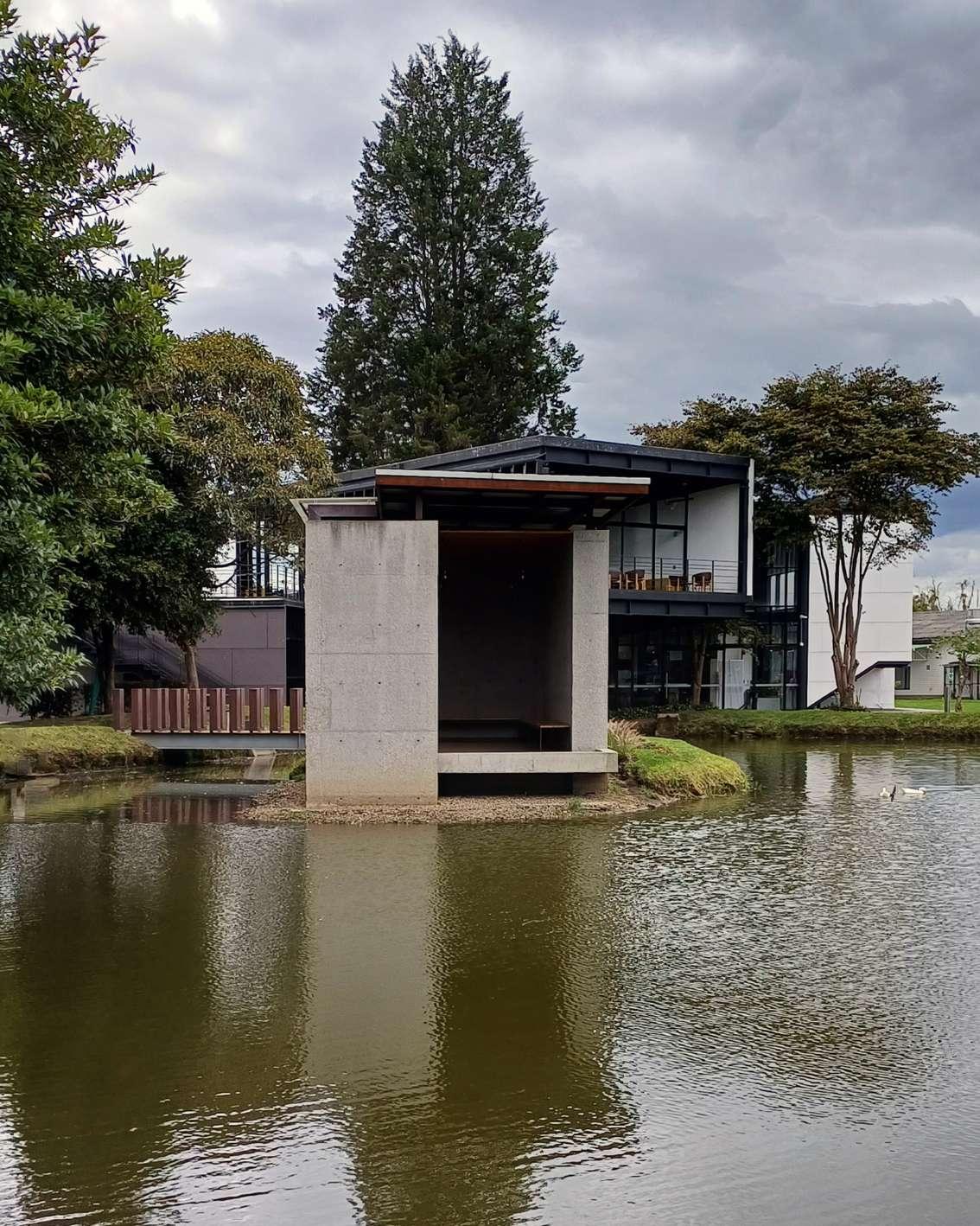
Following Archdaily’s parameters, I selected the best photos I took during an outing to the engineering school to document a building designed by AGRA Arquitectos.
This post-production process allowed me to understand how to capture and show the architectural project, highlighting the context, volume and materials of the design, as well as the importance of presenting cuts, facades and photographic perspectives.
Project: Building ECIO
Project: Building E Perspectives
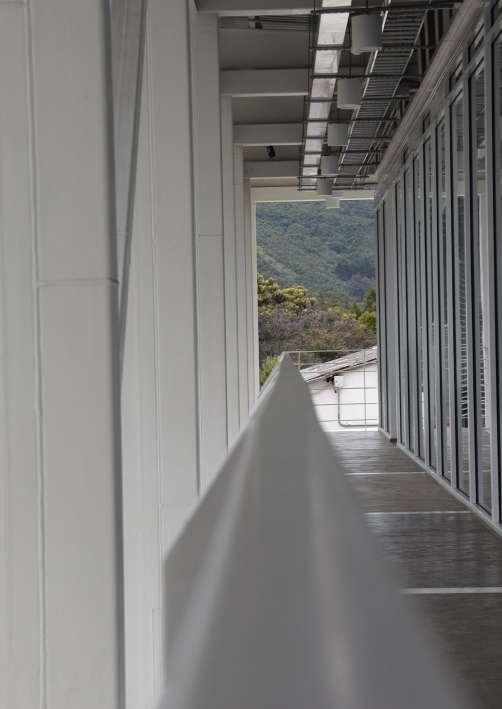
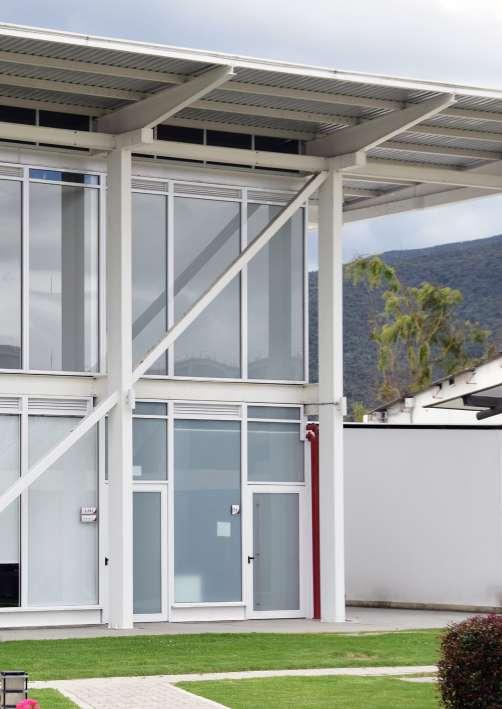
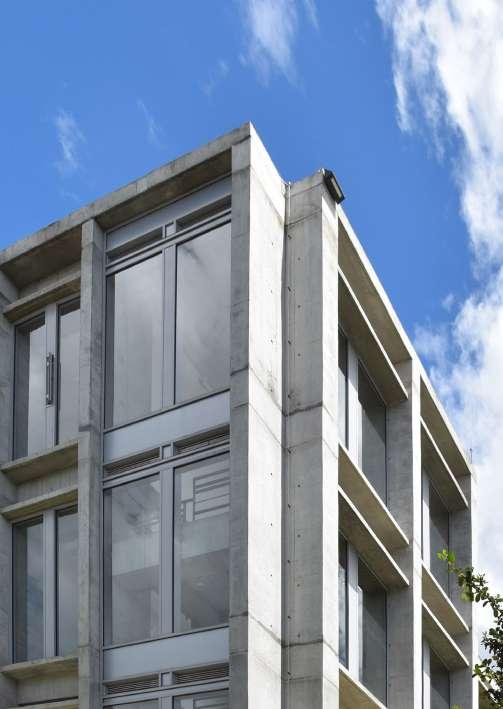
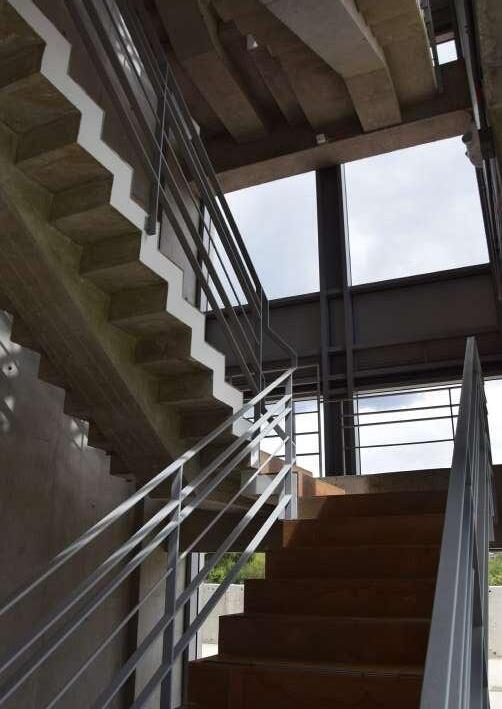
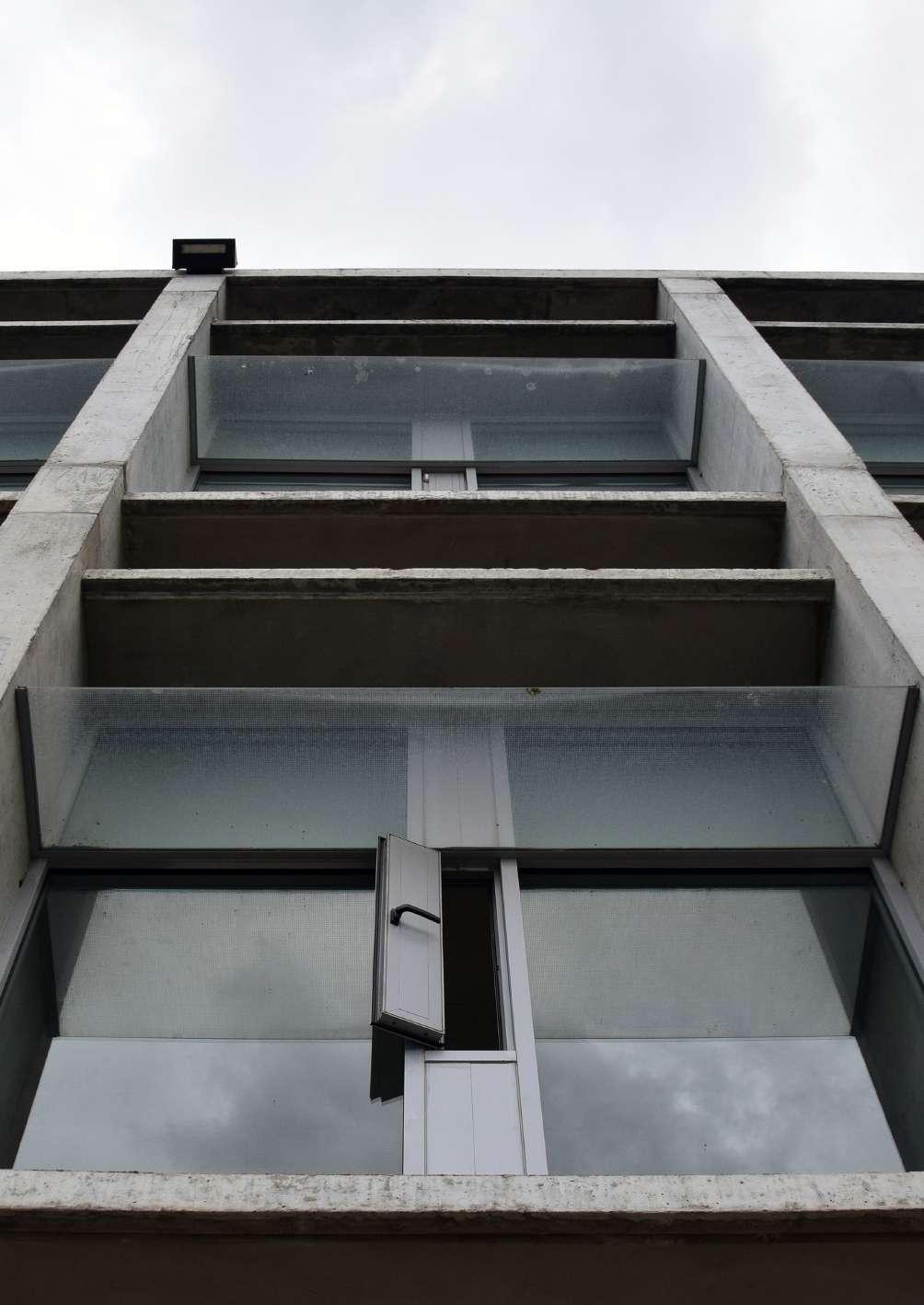
Project: Building E Perspectives
Project: Building E Bottom-up perspective
PHOTOGRAPHY AND POST-PRODUCTION - BUILDINGS
Location: Colombian School of Engineering Julio Garavito
INTERSHIP
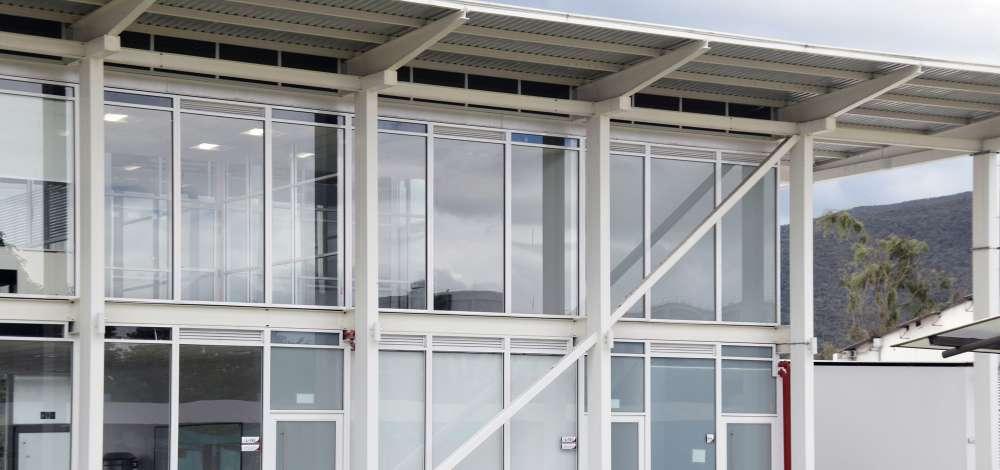
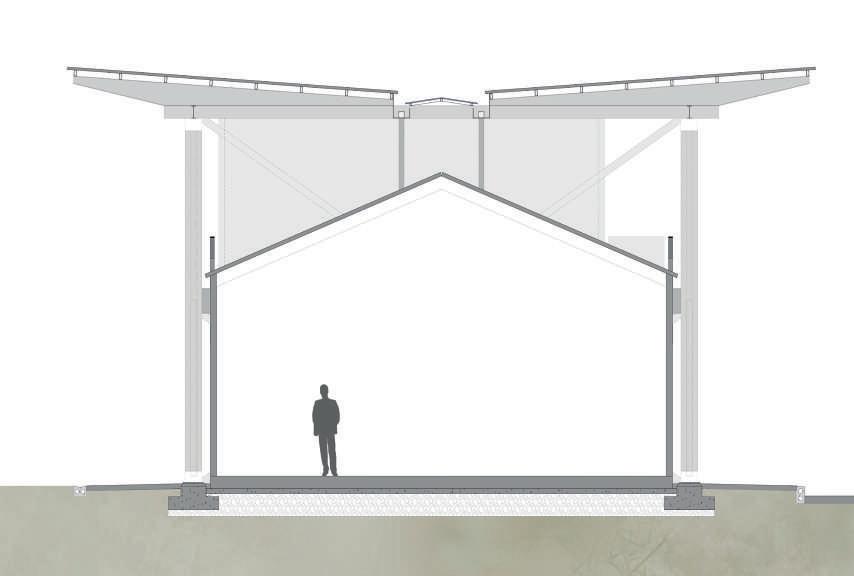
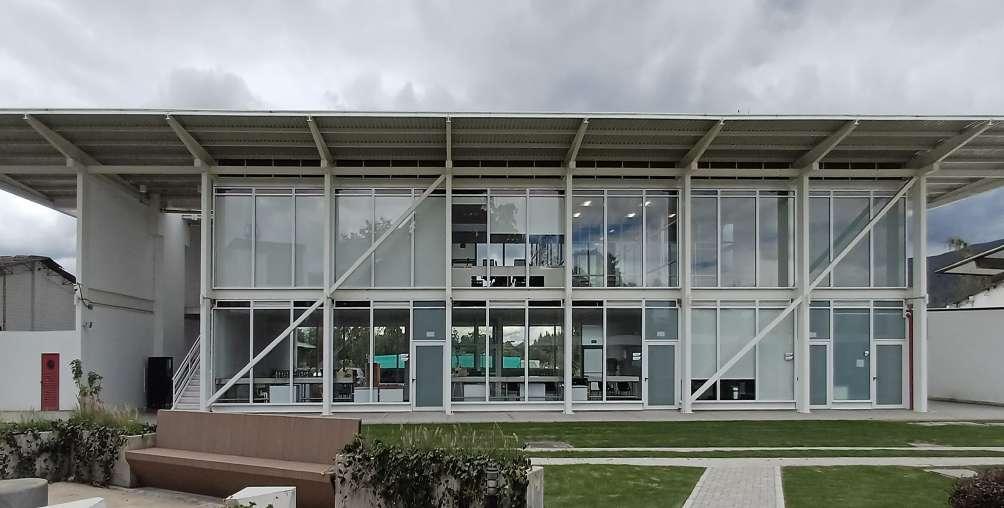
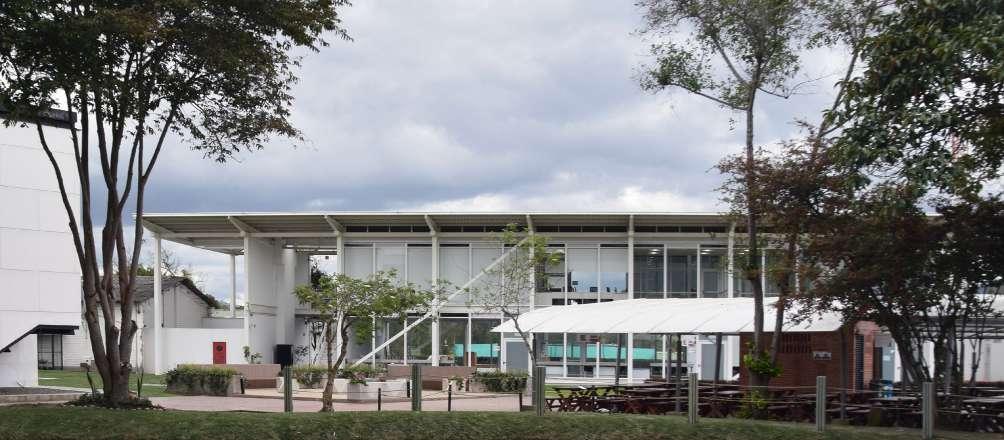
By making sections, facades and photographic perspectives of the building designed by AGRA Architects, I was able to better comprehend the design, the materiality and the distribution of the space.
The sections helped me visualize the internal distribution and relationships between levels, the facades showed the integration of the building with its surroundings, and the perspectives offered a complete three-dimensional view.
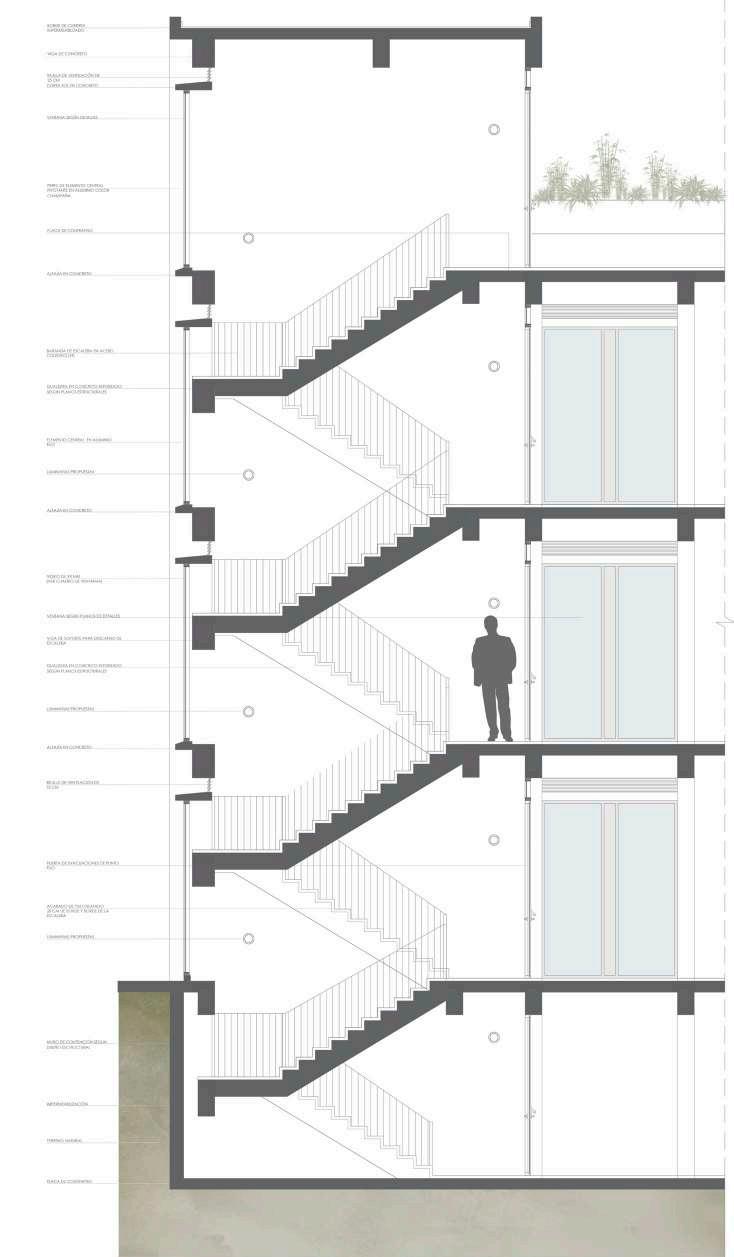
Project: Building E Facade section
Project: Building E Longitudinal Section
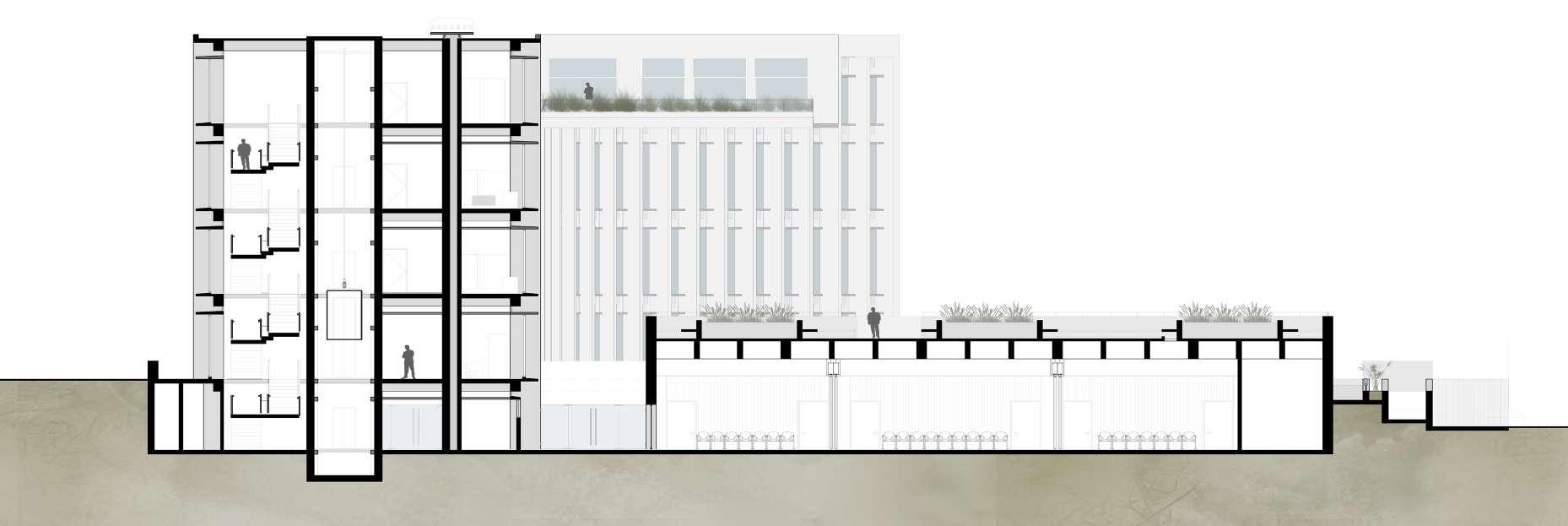
Project: Building E Transversal Section
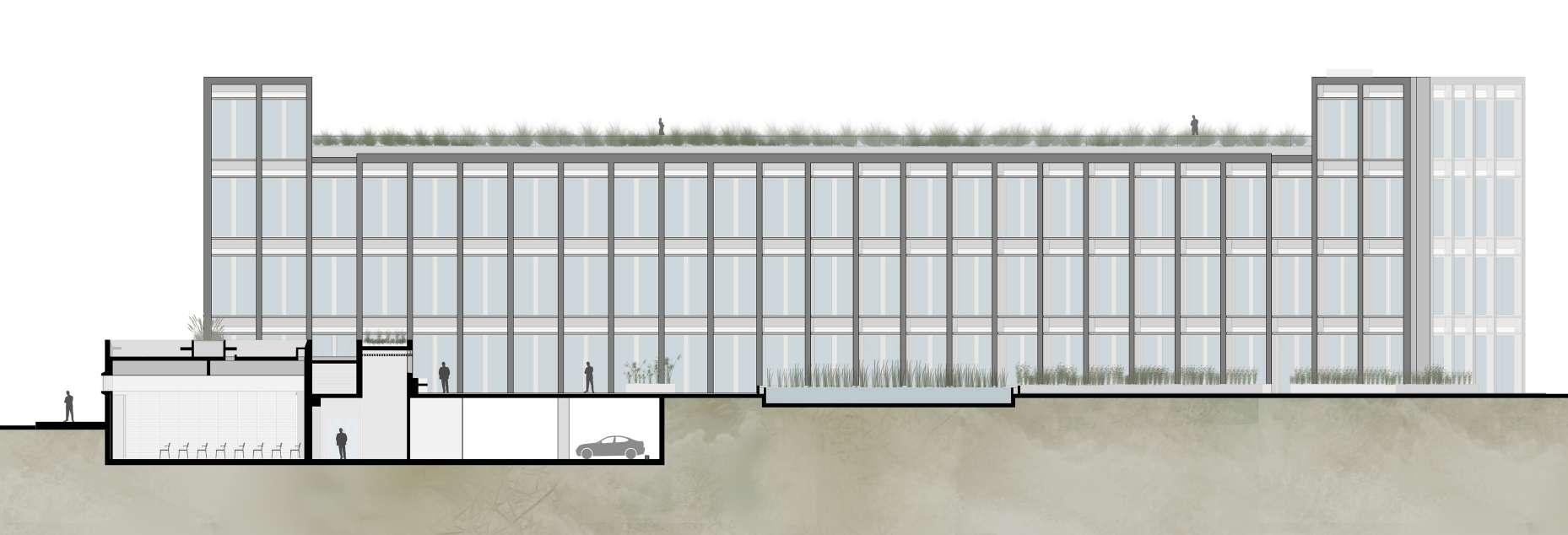
Project: Building ECIO Perspectives
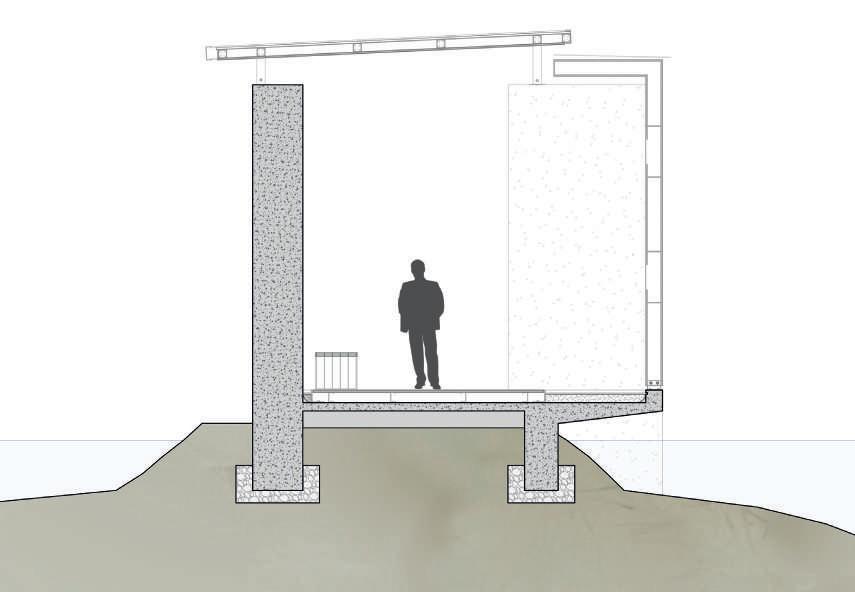
Project: ECIO Transversal Section
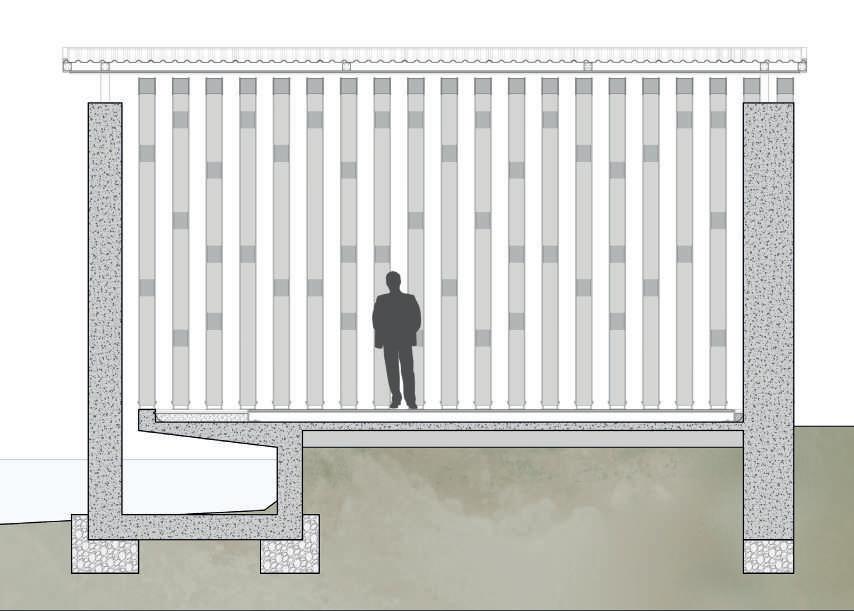
Project: ECIO Longitudinal Section
Project: Building L
South Facade
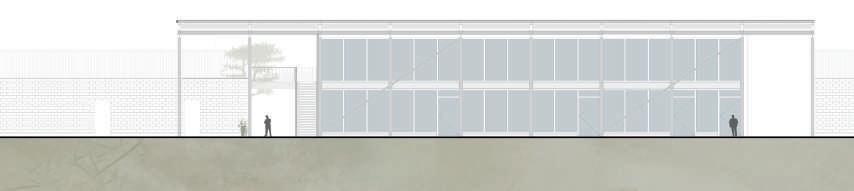
Project: Building L
North Facade
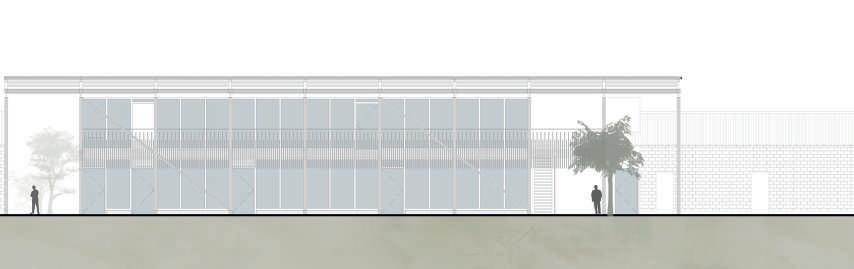
Project: Building L
Transversal Section
Project: Building L Frontal Views
ARCHITECTURAL THESIS
Spaces for voices of hope “Espacios para voces de Esperanza”
ARCHITECTURAL THESIS
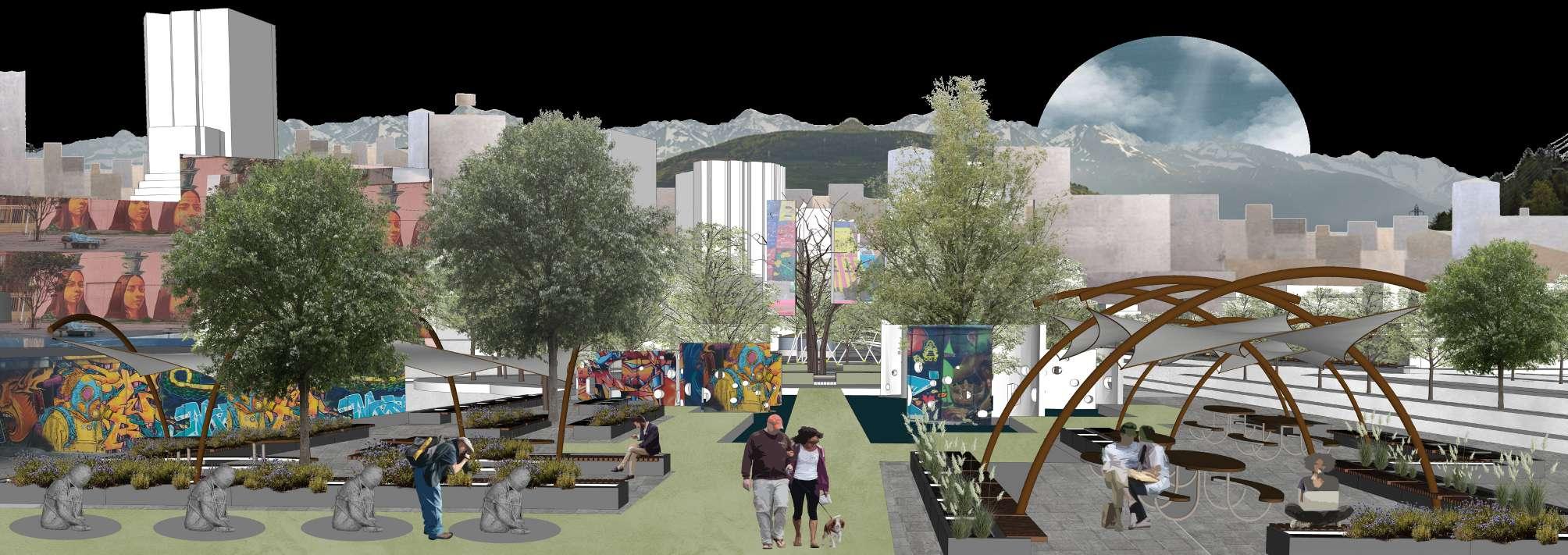
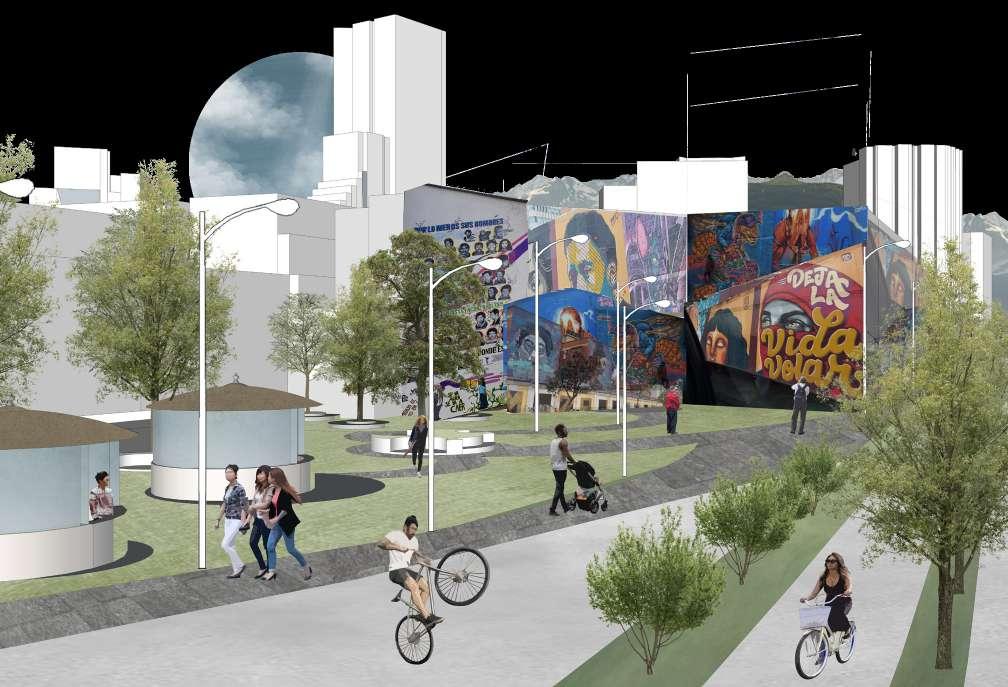
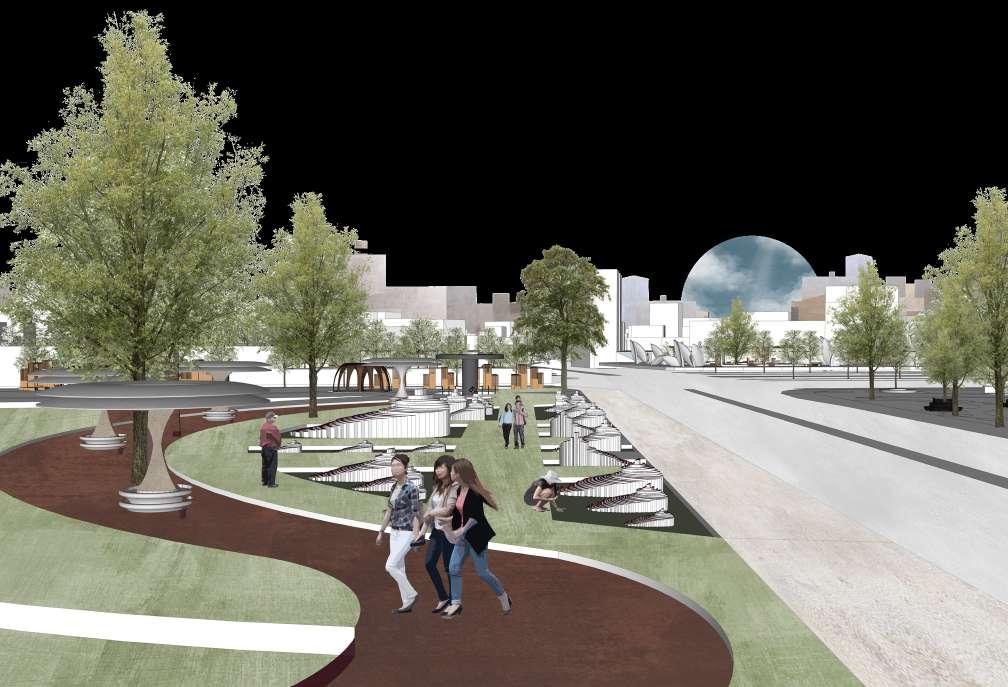
Spaces for voices of hope: Architecture for the encounter with peace and dreams.
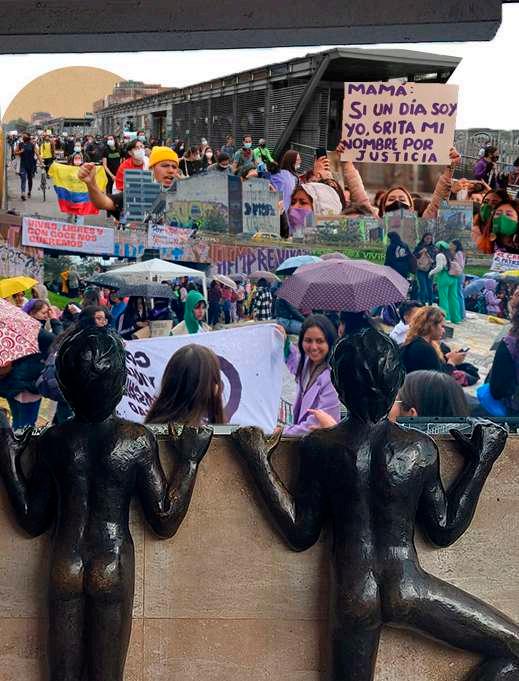
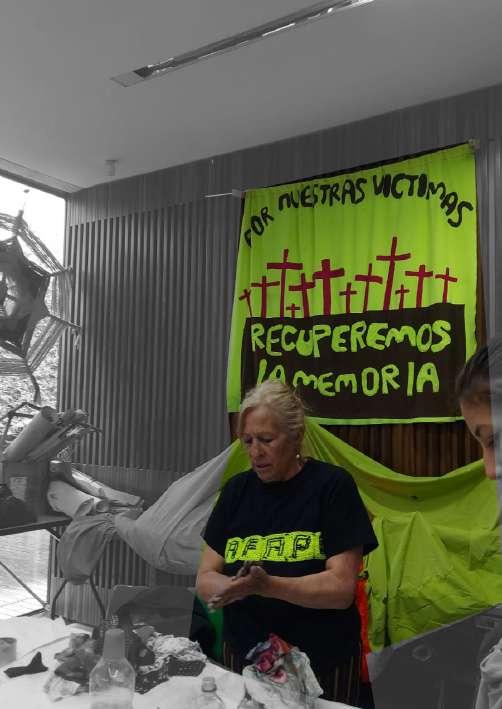
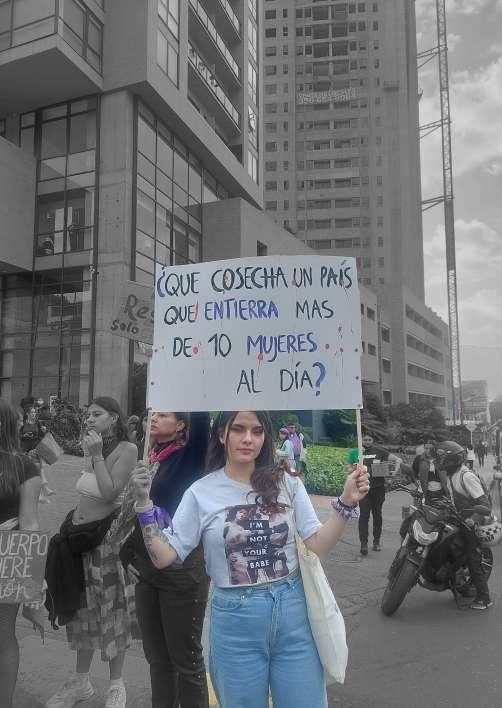
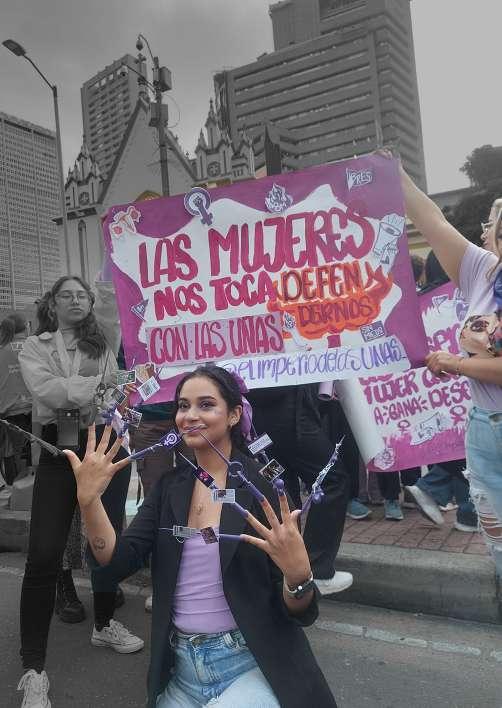
The proposal seeks to address the qualitative deficit of public space on 26th Street, recognized for its historical relevance and its function as a connection from the west to the center of the city.
This space is designed to promote history and memory as fundamental elements in its configuration.
The institutions on this axis are articulated by the proposed public space thus consolidating an area that encourages reflection and knowledge of citizenship.
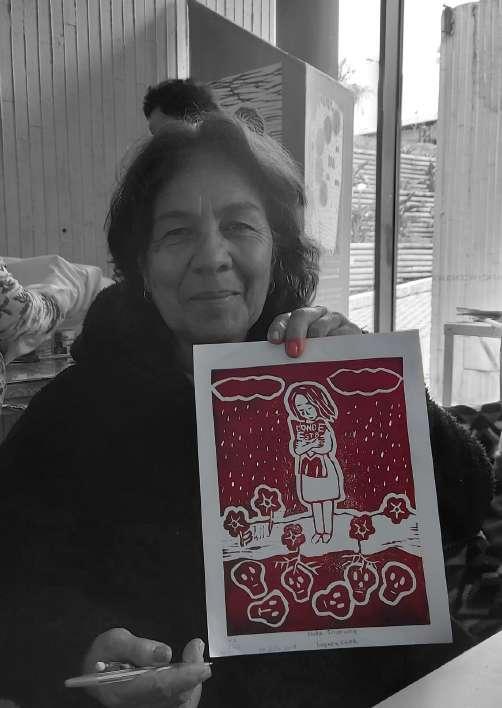
For whom?
THE DREAMERS
FOCUS POPULATION
The design of this public space aims to attract the general public, including the different actors of the conflict, to discuss the meaning of peace, resilience and transformation processes towards a society more open to diverse interaction in Colombia.
Espacios para voces de esperanza
Spaces for voices of Hope
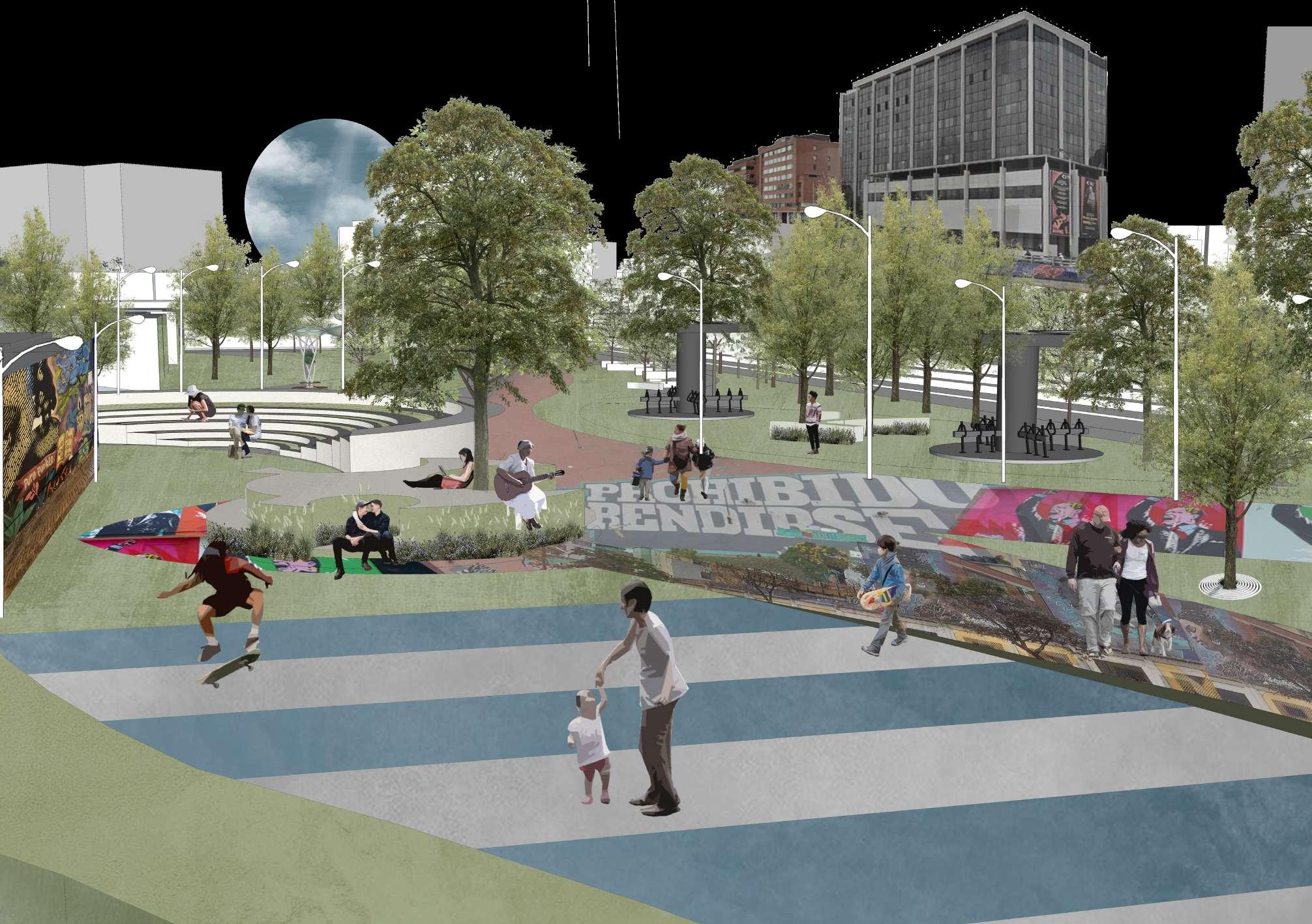
Architecture for the encounter with peace and dreams
HAND TRACES
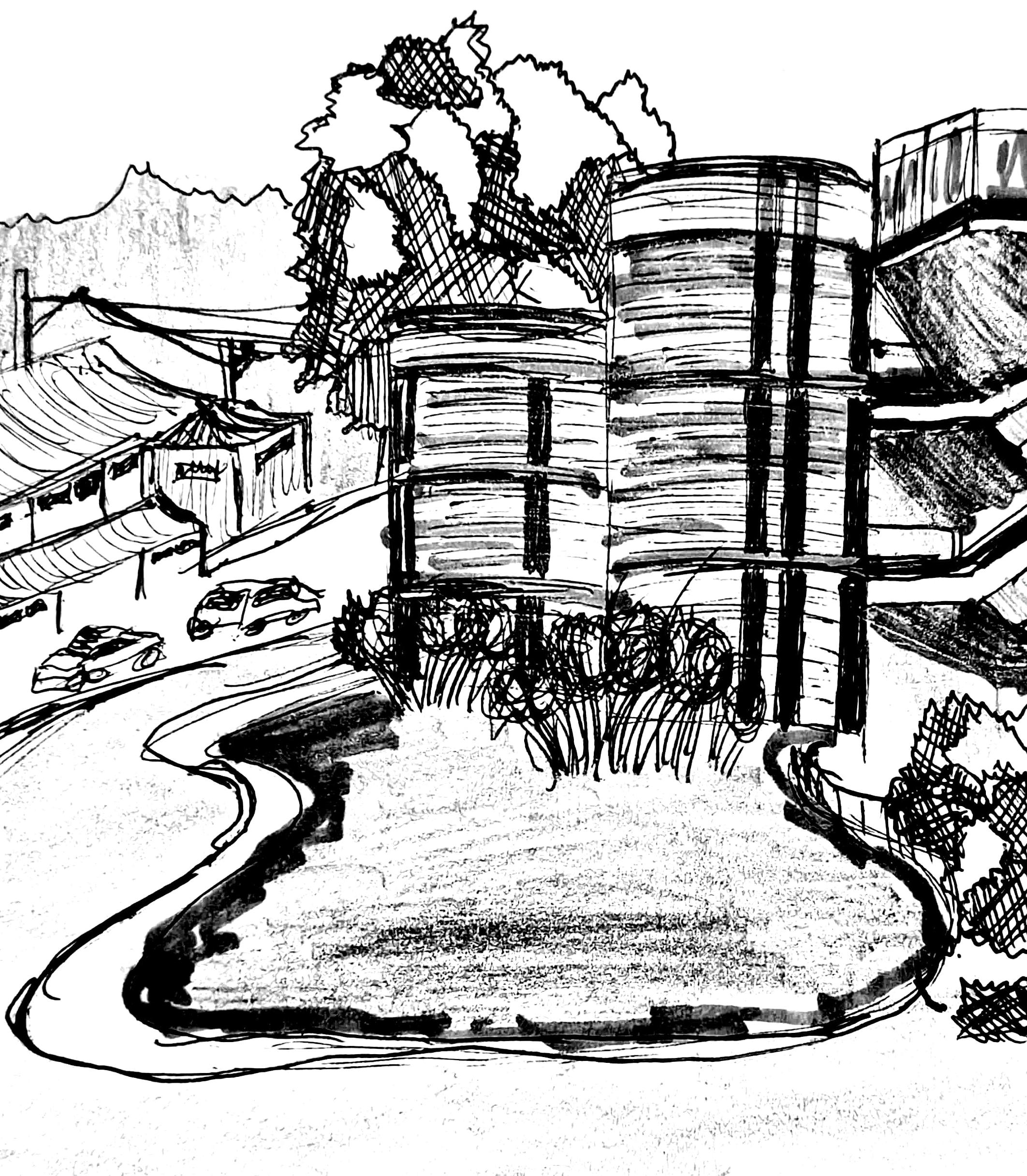
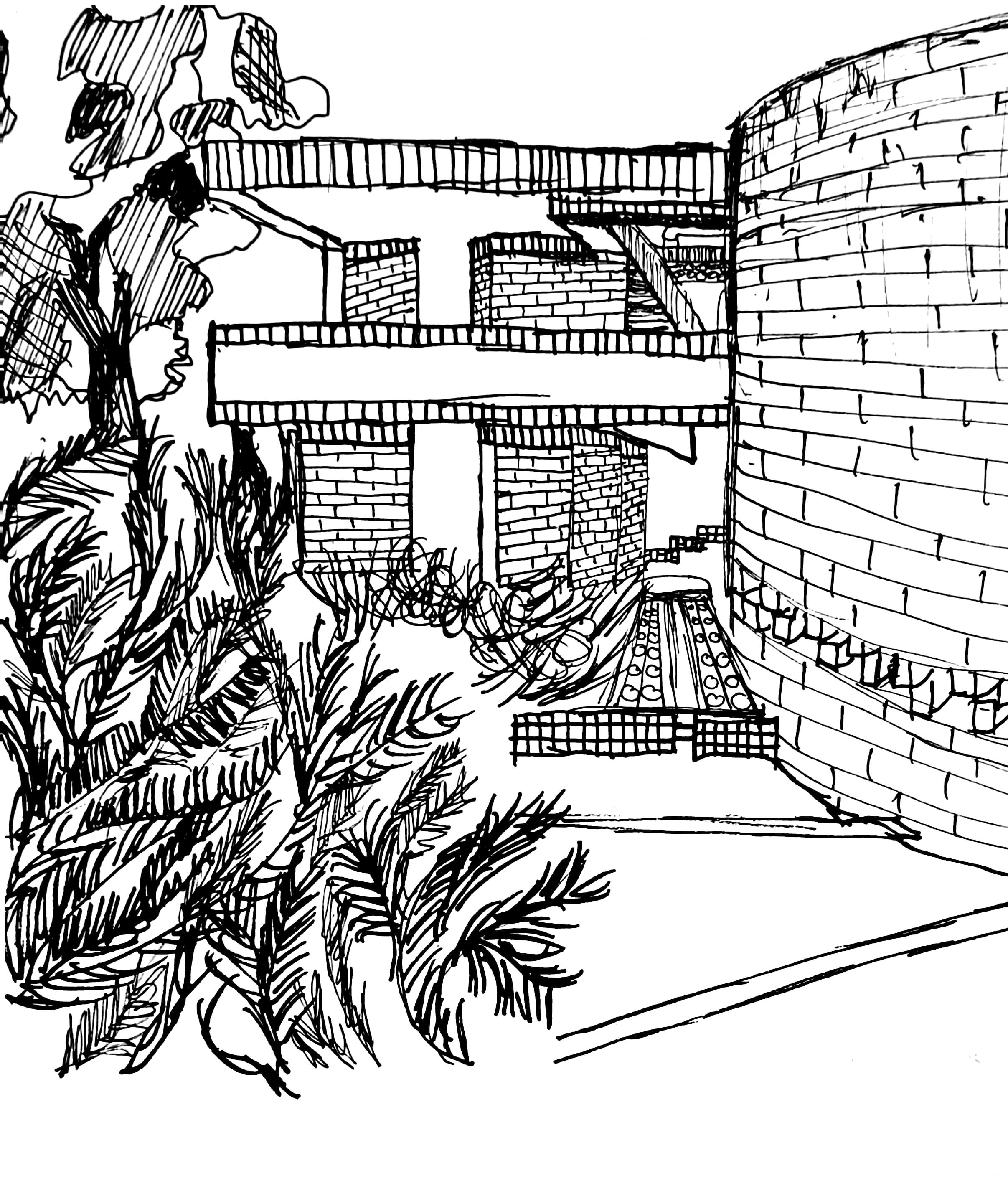
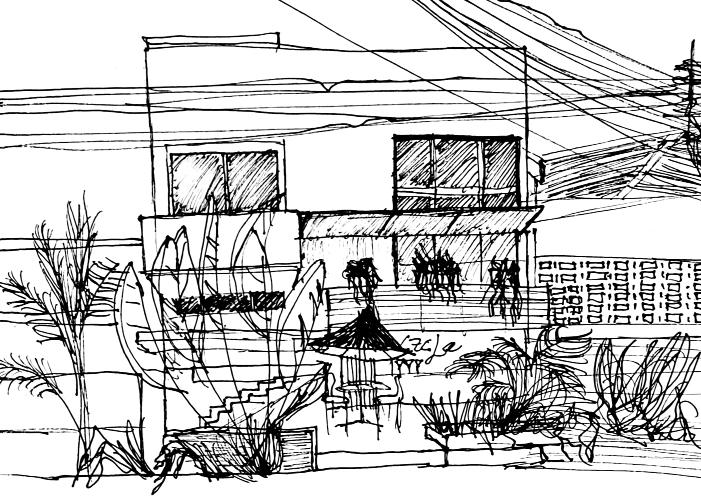
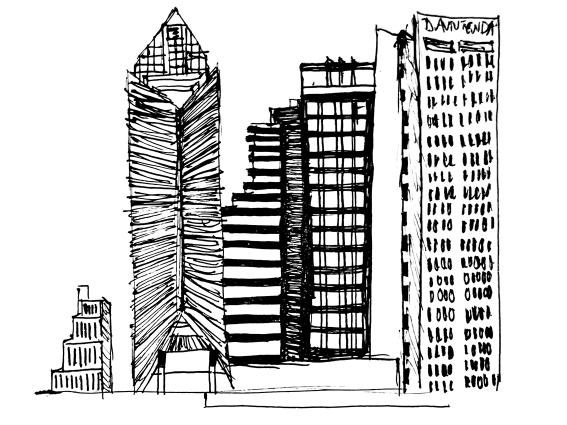
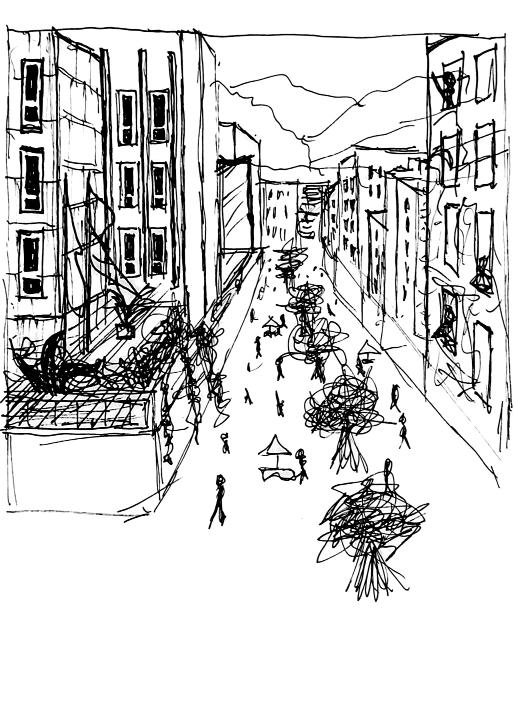
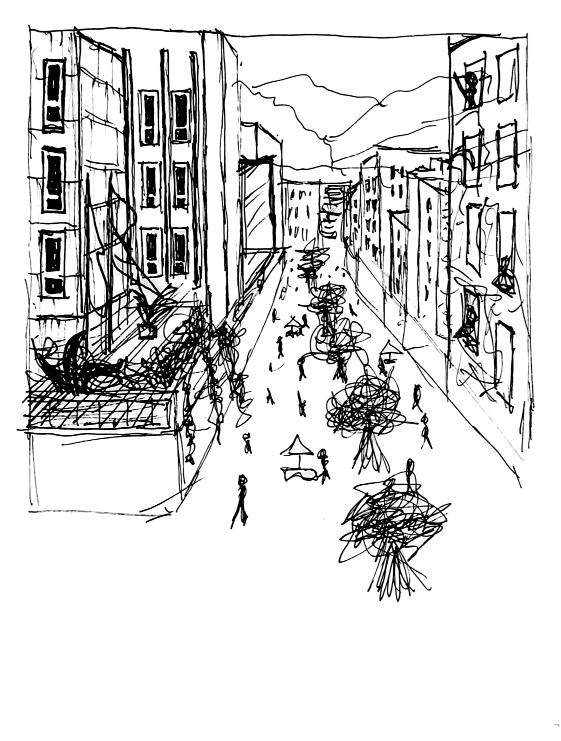
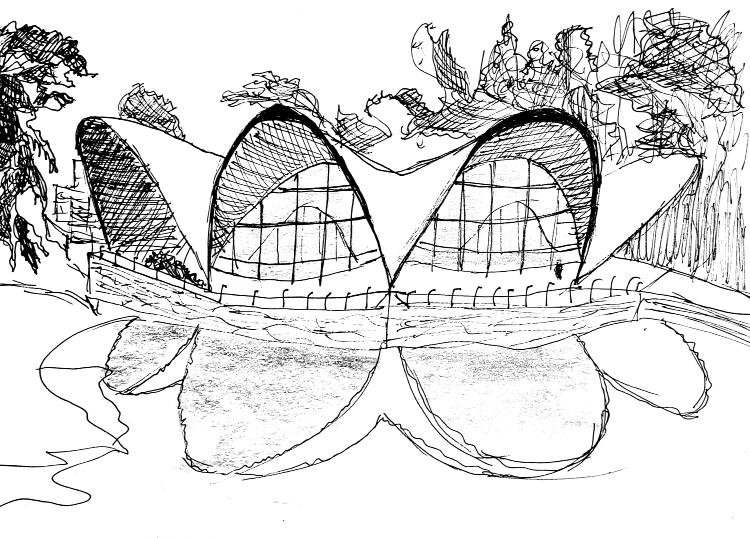
ARCHITECTURAL SKETCHES: FREEHAND
TRACES OF SIGHT
FOTOGRAPHY
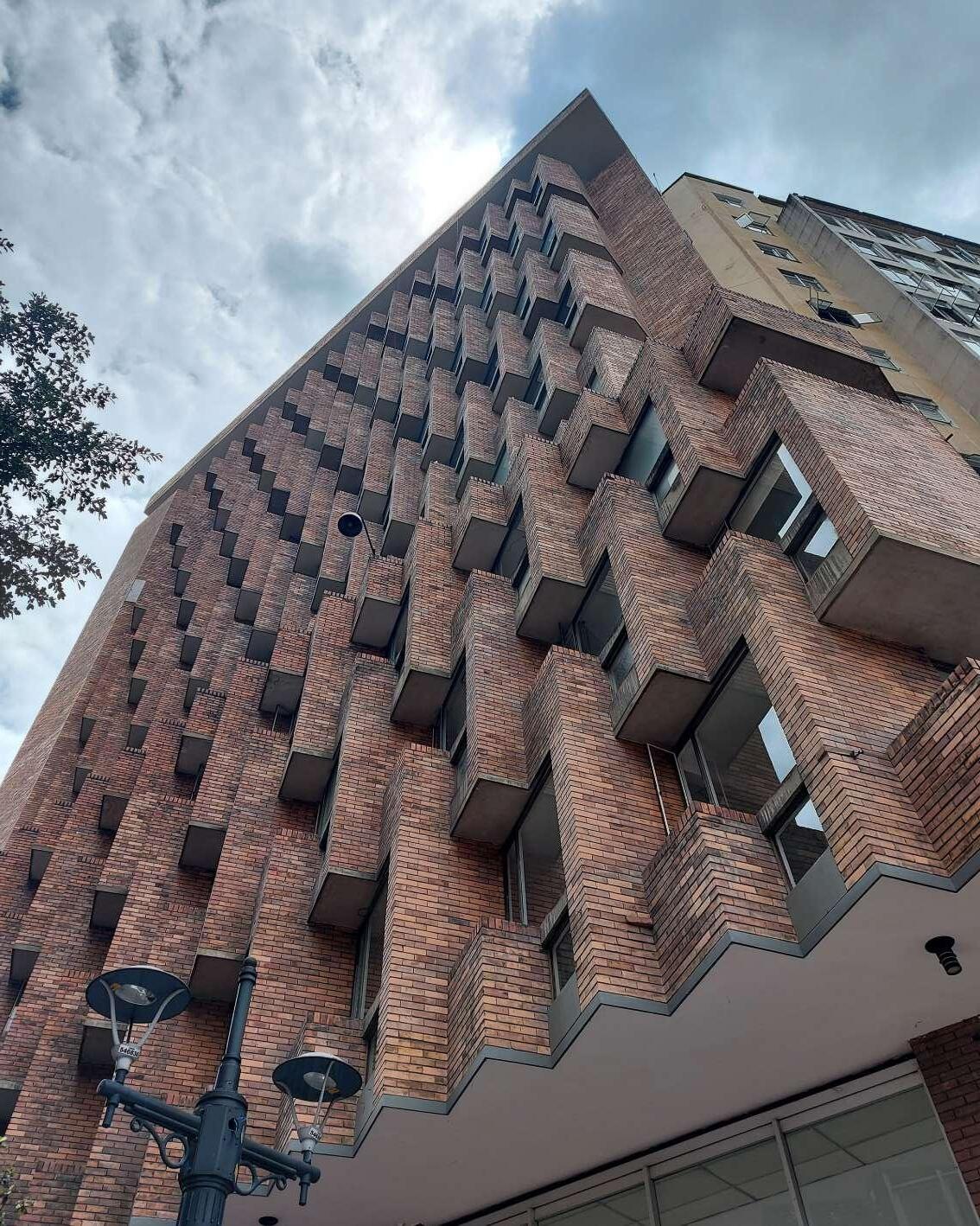
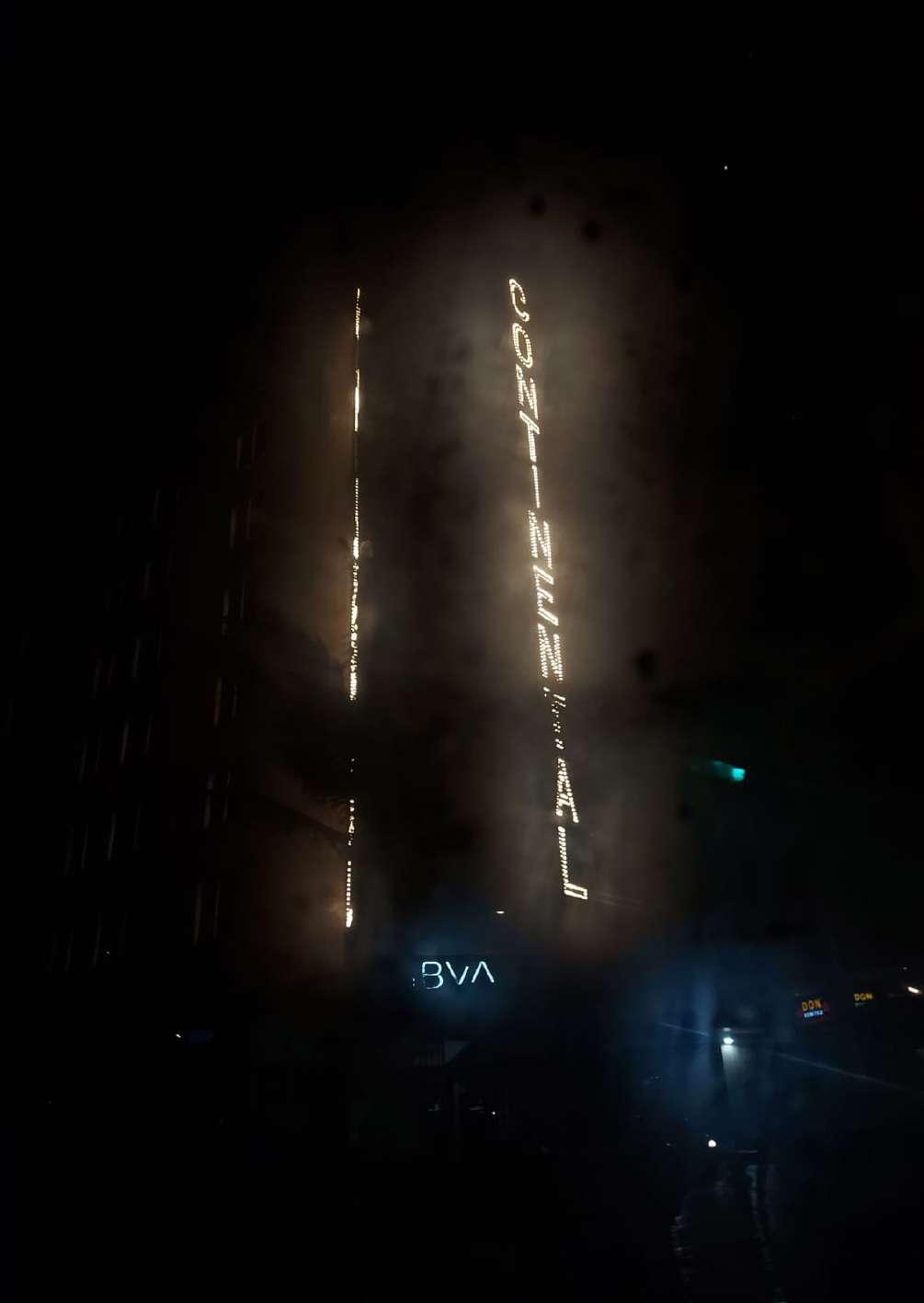
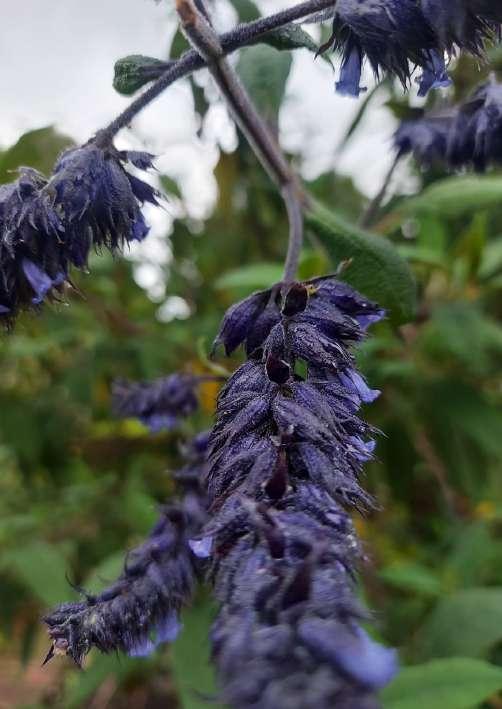
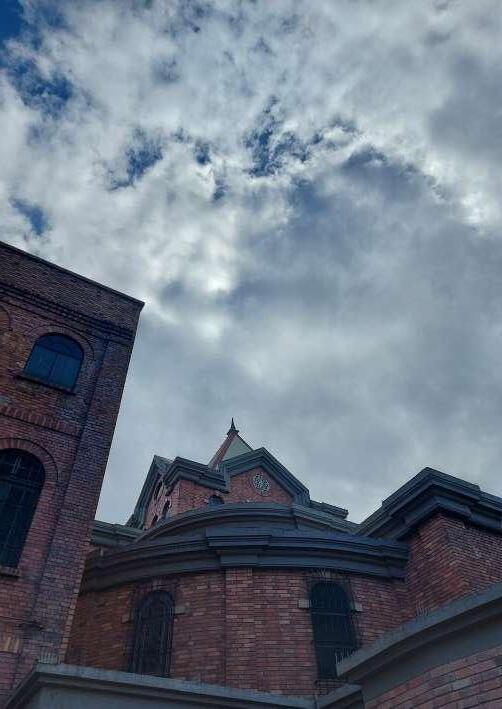
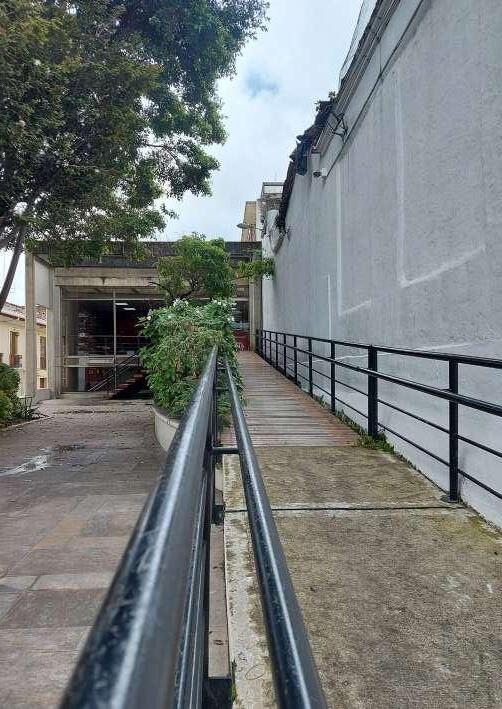
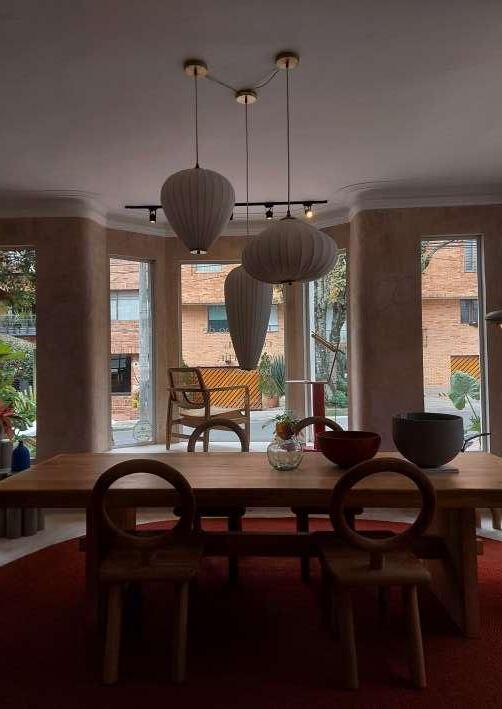
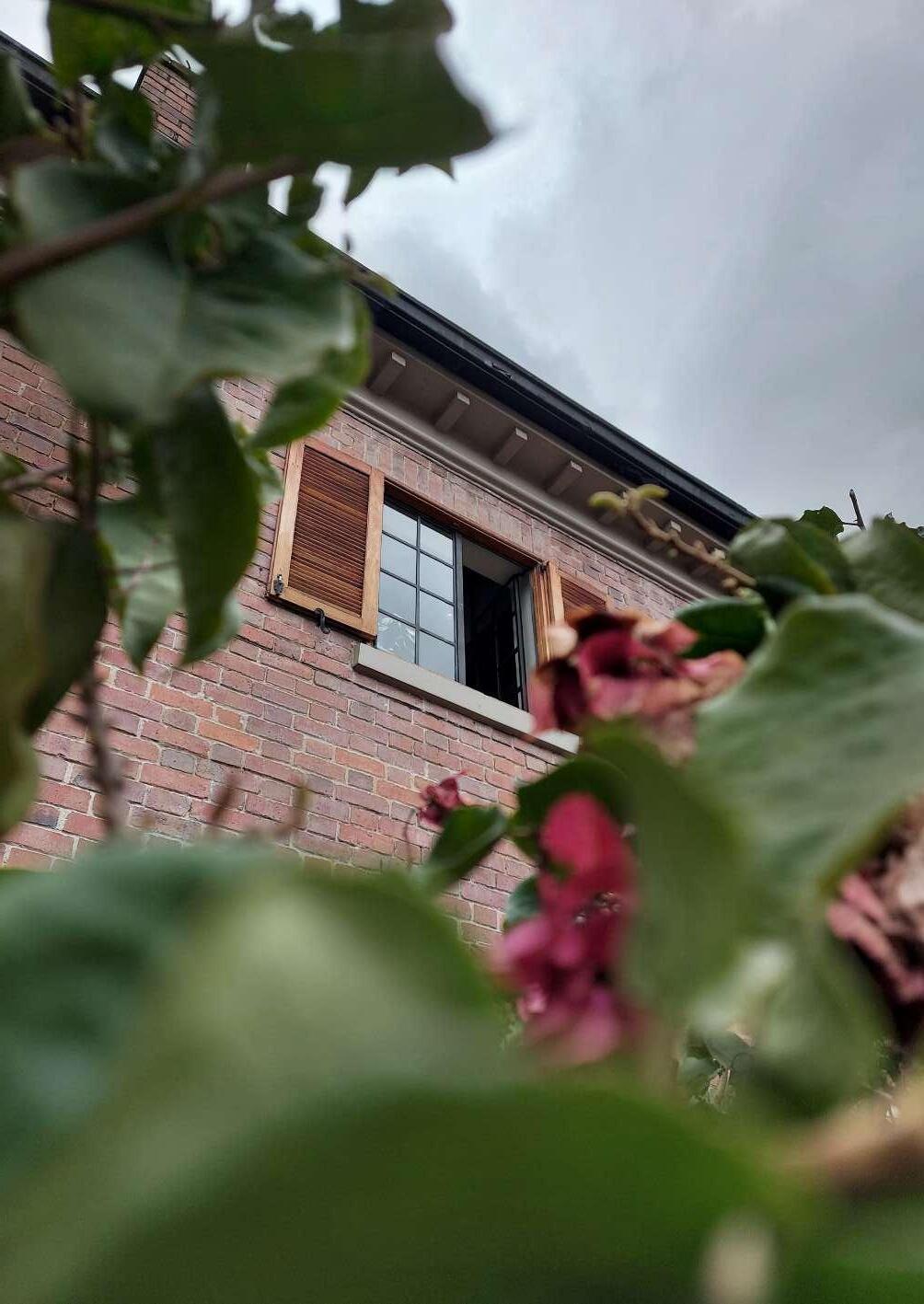
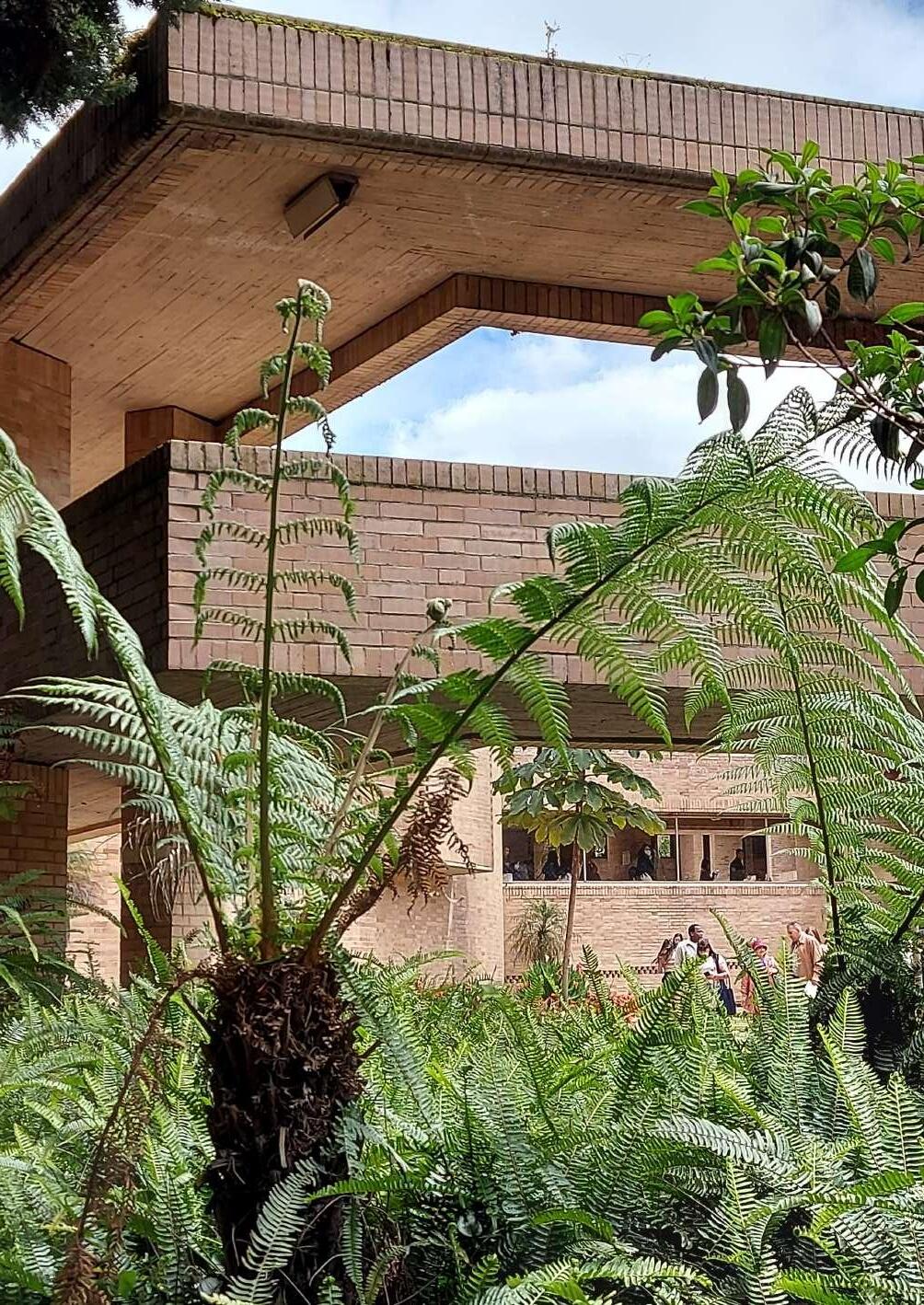
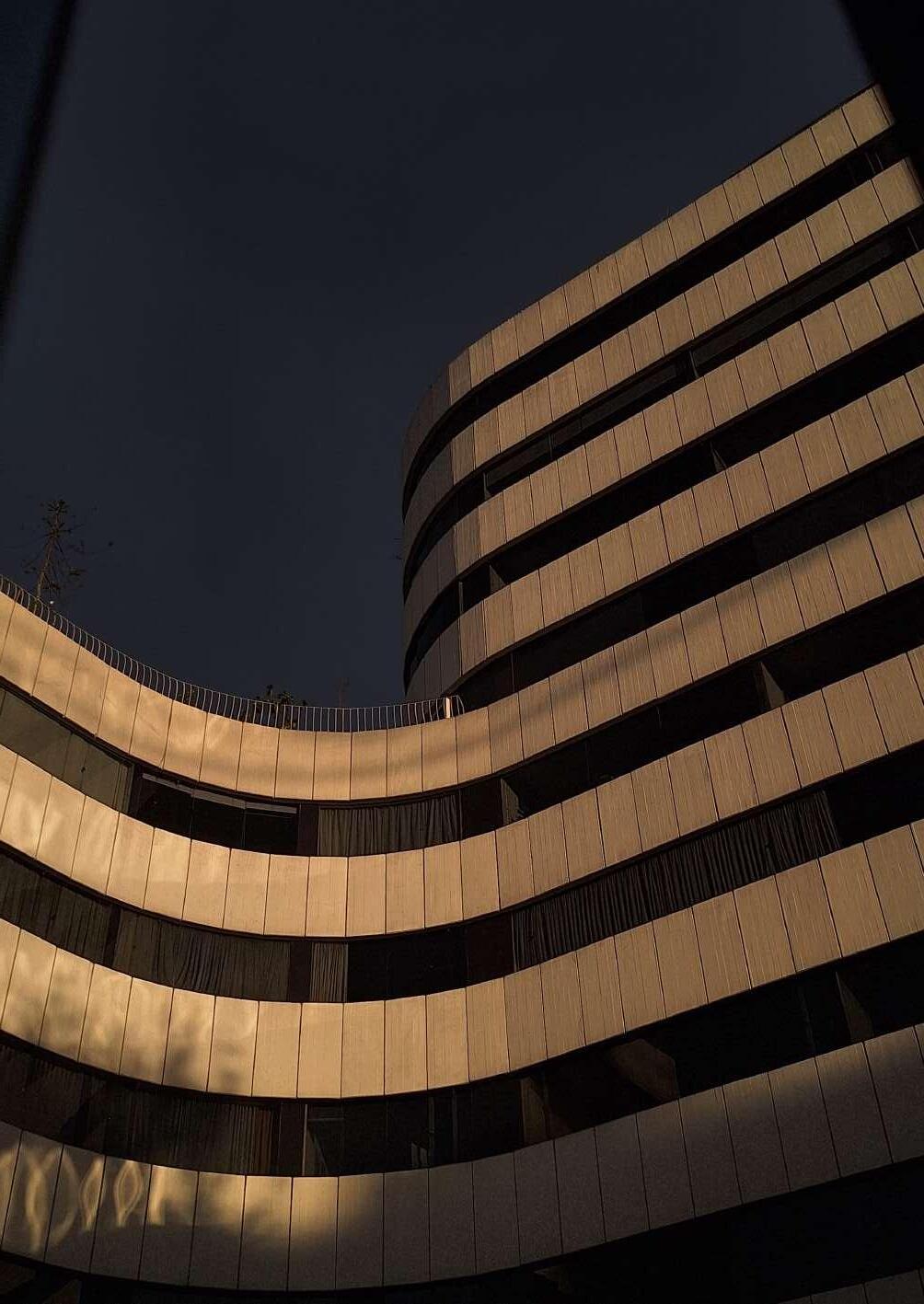
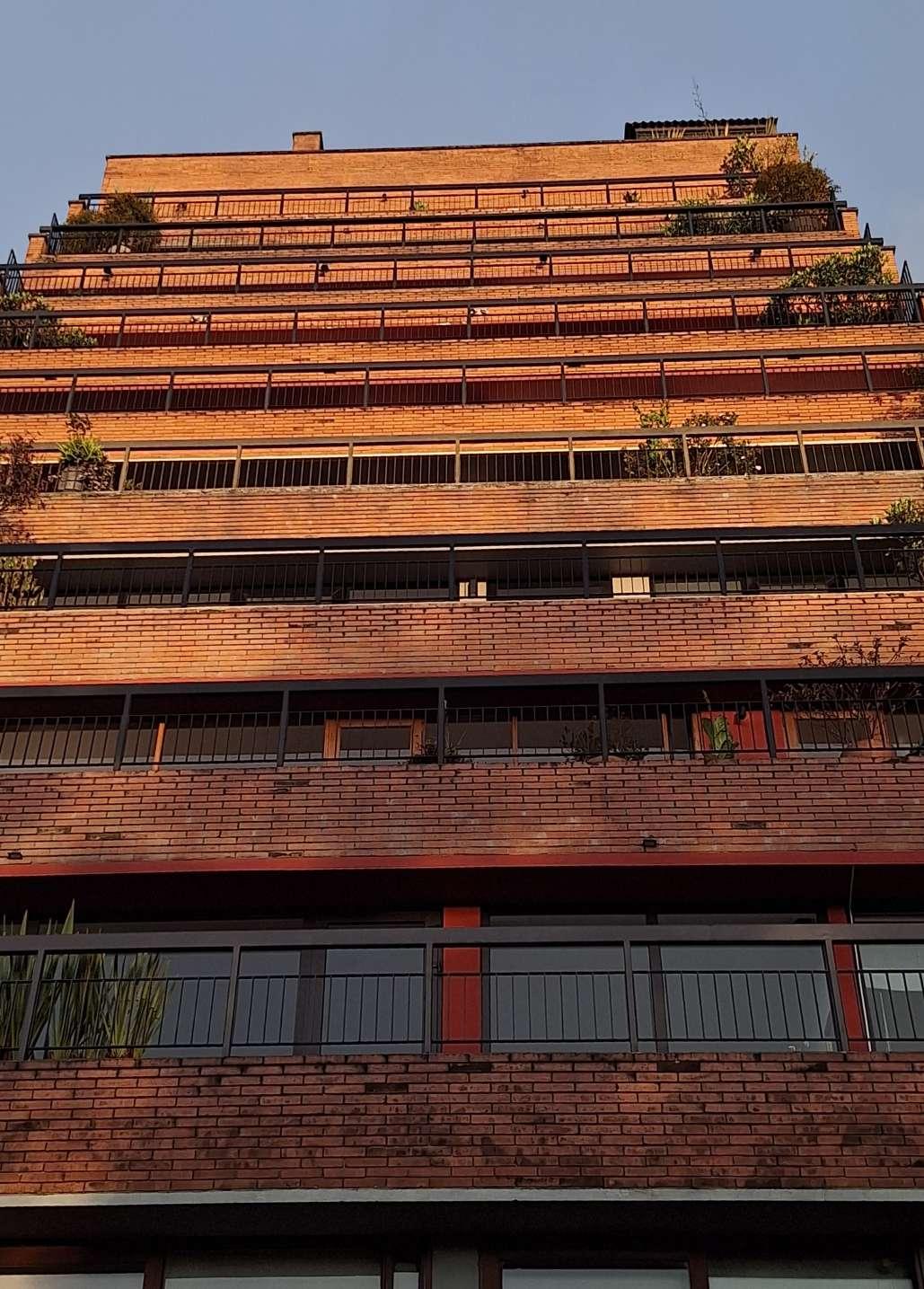
For the past 8 years, I have immersed myself in the exciting universe of photography, exploring its various dimensions as a means of aesthetic and sensory communication.
Each snapshot I have captured is a window into my experience and evolution in this fascinating field.
From vibrant portraits to landscapes that tell silent stories, these images are a reflection of my growing appreciation for the beauty that surrounds us. The camera has become my tool for translating the world into visual compositions.
Architectural design should be a reflection of the culture and history of a place.
Tadao Ando
CONTACT:
Michelle Cabrera Otero (+57) 3057560970
mcabrerao@javeriana.edu.co tinyplant2@gmail.com www.linkedin.com/in/michelle-cabrera-ote365