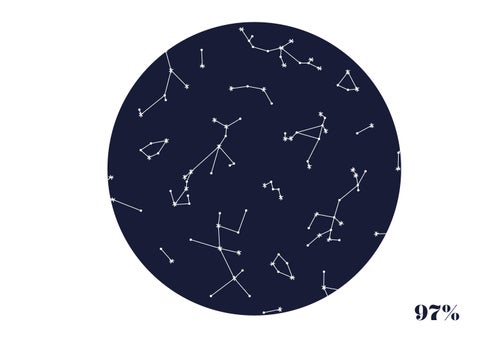
97%
wishing on stars our skin and stars
6
introduction 4-7
26-37
10-25
a stars life cycle
the human body
7
stardust 38-45 46-55 56-65
CONTENTS
stardust
/’sta:d^st/ (usually uncountable, plural stardusts) (astronomy)
Small fragments of dust-like material found in space; specifically, a type of cosmic dust that formed from cooling gases ejected from presolar stars, which was then incorporated into the cloud from which the Solar System condensed.
Synonyms: extraterrestrial dust, space dust
We are all made of stardust.
97%
of the human body consists of stardust, claim scientists who have measured the distribution of essential elements of life in over 150,000 stars in the Milky Way galaxy.
11 INTRODUCTION
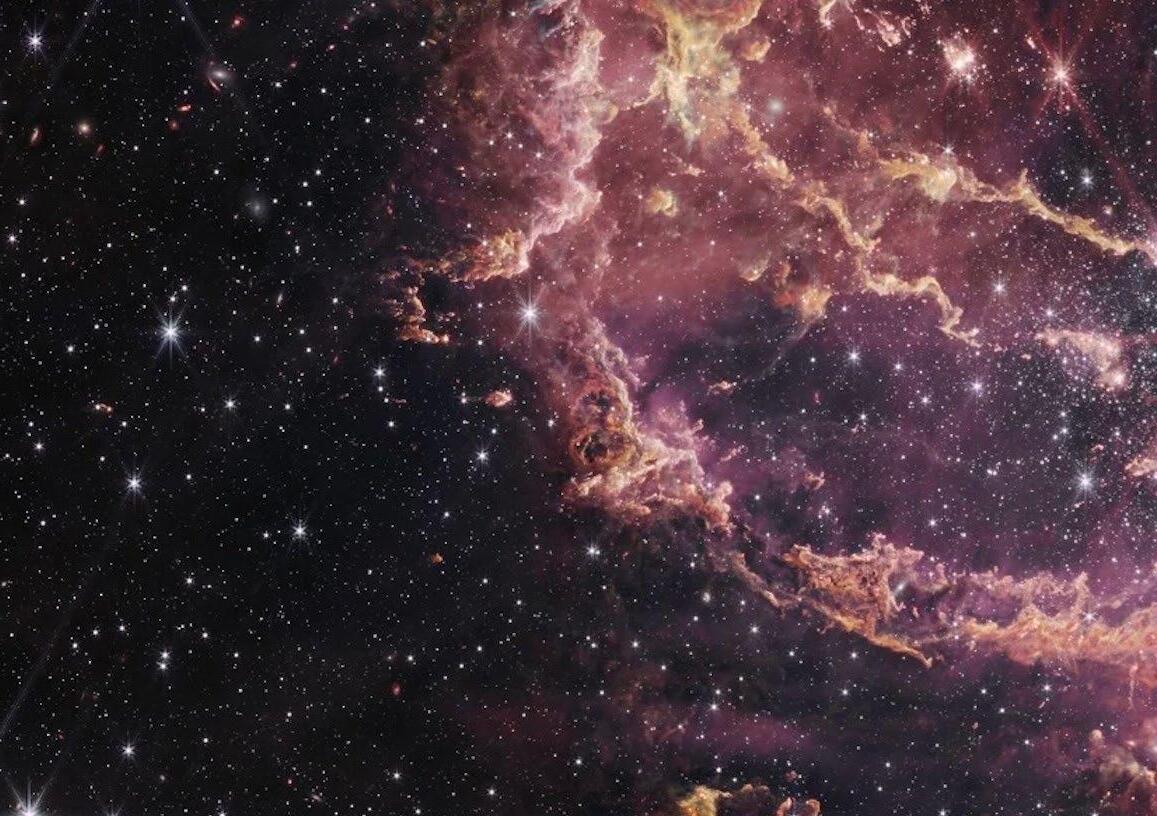
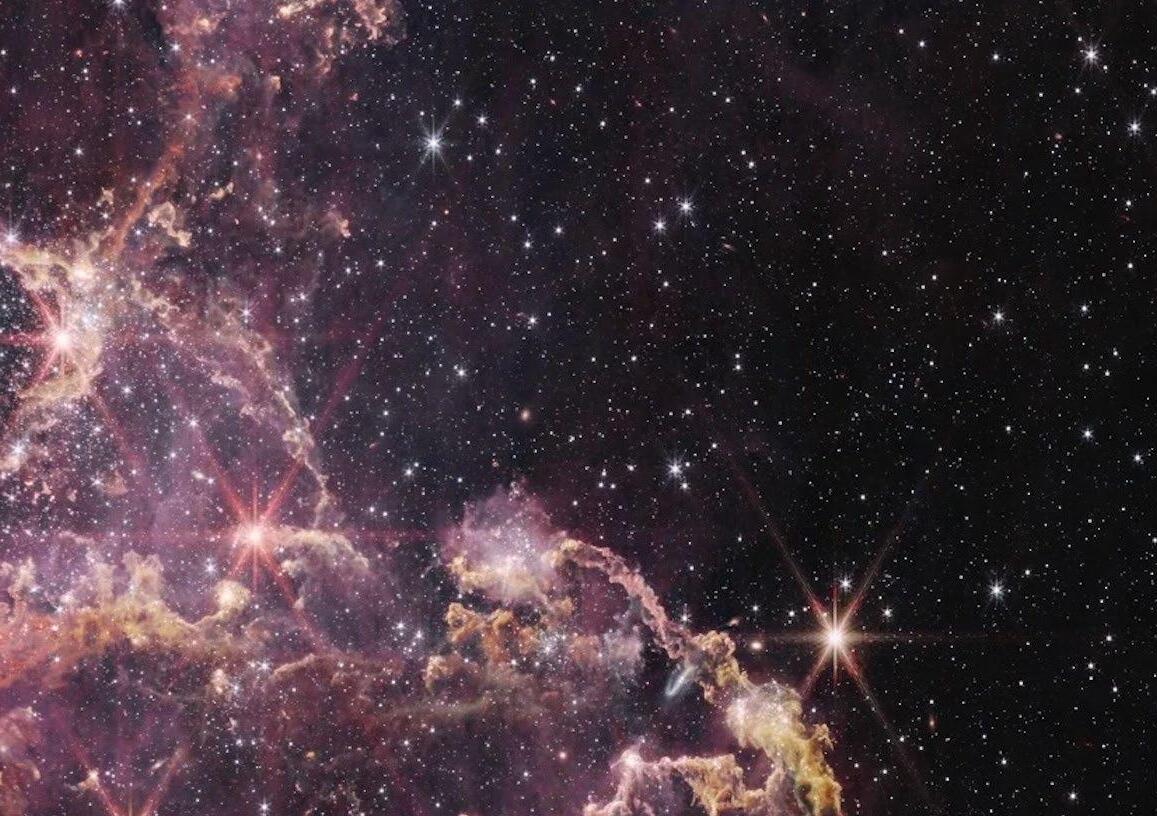
wishing on stars
People have different beliefs about shooting stars, such as spotting a falling star on the right side of the sky brings good luck. A popular belief is that wishing upon one makes the wish come true due to witnessing one being a rarity.
The history linked to the superstition of wishing upon stars dates far back in time and is still prominent today with falling stars being less common to spot.
when did the superstition begin?
WISHING ON STARS 17
antique celestial planisphere
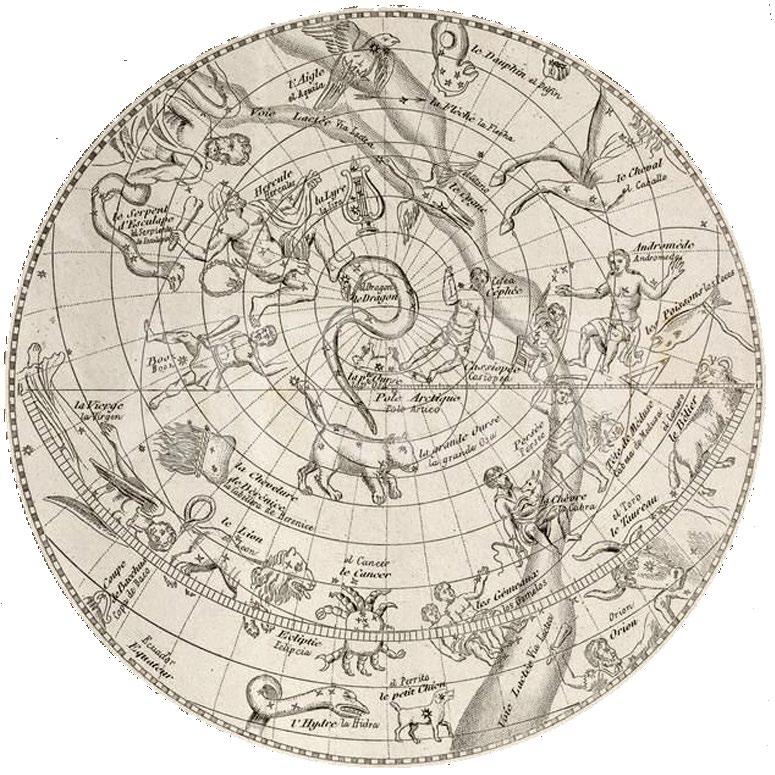
greek
second century
Humans have wished for centuries. Shooting stars were a tangible symbol of the Gods looking down.
This theory originated from Claudius Ptolemy, a Greek astronomer. Back in the 2nd century, Ptolemy interpreted that the stars were a sign that the Gods were listening and that a wish or request made was likely to be heard and granted. He believed that stars slipped through spaces in heaven, therefore making it a good time to wish what you ask for most.
The Greeks and Romans believed that the appearance of comets, meteors and meteor showers were significant. They thought that they were signs that something good or bad had happened or was just about to happen.
orion constellation
The ancient Greeks named a figure of the great hunter they saw in the night time sky, Orion.
Orion is a prominent constellation. It is located on the celestial equator and is visible throughout the world.
WISHING ON STARS 19
the holy star above bethlehem
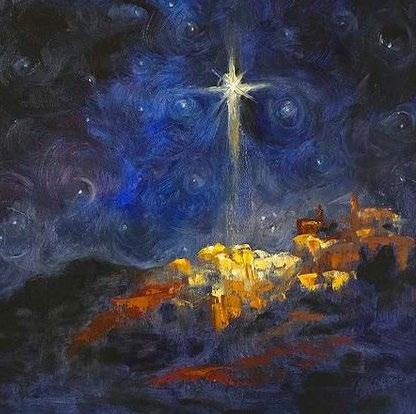
christian third century
Stars are spoken about throughout the Bible. According to legend, the shooting star was believed to represent the exact moment the Gods were contemplating life on Earth, which would be the ideal time to make them hear your wishes.
Christian belief around stars is still relevant today, with the Christmas star symbolizing the star of Bethlehem. According to the Biblical story, this star guided the three wise men, also known as the three kings, to Jesus.
Later in Christian religion, shooting stars were thought to represent rising or falling angels. Wishing on these stars amounted to the possibility of improving fortunes.
the holy star
This star was dedicated to the birth of Jesus and is also the heavenly sign of prophecy fulfilled long ago and the shining hope for humanity.
The Holy star or better known the Christmas star was likely a nova or supernova explosion.
21 WISHING
ON STARS
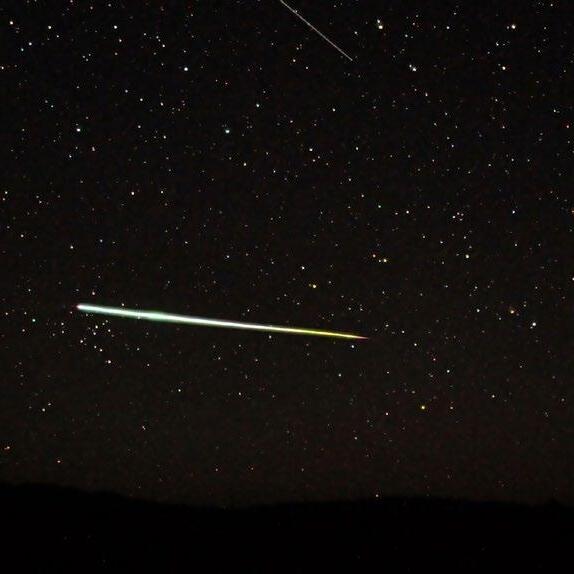 shooting star photograph
modern day
twenty first century
The tradition of wishing on shooting stars has been strengthened in the modern era. In the case of these stars, urban light pollution has contributed to the increase in carbon dioxide in the atmosphere which has obscured the stars in the night sky. This pollution has made shooting star sightings more rare therefore wish opportunities are more precious.
No matter if you believe wishing on a star or not, a shooting star is a symbol of positivity. If you are unsure about anything or you have current a pending decision, then seeing a shooting star is a signal from the universe.
shooting stars
A shooting star is a very small piece of rock or dust that hits Earth's atmosphere from space. It moves at such speed that it heats up and glows as it moves through the atmosphere. Shooting stars are what astronomers call meteors. Most meteors burn up in the atmosphere before they reach ground.
23
WISHING ON STARS
have you wished upon a star?
24
I am not sure if I believe they come true, but I’d like to think the universe is listening.
- anonymous
I always wish upon the first star I see or the brightest in the sky.
25 WISHING ON STARS
26
- anonymous
I have wished on a star but I don’t believe it will come true.
27 WISHING ON STARS
I do believe wishing something is asking the universe for help, which may listen.
28
I do think that stars are someone special up there.
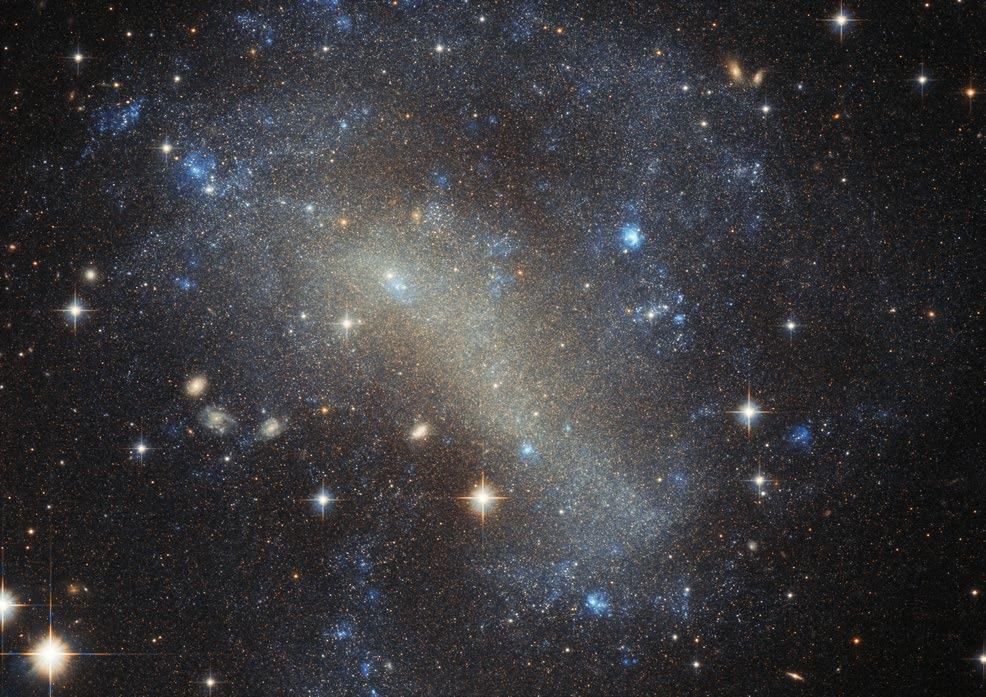
- anonymous
I wouldn’t say I’ve wished upon a star but I have looked up and tried to find the brightest one.
29 WISHING ON STARS
our skin and stars
Our birth dates determine our zodiac signs, but can these constellations be found else where physically? Thousands of constellations can be drawn in the sky through a dot-to-dot method, similarly to humans and the marks on our skin.
There is more than just superstition between us and stars. We are much more closely linked than to the faint eye.
how is our skin connected to stars?
OUR SKIN AND STARS 33
12 zodiac constellations
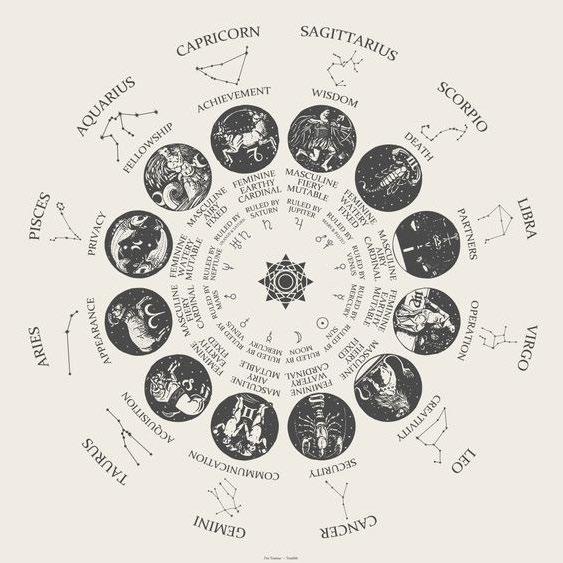
what are they?
Many people think of constellations as a group of stars. Often, it’s a group of stars that looks like a particular shape in the sky and has been given a name.
Over time, cultures around the world have created different names and numbers of constellations depending on what people thought they saw. Today, there are 88 officially recognized constellations. Some well known constellations include Orion and zodiacs such as Pisces and Taurus.
Not all constellations have to be official, if you were to draw lines in the sky between the stars like a dot-to-dot, the picture would look like an object, animal, etc.
pisces and taurus constellations
These constellations are two well known star clusters. These stars are part of the group of zodiac constellations, which are derived from the path the sun takes through the year. This therefore determines our zodiac constellations that are based on when in the year we are born.
35 OUR SKIN AND STARS
constellations
participants response
miranda july
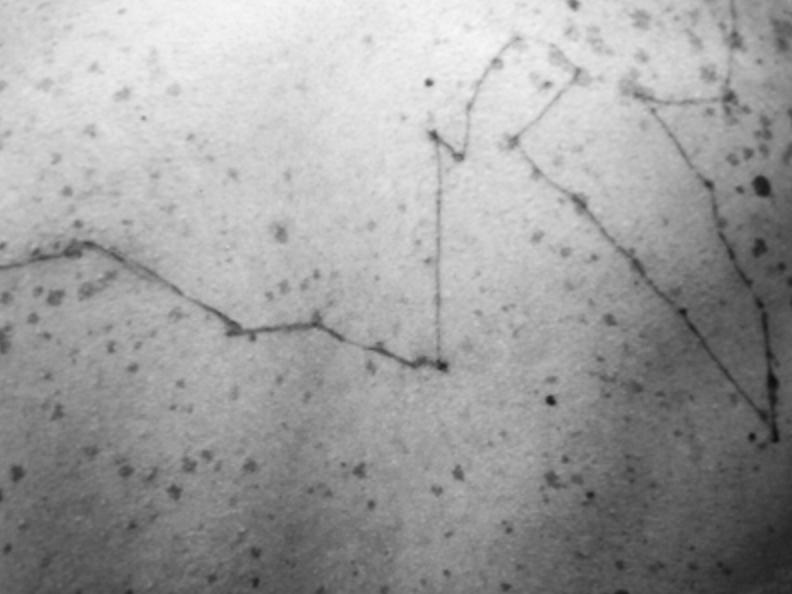
freckle constellations
Artist Miranda July explored our physical connection to stars through her website series “Learning to Love You More”. The series is comprised of non-web presentations of work generated by the public. Contributors accepted assignments, completed them by following simple instructions and their work was posted on the site.
Draw a constellation from someone’s freckles, moles or birthmarks on their body using a ball point pen was one of the assignments.
Miranda July’s series, her freckle constellation task in particular, evoked her participants to see their external link to stars. Her work created through this assignment expresses our human link to the sky through our skin.
37
OUR SKIN AND STARS