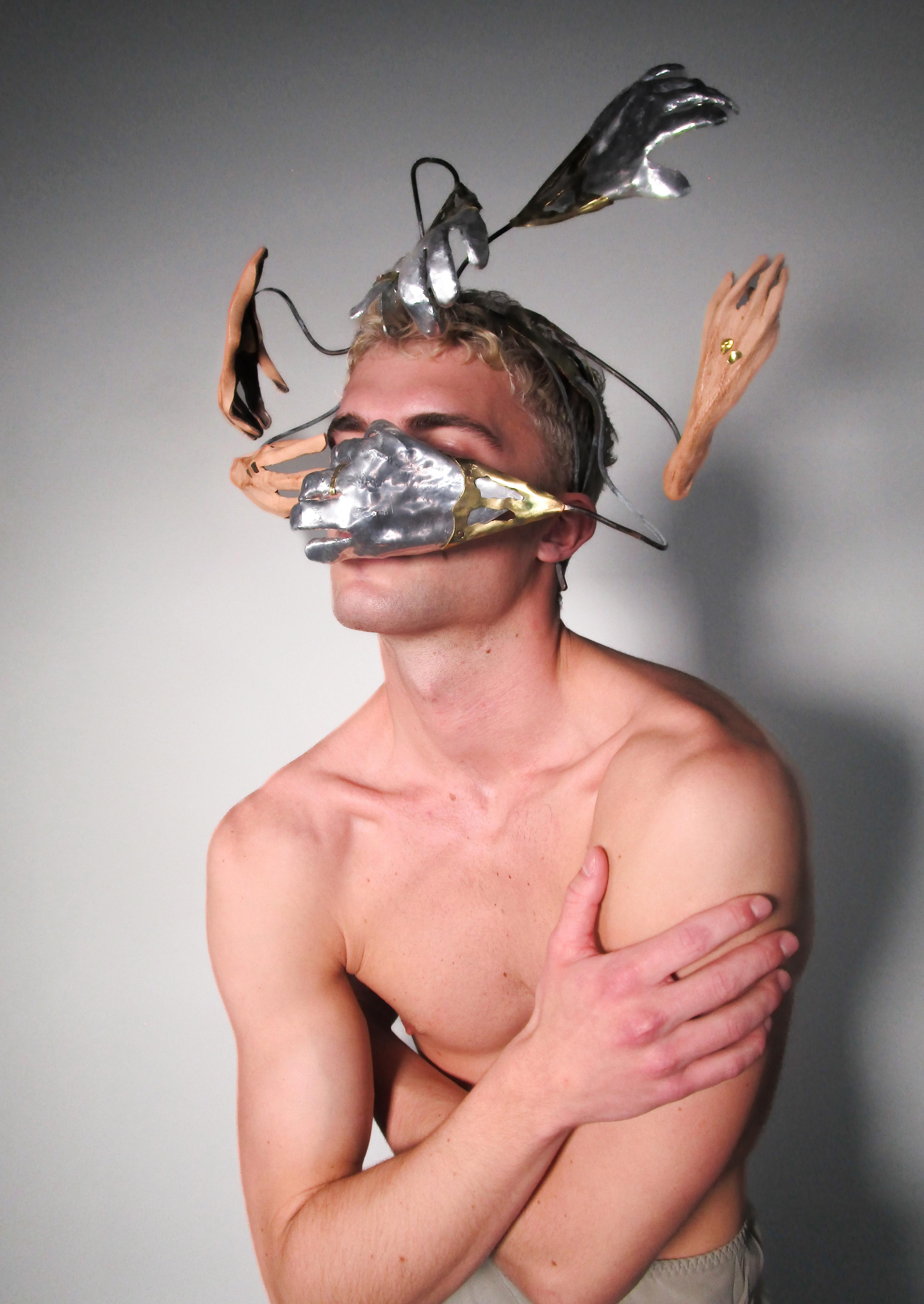


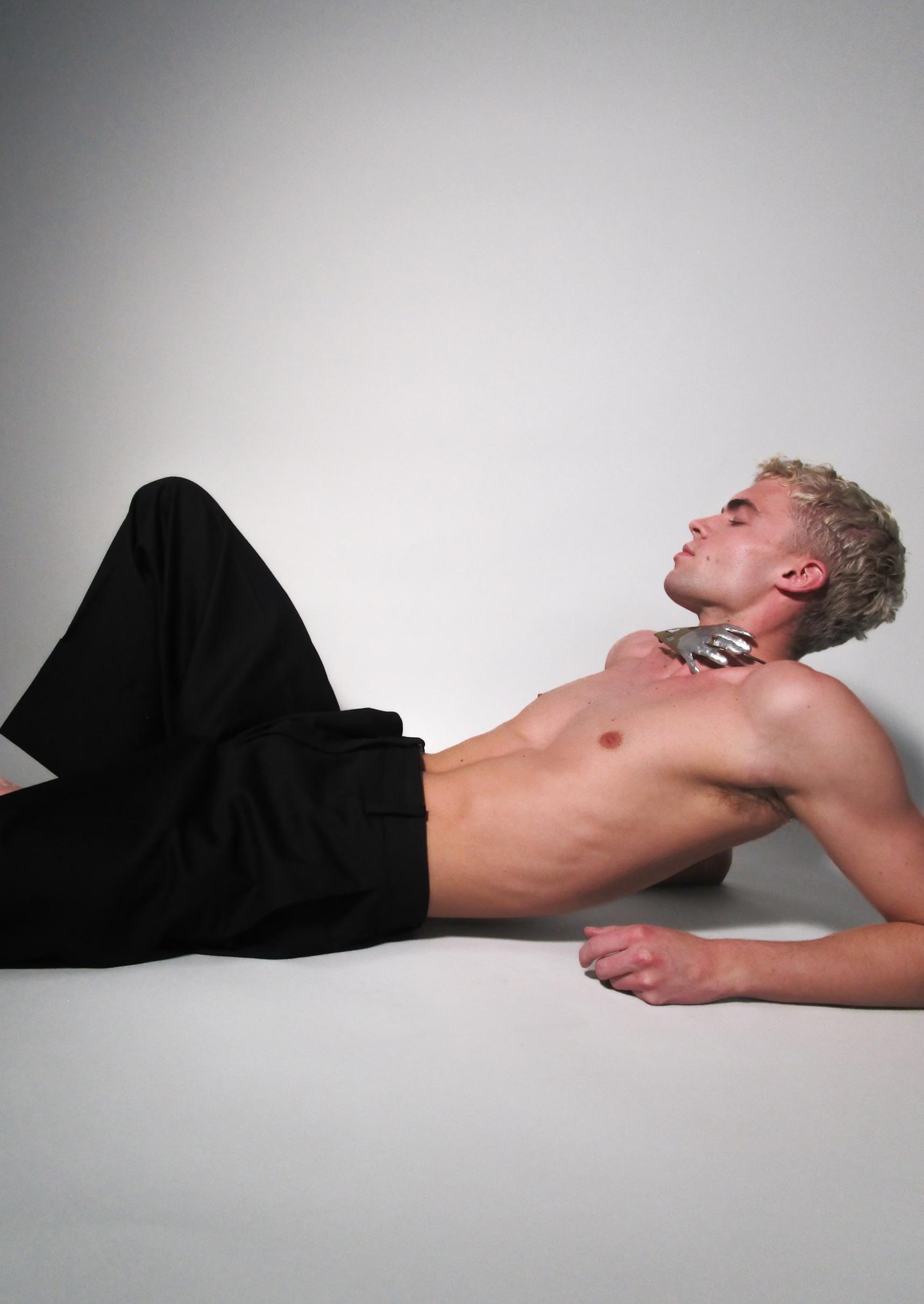
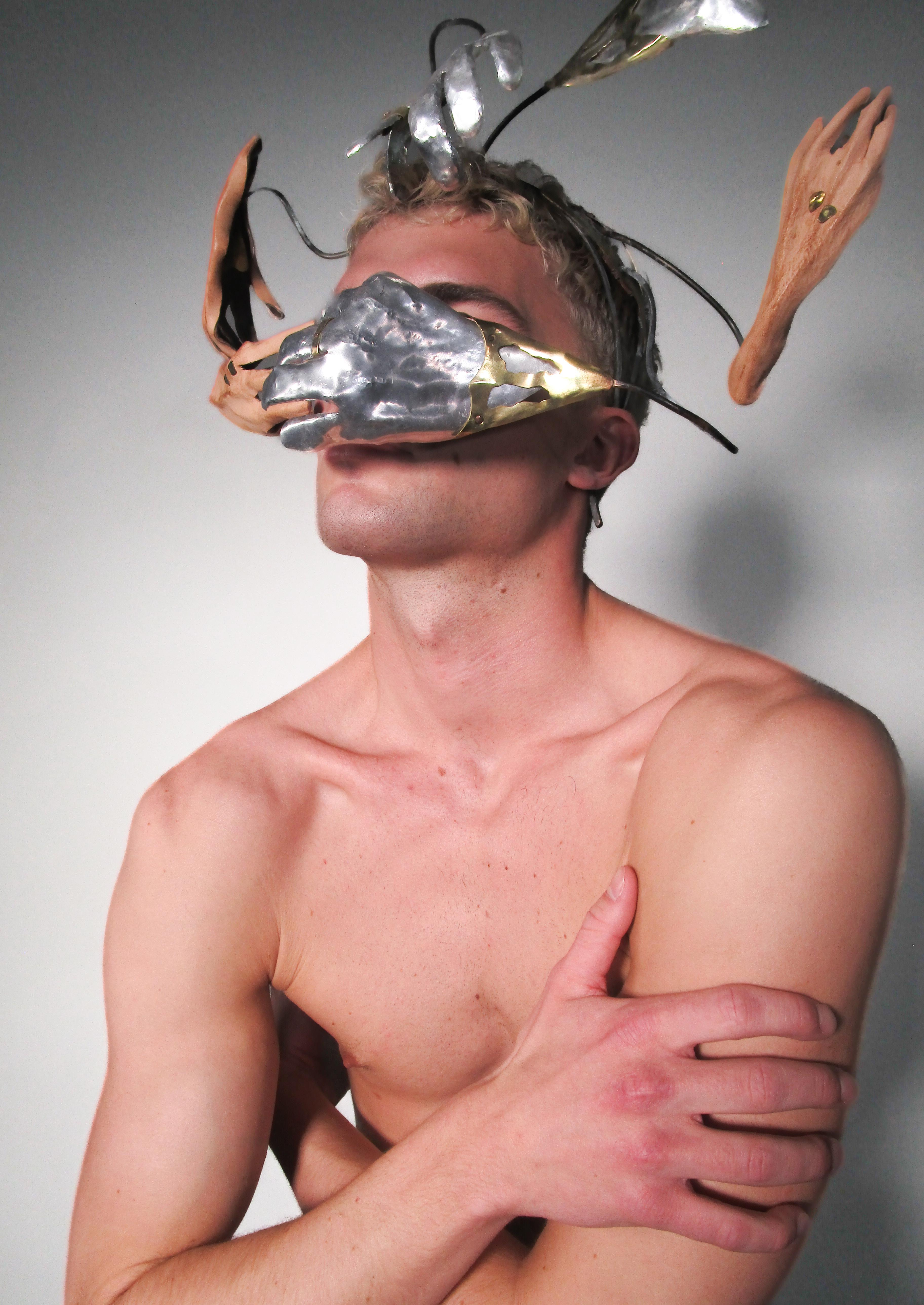
Shi Huang reclaims the Icon of Medusa as a modern feminist heroine, originally scapegoated and punished for breaking the rules of the patriarchy. Shi reimagines her punishment as a power to liberate and protect.
1
Shi Huang reclaims the Icon of Medusa as a modern feminist heroine, originally scapegoated and punished for breaking the rules of the patriarchy. Shi reimagines her punishment as a power to liberate and protect.

in conversation with Shi Huang
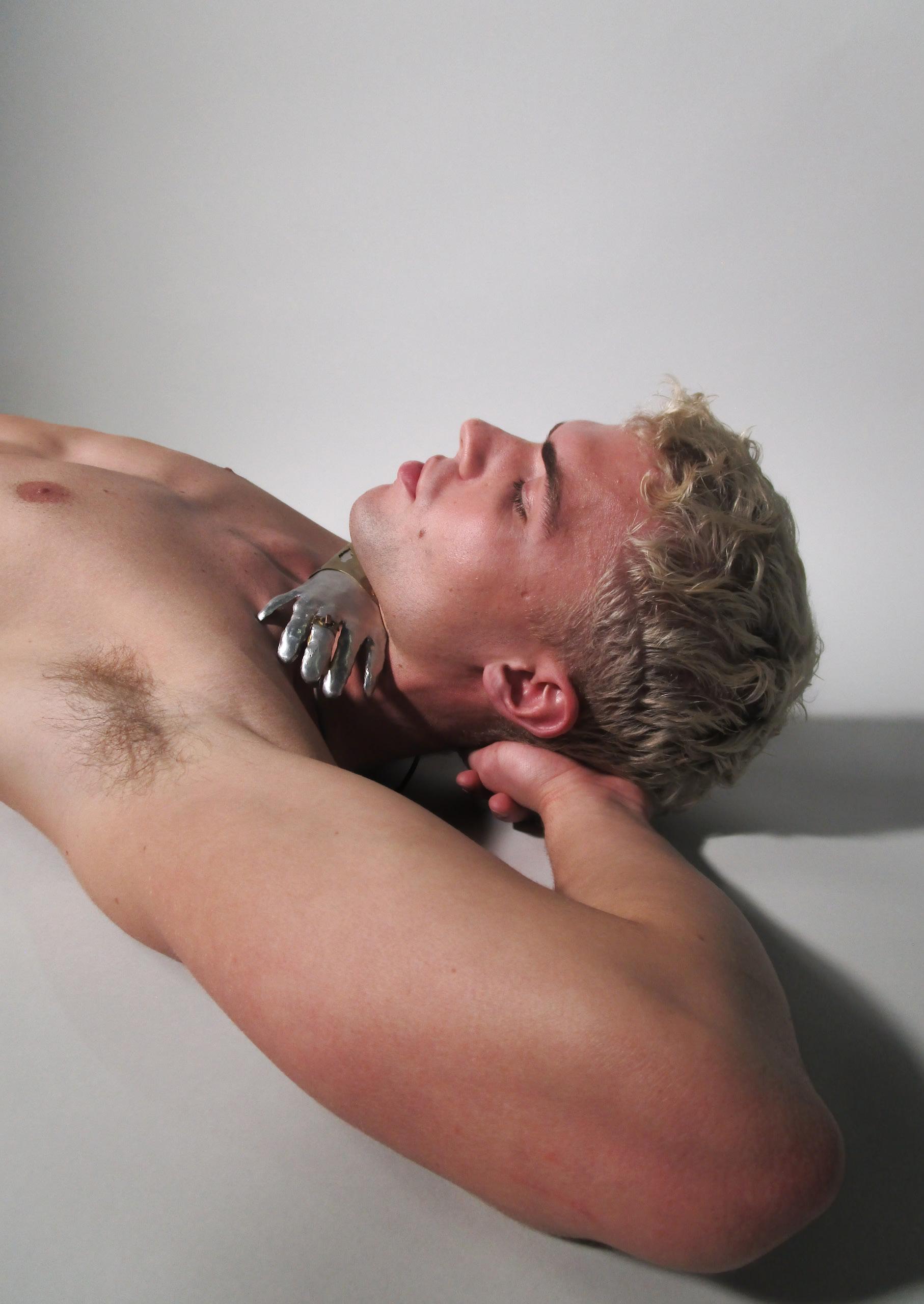
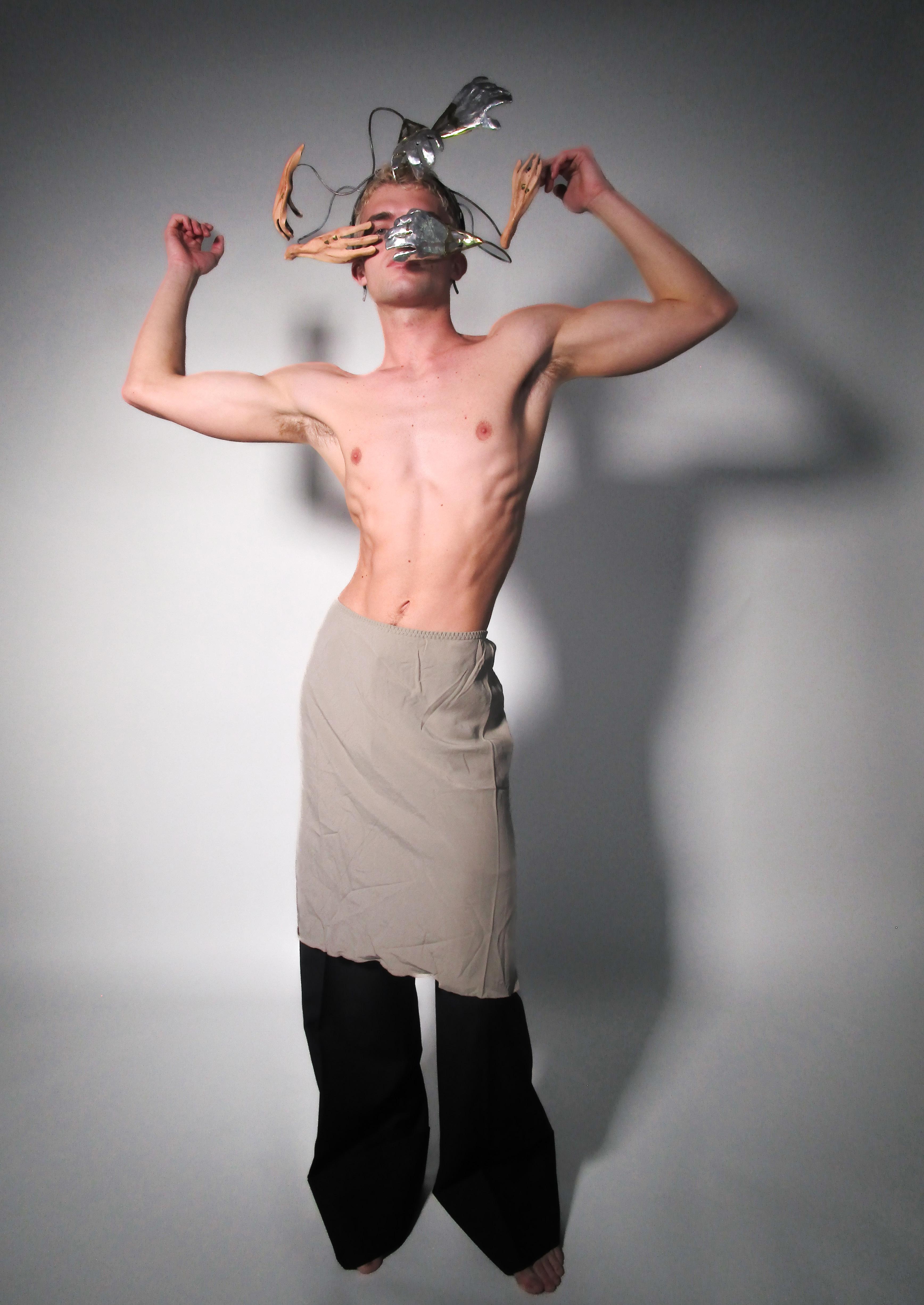
The story of Medusa is interpreted as a cautionary tale about the dangers of vanity, hubris and the wrath of the gods.
It explores themes of isolation and the consequences of divine intervention.
Can you tell me a bit about this particular project you are working on?
This is a project designed for International Women’s Day. My work focused on women’s struggles and breakthroughs in a misogynistic environment, so I named it breakthrough. I chose Medusa as the source of the spiritual cover.
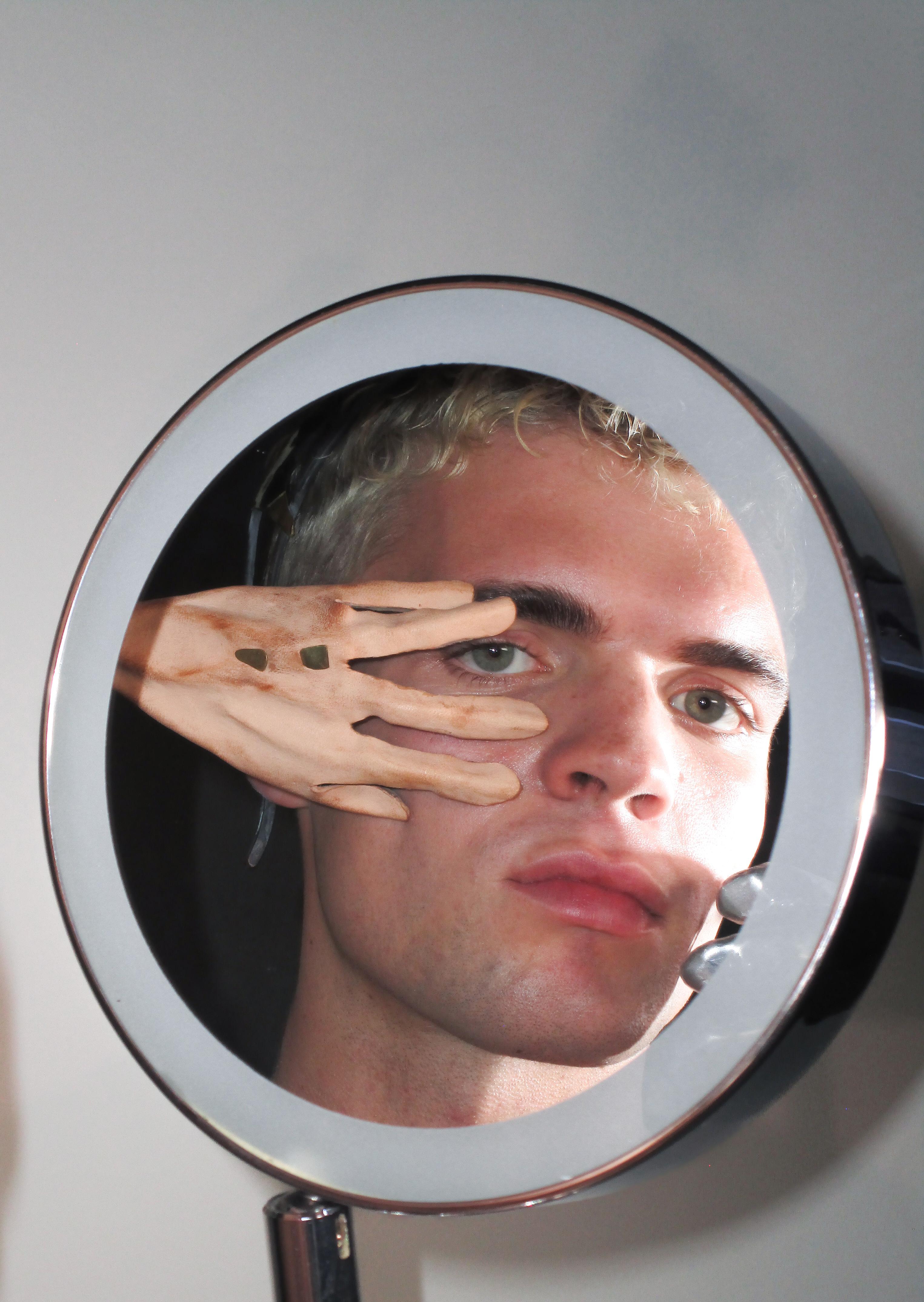
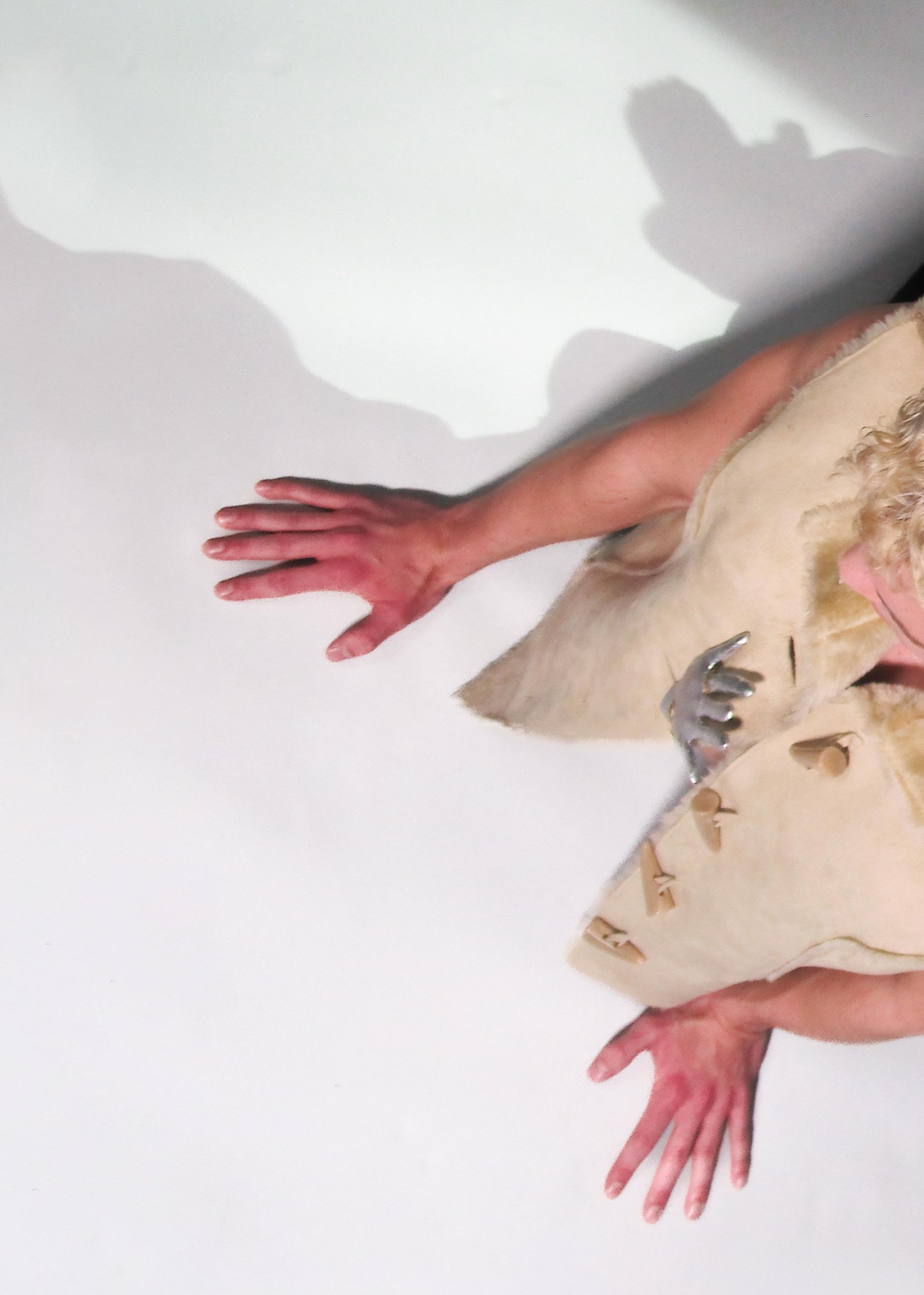
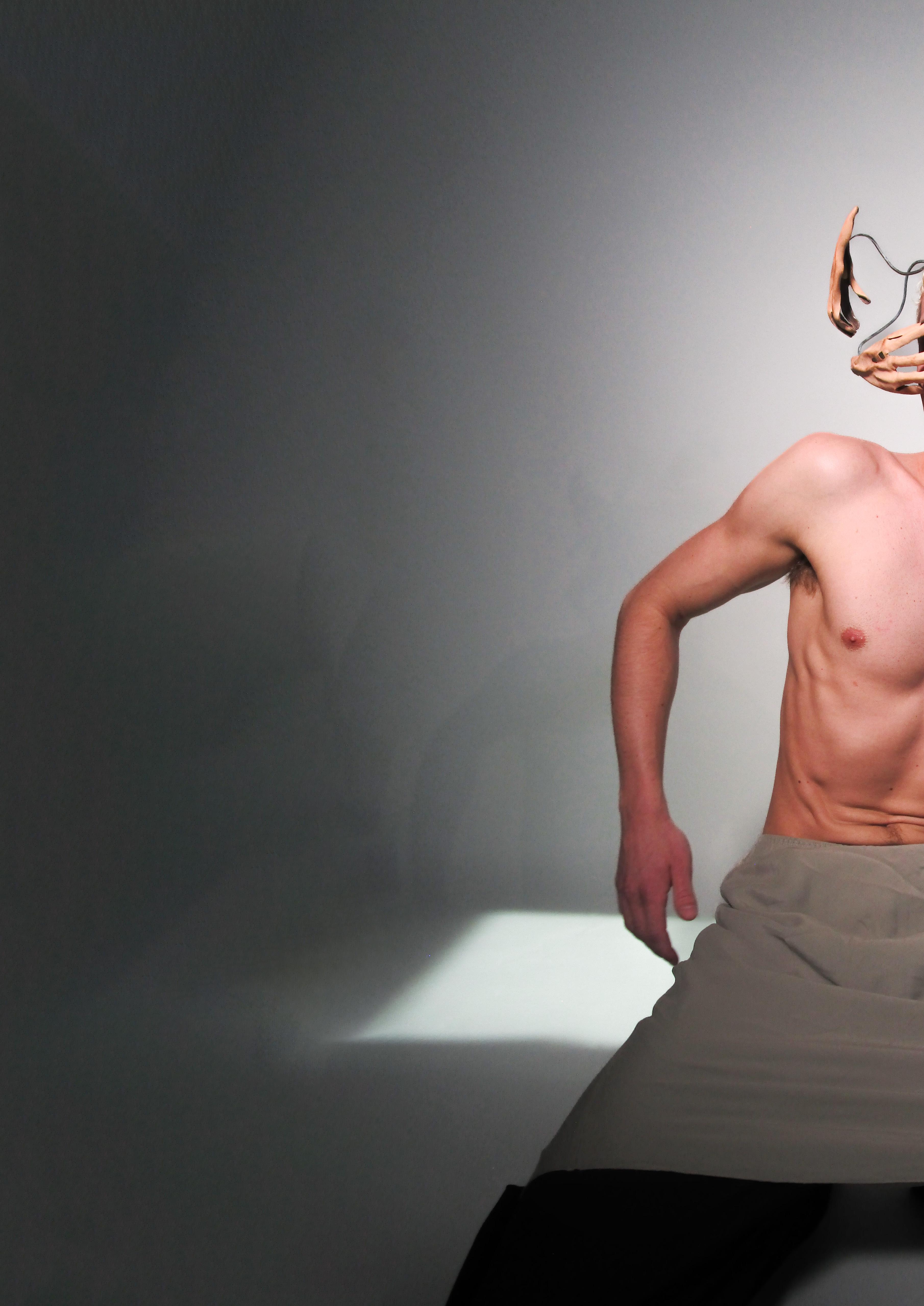
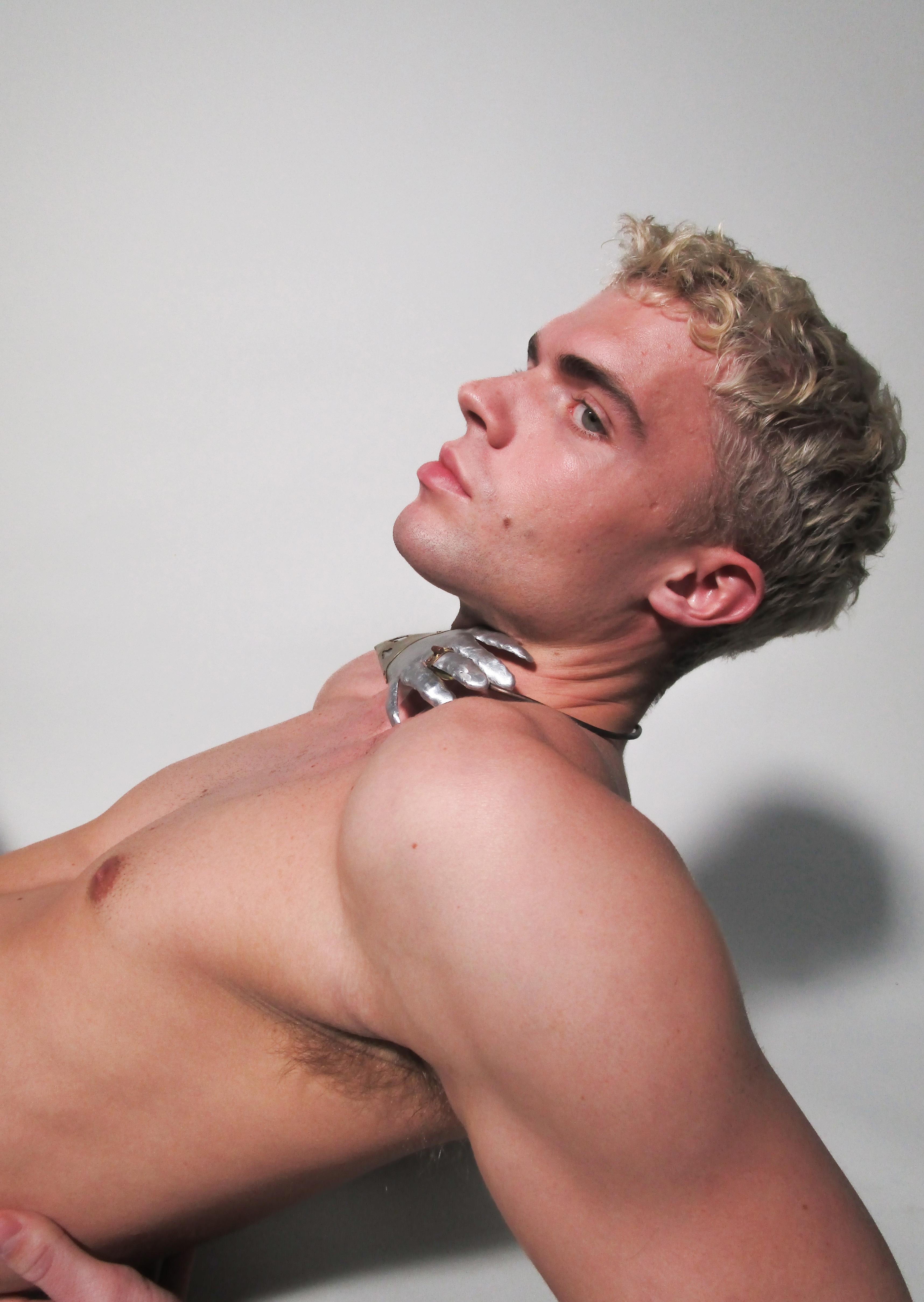
Although she is a snake-haired banshee, she is actually a victim of the misogynistic environment. I turned her hair into hands as a manifestation of the inner struggle, and the mane she had became her weapon. It reimagines her punishment as a power to liberate and protect.
What initially inspired you to pursue jewellery design, and how has that inspiration evolved since you started your journey?
Jewellery is kind of my salvation. After studying engineering at a German university for several years, I fell into boredom and self-doubt about my current life, so I began to devote myself to the handicrafts I had loved since childhood. I regained my full devotion to the process of jewellery making to extricate myself. My previous experience showed me how lucky I was to be able to find my passion and pursue it as a major, so I came to the University of the Arts London to start studying jewellery all over again.
How has your style or approach to jewellery design changed since your first year of university?
When I first entered college, I didn’t have a very clear design style. I was more pushed by each briefing or theme to design the corresponding jewellery. Meanwhile, I had the opportunity to try a lot of different materials and processes to learn more about the expression of jewellery. Compared with the simple design scheme at the beginning, under the guidance of the tutors, I began to pay more attention to the process of design development, do more experiments with critical thinking, and then be more clear about the themes and styles I am interested in, hoping to develop in depth in the direction of human nature and narrative jewellery.
Have you had any memorable successes or achievements in your work during this academic year?
If so, could you share one with us?
I think the moment when the headpiece was assembled is the most unforgettable. This work has been in production for three weeks and had encountered many difficulties. Due to the large size, each hand was made separately and then riveted onto the crown. Therefore, the final prototype couldn’t be seen in the early stages, and the last step was so important - once you make one mistake, the whole work could be crushed. I was nervous and excited when I reached the last step of the production. Since the whole crown was curved, it was difficult to find the fulcrum of the riveting, which was completed with the help of several classmates. At the moment when the assembly was completed and put on my head, I felt an unprecedented sense of achievement when I saw that my design was perfectly realised.
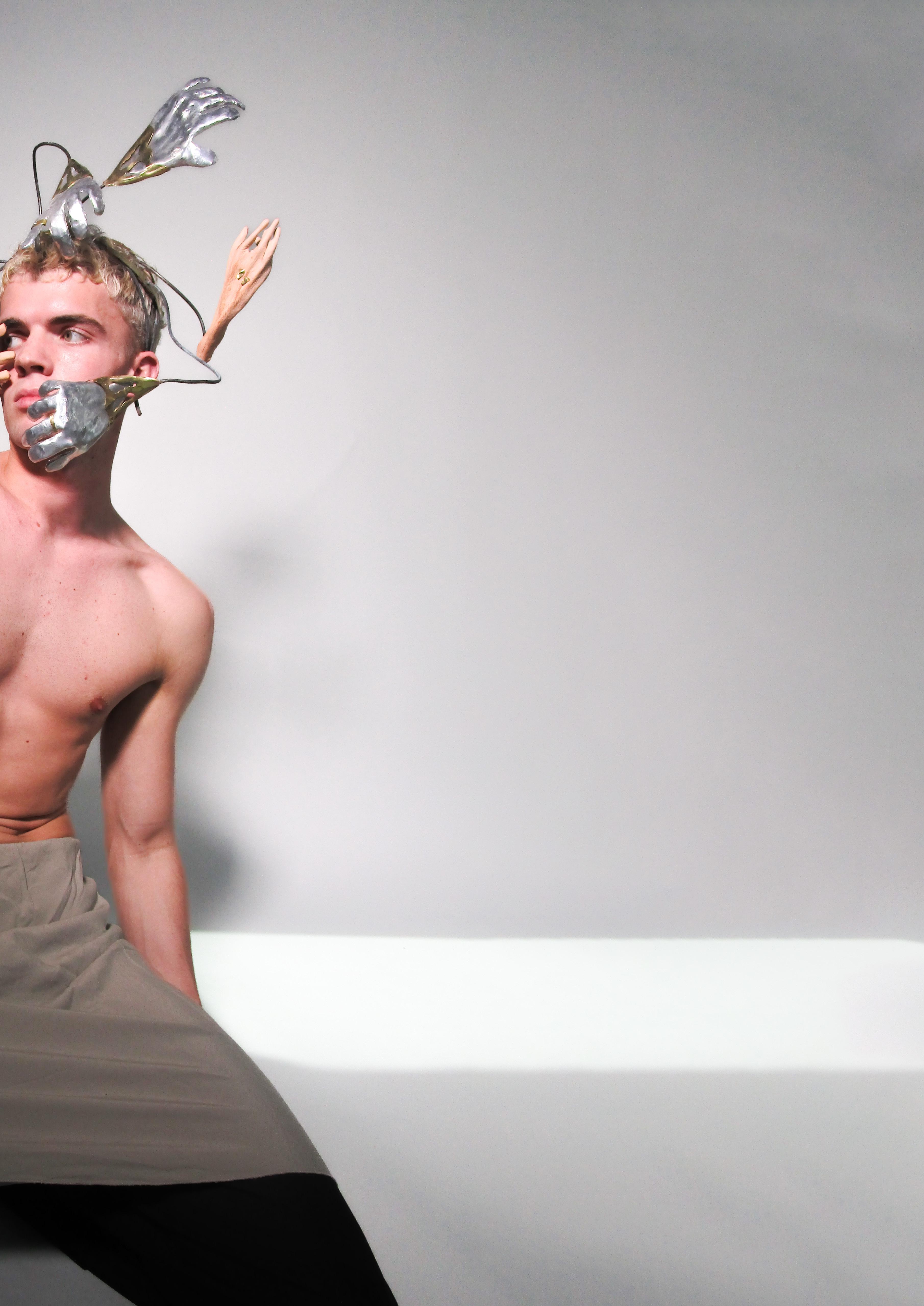
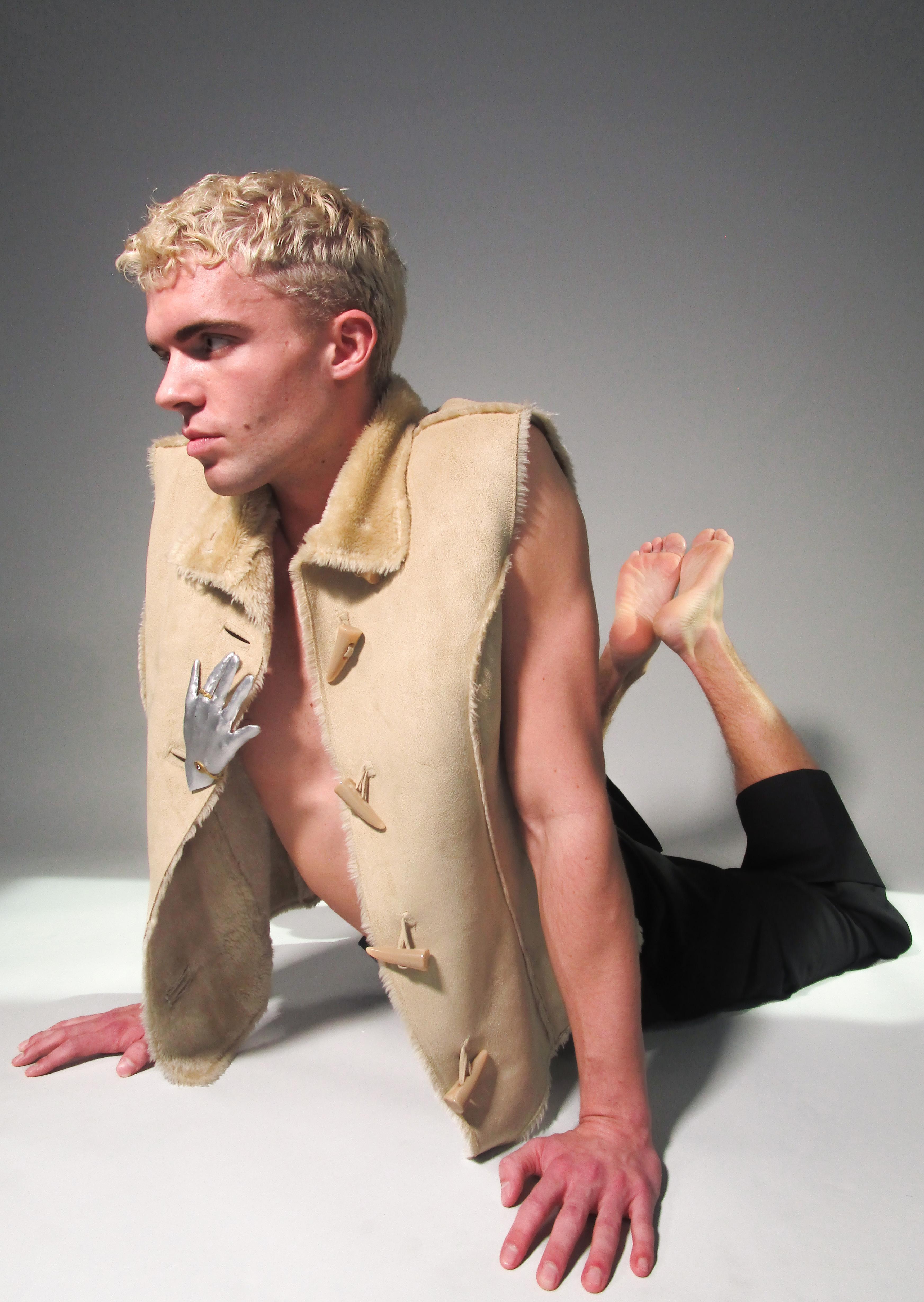
“I turned her hair into hands as a manifestation of the inner struggle, the mane she had became her weapon.”
What techniques or skills have you focused on improving during your second year, and how have you seen yourself progress in those areas?
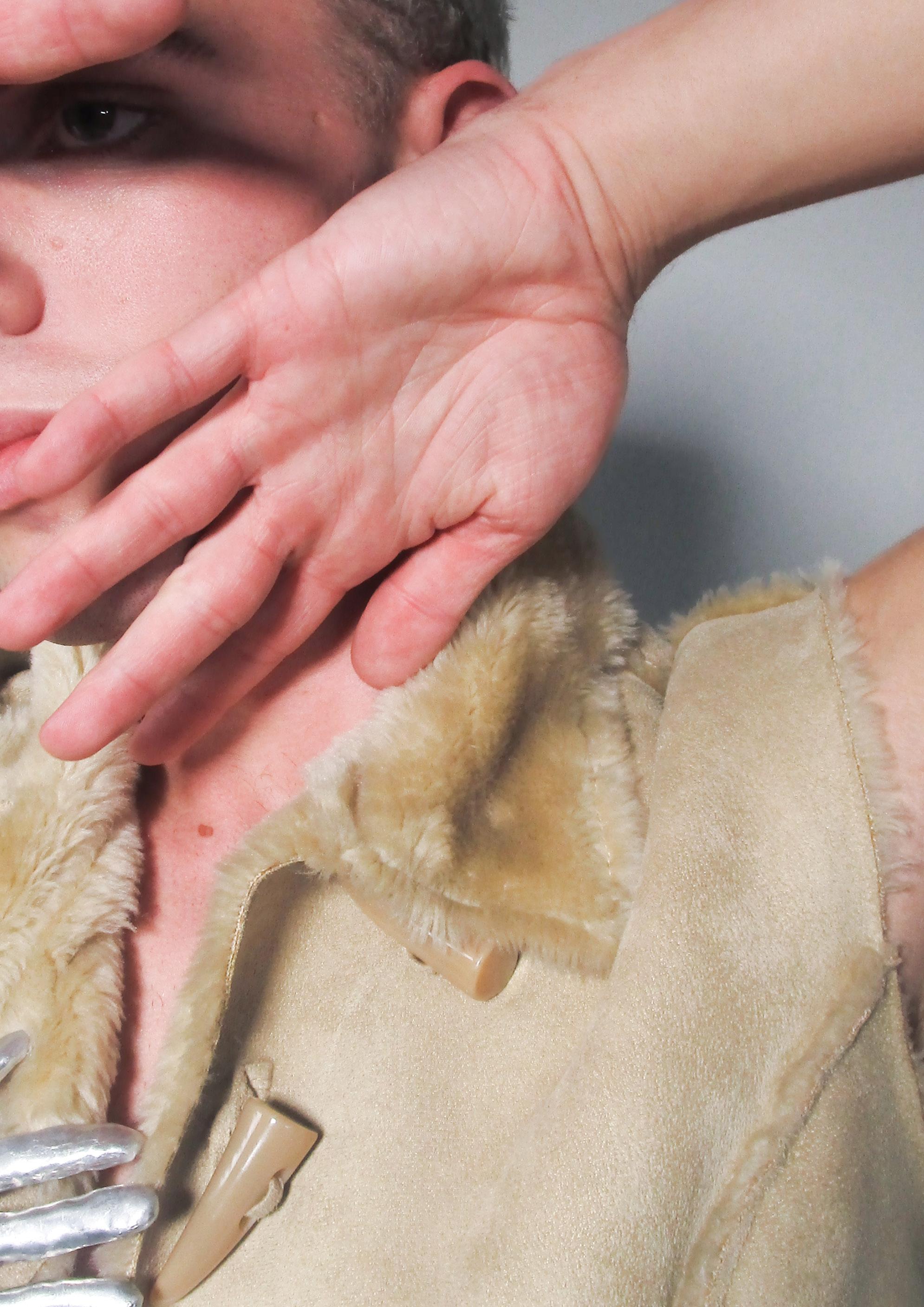
I am very interested in metalworking and leatherwork. Compared with the first year of learning basic metalworking knowledge, I tried to delve into more advanced techniques in the second year, such as forging and mechanisms. In this work pictured here, all metal hands are forged from aluminium sheets, which I have never tried before. During that time, I almost contacted the workshop every day. Through the technicians’s guidance and online video learning, I gradually mastered the skills after knocking three hands, and the speed was getting faster as well. Although the final finished product is not perfect, I think it is very fulfilling for beginners to see significant progress in a short period. I will continue to practice metalworking and make more perfect works.
What resources or support systems have been most helpful to you as a jewellery designer during your time at university?
The various workshops and technicians have definitely been most helpful. For jewellery, practice is the most important method. The improvement of metalworking technology lies in the skill and practices taught by the tutors. I spend a lot of time in the workshops after class, and with the resident technicians in the studio who come forward and answer technical questions when we encounter any problems. When I was making the final product here, I often stayed behind with the technicians and gained a lot of extra skills.
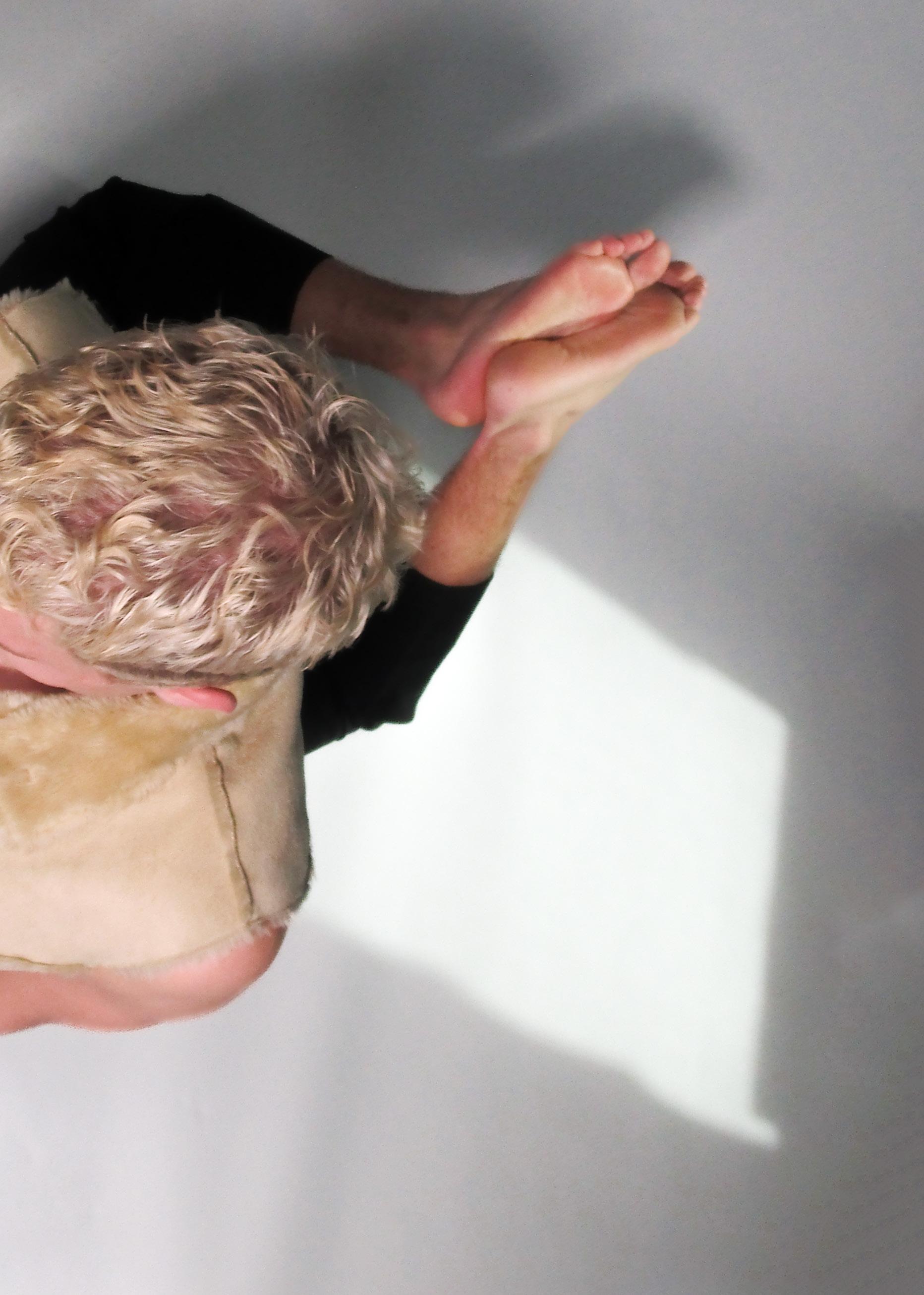
Although jewellery is a major based on metalwork, contemporary jewellery is far from being limited to these materials. We will try the combination of various materials and seek to add different techniques. The workshops held by the uni during the activities week have also benefitted me a lot. Last year, I participated in making vegetable-tanned leather key chains, leather gloves and tie-dyed canvas bags, and the leatherwork techniques I learned were utilised in this project. Nowadays, the uni has merged the campus, which makes it more convenient to consult the technology across various majors.
Looking ahead, what are your goals or aspirations for the future of your career in jewellery design, and how do you plan to continue growing and evolving as a designer beyond your university years?
Well, I think it is the dream of every jewellery designer to have their own jewellery brand, and I am no exception, but I know that this is not a dream that can be achieved overnight. At this stage, college study can only lay the foundation for me. I need to learn more about industry-related knowledge and systems. In the next stage, I want to apply for postgraduate studies and study further in this major, at the same time looking for internship opportunities in various companies, and participate in some competitions and exhibitions to seek more opportunities.


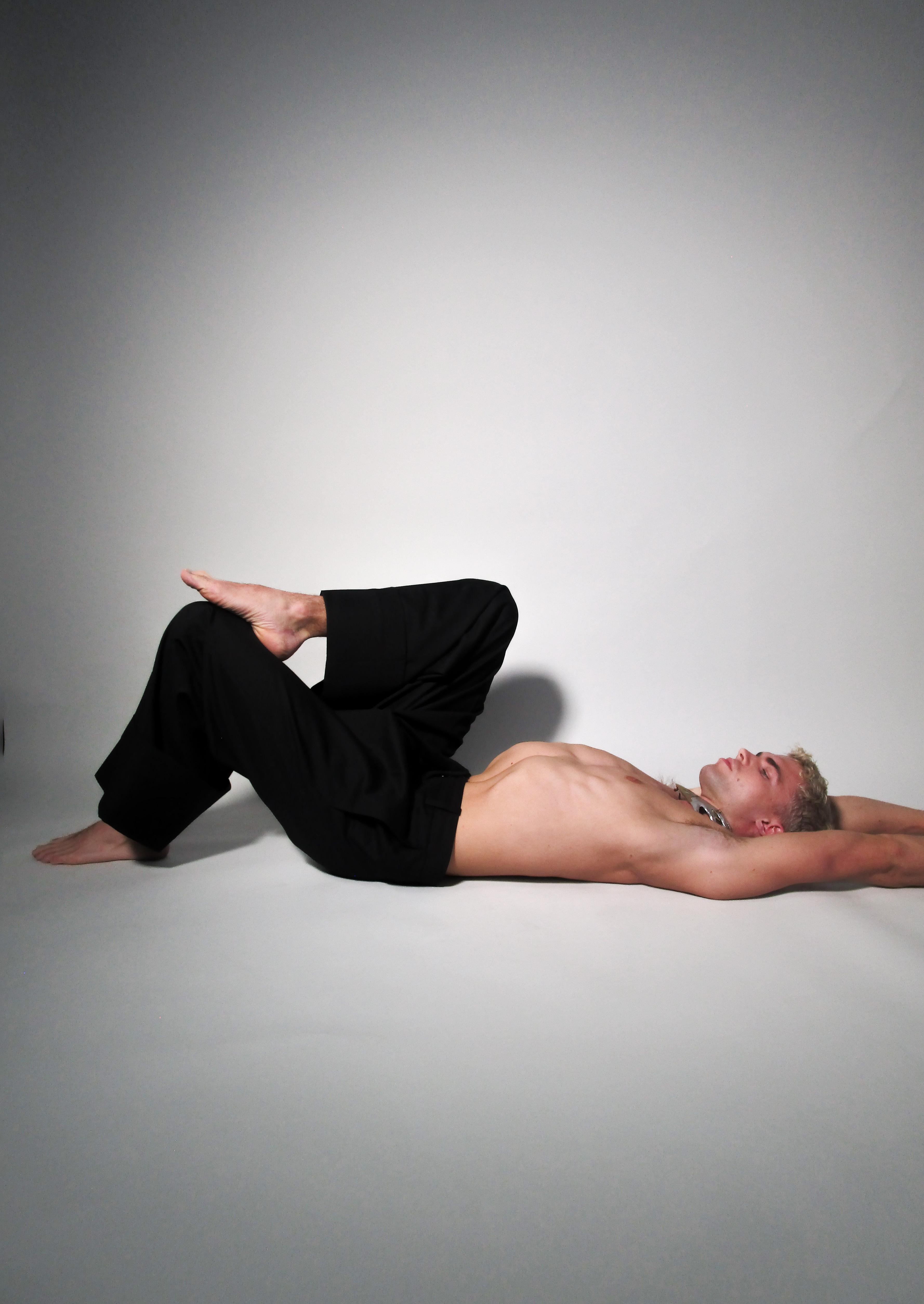

Jewellery Designer: Shi Huang
Creative Director: Miah Weir
Photography: Miah Weir
Photography Assitant: Tony Moniva Model: Ben Cosgrove