
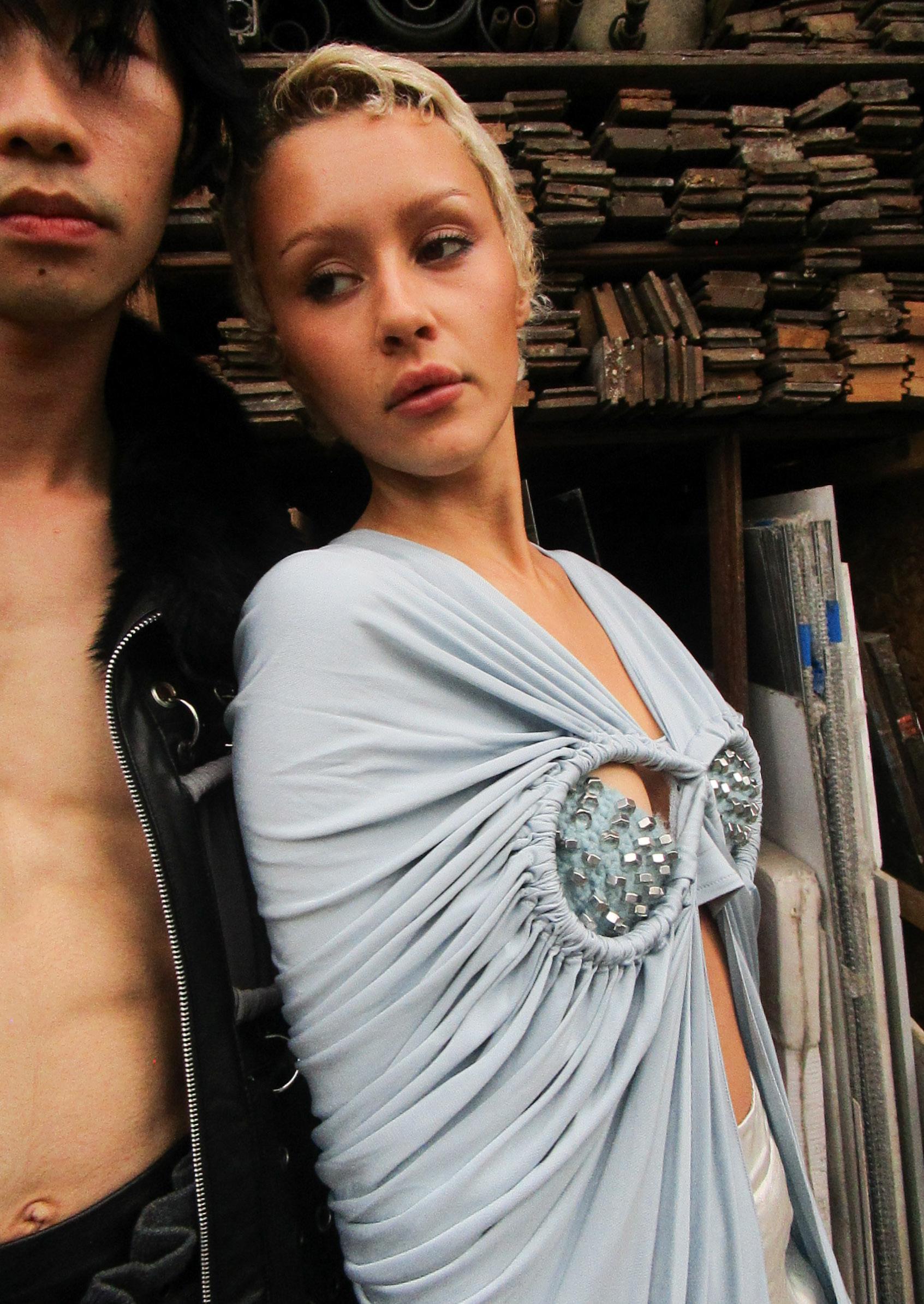
Yuting’s creative journey was profoundly shaped by her cultural background as a member of the Dong ethnic group.
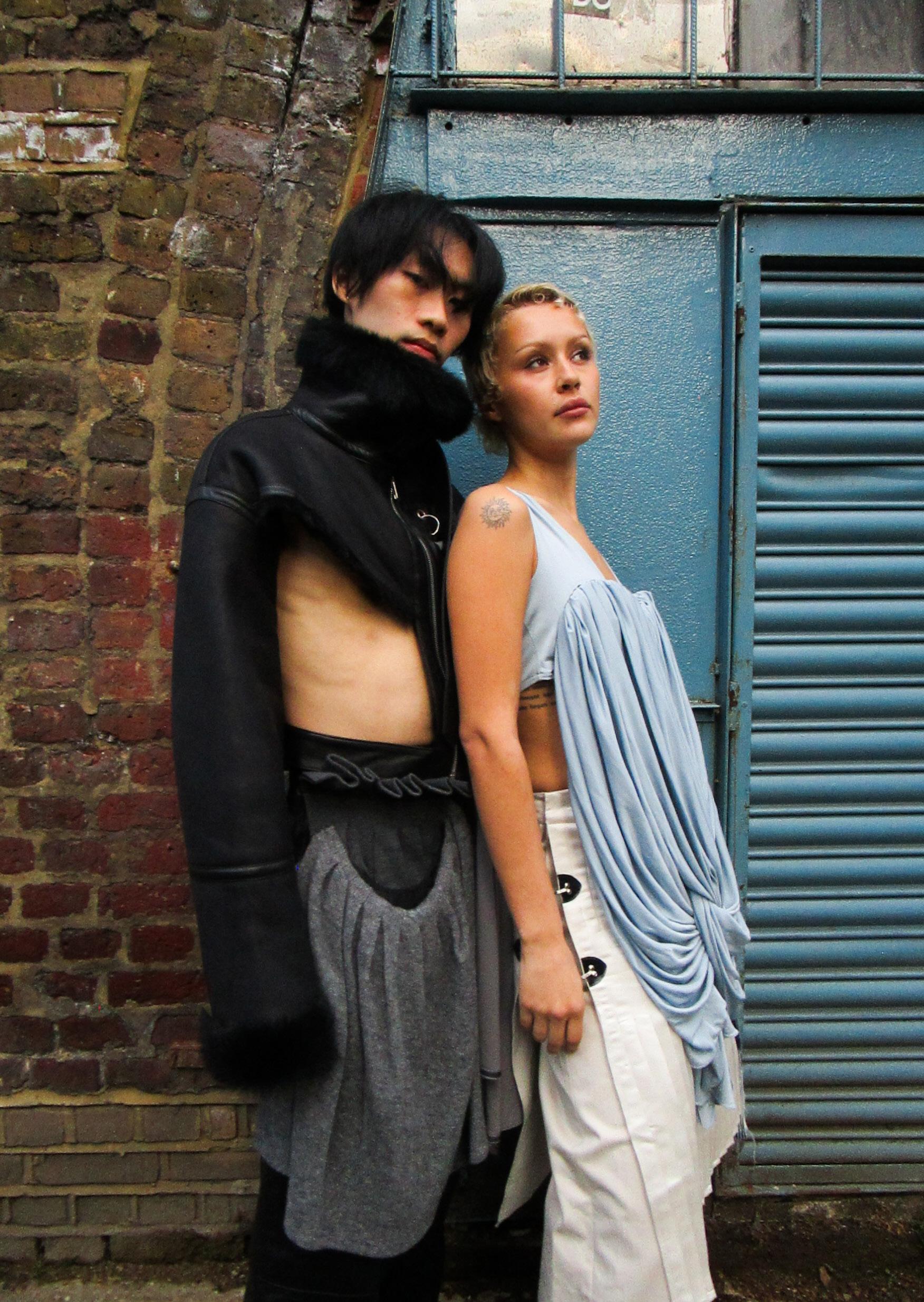
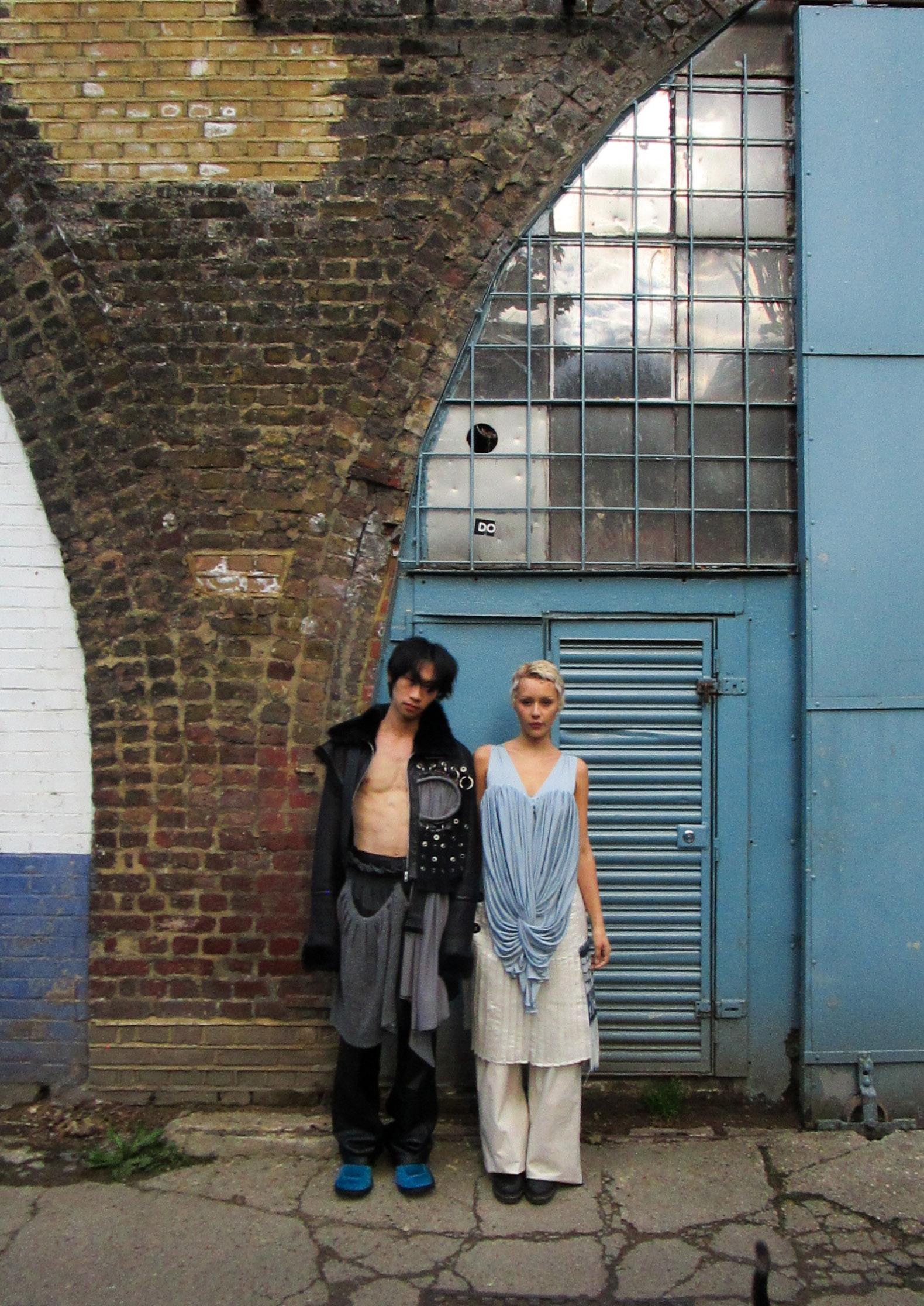
Raised amidst the richness of Dong tradition, she developed a deep appreciation for the intricate embroidery, vivid colours, and symbolic motifs that characterise Dong cultural identity. This rich heritage provided the foundation for her final MA collection ‘Punked Tribal Resonance.’
London’s punk culture, renowned for its rebellious spirit and DIY ethos, resonated with the designer as a platform for reimagining Dong tradition in a contemporary context.
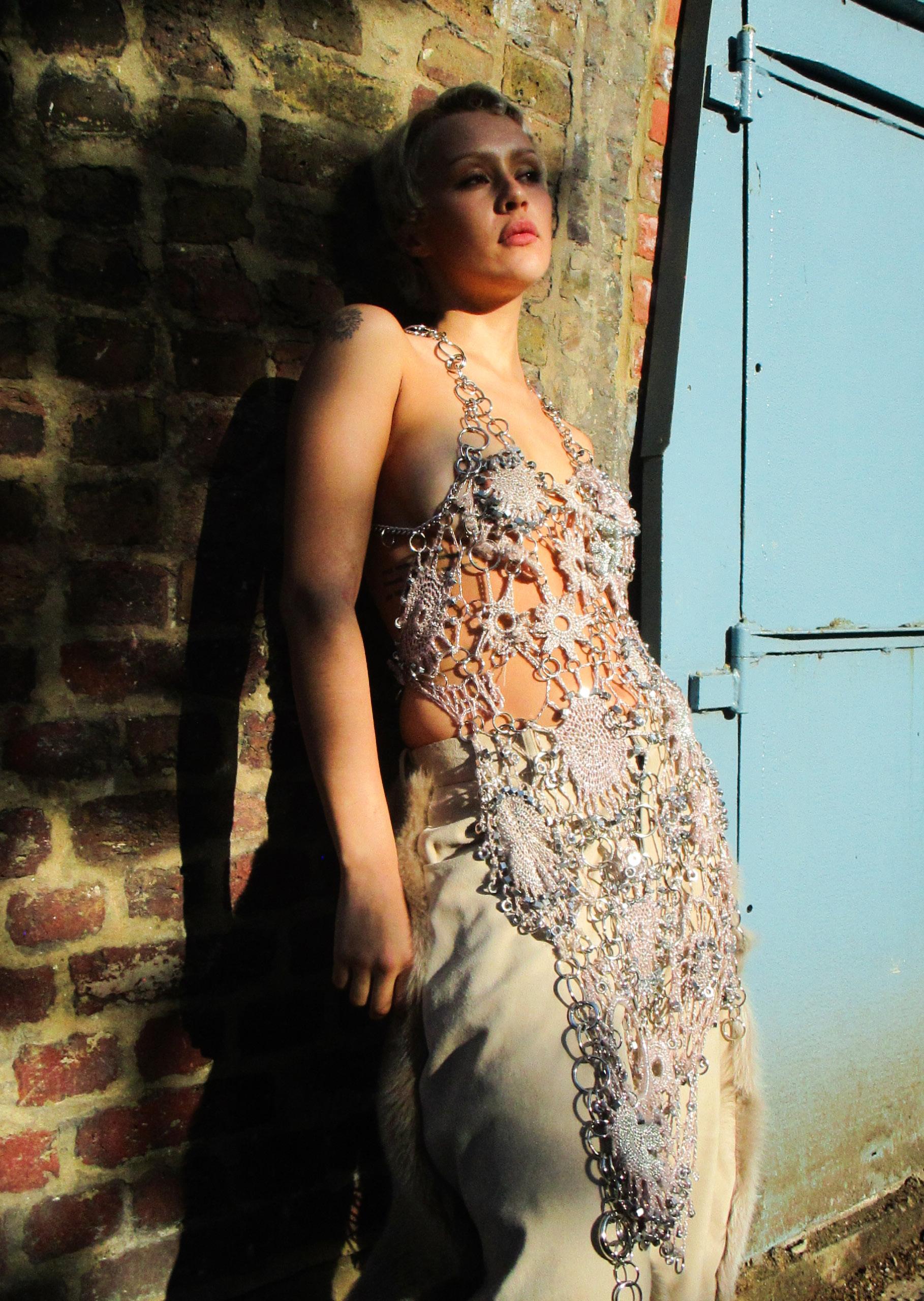
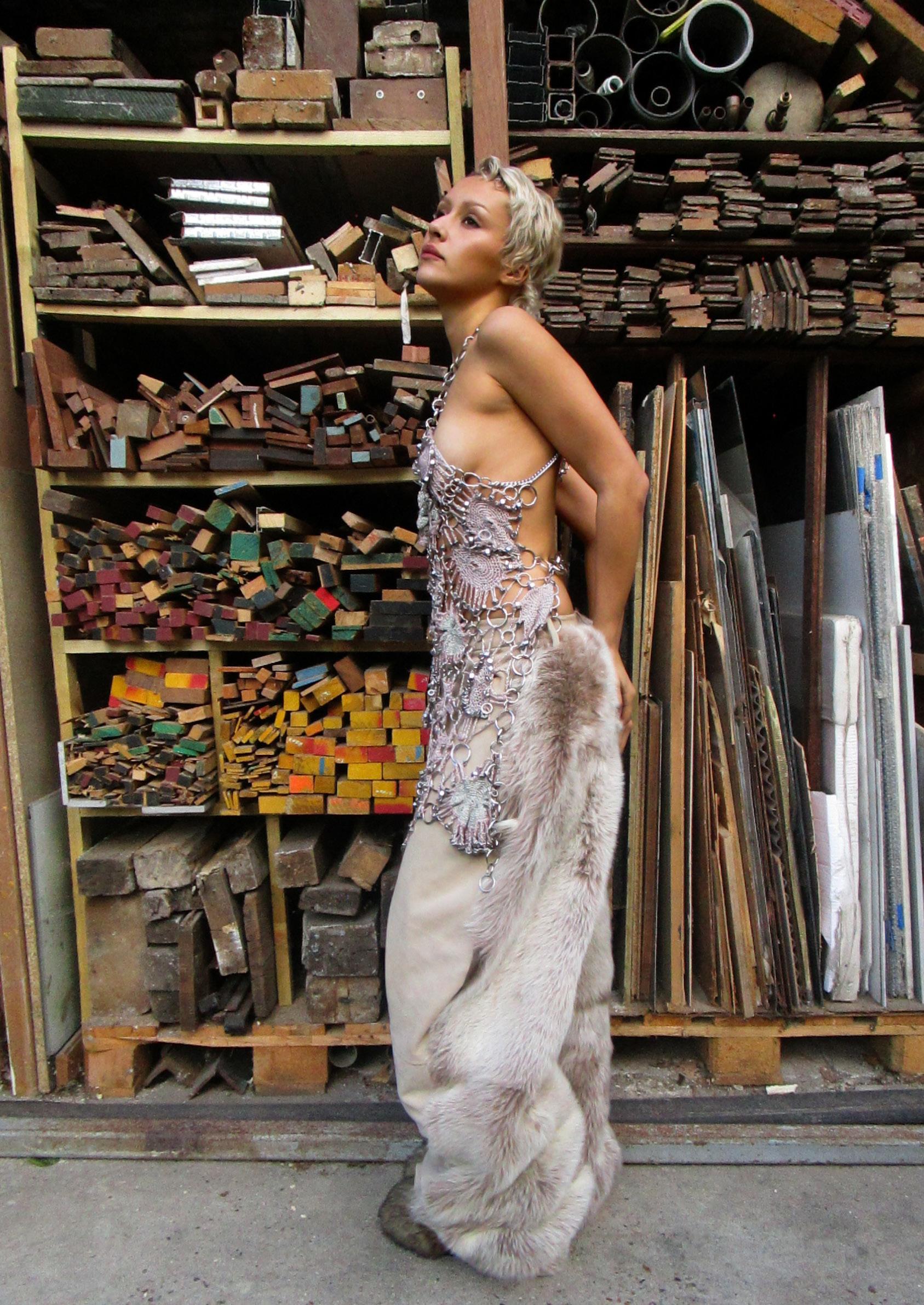
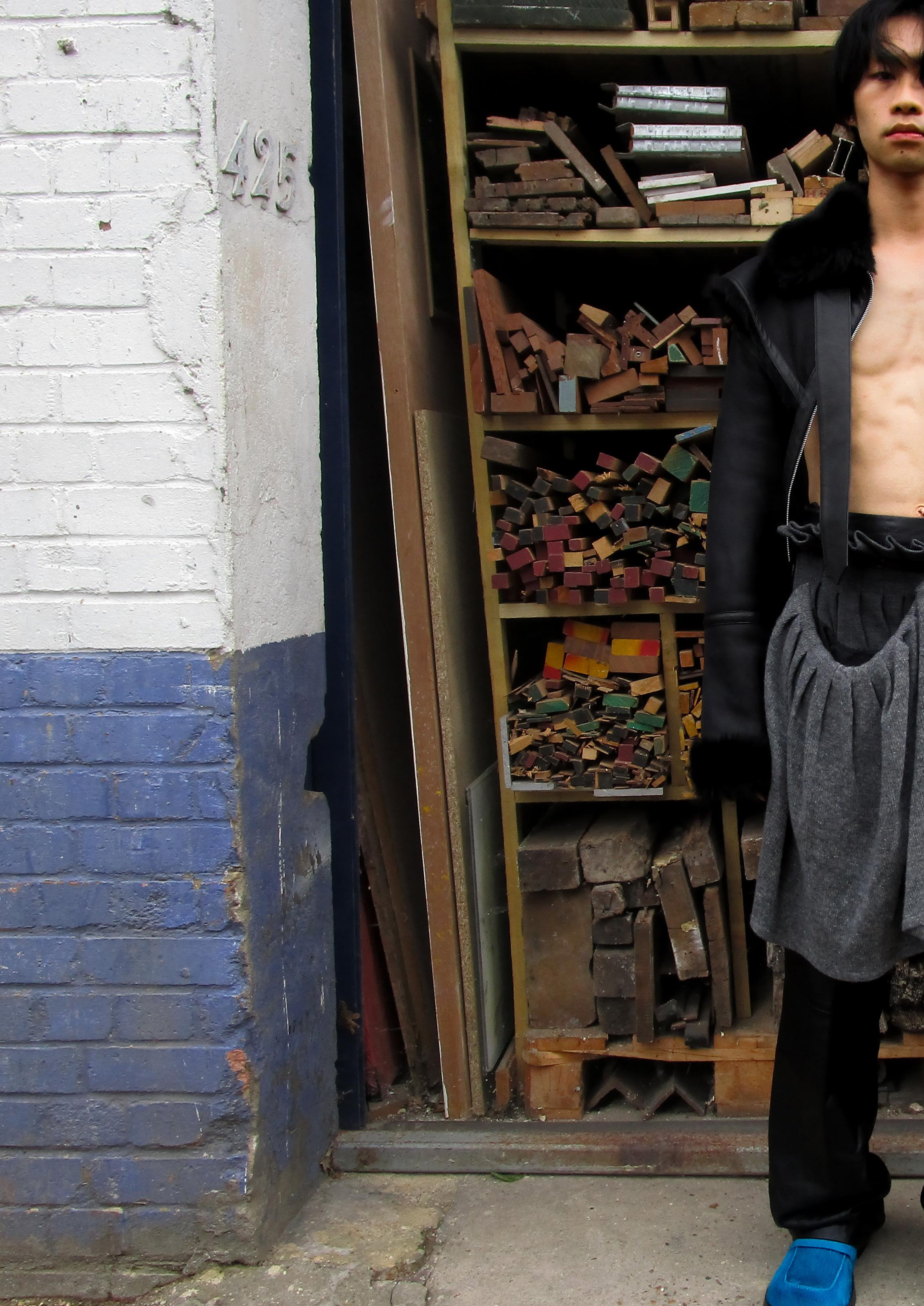
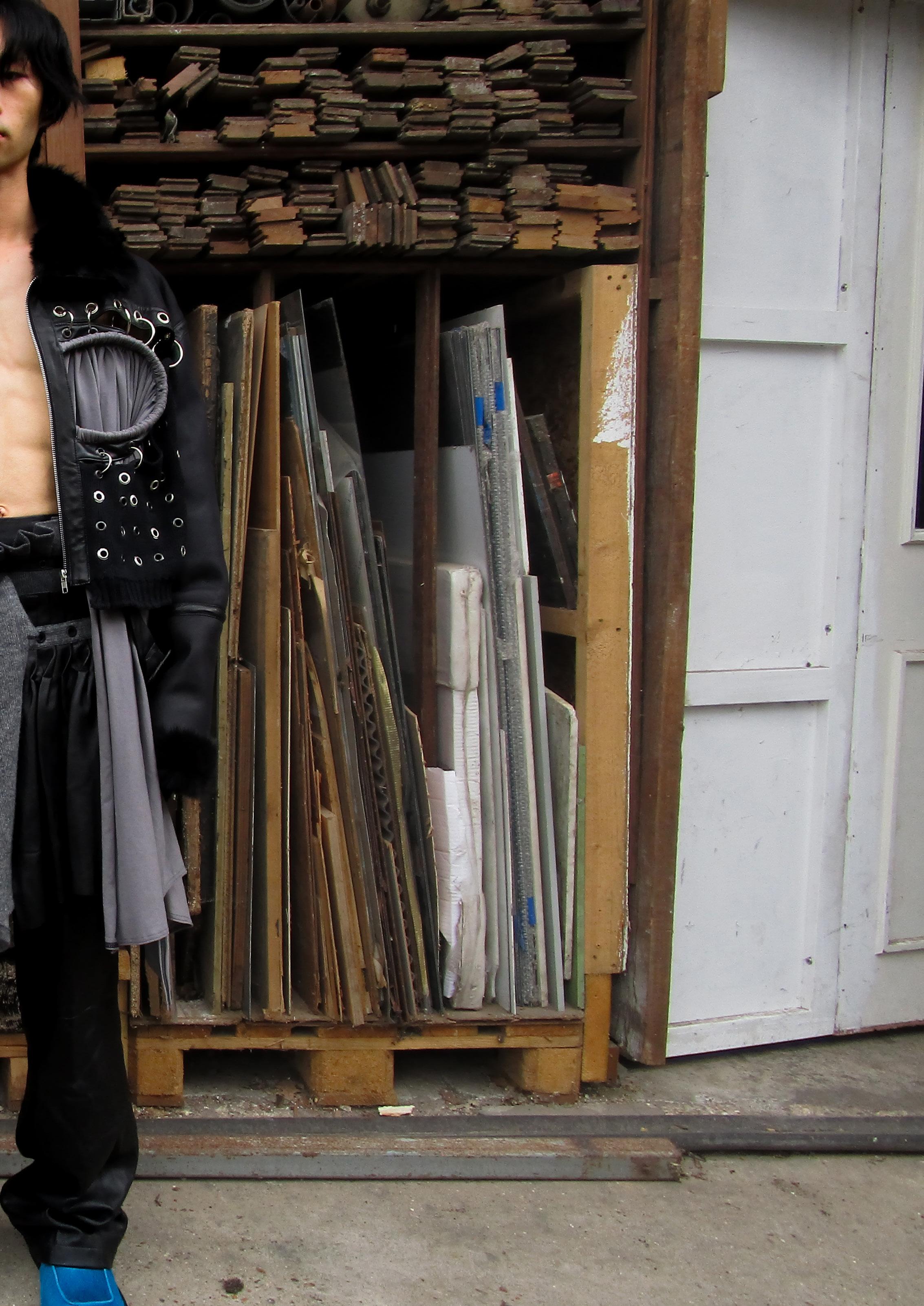
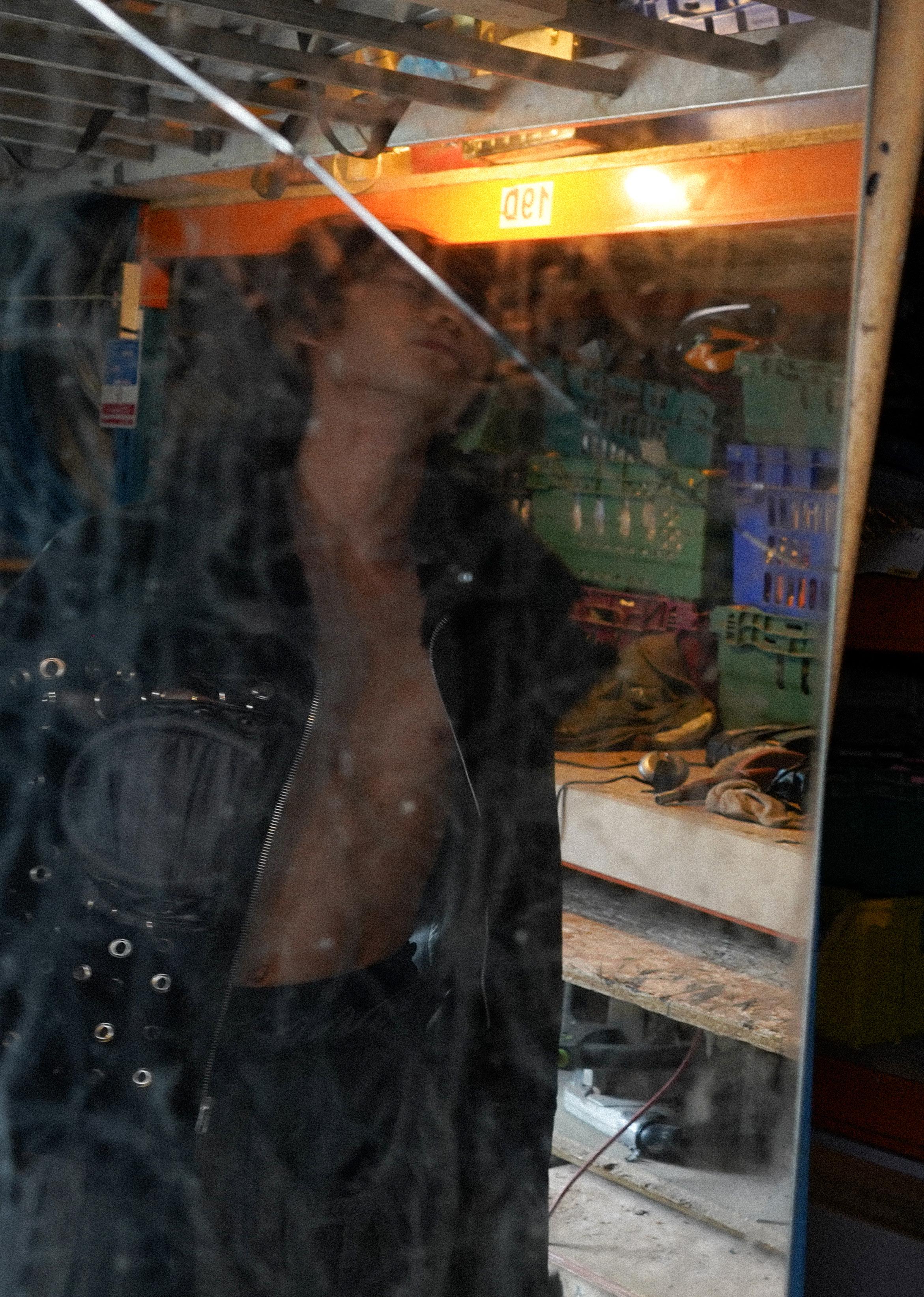
By infusing metal embellishments and knitting techniques inspired by punk fashion into her designs, she seeks to forge a fusion that honours her cultural roots but also challenges conventional notions of identity within the fashion landscape.
in conversation with Yuting Yang
culture clash
1
2
3
4
5
6
London, with its multicultural landscape and vibrant creative scene,
7
scene, provided the perfect backdrop for this cultural exchange.
8
What inspired you to celebrate Dong ethnic culture specifically at the London Winter Festival?
The decision to celebrate Dong ethnic culture at the London Winter Festival was motivated by a desire to showcase the richness and diversity of my heritage to a global audience. London, with its multicultural landscape and vibrant creative scene, provided the perfect backdrop for this cultural exchange. I think this is an opportunity to introduce Dong traditions while also engaging with the dynamic energy of the city. My little goal is to foster cross-cultural dialogue and promote a deeper understanding of ethnic diversity within the global fashion community.
How do you see this cultural exchange benefiting both Dong tradition and the global fashion community?
By showcasing Dong ethnic culture in an international context, we not only celebrate our heritage but also ensure its continued relevance and appreciation in the modern world. Also this exchange fosters mutual understanding and appreciation within the global fashion community, enriching the industry with diverse perspectives and narratives. It promotes inclusivity and respect for cultural diversity, ultimately contributing to a more vibrant and inclusive fashion landscape.
Incorporating metal embellishments and knitting techniques into your designs is quite innovative. How do these elements reflect both your Dong heritage and the contemporary influences you’ve drawn from London’s punk culture?
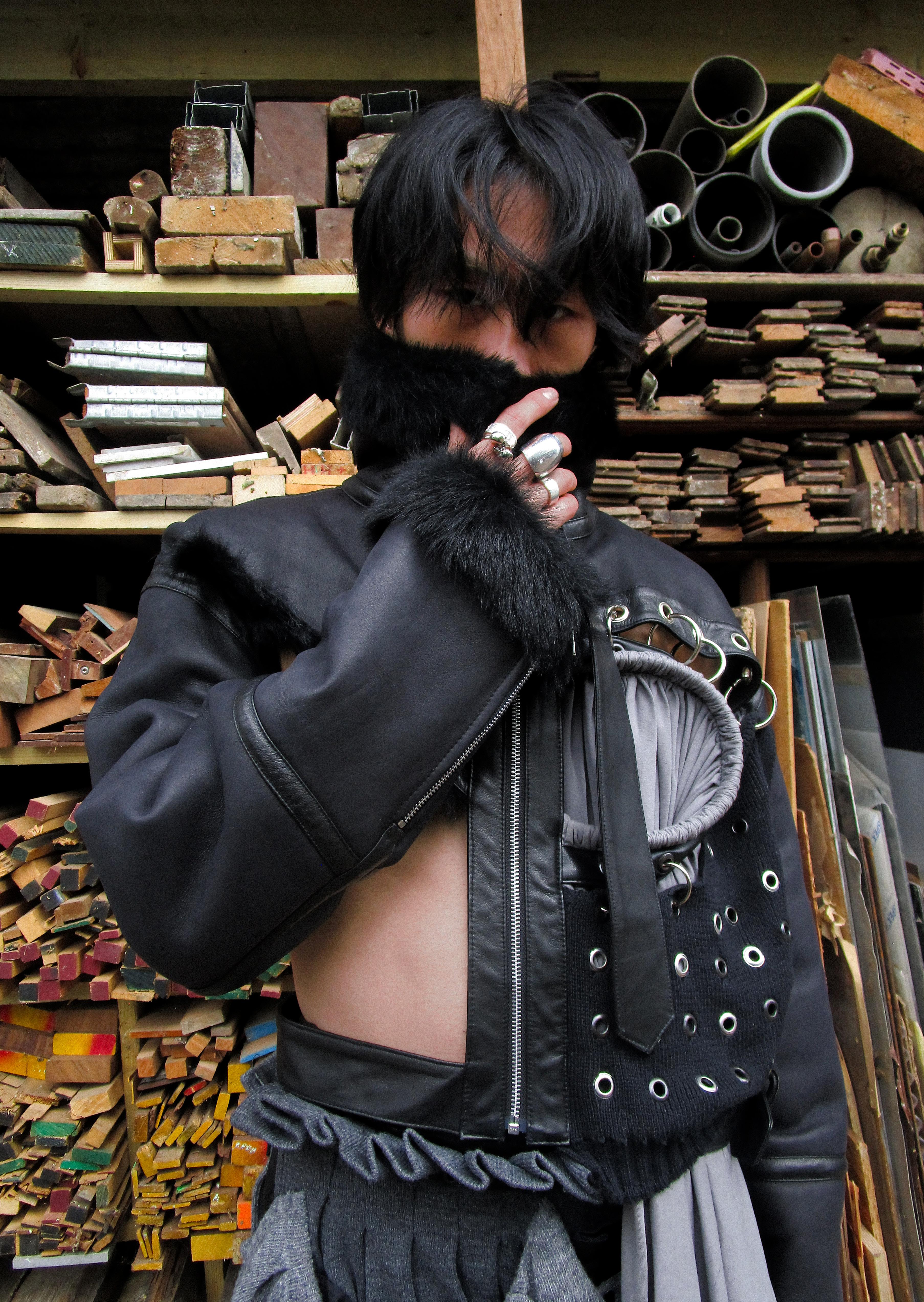
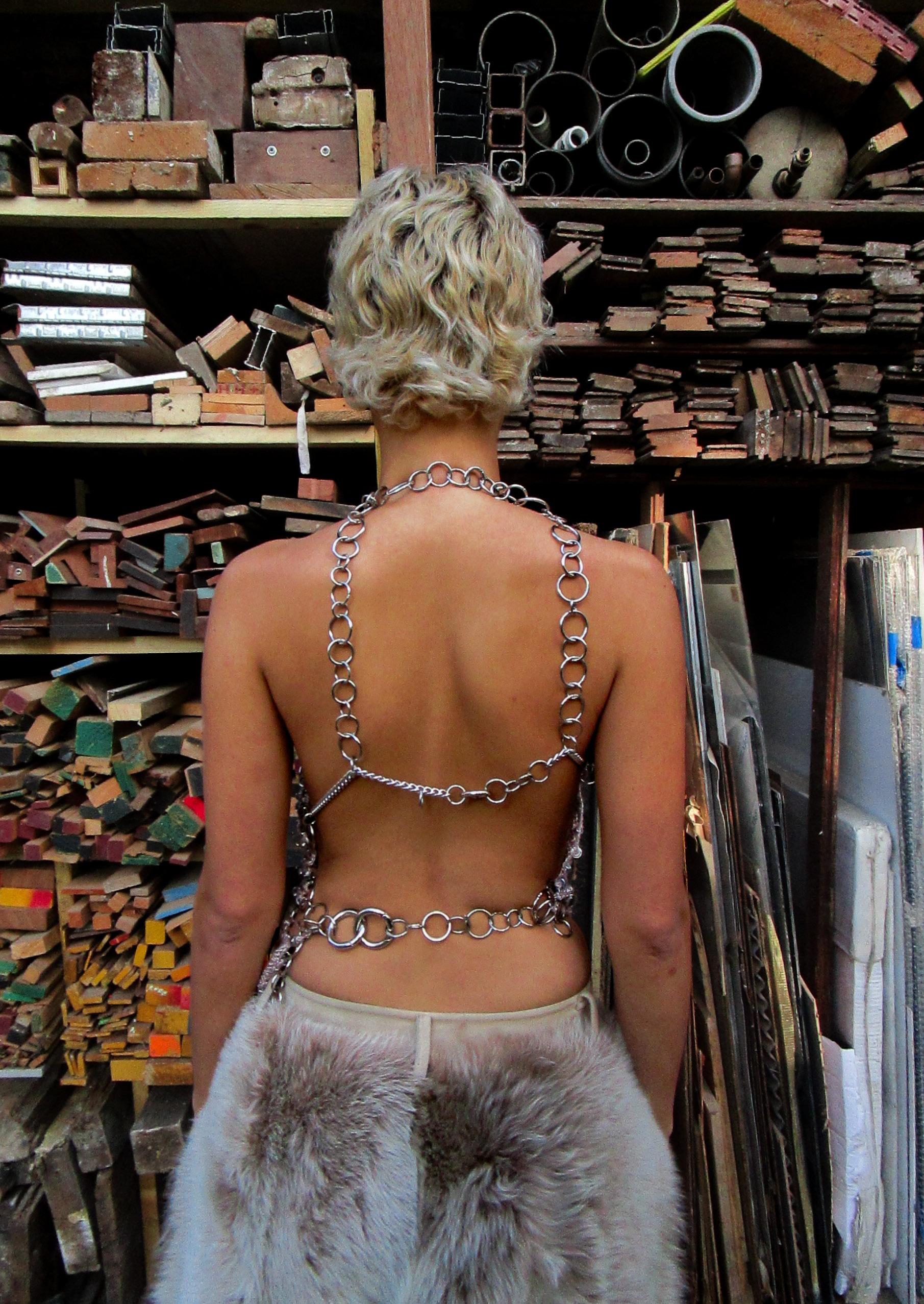
Metal embellishments pay homage to Dong silverware craftsmanship, which is renowned for its intricate patterns and cultural significance. By integrating these elements into my designs, I aim to celebrate and reinterpret traditional Dong motifs in a modern context. Similarly, knitting and crocheting with metal nuts, inspired by London’s punk culture, infuses a sense of rebellion and individuality into the garments, echoing the DIY ethos of punk fashion. Together, these elements create a visually striking fusion that bridges the gap between past and present, tradition and innovation.
9
10
past and present, tradition and innovation.
11
12
13
14
15
16
Utilising materials such as nuts, eyelets, and metal knit yarn sourced locally in London adds a unique dimension to your collection. How did you navigate the challenge of maintaining cultural authenticity when choosing the materials for your designs?
Navigating the challenge of maintaining cultural authenticity while choosing materials was a meticulous process that involved careful consideration of both aesthetic and symbolic significance. While sourcing materials locally in London, I sought to incorporate elements that not only aligned with the visual language of Dong tradition but also resonated with the ethos of the punk aesthetic. Nuts, eyelets, and metal knit yarn, while not traditional Dong materials per se, were selected for their ability to evoke the texture and visual impact of traditional Dong silverware and embroidery. By thoughtfully integrating these materials into my designs, I aimed to create a harmonious synthesis of cultural heritage and contemporary innovation.
Sheepskin is a practical addition for warmth in winter, can you tell me more about how the material ties into the narrative of your collection and the celebration of Dong ethnic tradition?
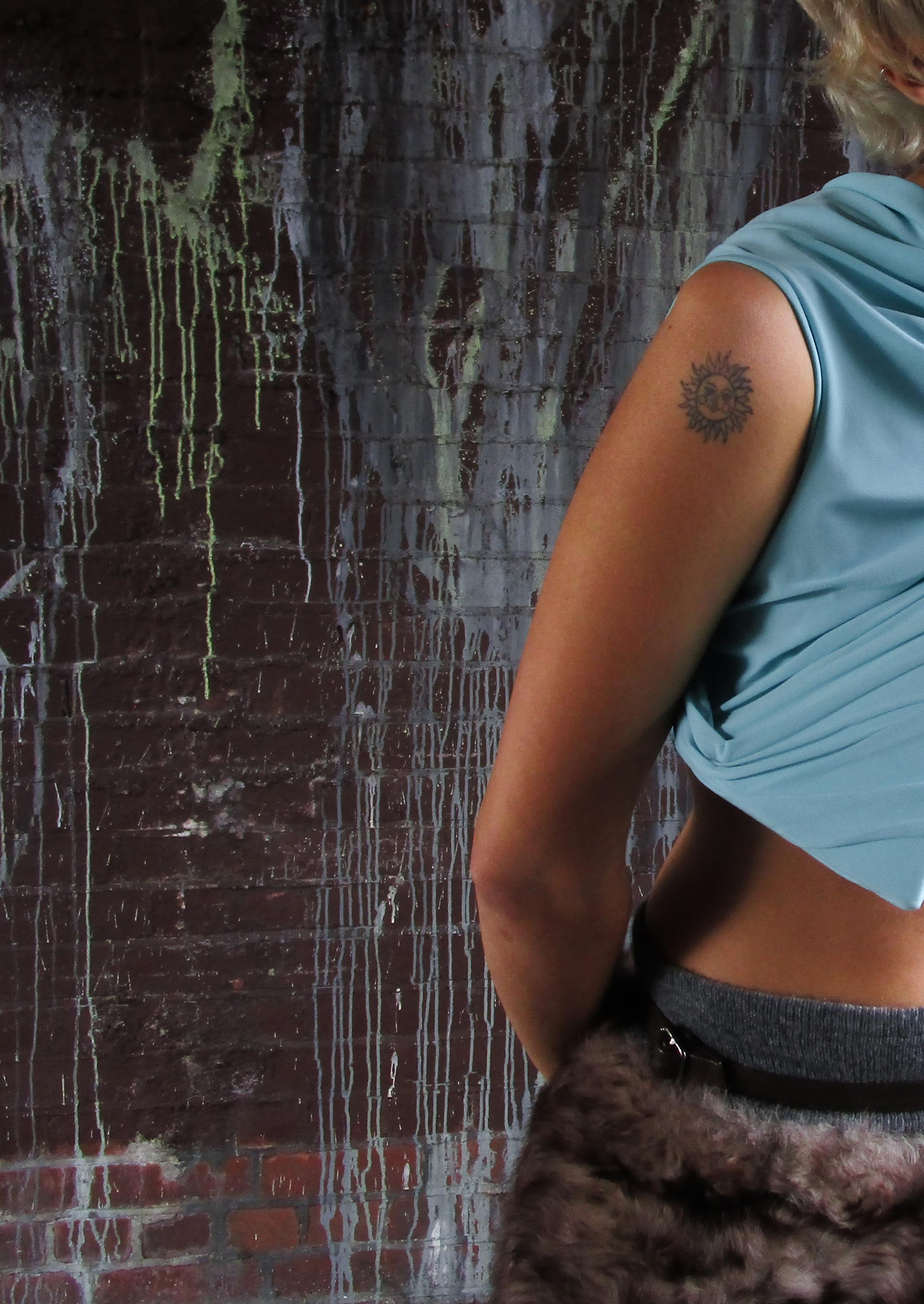
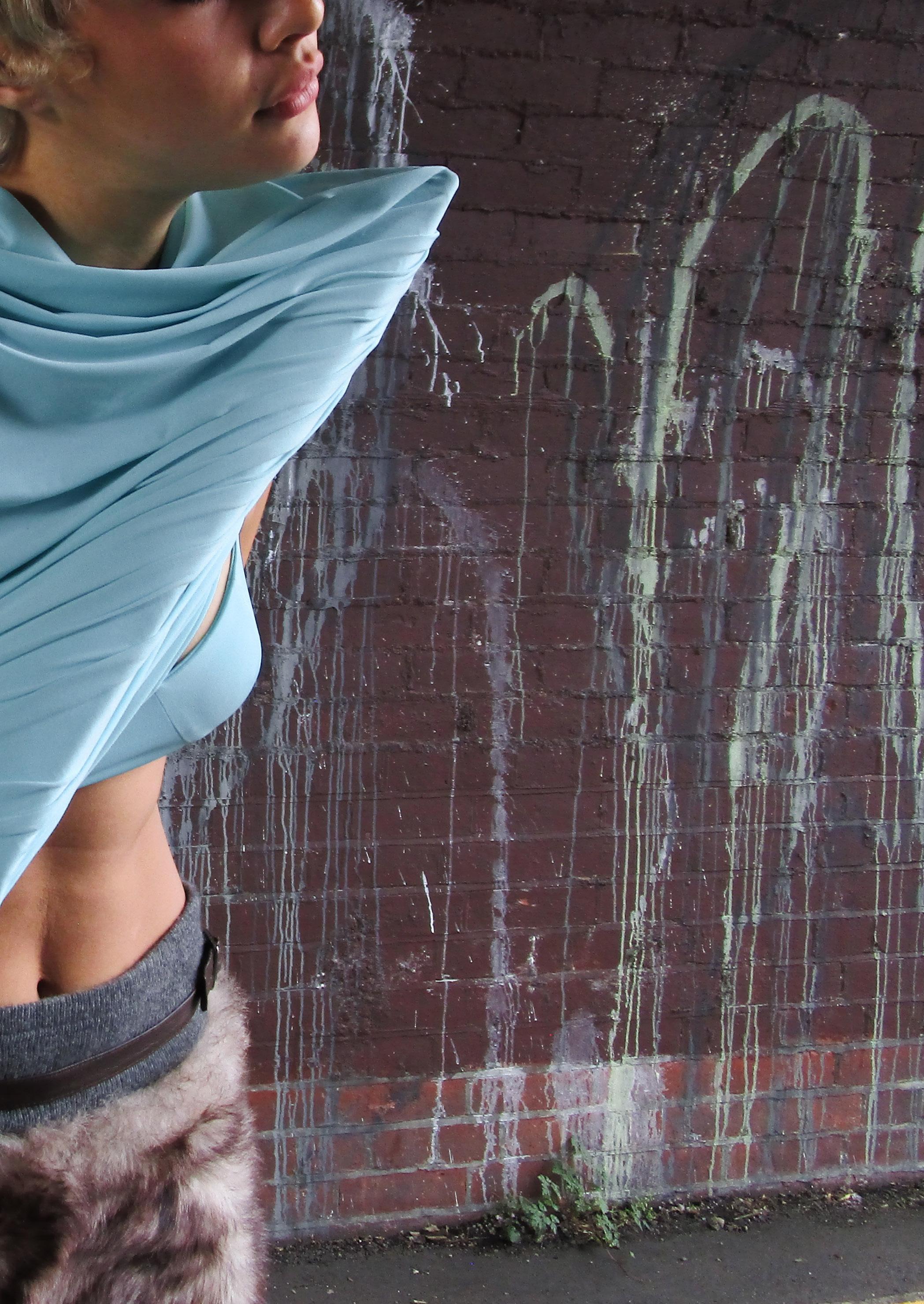
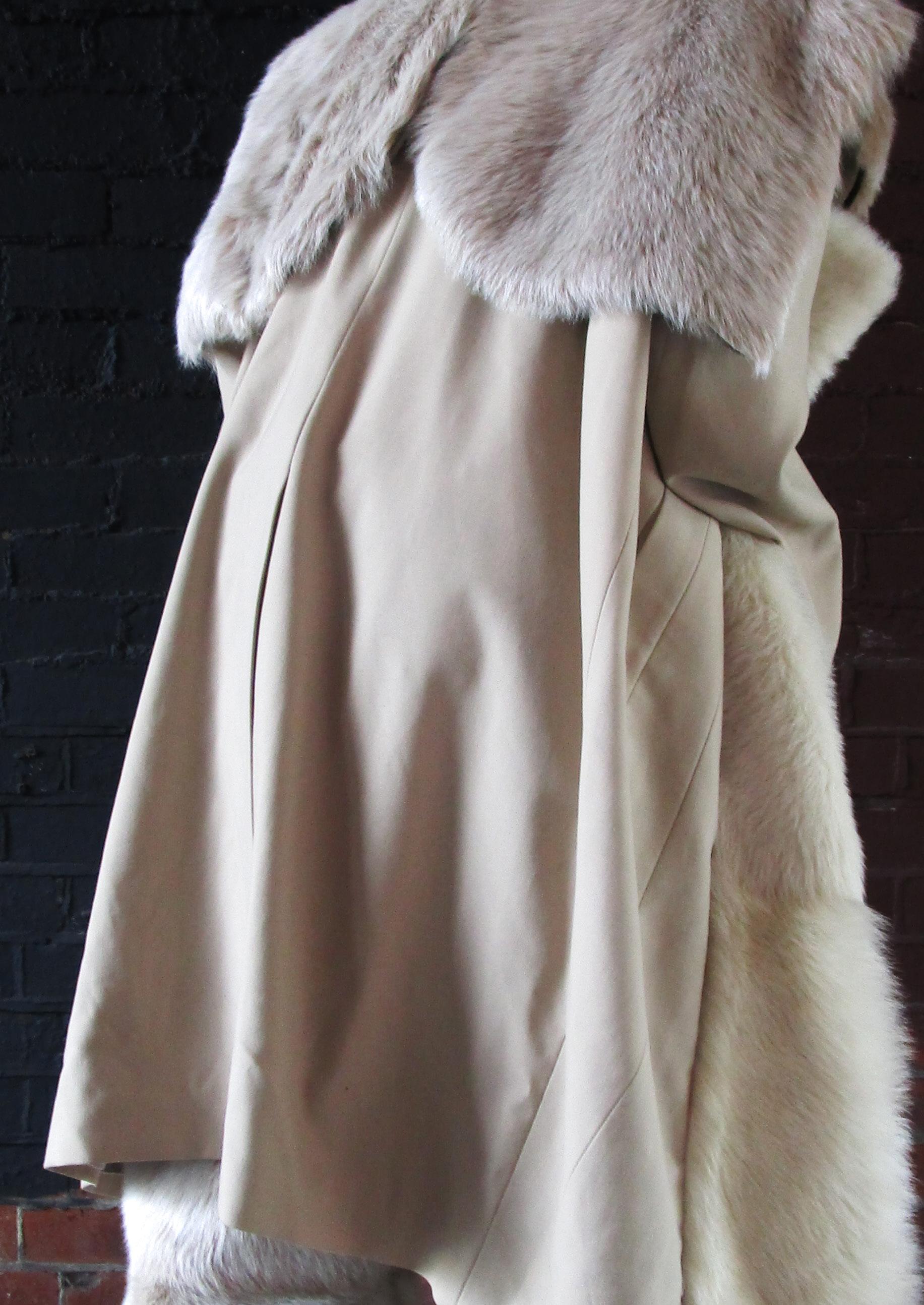
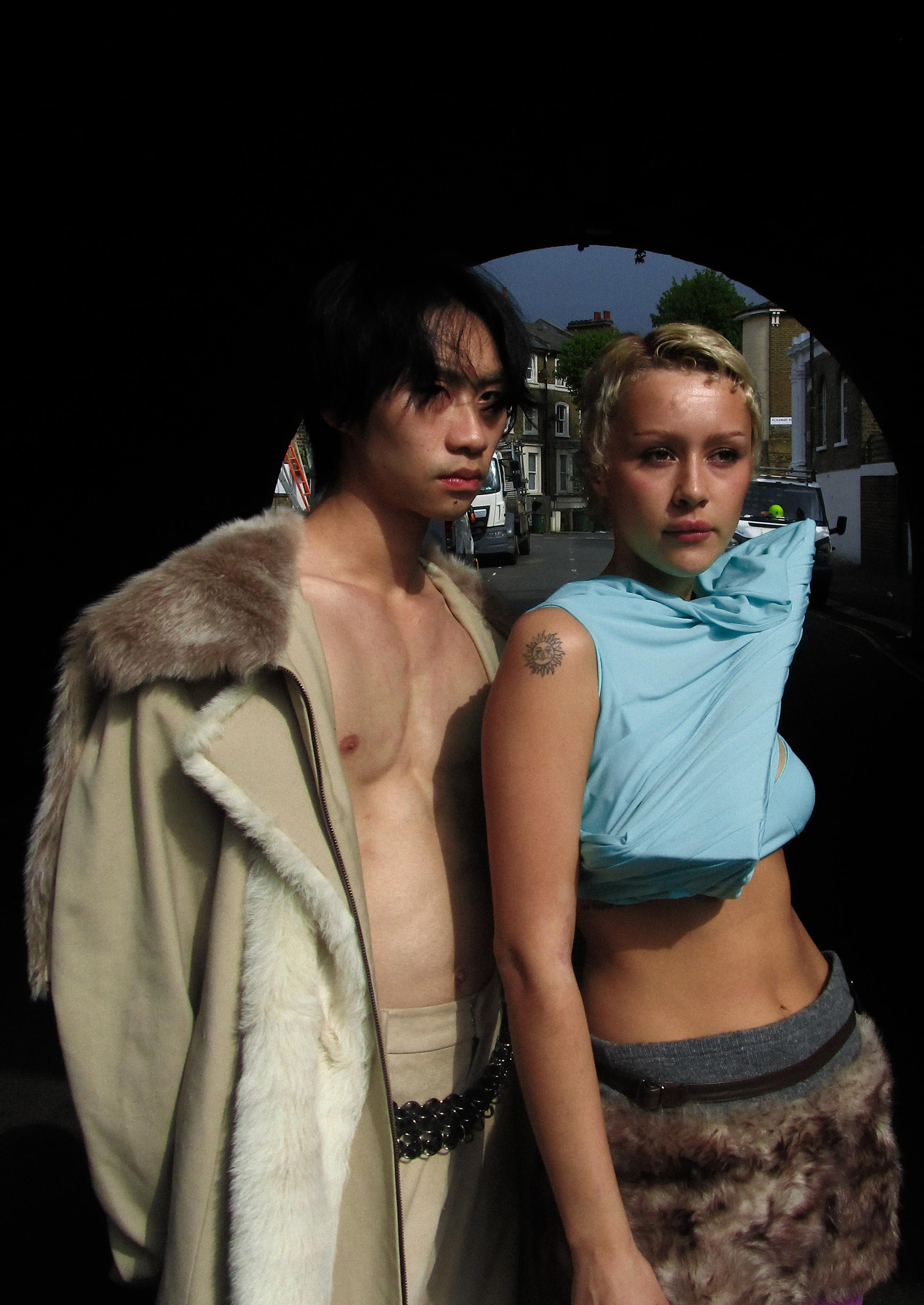
Sheepskin, chosen for its practicality and warmth, serves as a metaphorical bridge between tradition and modernity in my collection. In Dong culture, sheep are revered for their role in sustaining livelihoods and providing essential resources. By incorporating sheepskin into my designs, I pay homage to this ancestral connection while also addressing the practical needs of the London Winter Festival.
As you navigate the intersection of ethnic culture and global fashion, what challenges have you faced/do you anticipate facing, and how do you plan to overcome them?
One of the challenges I’ve faced in navigating the intersection of ethnic culture and global fashion is the risk of cultural appropriation or misrepresentation. In an increasingly interconnected world, it’s essential to approach cultural exchange with sensitivity, respect, and a commitment to authenticity. To address this challenge, I prioritize collaboration, consultation, and community engagement throughout the design process. By actively involving my friends in the Dong community in the development of my collections, I ensure that my designs are rooted in genuine cultural understanding and appreciation. Additionally, I advocate for greater diversity and inclusivity within the fashion industry, promoting ethical practices and responsible representation of diverse cultural perspectives.
17
18
19
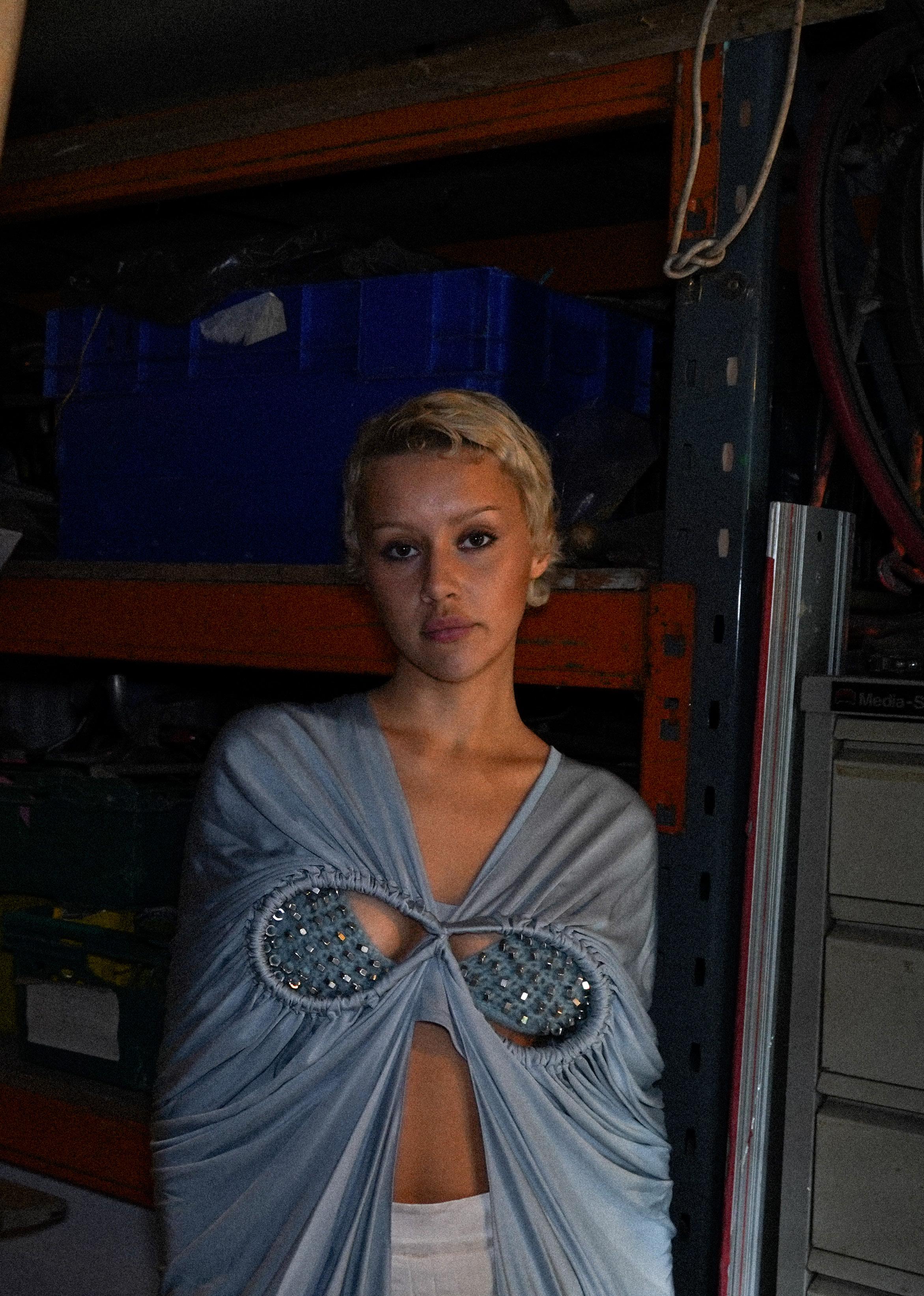
knitting and crotcheting with metal nuts infuses a sense of rebellion and individuality into the garments, echoing the DIY ethos of punk fashion.
20

Designer: Yuting Yang
Creative Director: Miah Weir
Photography: Miah Weir
Photography Assitant: Tony Moniva
Models: Martin Ip
Lea-Lyse Savail