The Mexican mining industry entered a new era in 2013. After a decade-long mining boom, which was only briefly interrupted by the global financial crisis, commodity prices are under pressure and access to financing for exploration activities is tightening. At the national level change is also on the horizon as the Mexican government, under the leadership of President Peña Nieto prepares to introduce a royalty tax for mining companies while the upcoming energy and fiscal reforms, as well as the recently implemented labor reform, looks set to change the Mexican operating environment. Despite growing market uncertainty, investment in the Mexican mining industry is forecasted to increase from US$8.043 billion last year to US$8.145 billion in 2013, setting a new industry investment record.
At this time of change, Mexico Mining Review provides a comprehensive and timely overview of the latest developments, business strategies, technological breakthroughs, and operational challenges in the Mexican mining industry. By connecting key stakeholders across the national and international mining industry, Mexico Mining Review is perfectly positioned to accelerate the exchange of vital industry information and strengthen Mexico’s position as one of the world’s most attractive mining investment destinations. Published annually, Mexico Mining Review features the perspectives of the Mexican and international business and political leaders that are shaping the future development of the Mexican mining industry.
The publisher has made all reasonable efforts to provide accurate information, and the information contained in this publication is derived from sources believed to be true and accurate. However, the information in this publication should not be considered to be complete or definitive, and may contain inaccuracies or typographical errors. The publisher accepts no responsibility regarding the accuracy of information and use of such information is at your own risk. The publisher will not be liable to any party for any direct, indirect, special or other consequential damages arising out of any use of information in this publication. The publisher provides no representations or warranties, express or implied, including any implied warranties of fitness for a particular purpose, merchantability or otherwise in relation to any information provided by the publisher in this publication.
ISBN: 978-0-9855346-2-2
Last year was a year of change for the Mexican mining industry. While investment reached a new record and the industry was once again one of the main engines of job creation in the country, the apparent peak of the mining boom and the reforms announced by President Peña Nieto, who was inaugurated in December 2012, started to influence the development strategies of juniors, mine operators, suppliers and service providers alike.
In this chapter we provide an overview of the key trends that defined the industry in 2012, analyze how these developments have altered the Mexican operating environment, offer an insight into how last year’s record investment of US$8.043 billion has been spent, and consider the impact that the labor, energy and fiscal reforms could have on the position of the mining industry in the Mexican economy both as a driver of economic growth and the source of new direct jobs. We also present the perspectives of both the new and old faces that set the industry’s strategic direction and hold the key to its future expansion.
THE YEAR IN REVIEW
Until 2012 the mining industry had mostly resisted the negative consequences of the recession that began in the US in 2007 and later spread to Europe, becoming a global recession in 2009. The global mining industry remained strong largely thanks to the continued growth of major economies in Asia, however as China’s growth has slowed and construction works decreased, an environment of uncertainty has crept into the mining industry on an international scale. However, in the face of this uncertainty the industry in Mexico continued to grow during 2012, receiving a record US$8.043 billion in investment (MX$101.4 billion), and creating 18,833 new direct jobs. Following the inauguration of President Enrique Peña Nieto in December 2012, the new PRI administration has outwardly promoted the mining industry and its importance as a significant income generator for the country. A number of reforms, introduced both by the previous Calderón administration (2006-2012) and in the initial months of the Peña Nieto administration, have also for the most part tightened regulation.
EXPLORATION
Mexico’s profile as an excellent location for mining exploration activities is well known internationally, and with 70% of the territory unexplored many companies have set up exploration projects in the country. Mexico’s attractiveness as an exploration location is also reflected in the fact that it is the top destination in Latin America
MEXICO METAL & MINERAL PRODUCTION (2012)
for exploration investment, and the fourth worldwide. According to Camimex (Mexican Mining Chamber), investment in exploration activities in Mexico in 2012 was twice the amount that it had been in 2008, with US$1.2 billion invested by 439 companies on 1,172 different projects. The majority of funding for exploration activities has traditionally come from foreign companies, largely due to the high-risk nature of these types of projects; in 2012 foreign investment represented 70% of total investment in exploration projects.
DEVELOPMENT
The significant increase in exploration activity in Mexico in the last few years has led to a number of projects that now have excellent proved and probable resources. After completing the prefeasibility and feasibility stages, these are now in the process of being turned into mines. Camimexaffiliated companies, which represent 93% of the value and volume of Mexico’s mining production, spent US$1.8 billion on the development of new mining projects in 2012, over US$711 million on project expansion activities, and US$1.7 billion on the acquisition of equipment and machinery. More than half of the total expenditure of mining companies in Mexico in 2012 is therefore estimated to have been spent on the development of assets. Camimex estimates that more than 15 new mining operations will begin production in the country between 2013 and 2015, which between them will contribute to an expected hike in Mexico’s total production of a number of different metals and minerals in the coming years.
GOLD
While Mexico has not traditionally been associated with gold mining, this has changed over the last few years as its importance as a gold-producing country has steadily grown. Of the total mineral and metallurgical value generated in 2012, gold represented the largest proportion at 29.2%. The country is now the world’s 11th biggest gold producer, according to the US Geological Survey (USGS), with INEGI estimating that 102.8 tonnes of gold were produced in the country in 2012. According to Camimex data, Goldcorp is the country’s biggest gold producer, accounting for 26% of the country’s total gold production. The company also owns the country’s two biggest gold producing mines: Peñasquito in Zacatecas and Los Filos in Guerrero, which produced 411,000oz and 340,000oz of gold respectively. Fresnillo’s La Herradura mine was the third biggest producer at 314,500oz of gold production.
SILVER
In 2012 Mexico maintained its position as the world’s biggest silver producer, and its silver production has continued to grow in 2013. INEGI estimates that Mexico
Source: INEGI
Source: INEGI
produced 5,358 tonnes of silver in 2012, a new record. The Fresnillo mine remains the biggest silver producing mine in Mexico, and the biggest primary silver producing mine in the world, with a total production of 26.4 million ounces in 2012. Fresnillo was followed by Goldcorp’s Peñasquito mine in Zacatecas and Coeur Mining’s Palmarejo mine in Chihuahua, which produced 23.7 million ounces and 8.2 million ounces of silver respectively. The silver price has shown greater volatility than gold, with the average price coming down over 11% between 2011 and 2012, from US$35.12 to US$31.15.
BASE METALS & IRON ORE
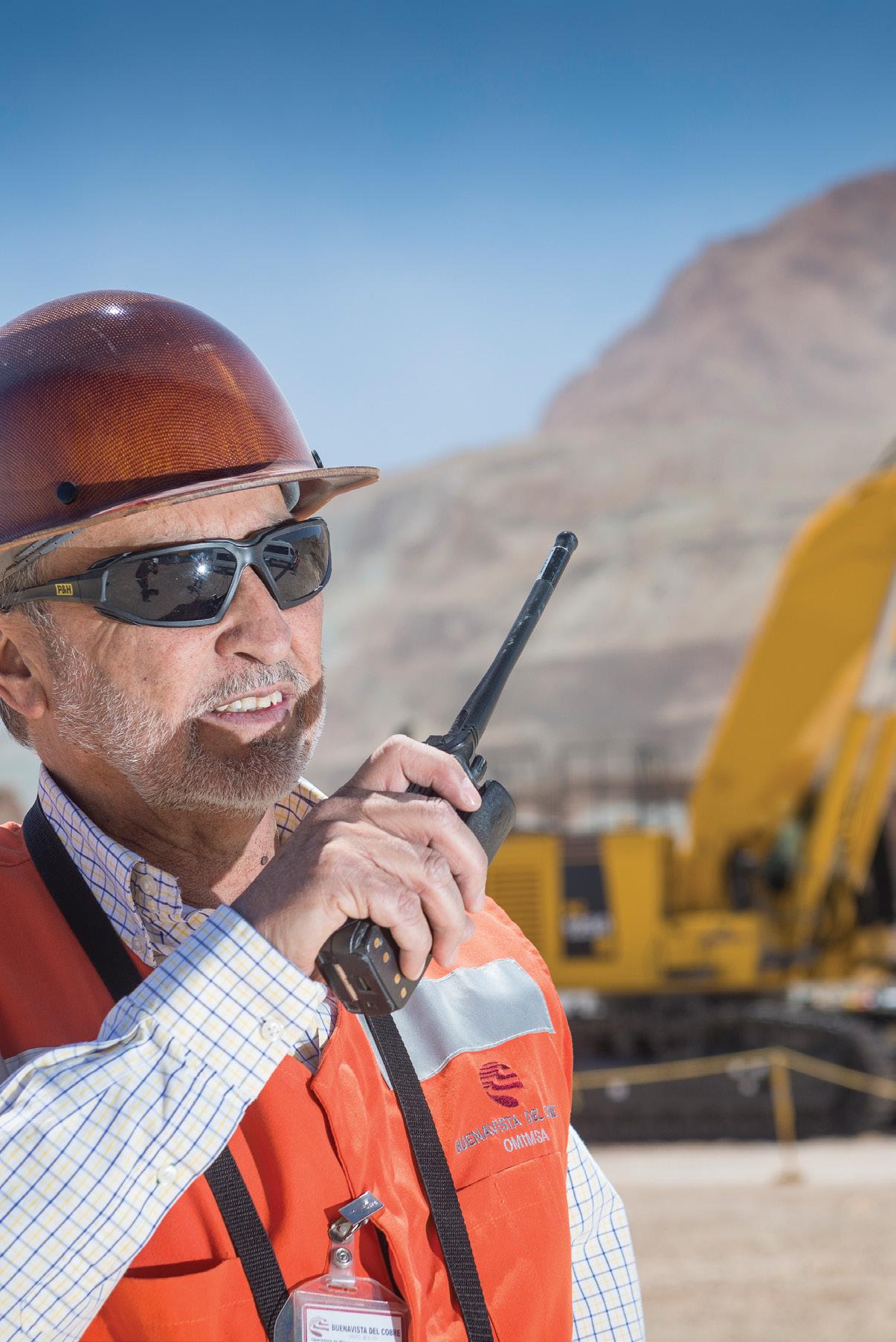
As the world’s ninth largest producer of copper, Mexico produced 500,275 tonnes of copper in 2012, a 12.8% increase compared to the previous year. The Buenavista del Cobre mine in Sonora is the country’s biggest producer, accounting for almost two thirds of the country’s total production. In 2012 Mexico was also the world’s seventh largest producer of zinc, with a production of 660,349 tonnes. Peñoles is the biggest zinc producer in Mexico, producing 157,257 tonnes across five different mines, and accounting for almost a fifth of the total production in the country. Mexico is currently the 14th biggest producer of iron ore in the world, with a total of 13 million tonnes.
OPERATING ENVIRONMENT
Mexico’s operating environment is viewed favorably by both national and international mining companies that operate in the country, which generally view its political stability, financial certainty, and mining culture as welcoming to mining activity. However, in 2012 Mexico’s competitiveness slipped in a few key areas such as fiscal regime, policy potential, and security, according to the
HIGHLIGHTS OF 2012
• Total mining investment reached US$8.043 billion
• US$1.2 billion was invested in exploration by 439 companies in 1,172 projects
• Mexico produced 102.8 tonnes of gold
• Mexico produced 5,358 tonnes of silver
• Mexico produced 500,275 tonnes of copper
• Mexico produced 660,349 tonnes of zinc
• The mining industry created 18,833 new direct jobs
Fraser Institute’s annual survey. The survey, which looks at mining investment trends, and rates different jurisdictions across a broad range of criteria, downgraded Mexico along safety and security, fiscal regime, and policy potential indicators, compared to the previous year.
There is broad agreement that the labor reform that was passed at the end of 2012 has had a predominantly positive impact on the industry, placing greater accountability on companies and workers for accidents in mines, and tightening regulations around outsourcing and contracting. Declining metal prices and the steady increase in the cost of energy and equipment have also forced mining companies, service providers and suppliers to streamline their operations and maximize efficiency across all areas of their activities, in order to remain as competitive as possible.
Source: INEGI
MEXICO’S POSITION IN THE GLOBAL MINING INDUSTRY
Mexico is the fourth mining exploration destination in the world, and the first in Latin America. As of December 2012, 285 companies with foreign capital were operating 853 mining projects in the country. The total investment in the sector grew from US$2.158 billion in 2007 to US$8.043 billion in 2012 – an increase of 272%. The country’s geological richness and the favorable business environment have enabled companies to gain access to attractive concessions and develop mining projects in advantageous timeframes, thus ensuring attractive return on investment rates.
According to Promexico, the Mexican Government institution in charge of strengthening Mexico’s participation
in the international economy, the country is among the top 10 producers of 16 minerals (see table below). The total income generated through Mexico’s mineral production reached US$17.8 billion in 2012. The major part of this income came from the export of mining products to the US, which is the Mexican mining industry’s main client. Over 57% of Mexico’s mining exports had its northern neighbor as a destination. Other main foreign clients are China (10.4% of total exports), South Korea (4.7%), Switzerland (4.4%), and the UK (4.3%). The most sought after metal in this market is gold, which makes up over one third of Mexico’s mining exports. The precious metal is followed by silver (21% of all exports), copper (15%), iron (9%), and lead (5.5%).
MEXICO’S PARTICIPATION IN GLOBAL MINING PRODUCTION (2012)
CONTRIBUTION OF MINING TO MEXICO’S ECONOMY
The International Monetary Fund had forecast a growth of 3.5% for the Mexican economy in 2013. However, the Mexican government announced a year-on-year growth of only 0.6% during the first quarter of 2013 and a moderate increase of 1.5% during the second. Overall, the Mexican economy has underperformed in relation to both domestic and international expectations, averaging a growth rate of only 1% during the first half of the year.
These negative results can be partly explained by the current downturn in Mexico’s mining industry. Figures reported by Mexico’s National Institute of Statistics and Geography (INEGI) indicate that the fall in metal prices caused the contraction of the mining industry’s output value by 1.75%. The decreased margins of mining activities also discouraged the industry from pursuing certain projects, and therefore negatively impacted the total volume of production, which only grew 0.32%. This double effect of negative metal prices was compounded by the loss of industrial activity, both within mining companies and throughout the sector’s network of suppliers. INEGI’s industrial activity index for the mining industry only fell an average of 0.07% during the first semester of 2013, due to the long term nature of investments in mine development. However, this index decreased 2.06% in the case of service providers for the industry. The numbers published by INEGI indicate that a bigger drop in the industry’s activities, production and value creation could be reported in the coming trimester, once the stall in exploration, construction, and production projects start to affect production figures.
The importance of the mining industry for Mexico’s economy is clearly reflected in the country’s GDP. This sector’s negative performance influenced an average fall of 1.1% in the value of secondary economic activities during the first six months of 2013, which in turn pushed the growth rate downwards. By contrast, in the previous years of the mining boom positive growth in Mexico’s general economy was supported by the industry’s spectacular expansion, as shown by data from Camimex (the Mexican Mining Chamber). In 2012, for example, the total value output of the mining industry increased 14% in relation to the previous year. The mining sector also generated US$22.5 billion in foreign currency during that year, thus positioning itself as the fourth largest contributor to Mexico’s economy (after the automotive industry, the electronics industry, and the hydrocarbons sector).
Between 1994 and 2011, the mining industry’s participation in Mexico’s GDP grew by 1.5%. Today, this sector contributes
4.9% to the country’s total GDP. The investment the industry has triggered in recent years has had a significant effect on employment, infrastructure development, and the general growth of economic output in Mexico. As of December 2012, the mining industry was responsible for 328,555 direct jobs and 1.5 million indirect jobs in Mexico, according to data from the Mexican Institute of Social Security (IMSS). From 2007 to 2012, over US$25.64 billion was invested in the sector. In spite of the current economic context, mining companies are set to increase investments by 1.3% during 2013, thus setting the stage for a better economic performance once metal prices recover.
The macroeconomic framework, the prospect of structural reforms to promote economic growth, create jobs, and reduce poverty and social inequality, make Mexico an attractive investment destination despite the challenging financial environment in the mining industry.
Source: Camimex
PRESIDENT PEÑA NIETO’S PUSH FOR SUBSTANTIAL REFORM
In August 2013 political risk expert Ian Bremmer wrote in an op-ed column for Reuters that, in his perspective, there are only three world leaders who are actually leading. Mexican President Enrique Peña Nieto was included among those three presidents who are managing to “squelch opposition, carve out a more impactful role for themselves, and undertake difficult reforms, all while leveraging their popularity and consolidating their strength,” he wrote. Peña Nieto’s determined approach to reforming several sectors of the Mexican economy has certainly gained him good reviews, both in Mexico and abroad. Just one day after his inauguration he signed a series of commitments with the country’s main parties. Involving reforms in education, tax policy, social welfare, and targeting strategic industries such as oil and gas, tourism, and telecommunications. This document, known as the Pact for Mexico, marked the beginning of a concerted effort between Mexico’s political forces.
The Pact for Mexico contains a concise but relevant section dedicated to the mining sector. First and foremost, it establishes the objective of introducing a new Mineral Resources Exploitation Law. According to the document, this law will modify the granting of mining concessions and the industry’s taxes and duties system. Modifications to the current Mining Law have already been proposed and approved by the Chamber of Deputies. The most important provision included in this first initiative concerns the imposition of a royalty with which municipalities, states and the federal power will implement social development projects in mining communities. This initiative currently awaits approval in the Senate.
Additionally, the government has backed a proposal from the National Governors’ Confederation (CONAGO), which aims to reallocate the public resources collected through mining taxes. It is expected that the President will introduce a second reform initiative in the following months, and that the ensuing modification to the Mining and Fiscal Coordination Laws will allow mining states to benefit from existing taxes collected from this activity. The Pact for Mexico also aims to transform the mining industry into a more efficient and sustainable sector. The effort to further benefit the communities where mining operations take place will not only be limited to resource allocation policies, with the pact also proposing the creation of consultation forums with the communities. The government foresees these dialogues as promoting a better understanding of communitarian life, and thus achieving greater respect for local traditions and social cohesion in mining regions.
The President is also interested in fostering the expansion of mining operations. On July 18, while attending the inauguration of AHMSA’s new steel processing complex in Coahuila, he highlighted the industry’s importance in the generation of further investments and developments across a broad range of economic activities. When presenting his government’s National Development Plan in May 2013, President Peña Nieto stated that “Mexico has the historic opportunity to embark on a profound transformation in order to foster its economic development for decades to come.” He is not alone in this perception. International media has already coined a term for the renewed attention being payed to Mexico’s economic revival: the MeMo or ‘Mexican Moment’. President Peña Nieto’s ambitious plans regarding infrastructure and energy are destined to create substantial opportunities for the mining sector, even if the industry’s fiscal burden is expected to grow in the near future. Current metal prices provide a cautious canvas for Mexican miners’ optimistic expectations.
The Pact for Mexico has proven its role as an effective platform for political consensus and as a stepping-stone for structural reform. Peña Nieto has been able to navigate the country’s security crisis, the social unrest surrounding his accession to power, and the opposition. Now he is putting his political capital on the line to achieve longawaited reforms that might truly transform the country into an international success case and an even more attractive investment hub. As Bremmer concludes, Mexico might just be “on the cusp of becoming the world’s third country (after Taiwan and South Korea) that has gone from being a developing country to becoming a developed country in the last 50 years.”
NEW FACES IN CHARGE OF THE MINING SECTOR
| PRESIDENT OF MEXICO
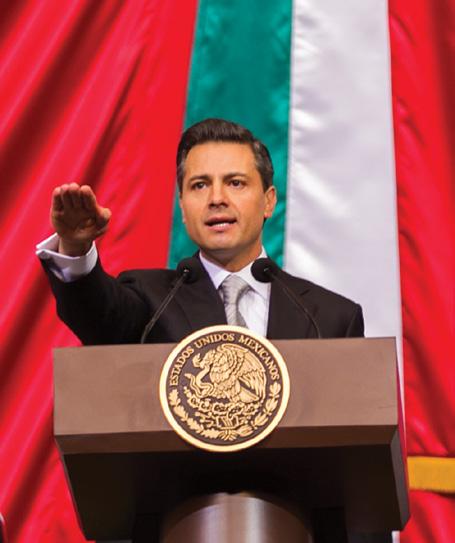
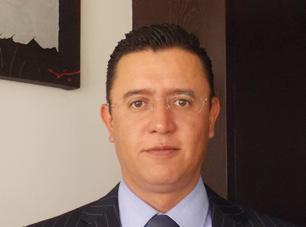
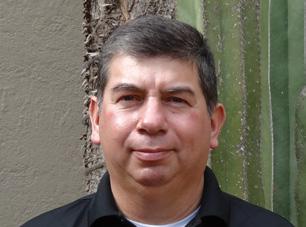
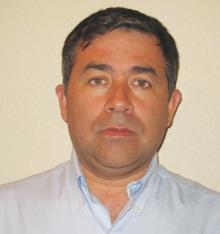
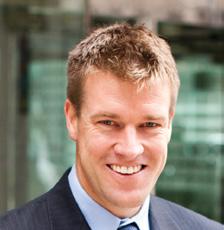
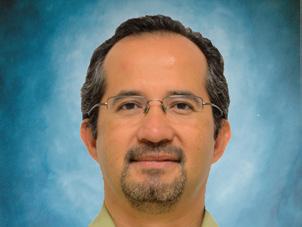
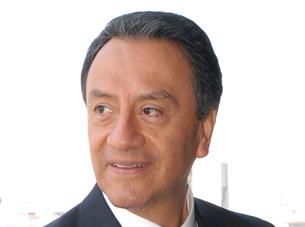
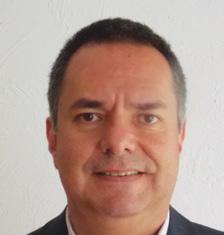
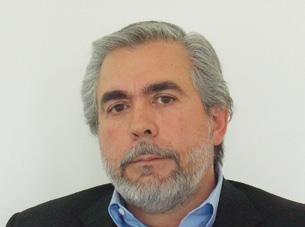
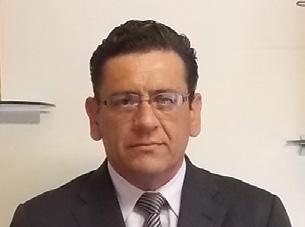
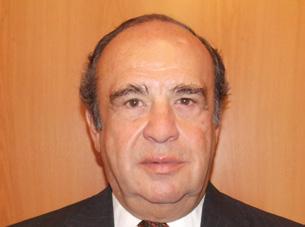
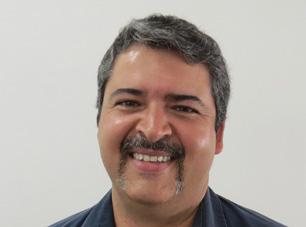
Enrique Peña Nieto defeated his opponents in the Mexican federal elections in 2012, thus enabling the return of his party to power after a 12-year hiatus. He represents the new face of Mexico’s long-ruling party, the Institutional Revolutionary Party (PRI), which held power in the country for over 70 years in the past century. Born in Atlacomulco, an industrial city in the State of Mexico (which neighbors Mexico City), Peña Nieto is the son of an electrical engineer and a teacher. He has been tied to politics and public service from birth: he is the nephew of a former mayor of Atlacomulco and has blood ties to two former governors of the State of Mexico.
Peña Nieto studied Law at Universidad Panamericana, one of Mexico’s top schools for this profession. During this period he joined the ranks of the PRI party, following in the footsteps of his family members. At the same time, he initiated his professional path as an employee at various legal firms. He later pursued a career as an independent lawyer and studied an MBA at the Monterrey Institute of Technology and Higher Education (ITESM). While he was completing his postgraduate studies, Peña Nieto was awarded his first position as a party representative at the national level.
After holding a string of political positions, Peña Nieto collaborated in two successful electoral campaigns and held relevant positions in both resulting governments within the State of Mexico. In 2003 he was elected local deputy for the state legislature, as a representative of Atlacomulco. This position was the stepping stone for his candidacy for the state government, which he won in 2005 thanks to the thorough list of notarized commitments he made to the local population. During his six year term as governor, Peña Nieto followed the observance of each of these commitments, which marked advances in the state’s infrastructure, public services and public finances. At the end of his term as governor, Peña Nieto actively sought the election as the PRI’s candidate for the 2012-2018 presidential period. His opponent’s withdrawal early into the primary elections gave him a valuable opportunity to structure his campaign, action plan, and proposals. Peña Nieto’s presidential campaign followed the same model as his previous bid for government: he toured the country extensively, signing a series of notarized commitments at both the state and federal levels, and meeting with relevant actors of Mexico’s civil society and the private sector in order to listen to their concerns and design public policies in response to their needs. He was declared the winner of the July 2012 elections by a margin of almost 7% of the vote.
| ECONOMY MINISTER
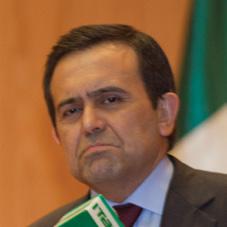
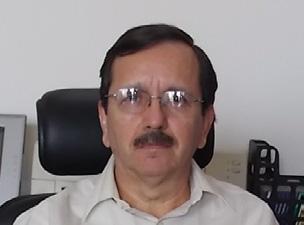
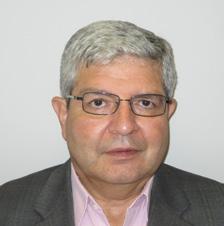
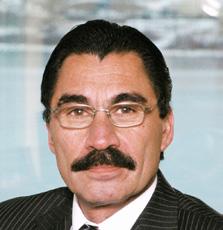
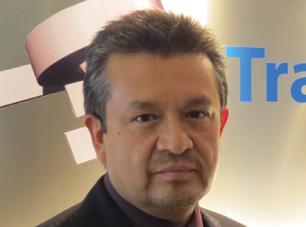
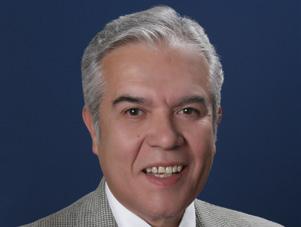
An economist born in Nuevo Leon, the country’s industrial hub, Ildefonso Guajardo Villarreal is the person in charge of fostering industrial development and supporting economic growth in Mexico. After receiving his bachelor’s degree in Economics from Nuevo Leon’s Autonomous State University (UANL), he completed a master’s program in Economics at Arizona State University. Guajardo Villarreal did his doctoral studies in Economics and Public Finances at Pennsylvania University, and today has an extensive background in his field.
Guajardo Villarreal has been involved in the political economic planning and programming of Mexico since 1984, when he was named Director of Public Finances at the Economy Ministry, which was then named Ministry of Budget and Programming. He subsequently held various positions in different areas of federal government, including Director of the North American Free Trade Agreement Affairs Office, based at the Mexican Embassy in Washington, Undersecretary at the Foreign Affairs Ministry, Deputy Ministry of Tourist Development, and Planning, Communication and Liaison Technical Secretary for the Trade and Industrial Development Ministry. Guajardo Villarreal also served as head of the Executive Office of the Governor of Nuevo Leon during 2003-2006, after which he became a Congressman, first at the state level and afterwards at the federal level. As a Federal Congressman, Guajardo Villarreal was Chairman of the Economics Commission and member of the Treasury and Public Credit Commission. After Enrique Peña Nieto was elected President, he called Guajardo Villarreal to his transitional team, naming him Vice Coordinator of Economic Policy, during the inauguration of the new presidential term he was named Economy Minister. He declared shortly afterwards his intention of promoting a series of reforms in the mining sector, namely concerning the industry’s fiscal framework and the de-regulation of foreign direct investment in the sector.
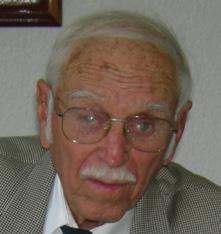
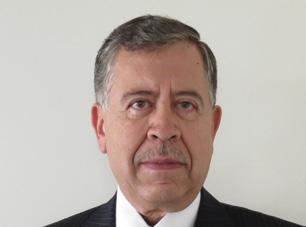
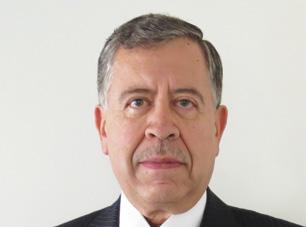
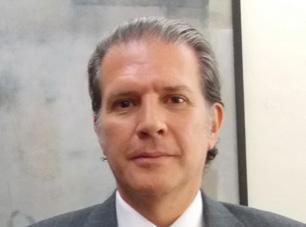
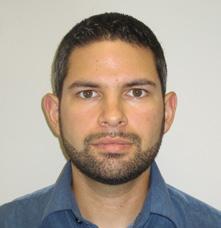
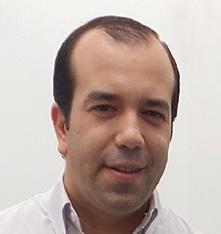
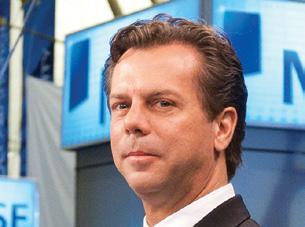
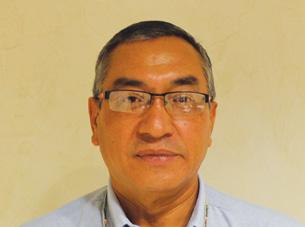
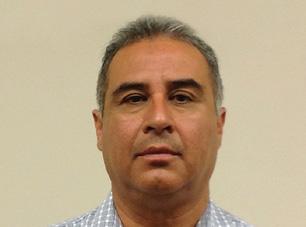
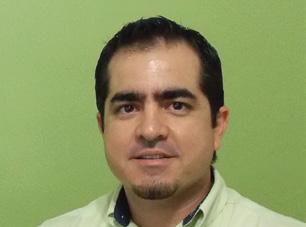
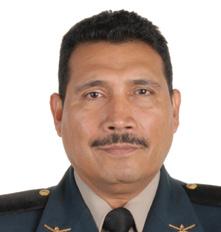
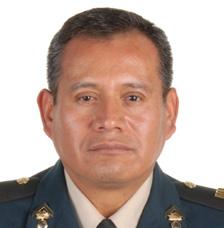
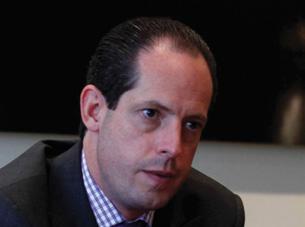
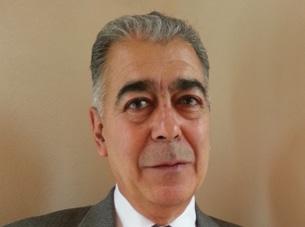
Enrique Peña Nieto
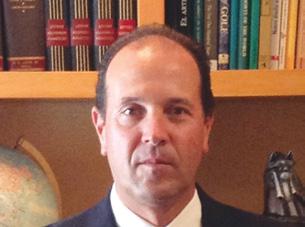
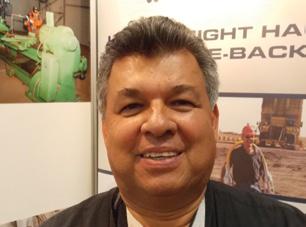
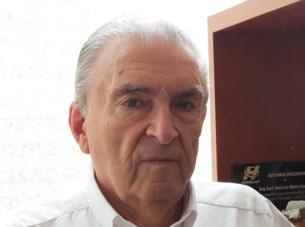
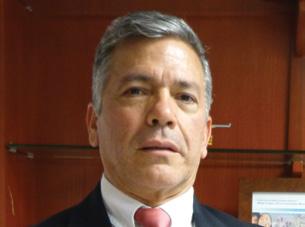
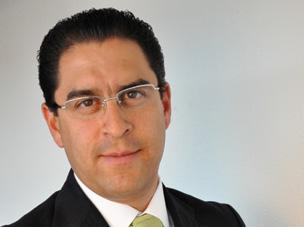
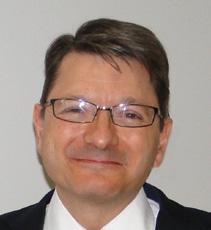
Ildefonso Guajardo Villarreal
INVESTMENT IN MEXICAN MINING
Mexico’s ranking as the fourth country in the world for mining exploration investment is not the result of coincidence. The country has combined a historical mining culture with an effective regulatory framework and a stable political environment to make mining investment an appealing prospect for national and international companies. With the 14th highest GDP in the world and the second in Latin America, Mexico is one of the leading high-growth economies globally, along with Brazil, Russia, India and China, which together represent one fifth of the global GDP.
The Competitive Alternatives report, compiled by KPMG in 2012, compared these countries to a number of more mature economies based on a number of different business environment criteria. Mexico performed best in the ‘Ease of Doing Business Ranking’ out of all five highgrowth countries. It was also reported that the 81 days it takes to finalize permitting for a warehouse in Mexico, is significantly lower than the other high-growth countries, with the runner-up being India at 227 days. Of the mature economies only the US and Canada performed better at 26 days and 73 days respectively, while Mexico was ahead of countries such as Germany, the UK and Australia. Finally, of the 14 countries included Mexico ranked first on the ‘Market Access Index’, meaning that its policy framework was found to be the most welcoming of foreign goods and enables the greatest access to foreign markets for its own exporters.
These achievements come as the result of a long period of liberalizing the operating framework and strengthening institutions, which began in the 1990s with the 1992 reform to the mining law that allowed up to 100% of investment to be foreign (it had previously been capped at 49%), and then
with the signing of NAFTA in 1994. The process of opening up Mexico to foreign investment has invariably been viewed by the key players in the mining industry as a positive step for Mexico. “I think it was a big success for Mexico to have signed NAFTA – an instrument that creates legal certainty and other incentives for investment in Mexico. Without NAFTA the current level of local demand and stability in the investment climate would be very different today, and the industry’s growth would certainly not have reached the levels it has,” says Juan Francisco Torres Landa, Partner at BSTL Abogados. In the years following the signing of NAFTA, Mexico’s trade with the US and Canada almost tripled, and foreign investment has gone from strength to strength since. Even in the face of declining metal prices investment is set to continue growing, with Mario Cantú Suárez, Mexico’s General Coordinator of Mining, telling Reuters in May 2013 that he expects mining investment during President Enrique Peña Nieto’s administration to reach, if not exceed, US$25 billion. This has been a natural result of the more favorable environment that has been created, and confirms that efforts made over the last 20 years to improve Mexico’s business environment have been fruitful. “If you look again at the discussions of the best places to invest in, despite the challenges that the Mexican mining industry faces, including safety issues, Mexico is being ranked number one, even ahead of Brazil. It is good to know that bankers in London or in New York are precisely the ones saying that we are doing things right. It is time for a new wave of investment and activity in the Mexican mining industry,” says Torres Landa.
A large proportion of foreign investment in the Mexican mining industry comes via companies listed on the Toronto Stock Exchange (TSX), which in 2012 accounted for 70% of
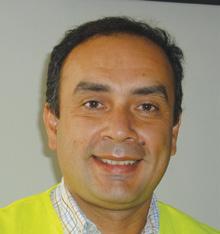
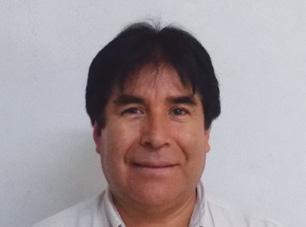
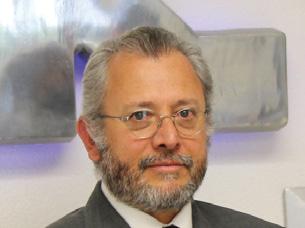
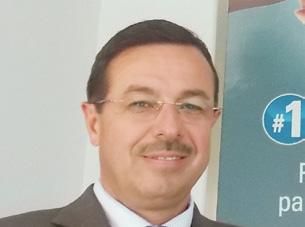
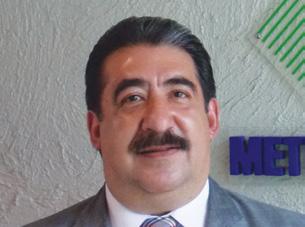
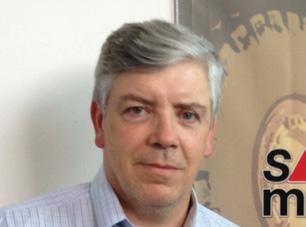
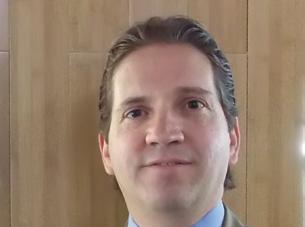
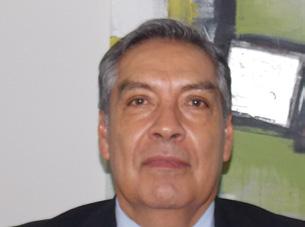
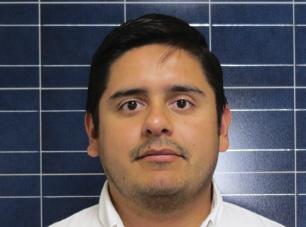
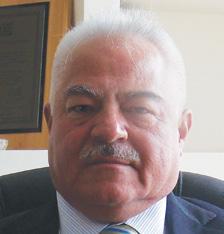
Mario Cantú Suárez ECONOMY
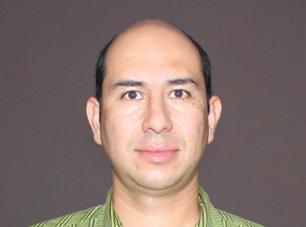
Ildefonso Guajardo Villarreal
7,000 8,000 9,000
equity capital raised globally for mining companies. “The TSX has done a great job of developing business, and by listing many Canadian mining companies it has developed specific expertise in mining, as well as an ecosystem that includes investors that today feel very comfortable on that exchange,” says Edmundo Gamas, Principal at Ultra Maris Capital. “Nowadays, being able to meet TSX standards is a validation for mining companies, making them more attractive from an investment risk standpoint. The Mexican Stock Exchange (BMV) has traditionally listed the large Mexican mining companies, and is now starting to focus on smaller mining entities. Overall, the BMV has done a great job in the last few years in developing new capital market products, and everything related to mining should be a natural fit.” Whilst there is general agreement that making financial instruments more accessible in Mexico would greatly benefit the development and reputation of the mining
industry, as well as accelerating Mexico’s economic growth, there is still some way to go. “One interesting development in recent years is that the BMV has introduced instruments under which a company makes certain amendments to its corporate bylaws, adopting certain accounting practices for example, before eventually making an IPO. The spirit of these amendments is very good, but there are some difficulties in practice that still need to be worked on,” says Luis Armendariz, Partner at Arzola + Armendariz Abogados. In the meantime the steady increase in foreign investment is very positive for the industry, which could not have reached its status as a prime mining destination without it. “Mexico is still a developing country and does not have enough capital, and certainly very limited risk capital; it needs foreign investment to continue to develop, especially in high risk ventures such as mining,” says Mauricio Candiani Galaz, President and CEO of Candiani Mining.
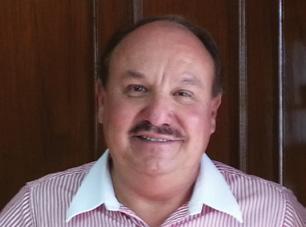
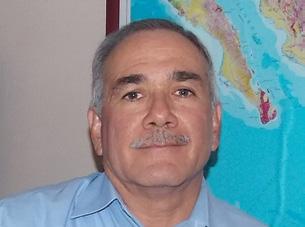
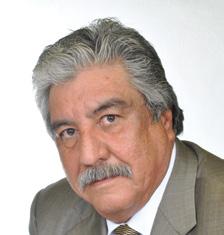
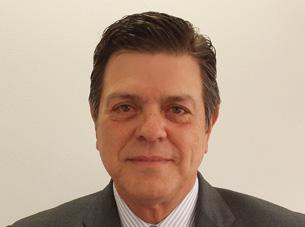
The background of the new General Coordinator of Mining is very similar to his superior in the Ministry of Economy. Like Guajardo Villarreal, Mario Cantú Suárez graduated in Economics from UANL and attended Pennsylvania University, where he received a master´s degree in Economy and doctoral credits in Economics and Public Finance. Cantú Suárez has 24 years of experience in the Federal Government, where he has worked in diverse areas of the Treasury Ministry, the Presidency, the Labor Ministry, the Social Development Ministry, the Tax Administration Service, the National Water Commission and the Public Service Ministry. He also lent his expertise in the management of public institutions such as Conasupo Industrialized Milk (Liconsa), a government-held company that produces and distributes dairy products at affordable prices. Cantú Suárez also has experience in the private sector, for he served as an econometric analysis manager at WEFA-CIEMEX, the leader in economic forecasting in Mexico.
As of January 2013, Cantú Suárez was named General Coordinator of Mining, and he was entrusted with the mission of strengthening innovation, investment, and competition in Mexico’s mining industry. Cantú Suárez has since participated actively in various industry forums and meetings with both the private and public sector in order to pursue these objectives.
| GENERAL COORDINATOR OF MINING
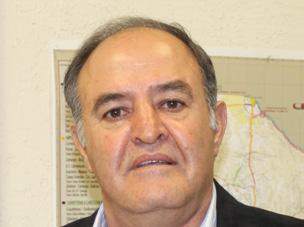
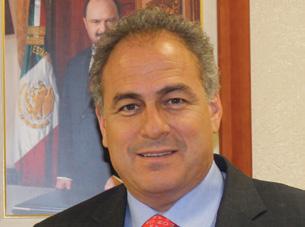
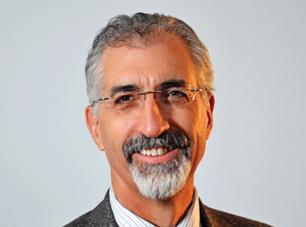
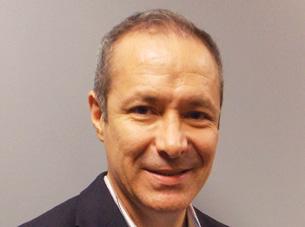
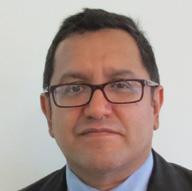
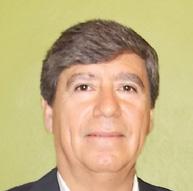
Mario Cantú Suárez, General Coordinator of Mining at the Economy Ministry
Source: Camimex
| VIEW FROM THE TOP KEY TRENDS IN THE MINING INDUSTRY
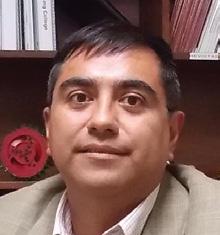
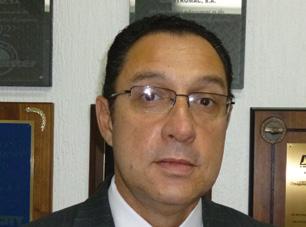
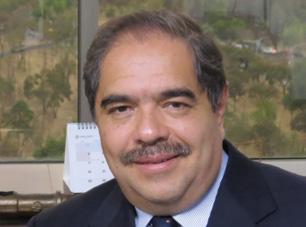
SERGIO ALMAZÁN ESQUEDA Director General of Camimex
Q: How has the pattern of investment within the mining industry evolved over the past decade?
A: In 2002 total mining investment in Mexico was US$340 million, compared to US$8,043 billion in 2012. Total mining investment includes not just exploration but also development, expansion, new infrastructure, and training, as well as new equipment and environmental and social development investment. These figures demonstrate the impressive growth of the mining industry in the past decade. In the last year 60% of the total investment came from mining companies with Mexican capital and the remaining 40% from companies with foreign capital.
Q: What impact has mining-related investment made on Mexico’s foreign exchange and trade balance, and what are the main destinations for Mexico’s metal exports?
A: The Mexican mining industry currently has a trade surplus, with exports outnumbering imports. In 2011 the positive trade balance amounted to US$12.64 billion and in 2012 it reached over US$13 billion. The main geographical region Mexico exports its minerals to is North America, followed by Asia and Europe. The products we import are metals and minerals that the country does not produce, such as aluminum, as well as others for which local production is not self-sufficient, such as iron and coal, which in some cases have to be imported in order to meet local demand.
Q: What role does Camimex aspire to play in the Mexican mining industry?
A: Camimex is the official consultative governing body regarding all matters relating to the mining industry. In recent years Camimex has brought together the 150 main mining companies in Mexico, and Camimex’s member companies represent 93% of the value and volume of mining production. With the exception of small and some medium-sized companies, the country’s most important mining companies are Camimex members, regardless of whether they are funded by Mexican or foreign capital.
The Law of Business Chambers provides the official faculty making Camimex the link between the mining sector and the three levels of government (executive, legislative, and judicial). Camimex is concerned about all of its members
and only focuses on the problems that relate to the mining industry as a whole and that can really limit its growth. Under this premise, the problems that Camimex tries to solve, as well as the body’s goals and objectives, are for the benefit of the mining sector. We are in constant communication with the federal, state, and municipal government.
In order to be able to reach our main objectives, we have 12 permanent commissions with working groups that any member can turn to. These groups address the main issues concerning the industry: energy, climate change, water, environment, community development, education, safety, health, taxes, legal framework, customs, and foreign trade. Camimex’s strength relies on the existence of these groups, which are led by industry specialists.
Q: Safety is a very important topic for the mining industry. What is Camimex doing to counterbalance mining’s image as an unsafe industry, and what best practices are being promoted as a result?
A: I want to emphasize that safety is a priority for Camimex’s member companies. In 2003 the accident rate was 8.3%, compared to 2011 when it was 3.2%. Although this reflects great progress, Camimex’s goal is that all of its member companies should continue working to improve safety on their mine sites. We are working towards every company implementing a culture of safety in each of its operations on every single level.
The Occupational Health, Hygiene, and Safety Training Commission of Camimex promotes best practices for safety in mines with our members and regularly visits mining operations to train workers. For the past five years we have provided a continuous education course for underground mine safety in which mining experts from Chile and Mexico share their expertise. The Chamber also organizes a biannual convention for mine safety with the aim of sharing new technologies and new safety practices, as well as organizing a national competition to reward those companies that achieve the best results in safety; each year the Silver Hard Hat is awarded to the safest mining operation in three different categories: underground mine, open pit mine, and refinery and plant.
Camimex has recently begun a Safe Company and SelfManagement Program together with the Ministry of Labor and Social Welfare, in which companies voluntarily commit to carrying out safety best practices in their mines. The companies’ response to this initiative has been very positive and we currently have 85 operations working under the program.
Q: What are the current environmental sustainability trends within the Mexican mining industry and what initiatives are being implemented to create a cleaner and more efficient industry?
A: Much like we have in safety and occupational health, we have an agreement with the Environment and Natural Resources Ministry (Semarnat) and the National Forestry Commission (Conafor) to implement best practices in these aspects, as well as fostering specific norms that apply to the mining industry and that guarantee good environmental performance. Currently, 80% of Camimex member companies have the Clean Industry Certification, and much of the remaining 20% are working to obtain it. Mining is one of the industries that holds the largest number of Clean Industry Certificates.
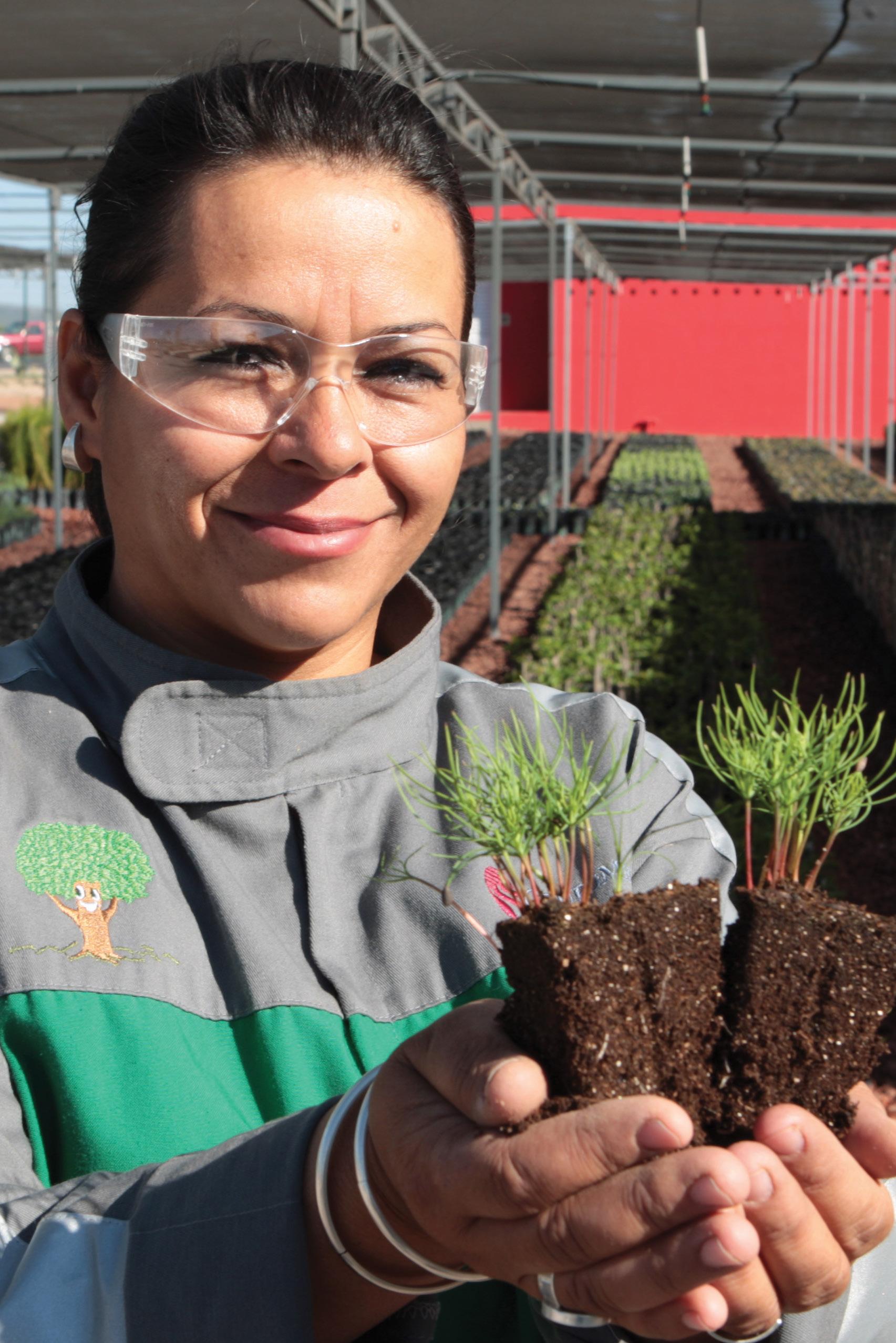
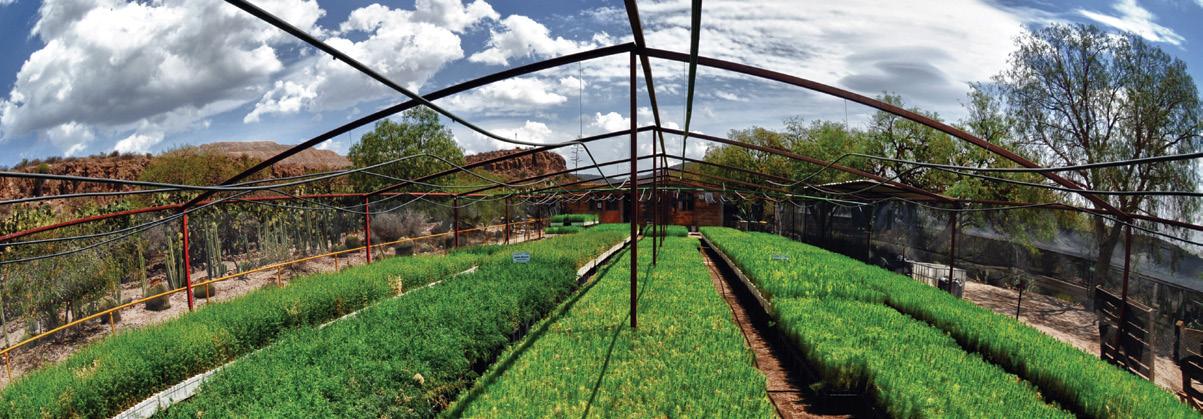
During 2012 3.5 million trees were planted by the industry, which in the past seven years adds up to a total of 13.5 million planted trees. After the Mexican Army and the forestry industry, we are the industry that has planted the largest number of trees in the country. Mining companies are very concerned about preserving the ecosystem; for example, there are 16 natural areas that are protected by the mining industry. For the past 10 years we have developed the annual Experience Seminar, with the participation of Semarnat, Conagua, Profepa and Camimex, with the intention of exchanging experience to strengthen sustainability in the sector.
Q: What is Camimex doing in terms of community relationships and communicating a message to the general public that raises awareness of the social responsibility initiatives of your members?
A: Among their main objectives, all Camimex member companies have to strengthen the social fabric with local communities to stimulate their development. There are 28 important groups that have received the Socially Responsible Company distinction, which proves the increasing involvement of the mining sector with local communities. The ways in which the mining industry relates with people from the surrounding municipalities is still being criticized, which only means that there is still a lack of awareness of the hundreds of success stories that have been achieved.
One of the most important challenges the industry faces today is communicating how modern mining practices have revolutionized the sector, and above all transmitting the deep benefits that the industry brings to communities. Mining in Mexico has a more than 500 year history; if we were to weigh up all of the good things the industry has done so far against some of the problems it has encountered, the balance would tip in favor of the positive legacy the industry leaves behind. Nevertheless, due to the general lack of awareness, we have to reach people and communicate clearly and efficiently all of the benefits that mining brings to the country. Mexico is a mining nation, although many Mexicans do not know this. We have worked very hard and invested a lot of time and money in changing the image of the industry. We know it has not been enough, so we will double our efforts and complement our strategies in order to show the good practices that have been implemented, as well as all of the social benefits they have brought.
Q: What solutions and initiatives could be successful in getting more people to enroll in mining-related academic programs?
A: The positive cycle of the mining industry began in around 2003, and many companies operating in Mexico were taken by surprise. After a 20 year period of low metal prices many of the professional activities related to mining, especially the earth science careers, were not attractive to students. Following this positive change in the industry we then faced the challenge of having a shortage of qualified human capital. Once we understood this, Camimex implemented several programs to attract young people to the idea of studying geological, metallurgical and mining engineering. In 2008 the Chamber created a trust fund to support universities and provide scholarships. Through this fund we have been supporting students and professors from 12 universities, and member companies have injected over US$1 million annually to the fund. The institution organizes different conferences for all educational levels, with the aim of attracting the interest of students towards the industry. Last year several studies indicated that engineers in geology and mining are the best paid professionals in Mexico, only after aviation. We are starting to see the results of the industry’s effort in this aspect. Through its member companies Camimex has always supported academic institutions with professional placements and laboratory and IT equipment, among others things. Furthermore, we are also working closely together with universities to revise their programs so that they can supply the qualified human capital the industry requires.
Q: How would you describe the current business environment for Mexico’s mining industry, and what are the factors that have contributed to the country becoming a top destination for mining investment?
A: In terms of income generation at the national level, mining continues to be the fourth biggest industrial sector in Mexico, amounting to US$22.5 billion in 2012. It is positioned after the automotive, electronics, and oil and gas industries. The mining industry generates 77% more income than the tourism industry, and slightly more than remittances from the US. According to Behre Dolbear’s 2013 Ranking of Countries for Mining Investment, Mexico is the fifth safest country for mining investment in the world after Australia, Canada, Chile, and Brazil. This annual assessment takes into account political risks in the non-renewable resource exploitation industry, as well as looking at government policies, economic and social issues, and corruption levels in mining countries. The trust of investors enables us to project an investment close to US$8 billion in mining projects for 2013.
Q: What is your perspective on the main trends in global mining and how do they impact Mexico’s competitive position?
A: As metal prices drop and global economic uncertainty lingers, predicting demand for metals in the short term becomes complicated. In order to face the upcoming challenges that will result from this situation, companies need to evaluate the feasibility of each of their investment projects in great detail. However, everything indicates that mineral consumption will remain high because of their importance in consumer products, which allows for cautious optimism.
Q: How could the royalty tax affect mining operations and what measures should the private sector take in order to lessen its impact, if it is approved by Congress?
A: Mining is a capital intensive industry that involves long maturation periods and irrecoverable investments that are subject to international market volatility, as well as being exposed to other issues such as technical and geological risks. The industry needs to be thoroughly studied by the government, taking into account that it already pays income tax (ISR), Employee Profit Sharing (PTU), and mining rights for each concession hectare; not to mention energy, water, and security costs, as well as investments in social and environmental issues. All of these things must be analyzed before an additional fiscal burden is established that could compromise the industry’s competitiveness and decrease investment in exploration, which is not fundable through traditional financial instruments due to its high risk nature. The royalty tax might also have a serious negative impact in those regions where there are no other economic activities.
It is important to emphasize that the Mexican mining industry does not have any fiscal stimulus or tax stability as Argentina, Brazil, Canada, Chile, and Peru do. These countries are our competitors and this has to be taken into account in order to provide balance to the current proposal. From a public policy perspective it is important to increase the hierarchical level of the government agency responsible for the development of the mining industry to undersecretary and establish a long term mining policy that provides fiscal stability, so that the sector can continue growing and generating value for the country.
Q: What are the most important contributions of the mining industry to Mexico’s social and economic development that Camimex would like to highlight to Mexico’s policy makers?
A: During 2012 mining investment in Mexico amounted to US$8.043 billion, which was 43% more than in 2011 or a US$2.43 billion increase. In the last six years investment in the industry has amounted to US$25.64 billion. Such significant figures allow the mining industry to continue being an excellent source of direct employment. During 2012 the Mexican Social Security Institute (IMSS) registered 18,833 new direct jobs created by mining. The total figure of direct jobs in the mining sector amounts to 328,555, which together with indirect employment represents more than 2 million jobs. Furthermore, mining employment continues to offer very competitive salaries that are close to 37% higher than the national average.
Social and environmental investment on behalf of the mining industry in 2012 amounted to MX$2.84 billion (US$226 million) of which MX$1.52 billion (US$121 million) went towards environmental projects and MX$1.32 billion (US$105 million) went towards social projects. Mining activities bring electricity and water infrastructure to isolated communities and build roads, schools, hospitals, sporting facilities, and community centers in the places where the mine site is located.
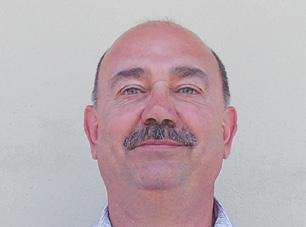
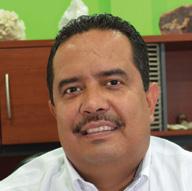
Humberto
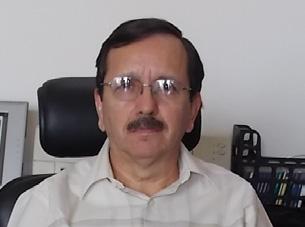
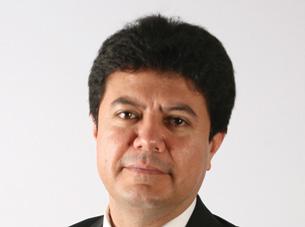
Gutiérrez-Olvera Zubizarreta, President of Camimex
BRINGING TOGETHER THE MEXICAN MINING INDUSTRY
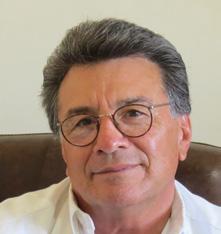
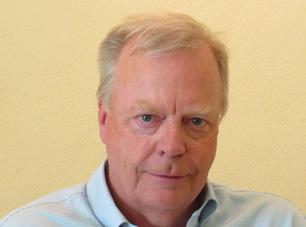
JOSÉ MARTÍNEZ GÓMEZ President of the Mexican Association of Mining Engineers, Metallurgists, and Geologists (AIMMGM)
Q: What is the role of the AIMMGM in the Mexican mining industry?
A: Our goal is to bring together all mining professionals from the earth science specialisms, such as miners, metallurgists, and geologists. Within the association there are mining professionals from government agencies at the federal and state level, as well as those working for Mexican and foreign companies operating in the country’s mining industry. Our goal as an association is to maximize the number of people from the industry participating in the process of transforming Mexico into a responsible mining country. The AIMMGM wants to create the infrastructure that gives Mexican states the ability to pursue the development of the mining industry with more financial autonomy, so that the industry can develop on its own, without being centralized in Mexico City.
Q: How does the AIMMGM promote professional development?
A: The AIMMGM strives for professional development and for the quality of our profession to be looked after. Through dialogue with the educational authorities we try to strengthen the relationship between universities and the industry, so that the industry can get the talent it requires and, at the same time, universities can produce qualified mining professionals based on the needs of the industry. Currently, we function as a promotional entity in this regard, and we are working together with universities to achieve this goal. Without Mexico’s qualified personnel the mining industry would not have been able to reach its current level. The issue that needs to be worked on is that if the boom in international prices continues we need to see whether we can satisfy Mexican demand in the coming years, both in terms of quality and quantity of skilled labor. We have to look to the future and need to generate the human resources needed for that industry to develop, from skilled workers to managers.
Q: What is your strategy for improving the mining industry’s image in Mexico?
A: We strive to have a proactive rather than a reactive role in our engagement with mass media and society. We are trying to promote the benefits that the industry brings and to
highlight that mining is involved in all of the activities carried out by the population. We communicate the way mining activities are performed, emphasizing the responsibility that is taken at every stage of the mining process. We want to avoid a lack of information or misinformation affecting the government’s decisions or people’s feelings toward the industry, which is sometimes labeled as polluting or predatory. In the past the industry has maintained a passive or defensive position, but I believe that we have to develop a proactive attitude. We need to participate in children’s education showing what mining really is, so that tomorrow’s adults are more open to the activity. Due to the fact that mining is cyclical, we cannot wait for a different perception of mining to come about. This is why we want to go one step further and also educate the authorities through forums, mass media and online content. With these measures we will reduce the unjustified media attacks that happen as a result of a lack of information. We need to give people a basic understanding about the different kinds of mining. Metal mining and coal mining are not the same thing, and neither are open pit and underground mining. Understanding those differences will in turn help people to understand what is really happening in the different branches of the industry.
Q: What were the conditions that enabled the mining industry to flourish in Mexico?
A: We are not the only country with good deposits and we are certainly not the only ones that enjoy high international market prices, which are the two basic conditions for the mining industry to prosper in a country. The differences that distinguish one country from another are natural and market circumstances. Even though a country cannot modify the natural factors, it can create an adequate legal framework that gives certainty for investment and provide the human resources for the development of the industry. Currently, Mexico has four positive conditions: international prices, which other countries also have; the quantity of mineral deposits that are feasible for exploitation; the legal framework, which even though it can be improved provides sufficient certainty for foreign and domestic investment; and we have the quantity and quality of required human talent for any mining investor – foreign or domestic – to develop and exploit the mineral deposits in a timely manner.
IMPACT OF THE FISCAL REFORM
By José Manuel Velderrain*-Article
39 of Mexico’s Income Tax Law establishes that taxpayers can deduct up to 10% of expenses made during pre operative periods of their business within a sole fiscal year. As a consequence, companies that exploit mineral reserves can deduct investments made before a mine enters its production phase. The current legal framework specifies that this taxdeductible preoperative period comprises the exploration, localization, and quantifying processes of new mineral deposits susceptible of being exploited. However, in contrast to the law’s general rule, mining companies may submit these deductions in the same fiscal year during which preoperative activities take place. The condition that has to be complied with in order to enjoy this benefit is to perform tax deductions for pre operational expenses on each and every mineral asset possessed by the company during a determined tax year. In the reform proposal that Luis Videgaray, Mexico’s Finance and Public Credit Minister, presented to Congress on September 8, 2013, the Executive backs its suggested changes to the Income Tax Law in an extensive Statement of Purpose. This statement mentions that the current legislation offers mining exploration companies non-equitable treatment with regards to other taxpayers. While companies that are not dedicated to mining exploration and exploitation have to distribute their deductions over a 10 year period, mining companies enjoy the benefit of reducing their taxable income by performing all pre operative expense deductions in the same tax year. The Statement of Purpose argues that this distortion to the Income Tax produces inequality among Mexico’s industrial sectors and reduces the country’s tax-raising potential.
The table below demonstrates how the mining sector can defer the payment of their income tax by re-investing their profit in preoperative investments. The deduction scheme in force does not imply that the mining industry is currently exempt from the payment of income taxes The current legal framework causes only a temporary difference in tax liabilities – caeteris paribus and without accounting for adjustment measures and inflationary effects – because
the remainder of the tax is settled at the end of a 10 year period. Additionally, the reform package proposes to impose a Value Added Tax of 16% on the wholesale of gold, jewelry, goldsmiths, artistic gold pieces, ornaments or gold ingots, the gold content of which exceeds 80%. The retail commercialization of these products will remain exempt from taxes, just as is currently established by Article 2 of Mexico’s Value Added Tax Law. The Statement of Purpose that comes with the reform proposal for this law explains that, even if the wholesale commercialization of gold does not engage final consumers, these transactions reflect the buyers’ taxpaying capacity. The statement mentions that the Mexican Supreme Court of Justice has determined by jurisprudence that the objective of zero tax rates is to avoid any harm being caused to the purchasing power of Mexico’s least favored citizens and to reduce the impact of prices in aggregate public consumption. As a consequence, the government concludes that the wholesale of gold and gold products is a manifestation of wealth that should be taxable. The aforementioned reform proposals have a particularly significant effect over the mining industry. However, it is also crucial to analyze other suggested changes to Mexico’s taxcollecting framework that affect all sectors. Among them, mining companies should keep in mind the proposed 10% tax over dividends, the elimination of the “fiscal consolidation” regime (with its inherent tax exemptions), and the removal of the immediate tax deduction concerning investments. The fiscal reform project contemplates constitutional changes, the creation of four new laws, the abrogation of 13 laws and decrees and the modification of 15 legal ordinances. Some of these changes will undoubtedly impact the mining industry. Therefore, it is strongly advisable to include the proposed changes and their potential effects in mining companies’ financial plans and investment evaluations for the coming years.
*Director General and founding associate of Velderrain, Sáenz y Asociados. This firm offers auditing services, fiscal consulting, and specialized assistance in corporate finances and general estate planning.
EMPLOYMENT IN THE MINING INDUSTRY
In 2002, the Mexican mining industry employed 256,000 people, who contributed to the generation of MX$26.1 billion (approximately US$2.1 billion) in total output value. One decade later, 328,000 people work in Mexico’s mining industry, supporting a production value of US$23 billion. The accelerated growth in the value of metals and minerals over the 2002-2012 period created a need for more qualified personnel to support the expansion of the industry. The mining industry has successfully engaged 28% more employees in the last 10 years, and it is now the direct source of one in every 50 formal jobs in Mexico.
Sergio Almazán, Director General of Camimex, states that the mining industry is the economic sector that has created the biggest number of jobs in the country. “Nowadays, more than two million Mexican families live by means of the mining industry,” he remarks. In fact, in 2012 the mining industry was the productive sector which generated the highest percentage of new jobs in relation to the number of employees it had the previous year. According to the Mexican Institute of Social Security (IMSS) and the National Institute for Statistics and Geography (INEGI), the number of people working in the extractive sector in the past year was 15% larger than the number of formal employees during 2011. The mining industry’s spectacular growth in terms of employment during 2012 is far ahead of the second and third industries with the biggest growth rate: the construction sector (6%) and the transport and communications industries (5%).
The mining industry is also an important source of indirect employment. The contractors, service providers, consultants, and other people who are indirectly employed by the mining industry add up to over 1.6 million people, according to Camimex. Ramón Dávila, President of the Education Commission of Camimex, explains that every direct job in the mining industry generates an average of five indirect jobs, whereas the ratio of direct to indirect jobs within industries settled in urban areas is only of three to one. The profound impact that the mining industry has over the regions where it operates can be best seen through local employment figures. For example, the number of people employed in Sonora’s mining industry has increased threefold from 2000 to 2012. Nowadays, the sector is one of the state’s main employers, accounting for 16,000 direct jobs and 64,000 indirect jobs. Concurrently, the mining industry generates 12% of the state’s GDP.
In addition to the employment it generates, the mining industry has a significant positive impact on the country’s economy, because of the salaries it offers. In 2012 the
EMPLOYMENT IN MINING INDUSTRY (THOUSAND)
average daily salary for a formal employee in Mexico was MX$270.91 (roughly US$21.52). Within the extractive industries, the average salary reaches MX$417.16 (around US$33.13) a day, or 54% more than the national average. The Employment Ministry reported that, during January 2013, over 600 companies performed salary revisions, negotiating pay rises that averaged 4.4%. However, mining companies agreed on salary increases of an average of 6.9%. In total, they complied with 101 collective labor agreements in force during 2012, and performed 113 salary revisions during that same year, thus raising the income and quality of life of their employees. Once again, this situation is replicated on a local level. In Sonora, employees in extractive industries make 36% more than the average salary.
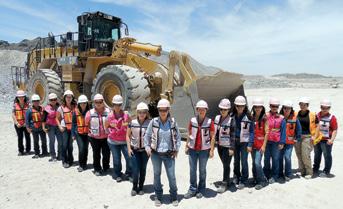
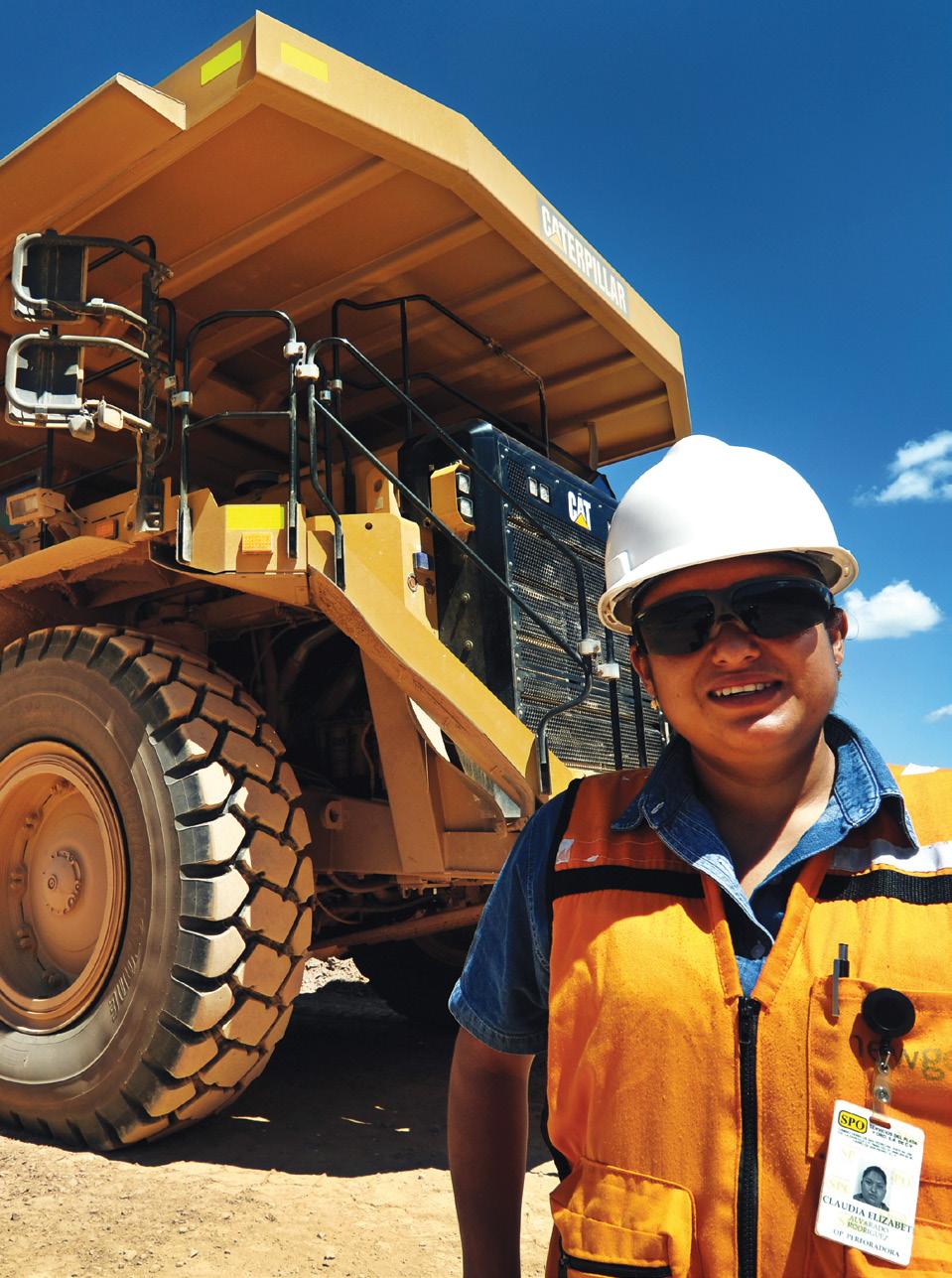
Employment in the mining industry is also moving forward in terms of inclusion. In an increasing number of cases, the employment of an overwhelming proportion of men in the sector is a bygone practice. In the words of Patricia Salinas Alatorre, Economic Development Minister of Zacatecas, “Women now have a more relevant profile in the mining industry. Historically, it was believed that women inhibited a mine’s productivity. Fortunately, this has changed.” This shift is particularly important in the development of communities surrounding mine sites, for women have been gaining an increasing importance as breadwinners in Mexican families.
In general, the mining industry’s contribution to job creation and value generation within Mexico has increased substantially in recent years. The sector’s beneficial impact in local economies is magnified by the nature of its operations. As Almazán expresses, “the mining industry provides employment and infrastructure in very remote regions that cannot be easily matched by other industries. Mining is an engine for the development of our country, and the employment it generates is inarguably very important.”
2012 LABOR REFORM IMPACT ON THE MINING INDUSTRY
The mining industry is both one of Mexico’s biggest income generators and one of the largest providers of direct and indirect employment in the country. As such, Mexico’s labor law and the way in which it is administered and regulated are critical in deciding in what ways the sector can function and develop. The recent reform to the labor law is for the most part viewed by legal experts to have been a vital modernization that will lead to economic growth for the whole country, and given the direct impact it has on activity in the mining industry, the sector must adapt to this new legal environment.
The 2012 Labor Reform represented the long overdue modernization of an outdated law that had been mostly unchanged since 1970, and the new law better reflects the reality of Mexico’s current social and labor environment. According to the National Institute of Statistics and Geography (INEGI), in the four decades since 1970 life expectancy has increased from 61 to 76 years, and the active working population as a proportion of the overall population has increased dramatically from just half to around two thirds. “The 2012 Labor Reform is a good opportunity for Mexico because it allows the country to reorganize and improve employment relationships. In general terms it was necessary, given that the last important amendment to the labor law took place in the 1970s. It may seem like a very aggressive reform, but it was a long-needed one,” says Rafael Cereceres Ronquillo, Partner at C&V Abogados.
The reform proposal was exhaustive, addressing 80% of the law’s 1,010 articles and integrating all aspects of the labor market, from contracting and discrimination to salary payment and dismissal. The Legislative ultimately approved modifications to a third of the Law’s original content. The mining sector is arguably one of the industries that will be more significantly affected by the labor law reform, principally because the law contains a new chapter dedicated solely to mining (articles 343-A to 343-E). The focus of the legislation laid out in this chapter is to improve health and safety regulations for mining operations in Mexico, based on requirements ranging from having a proper management system for health and safety issues and informing workers of the risks inherent in this type of work, to making both concession holders and mining operators responsible for ensuring that mines are managed in compliance with all safety regulations.
The mining chapter of the labor law also gives workers a more active role in the upkeep of health and safety standards. Article 343-D gives workers the right to refuse
to work if their employer is not fulfilling certain security obligations, such as providing them with the proper training, protective clothing, and equipment. Another positive development in this area is that those found to have breached safety regulations, to the extent of potentially resulting in the loss of life, can now be fined up to 5,000 times the daily minimum salary (almost US$25,719). These are changes that have the aim of, and hopefully will succeed in, improving the industry’s security record.
The general areas of reform, outside of the mining chapter, also have an important impact on the way in which mining companies operate. Not the least of these is the tightening of regulations around outsourcing, which is common within the Mexican mining industry, for example at the construction stage or in the provision of catering or cleaning services. Besides the obvious practical advantages of outsourcing, it often has the additional benefit of bringing costs down because Mexican companies are obliged to share their net profit with their employees, whereas such payments are not made to those working for the outsourced company. Changes made under the 2012 Labor Reform, however, aim to eliminate this practice. For example, companies may now only outsource ‘specialist’ labor that is different to that provided by the company’s regular, contracted employees. The law also states that the outsourced labor may not account for the entirety of the company’s operations. Placing such limits on the conditions under which an organization may outsource will directly affect the ways in which mining companies conduct their business. “Most companies in the industry contract services through external providers,” says Alfonso Rodríguez Arana, Director General of LegalMex. “In many cases the staff provided through these channels play a direct and immediate role in the core business of the company, even though they are subcontracted.” According to Rodríguez Arana, those companies that hold a mining concession without having a single employee are greatly affected by these changes and will need to restructure as a result, if they have not already. If they do not do so, mining companies that are found to have created false institutions
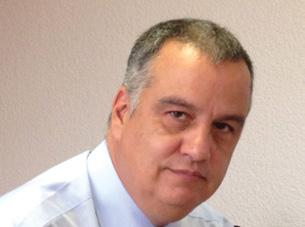
Left: Rafael Cereceres Ronquillo, Partner at C&V Abogados Right: Alfonso Rodríguez Arana, Director General of LegalMex
with the aim of reducing their labor expenses will now be sanctionable by law.
Outsourcing represents one way in which the labor reform has served to improve the balance of the employeremployee relationship. While it has tightened the law in this area, the reform has simultaneously opened up in the area of contracting. Employers can now hire workers through a number of different contracting schemes – including trial contracts, temporary contracts, and seasonal contracts –and it is now also possible to hire employees at an hourly rather than a daily rate. It should be noted that, whatever the length of the contract or number of hours worked, all employees share the same right to the national minimum salary and to receive social security benefits as specified by law. Employees may also work overtime at double the rate of their usual hourly wage. However, overtime hours should not exceed three hours per day and cannot surpass three consecutive days. These changes afford employers much greater flexibility in meeting their companies’ staffing needs, reducing the risk of overcommitting to long contracts that may not be required in the long term. It is also now easier for either party to terminate the contract before it expires.
Despite some reservations about potentially increased costs for mining companies operating in Mexico - resulting from new outsourcing regulations and having to spend more on increasing security provisions - the 2012 Labor Reform is generally viewed by legal experts as being beneficial for the industry. Indeed, many experts think that it will even increase productivity across all industries. The Mexican Institute for Competitiveness (IMCO) predicts that, as a result of the reform, Mexico’s GDP will increase by between 1 and 1.5% annually.
Cereceres Ronquillo views the Labor Reform as a positive step forward that provides a good opportunity for Mexico’s mining industry to improve its employment relationships. The biggest improvement for Cereceres Ronquillo is that the government has now increased its surveillance, making sure that the new rules and regulations are being properly implemented across industries. “The new government is working very closely with the Labor and Social Welfare Ministry to ensure that mining companies are complying with their labor and safety obligations, as employers. This is a positive change, and one that was needed,” he says. In fact, mining companies that apply international best practices can benefit greatly from the reforms made to Mexico’s Federal Labor Law. Among them is the opportunity to hire employees under new recruitment schemes, including trial periods and temporary training programs. The law also protects employers against potential abuses from former employees. In the words of Rodríguez Arana, “one of the most transcendent issues addressed by the reform is the imposition of a limit to wage payment during labor trials.
This is especially important considering that, in Mexico, such trials last – at best – three years, during which the employer had to pay the full amount of the plaintiff’s wage as if he or she were still working for the company.” Mexico’s labor litigations are carried out by a Workers’ Compensation Appeals Board (JFCA), which currently has a severe lag in case resolution and takes an average of 51 months to resolve a trial. An amendment to the law means that if an ex-employee brings a case of unfair dismissal against its former employer and wins, the employer will be obligated to settle unpaid wedges equivalent to the worker’s full salary for 15 months, plus a 2% interest over every month that passes until the trial is resolved. In addition, lawyers and public officials who deliberately delay trials will be held liable and sanctioned. This is welcome news in particular for small- and medium-sized mining companies that previously could have had to pay many years’ worth of back payments whenever faced with an unfavorable sentence in labor trials. The reform will undoubtedly prevent many companies from facing financial difficulties or even closure due to costly legal disputes.
Another key development on the labor front is the country’s ratification of the International Labor Organization’s Convention 176 on Safety and Health in Mines, which was written in 1995. However, in 1998 Mexico’s Labor and Social Welfare Ministry recommended that it not be ratified by Mexico because the country did not yet have the legal means to comply with its terms. Nevertheless, in August 2012 the Ministry suggested that the necessary process be begun to reconsider its ratification. Although this convention is yet to be ratified, the fact that the Labor and Social Welfare Ministry has recommended that the government now do so is a clear indication that the labor law and the country’s legal framework in general have become more developed and internationally competitive. By committing to such conventions, Mexico stands itself in good stead for attracting further foreign investment into its industrial sectors.
While recent reforms and their consequences represent a challenge for mining companies operating in Mexico, in the long term they will prove to be a positive step forward for the industry. LegalMex has successfully advised its mining clients on the reform’s risks and benefits, and along with his partners and expert associates at LegalMex, Rodríguez Arana helps further clients’ business by promoting a preventative approach to labor conflicts. “This implies the modification of contracts, the verification of legal relationships with suppliers, and many other due diligence changes. We have deeply helped our clients in the mining industry and this is why we fortunately have a lot of work,” he adds. Despite the speculation around the exact potential that the 2012 Labor Reform has to improve the development of Mexico’s mining industry, its full impact will only be revealed in the coming years.
GLOSSARY OF TERMS
AIMMGM: Mexican Association of Mining Engineers, Metallurgists and Geologists
CA$: Canadian dollars
Camimex: Mexican Mining Chamber
Canacero: Mexican Iron and Steel Industry Chamber
CBA: Technical Training College for Agriculture
CEO: Chief Executive Officer
CFE: Federal Electricity Commission
CGM: General Coordination of Mining
CIATEQ: Advanced Technology Center
CONAFOR: National Forestry Commission
Conagua: National Water Commission
CSR: Corporate Social Responsibility
DGDM: General Directorate for Mining Development
DGRM: General Directorate for Mining Regulation
ERA: Environmental Risk Assessment
ERP: Enterprise Resource Planning
FIFOMI: Government Trust for Mining Development
GDP: Gross domestic product
ILZSG: International Lead and Zinc Study Group
IMSS: Mexican Social Security Institute
INEGI: National Institute of Statistics and Geography
IPICYT: San Luis Potosi Institute’s for Scientific and Technological Investigation
ISR: Income Tax
LGEEPA: General Law of Ecological Equilibrium and Protection of the Environment
LNG: Liquefied Natural Gas
MEG: Metals Economics Group
MIA: Environmental Impact Assessment
MX$: Mexican pesos
NAFTA: North American Free Trade Agreement
NGO: Nongovernmental Organization
NOMs: Official Mexican Norms
Q&A: Question and Answer
Q&T: Quenched and Tempered
RAN: National Agrarian Registry
ROI: Return on Investment
SEDENA: Ministry of National Defense
SEMARNAT: Ministry of the Environment and Natural Resources
SGM: Mexican Geological Survey
SHCP: Ministry of Finance and Public Credit
SLO: Social License to Operate
STPS: Ministry of Labor and Social Welfare
UASLP: The Autonomous University of San Luis Potosi
UAZ: The Autonomous University of Zacatecas
UNAM: The National Autonomous University of Mexico
US$: US dollars
USGS: United States Geological Survey
VP: Vice President
Metric Terms
Co2: carbon dioxide
ha: hectare
hp: horsepower
km: kilometer
kW: kilowatt
kWh: kilowatt hour
l: liter
m: meter
m2: square meter
m3: cubic meter
MW: megawatt
oz: ounce
pH: measure of acidity or basicity
rpm: revolutions per minute
t/d: tonnes per day
t/hr: tonnes per hour
Mexico’s rich mining history has played an important role in shaping the way that the industry functions today. 500 years of mining activity gave way to the construction of some of the country’s main cities, as well as being a leading source of wealth from Spanish colonization up until the present day, with mining now representing the fourth largest sector in Mexico’s economy. The country has maintained a rich mining culture throughout the different regulatory and operating frameworks that have governed the industry, from periods of nationalization and liberalization to different cycles in the global metals market.
This chapter looks at the evolution of mining in Mexico, from the country’s historical mines to the current day operating environment. It provides insight into the perspectives of the country’s leading legal and industry specialists, while analyzing the current reality of conducting mining projects in Mexico, as well as its overall attractiveness as a place to do business. Furthermore, it looks at the permitting processes and land access issues that companies must address in order to begin a project, as well as the legal requirements that guide the operations of mining companies, service providers, and suppliers that operate in the country. This chapter also offers an overview of the essential role that mining has played in the history of Guanajuato, and the main mines that are operating in the state today.
HUNT FOR GOLD AND SILVER IN NEW SPAIN
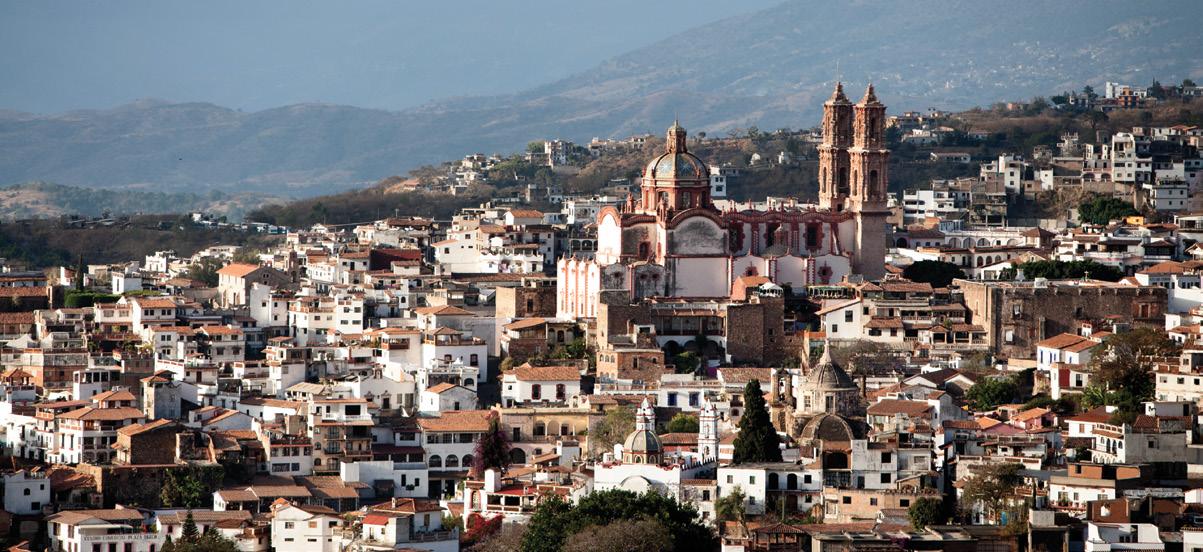
Gold and silver mining was not just the main motivation behind the Spanish colonization of the Americas; it sealed the fate of many towns and cities in Mexico and Latin America for years afterwards. The Viceroyalty of New Spain was established following the Spanish conquest of the Aztec Empire in the 16th century. One of the main reasons for the rapid colonization of the newly-discovered territories was the hope of finding precious metals. The lands that were brought under Spanish rule were of unprecedented mineral wealth, and after the discovery of a large number of silver and gold mines the Viceroyalty of New Spain became the principal source of income for Spain, out of all of its colonies. Metals accounted for more than 75% of New Spain’s total exports (increasing to 90% during the 16th and 17th centuries). The mineral discoveries created a system of forced native labor called encomienda, and minerals became the core of New Spain’s economy. The hunt for gold and silver in the Americas started after the first silver mines were found in Taxco in 1534, and flourished with the discovery of large mineral ore deposits in Zacatecas (1546) and Guanajuato (1550) in Central Mexico, and the Potosi silver mine (1545) in the highlands of Bolivia.
‘Silver Fever’ led to a rapid rise in the populations of mining towns, and by the end of the 16th century the colonial mining industry had entered its golden age. The process of dry amalgamation of silver with mercury, introduced by Bartolomé de Medina in 1557, was the most common method for obtaining silver. The process had revolutionized the way in which silver was extracted in Europe, despite its adverse effects on miners’ health. Although mining workers were free to move to other places, unlike hacienda laborers, in the majority of cases labor conditions at the mines were uncertain and dangerous. Mining activities brought unquantifiable benefits and economic prosperity to Spain and its colony. Many of the luxurious buildings and haciendas still standing in some of Mexico’s colonial cities are the perfect illustration of this. However, the mining boom also generated negative consequences in the form of reckless adventurism and commercial speculation. The mining industry of the time was characterized by an element of luck, and the majority of discoveries came about by chance. Moreover, mining profits were rarely reinvested in the industry.
Mining activities led to a very particular system of social organization. The system’s core was known as ‘Real de Minas’, which was an urban center encompassing the settlers and mines within an eight to 24km radius, and which also served as an administrative entity. The Real de Minas
de Nuestra Señora de Zacatecas was the first large mining settlement in New Spain. During this period silver production in Mexico was greater than production in the rest of the Americas, and almost equaled the total production from all other parts of the world. According to the law in place at the time, all of the mineral resources located underground were property of the Crown. Nonetheless, exploitation was open to private investors, who could start extracting minerals after registering their digging rights by means of a legal procedure. The Crown charged investors a fifth of their proceeds, though as the costs of investment rose the amount was later reduced to a tenth.
In New Spain, mining centers were the place where the majority of agricultural trade took place and taxes derived from mining activities helped to fund the colony’s bureaucracy. The mining boom that started in the 16th century went through a difficult period in the first half of the 17th century. Between 1650 and 1750, mining production in New Spain became stagnant and was not able to compete with Peru’s production levels. While the Taxco mines started to struggle, the mines in Zacatecas, Fresnillo and Catorce maintained good production levels, which resulted in the founding of important mining towns such as Durango and Chihuahua. The second half of the 18th century saw another great boom in the production of silver, which was a result of the discovery of new deposits, a reduction in taxes, and the reopening of abandoned mining areas.
Metal production in New Spain made an important contribution to the global trading system of the time, and silver imports supported the process of monetization in Europe. The Real Colonial Español became the standard Spanish silver coin in the colonies of the Americas and in the Philippines, as well as the world’s leading currency.
Given New Spain’s incredibly large silver production, the first mint in the Spanish colonies was established in Mexico City and remained one of the most important mints throughout the course of the colonial period. By the end of the colonial period there were over 500 Real de Minas. The most important ones were Guanajuato, Catorce, Zacatecas, Real del Monte, Pachuca, Taxco, Fresnillo, Sombrerete, Tamos, and Parral. The most productive mine in New Spain was La Valenciana in Guanajuato, which for 250 years produced 20% of the world’s silver and over the same period delivered as much silver as the entire Viceroyalty of Peru. The mining industry declined dramatically in the 19th century as a result of Latin America’s independence wars, the Second Industrial Revolution in Europe, and the depreciation of gold and silver currencies.
CENTER OF THE SILVER MINING INDUSTRY
The history of Taxco, the oldest mining center in the Western Hemisphere, begins in 1530. Some silver deposits in Taxco have been exploited since pre-Hispanic times. This indigenous settlement, known as Tachco, was the place where the tin that the Aztecs used as a form of currency was extracted. When the Spaniards arrived, Cortés discovered that many of the metals that Moctezuma received as a tribute came from Taxco, which prompted him to send an expedition there. In 1528, a mining camp was established in the area, although it was not until 1531 that the Spaniards subdued the native inhabitants. By 1570 there were already three Real de Minas in Taxco: Tetelcingo, Cantarranas and Tenango. In that same year, the Real de Minas of Taxco was founded. The large quantity of minerals extracted from its mines made Taxco one of the most important mining centers in New Spain. Unlike the majority of towns in New Spain’s southern region, Taxco, which is located in a mountain region in the north of the current state of Guerrero, was an important silver producer throughout the colonial period. Within a few years of starting production the number of mines in the region had increased significantly. The implementation of the amalgamation method in the production of silver also helped to increase the quantity of minerals being extracted.
Although some of the Spanish mine owners used African slaves, the majority of them thought that native people were naturally skilled to conduct mining activities. However, a large number of indigenous people died as a consequence of the germs that the Spanish conquistadors brought with them. To compensate for the decline in forced labor, the colonizers established a system called Repartimiento de Indios, which consisted of assigning certain indigenous groups to work in each of New Spain’s different mining centers. As a result, laborers from Cuernavaca, Cuecalan, Xochimilco, Malinalco, and other nearby towns, were sent to work in Taxco.
Silver production in Taxco did experience temporary setbacks. During the 17th century mining activities in Taxco were more exploratory than productive. In those years, the Spanish Crown asked silver producers for frequent donations, firstly to subsidize the funeral of King Philip IV and later the ascension to the throne of Charles II of Spain, as well as the wars that took place during that time period. In the 18th century new mines were discovered and some old mines were restored. As the mines grew deeper, the quality of the mineral diminished, production costs increased, and extracting the mineral stopped being profitable. This caused many mine owners to go bankrupt. However, the use of new technologies such as explosives, as well as the access to more financing, contributed to a new stage of prosperity in Taxco. The Bourbon Reforms that took place at the end of the 18th century encouraged mining activities in New Spain, which helped mining production in Taxco to remain high, and in 1791 the town’s population was approximately 6,000 people. The majority of metals extracted in Taxco were sent to Mexico City, and later the silver was transported to either Veracruz or Acapulco, where it was shipped out of Mexico in order to be traded in Europe or Asia.
The War of Independence halted production in Taxco, and many Spanish mine owners chose to destroy their mines rather than lose them to the rebel forces. As a result, silver mining in Taxco came to a standstill for some time. Nevertheless, the 20th century saw the rebirth of Taxco as Mexico’s silver capital, though this time around Taxco was no longer an important site of silver mines as it had been for centuries; it instead became the most famous location for silversmithing in Mexico. Nowadays Taxco is an important tourist hub, with its magnificent colonial buildings and narrow streets serving as reminders of its former glory.
The town of Mineral de Pozos is located in the northeast of Guanajuato state. First settled in 1565 with the name of Palmar de Vega, it was later renamed Mineral de San Pedro de Pozos and later Ciudad Porfirio Díaz. The first mine in Mineral de Pozos – also considered the oldest mine in Guanajuato – was Santa Brígida, which extracted mercury and small amounts of gold, silver, copper, lead, and zinc. The town became the most important mining center in Guanajuato during the presidency of Porfirio Díaz, and by 1895 Mineral de Pozos counted 306 operating mines and 70,000 to 80,000 residents. The Mexican Revolution marked the beginning of the decline of mining activity in Mineral de Pozos, and the combination of fighting, the subsequent flooding of the mines, and the fall in the global silver price ultimately resulted in the closing of the last operating mine in 1927. By the 1950s the population of Mineral de Pozos had declined to several hundreds of people, and it was not until the 1990s that the town experienced a rebirth and became a tourist destination, as a result of its “ghost town” reputation and the recently awarded Pueblo Mágico status.
Located in San Luis Potosi, Real de Catorce became one of the largest mining centers in Mexico after the first vein was discovered in the 18th century. The town was founded in 1778 as a result of the discovery of mines rich in silver. In 1803 Real de Catorce had become the world’s second largest silver producer, and experienced a very successful period up until the start of the War of Independence. The wealth of its mines was renowned, and many foreign immigrants congregated there. After Mexico became independent from Spain, foreign - mainly British - companies began to take an interest in the mines of Real de Catorce, and significant investment started flowing into the town. During the presidency of Porfirio Díaz, Catorce experienced a second boom, largely due to the technological improvements implemented in Catorce’s mines. Electricity was first introduced to the Mexican mining industry with the installation of lighting systems, electrical pumps, and winches in Catorce’s Santa Anita mine. At the start of the Mexican Revolution work was suspended and the population of the town began to decline. In 2001 the town was named a Pueblo Mágico and became a tourist hub.
Alamos was founded at the end of the 17th century following the discovery of silver deposits in the surrounding Promontorios and La Aduana towns. Alamos was the first municipality in the state of Sonora to become a city and it remained one of the region’s most important settlements until the end of the 19th century. Following Mexican independence, it was the capital of the state of Occidente for a period of time, a province which was later divided into Sonora and Sinaloa. Silver wealth was the driving force behind the colonial architecture the town proudly displays today, though gold, copper and turquoise were also extracted from its mines. At the peak of its prosperity Alamos had a population of 36,000, which was made up of Mexican, Chinese, Japanese, English, and French inhabitants. After the Mexican Revolution the mining boom ended and the population of Alamos dwindled to 7,000. The town was granted the status of Pueblo Mágico in 2005 as a result of its historical heritage, cultural wealth, and natural beauty. Both this recognition and its proximity to the US granted Alamos many international visitors, and its current population exceeds 25,000.
Located in the state of Hidalgo, Real del Monte was one of the first mining provinces in colonial Mexico. Situated over 2,600m above sea level, it is one of Mexico’s highest inhabited areas. Although the exact date of the town’s foundation is unknown, the first mines in the area were registered in 1552. In the 18th century Real del Monte became one of the most important mining centers in New Spain. Pedro Romero de Terreros, Count of Regla, owned almost every mine in the town, and he became the wealthiest man in New Spain as a result of mining production. As with the majority of mining dependent communities, a large percentage of the town’s population left after mining activities became stagnant during the Mexican War of Independence. In March 1824 a group of British investors arrived in Real del Monte and bought several mines from the descendants of the Count of Regla. The English legacy remains to this day, in the buildings and culinary traditions of Real del Monte. Unlike other colonial mining towns, mining activities continued in Real del Monte well into the 1930s, at which time the town remained one of the world’s largest silver producers.
ALAMOS MINERAL DE POZOS
REAL DEL MONTE REAL DE CATORCE
THE MINING CODE OF 1884
After gaining independence from Spain in 1821 Mexico experienced a disastrous economic downturn, amid extreme political instability. The numerous internal wars and foreign military interventions that took place during the course of half a century led the country to financial bankruptcy. In 1877 Porfirio Díaz was elected President of Mexico for the first time. He was a general who had fought against the French invaders and, afterwards, rebelled against President Benito Juárez. As soon as he took office Díaz embarked on a process of modernization for the country. The ‘economic miracle’ that Mexico experienced during the Porfiriato (the historical period during which Porfirio Díaz was in power) cannot be understood without appreciating the large amount of foreign investment that flowed into the country. Mexico’s strongman provided foreign investors the political stability they needed to invest in the country. Díaz tried to avoid the preeminence of US capital to the greatest possible extent, and promoted investment coming from other nations.
Mining activities played an important role within Díaz’s economic development program. His plan was to increase the production of precious metals, which Mexico had been exporting since colonial times. Until 1889 the largest producing gold and silver mines in Mexico had been located in the central states of Guanajuato, Hidalgo, San Luis Potosi, State of Mexico, and Zacatecas. As the consumption of industrial minerals grew, more exploitation works started to be carried out in the north of the country. A new Mining Code was enacted in 1884, which replaced the previous one that dated back to colonial times, as part of the industry’s modernization process. This code came into effect in January 1885 and immediately opened the door to a wave of foreign investment in the Mexican mining industry. It eradicated all rules and implications regarding state property over the subsoil. The law also granted private parties irrevocable ownership rights over mining properties in perpetuity.
The Mining Code established that mines and sandbanks had a different legal status to regular land property. This meant that the mines and the land above their surface were considered to be two different properties. It stated that ownership over a mine was obtained by means of a concession, after a discovery had been reported to the proper authorities. The duration of this concession was unlimited, as long as the mineral resources were being exploited. This represented a radical move away from colonial regulations, because it transferred property rights over underground resources to the owners of the land where the resources were located. Foreign nationals were allowed to purchase a mining property under the guidelines and restrictions stated by law. Regarding water access, mining exploitation was granted a public utility status and, for that reason, concession holders were also entitled to use underground waters.
Within the first four months after the 1884 Mining Code was passed 847 applications were made to consolidate property titles. At the same time, the federal and state governments gave out free land to mining companies to incentivize the construction of roads and railways near their concessions. Foreign investment in Mexico reached unprecedented levels during the Díaz regime. American investors were the first ones to enter the country, which was due to the fact that Mexico had broken diplomatic relations with France, Germany, the Netherlands, and Great Britain in the 1860s. The growing presence of American capital alarmed European nations and, eventually, those nations decided to normalize their diplomatic relations with Mexico. Within a short time European investors began arriving in Mexico, but the US remained Mexico’s most important commercial partner throughout the duration of the Porfiriato. It is estimated that by 1910 American investors owned approximately 75% of all active mines in Mexico. England and France were the other two main investors.
SALVADOR TREVIÑO: LIFE AT THE
CENTER OF THE MINING INDUSTRY
Don Salvador Treviño was, in many ways, the father of the Mexican mining industry, and his passing away earlier this year was a source of grief for the entire Mexican mining industry. Through a number of powerful positions that he held during his life, such as General Manager of the Commission for the Promotion of Mining, President of Camimex, and the founder of the Mexican Association of Mining Engineers, Metallurgists, and Geologists (AIMMGM), Treviño dedicated his professional life to bringing the industry to its full potential, for the benefit of Mexico and its people. His passion and dedication led the country’s mining industry to where it stands today, as one of the most attractive mining territories in the world.
Treviño graduated as an Engineer from Texas Western College towards the end of the economic crisis of the 1930s that had crippled the US economy. He remained in the US and gained a year’s practical experience working as a mining engineer for Colorado Fuel and Iron Corporation: six months at its Wagon Wheel Gap property in Colorado, and a further six months at its Sunrise property in Wyoming.
Treviño returned to Mexico in the middle of 1942, six months after the Japanese attack on Pearl Harbor. As the US’s involvement in World War II was escalating, Mexico’s mining industry was focused on supplying natural resources to the US in order to meet growing military demand. With the help of the contacts he had made in the US and his former Texas Western College Professor, Treviño secured his first job in Mexican mining. “The mine I started to work on in Mexico was an antimony mine. It was relatively small in comparison to other mines, but nevertheless it was of great strategic importance given that antimony was needed for World War II and neither the US nor Canada produced a significant amount,” said Treviño in an interview with Mexico Mining Review at the end of 2012. “Over time I worked my way up in the company, and it was precisely because of the increase in the demand for, and production of, antimony that I was able to become Manager of four of the company’s mines.”
His experience in the US mining industry combined with his experience of managing four different mining operations in Mexico placed him well to understand the Mexican mining
industry, from both an insider and an outsider’s perspective. In the mid-1950s Treviño was appointed General Manager of the Commission for the Promotion of Mining, where he worked for 15 years. “At that time we were looking to increase competition in mining. I made some difficult decisions in my first year in the role of General Manager, namely in turning the Commission from an organization that owned mines into an entity that provides support to mining,” recalled Treviño. “We started by becoming an important sulfur producer. The Commission for the Promotion of Mining was an entity that was well known for its financial integrity and it supported many mines, such as San Francisco del Oro, while at the same time helping to form other Mexican companies. The Commission also helped in the Mexicanization of Minera Fresnillo, which had been experiencing financial difficulties.”
Treviño later went on to become President of Camimex, a position that he held for three periods. His role at Camimex came at a particularly difficult time for the industry, and for him the role of Camimex in protecting, promoting and developing the industry was of utmost importance. During a time when the industry was facing financial difficulties Treviño saw the process of ‘Mexicanization’, whereby foreign funding of mining projects was limited to a maximum of 49%, as a concern for the industry. He was an advocate for the positive impact that foreign investment could have on Mexico’s mining industry, particularly during periods when the market was in a downward cycle. “I was never opposed to foreign exploration. The Mexicanization process had focused on taking mining activities out of the hands of foreigners, but on the other hand they brought money that was needed to search for new mines, and to me that has generally been positive for the country,” he remarked.
Don Salvador Treviño maintained close links with Camimex throughout his career. He attended the organization’s meetings for 50 years, and would attend monthly lunches with the Camimex Board, even after he had stopped holding an official role in the organization. Of the many different ways in which Treviño shaped and improved Mexico’s mining industry, for him the highlight of his career was setting up the AIMMGM. “For me, my greatest success was the creation of the AIMMGM during the period of Mexicanization in the mining industry. Having lived in the US for 15 years, I wanted to form an association that would bring together all professionals in earth sciences and give them the value and respect that they deserve. The AIMMGM was born out of this aim, and up until this day it has been a great success,” said Treviño.
Salvador Treviño, Founder of AIMMGM and Former President of Camimex
EVOLUTION OF THE MINING LAW AND INDUSTRY GOVERNANCE
At various times during its lifespan Mexico’s Mining Law has been characterized as excessively liberal, nationalistic, and protectionist. Today it is considered to be an efficient law with an effective regulatory framework that allows both domestic and international mining companies to operate safely and with sufficient freedom within the industry, though it has taken many years of amendments and adaptations to arrive at this stage.
The mining industry has existed in Mexico for hundreds of years and it is natural that there has been so much change around the question of how the law should protect or exploit the country’s vast mineral wealth. The framework has been largely influenced by the evolution of the government agenda over time. “From my point of view, the legislation in place should correspond with the realities of the industry that it regulates. I believe that Mexico’s mining legislation has generally fulfilled this function, since it has historically been linked to the economic and political reality of the country, and it has regulated the mining industry according to that reality,” says Karina Rodríguez Matus, Partner at PS&RM Abogados.
“The
activities were being carried out, in 1883 Díaz moved it back to become the responsibility of the Mexican State, where it has remained ever since.
During his rule Díaz placed much emphasis on the export market, whilst simultaneously failing to stimulate domestic production. By 1910 there were severe food shortages throughout Mexico, and Díaz’s administration was characterized by extreme poverty and expropriation of communal land, and dissatisfaction was beginning to show. The Mexican Revolution followed, lasting 10 years. In the midst of the Revolution, in 1917, a new Constitution was drawn up. Article 27 did away with the liberalism inherent in Díaz’s mining law, emphasizing state ownership of all mineral wealth in Mexican lands and waters. Foreign investment, however, was still not restricted and remained significant until 1961, when the mining industry was nationalized. “Before the 1960s foreign investment in the Mexican mining industry was allowed by the government,” explains Abdón Hernández Esparza, President of the Legislative Commission of Camimex. “However, starting in that decade, all tax incentives and subsidies were restricted to companies
mining law of 1992 was created to better meet the needs of the industry and it eliminated the excessive regulations of the 1975 law”
History has shown this to be true. After a period of heavy mining during Spanish colonization that saw much of Mexico’s mineral wealth sent abroad and little regulation over the industry, the country has taken its time to develop a legal structure that balances making the most of foreign investment and ensuring material benefit for Mexico.
Under the rule of Porfirio Díaz (1876-1911) industry and mining grew exponentially, and in 1884 he created the Mining Code, considered by Rodríguez Matus to be the first Mexican mining law. This code was the most liberal mining law that the country has ever known. It placed no limits on foreign investment in and ownership of mining companies, and while some of the wealth created from mining finally started to benefit Mexico, that wealth was concentrated in the hands of only a few privileged Mexicans. The many foreign mining companies that flooded the market also continued to send much of the profits from mining abroad. Though there was a brief period during the mid19th century when mining regulation was placed under the responsibility of the individual states where mining
that were at least 51% owned by a national company. Then, in the 1970s, a new, more restrictive mining law was enacted. This encouraged further government intervention in mining activities. In order to create a mining company the Undersecretary of Mines first had to grant approval, and transferring a concession from one mining company to another required permits from the Bureau of Mines. In general, regulations were tougher.” This period of decreased foreign investment and increased government control in the mining industry both reduced investment in the industry and increased bureaucracy. “The foreign exchange controls imposed by the López Portillo administration in particular led to international companies creating a number of subsidiaries in order to carry out their operations in Mexico. As an example, at that time Peñoles had some 65 subsidiary companies,” adds Hernández Esparza.
Government regulation and protectionism remained a permanent feature of the Mining Law in Mexico until the start of the 1990s, when the government began to pursue a more
Federico Kunz Bolaños, Partner at Kunz Abogados
neoliberal agenda. “The Mining Law of 1992 was created to better meet the needs of the industry and it eliminated the excessive regulations of the 1975 law,” says Federico Kunz Bolaños, Partner at Kunz Abogados and former head of the General Coordination of Mining. “There used to be a lot of rules for managing contracts and corporations; the former law was a regulation-heavy one. Nowadays, the law follows more neoliberal principles.”
The 1992 modifications to the mining law put the wheels in motion for a real change in the industry, which was consolidated by the signing of the North American Free Trade Agreement (NAFTA) in 1994. NAFTA removed trade tariffs and stimulated trade between Canada, the US and Mexico. The 1992 Mining Law also states that all mining companies, whether carrying out exploration or exploitation work, can now be 100% foreign owned. Many companies have taken advantage of this, with international investment in mining in Mexico amounting to more than 40% of the industry’s overall funding. For the first time, changes to Article 27 in the same year now permitted the lease or sale of ejido land, which was a positive move for the mining industry, making much more land potentially available for exploration and exploitation.
The mining law has not changed significantly since 1992, despite further changes that were made in 2005. For example, exploration and exploitation concessions are no longer separated, and are valid for 50 years on a renewable basis. Indigenous or farming communities are now also permitted to obtain mining concessions, and are given preferential rights over other applicants, a significant sign of progress for indigenous land rights given that concessions are usually issued on a first come first served basis. While the 1992 Mining Law marked a positive step for the industry, stimulating growth and renewed opportunity for investment, some criticize that it also marked a reduction in the priority given to mining by the government. It included the dissolution of the Undersecretary for Mining Affairs, and the repositioning of mining as the responsibility of the Ministry of Economy, where it still sits.
There is a feeling among some in the industry that this is not the right structure. Given that the mining industry is the fourth most significant contributor to Mexico’s GDP, they believe that it should be given more importance in the governmental hierarchy. There is significant support for the transformation of the General Coordination of Mining into a body that has more autonomy and more control over its budget. Talking about what an improved structure might look like, Kunz Bolaños says: “I do not think it would be very different from the current structure of mining authorities. The problem does not have to do with the actual decision-making centers or organizations, it has
more to do with the importance the federal government places on the industry. We are not talking about a different structure; we are talking about autonomy in decisionmaking and in budget management.”
While there is significant support for a change in the way that the mining authority is structured, there is no agreement over how the revised structure should look. For example, Rodrigo Sánchez Mejorada Velasco, Partner at Sánchez-Mejorada, Velasco y Ribé, agrees that a regulatory body with more autonomy and control over its own budget would be positive for the industry. However, his concern is that too much change would be more disruptive than productive, and that whilst having the different mining entities together under one umbrella might seem more practical, it could lead to additional bureaucracy within mining processes. “I am not sure that grouping substantially different activities within one entity makes sense. Financing, for example, is a whole different activity from geological knowledge acquisition, or granting concessions, or promoting mining. There will be a conflict of interest between lending money and promoting mining, and I fear that the pressure that will build up will not allow the lending branch to work properly as a financing institution,” he says. Where mining lawyers like Kunz Bolaños, Sánchez Mejorada and Rodríguez Matus do agree is that mining would probably fit logically under the Ministry of Energy as opposed to the Ministry of Economy.
For all intents and purposes the new administration appears to be conscious that mining should be given higher priority; Peña Nieto has promoted investment in Mexican mining during international trips, and made mining one of the key areas for development under the Pact for Mexico.
ARTICLE 27 OF CONSTITUTION
Article 27 of the Mexican Constitution states that all lands and waters within Mexican territory are the property of the Nation, and that it is the Nation’s sole right to transfer ownership of property to private persons or entities. Landowners have property rights over the surface of the ground, but all natural resources that lie beneath the surface of the ground belong to the Nation.
In terms of mining, Article 27 states that the exploitation, use, or appropriation of such resources belonging to the Nation is permitted only by those in possession of a concession granted by the State. Whilst the article states that only Mexicans are allowed to own a mining concession, foreign entities may also own a mining concession provided that they are registered in Mexico.
| VIEW FROM THE TOP REFINING MEXICO’S MINING FRAMEWORK
RODRIGO SÁNCHEZ MEJORADA VELASCO
Partner at Sánchez-Mejorada, Velasco y Ribé
Q: What have been the highlights in the long mining history of Sánchez-Mejorada, Velasco y Ribé?
A: My great-grandfather founded the firm in Pachuca in 1884, doing work for mining companies and individual miners. When he died in 1903 my grandfather continued with the firm, and was counsel for the Real del Monte y Pachuca Company, which was the biggest company in that area, from 1903 until 1952. My father, Carlos Sánchez Mejorada Rodríguez, had earlier joined the firm and continued working within the mining sector. Alfredo Elías Ayub, who held several important positions in the Federal Government, became Undersecretary of Mining during the Presidency of Carlos Salinas de Gortari and, knowing that my firm had a long-standing involvement with the mining industry, asked me to draft the Mining Regulations of 1990. The goal was to deregulate the industry as much as possible without changing the Mining Law and getting the government out of the mining business. Two years later, in 1992, we also prepared the draft of the current Mining Law. The 1990 Regulations and the 1992 Mining Law were drafted together with the then Director General of Mines, José Villanueva Lagar, and the then Head of the Public Registry of Mining, Sergio López Rivera. I have devoted most of my time to mining matters ever since. Sánchez-Mejorada, Velasco y Ribé has always been a small boutique firm that has had at most three or four partners, but it has always maintained the staff and commitment to handle large clients.
Q: To what extent does Sánchez-Mejorada, Velasco y Ribé work as a consultancy as opposed to a legal firm?
A: Sánchez-Mejorada, Velasco y Ribé is first and foremost a provider of legal services. However, when companies come to us we do not only set up their company, propose the most efficient tax structure and carry out the due diligence review of any concessions they are interested in; we also familiarize them with Mexican business customs, put them in contact with accountants suitable to the size of their operations and foreign reporting needs, and introduce them to environmental consultant and local service providers. In some cases we also put them in contact with the owners of the concessions they are interested in, or find parties that may be interested in properties that they are seeking to dispose of.
Q: If you were to have a discussion with other lawyers that specialize in the mining industry what would be the main topics that would come up?
A: The main problem we all share is surface rights, and dealing with land access issues with the local communities. A big issue is the delays in mining authorities recording agreements and providing information on the compliance status of concessions, and in cancelling them and opening the ground for claiming. For this reason the General Directorate for Mining Regulation needs to modernize its system. Firstly, information on the fulfillment of assessment work and payment of mining duties should be available online in real time; secondly, agreements should be quickly recorded in the Public Registry of Mining, and its online information should be accurate; and thirdly, concessions should be quickly cancelled in the case of a lack of legal compliance, and the ground should be declared free for claiming in a matter of weeks, not months or even years as is currently the case. In theory you can go to the General Directorate for Mining Regulation and obtain a certification on the legal status of a concession, but in practice it takes months to obtain.
Q: What are the main causes of these problems?
A: With regards to regulatory efficiency I cannot explain the government’s past failure to modernize procedures at the General Directorate for Mining Regulation. It is easy to blame everything on budgetary restrictions, but it is not necessarily the case. For example, after some important amendments to the Mining Law it took the previous administration several years, instead of a few months, to publish the new mining regulations, which has nothing to do with insufficient funding.
With regards to surface access rights, the overriding problem is the weak rule of law in Mexico. The government has historically been averse to applying the law when social conflict erupts. Thus, small pressure groups may block highways, burn buses or destroy property to achieve their goals, knowing that there will be no real negative consequences. There are, of course, cases where bona fide dissatisfaction and protest may exist on behalf of the majority of a population, but in most instances the majority is held hostage by a minority of activists and
the government’s unwillingness to respond to their illegal actions. This problem applies to all activities in Mexico, not only to mining, but it is very much an issue when a group illegally blocks access to a mining site, or refuses to allow trucking of ore unless it is by a certain haulage group, for example. There are a lot of cases where communities are in favor of the projects, and only a small percentage of the locals are against it. The issue is that this minority is usually the activists, and if they are politically motivated no amount of involvement will assuage their opposition.
Q: Are many of these issues solved before they reach the stage of becoming social unrest?
A: Almost all land problems are solved outside the courtroom. Court cases may be brought by either landowners or mining companies as a means to exert pressure, but disputes are usually settled by negotiation. Enforcing a court judgment regarding land usually requires the use of police force, and all levels of government are generally averse to using such force because they want to avoid creating a social problem, especially when the court may order the occupation of ejido or community land. The courts are more likely to enforce judgments against private owners or mining companies. This is part of what I consider to be one of Mexico’s main problems as a country, affecting all walks of life: the disregard for the rule of law by government, which should enforce the law, and by citizens who should abide by it.
Q: In terms of relations with communities, what advice do you have regarding best practices to prevent problems?
A: It is a complicated question to answer, given that each community is different. Some may simply want jobs, others may want services to be provided, and still others may want infrastructure improvements. But there are a few others who just do not want the project to ruin their agricultural or forest land. Depending on the motives there are different approaches we can take. The experts on community relations would be able to give a list of dos and don’ts. A few pieces of advice I would give would be firstly to look at the little details from the outset. For example, do not use the name of a local community for your mining lots, company or project. When a community member sees a mining lot monument with the name of his or her land on it he may assume that you are encroaching on his surface land, and you will have started your relations with that community on the wrong foot. Seemingly minor issues like this should be avoided in order to avoid angering people. Secondly, my advice would be that people generally want jobs, so give them jobs. It is also worth trying to involve local women. In several projects we have been involved in, women who came in looking for cleaning jobs were offered
training, and today these women drive heavy trucks, not only making money to support their families, but also earning self-respect and the respect of their friends and neighbors. Thirdly, it is important to explain to the communities what you, as a company, are doing with the water, and to show them the true environmental impact of your project. Many companies are doing a great job by being open about these types of matters.
Q: What factors are critical in order for international companies to succeed in Mexico?
A: The most important critical success factor is for these companies to be willing to recognize that they are in a different cultural, business and legal environment. Even if these companies have very good knowledge on technical matters, there is know-how that relates specifically to Mexico that can be learnt much faster if they rely on reputable, good local consultants regarding legal, accounting, tax and land issues, for example. I have seen many cases of foreign mining companies relying on the advice of attorneys with limited legal skills or no knowledge of the mining industry, or on self-styled “old Mexico hands”, such as foreign geologists who have worked in Mexico for a long time and who have very limited legal knowledge but use their English language skills to make the company feel comfortable with their advice. It may sound self-serving, but going to a good mining lawyer from the outset will serve to avoid future pain and problems.
Q: If you were invited by President Peña Nieto to advise him on the changes that should be implemented in order to achieve quick results, what would you suggest?
A: The Mexican mining sector is working well, obviously with some problems in addition to those I mentioned before, but it is not broken. No new Mining Law is needed, nor a National Mining Commission. We do not need to reinvent the wheel. The rule of law problem is a national problem, and in my view probably the most important one, especially in view of the criminality which has affected the country for several years now. It is a complex issue that would require a very lengthy analysis and discussion. However, the question of surface access rights could be alleviated by communities clearly benefitting from mining activity in their area. If mining duties are increased, or a government royalty is placed on mining production, care should be taken to ensure that a good part of those funds actually reaches those communities, giving them a clear reason to protect such mining activities rather than to put them in jeopardy. As for the regulatory aspects, I would suggest a modernization of all aspects of the mining administration, making all administrative processes happen more quickly, mainly online in real time, and apply the law as it relates to assessment work.
THE MINING LAW EXPLAINED
The Mexican Constitution states that all minerals in the national territory belong to the state, and that their use and exploitation is permitted only by individuals or corporate entities that are in possession of a mining concession issued by the Federal Executive, via the Ministry of Economy’s General Coordination of Mining. Although a condition of owning a concession is that the entity must reside in Mexico, there is no limit placed on the company’s ownership, which can consist of up to 100% foreign investment. Foreign companies wishing to operate in Mexico have to either set up a subsidiary company in Mexico, or register the company in Mexico with a Mexican business address.
According to Karina Rodríguez Matus, Partner at PS&RM Abogados, Mexican law is designed to allow the mining industry to function both effectively and freely.
“Generally speaking, the current mining law stimulates the development of the mining industry, since it only regulates the essential aspects of mining concessions and grants significant freedom to the stakeholders, within the framework of a regulatory state. It might be necessary to update the law to take into account the current reality, but in general it is a law that functions and serves its purpose well.” She adds that such freedoms are not, however, reflective of a negligent industry: “It is important to note that the mining industry, contrary to what people think, is very regulated, and there is also legislation in other areas that applies to the industry, such as tax, environment, labor, explosives, and many others.”
Mining concessions are issued for land that is considered to be ‘free’, meaning that it is not protected, part of a national reserve, or already the subject of a concession belonging to another party. In addition to obtaining a mining concession, mining companies must register with and gain permission from a number of government authorities before they may begin mining operations (see box below). Experts in
mining law warn that while acquiring a mining concession and completing the formalities to gain permission to mine in Mexico is straightforward, companies must be careful to respect the country’s labor and environmental laws. Following the 2012 Labor Reform, those deemed responsible for environmental damage on an industrial scale can be sentenced to between six months and nine years in prison. Criminal law can also be applied to companies that begin the process of exploration before being issued with the proper permits, so it is essential that mining companies complete all the necessary stages of registration in Mexico before they begin their operations. This process will also provide a better understanding of, and a greater ability to comply with, the different areas of the applicable laws. “Companies need to know how the legal framework functions, the type of environmental impact permitting requirements they have to meet, and what the land use or zoning regulations are,” says Federico Ruanova Guinea, Coordinator of the Environmental Practice Group at Baker & McKenzie. Further incentives for caution regarding environmental law are also provided by the legal reform of March 2012, which allows communities to bring class action suits against mining companies where clear evidence of environmental degradation as a result of mining works exists.
Article 27 of the Constitution states that the loan or expropriation of land is permissible for mining purposes that are in the public interest. This right is not always exercised; provided that the relevant communities are appropriately compensated some argue that there is no reason why this should not be happening. “The current agrarian law allows for the development of any given project to be carried out on social land. There is no need to change the Constitution or the law, because there are no obstacles to carrying out extraction. The issue here is that companies wishing to start an extractive project need to know how to navigate the law,” explains Gabino Fraga Peña, Director General at Grupo GAP.
RELEVANT GOVERNMENT DEPARTMENTS AND THEIR FUNCTIONS
Ministry of Foreign Affairs (SRE) – Submission of Corporate Charter and acquisition of legal status
Ministry of Finance and Public Credit (SHCP) – Fiscal registration
Ministry of Economy (SE) – Responsible for mining and the registration of foreign investment
Ministry of Environmental and Natural Resources (Semarnat) – Conducts change of land use process and environmental impact statement (MIA). Additional approval is required if land is in a protected area
National Agrarian Registry (RAN) – Land ownership
National Water Commission (Conagua) – Authorizes the acquisition of water concessions or the transfer of water rights
Mexican Social Security Institute (IMSS) – Medical and social security
Ministry of Labor and Social Welfare (STPS) – Workers’ insurance and labor law
Ministry of National Defense (SEDENA) – Permission to use explosives in work
Source: Guide for Mining Processes, Ministry of Economy
LOBBYING MEXICAN AUTHORITIES ON BEHALF OF THE INDUSTRY
ABDÓN HERNÁNDEZ ESPARZA
President of the Legislative Commission of Camimex
Q: What changes or improvements could be made to the mining law?
A: No specific changes or improvements are required in the current mining law per se, but governmental action is needed on issues relating to land and water access, since these pose major problems. Most mining operations take place in arid regions like Sonora, Chihuahua, and Durango, among other states that suffer from terrible droughts, which often leads to physical, geological and legal problems. The National Water Law establishes that rivers, reservoirs, lakes, and some wells belong to the State, which means that water rights must be paid in order to extract the resource. A lot of mines have water, which can become a problem because if the mine is flooded it is expensive to pump the water out to continue the mining operation. According to the National Water Law mining companies do not have to pay a fee for this water if they use it in their processes, however, it also states that the remaining water has to be given to the municipality or to ejidos. A permit is nonetheless still required, as established by a transitory article of the law, and our goal is to make this transitory article a permanent one. Water used in mines should not have to be paid for because of the investment and costs that companies incur when building the mine; electricity is not cheap in Mexico and pumping water from below the surface can be very expensive. Mining operators agree to give excess water to the local municipality or pump it back underground; therefore, fees should ideally be waived and water recycling should be incentivized.
The access to and use of explosives, governed by the Firearms and Explosives Law and controlled by the Mexican Army and the Ministry of National Defense, is another important aspect that comes with several hurdles. Given the increasing security problems resulting from drug-related violence caused by cartels, accessing and using explosives has become very challenging for mining companies. Companies need permits to buy, store and use explosives granted by the Ministry of National Defense, which are very complicated to obtain because of the intricate process involved and the fact that they have to be renewed annually. A monthly inventory is required, detailing how many explosive devices have been used, and how many the
company has. This is understandable given the security and violence-related challenges the country is facing. Recently, explosives have been stolen from mining storage facilities, which has been a great source of concern.
Q: What actions can the Legislative Commission of Camimex take to help the industry address these issues?
A: As the Legislative Commission, we are able to pressure and lobby the government, and to negotiate any amendments made to the legal framework that regulates the industry. The Commission acts more as a reaction mechanism to laws that can disrupt the balance in the mining industry. For example, given the higher metal prices, many congressmen and some NGOs believe that mining companies are earning extraordinary profits. As a result, initiatives to introduce new taxes or royalties on mining activities are being pushed forward in Congress. The problem is that taxes and royalties will remain even when metal prices go down, and might have a negative impact on the mining industry. The Legislative Commission also comments on amendments to the labor law, since there is a chapter regarding mining that requires us to prepare arguments against the adoption of new laws if they affect the industry negatively.
Q: How have the changes that were made in 2005 to the 1992 Mining Law affected the industry?
A: The 1992 Mining Law received substantial amendments in 2005. As a result of the UN’s concern about indigenous people’s rights, the Mexican government modified the Constitution to grant preferential rights to these groups. These modifications are useful for occasions where several simultaneous concession applications are received for the same area. Mining concessions are obtained on a first come, first served basis, but the amendment gives indigenous groups priority over all other applicants for a concession. Another situation in which indigenous people have preferential rights is when the government grants the Mexican Geological Survey (SGM) permission to explore. The SGM has to declare the area to be explored a concession, free land or national reserve. After this process, the SGM can auction the land but the indigenous people have the preferential right to choose the best offer.
| VIEW FROM THE TOP
ADAPTING TO A CHANGING LEGAL ENVIRONMENT
KARINA RODRÍGUEZ MATUS Partner at PS&RM Abogados
Q: How would you describe the current environment for mining in Mexico, and how have recent legal developments impacted mining companies that work in the country?
A: Mining has been one of the most significant industries in the geographical and cultural formation of modern day Mexico. Despite the fact that in the last 30 years it has lost relative importance at the national level, we should not forget that many of the country’s most important cities, such as Guadalajara, Zacatecas, Pachuca, Durango, and Chihuahua, were founded as a direct result of mining activities, which in some of these cities have continued to the present day. Mexico’s business environment, from a legal perspective, is positive. Despite the fact that mining is a highly regulated activity, the legislation that applies directly to mining does not generally constitute a barrier to entry. It is widely known that mining is cyclical and that it responds to market conditions that go beyond the borders of our country. It is possible to carry out mining work in Mexico because of the great mineral potential, the qualified work force, and the regulatory framework, which together contribute to the general development of mining.
Q: What role does PS&RM Abogados play in the preparation, negotiation and execution of contracts at both the exploration and exploitation level?
A: The most important asset for a mining company is not its machinery, or its systems, but its mining concessionyou have to remember that without a concession there is no mine. The mining company is obliged to comply with all requirements relevant to the concession. During the surveying and exploration phase we work on reviewing the options available for acquiring a concession, gaining access to the land, and securing environmental permits. During the mine construction phase more permits of different types are needed so we work on service contracts, labor contracts, and the acquisition of land. During the production stage a law firm’s involvement becomes a daily thing, because we work together with the client on communal contracts, we work with the service providers, and we work on the upkeep and fulfillment of permits, contracts and any other obligations that relate to the environment, explosives, water or general infrastructure.
The philosophy of PS&RM Abogados is that legal specialists in this area should really understand everything about mining operations. The perception of the lawyer as a professional who must intervene only when there are problems needs to change, and lawyers should instead be considered as part of the team that plans the negotiations, and helps to prevent problems that could come up during the process. It is better to take preventative measures than to fix problems further down the line. It is our view that the lawyer should be integrated within the business and seen as a constructive team player rather than an obstacle to a company’s work.
Q: What are PS&RM Abogados’ ambitions regarding the mining industry in the coming years?
A: We are certain of the need to strengthen the current mining authorities. Together with other lawyers we have proposed the creation of a Federal Mining Commission, which would be an independent body under the authority of the Energy Ministry. This commission would be the regulatory body for the mining industry; it would be independent and responsible for administering its own resources, and it would also have greater political weight. Within the commission the structure of the entire General Coordination of Mining would remain the same – that is to say that the General Directorate for Mining Regulation, and the General Directorate for Mining Development, the Mexican Geological Survey (SGM) and the Government Trust for Mining Development (FIFOMI) would remain intact, and each one would be run by the commissioner, who would be named either by the academic, industrial or government sector. Essentially it would be a more democratic body, with more resources and more political power, much like the other commissions that exist in our country.
Under the current structure, the mining authority cannot respond with the efficiency and effectiveness that the mining industry needs. The mining authority needs to be restructured in a way that allows it to respond to the needs of the growing mining sector, while at the same time having the necessary political weight that allows the mining sector to be recognized as strategic to national development, thus stimulating the mining sector that for centuries has contributed to the formation of modern day Mexico.
| VIEW FROM THE TOP
ENVISIONING A BETTER MINING FRAMEWORK
FEDERICO KUNZ BOLAÑOS
Partner at Kunz Abogados
Q: What is your perspective on the development of the governmental mining structure in recent years, and why would you like to see Mexico’s mining industry be given a more prominent role within government?
A: The adoption of neoliberalism with the introduction of the Mining Law of 1992 meant many changes for the mining industry. It seemed as if those changes were going to be very positive for the mining industry, and they were positive from a regulatory perspective, but not from a political or social one. From a political perspective the mining industry lost support and importance within the government.
Given its importance for the Mexican economy the mining industry needs to become more prominent, even at a federal level. I believe the industry has been enjoying its best moment in decades, but this is not reflected within the political context; sometimes companies have to put a lot of work into gaining support from federal and local authorities when facing problems regarding water, land access and local political issues, among other things.
Nowadays, the General Coordination of Mining still reports to the Ministry of Economy, but not directly; it falls under the responsibility of the Undersecretary of Industry. The problem with that structure is that the mining industry needs to be treated separately, not because it needs preferential treatment, but because it is different from other industries. Firstly it involves working with national wealth as the basis of the production chain; and secondly the areas for carrying out mining activities cannot be chosen randomly - production must be done in the place where the minerals are located. Mining concession holders have the right to ask for expropriations or temporary occupations of the land in question, which does not occur in other industries. For these basic and practical reasons the mining industry is totally different from any other industry and needs to be treated as such.
My main proposal would be to create a Federal Mining Commission, as well as designing a better strategy to inform the general public and the media about the role of the mining industry, and improve the bad reputation it has acquired.
Q: If a Federal Commission for Mining were to be created, what should be its organizational structure, execution capability, and decision making power?
A: One difference would be that the Mexican Geological Survey (SGM) and the financial branch of the mining industry could be incorporated into the same commission. When I was the Director General of Mines for one and a half years, the budget for our office was handled somewhere else and nothing was deposited into our account. Financial decisions were made elsewhere and based on other departments’ needs.
Another organizational issue has to do with the Ministry of Economy’s State Delegations. In the past, with the former organizational model, the General Directorate for Mining had a Delegate in every mining state, who reported directly to the Director General of Mines. Applications for new concessions had to go through a Mining Agent, and then through another Delegate, and finally through the Director General of Mines. Nowadays Delegates are not under the supervision of the Director General of Minesthey report directly to the Federal Delegate of the Ministry of Economy, which shares an office with Profeco and every other division of the Ministry of Economy. Mining is seen as just another division.
Q: What do you think about the changes proposed by the new administration and the Pact for Mexico?
A: One problem with the Pact for Mexico is that the changes it proposes will mean more regulations and restrictions for foreign investors, and I do not agree with that. My perspective is that we need to leave the mining law unchanged. If we start to absolutely forbid mining activities in protected natural areas we will be putting a limit on mining activities. There are also many environmental, political, and social problems and it is very challenging to obtain water rights and land access. We need to solve these problems, but not by imposing a general rule. That is why we insist that the mining authorities should have more power. The law can be changed again, but if we do not have a political entity that has the power to make decisions and is capable of taking action, the law will not be more than just written words.
PREVENTATIVE APPROACH TO LAND OWNERSHIP DISPUTES
Land ownership has historically been a big topic in Mexico. The lasting memory of Spanish rule is one of the dispossession and exploitation of indigenous groups, which continued under the rule of Porfirio Díaz (1876-1911). At the end of the Porfiriato, as his rule is known, it is estimated that only 2% of the population held titles to land, despite the fact that a great majority depended on the land for their survival. In 1915, in the midst of the Mexican Revolution, President Venustiano Carranza created the Agrarian Law, which aimed to redress imbalance in land ownership in Mexico. This process took a number of years, and between 1915 and 1965 52.2 million hectares of land were redistributed to around two and a half million campesinos. The Agrarian Law was complemented by the creation of the new Constitution in 1917, which reestablished communal rights to land, and created three categories of land type that are still in use today: private, social, and national.
The categorization of the land covered by any one concession will affect the speed at which a mining project can move to begin operations, because the mining concession provided by the government only gives the holder permission to access and exploit the content below the surface of the ground, whereas the surface itself remains the property of the landowner. Whether the land is privately owned, nationally owned or social, the mining company must negotiate with the landowners in order to gain permission to access and operate on it. There is much at stake during this process – landowners may refuse access until they feel that they have reached acceptable terms. As landowners do not receive royalties from mining companies, the negotiation process represents their single opportunity to take advantage of the works that will take place on their property. According to legal mining experts, negotiating with private landowners is usually preferable, because the process can be more direct and usually does not require the involvement of third parties, such as state or federal government. Mining on land that is classified as national or social will almost always be more complicated, because by its very definition it requires the involvement of many more stakeholders in the negotiation process.
As more than half of the land in Mexico is social or nationally owned, mining companies hoping to begin operations in Mexico should be aware of the significant - though surmountable - challenge of navigating access to the land they wish to use. Current Mexican legislation is designed to create an environment that is favorable to the exploitation of mineral resources found within the national territory. For example, in 1992 the law was changed in order to give ejido owners permission to sell
or lease their land for the first time in Mexico’s history, opening up a significant proportion of Mexican land for potential exploration and exploitation. Another example of the country’s mining-friendly legislation is a clause in the Constitution that states that private property rights may be overridden in cases where the extraction of natural resources would ‘benefit society’. Where this is the case, landowners may be obligated to vacate the land, in the form of an expropriation, a temporary occupation or easement. It should, however, be noted that despite being endorsed by law, the Mexican government in many cases has proved reluctant to resort to forced expropriation of land. This reluctance can be attributed to damaging highprofile legal cases with indigenous groups in the past, and fear of uprisings or reprisals from social organizations in response to a case of forced expropriation. Through effective negotiation, the final product of which is a social license, most mining companies are able to avoid having to resort to legal action in order to access property. “Social licenses are fundamental in order to start a project,” says Gabino Fraga Peña, Director General of Grupo GAP. “They establish the approval of those people living close to where the project will take place, and even help companies protect themselves against third parties looking to create problems. It is important to maintain a good relationship with the community, but obviously, such a relationship should be based on clear legal agreements.”
Whether the land in question is privately owned, nationally owned or social, mining companies are better advised to rely on a process of effective negotiation with the landowners. Legal experts agree that resorting to expropriation should rarely be necessary if the process of negotiation with land owners and local communities is correctly managed, and there exist many specialist law firms with expertise in this area. Securing access to land through negotiations that benefit all of the involved parties will also likely result in a more positive overall reception and a better reputation for the mining company than resorting to legal channels, which can often take years.
“Companies must develop great relationships with the communities. Given that both groups will be located very close to each other, any issues have to be addressed in the most sensitive way”
Enrique Rodríguez del Bosque, Partner at RB Abogados
CLEAR COMMUNICATION PROVES CRITICAL IN LEGAL PROCESSES
“There are many cases where projects fail due to a lack of legal advice, and where they do not fail it can lead to many complications,” says Pablo Méndez Alvídrez, Partner at Bensojo, Chávez y Gutiérrez Consultores Legales, a law firm established in Chihuahua. “Legal counsel based on knowledge of the industry makes a big impact that could be the deciding factor in accelerating or slowing down processes and permits.”
Acquiring an explosives permit is another essential step in establishing a mining operation. The permission for explosives use must be applied for in Mexico City at the Directorate General of Firearms and Explosives, regardless of which region of the country the explosives will be used in. If a mining project is located in a politically critical zone it can be more difficult to get the necessary army and government’s approval. Bensojo Rico considers this matter to be very
“The government has to facilitate the development of mining companies, so that more communities located in remote locations will receive economic benefits”
According to Óscar Bensojo Rico, the firm’s Founding Partner, the laws that apply to the mining industry are complex as a result of labor, environmental, land tenure, concession regulations, and other issues related to the federal government. Mergers and acquisitions is one different legal discipline in which the firm offers counsel. For example, it worked on the acquisition of AuRico Gold’s Ocampo property by Minera Frisco, made through a sale of shares amounting to US$750 million. The firm advised AuRico Gold on the transaction, including preparing to present the case to the Federal Competition Commission. As part of its litigation activities, Bensojo, Chávez y Gutiérrez Consultores Legales also works on solving community conflicts and was part of the first mining expropriation in Mexico, in another operation carried out with AuRico Gold and the ejidos of Ocampo, Cerro Pelón, and Nombre de Dios. Bensojo Rico considers this to have been a very complex operation: “The strategy of this project consisted of clearly identifying all of the participants’ interests: members of the ejido, local, municipal, and federal authorities, as well as the clients themselves.” The firm then mapped all of the parties’ interests in order to prepare the strategy, during which stage the aim was to try to achieve the highest level of satisfaction for each party.
“Our firm held multilateral negotiations until we managed to reach a consensus; we created safeguard mechanisms and did preparatory work in order to later begin with the expropriation act,” he adds. Méndez Alvídrez believes that the project was so complex because the negotiations for expropriation have a lasting impact. “The agrarian issue is very complicated in Mexico. However, we were able to expropriate 4,200 hectares after a long process that lasted two and a half years,” he says.
delicate in Mexico, because on the one hand it is considered almost a taboo, due to their misuse, but at the same time they are required in many activities. This contradiction creates a difficult scenario, both for the authorities that release the permits, and for the companies that require them for their operations. There has, however, been some progress in the last few years, and greater understanding on behalf of the authorities that mining companies require explosives in order to operate. In order to successfully obtain an explosives permit for mining operations, they emphasize the importance of interacting with the federal authorities as well as with the military zone that corresponds to where the mining project is located. “Both are essential contact points. In the case of the army, being able to persuade them is very important, since they are the first to verify that the requirements for the use of explosives are being complied with. The state also needs to understand the economic impact of the project. The key is to have the state government present in the negotiations with the army. The military zone commander must know the project and understand its impact,” Bensojo Rico highlights.
Méndez Alvídrez points out that even though there has been a positive change in mentality towards the use of explosives, the Federal Law of Firearms and Explosives has not been modified and the Ministry of National Defense has become tougher about granting permits. “It is essential to always have all documents up to date and valid. However, the key to success lies in informing the army authorities of any problems that might occur during the operation, such as robberies, labor strikes or misuse; everything must be communicated. There is no grace period for obtaining a permit, so everything must therefore be done according to the law. Once all of the documentation is ready and the verification has been done, on average approval takes three to six months.”
Pablo Méndez Alvídrez, Partner at Bensojo, Chávez y Gutiérrez Consultores Legales
| VIEW FROM THE TOP AGRARIAN LAW AND THE MINING INDUSTRY
GABINO FRAGA PEÑA Director General of Grupo GAP
Q: What are the implications of Mexico’s parallel legal system for agrarian issues in the mining industry?
A: Mining operators that enter into an agreement with an ejido or community must fully comply with the agrarian law, in particular with regards to temporary occupation agreements or land purchasing processes. An important change brought about by the 1992 constitutional amendment was the creation of the Agrarian Court, the purpose of which was to solve issues between ejidatarios, comuneros and private parties. If a problem arises companies have to go before the Agrarian Court to file a lawsuit and the Court will solve the problem based on agrarian law rather than civil law.
Q: A mining concession may be applied for together with a request for expropriation, temporary occupation or easement over the land in question. How does this process work when the land in question is communal or ejido property?
A: In these cases the mining law is applicable as a federal regulation; however, the agrarian law applies as well. Agrarian law permits agreements that allow third parties, whether corporations or individuals, to use land belonging to the ejidos or the communities. But if the communities or the ejidatarios do not want to make an agreement, the federal legislation can then be applied, and this is where a request for expropriation, temporary occupation or easement of the land can be applied.
It is established by Mexican Law that the exploration and exploitation of mineral resources will be prioritized over other uses of land, however at this moment, due to the authorities’ cautious attitude, a process of expropriation requires the acceptance of the community. There have been cases where land has been expropriated to start mining projects in the past 10 years, but those expropriation processes have always involved the explicit approval of the comuneros or ejidatarios.
Q: An alternative to expropriation is to enter into a leasing or social agreement with the community in exchange for the use of the land. What is the role of social licenses in these situations?
A: The agrarian law includes a chapter on expropriation which grants the holder of a mining concession, by means of an agreement, the temporary use of land until an expropriation decree has been issued. The problem sometimes arises when companies arrive at a mining location with a resolution of temporary occupation or easement over the requested surface area, without realizing that sometimes that kind of document is not enough. In order to avoid problems in the future it is important to combine that document with a social license. Companies need to take into account that, for the duration of their project, the comuneros and the ejidatarios are going to be their neighbors and for that reason it is important to maintain a good relationship with them.
Through the social license, when a company offers to create jobs or to provide health services or medical supplies to the community in exchange for their approval of the project, everything must be clearly specified and explained to the communities, and the relevant legal obligations must be complied with. In the case of leasing, payments have to be given to the legal representative of the community. It is important for the communities to understand that the company is not there to replace the municipal or state governments as a provider of basic services. Companies will usually end up offering some kind of social program, but they have to be very upfront about what those programs will entail, as well as maintaining a permanent relationship with the community.
Q: Are there any regulations that have been specifically designed to govern these kinds of deals?
A: Not specifically, but agrarian legislation does introduce the concept of social agreements, known in Spanish as Convenios de Colaboración Social. These agreements help the companies to diagnose what some of the most pressing needs of the communities are, so that the social programs that they offer will really help the communities. The way in which these agreements work is as follows: the community or ejido organizes itself and forms a committee called Comisión Auxiliar, the members of which are elected at an assembly. This committee serves as a contact point between the community or ejido and the company. Its
members meet with the ejidatarios or the comuneros in order to decide what the community wants and needs, and they communicate those needs and priorities back to the company. The company then evaluates whether it is technically possible or financially feasible to offer the communities what they need, and if they have the necessary permits to do so. These committees also provide the benefit of helping to improve social organization in the community.
Q: What are the main concerns of ejidos and communities in negotiating land access with mining companies?
A: The main concern of the communities is setting the right price for their land. Transparent negotiation processes are very important and companies need to be very upfront about how much they can pay and how they are going to pay. The land in question will be used for mining purposes, not for agricultural processes, and that is something that needs to be taken into account. The negotiation processes of many of the existing mining projects only had the company’s best interests in mind, not the community’s; companies have been known to pay close to nothing when they could have paid more. Access to the land is very important, because without land their mining project is simply not feasible, since a mining project cannot simply be moved to a different location. Usually, when companies ask the community how much they want for their land, the answer they get is ‘a fair price’. But what is a fair price? Companies understand that the value of the project is not proportionately related to the value of the land, but they need to explain this to the communities. In the end, the ejidatarios and comuneros own the land; we should not forget that.
Q: What are the main priorities of mining companies when negotiating with ejidos and communities?
A: These change depending on the phase the project is at. For example, during exploration a company’s priority when negotiating with ejidos or communities is usually to obtain the approval to start drilling quickly. During the construction phase, the concerns of the companies are to obtain legal possession of the land, right of way, water and electricity rights, as well as the required environmental permits.
Q: Does the agrarian law include any chapters addressing environmental or cultural issues?
A: The agrarian law includes a chapter on the rights of these groups, which the Agrarian Court takes into consideration when communities and ejidos contest certain issues. Moreover, the judges study the cases that make it to the Agrarian Court with certain social criteria in mind, such as maintaining the environmental equilibrium, among other things. Companies must fulfill all legal requirements in order to show that they are not acting in bad faith against the interests of the comuneros or ejidatarios.
Q: What are the main opportunities for the Mexican mining industry to improve its community relationships?
A: I think that the mining industry needs to communicate better with the communities and the general public. It needs to push for a better communication strategy that will make the public more aware of the benefits the industry brings to the country, in order to change the negative perception that people often have of it.
EJIDOS: LEGACY OF THE MEXICAN REVOLUTION
The decade-long armed struggle that took place in Mexico between 1910 and 1920 had profound effects that can still be seen in the country’s political, cultural, and economic reality. Perhaps the most evident inheritance from the Mexican Revolution is the country’s agrarian model. Under the principle that “the land belongs to the people who work on it”, an Agrarian Law was promulgated in 1915 with the aim of redistributing the great quantities of private land, known as latifundios, which previously were the land ownership model of Mexico’s countryside. It was not until the 1930s that this reform was effectively carried out, and the latifundios were split into ejidos. These areas of collectively owned land still exist today as a voluntary rural exploitation model run by Mexico’s communities.
All rural towns of less than 3,000 inhabitants are known as communities. Not all communities own ejidos, but all ejidos are managed by a community. Communities that own ejidos organize collective assemblies where every member can vote on any matter concerning the use of their land and the resulting proceeds. The assembly also elects representatives for the ejido every three years. Since mining concessions grant the use and exploitation below the surface of the land, if the land above the surface is an ejido, the mining company must enter into a commercial agreement with the community that owns it. An ejido can be leased for renewable periods of up to 30 years through an affirmative vote from two-thirds of the assembly. All of these transactions are overseen by a representative of the Agrarian State Attorney’s Office, a representative of which must be present in all assembly meetings concerning agreements between the ejido and third parties.
COMMUNITY RELATIONSHIPS AND EFFECTIVE NEGOTIATION
Whilst the process of negotiating land access is equally important whatever the land type, negotiating with the owners of communal land can often be the biggest hurdle in beginning mining operations in Mexico. Negotiations with such communities have to take into account a number of different and more unique characteristics: the cultural peculiarities specific to each community; the greater significance that displacement or environmental degradation might have for such groups; and the need to satisfy a greater number of people with differing priorities and interests. These elements can lead to a more complicated and protracted negotiation process, though with an appropriately tailored and informed approach reaching a fair agreement is almost always possible.
Article 23 of the Agrarian Law grants ejido and communal landowners exclusive rights to the approval of contracts or agreements with third parties relating to the sale or leasing of their communally owned land. Communities have the right to refuse entry to mining companies if they find the terms of their proposal to be inadequate, so from a practical point of view it is very much in the interests of mining companies to reach an agreement with the communities. Agreements between mining companies and communities are usually accompanied by a social license, which features some compensation on behalf of the company for environmental degradation or disruption to community life. This will usually take the form of social or community benefits in areas like health, education or employment. Through a thorough understanding of the community’s wants and needs, the aim of the social license is to bring tangible positive benefits to the community, whilst often also committing to restore the environment to its original state on completion of the work.
Gabino Fraga Peña, Director General of Grupo GAP, maintains that, by taking a thoroughly well informed and transparent approach to drawing up the social license, mining companies can almost always be successful in gaining access to land. Referring to an example of bestpractice the firm followed in a previous case, he says: “Before Grupo GAP got involved, the people participating in the negotiation process had no idea about how the community was organized or about the needs and expectations of that community. We analyzed how the community or ejido was organized, who the leaders were, what interests they responded to, as well as if there were any other parties involved in the conflict, such as political figures or caciques. The mining company had been trying to obtain land access to start the project for over 12 years; after Grupo GAP got involved in the negotiation process
and started providing legal support to the company, it took just six months to get permission to build the mine.”
Investing the time at the beginning of a project to build a solid relationship with the community, based on mutual understanding and transparency, will be of long term benefit for the project. Legal specialists argue that, by getting the community on side with the project from the beginning, wider support will follow naturally. Building strong and solid relationships with the community is a simple choice and a worthwhile investment because “If a company develops a good relationship with the community, the community will defend the company’s project against everybody”, says Alberto Vázquez, Partner at VSG Abogados.
Legal specialists, however, warn against the common error of overcommitting during the negotiation stage, and rushing into making promises that the company will not eventually be able to keep. In this sense, transparency is absolutely essential. “Communication with the community prior to beginning operations is vital. By being transparent about every single one of the processes that will be carried out, the community will clearly see happening what was explained to them previously, and as such will gain confidence in the project. It will also make them want to become even more involved in the project,” says Adalberto Terrazas, President of the Community Relations and Development Commission of Camimex.
The social license is not currently compulsory, but it has become common practice. Through such agreements the industry is considered by legal experts to be more than fulfilling its corporate social responsibility duties and making genuinely positive impacts on communities that would often otherwise be out of reach of the social benefits that mining can bring, such as increased employment and health services.
At the end of 2013 the government will be introducing a mining royalty, a percentage of which will go to the municipality and state authorities. Experts fear that this will have the adverse effect of directing money away from the community and over time do away with the practice of the social license. The general feeling among those who have seen the transformative impact of social licenses is that such royalties are not necessary, given the significant contribution that mining companies are already making on the local level throughout Mexico. The way that the new system will work is due to be confirmed in late 2013. Whatever that system may be, it would do well to avoid moving away from such practices, and should aim to retain this very grassroots level of impact.
LOCAL RELATIONSHIPS CRUCIAL FOR SUCCESSFUL MINES
The success of a mining project depends heavily on how well a company ingratiates itself in its local setting and builds effective relationships with the state and municipal government, as well as local communities. The structure of Mexico’s mining system provides two key moments at which the state government can influence the project. “There are very few state and municipal level requirements that mining companies must comply with, but those that do exist are essential. One is changing the land use status, which is handled at the municipal level. The other requirement is to get permission for the use of explosives, which requires the approval of both the municipal and the state government,” says Alberto Vázquez, Partner at VSG Abogados, a boutique law firm with offices in Ciudad Juarez and Mexico City. Without the support of local government departments in these areas a project cannot go ahead. Vázquez stresses that this is an area well worth investing in, especially because local government does not always recognize the value that mining projects bring to their state. “The Mexican mining industry is managed at the federal level, and given that state governments do not receive mining revenues directly, sometimes they do not perceive tangible benefits from mining industry activity,” he says.
that the mine is not permanent and will eventually close - this is always a big concern for communities. But this does not need to be a drawback, so long as there is a strategy in place to create benefits that are long-lasting.
“All projects have a certain life cycle, and for this reason it is important for local people to gain expertise in other kinds of activities. We try to offer job creation but we also emphasize the importance of education. We try to support young people with scholarships because, in most rural areas in Mexico, going to school is a merit,” says Vázquez.
“One of our clients supported a project for members of the community to create a company that would provide the mining company with catering and laundry services, among others. The company was allowed to provide this service to more clients as well. In this way these companies are creating additional opportunities.”
Vázquez is pleased to see that establishing good community relations has become much more of a priority for mining companies. However, the positive impact that VSG Abogados has seen its clients’ programs have on local communities causes him to doubt whether a new production tax, expected at the end of this year, is really
“What the government does not see is that companies have been paying ‘royalties’ to the communities for decades in other ways”
Vázquez warns that developing a system whereby local authorities are kept informed of the plans, development and impact of a project is a must. “The majority of mining projects need to appoint a person to be in charge of community and government relations to inform state and municipal authorities about the benefits the mining industry creates,” says Vázquez. This relationship building role also extends to other important figures in the community. “Local churches play a very important role in rural areas. In most of the ejidos or agrarian communities local priests have the last word. Though mining companies need to be respectful of the different belief systems present in a community, maintaining good relationships with the local leaders of the religions that have the most followers is key,” advises Vázquez.
VSG Abogados has found that absolute transparency is essential in communicating with the local community and its leaders. First of all, there needs to be an acknowledgement
needed. “What the government does not see is that companies have been paying ‘royalties’ to the communities for decades in other ways, through various types of social programs. My concern is that, when companies are faced with the possibility of having to pay an additional royalty or tax, they will try to cut their expenses by reducing their social programs,” says Vázquez.
Vázquez thinks the tax could not just put these tangible community benefits at risk, but also the broader macroeconomic benefits that mining brings to Mexico. “As long as companies are investing in the country, they are creating jobs. Imposing mining royalties would cause some projects to stop being profitable and as a result will reduce the investment that companies make in social development programs. The majority of companies operating in Mexico belong to international corporations and ultimately they have to prove to their headquarters that their business in Mexico is a profitable one,” he warns.
Alberto Vázquez, Partner at VSG Abogados
LEGAL FRAMEWORK FOR OBTAINING MINING CONCESSIONS
According to Article 27 of the Mexican Constitution all natural resources found in or beneath the surface of the land belong to the Mexican State, meaning that the use or exploitation of any of these resources without the State’s permission is explicitly prohibited and considered illegal. A concession represents the formal permission granted by the government to an individual, community or private entity to conduct activities that exploit these resources within a specified geographical location within the nation’s borders. Companies conducting mining operations in Mexico will need to acquire two separate concessions: one for the mining itself, and another for the use of water. These concessions must be acquired before a mining company may legally begin its operations.
THE MINING CONCESSION
Mining concessions allow the concession holder to carry out exploration activities with a view to the eventual exploitation, use or appropriation of minerals found within a specified plot of land. The mining concession grants access and rights to what is below the land only, and not to the land itself, which remains the property of the original landowners. Therefore, acquiring concessions is only the first stage in the process of beginning mining activities –authorization is also required from a number of different government bodies as well as the landowners, without whose permission the concession is worthless.The process of acquiring a mining concession is relatively straightforward. In order to be eligible, the law requires that the mining concession holder either be of Mexican citizenship or a company that is domiciled in Mexico, and in either case the individual or entity must have been registered before the Public Registry of Mines. The company must apply to the General Coordination of Mining for a concession relating to the land in question. Mining concessions are granted on a first come first served basis, which means that there is no bidding process and thus minimal opportunity for unfair advantage or corruption during the selection process. One exception to this rule is that indigenous groups are given priority over other entities.
Mining concessions can be freely sold and transferred, and the productivity of the mining industry depends in large part on the efficiency with which mining concessions can be moved into the hands of those that are able to invest in and exploit the land. The more quickly and clearly that the relevant government bodies are able to identify and administer land that is suitable for mining, the more they will be able to stimulate the market and take full advantage of the vast mineral wealth that is present in Mexican soil. “When there are small potential projects in the hands of
large companies that do not want them, or large potential projects held by small companies that do not have the resources to develop them, the best way to get concessions into the appropriate hands is to let the market operate freely. All efforts should be made to allow concessions to circulate quickly, and information on their legal compliance status must be available for this to happen,” says Rodrigo Sánchez Mejorada, Partner at Sánchez-Mejorada, Velasco y Ribé.
Where concessions are owned not by the landowners or the mining company but by a third party, the concession holders serve as a sort of bridge between the mining company and the landowners and can find themselves in a very favorable position, financially speaking. “Concession holders can connect with the landowners and prepare very good projects to sell afterwards to the large companies,” says Enrique Rodríguez del Bosque, Partner at RB Abogados. “They try to arrange deals with landowners in order to create an attractive project. The best project is one where a mining concession has already been granted and they are leasing or acquiring property from a private company and not from an ejido or a community.” Concession holders also benefit significantly from the system as it currently stands, which sees royalties from mining activities go to concession holders rather than to landowners.
All concession holders are required to be active on the land in question, and the government has the power to revoke mining concessions on land where no activity is being carried out. There is general support for incentivizing activity on mining concessions, though there is a sense that more could be done to regulate and incentivize the use of the land; the idea is that if the rules are being seen to be followed, more companies will in turn follow them. “It only takes cancelling a few concessions for lack of performance of assessment work to motivate people to comply with the law, or to drop a concession, thus making it available to other miners,” says Sánchez Mejorada. He would also like to see a more efficient and modernized system for recording which land is available and which is not, and a centralized, online database through which this information is made available. He also thinks that if the government becomes better at applying the regulations that already exist this will improve the likelihood that companies will comply.
THE WATER CONCESSION
Mining companies do not require a water concession to use water that is sourced from inside of the mine; they will, however, almost always require water from additional sources. For this they will need a water concession, which is granted by Conagua, the National Water Commission.
Water concessions are issued in accordance with Article 27 of the Constitution, and the government is particularly concerned with ensuring that those holding water concessions will use the water in a sustainable way. This will affect companies when they are applying for water concessions, particularly in the drier northern states like Chihuahua, Coahuila, and Zacatecas, where water shortages have become common in recent years, and where Conagua has stopped issuing new water concessions. Concessions may be valid for anything between five and 30 years, and they permit the holder to use a fixed volume of water within that time, which will vary according to the location, nature and scale of the mining company’s operations.
Mining operations tend to require large quantities of water, which in some parts of the country can pose a problem. Conagua must balance the industry’s water needs with limited water supply and its implications for the wider population. “Many regions in Mexico have experienced very serious water shortages over the years, and in many areas it is difficult to secure a water concession from Conagua,” says Federico Ruanova Guinea, Coordinator of Baker & McKenzie’s Environmental Practice Group. “One of the first things that a company must analyze is what types of challenges it will face to secure water rights.”
Government concerns do not mean that mining operations will not be possible in drier states, however, and need not put a stop to mining projects. According to Ruanova Guinea there will usually be preexisting water concessions which, through negotiation with the concession holders, mining companies would likely be able to use. If the mine itself is located close to an urban area they may also be able to enter into an agreement with the local government to access their water supply, at a cost. Alternatively, for mining projects that are located close to the sea, developing desalination plants is also an option, though these incur high electricity consumption and thus can be a drain on financial resources.
Whilst some predict that water shortages on the national level in the next 20 years will pose a serious challenge for the government, which has already been illustrated by recent droughts in Mexico’s northern states, and may have a knockon effect on the cost of water for industrial use, they are also quick to highlight that the importance of the mining industry in Mexico is such that the government will do all it can to continue issuing water concessions to mining companies, and to ensure that the cost of water remains competitive.
“The best way to get concessions into the appropriate hands is to let the market operate freely.”
Rodrigo Sánchez Mejorada, Partner at Sánchez-Mejorada, Velasco y Ribé
| EXPERT INSIGHT
There is not a specific formula for creating successful social licenses with local communities, though there are some rules that need to be followed. Firstly the company needs to identify the leaders of the communities - not just the formal leaders but the de facto leaders. This is a very important step. Sometimes companies try to talk to the mayor of the municipality or to the official head of the ejido, but it does not work. You need to look for the real leaders, and the people who influence the committee. Secondly the company’s negotiating abilities are very important, and the company needs to choose negotiators that will be accepted by the communities. You cannot send in people who only speak English to deal with the ejido leaders. It is preferable that companies hire male negotiators because ejido leaders still have an old-fashioned mentality and prefer dealing with men to women. Even the city-type lawyers may not be the best people to negotiate with the communities. In one of the mining companies I worked for we used to have a lawyer and an engineer as negotiators; the lawyer was the son of an ejidatario, so he bonded with the community right away. Another rule is to always tell the truth when negotiating: do not promise anything that you cannot deliver. Another piece of advice I can give is to be aware that the time issue in rural areas is very important: people there do not like to be pushed and pressured into making decisions.
Federico Kunz Bolaños, Partner at Kunz Abogados
There has been support from mining companies to improve Mexico’s system for administering mining concessions for many years, though it has not yet happened. There are some small, irregular concessions that date back a long time and must be treated separately, in terms of acquiring the rights to them, for example. Putting together information on the location of deposits and making it available to the public has been a slow process. Some information is available on the General Coordination of Mining website, but while it is sometimes updated most of the time you cannot get hold of the maps you need. The General Directorate for Mining will provide you with a report that tells you the status of the concession in each of its seven or eight different departments, such as whether all the paperwork has been submitted and whether it is titled. It is a good report but it can take two or three months to produce. .
Baltazar Solano Rico, Director General of Terra Quaestum & Consultant at Behre Dolbear
IMPROVING THE ENVIRONMENTAL FRAMEWORK
HÉCTOR HERRERA ORDÓÑEZ
Partner at Herrera Ordóñez Abogados
Q: Could you describe the current legal framework regarding water use and access, and its impact on the mining industry?
A: Mexico has enough water to satisfy the needs of the entire country, but unfortunately most of the water is located in the country’s southern states. The center, north and northwest of the country, generators of 70% of the country’s GDP and the regions with the best expectations for growth, suffer water shortages. In the next 20 years Mexico expects to face a water crisis, with major impacts in the north of the country. The Mexican Constitution was amended last year to include making access to drinkable water a human right for all individuals. As a consequence, Congress will enact new legislation to ensure that every individual in the country has access to clean, drinkable water. This will definitely cause the cost of water to increase. The price will not increase drastically; it will do so gradually and constantly.
Many mining companies are treating their used water in order to reuse it in their own mining processes, but also to supply local towns. The law states that when the municipalities cannot provide water to their own populations, the private sector can be in charge of that service, even if it is at a cost.
Q: Are there any other water-related issues you would identify as having consequences for the mining industry?
A: Water pollution is an issue: there are more than 2,500 municipalities in Mexico and about 60% of them do not treat
their used water at all. That water floats to rivers, lakes, and then to the oceans, which generates a lot of problems. Water treatment plants are expensive, and municipalities complain that they do not have the money to treat the water. The mining industry has been blamed for having polluted some communities, and this is why the industry is subjected to heavy regulation.
Q: How are recent initiatives helping to create a cleaner and more efficient mining industry in Mexico?
A: Mexico’s environmental legislation is qualified as positive both in terms of encouraging companies to improve production and practices related to preventing possible damage to the environment. During the 1990s, Mexico had a very poor environmental framework and the law was not enforced for many reasons. The NAFTA treaty had a lot of influence on environmental practices in Mexico; the agreement states that non-compliance with environmental legislation would imply a breach of the treaty. Since Congress enacted legislation and made environmental amendments that are much more aggressive, Mexico’s standards are approaching those of countries like the US, Canada or Europe in some aspects. The concept of criminal responsibility is relatively new, it was only introduced 10 years ago. Some entrepreneurs, from both the public and private sector, who have been responsible for unlawful practices have already been sent to jail. This is a new and radical change in a country that never enforced its environmental legislation before.
THE EFFECTIVENESS OF MEXICO’S ENVIRONMENTAL LAWS
There is broad consensus among different members of the mining community, from companies to legal professionals, that the legal framework in Mexico is solid. According to Rafael Cereceres Ronquillo, Partner at C&V Abogados, “the environmental laws and regulations that have been applied in recent years are of course extremely good for the mining industry. There have been many changes to the Mexican mining law, particularly with regards to the Official Mexican Standards (Normas Oficiales Mexicanas), and these have focused mainly on safety issues. It seems that every mining activity is well regulated,” he says. Though Cereceres Ronquillo praises these improvements to the country’s legal framework, there remain parts that can be improved. To take the environmental law as an example, Cereceres Ronquillo sees some processes that could be streamlined, bringing benefits to both companies and to the agencies that deal with them: “In the past it has been complicated to gather all of the documents required by the government in order to obtain environmental permits. The government will have to improve environmental laws, processes, and auditing in order to improve environmental standards in Mexico.”
LOCAL EXPERTISE FACILITATES
FOREIGN MINING INVESTMENT
Many foreign companies are not versed either in Mexican law or in the structure of the country’s mining industry, and therefore require expert consultation in setting up and running their operations, in order to ensure that they conduct their business legally and effectively. Arzola + Armendariz is one boutique law firm, operating out of Chihuahua, that meets this demand for local expert knowledge to ensure the legal compliance of a project. “Arzola + Armendariz has clients from China, Canada and the US, among others,” says Carlos Arzola, the firm’s Partner. “The fact that we are a small boutique law firm has helped us because we have strong relationships with local government and are aware of local issues. Being local brings the advantage of being aware of programs or initiatives by the state or municipal governments that can result in a synergy with our clients and trigger the materialization of those programs to the benefit of all parties involved.”
Many of the areas in which Arzola + Armendariz’s clients need consultancy lend themselves to having good local relationships. “The main areas in which clients seek our help are land access and surface rights; drafting and negotiation of exploration agreements, purchase or co-development agreements with owners of mining claims; incorporation of Mexican subsidiaries; compliance in different areas such as water, explosives, land use and mining regulations; drafting and negotiation of general agreements with suppliers and contractors; and government and community relations,” explains Luis Armendariz, also Partner at Arzola + Armendariz. Being well-established in Chihuahua has therefore sped up many of these processes for the firm’s clients - for example, by being able to go directly to a local mayor and tell him about the benefits that a mining project will bring to the town. “We consider every governmental entity important, and we are able to connect with them to explain the benefits that mining brings. In many cases we help them to draw up contracts that respect the rights of all of the involved parties,” adds Arzola.
Arzola + Armendariz is not the only firm that has identified the growing number of foreign companies entering Mexico’s mining industry as a serious business opportunity and seized upon it. Cruz Herrera is a law firm that is made up of Mexican lawyers, specializing in Mexican law, based in Toronto. “The firm provides advice to companies operating in mining, manufacturing, and agriculture, as those are the key industries for Canadians in Mexico,” says Luis Guillermo Cruz, the firm’s Managing Director. “Most Canadian involvement in Mexico is in the form of investment. Around 210 Canadian companies currently have exploration or production operations in Mexico, but the legal tradition is
completely different in each country. Mexican law follows a civil law tradition, and Canadian law follows a common law tradition. I saw that there was a need for Canadian companies operating in Mexico to have a firm that would clear up legal issues, and help companies to understand the cultural dimension,” he adds. Both firms have recognized the importance of having international experience, and this has been one of their guiding principles in establishing a firm that can effectively bridge two different legal systems. “All of our lawyers have been trained in Mexico, but also have experience of Canadian law,” says Cruz. Arzola and Armendariz themselves have both practiced law in the US, and are complementing their services in Mexico with an office in El Paso, Texas, that helps to bring them closer to their US clients.
“Around 210 Canadian companies currently have exploration or production operations in Mexico, but the legal tradition is completely different in both countries”
Luis Guillermo Cruz, Managing Director of Cruz Herrera
In the experience of both firms, the most common challenge for foreign companies starting operations in Mexico has been negotiating access to socially owned land, which is why a firm that has a thorough understanding of Mexican culture and the country’s legal framework is essential. “60% or 70% of Cruz Herrera’s work is related to land access and land tenure issues for Canadian companies in Mexico. In Canada, companies would be used to dealing with First Nations people, but it is not simply a question of transferring the same way of working to Mexico because it is a completely different context and the legal regime is entirely different,” says Cruz. Community relations have also posed the biggest challenge for Arzola + Armendariz’s clients, and for this reason the firm’s local network has proved invaluable. “Two years ago we were at the PDAC Convention and the CEO of a junior mining company mentioned to us that they were having issues accessing land in the town of Camargo, Chihuahua. Right there on the spot we talked to the State Director of Mines who was attending the event, and it turned out that he was a close friend of the owner of the land. One week later, the CEO of the company flew into Chihuahua and he was given full access to the land. This sort of thing happens often in Chihuahua – questions over land access can often be overcome by using the networks that are available,” says Arzola.
| VIEW FROM THE TOP
OPERATING WITHIN MEXICO’S FRAMEWORK FOR FOREIGN INVESTMENT
ENRIQUE RODRÍGUEZ DEL BOSQUE Partner at RB Abogados
Q: How have the objectives and profile of foreign companies entering the Mexican mining industry evolved over the past decade?
A: The main change has not necessarily been the result of new companies entering Mexico, but more of the fact that large companies have more money available either to buy smaller companies or to increase their own facilities and infrastructure. In the last four years we have advised on major transactions involving billions of dollars, and on the other hand smaller companies are joining larger ones through mergers and acquisitions, which is another area in which our firm specializes. We almost do not see inexperienced entrepreneurs coming into Mexico anymore.
A few years ago some companies had the mentality that they would be able to enter Mexico, put their hand in the ground and take out the minerals; they also thought that it would be easy to obtain mining concessions, which they could later trade, or that they would only need to invest a million pesos before the mines would start producing silver. This is not the case anymore, and newcomers are much more aware of the current mining business environment. There are some Chinese and Australian companies investing and some mining mutual funds have recently been established. This is interesting because, instead of investing in gold or silver, they are investing in mining companies that have proven reserves of those kinds of commodities.
Q: When a foreign company decides to enter Mexico, is it more common for it to choose to create a Mexican company or start a joint venture, and why?
A: In order to hold a mining concession, foreign investors must have a Mexican company that is established under Mexican law, and which can have up to 100% foreign investment. Foreign companies usually create a new Mexican company, since they prefer to buy the assets rather than the shares of mining companies that hold mining concessions. There are four main groups within the industry: the first consists of the big mining companies such as Grupo Mexico and Peñoles. The second group is the older family owned mining companies. The third group is made up of many former employees of the big
mining companies who have good properties in hand and understand the needs of foreign mining companies. The last and final group is the concession holders, who have played the role of staking concessions for years. These concessions usually go to the third group of former general managers. This is the most interesting sector in Mexico because the people who form it have experience running mining companies. These people usually graduated from good universities in the US, and they have been hired by foreign mining companies in the past. Whenever we need to carry out a transaction for a client, we do not go to the large companies or to the landowners but to this group of people, because they have been involved in the mining industry their entire lives. If they had three million dollars they would buy land and start carrying out studies, because they know that those properties will eventually become valuable and, when that happens, they know that they will be able to rely on people like us who can connect them with foreign companies or help them to structure a deal involving foreign public companies. We do these kinds of transactions at least three to five times a year. I would say that this is the best mining business model.
Q: What do mining companies operating in Mexico need to understand about investing in their concessions?
A: A typical person who is not involved in the industry and who inherits a mining concession often thinks that he has inherited land that is full of gold, and will just try to sell it and receive cash for it in one installment. We need to explain to them what a mining concession is, and the time and money that should be invested in order to verify the feasibility of conducting a mining project on it. A typical agreement involves the investor putting money into the ground to develop the exploration phase because to assess the value of a project, a bit of cash should be given to the concession holder, and the concession holder should receive shares in the listed vehicle (the parent company of its Mexican subsidiary). It takes three to four years for Canadians to come, explore, and develop a project. Even if they end up abandoning the project within the third year, the money they put into the field was well spent, because at least the concession holder now knows the value of the project, in case he wants to sell it afterwards.
Q: How does project finance play a role within the mining industry, and how do the legal and tax frameworks affect this part of the process?
A: Tax implications are not that complicated, as Mexico follows an international tax and financial system with treaties that avoid double taxation. A foreign bank usually funds a foreign company, and this company brings the money into Mexico, through a loan or capital contribution to its Mexican subsidiary. RB Abogados assists with the arrangement of property guarantees, pledging of shares and mortgages with banks, which is how we secure the return of the money. Most of the financing does not come directly into Mexico, it goes to foreign companies.
I have not seen a Mexican bank providing money to mining companies besides the Government Trust for Mining Development (FIFOMI), not even Inbursa, despite the fact that it knows the industry very well due to its relationship with Minera Frisco. Mexican banks do not understand the industry, which is unbelievable - they think that giving money to Mexican mining companies is like throwing away money. Investment usually comes from foreign banks, mutual funds or from royalty companies, among other sources. The bank
that gives the most credit to my clients is Scotiabank - this bank has offices here in Mexico, but it gives the money through its main office in Canada.
Many companies are starting to create SOFOMEs (Sociedades Financieras de Objeto Múltiple), through which they bring money to start their own credit company and facilitate loans to their mining companies. Big firms like Caterpillar operate this way in Mexico, to meet their needs when it comes to buying very expensive equipment.
Q: What value proposition does RB Abogados offer on major transactions before the Antitrust Commission?
A: RB Abogados understands the industry’s assets, as well as Mexico and its authorities. We have a lot of experience in mergers and acquisitions, and we also handle issues related to antitrust; every transaction of around US$80 million or more needs to go through this process and we know how best to obtain the permissions to make these transactions. RB Abogados assisted Minefinders and Pan American Silver with transactions of about US$300 million, and we were able to demonstrate to the Mexican authorities that this merger was not affecting the market.
HISTORICAL IMPACT OF MINING ON THE MEXICAN ECONOMY
The development of Mexico’s most industrial regions either originated with, or was propelled by, the mining industry. According to José Enrique Santos Jallath, Head of the Mine Exploitation and Metallurgy Department at UNAM, the Bajío region’s strong and mature industrial diversity was developed thanks to the concentration of mining activity in Guanajuato. In the same way, states like Chihuahua and Zacatecas owe a good part of their economic strength to the mining activities that take place there. “If we closely examine the country’s history from colonial times to the present day, we will see that mining activity has always represented an important part of Mexico’s GDP and, in many regions, has been the motor for economic development,” he says. “Thanks to new technologies, a large part of Mexico’s mineral resources are currently being exploited. It can also be expected that the extraction of those natural resources that cannot be exploited right now might become economically feasible in the future. Mining is, and will continue to be, a key activity for the country’s development, and will provide endless opportunities to all earth science professionals.”
There is no doubt about the considerable financial benefits that the mining industry brings to Mexico today. As the fourth largest generator of GDP, and a huge generator of foreign direct investment, the benefits of a framework that successfully facilitates the process of foreign companies entering and operating in Mexico are self-evident for Rafael Cereceres Ronquillo, Partner at C&V Abogados. The Peña Nieto administration’s Pact for Mexico is viewed by C&V Abogados as a positive step for the mining industry. For the firm, the inclusion of a section on mining activities shows that the government sees mining as an important area to be addressed, and is an indication that the mining law itself is likely to be amended or replaced soon. “The mining industry brings a lot of opportunities for economic growth to Mexico. There have been a lot of positive changes, but there is still a lot to do,” says Cereceres Ronquillo. “In the last two years, Mexico’s mining industry has been affected by changes that have been made to the mining law as well as the agrarian, labor and environmental laws. These changes have improved general standards in the industry, making Mexican law more modern, and bringing it in line with international standards and practices.”
UNION INFLUENCE IN MEXICO’S MINING INDUSTRY
The Mexican miners’ union is a private sector union that wields significant power and influence in the country. Known as the National Union of Miners, Metalworkers and Allied Workers of the Republic of Mexico (SNTMMSSRM), or the National Mining Union (NMU), a 2011 estimate put its membership at 260,000 miners and metalworkers throughout the country.
Whilst this represents a significant proportion of the country’s miners and metalworkers, the number has declined as a proportion of the overall number of employees in the industry over three decades. This is attributable to a number of changes in the industry: unionization as a declining tradition throughout Latin America; greater infiltration of the market by foreign companies that have a lesser culture of unionization; and the overall increasingly negative attitudes towards unions and strikes. However, even if the culture of unionization in Mexico is on the decline, the SNTMMSSRM’s sway within the industry cannot be underestimated. There also exist alternative unions to the SNTMMSSRM, such as the National Mining and Metallurgical Union, and the National Mining Alliance.
For many of the industry’s workers, union membership is appealing because of the bargaining power that unions still hold in Mexico. The labor unions have a strong track record making important gains for their members in negotiations with mining companies in areas such as improving working conditions, increasing salaries, and raising safety standards in mines. “The majority of mines in Mexico are
affiliated either with the SNTMMSSRM or the National Mining and Metallurgical Union,” says Alfonso Rodríguez Arana, Director General of LegalMex. “The unions play an important role, and the leaders of these two unions work hard for the interests of their members.”
It is perhaps because of the level of power that they hold today that the mining unions are regarded with such ambivalence by the industry. The SNTMMSSRM in particular is considered to be aggressive and overly demanding, often having been a source of conflict between workers and mining companies. Cases in which the Union has been involved have led to mining projects being closed down and operations halted for a number of years, sometimes without resolution. This damages the industry in different ways: mining companies experience immediate losses as a result of closed mines; reserves of mineral resources remain unexploited; and the reputation of the industry and the country more widely as a place to do business can also suffer as a result. The general perspective in the mining industry is that the Peña Nieto administration must find a way to balance the level of power that the mining unions have, to avoid the negative impact of such actions in the future. “This is a delicate topic since mining unions are very strong in Mexico. The government will be careful in dealing with unions, and perhaps the new administration will try to push them to be clearer in the management of their finances, given the different amendments that have been made to the labor law,” says Rafael Cereceres Ronquillo, Partner at C&V Abogados.
LEGACY OF THE 1906 CANANEA STRIKE
The Cananea Consolidated Copper Company (CCCC) was founded in Sonora by American businessman William Cornell Greene on September 30, 1899, to exploit copper deposits in the region. Greene owned the town of Cananea, as well as the mine itself and the surrounding farmland and forest. CCCC was run with over 7,600 employees, of which 5,400 were Mexican and the rest were American.
On June 1, 1906, for the first time in Mexico’s history, Mexican miners went on strike after the company announced that it would pay wages based on piecework rather than by the hour. This was only the tip of the iceberg for the Mexican miners, who believed they were already subjected to unjust labor conditions and very low wages. Some of the workers’ pleas included the introduction of a minimum wage of MX$5 and an eight hour working day, as well as employing a larger number of Mexican workers.
The strike was greeted with violent repression by the company and the Mexican government. Mexican troops and Arizona Rangers arrived at the scene with orders to crush the strike. In the end, 30 Mexicans and six Americans were killed, and dozens of workers were injured in the conflict. The workers’ leaders were arrested and held in the prisons of the San Juan de Ulúa fortress, in the state of Veracruz. Even though the strike ended with the defeat of those who had instigated it, it is considered to have triggered the Mexican Revolution, and Cananea has been regarded as the birthplace of the Mexican labor movement ever since.
CHANGES ON THE LABOR FRONT
Between 1998 and 2012 over 500 reform initiatives were presented in Congress, aiming to modernize the Mexican Federal Labor Law. On November 30, 2012, the latest of these initiatives was successful. During his last State of the Union address, former president Felipe Calderón pushed for labor reform in his first and only attempt to capitalize on the new legal figure of a preferential initiative. After grueling discussions within both legislative chambers and a series of modifications, 338 articles of the Federal Labor Law were modified, added or abrogated. This represents over 33% of the content of the Law, which had remained largely unchanged since 1970. However, the fast-track nature of this legislative change, together with the peculiar timing, took many companies by surprise. In fact, President Calderón signed the Law on his last day in power. The changes came into effect one day later, on President Enrique Peña Nieto’s inauguration day. Alfonso Rodríguez Arana, Director General of LegalMex, states that many of his clients – among them large mining companies operating in Mexico – did not have the time to analyze the reform’s impact before it was enacted. “In order to simplify its clients’ understanding of the reform, LegalMex has elaborated a very succinct guide summarizing the 123 pages of the bill, providing a complete overview of how the regulatory changes could influence mining companies and their business in Mexico,” highlights Rodríguez Arana. He assesses that, even though some of the changes will invariably affect mining companies, proper legal advice and preventative administrative
changes can allow the mining industry to reap the reform’s many benefits while minimizing the risks. He cites the example of mining companies that currently outsource the vast majority of their employees. “In response to the legal reform’s impact on outsourcing and profit sharing, our firm has designed a series of solutions,” Rodríguez Arana says. Other potential hazards or obstacles that the reform brings for mining companies are the great powers that have been given to safety inspectors. These government officials will now be able to suspend operations or close down a mine if they consider there to be a safety risk to the workers. Moreover, companies that fail to comply with occupational safety regulations established by the Ministry of Labor will now be subject to higher sanctions. Fines imposed as a result of breaches to the Ministry’s Mexican Official Norms (NOMs) can now reach up to 5,000 times the minimum salary, or the equivalent of US$25,719 under this year’s average exchange rate. In spite of the increasing stringency of safety norms, most mining companies need not to worry about the possibility of being sanctioned. Due to the serious consequences of accidents and the damage they can cause to company and sector perceptions, the Mexican mining industry has gone to great lengths to promote a sustainable, responsible image based on rigorous performance standards. Many companies have been awarded the Ministry of Labor’s certification as safe companies, and some of them are also listed in the Mexican Stock Exchange’s Sustainable Index.
MINING
During 20 years of experience in the field, VSG has become a leader firm in mining related issues, developing each and every one of the areas that conform this field. We understand and have grown alongside the mining industry in Mexico, we have a close relationship with the different authorities concerning:
• Community Relationships
• National Institute of Anthropology and History (INAH)
• Agricultural Authorities.
• National Defense Department
• Environmental Authorities
• Energy Sector Authorities
IMPACT OF THE 2012 LABOR REFORM ON THE MINING INDUSTRY
The mining industry is both one of Mexico’s biggest income generators and one of the largest generators of direct and indirect employment in the country. As such, Mexico’s labor law and the way in which it is administered and regulated are critical in deciding the ways in which the sector can function and develop. The recent reform to the labor law is for the most part viewed by legal experts to have been a vital modernization that will lead to economic growth for the whole country, and given the direct impact it has on activity in the mining industry, the sector must adapt to this new legal environment.
The 2012 Labor Reform represented the long overdue modernization of an outdated law that had been mostly unchanged since 1970, and the new law better reflects the reality of Mexico’s current social and labor environment. According to the National Institute of Statistics and Geography (INEGI), in the four decades since 1970 life expectancy has increased from 61 to 76 years, and the active working population as a proportion of the overall population has increased dramatically from just half to around two thirds. “The 2012 Labor Reform is a good opportunity for Mexico because it allows the country to reorganize and improve employment relationships. In general terms it was necessary, given that the last important amendment to the labor law took place in the 1970s. It may seem like a very aggressive reform, but it was a long-needed one,” says Rafael Cereceres, Partner at C&V Abogados.
The reform proposal was exhaustive, addressing 80% of the law’s 1,010 articles and integrating all aspects of the labor market, from contracting and discrimination to salary payment and dismissal. The legislative power ultimately approved modifications to a third of the Law’s original content. The mining sector is arguably one of the industries that will be more significantly affected by the recent Labor Law Reform, principally because the law contains a new chapter dedicated solely to mining (articles 343-A to 343E). The focus of the legislation laid out in this chapter is to improve health and safety regulations for mining operations in Mexico based on requirements that range from having a proper management system for health and safety issues and informing workers of the risks inherent in this type of work, to making both concession holders and mining operators responsible for ensuring that mines are managed in compliance with all safety regulations.
The mining chapter of the new Labor Law also gives workers a more active role in the upkeep of health and safety standards. Article 343-D gives workers the right
to refuse to work if their employer is not fulfilling certain security obligations, such as providing them with the proper training, protective clothing, and equipment. Another positive development in this area is that those found to have breached safety regulations, to the extent of potentially resulting in the loss of life, can now be fined up to 5,000 times the daily minimum salary (over US$25,000). These are changes that have the aim of, and hopefully will succeed in, improving the industry’s security record.
The general areas of reform, outside of the mining chapter, also have an important impact on the way in which mining companies operate. Not the least of these is the tightening of regulations around outsourcing, which is common within the Mexican mining industry, for example at the construction stage or in the provision of catering or cleaning services. Besides the obvious practical advantages of outsourcing, it often has the additional benefit of bringing costs down, because Mexican companies are obliged to share their net profit with their employees, whereas such payments are not made to those working for the outsourced company. Changes made under the 2012 Labor Reform, however, aim to eliminate this practice. For example, companies may now only outsource ‘specialist’ labor that is different to that provided by the company’s regular, contracted employees. The law also states that the outsourced labor may not account for the entirety of the company’s operations. Placing such limits on the conditions under which an organization may outsource will directly affect the ways in which mining companies conduct their business. “Most companies in the industry contract services through external providers,” says Alfonso Rodríguez Arana, Director General of LegalMex. “In many cases the staff provided through these channels plays a direct and immediate role in the core business of the company, even though they are subcontracted.” According to Rodríguez Arana, those companies that hold a mining concession without having a single employee are greatly affected by these changes and will need to restructure as a result, if they have not already. If they do not do so, mining companies that are found to have created false institutions with the aim of reducing their labor expenses will now be sanctionable by law.
Outsourcing represents one way in which the 2012 Labor Reform has served to improve the balance of the employeremployee relationship. While it has tightened the law in this area, the reform has simultaneously opened up in the area of contracting. Employers can now hire workers through a number of different contracting schemes – including trial contracts, temporary contracts, and seasonal contracts –
and it is now also possible to hire employees at an hourly rather than a daily rate. It should be noted that, whatever the length of the contract or number of hours worked, all employees share the same right to the national minimum salary and to receive social security benefits as specified by law. Employees may also work overtime at double the rate of their usual hourly wage. However, overtime hours should not exceed three hours per day and cannot surpass three consecutive days. These changes afford employers much greater flexibility in meeting their companies’ staffing needs, reducing the risk of overcommitting to long contracts that may not be required in the long-term. It is also now easier for either party to terminate the contract before it expires.
Despite some reservations about potentially increased costs for mining companies operating in Mexico - resulting from new outsourcing regulations and having to spend more on increasing security provisions - the 2012 Labor Reform is generally viewed by legal experts as being beneficial for the industry. Indeed, many experts think that it will even increase productivity across all industries. The Mexican Institute for Competitiveness (IMCO) predicts that, as a result of the reform, Mexico’s GDP will increase by between 1 and 1.5% annually.
“The 2012 Labor Reform is a good opportunity for Mexico because it allows the country to reorganize and improve employment relationships”
Rafael Cereceres, Partner at C&V Abogados
Cereceres views the Labor Reform as a positive step forward that provides a good opportunity for Mexico’s mining industry to improve its employment relationships. The biggest improvement for Cereceres is that the government has now increased its surveillance, making sure that the new rules and regulations are being properly implemented across industries. “The new government is working very closely with the Ministry of Labor to ensure that mining companies are complying with their labor and safety obligations, as employers. This is a positive change, and one that was needed,” he says. In fact, mining companies that apply international best practices can benefit greatly from the reforms made to Mexico’s Federal Labor Law. Among them is the opportunity to hire employees under new recruitment schemes, including trial periods and temporary training programs.
The law also protects employers against potential abuses from former employees. In the words of Rodríguez Arana, “one of the most transcendent issues addressed by the
reform is the imposition of a limit to wage payment during labor trials. This is especially important considering that, in Mexico, such trials last – at best – three years, during which the employer had to pay the full amount of the plaintiff’s wage as if he or she were still working for the company.” Mexico’s labor litigations are carried out by a Workers’ Compensation Appeals Board (JFCA), which currently has a severe lag in case resolution and takes an average of 51 months to resolve a trial. An amendment to the law means that if an ex-employee brings a case of unfair dismissal against its former employer and wins, the employer will be obligated to settle unpaid wages equivalent to the worker’s full salary for 15 months, as well as a 2% interest for every month that passes until the trial is resolved. In addition, lawyers and public officials that deliberately delay trials will be held liable and sanctioned. This is welcome news in particular for small- and mediumsized mining companies that previously could have had to pay many years’ worth of back payments whenever faced with an unfavorable sentence in labor trials. The reform will undoubtedly prevent many companies from facing financial difficulties or even closure due to costly legal disputes.
Another key development is the country’s ratification of the International Labor Organization’s Convention 176 on Safety and Health in Mines, which was written in 1995. However, in 1998 Mexico’s Ministry of Labor and Social Welfare recommended that it not be ratified by Mexico because the country did not yet have the legal means to comply with its terms. Nevertheless, in August 2012, the Ministry suggested that the necessary process be begun to reconsider its ratification. Although this convention is yet to be ratified, the Ministry of Labor and Social Welfare has recommended that the government now do so. By committing to such conventions, Mexico stands itself in good stead for attracting further foreign investment into its industrial sectors.
While recent reforms and their consequences represent a challenge for mining companies operating in Mexico, in the long term they will prove to be a positive step forward for the industry. LegalMex has successfully advised its mining clients on the reform’s risks and benefits, and along with his partners and expert associates at LegalMex, Rodríguez Arana helps further his clients’ business by promoting a preventative approach to labor conflicts. “This implies the modification of contracts, verification of legal relationships with suppliers, and many other due diligence changes. We have deeply helped our clients in the mining industry and this is why we fortunately have a lot of work,” he adds. Despite the speculation around the exact potential that the 2012 Labor Reform has to improve the development of Mexico’s mining industry, its full impact will only be revealed in the coming months and years.
ECONOMIC DEVELOPMENT AMBITIONS BASED ON A LONG MINING TRADITION
The state of Guanajuato is located in the center of Mexico, inside what is known as the Golden Triangle between Mexico City, Guadalajara, and Monterrey. Guanajuato holds a privileged position on Mexico’s economic map: 60% of the country’s population is located within 400km, as well as 80% of the Mexican internal market, 70% of the country’s source of international trade, and 70% of the automotive industry. In 2012, Guanajuato received US$497 million in foreign direct investment, with the manufacturing industry being the main recipient.
Gold and silver mining are considered to be synonymous with the state of Guanajuato, because of their intrinsic link with the state’s history. Mining has played an essential role in Guanajuato for over 500 years, spanning three centuries of colonial rule and Mexico’s two centuries of independent history. “The state was born because of mining, as was Mexico’s independence, since the main conspirators were miners,” says Héctor López Santillana, Minister of Sustainable Economic Development of Guanajuato. Throughout the last five centuries, Guanajuato’s mining wealth has been based on three systems: the Veta Madre vein, the Sierra veins and the La Luz veins. The first mining boom started only two decades after the Spanish conquest of the Aztec empire, when a vein in the vicinity of San Bernabé was discovered. The beginning of the 19th century marked the decline of Guanajuato as a mining district, primarily due to social unrest after Mexico gained independence from Spain. Nevertheless, foreign mining companies continued operating mines such as La Luz and La Aurora, and by the end of the century production boomed and Guanajuato regained its status as an excellent mining district. The Mexican Revolution halted mining operations in the state during the first decade of the 20th century and it affected mining companies for decades. Today, Guanajuato continues producing gold and silver at El Cubo, Bolañitos, and Guanajuato mines. In addition, many mid-tier and small producers continue exploring and developing mining projects, while others hope to reactivate old mining sites with the aid of new and improved extraction technologies. Guanajuato’s Ministry of Sustainable Economic Development operates parallel strategies for the development of the state’s large-scale and small-scale mining industries.
According to López Santillana, foreign companies dedicated to large-scale mining have the capital and required technology but need support in creating the social and legal environment that protects their longterm and high-risk investments. “While the investor is developing infrastructure and exploring, we are generating – with state resources – a favorable environment in the community or ejido, so that the benefits are felt before the exploitation stage begins. Our participation involves providing services, education and different opportunities for local empowerment, which will create a synergy from which all parties will gain. If we manage to create favorable conditions, the exploration and exploitation process will have no social issues,” he explains. On the other hand, small-scale mining is essentially in local hands and has the aim of providing supplies to the construction industry. Formerly characterized by painstakingly long, inefficient, artisanal processes, it is currently passing through a process of industrialization. Most small-scale mining is led by community members who used to be farmers with no previous experience in this field. The state government is working to help small-scale mining become a profitable industry by encouraging ejidatarios to organize and partner up to seek the required funds to start the industrial exploitation stage. The objective is to develop industrialization, connectivity, and electrification.
In order to foster both large-scale and small-scale mining, the government of Guanajuato has an office dedicated to the promotion and support of the state’s mining industry. It also provides property and agrarian law consultation and sociopolitical expertise, which facilitate the permitting processes and provide the confidence and certainty that investors require for exploitation. López Santillana explains that the state government guarantees investors that they can confidently invest in the state. The continuity of government policy has enabled the transformation of Guanajuato’s economy from being mainly agricultural to its current process of industrialization. “We have not reached our goal yet, but we have been working under the same policy - no matter who has been in power - for 24 years,” López Santillana explains. He also emphasizes that the state has a favorable business environment and a proud mining identity. “We see a promising future for the mining industry. We are very proud of this industry and we are excited by the possibility of discovering new deposits, which will continue to encourage the arrival of both Mexican and foreign investors,” López Santillana affirms.
Héctor López Santillana, Minister of Sustainable Economic Development of Guanajuato
1 2 3
BOLAÑITOS, ENDEAVOUR SILVER
Bolañitos is an underground silver-gold mine located 10km northwest of the city of Guanajuato. It consists of 2,470 hectares encompassing three operating silver and gold mines, located in two areas approximately 5km apart. The mining complex is located at a classic low sulphidation epithermal vein system. Mineralization consists of disseminations and fracture-fillings of pyrite, pyrargygrite, polybasite and, electrum in quartz-calcite veins ranging from 200m deep, and 1 to 10m thick. When Bolañitos was acquired in 2007, the operation was producing 300,000oz of silver a year. After Endeavour Silver’s investments, production costs were reduced and production more than doubled to 800,000oz of silver per year. In 2012 Bolañitos produced 1.7 million ounces of silver, an increase of 59% over the previous year, and produced 25,920oz of gold, an increase of 73%. Bolañitos mine and plant facilities were significantly upgraded in 2012, boosting production from 1,000 to 1,600 t/d. The operation employs around 500 people and engages 630 contractors, most of them from surrounding communities.
GUANAJUATO, GREAT PANTHER SILVER
The Guanajuato Mine Complex is Great Panther Silver’s flagship operation, and consists of 32 claims totaling 2,621 hectares. The main claim block covers 4.2km of the Veta Madre vein structure, and extends for a known strike of 25km. The most important phase of mineralization in the Guanajuato district comprises epithermal silver-gold veins contained within northwest-trending, Cenozoic age faults. Economic mineralization is contained within tabular veins, vein stockworks, and breccias. The ore shoots typically range from 1m to 15m wide and from 50 to 400m long strike. The ore is processed to produce high quality, precious metal-rich concentrate, which is transported to smelters in Mexico and Europe. The processing plant consists of a three-stage crushing section, producing a fine ore mill feed, a grinding section consisting of three ball mills operated in parallel, and a conventional flotation circuit with a total capacity of 1,200 t/d.
EL CUBO, ENDEAVOUR SILVER
El Cubo is a silver-gold underground mine located 6km southeast from the city of Guanajuato. The property consists of 61 mineral concessions covering 8,146 hectares in the second largest historic silver mining district in Mexico. The processing plant at the mine has existed for at least 150 years, and was the first mill site permitted to use cyanide in Mexico. The complex is based on low-sulphidation epithermal veins which are typically thousands of meters long, 400m deep, and 1 to 3m thick. Following the acquisition of the project in July 2012 Endeavour Silver launched a US$67 million, 18-month capital investment program. El Cubo produced 300,000oz of silver and 4,893oz of gold from July to December of 2012. Three mines feed a flotation plant that produces mineral concentrates, which feed a 400 t/d leach plant to produce doré bars. The mine has 965 employees and 202 contractors, making it one of the most emblematic mines of the state.
Exploration is the lifeblood of the mining industry, and Mexico is one of the world’s most attractive exploration investment destinations in the world. Technological advances are playing an essential role in finding ore deposits, and it is due to improvements in this area that companies are now able to find reserves with commercially viable concentrations of minerals more easily and cost effectively than they previously could.
This chapter examines the role of exploration in the life cycle of a mine, from the early stages of prospection, laboratory sample analysis, and geophysical modeling, to the later stages of conducting airborne geological surveys, drilling services, and other techniques. Business leaders from junior, drilling, analysis, and mining companies discuss the different factors that have ensured that the US$1.2 billion invested in exploration last year has been allocated optimally to deliver the desired exploration results. It also analyzes the ambitions and strategies of the people that drive Mexico’s exploration success, assesses the impact of the financial crisis on exploration activities, and provides an overview of the main projects currently at the exploration stage in Mexico today.
GLOBAL EXPLORATION TRENDS
Despite the global economic slowdown and political and economic uncertainty in the US as well as the European Union, global investment in exploration for non-ferrous metals in 2012 was not affected, as investment increased by 18% compared to 2011 to reach US$21.5 billion, setting a historical record for the mining sector. Canada attracted the largest amount of investment with 16% of global exploration spending, ahead of Australia with 12% and the US with 8%. Mexico was ranked fourth with US$1.23 billion (6%), confirming the country’s position as the first destination for exploration investment in Latin America. In terms of targeted minerals, exploration for gold captured 42.2% of total investments, followed by copper with 22.9%, uranium with 4.3% and zinc with 4.2%. Silver exploration received an investment of US$825.5 million (3.8%), though an important proportion of its exploration is conducted together with the exploration for gold and base metals.
Last year’s record exploration investment figure could represent the peak in the mining industry’s boom, which started in 2002 driven by rising mineral prices, and which came largely as a result of China’s accelerated economic growth. Although the rapid expansion of the industry came to a halt as a result of the financial crisis of 2008, resulting in a steep drop of 42% in global exploration investment the following year, the industry recovered quickly from this shock and most metal prices started rising within six months after the crisis had started. After the drop in exploration investment in 2009, the upward trend in metal prices led mining companies to increase exploration investment by 56% in 2010, 37% in 2011, and 18% in 2012.
Junior companies have played an important role in the rise in exploration investment, accounting for almost half of the total investment. Nevertheless, the global macroeconomic impact of the financial crisis on market conditions in the financial sector have made it more challenging to raise funds for mining exploration through equity financing, despite relatively high metal prices.
Source: Metals Economics Group
While most juniors succeeded in raising the required funds for exploration programs in 2012, investors have become more selective in the allocation of their funding. While companies with advanced exploration projects or properties in highly prospective areas have managed to secure financing, other junior exploration companies have struggled to make ends meet. The financial woes of these companies are creating acquisition opportunities for financially healthy juniors while also reducing the future flow of world class development projects that could be transformed into producing mines, and which have been the lifeblood of Mexico’s major mining companies.
Source: Camimex
EXPLORATION IN MEXICO
During the first semester of 2012 the Mexican mining industry was able to maintain its dynamism. Sound macroeconomic policies and positive perspectives on the approval of structural reforms regarding labor, fiscal regime, political transparency, and education have given Mexico an added value that has helped the country continue attracting foreign capital. A good indicator of how Mexico is perceived as a destination for worldwide mining investment is the Fraser Institute’s annual survey of mining companies. In 2012-2013 the Institute gathered the views of 742 companies that between them invested a total of US$6 billion in exploration in 96 jurisdictions worldwide, and measured country investment attractiveness based on 17 political factors. The results of this survey were compiled and turned into a Policy Potential Index (PPI), in which the Eurasia zone occupied four of the top 10 spots, with Finland advancing from second position to first. Latin America’s PPI scores reflected certain concerns related to ‘resource nationalism’, which translates to opposition to mining activities in some regions. This caused Chile to fall from position 18 to 23 and Peru from 56 to 58, while Mexico dropped from 35 to 42. The survey also created the Mineral Potential Index (MPI), which reflects the perception of respondents regarding geological potential (taking into account current regulations and restrictions to land use), in which Greenland occupied the first position, Chile moved down from position 5 to 11, and Mexico fell nine positions, now occupying the 30th slot.
Despite being outranked by countries such as Chile and Peru in the abovementioned survey, Mexico received the largest amount of exploration investment in Latin America in 2012, which is arguably the best indicator for a country’s mining investment attractiveness. Exploration investment in Mexico also more than doubled between 2008 and 2012, increasing from US$494 million to over US$1 billion, according to Camimex statistics. Around 70% of this exploration investment was made by foreign mining companies, with Mexican companies accounting for the remaining 30%.
In 2012 the General Directorate for Mining Development registered 439 companies exploring 1,172 projects in Mexico. This means that exploration activities are only carried out on a small proportion of the total 26,071 mining concessions that had been awarded by the end of 2012, which altogether cover 30,872,574 hectares and represent just over 15% of Mexican territory. According to data provided by the Mexican Geological Survey (SGM), 61.1% of these concessions are located in the Mexican states Sonora, Durango, Chihuahua, Zacatecas, and Coahuila.
| EXPERT INSIGHT
Jaime Lomelín, one of the Mexican mining industry’s key leaders and the former CEO of Peñoles and Fresnillo, views consistent spending on exploration as essential to a company’s survival. During his time as CEO of Peñoles-Fresnillo, Lomelín introduced the strategy of making fixed investments in exploration activities each year, regardless of market fluctuations. According to Lomelín, many companies have made the mistake of adjusting exploration investments depending on commodity prices. “After 25 years of spending on exploration, Peñoles-Fresnillo has a tremendous pipeline of exploration projects that no other company in Mexico could match, and this has allowed the company to grow in a completely organic way. Mining companies should never stop investing in exploration efforts. If you stop exploring, sooner or later you are going to die,” he warns. This steady and consistent approach to exploration has played a key role in establishing Peñoles-Fresnillo as one of the most experienced and successful leaders in Mexican mining.
“The strategy of some mining companies is to diversify, looking for a wider range of minerals but within the same macro deposits; they do not tend to consider the smaller deposits. Focusing on fewer metals or minerals, and on smaller deposits, can be more successful,” says Lomelín. Persisting with exploration on its existing mines has also been an extremely successful strategy for Peñoles-Fresnillo. The company aims for the lifespan of each of its mines to surpass 10 years, and in the case of its biggest silver mine Fresnillo, which the Group has operated almost continuously since 1920, it has more than satisfied this objective.
Jaime Lomelín, COO of Grupo BAL
Source: Camimex
| VIEW FROM THE TOP
UNLOCKING MEXICO’S GEOLOGICAL POTENTIAL
RAFAEL ALEXANDRI RIONDA
Former Director General of the Mexican Geological Survey (SGM)
Q: While geological research institutions are becoming smaller in many countries, the Mexican Geological Survey (SGM) is expanding its operational reach. What is driving this change?
A: About five years ago we were doing what any other geological survey would do: improving national cartography, conducting geophysical trials, and doing geochemical mappings, even though Mexico was not getting anything truly worthy out of it. What SGM did was to transform the work that the country had already spent a lot of money on. Geologists have now been trained in such a way that the information they obtain through cartography can also be of economic interest to Mexico.
This experience has added value to our research work as well as serving a double purpose: providing a good basis of scientific knowledge about the country and a database to be used by the private sector in order to promote investment. Today, the Survey is able to transfer projects to the private sector through bidding processes. SGM is doing almost the same as junior companies do, which is to take a finder’s fee and royalties. The positive thing is that through this type of procedure SGM acquires funds to support its programs. As a matter of fact, 68% of SGM’s budget is self-generated.
Q: What are the main changes that SGM has undergone in the last year and how have these changes contributed to its self-improvement?
A: SGM is not cutting down on the number of cartography or exploration programs, on the contrary, the Survey generates more than 50 charts per year. SGM’s data is fully digitalized; traditionally, geologists required printed geological, geophysical, geochemical, and topographic maps, as well as satellite imagery, which is very hard to transport and use in field. To facilitate access to this material for geoscientists we created Mapa Móvil, which contains 22 maps or layers of information and is used by all SGM geologists. When a geologist is running a field survey, he or she has a series of protocols that need to be followed in order to gather specific information such as color, texture, mineral content, rock type, structures, and other classifications. When this information has been collected, the data is immediately
digitalized and sent to our database. There is no other geological survey with such an advanced mobile application. In the past four years 13.6% of the Mexican mineral value came from projects generated by SGM.
Q: How do SGM capabilities for processing and displaying geographical information compare with those of the private sector?
A: SGM does not compete with the private sector. SGM is more efficient at exploration than private companies because we have all of the state of the art tools necessary to perform in-depth exploration. Normally, companies need to hire geophysical studies services and will then need to go to a lab to carry out different analyses. Some people believe SGM is competing with junior exploration companies, but we look at exploration from a different perspective. SGM is the best partner any junior mining company in Mexico could have, since it has the basic geological information for the whole nation.
Q: It is often said that Mexico still holds over 70% of unexplored land. Why has SGM not adopted measures to carry out exploration projects that take advantage of this untapped potential?
A: SGM has carried out the mapping of 100% of the country on a scale of 1:250,000. Not many countries have done this. When it comes to geophysics, even less countries have covered their entire territory using aeromagnetic cartography. We have mapped about 34% of the country’s territory on a scale of 1:50,000, which is one of our main focuses. SGM is always looking for potential territories to be transformed into mines. It is not only looking for gold, silver, and copper but also for any other mineral with an economic value, such as phosphorite, base metals, lithium, titanium, and rare earth elements, among many others. SGM has to carefully allocate its budget to ensure that it is used in a way that maximizes value creation for Mexico.
Q: What do you consider to be SGM’s most important strengths and what factors have transformed the organization into what it is today?
A: Technologically speaking, SGM is ahead of many institutions working within mineral exploration. SGM
geologists work with epipolar imagery and threedimensional entries no other geological service does this. It has an airplane with hyperspectral imagery, which is quite spectacular. Usually, geological surveys use satellite imagery with four bands, but our system uses 320 bands, high resolution airborne magnetic-radiometric methods, TEM, Hylogger, electron probe microanalyzer, ground portable spectroradiometers and x-ray fluorescence analyzers, SURPAC geological modeling, open hole geophysical probes, mass spectrometers, and nontripulated aerophoto planes, among others.
In terms of human resources, SGM has doubled its capacity while employing the same number of people. We needed only to enhance the creativity of our staff and to challenge them. A good percentage of geoscientists working at
MEXICO’S GEOLOGY
scattered, porphyrys and breccias of Cu, Mo, Au
scattered, veins and stockworks of Au, Ag, Cu
mantles, pipes and veins of Zn, Pb, Ag, Cu
massive sulfides of Au, Ag, Zn, Cu, Pb
precious and basic metals
injection, deposits and Fe replacement
the Survey have over 30 years of experience, so it was just a matter of updating the potential of our employees, individually and as a team. This group of people transformed this institution in a short period of time.
Q: What is the outlook for the Mexican mining industry in the coming years?
A: Mexico is very well positioned in the global mining industry. It will remain the number one producer of silver, but will also become an even more important player in the gold and copper markets. In terms of discoveries Mexico still has a lot to offer, and SGM believes that it will also challenge other producers in the realm of non-metallic resources. In the last two years the silver resources of the country have been increased to more than 550 million ounces and gold resources by more than 4.1 million ounces.
Source: SGM
PROJECT GENERATION FOCUSED ON JOINT VENTURES
Junior exploration companies looking for big discoveries are in need a constant flow of cash to finance their operations. In the absence of positive cash flow they have to regularly raise capital in the financial markets through equity offerings, which results in share dilution and therefore a lower return on an eventual discovery. To address this issue, some companies use the project generator business model. This involves obtaining a property, and right after making an initial discovery turning it over to a joint venture partner that makes the investment to investigate the discovery and over time takes increasing ownership of the property. Although this business model dilutes the eventual ownership property, it does not dilute ownership in the project-generating company. Nevertheless, among junior exploration companies the project generator model is less popular than the prospect generator model.
Alta Vista Ventures, an exploration and development company, builds value using the project generator business model. The company decided to adopt the model because it had a number of good projects and did not want to be forced to drop any of them because of cash constraints. Any property not being explored is a liability because taxes on the property must still be paid. The company therefore creates conceptual ideas for gold or silver systems and spends its own money to bring the project to the stage where geophysics or drilling is needed. “At that stage we find optionees to come in, and by working together we can reduce the risks significantly for our investors,” explains Ian Foreman, President and Director of Alta Vista Ventures. Cost will increase as the project moves forward and therefore the company needs to find optionees that are willing to spend their money on a certain property. This method allows these companies to earn a percentage of interest in the property by spending money on the
ground, make cash payments and share issuances with Alta Vista Ventures, and become shareholders in the companies exploring the properties. In theory, the shares will increase in value as success is achieved. Foreman highlights that this way Alta Vista Ventures has not needed financing for three years, and has been able to avoid dilutive financing.
The combination of having good connections in the industry and the expertise for finding and generating projects has allowed the junior company to expand its current portfolio. “In the instance where an optionee was to find a good deposit on our property our shareholders benefit greatly, because their ownership value will increase as we are also shareholders in the partnership. In this way we are able to create what we like to call a ‘war chest’, which is our investment portfolio,” Foreman explains. According to him, exploration is sometimes more of an art than a science, having the right mixture of highly qualified staff and a large network of people, not just in Mexico but also outside maintaining connections. “Mineral exploration is inherently a very high risk industry, so you have to take some chances,” he adds.
Alta Vista Ventures is currently focusing on leveraging itself to be able to take advantage when the market turns again. “It is a cyclical industry and it will come back, we just do not know when,” Foreman says. “We are always talking to companies about our un-optioned properties, trying to get their interest. One thing that is difficult about our business model is that you cannot get too attached to a project. We are in the business of exploration, so any project we do not have any operations or an optionee on therefore represents a liability that have to manage, weighing the positives and the negatives. Furthermore, we are always on the lookout for new projects: it is the lifeblood of the company.”
ADVANTAGES OF THE PROSPECT
GENERATOR BUSINESS MODEL
Evrim Resources is a mineral exploration company operating under the prospect generator business model.
“This model works by allowing Evrim to focus on early stage exploration projects and then attract partner companies to explore those projects with us,” explains Stewart Harris, Vice President of Exploration at Evrim Resources. Through this method the company invites those partners to earn a majority interest in the project by conducting the more capital intensive phases of exploration. The goal is to make an economic discovery and create value for the company’s shareholders, while keeping the company financially healthy and sustainable over the long term.
Rob Duncan, Vice President of Business Development at Evrim Resources, explains that when being involved in exploration projects, the chances of making an economic discovery are slim. The prospect generator model increases the chances of success and lowers the risk of failure, since more projects can be explored at a lower cost. “If you work as an exploration company, trying to do everything on your own increases your risk and expenses, resulting in a lot of share dilution, as you need new capital to finance your activities,” he details. “We are happier to allow our partner companies to earn a majority interest in each individual project and have Evrim retain a minority interest if we make a discovery.” With this model, the key advantage for partner companies and possible future partners is that they earn a majority interest in the project in exchange for taking on larger exploration risk. Another advantage is that they can get a chance to test a good quality exploration target without going through the expenses and time of generating their own. Duncan also comments that a key consideration is the qualified human resources necessary to achieve those exploration targets: “The mining industry
as a whole is facing a shortage in human talent that results in a lack of capacity to undertake this challenge, and Evrim can offer that capacity.”
Evrim Resources is focused mostly on copper, gold and silver projects. Harris emphasizes that the company’s business model allows them to pursue any commodity it has expertise in, as long as they can find a partner. The most advanced project it currently has is Suaqui Verde, located in Sonora, a porphyry copper project that is optioned to First Quantum Minerals. “Our exploration program there has consisted of geophysics and diamond drilling. It was very successful finding long areas with copper mineralization; it was sufficiently encouraging to start a second phase program that is already underway testing more targets. The goal there is to find a more than 500 million tonne porphyry copper deposit,” adds Harris. Currently, all of the company’s projects are located in Mexico, because Evrim Resources originated when it purchased exploration assets in the country from Kiska Metals Corporation. The company sees many opportunities remaining in Mexico, especially because it is significantly underexplored, but that is not preventing them from looking for other opportunities globally.
Left: Stewart Harris, VP Exploration at Evrim Resources
Right: Rob Duncan, VP Business Development at Evrim Resources
MINERALIZATION MEETS MANAGEMENT EXPERTISE
Every company has a core strength: some are top explorers and others are great operators. Geologix Explorations is a hybrid of both, applying its exploration expertise with a strong focus on eventual development. According to Dunham Craig, President and CEO of Geologix Explorations, the company’s policy is to “begin with the end goal in mind.” As such, the company systematically identifies the size and production capabilities of its mining targets in order to make a realistic design according to the existing deposit. “We have often seen explorers and developers that try to go big, no matter what the deposit is actually capable of. We are a bit different in this sense, so we try to size the geology first and then trim the best fit for positive operating economics. Many companies attempt the reverse of this and then fail trying to make their operations work,” highlights Craig.
advancing the project to the feasibility level and working on project financing for the construction. It is our philosophy to maximize the in-country expertise as much as possible to ensure positive results” Craig comments.
Geologix Explorations’ operations in the country are 100% Mexican at this time and the company is planning to continue this policy as it builds its construction and operation team.
“We find that the local mining capabilities are very high and maximizing benefits to the country where we operate is very important for us,” Craig remarks. The company has reviewed hundreds of projects in Mexico and will continue to do so, taking into consideration that the country is its favorite jurisdiction. “We have learned that you have to be patient and identify the right geological potential that matches the management team and the company’s philosophy. In 2009
“We have often seen explorers and developers that try to go big, no matter what the deposit is actually capable of”
Since the acquisition of the Tepal Copper-Gold Porphyry Project in Michoacan, a greenfield exploration target, Geologix Explorations has carried out aggressive exploration, resource expansion, and infill drilling programs to quickly develop the property to the pre feasibility study stage. The project presents excellent potential operating costs and is believed to be able to produce over 100,000oz gold and 50 million pounds of copper per year. When the company acquired the project there were few resources and it was valued as a greenfield exploration asset. In four years Geologix Explorations has turned the property into a highly engineered development project with an after tax net present value (NPV) a 5% discount of US$412 million and an internal rate of return (IRR) of 28%. “We are currently
Dunham Craig, President and CEO of Geologix Explorations
we identified that the mineralogy in Mexico was very simple for processing and we liked that. In mining, simple things work and we have stuck with it,” he adds.
The company is always looking for new places to explore, although it has found a territory that provides all the opportunities it is searching for in Mexico, ranging from the right type of mineralization to the highly qualified personnel required to perform operations successfully and without major complications. “Exploration companies should always go to where the geology leads them worldwide. Having said this we would prefer to continue exploring properties in Mexico since they could make a great adition to our existing operations,” Craig emphasizes.
TEPAL COPPER-GOLD PORPHYRY PROJECT
The Tepal Project is a copper-gold porphyry with silver and molybdenum property located in the state of Michoacan. Since Geologix acquired a 100% interest in this greenfield exploration project from Arian Silver Corp., the company has carried out aggressive exploration, resource expansion, and infill drilling programs to advance the property to the prefeasibility study stage. Target production is 100,000oz of gold and 50 million pounds of copper per year.
THE VALUE OF OUTSOURCING EXPLORATION EXPERTISE
Though mining activities have been conducted in Mexico for many centuries, 70% of the country’s territory remains unexplored. The outcome of previous drilling and mining projects on the 30% of land that has already been explored reveal a lot about Mexican geology and can help to create more successful strategies for finding and operating on new deposits. “At Riverside Resources technical, geological, and country data for each project is safely secured and accessible for learning. In this way, the company’s ‘technical experience’ is saved in our database of projects,” says Luis Villanueva, the company’s Country Manager for Mexico. Riverside Resources, a Canadian prospect generator working mostly with international companies, counts this database as one of the company’s biggest strengths, along with its vast experience in Mexico. “Our competitive advantage is our Mexican expertise and our management and professional team. Although we hire consultants from everywhere in the world, our group of geologists is Mexican and has broad experience and a wide network here. These two advantages, plus our projects database, are what make us stronger,” explains Villanueva.
The company has built up a significant portfolio of projects throughout Mexico, from the northernmost to the southernmost states. This decision to diversify geographically is based on its strategy to focus on the quality of properties rather than their location. This strategy has recently taken Riverside Resources into less traditional mining states such as Chiapas. “The strategy is to find good prospects, so we move according to opportunities. We do not necessarily aim to go everywhere in Mexico. There are interesting gold prospects in Chiapas, and we will try to exploit those using our expertise and our community relationships programs; these will help the people to understand that we are not there to hurt their land, but to bring opportunities to them,” explains Villanueva.
Riverside Resources has partnered with large mining companies such as Hochschild Mining, with whom it is currently working to find a gold or silver property. “They do not have the people or the resources needed to carry out intensive exploration in Mexico, therefore we reduce their risks by exploring on their behalf. We both finance the project, avoiding the dilution of the company’s stakeholders,” says Villanueva. “This approach is more
likely to end in finding a successful property because of the greater expertise of the prospect generating company.” This is particularly important at a time like now in Mexico, when the highest potential land has already been taken, and the areas which have not yet been explored have less potential. A company like Riverside Resources is able to significantly reduce the risk inherent in this process by using its well established network of contacts in order to find the best potential properties available.
Riverside Resources works mostly with international companies, but it tries to find partners that have some prior experience in Mexico, or at least a clear interest in working here. The types of companies that it partners with also depends on funds; for many companies making a prospect generation investment is simply not within their budget. “If we find the property that our partner agrees to take on as a project, then either we acquire the property or we take the property as a designated project. Therefore, they must commit to a US$5-25 million investment in the first four or five years. Many mining companies these days are not able to come up with this level of financing. So money is the main restriction,” explains Villanueva. Whilst commissioning this service requires a considerable down payment on behalf of a mining company the rewards can be very large. Knowing the significance that such an investment represents, offering as high a return on investment as possible is extremely important for companies like Riverside Resources. “We work towards creating the best return on investment for our clients. It is well-known that exploration is the highest risk activity in mining, and historically it has been junior mining companies that have explored projects for major mining companies. But the expectation of investors has started to move away from junior mining companies, given their lack of financing,” says Villanueva
One thing that can have a negative effect on the return on investment is the time taken to complete various pieces of paperwork. “Exploration is getting complicated in Mexico, in terms of the time it takes to process documentation. We recently received a drill permit after waiting for six months. The longer time you wait for these permits the more money gets spent, which works against any project’s return on investment. One of Riverside Resource’s advantages is that we get things done in Mexico in a very competitive amount of time,” says Villanueva. For Villanueva and Riverside Resources, there still exists huge potential in Mexico, even if it is becoming more challenging to find it. “Our ambition is at least to find a 1 million ounce gold deposit. We will achieve this with a lot of hard work, and obviously with the assistance of a very good team of people,” concludes Villanueva.
Luis Villanueva, Country Manager of Riverside Resources Mexico
GEOPHYSICAL SERVICES FOR SUBSTANCE INFORMATION
In certain situations geological studies can be insufficient to accurately determine the position of mineral targets or to fully understand the layout of the underground structures that contain them.
Geophysical techniques are becoming increasingly used in exploration programs, and are designed to help outline and map areas rich in minerals when traditional geology is not enough. “Thanks to geophysical studies mining companies are able to deal with complex geological problems,” says Francisco Romero, Senior Geologist at Zonge International.
By incorporating advanced geophysical methods at the outset and throughout their projects, mining companies can reduce risks and generate more value for their investments. However, given that geological hypotheses have to be proven by geophysical prospecting methods, the best techniques for carrying out the selected study need to be chosen. “Customers require advice on which techniques to use in specific situations. It is almost like a doctor-patient relationship; geologists point out the structural problems that need to be overcome and we determine if such problems have to do with folds, faults, grabens or other geological behaviors that cannot be easily identified, and we solve them,” Romero stresses.
Zonge revisits the information gathered from previous geological studies at each stage and recommends survey methods to its clients that can add value to their exploration and ultimately identify new zones of interest. The methods employed by Zonge guide mining companies through interactive processes, integrating the geology and geochemistry with the initial geophysics results, which are then combined with historical and new data in order to provide ongoing assessment throughout the life of the operations. This process of continuously refining geological information and geophysical models is integral to mining success. “If it was not for our services, mining exploitation would face even more challenges that result in operational deficits,” Romero remarks.
The geophysical techniques Zonge employs to directly detect minerals and map structural features include: induced polarization (IP) methods using time and frequency domains for detection of disseminated sulfides; controlled source audio-magnetotelluric (CSAMT) investigations to detect massive sulfides, silicified zones or map subsurface lithology; transient electromagnetic (TEM) investigationssurface and borehole - for mapping conducting features; and integrated ground magnetic/GPS surveys for rapid investigation of local subsurface structure. There are certain types of reservoirs that are not difficult to analyze, and for this reason it is not always necessary to conduct deeper studies. Nonetheless, some reservoirs have still not surfaced in the valleys and only the sediments deposited there are recognizable. For these kinds of reservoirs it is necessary to use more precise geophysical techniques.
SPEED AND ACCURACY IN SAMPLE ANALYSIS
The extended upwards cycle of metals prices in recent years both increased exploration and mining activities and boosted the demand for base metal, ferrous and non-ferrous analysis. Whilst the equipment and processes involved have developed significantly over the years, making analysis today much quicker and more accurate, the service is age old and mining companies may outsource this service to any number of different laboratories that draw on decades of experience.
“We have over a 100 years of experience analyzing base and precious metals,” says Nancy Gracia-Gungor, Business
Development Manager at Skyline Assayers & Laboratories.
“What we offer to the mining industry is guaranteed laboratory services for the geological exploration process, and we have collaborated with several mining companies here in Mexico. We have worked with Cobre del Mayo, with Grupo Mexico right after the end of a three year strike at its Cananea copper mine, and Timmins Gold is also an important client of ours. We have also carried out laboratory analysis with Canadian junior mining companies,” she adds.
The company started off in Colorado, but expanded into Mexico after identifying the business opportunities that exist here. Based in northern Mexico, the company is strategically located nearby the majority of the mining activity being carried out in the country. “Thanks to all of
Francisco Romero, Senior Geologist at Zonge International
Nancy Gracia-Gungor, Business Development Manager at Skyline Assayers & Laboratories
TIME SAVING IN QUANTIFYING MINERAL RESERVES
Mineral resource and reserve estimation is a continuous process that begins with the exploration and compilation of information and is followed by geological interpretation. The quantity of reserves an ore deposit holds is the most important factor for mining companies, since it determines its economic viability and will directly influence the life cycle of the mine and its annual production. It is clear that resource estimation is of vital importance in the success of mining investments, for which the estimations and calculations have to be as reliable and accurate as possible. “Mineral reserves are the base of any mining company. Our job is to quantify them and guarantee to our customers that they do count such reserves,” says Ramón Luna Espinoza, Operations Director of Servicios y Proyectos Mineros (SPM) a nationwide geoscience consultancy.
“Mining companies are in need of high quality interpretation and estimations that are backed up with high quality data”
Ramón Luna Espinoza, Operations Director of Servicios y Proyectos Mineros
SPM provides exploration and geological services, from basic prospection to advanced exploration, drilling, and reserve estimation. The company has over 40 geologists and a drilling team capable of quantifying and certifying their clients’ reserves. “SPM has gathered experts in different geo-scientific areas to provide our customers with integral services that go from exploration to the development of
their projects,” Luna Espinoza explains. The company was founded to save time for its clients by providing them with fully integrated geological services. “We noticed that many companies were providing individual geological services, but none of them were integrating them. SPM wanted to innovate by integrating services ranging from prospection to exploration and reserve estimation,” he adds. One of the most noticeable services SPM provides is reserve estimation and certification. Reserve certification is crucial for public mining companies looking to raise funds, since their shareholders need to see validated information to continue investing in the mining projects. A correct estimation is of vital importance to both certainty in feasibility studies and for daily mining programs. According to Luna Espinoza there are only five Mexican companies capable of certifying reserves under international standards. “The Americans and Canadians have been responsible for performing such tasks, the fact that our staff has this capability has given us a true advantage over our competitors in the market,” he says.
Reserve estimations are normally based on a single set of grade and tonnage figures, without taking into account the possible errors that these measurements can have. There are many mistakes that can be made during reserve estimation that can seriously endanger the success of extraction plans, especially during the sampling, assaying and interpretation, and estimation of mineral ore deposits. “Mining companies are in need of high quality interpretation and estimations that are backed up with high quality data. If a company is planning on making a sound investment or operational decision they must base it on accurate and reliable information,” he adds.
the existing Canadian investment in Mexico, as well as to the amount of exploration that is currently taking place, we have had the opportunity to participate in many projects. The Mexican government has worked very hard to make it easier for foreign companies to explore and invest in the country, and there are a lot of companies that are ready to invest in Mexico and interested in doing the necessary studies to understand the value of mineral resources,” says Gracia-Gungor. Sample analysis is an essential process for mining companies. This is even truer during difficult times such as these, when companies cannot risk spending their squeezed resources on an incorrectly valued deposit. In fact, mining companies are more often spending extra money on corroborating analysis results with different laboratories. “Companies must have reliable data in order to prove their hypotheses about the value of the ore deposits they find. Many times, we compare the results of
other laboratories to see if those results are correct. We provide quality work and we try to follow up on each and every result, so that the customer can be sure that the data he is getting is right. This guarantees that a company does not have to go through the same process twice or even a third time, which saves time and money,” says GraciaGungor.
Skyline believes that investment in this area of the mining business will continue and even grow, because it offers a valuable return on investment. “Companies will always need earth studies to know what they will be mining,” says GraciaGungor. “Companies look into their budgets and understand that they have received a great service with quality results at a very low price.” Gracia-Gungor is therefore positive about Skyline’s trajectory in Mexico, which will continue to play a very important role in the company’s overall business.
TECHNOLOGICALLY ADVANCED AERIAL SURVEYS
Photogrammetry has become an indispensable element for all mining companies looking to attain a better and faster understanding of the topographic conditions surrounding their operations. For many decades, conventional methods such as distance-angle measurements with total stations or leveling equipment dominated the scene. These methods provide valuable and reliable information but when they are compared with modern aerial surveys their deficiencies become apparent. Today, aerial photography provides the most efficient and precise geomatic system for recovering geographical or spatial reference information. “Conventional methods take up a lot of time. They can be dangerous and can even pose an obstacle to mining operations. The big advantage of aerial surveys is that they move rapidly in the air, making it possible to cover a mine with 3D aerial photos in less than an hour,” says geographer Wolfgang Kost, the founder and President of GeoAir - one of the most technologically-advanced aerial survey providers in Latin America.
equipped with the most advanced camera systems, like the Zeiss RMK TOP with forward motion compensation (FMC) or the Vexcel UltracamD, which has one of the highest resolutions and shortest intervals between images among all existing digital cameras. “International contracts require us to have the latest equipment in the market and to comply with high accuracy requirements. These high standards also help our national clients who sometimes do not even request the highest precision or the highest resolution,” says Kost. Another cutting-edge technology GeoAir applies in its aircraft are modern navigation systems for aerial surveys, called CCNS4. Their Differential Global Positioning Systems (DGPS) increase the accuracy of block adjustments during the aero-triangulation process. The DGPS technology was first introduced to Mexico by GeoAir.
Aerial photography is often challenged by weather conditions - such as wind currents - that destabilize the
“The incorporation of LiDAR into GeoAir’s mapping products will give mining companies accurate surveys, executed in a timely manner and at a reasonable price”
Wolfgang Kost, founder and President of GeoAir
Mining companies need a range of applications and high precision mapping to see and analyze their infrastructure, such as access roads, buildings and dump areas. Other companies may want to know the volumes of the excavated minerals and the exact measurements of their open pits. Accuracy in mining projects can be a deciding factor in the success of the operations, and slight mapping errors can translate into a significant loss of time and money. “The most important advantages GeoAir provides to its mining customers are the leading technology we use and our skill level, based on many years of national and international experience in aerial surveys,” Kost mentions. GeoAir’s experience of working in over 33 countries worldwide has helped the company to open towards new mapping methods and state of the art technologies. Their decadeslong experience has also showed the company how to manage projects efficiently and how to execute them accurately.
The company possesses a variety of aircraft models, cameras, and geopositioning technologies to cover any need mining companies could have in relation to photogrammetry. All of the company’s aircrafts are
aircrafts, provoking image distortion. GeoAir’s fleet is equipped with gyro-stabilized mounts to compensate for such movement. The aircraft is also equipped with Inertial Measurement Units (IMUs) which register the exact position of the camera several hundred times per second, thus saving a lot of time and money during the aero-triangulation process. GeoAir has also implemented the most advanced LiDAR technology in Mexico, known as Leica ALS60, which is capable of generating a high density point cloud at high altitudes with impeccable accuracy. During flights over mines, this modern LiDAR is registering millions of points, which are used for the calculation of precise DTM, DSM, contour lines, spot heights, break lines or infrastructure like roads, buildings and power lines. When these types of flights are executed periodically, the airborne lasers can provide mining companies with spectral information layers that help field engineers calculate the remaining ore volumes.
Usually, the time frame for aerial surveys and mapping services is tight in the mining industry. There is an everpresent sense of urgency to collect the necessary information and resume productive activities as soon as
possible. “We are well aware of the urgency of our mining customers to get the job done. We understand that we are gathering the basic data for very important projects,” Kost says. One of GeoAir’s advantages is that it has all the equipment installed or ready to be installed in its 1,000m2 hangar in Mexico, allowing the company to mobilize in a short space of time. “GeoAir is the only company in Mexico that is really working internationally with aerial survey flights. This has helped us stay one step ahead of the competition. We win international tenders due to our compliance with the required standards and thanks to our competitive edge on a worldwide level,” Kost remarks. “The investments GeoAir has made in equipment and people stand as a true advantage for mining operators. No other aerial survey provider in Mexico has four aircrafts, two large-format digital cameras, gyro-stabilized mounts, DGPS and four IMU systems. Moreover, the incorporation of LiDAR into GeoAir’s mapping products will give mining companies accurate surveys, executed in a timely manner and at a reasonable price.”
LEICA ALS60
Leica ALS60 is a compact laser-based system designed for the acquisition of topographic and return signal intensity data from a variety of airborne platforms. The data is computed using range and return signal intensity measurements recorded in flight, along with position and attitude data derived from airborne GNSS and inertial subsystems. The ALS60 falls into the category of airborne instrumentation known as LIDAR (Light Detection and Ranging). This turn-key airborne mapping system includes all post-processing software necessary to produce latitude, longitude, elevation, and intensity output by measuring the location and attitude (roll, pitch and heading) of the aircraft, the distance to ground and determining the scan angle for the impact point of each laser pulse. An XGAresolution digital camera is included in the scanner.
| VIEW FROM THE TOP IMPROVING DIGITAL MAPS FOR THE MINING INDUSTRY
KRASSIMIR IANKOV CEO of Sistemas Avanzados y Proyectos (SAP)
Q: What were the gaps in the aerial survey market that led to the foundation of the company?
A: In the past all mapping was done using traditional survey techniques and equipment, covering the terrain on foot and taking measurements using GPS. That posed certain security problems, due to the vulnerability of geologists mapping vast terrains in sometimes hostile environments. SAP saw the possibility of avoiding such issues by conducting its work from the air. SAP was also the first company in Mexico to have a digital photogrammetric work station, and offer digital photogrammetric scanning. Since 2006 we have had a digital photogrammetric airborne scanner, which allows us to produce digital maps on various scales accurately and efficiently, producing aerial photography, contour lines and survey maps. The company rents a helicopter and owns two aircrafts, the Cessna 206. The company’s most advanced equipment consists of a laser scanner mounted on the aircraft to which we added a digital image sensor, so that aerial photography, contour lines, and volume calculation can be collected simultaneously.
Q: How does SAP’s work benefit the Mexican mining industry?
A: The work that SAP does provides useful material for all of the different activities that mining companies may carry out. There are several areas of the mining process that the digital map serves to improve. Our work helps to analyze environmental impact, to predict disasters and to assist in the mine design process. SAP’s work is most valuable for mining companies working with open mines. On our flights we use laser scanners and image sensors to produce very accurate maps. This is particularly valuable in mining projects where the surface of the land is being excavated every day. By performing flights at different times, SAP can produce further maps of the surface and compare them, allowing very accurate volume calculations. Most mining companies traditionally use survey engineers to measure the ground on foot, but it is impossible to produce a sufficiently accurate image of the terrain using 20m measuring intervals. We can produce the same outcome, going down to the smallest detail. It does not matter if it is complicated terrain with big cuts or vegetation, we can still produce exact volume
calculations. Aerial mapping is very important and has many advantages - it gives historical material for comparison and it is more accurate, helpful and complete.
Q: What have been the main factors that have led to SAP’s success in the mining industry?
A: We paid a lot of attention to the post-flight process and to the people we employ, as well as to the flights themselves. Ideally you make each flight in excellent conditions so that you do not have to repeat it, which is expensive, especially if the project is far from where the company is located. The flight is the most important part of the process, and several things might lead to having to repeat the flight, for example if the equipment fails. SAP sends its equipment to be calibrated by the manufacturer every year. Producing accurate final maps depends on the operator as well; making a manual version of the map involves several processes that essentially rely on the capabilities of our workers, so human resources are very important.
Q: How does SAP ensure the quality of the mapping solutions it provides while maintaining a competitive cost?
A: SAP operates at a very competitive cost and has the best aircrafts for what we are doing - the Cessna 206 single engine aircraft, which is the most popular aircraft in the US and Mexico. It is cheaper to operate with a single engine aircraft, though the cost of maintaining aircrafts is high, not only in terms of the fuel cost but also in terms of maintenance and spare parts. On board the flights we have the pilot and an engineer who manages the equipment – the laser scanner, the computer and the state of the art system that allows them to geo-reference the image as well as the laser points. The equipment comes from different countries - the AIMU is an American product but the GPS is Canadian, the laser scanner we use is from Austria and the digital sensor is Russian. With this top class technology we work with various map scales and altitudes. We start with a 1:500 scale, which is extremely accurate and the best scale we can provide. There is also the 1:1,000 scale, which is accurate up to around 12cm, and 1:2,000 which is accurate up to around 20cm, all depending on the customer’s needs.
NATIONAL TALENTS FOR NATIONAL PROJECTS
Though the ground may be rich in natural resources, those resources are not distributed consistently in the earth’s crust, making their discovery a true challenge for any company looking to exploit them. “We have the know-how to help any company from the early stages of prospecting and finding a parcel of land that has minerals of economic worth. The perfect project for us is one that starts from zero. We can proceed with in-depth exploration, to define the ore bodies that are deposited there,” says Juan García Dobarganes, Consultant at Geotecx, a geoscience consultancy based in Guanajuato. The company offers support to mining operators, offering services such as topography, aerospace analysis using GIS software, environmental analysis, and other types of specialized engineering services such as searching for ground water and active faulting.
resources of our customers, as well as our own. Mining companies hold huge parcels of land that they do not really need to fully explore; what they need is a partner to show them where it is best to focus their efforts,” he says.
As mining projects grow they require more services to support the administration and execution of their operations. The information provided by geological studies is not only valuable at the initial stages of mining operations, but also in each of the different engineering scenarios during the stages of exploitation and remediation. “We offer the opportunity to transform our clients’ companies and we can also help them to maximize their profits, thanks to the cost advantages we offer in comparison with Canadian companies,” García Dobarganes adds.
“The potential that the historic mining districts hold is enormous, and they should not be left behind”
Many of Mexico’s obvious mineralized outcrops have already been found and exploited in the past, leaving behind only deposits that are not evident to the common human eye. This has required mining companies to keep looking for more advanced techniques and technologies to find such deposits. As scientific knowledge and technologies progress, mineral deposits that in the past were once overlooked or disregarded can now be economically profitable and therefore transformed into mines. “The potential that the historic mining districts hold is enormous, and they should not be left behind. Thanks to the knowledge we have obtained about the ore deposits and geology of Mexico, it is possible to explore, with greater success, territories that we would never have previously imagined to contain mineral deposits” García Dobarganes comments.
In order to find mineral ore deposits near ancient mining districts, or anywhere else in Mexico, it is important to have vast experience in the geoscience arena, and to be familiar with the lithology that characterizes Mexico’s main mining states. Geotecx, throughout its 20 years of experience, has adapted its geological understanding and technologies to offer mining companies a set of services with the potential to boost their exploration success. “At Geotecx we believe that by combining scientific knowledge with advanced technology we are able to innovate how we plan and execute our projects; this allows us to optimize the
Juan García Dobarganes, Consultant at Geotecx
The projects, studies and developments undertaken by Geotecx are invariably carried out using geospatial information systems (GIS) called TNTmips Pro®, which enables mining companies to incorporate all of the information recovered from geological studies into their own platforms. “There are a lot of GIS systems available today, some of which might be more technologically advanced, but very few of which really understand the true needs of a geological researcher in the way that TNTmips Pro® does,” García Dobarganes asserts. By integrating geospatial technology Geotecx can provide complete and integrated solutions that may be required by any client; it can generate in the field or digitally all of the data and information that the company might require, such as environmental, geochemical, sampling, exploration, geophysics, drill holes, agriculture, inventories, and surveying.
Geotecx is listed in the Registry of Environmental Service Providers, before the Guanajuato State Ecology Institute, with specializations in environmental impact evaluation, ecological management studies, integral management of urban solid residues, and feasibility studies for disposal (SDF) and landfills. “Protecting the environment is the focus with which the mining industry is operating today. Minimizing their impact in every process, from exploration to the closing of mines, is another area in which Geotecx is prepared to support its clients,” García Dobarganes adds.
| VIEW FROM THE TOP
EXPLORATION STRATEGIES FOR A CHALLENGING MARKET
CRAIG GIBSON
Technical Director at ProDeMin
Q: What is the role that ProDeMin’s services have played in the mining industry since the company was founded in 2009?
A: Companies come to us for our expertise in running exploration projects, this is our biggest asset. The company is made up of about 20 geologists, most of whom come from San Luis Potosi, Guerrero, Chihuahua and Sonora. The best way to convince clients that they need to invest in our services is by showing them results. These companies are usually ready to invest in improving their work at the exploration stage because they understand that it is an essential part of their operations, and therefore a necessary expenditure. They have to know what they have if they expect to sell, enter into a joint venture, as well as decide which of these options is preferable.We offer services across all areas of geological services, including infrastructure, logistics, administrative services, land work, camp management, and environmental work. ProDeMin usually withdraws when the property moves into the development phase. If the client wants to sell the property, we can also act as a turnkey service provider in that process. In that situation, we can stay on and work for the new owners as long as they want.
Q: What are the most promising states in Mexico for exploration at the moment?
A: Guerrero is one of the best new developing districts in Mexico; it has world class deposits and is becoming a world-class location for mining. Unfortunately, the state is also a hot bed for some of the country’s security problems. It has not really affected us, but one of our neighbors there had to shut down a project for two months, though it is back up and running now.
Q: What are your experiences in Oaxaca, where there are fewer mining operations, partly because of problems with land access?
A: In Oaxaca we have not seen much anti-mining sentiment as such, but negotiating land access is more difficult there because of the importance that the land holds for indigenous people. In our experience, people have preferred to turn down money in order to maintain control over their land. Negotiation is more sensitive in those situations. The San
José mine is in production close to where we are exploring and they have had a lot of problems with the community, but we can go in and say that we are separate from them and are doing things differently.
Q: What is your approach to determining whether a viable mining project can be developed?
A: You have to look at the surface characteristics, and all of the data that is available. If you are lucky the land will have had previous work done on it, so you can access and review all of the data that is available relatively quickly to better understand the composition of the land. We tend to use older exploration methods, and we still do things on paper. We will probably make an investment in computers with specialized equipment for data collection in the field later this year in order to keep up with the competition. Everybody wants the latest methods, but walking on the ground, collecting data and understanding it, is still the most important thing. Technology by itself is not what is going to find an ore deposit - you need experienced personnel on the ground. Once you have found an ore deposit, or are close to it, that is when to start using technology to find more in the same area. Walking the ground and taking samples is still the most reliable technique for finding deposits.
Ideally we start working on a big plot and narrow it down to the best areas. You might drop an area which another company later makes a discovery on, but a company has to make those tough decisions in order to be successful. You do not want to go broke trying to keep everything going, when focusing on one part of the land could make the company. You need to explain that to clients, and this is where our technical expertise comes in; we tell our clients when they need to drop something. Dropping land once you have staked it is one of the hardest things to do –people can feel like they are married to their properties sometimes, but there comes a moment when you have to focus on the best areas.
Q: What is your advice to junior companies, in terms of employing an exploration strategy that allows them to survive difficult times?
A: Exploration is the base of everything going forward, and companies have to keep drilling because they will not find anything without doing so. We keep our clients’ costs down by helping them to drill the best holes possible. Our expertise lies in setting up a good drilling program in advance to test the geological concept. It is nerve-wracking going to a property for the first time and setting up new drill holes because you never know what you are going to hit, but usually we hit what we are looking for. I do not know how many service companies have had the autonomy that we have had on some projects; this only comes based on confidence gained through mutual respect. We were successful in finding a good deposit for our client Newstrike Capital, and that is a good feeling for us.
Q: What are the characteristics of the Mexican mining industry that will allow it to survive the challenges it is currently facing?
A: We are in a strange situation because metal prices are still relatively high, but there is an adversity to risk-based financing at the moment. There is little money available for financing juniors, which is mostly a problem of perception. The same thing happened in 2008, when many juniors disappeared. This time it will be worse, because it seems to be a larger trend and it is said that as many as 50% of juniors will go under if things do not change relatively quickly. It is actually a good time for companies that have cash flow from operating mines, or do not have to raise money in the financial markets for other reasons. As a result of the market’s recent behavior, there will be a lot more consolidation. Many early-stage projects will be acquired by other companies, probably at fairly good prices. We are looking for and evaluating projects for clients that may want to acquire projects or companies that are struggling to find financing. The bigger companies will increasingly get involved in currently devalued projects.
REFINING EXPLORATION PROGRAMS TO IMPROVE EFFECTIVENESS
Now more than ever, choosing the right exploration and drilling strategy is vital for juniors that are trying to survive the financial downturn. Being focused and efficient is vital, given the significant cost involved in drilling. “The current cost of drilling is around US$120 a meter, and once you get into difficult conditions it can be as much as US$250. That is just for the drill, but there is also the cost of the geologist, as well as analyzing the samples. For a 500 meter hole, that gets extremely expensive,” explains Craig Gibson, a Director of Garibaldi Resources, a Canadian junior company. This impact is even more exaggerated when the concept is applied to companies that have multiple drill targets on multiple properties. Reducing a project down to carefully selected targets will therefore improve the company’s chances of long-term survival. “Garibaldi Resources has a good land position on what was originally a very large plot, which for the first five or six years was costing the company a lot of money. ProDeMin came in and reviewed the land, making the recommendation to reduce it down to a manageable size, and focus on the best areas,” says Gibson. “Given the limited access to financing, Garibaldi Resources needs to pick the best projects, which they are doing now.”
Garibaldi Resources has projects in both Mexico and Canada. For two years, ProDeMin has been consulting
Garibaldi Resources, with Gibson providing the technical expertise that informs its exploration strategy. Garibaldi has four projects in Mexico - one in Chihuahua, which is currently dormant, two drillable deposits in Sonora, and another project in Sinaloa. “Garibaldi Resources has some good properties, and we want to find a good area to mine on those. We may want to go on and sell properties further down the line, or enter into a joint venture. It depends on the scale of what will be discovered,” says Gibson.
As a part of its exploration projects Garibaldi Resources has conducted a number of imaging flights in the north of Mexico, using hyperspectral remote sensing equipment. “It is similar to geophysics, magnetometry and electrical methods, in that one is able to cover large areas of ground rapidly. This fixedwing based technology is similar to satellite methods but with much higher resolution and more channels to capture more data at the same time,” explains Gibson. The purpose of the flights was to inform and advance the company’s own projects, but when the 2008 crisis hit Garibaldi Resources sold some of the data to other mining companies, in order to help cover the cost of the survey. “It made sense because we had done the survey already, and we are still able to use the data now; it did not cost anything to provide it to others that had land in adjoining areas, and it kept the company afloat during a difficult time,” concludes Gibson.
BEST PRACTICES FOR PREFEASIBILITY AND FEASIBILITY STUDIES
BALTAZAR SOLANO RICO
Director General of Terra Quaestum & Consultant at Behre Dolbear
Q: What role do companies such as Terra Quaestum, and the feasibility and prefeasibility reports that they create, play in the mining industry?
A: If a junior company goes to a bank to get financing for a project the bank will require either a prefeasibility or feasibility study, or the signature of a recognized consulting group which tells them that the project is sound and that the mining company will be able to pay off the debt. Sometimes financial institutions call directly on our consultancy services, but more often the mining company asks us to review its own projects before it goes to the financial institutions. Our reviews involve going to the site, checking the geology and making sure that the geological model is reasonable. We review the reserve estimates and the mine design, we look at the geotechnical site report and the hydrogeology, and we conduct a financial analysis of the whole project. Once all of this data has been audited and validated, the following step is to review or develop a block model from which the reserves are calculated, if one does not already exist.
Q: What are the criteria that potential financiers are looking for in a good feasibility or prefeasibility report?
A: In the end, the report has to show the profitability of the project, and reassure investors that the financial goals will be met and their debts paid back. They want to be reassured that their investment in the mine is not only reasonable but that the company will not exceed its projected budget by more than 5-10%. That is where a lot of properties fail – you commonly read in the papers about projects that overspent by 50%. That is why a good feasibility study is essential to minimize the financial risk.
Q: What are the main challenges that you and your clients face in the process of preparing feasibility or prefeasibility reports?
A: In some cases the company has done everything perfectly, but there are other cases where the clients put together insufficient information, taking it from a number
of different sources that may not be acceptable according to NI-43101 rules. One common problem is that most mining companies in Mexico have their own laboratories, but in order to get a project approved the company has to be using registered laboratories that are commonly based in Canada or the US. Most mining companies will do the assaying in their own labs, but send a certain proportion to a separate certified and independent lab, which often shows their own analyses to be just as reliable as any. Some of the larger companies will have assay certification at several of their labs at different mining units and metallurgical plants. A lot of companies in Mexico now have systems in place to follow the NI-43101 rules, making consistency and reliability more common.
Over the past 20 years, we have seen a constant increase in the use of dedicated programs for ore reserve calculations, mine planning and operations. In terms of exploration, whether you spot a place through satellite imaging technology or through a property offer, there always needs to be someone on the ground who goes to check it out in person. In many cases it is the experienced geologist who makes the site visit in order to ascertain whether the property merits spending more money or not. There will always be the need to have someone doing that.
Once you have gone through all of the exploration stages, the final product will be the development of a resource block model, which occasionally does not fit the geological model developed. There has been a tendency during this 20 year period to do a lot more through the computer than through fieldwork, and while computers can help to create models, these will not necessarily be in line with the geological reality of the deposit. There is a need for close communication between the geologist doing work in the field and the person that is behind the computer doing the modeling. Both are essential, but without establishing good contact between the two there is a chance that the eventual model will not be appropriate.
Behre Dolbear Group Inc. is one of the oldest continuously operating mineral industry advisory firms in the world. Since 1911 the firm has provided services to commercial and financial institutions, governments, public agencies, legal firms and other parties with interest in the minerals industry.
REFINING PROPERTIES TO GENERATE VALUE
Reyna was originally founded in 2001 as a 100% Mexican company with a purely Mexican staff base. “At the beginning we were a service company providing consultancy on exploration, and how to acquire a concession and sell a property on after reaching production,” says José Antonio Berlanga Balderas, Director General and CEO of Reyna Mining. “We soon learned that the main thing that people were coming to Mexico for were assets, so we changed our strategy and started looking for assets for our clients.”
and easier to improve, and provides the opportunity to add greater value to the company. You can change things around to create the optimum conditions for the mine, but you need to have a good concept,” adds Berlanga Balderas.
Reyna’s first property purchase took place during a downwards cycle in the industry, when big mining companies such as Peñoles and Grupo Mexico were closing down a number of their smaller mines; it was a joint venture
“With a very small investment we really optimized the operations on the La Negra mine, and within a short period of time, in 2006, production started up again at a rate of 1,100 tonnes a day”
José Antonio Berlanga Balderas, Director General of Reyna Mining
Initially, the company had focused on consulting mostly foreign clients in the areas of geology, exploration and production, especially in resource estimation, mine design, processing methods and mill design. Given the experience and expertise that Reyna has in these areas, and the demand it was seeing amongst its clients for properties that showed potential, not extending its business in this way would have been a missed opportunity. “Reyna has mostly concentrated on finding medium-sized and small properties that are easier to explore and put into operation,” explains Berlanga Balderas. The company’s objective has been to take these smaller projects, turn them into valuable properties, and sell them on. The focus on smaller properties has in part been the result of the proliferation in the industry of bigger mining companies that want world class projects. The smaller projects still hold great potential, argues Berlanga Balderas, but there is less competition in that part of the industry. “The bigger mines in Mexico perform very well in terms of design, cost, and safety. Mexican mines are at the top level internationally in this way – the big companies set the standard for mining in Mexico,” says Berlanga Balderas. “But medium or small miners do have some deficiencies in their operations, in terms of safety and recovery rates. These mines do not use standard systems for resource information, resource modeling, planning operations, mine design, equipment and processing.”
For these reasons, the smaller and medium-sized properties provide Reyna real opportunities to use its expertise to add genuine value. “When you are looking to buy an operation that is efficient, you cannot do much to improve it. But a small or medium-sized project with a bad concept is cheaper
on a small Peñoles mine that had been closed: La Negra, in Queretaro. “That was an interesting project because the mine had been closed for a long time. Reyna was the driving force behind making an agreement with the local community, solving environmental problems, and using our expertise to regenerate the equipment and the mine itself. With a very small investment we really optimized the operations on the La Negra mine, and within a short period of time, in 2006, production started up again at a rate of 1,100 t/d,” says Berlanga Balderas. Reyna then went on to operate the mine until 2009, when it was sold to Aurcana Corp., which still operates the mine today.
Because of the current aversion to risk in the market, most of Reyna’s clients are looking for more advanced exploration projects with known resources. Once the project has been acquired, Berlanga Balderas and his team tend to stay on in a consulting role, particularly if the client is foreign. Reyna usually encourages its foreign clients to employ local staff, not just because of the benefits to the local and Mexican economy, but also because of the significant and unnecessary cost incurred in bringing staff from abroad. This contribution to the country’s economy and human capital will be key if the industry is to keep receiving support from the government, according to Berlanga Balderas. “I am optimistic about the future of the mining industry in Mexico because I am sure that the government and Congress will understand more about the mining industry: that it goes through cycles; that it is a great generator of jobs and infrastructure in isolated areas; and that the mining industry can be the main generator of foreign investment in Mexico and one of the driving forces for the development of the country,” he says.
DELIVERING QUALITY AND SPEED IN MINERAL ANALYSIS
Outsourcing geochemical analysis services to laboratories is common practice in the mining industry, on the basis that the expertise such laboratories provide allows the task to be completed more accurately and efficiently. The promptness with which geochemical analysis can be conducted on a company’s samples is vital – the sooner results are received, the sooner key decisions can be made and a project can progress. The laboratories that provide this service must balance time pressures with their commitment to quality. “We have very strict quality assurance and quality control standards, which we apply from the samples preparation stage to the analysis stage. Our people are very well trained, and we ensure that our samples are received and treated with the strictest of controls,” says Marco Barragán, Mexico Country Manager of Inspectorate’s Minerals department. “There is no cross contamination. We have separate areas for crushing, establishing these areas a distance away from pulverization areas, and we have strict controls over the setup of dust extraction systems.”
Inspectorate was founded more than 125 years ago, and has been working in the Mexican market since 1998. “There was a big need in this huge market, and Inspectorate was one of the first to seize the opportunity, which is one of the reasons why we have been so successful,” says Barragán. As an international company, Inspectorate maintains that consistency across of all of its laboratories worldwide is of paramount importance. “Our final results are validated by a quality control department in our geoanalytical laboratories. In the case of any discrepancy the process is stopped and samples are re-checked. We also routinely participate in third-party blind studies, called Round-Robins. This allows our clients to see the accuracy of the laboratory before they decide to work with us. We participate in this program all year round,” says Barragán. Returning to the subject of speed, Barragán highlights
significantly when Inspectorate’s parent company Bureau Veritas (BV) acquired AcmeLabs in 2012. “That opened up great opportunities for the group, in terms of services in Mexico. AcmeLabs’s expertise lies in inductively coupled plasma mass spectrometry (ICP-MS) analysis that goes down to ultra-lower detection limits, down to one part per billion (ppb). AcmeLabs therefore brings to the group the possibility of providing a broader range of services,” says Barragán. “We are excited to roll out AcmeLabs’s ultra-trace packages across the group - this technology is allowing us to go to lower detection limits. Going to 1ppb was not possible 10 years ago, but now the industry is moving towards parts per trillion levels. Several technologies are important, but the ICP-MS technique is receiving more development attention. AcmeLabs’s research department led by John Gravel is constantly investigating and investing in new and improved techniques, which will continue to give the group a competitive advantage,” says Barragán.
The partnership has also improved the general reach of both companies throughout Mexico, as well as internationally. Between them, Inspectorate and AcmeLabs offer their services through five preparation laboratories based strategically in the country’s biggest mining states: two in Sonora and one in Chihuahua, Durango and Guadalajara. Their customers can submit samples in all five laboratories and select which analytical laboratory they would like to be in charge of the analysis. Inspectorate’s commitment to transparency is also demonstrated in the company’s ‘Laboratory Information Management System’ (LIMS), which provides information on the analysis process from start to finish. The information can be checked online by customers at all times through a secure online platform. The system allows them to see the history of any one job, and they can contact the client service to discuss the results if they so wish. By the end of 2013 Inspectorate’s
“We have a strong commitment to delivering results on time, and have very strict quality assurance and quality control standards”
how important this is as a priority for the company. “We make a serious commitment to delivering results on time. The number of samples does not matter - we have the capacity to handle high volumes of samples in all of our laboratories in Mexico,” he says. The company’s ability to respond quickly to its customers’ requirements improved
Marco Barragán, Mexico Country Manager of Inspectorate’s Minerals department
LIMS will be integrated with AcmeLabs’s, which will bring further benefits for customers of both companies. “This will mean that we offer one national service, preparing samples under the same standards and procedures, all under ISO, and with the data saved under one single system,” explains Barragán.
THE ECONOMICS OF MINING ENTREPRENEURSHIP
JESÚS HERRERA ORTEGA Founder of Detector Exploraciones and Geoprocesos
Q: What opportunities exist in Mexico for the discovery of more superclass mineral deposits?
A: Mexico has a lot of untapped potential. Every year we hear about new mineral deposits that are among the largest in the world, and companies like ours have contributed a lot to the discovery of these important ore deposits. Our territory still presents a lot of opportunities; the only limits are human capital capacity and investment budgets. Unfortunately, when the sector reactivates we tend to lack the capacity to feed it. Mining companies, service providers, academia, and government have to work together to activate the potential of the Mexican mining industry. The mineral deposits are there, ready to be found, we just need to move adequately to capitalize on those opportunities.
Q: What was the idea behind constituting two geological consultancy companies, and what are the main services that Detector Exploraciones and Geoprocesos provide?
A: I decided to create two different business units in order to win a greater share of the market and to separate the services we provide, and it has also helped to simplify the administration. We provide our mining customers with all of the information they need to fully understand the different features of the properties they want to explore. When we conduct geological analysis and rock sampling we are able to predict where in the property the minerals are more likely to be deposited. Having this information makes it easier to locate and explore mineralized areas. This type of analysis will save an enormous amount of time and money, because drilling is neither cheap nor quick. After drilling we send our samples to laboratories so that geochemical trials can be performed to determine if the projects are profitable or not. Our responsibility is to make sure that sampling is being carried out systematically and in the right locations, so that the information provided is consistent and usable.
Q: What do you consider to have been your greatest achievements in the running of your two companies?
A: I am very proud that Detector Exploraciones and Geoprocesos together are currently employing over 140 people. What is also satisfying is seeing that many of the young trainees that worked with us in the past are
now occupying important positions within the Mexican Geological Survey. It is nice to watch them develop professionally with us and go on to succeed in their careers. Something that I really treasure about my work is that it reaches every single corner of the country. Our work directly impacts growth in the communities wherever we operate. Sometimes we work in places with very precarious conditions, but after a few years of the mineral deposit being found these communities benefit from all types of services and an enhanced quality of life.
Q: What is the most important lesson you have learned as a Mexican entrepreneur?
A: Over the course of my career the most important thing I have learned is how to make good use of the companies’ funds. Over time I have seen a great number of entrepreneurs fail because they did not manage their resources well. A common error among Mexican SMEs is that the owners think that the money the company generates belongs to them. I understood that the money my companies earn belongs to the organization and to its workers. One cannot receive money from the company and start spending it on trips and properties. Savings are fundamental to any developing company, and for any company looking to consolidate itself. Another common error, especially within the mining industry, is that a lot of company owners tend to employ their own relatives and friends. Being part of the family does not give you the right set of skills to make a company grow. I have seen a lot of companies fail as a result of this. The only way to be successful is to devote yourself to your duties, be disciplined, and know how to save money.
The success of mining companies as well as our own success will depend on how we allocate our resources. All businesses are linked to developments in their country’s economy, as well as in global markets. For this reason, our strategy will be to save resources in times of prosperity so that we can withstand the difficult moments. One of our ambitions is to create a more consolidated team that can continue to support our mining customers by helping them to find more economically viable mineral deposits that will be profitable in the long term.
A MODERN APPROACH TO DRILLING IN MEXICO
LEFT: Víctor Díaz, Director General of Globexplore Drilling
RIGHT: Marc Kieler, Director General of Globexplore Drilling
Q: In light of increasing international competition in the drilling market in the country, what is the advantage of being a Mexican drilling company operating in Mexico?
A: As a Mexican company we understand the culture and the way of working here very well. This allows us to take the best approach to training and motivating our team in ways that create the highest quality of work. Interaction with Mexico’s local communities is extremely important, since exploration projects tend to be in remote locations. These communities often do not differentiate a drilling company’s employees from a mining company’s, so any problems with our staff would not only risk our drilling contract but more importantly can risk our client’s reputation as well. All of our employees understand that our actions can actually risk the potential of a future mine. We run a 100% alcohol and drug free operation, and we maintain this rule even during off hours. This is not just for safety reasons but also for the responsible image it promotes to clients and communities. To build a positive relationship with the local communities, we take environmental cleanliness as seriously as being courteous at the local gas station, motel or machine shop. Small details like driving slowly to keep dust to a minimum, closing ranchers’ gates or offering to repair a rancher’s tractor all help to build a good relationship with the local community. In one case a client asked us to stop the drill while they waited for assay results, so our crews drilled a water well for the local town. We also try to hire locals whenever possible. This gives us a competitive edge over foreign companies that do not always understand how best to work with local people.
Q: To what would you attribute the company’s success?
A: We believe the fact that we are still operating at 85% during this downturn validates our positive reputation. We have proven with actions, not words, that Globexplore offers genuine value that cannot easily be found elsewhere. We have had some contracts where we lost a lot of money due to unforeseen challenges, but we never walked away from the commitment we made to that client. We finished the job as promised and earned that client’s trust. In another example, working with one of Mexico’s largest producers we improved our productivity and cut our operating costs to a point where we were making a higher than normal
margin. We could see the potential long term benefits of the partnership so we called them up and offered to lower our contract price. The client was shocked - it had never had a contractor offer an unsolicited discount. It is this type of honesty and fairness that helped us earn our customers’ respect and build a lasting partnership. To us it says a lot that every client we have ever worked for would recommend our service and hire us again.
Q: What are the main reasons your clients work with Globexplore, and what do they value most about the company?
A: Our clients appreciate that we do not create profit centers for every challenge that arises. Drilling deep into the earth is an unpredictable venture and we take the responsibility of finding technical solutions that deliver the results our clients need, without taking advantage of them along the way. Most of our clients have similar concerns and we make sure we meet or exceed their expectations in every possible way. Globexplore is also small enough for the owners to be intimately involved in every project, and not in a boardroom in another country. At the same time, we are large enough to have a first class company supporting our field operations at every level.
Q: What role do technology and innovation play in improving efficiency on drilling projects?
A: There is so much more to achieving the desired results than just a new drill and an expert driller. At Globexplore we have developed the High Tech infrastructure that is required to properly support that new drill and expert driller. The brains behind our new headquarters in Hermosillo is our Globexplore Management System (GMS). Using smartphones, tablets or laptops this elaborate system captures and shares real-time data on every aspect of our operations, providing data that answers questions such as: which driller is the most efficient? Are we on schedule to meet our client’s target completion date? Are all employees up to date with their safety training or drug testing? It alerts us when a driver exceeds the speed limit and it generates accurate daily drill logs for the client to review. The system helps us run our operations with much greater efficiency by reducing the chance of human error,
and allows us to operate safely and at a more competitive cost.
Q: What are your technology and performance strategies for selecting rigs, and why does your fleet look the way it does today?
A: We are proud to run the most High Tech and modern fleet available. All of our rigs were built within the last five years, which ensures the latest technology, performance, reliability and safety standards. We purge our fleet as it ages and keep no equipment past six years. We have standardized our fleet, which helps us maintain the rigs and keep a sufficient stock of spare parts. We can move drillers from project to project without the delays and risks associated with a new learning curve. Should there be a time consuming repair we can swap out the entire rig if necessary. Most importantly our drillers get the training and experience needed to maximize the capabilities of the rig.
Our diamond rig fleet was designed by drillers for drillers, and offers top class power to advance through challenging ground or reach targets as deep as 1,700m, whilst remaining small enough to be transported by helicopter and fit in a drill pad as small as 4x8m. Our reverse circulation fleet also offers some of the smallest footprints in the industry, requiring a pad size of as small as 6x8m. This helps us access tighter, more remote areas and lowers the cost, time and environmental impact of constructing larger drill pads. With depths of up to 450m, production is often higher than on rigs twice their size. Engineered with automated rod loaders and breakout systems with remote control operations, we have eliminated the most common causes of injury. Our rigs can be mounted on a variety of options to suit different client needs, with truck, skid, buggy or tracks, and we offer both Diamond and Underground RC rigs.
Q: Your staff play a key role in your success; what is your strategy to building and developing your team?
A: The talent of drilling is acquired over time; hiring, training and retaining the best team we can is the biggest challenge we face and the part of our business that receives most attention. We have developed a culture that motivates our people to work as if they were the owners of the company. We compensate our people by paying above industry averages, with a bonus program that incentivizes our staff, based on a combination of safety performance, innovation, and high productivity. Employees are rewarded if they develop a new procedure that helps us save money or work more efficiently, or if a supervisor operates an accident-free project. This strategy helps us to attract the best people in the industry and maintain a consistent team,
with low staff turnover. We have developed a large family that shares common goals, and our staff are proud to wear our logo on their chest.
Q: How will you balance Globexplore’s growth ambitions, whilst maintaining the quality of your services?
A: We were very aggressive when we first started and grew the company by 100% every year from 2006 to 2012. We could sustain that level of growth then because we were smaller and the increments were easier to deal with, but given our current size it is not intelligent to maintain that pace. In mid-2012 we halted new rig purchases and focused on upgrading our infrastructure. We built a state of the art headquarters and mechanics shop and polished up our training programs. We also improved our supply chain and preventative maintenance departments, and created reliable procedures for the most important tasks. We now have the foundations to grow and expand as soon as the market demands it. However, we know that being bigger is not always better and we have a simple rule that we will not add a new rig or take on a new contract unless we are 100% sure we can maintain our high level of customer service.
Q: What should the company look like in five years’ time?
A: With a solid foundation in place we are now ready to further expand our rig fleet. Our next purchase will be custom designed Underground RC rigs that a client has requested. We have opened a nonprofit charitable company called The Globexplore Foundation, which will be running some exciting charitable programs. Everything we do drills towards the company’s vision statement, which is: ‘Globexplore will be the most valued and respected drilling company, through industry-leading quality, performance and integrity.’
“Exploration activity has matured in Mexico, it is no longer a case of simply going to a historic high-grade mine, and looking for immediate extensions. The easy mines have been found. The challenge now is finding blind deposits. Exploration has evolved more into the conceptual and semi-conceptual stage where applying the right geological model to find new deposits is crucial.
Tawn Albinson, Managing Director of Minera Boleo
“”Mexico has been a mining country for centuries but its vast territory has still tremendous opportunities to find new ore deposits. Mexico for sure will keep its leadership in silver and will become one of the 5 main gold producers in the coming years. These potential needs to be explored and then drilled, creating a tremendous opportunity for service providers to exploration companies.
Luis Silva, CEO of Ingetrol Group
OVERVIEW OF DRILLING TECHNIQUES
ROTATORY AIR BLAST DRILLING
Rotatory Air Blast drilling (RAB) is the most common drilling method used in the exploration industry. The tool itself, also known as a down-the-hole drill, uses a pneumatic reciprocating piston-driven hammer to energetically drive a heavy drill bit into the rock. The machine recovers cuttings to the surface through pumping compressed air down the center of the drill system. The drill bit is hollow, made of solid steel and has 20mm thick tungsten rods protruding from the steel matrix as buttons, which are the cutting face of the bit. RAB drilling is used primarily for mineral exploration, water bore drilling, and blast-hole drilling in mines. Large diameter core drilling is recommended for bulk sampling and where core samples are required. If it encounters water, RAB drilling at extreme depth may rapidly clog the outside of the hole with debris precluding removal of drill cuttings from the hole. However, this can be counteracted with the use of stabilizers, also known as reamers, which are large cylindrical pieces of steel attached to the drill string and made to perfectly fit the size of the hole being drilled. These have sets of rollers on the side that constantly break down cuttings being pushed upwards.
REVERSE CIRCULATION DRILLING
Reverse Circulation drilling (RC) is similar to air core drilling in that the drill cuttings are returned to surface inside the rods. This type of drilling utilizes much larger rigs and machinery and depths of up to 500m are routinely achieved. RC drilling ideally produces dry rock chips, as large air compressors dry the rock out ahead of the advancing drill bit. It is slower and costlier but achieves better penetration than RAB or Air Core drilling. On the other hand, it is cheaper than diamond coring and therefore is preferred for most mineral exploration work. Reverse circulation is achieved by blowing air down the rods. The differential pressure creates air lift of the water and cuttings up the inner tube, which is inside each rod. It reaches the divertor at the top of the hole, and then moves through a sample hose which is attached to the top of the cyclone. The drill cuttings travel around the inside of the cyclone until they fall through an opening at the bottom and are collected in a sample bag. Although RC drilling is air-powered, water is also used to reduce dust, keep the drill bit cool, and assist in pushing cutting back upwards, as well as when collaring a new hole.
“
In exploration you have to begin with the end in mind in order to be successful. Companies should systematically identify the size and production capabilities of their targets and then realistically design the mine according to the existing deposit.
Dunham Craig, President and CEO of Geologix Explorations
”
“
“
Mexico is a very geologically-diverse country with a large land base and a rich tradition in mining and exploration. We see many opportunities remaining in Mexico and we believe that the country is significantly underexplored.
Rob Duncan, VP Business Development at Evrim Resources
If you want
worldwide investors to
come, you have
to first show them what you have to offer by exploring the geological wealth of your territory.
Rafael Alexandri Rionda, former Director General of the Mexican Geological Survey (SGM)
DIAMOND CORE DRILLING
Diamond Core drilling uses an annular diamondimpregnated drill bit attached to the end of hollow drill rods to cut a cylindrical core of solid rock. The diamonds used to make diamond core bits are a variety of sizes, fine to microfine industrial grade diamonds, and the ratio of diamonds to metal used in the matrix affects the performance of the bits cutting ability in different types of rock formations. The diamonds are set within a matrix of varying hardness, from brass to high-grade steel. Matrix hardness, diamond size, and dosing can vary according to the rock that must be cut. The bits made with hard steel with a low diamond count are ideal for softer highly fractured rock, while others made of softer steels and high diamond ratio are good for coring in hard solid rock. Holes within the bit allow water to be delivered to the cutting face. This provides three essential functions: lubrication, cooling, and removal of drill cuttings from the hole. Diamond drilling is much slower than RC drilling due to the hardness of the ground being drilled. Drilling 1,200 to 1,800m is common, and at these depths the ground is mainly hard rock.
PERCUSSION DRILLING
Direct push technology includes several types of drilling rigs and drilling equipment that advance a drill string by pushing or hammering without rotating the drill string. While this does not meet the proper definition of drilling, it does achieve the same result: a borehole. Direct Push rigs include both Cone Penetration Testing (CPT) rigs and direct push sampling rigs. These types of rigs are typically limited to drilling in unconsolidated soil materials and very soft rock. CPT rigs advance specialized testing equipment and soil samplers using large hydraulic rams. Most CPT rigs are heavily ballasted (20 tonnes is typical) as a counter force against the pushing force of the hydraulic rams, which go up to 20kN. Alternatively small and light CPT rigs and offshore CPT rigs will use anchors such as screwed-in ground anchors to create the reactive force. In ideal conditions, CPT rigs can achieve production rates of up to 250–300m per day. A cylindrical steel cone is pushed hydraulically into the soil to identify soil types and groundwater migration pathways. Through the use of electronic strain gauges that measure physical soil properties, the acquired data produces a continuous, real time stratigraphic record or sounding.
REVERSE CIRCULATION DRILLING
Mining and exploration companies often prefer Reverse Circulation (RC) drilling to Diamond Core, due to the fact that RC drills provide approximately twice the sample size and speed rate at approximately half the cost of core drilling; in most cases RC also delivers 100% of the sample, whereas core drilling sometimes cannot. It is often essential for companies to receive the complete sample. For example, in the cases of coarse, nuggety gold, or very fine grain gold flakes that are loosely held along fractures and which can be washed away with drilling fluids or water, it is often difficult to make an accurate grade evaluation using Core Drilling. In these cases RC is the preferred drilling method, due to the larger sample size and complete sample recovery that it provides.
Because traditional RC drill rigs tend to require a large footprint of up to 20x20m, this often limits the options for mining and exploration companies as well as adding to the cost of expensive road and drill pad construction, along with creating additional issues with the government and property owners relating to the potential negative environmental impact.
Globexplore Drilling has worked with its rig builders in the US and Canada to design a series of RC rigs with footprints as small as 6x8m that solve these problems. This new series of drill rigs offers the same high power capacity as the more traditional truck-mounted rigs, yet they are roughly half their size, as well as being equipped with a host of modern technology features, such as automated rod loaders and remote control operations. Globexplore has two self-propelled Track- and Buggy-Mounted rigs, both of which can turn in a complete circle within their own footprint, allowing quick moves between holes. The rig tows a separate air compressor, which can be run up to 150m from the rig on a separate pad or at a different elevation, for example. The company also recommends running the compressor as a separate, replaceable component to the rig, because mechanical failure on that component is the most common cause of downtime. “If a compressor goes down we can swap it out and have the rig back up and drilling in a couple of hours,” says Armando Lucero, RC Operations Manager at Globexplore.
The small size of the rigs offers a powerful solution for companies looking to capture 100% of their sample from the surface or from underground applications in a safe, quick and economical way, while minimizing the environmental impact of RC drilling.
“Reverse Circulation drilling can sometimes find deposits that Core Drilling can miss. With new technologies in size, speed, and safety, the appeal of RC is growing in our industry”
FINDING OPPORTUNITIES DURING THE EXPLORATION DOWNTURN
At a time when exploration activities have significantly reduced in Mexico, companies are asking the same question: ‘How can we make a more attractive value proposition to clients and potential clients than our competitors?’ One company that has continued to have the majority of its drills in operation while drills around the country have stopped turning is Globexplore Drilling, based in Hermosillo. Fully aware of the need to remain competitive in today’s industry, Globexplore has focused on strengthening the key areas of its business in order to make the very best value proposition. A big part of this strategy comes down to customer service, and working hard to exceed clients’ expectations at every opportunity. “We operate every aspect of our business with good old-fashioned customer service; we apply the ‘customer comes first’ attitude,” says Marc Kieler, Director General of Globexplore Drilling. “Nothing can substitute for clear communication and planning ahead. We make sure we meet with the client as much as possible to make sure we clearly understand their goals, and we plan our services accordingly,” he adds.
Kieler’s view is that each new client should be approached with the aim of creating a lifetime partnership; you have to help the client succeed even if that means losing money in the near term, but keeping your customer happy in the long-run will eventually reap rewards. “We believe the fact that we are still operating at 85% during this downturn validates our positive reputation. Our entire company operates with a deep understanding that the client is the priority to focus on every hour of every day. We have had some contracts where we lost money over a long period of time, but we never walked away from the commitment we made to that client. We finished the job as promised, and in doing so we earned a client for life, for as long as we continue to perform,” says Kieler. Part of gaining lifelong customers comes down to a drilling company’s willingness to keep working with its client to continually reduce expenditure while improving results. Keenly aware of this fact, Globexplore offers a simplified invoicing system, rather than charging its clients extra for solutions to the challenges that commonly arise during drilling. This allows the mining company to focus on the geology, rather than be keeping track of consumption.
In Kieler’s experience mining companies are usually aware that a cheaper initial cost can often come to represent a false economy in the long-run. “The experienced client knows that the drilling company with the cheapest contract price per meter is not always the least expensive option by the time the drilling is finished. Many factors such as mechanical downtime, low productivity, missing
targets or poor sample recovery can end up costing the client much more in the end,” he says. “Should the program go on longer as a result of low production or poor sample recovery, the client’s overheads will easily outweigh the initial savings. When there is so much at stake our clients want quality and performance balanced with fair value, and we deliver that,” he says. For this reason, the performance of the equipment and having experienced personnel are absolutely essential. “Primarily, our goals are to produce the most accurate samples as safely and quickly as we can, while maintaining our environmental and social responsibility at an economically competitive value. We achieve each of these goals with the most modern fleet of drill rigs available, operated by the most professional people in the industry,” says Kieler. “Exploration drilling can make or break a project and we take our responsibility as an integral part of our clients’ success very seriously. Results last forever.”
The final point Kieler makes relates to the importance of community. This has to do not just with the company’s relationships with the local communities where they drill, but also with the mining community more generally. Globexplore has become involved in several state and national mining associations and has established strong relationships with all levels of the industry. “This is a huge industry by way of dollars, but a small industry by way of people involved, so this has been a great way for us to network with many important decision makers within the private and public sectors. In addition, we have sponsored several events, such as earth science courses at university level. These students are the next generation, and they will influence and run important parts of our industry; we want to help and be a part of their future” says Kieler.
INCREASED RIG PRODUCTIVITY
KEY TO ENERGOLD’S GROWTH
As exploration activities have increased in Mexico over the last decade, and many international companies have seized the resulting opportunities. Energold operates over 230 drilling rigs in 22 countries worldwide, and the company received significant demand from junior Canadian companies, as well as big operators, for projects in Mexico. “At the end of 2005 we only had two rigs in Mexico, one in the State of Mexico and another in Chiapas,” says Jesús Herrera, Country Manager of Energold Mexico. These served as a platform from which to expand throughout the region, and the company is now well-established not just in Mexico, but also in the Dominican Republic, Haiti, Peru, Chile, Argentina, and Nicaragua. Energold’s work in the Latin American region is complemented by its presence in Africa, Asia, the Middle East, and North America.
“We overcome the challenge posed by fluctuations in metal prices by increasing our productivity, enabling us to reduce our prices”
Jesús Herrera, Country Manager of Energold Mexico
The success of a drilling company such as Energold relies on the stream of business coming from junior companies and mining companies carrying out exploration programs. “The advantage of the Mexican market compared to other markets in Latin America such as Haiti and the Dominican Republic, is that Mexico offers more security and legal certainty for investment,” says Herrera. The added value that Energold has brought to the Mexican market has been the technological advancement of its drilling equipment. “We do not need to construct roads or cut down trees, all we need is a 5x5 meter space in which to install our machinery and begin drilling,” he adds. This is a particular advantage given that many other drilling technologies use larger machinery, requiring a larger space in which to operate and thus having a bigger impact on the environment. Given its size, our machinery can also be transported via even the most challenging roads and terrain. “Energold has strived to improve its technology and be innovative. This is why we have a specialized facility in Vancouver that works exclusively on improving our equipment,” explains Herrera. As a result of the research it has done Energold has increased
the versatility of its machinery, meaning that no significant changes are needed for different drilling processes.
One of Energold’s main priorities is to create a skilled team that has the training and experience to approach drilling projects efficiently, though finding the right people for the job has not always been easy. “The challenge is to find the perfectly trained people for the job. One cannot commit to a job without having good drillers, because this can lead to lost time and money. Behind our drillers we have a team of engineers that are waiting for the samples in order to begin the process of analysis. We must have qualified drillers we can rely on, because otherwise it can affect the whole production chain. This is why it is so crucial for us to have a capable team that is able to create value both for our company and for our clients,” explains Herrera. “For this reason we have created a training center in Mexico, where we send all of our workers for training.”
Energold’s approach to building its team in Mexico has clearly paid off, as the company now has 32 rigs in the country and its operations here represent 30% of its total global operations. It has also developed strategies to overcome other challenges associated with beginning operations in a new country, in areas such as transport, logistical, and administrative matters. “In order to be able to operate we require gas or diesel powered generators to light up the camp during the night shift. Last year an engineer from the Tecnológico de Durango joined our ranks, helping us to design solar plants, which provide us with a constant source of pollution-free energy for these sorts of purposes,” says Herrera. “While working we take environmental regulations very much into account, whether we are working with a junior, medium or large company. It is not because our clients require us to do so, but rather it is something that we impose on ourselves.”
Another key priority for Energold has been the improvement of its processes. The company is continuously measuring the productivity of its rigs, with the aim of reducing operational costs and thus the costs for its clients. “The mining industry changes depending on the price of minerals. We overcome the challenge posed by fluctuations in metal prices by increasing our productivity, enabling us to reduce our prices,” says Herrera. “By earning the trust of companies that have projects at the production stage and working together with them we can guarantee a constant flow of work for ourselves. Despite suffering a blow as a result of global metal prices these companies never cancel their exploration programs; they may be exploring less but they never stop completely,” he concludes.
Jesús Herrera, Country Manager of Energold Mexico
APPLYING TECHNOLOGY FOR BETTER QUALITY DRILLING
ÓSCAR ZAMARRÓN GARZA Director General of OZMAQ
Q: What were the market opportunities identified by OZMAQ’s founders that led to the company’s creation?
A: After five years of positive results as Sales Manager for Primsa Mexico - manufacturer of the Clark Michigan wheel loaders used in the construction and mining industriesPrimsa gave me the opportunity to independently manage its brand distribution for the states of San Luis Potosi, Zacatecas, Queretaro, Aguascalientes, and Guanajuato. We decided to start OZMAQ in 1982, equipped with just one vehicle as capital, a line of credit with Primsa, and most importantly with extensive commercial knowledge about how the industry works. We started our operations from San Luis Potosi, where we had the opportunity to work with Minera Autlán, which asked us to supply wheel loaders with bigger dimensions. After successfully completing the first order, Minera Autlán then entrusted us with its subsequent orders. OZMAQ then took on other projects within the cement industry, starting with Cementos Anáhuac and Cementos Mexicanos, and then moving on to the Government Trust for Mining Development (FIFOMI), to whom we supplied several parts. In an effort to enter the American market Volvo purchased the Clark Michigan line of products, which made it hard for Primsa to stay competitive, ending in an offer to distribute the Clark forklift trucks in Mexico, and distancing us from the mining industry for a few years. OZMAQ’s real mining industry comeback came in 2011 when my son Oscar, Commercial Director for OZMAQ, started finding strategic partners for the company.
Q: OZMAQ is distributing state of the art Swedish robotic demolition technology. How is this technology adding value to the mining industry in Mexico?
A: With the Brokk demolition line clients will be quick to start reaping safety and financial benefits. Instead of spending time cleaning materials after blasting, the operator can be sitting in a safe place while the Brokk equipment is in the front line, in the most dangerous places, working with accessories such as drum cutters, jumbos, and hammers. Drawing on enormous hydraulic power, it can be controlled remotely to remove any materials. The robot does everything: it carves, drills, hammers, handles, and manipulates materials.
Brokk offers ongoing online training to its distributors and clients, sharing with them the best international practices. Thanks to this and to several on-site training programs given to the operators, many technical issues can be solved remotely. At one point, a mine in Tamaulipas requested our technical team to visit because the equipment was losing power. Thanks to the international best practices available in Brokk’s online database, OZMAQ was able to identify the three main causes for the malfunction and found a solution over the phone. Brokk’s equipment is equipped with 100% digital technology. Its electronics are reliable, distortion free, and have solid circuits in which there will be no particles, dust or humidity. In the case of an accident the electronic board can be replaced easily. In order to perform maintenance analyses all components are scanned by trained OZMAQ operators. The operator is responsible for the analysis and for reporting equipment failure to the report center where we work out the solutions, or replacements if necessary.
Two key arguments for choosing OZMAQ over conventional, perhaps cheaper equipment, are productivity and safety. Brokk’s technological strength lies in its high power capacity and compact dimensions. These features allow it to provide high productivity in difficult to access areas. For example, the B260 weighs 3 tonnes and has the hydraulic power of a 12 tonne excavator that would never be able to access the confined spaces that can be reached using Brokk. In addition, most of Brokk’s models are electrical and are connected to a diesel generator with regulated revolutions, which has low emissions in an outside area, resulting in a cleaner and better ventilated working environment, releasing less CO2
Q: How will OZMAQ continue to grow and take advantage of opportunities in the Mexican mining industry?
A: As we continue to look for equipment that complements our current portfolio and offers the best performance and productivity levels, Brokk represents OZMAQ’s inspiration for growth. Our strength lies in our ability to understand, maintain and apply technologically advanced equipment, and preserve our clients’ profits.
DESIGNING DRILLS TO MINIMIZE
COST AND OPTIMIZE SAFETY
As technology advances, success for a drilling company becomes more and more related to being able to do more for the customer with less. “One of the biggest demands in today’s market is to obtain bigger samples and drill deeper holes with more compact technologies,” says Marcos Loya Farfán, Operations Director of Tecmin Servicios. “New, more challenging pieces of land are being explored, and companies want to be able to move their equipment more easily and more safely. Our main focus is on productivity: to do more with less. Tecmin Servicios develops HQ dimension drills that allow the drilling of deeper holes, while always continuing to develop reliable, simple to use equipment
Tecmin Servicios’ personnel play an extremely important role in delivering in all of these areas, from safety to productivity. To improve performance, operators and supervisors take a two month training course with content delivered through a mixture of online and in-house sessions. “The strategy today is people. Through this course we train the best project supervisors that are capable of managing the whole job, from the technological side to the human resources side,” says Loya Farfán. Having well trained staff is essential to delivering successful projects, both on an operational and a financial level. “Drilling is very complicated and expensive. Operators must be well trained in order to recover the
“We ultimately want to export the drills that we manufacture all over the world, and it is a very exciting moment for our company. We are ready to seize other markets”
Marcos Loya Farfán, Operations Director of Tecmin Servicios
at the best price.” With these objectives in mind Tecmin Servicios both manufactures its own drills and conducts drilling for its customers. “Our engineering team is now working to make the first design for an underground drill smaller whilst improving its performance. We want to respond to our clients’ needs with innovative technology at a competitive price,” explains Loya Farfán. Because the company constructs its own drills it is not only able to develop the machines according to general market demand, but also adapt them according to the requirements on each drilling project. “We want to provide simplicity in both the use and maintenance of the machinery, so the technology is simple. Therefore, spare parts are available anywhere in Mexico to avoid having the drills on standby,” says Loya Farfán. Avoiding the breakdown of the machines is one of the company’s key objectives, because of the cost implications for its clients. Tecmin has specific maintenance procedures and a series of checklists that help to identify which parts of the machine are malfunctioning, and subsequently decide which spare part is required.
Tecmin Servicios takes the safety performance of both its machinery and its staff extremely seriously. “In 15 years Tecmin Servicios has not had any fatalities,” says Loya Farfán. An important part of the company’s increasing emphasis on safety comes in the form of its “Safe Meters” campaign, through which the company works with its clients to improve safety standards, raise awareness about safety issues, and eliminate potential accidents during the diamond drilling process.
minerals, since 50% of the operation comes down to the handling of the equipment, or the experience of the staff,” he adds. For Loya Farfán, the other 50% comes down to the way in which the assets are managed, and that is where the in-house training program is so important. “This is something new, and we want to move it forwards, perhaps by contacting local universities to propose internships, or collaborating with their technological and research services in order to figure out the best way, for example, to comply with any possible stricter environmental regulations.”
The investment that Tecmin Servicios is making in its staff is also a positive step for an industry that has seen heavy foreign influence. “All of our staff is Mexican; we brought in Canadians previously, but not anymore. We are bringing in people from Chile and Peru to introduce new practices if needed, but we intend to continue creating an expert technology base here in Mexico,” says Loya Farfán. He also believes that the Mexican workforce has a lot of knowledge and experience that can be shared with its counterparts elsewhere in the Americas. “South American drillers have been sharing lots of drilling expertise, but they have actually also learned a lot from our Mexican drillers, given that the environmental requirements in Mexico are quite stringent,” he says. Tecmin Servicios has the ambition to expand into Latin America, and to increase the distribution of its own equipment, both in Mexico and further afield. “We ultimately want to export the drills that we manufacture all over the world, and it is a very exciting moment for our company. We are ready to seize other markets,” says Loya Farfán.
BUILDING VERSATILE RIGS TO EXPAND HORIZONS
Drilling companies have little freedom to choose the location of their projects; the geologist makes a prediction of where minerals may be found, and based on that selects the locations for drilling. Those drilling targets may be on flat land next to a highway, or in the middle of nowhere, accessible only by air. Drilling companies therefore need to have a flexible approach to their projects, and be ready to tackle the natural challenges that they will no doubt be presented with. “You need to work according to the space you have, so there is a challenge there,” says Brenda Carranza, General Manager Mexico and Executive Director Global Marketing at Falcon Drilling. As a result of the different types of challenges that the company has faced in the field, it has made flexibility one of the key features of its products. “Because of the adaptability of our drills we can access difficult and remote areas. We can put the drills on skids and move them around, or we can put them on a unit, in a truck, on a crane, or transport them by helicopter,” says Carranza. Falcon Drilling was founded by two brothers from Canada who are experienced pilots, and the company has one helicopter in Mexico. This makes the company much more adaptable on these types of projects where a lack of infrastructure makes access by road impossible.
as we drilled. We are the only company that went deeper than the 80 meters and kept going,” says Carranza. Carranza attributes her team’s success on this project to the company’s approach to communication: “The key is for the field to be in contact with the office. The drillers sometimes get frustrated, naturally, but if they run out of ideas they can call the office or other branches that have been in similar situations and get advice from them. Falcon has excellent communication, not just in the field but at the corporate level as well.”
One of Falcon Drilling’s key objectives in order to remain competitive in a squeezed drilling market is to be continuously offering its customers bigger samples and smaller drills. To this end, the company is currently working on the design of its own version of the commercial drill. “A company might have very large drills, but this will be no good for a company that does not have a large area in which to set them up. On our current drills the engine alone weighs around 600kg, and the whole drill can weigh up to 10-12 tonnes, depending on the model, and including the skids and all of the other accessories. The commercial drill is portable and can be moved around by the workers.
“Mining and drilling are different types of businesses. The drilling procedure requires specific knowledge, a lot of equipment, accessories, and spare parts, which are expensive”
Brenda Carranza, General Manager Mexico & Executive Director Global Marketing at Falcon Drilling
The company manufactures all of its own drills, which means that it has a thorough understanding of the equipment it provides, and can adapt each drill to the needs of customers, and the drilling location. “The drills are manufactured internationally but our staff is trained to change the setup of the drill - to increase its power, change the gear or attach any kind of accessory. It is important for Falcon to be able to modify our drills in these ways because in different areas and circumstances the drills need to be configured differently. Our mechanic will decide whether for example in certain weather a certain modification will be necessary,” says Carranza.
Falcon Drilling has certainly not shied away from the more challenging drilling projects. In Tepehuanes, Durango, the company took on a project that four other drilling companies had previously tried unsuccessfully to drill. “The first 80 meters were extremely difficult. What we did was to cement the area, and we went slowly, cementing
It weighs around 1,000kg, with a tower of 200kg. Whilst it is not going to drill holes that are as deep as the bigger drills can, it has other features that better meet our clients’ requirements,” Carranza explains.
While drilling companies are in constant competition amongst themselves, Carranza has noted that in recent times mining companies have started to perform this service in-house to save costs. In Falcon Drilling’s experience, where the company does not have sufficient drilling experience this can represent a false economy. “Mining and drilling are different types of businesses. The drilling procedure requires specific knowledge, a lot of equipment, accessories, and spare parts, which are expensive. You need to be prepared to spend money at the outset and wait some time before you get the return on the investment, and you really need to know the business and understand it. In order to do this you need to have a good team on your side,” warns Carranza.
SMALL AND PORTABLE DRILL PLATFORM STRATEGY
In the 2013 edition of Worldwide Exploration Trends, the Metals Economics Group (MEG) estimated that the mining industry’s total budget for nonferrous metals exploration increased to US$21.5 billion in 2012. Exploration expenditures rose in all regions of the world during 2012, with Latin America receiving 25% of total exploration investment and remaining the world’s most popular exploration destination. The region’s geological potential has spurred the development of its exploration drilling services sector, including both local companies and global players that operate in various Latin American countries. Ingetrol is a provider of exploration equipment and services that belongs to the former group. It was created in 1990 after company founders Luis Silva and Marilú Málaga detected that the difficult geography of the Andean mountain range demanded the use of portable diamond core drilling machinery with advanced capabilities. The company has since developed innovative water drilling and exploration drilling products and has focused on offering two crucial solutions for the mining industry: portability, to avoid having to build access roads in remote areas, and having the smallest drill platforms in order to reduce environmental impact. The company has also developed rigs dedicated to drilling monitoring wells and portable rigs designed for permeability tests. This latter product uses a combination of hydraulic push techniques and seismic instruments to measure the velocity of soils and thus ensure slope stability.
Ingetrol Group is now present in all of the world’s regions, and has rigs in 42 countries. Luis Silva, CEO of Ingetrol Group, believes that the unique design of the company’s products is the key to its success. “Listening constantly to feedback from our customers to innovate our designs and the utilization of the best quality components have been key factors in our success,” he adds. The company has opened offices in four countries – Mexico, Peru, Chile, and Colombia - in order to serve its customers better. “The only way to really support these markets is being close by with trained technicians and with capabilities to overhaul our own rigs,” Silva states. Ingetrol also extends its product and service offering through a distribution network that covers 13 countries.
The company detected several opportunities in the Mexican market. First and foremost, the country’s geological potential and the industry’s boom attracted Ingetrol. Silva believes that, while Mexico has been a mining country for centuries, its vast territory still offers tremendous opportunities to find new ore deposits. “Mexico for sure will keep its leadership in silver and certainly will become one of the five main gold producers in the coming years. This potential needs to be explored and then drilled, and that creates tremendous opportunities for Ingetrol to serve the exploration companies,” he affirms. Furthermore, the company’s experience in other countries has enabled Ingetrol to better handle its projects in Mexico. “There
IMPROVING EXPLORATION THROUGH EXCLUSIVE TECHNOLOGY
When mining companies rely on other parties to conduct their exploration activities, their only concern need be interpreting the recovered cores and analyzing them. Therefore, mining companies are looking for drilling companies that can guarantee an efficient and continuous exploration process based on technologies that ensure better recovery rates of the extracted core and high quality samples to obtain reliable information about minerals, precious metals and rock formations found in the sub-surface. These elements play a fundamental role in the
success of the industry, since the geological data gathered from the drilling programs will be decisive in corporate decision making. “Our customers rely on us a lot, a great deal of their success depends on our skills and technology, so we have to make sure that we are applying best practices to deliver the expected results,” says Luis Sánchez Murguia, Administration Manager of Intercore Perforaciones.
One of the most common challenges that can reduce competitiveness within the drilling industry are the repair and maintenance costs of the drilling rigs. During its first year, Intercore Perforaciones encountered some problems with its machinery, which let the company to rewrite its business strategy and search for new and innovative drilling rigs in the market. “We studied the brands and compared the characteristics of different drills in the market, according
Luis Sánchez Murguia, Administration Manager at Intercore Perforaciones
“Listening
constantly to the feedback from our customers to innovate our designs and the utilization of the best quality components have been key
factors of our success”
Luis Silva, CEO of Ingetrol Group
are a great deal of similarities between the Andes and the Sierras of Mexico,” Silva says. “Geologically speaking, the stratigraphy of Mexico has suffered less compression than the Andes. Therefore, the drillability of the formations is different and you can drill faster. As a consequence, the axial force and the running speed become critical to really improve productivity.”
Mexico also offered Ingetrol commercial and technical advantages, which is why the company opened an office and a manufacturing plant in Torreon. “After visiting several potential locations we found that Mexico was best able to meet all our requirements. It is one of the countries with the highest number of free trade agreements, which gives a big advantage in exporting,” Silva remarks. He also highlights that the quality of the country’s professional environment – with an established base of metal workshops that can provide high quality frames and mechanized components – and the availability of good, hard-working technicians, were critical in Ingetrol’s decision. Today the company has instilled its philosophy in its Mexican employees. “Probably one of the most important characteristics that we try to enforce in our teams is that we are operating in an industry where learning is a continuous process,” Silva explains.
“There are always better ways to do something and special techniques to resolve a problem, so we never assume that we have all the answers and we are willing to listen to our clients.”
This philosophy has led to the development of state of the art equipment that allows exploration companies to increase productivity and reduce the cost per meter drilled. Ingetrol has a permanent R&D area that is continuously developing and testing new technology. “We invested in the development of aluminum engines in the US, and tested different materials for frame construction. We are currently launching a research project to dramatically increase the productivity using an approach that is different to what our industry has been doing for the last 100 years,” Silva comments. Ingetrol’s solutions are inspired by reality, and by the everyday problems exploration companies face. “We have several success stories but the most dramatic are when acrobatic drilling has been required in very steep conditions,” says Silva. “While exploring in the Sierra Madre, we brought in special rigs, which we customized in order to get large cores from shallows holes in very confined underground sites. These are challenges that nobody but us has coped with and succeeded in.”
to availability, drilling depth, engines, cost of components, and value for money; this is how Cortech come out on top,” comments Harmen Van Kamp, Head of Sales at Intercore. “With the technology Cortech provides, Intercore has less problems and can achieve greater drilling efficiency.”
Intercore built a strong reputation and was offered Cortech’s official and exclusive distribution of drilling rigs in the Americas. Intercore’s success in the Mexican mining industry has been directly related to the technological advancements the drilling rigs provide. Cortech’s technological innovation center is the driving force behind its enhanced operational performance, and the mechanical components used in the rigs are all manufactured by wellknown international brands such as Rexroth, Sauer-Danfoss, Cummins, and Linde. “They are very well-engineered drills,” Van Kamp emphasizes. Another important feature that has helped Intercore improve its drilling operations is that rigs can be modified with diverse technologies, depending on the conditions found at the drilling sites.
According to Van Kamp people are always very impressed with the resilience of its machines. “One day a customer called us to report that his drill was not working at optimal performance. We visited the client and went through the drill stats and maintenance books. We realized that it had not been serviced for 18 months, while normally every 14 days oil and filters should be changed. Even after neglecting its maintenance like that, the drill was still running, which for us was a remarkable sign,” he remarks. The majority of the components Intercore uses in its drilling rigs are oversized to reduce the strain on the rig itself and improve performance, drill faster, and require less maintenance. This is of special interest to many mining companies, since less maintenance is equal to less downtime in exploration programs and therefore delivers faster results. Nevertheless, since drilling rigs are mechanical, no one is expecting them to never fail. Intercore provides its customers with the continuity of the operations. “As a dealership we will always have spare parts for everything, and we are able to get drills back up and running within 24 hours,” Sánchez Murguia comments.
KEY FACTORS IN WATER MANAGEMENT SERVICES
The year 2012 marked a historic record in mining exploration investment in Mexico. According to Camimex, the country attracted over US$1,165 billion in mineral resource exploration during that year. This positioned Mexico as the world’s fourth most important exploration destination, after Canada, Australia, and the US. This position is the result of a steady double digit growth in exploration investment since 2002, when the country attracted US$120 million. The exploration boom in Mexico resulted in international players successfully opening subsidiaries in the country. This was the case for Farwest Well Drilling & Pump Company, which expanded into Mexico in 2011, under the name of Farco Perforaciónes y Bombeo. “The mining community in Mexico has a need for water development and de-watering services, so expanding our operations to the country was a natural fit for Farco,” states Clark Vaught, founder of both companies. With only two years in the country, Farco has established itself as a service provider that is completely independent from its parent company in the US, and is on its way to becoming the biggest water development contractor in Northern Mexico. “Farco considers itself a Mexican company. Our employees are Mexican, with supervision from both countries. By being an American contractor, we bring with us the safety requirements, training and ability to reduce the risk factor in our operations. To challenge our Mexican workforce, we also employ Mexican nationals who have been trained in America,” states Vaught.
Farco performs a series of water management services in Mexico, such as hydrogeology, well drilling and supervision, de-watering, well test pumping and development. The company also supplies industrial pumps, electric motors, gear drives and a variety of accessories. These products and services help mining companies to access and manage water resources in every stage of their operation, from dewatering while performing exploration drilling to water well abandonment while performing mine remediation. “We use some of the same equipment in the US and in Mexico, and we are providing the same services in both countries,” says Vaught. “Mexico’s environmental activity seems to be going the right way. Quality control is directly tied to efficiency, which in turn is tied to the return on capital investment of mining operations. When the right balance is struck and maintained, there is a much better picture. By combining expertise, knowledge and the youth of many of our employees, we will take advantage of the many opportunities that the mining market offers,” he asserts.
“Quality control is directly tied to efficiency, which in turn is tied to the return on capital investment of mining operations”
Clark Vaught, Founder of Farco Perforaciónes y Bombeo
Comprometido siempre con el desarrollo sustentable económico y social de la comunidad donde nos desempeñamos.
SPECIALIZED DRILLING FLUIDS
FOR OPTIMIZED PERFORMANCE
Financially speaking, exploration is inherently one of the riskiest stages within the mining value chain. Mining operators set very high standards for their drilling activities, since the information recovered from each drilled meter will determine whether a mining company needs to raise funds to continue its activities. In the Mexican drilling market, companies supply different drilling rigs with varying and unique advantages but the reality is that the effectiveness of the drilling does not depend entirely on the machinery, but also on the drilling fluids used to enhance operational performance.
The soil composition in Mexico is varied, and the geological diversity forces drilling companies to face a great number of challenges when looking for mineral deposits. “The Mexican lithology is very rich. You can find all types of clays, gravels, sands, and silts, for this reason companies providing drilling fluids need to have a very consistent inventory, in order to help drilling companies face these challenges,” says José Talamantes Reyes, Director General of Fluídos Mayan Star. According to Talamantes Reyes drilling companies have to pay a lot of attention to the geological conditions found where they operate and to the drilling products they use in order to avoid any kind of entrapments or cave-ins. “If drilling companies try to drill deep and fast, it is vital to make sure that they are using the right fluids to guarantee the drill hole walls are clean and stable, otherwise the holes are likely to collapse and they will have to be drilled again.”
are looking for new types of additives like the ones provided by Fluídos Mayan Star and JC Portal Drilling Supplies in order to quickly advance exploration. The application of drilling fluids can be complicated and even challenges the most experienced drillers. “It is very common that drillers do not take advantage of the capacities of their drilling fluids, if the behavior of polymer is irregular it can considerably increase costs, and if the product is not mixed and applied properly the driller will end up using an unnecessary amount, but if they know how to use it adequately they will be able to save up to 50% of the costs in their applications, and at the same time be able to drill a lot faster,” says Elizarrarás.
One of the main challenges during exploration is the lack of knowledge some drillers might have regarding the use of complementary products for drilling rigs such as perforation fluids. According to Talamantes Reyes a great deal of the responsibility lies with the drilling fluid providers, because of their immediate sales strategy. “We have detected a lack of quality in technical field services and a general ignorance regarding drilling fluids. It is our responsibility as providers to make sure that the clients know all about the product if we want them to succeed,” he remarks.
As technology develops, it becomes more and more difficult to keep up with modern exploration techniques. Drillers need constant training programs to benefit from the products they are using. Product application will vary
“The Mexican lithology is very rich. You can find all types of clays, gravels, sands, and silts, for this reason companies providing drilling fluids need to have a very consistent inventory in order to help drilling companies face these challenges”
José Talamantes Reyes, Director General of Fluídos Mayan Star
Effective drilling fluids provide the advantage of having open holes clean and lubricated in order to help the drillers achieve better core or sample recovery. Many drilling companies are used to only using one additive, which is generally the combination of water and bentonite, used to create solid walls during the drilling process. “Most of the time we go to a project where the core recovery rate is between 50 and 60% and we run some tests to try to increase it to 80 and 90% by adding drilling fluids. Mining companies need to have recovery at every meter so they can know exactly what is underground,” stresses Victor Elizarrarás, Operations Manager of JC Portal Drilling Supplies.
Every day mining companies require faster drilling and better recovery rates, and for this reason drilling companies
depending on the soil and weather condition where drilling is taking place, therefore continuous assessment is essential to achieve the best possible results. “In order to help customers drill faster and achieve a high recovery rate under any geological condition, drilling fluid companies need to show them how to create a special recipe that adapts to those conditions,” Elizarrarás explains. For example, if companies have to drill clays they will need to apply a polymer that is specifically designed to drill this type of soil. If the drilling will take place in solid rock, additive or lubricant will be needed to reduce the torque and avoid causing damage to the drill bits. Exploration is a challenging and complex science; companies rely more than ever on fluid technologies to enhance their efficiency and to gain a competitive advantage over their peers.
INNOVATIVE APPROACH TO GEOLOGICAL SAMPLE ANALYSIS
“Sometimes it is hard to find available and qualified people in a country like Mexico, so often it is beneficial for a company to subcontract this kind of expertise,” says Leslie Clark, former Business Manager of SGS Minerals in Mexico. The company has developed a portfolio of services ranging from geochemical surveys and analysis, core drilling, and feasibility studies at the exploration stage to on-site laboratories, plant services and mill support at the pre-production stage, and modular or mobile laboratories and environmental services at the production stage.
Mining companies have different options to collect and analyze their geological samples: they may create their own on-site laboratories, or send them off to an outsourced company for external analysis. “A big advantage is that mining companies will use our labs not only for production samples, but at the same time for their exploration samples, since SGS is independent,” explains Clark. The company currently has four on-site laboratories, and one commercial laboratory. Three out of the four on-
being movable to different locations as exploration targets change. The company also offers mobile laboratories, which can be moved around on wheels. At the same time, SGS Minerals helps mining companies to improve their own processes, through on-site process optimization and audits. “Many mining companies face challenges with their own laboratories, and these laboratories play a key role in the operations of a mine; every mine has a laboratory. We have the expertise, so we can help them produce more accurate and precise results,” says Clark. “Aside from process optimization and audits, we can assist in process control, logistics and scheduling expert systems, sampling and monitoring, flowsheet development and piloting, among other things,” she adds.
Despite its already broad service offering, Clark says that SGS Minerals has every intention to continue growing in Mexico. Part of this growth will hinge on the company’s new laboratory, which is currently being built in Durango. “Today we have a very good laboratory providing geochemistry and metallurgy services, but we have decided to build a new facility that will give us room to expand in the future. This new facility will not only be a little larger, it will also have more efficient systems, automated processes, and more technology. It will not only improve efficiency, but safety and quality too,” says Clark.
Dormitorios • Campamentos
Williams Scotsman Mexico 2013.pdf
Leslie Clark, former Business Manager at SGS Minerals Mexico
MINING BOOM TRIGGERS
DIVERSIFICATION AND GROWTH
Construcciones Cihuacoatl faced the last mining boom with almost three decades of experience under its belt. During that time, Rafael Gutiérrez Badilla, Founder and Director General of the company, identified opportunities in the drilling market and started Itzcoatl Drilling & Services together with his son, Rafael Gutiérrez Medina. “A lot of people in the area knew Construcciones Cihuacoatl as a construction company that provides great service. Therefore, they were convinced that Itzcoatl would do the same great job that Cihuacoatl had done. We can provide the two services, and our clients just deal with one contractor,” Gutiérrez Badilla highlights.
Having survived more than one mining market downturn, Construcciones Cihuacoatl has been able to diversify to manage the inherent risk in the market. The company is focused on the exploration stage of the industry, for which it can do most construction work. “When mining goes well, a lot of projects are available and employment is created,” explains Gutiérrez Badilla. It has been thanks to its exploration and mining clients that the company has been able to break into the Chihuahua, Sonora, Nayarit and Baja California markets. “We are the first ones to work on a new project, building access. This is the reason why we were able to start Itzcoatl Drilling & Services, which started operating in February 2011 and now has two teams in Minera Largo, a subsidiary of Golden Minerals, in Zacatecas.”
“The initial growth of Itzcoatl Drilling & Services was the result of a combination of our human talent and the mining boom, which allowed us to invest in the company. It was a very drilling friendly period and that helped us to position the company and expand our team to five drills,” says Gutiérrez Medina, Director General of Itzcoatl Drilling & Services. Currently, the company has five active drills and it is in the process of adding its sixth. “We perform diamond drilling and focus on making our equipment more versatile and adaptable to our clients’ needs. We have HQ, MQ and PQ equipment by diameter order, and a capacity of 800m to 1,300m, depending on the angle and drilling conditions. The industry is asking for 600m and 800m up to 1,300m drilling holes; these are dimensions that our equipment covers,” he adds.
One of the biggest challenges Construcciones Cihuacoatl constantly faces is the harsh terrain it is asked to operate in, such as in the Sierra Madre, where it is very difficult to drill. In these cases the company’s ability to use different types of explosives in steep terrain and difficult topography to access logistically difficult sites is an advantage. Gutiérrez Badilla notes that the hardest part is getting the required
permits. “It is currently almost impossible to get explosives permits, given the security issues in the country. The government is cautious and restrictive in terms of whom it can give the explosives to. If you are careful in handling the material there are no problems. But we are being asked not to store explosives, and instead to only apply for explosives to be used on a one day basis. That translates to high costs. We have found other alternatives, but they do not allow us to operate as quickly as we can with explosives,” he adds.
“For years we have successfully dealt with environmental and safety matters, and we can therefore provide reliable services to our clients on these very important matters. The same happens in drilling, where we are not just the company that drills, but we also provide quality samples,” Gutiérrez Badilla says. “Personalized service is what makes us different. We are always in touch with our clients because we believe communication is key to moving a company forward in this sector. We adapt easily to our clients’ needs,” explains Gutiérrez Medina.
Even though many juniors have exited the market since they have not been able to raise the necessary capital for exploration, diversifying their portfolio has enabled both companies to work with well-established mining companies such as Fresnillo and Peñoles. “For example, Grupo Mexico was very satisfied with our service on the Nacozari project because of the high production rate we achieved. We gave them excellent productivity levels, and what is even more important: quality service,” Gutiérrez Medina adds. For both Construcciones Cihuacoatl and Itzcoatl Drilling & Services, being small Mexican companies has proved to be a double-edged sword. On the one hand, most exploration capital is foreign and the lack of an international reputation has proved to be a disadvantage. On the other hand, the companies have the clear advantage over foreign companies in terms of project control and management. “We are locals, we speak the language, and we can supervise the operation at any moment. That has a direct impact on operating costs and effectiveness,” Gutiérrez Medina observes.
As Construcciones Cihuacoatl has survived the cyclical nature of the mining market, Itzcoatl Drilling & Services benefits from its years of experience. “The market is stabilizing slowly. We have clients that are willing to increase their workload, and when they are ready Itzcoatl will have the necessary human capital and structure to provide them with the best service. Currently, our goal is to work on training our people,” Gutiérrez Medina emphasizes.
Significant investment in exploration activity in Mexico over the past few years has created a strong development pipeline, with new projects expected to start production in the coming years that are destined to strengthen the country’s position as the world’s leading silver producer, transform Mexico into a top 10 gold producer, and vastly expand the country’s copper production.
Of course, for these ambitions to materialize, current and future development activities at mine sites around the country will have to be executed in an optimal way.
This chapter will focus on some of the 15 mining projects that are currently under development and will begin operating between 2013 and 2015. It also presents the many contributions that Mexican and international suppliers and service providers aspire to make to the cost-competitive development of Mexico’s future mines, and analyzes which products, services, solutions, and technologies are best positioned to capitalize on the opportunities created by the forecasted US$2.585 billion investment in new developments in 2013. At the end of this chapter you will find an overview of the main mines in the state of Durango.
CHAPTER 4: DEVELOPMENT & ENGINEERING
DEVELOPMENT ACTIVITY IN 2012
Following exploration, the development stage of the mining industry’s value chain includes assessing the potential of a mine and, in case of a positive assessment, securing funds to finance the project and continuing with construction. This crucial stage determines whether or not the mine will be a financial and operative success. Prefeasibility and feasibility studies, mine planning, excavation and removal of waste material, dewatering, construction, development of metallurgic extraction facilities, installation of field labs, acquisition of high-quality, efficient equipment and securing sufficient supply of energy are just some of the factors that need to be tackled during this stage. Moreover, the aforementioned aspects must align towards a single goal: enabling metal or mineral production with healthy financial margins while meeting all environmental, social and occupational safety requirements that will make the project sustainable and stable in the long term.
As shown by the information contained in the previous chapters, Mexico’s abundant mineral deposits and the country’s legislation encourage investment and generate significant interest in the development of mines in Mexico. Additionally, the country has many suppliers and service providers that can help mining companies accurately assess the feasibility of their projects, plan their mines efficiently and develop the entire infrastructure necessary to reach and extract ore deposits in record time. Mexico’s workforce is not only cost-competitive but also qualified. The country’s strong mining tradition and the existence of world class engineering programs in its universities guarantee the availability of capable workers and highlyspecialized technicians. All these factors encouraged the mining industry to invest over US$15 billion in the development of new projects in Mexico during the 20072012 period. The return on this investment is already becoming tangible. Data from the General Directorate for Mining Development shows that, in December 2009 there were 262 Mexican companies backed by foreign capital operating 692 mining projects in Mexico. As of December 2012 there were 285 mining companies with foreign capital operating more than 853 projects in the country.
According to the Mexican Mining Chamber (Camimex), the total investment made by Mexico’s mining sector during 2012 reached US$8.043 billion. Companies affiliated to Camimex brought in 93% of this total investment. These companies also made expenditures of over US$711 million in project expansion activities, and they also invested around US$1.8 billion in the development of new mining projects. The acquisition of equipment and machinery almost matched this last figure, with a total sum of US$1.72 billion. All of the above investment decisions imply that mining companies directed at least 59% of their total
investments (an equivalent of US$4.2 billion) towards the development of their assets. In spite of the metal market’s current situation, Camimex expects its members’ expenditures to increase by almost 6% throughout 2013. Development-oriented investments are projected to go up by 19%.
GOLD DEVELOPMENT PROJECTS
Some of the most important gold mines whose development stages were completed during 2012 were owned by Minera Frisco. The company’s Concheño gold-silver mine, located in Chihuahua, started producing in mid-2013. A dynamic leaching plant with a processing capacity of 15,000t/d was installed in this open-pit mine. Frisco also expanded operations at its El Coronel and San Felipe assets last year, in order to incorporate a heap leaching process to the former and increase overall production in both mines. The company also completed the development phases of its Porvenir and San Francisco del Oro assets – respectively located in Aguascalientes and Chihuahua – and built flotation and leaching plants capable of processing 10,000 t/d in each mine.
US-based company Argonaut Gold started development works at its La Colorada project during the first trimester of 2013. Production at this mine, located in Sonora, was reactivated during the same year, yet the company expects to increase gold output in 2013 by introducing new metallurgical processes and facilities in what was a high-grade underground gold mine during the Porfirian era. Another Sonoran mine where development and construction works began during 2012 is Agnico Eagle’s La India unit. The company started its operations at the project during 2013, after completing all necessary permitting. The mine is expected to start commercial production by 2014, and is expected to generate an output of over 900,000oz per year until 2022. Additionally, two mega projects are expected to help Mexico climb on the world ranking of gold producers during the coming years. Torex Gold completed prefeasibility and feasibility studies at its Morelos Norte project, which is located in the Guerrero Gold Belt on which the current NI 43-101 mineral resource estimate stands at 4.8 million ounces of gold in the measured and indicated category plus an additional 600,000oz of gold in the inferred category. The company expects to start construction of two open pits for this project in the last months of 2013. In the state of Durango, the Sierra Madre Gold Belt also hosts a promising mega project. Chesapeake Gold’s Metates asset holds reserves of 18.5 million ounces of gold. In 2012 and 2013 the company carried out advanced exploration activities and full feasibility studies are expected to be completed by early 2015. By 2020, this mine could be producing up to 25% of Mexico’s total gold output.
| MINE PROFILES: NEW GOLD PROJECTS
SILVER DEVELOPMENT PROJECTS
First Majestic Silver Corp. completed development of the first section of Del Toro mine in 2012, and has progressed with the second section throughout 2013. The unit is expected to process over 2,000 t/d by the end of the year. This asset is located in the Silver Belt of Zacatecas and its probable and proven resources surpass 90.3 million silver ounces.
In October 2012 Fresnillo plc finalized feasibility studies for its San Julian silver project, which is located in the bordering area between Chihuahua and Durango states. Construction at this site is already underway, which will enable the company to reach an output of 9.6 million ounces by the end of 2014. Much like Fresnillo, two other mining companies with Mexican capital are developing attractive silver projects in the country. On one hand, Grupo Mexico is reactivating mining activities in Angangueo, Michoacan, by developing an underground gold, silver and zinc mine in the area. The Angangueo project has silver reserves of 3 million ounces and production is expected to begin in 2015. The expansion of its biggest mine, Buenavista del Cobre, will also give Grupo Mexico access to silver deposits of over 2.3 million ounces during the coming years. On the other hand, Minera Frisco’s Concheño and Porvenir are expected to produce 2.7 million silver ounces and 9.8 million silver ounces, respectively.
Besides having the potential to become Mexico’s biggest gold mine, the Metates project is also one of Mexico’s most promising undeveloped silver assets. It has reserves of over 526 million ounces of silver. Chesapeake Gold expects to produce a yearly volume of 25.1 million ounce of this metal by the second year of this mine’s production phase. Likewise, Torex Gold’s Morelos Norte project is also expected to deliver a significant amount of silver production by the end of the decade.
BASE METAL DEVELOPMENT PROJECTS
Grupo Mexico led the development of copper projects during 2012. The construction of concentrator plants, SXEW plants, and the expansion of the Buenavista del Cobre mine, located in Sonora, are the main projects for Grupo Mexico, and US$2.835 billion will be invested with the aim of increasing annual copper production from 202,000 tonnes to 515,000 tonnes. In 2015 production is also set to begin within the company’s Angangueo project, with an output of 10,000 tonnes of copper. Other copper projects whose construction phases advanced during 2012 are El Boleo, located in Baja California Sur and operated by Baja Mining-KORES, and Tayahua, operated by Minera Frisco, which undertook the expansion of this unit last year and expects to begin producing in 2014. Other promising copper mines that underwent feasibility studies during the year are Grupo Jinchuan’s Bahuerachi asset and Mercator Minerals’ El Pilar project. The operators expect to invest US$900 million and US$350 million, respectively, to develop these mines over the coming years.
Durango’s zinc deposits attracted significant investment from Industrias Peñoles, which spent US$203 million during 2012 to launch zinc production at its Velardeña asset earlier this year. Indicated and measured reserves at the site amount to 46 million tonnes. Peñoles also completed the feasibility study of its Rey de Plata project, located in Guerrero, and expects to invest US$268 million to fully develop the site before 2015. Zinc and molibdenum production is also expected to increase over the coming years thanks to the presence of these metals as by-products in other projects. While zinc production at KORES’ and Baja Mining’s El Boleo is foreseen at 25,400 tonnes, Grupo Mexico’s Buenavista del Cobre will produce 2,000 tonnes of molybdenum and Mercator Minerals’ El Crestón asset will produce 11,000 annual tonnes of this same metal after 2016.
The Del Toro mine, owned by First Majestic Silver Corp., is located in the Chalchihuites silver mining district in Zacatecas, at the border zone between the physiographic provinces of Sierra Madre Occidental and Mesa Central. Del Toro reached phase one commercial production on April 1, 2013, just nine weeks after the completion of the mill construction, consisting of a 1,000 t/d flotation circuit producing both silver-lead and zinc concentrates. Phase two of mill construction, on schedule to begin early in the third quarter, will include the addition of a 1,000 t/d cyanidation circuit for a total milling capacity of 2,000 t/d. The cyanidation circuit will enable the company to produce its own silver doré bars, which will further reduce third party smelting and refining charges. The third and final phase of construction, consisting of 2,000 t/d flotation and 2,000 t/d cyanidation circuits are scheduled for initial production by the third quarter of 2014. At the combined rate of 4,000 t/d, Del Toro is estimated to produce approximately 6 million ounces of pure silver, plus significant amounts of lead and zinc annually, making it the company’s largest producing silver mine.
DEL TORO
| MINE PROFILES: NEW SILVER PROJECTS
| MINE PROFILES: NEW COPPER / ZINC PROJECTS
| VIEW FROM THE TOP COMMITMENT TO QUALITY IN MINE DEVELOPMENT
RAFAEL VILLAGÓMEZ
Director General of Cominvi
Q: Cominvi was founded 10 years ago, what led to your decision to establish the company?
A: Shortly after my grandfather started managing the El Cubo mine he asked me to start providing services to the mine, and given the business potential we decided to start a company with just 12 people. In 2005 my grandfather decided to sell the mine to Metales Interamericanos, a subsidiary of Gammon Lake, and the company quickly realized the quality of the work we were doing as a mining construction company, as well as the competitive prices that we offered. This opened up an opportunity for Cominvi to start working on the Ocampo mine - a project that triggered the expansion of the company’s reach, now serving not only national but also international mining companies.
Q: What have been the critical success factors in the growth of your company during this time?
A: The key to being successful is doing the right thing, and Cominvi stands out for the development work that it does, from engineering to construction, that helps our clients to reach their goals in the safest and most economical way. In Mexico Cominvi is recognized as a young company that is taking care of its people and acquiring new equipment for each new project. In the early 1990s companies were not as clever with their investments – they would buy old equipment and put it to work, and they would be surprised when it would break after three or four days. This was clearly an opportunity to do a better job with more reliable equipment. From the beginning we invested in new equipment, sometimes buying equipment such as jumbos and scooptrams before we had a project to use them on. Working with companies like Sandvik and Atlas Copco has also helped in our success. In addition to our development work, we are also offering production services to Goldcorp, Peñoles, Endeavour Silver and First Majestic.
Q: Which companies have you worked with and what has been the most challenging project?
A: We worked with Gammon Lake, Trafigura, Vane Minerals, Coeur d’Alene, Genco Resources, Minera Frisco, First Majestic, Peñoles, Fresnillo, Yamana Gold, Goldcorp, Great Panther and Endeavour Silver. All of our clients and projects have been relevant for our business.
Q: How do you make sure that your company attracts and retains the best people?
A: Our company’s slogan is “our strength is our people”. We have one of the lowest rotation rates in the industry, and we attribute this to the fact that everyone is treated equally and is respected. People who in the past wanted to work for the older, larger Mexican companies like Peñoles or Grupo Mexico are now turning to us. The money is almost an added bonus – more than anything we want to create a working environment where our team members feel that they are part of the family. In addition, Cominvi always tries to hire people from the areas we work in. Particularly in the areas of administration and services we hire people locally; warehouse workers, secretaries and drivers, for example. Depending on the location of the mine we also try to acquire lodging or catering services locally.
Q: How do you respond to the industry’s constant risks?
A: We have worked with companies such as Goldcorp, Yamana Gold and Peñoles that have very high safety standards, which have become our own standards. Whether we are talking about maintenance or operations, our health and safety department is operating independently, so the safety manager visits all of the projects, applying best practices, and has the right to stop work if any risk is identified. We have also created the ‘Delta Team’, which is made up of 30 experienced multi-disciplinary experts who start every project up, taking care of the operations, safety, and maintenance. The most recent delta project we started up was in Oaxaca for Don David Gold. At the end of last year we also created a quality department. We now have one industrial engineer on each project who is not involved in the operations but monitors standards and productivity, looking for ways to enable the team to do more with less.
Q: What are your main ambitions and how will the company succeed in growing despite the industry slowdown?
A: We know our growth in Mexico is secured with the civil engineering and exploration services we have begun offering. We also want to move into Central and South America because many of our clients already have operations there. We will grow step by step, without losing our identity or stopping paying attention to current projects.
APPLYING INTERNATIONAL MINING STANDARDS TO MEXICO
Many mining providers that have started from scratch have built successful businesses by focusing their initial efforts on one big client. This strategy offers the opportunity to work closely with one company, get to know its needs, and adapt and build the business according to these needs. Once the business has a solid base, it can then be expanded to the wider market. “My father is the founder of Grupo Jomargo, and he was an employee at Peñoles until he decided to start a contracting company,” says José Martínez Flores, Operations Director at Grupo Jomargo, which provides exploration, design and construction services for underground mines. “Peñoles was our first client, and the first projects we did for them were small tunnels, with a size of 2x2m, or 2x2.5m.” The company went on to work with Luismin, which later became Goldcorp, working with the company as it started up the Tayoltita mine, one of its most important properties in the 1980s.
providing our services based on these high quality and safety standards at Grupo Jomargo, seeing that there was a great demand for better quality equipment and innovative solutions,” says Martínez Flores. “This is a strategy that Grupo Jomargo has taken seriously, and the company now has 20 different programs for safety, ranging from explosives safety and underground safety to environmental safety. In the 25 years during which we have been operating, the company has not had a single fatality.” Grupo Jomargo is similarly committed to its environmental responsibilities, which is reflected by its environmental certification from Semarnat and its ISO 14001 system. This positions the company well to respond to the growing demand for mining suppliers that are committed to reducing their environmental impact to the absolute minimum. “Most companies are looking to get these kinds of certificates because they need environmental studies in order to obtain permits for mine exploitation. Our
“Many projects in Mexico lacked good communication, so we installed satellite and database systems. We were the second company in Mexico, after Peñoles, to have this kind of communication technology”
Grupo Jomargo subsequently began to expand by broadening its services portfolio and taking on new clients. Having been in business for 25 years, Grupo Jomargo now provides exploration services, equipment, people, administrative services, and construction services to large and small underground mining companies, and has worked with some of Canada’s main mining companies, such as Yamana Gold, Goldcorp, SilverCrest Mines, AuRico Gold, and Agnico Eagle. “We offer the initial services required to start mining operations, which can go from exploring to developing, and even exploiting the mine, constructing the plants, bringing in machinery and administrating the people extracting the ore,” explains Martínez Flores. Grupo Jomargo prides itself on its dedication to the highest international environmental standards, and has drawn on its experiences of working with Canadian companies to create solid safety and environmental procedures. “For example, while working with Agnico Eagle on its Pinos Altos project the client asked Grupo Jomargo to send its people to Canada to receive quality and safety training,” Martínez Flores explains. Safety standards in countries like Canada and the US were much higher than in Mexico, which has brought both benefits and challenges to Mexican service providers since companies from these countries are applying the same standards to their operations outside of Canada or the US. “We began
people are accustomed to taking care of the environment and make sure not to discard pollutants in water or on land. We have also conducted reforestation programs with kiri trees, which grow quickly and help the environment by absorbing carbon. We want to grow as a company, while being ecologically friendly. This is the culture we are trying to create in our company,” says Martínez Flores.
When Martínez Flores started working for the family business he made technology his priority. “When I came into this company I focused on introducing new communication technologies. Many projects in Mexico lacked good communication, so we installed satellite and database systems. We were the second company in Mexico, after Peñoles, to have this kind of communication technology. It has helped us to integrate information, complete projects on time, and make us more competitive,” says Martínez Flores. Grupo Jomargo also uses a special enterprise resource planning (ERP) administrative system and databases in order to manage its maintenance processes. “The ERP system gives us a complete solution for administration; we take the data and interpret it to find the most adequate solutions. Companies in Mexico are not generally used to these kinds of processes, especially in the mining industry,” says Martínez Flores.
José Martínez Flores, Operations Director of Grupo Jomargo
EL CUBO | MINE SPOTLIGHT
Endeavour Silver acquired El Cubo mine in July 2012 as part of its strategy of buying and rejuvenating struggling old mines in historic mining districts. Unlike Guanaceví and Bolañitos, the other two producing mines in Endeavour Silver’s portfolio, that had low throughputs and no reserves when acquired, El Cubo offered the potential to quickly begin producing at a rete of 1,000 t/d. El Cubo has many mine adits, ramps, and shafts, as well as a 400 t/d leaching plant to produce doré bars. The processing plant at El Cubo goes back at least 150 years, and was the first mill site permitted to use cyanide in Mexico. Recognizing that this is an old facility, ripe with risks and challenges that date back to a time before sustainable mining standards and practices were in place, Endeavour Silver launched a rebuilding program to address any of the facilities’ shortcomings and to modernize the operations.
In the third quarter of 2012 Endeavour Silver launched a US$67 million, 18 month capital investment program at El Cubo, to explore and develop the mine and to rebuild and expand the plant, tailings facility, water supply, electrical supply, surface buildings, and surface infrastructure. Located only 6km southeast of the city of Guanajuato, in the southeastern part of the second largest historic silver mining district in Mexico, El Cubo is only 15km from the Bolañitos project, which creates significant operational synergies between El Cubo and Bolañitos. Although El Cubo has until recently been a low grade, high cost mining operation, it is already showing improved throughput, grades, and mineral recoveries as a result of Endeavour Silver’s operational initiatives.
The El Cubo property consists of 61 mineral concessions covering 8,146 hectares. Some 38 individual veins have been historically mined, and 16 additional exploration targets outside of the existing mines at El Cubo offer potential for new silver and gold vein discoveries. Endeavour Silver’s exploration review identified 28 prospective target areas in and around the existing mines at El Cubo, that have the near-term potential to delineate new reserves and resources. Since acquiring the property the company has undertaken mapping, sampling, permitting, and drilling to start testing the high priority targets. More than 50,000m of core drilling is planned over the next two years.
After producing 300,000oz of silver, 600,000oz of silver equivalent, and 4,893oz of gold in 2013, Endeavour Silver is expecting to produce 900,000oz of silver, 1.7 million ounces of silver equivalent, and 13,000oz of gold in 2013 at cash costs per ounce that are significantly lower than the company achieved in 2012.
VULCAN 3D MODELING AND MINE PLANNING SOFTWARE
3D modeling technologies have become a common tool in mining prospects exploration and mine planning designs. With the knowledge provided by this type of software, mining companies are able to improve operational performance while substantially improving the profitability of their operations.
Maptek Vulcan is a 3D mining software solution that allows users to validate and transform raw mining data into dynamic tridimensional models, accurate mine designs and operating plans. This software provides users with high quality interactive modeling and planning packages. From haulage profiles to grade controls, the system delivers functionality, efficiency and improved productivity to mining companies worldwide. Vulcan is an integration platform for all types of spatial geological data. This geological modeling and mine planning software enhances the visual understanding of very complex structural relationships, enabling users to perform powerful assessments of the conditions found on mining projects. The program incorporates different comprehensive packages designed to help mining companies address their needs throughout the full mining cycle, ranging from exploration, geological modeling, and resource estimation to mine design, scheduling, and rehabilitation.
Vulcan Modules allows geologists to access and view 3D drillhole data, define geological zones and accurately model ore bodies and deposits. These modules contain all the geostatistical tools widely used in risk analysis, uncertainty assessment, and bivariate simultaneous grade estimations. The block modeling features create geological, structural and grade-quality models for stratigraphic and non-stratigraphic applications. They can be used to perform face mapping in the field, structural modeling or to calculate preliminary resources. These features provide a
platform for the creation, visualisation and manipulation of intricate block designs, with the capabilities to accurately model geological contacts and boundaries. With the included options for triangulation, grid mesh modeling and contouring, it is possible to enhance the understanding of engineering setups.
Vulcan Open Pit and Underground Mine Modelers provide tools for mine engineers to design, evaluate, and maintain daily mine operations. Surfaces and design lines can be easily updated with the latest operation data to generate daily production reports. Users can design pits phases and dumps with multiple ramp systems to transform non-operational optimized pit shells into mine designs that meet engineering and geotechnical criteria. The use of grade interpolation by inverse distance method for resource models and the determination tools for volumes and tonnages contribute to quickly evaluate designs for economic, quantitative or volumetric factors. For underground mine construction users it can generate optimized design for rooms, pillar ramps, blocks for cut and fill, and sub-level stoppings for each mining scenario. Another interesting feature integrated in Vulcan is the Scheduler application, which is a specialized package for
mine scheduling. Besides all the design tools and modeling options of Vulcan, the Chronos Scheduler is at the core of the package. The Chronos Scheduler can be used for short, medium, and long term scheduling as well as for equipment scheduling. The visualisation of results from scheduling decisions through virtual mining animations and the capacity to work with modules in a spreadsheet environment to store, schedule, manipulate and report mine production information, promotes efficiency and increases operational profitability.
HELPING THE MINING INDUSTRY
STEP INTO THE FUTURE
Technology plays a key role in the mining industry. State of the art software is part of every stage of the mining activity: from exploration to planning, operation and production. Nevertheless, on an international level the Mexican mining industry is experiencing a lag in this area. “The sector is mostly behind in technical issues compared to mining industries in other countries,” says Alberto Ramírez, Maptek Branch Manager for Mexico and the Caribbean. “Many companies are still working with traditional 2D printed maps. They still have not realized all of the benefits that acquiring 3D software brings.”
With over 30 years of experience, Maptek provides 3D modeling, spatial analysis and design technology to the sector. The Australian company decided to venture into the Mexican market in 2005, opening an office in Cancun, which also served as a gateway to the Caribbean. The first two years were focused on gaining the sector’s trust. “Thanks to Maptek’s global recognition, by 2006 the first investments slowly started coming in. Those first clients were our main marketing strategy to encourage other companies to look towards our products,” Ramírez recalls. “We used the experience of working in Chile, Peru and Brazil, among other countries, and considered adapting our products to local requirements, always providing high quality tech support. It was not very difficult adapting to the market because we already had the experience of entering the Chilean market; the only variable to consider was the time companies in Mexico needed in order to acknowledge our work.”
Maptek has two signature types of software: Vulcan and I-Site. Vulcan is a general mine planning software package that provides 3D modular software visualizations for geological modeling and mine design and planning. I-Site is a complete software and hardware 3D laser survey technology. “Vulcan is a product that enables mining companies to grow and develop. I-Site is a high quality, high resolution product, which means a bigger investment for companies. This is the reason why it is used as widely, even though it also gives great benefits,” Ramírez explains. During the exploration stage Vulcan makes it easier for geologists to determine the amount of resources the deposit has. As part of the technological support the company provides, a team of engineers and geologists, located in Denver or Chile, is available to help the clients. The team is available online or,
if required, they can go the mine site. If the client needs to create a new development or option in the software Maptek is open to considering these additional changes.
During the planning stage Chronos, a module of Vulcan that helps in determining the mine schedule, comes in very handy. It works within an object-oriented spreadsheet environment to store, manipulate and report mine production information on a daily, weekly, monthly or annual basis, as well as how much is going to be extracted and how it can be optimized with the available resources. “The best way to extract the resources depends on what type of mine it is. Vulcan allows the user to develop tasks, telling them how much will be produced throughout the life of the mine, depending on the equipment being used. The system automatically optimizes, offering immediate benefits,” Ramírez says. “Considering different variables such as cost, price, discount rate, and optimization can be simple or complex, depending on each client’s needs. The main objective is to provide information on the maximum benefits that will be obtained, according to the information available on a certain deposit. If new studies are done the quality of the data improves and the system is automatically updated, to provide the maximum benefit. The financial side of a mine operation always has to be taken into account, as well as the desired profitability when a very large investment is made.”
An example of the company’s continuous product improvement can be found in BlastLogic, an accuracy management system that streamlines processes in open cut drill and blasting operations to improve mineral recovery. Ramírez explains that Maptek delivers tools for designing and planning open pit and underground mining operations, including making drilling design diagrams and determining the amount of explosive used to exploit a deposit.
Given how long the company has been working in Mexico, Ramírez considers Maptek to be well positioned in the market. Gaining a greater market share presents challenges: “Our goal is to provide our clients with great software that allows engineers and geologists to develop their tasks in an easy and simple way, while offering high quality technology and customer support, and other consulting services, and this is a complicated task. However, as I mentioned, innovation is a crucial element of our growth strategy, and Maptek is always developing new technologies. We have research and development teams in Denver, Chile and Australia that are constantly searching for new products and making improvements on existing ones, based on the feedback we get from our clients.”
Alberto Ramírez, Maptek Branch Manager for Mexico and the Caribbean
BUILDING ACCESS TO DEEPER DEPOSITS
LEFT: Ivan Arriagada, President of EDC Mining Limited
RIGHT: Mike Arriagada, Sr. Mechanical Engineer at EDC Mining Limited
Q: How did EDC get started, and which of EDC’s projects are you most proud of?
IA: One of the reasons the company was started was because generally speaking mines are getting deeper and deeper. Development by ramp was the traditional way of reaching bigger depths in Mexico, but as the mines got deeper, constructing ramps became more expensive. Peñoles was one of the first companies we developed new shafts for. When they had to put in their first shaft at Milpillas, in around 2005, the only companies that could do this type of work were foreign companies, mostly from Canada, the US, South Africa and Australia. At the time, I was working with a Canadian cementation mining company and we got the contract. While we were constructing the shaft, Armando Sánchez, one of the Directors at Peñoles, had the vision of developing a contractor in Mexico that could do this type of work. Ricardo Cárdenas from Minería Castellana agreed to do the job as long as we provided the engineering and the expertise. I decided to take the plunge and left Wardrop Engineering to set up EDC.
On the El Saucito project of Fresnillo we were the first Mexican company to build a shaft in Mexico. The need for shafts had not yet existed, but the ore bodies here started at 600m below the surface, which would require 11km of ramp just to reach them. As a result, it was no longer economical to build a ramp. Time was also was a big factor since the rate of advancement was about 70m or 80m per month for a ramp while we were advancing 60m per month sinking a shaft straight down.
EDC stands for Engineering, Design and Construction. We are a certified company with professional engineers, but apart from that we do the design and construction as well, and we provide the supervision on the projects we undertake. We build circular concrete shafts, and they are maintenance free. Thus, for a mining company, even if the initial cost is elevated building a shaft with us entails a long term economic gain.
Q: EDC specializes in double post mining. How does this technique work?
IA: Our double post mining project, which is underway
in the Madero mine, is going to be a success. With all the safety concerns in mining, and the present geology of the most important ore bodies – with rocks and sandstones –this new method could contribute a lot. The process is like constructing a parking lot from the top down. You open the top layer, pour in a concrete floor, and drill in order to insert posts for the floor that would go underneath. Next, you drill the following slice, mine the rock, backfill it with cement, and build the floor and posts for the third slice. In this way, when you go underneath again, you have a concrete layer over you, which means that there is no need for rock bolting or similar processes. Furthermore, when you are drilling the posts for your next floor, you will know whether you have ore or waste, so you are assessing the geology right there.
MA: Double post mining can be compared to room and pillar mining; instead of leaving 20% of the ore as your pillars you use prefabricated concrete posts, which allows you to remove 100% of the ore. Also, you are working under a reinforced concrete roof, so it eliminates some of the safety hazards involved with underground mining.
IA: Recovering all of the ore extends the life span of the mine. The cost is also reduced after you get underneath the first concrete floor, because you do not have to do any ground support and you can carry all the ventilation through the stopes.
Q: EDC is also evaluating narrow vein mining, what do you see as the main opportunities for this technology in Mexico?
IA: We are trying to innovate narrow vein mining, too. We are in contact with a friend in British Columbia who has developed a system for narrow vein mining, and we are currently helping him put it into operation. Barrick was interested and they were going to try it in Tanzania, but they decided to put the project on hold because of the changes in the economic situation. We are hoping to introduce this system soon; most of the silver and gold mines in Mexico are narrow veins, so it is an idea worth trying. We have seen the prototype for this new, safer system and we know it will work. With the proposed system you can turn with the veins and follow them, thus making sure you get minerals instead of chunks of waste.
LEVERAGING EXTENSIVE EXPERIENCE IN VERTICAL SHAFT CONSTRUCTION
OSCAR GAVIÑO
General Manager of Grupo Necaxa
Q: After a long history of working with Fresnillo, what were the key steps that allowed Grupo Necaxa to find new business opportunities?
A: Grupo Necaxa has worked continuously with Grupo BAL, starting with the Fresnillo mine in 1984 and later on with Peñoles in the Sabinas and Milpillas mines. Throughout these years we have successfully developed three vertical shaft models, with RV-57 being the most recent, before we decided to seize the opportunity presented by the mining boom to diversify our client base in 2010. We ventured into both national and international markets, particularly targeting Canadian and American companies. Grupo Necaxa is a strong engineering and development company, with unique skills in the construction of vertical shafts, and our commercial team was rapidly able to prove to different mining companies, such as First Majestic at La Parrilla and Del Toro, that we are the best choice. We are Fresnillo’s oldest contractor and we have always had the financial security and construction expertise to accompany expansions, and assure that production at our clients’ assets can continue uninterrupted. The company has always exceeded its clients’ requirements in terms of quality, service and safety, starting with Fresnillo’s main shaft, and continuing with all clients. We are proud that, since 1983, Grupo Necaxa has not had any fatalities.
Q: What enables your company to provide the highest quality service, and what types of creative solutions do you offer to help the industry address operational challenges?
A: Our people are our core asset, and our development plans and training programs help the company to maintain people with over 30 years of experience, which in turn attracts mining companies to come to us for advice. In Angangueo, for example, the client requested different construction processes, one of them being an emergency staircase in a vertical shaft, with 3m resting points between transportation points. After explaining the risks, we designed a zigzag structure with resting points every 1.5m, which made it easier to see and to keep the space clear.
We did a simple but creative job for First Majestic, which consisted of installing a sliding structure that redirected the material as the shaft was deepened, allowing them to
continue working with the Robbins raise boring machine and reach a depth of 470m. Peñoles and Fresnillo have both relied on our experience for years. In 1990 Grupo Necaxa developed a rail transportation system at Fresnillo’s main production line at a depth level of 695m, which just recently First Majestic has used on its La Parrilla project. Generally speaking, one of the most challenging situations that we face is the “blinded vertical shaft”, where we are not sure whether we will find water or caves. In such cases development begins at the base of the Galloway, 2m from the bottom of the shaft. We once encountered an opening of water that was releasing water at a rate of 20 gallons per second, making it impossible to continue and dangerous for the workers. The first thing we did was to create a pumping system that pumps water from the bottom of the shaft up into side deposits until it reaches the surface. Although accumulation was no longer an issue, we then had to cover the shaft with concrete rings and install hose strips that were also interconnected to the pumping system.
Q: How is technology helping Grupo Necaxa to outperform its competitors, and what advantages does your procurement strategy bring for your clients?
A: Grupo Necaxa has advanced in the area of technology by creating strategic alliances with Atlas Copco and Fresnillo, for both state of the art technology and technological support and advice. Thanks to our rehabilitation workshops we are able to adapt current technology, such as scooptrams, jumbos, low profile trucks or even pickup trucks, to any type of working environment. Grupo Necaxa has strategic price agreements with cement and steel suppliers, allowing the company to offer its customers stable prices, which allows our clients to project their operating costs with certainty.
Q: Given the large number of exploration projects in the mining district of San Luis Potosi, what opportunities do you expect to present themselves in the coming years?
A: We have worked with the region’s leading mines, such as Minera San Xavier, Mexichem, Charcas, and IMMSA, and we are looking forward to seeing the Real de Catorce project become a reality for First Majestic. We are also confident that other new projects will start flourishing in the next five to seven years.
RETURN TO INDUSTRIAL BLASTING FOR THE MINING INDUSTRY
With over 30 years of experience in the business of earthworks for the construction of underground and open pit mines, quarries and roads, Isdamar started operations with a small mill, which later became a grinding plant where metals were crushed before being sent abroad to be smelted. The company later started working on mining projects for different Mexican companies constructing tunnels and shafts, among other activities. At the beginning of the 1990s, the company identified a new business opportunity in the development of Mexican highway infrastructure, and Isdamar acquired many drilling and blasting contracts. Though mining work continued, 80% of its activities were focused on road construction because of the depression in the metal market during that decade.
“We participated in construction projects in Mexico and Central America, including a project for the Panama Canal,” recalls Hugo Meave Flores, President at Compañía Isdamar.
“In 2003, when metal prices started to look promising again, we considered going back to our roots. It was in 2004, once metal prices turned around, that we eventually created a new team and acquired the equipment to perform drilling and blasting work for mining companies.”
Isdamar has worked in some of the main mining sites in Mexico, such as Cananea in Sonora, Mezcala in Guerrero, Moris, Ocampo, Dolores and Palmarejo in Chihuahua, El Coronel in Zacatecas, and El Porvenir in Aguascalientes.
“Our clients are satisfied with our operations and we have been able to position our group as one of the most reliable companies in the sector,” he adds.
in turn are defined by the mining and construction sector, allowing the size of rock that has to be obtained for the carry equipment and crusher to be determined.
As Meave Flores highlights, safety is a necessary priority in all of Isdamar’s operations. Defining the perimeter of the area where the blasting will take place plays a central role in the safety procedures. “We put up signs and posters to let the community know about our activities, and we have our personnel close the roads that lead to the area. Afterwards, a siren rings for 10 minutes before the blasting begins. When the siren ends the area is inspected, and if there are no further complications the job is allowed to continue,” he explains. Another important aspect of blasting activities is environmental preservation. Isdamar trains its employees to respect and preserve local vegetation. “In the past no precautions were taken, but most importantly there was no ecological conscience,” Meave Flores highlights. However, times have changed and companies are now obligated to protect the environment. Isdamar has developed solutions to avoid impacting local flora and fauna, and is proactive about conservation and protection, while following the environmental regulation that is currently in place. The company’s goal is to obtain the ISO 14000 certification and be recognized as an environmentally responsible company.
Isdamar has received many international awards for its commitment to quality, such as the International Star for
“It
was in 2004, once metal prices turned around, that we eventually created a new team and acquired the equipment to perform drilling and blasting work for mining companies”
Hugo
Meave Flores, President of Compañía Isdamar
“The company is completely responsible for blasting, taking into consideration all of the elements that form part of the operation, with the goal of reducing cost and maximizing safety,” says Meave Flores. “Our experience and knowledge of different materials are essential in guaranteeing the proper use of explosives and avoiding the loss of human life, which is our ultimate goal.” Blasting is defined by the use of high explosives and explosive agents. The high explosives provide the required power and the explosive agent delivers the energy to fragment the rock.
“The success for a good load and carry operation depends on both elements,” explains Meave Flores. The selection of explosives is geared towards the drilling templates, which
Leadership in Quality and the International Quality Crown, both from the Business Initiative Direction, and The Bizz from the World Confederation of Business, as well as domestic recognition from the Mexican Association of Mining Engineers Metallurgists and Geologists (AIMMGM), and the Mexican Company of the Year award from the Latin American Quality Institute. Meave Flores recognizes that a critical success factor has been the company’s recruitment system, which has improved over the years: “Our team is formed by young and experienced, talented people. This solid and disciplined team, combined with the passion for our vocation, has made us one of the most trusted companies in the market.”
| VIEW FROM THE TOP
FINNISH PHILOSOPHY FOR UNDERGROUND MINING
JAVIER PRADOS GONZÁLEZ
General Manager of Normet Mexico
Q: How has Normet’s distribution partner in Mexico –Túneles y Minas – been able to break into the Mexican mining sector?
A: The person running Túneles y Minas is a mining engineer who has worked very hard to become one of our official distributors. The company’s extensive experience working on mining projects has helped significantly to effectively network in the sector. His experience in underground operations, combined with his knowledge of our products, made it easier to open the market for our technologies. The quality of our machines, the price of our equipment, and the delivery times are all very competitive; this has certainly also contributed to our distributor’s excellent sales record.
The key element that helped Normet’s consolidation in the mining sector is our experience in processes such as concrete spraying, charging and scaling. All of our workers are experts in these matters, from how the concrete should be produced to the different techniques for applying it in underground operations. Normet has also developed other lines of the business, such as additives for concrete mixtures and anchors for mine galleries.
Q: How are Normet’s modular platforms designed to suit a variety of surface challenges?
A: All of our products are designed to comply with international quality standards, and our machines can be adapted to operate in any environment. We have over 3,000 options for customizing our machines, depending on the specific needs of the operator, and they can be adapted to any geological conditions, such as the machines we recently sold to Endeavour Silver that will be used in the company’s Guanajuato operations. We are an international machinery provider and we have learned that every country presents different topography challenges; in order to contribute to the global mining sector we need to develop machinery that can be adapted to different operating conditions.
Q: What is Normet’s approach to effective maintenance?
A: Many mining companies in Mexico have invested in workshops, tools and highly qualified personnel, making it more difficult to sell a complete range of services. This
is not only the case for Normet, but also for many other companies that have shared their experiences in getting full service contracts with us. Mines are independent units; they operate 24 hours a day, seven days a week, so they must be able to solve any problems. Our main objectives are to convince our customers that we have the right people and workshops to meet their every need.
Q: What is Normet’s strategy to training its personnel, and how does this add value for the company?
A: I have never seen a company that cares more about training its personnel than Normet. We have developed a training program that takes place three times a year, in which we gather people from our operations around the world and place them in training programs in different cities around the world. Every technician we hire is sent for a week to Finland or Chile to receive thorough training. Normet has also started an online academy where people working for the organization, or even clients, can study courses to improve their knowledge in specific areas. It is our priority to make sure companies that purchase our equipment have the knowledge that allows them to perform at their optimal level.
Q: How are current global trends impacting technology in this industry?
A: Increasingly stringent safety regulations are one of the biggest trends right now. In some markets, such as the US or Europe, diesel machines are banned. For these types of countries electric engines are being used, so some customers in Mexico are now also requesting this type of technology, and Normet has certain technologies that allow our machines to be independent from the mine’s energy source.
Normet has an outstanding research institute in Finland, where our engineers focus all of their efforts on designing the safest machines on the market. Security is one of our main priorities; we always look to design equipment that complies with safety regulations around the world, and we are continuously looking to understand the needs of our customers, so that we can deliver the best technology possible.
ENERGY SUPPLY MUST ANTICIPATE POWER REQUIREMENTS
Mines are big consumers of energy and are usually located in isolated areas. Many mines are located off-grid, but even those that are on-grid tend to rely on a backup power supply in order to ensure that their operations will be uninterrupted. This backup will usually take the form of an engine generator, or ‘genset’, which is a fuel-powered generator of electricity. The main thing that mining companies are looking for in gensets is reliability; each time a mine loses its electricity supply the machinery stops, meaning that production cannot continue. “Reliability is one of the main services that Megamak provides, particularly because in Mexico we know that there are not enough electrical substations to deliver energy to meet all of the customers’ needs,” says Pedro Robles Hernández, Mining Manager at Megamak. “Customers want to make sure that our technologies are capable of supporting the electrical specifics, such as the energy conversion rate and the temperatures they are working at. Another common worry is the altitude, since it is very variable in this country and technologies need to be adjusted accordingly in order to perform at their best.”
Upkeep of the generators is important but also precarious; these are substantial pieces of equipment that represent significant value for a mining company. “Most mines in Mexico do not have access to the grid, so in those cases the powerhouses that we provide are the biggest piece of equipment on the mine site, since they deliver all of the crucial energy for the mining operations,” explains Robles Hernández. “If our customers do not have a good power source it is certain that they will run into a lot of problems. It is essential to keep track of the mining process and anticipate the power requirements, so that we can ensure that we provide the best solutions for keeping the operations running.”
wherever in Mexico the customer may be. “Because we have integrated systems with an extensive database we are able to locate spare parts in any of our warehouses across the nation, then through our highly qualified distribution force we are able to deliver any requested product to where it is needed quickly,” says Robles Hernández.
Branching out into machinery from being focused solely on energy supply was a natural move for Megamak, and a logical business expansion considering the convenience for its mining customers of sourcing both types of products from just one company. “The two sides of the business are very complementary. Nowadays, companies understand the value of obtaining both services from the same provider. This reduces costs and minimizes planning in terms of logistics, since we are taking a big share of responsibility in the efficiency of the operations,” says Robles Hernández. Megamak works with other companies to innovate and upgrade the technologies that it has and keep improving its performance in this area. “We are always looking for the highest quality equipment that can help us to improve cost-efficiency. Having the right tools has always been very important for Megamak, but we also take into consideration how comfortable our customers are with what we are supplying them,” says Robles Hernández.
In the future, maintaining close relationships with its customers will remain a priority for Megamak. “Our efforts have to be centered on keeping and creating good relationships with customers, establishing agreements with them, and investing in people with technical skills, new technologies and spare parts. This is the strategy we are following to encourage the growth of the company,” says Robles Hernández, who is confident about upcoming
“Reliability is one of the main services that Megamak provides, particularly because in Mexico we know that there are not enough electrical substations to deliver energy to meet all of the customers’ needs”
Pedro Robles Hernández, Mining Manager at Megamak
Besides solutions for providing energy supplies to mines, Megamak also supplies engines and spare parts for cranes, trucks, drills and other types of machinery found on mine sites. “We have all that is necessary to support the equipment and we take complete responsibility for the correct functioning of it,” says Robles Hernández. Part of Megamak’s commitment to its customers is to respond immediately to any problems with the machinery,
opportunities to continue growing. “We are very well positioned, with several mining groups around Mexico, especially in the northwest area and in the Pacific, where we have been able to consolidate our business. At the moment our biggest customers are Grupo Mexico and Industrias Peñoles. By working on our relationships with those companies on a daily basis, we are able to help to make this industry more efficient and rewarding.”
MINING TECHNOLOGY THAT MEETS MILITARY STANDARDS
Modern exploration methods have enabled mining companies to discover and locate mineral deposits far below the ground’s surface, which require advanced technologies in order to be accessed and exploited. “Companies are keen to find the right innovations that can boost their productivity and reduce operational risks,” says Marcos Rosiles, General Manager at Oldenburg Latin America, a global supplier of engineered heavy equipment and architectural lighting products.
The military industry is known to be at the forefront of technological innovation, and many of the most noticeable technological innovations have been motivated by warfare. Moreover, providing services to this industry is no easy task, since it entails the highest levels of engineering and manufacturing quality. Since its inception in 1982, Oldenburg has supported the US Department of Defense and the US Navy with its full range of engineering capabilities. After several years of working for the military, the company decided to enter into other industries such as mining. Its ability to comply with military standards and requirements helped Oldenburg to satisfy mining industry norms. “Our positioning in the military industry has propelled our capacity to innovate in other markets. Every industry has its own challenges, but thanks to our technological capabilities we have been able to help our clients overcome them all,” Rosiles remarks.
Oldenburg is involved in several stages of mine engineering and development, participating in these areas with a wide range of rock drills, drill jumbos, and roof bolters, which have earned a reputation among mine operators for their simplicity of use, rugged reliability, and low cost per meter drilled. The company also supplies ANFO trucks with maximum boom reach and utility vehicles that serve as complements for cannon drills and bolters, which have been purpose-built and designed to meet rugged environments such as those found in underground mining. “Our mining clients are very pleased with our jumbo drills and scalers because of the safety and efficiency they provide,” says Rosiles.
The company is very concerned with its personnel safety and of those operating the machinery. “Our safety philosophy goes beyond ISO certifications, this is what makes us a military contractor and attractive to mining companies,” Rosiles highlights. Besides designing comfortable, robust, and fireproof machines, Oldenburg ensures that all personnel count with technical capacities to operate the machines under the highest security standards. “We have learned from the military industry, from the operators, and even from our competitors how to improve our technology. For us there is nothing more valuable than life, so we work hard to protect it,” he adds.
Cartografía Geológica y Exploración Minera
• Geología Económica, Evaluación de Lotes y Áreas Mineralizadas
• Cálculo de Recursos Minerales
• Exploración de Minerales Industriales, Rocas Dimensionables y Materiales para la Construcción
• Descripción de Núcleos de Barrenación con Diamante y Ripios de circulación inversa
• Interpretación de Imágenes de Satélite
• Modelo Digital 3D
• Prospección de Yacimientos Minerales
• Investigación Cartográfica de áreas mineras de interés
• Solicitudes de Concesiones Mineras.
• Trabajos Periciales
Contacto:
Ing. Jesús Herrera Ortega y/o Lic. Christian Roa Márquez
Tel: (55) 57-54-83-70 (55) 57-54-88-48
www.detectorexploraciones.com.mx
• Asistencia Técnica, Legal y Administrativa
• Levantamientos dinámicos en tiempo real con GPS para proyectos
• Líneas base ligadas a la Red Geodésica Nacional Activa de INEGI
• Localización y Georeferenciación.
• Volumetrías
• Modelados en 3D
• Georeferenciación y cálculo de centroides
• Control terrestre para fotogrametría
• Obtención de características con atributos para bases de datos para Sistemas de Información Geográfica.
• Sistemas de Información Geográficas (GIS)
• Ingeniería Aeroportuaria
APPLYING CROSS-INDUSTRY
EXPERIENCE TO MINING PROJECTS
The experience of supplying products to and working within a number of different industries brings many advantages. New technologies applied in one market will almost certainly bring value when applied in other markets, too. One company that is taking advantage of its established presence across a number of different industries worldwide is Gates Corporation. Gates is a leading supplier of power transmission products internationally, serving a number of different industries from oil and gas and mining to automotive and aerospace. “In many areas of the industries we cover there is a certain crossover in applications. We can transfer our solutions from one industry to another, which gives us the leverage to expand our solutions into different sectors,” says the company’s Director General for Mexico and Vice President of the company’s North American Power Transmission Division.
An example of the company’s innovation and versatility is the Gates Poly Chain GT Carbon Belt, or Carbon Drive System. This high tech belt replaces roller chains in power transmission devices. “These state of the art bands are replacing metal chains in many industries, for example Harley Davidson has been so convinced of the added value of this product that it has replaced all of its metal chains for Gates belts, in spite of the traditional image of the motorcycle with a chain,” says the Director General for Mexico. “The belt has a carbon core and incorporated advanced nanotechnology, making it stronger as well as higher performance. This is a perfect example of how our technology provides alternatives for existing parts that you would never consider could be replaced.” The fact that the product was named the most innovative power transmission product of 2007 by Plant Engineering Magazine is a demonstration of the impact it has had on the different industries it serves.
Of the various products Gates supplies to different industries, what ties them together is their focus on innovation and application. “The Gates philosophy of achieving change through innovation has remained the key driver since the company was started, and many of the products we have launched have become the benchmark for the different industries we are involved in. The material, design, and engineering invested in our products have helped us to stay ahead of the competition, by constantly developing higher performance solutions,” says the Director General for Mexico. “If you look at the bigger picture, our products are the least expensive components of machinery, but they can make the difference between a plant or a mine running smoothly or facing costly downtime due to damages or maintenance.”
The fact that in the industries with which Gates works much of the power is driven by hydraulic systems exerts additional pressure to ensure that the company’s products are as reliable as possible, in large part because of the cost implications of equipment failure, but also because of the environmental problems that can be caused by leakages on hydraulic systems. “We cannot allow failures to occur in these industries because any forced shutdown due to failure on complex equipment in the mining or oil and gas industries immediately incurs the loss of millions of dollars. Failures can also lead to leaks and pollution. Our defective rates, or the PPMs (parts per million) as they are referred to in the industry, are close to zero,” explains the company’s Director General for Mexico.
Mining companies also pose similarities to the other industries Gates supplies in the remoteness of their operations. “Many of our customers in different industries are in remote locations, and we stand out from the competition because we have many field engineers working in remote places, especially in the mining industry, in order to ensure that our customers’ operations can continue uninterrupted,” says the Director General for Mexico, for whom this team of specialists represents the company’s key asset. “In total we have five business sectors within the company and we have specialists for each sector we are involved in, because we understand that each sector has its own specific needs and requirements. As far as I understand, having a team of highly specialized technical staff continuously on-hand for our customers makes us unique in the industry.”
In Mexico, Gates has leveraged its international success and premium quality guarantee to win contracts with the mining industry’s major companies, such as Grupo Mexico and Peñoles. “Our consumers are getting outstanding performance from our products, in terms of productivity and safety, and a good cost to productivity ratio,” says the company’s Director General for Mexico. “The key factors in Gates’s success have been innovation, quality, and high level service. We do not consider ourselves to be selling products – we sell services that fulfill our customers’ needs. We try to be one step ahead with innovative, high tech products that exceed our customers’ performance expectations.”
Mexico represents a unique and exciting opportunity for Gates, and the country will play an important role for the company in the coming years. “Gates itself now exports from its Mexican facilities to China, Canada, and Europe, and the country is a key part of Gates’s global business strategy.”
PRODUCTIVITY GAINS THROUGH GROUND-ENGAGING TOOLS
“GETs are fundamental components of heavy machinery that can cost millions of dollars. If these tools are not adequate, the equipment will not perform correctly and subsequently the investment made will not deliver the expected results,” explains Arturo Angulo Kladt, who serves as Area Manager for Mexico and Central America at MTG, a Spanish-based multinational with over 50 years of experience in the design, manufacturing and distribution of GETs. Today, MTG is the leading provider of GETs in Europe, and its wide service and distribution network extends across America, Africa, Oceania, and Asia. “We strive to offer safe and easy to use products made with high technology steel that enhance productivity in the mining sector and correctly support essential machinery,” Angulo Kladt says. MTG can control its own engineering and production processes, as well as quality standards, because the company possesses its own smelters in Spain. “MTG focuses on fabricating its own patented products,” highlights Angulo Kladt. “We can produce highly-specialized solutions for the mining sector.”
Probably the most notable of these solutions is the StarMet tooth-adapter fitting system, which can greatly increase both security and productivity in mines. Traditionally, tooth and cutting edge removal has been a dangerous and long process. Changing a single tooth usually required the use of hammers in a painstaking job that involves several people and causes the interruption of operations for several hours. StarMet’s hammerless quality allows the product to meet even the most stringent safety regulations and increases productivity by reducing the time required to perform the removal procedure by up to 90%. MTG has created other product lines that incorporate the hammerless technology and offer higher resistance, such as RipMet. This is a system for ripper machines, which often cause operative halts in mining because they bend or rupture easily.
“Because rippers are considered second-tier machines, the industry often overlooks their importance,” Angulo Kladt emphasizes. “However, we think that rippers are on the critical path of exploitation activity. A good ripper allows companies to improve their operating efficiency.”
“The mining industry is looking to continuously improve its productivity, raise its operating performance and reduce the downtime of its machines,” Angulo Kladt explains. “We offer this by developing new solutions in our engineering department and by providing a personalized service.”
ESCO Corporation, which is celebrating its 100th anniversary this year, is one of the world’s leading producers of ground-engaging tools, durable wear parts and components for the mining, construction, aerospace, and powergeneration markets. Luis Castillo Burgos, Country Manager for ESCO Corporation Mexico, says that the mining industry is one of the primary focuses of the company’s business in the country. “Mexico is an important mining market with significant growth potential, and our top quality products and services serve this market well,” he explains. He also attributes the company’s growth in the Mexican market to ESCO’s good relationships with clients and its comprehensive understanding of their needs.
ESCO’s strong ties with the industry give the company a clear understanding of miners’ constant search for ways to maximize productivity. This knowledge led the company to develop a revolutionary shroud system that integrates teeth, lip and shrouds, all developed simultaneously in order to increase the efficiency of dredging machinery. “We usually created the adaptors and points as separate product offerings. This time, we thought about the whole process, taking an integrated approach to cost reduction and safety. The goal was to ensure that the entire system performed as a unit,” Castillo Burgos explains. This painstaking process proved its worth once the Nemisys system entered the market. Mining Magazine awarded ESCO in 2012 for its innovative and efficient design. Nemisys’ three-piece tooth and mining lip system enables excellent equipment performance with an average of 10% less force of penetration. “When you cut with this, it is like cutting butter. We try to make it easy for the machine to do the work,” Castillo Burgos explains. The Nemisys system is efficient not only in terms of productivity but also environmentally. “For starters, it weighs an average of 7% less than other GET systems, thus allowing machines to use less fuel and reducing greenhouse gas emissions as a result. Additionally, the product is specially designed to fit heavy machinery in an optimal way and deliver results with less energy and force,” says Castillo Burgos. “ESCO’s focus has always been on helping our customers save time and money, including making sure their employees are working safely. Our engineering team is continuously examining how to make our ground engaging tools, buckets, lip systems, truck bodies, and other products perform in the most safe and efficient manner possible.”
Arturo Angulo Kladt, Area Manager Mexico and Central America at MTG
Luis Castillo Burgos, Country Manager Mexico at ESCO Corporation
BUSINESS LEADERS REVIVE
NUEVO LEON’S MINING INDUSTRY
Because of its geological profile, the state of Nuevo Leon is not considered among Mexico’s most important mining states. However, Monterrey’s location along with the presence of important mining companies, such as precious metal producer Hochschild Mining and base metal national champion Minera Autlán, and various suppliers make it a land of opportunity for companies looking to enter the Mexican mining industry. One such company is Industrial & Mining Solutions (INMSO), which was founded in 2008 by a group of local businessmen. Norberto Zavala, Director of INMSO, explains that the company was born with the mission of building a trustworthy, efficient and socially responsible company providing quality construction services to mining companies all across the country and internationally. The company established a Board of Directors in order to better streamline decision-making and create the basis for INMSO’s growth. “This has given INMSO a very important advantage in relation to other companies in the sector. Many mining contractors in Mexico are family-run businesses where decisions are made unilaterally. In contrast to those companies, having a Board of Directors supports solid, rational decision-making processes within INMSO,” says Zavala.
is humid. This additive reacts with water and causes the liquid to filter down and into the ditches. “We customize concrete preparation depending on the degree of humidity in the mine. With the combination of this technique we prevent water from pushing down on the structure and destabilizing it. We safely and efficiently reroute water into the ditches,” Zavala explains. Even when humidity is not a problem, INMSO’s expert personnel inject an epoxy resin into the rock veins and thus contribute to hardening and further containing the mine’s structure. “Thanks to the use of this additive we generate a solid structure at the interior of the rock. This structure might not be visible but it gives our miners greater support and safety,” Zavala asserts.
While INMSO has commercial relations with the main providers of specialized equipment in the sector, the company is currently developing new solutions in order to use equipment at 100% of its capacity. “INMSO is now investing in the development of new solutions to take cement inside the mine, which is a problem we face constantly, as do our competitors,” Zavala asserts. Because a mine’s width and height can vary a lot, INMSO has equipment of many sizes in order to be able to work
“We wish to consolidate INMSO as a profitable, institutional, innovative, socially responsible, and dynamic company”
INMSO’s services comprise the boring, scaling and concrete spraying of ramps under construction, as well as other mining development works. The company offers added value throughout these mine construction stages. INMSO believes that the quality of its services stem from the training of its personnel. “Our employees need to understand why they must spray concrete at certain pressures and with certain amounts of cement. They must quantify the significance of every activity they perform,” says Zavala. “We train all our personnel, starting from the person who prepares the concrete in the cement plant. We explain them their objective and their importance within the company’s goals,” he continues. “As a company, we look for stable, tiered growth, based on the constant development of our human capital.” This comprehensive training allows INMSO’s personnel to successfully use specialized materials and additives that improve the safety and quality of the company’s works. INMSO evaluates the quantity of water in the mine and adds a substance to every vein if the rock
Norberto Zavala, Director of Industrial & Mining Solutions
in any project. However, efficiency is lost in the process. Therefore, the company is currently testing the adaptation of a regulating pot into simpler equipment.
Zavala’s commitment to the development of the mining industry has also led him, along with other partners, to reopen the Mexican Association of Mining Engineers, Metallurgists and Geologists (AIMMGM) in Nuevo Leon.
The institution’s state district in the state is now presided by Zavala, after almost two decades of inactivity. Together with other mining executives, Zavala seeks to reactivate the mining industry in the state and foster the development of the region’s geological cartography, which has not been developed by the Mexican Geological Survey because there has been no pressure on the allocation of the Survey’s budget for this end. Thanks to the reactivation of this district, Monterrey recently held its first Mining Sector Employment Fair in collaboration with the Ministry of Economy and the assistance of the industry’s biggest companies.
EMBRACING QUALITY MEXICAN MANUFACTURED SPARE PARTS
Most of the mining equipment and machinery used in the Mexican mining industry is manufactured abroad. However, as the sector develops and grows, some local companies are taking this as an opportunity to manufacture spare parts, and even to make improvements in their designs. Metal Master Industrial, a machinery and design company based in Nacozari, Sonora, is embracing the challenge of servicing and creating its own designs to perform repairs and maintenance on its customers’ mining equipment.
The company started operations eight years ago, after its founder and Director General, Rolando Aguilar Contreras, had been in contact with the group that brought the first CNC lathes to Chihuahua: “After I heard about this equipment I was very interested. Suddenly, the idea of starting my own workshop and working with all types of lathe was born.” After a while, Aguilar Contreras realized that the industry was more demanding than he had originally thought; manufacturing pieces was not enough, it was necessary to have installation and maintenance systems, too. At around the same time, the company started to do reverse engineering and to analyze pieces coming from Finland, Japan and Germany, with the aim of producing them locally in Mexico. “When manufacturing these pieces we identified improvements that gave an added value to our clients. Also, by producing them locally, we were able to reduce cost and delivery time, without jeopardizing quality. Once our clients felt satisfied with our products they asked us to take care of their installation and
maintenance too, which sparked Metal Master Industrial to invest more in new and better equipment to work on mining sites. As time has passed, our engineering division has strengthened in such a way that today we are able to design and manufacture different types of gears, herringbone gears, and pipes that adapt to our clients’ needs,” says Aguilar Contreras.
There are few companies developing certain spare parts or machinery for the mining industry. Metal Master Industrial got a big break when Grupo Mexico gave it the opportunity to manufacture and improve a type of chain that was originally made in Finland, used in dredging processes to transport concentrates to the first stage of smelting. It was a big challenge and the team had to work very hard to carry out the improvements that Grupo Mexico was looking for. “Being able to comply with what was asked of us made our business and our reputation stronger,” Aguilar Contreras recalls. Another project that had a big impact on the company was its work at Cananea, where it manufactured mill bins that had to be adapted to the specific needs of the mine. The company also repaired and modified all of the installed pumps on the site. “We can say that we were in charge of maintaining the heart of the entire operation, because if the pumping system does not work nothing else will. Fortunately, everything functioned as it was supposed to and operations continued successfully,” Aguilar Contreras recalls. In order to perform its core activity, which is servicing machinery, Metal Master Industrial has
QUALITY MATERIAL HANDLING SOLUTIONS
Mining sites are usually located in remote and challenging areas where hundreds of operations are performed by different machinery and equipment on a daily basis, in order to exploit the mineral deposits. The machines that handle the materials often face operational problems, resulting in regular maintenance and production downtimes, which have a direct impact on the company’s profitability. Mining companies want to focus on their core business, so they often outsource specialized companies that encompass experience, design, and technical skills, guaranteeing success and maintaining peak performance
within their mining operations. Metro Precisión has been providing quality material handling solutions to the industry since 1985. Oscar Ayala Soto, Founder and General Manager, has been leveraging his 20 years’ experience in the cement industry to develop people with mechanical, electrical, electronic and commercial skills. For over 20 years, Ayala Soto has been giving seminars on automated pneumatic conveying solutions for the cement industry, and this experience has transformed into solutions for the mining industry, with the aim of avoiding downtime and operational risks. Its regional positioning in the heart of the mining industry has placed it well to service and equip the local Sonoran mining industry.
Metro Precisión’s experience in Grupo Mexico’s copper and gold mines, as well as its close contact with the industry more generally, has allowed it to deliver innovative
Oscar Ayala Soto, Founder and General Manager of Metro Precisión
had to design and develop its own repair and maintenance equipment. “There are mills that have an average weight of 80 to 100 tonnes, and it is practically impossible to get hold of the equipment needed to repair this type of infrastructure. We therefore had to design a special rotating machine with a transmission for its assembly. We also developed a cutter that, as it rises, sharpens the steel of the original structure,” explains Aguilar Contreras. One of the projects that defined the company’s place in the mining industry is the Concheño Mine, where it was invited to check each piece of equipment and, if required, do the necessary repairs. “Minera Frisco acquired all of its equipment in Canada. We had to separate each piece – there were mills, pumps, herringbone gears, and so on – and from there decide which ones needed maintenance. Complications arose when we realized that many of them had been worn down and needed to be replaced. It was not easy because we had to perform very delicate operations, where one little flaw could jeopardize the whole production and result in financial losses. But all of our company’s expertise was used and we designed a plan to do the job in the safest and most professional way,” says Aguilar Contreras.
An essential feature in guaranteeing the quality of its products is the post-delivery service it provides, through which the installed, manufactured or repaired equipment is monitored, allowing the company to guarantee proper operation. Aguilar Contreras explains that even when another company installs its products, Metal Master Industrial asks its client to supervise the installation process: “All the herringbone gears of Cananea and La Caridad are being monitored by Metal Master Industrial. We have qualified personnel to perform vibration studies and create reports that help company
management to allow a better decision making process.” In the current market, Aguilar Contreras considers that it is very important for his company to understand that its competitors are allies, or business partners, for whom it continually performs repairs or manufactures products. Technology and quality have also contributed to a steady workload over time. In the past few years the company has performed many jobs for big mining groups such as Minera Frisco, Goldcorp and Grupo Mexico. Currently, the company is focused on opening its Cananea office in order to provide the quality maintenance service the mine requires.
“When manufacturing these pieces we identified improvements that gave an added value to our clients. Also, by producing them locally, we were able to reduce cost and delivery time, without jeopardizing quality”
Rolando Aguilar Contreras, Director General of Metal Master Industrial
Aguilar Contreras is aware that the years to come will consist of intense work, since Metal Master Industrial’s goal is to grow with its clients. “Our philosophy is that we want to stay at their level, in order to be able to satisfy their needs. We need to continue developing our equipment and keep up with state of the art technology, because new equipment requires new and better maintenance services,” he concludes.
solutions for the Mexican market via a broad range of products from pneumatics conveying systems to spare parts and high pressure laminated presses. Among the company’s different solutions is an automated 320 tonnes per hour pneumatic conveying system and a 1.5 mile long automated pneumatic conveyor system that transports hazardous material at a rate of 800 grams per minute. Three years ago the company developed an automated sensor for secondary and tertiary crushing plants, which alerts the operators if any of the crusher’s teeth are missing. This system allows the process, which goes up to a rate of 1,400 tonnes per hour, to be stopped before other parts of the machinery are damaged. The company works with its clients to develop its products and services, which it then duplicates for other companies.
In the search for production efficiency, cost reduction and modernization opportunities, service companies make partnerships with the mining operators. “By holding
seminars in the mines we have been able to identify practical, mechanical or operational problems, and subsequently find opportunities for improvements. By being present at the mine site we were able to apply solutions from day one that helped our clients to increase productivity by 25% in specific processes,” says Ayala Soto. By being present in the mines, companies can then analyze the different variables with specific measurement equipment, in order to understand the real problems and provide the right solutions. “Technology and maintenance are the key to assuring that the equipment works optimally,” states Ayala Soto, who explains that technology on equipment such as the Mechanalysis IRD:308 or 350 allows them to measure vibrations, air supply, amperage or temperature of the equipment, which in turn gives a much more complete diagnostic on the unit. As the industry continues to adopt new technologies and working methodologies in order to increase profits, opportunities for companies like Metro Precisión will continue to arise.
THE VALUE OF UNDERSTANDING INDUSTRY NEEDS
Understanding and meeting the customer’s needs is the point of departure for any good business. “Most of our resources and efforts are focused on strengthening our product support, both before and after sales,” says Enrique Desentis, Director General of Construmac. “We work together with our suppliers to fully understand the customers’ processes and problems. We bring experience from similar applications in other parts of the world, adapt existing products to new applications, or even have the suppliers design unique systems for the applications.”
making it easy for the clients to find one complete, yet specific solution. Incorporating new products into our portfolio requires complying with the highest industry standards, in terms of both the product itself and the support behind it,” says Desentis. “Construmac constantly has people from the brands themselves present in its offices, and together with them we go to the mines to train the clients’ operators and service technicians.” For each brand that it sells the company has one specialist with an in-depth understanding of the products and the industry’s
“Reliability, availability and productivity are in the end the most important concepts for our mining customers”
The company started out providing heavy equipment for large mines, but today it focuses more on equipment for specific processes within mining operations, such as shotcreting and backfilling high density solids, representing brands such as Putzmeister, Wirtgen, and Terex. The company takes a considered approach to its portfolio, with a careful strategy guiding its decisions to stock each of the products that it does. “Our machines have lower fuel consumption and emissions than the competition, and in part that is thanks to computerized system controls that supply only the required power, making it more efficient. Our different ranges of products complement each other,
Enrique
Desentis, Director General of Construmac
need for them. “We select, together with our clients, the range of equipment that will provide our clients with the best performance and productivity rate, according to the technical requirements of their operations. After the product is selected we provide advice on its operation and maintenance. We set up each and every piece of equipment that we sell, and revisit it until we are sure that everything is in perfect shape, also making sure that the operator is ready to use it correctly,” says Desentis.
The company has generally found that mining companies prefer to conduct maintenance on the machinery
STREAMLINING MINING PROJECTS WITH PLANT DESIGN SOFTWARE
“Mining companies have grown a lot in terms of production, and increased their investments in foreign countries, but the technology they use has not changed much in a long time” says
Adrián Hernández López, who serves as Director General of Intergraph Mexico, a provider of engineering software for the design, construction, and operation of processing plants.
“The main challenge in developing mines and plants is to have clear and timely information, so that the mining engineers are able to plan the mine structures and logistics well in advance,” says Hernández. López “If mining operators are involved since the beginning of the engineering process and receive information in a timely manner, they will be able to make changes along the way that will help optimize the processes, and they will have enough time to train workers in mining-specific processes. We control all the systems that monitor the status of the project and manage the information in real time with a master database, which helps owners make smarter and faster decisions when needed,” Hernández López emphasizes.
Adrián Hernández López, Director General of Intergraph Mexico
themselves, but for this to be possible Construmac must provide training. “We must make frequent visits in order to perform this sort of training. We also do a lot of training on the use of the machines, so that our salespeople become consultants for the client,” says Desentis. “Given the company’s swift growth in the last two years, from 100 to 200 members of staff, providing training to our own staff has become even more important.”
The company has 11 branches throughout Mexico, allowing it to make client visits as frequently as possible, which brings advantages to both parties. Inventory is also kept at each of the different branches, according to the needs of local customers, which means that the company can respond to demand more quickly. “Our strategy is to have national coverage. We make sure that the really important parts are available at all times for our clients. We manage special equipment, the parts for which are not easy to get hold of, so we must ensure availability at all times. Reliability, availability and productivity are in the end the most important concepts for our mining customers,” explains Desentis.
Technology plays an important role in Construmac’s products, and through its brands the company tries to remain ahead of the constantly developing market. “We represent specialized equipment, an area in which technology moves very fast, and we rely on our suppliers’ commitment to innovation. They keep pushing to introduce new equipment and solutions for our customers,” says Desentis. “We are moving forwards by training ourselves, the industry and our clients in the use of new technologies.” Construmac is also always on the lookout for new ways to improve the service that it provides, and thus the productivity of its customers’ operations. “We combine different services, such as finance and logistics, in order to provide a genuine and complete solution to the customer. For example, we are investigating the possibility of providing a full maintenance service, with parts and servicing included,” says Desentis. “We are looking to introduce new products into our portfolio, and we have the human capital needed to understand difficult applications and complicated machines. This demonstrates Construmac’s interest in seizing business opportunities in both the mining industry and elsewhere.”
SmartPlant is Intergraph’s software for 3D design. It is an object and centric-based software where the rules of engineering are defined in the database. In the past, companies used to have only a fine base graphic system. Intergraph’s software defines rules that all drawings and models must follow, which helps to reduce design errors and save time and money. “With the use of this technology, companies become 30% more productive thanks to the time reduction element that the software is able to provide,” says Hernández. “When reducing interferences created by unexpected errors, owners will save man-hours, allowing them to invest in other things.”
Intergraph is able to coordinate and manage three of its clients’ main areas: process, instrumentation, and data. The software incorporates a system that publishes process data that is obtained by the instrumentation area. As a result,
the company is able to know which engine or electrical components are needed to operate the plant. This is mainly used for the technical design of plant engineering; however, once the plant is engineered and built, the operator can use the same tools for plant maintenance. “In the past, when mechanics did not talk to electrical technicians or to the piping masters, each of these experts would end up having different information, so whenever they faced a maintenance problem it would be a nightmare to solve,” Hernández López explains. “The same software provides mining companies with the construction as-built data and the project data, which gives them the possibility of running feasibility tests before making any physical change to the plant structure. The main benefit for the mining operators is to run process simulations to anticipate the impact of any change or adaptation on the mine, without the risk of making mistakes that could cost a lot of money,” Hernández López says.
OPTIMIZED GRINDING MEDIA USE
ENHANCES PRODUCTIVITY
The size, density and chemical composition of grinding media will determine its effectiveness, and the appropriate combination of these variables will vary according to the type of product being ground. Grinding balls are widely used for the processing of minerals in the mining industry because of their ability to significantly speed up the grinding process, thus reducing the amount of time the equipment must be operating, saving on operating costs and maintenance. “These kinds of industrial inputs are essential for the mining process. The chemical compositions are the key to the strength of the products - different compositions provide different levels of durability, and can increase the lifetime of the balls. We can play with the components based on the features of the mineral our customers will be grinding,” explains Miguel Guerrero Elías, CEO of Proesmma, a Chihuahua-based company that supplies forged steel balls to be used as grinding media to mining companies in the region.
Proesmma is relatively young, having started out in 2008 with a contract for a major mining company. “We began by visiting the main mining companies here in Mexico and asking about their grinding needs, and understanding the importance of the product for overall mining operations is what allowed us to really establish ourselves in the area of steel ball supply. Another important factor that helped us is that we have a world-class company backing us up, which provides us with technical support and laboratory analysis,” says Guerrero Elías. This relationship allowed Proesmma to then go on and find the products that meet those needs, which in Guerrero Elías’s experience have been endurance and impact: “If a company uses less grinding media in order to maintain the same rate of milling, this will save a lot of money,” he points out.
The next job for Proesmma was to go out and sell. At the time there was a monopolistic market with only one or two forged steel ball suppliers, so Proesmma had to convince mining companies of the benefits that its products could offer. “The way we were able to gain their trust was by showing them how our product is made, the durability of the balls, and the chemical composition that confirms their quality” says Guerrero Elías. Proesmma has backed up this evidence of quality with a commitment to providing quantity. “It is a matter of being prepared and having different
diameters and components, such as carbon, chrome, molybdenum, and many other materials, the proportions of which we can play around with. It is then important to maintain a consistent flow of steel balls to feed the mills, because if the mills have to be stopped production will also be stopped, and that is something that mining companies cannot afford to let happen,” Guerrero Elías points out. Proesmma’s answer to preventing this problem is simple –on each order that is placed with the company it acquires a greater volume and stores the excess. The company also has its own transportation system, meaning that it does not need to rely on a third party to deliver its product to the customers. “This increases the speed and efficiency with which we can deliver our products. A company can call us in the morning and the product will have been delivered by the evening,” says Guerrero Elías.
Proesmma endeavors to maintain this level of service to its customers even beyond delivery. The company provides technical guidance to operators and managers at the mine, in order to provide them with an understanding of the product and the role that it plays in their operations. “We are constantly visiting our customers, training them and giving them a productivity certification, which helps to improve production and productivity in their operations,” says Guerrero Elías. This service was started because Proesmma identified that its customers could use improvements in certain areas that would boost their productivity. “We work very closely with the customer in order to understand how their operational departments are managed, and in order to be able to give recommendations to the leaders on how they can increase productivity,” explains Guerrero Elías. Being based in the northwest of the country, at the epicenter of the mining industry, has also positioned the company well to grow. “Chihuahua is the place to be. We are close to the top three mineral producing states in Mexico, and as such we are near the most important gold, silver and copper projects. Since we are located in the middle, we can easily cover the region from east to west,” says Guerrero Elías.
Guerrero Elías was also heavily involved in the founding of the state’s Mining Cluster, and through that role is working together with the Government of Chihuahua to introduce and develop new technologies that maximize the State’s industrial capacity. “Innovation is one of the main priorities today, since we understand that development goes hand in hand with technology,” he says. “In the end this is a production process, so it is very important to rely on the most innovative technologies in order to be as efficient as possible. There are some techniques in the grinding media process that need to be constantly innovated,” he says.
Miguel Guerrero Elías, CEO of Proesmma
REDUCING COSTS THROUGH AFTERMARKET SERVICES
It is estimated that maintenance expenditures make up between 20 and 50% of mining companies’ production costs. At a time when metal and mineral prices are dropping, the ability to minimize operating costs determines whether the future of a mine is in jeopardy and mining companies are therefore looking for varied solutions to enhance their maintenance performance. These solutions usually range from long-term maintenance contracts at fixed costs to technologically-advanced predictive maintenance software, or the integration of several maintenance services. However, mining companies often overlook the cost-saving potential of aftermarket engineering services.
moves towards a preventative approach to maintenance, the company also provides a series of aftermarket services that will extend the equipment life and thus lower global maintenance costs. “We can prevent downtime and extend periods between maintenance work by looking after the equipment’s parts,” says Cañamar.
The company uses its international experience to improve the quality of its service and train its personnel using global best practices. “We have over 40 years of experience in the mining industry, and our engineering department is made up of qualified experts who can detect potential
“We
can prevent downtime and extend periods between maintenance work by looking after the equipment’s parts”
Jeff Wandler, Corporate Vicepresident at L&H Industrial, an international aftermarket service provider, states that several engineering procedures and services can enhance equipment performance and reduce maintenance cost at mine sites. “We provide more options to deal with negative situations that machines can run into,” he says. L&H can modify mechanical processes in order to allow machinery to perform additional tasks. It can also expand the life span of components by introducing enhanced products that comply with stringent quality standards. Moreover, its experience and knowledge allow the company to repair broken components, thus avoiding costly replacements. “In sum,” says Wandler, “our clients are not held hostage by the original equipment manufacturers.” According to Porfirio Cañamar, General Manager at L&H Servicios Mineros, L&H’s Mexican subsidiary, the second largest cost of operating a machine – after the cost of the machine itself – is maintenance. The sum of preventative and corrective maintenance costs, plus the cost of interrupting production due to downtime, can truly represent a major financial setback for mineral exploitation projects. Therefore, L&H’s Mexican division has gone to great lengths to offer comprehensive aftermarket services with the fastest response time in the market. “Our offices are located in strategic regions in Mexico”, Cañamar points out. “We can cover all the needs of the industry in the field and we can do so in a very short time, thus preventing prolonged interruptions to operations.”
L&H does not only focus on corrective maintenance and emergency intervention. As the Mexican mining industry
Porfirio
Cañamar, General Manager at L&H Servicios Mineros
weaknesses and prevent failures,” states Cañamar. David Reyna, International Sales Manager for Mexico and Peru at L&H Industrial, says that the company’s status as a global player with a presence in every major market in the world enhances the quality it can offer in any location. “We have brought in people from Wyoming who are very excited to come and teach our engineers in Mexico. We have hired young local people to participate in training programs and join our team. Similarly, we are able to use the labor that we have in Mexico for potential opportunities in the US,” Reyna explains. The company’s international presence has also allowed it to start manufacturing its own products, in order to better serve the mining industry with highperformance industrial components. “L&H Industrial has sales and support teams throughout the world. We can manufacture a product in Mexico and our solid business structure will ensure the product’s quality, as well as its economic competitiveness,” states Reyna.
L&H Servicios Mineros is constantly developing in order to offer the same services its parent company provides in the US. Thanks to Mexico’s geographical closeness to the US and to the size of both countries’ mining industries, L&H has access to the advanced portable equipment it requires to do its work in Mexican mine sites. The company’s global experience and its extensive pool of knowledge are being leveraged to support the company’s expansion in the Mexican market. “Mexico represents around 25% of our business, and it may grow up to 35% in the near future,” Wandler adds.
TAYOLTITA, PRIMERO MINING
The Tayoltita gold-silver underground mine is located on the border of Sinaloa and Durango, some 125km northeast of Mazatlán in central western Mexico. This mining complex comprises five underground zones: San Antonio West, Sinaloa Graben, Central Block, Tayoltita, and Arana Hanging Wall block. Its epithermal structures contain variable amounts of mineralization with concentrations of gold and silver. All of the San Dimas mines are underground operations using mechanized cut-and-fill mining methods. Primero Mining carries out all of its milling operations at the Tayoltita mill, which currently has a throughput capacity of 2,100 t/d.
LA CIÉNEGA, FRESNILLO PLC
La Ciénega is a gold-silver mine located near the community of Nuestra Señora de la Ciénega in Durango. Fresnillo’s property consists of an underground mine and a flotation and leaching plant. The mine has ore bodies that include gold, silver, lead, and zinc concentrations, and has a current production of 59,644 ounces of gold and 2.188 million ounces of silver, with a workforce of 905 employees, including contractors. The mine has reserves of 830,000 ounces of gold and 54 million ounces of silver, and the estimated mine life is of 16.7 years. In addition, the mine produced 2,676 tonnes of lead and 2,919 tonnes of zinc in 2012. For 2013, a scoping study for the Las Casas project is planned, as well as the continued exploration of the Cebollitas cluster, a new mine satellite for La Ciénega.
LA PARRILLA, FIRST MAJESTIC SILVER
La Parrilla mining district is located in the physiographic sub-province of Sierras y Llanuras de Durango, and consists of several large vein systems. First Majestic has historically focused its exploration efforts on the Quebradillas, Vacas, San Marcos, and La Blanca mines and the Cerro Santiago, Viboras, San Nicolás, and Sacramento areas. The property began operations in October 2004. It recently underwent a fifth major development project that further expanded the mill to 2,000 t/d. The expansion was deemed commercially effective in March 2012, when the new parallel 1,000 t/d flotation and 1,000 t/d cyanidation circuits became fully operational. At the newly designed run rate of 2,000 t/d, La Parrilla will produce in the range of 3.3 to 3.4 million ounces of silver equivalent annually.
GUANACEVÍ, ENDEAVOUR SILVER
The Guanaceví mine is located 260km northwest of the city of Durango. The 4,100 hectare property operates in low-sulphidation epithermal veins that are typically thousands of meters long, 600m deep, and 1 to 5m thick. Endeavour Silver acquired Guanaceví in 2004 and since then the mine has produced more than 15 million ounces of silver and 38,000 ounces of gold. The operations include three underground silver-gold mines, a cyanidation leach plant, mining camp, and administration and housing facilities. They provide employment for more than 450 people and engage nearly 200 contractors. In 2012 Guanaceví produced 2.5 million ounces of silver and 7,874oz of gold. 1 2 3 4
The state of Durango has a long mining tradition that dates back to pre-Hispanic times, reaching its peak during the time of Spanish Colonization. In 1552 the Cerro de Mercado iron deposit was discovered, and shortly afterwards the city of Durango was founded. By 1604 the region had 52 mines and 23 processing haciendas. By 1897 this number had grown to 709 mines and 89 processing haciendas. The main mineral deposits discovered throughout Durango’s history have been La Ojuela, Topia, Canelas, Velardeña, Tayoltita, Cerro de Mercado, Bacis, Avino, Guanaceví, Magistral del Oro, La Ciénega de Nuestra Señora, La Platosa, Indé and Peñoles.
According to the Mexican Geological Survey there are at least 75 mining projects at the exploration and exploitation stages in Durango, which has 23 mining regions that are usually associated with the magmatic formations of the Sierra Madre Occidental, and less commonly in the Sierra Madre Oriental. During 2011 Durango ranked third in the country for the number of foreign mining
TOPIA, GREAT PANTHER SILVER
companies operating in the state, totaling 91. That year the state’s metal mining production value amounted to US$900 million, representing 6% of Mexico’s total mining production value. Regarding nonmetallic minerals, the state is also an important producer of bentonite, marble, and perlite.
In 2010 Peñoles acquired the Velardeña project from Grupo Mexico, and invested US$230 million in modernizing the mine operation, which started production in the first semester of 2013. In 2011 Fresnillo expanded its Santiago Papasquiaro processing plant, which operates by flotation at a capacity of 2,200 t/d Chesapeake Gold has invested US$3.5 billion in its Metates project, which is considered to be one of the largest undeveloped gold and silver projects in the world. The prefeasibility study indicated a large 120,000 t/d open pit operation with a 20 year mine life and accumulated gold production of 17.2 million ounces. Over the course of the mine life the project is expected to generate US$20.1 billion.
The Topia silver-gold-lead-zinc property is located in the heart of the Topia mining district in Durango. The property consists of four discrete blocks of mineral exploitation concessions covering 6,438 hectares. The concessions are owned by Great Panther’s Mexican subsidiary Minera Mexicana El Rosario. The Topia silver-gold-lead-zinc mines are small narrow-vein underground operations utilizing a modified cut-and-fill mining method known as resuing. The ore is processed to produce separate high quality precious metal-rich lead and zinc concentrates. These concentrates are transported to the Pacific port of Manzanillo where they are sold to commodity traders. Production at this mine reached 555,710oz of silver in 2012.
EL CASTILLO, ARGONAUT GOLD
El Castillo is an open-pit gold mine located 100km north of the city of Durango. The El Castillo mine lies in the Altiplano Subprovince of the Sierra Madre Occidental region of Central Mexico. Construction commenced in 2007 with commercial production reported in 2008. The project was acquired by Argonaut Gold in 2009 and within just one year of acquiring ownership of the property the production profile was brought up to a 72,000oz run rate. El Castillo produced 87,712oz of gold in 2012, but for 2013 it is expected that it will reach between 90,000 and 100,000oz per year. The El Castillo mine is a relatively low grade gold deposit that benefits from low strip ratio and disseminated mineralization that is complimentary to bulk mining activities and good heap leach recoveries.
VELARDEÑA, GOLDEN MINERALS
The Velardeña mining district is located within the municipality of Cuencamé, in the northeast quadrant of the State of Durango, Mexico. The Velardeña mine is situated on the eastern flank of the Sierra Madre Occidental mineral belt, on the boundary between the Sierra Madre and the Mesa Central metallogenic provinces. The regional geology is characterized by a thick sequence of limestones and minor calcareous clastic sediments of Cretaceous age, intruded by Tertiary plutons of acid to intermediate composition. Golden Minerals installed two mills on this asset: a 300 t/d flotation sulfide mill located near the town of Velardeña and a 550 t/d cyanide leach oxide mill with a Merrill Crowe precipitation circuit and newly-installed flotation circuit. Golden Minerals suspended production on June 21, 2013, when the property was put onto a care and maintenance program to conserve the asset until operating plans and silver and gold prices indicate a sustainable cash margin for operations.
EL HERRERO, GRUPO BACIS
El Herrero is an underground gold-silver mine located in the province of Barrancas in the state of Durango. In 2012 El Herrero produced 20,500oz of gold and 1.47 million ounces of silver; the precious metal concentrates are taken to Peñoles’ refinery in the city of Torreon, Coahuila to be processed. 5 6 7 8
Although silver has historically been the protagonist in Mexican mining, over the past five years Mexico’s gold production experienced a dramatic increase and today the country is the world’s 11th largest gold producer. In addition to high gold prices, Mexico benefitted from the combination of good gold deposits, favorable conditions for heap leaching, and a historical and stable mining culture. Sonora, Chihuahua, and Zacatecas are the main gold producing states in the country, and have been key contributors to the 4.1 million ounce increase in gold production over the past two years.
This chapter provides an overview of the country’s main gold mines and presents the strategies, achievements and priorities of the most prominent gold mining companies operating in the country. Special attention is dedicated to the challenge of turning discoveries into operating mines in the current financial context, as well as the increasing industry focus on lowering production costs. We also present an overview of Chihuahua’s mining industry and the ambitions of the state government to attract increased mining investment with the aim of accelerating the state’s economic growth.
Two 100% owned open pit heap leach operations (San
45,000 hectare land package with excellent infrastructure and desirable location
Gold reserve of 1.33 M ounces (72.3 M tonnes @
Targeted
CHAPTER 5: GOLD
KEY TRENDS IN THE GLOBAL GOLD MINING INDUSTRY
For much of 2013 talk in the mining industry has centered on the price of gold and its subsequent impact on the prolonged boom that the industry has been enjoying. Concerns were first raised in April when the price dropped 15% in just two days. Further volatility followed, with the price dropping below US$1,200 in June 2013, for the first time in almost three years. This represented a more than 30% decrease since the 2011 peak price of US$1,895, and it is the precious metal’s biggest price drop in 30 years.
The decrease in gold demand worldwide and subsequent fall in price are attributed by the World Gold Council to a shift in US investor sentiment. Greater financial stability in the US, the world’s leading economy, set the stage for a decrease in inflation and improved interest rates in the country, which in turn have caused investors to turn to different, riskier investment strategies and away from gold. While speculation over the future trajectory of the gold price continues, investment in mining on the whole has been impacted, on the assumption that lower prices will have a negative impact on miners’ profit margins. While this speculation is a natural result of the recent volatility we have seen in the market, the current gold price must be taken in a broader context, and the vast opportunities for continued profits on behalf of gold mining companies cannot be overlooked. “In spring we saw a big correction in gold and silver; percentage-wise, that was the biggest the market has seen in a long time,” says James McDonald, President and CEO of Kootenay Silver. “A lot of people have withdrawn from the market, partly because they are afraid of a second correction. But we have to maintain perspective because the price of gold is still around US$1,300 and silver is around US$22, and those are good prices.”
The gold mining companies that will prove successful in surviving these uncertain times are those that recognize the importance of keeping cash costs as low as possible, while also making a convincing argument to investors of the healthy return on investment that can still come from investing in gold projects. The noteworthy performance of a number of gold mining companies operating in Mexico today demonstrates that the industry is still more than lucrative. Major gold mining companies such as Goldcorp and Fresnillo remain solid, with a number of gold projects at the production and exploration stages. What is perhaps more remarkable is the emergence of a number of small to medium-sized gold companies that are using their Mexican properties to consolidate their position in the market. Companies such as Argonaut Gold, AuRico Gold, New Gold and Timmins Gold have built success by minimizing the cash costs of production on high quality deposits in Mexico. Due to the favorable conditions for mining in Mexico, for the most part these companies have been able to keep their total average cash costs below US$600; New Gold has been particularly successful in this area, reporting a forecasted total cash cost for 2013 of US$350 on its Cerro San Pedro property, and after setting a record total cash cost of US$115 per ounce in 2011. With the gold price still sitting comfortably above US$1,000, these companies therefore stand in good stead to continue generating excellent profits in Mexico, and there remains a great deal to gain from continued investment in these companies. In the face of continued volatility in the gold price, Mexico is likely to maintain a prominent role in the portfolios of these gold companies, given the quality of the deposits that are still waiting to be mined in the country and the low cost at which they can be exploited.
GLOBAL GOLD PRODUCTION (METRIC TONNES AND PRICE (US$ PER OUNCE)
MEXICO’S GROWING PROMINENCE
AS A GOLD PRODUCER
More and more, the international mining community is starting to pay attention to Mexico as an important gold producer. Though it was gold that originally brought the Spanish colonizers to Latin America in the 15th century, it is silver that has been the protagonist in Mexico’s mining history, with gold being produced in much lower quantities and generally as a by-product of other mining operations. However, times are now changing and Mexico is emerging as a major gold producer in its own right. Between 2008 and 2011 the level of gold production in Mexico increased by 55%. The dramatic increase in gold production continued again in 2012, with production 15.96% higher than it had been in 2011. This represents a faster growth rate than overall mining production in Mexico, which grew at a rate of 12% in the same year.
This increase comes in large part as a result of the sustained upwards trend in metal prices, which saw the price of gold reach US$1,688 at the beginning of 2013 before it declined to US$1,320 by September. It is also the natural result of the favorable conditions for gold mining that exist in Mexico, which combines good gold deposits, favorable conditions for the preferred extraction technique of heap leaching, and a historical and stable mining culture.
The rise of Mexico as a destination for gold mining comes at a time when modern technology is improving the options available to mining companies for the exploitation of lower grade deposits at affordable prices, and this is something that a number of mining giants are doing successfully in Mexico today. One of the great appeals of gold mining in Mexico is the amenability of its gold deposits to heap leaching techniques. In fact, nine of the top 10 producing gold mines in Mexico use heap leaching techniques in their production processes. Heap leaching is a hydrometallurgical process that is used mainly on lowgrade deposits to separate the ore from the accessory minerals. The technique is relatively new, but generally favored because it is one of the most economical production methods in gold mining operations. “In Canada, due to the formation of the deposits and the environment there are not too many possibilities for heap leaching. The deposits in Mexico are much more likely to be oxidized, making heap leaching processes more probable,” says Tom Burkhart, Vice President of Exploration at Argonaut Gold.
According to Camimex, 102.8 tonnes of gold were extracted in Mexico in 2012, with the states that produced the majority of that gold being Sonora (29%), Zacatecas (21.1%) and Chihuahua (19.2%). The Sonora Gold Belt is currently the leading gold producing region, however the
Source: USGS
Guerrero Gold Belt is also emerging as a major contributor to Mexico’s gold production, with over 21 million ounces of known gold resources, and only an estimated 0.5% of the state’s land having been explored. Mexico’s first and second gold producing mines, Peñasquito in Zacatecas and Los Filos in Guerrero, both belong to Goldcorp, positioning the company as Mexico’s biggest gold producer, accounting for 26% of gold production in the country in 2012. With large gold mines such as Chesapeake Gold’s Metates in Durango and Goldcorp’s Camino Rojo in Zacatecas currently in development, which between them have over 20 million ounces of proven and probable gold resources, gold production in Mexico is on course to continue growing in the coming years. “In the last two years the production of gold in Mexico has increased by more than 4.1 million ounces The country will remain the number one producer of silver, but will also become an even more important player in the gold market,” says Rafael Alexandri Rionda, former Director General of the Mexican Geological Survey (SGM).
MOMENTUM FOR GOLD MINING INVESTMENT
MARCUS GRUBB
Managing Director, Investment of the World Gold Council
Q: What is the importance of gold in today’s global economy?
A: Gold plays a vital and diverse role in today’s global economy. Gold jewelry demand accounted for more than 62% of global jewelry demand in Q1 2013. China and India are the two major markets for gold, and along with a growing middle class and cultural trends, a more positive economic outlook contributes to positive consumer sentiment in these markets, demonstrating how intimately gold and the economy are related.
Q: What makes gold continue to be a worthwhile investment?
A: Gold operates on the basic economic fundamentals of demand and supply. The World Gold Council’s view is that demand is strong while supply remains constrained, and that this dynamic ultimately drives the long-term price and demand for the metal. From an investment perspective, gold has a clear role to play as a strategic asset within a diversified portfolio that contains other riskier assets. Portfolios that contain even a small allocation of gold are proven to be generally more robust and better able to cope with market uncertainties than those that do not, showing improved stability of returns. In relation to currency, gold’s unique foreign exchange-hedging characteristics offer significant additional benefits in optimizing risk-adjusted returns during periods of extreme market stress and heightened currency tail-risk.
Q: What are currently the main priorities and challenges for the gold mining industry?
A: While the World Gold Council’s core mission is to develop markets by stimulating and sustaining demand and we have therefore traditionally been less focused on mine production issues, in recent years we have sought to understand how we might assist in and contribute to creating a more sustainable market on both the demand and the supply side. With regards to the main challenges facing gold miners, we note the recent findings published by PwC in their annual review of the general mining industry (Mine 2013: A Confidence Crisis), which highlighted the lack of confidence in the sector and suggested that to re-engage investors, mining companies must do a combination of the
following: control costs and implement capital discipline; deliver on promises; improve returns; resist new projects or expensive acquisitions, even when prices rebound; and negotiate and manage resource nationalism. These challenges apply to the whole extractive sector, but are certainly highly relevant to gold miners, too.
Q: What impact do you expect the recent drop in gold prices to have on the gold mining industry in the short, medium and long term?
A: The rising gold price in the last decade has fueled an increase in expansion projects and exploration, but major new finds have proved highly elusive. Mining stocks are not immune to wider swings in the equities market, and can be affected by negative investor sentiment and fluctuations in the spot gold price. In the short term, this has been evident in the recent price corrections seen in the gold market in April and in June 2013. The current price environment has resulted in many mining companies focusing on cost reduction and core assets, with less enthusiasm for riskier projects. It has also led to some companies reassessing the levels at which ore grades are considered a viable resource. Quality, rather than quantity, has become a basic principle for many miners. In the current environment gold mining companies are seeking to secure future success by focusing on core expertise and quality resources, cutting costs, reporting in a consistent and transparent fashion, and engaging with stakeholders to better explain the beneficial impacts of their operations. Despite the short-term impact that this may have on the mining industry, the underlying positive case for gold remains robust. The long term fundamentals of the metal point to a growing gold market across all territories, and if this persists, as we believe it will, the industry should be able to reassert itself and continue to be both industrious and profitable in the long term.
Q: How are you working together with your members to introduce the ‘all-in sustaining cost’ and ‘all-in cost’ metrics to report production costs?
A: The World Gold Council has been working closely with its member companies to develop these non-GAAP measures, which are intended to provide further transparency into the costs associated with gold mining, while also improving
investor understanding. The World Gold Council’s members requested help to develop the non-GAAP measure, and as a result we have been working closely with our members, under the supervision of the Council’s Board, to develop this new approach. It is expected that these new metrics, the ‘all-in sustaining cost’ and the ‘all-in cost’, will be helpful to investors, governments, local communities and other stakeholders in understanding the economics of gold mining. The ‘all-in sustaining cost’ is an extension of existing ‘cash cost’ metrics, and incorporates costs related to sustaining production. The ‘all-in cost’ includes additional costs that reflect the varying costs of producing gold over the life-cycle of a mine. It is up to individual companies to determine how they report to the market and to decide whether their stakeholders will find these new metrics of value useful in understanding their business; it is expected that, since many companies report on a calendar year basis, they may choose to use these metrics from January 1, 2014.
Q: How does the World Gold Council view the position of Mexico in the global gold mining industry?
A: Whilst we cannot claim to be experts in the local mining sector, the World Gold Council is certainly aware that gold production has increased dramatically in Mexico over the last decade, rising over 365%, from around 20 tonnes in 2003 to over 95 tonnes in 2012. It is now the ninth largest
gold producing country in the world. This will undoubtedly mean that gold is increasingly significant to the development of the local economies in which mining occurs. The rapid development of large scale mining projects in locations that may not previously have experienced major industrial enterprise presents unique challenges that must be mindfully and effectively handled. However, if the impressive recent growth seen in gold mining in Mexico is coupled with ongoing efforts to drive stability and endurance in the sector from a global perspective, the outlook for the Mexican gold mining industry is extremely optimistic.
Q: What are your perspectives on the development of the gold industry in the coming five years, and what are your goals for helping the industry to reach its full potential?
A: The World Gold Council looks at the underlying fundamentals and market sentiment for gold, adopting a longer term view and a more considered approach. Despite recent variances in the price of gold, the World Gold Council believes that the long term outlook for gold remains positive.
We actively engage in joint activities to promote demand for gold in all its forms and are constantly reviewing opportunities that aim to stimulate and sustain demand for gold and create enduring value for its stakeholders.
| MINE PROFILES: MEXICO’S MAIN GOLD MINES
1. Peñasquito, Zacatecas
2. Los Filos, Guerrero
3. La Herradura, Sonora
4. Pinos Altos, Chihuahua
5. Mulatos, Sonora
6. El Coronel, Zacatecas
7. Cerro San Pedro, San Luis Potosi
8. La Ciénega, Durango
9. Mercedes, Sonora
10. Soledad-Dipolos, Sonora
11. Palmarejo, Chihuahua
12. San Francisco, Sonora
13. Tayoltita, Durango
14. El Castillo, Durango
15. El Sauzal, Chihuahua
16. El Chanate, Sonora
17. Ocampo, Chihuahua
18. Noche Buena, Sonora
19. El Saucito, Zacatecas
20. Dolores, Chihuahua
21. El Águila, Oaxaca
22. Santa Elena, Sonora
23. NEMISA, San Luis Potosi
24. Fresnillo, Zacatecas
25. Bolañitos, Guanajuato
26. Buenavista del Cobre, Sonora
27. El Herrero, Durango
28. La Colorada, Sonora
29. Alamo Dorado, Sonora
30. San José, Oaxaca
31. Campo Morado, Guerrero
32. El Cubo, Guanajuato
33. San Felipe, Baja California
34. Guanajuato, Guanajuato
35. Guanaceví, Durango
36. Mexicana del Cobre, Sonora
37. Velardeña, Durango
38. Asientos, Aguascalientes
39. Tayahua, Zacatecas
40. San Fco. del Oro, Chihuahua
41. Santa Bárbara, Chihuahua
42. La Colorada, Zacatecas
The Guerrero Gold Belt (GGB) is a northwest-southeast aligned trend of gold intrusions that span over 55km in the state of Guerrero. This mining district is typified by large and multiple deposits scattered over a broad area, albeit unified by the same geological characteristics. One of the most important features of the GGB – besides its obvious geological potential – is the infrastructure found near the district. The presence of highway infrastructure connecting Mexico City to Acapulco, access to water and electricity, as well as the availability of a qualified workforce, have made this district very attractive to investors.
The GGB is described as an intrusion hosted skarn-porphyry style that includes a strong epithermal overprint and is associated with a series of magnetic anomalies along a 55km northwest trending strike length. The mineralization is associated with early Tertiary granodiorite porhyries that were formed in Cretaceous limestones and sandstones. In addition to their common iron or garnet-pyroxene alterations, skarns along the trend are also associated with other products such as quartz, sericite, clays, hypogene iron oxides, and sulfide minerals. Each of the gold deposits within the GGB often occur in clusters within or near the contacts of these intrusions and typically have deposits in excess of 3 million ounces of gold.
The history of the GGB goes back to 1924, when Francisco Urias found an important gold deposit in Xochilapa. He operated a small family-owned mine and mill until 1988, producing a reported total of 360,000oz of gold. This discovery attracted the attention of many small mining companies looking for gold and other metals such as silver, lead, and zinc. Once these small scale operations reported success, larger mining companies came to explore the area. The original Nukay mine was a small underground cut-and-fill gold mining operation where about 500,000 tonnes of ore – grading 18 g/t of gold (290,000oz of gold) – were extracted between 1947 and 1964. The Morelos Mineral Reserve was created in 1983 by the Federal Mexican Government and consisted of 47,000 hectares, where many of the current projects (such as Nukay, Xochipala, and Bermejal) are located. After the privatization of the Morelos Mineral Reserve in 1998, the mining district saw a significant increase in exploration, leading to several new discoveries that rank today among the biggest mineral ore deposits in the country.
During the 1990s approximately 250,000oz of gold were discovered. This has since increased considerably. The discovered 5.4 million ounces at the Morelos project and the 13 million ounces at Los Filos mine, plus the 2.2 million ounces found at Ana Paula, push the GGB mining district up to over 21 million ounces of gold. These discoveries position Mexico as a prominent new source of mega mineral deposits and possibly one of the key players in the gold market within the next five years.
GOLDCORP’S MEXICO FOCUS
Goldcorp is one of the biggest and fastest growing senior gold producers in the world, with operating assets including five mines in Canada and the US, three mines in Mexico, and three in Central and South America. The Canadian company, which employs over 16,000 people worldwide, ended 2012 with record revenues of US$5.4 billion and gold production of 2.396 million ounces. Ian Telfer, the company’s Chairman, wrote in his 2012 letter to shareholders that although there are many risks over which the company has no control, such as market prices, by focusing on achieving the lowest possible production costs it will be possible to manage that risk. Over the last decade Goldcorp’s strategy has been based on acquiring high quality assets with large, low-cost ore bodies in politically stable jurisdictions, and putting qualified human capital in place to operate the mine sites.
Currently, Goldcorp has three operating properties and two development projects in Mexico. Its Peñasquito mine in Zacatecas is the company’s second most productive operation after Red Lake, its flagship property in Ontario. After having overcome a land dispute by the end of the first semester of 2013, Peñasquito is considered a world class asset that is destined to be a key driver of the company’s cash flow and production growth for years to come. Last year, Peñasquito produced 411,300oz of gold, overtaking the Los Filos mine in Guerrero that produced 340,400oz, and staying far ahead of the El Sauzal open pit mine in Chihuahua that produced 81,800oz. The combined production of these three properties amounted to 833,500oz of gold in 2012, which represents 26% of Mexico’s total gold production for the whole year.
Peñasquito began commercial operations in 2010 and has since become the largest gold mine in Mexico, but also is the fifth largest silver mine in the world, and the second largest in Mexico. This has been possible despite several challenges the company has faced in relation to water availability at the site, which is expected to limit total production during 2013 to between 360,000 and 400,000oz of gold. As part of Goldcorp’s production enhancement strategy the company plans to invest US$150 million in a water well that will be
completed by the end of 2014, and which will overcome the key obstacle to resuming operation of the sulfide plant at its designed capacity. The company is also currently expanding the crusher capacity in Los Filos to improve the rate of recovery from 57% to 72%.
In order to mitigate any concerns the local communities may have regarding the mining operations, Goldcorp is working with them in order to understand and address their needs. The company’s strategy to hire locally when possible, providing employment opportunities for both local and state residents, has proved to be successful at Peñasquito where 72% of the current employees are originally from the state of Zacatecas. At this mining location the company provides educational support programs that include scholarships as well as an adult education program. The company has also funded the construction of a technical school that provides programs for mechanics and electricians, which accepts 135 students per year. At present, 50 students carry out professional practices at the mine site each year. The company also runs a microfinance project that boosts small business creation in the surrounding communities, including textile production, mesquite woodcrafts, ecotourism, and smallscale industrial sewing. In September 2013, UNAM and Goldcorp signed a collaboration agreement, in which the mining company donated US$250,000 for scholarships in the Earth Science department.
Safety plays a big role in the company’s sustainable growth philosophy. After the 2010 fatality at Peñasquito, it focused on its program “Safe Enough For Our Families”, based on three themes: care, think, act. The program has reaped positive results, such as the incidence rate falling by 15% in 2012, and Los Filos becoming the first mine in Goldcorp history to retain the Best Performance award for two consecutive years, by maintaining the lowest injury rate in the company. Peñasquito also led the way for the company’s other mines with several initiatives, such as its Safety, Environmental and CSR fare, and the introduction of health activities into the daily work routine.
LOS FILOS | MINE SPOTLIGHT
Goldcorp, one of the world’s fastest growing senior gold producers, started commercial production in January 2008 on Los Filos’s two open pit mines – Los Filos and El Bermejal – and one underground mine. In 2009 Los Filos became Mexico’s largest gold producing mine, a position it maintained until last year when it was overtaken by Peñasquito, which will also be Mexico’s largest open pit mine.
Los Filos is located in the Nukay mining district of central Guerrero State, approximately 230km south of Mexico City. In 2012, this mining complex produced 340,400oz of gold, with an average ore grade of 0.69 g/t. Total cash cost per ounce increased by 19% to reach US$551, while the mine reached an average realized gold price of US$1,663 last year.
The ore bodies at Los Filos and El Bermejal consist of iron-gold skarn with minor amounts of copper and silver at the intrusivelimestone contact. Ore bodies also occur with endoskarn, and are disseminated within the hydrothermally altered intrusive rocks. At El Bermejal mineralization is distributed around a granodiorite stock, both at the limestone contact and within the intrusion. The Los Filos ore body is associated with a diorite sill.
The Los Filos mine contained 7.43 million ounces in proven and probable gold reserves at the end of 2012, compared to 7.75 million ounces the previous year. Its strong potential for the discovery of significant new reserves in the current open pit and underground operations as well as in the new 4P project was confirmed by the 2012 exploration program, which ended successfully with an additional 0.5 million ounces in gold reserves confirming the extension of Los Filos pit to the south towards the 4P area, and El Bermejal pit to the north and south. Further drilling is planned at 4P with the aim of developing an open-pit mine that will be integrated into the existing operations.
GOLD GRADE (G/T) & GOLD PRODUCTION (OUNCES)
Source: Goldcorp
STRATEGIC FOCUS ON HIGH QUALITY, LOW COST ASSETS
LEFT:
Scott Perry, President & CEO of AuRico Gold
RIGHT: Luis Chávez Martínez, Sr. Vice President Mexico at AuRico Gold
Q: How do you view the current market conditions for gold mining companies?
SP: If you look at the majority of gold mining companies their strategy has been to get bigger purely for the sake of growth, with major managerial decisions being made based on the sole objective of producing more and more gold rather than maximizing financial returns for the company’s shareholders. AuRico Gold’s management team started 2012 by adjusting its strategy in this area. We could see that shareholders were becoming disenchanted with this constant pursuit of growth, so we decided that it was more important to trade up on the quality of the assets in our portfolio. Our definition of quality is based on four key criteria: location – we want all of our assets to be based in North America; the quality and size of the deposit – we are looking for mines with good potential for longevity; potential production cost – we are looking for assets that are in the lower production cost quartile; and the potential for internal or organic growth – if you look at the two assets that we currently have, the production is growing year after year, so we do not have to acquire that growth.
When we applied this filter to the properties that we had in our possession in 2012, two of them met these criteria and the other four did not. Two of those four assets were located in Australia and therefore did not meet our geographical requirements. The other properties, while located in top jurisdictions, were higher cost, lower margin assets with limited potential for increased mine life. We were diligent in our analysis and determined that it was in the best interests of the company and its shareholders to sell those four assets, and in doing so we raised in excess of US$1 billion. We now have a good asset base that is underpinned by a very good balance sheet. We have approximately US$250 million in cash, no corporate debt, and are paying dividends to our shareholders. We have also bought back a number of our shares, thereby reducing our shares outstanding.
Q: How has this change in the company’s portfolio impacted the way in which AuRico Gold works?
SP: It has really simplified the company and streamlined our operations. If we still had those four properties in our
portfolio in the current market conditions, the company would be in a less favorable position. We would have one or two assets that would not be producing, and having to address the resulting challenges would have distracted our management team from our better properties. This strategic decision has put us in a very good position, and we were very fortunate with our timing – if we would be trying to do that in today’s market we would not be getting the same amount of consideration. In today’s market no one is trying to buy, everyone is trying to sell.
Q: Aside from the properties of the asset, what are the characteristics that AuRico Gold takes into consideration before acquiring an asset?
SP: One of the items we would look at is the strength of the operating team. We have been fortunate to have high quality teams at both our mines and this is a key criterion we consider during our evaluation. We look at other things as well, such as existing infrastructure, proximity to a trained workforce, access to local suppliers, and existing relations with local communities, in order to make our assessment.
Q: What role does Mexico play in the portfolio of AuRico Gold, a Canadian company with mining projects in both Canada and Mexico?
SP: Young-Davidson in Ontario, is our biggest mine and represents about two thirds of our production profile. In Mexico we have El Chanate mine, which represents the other third. Mexico is very important from a production point of view: El Chanate is fully built and we expect it to have up to 10 years of profitable production. El Chanate is a simple open pit heap leach operation and it has a very low stripping ratio, which means that we do not have to use a large amount of materials in order to draw a good amount of gold out of it. El Chanate has a very good operating cash cost per ounce: we expect to be producing at an average of just less than US$600 per ounce this year, which still offers a good profit margin taking into account the current gold price. Based on what we have seen today, the mine will still be producing gold in 2024. El Chanate has great exploration potential and we want to grow our operation organically. Our shareholders prefer this type of growth because, with the great cash balance that we have,
shareholders know that we will be disciplined. Outside of that mine we are focusing seriously on exploration in Mexico. There is a lot of potential here, and we have a lot of expertise and specialized personnel in Mexico that we can leverage in order to access that potential.
Q: What efforts is AuRico Gold making to constantly improve its safety performance?
SP: We are constantly rolling out leadership training in safety. I would call it courageous leadership training, because at the heart of the concept is the idea that everyone who is a part of the organization is a leader when it comes to safety, and each and every person in our company is responsible for each and every person’s safety. It does not matter if you are the CEO or you are the person who takes care of mine site cleanliness, you are responsible for everyone. Our core value when it comes to safety is ‘Home safe, everyday’, and that is a concept that we are trying to ingrain in everyone who works for us. Our staff go through many safety inductions and training; before anyone starts any new activity or project they have to go through a five point safety system, which identifies the hazards and how they are being mitigated, and ensures that they have discussed the activity with their inspectors or supervisors. The company holds itself to the highest international standards, and our aim is to have zero accidents. If we have just one safety incident it affects the compensation of everyone in the company; we have a zero tolerance approach.
Q: What do you expect to be the role of Mexico in the global gold mining industry, and in the development strategy of AuRico Gold, in the coming years?
LC: Despite the current difficulties in the market and the lower price cycle, we are seeing a lot of companies coming to and investing in Mexico. These are mainly Canadian companies, but there are more Australian companies starting to come into Mexico as well. The assumption has long existed that Mexico is underexplored, and this holds true. This is partly because Mexico still lacks infrastructure – areas of the country are still highly isolated, and mining companies will always start with the more accessible areas and go to the more difficult to reach places last. The information being generated by the Mexican Geological Survey (SGM) and other bodies like it will also encourage more mining activity in Mexico.
Mexico remains at the top of our list – there are many opportunities for new discoveries here. Under President Peña Nieto there will be greater investment in infrastructure, and that will open up more and more of the country for mining in the near future. On the other hand, we still have the very old problem of surface land access; the problem is that nobody has been willing to put together the Agrarian Law and Mining Law in order to make an integrated set of surface land regulations that work. 60% of land in Mexico is ejido land, and if companies do not have good negotiating abilities they will have to spend a lot of money in order to access the land. We see a lot of problems emerging from this issue in Mexico.
REACTIVATION AT SINALOA’S MOST SIGNIFICANT GOLD PROJECT
The Sierra Madre Occidental, a mountain range that covers the main mining regions of Sonora, Chihuahua and Durango, is a famous destination for mining exploration investment. However, many mining companies fail to include the northeastern region of Sinaloa in their plans, even though it is part of the resource-rich mountainous region. DynaResource, a US-based junior exploration company, currently runs operations in one of Sinaloa’s most important mines. The property is called San José de Gracia, which has a historic production of 1 million ounces of gold. Pedro Terán Cruz, the Mexico-based consultant for the company, explains that the business environment in Mexico favored the acquisition of this property. “The support towards the mining industry from one state to another varies significantly. Sinaloa provides a very fast response when companies try to obtain permits and does not impose any kind of restrictions, which is reflected in almost every aspect of the relationship between our company and the government,” he mentions.
“Our plan is to start production at San José de Gracia by the end of 2013 or the beginning of 2014. Our annual production goal is 50,000oz for the first two years, and afterwards we are planning to produce 100,000oz per year”
Pedro Terán Cruz, Mexico Consultant for DynaResource
DynaResource owns San José de Gracia through its Mexican subsidiary, DynaResource de Mexico. The projects resources
amount to 1.2 million ounces of gold, of which 40% are indicated resources and 60% are inferred resources, located on 69,000 hectares of land. “Our plan is to go into production at San José de Gracia by the end of 2013 or the beginning of 2014. Our plan is to start production at San José de Gracia by the end of 2013 or the beginning of 2014. Our annual production goal is 50,000oz for the first two years, and afterwards we are planning to produce 100,000oz per year,” states Terán Cruz. Before beginning operating the company has already established good relationships with the people from the surrounding municipalities. “We have put together a great exploration team consisting of our personnel and of local people, which has turned out to be a great source of knowledge on the terrain and on where to find the best opportunities,” he explains.
“The promising outlook on San José de Gracia has allowed DynaResource to go public on the TSX. We have been lucky to find ourselves in a very promising scenario, and we have the best project in Sinaloa at the moment. We have been doing great with government relations and, in terms of mining, we are at an advanced stage of the process and are very close to starting production,” Terán Cruz says. The mine is expected to have an initial productive life of 10 years, which will likely increase as the company completes more exploration works at the site and its surrounding areas. DynaResource will also continue generating value through its San Juan project, also located in Sinaloa, and through another asset located in San Luis Potosi, close to the famous Peñasquito mine. “We are a team that delivers results and together we have many years of experience in the mining industry. We have a sound project and the right market opportunities exist for us to succeed and become a very profitable company. As soon as we start producing we are expecting a four-or-fivefold increase in our stock market share price,” he adds.
COST COMPETITIVENESS KEY IN EXTRACTION PROCESSES
Barclays reported in August 2013 that the average cash cost of gold mining rose 0.8% in the second quarter of the year, while marginal costs sprung up 5% due to the fall in the precious metal’s price. According to the bank’s estimations, the cost of producing an ounce of gold in Mexico averages US$775 per ounce. A company’s ability to extract the highest amount of marketable mineral at the lowest cost possible is what determines a mine’s profitability and viability. Therefore, many mining companies are focusing on “cost per ounce” instead of “cost per tonne”, in a clear sign that the core business is not just the extraction of ore, but also the metallurgic extraction processes.
Since 1972 Kappes, Cassiday & Associates (KCA) has specialized in providing metallurgical processing services to the international mining community. The company is highly specialized in processes such as cyanide metallurgy for the treatment of gold and silver ores, copper and base metal leaching, solvent extraction, gravity concentration, and electrowinning. KCA also provides construction management, develops ADR plants (AdsorptionDesorption-Recovery plants), and performs environmental testing and analytical services, supported by its laboratory in Reno, Nevada. As a result of its efforts in research and development, KCA also provides new solutions for the industry, such as an on-site system that converts carbon fines and used carbon to a clean dry ash. This system also captures mercury through a revolutionary absorption system, thus making mining processes more sustainable.
Through its procurement and logistics subsidiary in Mexico, Servicios Especializados de Compras y Logísticas del Norte (SECL del Norte), KCA provides EPCM (Engineering, Procurement and Construction Management) services and supports efficient and environmentally responsible metallurgic extraction processes in the Mexican mining industry. SECL provides integrated support to its clients from the earliest stages of mine development, beginning with prefeasibility studies, which are conducted by highly experienced engineers based in Reno. The results of these studies are sent to clients for approval prior to starting EPCM activities.
After only six years of operation SECL has gained the trust of important precious metal producers in the country. Carmina García, General Manager of SECL del Norte, mentions that this has been possible thanks to the company’s focus on its clients’ needs. “In every case, I work with our team of engineers who are based onsite - very close to the clients - in order to perfectly understand their needs. We have always selected the right material and
equipment, and our prices are very competitive. We call our service llave en mano (turnkey service), through which we provide a full solutions package,” García explains.
The engineering expertise provided by SECL ensures that the company’s services adapt to the needs of each mine. Horacio Páez, General Manager of Kappes, Cassiday del Norte (KCN), mentions a recent project within a gold mine in Chihuahua, in which the company provided its EPCM service for leaching, mills and washing processes. “This was an interesting project from the engineering aspect. For example, the mine employed backwash instead of selective flotation,” he begins. Páez explains that KCN and SECL also knocked down rock formations and built a vertical natural wall in order to set the mine’s primary crusher more efficiently. “Due to the mine’s characteristics, we eliminated the need to use mills in the design of the absorption plant, which lowered our client’s investment capital,” Páez continues. “The company was very pleased with our performance, and this has motivated them to ask for our services on two other projects. We are pioneers in what we do. Moreover, our broad experience in leaching processes distinguishes us.”
“Due to the mine’s characteristics, we eliminated the need to use mills in the design of the absorption plant, which lowered our client’s investment capital”
Horacio Páez, General Manager of Kappes, Cassiday del Norte (KCN)
In order to offer attractive prices to its customers, SECL maintains good relationships with its suppliers. “We listen to each other and comply with each other’s requirements,” explains García. “The same thing happens with our contacts in transportation and customs brokers. Our competitive prices are a result of our team work,” she states. These commitments have allowed the company to grow organically and offer its services to an increasing number of mining companies all over Mexico, regardless of the remoteness of their location. “We are currently working on a project in Sonora, that is expected to conclude by the last quarter of the year, and we are working as well on an ADR expansion project in Guerrero,” mentions García. “We are waiting to secure an expansion contract in Sonora, and it is almost certain that our services will also be required for an expansion project in Durango. The market is still growing, and so is the company,” she states.
|
THE TOP THE ROOTS OF MINING IN SAN LUIS POTOSI
ARMANDO ORTEGA
Vice President of New Gold and Director General of MSX
Q: New Gold’s Cerro San Pedro mine is the company’s sole project in Mexico, and has been operating almost continuously since the 1600s. Can you tell us about the history of the mine and your operations today?
A: This mine is extremely important to the history of the state of San Luis Potosi, and explains the very erection of the state’s capital city. It was a Spanish captain, Captain Caldera, who found the ore body of gold and silver, and thanks to him the small city of Cerro San Pedro, and later the current capital, were established. Although the capital of San Luis Potosi was founded in Cerro San Pedro in 1590, following some problems with the water wells it was later decided that the capital should be in a different place, where water would be more readily available. They moved southwest of that little town to the site where the city of San Luis Potosi is now located.
The roots of mining in Cerro San Pedro are very deep and go far back in history. The mine has been in operation since the late 1500s, with some intermittent breaks due to technical and other problems, in the mid-1900s. It used to be an underground mine, until the first years of the 1990s when a US company called Metallica confirmed that there were additional reserves and, due to the dispersion of the ore grade, proposed that it should be an open pit mine. Through different mergers and acquisitions New Gold became the owner of the project in 2009, when the operation had just begun. We are very proud of the work we have done on the mine – it is a very sound and sustainable operation, as well as being secure for our workers.
Q: How has the work New Gold has done as well as the attributes of the mine itself combined to make Cerro San Pedro a successful operation?
A: New Gold has very high standards in the areas of health, safety, environment, operations, and care for its neighboring communities. These policies are applied horizontally across all of the company’s mines and projects. As a result we have a very good mine. Since 2009 all of the company’s actions have been aimed at simply applying its general corporate policies to a mine that is very good – the cash cost is very competitive, it is operationally efficient, and it is an example of a very well designed pit. Right
now New Gold is very proud to have had more than 400 days of work without lost time, and is about to reach 2 million man hours without accidents. I would also say that a company needs to be resilient, and rigorous in terms of applying its protocols and systems. New Gold has an ISO 14001 certification, and has also been granted the Socially Responsible Company (ESR) award four times in a row; at the corporate level New Gold won the Developer of the Year Award in January 2013.
Q: What is New Gold’s overall strategy and how does that apply to its Cerro San Pedro mine?
A: New Gold’s main priority is to build a solid operation, based on the company’s high corporate standards, which are very stringent and go beyond any of the national laws in the jurisdictions in which we operate. In terms of the community, New Gold recently won the Viola R. MacMillan Award for company or mine development, at the PDAC conference in Canada. The company is very proud of this award, which was given to New Gold in recognition of the company’s very successful negotiations in dealing with First Nation communities. The company has an ongoing operation near Kamloops, 300km east of Vancouver, and an exploration project in Blackwater, which is around 200km north of Vancouver. On both projects the agreements reached between New Gold and First Nation communities have prioritized promoting development for the surrounding communities and conducting work related to education, for example.
New Gold has been able to show that the many tests carried out on the water from different wells in Cerro San Pedro are trustworthy by having tests carried out in two different nationally and internationally recognized labs, with an additional Canadian expert overviewing both of them. Through their environmental permit companies are obligated to make what is called a ‘geobiological’ closure of the mine, but this regulation does not extend more widely than the confines of the mine site itself. The company’s environmental obligations are spelt out in its Environmental Impact Statement, through which companies commit, up to a sum of more than US$18 million, to do whatever needs to be done in order to clean up, mitigate, neutralize, and
remediate, after their mining operations are completed. If fulfilling this commitment is simply about meeting your obligations then New Gold wants to go beyond that and do something that in the future we can look back upon and say ‘this is what we left for good in that community’. For example, there is a tourism project that New Gold is working on with the municipal and state authorities, investing in a number of different areas, and thankfully Cerro San Pedro is now a better town with better facilities, and as a result there are people who love to go there each weekend to visit.
Q: What are the benefits of being a smaller company, in terms of fulfilling different responsibilities towards the community, the environment, and the local government?
A: While having the support of a bigger corporation gives you certain luxuries, for instance having a bigger budget, I would say that a smaller company in general is able to respond more quickly, and there is more flexibility to react.
You have less weight on your shoulders in terms of your decision making process, as well as allowing more direct communication with management. At New Gold we tend to look at many potential projects, and for us the process of reaching the main geologist and having his team come and lick the rocks to see whether it is a feasible project or not is probably easier than it would be if we were larger.
New Gold is a very good company, and is managed by experienced miners, and the members of our financial management team have been linked for many years to other large mines or to large companies in the mining world. The company is being managed by people that are sensitive to the industry. New Gold is very proud of its Cerro San Pedro operation and is working very hard towards the crafting and execution of its sustainability and responsible closure plan. New Gold is always searching for new opportunities in Mexico and elsewhere.
LOOKING BEYOND CERRO SAN PEDRO
New Gold’s Cerro San Pedro mine boasts a very competitive cash cost per ounce. This has allowed the company to establish favorable profit margins, while also strengthening its financial position through the diversity of its deposits. “We are fortunate to have significant byproduct revenues from the copper and silver production at our Cerro San Pedro and New Afton mines, which keeps our total cash costs low compared to our competitors,” says Hannes Portmann, New Gold’s Vice President of Corporate Development. “This also helps us to offset certain cost pressures that would otherwise negatively impact us. We are also pleased that, in general, our mines have maintained consistent grades over their mine lives.” New Gold’s portfolio is looking strong, with four mines now in production and generating revenue that can support the exploration and development works on the company’s three projects that are not yet producing. “We now have four producing mines, and our total cash costs are declining steadily. New Afton came into full production in 2012 and, with its significant by-product revenues, this had a positive impact on our cash costs for 2012, and will have an even greater positive impact in 2013, after a full year of production,” explains Portmann. New Gold’s portfolio is further strengthened thanks to the average lifespan of more than 10 years of each of its mines, though Portmann is confident that with the exploration and expansion plans the company has that forecast will only improve. “We are currently exploring additional resources to extend the
lifespans of the mines, especially at our Peak Gold Mines in Australia and also the C-Zone at the New Afton mine in Canada,” he adds.
New Gold’s strong financial position is a result of the company’s strategic approach to management and operations across the corporation. Portmann explains that there have been five main factors that have helped the company to achieve financial success and its standing as an attractive investment proposition: owning assets in favorable jurisdictions; maintaining low cost production; having a peer-leading growth pipeline; controlling two underexplored districts; and benefiting from a significantly invested management team and experienced board of directors. Looking to New Gold’s future, Portmann says that these criteria will continue to be central in the company’s success. Mexico, too, will maintain an important place in the company’s future, even beyond the life of the Cerro San Pedro mine. “When the Cerro San Pedro mine eventually closes we would like to be able to replace that production, if another compelling opportunity arises. We like mining in Mexico due to the country’s rich mining history, skilled labor, and also the abundance of exciting projects,” he says. “We believe that New Gold has a strong relationship with Mexico, its government, its communities, and its people. We demonstrate this with our commitment to sustainable production and by giving back to the communities where we operate on a daily basis.”
CERRO SAN PEDRO
Cerro San Pedro is a gold-silver heap-leach operation located in the state of San Luis Potosi in central Mexico, about 20km east of the state’s capital city. The mine is wholly owned by New Gold, an intermediate gold producer, through its Mexican subsidiary Minera San Xavier.
The Cerro San Pedro deposit is characterized by an upper zone of gold and silver mineralization within limonitic iron oxides and a lower zone of zinc and lead sulfide mineralization. Commercial production at Cerro San Pedro began in May 2007 with an estimated mine life of 10 years. The mine’s processing facilities are equipped with a lined heap leach pad that heads to a traditional Merrill-Crowe gold and silver recovery circuit.
During 2012 Cerro San Pedro produced 137,555oz of gold at a total cash cost of US$232 per ounce, as well as 1.9 million ounces of silver. Gold production declined from 143,747oz in 2011, as a result of reductions in both ore grades and ore tonnes placed in the leach pad. Cerro San Pedro is forecast to produce 140,000-150,000oz of gold and 1.4-1.6 million ounces of silver in 2013 at a total cash cost of US$375-395 per ounce. The increase in gold production is driven by the higher gold grades more than offsetting an expected decrease in tonnes processed. At the end of last year the mine had 800,000oz of proven and probable gold reserves, and 1.7 million ounces of measured and indicated gold resources.
The Cerro San Pedro Mine has a strong record of compliance with Mexican and international environmental, health and security standards. In recognition of the operation’s exemplary safety record, Cerro San Pedro received the prestigious Silver Helmet Award from Camimex, which is granted to the safest mining operation in Mexico in the category of open pit operations with fewer than 500 employees.
200,000
FRISCO EXPECTS TO DUPLICATE ITS PRECIOUS METAL PRODUCTION
In 1984 Grupo Carso, presided by the world’s now richest man Carlos Slim, acquired Frisco S.A., a Mexican incorporated mining company that had been officially registered in 1962, though its mining operations in Mexico date as far back as 1913. Last year, as part of Minera Frisco’s growth strategy, the company completed the acquisition of a number of AuRico Gold’s Mexican mining assets for US$750 million, which represented the largest deal in gold mining involving a Mexican company, and made Frisco one of the biggest domestic mining companies. With a US$11 billion market value, Frisco is today Slim’s biggest holding, after the wireless services provider America Movil and the financial services company Grupo Financiero Inbursa. The company is also one of Mexico’s leaders in the production of lead-silver and zinc concentrates, gold and silver doré bars, copper cathode, and copper concentrate.
Frisco has an impressive list of properties: El Coronel, San Felipe, María, San Francisco del Oro, Tayahua, and Asientos. It has added weight to its portfolio more recently with the acquisition of AuRico Gold’s Ocampo mine, as well as its Venus and Los Jarros projects, and through an acquired 50% stake in the Orion mine in Nayarit State. The company today holds eight mining units in the states of Aguascalientes, Baja California, Chihuahua, Sonora, and Zacatecas, and covers the most relevant mining regions in Mexico with several exploration and development projects.
Frisco is one of five major mining companies operating in Mexico, and one of the few mining companies to be listed on the Mexican Stock Exchange (BMV). Thanks to it being part of a bigger group, the company enjoys access to the capital and resources of its sister companies, which presents an important advantage for Frisco to achieve continued growth. The company continues to invest in cutting-
edge technology for locating, producing and processing minerals, making the company stand out for its innovative techniques in mineralogy characterization, and improving the company’s profitability. Frisco cites its use of the latest technology as essential in developing and improving its overall operations. Alongside its commitment to technology the company also continues to develop strategies that will allow it to reduce operational and production costs, investing for example in metallurgical research and the optimization of processes. The proximity between its Los Jarros, El Concheño, Ocampo and Venus projects will also allow the company to continue optimizing resources and to lower its operating costs. Frisco has maintained a solid commitment to social and environmental issues, and besides direct employment its mines also bring other direct benefits to the areas surrounding the company’s mining operations. Several environmental initiatives have been carried out, such as greenhouses being installed in every mining unit, in order to restore the native flora and fauna on mining units that are no longer in exploitation. The company works continuously to minimize the generation of residues and optimize water and energy consumption, all the while compensating for any adverse environmental impacts.
Though the successful implementation of Frisco’s projects could be subject to external factors, the size and strength of the company’s portfolio will ensure that it continues to make a valuable contribution to the development of Mexico’s economy and mining industry in the coming years. With the progress the company has made this year by acquiring the Ocampo mine, conducting expansion projects at El Coronel and San Felipe, and moving El Porvenir into production, among many other developments, Frisco expects to duplicate its gold and silver doré bar production by the end of 2013.
THE IMPORTANCE OF STAKEHOLDER SATISFACTION
By keeping their operating costs to an absolute minimum mining companies can maximize their profit and improve the return on investment for their shareholders. Jamie Porter, Chief Financial Officer of Alamos Gold, emphasizes the company’s core objective of being a leader in low-cost production, financial performance and ultimately in delivering shareholder value. “Establishing the first element will usually cause success to follow in the others. For this reason, Alamos has focused first and foremost on keeping production costs as low as possible. We are continually exploring opportunities to optimize our operations at Mulatos, whether it be through employee training or employing new equipment or technology,” says Porter. “We have made numerous operational improvements since the start of production in 2005, including increasing crusher throughput while reducing crush size; agglomerating and then conveying ore on the leach pad to eliminate truck compaction; and more recently the addition of a 500 t/d mill to process high grade ore,” he explains.
The mine Porter refers to is the company’s sole property in Mexico; Mulatos is based in the Sierra Madre Occidental, and has been instrumental to the company’s success. Having acquired the project for US$10 million in 2003, it was moved into production in 2005, and since then has generated more than US$260 million in free cash flow. This has all been possible despite initial challenges relating to the remote location of the mine, which Porter says the company was able to overcome through careful planning, engineering, training and supply management. Indeed, these are problems that now seem to be a distant memory, as the company has produced its millionth ounce and generated its billionth dollar of revenue, with additional targets for expansion having been identified in other parts of the concessioned area.
Alamos Gold’s low-cost production success at Mulatos enabled the company to deliver shareholder value. Together with the company’s dividend policy and an active share buyback program, this has made Alamos an attractive financial prospect for current and potential investors. In order to maintain its strong financial standing Porter stresses the importance of taking a responsible approach to growth. “Despite our strong cash position we remain committed to smart, disciplined and manageable growth, aligned with our
strategy of adding accretive low cost ounces, in politically safe jurisdictions. We believe we demonstrated this with our recently announced friendly agreements to acquire Esperanza Resources and Orsa Ventures for approximately US$69 million and US$3.5 million, respectively,” he says.
Alamos Gold’s financial success has, for Porter, been in large part attributable to the company’s approach to its people. “People are the most important aspect of any operation, and we believe we have assembled one of the strongest management teams in the industry over the years, with a depth of experience across the board. We have recently bolstered our management team with several key new additions which we plan on leveraging as we embark on our growth plans in Turkey and Mexico,” he says. The company’s emphasis on people has also extended to its interaction with the communities that surround its operations. “From the outset, we have made it a priority to work in concert with the local community to ensure there is an accurate understanding of our operations and that we have a positive impact on the local community and stakeholders,” says Porter. Caring for the environment has its own part to play in this process, and Alamos has invested significantly in minimizing the environmental impact of its Mulatos project. This included the installation of a water treatment plant, which was not a legal requirement according to the environmental standards in place at the time. “We built the water treatment plant believing it to be an environmental best practice. We apply the same philosophy to our social contributions, and have invested heavily in bettering the local community, in the form of direct investment into the community, employment and training opportunities, social programs, and providing free medical care,” says Porter.
Alamos believes in Mexico as an excellent destination for mining, and through these projects is making its own contribution to maintaining good relationships between mining companies, local communities, and government authorities. “As a geopolitically stable mining jurisdiction with a strong government, stable economy, rule of law, and transparent mining code, we believe Mexico is one of the best countries in the world to build and operate a mine,” says Porter. “We have treated all of our key stakeholders in accordance with our key values of honesty, integrity and respect. We have created substantial direct and indirect employment and have paid over US$200 million in local, state and federal taxes since we started operations. In our view, the key to our success has been in establishing and maintaining open lines of communication with all levels of government, and we have been fortunate to have enjoyed strong levels of support from the government of Sonora.”
Jamie Porter, CFO of Alamos Gold
| VIEW FROM THE TOP CONTINUOUS GROWTH IN GOLD PRODUCTION
ARTURO BONILLAS President & Director of Timmins Gold Corp.
Q: Timmins Gold was founded in 2006, and already has one mine in production and six in exploration. How has the company achieved such swift growth?
A: At the beginning the company consisted of two or three people, who started everything from scratch in the basement of a house. The company has grown quickly, and today it has 350 direct employees, another 200 indirect employees, and a yearly growth rate of 30%. Now, it generates almost US$200 million in sales per year, and a key element is that we have always been able to execute decisions quickly. Timmins Gold’s management team stands out for its fast decision-making process, and that gives us an advantage over large companies that have many different departments, slowing down that process.
The most important ingredient is our team, which is mostly Mexican. Of course, we would not be where we are without foreign money. We joined forces with a Canadian securities lawyer, Bruce Bragagnolo, who is also our CEO. The Canadian team is responsible for the regulatory, promotional, and financial aspects of the company. In Mexico we take care of the company’s development and exploration operations. One side of the company cannot function without the other. This has been an important division of responsibilities, and it has worked well for the company.
Q: As a gold producer, Timmins Gold operates in an inherently volatile and risky market. How do you view the current operating environment for companies like yours?
A: We believe that gold prices will increase again, and we are betting on that. Right now we are not selling gold, we are simply storing it. We believe we will see higher gold prices; therefore, for the moment we will sell only the necessary amount to cover our essential costs. Exploration and mining are risky businesses, and fundraising at the initial stages of a project is very difficult. Perhaps there will be some changes when the new finance reform is introduced. Currently, only large companies are able to secure loans easily, usually in the form of revolving loan funds. Companies usually go to big international banks or make IPOs in order to finance their projects. Mining is a very specialized area and we think there will not be enough capital to explore and develop the country within the next few months.
Our initial aim had been to develop a property and then sell it on. However, when we optioned the San Francisco Mine, our flagship property, we realized that we would require a large amount of capital to develop the resource, because the type of deposit requires intensive drilling, and to develop the property using public money would have made the company weaker. We saw San Francisco as a mine that we could begin to operate on, and that is how we started. The objective was firstly to generate cash, and secondly to develop the deposit. Once we had started operating the mine, the company started growing and we were able to bring people with different profiles into the company.
Q: How has Timmins Gold’s funding model adapted to changes in the domestic and international financial market since 2006?
A: In 2008 we had enough money promised from an investor in a private placement of US$25 million, which was enough for Timmins to finish the construction of the San Francisco Mine. In a first placement at approximately US$1 per share, the investors came with US$15 million, and the plan was to exercise warrants for the rest of the money. But then the financial crisis hit and they decided not to exercise the warrants, leaving the company in danger of not being able to complete construction and having to declare bankruptcy. We worked hard and obtained a value added tax return, and that is how we were able to survive a difficult time in the financial market. In March 2009, we made a subsequent placement for the equivalent of US$10 million at 40 cents per share, and one of the groups that participated in the previous placements gave us a US$15 million gold loan, which was more than enough for us to secure the project. The gold loan later became a standard loan, and this money has now been converted into production.
The company’s original investors have now moved on, for the most part, but they all made money. We have not raised money since 2009; we used the same money we had originally raised, together with the loan I mentioned, to bring the plant up from 10,000 t/d to a current production rate of 22,000 t/d. The plan is to increase that to 30,000 t/d in 2014. We are a dynamic company and we have a keen eye on free cash flow; there are not many companies
that have the luxury of a similar level of free cash flow that we have achieved. Ours has been a success story, and it taught us a lot; successfully surviving the 2008 financial crisis has made the company more dynamic and more audacious as a result.
Q: What are the company’s aspirations for the coming five years and what will be its strategy for achieving them?
A: The business model for us now is to acquire an operating company, as well as to achieve organic growth. We have many exploration targets within our claims, and we will begin drilling some very interesting targets within our claim blocks soon, such as the one we have 10km north of our open pit mine in Durazno. It is likely that we will then look to acquire operating projects in other parts of the region, using similar processes. We would like to focus on heap
leaching, and while there are not many new discoveries allowing the use of this technique, there are a lot of distressed companies, so there are opportunities available. But although we specialize in heap leach operations on open pit low grade gold in Mexico, diversification is an objective for us. We are financially healthy, and if we discover the resources that we want now, we can put a project directly into production ourselves.
We want to become a 250,000oz producer in the coming three years, both through organic growth and by acquiring other advanced mining projects, with the aim of becoming a company with a production rate of 5 to 10 million ounces.
If we reach a size of 250,000oz in three years, we keep on generating cash and we add 1 or 2 more million ounces, we may even become a target for acquisition.
BUILDING SOUND MINING PROCESSES
The San Francisco Mine, located 150km north of Hermosillo, is owned and operated by Timmins Gold. The property comprises two open pit mines, though only the San Francisco pit is currently in commercial production, with a rate of between 90,000 and 100,000 tonnes per year and an average ore deposit grade of 0.7 g/t. The La Chicharra pit will begin production at the end of 2013.
The production process starts with the unloading of the material from the trucks, which is then taken to the two grinding systems. After being ground, both bulk materials are mixed together and transported to the lixiviation yard to be processed with cyanide. This process takes around 90 days, acquiring a recovery rate of between 62% and 70% of the mineral in question. When the pad has been irrigated it is then percolated, leaving a liquid solution full of gold. The gold contained in the liquid is fed into two ADR plants in order to be absorbed through activated carbon. The gold-loaded carbon is then isolated in a separate cyanide and caustic soda solution and, after the remnant enters the electrowinning stage, the mineral is refined through electrodeposition. Once the process is complete the gold is then deposited in the form of powder in electrolytic cell cathodes. The powder is left to stand and is later washed, then collected inside an oven, where it is smelted. “I believe Timmins Gold decided this was a good deposit for investment based on production costs,” says Rául Herrera, General Manager of the San Francisco Mine. “Despite high fluctuations in the price of gold the mine has great potential, due to the simplicity of its processes. As a
solid operation, in terms of cost management, that helps us to overcome market downturns.”
The mining operation has a high level of automation, with new technologies facilitating the optimization of the design and planning processes, as well as reserve calculations. “This technological advantage has helped us to predict how the pit should be developed, and the zones from which we will be entering the mineralized areas,” Herrera explains. “The network operation center (NOC) for our grinding processes has highly technological systems to control different variables on each piece of equipment. With these systems we know, for example, each machine’s amperage, among other measures, and this allows us to maintain optimal control over the whole mining operation. All data is deployed smartly to operators and supervisors, who require it to evaluate and optimize operations and to be aware of which machines need preventive maintenance.”
Protecting the environment is essential in the operations being carried out at the San Francisco Mine. Water use is an important issue, and is handled efficiently to reduce consumption. Another relevant matter is the use of cyanide.
“We put all of our efforts into ensuring that even the slightest superficial discharge does not come into contact with the soil. Our intention is to acquire certification for cyanide use, though in reality it is just a formality because we already comply with all of the standards. Timmins is very committed to protecting the environment,” explains Herrera.
UNCOVERING MEXICO’S UNDERLYING GOLD POTENTIAL
Both national and international experts are quick to endorse the geological and political potential for exploration projects in Mexico, and their perspectives are supported by the fact that the country is ranked as the fourth most popular destination in the world for exploration activities. “Based on my experience I believe that Mexico is among those countries that represent the greatest opportunities for exploration success,” says Tom Burkhart, Vice President of Exploration of Argonaut Gold. “Mexico is one of the few countries that is friendly to mining, and where you can still find outcropping mineralization that has seen limited sampling and very little, if any, drilling.”
Founded in 2009, the Canadian mining company today has two operating mines and two exploration properties in Mexico. In the four years since Argonaut Gold was started the company has been busy: it has expanded operations at its two producing mines and increased resources on three of its properties. It now has 12.5 million ounces of gold in measured and indicated resources throughout Mexico and Canada. These achievements put the company on track to reach a production target of between 300,000 and 500,000oz of gold by 2016-2017, and its goal of becoming a mid-tier gold producer.
Burkhart and Alberto Orozco, Argonaut Gold’s Exploration Manager for Mexico, attribute the rapid growth and swift successes of the company to the vast experience of its management team. “The company was created by the previous management team of Meridian Gold, which was extremely successful and was eventually bought out by Yamana Gold. Brian Kennedy, Peter Dougherty and Barry Dahl were all part of Meridian and they bring years of experience and success to Argonaut Gold; that is the first thing that should make investors see us as a competitive investment prospect,” says Orozco.
Burkhart and Orozco between them have a solid background in exploration, both in Mexico and further afield in Latin America. They have developed exploration criteria for Mexico that, to judge by the company’s portfolio, have also been very successful. “There is a big difference between how advanced the projects we are looking at are - some have resources, and some have nothing. The common thread is that when we get to the site we want to see clear exploration potential,” says Orozco. For Burkhart and Orozco, ‘clear potential’ translates to obvious indications of mineralization. This might be in the form of outcropping mineralization, or previous drill holes on mineralized land. Their ideal deposits would be medium to large oxidized low-grade deposits that have open pit,
heap leach potential, and they are confident that many of these types of properties still exist in Mexico. “Argonaut Gold is looking to find robust geological environments that have the potential to grow. We want to see clear potential for a minimum of 600,000oz of gold. It is just a matter of being in the right place and carrying out the correct style of program to identify them,” says Burkhart.
An important part of the assessment process involves making a forecast on the operating cash cost of the mine, in order to assess what the return on investment will be. “To do this we look at the quality of the resources and geology in a lot of detail. We want to know that even when the price of gold drops substantially a mine will still be profitable. We do not want to create mines that will only work when the gold price is at US$1,500 per ounce – they have be profitable when the price gets as low as US$700-800 per ounce. That is how we can ensure that our investors will be protected,” says Orozco.
“We are looking for value that exists on projects, but that has not yet been identified. Even when we may be looking at a project that has a determined number of ounces of gold, we look beyond that to see whether there are other aspects of the project in which we could unlock extra value,” explains Orozco. At this stage Argonaut Gold feels that it is established enough, and has the necessary cash flow available, in order to fulfill this role. “Fortunately, Argonaut Gold has a positive balance sheet that can support an aggressive exploration program, and we have the geological expertise required to identify these opportunities and hopefully make good acquisition decisions in the current buyer’s market’,” says Burkhart. By buyer’s market Burkhart means the lull in the metals market, and specifically the spring 2013 drop in the price of gold that has resulted in drilling activities slowing down significantly in Mexico, and some junior companies being pushed out of the market entirely. This places companies like Argonaut Gold, which have a portfolio of producing mines and capital to spend, in a strong position to buy
LEFT: Tom Burkhart, VP of Exploration at Argonaut Gold RIGHT: Alberto Orozco, Argonaut Gold’s Exploration Manager for Mexico
exploration projects with good potential that struggling junior companies are trying to sell off. Burkhart and Orozco do, however, acknowledge that they are not the only companies trying to do this. “We do know that the competition from other companies for the acquisition of quality properties is increasing, and generally if we are looking at a project there are other companies with similar acquisition criteria looking at it too. Clearly we are not the only ones who realize that Mexico offers good opportunities compared to most other countries,” says Burkhart.
Argonaut Gold believes that it can continue to build its portfolio in Mexico and continue acquiring new properties despite this competition. The company is also starting to look outside Mexico for further opportunities, as part of a strategy to diversify the company’s portfolio. At the end of 2012 it completed the acquisition of the advanced stage Magino exploration project in Canada, which was the company’s first property outside of Mexico. “This is going to diversify the way Argonaut Gold is working – it lowers the risk and makes the company more stable, given that Canada is probably the most stable mining country, which is good for investors. This acquisition also doubled the company’s resources: the deposit has over 6 million ounces of gold, and has the capacity to produce around 250,000oz of gold per year,” says Orozco.
In terms of Mexico’s new mining tax, which is likely to be confirmed in late 2013, Burkhart and Orozco argue that the company’s solid foundations and low operating costs stand it in good stead to remain financially strong. “One thing in our favor is that our costs are low, so we will be protected in that sense. We also want the government to take into consideration the fact that the mining industry is cyclical, and that there has recently been a sharp drop in the gold price. The government needs to take into consideration the fact that a huge amount of money is invested in exploration
that never reaches the exploitation phase, and that mining companies also improve the economy by bringing work to more isolated places,” points out Orozco. “The decrease in the gold price has also already impacted us to some extent, so we are being more diligent about setting priorities and watching the budget,” adds Burkhart.
Returning to the subject of Argonaut Gold’s plans in Mexico, Burkhart and Orozco are positive about the potential for new grassroots exploration projects. “Exploration has been conducted mostly around old known mines, where deposits and mines have been expanded. But really, in recent years there has not been a great deal of grassroots exploration, especially during the junior cycle. The potential for Mexico is therefore still very large,” says Orozco. As the best place for grassroots exploration they highlight Sonora, which is also Mexico’s number one producer of gold and copper and has a strong mining culture. Durango also stands out as a growing, attractive destination for future exploration for Argonaut Gold. “We are fully staffed up in our exploration group, with a good exploration budget and a long term view,” says Burkhart. “We will continue with our exploration methodologies and make adjustments to our criteria as circumstances dictate. It has been my experience that persistence and determination pay off and Argonaut Gold is well positioned in Mexico to stay the course. We have a very strong commitment to Mexico: we think it is the place to be.”
“Argonaut Gold is looking to find robust geological environments that have the potential to grow. We want to see a clear potential for a minimum of 600,000oz of gold”
Tom Burkhart, VP of Exploration at Argonaut Gold
LA HERRADURA | MINE SPOTLIGHT
La Herradura is located in the state of Sonora, 125km northwest of Caborca, and is Mexico’s largest open pit gold mine. Fresnillo holds 56% ownership in the La Herradura mine and is the operator, while Newmont holds the remaining interest of 44%. The Herradura gold deposit occurs within a northwest trending belt of the Proterozoic metamorphic rocks conformed by greenschist, amphibolite, and granitoids. The deposit is hosted by a quartz-feldspathic gneiss bordered by faults and shear zones.
Exploration in the Herradura district first began in 1988, and commercial operation began in 1997. The project has two open pit properties of over 18,211 hectares. The ore bodies consist mainly of gold and silver concentrates. In its first full year the mine produced 90,300oz of gold and was expected to reach full capacity at 150,000oz per year, with an expected mine life of 10 years. The original construction site was called Centauro and mineral extraction processes were initially due to stop in 2007. Total annual production reached 314,547oz of gold and 136,000oz of silver in 2012.
La Herradura had an expected 6.6 years of remaining mine life at the end of 2012 due to successful exploration campaigns, continuous reserve replenishment, and efficient mining methods. Most of the run-of-mine is sent directly to a heap leach pad, which is insulated by a composite liner of compacted clay and geomembranes. Cyanide solution is dripped on the pile of rock and pregnant solution collected and processed in a Merrill Crowe plant through a process of clarification, deoxygenation, and zinc precipitation. The companies’ main ambitions are maximizing gold production, increasing volumes of ore deposited, increasing recovery rates of high grade ore with the construction of a dynamic leaching plant, conducting ongoing exploration at the Centauro Deep project, and evaluating the expansion of the Merrill-Crowe plant, as well as obtaining OHSAS 18001 certification.
PRODUCTION (OUNCES)
Source: Fresnillo plc
FOCUS ON MEXICAN GOLD
Keith Piggott, Chairman, President, CEO & Director of Goldgroup
According to the consulting company SNL Metals Economics Group (MEG), almost 30% of the total value generated by the global mining industry in 2012 pertains to gold mining, while gold mining exploration projects made up 47% of the world’s total investment in mining exploration during the same year. Keith Piggott, Chairman, President, CEO & Director of Goldgroup, saw an opportunity for gold mining in Mexico and has since surrounded himself with an expert team in order to grow the company into a large precious metal producer focused on Mexico. “It was about 16 years ago when I started focusing on gold in Mexico, after being involved in the gold mining industry in Australia for many years. My intention was to start a small gold mine in Sonora with technology I had developed and patented in Australia,” Piggott explains. From there, the company developed its Cerro Colorado asset, a heap-leach operation located in Sonora. “Cerro Colorado was a very low capital-cost operation because we started it with little money and we are experts in starting mines with very little cash. In 2012, it produced approximately US$30 million of revenue,” Piggott adds.
To offset the output decline at Cerro Colorado, which is in the final stages of its productive life, the company has acquired three other properties in the country: Caballo Blanco, located in Veracruz; a participation in San José de Gracia, arguably Sinaloa’s most important development project, through a 50% interest in DynaResource de Mexico; and Cerro Prieto, located only 150 kilometers away from Cerro Colorado. Goldgroup plans to start production on this last project during the last quarter of the year. “Goldgroup
spotted the opportunity to use its resources and manpower from Cerro Colorado in a place that is located only 150km away,” says Piggott. “This means that Goldgroup intends to transfer all of its resources from Cerro Colorado to Cerro Prieto which already has all of its major permits, such as those for the environment and change of land use.”
Goldgroup considers itself a Mexicanized company, and this philosophy is the driving force behind its long term growth strategy. Piggott himself has lived in Mexico for 15 years, and an ever-increasing number of the company’s shareholders are Mexican. “All of our projects are in Mexico. We think that it is better to be Mexicanized so that people feel that we are part of their community. We are very community-orientated, community conscious, and committed to the country we work in,” Piggott mentions. “The mining industry brings wealth to surrounding communities. Given that mines are often located in remote areas, they benefit the communities that are traditionally neglected,” says Piggott. “Goldgroup has already started installing access to water in some of the communities near our Caballo Blanco project, and the communities are very thankful for it. We introduced a mobile clinic with a doctor and for a lot of these communities this was the first time they had received proper medical care. We also make donations to schools and we carry out community development programs,” he says. “Nowadays, as more mines are being developed in Mexico, more local professionals are developing the technical skills necessary to run those mines. Contractors are now becoming Mexicanized, and this trend is gradually filtering back to equipment as well,” says Piggott. For example, all of the heap-leach tanks that Goldgroup uses in its operations are built in Hermosillo, Sonora. “The whole point of employing Mexican service providers is that you are supporting the local economy. We have faith in the country, in its people and in its government,” he says.
FEDERAL GOVERNMENT SUPPORT FOR MINING IN CHIHUAHUA
The Federal Economy Minister has offices in each Mexican state, as well as in other countries, to provide information on starting a business and securing funding, as well as to give advice and training to businesses and entrepreneurs that want to export, import, and invest in Mexico. The goal of each delegation is to promote, guide, encourage and stimulate the development of micro, small, medium, and large businesses.
David Dajlala is Delegate of the Federal Economy Ministry for the state of Chihuahua. “The most important challenge for the Delegation is to facilitate the permitting process so that big mining companies, whether domestic or foreign, invest in Chihuahua. We want to open the way for them so that they do not hesitate to start their mining operations in the state. If we are able to facilitate the permitting process mining companies will be more efficient, and therefore more productive,” he emphasizes.
large scale mining does not. However, the Delegation’s job is to facilitate the permitting process for both types of mining operations, so that both activities thrive, communities are strengthened, and work is provided to Chihuahuans. One example of how small scale mining is supported is the Luis Escudero Processing Plant, which was acquired by the state government to support small scale mining in its mineral processing. In the past, small mining operations that produced small quantities of mineral could not process it anywhere, but over 200 operations in the region are now benefitting from the plant. Through the state’s Economy Minister, and together with the Mexican Geological Survey (SGM), the Delegation provides advice, helps companies with their sampling, and supports laboratory-related activities, because usually they do not have the required equipment to carry out the necessary analysis. The Government Trust for Mining Development (FIMOMI) also provides resources so that the small operations have enough cash to continue
“Making permitting processes more efficient will have a positive impact on the mining industry; both large scale and small scale mining will benefit, as will the state and national economies”
David Dajlala, Delegate for Chihuahua of the Federal Economy Ministry
Mining activities in the state are divided into two parts: large scale mining and small scale mining. Dajlala highlights that each type of operation has different needs and requirements. Since Chihuahua’s mining cluster was created it has brought members of the large-scale mining group together. Small scale mining is therefore where most of the Delegation’s efforts are focused, since it requires funding, technology, advice, and help with permits, and involves hurdles that
working their mines. “The Delegation’s current objective is to lower permit-processing times. We are in charge of granting permits and concessions, and our aim is to reduce the time that passes between a user placing a request and us giving them an answer. Making permitting processes more efficient will have a positive impact on the mining industry; both large scale and small scale mining will benefit, as will the state and national economies,” Dajlala says.
VIEW FROM THE TOP
PAVING THE ROAD FOR CHIHUAHUA’S MINING INDUSTRY
LUIS ALBA SOLÍS
Director of Mines, Chihuahua
Q: What does Chihuahua have to offer the mining industry, and why have its reserves not been exploited to the same extent that they have in other states of the country?
A: In the past, mining as an industry in Chihuahua did not receive the attention that it deserved. With the attention that high metal prices brought to the industry, investors from around the world started to look for a mining paradise like Chihuahua. The state provides social stability, political facilities, security, labor force, and world class deposits. The current governor has made several modifications to the legal framework, allowing productive activities to be more easily performed. It is for this reason that many foreign and domestic companies are operating in Chihuahua.
Chihuahua has vast mineral wealth. It has mercury, silver, gold, copper, lead, iron, zinc, coal, and uranium, among many other minerals. We have around 4,100 mining claims, which is understandable given the number of deposits that exist in this region of the country. Chihuahua’s Sierra Madre Occidental is endowed with large gold and silver deposits. To the east, there are regions that are rich in zinc, lead, and iron. The geological formations in our state, as well as the veins and scattered deposits, result in the existence of projects of all scales.
Q: What role does the government of Chihuahua play in advancing the position of the state in the Mexican mining industry?
A: One of our most important achievements has been government programs for infrastructure, such as the construction of new roads and electric power infrastructure, which facilitate mining projects. For example, the Piedras Verdes Mine currently has a capacity of 1,000 t/d, but thanks to new electrical transmission infrastructure it will be able to increase its capacity to 3,000 t/d. We have also been able to simplify the process for the use and storage of explosives for small and medium miners, which was a challenge in itself but has brought many benefits. Something else that is being considered is the construction of a foundry, since there are none, forcing small producers to sell their product cheaper. The current government is planning to build a foundry where iron balls for mills and mineral concentrates will be processed. In terms of social
stability, we have a good relationship with union leaders and ejidatarios. We have promoted the continuation of operations and reduced strikes by managing the relationship between both parties.
The State Development Plan is very comprehensive in the area of mining. The government plays a proactive role: we advise and support the industry in the state, starting with small scale mining. We bring them together and fund them, and we also provide equipment, consulting services, and facilitate the permit process. We have a bigger mining budget than any other state government.
Q: What impact has the mining industry had in economic and labor terms, as well as at the social level?
A: Mining in Chihuahua has brought great benefits to our community. The industry has promoted the development of local companies and has activated other productive activities. Mining has brought important economic benefits to regions where no other industry has been before. Very few states welcome mining companies, but in the Sierra Madre Occidental the industry is warmly received because there are few alternatives for economic development in this region. Fortunately, the biggest mining projects in the state are there. For example, we recently witnessed the contribution of over US$300,000 from a mining company to a local community to finance its sewerage system.
Q: What are your expectations for the development of mining activities in Chihuahua in the years to come?
A: We have three years left under this administration. Thanks to the Governor’s support for mining, and because the industry is a priority in the State Development Plan, we hope to set in motion at least three of the state’s biggest projects. We want to move forward the El Cordero project, which is the size of Peñasquito in Zacatecas, and we also want to boost La Cigarra, which is in Parral. Another objective is to activate those claims that are not being worked on. There are many claims that are not being explored in any way. Therefore, it is essential to work on the legal framework so that the title owner is forced to explore the land or let it go so that someone else can.
MINING INVESTMENT AS A CATALYST FOR ECONOMIC GROWTH
ÁLVARO NAVARRO GÁRATE
Economy Minister of Chihuahua
Q: What are your priorities regarding the mining industry?
A: The state government’s priority is for the mining industry to be highly productive, socially responsible, and have a low environmental impact. We are helping to increase profitability for investors, but on the other side we want them to leave behind trained people who are able to supply services to other mining operations. The state government has brought training courses to the Sierra Madre to enable local communities to provide services to mining operations. Through social responsibility initiatives we have been able to work with mining companies in order to achieve high productivity in mineral extraction. Through training, local communities can become providers for the industry.
Mining brings investment, and through investment jobs and economic development are created. In other words, it brings income to Chihuahuan families that are directly or indirectly involved with the industry. Millions of dollars are invested in mining operations, but minerals are extracted and then taken out of the country, leaving very little behind. That is the reality. Through changes in the current legal framework we want to transform this, creating a bigger economic impact in the state’s mining regions. Our objective is to generate significant added value for mining operations. This means that we want more mining processes to stay in Chihuahua in order to achieve continued economic development by creating jobs locally instead of just exporting raw materials as we currently do. We are creating opportunities for local businesses to become providers to the mining industry and add value to our mineral production by having more processes done locally. Around MX$18 million (US$ 1.4 million) is spent on supplies for the industry daily. By integrating those processes into our local industry Chihuahua will become more competitive, because mining companies will be able to acquire supplies locally at very affordable prices. At the same time, a just-in-time program will make companies more competitive.
Q: Around 90% of the machinery and supplies used in the mining industry is imported. How could the state government encourage the use of locally manufactured equipment?
A: It is exactly this that is our great challenge. We want to transform that figure into 90% local content and 10%
imported. This is where the cluster comes in, because it allows the government to work together with the industry in an organized fashion, with goals and objectives, and at the same time measure progress. There is a joint responsibility between the government, mining companies, and academic institutions, which means that we work together whilst respecting the autonomy of all members. We do not get involved in their activities, however we want their operations to be highly profitable, highly socially responsible, and to have low environmental impact.
Q: What are the Ministry of Economy of Chihuahua’s strategies to position the state as an attractive investment destination?
A: We are attracting a lot of investment as Mexico regains market confidence. Manufacturing companies that were established in China are now coming to Chihuahua, and we are investing in local infrastructure and logistics to attract even more investment. To raise Chihuahua’s competitiveness, for example, we are opening new railroad routes to connect the Asia-Pacific market through Sinaloa with the Topolobampo-Mazatlan route. The goal is to provide infrastructure that will position Chihuahua as the Pacific entrance to the US. We are creating the required infrastructure to stimulate trade and transform Chihuahua into a highly competitive, efficient, and productive state. These efforts translate to investments of over US$700 million, just in infrastructure.
Q: How are you working to improve the perception of the security risk in the state?
A: When the current governor César Duarte Jáquez took office two and a half years ago, public security was a serious problem in the state. The governor advocated laws against organized crime and worked closely with the executive, legislative, and judicial authorities of the state. These efforts led to a drastic reduction in the crime rate in the state. Today, Chihuahua has become an example for public security in Mexico. The improvement of the situation has allowed us to change not only the perception of the state, but also the reality. Investors say that as a result of security and education indicators confidence has come back to Chihuahua, and with it investment, too.
1
PALMAREJO, COEUR MINING
Palmarejo is the world’s fifth largest primary silver mine, located 420km southwest of the capital city of Chihuahua. Mining at Palmarejo is conducted both underground and on the surface. Coeur Mining’s wholly owned subsidiary, Coeur Mexicana, employs over 900 people at Palmarejo, while contractor employment totals about 150. The gold and silver deposits at the Palmarejo mine, typical of many of the other silver and gold deposits in the Sierra Madre, are classified as epithermal deposits and are hosted in multiple veins, breccias and fractures. Ore feed to the mill is from a combination of surface and underground sources. Ore is blended and fed through a primary crusher at a rate of approximately 6,000 t/d.
2 3 4
DOLORES, PAN AMERICAN SILVER
The Dolores mine is located in the Sierra Madre Occidental mountain range, which comprises a long northwest trending volcanic plateau, approximately 250km west of the city of Chihuahua. The area of the concessions is 27,700 hectares. The mine uses conventional cyanide heap leaching technology to produce gold and silver doré. By the end of 2013, Pan American Silver will have produced at its Dolores unit between 3.25 and 3.45 million ounces of silver and between 63,500 and 68,000oz of gold.
OCAMPO, MINERA FRISCO
Ocampo is located in Chihuahua in the Sierra Madre Occidental and it consists of one open pit and two underground mines. The mineralogy of the area includes gold and silver within low sulphidation and quartz systems. Ocampo mine produced 199,478oz of gold and 4.171 million ounces of silver in 2011 and has proven and probable reserves of 2.384 million ounces of gold and 56.63 million ounces of silver for the same year. This indicates a mine life of approximately 14 years. The facilities include a Merrill-Crowe mill and a heap leach pad. In 2012 the property was acquired by Minera Frisco, and it is expected that production will increase to 13,000 t/d by 2014.
PINOS ALTOS, AGNICO EAGLE
Pinos Altos is located in the mountainous region of northern Mexico, 220km west of Chihuahua. Agnico Eagle poured its first gold in Pinos Altos in July 2009 and achieved commercial production in November of that year, while underground mining began in the late spring of 2010. The nearby Creston Mascota satellite operation was built in 2010 as a stand-alone pit and heap leach operation. It poured its first gold in December 2010, and achieved commercial production on March 1, 2011. Pinos Altos is expected to produce 159,000 ounces of gold as well as byproduct silver in 2013, and to average 148,000 ounces of gold per year from 2014 to 2015, with a mine life through 2029. In addition, Creston Mascota is expected to pour 32,000oz of gold in 2013 and to average 54,000oz of gold per year from 2014-2015, with an expected mine life to 2018.
5 6 7 9 8
NAICA, PEÑOLES
The first concession in this area dates from 1794, and exploitation by local miners resulted in the founding of Saucillo in 1896. In 1900 Compañia Minera de Naica formally started mining operations on the mine, which were stopped by the Mexican Revolution in 1911. Today, Naica is operated by Peñoles, and has become the second largest lead mine in Mexico. In 2012 it produced 768,483 tonnes of mineral, 17.4% more than in the previous year with each metal growing as follows: lead (18,185 tonnes, +17.4%), zinc (16,963 tonnes, +30.0%) and silver (2.1 million ounces, +15.7%).
Naica declared reserves of 337,591 tonnes of lead, 804,913 tonnes of zinc, and 50.054 million ounces of silver. The estimated mine life has grown to 21.8 years since reserves increased 89% between 2010 and 2012.
During exploration activities at the Naica mine, the Cueva de los Cristales, filled with giant selenite crystals, was discovered by accident, in limestone rock at approximately 300m below the surface. These extraordinary selenite crystals were formed over thousands of years after the temperature of groundwater saturated with calcium sulfate stabilized at around 136°F, which triggered the conversion of minerals into celestite crystals.
SAN FRANCISCO DEL ORO, MINERA FRISCO
San Francisco del Oro is located in the state of Chihuahua. The mining complex contains ore bodies with important concentrates of silver, copper, lead and zinc with minor concentrations of gold. Minera San Francisco del Oro was first explored from 1555 to 1563. Mining operations continued but it was not until 1961 that the mine became part of Minera Frisco. In 2012 the San Francisco del Oro mine produced 1.89 million ounces of silver and 5,341oz of gold. Additionally, the mine produced 9,030 tonnes of lead, 18,302 tonnes of zinc and 1,982 tonnes of copper. A new plant will increase capacity to over 10,000 t/d, and will enable San Francisco del Oro to produce bars of gold and silver, lead, zinc, and copper.
SANTA BÁRBARA, MINERA FRISCO
Santa Bárbara mining complex is located in southern Chihuahua and consists of three underground mines and a flotation plant. The ore bodies are formed mainly by quartz veins, and ore can be found several kilometers in length and at least 900m below the surface. Operations at Santa Bárbara consist of different types of mining, due to varying conditions of the ore bodies, which are: shrinkage stopping, long-hole drilled open stopping, cut-and-fill stopping and horizontal bench stopping. The mine produced 4.5 million ounces of silver, 3,661oz of gold, 57,700 tonnes of zinc, 24,300 tonnes of lead and 14,600 tonnes of copper in 2011.
BISMARK, PEÑOLES
The Bismark zinc-copper mine, located in the northwest of Chihuahua, has been producing for Peñoles since 1992. While the mill has a capacity of 800,000 tonnes per year, Bismark milled and processed 666,595 tonnes of mineral in 2012, 9.7% less than in the previous year. The reduction in the volume of ore processed and lower ore grades resulted in a 16.2% decrease in the production of zinc to a total of 39,504 tonnes, a 20.8% decrease in the production of lead to 1,824 tonnes, and a reduction in silver production to 283,706oz, a decrease of 11.1%. Copper production increased by 7.9% to 1,548 tonnes of copper due to higher ore grades. In 2012 the project to deepen the Felipe Ángeles shaft by 200m was completed in order to provide access to 5.8 million tonnes of mineral with better ore grades of zinc.
EL SAUZAL, GOLDCORP
El Sauzal, a conventional open-pit mine and mill operation, has been a reliable, low cost gold producer. Production in 2012 was 81,800oz, which was in line with the expected 19% decrease compared to 2011 as a result of 15% lower grades and 4% less tonnage milled. With probable reserves of 220,000oz of gold at the end of 2012, exploration efforts are focused on identifying new gold reserves to extend the life of the mine, which has been an important foundation for Goldcorp’s Mexican operations.
Although silver has historically been the protagonist in Mexican mining, over the past five years Mexico’s gold production experienced a dramatic increase and today the country is the world’s 11th largest gold producer. In addition to high gold prices, Mexico benefitted from the combination of good gold deposits, favorable conditions for heap leaching, and a historical and stable mining culture. Sonora, Chihuahua, and Zacatecas are the main gold producing states in the country, and have been key contributors to the 4.1 million ounce increase in gold production over the past two years.
This chapter provides an overview of the country’s main gold mines and presents the strategies, achievements and priorities of the most prominent gold mining companies operating in the country. Special attention is dedicated to the challenge of turning discoveries into operating mines in the current financial context, as well as the increasing industry focus on lowering production costs. We also present an overview of Chihuahua’s mining industry and the ambitions of the state government to attract increased mining investment with the aim of accelerating the state’s economic growth.
CHAPTER 6: SILVER
GLOBAL TRENDS IN THE SILVER MARKET
Classified by chemists as both a transitional metal and a precious metal, silver has many uses. It is the best electrical and thermal conductor among all metals, which makes it very effective in electrical applications. Silver’s properties are expected to secure long term silver demand, even if some industries and sectors have decreased their use of this metal due to structural or economic reasons. For example, photographic film manufacturers – which demand very high purity silver – have decreased their participation in the silver market due to the increasing digitalization of video and photography. However, silver is being increasingly required for the fabrication of photovoltaic cells, an end use that could become an important source of demand for the precious metal in the future.
As the most plentiful among the precious metals - a group that also includes platinum, rhodium, palladium, iridium and gold – silver is also the cheapest. Because of demand resulting from its industrial uses, the silver price is more volatile than that of gold. On average, a 1% change in the gold price is matched by a 1.75% change in silver, both upwards and downwards. Moreover, silver’s low recycling rate and the fact that it is often mined as a by product make supply of this metal less responsive to market demand, thus giving silver a benchmark value that could become a safety net for investors in the case of a dramatic fall in metal prices.
The price of silver came close to its historical nominal high in 2011, but has since fallen sharply. Then shown early signs of recovery. The World Silver Survey 2013 places the average price of silver in 2011 at US$35.12 per ounce, and at US$31.15 in 2012. This is a year-on-year decrease of over
11%. The daily high of US$37.23 for 2012 is also substantially lower than the 2011 high of US$48.70. Furthermore, the London Bullion Market – where silver is predominantly traded - calculates an average silver price of only US$25.14 for the first eight months of 2013, with a partial high of US$31.11 during January and a partial low of US$19.71 for July. If prices remain at these levels, the industry could be looking at a 19% decrease in silver prices between 2012 and 2013. Additionally, while the price of silver has trailed down, its volatility has also diminished. Its average fluctuation ratio stood at 34% in 2012, versus 64% in 2011. Overall volatility during 2012 was 29%, in comparison to 61% the previous year.
Total silver supply rose by 0.9% in 2012, amounting to 1,048.3 million ounces. Mine production was the biggest component of this growth, with a reported 4% increase. This growth countered decreased supply from other sources. For example, net government sales experienced a dramatic fall of 38% and registered a 15-year low. The secondary production of silver – the recovery and recycling of old silver scrap – also fell slightly by 1.6%. World silver mining production has reported sustained growth since 2003, with Latin America as the main driver of this increase. However, the production of silver as a by-product has increased as a share of total silver production, thanks to the sharp increase in all metal prices throughout the past years. Only 28% of the silver mined in 2012 was obtained from primary silver deposits, while 39% of this metal was mined with base metals lead and zinc. Copper and gold mining are also significant sources of silver, with a respective participation of 20% and 13% of total silver mining production.
BUILDING ON MEXICO’S SILVER MINING LEGACY
Mexico is the world’s leading producer of silver, and the Mexican Silver Belt (La Faja de Plata) is the world’s most productive silver district, with an annual production of over 10 billion ounces of silver and between 63 and 75 million ounces of accompanying gold production. This prolific silver belt extends for roughly 800km alongside the Sierra Madre Occidental mountain range and includes mining districts that have been in almost continuous production since the 16th century, such as Pachuca, Hidalgo; Guanajuato, Guanajuato; Zacatecas and Fresnillo, Zacatecas; Tayoltita, Durango; Francisco del Oro, Chihuahua; and Charcas, San Luis Potosi.
The country is home to some of the world’s oldest and most sought after silver mining jurisdictions. It is believed that about one-third of all silver mined in the history of the world has come from Mexico. But even with such a rich history, this country’s silver mineralization is nowhere near depleted.
The predominant ore deposit types found in the Faja de Plata are veins, pipes, mantles, and stockworks of silver, gold, copper zinc and lead. The manifestations of mineralization are found almost all over the territory, with higher intensity in areas where metallogenic events were concentrated, forming deposits of great economic value. Production grades range from 5 to 30oz/t of silver with mining rates of a few hundred to 7,500 t/d. In terms of nonmetallic minerals it also produces oil aggregates, clay, sand, kaolin, gravel and dimension stones, among others.
Since the mid-1960s historic silver districts within the belt have yielded new ore zones. With new and more updated geochemical and geophysical techniques, mineral deposits that were overlooked in the past are now being discovered and transformed into mines. The majority of miners in the region extract the resources through underground tunnels. There are now dozens of junior exploration companies working hard in the region to find the next big silver deposit to attract foreign investment. Now that foreign investment
GLOBAL SILVER PRODUCTION BY COUNTRY
Source: USGS
is allowed, the region has the funds to use cutting deposits. There is still plenty of potential in this area, as mentioned above; it was not until the 1990s that the region became amenable to cutting-edge exploration technology in order to find new silver to unearth. In 2010 Mexico reclaimed the spotlight as the world’s largest silver producing country. According to INEGI, silver mining production doubled in Mexico between 2003 and 2012, and production levels rose at yearly rates of 24% in 2010, 8% in 2011, and 12% in 2012.
Q: WHAT EXPLAINS THE PRESENCE OF SO MANY CANADIAN MINING COMPANIES IN THE MEXICAN SILVER MINING INDUSTRY?
A: Canada has one of the best stock exchange systems in the world - the Toronto Stock Exchange - and approximately 80% of all money raised worldwide for mining takes place there. Financial institutions and banks are very comfortable investing through Canada because of the strength, transparency, and tough regulations that protect investors. This has resulted in investors from around the world going through the Toronto Stock Exchange in order to access growing companies that are active in foreign jurisdictions. Simply put, the Canadian financial system has made it easy for the creation of mining companies, in the same way that the Mexican regulation system, NAFTA, and the Mining Law, make it attractive for foreign companies to invest in and create businesses in Mexico. It is a win-win situation for both countries.
Keith Neumeyer, President & CEO of First Majestic Silver Corp.
| MINE PROFILES: MEXICO’S MAIN SILVER MINES
1. Fresnillo, Zacatecas
2. Peñasquito, Zacatecas
3. Palmarejo, Chihuahua
4. El Saucito, Zacatecas
5. Álamo Dorado, Sonora
6. Tayoltita, Durango
7. Tizapa, State of Mexico
8. La Colorada, Zacatecas
9. La Encantada, Coahuila
10. Sabinas, Zacatecas
11. La Ciénega, Durango
12. El Águila, Oaxaca
13. La Parrilla, Durango
14. Dolores, Chihuahua
15. Ocampo, Chihuahua
16. Guanaceví, Durango
17. Pinos Altos, Chihuahua
18. NEMISA, San Luis Potosi
19. Naica, Chihuahua
20. San José, Oaxaca
21. Cerro San Pedro, San Luis Potosi
22. Buenavista del Cobre, Sonora
23. Campo Morado, Guerrero
24. San Fco. del Oro, Chihuahua
25. Mexicana de Cobre, Sonora
26. Bolañitos, Guanajuato
27. Tayahua, Zacatecas
28. Cozamin, Zacatecas
29. El Herrero, Durango
30. La Negra, Queretaro
31. Charcas, San Luis Potosi
32. Asientos, Aguascalientes
33. Nuestra Señora, Sinaloa
34. Santa Bárbara, Chihuahua
35. Guanajuato, Guanajuato
36. Francisco I. Madero, Zacatecas
37. San Martín, Jalisco
38. El Cubo, Guanajuato
39. Santa Elena, Sonora
40. San Francisco, Sonora
41. Topia, Durango
42. Mercedes, Sonora
43. Velardeña, Durango
44. La Guitarra, State of Mexico
45. Bismark, Chihuahua
46. San Felipe, Baja California
47. La Colorada, Sonora
48. El Coronel, Zacatecas
The value and merits of silver, both as an investment tool and as a commodity, are widely acknowledged. From 2003 to July 2013 the price of silver increased by more than 300%, and despite the recent drops in precious metal prices silver retains its status. The Silver Institute plays an important role in this area; established in 1971, the Institute’s broad objective is to promote silver and silver market development by presenting research, fostering communication, and improving understanding of both the supply and demand for silver globally. For Michael DiRienzo, The Silver Institute’s Executive Director, the qualities and applications of silver are so diverse that the precious metal cannot fail to retain its importance in our lives. “Today, no metal is as indispensable to modern life as silver. It is beautiful, durable, malleable, and valuable. It withstands extreme temperatures, and is an excellent reflector of light and conductor of heat and electricity. It is also a better conductor of electricity than copper, and a natural antimicrobial agent,” he says.
In recent years, the Silver Institute worked with a major bank as an advisor on the creation and launch of the iShares Silver Trust (SLV), a very successful exchange traded fund. “We have also created the Silver Promotion Service (SPS), which is designed to raise awareness about the fine work in sterling silver jewelry. That program also has a Mexican component, where prominent Mexican designers are showcased on the web site,” explains DiRienzo.
The Silver Institute has conducted extensive research on supply and demand for silver, and holds a positive view of what the future will look like for the precious metal. This is not surprising, when one considers that the global supply of silver has increased consistently, year on year, for the past decade. The main source of world silver is the mining industry, though the majority of that does not come from primary silver mining. “Silver is a byproduct of other mining activities. In recent years only about 30% or so of newly mined silver has typically come from primary silver mines, with the vast majority being a by product of lead, zinc, gold, and copper operations. Silver is also recycled, especially from industrial catalysis processes, and comes from other sources such as scrap melt,” explains DiRienzo.
As the world’s biggest silver producer Mexico has an important role to play in The Silver Institute; indeed, many of the most prominent companies in Mexico’s silver mining industry appear in The Silver Institute’s members list. “Mexico has a long tradition of silver mining, and its importance to the global silver marketplace is unquestioned. Mexico is and will always be a leader in terms of silver mining - I think that will be the case for centuries to come,” says DiRienzo.
SILVER PRODUCTION BY MINE
EXTRACTING VALUE FROM MEXICO’S HISTORIC SILVER ASSETS
BRADFORD COOKE CEO of Endeavour Silver
Q: Could you please describe how Endeavour Silver achieved eight consecutive years of accretive growth?
A: Endeavour Silver’s main focus is on growing our business in an accretive way: finding, acquiring, building, and operating quality silver mines that create real value for our shareholders. Endeavour Silver specializes in acquiring under-performing mines in historic districts that are struggling to survive. We bring the money and expertise needed to turn the operations around and bring them back to being profitable, then unlock their full potential by making new high grade discoveries and fast-tracking new mines to production, in order to drive annual growth. For instance, our first two mines at Guanaceví in the state of Durango and Bolañitos in Guanajuato were small, tired old mines when we bought them but we recognized that they each had attractive modernization, exploration, and expansion potential. Today they are large and profitable core assets that are still growing. Our model for success has also diversified to include the discovery of new silver-gold deposits in historic mining districts where there are no operating mines, such as our Terronera find at San Sebastián in Jalisco. Endeavour continues to focus on capturing opportunities that play to our strengths, and that works to our competitive advantage.
Q: Why did the company choose Mexico as the main pillar of its growth strategy?
A: When we started the company in 2003 we wanted to get into the silver mining sector, and we had to decide which country offered the best mineral potential, with the fewest issues that could negatively impact mining. We chose Mexico for several reasons, and that decision turned out to be a very good one. Mexico clearly has exceptional mineral potential, as evidenced by the growth of its mineral resources and production in recent years. Even 450 year old historic mining districts have not been fully explored by modern methods, which is why Endeavour has been able to make new discoveries in some of these districts almost every year.
Q: What has been Endeavour Silver’s strategy to keeping operating costs low at Guanaceví and Bolañitos?
A: Since the Guanaceví plant has a mineral leach circuit that produces doré silver-gold bars, we recognized in 2008 that the mineral concentrates produced at our Bolañitos plant
would generate lower costs and higher profits if they were leached at Guanaceví, to produce similar doré silver-gold bars. This vertical integration of the two mines helped to keep our operating costs down. Since we acquired El Cubo mine not far from Bolañitos, and the El Cubo plant also has a mineral leach circuit that produces doré silver-gold bars, we now have the opportunity to produce doré bars from Bolañitos concentrates at El Cubo instead of Guanacevi, which also helps to reduce trucking costs.
Q: What are Endeavour Silver’s ambitions regarding its social and environmental responsibility?
A: Endeavour Silver has been one of the most proactive mining companies in Mexico regarding sustainability programs for community, health, safety, and the environment. We call it corporate social integrity. Our actions are a reflection of who we are and what we do. The path to success anywhere in the mining world goes right through the heart of better safety, better health, better community benefits, and higher environmental standards. In all of our company’s activities we consider how to maximize potential benefits for our stakeholders and minimize any possible negative impacts coming out of our operations.
Q: What are the next steps for Endeavour Silver to become a senior silver producer?
A: At each of our non-producing exploration properties in Mexico – Parral, Arroyo Seco, Pánuco-Labertino and Lourdes – we see good potential for new silver-gold discoveries, so our challenge is to do the exploration work and find new ore bodies, and our opportunity will be to turn any new discoveries into profitable operating mines. In order to achieve our production targets for 2013 we need to complete a modernization of El Cubo mine and plant and turn the operation around from losing money to making money; continue expanding mine production at the Bolañitos mine; and improve the production grades at the Guanaceví mine. To become the next senior silver mining company Endeavour also plans to find or acquire at least two new silver projects that we can develop into our fourth and fifth mines. In fact, our San Sebastián project alone may indeed have the potential to make Endeavour Silver a 10 million ounce per year senior silver producer.
| VIEW FROM THE TOP LONG TERM LOW CASH COST STRATEGY
OCTAVIO ALVÍDREZ CEO of Fresnillo plc
Q: What have been the main accomplishments during your first year on the job as CEO of Fresnillo?
A: For Fresnillo the transition from Jaime Lomelín Guillén to myself came naturally, so I did not need to make any drastic changes because the business was and still is going very well. We place great emphasis on efficiency and cost, and what I have done is to really focus on which projects could grow better and be productive in the downwards cycle the industry is currently in. Fresnillo was born on the London Stock Exchange, when the Chairman and Board of Peñoles strategically decided to split the Group into two companies. Since then there has been a clear strategy for Fresnillo: it is a company focused on precious metals and growth, with a simple and solid business model and an experienced management team. My first year has been very much oriented towards continuing with this strategy.
Q: In just five years, Fresnillo has become the largest primary silver producer in the world. To what do you attribute this success?
A: We are very careful about how we evaluate projects, as we do not want to dilute the quality of our current mines. We are very proud of our operations, and our main criterion is the low production cost potential. So while we are exploring, we concentrate on those projects that combine growth potential with cash cost of production in the lowest quartile.
Q: How has Fresnillo been able to outperform its peers in selecting high potential projects that can be developed into low cost, world class mines?
A: This comes with the experience and knowledge gained from being in the business for so long. We extract and optimize efficiencies at all steps in the process. The strategy we follow depends on the situation at each one of our mines.
To give you an example, the main pillar of our business model is that we are now compensating for the lower grade at Fresnillo and Ciénega by finding, processing, and producing a higher volume. With modern technology, we are going to reprocess the low tailings, which will allow the recovery of additional silver from tailings we had previously disposed of. Another key pillar for us is to extend the growth pipeline through exploration and across all cycles in the market. Some mining companies stop exploration during a downward
cycle, but we maintain this investment, which is the lifeblood of our company. When Fresnillo was listed in London five years ago, we had approximately 1 billion ounces in silver reserves, and today we have reached 2 billion ounces. We have also grown our gold resources from 11 to 27 million ounces. With this exploration success we have also laid the groundwork for continuous growth. Sustainability is also very important. We have the objective of attaining five zeros: zero new professional illnesses; zero fatal accidents; zero major environmental impacts; zero community conflicts; and zero labor issues. All of this provides the framework for our sustainability approach. In each aspect of our business model we look out for, identify, and measure the risks in each part of the process.
Q: What would be your advice for Mexican mining companies to make them more resilient to the market cycles?
A: Exploration is key, and chances are that if you continuously invest in exploration you will succeed. Of course, you also have to have a team of good geologists. Having spent so long in the country, we have mining concessions in the areas that have the best potential. One key aspect of our exploration model is that we first explore around our existing operations, so that every ounce we find in these areas has more value, because we already have the infrastructure and personnel in place. You can see that, as a result of this strategy, we found El Saucito near Fresnillo. In the case of La Ciénega we also found San Ramón, and in the case of La Herradura, which was our initial open pit mine, we found Soledad-Dipolos and then we acquired Noche Buena. Investment in exploration is certainly the key.
Q: By 2018, Fresnillo aims to have produced 65 million ounces of silver and 500,000oz of gold. What are your strategic priorities to reach these targets?
A: Five years ago the board correctly identified that by splitting Fresnillo, focusing it on precious metals, and subsequently launching it on the London Stock Exchange, we could achieve the right market value for both companies correctly. At that time we identified that we could have a company that was strongly focused on growth, already possessing the land and the projects that could really drive this growth, since the group maintains the largest land area
of concessions for precious metals exploration and mining in Mexico, and we set a very aggressive growth target. We said we would achieve twice the production we had in 2008, so we set that goal of 65 million ounces of silver and 400,00oz of gold that we later upgraded to 500,000oz. We are on track, and with San Julián - which comes on line at the end of 2014 - we will add 10 million ounces of silver and 45,000oz of gold. The expansion of El Saucito, due to be completed at the beginning of 2015, will add another 10 million ounces of silver. So with those projects and the optimization of metallurgical processes at Fresnillo, such as the expansion of production to 10,000 tonnes per day and the pyrites projects, we are confident that we will reach that target.
Q: How do you work together with service providers to achieve the lowest cash cost and increase synergies?
A: We work with our suppliers and contractors at every stage, from exploration to production. We create strategic alliances with them and consider them an extension of our company. Only with this vision can we work with them on a long term basis, and they understand that in good times
everything is great, but in bad times everyone has to make some sacrifices. We all understand this concept and we keep giving them work through difficult times in the mining cycle as well. We have long term contracts and a long term approach to supplier relations and supplier development. We support our contractors, and they grow with us.
Q: What do you expect to be the respective roles of gold and silver in the evolution of the group’s corporate identity over the coming decade?
A: Gold and silver are equally important to us. In terms of revenue, for example, silver and gold together represent 48%, and the remainder comprises base metals, lead, and zinc. We are identified as a silver company because we are the largest primary silver producer in the world. With the projects we have in our portfolio now, by 2018 it is very possible that we will be the largest silver producer in the world full stop – not just primary. By then we will again have more revenue coming from silver than from gold. We do not prefer one to the other. It is more about the projects we have, and which projects we feel have better chances of becoming a low cost operation.
MORE ABOUT FRESNILLO
Fresnillo plc is the world’s largest primary silver producer and Mexico’s second largest gold producer, and is listed on the London Stock Exchange under the symbol FRES. Fresnillo has seven operating mines: Fresnillo, El Saucito, La Ciénega, San Ramón, La Herradura, Soledad-Dipolos, and Noche Buena. It also holds four advanced exploration projects: San Julián, San Juan, Orysivo, and Juanicipio, as well as a number of other long term exploration prospects. In total, Fresnillo plc has mining concessions covering approximately 1.91 million hectares in Mexico. Fresnillo’s goal is to maintain its position as the world’s largest primary silver company, producing 65 million ounces of silver and over 500,000oz of gold by 2018, and also to become the world’s largest silver producer in general.
FRESNILLO | MINE SPOTLIGHT
Fresnillo is the largest primary silver mine in the world and one of the world’s oldest continuously operating mines. Last year, Fresnillo plc’s flagship mine produced over 26 million ounces of silver and 29,573oz of gold, and also produced 16,190 tonnes of lead and 14,996 tonnes of zinc. As a result, Fresnillo produced 64.4% of the company’s total attributable silver and generated 37.8% of adjusted revenue.
The mining complex began operating in 1554 and has been in near continuous operation for almost five centuries. Since 1921, Fresnillo has produced more than 730 million ounces of silver at an average silver grade of 405 g/t. The asset consists of a vast underground mine that is complemented by a flotation plant, and it has a current milling capacity of 8,000 t/d and 2.6 million tonnes per year. The mine has a current workforce of 903 employees and 705 contractors.
The mine has an anticipated operating life of 13.3 years, with a total of 308.5 million ounces of silver and 733,000oz of gold in reserves. The main challenge for the operation today is to compensate for the natural decline in silver ore grades, decreasing from 396 g/t in 2011 to 328 g/t in 2012 and causing last year’s 12.9% decline in silver production. Fresnillo plc expects ore grades to decline to approximately 300 g/t in 2013, then to remain within the range between 300 g/t and 325 g/t for four years, before declining in the following years towards the ore grade in reserves of 281 g/t.
The company’s strategic priorities are optimizing production of the remaining resource by operating at full capacity, increasing recovery rates by processing tailings, replacing and expanding the resource base through intensive local and regional exploration, and consolidating its districtwide growth and optimization efforts for the processing of ore and tailings from multiple sites.
SILVER GRADE (G/T) AND PRODUCTION (THOUSAND OUNCES)
30,000 40,000 35,000 25,000
Source: Fresnillo plc
| VIEW FROM THE TOP
FIRST MAJESTIC’S AGGRESSIVE DEVELOPMENT AND ACQUISITION PLAN
KEITH NEUMEYER
President & CEO of First Majestic Silver Corp.
Q: To what extent is Mexican territory underexplored when it comes to silver?
A: Mexican territory is extremely underexplored, not just in silver but also in other natural resources like oil and gas, uranium, gold, copper, lead, and zinc. The first wave of investment in Mexico from Canada came after NAFTA in 1993, but unfortunately it only lasted for a short period of time due to the 1997-1998 crash in the global mining sector, after which gold prices hit a low of US$250 per ounce and copper dropped below US$0.60 a pound. During this period of time investment in mining reduced significantly worldwide, causing mines to shut down and a shortage of trained personnel in the industry.
Q: Your founding of First Majestic Silver Corp. in 2002 reflects your belief in the silver market and the potential
of silver mining in Mexico. What is this belief based on?
A: From my point of view there are two metals that are essential for humans in their daily lives: one is silver and the other is copper. In my opinion, if silver disappeared from our lives today, our lives would change for the worse. 80% of mined silver is used commercially, such as in photography, batteries, and cell phones, among many other uses, and as the human race becomes more reliant on technology it becomes more reliant on silver. However, as above-ground supply for silver is rapidly depleting production is not matching the increasing demand. 90% of all of the silver that has ever been mined has gone into waste dumps, and generally has not been recycled because the silver price is not high enough to make the recycling process profitable. There will come a point in the future when recycling these products makes economic sense, but the price of silver will
THE SHARED BENEFITS OF SILVER MINING
Keith Neumeyer first came to Mexico in 1984 when he visited Mazatlan as a tourist, and he was immediately impressed by what he saw. “I liked the people, the weather, and the great food, and I always wanted to do business in Mexico,” says Neumeyer, who almost three decades later is now the President and CEO of First Majestic Silver Corp., one of the most successful silver mining companies in the country. First Majestic was founded in 2002 after Neumeyer left First Quantum Minerals, a successful copper producing company that he had founded in 1992. First Majestic now represents both his firm belief in Mexico as a land of opportunity and his strong conviction that silver is the metal of the future.
His adherence to both of these premises is unshakable; when asked why he chose silver over copper he talks at length of his vision for the future of this element: “Silver is going through a re-rating right now and, in my opinion, the silver price is going to be much higher in the future. I feel that as long as we stay as pure as we can, First Majestic will benefit more than other companies that have less silver in their portfolio.” His certainty is reflected in First Majestic’s acquisition criteria: a deposit has to consist of more than
70% pure silver in order to be considered for acquisition, and the company sometimes goes so far as to disregard other minerals in the mine in favor of focusing solely on the production of silver (as the company has done with the lead present on the La Encantada property). This commitment to high quality assets has led to First Majestic’s aim to increase silver production from 4.2 million ounces in 2011 to approximately 16 million ounces by 2014. The company is on track to achieve this growth based on production at its five core properties: La Encantada, La Parrilla, San Martín, La Guitarra, and Del Toro. With six additional properties in the company’s portfolio that have similarly been acquired either at the advanced exploration stage or once already in production, Neumeyer’s goal to continue growing even after the 2014 target has been reached will likely be realized.
Neumeyer says that one of the main success factors has been the company’s hiring policy: the company’s entire operations team is local Mexican talent and is based in Mexico. “I feel that having local people running the operations gives First Majestic a huge advantage over other foreign companies. Since we started the company
have to be around US$100 to US$150 per ounce for that to happen. These numbers are achievable and in my view we will see prices like that within the next five years.
Q: What does First Majestic’s portfolio currently look like, and which would you say is your flagship property?
A: Our strategy has been to acquire good assets that we believe in, and we have proved very successful in buying underperforming assets that lacked money. We currently have 11 projects in total, with five producing mines, two of which will be expanded dramatically over the next three years. Del Toro is the biggest investment in our company’s history, at US$124 million, and it is also going to be our biggest mine, with anticipated annual production of 6 million ounces of pure silver. That is easily our biggest mine and our biggest investment in Mexico, and currently the most important property in our portfolio.
Q: What is the main challenge that you are facing at your operating mines?
A: The biggest factor for us has been water; we had some problems in 2012 with our other operations because of the drought that hit Mexico. We built very large filter presses in the La Encantada mine, which filter and recirculate the
water back into the system to be reused. This is more environmentally friendly, because the end product is a dry tailings paste that is free of water or cyanide, and water consumption on that operation is 80% lower following the construction of these presses. We have also installed them at the La Parrilla mine. Even though this entails a big initial investment of around US$5 million, it takes a huge pressure off the community. At our San Martín operation in the state of Jalisco, the Bolaños River dried up for the first time in known history in the summer of 2012. As a result our production mill had to be shut down, because obviously the town takes priority over the mine for water provision. As a solution, First Majestic built a 13km pipeline from a distant water source in the mountains and transported water from there to the town. A decision was also made to invest in a sewage treatment facility in the town in order to treat all of the sewage that is currently going into the river. This new facility will not only clean up the environment, but its wastewater can also be used in the milling operation.
As part of our current Del Toro construction project in the state of Zacatecas, we are installing the same types of water preservation systems. We are very proud of these initiatives and believe that all mining companies should adopt similar practices.
we have attracted some of the best miners in Mexico, who want to work for us because of this different strategy.” The operations team is based in Durango and is complemented by the company’s head office in Vancouver. “First Majestic’s COO, Ramón Dávila, and I put the company together in 2003 by combining our talents: mine being in banking and the Canadian regulatory system and Ramón’s as one of the best operators in Mexico,” says Neumeyer.
Neumeyer states the company’s impact on the local level as its greatest achievement. Many of the company’s projects are old mines that have required some work in bringing them back into operation and turning them into modern, functioning mines. Hiring only Mexican staff, the company has relied on local talent in order to do so. “The employment we are generating is very important and exciting. When Dávila and I went through the town of La Parrilla in October 2003, there were only 300 people in that town and I can guarantee that there was not one person there between the ages of 10 and 60 - the people in that age group had left and were working in big cities elsewhere in Mexico, or in the US,” Neumeyer remembers. Now with a population of around 2,500 people, the town has also benefitted from various projects that First Majestic
has funded - from paving roads to improving water and electricity infrastructure and improving healthcare facilities. “When I go to that town today, I get excited and feel very proud of what we have done in Mexico. These benefits are a demonstration of what mining can bring to Mexico. The wealth stemming from mining activities is creating wealth in Mexico and reducing poverty, and as this process continues over time the influence of drug cartels will decrease,” predicts Neumeyer. “There has been a lot of investment in Mexico, coming from major international corporations and hundreds of Canadian mining companies, and the country will continue to benefit from investment over the next five to 10 years. As long as the government allows continued opportunities for foreigners to invest in their industries in a way that makes sense for all parties concerned, Mexico’s growth will continue”.
If Neumeyer’s conviction that Mexico is an excellent place for mining operations is not yet evident, the importance of its role in the future of First Majestic Silver speaks volumes. “We do not have any ambitions to go beyond Mexico, because the potential of our assets here is tremendous and will keep us busy for many decades to come. We have no reason to look outside of Mexico,” he says.
| VIEW FROM THE TOP
UNLOCKING MEXICO’S POTENTIAL TO CREATE LONG-TERM VALUE
MITCHELL KREBS
President & CEO of Coeur Mining
Q: What potential do the properties in Coeur Mining’s portfolio represent, and how will your acquisition of the La Preciosa property generate future value for the company?
A: Palmarejo is the world’s fifth largest primary silver mine and one of the largest operating mines in Mexico, which means that the resources and our employees at Palmarejo are critical to Coeur Mining’s growth. This flagship operation holds significant potential for Coeur Mining because of its large land position – more than 12,140 hectares – and significant exploration opportunities. Our operation at Palmarejo generated metal sales of US$86 million in the second quarter of 2013. Ongoing cost reduction initiatives at the operation have lowered cash operating costs, and we expect to make further progress in the second half of the year.
The April 2013 acquisition of Orko Silver and its key asset La Preciosa, in the state of Durango, further diversifies our global portfolio and provides the opportunity to create long term value for our shareholders. La Preciosa is the best of the undeveloped projects in Mexico, and it offers Coeur Mining other benefits such as improving our geographical diversification. The Preliminary Economic Assessment (PEA) that we recently completed on La Preciosa demonstrated the viability of the project and provides a solid foundation from which we can enhance the project’s economics over time, indicating an initial mine life of 17 years, producing an average of 9.1 million silver ounces and 15,100oz of gold per year over the first 14 years, at an average cash operating cost of US$13.86 per silver ounce.
Coeur Mining has the development and exploration expertise, financial ability, and operational foundation to fully optimize La Preciosa and realize its potential. We are currently putting together the feasibility study, which we expect to complete in mid-2014, to help us to maximize returns at the current lower metal prices. We will not proceed with construction at La Preciosa unless we feel we have a project that can generate an all-in rate of return that exceeds our capital costs, but we believe that La Preciosa will become another long-life, cornerstone asset for Coeur Mining and will generate a return in excess of our capital costs.
Q: What is the philosophy behind the environmental and social responsibility achievements of Coeur Mining in Mexico?
A: Environmental monitoring, employee, and public safety measures and community involvement are integral in every stage of the mining life cycle, at all of our operations. Protecting the natural and economic environments where our activities have an impact and developing and maintaining constructive relationships with the communities affected by our ongoing activities are our core missions.
We have been honored to receive a number of environmental and social responsibility awards in recognition of the successful community initiatives Coeur Mexicana has undertaken. In April 2013 Coeur Mexicana was recognized with the Socially Responsible Business Distinction Award for 2012 for Palmarejo. This is the fifth consecutive year we have received this national award in recognition of Coeur Mexicana’s demonstrated leadership in corporate social responsibility, environmental stewardship, and sustainability.
Coeur Mexicana contributes to local communities in many ways. One such way is in funding the construction of infrastructure projects, such as a classroom and lavatories in the Agua Salada community and an agreement with the Central Board of Water and Sanitation of the state for a sewage project for the Palmarejo community. We are also proud to support education through several different programs, such as the Quality Schools Program, which provided US$1,600 each to 12 institutions to purchase furniture and computer equipment and to fund scholarship programs. As a company we have also led several medical health campaigns such as “Chihuahua Vive,” taking care of the logistics for the provision of medical services, a gynecologist, dentist services, free medication, an optometrist and civil registry, in partnership with the Chihuahua State Government. These are just a few examples of the many different types of projects Coeur Mining has carried out in the local communities.
Q: What are the company’s ambitions and goals within the Mexican mining industry in the coming 10 years, and what will be your strategy to achieving such targets?
A: The pillars of sustainability – safety, environmental stewardship, community partnerships, and profitability – are fundamental to our company’s ultimate success. We recognize that our Mexican operations are critical to Coeur Mining’s long term global growth, and a valuable complement to production expansions at our US operations. The opportunities at La Preciosa and elsewhere in Mexico will continue to shape how we grow and change as a company, and we will maintain our commitment to operational consistency across our entire business, and to building long term value for our shareholders.
Coeur Mining’s ongoing mission is to produce and protect value for employees and shareholders by executing and maintaining operational consistency, delivering highreturn growth through internal operations and external opportunities, and increasing reserves and resources through an aggressive exploration program. We are able to deliver consistent results by doing what we say we will do and demonstrating discipline. This alone gives Coeur Mining a competitive advantage, as it creates new opportunities and value.
Our goal is to be recognized as a leader in the precious metals industry. However, being a global leader does not always mean you are the biggest company. In this industry many companies have grown in size, but not improved when it comes to performance. In Coeur Mining’s view being a leader means we make more money for our shareholders than other mining companies do, and we do it in a way that is safe, environmentally sound, and with the support of the local communities where we operate. We are reinvesting and growing in mindful ways because as an industry we are exhausting our reserves every day and we need to be smart about creating long term value.
We have the core assets, management team, track record, balance sheet & share structure to continue delivering out-performance.
LA PRECIOSA
In April 2013 Coeur Mining completed the acquisition of Orko Silver Corp, for a total of CA$100 million in cash plus 11.6 million new shares, to take control of one of the world’s largest undeveloped silver deposits. Coeur Mining is now moving forward to develop La Preciosa into a world-class silver mine that could produce about 7 to 9 million ounces of silver annually.
The asset, located just 47km northeast of the city of Durango, covers 32,400 hectares and contains measured and indicated resources of 146.2 million ounces of silver and 277,700oz of gold according to the preliminary economic assessment (PEA) report, as well as inferred resources of 37.7 million ounces of silver and 60,300 ounces of gold. The PEA for La Preciosa indicates an initial estimated mine life of 17 years, with a recovery of an estimated 134.5 million ounces of silver, with the last three years of mill feed being sourced from stock piles. The proposed project includes the construction of 9.7km of new unpaved haul road, a 41km power line, and water sourced from a well field 15km to the south of the mine.
The company’s appraised internal rate of return is of 17%, assuming price levels of US$25 per silver ounce and US$1,500 per gold ounce. These prices are 26.3% higher than current levels for the former and 12.8% higher for the latter.
Endeavour Silver Corp. is a premier, mid-tier silver mining company focused on the growth of its silver production, reserves and resources.
Endeavour is motivated to make a positive difference in the communities where we work. We care about our people.
LA ENCANTADA | MINE SPOTLIGHT
The La Encantada property has been in First Majestic’s portfolio of assets since 2006 and has since become the company’s largest operation, currently accounting for nearly half of the company’s annual silver production. Located in the state of Coahuila, the mine site encompasses 4,076 hectares of mining rights and 1,343 hectares of surface rights. The mineralogy of the deposits at La Encantada is predominantly iron oxides, carbonates and lead sulfates with high concentrations of argentite and native silver values, as the result of an oxidation process and enrichment in a known vertical range of more than 400 meters. Beneath the elevation of 1,600m, there is a presence of sulfides of Pb-Ag-Zn in the southwest part of the La Encantada mine.
In 2010 and 2011 First Majestic completed a modernization and changeover at La Encantada to producing silver doré bars rather than concentrates. As a result, plant efficiency has improved significantly with dramatically lower smelting and refining costs and higher quality silver doré bars. The cyanidation plant was upgraded in 2011 and re-rated to 4,000 t/d. Running at full capacity, production is approximately 4.2 to 4.5 million ounces of silver annually in the form of silver doré bars. To improve recovery rates, metallurgical studies and pilot tests have been conducted to increase the production of fresh ore and developing areas of the mine with lower manganese content – primarily the San Francisco vein, the Milagros Breccia pipe and the newly discovered 990 chimney. The 990 is a high grade breccia pipe discovered in early 2012 with silver grades in the range of 400 g/t to 500 g/t. This new area was brought into production late in the fourth quarter of 2012 and is expected to improve grades of fresh ore feed to the mill.
Silver production in 2012 reached 4.037 million ounces and is forecast to increase to 4.1-4.3 million ounces in 2013. La Encantada operates at a cash cost per ounce of US$8.46.
LA
ENCANTADA
PRODUCTION RESULTS
Source: First Majestic Silver Corp.
PAN AMERICAN SILVER BASES GROWTH STREAK IN MEXICO
Many of the best performing silver mining companies are relatively young companies that use new business models relying on state of the art operational practices. Perhaps one of the most representative examples of this trend is Pan American Silver. This Canadian-based company has become the third largest primary silver mining company in the world, after only 19 years of operation (as per production figures published by The Silver Institute). Pan American Silver produced a company record of 25.1 million ounces of silver and 112,300 ounces of gold in 2012.
Pan American Silver owns seven silver-producing mines in Mexico, Peru, Bolivia, and Argentina, plus a variety of exploration and development projects. Its largest silverproducing mine, Alamo Dorado, is located in Mexico, and ranks as one of the 15 most important primary silver mines in the world. This asset, located in the southwestern region of Sonora, started producing in 2007 and its total production for the last three years (2010 to 2012) surpasses
17 million ounces of silver. Chris Warwick, Country Manager of Pan American Silver, and CEO of its Mexican subsidiary Plata Panamericana (PASMEX), has a good perspective on the opportunities for mining companies that own projects in Mexico. “The Mexican mining industry is in a strong position, built on strong prices and attractive mining opportunities under the previous government,” Warwick mentions. “This may be compromised going forward as metal prices soften and the new government introduces new forms of taxation for the industry, but it will still leave a robust operating environment,” he affirms.
Pan American Silver’s producing mines in Mexico are now the biggest contributors to the company’s global silver output. Its fully-operating asset in Zacatecas, La Colorada, has produced 12.4 million ounces of silver over the past three years. Together, Alamo Dorado and La Colorada produced over 9.8 million ounces of silver during 2012, which represented 39% of the company’s global silver production. Additionally, the company added the Dolores project, located in Chihuahua, to its portfolio as a result of the acquisition of Minefinders Ltd. By the end of 2012, the mine had already yielded 2.7 million ounces of silver. Furthermore, Pan American Silver is developing another project resulting from this acquisition, and is exploring Minefinders’ assets in Northern Sonora.
The La Colorada mine is located in the Chalchihuites district in Zacatecas State, and is comprised of three separate underground silver mines covering an area of approximately 2,864 hectares. The La Colorada mine is a typical epithermal silver-gold deposit, with a transition in the lower reaches of the deposit to a more base metal predominant system. In 2013 Pan American Silver anticipates producing between 4.6 million and 4.7 million ounces of silver, between 4,300 and 4,500oz of gold, between 5,000 and 5,800 tonnes of zinc, and between 2,800 and 2,900 tonnes of lead.
Chris Warwick, Country Manager of Pan American Silver and CEO of Plata Panamericana (PASMEX)
“We will continue looking for further growth in Mexico through future acquisitions and the development of our existing operations”
Chris
Warwick,
Country Manager of Pan American Silver and CEO of Plata Panamericana (PASMEX)
PASMEX expects to increase silver production in Mexico to between 12.6 and 13.1 million ounces of silver by the end of 2013, while at the same time streamlining new projects and increasing Pan American Silver’s global reserves. The company’s strategy is to extend mine life through exploration, generate new projects as a result of important discoveries and acquisitions, and achieve operational stability and reliability by virtue of sound mining methods and community engagement. “Mine life, coupled with sound capital investments, has been the key to making PASMEX the largest contributor to Pan American Silver’s worldwide production, as it has been the platform to build on,” Warwick says. “This has allowed the implementation of strong mining philosophies, which have not been compromised in the buildup of production over the previous years.”
Pan American Silver’s particular attention to the mining method employed in each individual operation helps the company balance exploration, development, and production successfully. Furthermore, the company
places great importance on community relations and sustainability. For example, the company has teamed up with the National Institute for Forestry, Agriculture and Livestock (INIFAP) to design sustainable agricultural projects that could guarantee a means of living for the population that inhabits the arid area surrounding the Alamo Dorado project. “Our commitment to the local communities has shown PASMEX to be a serious player in the areas of its operations,” Warwick affirms. “This has filtered through to the employees from those areas and has resulted in very energetic committed workforces who are proud of their individual operation.”
Warwick believes that water management, both in underground and surface mining, is and has always been the most notable environmental challenge in Mexican mining operations. He notes that even the water that simply passes through a mine’s property from a river or as a result of storm water run-off must be respected. “Water is always linked to the surrounding communities, their farming and livestock. The ejidos can turn hostile very quickly if not given the correct attention in the management of their water,” he warns.
While Warwick admits that the possible approval of a royalty tax could be a challenge and a possible cause of the industry’s deflation, he affirms that PASMEX maintains considerable ambitions in the country. “We will continue looking for further growth through future acquisitions,” he mentions. “At the same time, we will also continue to foster the growth of existing operations.”
DIVERSIFYING THE PORTFOLIO TO MINIMIZE RISK
Each phase of a mining project brings with it a different set of challenges. When mineral prices drop there will be a squeeze on companies operating at all different phases of the mining value chain, though junior companies tend to have a particularly difficult time, relying as they do on external sources of investment for their exploration projects. The companies that will be most resilient during difficult times are those that can generate profits and reinvest those in their exploration projects; for junior companies this is made possible either by having at least one property at the production phase, or a portfolio of projects that are either in the advanced exploration stage or are close to reaching the development phase. “Kootenay Silver started off with a two-pronged approach. Our goal from the outset was to acquire an advanced, lower risk property that offered real potential to evolve into a commercial precious metals producer,” says James McDonald, Kootenay Silver’s President and CEO. “Our second target area was project generation. Since there were not many companies doing this at the time, the company was very valuable.”
expansion,” says McDonald. Promontorio was previously a small scale silver producer, and the part that was previously mined represents only a small part of the whole mineral system. “We went from an initial discovery program of having no resource ounces, to having today over 92 million silver-equivalent ounces, and another 24 million ounces of inferred resources,” adds McDonald. Promontorio is part of a large diatreme complex, which often host prolific metal resources – Goldcorp’s Peñasquito mine in Zacatecas is the largest diatreme deposit in Mexico. “The Promontorio diatreme is very permissive for discovering more resources, and that is why we are so excited about the Promontorio project. We have just released a new resource update that includes the gold component, because although this system is a principally silver deposit, in terms of value it represents roughly 45% silver, close to 30% gold, and the remainder is lead and zinc. We had not previously included the gold component because we did not have the metallurgy to show the potential to extract that gold; our studies have however shown that, after oxidation, the mineral extracts
“Kootenay Silver’s objective has been to leverage the value we built with the grassroots project generation to create a more advanced stage, lower risk project”
Kootenay Silver is a Canadian junior company, made up of exploration experts, prospectors, and geologists with a background in finding and developing early stage mining projects in Mexico and Canada. Founded in 2006, the company has a diverse portfolio that includes high risk, high reward properties and more advanced, lower risk projects, with the aim of insuring itself against the fate that is befalling many other juniors in the market. By McDonald’s calculations, it takes around 2,000 exploration projects to find one viable mine, which is why juniors are suffering from a lack of investment. “Today, exploration is driven mostly by the junior companies, and there is little risk-capital available for them. Kootenay Silver’s objective has been to leverage the value we built with the grassroots project generation to create a more advanced stage, lower risk project,” explains McDonald.
For Kootenay Silver this advanced stage, lower risk project is the company’s flagship project in Sonora, Promontorio. “For Kootenay Silver, Promontorio perfectly fits its criteria: it had potential to immediately establish a resource base and had virtually unlimited upside potential for resource
very well with leaching. This gold component has certainly boosted the size of the resource,” adds McDonald. The presence of both gold and silver reflects Kootenay Silver’s own specialization. The company was previously known as Kootenay Gold, but changed its name to Kootenay Silver to account for the fact that the Promontorio property holds more silver than gold – the new name made more sense when marketing the company to potential investors. Both precious metals, however, maintain an important place in Kootenay Silver’s portfolio.
McDonald is confident about the future of silver, and thus the company’s specialization. “Silver, like gold, is a precious metal that plays a monetary role in the global economy. Unlike gold, it is also widely used in industrial processes, particularly in solar and medical applications, which have taken up the slack from the diminished use of silver in the photographic industry over the last 10 years. This double component makes the silver market a very interesting and complicated market, and helps to manage risk,” says McDonald. When asked about his view on the impact of the recent drops in metal prices on the long term
James McDonald, President & CEO of Kootenay Silver Inc.
development of the silver price, McDonald emphasizes the need to keep a sense of the bigger picture. “I believe precious metal prices will continue to be strong, because global macroeconomic fundamentals will remain bullish for precious metals,” he says. “Industrial demand will continue to grow, which helps silver. This will be driven by recovering economies throughout the world. Kootenay Silver really has to look at the macroeconomic indicators, and whether gold and silver prices are going to be strong 12, 24 or 36 months from now. I think the answer to that question is yes, we believe the prices will be higher, though we do not know by how much,” he says.
Part of Kootenay Silver’s strategy to remaining strong in the face of this instability is to generate early stage exploration projects internally, advancing them to a certain point, and then bringing in a partner to help finance the project, thus spreading the risk. The company is still finding there to be interest for good partnerships in the industry and recently sold a 10% stake in its Promontorio project to Agnico Eagle. For McDonald, Agnico Eagle’s investment has served as an endorsement of the work that the company is doing. “As an experienced mining operator they can provide us with their complementary technical background and knowledge, while Agnico Eagle can benefit from the expertise of our exploration team in this area of the country. The Agnico Eagle investment is very strategic for us; it removed doubt from our shareholders’ minds, and secured the next several months for Kootenay Silver, without having to take the risk of going back to the market to raise capital. With cash in the treasury, and
what we believe are solid fundamentals supporting the precious metals market, we feel we are well positioned,” says McDonald. “Especially now, companies want to be in politically stable and mining friendly jurisdictions where their assets will not be confiscated. After putting a lot of time and capital into finding deposits, and having pursued a lot of other projects before reaching the stage of actually building a mine, companies do not want to see themselves in a situation where the mine can be taken away from them, or where the government does not support the rule of law, resulting in the inability to develop the deposit,” states McDonald. “We have more projects here because we see more potential for discovery, but also because Mexico is politically stable, and a very good place to operate. A lot of large deposits have been discovered in Mexico, including world class deposits. There are going to be many more discoveries made in Mexico in the coming years,” he says.
Kootenay Silver plans to keep its focus on Mexico. The strategy that was used on Promontorio will play an important role in the company’s exploration strategy elsewhere in Mexico. “On the generative side, we work in geological terrains that have potential for large deposits, and we geologically pick that area apart. It is a geology driven process that works very well,” says McDonald. In the short-term, the company’s main goal is to keep moving Promontorio forward towards production, whilst in the meantime leveraging its previous experience and successes in the region to keep making new discoveries. “We are keenly focused on becoming a precious metals producer and generating new discoveries,” says McDonald.
RESULTS KEEP EXPLORATION
PROJECTS MOVING FORWARD
El Tigre mine, located in the Sierra El Tigre in Sonora, just 90km southeast of Agua Prieta on the US-Mexico border, was discovered in 1896 and consists of three veins: El Tigre, the Sooy, and the Seitz-Kelly. Production started in 1903, and the mine produced an estimated 70 to 75 million ounces of silver and 325,000 to 350,000 ounces of gold over the following three and a half decades. Even though the area has good geological potential, El Tigre remained on standby for the following decades, until Anaconda Minerals Company and Minera Talaman completed the first modern exploration program, between 1981 and 1984. It was not until 2006 that El Tigre Silver Corp. acquired the concession from Minera Talaman, and the company has been working there ever since.
“We have gotten excellent results from the little work that we have performed so far, and this is why we and our shareholders are interested in the property,” highlights José Velázquez Blanco, Country Manager of El Tigre Silver Corp. The company holds nine mining concessions in the same area of 215 square kilometres, but has focused most of its efforts on a claim called El Tigre Suertudo (Lucky Tiger), where the old mine used to be. “To this day, we have not even explored 30% of the property because we have focused on the most promising areas,” says Velázquez Blanco. “In one part of the property over 3 million ounces of silver have been extracted. From a mineralogical standpoint it is a very interesting place, and when we have more financial resources we will evaluate other areas so that more mining targets can be defined.”
During August 2013, El Tigre Silver announced the filing of the NI 43-101 Prefeasibility Study and Resource Estimate.
“The evaluation of this report will show the mineral resources we have, and that will lead us to the prefeasibility studies. The vein system extends to approximately 2km, but we focused our exploration operation on only half of that distance,” Velázquez Blanco explains. Operations performed during the past century have led El Tigre Silver to believe that there are still deposits remaining where the mine used to be, and drilling has confirmed that theory, with even higher mineral grades than were expected at 8 g/t of silver and 235 g/t of gold.
Being located in Sonora is another advantage for El Tigre Silver since, according to Velázquez Blanco, the local
people and the state have a mining mindset and know how the industry works. “The support provided by the government translates into the granting of concessions, and time is reduced in the permitting processes. It is relatively easy to claim land, begin negotiating with the relevant people, and start exploration,” he adds. As the project moves forward, new infrastructure challenges arise. For example, as the operations get closer to the veins, the old mine structure will become unreliable. The current access points have to be renovated in order to be able to reach the areas of interest. Other hurdles are geographical, due to the remote location of the property. “The terrain is very abrupt and has many acute slopes. During the rainy season we are completely isolated and it is very hard to get in and out. There are three or four days during each season when we cannot leave the property and the river overflows, destroying all roads and paths. These challenges have been overcome thanks to our very capable personnel and their devotion to their duties,” Velázquez Blanco says.
Even though there are no surrounding communities that can directly benefit from the company’s operation, people from slightly farther away are hired. “If everything goes as planned, when we start operating we will need a bigger workforce, and this project will be an even greater source of employment for the local communities,” says Velázquez Blanco. In order to be able to achieve this goal, a key element of the company’s business plan is a processing facility for recovering silver and gold from a large tailings pile, built up over 35 years of production at the original mine. The tailings recovery project was granted approval from Semarnat, Mexico’s Environment Ministry, in July and the construction stage will begin shortly. The goal of this project is to eventually help to finance further exploration.
“We want to explore the north of the concession to evaluate the structures in that area, and then focus on the extreme south to define its potential,” Velázquez Blanco adds.
“We want to make sure that we have a processing plant before we hit production, which we believe could be possible in a year and a half. In the meantime, we will continue our exploration activities on the property”
José Velázquez Blanco, Country Manager of El Tigre Silver Corp.
José Velázquez Blanco, Country Manager of El Tigre Silver Corp.
| VIEW FROM THE TOP PRODUCTION DECISION FOR PITARRILLA
JOHN SMITH President & CEO of Silver Standard
Q: What have been the critical success factors in the company’s growth strategy over the past decades?
A: Silver Standard was founded in 1946, when it operated the Silver Standard Mine in northern British Columbia. For many decades after that, the company’s management focused on prospective project acquisitions, with the goal of accumulating silver ounces in the ground and directly exposing its investors to silver. This strategy was effective until the mid-2000s when silver ETFs were created and the company moved into the development and operation stages. By 2006 the company had accumulated a large portfolio of silver projects along some of the most important silver belts in North and South America. As investors migrated to silver ETFs, Silver Standard had to change its strategy by becoming a silver producer, and began the construction of the Pirquitas Mine in Jujuy, Argentina. Pirquitas achieved commercial production in December 2009, with expected average production of between eight and 10 million ounces of silver per year. This strategy has allowed Silver Standard to control an extensive portfolio of projects ranging from grassroots to production. The company is now equipped with a diversified portfolio, a strong balance sheet and an experienced management team, and is well positioned to deliver growth and long term shareholder value.
Q: What has made Mexico a good location for exploring and developing silver mining projects for Silver Standard?
A: Mexico is a great country for the mining industry. It enjoys good exploration prospects, and it has put in place specific policies and procedures to allow mining companies to effectively move from exploration to production. Mexico has vast mining experience that dates back centuries. The current market conditions have affected all projects regardless of their jurisdictions, and Mexico still remains one of the preferred countries for mining, due to its long mining history, its legislation and its commitment to the mining industry.
Q: The company plans to roll out cost reduction plans in 2013. What changes will Silver Standard be making on its Mexican properties as a result of this strategy?
A: This is the dichotomy of business: some parts have to be managed for cost while others have to grow. Our Pitarrilla Project in Mexico, as well as our other exploration projects,
remain part of our long term growth strategy. The cost reduction program is mainly focused on our operating mine and is not expected to have a significant effect on Pitarrilla. While we currently do not have any projects at the production stage in Mexico, risk management and safety remain a priority for us. We will continue to apply our safety standards and philosophy not only at our producing mine, Pirquitas, but at all of our properties globally.
Q: What characterizes Silver Standard’s M&A strategy?
A: Silver Standard’s M&A strategy is opportunistic in nature. We continually assess the market and look for opportunities to upgrade our portfolio. For us, a project or mine with a long life and a low cost profile would be considered a great M&A opportunity, and we have the balance sheet to make this happen.
Q: Silver Standard’s Pitarrilla property has the potential to become one of the largest silver mines in the country. What are the company’s priorities for this property?
A: As we position Pitarrilla for a production decision our focus remains on four key areas, which include acquiring the remaining surface rights; obtaining environmental and operating permits; continuing with engineering and infrastructure work; and implementing a financing plan. Currently, our main focus in Mexico is to position Pitarrilla for a construction decision at the end of the year. This will allow us to build and operate one of the largest open pit silver mines in the country and in the world, solidifying and diversifying our production profile. Concurrently, we have an ongoing exploration program through which we evaluate all of the projects in our portfolio.
Mexico is a great mining jurisdiction in which for Silver Standard to build and operate a mine. We have a strong team of mine builders and operators with over 500 years of combined experience. As a company, we have also gained valuable experience by building and operating our Pirquitas mine, which has not been an easy task given its high elevation and its location in a country with a non-mining culture. From that experience, we have taken away many lessons that we will apply at Pitarrilla and throughout the rest of our portfolio.
| VIEW FROM THE TOP
THE VALUE OF EFFICIENCY IN ALLOCATING RESOURCES
BRUCE WINFIELD
President & CEO of Defiance Silver Corp.
Q: What was the strategy behind signing an option agreement for a 100% interest in the San Acacio silver mine?
A: Our concept was to follow in the footsteps of other recently successful mining companies in Mexico, such as Endeavour Silver, IMPACT Silver and First Majestic. All of these companies worked on a model of finding historic but excellent assets, rehabilitating them, and injecting capital in order to bring them back into production and turn them into small to mid-sized producers. The Vetagrande Vein has historically produced approximately 200 million ounces of silver, with the San Acacio mine that we control having produced around 80-100 million ounces, and we believe that San Acacio has the potential to produce the same amount again. Our strategy was to reach an agreement with the Mesta family on an option to purchase the mine until September 2015. The big attraction about this property was the fact that the Mesta Family has owned it for a long time, but they had lacked access to the capital that was needed to develop the mine. When we reached an agreement in November 2011 the financial markets were much better than they are now. At that time Defiance Silver was confident that, with its expertise in the markets and the company’s overall experience, plus the support of IMPACT Silver, we would be able to finance the project and work diligently to move it forward. Notwithstanding the market downturn, we have still been able to raise the necessary funding to invest in our priority tasks, which are meeting our agreement commitments and carrying out technical studies to move the project forward. However, we have not yet been able to raise the required money to develop the mine.
Q: What are the priorities for Defiance Silver during the current squeeze in the market?
A: Our priority has been getting the Environmental Impact Assessment and the Land Use Change permit for the mill. Work on the San Acacio mine has included compilation studies to better define the geology and alteration as well as revising the resource calculation. Whilst we are short on capital following the downward turn in the cyclical mining market, we have the advantage of being a junior company with an advanced mine-mill project on a NI 43-101 compliant resource. Companies with grassroots projects are in a more difficult position to raise capital.
Q: What are the current priorities for Defiance Silver and its San Acacio mine?
A: Our plans are to refurbish the mill and bring it into production, while simultaneously redeveloping the mine in order to feed the mill. The next step would be to expand production in the mine and mill, as the initial production of 200 t/d can be increased. The agreement with IMPACT Silver is to acquire 10 concessions as well as the mill. The objective is to start short term production, using the mill, and feed from mineralized dumps on one of the concessions that we have obtained with IMPACT Silver. The resource that we have far exceeds the mill’s 200
The San Acacio Mine has a NI 43-101 indicated resource of 3.55 million ounces of silver contained in 1.15 million tonnes grading 95.8 g/t silver, and an inferred resource of 12.45 million ounces of silver contained in 2.89 million tonnes grading 134.1 g/t silver.
t/d processing capacity, therefore we want to expand the processing plant to 500 t/d in the future. With a 500 t/d mine and mill operation, Defiance would be producing a significant amount of silver.
The plant we have an option to acquire was developed organically by a resident of Zacatecas, over a period of 10 or more years. We have used an external consulting company in Toronto to evaluate it and, based on their report and recommendations, we estimated that the cost to refurbish and upgrade it would be US$1.2 million. In the past concentrates were dried on patios in the sun, which is not a very sophisticated manner of operating. We plan to install thickeners and filters, which will allow us to dry the concentrates more efficiently. These types of improvements will be applied throughout the mill.
Q: What are Defiance Silver’s development milestones for the coming years, and what are your long term ambitions? A: Our objective is to raise capital. The immediate milestone
for us is to raise a small amount of working capital with which to finance the company and carry on with the technical evaluation of the project. Ultimately, we want to expand our operation to 1,000 t/d or more, depending on future exploration success. These are preliminary estimations, and should be treated as such.
In the next five years we want to become a mid-sized silver producer, producing at least 1 million ounces per year with major potential for further expansion. Our projects are significant enough to have that potential. Our most important asset is the mine, which has only been developed along a distance of 1km and to a depth of 200 meters, while a further 4km has never seen modern exploration. The vein is there, and we are very much looking forward to having the capital to make the most of this tremendous opportunity. It has been only 18 months since we started the project so we are still very much in the early days. This is a long term operation, the potential of which we wholeheartedly believe in.
VERTICAL INTEGRATION STRATEGY
Companies invest millions of dollars in exploration, and though there may be resources that are easier to exploit and which thus offer a faster return on that investment, companies like Arian Silver that have long term production plans complement their cost control strategies by looking to vertically integrate their operations from the exploration phase to development and production. “Arian Silver is increasing the value of its resource with its current mill plant project and its aggressive exploration projects,” says Miguel Barahona of Arian Silver’s plans to increase the value of its San José mine.
When limited access to financing complicates a company’s operations, they must immediately prioritize their investments, in many cases outsourcing operations at a certain stage of development that are not considered to add value to their core operations. Arian Silver, along with many other companies in the mining market, has faced this operational challenge and decided to externalize the processing of its minerals; this is an experience that has given the company the know-how and experience to now be in the position to set up a mill of its own. “We are currently investing in our own processing plant and in metallurgical testing to increase recovery, and we are convinced this is the right strategy to ensure both product quality and cost efficiency,” comments Barahona.
As mentioned by Gustavo Ortega Gómez, President of the Innovation and Technology Commission of Camimex, technology will continue to play an extremely important role in the mining industry in the coming years, given its power to help companies to work more efficiently. Arian Silver follows this same philosophy, seeking the best and newest technologies to incorporate into its vertical integration strategy. “We are constantly on the lookout for any technological discoveries that could improve our operations. If we find equipment that can improve our recovery rate or benefit our operations then we will incorporate it,” says Barahona.
With its clearly defined objectives of bringing the San José mine into production, completing its vertical integration strategy with the mill plant project, and concluding its exploration of the 75.5ha Calinto Group plot of mining concessions, Arian Silver is making sure that it achieves its long term goals in the most socially and environmentally responsible way possible. “We intend to be big, in terms of being a low cost producer with high safety, environmental and productivity standards. We are growing not only along the lines of production and resources, but also with constant advances in innovation and technology, as well as the right people that have the ethics and professionalism to help us to reach our goals and growth objectives as a whole.”
PALMAREJO | MINE SPOTLIGHT
Palmarejo, the world’s 5th largest primary silver mine, is located in the state of Chihuahua and its operations consist of open pit and underground facilities. The deposits at the mine have silver in the upper parts and gold in the deeper parts, along with base metal mineralization, and are classified as epithermal deposits.
Valentín Ruiz Corredor, of indigenous origin, discovered the mine in 1818 when he came across pure silver rocks while walking around the Periquera Hill. Tomas Pelayo, an experienced miner, joined forces with him and began the legal procedure to exploit the mine. Ruiz Corredor later sold his stocks to Tomas Pelayo and other shareholders, with Pelayo going on to buy the stocks from each of them until he was the sole owner of the mine. When Pelayo died the mine was passed on to his heirs, who sold the mine in 1823. Palmarejo was a large silver producer between 1878 and 1880, under the ownership of Justina Almada Gonzales de Sayas. When Mexican President Porfirio Díaz increased the opportunities for foreign investment in Mexican mining, the Palmarejo Mining company was created by Eduardo Apelgarth, and mining activities continued under Apelgarth. The mine was exploited in the 1970s by Minas Huruapa, a company from Zacatecas, but the company abandoned operations in the 1980s when it was thought that the deposit was depleted. Palmarejo was taken over by Coeur in 2009, which quickly disproved the depletion theories.
Palmarejo produced 8.2 million ounces of silver and 106,038oz of gold in 2012. Total metal sales in 2012 were US$442.1 million, representing about half of the company’s total metal sales. Coeur Mining expects 2013 production at Palmarejo to be 7.7 to 8.3 million ounces of silver and 98,000 to 105,000oz of gold.
The company spent $19.9 million in the Palmarejo district in 2012 to discover new silver and gold mineralization and define new ore reserves. Underground and surface drilling was conducted around the Palmarejo mine, and the Guadalupe, La Patria and Independencia deposits within the district. As a result of this exploration investment, Palmarejo’s proven and probable reserves totaled 53.1 million ounces of silver and 665,000oz of gold at year-end. Silver and gold measured and indicated resources grew 169% from 17.0 million to 45.7 million ounces of silver and 370% from 205,000 to 964,000oz of gold compared to year-end 2011. Inferred resources totaled 22.1 million ounces of silver and 457,000 oz of gold. The exploration budget for Palmarejo for 2013 is US $15.8 million.
Source: Coeur Mining
LA COLORADA, PAN AMERICAN SILVER
La Colorada, Pan American Silver’s purest silver mine, is located in Zacatecas near the border with Durango in the geological belt called “Faja de Plata”, and contains silver, gold, zinc, and lead concentrations as a typical epithermal deposit associated with silicification. Production on La Colorada mine grew to 4.4 million ounces of silver, 5,599 tonnes of zinc, 2,766 tonnes of lead and 3,578oz of gold in 2012. Production processes separate the ore into the flotation devices or cyanide plants. This mining complex contains 48.25 million ounces of proven and probable reserves and 17.02 million ounces of measured and indicated reserves. The estimated mine life is 11 years.
FRANCISCO I. MADERO, PEÑOLES
This underground mining complex is located near Ojocaliente and Estancia de Animas in the state of Zacatecas. Francisco I. Madero mine is an underground deposit with concentrates of zinc, lead and copper. Francisco I. Madero started to operate in 2001 under Peñoles ownership. This mine produced 45,460 tonnes of zinc, 1.3 million tonnes of copper and 960,000oz of silver in 2012. Total reserves were 33.482 million ounces of silver, 328,544 tonnes of lead, 1.01 million tonnes of zinc, and 32,449 tonnes of copper as of 2011. Given the quantity of reserves, the estimated mine life is 23 years.
COZAMIN, CAPSTONE MINING
The Cozamin mine site is located 3.8 km north-northwest of the city of Zacatecas. It is an underground copper mine with a surface milling facility. The dominant mineralized vein, the Mala Noche, consists of pyrite as the dominant vein sulfide, with chalcopyrite being the dominant copper sulfide. Cozamin produced 46.9 million pounds of copper in 2012 but also produced zinc, lead and silver as byproducts. Capstone Minining extracts the ore using three methods: cut and fill using waste rock fill, longhole open stoping, and Avoca. Each method has been assigned to different mining blocks depending on the physical characteristics of the ore body. The mine has a current workforce of 850 people including contract employees, and the expected mine life is until 2022.
EL SAUCITO, FRESNILLO PLC
El Saucito is an underground mine 8km southwest of the Fresnillo mine, that comprises a system of epithermal veins containing silver, gold, lead and zinc. The first stage of development focused on the Saucito, Jarillas and Mezquite veins. The Santa Natalia and Jarillas West veins are being explored and integrated in the second stage of the project. Fresnillo plc currently uses a flotation plant to process the minerals and employs 867 employees, including contractors. The mine operates with a milling capacity of 3,000 t/d. In 2012 El Saucito produced 5,628oz of silver, 22,041oz of gold, 2,581 tonnes of lead, and 2,151 tonnes of zinc. The mine life is expected to be 14 years. 1 2 3 4
SABINAS, PEÑOLES
This underground mining complex is located in Zacatecas, in the Sombrerete Municipality. Sabinas contains silver, copper, lead, and zinc, with sedimentary and volcanic marine geologic formations of limestone. The Sabinas mine has been in operation under Peñoles’s control since 1995. It processed 1,221,334 tonnes of mineral in 2012, which a zinc production of 19,829 tonnes and copper production of 8,000 tonnes, which represented a decline in production of 16.4% and 4.1% respectively. The exploitation of a high grade stope helped increase production of silver by 2.9% to 4.0 million ounces, while lead remained stable at 7,757 tonnes. Total reserves were increased from 14,616 tonnes to 15,640 tonnes in 2012, resulting in an estimated mine life of 12.5 years for silver production.
ARANZAZU, AURA MINERALS
The Aranzazu mine is located within the Municipality of Concepción del Oro in the northeastern region of the State of Zacatecas, Mexico, and covers approximately 11,380 hectares, including the historical El Cobre area. At the Aranzazu mine, the mineralized skarns occur adjacent to portions of the intrusive complex, with intense stockwork veining of quartz, orthoclase and sericite in some areas. The Aranzazu mine consists of both open pit and underground mine operations. The process plant at the Aranzazu mine consists of a threestage crushing circuit feeding three ball mills with current capacity of approximately 2,600 t/d, with a sulfide flotation circuit to produce a copper-gold-silver concentrate. Aura Minerals acquired the Aranzazu mine in June 2008.
PEÑASQUITO, GOLDCORP
El Peñasquito is located in Mazapil, Zacatecas, and 140km to the south of Saltillo. This mine consists of two open pits, Peñasco and Chile Colorado, containing gold, silver, lead, and zinc in the ore bodies. Goldcorp’s worldclass deposit is centered on two funnel-shaped diatreme breccia pipes, cutting Cretaceous clastic units above a Tertiary felsic intrusive complex. The mine employs flotation-and-grinding processing, in two 50,000 t/d sulfide processing lines and a 30,000 t/d, high pressure grinding roll (HPGR) circuit. 2013 gold production is expected to be between 360,000 and 400,000 ounces; production of silver is expected to total 20-21 million ounces; zinc production is expected to amount to 285-305 million pounds, and lead production is expected to reach 145-160 million pounds.
TAYAHUA, MINERA FRISCO
Tayahua is located in the north of the state of Zacatecas. The project consists of an underground mine and the mineralogy of the ore bodies contains silver, lead, zinc, and copper. The mine started operations in 1972 but Minera Frisco acquired 51% of the stocks in 1998 and up to 90.2% in 2011. In 2012 this mining complex produced 1.634 million silver ounces, 5,479 gold ounces, 4,174 tonnes of lead, 22,897 tonnes of zinc and 8,595 tonnes of copper. Proven and probable reserves as of 2010 were 1.597 million tonnes of copper, 266.92 million ounces of silver, 6.605 million ounces of gold, 1.55 million tonnes of zinc and 220,785 tonnes of lead. The materials from this mine are extracted and milled at a plant with a daily nominal capacity of 5,200 tonnes. They are then distributed on a lead-zinc and copper-zinc circuit and undergo a flotation process to produce lead, zinc, and copper concentrates.
FRESNILLO, FRESNILLO PLC
The Fresnillo mine, also known as Proaño, is located in Zacatecas, in the Fresnillo municipality. The asset consists of a large underground mine, complemented by a flotation plant and has a current milling capacity of 8,000 t/d and 2.64 million tonnes per year. This mining complex started operations in 1554 during colonial times and has been near continuous operations for almost 500 years. Fresnillo’s ore deposits consist of replacement chimney and manto bodies, disseminated sulfides, and vein deposits hosted mainly in Cretaceous marine sedimentary and volcanic rocks. Fresnillo mine stands today as the flagship mine of Fresnillo plc and the world’s biggest silver producer with 26.383 million ounces produced in 2012 and 29,573oz of gold as a secondary product. The mine also produced 16,190 tonnes of lead and 14,996 tonnes of zinc in the same period. The estimated mine life is of 13.3 years.
EL CORONEL, MINERA FRISCO
El Coronel is located in the Ojocaliente municipality of Zacatecas. The project consists of one open pit mine and the mineralogy of the ore bodies are formed mainly by gold, silver, lead, zinc, and copper. Minera Real de Angeles (part of Minera Frisco) started exploration and geological activities at the mine in 1999. Construction was started in 2008 and production began in 2009. El Coronel has a current production of 35,000 t/d including all extracted minerals and, the mine has proven reserves of 300 million tonnes of minerals and has an estimated life of 10 years after expansion. Gold production was 168,000oz and silver production reached 19,466oz in 2012. 5 6 7 8 9 10
SILVER LINING FOR THE ECONOMY OF ZACATECAS
PATRICIA SALINAS ALATORRE
Economy Minister of Zacatecas
Q: What role does the mining industry play in the economy of Zacatecas?
A: Zacatecas’s wealth is mostly located underground, though our economy has also been highly influenced by agriculture. Mining represents a large part of the state’s economy, and this mineral wealth has been a historical source of economic development for the state. The first settlers in the region were mining investors that found opportunities not only in Fresnillo but in other municipalities of the state, too.
Q: Zacatecas is the biggest silver producer in the world and Mexico’s second largest gold producer. What strategy is in place to maintain this position?
A: The state’s main advantages are its geographical location in the center of Mexico and the positive business climate that we promote and work on every day. The latter point is confirmed by the results of the Doing Business 2012 Report, conducted recently by the World Bank, in which Zacatecas was ranked 12th out of the country’s 32 states, and first in contract enforcement. This sends an important message about the state’s commitment to the mining companies that are interested in investing here. Thanks to the state’s natural attractiveness, Zacatecas enjoys a constant flow of investment - the challenge is to keep it. The Ministry of Economic Development does this by generating a pro-mining climate.
The state government participates actively in the Zacatecas Mining Cluster (CLUSMIN). The state governor of Zacatecas is at present the Cluster’s honorary president, representing the institution along with its president Jaime Lomelín Guillén. I have the honor of serving as the Cluster’s secretary, as a representative of the Economic Development Ministry. Our role is following up on the agreements reached by the Cluster, certifying them, and participating in the resulting programs. We are also very engaged in the activities of CLUSMIN’s Provider Development Committee, fostering investment in the supply of products and services to the mining industry from local sources. We aim to help promote the growth of suppliers and service providers by creating an industrial park where they can establish themselves and take advantage of incentives such as land price, tax breaks,
employee scholarships, and training. Four companies have already set up business in Zacatecas as service providers for the mining industry, and we are in talks with 30 other companies. This is part of our plan to make a big impact on direct and indirect employment creation in Zacatecas.
During 2013, 48 exploration projects are taking place across 70 assets in the state. We expect that 10% of these projects can be turned into mines over the next 10 years. It is also important to note that, while it previously took us 10 years to reach mining production, we have halved the time necessary to establish a mine in Zacatecas. We have two very notable examples in the state: Harbor Mining and First Majestic’s Del Toro mine. These projects were completed in a two year period, and in both cases the collaboration between the private sector and the government was a decisive factor in the efficacy of mine development.
Q: What are the support programs you have implemented to meet the human talent needs of the mining industry?
A: The state’s efforts are currently focused on training qualified manpower for the mining industry, in order to address the shortage of specialized human talent. The goal of our programs is to significantly increase the supply of human capital to the industry in the next three years, as well as boosting the state’s economy by generating employment. The mining industry demands capable engineers with knowledge in geology, topography, mechanics, and civil engineering. Moreover, considering the complex machinery that the sector currently uses, companies require engineers with the ability to manage mining processes while using state of the art technology. The education sector in Zacatecas has taken this need into account and is responding accordingly. On the educational front, we have created employment generation programs with several of the state’s 27 universities. Some of these institutions have also incorporated mining programs into their curricula. For example, the Autonomous University of Fresnillo (UAF) is already coordinating the implementation of its mining program with the Education Ministry. The Polytechnic Institute and other technological universities are also integrating mining subjects into their engineering programs.
THE TRANSFORMATIVE POWER OF CLUSTERS
JAIME LOMELÍN GUILLÉN President of Zacatecas Mining Cluster (CLUSMIN)
Q: What led to the creation of CLUSMIN Zacatecas, and to what do you attribute its success?
A: CLUSMIN Zacatecas was founded nearly two years ago, when the state’s new Governor came into power. Since then, we have worked together with him to develop it very quickly. The cluster is made up of 10 mining companies and 10 suppliers, and is divided into committees. The Cluster’s main committees are the suppliers committee, the human resources committee, and the health, safety and environment committee. Every cluster has ‘anchor’ companies - bigger companies that can support the cluster and provide work for other members – as well as another eight or 10 mining companies operating throughout the state. CLUSMIN’s anchor companies are Goldcorp, Fresnillo and Peñoles; other members include companies such as Grupo Mexico, First Majestic, and Pan American Silver. A good cluster has the triple helix: mining companies, suppliers and service providers; universities and research institutions; and the government. In order to gain traction, all of these groups need to be working towards the same objective. It is also important to have an active management team and Board of Directors. Success depends upon the openness of the Cluster’s members. Without complete transparency, the Cluster will not develop and neither will the industry.
Q: What benefits does CLUSMIN membership offer top mining companies?
A: The Cluster is a forum in which mining companies can discuss their needs with suppliers, allowing for mutual learning opportunities. For example, if certain types of equipment need to be adapted to suit the local landscape, through the cluster a mining company can show the supplier what is required to make those changes. In this way the Cluster allows the supplier and the mining company to work together to find the right solutions for the industry.
Q: What role can mining clusters such as CLUSMIN play in strengthening the domestic supply chain?
A: If your equipment comes from a supplier abroad, when it breaks down you can expect to communicate across thousands of kilometers for repairs, and wait five to 10 days for the equipment to be delivered. It is better for our mining companies to have these services available within
the state. For these reasons, buying equipment from abroad is simply impractical. We believe that the labor cost in Mexico and the quality of the Mexican labor force offer equipment manufacturers an excellent opportunity to produce efficiently in Mexico and be able to export just as the automotive industry is doing in the country. The objective of CLUSMIN Zacatecas is to develop companies to produce equipment and also offer services in Zacatecas that are important for the mining industry at this time.
Q: How is CLUSMIN Zacatecas positioned relative to clusters in Sonora, Guanajuato, and other parts of the country?
A: CLUSMIN Zacatecas follows the model of clusters in other industries such as the Cluster Automotriz and Cluster Aeronáutico in Monterrey. There are several clusters in Monterrey, and the Director of their exceptionally advanced automotive cluster helped with the development of CLUSMIN Zacatecas. The Zacatecas cluster does not compete with Sonora because the two are involved in different types of mining – in Zacatecas the focus is more on underground mining, while Sonora is more focused on open pit mining, so the equipment that is being used is different.
Q: What is CLUSMIN doing to contribute to developing technology within Mexico?
A: Much of the technology that the cluster brings into Mexico comes from research institutions or from suppliers - suppliers are a very important source of information and innovation. Meetings outside Mexico also inform us of what is happening elsewhere. In exploration there is a lot of technology being developed by companies that want to sell to you. They sell a project and the techniques required to carry out that project.
CLUSMIN also puts research institutions in touch with schools so that they can help each other. It brings them together and then leaves them to do business. It creates the forums in which to discuss the problems that they face. The way to solve the industry’s problems is to put companies and institutions together, so that everyone understands what those problems are and can work on solving them together.
| VIEW FROM THE TOP DEVELOPING HIGH QUALITY MINING TALENT
RUBÉN DEL POZO MENDOZA
Director
of
the School of Mines at the Autonomous University of Zacatecas (UAZ)
Q: What role has mining played in the state of Zacatecas and how has the School of Mines been involved in developing human capital for the industry?
A: Mining has always had a presence in our state. The very foundations of the city of Zacatecas are based on mining, and the economy of the state is directly related to mining, regardless of the cyclical ups and downs of metal prices. The mineral wealth of the state is well known in Mexico and all over the world.
Mining education has existed since colonial times. The Spanish formed education centers and the School of Mines formed part of them. In 1968 the first Mining and Metallurgical Engineers class graduated from the Autonomous University of Zacatecas. Between 1968 and 1985 we only offered the Mining and Metallurgical Engineering course, however in 1982 this changed: the discipline of mining was separated from the Engineering Faculty, and the School of Mines gained independence. The curriculum and courses were developed, and in 1985 the Engineering Geology program began. In 2005 the Environmental Science program was presented to the school board. This completed the Earth Sciences Academic Department, which is now able to offer a portfolio covering the study of mining, metallurgy, geology, and environmental science. We create mining professionals that explore and exploit the earth and, at the same time, take care of the environment and transform the minerals obtained.
Q: How does UAZ’s School of Mining manage the challenges posed by the impact of the cyclical nature of metal prices on student numbers?
A: It is well known that mining and metallurgical activities are affected by international mineral prices. When prices were depressed in the previous recession, enrollment fell not just in Zacatecas but also in the rest of the country. We had never expected the management to consider shutting down the academic center, but they did because it seemed more affordable to close the school and award scholarships to enrolled students and send them to study abroad. However, we searched for options and were inspired by programs offered by universities like the Colorado School of Mines, The University of Texas at El Paso and institutions
in Australia. In those programs we found priority subjects in earth science and discovered a new field of study: environmental science, which brought us back to life. The School of Mines therefore survived, and when the mining market started to improve again we increased enrollment, which went from 250 students in 2008 to 750 in 2012.
Q: How does the School of Mines find qualified staff to teach these programs when there is great industry demand for mining professionals?
A: Teachers are essential. The demand for mining professionals is very high, especially for professionals with postgraduate degrees. Since we cannot compete with the salaries offered by mining companies, the School of Mines has decided to employ teachers who are active in the industry and at the same time teach. This approach has been successful because of our excellent relationship with the sector and our location in the most important mining area in Mexico, where we are surrounded by companies like Fresnillo, Goldcorp, First Majestic Silver, Grupo Mexico, and Minera Frisco. Being close to these companies gives us the necessary human capital, and provides a solution to the academic salary challenge. Our staff is 100% Mexican, and many of our teachers have postgraduate degrees or PhDs from abroad. Fortunately, we are able to mix both practical and academic experience, which helps students graduate with practical skills.
Q: Offering classes that are relevant to current developments in the sector is essential for academic institutions. How does the Environmental Science curriculum complete the education of your students?
A: We are very conscious of the public confusion that exists when it comes to mining activities and environmental impact. We obviously do not share this view, and by introducing an environmental course focused on mining we are trying to challenge it. Even though it is not current mining practices that harm and pollute the ecosystem, our intention is to fix the environmental damages that were caused by mining activities that took place over the past hundreds of years. On the other hand, it is important to promote mining as a clean industry. We are one of the few academic centers to focus on environmental studies for
mining, and having had three graduating classes we are proud that many graduates are now working in the mining industry. We are in touch with them to get feedback on their experiences in the workplace, and to allow us to complement what we are teaching in the classroom.
Q: What adjustments are currently being made to the faculty’s earth science programs, as a result of the mining industry’s human resource requirements?
A: The School of Mines is producing mining professionals with two new skills: English language proficiency and mining software knowledge. These basic tools are provided at other academic centers, but we are nonetheless successfully improving the level of our programs in both fields. Our graduate profile has changed for the better because the industry is every day demanding better trained professionals. One characteristic of our school and state is that low income students come here with the desire to improve their situation and here they find the ideal place to transcend. I have been working here for 33 years and seen many examples of graduates acquiring management positions at Fresnillo, Peñoles and Minera Tayahua, among others. Mining production in the country is in the hands of our graduates, and it is very flattering for us to know that the School of Mines plays an important role both in the state and the country’s economy. The School of Mines enrollment multiplied by three in the last few years, and we had to limit admissions. We are aware that there are many aspiring students but we cannot enroll them all. We have to be very careful in our selection process, because we do not want to lose those students that have a real mining vocation. Our current challenge is to limit enrollment, be selective and choose the best students.
Q: What opportunities have emerged as a result of the Zacatecas mining cluster, CLUSMIN, which brings together the state’s private and public sectors?
A: The School of Mines brought together the leading mining companies before the cluster was created, and the mining cluster is simply the formalization of the preexisting relationship. Our links with the government have been good for a long time, and some of our school’s directors and graduates have been Mine Directors for the state of Zacatecas. There has been a lot of communication and collaboration between the state, the school and the industry: the triple helix. We have a lot to thank them for. For example, Grupo Mexico helped us with the auditorium, Grupo BAL rebuilt the School of Mines building, Capstone Mining helped us with buses, and Peñoles gave us vans. We have a lot of examples of state government support, as well.
| CLUSMIN ZACATECAS
In 2011, mining executives, federal government representatives, educational institutions and industry suppliers and service providers jointly created the Zacatecas Mining Cluster (CLUSMIN). It was founded with the objective of strengthening the development of the mining industry in the state of Zacatecas by strengthening the regional network of suppliers, developing human capital, attracting mining investment, and fostering technological innovation and occupational safety in the local mining industry.
In order to pursue these goals, CLUSMIN is organized in several committees: 1) a committee for the strengthening of providers, which aims to develop the capabilities and infrastructure of suppliers, 2) a human talent development committee, which seeks to standardize training of operators, technicians and supervisors, 3) a safety and environment committee, which pursues the goal of improving best practices in mining companies established in Zacatecas, specifically in relation to environmental responsibility and risk management, 4) an investment attraction committee, which spearheads the cluster’s efforts to encourage the permanent establishment of providers in the state, and 5) a technology and innovation development committee, which works in conjunction with the Zacatecan Council of Science, Technology and Innovation (COZCYT) to foster the development and application of new technologies.
CLUSMIN’s two years of work in Zacatecas’s mining industry have already yielded positive results, such as enabling mining companies to share project plans, technological developments and best practices. Also, five companies who serve the Zacatecan mining industry from plants in other regions have used the cluster as a stepping-stone to launch the construction of plants in Zacatecas. The certification of suppliers has also advanced the growth of companies that wish to expand their service offering within Zacatecas’s mining industry. In general, CLUSMIN has made an effective start in the creation of synergies between all actors involved in the sector, thus helping Zacatecas maintain its position as an attractive mining and mining investment destination.
Mexico has the fifth biggest copper reserves in the world and is today the world’s 10th copper producer after an impressive increase in production that enabled the country to jump up from 15th place in 2008. Copper is now the second target of mining exploration investment in Mexico, and with several world class copper deposits now under development Mexico is destined to climb up on the global production ranking. The country also ranks as the world’s sixth largest zinc producer and fifth largest lead producer.
This chapter looks at the main players that are responsible for the country’s base metal production, which are predominantly Mexican mining companies, though there are a number of foreign companies that are also making substantial investments in Mexican base metals. We dedicate special attention to the development or reactivation of several world class copper deposits in Mexico, with a focus on the energy strategies that are central to the cost competitiveness of the Mexican mining industry. At the end of the chapter you will find an overview of mining activities in Sonora, currently Mexico’s main mining state by production value.
Más de 221 millones de pesos invertimos en programas de desarrollo social en el 2012.
“NOS GUSTA EL NUEVO PARQUE; CORRIMOS TAN RÁPIDO QUE SENTIMOS QUE PODÍAMOS VOLAR”.
Nuevo parque Bicentenario construido
2.7 millones de árboles es la capacidad de producción anual de nuestros viveros.
“SOMOS MUY POCAS LAS MUJERES QUE HACEMOS EXPLORACIÓN EN MINAS SUBTERRÁNEAS, Y POR ELLO ME SIENTO MUY ORGULLOSA”.
Ana Paniagua, Departamento de Geología, Mina Santa Bárbara, Chihuahua.
“TENEMOS QUE ASEGURARNOS QUE LOS NIÑOS SEPAN QUE CON ESTE PEQUEÑO ACTO ESTAMOS PREPARANDO UN MUNDO MEJOR PARA ELLOS”. Olivia Rangel, Técnico Viverista, San Luis Potosí.
1.30* fue la tasa de incidencia de accidentes en 2012. El nivel más bajo de toda la industria minera nacional
SOMOS
“LAS MONTAÑAS TIENEN VIDA Y EXPLORAR SU RIQUEZA NOS PERMITE CONSTRUIR UN MEJOR FUTURO”. Mario Ramírez Oviedo, Superintendente de Geología Regional / Santa Eulalia, Chihuahua.
817 millones de pesos invertimos en trabajos de exploración minera en el 2012.
GRANDES
HACEMOS COSAS GRANDES.
en lo que fue la planta de cobre de San Luis Potosí.
CHAPTER 7: COPPER & BASE METALS
DEVELOPMENT TRENDS IN THE COPPER MINING INDUSTRY
Chile is today the world’s biggest copper producer, accounting in 2012 for 31.6% of the global production of this metal. A large proportion of the copper that was produced globally was exported to China, the world’s largest copper consumer, accounting for 40% of global demand. While demand for copper is growing worldwide, the market is considerably dependent on Chinese demand.
Copper prices have soared since 2002, jumping from values of aproximately US$2,000 per tonne to historic highs of US$9,000 in 2011. However, China’s economic growth rate has slid down from the double digits that international markets had grown to expect, which has had knock-on effects. Average copper prices dropped 10% in 2012 in spite of the announcement of large scale infrastructure investments by the Chinese authorities. During 2013 the copper price has recovered slightly from lows of US$6,600 in mid-June to close to US$7,300 by the end of August. The International Copper Study Group expects that copper mining will increase slightly in 2013 (5.2%) and in 2014 (5.6%), and if global economic recovery finally gains a constant pace in the coming years, copper prices could surpass their current levels and edge closer to the 2011 peak sooner than expected.
GLOBAL COPPER PRODUCTION BY COUNTRY (THOUSAND TONNES)
Source: USGS
Mexico is the country with the fifth biggest copper reserves in the world. According to the United States Geologic Survey (USGS), Chile leads the list with an estimated 190 million tonnes of copper deposits, followed by Australia (86 million), Peru (76 million), the US (39 million), and Mexico (38 million). This places Mexico above China - the world’s leading copper refiner and by far the biggest consumer of this base metal - which only has 30 million tonnes of estimated copper reserves according to the USGS. Mexico’s current reserves represent 5.6% of the world total, while China’s make up only 4.4%.
The Mexican Mining Chamber (Camimex) reports that Mexico extracted 500,000 tonnes of copper in 2012, which places the country as the world’s 10th producer. The Mexican mining industry’s increased focus on copper exploration has nevertheless led to companies increasing production. While Mexico was the world’s 15th producer in 2008, it finds itself within the top 10 only five years later. The increase in total copper production in Mexico during 2012 alone was of 12.8%. Copper is now the second target of mining exploration investment in Mexico, which indicates that the industry is well prepared to increase future production and continue its rise as a copper producing country.
Codelco
BHP Billiton Grupo
| MINE PROFILES: MEXICO’S MAIN COPPER MINES
PRODUCTION BY MINE
DEVELOPMENT TRENDS IN THE ZINC MINING INDUSTRY
Zinc is the 24th most abundant metallic element in the earth’s crust and the fourth most commonly used metal after aluminum, copper, and lead. In 2013 over 12 million tonnes are expected to be produced worldwide, with Australia, Asia, Peru, Canada, and Europe being the main mining areas. China is currently the biggest producer of zinc, accounting for 29% of total production worldwide. Zinc is most commonly used in galvanization as an anti-corrosion agent for steel, in the production of zincbased alloys, and to produce brass and bronze. These alloys generally have superior corrosion resistance and are used in communication equipment, hardware, musical instruments, and water valves. The automotive, infrastructure, and construction industries are the biggest consumers of zinc, using large amounts of galvanized steel sheets in their operations.
Business analysts expect consumption to exceed smelting output by the end of 2013, as well as throughout 2014. Annually, construction currently accounts for half of consumption, and transport accounts for about a quarter. Because silver accounts for 40% of zinc mining byproducts, and given the precious metal’s poor performance in recent months, according to Barclays PLC we are likely to see significant reductions in the production of refined zinc in the near future, declining by 3.9% in 2013 and 2.8% in
2014. Barclays predicts that demand will simultaneously accelerate, by respectively 4.1% and 5%.
Mexico is today the sixth biggest producer of zinc in the world. The country produced a total of 645,000 tonnes in 2012, which represented a 2% increase over its 2011 production. The global zinc industry has experienced a production increase of just over 5% compared to 2011, due to a 14.4% increase in China’s output of the metallic element, while production in Mexico, Peru, Australia and Canada decreased as a result of the global economic slowdown. In terms of exports, half of Mexico’s output is bought by South Korea.
Mexico’s production in 2012 was evenly split between Mexican and international companies operating in Mexico; Goldcorp, Grupo Mexico, Grupo BAL (Peñoles and Fresnillo), Nyrstar, Minera Frisco, Carrizal Mining, Capstone Mining and Scorpio Mining. From the three Mexican companies, only Grupo BAL (Peñoles and Fresnillo) and Grupo Mexico increased their output last year. Peñoles increased overall production on its five mining units to reach 157,257 tonnes, and Grupo Mexico reached a production of 89,884 tonnes with its Charcas mine in San Luis Potosi, Mexico’s second largest zinc mine in Mexico after Goldcorp’s Peñasquito, increasing production by 13%. Minera Frisco faced union conflicts on three of its eight producing mines, which resulted in a production decrease of 14%. Nyrstar, the Belgian giant and biggest zinc producer in the world produced around 40,000 tonnes in the state of Guerrero at its Campo Morado mine. Zacatecas is the country’s leading zinc producing state, followed by Chihuahua, San Luis Potosi, State of Mexico, Durango, Guerrero, Sinaloa, Hidalgo and Aguascalientes.
Peñoles has invested US$203 million in the Velardeña project, a zinc unit in the state of Durango that has an estimated potential of 2.4 million tonnes, and which has so far generated approximately 700 employment opportunities for the state. Its processing and grinding capacity of 6,000 t/d allows Peñoles to add 75,000 tonnes of zinc per year to its total production. In addition, Peñoles has recently completed a feasibility study for the El Rey de Plata project in the state of Guerrero, where a US$268 million investment will complement production with a grinding capacity of 1.3 million tonnes per year by 2015. With a planned new refinery, which will be built in the next five years, Grupo Mexico will double its current refined zinc capacity, allowing the company to add further value to its operations and stand out from the competition even more.
ZINC PRODUCTION BY MINE
TRENDS IN THE LEAD AND MOLYBDENUM MARKETS
According to the International Lead and Zinc Study Group (ILZSG), in 2012 the primary global lead output was 5.2 million tonnes, which translated to an increase of 11.5% over 2011. China provided 55% of the primary lead production in the world, and together with Australia, the US, Peru and Mexico accounted for more than 80% of total global production.
Total global consumption increased by 1.3%, reaching 10.6 million tonnes, of which 80% was used in the manufacturing of lead-acid batteries. Today, secondary sources or recycling provide more than half of the world’s consumption. During 2012 the global lead market was in surplus. London Metal Exchange (LME) prices were volatile, averaging US$2,094 per tonne. The surplus in lead production is likely to continue in 2013, though the ILZSG anticipates that it will remain at 42,000 tonnes, mainly due to lower forecasts for metal production. Global lead usage is anticipated to rise by 4.8% to 11.09 million tonnes by the end of the year.
Mexico contributed with 4.6% of the total global lead production in 2012. According to INEGI, annual domestic lead production increased by 6% compared to 2011. The total production reached a record 238,000 tonnes. Zacatecas produced 55%, Chihuahua 20.2%, and Durango 8.5% of Mexico’s total production. Goldcorp’s Peñasquito property is the main lead producer in Mexico, with a total of 69,705 tonnes in 2012.
GLOBAL LEAD PRODUCTION BY COUNTRY
GLOBAL MOLYBDENUM PRODUCTION BY COUNTRY
Source: USGS
Molybdenum’s main application is as an alloying element in steels and cast irons, with the purpose of enhancing hardenability, strength, toughness, and wear and corrosion resistance. According to the US Geological Survey (USGS) the total global molybdenum production in 2012 was 250,000 tonnes, which was 5.3% lower than in 2011; China is the main global producer, accounting for 42% of the total output, followed by the US with 23%, and Chile with 14%. The average cost of molybdenum is US$12.74 per pound, which is significantly lower than the 2011 average of US$15.7. According to the Global and China Molybdenum Industry Report 2012-2015, demand for molybdenum is expected to grow in 2013, along with total global production.
During 2012 Mexico was the fifth molybdenum producer in the world, with a total output of 10,968 tonnes, which were solely produced by Grupo Mexico’s La Caridad Mine in Sonora. Grupo Mexico is working on a molybdenum plant for Buenavista del Cobre, which will produce 2,000 tonnes annually. The group is also working on its Molybdenum Plant II, which has an expected output of 2,600 tonnes per year and will begin production during 2015. Mercator Minerals is continuing work on its El Creston molybdenum property in Sonora, which has a potential production of 11,000 tonnes and is expected to begin operations in 2016.
| VIEW FROM THE TOP BUILDING A GLOBAL COPPER COMMUNITY
EFRÉN FRANCO VILLASEÑOR Executive Director of ProCobre
Q: How has ProCobre clarified common misunderstandings about the copper industry?
A: Firstly, the global copper industry is unique. It is not a wholly integrated industry, but rather it has different levels. The first level is made up of the copper producers, which is the mining industry; the next level is made up of the manufacturers that purchase copper cathodes, wire and rods, and manufacture a semi-product. These semiproducts are then purchased by engine, car, white goods, and of course electronics manufacturers.
ProCobre is working to integrate the next level in the value chain: the main users of wires, cables and electronic appliances, which includes all of us in our homes and offices. We have to take safety, energy and gas consumption into consideration on a daily basis. We have developed initiatives to make the end user, as the decision maker, aware of the benefits that certain copper products offer and which copper products can be purchased in order to save money or increase the safety of electrical installations. Some of our initiatives help in decision making processes, mainly for technical markets. However, in certain cases there are no other materials you can use; copper is the only option.
Q: What are the main energy policies that ProCobre would like to see implemented in Mexico?
A: In Latin America in general there is a very good set of up to date rules, codes and standards. For example, Mexico is one of the countries with the highest standards for electrical motors in Latin America, and even worldwide. Although there is a very comprehensive set of rules, what we do lack in Latin America is the enforcement of these rules. We have an electrical code in Mexico, but there is no mechanism for making sure that construction companies build according to that code, thereby preventing risks through fire hazards, for example. Some of our initiatives include the government, nonprofit organizations, and manufacturers, among others, and aim to define how a functional, economically viable, and bribe-proof system that works can be created. We organize seminars and workshops and bring in experts, mainly from Europe, who can help us with this issue. We are also working on
promoting energy efficiency. Fortunately, the production of electricity in the country is now opening up to include co-generation and renewable energy sources in our homes, such as solar systems. However, this aspect requires further regulation and dissemination.
Q: What are the main properties that make copper essential in different applications ranging from energy efficiency and infrastructure to electricity and renewable energy?
A: There are essentially three main properties that make copper such an attractive metal: it has the highest electrical and thermal conductivity, and is the most durable of the available elements. It is for these reasons that many mining companies started to mine more copper at the beginning of the 20th century. The process of the last 11 or 12 decades, during which the world has come to depend more and more on electricity, has relied on the availability of copper. Almost all of the equipment that is used for renewable energy or is categorized as high efficiency equipment has a large quantity of copper relative to other components. The smaller the gadget and the more functionality it has, the larger the quantity of copper that can be found in the gadget. A large amount of copper is needed to produce all of the many millions of smart phones and tablets that are being produced and used on a daily basis around the world. These types of gadgets generate a lot of heat and need to be kept at a certain temperature, and this is the contribution that copper makes.
Q: What are ProCobre’s main objectives in terms of informing manufacturers and users about the different ways in which copper can meet their requirements?
A: At ProCobre it is our job to explain and demonstrate how copper-based solutions work and we do it through case studies. We show that deforestation can be avoided by installing alternative sources for heating to wood burning, such as solar systems. The government is demonstrating the same thing through other projects, and it is supportive of further legislation. Our main role is to bring the different parties together, and that is what we are working towards each day. Instead investing individually in these areas and spending more money than needed, we all work together on a single initiative, thereby saving costs.
BUENAVISTA DEL COBRE
Formerly known as the Cananea mine, Buenavista del Cobre is an open pit copper mine located in Sonora at the site of one of the world’s largest copper ore deposits. Grupo Mexico operates five underground mines that produce zinc, lead, copper, silver and gold, a coal mine, and a zinc refinery. The mine production unit has 46 mining concession titles with a total area of 13,282 hectares. Buenavista del Cobre was restored to its full capacity in 2011, and Grupo Mexico is moving forward with an aggressive US$2.9 billion expansion investment program for this property, which will have an annual production capacity of 512,000 tonnes of copper by 2016. Grupo Mexico produces 55% of the copper in Mexico, representing 80.3% of sales for Grupo Mexico’s mining division, and holds the largest copper reserves in the world with 71.07 million tonnes of copper content.
In 2012, 53% of Grupo Mexico’s mining division was allocated to the expansions at the Buenavista mine. After obtaining the necessary environmental permits, the construction of the SX-EW III plant has started. The SX-EW III Plant at the Buenavista mine will produce 120,000 tonnes of copper cathodes per year with a purity of 99.99% and reports 38% completion, increasing from an initial installed capacity of 88,000 tonnes. The new plant is expected to start operations in the first quarter of 2014 and has been constructed with a total budget of US$444 million. Associated with the SX-EW III project, Grupo Mexico completed the construction and testing for the Quebalix III at Buenavista in February, and operations started in March 2013. This US$76 million investment consists of a crushing, conveying, and spreading system with a capacity of up to 15 million tonnes of ore per year that improves copper recovery during the leaching process and reduces the required time and cost of transporting ore.
The new Copper Concentrator II at Buenavista, with additional integrated molybdenum circuit will have an annual production of 188,000 tonnes of copper content in concentrates, 2.3 million ounces of silver content, and 21,000oz of gold content, on average. In addition, the plant will have a molybdenum circuit (Molybdenum Plant II) with a capacity to produce 2,600 tonnes of molybdenum content in concentrates per year. The project has a budget of US$1.383 billion and is expected to start operations in the first half of 2015. Construction of Buenavista’s first molybdenum plant was completed in early 2013, and production started in May of this year. This new concentrator, with a milling capacity of 100,000 t/d, will produce 2,000 tonnes of molybdenum content in concentrates annually. Prior to this US$38 million investment, Buenavista did not recover molybdenum as a byproduct and this investment will increase its production of molybdenum at the consolidated level, while also providing significant cash cost reductions.
REINFORCED FOCUS ON COPPER AND ZINC PRODUCTION
XAVIER GARCÍA DE QUEVEDO TOPETE
President of Minera Mexico, President & CEO of Southern Copper, COO of Grupo Mexico
Q: What have been the critical success factors that have allowed Grupo Mexico to grow into an important global player in copper mining?
A: Before 1995 Grupo Mexico was not a renowned copper producer, and its output consisted mainly of nonrefined metals. From that year on, we made the decision to integrate vertically in order to boost the company’s operation. The Group invested its efforts and capital in modernizing its copper and precious metals processing plants. This strategy led us to start producing copper rods, an essential primary material in the manufacturing of electricity conductors.
Given the cyclical nature of the mining industry we decided to diversify the business by entering into the railway industry, with the acquisition of Ferromex and later Ferrosur. This was an opportunity for us to balance our operations. Along with our ambitions to compete at the international level, this also led us to acquire new businesses abroad. We bought the mining companies Asarco in the US and Southern Peru Copper Corporation in Peru. Following this diversification we also shifted our focus towards generating long-term mining plans and the expansion of our reserves portfolio. Our reserves are now certified, and we are currently the copper producing company with the largest quantity of reserves in the world.
Q: What are Grupo Mexico’s investment priorities, and which role does the reactivation of Buenavista del Cobre play in your development strategy?
A: The investment program for 2012-2015, which has been approved by the Board of Grupo Mexico, totals US$11.5 billion. For 2013 our planned capital investments are US$3.4 billion. The construction of concentrator plants, SX-EW plants, and the expansion of the Buenavista del Cobre mine are the main projects for Grupo Mexico, and US$2.8 billion will be invested in these projects with the aim of increasing our annual copper production from 202,000 tonnes to 515,000 tonnes. The SX-EW plant will begin operating in 2014, with an annual production rate of 120,000 tonnes a year. In 2015 the new concentrator will be put into operation, which will produce 190,000 tonnes of copper concentrate a year.
Q: Grupo Mexico stands out for its productivity and efficiency. Which practices have enabled the company to optimize its performance in these areas?
A: Our strategy is based on achieving profitability through cost management rather than price speculation. Cost management is a crucial element for ensuring the profitability of our operations, and we constantly seek to become more competitive through cost reduction. We therefore conduct international benchmarking processes to best identify cost saving opportunities. Improvement opportunities that we have addressed through this strategy have been related to manufacturing processes, logistics, energy and water consumption, and maintenance of our equipment and facilities.
Grupo Mexico continuously monitors its productivity and optimizes the number of employees devoted to each of its operations. We are currently implementing an Enterprise Resource Planning (ERP) system in order to manage costs throughout all of our areas and production stages. A concrete example is the reduction of downtime due to maintenance services on our trucks. One of the many benefits we expect the ERP tool to bring is avoiding the duplication of our work in administration and transactions, by reorganizing services into one single entity and system, with the aim of optimizing our resources.
Q: How does Grupo Mexico manage its relationships with its staff and the communities surrounding large-scale projects?
A: Grupo Mexico has an internal competence-building program, and each of our employees must complete a certification course in his or her working area. In 2012, Grupo Mexico provided its personnel with over 80,000 hours of internal and external training. The reactivation of the Buenavista del Cobre mine has greatly benefited the surrounding communities, as Cananea’s resurgence has generated employment for over 6,000 people. We place great emphasis on integrating ourselves in the surrounding communities, by fostering employment and progress. Through our relationship with the communities we have also promoted gender equality within our ranks. We have had a lot of interest from women who want to join our team,
which led us to develop training and skill-building programs for them and to integrate them into the company. These are responsible and brave women who we have trained and hired upon the completion of their secondary education.
The key factor to our success has always been our human capital. Our personnel are capable of conducting respectful, professional relationships with employees and with the communities with which we coexist. Evidently, Grupo Mexico’s resources and mineral reserves also provide a favorable foundation for the development of opportunities for the local communities. For example, this year we transferred an average of MX$400,000 (US$31,700) to each of our employees, through our profit-sharing plan. This is a consequence of the results our employees delivered, and through these rewards our employees thus increase their commitment to the company. Moreover, Grupo Mexico has a very marked focus on sustainability. Our responsible approach to environmental matters is widely recognized, for example by our inclusion in the Mexican Stock Market’s Sustainability Index. We have also received an Ethics and Values Award from the Mexican Confederation of Industrial Chambers (Concamin). Grupo Mexico also complies with the norms established by the Global Reporting Initiative, in which information across multiple sustainability indices are gathered and audited by a renowned international auditing firm.
Q: What is the expected impact of the potential introduction of a 5% mining royalty on the country’s competitiveness as a mining destination?
A: The Senate should take into consideration the fact that the mining industry already pays a number of taxes. Last year the industry paid MX$3.1 billion in taxes on concessioned land. It is important to recognize that in Mexico, besides the 30% income tax, mining companies also have many other costs such as 10% Statutory Profit Sharing, expensive electricity, as well as water rights. This last one is unique in Mexico, and it amounts to 1.5% of income tax for the group. There are various additional factors that legislators should consider in their analysis, such as the application of the Flat Rate Business Tax, which applies to mining but not to agriculture or fishing.
Finally, the country today needs more jobs, and mining as an industry has been one of the greatest generators of employment in recent years. We hope that the government will make a responsible decision. Companies like ours are ready to give our perspective.
Q: What are Grupo Mexico’s main exploration strategies to ensure its long term success, particularly in Mexico?
A: Our exploration strategy prioritizes quality over quantity. This is something that is evident in the management of our projects. The process is simple: as the exploration stage of an asset advances, the results are measured against a set of profitability parameters. If a project meets the criteria, Grupo Mexico invests in further advancement and development. Our exploration activity is conducted in a selective, strategic manner, in order to protect our capital.
This strategy has earned us a series of high-potential projects in Mexico. We are currently developing an underground mine in Angangueo, Michoacan. After the construction phase is completed in 2015, this mine will produce zinc and copper aggregates with partial silver content. Our Chalchihuites project, located in Zacatecas, is currently undergoing its feasibility study. It will produce zinc aggregates in the future. We are also developing a zinc deposit in Buenavista del Cobre. Thanks to these projects, we expect to double our zinc production during the coming years.
Q: What are the ambitions for the development of Grupo Mexico’s mining activities over the coming decade?
A: Grupo Mexico sees itself as a solid and trustworthy longterm mining producer. In Peru we have important projects to develop, including the expansion of two mines, as well as the Tía María and Los Chancas exploration projects. Grupo Mexico is currently exploring in Ecuador, Argentina and Chile, and we are evaluating opportunities in Panama. In the US we have been successful in investing and increasing our reserves at Asarco, and we have found some resources in the surrounding area. We are also expanding our Mission mine in the same way. We have come back to zinc, with the reactivation of mines such as El Gangeo, as well as with the Buenavista del Cobre mine. We want to be a solid and competitive zinc producer.
INDUSTRIAS PEÑOLES REMAINS A KEY PILLAR OF MEXICAN MINING
Billionaire Alberto Baillères, Mexico’s second richest man, has become an icon of the Mexican business world based on his leadership of Grupo BAL, the industrial, financial, agricultural and retail holding company. The Group’s integrated mining group Industrias Peñoles is an important player in both the domestic and international mining industry, and played an important role in the transformation of the Mexican mining industry. 1961 was perhaps one of the most significant years for the company, as it played a leading role in the governmental effort to ‘mexicanize’ the mining industry, which at the time was dominated by foreigners. During the period of mexicanization Raúl Baillères, father of Alberto, and José García played a big part in bringing ownership of Industrias Peñoles back to a 51% Mexican share, giving it a majority stake over its American partner and original owner, American Metals Company. In that same year Industrias Peñoles acquired 51% of Minera Fresnillo, located in Zacatecas State. Industrias Peñoles’ 2008 corporate restructure separated its metals divisions into Fresnillo, which focuses on precious metals, and Peñoles, which focuses on base metals.
Industrias Peñoles’ is today the largest primary silver and metallic bismuth producer in the world, and also plays a leading role in the Latin American region, where it is the biggest producer of primary gold and lead. Industrias Peñoles is currently Mexico’s second largest mining company, with a turnover of US$7 billion in 2012, 45.3% of which comes from silver production, and 30.5% from gold production. The company holds seven base metal units, seven precious metal units, two projects under development, three chemical plants and three metallurgical operations, as well as other energy and transportation infrastructure units. Exploration has been a defining part of Peñoles’s strategy, and a means to ensuring a steady stream
of solid mining projects. The company invested US$312.9 million in exploration in 2012, which is three times more than it had invested just five years before. Its main exploration projects are in the Mexican states of Guerrero, Sonora, Chihuahua and Zacatecas, and internationally in Peru and Chile. Jaime Lomelín Guillén, one of the Mexican mining industry’s key leaders and the former CEO of Peñoles and Fresnillo and current Corporate Director of Grupo BAL, views the Group’s commitment to consistent spending on exploration as having been essential to its growth. During his time as CEO at Peñoles, Lomelín Guillén adhered to the strategy of making fixed investments in exploration activities each year, regardless of fluctuations in the market. For Lomelín Guillén, a good exploration strategy must be backed up by a strong team, and the company’s success is largely attributed to its employees, which in 2012 stood at 9,515. “To have a successful mining company you need three things – exploration, maintenance, and people – and people are the most important of those three requirements. If you do not have people you do not have anything,” he says.
Peñoles’s achievements over many years represent the company’s well established operative efficiency and effective cost control, as well as its successful development and application of new technologies and disciplined execution of growth projects. Among its most recent projects is the startup of the Noche Buena mine in Sonora, a unit that has set a new gold production record for the company, and the construction of the zinc mine in Velardeña, Durango, which is a decision that fits the Company’s vertical integration strategy in metallurgical operations. The polymetallic mine Rey de Plata is expected to produce zinc, copper, silver, lead and gold in 2015, the year in which the expansion of the Group’s chemical operations Química del Rey will also be completed.
COZAMIN KEY TO INTERMEDIATE COPPER PRODUCER AMBITIONS
At a time when exploration investment is slowing down and grassroots projects pose ever more risk, there are certain mining companies that are cushioned by the fact of having larger properties with as yet unexplored areas that hold great potential. “Exploration on our Cozamin property has been successful, and the area promises to provide some very important discoveries in the coming year. We have so far only focused on 30% of our property, and that tells you that we still have a lot of potential in the other areas,” says Manuel Estrada, General Manager of Capstone Mining’s Cozamin mine in Zacatecas. The Cozamin mine is located 3.8 km northnorthwest of Zacatecas and is a copper-silver-zinc-lead underground mine with a surface milling facility. “Cozamin is forecasted to produce 44 million pounds of copper at a cash cost of US$1.00-1.10 per pound in 2013. Expansion of the mine, which has an expected life of nine years, is a key focus for Capstone. Having access to those reserves is what we will be investing in: optimizing our resources,” says Estrada.
“Cozamin
always being accountable; we take ownership of ourselves and our work, and we do the right thing for our business and our stakeholders. The second is executing with excellence; we measure our performance and we strive to excel at every level. The third is delivering results; we are responsible for our outcomes, but we also work in a very decentralized way. Our mine management teams know the country, the mine and the culture, and are responsible for their operation and their outcomes, and they make their own decisions. The fourth is working responsibly; safety is non-negotiable, and the wellbeing of our people is our business. As a management team you cannot tolerate any unsafe behavior, and that applies across the board,” explains Burnett.
The company’s operations in Mexico have been logistically very straightforward, compared for example to the company’s Minto mine in Yukon, Canada, which is remotely located beyond the Yukon river. The site must be accessed
is forecasted to produce 44 million pounds of copper at a cash cost of US$1.00-1.10 per pound in 2013.
Expansion of the mine, which has an expected life of nine years, is a key focus for Capstone”
Manuel Estrada, General Manager of Cozamin
Cozamin is one of two producing properties in Capstone Mining’s portfolio, the other being the Minto mine in Yukon, Canada, and the company’s sole property in Mexico. The company is in the process of adding the Pinto Valley mine in Arizona, US to its portfolio, which will increase its annual copper production by 130-150 million pounds. This acquisition in combination with exploration projects in Chile, Canada, Australia and Mexico provide the foundation for the company’s ambition to become a leading intermediate copper producer. Despite being a Canadian company, the company has focused on keeping the Mexican property as Mexican as possible. “We run the Cozamin mine with no expats at all – it is managed completely by Mexican nationals,” says Cindy Burnett, the company’s Vice President of Investor Relations & Communication. “Manuel recruited through partnerships with the Autonomous University of Zacatecas, which has a long history of mining, so there are very well trained people in the Zacatecas region.”
Capstone considers its people to be one of its biggest assets, and Burnett attributes the company’s success to them. In building successful projects that establish good relationships with local communities, the company’s people operate according to four key values. “The first of those is
by barge in summer, and by ice bridge in winter. “This makes it a higher cost operation than Cozamin, which is located right next to the city of Zacatecas, a world-class mining center with excellent infrastructure,” says Burnett.
According to Estrada, Zacatecas’ ‘world-class’ status is in part a result of the productive role that the Ministry of Economic Development has played in making the area an attractive location for mining projects. Capstone Mining has benefitted from being based in Zacatecas, but the company is also giving back and working to leave a positive legacy in the local industry. The company has made agreements with a number of different local and national universities, such as Autonomous University of Zacatecas and the Autonomous University of Guanajuato, and between January and August 2013 alone the company had 30 students join the company on work placements. Capstone’s investment in the area is also evident in the role it played in the creation of the Zacatecas mining cluster. “We were one of the founding members of the Zacatecas mining cluster. We have been actively participating in the different initiatives it has been taking forward, and we have been able to attract some really important companies to come and establish themselves in Zacatecas,” says Estrada.
Mine for Capstone Mining Corp.
COZAMIN | MINE SPOTLIGHT
In January 2004, Capstone Mining acquired the Cozamin copper mine, which produces silver, zinc, and lead as by-products. Commercial production commenced in September 2006 and Capstone completed exploration, development and initial production at 350,000 tonnes per year on time and under budget with an initial three year mine life in reserves. Production at Cozamin was quickly expanded by 120% in the first 12 months with all capital expenditures funded from cash flow generated by the mine, and a further expansion in 2008 saw production rise to 1 million tonnes per year. Production is primarily from the Mala Noche Main Zone, supplemented by ore from the Mala Noche Footwall Zone, which is higher in grade, but has narrower widths than the Main Zone.
The underground mining method at Cozamin is either long hole stoping, or cut and fill. Mined ore is brought to surface via either a shaft or two production ramps. The ore is trucked to the crusher and processed through a three stage crushing plant and stored ahead of the grinding circuit, where it is reduced in size and then sent to flotation. The flotation steps involve flotation of lead and copper first, followed by zinc. All products go through multiple stages of upgrading in the flotation circuit ending with a silver-rich copper concentrate, a silver-rich lead concentrate and a zinc concentrate. The concentrates are trucked daily to the Port of Manzanillo to overseas smelters for treatment or sale.
A surface and underground exploration program is underway to target new mineralized zones with a goal to increase the reserves. The deepest holes in the Mala Noche vein indicated that the coppersilver phase of mineralization extends to greater depths than the current mineral resources. In 2013, exploration continues with the Mala Noche Footwall Zone and the Mala Noche Main Vein with a program of approximately 32,000 meters and budget of US$6.5 million.
KEY OPERATIONAL FACTS
Source: Capstone Mining
GRUPO MEXICO DEVELOPS WORLD CLASS COPPER DEPOSIT
EL Arco is one of the most promising projects in Mexico, since it is on course to becoming one of the largest copper mines in the Americas. The project is located in the mining district of El Arco-Calmalli, very close to the border between Baja California Norte and Baja California Sur. This mining district has been explored and exploited since the 1970s, but it was not until Grupo Mexico came in with its team of geologists and modern exploration methods that the true dimensions of the property’s value were realized. The copper-gold ore deposits were evaluated during Grupo Mexico’s ambitious drilling program, which lasted from 2005 to 2006. After the feasibility study was concluded in 2010, an investment of US$56.4 million was approved for land acquisition required for the project, which is still ongoing in 2013. In order to be moved into production this world class copper deposit – with ore reserves of over 1.5 billion tonnes with an ore grade of 0.416% and 0.14 grams of gold per tonne – will require an investment of US$2.6 billion in the first three years. Once the project is moved onto production it will generate a turnover of US$2 billion per year, for a period of at least 25 years. The project will consist of an open pit mine and will exploit copper and gold, with molybdenum as a byproduct. The mine is forecasted to produce 190,000 tonnes of copper cathodes, 105,000oz of gold and 1,500 tonnes of molybdenum per year. El Arco
is destined to employ 10,000 people directly and indirectly throughout the lifecycle of the mine. The Economy Ministry of Baja California is working together with local government agencies to move this megaproject forward, since it will bring economic development opportunities to one of the most remote regions of the peninsula, and there will be important knock-on effects on the state’s economy. Once the mine is constructed it is believed that the surrounding municipalities may grow by up to 700%, with all of them merging into one big city of at least 30,000 habitants. One of the main challenges the company will have to overcome will be managing its water supply, since the mine is located in a very dry area where evaporation rates are considerable. The operation will require over 800 liters of water per second, which is more than the 725 liters that the city of Ensenada currently consumes. In order to satisfy the needs of the operation Grupo Mexico intends to build a desalination plant near the coast and to use water from El Vizcaíno basin. The company has also considered the possibility of installing an electrical plant, since the operation will require a supply of 180MW. According to the Energy Ministry the cost of this electrical plant would be US$150 million and it will have to be built by private contractors. The negotiation states that after 30 years Grupo Mexico would own the rights over the electrical infrastructure.
| VIEW FROM THE TOP
STRATEGIC PLANNING TO OVERCOME PRODUCTION CHALLENGES
HÉCTOR ESPINO HERNÁNDEZ
Government Affairs General Manager of Minera y Metalúrgica del Boleo
Q: El Boleo mine presents a unique set of operational challenges. What are the main challenges and how is the company overcoming them?
A: El Boleo is an underground mine that is currently at the development stage. The mines that form El Boleo are made up of soft rock, which makes it a real challenge to maintain optimal conditions for operating modern mining equipment, such as continuous miners, conveyor belts, and roof bolters. As a large metallurgical project El Boleo needs to be self-sufficient in its energy and water supply; it will take a considerable amount of electricity (63.25MW) to run the operation. El Boleo is not connected to the local grid that supplies Santa Rosalia town. Instead, we will produce our own power on the operation using two different methods.
Normally, mine projects are heavily impacted by transportation costs. Fortunately, the El Boleo project’s positioning close to the Sea of Cortés and the Transpeninsular Highway allows us to bring in large quantities of materials that are required for our operation, as well as forward our product using both options. This represents a cost advantage for El Boleo. We will also use sea water in most of our processes: for leaching and cooling equipment, among other things. The fresh water used for the SX-EW process and facilities will be obtained through desalinization plants. Because El Boleo is located in a desert climate, there is always a shortage of fresh water and rain, nevertheless through such techniques we will be able to use modern mining techniques and operate a high tech processing plant. There will be large desalinization plants that will produce enough fresh water for some operations and most services on site.
Since the ores and wall rocks on El Boleo are soft, there is the opportunity to increase our involvement in surface mining to complement the activities on the underground mine. Hydrometallurgical technology is not cheap compared with traditional flotation technology, but it is environmentally friendly. For example, if we had chosen to use smelting or roasting methods they would have produced SO2 gas, which enters the atmosphere and causes pollution. However, on El Boleo we use
hydrometallurgical techniques at temperatures below the boiling point of water. This means that we will have a lesser environmental footprint than if we were to use other kinds of technology. Vat leaching, solid-liquid separation and SXEW operate as a closed-circuit system. This means firstly that we can recycle the water from the plant, and secondly that the tailings, after extracting the base metals, will be neutralized and carried to a tailing store facility. Only the cooling water that we use for the equipment will be discharged, in line with Mexican regulations.
Q: What is the impact of the partial withdrawal of Baja Mining from the project, now holding only a 10% share, given that the company provided a lot of the expertise?
A: Some of Baja Mining’s personnel are still at El Boleo, now working for Minera y Metalúrgica del Boleo. As with many foreign projects in Mexico, they start out with a lot of expats, but as the projects take hold and stabilize Mexicans tend to take over the management. Today there are Mexican technical experts working on the project as well. There have also been a significant number of Korean engineers working on the project. KORES, which owns a 90% share in the company, is administered through the South Korean government. The bottom line is that it has been in many ways beneficial for the project to bring in Korean investment and involvement. El Boleo is a technologically challenging project, and KORES was able to provide the required funding for it to continue.
Q: What are the benefits for the project of the partnership between Baja Mining and KORES, aside from the latter’s financial input?
A: KORES is interested in the project as long as it can produce copper at a more competitive price than the copper that is available in the market. It is likely that this represents the most significant investment in Mexico by a South Korean company, and the investment is probably one of the top three investments in the mining industry in Mexico on the whole. It is anticipated that around US$600 million will be invested this year, with US$1.8 billion due to be invested in total. The technology coming out of the project will also be very important for other projects that face similar challenges.
EL BOLEO | MINE SPOTLIGHT
El Boleo is an advanced stage copper-cobalt-zinc-manganese project that is located along the east coast of the Baja peninsula centred on the port town of Santa Rosalía in Baja California Sur. The property covers a series of sediment-hosted stratabound copper deposits. The geological setting is a shallow near-shore marine basin containing Pliocene and Pleistocene terrigenous clastic sedimentary rocks (conglomerates and sandstones) with several extensive relatively thin but continuous tuff layers. Deposits of copper-cobalt-zinc-manganese mineralization in the Boleo District occur within seven widespread, stratiform clay-rich horizons or beds known as manto deposits. Copper and cobalt, with variable amounts of zinc and traces of lead, as well as locally mineable bodies of manganese oxide, are related to the tuff layers interbedded with the coarse clastic sedimentary rocks. The seam formation and low material strength of the manto deposits suggests that conventional “soft rock” mining methods such as those used in underground coal, potash or salt mining would be successful.
The deposit was continuously mined predominantly by underground methods from 1886 to 1972, during which time an estimated 18 million tonnes of ore were treated. After 1972 both underground and open pit mining was carried out sporadically until the copper smelter at Santa Rosalía closed in 1985. Since cessation of mining operations, International Curator carried out exploration between the years 1993 to 1998, and Minera y Metalúrgica del Boleo (MMB) has been carrying out exploration and project development activities from 2001 to the present. In August 2013, Korea Resources Corporation contributed US$74.7 million in construction funding to MMB, which completed the final components of the committed pro rata contributions of the Phase II funding requirement of US$443.4 million to advance the construction of the project and reduced the interest of Baja Mining, the other shareholder in MMB, to 10%
The Boleo Project is being developed as a series of underground mines using the room-and-pillar mining method, along with small open pit mines. This method was chosen to deliver the targeted plant feed grade at the required rate because of its flexibility for layout designs, efficient recovery of resources, and lower initial capital cost. The ore will be fed to a processing plant, which will use a two-stage leaching circuit, followed by solid liquid separation, and solvent extraction electro winning to produce copper and cobalt as metal, zinc as zinc sulfate monohydrate, and there is a possibility of producing manganese, as manganese carbonate. The plant is expected to produce 57,000 tonnes for the first 6 years at an average grade above 2% and 38,000 tonnes of copper per year thereafter at an average grade of 1.33%. Based on present reserves and the current mine plan, the scheduled life of mine is 23 years, and the project will begin production in early 2014.
PEÑOLES INVESTS IN RENEWABLE
ENERGY FOR SELF-SUPPLY
Mexico’s largest companies have seen their electricity costs more than double over the past decade. The combination of rising energy prices and delayed improvements in power generation capacity has led to an increasing reliance on energy self-sufficiency strategies among Mexico’s most energy intensive companies. Peñoles, one of the country’s leading mining companies, produced 92.9% of the energy it consumed in 2012 and added wind power to its energy mix, through its Fuerza Eólica del Istmo subsidiary.
Peñoles, founded in 1887, is the world’s top producer of refined silver, the largest in the western hemisphere in metallic bismuth, the leading Latin American producer of refined gold and lead, and among the main refined zinc and sodium sulfate producers in the world. Arturo Vaca Durán, the company’s Energy and Technology Vice President, emphasizes the difference between a pure mining company and a mining company that also has electrolytic and smelting processes, with Peñoles, which has integrated operations in smelting and refining non-ferrous metals and also produces chemicals. “In a mining company that has smelting and refining processes, very frequently the most important part of the operating costs is electricity,” Vaca Durán says. Since the company’s operations depend on a substantial and continuous supply of electricity, energy constitutes an important component of production costs for Peñoles. Energy efficiency has therefore been a permanent fixture in the minds of the company’s management team. “We have people working continuously on studies at each of our mines to develop strategies for being as efficient as possible in the use of electricity,” says Vaca Durán. An example of this is the initiative the company took to reduce electricity demand at peak times by increasing the capacity of pumping stations that are responsible for pumping water out of its mines, in order to be able to operate them for 18-20 hours per day and shut them down at peak times when electricity is more expensive. “We were not saving electricity, we were just reducing demand on peak hours to obtain lower electricity cost,” explains Vaca Durán.
When Mexico’s power generation sector was opened to private participation in 1992, a new range of opportunities opened up for Peñoles to pursue its mission of adding value to non-renewable natural resources in a sustainable manner. “We saw this as an opportunity and immediately
started looking for hydroelectric projects, since we knew that these projects can generate low cost electricity after the payback period of the initial investment,” explains Vaca Durán. At that time electricity in Mexico was not expensive in comparison to other markets, since the cost of oil came down as low as US$8 per barrel (Mexican mix) and Mexico’s national currency was undervalued, following the Mexican peso crisis.
While the Mexican government tried to attract developers to come to Mexico and build combined cycle plants, Peñoles saw the installed power capacity margin, or the difference between installed capacity and maximum demand. This becomes a problem when plants are in maintenance or being repaired. “In 1996 we were aware that if power generation investment did not come to Mexico we were going to face a period of energy shortages, which would affect our mines and plants since our operations run 24 hours a day, 365 days a year. For example, without electricity a mine can flood in just four hours, which may cause losing the mine for six months, and that has happened in the past. Our main motivation for getting into self-supply then was to avoid electricity shortages in our mines and plants,” explains Vaca Durán.
Peñoles considered combined cycle power plants, but the volatility of the natural gas prices made the company reluctant to invest in this technology. However, in 1998 it saw another opportunity to use pet coke as an energy source when Pemex modernized its refineries, resulting in an excess of pet coke that had to be exported at a loss. “We were able to enter into a 20 year supply agreement with Pemex, since at that time pet coke was considered to be a residue rather than a fuel. The cost savings we made through sourcing pet coke at a competitive cost and burning it in an efficient and environmentally friendly way have been significant, while this agreement provided us with a predictable energy source until 2024,” notes Vaca Durán. In the end the feared energy shortages did not occur, since many combined cycle plants were installed, but the volatility of natural gas prices between 2000 and 2007 created a lot of volatility in Mexico’s electricity market.
Peñoles is following a low-cost producer strategy, meaning that when its revenue decreases as a result of declining commodity prices the company stops investment in order to keep a positive cash flow. “Since the mining industry goes through ‘metal prices’ cycles, smaller companies start having problems very early on in a downward cycle. If Peñoles did not have the low cost strategy (including self-supply scheme) we would be in trouble too, since we
Arturo Vaca Durán, Energy and Technology Vice President of Peñoles
could never obtain electricity at the low prices at which the world’s zinc plants can” explains Vaca Durán. Increasing the level of energy self-sufficiency is thus a priority strategy for Peñoles. In 2012, the company’s operations and its subsidiaries required an average of 276MW, with peak demand reaching 316MW, representing an increase of 2.5% over the previous year, despite having improved overall energy efficiency. Of its total electricity requirements 92.9% was provided through self-supply, 86.1% by the company’s pet coke plant in San Luis Potosi, 3.7% through wind power supplied by Fuerza Eólica del Istmo, and 3.1% from internal cogeneration initiatives. The remaining 7.1% was purchased from the CFE.
As part of its Vision 2020 growth strategy, Peñoles estimates that electricity demand will grow to 480MW in 2015 and 580MW in 2020. When thinking on a longer time horizon, Vaca Durán would like to recommend Peñoles an energy mixture of 60% natural gas and 40% renewable energy by 2030. “We need to have at least 80% of firm power for peak times and we should design our mines and plants to rationalize the energy demand at peak times. Should we need to reduce the natural gas price volatility, we may have to decide whether to enter into a strategic alliance with natural gas companies in USA to secure a natural gas price below US$6 dollars, for example,” says Vaca Durán. “However, the cost of wind power would be lower if we consider that natural gas prices will be at US$6. While energy cost is very important, you also have to consider security of supply, taxes on emissions and the Mexican legal framework certainty.”
Following the completion of Phase I of the Fuerza Eólica del Istmo wind farm, with 50MW installed capacity located in the La Ventosa region of Oaxaca, Peñoles has added another 30MW in Phase II. This brings the company’s total wind power investment to US$175 million and enables the company to generate up to 15% of its annual consumption. The process of constructing these wind projects has met with relatively little operational issues or social resistance, since Peñoles gave careful attention to these issues, and was able to apply certain skills that it had developed as a mining company. “Our company has acquired skills in engineering and construction; we do not actually execute the construction of the project but we closely supervise it,” states Vaca Durán. “Peñoles has also people fully devoted to negotiate land access, since this is needed to deal with ejidos and comuneros for the mining projects, and these land owners do not always have their papers in order and sometimes they inherit or sell their land through verbal commitment. Our negotiators are very gentle and offer these people important benefits with a view to developing a good relationship with the community, even though costs are an ongoing concern. The land negotiators and the engineering department at Peñoles were the key to the success of this project.”
Photovoltaic has also become impressively competitive, compared to what it cost three years ago, and Peñoles is exploring the possibility of installing this technology. “A photovoltaic power plant currently produces energy at a cost of US$10-11 cents per kWh, which is not yet good enough for us to develop it on a commercial scale, but we may start with pilot facilities of 1 to 15MW,” says Vaca Durán. “Solar plants are easy to build and maintain, making this type of energy a good option for mid-sized companies, since they get their energy at higher prices, making solar an economical option for them. Unfortunately, the best solar resource is not always available where the minerals are located. We have one project where this is the case, at one mine in Sonora. We may construct a pilot plant there, and if costs continue improving, we may consider a larger plant afterwards. Some open pit mines require large amounts of diesel fuel for their off-road mobile equipment, which at today’s natural gas prices may open significative saving opportunities. If they can replace the use of diesel into LNG they could save tenths of millions US dollars per year and simultaneously reduce their CO2 emmissions. That could be the best energy efficiency project I have ever seen.”
The expertise of the mining industry has proven to be an important asset when developing renewable energy projects. However, given the lack of transmission infrastructure in Mexico not every mining company has the financial strength to participate in these projects, since putting in transmission lines can represent up to 15% of the cost of the project. “The government should actively develop transmission infrastructure, and private investment will come,” Vaca Durán adds. “By reducing the costs of renewable energy projects (no subsidies), an increasing number of companies will be able to participate in self-supply schemes, reducing their energy expenses and increasing the competitiveness of the Mexican industrial sector.”
THE ROLE OF ENERGY PRICES IN THE MEXICAN MINING INDUSTRY
The mining industry is the third largest energy consumer in Mexico, and energy use reportedly represents 30% of a mine’s operating expenses. Like other industries established in the country, the Mexican mining sector must pay an electricity price that is around 8% higher than household prices. This is not a common situation since most countries have higher electricity prices household than industry, only Costa Rica (where industrial electricity users pay 1% more than households) and Mexico impose the opposite. According to the International Energy Agency, liquid fuel prices for Mexico’s industrial sector increased 58% in 2012. Moreover, the increase in hydrocarbon prices has naturally impacted electricity bills. Bank of America Merril Lynch
Global Research’s report affirms that industrial electricity tariffs doubled between 2003 and 2013. There is only one hydrocarbon whose price has fallen in recent years: natural gas. The US shale gas boom pushed gas prices down. Between 2008 and 2013, natural gas prices fell 70% in North America. Demand for natural gas in Mexico doubled between 2009 and 2012. However, Mexico’s gas supply infrastructure is underdeveloped and it has proven to be increasingly ineffective at meeting demand for natural gas. During 2012 alone, Pemex issued 109 critical alerts, forcing the interruption of productive activities in many industrial complexes across the country. These alerts caused a loss of more than US$16.35 billion throughout the year.
ADVANTAGES OF HYDRAULIC POWER IN MOTOR APPLICATIONS
Crushers, grinders, screens, conveyor belts, belt feeders and apron feeders all need motors and drives to perform their task and ensure the proper and timely processing and transportation of minerals. The drivers and motors used in these machines must combine low speed and high torque. Up until a few years ago, the motors used for mineral transportation and processing equipment presented a series of problems. For example, when a mine purchases a crusher with a capacity of 300 t/hr and uses a traditional mechanically-powered motor of 30hp, the motor’s capacity doubles that of the crusher. This difference forces the crusher and also makes the motor highly prone to jamming. In cases like this, the use of reducers or frequency inverters is counter-productive, since these components reduce both speed and torque. The most common solution is to increase the size of the motor to 60hp. This increase reduces the revolutions per minute (rpm) and delivers the torque of a 30hp motor with a lower speed. But when there is a problem – such as bulk material jamming – the motor must be used to its full power of 60hp, which leads to frequent breakdowns.
Tonatiuh Jiménez, SEL Manager Bulk Material Handling at Rexroth Mexico, mentions that the solution to torque and power specification needs in the mining industry is not the acquisition of oversized motors. “What is needed in the mining industry is normal-sized motors with adjustable speed that can be regulated hydraulically, through a pump instead of a mechanical frequency controller.” In 2011, Bosch Rexroth fully acquired Swedish drive manufacturer Hägglunds, the only company that offers adjustable power
solutions to the mining industry through hydraulic motors. As a result of this acquisition, Bosch Rexroth has now expanded its product portfolio and is capable of offering integrated solutions to the mining sector.
Bosch Rexroth’s hydraulic motors provide a level of flexibility unseen in powered mechanical equipment. “If the client, for some reason, requires 100hp instead of 30hp, we can attach another powering unit to our modular hydraulic equipment. This scalable quality allows us to add the number of units that are needed in each application,” Jiménez explains. The physics and operational principles behind hydraulic powering solutions pose great advantages to mining companies using hydraulic motors. Firstly, even if the drive is in a standby mode, it maintains its torque. Secondly, if a problem or risk factor presents itself during operation – such as a jam in a crusher – the motor’s speed can be modified without any secondary effects. “With a hydraulic motor, it is possible to combine a speed of 0 and a maximum level of torque power. The electric motor can work at 1,800rpm,” Jiménez details. Thirdly, the risk of permanent failure in a hydraulic motor amounts to zero. Even in case of breakdowns, hydraulic motors can still function, albeit with hampered efficiency.
Bosch Rexroth provides motors of all sizes and capacities to the mining industry. The company has already installed a 1,600hp motor in a Zacatecan mine and it provides over 8,000KW for another Mexican mining client. In addition, Bosch Rexroth’s modular hydraulic motors and drives reduce energy consumption in mines. “This is something
The combination of high electricity prices and insufficient supply of cheaper energy sources has encouraged Mexican mining companies to look for alternative sources of energy. In 2012, mining companies affiliated to the Mexican Mining Chamber (Camimex) spent over MX$32,578 million (about US$2.59 billion) on energy services. These expenses were mainly directed at the purchase of diesel fuel (66.9%), electricity (23%), natural and liquid gas (2.4%) and other petroleum products (1%). But there was another important allocation of resources: the self-generation of electricity, which accounted for 5.6% of total energy expenses in 2012. Mining companies have opted to develop their own wind, hydroelectric, and solar energy generation facilities as well as combined cycle power plants. For example, Grupo Mexico is building two combined cycle projects in Sonora, close to its Buenavista del Cobre and La Caridad mines. Sonora’s natural exposure to sunlight also makes it an ideal location for the
development of photovoltaic projects, an opportunity that is already being addressed by Camimex and its members. The chamber is also actively fostering renewable energy projects in Mexico, such as wind farms in Oaxaca.
The Mexican government plans to increase the availability of natural gas by developing the country’s pipeline infrastructure and increasing access to cheap gas stemming from the US. In addition, the proposed reforms to the energy sector will enable Pemex to produce more hydrocarbons and supply cheap shale gas. However, the elimination of subsidies and the general macroeconomic environment keep increasing energy costs for the mining industry. The sector is also betting on renewable energy generation as a viable alleviator for its energy costs, as well as a token of the industry’s focus on sustainability and corporate responsibility.
that our clients greatly appreciate,” Jiménez notes. “For example, if you have three hydraulic machines and you need 3,000KW to power a conveyor, it is possible to combine three hydraulic motors and 10 modular units with 300KW in order to obtain the required energy. If at a later stage you only need 900KW, you can stop seven units and thus save 2,100KW. This is our concept of energy efficiency: you pay for what you use and not for what you have.” If one considers the years’ worth of operation in a mine, the resulting energy savings can amount to millions of dollars. Another way in which Bosch Rexroth can help miners reduce energy costs is through the installation of efficiently powered conveyors to recover material from pits and tunnels. The company has built one such conveyor at a mine in Zacatecas. This belt is 1,600m long, and it eliminated the need to purchase 70 heavy load trucks at a mine site in Zacatecas.
the replacements part and maintenance required. “We do not have distributors. We directly manage the sale of our products and the integrated services we provide, such as long-term maintenance in mines through PMAs,” Jiménez states. Bosch Rexroth also possesses specialized monitoring equipment and technology that allows the company to receive detailed information on product performance and therefore prevent wear in the machinery. The company can determine equipment lifespan and prevent any breakdowns.
By introducing hydraulic motors to innovative mining applications, Bosch Rexroth has enabled mining companies to adapt their power supply to their needs in a particular process and production stage. “With our hydraulic motors, our clients will always be able to meet their production goals by programming and adjusting their motors and drives,”
“What is needed in the mining industry is normal sized motors with adjustable speed that can be regulated hydraulically, through a pump instead of a mechanical frequency controller”
Tonatiúh Jiménez, SEL Manager Bulk Material Handling at Bosch Rexroth
Furthermore, Bosch Rexroth abides by an integrated service philosophy. The company considers the mining industry one of its priorities. Its strive for quality begins in Mellansel, Sweden, where all of Bosch Rexroth’s motors are manufactured. Afterwards, Bosch Rexroth visits mines and demonstrates the performance of the equipment in the field. The company assists clients in the selection process of the best-fitting equipment for each need, installs the product, puts it in operation, and handles all
says Jiménez. “Bosch is a global group that comprises 50 companies, and its solutions have been developed for more than 50 years,” he states. Bosch Rexroth Mexico, part of Bosch’s industrial division, is focusing on furthering the quality and efficiency of its solutions towards the mining industry. The company has adapted its business strategy to the industry’s needs and will continue to foster innovation in the sector and support mining operations throughout Mexico with integrated solutions and services.
STATE OF THE ART POWER SOLUTIONS
LEOPOLDO CASTILLO
Mining VP of Schneider Electric Mexico
Q: What were the opportunities that Schneider Electric identified in the Mexican mining industry?
A: Mexico’s mining history and the latest developments in the industry have attracted many foreign investors to the country; today, 60% of production is carried out by Mexican companies and 40% by foreign companies. Competition levels have increased and companies are looking to bring costs down by introducing solutions to make their operations more efficient. This market is attractive for Schneider Electric, given that the energy consumption of the industry represents a large amount of the country’s overall consumption. We are looking to supply the most efficient electric solutions by providing our clients with safe, reliable, productive and green energy.
Q: How does Schneider Electric optimize its portfolio of solutions for the mining industry?
A: To understand what the industry really needs, dialogue with our clients must be taking place at the management, operational engineering and design levels. It is important to understand the operational challenges and the technologies that are currently being used throughout all processes in order to design solutions that will best respond to the specific needs of a project, thus contributing to significant savings on energy consumption while also optimizing processes. We have a global competencies center where we develop different technological solutions for mines, while in Mexico we have an engineering center managed by our technical specialists, “The Solution Architects.” They are responsible for contacting our clients to understand their specific needs and making sure that Schneider Electric’s solutions are developed to fulfill them.
Our solutions range from the energy supply itself to the control of it. In the area of energy supply our low-tension distribution boards provide our clients with the most reliable and appropriate energy supply for their systems. Once the energy is in place it is then transferred to production through engine control centers, which receive measured and optimized energy flow. All of the information coming from the sensors in our equipment is constantly monitored through easy to use and intelligent terminals. Information is collected through the systems and automation processors,
to then be uploaded onto the broader system. There are different types of monitoring systems, such as the industrial computer system that offers a real-time graphic visualization solution that is easy to operate, design and maintain, and makes information available for operators, maintenance personnel, or managers to make the right decisions with the aim of process optimization.
The fact that our technology can interact as one unit really sets us apart from our competitors. Schneider Electric’s market positioning is strengthened by its complete range of field and administrative solutions. Given the challenging and remote locations where mines are located, it is mostly the case that mining companies are obligated to generate their own power, which provides an excellent opportunity for us to prove the value of our technology. We are able to bring our technology to the most remote areas, and for the most extreme access situations we can integrate predictive maintenance and surveillance systems into the technological platform in order for management teams to have real-time information for decision making. We aim to provide the best and most reliable energy solutions, avoiding interruptions to the flow of electricity. Through our technology we are able to monitor all data on an engine and identify any abnormal energy consumption, fix any problems and bring the machines back to optimal efficiency.
Q: How is PlantStruxure providing operators with information that can make their processes more efficient?
A: PlantStruxure is a process automation system for the mining industry that maximizes equipment lifetime. It is incorporated into the design and development of a mine installation from the start. The software allows the designer to set all parameters in the system, making it easier for the engineering operator – who does not have to calculate any formula – to identify the most productive solution.
Q: How will the company achieve continued success and growth in the coming five years?
A: Our value proposition relies on our complete and modular solutions. We provide solutions that can adapt to a company’s growth, and which are capable of being integrated into all areas of the operation.
HANDLING WATER AND ENERGY
DURING MINE CONSTRUCTION
Dewatering systems are not only necessary to void mineralized rock from water. They also play a crucial role in lowering phreatic levels in order to enable the development of both open-pit and underground mines. Dewatering systems must be maintained and monitored in order to foresee and control potential inflows that could endanger the mine’s structure and the lives of those working within the pits or tunnels. Furthermore, humid rock poses a continuous problem for mining equipment, for it can easily damage any device and structure, ranging from drills to excavators, loaders, pillars and ledges.
Agua y Energía en Movimiento is a Mexican company that provides integrated water management and energy supply services to the country’s mining industry. Created in 2011, the company is backed by a group with nearly 90 years of experience in power solutions. Together with Energía en Renta, its sister company, Agua y Energía en Movimiento now services Grupo Mexico, along with other clients, in multiple locations. “We were recently called to solve a water problem in the mine located in San Antonio, Chihuahua,” Antonio Nava, Director General of Agua y Energía en Movimiento, recalls. “This mine flooded two years ago, when the company encountered a huge deposit of water while excavating. The resulting inflow flooded at least five levels of the mine. We provided the submersible electrical equipment that could extract the water from a depth of over 600m and aid the reactivation of this mine.”
“By successfully managing all challenges regarding water and energy management, we allow our clients to focus on the challenges concerning their core business: mineral extraction”
Antonio Nava, Director General of Agua y Energía en Movimiento
Agua y Energía en Movimiento is specialized in the installation and handling of wellpoint systems, which can abate phreatic levels in record time while at the same time save electricity and diesel. The company first requests a soil mechanics survey and a hydrological assessment from the client, providing the necessary liaisons between mining companies and academic institutions for the procurement of these studies. Agua y Energía en Movimiento then performs thorough evaluations and presents mining companies with a draft project. The company’s wellpoint systems and high-
flow pumps can dewater great extensions of land, such as those occupied by open pit mines. They can also excavate humid rock without sustaining damage and thus avoiding downtime and the consequent extension of dewatering during mine excavation stages. “In terms of man-hours, field dehydration can take a lot of time without the use of systems such as the ones we offer. Time is essential in mining excavations, and so is the correct handling of all resources,” Nava remarks. “We monitor and control humidity in order to prevent breakdowns in excavators and structure collapses. This keeps companies from spending extra resources on gasoline, machinery, wages, and repair works.”
The company is also participating in several mining projects as a power generation and emergency power provider. For example, Agua y Energía en Movimiento is providing full-time energy supply to the Del Toro mine in Durango, in a remote area where the national electricity company has not installed any infrastructure. “In this project, we are currently operating six synchronized devices, each with 1250kW. This equipment is installed in a 6m container, which is half the size of what older generators would need to produce a comparable capacity,” Nava explains. The company is continuously investing in new technology to facilitate the transportation, installation, and performance of power generators for mining companies. Another focus area is the simplification of this equipment, in order to make sure operators are able to efficiently manage it. “Thanks to the advanced and simplified technology we use, we can generate 500kW with six cylinder motors when we previously would have had to use twelve cylinder motors. Regarding control boards, transference processes, synchronization and voltage regulation, all of these tasks can be performed in an easier way due to the technology we use and the systems we install,” Nava says.
Most importantly, Agua y Energía en Movimiento provides specialized personnel on the field for all its clients, 24 hours a day and seven days a week. The company’s lighting solutions also allow both their staff and the mine’s personnel to work in any shift. “Our experience, both as a separate company and as a group, has led us to understand that there are few things as essential to the services we provide as quality,” Nava stresses. Therefore his company hires and continually trains highly specialized staff. In this way, the company is prepared to offer both preventative solutions and emergency power system following the collapse of a mine’s electrical infrastructure. “By successfully managing all challenges regarding water and energy management, we allow our clients to focus on the challenges concerning their core business: mineral extraction,” Nava affirms.
QUALITY AS AN ESSENTIAL ELEMENT IN ENERGY CONTROL
Because the levels of energy required to locate deposits, construct a mine, and run production are so intense, a mining company’s ability to succeed can often hinge on its ability to ensuring access to a high quality and reliable energy supply. “Energy saving is equal to growth. Most of the time, companies are limited in their ability to supply their own energy. Mines are usually located remotely and many of them have problems with energy, because the CFE cannot provide power to some of the mine sites,” says Pedro Berriel, Director General of Power Electronics. “Mining companies that do not have access to the CFE grid have to be very careful about how they use their limited energy supply. They have to use variable speed drives and selfstarters so that they can optimize the energy being used at each stage of their processes.” Power Electronics’ industrial division serves the oil and gas, mining, and water industries internationally, with its main product for the mining industry being medium voltage switchgears, including self-starters, self-protectors, and medium voltage drives. “The mining companies that are using our equipment are able to save important amounts of energy in one process that can then be used in another process. Self-starters and variable speed drives are two elements that can save important amounts of energy,” explains Berriel.
cannot be optimized to save energy. Sometimes operators believe that by integrating certain equipment they will be able to save energy where it cannot really be saved. Mining operators have to be very careful about this because it can ruin equipment,” warns Berriel.
Power Electronics’ emphasis on quality comes in part from the fact that the company’s formation took place in the mining industry, which for Berriel represents one of the most demanding sectors for energy quality, availability, and performance, because of the consequences and costs of equipment failure. “Most of Power Electronics’ solutions were developed with the aim of supporting the mining industry at its core. Our products are very reliable, designed to be ‘non-stop’, and very easy to maintain and operate. We can provide any medium voltage solution that a mine could require, and if the technology suits the mining industry it will exceed the expectations of any other industry,” he says. Because of the complexity of the processes that Power Electronics provides solutions for, failure is not an option – the problems that arise as a result of malfunctioning equipment can lead to big complications that are difficult and costly to fix. “Mining companies have to be prepared and they need to count on non-stop, reliable technology,”
“Mining companies that do not have access to the CFE grid have to be very careful about how they use their limited energy supply”
Pedro Berriel, Director General of Power Electronics
A real focus point for Power Electronics is the quality of the energy its solutions deliver, since quality energy translates into quality operations. “When a variable speed drive is installed in an engine the quality of the energy will decrease, affecting other equipment such as PLCs, hard drives, screens, and everything around the variable speed drive, because of the electrical noise. With the equipment that we provide it is possible to maintain the quality of energy at its best, because the electrical noise is easily canceled out in our reactors and filters,” says Berriel. “The energy supplied by CFE is of very low quality and its fluctuations can induce electrical failures. We know about these fluctuations in the power supply, so our equipment is prepared to receive and moderate them.” For Berriel the quality equation is simple: the better the technology that is used the more energy can be saved, thus reducing costs. “It is very important to measure how much energy can be saved, and which processes can or
says Berriel. A particularly poignant example is the work that Power Electronics is currently conducting for AHMSA in the transportation of large quantities of iron powder from its Fénix project in Chihuahua to Monclova, Coahuila. “This project relies heavily on the drives we have installed for AHMSA in their iron pipeline. If any of our systems fail, over 300km of transported material would get stuck and then flooded, and the company would have to open the pipes to remove the condensed iron. It is therefore extremely important that our equipment functions well,” he adds.
Berriel sees a good deal of room for growth, particularly because automation is still relatively underused in Mexico. “There is a huge market for automation in the Mexican mining industry because there are very few companies that are taking advantage of it. Our products are designed so that they can be monitored and controlled, but process automation in Mexico is still under development,” says Berriel.
| VIEW FROM THE TOP INTEGRATED SOLUTIONS FOR POWER TRANSFORMATION
EDGAR SAINZ
Director General of Temisa
Q: What is Temisa’s development strategy in the Mexican market for electro-mechanical machinery?
A: Temisa is a 100% Mexican company, with lots of business ideas ready to be applied in the Mexican market. Since its founding the company has adopted quality norms, and currently has the objective of obtaining an international quality certification in 2014. However, institutions such as the Federal Electricity Commission (CFE), and companies such as Siemens Power Generation, WEG Group, Teco Westinghouse and Alstom, have previously visited our facilities and have given us high level quality evaluations, specifically for our processing plant. We are also looking to acquire certifications in electrical testing and engine reconstruction. This is a complex task, given the broad diversity of engines, power transformers and power generators, for each of which we must formalize processes and create user manuals. Human capital plays a key role in this process. Our commercial strategy is focused on the power transformers market. We are currently focusing our efforts on Tebian Electric Apparatus Stock Co. (TBEA), an international company and leader in the area of power transformers, which we recently started to represent. The contract with TBEA was signed in China and we represent them throughout Latin America. Among the main projects in which they participated is the development of the Three Gorges Dam, a hydroelectric plant in China. We believe that with this contract Temisa will be able to close a competitive gap in the market. We are also looking forward to capital becoming more accessible through PYMES, which will help us to continue creating business opportunities.
Q: What are the commercial opportunities in electromechanical services that are driving Temisa’s growth?
A: 70% of our business currently comes from the domestic market, and we just recently opened to new markets such as Central America, where an opportunity turned into us having an office there to provide our services to the energy industry and the sugar market, for which we motorized a sugar mill in 2012. Our commercial strategy is to find and seize business opportunities in different markets, and create strategic business alliances with European, Asian and South American companies. For example, in Brazil we currently work with WEG. We are working on a very interesting project that will push our growth and market presence:
importing components to locally assemble asynchronous engines for mills, a niche market where replacements are costly. This is a perfect fit with my father’s original vision of designing and building equipment, an idea that came as a result of a service he provided to ArcelorMittal at its Lázaro Cárdenas mine. In terms of service, one of our most relevant projects has been setting up a workshop in only four months for Minerales y Minas in the north of Jalisco. Temisa redesigned the engines of the mills on the project and changed the switches and controls with the objective of saving energy, therefore directly impacting the client’s ROI.
Q: What efforts does Temisa make to attract the human capital to develop a local technology base?
A: We have created the Civil Association for the Transformation and Innovation of Energy (TIE), through which we intend to attract talent from universities and technological centers such as CIATEQ in Queretaro, which will participate in the development of new technologies. Mexico has a lot of human talent; the challenge is to provide the right incentives. My father was the second generation in Temisa, and from the beginning his idea was always to hire young people and train them. When I joined the company 15 years ago, I started to create strategic alliances with different universities, in order to attract staff with an engineering background. Temisa has long-term development plans for each of its employees.
Q: What will be the main drivers of Temisa’s future development?
A: The construction of our own engines will support our growth, as well as the TIE initiative. From a more global perspective, our company will continue to grow thanks to its strategic partnership with Maqport, with whom we are currently developing interesting projects for the marine industry. We believe that the industry will continue to grow, and we will continue to participate in mining clusters in order to continue learning, and to offer our value-added services to the Mexican mining industry. Temisa’s market penetration will be driven by the integral solutions provided at our onsite workshops. These will take care of the transportation and logistics of material supply, leaving our customers to focus their attention on their core business.
| VIEW FROM THE TOP
SONORA AT THE FOREFRONT OF THE MINING INDUSTRY
JOSÉ ARMANDO CÓRDOBA HAGE
Director of Mines of Sonora
Q: How does the Government of Sonora stimulate mining investment, and what are the features that make the state so attractive for mining?
A: The Government of Sonora is focused on providing mining investors with the geographical infrastructure they need, such as charts and physical mineral inventories. This infrastructure is of great importance to investors because with this information they can visualize the areas they are interested in and save large amounts of money. In this sense, there is very good collaboration between Sonora and the Mexican Geological Survey (SGM). Other important factors that contribute to making Sonora a good location for mining investment are its geographical location, connectivity through modern highways, five airports, and a maritime port. We also have universities that offer majors related to Earth Science, as well as American consulates in Hermosillo and Nogales.
Hermosillo is close to 40 main mining units and 60 minor ones. This facilitates access to the mines and logistics for the people running the project. The state has one of the biggest copper deposits in the world, in the Cananea municipality. Sonora produces 78% of Mexico’s copper production, and it is estimated that Buenavista del Cobre will become one of the world’s main copper producing mines by 2015.
Q: What is the state government’s role in positioning Sonora as the country’s leading mining state, and what are the characteristics of the business environment that have enabled its consolidation?
A: Sonora’s business environment is very healthy and safe. Besides providing the infrastructure required to attract investment, we also provide technical and legal consulting services, mostly to small and medium-sized businesses. In terms of mining management we have a special office that is dedicated exclusively to dealing with conflicts and other mining issues. These services are very much in demand by the companies, because we support them through the permitting process and, if required, we can also work with companies seeking to resolve community conflicts. We are also involved in training programs, which we offer to the mining sector through the state’s universities and
federal government. Mining activities take place in regions where it is difficult for other industries to develop, thus supporting the economies of the local communities, which are usually based on ranching and agriculture. The government focuses on providing technical consulting, with the aim of evaluating the small producers’ projects, which in most cases do not have the resources to conduct these types of evaluations themselves. In Sonora, smallscale mining activities are concentrated around the extraction of anthracite coal, graphite and silica. Currently, the state government is developing an integral program to support the coal subsector with the aim of regulating it and thereby ensure that it operates in line with the current safety, health, labor and environmental legal framework. We are conducting a study to analyze the mineral quality, as well as to obtaining information about the working characteristics.
Q: How do mining activities impact Sonora’s economic, labor and social environment?
A: Sonora is the number one mining state in Mexico, with mining generating over 16,000 direct jobs and around 80,000 indirect jobs in the state. Companies are taking advantage of the state’s resources and currently more than 5,000 mining concessions have been assigned. Mining is the second most important economic activity for the state, accounting for 7% of its GDP, and we are the leading national producer of gold, copper, molybdenum, graphite, anthracite coal and wollastonite. Currently, 25% of Sonora’s territory has been explored. The state territory has a high concentration of metallic and non-metallic minerals such as gold, silver, copper, molybdenum, zinc, anthracite coal, graphite, wollastonite and gypsum.
The mining industry has always been very important for the state, nevertheless it has become even more relevant as a result of the most recent boom. It is important to keep in mind that the sector is cyclical and right now we are experiencing a lot of progress, even though prices have gone down. The industry faces difficult challenges; the companies that will survive will be those that use state of the art technology, strengthen their human capital and remain at the forefront.
Q: What is the state government’s role in the creation of the mining cluster and what strategies have been established together with companies and universities to strengthen the mining cluster and industry in the state?
A: The state government initially suggested the creation of the cluster project. We have developed many activities such as supply chain events (focusing particularly on supplier development, which was the main reason for creating the cluster) and connecting mining companies with universities for the development of human capital, as well as connecting companies with public safety agencies.
The goal of grouping together all of the companies that belong to the mining industry in the state is to contribute to the economic development of the regions where they operate, through communication, development and organization of the local suppliers that hold the sector together. The idea is to maintain inner commerce and boost the economic development of local companies. Some of the companies that work with our programs are Yamana Gold, Timmins Gold, Alamos Gold, Agnico Eagle Mines, Minera Mexico, Argonaut Gold and SilverCrest Mines, among others.
The Sonora Mining Cluster is formed by a number of mining companies and suppliers. We have around 40 medium to large companies and 60 smaller ones. More than 200 registered mining chain suppliers have registered for the events we have organized.
Q: What support and advice does the Directorate for Mining offer mining companies in Sonora to help them to withstand market volatility?
A: The most important thing is to be at the forefront in terms of technology and processes. Another thing that is crucial is to comply 100% with the current legal framework. For example, the industry is facing many challenges in terms of environmental protection, and there are many organizations that oppose the industry and try to discredit it. Unfortunately, a lot of people are not aware of the many benefits that the industry brings to local communities, at every level. Additionally, they are not aware of the importance of mining in the industrialized world: without it many of the components required to build houses, technology and even for medical purposes would not exist.
My advice to all companies is to never stop their exploration activities. It is the lifeblood of all mining activities. Another important issue that must be addressed as a group is to effectively communicate the industry’s participation in social and economic development.
| WOMEN IN MINING
According to Elizabeth Araux Sánchez, Academic Secretary of Civil Engineering and Mining at the University of Sonora, the rise in female enrollment in earth science programs in the last few years is due to a combination of factors. On the one hand, high metal prices as well as the mining boom in Sonora have drawn students’ attention, because professional mining salaries are among the highest. Women’s professional capabilities and skills are also becoming more recognized in mining. “There is greater gender equality in the work place. The perception that mining is solely a man’s job has therefore diminished in social thinking,” Araux Sánchez adds.
According to data from the Office of Planning at the University of Sonora, during the 1980s 476 students graduated from Geology, Mining Engineering and Metallurgical Chemical Engineering programs. In total, 40 of them were women (18 geologists, 5 mining engineers and 17 metallurgical chemical engineers), which is equal to 8.4% of the total student population. During the 1990s, due to the cyclical nature of the industry, the numbers went down and there were only 363 graduates, of which 27, or 7.4%, were female (8 geologists and 19 metallurgical chemical engineers). The 2000s saw the percentage of the female student population double to 15.2%. During this decade there were 678 graduates, of which 103 were women (56 geologists, 20 mining engineers and 27 metallurgical chemical engineers). Between 2010 and 2013 so far, of the 219 graduates 16% have been women: (23 geologists, 9 mining engineers and 4 metallurgical chemical engineers). However, the most outstanding figure is this year’s, with 759 students enrolled, females make up 100 geologists, 82 mining engineers and 15 metallurgical chemical engineers: a total of 197 women, increasing the female population to almost 26%.
ALAMO DORADO, PAN AMERICAN SILVER
The Alamo Dorado open pit silver mine is located 45km southeast of the town of Alamos. The mine is located in the Sierra Madre Occidental mountain range, a late Cretaceous to Tertiary age volcanic plateau. In 2013, Pan American anticipates producing between 4.8 and 5.0 million ounces of silver and between 16,000 and 16,500oz of gold. Given the reserves, the approximate mine’s life is of 6.3 years.
BUENAVISTA DEL COBRE, MINERA MEXICO
Buenavista del Cobre is one of the largest open pit copper mines in the world. The expansion of the mine will increase production in the next 4 years from the current 180,000 tons to 512,000 tonnes of copper content in 2016. The expansion of Toquepala and Cuajone, will jointly generate an additional 125,000 tonnes in the next 3 to 4 years. By 2015, Grupo Mexico is planning to produce over 1.4 million metric tonnes of copper.
MEXICANA DE COBRE, MINERA MEXICO
Mexicana de Cobre, also known as La Caridad, includes an open-pit mine containing copper, molybdenum, gold, and silver in the ore bodies, concentrator, smelter, copper refinery, precious metals refinery, rod plant, SX-EW plant, lime plant and two sulfuric acid plants. The mine currently employs 1,074 with contractors and in 2012 produced 7,800oz of gold, 1,800,000oz of silver and a 120,000 tonnes of copper.
NOCHE BUENA, FRESNILLO PLC – NEWMOUNT
Noche Buena is a new open-pit gold mine located 23km from the Herradura mine. Construction of the Noche Buena gold mine was successfully concluded on time and within the US$63m budget, and commercial production commenced in March 2012 with 2,227 gold ounces produced. The development plan for Noche Buena has the objective of expand processing capacity at the plant from 750 tonnes to 1,600 tonnes per day, and increase average annual gold production to 75,000 attributable ounces in the 2013-2018 period.
MILPILLAS, INDUSTRIAS PEÑOLES
Milpillas is located within the municipality de Santa Cruz, and exploits a partially oxidized porphyry copper deposit with a series of alternating copper carbonate-oxide and chalcocite enrichment blanket. In 2012, Milpillas produced 23,200 tonnes of copper, while the estimated reserves of the mine amounted to 388,000 tonnes, which implies a mine life of 15 years. The design of the underground mine and the SX plant make Milpillas Peñoles an extremely sophisticated mining operation. 1 2 3 4 5
MULATOS, ALAMOS GOLD
The Mulatos mine is located in the Sierra Madre Occidental Mountains in the east range of the state of Sonora. The mineralogy consists of silicified volcanic rocks which contain 80% of the gold in the deposit. Mulatos, mined by open pit method, reached a gold production of 200,000oz in 2012 and holds proven and probable reserves of 2.39 million ounces and measured and indicated resources of 2.76 million ounces.
MERCEDES, YAMANA GOLD
The Mercedes gold-silver underground mine began production in late 2011, and involves five vein zones. In 2012 Mercedes produced 116,000oz of gold and 490 tonnes of silver. Yamana Gold continues the development of the Barrancas zone, with production starting late in the year from the higher grade Lagunas Norte vein in that zone, which is one of the newest discoveries at the mine and offers significant potential for increasing.
SOLEDAD – DIPOLOS, FRESNILLO PLC
Soledad-Dipolos is an open pit mine located 9km northwest of the Herradura Mine. Soledad-Dipolos relies on the same village as La Herradura for workers. The Merrill-Crowe plant and the warehouse at Soledad-Dipolos were concluded in 2012 by Fresnillo plc. The mine produced in that same year 38,864oz of gold and 21,000oz of silver.
SAN FRANCISCO, TIMMINS GOLD
The San Francisco gold mine, which consists of two open pits is situated in the north central portion of Sonora. The gold occurs in granitic gneiss and the deposit mainly contains free gold and occasional electrum. Timmins Gold reported a production of 94,444oz of gold and 56,252oz of silver in 2012.
EL CHANATE, AURICO GOLD
El Chanate mine is located 37 km northeast of Caborca, and consists of an open pit mine located on 3,665 hectares covering 19 mineral concessions. El Chanate utilizes conventional three stage crushing and heap leaching, with gold bearing solutions being processed in an ADR plant, followed by electro-winning and refining. Aurico Gold estimates a production of 70,000-80,000oz of gold with cash costs of $550-$600 per gold ounce for 2013.
SANTA ELENA, SILVER CREST
The Santa Elena mine is located 150km northeast of Hermosillo, Sonora. The mine is a high grade epithermal vein gold and silver producer, with an estimated 6.5 year life of mine costs of approximately US$8.0 per ounce of silver equivalent. Silver Crest anticipates that the mine will produce 2,500 t/d open pit heap leach facility will produce 33,000oz of gold and 675,000oz of silver in 2013.
LA COLORADA, ARGONAUT GOLD
La Colorada is located on the eastern flanks of the Sierra Madre Occidental at the contact between the Lower Volcanic Complex and the Upper Volcanic Supergroup. The property is owned Compañia Minera Pitalla, Argonaut Gold’s Mexican subsidiary. The mining method used is mechanized cut and fills with waste rock being utilized for backfill. Argonaut forecast that production will reach 30-40,000 ounces of gold by the end of 2013.
LA HERRADURA, FRESNILLO PLC- NEWMOUNT
La Herradura is located 125km northwest of Caborca, and consists of two open pit properties covering over 18,211 hectares. The ore bodies consist mainly of gold and silver concentrates. The Herradura gold deposit occurs within a northwest trending belt of the Proterozoic metamorphic rocks. In 2012 the mine produced 314,500 ounces of gold and had an expected 6.6 years in remaining mine life.
PIEDRAS VERDES, COBRE DEL MAYO
The Piedras Verdes mine includes 28 mineral concessions and is located 21km north-northwest of the town of Alamos. This Cobre del Mayo project utilizes open-pit mining, heap leaching of copper oxides and chalcocite mineralization using selective crushing of higher grade ore, solvent extraction and electrowinning. Current annual copper production is approximately 70 million pounds of copper cathodes.
MARÍA, MINERA FRISCO
The María copper mine is located in the vicinity of the municipality of Cananea, Sonora. The open pit mine started copper excavation in 1980 only to close the following year. Activity was reestablished by Minera Frisco in 2004 with a focus on cathode production. In 2012 the mine produced 21,000 tonnes of copper 6 7 8 9 10 11 12 13 14 15
PROVIDING HUMAN TALENT FOR THE MEXICAN MINING INDUSTRY
HERIBERTO GRIJALVA MONTEVERDE
Director of the University
of Sonora
Q: How is the University of Sonora cooperating with mining companies on professional practice for students, as well as research and development?
A: In the case of mining, geology and metallurgy, there has always been strong collaboration with the companies in the sector. However, the current mining boom in Sonora, and high metal prices, have helped to developed these relationships further. We have many professional practice agreements with companies; these temporary practices bring benefits to the students in terms of their training, to the university to complement its programs, and to the companies in terms of human capital. This has been a success. A professional practice agreement with First Majestic Silver was made even though the company does not have any operations in Sonora, which reflects the need for human talent on a national level. We look
for opportunities throughout the country to place our students in the mining industry. It is a fact that very few universities are producing the human talent that the sector is demanding.
Although the federal government supports our research activities through Conacyt, there still is a lack of commitment in research and development, even though our research has advanced in the geology area. In the metallurgical and chemical engineering program we have agreements with Grupo Mexico and Peñoles, among others, but there is still a lot to be done. In terms of research, we have worked on metal leaching with nonpolluting methods. As an academic institution, we are very concerned with developing education and research in environmental studies. We have moved forward with work
TRAINING STUDENTS IN ONE OF MEXICO’S MINING CENTERS
Mining today represents one of the key sectors in the Mexican economy as a result of the income and employment that it generates. Rogelio Monreal Saavedra, Coordinator of Graduate Programs in Geological Sciences at the University of Sonora, comments about the few universities in Mexico offering undergraduate and graduate programs in geology: “Although the student population has been growing for the last few years, there is still not enough human talent available to supply the industry demand, despite there being many well paid job opportunities for geologists and mining and metallurgical engineers in the mining industry.”
The undergraduate Geology program at the University of Sonora has been offered since the mid-1970s. In the last few years it has been modified from a five year to a four year program, in order to bring it in line with other programs offered outside of Mexico. Enrollment has been a key issue over the years. In 1990, due to the cyclical nature of the mining industry, there were less than 50 students; last year over 400 enrolled. “After 2007 the
number of students started to increase; this increase in enrollment reflects the renewed importance of mining in Mexico,” highlights Monreal Saavedra.
According to Monreal Saavedra, University of Sonora Geology graduates have great flexibility because the university trains its students to be general geologists; this means that they can work in many different areas, such as mineral exploration, cartography, hydrogeology, environmental geology, and education, among many others. “The fact that our university is located in Sonora allows our students to have more training in open pit mining,” explains Elizabeth Araux Sánchez, Academic Secretary of Civil Engineering and Mining at the University of Sonora. “This gives our students a distinctive signature because most of the field practice they do is located in mining units near Hermosillo. Porphyry copper deposits –such as the ones in Nacozari, Cananea and Alamos – are frequently visited, as well as disseminated gold deposits such as the San Francisco, La Herradura, El Chanate, and
and service agreements with the private sector, which is a great breakthrough because historically companies did not consider universities to be research and development centers.
Q: What are the benefits for the earth science department at the University of Sonora of being located in one of Mexico’s main mining states, and how can companies take advantage of this location?
A: In Mexico there are a handful of universities that offer mining programs, such as Zacatecas, San Luis Potosi, and Hidalgo. The University of Sonora creates its programs based on the needs of the mining industry that surrounds us. First we focused on geology, then we added mining engineering, and afterwards metallurgical and chemical engineering. The postgraduate course also focuses on studying the gold, copper and silver mining in the state. Having access to qualified human capital has allowed companies to carry out more exploration activities. This area, which at one stage had very few students and was almost closed, had the right vision and has brought real proficiency to Sonora. We are a source of human talent that is directly linked to the most important groups in mining, which in turn attracts many other companies.
Our student enrollment is mostly composed of state students, however foreign enrollment is growing. This is at the development stage, and we also have to step up the national exchange student programs for the undergraduate programs of geology and metallurgical and chemical engineering. We try to send students abroad to get a double major with Spanish and French institutions, as well as to take advantage of the Conacyt scholarships, which transform domestic graduate studies into international ones.
Q: In March you were reelected as President of the University of Sonora. In the next four years what will be the role of the Earth Sciences program in the development of the university?
A: We want a university that is completely linked to the industry. We have many parallel programs that will help us grow in the areas of sustainability, research and teaching. When we speak about sustainability we are referring to the evolution of environmental studies, but also about social and economic issues and the improvement of quality of life. We want to grow and have research being done in our own certified labs, and we want to boost the internationalization of our students and teachers, in order to be able to bring international best practices to the University of Sonora.
La Colorada mines, all of which are exploited via open pit mining. Professional practices also take place in open pit mining, since it is obligatory for students to carry out this type of placement in order to graduate.”
Being located in one of the most important mining centers in Mexico bestows key advantages on the Earth Sciences programs at the University of Sonora. “The work area we are training our students for is located in our backyard. So we can go to a mine for one day, and later go back whenever we need to. The programs are very much geared towards giving students that exposure to the field, and they graduate with experience as a result,” Monreal Saavedra adds.
Being surrounded by some of the world’s most important mining companies also facilitates the link between academia and industry. The University of Sonora has fostered a strong relationship with the sector through collaboration agreements, service-providing programs, and professional and social service practice agreements. “Since the academic and program coordination office was created we have sought to create a more direct relationships with mining companies, with the goal of
getting their support for our students,” comments Araux Sánchez. These efforts have translated into scholarships being offered by Camimex, AIMMGM (Mexican Association of Mining Engineers, Metallurgists, and Geologists) and Fresnillo. To a large extent, the financial factor allows students to continue their undergraduate studies, because many of them come from faraway places both inside and outside Sonora.
On the other hand, companies like Minera María, Meridian Minerals and First Majestic have also approached the university with the intention of establishing collaboration agreements. Fresnillo, for example, requested to participate in the geology and mining programs, and has analyzed class content and supported the university with workstation donations, DATAMINE software licenses and by training teachers to use this tool. “We have agreed to meet twice a year with companies, such as Peñoles, and with the mine and geology program coordinators of the main universities in Mexico in order to directly support academic needs as well as professional practices and scholarships, among other matters that are deemed important for the Mexican mining industry,” Araux Sánchez adds.
8Production rates are normally the key metric by which oil and gas companies are evaluated: by looking at Pemex’s figures, which show a drop from 3.45 million b/d at the end of 2003 to 2.55 million b/d in 2012, it would be easy to criticize the company for failing to maintain its production year-on-year. However, since the decline of Cantarell started, Pemex has worked hard to diversify its production base, bringing new fields into production and increasing production in existing fields in order to stabilize the production figure and build the basis for a return to production growth.
This chapter examines Pemex’s diversification strategy for production in depth, looking at the fields driving production today, asking what caused Pemex’s production decline over the last decade, looking at technologies that can help Pemex achieve its goals to exploit as much oil as possible from its reservoirs and ultimately return its production to 3 million b/d.
Grupo Calidra is a leading producer of lime for mining and other industries in Mexico and the rest of Latin America. Grupo Calidra has a worldclass team and several state-of-theart laboratories in which it carries out detailed geochemical analysis. Its focus on quality assurance and compliance with international industry standards have helped Grupo Calidra to become the national beacon for quality that it is today.
THE LIME SPECIALIST IN LATIN AMERICA
CHAPTER 8: IRON ORE & INDUSTRIAL MINERALS
246 Global Iron Ore and Steel Markets
247 Iron Ore Production in Mexico
248 MINE PROFILES: Mexico’s Main Iron Ore Mines
250 The Mexican Steel Industry
252 Guaranteeing the Supply of Abrasion Resistant Steel
252 Swedish High Strength Quenched and Tempered Steel Plates
254 Enhancing Composition to Deliver Solid Steel
255 Local Steel Suppliers Service the Industry from Chihuahua
256 The Mexican Industrial Mineral Sector
256 Industrial Minerals Overview
258 VIEW FROM THE TOP: Lime as an Operational and Environmental Necessity
258 Industrial Minerals Overview
260 Dominating the Global Celestite Market
262 VIEW FROM THE TOP: Producing Competitive Industrial Minerals
263 Industrial Minerals Drive Global Economic Growth
264 From High Quality Minerals to High Quality Cement
265 VIEW FROM THE TOP: Innovation Key in Concrete and Cement
266 VIEW FROM THE TOP: Harnessing the Value of SLP’s Mining Sector
267 MINE PROFILES: San Luis Potosi
GLOBAL IRON ORE AND STEEL MARKETS
The fluctuation in the price, production, and demand for iron ore and steel in 2012 and 2013 reflect an increasingly volatile market. Generally both minerals are vulnerable to conditions in the global economy, but given that iron ore is a key component in steel alloys, a rise or fall in supply or demand for either has a direct impact on the other; significant change in steel production in China will have consequences that affect iron ore miners all over the world.
In 2012 the spot price of iron ore varied significantly. The peak price last year reached over US$154, in February, but in August it dropped to US$86 per tonne, its lowest level in three years. At the close of 2012 the price was at US$101 per tonne. In 2012, Goldman Sachs predicted that international iron ore prices would hover around the US$139 per tonne mark in 2013, and drop down to US$115 per ton in 2014. Goldman Sachs’s prediction has not been far off, and though the prices have also been buoyant the price reached US$141.80 per ton in August 2013, the strongest it had been in five months. Despite the drop in price of iron ore, the increase in production has been more or less steady worldwide. In 2012 global production of iron ore reached a new record of 3 billion tonnes, compared to 2.9 billion tonnes in 2011. China is the world leader in iron ore production, producing 1.3 billion tonnes in 2012. The country is followed by Australia in second place at 525 million tonnes, and Brazil in third place at 375 million tonnes. Mexico is in 14th position, with 13 million tonnes of production in 2012.
The reasons for volatility in the iron ore market are complex and are based on various factors. The expansion or contraction of countries’ GDPs may be considered a predictor of the health of the steelmaking and steel manufacturing industries worldwide. Peaks and troughs in Chinese demand play an
important part in this. It is also argued that the practice of steel producers delaying the replenishment of their iron supplies, watching the market, and buying when the price is low can cause artificial peaks in iron ore prices. As activity in the steel industry can affect the iron ore industry, so too can the effect be reversed: as the price of iron ore fluctuates, the steel industry is inevitably affected, often adversely if the price of iron ore becomes too high.
Global steel production increased by 1.4% to 1.5 billion tonnes in 2012 compared to 2011. China has played the defining role in the international increase in steel production, to the extent that if we set China aside, production in the rest of the world actually decreased in 2012, by 0.7%. Latin America has suffered the biggest production setback, with a decrease of 3% in the region over the year. China on the whole stands comfortably ahead of the rest of the world in its steel production, with an estimated 720 million tonnes in 2012. This places China far ahead of Japan, which produced 108 million tonnes, and the US which produced 91 million tonnes and is ranked third.
Although Ernst & Young reported that the use of steel grew 2.1% in 2012, this is much less than the 6.2% growth seen in 2011, and production outstripped demand considerably. With an estimated 56 million tonne surplus of steel produced in 2012, Ernst & Young considers excess capacity to be the most significant issue the steel industry currently faces driven by a slowdown in demand that is attributed mostly to lower industrial production and reduced investment in large-scale infrastructure projects. While Ernst & Young forecasts production to exceed demand again in 2013, the overall outlook is that demand for both steel and iron ore will continue to grow steadily in the coming years.
GLOBAL IRON ORE PRICE (US$/DRY METRIC TON)
IRON ORE PRODUCTION IN MEXICO
According to the Mexican Iron and Steel Industry Chamber (CANACERO), Mexico is a net exporter of iron ore. During 2011 the country exported 4.9 million tonnes of iron ore and imported only 1.5 million tonnes. Production of iron ore in Mexico also grew during 2012, reaching 14.9 million tonnes, an increase of 2.1 million tonnes over 2011, according to INEGI. ArcelorMittal, AHMSA, Ternium, and Peña Colorada (co-owned by Ternium and ArcelorMittal) are Mexico’s main iron ore producers. Last year ArcelorMittal produced 6.3 million tonnes of iron ore concentrate, and the company’s total iron ore reserves in Mexico currently amount to 300 million tonnes from its El Volcán, Las Truchas, and Peña Colorada mines.
AHMSA’s iron ore production came from its Hércules, La Perla, and Colima assets. In 2012 it reached a production of 3.39 million tonnes, of which 3.08 tonnes were iron ore concentrate and the rest lump ore. These are similar to the company’s 2011 figures. Of its total output the company sold 245,563 tonnes of fine iron ore, with different characteristics to those required by AHMSA for its own steel production processes, in the domestic and international market. Ternium’s iron ore production amounted to 4.3 million tonnes from its Las Encinas Subsidiary, which comprises the Aquila, Cerro Náhuatl, and Peña Colorada mines.
The total iron ore pellet production in Mexico was 14.95 million tonnes in 2012, an increase of 8.3% compared to 2011. The main iron pellet producer was AHMSA, with a production of 4.54 million tonnes, a 10% increase on the previous year. ArcelorMittal recorded the second largest production, reaching 4.53 million tonnes, a 14% increase on 2011. Peña Colorada (co-owned by ArcelorMittal and Ternium) was the third largest producer with 4 million tonnes, which was around the same amount that it had produced the previous year. Ternium came last, having produced 1.87 million tonnes.
During 2011 exploration activities for iron ore intensified. AHMSA increased its reserves to 686 million tonnes, while
Peña Colorada’s reserves currently stand at 353 million tonnes. ArcelorMittal increased the reserves at its Las Truchas asset using indirect exploration techniques such as aeromagnetometry, allowing the company to increase its reserves total by 98 million tonnes.
According to the World Steel Association China, Japan and the US are the world’s three biggest steel producers respectively; Mexico is placed 13th, but is the fastest growing producer in Latin America. Mexico’s steel production has grown comparatively quickly, with an average annual growth rate of 2.6%, compared to a global average growth rate of 1.4%. Mexico’s steel production also grows faster than that of Brazil (2.2%), Argentina (1.6%), and the remainder of the Latin American countries, which between them have an average annual growth rate of 0.3%.
Source: INEGI
Source: Camimex
|
By Rodolfo Corona Esquivel
- Iron is one of the most abundant elements in the earth’s crust conforming approximately 5.6% of its chemical composition. This element can be oxidized or reduced in superficial environments, serving as a potential oxidation indicator that can provide important information on the evolution of the earth’s atmosphere through geochemical analysis of its cycles. Iron’s wide use in modern industries has given high economic relevance to iron ore deposits, which are formed by sedimentation, metamorphism, magmatic and hydrothermal processes. Over the last nine years prices have fluctuated between US$40 and US$140 per tonne. The economic value of iron deposits depends on a series of factors such as volume, purity, associated economic minerals, cost of production, concentration, and the elimination of noxious elements. Some other aspects that have to be considered are transportation costs of bulk materials to the processing plants and to the ports for their export, as well as potential environmental remediation costs during the production stage and mine closure.
For Cerro de Mercado in Durango, the first geological genesis theory was elaborated by Federico Weidner in 1858, whose thesis was that the ore deposit was the result of volcanic eruptions. Later, it was considered that the deposit was formed as dikes, but other geologists described it as a formation of metasomatic contact. In 1995 Jenaro González-Reyna explained the ore deposit as the result of magmatic segregation, while William Foshag believed it to be the result of hydrothermal replacements.
According to their age and geographical location, the iron ore deposits in Mexico are classified into two main groups. The first group originated in the Tertiary period associated to felsic igneous rocks, and is located in the north of the country and includes mines such as La Perla in Chihuahua, Cerro de Mercado in Durango, and Hércules in Coahuila. The second is located in the southwest of Mexico, situated on a parallel strip to the Pacific coast that crosses the states of Jalisco, Colima, Michoacan, Guerrero, and Oaxaca. It is part of the volcano-sedimentary sequence of the region. One of the most prominent characteristics of the ore deposits in the north is abundance of hematite with high values of phosphorous and low sulfur, while magnetite with high sulfur and low phosphorous prevail in the ore deposits of the south. There are other iron ore deposits in the country that have limited economic value, such as the banded sedimentary deposits related to submarine volcanism like La Prosperidad in Baja California Norte and La Hueca in Michoacan.
The development potential of Mexico’s iron deposits is positively impacted by its average grades, depths, and extensions. One of Mexico’s advantages compared to other countries, is that iron ore deposits are of high quality and relatively easy to exploit and transport since they are located near steel production centers, and close to the main maritime ports for export.
Rodolfo Corona Esquivel, Researcher at the Geological Research Institute, UNAM
CERRO DE MERCADO, DURANGO
Considered one of the most important iron ore deposits of Mexico, Cerro de Mercado is located in the center of Durango near the state’s capital, inside the physiographic province of the Sierra Madre Occidental. This iron ore deposit, which has been exploited since 1828, is one of the most extensive volcanic sequences in the country called the Mexican Ignimbrite Belt, which is emplaced in a volcanic share from the Tertiary. The intense exploration of the deposit has clearly shown that the main mineralized zones of Cerro de Mercado were controlled by two big breccia structures associates to faults, in lens-shaped bodies, and massive tabular iron minerals, also with abundant breccias formed by very angular fragments of rhyodacite and cemented by iron oxides. Cerro de Mercado has a current production of approximately 1.1 million tonnes per year with an average grade from 25% to 45% total iron and 38% recovery.
LA PERLA, CHIHUAHUA
Located in Chihuahua, La Perla is among the most important deposits in northern Mexico, which has provided enough resources to satisfy the local steel industry’s needs for over 50 years. It is characterized by being associated with felsic rocks of the Eocene-Oligocene, which constitute an important part of the central region of the Sierra de Mesteñas. La Perla currently provides approximately 5% of the iron used in the domestic steel industry. The deposit has been related to the main volcanic activity of the north of Mexico. The ore is mainly constituted by hematite and minor quantities of magnetite and limonite. The volumetric calculus of the extracted mineral has led to the conclusion that the original volume of the deposits was 87 million tonnes. This makes La Perla one of the largest iron ore deposits in Mexico. The average grades found in the drilling analysis for all deposits were: iron 57.18%, phosphorus 0.05%, sulfite 0.37%, and silicon oxide 9.15%.
HÉRCULES, COAHUILA
The mining district of Hércules is in the west portion of the state of Coahuila, in the northwest region of Sierra de Cruces, and is included in the physiographic province denominated Cuencas y Sierras. Equally to La Perla and Cerro de Mercado, the host rocks are volcanic with an andesite and trachyandesite composition with ages between 30.7-33.7 ± 1.6 million years. The district includes several mineralized bodies called Prometeo, Teseo, Tiber, Sama, Ulises, and Los Aceros.
PEÑA COLORADA, COLIMA
Due to its proximity to the Port of Manzanillo, and the volume and quality of the iron mineral, Peña Colorada is the most important ore deposit of the country. The mine is currently providing 38% of all the iron required by the country’s steel industry. Peña Colorada is located in the northwest region of the state of Colima in the municipality of Minatitlán. The rocks consist of a volcano-sedimentary sequence from the Cretaceous, 360m in thickness. The reserve currently has 200 million tonnes of iron, with average grades found of iron 35%, phosphorus 0.005%, sulfate 0.45%, and silicon oxide 2.3%.
AQUILA, MICHOACAN
The Aquila mine is named after the municipality where it is located in the state of Michoacan. The regional geology consists of a volcano-sedimentary sequence, deposited in a basin associated to an insular arch. This sequence presents an intrusion by multiple stocks of intermediate composition, which created a thermal metamorphism that formed diorite and calcareous rocks that later generated the mineralization. The exploration of Aquila started in 1998 and since then 60 million tonnes of reserves have been quantified with average grades of 45-50% of iron. The mine currently has a production of 6,000 t/d.
LAS TRUCHAS, MICHOACAN
The iron ore deposits in the ferriferous district of Las Truchas are located in the municipality of Lazaro Cardenas, Michoacan. The district is found in the physiographic province of the Sierra Madre del Sur. The iron bodies of the district present discontinuous masses on a surface of 4km in width and 8km in length. The morphology of the ferriferous bodies have a general lenticular shape with strikes to the northeast and dips the southeast with depths between 100-200m. Since the 1990s, the mineralized body El Volcán has been in the exploitation stage. Today production stands at 40,000 t/d from which 12,000 tonnes have a head grade of 34.5% of magnetic iron. In December 2006, the company that operates the mine, Sicartsa, estimated 160 million tonnes of iron reserves.
EL VOLCÁN, SONORA
This mine, located near the cities of Obregon and Guaymas in the state of Sonora, consists of an open pit mine and a pre-concentration plant with magnetic separation facilities. Mining development began in 2007 but production was stopped several times during 2008. Since 2010 operations have continued without interruptions, and the El Volcán mine produced 2 million tonnes of iron concentrate in 2012. Mining activities are performed by contractors but the concentration activities are performed directly by ArcelorMittal. The proven and probable reserves of the mine are of 10 million tonnes of iron and as a result the mine life is of 5 years with current production. 1 2 3 4 5 6 7
| THE MEXICAN STEEL INDUSTRY
INDUSTRY TRENDS
In the 2001 to 2012 period annual steel production in Mexico increased considerably, from 13.4 to 18.1 million tonnes. Following the 2001 dip in steel production the metallurgical industry grew significantly until 2004, then fluctuated in size over the next five years, up until 2009 when the sector suffered as a result of the international financial crisis. In 2011 the Mexican industry displayed the first signs of stabilization of its steel production, achieving 18.1 million tonnes, a 7.3% increase over 2010. By the end of 2012 the Mexican metallurgical sector again produced 18.1 million tonnes, which is equivalent to 79.3% of the country’s total installed capacity.
MEXICAN STEEL PRODUCTION (thousand tonnes)
TERNIUM
Ternium is Latin America’s leading steel company, with net sales of US$8.6 million in 2012. Ternium began in 2005 as a merger between three Latin American steel companies: Hylsa from Mexico, Siderar from Argentina, and Sidor from Venezuela. The company produces steel, cast iron, coke (fuel), and slag, and is highly vertically integrated. Ternium has a number of strategically positioned production centers in Mexico, Argentina, and Colombia, and thanks to its acquisition of Grupo IMSA in 2007 the company now also has a presence in the US and Guatemala. Its Latin American leadership is also strengthened by its majority shareholding in Usiminas, a leading Brazilian steel producer.
Since 2001 the installed steel production capacity has gradually increased in Mexico. In 2005 it stood at 19.5 million tonnes, increasing to 22.2 million tonnes in 2007. In 2012 an expansion program was put in place to create more infrastructure and increase capacity to 22.8 million tonnes. There has been increasing concern in Mexico about the global steel surplus, which according to Ernst & Young reached 56 million tonnes in 2012. Steel imports to Mexico increased by over a third in 2012, and much of this trade was considered to be unfair or involving dumping practices. The country’s steel sector, together with the Mexican Iron and Steel Industry Chamber (Canacero), is appealing to the Mexican government to put regulations in place that will protect Mexico’s steel industry and reduce the impact of practices such as dumping and artificial price hikes. Given that the steel industry employs over 720,000 people in the country, ranging from the processes of exploiting coal and iron to the running of steelworks factories, from Coahuila and Michoacan to Nuevo Leon and Veracruz, there is much to be gained from ensuring that the industry can continue to grow.
The consumption of steel is growing in Latin America at one of the fastest rates in the world, and Ternium has been well positioned to capitalize on the resulting opportunities. According to Ternium, the region’s 5.6% increase in steel consumption compared to 2011 is only marginally lower than that of India, which had a 5.9% growth rate, and reflects a faster growth rate than the US and Canada with 2.7%, and China, the biggest steel producer in the world, with 3.5%. Though there are many opportunities for Ternium in Latin America, given high demand in the region for lower quality steel, Ternium is also looking to increase its market share in the highend steel market. Estimates regarding the demand for high-end steel in Brazil, Mexico and Argentina between 2012 and 2017 predict a market growth of 10%, most of which is expected to be absorbed by the automotive industry (64%), followed by the energy, packaging and electrical industries (8% each).
Ternium is focusing its efforts on the automotive industry, one of the fastest growing sectors in Mexico. Just recently in September 2013 Paolo Rocca, the President of Technic, one of Ternium’s major shareholders, inaugurated the Pesquería steel complex, a US$1.1 billion investment in the state of Nuevo Leon. With an annual capacity of 1.5 million tonnes, the Pesquería facility has a cold rolling mill specifically for satisfying demand for high-end products, and is capable of producing high-strength, micro-alloyed, and advanced high-strength steel for galvanizing. The company is also teaming up with Tenaris, a leading supplier of tubes for the energy industry, and the energy company Tecpetrol to build an 850MW natural-gas thermo-electrical plant that will supply the energy required.
ARCELORMITTAL AHMSA
ArcelorMittal is currently the world’s largest steel producer. With total revenues of US$84.2 billion in 2012, and an employee base of 245,000, ArcelorMittal today accounts for approximately 10% of the world’s steel production. Created from a takeover of Western European steel maker Arcelor by India-based multinational steel maker Mittal, ArcelorMittal is today a global leader in steel markets for automotive, construction, household appliance and packaging purposes.
ArcelorMittal’s growth strategy is applied across the company’s six business segments, though mining is one of its main expansion areas. In 2012 ArcelorMittal produced 55.9 million tonnes of iron ore and 8.2 million tonnes of coal, positioning it as one of the top five iron ore and metallurgical coal producers in the world. In 2012 ArcelorMittal’s global sales in the mining segment accounted for US$5.4 billion. While this is a significant number, it represents a 14% decrease compared to 2011, attributed to the lower market prices for iron ore and coal. Today the company has a network of mining operations in 11 countries including Mexico, the US and Russia. Given its mixture of expansion and grassroots projects, the company is well positioned to fulfill its objective of producing 100 million tonnes of iron ore by 2015.
ArcelorMittal has a number of iron ore projects in Mexico, including 100% ownership of El Volcán and Las Truchas mines in the states of Sonora and Michoacan respectively. The company’s iron ore production in Mexico reached approximately 6 million tonnes in 2012, and its three mines have an estimated mine life of 20 years. ArcelorMittal also has a 50% stake in the Peña Colorada mine in Colima, on which it partners with Ternium, Latin America’s leading steel producer. Its facility in Lazaro Cardenas, Michoacan is Mexico’s largest steel producing unit and slab exporter. ArcelorMittal’s total proven and probable iron ore reserves on its three assets were estimated to be 395 million tonnes at the end of 2012.
One of the main challenges the company has faced in Mexico is insecurity. The company has operations in Michoacan, Sinaloa and Sonora - high risk areas where drug-related violence, including executions and kidnappings of non-gang members, has been occurring.
AHMSA (Altos Hornos de Mexico), is today the largest integrated steel company in Mexico. Founded more than seven decades ago in response to the steel deficit that had come about as a result of World War II and Mexico’s own growing industrialization, AHMSA was funded in part by private capital and in part by the government. Since its foundation, the company has produced more than 120 million tonnes of steel, contributing to both industry development and employment in Monclova, Coahuila, where the company’s headquarters and its core operations are based. The company drives the entire steel making process, from extracting iron and coal and transporting it to its steel works to producing steel and steel products ranging from plates to hot and cold rolled coils and different structural shapes. Besides the company’s two steel plants in Coahuila, it also has coal and iron ore mines located both in the state and elsewhere in Mexico, transporting the minerals to its steelworks by rail and by iron pipelines. The company has an annual production rate of 3.5 million tonnes of liquid steel and a total workforce of 19,000 people, including the staff that works in its mining subsidiaries.
Despite years of sustained production and sales growth, in 2012 AHMSA’s net sales decreased slightly from US$3.2 billion to US$3.1 billion (MX$40.8 billion to MX$39.2 billion) compared to 2011. The company attributes this dip to the problems that were faced more widely in the global steel industry, which saw a more than 56 million tonne surplus in steel production in 2012. The company nevertheless broke its liquid steel production record (3,880 million tonnes) and accounted for a fifth of Mexico’s total production in 2012.
Owning its own coal and iron ore mines gives the company a competitive advantage as it reduces exposure to fluctuations in coal and iron ore prices. The company and its subsidiaries invested US$388 million dollars in steel and mining projects in 2012. The new Fénix complex, the construction of which was completed this year, received US$182.5 million (MX$2.3 billion) of this investment. The advanced technology and increased production capacity at Fénix mark the beginning of a new era for AHMSA, since the complex brings the company up to a total annual production capacity of 5 million tonnes of steel, which is an increase of almost one third compared to its previous 3.8 million tonne capacity.
GUARANTEEING THE SUPPLY OF ABRASION RESISTANT STEEL
The introduction of abrasion-resistant steel plates to the mining industry was one of the most revolutionary developments of the sector in the past century. The composition of these plates allows the material to be ductile and thus enables it to adapt to a broad range of mining equipment. Their hardness makes them strong enough to resist the highly abrasive mining processes and give the material a considerable resistance to impact. Nowadays, all kinds of machinery – from conveyor belts to crushers and truck beds – are protected by steel plates, reducing costly breakdowns and delivering substantial productivity gains.
Adolfo Yescas’ wide experience in the steel industry led him to create his own company over a decade ago: Transteel & Metal. This Mexican company is now the nationwide supplier of Ford Steel products in the country, such as the exclusive line of anti-abrasive 400, 450 and 500 steel plates, which have many uses in the mining industry. Yescas comments that it was the company’s commitment to the industry that prompted Ford Steel to partner with Transteel & Metal. “It took Ford Steel some time to enter the Mexican market. They had not found an appropriate commercial ally, but they saw our commitment to service while we were working on a project with Grupo Mexico, and they decided to offer us the national distribution license
in Mexico,” Yescas recalls. “Ford Steel got interested in us because of the supply strategies we have built with our clients and because of our intention to enter international markets, such as the US – where Ford Steel has not yet entered the mining sector.”
Transteel & Metal bases its business strategy in two main differentiators: the quality of the company’s products, and its personalized supply and cost management services. The company carries specialized products depending on their application within the mining industry. Its Wearalloy and Mangalloy super-block, super-clad, super-chrome, and nickel chrome plates have all been tested and perfected in order to optimize their performance and the safety conditions. “Our anti-abrasive plates have a better performance than other similar products offered by our competitors. Our clients demand that we perform a series of tests and comply with international standards. We give them those quality guarantees,” Yescas says. In order to optimize the performance of its products, the company monitors the welding and installation parameters of plates in mine sites, thus ensuring that the electric amperage and heat exposure during this process maximizes the plate’s life inside the equipment. Moreover, Transteel & Metal reduces the risk of volatile operative costs by offering fixed prices.
SWEDISH HIGH STRENGTH QUENCHED AND TEMPERED STEEL PLATES
SSAB (Swedish Steel AB) is one of the world’s leading steel producers that specializes in high strength steel for a vast array of different applications across many industries. Headquartered in Sweden, the company has a North American division, in addition to two steelworks in the US. In recent years, the mining industry has become an attractive market segment for SSAB’s products. Equipment and tools for mining-related applications mainly use the company’s high strength quenched and tempered (Q&T) steel plates. SSAB markets this type of steel under the trademarks Hardox, an antiwear capacity plate, and Weldox, a high elastic limit plate, in order to offer steel with high abrasion resistance.
“The company started operations in Mexico 10 years ago and from the beginning it has been mainly focused on the Mexican mining industry,” says Federico Forastieri Appel, Commercial Director of SSAB Americas. “Hardox wear plates, with hardness ranging from 400 to 600 HB, have become the most popular products for the company within the Mexican mining market.” The main uses for this type of steel in mining are in mobile equipment, light equipment and operations machinery. Its unique quenching process and well-balanced alloy chemistry provide the plates with high uniformity and low levels of impurities, according to Forastieri Appel.
“The main advantage of using SSAB’s steel plates is that they have a longer lifespan. The service life cycle of our steel plates is three to five times longer than that of conventional steels, depending on the activities for which they are used,” says Forastieri Appel. “These types of steel plates can be used either in open pit or underground mining activities.”
Federico Forastieri Appel, Commercial Director of SSAB Americas
“Our comprehensive service attitude and focus on solutions convinced our client that we offer a lot more than steel”
Even if the price of steel varies, Ford Steel and Transteel guarantee a fixed standard cost, giving clients a long-term financial advantage. Additionally, Transteel & Metal has an operating strategy designed to fit the logistic and financial challenges mine operators face regularly. “In the case of a mine we served in Nacozari, we saw that the company had serious supply problems. It took them 45 days to receive the material, so we took some time to thoroughly analyze the demand, delivery points, and all the variables inherent to the mine’s operation. Then we designed a strategy which allowed the company to eliminate its spending on steel stock, while ensuring timely delivery with no risk of stopping the production line,” Yescas recalls. “Our comprehensive service attitude and focus on solutions convinced our client that we offer a lot more than steel.”
The philosophy behind this strategy is captured by its ‘no downtime policy’. “We offer these services 365 days of the year. Our stock management, delivery timelines, and the ownership of our own transportation fleet back the availability of our products,” Yescas explains. The company
Another advantage of using Hardox wear plates is that, despite their hardness, their low carbon composition and low levels of micro-alloying facilitates high quality welding, cutting and bending and provides the applications in which they are used to defend against wear, dents and cracks. SSAB lives up to its motto “For a stronger, lighter and more sustainable world” not only by producing high-strength steel, but by taking into account environmental concerns while manufacturing its products. “SSAB has developed steel plates with low carbon content, which in turn also reduces carbon emissions,” says Forastieri Appel. “Lighter and stronger equipment not only has a longer lifespan, they also require less maintenance and involve a smaller outlay of funds to buy fuels and tires for transportation purposes.”
In a market like Mexico, the price issue is always a priority as well as a sensitive topic for the majority of mining companies. However, Forastieri Appel explains that “final users are ultimately looking for the same thing: a product that offers a longer service life cycle and brings less maintenance-related problems.” He also adds that SSAB’s products offer a higher cost-benefit ratio, with great quality and high technology at very competitive prices.
Adolfo Yescas, Director General of Transteel & Metal
also supports this comprehensive service policy by constantly communicating with mine operators. This allows Transteel & Metal to plan ahead and anticipate any change in the grades, volume, and requirements of the steel demanded in a mine. “Our employees’ knowledge is very extensive, and enabled us to identify areas of opportunity in our clients’ use of steel products. On one occasion, we observed that a client used hot rolled steel plates for the fabrication of cylinders welded from the inside. We customized a capped hot rolled steel plate. This material contains carbon sediments that enable a better and more efficient welding,” Yescas mentions. Thanks to the company’s business model, Transteel & Metal is now providing steel products to many mining companies in Mexico. Yescas has noticed that other steel product providers have sidelined the industry even though the sector offers great opportunities. “We understand the mining industry’s requirements, we recognize the vision of its executives, and we are consolidating our business in order to offer them comprehensive services regarding the procurement, use, and maintenance of steel in their operations,” he adds.
SSAB is more than just a high-strength steel manufacturer. It is also an integrated service provider offering addedvalue services to its clients. The company has developed a concept for its customers called “Hardox Wearparts”, an international network of companies producing parts made with Hardox wear plates. This group of companies receives technical training from SSAB staff, which ensures that Hardox wear steel is cut, milled, drilled or welled according to the Swedish company’s high standards. Forastieri Appel points out that five companies operating in Mexico have already been certified and are active members within this network.
“SSAB plans to keep growing in Mexico and Latin America and replicate the success its products have had throughout Europe and the US,” says Forastieri Appel. He adds that even though the company still does not have any plans to open a manufacturing facility in Mexico, SSAB is looking to take advantage of all the opportunities that the rapidly growing Mexican mining industry has to offer. “Our company is growing at a steady and solid pace. With just 10 years of operation in Mexico, SSAB already has three storage facilities. We expect this growth to continue in the years to come.”
ENHANCING COMPOSITION TO DELIVER SOLID STEEL
Steel is essential and ubiquitous in mining processes, being as it is a key component in equipment and machinery used across all phases of the mining value chain. Though the properties required of steel vary according to its application, in general mining companies and manufacturers of mining equipment and machinery look for steel that is as resilient and wear resistant as possible. The way that steel is treated is central in deciding the hardness and durability of the final product. “You may think that all steel is durable, but it depends on the hardening process that is used,” explains Héctor Ruíz, Technical Manager at Astralloy Mexico. “During the hardening process, sometimes steel plates can become so hard that they can be broken relatively easily. In mining, you are always looking for a material that will withstand impact and abrasion – two things that mining machinery is exposed to in practically every process.”
Astralloy produces quality steel of different strengths and thicknesses, and has been developing steel patents since the 1950s. Having started out with one patent, the company now holds five, used in steel sheeting, piping, bushings, arrows and many other products that it manufactures for use in the mining industry. According to Ruíz, the strength of its steel lies in the hardening process that it is put through: it is cooled naturally in air without applying water, oil or salt to it. The result of this slower and more natural process is a unique chemical composition that makes the company’s products so durable. “Astralloy steel is malleable, and its particles move in such a way that the metal can even be folded without breaking; this brings a great many advantages in a wide range of different applications,” he explains. “Its particles are so small that they do not detach from each other at the moment of impact. Our steel is also a chrome-nickel composition, meaning that it is a stainless steel, so nothing sticks to the metal during ground flattening or crushing processes for example, which also helps to avoid accidents.”
Astralloy emphasizes that, because different applications will require steels of varying hardness and durability, companies and steel manufacturers should work together to find the most appropriate steel for their operations. The aim should be to find the most durable solution, thus maximizing product lifetime and in the process reducing
operational costs and increasing productivity. “Mining companies should prioritize investing in quality products at all times, and avoid risking their processes by cutting costs,” warns Ruíz. “When a project is put into operation, the company should not need to reinvest for at least two to four years. By using cheaper products that do not offer a good cost-benefit, the company will not be making as much money as it could be in the long-term – the production cost per tonne will increase and the company will lose its competitive edge.”
While Ruíz acknowledges that Astralloy steel is more expensive than others on the market, he argues that the aforementioned durability and its subsequent impact on productivity make its steel a more worthwhile investment than the steel of its competitors. “We have witnessed our product lasting up to 10,000 hours of operation without the need for lubricant, compared to an average of around 1,000 hours for regular or oxidized steel. If you add up the costs a company would incur every time it needs to replace parts, and the value that would be lost in terms of tonnes of production, this provides a very strong argument for mining companies to use our steel,” he says.
These unique chemical compositions are complemented by the company’s lengthy experience in the Mexican mining industry, which helps it to better understand and tailor its products to the specific needs of its customers: “I started the mining sales division in the 1980s by visiting mines and getting to know their operational problems; looking at their costs, I could see there was a clear opportunity to use our product to minimize their operational costs and increase their profits.” Astralloy then turns to the laboratory in order to deliver the patents that will fulfill these requirements, putting great emphasis on the importance of testing processes, firstly in supporting its assertions regarding the durability of its patents and products, and secondly in continuing to develop and improve them. Tests are carried out in controlled experiments in its clients’ mines as well as in laboratories, in partnership with academic and technical institutions.
The company has long valued maintaining links both with its customers and with the academic world, with the aim of incorporating real mining requirements into its operations. “There exists a very close relationship between Astralloy and the academic world. In the universities they conduct analysis on the hardness of our product. It is through them that we support our technical analysis and prove our value.” This link is mutually beneficial – indeed, Ruíz has received the AIMMGM’s 2013 National Prize for Education.
Héctor Ruíz, Technical Manager at Astralloy Mexico
LOCAL STEEL SUPPLIERS SERVICE THE INDUSTRY FROM CHIHUAHUA
The extreme conditions to which mining equipment is subjected during mineral extraction and processing demand the use of impact and wear-resistant steel in many applications. Mexico’s position as a top mining destination and an important steel producer enables local companies to offer high quality steel products to the country’s mining industry. This is the case of Chihuahua, one of Mexico’s largest states and the source of 12% of Mexico’s total output of metals and minerals. It is the country’s third most important state in terms of mineral production, only after Sonora and Zacatecas.
Both companies have devised special ways to respond to mine operators’ needs. Cofiasa guarantees availability and quality through a good relationship with Mexico’s major steel producers and the constant monitoring of sales, inventory, and delivery in all of its branches through ERP and GPS systems. Cominox works together with clients to determine the most adequate features of the steel to be used in each application. The company designs products with different properties by customizing the Brinell grades, metallurgical processes, and mechanical engineering to the needs detected directly in the field. Moreover, an essential
“We do not only provide prompt delivery guarantees, but also top quality products, and credit or payment plans which make managing costs a lot easier for mining companies”
Federico Macyshyn, Director General of Cofiasa
Two companies have emerged in Chihuahua over the past decades as the most important providers of finished steel products for the mining industry. One of them is Cofiasa, which has been operating for 42 years and now has over 300 transport units for the delivery of steel components to mine sites, a sales and support force of 450 employees, and presence in six states and 21 cities. Federico Macyshyn, Director General of Cofiasa, explains that the main elements of the strategy behind the company’s growth have been reliability and focus on service. “We do not only provide prompt delivery guarantees, but also top quality products, and credit or payment plans which make managing costs a lot easier for mining companies. This ability to fulfill our clients’ needs has allowed the company to be in the position to open four more branches in Queretaro in only a few months,” he explains.
Another notable company is Cominox, which services the mining industry through one of its three subsidiaries, Fall Metalmecánica. Daniel Hernández, General Manager of Cominox, explains that the subsidiary’s establishment in 2010 responded to a greater need in the mining industry for specially tailored, highly resistant products. “Our experience in other industries has furthered our capacity to provide steel components for the mining market. For example, our previous experience in conveyors for the food and beverage industry has allowed us to supply a large amount of specialized conveyor belts tailored for mining companies. They can resist tough working environments, and are equipped with sensors in order to keep track of the amount of ore and minerals that pass through them,” says Hernández.
component that is present in both businesses is a great attention to quality. Cofiasa and Cominox offer products that meet international standards, and comply with a variety of both product and industry specific certifications. According to Macyshyn, Cofiasa’s added value is not only restricted to the company’s inventory management and on-time delivery policy, it also contributes to its clients’ finances by offering flexible payment plans and by providing consigned material. “We know our clients well, and we have come to know the timeframe for their projects; through experience we can therefore estimate the amount of material they will be using over the course of a project,” he says. “Therefore, it becomes cheaper for the client to buy bigger quantities, as well as being cheaper for Cofiasa to deliver. Additionally, it keeps our transportation vehicles available for other projects.”
Hernández adds that his company goes to great lengths in order to deliver increasingly specialized products and to train the human capital that is needed to do so. “We design and manufacture all of our products, and prepare all of the equipment for transportation at our workshop. Our application technicians receive five years of training. They are capable of assembling each product, checking its tolerance and supervising its performance,” he says. Both directors agree on the importance of generating trust through quality in order to become a provider of choice for mining companies. “Clients know of our commitment as a serious company, and once they have purchased from us in one city and moved to another location, they immediately seek to work with Cofiasa again, thanks to the trust they have in us,” Macyshyn concludes.
THE MEXICAN INDUSTRIAL MINERAL SECTOR
By Armando Alatorre Campos -
According to the Mexican Geological Survey (SGM), Mexico has a generous supply of industrial minerals. The country produces 29 industrial minerals, from aggregates to zeolites, though some of these are produced only on a small scale, such as mica, talc, and vermiculite. Camimex studies rank Mexico as being between the second and 12th largest producer in the world for 13 industrial minerals: second in fluorite; third in celestite, sodium sulfate and wollastonite; fifth in diatomite; eighth in barite, graphite and gypsum; ninth in salt; 11th in kaolin and silica sand; and 12th in feldspar and sulfur.
One of the most important factors when evaluating the feasibility of any industrial mineral deposit is the market for that specific deposit. As the industrial mineral consultant Peter Harben states: “without a market, a deposit is merely a geological curiosity.” In this sense there are two critical issues for industrial mineral producers; the first is to strictly adhere to the particular industry specifications, both chemical and physical, and the second is to become a reliable supplier that meets its clients’ requirements and timeframes. For example, a silica sand deposit might easily provide products for different industries, such as the glass and ceramics sectors, where the chemical specifications are rather similar but the physical specifications are completely different. With regards to specifications, it is critical to comply with the minor elemental criteria: a
INDUSTRIAL MINERALS OVERVIEW
99.5% SiO2 silica sand cannot be used if the remaining 0.5% consists of metal or zircon. Another example is acidgrade fluorite, which must comply with low limits on silica, calcium carbonate, and arsenic contents. On the other side, the logistics behind transporting the industrial minerals to production centers is another challenge. For instance, two important barite deposits in Sonora have not been in production since 1997 because they are too far from the main industrial market in southern Mexico.
According to the SGM, the value of Mexican industrial mineral production has been on the rise since 2007 when it was at MX$40.8 billion (US$3.23 billion). By 2011 it had grown to MX$51.8 billion (US$4.1 billion), a 27.35% increase in five years. It is important to highlight that this increment is not related to the upturn in metal prices, because industrial mineral prices are not as volatile. Industrial minerals have to be considered as the basis for other important industries, an example of which can be seen in the Mexican automotive industry, which is becoming one of the largest exporting sectors in the country. Windshields are mainly made of silica sand, limestone, and feldspar, whereas the steel parts use dolomite in their production. Paint has several industrial minerals in its composition, as well. The agricultural, chemical, construction, electric and electronics, food and beverages, and paper industries all rely on industrial minerals, whether domestically produced or imported.
PHOSPHORITE
Phosphorite is a non-detrital sedimentary rock that contains large quantities of phosphate-bearing minerals. The two main sources of phosphate are guano, or bird feces, and rocks containing concentrations of the calcium phosphate mineral, apatite. Phosphorite most commonly accumulates on the ocean floor. Phosphated rock is mined, beneficiated, and either solubilized to produce wet-process phosphoric acid or smelted to produce elemental phosphorus. It has several industrial applications but is most commonly used in the agricultural and animal husbandry sectors.
CELESTITE
Celestite is a mineral variety of strontium sulfate and one of the main ores of strontium. It is formed in saline and sulfuric deposit, and in some metalliferous deposits but mainly in sedimentary formations, especially in calcareous. The mineral is used to prepare strontium nitrate for fireworks, tracing bullets, and for other industrial applications. Celestite belongs to the barite group due to its similar properties. Celestite is characterized for presenting fine and shining crystals. It can be colorless, white or smoothly blue or yellow.
BARITE
Barite is a generally white, pink or colorless non-metallic mineral, and is the main source of barium. It is an inert, non-toxic material characterized by its heaviness. Barite is found in a variety of deposit types and forms in a number of different ways, as the result of biogenic, hydrothermal, and evaporation processes, among others. The mineral is mainly used in the oil and gas industry as a component of drilling fluids but it also has important applications in the paint industry as an acid resistant pigment. 1 2 3 |
Options are not plentiful for the future of Mexican industrial minerals, since no adequate deposits of the most marketable industrial minerals, such as rare earths and lithium, have been found. Therefore, production and new projects should focus on the same known minerals, and mainly on value-added products such as micronized industrial minerals, which are not yet widely produced but have a higher market price. Furthermore, the trade balance for industrial minerals has not been favorable for Mexico since 2007; for each exported dollar, a little more than two dollars is imported. This figure increases each year. In order to locate the opportunities in the industrial mineral market, a detailed knowledge of what is being imported is required, but most importantly, an understanding of why it is imported. In its annual report, Camimex points out a continuous increase of silica sand production from 1.3 million tonnes in 1992 to 3.6 million tonnes in 2012, which amounts to US$140 million. However, last year silica product imports reached US$98 million, while barite imports accounted for US$93 million.
So is there room for new industrial mineral producers in Mexico? No doubt about it, but the producer would have to be prepared for a very long process involving market research, exploration activities, feasibility studies, development, and construction, in order to reach the production stage, not to mention gathering the required resources to fund each step of the mining process. As global business approaches have demonstrated in all kinds of industries, mergers and acquisitions involving foreign investment are generating better consumer-provider relationships. This is evident in the Mexican industrial
Source: INEGI
mineral market in micronized calcium carbonate, or more recently in the consolidation of the fluorite market with European investment. A profitable deposit with foreign investment that provides market knowledge, experience, and client support could be the best business option for moving forwards in the industrial mineral sector.
4 5 6
FLUORITE
Fluorite is formed as a combination of calcium and fluorine, and it can be yellow, blue, pink, or purple. Fluorite may occur as a vein deposit, especially together with metallic minerals, where it often forms part of the gangue. The main application of this mineral is in the production of fluorhydric acid, which is an indispensable material in the fabrication of synthetic cryolite and aluminum fluoride for the aluminum industry, as well as for many other applications in the chemical industry.
SODIUM SULFATE
Sodium sulfate is mainly used in the production of detergents and in paper pulping. It is a colorless, crystalline substance that is soluble in water, though it is less soluble in the majority of organic dissolvents, excluding glycerin. Around two thirds of the world’s production comes from mirabilite, the natural mineral form of decahydrate, and the remainder from by-products of chemical processes such as hydrochloric acid production. With an annual production of 6 million tonnes, it is a major commodity as a chemical product.
WOLLASTONITE
Wollastonite is a mineral of natural origin with significant ecological value. It is used in different sectors, such as paints, ceramics, metallurgy, and construction. Wollastonite usually occurs as a common constituent of thermally metamorphosed impure limestone. The mineral has recently become important due to its ecological characteristics, since its use in ceramics enables the incorporation of calcium ion into the modeling clay without the need for carbonates. This process significantly reduces the carbon dioxide emissions that are usually generated by this industry.
LIME AS AN OPERATIONAL AND ENVIRONMENTAL NECESSITY
ENRIQUE FIERRO
Director General of Grupo Calidra
Q: What are the vision and strategies that have placed Grupo Calidra as the leader of the lime industry?
A: Grupo Calidra was founded over a century ago by a German family that came to Mexico to work on the construction of the city’s sewage systems, during the time of Porfirio Díaz. To conduct their operations they needed lime and eventually became their own lime suppliers. Some years after Grupo Calidra was established they introduced industrial lime hydration methods being used in Europe, and patented the technique in Mexico to open a new, niche market for hydrated lime in the construction sector. During the 1950s Grupo Calidra identified the opportunity to supply lime for industrial processes. To capitalize on it the company had to modernize its operations and introduced the first rotary kilns to produce lime of a higher quality, initially for the oil and steel industries that were flourishing, and later in other growing markets such as the corn, sugar and paper industries. During the 1980s the decision was made by the owners to grow the business by creating a joint venture with Belgian investors that helped the company to understand the importance of continuous
investment in modern technology, improving the knowhow of its employees, enhancing its operational structure and implementing ambitious growth strategies.
Q: Why is it important to use lime-based products for the treatment of hazardous residues?
A: Acids are used to extract the metal from the mineral. The use of specific acids will depend entirely on the metal that is being extracted; it can be used to extract anything from precious metals to base metals and common iron. The most common application of lime in mining operations is in heap leaching, in which a large amount of the extracted mineral is piled up, and acid solutions are poured on to dilute the material and recover the desired metals. Acids such as cyanide can have a major impact on the environment, and it is also very dangerous for humans, but if you increase the pH level and keep the cyanide in the alkaline base then it is not dangerous at all. Lime is used to transform an acid solution into a base solution, helping mining companies to maintain control over hazardous residues; in this way Grupo Calidra contributes to creating cleaner and safer industries.
7 8 9 | INDUSTRIAL MINERALS OVERVIEW
DIATOMITE
Diatomite or diatomaceous earth is a siliceous sedimentary rock of biogenic origin, composed of the fossilized skeletons of diatom frustules, formed when the microscopic skeletons of aquatic and unicellular algae accumulate. Diatomite is used in many industries, such as paint, plastic, and precious minerals, among many others. It is also used in chemistry as a filtration aid, to filter very fine particles that would otherwise pass through or clog filter paper. It is also used to filter water, as well as in liquids such as beer and wine.
GRAPHITE
Graphite is one of the allotrope forms in which carbon can manifest itself, along with in diamond and fullerene form. At room temperature and under regular atmospheric pressure graphite is more stable than diamond. The mineral is black and has a metallic luster, and it is a good exfoliater. The properties of the mineral are used in many industries, ranging from metallurgy to the military. In recent years graphite has become a strategic element in the construction of nuclear weaponry, since it acts as a moderator of the activity of uranium neutrons.
GYPSUM
Gypsum is the most common sulfate mineral and can be found as a massive material, including the alabaster variety; clear crystals as the selenite variety; and parallel fibrous as the satin spar variety. Gypsum is a commonly occurring mineral, with thick and extensive evaporite beds associated with sedimentary rocks. This mineral is most commonly used as finish for walls and ceilings, and is known in construction as drywall or plasterboard. It is also used in the fabrication of fertilizers and soil conditioners.
Q: What other advantages does lime have for reducing the negative environmental impacts generated by mining operations?
A: In terms of the environment, lime is the most economical and reliable technology out there. Lime has very significant advantages for reducing environmental impacts in mining. For example, lime products have been used to raise the pH of soils that are contaminated with heavy metals. This treatment immobilizes the metals and enables the land to be used for growing forage crops and grass. Waste water from mining operations contains dissolved metals, which have to be removed or reduced to acceptable levels before being released into the water system, so liquid effluents are also treated with slaked lime to neutralize acidity. Another important application is in soil stabilization. In Mexico it is very common to find very uneven roads; this is because previously there has not been any treatment of the soil, and lime is a very economical and reliable solution for stabilizing the clay. For many years we have told miners to stabilize their roads, because those who do not will suffer great losses and have to pay over and over again to repair their trucks and replace tires. Those who have stabilized their roads have been very happy with the results.
Q: What are Grupo Calidra’s tried and tested technologies for guaranteeing the quality of its products?
A: Grupo Calidra has chosen to use Maerz technology, since its ovens can guarantee the purity of the product that comes out. This is possible because the equipment uses lesser contaminated fuel sources, such as natural gas.
It took many years and a lot of ingenuity to develop the current Maerz technology, which is capable of giving a steady and controlled flow of stone, air and fuel. The type of technology we use comes down to what the customer is asking for, because the process depends on the needs of the customer. For instance, if the customer is looking for construction lime, then the purity of the fuels being used to power our technologies is not so important, because for this purpose the highest purity lime is not a requirement. However, when the steel and glass markets demand products with a small proportion of magnesium it is important to use the right methods to exploit our dolomitic limestone deposits, and also to use the right calcination techniques to create the requested product.
Q: What are Grupo Calidra’s expansion plans for the coming years?
A: The mining industry is the second biggest user of limebased products, after construction, and Grupo Calidra’s expectations are to keep growing within the mining sector. The company has recently started to establish itself near mining sites, since this strategy will favor both parties – the company and the client. Since we have now completed the modernization and expansion of our operations in Mexico, our plans are essentially to continue looking at the trends and keep on growing steadily here, along with the market. We have also now started to expand internationally – we will install two plants in Peru soon, and it is very likely that we will install another in Colombia. From there we would also like to serve the Caribbean regions.
10 11 12
FELDSPAR
Feldspars is a rock-forming tectosilicate mineral that makes up as much as 60% of the earth’s crust. Feldspar is a common raw material that is used in glassmaking, ceramics, and to some extent as a filler and extender in paint, plastics, and rubber. In glassmaking, alumina from feldspar improves product hardness, durability, and resistance to chemical corrosion. In earth sciences and archaeology feldspars are used for K-Ar dating, argon-argon dating, thermoluminescence dating, and optical dating.
KAOLINITE
Kaolinite is a hydrated aluminum silicate that is formed by the decomposition of feldspars and other aluminum silicates. Its formation is the result of disintegration of feldspars and the subsequent action of water and carbon dioxide. Kaolinite clay occurs in abundance in soils that are formed from the chemical weathering of rocks in hot, moist climates - for example in tropical rainforest areas. Kaolinite is most commonly used in the production of paper, including achieving the gloss on some grades of paper.
SILICA SAND
Silica sand is the compound of silicon and oxygen. Its chemical composition is formed by one atom of silicon and two of oxygen. Its industrial uses derive from the physical and chemical properties it has, specifically its hardness, chemical resistance, high melting point, piezoelectricity, pyroelectricity, and transparency. This is a fundamental product in the fabrication of glass and china, and is used as a filter to purify and sanitize water for human consumption, and it is also very important in the composition of concretes and mortars.
DOMINATING THE GLOBAL CELESTITE MARKET
As the third largest producer of celestite in the world, the importance of Mexico in the global industry is unquestioned. For Carlos Hornedo Andrade, President and Director General of Minas de Celestita, it is not just the quantity of celestite in Mexico that is noteworthy, but the quality, too. “Mexican celestite is the only celestite in the world that does not require any processing at all; it can go directly from the mine to the end user. This does not happen in Spain, Turkey or China, where all celestite must go through beneficiation processes,” he says. Minas de Celestita was started in the 1980s to capitalize on the favorable conditions for celestite mining in Mexico – quality and quantity of reserves, stability, good political structure, and social equity – and has become the country’s biggest producer. “Celestite is the main mineral used in the production of strontium carbonate, and back in the 1970s there was a big demand for strontium compounds, especially for strontium carbonate, which was and still is used in the television industry for the cathodes ray tube,” explains Hornedo Andrade. “During the early 1980s I worked with Chemical Products Corp. to start looking at alternative ways to find celestite. During the period from 1981 to 1986 our exploration operations resulted in the discovery of a valuable celestite concession in Coahuila, after having looked in Jalisco and San Luis Potosi.”
In 1986 Minas de Celestita was born, and to this day the company has produced 1.5 million tonnes of high quality ore. The company acquired a number of concessions in Coahuila that covered around 50,000 hectares, on which it carried out a vast exploration program. “It took us over 10 years to fully explore the zone in order to develop the reserves we currently have, and also to reduce the surface area so that we would not have to pay unnecessary taxes,” says Hornedo Andrade. “At the end of the program we had reduced the number of concessions from over 100 down to 50, and the
number of hectares from 50,000 down to 5,000.” Hornedo Andrade says that reducing the size of its land was the main objective of Minas de Celestita’s comprehensive exploration strategy. “We were able to be so successful at the exploitation phase thanks to a thorough exploration program. We were very careful and very detailed in quantifying the celestite reserves that existed in Mexico; for every tonne of celestite that we predicted there would be, we had to mine one tonne of celestite. We were drilling rooms, pillars and tunnels on different concessions in order to quantify the reserves; in the long term this helped us to turn from a very small producer of celestite in the early 1980s to the single largest producer of this mineral in Mexico by 1995,” says Hornedo Andrade.
One of the benefits for celestite mining companies is the fact that the exploration process entails much less drilling, and a significantly smaller investment, than metal mining. “Celestite mining starts with surface exploration. It all starts by having small miners walk the mountains, looking for outcrops. At the second stage drilling is required in order to determine the depth of the deposit. In comparison with other types of minerals it is not that complicated,” states Hornedo Andrade.
Minas de Celestita exports 80% of its product to the international market. “For export purposes Minas de Celestita is basically selling all of its product to companies that are related to the oil industry; domestically we are selling strontium carbonate as a compound. For many years celestite was intrinsic in the production of cathode ray tubes, but with the advancements in technology, such as the invention of plasma and LCD screens; while it is still used for this purpose, it is required in much lower volumes. Nevertheless, the main market for celestite still mainly lies in the television industry. There are some materials in the ferrite magnet industry that need strontium, and there is a certain need for it in the paint
industry. It has also been used for drilling in the oil and gas industry, together with barite,” explains Hornedo Andrade.
Hornedo Andrade points out that another benefit of celestite is the fact that mining it makes almost no impact on the environment. “We perform a lot of tunneling so that we do not damage the surface of the ground. The only impact we make is during the blasting process, when we generate a little bit of smoke and dust. The process is fairly clean and not at all harmful. Celestite is not a hazardous material, so it has zero environmental impacts. We have been very careful to make our operations reliable and environmentally friendly,” he says. Despite the changes in demand for celestite, the mining of the mineral remains a lucrative business. Minas de Celestita reported a 29% increase in production in 2012 compared to 2010, and looks set to have increased its production again in 2013. Hornedo Andrade stresses that the company’s business model is adaptable in the face of change, and capitalizes on the opportunities to grow that present themselves. He also predicts that Mexico, and more specifically Coahuila, will continue to be the base from which the company can respond to those opportunities. “Mexico has the quality and quantity of reserves. We conducted exploration in San Luis Potosi but we found that the celestite there is not as good as that in Coahuila. We will remain exploring in this state in the hope of finding some more reserves,” Hornedo Andrade concludes.
BARITE
Mexico is the world’s eighth largest producer of barite, producing 139,997 tonnes in 2012, which represented a value of US$14.9 million (MX$188 million) according to INEGI. Barite represented 1.4% of the total production of non-metallic minerals in the country in 2012. La Huiche mine in Coahuila, property of Baramin, has reported reserves of 5.3 million tonnes. Production on the mine increased 91% in 2012 compared to 2011, reaching 185,000 tonnes, of which only 2% was sold internationally.
PRODUCTION VOLUME (THOUSAND TONNES) AND VALUE (MILLION MX$)
CELESTITE
Mexico is the third largest producer of celestite in the world, and produced 46,190 tonnes of celestite in 2012 according to INEGI, a 13.6% increase over 2011. The value of production increased by 34%, reaching US$2.5 million (MX$30.9 million). Minas de Celestita, Mexico’s only celestite producer, reported a production increase of 13.5% in 2012 compared to 2011, reaching 46,000 tonnes of production. Technological advances are expected to increase global demand for celestite in the coming years.
PRODUCTION VOLUME (THOUSAND TONNES) AND VALUE (MILLION MX$)
PHOSPHORITE
Global production of phosphorite was 210 million tonnes in 2012, representing a 6% increase compared to 2011. According to INEGI, Mexico remains the 12th largest producer internationally, with total production of 1.72 million tonnes, representing a total value of US$98.5 million (MX$1.2 billion). Rofomex is the single largest phosphorite producer in Mexico, with proven reserves of 40 million ounces of phosphorite concentrate.
PRODUCTION VOLUME (THOUSAND TONNES) AND VALUE (MILLION MX$)
| VIEW FROM THE TOP PRODUCING COMPETITIVE INDUSTRIAL MINERALS
LORENA LOZANO Administration Manager of INDEMEX
Q: INDEMEX has been a key player in the industrial minerals market since 1945. What is your perspective on current trends in the industry, and INDEMEX’s role within it?
A: There are two factors affecting the industrial minerals market; the first is return on investment, which ranges from 90 to 120 days to recover operational and processing costs; the second is low margins compared with precious metals. Our company has continued producing and commercializing such minerals, thanks to our significant experience.
Q: As an industry pioneer with extensive experience in this market, what would you consider today to be INDEMEX’s biggest competitive advantage?
A: INDEMEX has three mines, which is our biggest competitive advantage compared with other companies that only process or commercialize material. We also control our production costs and offer more competitive prices. Throughout the years we have optimized our resources and have selected the most experienced and productive people for our team. Our accumulated experience and knowledge, from extraction to grinding, makes us a high quality mineral supplier. Our vertical integration, from our three mineral assets to our mill, makes us a more stable company compared with those that depend on third parties to buy minerals. In the 1980s we purchased a Raymond Mill, which allowed us to significantly increase our production and installed capacity, while also lowering our cost per tonne. Today’s processing capacity is 2,500 tonnes per month, or four tonnes per hour, when previously it was eight tonnes per shift. INDEMEX also offers a commercial milling service to mineral producers, which today accounts for 10% of our milling operations.
Q: What is the current rate of production at INDEMEX’s three assets?
A: On its three assets INDEMEX is currently exploiting talc, calcium carbonate and kaolin. The underground talc mine is producing 400 tonnes per month, whereas the open pit calcium carbonate mine is producing 1,500 tonnes per month. The kaolin mine has a production potential of 800 tonnes per month but is currently undergoing safety inspections, given the problems of insecurity in the state of Durango. In the meantime, we are in a three month cleaning
process on that property, using a bulldozer, and that will allow us to exploit the mine once the state’s issues are solved.
Q: How have changes in the market in recent years shaped INDEMEX’s portfolio and business offering?
A: We provide talc for human consumption to the alimentary industry, to the fertilizer industry and for hermetic solutions, but it is the fertilizer market that has the strongest growth rate. The company has lived through several changes in market. In the 1950s 80% of our sales came from talc and the rest was kaolin. In the past talc was used in large quantities to fertilize cotton fields in Tamaulipas and the northeastern region of Mexico, however with the introduction of synthetic fibers for textiles, the demand for cotton diminished and so did the demand for talc. At that time we entered the paint industry, which also required talc, but they found synthetic substitutes for it. The company readapted commercially one more time, and in our search for diversification the calcium mine was acquired. This expansion and increased market share was possible thanks to the Government Trust for Mining Development (FIFOMI), which provided the financing for the mine and the processing plant. To accompany this diversification the company also changed its name in 2002 to Industrias Extractivas de Mexico (INDEMEX), in order to reflect its integrated structure and strengthen its global corporate image, in line with the company’s growth objectives. With these changes we achieved a more mining-focused image, leaving behind the specific talc image that for many years we had been known for.
Q: What are INDEMEX’s ambitions for the coming years?
A: INDEMEX is looking to move its integration strategy forwards and strengthen its share of the market, providing finished and processed products. This is something that we did previously with aromatic talc, and currently we are analyzing which product we should focus on in order to add value. Our talc mine has historically proved to have high quality resources, and we are looking into applying new technology that has not been used in the past, with the aim of deepening the mine in search of mineral. We know that 100m below our current production level there is a large talc vein, and that is what we are aiming for.
INDUSTRIAL MINERALS DRIVE
GLOBAL ECONOMIC GROWTH
In economic terms, the mining of industrial minerals in Mexico generates as much wealth as metallic minerals. However, unlike metallic minerals, their uses and applications are less visible, camouflaged within the goods we consume on a daily basis. In economic geology the majority of industrial minerals are classified as nonmetallic. They do not offer the same immediate returns as metallic minerals do, but industrial minerals are as essential to our lives, perhaps even more than metallic minerals are.
Even though much effort has been made to attract the attention of government entities and private parties to promote the exploration and exploitation of these mineral resources, their efforts have been insufficiently successful according to José García Gómez, General Manager of Minerales Gosa, a nationwide provider of industrial minerals in Mexico. “Experts involved in the management and applications of industrial minerals value and understand their contribution to industries in general, and know they can be even more important than metallic minerals. Industrial minerals are present in numerous sectors where metallic minerals do not compete. Non-metallic minerals generate as much value as metallic minerals do, the difference lies in the volumes produced,” he says.
more permanent, stable, and less dependent on market fluctuations than metallic minerals. Industrial minerals are mined and processed in order to transform the raw ore into a product that can be sold in domestic and global markets. Minerals have to be transported and supplied to direct consumer markets or to other processing plants to produce intermediate products that are then provided to the final consumers. “Geological knowledge, combined with an understanding of supply and demand in local, regional, national, and global markets, act as the trigger for the activation of industrial mineral deposits in any country where there is an opportunity to develop a wide range of industries,” García Gómez explains.
Minerales Gosa detected opportunities in the industrial minerals sector and understood customers’ needs to find providers that could satisfy their requirements in terms of quality products and service. In order to satisfy the vast demand of industrial minerals, the company decided to go beyond the exploitation of its mines and began purchasing minerals from producing ejidatarios that could supply them with the raw materials they were looking for. “Every industry requires different minerals with diverse characteristics, and specifications. For this reason,
“Experts involved in the management and applications of industrial minerals value and understand their contribution to industries in general, and know they can be even more important than metallic minerals”
José García Gómez, General Manager of Minerales Gosa
Industrial minerals are used in diverse industries, such as the construction, pharmaceutical, and chemical sectors. The economic importance of industrial minerals lies in their application in the manufacturing of a wide variety of durable goods, such as houses, cars, and electronics, and non-durable goods, including glass, plastic, paper, and textiles, that are consumed daily. “The true worth of industrial minerals is in their massive use in different industrial sectors. They are fundamental low-cost supplies for the manufacturing of many products. Among their many other applications, non-metallic minerals are used to increase volume and decrease production costs of processed products,” García Gómez remarks. The GDP growth of developing countries results in an increasing demand for goods and services by their inhabitants, which in turn has a direct impact on the consumption of industrial minerals. However, it is relevant to highlight that the economic contributions of industrial minerals are
Minerales Gosa looks every day for new strategies to adapt to the evolving requirements of its customers and to comply with each and every specification they might have,” says García Gómez. The company mainly commercializes kaolinite, calcium carbonate, mica, talc, feldspar, bentonite, diatomite, dolomite, zeolite, and phosphates.
There are a great number of non-metallic deposits that remain unexplored and those that have been discovered require more attention and financial support for their exploitation. “If we continue creating strategic alliances between the government and the private sector, we will be able to exploit Mexico’s immense potential. The country has a great variety of minerals with industrial applications, which gives Mexico a great advantage over many countries worldwide. It is important to attract the attention of investors in this area so that we can further develop the segment and strengthen Mexico’s industrial capacity,” García Gómez comments.
FROM HIGH QUALITY MINERALS TO HIGH QUALITY CEMENT
The current use of cement in mining applications has enabled new possibilities to reach targeted ore deposits in a faster and safer manner. During the past centuries, many mining sites suffered major catastrophes due to deficiencies in their construction plans and to low quality materials used. Today, the cement industry has revolutionized construction techniques and the material used offers new alternatives to achieve operational goals. “The use of cement in the mining industry has provided the necessary means to construct deeper and safer mines,” says David Cárdenas Flores, Corporate Manager of Deposits and Raw Materials at Cooperativa la Cruz Azul, one of the most representative cement companies in Mexico.
Cement is widely used in several industries, and cementation has become an essential element for underground mine construction; many subsurface projects would not be likely to exist without the use of this material because of unstable geological conditions found in underground mines. Nevertheless, not all cement products comply with the standards required by the mining industry. “In order to produce high quality cement you have to be sure that you are extracting the best materials in a sustainable way,” Cárdenas Flores explains. The quality starts with the meticulous selection of the quarry where the material used to produce cement will be exploited from. “The optimization of reserves and the quality of the finished products will depend on an adequate preparation of the quarries,” Cárdenas Flores adds.
modern methods and the company’s focus on industrial mineral extraction from its quarries have allowed it to guarantee that all the materials used in its products are consistent in chemical composition and quality.
The continuity of underground mining activities, and even the employees’ lives, rests on the mechanical resistance, plasticity, settling time, durability and impermeability of the cement products applied in the mine shafts. Cruz Azul also dedicates a lot of attention to its research and development institute where different mixtures of materials are tested so that it can constantly innovate with its cement products.
“Our main ambition is to continue developing new products to satisfy all our mining clients’ needs. We are competing in a very strong industry, so we want to make sure that we are always up to date with state of the art technology and we want to guarantee that all of our products are having the impact we expect them to have,” says Cárdenas Flores.
Cruz Azul strongly believes in the quality of its products and its innovation capacity, but it also understands that mining clients need consistent proof of how its cement products will perform when put to the test. For these reasons, Cruz Azul has complemented its services by adding portable field labs which will help operators verify the quality and specifications of the products on site before they are installed. “There is little room for mistakes in the mining industry so it is of great importance to make sure that the concrete complies with the client’s specifications,
“There is little room for mistakes in the mining industry so it is of great importance to make sure that the concrete complies with the client’s specifications, because once it is installed there is no turning back”
David Cárdenas Flores, Corporate Manager of Deposits and Raw Materials at Cooperativa La Cruz Azul
The high quality cements provided by Cruz Azul would not be possible without the use of modern technologies. Cruz Azul is currently using geostatistical software for its mineral block models elaboration, this has also helped it to foresee and improve its annual mining plan and exploit quarries in a sustainable way. Cruz Azul has invested a considerable amount of its budget in geological exploration, which has enabled it to use diamond drilling, topographic 3D modeling and geochemical sampling, as well as geophysical methods to explore the subsurface deposits. “Something that really separates us from the competition is the attention we put into the first stages of the production chain,” Cárdenas Flores details. These
because once it is installed there is no turning back,” explains Cárdenas Flores. Cruz Azul’s portable labs have provided a new advantage to mine operators since now they are also able to make sure that the products have not been affected by weathering during the transportation. According to Cárdenas Flores there is no part in the cement production process that can be taken lightly, but he highlights the special importance of the initial stages of cement production: “Just as our mining customers are looking to find the best quality ores to exploit, so are we. We want to make sure that the raw materials we use in the products we provide have the characteristic that our clients need to move their projects forward,” he adds.
INNOVATION KEY IN CONCRETE AND CEMENT
SERVANDO VALDEZ JIMÉNEZ
Division Manager Mines and New Products at Grupo Cementos de Chihuahua (GCC)
Q: How do GCC’s vision and philosophy help the company to stand out from its competitors?
A: GCC was one of the first cement companies to really explore the needs of the mining industry and go on to create specialized products based on those needs. We were able to consolidate our position in the national mining industry as a result of our innovative products, but especially thanks to our direct customer attention. There are currently many providers trying to supply their products to the sector, as well as cement companies trying to do things they did not do before, such as visiting the operations and searching for solutions. The difference with us is that GCC has been doing this for 12 years.
Q: What is your strategy to delivering direct customer service efficiently?
A: In 2002 we started providing direct customer service to our clients at their operating sites. When mining companies saw the advantages that our visits and direct consulting could bring, they started to recommend our services to other companies in the region. We understood that mines had a need for integral services like the ones we were providing, and developed a specific project to understand all of the cement product requirements that could exist in the mining industry. Some of the products that helped us to acquire a better position in the market were our fast set cements, which few cement companies in the world provide. We had to survey mining operations to gain an understanding of all the issues. We designed our logistical plans to cover as many mining operations as possible, and started by defining routes and specifying visiting times. During our visits we would generate proposals, presentations and product tests for the general managers and users at the mine. Thanks to our direct customer service and products we were able to gain many clients. The company was restructured in 2011 to launch a new division called Mines and New Products, which I currently coordinate.
Q: Which of GCC’s products are most in demand by the mining industry?
A: An example is the Palmarejo mine that just completed a year with no disabling accidents, which is very unusual. We asked the management team which factors they believed
helped them to achieve this success and they answered that using our cement and concrete products to stabilize the building site was one of the main factors because they lowered rock fall accidents, a common occurrence in underground mining. The fatal accident rate in the mining industry is considerably lower now. Previously there were no cement floors and concrete was not sprayed in mines, and though it is not a requirement this is now a recommendation that most mining operations are following. The combination of state of the art technology and increased quality standards are providing safety to the mining industry.
Q: How do the mining industry’s needs differ from those of other industries?
A: Cement and concrete application is similar in all different industries throughout the world. Due to productivity issues, mines would rarely apply concrete inside their building sites. Floor foundations or shafts with shotcrete meant that operations had to be halted for many days until the cement was solidified. This created significant complications for companies because it meant stopping production. However, mining companies have one quality that is rarely seen in other industries: they are open to testing new products and technologies. Mine operators invited us to perform tests on Sundays during night shifts, when they were not operating. When mining companies saw that the product truly met their expectations most of them implemented it.
Q: What are the company’s main objectives in the Mexican mining industry, and what are its plans for expansion?
A: One of our main objectives is to continue growing in Chihuahua’s cement and concrete industry. We recently increased our production at the Chihuahua plant to almost 900,000 tonnes, and our aim is to have the capacity to provide all of the cement required in the state. We also made improvements to the Samalayuca plant, allowing it to achieve a production of 1 million tonnes.
Some of GCC’s most important projects are in the mining industry. We are focusing on supplying all new projects, and are also aiming to consolidate our brand in the US market; once the construction recession has passed, we will be ready to supply our products and services in the US.
| VIEW FROM THE TOP HARNESSING THE VALUE OF SLP’S MINING SECTOR
JOSÉ ANTONIO NIETO Director of Mines, San Luis Potosi
Q: Which role has the mining industry played in the historic development of San Luis Potosi, and what have been the most important mining districts?
A: In the 1500s cities like San Luis Potosi, Guanajuato, Zacatecas, Parral and Pachuca developed following the mining activity that took place during the Colonial period. The conquistadores arrived via the Gulf of Mexico and made their way to the north of the country crossing the “Silver Route”. In San Luis Potosi evidence has been found of pre-Columbian mining, from the times of the Guachichil and Chichimeca civilizations in the District of Guadalcázar. Although the oldest mining district is Charcas, dating from 1584, the state’s most relevant discovery was Cerro San Pedro in 1592, located 6km from the closest water source, the Tangamanga valley, where the city was founded. Other relevant historic mining districts are Guadalcazar from 1609, Villa de Ramos from 1630, and the Salinas district, providing salt to the state’s plants.
Q: What relevance does the state’s mining production have on the national scale?
A: In 2012 the state ranked sixth in the country, with its mining-metallurgic production valued at US$1.3 billion. Mexichem’s Las Cuevas mine is the largest fluorite mine in the world, making us the second biggest fluorite producer in the country. We rank third in copper production, with the Santa María de la Paz mine being the main producer, and third in zinc, with the Charcas mine from Grupo Mexico being the biggest producer. We occupy the sixth place for gold production, with New Gold’s Cerro San Pedro mine and Santa María de la Paz’s La Paz mine being the most relevant. The state ranks seventh in silver production, mainly produced from the central and the Altiplano regions. San Luis Potosi is also rich in non-ferrous minerals, such as gypsum, clay, stony materials and aggregates.
Q: How would you describe the current mining environment in the state, in terms of availability of land for exploration and the concessions market?
A: From the 6.2 million hectares in the state 25% are already under mining concessions, especially in the Altiplano region. In the Huasteca region, to the east, we find mostly non-ferrous mining, and stony terrain. Thanks to the area’s
potential it is hard to find unexplored land. Canadian and American companies such as Newmont, Revolution, First Majestic, Cordillera, Endeavour, Goldcorp, and the largest Mexican companies such as Grupo Mexico, Peñoles and Minera Frisco already have a presence there.
Q: What are the incentives offered to the mining industry by the Directorate for Mining in order to encourage exploration?
A: We have played an important role in the national geological and infrastructure programs. In order to promote the state’s potential we have worked on its geological cartography, as well as the mineral resources inventory by municipality. We are among the states that have conducted mineral cartography most extensively, with 62% of the state’s surface having been covered at a scale of 1:50,000 – all of this was done with the support of the Mexican Geological Survey (SGM).
Q: How is the Directorate for Mining driving its efforts to continue developing the state’s mining potential?
A: In order to attract investment we work according to four strategic pillars, with promotion being the first. We aim to attract investment by promoting our state’s potential. Our second pillar is our technical and legal consultancy team, which is able to provide knowledge and expertise to the small and medium mining industry, while also looking after social practices. The third pillar is an updated online platform that shows all land availability. Thanks to our Mining Registry, and to the use of tools such as AutoCAD Map and other programs offered by MapInfo, we are able to show INEGI’s images and the current mining concessions in the state. Anyone requesting this information will have access to the SIAM, to the SGM’s online service, and to GeoInfoMex. The fourth pillar is making sure that all levels of the supply chain have access to technical and legal training programs, keeping close relationships with scientific and technological institutions such as IPICYT (San Luis Potosi’s Institute for Scientific and Technological Investigation) and with Universities such as UASLP (The Autonomous University of San Luis Potosi). We promote socially conscious mining and respect for the environment, with the objective of securing the state’s sustainable development.
1
NEMISA, NEGOCIACIÓN MINERA SANTA MARIA DE LA PAZ
Nemisa is located in the mining district of La Paz in the Sierra del Fraile, 187km north of the city of San Luis Potosi. Since its exploitation began in 1864, operations in this mining complex have continued uninterrupted for 142 years by the same mining company: Negociación Minera Santa María de la Paz. Its success lies in the large polymetallic ore deposits which consist of silver, lead, zinc, copper, and gold in large veins and replacement deposits. The Del Fraile mountain range is constituted by sedimentary sequences of the Cretaceous crosswise by granodiorite formations of the Eocene brining the mineralized solutions. During these formations two types of ore deposits were emplaced: a mesothermal vein of lead, silver, and zinc, 800m width and 3.5km long, and a copper calciferous skarn mineralized with copper and gold in the periphery of the intrusive body. The beneficiation process consists of a flotation plant with a capacity of 5,000t/d. In 2012 the mine produced 30,300oz of gold and 2.12 million ounces of silver.
2 3
CHARCAS, GRUPO MEXICO
Charcas is a silver, copper, zinc, and lead underground mine located 110km north of the city of San Luis Potosi and 4km west of the Charcas municipality. The mining complex comprises three massive underground mines and a flotation plant. It is located at 2,140m above sea level and has a depth of 800m. The origin of Charcas dates back to 1574 when massive oxides were exploited until they were exhausted in 1583. The operation was reactivated in 1870 when large metallic sulfide concentrations were discovered. The ore deposit is placed within the Taraisis and Cupido formation which host most of the relevant mineralization of the area. The geology is characterized by elastic sedimentary rocks from the late Triassic and igneous rocks, which cover most of the region. The mine consists of silver-bearing veins and massive sulfides of copper, zinc, and lead. The main ore minerals found are sphalerite, chalcopyrite, and galena.
CERRO SAN PEDRO, NEW GOLD
The Cerro San Pedro mining district is located within the Parras Nappe section of the Eastern Sierra Madre fold belt, northeast of the city of San Luis Potosi. The Cerro San Pedro deposit is characterized by an upper zone of gold-silver mineralization associated with secondary limonitic iron oxides and a lower zone of goldsilver-zinc-lead sulfide mineralization hosted by a late Cretaceous to early Tertiary age monzodiorite porphyry. Commercial production at Cerro San Pedro began in May 2007, with production expected to be between 80,000 and 100,000oz of gold and 2.25 million ounces of silver annually over an estimated mine life of 10 years. The company’s Cerro San Pedro Sulfide project, though still in its early stages, offers the potential to extend the life of the Cerro San Pedro mine through the development of a gold-silver-zinc-lead sulfide mineral resource amenable to a combination of open pit and underground mining and sulfide flotation process methods.
LUIS POTOSI
Innovation and technology are of critical importance in mining, given their capacity to dramatically improve the performance of mining companies in two essential areas: efficiency and productivity. In Mexico technology has been as integral in locating and analyzing new deposits more efficiently as it has in unlocking the value of the country’s older mines, making the extraction of lower grade minerals economically feasible. In today’s market, which is characterized by uncertainty and thus an increased emphasis on minimizing operating costs, advancing in the areas of innovation and technology has become synonymous with success.
This chapter looks at the ways in which technology is transforming Mexico’s mining industry for the better, from increasing the lifetime of machinery and equipment to streamlining the processes and procedures a company follows. It looks at Mexico’s progress in researching, developing, and applying new technologies, as well as the strategies of the companies that are leading the way in innovation and technology in the industry.
CHAPTER 9: TECHNOLOGY & INNOVATION
272 VIEW FROM THE TOP: Fostering Technology Development in the Mexican Mining Industry
273 Interesting Mexico’s Youth in Science
274 Maintenance and Efficiency Strategies for Productivity
276 Prioritizing Reliability in Heavy Machinery Solutions
277 VIEW FROM THE TOP: Komtrax Plus Instant Performance Data
278 VIEW FROM THE TOP: Aligning Engine Capabilities with Industry Needs
279 Design Strategy Behind the QSK60
280 The Key Attributes of Volvo
280 Focus on Heavy Machinery Investment
281 Changing the Perception of Equipment Made in China
282 VIEW FROM THE TOP: Value of Technology Drives the Success of a Global Portfolio
282 Moving the Mining Industry Forward
284 VIEW FROM THE TOP: Innovative Power Transmission Solutions
285 VIEW FROM THE TOP: Race for Efficiency in the Motor Market
286 VIEW FROM THE TOP: Total Shaft Solutions
288 VIEW FROM THE TOP: Japanese Technology Behind Steel for Mexican Industries
289 VIEW FROM THE TOP: Innovation in Air Filtration Systems
290 VIEW FROM THE TOP: Leading the Market in Weighing Technologies
292 Technology and Engineering at the Company’s Core
293 VIEW FROM THE TOP: Setting Technological and Analytical Trends 294 VIEW FROM THE TOP: Integrated High Precision Analytical Systems 295 TECHNOLOGY SPOTLIGHT: X-Ray Analysis for Mining Processes
Analyzing Lubricants to Lengthen Equipment Life 298 Introducing High Quality Hydraulic Hoses and Fittings 299 Information is Power in the Mining Industry
300 Transforming Mines with Satellite Communication
301 VIEW FROM THE TOP: Adding Value Through Automation
302 The Transformative Power of Technology in Mining
303 VIEW FROM THE TOP: Real Time Business Intelligence Solutions
| VIEW FROM THE TOP
FOSTERING TECHNOLOGY DEVELOPMENT IN THE MEXICAN MINING INDUSTRY
GUSTAVO ORTEGA GÓMEZ
President of the Camimex Technology and Innovation Commission
Q: What are the main technological requirements in the global mining industry and how is Mexico positioned to compete at the international level in this area?
A: Obtaining certain minerals requires more complicated exploration techniques, and mining companies need to use more advanced technology to facilitate the exploration and exploitation of mineral deposits. Given the industry’s need to increase the profitability of mining and metallurgical processes, secondary recovery measures are being applied to larger quantities of minerals that were previously neglected. In order to become more efficient and sustainable, the use of technology is becoming more and more frequent in mining. The industry has been widely defamed in Mexico, as well as in other countries, in this area. This has contributed to more responsible practices to look after employees and the environment. All of the companies that are affiliated with Camimex, which represents 93%, are focused on increasing the use of technology to improve the sustainability and profitability of their operations.
Q: How much of the total investment in the Mexican mining industry in 2012 went towards technology and innovation?
A: It is difficult to define what percentage of investment went specifically to innovation and technology. The level of investment in technology is different for every mine because it depends on the particular characteristics of each one. Large mining companies that are established in Mexico tend to invest at least 15% of their budget in technology. The use of software and other technology during the exploration stage is more common now, as are financial feasibility studies for discovered deposits. For example, with current geometallurgical techniques companies can define the recovery process more effectively. Technology is also applied to minimize safety issues, for example in rock stabilization in underground mining or slops in open pit, and to preserve the environment. Camimex promotes these practices because technological investment pays for itself and offers a very fast ROI.
Q: What are the roles of the government, research centers, universities, and the private sector in innovation and technology development?
A: Conacyt, as the government agency that promotes technological investment, suggests that companies dedicate 1% of their revenues to research and development. Investments made by domestic companies do not meet this figure, except in the automotive and pharmaceutical industries, which traditionally designate a higher percentage of their revenues to this area. Unfortunately, the mining industry is not a priority for Conacyt or the federal government, as the disappearance of the Mining Ministry demonstrates. However, Conacyt wants to see more financing of projects that are linked to research centers, mainly through universities. Camimex is involved in different research activities to provide greater value to certain materials that have already been developed. These efforts have already produced two patents, and some of the companies that are part of Camimex receive Conacyt grants, which have also generated patents. In the last three years Camimex put out a tender for 10 projects and Conacyt backed eight, of which the copper concentrate leaching and bioleaching projects particularly stand out.
Regarding the use of energy, Camimex’s Energy Commission and Innovation and Technology Commission promotes sustainable energy use and production among its members. For example, Peñoles has an 80MW wind farm, Grupo Mexico is constructing one of 75MW, and Minera Autlán has a mini-hydro power plant. Minera Mexico just finished the first stage of a 500MW state of the art combined cycle power plant in Sonora. It is expected that the first 250MW will start being supplied to the Buenavista del Cobre and Nacozari mines this year. This is a good start, but it is definitely not enough. This year Buenavista del Cobre produced 200,000 tonnes of copper, and it is predicted that by 2016 it will be producing 500,000 tonnes annually. With this expansion, the 500MW generated by the combined cycle plant will not meet the demand on the mine. For example, we are contemplating substituting diesel or fuel with solar energy for the heating of fluids. Regarding more efficient water usage, Conagua has made important progress in optimizing the reuse of water in mines, and by building water treatment plants in towns close to mines such as those in San Luis Potosi, Torreon, and Guanajuato, to treat the municipality’s water for use in mining processes.
Q: Most technology is imported into Mexico. What are the main barriers for developing technology locally, and what is Camimex’s strategy for developing domestic technological knowledge?
A: There is a lack of specialized human talent in mining and as a result of the current boom in the industry we are facing a shortage of specialized technicians. For this reason Camimex created the Education Commission, which looks to raise students’ interest in the industry. Camimex offers scholarships to top students who wish to specialize in the sector, so that they can stay in the country and contribute, through their work, to increasing human capital in Mexico’s mining industry. Camimex is also participating in the creation of mining clusters, such as the ones in Zacatecas, Chihuahua, and Coahuila. These clusters are work teams made up of people from universities, companies and public institutions that, in addition to coordinating technological development in the region, also invite suppliers to establish operations locally in order to reduce the import of equipment and infrastructure.
Q: Which of Camimex’s innovation programs are currently having the greatest impact on the competitiveness and safety of the industry in Mexico?
A: Underground mines pose a higher risk of terrible accidents. Using new technologies, any movement can be detected and the collapse of the rock can be avoided by conducting the required strengthening work. Technology also makes it easier to locate workers by improving communication inside a mine, as well as introducing automation processes that reduce risk exposures. In open pit mines technology has contributed enormously to
perfecting safety conditions by improving transportation and the use of instruments to detect operator fatigue and avoid trucks falling into the pit, resulting in the loss of human life as well as financial losses. In terms of safety, Camimex organizes seminars that help its members’ safety managers. Camimex encourages the use of technology among its members with the aim of reducing safety hazards and environmental damage.
Q: What is your outlook on future technological development for the mining industry, and what are Camimex’s ambitions for contributing to this development?
A: Camimex wishes to lead technological development in the mining industry and guarantee that all member companies are at the same level, because the image of the whole sector is affected by the practices of any companies that are lagging behind. Our perspective is that the industry will become more technologized. The timing is ideal, since the market encourages technological development and most companies are investing a lot in new technologies and equipment. It may not have been developed in Mexico, but it is being used here. Mexico is a country that stands apart as a result of its creativity and inventiveness. The mining industry is not an exception. There are examples of equipment being brought from abroad and being improved by Mexican workers, with the original company’s technicians then taking those improvements, patenting them, and selling them. Grupo Mexico has a technology management program that collects and registers all innovative ideas. We are sure that, in the short term, there will be more patents made by Mexicans.
INTERESTING MEXICO’S YOUTH IN SCIENCE
NAFTA spurred the creation of the United States-Mexico Foundation for Science (FUMEC), which in turn established Innovation in Science Education (INNOVEC), a nonprofit aimed at fostering scientific research, innovation, and the improvement of science education in Mexican schools. Over the past decade INNOVEC has trained over 30,000 teachers, benefiting a yearly average of 425,000 students in many regions of Mexico. Its current President, Jaime Lomelín, proudly represents the mining industry’s contribution in this honorable educational effort. INNOVEC’s teaching strategies are put to use in programs that take advantage of children’s curiosity for the learning of natural sciences: Experimental Education Systems and Investigative Science (SEVIC). INNOVEC believes that an active, pupil-centered education generates an interest in understanding and reasoning the
world we live in. This interest, Lomelín stresses, holds the key to innovation. “You cannot improve something that you do not understand. Similarly, we cannot move forward as a society if we do not comprehend the important relations between science, technology, and innovation. We think that every citizen has the right to receive high quality scientific education, regardless of their occupation or career choice,” he says. “This is essential for the construction of a democratic society. We need an informed citizenship: a participative and motivated society, capable of resolving communitarian problems. By educating students in sciences, we also build our nation’s human capital, making Mexico more competitive in the process and improving the goods and services we produce. An inquisitive, teamworking, problem-solving society is crucial to this country.”
MAINTENANCE AND EFFICIENCY STRATEGIES FOR PRODUCTIVITY
Because mining companies lack control over market prices for the metals and minerals that they produce, they must control their profit margins in the only way they can - by improving the efficiency of their operations to minimize cost. Inefficient production processes, dilapidated machinery and outdated technology inevitably put pressure on a company’s profits, the strain of which is particularly apparent at a time when mineral and metal prices are dropping, whilst operating costs have increased. Metso Corporation’s main objective is helping its customers to improve efficiency and ultimately productivity through a portfolio of products that improve the grinding, milling, screening, and transportation of minerals in the mining industry. The company has worked with some of the country’s biggest mining companies, such as Grupo Mexico, Minera Frisco, and Fresnillo, offering its portfolio of integrated solutions to help streamline their systems and processes, thus boosting production. Leif Lindholm, President of Metso Mexico, says that through its ‘fixed production cost’ structure, the company creates its own incentives to deliver the most impactful and efficient solutions for its clients.
conducts research internationally in order to enhance and improve its systems. “As a part of our PTI division we have a system which audits the whole mining process, all the way from the blasting stage to the production of the final product. We can increase production from 5% to as much as 30%, just by improving the process, while using the same equipment,” says Lindholm. This increase in system efficiency lowers the energy intensity of production for its customers, and since power is one of the biggest costs for mining companies this provides the opportunity to radically reduce energy costs as well as the environmental impact of mining operations. Metso also helps mining companies to reduce their water consumption through a water filtration system that not only recycles water, but also filters out chemicals that are hazardous to the environment.
Gaining an understanding of every process in a customer’s operations is critical in identifying the areas of the process that can be optimized. A good example of Metso’s success in this area is its collaboration with Grupo Mexico on the restoration of the Buenavista del Cobre mine in Cananea.
“We can increase production from 5% to as much as 30%, just by improving the process, while using the same equipment”
Metso Mexico installs and, through service contracts, conducts inspections of its customers’ machinery with the aim of preventing breakdowns. The concept of preventative maintenance is increasingly adopted in the mining industry, although mining companies sometimes require convincing in order to see its longer term financial benefits. “Preventative maintenance is often considered to be a cost, and in order to persuade our customers about the merits of preventative maintenance we need to present the figures, as well as concrete arguments for the outsourcing of this activity to a service contractor. A breakdown in a mine site nowadays represents a cost of many thousands of dollars an hour; in the end, the cost of replacing a spare part or a machine is nothing compared to the cost of downtime and loss of production,” Lindholm states.
Metso Mexico relies on its international expertise to creating the machinery and solutions that can most effectively increase efficiency, as well as its broader corporate technology and innovation program. Through its Process, Technology and Innovation (PTI) team, Metso
Leif Lindholm, President of Metso Mexico
Metso worked with Grupo Mexico to bring the mine back into operation after it had been closed for three years, resulting in much of the machinery being destroyed or missing parts or cables. “The first thing we did was to send 150 people to Sonora to look at the machinery, assess what needed to be done, clean up and help to get the mine started. This step by step process took about 10 months,” explains Lindholm. The collaboration proved fruitful, and Metso continued to work with Grupo Mexico on the expansion of the mine, supplying and servicing its crushing and grinding machinery, mills, pumps, and feeders. Metso is currently in the process of opening a new service hub in Cananea, which will serve the Buenavista del Cobre mine as well as the many other mines that operate in the region. The aim of the service hub is to bring Metso Mexico’s services closer to its mining clients, many of which are based in that northwesternmost region of Mexico. This will improve the company’s services to the mining industry, in the same way that the company’s service hub in Chile has for the Antofagasta region. The role of the hub is to service the company’s products through a workshop for the repair and replacement of rubber
coverings, pumps, screens, and smaller equipment, though larger equipment will still be repaired on site, because of the cost of moving it into the workshop. Lindholm is confident about the opportunities that suppliers like Metso provide for manufacturers that are based in Mexico. Apart from mill linings and some manufacturing that is currently done through Mexican sub-suppliers, Metso currently sources its products from abroad. However, the company is looking for opportunities to increase the proportion of its products being manufactured inside Mexico. “In the coming years we aim to start manufacturing big steel structures and components locally. We are not investing in our own plant, but in sub-supplying. As up to 90% of the equipment used in Mexico’s mining industry is imported, both mining companies and suppliers like us face a big challenge. By manufacturing equipment with sub-suppliers, Metso Mexico will hopefully create an interesting opportunity for greater development throughout the mining industry’s local supply chain,” says Lindholm.
METSO AT BUENAVISTA DEL COBRE
Since 2010, Metso has played a key part in the restarting of the Buenavista del Cobre copper mine following three years of inactivity. After supplying crushing equipment and services, Metso is now participating in the expansion of the mine and has entered into a life cycle service agreement for the plant. In order to support its activities at Buenavista del Cobre, Metso has opened a service hub in the town of Cananea. This 8,000m2 facility will also enable Metso to expand its capabilities and provide local support to mining companies across the northwest, including major copper and gold mines in the region, such as Minera Frisco’s San Felipe, Peñoles’ Milpillas, and Grupo Mexico’s Mexicana de Cobre.
“A new era in digital photogrametry and topography”
• Over 19 years of experience and more than 10,000 kilometers of mapping back our services
• Obtain Lidar data and accurate images to ensure the success of your exploration project
PRIORITIZING RELIABILITY IN HEAVY MACHINERY SOLUTIONS
The efficiency of any mining company depends heavily on the efficiency of its suppliers – weak links in the supply chain can put a halt to operations, thus decreasing the company’s overall productivity and profits. “The reason why our customers prefer our company is our reliability,” says Manuel Félix, Operations Vice President of Road Machinery. Part of the company’s strategy to maximizing the reliability of its equipment comes in the form of the MARC contract it offers. Through the contract the company guarantees the availability of specified equipment or machinery and agrees a preventative maintenance plan for each piece of equipment in the mine. The MARC contract is the most comprehensive maintenance scheme that the company offers, though it provides many different levels of post-sale service. “The basis of any contract is to reach an agreement by which both parties benefit. A contract should always be guided by the win-win idea,” explains Félix.
Its commitment to the post-sale service is considered by Félix to be the company’s pillar of success. “Road Machinery’s comprehensive service after sale or within a lease agreement is remarkable. We focus our efforts on availability and reliability, and cost reduction, and have skilled and specialized labor to attend to any complications with the equipment that we supply. Our two parts and repair service centers, or electromechanical workshops, combine quality and professionalism to provide immediate and accurate solutions to our customers. The centers are located strategically in Mexico, and the service is provided by technically certified personnel,” says Félix. Through its post-sale service the company also analyzes internal and external processes related to its customers’ machinery, working together to understand their expectations and short and long term goals. The collaborative element of Road Machinery’s approach is considered by Félix to be essential.
Road Machinery’s first contact with Mexico’s mining industry was supplying the Cananea mine in 1978. However, the company’s first real presence in Mexico came much later in 1991, when it opened an office and a warehouse in Cananea, with 13 staff members selling equipment, parts, and services to mining companies. The company expanded into the rest of Mexico in 1996, when it established administration, sales, service and parts departments for trucks, loaders, excavators, and other equipment. Today
it is a fully integrated products and services provider focusing on the Komatsu brand, a Japanese manufacturer that has been in the business for almost a century. “Being a distributor of Komatsu heavy machinery is already an advantage, since Komatsu’s reputation speaks for itself. The brand is very reliable and is subject to many quality tests, helping it to remain a pioneer in this industry,” says Félix. “Road Machinery has successfully leveraged the quality and reliability of Komatsu machinery to build its own name, and today the company has corporate offices in Mexico City, a sales office in Hermosillo, and two service centers in the cities of Cananea and Saltillo. The company also has direct service offices in the mining projects it works on, for example at Goldcorp’s Peñasquito and Grupo Mexico’s Buenavista del Cobre.”
Road Machinery also benefits significantly from the close relationship that it has with its parent company, the holding company Mitsui. Félix compares the role that the Mitsui group has played in Road Machinery’s development to that of a mentor: “The Mitsui group has extensive knowledge in various sectors, and for Road Machinery Mitsui has been like a leader, providing confidence, promoting good character and looking out for our safety. At the same time, Mitsui has given us the freedom to experiment and gain knowledge individually. We are now specialists in a very important and strategic sector, and we know that Mitsui will support us and help us to become as successful as it has been.”
Looking forward, Félix highlights the importance of continuously striving to be a leader in this field, and of remaining committed to the development of the mining industry. This concept of continuous improvement is well understood by Road Machinery as something that is essential for the company to continue delivering greater efficiency and reliability for its customers. “To achieve this we need to cover more areas of function and knowledge. We realize that this cannot happen overnight. It is a process, and one that we are certainly working on,” says Félix. Achieving maximum efficiency remains a key component if this goal is to be reached, and technology has its own role to play here. The company currently uses Payload, Komtrax and Komtrax Plus, sophisticated software programs that allow more efficient operations not only in collecting hauling data and monitoring the condition of the machinery, but also in controlling equipment via remote control. “These systems have facilitated the quality of our operations, keeping us informed and synchronized with our clients’ operations, and helping us to be a decision facilitator,” says Félix.
Manuel Félix, Operations Vice President of Road Machinery
| VIEW FROM THE TOP KOMTRAX PLUS INSTANT PERFORMANCE DATA
ALEJANDRO NAVARRO TOVAR
Mining Service Manager at Makomex-Komatsu
Q: What role does Makomex play in the distribution of Komatsu products in Mexico?
A: In 2008 Marubeni Corporation, the Japanese company that owns Makomex, bought the Houston-based company WPI, acquiring with it the distribution license for Komatsu in Mexico. Komatsu has three distributors in Mexico; Makomex distributes small to medium-sized and mostly electric mining machinery of up to 100 tonnes, covering the region from Baja California down to Oaxaca and Veracruz; Road Machinery distributes electrical equipment for mining starting at 183 tonnes; and Equinova covers mostly the construction market. Komatsu’s distributors work very hard to become deeply involved in the different areas of product support. Today, Makomex has mining clients in the states of Colima, Michoacan, and Hidalgo, and we also have total responsibility for subcontractors in the states of Baja California and Sonora. Our role on each contract is not only to have 100% product availability, but also to provide reliable equipment. Oil leaks, malfunctioning hydraulic systems or bolts wearing down are examples of unacceptable product failures. Our success is based on providing reliable products to our mining clients, and in order to fulfill that role we take care of key elements such as regular operational training, maintenance planning and programming, performance of all programmed maintenance via daily inspections and failure detection, creating a good working environment, and providing specific tools for diagnostic and predictive maintenance. In Mexican mining the products that are most in demand are rigid trucks, wheel loaders, hydraulic excavators, and mobile tractors.
Q: How does Makomex’s product and service offering help the company’s customers to minimize maintenance costs and improve environmental performance?
A: Makomex is earning its clients’ trust by perfecting its service in all of their maintenance matters, allowing the client to focus on its main business of mineral production. We perform programmed maintenance that includes preventative actions, machinery inspections and failures being reported via our satellite system; satellite equipment monitoring is the biggest advantage that Komatsu has over its competitors. The system is known as Komtrax
in the construction market, and in mining it is known as Komtrax Plus. Thanks to this system we are able to monitor the performance of every component and system in the entire unit, allowing for better control, faster maintenance diagnoses, and therefore diminishing down time on machinery. Among other features, our clients can access technical and operational data relating to the units, such as the quantity of material being loaded or the length of time it is idle for. Thanks to Komtrax Plus we know how the engine, the convertor, the transmission, the hydraulic system, and other systems are working. Manually, this service would take on average 10 hours. The goal is to be able to provide maintenance before the unit fails, and in the fastest possible time. Historically, major maintenance was programmed to be performed on the units after 10,000 hours of work, and it was later increased to 15,000. Thanks to the precise data that Komtrax Plus provides, Makomex now suggests major maintenance services to be carried out after 18,000 hours of work. We no longer have to disassemble the whole unit because we have up to date information on the performance levels of every component in the unit and we are able to treat problems both in advance and in a shorter time frame. In this area Makomex has a direct impact on its clients’ profitability.
Q: What are Makomex’s ambitions to strengthen its position in the Mexican mining industry?
A: Marubeni Corporation is already creating an advantage in the market and simplifying the service to our clients through its extended service network of 12 offices and five service centers throughout Mexico. Our efforts in training people are key to achieving continued growth, and we therefore continue to provide operational training programs with the aim of securing the performance of our equipment. The company offers a diverse portfolio of services, providing different solutions that respond to whatever the needs of our client may be. Makomex is working towards establishing a stronger position in the market, based among other elements on a product support strategy that reinforces the concept of reliability, and through our team of applications engineers, whose responsibility it is to match our technology with our clients’ requirements to find the lowest operational costs.
| VIEW FROM THE TOP ALIGNING ENGINE CAPABILITIES WITH INDUSTRY NEEDS
IGNACIO GARCÍA ALBARRÁN
Vice President Mexico & Central America and Director General Mexico of Cummins
Q: How is the Latin American division of Cummins contributing to the global objectives of the group?
A: Cummins is divided into four business units: engines, power generation, components such as filtration systems, and distribution. In order to strengthen our service we are positioned in strategic regions providing solutions to our clients. Our service network in Mexico and Central America is composed of 6,000 employees, five manufacturing plants and two distribution centers. Our distribution network is strategically positioned to service the entire Mexican and Central American region. This year’s sales in Mexico will reach around US$800 million, and we are also planning to increase this to US$1.1 billion in the coming three years. Cummins is currently purchasing US$700 million locally, of which US$400 million is exported to the US, and the remainder is used in our national plants. Most of our purchasing growth will come from forgings, filtration, raw material, electrical harnesses, castings, and products relating to the treatment of the engine’s exhaust system.
Q: What are the main strengths that enabled the company to become a national leader in engines and power equipment?
A: Cummins entered Mexico 50 years ago through a partnership with the Mexican-owned company DINA, and was originally established with a view to serving the heavy duty truck market. However, our product offering and technology leadership allowed us to serve other markets such as mid-range trucks, buses and off-road vehicles, which are often required in mining. Our ISX and ISM products are the most widely used products in the heavy duty truck market, and so far in 2013 we have proved to have a strong market share of 88%. The ISC and ISB motors that Cummins has developed have a 38% share of the midrange market; our engines have a 12% share of the urban bus market; and our power generators have a 60% market share. Today, we believe our technology will allow us to be a leader in natural gas engines for buses in the city and power generators in co-generation, providing superior economic alternatives with improved emission controls. Natural gas will be a distinctive strength that will allow us to maintain our leadership in the different segments of the market.
The Cummins business strategy is based on four principles: first, collaboration with equipment providers, with whom we work as one team so as to guarantee the greatest efficiency in the units; second, ensuring the supply of the required inventory and personnel directly to the mine; third, providing training sessions to the clients that require our equipment but not our services; and fourth, supporting our clients with three rebuild centers located in Merida, Hermosillo and Denver, at which we guarantee immediate repair.
Q: How are you collaborating with your equipment providers to deliver the final product as one reliable unit?
A: We work with our equipment providers to align Cummins capabilities with mining needs, building in-house technical capacity to deliver customized, mine-specific solutions and services no matter the hour, weather or location. One of Cummins’s strongest commercial allies is Komatsu; together we created a company called Cummins-Komatsu, in which Komatsu uses specific Cummins technology, assembles it, and puts the original Komatsu plate on it, as if it was built by them. Cummins does the same thing. We have other strategic commercial alliances with companies such as Ingersoll Rand, Atlas Copco, Agrekko, Liebherr, Belaz, Hitachi, and even Caterpillar, as well as with some Terex and Bucyrus equipment, mostly shovels. Most of these companies use only our engines, and through them we reach the country’s largest mining companies, such as Grupo Mexico, Goldcorp, Minera Frisco, and Peñoles.
Q: Cummins’s motto is ‘The right technology for our clients’. How is Cummins satisfying the exact needs of its clients while also contributing to their profitability?
A: Among many other applications, today Cummins provides solutions on shovels, haul trucks, front loaders, drills, and excavators. The engines provided for mining are designed in our design centers in England and in Columbus, Indiana. We design our engines according to the work cycle of our clients. Our people perform on-site analyses to understand the mine conditions, such as the surface and terrain to determine the levels of vibration required by the unit, and based on this they propose the right equipment, in some cases meaning equipment with lower yet sufficient
horsepower and lower costs. Close collaboration with the truck constructors is important as we test the equipment at our clients’ sites, determining case by case the right torque, power or rpm for the equipment. Filter technology is another area of cost saving, and we design and manufacture the highest quality filtration systems that prevent any particles from entering the engine, as well as providing a quality maintenance service that extends each filter’s life.
Q: How is Cummins’ regional structure supporting its reputation as a provider of reliable and dependable products?
A: Having a regional structure allows us to make decisions about our resources for the whole region. In the case of our Mexican and Central American region, we have been able to provide the best service to mines in the states of Guerrero, Zacatecas and San Luis Potosi, as well as in Panama. Our clients know they can depend on Cummins whenever their machinery breaks down, or for product maintenance. Our people are also key to providing such a reliable and dependable service, and for that reason Cummins’ human resources department provides regular professional and technical training sessions for employees.
Q: What is the company’s strategy to improving the quality of life of its people and community?
A: Cummins has a foundation in Mexico that last year carried out 28,000 volunteer hours in nonprofit social programs,
which included around 500 community activities. There are three areas of focus for the foundation: education, environment, and social justice. According to these criteria, and by number of projects, we make an annual investment in these projects. One of the most interesting projects is providing job opportunities to around 200 disabled people. Within this group there are six companies making products such as uniforms, promotional products and providing cleaning and gardening services, for example. All profits go to the Cummins foundation to support its activities. The Foundation is called Cummins Philanthropic Enterprises (CEFI), and it employs the people that work for it directly.
As for the environment, we have three main projects where we have made the biggest impact. The first is the creation of ‘Eco-Clubs’, which are educational groups in schools in which we teach children and their parents how to recycle, separate organic from inorganic waste, use less energy, and so on. Secondly, we have entered into an agreement with the University of San Luis Potosi to create a natural water filter that will clean one of the city’s main lakes, in the process hopefully creating a technology that will be replicable abroad. Finally, Cummins has acquired some land in the Sierra Gorda of Queretaro for preservation purposes, and to measure the effect of carbon dioxide emissions. Cummins is financing all three projects as a part of its commitment to the environment.
DESIGN STRATEGY BEHIND THE QSK60
Mexico’s mining companies are focused on the performance of their equipment and the capacity of their manufacturers to provide improvements in the areas of service, quality, cost and lead times. Mines also want to maintain stability, avoiding the involvement of multiple parties, so as to reduce disruption and inconsistency across their operations.
Cummins’s strategy to becoming the best power provider in the market is based on bringing improvements to its customers’ operations and improving the operational efficiency and technical capacity to diagnose problems, and repair and rebuild engines. Cummins has a broad and highly capable customer support network, with 550 distributor locations, 5,000 dealer locations and 13 regional parts distribution centers worldwide, ready to support each engine on a mine site. In order to reinforce these services Cummins has designed the QSK60. Based on quantum technology, over 1,700 QSK60 engines have been installed on mining haul trucks, excavators and wheel
loaders worldwide, with proven reliability and excellent serviceability. The company also highlights the robust design, large diameter journals that support a stiffened crankshaft with lower torsional stress, and an extra-wide design that has high-contact spur gears, allowing the machinery to handle bigger, heavier loads. Having been designed for multiple rebuild cycles, the QSK60 engine has the best warranty in the business, offering full engine coverage for the first year of operation regardless of the number of hours of operation; full engine coverage in the second year is also valid for up to 2,000 hours of total operation; and a major components coverage program for three years, up to a total of 10,000 hours of operation. The company can also go further, with flexible extended warranty plans that enable the customer to choose the best coverage for its operations, either by extending the first year of unlimited hours and full coverage to the second or third year, or by specifying the number of annual hours the company would like full coverage for in the second or third year.
THE KEY ATTRIBUTES OF VOLVO
Ascendum, Volvo’s distributor in Mexico, modifies its machinery and equipment in order to meet the requirements of its mining customers, and works closely with those customers in order to understand exactly what modifications will be required given the working conditions. “We need to know how many hours they will be operating, and if it is going to be a dusty, hot or humid environment,” says Marco Liz Cifrián, CEO of Ascendum Mexico. “We have articulated trucks for open pit mining, but they can be modified by lowering the chassis to comply with the requirements for working underground. The customization of equipment really makes a difference for mining companies.” Ascendum offers an onsite maintenance service to gain proximity to its customers and overcome the logistical problems resulting from mines being located far away from the nearest town. “Because machinery that is being used in mining operations is really put to the test, we have to be sure that we can reach their locations promptly and with all of the equipment needed to perform repairs. Ascendum has onsite branches for customers in Coahuila and Veracruz, which are essentially a container with spare parts for servicing the machines we have working inside the project,” says Liz Cifrián.
A unique feature of Volvo products is the Care Track technology, a monitoring system that works through GPS signals, reading and recording everything that the machine does. “It is an intelligent system that communicates the performance of the machine with central control, and will
also send a notification if the operator is using the equipment in an improper way. This is very important, because it allows owners to identify training needs. The system can also be programmed to trigger an alarm if the equipment leaves a certain perimeter. Essentially, it helps to maximize efficiency, drive cost savings and identify training needs,” says Liz Cifrián. Through its full suspension technology the company also administers the distribution of hydraulic pressure in the wheels of articulated trucks. “The computer analyses the features of the terrain, loading or unloading the pressure to maximize efficiency. This increases the speed with greater safety, resulting in cost savings, since the system is adjusting to perform better,” adds Liz Cifrián.
The Ascendum Group is a multinational corporation based in Portugal, with 54 years of history in the heavy machinery business and over 25,000 operating machines around the world. In 2012, the company established its presence in Mexico. The mining industry currently represents close to 25% of Ascendum’s total sales, after the construction industry which represents 50%. With distribution centers in Mexico City, Monterrey, Veracruz, San Luis Potosi and Guadalajara so far, the plan is to open around 20 more branches in 2014. “Ascendum’s mission is to consolidate the Volvo brand in Mexico using our experience, our knowledge and the know-how that we have accumulated over the years working in several countries,” says Liz Cifrián. “Ascendum has defined mining as a critical opportunity.”
FOCUS ON HEAVY MACHINERY INVESTMENT
Mining operations incur significant startup costs, and the investments that must be made in heavy machinery are particularly large. Nevertheless, money saved by buying cheaper equipment will often prove to be more costly further down the line due to repair or maintenance downtime, and stalled operations. MAQTEC, a heavy equipment provider based in Guadalajara, Jalisco, has come up with a number of solutions to help mining companies reduce the financial burden of starting out in the industry. “Buying the necessary heavy equipment can represent an investment of millions of dollars in the first two months,” says Marco Orozco Álvarez, CEO of MAQTEC. “The idea is to spread out the cost and expand the sources of credit.” To this end, the company offers payment plans for its customers that extend over 24 months, or longer if necessary, as well as offering its equipment on a rental basis rather than for purchase. The products that MAQTEC distributes that are most in-demand by the mining industry are bulldozers and tractors. The company distributes a number of different brands and is the exclusive distributor for the Chinese
brand Shantui in Mexico. “Although this company is Asian the majority of the parts come from Germany, Brazil, and the US, as well as from China,” says Orozco Álvarez. “Since the components are from internationally renowned brands such as Cummins, Mitsubishi, Isuzu, Bosch Rexroth and Kawasaki, our customers can find them in any part of Mexico and do not need to get special parts from China if something breaks,” adds Ana Paola Orozco Peña, General Manager of MAQTEC’s International Department
Shantui now has a bulldozer manufacturing plant in Atlanta, Georgia, and MAQTEC is currently processing the permits required to assemble bulldozers in Guadalajara, which will allow the company to lower its costs and meet increasing market demand, both in Jalisco and further afield. “For MAQTEQ, Jalisco represents an excellent opportunity because of its growing status as a center for mining. We always work with new mines, and there is an impressive number of mining projects in the region,” says Orozco Álvarez.
CHANGING THE PERCEPTION OF EQUIPMENT MADE IN CHINA
Chinese products have long suffered from a low quality reputation. As the Asian giant develops into one of the world’s leading economies, the manufacturing sector has gradually improved the quality of its products in order to compete in the international market. Nevertheless, bad perceptions of Chinese equipment still haunt the market. LiuGong Machinery, however, has successfully been able to take a share of the construction and mining market because of the quality of its products and the customer service that it offers. “We have to work hard to improve our brand image and prove to our customers that we have the highest possible standards,” explains Dai Wuping, General Manager of LiuGong Machinery Latin America. “We entered the Mexican market in 2007 and the hard work of our team has made our brand very popular in Sonora and Sinaloa. People are now aware of who we are, and old and new customers keep using and buying LiuGong equipment, which is proof of our great support service and reliable equipment.” Holding the ISO 9001 certification is also a testimony of the company’s good performance. When customers know that the company has this certification, their confidence in LiuGong’s products immediately grows, and potential and existing customers know that they can rely on the quality of its products.
Wheel loaders are LiuGong’s core products, and the company is the biggest manufacturer of these types of machines in the world, competing with other brands to offer different variations and sizes to the market, from 1 to 6m3. According to Dai, these machines can operate in the toughest environments, with very competitive fuel consumption and productivity compared to rival products in the market.
“Maintenance service is another advantage that LiuGong offers,” adds René Zazueta Alarid, Director General of Ammex, LiuGong’s distribution center in Mexico. “Our product availability is higher because of the fact that we manufacture different products for specific markets.” For example, the wheel loaders available in Mexico are customized to operate in the Latin American market under uniform specifications, and as such are developed to satisfy the local needs. “They may not be as sophisticated as our competitors’ machines, but this also means that our products are sold at a lower price. One example is that the diesel produced in Mexico may not be of the same quality as that which is produced in the US, so the engines distributed in Latin America will be customized according to the kind of fuel that is used in the region. Since there is no need for additives, operational costs are thus reduced,” Zazueta Alarid adds. In case anything does go wrong, the
company’s technicians are available 24 hours a day to conduct maintenance on the machines at the customer’s mine site. “This is something that is very important for our customers, since we provide fast solutions for unexpected issues, avoiding downtime in the operations and therefore saving our clients a lot of money,” he says.
An important challenge that LiuGong faces in Mexico is the sale of used machines that are brought in from the US. After being used for two or three years, some machines are sold within the Mexican market for a very low price which, as an alternative and cheaper option for purchasing new equipment represents direct competition for the company. To overcome this challenge, LiuGong has improved its services and maintenance programs; this makes the company more competitive because most used machines are bought from the auction market and thus do not come with additional maintenance or service. “In the end, even though the secondhand machines themselves are very cheap, the companies that buy them at auctions pay a lot of money to buy spare parts,” says Dai. “LiuGong follows up with its distributors to make sure that each machine is taken care of, and if spare parts are needed we supply them in a very short period of time in order to avoid downtime at mines.” In order to fulfill this promise it is essential to have spare parts available. The company requires all of its distributors to have enough stock in their inventories, but it also has the added advantage of being able to ship spare parts from its main facility in Houston within one day: “We also have a distribution network for Latin America with facilities in Brazil, Argentina, Chile and Peru. If any of our customers need spare parts for any of our wheel loaders, we are able to respond from a number of different centers,” emphasizes Dai.
“Our mission in the next five years is to become a top brand in this industry, increasing our market share by at least 10% to 15%. We are also planning to build a manufacturing plant in Mexico that will supply machines for Mexico as well as the American market,” says Dai.
LEFT: Dai Wuping, General Manager of LiuGong Mexico
RIGHT: Sergio René Zazueta Alarid, Director General of Ammex LiuGong
VALUE OF TECHNOLOGY DRIVES THE SUCCESS OF A GLOBAL PORTFOLIO
CARLOS CAICEDO
General Manager of Atlas Copco Mexicana
Q: What were the main areas of opportunity that existed in Mexico when you became General Manager of Excavation and Mining for Atlas Copco in 2011?
A: Mexico is a traditional mining country and the industry is vital for its economy. When I first arrived the business was already growing swiftly, and my main objective was to find a way to support the vast amount of mining businesses that were starting up in Mexico. I was amazed by the level of mining expertise that the company and each of our employees possess. Since then we grew the number of staff working in the workshops from 70 to 240, which shows just how much the company has grown here in Mexico.
Q: What are the most successful services and products that Atlas Copco offers to the Mexican mining industry?
A: Atlas Copco has 140 years of experience working for the mining sector. Throughout most of that time the company specialized in underground mining, but today we have excellent products for open pit mining as well. I
am completely confident when I say that Atlas Copco offers the best state of the art drilling solutions for mining companies to meet the requirements of any customer. Our job is to facilitate the work of the operator and integrate our own systems with theirs. Atlas Copco has been working on its own automated drilling machine for open pit mines, which will allow mining companies to improve the efficiency of their operations. For underground mining we have autonomous drilling technologies, but we also supply everything that is needed to carry out subsurface operations. Mining companies that operate underground mines are very challenged in terms of security because maintaining communications inside the tunnel is not an easy task. Therefore, security is one of their biggest concerns. Atlas Copco has developed several control systems so that the machines can be operated remotely, without the need to expose operators to risk. Something that is also common to all of our technology is fuel efficiency. We have recently released our first fully electrical scoop machine, a tool that
MOVING THE MINING INDUSTRY FORWARD
More than 60 different industrial sectors rely on rolling and plain bearings, making it a highly strategic product that must be factored into companies’ daily processes in order to keep operations going, whether they are a cement plant, a company in the paper industry or in the mining sector. Bearings represent the backbone of all mechanized rotary movements powered by engines. “Bearings move the world, and without them neither vehicles nor machinery would be operable,” says Thomas Pubanz, Vice President and General Manager of Schaeffler’s Industrial Division, a leading manufacturer of bearings worldwide.
The Schaeffler Group’s objective is to ensure that it has the largest portfolio of all of the bearing manufacturers, and its industrial division strives to be the market and technology leader for bearings and related systems by providing optimal solutions for all market segments and offering customized products and services worldwide. “We
are very well positioned in the market for bearings, since we do not depend only on the industrial market but also have solutions for different kinds of businesses,” Pubanz explains. The main brand of Schaeffler’s industrial division is FAG, which is well positioned in the market. INA is another company brand that also has some products for the industrial market, such as cylindrical rolling bearings without cages, which are used in cement plants and other industrial sectors, although INA is the company’s trademark for automotive bearings. The company also has a branch in the US focused on the aviation industry, called Barden, which makes high level products. “With all these brands together we are very well positioned, because if one industry is struggling we will always have other markets in which we can move forward,” adds Pubanz.
The ability to turn innovative strength into high quality products is a decisive factor in the success of Schaeffler,
will drive great energy savings for our customers and will help to reduce their emissions. Mexico has adapted easily to the new wave of technology, and there are few countries that have as sophisticated mining sectors as Mexico. Atlas Copco has brought almost its entire international portfolio of services and products to the country. The value of our technology is particularly acute here because of the high energy cost.
Q: What are the main benefits of investing in automation for the Mexican mining industry?
A: It is not only a question of saving money; safety and precision are more important. We want to reduce the operators’ exposure to risks as far as possible. The fact that our technology is automated saves a tremendous amount of time, since there is little room for mistakes. Today, efficiency is everything for mining companies.
Q: What are the core competencies of Atlas Copco Mexico’s people, and how do they contribute to delivering world class productivity at the exploration and production stages?
A: The expertise of our people is what really boosts our competitiveness. Our engineers, operators, managers and service people have brought success to this company and to our customers at the international level. The business has grown so much that sometimes it is hard to find people with extraordinary talent who are not still in school, and we often recruit our employees directly from university. In order
which has three research institutes in which it invests between 6% and 8% of its worldwide annual revenue to come up with new developments and stay on top of the game. For the mining industry, the company developed a new patent called X-Life bearing, which receives different heat treatments to make it stronger and to give it a longer lifetime. “This innovation has been very successful because the normal spherical rolling bearings were not lasting as long, causing significant financial losses for mining operations. We are always looking to make our products smarter and tougher, to help our clients to achieve their goals and increase profitability. If you go to a big mining company you have to design a plan that will help it reduce the total cost of operations. For this, you have to come up with better products and better prices,” Pubanz stresses.
The X-Life bearing has been Schaeffler’s flagship product for the mining industry because of its performance under extreme conditions. This product lasts much longer than regular bearing products because of the steel treatment it receives and its special coatings. “We worked really hard to
to do this we go to universities and talk to the universities’ directors, sharing our concerns regarding the availability of talent.
We have excellent products, but without the right people to support it, this company would never have worked as well as it has. My recommendation to any company is to keep its talent growing, and to make sure that every person that belongs to the organization is well motivated and trained.
Q: What are Atlas Copco’s ambitions for its new division in Hermosillo, and what are the priorities in your development strategy?
A: There were two important reasons for opening this division: firstly, we wanted to improve our services and expertise in open pit mining; and secondly, because one of our open pit supply sources is in Dallas, and it will create logistical benefits for the company. All of the open pit drills we use are manufactured there, as well as spare parts. The idea is that this will make transportation more efficient. Of course, another important reason is that a lot of Atlas Copco’s mining customers are located in the area. Another important part of our strategy is to have a national network for businesses; we are currently expanding our reach to more territories within Mexico so that we can once again be close to our customers. There is a chance that we will start producing in Mexico again as well. This would be a good idea, due to the great market possibilities found in Mexico, but I am not sure when this will happen.
develop a product like this and we have had great success, not only in Mexico but all over the world,” Pubanz remarks. Another product that has revolutionized the industry is its split spherical bearings, due to their practicality in maintenance. In the mining industry, longwall shearers, shaker screens, haulers, draglines, crushers, screeners, and conveyors use bearings. All this equipment is critical for the continuity of mining operations and they all depend greatly on the bearings employed. Companies have to make sure they are using technologies that can improve their efficiency, reliability, speed of operation, and increased service intervals. Therefore, they also have to guarantee they have sufficient spare parts on site to perform the necessary adjustments. In order to become a trusted resource for both equipment manufacturers and mining operators, Schaeffler is working hard to understand its mining clients’ needs and how to enhance their operations in order to reduce their total production cost. “To be successful in the mining industry you have to make sure that your strategy is not based on a quick sale; we have all the time in the world, and we make sure we are using it wisely,” Pubanz adds.
| VIEW FROM THE TOP INNOVATIVE POWER TRANSMISSION SOLUTIONS
GUSTAVO RODRÍGUEZ
Operations Director Mexico and Central America of Sumitomo Drive Technologies
Q: What are Sumitomo’s biggest competitive advantages, and how have they allowed the company to obtain 21% of the drive technology market?
A: We have become market leaders because of the relationships that we have created with OEMs, engineering firms and our distributors, who are all key players in our distribution channels. Sumitomo handles 70% of the OEMs’ business in the country, and these relationships are crucial for the growth of the company. Paying attention to our business partners in this way will help us to build healthier relationships and combining good relationships with quality products provides considerable advantages for making any business grow. I learned that it is necessary to be proactive and disciplined, to maintain good communication, good relationships and confidence. These qualities can help any company to stay ahead of its competitors.
Sumitomo has 23 years of experience in Mexico, having started operations in 1990 when there were still restrictions on foreign companies entering the country. Over the past decade, we started to organize the company and developed the engineering department, creating customer service and production managers. After these changes, the company needed to increase the size of its facilities by 100%, which was followed by the opening of a second facility in Mexico City. After that we continued to grow and we built the Guadalajara plant in order to accommodate our double-digit growth rate. After being promoted to General Manager, Sumitomo grew by 800% and became the number one supplier in Mexico, which was the company’s largest market after Japan. Mining is our second biggest market after food and beverage.
Sumitomo’s operations in Mexico have contributed to increasing confidence in Sumitomo worldwide. Our people in Japan never expected the Mexican branch of the company to reach its current size. Nine years ago I told the Japanese representative that my goal was to make the company grow to a size comparable to the size and market share we have achieved today. He was somewhat skeptical, but nowadays we have proved what can be done in Mexico with the right people.
Q: How has Sumitomo’s range of products changed since you joined the company?
A: Sumitomo’s products can be used in both underground and open pit mining as the engines are used for conveyors, cranes, and pumps, among other types of machinery. Our product range has increased tenfold and has changed completely since the company started, and as a result we have a stronger presence in the market. New technologies and products are developed every two or three years.
Q: What are Sumitomo’s ambitions for expanding its presence and infrastructure in Mexico, in order to best service the industry?
A: Our plant in Mexico was upgraded in January of this year. We are opening a new facility in Hermosillo, in November 2013, and a second one in Guatemala. Thanks to its national distribution network, Sumitomo offers a wide variety of products that cover very specific industry needs, from 0.25hp to 500hp. The idea is to become the main supplier and service provider for junior mining companies from the beginning of their operations, satisfying the market needs through OEMs and engineering companies. Our main customers in Mexico are, among others, Minera Frisco, Peñoles, Grupo Mexico, Grupo Acerero del Norte, Minera Autlán, and ArcelorMittal, and mines such as Peña Colorada and Las Encinas, among others.
Q: How will the Mexican mining industry continue to contribute to the continued growth of the company?
A: The mining industry holds great potential for the company and we expect a 50% increase in our business in the coming five years. The opportunities are created by the opening of new mines and the fact that some customers own equipment that has been in use for over 20 or 30 years, performing maintenance and repair services on it by themselves. These are the opportunities that Sumitomo intends to use to drive its growth, offering better and more efficient solutions and incorporating the latest technology. The company’s main business is in Sonora, but given the importance of Sinaloa we are strengthening the northwestern region with more people, in addition to the help we get from local distributors that offer the right products, quality and inventory.
|
FROM THE TOP RACE FOR EFFICIENCY IN THE MOTOR MARKET
EDUARDO RUÍZ ACEVEDO
General Sales Manager Mexico at TECO-Westinghouse Motor Company
Q: What is the vision that has enabled TECO-Westinghouse Motor Company to becoming one of the world’s largest suppliers of motors, drives and controls?
A: TECO-Westinghouse Motor Company is a corporation with over 160 years of experience in the electric motor and generator business, and was created in 1998 by the merging of TECO, a large Taiwanese company, and Westinghouse Motor Company, a recognized American brand. Westinghouse has been present in Mexico for many years through its strategic aliance with IEM, providing products to the Mexican motor market, but TECO-Westinghouse Motor Company capitalized on the opportunities to supply motors to the mining industry, Pemex, CFE, and Conagua in just eight years. Whereas in Canada we are the number one motor manufacturer, in Mexico we aim to be among the top three. We are currently growing at an annual rate of 35%, a rate that is not matched by any partner company in the group. Mexico serves as TECOWestinghouse’s headquarters for Latin America, with the exception of Brazil. The company began with a small office in Puebla. Given the logistical advantages, the competitive and talented labor force, the pro-business government, and a strong network of equipment manufacturers, we decided to expand to Leon, Guanajuato, with facilities going from 2,500m2 at the beginning, to 14,000m2, out of which 6,300m2 are occupied by our plant.
Q: How has your position in the mining industry evolved?
A: TECO-Westinghouse has always stood out as a solution provider for different industries, and mining is no exception. Thanks to our innovations, we have gained clients in mining such as Peñoles, for whom we installed equipment ranging from 50hp stock motors, to special custom built motors with more than 4,000hp. Our high quality engineered products and complete solutions will continue to help us obtain a 25% to 30% market share in the mining industry.
Q: Who are your main competitors in the Mexican mining industry and what sets you apart from them?
A: We see other companies as partners more than as competitors, as we all search for efficiency; our biggest partners in the motor business in Mexico are Weg, Siemens,
US Motors and Baldor/ABB to name a few. We have been in the industry for a long time and we know what customers want, and for mining it is reliability. Motors undergo a lot of stress and are exposed to water, dust, vapor, gases, or other extreme conditions, and although this is a pricedriven market, our customers know that our product will last. Our customers have been in the business long enough to see our equipment running and they recognize us for our quality. We are a customer service driven company, and this determines the way we approach customers and the way we work with them along the way. In the case of our mining customers, usually OEMs, we try to understand their needs and work hand in hand with the manufacturing process of their own equipment.
The application of our motors in the mining industry ranges from conveyors to pumps, mixers, fans, blowers, crushers and ball mills. We provide motors that go from 0.25hp to 100,000hp, making us a company with vast experience providing large motors. We are proud to have the highest installed torque in the world, with the 10,000hp motor in a steel mill in Monclova for AHMSA. Although mining has changed a lot in the last 15 years, TECO-Westinghouse Motor Company is constantly seeking to improve motor performance and reliability. In Latin America we have identified old motors for which we analyze and suggest a customized solution, even being able to manufacture motors that fit into a specific stage of the mining process, or optimizing production using the similar foundation of the old motor.
Q: How are you going to measure your success at the end of this year?
A: We need to have more commercial branches to be able to partner with people operating in the mines, and we stand ready to provide solutions at all times. The key factors behind our growth are our human capital and the investment in the largest stock of ready-to-go motors in Mexico. Our success will be measured in accordance with the coverage we attain and the service we can provide. For us, it does not matter if we deliver a 1hp motor or a 10,000hp motor; it is about how many mining customers are happy with our product and with our service.
| VIEW FROM THE TOP
TOTAL SHAFT SOLUTIONS
CARLOS RODRÍGUEZ PALACIOS
President Sales Unit Mexico of SKF
Mexico
Q: How do SKF’s services and five technology platforms benefit maintenance, monitoring, and optimizing asset performance throughout a mine’s life?
A: For many years SKF has been a major supplier of bearings and units to different industries, and has developed its seals and lubrication businesses at the same time. As an integrated solutions provider, SKF’s platforms approach allows us to combine our available technologies in order to satisfy or exceed our customers’ requirements. The clearest example of this is our ‘SKF Solution Factory’ concept, through which we draw on all of our expertise and knowledge to design tailor-made solutions for our customers. We have one SKF Solution Factory in Mexico, located in Monterrey, Nuevo Leon. We provide complete solutions, as opposed to most of our competitors who only have one or two of the five platforms that SKF has. There is no other brand, globally or locally speaking, that offers the whole package that we have. SKF continues to expand its services to help customers to achieve their productivity and reliability goals, and provides the mining industry with a wide range of products and services that contribute to improved productivity, reliability, profitability, and safety. The company has close relationships with OEMs and end users worldwide and is now increasing its presence with engineering and procurement and construction consultants, with the aim of getting more SKF solutions specified and installed in new mine developments. We are looking to focus on total life cycle management of an asset, being involved right from the specification, design and development of a new product or technology, up to its manufacture, operation and maintenance, looking to increase the efficiency of the asset at every stage. Our R&D centers on different continents work not just at the end-user level, but at the initial design level as well.
Q: What unique technical and commercial solutions does SKF offer to meet the needs of the Mexican mining industry?
A: SKF has a broad reach through its extensive sales and distribution networks. The SKF life cycle management philosophy and approach means that SKF is involved in machinery performance from cradle to grave. Our technology offering is unique, not only because of our
product portfolio but also because of our ability to combine and apply various solutions to solve specific problems. We believe our main strength is our people’s ability to understand customer needs and translate them into practical solutions. This is how we gain our customers’ trust. Particularly in Mexico, our sales and engineering force is by far the largest and most knowledgeable in the industrial market. We believe that in order to realize our vision to ‘equip the world with SKF knowledge’ a lot of highly skilled resources are needed, so we spend more time with our customers in order to provide them with better support. We are trying not only to be focused on technology but also to add ‘brains’ to the machinery. With new technology and our new approach to optimizing asset efficiency we can understand our customers’ maintenance strategies and we can help them to improve key performance indicators. In addition, we have also developed a map that shows the entire mining process and the solutions we offer that meet mining companies’ needs within each stage of the process. We are focused not only on the product but on the whole asset life cycle. Our main tool for identifying areas for improvement within customer processes is the Client Needs Analysis (CNA) survey, which allows us to benchmark our customers’ maintenance practices and locate the stage they have reached.
Q: How is SKF’s emphasis on the innovation and development of its technology, together with the experience it has in different industries, increasing its worldwide presence?
A: SKF has invested heavily in technology, oriented mostly towards monitoring equipment conditions. In addition, we acquired several companies operating across different platforms including sealing solutions, lubrication systems, mechatronics, power transmission, and services. As a result we better understand the needs our customers, including monitoring the conditions of their machinery, and we grew from being a specialist in products to being a specialist in machinery. With monitoring technologies we developed the ability to identify what the real status of the machinery is. We can work out what is happening to the equipment and apply the best steps to increase productivity and reliability.
In addition to the technology, we have a program called Documented Solutions Program (DSP), with which we collect data on the equipment, the whole unit, and we identify potential savings not only in the cost of maintenance and repair, but also in the total cost of running the equipment.
Q: What role does human capital play in SKF gaining an understanding of different mining environments?
A: The key lies in our people and our proximity to our customers. SKF started moving its people to our field workshops, which started as a local strategy. We then increased SKF’s presence by growing the team, going from 10 sales engineers to more than 25, who have been strategically located in our offices in Hermosillo, Chihuahua, Monterrey, Monclova, Torreon, Saltillo, and San Luis Potosi. SKF’s Solution Factories are also providing strategic know-how, solutions, and innovation to end users. Of the 25 Solution Factories around the world, Mexico has the company’s 16th, in Monterrey, and is planning a second facility in Hermosillo, Sonora. This is part of our global strategy of going from five to 15 Solution Factories in North America, as well as the aim of reinforcing our presence in the northwestern mining region of Mexico.
Q: How are SKF’s strategies geared towards the delivery of energy-efficient and innovative solutions that benefit both mining customers and the environment?
A: A company like SKF can make an important impact on the environment, ranging from the raw materials it selects and how they are used and processed to the level of energy the products use in customers’ installations, and the way in which products are disposed of when they come to the end of their useful life. The steps SKF takes to address environmental risks and opportunities are based on a solid understanding of environmental life cycle management. This is something the group has invested in and built up over the last 10 years, through numerous life cycle assessments and applying focused R&D in this area.
Q: What role does Mexico play in the company’s global strategy today?
A: SKF started as a sales operation in Mexico, and eventually acquired a small manufacturing operation in Puebla, called IBISA. Although SKF was well known as a full-range bearing supplier, SKF’s local strategy evolved to manufacturing products for automotive applications and globally to the platform approach. For a long time all of the industrial products used in industries such as mining have been imported from several manufacturing facilities around the world. As a result, our market offering has always followed global trends, and has been in line with SKF’s global solution focused strategy.
| TECHNOLOGY SPOTLIGHT
SKF’s Total Shaft Solutions combine different technologies in order to create the best solution for its customers. The company offers special bearings for industrial fans, conveyors, crushers, and vertical mills. The design of the bearing itself can be adapted according to its eventual application, with different options available for sealing solutions, lubrication systems and condition monitoring systems. In the mining industry these have brought excellent results in different applications. Any machine that has rotating shafts faces an increased risk of different types of problems, such as misalignment, vibration, poor bearing fitting and ageing technology, among many others. SKF’s Total Shaft Solutions address these problems with rotating shafts that offer benefits such as improved machinery performance, reduced maintenance and downtime, and improved plant profitability. Through its Total Shaft Solutions, SKF’s engineers gain a thorough understanding of the operation of a particular machine, as well as the needs and objectives of the plant operator. By sharing the responsibility for devising a solution to any rotating shaft problem that has been identified, SKF takes on a far greater role than merely that of a bearings supplier. The aim is to increase profitability by improving the operation of the machine, reducing the cost of ownership by reducing expenditure on maintenance and spare parts, and maximizing plant uptime and efficiency. The company also carries out condition monitoring, undertakes root cause failure analysis, studies the lubricants and investigates all aspects of the machine, from its mechanical design to the materials and surface finishes of the shafts, housings and bearings.
Mexico is important for our global business for two main reasons: the first is that Mexico has many different industries that SKF can target, such as mining, metal, cement, food and beverage, sugar, pulp and paper and oil and gas industries. It is a must for all companies in the SKF Group to follow the global strategy, and one of the most important strategic decisions taken by SKF Global was to switch the client approach from being product-oriented to solutions-oriented. Focusing on maintenance practices and life cycle management helped us to stand out from product oriented competitions. However, competitors have since started to follow our lead. SKF solutions can help mining operations increase productivity and profitability, improve worker safety, reduce environmental impact, cut energy consumption, and reduce unplanned downtime. Our combination of industry knowledge, solutions and local presence will allow us to keep increasing our market share in Mexico.
| VIEW FROM THE TOP
JAPANESE TECHNOLOGY BEHIND STEEL FOR MEXICAN INDUSTRIES
GUILLERMO
GONZÁLEZ BENASSINI
Vice President of MMC Metal de Mexico
Q: As an international company, what were the main factors that drove MMC Metal, a subsidiary of Mitsubishi Materials Corporation, to invest in Mexico?
A: The strength of domestic economic indicators was one of the main factors for investing in Mexico. International markets still see this country as a very attractive place for investment. The discipline in the currency policy and fiscal deficit control implemented here over 12 years ago has won confidence for continued investment; there is also a real interest in Mexican bonds and equity instruments. The country also offers a qualified workforce at competitive prices, and it is well located geographically, as well as having free trade agreements with the US, Canada, Central and South America, Europe and Japan, among many others. Today, what makes Mexico even more attractive is the potential signing of the Transpacific Partnership Agreement.
Q: What is the importance of smelting within Mexico’s mining activities, and how well does Mexico perform in its processing of metals?
A: The smelting industry plays a dominant role in the mining industry. Even though it is sometimes considered as such, steel is not chemically speaking a metal but an alloy between a metal (iron) and a metalloid (carbon), which maintains the metallic characteristics of the former and includes remarkably improved properties as a result of the latter, as well as other metallic and non-metallic elements. As a matter of fact the term ‘steel’ applies to a very large set of metal alloys, depending on the addition of other elements such as nitrogen, hydrogen, boron, oxygen, chromium, nickel, titanium, manganese, vanadium and copper, among others, which develop different levels of resistance and malleability, depending on their many different uses and applications. The smelting industry therefore uses different materials from the mining industry to transform the steel and supply other sectors, such as construction and mining, with finished products like rod, wire and steel in different formats.
Q: What are your priority industries in Mexico?
A: Mitsubishi Materials Corporation is a world leader in manufacturing products that prevent wear and tear, mostly
using tungsten carbide. The most important industries for MMC Metal in the Mexican market are therefore the automotive sector, followed by the mining, aerospace and steel industries. In the aerospace and automotive industries the most in-demand MMC Metal products tend to be cutting tools for metal, in the form of interchangeable tungsten carbide inserts, and cutters and diamond CBN tools, among others. For the mining industry we make steel drilling parts such as rotary heads made of carbide, as well as couplings, stilts and rods, which are also used in drilling. Finally, for the steel industry, the most popular products are solid carbide rolls for lamination and composite rolls for finish.
Q: What is the added value that your mining products offer in the Mexican market?
A: Our value lies in the state of the art technology that we provide at a lower cost. Our price is lower than or equal to the price you get in the US. We have a good inventory, specialized technical assistance and support from Japan to teach drilling techniques and optimize resources, in order to reduce costs considerably. Mitsubishi Materials Corporation has developed drilling steel for the mining industry for over 60 years in Japan. The products it manufactures are highly resistant to wear and tear, thanks to the carbide inserts manufactured at our plant. Each product is also marked, so that we have a record of, and control over, its manufacturing process. Adding MMC Metal products to new drilling machines results in labor force savings, as well as greater efficiency and safety for our clients’ employees.
Q: What are MMC Metal’s ambitions and goals in the Mexican mining industry for the coming years?
A: The mining industry plays an essential role in the company’s future plans. We are planning to increase our market participation and sales by more than 200% in the next five years. Hiroshi Yao, the President of Mitsubishi Materials Corporation, said in this year’s annual message that a careful plan should be implemented to balance growth and financial performance, and that growth outside of Japan should be increased, especially in emerging markets. That is good news for the Mexican market.
| VIEW FROM THE TOP INNOVATION IN AIR FILTRATION SYSTEMS
GUILLERMO BRISEÑO
Managing Director of Donaldson Latin America
Q: What role does Mexico play in the global strategy of Donaldson International?
A: Donaldson International’s technological research and development is mostly carried out in the US, with some also being carried out in Europe and Asia. The Mexican office functions mostly as a manufacturing and commercial unit for Mexico and Latin America. As for the OE projects, we work with almost every single mining company that has operations in Mexico. Donaldson Mexico is no longer known as Donaldson Mexico but as Donaldson Latin America, given that we are responsible for developing markets from the Rio Bravo to Patagonia. We manufacture locally because we are able to keep manufacturing costs low in Mexico, and because from here we have access to the western and eastern countries in the Americas, thanks to the Port of Altamira in the Atlantic Ocean and to the Port of Manzanillo in the Pacific Ocean.
Our accelerated growth plan was developed locally three and a half years ago, and then duplicated. We decided to challenge ourselves to think differently, in order to seize the opportunities provided by our proximity to the suppliers, the market, and the resources that are available to us. The business case was approved by our headquarters and the results have been positive, with 26% growth in 2011, 31% in 2012 and 21% in 2013. In three years we have doubled the size of the company and we have brought a more aggressive way of thinking and approaching to the work that we do.
Q: What characteristics make your technological solutions stand out from those of your competitors?
A: Our company is focused on profitability and return on investment: this is how we compete. Since 1915 our engineers and innovation centers have been working to look for new areas in which to reduce costs. We provide filtration solutions for companies, specifically in mining, agriculture and construction. These are industries that are very demanding in their technical requirements. Our filters are reliable, efficient, price-competitive and environmentally friendly. In terms of service we always maintain a close relationship with our customers so that we can develop specific solutions that best fit their requirements.
Q: How does Donaldson Latin America complement its existing state of the art manufacturing facility with the other services that the company provides to the industry?
A: Donaldson participates in two segments of the filtration industry: the engine side of the business relates to diesel engine performance, which is a critical part of our products. Our access to the market is via distributors. We train distributors via our Donaldson University program to be experts not only in Donaldson products, but in foundational filtration knowledge as well, and we complement that with supervision. A significant part of our business is industrial, servicing all of the equipment used in the production process in different industries. In mining this is the stage at which mining companies use processing plants to produce the minerals. We have the equipment needed to filter the pollution that is created at those processing plants, which tend to be dust collection units or systems that compress air or generate electricity. Both areas of the business are developing very well within the mining industry; this industry has strong dynamics, therefore we need to keep developing new products and solutions for the market place. Another service we provide is the supply of spare parts. Our distribution center in Mexico services Latin America. If an emergency occurs in the operations of our end users we are able to provide urgently required filters in less than 24 hours. A very basic rule for us is to be close to our customers and supply what they need as quickly as possible.
Q: What is Donaldson’s commitment to the environment and what is or have been the results of the LEED (Leadership in Energy and Environmental Design) certification?
A: Sustainability is at the core of everything we do. We are fully committed to the environment in our manufacturing, and all of our sites are ISO 14001 certified or in the process of becoming so. The furniture we use is made from recycled material and it comes from within 60km, minimizing transportation requirements and therefore meaning less pollution. We make the commitment not only to fulfill environmental regulations but to exceed them, while all the time protecting our customers’ equipment, the environment and improving people’s lives.
| VIEW FROM THE TOP LEADING THE MARKET IN WEIGHING TECHNOLOGIES
ARTURO ALCÁNTARA
Director General of Mettler Toledo Mexico
Q: How has Mettler Toledo created and tailored its products for their intensive applications in mines and mineral sample analysis units?
Q: How is your integrated solutions approach benefitting your customers?
A: By offering integrated services, from logistics to complete laboratory or mine processes, we have made it very easy for our clients to control, perform and grow their operations. Having this mixture of services is an advantage for our customers. Mettler Toledo provides a product service that allows its clients to measure from 1 microgram to 320 tonnes of material. We often summarize our unique weighing capacity with the phrase: “If your need is there, we have it; if your need is not there, no one has it.” The fact that the national “Kilo-Standard”, which is in the National Metrology Center (CENAM) in Mexico, has always been in Mettler Toledo mass comparators reinforces this point. The integrated service we offer means that our clients will only have to deal with one company offering services, from the simple micro-mass measurement scales used in basic and startup mining, through large scale weighing of trucks and loading machinery, to precise analytical measurements such as acid-base titration. Mettler Toledo solutions are also interconnected with the aim of making it simple for users and those performing maintenance it, and we assure you that our equipment is adaptable to the scale of each of our customers’ growth. As with any technology Mettler Toledo equipment does require maintenance, and our goal is to continuously extend the life cycle of our equipment.
Q: How does the training of both your technical staff and your customers’ operators contribute to eliminating the mismanagement of advanced instrumentation?
A: Almost everyone in our sales force is an engineer, or is specialized in a technical area. Mettler Toledo Mexico currently has around 240 members of staff on its team, of which around 170 are on the mine sites close to our clients, understanding their needs, offering them the most suitable equipment, and training their personnel. We learn a lot from the operators, and our job is to then match the experience they have in handling minerals with our state of the art technology, with the aim of delivering tangible benefits. We strengthen this approach with product and service offices in Monterrey, Mexico City, Ciudad Obregon, Guadalajara, Puebla, Queretaro, and Coatzacoalcos, in addition to our head office in Mexico City. This gives us a regional advantage, as each of these regions specializes in different industries such as automotive, oil and gas or mining, allowing us to use our resources more efficiently.
Q: How has Mettler Toledo innovated its products and services in order to meet the increasing need for analytical instrumentation among mining companies?
A: Mettler Toledo invests a lot of money in research and development with the objective of coming up with new tools. This strategy has worked well, increasing the gap between us and our competitors that are trying to follow our innovations and best practices. Mettler Toledo has the second largest and most important metrology laboratory in Mexico. Not only do we serve as a reference for many laboratories that are being set up now, our publications also provide examples of best practices for acid-base titration, weighing, laboratory design, and management. As an additional service we provide the certification for our clients’ equipment, and we complement this with client-specific seminars in which we establish and assess the company’s evolving needs.
Q: How does Mettler Toledo Mexico benefit from being part of an international corporation with experience in different markets around the world?
A: Mettler Toledo is a US$2 billion public company listed on the NYSE. Toledo has been present in the Mexican market for 65 years, historically specializing in weighing equipment. 20 years ago the company merged with a Swiss company to become Mettler Toledo, diversifying its products and service portfolio and splitting into five divisions: laboratory weighing and analytics, weighing as an application for heavy equipment, production line analytics, product inspection, and retail. Mettler Toledo’s market approach consists of sharing international best practices. Our sales and engineering people spend most of their time in our clients’ facilities, laboratories or mines, learning from them and understanding what the real market need is.
Q: What are the main opportunities that you have identified for Mettler Toledo in the Mexican mining industry?
A: Thanks to the broad range of products and services that we provide we can support mining companies at almost every stage of the mining value chain, participating in the exploration, sample analysis, extraction, mineral beneficiation, chemical separation and remediation phases of a mine’s life cycle, both in laboratories covering the chemical analysis, and at the mine sites themselves. Mining today is much more competitive than it used to be, and companies must invest in better and more specialized equipment if they are to stand out from the competition. Mettler Toledo sells every item related to measurement systems that can improve our clients’ processes, and we complement this product offering with a team of consultants that not only offer software or hardware, but experience too. The Mexican market is full of opportunities for the implementation of advanced technology that will help to improve mining operations.
Laboratory and industrial solutions for the mining sector
TECHNOLOGY AND ENGINEERING AT THE COMPANY’S CORE
Many companies have benefitted from the extended mining industry boom, which came about in large part as a result of the increasing demand for commodities in the world’s developing economies. “When we look at the whole market from a strategic point of view, what is driving Timken’s business is the emergence of a middle class in developing markets,” says John Byers, Market Manager at Timken. “As China has brought 500 million people into its middle class, India has brought 150-200 million and Indonesia and Brazil have brought them by the tens of millions. They have created a demand for commodities that has changed the face of our world.”
Timken is therefore focused on the industries that produce these commodities, from coal miners in Australia and oil drillers in the Gulf of Mexico to wheat farmers in Kansas. With over 70 years in the business of making the components that make the equipment used in these industries more reliable, Timken has worked with industry leaders from Caterpillar to Hitachi. Having started off with two core products – bearings and high performance steel – the company now has over 20. “Today, Timken engineers, manufactures, and markets mechanical components and high performance steel. Our bearings, engineeredsteel bars and tubes, as well as transmissions, gearboxes and related products and services, support industrial markets worldwide,” says Byers. “Timken products are installed inside the hardest working industrial machinery, the machinery that helps to build infrastructure around the world. We continue to focus on markets that have high demands – the more extreme and challenging the engineering problem, the more grueling the conditions, the greater the value we create for our customers.” Byers goes on to cite the example of a project Timken recently worked
on for a major original equipment manufacturer, on which the company was able to increase the life of a haul truck two and a half-fold by creating wear-resistant coatings for bearings. “Instead of using larger bearings we maintained the same sized bearings, using coatings to increase fatigue life more than twofold without having to make any change to the customer’s shaft and housing design,” he explains. This is just one example of Timken’s commitment to finding and applying technological innovations on its equipment. Another example is its Eco-Power™ heater, which has a flexible design that allows significant reductions in the time it takes to install, remove, and separate bearings and gears from shafts, without damaging the equipment. “Timken is focused on providing industrial components and engineered solutions that improve customer performance and uptime,” says Byers.
An important element in fulfilling this commitment is the company’s Online Intelligence System, which allows data collection on the moving components of shovels and draglines, vibrations analysis, and ultimately detects potential issues before they happen, avoiding machine breakdowns and downtime. “Unexpected bearing or gear failures can have a catastrophic effect on the system components. Drive system failures typically require costly replacement, as well as the logistics of doing so. Early detection of pending problems can lead to individual part replacement or component repair, increasing reliability and significant savings,” says Byers. “Timken, at its heart, is a technology and engineering company. The company keeps industry in motion. In collaboration with our customers, we continue to develop new ideas, new innovations, and new technologies, and we think that means a future that is bright for our customers, as well as The Timken Company.”
| VIEW FROM THE TOP SETTING TECHNOLOGICAL AND ANALYTICAL TRENDS
JORGE BARRERAS
Sales Manager for Mexico and Puerto Rico at Agilent Technologies
Q: How has Agilent Technologies evolved from being a leader in chromatography to a diversified player in the analytics market?
A: To broaden our products portfolio, over time the company decided to acquire other companies, such as Varian, which brought strong expertise and a new client portfolio in atomic analysis. Varian was the pioneer in the area of atomic spectroscopy in the 1960s, when it developed the process. Varian was a leading vendor in the mining industry, so following the acquisition Agilent gained a presence in the mining industry. Today, Agilent is a large company with a broad analytics product portfolio, not only for mining processes but also for environmental, health and safety, and machinery applications within the industry.
Q: What is Agilent’s strategy for developing and applying innovative technologies to create new products?
A: As a world leader, Agilent is responsible for continuing to produce state of the art technologies and solutions for the mining industry. In order to innovate and provide the best solutions, we must be in constant and close contact with our customers. Agilent’s Innovation and Technology team works towards one goal: making life and work inside a laboratory as simple as possible. We aim to deliver the easiest-to-use equipment that delivers the most precise results. Our equipment requires a minimum of calibration and parameter settings, and our technology team is making sure it provides the most reliable data. Our products have a user-friendly interface, without sacrificing data precision.
Q: What is the added value that Agilent offers to the mining industry, and how does this set the company apart from its competitors?
A: Agilent is today a leading measurement company because for every new development we set the objective of being number one in the world, and this is already the case for several product lines. For those segments in which we are not yet leaders we are on our way to becoming so. Agilent stands out as an innovative company, setting technological and analytical trends, and the best example for this is the MP-AES 4100, for which we are
the only vendors in the market. As an internal control measure, Agilent follows a great number of performance metrics that make our equipment the most reliable in the market. In addition, every quarter we perform client satisfaction surveys. The company constantly measures its performance by comparing its results to global market results, and on more than one occasion our own data has been used as a global reference for the rest of the industry.
Q: How do Agilent’s experience and philosophy help to strengthen the company’s service offering?
A: Agilent has more than 13,000 employees worldwide, and we are confident that our personnel are the best trained in the market. The company’s worldwide experience enhances the quality of its services in the Mexican market, and we have also generated valuable knowledge and best practices in Mexico. Our philosophy is to do everything in the best and most correct way. Agilent’s employees have very close contact with its clients, making sure that we provide them with the best solution, and understand their needs down to the last detail.
Q: How is the company working together with its clients to continue providing the most reliable solutions to the industry?
A: Agilent is attacking several areas of application in the mining industry, whether city laboratories or laboratories on mine sites. In terms of clients, we are looking to create strong collaboration agreements with some of the biggest companies in the world, with whom we are developing grass roots solutions for the mining industry. Another important development is the Micro-GC equipment, a portable gas chromatography product that is capable of measuring methane in coal mining. We have several product lines that are useful in different areas of the mine, such as our FTIR equipment for the measurement of oil wear in machinery. This instrumentation helps to monitor the degradation of the oil and thus optimize the performance of mining equipment. Our people and our company values - focus, honesty, and accountability - will allow Agilent to continue innovating and developing new analysis technologies for the mining sector.
| VIEW FROM THE TOP
INTEGRATED HIGH PRECISION ANALYTICAL SYSTEMS
ANDRÉS FERRARA
Director General of Analitek
Q: Drawing on over 50 years of experience, how has Analitek evolved with the mining industry?
A: Mining has been a historical client for companies dedicated to selling and servicing analytical instrumentation. Atomic spectroscopy is one of the oldest analytical techniques, and has been used since the beginning of the 1950s. Mining companies are constantly searching for more sensitive and precise information analysis in order to make fast strategic decisions on exploration and mineral resources geology. This has brought many new technologies, such as the ICP (Plasma Spectrometer), ICPs coupled with mass spectrometry, and more recently the MP-AES.
The company started in 1994 in the north of the country, offering reliable analytical instruments that allow informed decision making. From there, we started developing the technical capabilities for mounting and installation, developing applications, and to really understand the market’s needs. Our company has had a strong technical influence from the beginning, given my partner’s and my professional experience in the industry. Analitek established a strategic alliance with a renowned analytical instrument manufacturer, Agilent Technologies, which is a market leader in chromatography technology. We added value over time with services such as quality management programs, working with clients to help them obtain national or international certification, and programs that offer the client assurance that their results will be measurable and tangible. We offer integrated solutions focused on providing – mostly to clients opening a laboratory – products, services and components in tools, design, furniture, sample preparation, and general equipment, together with a design that ensures the right sample flow rate and the best conditions for reaching the sensitivity or the limits required. With our central offices in Monterrey we cover the states of Coahuila, Chihuahua, Durango, Zacatecas, San Luis Potosi, Aguascalientes and Tamaulipas. It is in these territories that the mining industry experienced its major boom, and we have been working with all national companies that have a presence in the area. We have also collaborated with many Canadian and American exploration companies that have been attracted to the precious metals market.
Q: How does your company’s collaboration with Agilent Technologies add value to Analitek’s product and service offering?
A: Agilent Technologies is a company that has been developing technology since its origins in the 1950s, and today Agilent is the market leader in liquid and gas chromatography and mass spectrometry. Three years ago Agilent acquired Varian Instruments, a leader in atomic and molecular spectrometry, to become the number one company in analytics technology and instrumentation. Thanks to this, and to the developed Japanese technology of ICPs coupled with mass spectrometry, Agilent today has the most complete range of instrumentation in the industry.
Q: What is the scope of products that Analitek currently offers to the mining industry?
A: In terms of laboratory equipment, we have the traditional atomic absorption techniques, and ICP, which are needed to run samples of precious minerals, sand and of any geological material. We also offer laboratory products that are more focused on research, in which specific mass spectrometry analysis is conducted. In mining, it is used for obtaining detailed information on specific geological materials. For out-of-laboratory analysis we have very light (5kg), completely portable equipment working with X-Ray fluorescence, which provides instant results on the composition of geological material. Geologists can instantly know the concentration of different elements and estimate the geological potential of the area.
Analitek services all different phases and processes in the mining industry with portable, field, and laboratory analytical equipment. Our portable equipment can perform fast superficial screenings on mineral veins, allowing geologists to decide quickly where to go in difficult access areas. Our innovative equipment for field laboratories, the MP-AES 4,100, performs elemental geological sample analysis without the need for gases such as argon or nitrogen oxide. Analitek builds laboratories and provides not only the instrumentation to equip them, but also the design and the furniture itself, in order to protect the machinery and samples from aggressive conditions and
the corrosive reagents they are exposed to. We conduct research and test equipment for laboratories in mining camps, such as the one set up for Peñoles in Torreon.
Q: How is Analitek making sure that the personnel operating each piece of technology is properly equipped to manage and operate the equipment?
A: Our job is to secure our clients’ return on investment, among other things, by training new and experienced personnel that will be assigned to the equipment, and sometimes by suggesting to our clients the profile to hire. For over 15 years the company has held strategic alliances with the local universities of Coahuila, Durango, Chihuahua, and San Luis Potosi. Through these agreements we provide internship opportunities and cooperate with diplomas and training programs for the management of such technology.
Q: What are the advantages of having an onsite laboratory inside the mine camp?
A: Having an in-house analytical asset provides a competitive advantage to any mining company, thanks to the time that is saved not having to send samples to other
| TECHNOLOGY SPOTLIGHT
states, or even to other countries. Analitek has portable technologies and laboratory equipment that do not require gases that are difficult to get hold of, transport, and store, therefore allowing sensitive and precise information to be available even faster. The laboratory technology for mass spectrometry is not yet available in the field; however, most of the analysis obtained by atomic adsorption is now available in remote areas, thanks to our new MP-AES, and to state of the art portable equipment.
Q: What are the company’s ambitions for the coming five years?
A: Our goal is to provide higher precision information that will have a positive impact on decision making, as well as contributing to providing a faster return on investment for the client. In the coming five years Analitek seeks to duplicate its presence in Mexico, and even expand our current services and technologies to new markets. Analitek is currently covering the metal-mechanic, environmental, food and beverage, academic, research and oil and gas industries. The idea is to bring our ideas and innovations to customers throughout the whole of Mexico.
X-RAY ANALYSIS FOR MINING PROCESSES
Processes of resource definition and scoping studies are crucial at all stages in the mining process chain, from exploration and grade control to product quality assurance. X-ray analysis is currently considered to be one of the most advanced tools for industrial process control and research for mining operations. X-ray fluorescence (XRF) and X-ray diffraction (XRD) are the key techniques for characterizing the elements and crystalline phase composition of a material sample. Maximizing the exploration budgets, pre-screening laboratory samples, identifying drill targets quickly, reducing re-mobilization costs, and getting an accurate report to the capital markets as quickly as possible can be facilitated using the right and most precise analytical technique. PANalytical is a world leader in X-ray analysis, and its technology can characterize a wide range of materials, covering all steps in the process chain, from exploration through grade control to process control and product quality assurance. The X-ray analysis of polycrystalline powder samples has advanced from its roots in laboratory research and is regarded now as one of the most powerful industrial process control tools for the mining industry.
The X-ray diffraction systems are configured with ultra highspeed X-ray detectors, PIXcel3D and X’Celerator, which allow the collection of a complete scan in minutes instead of hours for a diffraction pattern. The development of new software has transformed the task of a skilled specialist into a robust, workman-like and completely automated tool. Cluster analysis software for XRD is the perfect statistical tool for grade control within an automated environment.
The X-ray fluorescence solution dedicated to the mining industry includes a complete set of traceable standards and application templates for effortless analysis setup. If in-line real time process control is needed, the CNA cross-belt analyzers can offer a unique solution through a technology called PFTNA (Pulsed Fast and Thermal Neutron Activation). Pulsed excitation by an ON/OFF electrical neutron source across and through all material on the belt instantaneously delivers highly representative, elemental analysis contributing to the profitability in the minerals and power plant industries for measuring copper, iron ore, nickel, and coal, for example.
INTEGRATED LUBRICATION ANALYZER
Proactive maintenance is the new watchword for costconscious machinery and equipment operators. Mining companies need greater reliability, enhanced efficiency and 100% uptime for their equipment and machinery. The ability to predict failures and take preventative measures has become vital in ensuring the continuity of mining operations. At the same time, there is an ever-increasing pressure to reduce maintenance costs, particularly on lubricated equipment. One of the main challenges in equipment maintenance is making the right decisions regarding filter and oil changes, or having to shut down the equipment for an inspection. In order to get it right, those maintaining the equipment require precise and timely information about wear particles, lubricant contamination, and lubricant degradation.
contamination and component wear, thus enabling them to eliminate unnecessary overhauls or inspections, reduce operational failure or field repair, and optimize lubricant service intervals. Moreover, the analyzer allows mine managers to refine cost assessments and controls, to improve record-keeping and to identify faulty operator practices.
Temisa_mining_fin_cur copy.pdf 1 05/09/13 11:47
Spectro’s integrated lubrication analyzer bridges the gap between the equipment and the laboratory by integrating all key condition tests into one solvent-free portable unit that can be operated on site. The company’s system analyzer combines particle counting, filtration and an elemental and infrared spectrometer and viscometer. The maintenance team now has a better way of keeping high value assets running at peak efficiency by testing machine conditions (wear), and checking for contamination and lubricant condition, using only a small amount of oil and without the need for any class of solvents. This solution provides mining companies with a point-of-use analysis tool that can impact operations in several ways. The system enables operators to operate machinery and equipment more efficiently, resulting in improved safety, reduced downtime, increased component life, optimized replacement part utilization and reduced fuel and oil consumption. In addition, the lubricant analyzer also enhances equipment upkeep, helping those performing maintenance to identify and measure lubricant
Some of the lubricant analyzer’s most remarkable elements are: comprehensive fluid analysis that uses an integrated software approach; an easy-to-use touchscreen interface that provides step-by-step guidance and minimizes training for busy maintenance personnel; one central repository for all infrared spectrometer data, with flip-top cell tests for TAN/TBN, water content, soot, oxidation and mixed up fluids using IR technology; a particle counter that employs a Filtration Particle Quantifier (FPQ) for solvent-free particle estimation, and which can handle the dirtiest and wettest samples; metal wear analysis for abnormal wear conditions, which uses XRF technology and comes in a solid briefcase that is battery operated, allowing the analyses to be carried out in any geographical location.
The versatility of the integrated lubricant analyzer allows those carrying out maintenance to perform tests for all types of lubricating fluids and asset compartments without the need for cleaning fluids, hazardous materials, dilution or special sample preparation. The system’s access to embedded fluid reference libraries provides reliable and updated information for faster and more informed decision making. Machine condition monitoring based on oil analysis has become an important, if not mandatory, maintenance practice at many of the world’s surface and underground mines.
ANALYZING LUBRICANTS TO LENGTHEN EQUIPMENT LIFE
The question of maintaining the equipment used in mining operations is straightforward yet crucial. From using lubricants to avoiding overheating, companies vary widely in their approach to maintenance. One company that is taking a different approach to the issue of heavy equipment maintenance and lubrication is Spectro Incorporated. Rather than monitoring the performance of the machine itself, Spectro Incorporated conducts analyses on the conditions of the oil and lubricants that are used on the gears, bearings, and shafts of large mechanical systems. The purpose of these analyses is to deduce the chemical condition, contamination, and wear metals in the oil and lubricants, thus allowing an accurate diagnosis of any problems developing within the machinery. “The question you seek to answer is ‘What is the condition of the system and are the lubricants continuing to do their job?’ This information is critical to allowing maintenance and reliability personnel to predict and prevent potential failures in these valuable systems,” says Brian Mitchell, President & CEO of Spectro Incorporated.
the testing on site. Our systems are easily deployed, have very limited logistics requirements, and are easy to operate. This is important when you are in remote areas where employee turnover is high, and qualified chemists or spectroscopists are difficult to find,” says Mitchell.
Mitchell points out the incongruity in the fact that mining companies often spend so much money buying expensive equipment, without going that extra mile to look after it. “A large haul truck at a typical mine in South Africa transports over US$250,000 per day. If you lose an engine or a transmission because the lubricant has stopped working, and it takes a week to fix that truck, the mining company would lose more than US$1 million,” he says. According to Mitchell, mining companies that are properly focused on maximizing uptime will reap the rewards: “We have case studies of mines that have invested US$150,000 in analytical equipment, and over time this has saved them over US$10 million in equipment uptime and maintenance costs.” Spectro Incorporated’s approach draws heavily
“Testing the oil and lubricant allows companies to preemptively take that system out of operation, service or repair it, and return it to operation. The result is reduced downtime and maximum productive capacity”
Brian Mitchell, President & CEO of Spectro Incorporated
Spectro Incorporated provides equipment for the analysis of molecular and elemental spectroscopy, counting and characterizing particles in the oils and lubricants, and testing their physical properties. Through these analyses the team can diagnose, and go on to prevent, potential failures in the machinery. This technology provides a clear example of predictive maintenance in action, which for Mitchell is an absolutely essential strategy that all mining companies would benefit from investing in. “Rather than running a system down until it fails, which will result in expensive repair costs, testing the oil and lubricant on the machine allows companies to preemptively take that system out of operation, service or repair it, and return it to operation. The result is reduced downtime and maximum productive capacity from these critical assets,” he adds.
Spectro Incorporated’s oil and lubricant analysis systems are designed with the specific aim of making analysis possible at the mine site itself, which avoids long delays that can greatly reduce the ‘predictive’ value that the process is supposed to add. “Spectro Incorporated is particularly unique in its development of portable tools that enable customers to do
on the company’s foundations providing oil and lubricant analysis solutions to the US Army. Mitchell notes that there are parallels between the needs of the US Army and the mining industry: “In the military, if you have a helicopter or a jet engine, failure is unacceptable because if the lubricant has not been monitored and the system is failing the results are absolutely catastrophic. A similar situation occurs in the mining industry. It is certainly not a life or death situation, but it can be fatal in terms of business, and of maximizing efficiency and profitability,” he says.
It is due to the parallels between these two markets that Spectro Incorporated is driving up its business in the mining industry, which is one of the company’s three core focus markets. The company will be using its research and development department in order to better identify the needs of the industry and design the products that will serve those needs. Spectro Incorporated is currently spending 18% of its revenue on this endeavor. “We are developing tools specific to the mining industry’s needs, and again, that goes back to being easily deployable, requiring very minimal logistics for support, and also being easy to use,” says Mitchell.
INTRODUCING HIGH QUALITY HYDRAULIC HOSES AND FITTINGS
Hydraulic hoses and fittings are used across a wide range of mining activities and applications, such as heavy off-road mining vehicles, underground mining equipment, lifting buckets of ore, or shifting mountains of overburden. Given that the market for these kinds of products within the Mexican mining industry is rapidly expanding, many international companies are trying to capture a part of this market. RYCO Hydraulics, a leading Australian manufacturer of quality hydraulic hoses, fittings and accessories, started operations in Mexico in May 2012. Founded in 1946, RYCO Hydraulics offers a broad range of hydraulic hoses to suit different types of applications, particularly within the mining industry.
“Every mobile equipment application for the mining industry uses hydraulic systems. All the ‘arteries’ of the hydraulic equipment work thanks to hoses and fittings,” says Fabián Lizardi, Sales Manager for Mexico and Central America at RYCO Hydraulics. The Australian company manufactures a wide range of fittings in various sizes and thread types that are supported by RYCO manufactured hydraulic hoses with high working pressures. All hoses are manufactured under strict quality controls and meet the most popular technical standards. Lizardi points out that all of the company’s products follow Mining Design Guideline number 41 (MDG41), set up by Australian authorities, which is considered to be the latest and most up to date specification for all fluid power applications.
“Companies within the extractive industry sector are really concerned about purchasing high-quality products that meet every safety requirement and regulation needed to operate in the mining market,” Lizardi says. However, the company goes beyond complying with safety standards and offers added benefits to the final users of its products.
“For example, if a safety norm requires a hose to have the
capacity to handle 3,500psi, RYCO will produce a hose that can handle up to 5,000psi. The company will always try to design products that offer a 20% additional benefit over what the norm requires,” he adds.
The company’s strategy for consolidating its brand within the Mexican market focuses for the most part on applications for mining activities. Lizardi points out that many underground connections in Mexican mines are still being secured with a single staple, despite this being an obsolete technology: “Through simple alterations and practical innovation, RYCO can improve safety levels by increasing the pressure capacity of the hose.” RYCO aspires to be more than a product supplier and also provides integrated services, such as technical support and training, to its customers. “Given that RYCO’s business is just starting in Mexico, providing training and support services not only guarantees that the company’s products are used in the right way, it also presents added value for its customers,” says Lizardi. RYCO’s plan is to enter the distribution market in order to create a network of specialists that can supply spare parts such as belts, pulleys and bearings, as an added service for the final users of the hydraulic hoses and fittings.
Lizardi explains that if a hose breaks the equipment or the complete system stops working. Given that some mines are located in remote areas and are very hard to reach, out of order equipment could result in high cost. Lizardi also describes how performance is measured, based on the productivity of the company’s industrial plants, as well as on the safety of the products for their final users: “Our customers have not experienced any accidents related to the quality of our products. The company helps maintenance workers to detect parts that need to be replaced with new ones, which also helps to prevent accidents.”
INFORMATION IS POWER IN THE MINING INDUSTRY
It is no secret that information is power.
Aware of this, the high tech solutions company Teknol, based in Sonora’s capital Hermosillo, took on the task of gathering data and information that was previously spread across a number of government agencies, with the aim of helping companies to find viable mining projects in Mexico. “There are many companies that have huge amounts of information and big databases, however if this information is not processed, and there is no knowledge of how to use it, it ends up being useless,” says Margot Molina Elías, CEO of Teknol. Before Teknol developed its technologies, any company or mining project that required mine prospecting information had to go directly to the Mexican Geological Survey (SGM) or to the General Directorate for Mining (DGM), which could mean long waiting time incurred fees, and travel expenses.
The idea for Teknol emerged a few years back, when the experience and knowledge of a college professor was combined with a student’s vision. A business was born, and it entered into the ‘business incubator’ program at the Tecnológico de Monterrey of Sonora. Molina admits that, even though from the beginning Teknol combined great capacity for data analysis with great software, the company did not really know who it should direct its efforts towards. Further down the line it became clear that the area of greatest opportunity for the company was in the mining industry and the company is now dedicated to processing huge quantities of information and transforming it in the most user-friendly and clear format possible.
Molina Elías explains that the SGM has collected very valuable geological information on the Mexican territory over six decades: “This information, combined with our technology, has resulted in what is known as GeoInfoMex, which allows the user to visualize and analyze information from the SGM, the DGM, and the National Agrarian Registry (RAN), and to consult 18 data categories in a very intuitive and user-friendly way.” Teknol facilitates access to this information with the ultimate aim of attracting foreign investment to the Mexican mining industry. The information can be accessed from anywhere in the world through an online platform via the company’s website, as well as from any of the regional SGM offices, through one of the multitouch Edge DisplayStation screens.
“GeoInfoMex is useful for companies that are at the prospecting stage, since through this software it is possible to access all of the SGM’s geological, geophysics, and geochemistry data, as well as information on main deposits, radiometric data analysis, active mining claims, and agrarian tenures, along with much more information. In this application we have included a very useful tool called Density Maps, which allows the user to select an element of interest and view all of the zones that have geochemical anomalies for that element. However, its main advantage is the data it provides on all active mining claims and ejidos, which allows the user to know with whom each negotiation will be taking place, as the project continues through the exploration and exploitation stages,” Molina Elías adds.
Another product that Teknol provides for the mining industry is the QuickMining Library. Through a subscription the user is provided access to public domain information that was previously scattered between different government agencies, and which mining companies often requested. This includes information on rereleased mining concessions, withdrawn mining applications, NI-43101 reports, the geodesic mining subnet, geo-referenced articles from different magazines, digital theses and, most importantly, new applications for mining concessions. One of the most relevant features of this service is that Teknol has sent employees to the DGMs in different states of the country in order to gather information from files that form part of the concession application process, with the aim of geo-referencing them for easy consultation. Molina Elías explains that the subscription includes the QuickAlert tool, which allows the user to define an area of interest for a potential project and subsequently sends an alert as soon as a new mining concession application is processed in the designated area: “This can give companies the certainty that an area is 100% free to be claimed.” Though the main challenge has been obtaining the information and displaying it in the most user friendly way, keeping it up to date has also been crucial, which is why Teknol updates its database once a week.
Mexico’s huge mining potential and increasing foreign investment is driving Teknol’s aggressive marketing campaign in the US, aimed at communicating the company’s services to foreign companies. “In turn, the country then becomes of interest to foreign investment. Our company wants to continue seeking innovation on every project we create, and to be leaders in generating technology solutions and anticipating market needs. It is simple: we want to be recognized by the quality of our service, integrity, and our excellent team,” Molina Elías adds.
Margot Molina Elías, CEO of Teknol
TRANSFORMING MINES WITH SATELLITE COMMUNICATION
Problems in a mine’s communications system can negatively impact upon a number of different aspects of the business, from safety and security to operations and productivity. While mining companies have traditionally used terrestrial services, they are turning to satellite solutions for their communications needs as a more reliable and longer term investment, though this can be an easier spend for bigger mining companies than smaller ones. “Large mining operators understand the need to keep up with the latest sophisticated mining equipment, but for smaller companies the main barrier is the cost, because satellite telecommunication, although useful, is not cheap,” says Pedro Hoyos Salazar, Deputy Director of Commercial Innovation & Marketing at GlobalSat. His company, which installs and maintains digital satellite systems at its clients’ mines, is expecting more and more smaller mining companies to turn towards these solutions in the long term. “It can take a while but operators usually realize that continuing without a digital satellite system is not an option. As they grow they will need telephone and internet access. They could upload their information to a hard disk drive, go to the nearest town and send it from any available internet connection, but this is just not viable,” adds Hoyos Salazar.
GlobalSat also installs videoconferencing services that help mining companies to communicate between different mines and head offices. “Being connected in real time with the mine is vital for managers in making their decision making process faster,” explains Hoyos Salazar. Aside from making communication more convenient, he also points out that these technologies bring financial benefits for mining companies, for example by reducing the need for travel and being able to order spare parts more efficiently.The technology for these communications systems is designed to make them as simple as possible to install. “The equipment GlobalSat provides is ready to be connected to a pre-existing IP address or internet service. The company only needs a very small modem and a power supply – ideally a regulated power supply - in order to extend the life of the equipment,” says Hoyos Salazar.
Nevertheless, one should not underestimate the difficulties in getting this sort of equipment installed in large, isolated mines. Large mines can require a very large bandwidth and multiple antennas in order to ensure that the mine’s
connectivity is fast enough, as well as backed up. The bandwidths used by mining companies must be enough to also connect mobile devices that are taken to different locations out in the field at various stages of the mining project. At the exploration stage, for example, GlobalSat provides antennas that come in an easy-to-carry suitcase, so that they can function in the field and be moved around to different areas as required. This means that during long stretches of time being out in the field exploring, they can be connected in real time through equipment that is easy to use and can be set up in just an hour and a half.
“Good exploration companies with innovative software send the information to the office and laboratory via our systems, allowing them to achieve results in a very short time. This is the easiest way to make decisions and to know whether exploration is going in the right direction, all the while optimizing time and costs,” says Hoyos Salazar. But it is not just at the exploration phase that this technology is important. Once companies start to ramp up their operations in construction and exploitation, keeping communication efficient is equally as important.
The satellite bandwidth is one of the most important factors in pushing up the cost of satellite communications, and the more information that is being uploaded and downloaded using the connection the bigger the bandwidth will need to be, and thus the greater the cost. For this reason GlobalSat has been using three different platforms, provided by the company’s main technology provider, Gilat. “Every new platform Gilat develops is able to provide more megabits per megahertz, meaning that our services become more cost effective for us and for our clients,” explains Hoyos Salazar. “GlobalSat is the main client for both Gilat and Intelsat in the Mexican market, and this has helped us all in getting better prices and growing rapidly together,” he adds. GlobalSat takes this issue of emergency maintenance seriously, but the very isolated nature of some mines and the security challenges posed in transporting valuable equipment mean that getting the right equipment to the mine securely can take a number of hours. For this reason, some companies set up a second or third antenna for backup, so that if one antenna goes, the mining company will be able to use another in order to contact Globalsat, tell them there has been a problem, and arrange for the company to send someone to fix the problem immediately. Hoyos Salazar is confident about the reliability of GlobalSat’s equipment. Perhaps it is for this reason that some of Mexico’s biggest mining companies, such as Goldcorp and First Majestic Silver, have chosen to work with GlobalSat. “Once they experience the benefits of satellite communications, they will never work without it again,” he says.
Pedro Hoyos Salazar, Deputy Director of Commercial Innovation & Marketing at GlobalSat
| VIEW FROM THE TOP
ADDING VALUE THROUGH AUTOMATION
RAFAEL STIFANO
Regional Director for Mexico and Central America of Rockwell Automation
Q: What benefits do Rockwell Automation solutions bring to companies working in Mexico’s mining sector?
A: Mining is probably the industry that reaps the most benefits from our solutions. This is because mines require many motors, whether they are used for power crushers, conveyor belts, separation systems, wheel loaders, or concentrator plants. Integration between motors can hugely benefit the transportation and processing of minerals. A diagnosis for all motors can be tied together through our control system, and any anomalies can be detected from one central screen. Our system lets managers detect if a particular motor is on the verge of overheating and thus react before the motor fails. From an operative standpoint, this reduces downtime. From an engineering standpoint, we have documented testimonials that indicate we are reducing commissioning times by two weeks. In mining, that two week reduction translates into a lot of money that is being saved.
We need to develop architecture that brings more intelligence to the field. We have developed controllers that are interconnected through networks and closely monitor the mining operations, which are complemented by software solutions. We see a new world of information. The industry is demanding much more data, however data is meaningless unless you have a system that can process it and turn it into information. It is information – as opposed to data – that allows miners to decide whether to explore and drill a certain area. We typically help our customers increase their margins by reducing the whole life-cycle cost through our automation products. We help mining companies to drastically lower their maintenance costs, and we are reducing total life-cycle costs by using less parts and further integrating components into one single infrastructure. We also have Parts Management Agreements (PMA) through which Rockwell becomes the owner of spare parts. The intention is to eliminate the need to buy the asset and be able to replace parts that have become obsolete. We own the asset, we put it in the mine and we make sure that all the necessary spare parts are readily available at the site. Downtime is significantly lowered under this scheme because through it we efficiently deliver parts to the mining facility.
Q: How does Rockwell Automation reduce risk and ensure the highest safety standards in its systems and processes?
A: Safety is one of Rockwell Automation’s main concerns, and the concept of safety is very well developed within the company. We manufacture quality safety components, but on top of that we are the only company that complements this product offering with a safety consultancy service. We are able to go to a plant, analyze the safety situation, bring in certified consultants, and perform a risk assessment. Afterwards, our consultants come up with a series of mechanisms to reduce risks to a certain level, and they can lead the risk remediation process. Finally, we can show the customer that we have reduced risk from point A to point B and ensured compliance according to worldwide standards.
Q: What role will Mexico play in Rockwell Automation’s international portfolio in the coming years?
A: Our value comes from the knowledge we possess, and knowledge comes with hiring the best talent that is available in Mexico. We recently conducted a study throughout Latin America, and we were happy to discover that Mexico is the country that educates the largest number of engineers in the region. The proportion of students that are engineers in Mexico is much higher than it is in the US. We typically hire engineers for all of Rockwell’s business areas. Our sales people, our consultants, and our distributors are all engineers.
With the wave of investment that is currently coming to Mexico we expect that the country will become a manufacturing hub for Rockwell Automation. The automotive, pharmaceutical, and aerospace industries are investing a lot in the country. Similarly, Rockwell is currently investing heavily in emerging countries, and we believe that 30% of our business will come from emerging countries in the future. In Latin America our main markets are Mexico and Brazil. Mexico has become one of the biggest manufacturing centers for Rockwell, and it is now the second most important worldwide, after the US. Our intention is to double our business in the next five years. We will influence more partners, our partners will influence more customers, and more customers will benefit.
THE TRANSFORMATIVE POWER OF TECHNOLOGY IN MINING
Mining activities and technology have come to be inextricable, and there remain very few moments in the whole mining process where technology is not somehow involved –whether it be in geological analysis, communication, or milling processes.
“Technology for mining has advanced a lot in the last 10 years, and mining companies are relying more and more on technology,” says Jorge Álvarez, Director General of AdN Consulting. “Today mining companies have access to tools which allow them to virtually design their mines, walk through them, and even predict what the challenges will be in making any infrastructural adaptations. At AdN Consulting our objective is to provide such tools to our clients and complement them with the right consulting and support services so that our clients can get the best return on their investment.”
The company has built a broad portfolio of products and services that look to satisfy mining companies’ requirements across all stages of a mining project – from prospecting and exploration all the way through to the end of the mine life.
“I like seeing how small exploration companies grow from the exploration stage and the discovery of mineral deposits to obtaining the resources to build the mine and then put that mine into operation. We have gone through all of these stages with a number of mines and we enjoy being part of their growth,” says Álvarez.
Regardless of the stage at which AdN Consulting becomes involved in a project, its strategy has been to establish a thorough understanding of its customers’ systems and processes, and listen to what they want and need in order to function more effectively. The company’s products and solutions, from internet servers to geological mapping software, have been selected with the aim of doing just that. “We can provide software that assesses the earth’s mineral content and provides a 3D graph of how the minerals are distributed underground. This is a must-have tool for geologists, because it allows them to easily simulate and analyze the potential of the mine from the beginning, thus informing their decision making. When they are looking to raise more capital they can even use this tool to show investors the potential of the mine. Most of the time, at the very first stage of establishing the data center on a new mine site, at the construction stage there will be no power or services at all, so we build communication services
as if we were building a city; this includes services like telephone, internet and video conferencing,” says Álvarez.
One particular area in which technology has become indispensable for mining companies is security. As companies have switched from analog to digital systems, companies like AdN Consulting have been able to encrypt their communications channels and email accounts, making it much more difficult for third parties to intercept messages, thus leading to more secure and safer communication. For Álvarez, the ability to communicate between the many different people working in the mine is essential for maintaining safety standards. “We provide the means for communication between everyone inside a mine by creating various channels of communications.” One of the company’s challenges has been to deal with the increasing demand for radio channels in mines which, with the number of staff working in the mine often exceeding 2,000, can become extremely complicated. “We have modified the technology that we use in order to increase the capacity of the system and meet the needs of our clients. Voice communication is very important for operations, and the quality of the radio and visual signals is very important for the safety of the people,” he argues.
Because AdN Consulting understands that many mining companies do not have the expertise, nor often the human resources, to dedicate to managing this type of infrastructure themselves, this is a service that the company provides. “We can supervise any security issues, in addition to administering the servers. We also provide consolidation and virtualization services, so for example if a company has 20 servers we can compile the information from the different servers and make it available online in the cloud,” explains Álvarez. “Every mine is structured differently, and we must be able to connect every building or process on the mine site regardless of that structure and geographical distribution. The power that supplies the wireless network, available throughout the mine, can come from solar panels, wind or diesel fuel generators,” explains Álvarez.
Álvarez is passionate about establishing partnerships with mining companies that take the same approach to innovation and technology as his company does. “We are looking for companies that are willing to invest in technology in order to increase their profits and productivity. If the company does not believe in doing that, then it is hard for us to work with them, because we are technology-focused. The size does not matter, what matters is the company’s awareness of and commitment to technology,” he says.
Jorge Álvarez, Director General of AdN Consulting
| VIEW FROM THE TOP REAL TIME BUSINESS INTELLIGENCE SOLUTIONS
RAMON ÁLVAREZ Director General of SAP Mexico
Q: What drives the company’s innovation strategy after 40 years as a leader in providing ERP solutions?
A: Over the past 40 years SAP has become the world leader in Enterprise Resource Planning (ERP) solutions for companies looking for efficiency in resource allocation. With the idea of adding value to the 25 industries that SAP’s ERP solutions already serve, three years ago the company revolutionized its business strategy to become a co-innovation company, changing the perception of the company from an ERP provider to a company providing innovations. SAP analyzes its clients’ processes and either innovates or co-innovates with them in order to transform and add functionality to the business dramatically. In order to drive SAP’s co-innovation strategy, the company has divided its work into five market segments and acquired expert companies to support the service provided to each segment: applications, analysis, cloud computing, database technology and mobility.
Q: How is SAP working to make sure that its systems can provide immediate information to its customers?
A: Ever since database technology was invented 40 years ago there have been continuous improvements in the efficiency of the hardware used to run the databases. The technology has remained the same, however; the information is stored in a database, and transactions are made to retrieve it. Even if companies put in place ERP systems and databases, decision makers tend not to have instant, real time information. In order to address this SAP created HANA, a revolutionary technology that has redesigned the 40 year old concept of databases. HANA has taken databases out of hard drives and made them available in the memory of the machines, saving 40% of the time it normally takes to extract information, and allowing CEOs, General Directors or Presidents of any company in any industry to function in real time. The information can be instantly correlated and cross-referenced, allowing impactful analyses.
Q: What benefits do SAP solutions bring to the business of its clients, and to the mining sector specifically?
A: Regardless of the industry, SAP’s ERP solutions serve to control and connect the different areas of a company, such as finance, human resources, accounting, manufacturing,
and logistics, but in order for the CEO to make instant decisions real time information is necessary. Technology will continue to be dominated by mobile devices, and SAP has decided to make its ERP solutions available on portable devices.
The mining industry was an early adopter of SAP for managing administrative and financial operations, and with the latest mining innovations the industry is now moving downstream. Specifically for mining we have created SYCLO, which is a mobile application that combines HANA and our business intelligence solutions with the objective of providing real time information on the company’s machinery and equipment. Given the cost of equipment, mining companies must monitor and track movement and metrics, and look for the most efficient ways of using them. Mining companies no longer need to wait until the end of the day or the week, as SYCLO provides such monitored information in real time, allowing mine directors to instantly correct or reduce inefficiency. Grupo Mexico is one of our clients and its goal is to reduce its operating costs by 35%. In order to reach this ambitious aim, they are investing heavily in IT solutions. 15 of its companies are already running on SAP, and the next job is to implement solutions in all of their mines in Mexico, the US and Peru. After analyzing their processes we have identified some areas of opportunity, for example we plan to improve the company’s procurement structure by consolidating the three purchasing units it currently has into one. We will do this progressively, by adding service providers at different times.
Q: What are your goals and ambitions for SAP in the medium and long term?
A: SAP’s goal is to continue to grow – the company grew 74% in 2011 and 50% in 2012, and we have already grown 30% in the first semester of 2013. SAP is already present in 25 industries, but we can still transform those industries dramatically, by offering our innovative solutions to our installed client base. Based on experience, we estimate that about 35% of the costs in a mine come from maintenance, and our strategy is now focused on creating or co-innovating solutions that will have a direct positive impact on our clients’ ROI.
The international mining industry has for a long time struggled against a negative reputation regarding its safety performance, usually as a result of exceptional cases that have attracted significant media attention. Despite this reputation, Mexico’s mine workers enjoy a much safer working environment than their counterparts in other industries, such as the commercialization of food, beverages, and tobacco. Maintaining the highest safety standards nevertheless remains high on the Mexican mining industry’s agenda this year in particular, due to the new Labor Law introduced in 2012 that increased sanctions for mining companies and their staff that do not comply with their legal obligations in the area of safety. The new law has accelerated Mexico’s progress towards international standards in this area.
This chapter looks at the companies that are leading the industry in the design, development, and incorporation of life-saving procedures and technologies and the ways in which they are making mining in Mexico a risk-averse industry. It also unpacks the risks and regulations surrounding some of the highest risk areas of mining, such as the use of explosives and the importance of dissuasive measures in security on mines.
If you mine it, haul
Our specialty chemicals are specifically developed for virtually every application in your operation —
• Process chemicals for scale, dust and viscosity control
• Water treatment programs for cooling and boiler water applications
• Monitoring and control systems to provide water treatment and process system assurance 24 hours a day, 365 days a year
Mining and mineral recovery operations around the globe turn to Ashland for superior asset performance, enhanced productivity and improved profitability.
See how good chemistry can work for you at ashland.com
CHAPTER 10: SAFETY & RISK MANAGEMENT
LABOR MINISTRY FOCUSES ON SAFETY PERFORMANCE ON MINES
For many years, occupational accidents on mines have sparked public interest, antagonized private and public actors, and called the attention of the local and federal Human Rights Commissions. During the past administration, the National Human Rights Commission (CNDH) emitted three recommendations to the Labor and Social Welfare Ministry (STPS) in relation to safety conditions on mining projects. The current administration maintains a record of 38 accidents on mining projects in the first nine months of its presidential term. Incidents were concentrated in the states of Chihuahua, Durango, and Zacatecas (with seven accidents in each), and Coahuila (where 5 accidents occurred). Rafael Avante, the Undersecretary of Labor at STPS, affirmed at a mining union event that “safety in mines is an absolute priority for the Federal Government, for the Minister of Labor and for the STPS as a whole. This issue will have our complete attention.” The Ministry is already undertaking several actions to ensure the enforcement of safety measures on mines, and to mantain decent and stable working conditions for all those working in the sector.
In his first month at the head of the STPS, Minister of Labor Alfonso Navarrete announced an extensive inspection program focused on detecting clandestine coal mines in the states of Coahuila and Durango. While
announcing 200 inspections in those states over the span of two months, he stated that even if the Economy Ministry is the government entity in charge of granting mining concessions, the recent Labor Law reform has given the Labor Ministry additional power with regards to safety and health. “This allows us to get involved, and this is why we will launch these inspections,” he stated. Through the reforms to the Federal Labor Law (LFT) in November 2012, the Ministry’s inspectors now have an increased capacity to suspend mining operations if they believe they pose a significant potential risk to workers’ safety. Furthermore, the economic sanctions that result from failure to follow safety norms were substantially increased through the reform, and can now reach up to MX$323,800 (approximately US$25,719). Between 2006 and 2012 the number of inspectors grew 256%, and the total number of inspections performed increased 368% during the same period. The increase in Mexico’s inspector workforce has brought the country’s ratio of inspectors for every 100,000 inhabitants to 1.77, which means that the country is not yet in compliance with the International Labor Organzation’s recommendation of 4.1 inspectors to every 100,000 people. During the first five months of 2013, the STPS inspected 7.3% more companies compared to the same period in 2012. The Ministry’s inspection budget is programmed to grow by 5% in 2014.
RISK EXPOSURE TO GEOLOGICAL HAZARDS
Natural forces like gravity and weather are constantly shaping and transforming the earth’s crust, bringing with them numerous geological hazards that can threaten the continuity and success of mining operations. Natural disasters are impossible to predict, though with the right technology and knowledge, preventative measures can be taken where natural forces pose a significant threat to mining operations. “The key tools to prevent natural threats are common sense, engineering knowledge, and awareness of the environment surrounding the mining site. Knowing the above, it is possible to choose from several types of equipment to evaluate and analyze the natural hazards in order to minimize or even eliminate them,” says Javier Zúñiga Arriola, Regional Representative of Geobrugg. Mining operations are severely exposed to a wide array
of geological hazards such as sinkholes, mudslides, debris flows, rockfalls, slope instabilities, and even mine collapse. Over the centuries these natural threats have destroyed many mining operations and claimed many lives. Adapting to natural threats and finding solutions for safety hurdles have become top priorities for the modern mining industry. The use of new technology and protection systems have had a positive impact on the execution and functioning of mining operations around the world. “If companies employ these technologies they will not suffer downtime caused by rockfalls, slope instability or mudslides, which are very common and could all easily affect productivity by blocking access roads, damaging equipment, and most importantly, putting the lives of workers at risk,” Zúñiga Arriola comments. It is important to know the structural geology of the area, the hydrology, and the geotechnical parameters, as well as analyzing previous natural disasters. Based on this information, companies like Geobrugg can suggest the most adequate protection system for each particular situation. “It is very important to analyze and evaluate every
Javier Zúñiga Arriola, Regional Representative of Geobrugg
Inspections have been made more transparent and effective through the Support System for Inspection Processes (SAPI). This tool greatly enhances a company’s preparedness and its capacity to successfully pass any inspection. In addition, the STPS also offers mining companies a compliance guide through the Self-Management Program in Health and Safety at Work (PASST). Mining companies and industry suppliers and service providers that follow the PASST are awarded a “Safe Company” certification. Mining companies that now possess this certification enjoy the benefits of complying with national and international safety standards, which are required by stock exchanges and the financial services industry. The STPS is also working at the local level to improve occupational safety procedures in all areas and branches of the mining industry. The Ministry’s efforts involve state governments, universities, workers, and mining companies. Through its delegation in Queretaro, for example, the Ministry organized the state’s first Forum for Safety and Health in the Mining Sector, which aims to increase technical skills and managerial abilities among miners, thus enabling the safe and efficient use of their equipment. Another notable case is Zacatecas, the world’s silver mining hub, where the STPS has collaborated with the University of Zacatecas’s Mining Accidents Prevention Course, and organized the Occupational Health and Safety Week. This last event was directed towards the training of workers and the promotion of preventative safety measures.
Over the last 10 years (2002-2012) the mining industry boom has propelled an increase of more than 60% in
the number of people employed by the sector, which would ordinarily lead to an increase in the total number of accidents reported by mines every year. However, the combined efforts of the STPS and industry participants have led to a 30% reduction in the number of accidents and a 38% decline in the number of deaths per 10,000 employees in the mining industry during 2007-2012. It is now safer to work on mining projects than in other activities that have traditionally been considered less dangerous. The STPS reports that, in 2011, the percentage of occupational accidents and illnesses in the mining industry was lower (4.54 accidents for every 100 workers) in self-service stores (5.72 accidents for every 100 workers) and in the commercialization of food, beverages and tobacco products (4.70 accidents for every 100 workers). Moreover, the number of fatal accidents in Mexico’s mining industry as a proportion of the world total has dropped. From 2002 to 2011 the country accounted for 6.5% of the world’s fatal mining accidents. This number was less than the proportion for China (24.2%), Colombia (16.7%), Peru (11.8%), and the US (11.2%).
In general, better enforcement and compliance with health and safety norms in the mining industry benefits both the government and the sector’s employers. Thanks to the efforts of workers, educators, authorities, companies and industry regulators such as the STPS, the reduced occurrence of accidents in mines has contributed to the creation of a better working climate for mining employees and to the promotion of the country as an attractive investment destination for mining projects.
geological risk because we will tailor a solution depending on the geological problem,” he adds. Within the preventative measures category the company provides a great variety of solutions, such as flexible ring net barriers to retain debris flow or high-tensile nets to prevent block break-outs from rock slopes. In term of rockfalls, Geobrugg has designed metal barriers where all elements work together by elastic deformation. The resistance of these barriers is calculated in function with several parameters such as density, velocity, and the volume of the material to stop. These barriers can be from 3 to 9m high and can generally contain energies that oscillate at around 100kj (equivalent to stopping a mass of 350kg at a speed of 90km/h). Geobrugg designed a barrier that can contain a force 8,000kj (equivalent to stopping a mass of more than 20,000kg at a speed of 100km/h), which holds the current world record.
During rainy season other common geological hazards that pose a threat to mining operations are discharges and landslides. The mixture of soil, water and rock traveling rapidly down a slope can create significant damage to mining infrastructure. Geobrugg is able to dimension
the true risks and find a solution to them by using flow measurement systems and simulating software such as DEBFLOW. With this type of software the company is able to know the material volume that could be transported, and the velocity and energy it could reach at every point of a certain trajectory. With this type of information an adequate protection system can be built, based on the energies calculated and the location of the infrastructure.
“The challenge for Geobrugg has always been to offer its clients the most innovative solutions and products that adapt to all the challenges the mining industry faces, in terms of geological threats,” Zúñiga Arriola comments. “The opportunity to increase the industry’s performance exists on each mining project. It is only a matter of explaining to companies the possible dangers their mining sites face, the protection systems that exist, and the use they have been given in other countries with vast mining experience,” claims Zúñiga Arriola. “The future of the Mexican mining industry is very promising for companies like Geobrugg. Every year several mining projects start producing, as safety standards and performance goals grow, creating new opportunities for the mining safety market to thrive.”
The reform of the Federal Labor Law included a chapter dedicated to the observance of occupational health and safety procedures in mines, specifically within coal mines. The whole industry, however, is already liable for the compliance with these measures, for every new article in the new law is based on existing safety norms. The Ministry of Labor and Social Welfare (STPS) is the government entity in charge of the design, promulgation and enforcement of the Mexican Official Norms (NOMs) that deal with labor safety in mines. Through the National Advisory Committee for Workplace Health and Safety (Coconasht) - an autonomous tripartite organ presided over by the STPS - all changes to the existing normative body are discussed and designed while taking the needs of every sector into account. Out of the 41 NOMs regulating health and safety procedures in the workplace that were in force as of 2012, two deal specifically with the mining industry:
NOM-023-STPS-2012: UNDERGROUND AND OPEN PIT MINES - HEALTH AND SAFETY CONDITIONS AT WORK
An amplified and restructured version of its 2003 predecessor (NOM-023-STPS-2012: Labor in mines – Workplace health and safety conditions), this norm provides a concrete definition of several safety procedures that must be followed in mines, such as rock scaling. It touches almost every aspect of mining activities, such as fire prevention and control, movement and handling of explosives, excavations, movement of workers, transportation of materials, electrical installations, vehicles, floors and roads, cutting, and welding. Risk analysis procedures are highly detailed in this latest version of the norm. Furthermore, this regulation specifies and complements existing safety conditions at productive open pit and underground mines, with the aim of diminishing workers’ exposure to elements of risk, depending on the specific operative aspects of each mine. It provides obligation for both types of operations, such as a minimum level of safety equipment, authorization processes that must be followed, and training requirements. The subsequent organization of this legal document, with individual chapters depending on mine type, has the objective of furthering the understanding of safety requirements and facilitating their compliance.
One of the main dispositions mentioned in this NOM is the obligation to build a shelter inside underground mines, thus providing a safe refuge for employees in the case of fires or cave-ins. Another important requirement for underground mines is the establishment of monitoring systems for the assessment of exposure to sound, temperature, vibration, and chemical pollutants. Additionally, the norm compels underground mines to establish access controls, together with a registry of any person who either enters or exits the mine. In the case of open pit mines, the norm advances Mexico’s adherence to the recommendations of the International Labor Organization (ILO) regarding these types of mining complexes. It establishes certain requirements for exploitation methods, heights, sign-posting and soil stability. This chapter also includes a list of conditions that could result in the suspension of operations at open pit mines. The NOM023-STPS-2012 is in force in mining exploration, exploitation, and beneficiation projects nationwide.
NOM-032-STPS-2008 (MODIFIED IN 2011): SAFETY MEASURES FOR UNDERGROUND COAL MINES
This norm includes chapters related to the handling of explosives, ventilation, electrical installations, cutting and welding, fire prevention and protection, instantaneous monitoring of methane gas emissions, excavations, structure fortification, flooding, transportation of personnel, and movement of materials inside underground coal mines. Special dispositions for small scale coal mining units are included in this NOM, such as the existence of an emergency exit through an additional vertical shaft, and the inclusion of ventilation systems. Methane gas monitoring systems and controllers must also be installed in mine galleries, ventilation ducts, and abandoned areas, in addition to the industry requirement of monitoring levels of this gas in other areas of the mine. This norm provides a legal framework for the use of verification units that must prove the compliance with all safety and health requirements. The NOM allows coal mining companies to hire their verification units, or to establish a certified unit themselves. The regulation also specifies that the results of these verifications are valid for a year, after which another evaluation must be performed.
The STPS has announced many more NOMs regarding many aspects of occupational safety, ranging from machinery operation to fire prevention and the storage and transportation of hazardous material. Every mining company must ascertain that these norms are being followed in order to prevent fines or the suspension of operations due to a failure to comply.
| VIEW FROM THE TOP
INTEGRATED APPROACH TO MINIMIZING RISK
TJERK RASKE
Director General of Dräger Mexico
Q: How do Dräger’s products improve the safety of workers at Mexican mines?
A: The products in our portfolio begin by addressing preventative measures in occupational health and safety, such as the detection of alcohol and drug use, in order to avoid operating risks. These are then linked to occupational health and safety threats, such as hazardous gas and lack of oxygen, depending on the type of mine. For individual gas monitoring we offer special software and portable gas detectors through which each employee can keep a record of the level of toxic gases they are being exposed to, and we offer respiratory protection and filtering solutions with the aim of preventing long term negative effects on the health of the workers. We also have gas analyzers that detect the combustion gases of heavy equipment, such as diesel engines.
In terms of mine rescue, we provide self-rescuers, which are respirators for use in emergency situations that give the individual between 25 and 60 minutes to escape to safety, as well as gas detectors and closed-circuit respiratory protection systems that work for four hours. The full-face masks for breathing allow communication and give miners a wider range of vision, allowing them to act in emergency situations. Dräger also provides emergency ventilation and resuscitation systems for reanimation which, combined with the hospital equipment that we offer, provide our clients with a complete solution for emergency and rescue situations. We create integrated solutions for the customers by developing hermetic refuge and rescue chambers with the same mechanism for recirculating air for 24 to 96 hours, depending on the design. The breathing apparatus can be complemented with quick-fill stations throughout the rescue trail of the mine, creating an integrated concept for emergency and escape situations. Our quick-fill systems are National Fire Protection Association approved, and are suitable for firefighting underground.
Q: How have Dräger’s products responded to the specific conditions present on mine sites as well as the regulatory framework that applies to mining projects?
A: The Labor Law states that every underground mine must have shelter in case of any emergency, and when this requirement was introduced it triggered greater demand
for rescue chambers. There is a great opportunity for Dräger to expand in this part of the market in the coming years, given that our company integrates many different solutions such as gas monitoring and oxygen recycling machines, among other things, which result in more efficient mining shelters. Today the BG4 is our best known product for mine rescue teams. In addition to that our portable gas detector solutions, including the X-Dock and the X-Zone, offer very important advantages, allowing for interconnection and a database to store information.
There have been significant advances in the past couple of years because of the passing of reforms related to labor security legislation and the application of new norms. There are still informal mining projects on which safety is not a priority, but the Mexican mining sector becomes more professional each year, and investment in safety solutions grows as a result. Downtime in a mine can cost a lot of money, but in the case of a fire the financial loss could almost amount to the whole investment, hence the importance of security measures and equipment.
Q: What new technologies and solutions resulting from Dräger’s R&D processes are you planning to introduce to the Mexican market?
A: Dräger works closely with its customers to develop new solutions. We offer integral solutions, including quick-fill stations and refillable breathing apparatus, and we also recently launched a portable area monitor, the X-Zone, which is mainly used in coal mining operations, given that this is where the risk of fire and toxic gases being released is higher. The equipment consists of a range of fixed and portable gas detectors that are easy to use and allows the sending of alarms between different portable gas detectors. Another significant feature will be the documentation of all safety-related topics for workers, so that a company can improve its employee protection measures. We address this need through the X-Dock, which serves to complement our portable gas detection products.
Q: What opportunities are there in Mexico for safety companies such as Dräger to draw on their international presence and experience?
A: Dräger has a presence in Canada and the US, and Canadian companies in particular are aware of the experts we have working for us in countries such as Mexico. One of the most important things is gaining the trust of mining companies and miners in general, given that our technology is used to protect miners’ lives. It is certainly easier for companies in Canada or the US that have used Dräger equipment for over 25 years, given that they already recognize the quality of our brand. The 100 year old tradition of using Dräger in the US mining sector has led to mine rescue workers being called “Drägermen”; this helped to position our brand in the market.
Q: What is the main factor that explains the difference in the approach to safety between Mexico and countries like Canada and the US: regulation or education and awareness?
A: Integrated solutions are more common in Australia and Canada where safety awareness and regulations are more advanced, but Mexico has also started to raise awareness about the importance of maintaining safety in mines. Each company takes a different approach to safety performance, depending on the country it is working in. We face a big challenge in convincing people of the value of safety equipment and this is something that the companies providing this equipment have to get better at; we must explain the value proposition in a more effective way. We provide training and education through the Dräger Academy; in the case of mine rescue teams this involves how to use the equipment while under physical stress. Safety equipment providers will surely be pushing for improvements in safety performance. There is, however,
also great initiative coming from the mining industry and from Camimex, which has a commission focusing on safety that organizes regular meetings on the topic. There are also international experts coming into Mexico with safety initiatives, for example the German Chamber of Commerce has been involved in sending experts to Colombia to train people. If there is no regulation on the part of the government, safety performance inspections will not be carried out and optimal conditions will not be reached. Some companies that avoid accidents in mines are being recognized as socially responsible and rewarded with tax exemptions; we need to promote these types of initiatives with the government in order to inspire mining companies to improve their performance in this area.
Q: Would you join forces with your competitors to push for the broader application of safety solutions in the mining industry?
A: Nowadays, when we promote certification programs we communicate with other companies to perform the same kinds of tests to verify the quality of the products in the market. This is not only driven by regulations and compliance with governmental requirements, it also has to do with international regulations, where Mexico is orienting itself towards following North American regulations especially. Certificates are given when companies reach international safety standards, show continuous improvement, and ensure that safety rules are being followed by all of the individuals working in the mine. The challenge is for individuals to go into the mine every day using safety equipment without experiencing any incidents.
HISTORY OF THE DRÄGERMEN
In the late 19th century the son of the founder of Dräger, Bernhard Dräger, recognized the potential of oxygen and created the company’s guiding principle: Technology for Life. Dräger carried out extensive research and development, and discovered that the principle of pressure reduction has applications as a basic technology that can be used in a variety of products, from soldering and welding equipment to ventilation and respiratory apparatus. In 1904 Bernhard Dräger conducted a series of tests to acquire data on the respiratory requirements of humans, resulting in the first serviceable breathing apparatus, which was then enhanced in close cooperation with mine rescuers. Two years later on March 10, 1906, there was an explosion on a coal mine near Courrières in France. Around 1,600 men were working underground at the time of the accident, and there was an immediate call for aid, with German mine rescue teams among those that responded to the emergency. This was one of the worst mining catastrophes in history: over 1,000 miners died due to fires, poisonous gases, collapsed mine walls, and floods. However, many workers were saved by the rescue teams, which were equipped with Dräger breathing apparatus. Bernhard Dräger also traveled to Courrières himself to experience the underground working conditions of the rescue teams firsthand. In the following years, Dräger equipment proved to be effective in numerous mining disasters in Europe and the US, and the company had such a technological edge in this field that US mine rescue workers became known as “Drägermen”. “Dräger has been in the mining sector for more than 100 years, and it is so closely linked with safety that a group working on proposals to improve safety in the Mexican mining industry named itself ‘Drägerman’,” says Tjerk Raske, Director General of Dräger Mexico.
THE IMPORTANCE OF TRAFFIC AWARENESS SYSTEMS IN MINING
Due to its hazardous nature, it is not common for safety products that have been developed for other industries to be adapted to mining operations. Vehicle collisions can cause serious injuries and even fatalities, as well as result in serious operational costs as a result of vehicle downtime. SAFEmine technology was originally developed for the small aircraft aviation market; however, in 2008 the mining company Anglo American was looking for a reliable collision avoidance system and asked SAFEmine if its system could be used in the mining industry. SAFEmine offered the company a trial period of its technology and, pleased with the results, Anglo American requested that SAFEmine develop a product specifically for its operations. Just five years later SAFEmine technology is now being used in over 40 mines worldwide, and has protected over 15,000 vehicles.
The collision avoidance system allows management to track all light and heavy vehicles in the mine. According to Guillermo Surraco, Latin America Sales and Support Manager at SAFEmine Technology, its customers have found the solution particularly useful because it allows them to track excess speeding, idle times, and also to monitor mileage for maintenance. “The ability to track one’s fleet and assets improves productivity and reduces the risk of assets disappearing. Being able to report on speeding and dangerous driving can change behavior and allow fuel consumption to be reduced, meaning that time between failures on the vehicles is increased,” he adds.
It is difficult to measure the impact that SAFEmine technology has had on the mining industry, since companies are not very open with these statistics. Nevertheless, studies that the company has performed on mines in Canada, Australia, and the US show that speeding can be reduced by 90%. Data from those surveys also showed a 44% reduction of tailgating events and a 30% reduction in dangerous traffic situations. “Recently, we heard that one mine decreased metal to metal accidents by 53%. In another mining operation we were told that an operator had come on the radio and thanked the management for installing the collision avoidance system, because thanks to our technology he had just avoided running over a light vehicle he had not seen,” says Surraco.
The current downturn in the industry is a challenge, since companies are tempted to reduce their investments in safety to cut costs. However, market conditions are not the only hurdle SAFEmine has come across: “It is also more difficult to invest in technology when you feel that your safety rules and training are adequate,” Surraco highlights. “Unfortunately, it is commonly the case that management only starts paying attention to the issue when a serious accident occurs; that is when we get a call to come and talk to the operators about collision avoidance.” Surraco points out that there are also proactive customers that see collision avoidance as a form of insurance, and who believe that it is another useful tool for their operators. For mines
THE MOST TALKED ABOUT UNDERGROUND COMMUNICATION TECHNOLOGIES
The ability of management teams to track all activity taking place in their underground mines has transformed the industry in recent years, and made considerable improvements to the safety performance of mining companies. “Communications and tracking have been two of the most talked about underground technologies in the last six years,” says Bob Lavergne, former Product Manager of Four Leaf Solutions. “Our applications are designed to enhance the way in which we communicate with the people working underground, and to track their exact location to prevent, or respond to, any accident.”
Being able to know what is happening in the mine in real time is an invaluable element of the solutions Four Leaf provides. “The way in which our networks are designed and engineered allows us to monitor every aspect in real-
time. If there is a problem with a piece of equipment, sensors or electronics, our system will immediately notify the department where the failure is located. If contact is lost with one of our location tags the operator of the mines will know about it within seconds; they can also look at the tag in order to know why communication was lost and be able to fix it right away,” says Lavergne. All information is stored in a central database meaning that, in the face of problems, historical data can be accessed in order to work out what went wrong. All of this information can be accessed remotely, at any hour of the day. “We can log onto the network to perform the necessary repairs or adjustments from anywhere in the world. We can be sitting in our office in Canada and still be able to monitor and repair a mine that is located in Mexico,” says Lavergne. The system can also produce reports that allow the mine’s
“An operator had come on the radio and thanked the management for installing the collision avoidance system, because thanks to our technology he had just avoided running over a light vehicle he had not seen”
Guilermo Surraco, Latin America Sales and Support Manager at SAFEmine Technology
that have a hard time assessing their collision avoidance requirements, Surraco believes that the mining operation has to analyze the ‘what ifs’, such as: “What if there is an accident and a haul truck runs over a light vehicle?”
One of the main design features that distinguish SAFEmine technology from other avoidance collision systems is that it was originally developed for small aircrafts, and was designed to keep the number of alarms the operators receive to a minimum. “The number of false alarms on other systems is a common complaint; the alarms confuse the operator, who stops paying attention to them, and in many cases the equipment ends up being damaged in order to silence the false alarms,” explains Surraco. “Our technology also offers the operator visual alarms. The display is very small and simple and it contains a series of LED lights that turn red or green, depending on the distance and location of surrounding vehicles. By looking at the display, the operator can quickly assess where other trucks are located and, by the color of the LED, determine how far away they are. Our system does not require any interaction with the operator, and this is one of the features that our users like the most.” This lack of interaction with the operator is possible thanks to an algorithm that
calculates the trajectory of each vehicle. These trajectories are transmitted via radio frequency to the surrounding vehicles; each one receives the trajectory information, compares it to its own, and only if there is a possibility of collision the system sounds an audible alarm.
The company believes in providing technologies that its customers can add to their existing SAFEmine solutions, and seeks to offer technological compatibility and integration wherever possible. “We developed SafetyCentre together with one of our main customers in South Africa, in order to integrate some of the technology that the company already had for situational awareness,” explains Surraco. “Together with our customer we worked on integrating all of these technologies into one single platform. This integration translates to big savings for the mines. Instead of having three or four independent technologies we offer a single, integrated solution that declutters the cabin significantly.”
Headquartered in Switzerland, SAFEmine is currently looking into the Mexican mining market because of the great potential that it holds, and Surraco says that Mexico is where the company will be focusing its efforts in the near future.
management team to check things like how long it takes a truck to go from a drop point to a dump point, to see the trucks on a screen and play back their movement across a mine, and to improve the processes overall.
With 14 years in the business, Four Leaf now offers more than 350 mining software applications, and counts some of the largest international mining companies among its clients. What these products have in common is that they provide sophisticated technology in an accessible way. “We believe that nowadays almost everybody knows how to use a cell phone, and our system is as easy to use as a cell phone; operators will not have any problems adapting to how the system works,” says Lavergne. “Another advantage is that installing our technology does not necessarily require all of the existing installations within a mine to be replaced. We are able to go in and retrofit the mine to a new digital system, so we can use some of the components that are already installed and perform the transition from an analog to a digital system easily.”
Lavergne sees many business opportunities in Mexico, because many mining companies continue to rely on outdated technology. “There is definitely a need to refresh the sector, in terms of technological innovation. Mexican mining companies will see huge benefits from using systems like ours, not only for location tracking, but also in terms of health equipment such as ventilation monitoring,” he concludes.
“Our applications are designed to enhance the way in which we communicate with the people working underground, and to track their exact location to prevent, or respond to, any accident”
Bob Lavergne, former Product Manager of Four Leaf Solutions
RISK-MITIGATING INVESTMENT IN COMMUNICATIONS TECHNOLOGY
In August 2010 the Chilean government took on the search for 33 workers trapped inside an underground mine. 17 days after the accident, authorities were able to communicate with the hungry miners through letters sent via a probe lowered more than 700m below ground level. Among the first emergency supplies sent to them through a small borehole were microphones, and cameras, as well as paper and pens, and a fiber optic lane was later installed in the borehole. This example highlights the great importance of telecommunication infrastructure in mining operations where there is no fiber or cell coverage. Perhaps if the famous Chilean miners had been equipped with the advanced communication technologies that are available to mining companies nowadays, they would not have had to survive for 17 days on emergency supplies and leftovers from their lunchboxes, losing an average of 10kg each in the process. Rogelio Guerra, Director General of Chihuahuabased telecommunication solutions provider IT Telecom, mentions that communications and security systems vary depending on each mine’s needs. This is why IT Telecom offers tailored solutions to each client in the industry by integrating the various technologies with which the company operates. “We are open to integrating several solutions instead of limiting ourselves and our clients by offering a single product,” Guerra says. “We are a flexible company. Our motto is to never say ‘no’ to any project. We always use any method necessary to provide the solution that matches our clients’ needs, and this ability has enabled us to grow rapidly.”
clients in accordance with their budget and objectives. Above all, our solutions must be sustainable and durable, for the stakes of losing communication in a mine are high. We research and develop new methods to protect the equipment we install from any damage, thus providing reliability to mining companies,” Guerra explains.
As a result of decades of experience in servicing mining companies, IT Telecom has developed solutions in other areas of the mining industry in order to complement the company’s offering in telecommunications. For example, the company also offers security equipment, such as surveillance cameras and fencing infrastructure, which avoid the damage or loss of both infrastructure and equipment due to vandalism or theft. IT Telecom also offers solar panels and renewable power sources that can be relied upon on a permanent basis. “Our solutions have evolved based on new necessities within the industry, going from telecommunications to renewable energy,” Guerra says.
Guerra believes that the Mexican mining industry is moving forward in risk management thanks to the introduction of telecommunication technologies. “The integration of fiber optics is improving security in mines by benefitting internal communications. A combination of wireless technology – which allows for operational efficiency and mobility – and cabled solutions – which connect offices and servers, among other ports – is increasing connectivity,” he explains. IT Telecom has been at the forefront of
“The integration of fiber optics is improving security in mines by benefitting internal communications”
IT Telecom specializes in telecommunication and security solutions, and can connect any set of two or more points within a mine site. “We use various data transmission methods, such as OEFDM or micro wave antennas. We erect the necessary infrastructure from a very early stage and incorporate the necessary technologies to establish a reliable and complete communication network,” says Guerra. IT Telecom also maps the region in which the mine is or will be constructed, in order to establish the best way to connect the different spots. While designing and building infrastructure the company takes into account many other factors besides telecommunications technology, such as climate conditions. “We must integrate a solution for our
Rogelio Guerra, Director General of IT Telecom
this evolution by thoroughly analyzing the market and providing communication proposals that complement the solutions mining companies are already looking for. This is done without losing sight of the main goals and budgetary constraints of every client. The company develops and implements its solutions in a scalable mode, using modules that can be amplified or replicated as operations grow.
“Participating in the mining industry, where working conditions are complicated, has greatly contributed to our experience and helped us improve our services and develop new solutions. We have made a name in the industry through our clients’ recommendations, and we have collaborated with many important mining companies,” Guerra adds.
IMPROVING GAS DETECTION ON MINE SITES
Mining operations inevitably entail the use and release of different types of gases that pose different dangers, from posing a health risk to being explosive. Over time, technology has improved the methods that mining companies may employ, in the first instance to prevent harmful gases from escaping into the atmosphere, and in the second instance to raise the alarm when they do. “Mining companies are very concerned about potential leaks of acid liquids and gases, and strive to maintain normal levels of oxygen, as well as an uncontaminated environment, so that their people can work safely,” says Ernesto Limón Escalante, Owner of Lemon Analyzers.
mines. When the workers inhale it, usually unknowingly, it can have serious health implications. The company also provides equipment that can detect other dangerous gases in mines, such as methane and nitrogen. “We not only offer gas analyzers, but we also have all of the instrumentation for the field. We are the main distributors of Watlow Electric, at first just in Sonora but now also in the states of Chihuahua and Sinaloa. With the equipment we provide we fix the problems that can emerge as a result of fluid corrosion or erosion inside a mine. In the case of an emergency, clients also call on us to perform a reversal of toxicity in the air,” explains Limón Escalante. “We have a range of products for
“Mining companies are very concerned about potential leaks of acid liquids and gases, and strive to maintain normal levels of oxygen, as well as uncontaminated areas, so that their people can work safely”
Ernesto
Limón Escalante, Owner of Lemon Analyzers
The company was started in 2009 with the aim of providing gas measurement solutions to customers in the mining industry. Limón Escalante, the company’s founder, had previously worked in the area of gas measurement in the mining industry, which had provided him with a good understanding of the specific conditions under which mines are operated and the dangers that mining companies face. This gave him idea of solutions his future customers would require, which have for the most part consisted of emissions control and environmental monitoring procedures, which according to Limón Escalante is a part of the industry that still remains a niche market. He expresses surprise that there are not many companies working in this area yet, particularly in Sonora where the mining industry is so developed, and thus the demand for these sorts of safety solutions is much bigger. “I think we are one of the few companies in Sonora that is offering solutions like these. Other companies just do not want to take a three hour flight, then drive even further to get to the mine site,” says Limón Escalante, who believes that his company’s location, ability and readiness to take on such logistical challenges has been one of the keys to its success.
Because of the severity of the harm that poisonous gases can do to both mining operations and the lives of miners, taking measures to detect and fix gas leaks is an extremely important precaution for mining companies to take. Limón Escalante says that sulfuric gas, which can be life threatening, is the most dangerous, though hydrogen sulfide is the most common cause of accidents inside
the specific problems found in mines. In collaboration with Greyline Instruments we are introducing the only flow meter in the world, for measurements in non-full pipes.” Whilst the company has typically focused on gas analyzers, flow, and protection systems, it is now increasingly focused on growth. “We are not only working with mines, but we are also doing business in every industry with needs that match the services we provide.”
Lemon Analyzers works with its clients to determine the right solutions for their needs, depending on their size and the equipment that they use. The company is also careful to remain informed about any changes to the law, so that all of the solutions it provides to its customers contribute towards the end goal of complying fully with legal and safety obligations. For some customers this might mean measurements being taken once a year, but for others it can be as often as once per hour. “Our commitment to the satisfaction of our customers includes having a portfolio that can fully respond to their requirements. An excellent face to face service plus a quality product is what triggers our customers’ satisfaction. I am very strict with our products: each time we are searching for a new type of technology, I take a close look at the various options available and look for the features and benefits that offer a maximum advantage to our clients,” says Limón Escalante. For Limón Escalante, introducing new technology is central to the development of the company’s portfolio. “Now is a time of progress, and we are always looking into new technologies to improve the service we provide.”
A CUSTOMER-FOCUSED APPROACH TO SAFETY EQUIPMENT
IGNACIO VALENCIA
Commercial Director of Grainger
Q: What is Mexico’s position in Grainger’s global operations?
A: At the moment we have 120,000 unique products that we sell in Mexico, with more than 500,000 in the US and more than 1 million in the rest of the world. Grainger has some specific strategic segments; one is mining, but we also serve oil and gas, hospitality and manufacturing, for example. These have been the focus segments for Grainger because they have seen growth over the past 10 years. Mexico is the third biggest market for Grainger, after the US and Canada.
Q: How does your safety equipment protect workers, prevent downtime, and improve your customers’ financial performance?
A: We offer thousands of different products, but what we really deliver to our customers is service. We are focused first and foremost on service and solutions, and as a consequence of that we generate revenue. We are very focused on generating savings for our customers, and we
also have a lot of solutions and services that are designed to help them.
We offer KeepStock and KeepSecure vending machines and on site branches, which allow our customers to control and manage their own inventory and consumption. The benefits of the vending machines are that they can handle different lines of products, they work 24/7, and the customer can also control the consumption. This means that they do not have to buy what they will not use, since we provide the inventory and offer a flexible system.
We also have SWAT teams, which are cross-functional teams that go to our customers’ facilities and spend one day, one week or one month with the customer, then make a summary of what the company needs. Our SWAT team goes directly into our customers’ operations in order to understand and map the processes, and we then create an integrated solution. Grainger’s SWAT teams are cross-functional, but we also need our customers to have a cross-functional team
INCREASING PRODUCTIVITY BY IMPROVING SAFETY
Over the years technological advances have helped to greatly reduce the inherent dangers of underground mining. Refuge chambers are one such example: used in underground mines, they offer a controlled space with a safe air supply, providing life-saving shelter to miners in the case of an emergency. Strata Products Worldwide was established when Gregory Paton-Ash, the company’s CEO, realized that despite the variety of refuge chambers available on the market there did not exist a design that could be used in coal mines, so he invented the solution. “If you look at the traditional chambers deployed around the world they look like containers, and it is very likely that you cannot get them into a coal mine, since they are 2m high, whereas most coal mines are around 1.5m high,” he says. “Though I am not an engineer I invented an inflatable refuge chamber, making it easier to move around inside the
mine. To deploy it, you just pull it out and the tent actually becomes the structure. We developed a product that could fit into the coal mines and by doing so we captured 65% of the market,” says Paton-Ash. The inflatable refuge chamber was Strata’s springboard into the market. The company now also sells regular refuge chambers, as well as communications and collision avoidance and proximity detection technology internationally. The company’s portfolio has two core objectives; the first is to improve safety in mines, and the second is to do so while simultaneously improving efficiency. “Our motto is that safety is absolutely critical. Our systems have to be completely fail safe and work every single time. There is a huge opportunity to improve productivity at the same time we are improving safety for the miners, in a very simple way, and that is the way we are doing it,” says Paton-Ash.
so that we can create a combined team made up 50% by Grainger and 50% by the customer. Within that team we decide the reach of the project and how long it will last.
Our SWAT teams have been in place for over five years, and it all started as a result of feedback from one of our customers. This customer complained that they did not just need a company to provide products, but to actually help them define their exact needs in the first place. Based on that feedback we decided to form these SWAT teams. We have one specific vendor dedicated to attending each established customer’s needs for commercial equipment. When we have decided on the right products for them it is then part of our strategic mining plan for all orders in a specific period of time to go through the Green Channel, meaning that there is no credit call, price call, delivery or logistics call. For these customers we have the inventory in place and if they need something urgently they do not need to wait even 24 hours for it to be delivered. We set a commercial agreement with our customers and freeze the prices for one year. Our products fall into two categories: Customer Special Price (CSP) and Spot. For CSP, once we agree on the prices of all of the products the customer needs to sign the contract and those prices will be frozen for one year. Spot products are the ones that the company did not plan to buy – they are urgent, or outside of their daily consumption needs. We also have a special price for those products. For example, we will give a discount of 20% on national products and 15% on international products.
They then have a CSP contract, and well defined cost for SPOT products. This brings our customers more than 30% in savings. Once they start buying from Grainger they tend to reduce their spending on security equipment to less than 70% of what they had originally planned to invest. In order to go to different vendors and compare all the different prices you need a big procurement structure, and the process requires many approvals. That process costs a lot of money, and the time that we save our customers can also be converted into money.
In terms of inventory, we determine what CSP products our customers will require in a given year and we can hold that inventory for them, which we can deliver nationwide in 24 hours through our distribution centers in Monterrey, Mexico City, Guadalajara, and Villahermosa. These are more than retail centers, they also have a showroom and handle inventory for local customers.
Q: What are Grainger’s growth objectives, and what will be the company’s strategy to achieving them in the coming years?
A: We are currently duplicating our specific mining sales force in Mexico and we are duplicating the number of vehicles for attending the mining industry. We just opened a branch in Cananea, and we are focusing on the specific regions where mining is biggest: Sonora, Chihuahua, Durango, and Zacatecas. We are expanding our sales force, our clients, our services, and our range of solutions for mining.
Strata’s focus was initially on underground mining, but this is now changing. “I think the total number of vehicles on the site of Barrick Gold’s operations in Papua New Guinea is close to 4,000 and most of those are on the surface, while some are underground. Our communication and tracking products are world class, very low cost to deploy and very simple to install, you just have to explain to the miners how to use them and it is easy to have a communication system in place. We do not have to change our technology to offer solutions to surface mining companies. Success will depend on hiring the right people to provide these services because the different conditions demand people who have experience in providing these services,” says Paton-Ash.
Strata was initially selling its products in Mexico through an agent to companies like Peñoles, which is not the company’s preferred method but was the only option since the company at the same time did not employ any Spanish speakers. After hiring a Mexican representative, expanding the company’s presence in Mexico, as well as other Latin
American mining countries, is one of Paton-Ash’s main objectives. “The market conditions in each country are different - what happens in the US is different to what happens in other countries, but our systems and the core technologies can be deployed globally. That to me is the strength of our organization: we are focused on mining activities and the people we hire are highly experienced, with a mining background,” says Paton-Ash. “As we have grown our whole business has been to listen to what our customers are doing, listen to what the government is saying, and provide technology that will allow our customers to improve their productivity through safety.”
“Though I am not an engineer I invented an inflatable refuge chamber, making it easier to move around inside the mine”
Gregory Paton-Ash, CEO of Strata Products Worldwide
COMFORT RAISES EFFECTIVENESS OF PROTECTIVE EQUIPMENT
Safety equipment plays a crucial role in protecting mine workers from work-related injury or death. However, these are not the only benefits of using quality safety products: greater comfort may also enhance employee productivity. In order to provide the best possible options to its clients, the personal protective equipment provider Provesicsa focuses much of its efforts on getting to know its clients. “It is the only way we are able to make product suggestions,” says Pavel Santillanes Allande, Commercial Manager of Provesicsa. “We know that client satisfaction originates from customer attention and good product implementation.” Provesicsa is a family business that has over 35 years of experience. One element of the company’s business philosophy is to go the extra mile in the client-provider relationship. As Santillanes Allande explains, “We do not like to sell a product without knowing on what type of project it will be used and under what conditions.” He recalls that when the mining division was created he personally visited all mining operations with whom the company had contracts, in order to analyze and study the challenges that existed on each one of them. It is still very common for the company to find clients that consider protective gear an expense rather than an investment. In getting to know a client’s needs, Provesicsa is able to offer a wide range of products and services in a number of different areas from simple safety practices to the generation of integral protective packages that involve management, resource supply and control at the mine site. “This way, we are able to recommend certain products that are better adjusted to the client’s necessities.”
“Comfort
more quickly and their productivity will be lower. If the footwear is comfortable, ergonomic and absorbs impact, the worker will no doubt be more productive.”
Other products that are used in the mining industry are specialized body wear, such as reflective vests, goggles, hard hats, ear muffs, shock absorbers, dust masks, mining lamps, self-rescuers (in the case of underground mining) and gloves. Provesicsa also offers emergency products such as eye cleansers and absorbent materials to be used in spill control. Santillanes Allande explains that the company has detected a lack of awareness in the correct use of safety equipment. This is where the company’s post-sale division becomes very important, in helping clients to understand the best method for using each product and in providing maintenance. Awareness of the ways in which product misuse can expose workers to higher risk must be increased. “A typical example of improper use is footwear. For some reason, employees believe industrial boots are indestructible. Protective footwear is made of leather and rubber, and if it is left wet or covered in oil or mud product, performance will be compromised,” Santillanes Allande explains.
With its sights set on increasing business in the mining sector in the next few years, Provesicsa has created agreements with manufacturing companies to produce its own redesigns. Rather than wanting to become a manufacturer the company’s aim is rather to reinvent certain products and give them added value. Santillanes Allande explains that a good
is crucial. If workers use footwear that is too hard, uncomfortable or less ergonomic, they will become tired more quickly and their productivity will be lower”
Apart from safety, comfort is another essential part of personal protective equipment. If comfort is guaranteed, the employee will wear it during the entire shift, lowering the risk of accident or injury. One of Provesicsa’s leading products is safety footwear. Santillanes Allande comments that many companies ask for the cheapest product without considering the fact that their workers will be wearing the footwear for 10 to 12 hours daily. “Feet are especially delicate and essential for physical work. The products we sell are designed to be good for the people that use them. They help to improve blood circulation and they correct posture. Comfort is crucial. If workers use footwear that is too hard, uncomfortable or less ergonomic, they will become tired
Pavel Santillanes Allande, Commercial Manager of Provesicsa
example of the company’s goal is reflected in the gloves it currently supplies: “In the past we were consuming a large number of industrial gloves. It was great business for us but we wanted to give additional benefits to our clients, so we redesigned the gloves, looking for better leather to improve their durability under extreme working conditions. We found that buffalo leather was much more resistant, hence we redesigned and manufactured doubly reinforced buffalo leather gloves. These gloves last longer and our clients can lower their expenses by purchasing replacement gloves less often. Provesicsa is always looking to expand its product range, with the goal of being specialists in the field. We only sell products for which we have mastered their applications.”
CHANGING DEMAND FOR SAFETY AND PROTECTIVE EQUIPMENT
According to the Ministry of Labor and Social Welfare the average number of workers in the mining industry increased by 59% between 2002 and 2011. However, accidents and work-related illnesses were also 36% lower. The entry of foreign companies into the Mexican market has led the industry to adopt best international practices. Safety is now seen as a critical matter, as is the wellbeing of employees. “Things changed in the Mexican mining industry after 2005 because most foreign companies that entered our domestic industry are Canadian and listed on the stock exchange,” says Xavier Madrazo Bonilla, General Manager of SIBSA (Seguridad Industrial del Bajío). “Therefore, any accident or incident that occurs has an effect on the stock value; a fatal accident can make it go down 10-20%, causing companies to make large investments in safety and protective systems.” These best practices have spilled over to Mexican companies, too, as safety becomes a matter of competitiveness. “Social security fines have also been established, which are added to the fees if there is an accident. Five years have to pass without incident in order for these fees to go down. It is cheaper to invest in better safety strategies than it is to pay high fees to the Mexican Social Security Institute (IMSS),” he adds.
As a company that distributes safety and protective equipment, SIBSA has witnessed how the industry has transformed and has grown alongside with it. Madrazo Bonilla remembers that after metal prices started to rise, demand grew very quickly. SIBSA started to receive orders and quote requests on Sundays, and in order to be able to supply its customers’ needs it had to establish solutions that responded to the industry’s requests: “10 years ago we had a 100m2 building and served 25 forestry companies. Now we have 1,000m2, which is mostly used for storage. We currently have stores in Durango, Torreon, Saltillo, Aguascalientes, and two mobile stores that service mine sites directly.”
Even though the company has always offered its services to the mining industry, before the previous mining boom demand was moderate. SIBSA faced a big challenge as consumption patterns changed. “When Canadian industries arrived and started operating in the Mexican market, a sleeping monster was woken up. The new conditions triggered the need for more human resources, as well as contractors, which played a very important role in the operations. The situation took us by surprise and we had
to step up to the challenge, acquiring valuable knowledge along the way; for example, we learned that we had to plan purchases ahead in order to have enough supply,” Madrazo Bonilla underlines. Another important issue was learning about mining equipment. “Selling to the mining industry represented a challenge because, for example, we had to learn about breathing equipment, how it operated, the spare parts it required, and how to perform maintenance on it. We needed to learn quickly, at least at the same speed at which the industry was growing,” he adds.
In order to overcome this challenge, SIBSA teamed up with major brands to learn directly from them how to use the equipment, ultimately helping the company to sell it. “We test the products at a mine or tunnel so that we know how to commercialize it, since there is no better way of selling something than to be convinced of what you are selling,” Madrazo Bonilla says. The company does the same thing when a new product comes out; the brand’s technical consultant shows it to SIBSA’s sales staff who then test it. If the product works as the customer expects it to the company starts commercializing it. “We also have a technical division, which visits our clients and detects their needs before communicating it to the commercial staff,” he adds. In order to maintain its clients’ confidence and trust, SIBSA has created synergy with monitoring companies that perform studies to identify mining companies’ safety requirements.
One of SIBSA’s key advantages is that the company sells all different types of safety and protective equipment. “This is a benefit for the purchasing and safety departments of mining companies, because previously they had to deal with several providers for gloves, hard hats, and boots, among many other types of equipment. SIBSA provides an integral service and becomes a single provider that covers all of the user’s needs,” Madrazo Bonilla explains. He accepts that there are no big differences between SIBSA and its competitors in terms of product brands, which are mostly the same, however he believes that the key thing that sets the company apart, is its years of experience. “SIBSA has offered its services to the mining industry for years, and there are companies that started working for the sector only five years ago, when metal prices rose. What you learn in five years is substantially different than in a company with a culture of over 10 years,” Madrazo Bonilla says. As the global mining market faces a downturn, Madrazo Bonilla believes mining remains a great business opportunity for the company because of the constant improvements being made in safety procedures and the effect that accidents can have on mining operations.
Xavier Madrazo Bonilla, General Manager of SIBSA
USING MINING ANCHORS TO ADDRESS SAFETY CONCERNS
The most recent mining boom in Mexico has brought not just foreign investment to the country, but international best practices as well. Foreign mining companies that have operations in the country promote a culture of safety through their processes and procedures, which are starting to spread to domestic companies, too. An example of this is the increasing use of mining anchors. “Thanks to growing safety concerns, mining companies are using more anchors as the mine moves forward,” points out Carlos Sandoval Cardona, General Manager of Anclas Minerales Encinales. “This culture has been largely transmitted by Canadian mining companies that use anchors systematically throughout their work, and make it a requirement. Fortunately, Mexican companies are starting to realize their importance and are promoting their use as well. A few years ago we detected a great business opportunity in this field, as we anticipated the industry trend.”
Anclas Mineras Encinales was born out of a little motor and muffler workshop in Zacatecas. In 2001 the familyowned business identified a mining anchor shortage and decided to use its mechanical expertise to get into the industry. Anchors prevent collapses of the mine walls that may occur due to humidity and high temperatures in underground layers. In the process of creating tunnels and underground mines, the earth’s layers become exposed and release the accumulated heat, thus obstructing the miners’ work. In order to reduce this problem, fresh air from the surface is supplied in order to provide better working conditions. The aim is to control the temperature through the flow of cool air. When changes in temperature occur, the rock layers dehydrate and lose volume, leading to a decrease in the resistance between rocks and creating a risk of landslides. Anchoring consists of introducing a giant dowel that pressures the layers so that they maintain resistance, thus preventing collapses. “The purpose of mining anchors is to protect people’s lives inside the mine, quality is therefore an essential issue for us,” says Sandoval Cardona. He believes that one of the biggest challenges is the lack of regulations and safety standards for anchors: “The US has the international standard ASTM F 432, which regulates these types of products. Anclas Mineras Encinales applies this standard in order to guarantee the quality of its anchors. Mexico would greatly benefit from having official standards that regulate the manufacturing and installation of these systems,” he adds.
Another important part of ensuring quality is installation. The anchoring must be done properly, otherwise it would lose its effectiveness. Training becomes essential to achieving the correct installation. Anclas Mineras Encinales plays an active role in promoting a safety culture, through sharing the practical and technical knowledge it has acquired in mechanical rock studies, as well as through its field experience. These two things combined enable the company to provide quality anchor training. “The goal is to communicate our knowledge in simple language, without technical terms, in a way that allows the worker to perform his tasks efficiently. Workers are reminded of the risks involved in working in a mine, and the importance of following procedures so that we can guarantee that all personnel return home safely each day,” Sandoval Cardona explains. In terms of safety he sees no difference between working with a foreign and a Mexican mining company, as long as the concept is well defined: “Safety in the working area is crucial and goes beyond cultural paradigms. No matter a person’s nationality, the risk is general.”
As the market for anchors grows so does competition. Currently, Anclas Mineras Encinales is in the process of obtaining the ISO 9001:2008 certification. Selecting the best materials and the most qualified personnel in order to guarantee quality and customer satisfaction to clients is a priority; so, too, is innovation. “We innovate and develop new technologies constantly, and we have a special division dedicated to it, with budget autonomy, with the goal of improving our products and procedures,” emphasizes Sandoval Cardona. “The best examples of innovation in Anclas Mineras Encinales are our patented machines for manufacturing, which are an in-house design.”
The efforts and experience of the five generations of Sandovals that have worked in the family business are paying off. Anclas Mineras Encinales’ clients include Peñoles, Fresnillo PLC, Grupo Mexico, AuRico Gold, Pabellón Minera Mexicana, and many other contractors such as Minería Castellana and MGA. The company’s success is also reflected in its growth and ability to continue attracting new customers: “Three years ago, during a period of low global production, the company experienced an average sustained growth of 49%. During 2012 our growth was close to 100%, which confirms the fact that our work and products have contributed to the company’s market position,” Sandoval Cardona says. Last year was also a turning point for Anclas Mineras Encinales, since in June it made its first export to Peru. “In this aspect, we have moved in a slow but sure way. We believe that this has been the most convenient strategy for the company,” he adds.
Carlos Sandoval Cardona, General Manager of Anclas Mineras Encinales
| VIEW FROM THE TOP
REDUCING FIRE HAZARDS AND SAVING LIVES IN MINING
JUAN JOSÉ CAMACHO
Director General of Grupo Camacho
Q: What are the most popular products that Grupo Camacho provides to the mining industry?
A: Grupo Camacho is a diversified fire protection company, and we work with different products and services. We supply fixed and portable products, as well as equipment maintenance. We design, construct, and provide maintenance for suppression systems with different agents such as powder, foam, chemicals, and water. We also provide smoke, heat, and fire detection systems, and we use laser and inhalation technology, as well as conventional systems that work based on photoelectric detection. We are completely convinced that having only the equipment is not enough. It is incontestable that trained staff is essential to maintain and use these technologies. There are cases where mining companies do not have the trained personnel to perform maintenance on the equipment, and precisely for this reason Grupo Camacho created the Firefighter School, to train technicians in how to operate our systems and act in the case of an emergency. We teach students to fight fires, manipulate hazardous materials, and perform first aid on people. In addition, we offer training courses in hazardous material leak response, vertical collapsed structures and vehicular rescue operation.
Q: What have been Grupo Camacho’s greatest achievements in the Mexican mining industry?
A: Our most important accomplishment is understanding what the mining industry needs, and being able to respond within the required response time and work in the most challenging environments. We are conscious that the mining operations cannot stop working and that production must be at the maximum possible level every hour of every day. As a result, we know that danger is always there, so we have to be prepared to respond as quickly as possible. We know that success comes when the client’s satisfaction has been met. For example, there are some products that take up to six weeks to be delivered, but a mining operation cannot wait that long. For this reason we keep an extensive inventory so that we can guarantee delivery when products are required. We have opened offices in strategic locations to cover the northwest and center of the country, in Cananea and Guadalajara. This is another factor that has enabled us to provide solutions in an efficient and practical way.
Q: How do Grupo Camacho’s products and services distinguish the company from its competitors?
A: We put ourselves in our clients’ shoes. The most expensive and modern product is not always the best choice for everyone. It is crucial to perform a risk and legal framework analysis of each mining company’s operations, in order to be able to present the best cost-benefit option for them. There are occasions where the most modern technologies do not comply with the authority’s requirements. It is also essential to comply with insurance requirements so that in the case of an incident, mining companies do not lose money by failing to comply with the guidelines.
Q: What are the main differences between products for the mining industry and those used by other industries?
A: Every industry has different needs because the implicit risks are different. A mine is usually located far away from emergency response teams, so the response team must work efficiently in order to safeguard the operation and minimize the damage to production, without requiring external help. Mining companies need more specialized training and they require different processes to mitigate any fire hazard. We sometimes apply fire prevention techniques used in other industries such as hotels, warehouses, and industrial kitchens. The mining value chain is broad and fire hazards exist at every stage. For example, in an underground mine most fires start on the machines operating in tunnels, or as a result of the products or fuels they use. Fire hazards are generally caused by human error, but occasionally they can be the result of mechanical failure. Our systems have prevented these types of fires. Through its years of experience, Grupo Camacho has managed to find fire prevention solutions to minimize risks at each mining stage.
Q: What is the company’s vision for the future and what are its expansion plans in the mining industry?
A: We want to open offices in other parts of Mexico so that our response time can be faster. We also want to certify the Firefighter School with the Ministry of Education in order to provide technical careers in firefighting equipment installation and maintenance. Through the school, we have trained over 50,000 people in 20 years, mostly from Chihuahua, but also from Coahuila, Durango, Sinaloa and Sonora.
DISSUASIVE STRATEGIES IN REDUCING SECURITY THREATS
It is estimated that most companies in Mexico spend between 2% and 4% of their operating costs on security, with this money most commonly being spent on security guards, alarm systems and surveillance, and armored vehicles. “Whilst we do not know the exact figure that investing in the right security can save a company in the long run, we know that it is a worthwhile investment. Security is about prevention and about being dissuasive. If a company demonstrates that it has good security a potential threat can be completely diminished,” says Cristina Seldner Molina, CEO of VSH Seguridad, a private security firm based in Sonora.
there are already corporate social responsibility projects in place. Sometimes this can bring a certain aggressiveness towards the mine, though it is usually only individual people that respond in this way. For instance, we have had cases where there have been individuals outside the mine yelling things, or even drunk people shouting to the air,” says Seldner Molina.
For Seldner Molina, the way to minimize these different types of threats is by increasing control over access to the mine. No one should be allowed to enter or leave the mine site without going through security checks that monitor
“Keeping good working conditions is very important to us. Our guards are proud of the work that they do, and we too are proud of that”
Cristina Seldner Molina, CEO of VSH Seguridad
The job of providing security to mining companies is of course particularly important: in part because mines are usually located in isolated areas that have little infrastructure, but also because of the potential value that can be found inside the mine – from the minerals themselves to the expensive equipment that is used in mining operations. These things combined make mining companies more vulnerable to crime. “All mines are different and have their own challenges, which can vary, often according to the location of the mine. Security threats can come from people that live in nearby communities; people that go on and off the mine site as contractors or employees; or people that come especially to the perimeters of the mine to take dirt or stones that are rich in minerals. By changing things like the way the mineral is transported or a company’s internal procedures, these threats can be reduced,” explains Seldner Molina.
A misconception among international companies is that the main security issues in Mexico are related to organized crime. In fact, the biggest threat tends to come from smaller-scale theft. Nevertheless, due to the scale of mining operations in Seldner Molina’s experience this sort of theft can come to represent a significant financial loss for mining companies. Relationships with local communities can also often be fraught, which in itself can also bring a separate set of security threats that mining companies must contend with. “For local people the mine is often seen as an intruder, and they often think that it should be giving them something else in return, even if
that anyone leaving the site is not taking anything away with them that they did not earlier take in with them – such as computers or mining equipment. For VSH Seguridad these checks are non-negotiable, and are even applied to the company’s own staff when they visit the mine. The security checks that Seldner Molina’s team conducts are also aimed to pick up any other unusual activity, such as staff entering under the influence of drugs or alcohol.
In early 2013, VSH Seguridad committed a routine sniffer dog check at a gold mine that led to the discovery of gun powder that had been hidden in a contractor’s truck. Another time, they found a group of people that had travelled a considerable distance in order to steal mineralrich earth. “They had even brought camping equipment with them, and donkeys to carry what they stole. Situations like this show us that we have to be completely aware of anything even slightly unusual - that is how we can spot such things that are happening on our mine sites,” says Seldner Molina.
The high level security service provided by companies like VSH Seguridad would not be possible without the use of technology. Surveillance technology allows the company and the client to monitor different areas of the mine site in real time, and ensure that the correct procedures are being followed, even if they themselves are not on site. With GPS it is also possible to monitor security vehicles around the site, to check that they are not entering unauthorized areas and that they are not exceeding speed limits.
Whilst this technology has allowed the security industry to sharpen and greatly improve security provision on mines, Seldner Molina maintains that the most important thing is the staff that monitors the different equipment that is used. “Nowadays, with the internet, we can communicate much better and really make the most of all of those systems. Technology adds a lot of opportunities. But once we identify a problem it is our staff who look into the problem further and solve it,” she says. For this reason, VSH Seguridad holds their staff in high regard, and feels a sense of frustration that, both in Mexico and further afield, security personnel do not generally get the credit they deserve for the service that they provide. “We want to change the way that companies see their security staff. We want to see them
En VSH Seguridad conocemos los riesgos y condiciones inseguras en las que se encuentra el sector minero, y buscamos prevenir incidentes que pongan en riesgo el patrimonio e integridad física de nuestros clientes.
providing good working conditions, knowing the value of their security staff and really seeing the cost-benefit of investing in this area,” says Seldner Molina. She and her team at VSH Seguridad have been disappointed to find that in some parts of the security industry it is common practice to leave security staff watching a mobile antenna for hours on end without access to food or water, shade, or even a toilet. “Security staff prevent accidents from happening and they protect the people inside and outside of the mine, and that is extremely valuable for our clients. In return we ask for minimal conditions for our staff,” she says. “Keeping good working conditions is very important to us. Our guards are proud of the work that they do, and we too are proud of that.”
Ponemos a su disposición:
Asesores para desarrollar proyectos de seguridad integral, que fortalezcan las áreas vulnerables a través de soluciones efectivas. · Venta e instalación de seguridad electrónica.
Oficiales seleccionados con el perfil adecuado.
Capacitaciones y entrenamientos para detectar cualquier situación de riesgo.
Agua Prieta Cananea
Tijuana San Luis Río Colorado Mexicali
Puerto Peñasco Caborca Guaymas Magdalena de Kino Santa Ana Hermosillo
Empalme Cd. Obregón Navojoa
| VIEW FROM THE TOP EXPLODING ONTO THE MINING SCENE
ALEJANDRO MANTECÓN GONZÁLEZ Director General of PyroSmart
Q: What have been the main developments in the pyrotechnics industry since Pyrosmart was founded?
A: In the 1960s the perception of the pyrotechnics industry was mostly negative. Since then the industry has constantly been growing and making technological advances. For example, automotive airbags are gas-generating pyrotechnic devices which significantly improve safety in motor vehicles. Another example is the Airbus aircraft, which has more than 170 pyrotechnic components. We have decided to focus our business on the more reliable and commercial side of pyrotechnics, such as electric igniters, which we manufacture and export to more than a dozen countries from our manufacturing locations in Zacatecas, Brazil and Panama. Manufacturing and selling electric igniters was an essential part of PyroBlast’s product development process, a patented rock-breaking system with a series of features that respond to the requirements of the global mining and construction industries. Cementos Mexicanos (Cemex) was the first company to use our technology, but companies such as Peñoles, Grupo Mexico, Goldcorp and Capstone Mining have also benefited from PyroBlast’s various applications.
Q: What are the most interesting features of PyroBlast that benefit the mining industry?
A: We make products that are mainly used in overflows, pre-cuts, roads, ditches and slope stabilization and precision work in mines. Conventional explosives have high detonation velocities (Dv) ranging from 3,500 to 5,500m/s for commercial explosives, and from 6,000 to 8,500+m/s for military explosives. PyroBlast is a pyrotechnic composition capable of producing a very low detonation order (Dv approximately 1,200 to 1,400m/s) generating a minor amount of fly rock, minimal vibration and shock wave expansion. Thanks to the product’s low speed, it does not rely on the rock’s compression, but rather on the rock’s strain (shear effects), making PyroBlast perfect for precuts and overflows and ensuring safety and efficiency. In addition, PyroBlast does not generate toxic nitrogen oxides or carbon monoxide gases, which can be problematic in poorly ventilated areas. To complement our product range we have developed and manufactured a series of high precision and reliable safety ignition devices, which have
helped us to overcome obstacles and transform PyroSmart from a pyrotechnics manufacturing company to a leader in technological development.
Q: Which role do innovation and technology development play in the evolution of your value proposition?
A: We have dedicated ourselves to developing excellent and reliable products, but what sets us apart is that we do not limit ourselves to just selling products, we also provide integral solutions for our clients. Today we are perceived as providing a global and comprehensive solution to the industry’s needs. We have the right software, equipment, products and engineering for developing the best solutions for each specific case. PyroSmart carries out drilling works along with design and measurement, so that the company not only has a product but a range of solutions, too. Zacatecas is a pro-mining state, and our plants are located in an area with high potential for our product. We are also working with government departments such as Fomix and Conacyt, and we also have ties with the Technological University of Zacatecas, to continuosly improve our products and solutions.
Q: In which ways does PyroSmart technology contribute to safeguarding the environment?
A: Compared to a number of explosives and pyrotechnic products, PyroSmart is environmentally friendly. PyroBlast can be broken down by water saturation within 24 hours, and the product residue is environmentally clean. 70% of the gas that is generated is oxygen, and all of the gases released during the product’s activation are non-toxic.
Q: What will be PyroSmart’s strategy to consolidate its position in the Latin American mining market?
A: PyroSmart is a Mexican technology-based company with partners in other countries, and thanks to its 50 years of experience, as well as its PyroBlast technology, the company has won Conacyt’s national science and technology prize for two consecutive years. We were selected to participate in a business development program for elite technology-based companies, which is designed to accelerate international business developement, and and has enabled us to expand to different Latin American countries.
THE ARMY’S ROLE IN MONITORING THE SAFE USE OF EXPLOSIVES
Using explosives is essential in underground and open pit mining, but following the laws that control their use and applications is just as relevant. “It is extremely important for mining companies to have an in-depth knowledge of the regulatory framework that governs the industry. If they are not familiar with the legal environment they can commit errors that will endanger the continuity of their operations.” says Major Francisco Alcaraz, from the General Directorate of Federal Firearms Registration and Explosives Control at Mexico’s Ministry of National Defense. The role of the Ministry of National Defense is to monitor that the mining industry is properly using and storing explosive material in order to guarantee the safety of workers and civilians, as well as to preserve the environment. Another objective is to ensure that companies take the appropriate security measures to avoid explosives’ thefts that could translate into security risks if the material is then used illegally.
The Ministry is constantly supervising the use of explosives in industrial activities, and deploys biannual vigilance programs that consist of visiting mining sites that use explosives, to evaluate their security and technical capacities. In order to operate legally, mining companies must obtain one of two different types of permits, depending on their needs. The first one is for the purchase, storage and consumption of explosives, as is the case of companies that store explosives in powder kegs. The other is a purchase and consumption permit for the direct use of explosives without the need of storing them. The obtainment of permits is based on various applicable laws, including the Federal Explosives and Firearms Law, the Foreign Investment Law, and the General Law of Mercantile Corporations. “When mining companies get these permits they are able to operate under a legal regime, and work without any further complications,” says Captain Juan de Dios García, who also pertains to the General Directorate. In order to become eligible to legally use explosive materials for industrial purposes, mining companies have to comply with a number of standards. Regarding transportation, mining companies have to make sure they are using adequate vehicles, certified by
the Ministry of Communications and Transport and by the Ministry of National Defense. They must also guarantee the use of private armed escorts to guard the load until it reaches the mine site. Regarding the use of explosives, companies have to perform their blast at a certain distance from populated areas and civil infrastructure. For this reason, companies also need authorization from local and state governments. Companies also need to guarantee they have safe facilities to store explosive material, and high security measures to avoid subtraction. Other basic requirements for companies are proof of identity as title holders of the mining concession, and justification for the use of the explosive material. Permit formats also have to be validated by the General Coordination of Mining.
The main transgression of the law by mining companies comes from inadequate measures taken to store explosive material. This means that they complied neither with the technical nor physical security measures. The warehouses must have an alarm, monitoring systems, and vigilance staff to avoid any type of theft. When there is an infringement of the law, companies will be sanctioned depending on the severity of the infraction. They can receive monetary fines, but their operational permits can also be temporarily revoked or even canceled. “Article 43 of the Federal Explosives and Firearms Law points out that we have the prerogative to suspend or cancel permits whenever people or facilities are endangered. However, our job is to guide companies so that this does not happen,” Major Alcaraz explains. Usually, if a company has not taken the adequate measures to guarantee security, control and vigilance of explosives, its activities will be suspended but not revoked. Once the company informs the authority that the safety and security irregularities have been resolved, an inspector will visit the mining site to reactivate the respective permits. Permit cancelation is something very unusual and only takes place when companies do not comply at all with the control and vigilance measures required by the Ministry of National Defense or when they consistently fail to revalidate their permits.
The control and vigilance of industrial operations will change as innovation introduces new products and blasting techniques. “In spite of the changes that could be made to the current normativity that controls the mining sector regarding the use and storage of explosives, we consider our industrial competitiveness will not be lowered,” Major Alcaraz comments. “The government is working hard to establish adequate laws that promote the growth of the industry and attract more foreign investment to the country every day,” Captain García highlights.
LEFT: Major Francisco Alcaraz, General Directorate of Federal Firearms Registration and Explosives Control
RIGHT: Captain Juan de Dios García, General Directorate of Federal Firearms Registration and Explosives Control
The question of environmental and social responsibility is extremely important for mining companies, suppliers, and service providers worldwide. While the positive impact of mining has not always been well communicated, there is a proliferation of success stories showing the ways in which mining companies have successfully minimized any negative impact their operations could have on the surrounding ecosystem and communities. Through the different projects mining companies have implemented in different areas such as health, education, and environment, the perception of mining is slowly but surely beginning to change in Mexico.
This chapter provides insight into the environmental legal framework that guides all mining operations in Mexico, from environmental and water laws that must be complied with to the institutions that grant permission for a project to begin. The chapter also focuses on the leading examples of environmental and corporate social responsibility programs that can be found across Mexico’s mining industry today.
Sustainable solutions for the Mining and Metals Industry
ERM is the leading global provider of environmental, health and safety, risk and social consulting services.
We aim to deliver sustainable solutions to enable our clients to maximize revenues, comply with regulations, improve performance and enhance their corporate reputation and public perception
| VIEW FROM THE TOP ADAPTING THE LEGAL FRAMEWORK TO PURSUE SUSTAINABILITY
LOURDES LÓPEZ MORENO
President of the Chamber of Deputies’ Environmental and Natural Resources Commission
Q: As a Member of Congress and President of its Environmental and Natural Resources Commission, what areas are your priorities during this legislative term?
A: Laws can be improved and this has to be done according to the current situation in Mexico. For example, there are laws that have been left untouched for years and are not in line with what is happening in the country today. The General Law of Ecological Equilibrium and Protection of the Environment (LGEEPA) is 25 years old and may still be considered a young law, but the matter it applies to is very dynamic and constantly evolving, and, is becoming insufficient for the country’s reality. It requires an update that involves the private sector, NGOs, and the academic sector. LGEEPA needs to be revised and updated, especially to reconcile it with the General Law of Climate Change and the General Law of Environmental Responsibility. At the same time, we have to work towards legislative alignment.
Q: How does the current legal framework influence strategic decision making regarding environmental impact in the private sector?
A: For a long time, there has been a ‘do not touch anything’ policy in place in Mexico. Part of the current legal framework is focused on tightening the law for those that do not comply with it. Profepa has implemented programs such as the Clean Industry Certification, which fosters social responsibility in companies. However, efforts are currently focused on tightening sanctions rather than encouraging companies to comply with social and environmental responsibility guidelines. The main issue is that there are no fiscal incentives for environmentally responsible companies. It is important to devise and implement incentive schemes, but even in their absence many companies are improving their environmental practices because they believe in the cause. Many Mexican and foreign companies follow sustainable practices, and they can serve as examples for those companies that do not break the law but do not strive for better environmental practices, either. We need to evaluate the best practices of the most sustainable companies, and take the required measures to ensure that the rest of the mining industry emulates those practices.
Q: How would you describe the challenges that the mining industry faces regarding the LGEEPA?
A: The LGEEPA is very superficial regarding the mining industry. Article 28 of the LGEEPA deals with the Environmental Impact Assesment (MIA), but I believe there are still many holes in the authorization process. For starters, the Economy Ministry is in charge of the whole permitting process and not the Ministry of the Environment and Natural Resources (Semarnat). Both ministries have different visions and goals, and there has to be better coordination between these two institutions. Transforming any industry into a clean industry requires a lot of investment and implies higher production costs. Not all companies are willing to lower their earnings for the good of the environment. Nevertheless, fiscal incentives and new technology may allow the mining industry to become more sustainable, without having to rely only on sanctions.
Q: How will the new Environmental Responsibility Law impact the mining industry?
A: The Environmental Responsibility Law operates according to the ‘polluter pays’ principle. Beyond the administrative procedure, sanctions, and fines, a company will also be responsible for repairing the ecological damage it has caused. In many cases the damage to the environment is the most expensive part. This is a good way to foster restoration activities, which is something that is rarely done in Mexico.
Q: Do you think the 5% royalty tax will bring environmental benefits?
A: I consider the 5% royalty to be a “fake door”. I think the previous scheme, in which each state had the liberty to establish its own mechanism, was more successful. Nevertheless, we will be working so that part of the royalty is allocated to environmental restoration, conservation activities and natural resources protection. Mining operations cause wildlife displacement, soil erosion in the case of open pit mining, and water pollution. It would be fruitful if parts of this tax were to be allocated to studies that might provide the industries in Mexico with environmental solutions. I believe this could be a good way to move environmental restoration onto the agenda of Mexico’s different industries.
ANALYZING SOCIAL PERCEPTIONS TO OPTIMIZE BENEFITS
Vera & Carvajal Abogados Ambientales (V&C) has over 20 years of experience in environmental law and it has been recognized by Chambers and Partners as one of Mexico’s top firms for environmental consulting and litigation services. Luis Vera Morales, founding partner of V&C Abogados Ambientales, recounts the evolution of the company. “We started out as a law firm specialized in environmental matters,” he says. “Later on, we incorporated a technical area which is now bigger than our litigation area. We now have a social consultancy area as well, because the issues we address are socio-environmental.” The driving force behind this development is the firm’s awareness of the shortcomings of traditional negotiation processes with communities. “Mining companies and their consultants usually meet with communities, bringing along a sociologist. They get acquainted with the area, speak with the people, and conduct oral negotiations. Even if the resulting agreement is written, the local people often do not know what has been signed and, by the time the mining works begin, they already have a negative perception towards the project,” Vera Morales explains. The firm believes that there is a lack of transparency towards the communities in these processes. Vera Morales states that, even if communities do believe they are gaining from the mining project, the usual granting of monthly royalties does not leave any permanent improvements behind once the project ends, which may cause dissatisfaction as mining operations progress. “We realized something was wrong when, despite compliance with all norms and regulations, projects were being stalled by drawn out or unsuccessful negotiations,” says Vera Morales. V&C Abogados Ambientales therefore associated with French partners who developed an innovative community engagement system based on the analysis of perception.
When V&C approaches a community, the company does so with a fairly developed project and several scenarios of how it will positively affect the surrounding communities. Even if the project involves the relocation of a community, the company presents a scenario with details of how this will be done and explains the ways in which the relocation could benefit the locals. They design a set of questions to be answered by all community members and run the resulting information in their Categorical Perception Analysis (APC) system, which uses algorithms to analyze the dispersion of perception data; then a Boolean filter measures the intensity or quality of these perceptions and classifies answers into decision-
making patters. “The use of the APC system allows us to build consensus even where there is a lack of information and high risk levels. We create routes of acceptability for any project because we have a transparent way of presenting scenarios to the communities and we deliver believable solutions to their concerns,” Vera Morales details.
V&C understands that timeframes are extremely important in the mining industry. The incorporation of their technical area into the company’s consensus building services provides the firm with a quick and effective decision making system. “Once an investment is set, time flies,” Vera Morales continues. “There is a lot of pressure to do things quickly. We do not approach communities just to tell them we want to build a mine, but also show details such where the dam will be and how we are going to provide electricity, among many other things. Once we get their feedback, we make the necessary changes for the project to be accepted by the communities. Our team has mathematicians, biologists, and other scientific experts who figure out ways of obtaining information from the communities, turn it into data and establish quick decision making systems,” says Vera Morales.
The end result of V&C’s services is the lowering of risk and a faster development of mining projects. These factors, along with the diminished probability of facing court action, dramatically lower expenses for mining companies. “We have a very good litigation area, but we use it as a support and not as our core business,” explains Vera Morales. The company also helps mining companies better allocate their spending in social responsibility programs. While mining companies spend a lot of money in this area, there is sometimes a lack of focus in the way these resources are spent. “The single most important thing is people’s perception. Companies must use their resources in very specific ways, and should not think that the strategy can be the same for every community. Companies have to invest in the programs that will create the most benefits for both parties,” Vera Morales highlights.
The company’s focus on scientific methods and technical expertise enables the design of sustainable projects that meet the needs of both clients and communities. “In order to understand reality you need people that have studied reality. Unlike lawyers, biologists and engineers know how reality works and that helps us to put strategies on the table that work in reality,” says Vera Morales. “What we do is shielding. We create cases where it is reasonable to say yes to a project. It is very unlikely that a judge will say no because we have delivered not only the legal arguments, but also the social and technical arguments. We have not had a single case where a mining project was stopped,” Vera Morales adds.
Luis Vera Morales, Partner at Vera & Carvajal Abogados Ambiental Ambientales
CHEMICAL SOLUTIONS ENHANCE
PRODUCTIVITY AND EFFICIENCY
Mining companies are increasingly eager to adopt best practices that prioritize safety and environmental performance, while helping to optimize production and improve operational efficiency. Ashland Water Technologies, a commercial unit of Ashland Inc., is a leading global supplier of specialized chemicals that are used by customers around the world to optimize production, protect assets and minimize environmental impact.
Ashland Water Technologies offers an extensive product portfolio that includes a broad range of processes and water treatment chemicals for the mining industry. “Historically, the Ashland Water Technologies business model was oriented more along product lines and geography; however, in the last year we have realigned our organization according to markets, so that today we have a global team exclusively dedicated to the mining industry,” says Ángel Pedraza Velazco, Team Leader Ashland Water Technologies at Ashland Services México.
specialized chemicals that effectively provide dust control while reducing water consumption. As Robles Osollo explains: “The dust control products drastically reduce both the amount of water needed to control the dust and the frequency of application, which provides the added benefit of being an environmentally friendly solution.”
In other areas such as flotation Ashland offers different chemicals for improving processes, and is also poised to launch a new product line. “Flocculants are used for both mill water treatment and dewatering processes, and antiscalants are used in the process of treating mill water and heap leaching, to avoid numerous operational issues related to calcium sulfate or calcium carbonate scaling in piping, pumps, emitter piping, solution ponds, and other areas throughout the mine. We have also introduced several new Zalta™ antiscalants this past year, designed for low pH and high temperature operations, both of which are issues in the marketplace,” adds Pedraza Velazco.
“We have realigned our organization according to markets, so that today we have a global team exclusively dedicated to the mining industry”
Ángel Pedraza Velazco, Team Leader Ashland Water Technologies at Ashland Services México
Thanks to the positive outlook in the Mexican mining industry, the country is gaining prominence in Ashland’s global mining activities. Given that the majority of Mexico’s mining operations are in desert areas, Ashland is positioning its water treatment products as a premium solution for the country’s mine operators. “Ashland has always been known for its water treatment products, including its Millsperse™ antiscalants, boiler and cooling water treatment programs, and process flocculants and coagulants. We have recently expanded our product offering, placing major emphasis on products that increase mineral recovery and process throughput,” says Andrés Robles Osollo, the company’s former Corporate Accounts and Territory Mining Manager for Mexico and Central America.
Ashland offers specific chemical solutions for different mining operations, which are not only focused on safety but also on supporting practices that are less damaging to the environment. Ashland delivers portable monitoring units that measure dust levels throughout the crushing process. As dust control is becoming increasingly important for mining companies because of dust-related respiratory problems, Ashland has developed a product line of
Though Ashland does not usually customize its products for individual Mexican mines, it does support its customers in selecting the best products for specific applications, based on the ore mineralogy and operational practices on each mining facility. In addition, the company also helps its clients to identify problems, and provides real-time monitoring and control services once solutions have been implemented. This highlights the transition Ashland is undergoing, moving from being a provider of specialized chemicals to becoming a provider of integrated solutions.
According to Pedraza Velazco, safety has always been a core value for Ashland in all of the products and programs that the company provides: “Every Ashland employee is engaged in safety programs and we are guided by principles of responsible care. These principles guide not only our safety efforts, but also our focus on environmental concerns and the responsible manner in which we handle and transport our products.” As a consequence, adds Robles Osollo, this safety culture also transfers to any mining facility with which Ashland is involved. The company’s Behavior-Based Safety Observations program, which helps to recognize potentially unsafe situations before they occur, is another
example of Ashland’s commitment to improving safety in all of its operational practices.
In recent years Ashland has directed its attention towards developing products that increase industrial productivity and reduce environmental impact. Its research and development activities relating to specialized chemicals for mining have focused on three main areas, which include: components that can improve mineral recovery and plant throughput; compliance with environmental, health and safety standards through the use of more specialized products; and chemicals that are developed by means of renewable feedstock. For flotation applications, for example, increased emphasis is being placed on using renewable materials, stepping away from petroleumbased chemicals. In the area of solid liquid separation, the company’s approach is slightly different. “Here, the focus is clearly on plant throughput improvement and our new products, such as Ashland’s Zalta™ viscosity aids and filtration aids that allow increased production rates and maximized water recovery, and conservation and recycling using existing equipment,” says Pedraza Velazco.
Ashland is excited about the promising future of the Mexican mining industry, given the vast amount of
resources that are still unexplored in the country. “The market in Mexico is growing as a result of three factors: new technologies, foreign investment and the value of metals. Within Mexico, there are a tremendous number of new projects,” says Robles Osollo. “For Ashland, we must work hard to keep up with this growth.” The company plans to continue investing in products that deliver innovation and efficiency while enhancing safety, reducing potential health hazards and improving environmental performance. These products will include applications to target the water management challenges that the Mexican mining industry currently faces, such as improving rates of water recycling and water use optimization.
Ashland will also invest in new monitoring and control systems, such as the recently developed OnGuard™ system, in order to keep providing integrated solutions to the Mexican market. The main concern for Ashland right now is finding talented and experienced personnel to support the company’s operations in Mexico. That is one of the reasons why the company is carrying out an ambitious internship program and interacting as much as possible with industry experts and specialists, in order to attract qualified professionals that can help Ashland to maintain its successful track record.
FOSTERING BEST PRACTICES IN WATER MANAGEMENT
RAÚL NOGUEZ RÍOS President of the Camimex Water Commission
Q: How would you describe current water availability in Mexico for mining activities?
A: Water availability in the country varies according to geographical location and socioeconomic factors, such as whether the area is highly populated or not. Most underground mining operations have access to water bodies that are close to the surface and can be easily reached. This situation was taken into account within the current legal framework, and the use of this water does not require a concession for that particular mining activity. However, the National Water Commission (Conagua) must be informed because extraction, exploitation and consumption of water are all subject to duties. Under the current framework more than 75% of national water is not paid for, due to fiscal stimuli, since most water is intended for farming. Also, municipalities pay 10 times less for each cubic meter than mining companies and other selfsufficient industries do. It is important to point out that for other industries water access is more complicated.
Q: What are the priorities of the Water Commission on matters of water access and use?
A: Most of the issues that the commission deals with relate not to water access itself but to conflict with the authorities. The commission supports member companies by informing them of all changes or intentions to change the law, regulations and official norms, as well as analyzing the challenges and opportunity areas that these changes present and the effect they will have on the industry. If the issue is expected to have a major impact the Commission gathers evidence and arguments to promote or challenge the legal initiative, working together with other industrial and business chambers, academic institutions, state and local water management agencies and other users in order to do so.
Q: According to Camimex’s Water Commission, what modifications should be made to the current legal framework in order to benefit the mining industry?
A: An essential objective for Camimex is to make water available, today and in the future. We need to modify the current legal framework if we are to achieve this objective. The first and most important step is to stimulate good water use and reuse. If a first user passes its residual water
WATER-BASED SOLVENTS AND DEGREASERS ENHANCE ENVIRONMENTAL PERFORMANCE
Mining companies are becoming increasingly more aware of the impact their operations can have on the environment. Every day companies are searching for new products that can help them preserve the ecosystem in the areas where their mining operations are located. In order to keep the facilities and equipment running at optimum level, the mining industry has to use oil-based chemicals, lubricants, and industrial cleaning products which can be detrimental to the environment. This has compelled the industry to look for suppliers that can provide high quality and environmentally friendly maintenance and repair products.
NCH manufactures and markets an extensive line of industrial and institutional maintenance solutions ranging
from water treatment to oil field services and welding alloys. The company has been able to strengthen its position in the mining sector due to its diversified product portfolio. Its main specialty for the mining industry is the fabrication of oil-based lubricants, although the company has recently introduced a line of solvents and grease dissolvents in order to provide high quality maintenance to all mining equipment. “NCH water-based solvents and degreasers are all manufactured under environmental guidelines because we understand the needs of the industry and know how these types of products can affect the ecosystem when they are left behind, so we strive to make our products completely harmless for the environment,” says Jesús Raigosa Alatorre, Sales Director at NCH for Mexico and Central America.
down to a second user, the first user should not be required to pay for new extracted water, provided that the volume is equal to the amount it passed on to the second user. If the second user does the same and passes the water down to a third user, it should enjoy the same benefits. If a second user invests money in treating residual water from a first user with the aim of making it suitable for their own use, that investment should be deducted from the rights it has to pay for water extraction. With these types of measures in place, the aquifer or body of water from which all three users are obtaining water will have less water extracted, equal to the sum of the volume that is being transmitted between the users. In other words, once water has been extracted it can be used at least two or more times. Obviously, with these sorts of measures there will be more water availability for new users and greater supply for the population and social and economic activities. This will not only satisfy the current need but also the future need for water. Another important issue that must be taken into account for any legal modifications is to shorten the authorities’ response time. Conagua’s legal timeframe for resolving a concession request is 70 working days, but it usually takes longer. Through modifications of the legal framework water users in Mexico have become more efficient and competitive. Government institutions may keep to the above response time, but they do not give their final resolution until many weeks or months after that period has passed. Such delays have financial repercussions, and it is therefore essential for the authorities not only to respect deadlines but also to shorten response times in order to increase competitiveness.
Q: What advice does Camimex give to its members to help them lower their water consumption?
A: Water is needed for all mining processes, and in general terms, mining is about reducing rock dimension in order to isolate the mineral particles. It is at the final stages of grinding and flotation that the largest quantity of water is used. Up until 20 years ago, the water consumption required to process or grind a tonne of mineral was 3-4m3 (3,000-4,000l) of water. That consumption is currently between 0.5m3 and 1m3, with the rest coming from water recovery systems; most of the water is recovered and reused during the process. Mining products, however, are sold at the same price everywhere in the world, and we do not have any influence over prices. Reducing operational costs has a direct impact on utilities, and most mining companies in Mexico are recovering and reusing water in their processes, which lowers operational costs.
The Camimex Water Commission’s goal is to standardize best practices. We are focused on two issues: the first is promoting full knowledge of the law. The difference in how mining companies perform can depend on their level of knowledge of the current legal framework. We disseminate information on all aspects of the law (regulations, norms and such) so that every company knows exactly what its rights and duties are, and in order to give the industry equal knowledge. Secondly, we relay best practice examples, because the use of technology depends on each company’s resource availability. Our priority is to make knowledge accessible to all, regardless of particular financial conditions.
NCH also provides water treatment systems for effluent and process waters. The company expanded its horizons by looking for new technologies that could minimize pollution levels in such waters. The system it developed is called Bioamp, which is designed to work with life bacteria that destroy all noxious organic residues in the processed water. “Mining companies use water in different ways but at some point it will percolate through all mine levels, for this reason we want to make sure that this water is as harmless as possible,” Raigosa Alatorre comments. The company uses its automated machines to cultivate the bacteria to directly eliminate all the unwanted organic material in sumps, treatment plants or any other class of septic tank. NCH can provide chemical or biological products depending on its customers’ needs. Normally the correction process begins with chemical products and then the biological ones are added. NCH has always dealt with wastewater, although
the growth of bacteria in pellets was one of its most recent developments. “Thanks to our new biotechnology we are capable of injecting 30 trillion bacteria per day, which gives us an outstanding competitive advantage,” stresses Medardo Pavón Zárate, Vice President of NCH Mexico and Central America. By using these types of preventative measures mining companies can ensure that pollution is at a minimum level and therefore mines are safe to be operated.
Two years ago the company launched Bioamp, the enzymes bio-generator, and this year it introduced Torrent 400, a water based part washer. “Every year NCH is looking to fulfill its potential since the company’s main concern is to become the leading provider of environmentally friendly products,” says Pavón Zárate. NCH will continue innovating with products, equipment systems, and eco-friendly applications to support the mining industry in this same sense.
MEETING ENVIRONMENTAL REQUIREMENTS
BALTAZAR SOLANO-RICO
Director General of Terra Quaestum & Consultant at Behre Dolbear
Q: What role does a company’s environmental approach play in determining a project’s success at the prefeasibility and feasibility stage?
A: In Mexico our environmental law dates back to 1988, though it has had a couple of revisions since then. For the most part it very closely follows international trends and standards. In general there are three reports that form the basis for the approval process of a mining project: one is the Environmental Impact Assesment (MIA); depending on the project a risk analysis may also need to be done, if it is expected that hazardous materials will be handled; and the land use change. The latter is becoming a more and more important part of the process, as a result of the problems we have seen with communities in Mexico. These different processes must be completed satisfactorily before permission is granted to begin operations. As a part of the MIA a company has to work all the way from the baseline studies through to considering the impact the mining activities will have on the local environment and the measures that can be taken to minimize it. This is a huge piece of work, and if a company fails in any of those areas then there is a possibility that the MIA will be rejected – we have seen that happening more often recently.
When we started doing this type of work back in 1991 the understanding of mining as being related to environmental processes was not well developed. Now, more than 20 years later, there are more specialized people in this area and the MIA will be split up and given to different specialized groups that have greater expertise and knowledge as to how to evaluate it. Mining companies are also becoming more and more aware of what other companies are doing and the mistakes that have been made, so MIAs are becoming more thorough and more cautious – they have to be, because otherwise chances are that they will be rejected.
Q: How do you advise your clients on how to create a MIA that will pass the requirements?
A: There tend to be two approaches that vary from company to company. Some companies will provide the least amount of information possible to the authorities, hoping that it will make the process quicker. My advice is that the more information a company provides the better its chances of getting the project approved will be, even though it may take a little longer. The quickest approval tends to take a minimum of around six months, though in some cases it can also take significantly longer.
MISTAKES IN ENVIRONMENTAL PERMITTING
Obtaining environmental approval from the Ministry of the Environment and Natural Resources (SEMARNAT) in order to begin a mining project is no small task. Without the correct environmental permits, all of the other permissions are meaningless. The most common mistakes that mining companies make during their permitting process are:
• Not publishing the Project Statement in a high circulation newspaper of the entity or region within the first five working days after handing in the Environmental Impact Statement (MIA), as required by Article 34 Part 1 of the General Law on Ecological Equilibrium and Protection of the Environment (LGEEPA)
• Not presenting the Environmental Risk Assessment (ERA) in accordance with Article 30 of the LGEEPA when the method of extraction is consideed to be highly risky
• Providing an incomplete or confusing description of the works and activities the project entitles
• Lacking or having an incomplete link with the required legal instruments. In some cases, analysis are omitted or just mentioned without providing the details of how the project will keep up with the regulations, criteria, and guidelines
• Lacking the Environmental Delimitation System, or preparing it incorrectly by doing it independently from the environmental characterization, which provides the geographical framework for the description of the environmental factors
Q: What are the main challenges that you help your clients overcome in restoration programs?
A: The restoration program starts with the land use change process. A company has to prepare a technical report to define the type and abundance of vegetation on the land in question. Based on that, once the mine plan has been created, the company must define which areas of the land are going to be disturbed, and then put together the mine reclamation program and the reforestation program.
On one project in Baja California we spent a whole year transplanting over 10,000 cacti. The authorities must be provided with all of that information, and it must also be updated – there is no precise rule around when, but the first reclamation report should be done at the beginning, and the final reclamation report must be done at the very end. The reason for updating it is that what one expects the mine to be when the project starts will be very different to what it is like 20 years later. When the reclamation plan has been done, and during the lifetime of the project, there are a series of reports that must be provided to the authorities regularly, including things like water sampling, soil sampling and air pollution.
There is some discussion around the use of words for environmental projects. The words reclamation, restoration and reforestation have different meanings. Under the current law, if a company deforests an area it will be obliged to reforest another area that is two to three times larger than what it has cut down. The company has to pay a certain amount of money to CONAFOR, which will do
the reforestation in other areas on the company’s behalf. That is a reforestation program. But once a company has finished its project it will reclaim the land, as far as possible, to its original state. The word restore is not used very much, because it will not be possible to take a photo and return it to exactly the same state that it was in 10 years ago. You can reclaim the land, and you can rehabilitate it for different uses, but to restore it is very difficult.
Q: What role can Terra Quaestum play in helping the industry to address the main challenges that the industry will be facing in the coming years?
A: There is a lot of potential for a company like Terra Quaestum, which provides very diversified services to the mining industry. The level of work for these sort of companies depends nowadays on the junior companies; there are less active companies, so surviving this time very much depends on how the market develops and the contacts that a company has been able to develop over the years. The typical service company will offer design and development of exploration programs, regional and property mapping and sampling, drilling supervision, geological modeling and mineral resource estimates. Terra Quaestum is quite particular because we have done a lot of environmental work, so we have had a lot of clients for many years with whom we started to work at the exploration stage, then continued on with supervision, whilst at the same time doing the environmental work for them. In some cases we do mine design as well. We are a professional company working in many different specialized areas.
• Providing an oversized Environmental Delimitation System, which does not reflect the true environmental issue within the area of influence of the project or its ecological integrality. Oversizing is common because with it the petitioner justifies the minimal impact of the project on the environmental system
• Failing to describe potential acid draining and flow of toxic waste contained in the low grade mineral that will not be subjected to beneficiation, and the sterile mineral that needs to be removed in order to access the ore deposit
• Having an incomplete hydric balance. Not provide the required elements to identify if the existing resource is enough for the project needs without compromising other uses and the environmental cost it may present
• Misusing the concept of environment impact, which relates to loss of vegetation cover and land degradation, decrease of wildlife habitat, and soil erosion, among many other
• Lack of detail in the description of the environmental impact, which needs to contain hard data, such as the square meters of forest that will be affected, the amount of trees that will be cut down, and the fauna that will be displaced
• Supplying evaluation results that do not indicate the methodologies, criteria and a hierarchy used to evaluate the environmental impact
• Lacking hard facts in the mitigation measures proposal such as size of the surface undergoing renovation, length of post-closure monitoring, and relocation of the rescued resources
| VIEW FROM THE TOP
INDUSTRY VIEW ON ENVIRONMENTAL RESPONSIBILITY
VÍCTOR DEL CASTILLO ALARCÓN
President of the Camimex
Environmental Commission
Q: What global environmental standards have been adopted by Mexico’s mining industry and how have they impacted the country’s competitiveness?
A: The Mexican mining industry has adopted many environmental norms and guidelines that are similar to those in more developed countries. Due to the competition with other mining countries that Mexico faces, the environmental requirements are practically the same. Mining companies actively work with the authorities to put together environmental conservation and preservation plans, in a joint exercise that ends with the creation of regulations that are then further revised by different working groups. After such revisions, the official regulations are issued. They must be practical and economically feasible while at the same time bringing benefits to the industry through clear rules and legal certainty. They must also reassure the public that the mining industry is clean and actively working to preserve the environment. This is why we believe that Mexico can compete with any other country in terms of its regulatory framework, as well as in other aspects of mining.
Q: What are the main environmental challenges that the Mexican mining industry is currently facing?
A: Something that has been concerning both authorities and mining companies is greenhouse gas emissions, which cause global warming and have an impact all over the planet. Mining groups are involved in the development of alternative power generation sources to reduce the emissions they generate. For example, some companies are employing solar panels or wind farms to generate a proportion of the energy their mining operation requires. Since this will not be enough to power their entire operation, many companies are compensating their greenhouse gas emissions through extensive reforestation programs. Tree planting captures carbon dioxide and compensates for the large amount of pollutants that are being released into the atmosphere. After the army, the mining industry plants the largest number of trees in Mexico.
Q: How do Camimex and the Ministry of the Environment and Natural Resources (Semarnat) work together to create an energy efficient industry, without creating an
additional financial burden for the private sector?
A: Camimex and mining companies work towards reaching an understanding of Semarnat’s demands and ensuring that its requests are technically and environmentally viable. Semarnat is the authority that issues the Mexican official standards (NOMs) and evaluates the environmental impact, risks and land use studies, among others, that must be completed for permits and licenses to be granted so that a mining company can begin to develop a project. It is also the body that monitors control systems for the materials being used and produced, as well as emissions and waste that are generated. The Commission has a close ongoing relationship with Semarnat, especially with Profepa, the inspection and monitoring branch that visits mining companies regularly to ensure that they are complying with the law. Due to the different functions of the mining industry and environmental authorities it is impossible to have perfect information about every development. For this reason there are sometimes discrepancies between the two institutions, though we always manage to find consensus for the sake of the industry’s improvement. It is important to recognize that the environmental authorities in Mexico give Camimex a preferential place in the regulation committees. For example, the Advisory Committee on Environmental Regulation recognizes that Camimex is qualified to suggest regulations or guidelines that safeguard the environment.
Q: What have been the most representative achievements of the Camimex Environmental Commission in its cooperation with the public and private sectors on the development of environmental standards?
A: We have achieved consistency in the government requirements regarding the issuance and publication of official standards for mining. I am not sure if there is another industry that is as heavily regulated as the mining industry. Our greatest achievement has been the joint work we have done with the authorities in order to demonstrate the way in which the industry can best be regulated to become increasingly environmentally friendly. Previously, the authorities could send someone without much knowledge of mining activities to supervise operations. Misunderstandings arose as a result of the supervisor not
having the required knowledge or training to evaluate accordingly. Thanks to effective communication, common ground has been found, which will allow the industry to be efficiently regulated. Another great achievement has been the national forums through which the benefits of mining are disseminated. We have a good image among the authorities, but not such a great image with society in general. We have a lot of work ahead of us to improve our image with the Mexican public.
Q: Which environmental regulations could potentially represent a major challenge for mining companies working in Mexico?
A: It is possible that there might be changes to Mexico’s environmental regulation in the future. When this happens, it will happen gradually because the authorities are aware that it is not easy to adapt technology to new official standards. Every five years standards are reviewed and, depending on the existing technologies, new measures might be established. Another interesting subject is hazardous waste management. Currently, reuse, recycling, and energy recovery from waste are considered to be the appropriate handling of waste. In case waste is not reused, the material should be stored for eventual disposal. There are cases of companies that do not have an authorized storage facility for the disposal of hazardous waste, and
Growing Responsibly
they face the challenge of finding a third party that is prepared to handle and store this material for them. The authorities have growing concerns about this issue and I believe it will become a relevant subject very soon.
Q: What is your outlook on the development of environmental assessment procedures for the mining industry, and what ambitions does Camimex have to contribute to this development?
A: We want every Camimex affiliate to have its Clean Industry (Industria Limpia) certification and to be part of the environmental leadership program, which means using suppliers that also have eco-friendly policies and comply with environmental requirements. Another measure that is currently being encouraged is for mining operations to have their own greenhouses, in order to restore vegetation in areas that have been altered by mining activities or by the activities of satellite companies that service the industry. All of these measures aim to achieve public recognition and improve the industry’s image.
Victor del Castillo Alarcón, a chemical engineer by education, also serves as Director of Environment and Ecology at Grupo Mexico and was recently appointed as President of the Sonora Mining Association.
ENVIRONMENTAL REQUIREMENTS IN MEXICO’S LEGAL FRAMEWORK
Legal experts are generally positive about the legal framework in Mexico in relation to the environment, and argue that the environmental practices followed by the mining industry meet the standards of the world’s most developed countries. Legislation on environmental matters is contained in Mexico’s General Law of Ecological Balance and Environmental Protection, which was established in 1988.
The government has two principal bodies that are responsible for promoting and upholding this law: the first is Semarnat, the Ministry of Environment and Natural Resources, which was created in 2000 with the objective of protecting, restoring and conserving the country’s ecosystems, natural resources and environmental goods and services. This body also establishes the NOMs, or Mexican Official Standards, which are the government’s environmental guidelines on topics such as emissions, environmental impact and water usage. Essentially, Semarnat’s role is to establish the law and foment a culture of good environmental practice within Mexico. It is also one of the government bodies that grant permission for mining operations to begin, based on a comprehensive assessment of the mining company’s expected environmental impact, which takes into account things like gas emissions, mining waste disposal and water usage, recycling and disposal. The other key government body for environment issues is Profepa, the Federal Attorney’s Office for Environmental Protection. This body’s responsibility is to regulate the law, as well as ultimately to control and prevent environmental degradation in Mexico.
The Mexican Constitution states that every citizen has the right to a healthy environment, and the State guarantees the fulfillment of this right through the law. Those responsible for damage to, or deterioration of, the environment are accountable by law, and where found responsible for industrial contamination of the environment, even if through negligence, can be sentenced to anything between six months and nine years in prison. Such provisions in the law provide additional incentive to an industry that is already performing comparatively well in this area. “This year, only 15 companies have been recognized by Semarnat for their good environmental practices, and of those 15 companies two are mining companies: Industrias Peñoles and Grupo Mexico,” says Víctor del Castillo Alarcón, President of the Environmental Commission at Camimex. Furthermore, 80% of all companies that are currently affiliated with Camimex have the Industria Limpia (clean industry) certification, and the remaining 20% are in the process of acquiring this certification, which is issued by Semarnat. The mining industry is also the biggest planter of trees in Mexico after
the forestry industry and the army – it has planted more than ten million trees in the last five years.
Few legal specialists have complaints about current legislation relating to the environment. “In regards to environmental law, the Mexican Official Standards for exploration are very strict and they are ahead of many countries. Likewise, the majority of mining companies operating in Mexico are taking their environmental responsibilities. They have obtained the required permits from Semarnat and have received awards from Profepa certifying them as clean industries. At this point, there is no need for modifications to the environmental law,” says Abdón Hernández Esparza, President of the Legislative Commission at Camimex. But not only is the legislation in place, it is also effectively regulated, which has led to the development of a real environmental conscience within Mexico’s mining industry. “From an environmental standpoint, the idea of Mexico being a dumpsite has been eliminated, not only in regulations but in practice,” says Juan Francisco Torres Landa, Partner at BSTL Abogados. “The notion that mining companies can come and devastate the land and destroy our environmental systems is not valid.” However, despite significant improvements on this level and a much more environmentally sustainable approach to mining activities on the whole, the industry still tends to be seen as irresponsible and highly damaging to the environment. “With time, the world has changed, and despite the fact that there is a new and more responsible mining industry in Mexico and the rest of the world, people who are not engaged in mining activities still see it as a sector that has high levels of water pollution and works with ancient processes, which is not true of large companies anymore,” says Héctor Herrera Ordóñez, Partner at Herrera Ordóñez Abogados.
Generally speaking, mining companies have been efficient in improving their reputation in the locations in which they work, fostering good professional relationships with local communities through a notable commitment to cleaner operations and environmental responsibility. However, the reputation of the industry with the general public will not improve until success stories become more commonplace in the news than those about destruction of the environment and corporate negligence. Whilst incidences of the latter are thankfully becoming fewer and farther between, such stories nevertheless tend to have greater impact. The improvement of the mining industry’s reputation in this area will therefore depend largely on its own ability to eliminate bad environmental practices altogether and communicate that to the wider public.
MANAGE THE SOCIAL LICENSE TO OPERATE
By Roberto Frau* - Obtaining, maintaining,
or
regaining
a Social License to Operate (SLO) has become one of the most fundamental success factors for today’s mining operations in Mexico and around the world. Social consulting services help the mining sector to achieve their business objectives, providing technical advice that results in proper management of community impacts and expectations, constructive engagement with internal and external stakeholders, and the proactive integration of societal concerns into project design and execution. All such efforts have the ultimate goal of improving the SLO which, as the tacit permission given by communities and other key actors for a project to be conducted, is a crucial stage for mining companies.
Two recent examples illustrate the different ways in which ERM’s Social Consulting Services can achieve positive results in diverse stages of the project cycle and in very different SLO contexts. Both mining companies involved are reputable players in the sector, interested in performing according to international best practices for sustainability.
For a client in Baja California, ERM was brought on board to conduct an update assessment of the socioeconomic and cultural conditions in the project’s area of influence, in order to provide recommendations for supplementary stakeholder engagement and community investment in the expansion of an existing project. This company’s SLO was relatively stable, with few communities immediately near the mine and a general perception that the company acted in a responsible manner. The opportunities identified by ERM could therefore be carefully considered and forward looking in nature, with the goal being to maintain an pre-existing SLO. The conclusion was that additional stakeholder engagement could be directed towards groups that were becoming more prominent in the area or that had recently appeared.
Another example was a project in Veracruz on which ERM was asked to coach the project’s environmental and social team, in preparation for a public consultation meeting on the Environmental Impact Statement (MIA) of a new project. The mining site in Veracruz did not have an SLO, and at the time it was involved in a negative media storm, with government authorities and non-governmental organizations speaking out against the project. ERM’s support thus focused on verbal and non-verbal messaging during the public consultation event with the aim of counteracting, as far as possible, the negative sentiment that existed towards the company and
to highlight the positive actions that had been taken on the project but which unfortunately had not been properly communicated to key stakeholders. Extensive further engagement efforts from mine representatives were also necessary in order to gradually turn the relationship around and ultimately gain an SLO.
These two different cases demonstrate the value of the SLO as a live resource that cannot be taken for granted and which must be cared for strategically, through robust social management. The company recommends that this management be based on tailor-made action plans that take into account the many changing circumstances of mining projects, but which are also grounded in best practice principles, such as proactive engagement, being culturally appropriate, political sensitivity, transparency, systematic and continuous social risk identification, and long term relationship building.
On such projects in Mexico and around the world ERM works at the strategic level to help identify, characterize, and oversee its mining clients’ social footprint and societal perceptions. An SLO reflects directly, whether positively or negatively, on commercial performance. The rule of thumb is that it is always better to secure the SLO as early as possible and to preserve it; this is much easier than acquiring it at a later stage or going through the process of reclaiming it once it has been lost. However, social contexts are intrinsically dynamic and there are always ways to improve a mining project’s SLO. There is no doubt that, as Mexico’s mining sector continues to develop, the way that companies approach their SLO will directly impact how successful they are in the long run.
* Social & Sustainability Team Leader at ERM
| VIEW FROM THE TOP IMPACT OF SUSTAINABILITY CONSULTING
MANUEL ORTÍZ MONASTERIO
Director General of ERM Mexico
Q: Why should companies invest in sustainable practices, and what are the benefits and return on investment that result from hiring an environmental consultancy firm?
A: Hiring an environmental consultancy firm is all about managing risk, and it should be seen as an investment rather than an expense. Companies may end up paying less by not implementing sustainable practices, however they will eventually face greater environmental, health and safety problems, meaning that they have to invest more money in the future. ERM’s services bring several benefits for our customers, such as access to social licenses, a reduction in fines, lower accident rates, and lower insurance premiums, or social security premiums in the case of Mexico. Though the value of reputation is not easy to quantify it certainly matters, and our practices help companies to improve their image and position themselves in a more positive light. We work towards the ideal of being proactive and preventing social conflicts before they arise. However, in cases where problems do arise ERM offers services and methodologies to address such problems. We work in a conceptual way, with a social matrix that integrates different variables, and depending on the stage of the project we provide different considerations that can help to minimize social conflicts. When a company is still in a position to be proactive we work on creating a good impression from the very beginning, at the exploration phase. When the project has been deemed viable we design options based on different social criteria, analyzing the potential social, economic or reputational impacts of each decision.
Q: How does your approach to solving social and environmental matters differ from that of other firms?
A: ERM does not approach these matters from a public relations or a legal liability perspective, but from an international best practice standpoint. Companies are forced to stay in an area for as long as there are resources to be explored and profited from, and are therefore interested in building good relationships with local communities. This requires a strong sensitivity for understanding human needs and aspirations, as well as for understanding how the activities of a large mining company will impact those aspirations, create expectations, revise the historic memory of development, or impact legacy issues. At ERM, we try
to understand the behavior of this complex mixture of components in a dynamic setting, and we design the right social management tools and strategies, not just in terms of social impacts or risks, but also in terms of community perceptions and human development needs. Our approach is aligned with international standards, and it calls for building strong human relationships, based on codependence as opposed to dependence, meaning that the community can benefit from an improved quality of life, and the company can obtain the social license it needs to operate.
Q: What is the typical profile of the companies that ERM is working with?
A: We are working with industry leaders and guiding them towards establishing successful sustainability practices. We feel that that there is more risk in associating ourselves with companies that have the mentality of cutting corners than with companies that are deeply invested in the topic. Nonetheless, we provide customized solutions for specific problems, and try to work out the best business savvy ideas to help companies become 100% successful in their sustainability solutions, regardless of the stage the business is at. The majority of projects have to deal with complex legacy issues, which are related to social expectations. We conduct environmental and social due diligence to facilitate mining investment. It is always better to be involved in a project from the beginning, but it is never too late to start doing things the right way.
Q: How does ERM work with its clients to optimize safety performance?
A: In modern mining, the clients with whom we work are more sustainability conscious, and companies know that if they do not address safety performance issues or social conflicts adequately their projects will not be viable. The Mexican mining industry is progressing in its application of safety standards, but authorities that are trying to monitor mining activities are facing challenges when it comes to accessing the sites, as well as other security-related issues.
Q: Which countries set the best example for Mexico, and what measures that have not yet been implemented here would you like to see implemented in the future?
A: From my experience on projects in Colombia, Peru, Chile, Panama, Guatemala, the Dominican Republic, Mexico, and Argentina as ERM’s Social Practice for Hispanic America Coordinator, I consider it crucial to emphasize the importance of community agreements. Particularly in Chile and Peru, more strategic tools and mechanisms have been developed; for example, their permitting processes include an actual assessment of social impact.
Q: What do you think are the key factors that have contributed to making the Cerrajon Project in La Jualira, Colombia successful?
A: Cerrajon is the largest open pit coal mine in the world. At this project we have built excellent community relations, combining health and safety with social matters. Coal was transported from the mine to the port via a railway line that crossed areas that were heavily populated by indigenous groups; it truncated traditional travel routes, and separated communities from their traditional water sources. There were a number of fatal accidents on the railways involving indigenous community members. Our Investigations determined those deaths to be suicides,
| EXPERT INSIGHT
““
“
caused by a complex social phenomenon that had to do with cultural marginalization, alcoholism, unemployment, and several other social variables. We provided our client with an integrated method to deal with health, safety and social issues, which resulted in a successful reduction of that suicide trend.
Q: Given the current growth in the mining industry, what would you like ERM’s position in this industry to be in three years?
A: There are some Mexican companies that offer the same services as ERM, but we offer the advantage of having a worldwide network of resources and international experience. Mexican companies could improve over time and learn to do things the way we do, however ERM is currently ahead of the other companies that provide services in this area. Our broad set of services allows companies to see the implementation of sustainable practices as an investment and not only an expense. ERM has grown significantly since it started its Mexican operations, and its size is likely to double given Mexico’s very promising future.
Due to ancient mining practices, the industry today still has a negative image throughout the world, both nationally and internationally, which is undeserved. Camimex is working on changing this perception by emphasizing the really great things mining has done in the Mexican environment. We work together with the federal government to identify, analyze, and propose the best international environmental practices.
”Víctor del Castillo Alarcón, President of the Environmental Commission of Camimex
Clients must properly identify all activities they are going to undertake that may generate an environmental impact. Aside from site clearing or site preparation, they need to have a clear idea of what type of impacts they will cause, whether in the area of air emissions, mining waste and how to properly dispose of it, or the type of water sources they are going to use and if they plan to recycle or reuse the water. For example, it should be very clear that they may not discharge wastewater in violation with applicable water quality parameters. All of these issues should be taken into consideration, aside from the zoning and land use change permits.
Federico Ruanova Guinea, Coordinator of the Environmental Practice Group at Baker & McKenzie
Part of the current legal framework is focused on tightening the law for those that do not comply with it. Efforts are focused on tightening sanctions rather than encouraging companies that comply with social and environmental responsibility guidelines. The main issue is that there are no fiscal incentives for environmentally responsible companies. It is important to devise and implement incentive schemes, but even in their absence many companies are improving their environmental practices because they believe in the cause.
Lourdes López Moreno, President of the Chamber of Deputies Environment and Natural Resources Committee
BEST PRACTICES FOR SUSTAINABLE MINING
CRUCIAL ADVICE FOR ENVIRONMENTAL RESPONSIBILITY
FEDERICO RUANOVA GUINEA
Environmental Practice Group Coordinator at Baker & McKenzie
Q: Which changes are most likely to be implemented by the Peña Nieto administration that will affect the mining industry, both in general and from an environmental standpoint?
A: We do not expect to see any significant changes coming from the new administration. The basic legal framework, which has been in place for some time, will not be changed. We do not see an exponential change in terms of regulations and certainly no changes in our constitutional framework. What could occur is that we start to see more rules that facilitate the process of securing concessions for investors. One of the main challenges that the industry is facing is the fact that the current federal regulations are not coherent in terms of getting specific permits or land use change authorization, which has become one of the main problems within our legal framework. From our perspective, there will not be significant changes either in the way the government is promoting or regulating investment in mining.
Q: What are the main questions regarding environmental issues that you receive from your international or domestic clients as they enter the Mexican mining industry?
A: One of the most important questions is how laws and regulations work in regard to securing a mining concession, both for exploration and exploitation, and the related issues a company must deal with. Many of the more important questions investors ask have to do with environmental compliance. Companies need to know how the legal framework works, the type of environmental impact permitting requirements they have to meet, and what the land use or zoning regulations are. The majority of issues have to do with environmental sustainability in general. They are conscious that in many cases they will go into regions that are a part of a natural protected area, and that companies that engage in mineral extraction activities may potentially enter into conflict with protective local regulations. Our clients want to get a clear sense of what Mexico’s business and legal framework is like.
Q: What are the key factors that must be taken into account by mining companies when dealing with deforestation and environmental pollution?
A: First and foremost, clients must properly identify all
activities they are going to undertake that may generate an environmental impact. Aside from site clearing or site preparation, they need to have a clear idea of what type of impacts they will cause, whether in the area of air emissions, mining waste and how to properly dispose of it, or the type of water sources they are going to use and if they plan to recycle or reuse the water. For example, it should be very clear that they may not discharge wastewater in violation with applicable water quality parameters. All of these issues should be taken into consideration, aside from the zoning and land use change permits.
Q: What are the legal procedures to follow and consequences of failing to comply with environmental requirements?
A: There are many consequences. One of the most common ones is administrative liability, which involves fines that may range from 20,000-50,000 times the minimum wage in Mexico City, which is between US$103,000 and US$259,000. Another consequence can be the implementation of safety measures and remedial requirements, such as shutdowns or the seizure of polluting machinery or equipment. In addition to fines, companies can also face criminal liability given that the Federal Criminal Code establishes prison terms of six months to nine years, depending on the seriousness of the violations, if environmental harm is caused as a result of unlawful industrial activities. The other big challenge has to do with potential class action lawsuits. This is a new concept in Mexico that was incorporated into our legal system as of March 2012.
Q: What are the main challenges that mining companies face to obtain water rights, and what impact does this have on the mining industry?
A: The most significant challenge has to do with the issue of water availability. Many regions in Mexico have experienced very serious water shortages in recent years, and in many areas it is difficult to secure a water concession from the National Water Commission (Conagua). One of the first things that a company must analyze is what type of challenges they will face to secure water. In northern states like Chihuahua, Coahuila, and Zacatecas, a ban on the issuing of new water has been put in place following
very serious water shortages. What companies need to do in many instances is buy water from an existing concession holder. If a mine is located close to an urban area or city, conceptually they can enter into an agreement with the local government agency to get water supplied even though the logistics may be difficult. The first issue to consider it is whether or not they can have access to water, and how much that will cost. The impact of water scarcity can be quite severe since water is a key element in mining activities and without access to enough water resources the operations of mining companies can even be shut down. Prior to coming into Mexico, companies need to analyze the feasibility of undertaking a mining project in Mexico with regard to water availability.
Q: How could Mexican law be improved in terms of water access issues?
A: We do not expect to see any constitutional amendments in the short term with respect to the provision stating that the nation holds ultimate proprietary rights over water. The issue of access to water is not something that will be solved by enacting a law or new regulations. It has to do with factual circumstances related to the weather and climate. Companies that possess the necessary financial resources can invest in a desalination plant on the coast, but this would require the construction of a pipeline to feed water to a project, which would be a technically difficult and expensive endeavor. Other than that, the only possible thing to do is conducting the proper due diligence to identify where water is located, and negotiate with water concession holders that are willing. This is not only possible, but also legal. Companies can contact concession holders, enter in an agreement with them, set the price, and then just notify Conagua on the water transfer.
IMPLICATIONS OF THE INTRODUCTION OF CLASS ACTION LAWSUITS IN MEXICO
Beginning March 1, 2012, companies doing business in Mexico started to face the risk of class action lawsuits in Mexican federal courts. In accordance with legislative amendments, private parties, government entities and certain NGOs are now able to bring environmental claims as collective lawsuits. “Class Actions allow communities comprised of 30 people or more to bring a collective action against any party that is causing or has caused environmental harm,” says Federico Ruanova Guinea, Environmental Practice Group Coordinator at Baker & McKenzie. “This means that if a community, for example an ejido, has reason to believe that a company is causing harm to the environment, contaminating the water, diminishing air quality or polluting soils, it may bring this type of civil action in order to seek corrective actions, meaning that a judge would be asking to correct the harm caused by restoring the affected area to what existed prior to the harm being caused.” Ruanova Guinea explains that, nowadays, any organization or party can file a class action lawsuit against an entity they believe is harming the environment because, in contrast to what occurred in the past, they do not need to prove that they are being directly affected by the actions of such entity.
“Quisque diam urna, auctor vitae laoreet id, pulvinar a sem. Ut ut ante nisl. Duis sed arcu turpis, a volutpat sapien. Donec et auctor leo. Suspendisse erat nisl, consequat ut venenatis in, rutrum vitae nibh. Donec et auctor leo. Suspendisse erat nisl, consequat ut venenatis in, rutrum vitae nibh. Donec et auctor leo. Suspendisse erat nisl, consequat ut venenatis in, rutrum vitae nibh”
XXXX, XXXXXXX
“The premise for a collective action lawsuit to be filed is that there has to be evidence of actual harm caused, resulting from an action or an omission on the part of an individual or entity that is generating environmental harm. There are, of course, other legal recourses that parties can initiate prior to an activity taking place. For example, they can object to or appeal an environmental permit. It has been established in our legal system for a long time that if a company secures an environmental impact authorization, any third party that believes there is the potential for environmental damage, can in fact file a recourse contesting an authorization,” he adds. Given that class actions are usually very expensive, time consuming and entail bad publicity for a defendant, Ruanova Guinea advices companies to always be in full compliance with applicable laws and regulations.
THE IMPACT OF SUSTAINABILITY
ON A COMPANY’S BOTTOM LINE
Sustainability has become a common goal for many sectors of society, from governments and companies, to nonprofits and communities. The concept now includes so many issues that its meaning is often lost. A widely accepted approach to full cost accounting and measuring sustainability performance is the triple bottom line concept, which was ratified by the United Nations in 2007. The triple bottom line consists of three P accounts: profit, people and planet. In concordance with this philosophy, Mexican company Grupo DESUS participates as an advisor, supplier and sustainability developer within various industries, among which the mining sector is prominent. DESUS believes that sustainability is the way for companies to succeed in the long run. According to Juan Manuel Contreras, Strategy Leader of Grupo DESUS, “If companies really want to exist in the long run they have to invest now in sustainability. Companies have to care for the planet because they face potential natural resource depletion. They also must take into account the communities in which they are operating, as well as how they are taking care of their personnel. The third pillar is the company’s financial performance. We see sustainability as the right balance between these three aspects, which have to be intertwined for a business to really be sustainable.” DESUS origins are cemented on more than four decades of innovation. Architect Enrique Abaroa founded the first company of the Group in the landscaping field. A pioneer, he brought the idea of landscaping and green construction to Monterrey, and is responsible for two of the city’s main icons: Parque Fundidora and Calzada del Valle. Today, DESUS is comprised of twelve companies and a foundation that support the sustainability from every aspect: energy efficiency, construction, soil stabilization, restoration, social responsibility, consulting, and financing.
DESUS can service the mining industry in multiple manners. The main objective of the group is to positively impact the bottom line of mining companies and ensure their long term success. “In the case of mining, there are growing expectations and concerns of investors, because any problems with the community or employees will have a negative influence on the business. When a company is sustainable, these kinds of risks are minimal or non-existent, and operations will not be affected by stoppages. On the other hand, the stock exchange requires companies to meet transparency and reporting standards to go public,” mentions Juan Pablo Abaroa, Commercial Leader of Grupo DESUS.
Through Ecomex, a company in its development division and an official distributor of Tensar products, DESUS offers geosynthetic solutions such as geomembranes, geotubes, erosion control blankets, geotextiles, among others. The
company has also established a partnership with Tensar North American Green to offer erosion control solutions for slopes and hydroseeding. “We offer retaining walls for mining operations, with the added value of building them with local soil, and putting a green face on the walls,” Abaroa explains. “It is a special system, which is actually cheaper than regular alternatives and gives mines an ecological face. We have comprehensive solutions because we do the mechanic soil studies, engineering, risk assessment calculation, and training. We provide all the services that companies will usually have to subcontract from third parties.”
DESUS manages to offer clients solutions that are both ecologically and economically sound. For example, while building an access road to a mine, the typical solution is to add limestone to the road to control humidity, which deters the flow of rainwater to the underground phreatic aquifer system. DESUS’s solution is to install a geogrid in the access road and then lay a comparably small amount of material, which is not at risk of getting lost in the subsoil. This solution allows for the use of less material and less compacting work, which also entails savings in machinery, time, and energy.
In the consulting area, DESUS combines deep expertise in sustainability with the global network and knowledge pool provided by BSR, a corporate responsibility consulting group present in various industries around the world. “We combine our practice and theory inside DESUS with BSR’s deep expertise in stakeholder engagement,” says Ricardo Cavazos, Leader of DESUS Consulting. “Stakeholder engagement is particularly interesting because of the social connection needed with the communities where mines operate. BSR has a lot of experience in understanding the needs of the different stakeholders, from government entities to personnel.”
DESUS uses mathematical evaluations to determine the cost saving and the reduction in carbon footprint following the implementation of the company’s solutions. The group believes that environmental regulations will only become more stringent in Mexico in the years to come, up to the point of catching up with American regulations in a 10 year period. Because of this, Cavazos mentions that the company does not filter its clients depending on their interest in environmental matters, but instead tries to explain the importance of sustainability in any organization’s future. “We do not turn any client down; we try to change their mindset instead. There is a lot of communication with potential customers. We sit with them and try to convince them of the benefits of sustainability,” he details.
| VIEW FROM THE TOP SHARING SOCIAL RESPONSIBILITY BEST PRACTICES
ADALBERTO TERRAZAS SOTO
President of Camimex Community Relations and Development Commission
Q: What are the objectives of the Community Relations and Development Commission of Camimex?
A: The objective of this Commission is for every company to share social responsibility practices and for all of Camimex’s members to be certified. We started in 2008 with three companies having achieved the Socially Responsible Company certification, and today we have 24. We created a self-completion questionnaire and sent it to all affiliated companies. In this document there are four items that must be complied with in order to be certified: corporate ethics, community relations, quality of life within the company, and responsible environmental practices. Through these four categories companies were able to identify and understand what they needed to do in order to be certified. We were also able to align all community development, environmental and corporate ethics programs, and the reaction of the Camimex members has been very positive. The Community Relations and Development Commission has adopted Global Reporting Initiative practices. We are also working on defining the social baseline to create better social programs. There is a program called Stakeholder Mapping, which shows the communities surrounding mining sites and the risks they represent for investors. Camimex is looking to homogenize the approach of all companies in this sense, so that they can acquire the social license and demonstrate to the public the good work they do in the regions in which they operate.
Q: What is the link between mining operations and local communities and what is the best strategy for solving problems that can arise in this relationship?
A: In order to obtain land rights, companies must ensure transparency concerning the mining operations that will take place once they obtain possession of the land. The company has to clarify with the community representatives the challenges that will be faced, the methods that will be followed to overcome them, the water resources it plans to use, and the energy it will consume, as well as the general use of the land. The claim owner should also be clear about the remediation project that will take place in the area once the mineral deposit is depleted. If the remediation project is good, it might even be possible to leave the area in a better condition than before the mining operation
began, for example by creating reforestation programs or building water canals to supply a larger number of people. Improvements may not only be environmental, but may also be in the form of improving housing conditions, schools, hospitals, and infrastructure in general. Post-mining remediation plans need to be proposed to the community at the beginning of the project, in order to be able to reach agreements with the community members that allow them to support and be involved in the mining project.
Q: What are the main community relations challenges that the Mexican mining industry faces today?
A: One of the main challenges is that companies do not always implement programs that suit the needs of the community and try to impose programs that have not emerged from social research done in that particular community. In these types of situations communities are not receptive to the program and therefore problems can arise that can put the whole operation in danger. Communities are looking to develop programs that better satisfy their needs and contribute to their development. Today companies are contributing to the wellbeing of local communities in every aspect through education, health, environmental, and infrastructure programs, which are making a positive impact on communities with mining operations nearby.
Q: How can a mine guarantee leaving a positive legacy in the local community once its operations come to an end?
A: If community members are trained in different fields or in mining specifically, when the production stage ends, they will be able to work in different mining districts with the knowledge they acquired, either as specialized technicians, machinery operators or with other skills they have acquired. Once exploitation activities come to an end, the common practice is to continue with restoration, remediation, and preservation programs that can last up to three years after the mine is closed. Another positive legacy is the infrastructure that is left behind. Most temporary occupation contracts establish that all buildings that are used during the mining operation must be left at the disposal of the community. One such example is the prefabricated structures that serve as offices or storage units, which can later be used as classrooms or even health clinics.
COMMUNITY RELATIONS MAKE OR BREAK A MINING PROJECT
“Communities have the ability to accelerate or bring to a halt any project, depending on the relationship that the company establishes with them,” says Fernanda Romero, Director General of DS Dinámica, a social consulting firm based in Hermosillo, Sonora. Romero has been working in social consulting services since 1994. She emphasizes that the relations between mining companies and communities have greatly evolved, and this has driven the shift in the way mining activities are perceived. Additionally, community members have access to more information – positive and negative – triggering more questions about the benefits and concerns of possible impacts on the communities. The strategy has also changed; nowadays many mining companies have specialists in community relations working with them from very early in the projects. Similarly, the social handouts focus has changed to a more sustainable approach, and a social responsibility criterion is being applied. Now the challenge is to communicate the benefits that mining activities bring, not only to the communities surrounding the projects but also to society in general.
“Companies should always arrive to the communities and speak truthfully, and each procedure must be explained,” Romero highlights. “When reality is misrepresented, problems arise. The best strategy for designing a successful negotiation is based on giving communities all the necessary information. It is critical to give people clear messages so they know what will happen to the place they live in. This includes the company complying with what was agreed.”
“Often mining companies go to communities offering things, without really knowing what the community’s priorities are,” says Romero. She remembers one of her earlier experiences in the Sierra Tarahumara: “During the first 15 days of my stay, five children died of malnutrition; therefore, I focused the efforts on bringing general medical services to the community. The doctor spent four months there and during that time very few people went to get a medical consultation. When I realized this was happening, I decided to spend more time with the inhabitants to be able to understand their real issues. I realized that health was not their main concern because such a high mortality rate in young children was normal for them. Their true worry was a lack of education and shelter for the children. Nevertheless, common thinking will lead anyone to make the same assumption I did.” Logical assumptions do not
always hold true, thus the importance of taking the time to carry out social baseline studies that enable companies to make a social impact assessment and accurately grasp the social reality of the community, as well as the expectations and concerns of its members. “Once you have a thorough understanding of these things, a successful community strategy can be designed,” Romero adds.
DS Dinámica uses World Bank and other international guidelines on social sustainability to offer all services related to community relations processes and, from community analysis and planning strategies and programs, to implementation, measurement and monitoring. Monitoring is particularly essential since it is very difficult to measure social issues. “We offer services that, from the social aspect, are part of the due diligence process,” explains Romero. “We visit the projects and evaluate the challenges that could arise during the negotiation stage, and we evaluate the social impact that could be generated during the mining operations; with that we are able to monitor the social impact indicators.” DS Dinámica favors education and the development of local talent, over money. The firm believes in the importance of leaving a legacy in the local communities that goes beyond the economic factor, since knowledge will guarantee prosperity once the mining operation is gone. It is common that companies that need to obtain the required permits will want to rush the process, but it is in those situations that mistakes are made. “Many times these mistakes are difficult and costly to repair,” Romero says. “It is our job to convince the management team to take the necessary time to perform the social analysis, negotiation, and come to an agreement. Getting the social license required to operate is a process that takes time, while the relationship is built.” Romero acknowledges that the complexity of community relations also depends on the region where the community is located. “Sonora is the quintessential mining state,” she says. “As a result, most communities accept foreign investment without major complications. But that is not the case everywhere.”
Developing the industry’s positive image continues to be a challenge. “In the communities where mining projects are located, the perception of the industry is good, mainly because of the development programs that the companies have implemented. People trust them. However, the sector is reprimanded, often being associated with pollution, and we are failing to communicate to broader society the good side of mining. DS Dinámica’s aim is to continue being part of the mechanism of change for communities, and to continue playing a part in the sector’s growth,” Romero concludes.
Fernanda Romero, Director General of DS Dinámica
| VIEW FROM THE TOP
APPLYING TECHNOLOGICAL SOLUTIONS TO IMPROVE COMMUNITY RELATIONS
JULES PAQUETTE
President and CEO of Borealis
Q: How did the business idea behind Borealis develop into a very successful company?
A: Borealis specializes in services software for the monitoring of social responsibility and environmental performance, specifically in the mining and oil and gas industries. At the beginning Borealis was hard to sell because companies did not realize that systems could help them manage their social or environmental risk, but it is now becoming more mainstream. Our solutions make it easier to initiate projects and get companies to understand that this is going to help them manage their risk and be more proactive in terms of complying with legislation, regulation, and international requirements, for example. Once the system is established and being used in the right way, and when communities realize that the formal grievance process is being followed, we have seen many occasions where the system has helped to build trust. In some areas we are looking at using SMS to send information to communities and receive feedback. Solutions like social media can also feed information back into the system. There is a lot that technology can do to support the evolution of projects within communities, beyond just the engineering and the drilling. Technology is developing sustainability on a human scale.
Q: How is Borealis able to establish advanced connectivity in remote locations?
A: The idea is to bring as much information as possible to the field. We have developed offline solutions through mobile equipment such as iPads and smartphones, on which subsets of information can be made available. Our clients can access information as and when they need it in the field, and can also input new information on subjects related to social responsibility or social impact management, and record discussions that are held in the field. The information is then synchronized once an internet connection has been restored. In many cases we work with a satellite connection rather than a typical broadband connection, so we have made the system as light as possible so that even with very limited connectivity the information can be accessed.
Q: What are the main features of Borealis’s programs and how do they benefit mining companies?
A: There are many elements in the system that aim to capture issues at an early stage, allowing them to be acted upon before they become grievances. You can look at the data and see issues categorized according to low or right priority. If nobody does anything about a low priority, it can then become a higher priority, then a grievance, and eventually they turn into a court case. An analysis of the data shows that if you act at the very beginning, when an issue is mentioned to you, you can avoid issues becoming bigger problems that will cost more and take a bigger effort to manage. We have been working on making the software as intuitive as possible, bringing the data to the user rather than the user having to drill into the system to find the required information. We are also trying to facilitate the flow of the process. Technology has evolved a lot over the last few years: we now have iPads, smartphones, and they are all compatible with our programs. Over time we will also centralize systems and increase the integration with existing systems within companies.
Q: What makes your programs a worthwhile investment for mining companies from the very beginning of their projects?
A: Early stage exploration companies do not tend to have the financial capacity to install systems or build up their capacity to deal with communities. Our challenge is to provide an entry level solution for junior mining companies so that they can start collecting information from day one. Having that information demonstrates that they have better control in their relations with communities, which will help them to acquire project financing since more and more financial institutions are looking for signs that social and environmental risks are being managed correctly, even by smaller companies.
We are also working on a ‘software as service’ solution, or a pay per use system, where from day one companies will be able to use the software at a low cost, without having to pay for the whole package. The idea is that they can start using it early on and the system can follow the whole life of a specific project, so that we have a record of the history with the community, even if the property changes hands over time.
MEETING ENERGY DEMAND WITH SOLAR POWER
It is widely considered that growing demand for renewable energies will lead to a worldwide boom in the renewables industry in the coming years. Given that energy costs in Mexico are relatively high, Mexico has a very good and reliable solar resource in many locations in Mexico’s northern mining states, and as the cost per kWh of solar energy has dropped dramatically over the past years, this renewable energy source is becoming increasingly attractive for mining companies. Whilst it is unlikely that a solar project will ever be able to supply 100% of the energy required by mining operations – energy consumption on mine sites is extremely high and a solar plant that could meet these requirements would take up a significant surface area – solar power can become an important component of a company’s energy mix. “One thing that we show to our clients is how much the cost of electricity has gone up over the past decade. By investing in solar energy, a company is essentially guaranteeing a fixed energy cost for decades while Mexican electricity prices are forecasted to continue rising,” says Ricardo Silva Torres, General Manager of ESPS. Some mining companies are reluctant to install solar power because the initial investment is significant, and it can take companies upwards of three years to start earning a return on investment. However, once the initial investment has been paid back, the savings will be very large because the maintenance cost of solar panels is relatively low. In addition, tax incentives are available in Mexico. “The government has introduced an initiative whereby companies can deduct 100% of their investment in renewable energy from the taxes that they pay in one fiscal year – whatever has been invested. If a company invests MX$1 million in solar energy it can therefore deduct this amount from its taxes and create its own power supply,” explains Silva Torres.
the company to maintain low costs; a mining company; and Dr. Rafael Cabanillas, a solar energy specialist from the University of Sonora. ESPS draws on the experience of its own team to design its solar installations. “ESPS provides the customer with an executive plan that shows the constructions they already have on their land, and how the solar panels will be integrated into their existing infrastructure,” says Silva Torres. “ESPS designs the project and it goes through Dr. Rafael Cabanillas, who refines the details of the project and ensures that the right panels and system configuration have been selected. Afterwards the installation is supervised directly by ESPS.”
The ESPS solar system works in parallel with the electricity that the company receives from the CFE, which brings a number of benefits. “If through its solar panels a company produces more energy than it uses, it supplies the electricity to the CFE which deducts the amount from future energy consumption during one year. That makes ESPS’s smaller projects more efficient. The electricity that is produced but not consumed during the winter months can be saved to power the air conditioning during the summer, when solar panels do not produce enough electricity to meet demand,” says Silva Torres. Another beneficial feature is the fact that a company can have a large solar project in Sonora, and consume the energy it generates at its offices in Mexico City. “So it is possible for a company to install a bigger solar project here, taking advantage of the solar resource, and consume the electricity in other locations,” he explains.
Since 2012, when ESPS was established, eight or 10 other solar energy companies have followed suit and started up in Hermosillo. The company has acted quickly to corner
“By investing in solar energy, a company is essentially guaranteeing a fixed energy cost for decades while Mexican electricity prices are forecasted to continue rising”
Ricardo
ESPS was born out of the conviction that there is a great market opportunity for solar power in Mexico. After some pilot testing showed the significant cost reductions that could be made over time just by switching to solar power, the company took on its first clients in 2012. Silva Torres says that the company’s progress since it was founded would not have been possible without the expertise of its team, which includes an electrical supplier, which has allowed
Silva Torres, General Manager of ESPS (Energía Solar y Proyectos Sustentables)
the market, and is confident that it will stay ahead of the competition based on its partnerships. “The founders have been aggressive in their investments to make sure that the company is built on strong foundations. ESPS is also the only company to have Dr. Rafael Cabanillas on the payroll. He is an expert in solar energy and is invited to every solar event in Mexico to talk about how the industry is developing,” says Silva Torres.
RESPONDING TO OFF-GRID CHALLENGES WITH SOLAR ENERGY
CARLOS ORTÍZ
Director General of Greenergy
Q: Since 2007, Greenergy has completed over 450 solar projects, totaling 3MW of installed capacity across 16 states. What have been the highlights in the company’s development?
A: We are experts in off-grid solar solutions. When we started, and still now, there was not much grid connected solar power in Mexico. So we became experts in off-grid, providing solutions for the Federal Government. They started the One Laptop per Child program to give 2,000 laptops to primary schools. In 28 schools they had one PC for the classroom, plus a projector and a smartbook, with a satellite connection to the internet. While this was very advanced, these were indigenous communities that had no electricity supply. The government asked us to design a system that supplies the energy needed, using 100% solar energy. That is how the company really began. Since then, the off-grid projects got bigger and bigger, and the market for on-grid solutions was also starting to grow. The market is doubling every year, and so are we. We have worked on almost all of the important off-grid projects in Mexico, which is a difficult market because you are working in hard to reach places; we have been using horses and donkeys to carry equipment. We became a respected company because we are socially responsible and we are committed to more difficult projects. In 2007 producing solar energy was so expensive that there was not much opportunity to do so, but the price of modules has dropped every year since then. Every time the price dropped there were more companies getting involved in the industry, from both the public and the private sectors. The off-grid market for solar energy is growing steadily worldwide.
Q: What are the main concerns that mining companies have regarding solar energy, and what arguments do you use to address these concerns?
A: Mining companies are already convinced of the benefits of installing solar power. Electricity accounts for around 20% of their diesel consumption, which is an ongoing expense that will not decrease, and which they cannot do much about. It is only a matter of time before they realize that solar power can be financially attractive for them. Diesel on mine sites is very expensive, so if companies can reduce consumption and recoup their investment in three
years it is excellent for them, because the solar installation will last 20 years, meaning that they will be saving money for a long time. This is why it is important to build the first pilot projects for the mining industry. The mining industry is very big compared to the solar energy industry, and it offers a very good opportunity for a medium-sized company like Greenergy to penetrate it.
Q: Mines are temporary projects that might be around for 20 years but they will eventually be deconstructed, possibly after a shorter mine life. How does that affect the challenge of designing solar panel solutions for mines?
A: If the mine will only be there for 10 years the company can still recoup its investment in three years, and start saving money after that. They may not know how long the mine will be operating for, but any mining project will be operating for at least five years. If the company does not have a clear idea of how long the mine will be in operation, it can get involved in a leasing program. The panels can then be taken and moved to a different location, which is relatively easy. Mine site energy infrastructure can operate completely off-grid, relying only on an independent diesel powered grid that works 24 hours a day. These grids that are run by 2 or 3MW of diesel power are the real focus for Greenergy. We connect photovoltaic power to that grid, thus decreasing the diesel consumption. For our mining customers we would be building a photovoltaic solar energy plant on site, of between 500kW and 2MW, connected directly to their grid. We call that a fuelsave solution, because the main objective is to save on diesel consumption.
Q: Mines are often located in very isolated areas, with difficult terrain and no roads by which to access them. How do you overcome the resulting logistical challenges?
A: We have a solid background in providing off-grid solar power solutions in off-grid locations in the most isolated parts of the country, so we have a very well developed logistics strategy. The most expensive part of our service is transportation. We have amazing ways of getting around these transportation issues, because we know what we are talking about in this area, and this makes us a good match for the mining industry.
REDUCING THE ENVIRONMENTAL IMPACT OF MINING ACTIVITY
Both open pit and underground mining can cause extensive environmental damage to the surrounding area, including erosion, loss of biodiversity, and soil and water contamination. Fortunately, the level of technological advancement with which mining processes are applied today can greatly reduce the environmental impact of a mine. Maccaferri is a specialized service provider for the mining industry that has based its environmental and occupational safety solutions on technological innovations. The company has over 130 years of experience in the development of engineering applications for environmental control. The company is responsible for the invention of gabion and the earliest use of this product for environmental purposes was in 1893, when Maccaferri built a gabion to push back the waters of the Reno River, which had flooded the Italian Bologna region. After more than a century, the company maintains its relevance by developing new products while maintaining its status as the world’s leading provider of gabion.
Giovanni Bellei Barbieri, Director General of Maccaferri Mexico, explains that this focus on innovation has enabled the company to respond to the mining industry’s needs with a series of original and customized solutions. “Maccaferri offers technological solutions that make our customers’ operations safer and more efficient. We do this all by getting young technical specialists to think differently and more creatively. We assure our clients that the risks they confront can be mitigated, and we back this up with a range of patents and norms that guarantee the functioning of the equipment while providing the best cost-benefit ratio. We are proud that our stabilization systems have been copied, as it confirms our belief that we are providing the mining industry with the top equipment and safety solutions,” he details.
Maccaferri has built an extensive catalogue of geosynthetics products, mesh walls and gabions customized for the mining industry. The company offers geotextiles designed to improve the performance and durability of haul roads, soil reinforcement systems for operational areas and retaining walls, rockfall protection nets and wire, dewatering tube systems, and erosion control products for tailings dams, among other solutions. These products are made to be resistant and efficient. For example, the company has a modular, permeable and flexible Terramesh System which can be used to build retaining walls with a green face, by
incorporating vegetation to the front. Their practicality does not sacrifice their effectiveness, for they have been certified by the Highway Innovative Technology Evaluation Center as durable for 75 years. Maccaferri’s products and design software have enabled the construction of vertical dump walls with a height of 23 meters.
Maccaferri’s Industry Division combines the company’s focus on technology, quality and innovation with a continuous strive for cost reduction. This aspect is particularly important given the rising cost of production and the vulnerability to metal prices that mining companies are experiencing. Additionally, Bellei Barbieri states that Maccaferri’s customers save in money, material and maintenance in the long term thanks to the company’s solutions. “Mining companies in Mexico and globally at times look at their operations from a profit viewpoint rather than with a long-term perspective, therefore overlooking this kind of technology. Now is the time for companies to be open to new technology, to improve the industry and make it more effective. This is where Maccaferri comes in by offering an industrial improvement solution rather than a consumer product,” he mentions. “It is vital for Maccaferri to create guaranteed long-lasting and highly durable products that can be installed in places where regular maintenance is impossible. Safety is a fundamental matter for our company, we are always looking out for our employees’ wellbeing. One of our flagship products is our innovative shotcrete fibers for primer coating, implemented inside mine tunnels or galleries to prevent problems such as collapses. It is important to be innovative in mining, as companies work in different challenging environments,” he affirms.
Bellei Barbieri expects demand for Maccaferri’s products to rise. “The Mexican mining industry is evolving quickly and Mexico continues to stand out as one of the strongest mineral producers in the world. Safety technologies will continue to play an important role in mining operations. Maccaferri works in many sectors, but for the mining sector our goal is to provide technology that will help mining companies to increase safety in their operations,” he details. In order to respond to Mexican demand, the company is looking to produce more of its products in the local market, thus enabling a faster delivery of its solutions and more control over its supply. “Maccaferri intends to continue increasing local production in Mexico and move away from imports. We consider imports to be necessary only at the beginning of a business’s life, but with time products must be locally sourced and developed,” Bellei Barbieri states.
Giovanni Bellei Barbieri, Director General of Maccaferri Mexico
EDUCATION: ESSENTIAL FOR THE INDUSTRY’S FUTURE
The upturn in metal prices and the mining boom that came with it has brought great business opportunities for local providers in the Mexican mining industry. Many companies that were not previously part of the mining industry recognized the opportunities and decided to enter the sector. “Providers started representing foreign companies without the required knowledge or expertise regarding the products they were selling,” says Héctor Díaz Galaviz, Director General of Sonora Naturals, a distributor of supplies for different mining stages, from mineral extraction to producing the doré bars. “There are currently many products in the market that do not comply with the characteristics our clients are searching for. At the same time, these providers are not able to give the technical support the industry requires because they do not have the expertise.” Problems often arise when companies focus on the product price and do not see what technical support is included in the areas of monitoring and logistics, and most importantly in being able to fulfill the product guarantees. “There is a problem of companies growing without even knowing their product. A provider is almost a client’s partner, and should always focus on what is best for the client,” he emphasizes.
as well as support from the providers, because it is during these training courses that many ideas are born and providers can show their commitment. Most importantly, it allows the mining operators to realize that methodologies being taught can be applied in different areas. “During a training course we gave on activated coal at the Monumentales project, mine operators were able to tell us how it could be applied, and how it could solve issues that we had not previously considered,” he details.
Sonora Naturals provides a multimedia program for remote education to as many mining companies as possible with the aim of enriching the learning experience. This has become one of the main objectives for the company. “The true challenge that Sonora Naturals is currently facing is being able to formalize the remote training course to acquire a certification from a government entity. This will definitely provide added value to our clients,” emphasizes Díaz Galaviz. “When we go to the field to provide training for our clients, we also give mining lectures to high schools and middle schools. These are basic things but they are part of the company’s commitment to education.”
“There is a problem of companies growing without even knowing their product. A provider is almost a client’s partner, and should always focus on what is best for the client”
Héctor Díaz Galaviz, Director General of Sonora Naturals
Sonora Naturals has over 15 years of experience providing supplies to the mining industry and is a distributor for Australian, Indian, Canadian and American companies. Díaz Galaviz highlights the importance of technical support and ongoing training courses for its clients as one of the key things that differentiates Sonora Naturals from its competition. “We are the only company in Mexico that organizes a gold and silver workshop, which is a 100% academic workshop. We are very committed to mining and education because we believe that the only way Mexico will overcome its challenges is through education,” he says. Next year, the company will be hosting its third event with 90% of the gold and silver producing companies of Mexico. “People are able to learn about what other companies are doing to solve diverse problems, as well as to find out about new techniques and technologies. The event is very dynamic, with 20 minute presentations and 25 minute Q&As, which enable those present to exchange experiences,” explains Díaz Galaviz. He believes that every stage of the mining process requires continuous training
Sonora Naturals is a company with a strong sense of social responsibility. Through a collaboration with ESPS (Energía Solar y Proyectos Sustentables) the company is now generating 80% of its energy consumption thanks to a solar cell system. Díaz Galaviz explains Sonora Naturals is the third company in the state to be producing its own sustainable energy. “It is a project that gives us a lot of satisfaction because we are able to contribute to the global climate change problem by lowering our carbon footprint.” However, Díaz Galaviz recognized there is a lot of work to be done regarding the social responsibility of mining companies. He stresses the necessity to create agreements so that the sector’s suppliers are required at the very least to have some kind of environmental certification. Currently, ISOs and other certifications do not have enough relevance during decisionmaking processes for the purchase of a product. Clients do not think it is important for providers to be qualified under such schemes. Díaz Galaviz believes that as the mining industry becomes more professional, certification will have a higher relevance for both providers and mining companies.
A SUSTAINABLE APPROACH TO COMMUNITY INVESTMENT
While most mining companies understand that building good relationships with communities is an essential and invaluable element of their mining projects, not all companies have been successful in establishing them in practice. The corporate social responsibility projects undertaken by AuRico Gold provide an example of the sustainable benefits that mining projects can bring to the surrounding communities.
The most noteworthy impact that AuRico projects are making is through the Productive Projects Fund, which creates local business opportunities through microinvestments. For Scott Perry, AuRico’s CEO and President, one of the company’s proudest achievements is a sewing cooperative it helped to set up with an ejido near its El Chanate operation in Sonora. “We have loaned them the startup capital to set up a small sewing factory and are training the ladies working there on how to make clothes for our mining operations, such as pants, business shirts, and safety vests, on a large scale,” explains Perry. The cooperative is by no means restricted to making clothes only for the company. The idea is that they build up skills and experience by making clothing for mine workers at AuRico, and then start supplying clothing to other mines in the region, with the possibility of branching out into other areas down the line, such as fashion. While this program has clear benefits for AuRico, its projects also support a number of initiatives that are not connected to the company’s core business or the mining industry in general. It has also set up and funded
a farming cooperative, providing its electricity and water supply. “This project was started through the Technical Training College for Agriculture (CBTA), a local institution where young people study to become agronomists. They requested a piece of land from us, as well as some funds to start growing crops on the land. The program has been very successful, and they have already shipped watermelons to Japan in their first season,” says Luis Chávez Martínez, Senior Vice President Mexico of AuRico Gold. “Through these programs we offer loans, rather than handouts. Each project is intended to be productive and generate profit. The idea is for the beneficiaries of the project to take advantage of this opportunity in order to learn and become more productive; they know that they have to generate a profit in order to pay back the money they have borrowed, and this pushes them to succeed.” The company can then reinvest these funds in further projects, and ultimately the communities are in a stronger economic position than they
EFFECTIVELY ENGAGING WITH COMMUNITIES
The Canadian mining company New Gold has one property in Mexico, the Cerro San Pedro mine in San Luis Potosi. While the company is fiercely committed to its corporate social responsibility strategy on all of its mines across the Americas, it is particularly proud of the relationship it has built with the communities surrounding the Cerro San Pedro mine, given its location in a relatively populated area. “Unlike other mines that are in the middle of nowhere, this mine is located not only very close to the colonial town of Cerro San Pedro, but also very close to the capital city of San Luis Potosi. There are around 4,500 inhabitants and 13 communities that are spread out in the region surrounding the mine, and those are the main stakeholders. “People do not like having an open pit mine 15km from their house, which explains why there was originally some resistance to the mine,” says Armando Ortega, VP of New Gold and Director General of MSX. The company today enjoys a
very good relationship with its surrounding communities, which for Ortega has been possible thanks to its genuine commitment to its corporate responsibility schemes, the good they have brought the communities, and the way the company has communicated with them. “This is a question of perseverance, resilience, and discipline. If you are simply doing something like reforestation for the sake of a photo session, your intentions would be obvious to everyone,” he argues. “In terms of the community relationships it is about having real presence and constant contact, in order to effectively nurture the needs of those communities.” An integral part of the company’s communication strategy in this area has been the 90 video clips that it has produced and aired through the local television network, telling the story of the mine through its people. “We use our videos as a means to ensure a bond of pride and commitment in our workforce, and also in our community,” says Ortega.
LEFT: Scott Perry, President & CEO of AuRico Gold RIGHT: Luis Chávez Martínez, Sr. Vice President Mexico of AuRico Gold
were in before AuRico started its operations. AuRico Gold is acting on the belief that the greater the effort that is put into improving education and health in the communities, the better the quality of its staff and suppliers will be. The benefits are mutual: “We are a Canadian company and we usually buy our clothing from Canadian companies, which are expensive. We can now source these products from our local CSR initiative paying just a fifth of the price, while helping the cooperative to make a good profit and create a sustainable business,” emphasizes Perry.
Other CSR programs the company has put in place that are benefiting the local community include bringing in university students on summer placements, and three month truck
operator training programs for local women. This latter project reflects the company’s broader commitment to equality across. “A lot of women work for us, and we are trying to achieve gender equality throughout the company and in all of our operations. This means no discrimination and equal treatment of everybody regardless of age, religion, and gender,” says Chávez Martínez. AuRico Gold plans to continue strengthening its relationships with staff and the members of the surrounding communities. “We are in the process of being certified as a Great Place to Work, and we should also achieve CSR certification soon, for the third year in a row,” says Chávez Martínez. “The process you have to follow to get any of these certifications is in itself very useful, it teaches us a lot of things.”
The company has undertaken a number of different projects that address the many different needs of the communities surrounding Cerro San Pedro, such as organizing a reforestation day every year, being an equal opportunity employer, and investing in environmental and infrastructure works. On all of these projects New Gold is very much focused on ensuring that the legacy it leaves will bring benefits for the community long after the mine has closed. “The important question is always: what is it that we can offer to the community, including our workers and other stakeholders, after the mine has closed? We need to define what the legacy will be together, and ensure that we are not just imposing our vision of what the legacy should look like on them. The most important legacy for the community is a feasible future. Our workers need to have transferable skills, so that when there is no mine to work in anymore, other industries that come into the area and employ them,” says Ortega. In order to get closer to the community New Gold has also introduced a grievance
system, through which the company learns about the queries, concerns, and complaints that the community has regarding the mine. “The system was put in place almost three years ago, and it has served not only to learn more about the needs and concerns of our people, but in some instances it has also been a forum in which people have been able to present whistle blower complaints against a contractor, for example,” explains Ortega. “People know that if they were to present a complaint, or put forward a question about water or water quality, it would be heard and the company would be held accountable.”
These elements have combined to make Cerro San Pedro a very positive addition to the local community, and something that both New Gold and the community can be proud of. “We are satisfied because our communities are proud of the mine,” says Ortega. “It is not only because they are directly or indirectly connected to the mine, but because the mine has proven to be a good citizen.”
Mining companies lack control over the location of their projects, instead operating on good deposits in the places where they have the chance of finding them. The Mexican territory is expansive, and much of the land cannot be reached by highway, railway or seaport. The country’s mine sites are therefore often situated in isolated locations that are characterized by a lack of infrastructure. An essential factor guiding the success of mining companies, suppliers, and service providers is therefore their ability to navigate this challenge and work together to build well connected and efficient mining operations.
This chapter looks at the ways that different companies are working to deliver a range of different services to all corners of the country that the mining industry operates in, from managing import processes and ensuring the safe and secure passage of fragile equipment on hazardous terrain, to building temporary offices and the delivery of catering services on mine sites. The chapter demonstrates the many different ways in which companies go the extra mile to deliver services in demanding situations, thus ensuring that mining operations can continue running at all costs.
CHAPTER 12: TRANSPORTATION & LOGISTICS
Railways to Link NAFTA Countries
SUCCESS STORY: Overcoming Logistics Challenges in Accessing Health Services
Innovation in Conveyor Belts 368 Growth Market for Conveyor Belt Specialists 368 Chinese Conveyor Belt Technology
369 It Is the Belts that Bear the Brunt of the Operations
Emphasizing Measurement in Fuel Distribution 377 Outsourcing Logistics to Speed Up Customs Processes
Family Food Business Shifts to Catering for Mines
| VIEW FROM THE TOP
FACING EVER-CHANGING LOGISTICS CHALLENGES
JAVIER ALTAMIRANO President of the Camimex Transportation and International Trade Commission
Q: What impact did NAFTA have on the mining process?
How does the free exchange of goods and services benefit exploration, development, and production activities?
A: During the preparation for NAFTA negotiations, Camimex provided the authorities with a list of products on which Mexico was ready to negotiate with its counterparts in NAFTA, as well as tax, duties, and tariff recommendations. Regarding the transportation of goods, we were also interested in bringing Mexico’s transportation costs to a competitive level internationally, and maintaining them there not being competitive could lead to commercial failure. Mexican companies had to learn and adopt new mechanisms and procedures in order to ensure that costs were kept at the lowest possible level. The impact of NAFTA was immediately a positive one. Investors knew that imports and exports would not be a problem anymore if they invested in Mexico. The transition was also easy because products were allowed to move freely - not just finished products, but heavy machinery and industrial equipment as well. Almost everything was considered under this trade agreement, allowing for greater growth at different stages of mining operations. Not only technology, but all kinds of the highest quality equipment were immediately available to Mexican producers, just as they were to the main companies in the mining industry worldwide. Thanks to NAFTA, when international metal prices increased years later, Mexico was ready and perfectly positioned to profit from larger volumes of production that were available for export, and had a well known list of markets and customers that it knew and could sell its products to.
Q: What are the main logistics and transportation challenges for the mining industry?
A: The main challenge is always being up to date with the latest developments in the logistics and transportation sector. The transportation industry is evolving, and as users we need to be aware and ready to adapt to those changes. Higher capacity vessels are continuously coming out and, at the same time, railroads, trucks, and even airplanes are offering different possibilities. It is important to be aware of these developments and constantly look for new ways to lower costs, while always searching for ways to increase competitiveness. It is the industry’s job to create the most
cost effective solutions every time, by using intermodal transportation combinations that best suit each company’s needs. There are no general solutions that apply to everyone. Every purchase or sale transaction requires a customized solution, depending on the product’s origin and destination, and there are also other factors that need to be considered, depending on market and production conditions.
Q: What are the most significant challenges in transporting high value products?
A: The main challenge always has to do with security. The company that is shipping high value products needs to develop relationships with reliable service providers in the transportation sector, in order to take care of the goods at all times. But that is not all. As we know, Mexico has faced big security problems on its highways in recent years, but we are certain that these conditions will improve and return to normal soon. However, due to security challenges, the companies involved in handling these products have had to increase their security costs and have lost their competitiveness as a result.
Q: Which of the Transport and International Trade Commission’s achievements have had the biggest impact on the Mexican mining industry?
A: Camimex has been successful in helping Mexican companies learn about new developments in the transportation industry. Nowadays, most of the companies involved in the mining industry are well aware of the basic requirements and they have enough experience to manage transportation processes on their own. The current role of the Commission mostly has to do with regulations. We work alongside the government on both transportation and international trade matters.
Without doubt, the international trend is to use higher capacity transportation, including vessels, railroads, trucks, and airplanes, with the aim of lowering costs. Mexico therefore needs to develop the required infrastructure. Port terminals, railroad facilities, highways, and airports need to be continuously adapted to take new requirements into account. Users need to be aware and ready to adapt to a constantly evolving and changing market.
WHAT IS THE STORY BEHIND THE WOMEN DRIVING THE MINING TRUCKS?
New Gold is determined to be as inclusive as possible. We work with handicapped people, with older people, with single mothers, but we are particularly proud to work with women. As part of our overall objective we have given ourselves the aim of promoting their work. For example, the entire workforce in the laboratory of our processing plant is led by women, in the processing plant itself almost all of the staff are women, and they are driving our trucks as well. Why? Because they are diligent, responsible, and exact to the last detail. We are very much committed to ensuring that they are a part of our workforce on equal terms with men.
Armando Ortega, Vice President of New Gold and Director General of MSX
| VIEW FROM THE TOP
MOVING THE INDUSTRY FORWARD WITH RAIL TRANSPORTATION
ROGELIO VÉLEZ Director General of Ferromex
Q: What is the strategy behind the acquisition of Ferromex by Grupo Mexico?
A: Grupo Mexico entered the transportation sector when railroads in Mexico where privatized in 1998. The acquisition of Ferromex represented a key movement for Grupo Mexico because it gave it the opportunity to stabilize its business. Mining is a very cyclical industry, whereas the railroad sector is very consistent. We do have cycles in Ferromex and in transportation in general, but they are very controllable. There is always a constant flow of business during the whole year allowing us to now contribute with 15% of Grupo Mexico revenues. Ferromex plays a fundamental role in the economic development of Mexico. For instance, agriculture is among the most important sectors of the country, without the railroads there would be no way of moving the amount of grain that is produced. Another important segment is the automotive industry. All the leading companies have established their manufacturing plants in Mexico. There are three new assembly facilities that should be active by the end of this year; Nissan built its new plant in Aguascalientes, Mazda in
Salamanca, and Honda in Celaya. The automotive industry needs a solid railroad network like the one we provide.
Q: What are the main opportunities in Mexico that could boost the industry’s growth and Ferromex’s positioning?
A: Ferromex has been working hard during the past two years to spend its capital on the right investments. We need to make sure that we develop enough capacity to serve the companies that are coming to Mexico so that we can help them develop their segments. We have basically run out of capacity due to the growth of several industries, so in order to solve this challenge we need to make sure that we are using our capital funds in locations where new infrastructure is needed to expand our capacity, and 2013 has been the year in which we have made the biggest investment in infrastructure. In the railroad business speed is everything, if you are not moving fast you are losing opportunities. Our investment is being used to increase our capacity through new yards, new siding, and double tracks. Through our investments we are making sure that our tracks are in good condition, not only to minimize the number of accidents but
RAILWAYS TO LINK NAFTA COUNTRIES
19 years after NAFTA came into effect North America has become one of the most dynamic and integrated commercial regions in the world. Railroads have become a key link between the three countries and an effective method of transportation to guarantee efficient commercial operations in the region. The US Department of Transportation reported that 1.8 million loaded rail containers crossed the borders between Canada, Mexico, and the US in 2012, which represented an 11.2% increase in comparison to 2011. According to these figures, over 19% of all the goods traded between the three countries were transported by rail. Similarly, the Mexican rail system is continuously gaining importance within the country’s distribution system, both internally and in terms of foreign trade. According to the Mexican Ministry of Communications and Transportation (SCT), over 50 billion tonnes of products and materials crossed the country’s border by railroad in 2012. Total
load movements by rail in Mexico during the same period reached over 111 billion tonnes, which equaled to 18.3% of all land movements in the country.
Kansas City Southern (KCS) believes that the development of the rail transportation sector is a key driver of industrial and commercial growth. The company visualizes the North American railroad environment as one single system. Therefore, its strategy has been to expand its services on both sides of the Mexico-US border. KCS follows this strategic direction to strengthen the company’s position as the only seamless NAFTA railway operator. Through its Mexican subsidiary, Kansas City Southern Mexico (KCSM), the US-based rail company strives to further develop interconnections between Mexico and the North American region. The company’s International Intermodal Corridor, which begins in the Port of Lazaro Cardenas, in the state of
also to improve our coverage and efficiency so that we can maintain an acceptable speed and guarantee the capacity required to support Mexico’s industrial growth. US$455 million of Ferromex and US$45 million of Ferrosur are being invested in capacity and infrastructure that will impact the mining industry greatly. The Port of Guaymas represents a big opportunity for all companies looking to export their products. During the second half of 2012 we invested US$22 million in the corridor Nogales-Port of Guaymas to expand our infrastructure and to optimize its condition, so that it can handle heavier loads. This year we are investing part of the US$455 million in new sidings for this corridor, which is probably the route with the largest growth potential in the near future.
Q: How has Ferromex responded to the rapid growth of the mining industry in recent years?
A: We have been challenged by this unprecedented growth. We started performing new routes for mining companies like Southern Minerals, Freeport-McMoRan, and of course for Grupo Mexico. This was a key shift in our plans. Our most important route for mineral ore comes from Ternium, for who we move around 330,000 tonnes of mineral ore per month from the Port of Manzanillo to Monterrey and Puebla. This is a jewel for us in terms of business and a big challenge because we have to ensure the availability of the right type of locomotives, cars, equipment, and crews.
Q: How can the short connection between Guadalajara and Aguascalientes that Ferromex intends to construct increase
the company’s market share in the mining industry?
A: This line is a shortcut that enables us to avoid going south from Guadalajara to Irapuato and then north. It is going to impact the mining industry because it will provide the opportunity reach Monterrey faster. Mining represents 26% of the market share of the railroad industry; it has grown from 19% to 26% in the first 15 years, and we think if we continue playing our cards right we will be able to reach 35%.
Q: What is the organizational strategy to achieve safe operations and solid community relations?
A: We have an area within the operation division that focuses specifically on safety control. They are in charge of making sure that trains run in the best and most efficient ways possible. Safety is one of the main problems in Mexico and we need a lot of support from all types of authorities to secure our railroads. Community relations are an essential aspect of our success. Most of the times, the communities or towns where the railroads go through are not happy. In order to improve this, we work very closely with authorities in a program we call “Urban Railroad Coexistence”, through which we do all the necessary things to improve our relationship with the local communities. We normally build overpasses or underground tunnels so that we do not interfere with people’s everyday activities. We work with local, state and federal governments to find solutions that reduce or eliminate people’s concerns. This is an ongoing plan that we have had since the beginning of privatization. So far it has worked well but we believe that there is always room for improvement.
Michoacan, runs through 15 Mexican states and connects the main industrial areas of the country with the rest of North America. The corridor also allows KCSM’s trains to interconnect with the shipping system on the Pacific Coast, the Gulf of Mexico, and the trucking system connecting the country’s most important cities. Railway transportation is one of the cheapest ways of moving freight, regardless of its size and type. Border crossing is also simpler in comparison to other mainland transportation methods. Perhaps the most attractive feature of rail transportation is that it efficiently fits in intermodal transportation schemes. In the case of the mining industry, this allows companies to reliably freight equipment or export processed minerals in an economic and secure manner. Moreover, it allows mining companies to lower logistics costs without compromising the constant supply of essential equipment and material to their operations. The interconnection between the company’s rail network and global mining markets make the mineral sector an important part of the large range of
products that KCSM transports through its network. The company has also incorporated green locomotives into its fleet. This new equipment saves 25% of the regular energy consumption and its greenhouse gases are 70% lower. As a result of KCSM’s movement towards greener transportation solutions, several of its clients have now been able to obtain certifications and improve their compliance with environmental regulations. Throughout the 16 years that the company has been operating in Mexico, KCSM has made significant investments in its concession title. Investments planned for 2013 include maintenance, infrastructure, equipment and technology, and will exceed US$162 million. By strengthening the north-south flow of goods and developing infrastructure projects across Mexico, the railroad system will be in a better position to receive and move the transcontinental flow of goods, strengthening the mining industry’s supply chains and promoting economic growth in the sectors and regions where it operates.
OVERCOMING LOGISTICS CHALLENGES IN ACCESSING HEALTH SERVICES
Yesenia Muñoz is an extroverted and joyful 22 year old woman. Born and raised in Cananea, Sonora, she suffers from chronic kidney failure, which means that none of her kidneys function properly. Unfortunately, the hemodialysis treatment that she needs is not available in her hometown. Therefore, her family had to take her to another town so she could get treated. The long, early-morning bus rides took a toll on Yesenia and her family. With the purpose of helping Yesenia and her family, Grupo Mexico sponsored a program called Camino a la Vida (On the Path to Life). The mission of this initiative is to transport patients to hospitals in nearby cities Hermosillo and Nogales. There, Cananea’s population can receive the specialized medical tests, treatment and care they need. Some of the procedures lacking in Cananea that can be made accessible through this service are dialysis, oncological treatments and preventative mammograms, among others.
Shuttle services are available three days a week, in reasonable and convenient schedules. Grupo Mexico has provided a van which is only used for transporting patients. Because the vehicle is operated by an emergency medical technician, patients are transported not only comfortably but safely. Héctor Padilla, the Medical Emergencies Technician who operates the Camino a la Vida van, proudly boasts over 400 trips, 2,000 assistances and 165,000km at the service of Cananea’s population. The users of this transportation service are charged with a symbolic fee of MX$20, though some people are exempted from payment. The funds raised through this scheme are then destined to finance some of the costs of the San José Daycare Center, which is also located in Cananea.
Camino a la Vida is but one of an extensive collection of social development programs and community relation projects that Grupo Mexico has established in Cananea. The company launched these projects in 2008, with the purpose of generating tangible improvements in the population’s quality of life. To ensure that these programs would solve the most pressing and heartfelt problems of the community, Grupo Mexico carried out a participatory diagnosis that compiled the population’s concerns and suggestions. Thereafter, Grupo Mexico designed its social responsibility strategy with Cananea’s population in mind. The establishment of alliances with civil society groups and NGOs ensured that the programs were the most appropriate and relevant. Moreover, this collaboration strategy produced a respectful and fruitful relationship of co-responsibility between Grupo Mexico and the local groups involved.
Grupo Mexico’s concern about the social wellness of mining communities is centered in fostering a stable, long-term “development with meaning”. This concept stems from the conviction that it is important to satisfy the present’s needs, while at the same time looking towards the future. This philosophy led Grupo Mexico to initiate the construction of a regional hospital in Cananea, in collaboration with Sonora’s local government and Health Ministry. The Cananea Regional Medical Specialties Hospital was planned under a modular concept, which will allow services to expand in accordance with the growth of Cananea’s population. Initially, the hospital will offer 30 beds, in response to current demand. However, all of the hospital’s general services – such as boilers, electrical infrastructure, climate control systems and laundry rooms – are designed to support a capacity of 60 beds.
Moreover, this hospital will be the first one in Mexico that will provide universal assistance. This means that it will receive beneficiaries of the country’s different social security institutions (Seguro Popular, IMSS, ISSSTE), as well as the inhabitants of Cananea and other adjoining communities. The facilities, which will cover an area of over 6,000m2, will be able to offer second-tier specialized medical services such as gynecology, pediatrics, surgery, orthopedics, anesthesia, internal medicine and cardiology. It will be equipped with an operating room, a delivery ward, X-ray equipment, an emergency room, a lab analysis unit, a CT scanner and an ambulance. Additionally, Grupo Mexico has financed and carried out remodeling and extension works
at Cananea’s General Hospital. These improvements include the refurbishment of 1,500m2, as well as the extension of 339m2 at the hospital’s entrance and courtyards.
Yesenia was confined to a wheelchair when she entered the Camino a la Vida program. Nowadays she is able to walk again, thanks to the two hemodialysis treatments that she receives on a weekly basis. Like her, hundreds of inhabitants of Cananea can now access medical treatments that were previously unaffordable or too far away from their homes. This has given them renewed strength, as well as the hope to recover and lead a productive, wholesome life. After the construction of the Cananea Regional Hospital is completed, Grupo Mexico expects that thousands of people will share the same feelings and desires.
“My life depends on this service! It is a very humanitarian program, which supports me both economically and morally. The people cheer me up and treat me as if I was family.”
Yesenia Muñoz
INNOVATION IN CONVEYOR
BELTS
In the same way that conveyor belts transformed the industrial revolution, they have also transformed the mining industry. Minerals have to be transported and fed through different processing equipment at different locations in the mine. “Conveyor belts have proved to be cheaper per transported tonne compared to truck transportation, plus it requires less investment and the logistics are easier,” highlights Erasto Enriquez, Director General of Grupo Vysisa, a conveyor belt provider with over 30 years of experience.
Grupo Vysisa was born when Enriquez and his partners started commercializing and selling conveyor belts to the cement plants around Mexico City. “We had the advantage of having the technology and commercial knowledge, as well as the expertise. The mixture of these elements gave us a different vision for improving the business. Little by little we started acquiring more equipment for our operations, such as vulcanization machinery and transportation vehicles, and hired more personnel,” he recalls. The turning point came when the company started doing hot and cold vulcanizing, because it was the only company in the country that managed both types of vulcanization processes. The company focuses on transportation for both dry and wet processes. “Our products lower the transportation cost per tonne, whether
it is dry mineral by conveyor belt or wet mineral by pipes and pumps, for which we provide coating to extend its useful life,” Enriquez explains. In order to develop the company in its early days, the group requested help to train its personnel from the German manufacturer Rema Tip Top, one of the brands that it represents, and together they developed the first generation of conveyor belt vulcanizing technicians in Mexico. Grupo Vysisa understood the importance of keeping its staff up-to-date and giving them the best possible training. “The products we sell are expensive and we cannot take the risk of selling such a costly product and implementing it incorrectly. Neither can we sell a bad product and implement it correctly. Our strategy is to always remain up-to-date with the best products and technicians, in order to guarantee performance,” Enriquez says. It is for this reason that Grupo Vysisa concentrates more on preventative maintenance than on corrective maintenance, because it translates to greater efficiency and lower operation costs for its clients. Among Grupo Vysisa’s success stories in the mining industry is the project it worked on with Minera Autlán, on which it implemented what was, at the time, the longest conveyor belt in a Mexican mine. The belt was over 4,000m long, had only one conveyor, and was built in a record time of eight days. Another highlight for the company was on the Nacozari copper project in Sonora, where it installed the first steel cable ties created in the mine on a 1,900m main conveyor belt. Currently it is working on two projects at Peñasquito. For Enriquez the mining industry provides stability, opportunities and at the same time growth, though the latter depends on both political circumstances and what is happening in the global economy.
Erasto Enriquez, Director General of Grupo Vysisa
GROWTH MARKET FOR CONVEYOR BELT SPECIALISTS
BATRINSA is an example of a company that has used its broader expertise to adapt and respond to the needs of the growing mining industry. Specializing in conveyor belts, the company was born 35 years ago in Monterrey, though it was not until recently that the company identified the opportunities in Mexico’s mining industry and decided to take them on. “When the company first started it was focused on providing services to aggregates producing companies, such as limestone, gravel and concrete. But in 2009 the market for aggregate materials was not doing very well; the prices were too low and the government, one of the main buyers, was not paying aggregates producers well. This company started as a conveyor components dealer, but now we are dedicated to providing complete solutions for bulk materials handling,” says Adrián Martínez Alanís, Trading Manager of BATRINSA.
Indeed, the main challenge in entering this new market had less to do with adapting the products that the company provided, and more to do with adapting to the new industry’s different approach to procuring conveyor belts. “Moving to servicing the mining industry represented a big challenge for us, given that miners have a very different way of thinking compared to aggregate producers. Many aggregate producers purchase parts and equipment at the lowest cost available, while miners tend to consider it to be more important to make a good long-term investment, even if it represents a higher acquisition cost. This makes sense because, given the high prices of metals, the highest cost for a mine is to stop its production, and nobody wants to stop a whole plant because of a broken part on one piece of equipment,” says Martínez Alanís. “That is why we are a perfect fit for the mining market: our products include the highest quality equipment, conveyor belts, idlers, pulleys and power transmission components. Regardless of whether
our products are the cheapest on the market, they offer our customers complete reliability, allowing them to focus on increasing production rather than worrying about failures.”
Starting to supply to the mining industry turned out to be an excellent business decision for BATRINSA. Since 2009 the company has increased its sales significantly, in 2012 by approximately 50% compared to 2011. “Mining has become our core business,” says Martínez Alanís. “We are very enthusiastic about working within the Mexican mining market.” This passion for the mining industry has encouraged BATRINSA to gain an in-depth understanding of the needs of its mining customers, and the company is proud of the holistic service that it provides. “A lot of companies only offer and sell components, but we go further than that. Some of our success stories include optimization projects, in which we increase the production of our customers’ current belt conveyors by simply changing some of the critical parts instead of changing the whole system. Every mine wants to produce more tonnes per hour, hence we have been quite busy,” says Martínez Alanís. Another area that remains important for the company is its work in transportation at ports. “We represent a brand of conveyors called Superior Industries that manufactures radial telescopic stackers, which work perfectly for loading bulk materials onto vessels. These types of conveyor belts are being used in the Port of Guaymas, Topolobambo and Mazatlan to load copper and iron ore, as well as other products such as fertilizers, wheat and corn. We are involved in the ports’ operations, participating in the design, selection, and supply of these systems,” explains Martínez Alanís. “BATRINSA’s intention is to continue expanding into different industries, according to the opportunities that arise and the company’s aptitude to fulfill them, both to grow and diversify the company’s portfolio,” he says.
CHINESE CONVEYOR BELT TECHNOLOGY
With over 40 years of experience in mechanical precision engineering, Excellentia Fervic manufactures bottle handling systems and conveyor belts, and is currently planning to expand into the Mexican mining industry. “We were collaborating with the TechBA Program, a business accelerator in Madrid, which helps us to identify industries in which we could expand our business. Through Bancomext we identified the mining industry as a business opportunity, since we have product lines that can be adapted to suit its needs, such as conveyor belts,” says Fernando Jiménez, Director of Excellentia Fervic.After identifying this business
opportunity the company established a representation agreement with the Chinese company Liaoning Mineral & Metallurgy Group, which has extensive experience in the mining industry. Through this relationship, Excellentia Fervic is opening the Mexican market along with its Chinese partner. “The LMM Group is big and has worked on many important and interesting projects. Excellentia Fervic has the human talent and conveyor belt knowledge, and though we have not yet penetrated the mining market we plan to do so together. We have the service, we just require support from China on the technical side,” Jiménez adds.
IT IS THE BELTS THAT BEAR THE BRUNT OF THE OPERATIONS
Interbandas has been supplying conveyor belts to the mining industry for over 25 years. With seven branches in Baja California, Sonora, and Chihuahua, the company’s expansion strategy is currently focused on Zacatecas and Sinaloa, where it will begin operating in the last quarter of 2013. “When we open new branches we immediately offer our full range of services, which differentiates us from our competitors, who often open new markets with only one or two salespeople. This is a solid expansion strategy, and we believe it strengthens our market position,” explains Mauricio Santillán, Commercial Director of Interbandas.
On conveyors it is the belts themselves that bear the brunt of the operations, therefore they are prone to wear and tear. The direct contact with the product is absolute and constant; the rock sits directly on the conveyor belt, unlike a bearing or a motor, which have more protection. In order to minimize downtime resulting from conveyor failure, Interbandas provides preventative and predictive maintenance. According to Santillán, a belt’s lifespan depends on the material it is made of, the time it has been in use, and the maintenance it has received. A good material and maintenance combination will guarantee that the belt will last as long as it is supposed to. There are belts that can last up to a month in strong applications, others last just a week. “We do not wait for a belt to break or stop working. We work with mining companies to analyze the lifespan of the equipment and make timely decisions.
Our sales team and field technicians visit the mines and perform durability studies on the conveyor belts, so that the user is able to program changes to the machinery into their maintenance schedule,” he details.
Interbandas has commercial alliances with Fenner Dunlop, Sampla Belting, Ibel Service, Martin Engineering, and Flexco, among many others. 100% of its products are American, and these alliances provided the company with access to advanced technical knowledge. “Our commercial allies have been in the market for a long time, and they have helped us offer quality products to our clients, and their training of our staff enables us to provide a high quality service,” highlights Santillán. He goes on to say that the company does not currently commercialize Indian or Chinese brands because, though these brands may offer good quality, this quality often lacks consistency. In 2012, Interbandas grew 34%, because of the many mining projects that began operating that year. “We believe that we will finish 2013 with similar growth figures. Investments in technology, human capital, and expansion with our new offices in Sinaloa and Zacatecas, will help us achieve this goal,” remarks Santillán. Interbandas is putting its efforts into producing its own products, so that it can be less dependent on foreign brands. “We believe that Mexico has the capacity to develop good technicians, and new processes and services. The market is still being developed and has huge potential,” he adds.
INNOVATION IN BULK MATERIAL HANDLING
Material spillage and airborne dust are common occurrences in the process of moving bulk solids from one place to another via conveyor belt. There are many dangers, expenses, inconveniences and inefficiencies associated with both phenomena, from health risks to lower productivity. Since 1949, Martin Engineering has offered solutions for bulk material handling issues. “The company has always had a strong presence in the cement and mining industry,” says Álvaro Chacón, the company’s Global Business Development Director. “However, the mining boom has increased our sales in the sector in the last three years. Canadian companies represent a good percentage of our mining clients, but we also continue to offer our products and services to companies like Grupo Mexico, Peñoles, Minera Frisco, and Fresnillo, with whom we have worked for many years.”
aids. Regarding belt cleaners, Chacón’s opinion is that one of the most sophisticated products is the SQC2S Secondary Conveyor Belt Cleaner, which offers low-maintenance and high performance solutions for cleaning conveyor belts. “When handling bulk solids on conveyor belts the material often spills, contaminating the floor and creating unsafe working conditions. Our equipment allows conveyor belts to transport the material in the middle of the belt and in a clean way from entrance to exit,” he explains. The second range of products the company offers is transfer points for conveyor belts, such as align and support systems, modular chute walls, conveyor skirting, wear liner, stringer systems, and tail pulley plows, which prevent material spillage and dust control. The third range is flow aids. Mineral tends to get stuck in the chute or silos, and this technology promotes
“When handling bulk solids on conveyor belts the material often spills, contaminating the floor and creating unsafe working conditions”
Álvaro Chacón, Global Business Development Director at Martin Engineering
Chacón explains that Martin Engineering manufactures three product ranges: belt cleaners, transfer points, and flow
the flow of material through air blasters, vibrators and silo cleaners to prevent this from happening.
INNOVATION TO CREATE TAILOR-MADE SCREENING SOLUTIONS
The classification of ground, screened and micronized material has always been an important stage in mining. To achieve better production results, different sized minerals must be separated and analyzed. “Screens separate the minerals through a netting, which can be made up of different materials and sizes, allowing the classification of the minerals to proceed in the most efficient way. This also results in the enrichment of the required materials after the corresponding screening,” explains Jesús Patiño Rossell, General Manager at Haver & Boecker Mexicana.
Haver & Boecker has been manufacturing screens for 125 years, but it was not until 2006 that the company began to operate in Mexico, after an important sale to Grupo Mexico at the dawn of the recent mining boom. The company is focused on both domestic and foreign mining companies operating in the Mexican market. However, it
is currently working with 60% Mexican clients, including big companies like Grupo Mexico, Peñoles, Minera Frisco, Minera Autlán, among others. The other 40% are foreign mines led by Goldcorp, Ternium, ArcelorMittal, and First Majestic. But nationality does not really matter, since Haver & Boecker’s goal is to contribute to the productivity of Mexican mining in general. “Our 125 years in the industry give us a lot of experience in screening systems. There are many respectable companies that offer products for the entire integrated mining process. We focus exclusively on screening and that makes us experts, enabling us to efficiently solve problems and create new quality options,” highlights Patiño Rossell. There are many different processes in mining, and every day new ones are created. It is for this reason that the company must continue innovating. Patiño Rossell stresses that the company’s strategy is to generate new technology as a result of observation and feedback
Even though strategies vary from country to country, Martin Engineering is leveraging its 143 patents and its commitment to innovation and technology in its internationalization process. “We are constantly figuring out ways to gain territory with new technology. Since other companies copy our ideas and innovations, our Center for Innovation constantly works to develop new solutions for our clients,” Chacón comments. The company invests 3% of its global revenue in R&D. “Innovation is essential for Martin Engineering. We constantly brainstorm with our sales and service divisions about our clients’ current and future needs,” he adds. For example, Martin Engineering Environmental is focused on developing environmental control solutions, since they create healthier labor environments for employees that usually have to work in areas with more than 10mg per m3 of airborne dust, which poses many health risks. Another example of Martin Engineering making an effort to combine safety practices and productivity can be seen in its primary and secondary belt cleaners, on which maintenance tasks can be performed without having to bring the conveyor belt to a halt. In this case, the technician’s hands never have to reach into the chute. “The company has had to adapt to overcome the challenges we have faced along the way as a result of the changes in the mining industry, as well as modified labor regulations for performing maintenance on moving conveyor belts. This technology is another innovation proposition that adds value to the industry and helps to differentiate us,” Chacón highlights.
Currently, Martin Engineering’s efforts in Mexico are focused on marketing Martin Plus®, the integral services package
that provides total solutions to achieve better efficiency and productivity for its clients. The package consists of three different levels of service: Product, Product + Installation, or Product + Installation + Maintenance. “We are providing the third level solution for all conveyor belts at ArcelorMittal’s Aquila Mine. We offer daily management of all conveyor belt logistics, allowing the client to concentrate on its strategic operations,” he adds.
The Martin Plus® services play a central role in the company’s ambition to consolidate its presence in the Mexican mining industry in the next five years, not just through direct sales but also by creating solid relationships with mining companies and strategic long-term alliances. Another plan for the future is to open business units closer to mining operations. “Mexico’s growth will continue regardless of the current global context, and the country will benefit from its metal diversity. We want to approach the challenges the future will bring through products, but also with services that will build long-term commercial relationships with our clients,” Chacón emphasizes. As is the case with other companies, one of the biggest challenges Martin Engineering faces is the shortage of human talent in Mexico, especially during the mining boom when trained personnel became a precious commodity. Chacón stresses that the company is ready to invest in a market that requires a lot of human capital. “We are aware that our value proposition will continue being part of what the industry requires. Regardless of metal prices or government modifications, our products and services will continue to be essential mining solutions,” he adds.
“We focus exclusively on screening and that makes us experts, enabling us to efficiently solve problems and create new quality options”
from clients, as well as general research in diverse areas. He points out that one of the company’s great advantages is that it has teams creating tailor-made solutions for each project. This is a group of experts that, with the support of high tech tools and based on the client’s information, defines in a simple way the type and size of equipment for each project. “Through our subsidiary Haver-Tyler, we have manufactured the biggest screens in the world, which were assembled in Brazil and are used in Canada to exploit bituminous sand with a feeding capacity of 15,000 tonnes per hour, which represents the highest screening capacity in the world,” he adds.
Jesús Patiño Rossell, General Manager at Haver & Boecker Mexicana
The current market downturn does not come as a surprise to the company, which is prepared to overcome the challenges that it represents. “The metal prices have gone down, and this trend may or may not continue. However, our development allows us to be prepared for it, with the required market strategies,” says Patiño Rossell. Currently, the company’s most important clients are Grupo Mexico, Peñoles, ArcelorMittal, Minera Frisco, Grupo Calidra, and First Majestic, among many others. In Grupo Mexico’s case, Haver & Boecker supplies screens that have been manufactured in Mexico, and among those will be the biggest screens in operation in the country.
THE ADDED VALUE OF SERVICE-
FOCUSED SUPPLIERS IN
The issue of logistics poses a constant challenge for mining companies, who are obliged to build their mines according to the location of quality deposits rather than their geographical convenience. As a result, mining companies must navigate the trials of isolated locations, long dirt tracks and network blind spots in transporting essential equipment to and from their mine sites. Their cargos tend to be expensive, are often fragile, and are almost always vital to their operations; delays caused by breakdowns, vehicles that cannot traverse difficult terrain or articles that become damaged as a result of insufficient care being taken in their handling have knock-on effects on production that can be extremely costly in an industry where time is also always money.
MEXICO
to the mining industry in the Americas and Africa. “We are the number one dealer of CertainTeed, which is part of Saint-Gobain, and ADS, which makes piping for reach conductors. We have suppliers in the US and Austria, and we buy and distribute pipes from companies in Mexico,” says Gómez Luna. As well as supplying these products to mining companies at various stages of the mining value chain, Citland Mexico also provides training and seminars in their installation and application. This is part of the company’s commitment to providing a service that meets the wider needs of its customers: “If they want something more, even if it is something that we do not usually stock, we can bring it in for them,” explains Gómez Luna. “Our clients are always asking about other products that we might be
“There are over 380 mines currently at the exploration or operation stage. There is a lot of opportunity out there for Citland Mexico, and we expect to achieve significant growth in the next two or three years”
Carlos Gómez Luna, Managing Director of Citland Mexico
Carlos Gómez Luna, Managing Director of Citland Mexico emphasizes the importance of fast and efficient delivery in helping his clients to be fast and efficient in their own operations: “We have good truckers and reliable people. It is important to partner up with good, professional freight companies. Our customers are often located in places that are difficult to reach by road. Some drivers will just give up and take the product off the truck before they get all the way to the mine. The roads may be difficult but it is always possible to get to the mine if you have the right people and vehicles. I have partnered with good people for that, and have always been able to find the right logistical support in order to overcome these types of challenges,” he says.
Citland Mexico, a subsidiary of Citland International, supplies a range of geomembrane and geosynthetic products, from safety equipment to filters and piping,
able to source for them, and talking to them about their needs has often led to us bringing new products into our inventory as a result, sometimes from the offices we have in the US and Ghana.”
It is the concept of client attention and service that the company argues is as important as the quality of the equipment it provides. “Citland Mexico is about the personal service – talking to people and looking them in the eye. There is less human contact in business these days because everything is done by email, but it is still very important,” emphasizes Gómez Luna. “Citland Mexico sells because of its service. Our strength is that we go out and see potential customers face to face – that is the most important thing for them. Especially because of the fact that most of our customers are located in remote areas; being a fresh face offers something different for them.”
Citland Mexico has controlled its own growth in order to maintain the level of service Gómez Luna describes. It has done this by being selective about which products it offers to its clients, usually introducing only one or two new products a year. “Citland Mexico does not want to be big, it wants to be focused. We are focused on what we are already doing and making it grow,” says Gómez Luna. Despite being controlled, growth for Citland Mexico has still been significant, in line with the continual growth in the Mexican mining industry more widely. Apart from a slower year for business in 2011, the company has grown during the last five years, during which time it has worked with some of the country’s biggest mining companies, such as Fresnillo plc, for whom it provided 80% of the piping on its La Herradura mine in Sonora. Gómez Luna foresees more growth for Citland Mexico as a result of recent changes in the country’s regulatory framework, which are ultimately compelling mining companies to invest in the structure of their mines, and which companies like Citland Mexico can take advantage of. “We are starting to grow again,” affirms Gómez Luna. “I see companies being more interested in investing in mines, and there are a lot of regulations coming into place that are making mines invest more money. In particular, more regulations relating to dust control have been introduced, and that will hopefully bring good business for Citland Mexico. There are over 380 mines currently at the exploration or operation stage. There is a lot of opportunity out there for Citland Mexico, and we expect to achieve significant growth in the next two or three years.”
Despite some successes, challenges certainly exist for service-focused suppliers like Citland Mexico, which must compete with the cheaper prices available for companies that buy directly from factories or internet suppliers. Purchasing directly in this way incurs inherent risk for mining companies as it can be more costly in the long run, given that these suppliers do not provide any additional maintenance on the equipment once the sale has been completed. When the mining market is squeezed and companies are looking to cut costs further, such challenges are even more pronounced. Remaining competitive will depend upon service-oriented suppliers continuing to make a convincing value proposition during such difficult times.
While some companies have recently looked to the cheaper, no frills suppliers, for exactly these reasons, Gómez Luna maintains that they are returning to the service oriented suppliers as they recognize and appreciate the long-term value in doing so. “At the end of the day, if there is no service, sooner or later the company will have problems with its equipment that will be costly for the company: costly in terms of money, in terms of time, and in terms of lost production,” he warns.
EVOLVING DEMANDS FOR INFRASTRUCTURE ON MINE SITES
Mining as an industry in Mexico dates back five centuries, but just as the techniques that are employed have developed and modernized over time, so have the ways that mines operate and the infrastructure that supports them. As such, a number of different structures are built to support mining operations throughout the various stages of a mine’s life, from living quarters and offices to laboratories and production plants. Nicholas Polit, former Director General of Williams Scotsman Mexico, a company which provides building solutions for mine sites, highlights the benefits of using temporary infrastructure to meet the very specific challenges of construction on mine sites. “Making permanent constructions is almost impossible in the mining industry, because of their locations in such remote areas,” he says. “Temporary structures can be built entirely in a factory before being taken to wherever they are needed so that they can be assembled, which is a very quick process. At Williams Scotsman we provide two building types: those that are planned to be flexible and can be moved around easily, and those that are more complex and built on a larger scale.”
Installing these temporary structures on a mine site, as opposed to something more permanent, brings financial as well as logistical benefits for the mine’s management team, because the relative speed with which they can be built prevents delays to the starting or continuation of a project, which in mining can incur very high costs. “Companies
want to be sure that we will complete their project on time. As most of our products do not require foundation works to be carried out, we are able to drive onto a new site and – provided that it is leveled – install and get the project going quickly and easily,” Polit says. Building the mine site using temporary infrastructure also brings significant benefits due to the inherent flexibility in its design, which allows it to be enlarged or adapted to meet the changing requirements of the project. This is particularly useful in an industry like mining where the original outlook for a project can change dramatically according to the size and location of the deposits discovered on any one property.
Concerns that, by being temporary, the quality or lifetime of these structures might be compromised, should be assuaged by the fact that temporary structures can be designed to last anywhere from a matter of months to a number of years. What is more, as Polit argues, over time the needs of mining companies have become more complex, in part because of wider technological developments, and the capacity of temporary infrastructure to meet those needs has evolved along with it: “As time has passed our customers’ needs have evolved. People continue to need this product, and they will continue to demand better quality in the future. 20 years ago we would have seen engineers standing outside the mine with their blueprint lying on a table. But technology has changed, and computers are now needed to carry out
MAIN ADVANTAGES OF MODULAR AND MOBILE OFFICES AND HOUSING
From office spaces to living quarters, buildings need to be adapted to the specific circumstances in each mining location, as well as to the operational requirements, which many times involve them having to be relocated. One of the main advantages of modular and mobile units is the assembly time. “Due to the mobile characteristics, and according to the selected product, the assembly process takes 70% to 80% less time than traditional construction,” says Eduardo Zarza Fierro, Mining Manager of Espaciomovil, a Mexican company with over 10 years of experience in modular and prefabricated units. “For example, a five office building with two washrooms, which with traditional construction would take four months to build, can be assembled and delivered in one week.” Reduced assembly time also translates to cost reductions for mining companies and their suppliers.
Espaciomovil’s aim is to construct professional and comfortable working and living environments. The company also offers assembly services to its clients, to avoid further distractions and concerns for the mine personnel. However, bringing the product to a remote mining site might prove to be the biggest challenge. “Espaciomovil has the capability and infrastructure to transport the required materials and develop spacious working and housing complexes in short periods of time,” Zarza Fierro says. Because it manufacturers all of its own products, Espaciomovil is able to innovate on every project. The mobile office is its flagship product on which most projects are based, but its catalog also includes modular buildings, mobile washrooms, and prefabricated storage facilities, among other designs. If a client is interested in a certain product but has specific requirements that it
the work. However, computers cannot be set up under a tent, without the appropriate electrical connections. Today mines depend on having entire offices set up at the mine site, with different equipment such as computers, plotters and printers.” According to Polit, mining companies have also radically improved the accommodation facilities they provide for their staff. This is in part as a result of a more developed labor culture that better protects workers’ rights and increases expectations in terms of living and working standards. “In the past, workers on mine sites used to sleep in their tents in sleeping bags, and these were the only things that the company provided them with,” Polit details. “Nowadays the comfort of the workers is one of the main concerns, and we look after that by designing spacious living areas, with air conditioning for example.”
At the same time as increasing and improving the features of its products, Williams Scotsman also sees value in maintaining the simplicity of their design, not only so that they continue to be quick to assemble, but also so that they can easily be maintained by the customers themselves. “We have been working in this industry for over 50 years and we adhere to very strict construction practices, called the North American Standard Codes,” Polit details. “Nevertheless, we are a low tech construction business, and most of the material we use to construct our buildings is available at any home improvement and construction store. From that point of view our clients do not have to continue working with us for the duration of their project if they do not wish to. We have a specialized crew that is willing to help, but unless they ask us to do the job specifically they are able to maintain the buildings themselves.”
Temporary constructions can also help mining companies to keep their costs low in other ways. Mining operations use high levels of energy, and the industry is increasingly concerned about how to reduce its energy consumption and improve its environmental impact. In this way, temporary infrastructure can also complement mining companies in their broader environmental strategies. The biggest benefit is the fact that such structures are designed specifically so that they can be dissembled and removed from the mine site easily when they are no longer needed. This brings a practical advantage to an industry where mining companies are required to leave the mine sites they operate on in the same state as, if not better than, when they arrived there. In terms of environmental impact, companies like Williams Scotsman also offer structures that have environmental solutions for helping their customers to reduce their general consumption levels, which in turn reduces operating costs. This is something that Polit has observed the more sophisticated mining companies doing in order to control their energy consumption. For such companies, Williams Scotsman offers insulated roofs, walls and windows, as well as electrical features such as automatic switches and motion detectors, which help mining companies to reduce energy consumption on mining projects. The general objective of Williams Scotsman is to build temporary constructions for its customers that fulfill their requirements across these different areas, allowing them to focus on what they do best: building and operating mines. “These companies want to focus on building the mine itself, rather than the surrounding infrastructure. In every operation where a mining company needs temporary facilities for its workers, even if it is a project that will last many years, we can help them out,” adds Polit.
does not fulfill, Espaciomovil works to accommodate the client’s needs. The development and engineering team will redesign it based on the client’s requests, and then it will be manufactured. “We are ready to help with the design, fabrication and delivery of our clients’ projects,” he says.
According to Zarza Fierro, Espaciomovil is not strictly in direct competition with the construction industry, because the construction sector focuses on infrastructure development, such as access roads, mills, and other machinery. He even considers them natural allies since Espaciomovil got into the mining industry thanks to companies that provided construction services to the industry and themselves required offices on the mining site. “Our company identified the business opportunity and underwent a process of applying and adapting our products in order to satisfy the sector’s requirements and develop new technologies, all under the prefabrication concept. The solutions we came up with make it easy for mining companies to relocate the units for temporary
jobs or other more permanent activities,” he adds. “At the end of the project the structure is removed and the only thing that remains is the concrete foundation on which it was assembled,” explains Zarza Fierro. With clients such as Goldcorp, Silver Standard, Yamana Gold, Cominvi, Compañía Minera Cuzcatlán, and Atlas Copco, and with projects in Sonora and Oaxaca, Espaciomovil is focusing its commercial and engineering efforts on consolidating its position in the mining industry. “We search for continuous development of products that complement each other, so that we can offer integral solutions. Espaciomovil is looking to become a very interesting tool for the mining sector,” Zarza Fierro says. The company is focused on market growth in the mining industry, not only in Mexico but more widely in Latin America as well. Currently it has offices in the US, Costa Rica, Panama and Peru. “The types of projects we develop have naturally led us to these markets and our offices in these countries allow us to be more competitive, while at the same time offering new and better solutions.”
EMPHASIZING MEASUREMENT IN FUEL DISTRIBUTION
Mining companies tend to be big consumers of diesel, which they use to fuel their vehicles and machinery, as well as their electricity generators. Whilst large mining companies such as Grupo Peñoles and Grupo Mexico could source their diesel directly from Pemex, for the sake of practicality they usually choose to outsource the management of this process to a third party. “Anybody can buy directly from Pemex, but their business is mining, not diesel procurement, so they do not want to be dealing with this side of things. What mining companies want is to reduce their concerns, and our people are involved in the entire fuel supply process, 24 hours a day,” explains Alejandro Noriega, Director General of CORSAN Energéticos, a distributor of diesel based in Mexico City. The company has more than 80 years of experience working with the oil and gas industry, and today has a 250 strong fleet of distribution trucks. It places great emphasis on the importance of accuracy and controls in the service that it provides. “We offer the complete control system and measure every centiliter that goes into and out of our trucks,” says Jorge Basualdo, CORSAN’s former Business Development Director. “Our job is to be in charge of the logistics of diesel distribution every day. We also check the levels of the tanks, and as soon as we see that they need to be refilled we immediately send new cargo.”
In order to fulfill these duties and maintain precision and accuracy the company relies heavily on the use of new technologies. This varies from having a metal ring attached to the pump pistols, meaning that the pump only works if the ring and the slot match, to allocating a tag number to measure exactly how many liters of fuel are being delivered on each job. The company’s trucks are also monitored via GPS, so that it knows exactly where its cargo is and when delivery can be expected. All of this information is kept in a central database. “All of this information is being updated in real time in our systems; through these processes we have complete control over the amount of diesel we are storing and transporting, as well as the efficiency of our distribution,” explains Basualdo. “Our database is updated every 10 seconds, and in case anything goes wrong we have backup strategies and alarms to notify our technicians and clients,” adds Noriega. An example of the company’s technology can be found in the work it has done for the Sonora based gold mining company Timmins Gold. The company had its own tanks before
outsourcing this activity to CORSAN, which now uses its trucks to deliver the company’s diesel requirements. The trucks have a double storage tank, which means that any leakage from the first tank will be caught by the second. CORSAN has also provided Timmins Gold with trucks that have pumps on each side, making the refill process quicker and more efficient. The aim of this technology and these processes, as well as the company’s timetables, safety procedures, environmental procedures, and fire protection technology, is to help the company to meet its customers’ requirements as promptly and efficiently as possible. “By integrating all this technology we can tailor the service to the customer’s needs. We adjust our products for their convenience, in terms of the types of tanks, pumps, and fuel we use, as well as being able to provide additional storage for emergencies,” says Noriega.
The different features of CORSAN’s service also allow the company to be better organized and to navigate the logistical challenges of delivering fuel throughout Mexico. “Our operators sometimes stumble upon unfinished roads or inhospitable environments, but fortunately we can rely on our global positioning systems and our real time database, all of which provides us with tighter control. For instance, if there is a problem at the Hermosillo terminal we will bring fuel from Guadalajara at our own expense,” says Noriega. “Every mine is a challenge; the degree depends on its location and operations. We do not want our customers running low on product, so we always set up an alternative storage tank for electricity generation. In short, we provide complete solutions for our clients,” adds Basualdo.
One area that the company is particularly focused on is improving the security measures in its systems and processes, in particular to avoid the common problem of fuel theft. “We have developed strategies to stop fuel theft,” says Noriega. “One such strategy is to color the diesel so that if it gets stolen no one will buy it.” For Noriega, one way of reducing the problem would be for management teams to be well informed about where they source their diesel from. “It is important to show them that if they buy from a company that is offering a discounted price, it is possible that the source of the fuel is not legitimate, and perhaps the quality of the fuel is not as good. There are a lot of stolen products on the market nowadays; in the past people were buying in good faith, but today that is not possible and one needs to be sure of where the product is coming from. This is a very common issue in Mexico. The price of diesel includes a distribution fee, so whenever one is getting lower rates for the same product something definitely is not right,” he warns.
Alejandro Noriega, Director General of CORSAN Energéticos
OUTSOURCING LOGISTICS TO SPEED UP CUSTOMS PROCESSES
The rule of economies of scale is rarely disproven: generally speaking, the larger the scale of a company the cheaper the price it is able to offer. “Because we deal with suppliers from many different companies it is easier for us to get better for whatever they are buying, than it would be for them. If a company is not experienced in this area, and just buys the equipment it needs, dealing with the taxes itself, it will often cost them more,” says Luis Martínez, Co-Founder of TAC, a company that supplies equipment and logistics solutions for a number of different industries ranging from aerospace to mining, and its sister company, LUEMAR, which is based across the border in El Paso, Texas, providing a similar logistics service. “TAC is one company offering many services, which means that we are just one company to deal with and we represent just one additional cost, rather than several.”
The deals Martínez refers to are part and parcel of the border services that TAC offers its customers on both sides of the border, which includes customs services for products both entering and leaving the US, from and to Mexico. Helping in these processes is the fact that the company has its own customs broker, is C-TPAT certified, and is a member of the Free and Secure Trade Program (FAST), meaning that customs processes can be fasttracked. The company is also in the process of getting NEEC certified, which on the Mexican side will mean entering a specific line that avoids certain inspections, thus serving to speed up the process even more. “The fact that we integrate everything under one roof is important. We do customs brokering, and we have a presence in every port and crossing point, which all differ from each other. I can tell our customers exactly what will happen when they arrive at each border point, because the requirements differ slightly between all of them. Just because one entry point is closer, it might not necessarily be an easier or less costly place to cross,” explains Martínez.
The company’s heavy focus on the import/export side of logistics services makes it a very good match for the mining industry, given how internationalized it is. “The mining industry’s needs are very different, because mining operations require a lot of heavy machinery, which involves more yard work rather than just plain warehouse work. We develop a website for every customer so that our clients can track the transportation of their equipment in real time,” explains Carlos Lara, Co-Founder of TAC. “For the most part the mining industry consists of foreign companies operating in Mexico, and they are not equipped to overcome the logistics challenges of supplying the industry,” adds Martínez. “The remote areas in which the
mines are located, and the size of the projects, made mining a good business opportunity for TAC.”
TAC’s local knowledge and logistics experience provides the company with the necessary skills to overcome the logistical challenges of operating in Mexico, particularly on isolated mine sites, which is an area where non-local companies particularly need help. “If a company thinks that two points are 30km apart we often have to interrupt and tell them that it will take several hours to drive that distance, or that the truck they are considering using will not be able to make it the whole way,” says Martínez. “By knowing the area and the region we can predict costs much better. Local expertise means that we know the realities of whether a truck can cross at a certain point or not, and how transportation challenges will affect the cost of logistics. Knowing that we can supply things locally, and with good quality, makes our customers realize that they do not need to bring products all the way from Canada or the US.”
“We develop a website for every customer, so that our clients can track the transportation of their equipment in real time”
Carlos Lara, Co-Founder of TAC
Based in Chihuahua, the company has grown 40% each year for the last five years, and now has a team of 200 staff predominantly serving the automotive, aerospace and mining industries. Mining now represents 12% of the company’s sales in logistics, though the mining industry does also buy TAC’s products through distribution channels. Martínez emphasizes that the mining industry will play a significant role in the company’s ongoing growth. “We are becoming global thanks to the mining industry. Whoever supplies the mining industry is not just working locally; they have to work with the entire world.”
LEFT: Carlos Lara, Co-Founder of TAC
RIGHT: Luis Martínez, Co-Founder of TAC
FAMILY FOOD BUSINESS SHIFTS TO CATERING FOR MINES
Providing catering services to the mining industry is no easy task. Usually located in remote areas, food suppliers have to deal with the challenges posed by difficult terrain and weather conditions without neglecting the most essential part of the operation: food quality. Grupo Prosesa, a family business with over 30 years of experience providing catering services to the manufacturing industry, started working with the Mexican mining industry in 2007. Its move into mining triggered the company’s growth from 300 employees to its current 1,300. The foundations of the business, however, go back two generations: “Our grandparents provided food services to sawmills and mines in the Sierra de Chihuahua, where the forest industry operated at the time. They moved in search of opportunities, and their expertise was passed on to my mother. Thanks to her we were born in the food sector,” recalls Arnoldo Morán Andrew, Commercial Director of Grupo Prosesa. However, it was not until 1985, when the manufacturing industry and maquiladoras started operating in Chihuahua, that the family decided to switch from the restaurant business to the industrial catering sector. It was the combination of expertise, knowledge and service that enabled Grupo Prosesa to break into the mining sector in 2007. Morán Andrew explains that the new business opportunity posed a huge challenge: the company had to provide catering services to remote locations while
using the same quality parameters. “We started working with Compañía Minera Dolores in a mining location with no campsite. At the beginning we slept in tents, but we grew together with our client.” Nowadays, Grupo Prosesa still supplies most services to Compañía Minera Dolores, ranging from administration, collection and trash removal to staff accommodation. The company does laundry, cleans common areas and rooms, and performs minor preventative maintenance tasks. As Morán Andrew describes them, the company takes care of all those details that take up the client’s time and keep it from focusing on its main activity: mining. Grupo Prosesa also works at Los Filos, Guerrero with Goldcorp; La Colorada Mine, Zacatecas with Pan American Silver; Milpillas, Sonora with Peñoles; and Creston Mascota, Chihuahua with Agnico Eagle, among others.
The industrial catering company works with many food schemes that range from central dining halls on the campsite to peripheral dining where the operation takes place. It delivers workers hot meals that comply with international standards for food handling and its processes have the ISO 9001-2008 certification, as well as the Distinctive H, a recognition from the Mexican health authorities for hygiene. Morán Andrew explains that Grupo Prosesa is the only domestic company dedicated
CATERING IN REMOTE LOCATIONS
Catering for the mining industry is a much bigger operation than just providing food for the mine workers; it also requires precise logistics. “One of the main challenges is being able to maintain the refrigeration cycle of perishable goods when transporting them to the mining site, especially when it is located in the desert,” points out Rodolfo Loya, Director General of Grupo, a catering company that began providing integral food services to Gammon Lake in 2006. The mining industry now accounts for 60% of the company’s operations and it is currently working on El Sauzal with Goldcorp, La India with Agnico Eagle, El Concheño with Minera Frisco, and Bismark with Peñoles.
The logistical challenge includes transporting meat and milk products at the right temperature to avoid them going bad on the way to the mining site and becoming a health hazard. Furthermore, packaging is key for ensuring that the produce arrives in good condition. “Picture a mine with 1,000 employees, and bear in mind that each employee requires three meals a day. This means preparing 3,000 plates a day. Now, consider that mining operations are active seven
days a week; this translates to preparing 21,000 dishes each week. There is no mine that has the storage capacity to contain all of the perishable goods that are required to make this quantity of dishes. Therefore, supplies need to be delivered regularly according to an established schedule,” Loya explains. For Loya, the services the company provides are similar to those provided in hotels in remote locations: “We are in charge of all of the workers’ nutrition, as well as living quarter maintenance, cleaning, and laundry. Our service portfolio is very broad, to the point that not all of our services are necessary in all mining operations, because every mine is different and has different needs,” he adds.
Alberto Loya, the company’s Operations Director, points out that the company operates under a lot of pressure, because failing means leaving a mine’s employees without food, which would affect their health and work performance. “Driver training is essential to face this challenge, as well as performing regular maintenance on all vehicles. We emphasize driver training because if there is a mechanical failure it can affect the operations.
to providing food services to campsites that is certified as a Socially Responsible Company (ESR), which is one of the core programs in the mining industry. Therefore, it is not unusual for its clients to ask the company to develop projects to support local communities where the mining project is located. For example, in Dolores the company collaborated with local school teachers to develop various festivals during the year, and in Ocampo it worked on projects to develop the local economy. “We are unwaveringly committed to the local communities, and we are strategic partners for our clients in the locations in which they operate,” he adds.
circumstances,” Morán Andrew highlights. Perhaps the key to successfully operate in remote conditions lies in the emphasis and importance that Grupo Prosesa places on hygienic food handling. “Everything has to do with the quality of the product transformation process, from the moment the produce is received to the process that makes up the steps required to make a delicious meal”, Morán Andrew says.
The company’s success is based on four pillars: quality, flavor, warmth and cost. Quality has to be part of the company’s human resources, products and services. As
“In our commercial relationships we take care of people who are far away from their families, and we have to take that into account”
Arnoldo Morán Andrew, Commercial Director of Grupo Prosesa
The main challenge that Grupo Prosesa regularly faces is the remote location of mining sites, since the company has to overcome the hurdles that arise from weather conditions such as snowstorms during the winter and overflowing rivers during the rainy season. But by adapting schedules and acquiring adequate transportation the company is able to guarantee its services. “In remote sites it is nature that establishes the rules of the game. For as long as our work is in these places we will continue adapting to the
Morán Andrew comments, flavor is the soul of the business, regardless of whether it is a Monday midday snack or the third shift of the day on a Sunday. “Warmth is what makes the company so unique. We are very focused on people; we work with them and for them. In our commercial relationships we take care of people who are far away from their families, and we have to take that into account,” he says. “Of course, we also take care of cost by ensuring that we offer a competitive price.”
Well-trained drivers are able to fix any mechanical failure, avoiding delays that risk the wellbeing of the workers,” he adds. He also goes on to explain that in other industries the company delivers the products one shift before each meal is due to be served, however in the mining industry they have to be delivered three days earlier.
Logistics are not the only challenge that Grupo Síncom faces when providing its catering services to the mining industry.
“At a mine there are workers from every region of the country, as well as foreigners. People are also from different social classes. It is very thrilling to create a menu or plate that satisfies the tastes of all workers,” says Alberto Loya. To be able to guarantee the satisfaction of its clients’ employees the company has developed an integral management system called SAIS, through which the menus for each week are made. Each day a variety of dishes are offered, in order to provide different options for diners. Through the management system statistics are also recorded: how many dishes were consumed or which was the most popular, for example. Grupo Síncom also has a survey system, through which diners can evaluate its services according to different criteria such as taste, seasoning, customer attention,
and hygiene, among many others. “We have to take into consideration that mining employees live at the operation. The dining hall is their only source of nourishment, and the warmth with which they are treated and our cooking have a direct effect on their performance. We have to be cautious about what we prepare in our kitchens because people might become bored,” Alberto Loya states.
The industry’s development in recent years has caused Grupo Síncom to double its size, currently employing almost 1,000 people. In order to prevent this growth from challenging the quality of the company’s services it specifically focuses on its personnel and provides continuous training in customer service and service providing. It also has a policy of moving its staff to different mining sites so they can acquire new experience and knowledge. “Our team is multifunctional and very versatile in every sense of the word. The company’s growth allows the professional growth of our personnel; we are constantly creating supervisors, managers and directors. Moving people to different locations also enhances cooking skills and enables people to share their experiences with the other cooks,” Rodolfo Loya says.
FOCUS ON UNINTERRUPTED FLOW OF MERCHANDISE
NAFTA brought many benefits and also many drawbacks for those providing customs services. As stressed by Napoléon Romo Medrano, Partner at Agentes Aduanales Sonora, importers were not used to an open market. Mexico had previously had a protectionist policy in place, and by approving this agreement customs barriers ceased to exist. An open economy competition is fostered. At the beginning this posed difficulties for customs agencies, though they became used to the new system quickly and, thanks to the competition, service quality was enhanced: “We improved our customs service as a result of deregulation and the elimination of many requirements, which streamlined our operations,” Romo Medrano says. For Agentes Aduanales Sonora the current average dispatch time is 72 hours. As soon as the merchandise arrives, an examination of the goods is carried out, and the next day the customs requisition is ready for the client’s approval. Once it is approved the merchandise is released. “In the mining industry there are many emergencies, and in those cases we can deliver merchandise in 24 hours. This is what makes us different from other customs agents. Agentes Aduanales Sonora, based in Nogales, Sonora, is formed by three partners. This partnership provides us with a secure operating framework.
Even though each of us is an independent agent, we work together because if for some reason one of us becomes unfit, the other agents keep working and the clients are not affected. Companies are encouraged to export, which at the same time means importing the supplies that are needed for production. With a modern customs system, merchandise is no longer a customs hostage,” he adds. For urgent imports, once the merchandise has arrived Agentes Aduales Sonora’s personnel are already waiting for it with the appropriate transportation vehicle, and priority is given to it over all other consignments. Once the motion is complete, it is revised and approved and the merchandise can move on to its final destination. “Of course, the merchandise also has to go through customs, which delays the delivery. Nevertheless, the processing is carried out quickly and efficiently,” says Romo Medrano.
The main services that Agentes Aduanales Sonora offers its mining clients are machinery imports for mining activities, machinery exports for repairs, and finished products, such as processed metals. The main challenge is to implement an almost perfect logistics process, preventing any problems from the moment the merchandise leaves
“Companies
are encouraged to export, which at the same time means importing the supplies that are needed for production. With a modern customs system, merchandise is no longer a customs hostage”
Napoléon Romo Medrano, Partner at Agentes Aduanales Sonora
the plant to its delivery across the border. “This includes ensuring that there are no errors on the requisition, in order to prevent any issues at the customs post, as otherwise the merchandise might be detained until the situation is clarified,” Romo Medrano explains.
Romo Medrano views the role of customs agencies in the mining industry as essential, because it is up to them to keep productive processes going uninterrupted: “An equipment or machine on standby represents a high cost for a mining operation. We are the foundation of the sector, from the supply perspective, since most mining companies and the equipment they are using are of foreign origin. We have to ensure that machinery and equipment moves quickly and smoothly.” Even though this is a fairly easy process the company faces the hurdle of dealing with machinery that often exceeds maximum dimensions. When this type of merchandise arrives to Mexico additional permits are required for road transit, which may delay or even prevent its
eventual delivery. “That is the most serious problem we face, because the customs posts frequently lack the authorized personnel, so we have to go to another city where the Federal Highway Police Office that grants the permits has a base. This is illogical and only leads to drastic reductions in how competitive we can be. There must be an agency belonging to the Ministry of Communications and Transportation that can grant these permits quickly,” Romo Medrano argues.
For Agentes Aduanales Sonora the growth of the mining industry represents a larger quantity of companies and an opportunity to capture new clients that are opening offices in Mexico. In order to take advantage of this opportunity the company takes part in all mining exhibitions in Mexico, as well as events in the US and Canada, in order to be aware of potential customers’ investment intentions. “The current international metal prices encourage greater foreign and domestic investment in the sector. There will be more imports and exports as the market grows and that will translate into benefits for everyone,” Romo Medrano adds.
REDUCING TIME AND COST IN IMPORT AND EXPORT PROCESSES
Leopoldo Alvelais, Director General of Alvelais Agencia
The logistics challenges that mining companies face are unique and complex. Machinery needs to be imported and products need to be exported in the fastest and most efficient way possible. “Mining companies require speed, quality, and service with their imports. Product transfer is a critical issue due to operational costs and the often urgent need for machinery,” says Leopoldo Alvelais, Director General of Alvelais Agencia Aduanal, the customs broker that services four border crossings: Nuevo Laredo, Tamaulipas; Colombia, Nuevo Leon; Piedras Negras, Coahuila; and Ciudad Juarez, Chihuahua. Alvelais Agencia Aduanal is a family company with over 70 years of experience. The company has been taking care of imports and exports for mining companies for over 40 years, but it was not until 15 years ago that it really focused on the
industry, when it started working with Grupo Mexico and opened its Ciudad Juarez office. “In 2007 we analyzed Mexico’s different economic sectors and the mining industry came up as an area of great interest for the development of our business. Some of the sector’s main companies are a part of our client portfolio. They have seen improvements in processing times, and we also contribute by improving the efficiency of their operational management,” he adds. “Mining companies ask us for help with cost reduction and process optimization and we are able to respond. We are a company that provides results and we help our clients by reducing waiting times and therefore reducing costs.”
In order to be able to offer the best possible service Alvelais Agencia Aduanal offers 3PL – third party logistics – integrating different operations and services with customs brokers in Mexico and the US. Because of this strategy the client does not need to go from place to place to complete the process. “We offer value through this integrated service. We are in charge of importing the
MODERNIZATION OF MEXICAN TRADE
Backed up by logistics and transportation services, storage facilities, and an American customs agency, SEPCE (Servicios Profesionales de Comercio Exterior) was created in 1994, though it has over 34 years of experience in trade services. “Our structure and location beside the border with the US, through which Chihuahua has access to the rest of the world, has allowed us to import merchandise in record time for the mining industry,” highlights Oscar Chávez Arvizo, Director General of SEPCE.
Directly or indirectly SEPCE is responsible for machinery imports, among many other products and supplies.
“Thanks to the company’s network and technological tools, we can react with a quick and safe service to respond to emergency situations, such as flooding in a mine,” Chávez Arvizo says. In the past 10 years Mexican import control has gone through a digitalization process, the biggest shift being adopting the terminology and classification system for goods used by the World Customs Organization (WCO). However, before Mexico became part of the WCO, the country had already started its process of modernization
and of putting into place a more efficient customs system. “The Ventanilla Única (Single Point of Contact, SPOC) for Mexican foreign trade has been part of the modernization process that Mexico is going through. It is an international commitment that we must comply with as a country. The SPOC facilitates information management thanks to document digitalization, which is also recorded,” Chávez Arvizo says. He ensures that trade agreements allow merchandise to be brought in under different logistical and financial schemes. SEPCE makes suggestions to its clients so that they can explore different entrance routes, such as in-bond through the US. “NAFTA is the agreement that we use the most, because taxes are not paid on any of merchandise that is imported. Products coming from Europe and other parts of the world also benefit from reduced import rates and taxes,” he adds.
The Mexican mining boom has boosted SEPCE’s growth.
“We have taken advantage of the sector’s development and the process has taken us to remote places, such as Mineral de Dolores. For that mine we were in charge of its imports from the beginning. It was a huge challenge in terms of coordination and logistics to reach a place that 10 years ago had no roads,” Chávez Arvizo says. “Mining is one of the industries with the highest quality standards and that propels us to improve in every way,” says Chavéz Arvizo.
Aduanal
Oscar Chávez Arvizo, Director General of SEPCE
largest volumes, such as machinery and exporting the mineral product,” Alvelais says. The company is also able to offer 5PL – fifth party logistics – thanks to a partner distributor it has that helps it with the mining industry. Through this system Alvelais Agencia Aduanal takes on all of its clients’ responsibilities as its own; the company has to send the agency the merchandise, and the agency takes over. “We are essentially a customs brokerage business, but we have also brought on board more services and solutions. Through our commercial alliances we have transportation and warehouses in Laredo and El Paso. For example, we currently have a 4,200m2 space available in the Laredo warehouse,” Alvelais says.
The company manages all of its logistics through a very powerful information system that presents real time information on merchandise delivery, inventories, and historic value files. Through the system the company’s clients are able to check where their merchandise is at any time, as well as historic information, tariff codes, motions, and bills, among many other things. “The key for us is having innovation in our processes. For this we use management and information technology,” Alvelais says. He explains that the authorities also have access to a similar information
system, thanks to the Ventanilla Única (Single Point of Contact, SPOC), which is a great advantage for them. 33% of the company’s business is an import and export railway service, and mining companies that choose this transportation system benefit from lower costs. However, Alvelais points out that the main disadvantage of railway is time, since moving from one place to another can take three times more time than other means of transportation. However, railway is not used for mineral transportation due to the inherent security risk.
Alvelais believes that the service the company provides is what currently differentiates it from its competitors. The company also provides consulting services to its clients and offers training in imports, the IMMEX program, in-bond, and taxes, depending on each particular client’s needs.
For the coming years Alvelais Agencia Aduanal has a very ambitious development plan that will enable it to grow to four times its current size in the next five years. “We call it the 5x4, and it involves developing our commercial division and making a structural shift in order to be able to be closer to our client in terms of service. Beginning this plan means that we are able to guarantee that our operation offers the required level of excellence,” says Alvelais.
THE ADVANTAGES OF IMMEX
HB Agencias Aduanales began its operations in early 2000 in response to market demand for an integrated service that could manage all land, air and maritime importing and exporting activities. Today, 13 years later, HB Agencias Aduanales consists of 14 customs agencies offering services at 24 of the 49 main customs posts in the country. The group manages import and export activities for every stage of mining operations. According to Humberto Beltrán Murillo, Director General of HB Agencis Aduanales, in terms of customs processes the mining industry is very open. If a company needs to import replacement parts from the US or Canada, thanks to NAFTA it does not have to pay taxes. Mexico’s 12 free trade agreements with 44 countries make it fairly simple for mining service providers to commercialize their products on an international level.
IMMEX is another alternative for the mining industry. The program has been created for companies that need to import machinery in order to develop a product for export. It is designed in such a way that companies can avoid paying a large amount of taxes. “Under IMMEX, imported raw material
can stay in the country for up to 18 months,” Beltrán Murillo explains. “However, machinery and equipment can stay until the end of the program. In terms of customs, the main challenge for mining companies is managing IMMEX correctly, because if they do not maintain strict control over their products it may be considered illegal in the country.” Beltrán Murillo adds that import and export control management for mining companies is fairly simple, whether using IMMEX or not. However, for customs agencies it is essential to have trained staff that are able to give consulting services to their mining clients. Another advantage is that mining companies are not forced to comply with Mexican official standards, which is required only for products that are sold directly to the public. “We recommend to our mining clients that they use IMMEX to bring in all of the machinery and equipment that they require for their operations. The technology used in the mining industry is very expensive, and having to pay taxes for a multi-million dollar piece of equipment can affect the finances of any company. IMMEX provides many tax exemptions,” says Beltrán Murillo. As a foreign trade facilitator HB Agencias Aduanales makes its clients’ customs processes much easier. “We want companies to focus on their business and not be distracted by customs issues. We give our clients the certainty that every commercial challenge regarding their imports and exports will be solved in an effective and financially responsible way,” highlights Beltrán Murillo.
Humberto Beltrán Murillo, Director General of HB Agencias Aduanales
In recent years Mexico’s reputation as a place to do business has grown exponentially. Over the last two decades the economy has grown and the legal framework has become more solid; combined with the country’s political stability and favorable geographical location the country is now viewed by international companies as an excellent destination for investment. This has been particularly evident in the country’s growing importance in the global mining sector, as it now represents the fourth destination for exploration investment worldwide, and the first in Latin America.
This chapter provides insight into current perspectives on the business environment in Mexico, from leading economists, legal specialists, and consultancy experts. It will present the key developments in global investment trends as well as the country’s fiscal regime, and explore how Mexico’s mining industry is likely to be impacted by these changes in the coming months and years.
CHAPTER 13: BUSINESS & FINANCE
POSITIONING MEXICO IN THE GLOBAL MINING INDUSTRY
JOSÉ ALMODÓVAR Mining Leader at PwC Mexico
Q: What is the role of emerging markets and how is the position of Latin America evolving in the mining industry?
A: Emerging markets play a key role in the global mining industry. What is happening nowadays represents a unique opportunity for emerging markets, but they need to align their political systems and regulatory frameworks - this is vital for the development of Latin America. Some countries that have great mining potential are not that appealing because of the risks they pose for potential investors, mostly due to political instability and land ownership issues. There is nothing wrong with foreign investment as long as fair salaries and fair taxes are paid and measures are taken to create sustainable operations. Mexico understood this very well a few years ago, and as a result we are now very well positioned in the global market; so too are Chile, Brazil and Peru. There is still a long way to go before some of the other emerging countries in Latin America will reach a good position in the mining market and be able to significantly contribute to the development of their own economies.
Q: PwC currently audits 32% of mining companies worldwide. Why do they choose you over other firms?
A: PwC has been working in the industry for a very long time. Our firm has been paying a lot of attention to the way the industry has been developing. We have created a network, including the creation of the Mining Center of Excellence, located in PwC Toronto, which allows the company to be aware of and adjust to mining companies’ needs around the world. The mining industry is very complex, and we have invested a lot of time and resources in establishing a thorough understanding of how the industry works and how we can help to improve it. PwC has developed the working knowledge required to anticipate outcomes in different areas such as accounting, tax, legal and operations, which enables us to be proactive and dynamic and find the best solutions possible when we work together as a team with our clients.
Q: What is PwC’s perspective on current investment opportunities in the Mexican mining industry?
A: Mexico has a total geographic area of approximately 1,964,375 km2. It is claimed that only about 30% of the area
has been explored, and according to INEGI approximately 60% of Mexico’s area has geological conditions that favor ore deposits. Nevertheless, only 4% of Mexico’s surface has been fully explored for ore deposits. In 2012, the Metals Economics Group found that of the 121 countries that received the largest amount of both domestic and foreign investment in mining exploration; Mexico ranked fourth worldwide behind Canada, Australia and the US. In terms of tax, it also found that Mexico remained one of the most competitive countries for mining investors in Latin America. Mexico is undoubtedly very attractive as a destination for foreign investment, which means that PwC needs to be ready to promote and respond to business opportunities when appropriate.
Q: What are the main factors that cause agreements in the mining industry to go wrong, and how does PwC avoid this from happening?
A: The main reason for this issue is that some mining companies are not getting the proper advice from financial advisory entities when making acquisitions, expanding their operations, or even when they are selling their companies to other corporations. Sometimes they do not ask for advice at all. The best practice when you are buying, selling or expanding is evaluating economic feasibility and complying with technical standards, as well as local and international regulations. The bigger the investment is, the bigger the consultancy firm or company hired to provide financial advice should be. This becomes more relevant when you consider the fact that in Mexico at the end of 2012 we had more than 600 projects at the exploration stage and approximately 1,100 expansion projects. Recent M&A activity has been substantial; the total number of transactions went up from 340 in 2009 to 495 in 2012. At PwC we have the financial, tax, legal and advisory capabilities to maximize profitability and mitigate the risks involved in these sorts of transactions, and when they are carried out by foreign parties we incorporate our international network to make sure all bases are covered.
Q: How does your company deal with the ever changing regulatory environment, and which solutions do you offer to your clients?
A: We help our clients to comply with their regulatory obligations. When acting as their auditors we follow procedures to assure our clients’ compliance with their main regulatory obligations. We also act as their advisors when the auditing is being done by another firm, and in that role we support our clients with a number of services, such as tax support on reviewing or preparing their income tax provisions, or legal advice on how to deal with land ownership issues. We are very well known worldwide for the abovementioned support services, most of which we have been providing for a considerable number of years. In the last five years we have also been assisting our clients worldwide in a number of areas related on the operational side of mining, such as cost reduction, operating a cost effective mine, avoiding cost overruns and delays and driving deal value in hostile and non-hostile environments
The mining industry faces a confidence crisis. Low confidence in cost controls, return on capital and commodity prices are keeping industry leaders awake at night. To add to these concerns, the mining industry has recently stopped outperforming the broader equity markets. In response, miners are trying to rebuild the market’s confidence. There is a shift from maximizing value by increasing production volumes to maximizing returns from existing operations from improved productivity and efficiencies. Regaining investor confidence depends on how the industry responds to its rising costs, increasingly volatile commodity prices and other challenges such as resource nationalism.
PwC Global
CRITICAL SUCCESS FACTORS IN THE MEXICAN MINING INDUSTRY
Díaz, Bouchot y Raya Abogados (DBRA) was founded 13 years ago, though its partners have been working in the mining and energy industries for decades. Most of DBRA’s clients are foreign mining companies that wish to operate in Mexico and are seeking legal help, due to the complexity of the local mining industry. According to Laura Díaz, Partner at DBRA, companies must bear in mind that to understand the industry context one needs to take into account the economic, social, security, health and legal aspects of mining. “Unfortunately, the lack of awareness of these aspects, particularly the social side, can bring a lot of problems for companies,” she highlights. In order for a foreign company to be successful in its land negotiation process Díaz recommends gaining an in-depth understanding of the history of the mining industry. “Given that Mexico was a colony of Spain many foreigners came to the country to loot its gold, which resulted in a negative stereotype towards foreign mining companies,” she says. Even though the local industry has evolved dramatically since its colonial days, many landowners are not familiar with the importance of the mining industry for the Mexican economy. “This is why the knowledge and social experience of Mexican law firms that specialize in mining is essential for the success of foreign companies. Knowing how to approach people plays a very important role in the value proposition we offer to our clients,” Díaz adds.
In DBRA’s experience it takes approximately four years for a mine to start production. This includes the time
needed for permitting processes and purchasing the necessary exploration equipment and technology. “This is a process that, if taken step by step and with the correct legal counsel, will allow companies to start production as quickly as possible,” says Luis Bouchot, Partner at DBRA. Both Díaz and Bouchot emphasize that mining companies should follow every single legal requirement carefully from the beginning, to avoid the legal hurdles and problems that arise from taking shortcuts. “For example, many companies that have skipped steps in order to go more quickly have eventually come back to us and had to start the process from scratch, which holds up the whole process, making it even longer than it was first expected to be,” Díaz says.
She believes that the first step companies should take is to seek legal counsel to go through every stage of the legal process. The second step is understanding the social context of the Mexican mining industry: “The Mexican revolution started in the mines more than 100 years ago; what better proof is there of how important the social aspect is in the Mexican mining sector?” she points out.
Regarding new regulation for the mining industry, Díaz explains that Congress can formulate a proposal at any time. “A good thing is that any regulation concerning the Mining Law only requires approval from the President. Any new regulation does not have to go through Congress, which avoids the problem of going through a long restructuring process. However, we do not foresee further mining regulation, at least in the short-term,” she concludes.
| VIEW FROM THE TOP
FACING FINANCIAL CHALLENGES IN THE MINING INDUSTRY
CÉSAR GARZA Partner at Deloitte
Q: How are increasing costs and growing mineral price uncertainty impacting the mining sector internationally?
A: In the past 10 years, metal prices have increased five or six times their previous value. This situation activated many projects in Mexico had been put on hold, because international prices before did not justify extraction and exploitation activities. When the mining industry was activated, many providers of a wide range of inputs were not prepared, resulting in market demands not being quite satisfied. The rising operating costs are one of the most important challenges that mining companies face and not everyone has the technology or resources to overcome this hurdle. For example, the prices for energy and other supplies required in mining operations and transportation, such as heavy machinery, experienced an important increase. On the other hand, there have been periodical shortages of chemical products needed in the industry, affecting the continuity of operations and their profitability. In order to mitigate this, margins are sometimes sacrificed to continue operating. As if this was not enough, as a result of increased demand, the quality of inputs has been lowered significantly, with the consequence that companies must also deal with early replacement costs.
Q: What are the particular challenges that the industry is facing in Mexico?
A: The aforementioned challenges have a direct effect on the operation. However, from the additional total costs perspective there is also another important issue: taxes. In Mexico we do not have big fiscal stimulus or subsidies for the mining industry, as some other countries do. This affects our competitiveness and reduces the size of our operating margins. The trends we have seen in investment in Mexico in the past six years reflect that, even though the costs can be high, operational margins in the country are still very attractive and manageable. Nevertheless, the operational and financial challenges must be kept in mind in order to maintain a realistic perspective on the current situation in the industry. Mexico is a privileged country due to its mineral deposits, and relevant investment will continue as a result of the many deposits and mines that were explored and exploited in the past and are now ready for a second phase. Also, many large Mexican and foreign companies that have
decided to focus on specific assets, usually leave behind projects that can be of great value for smaller companies. This will keep the industry very active and creates high expectations for fresh capital entry in the short-term.
A: What long-term strategies does Deloitte advise its clients to implement in order to deal with these challenges?
A: Deloitte provides consulting services to the mining sector worldwide. We have come a long way with our practices, and have positioned ourselves among the new generation of miners. In some countries, mining generations were lost due to prolonged price volatility, and relatively low mineral prices in general, which in turn led to a significant loss of industry knowledge. This has affected not only operators but also consulting experts who were forced to abandon the sector during these periods, creating important blank spaces. When conditions in the market improved, the lack of specialized talent, such as mining engineers, and financial information specialists, among others, became a challenge. We are looking to be closer to mining companies, studying their challenges, and looking for the best business solutions for them. We have developed specialized services for diagnosing the best way to use each input and resource at each stage of the mining process, in order to create more efficient and cost competitive processes that will generate value for the company. We actively collaborate in the actual operations of our mining clients rather than working from an office; this is what distinguishes us from other firms.
Q: What is your perspective on the growth potential of the mining industry?
A: The industry will continue to grow, without a doubt. Every project is exposed to market volatility and, for as long as there continues to be significant uncertainty in international metal prices as well as financial markets, companies might not have access to the funding they need to continue operating or investing. Nonetheless, operating margins still exist and metal prices analysts consider that the foundations have been laid that are likely to prevent gold and other metals from losing more value in the short term. They believe that conditions exist for prices to resume their upward trajectory. Personally, I believe the industry will experience significant growth in the medium term.
| VIEW FROM THE TOP
A LEGAL PERSPECTIVE ON MEXICO’S TAX REGIME
LUIS JIMÉNEZ ROBLES
Tax Director of Baker & McKenzie
Q: What are the main fiscal services that Baker & Mckenzie provides?
A: Baker & Mckenzie is a comprehensive law firm with an important presence all over the world. We work with a lot of clients entering Mexico for the first time and we help them with all the legal work that they require, as well as with legal, tax, and environmental due diligence. 90% of our clients are foreign companies. We help them to understand the Mexican business environment, which can be complicated, and we also offer advice on tax projections, capitalization rules, repatriation techniques, the structuring of agreements, among many other services.
Q: What is your general perspective on the Mexican legal system for the mining industry?
A: Given that there is not a specific tax regime for the mining industry in Mexico the general rules apply. There are three main federal taxes in Mexico: income tax, flat rate tax and value added tax. Those taxes apply to all industries, which is a good thing because they give foreign investors a clear overview of the country’s fiscal framework. The lack of specific regulations for the mining industry can also be an inconvenience. Mining companies invest a lot of money and resources over a long period of time and there is always a possibility that in the end the company will not be profitable. If Mexico really wants to become a more attractive investment destination, it needs to have a more beneficial tax regime for the mining industry.
Q: What solutions could be implemented in order to optimize taxing policies for the mining industry?
A: Mining activities require large investments within the first few years of a project, thus generating a tax loss. The income tax law has a 10-year carry forward period, but that period should be longer for mining companies –about 20 to 30 years. The law allows companies to deduct pre-operating expenses over a longer period, but when a mining company has several projects this becomes an issue because losses are being generated at different times. Given the importance of the industry, the law should be reviewed very thoroughly and amended in order to efficiently regulate and satisfy the mining industry, or there should be a separate set of laws for this industry.
Q: What is the importance of carry back in mining activities, after the depletion of the mine?
A: Mines have certain life cycles that tell us how long production will last and how the mines will operate. Once a mine is no longer profitable and must be closed, significant post-production expenses and environmental control activities sometimes generate losses for the company. Mexican law does not allow the deduction of taxes against those losses, which I believe is unfair. If we look at the project as a whole and not only by tax years, the company will suffer financial losses in the first and final years, but the losses of the final years do not count. In other countries it is possible to carry back those losses in order to mitigate them, by recovering taxes. This is an example of what could be done in Mexico and it is already included in the tax laws of other countries.
Q: What changes do you expect to see regarding fiscal policy for the mining industry in the near future?
A: It is very likely that in 2014 a new mining tax will be created that will have negative effects on Mexico’s attractiveness as a destination for investment. The problem is that when metal prices go down the taxes will remain in the law, and this will cause problems in the industry. The government needs to create incentives for companies to come to Mexico – the government should see the mining industry as an industry that needs to be supported. Despite the complications stemming from high taxes and regulations there is business to be done and investors are still attracted. Mexico is going to continue receiving investment to develop its mining industry, but if we had a more attractive fiscal framework for the industry, we would receive even more investment. There are no incentives at all for the mining industry; for instance, mining companies have to invest in very isolated areas and start from scratch, building houses for employees, as well as roads. Investment is not limited to mining facilities but to the entire infrastructure of a mining town, and the law should offer tax incentives for investments that help very poor communities boost their economies. The mining industry can be very useful in the development of local communities, since it creates more business opportunities and employment in remote areas where people do not have any other source of income.
| VIEW FROM THE TOP
FACING THE MINING SECTOR’S LEGAL CHALLENGES
JUAN FRANCISCO TORRES LANDA Partner at BSTL Abogados
Q: How can international investment in the mining industry benefit both Mexico and the investors?
A: Being realistic, there is opportunity for a lot of growth in the Mexican mining sector. If you ask some far-left politicians, they might go so far as to say that international mining companies are taking away the country’s wealth, but fortunately that view is not shared by many. International companies that work in Mexico develop projects, generate employment and economic activity, and pay income, employment and real estate taxes. Stopping foreign investment would not be the way to create more jobs or enhance the economy. Mines also usually operate in areas where there are very few other options for economic development, so from a public policy perspective the key should be to ensure that the necessary conditions exist for the industry to grow. In my opinion, the authorities do now understand that they need to create incentives that allow the industry to keep growing. Mining activities are a perfect fit for states like Zacatecas, Durango, Chihuahua, Sonora and Sinaloa, along with other regions that are not necessarily suitable for other productive activities but which have important mineral and metal deposits.
Q: What do you identify as being the main challenges and risks the industry is facing?
A: Energy is one of the main priority areas. In 2012 there was a severe energy shortage in Chile’s mining industry, to the point where some projects were halted because of it. We cannot afford that to happen in Mexico; we need to make sure that electricity is available, given that the mining industry is a big consumer of electricity. We are not yet in the same position as the Chilean industry, but the government must make sure that the CFE keeps increasing its power generation capacity, which is directly connected to natural gas availability.
Water is also an issue, since it has become an increasingly scarce resource that is very unevenly distributed throughout the country. There is a lot of water in the south, where there are problems with floods, whilst in the north of the country the opposite is true, where limited amounts of water are found in fewer places. A legal battle to take away more water from local communities would not be the right
way to start a mining project - social responsibility is key. Another concept related to social responsibility and environmental concerns is reclamation work. One significant problem mining companies used to face when they shut down mines was that after they vacated the mine everything was left in chaos, especially in open pit mines. Today, companies are increasingly leaving the mine area in a better shape than before they arrived as a result of reforestation and infrastructure development. Therefore, when investors want to open new mines in the region, the local communities will welcome them.
Q: Are companies starting to make these efforts from the first day of operation?
A: I have seen companies start working towards reforestation at the same time they are exploring or exploiting, which is good because they are changing the negative stereotypes associated with mining. This also means that they are creating jobs even before production on the mine starts, as well as building a relationship with the community from the beginning of the project. It is a winwin situation for both the companies and the communities, provided that good lines of communication are established and permanent dialogue is fostered.
By law every municipality needs a water treatment plant but very few have one. Local governments would be happy to allow mining companies to build water treatment plants, because they provide water without drilling new wells. In some areas water is so scarce that drilling more wells is not permitted, and hence building water treatment plants provides an obvious opportunity for mining companies not just from an economical point of view, but from a socially responsible and an environmental perspective as well.
Q: What will be the main trends in mining that will define the direction of the industry in the coming years?
A: Democracy is here to stay. We are achieving greater transparency and civil society is holding the government accountable. Mexico moved up two or three places in the world transparency rankings, compared to the downward trend of previous years. The prospects are positive and the country is experiencing consistent growth.
MEXICO’S SECURITY ISSUE: NOT A BARRIER FOR INVESTMENT
Jonathan C. Clare, Regional Director of Genric
Perhaps the most evident shift of Mexico’s new political administration has been in its communication strategy. The drug-related violence and the fight against drug trafficking that defined Calderón’s sexenio are no longer the central theme - the economy is. President Enrique Peña Nieto has proposed several reforms that look set to make the country’s economy more competitive and places it as the main focus of the administration. The country’s image revamp has become evident as more main media outlets have begun to focus on publishing the business opportunities available in Mexico. Seemingly, gone are the days when the Pentagon could issue a warning that the country risked becoming a failed state. “Mexico faces certain challenges of course, with public security being the most important. The country is facing a security-related problem, and even though the reality is that international businesses are able to operate effectively without many concerns, negative perceptions of the country remain strong,” says Jonathan C. Clare, Regional Director of Genric, a leading private security company with global operations.
When Felipe Calderón came into office in 2006, it became very clear that the administration’s main focus would be the security issue. His strategy was based on engaging with the armed forces more closely than the previous administration, as well as the publication of a list of the 37 most wanted criminals that his administration identified. The administration was successful in bringing together the different security forces to tackle this particular issue for the first time. This strategic partnership delivered results; arms, weapons, and drugs were seized, criminal groups were detained, and around two thirds of the most wanted list was captured or killed. Clare explains that Mexico is currently facing similar challenges to those that Colombia faced in the 1980s and 1990s, when very large criminal groups were tackled by the local authorities and atomized into smaller groups as a result. In order to improve this situation, Mexico is seeking to strengthen its institutions and authorities at the municipal, state, and federal level, in order to be more effective in combating crime. “There are many examples of how several countries have done this successfully, both at a federal and municipal level, but in a country as complex as Mexico it has become a serious challenge,” Clare says. “When most people look at Brazil the first things that come into their mind are not the security issues, but the upcoming WorldCup and the Olympics Games, or the fact
that the country is a leading emerging market. Often, the first thing that comes to mind for an international observer regarding Mexico is insecurity, and the fact that the country is a leading emerging market is not generally well known,” explains Clare. The fact that the media focused its attention on the security situation, created a state of alarm for many years, as Clare highlights. “Until very recently, there was no real focus on its economic development, stable market, the diversified economy with huge investments coming in, and so forth,” he adds. Figures show that Mexico’s security situation is not close to that of a failed state; nevertheless, the country still faces security challenges.
Strengthening law enforcement agencies is just one step towards achieving legal certainty in the country. “Some of the initiatives that have been implemented in recent years by the British Council, with the support of the British Embassy, have demonstrated how effectively different areas of the judicial system can be strengthened. The introduction of oral trials and greater transparency is just one example we have seen of how Mexico can strengthen its rule of law,” details Clare. There is a positive feeling that judicial reform will take effect not only at the federal but also at the state level, even if the two sometimes operate independently. “We will see more police forces receiving better training from the beginning of their careers. This is already happening in places such as Nuevo Leon, where a new Civilian Police Force has been created to improve the system from a ‘boots on the ground’ level, in partnership with the local community, the business sector, and through collaborative efforts with federal and local authorities. We are likely to see more of those types of initiatives in the coming years,” he adds. Clare also stresses the importance of pushing forward the judicial reform as a priority for transforming Mexico’s security issues, without neglecting the importance of institutional collaboration. Another essential priority is training. “The government could approach more international partners that have experience of tackling security or implementing reforms and would be willing to share examples of best practices,” he emphasizes.
Security can become a concern given that some of the areas that have the biggest mining potential are located in very isolated regions, with a limited institutional support network that leaves room for potential risk. Nevertheless, Clare highlights that this should not determine investment because these risks can be mitigated without making vast investments in security. “There are thousands of examples of foreign investors in Mexico, whether big mining companies or small, that have faced and overcome this challenge successfully,” he points out.
DRAWING MINING COMPANIES TO THE MEXICAN STOCK EXCHANGE
JOSÉ MANUEL ALLENDE
Strategic Planning and Promotions Director of Bolsa Mexicana de Valores
Q: How have the equity culture and attitudes towards the Bolsa Mexicana de Valores (BMV) changed in the last decades?
A: The equity culture in Mexico has changed significantly, particularly in the last decade. The pension funds regime was changed in 1997. These pension funds, known as the AFORES, now handle around US$150 billion, while mutual funds handle around US$150 billion, and insurance companies handle around US$40 billion. Altogether the BMV is now handling around US$400 billion in savings, which has made a great change to the dynamics of the market. There is a lot of money in the exchange which 10 or 20 years ago simply was not there but today provides an important source of long-term funding in the local market. In the last five to 10 years the BMV has also developed a local institutional investor base which needs to invest in local products in Mexico.
The BMV has evolved dramatically in the last 10 years. It now has a large and resourceful investor base, and its infrastructure, management procedures and regulatory framework have advanced enormously. The securities market law in Mexico meets international standards, and the BMV has invested heavily in world class technology and trading systems. The brokers’ houses have also grown dramatically in number and size, and in the services that they provide to customers.
Q: The Bolsa Mexicana de Valores has recently listed itself on the market. How has this changed its overall operations?
A: As part of a restructuring, the BMV was first listed in 2008 in order to raise money to acquire a different set of companies that provide a range of services on trading, clearing, settlement, and provision of information on the market. By doing so the BMV was able to develop a comprehensive infrastructure to provide support to the financial market, which has helped us to become much more proactive and aggressive, and resulted in dramatic growth. It also brought a lot of innovation, which has been important in helping the BMV to compete with the US and other markets. By being listed we are also sending a message to other companies, promoting that they join the BMV as well.
Q: The BMV recently made progress towards joining the Integrated Latin American Market (MILA) when it bought a stake in the Lima stock exchange. How will this venture impact the competitiveness of the BMV?
A: The Exchanges in Chile, Colombia, and Peru have already established the MILA agreement, which facilitates cross border trading, and we made a direct investment in the Bolsa de Peru. It is hoped that from 2014 the BMV will be part of that market, but first we require regulatory changes in order to adapt Mexico’s trading model. We are working on that and hopefully by next year we will be routing orders directly to the local market, so that for example Mexican investors will be able to acquire shares in Peruvian mining companies, and vice versa. During the second stage of the MILA concept IPOs could be done in other markets.
Q: Mining companies were the first to issue financial instruments in Mexico. What role does the mining industry play in the development of the Bolsa Mexicana de Valores?
A: The mining sector was one of the very first sectors to come onto Mexico’s stock exchange, many decades ago. There is now a special sector index for mining, but it has mainly been the bigger mining companies that have been listed. These big names that are already listed on the BMV account for an important proportion of the mining sector GDP, so in that sense the mining sector is important for the BMV. Several hundred companies are investing in the mining industry, many of which are foreign owned, and these companies could eventually be listed on the BMV.
Q: How can a listing on the BMV, as well as the other instruments that you offer, benefit Mexican mining companies?
A: Rising share prices are a good incentive for mining companies to list on the BMV; valuations in Mexico are very good at the moment, making it attractive for companies to raise money through the market. Many mid-sized companies simply do not consider the BMV, disqualifying themselves based on the belief that they are not big enough or that they will not comply with the requirements. Once production has been going for a couple of years mining companies would do very well to list on the BMV, and the risk element would not be a factor.
Mining operations are capital intensive, particularly in the initial stages, and they must be funded by equity as opposed to debt, but mid-sized mining companies are often not quite big enough to have a full listing on the exchange. The innovations introduced by the BMV in the last three or four years, and the new instruments that have been developed, provide a valuable source of funding for mid-sized mining companies. For these companies the instruments can act as a stepping stone - they give them access to the capital they need in order to develop their projects, to grow, and eventually to do a full listing on the BMV.
Q: What is BMV’s strategy to motivating international investors and brokers to invest in the BMV, and specifically in mining companies?
A: We are focusing now on attracting a new set of investors, such as high frequency traders. It is computers that send orders to the exchange and provide the liquidity these days, and we are making big efforts to ensure that high frequency traders know that the exchange is an easy access market with fast execution. These investors are important because they provide a lot of liquidity, and the most important thing for a market place is to have liquidity. Similarly, if mining companies have greater liquidity, by nature they will attract more investors.
With regards to the TSX, Toronto is a prime mining market and over many years has developed an investor base that perfectly understands the mining industry. Toronto has investors that are prepared to accept the inherent risk involved in investing in the early stages of a mining project, such as the initial phases of exploration, reserve certification and pre-feasibility and feasibility studies. For that reason most mining companies want to be listed in Canada.
The Mexican stock exchange can complement the offering of the Toronto stock exchange – many mid-sized companies that are already listed in Toronto are heavily invested in Mexican mines, and a listing in Mexico can provide them with local exposure, promoting them as a local company. Many companies that are based in Canada are seen as foreign, even when they are heavily invested in the Mexican industry and have all of their assets in Mexico. From the moment that a company becomes listed in Mexico it starts to have Mexican investors - it has to be more transparent, and the company starts to be seen as more Mexican; these things can add real meaning to a project. The base of investors that we have locally would be willing to invest in these types of companies, and as the Mexican market evolves we will also be able to attract specialized investors.
| ALTERNATIVE INSTRUMENTS
BOND INSTRUMENTS (CERTIFICADO BURSÁTIL)
“This is an extremely flexible instrument for mining companies to make debt placements. They work similarly to a bank loan: companies make placements according to their requirements – deciding the currency and whether it will be long-, medium- or short-term. This is a good incentive for stabilized, income-producing companies.”
CERTIFICADO DE CAPITAL DE DESARROLLO (CKD)
“CKDs are similar to a private equity fund, except that they are listed on the exchange. In Mexico these provide a way for institutional investors – such as pension funds – to gain access to the market. With the CKDs the BMV combines all of the benefits of a private equity investment, within a secure environment of disclosure, corporate governance, and supervision. Through this instrument it is possible to invest capital in six to 10 companies, diversifying the risk and helping to build these companies up in the hope that in a few years they will be able to make a full listing on the exchange. This makes the instrument very attractive not only for investors but also for companies looking for investment.”
CONTRIBUTION OF COMMERCIAL BANKS TO MINING INVESTMENT
The activities of the mining industry involve two aspects that make project financing crucial for its development: high risk and capital intensive projects. Mining activities, especially during the exploration stage, combine the intensive use of financial resources with high risk, and banks are reluctant to participate during this phase. However, they can support companies in an advisory role, enabling them to access financing. By being a Canadianminded bank, Scotiabank has specialized engineers that can provide the needed expertise to deal with these kinds of activities. One of the most common mechanisms to raise funds for mining exploration activities are IPOs on the Toronto Stock Exchange (TSX). “The idea of taking companies public is that they can obtain enough resources to start exploration activities,” says Carlos Díaz de la Garza, Managing Director of Corporate Banking and Head of Global Loan Syndications Mexico at Scotiabank Global Business and Markets.
Changes to the Mexican legislation resulted in the opening of the Mexican economy and faster growth of the mining industry. “Before this change, the law did not allow companies to have more than 40% foreign ownership, nor did it allow them to have foreign representatives on their boards. Since 1992, changes in the legal framework fostered foreign investment in the mining industry,” explains Díaz de la Garza. “As a result, Canadians began investing in Mexico due to their experience and expertise in mining activities. There are currently about 240 Canadian companies carrying out more than 850 exploration projects in Mexico.”
One of the main challenges in the mining industry is moving from exploration to production given the large investment involved in building a mine. Canadian companies also often fund these projects by floating companies on the TSX. “Mexico needs to promote a different mining so that Mexicans are aware of the various options to start investing in mining,” Díaz de la Garza emphasizes. “Banks are ready to lend money once a mining company has started production,” Díaz de la Garza highlights. “In Mexico we lack seed capital to take projects to the next level.” The Mexican mining industry can obtain credit from the Government Trust for Mining Development (FIFOMI) but this credit institution has a limit of US$5 million. Gaining access to capital is easier in Canada or the US since as a result of their financial culture these countries have developed a better understanding of
the risks associated with the mining industry. Mexico is being explored and offers big opportunities for seed capital but this process takes time and infrastructure must be created. The main challenge for the mining industry in terms of bankability and financing is obtaining financing for exploration in Mexico. Complying with very stringent credit standards that some banks are working with in the industry is another issue. The NI 43-101, a Canadian guideline to disclose information about mineral projects, is followed by companies to report proven and probable reserves but it is not a common practice in Mexico. “It costs a lot of money to follow this protocol and the majority of Mexican miners do not want to invest in it. If mining companies do not disclose their information in this particular way, it is impossible for any Canadian banking institution to lend them money,” Díaz de la Garza remarks. “This implies that companies immediately preclude banks like Scotiabank, Bank of Montreal, Toronto Dominion, Export Development Canada, and other of our Canadian competitors.”
The Mexican mining industry needs to understand that banks require proven and probable reserves to be included in their financial statements in order to become eligible for financing. In order to verify the existence of the mentioned reserves, Scotiabank has a team of engineers who visit the mines and certify that those reserves are in place. “Their problem is how to get the capital to jump from having a claim, to finding the resource, and to starting production activities,” Díaz de la Garza explains. “This step involves an investment of at least US$30 million in the best case scenarios, but the required investment to start production frequently is between US$50 to US$80 million.”
“Potential investors need to understand that there is an inherent risk in mining activities, but that this risk is manageable and can be mitigated,” Díaz de la Garza points out. “It is one of the banks’ responsibilities to promote this understanding. If one mining company successfully completes an IPO in Mexico it would be demonstrated that the stock exchange can be a viable option to obtain funding. When comparing the Mexican market to others, it is easier to find funding in mining-oriented countries such as Canada, Australia, and the US. This may be one of the reasons of why so many exploration sites belong to Canadian companies.” With the development of many mining projects in the coming years, banks such as Scotiabank want to be industry leaders in the mining sector by offering their financial products, expertise, and knowledge to clients. “We have a shared responsibility along with investors, the Federal Government, the banking industry, and other players to promote investments in the sector. We all benefit from a stronger mining industry,” he concludes.
Carlos Díaz de la Garza, Managing Director Corporate Banking & Head of Loan Syndications Mexico at Scotiabank GBM
| VIEW FROM THE TOP
CONSOLIDATING MEXICO’S MINING PROJECTS
MAURICIO CANDIANI GALAZ President & CEO of Candiani Mining
Q: What are the advantages that Mexico’s business environment provides to mining companies?
A: First of all, we have a very mature legal framework that allows private participants to work alongside the public sector in mining. In mining, private corporations can have up to 100% foreign investment and can hold 100% of the concession rights. Those concession rights can be sold onwards and can be returned to the government, without any kind of penalties whatsoever. They can alternatively be kept for 50 years, as long as the owners comply with all of the obligations that come with the concession title. Another crucial matter that benefits Mexico is our mature business environment for mining. In Mexico you can find drillers, geologists, engineers, and suppliers of all kinds. In certain areas there are some infrastructure constraints, but on the whole Mexico has made a huge effort to improve the available infrastructure, not only for mining but for all of the industries. Also, we have very open competition between Mexican private conglomerates and powerful foreign companies. The fact that companies can buy, reduce, increase, exchange, donate or even inherit concessions, allows this sector to be very dynamic and attractive.
Q: What opportunities did Candiani Mining detect in the mining industry?
A: Candiani Mining is a brand new initiative in Mexico. We decided that we wanted to facilitate mergers and acquisitions; we wanted to help corporations release and transact their non-core assets using our boutique firm. We have helped companies to fulfill exploration contracts with the option of purchase, which are quite common these days, and we have been significantly successful in finding counterparts for those projects. We started by simply delivering this type of service to the big conglomerates, but as time passed we saw the opportunity to do the same thing with what we call independent clients. Independent clients are all those people who for whatever reason are holding a mining claim, and either want to enter into a joint venture with a capital partner or sell their concession. Either way, we can help our customers to find the best buyer in the world for their assets. The idea is to promote that property on their behalf, and to make a beneficial transaction with a junior exploration company.
Q: What are the current needs of mining companies in terms of transactional advisory services?
A: When clients approach a firm like ours, the things they want to know is the value of their property and how they can find someone who is willing to invest in it. We normally hold a selling mandate or a buying mandate, depending on the transaction our client is willing to do. We give an opinion on the transaction for each particular asset, we discuss the value range and then we start approaching potential partners all over the world. Depending on the geology of the project and the stage of development, we know who might be interested in acquiring such a project, and we then facilitate the assessment and evaluation of the property, in order to try and put an agreement into place. Once we are successful, in terms of putting the right transaction for the right project into place, we provide a guardianship over that transaction. Normally purchase agreements can last from three to five years depending on the property, so we are responsible for keeping those contracts in good shape and making sure that both parties are honoring their obligations.
Q: What are the unique capabilities of Candiani Mining in assessing opportunities, promoting projects, and structuring risk-balanced mining transactions?
A: What has given us a very strong competitive advantage is that we understand the cultural basis of each of the parties. We understand how Canadian, American, and Australian companies think and what they are looking for, but we also understand the Mexican business culture. In most of the transactions we have closed, half of the battle was to decode the two-part logic and be sure that they could both be combined and satisfied in one transaction. This is extremely important because often transactions fail as a result of two ideologies that are not compatible.
Q: What is Candiani Mining’s committment to strengthening the Mexican mining sector?
A: We believe that we strengthen the Mexican mining industry every single time that we put a transaction into place. Where we make these kinds of agreements, money will flow into the projects and therefore into people’s pockets. If you have a project that is receiving investment on the ground then you are doing something positive for the country.
MEXICO’S GROWING IMPORTANCE AS AN INVESTMENT HUB
EDMUNDO GAMAS Principal of Ultra Maris Capital
Q: How would you describe Mexico’s current business and economic environment, and how well-positioned is the country when it comes to attracting investment?
A: In the current global economic environment Mexico has become a very attractive place for investment for two main reasons. Firstly, the financial crisis has primarily affected developed economies, leaving growth opportunities for countries like Mexico, and secondly, the countries with which Mexico has been competing during the last 10 years, the BRICs, have fallen out of favor. Mexico has positioned itself very well as a result of its sound macroeconomic performance and the fact that it has already paid the price of adopting a free market economic model. Even though the country has faced many problems, Mexico is now ready to receive an increasing amount of foreign direct investment, and the current business climate in the country is very favorable.
Q: What are the most important challenges for achieving economic development in the country?
A: There are still many obstacles to economic development. Security is the first one, as investment could grow even faster if there was no violence. The second obstacle has to do with the fact that from a microeconomic perspective the country is still lagging despite the fact that Mexico’s economy became very solid from a macroeconomic
UNDERSTANDING
perspective in the early 1980s, when international standards recommended by the IMF and the Washington Consensus were adopted. The judicial system is slow, and simple matters like getting an invoice paid usually take a long time. Administrative processes are in general very complicated. The third obstacle is the workforce’s lack of adequate training. Perhaps the biggest problem Mexico faces is its low educational level. If that is solved, many other hurdles will disappear. There are other problems Mexico shares with many developed countries, such as an underfunded pension system and a national health system with insufficient coverage and quality. These microeconomic matters hold the key to growth.
Q: How would you describe the current availability of local financing tools for the Mexican mining industry?
A: Local funding is still heavily skewed towards banks, due to the relative inexperience of local institutional investors in funding mining projects. Local institutional investors must develop the skill set to perform due diligence on mining projects, or become comfortable investing through dedicated mining funds. Ultra Maris Capital facilitates both mining and infrastructure financing, and we can say that in neither is there a shortage of money. Looking at today’s domestic and international arenas, there are pension funds, insurance companies and sovereign funds, among
THE COMMODITIES MARKET
Commodity trading services are an interesting option for metallic mineral suppliers looking to place their raw materials in hands of buyers without further complications. Mining companies are looking for traders that can maximize their product value, minimize their risks, and eliminate logistics challenges. “The commodity market is constantly changing, prices fluctuate, and trading policies are constantly redefined. Mining companies need partners with global networks to keep up with the rapidly shifting market conditions and to react efficiently,” says Raúl Arias, Director General of Traxys, an international provider of financial and logistical solutions for the ferroalloy, mining and energy industries.
The mineral commodity market has seen many changes in the past decade, not only when it comes to price fluctuations but in terms of how business is conducted. Everyday buyers are becoming more strict and selective on the material they purchase. For example, China – where most of the commodities end up – has recently implemented one of the biggest quality control systems, called the “Green Fence” policy, and suspended the import licenses of many international companies. “We have seen how the new Chinese policies are directly influencing the market. During 2013 purchases have decreased considerably, and some suppliers operating in Mexico have shipped 25% to 50% less
others, that have large amounts of money ready to be invested. Furthermore, these entities are eager to obtain higher returns, given that their traditional investments in government bonds or in high quality corporate bonds, currently offer low yields. These financial institutions have a serious challenge in delivering what they promised to their retirees, policyholders or owners. They need to get higher returns.
From our point of view banks, especially international banks, are on course to becoming the least relevant players when it comes to funding mining projects. They are increasingly supervised by authorities, and they have to keep high capital and liquidity ratios, so for them investing in long-term projects is not a very attractive prospect at the moment. As banks have reduced their participation in funding the mining industry and other capital-intensive industries, long-term institutional investors have stepped in, from pension funds, insurance companies, and sovereign wealth funds, to dedicated investment funds. These investors are funding projects through private or public placements of shares or bonds, and we think this is the way that most funding will be done in the future.
Q: What level of involvement does Ultra Maris Capital Partners have in the Mexican mining industry?
A: We are very interested in facilitating institutional capital, given our role as a boutique investment bank. We are therefore advising these projects in their development and the preparation of the required documentation, including feasibility studies; we are actually engaged in the preparation of several feasibility studies. Our target clientele are mid-sized companies. These companies benefit most from our counsel, as well as funding
connections with pension funds, insurance companies, sovereign funds and dedicated mining funds. For the midsized companies in our target clientele group the principal financial challenge is finding the equity required to make a funding package possible. Ultra Maris Capital’s service offers excellent added value in this respect.
Q: How can the risks of mining activities be mitigated to reduce the probability of clients being unable to meet their financial obligations towards investors?
A: In a mining due diligence process many scenarios are considered and risk models are evaluated. At the outset of the project, investors or lenders must decide where their comfort level lies, and to what extent they expect the project to be resistant to financial stress, especially given the volatile commodity prices and the increase in input prices over the course of the business cycle, and the impossibility of knowing how long each cycle will last. Risk mitigation, beyond a prudent level of equity, can involve using futures markets or commodity derivatives to eliminate or reduce price uncertainty, which poses the biggest risk in any mining project.
Q: What is the value proposition of Ultra Maris Capital?
A: We offer fully integrated funding services to our clients, and our value proposition has four elements, which distinguishes us from banks. First, we help the project secure a source of equity for a complete funding package. Second, we provide consulting services for the integration of the documentation package required for funding. Third, we provide support in any negotiation that must be done for the project vis-à-vis its sources of funding. Fourth, we have an extensive network of service providers to assist the project in the business, accounting, legal and technical realms.
products than what they shipped last year,” Arias details. This reduction in exports is a result of the unawareness of mineral producers regarding the new conditions being designed on the Asian continent. “Many companies are missing the fact that Indian and Chinese smelters have very high inventories, and have a lot of refined metal available, so now they are able to establish new limitations regarding the quality of the products they buy,” he adds.
“Today everything depends on the specifications of the materials global clients demand and the restriction they impose. Some of them do not want to receive base metal concentrates with high cadmium values, others do not want fluorine. It is a matter of matching the requirements
of our buyers with the type of ore our producing customers are offering,” Arias explains. Traxys serves as an agent of mineral producers by representing its clients’ interests from the first customer introduction to the ultimate delivery and execution of the sale. “Dealing with new customers in exotic markets can be culturally and financially challenging. Our clients greatly benefit from our international industry knowhow since we are able to minimize the risk and protect them regardless of the unpredictability of the situation,” says Arias. Traxys coordinates directly with the mineral producing companies to find the most suitable markets for them. The company undertakes all the logistics and fiscal matters to provide a competitive service that ensures the produced minerals are reaching the international clients.
| VIEW FROM THE TOP
MINING HUMAN CAPITAL
PABLO GUTIÉRREZ
Senior Consultant Latin America at Swann Global
Q: What is the main focus of Swann Global in Mexico?
A: We selected the mining, metal processing, and energy industries as the first sectors to focus on, and then went on to expand into construction and engineering. Swann Global is the only global company in the market with such in-depth and sector-focused human capital expertise. There are numerous major players in Mexico, however over the last 20 years Swann Global has focused on mining and natural resources, giving us an advantage over the competition. In addition, our global management team has more than 80 years of technical expertise within these sectors. The mining industry has unique working conditions, and search firms like ours must have the right experience and knowledge if we are to attract the world’s best talent. These firms must visit the mines and understand the specific working environment, and also know that the candidates should be physically fit and ready for challenges, as well as having communication, management, planning, and follow
up skills. Our strategy is to position regional offices in local mining and resource markets, and this has allowed us to understand our customers. We collaborate closely with our clients to define the candidate profile they are looking for. Swann Global guarantees its clients a replacement period of three months, committing itself to finding the appropriate candidate for the job within 12 weeks. Our search methodology consists of partnering with clients from day one to define and establish the needs for the role. Afterwards, we internally review the search and begin performing the appropriate qualifying and psychometric testing. With proposals in hand, we advise our clients on the best way to move forward.
Q: What makes Mexico a good market for Swann Global?
A: Mexico has a great mining history, and we are proud to be a part of it. As in any other country, companies face the challenge of finding and keeping the right people,
The Miner’s Custom Broker
Nuestros servicios:
• Especialistas en empresas mineras y proveedores de la industria minera
• Importaciones y exportaciones bajo Regímenes Definitivo y/o Temporal, por las aduanas de: Nogales, Sonora (vía terrestre), Nuevo Laredo, Tamaulipas (vía terrestre), Manzanillo, Colima (vía marítima), Veracruz, Veracruz (vía marítima), Aeropuerto Internacional del D.F. (vía aérea) y Pantaco, D.F. (vía Ferrocarril)
• Servicio de Comercializadora
• Coordinación Logística de Servicios y Transportación
• Asesoría en materia de Comercio Exterior y Aduanas
• Asesoría para la obtención de permisos especiales de importación, Programas de Importación Temporal para IMMEX y para cumplimiento con la reglamentación y requisitos de diversas dependencias oficiales tales como: Secretaría de Economía, Secretaría de Salud, SEMARNAT, PROFEPA, COFEPRIS, SEDENA, etc.
Agentes Aduanales de Sonora, S. de R.L. de C.V. L.P. Gema Verónica Parada Ramón Corral 15, Country Club. 83010. Hermosillo, Sonora. México. Tels.: 662 210 5681 y 210 1396
Warehouse Manager 1590 W. Calle Plata Nogales Arizona 85621. USA Ph.: 520 281 4247
and Swann Global’s international experience has helped companies to do so. Developing in any new market takes time as we must get to know the market dynamics. Our success in Mexico has come in a short period of time, and it has led us to opportunities in Peru and Chile. Our organization has been servicing the North American market for over 10 years out of our Toronto office. The North American mining influence in Mexico is what brought us to start developing projects and people in Mexico. Swann Global has the opportunity to develop profile research in Mexico, where turnover is high, making it difficult to maintain a corporate memory. We not only find and provide technically skilled people, but also people capable of stimulating the company; people who have clear goals and are capable of making important decisions.
Q: What are the main human resource needs of Mexican mining companies?
A: At the plant manager level there is a need for staff that can understand not just the processing of minerals but the whole process, and at the management level they require staff that have a real understanding of what being in the mine really entails. Swann Global conducts field studies and risk management assessments, and after doing so we make sure that our candidates know the measures that should be taken in the case of an emergency. Supervision is the skill that Mexican companies really need to improve, as
better supervision will allow them to spot opportunities and better identify and implement risk prevention measures. We help companies to find the best candidate for the role, and once they join it is the company’s responsibility to train and follow up with their own development programs.
Q: What is Swann Global’s perspective on mining companies’ training programs?
A: Swann Global suggests that training its people should be every company’s priority. Sometimes companies propose that these sorts of training programs should take place outside of working hours, and that is a problem. Working conditions in mines are really tough; it is hot and tiring. Mining companies need to understand their workers better and take a more human approach to management, allowing their workers to do this sort of training during work hours.
Q: What are Swann Global’s growth ambitions in the coming years, both in Mexico and internationally?
A: We believe the Mexican talent pool and market to be strong. We work hard to attract local talent, however we also have a wide-reaching network of connections and we can source candidates from all over the world, making sure that we bring a real breadth of skills. We are focusing on Latin America as an area for growth, and Swann Global also intends to expand its client portfolio in Mexico by leveraging its international experience and local contacts.
THE ADDED VALUE OF OUTSOURCING
The experience and expertise that a company can draw on can make or break a mining project. Gaining all of the necessary permissions required to begin a project, from accessing the land to securing environmental and land use change permits, can take a long time, but the process can be significantly speeded up by understanding the requirements and the negotiation process. “For example, in the negotiation of surface rights it can be complicated to find out who the owner of the land is. When foreign companies come to Mexico and cannot find a database that contains this information, they come to us for our services,” says Antonio Esparza García, Chief of Projects at BMS Group. BMS provides advice to mining companies throughout Mexico and has worked on more than 120 projects since it was established just nine years ago. The company’s mission is to make mining processes easier for its clients by drawing on the extensive industry experience of the company’s founders, Francisco and Antonio Esparza, and the rest of the team. “The mining industry represents a significant proportion of the country to generate income, and we have tried to open the door to those opportunities for our clients. The success that we have had has been a result of the excellent communication between us and our clients,” adds Esparza García. “Investing in services to address challenging water, social and environmental issues is a must for mining companies because of the time and money that they will save in the long run. If companies would only take the time to request consulting services in advance, it would make everything much easier; we are trying to teach them how to optimize the return on their investments, and to be cost effective,” he says. “The vast experience that we have has led to us helping clients facing many different situations, many of which come up again and again, allowing us to share information internally and apply proven best practices with different clients, on different projects, all the while keeping our confidentiality agreements.” The company has worked in 11 of Mexico’s 31 states, and is looking to continue growing, both inside and outside of Mexico. “We can work in any state. We have foreseen opening an office in Canada in order to be present more widely in the industry, and to keep on learning. By working with Canadians in Canada, we will learn a lot about how to work with them here in Mexico, too,” concludes Esparza García.
NAVIGATING THE LEGAL FRAMEWORK OF M&A
JORGE RUÍZ
Partner and Head of the Firm’s National Corporate Mergers & Acquisitions Group at Baker & McKenzie
Q: Mergers, acquisitions, joint ventures, alliances, and other corporate strategies pose a continuous challenge for mining companies. What is the added value of Baker & McKenzie’s advice and support in these processes?
A: Our added value is our in-depth knowledge of both the legal framework and the mining industry. In Mexico we rely heavily on the knowledge the firm has developed in other regional and global jurisdictions. We have trained our practitioners in all aspects of M&A and JV transactions. Highly specialized training is also provided to our M&A attorneys every year through our own M&A Combined Institute. Additionally, we train and allow our M&A practitioners to temporarily relocate to our other offices through our Associate Training Program. Perhaps the greatest added value that we give our clients is through the interaction between our different practice groups, which allows us to accomplish the best results for our clients. We are fortunate that across our various offices some of the world’s largest mining corporations are our clients. Our network of five Mexican offices and our knowledge of all of the mining regions also provide us with a significant competitive advantage in the industry.
Q: Which economic and fiscal impact do you expect potential tax reform to have on the mining industry?
A: We doubt whether the bill introducing a change to the Mining Law, which has been approved by the Chamber of Deputies, will be passed by the Senate any time soon. We feel that such a bill still requires significant changes, considerations and adjustments. In the case where the bill may become law, we feel that it will be possible to take recourse and contest the adverse effects that such changes may bring to the bottom line of mining companies. The special mining royalty tax that has been approved by the Chamber of Deputies may have a devastating effect on the industry as it will increase the tax burden, which will translate into an economic downturn.
Q: How does project financing play a role in mergers and acquisitions in the Mexican mining industry?
A: Most resources, including credit facilities and project financing, come from abroad. Although it is not common for mining companies to secure project financing specifically
from local sources, we regularly see the involvement of several financial institutions and even some private equity firms in the financing of deals. In a nutshell, financing in all its different forms plays an extremely important role in our jurisdiction. Secure transactions in the industry require solid legal documentation regarding concessions and lands.
Q: What is the value proposition of Baker & McKenzie in major transactions before the Antitrust Commission?
A: Our Corporate/M&A Practice Group is formed by professionals that are experienced and knowledgeable in all areas of securities, corporate governance, record keeping and general corporate advice. We have a team of experienced lawyers that is led by one of our Principal Partners in charge of this area. We have significant experience in dealing with merger control issues, including all phases of the proceedings. We are knowledgeable about the thresholds and other legal requirements, as well as the notice process, if needed. We have in-depth knowledge of the industry, including its players and the general environment. We also maintain a close relationship with the COFECO (Mexico’s Federal Competition Commission) and its officials. In addition to this very strong local presence, our team of antitrust attorneys belongs to a global group that is in constant communication with all of its members. It is quite common for our practitioners in this area to be trained in jurisdictions such as London and Washington.
Q: What are the critical success factors in finding the best opportunities in the Mexican mining industry?
A: It will mostly depend on the demand for minerals across the world and the financial resources that mining companies have access to. At the local level, critical success factors include dealing with those individuals and companies that indeed are entitled to the concessions and to the land surface rights. Another critical factor is how deals are documented, and how agreements and contracts are prepared, executed and registered. Most successful mining companies doing business in this jurisdiction have been careful enough in dealing with entitled and reputable companies and individuals in being adequately represented. Another important factor when acquiring mines at the more developed stages is to find junior miners that have meticulously developed the property,
taking care of all of the aspects involved. Other critical aspects include being conscious about the environmental impact that a mining operation may have, as well as about the nearby communities and how a mining exploration, development or production process will affect them. This is particularly true when dealing with indigenous communities or ejidos, some of whom consider the land to be an extension of their bodies and minds.
Q: What are Baker & McKenzie’s ambitions for contributing to the development of the Mexican mining industry?
A: Based on the expertise and experience of our practitioners in the sector we have become a promoter of the industry within our network of global offices and in the main jurisdictions where foreign investment originates. We are constantly in contact with federal and local officials in charge of regulatory and promotional issues, as well as activities related to the industry. We speak up regarding those issues that we feel may affect the mining industry or the communities where mines exist. We feel that Mexico should continue working towards achieving greater competitiveness on all fronts, and continue to be mindful of its legal framework and rule of law. We feel that the main drivers for the mining industry are currently: legal certainty, openness to foreign investors, vast unexplored reserves, political and social stability, a centuries old mining tradition, geographical location, and competitive land and maritime infrastructure, among others.
MERGERS & ACQUISITIONS (US$ BLN & VOLUME)
INVESTMENT OPPORTUNITIES IN MEXICO
Mexico offers the huge advantage of offering a friendly environment for foreign direct investment as a result of the regulatory system in the mining sector. This has brought a lot of success for Canadians and other international companies that have come here to invest. Another opportunity is the fact that local companies have been investing in the renovation and improvement of their existing mining operations, while at the same time strengthening their environmental practices and technologies. UK companies could potentially find ways to seize these opportunities in Mexico.
We anticipate an increased flow of trade between Mexico and the EU. Given the EU’s current economic predicament, European countries will also be looking more to sustainable emerging markets that can help to stimulate growth. Mexico is well positioned in that sense, and so is the mining sector, not only within the Mexican market, but also at a regional level in emerging markets such as Brazil, Colombia, and Peru, where we have seen interesting levels of growth in the last few years.
M&As are a common practice in the global mining industry. In 2012 there was a 7% decrease in M&A transactions globally compared to 2011, with 941 transactions amounting to a total of US$104 billion. In Mexico, only six deals were concluded by Mexichem, Pan American Silver, First Majestic Silver, Endeavour Silver, Minera Frisco, and Primero Mining.
Source: INEGI & Camimex
At this moment in history Mexico’s geographical location brings a great economic advantage. NAFTA has certainly helped the flow of trade with Canada and the US, and was an initial stepping stone in successfully diversifying into other international markets. Over the last 15 to 20 years the country’s automotive sector has been an emerging market and is now an important player in the global supply chain, and the same development is taking place in the aerospace industry. We have seen American and other international OEMs expanding into Mexico and investing not only in assembly operations in the automotive market, but in many different sectors such as steel, manufacturing, cement, glass, and financial services, among others. This diversified industrial base is helping the country to retain its competitiveness. When comparing Mexico to China we do not currently see a big difference in terms of labor rates, but a significantly larger cost is incurred in shipping cargo from China to the US, than simply transporting goods from Mexico to the US, which remains a vast consumer market. The preferential arrangement between Mexico and the largest consumer market in the world tells us that Mexico will continue to benefit from its location, as well as from having a diversified industrial base, skilled labor, and relatively low wages compared to its northern neighbor.
Jonathan C. Clare Regional Director of the British Embassy Mexico
| VIEW FROM THE TOP CANADIAN PARTICIPATION IN MEXICAN MINING
LEFT: Rosalind Wilson Chair / President Mining Task Force of the Canadian Chamber of Commerce
Q: How has the relationship between Canada and Mexico developed over the past decade, and what are the main sectors that have driven this growth?
DR: The Canadian Chamber of Commerce has grown considerably over the last 31 years. In the last 10 years mining has experienced the greatest growth, but also the automotive and aerospace industries have grown substantially. We are very proud of the fact that Bombardier created the aerospace industry in Mexico, which has been a project that took 10 years. What really interests us now is to promote the supply chains to our major manufacturers and to support the Mexican government in its efforts to increase national content. We not only represent major Canadian companies, we also represent small and mediumsized companies, as well as Mexican companies that want to be part of those supply chains.
Q: How is the Canadian Chamber of Commerce currently working with the Mexican government, and what are your expectations for the Peña Nieto sexenio?
DR: We are very encouraged by the initiatives of this government and its collaboration with the legislature. We have never seen so many reforms announced in such a short space of time, initiating structural changes to the economy that in turn will stimulate foreign investment and the trade between the two countries. The changes are very encouraging for Mexican companies with Canadian capital. Canadian companies directly and indirectly employ more than 100,000 people across the country. We are here to stay.
Q: What role do Canadian companies play the development of Mexican supply chains?
DR: Our companies look for the best solution for their supply chain and the support structure for an extractive industry like mining. There is a considerable amount of Mexican content and support services involved in the building and operating of a mine; mining is labor intensive, and while equipment is an important part of the investment, I would suggest that the biggest single cost is the labor component.
Q: What triggered the mass entry of Canadian companies in the Mexican mining industry?
RW: The Canadian companies started to explore investment opportunities in early 2000, but the real boom came in 2005-2006. It was at that time that we created the Mining Taskforce within the Canadian Chamber of Commerce to support the companies with Canadian capital in Mexico. What do Canadians bring to the table? Canada has a long mining history, and as such the companies have become worldwide industry leaders. Our companies have developed new technologies, strong safety and environmental practices, as well as superior CSR programs.
DR: One other factor in Canada’s success is that we provide transparency to our investors in the mining sector – investors in the Canadian mining sector operate globally, and the legal structures, financial structures, and the oversight that they have all make it possible for Canadian companies to come to Mexico and invest venture capital. This is a really important reason why the Canadian mining sector has been so successful worldwide.
Q: What are the Mining Taskforce’s current priorities?
RW: Our key priorities at this time are the upcoming fiscal reform, as well as any potential amendments to the mining law. In order to maintain existing investment and attract new investors, competitive factors as well as the global economic situation must be taken into consideration. A new tax on mining companies that does not consider the substantial investments that have been made will have a negative impact on the companies that have already invested in Mexico and on the regions where those companies have been working. It will also redirect new investment dollars to more fiscally competitive destinations. Canadian investment in the Mexican mining industry accounts for 71% of total foreign investment in this sector, and as such our concern is that a fair and competitive tax system should be established. In addition, legal certainty and rule of law are key priorities.
Q: To what extent do you think that the industry can selfregulate its community relationships, and to what extent should they be allowed to?
RW: Many of the companies operating in the mining industry today have superior CSR and environmental
RIGHT: Davis Robilard, President of the Canadian Chamber of Commerce
practices, but you are not legislating for those players. The government has to legislate for the not so good companies, and of course there are some of those. Many of our companies have far superior standards than the NOMs require, so in a way they are already self-regulating. Canadian mining companies raise the bar in this area. Rules and regulations do not scare mining companies. The problem comes when you start to get conflict, leaving areas open that could be misconstrued and which might affect your rule of law. That is the issue. In general my experience has been that Canadian companies walk the talk. These are companies that have really integrated their code of conduct into their everyday operations. They truly believe in community relations; it is a part of their strategy, and not just a marketing document. That is a fundamental difference between the serious companies and those that may find themselves having problems.
Q: What are lessons that Canadian mining companies have learned in Mexico that can be applied in other countries?
DR: In Canada we have 10 provinces, three territories, and there are many different types of communities. In Mexico we face a similar situation but there is a better effort to understand community factors and not assume that communities are the same in different parts of the country. Canadian mining companies bring what they have learned from understanding those conditions and concerns back home. Community means a lot of different things, but it is all about being local; Mexico is very good at thinking local.
Q: The government faces a big challenge in reaching these communities and changing their living standards. Is the government interested in engaging with mining companies to take advantage of their proximity to those isolated communities?
RW: This has always been the position of the mining
companies – they want to work together with the government on this to make a bigger impact. One of the opportunity areas is using the new tax to support social and economic development at the community level.
DR: Because of the remoteness of mining operations they need not only to complement but also to replace government infrastructure, due to its absence in those areas. Our mining companies and executives not only operate in but also live in those communities.
Q: How can Mexican suppliers prepare themselves to build good working relationship with Canadian companies?
DR: Canadians are concerned with meeting anti-corruption legislation (under the Corruption of Foreign Officials Act). Transparent structures and practices are essential, so that Canadian companies can review who they are and effectively vet their suppliers and partners. Bribery and corruption are taken very seriously in Canada.
Q: If you had one minute to address all of the members of Congress of Mexico, what would you like to say to them?
RW: They really need to look at the impact of any action on the competitiveness of Mexico as a mining country. When mining towns have been abandoned five years down the road it will be too late, because it will take another five or 10 years to bring those projects back in.
DR: One of the biggest threats to any major industry is the absence of investment. Our companies are heavily invested and very committed, but in the boardroom they are constantly evaluating the opportunities that are available in different countries around the world. The impact of new investment is difficult to measure until you see trend lines; suddenly you are five years down the line and it is too late.
FINANCING CANADIAN PROJECTS IN THE MEXICAN MINING INDUSTRY
JOHANE SÉGUIN
Chief Representative, Mexico. International Business Development at EDC
Q: What is the mission and mandate of Export Development Canada?
A: EDC is the official Export Credit Agency (ECA) for Canada, and our job is to provide financial services to support trade transactions involving Canadian companies. We are a financial institution of the Government of Canada, working closely with our colleagues in the Trade Commissioner Service at the embassy to help grow trade between Canada and Mexico. Since 2000, EDC has provided more than US$23 billion of business in Mexico, which includes services like financing or receivables coverage. EDC’s Mexican presence is geared towards providing financing services to buyers based in Mexico, who are usually Mexican companies but also international companies active in the Mexican market. We have worked with companies like Minera Frisco - which buys products from Canada on a regular basis – as well as Peñoles, Grupo Mexico, and Goldcorp. In 2012, EDC facilitated a total of CA$2.9 billion (US$2.8 billion) of financial products in Mexico, including CA$1.3 billion (US$1.25 billion) in financing across different sectors. Over 700 Canadian
companies have benefited from our services. EDC also supports Canadian companies that want to invest in Mexico. We provide financial services for their investments in the country and for their project financing needs. For example, EDC provided project financing for Minera Boleo in Baja California. We can also take part in syndications where there is a Canadian supply or involvement.
Q: What are the criteria that a company has to meet in order for EDC to get involved?
A: In essence, the moment a Canadian company is involved or could be considered for involvement, we can consider participation. Compared to our sister organizations in the market, we are very flexible and proactive in terms of getting involved in financing. For example, for US$200 million projects that have only US$100 million in Canadian supply, we can analyze the project CAPEX and consider providing the full US$200 million where we believe there is great potential for Canadian capabilities to win new business. In Mexico we have a lot of these pro-active facilities, in either corporate or project finance, and they are all successful.
THE VALUE OF ASIAN INVESTMENT
The global financial crisis tightened access to capital from traditional financial centers for many junior companies, which has led to the growing presence in Mexico of companies from a number of Asian countries such as Japan, South Korea, and China. “Right now it is becoming easier for companies to come to Mexico. The country has a good investment environment compared to other countries, and the government provides a good deal of support to mining companies,” says Hiroyasu Takagi, General Manager of the Japan Oil, Gas and Metals National Corporation (JOGMEC). “After 2007, when the price of minerals increased, Japanese companies became very interested in concessions outside of Japan. Japanese companies went to Chile and Peru first, but since these countries offer a limited number of projects, they are seriously thinking about Mexico.” The companies and countries of origin of the investor also stand to gain from this investment
over and above the financial returns. Participating in mining projects also helps to foster a stronger mining culture and a transfer of skills. “KORES, a company that is administered by the South Korean government, is funding the advancement of the Boleo project,” says Héctor Espino Hernández, Government Affairs General Manager of Minera y Metalúrgica del Boleo, located in Baja California Sur.
The Boleo project has taken some work to bring it forward from the initial drilling stage in the 1990s to today, with production now scheduled to start in 2014. The progress that has been made during that time is the result of the joint venture between KORES and Baja Mining, with the latter conducting most of the drilling groundwork in 2006 and 2007, and construction starting soon after. It has taken some time to bring the mine into production, in large part because of the unique challenges that the property
Q: What is the total volume of equipment and services sourced from Canada in 2012, and in which proportion did EDC get involved?
A: EDC is involved in approximately 25% of the total Canadian exports to Mexico. Over the past few years, Canadian and Mexican mining companies have generated a lot of cash thanks to commodity prices, metal prices such as gold and silver, among others. The mining industry is very healthy financially, and some companies do not need financing as much as they did before so EDC’s services were needed less than in previous years. Depending on future market trends, we might further increase our engagement with the mining sector.
Q: What have been the key factors that enabled Canadian mining companies to be so successful in Mexico?
A: Several factors make them so successful. The size of the mining industry in Canada is considerable and therefore the competitiveness level is very high. This pushes Canadian mining equipment and services companies to offer broad and interesting value propositions. In addition, there are over 200 Canadian mining companies active in Mexico. About 45 are in operation, and the rest are juniors. Mexico is an open economy with treaties like NAFTA, making it an investment friendly country with relatively easy fiscal regulations, and an excellent labor force. Mexico has a privileged geographical location next to the US and Canada, and that attracts investors. Moreover, the country’s geology is rich with good mineral quality, and
its history of mining is extended, therefore attracting Canadian exporters into the country.
Q: Can Canadian equipment manufacturers count on EDC’s support when they export here in the early stage of their expansion, and when start producing locally, and ultimately export products back to Canada?
A: Yes, EDC calls this integrative trade, and we can look to provide financial services of all stages of a company’s development as long as the mining company has been in the production stage for some years and is financially sustainable. EDC participates with the inflow of Canadian services and capabilities to start. When well-established Canadian companies want to create local projects with strong sponsors, they usually approach local and international banks, and we can work with them. EDC does not participate in the exporting of goods back to Canada.
Q: What are your expectations for next year in terms of the financial services that will be provided in the Mexican mining industry?
A: The impact of commodity prices will continue to be an influence in the amount of business that we - and most banks - do in the mining industry. Recently, mining companies have not been so active on the market to borrow from banks on the medium to long term, using their internally generated cash more often, or opting to fund through local and international bond markets instead, which precludes our involvement.
itself poses. “El Boleo is a complex metals mine producing copper, cobalt, and zinc, and we need advanced technology to separate these metals. We applied new DSX technology, which was developed by the Australian research center CSIRO and commercialized for the first time for Minera Boleo,” explains Tawn Albinson, Managing Director of Minera Boleo. “El Boleo requires soft-rock mining, making it a real challenge to maintain optimal conditions and to operate modern mining equipment, such as conveyors or roof bolters, for example,” adds Espino Hernández.
One unforeseen challenge that caused delays on El Boleo was the fact that the most intensive work was required at the time that the 2008 financial crisis hit. “The delays for the most part had to do with Baja Mining’s funding issues. In 2012 construction started slowing down because of investor activity and the fact that two development banks – EXIM and EDC – stopped releasing funds. It took some time for KORES to take over the project and bring in its own financing, but
as a result of that speed picked up again. Furthermore, in 2008 there was already a financing package from private bank consortiums and syndicates but it did not proceed, and it took a couple of years to get financing arranged with the development banks,” says Albinson.
In order to overcome those financial problems KORES increased its share in the project, having started out at 30% it is now at 90%, with the South Korean consortium standing to benefit significantly from the project, predominantly because of the copper that is being mined at El Boleo. “KORES is interested in the project as long as it can produce copper at a more competitive price than the copper that is available in the market,” says Espino Henández. “It is likely that this represents the largest significant investment in Mexico by a South Korean company, and the investment is probably one of the top three investments in the mining industry in Mexico. Around US$600 million is expected to be invested this year, with a total of US$1.8 billion anticipated in total.”
This year the industry will have to adapt to lower commodity prices and limited access to financing, which means that minimizing operating costs and concentrating exploration investment on the areas that offer the best opportunities will become strategic priorities. At the same time, the collective impact of last year’s labor reform, the upcoming energy and fiscal reforms, and the expected royalty tax on mining operations are destined to further modify the operating environment for the Mexican mining industry in the coming year. The resulting changes and the accompanying increasing uncertainty will surely shape the industry’s outlook for years to come.
This chapter examines the issues, takes a look at what 2013 and 2014 have in store for the Mexican mining industry, and shares the future outlooks of industry leaders as they prepare to steer their companies through the coming months and years.
Mexico 2013 MINING
At Baker & McKenzie, we apply sophisticated financial, technology and operational insights to help strategically execute your major projects in Mexico and anywhere in the world.
Deep industry knowledge enables us to keenly appreciate your investment objectives and act as a value added extension of your legal and business teams. We deliver integrated advice on all deal aspects throughout your project lifecycle and can help you navigate intricate regulatory schemes, competitive markets and uncertain government policy with fluency and confidence.
We are in more commercial and industrial markets than any other firm and have facilitated some of the most significant projects in Mexico and Latin America for more than four decades. Working with a trusted adviser in the industry can make a difference in effectively harmonizing the contract requirements of public concessions with your business goals, or in getting your deals done in time and with reliable local partners.
Q: What role will mining projects that are under development or at the advanced exploration stage play in strengthening the mining industry and Mexico’s economy in the coming years?
A: There are 15 mining projects that will begin operating between 2013 and 2015, and 35 are at the advanced exploration stage. However, without dismissing the success of these new projects, it is important to consider that the industry is linked to global market conditions. We are sure that these new mining operations will have a positive impact on the economy, employment opportunities, infrastructure, and quality of life in the communities where the mining sites are located. Furthermore, state of the art technology and keeping up to date with environmental best practices will provide the industry with new vitality.
Q: What strategy will Camimex follow to continue improving the reputation of the Mexican mining industry?
A: We will continue our close collaboration with each community where the mining industry operates. Our strategy is to strengthen the community development and environmental protection programs, and we will also carry on with our communication efforts. It is necessary for Mexicans to know about the importance of the mining industry, the benefits it brings, and the essential role it plays in our country’s development.
Q: What is Camimex’s position regarding the possible reform of the legal framework, and how will you work together with the government to align private and public sector interests while the new law is being designed?
A: We see the Pact for Mexico as a great opportunity to create employment and foster competitiveness, both of which are essential for the country’s future. However, as a sector, we have asked all involved stakeholders to make a comprehensive analysis of the mining industry so that it will not be weakened and investments will not be frozen, which would affect long term employment generation. The latter will have negative repercussions on the quality of life of thousands of families that currently benefit, or will do so in the future, from mining activities in the country.
Q: What is your outlook on the development of the Mexican mining industry in the next year?
A: We estimate that the industry will continue growing in 2013. However, we accept that it might do so at a lower rate than in 2012 due to the global recession, which has had a strong negative impact on metal demand that has been reflected in global market prices. More incentives are required for the sector to continue growing and attracting investment. Investment has a direct positive correlation with being more competitive, and Camimex is promoting all aspects that contribute to raising Mexico’s cempetitiveness for mining investment.
Humberto Gutiérrez-Olvera Zubizarreta, President of Camimex
“Declining mineral prices have an impact on the profit margins of mining companies and can cancel out profits altogether. The government’s priority should be to maintain a fair tax regime that encourages further investment in exploration and development, rather than discouraging the industry with royalties that will further squeeze profit margins and lead to mine closures, lost tax revenue, and job losses. The investment environment is currently fragile, and it is likely to remain that way in the near future.
”James McDonald, President and CEO of Kootenay Silver
“
“To develop the mining sector to its full potential Mexico needs a public policy that reduces the cost of doing business in the country. Achieving this goal calls for a challenging recipe: the effective application of the rule of law, the never ending fight against red tape and corruption, the indefatigable defense of private property, and the modernization of the judicial system. On the regulatory front Mexico has a strong mining law, which has been a formidable vehicle for promoting investment and quality jobs over the last 20 years. There have been many rumors that the government believes the mining law needs to be changed dramatically. As the saying goes: if it is not broken, why fix it?
Armando Ortega, Vice President of New Gold and Director General of MSX
The possible production royalty tax will not help Mexico. It represents another significant cost for mining companies, on top of income tax and profit sharing, which will take the overall tax burden up to almost 50%. It will definitely slow down new mine developments and it will likely kill some operating mines, too. Companies are in standby mode at the moment.
Tawn Albinson, Managing Director of Minera Boleo
““ ”If Mexico wants to continue attracting foreign investment and providing a really good business environment for the mining industry it should forget any additional changes to the law. Specifically, it should avoid any additional tax for the industry, but regretfully it seems that government and many members of congress are very committed to implementing new taxes, disregarding any arguments being made by the experts. They do not see that the Mexican industry is paying taxes, as a whole, just as they are in other mining countries; it does not matter that those taxes are not labeled as “mining taxes.” There is intense competition for foreign investment around the world, and money will go to the places where the best business conditions are.
Federico Kunz Bolaños, Partner at Kunz Abogados
Mexico is very well positioned in the global mining industry, and will remain the number one producer of silver, but it will also become an even more important player in the gold and copper markets. In terms of discoveries Mexico still has a lot to offer, and the SGM believes that it will also challenge other producers in the realm of non-metallic resources. In the last two years the silver resources of the country have been increased to more than 550 million ounces, and gold resources by more than 4.1 million ounces.
Raúl Cruz Ríos, Director General
of the Mexican Geological Survey (SGM)
INTRODUCING A MINING ROYALTY
The Mexican government is currently poised to make a critical decision over the proposed new mining royalty, which will be charged to mining companies on top of regular income tax (ISR) and other duties that apply to all companies that operate in the country. In Mexico mining means big business, with the industry generating US$22.5 billion in 2012. The many opportunities available for mining companies to be successful in the country, combined with the absence of a royalty or production tax, has made the country an attractive investment destination. Despite some debate both within the government and the industry over the potential introduction of such a tax for some time, the Chamber of Deputies approved the notion in April 2013, with the formal proposal to amend the law being made to Congress in September 2013. It is now likely that a mining royalty tax will be introduced in the coming months. According to the Ministry of Finance and Public Credit (SHCP), mining companies will pay around MX$4.2 billion (US$333 million) in additional taxes each year as a consequence of the new royalty tax. During 2012, the mining industry contributed MX$22.26 billion (US$1.76 billion) in ISR, meaning that the additional royalty might represent a 19% increase in the tax burden for mining companies, according to fiscal experts.
How the royalty tax will work in practice is still unclear. It is not yet known whether the royalty tax will be a flat rate across all minerals, or whether it will vary according to mineral type, though it has been suggested that a higher rate of 8% may be applied to gold, silver, and platinum, compared to the standard rate of 7.5%. It is almost certain that one rate will apply throughout the country, unlike in Canada where each state administers its own royalty charge, ranging from 10 to 17%. One of the reasons for introducing the tax is to ensure that mining activities benefit the communities based near mining locations. 70% of the collected tax revenue is expected to go to state and local government, with 30% going to the federal government, though different splits have been talked about and little has been revealed about what the final amount will be. While the mining industry mostly appears to be resigned to the royalty being passed, there is some concern over the many questions that remain unanswered. “If the royalty is implemented there should at least be a clear set of rules regarding how that reduction will be made. There must be a clear pathway for that money to make it back to the community. We want transparency,” says Alberto Orozco, Mexico Exploration Manager of Argonaut Gold.
“The royalty could have a negative impact on investment and job creation in regions where no other economic activities are viable. Our mining industry does not have the same fiscal stimulus or tax stability as Argentina, Brazil, Chile and Peru, which are our competitors. This latter point should be taken into account to balance the current reform proposal.
““
The royalty tax will increase production costs for the mining industry. However, if the metal prices continue to be as high, Mexico’s competitiveness as a destination for exploration investment will not be significantly affected.
Pablo
Méndez Alvídrez, Partner at Bensojo, Chávez y Gutiérrez
Most mining companies are already giving a percentage similar to the one being considered for the royalty tax to local communities through their CSR programs. As a government entity, we have to be very careful to ensure that the collected revenue is used properly. We need to ensure that the royalty is invested in the municipalities where the mining companies operate and inform the local communities that the money is coming from them, so that people identify with the industry and support it.
José Armando Córdoba Hage, Dirección General de Minas Sonora
Humberto Gutiérrez Olvera, President of Camimex “
The problem with potentially approving such a tax or royalty is that it will remain in place even when metal prices go down. This will not be a positive thing for Mexico, given that Peru and Chile are very competitive markets and could succeed in drawing investment away from this country.
Abdón Hernández Esparza, President of the Legislative Commission at Camimex
Much opposition has been voiced from different areas of the mining industry since news of the tax emerged; while original predictions placed the tax at 5%, there was some shock in September when it emerged that the amount being proposed to Congress was 7.5%. The opposition coming from the mining industry centers around two main arguments: firstly, that the industry already makes a significant contribution through CSR programs that address health, social, and environmental issues, and secondly, that the tax is coming at a bad time given uncertainty in the industry in the face of a global recession and the drop in metal prices. “We also want the government to take into consideration the fact that the mining industry is cyclical and that there has recently been a sharp drop in the gold price. At some point in the future costs will be much lower and the mining market will be depressed,” adds Orozco. “Mining will not disappear but investment will decrease. The government needs to take into consideration that a huge amount of money is invested in exploration that never reaches the exploitation phase, and that mining companies also improve the economy by bringing work to isolated regions.”
Provided that the tax is implemented in the right way, however, there could be certain benefits for the industry.
For example, the royalty would have the added benefit of aligning the interests of the municipal and state authorities many of which do not always see the benefits of mining works being undertaken in their jurisdictions. The overall feeling is that there must be extreme caution around implementing any such royalty, and that the funds must be sure to continue to benefit the local communities in the same way that existing social contracts between mining companies and communities have done, as well as remain visible and not be swallowed up by other state funding needs.
In the face of these two issues mining companies argue that this royalty tax could damage the years many of them have spent building their relations with the communities and starting up successful CSR projects. This is where the question of transparency comes into play; mining companies are looking for confirmation that the solid relationships they have built with the communities will remain strong, and want to know that it will still be clear to them the money is coming from the mining industry.
“We mining companies are ready to continue making contributions to the economy, but with a tax regime that provides certainty for current and future investments,” says Armando Ortega, VP of New Gold and Director General of MSX.
We support the royalty tax not because it will be a bigger financial burden for mining companies, but because it is a tax that will be focused on improving local infrastructure and regional development. It is a way of mitigating the industry’s environmental impact.
Álvaro Navarro Garate, Economy Minister of Chihuahua
“ ”The royalty tax is an additional cost that mining companies need to take into account. One thing to take into consideration is that profits do not usually flow to the owners, because a large proportion of them are reinvested in exploration. Restricting the ability of companies to invest in exploration and development will affect the entire industry today and in the future.
César Garza, Parner at Deloitte
“ ”
“There is never a right moment to tax any industry, anywhere. The government is late in introducing this tax. After hearing about the mining boom for years, they inconveniently decided to do it when the prices are declining and exploration companies are struggling to find funds. The real problem with any new tax is that it affects the marginal producers; this is the technical detail we really have to analyze.
Mauricio
E. Candiani Galaz, President & CEO of Candiani Mining
Mexico has to focus on continuing to be an attractive market, not only for foreign investment but for national investment as well, by providing fiscal stimuli and other incentives. The government cannot afford to lose perspective of the fact that if companies do not have enough money to spend the economy will be stalled. Communities located in remote locations thrive when a mining company begins operations, bringing direct and immediate benefits.
Brenda Carranza, General Manager and Global Marketing Manager of Falcon Drilling
| VIEW FROM THE TOP EDUCATING EARTH SCIENCE ENGINEERS FOR TOMORROW’S NEEDS
JOSÉ SANTOS JALLATH
Head of the Mine Exploitation and Metallurgy Department at UNAM
Q: What is the impact of mining cycles on the education of mining engineers?
A: It is important to remember that everywhere in the world mining is cyclical. The cycles in the Mexican mining industry have been affected by social events such as the Independence War and the Mexican Revolution. History has shown that in those depressed times mining activity was able to continue in the country thanks to Mexican investment, which shows that even during depressed market times mining specialists will always be required. Today, UNAM is training engineers that are able to manage mining operations even when times are not thriving. Currently, the industry requires a large number of graduates. However, the enrollment capacity of universities has been reduced, in some cases due to a lack of infrastructure. There is currently greater demand for earth science engineers in the industry than the universities can provide, and even though Mexico has seven universities with mining engineering programs, industry demand is not being satisfied at the moment.
Q: What is the importance of developing engineers that have both technical and scientific expertise and an understanding of the economic and social aspects of the industry?
A: This is an issue of great importance, and it is central to the education of future engineers. Along with most UNAM academics, I am convinced that future professionals in the area of mining exploitation should not base their performance just on their technical skills, but should be able to balance the use of natural resources while also protecting the environment and providing benefits to the local communities. In order to perform sustainable operations, communities and the environment must be integrated into operational plans. It is therefore necessary to invest in the generation of human capital but also in the measures that are required to take care of local communities and the environment.
Q: How does UNAM organize its curriculum to educate graduates that meet the industry demands of tomorrow?
A: What distinguishes UNAM graduates is the efficient integration of knowledge in the different areas of mining. The mining and metallurgical engineering curriculum
begins with a solid foundation in mathematics, physics and chemistry. It later continues with geology, mine exploitation, and metallurgy, but we also have a very good course in economy and finance, mine installation, and civil works. Another important part of the curriculum is occupational safety and environmental protection. It is complemented by courses in the areas of humanities and social sciences. This integrated training allows us to provide the mining industry with graduates that have skills in supervision, planning, and operations development from the beginning of their careers.
Q: How does UNAM create links between students and mining companies operating in Mexico?
A: UNAM is a higher education institution that performs its duties with a limited budget, and it needs the mining industry’s support. After completing their fifth semester our students do professional placements in the mining industry, and we get a lot of support from mining companies. Our students have to complete three residencies during their studies, each of which lasts four to six weeks, which allows them to become familiar with the way the industry works. This approach between industry and academic institutions is critical in making these placements effective. We also have links with companies through research. The Economy Ministry of Economy facilitates the entry of our students into the public sector so that they can do their social service. Another example is our collaboration with Camimex, which awards scholarships and grants to our students and teachers so they can continue their professional education. In return we perform consulting services and implement projects.
Q: How does UNAM produce engineers that are suitably trained to work with and pursue technological innovation?
A: To be able to innovate, the most important thing is to be up to date with what is going on in the world, knowing the best international practices and being able to take them to the next level. After that comes evaluating the requirements in Mexico and finding the solutions that suit them best. In terms of technological innovation, Mexico is lagging behind many countries. We consume huge amounts of technology, but we do not produce it. Mexico has the knowledge and human capital to develop first class technology, but we need to venture more into research and development.
AN INDUSTRY MEXICANS CAN BE PROUD OF
SERGIO ALMAZÁN ESQUEDA Director General of Camimex
Q: What are the main challenges that the mining industry will face in the coming years and how can they be overcome?
A: Land access is a crucial issue that the industry is working hard to overcome. Furthermore, we need to maintain high environmental preservation standards and press the Mexican mining industry to adopt international best practices that foster reforestation and the treatment and reuse of water. The number of mining companies that reuse treated municipal water is growing, and this contributes to creating an environmentally friendly culture. Another essential matter is promoting Earth Science Programs at the university level, so that the industry can draw on the qualified human capital it requires. The shortage of human talent has been a challenge and we have been working towards overcoming it by promoting these programs to young Mexicans. Another challenge is energy prices. The mining and metallurgical industries have very high levels of energy consumption, and in order for Mexico to remain competitive we need lower prices, so that our operations
““can be more profitable and we are able to compete with other mining countries. Finally, we are also seeking to continue improving the practices of mining companies in their approach to community relations.
Q: What position will the Mexican mining sector hold in the global industry in five years, and what needs to be done in order for it to reach its objectives?
A: Establishing international best practices throughout the Mexican mining industry has to be the priority. Camimex believes that the industry is investing a lot in training its personnel, technology, and sustainability, which will translate to exponential growth. Mexico’s productivity and international competitiveness will continue increasing, and the industry will attract further investment capital for mining exploration. As a country we have to provide added value to our products, while being a sustainable and environmentally responsible industry. We want Mexicans to feel proud of the local industry.
Mining development in Mexico is very important for the creation of wealth for the country. Mexico is now one of the cheapest countries in the world in which to manufacture goods, and will benefit from a lot of investment over the next five to 10 years. As long as the government can allow foreigners to invest in Mexican industries in a way that makes sense for all parties concerned, Mexico’s growth will continue.
Keith Neumeyer, President & CEO of First Majestic Silver Corp
We are the largest primary silver producer in the world. With the projects we have in our portfolio now, by 2018 it is very possible that we will be the largest silver producer in the world full stop – not just primary. By then we will again have more revenue coming from silver than from gold.
Octavio Alvídrez, CEO of Fresnillo
We feel that Mexico should continue working towards attaining greater competitiveness on all fronts and continue to be mindful of its legal framework and rule of law. The main drivers for the mining industry are currently legal certainty, openness to foreign investors, vast unexplored reserves, political and social stability, a centuries old mining tradition, geographical location, competitive land, and maritime infrastructure, among others.
Jorge Ruíz, Head of National Corporate Mergers & Acquisitions Group at Baker & McKenzie