Political and economic uncertainty is the theme of the year. Mexico’s presidential elections have the business and investment communities holding their breath. The proposals generated by the presidential candidates will without a doubt impact the development of the economy in the coming years. Left-leaning and leading candidate
Andrés Manuel López Obrador has made headlines for proposals that include canceling the New International Airport of Mexico City (NAIM), establishing an economic model based on stabilizing development and revisiting the implementation of the structural reforms, all of which are contributing to unease in the market. Although the country’s institutions, such as Banxico, are guarantors of macroeconomic discipline, the uncertainty regarding the future of the country’s economic system remains.
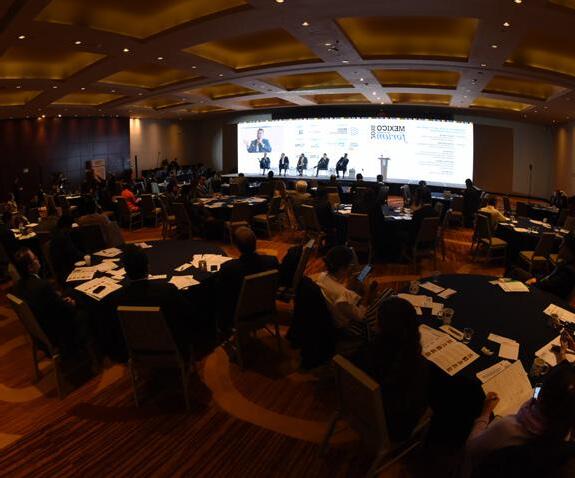
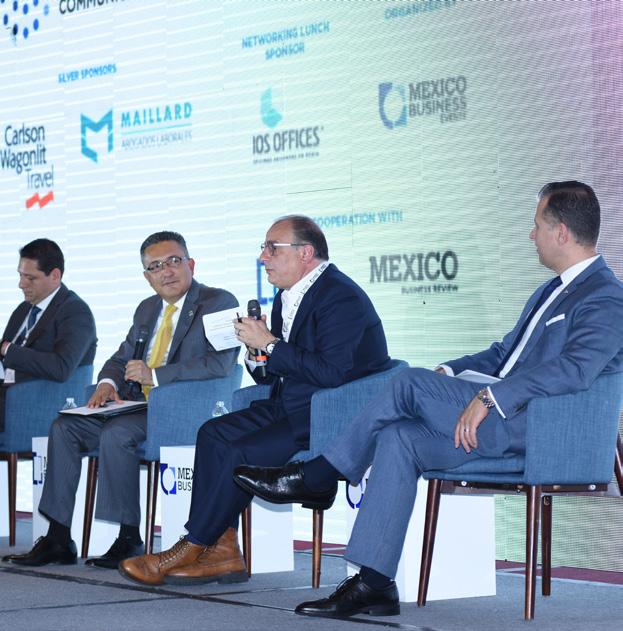
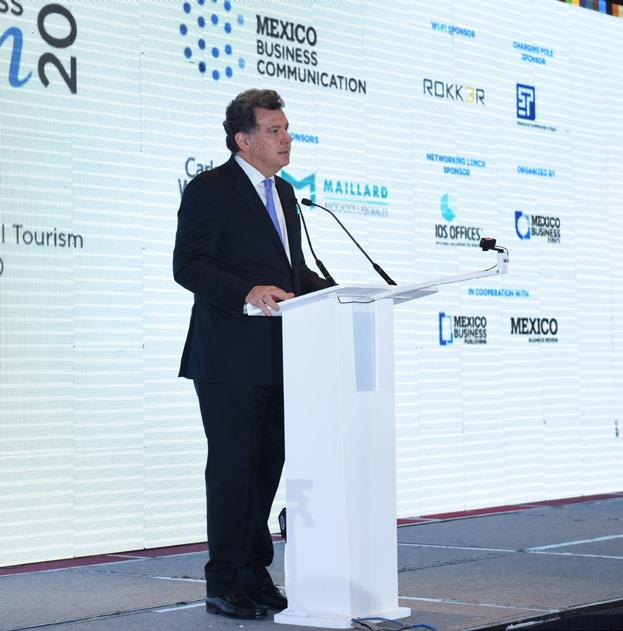
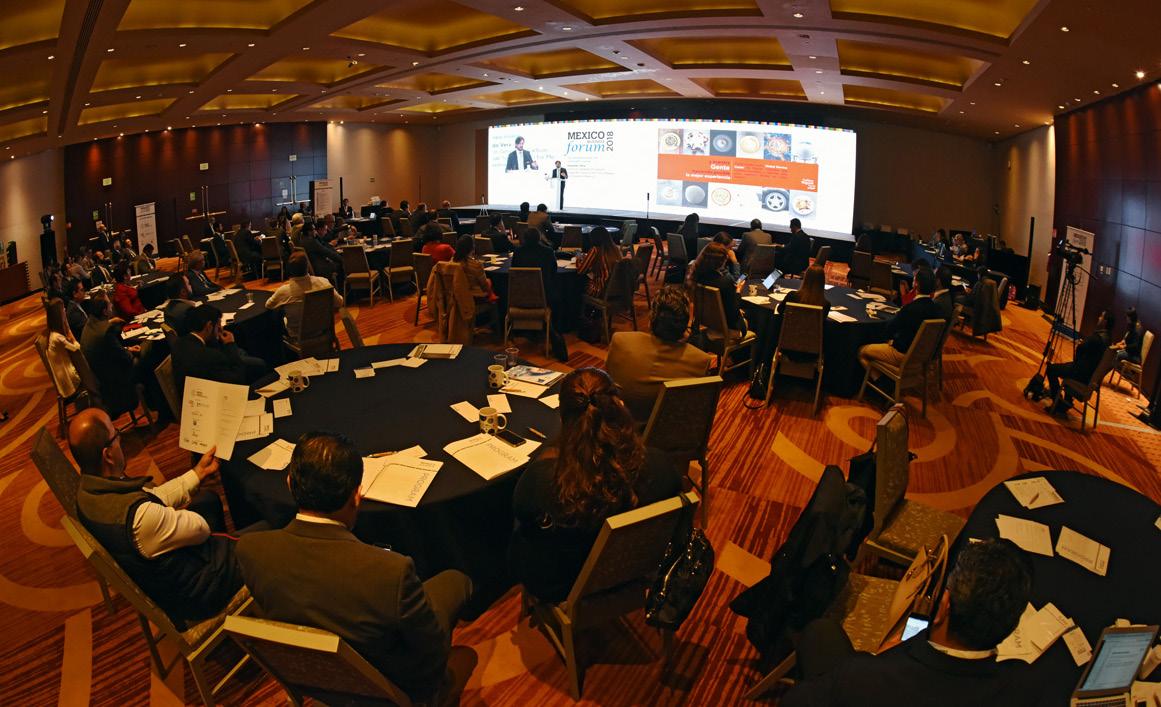
Against this backdrop, Mexico Business Forum 2018 brings together the country’s top business leaders to provide their insights regarding the most pressing developments the country is facing and the significant business and investment opportunities that exist beyond the presidential election. From Mexico’s role in the new world order and the challenges and opportunities of the new digital economy to the sustainability of the country’s tourism industry and the potential of the Mexican agricultural segment, Mexico Business Forum will provide a panoramic view on how the country will continue to chart business successes regardless of who becomes president.
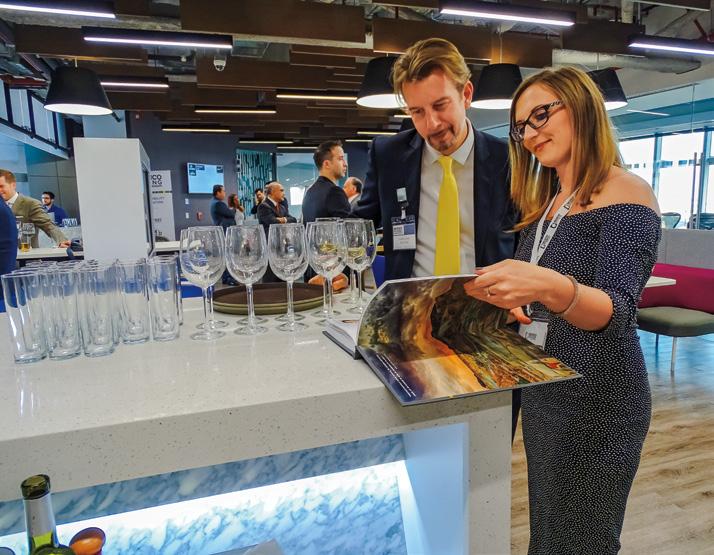
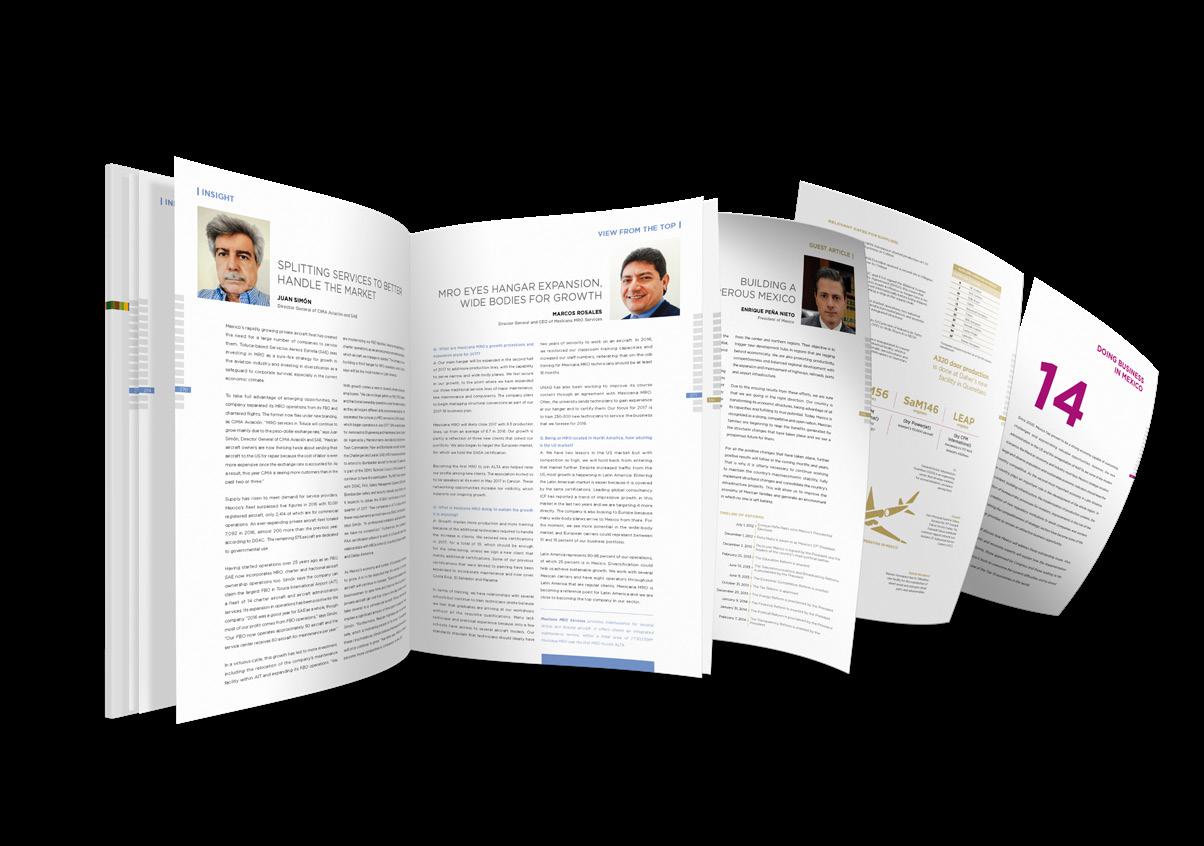
Mexico Business Forum is held in collaboration with Mexico Business Review and Mexico Business Publishing’s entire portfolio of publications. Featuring the country’s most relevant leaders, Mexico Business Forum offers participants not only the opportunity to hear the insights of those shaping the country’s future but also to network with them, providing a unique platform to exchange ideas and for informed dialogue.
Quick Look:
“If there is trust, there are better terms for the market, there is greater initiative and improved internal and external relations. In addition, it creates a better environment to face adverse situations”
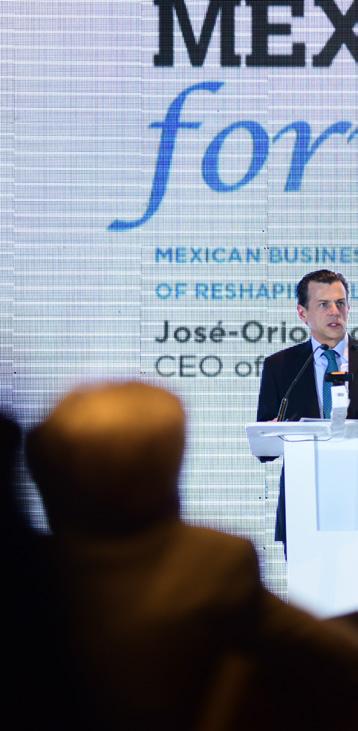
José-Oriol Bosch, CEO of BMV Group
INCLUDING:
∙ José-Oriol Bosch, BMV Group
∙ Pablo Azcárraga, CNET
∙ Juan Carlos Anaya, GCMA
∙ Luis Musi Letayf, Mexican Meat Council
∙ Alejandro Valenzuela, Banco Azteca
∙ Luz Adriana Ramírez, VISA Mexico
30
TOP SPEAKERS
∙ Muktesh Pardeshi, Ambassador of India to Mexico
∙ Duncan Taylor, Ambassador of the United Kingdom to Mexico
∙ Diego Bassante, Facebook
∙ Francisco Gil, Telefónica for Mexico and Central America
Alfredo González, Latin America North Head of Enterprise and Public Sector at Nokia
COMPANY ATTENDANCE
10xU
Agrovicion Integradora
Apollo Nanotech
Argentum Textil
Avianca
Axon Cable
Banco Azteca
Bancomext
BCD Travel
BD
Beluga de Mexico
British Embassy
BX+
CA Technologies
Calvet
Carlson Wagonlit Travel
Centraal
Chemours
China Campus Network
Cima Aviación
Cloudflare
Deloitte
Conexos
CopaAirlines
Crea-lo
Cuesta Campos
CWT
Domi Catering
DuPont
Dyalogo
Embajada de Holanda
Evolve Fintech
Evonik
Exide Technologies
EY
Feher & Feher
Fidelia Producciones
FitchRatings
Forbes México
FRAP Soluciones Integrales
Generation México
Giant Motors
Global Cargo Solutions
Global Mistral
GMC
Grupo Altavista
Grupo Avanzia
Grupo BMV
Grupo IDEA
Grupo Index
Grupo Tecno
Helmut Fischer
Hermes Systems / RSL Tech
Holland Wafels
Home Run Fund
HWK Internacional
InDeplo
Indian Embassy
Industrial Hulmex
Instafit
International SOS
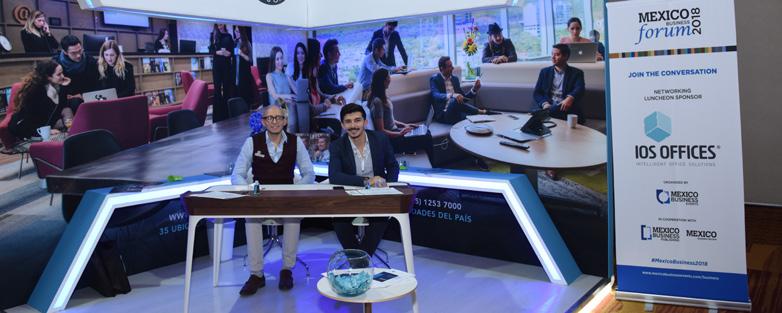
IOS Offices
IPS Powerful People
Jaguar E&P
Kelly OCG
Kelly Services
KPMG
Kroll de Mexico
Kuraray
Lufthansa
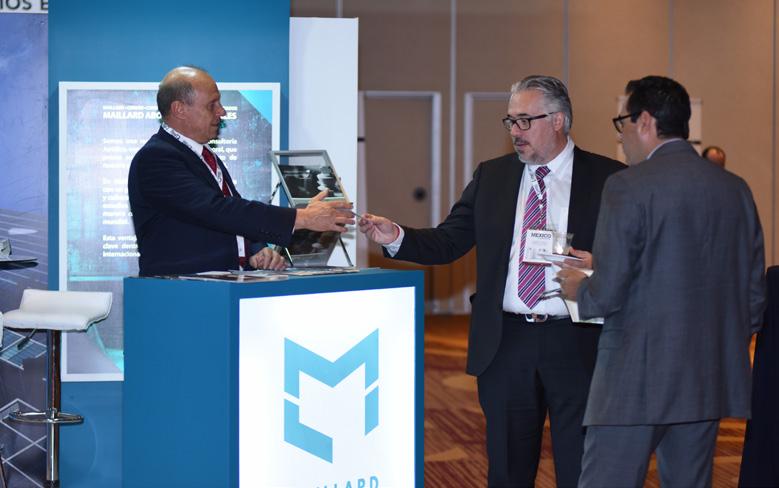
Maillard Abogados
MainWare
Martin Engineering
Merck
Mero Mole
Metropolitano
Mi Valedor
MK Medios
Notimex
Nyx Hotels
Oaxaca Aeropace
OMNI-X
Ontario Canada
Plazas Comerciales
Power Electronics
ProTeak
Ramadasa
Retenum
ROKK3R
Ronin PR
Salles Sainza Grant Thornton
Santander
Secretaria de Turismo
Siemens
Sportsworld
STP
T-Systems
TetraPak
Timken de México
Tomtom
Traducciones
UNDP
United
Wizeline
World Trade & Investment
Zimat
Zodiac Aerospace
Profile of Attendants
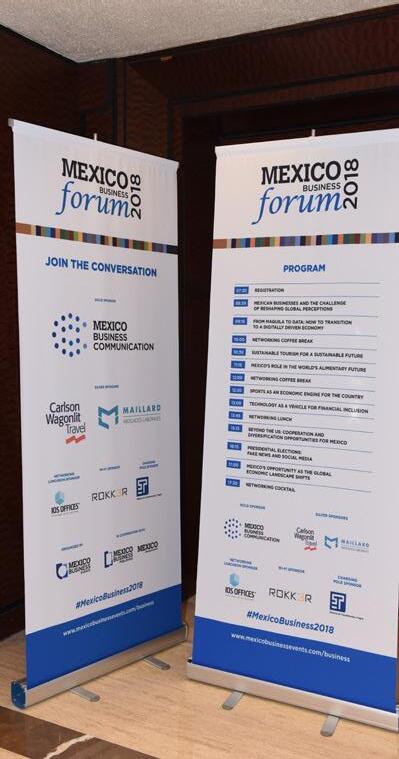
PROGRAM
07:30 REGISTRATION
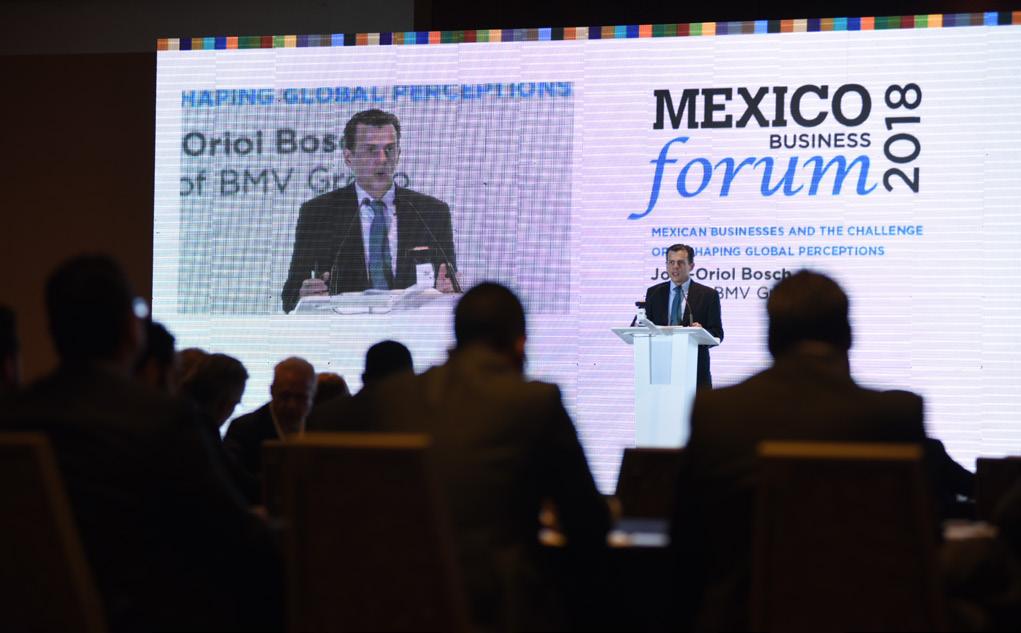
08:30 MEXICAN BUSINESSES AND THE CHALLENGE OF RESHAPING GLOBAL PERCEPTIONS
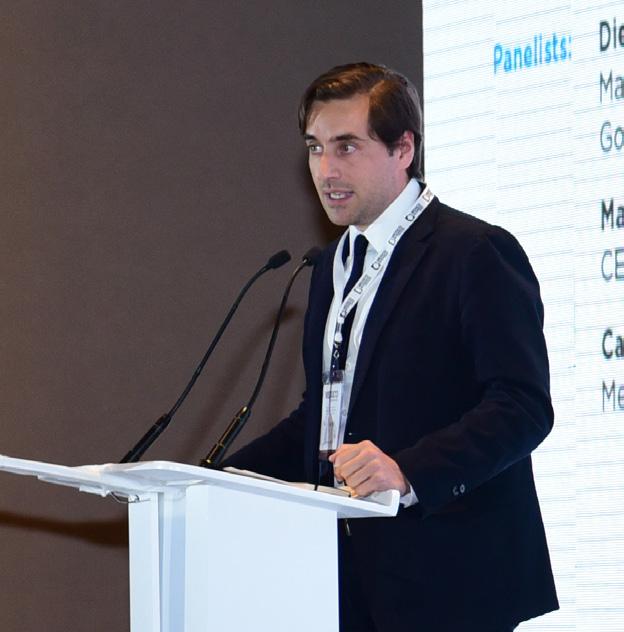
Speaker: José-Oriol Bosch, CEO of BMV Group
09:15 FROM MAQUILA TO DATA: HOW TO TRANSITION TO A DIGITALLY DRIVEN ECONOMY
Moderator: Manuel Nieblas, Partner and Manufacturing Industry Leader at Deloitte Mexico
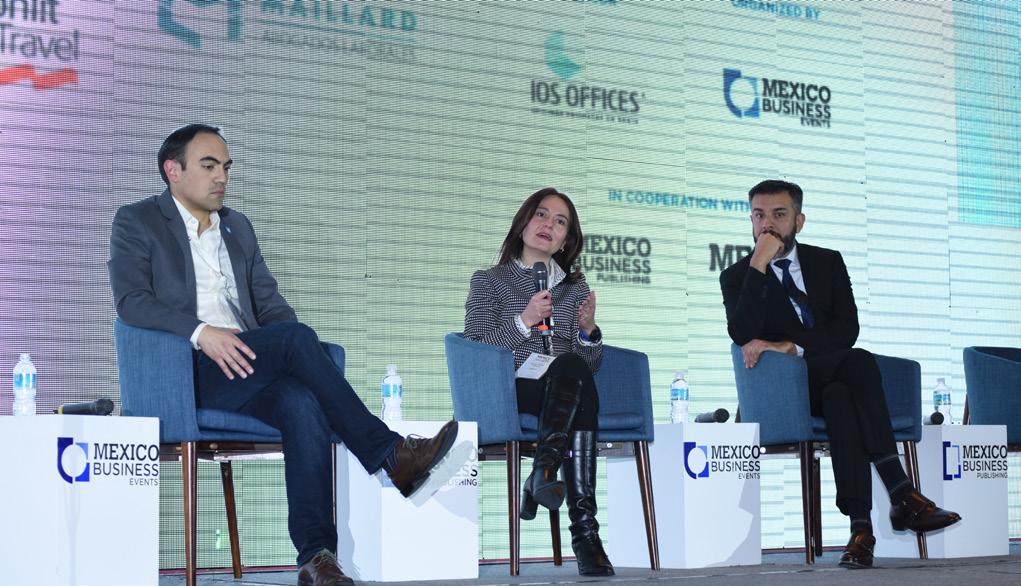
Panelists: Alfredo González, Latin America North Head of Enterprise and Public Sector at Nokia
Iván Pelayo, Vice President of Digital Factory and Process Industries and Drives Divisions at Siemens Mesoamerica
Elías Massri Sasson, Director General and Chairman of the Administration Board at Giant Motors Latin America Luis Aguirre, National President of Index
10:15 NETWORKING COFFEE BREAK
10:45 SUSTAINABLE TOURISM FOR A SUSTAINABLE FUTURE
Speakers: Pablo Azcárraga, President of the National Tourism Business Council (CNET)
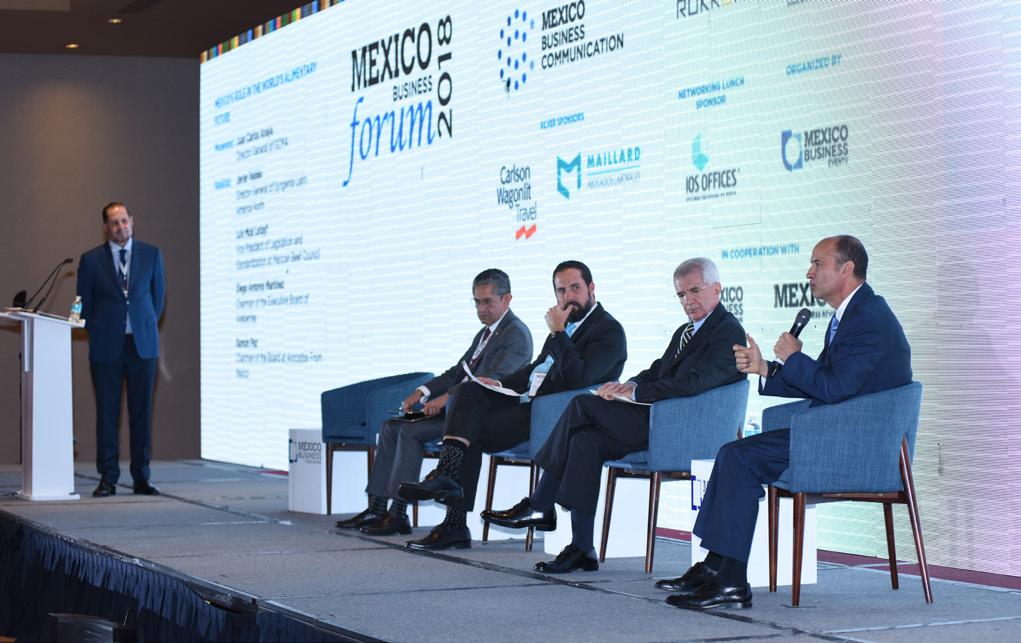
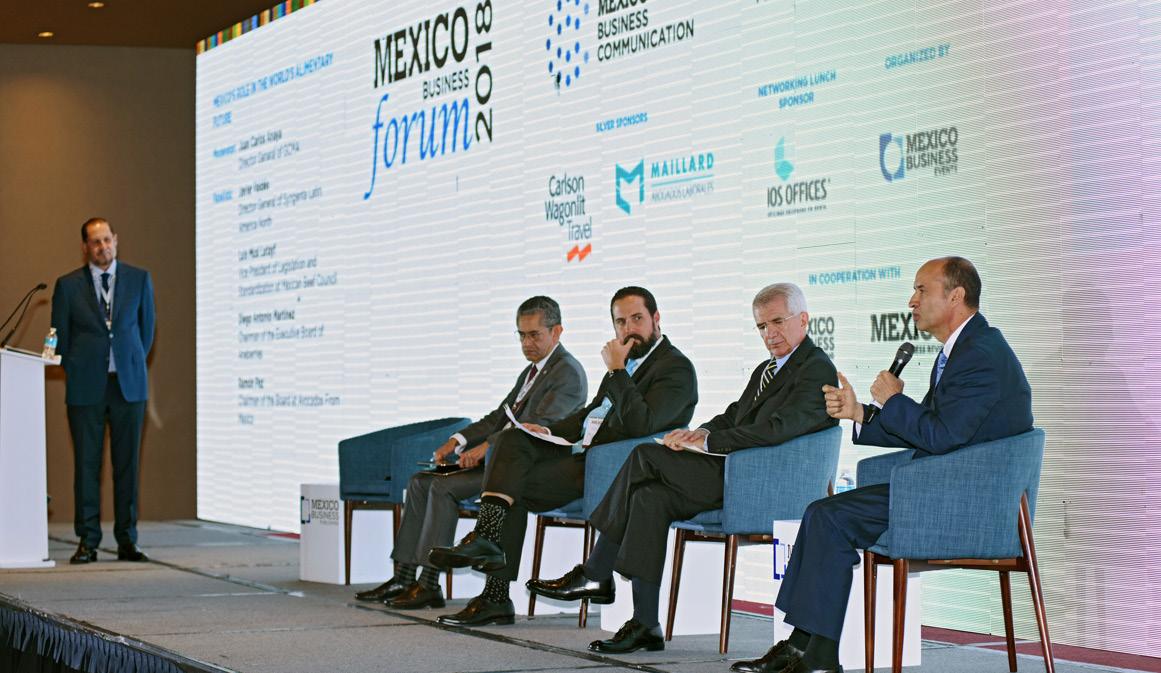
11:15 MEXICO’S ROLE IN THE WORLD’S ALIMENTARY FUTURE
Moderator: Juan Carlos Anaya, Director General of GCMA
Panelists: Javier Valdés, Director General of Syngenta Latin America North Luis Musi Letayf, Vice President of Legislation and Standardization at Mexican Meat Council
Diego Antonio Martínez, Chairman of the Executive Board at Aneberries
Ramón Paz, Chairman of the Board at Avocados From Mexico
12:00 NETWORKING COFFEE BREAK
12:30 THE UNTAPPED POSSIBILITIES OF BUSINESS TOURISM
Speaker: Gerardo Vera, Director General of Carlson Wagonlit Travel (CWT) for Mexico and Central America
13:00 TECHNOLOGY AS A VEHICLE FOR FINANCIAL INCLUSION
Moderator: Vicente Fenoll, Founder and CEO of kubo.financiero
Panelists: Alejandro Valenzuela, CEO of Banco Azteca
Germán Montoya, Chief Exponential Officer at Rokk3r Labs
Luz Adriana Ramírez, Director General of VISA Mexico
13:45 NETWORKING LUNCH
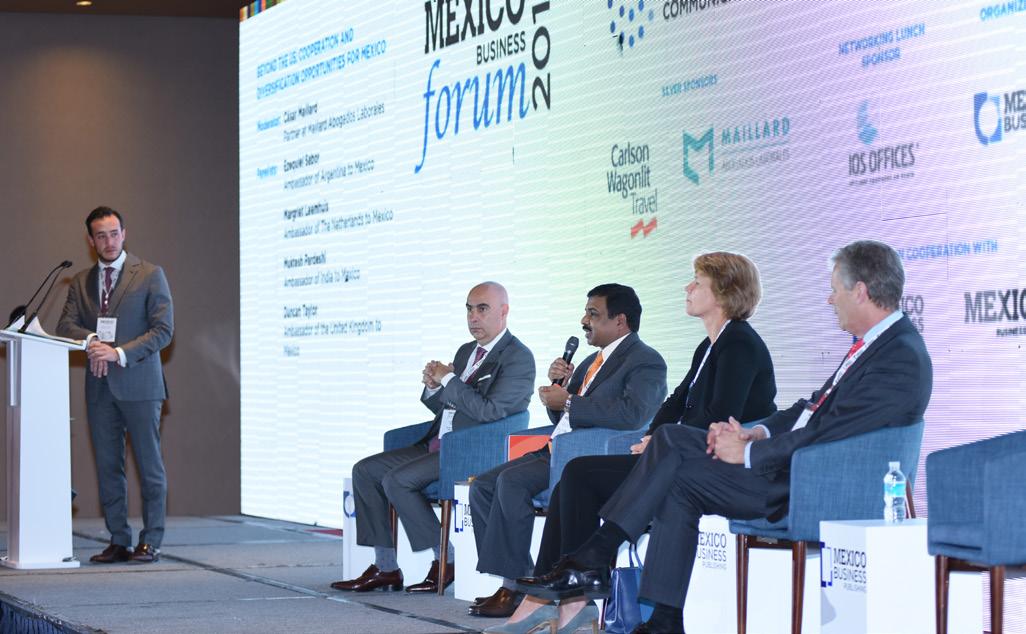
15:15 BEYOND THE US: COOPERATION AND DIVERSIFICATION OPPORTUNITIES FOR MEXICO
Moderator: César Maillard, Partner at Maillard Abogados Laborales
Panelists: Ezequiel Sabor, Ambassador of Argentina to Mexico
Margriet Leemhuis, Ambassador of The Netherlands to Mexico
Muktesh Pardeshi, Ambassador of India to Mexico
Duncan Taylor, Ambassador of the United Kingdom to Mexico
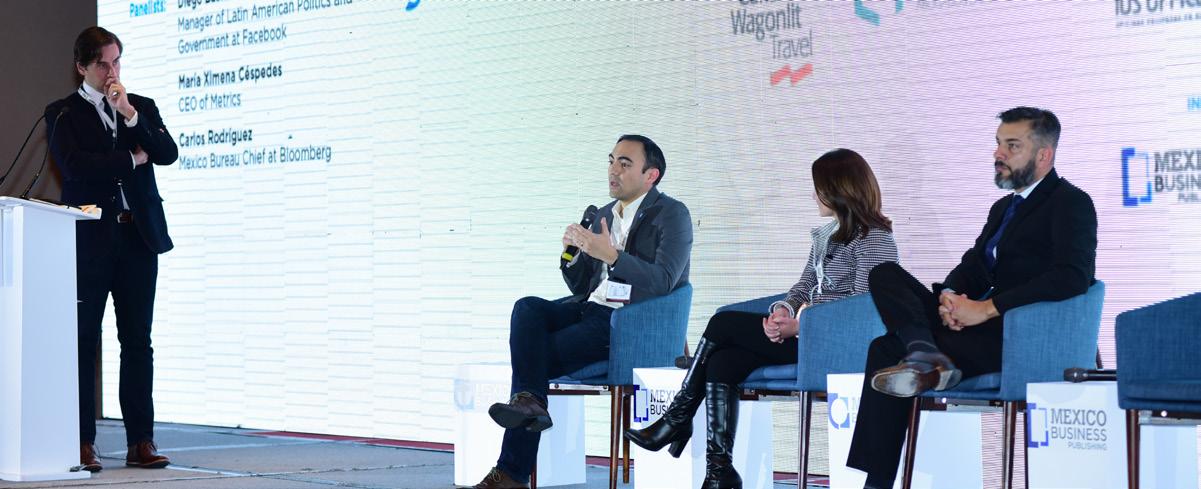
16:15 PRESIDENTIAL ELECTIONS: FAKE NEWS AND SOCIAL MEDIA
Moderator: Luis Pablo Beauregard, Editor of El País México
Panelists: Diego Bassante, Manager of Latin American Politics and Government at Facebook
María Ximena Céspedes, CEO of Metrics
Carlos Rodríguez, Mexico Bureau Chief at Bloomberg
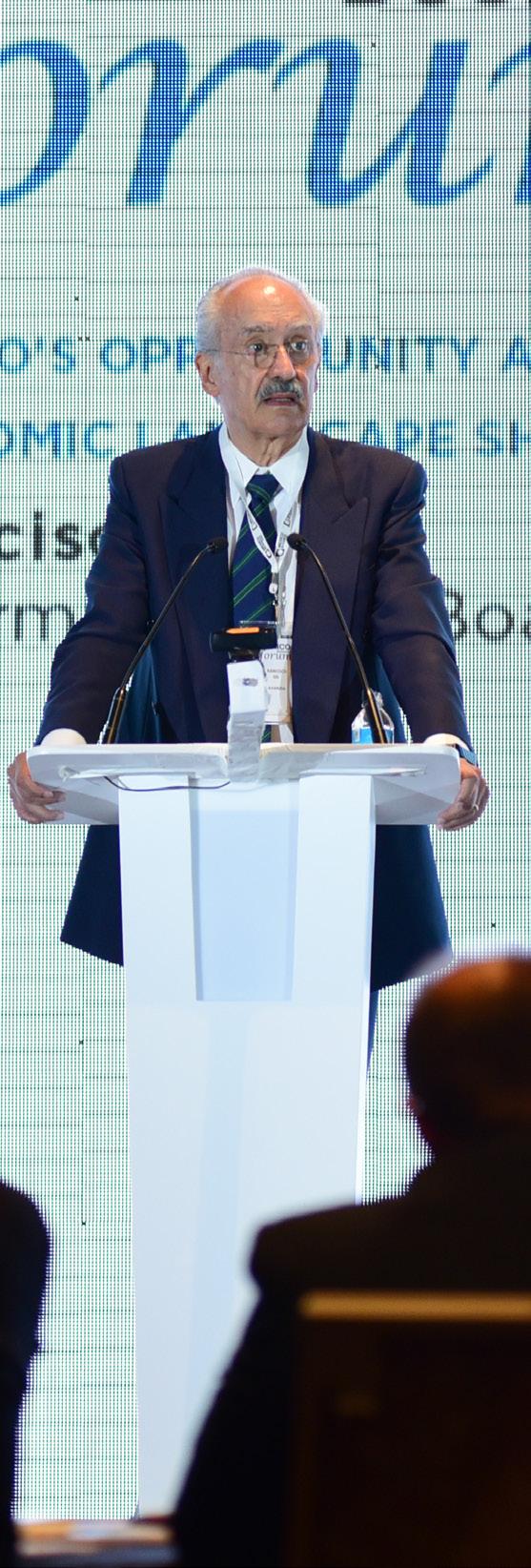
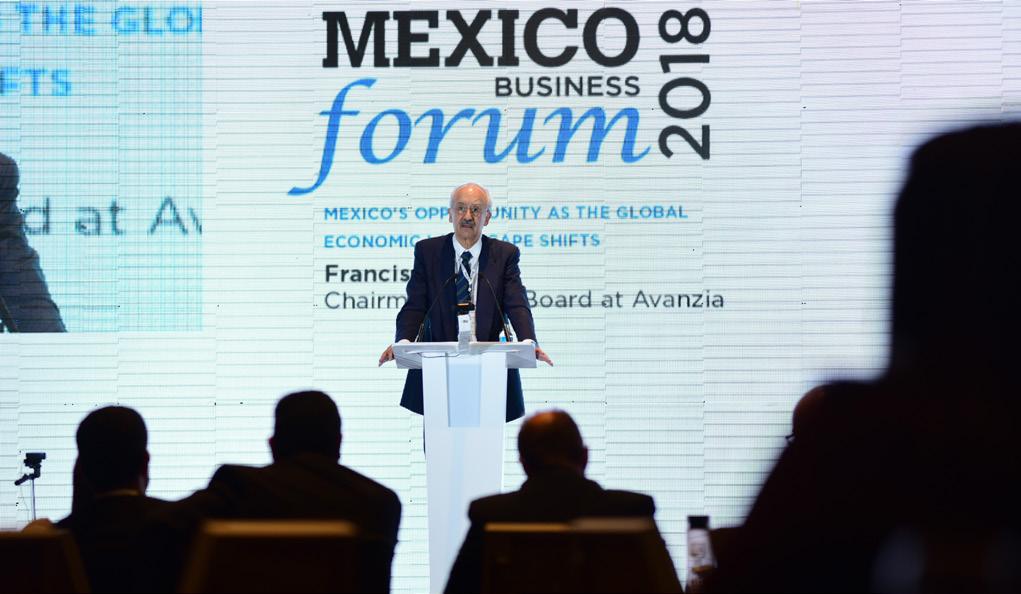
17:00 MEXICO'S OPPORTUNITY AS THE GLOBAL ECONOMIC LANDSCAPE SHIFTS
Speaker: Francisco Gil, Chairman of the Board at Avanzia
17:30 NETWORKING COCKTAIL
HIGHLIGHTS 20 18
KEY SPEAKER
JOSÉ-ORIOL BOSCH
CEO of BMV Group
José-Oriol Bosch has more than 30 years of experience in the financial markets. He started his professional career at Inverlat Casa de Bolsa, and later worked for Citibank México. In 1992, he joined J.P. Morgan, assuming various roles in Mexico and New York, until his arrival at Grupo BMV. In January 2015, Bosch became Chief Executive Officer of the Mexican Stock Exchange, which encompasses the Stock Exchange, the Mexican Derivatives Market and the Central Securities Depository, among others.
CRYPTOCURRENCIES, THE NEW PLAYER IN INVESTMENT MARKET
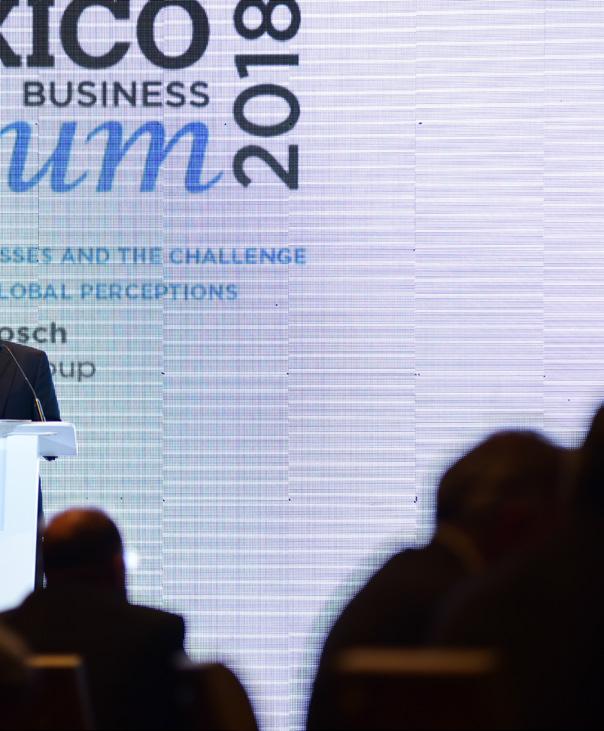
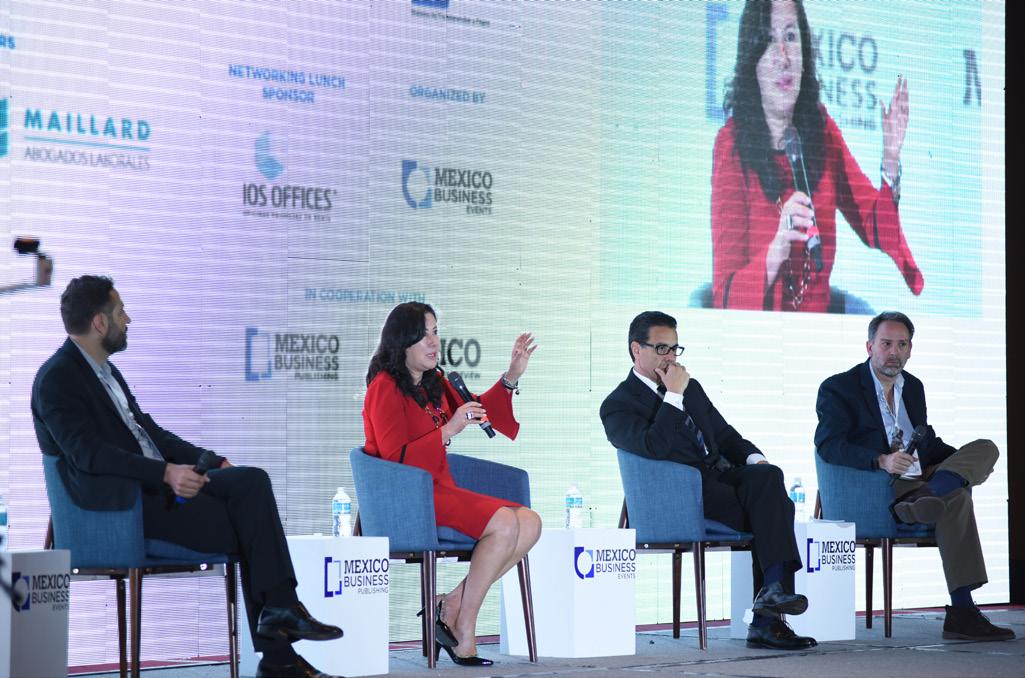
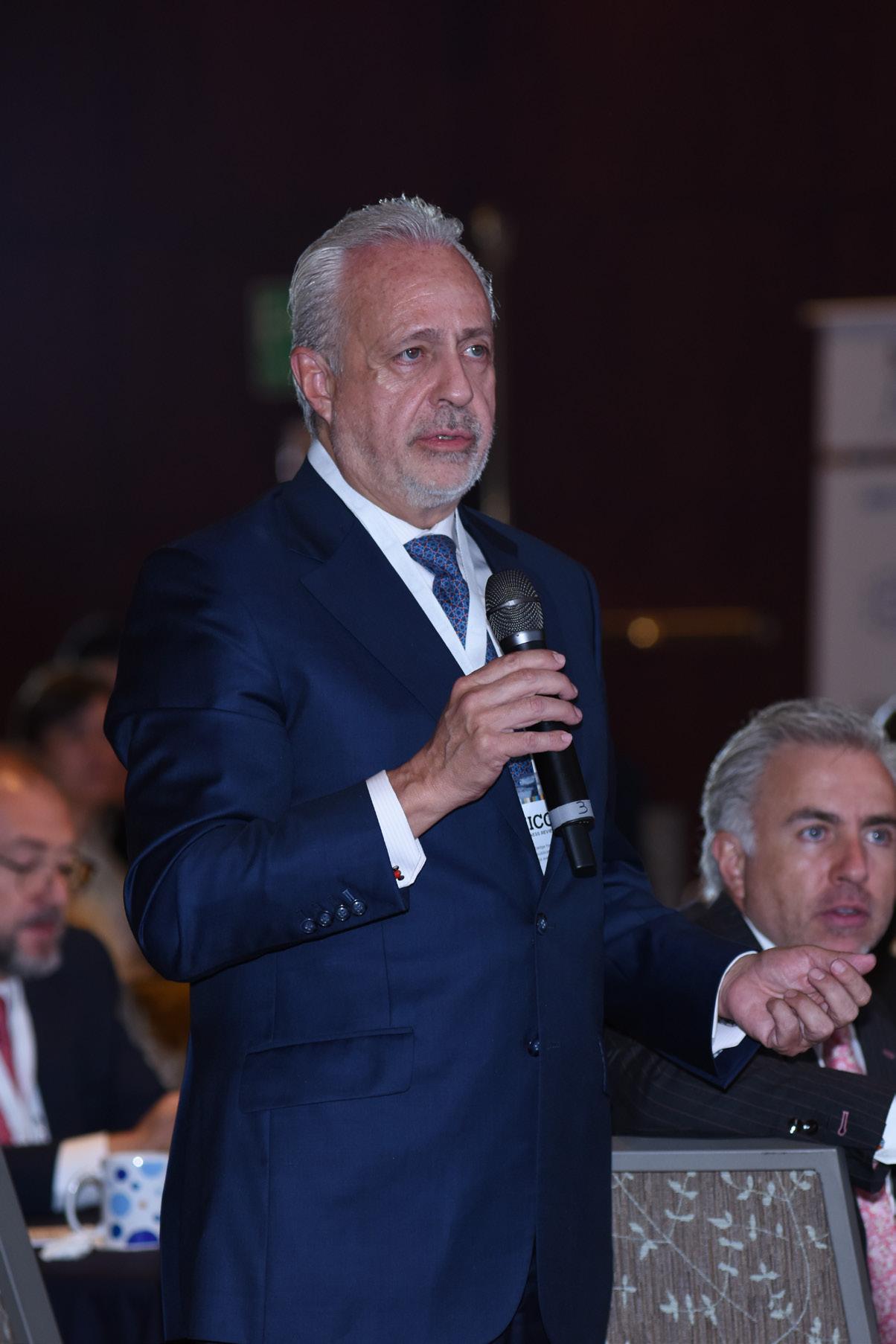
Between 500,000 and 600,000 people invest in cryptocurrencies in Mexico compared with around 300,000 investors in the Bolsa Mexicana de Valores (BMV), which is not even 1 percent of the country’s adult population, said José Oriol Bosch, CEO of BMV Group, at Mexico Business Forum 2018 on Wednesday at Mexico City’s Sheraton Maria Isabel Hotel. This represents a small market compared to the US, where, according to Bosch, “50 percent of the adult population invests in one way or another in the capital markets.”
However, the number of investors in cryptocurrencies does not concern Bosch. “We do not compete with cryptocurrencies; we focus on financing new companies or projects that generate growth for the economy. We are concerned about the small number of investors we have in the Mexican Stock Exchange, not the number of investors in cryptocurrencies,” he said.
One of the keys to economic growth, Bosch pointed out, is the confidence generated by a country because “if there is trust, there are better terms for the market, there is greater initiative and improved internal and external relations. In addition, it creates a better environment to face adverse situations,” he said.
With concerns swirling around the ongoing renegotiation of the NAFTA treaty, Bosch reminded the audience during his presentation, “Mexican Business and the Challenge of Reshaping Global Perceptions,” that Mexico is the 15th-largest economy in the world and the second-biggest in Latin America, behind Brazil. Despite the global and regional economic uncertainty, the country is “above the global average in terms of business confidence,” he said. “Mexico’s growth expectations are very good and will not change in the coming months. These expectations are based on issues such as demographics and geography, as well as free trade agreements with other countries and regions,” he said.
However, Bosch warned that a loss of confidence could lead to “a very dangerous cycle that we already underwent in Mexico at the end of the 1990s.” He gave the example of Argentina, where in recent weeks investor confidence has tumbled,
with the Argentine peso plummeting to an all-time low on May 3. “It is true that Mexico has been dependent on NAFTA, but that is changing,” he said, adding that the country is taking advantage of the markets with which it already has agreements, as well as looking for new destinations. “To these factors, we should add the confidence generated by the structural reforms approved during this sexennium and the creation of the Special Economic Zones (ZEEs), designed to close the gap between the economies of the northern and southern states.”
“Mexico’s growth expectations are very good and will not change in the coming months. These expectations are based on issues such as demographics and geography, as well as free trade agreements with other countries and regions”
José-Oriol Bosch, CEO of BMV Group
The goal of the BMV Group, which itself is listed on the BMV, is “to finance companies that need resources in order to grow the economy,” Bosch said. “Mexico has 5 million companies but 99 percent are micro, small and médium-sized; however, the remaining 1 percent is responsible for 80 percent of total production. This is a window of opportunity for the country,” he said
FROM MAQUILA TO DATA: HOW TO TRANSITION TO A DIGITALLY DRIVEN ECONOMY
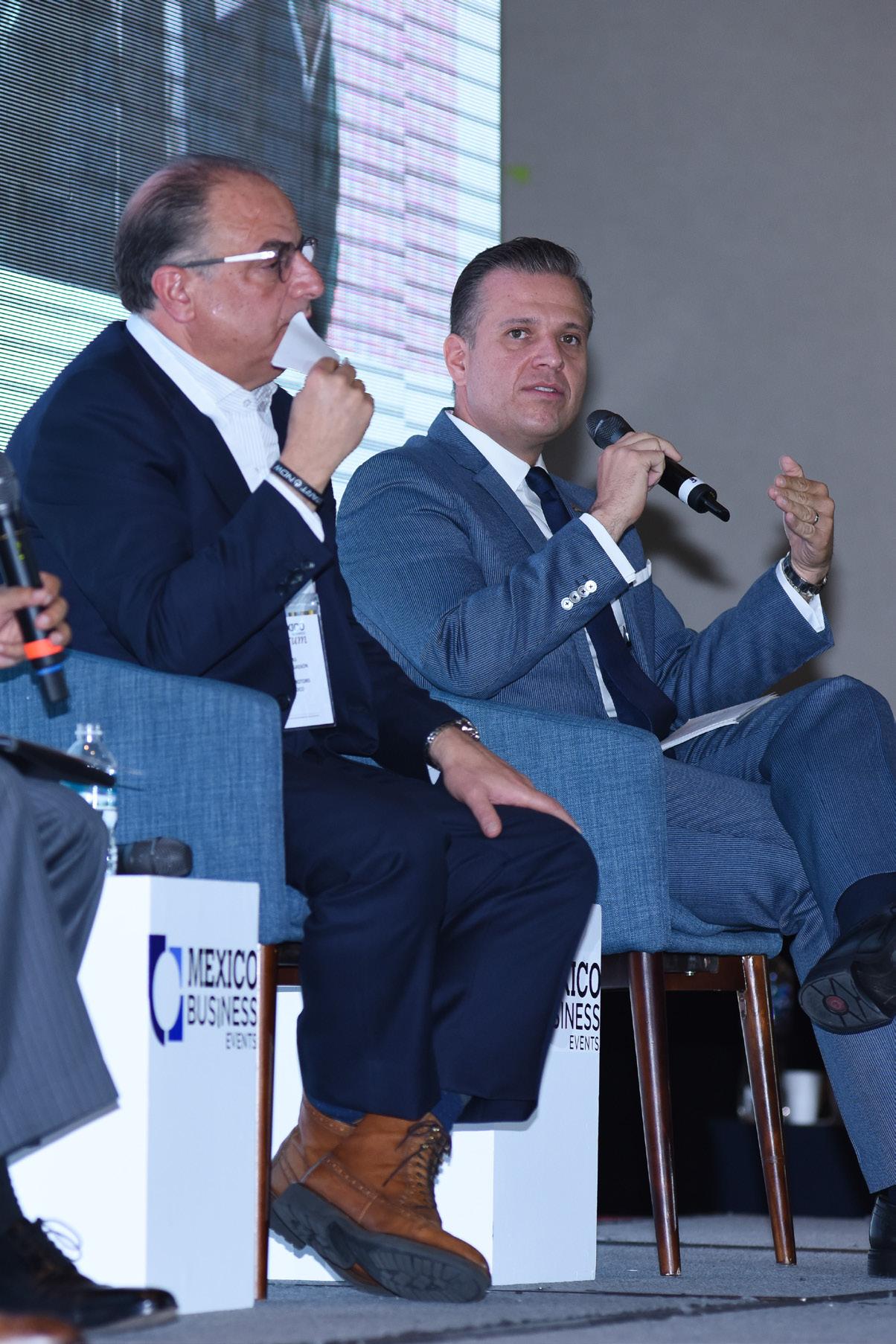
Mexico’s technological development in the manufacturing industry has exponentially changed the way production and human talent work, panelists at Mexico Business Forum 2018 said on Wednesday at the Hotel Sheraton Maria Isabel in Mexico City.
“Technological tools, such as collaborative robots, internet, Big Data, advanced materials and other components, have become the basis for a shift in manufacturing toward the 4.0 digital revolution,” said moderator Manuel Nieblas, Latin America North Head of Enterprise and Public Sector at Nokia, during a morning panel discussion. In this revolution, companies face the challenge of innovating their processes while also empowering their workforce to use those innovations. “Technology should be a tool and not the endgame. Automating processes just for the sake of automation leads to replacing talent that cannot and should not be replaced,” said Elías Massri, Director General of Giant Motors Mexico.
The panelist focused on the theme “From Maquila to Data: How to Transition to a Digitally Driven Economy” and emphasized the importance of the private and public sector working together to achieve this transformation successfully. “Universities should not just educate people with the hope that they will join the industry afterward. Institutions should work with industry so students can participate in that industry while they are building their knowledge base,” said Massri.
The use of technologies and information will be a key component for creating connectivity and synergies between the knowledge and digital revolutions the manufacturing sector requires, agreed the panelists. “Mexican industries and the government must
HIGHLIGHTS 20 18
KEY SPEAKER
MANUEL NIEBLAS
Partner and Manufacturing Industry Leader at Deloitte Mexico
Manuel Nieblas started working at Deloitte in October 1992 and has been an audit partner since June 2005. In 2013, Nieblas was named Partner and Manufacturing Industry Leader in Mexico. During his tenure at Deloitte, he has worked with the manufacturing, automotive, consumer products and cement industries. Nieblas has participated in several national and international forums analyzing the main topics of the automotive and manufacturing industries. Nieblas is also a member of the Board of Deloitte Mexico.
be conscious about how technologies work and how essential they are for developing solutions to the country’s problems,” said Alfredo González. The panelists also highlighted the importance of universities in creating spaces for human talent to adapt to the market’s needs and to help innovate the industry. “Educational programs should include the efficient use and interpretation of these new technologies and to provide students with sufficient opportunities to collaborate with the industry from the start,” said Luis Aguirre Lang, National President of Index.
To remain competitive, all other sectors must be prepared to enter the 4.0 revolution that is already permeating the manufacturing industry. “All industries are introducing automatization and digitalization in their processes, so time will dictate which sectors lead this revolution in Mexico. It does not require all companies become fully automatized but they must empower talent in the use of such technologies,” said Iván Pelayo, Vice President of Digital Factory and Process Industries and Drives Divisions at Siemens Mesoamerica.
The advantages and challenges of industry 4.0 are also taking place in a diverse environment in Mexico, impacting both big and small companies. “The private and public sectors must create a single channel to drive Mexico down this path,” said Pelayo. Unique initiatives and public policies will make a difference in how industries consolidate this change and become more competitive. “The key will be in how all economic players coordinate strategies for the training of employees, restructuration of the inner organization, creation of e-commerce opportunities and choosing where the company focuses its new digital innovations,” said González.
EVOLVING BEYOND MERE FUN IN ACAPULCO
Mexico’s image as a tourist destination has mainly centered around the idea of beach and sun. However, there is an enormous opportunity for the industry to grow beyond that and double the revenue it brings to the country, said Pablo Azcárraga, President of the National Tourism Business Council (CNET), at Mexico Business Forum 2018, held at the Sheraton Maria Isabel Hotel in Mexico City on Wednesday.
“Mexico is in a privileged position and has a great potential to grow in the tourism sector,” said Azcárraga. The country ended 2017 with a total of 39.3 million international visitors and over US$21 billion in tourism revenue. This leaves Mexico as the sixth-most attractive tourist destination, trumping regions such as Turkey and the United Kingdom with 2.4 times more visits than the average of the rest of the world. By the end of 2018, Azcárraga expects the country to receive over 43 million visitors and generate over US$22 billion in revenue.
This, however, does not reflect the true potential of the country as an investment destination. According to Azcárraga, 90 percent of the tourists who come to Mexico are looking for sun. “The country has failed to take advantage of its potential in cultural, medical, religious and other types of tourism,” he said. “The future of the industry is in the care for natural resources and in building destinations with more space per visitor.”
Mexico’s opportunity to grow its tourism sector is clearly mirrored in the visitors’ average spending when compared to other major international destinations. Azcárraga showed that for tourists who travel by plane, the average spending in Australia is over US$4,400, in the US over US$2,000 and in Thailand over US$1,500. In Mexico, that average is no more than US$900 and for tourists that travel by road or on water, the number goes below the US$600 mark. “The country should be at a level of at least US$1,500,” says Azcárraga.
Growing these numbers should be a priority for the new federal administration, according to Azcárraga, and during his presentation he outlined what he thinks should be the plan for the new government to help Mexico realize its true potential. “Although Mexico is the sixth-most popular destination, the country’s brand is currently ranked 55th,” he said. “We thought that good infrastructure alone would attract tourists but that is not the case. We need more investment.” Azcárraga highlighted the construction of NAIM as a key factor for boosting not only tourism but all economic activities in the country. In addition, he sees security as a main concern that should be addressed in all tourist destinations.
In terms of regulation, Azcárraga said there should be better regulation of the collaborative economy. “Uber, Airbnb and digital tourism agencies have become industry disruptors,” he explained. “However, these players do not contribute economically to the country and do not participate in the promotion of tourist destinations.”
Azcárraga is positive about the future of the industry but sees three possible scenarios in Mexico’s future. “Our most conservative forecast is that Mexico will maintain the same levels of visitors and revenue in the next six years. However, there is a more negative scenario where NAFTA negotiations and deteriorating relations with the US could take us back to industry levels of 20 years ago when the country received only 20 million visitors per year,” he said. In the best-case scenario, though, Azcárraga sees an opportunity for Mexico to receive 61 million visitors, generating US$46 billion in revenue and contributing over 10 percent of the national GDP.
CNET has already approached all the presidential candidates to transmit the industry’s concerns regarding the tourism sector but Azcárraga said that only Ricardo Anaya and José Antonio Meade have responded to the invitation. “We think both candidates recognize the importance of tourism for the Mexican economy and although we have not met with him, we hope Andrés Manuel López Obrador does not apply his populism to the tourism sector. Tourism and populism cannot mix,” he said.
AGRO INDUSTRY FOCUSES ON TECHNOLOGY, DIVERSIFICATION
Mexico has a privileged position in the global food market but incorporating new technologies and innovation such as transgenic seeds could triple or even quadruple production levels, according to a panel of experts at Mexico Business Forum 2018 at the Sheraton Maria Isabel hotel in Mexico City on Wednesday.
The panel’s moderator, Juan Carlos Anaya, began by providing some facts about the alimentary industry. Mexico is the 10th-largest producer of food in the world, the thirdlargest in Latin America after Brazil and Argentina and the 10th-largest exporter globally. “We produce 60 percent of what we consume and, if there were the need, we could be
KEY SPEAKER
PABLO AZCÁRRAGA
President of the National Tourism Business Council (CNET)
Pablo Azcárraga has over 30 years of experience in the hospitality industry. As Chairman of the Board of Grupo Posadas, Azcarraga is in charge of the executive decisions regarding the company’s strategic plan. Under his leadership, Grupo Posadas has grown to be a leader in the hotel industry with 162 hotels and over 25,000 rooms. Azcárraga is also President of CNET, which groups 90 percent of privately-owned companies invested in the tourism sector.
“We produce 60 percent of what we consume and, if there were the need, we could be self-sufficient in our fo od supply”
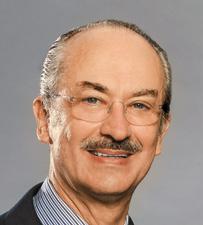
Juan Carlos Anaya, Director General of GCMA
self-sufficient in our food supply,” he said. The main products Mexico exports are sugar, tequila, coffee and avocados.
KEY SPEAKER
LUIS MUSI LETAYF
Vice President of Legislation and Standardization at Mexican Meat Council
Luis Musi Letayf has a long experience in the food and investment sectors. He has been Director of Institutional Relations at Sigma Alimentos since 2003. He is also Vice President of the Mexican Investment Council, which promotes foreign investment in Mexico. Musi has held several positions in the insurance, textiles, cellulose and paper sectors. He holds a degree in business management from the Iberoamerican University, a Master’s from Michigan University and post-graduate degrees from Stanford University and IPADE.
Anaya went on to introduce Ramón Paz, Chairman of the Board at Avocados from Mexico, with the fact that, for every 10 avocados produced in the world, three are Mexican. In the context of the NAFTA negotiations, Paz acknowledged the reliance the avocado industry has on the agreement, as the US imports 85 percent of its avocados from Mexico. “Given that the US accounts for 55 percent of the world’s avocado imports, this is significant, and we have a big opportunity due to the closeness of our markets,” he said. But he admitted that market diversification has a strategic value.
Diego Antonio Martínez, Chairman of the Executive Board at Aneberries, agreed that diversification is something the Mexican industry must look into, and in terms of berries, the association is also looking at opening doors to new markets such as Chile and Peru that do not necessarily have Mexico’s privileged conditions. However, he highlighted the difficulties in entering new markets, saying the country must be well-profiled in advance. “We had a difficult situation in China whereby we expected it to be a lucrative market for berries,” he explained. “On the contrary, the country has little appetite for fresh food so we struggled to open the door to that market.”
Mexico, however, is continuously increasing its food production. Luis Musi Letayf, Vice President of Legislation and Standardization at the Mexican Meat Council, said that beef demand grew 1.4 percent in 2017 and demand for chicken increased 3 percent. “As economies grow stronger, the consumption of animal protein also increases and Mexico has a growing demand,” he said. He stressed the need for more sustainable and viable methods of cattle farming given the huge quantities of water it uses.
Javier Valdés, Director General of Syngenta Latin America North, agreed that all agricultural activity must be both sustainable and viable, and pinpointed transgenic seeds as a potential way to ensure the future of the industry. He used the example of the cotton industry in Mexico, which has all but disappeared due to the high costs per hectare, which makes the industry unviable. “Transgenic seeds can triple or quadruple production,” he said. “This technology would allow cotton to return to Mexico because it would make it much more viable.” He said that, in Chiapas,
corn production per hectare is 3 million tons. Applying technology, production can be increased to 8 million tons per hectare.
Martínez stressed the importance of integrating technology to not only diversify markets but also to diversify strains of seeds. “In Mexico, we have one breed of raspberry and one breed of cranberry for example,” he said. “In other markets, they are breeding new seeds, and to keep up we need to follow suit and invest in agricultural genetics.”
“As economies grow stronger, the consumption of animal protein also increases and Mexico has a growi ng demand”
Luis
Musi Letayf,
Vice President of Legislation and Standardization at the Mexican Meat Council
Mexico’s agriculture industry is flourishing, and even with the risk of a defunct NAFTA, it shows no sign of slowing down. “In 1994, Mexico produced 400,000 tons of avocados. Today, the country produces almost 2 million tons,” said Anaya. Paz argued that the US’ reliance on Mexican agriculture means there is little risk it will jeopardize this relationship in the NAFTA negotiations.
In the meantime, the main agricultural industries are focusing on growing production. With 90 percent of Mexico’s berries exported, mainly to the US, Martínez feels confident. “We have a significant space to grow,” he said. Through technology, Valdés sees great opportunity for Mexico. “In the case of corn, by increasing productivity by 1 percent you provide a 5 percent increase on return for the producer,” he said. “This means that if we boost production 5 percent, we can get a 25-30 percent greater return.”
ARE MILLENNIALS CHANGING CORPORATE TRAVEL? OF COURSE
The emergence of smartphones, the application of the Internet of Things (IoT) and artifical intelligence (AI) have changed the way corporate travel is conducted, said Gerardo Vera, Director General of Carlson Wagonlit Travel (CWT) for Mexico and Central America, at Mexico Business Forum 2018 on Wednesday at Mexico City’s Sheraton Maria Isabel Hotel. “We want to know more about travelers to anticipate their needs,” he said during a presentation entitled “The Untapped Possibilities of Business Tourism.”
The “gig economy” has impacted the ways in which business is conducted in the world and corporate travel is not unrelated to this trend. “Companies like Uber or AirBnB have revolutionized the way we travel,” Vera said. “Companies know about these new solutions and want to adopt them,” he said, highlighting the millennial generation as the users who are accessing the most important positions in companies globally. To drive his point home, Vera pointed out that “Airbnb has now become the largest hotel chain in the world without owning a single building,” alluding to the potential of this increasingly influential element in the travel industry.
Combining business and pleasure is another emerging trend, Vera said, as employees increasingly lengthen work trips to include vacation time. “One in five travelers transforms a business trip into a vacation. The farther the destination is, the more this type of travel takes place,” he said.
Vera also suggested that connectivity will play a key role in travel planning going forward. “Over 50 billion devices will be interconnected by 2020,” he said.
KEY SPEAKER
GERARDO VERA
Director General of Carlson Wagonlit Travel (CWT) for Mexico and Central America
Gerardo Vera has been Director General of Carlson Wagonlit Travel for Mexico and Central America since 2016. He oversees the corporate travel (BT), events and conventions (M&E), energy, natural and marine resources (ERM) and consultancy divisions, with an approximate value of US$300 million in sales and more than 250 collaborators located in different parts of Mexico and Costa Rica. Gerardo also has more than 20 years of experience in strategic, commercial, technological and business consultancy at Microsoft, Gartner and Accenture.
KEY SPEAKER
GERMÁN MONTOYA
Chief Exponential Officer at Rokk3r Labs
Germán Montoya is Chief Exponential Officer at Rokk3r Labs, a Miami-based venture that partners entrepreneurs with strategists, creatives and engineers to design, build and launch exponential organizations through a system called “co-building.” Montoya is in charge of setting and executing the direction of Rokk3r Labs and its portfolio companies. Previously, Montoya was part of the DDB family and led Cyclelogic’s strategic and commercial efforts. Montoya holds a degree from Cornell University and a fellowship from the Kennedy School at
DEMOCRATIZATION THROUGH TECHNOLOGY INTEGRATION
Digitalization is rapidly changing the financial market but Mexico is still a country with very limited financial inclusion. Still, technology has opened new business opportunities and models that challenge the status quo and that could potentially boost financial inclusion, according to Vicente Fenoll, Founder and CEO at kubo.financiero and moderator of the third panel of Mexico Business Forum 2018, held at the Sheraton Maria Isabel hotel in Mexico City on Wednesday.
“ATMs were once the biggest innovation in the sector but now, there is not even a need to have an actual bank to have access to banking services,” said Alejandro Valenzuela, Director General of Banco Azteca. “Electronic payments and digital platforms have caused an unprecedented disruption in the banking sector.”
Despite the sector evolving at such a pace, Valenzuela said there is still an enormous opportunity to grow financial inclusion in Mexico since approximately six out of every 10 people in the country are not part of the banking system. Germán Montoya, Chief Strategy and Creative Officer at Rokk3r Labs, says the creation of a fintech law has led to more opportunities to develop technological solutions in the financial sector. “Data has allowed financial companies to understand how each user operates. There is no need to extrapolate information from a few sample users anymore when digitalization has given us the opportunity to analyze every user individually. We can even create a personalized product for each of our clients,” he said.
Electronic payments represent an advantage for economies but also for the quality of life of users, according to Luz Adriana Ramírez, Director General of VISA México. “Technology is the biggest democratizing factor in the industry and it has helped us approach micro and small companies,” she says.
Valenzuela highlighted that Mexico is a country of asymmetries that need to be considered when integrating new solutions into the market. “If we do not work on education and technology development, financial inclusion will be a fantasy along
with economic development,” he said. All panelists agreed that the goal of technological development should be to promote inclusion among companies and individuals, as well as business evolution. “Electronic payments allow for the average ticket to increment by 30 percent,” said Ramírez.
“Technology is the biggest democratizing factor in the industry and it has helped us approach micro and small companies”
However, Valenzuela raised the point risk management should not be overlooked. “Risk management is a very complex subject and we must ensure that technology will help us generate transparency in every transaction,” he said. “This, in turn, will generate more inclusion because clients trust in our products.”
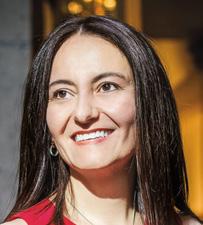
Luz Adriana Ramírez, Director General of VISA México.
Cryptocurrencies became part of the discussion as a potential factor to increase security in banking transactions, since according to Montoya, these alternatives have offered more security because of their independence from a central institution that oversees all transactions. Furthermore, Montoya sees an added advantage in cryptocurrencies due to their digital nature. “Given the cost of each digital transaction, cryptocurrencies will definitely be an opportunity to increase financial inclusion beyond what cash can offer.”
Transaction security in not the only thing on the line, though. Digitalization also implies a risk in the use and misuse of user information as every operation is recorded and can be tracked. “Data is the property of the user but as we embrace technology, we will lose anonymity,” said Valenzuela. “This will create a debate that we are not ready to face.”
Cryptocurrencies are a vehicle for growth according to Ramírez, but users must still be actively responsible for protecting their privacy. “That being said, we are working on developing more and better solutions to protect users.” On that note, Valenzuela said financial inclusion will be dependent on how processes can be made easier and on reduced transaction costs. “No company will be able to do this alone.”
ALLYING WITH LATAM NEIGHBORS WOULD CREATE POWERFUL TRADE BLOCK
Amid the controversies and concerns in Mexico regarding the renegotiation of NAFTA, the main lesson learned is that the country needs to diversify its trade partners, panelists at the Mexico Business Forum 2018 said on Wednesday. Ezequiel Sabor, Ambassador of Argentina to Mexico emphasized the importance of the Mercosur trade block and stressed the South American country’s commitment to creating not only bilateral relationships with Mexico, but also new trade blocks involving the entire region.
“As Latin Americans we have similar roots and that is key for successful political and economic cooperation,” he told the audience at the Sheraton Maria Isabel Hotel in Mexico City. “The commercial association with Latin America is important, and mechanisms such as Mercosur and the Pacific Alliance will be key for the social, political and economic growth of Mexico.”
MARGRIET LEEMHUIS
Ambassador of The Netherlands to Mexico
Margriet Leemhuis has worked in the Foreign Affairs Service since 1989. Her first placement was in Santiago de Chile and in 1995, she became part of the Dutch Permanent Representation to the OECD. Other placements include Head of the Press and Cultural Affairs Department in Pretoria, South Africa; Deputy Chief in Bratislava; Head of the Unity International Culture Policy as well as Ambassador of International Cultural Cooperation and Deputy Chief in London. In 2016, Leemhuis was appointed Ambassador to Mexico and was also accredited to Belize.
Moderator César Maillard, Partner at Maillard Abogados Laborales, opened the panel by providing some facts about Mexico’s trade agreements. “Mexico has 12 free trade agreements with 46 different countries,” he said. “Last year, Mexico had more than US$375 billion in exports, 81 percent of which went to the US.”
Each of the participating countries in the panel – India (US$3.34 billion), the UK (US$2.27 billion), the Netherlands (US$1.99 billion) and Argentina (US$1.5 billion) – account for less than 1 percent of Mexico’s exports, but each was vocal about their desire to change this. The UK finds itself in a similar position to Mexico, with uncertainty on the horizon given the Brexit negotiations, and Ambassador of the UK to Mexico Duncan Taylor said he expects to see growth in several key sectors in the coming years. “We have a relatively modest bilateral relationship with Mexico with a trade balance of roughly £5 billion pounds, but we are going to see changes,” he said.
With the Energy Reform, he said the UK’s expertise in the North Sea can be applied by many of the companies entering the country. Companies like Royal Dutch Shell and BP entered the deepwater rounds and farm-outs that are a result of Mexico’s Energy Reform, not to mention the supply chain they bring with them. “I trust that in the next 10 years, the UK-Mexico relationship will deepen,” he said.
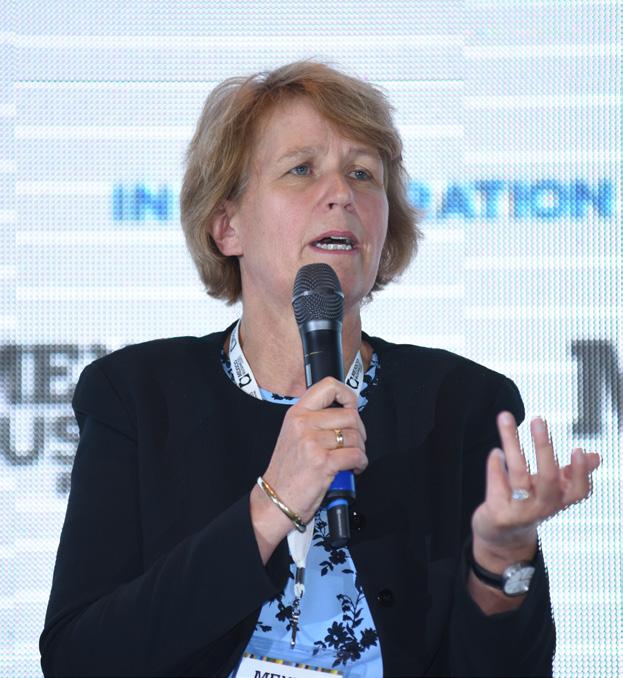
Margriet Leemhuis, Ambassador of the Netherlands to Mexico also cited the oil and gas expertise of her home country as a complement for the Mexican energy sector. But it is not only oil and gas companies entering from the Netherlands. Unilever, Heineken and AkzoNobel are just a few examples of the many Dutch multinationals entering the country, and she said this is bound to open doors for smaller companies. “It is important that the bigger countries take the first step, and when SMEs see they can do business in Mexico, they will follow,” she said. “This is what we are beginning to see now.”
While not all countries on the panel have a longstanding relationship with Mexico, some have solidified much faster. Just 10 years ago, India was Mexico’s 22ndmostimportant trade partner, but in 2017, it shot up the list to take 10th place. Mexico is India’s second-largest trade partner in the Americas and has even overtaken Canada and Brazil in recent years.
KEY SPEAKER
Muktesh Pardeshi, Ambassador of India to Mexico, said he expects India to advance to No. 9 this year. With more than 180 Indian firms based in Mexico and working across IT, pharmaceuticals and automotive, he predicted a flourishing relationship between the countries due to their similarities. “India is the largest democracy in the world and Mexico has an uninterrupted history of 100 years of elections,” he said. “In economic terms, both are emerging economies and part of the G20.” In addition, this year India will be guest country at the annual Cervantino festival in Guanajuato, which he said is a recognition of both countries’ cultural richness.
“The commercial association with Latin America is important, and mechanisms such as Mercosur and the Pacific Alliance will be key for the social, political and economic growth o f Mexico.”
Ezequiel Sabor, Ambassador of Argentina to Mexico
All countries identified Mexico’s agro-industrial success as one of the main sources of trade. For example, in 2017, India sold more than US$2 billion in cars and auto parts to Mexico. “While Mexico is producing and exporting large vehicles to North America, it is importing smaller vehicles from India for domestic consumption,” he said.
While Taylor also pinpointed financial services and education as priority trade sectors, he highlighted the importance of Mexico and the UK’s potentially complementary agricultural might. “We have very complementary economies in agriculture because, due to our differing climates, we are not competing directly,” he said. “In the UK, there exists great appetite for Mexican products like chilis and avocados.”
Leemhuis reinforced this approach, and stressed that, through the Netherlands, Mexico has access to 150 million European consumers that are eager for its produce. But she said that, before a successful economic exchange can take place, both countries first need an effective cultural exchange, involving everyone from the leaders of the countries to the nations’ youth. “What we are really lacking is the cultural ties between Europe and Mexico, and this will facilitate bilateral trade,” she said. “This is something we are working on.”
But Sabor said that it is not only Mexico that can benefit from these relationships; it can provide benefits to other countries. “Mexico imports 90 percent of its white corn and this is a need Argentina can meet,” he said. “We are also the first exporter globally of limes, which is a high-demand product in Mexico.” As the third-largest economy in Latin America, a founding member of Mercosur and a member of the Pacific Alliance, Sabor highlighted the inherent benefits an alliance between Argentina and Mexico could bring. “We have a great opportunity for collaboration,” he said. “Latin America is a place with great opportunities and if we work together to develop politically and economically, we can compete with powerful trade blocks on a global level.”
FAKE NEWS: USERS ARE KEY TO FINDING THE TRUTH
Facebook in Mexico is taking concrete actions to verify and filter fake news to avoid damaging the country’s political process, the company’s Manager for Latin American Politics and Government Diego Bassante told the Mexico Business Forum 2018 on Wednesday at the Hotel Sheraton Maria Isabel in Mexico City.
“Facebook is democratizing access to communication and improving the accountability of information. We are aware of the problem and we are doing our part by approaching fake news from an economic and political perspective. We are constantly deleting fake accounts, we created the PSI to offer tips on fake news and are collaborating with verification parties such as Animal Político and Verificado,” Bassante said during a panel addressing the issue of fake news, social media and presidential elections.
KEY SPEAKER
MARÍA XIMENA CÉSPEDES
CEO of Metrics
María Ximena Céspedes is the CEO of Metrics, which focuses on digital transformation through the use of AI. Céspedes has wide experience in digital marketing and social media. She was Director General of ERAsocial and coordinated postgraduate degrees in community marketing at Iberoamerican University and the College of Higher Management Studies (CESA) in Colombia. Céspedes has a law degree from Rosario University and a postgraduate degree in finance from the Pontifica Universidad Javeriana, both in Colombia.
But María Ximena Céspedes, CEO of Metrics, said the challenge of fake news goes beyond Facebook. “It is centered on the new generations of people who are continuously and systematically sharing information without a filter.”
In Mexico, almost 100 percent of the population has a Facebook account and with almost 82 million active users in the country, their participation in the handling of Fake News will be key to this year’s presidential elections, the panelists agreed. “Just on April 22, in Mexico, over 8 million people were connected and actively commenting about the political debate (between the five presidential candidates),” said Bassante. The panel was moderated by Luis Pablo Beauregard, Editor of El País México.
Facebook believes that developing a holistic mechanism that supports the control of fake news is vital for the elections and the life of the country, Bassante said. “Mexico has the most advanced verification project in the world because Facebook has managed to connect with different social players to ensure access to information with greater transparency.”
Bloomberg’s Mexico Bureau Chief Carlos M. Rodríguez added that those who use social media platforms like Facebook also have a role to play. “People must start developing a cultural mechanism to interact with different types of political thinking and people. In the end, technology can be an ally not only for communication but also to develop digital awareness.”
Addressing this, Facebook has created two major mechanisms to help detect fake news: Facebook Journalism and the Initiative of integral News. “These tools will provide more transparent information to our users and also create greater collaboration with more than 70 third-parties to improve the verification process,” Bassante said. “Facebook is thinking about innovative solutions that will have a holistic impact to create better answers to this problem. We want to be a platform that gives voice to people while also generating a space for debate and transparency for the improvement of Mexico.”
NO REFORMS, NO GROWTH
Despite Mexico advancing to a full neoliberalist position, the implementation of the structural reforms has been slow. Some reforms such as the Energy and Labor Reforms have yielded positive results but Francisco Gil, Chairman of the Board at Avanzia, said during the closing speech at Mexico Business Forum 2018 that the country’s productivity still needs to improve.
“Privatization allowed for changes in technology and modernization in the industry,” Gil said. “Thanks to Miguel de la Madrid’s bilateral efforts with the US, exports have increased to 24 times more than what they represented in 1980.”
According to Gil, structural reforms are crucial to participate in a modern market. Besides the deregulation that former President Carlos Salinas de Gortari implemented in the transportation segment, for example, in the early 1990s the country took its first steps toward becoming a government-independent economy when the exchange rate was freed from the control of the central bank. “Liberating the exchange rate meant prices were no longer subject to the peso’s position in the international market, which meant there was less tendency toward inflation and overall crisis.”
President Enrique Peña Nieto’s administration pushed a number of reforms that according to the OECD are fundamental for Mexico’s economic development. Gil highlighted how, thanks to the Energy Reform, the country has attracted several projects in wind, solar and cogeneration and how electricity prices have been impacted as a result. “Reducing the use of oil by 42 percent has led to significant drops in energy prices,” Gil said.
The Telecommunications Reform is a similar success case, according to Gil, who mentioned that broadband penetration increased by 64 percent in the mobile phone sector with internet access, along with the participation of the telecommunications sector in the national GDP that increased to 3.39 percent from 2.97 percent.
One of the main factors that stand in the way of further development, however, is overregulation. “Over-regulation leads to higher costs to start a business,” Gil said. Paperwork for a new business represents 18.2 percent of the nation’s income per capita, which is three times the rate in Brazil and 10 times more than in North America. “A higher investment translates to more informality, which diminishes productivity.” Gil said.
KEY SPEAKER
FRANCISCO GIL
Chairman of Telefónica for Mexico and Central America
Francisco Gil graduated from ITAM and holds a Master’s and a Ph.D. in economics from the University of Chicago. In 1965, he became Director of the Economy Research Department at Banxico and in 1994 became a member of the Board of Governors when the bank became autonomous. His professional career has combined academia with government service and two stints in the private sector, the first as President and CEO of AVANTEL and the second as President of Telefónica México. In 2014, he became President of the Board of
Become a sponsor
Platinum Sponsor | US$21,500
Gold Sponsor | US$15,500
Silver Sponsor | US$10,500
Luncheon Sponsor | US$11,500
Networking Cocktail Sponsor | US$9,500
Seat Cover Sponsor | US$10,500
Coffee Break Sponsor | US$11,500
Charging Pole Sponsor | US$9,500
Speaker Room Sponsor | US$11,500
Wi-Fi Sponsor | US$9,500
Lanyard Sponsor | US$9,500
Live-Streaming Sponsor | US$5,000
Bruna Brandã0
bb@mexicobusinesspublishing.com
+52 55 5263 0227
Jack Miller
jm@mexicobusinesspublishing.com
+52 55 5263 0211
PRELIMINARY PROGRAM 2019
7:30 REGISTRATION
8:30 MEXICO: UNTAPPED POSSIBILITIES FOR THE COMING YEARS
9:15 MEXICO AND LATIN AMERICA IN THE USMCA ERA
10:45 RULE OF LAW AND ECONOMIC COMPETITIVENESS
11:45 NETWORKING COFFEE BREAK
12:00 DISRUPTIVE TRENDS, DIGITALIZATION AND NEW TOURISM MODELS
13:00 NETWORKING LUNCH
14:30 SPORTS AND CULTURE TO REDIFINE MEXICO
15:30 BLOCKCHAIN: BEYOND CRYPTOCURRENCIES
16:30 BANCO DE MEXICO: AUTOMONY AND REPONSIBILITY UNDER A NEW GOVERNMENT
17:30 NETWORKING COCKTAIL
NETWORKING MATTERS.
WE DO THE WORK. YOU GET THE RECOGNITION.
Our networking events, which are exclusively available to our top clients, are a must for C-level professionals who want to expand their business, improve their contacts or simply gain insights from other key stakeholders in their industry.
Networking Breakfast
The ideal setting for a gathering of up to 25 industry executives to discuss key topics relevant to their sector while energy is high.
Networking Lunch
An intimate working lunch with up to 20 sector leaders designed around a relevant discussion topic and sure to lead to new ideas and ventures.
Networking Cocktail
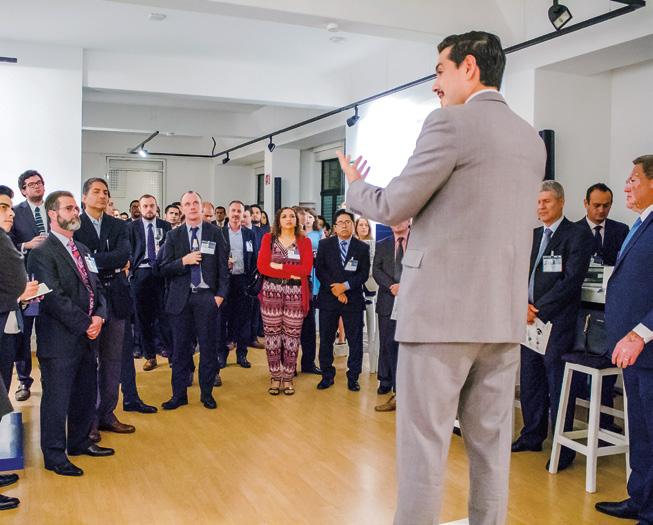
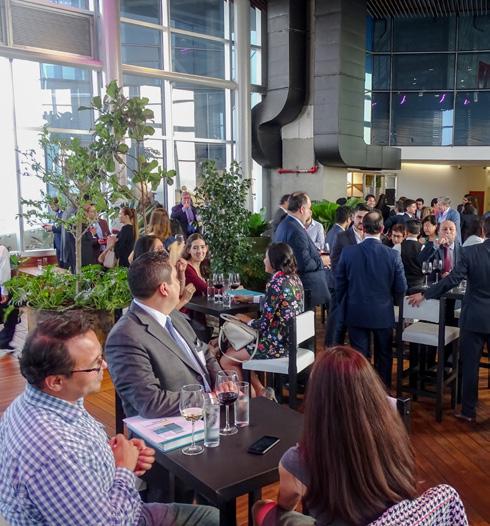
A larger, evening event and the perfect opportunity to unwind over drinks and canapes. Our cocktails feature a VIP speaker invited to provide insight into a trending topic.
Exclusive, by invitation only
Network with the people and businesses that matter to you
C-level participants
Value-added opportunity to discuss trends and strategies
Speaker presentations
Topics and themes specific to your business segment
THIS IS HOW WE DO IT
BE AMONG THE INDUSTRY LEADERS
WHY MEXICO BUSINESS REVIEW?
In this changing environment, reliable and relevant information is crucial to take full advantage of both current and emerging opportunities within the country’s business industry. By connecting key stakeholders across the Mexican and international public and private sectors, Mexico Business Review is dedicated to accelerating the exchange of essential industry information that will drive the business industry’s development. Published annually, Mexico Business Review features the perspectives of the leading players in
LET US WORK FOR YOU. CALL NOW TO PLACE AN AD
Inside Cover Double Page | US$30,500
Double Page | US$24,500
Table of Contents Page | US$25,500
Index Full Page | US$20,500
Full Page | US$17,500
2/3 Page Premium | US$14,500
1/2 Page Vertical | US$12,000
1/2 Page Horizontal | US$12,000
1/3 Page | US$9,500
Bookmark | US$22,500
Spotlight | US$7,500
MEXICO BUSINESS REVIEW 2019?
Nominate a company or submit a guest article on our website: www.mexicobusinesspublishing.com/business