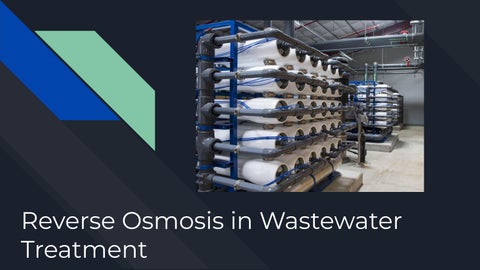
Reverse Osmosis in Wastewater Treatment
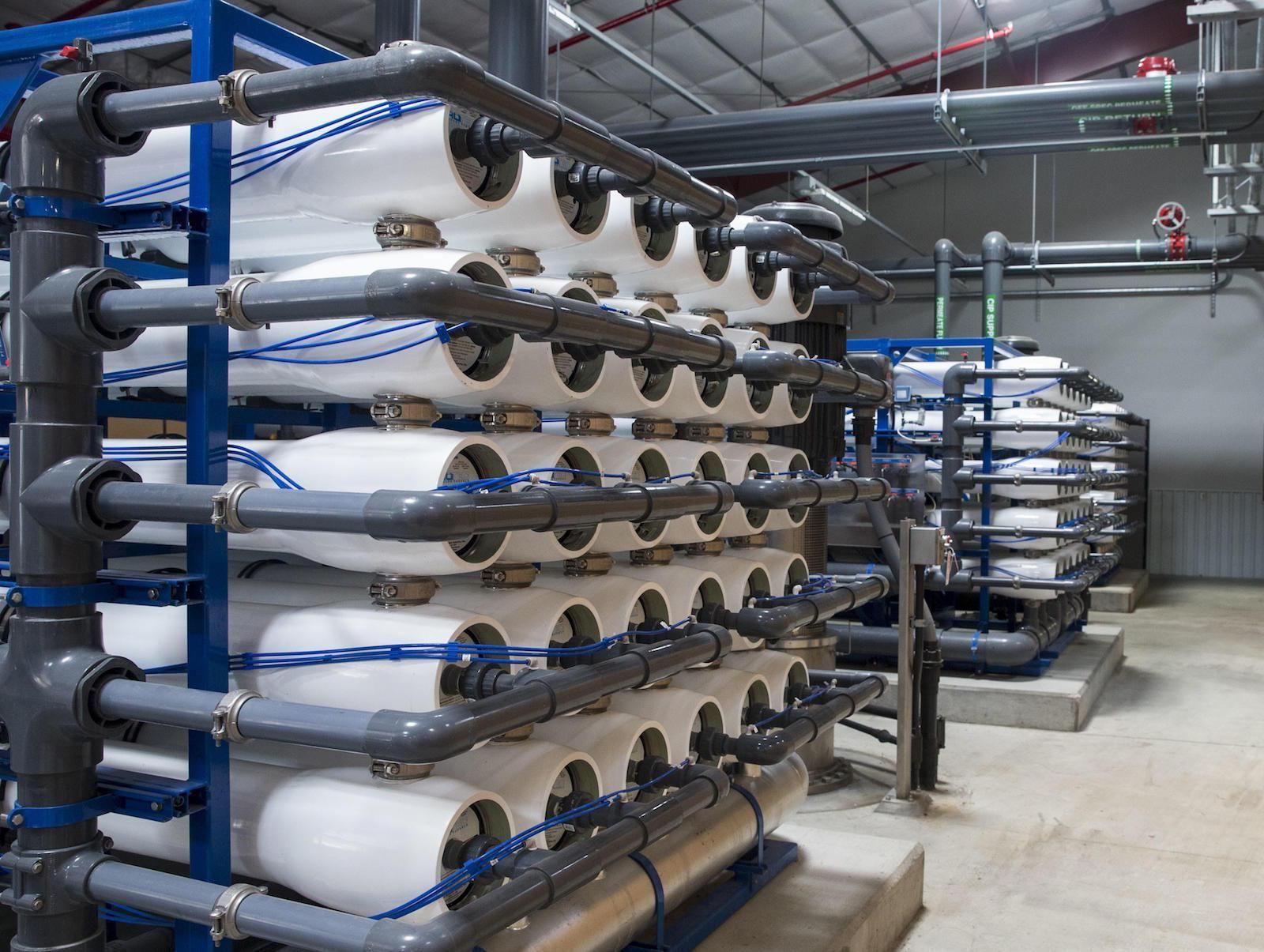
Introduction: Reverse osmosis (RO) is a highly effective water treatment technology used in wastewatertreatmentprocesses.
In this presentation, we will explore the key principles, benefits, and applications of reverseosmosisinwastewatertreatment.
Principles of Reverse Osmosis: Reverse osmosis is a process that uses a semi-permeable membrane to remove dissolvedsolids,contaminants,andimpuritiesfromwater. It works by applying pressure to the feedwater, forcing it through the membrane and leavingbehindconcentratedwastewater.
Components of a Reverse Osmosis System:
● Feedwater Source: The wastewater source from which water is extractedfortreatment.
● Pre-Treatment: This stage involves removing large particles, sediments, and organic matter from the feedwater to protect the ROmembrane.
● Reverse Osmosis Membrane: The heart of the system, the membrane selectively allows water molecules to pass through whilerejectingdissolvedsolidsandcontaminants.
● Permeate: The purified water that passes through the membrane andiscollectedastheproduct.
● Concentrate: The concentrated wastewater that contains the rejectedcontaminants.
Benefits of Reverse Osmosis in Wastewater Treatment:
High Removal Efficiency: Reverse osmosis achieves a high level of contaminant removal, including salts, minerals, heavy metals, and organic compounds.
WaterReuse: The treated water can be reused for various purposes such as irrigation, industrial processes, and even drinking water in some cases.
Environmental Sustainability: Reverse osmosis reduces the discharge of pollutants into water bodies, contributing to a cleaner environment.
Cost-Effectiveness: The recovered water from RO can significantly reduce the need for freshwater intake, resulting in cost savings for industries.
Conclusion: Reverse osmosis is a powerful technology for wastewater treatment, offering high removal efficiency, water reuse, and environmentalsustainability. Its applications range from industrial wastewater treatment to desalinationandmunicipalwaterrecycling. Despite some challenges, reverse osmosis continues to be a valuable tool in addressing water scarcity and improving water managementpractices.