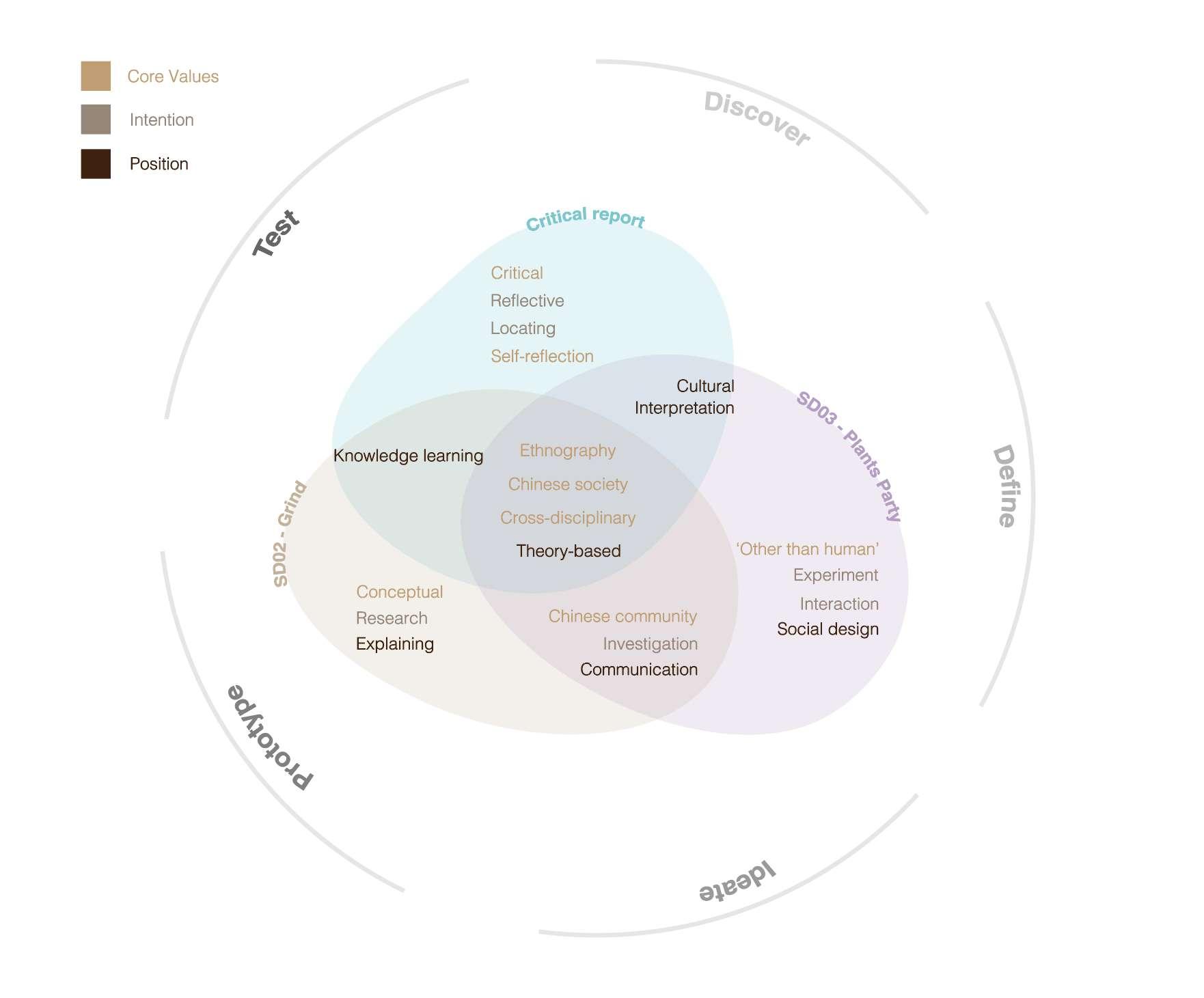
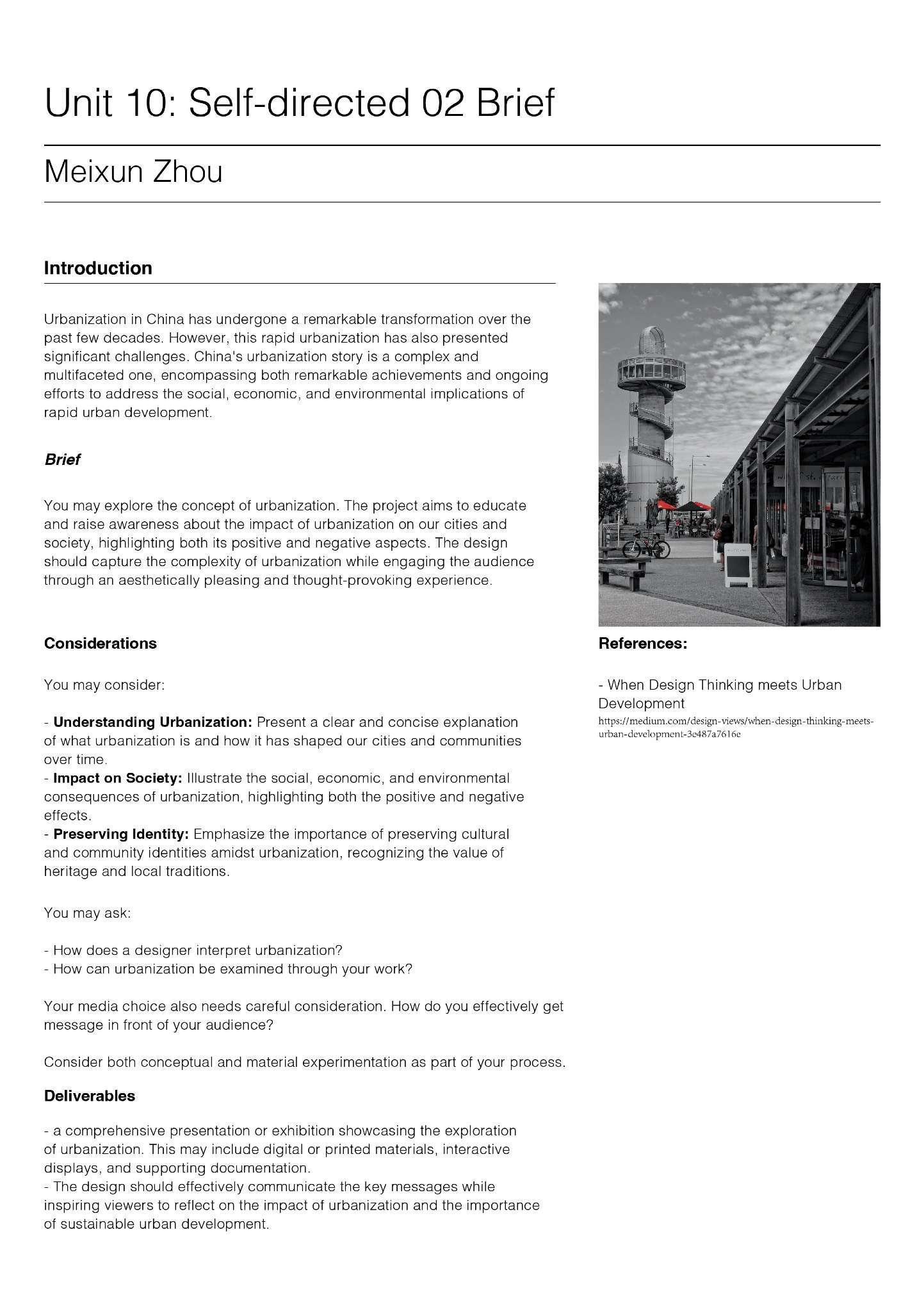
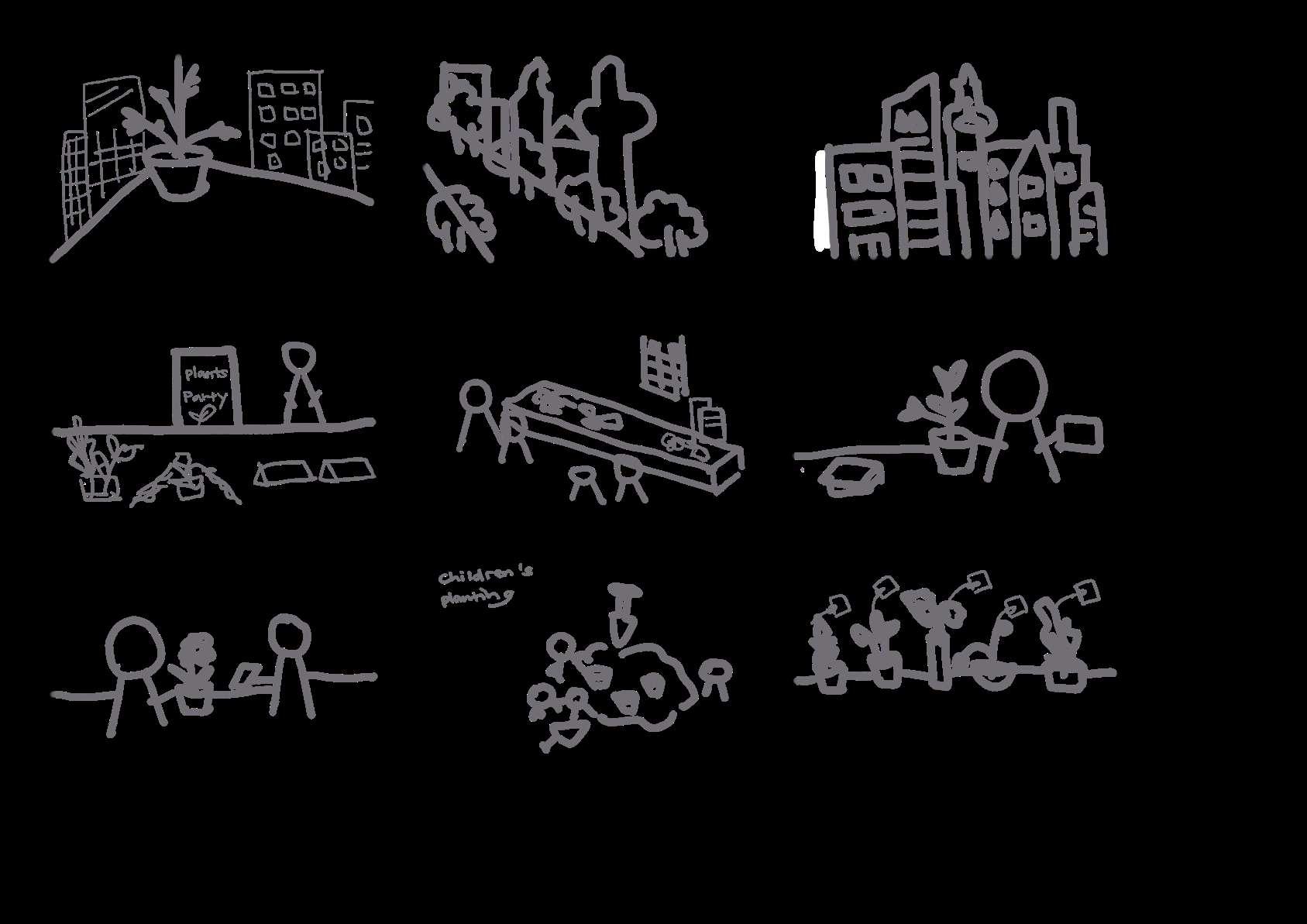
SD2 is the further study on my SD1. In the SD2 project, my intention is to explain the urbanization effects and potential reasons to my audiences. My SD3 project is an extension and development of SD2, and they have a progressive relationship, which focuses on designing solutions.
Critical Report - How can cross-disciplinary design address urbanization issues?
Keywords
Urbanization, the nearby, gentrification, Chinese culture, rebuild, ‘other than human’
One sentence generate
The aim of my SD 02 brief is to investigate Chinese society through the use of cross-disciplinary design to communicate with Chinese modern dwellers about the core issue of urbanization. Core value 2 Position
Motivation
Find and understand the reasons behind the ‘vanishing nearby’ and urbanization in China.
Intention
To explain how the ‘nearby’ has disappeared and help modern city dwellers understand the process and core issues of urbanization.
Design
Practice
Conceptual installation - to translate my concept through three-dimensional language and deliver to my audience in the narrative context.
3D print
Ceramic making Book making
Start point
Moving experience
In 2018, I moved from a house in an old area where I had lived for ten years to a smart apartment complex in a new development area. I gradually discovered that the spatial changes were accompanied by changes in social relationships. I no longer knew my neighbors. The intelligent and comfortable environment brought me better living conditions, but it lacked the vitality of the old area, making me lose the sense of real life. So I tried to pay attention to these changes, explore the reasons behind the disappearance of this neighborhood, and deeper systematic social problems.
What is ‘Nearby’?
Initially, I focused on the modern dweller's living change
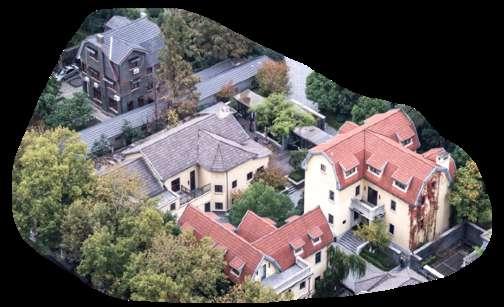
The so-called ‘Nearby’ is the real-life scene where we live. It is the periphery of a person's living circle, such as restaurants, markets, bars that one often visits, and some close relationships that are formed between people in these scenes.
The ‘Vanishing Nearby’
This is a concept proposed by Biao Xiang, which refers to the scenes or spaces that create close connections among people in the social, economic, and production structure changes that have emerged from urbanization in China. These scenes or spaces replace the original spontaneous communities that have disappeared in different forms.
Context research
The concept of ‘Nearby' can be easily misunderstood. In an interview, Xiang Biao discussed a misunderstanding of the concept of neighborhood. This misunderstanding believes that the current intelligent algorithms help people in network environments to find "neighborhoods" with homogeneity, which is different from the neighborhood being discussed. The neighborhood referred to in this context is a specific physical space that surrounds an individual, is difficult to escape, is long-term and stable, and has a strong sense of spontaneous community. This richness, completeness, three-dimensionality, and essence of the internet world are different. The internet is onedimensional, fragmented, and can be easily disconnected spontaneously.
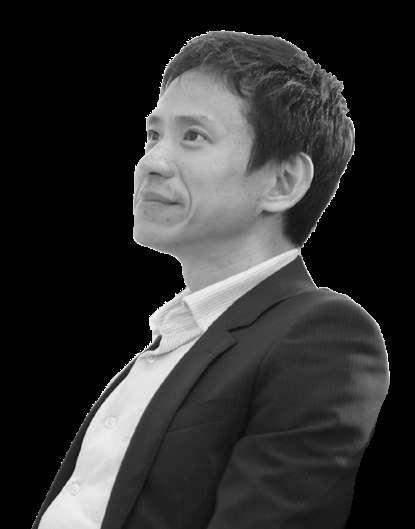
Biao Xiang, a sociologist who studies on Chinese society.
Spatial characteristics
Cultural characteristics
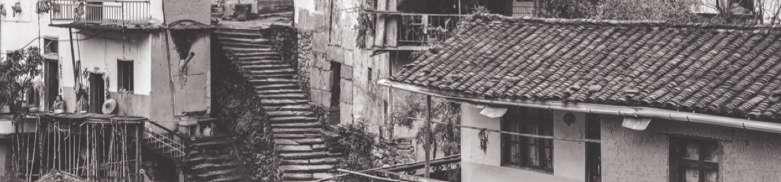
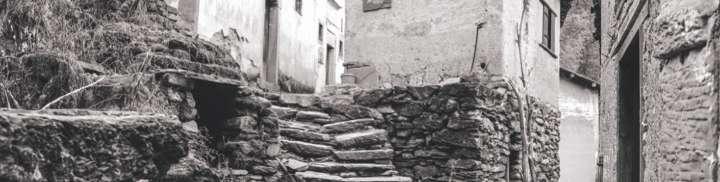
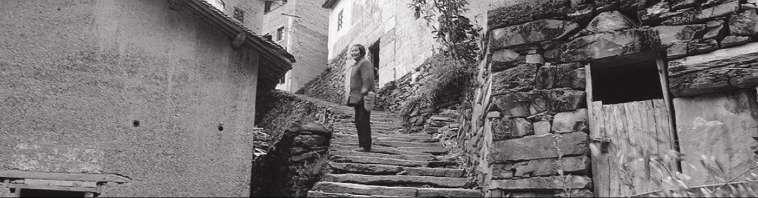
The social space presents diversity, and the main spatial function is residential clustering, with the everyday life of residents being the main body of street life. The spatial form has spontaneity. The boundary of the settlement area is irregular, but the sense of boundary is strong. Commercial activities are developed, and folk activities are abundant.
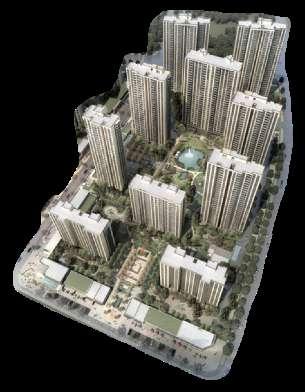
The social space presents typical urban standards, with a rich spatial hierarchy, and the main spatial function is provided by city managers to provide living services for residents. The spatial form is mainly the result of urban planning and design. The structure is clear and the functions are clear. The boundary is clear and the sense of residential boundary is weak.
Under the original urban cultural model, there is a vibrant, contextual, unique, representative, localized language, customs, skills, behaviors and art cultural expression system. It has formed a typical civilian street culture.
Social relations
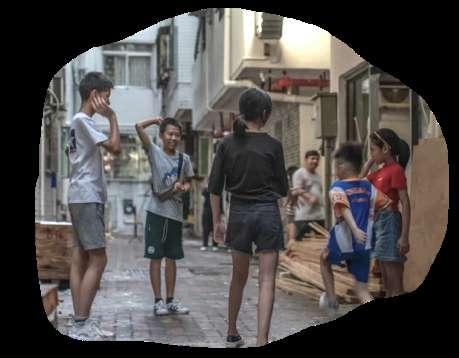
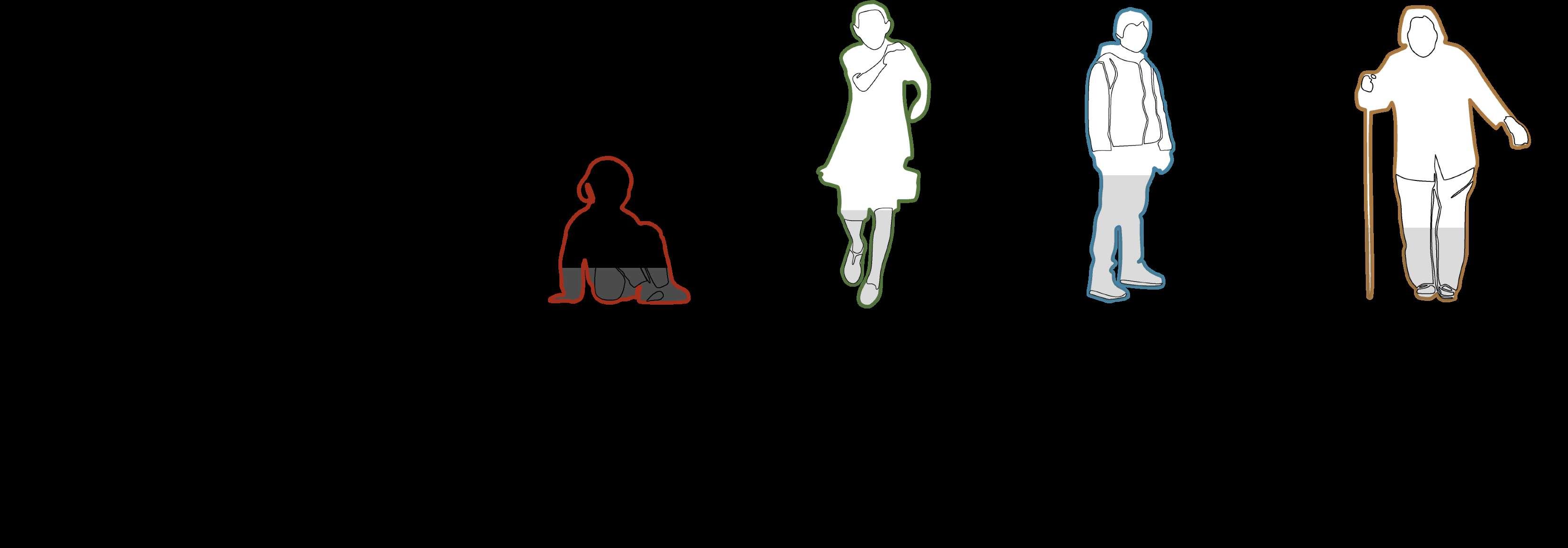
There is a strong psychological need for outdoor communication among residents, with small psychological distances for communication and behaviors that have a "rural" characteristic, with close neighborly relations, relatively extensive community support, a high sense of community belonging and local identity.
There is a lifestyle and consumption that is admired by the elite group and the middle class. The economic and cultural backgrounds of residents vary, and there is no unified cultural identity. There are fewer traces of traditional culture, and there is a lack of context inheritance.
There is a weak demand for outdoor communication among residents, with little spiritual commonality and a large psychological distance for communication. Residents lack a sense of belonging and identity, and the sense of identity among neighbors is weak, with a lack of social relationships that constrain behavior, and interpersonal relationships are indifferent and communication is poor.
Observation on my
‘nearby’
The observation of living change around me is evidence of using ethnography to find the urbanization issue. Through the conclusion from observation, I noticed the spatial, cultural and social change caused by urbanization.
What changed …
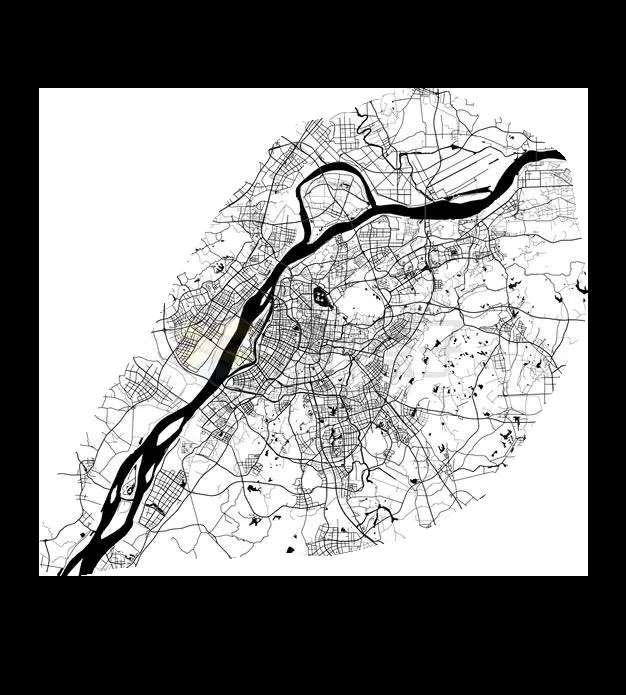
In 2018, my family experienced a relocation, moving from a house in the old city district where we lived for ten years to an intelligent house community in the new development district of Nanjing. The advantages of the new development district are that the facilities are complete and the living is comfortable, but the disadvantage is that the cost of living is high, and compared to the past, more independent living and various convenient services make the life of residents more closed. Nowadays, there are more and more gentlemanly spaces in cities, and they are gradually eroding the original ecology of the old city district. The nearby area that I am familiar with is gradually passing away along with my memories and the changes of contemporary urbanization in China.
Gentrification-induced indirect displacement
Conducting my observation, I have studied the knowledge about gentrification. After deeper research, I think displacement is relevant to my topic. This academically explains how living changed and the social and psychological effects caused by urbanization.
Gentrification
The gentrification of Chinese cities is primarily driven by large-scale, real estate-led urban renewal, resulting in newly built gentrified areas. Gentrification leads the direct displacement and the indirect displacement.
The potential effect - Displacement
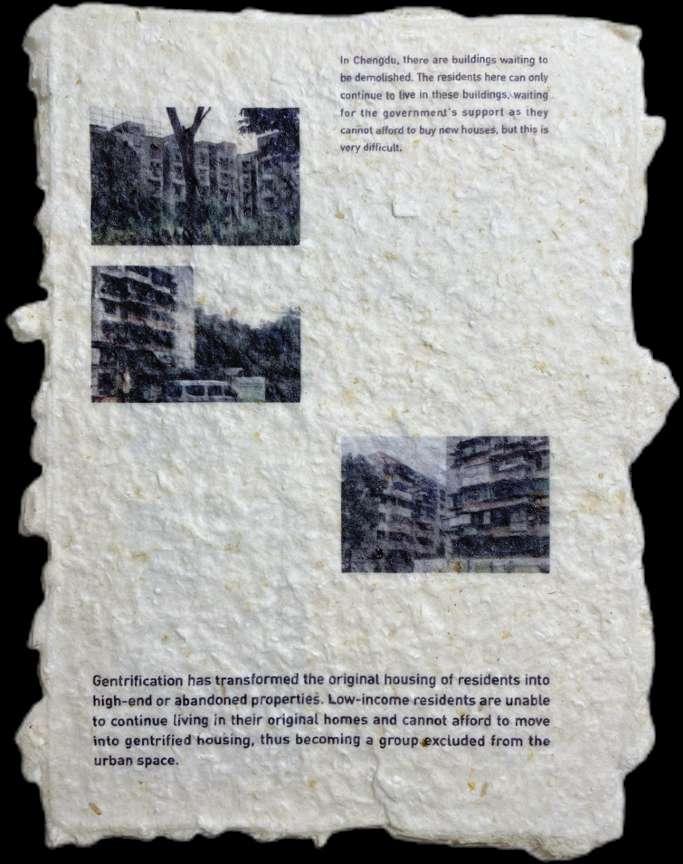
Gentrification has transformed the original housing of residents into high-end or abandoned properties. Low-income residents are unable to continue living in their original homes and cannot afford to move into gentrified housing, thus becoming a group excluded from the urban space. This process not only excludes lower-class residents from certain privileged spaces but also fundamentally cuts off their upward mobility.
For those who remain in gentrified neighborhoods, the cost of living gradually increases, and social relationships are unable to recover, leading to a significant threat and pressure of displacement. Potential displacement emphasizes the loss of an individual's subjective real-life experience and sense of place, as well as emotional and psychological harm in daily life.
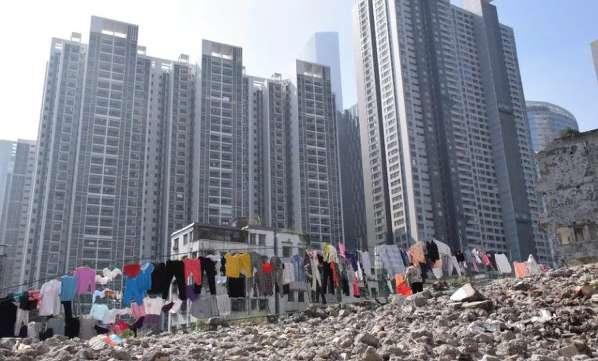
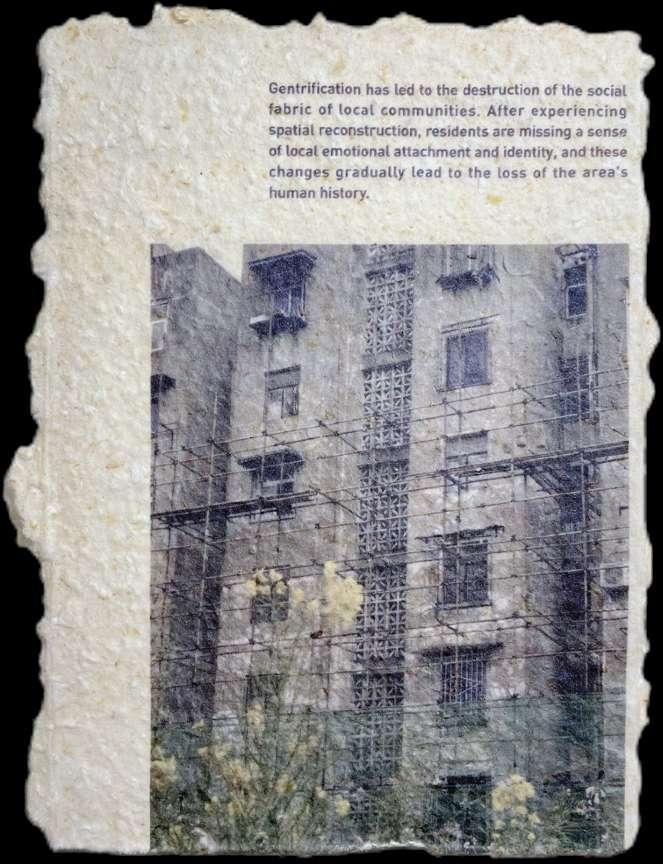
This process has led to the destruction of the social fabric of local communities. After experiencing spatial reconstruction, residents are missing a sense of local emotional attachment and identity, and these changes gradually lead to the loss of the area's human history. (All images are real photos from online news. Find sources in the bibliography.)
After the redevelopment of Xiancun in Guangzhou, there are still some low-income groups who are unable to move out.
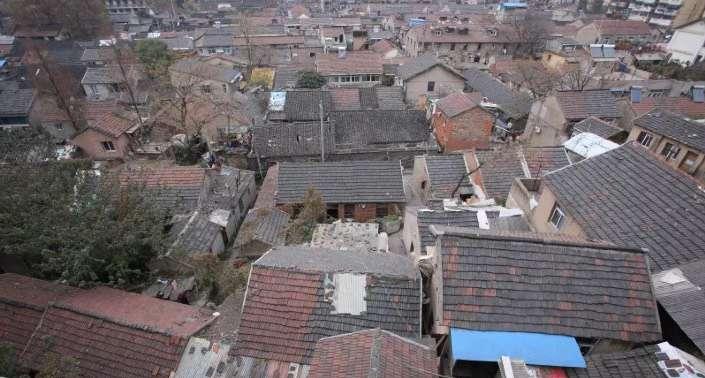
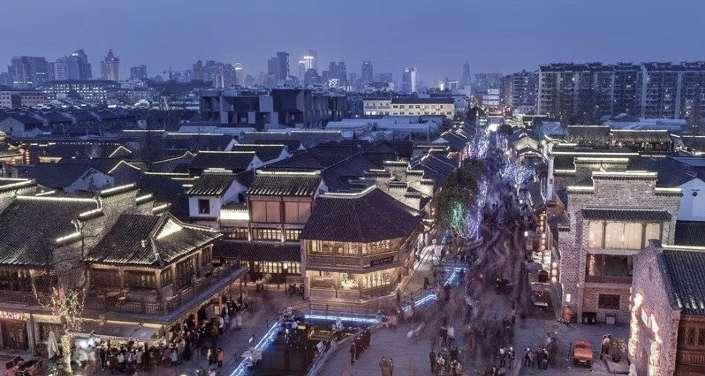
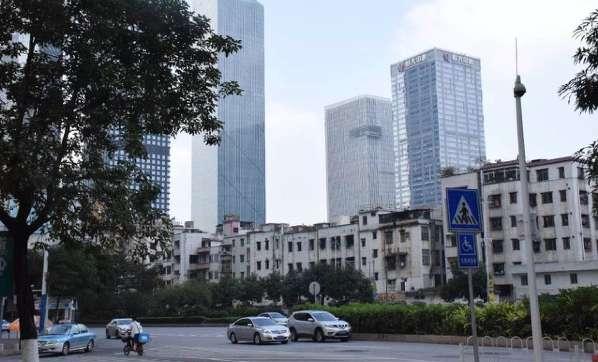
A comparison with Laomendong District in Nanjing before and after city development.
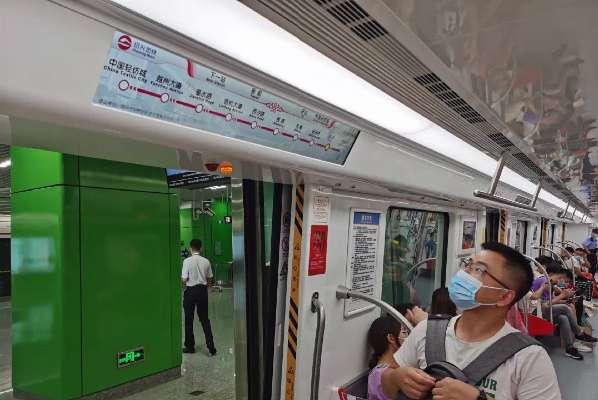
Mr. Wang has to spend
suburbs.
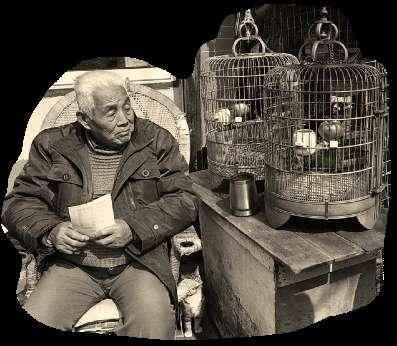
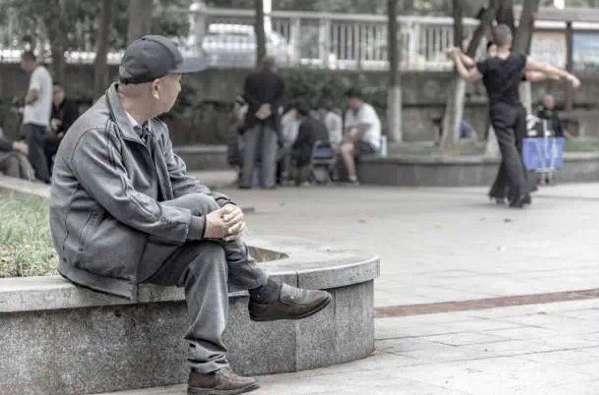
The elderly in the city feel lonely without the companionship of hometown friends.
The Lefebvre's theory application
One of my core values is theory-based. I have researched Lefebvre’s theory. Apply to explain the reasons behind urbanization
"Social space is produced by a society's own means of production, and reflects the relations of production and the class struggle that is the driving force of history." (Lefebvre, 1991, p. 38)
Henri Lefebvre proposed the right to the city and urbanization and believed that the city is the contextual background of the global space. I think his theory and method of urban space are pioneering and have filled the gap in previous social theories' research on space. They have strong explanatory and illustrative signi fi cance for understanding contemporary Chinese society.
Based on reading his books and my previous observations and research, in combination with his theories, I have summarized two conclusions regarding the reasons behind urbanization in China.
Deconstruction of Traditional Space
1
The capitalist-dominated urbanization process has brought about the deconstruction of traditional urban space. Urban spatial structure is not a natural formation, but largely reflects the result of government regulation. The current high-speed urbanization in China is essentially a process of urban spatial expansion and the simultaneous disappearance of traditional space. Under the background of globalization and market transformation, economic development and urban restructuring have become the top priority for Chinese cities. The capitalist-dominated urbanization process has brought about the deconstruction of traditional space. The "nearby" as a part of traditional space is also disappearing.
Disintegration of the Original Cultural System
2
Lefebvre believes that urban spatial expansion also includes the expansion of cyberspace, and the development of the Internet is closely related to the process of urbanization. The power structure in urban space is culturally dominated through mass media. Mass culture has been injected with the logic of capitalism, and the ruling class implants values into the entire civic society, including the working class, by manipulating mass culture, which has dissolved people's unique creativity in the cultural field. People's alienation from mass culture has gradually turned from resistance to inner recognition, and their innovative thinking and original culture have been eroded by day-to-day mass culture. Modern people lack transitions and flexibility in adapting to the city and acquiring modernity, which can lead to a crisis of self-identity. Urban functions have shifted from production to consumption, and urban space has become differentiated, resulting in class segregation and community boundaries.
Critique of Everyday Life, Henri Lefebvre, 1991
Henri Lefebvre’s Critical Theory of Space, Francesco Biagi, 2020
The impact on individuals
Life structure
Life structure is determined by social structure and is influenced by the social environment. When the social structure changes, the disappearance of nearby resources leads to changes in daily life, community belonging, social activities, family composition, work units, and other important components of life structure. The adjustment process for residents whose life structure has been disrupted is difficult and lengthy.
Mentality and behavior
Psychologically and behaviorally, people tend to prioritize individual comfort and the pursuit of "instant gratification" due to the high level of individual atomization. After adapting to the comfortable life of individual atomization, people become more independent. However, this also causes a loss of a sense of belonging, value, and security provided by "nearby" resources. They may also lack sensitivity to things around them.
After conducting in-depth research on the reasons behind urbanization in China, I have come to an important conclusion. I have begun to think about the impact of urbanization. During the initial observation and preliminary research, I observed many phenomena resulting from urbanization. However, phenomena and impacts are different; impacts are more profound changes. Through reading some articles, I have summarized the impacts of urbanization on individual urban dwellers and divided them into four parts for discussion.
Cognition and intention
Cognition and intention are also affected. Dependence on the functional industries that come with urbanization leads to flattened self-needs and reduced subjective agency. People lose the ability to actively, consciously, purposefully, and systematically engage with the outside world in both thought and action. They may not even realize their true needs, including the need to connect with their surroundings. "Nearby" resources and interpersonal relationships are a speci fi c way of constructing the real world, and provide a window for people to see it.
Social relations and abilities
Social relations and social abilities are affected by the disappearance of social network resources, such as neighborhood and community relations. Residents are satis fi ed with meeting their needs without social interaction, and they tend to avoid social interaction with others. As a result, their ability to process social situations is weakened.
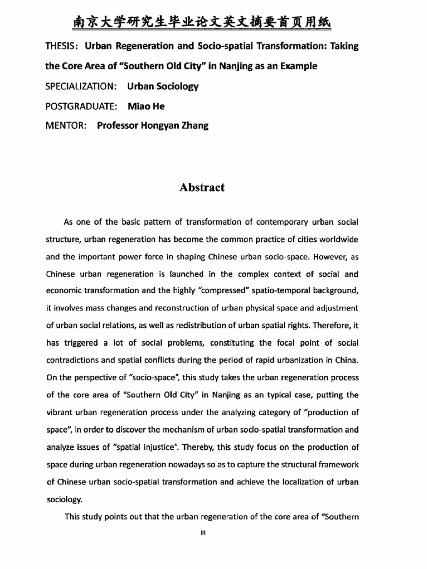
This article has discussed the impact of urbanization on dwellers in Nanjing, which taught me the life structure change and psychological impact.
(Urban Regeneration and Social-spatial Transformation: Taking the Core Area ‘Southern Old City’ in Nanjing as an Example, Miao He, 2016)
This article has discussed the impact on dwellers’ life and the deeper impact on the whole of society. I have learned the cognition and social abilities impact from this article.
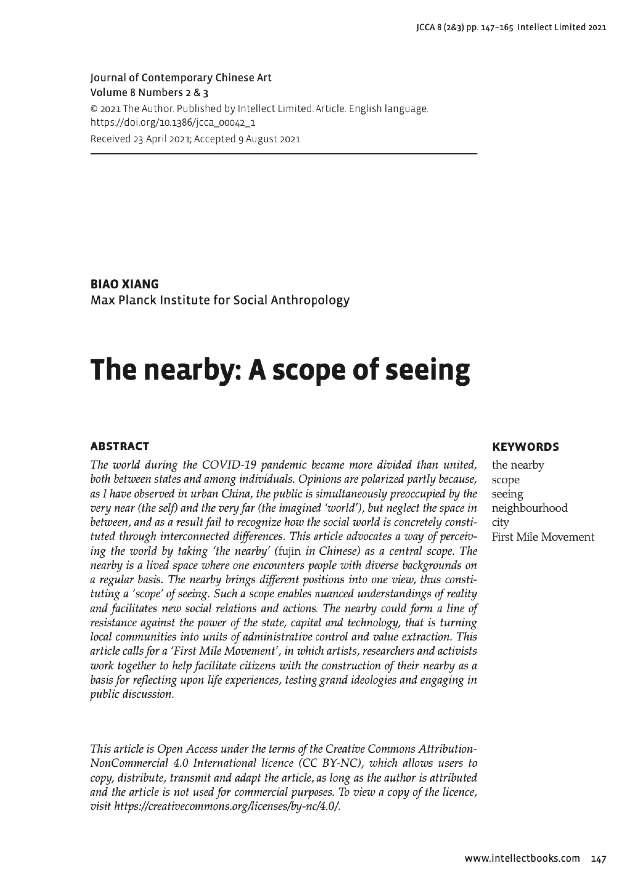
(The nearby: A scope of seeing, Biao Xiang, 2021)
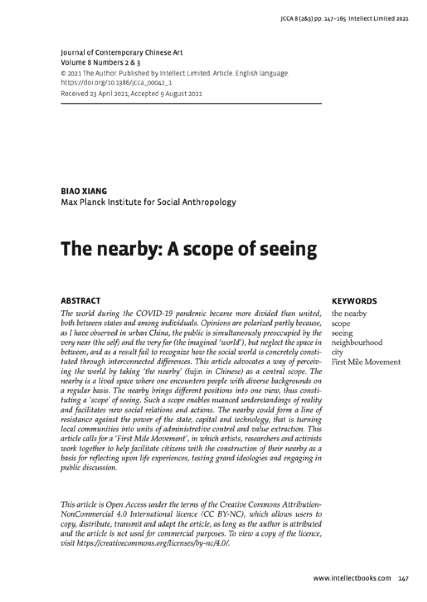
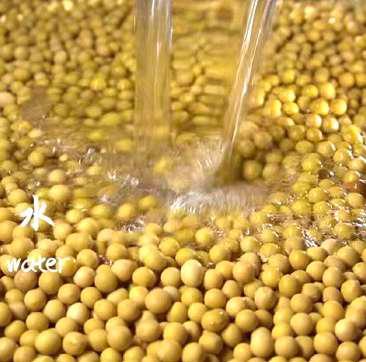
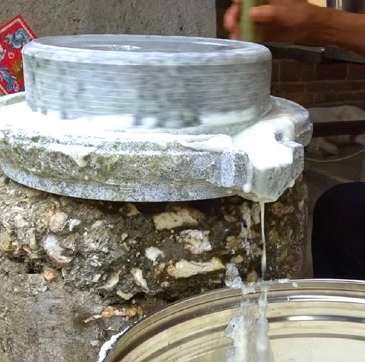
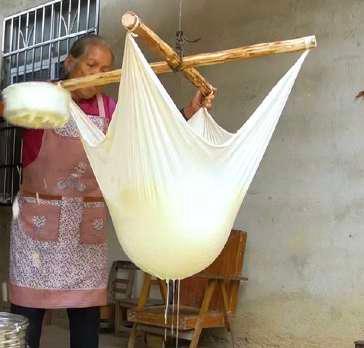
The inspiration of tofu
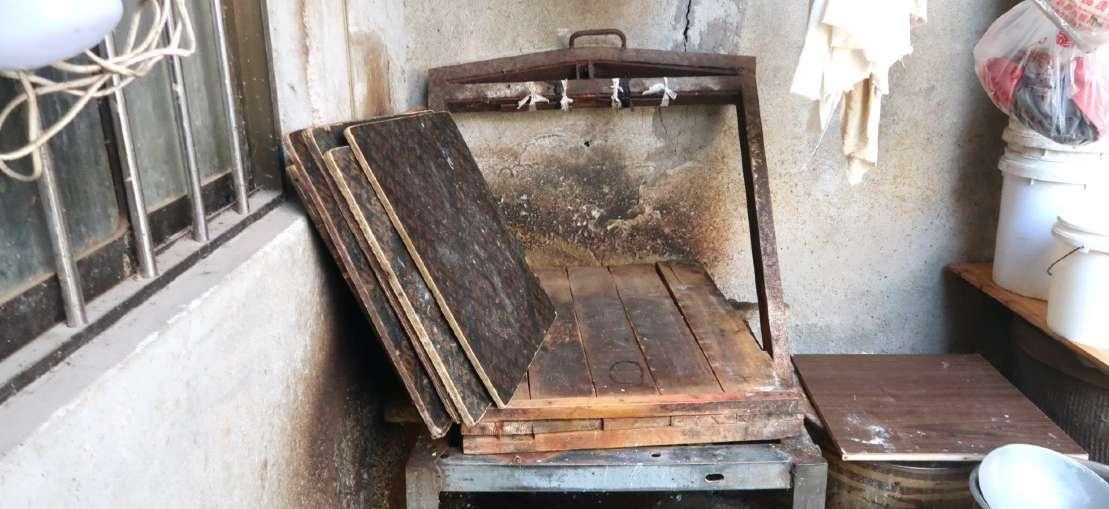
Tofu making process
Soybeans
Traditional Chinese society formation
Individuals or single family Grow up under the similar environment
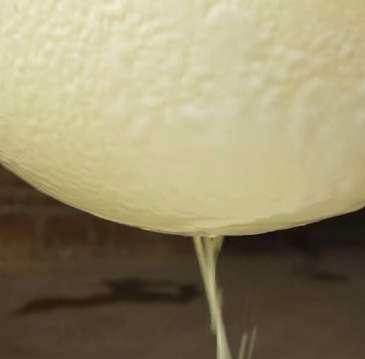
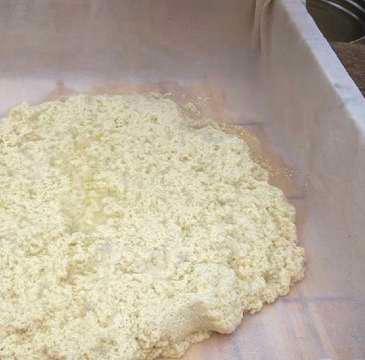
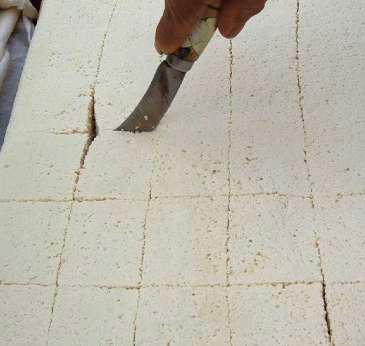
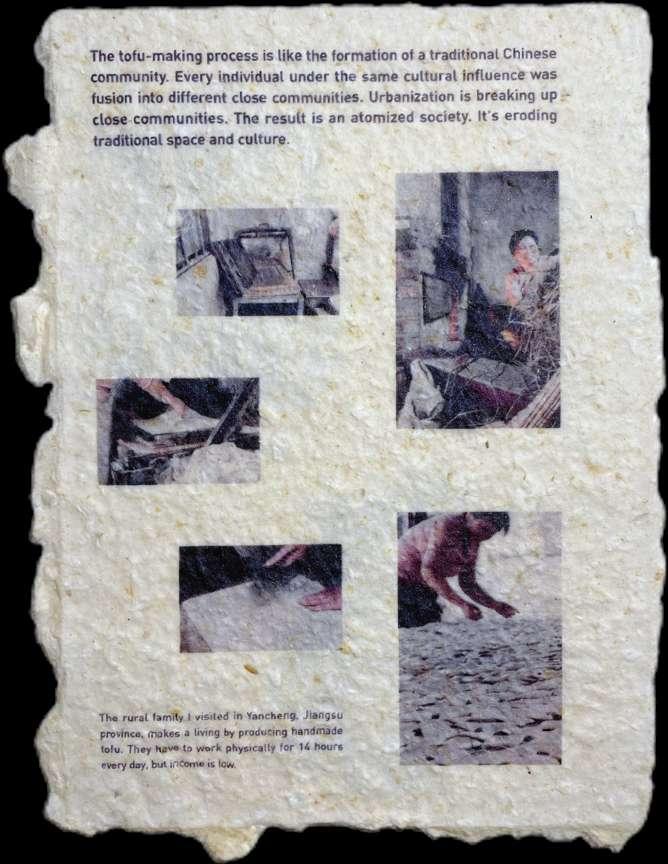
The process of making tofu reminds me of the formation of a traditional Chinese society. Every individual under the traditional cultural influence was fusion into different close communities.
Experience the same culture education
The demand of social relations
Theoretical Reference
With the promotion of the ‘nearby’ and the group activities Form the traditional community
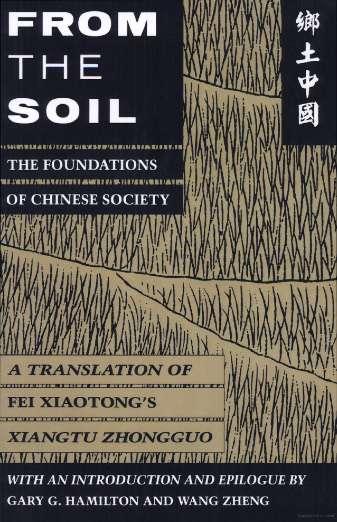
This book discusses the formation process and the evolutionary history of the Chinese communities. I learned a lot about community theories.
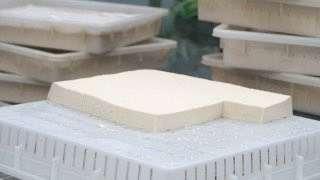
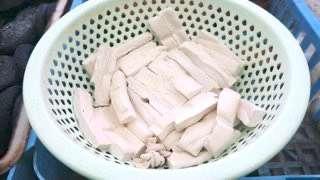
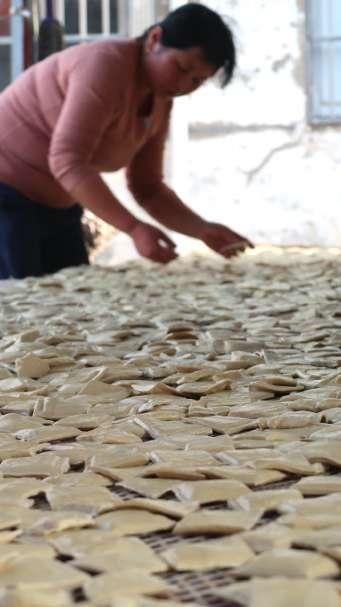
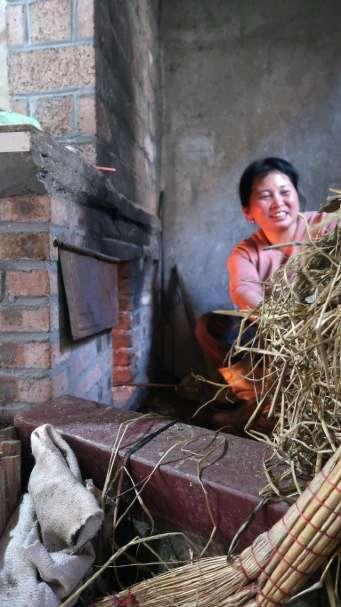
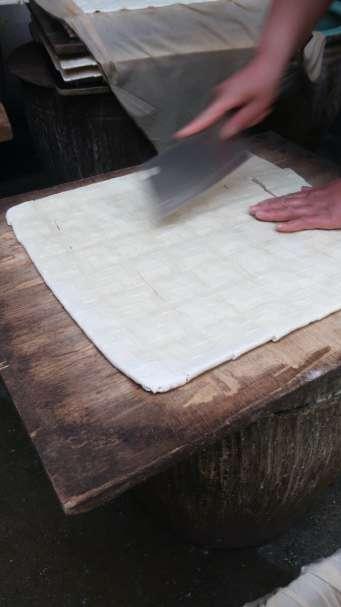
Watching the traditional way of making tofu in a village.
What did I get?
1. What is handmade tofu?
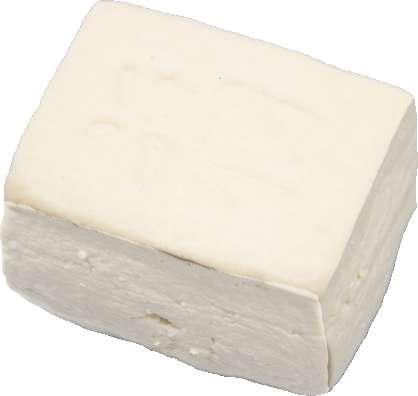
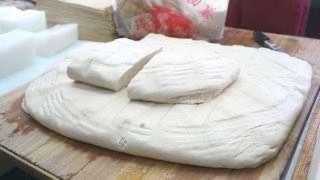
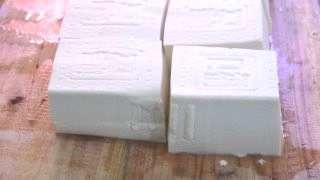
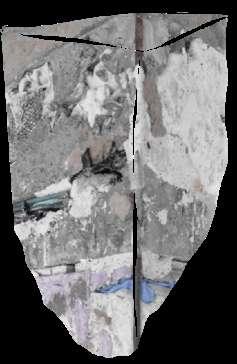
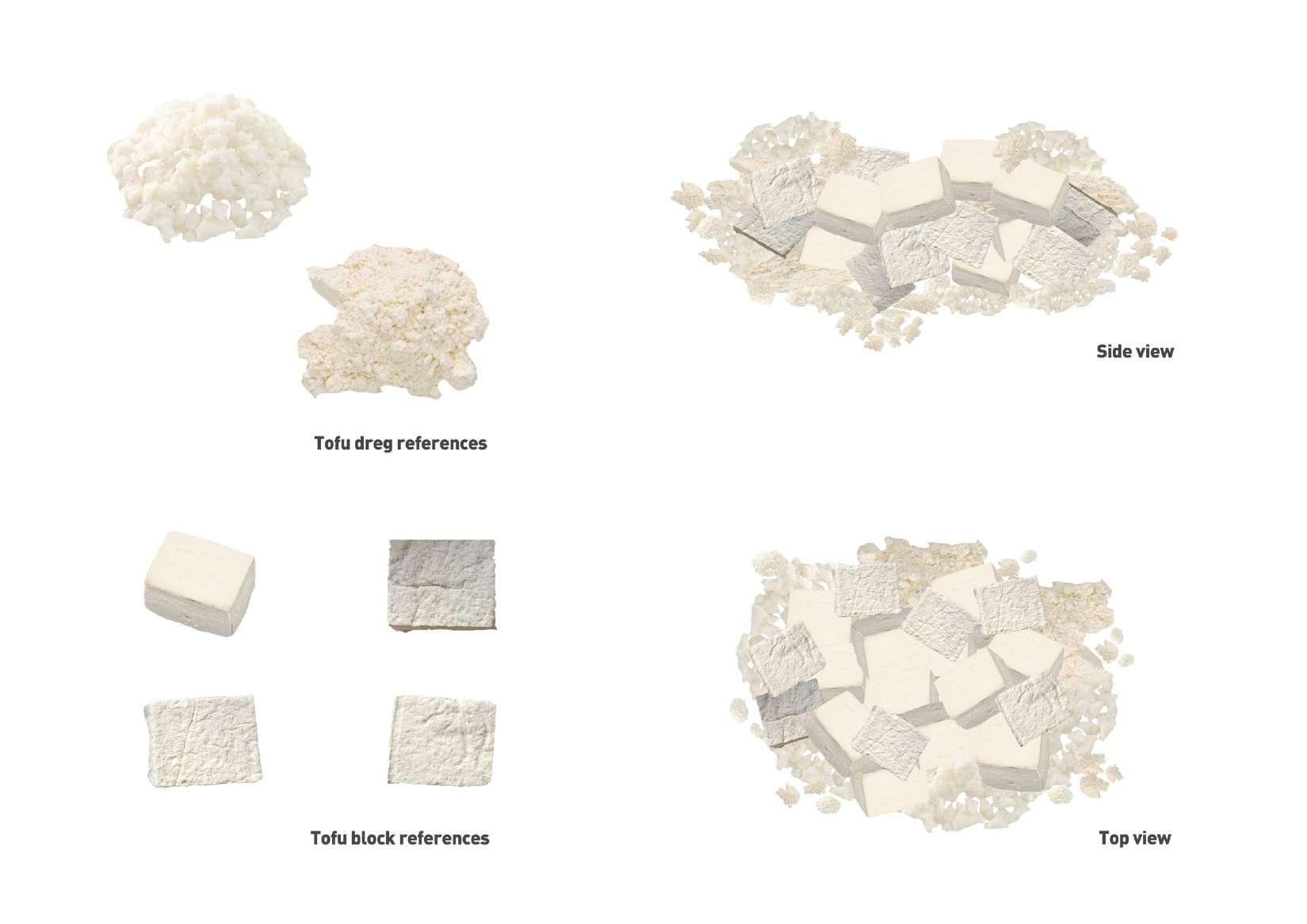
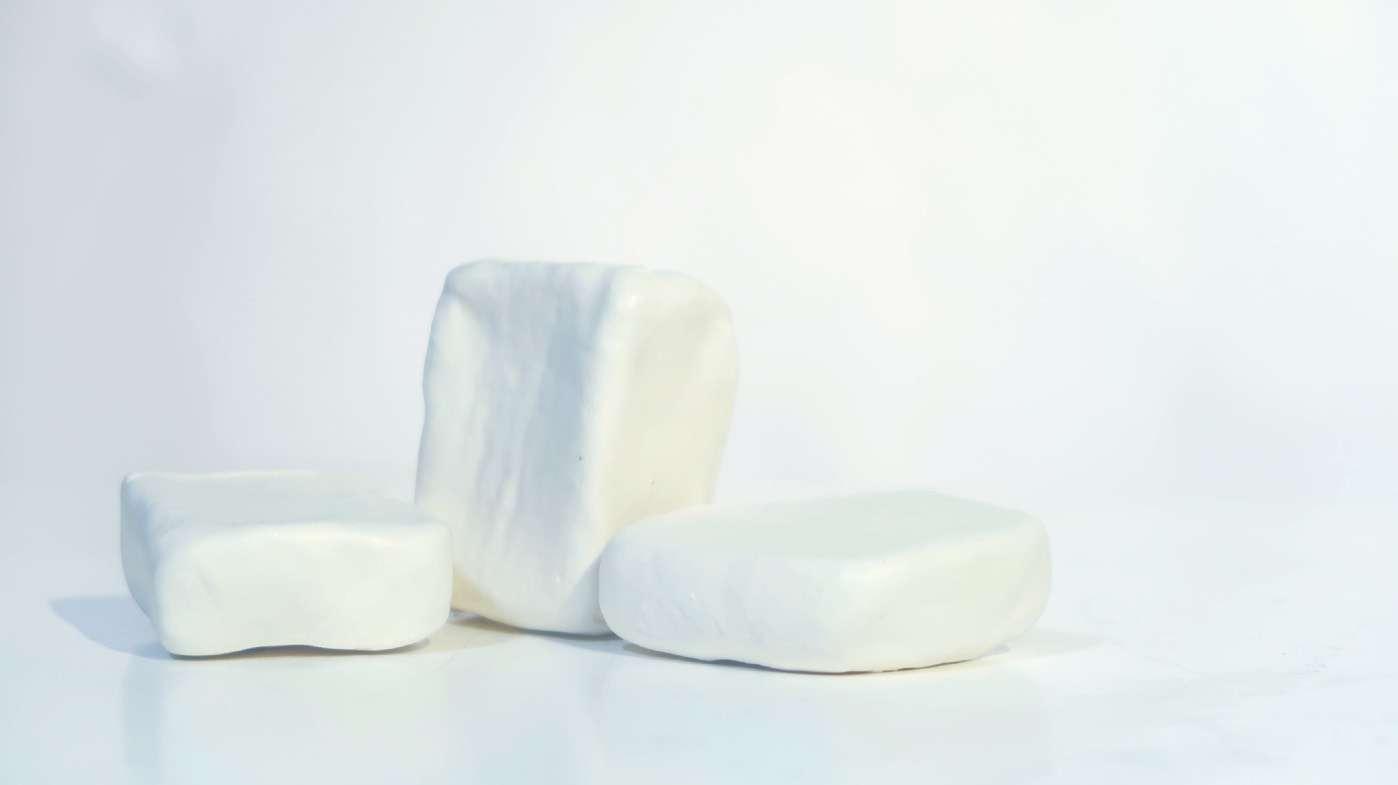
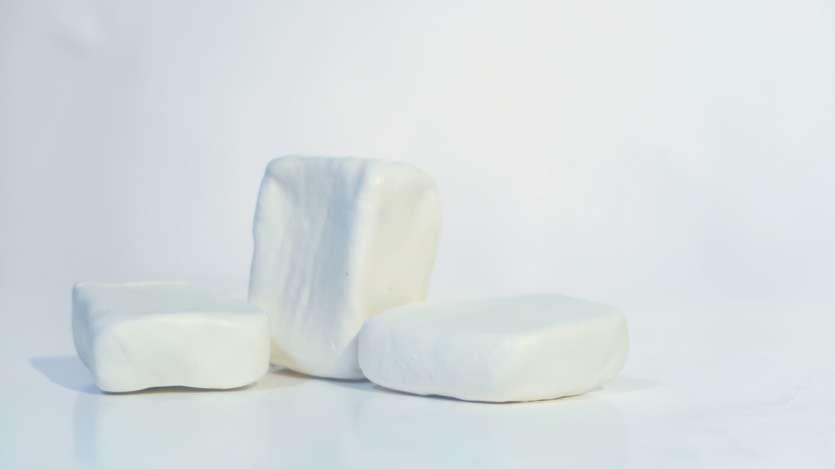
I gained a deeper understanding of the looking of handmade traditional tofu. Through careful observation and understanding of the different forms of handmade tofu. Handmade tofu has an irregular shape. It is relatively flat and has a textured exterior.
2. Deeper interpretation
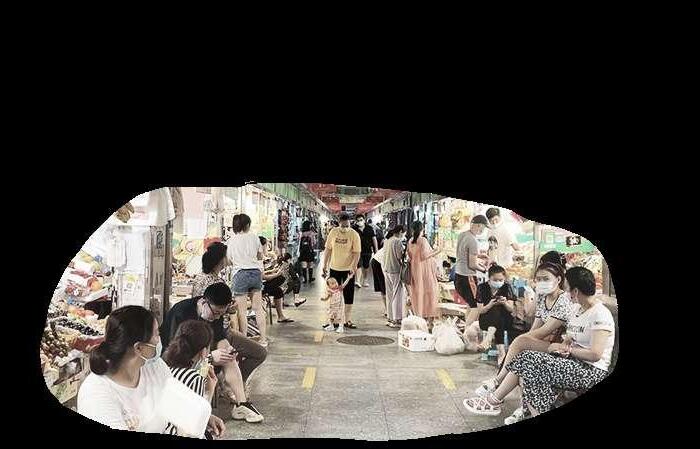
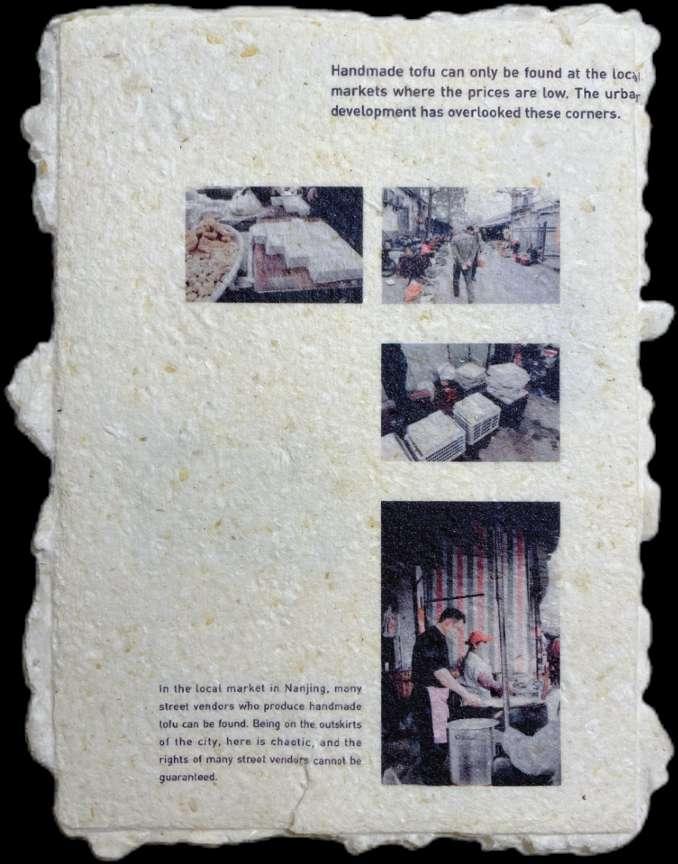
I learned from the owner of a handmade tofu shop that such local markets are being demolished by the government. I believe this is also an overlooked impact of urbanization.
Through my research, I gained a deeper understanding of the current status of handmade tofu in China. I believe this reflects the current situation of traditional culture and space in China, which has helped me to better understand my intention to convey the impact of urbanization.
The rural family I visited in Yancheng, Jiangsu province, makes a living by producing handmade tofu. They have to work physically for 14 hours every day, but income is low.
I went to a local Chinese market to conduct field research on traditional handmade tofu.
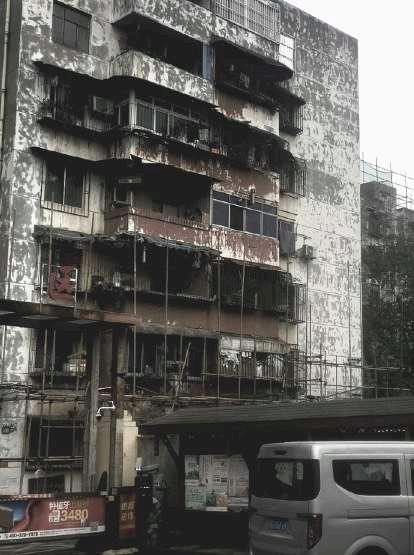
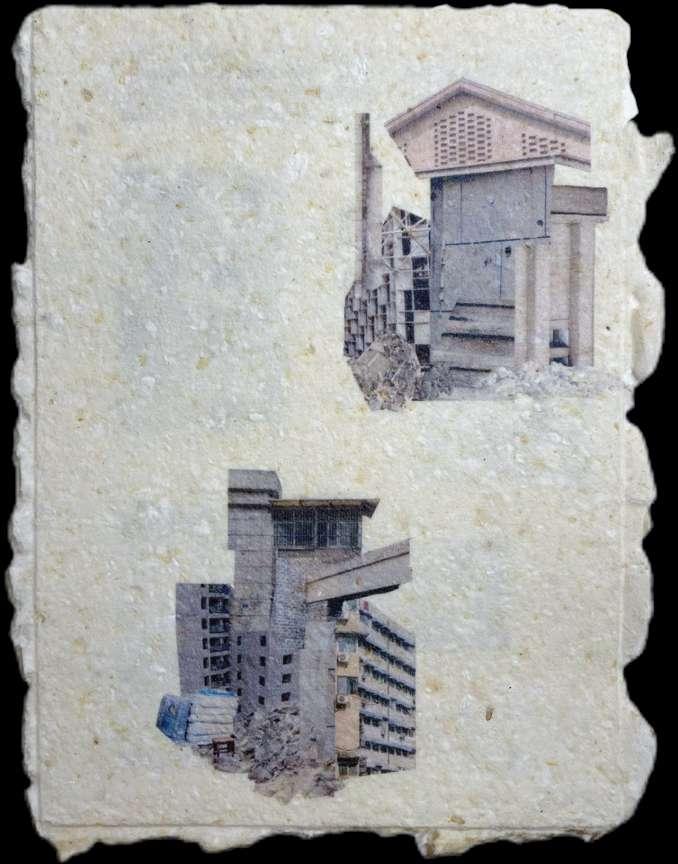
Research on urban buildings
Location: Chengdu 3 The unnoticeable desolation
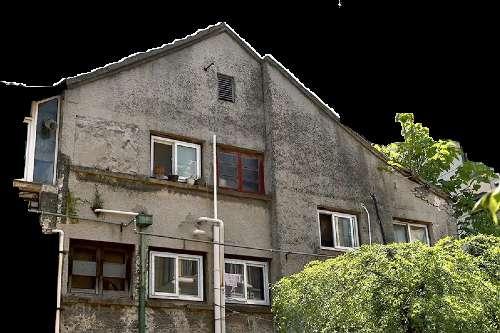
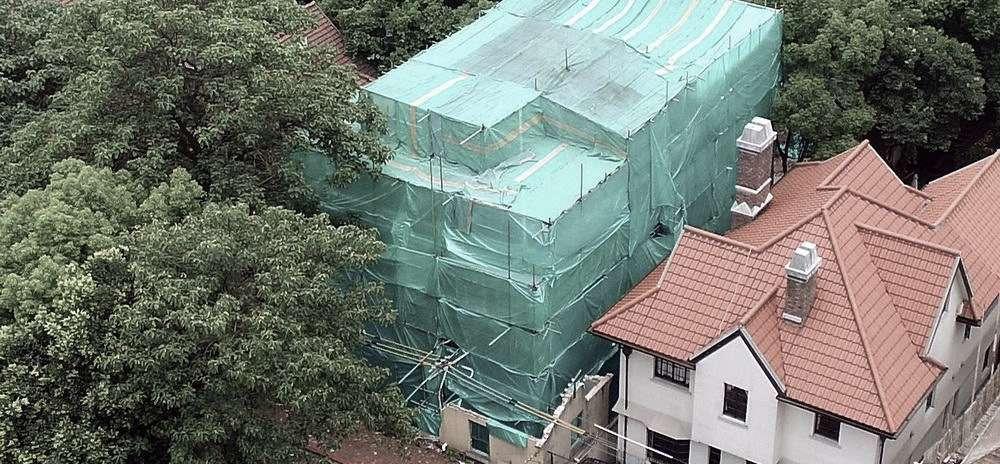
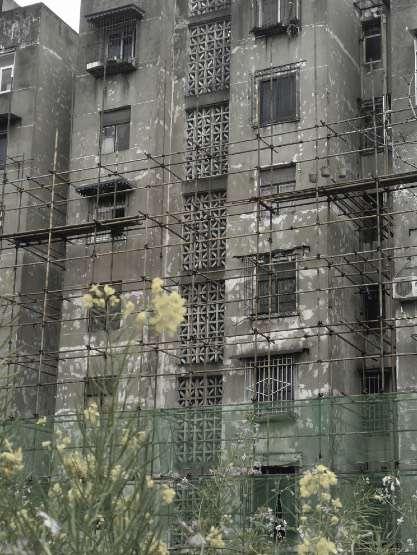
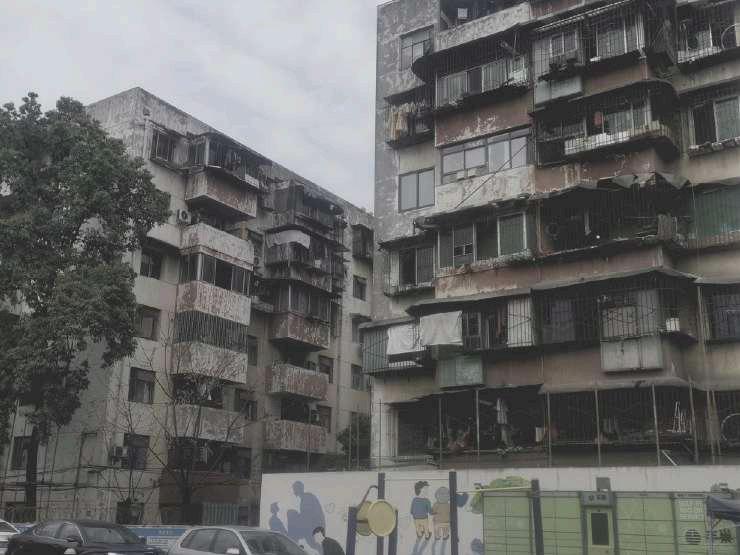
in Chengdu, there are run-down buildings waiting to be demolished or renovated. The run-down buildings have peeling walls and dangerous scaffolding.
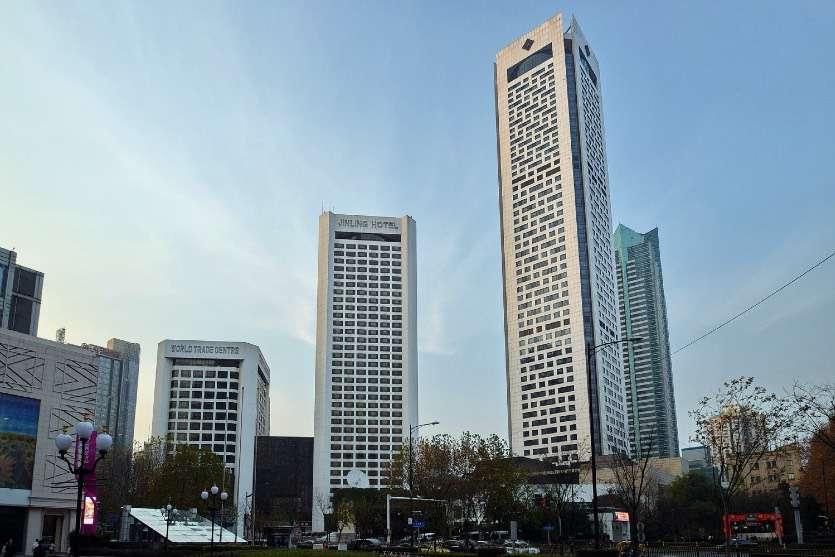
4 The development of urban
Location: Langshi district, Nanjing
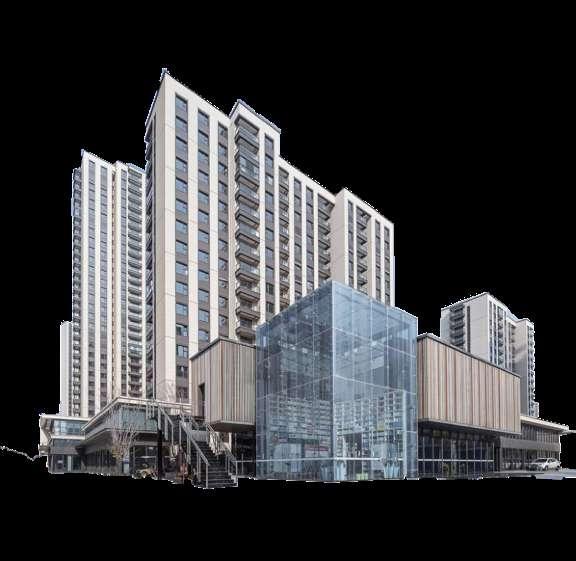
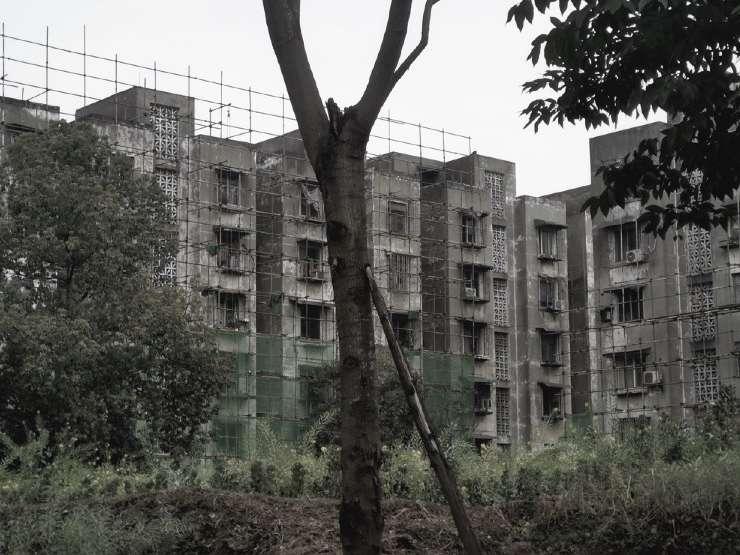
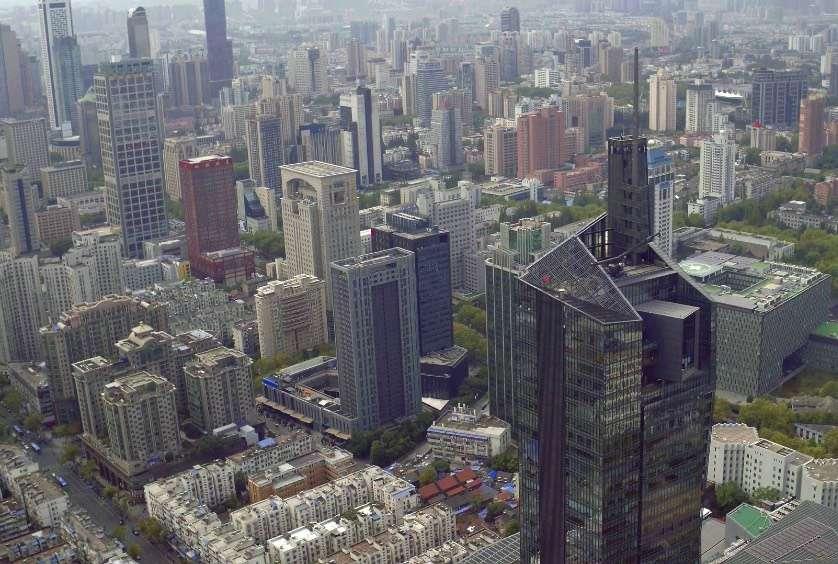
In the development areas of my city, there are tall buildings that appear to have a monotonous and uniform style.
What did I get?
1. The different blocks in the urban
I have seen and understood what old buildings look like, as well as modern high-rise buildings. This has given me a deeper understanding of how to showcase them in a clear and concise manner through my composite material works.
2. Deeper interpretation
In Chengdu, these buildings go unnoticed, and the people living here have clearly been abandoned by urbanization, leaving them in a state of displacement. By observing old buildings, I have gained a better understanding of the forgotten corners behind urbanization. I believe this is also a manifestation of the neglect of the livelihoods of lower-class urban residents. This has given me a deeper interpretation of the intention behind my work.
Through researching the development areas in the city, I have also discovered some issues. Although modern high-rise buildings are more modern than old buildings, their uniform and standardized design makes the urban space feel oppressive. I believe this is a reflection of the prioritization of urban capital over humanistic care. After much reflection, I have decided to show this in my work.
Idea development
Let the material tell!
Concept
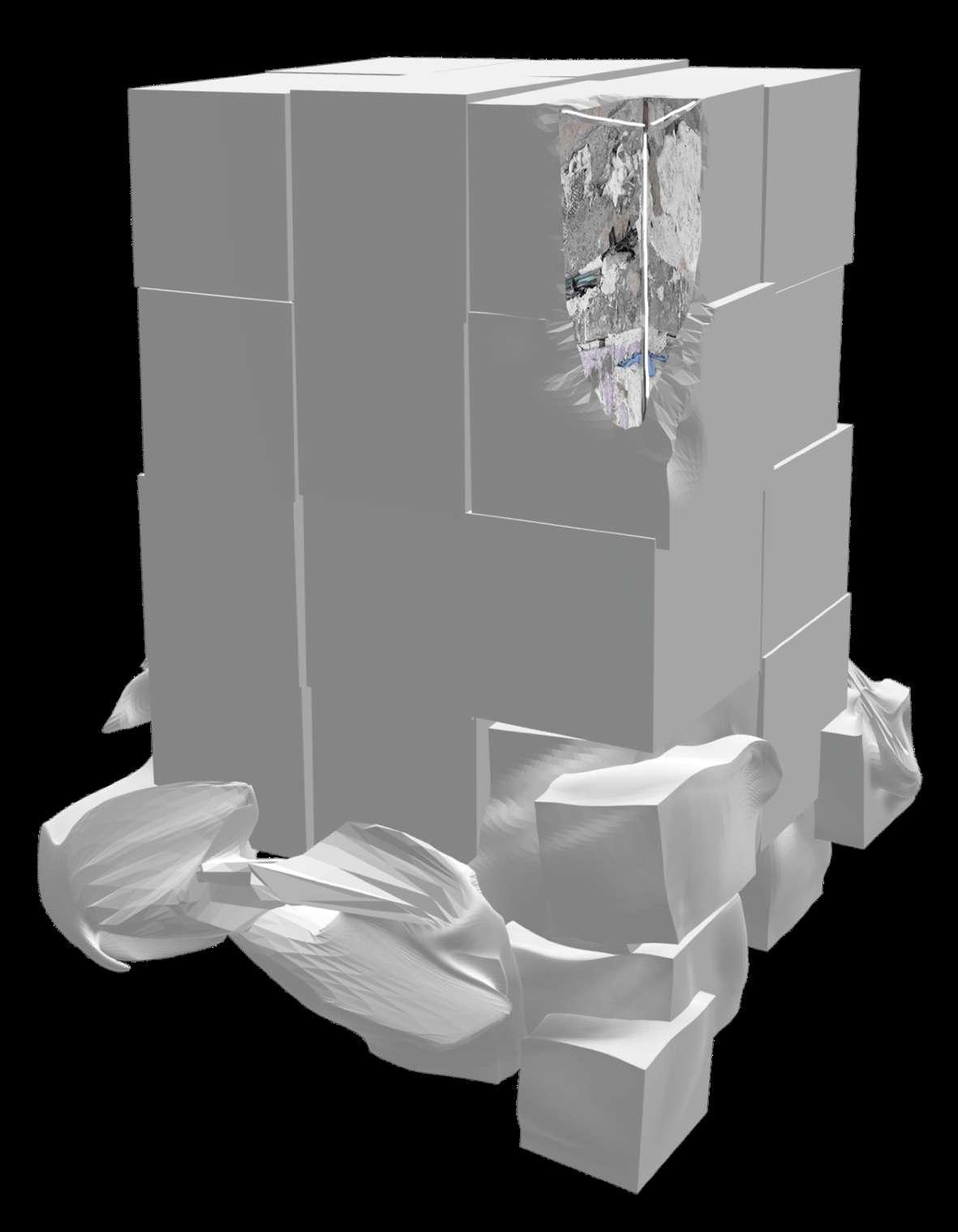
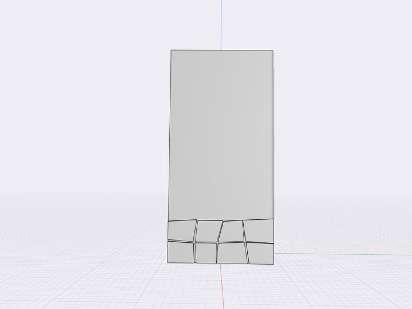
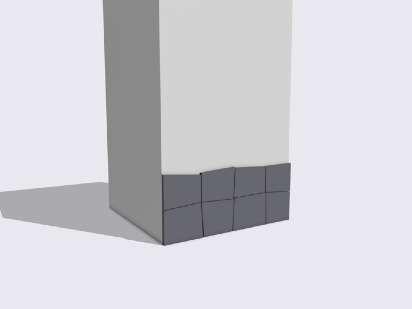
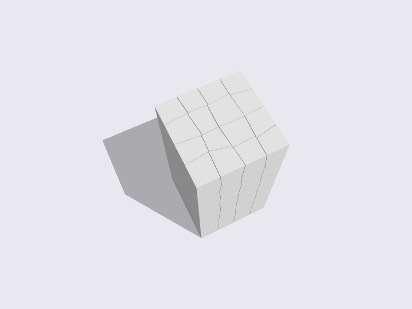
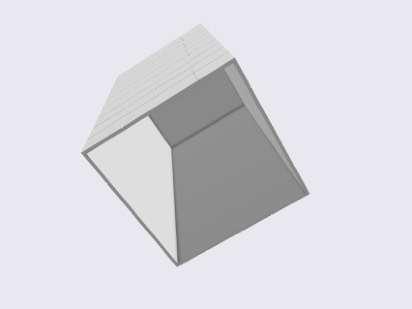
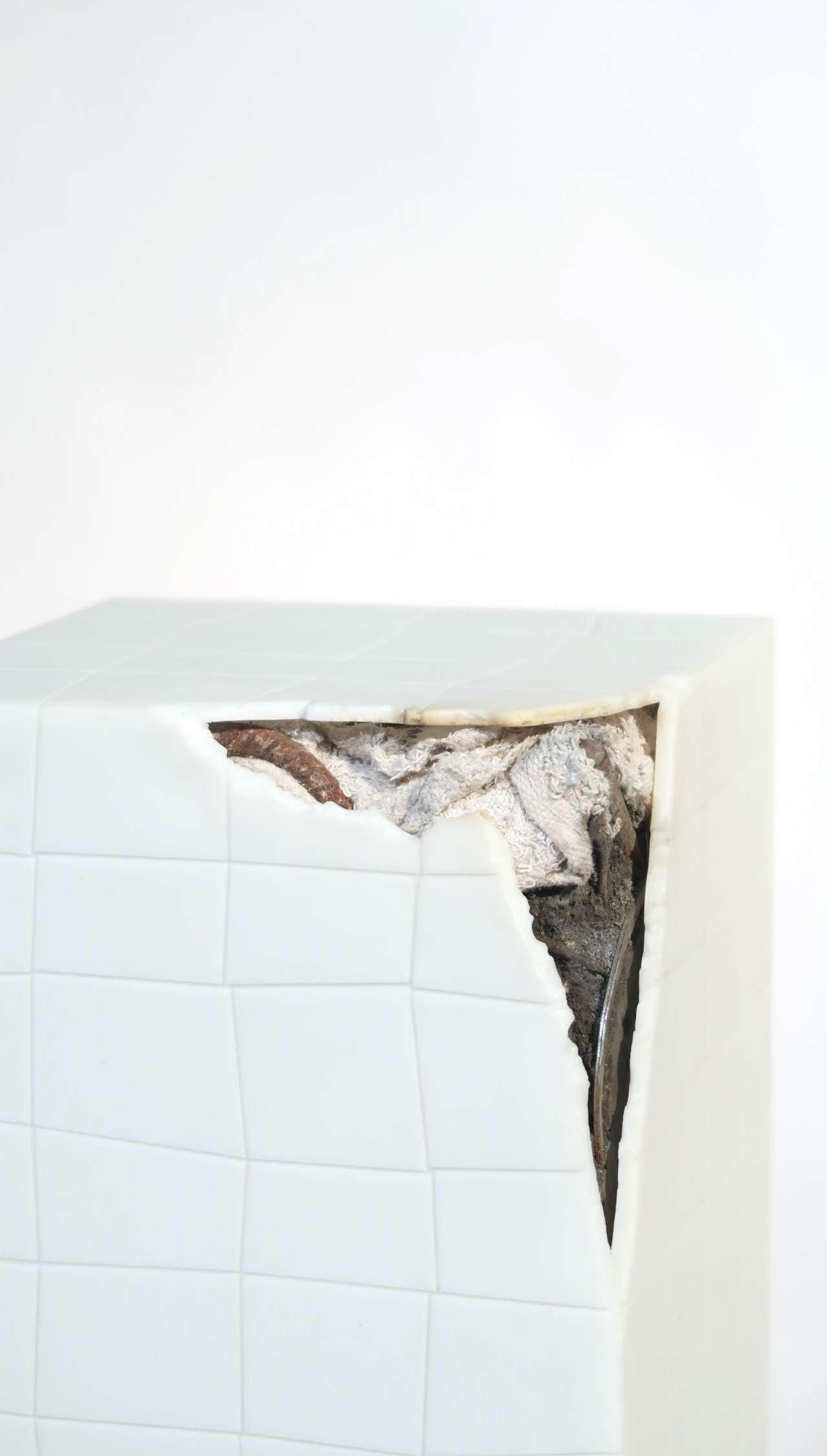
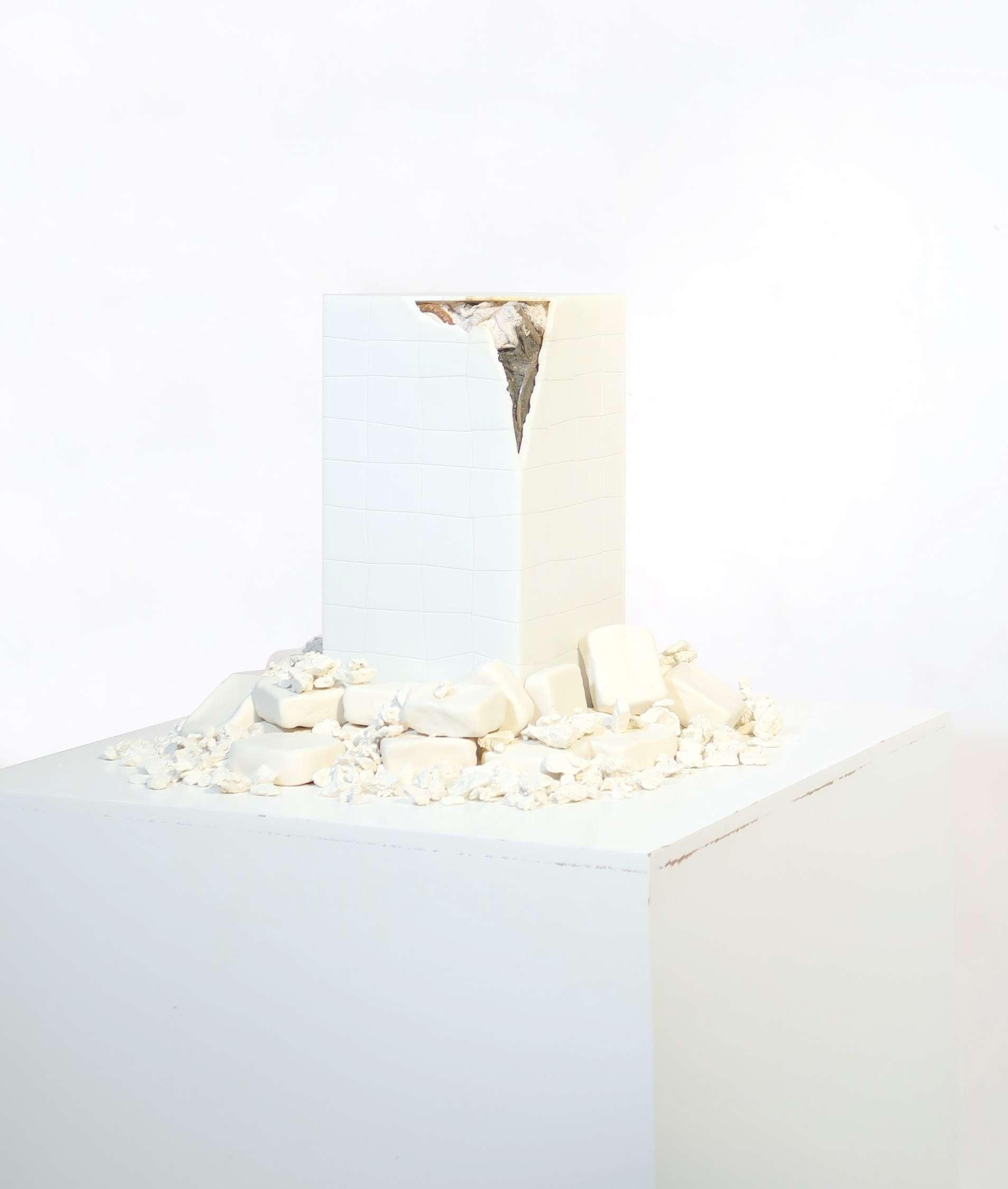
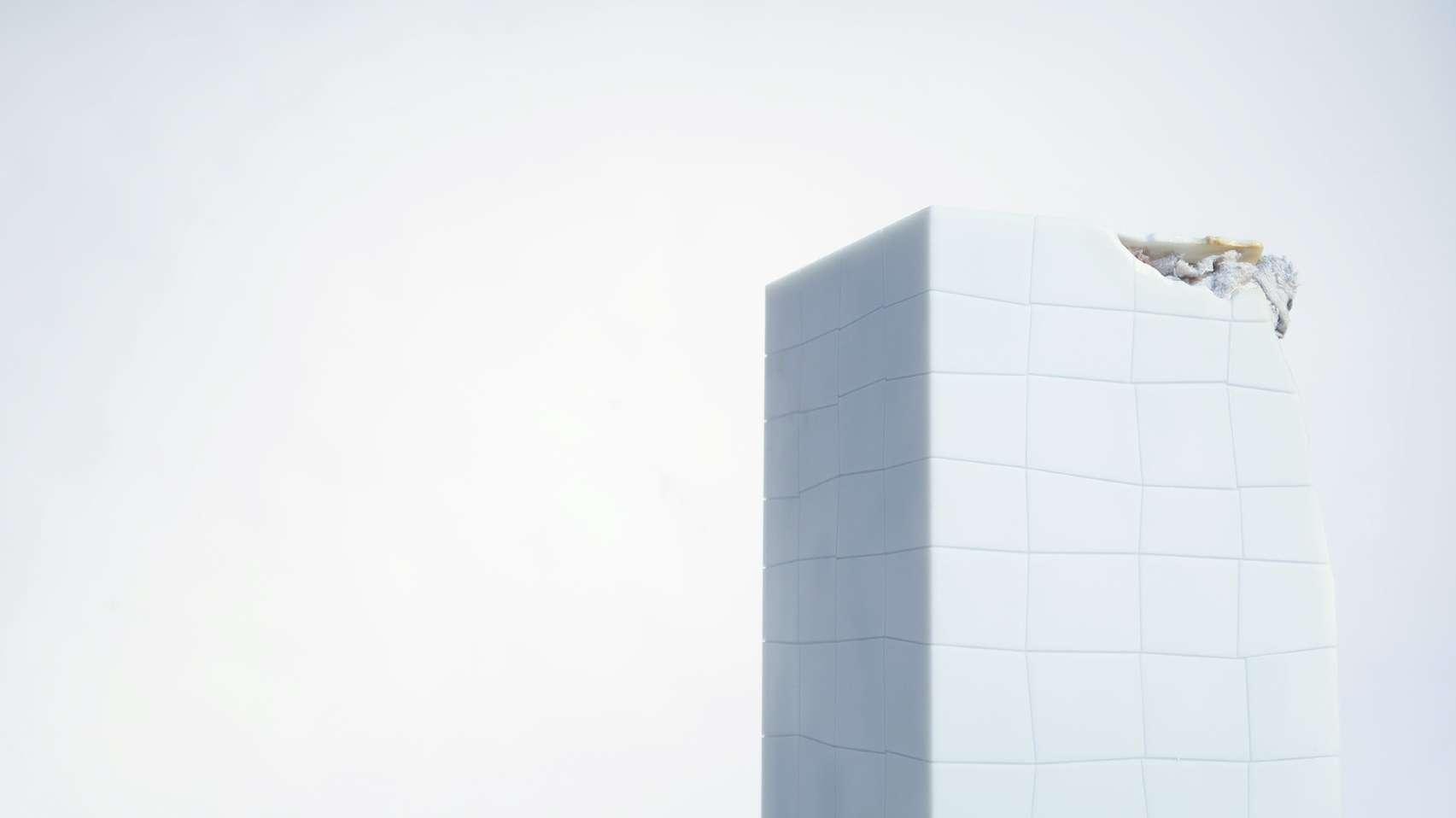
The building as a whole is constructed with tofu blocks.
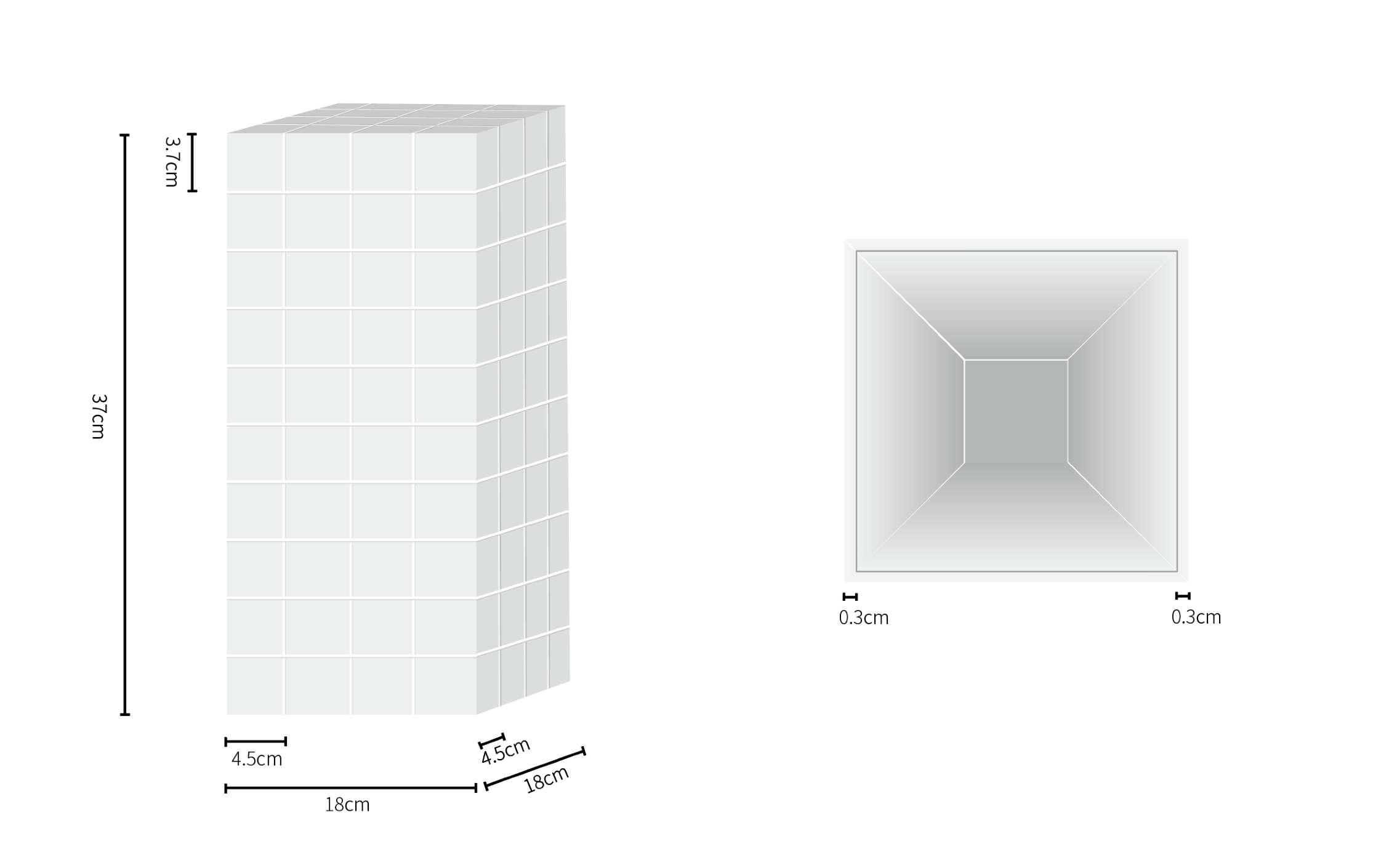
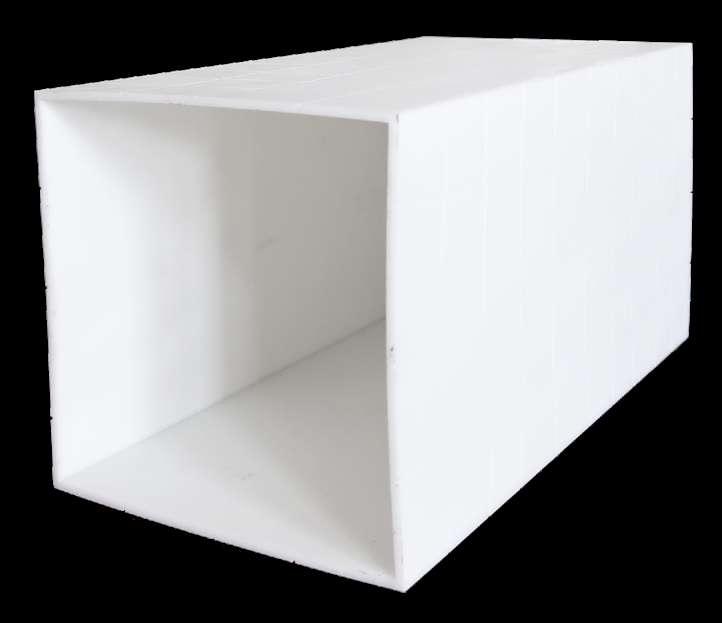
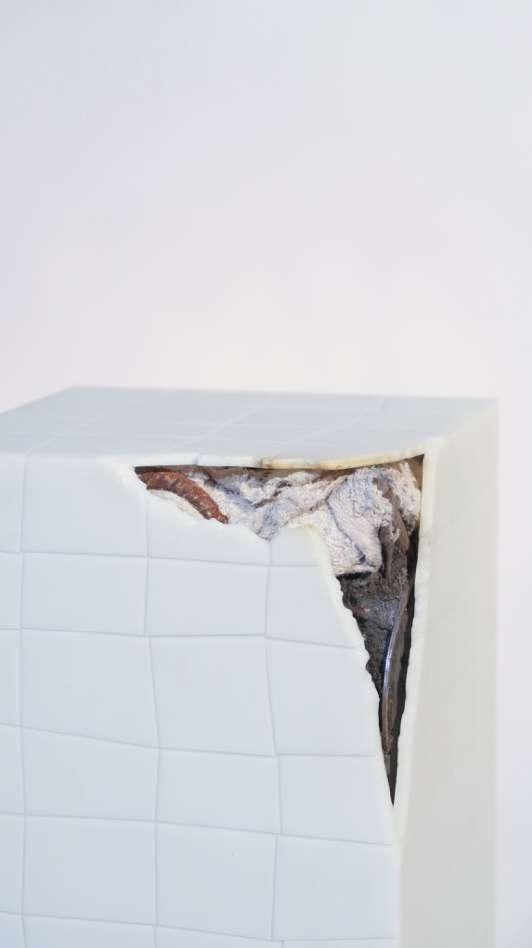
• The upper part of the building is made up of 3D-printed tofu blocks, with colors and shapes imitating industrial-produced tofu, presenting a contemporary urban space of "suprematism", and the uniform shape reflects the solidified urban space.
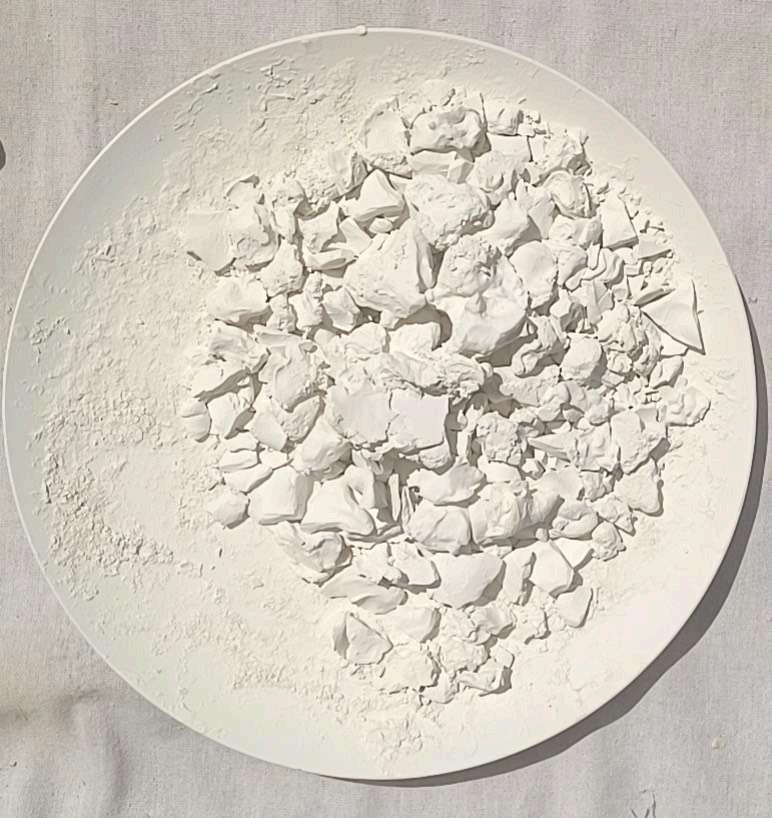
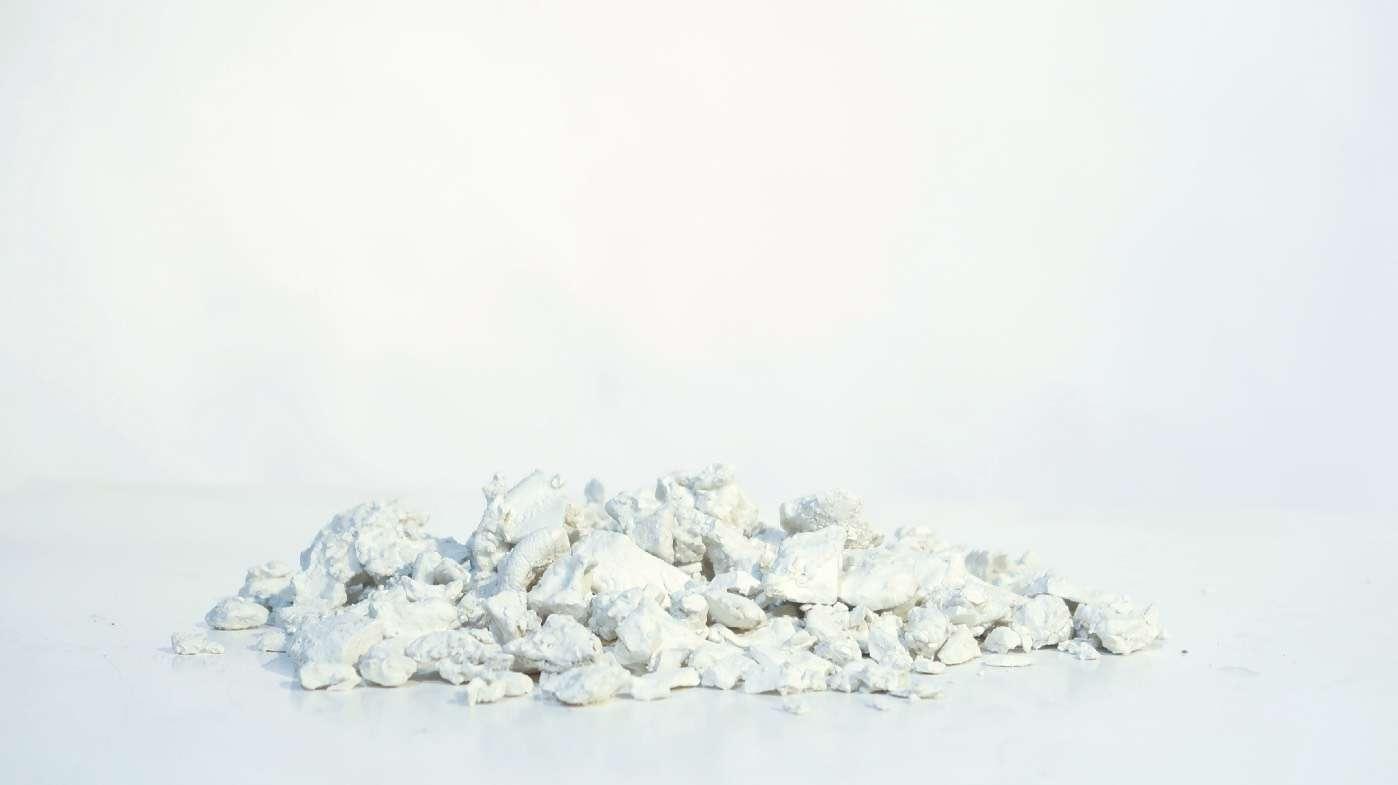
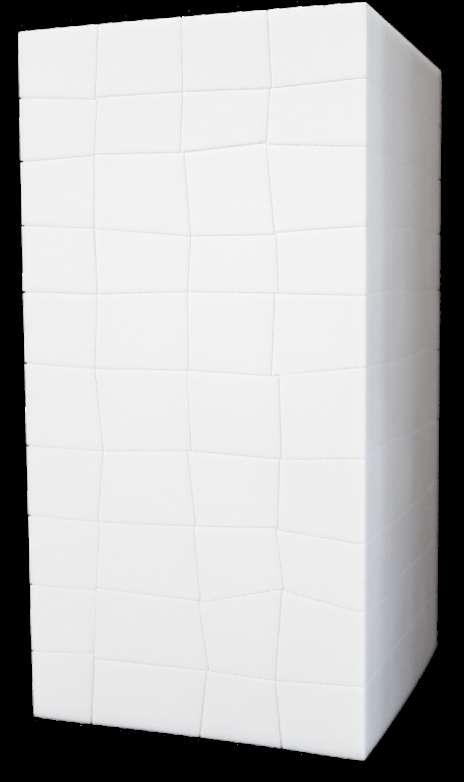
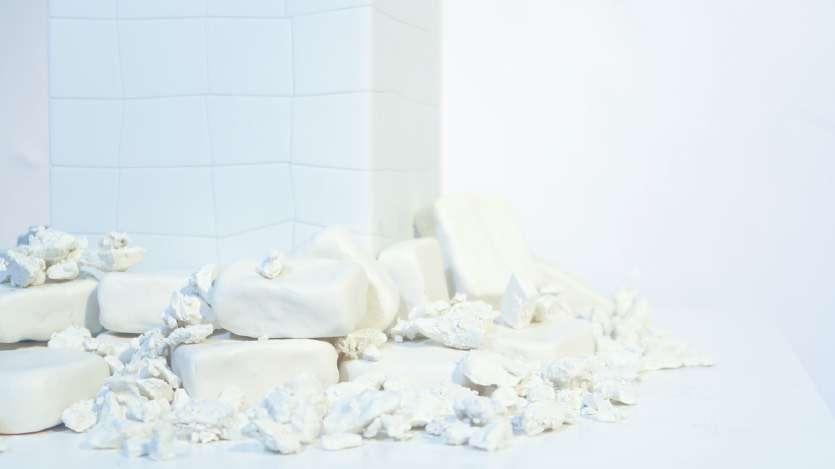
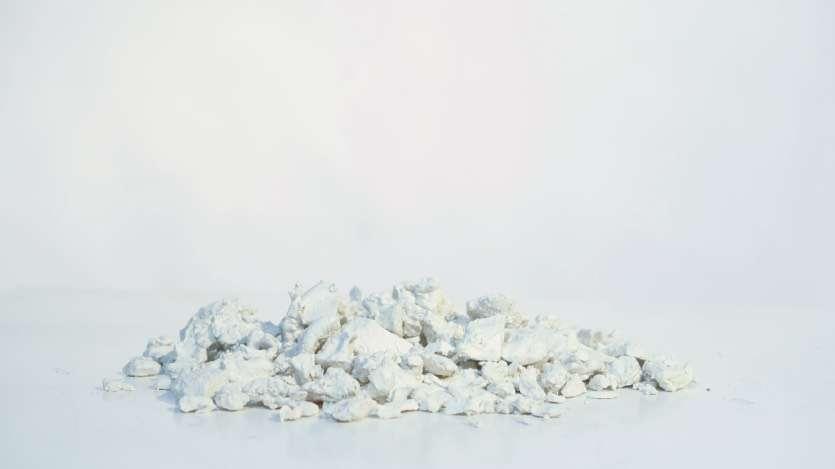
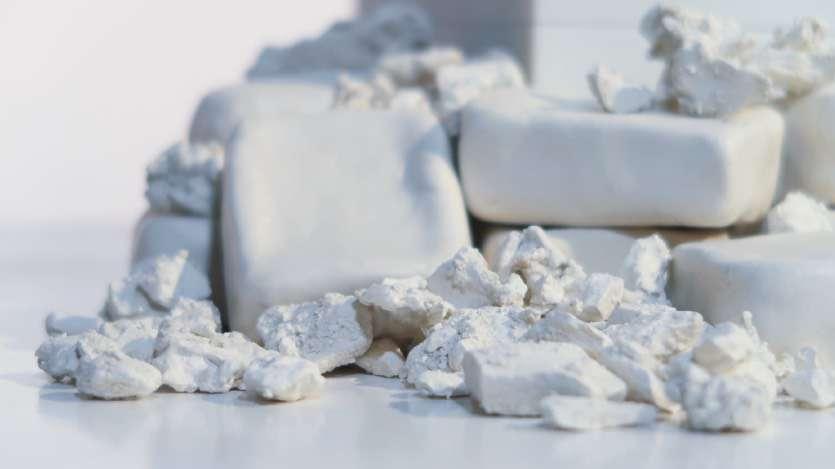
• The lower part of the building is made of ceramic tofu blocks and tofu dregs, with colors and shapes imitating handmade tofu blocks, presenting a feeling of collapse, disorder, and tilting, resembling a flowing shape and symbolizing marginalized life and deconstructed traditional space.
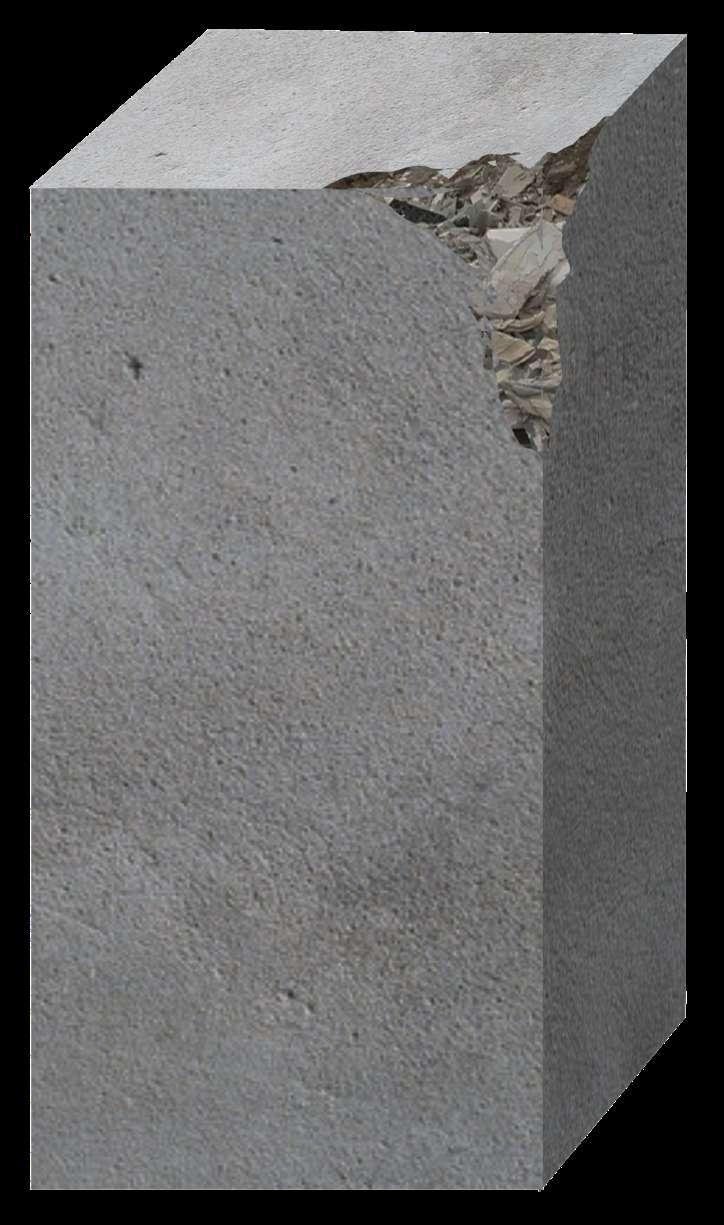
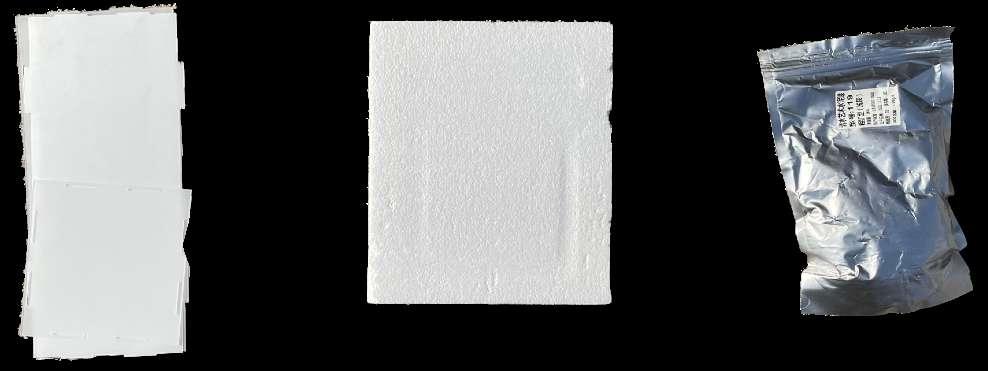
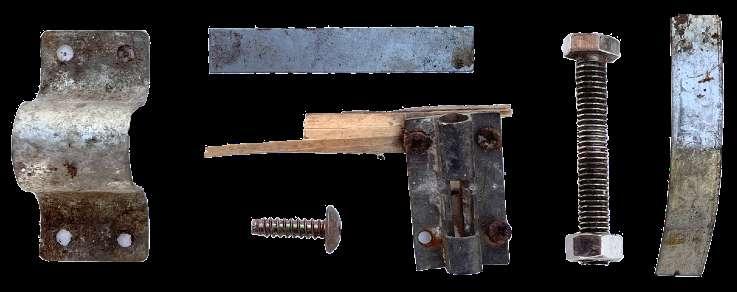
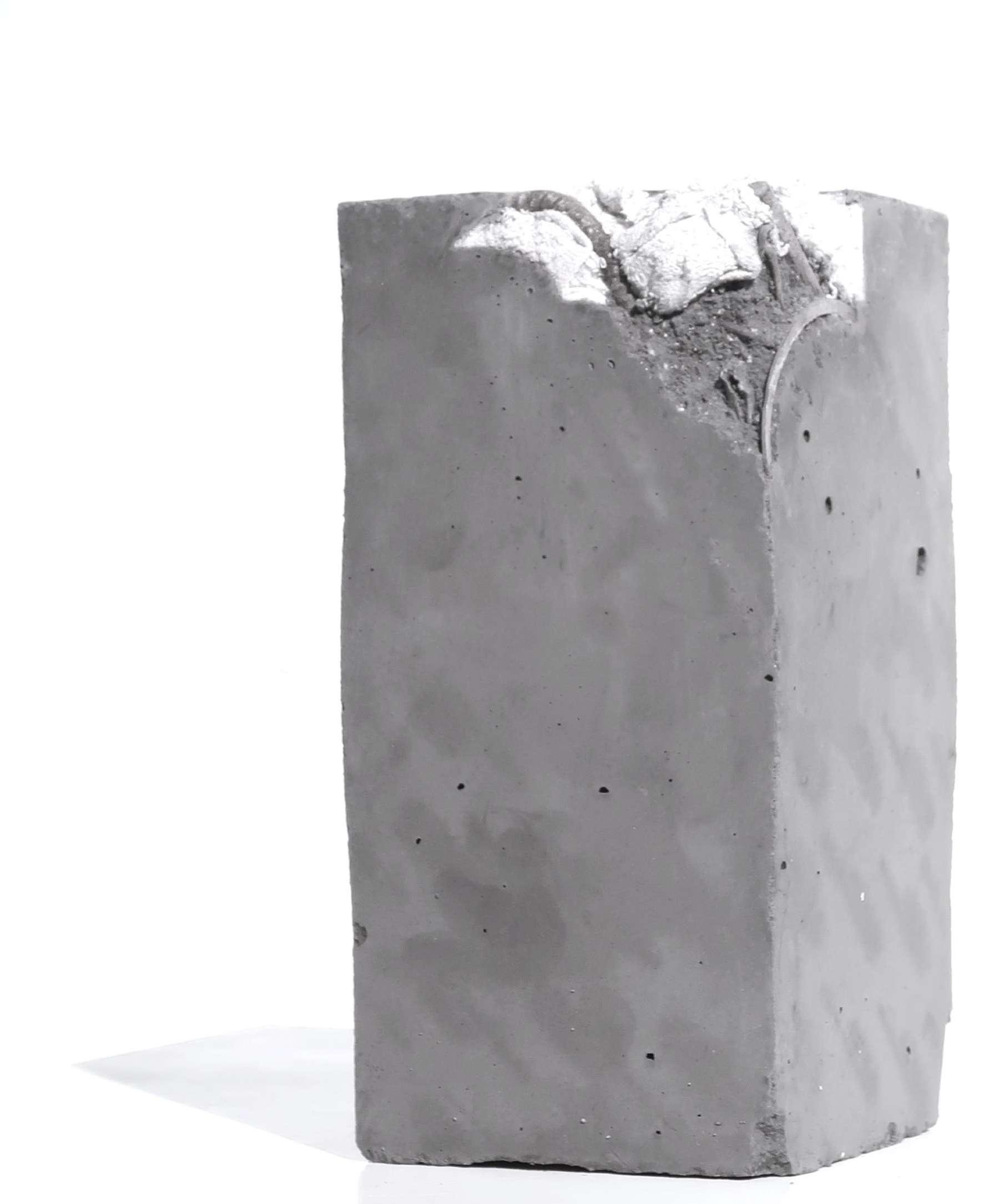
• The broken plastic blocks shows the concrete part mixed with construction waste, which is the forgotten corners behind urbanization.
The overall color is white, and the lower part can have some impurities, symbolizing the monotonous and unified urban culture and the natural and primitive original culture.
concrete & metal & fabric
3D print material
ceramic & white glaze
Design visualization
1 cement part
2 3D printing part
3 ceramic part
Concrete part making
1 Material choose 2 Arrangement
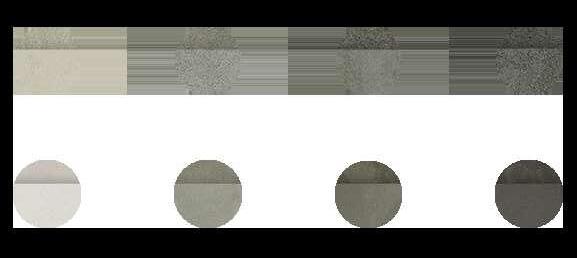
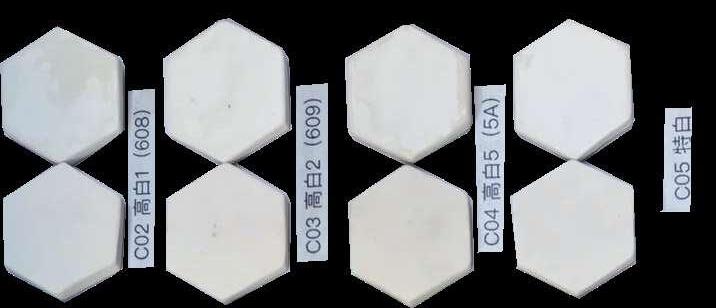
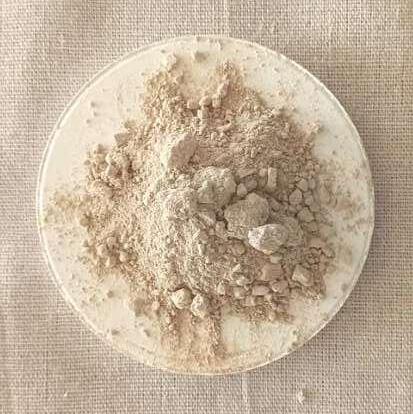
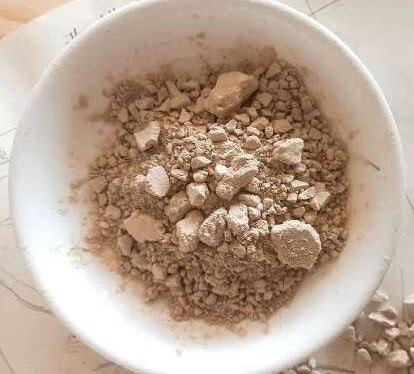
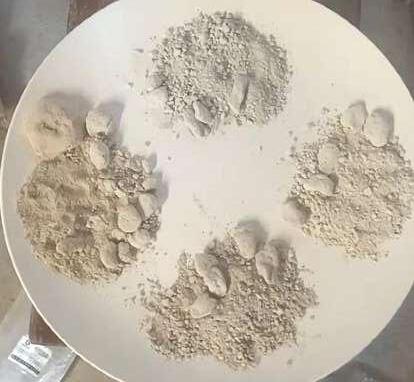
I selected samples from a store. Samples 2, 4, 6, and 8 have some mixed impurities, causing discoloration. I think the visual focus should be on the construction waste mixed in it. It will detract from the visual effect and make the audience lose focus. Therefore, I chose sample 5, which has a darker color and fits better with the monotonous atmosphere of urban buildings.
Polyform
3 Concrete sand
Collecting construction waste 1 Block mould
Process
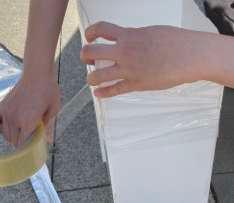
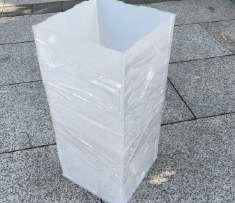
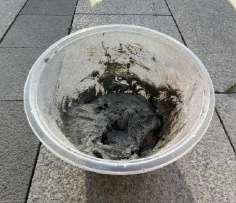
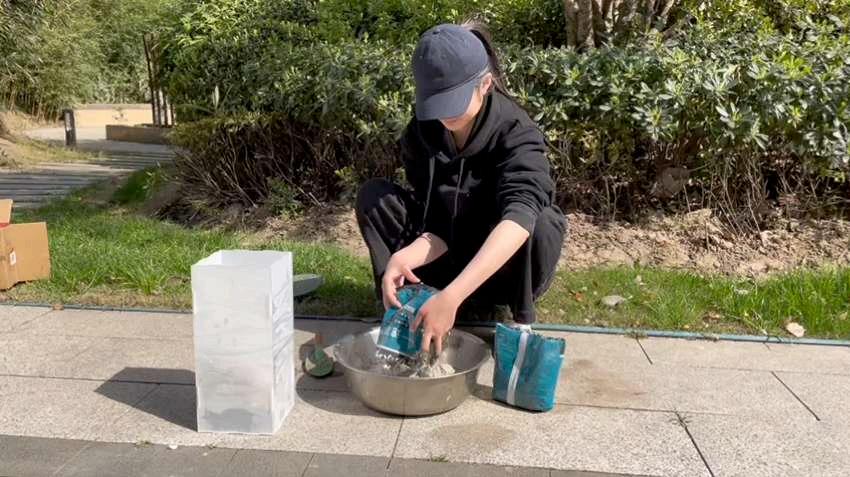
• Firstly, I mixed concrete and water according to the proportion I learned.
• After thoroughly stirring, the mixture became liquid.
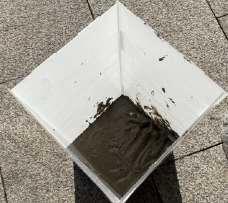
• Then, I poured the mixture into the prepared mould and added construction waste to the bottom.
• After that, I just waited for dry.
Ceramic making
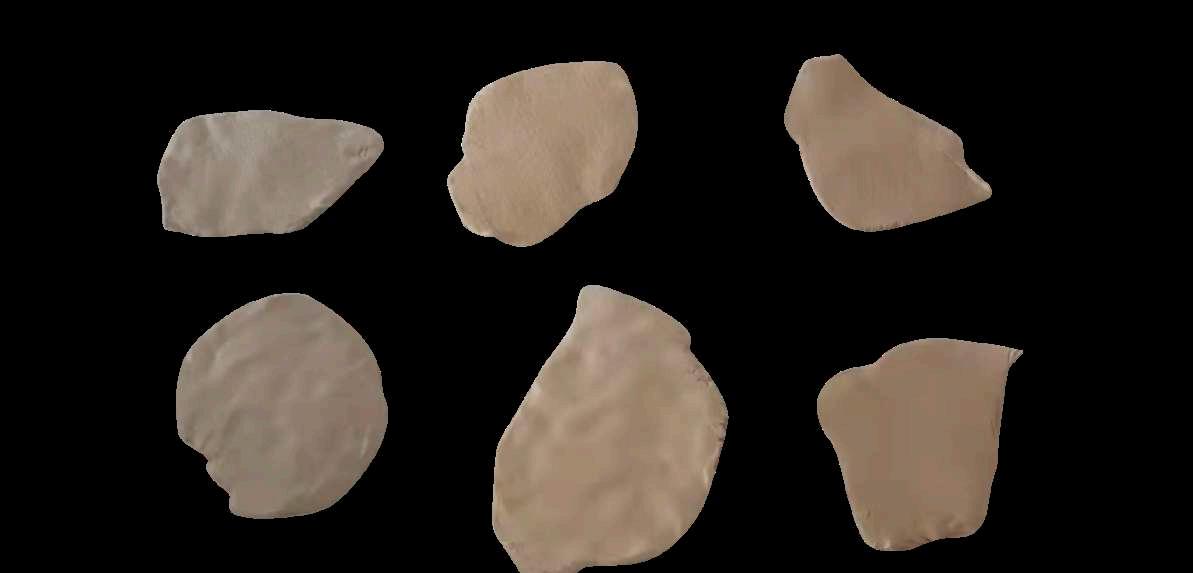
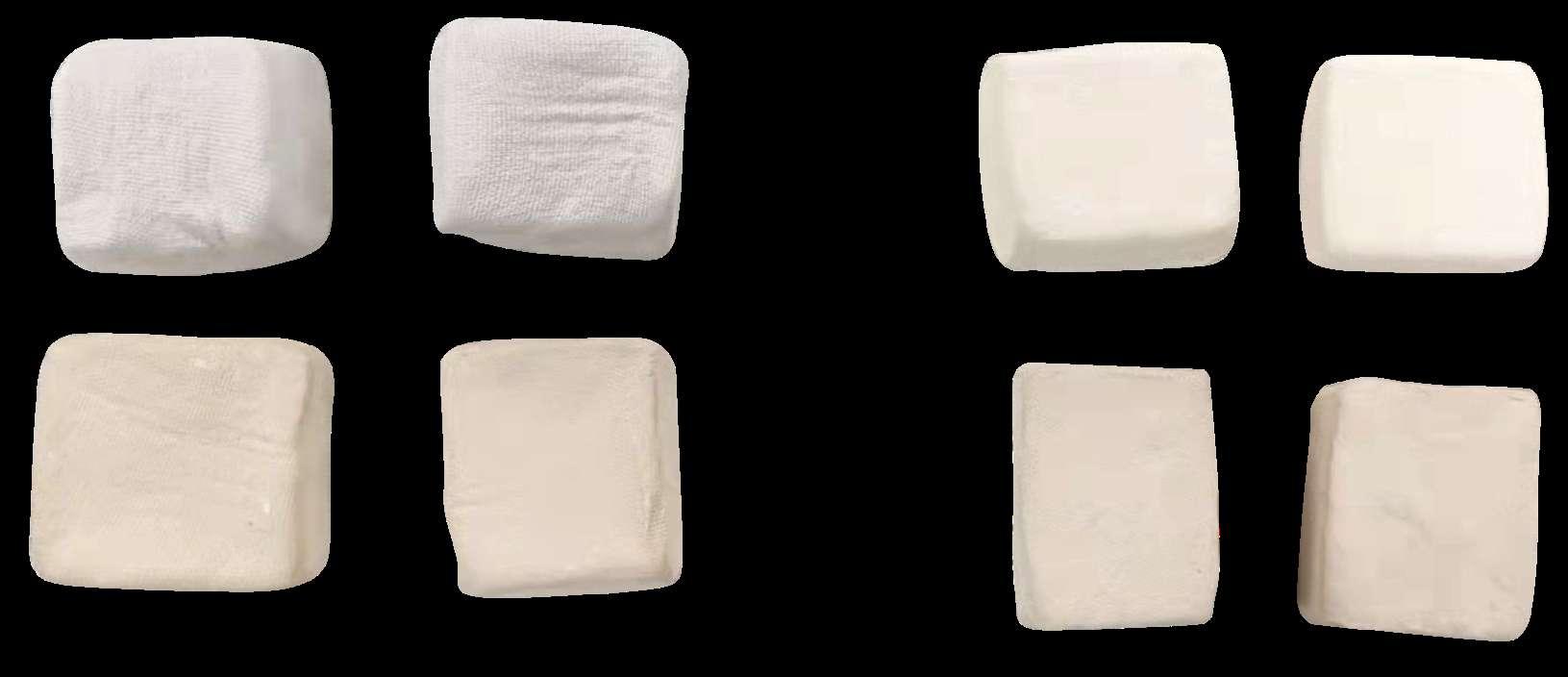
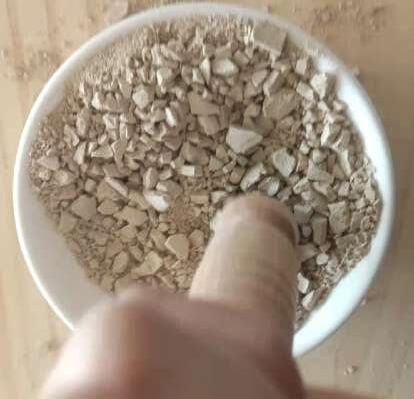
1 Clay test (3 types)
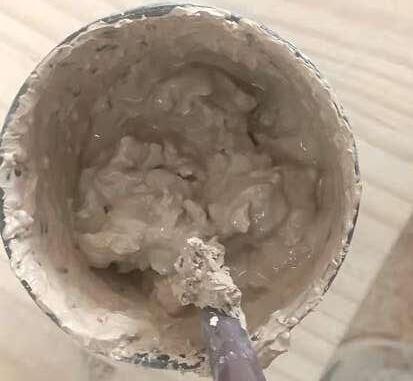
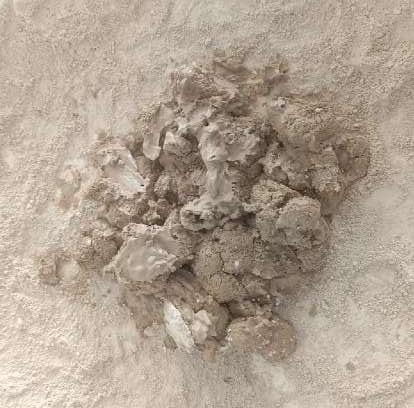
1 I chose a clay material that is similar in color to tofu and may contain some impurities to reflect a natural texture.
2 Spread out the clay and observe the texture, then make sample tofu blocks. And use gauze to imprint a tofu-like texture.
2 Tofu Sample Making
exhibition
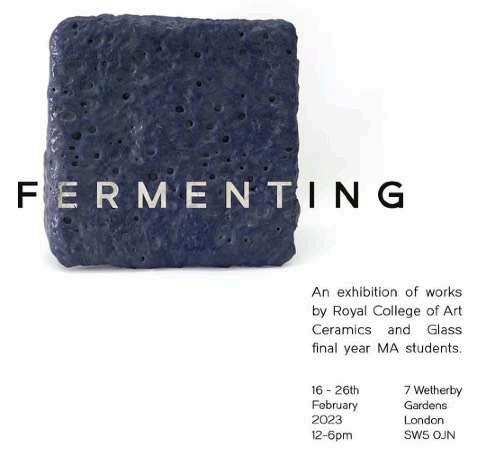
Location: RCA ceramic graduate show
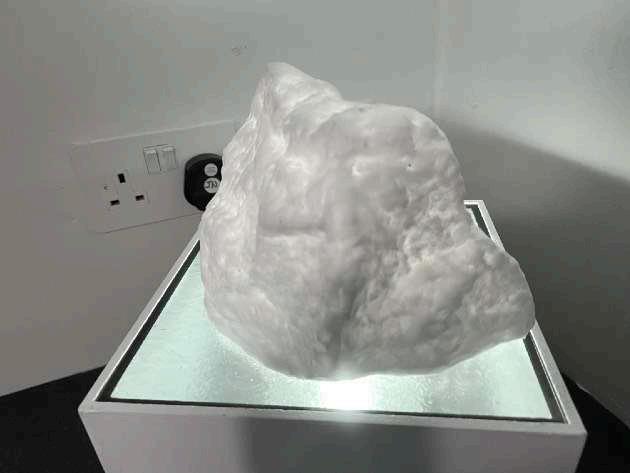
I went to the ceramic exhibition to communicate with the artists. I know useful information about materials.
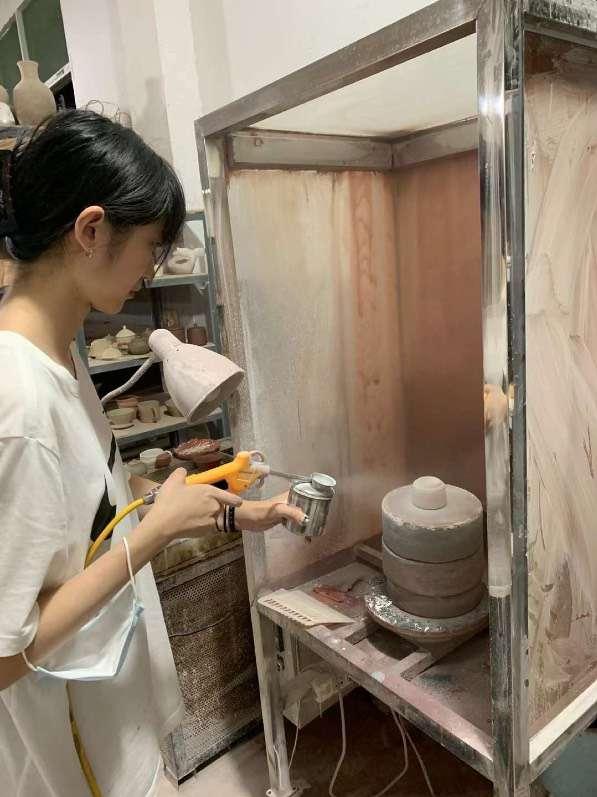
Bicarbonate soda mixed glaze Parian clay
Ceramic
4 Tofu Block Shrinkage Rate Calculation
As ceramics will shrink in volume after firing, different volumes of clay will have different shrinkage rates. To ensure accuracy in the final product, I calculated the shrinkage rate of the tofu blocks.
Method 1: Smash the clay block.
Method 2: Wrap small clay pieces in powder.
Method 3: Mix smashed clay pieces into clay slurry.
6 Method Improvement
As the sample tofu dregs could not imitate real tofu residue well, I changed the method to stacking small pieces of clay and then brushing on clay slurry.
Tofu Dregs Sample Making
1 3D rendering
Challenge Difficulties in rendering techniques
By time calculating, I choose to find other ways to modify the block rather than learning how to create ‘the broken’ in rendering.
2 Producing
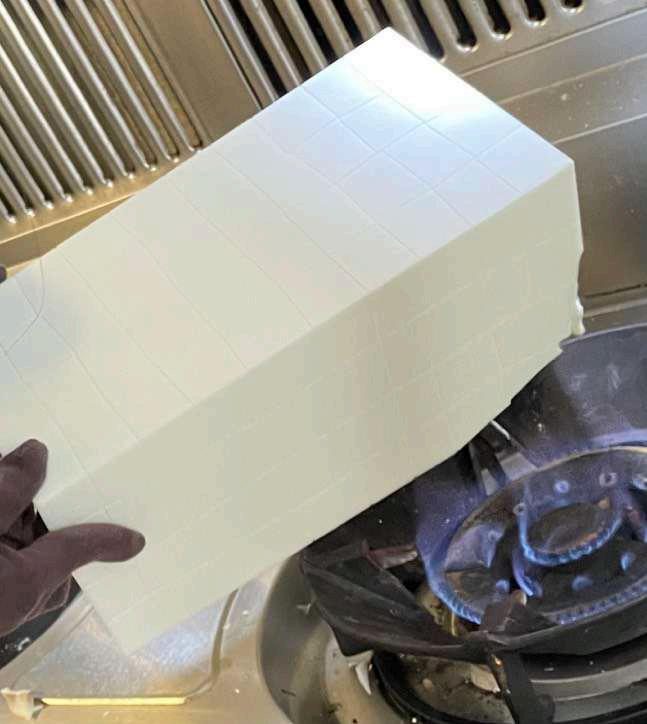
I chose to make modifications after creating a completed block. Part of the material was burned to create some damage, and then additional trimming was performed.
3D printing
Outcome
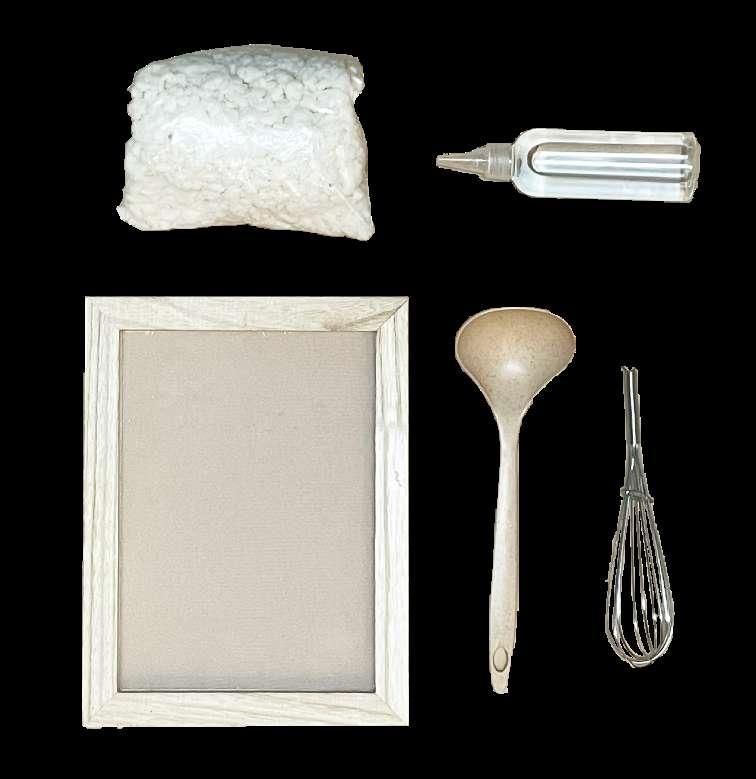
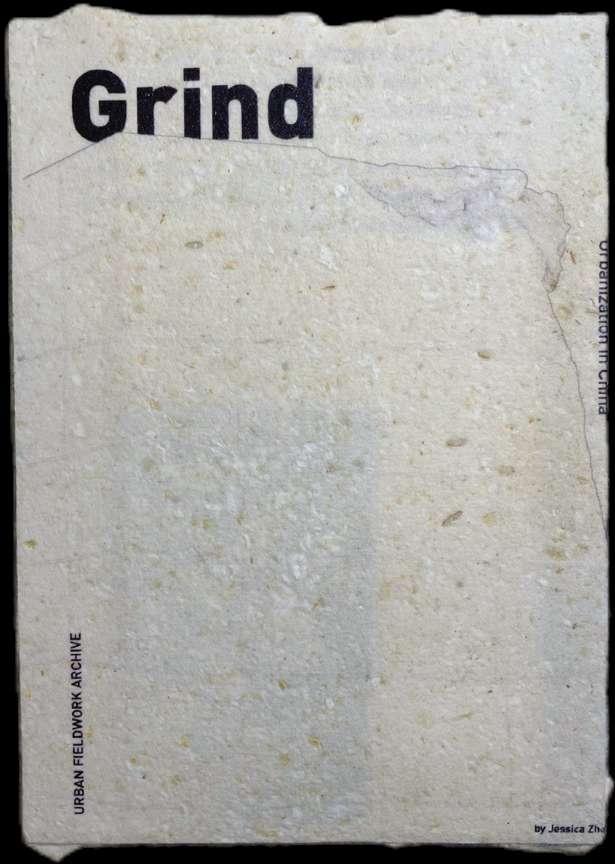
Tofu dreg paper making
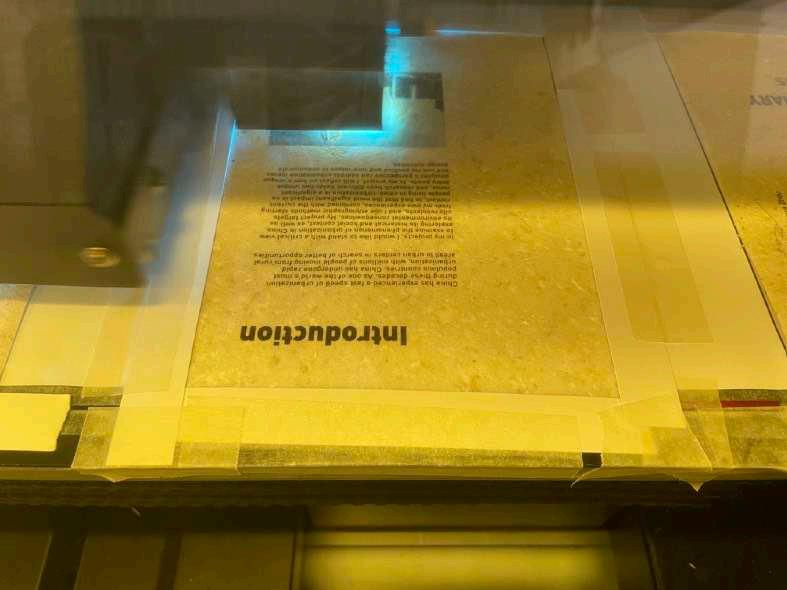
Tofu dreg paper printing
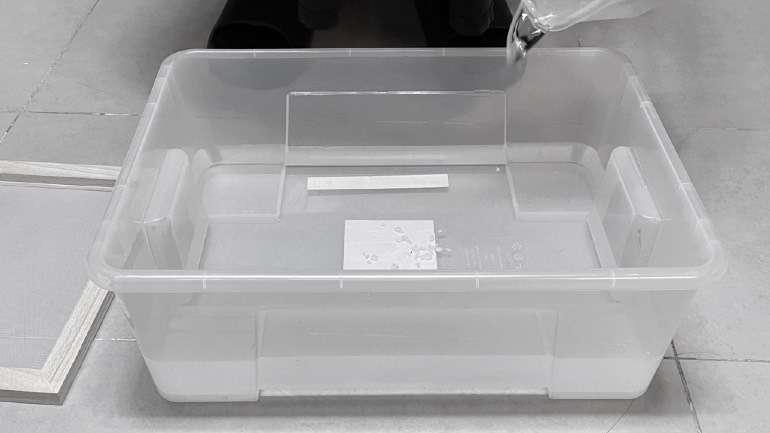
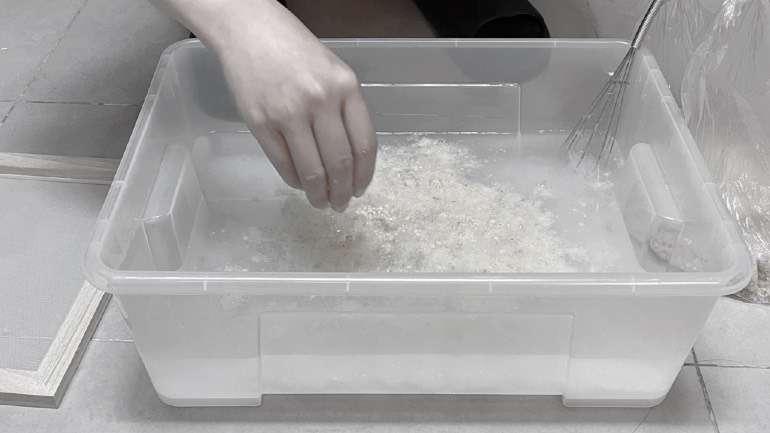
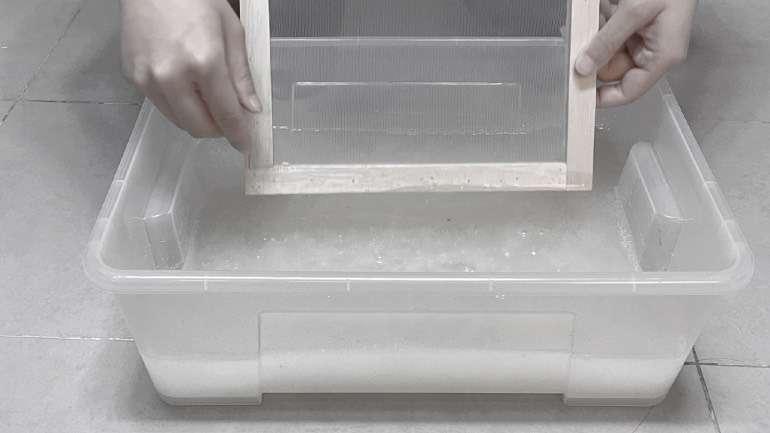
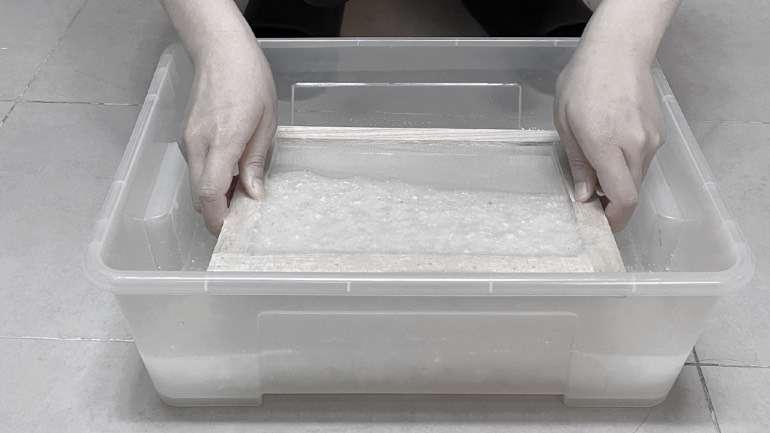
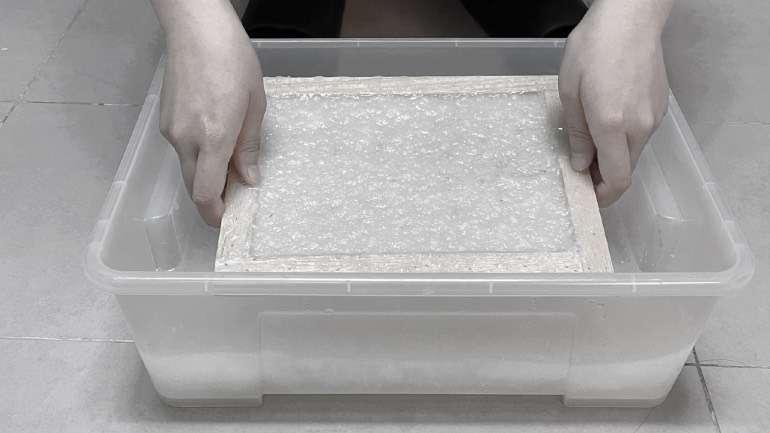
1. Wash the wood fibers with clean water.
I used UV printing, which was introduced to me by my tutor. Because the material I used for my project was unique and delicate, ink printing was not suitable.
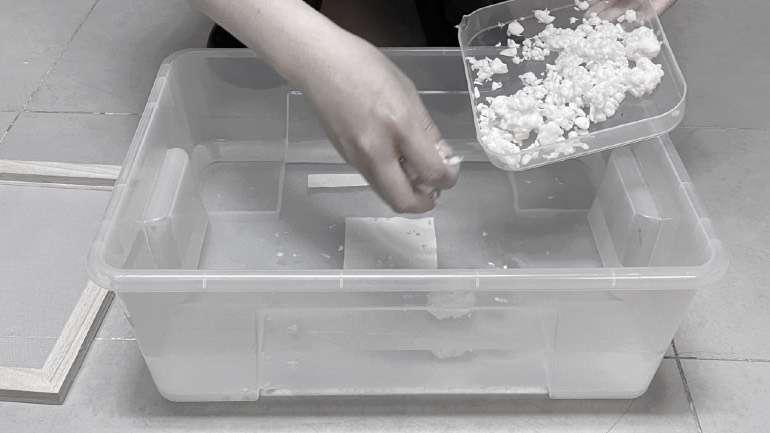
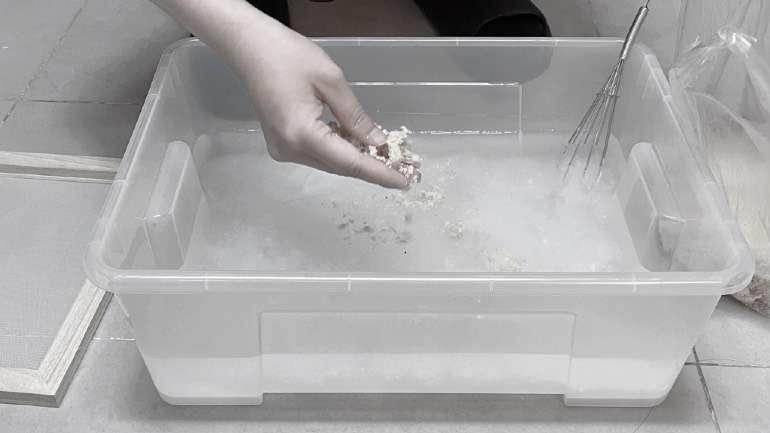
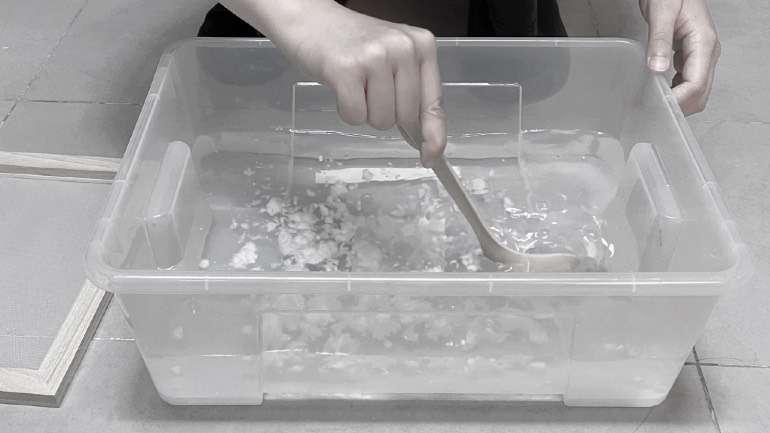
2. Mix the soybean dregs with the fibers.
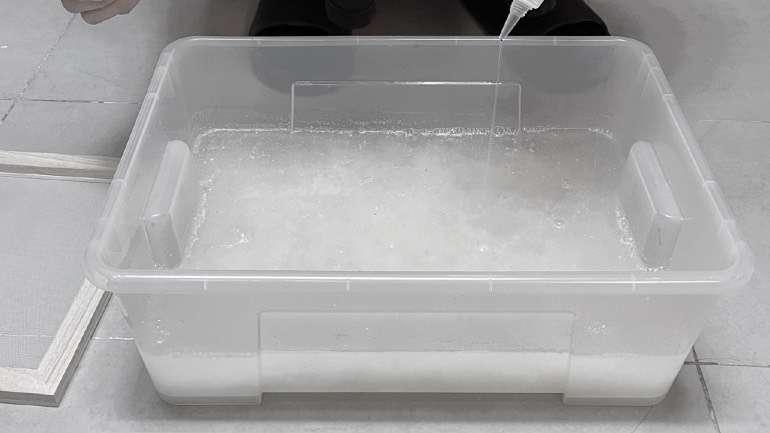
3. Attach the mixture to a cheesecloth.
4. Dry it in the sun.
Outcome
Communication
Considering some audiences have fewer opportunities to enter the field of installation and are less sensitive to material and shape perception. Modern dwellers prefer information conveyed quickly and easily accessible, fro example through text.
Using tofu dregs paper as a medium to tell the concept, audiences will have a tactile and visual experience while reading the text."
Like the Rachel Whiteread House (Whiteread, 1993), my work is an exploration of the space around us, to create an immersive experience for the viewer. I am interested in the way that we shape our environment, and how it shapes us. By creating a piece that responds to the space around it, I have tried in my own work. My work is designed to be both a part of its environment and a reflection of it. The installation will be implemented in empty rooms in the exhibition
Grind
The
exhibition label
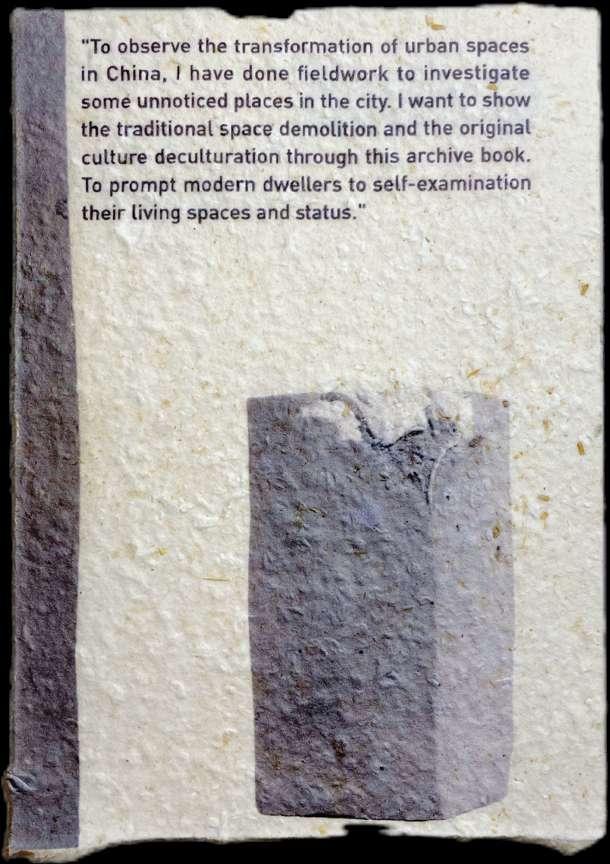
The project is based on a study of modern dwellers' daily life and the transformation of urban spaces in China, with a focus on understanding the reasons and impact of urbanization. The building is constructed of various materials, resembling tofu blocks, which metaphor the deconstruction of traditional space and the demolition of the original culture. Through this installation, the designer aims to expose the social problems that exist behind the solidified urban spaces built in the suprematism. To prompt modern dwellers to self-examination their living spaces and status.
The aim of my SD 02 brief is to study on Chinese modern living community by experimenting with ‘other than human’ design to encourage with my audience to rebuild their nearby. Core value 2 Position
Motivation
Find the way to rebuild nearby and rebuild the ‘nearby’ around myself.
Intention
One sentence generate Design
To explore the nearby rebuilding methods and experiment in a social designer’s perspective.
Practice
Workshop in the community - to provide the audience the opportunities and space to interact with each other.
Workshop/Exhibition Lens
Explanatory text
I discussed the concept of ‘nearby’ proposed by Biao Xiang (Xiang, 2020). In SD2, I learned that changes in ‘nearby’ include lifestyle, space, and culture. Which are closely related to the living needs, psychological needs, and cultural values of urban residents. Different individuals from various backgrounds continuously meet in life scenarios, forming diverse social activities. Starting from using design to solve urbanization problems, I began to think deeply about the connection between the ‘nearby’ and social relationships. Xiang's ideas also had a significant influence on me. ‘Nearby’ bring different perspectives into the same field of view, thus forming a perspective. In this perspective, people can form a more detailed understanding of reality and develop new social relationships and actions. It is generative because it allows us to observe new things and do new things (Xiang, 2021). Therefore, the role and impact of ‘nearby’ are reflected here. The vanishing of ‘nearby’ as a phenomenon in the process of urbanization makes it evident that rebuilding and repairing communities are essential. Combining my research on the evolution of Chinese communities in SD2, I believe that the concept of "nearby" will be practiced in urban communities in modern Chinese cities. Therefore, in my project, I also chose urban communities as my design object. I choose the urban community in Nanjing, Jiangsu province where I live. After conducting research on its history and social context, I believe this is a typical urban community that has been affected by urbanization.
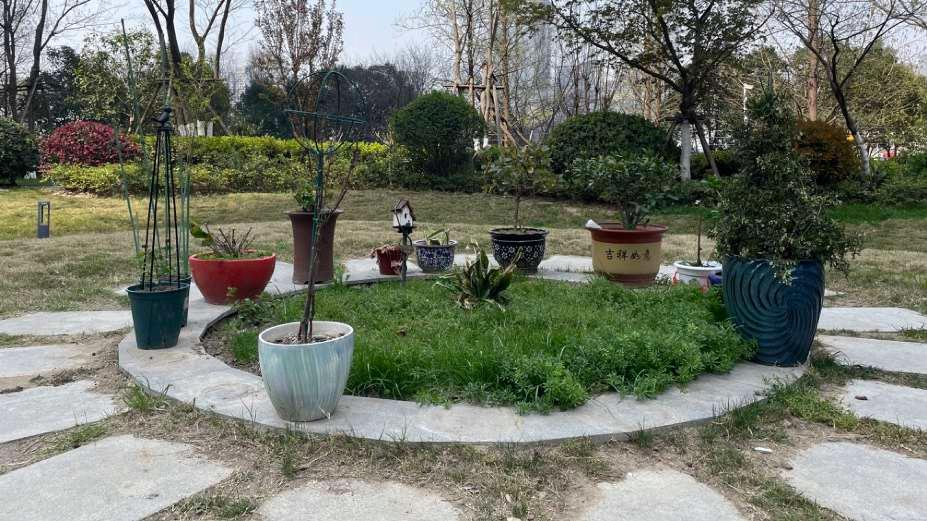
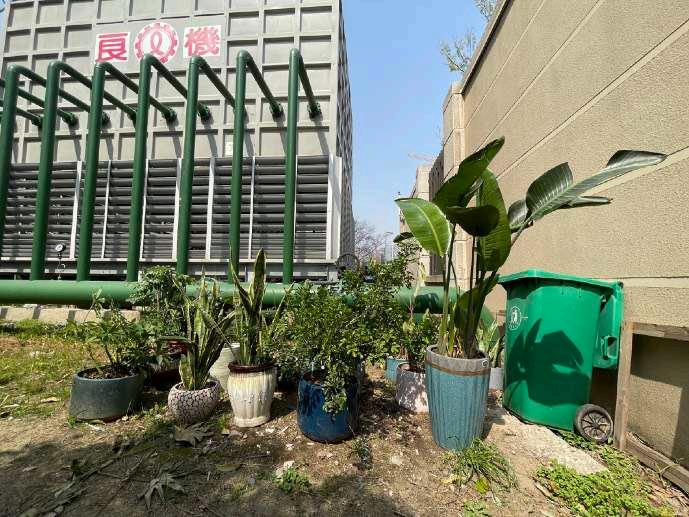
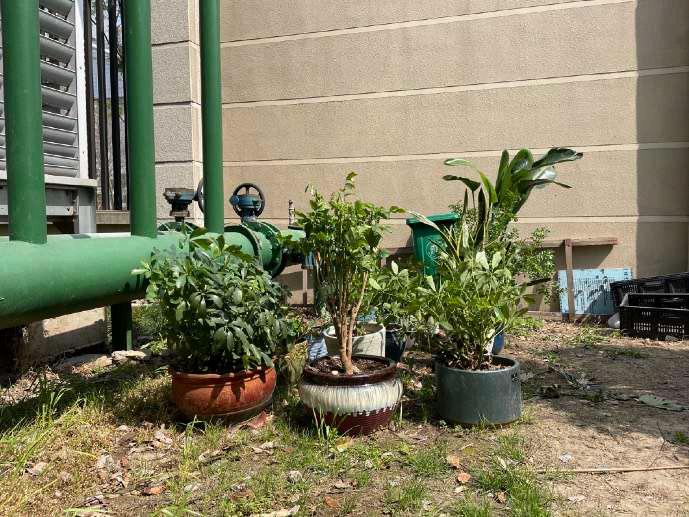
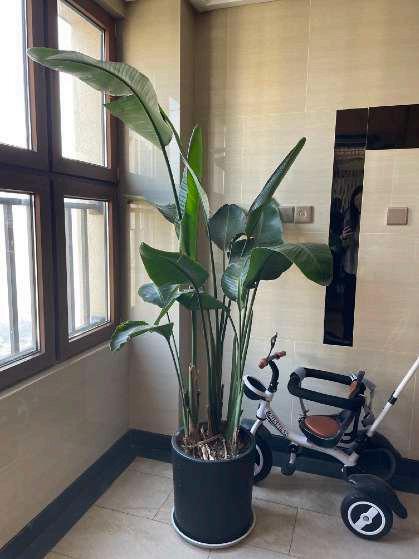
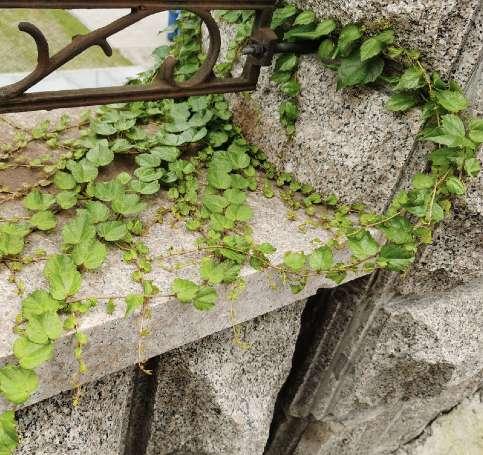
During my visits, I noticed that plants played a significant role in the community. While the outdoor spaces in the community were decorated with beautiful plants, many residents still kept their own plants indoors or on small balconies, as there was no suitable outdoor space for them. This observation sparked my interest in exploring the role of plants as a medium for community rebuilding.
In my conversations with residents, I realized that urbanism often prioritizes plant aesthetics over nature and ecological balance, which creates a lack of suitable space for residents to keep their plants. This led me to consider how plants could be incorporated into community redesign as a way to create a more welcoming and ecological space for all residents.
After conducting in-depth research on the plant culture in the city, a case study inspired me. Which holds a concept of ‘other than human’.
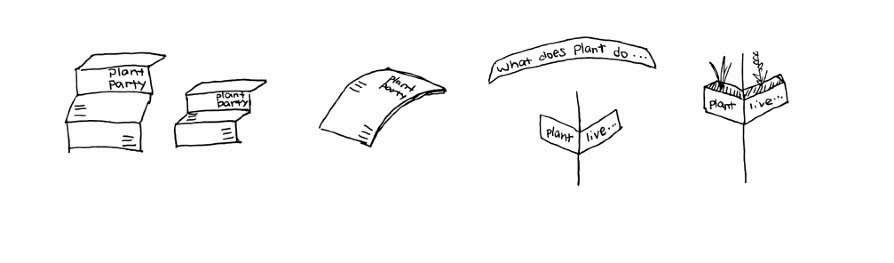
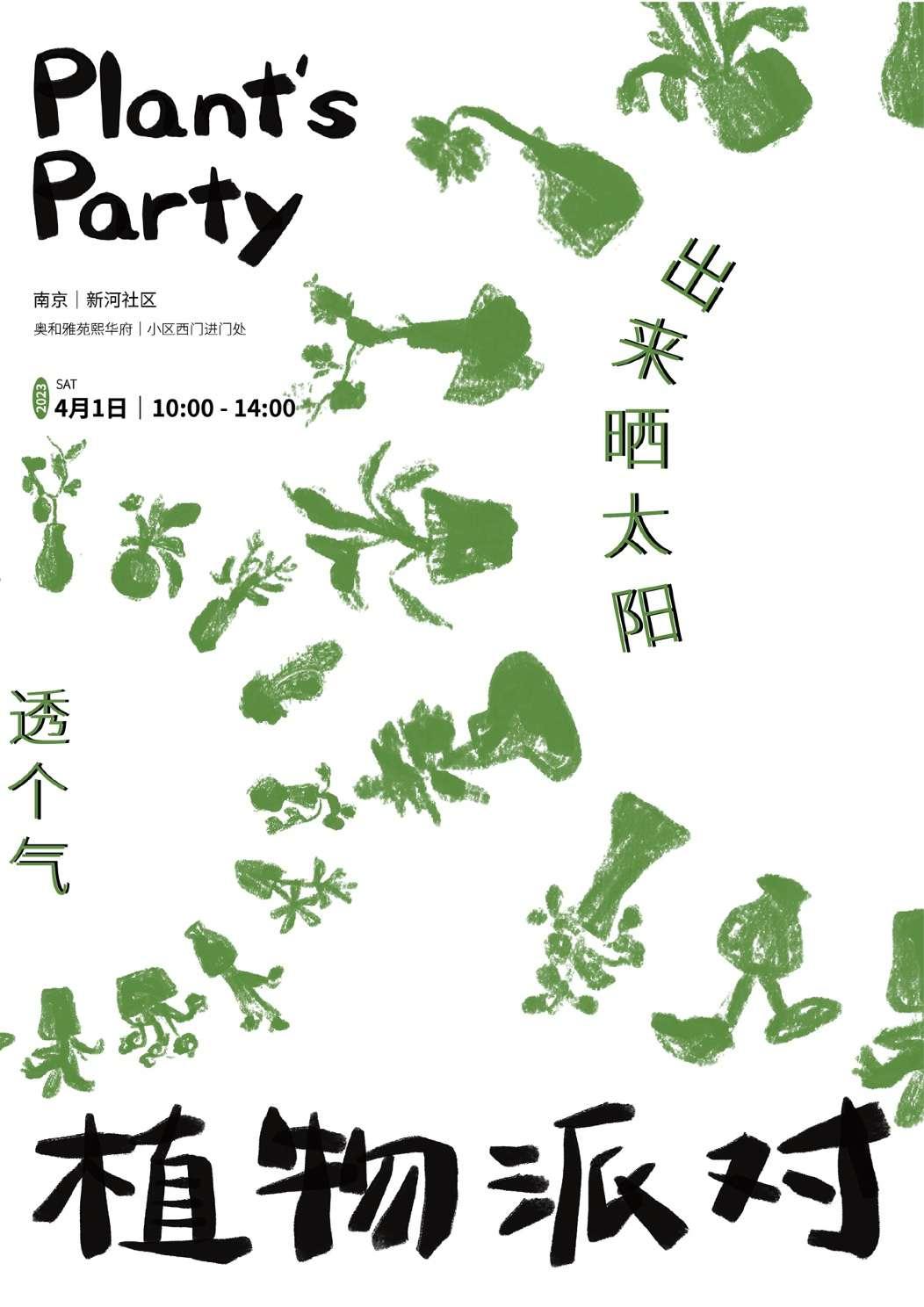
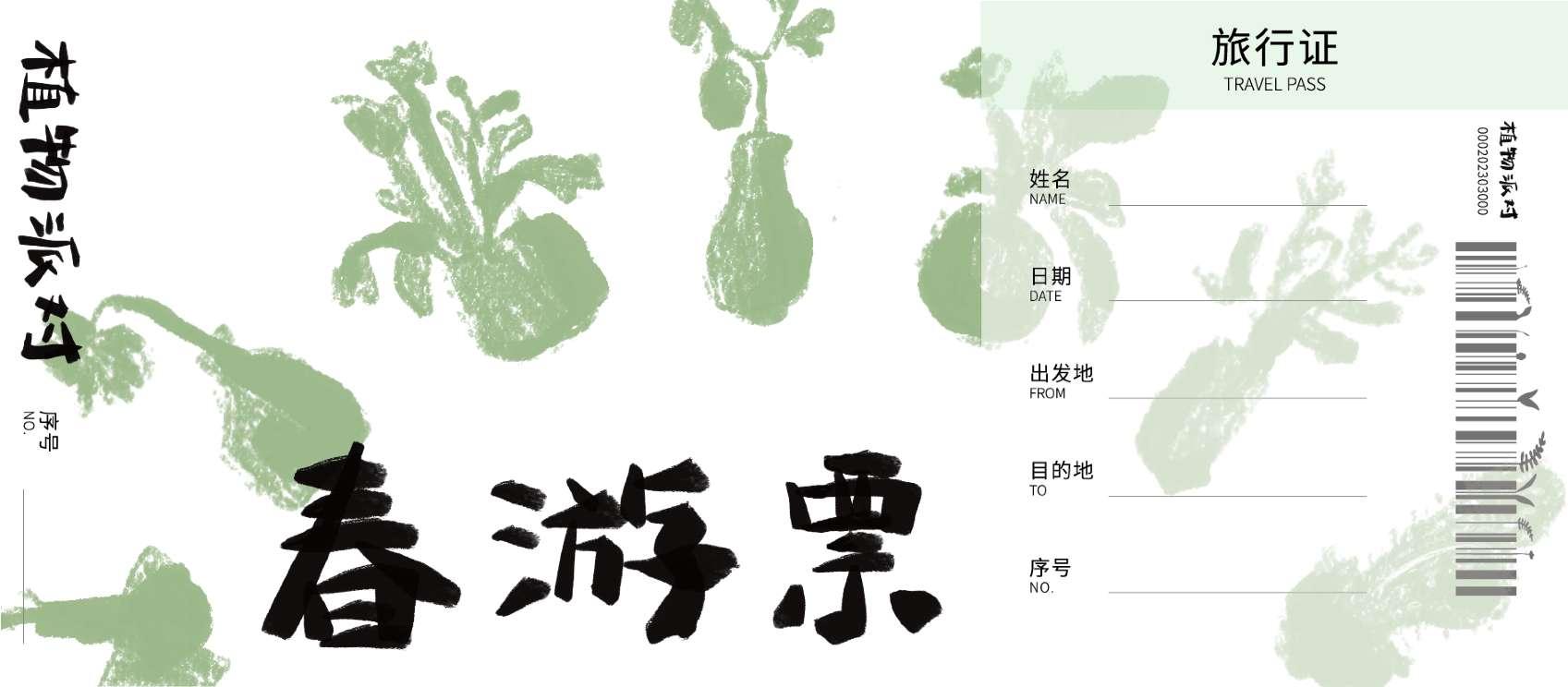
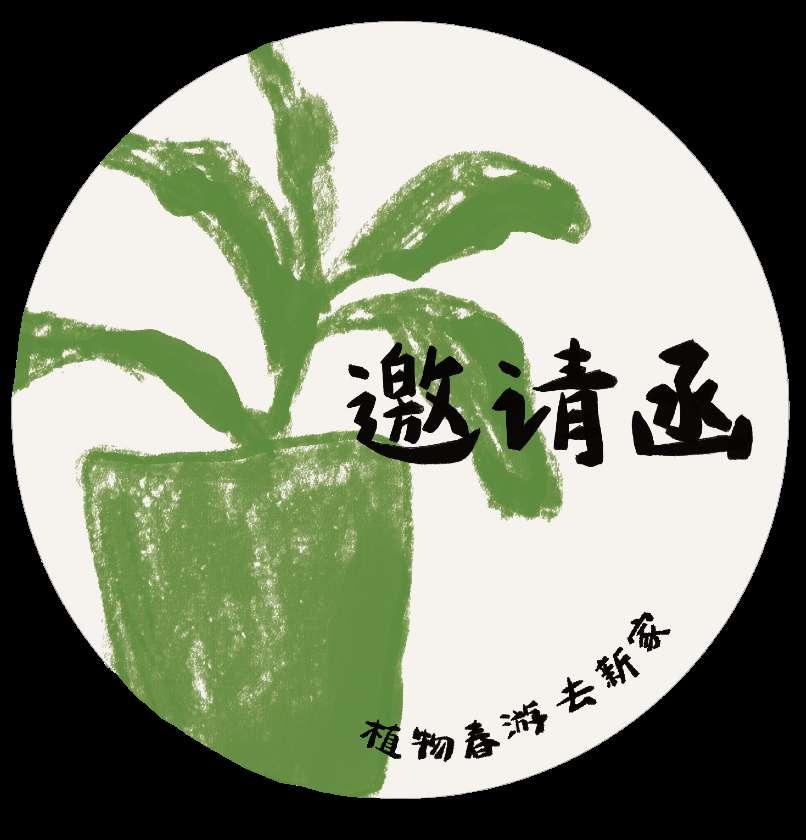
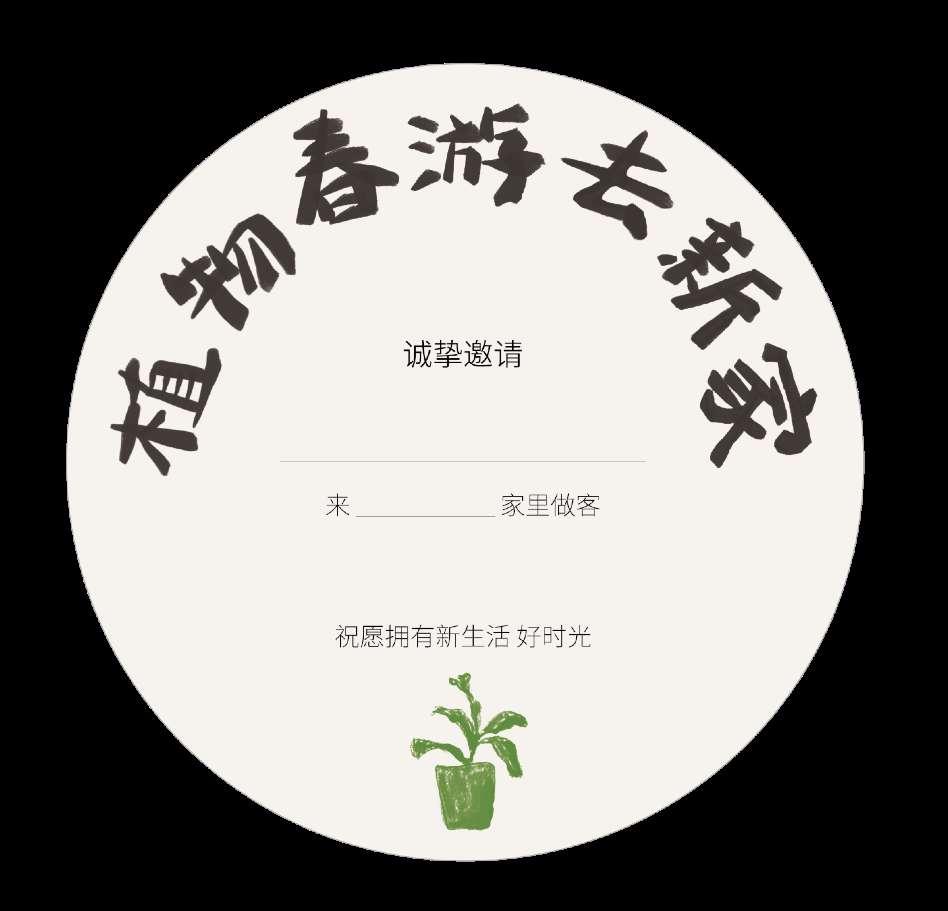
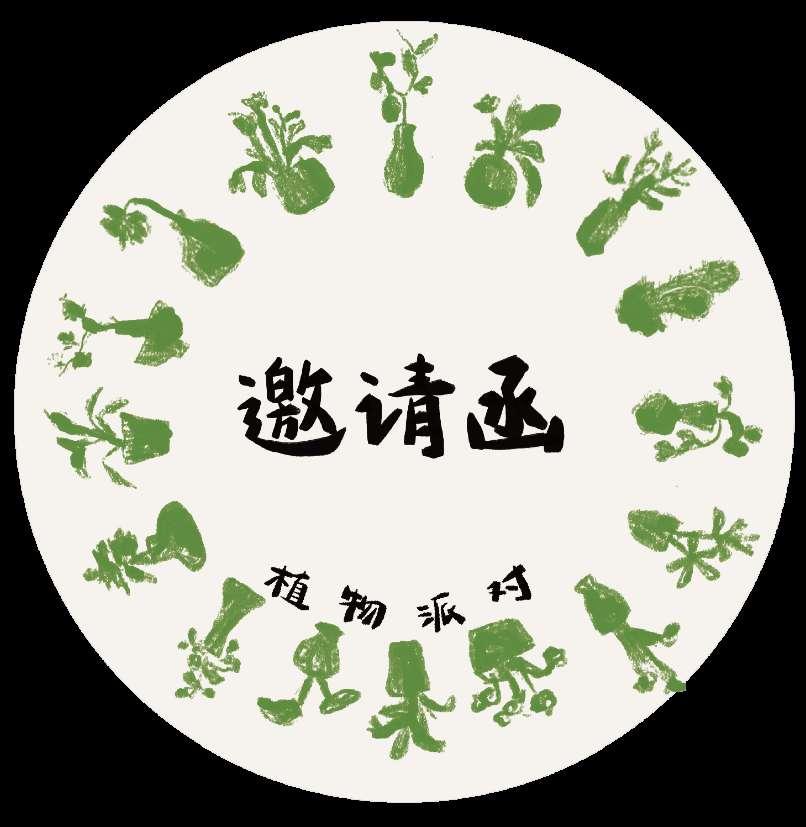
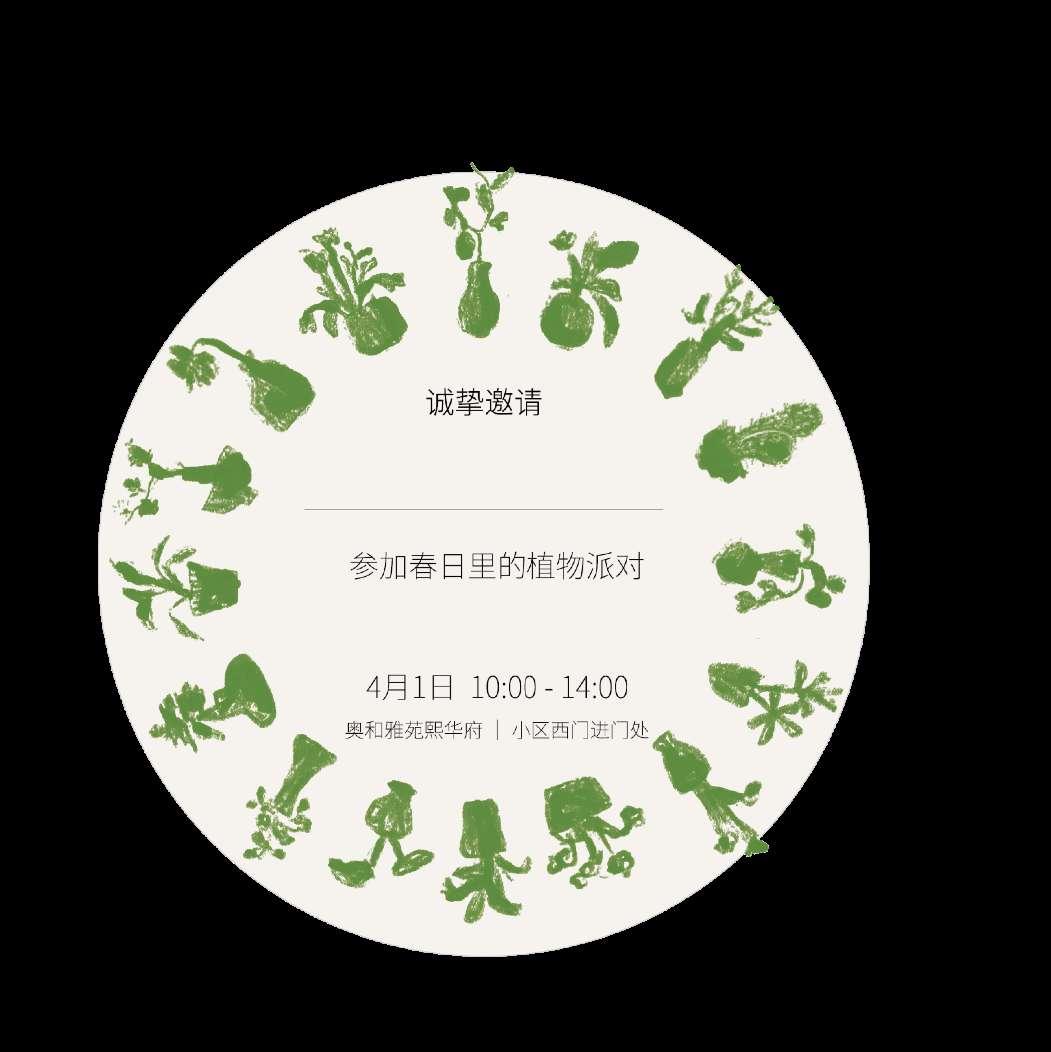
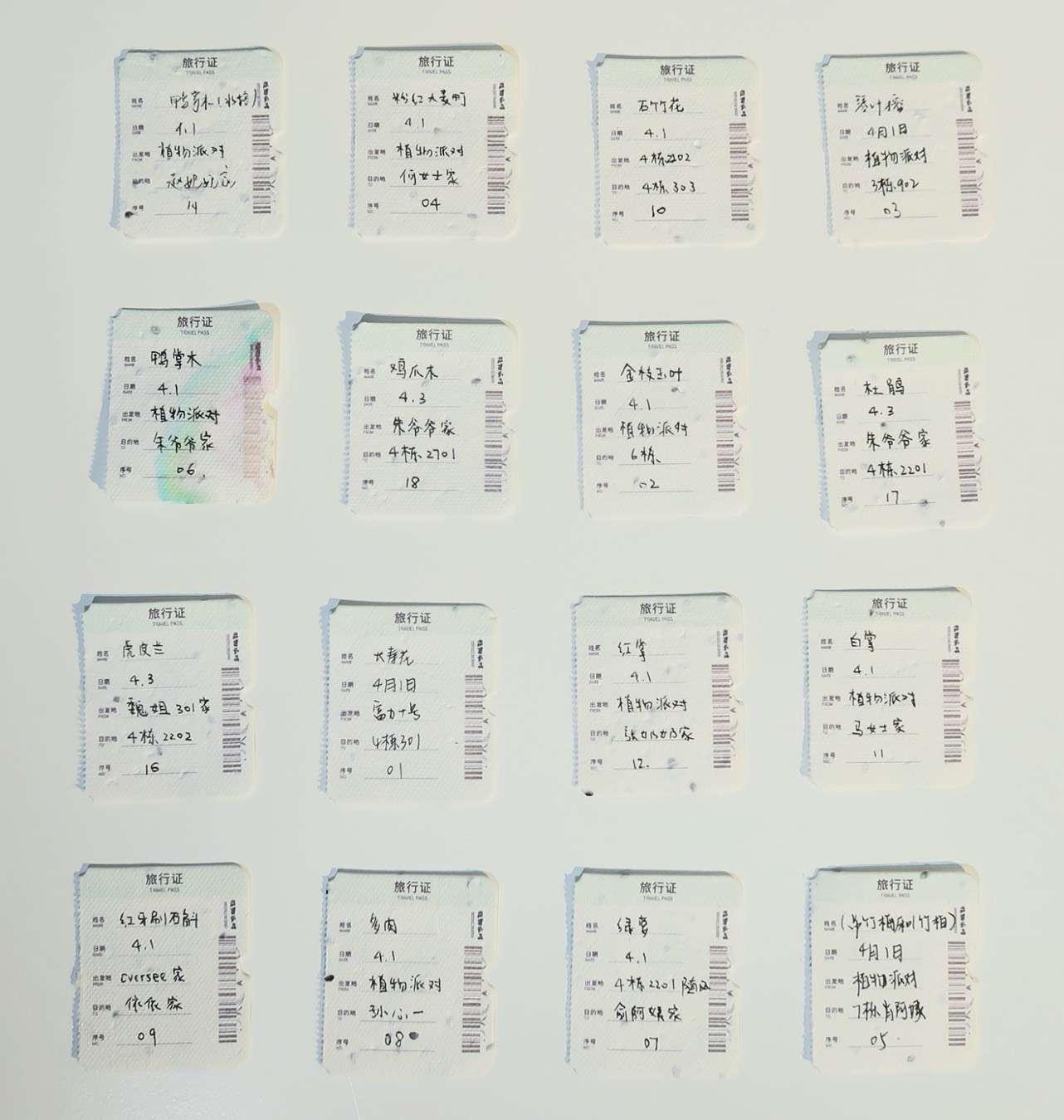
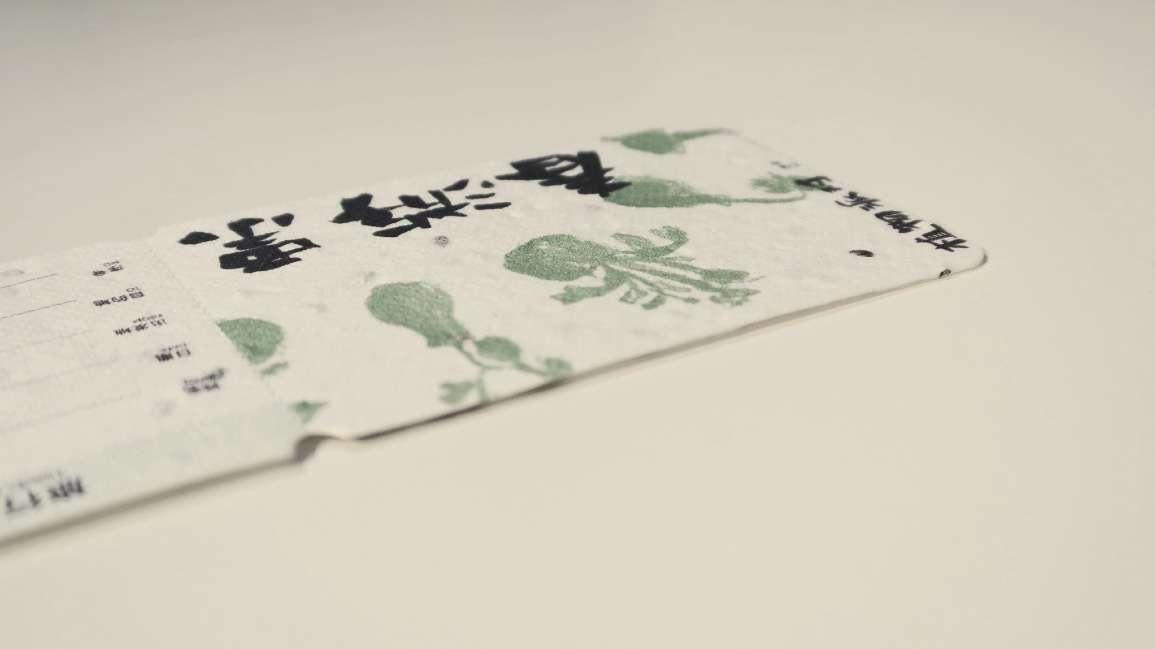
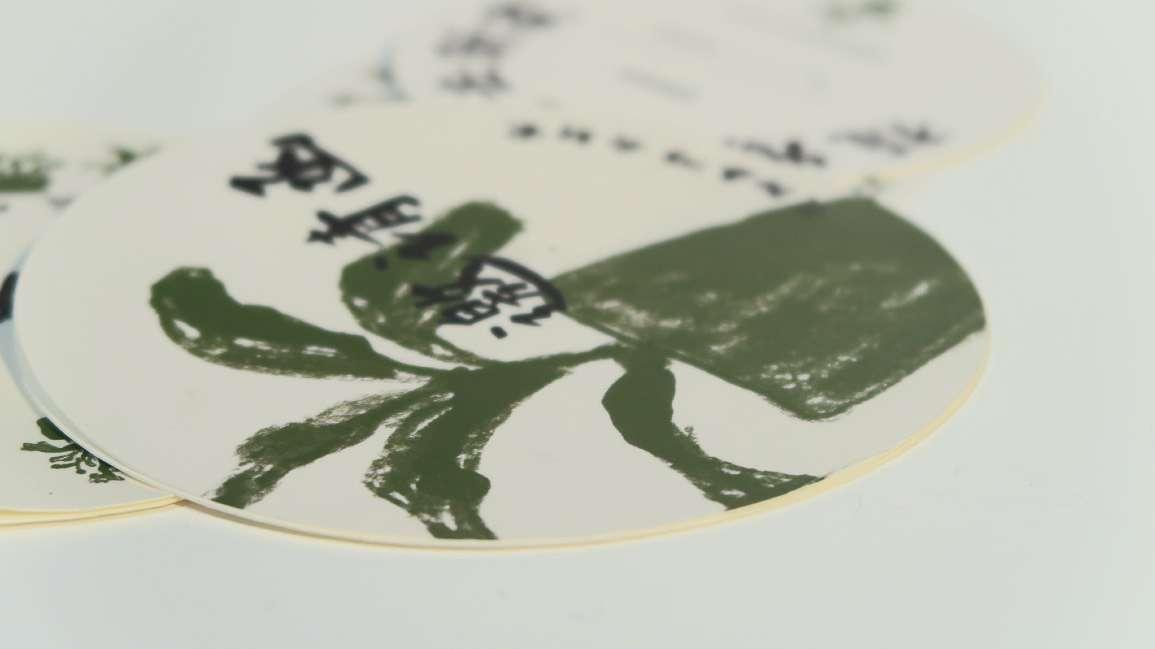
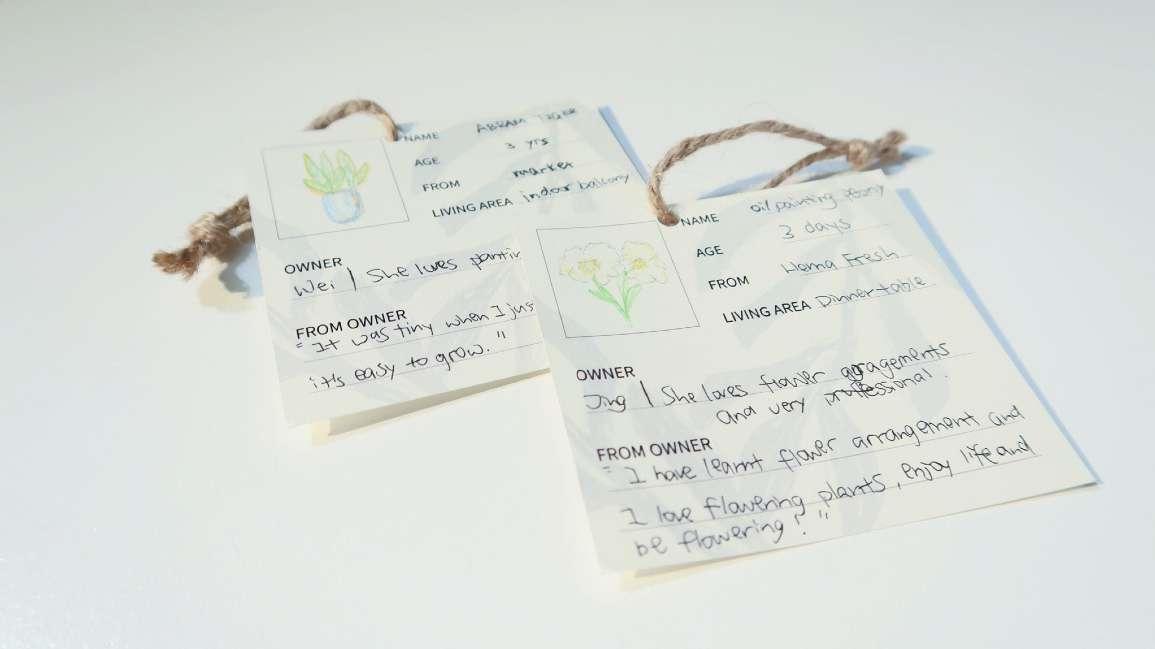
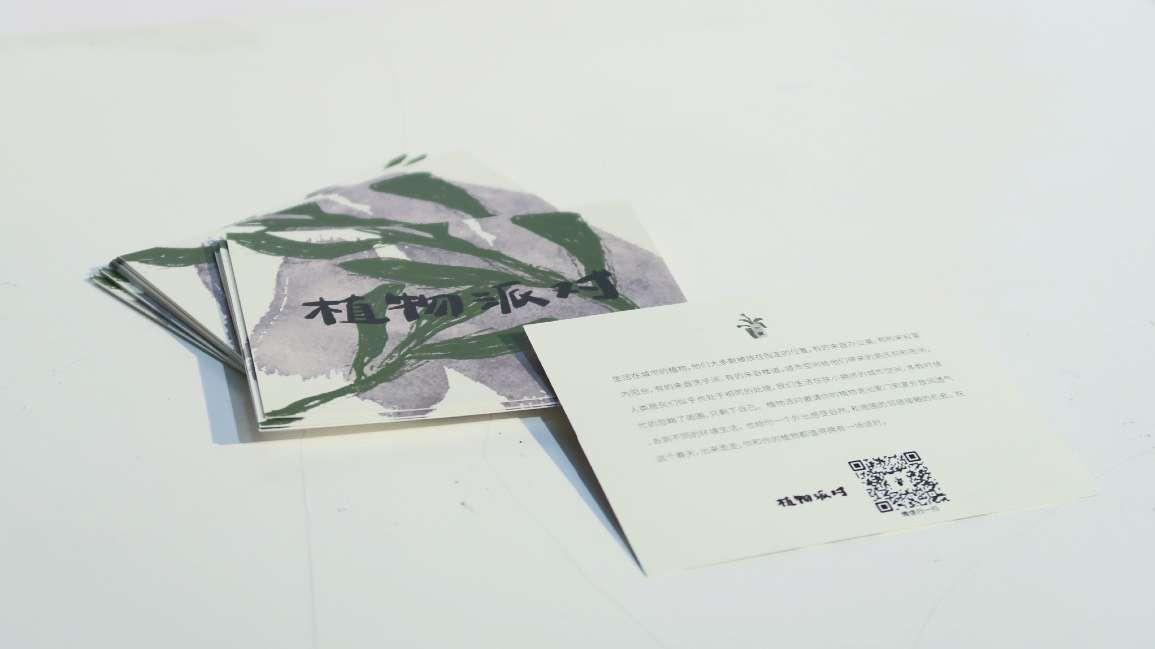
The purpose is to help the audience to rebuild the community and reduce the urbanization impact on individuals. I want to foster my audience to have awareness of rebuilding their ‘nearby’ and ensure long-term sustainable development. Through researching and analysis on the history, space, population, and identity on my target community, I interpret the information and data I obtained. I agree that community design is individual and preserving the culture and identity of the target community is important. After learning the concept of 'other than human,' I also incorporated it into my project. My design plan is an outdoor workshop for exchanging and planting plants among residents. I designed the poster with illustrations visual elements and a series of hand-outs including tickets for sign-up, cards and invitations. To add the interestingness, I describe the ‘exchange’ as a travel to a new home for plants. The tickets will include the plant's name, previous owner, and new owner's information. Which also matches the theme ‘plants party’. My SD3 project is an extension and development of SD2, and they have a progressive relationship. After conducting urbanization research in SD2 and providing a basic understanding for the audience, my SD3 focuses on designing solutions.
In this process, I explored different fields of design, including graphic design and event planning, and practiced different practices, including illustration, photography, installation, and video. Which bring various new presentation and demonstration of the concept. The final presentation format I have chosen is video. I will record the entire event process and select some beautiful shots. After editing, I will add subtitles to enhance the viewing experience.
Journey map
Location analysis
rebuild the community and reduce the urbanization impact on individuals
Start point
Rebuild my nearby
Intention
Rebuild community
Analysis on population
Analysis on space
Field investigation
investigation in my community
Conversation with audiences
Analysis on plants
See what exist
Field investigation
Deeper investigation
Video
Visual material
Placement for plants Workshop
Proposal
Plant exchange workshop
Documentary
Knowledge
Why it's important to rebuild nearby?
The Importance of Rebuilding
The impact on individuals
Case study
Community design
Confetti Parklets
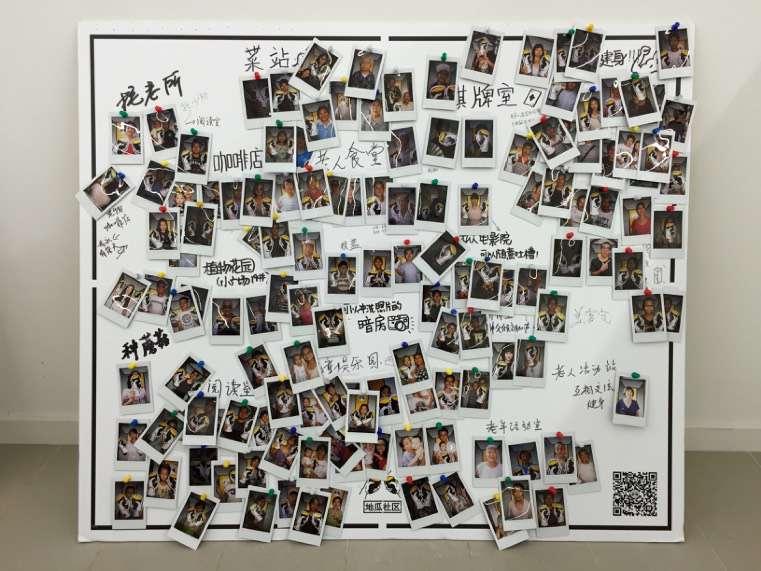
Digua Community
Design Charette
Case study
Community design
Design Charette
Intention
Plant exchange workshop
Reconnect residents
Develop facilities
Strength the identity
Design
Visual materials
The Importance of Rebuilding
1 Living Needs
• Firstly, some residents have been deprived of social reciprocity, living convenience, cultural pleasures, and social resources that were once available "nearby". Most of them have also had their economic prospects and family livelihoods destroyed.
• Secondly, residents urgently need social relationships and the restoration of social capacity. Therefore, it is necessary to rebuild the “nearby".
2 Psychological Needs
3 Preservation of Cultural Value
As more and more people in modern society suffer from mental health problems and a lack of sense of security, the deepening sense of dependence and weakening social processing ability lead to an in fi nite psychological amplification when faced with setbacks. They need a window to truly understand the world, which can be provided by the "nearby".
Rebuilding the nearby can utilize the human and spatial ties to enhance the value of urban heritage.
(The nearby: A scope of seeing, Biao Xiang, 2021)
In this paper, Xiang Biao mentioned the phenomenon existing in the current urban space: the space between the twoespecially the neighborhood and the workplace for daily communication - has disappeared from people's consciousness. Xiang also mentioned that the "nearby" neighborhood can empower marginalized actors. The main purpose of the paper is to illustrate the problems of residents' living phenomena and the role of the nearby neighborhood to demonstrate the importance of rebuilding it.
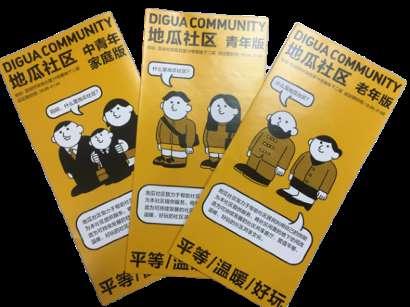
DIGUA COMMUNITY
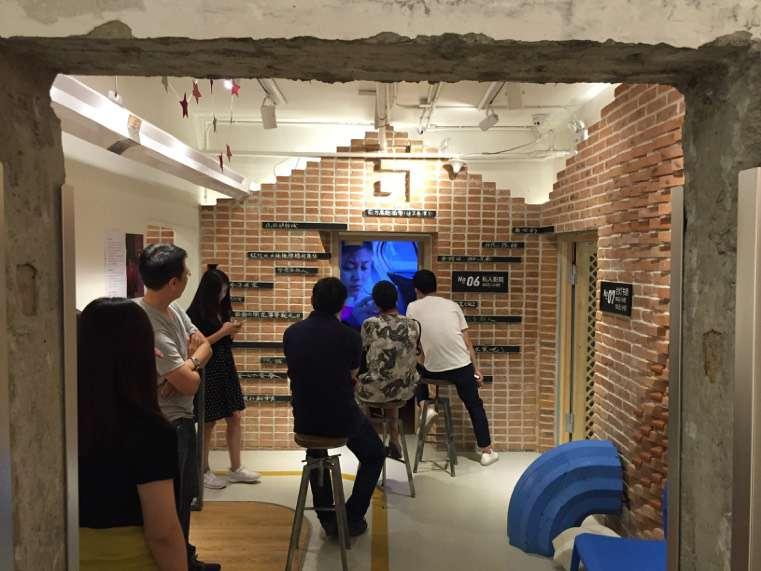
Beijing is facing a strong migration, forcing residents to turn to unusual places to reside. More than 100.000 people are living in underground shelters by 2017. Digua Community is a start-up that aims to regenerate the underground basements to foster a community.
Location: A basement in Chaoyang District, Beijing.
PROJECT GOALS DESIGN PROCESS
Improve the living conditions
Connect people and build community
A permanent platform
ACHIEVEMENT
Brightly colored public social and leisure spaces
Places for small businesses
A community skill exchange location
Interior design details for diverse groups
WHAT DID I LEARN?
Research - On-site Research > Interview with the locals > Framing the challenge
Communication - Push the purpose
Ideation - How to rebuild? > Two mechanisms - Design team produce & Residents’ own express
Implementation
Challenge & SOLUTION
Communication
At first, 98% of the residents did not agree with the renovation plan. It was only after a long period of on-site exploration and discovery that the residents came to understand the purpose and direction of the renovation.
Diverse groups
During the design process, it was discovered that the residents living in the basement were diverse groups, including different ages and social backgrounds. As a mediator centre for different needs, the design team developed different design solutions. For example, the handrails of the stairs were designed with two layers (the upper layer for the elderly to use and the lower layer for children to use more conveniently).
The four principles they followed
1 Social & space value 2 Knowledge interaction
3 Critical thinking 4 Ground capacity
The design consideration for diverse groups is worth learning.
MY FEEDBACK
Lack of Privacy: The open and shared spaces for socializing without private space.
Maintenance Challenges: With its various shared facilities and communal areas, may pose challenges in terms of maintenance and upkeep.
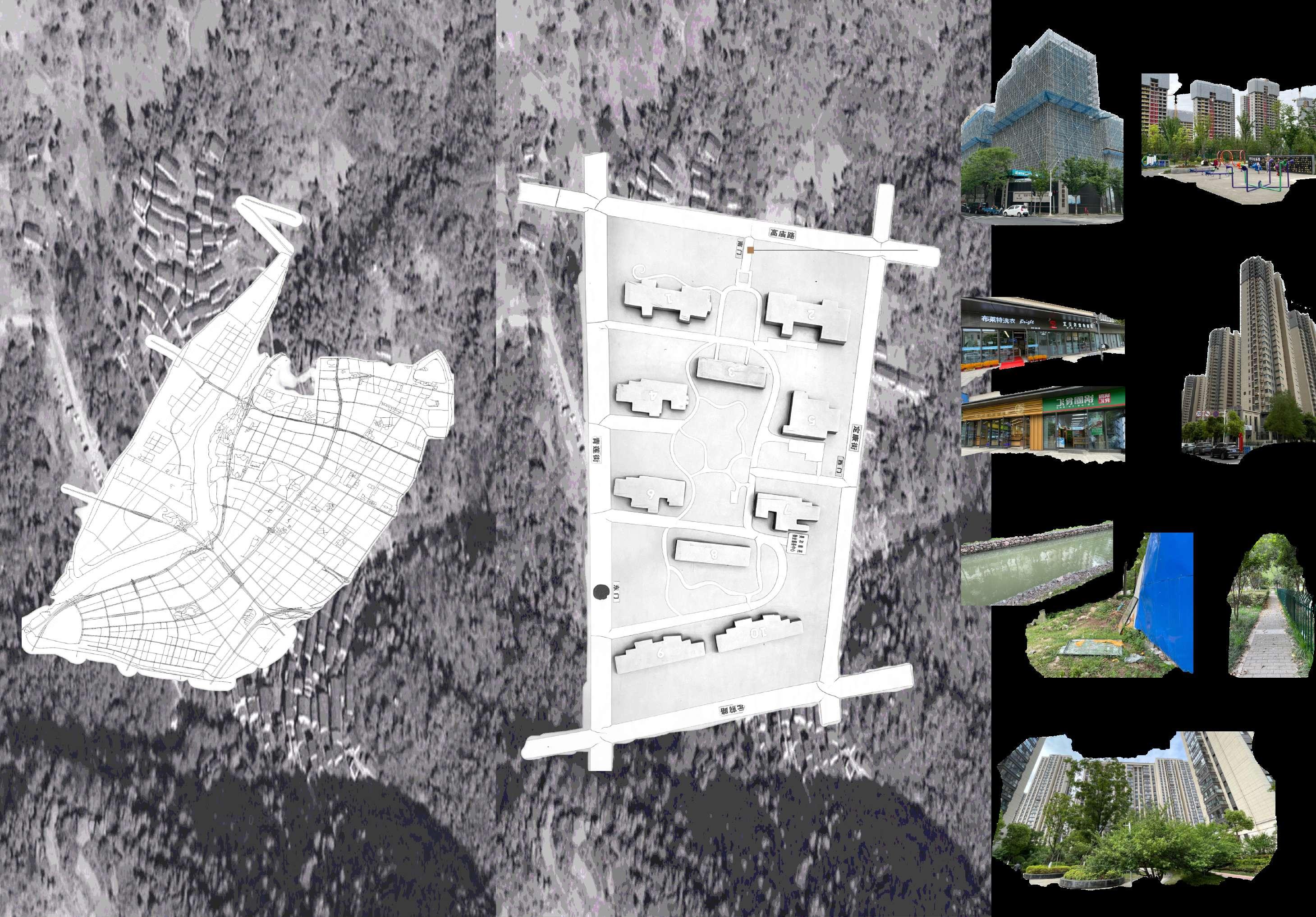
Location analysis
Using the insights gained from previous case studies, I conducted on-site research by analyzing the spatial location, experiencing its physical layout and unique character.
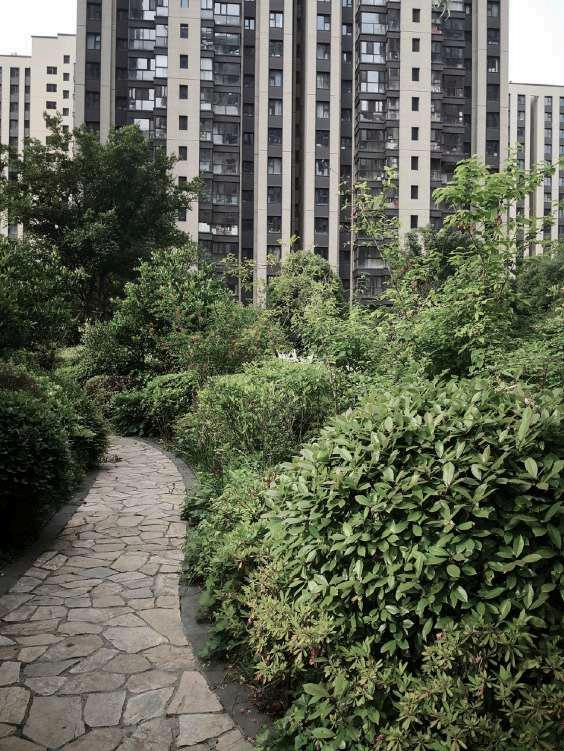
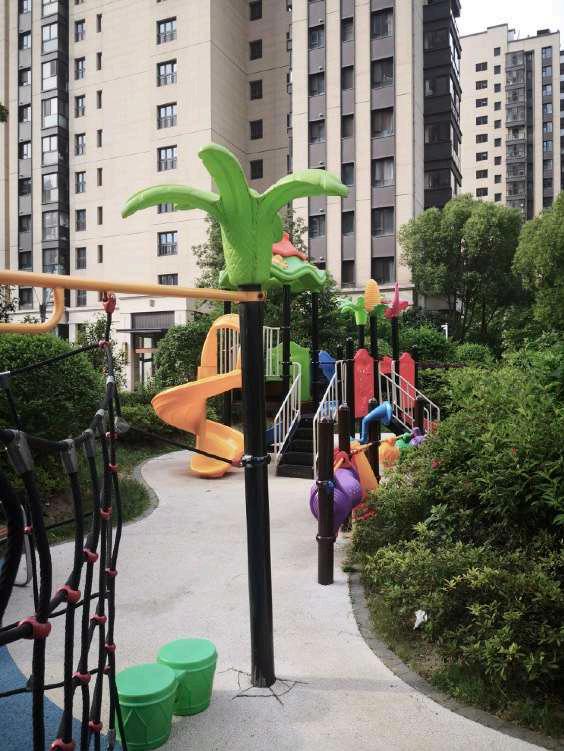
What’s around the community?
• many high-rise buildings under construction • some buildings block the sunlight around the children's playground
• all shops, restaurants, living services • other high-rise residential community buildings
• abandoned stream and grassland
Address: Jianye District, Nanjing
Completion: 2019
Population: Around 1000
Description: New urban area
Number of residential buildings: 10 Building floors: 32 floors (per building) Average living area: 100 sqm
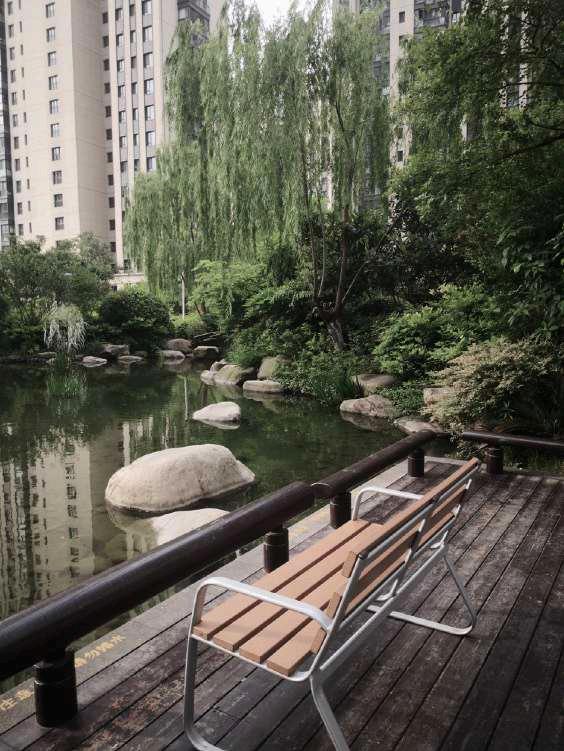
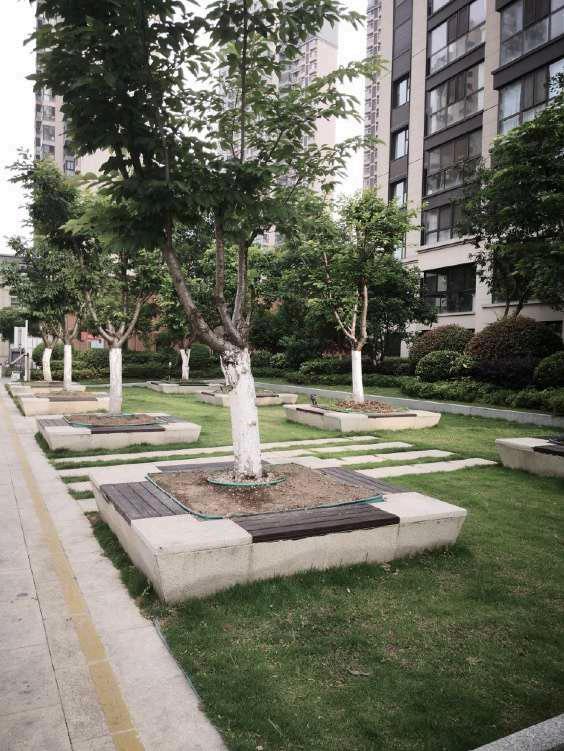
With modern facilities and is a high-end community in the city, but lacks ecology and has a low greenery rate, and lacks identity and unique culture.
Analysis on population
Population distribution
To explore the role of plants as a medium for community rebuilding, I conducted in-depth research on the plant culture in this area.
How often do you socialize with neighbors? The
Summary
With modern facilities and is a high-end community in the city, but lacks ecology and has a low greenery rate, and lacks identity and unique culture.
Analysis on space
With modern facilities and is a high-end community in the city, but lacks ecology and has a low greenery rate, and lacks identity and unique culture.
With modern facilities and is a high-end community in the city, but lacks ecology and has a low greenery rate, and lacks identity and unique culture.
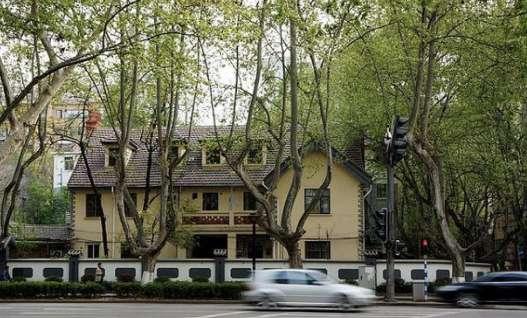
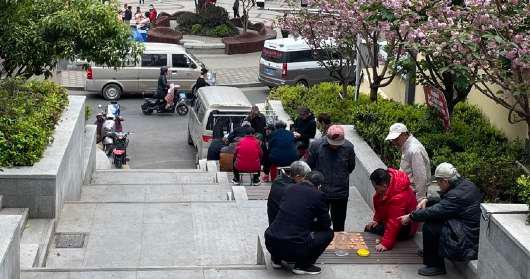
The Yuzui Village in old Jianye area, Nanjing Photo from online
The current Jianye District, Nanjing Photo from online
Tianmu District in an old area, Nanjing Photo taken by me
See what exist
Interview
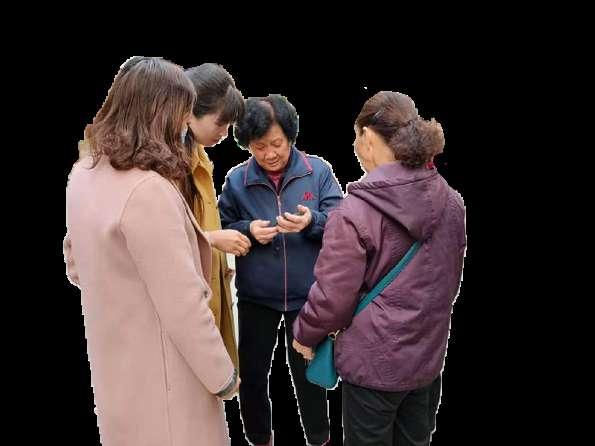
In my conversations with residents, I realized that residents have needs of plants in the urban living.
Reflection
During my visits, I noticed that plants played a significant role in the community. While the outdoor spaces in the community were decorated with beautiful plants, many residents still kept their own plants indoors or on small balconies, as there was no suitable outdoor space for them. This observation sparked my interest in exploring the role of plants as a medium for community rebuilding.
Design Charette
To develop the visions for the neighbourhood of Holendrecht. Furthermore, the teams were asked to apply the ‘Other than human perspective for Neighborhood Resilience’. Accordingly, the teams also include plants and animals within the scope of consideration.
Location: Holendrecht, Amsterdam
PROJECT GOALS DESIGN PROCESS
Human/Non-human public spaces
Know, integrate, join the local ecosystem
Functionalities
ACHIEVEMENT
Leave the grass to grow
Create the natural path of pedestrian circulation
Space for animals to live
WHAT DID I LEARN?
Research - On-site Research > ‘Rooted Urbanism’ workshop > Data collection & analysis
Communication - Conveying the framework (other-than-human perspective resilience
Ideation > Together with the residents > Appropriate solutions
Implementation
Challenge & SOLUTION
Lack of biodiversity expertise
They collaborate with a team that has both social and ecological expertise and would engage with local residents and build sensitivity towards their desires and needs.
Data collection
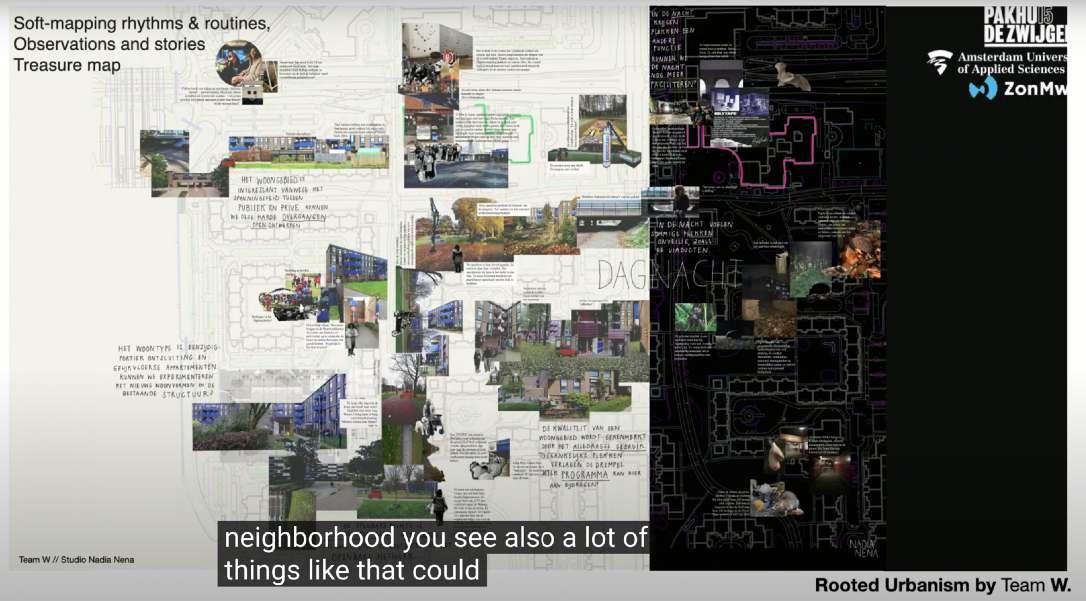
During the on-site research process, it was difficult to organize information on human and non-human both. They developed the soft-mapping to record the data and make a net to weave all information.
‘Rooted Urbanism’
A bottom-up observation approach to urban transformation from socialecological perspective.
The mapping method to collect and organize the on-site information.
MY FEEDBACK
No follow-up: there may not be a clear plan for how to continue and make sustainability.
Analysis on plants
To explore the role of plants as a medium for community rebuilding, I conducted in-depth research on the plant culture in this area.
Summary
With modern facilities and is a high-end community in the city, but lacks ecology and has a low greenery rate, and lacks identity and unique culture.
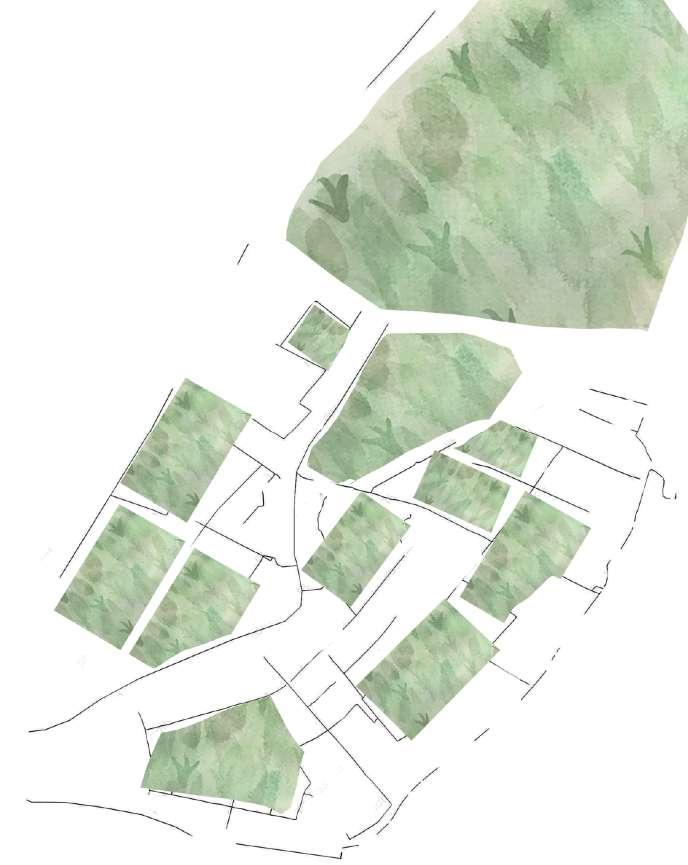
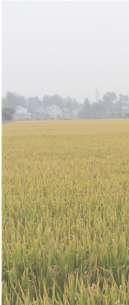
• Farmland
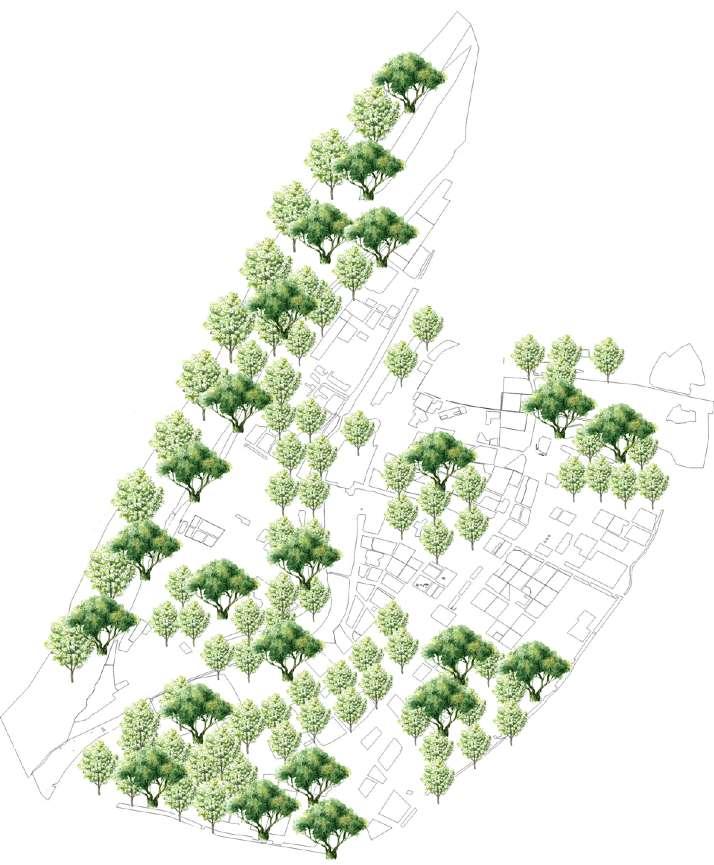
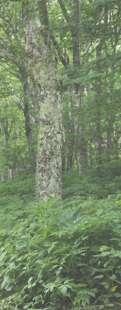
• Trees (woodland)
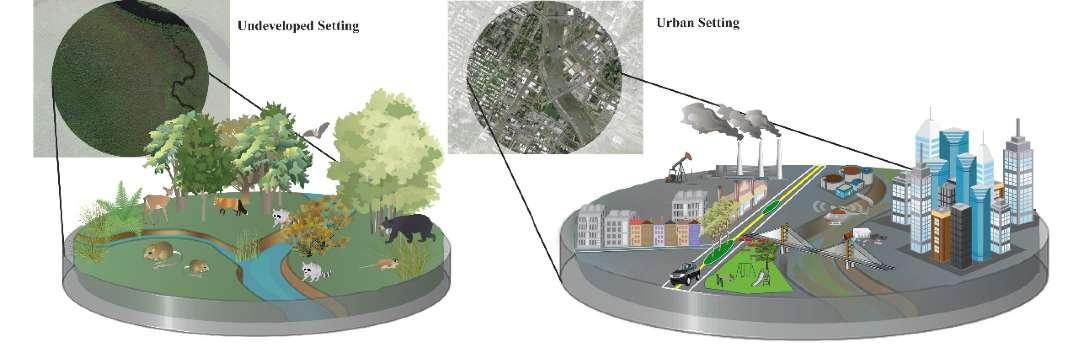
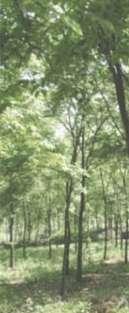
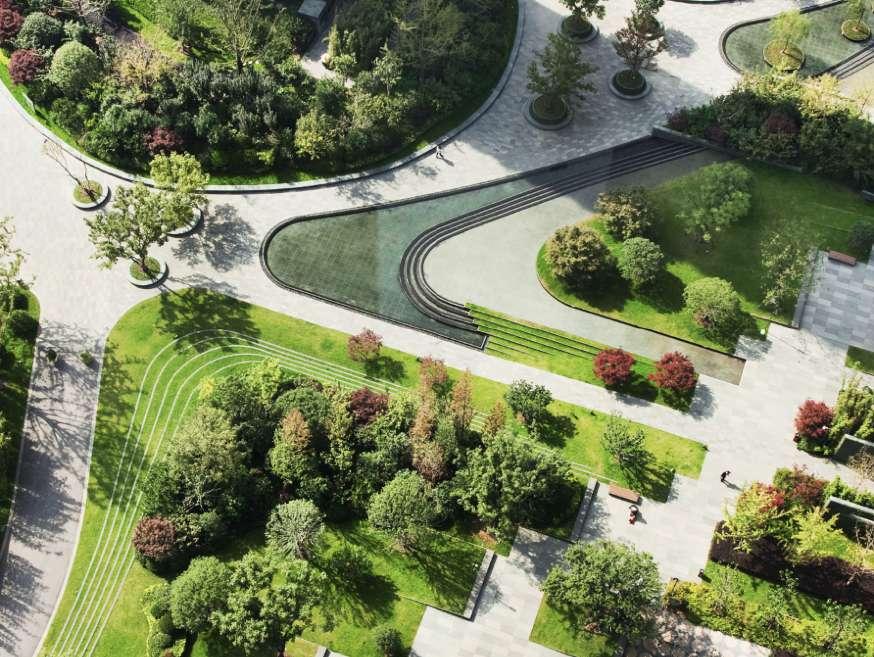
• City landscape
1 Plant growth history
In Jianye district
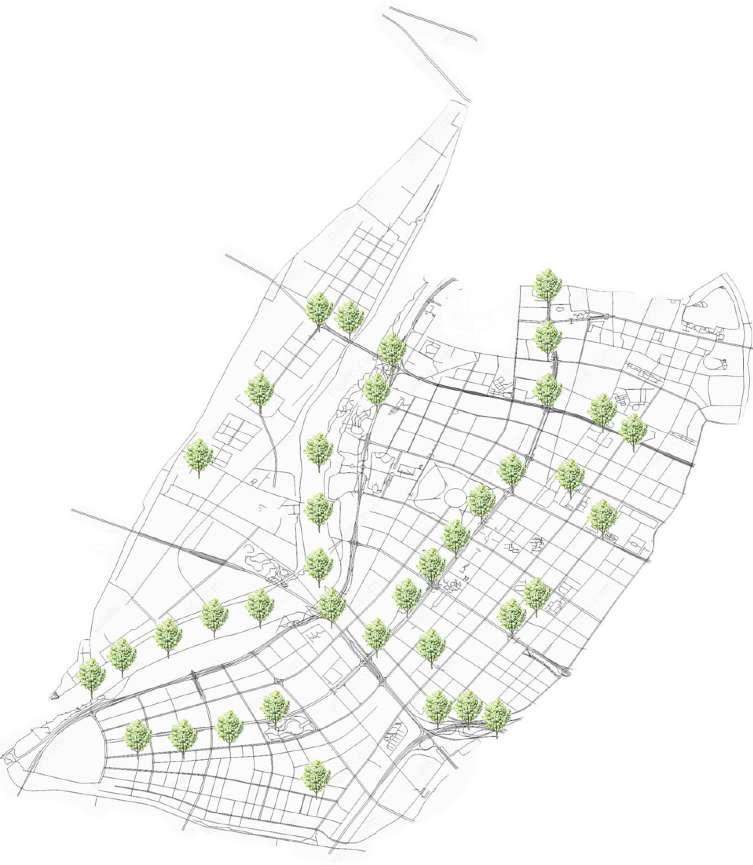
2 Plant in current
In Jianye district
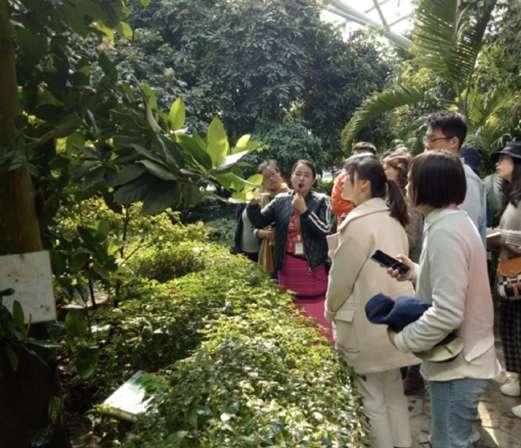
• Nanjing Botanical Garden
• Nanjing Botanical Garden
• Nanjing Botanical Garden
Interview - melting
Challenge
It's challenging to initiate interviews. In the beginning, they were not clear about my question's intention.
Ice-breaking Melting
I learned the concept of “ice-breaking" from ‘Digua community’ case study. Ice-breaking means opening up communication with strangers. However, after deeper thinking, I believe that the concept of "melter" is more suitable. When designers communicate with community audiences, gaining trust is a key factor in obtaining the most authentic information. This is more like a process of slowly melting away barriers. So I start the interview with chatting, and try to involve in what they are doing.
Who:
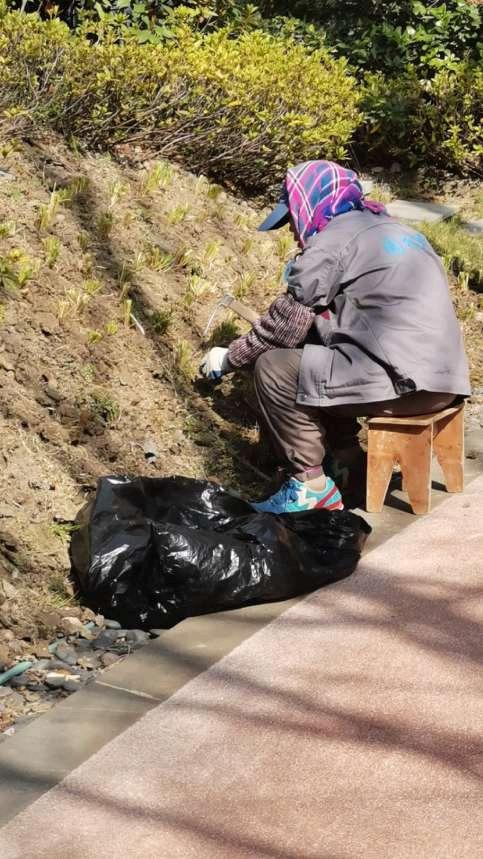
A- a gardening company worker who plants grass downstairs in the community
B- Property Manager, who is responsible for green management in the community.
Conversation:
J: What kind of grass is this? Did you start planting grass early in the morning? Does this grass grow fast? What does it look like when it grows up? Is this grass expensive? Is it easy to plant? Is the soil here very dry? Is this grass expensive?
A: This is a new variety of grass. Yes, started planting grass early in the morning. This kind of grass doesn't grow fast. It takes at least three months to grow. In the summer, it will grow into a beautiful cluster of grass. This grass is definitely more expensive than regular turf, and it is not easy to plant. It also needs to be fertilized. The soil here is too dry. The previous grass we planted died, so we had to switch to this new variety.
J: The community's landscaping is well done. Does it take a lot of manpower and money? How much money do you spend on community landscaping each year? Is it difficult to maintain these plants?
B: This community is considered a high-end community. Each year, tens of thousands of dollars are spent on landscape design, plant procurement, and personnel wages. Purchasing trees, there are several rare species that cost tens of thousands of dollars for a single tree. In addition, hiring maintenance personnel is expensive because most plants do not naturally grow well here and need to be fertilized, watered, and pruned regularly. Like the new variety of grass you see now, it was planted because the previous ones were not droughttolerant and died.
J: It seems that most residents in the community are very satisfied with the landscaping. Do most residents enjoy this space?
B: Almost all residents enjoy this space. Our community is relatively quiet in the city. Residents enjoy outdoor spaces because of the greenery, the air is fresh, and they prefer to come out for walks and activities in the community.
Urbanism prioritizes plant aesthetics, defying nature, with a strong desire for ecological beauty.
2
My reflection
Who:
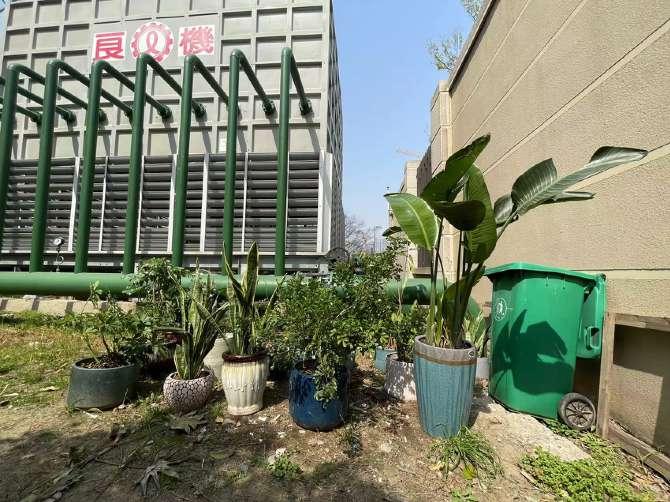
C- whom I met downstairs in the community (he brought a pot of plants from his home to the public area downstairs).
Conversation:
J: What kind of flower are you planting, Grandpa? Do you like planting plants? Why did you move downstairs? Do you have other plants at home?
C: This is a tree. After sprouting and flowering, it will produce red flowers. quite like it, but only plant plants that are easy to care for. After the winter, pruned the old branches and now I put it outside to absorb more sunlight and sprout quickly. There are some easy-to-plant plants at home that I want to grow more, but my balcony is too small and not enough space, so I can only grow some small plants.
The enclosed and oppressive urban space does not allow residents to have a suitable environment for keeping plants.
3
My reflection
Modern people buy plants more purposefully. Some upper-class people even buy plants just for visual enjoyment, ignoring or finding ways to replace the process of caring for plants.
Who:
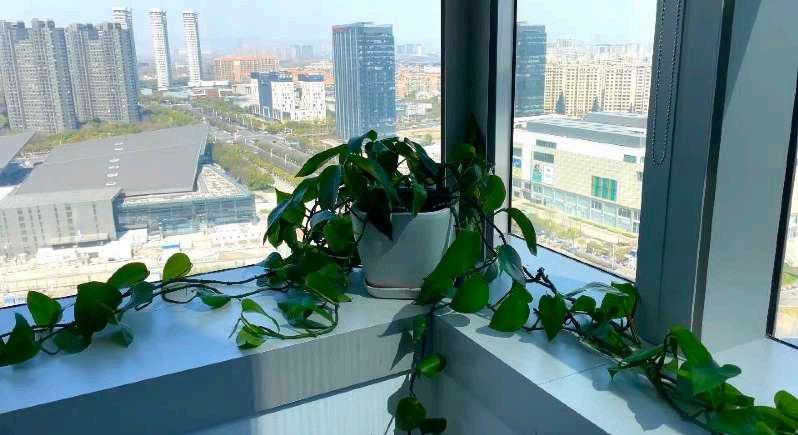
D- An employee in the office building (one of her responsibilities is to take care of the plants in the boss's office).
Conversation:
J: kind of psychological factors do you think people who keep plants in the office have?
D: We have quite a few plants in our office, each with its own purpose. For example, the two large orchids at the entrance are regularly ordered and replaced to give clients a good first impression and beautify the company's image. The plants in the bosses' offices are usually more expensive and are purchased for their personal enjoyment, and some are used for feng shui. The plants on the desks of ordinary employees are usually small plants that the employees purchase themselves to add greenery and relaxation.
D: Our boss also likes to buy plants for the office because they look good and pleasing to the eye. As a result, many of the plants he buys are difficult to maintain because the more beautiful plants are usually more expensive and require more time to care for. I think the boss buys plants just for their beauty, but doesn't want to bother with caring for them.
Proposal
How to rebuild the community?
Through researching and analysis on the history, space, population, identity on my target community, I have full pattern of the community. I agree that community design is individual and preserving the culture and identity of target community is important. Starting with the act of indoor gardening, I explore how plants can be used to reestablish connections among residents and enhance the environment of urban communities.
Impact on individuals
Intention
• Psychological Needs
• Living Needs
Goals
• Reconnect residents
• Strength the identity The purpose is to help the audience to rebuild the community and reduce the urbanization impact on individuals. I want to foster my audience to have awareness of rebuilding their ‘nearby’ and ensure longterm sustainable development.
• Preservation of Cultural Value
Target audience
• The community - Jianye community
• Modern dwellers in this community.
Inspiration
• Develop facilities
Thinking about the indoor gardening and outdoor space, I want to experiment with plants, as a media to help reconnecting and repair ecology. My inspiration is to start with an action or a community activity related to growing plants.
1
A sharing event
Organize an event to involve all residents and hold a gathering. Those who have indoor plants can bring their plants outdoors and share their experience with plants.
Concept
It provides a common ground for conversation and builds a shared interest among the participants.
Making
I design the visual materials to provide participants with handouts or resources summarizing the event content.
2 Plant exchange activity
I will collect Information from all residents who have indoor plants, including their plant stories, experiences. After collecting all plants, I will help them to exchange with others.
Concept
It also provides an opportunity for communication and residents will socialize with each other.
Making
I design the visual archive after collecting the information. And also posters and cards for promoting.
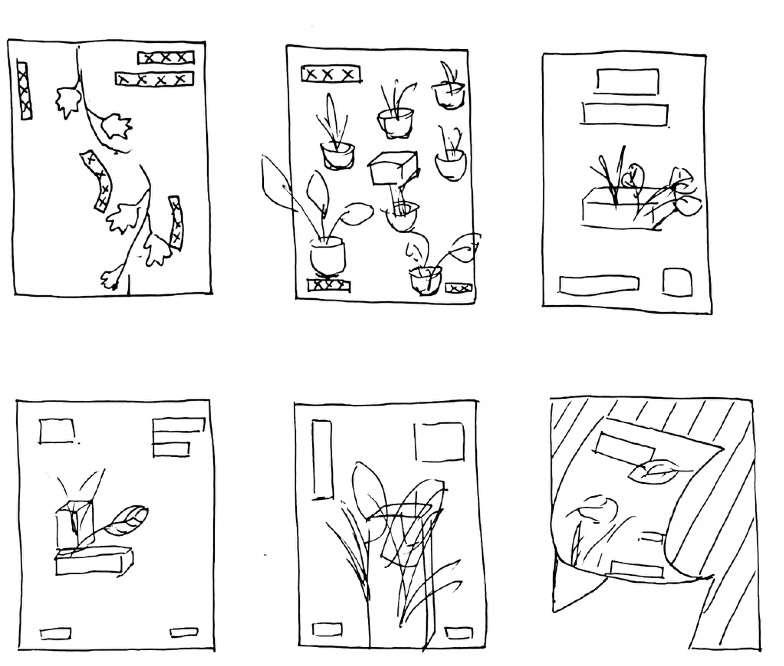
Poster design 01
Concept
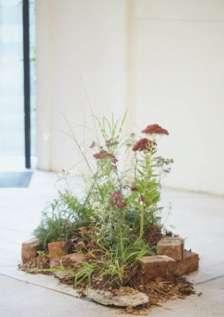
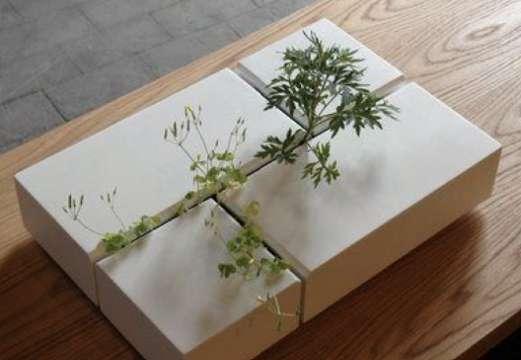
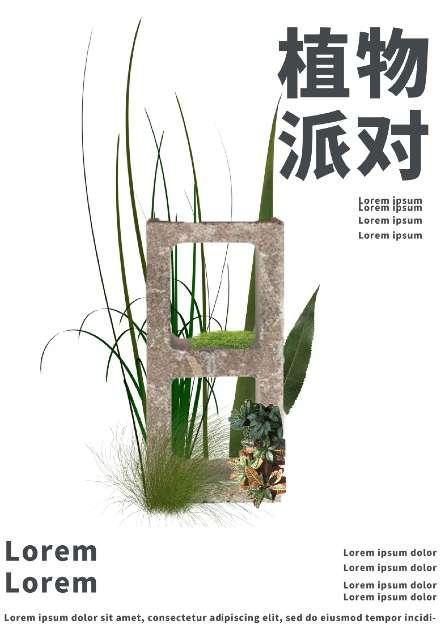
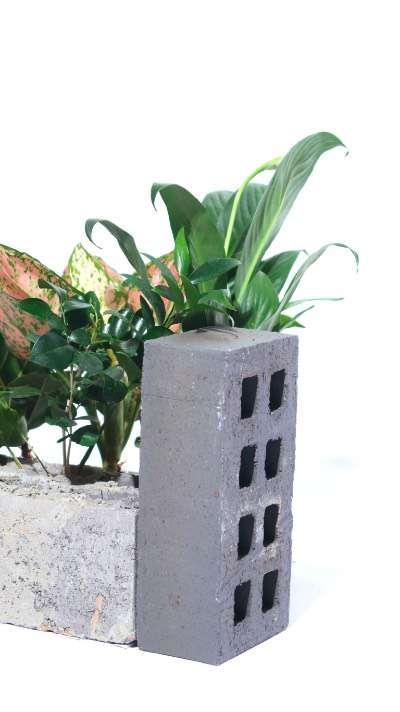
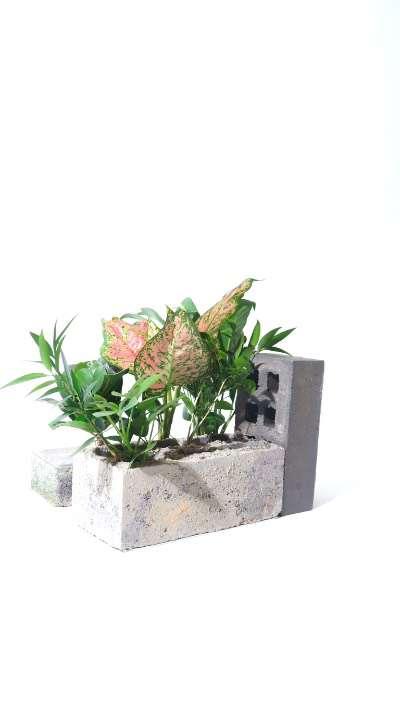
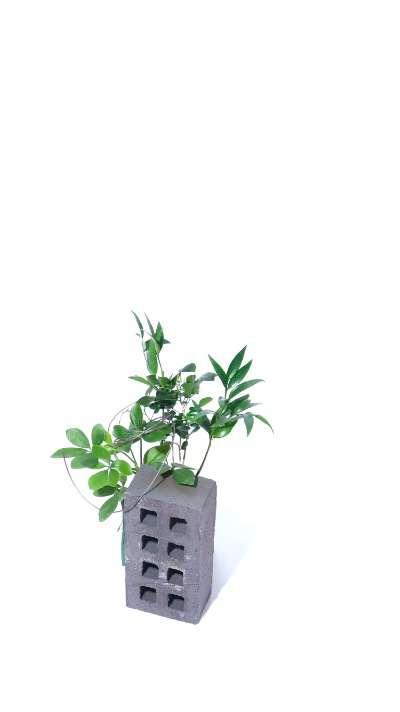
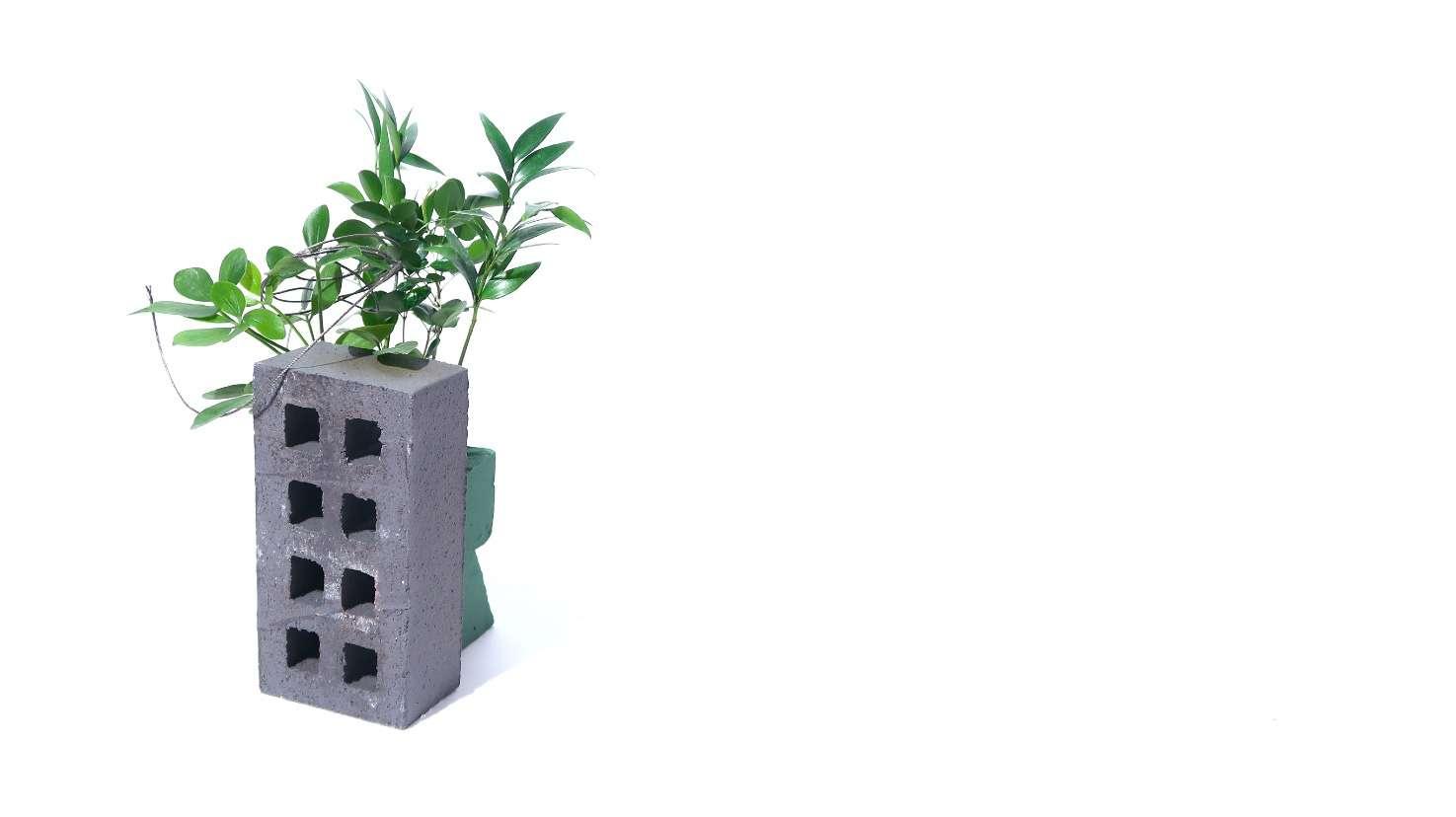
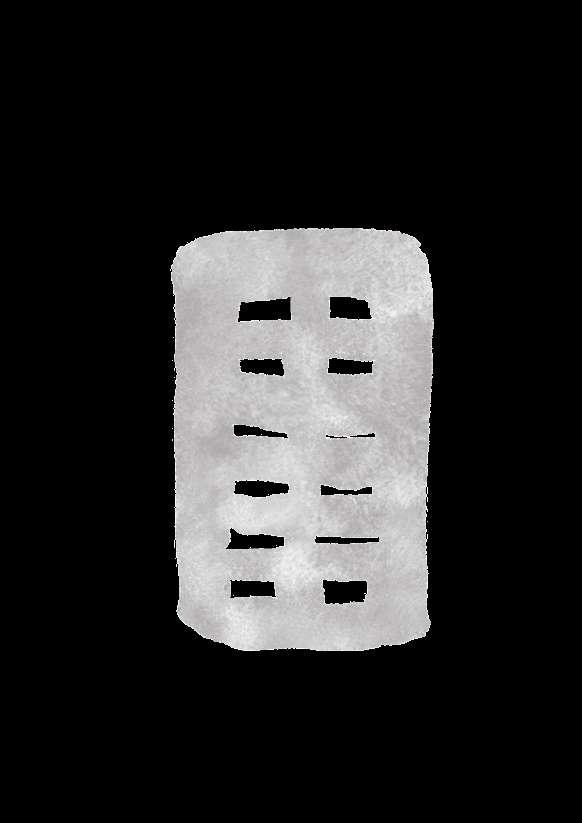
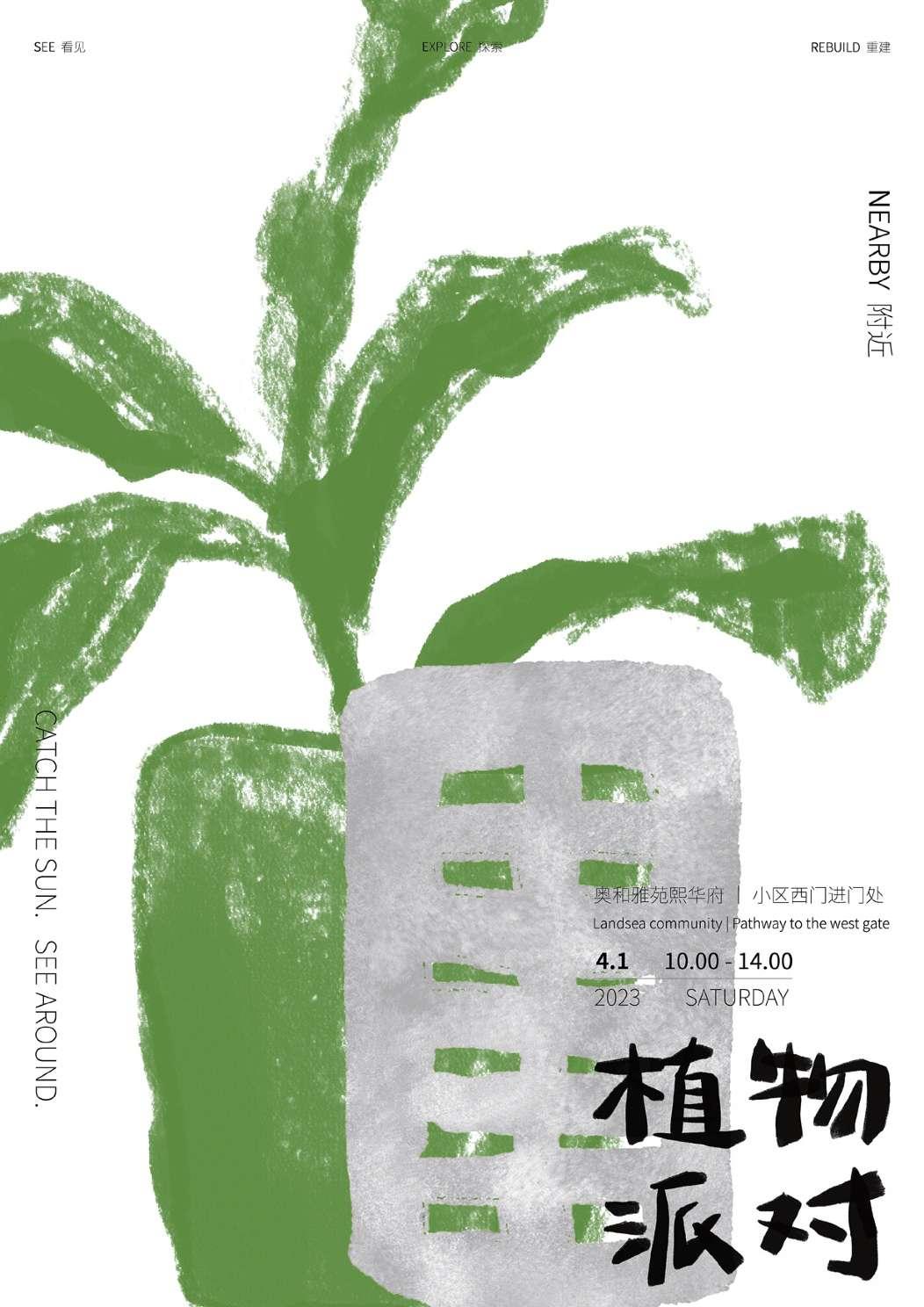
I want to show both the urban and plant elements in the poster. The main representation of Chinese urban and my target community is high-rise block buildings , so I would like to combine grey bricks with green plants and capture scenes as the primary visual for the poster.
• The contrast between the grey bricks and green plants creates a visual impact.
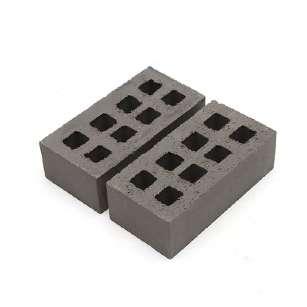
• I chose these bricks because their shape resembles typical high-rise buildings in Chinese cities.
Visual reference Material
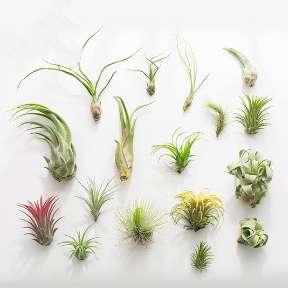
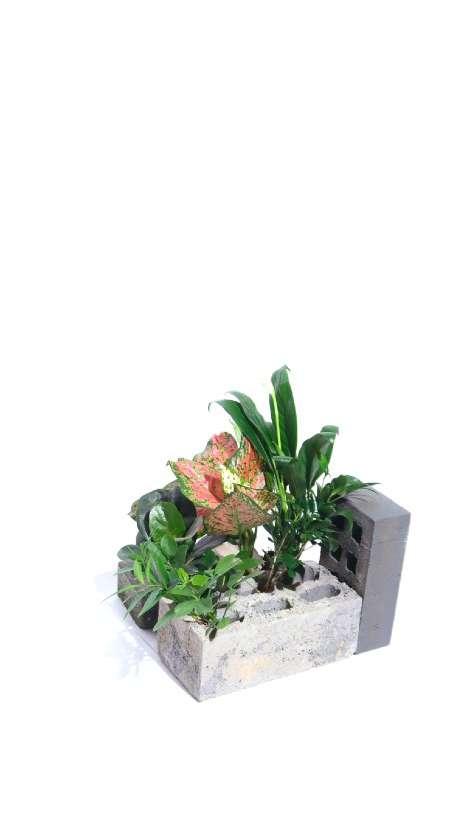
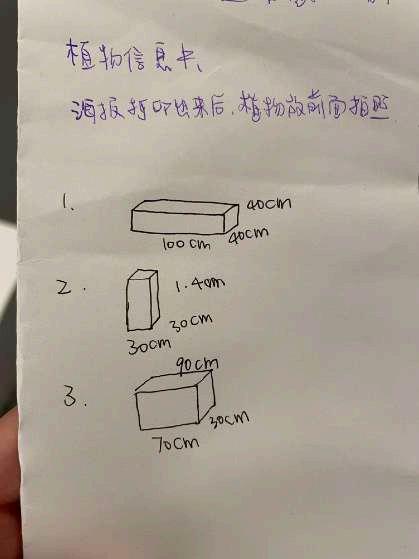
I have prepared plants and hollow bricks as props for the shooting scene.
After inspiring by some visual examples, this is the first attempt. The main visual component is the photograph of architectural bricks and plants.
Design
Poster design 02
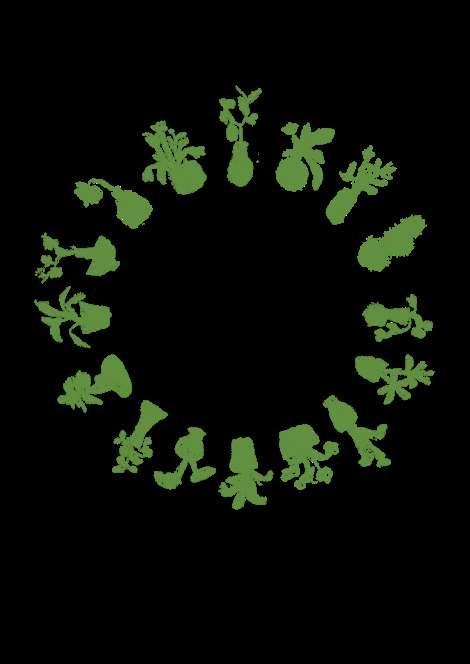
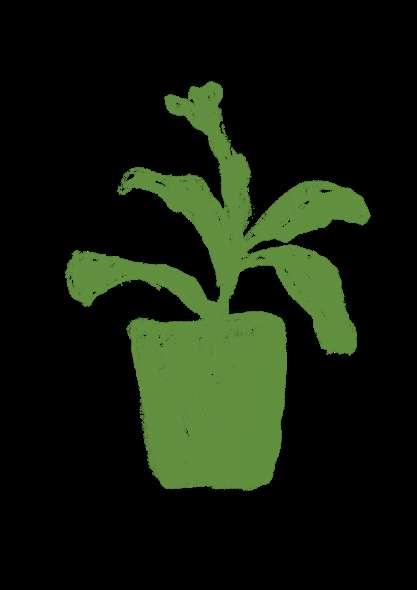
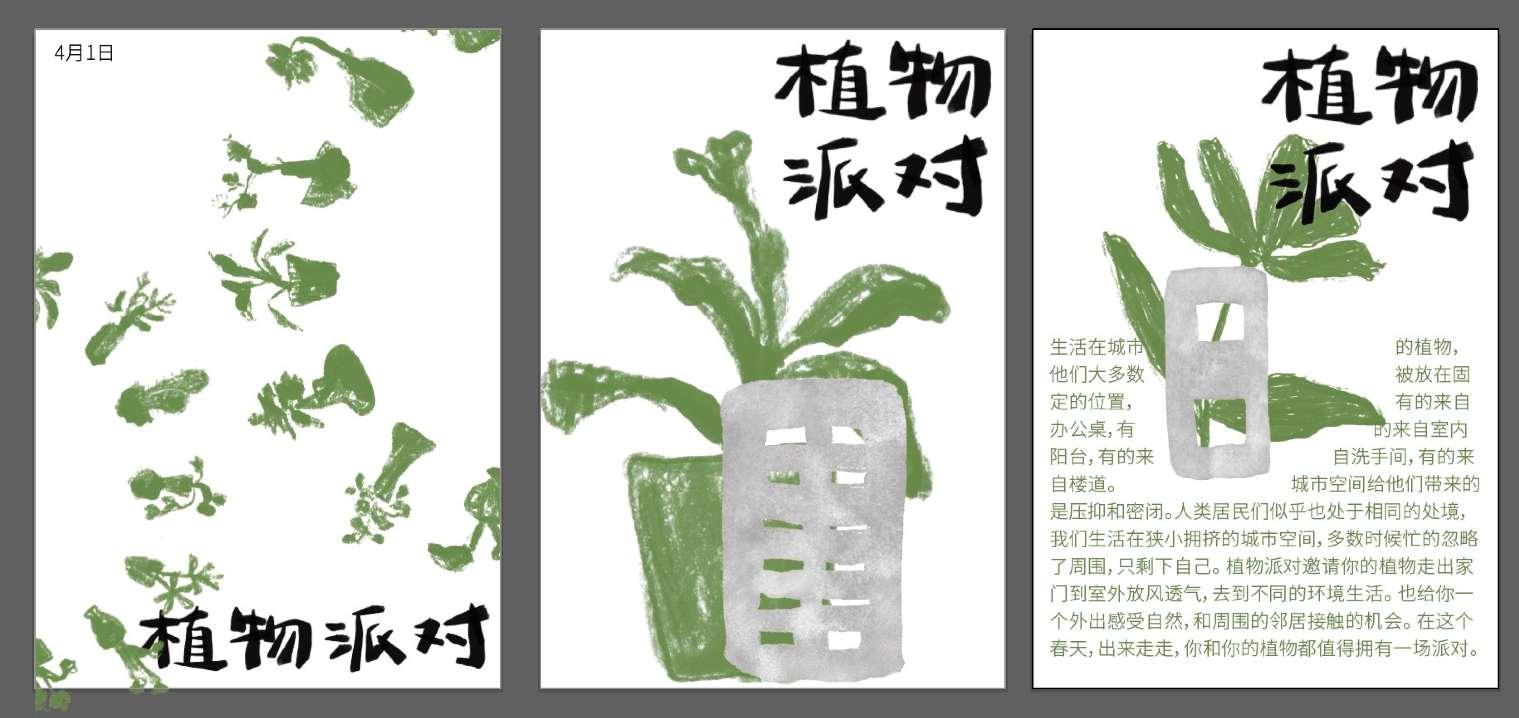
For the second attempt, I decided to use illustrations to represent the elements of high-rise buildings and plants. I believe this approach adds more visual interest to the poster.
Design Concept
• I chose to use a brush to create the illustrations digitally, as it enhances the natural feel.
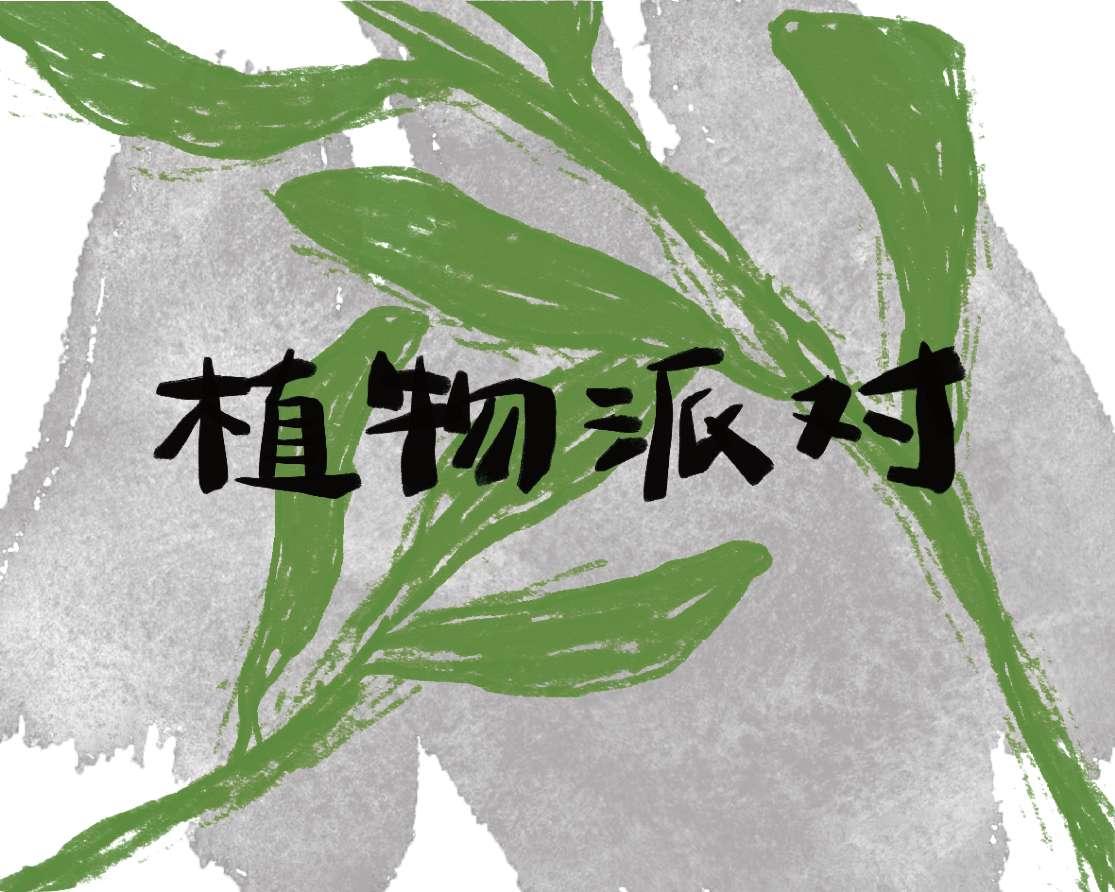
• As for the typography, I choose the handwritten style as I believe it better reflects Chinese cultural identity. Since my target audience is Chinese, I decided to use the Chinese language.
Public placement for plants
Inspiration
• The inspiration also comes from the shape of high-rise buildings.
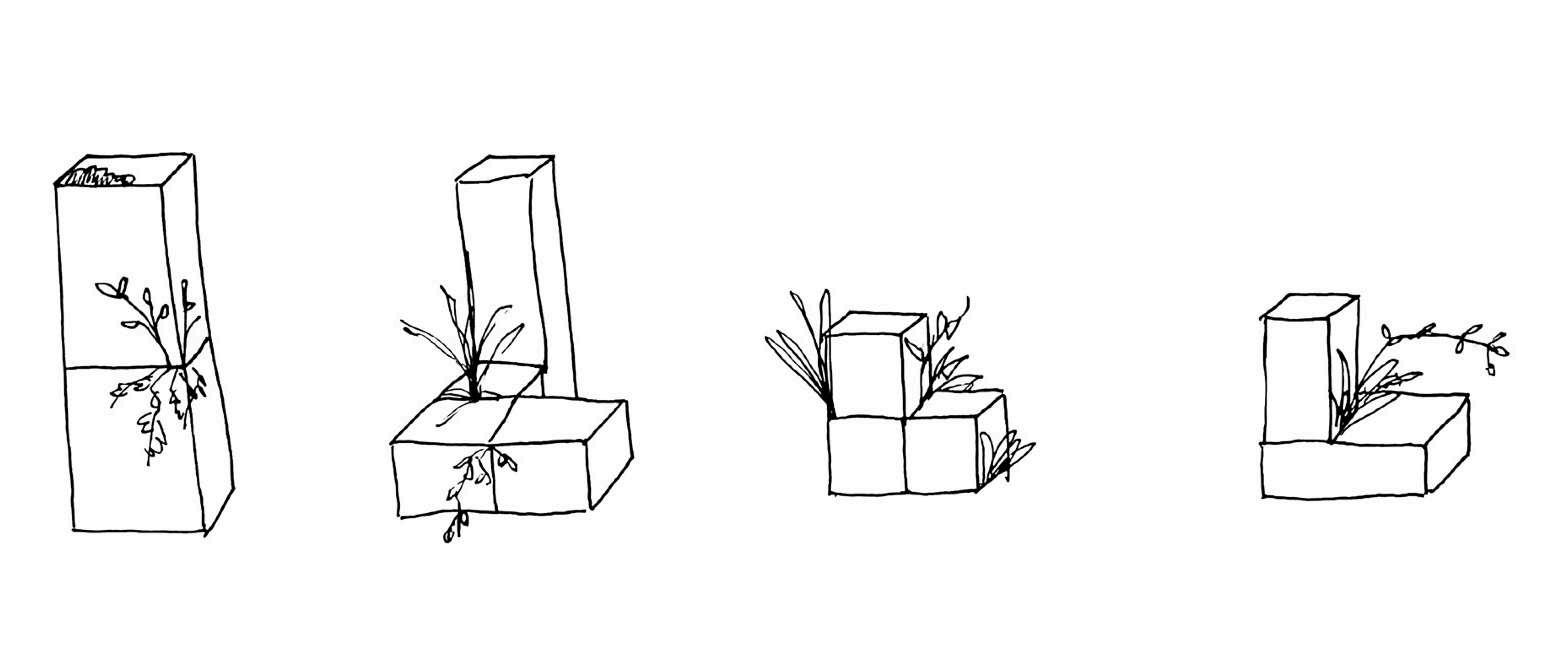
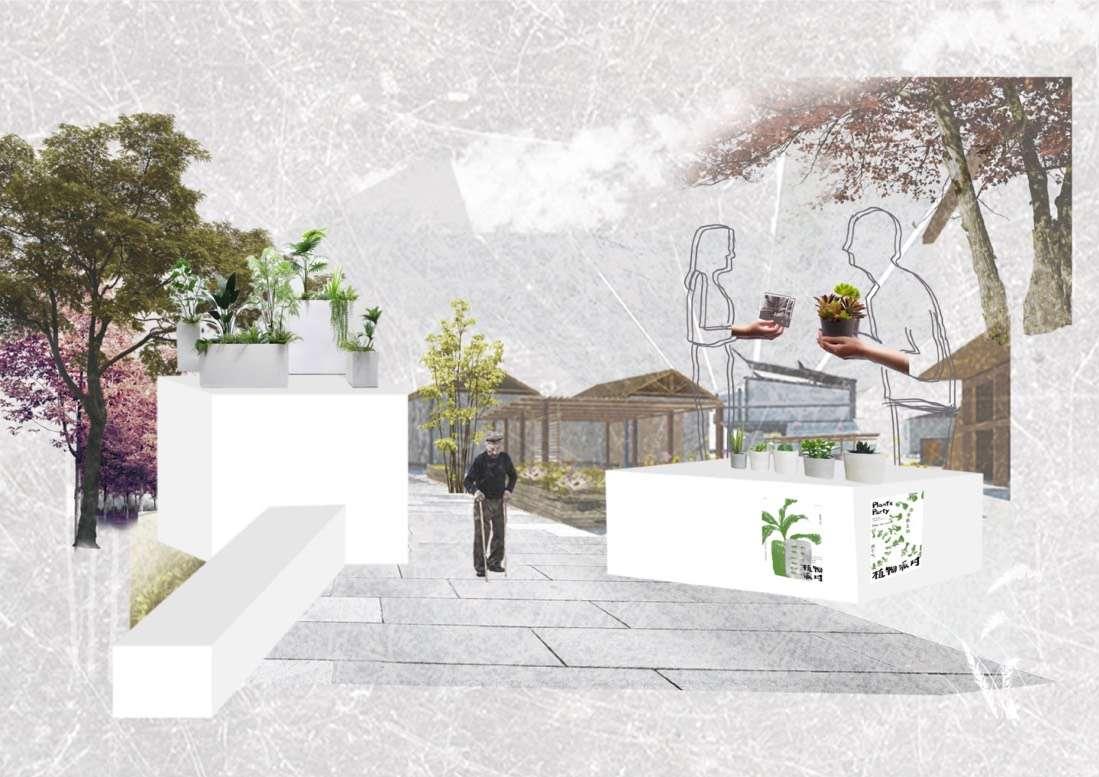
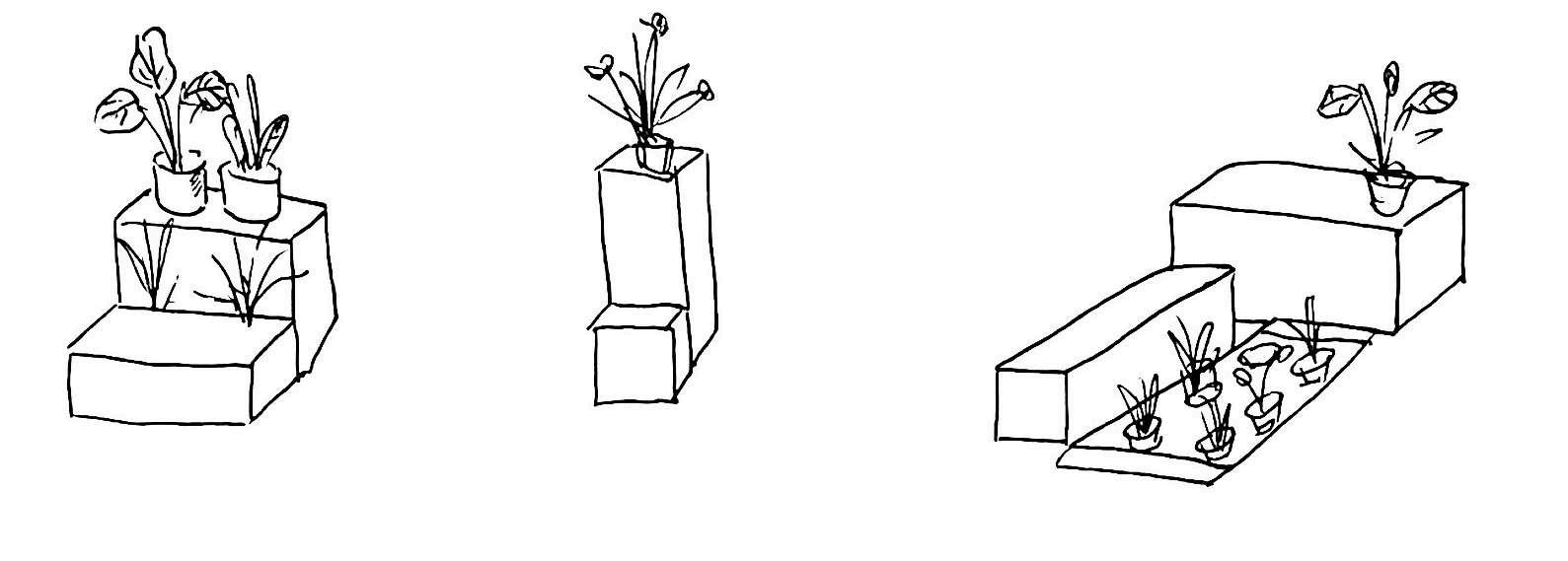
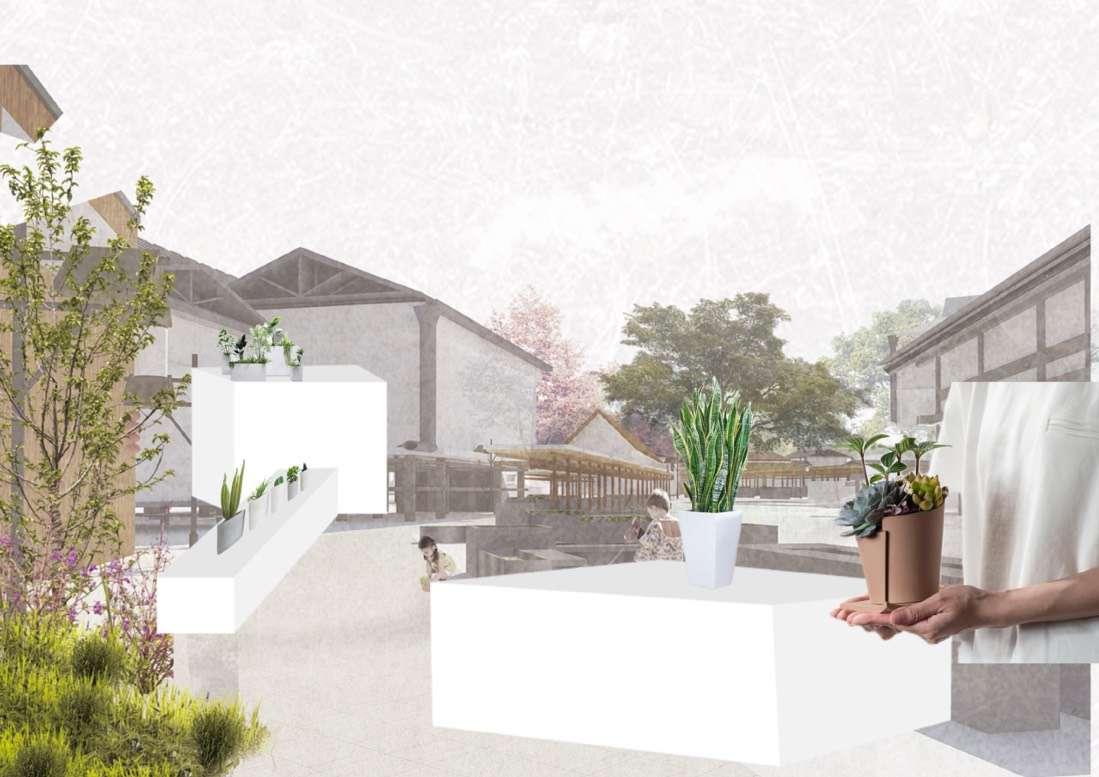
By observing the existing assets, there are many places for residents to have activity and rest. I want to re-design the facilities to reach both needs. (Place indoor plants and communication)
Concept
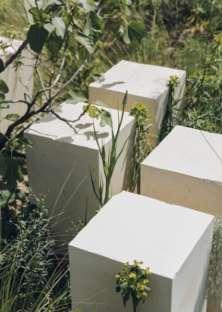
• The combination of leisure and plant areas is achieved through composite geometric blocks for residents to relax and chat. Also, for residents to place their indoor plants. Where residents can communicate, and care for plants together.
• The advantage is different geometric rectangular blocks can be freely placed by residents depending on their needs. I want to promote an inclusive mindset and physical space to allow everyone to express their views and contribute to the social life of the area.
The outcome is a mock up version. Due to the limitation of material and producing.
Outcome
• Catch the sun
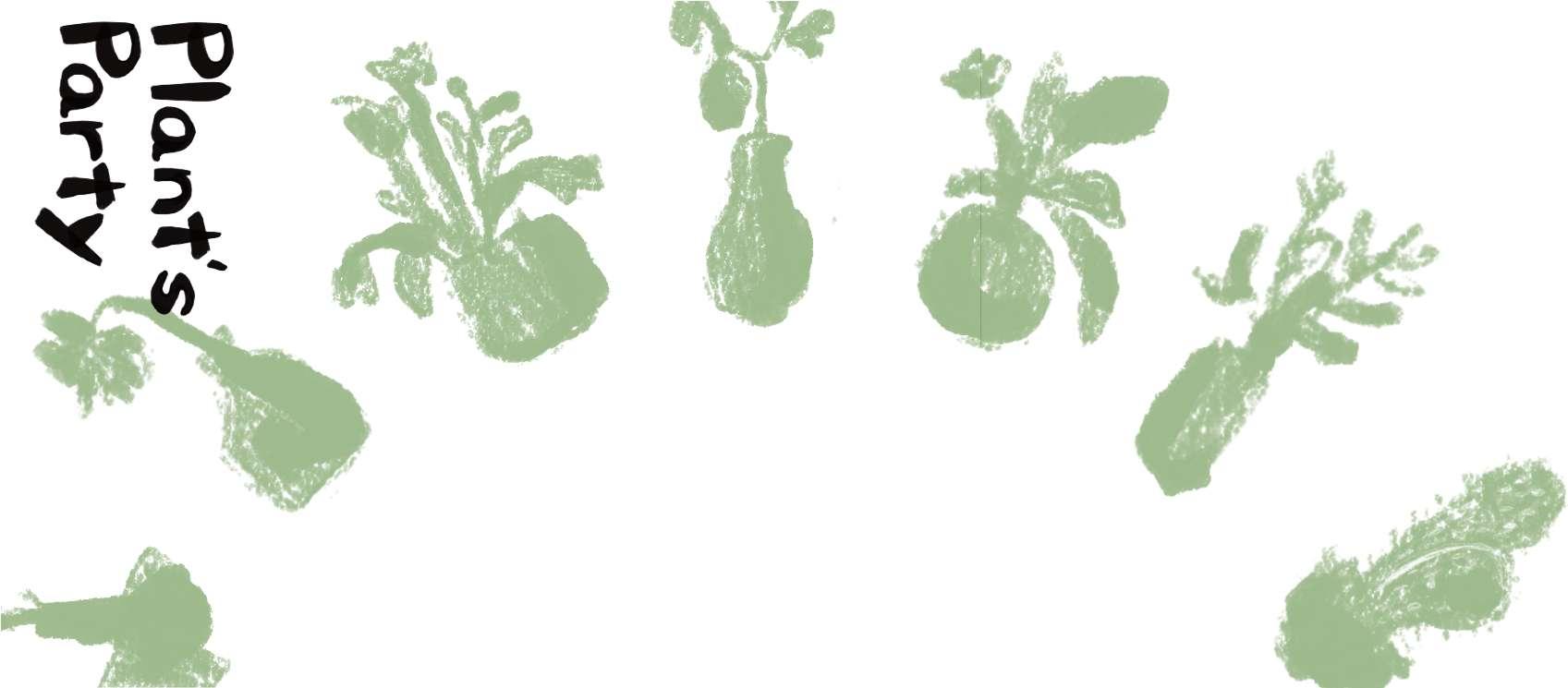
• Take a breath • Plants Party Text translation:
Outcome
Plants’ new home
• Travel ticket Text translation: • Invitation Text translation:
Plants party
Date/ Location
Preparation
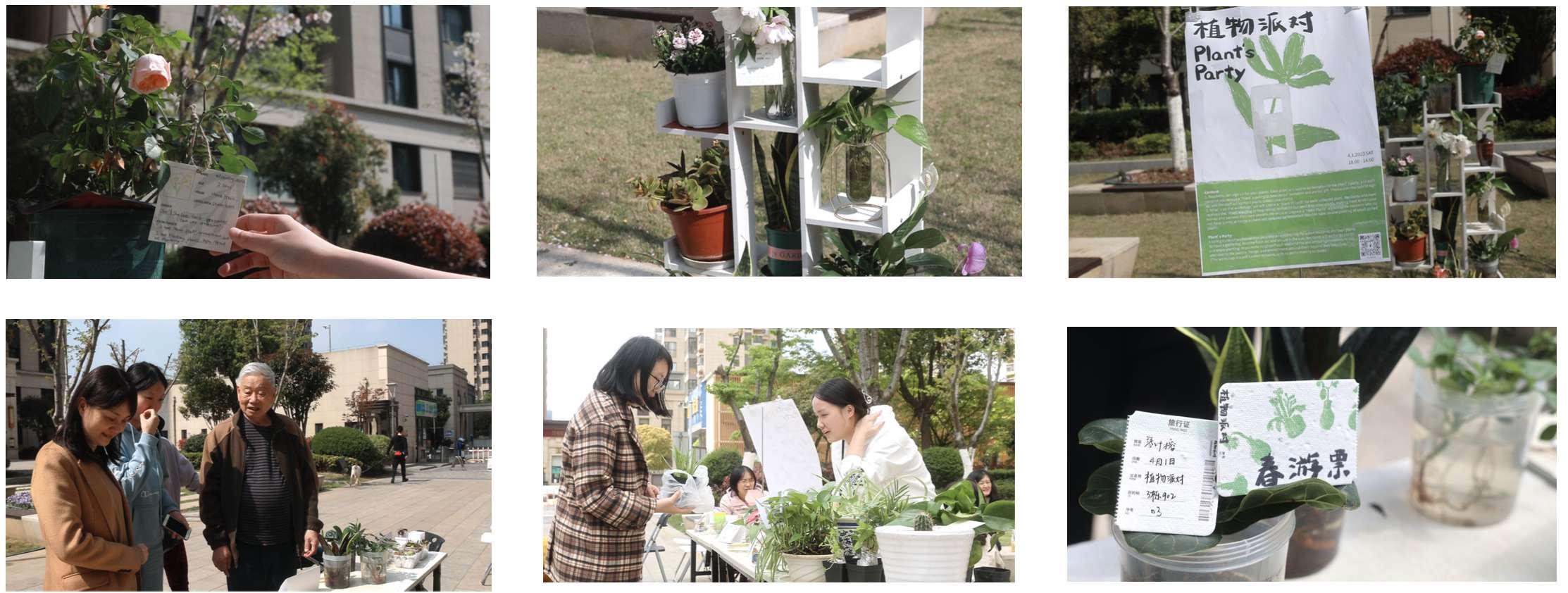
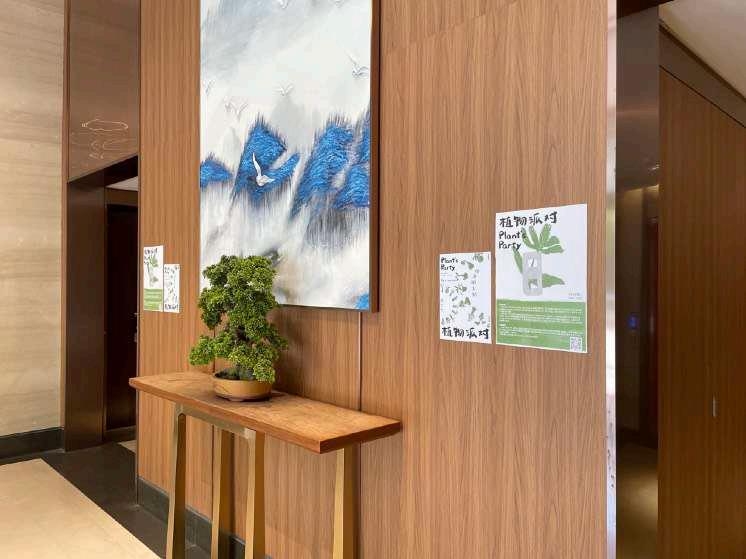
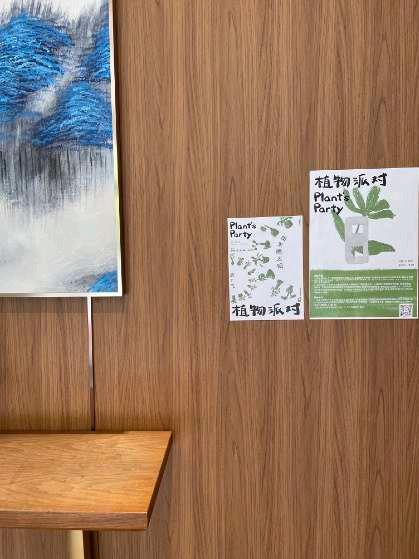
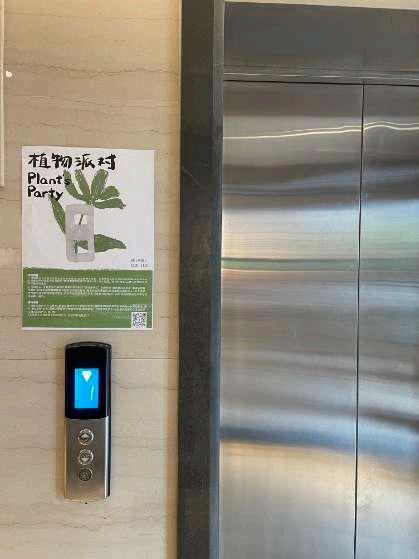
I chose to promote the workshop by putting up posters within the community. I received numerous messages from residents and saw them collecting the invitation cards. I believe that the posters played a crucial role in attracting the audience's attention and generating interest in the workshop.
On the day of the workshop, many residents showed up to participate, and I consider this experience to be an opportunity for personal growth and organizational development.
Outcome
The ticket receipt I kept for the documentation.
Video script
Link: https://youtu.be/UZzljrNwVSM
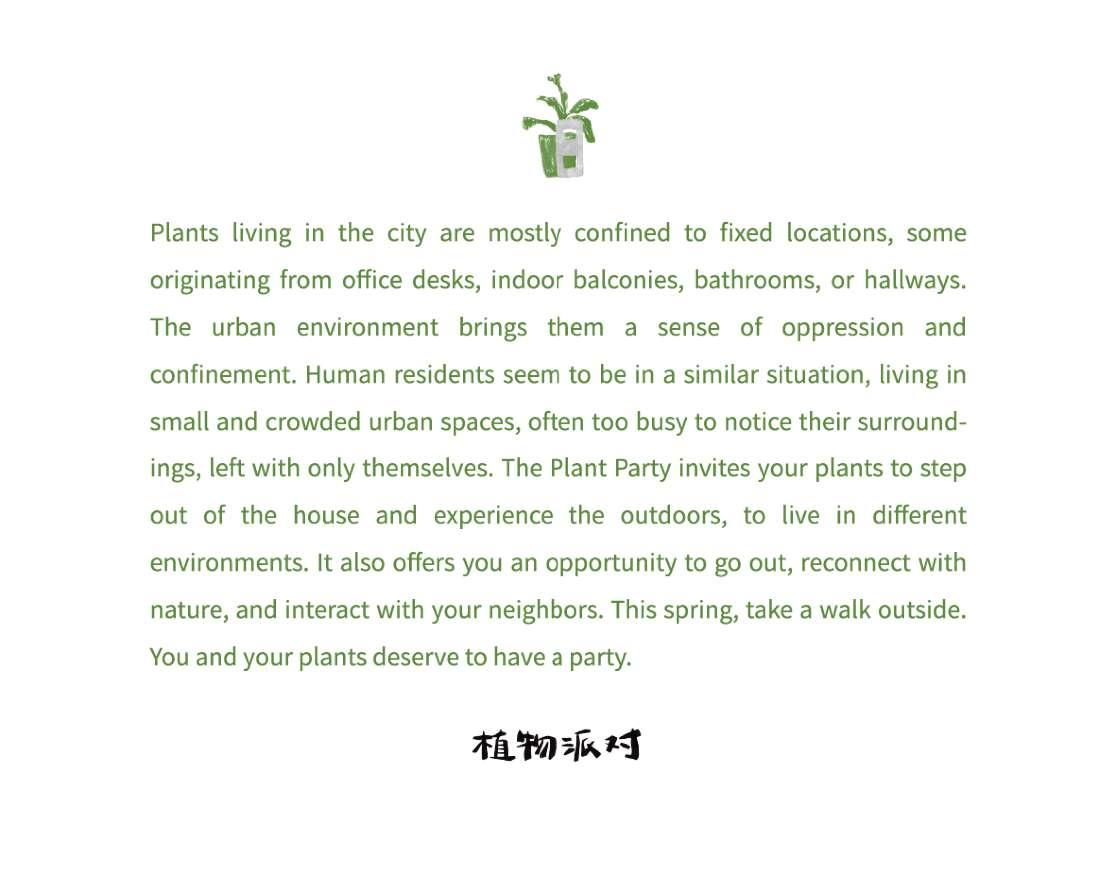
China's rapid urbanization has resulted in the loss of natural ecosystems, replaced by the spreading of high-rise buildings. Consequently, there has been a surge in our desire for plants. We have indoor plants or establish green landscapes amidst the urban environment. However, these can't address the needs of urban residents, who are both physically and psychologically affected. Plants living in the city are mostly confined to fixed locations, some originating from office desks, indoor balconies, bathrooms, or hallways. Human residents living in small and crowded urban spaces, often too busy to notice their surroundings. The urban environment brings them a sense of oppression and confinement. The Plant Party invites residents to step out and experience the outdoors. It also offers an opportunity to reconnect with nature and interact with your neighbors. This spring, take a walk outside. You and your plants deserve to have a party.
Reflection
The workshop received a positive response within the community, with residents showing great enthusiasm to participate. I consider this experiment to be a success.
Future Development
To ensure its continuous development, I believe creating an online platform would be beneficial. This platform would serve as a virtual space for residents to exchange information and share their experiences in indoor plant care.