HOW CAN CROSS-DISCIPLINARY DESIGN ADDRESS URBANIZATION ISSUES?

Meixun Zhou
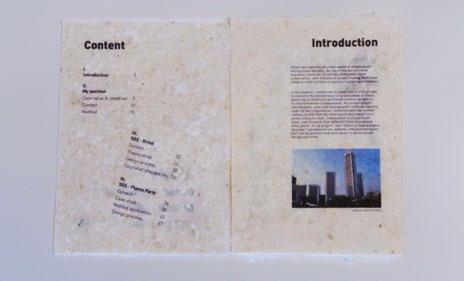

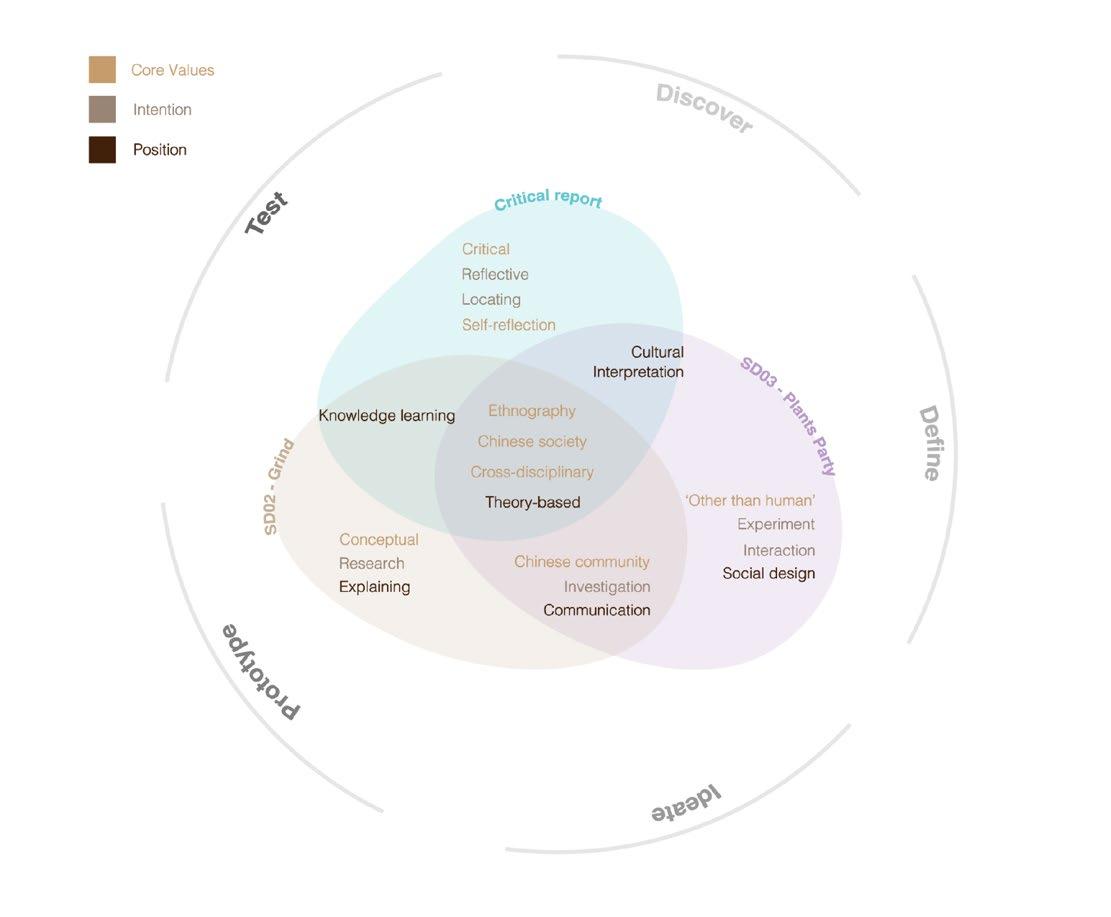
As a designer with a cultural background rooted in China, my research interests and context lie in urbanization in current China. China has experienced a fast speed of urbanization during these decades. As one of the world's most populous countries, with millions of people moving from rural areas to urban centres. Urbanization is a significant issue, and research from different fields has unique entry points. In my projects, I stand with a critical view to examine the phenomenon of urbanization in China, exploring its historical and current social context, as well as its environmental consequences. My project targets urban dwellers, and I use ethnographic methods starting from my own experiences, with cross-disciplinary design experiments and outcomes, to explore the impact on people living and design the solutions. In this report, I will discuss some related representative works that address urbanization issues with cross-disciplinary design and reflect on how I experimented in my project.
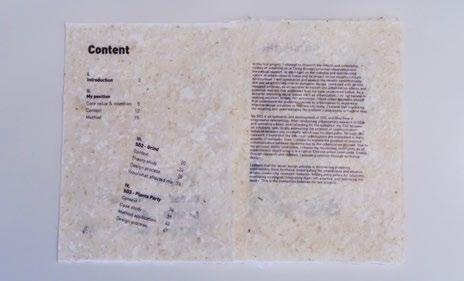
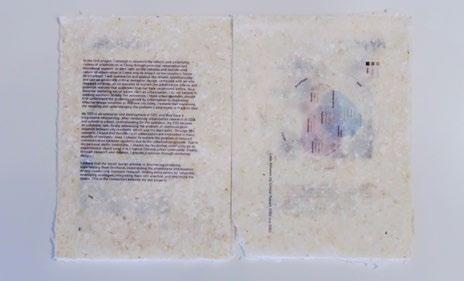
In the SD2 project, my intention is to explain the urbanization effects and potential reasons to my audiences. I attempt to research the effects and underlying causes of urbanization in China through personal observation and theoretical support. For the outcome, I use an artistically critical metaphor design, combined with on-site research archives in a publication format. As a designer exploring social issues such as urbanization, I do not believe in seeking solutions blindly. For audiences, I think urban residents should first understand the problems caused by urbanization to implement effective design solutions. I believe that explaining the meaning and understanding awareness is the first step in addressing social issues. My SD3 project is an extension and development of SD2, and they have a progressive relationship. After conducting urbanization research in SD2 and providing a basic understanding for the audience, my SD3 focuses on designing solutions. Through SD2 research, I found that the effects of urbanization are embedded in many aspects of dwellers' lives. I am influenced by the ‘nearby’ concept (Xiang, 2021) and look into the community rebuild to solve the impact on dwellers' lives. I choose my residential community as an experimental object since it is a typical Chinese urban community.
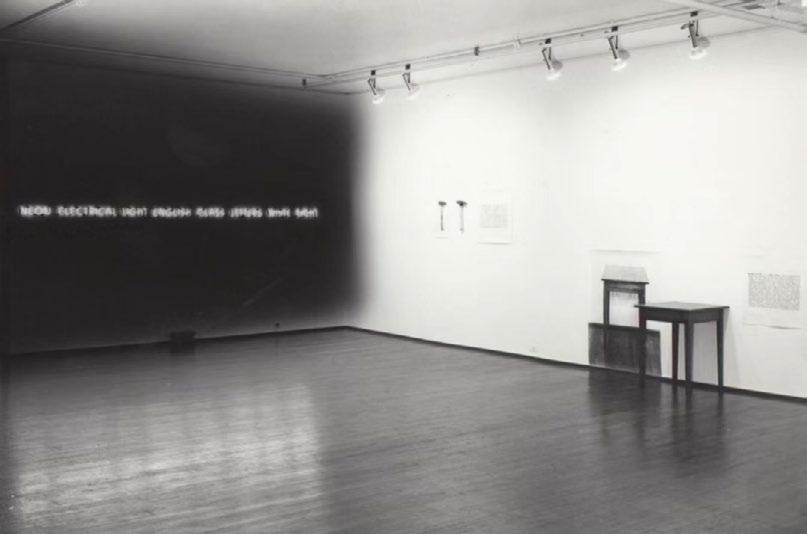
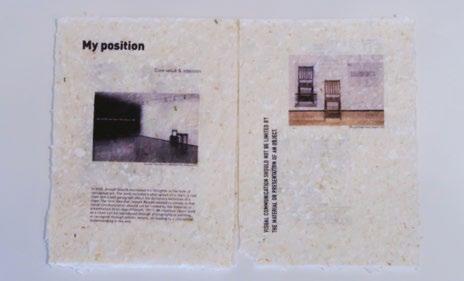
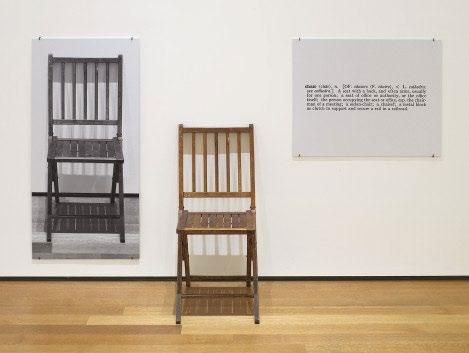
In 1965, Joseph Kosuth expressed his thoughts in the form of conceptual art. The work included a photograph of a chair, a real chair and a text paragraph about the dictionary definition of a chair. The core idea that Joseph Kosuth wanted to convey is that visual communication should not be limited by the material or presentation of an object. An objective object such as a chair can be reproduced through photography or painting, or recreated through artistic means, all leading to a conceptual understanding in the end.
I think he used the representation in different dimensions to construct and express the information. In my opinion, the ‘One and Three Chairs’ (Kosuth, 1965) was an example in terms of using different visual expressions after the interaction with medium and thoughts.
My navigation was informed by Kosuth’s concept. It inspired me to think about and experiment visual performance transformation in my projects. I believe that the boundaries between current media have become blurred, and it is worth thinking about and practicing how different media can enter crossdisciplinary fields to develop their own logical systems and act on the mixed media to enrich and grow it.
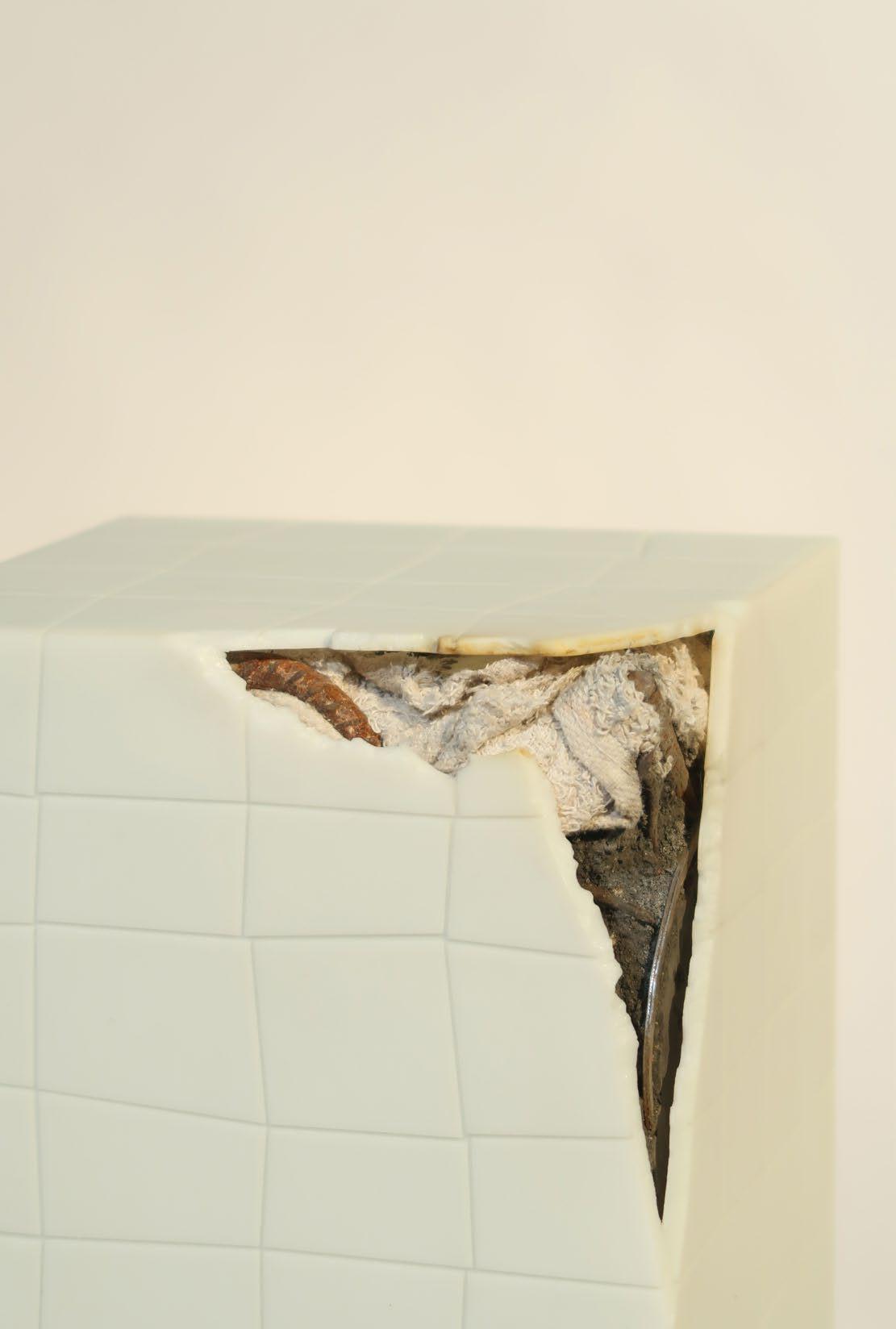
Personally, I have been doing ceramics for many years and I take a good opportunity to experiment cross-disciplinary with ceramics and graphics in SD2. And look into how information and communication can be translated and converted through mixed media. Besides, I am standing at the pragmatism view, in terms of the design appropriate to my audience. Different visual communication media become strategies that can influence the audience.
Marvin Harris, an influential anthropologist and social scholar, argued that ethnography is a way to understand the various aspects of a particular culture. As he said 'An ethnography is a written description of a particular culture - the customs, beliefs, and behavior - based on information collected through fieldwork.' (Harris,1987). Related to my project, I think he enlightened me on the importance of culture. My SD2 starts from my own experience and I have considered Chinese culture and identity during my design. Besides, I collect real Information from fieldwork, such as the location, population, and plant culture information collect from the field investigation in my community. (See PDF page 8)
“The designer could actively be a part of the participatory observations” (Blomberg, 1993).
“The designer could actively be a part of the participatory observations” (Blomberg, 1993). This highlighted the importance of designer’s experience and observation. I get urban change experience from detailed observation on my ‘nearby’ (Xiang, 2021). And use this directly to develop appropriate design.
AIGA has suggested six steps for the collaboration of ethnography and design in the design process: 1. Define the problem 2. Find the people 3. Plan an approach 4. Collect data 5. Analyse data and interpret opportunities 6. Share insight (AIGA, 2015). I learn these principles and conduct the process in my project, through fieldwork on Chinese urban and information analysis.
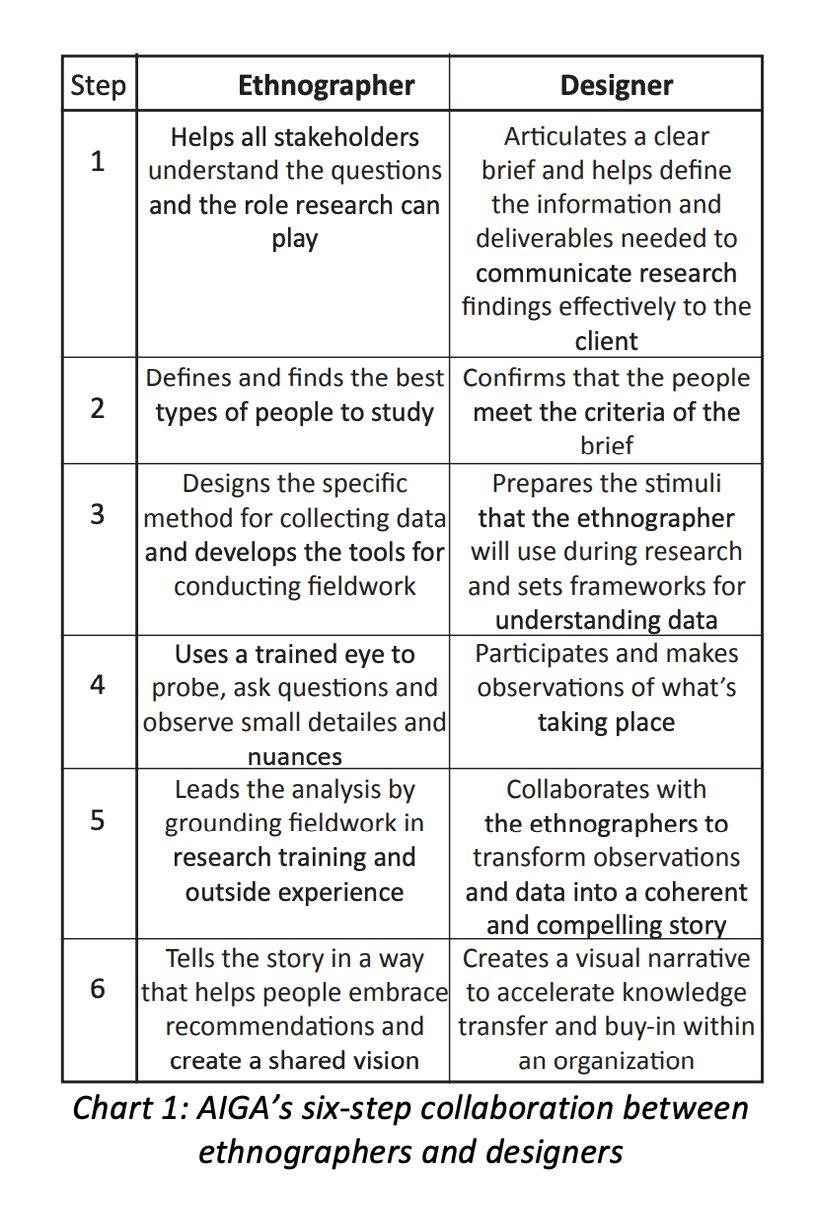
The six-step collaboration, AIGA, 2015
I want to use ethnography to challenge my assumptions and biases. This helps me as a designer to gain a deeper understanding of myself, my work, and the community I design for. It allows me to have empathy for my audience.
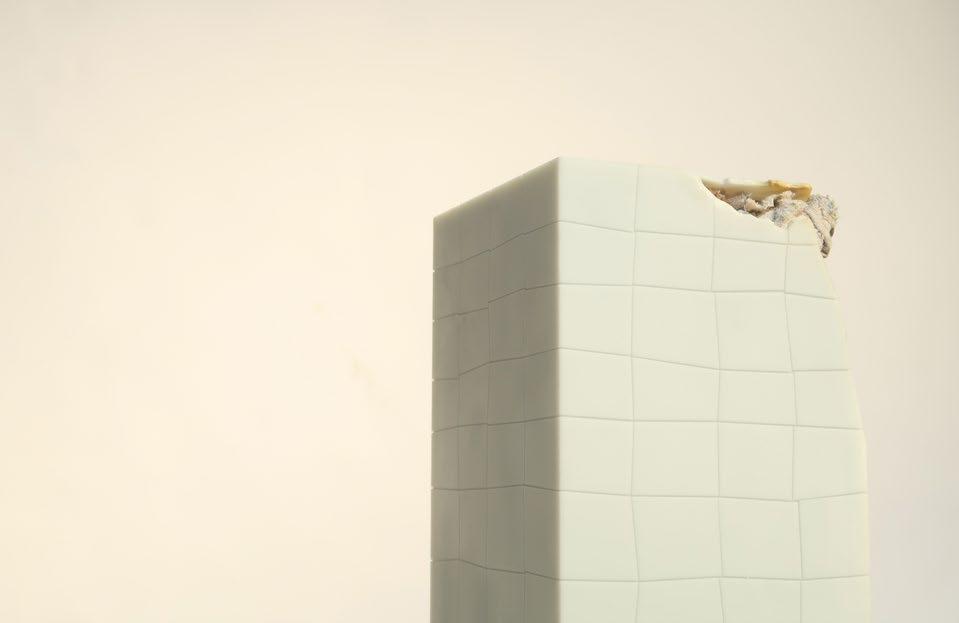
Grind, Zhou, 2023
This project started from my own experience with the living change caused by urbanization. In 2018, I moved from a house in an old area where I had lived for ten years to a smart apartment complex in a new development area. I gradually discovered that the spatial changes were accompanied by changes in social relationships. The intelligent and comfortable environment brought me better living conditions, but it lacked the vitality of the old area, making me lose the sense of real life. So I observe and analyse the spatial, cultural and social change and I have noticed many phenomena around me. (See PDF page 10)
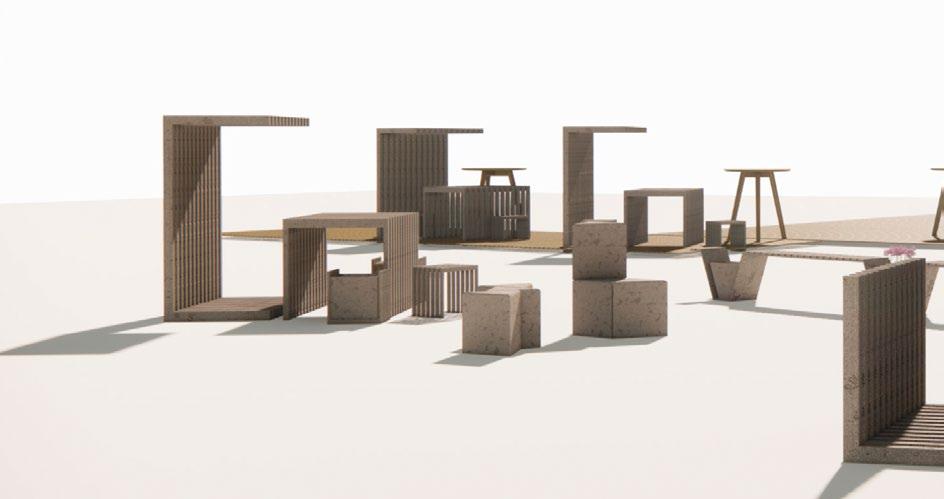
The project is based on a study of modern dwellers' daily life and the transformation of urban spaces in China, with a focus on understanding the reasons and impact of urbanization. The building is constructed of various materials, resembling tofu blocks, which metaphor the deconstruction of traditional space and the demolition of the original culture. Through this installation, the designer aims to expose the social problems that exist behind the solidified urban spaces built hyper-industrialised capitalist suprematism. The purpose is to prompt modern dwellers to critically examine their living spaces and status.
Then I learned the sociological concept of the ‘vanishing nearby’ (Xiang, 2021) in order to discuss the changes that occur during the process of urbanization in China. I realize that most residents, like myself, are undergoing the process of urbanization, but apart from the changes we feel in our lives and spaces, we do not understand the reasons behind it, nor its deeper and far-reaching impacts.
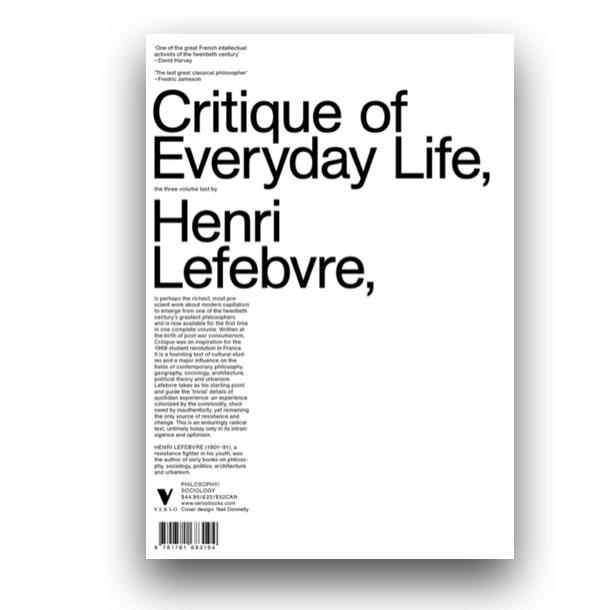
To shed light on the complex and multifaceted nature of urbanization, I summarize and analyze the conclusion. The theory I apply to make a conclusion is Lefebvre’s theory on daily life and city space.
I research the theory to understand the reasons behind. I think this step will help me to have a deeper interpretation of this problem. I understand the social situation through reading the news about gentrification. This is for better learning about humanity to achieve useful design for the audience.
I studied gentrification-induced indirect displacement in Chinese cities. This process destroys the social fabric of local communities, leading to a loss of emotional attachment, identity, and human history. The new about a demolished historical preservation building in Shanghai shows the impact. Low-income residents are excluded from urban space and unable to afford to move into gentrified housing, while remaining residents face increasing living costs and social isolation, putting them at risk of displacement. I read the new about low-income groups from redeveloped Xiancun are unable to find new homes in Guangzhou. The impact also includes the loss of belonging sense and emotional and psychological harm in daily life.
I have concluded two main reasons. And the conclusion also forms the concept that I want to deliver to my audience.
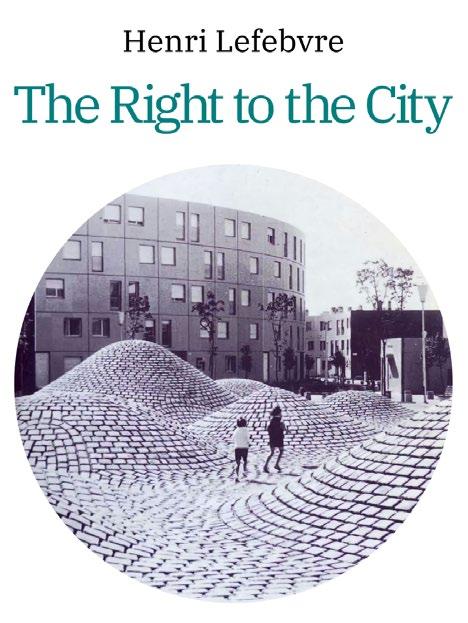
The capitalist-dominated urbanization process has brought about the deconstruction of traditional urban space. Lefebvre proposed that urban spatial structure largely reflects the result of government regulation (Lefebvre, 1968). High-speed urbanization in China involves the expansion of urban space and the disappearance of traditional space. Economic development and urban restructuring are top priorities in Chinese cities under the context of globalization and market transformation.
Lefebvre believes that urban spatial expansion also includes the expansion of cyberspace, and the development of the Internet is closely related to the process of urbanization (Lefebvre, 1991). Mass culture has been influenced by capitalism. That makes the urban space lose its original unique culture and identity. Also led to a loss of creativity and innovative thinking in people.
1. The Rachel Whiteread House
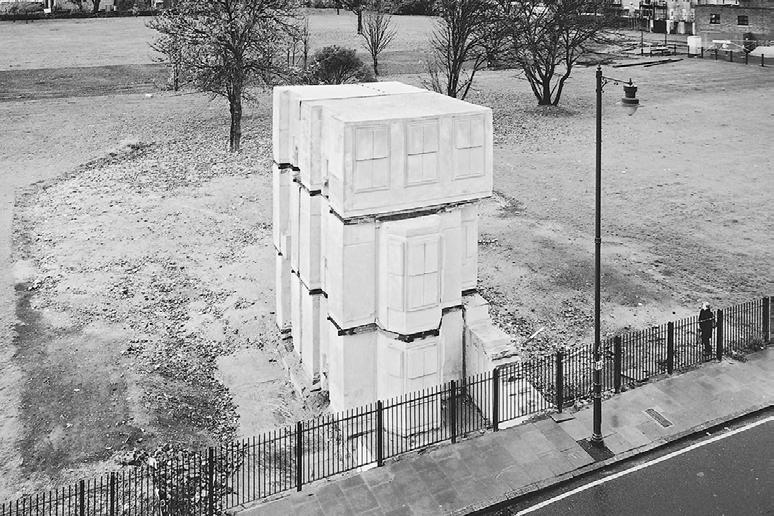
The Rachel Whiteread House (Whiteread, 1993) was a powerful work that inspired countless artists and creators around the world. It was a temporary art installation in London in 1993. It was a concrete cast of the interior of an entire Victorian terraced house. One of the things that I admire most about the Rachel Whiteread House (Whiteread, 1993) is the way it challenges our perceptions of what a house is, and what it means to us. By casting the space of a house in concrete, Whiteread was able to create this work both ‘solid’ and ‘empty’.
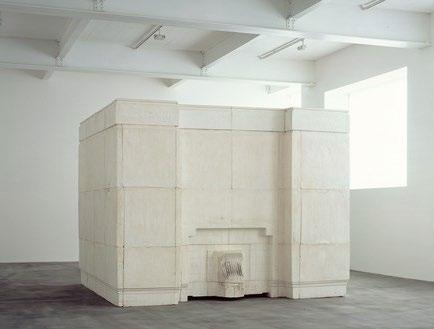
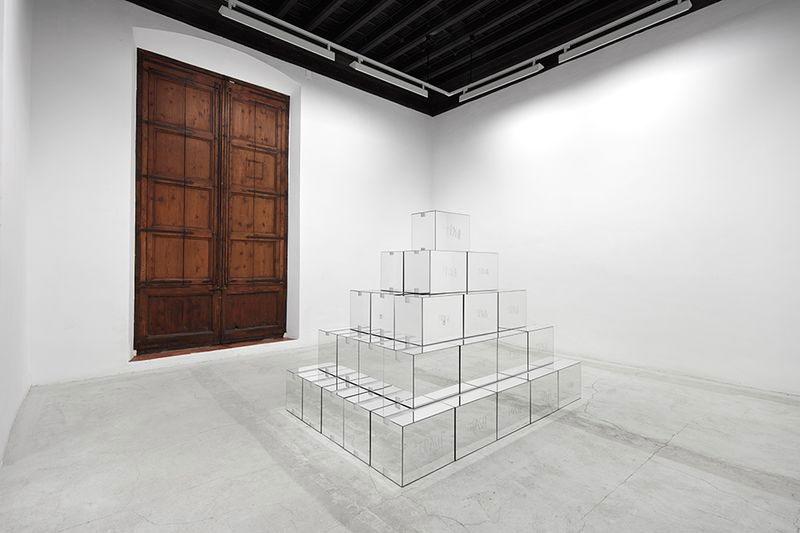
Stefan Brüggemann is a Mexican conceptual artist. ‘Take, Put and Abandon' is a series of works which he creates to show the irony of urbanization. His work is characterized by the fusion of conceptualism and satire. He uses mirrors as a medium to reflect the film about satirical issues beneath urbanization. For Brüggemann, this work "reflects the way I analyze how society is shaped through media, information, and film” (Brüggemann, 2019).
Another aspect of the Rachel Whiteread House (Whiteread, 1993) that I find particularly inspiring is the way that it engaged with its environment. Whiteread was able to make the work intimately connected to its surroundings. It been placed in open spaces or empty rooms, allowing the audience to have space for contemplation and to awaken their own memories.
I think mixed materials work is good to connect different practices in cross-disciplinary. I have experimented with ceramics, concrete making, 3D rending and printing, and handmade paper. (See PDF page
I believe that installation is a particularly effective medium for exploring mixed materials and ideas, as it allows for different elements to work together in a cohesive and impactful way. By using this approach, I am able to explore the complex issues surrounding urbanization in a way that is both visually and intellectually engaging. The installation building as a whole is constructed with tofu blocks. By using three materials: concrete, 3D printing plastic and ceramic.
I believe that the choice of materials is also crucial. The works in the references only use a single material, which I think is not enough. I had an idea: “Let the material tell!”. Let the material itself embody the design concept.
“By juxtaposing different items under one view, the curator hopes that we see things that we would not notice had we viewed the items separately” (Xiang, 2021)
To create the work both ‘solid’ and ‘empty’, my interpretation is that the work has enrich meanings, but the presentation is concise and minimalist. This is something that I have tried to capture in my own work, using a variety of materials and techniques to create a piece that is both complex and simple. As the intention of my project is the idea of using tofu as a metaphor for urban change. I want to create something that is both personal and universal. Like the Rachel Whiteread House (Whiteread, 1993), my work is an exploration of the space around us, to create an immersive experience for the viewer. I am interested in the way that we shape our environment, and how it shapes us. By creating a piece that responds to the space around it, I have tried in my own work. My work is designed to be both a part of its environment and a reflection of it. The installation will be implemented in empty rooms in the exhibition or the square with high-rise buildings around.
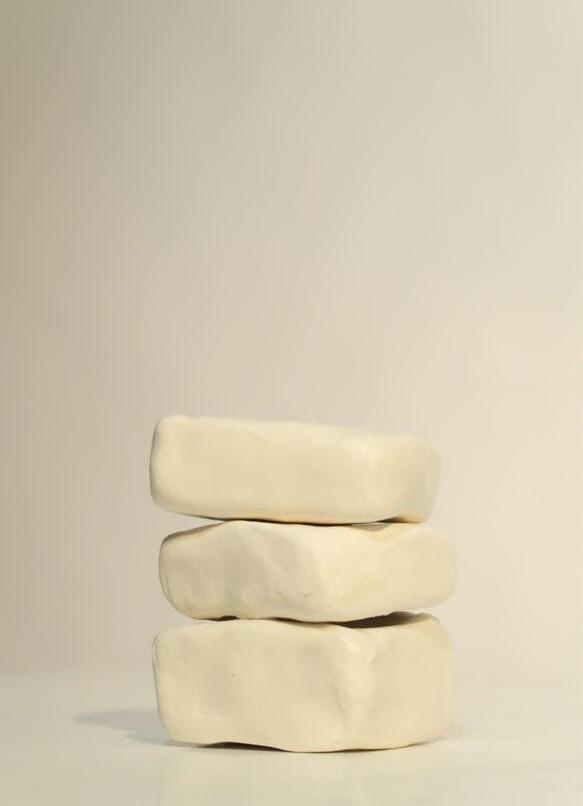
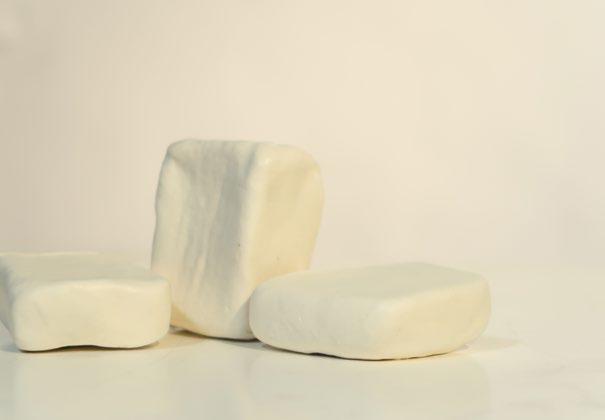
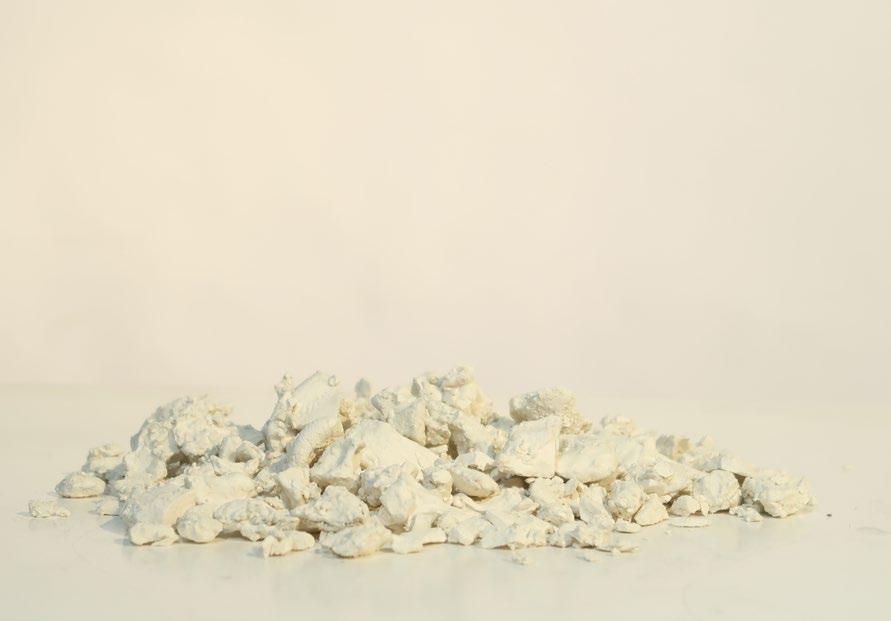
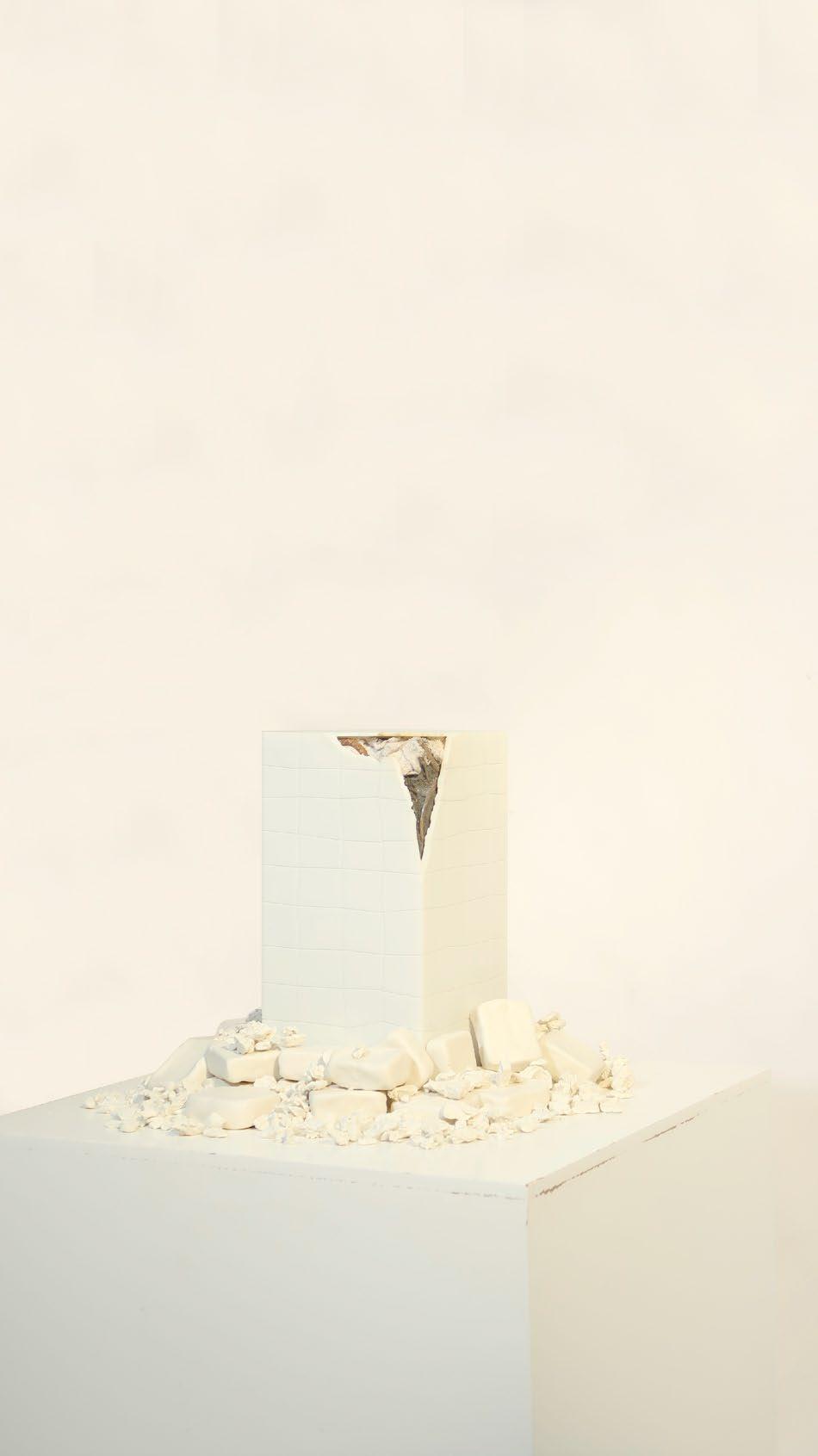
My intention is to provide human care and help modern city dwellers understand the process and core issues of urbanization, where traditional spaces are deconstructed and the existing culture is erased. In the process of ideation, I did an interview with some people around me who are also in the target audience group, there I gain lots of inspiration. My mother likes handmade tofu from the market in the old community. She used to buy tofu and had chats with the shop owner. Now she can't find any handmade tofu with that pure taste around our home in the development zone. I think it’s good to expand my design from my own experience.
The process of making tofu reminds me of the formation of a traditional Chinese society. Every individual under the traditional cultural influence was fusion into different close communities. My ideation comes to the use of metaphor. Handmade tofu has a different texture than machine-made tofu. The texture of the hand-made tofu is like the bricks used to build the traditional space, while the machinemade tofu is like the bricks used to build urban housing. Tofu is a typical Chinese handmade food that has a long culture history. The overwhelming traditional space dismantling for urban development. The replacement of machine-made tofu shows the dispelling of the original culture. I would like to create the installation by delivering the concept of tofu as a metaphor.
I conduct observations of my living change and field research. I gained a deeper understanding of the looking of handmade traditional tofu. Through careful observation and understanding of the different forms of handmade tofu. And through watching tofu making process I learned from the owner of a handmade tofu shop that such local markets are being demolished by the government. I believe this is also an overlooked impact of urbanization. I gained a deeper understanding of the current status of handmade tofu in China.
“Texture refers to the sense of reality, which is the feeling that readers perceive through touch and vision when reading a book.”(Classen, 2012)
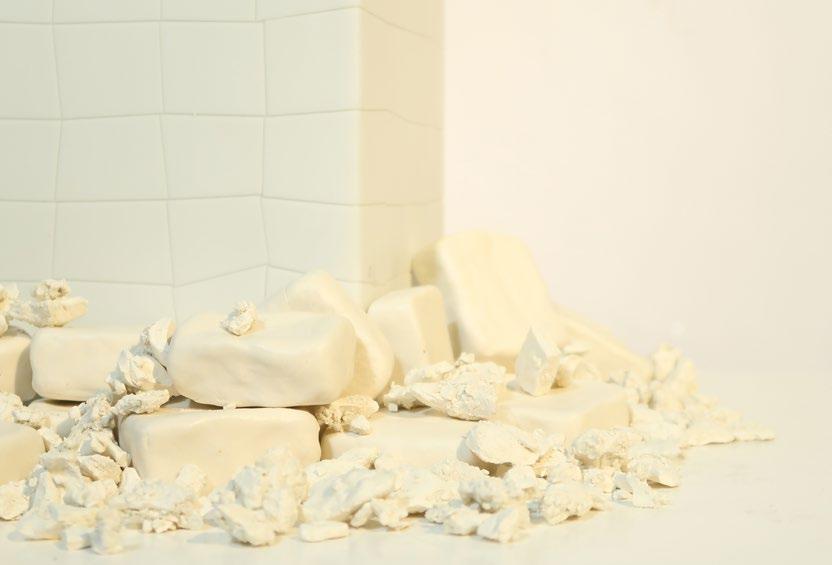
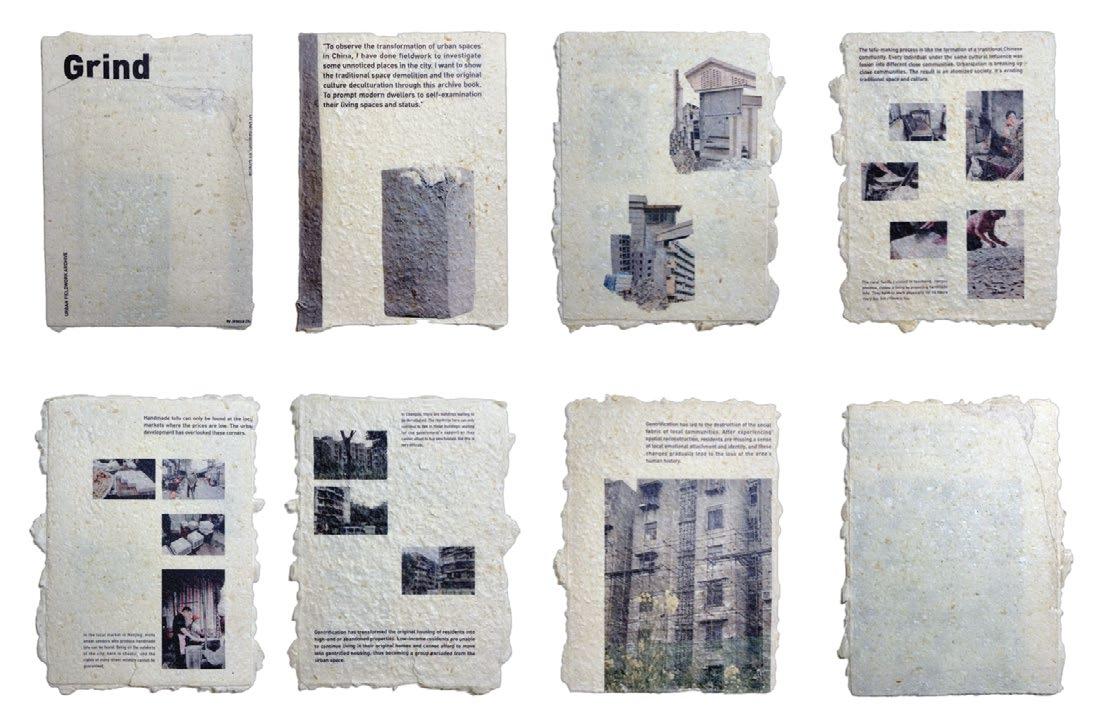
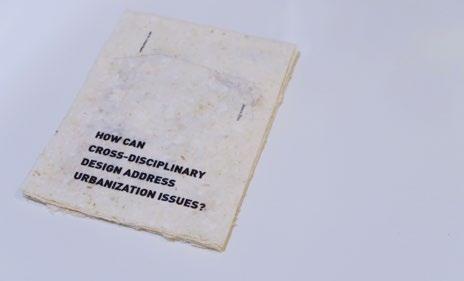
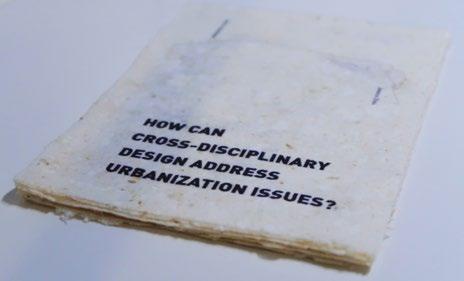
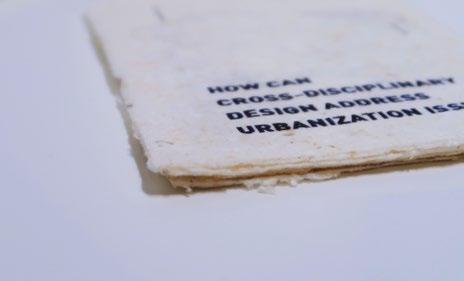
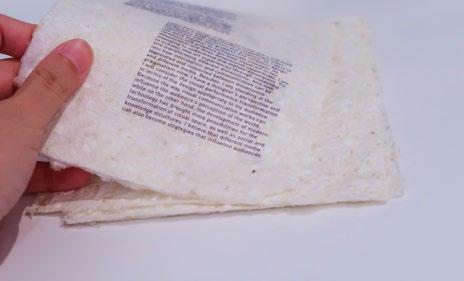
I am inspired from ‘TAKE, PUT AND ABANDON’ (Brüggemann, 2019) and want to use different media. I assume that installation is more tend to be an artwork and not convey the concept directly. Considering some audiences have fewer opportunities to enter the field of installation and are less sensitive to material and shape perception. Modern dwellers prefer information conveyed quickly and easily accessible, for example through text. The inspiration comes from the composite materials used in the installation, considering the complex materials in graphics. I designed an archive book with my field investigation record which can show the real statement of urbanization, using tofu dregs paper as a medium to tell the concept, audiences will have a tactile and visual experience while reading the text.
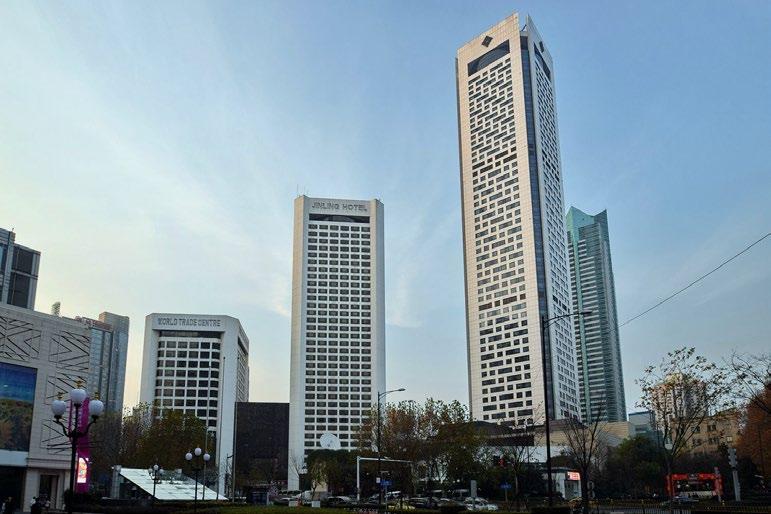
I discussed the concept of ‘nearby’ proposed by Biao Xiang (Xiang, 2020). In SD2, I learned that changes in ‘nearby’ include lifestyle, space, and culture. Which are closely related to the living needs, psychological needs, and cultural values of urban residents. Different individuals from various backgrounds continuously meet in life scenarios, forming diverse social activities. Starting from using design to solve urbanization problems, I began to think deeply about the connection between the ‘nearby’ and social relationships. Xiang's ideas also had a significant influence on me. ‘Nearby’ bring different perspectives into the same field of view, thus forming a perspective. In this perspective, people can form a more detailed understanding of reality and develop new social relationships and actions. It is generative because it allows us to observe new things and do new things (Xiang, 2021). Therefore, the role and impact of ‘nearby’ are reflected here. The vanishing of ‘nearby’ as a phenomenon in the process of urbanization makes it evident that rebuilding and repairing communities are essential. Combining my research on the evolution of Chinese communities in SD2, I believe that the concept of "nearby" will be practiced in urban communities in modern Chinese cities. Therefore, in my project, I also chose urban communities as my design object. I choose the urban community in Nanjing, Jiangsu province where I live. After conducting research on its history and social context, I believe this is a typical urban community that has been affected by urbanization.
I conducted three case studies, each providing me with different knowledge during the community rebuilding design process. I will analyze these three cases and provide a summary and critical analysis of what I learned.
This community renovation project focuses on an apartment building located on Rode Kruislab in the 1960s. The building consists of ten sections. However, the complex exhibited indications of declining livability. Issues such as limited social interaction, persistent antisocial behavior, and a lack of identity in public spaces hindered the integration of the estate with the surrounding areas. This is also an obvious example of solving urbanization issues in community.
I learnt that in the design process for communities, conducting on-site research is an essential step. Their approach begins with a desk research process that entails acquiring knowledge of the geographic layout of the region, the estate's location within the community, and any current development plans. Following this, they conduct site visits, which involve three trips to the area, allowing them to experience its physical layout and unique character. Finally, they conduct interviews with locals during the site visits to gain insights into the neighborhood's everyday life, strengths, and challenges. Their design goals were also established after conducting on-site research, which included strengthening the identity of the community, celebrating nature, and weaving local communities. Through their internal ideation workshop and concept development, the solution comes up with a concept that has the potential to develop into a permanent community garden and even become a distinguishing feature of the properties.
“Focusing on the activation of underused spaces by reusing existing assets”(Lodi, 2020, p.13).
The design concept of ‘reusing existing assets’ has enlightened me. Drawing on the strengths of the area, the Rode KruisLab design proposal seeks to transform the estate through collaborating with existing infrastructures. This inspires me to consider neglected resources and spaces, including natural resources, when designing for community rebuilding instead of solely focusing on adding new elements. I think this is a sustainable approach that can be employed to revitalize communities, also helps to preserve the unique character and identity. By repurposing existing assets, communities can breathe new life into underutilized resources. For my project, by observing the existing assets, there are many places for residents to have activity and rest. I re-design the facilities to reach both needs and place plants.
The founder of Digua Community, which had a great impact on me as mentioned earlier, is designer Zhou Zishu. He graduated from Central Saint Martins, and this project was also his graduation design. He turned his attention to the transformation of an underground space in Beijing and initiated the Digua Community renovation project. Beijing is facing a strong migration, which has forced residents to turn to unusual places to reside. By 2017, more than 100,000 people were living in underground shelters. The mobile population is one of the biggest impacts of urbanization. Living in basements is a typical phenomenon of urbanization issues. With the development of the economy and the emergence of land scarcity issues in urban areas, urban residents also face problems of limited space for activities and alienation in community communication. The project's intention is based on wanting to solve this phenomenon. This is the contextual background of the project. Digua Community uses a series of renovations, including public social spaces, places for small businesses, community skill exchange spaces, and some interior design details for diverse groups. They have successfully achieved their initial design goals: to improve living conditions, connect people, and build a permanent platform for community.
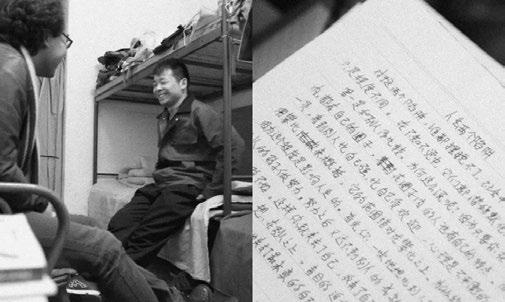
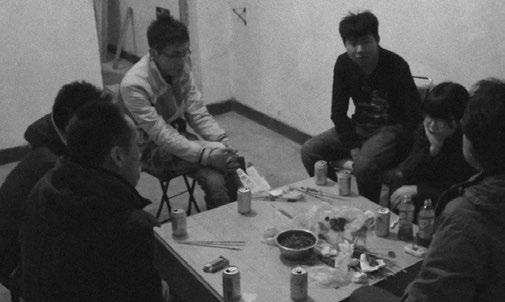
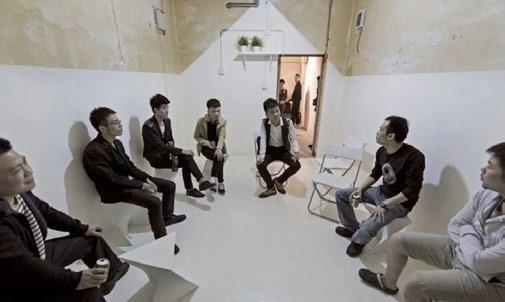
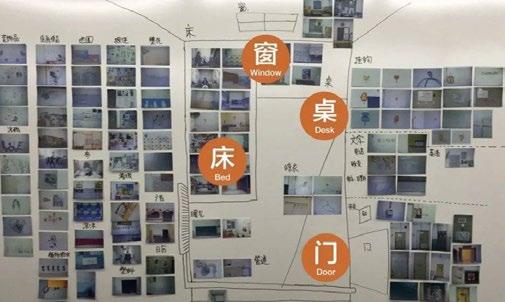
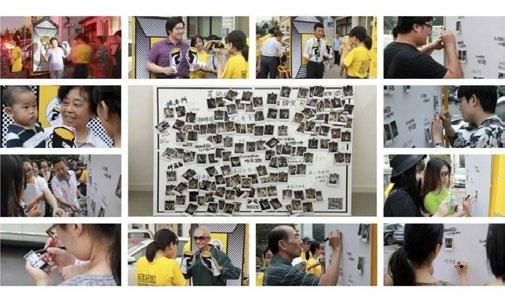
To fully understand the potential of underground basements as a community space, the Digua Community team conducted extensive field investigations. The team engaged with local residents to gain insights into their needs and desires for community spaces. By taking a hands-on approach and thoroughly evaluating each space. I was most inspired by the field research work in the overall process of design. The Sweet Potato Community displayed in detail and excellence their field research process, and I learned about the challenges they encountered and how they overcame them. How to conduct field research was also one of the initial challenges they faced, as it is the most important step in social design for community transformation. At first, 98% of the residents did not agree with the renovation plan. So, the designer began to think about how to gain their trust and understand their true needs in their own way. "In this situation, I started to make friends with them, I started to help them sweep the floor, and I kept sweeping the floor in the basement. But as I swept, we became familiar with each other, and gradually we became friends." (Zhou, 2015) This made me understand that communication with the target audience is important in the development of research work. If designers only communicate from their own perspective, it will not be effective. After realizing this, I spontaneously learned the concept of "ice-breaking". Ice-breaking means opening up communication with strangers. However, after deeper thinking, I believe that the concept of "melter" is more suitable. When designers communicate with community audiences, gaining trust is a key factor in obtaining the most authentic information. This is more like a process of slowly melting away barriers.
What inspired me was the importance of conducting on-site research and considering diversity among the community members. Communities are usually composed of diverse groups of people, and designers should explore the unique needs of each group during the research process to design for their different needs. However, I believe that it is also crucial to find ways to integrate these different needs into a single design, as inclusivity is essential for building a more cohesive community. For example, I design the children planting area for the workshop.
Using the insights gained from these case studies, I applied them to my own project. I conducted on-site research by analyzing the spatial location of the community, interviewing residents, and observing their daily lives and activities. I presented my findings in visual form using charts and diagrams in my report. I also tried to act as a "melter" during the interview (See PDF page 43). This allowed me to learn about the community.
During my visits, I noticed that plants played a significant role in the community. While the outdoor spaces in the community were decorated with beautiful plants, many residents still kept their own plants indoors or on small balconies, as there was no suitable outdoor space for them. This observation sparked my interest in exploring the role of plants as a medium for community rebuilding. In my conversations with residents, I realized that urbanism often prioritizes plant aesthetics over nature and ecological balance, which creates a lack of suitable space for residents to keep their plants. This led me to consider how plants could be incorporated into community redesign as a way to create a more welcoming and ecological space for all residents.
After conducting in-depth research on the plant culture in the city (See PDF page 42), a case study inspired me.
The project centered around Holendrecht, an Amsterdam district that was undergoing planning for the built environment to revitalize certain areas of the community. The team applied the ‘Other than human’ perspective for community resilience, which considers not only human communities but also non-human communities, including plants and animals, within the scope of consideration. The team's design outcomes included leaving grass to grow, creating a natural path of pedestrian circulation, and providing space for animals to live.
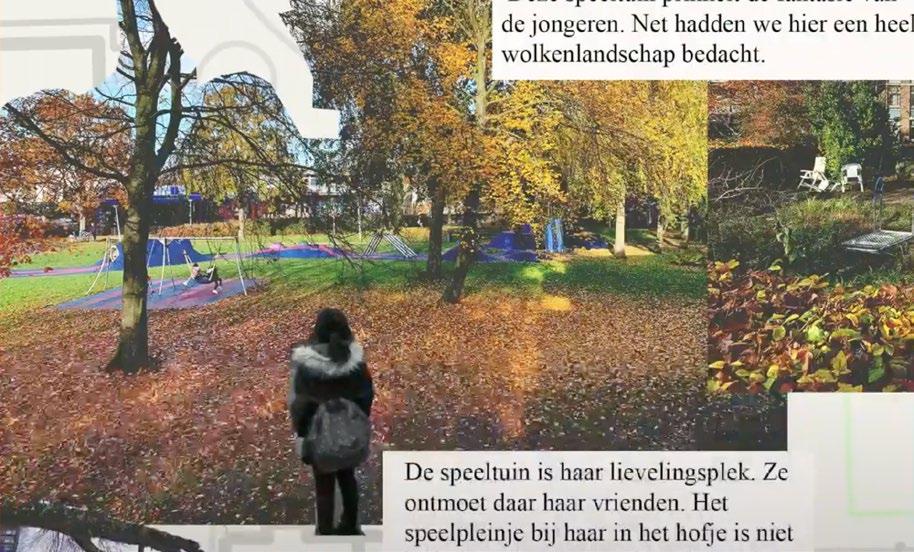
To join the local ecosystem, the team conducted a 'Rooted Urbanism' workshop during the on-site research process. They observed the community's ecological condition by setting up small facilities. This was a bottom-up observation approach to urban transformation from a social-ecological perspective. They collected and organized data and information using mapping. The research process gave me many insights, as the team collaborated with experts in both social and ecological aspects, engaged with local residents, and built sensitivity towards their desires and needs. During the on-site research process, it was challenging to organize information on human and non-human communities, so the team developed mapping to record the data and weave all information into a net.
The concept of 'other than human' emphasizes the importance of non-human organisms in urban communities. China's rapid urbanization has resulted in the loss of natural ecosystems, replaced by the spreading of high-rise buildings. Consequently, there has been a surge in our desire for plants. We have indoor plants or establish green landscapes amidst the urban environment. However, these can't address the needs of urban residents, who are both physically and psychologically affected.
The purpose is to help the audience to rebuild the community and reduce the urbanization impact on individuals. I want to foster my audience to have awareness of rebuilding their ‘nearby’ and ensure long-term sustainable development. Through researching and analysis on the history, space, population, and identity on my target community, I interpret the information and data I obtained. I agree that community design is individual and preserving the culture and identity of the target community is important. After learning the concept of 'other than human,' I also incorporated it into my project. My design plan is an outdoor workshop for exchanging and planting plants among residents. I designed the poster with illustrations visual elements and a series of hand-outs including tickets for sign-up, cards and invitations. To add the interestingness, I describe the ‘exchange’ as a travel to a new home for plants. The tickets will include the plant's name, previous owner, and new owner's information. Which also matches the theme ‘plants party’.
In this process, I explored different fields of design, including graphic design and event planning, and practiced different practices, including illustration, photography, installation, and video. Which bring various new presentation and demonstration of the concept.
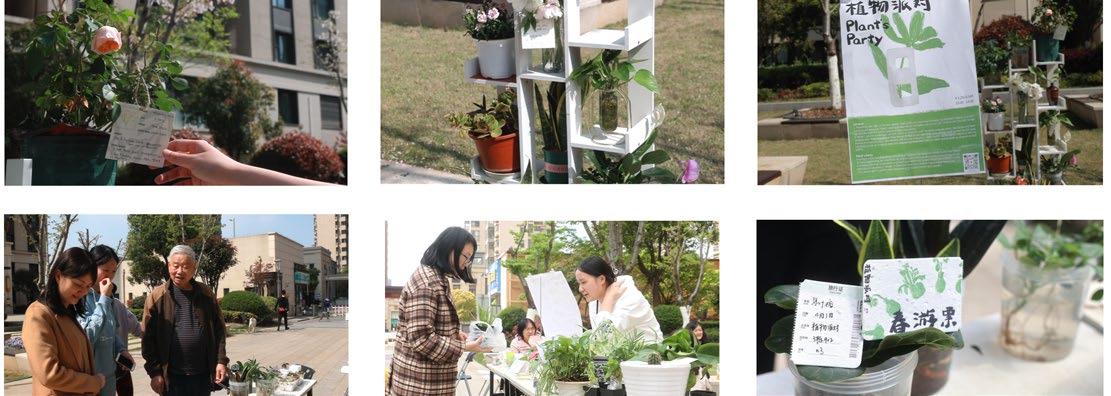
Plants party,Zhou, 2023
In conclusion, cross-disciplinary design offers an innovative approach to address urbanization issues. I have experimented by bringing together various fields such as mixed media, social works, and ecology, cross-disciplinary design can help create more sustainable and livable urban. The complex nature of urbanization requires a holistic approach that considers the interconnectedness of various aspects such as social, economic, environmental, and cultural factors. Crossdisciplinary design provides a platform for collaboration and co-creation that can lead to more comprehensive and effective solutions. It also has the ability to combine different perspectives and knowledge bases. This can lead to the development of more innovative and diverse solutions. Additionally, it can help break down gaps between different disciplines and promote a more integrated approach to urban design.
Another advantage of cross-disciplinary design is the ability to address the 'wicked problems' of urbanization that require a systemic and long-term perspective. By considering the interrelated aspects of urbanization, crossdisciplinary design can help identify and address root causes. Overall, cross-disciplinary design has the potential to make significant contributions to urbanization challenges. However, it requires a willingness to collaborate, communicate, and embrace diverse perspectives, which takes more efforts and time. Only by combining together can we solve the urbanization issue that benefits both current and future generations.
1. AIGA. An Ethnography Primer. (2015)
2. Blomberg, J., et al., Ethnographic field methods and their relation to design. Participatory design: Principles and practices, 1993: p. 123-155.
3. Boon, B., Gualtieri, G., Schramkó, S., Suurenbroek, F., & M. de Waal. (2023). Designing Human / Non- Human Public Spaces for Neighborhood Resilience: Design Exploration #1: a resilient Holendrecht. Amsterdam University of Applied Sciences.
4. Classen,C. (2012). A Cultural History of Touch.
5. Harris, M. and Johnson, O. (2007) in Cultural anthropology. Boston etc: Pearson, p. 5.
6. Kosuth, J. (1965). One and Three Chairs [Photograph]. Available at: https:// www.moma.org/collection/works/81435 (Accessed: 2020).
7. Lodi, F. (2020) RODE KRUISLAAN Design Proposal . rep. Amsterdam: UNStudio, pp. 13
8. Lefebvre, H. (1991) Critique of Everyday Life, Volume I. John Moor (trans). London
9. Lefebvre H. (1968). Le Droit à la ville [The right to the city] (2nd ed.). Paris, France
10. Mathews, J. (1971). One and Three Chairs in exhibition view [Photograph]. Available at: https://www.moma.org/collection/works/81435?installation_image_ index=2 (Accessed: 2020).
11. Xiang, B. (2021) ‘The Nearby: A scope of seeing’, Journal of Contemporary Chinese Art, 8(2), pp. 147–165.
12. Zhou, Z. (2013). Available at: https://www.gooood.cn/ramble-zhou-zishu.htm (Accessed: July 19, 2022)