Component 2: Part 1
By: Maya Duarte

The existing aquariums in London and Greater London are all located in Central London, meaning some may have to plan out an entire day trip to visit the aquarium only for a short amount of time as most time would be spent on travelling there. The solution to this would be to design an aquarium in an up and coming area with multiple different TFL lines to ensure access for outer London boroughs, easy and accessible transport extending all the way to borders of Essex to Heathrow. Such places as Canary Wharf which already serves an existing appeal to both Londoners and tourists would be a desirable location for a new, explorative, innovative aquarium to be situated.
Since Canary Wharf is known as stepping into the world of corporate and finance, that suggests the overall social environment is held at quite stressful levels with a lack of entertainment for mental wellness, an aquarium is scientifically proven to help with stress levels as it provides visuals for the brain to focus on, people in the corporate field are also often sat at their desks for long hours without the chance to relax, making an aquarium the perfect opportunity for finding peace in mind. Given that the area is also a Wharf, an aquarium would make sense thematically and conceptually as the River Thames flows into the North Sea.

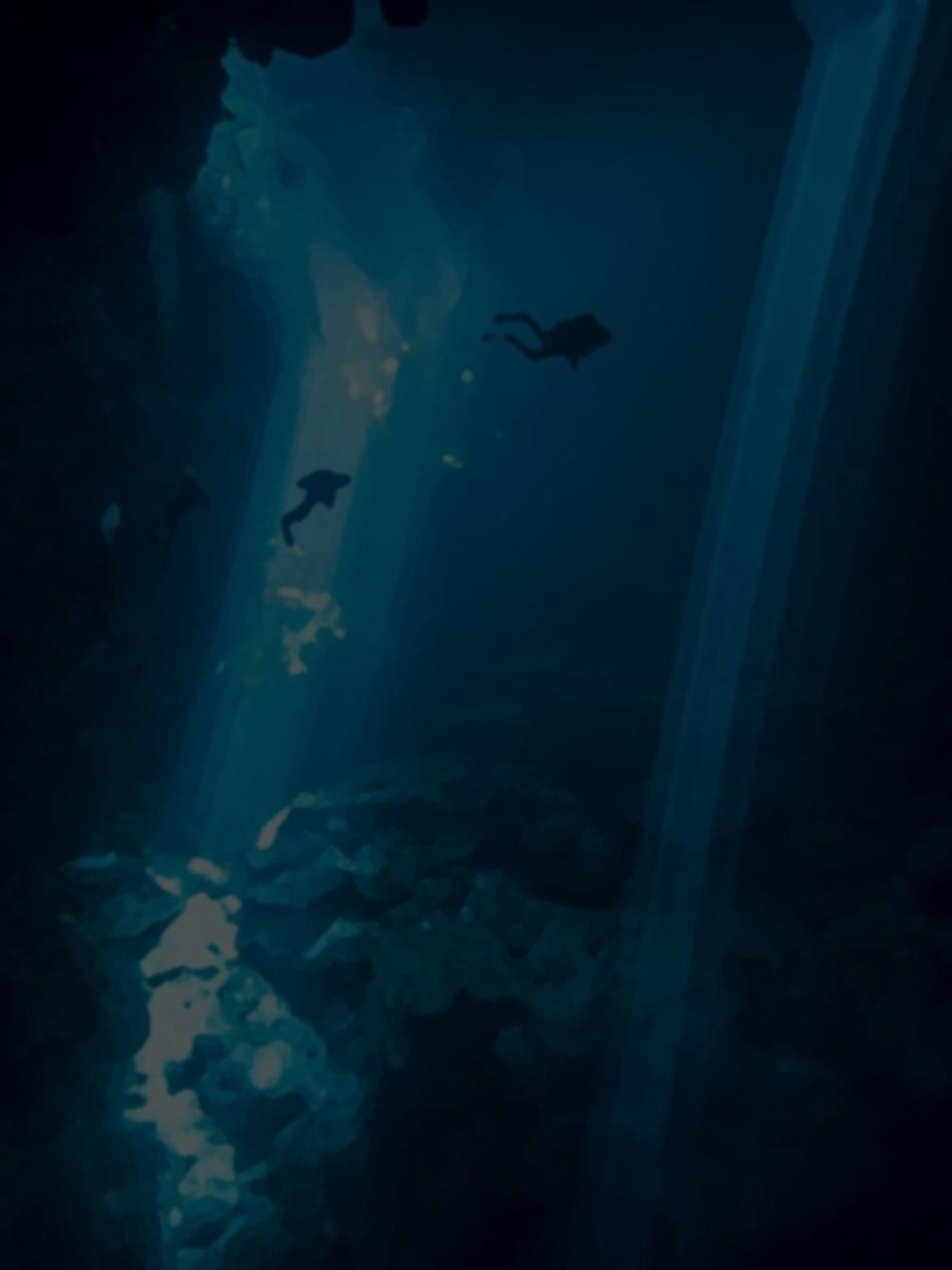
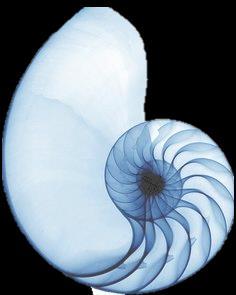
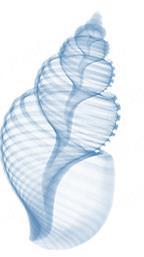
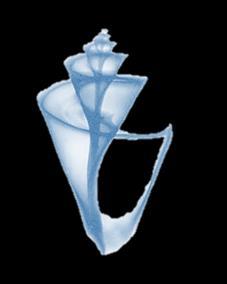
The basis of my design will be inspired by organic forms that exist underwater such as the patterns divers might come across or intricate fossils they might stumble upon. Not only that but also larger structures that create habitats for sea creatures such as caves, underwater mountains and corals



• Visually Compelling Exterior

• Disability Access

• Shorter than Surrounding Skyscrapers

• Aquarium Spaces

• Safety Routes for Evacuation

• Preserve Surrounding Green Spaces

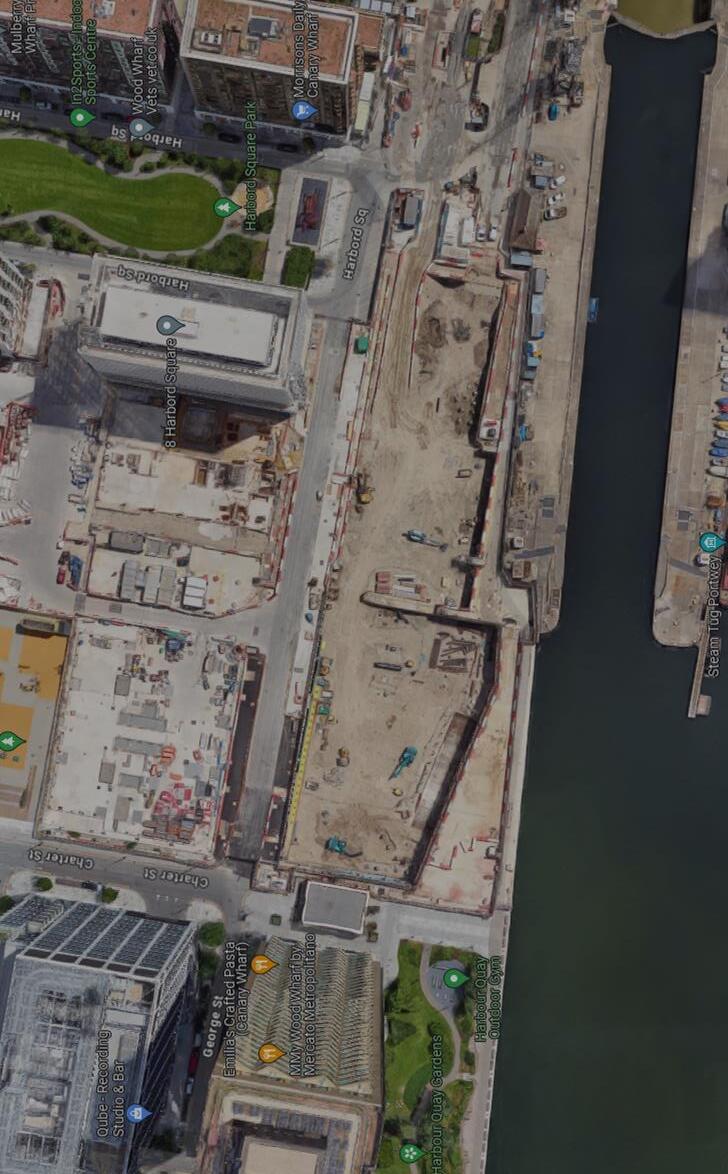
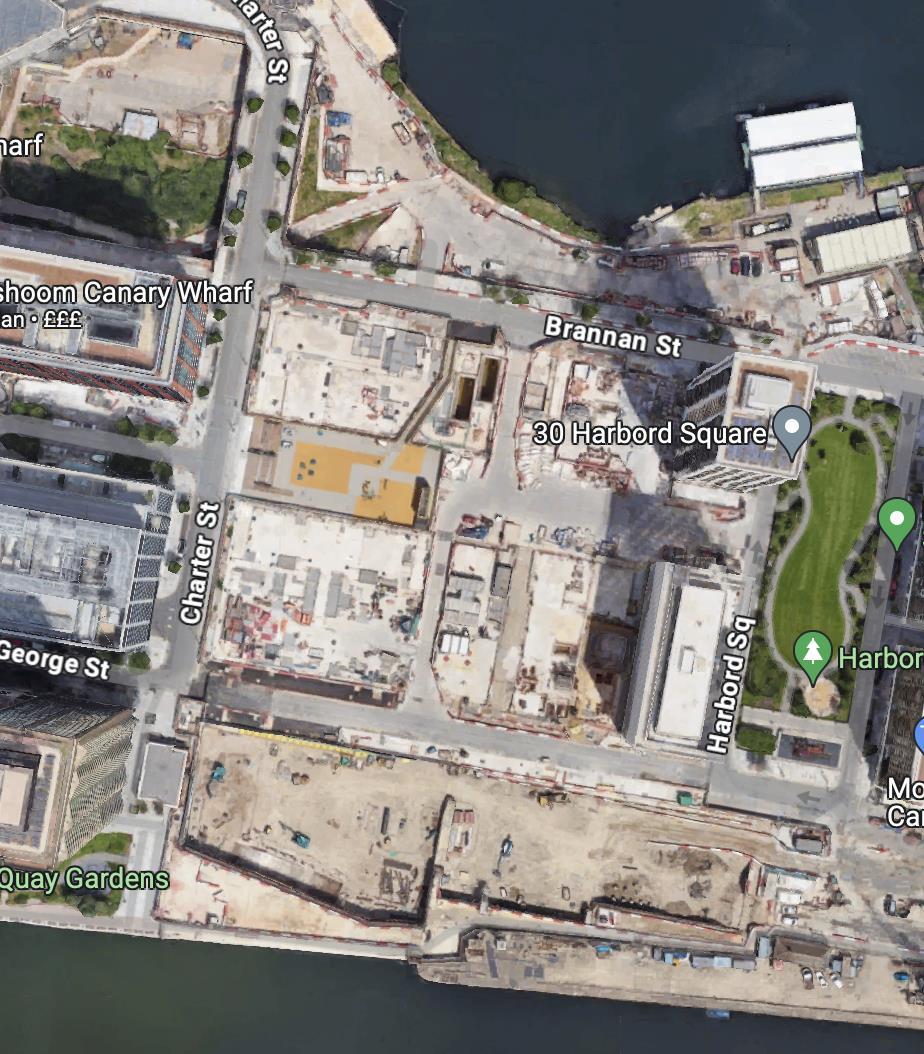
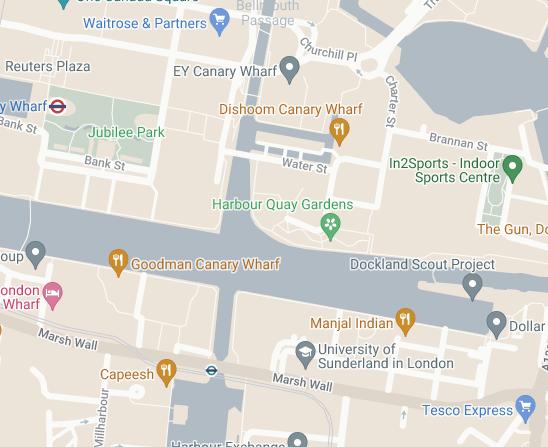
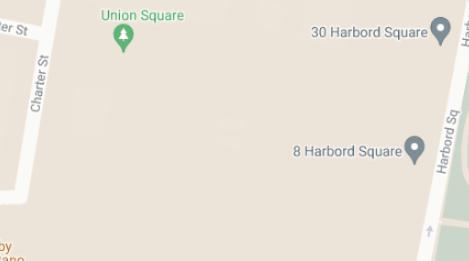
My chosen site is located in between Canary Wharf and Isle of Dogs. The area of Canary Wharf is known as one of London’s most developed, up and coming financial districts with headquarters of prestigious banks situated while also becoming an attractive residential area. Whereas Isle of Dogs known as one of the busiest dockland hubs in the 1980’s has been regenerated and provides more residential aspects compared to Canary Wharf. This allocated area in between the two will act as a opportunity for the two similar communities to merge while also serving a space where people can escape from the corporate world and seek relaxation.
 Canary Wharf
Isle of Dogs Poplar
Across River: North Greenwich
Harbord Square Park
Apartment Complex
Mulberry Wood Wharf Primary School
Chosen Site Space
Dish room Restaurant
Quay Gardens Wood Wharf Apartments Apartment Complex
Chosen Site Space
Canary Wharf underground Station, approximately a seven minute walk
DLR South Quay station, seventeen minutes walk
Area of free space: 2400m2
Canary Wharf
Isle of Dogs Poplar
Across River: North Greenwich
Harbord Square Park
Apartment Complex
Mulberry Wood Wharf Primary School
Chosen Site Space
Dish room Restaurant
Quay Gardens Wood Wharf Apartments Apartment Complex
Chosen Site Space
Canary Wharf underground Station, approximately a seven minute walk
DLR South Quay station, seventeen minutes walk
Area of free space: 2400m2
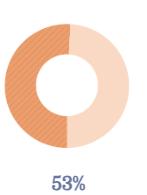
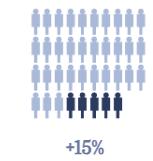
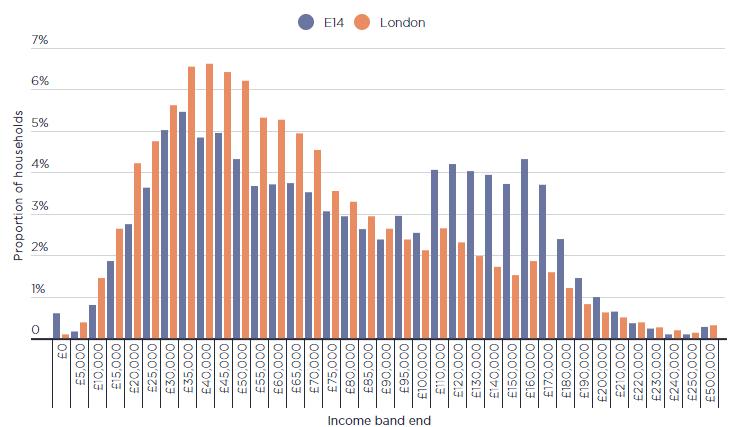
The share of households in the allocated area that are aged 40 under
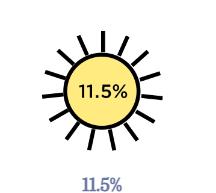
The predicted growth in outer London like Canary Wharf in five years
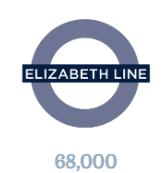
Calculated number of passengers who use Canary Wharf station everyday
The increase In population by 2029
After overviewing the demographics of Canary Wharf, it appears that this location would be an ideal place for new entertainment to be established as it is quite popular amongst all age groups, ethnicities and gender. Local transportation statistics also suggest there is a high influx of people who pass by this area, which would further ensure the success rate and social benefit of having an aquarium for East London.
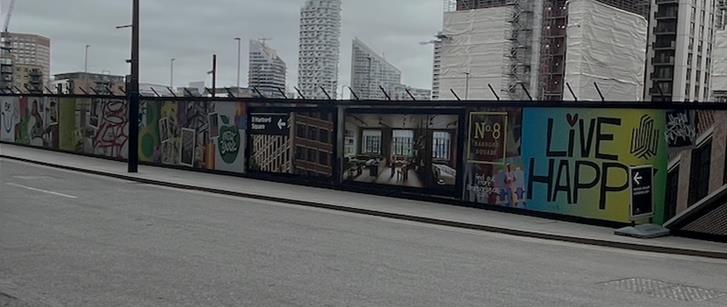
My chosen site is located in between Canary Wharf and Isle of Dogs. The area of Canary Wharf is known as one of London’s most developed, up and coming financial districts with headquarters of prestigious banks situated while also becoming an attractive residential area. Whereas Isle of Dogs known as one of the busiest dockland hubs in the 1980’s has been regenerated and provides more residential aspects compared to Canary Wharf. This allocated area in between the two
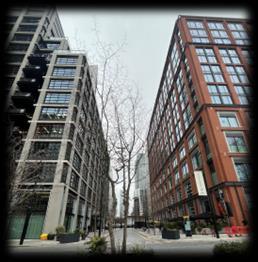
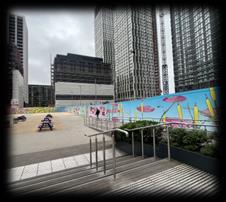
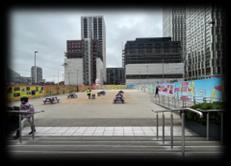
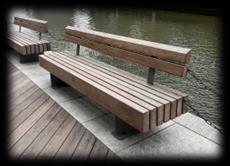
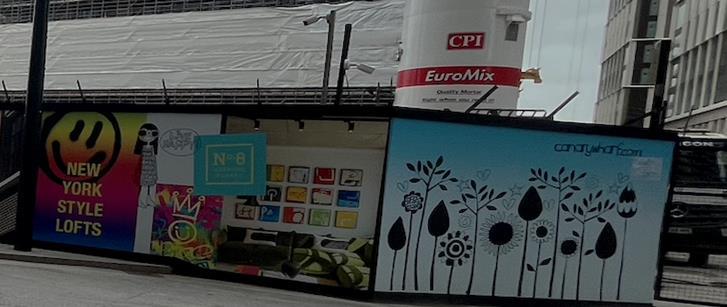
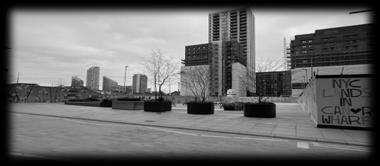
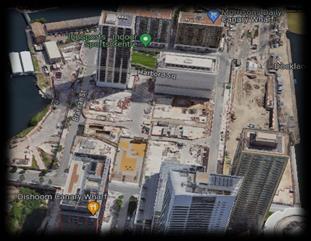
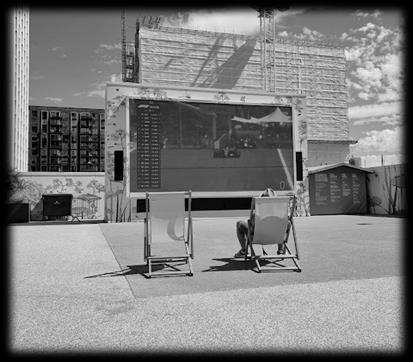
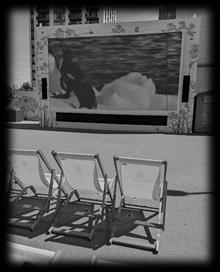
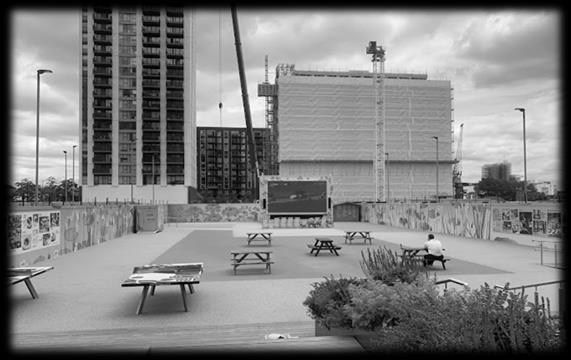
Next to my site is a huge empty space where they have put chairs, benches with tables and outdoor toilets for the community.
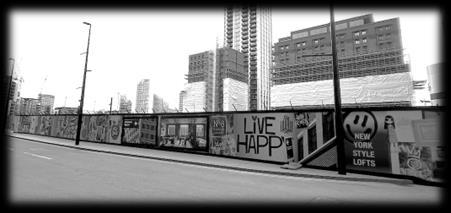
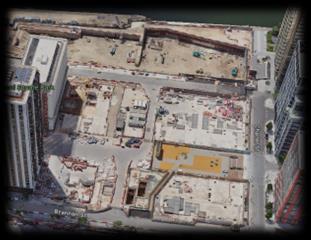
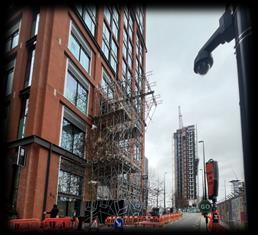
My site is currently being blocked off from access by temporary construction walls to ensure the safety of the general public as the apartment complex is being built next to it.
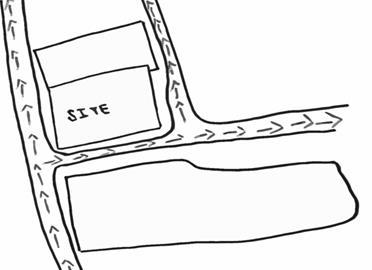
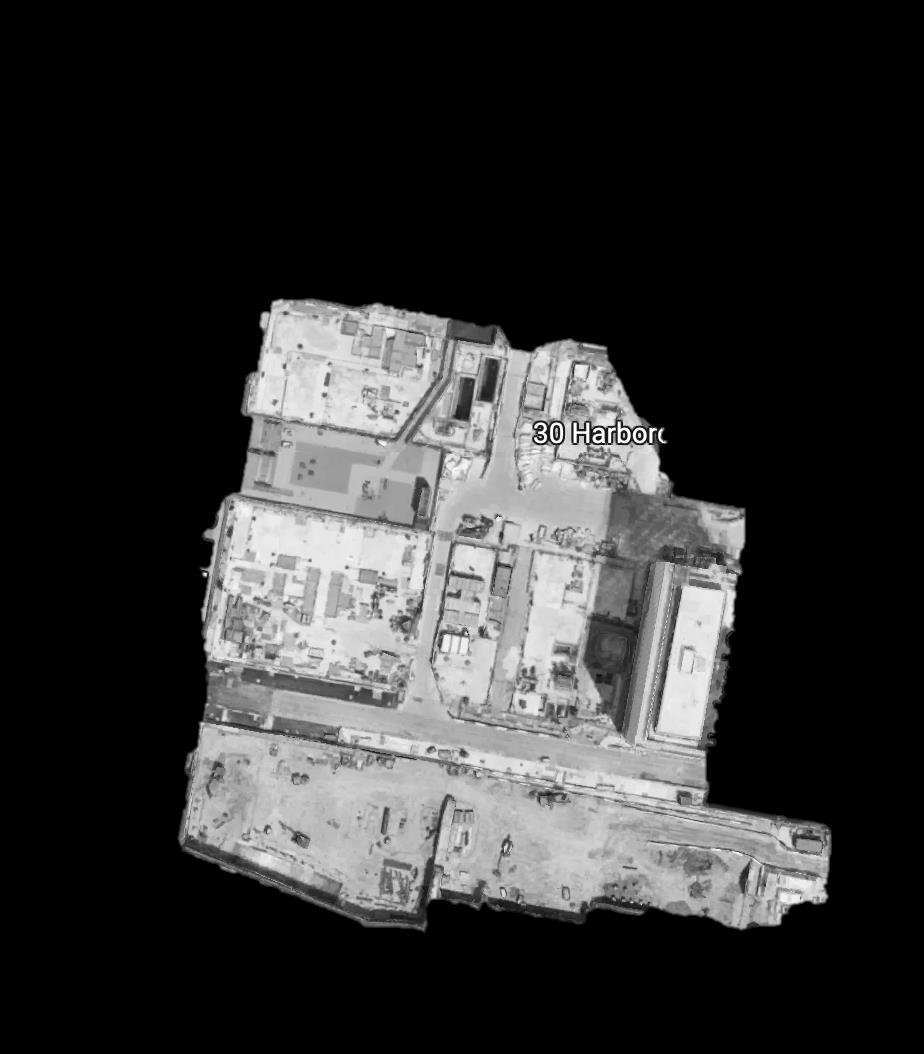
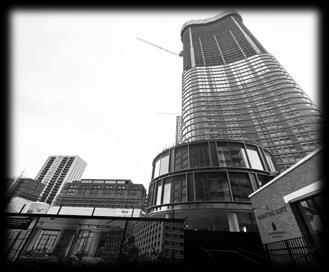
This section has not been uploaded on online maps yet but there are apartment complexes being built at the moment, these apartment blocks will be kept in mind when considering the height of my design but they do not interfere in any other way.
Wood Wharf- Secondary
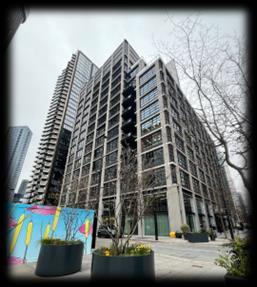
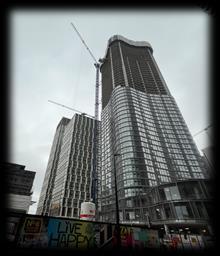
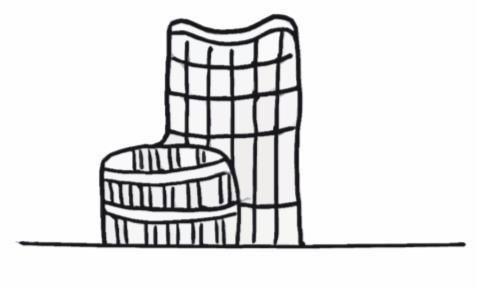
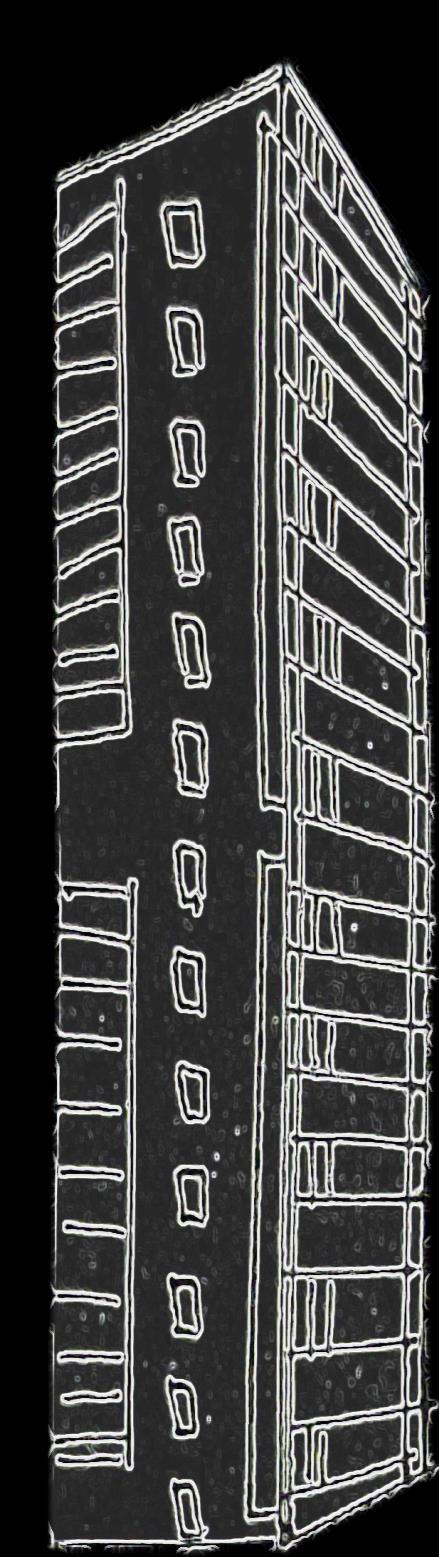
is an apartment complex designed by Stanton William’s architecture firm that sits directly across my chosen site, from first glance it may appear to overshadow other buildings given its skyscraper nature, but the materials remain quite muted allowing other designs to share an equal amount of spotlight.
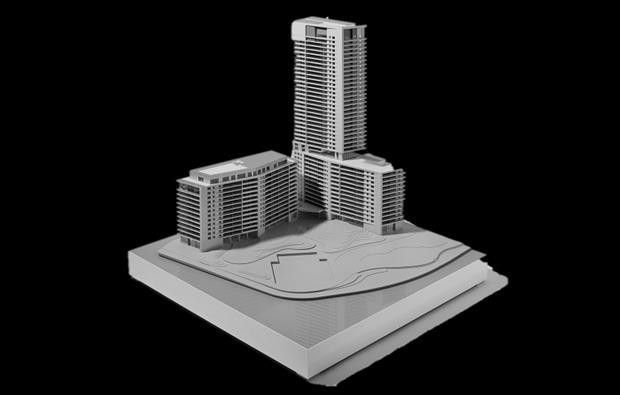
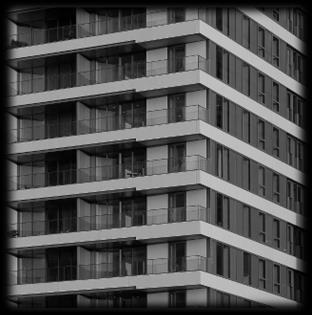
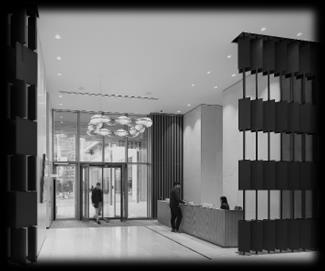
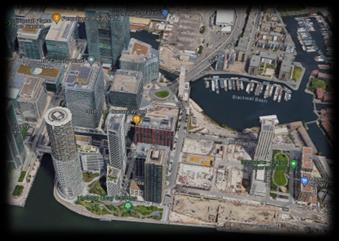
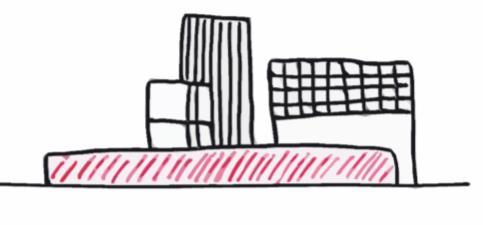
Since my chosen site is in Canary Wharf, a platform for high rise buildings, I have photographed the surrounding sky scraper scenery to develop an understanding of the site context before developing potential ideas.
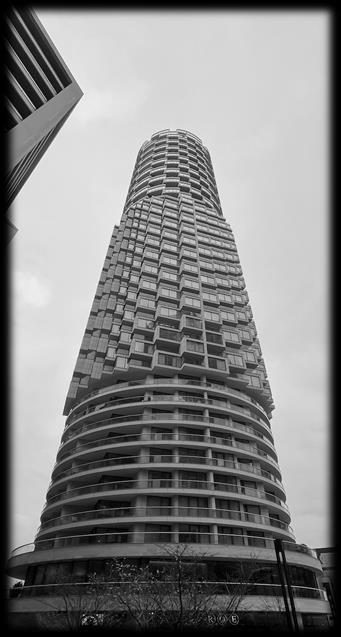
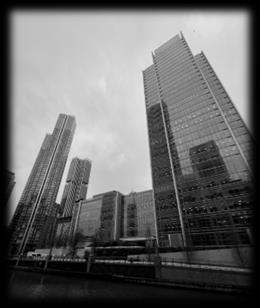
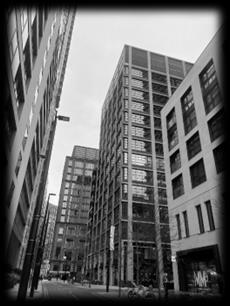
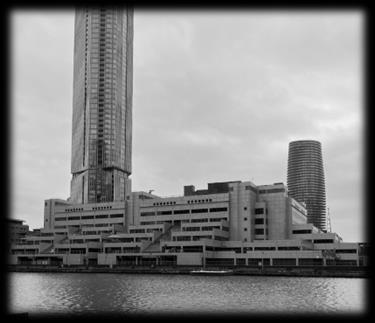
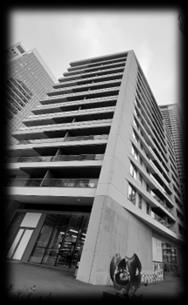
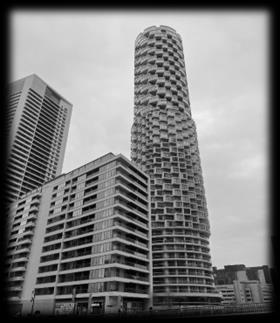
The surrounding landscapes include two parks, one being Harbour Quay Gardens that has an outdoor gym and traces along the docklands, the other being a more residential green space called Harboured Square Park.
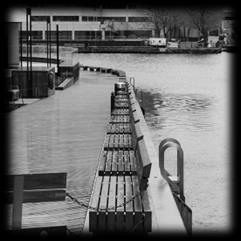
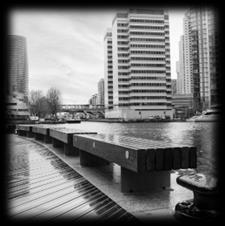
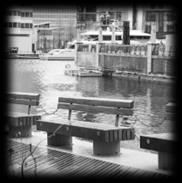
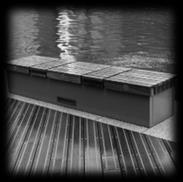
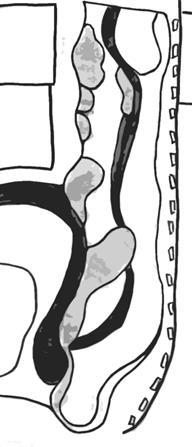
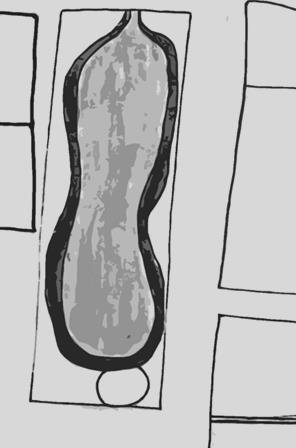
Union Square, Secondary Images
Next to my chosen site there is an open space made for gatherings hence the name Union.
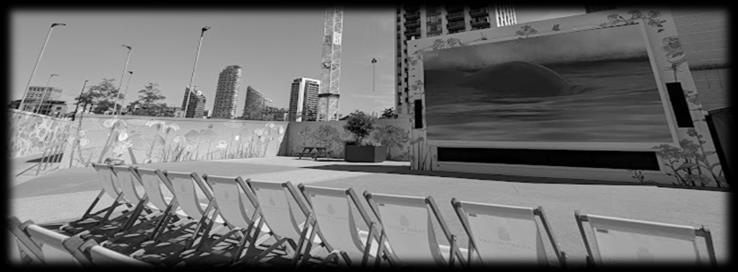
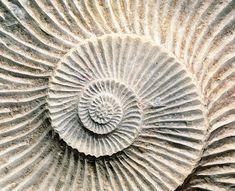
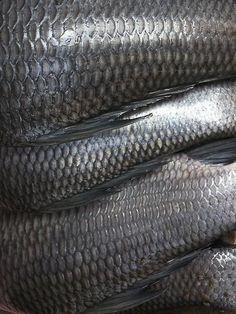
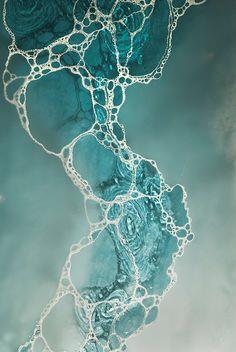
Sea bubbles: Structurally Inspirational
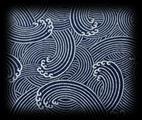
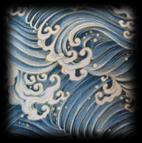
Intricate Japanese wave paintings
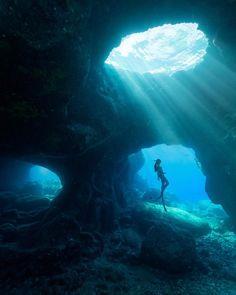
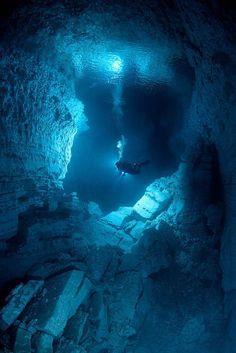
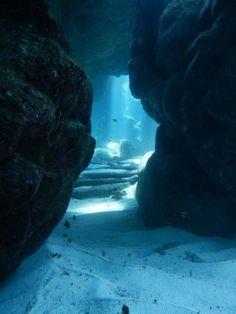
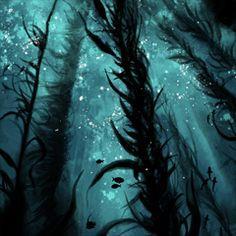
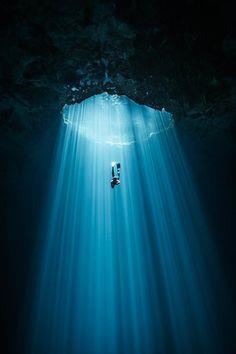
Starting words: Caves, exploration, fossils, diving, close up
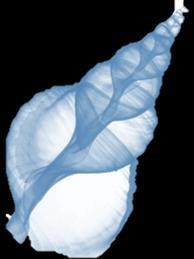
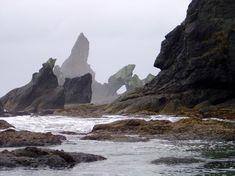
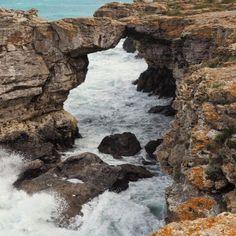

Patterns seen in diving exploration
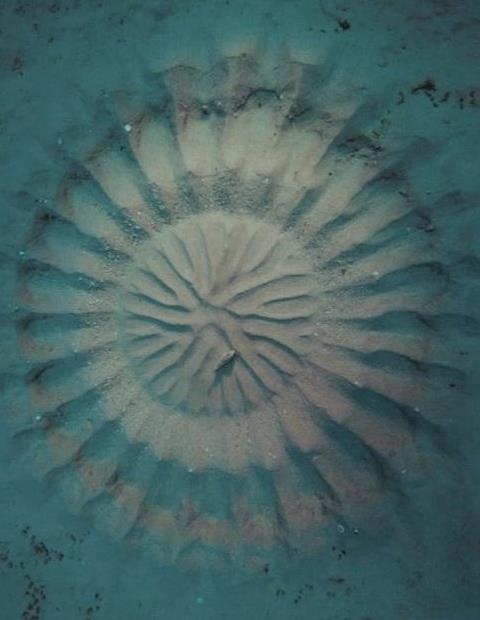
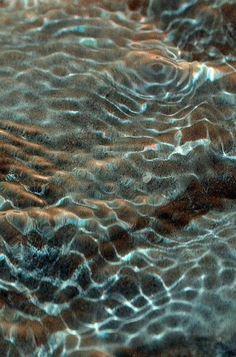
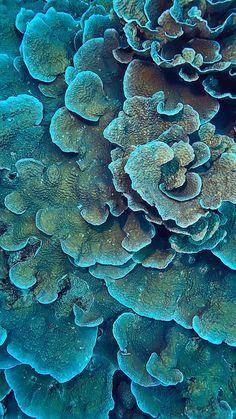
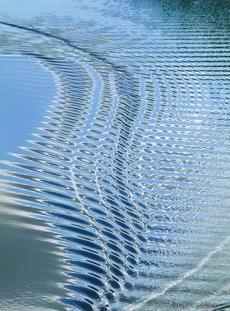
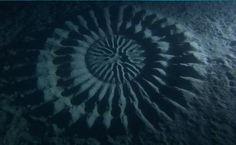
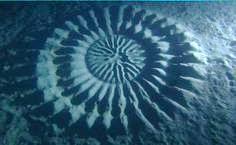
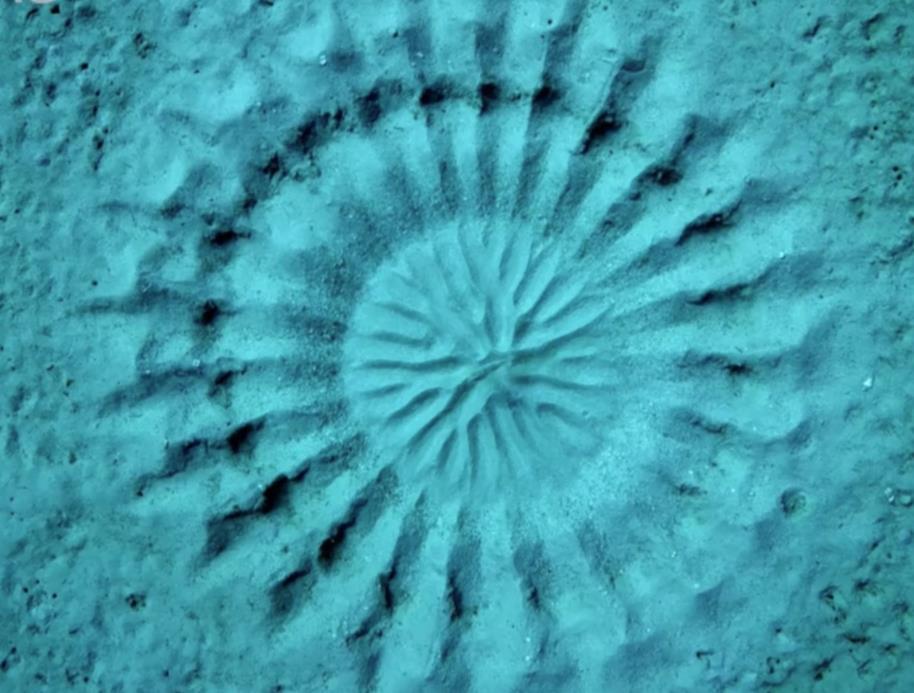
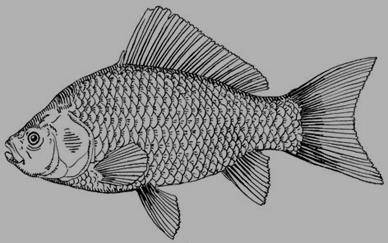
Japanese Pufferfish Pattern
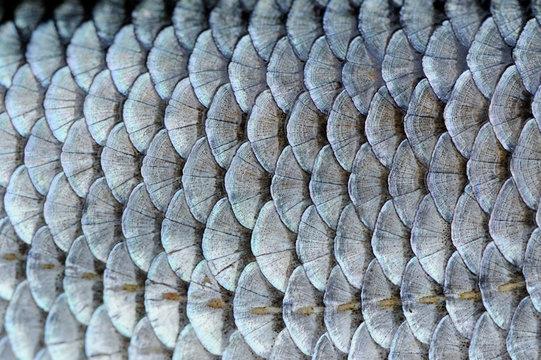
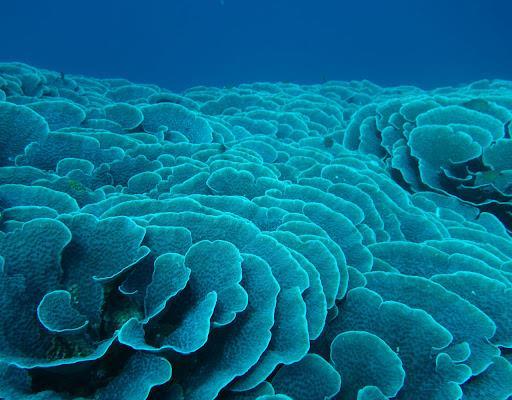
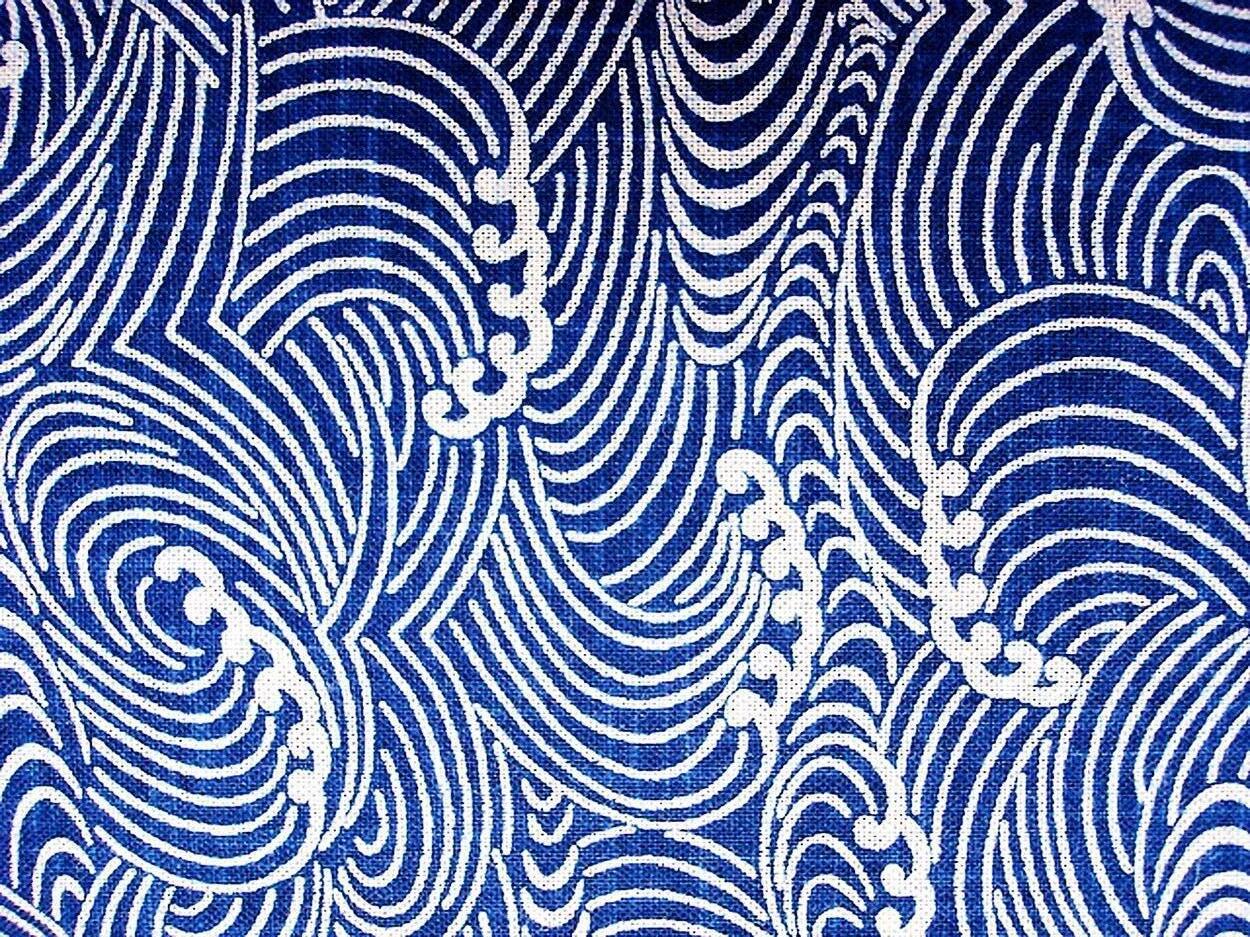
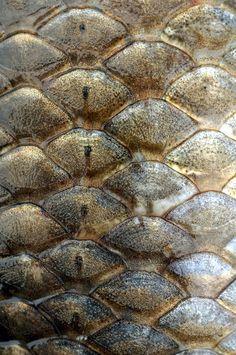
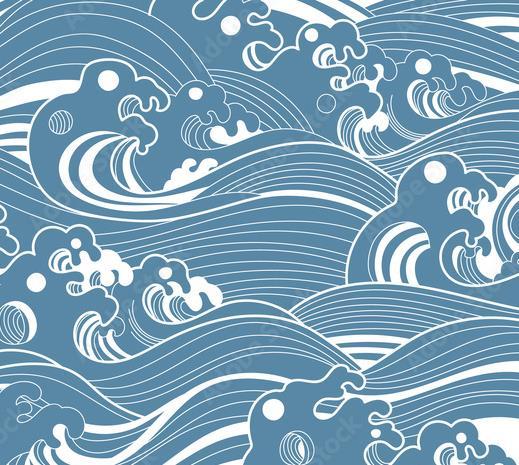 Fish Scales, Corals
Japanese Traditional Wave Paintings
Fish Scales, Corals
Japanese Traditional Wave Paintings
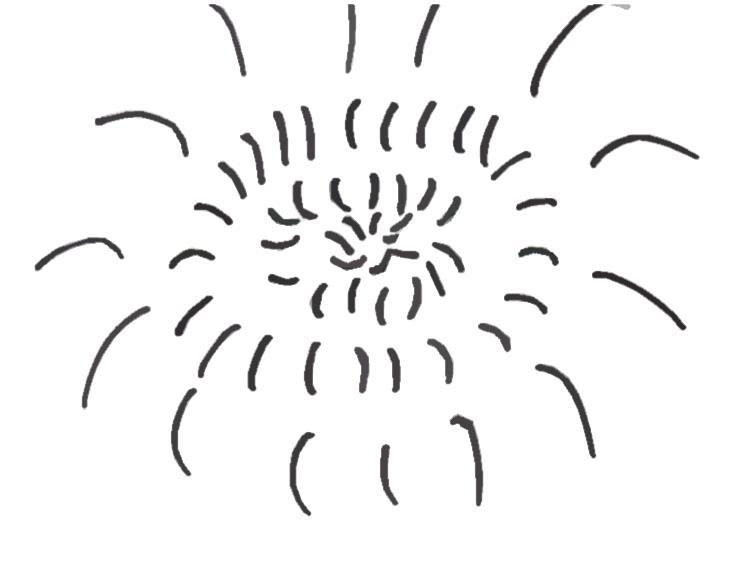
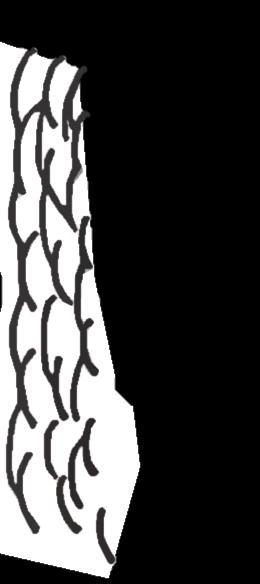
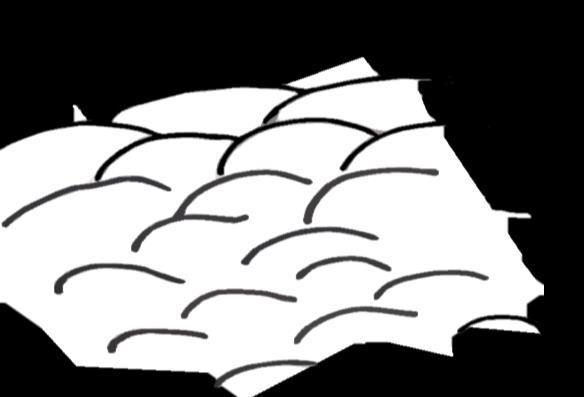
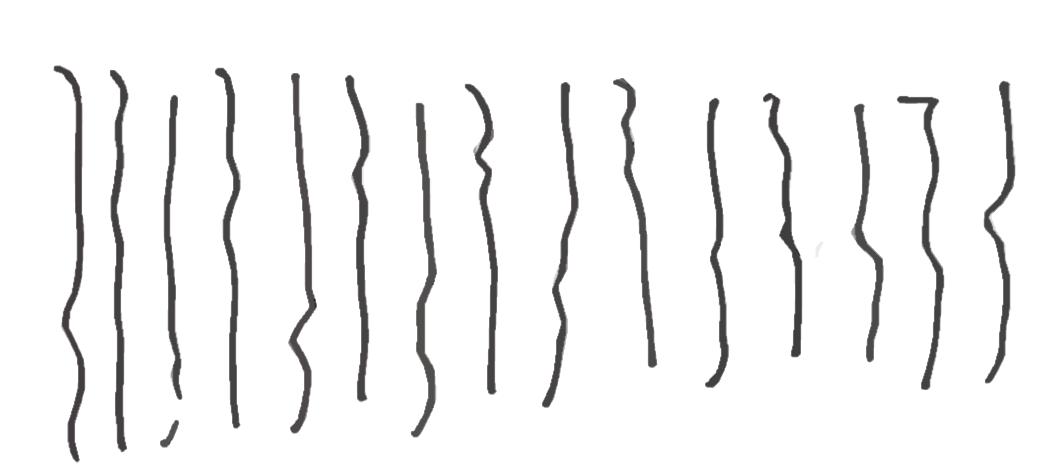
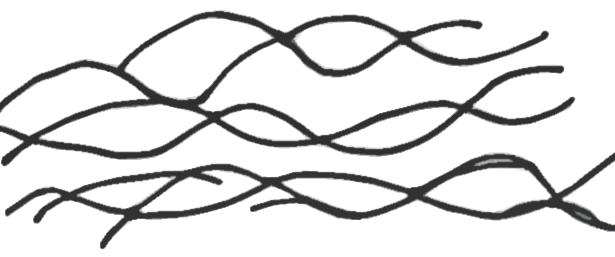
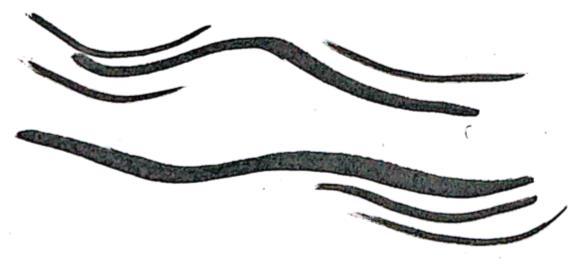
Exploring the lines made in the sand
Following original scale pattern
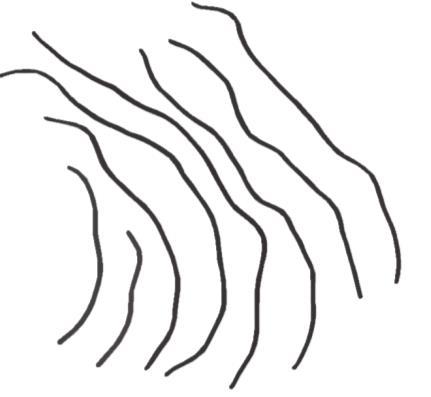
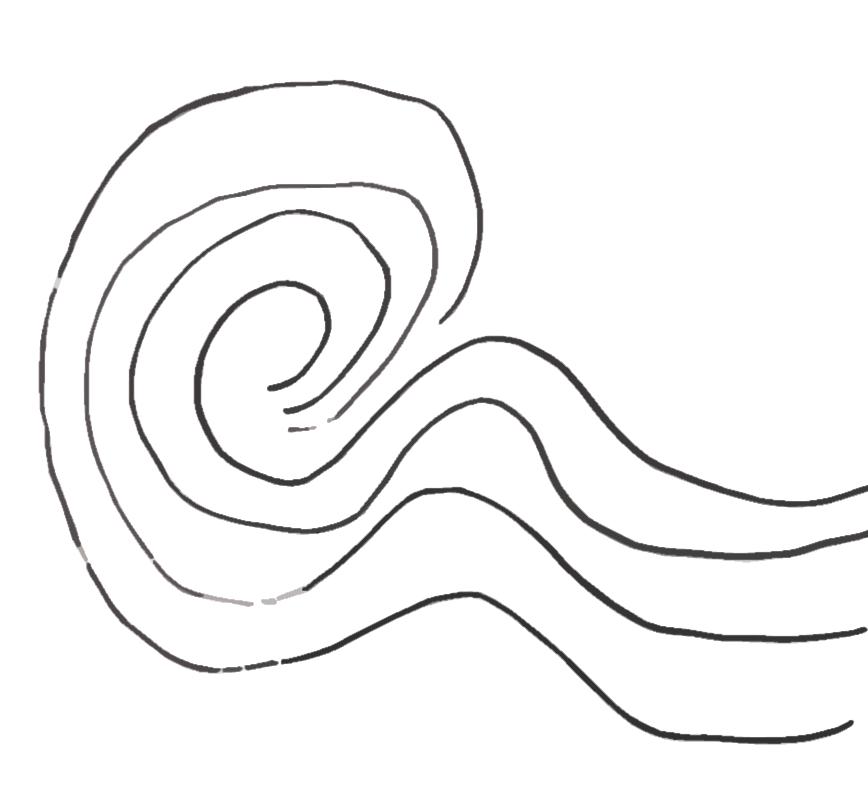
Singling out one of the waves
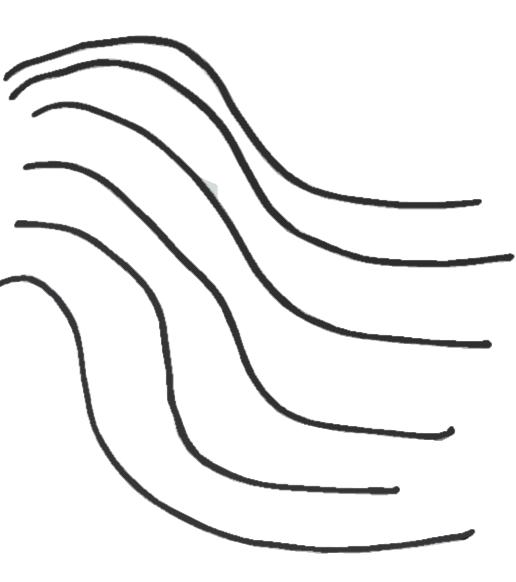
Combining both sides of the scales
Repetition of pattern in the corals
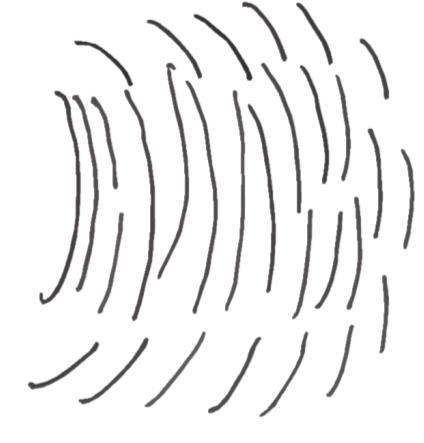
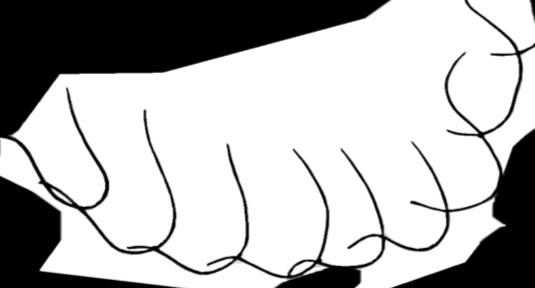
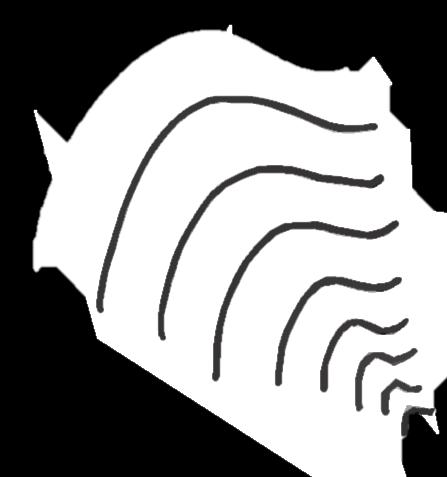
Taking a smaller section of the bigger pattern to repeat it
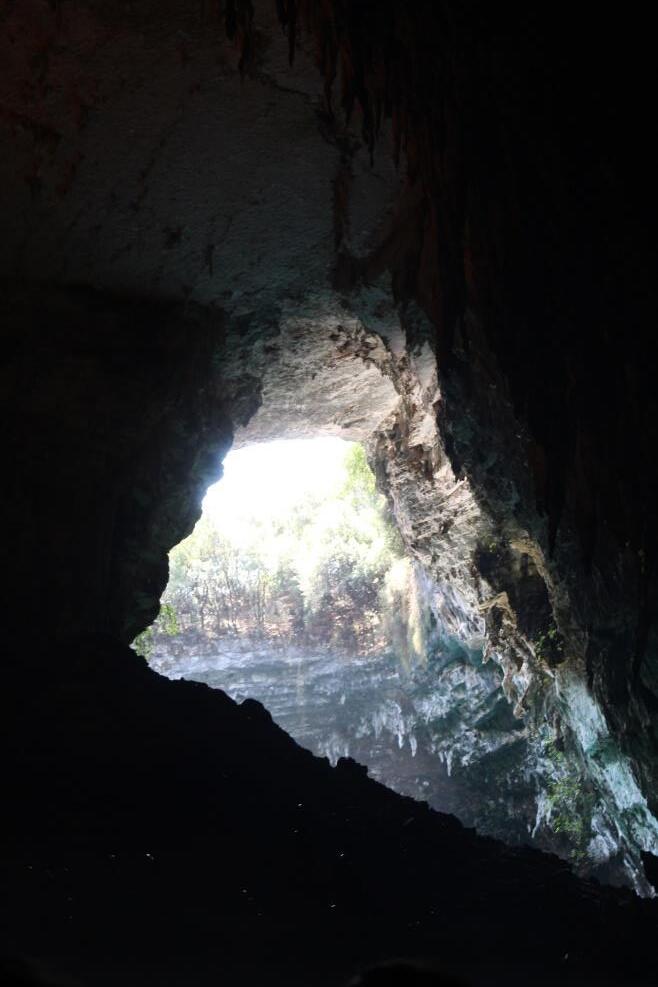
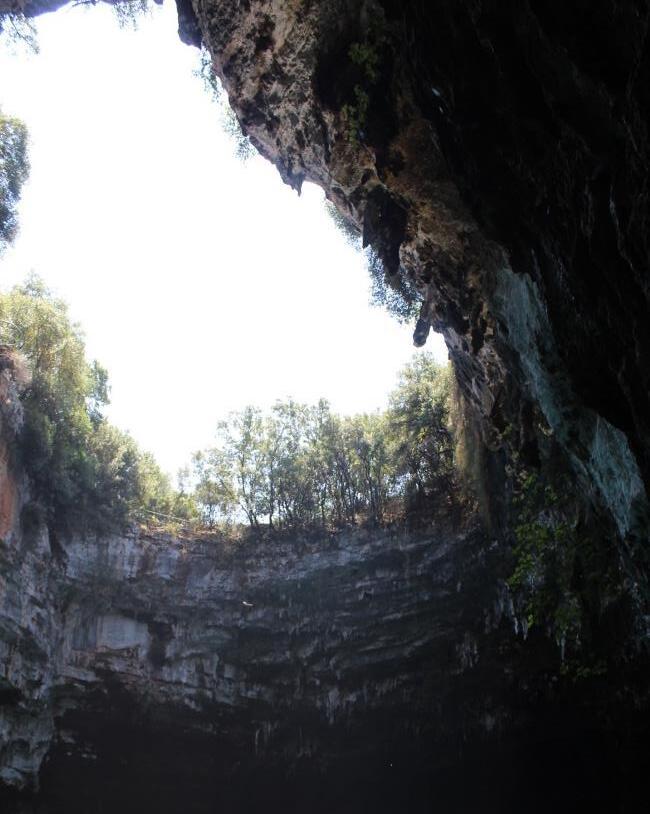
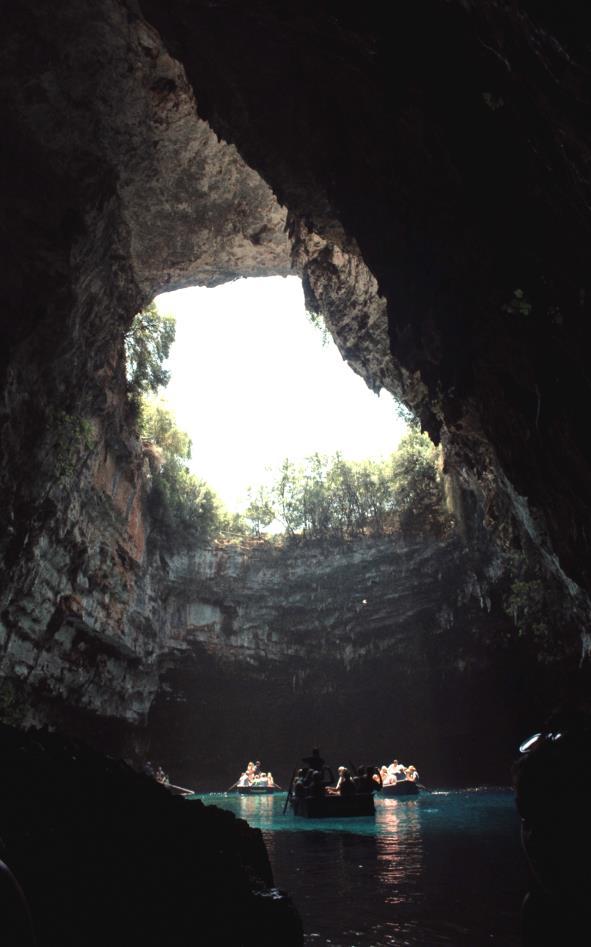
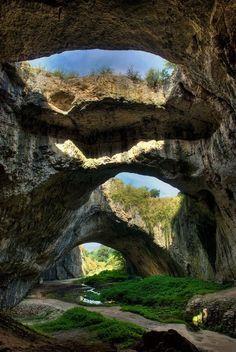
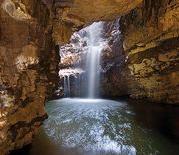
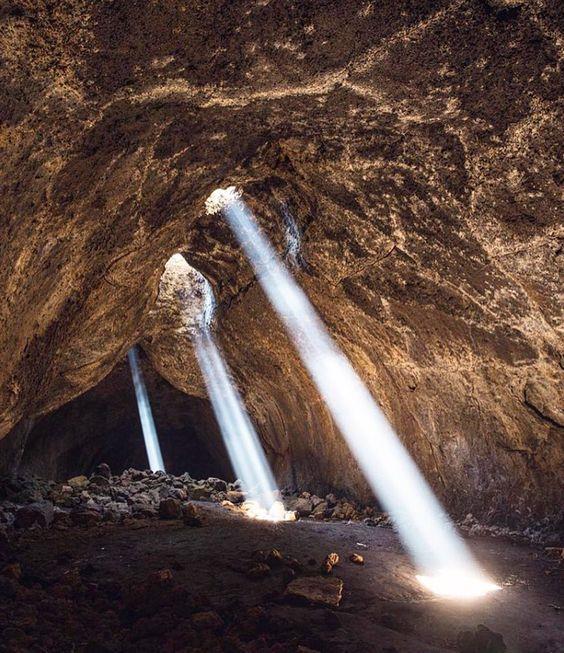
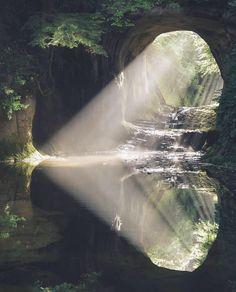
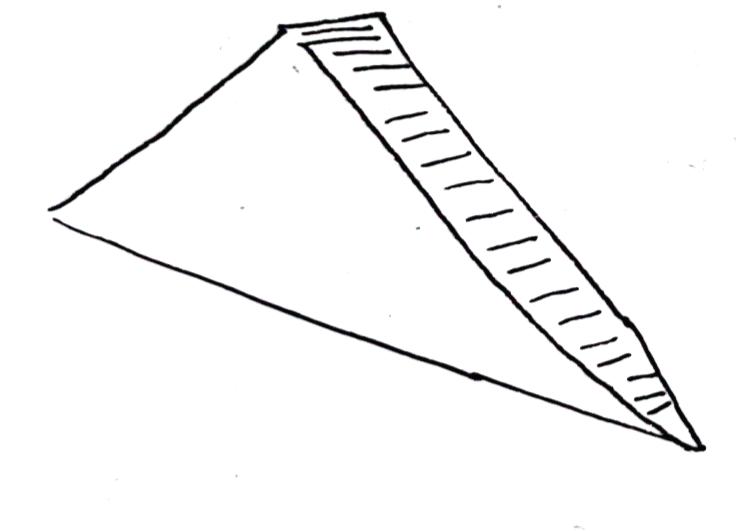
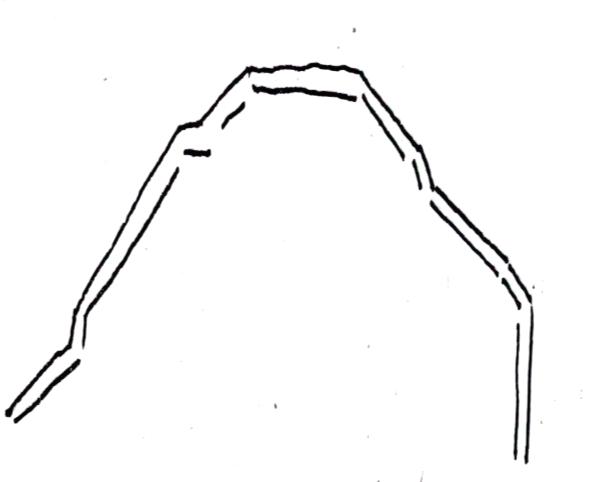
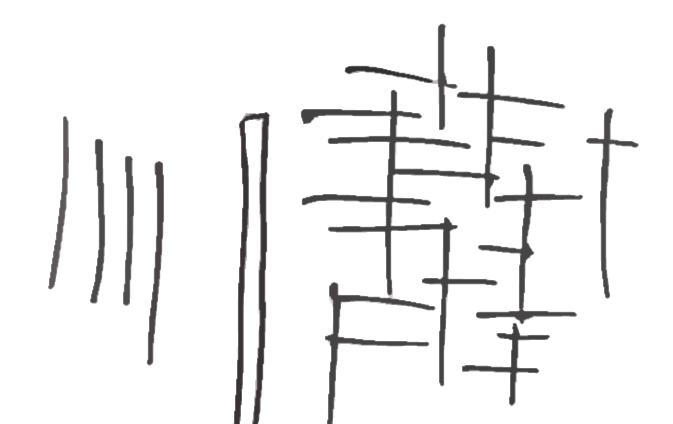
Here are some primary photographs of cave structures from Greece that could potentially be inspirational towards my outcomes, especially the natural materials and textures from this cave. One of the most interesting aspects I found was how these organic structures allow light to flow in.
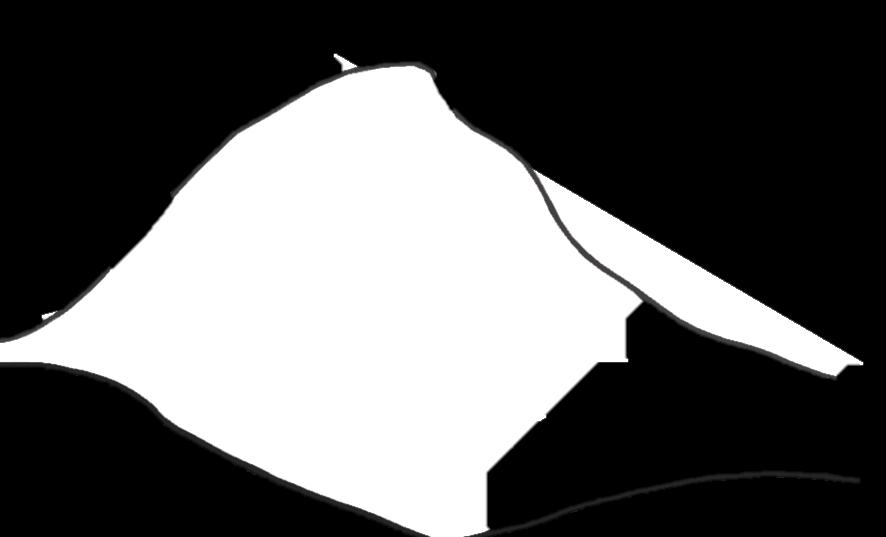
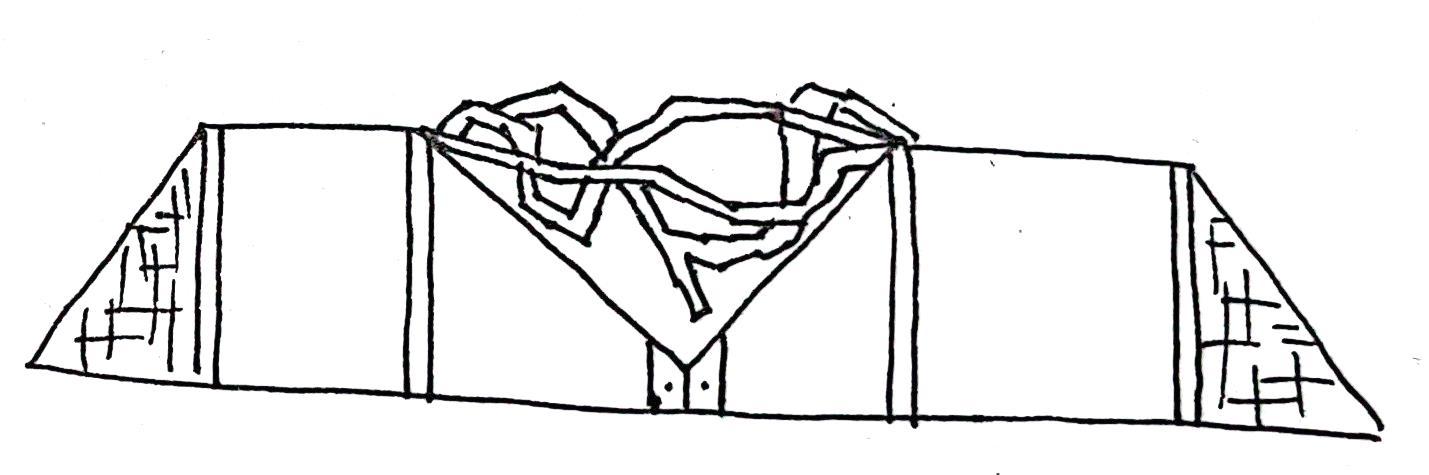
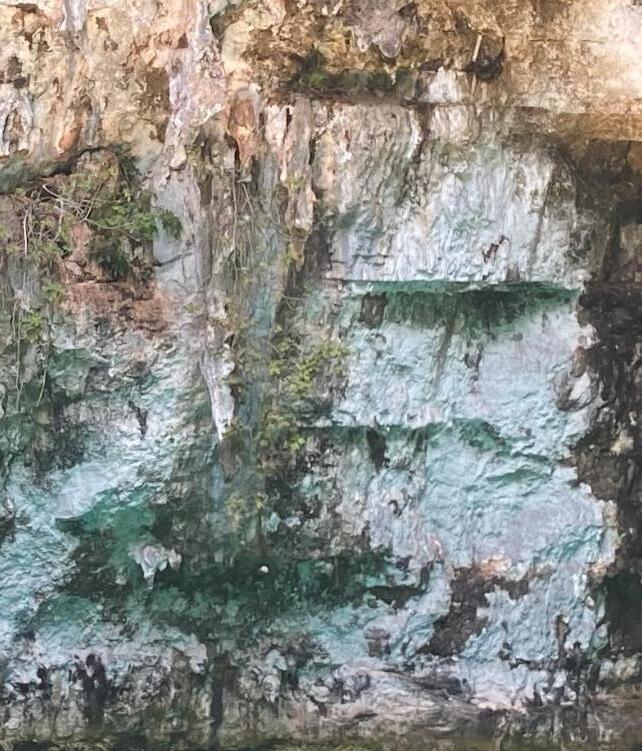
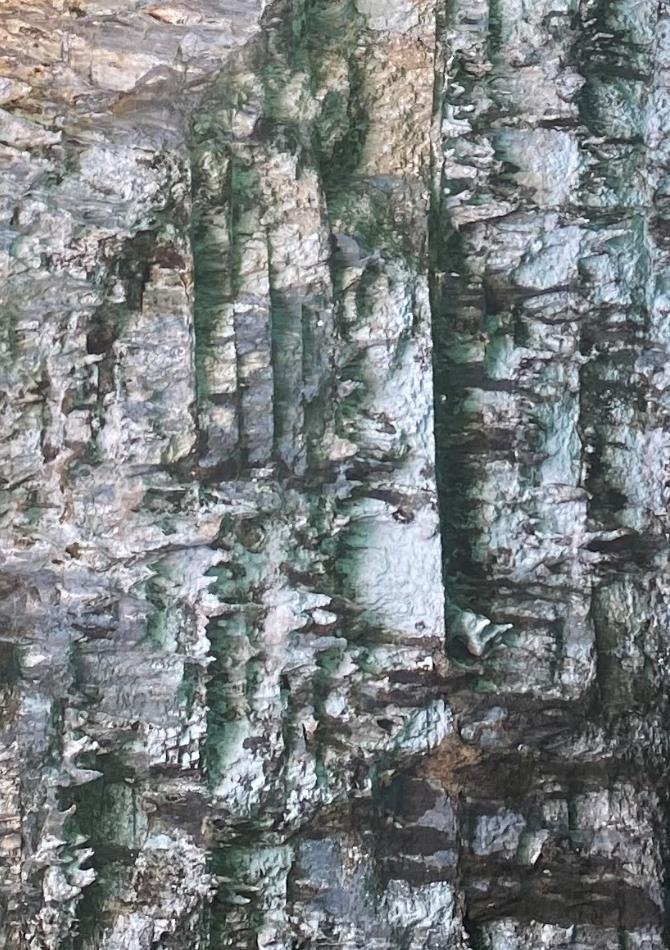 Reflecting the light holes in the cave
Stone Pattern
Reflecting the light holes in the cave
Stone Pattern
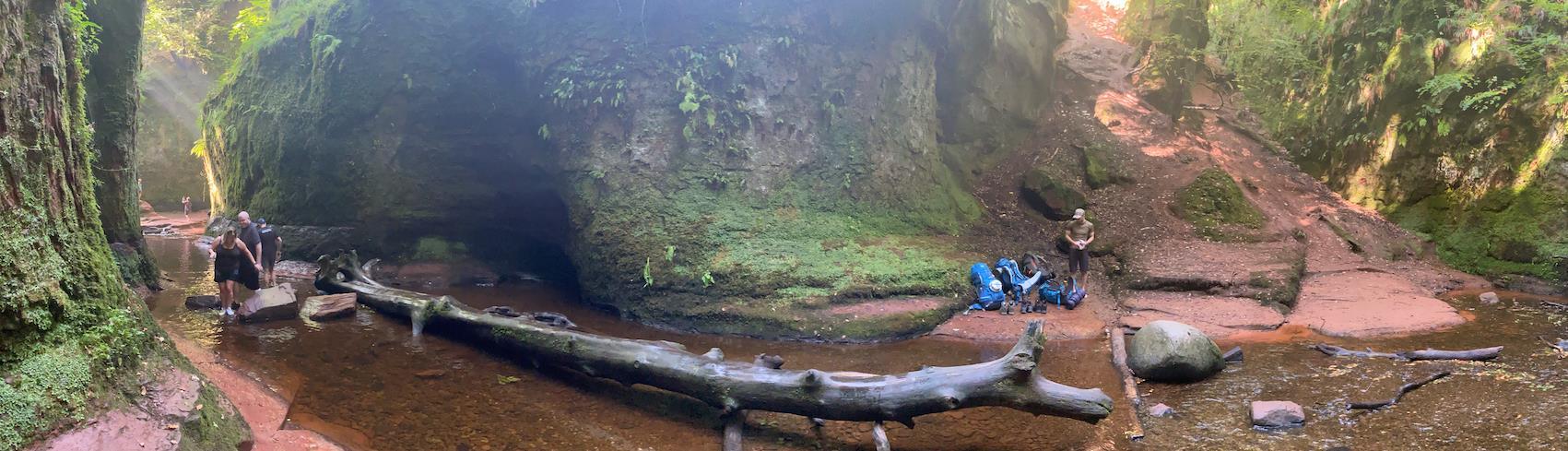
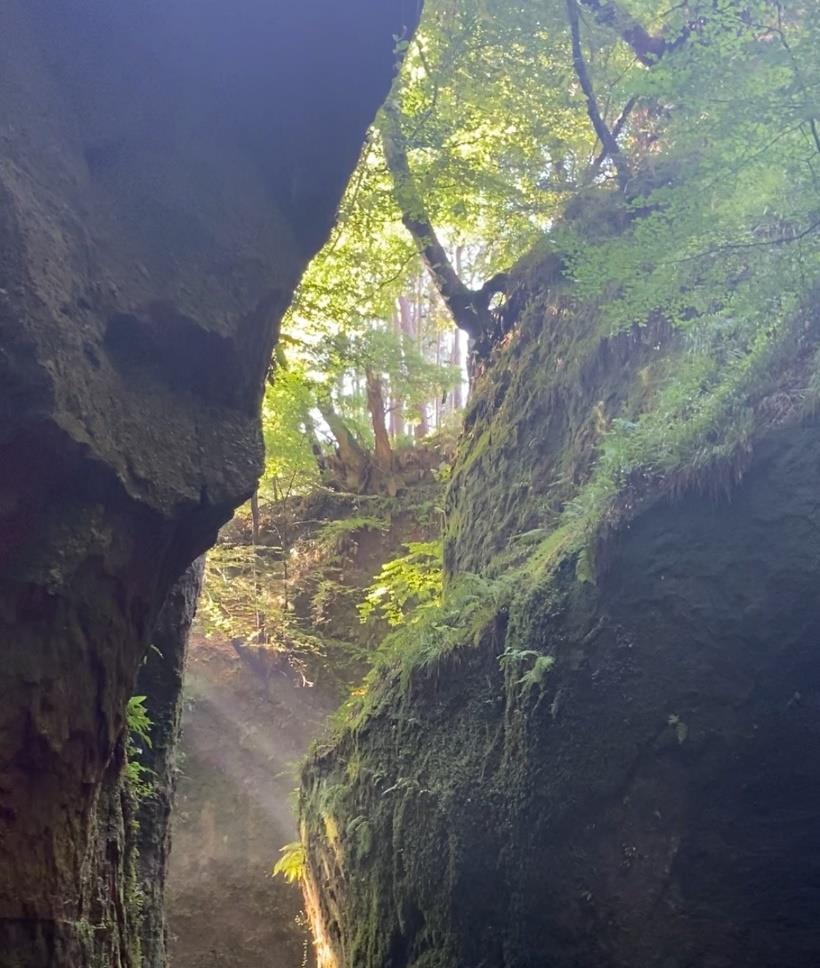
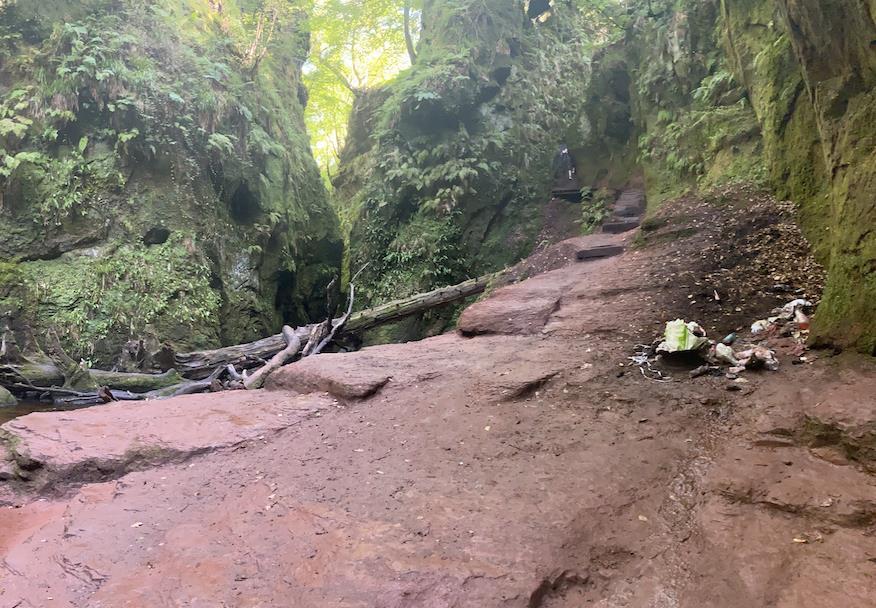
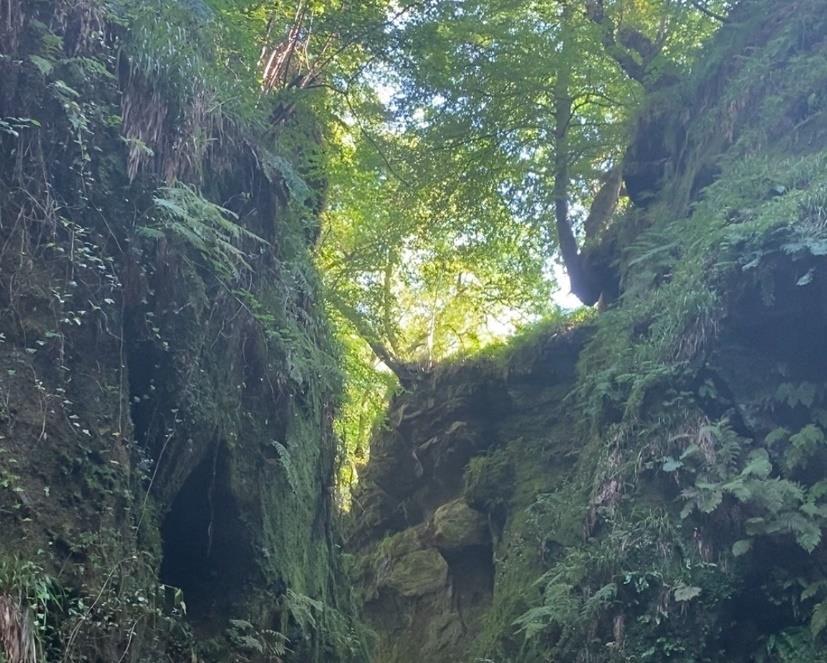
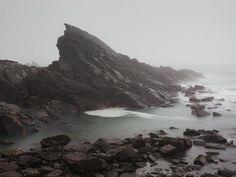
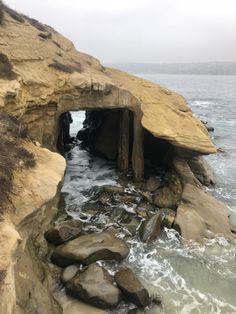
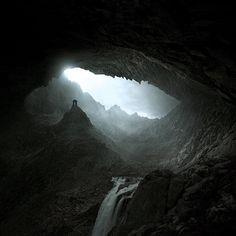
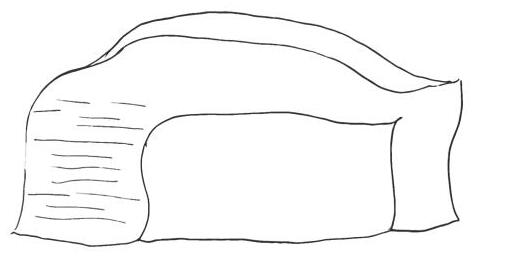
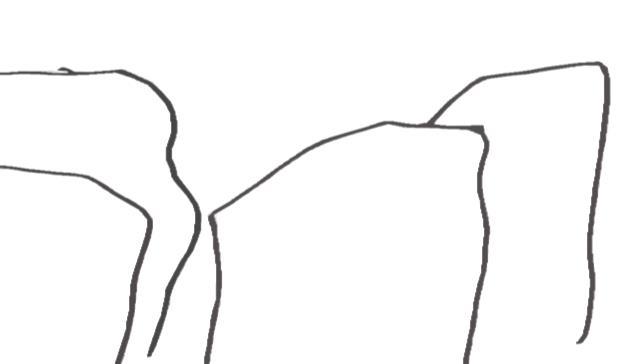
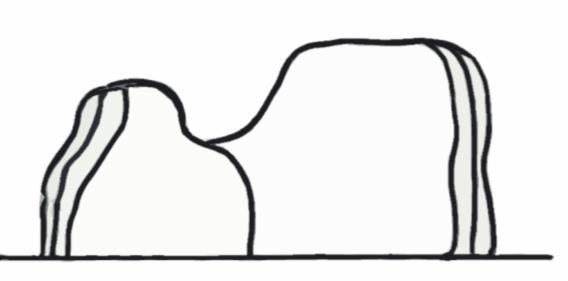
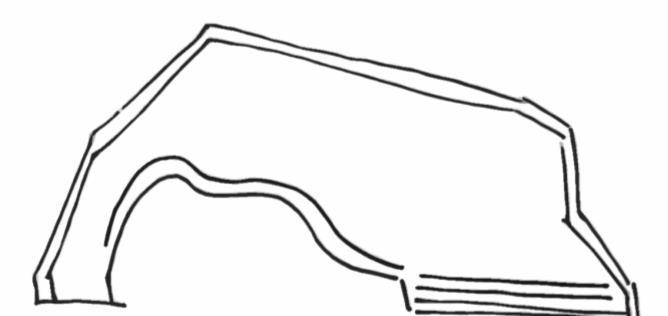
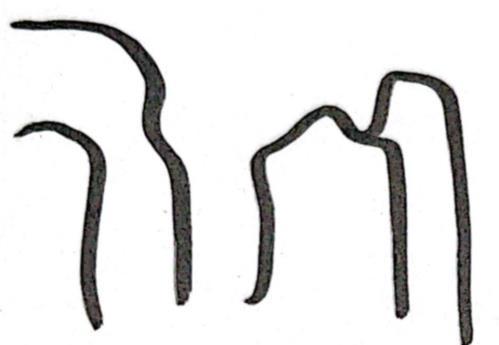
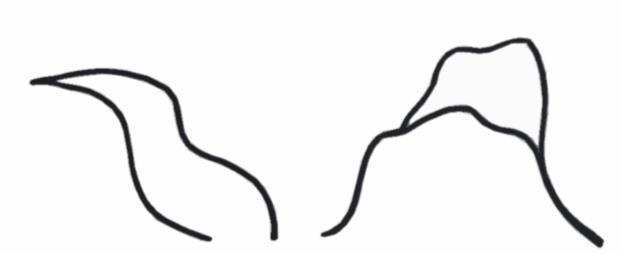
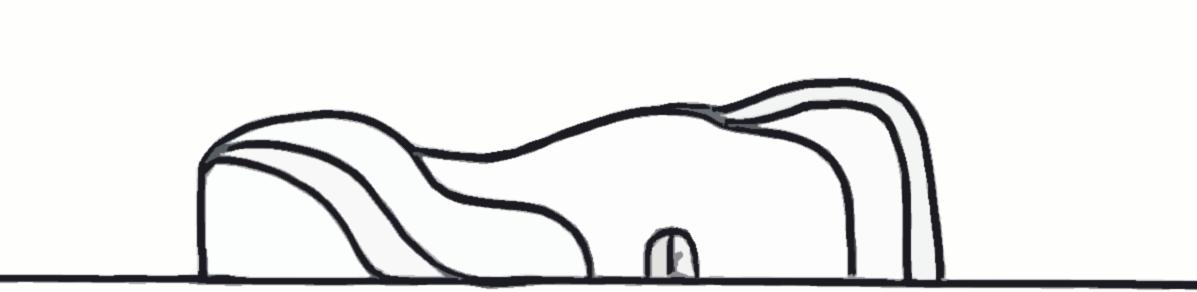
Here are some primary photographs of cave structures from Scotland featuring layers of different stones and big ravine structures that I have developed architecturally below.
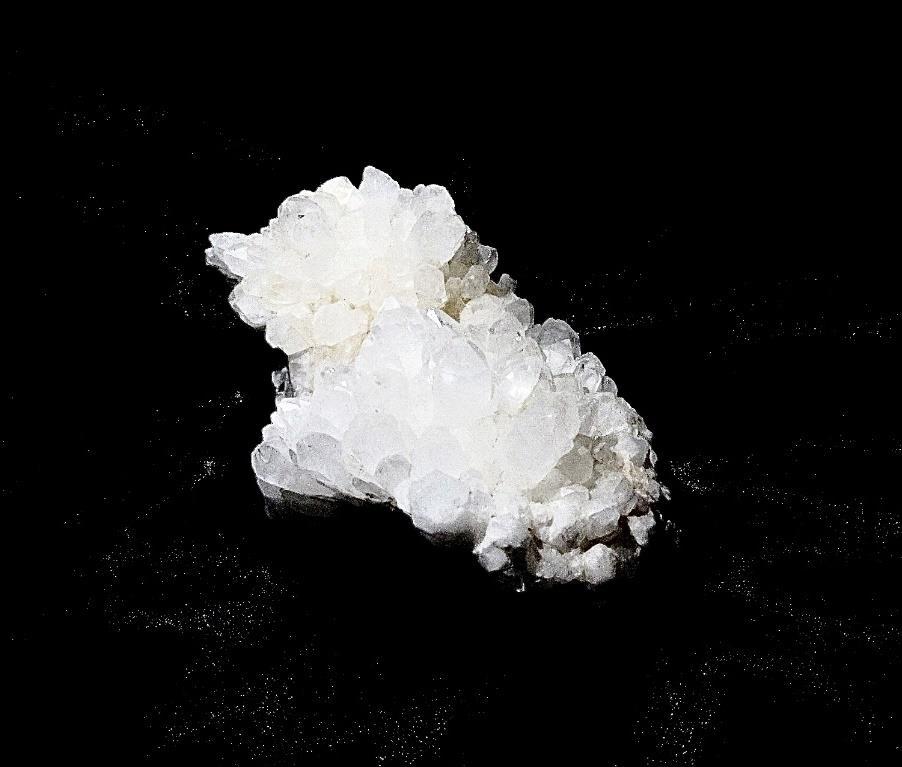
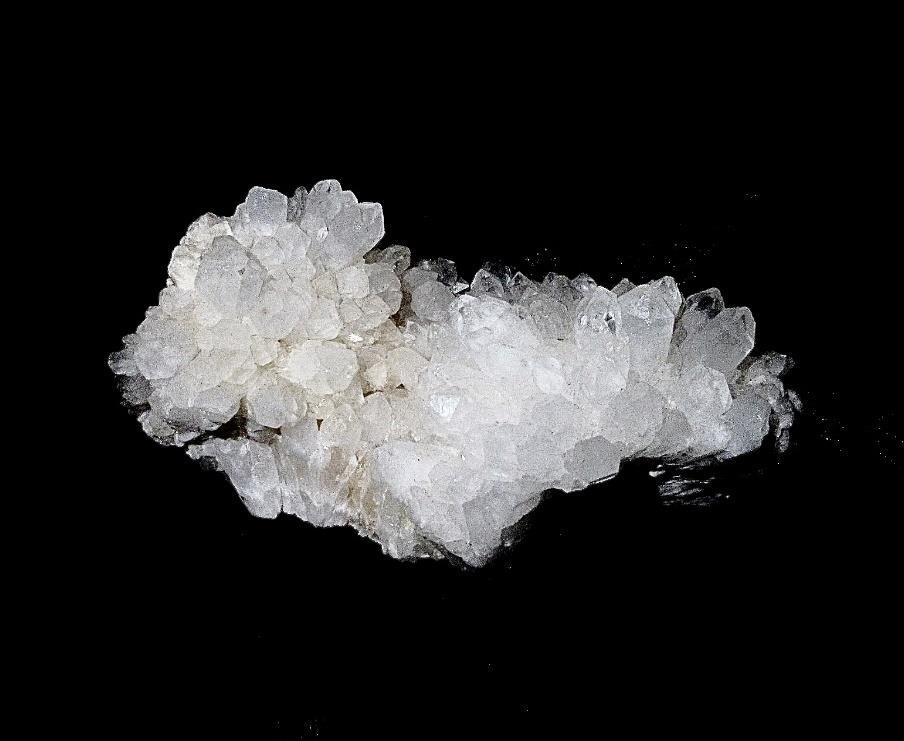
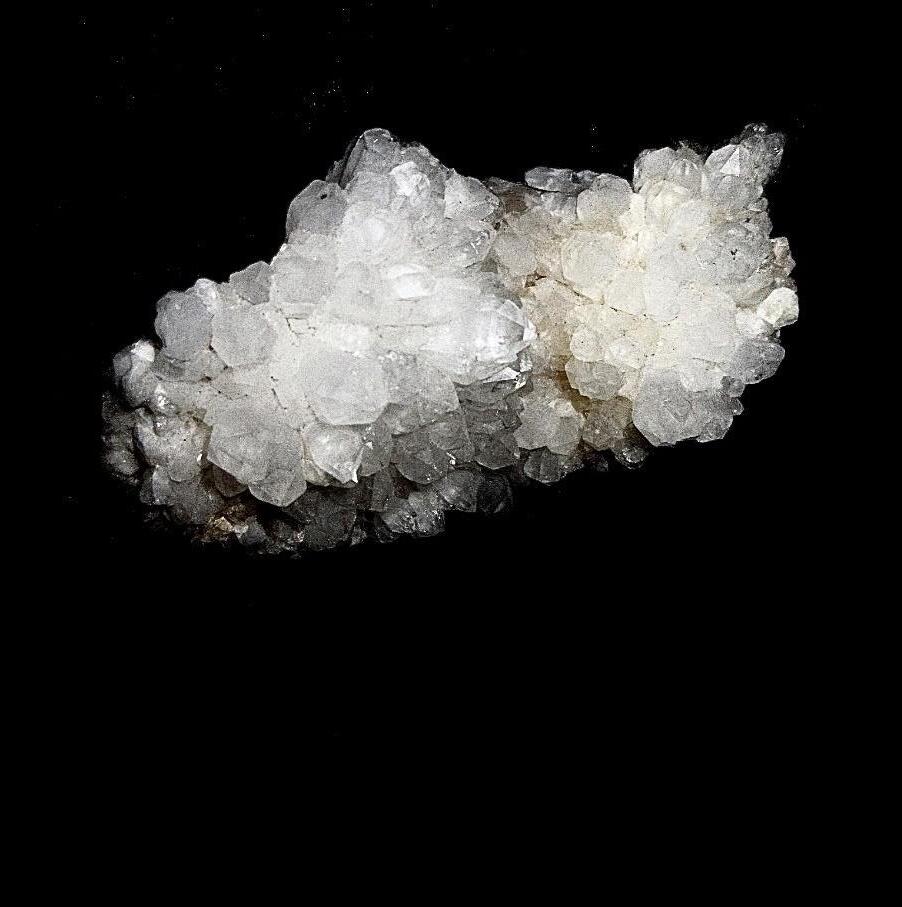
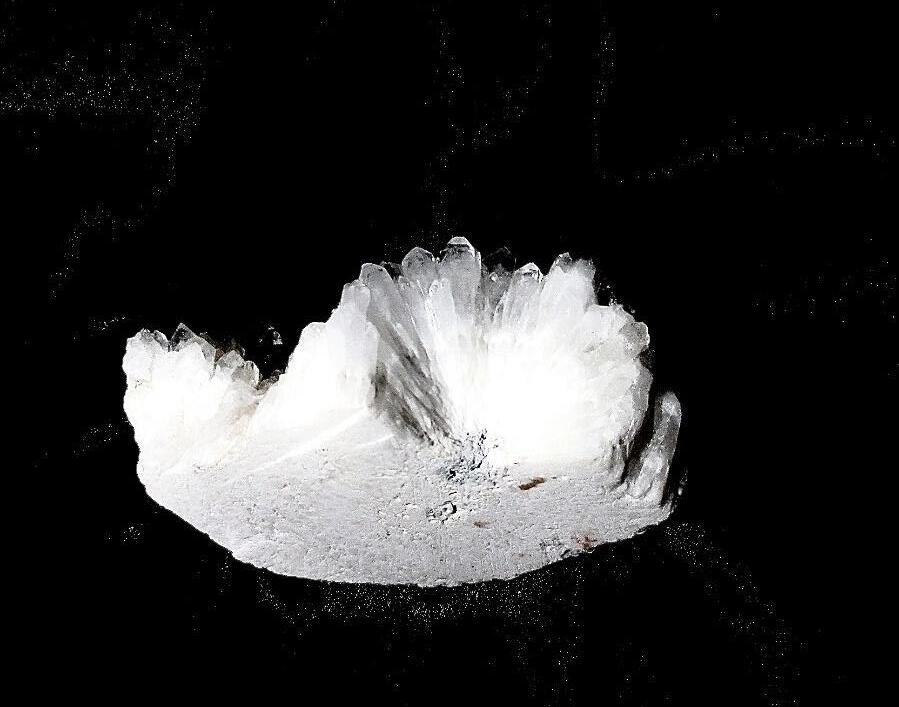
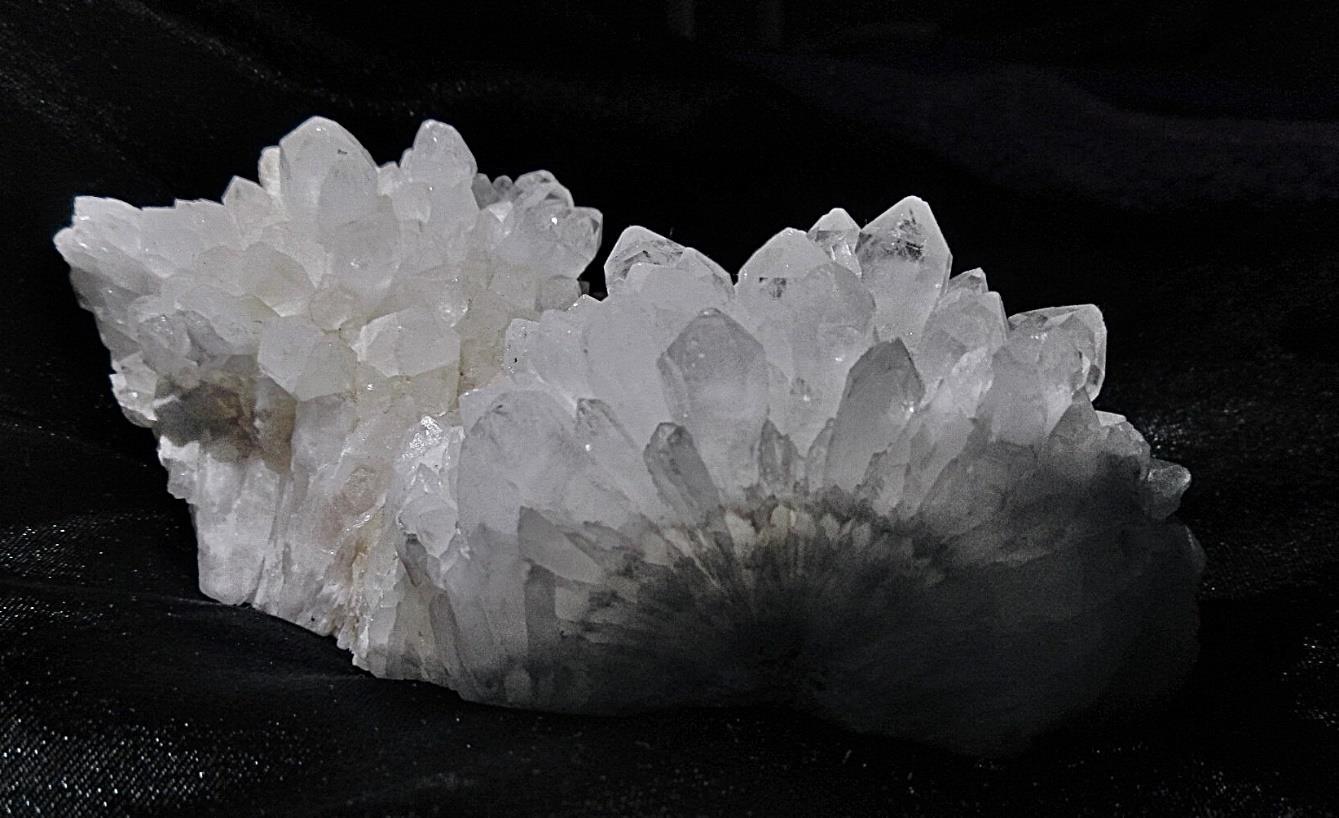
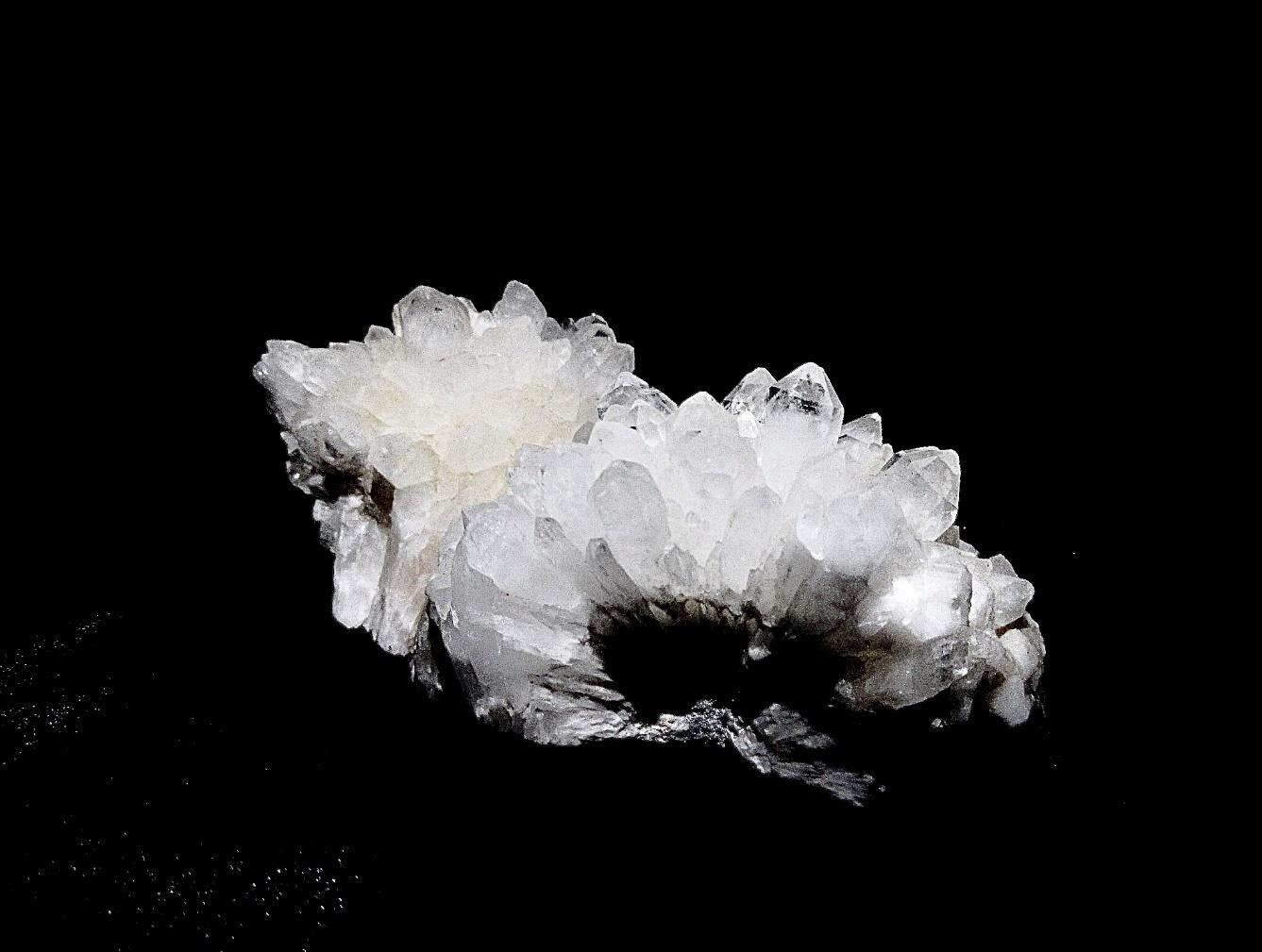
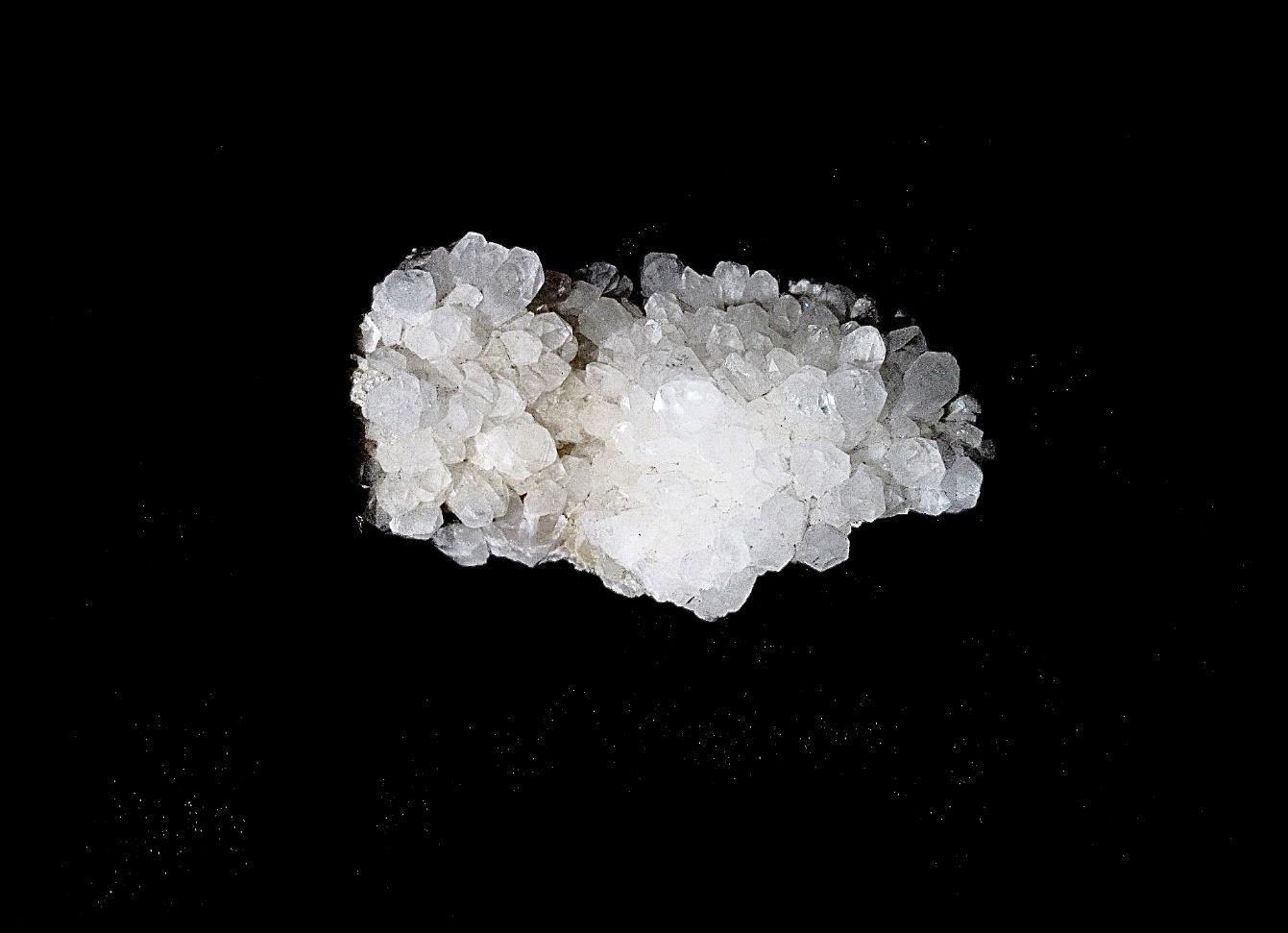
Here I have photographed a crystal form and have used that to spring off into sharp angular forms, exploring the patterns that occur in a complex form. The patterns below are representational of the individual crystal shards that are completely organically formed, highlighting the beauty of natural forms.
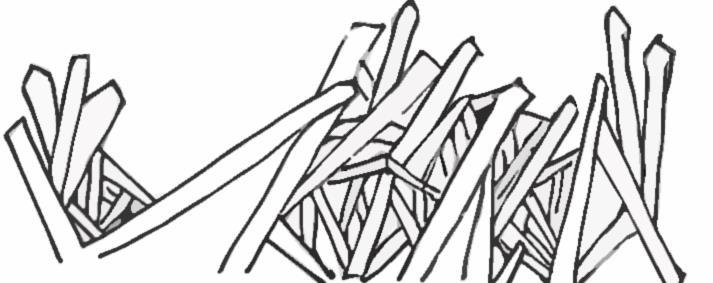
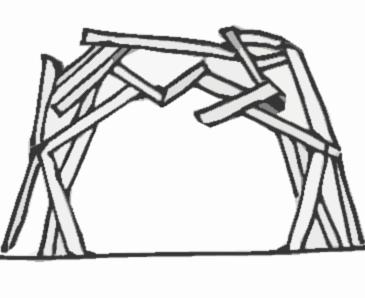


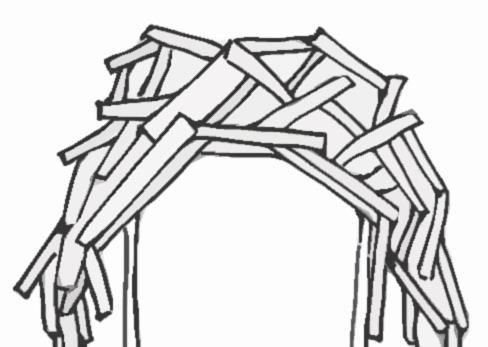


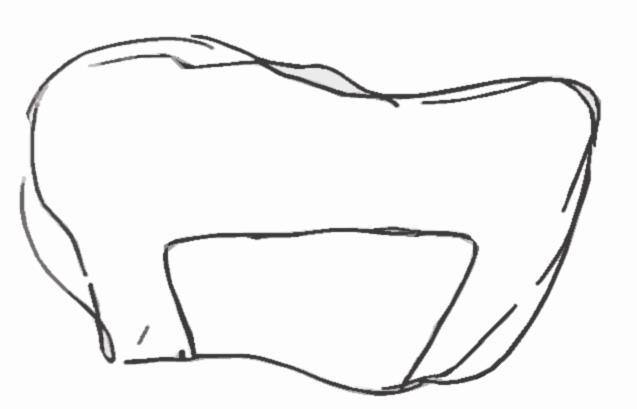
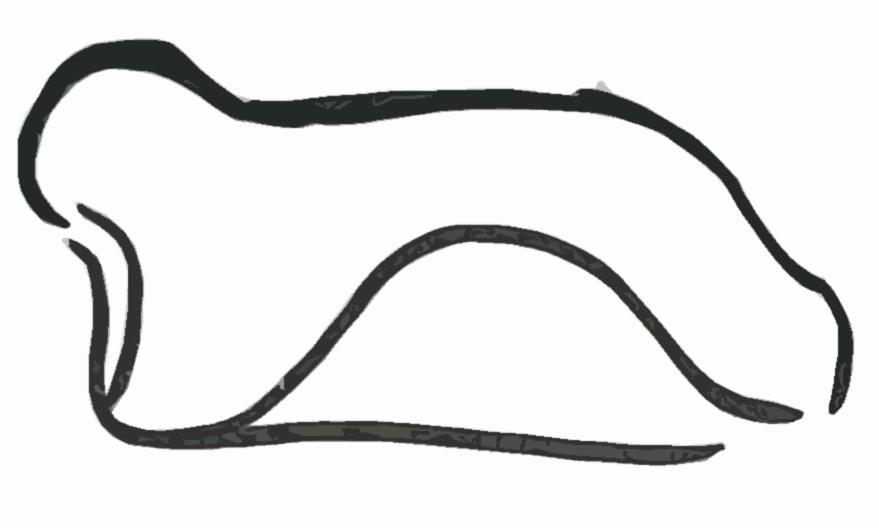
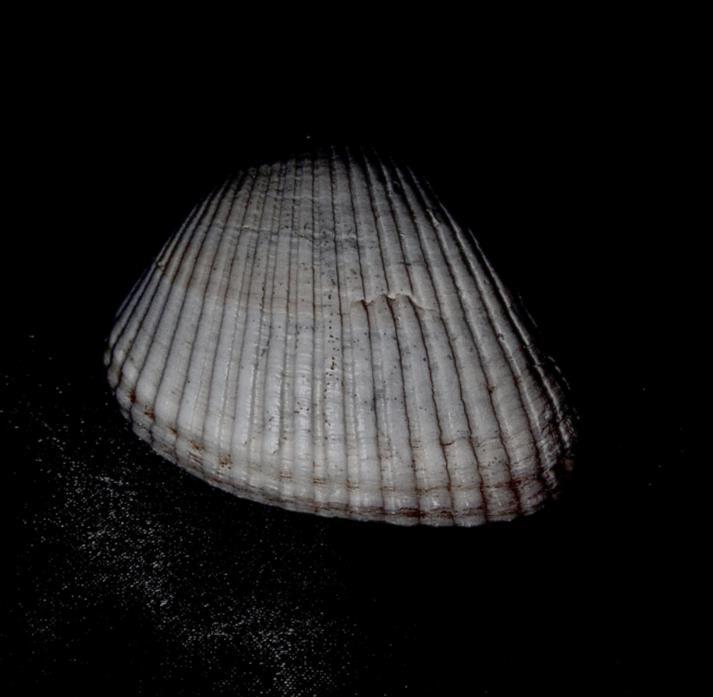
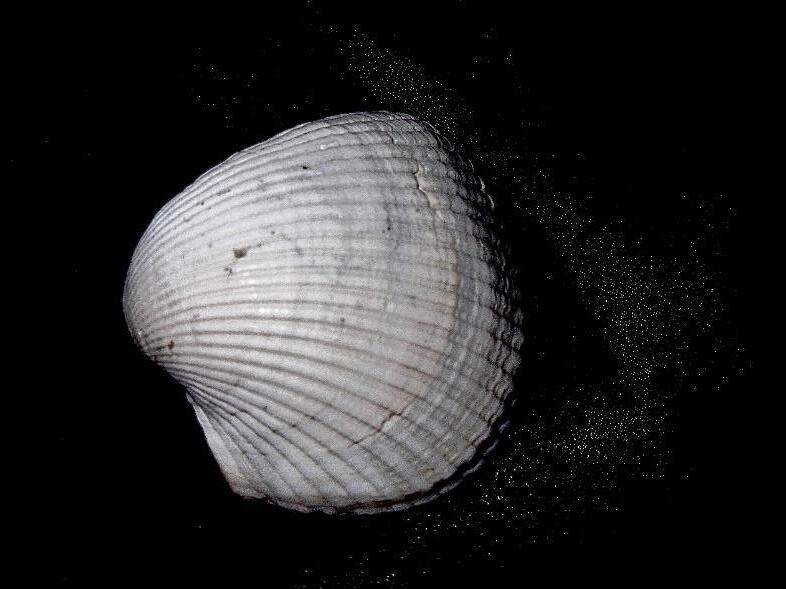
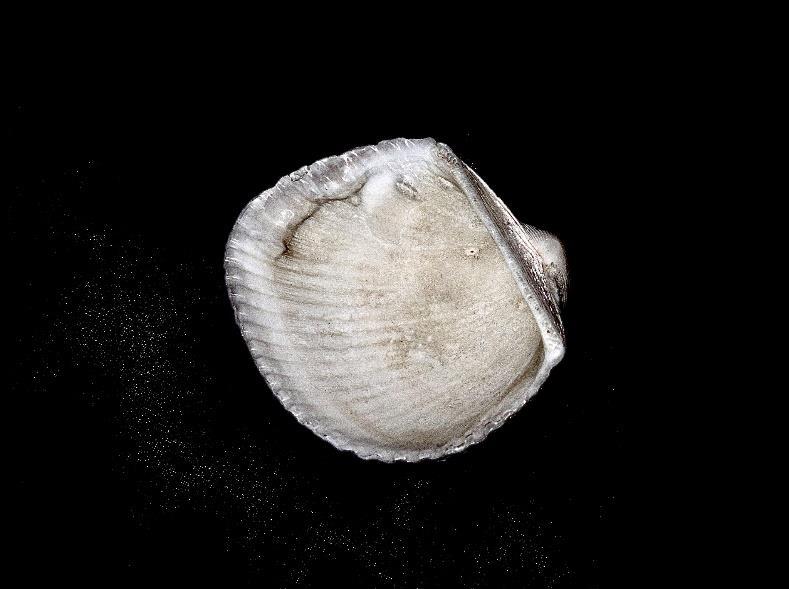
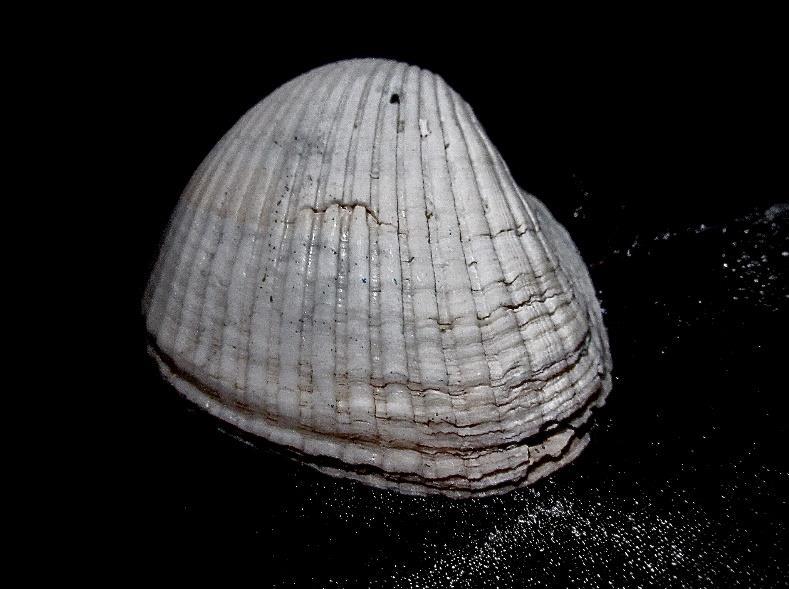
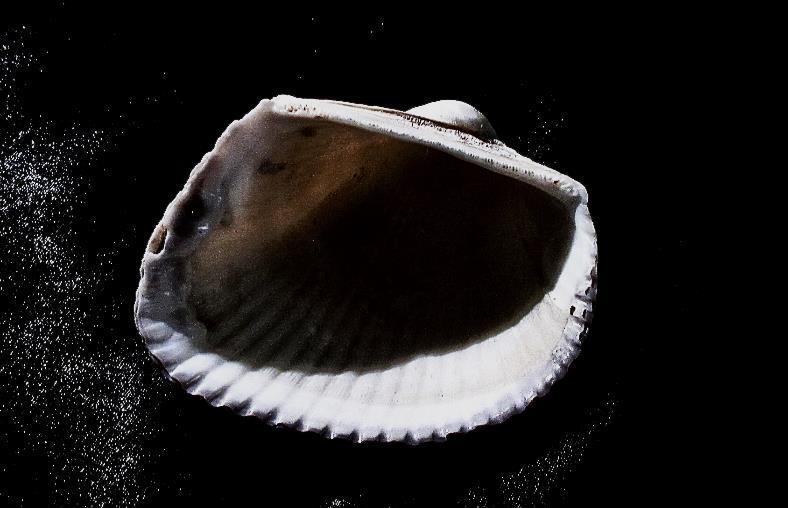
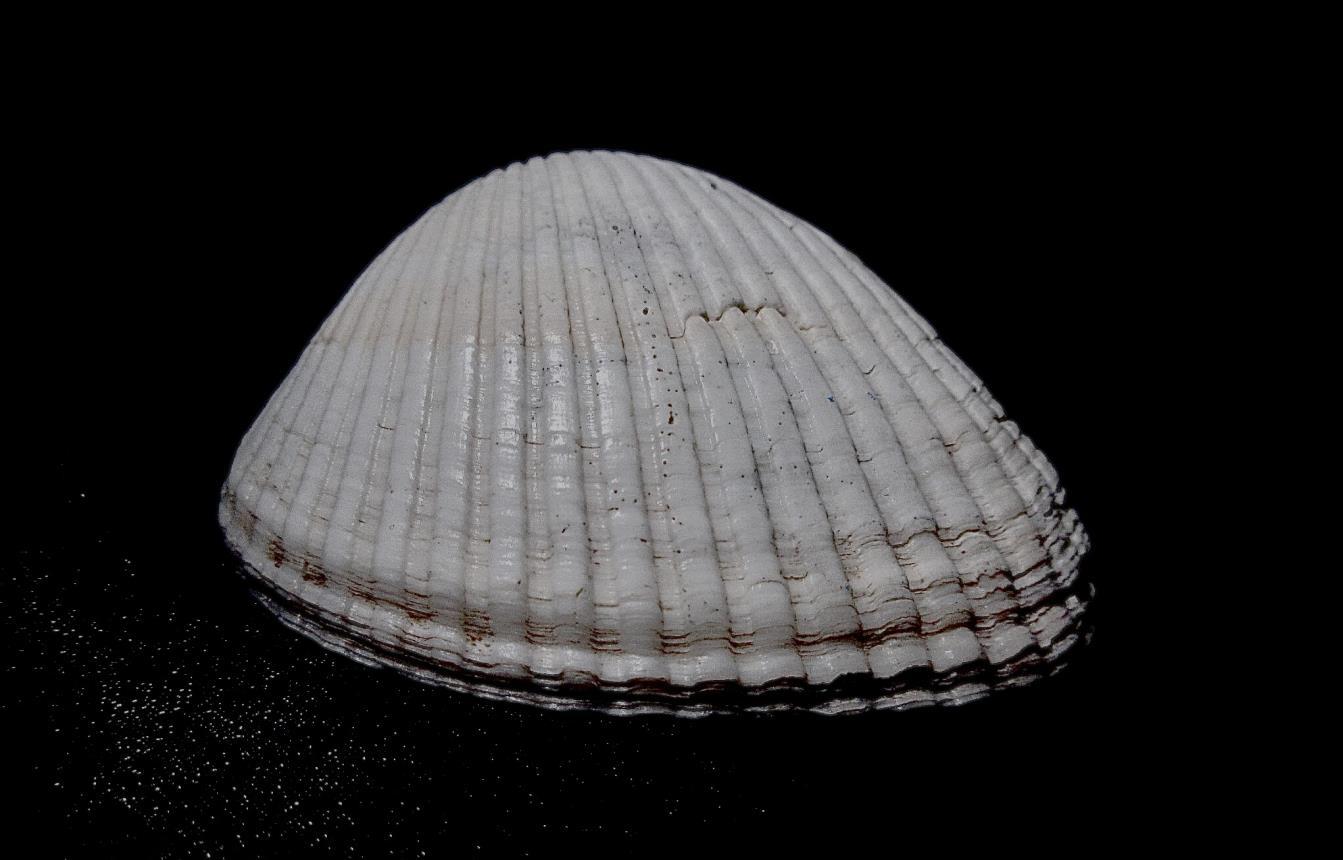
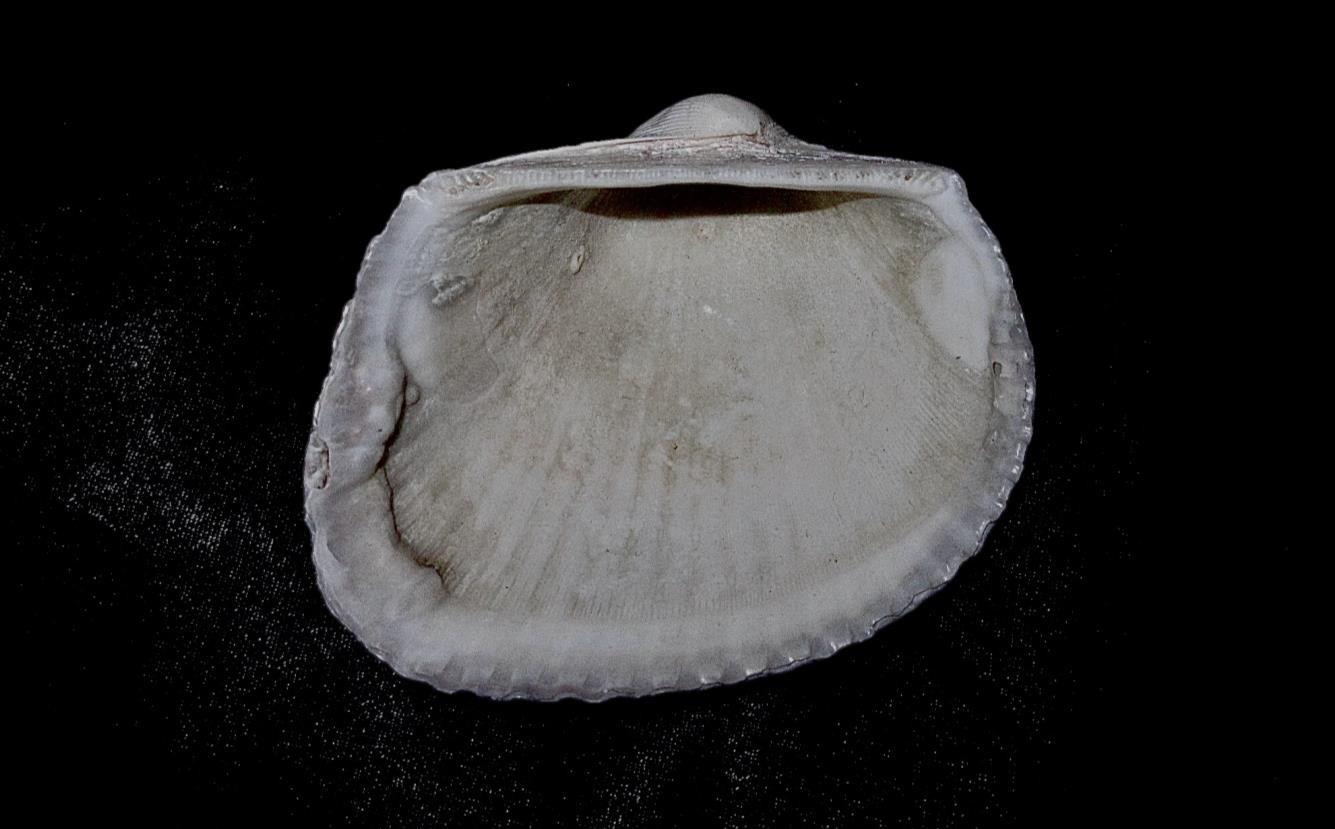
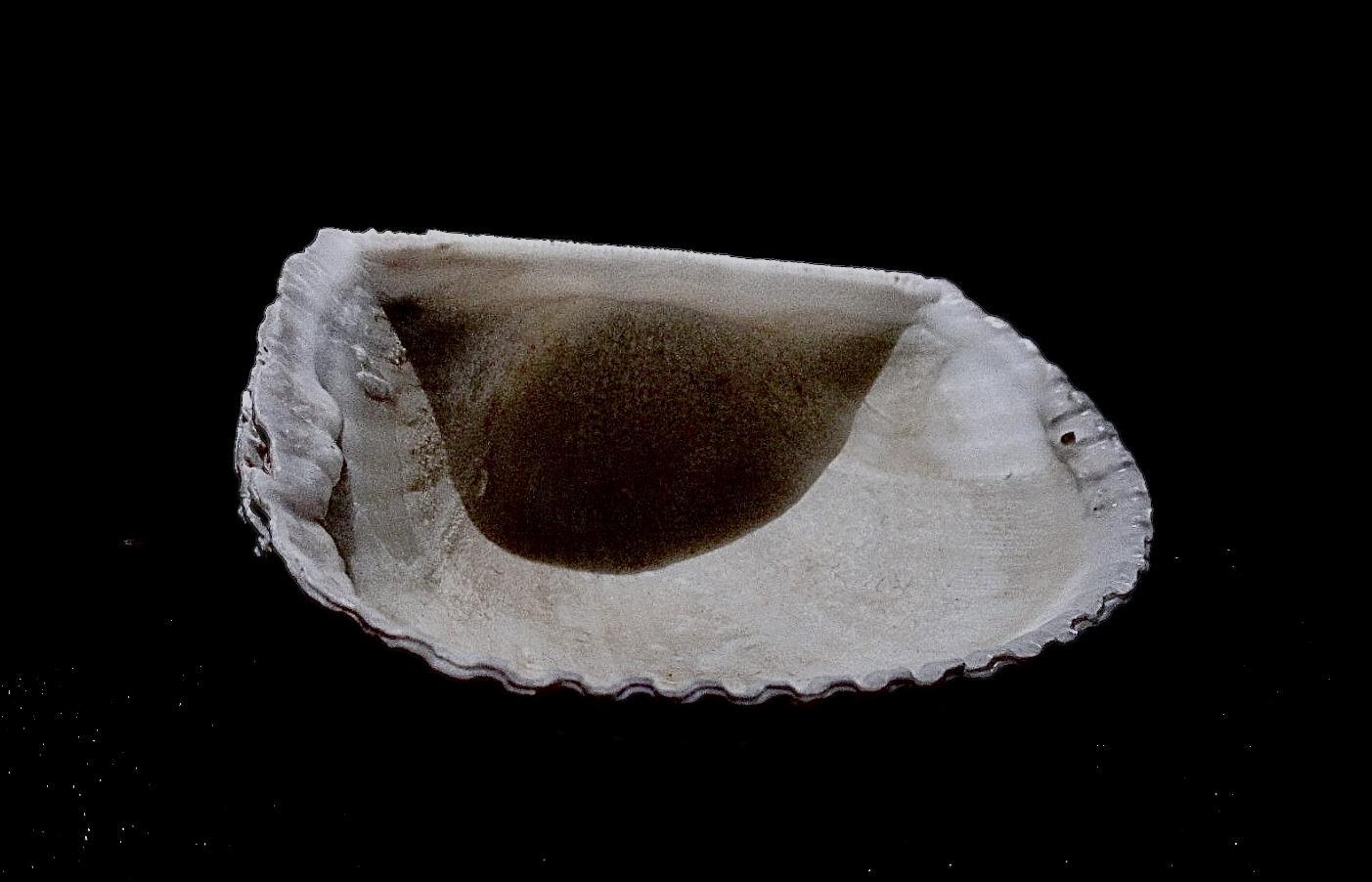
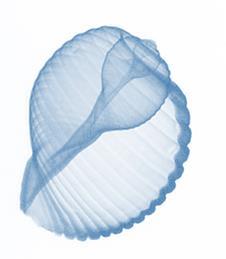
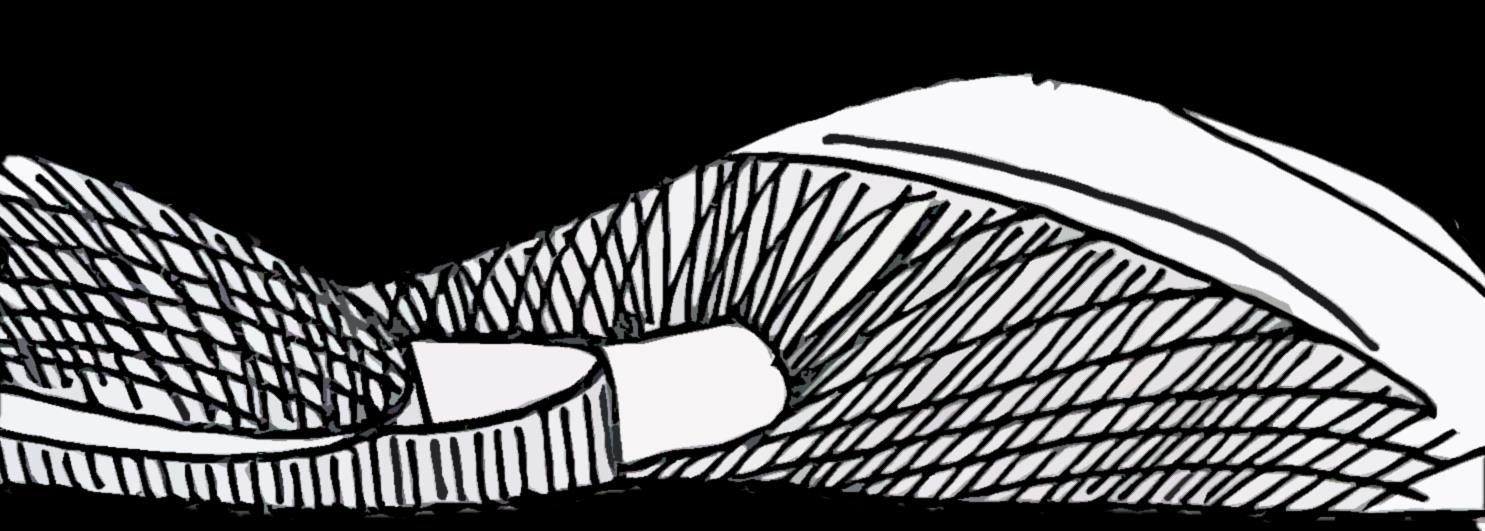
I believe the shell is thematically relevant towards my desire to design an aquarium and so through my primary research of photographing this sea shell, I have taken the linings of the shell as inspiration to my sketches to further create potential forms that could influence some future models. My first sketch below was inspired by the shadow created inside the shell where I turned it clockwise to create a more practical structure.
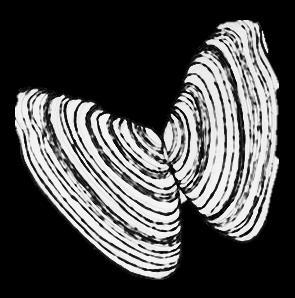
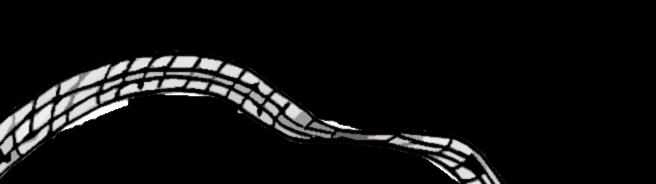
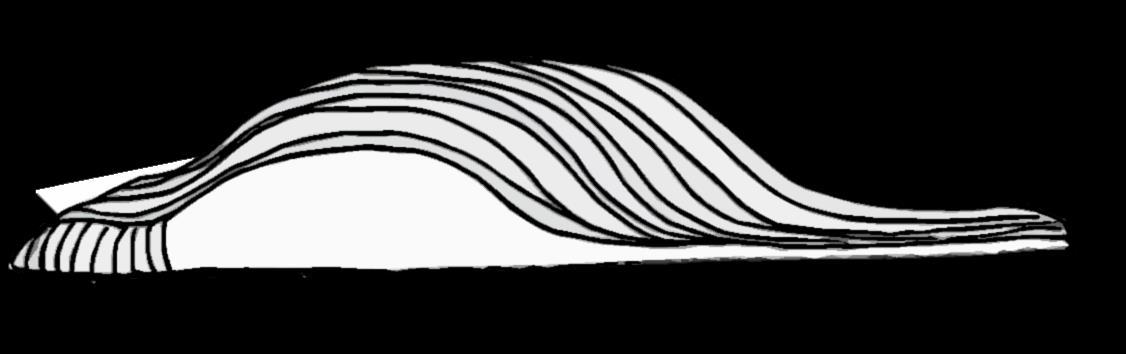
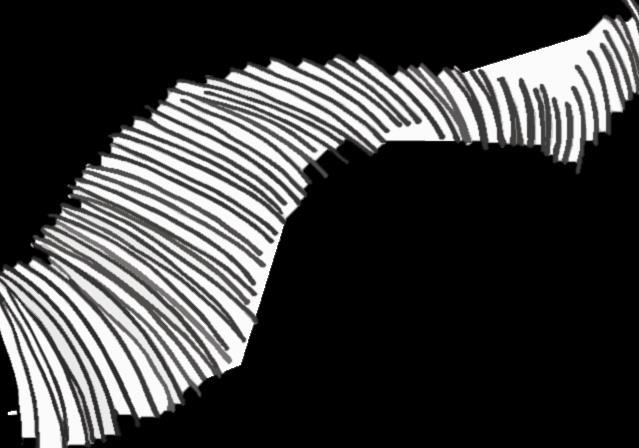


I created these lines based on the lining on the shells and further developed it into a form that links quite nicely with geometrical architecture.
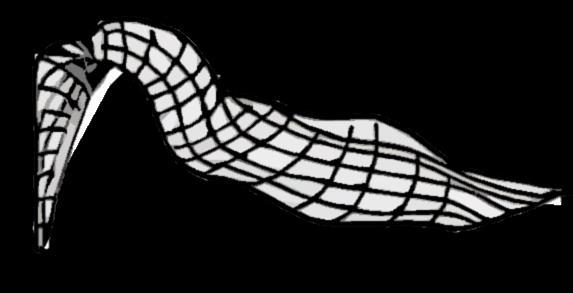
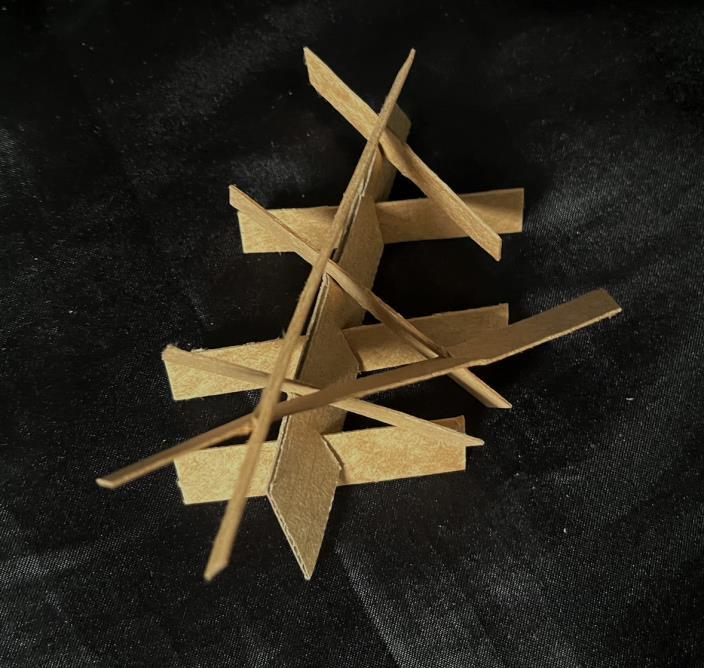
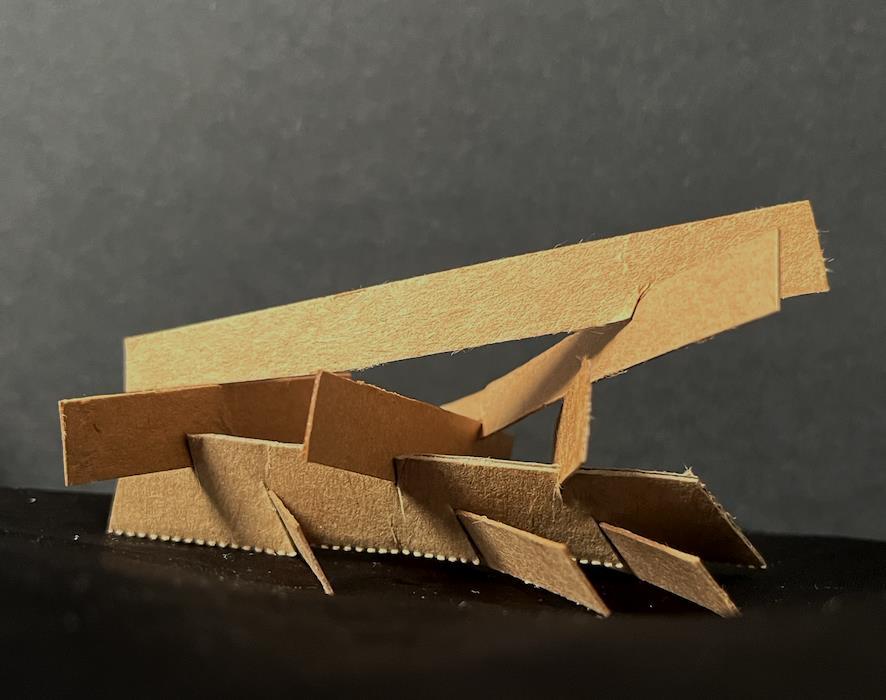
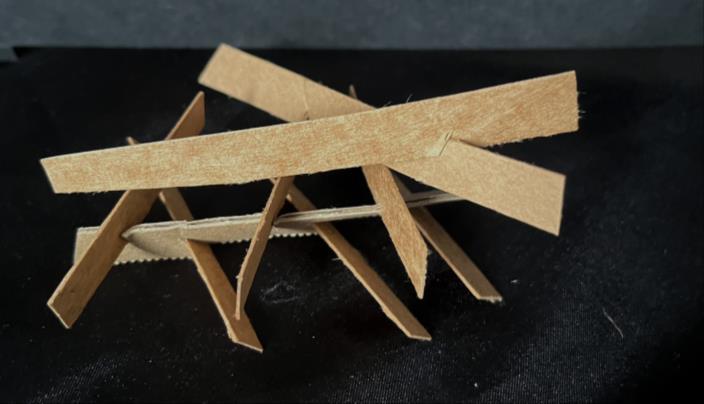
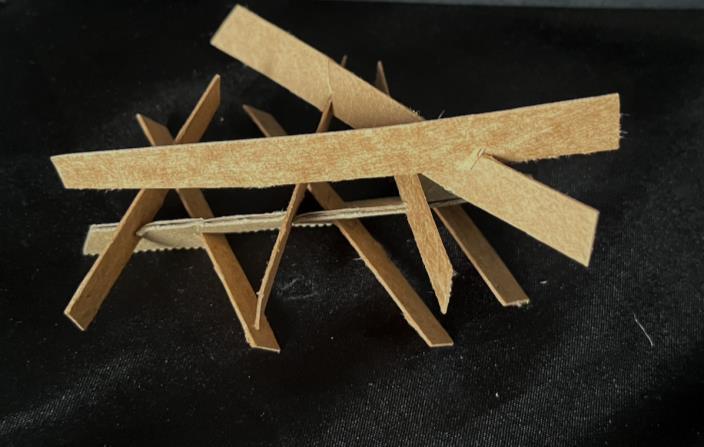
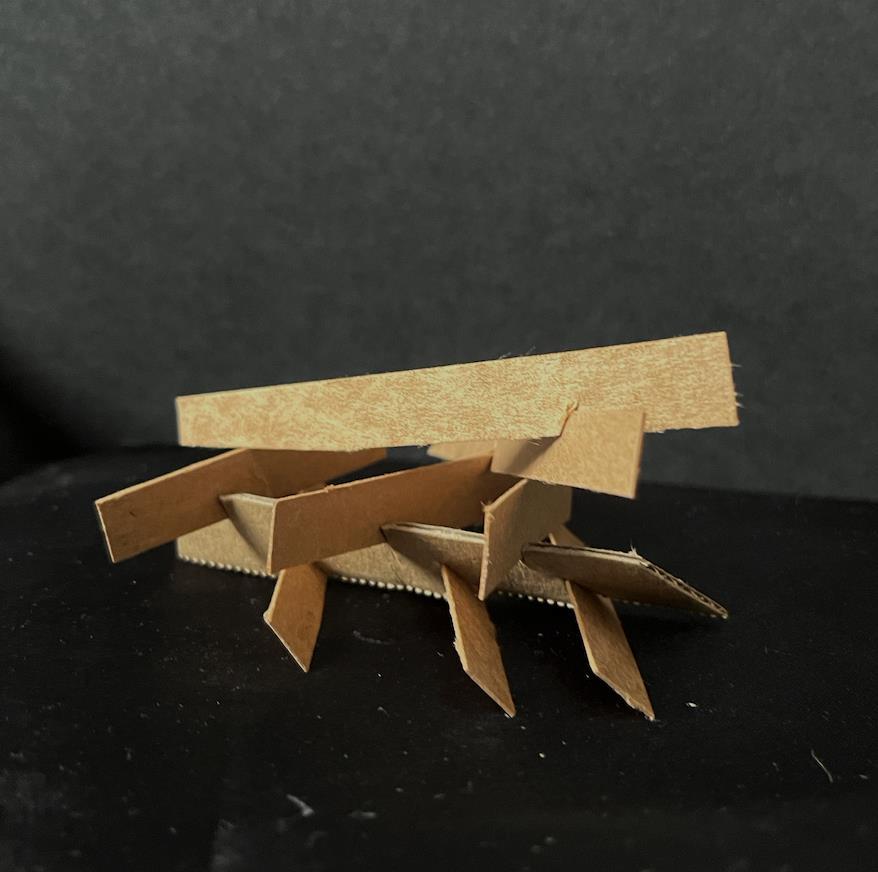
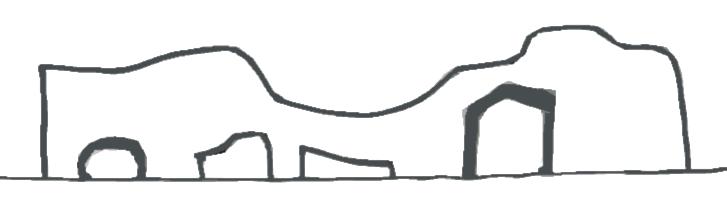
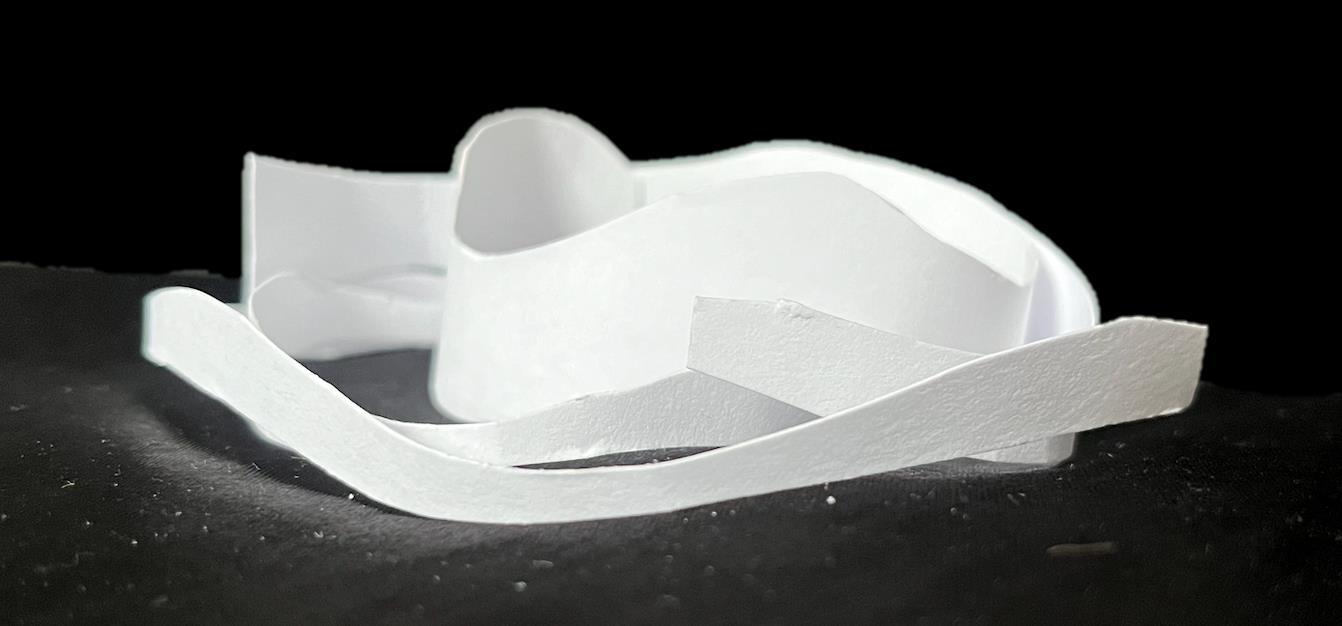
To start forming 3D possibilities I have created some simple concept models using varying materials all inspired from what I have researched into so far. My first one is inspired by the primary photographs I took of the cave, reflected by the part where the light flows in down the cave.
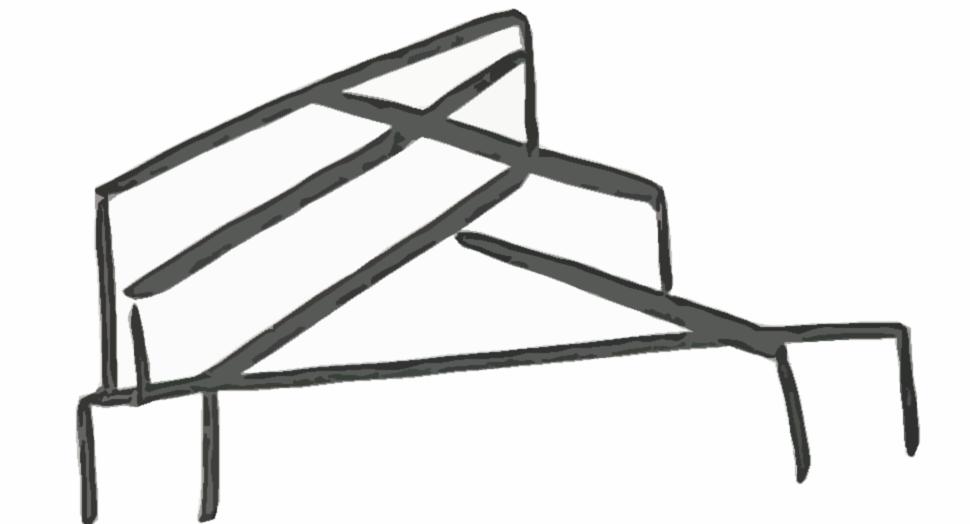
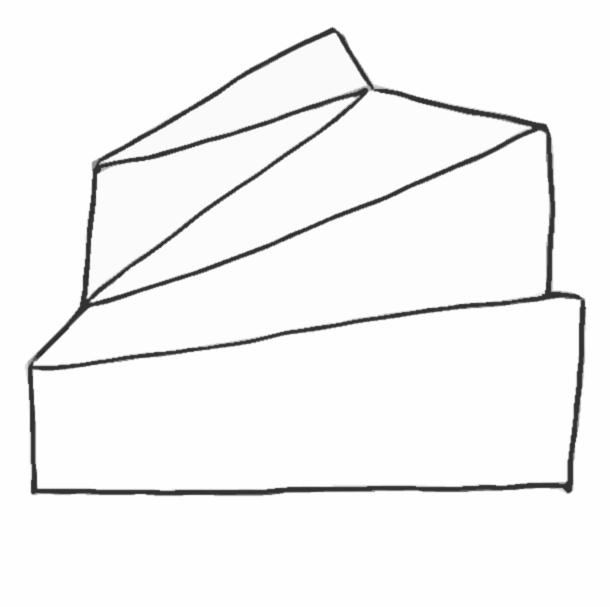
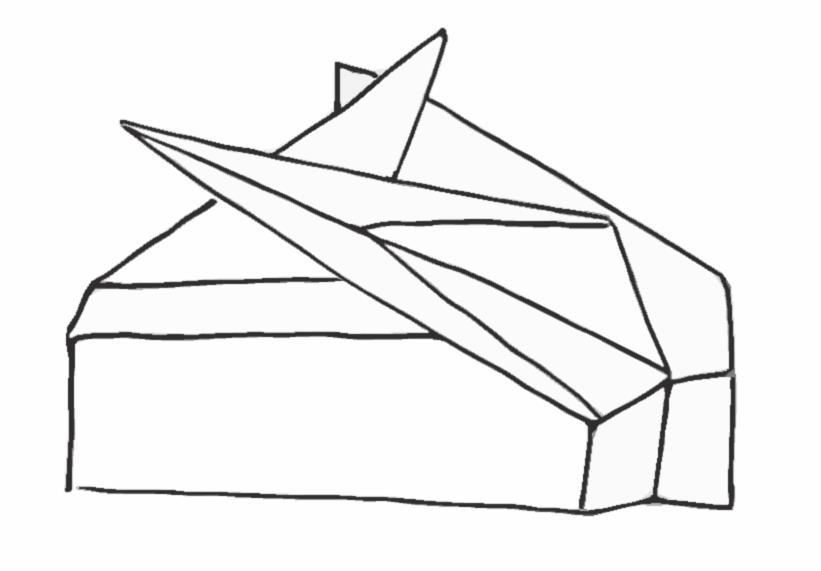
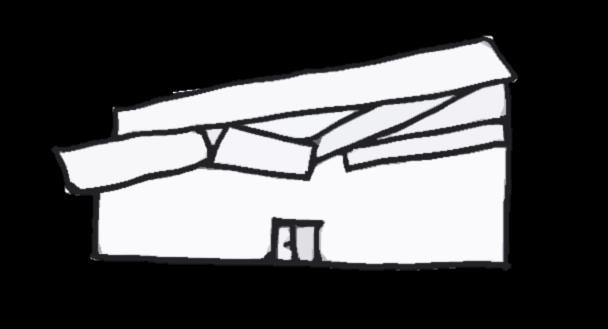
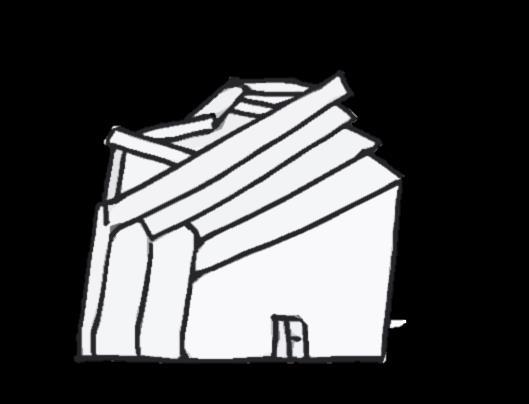
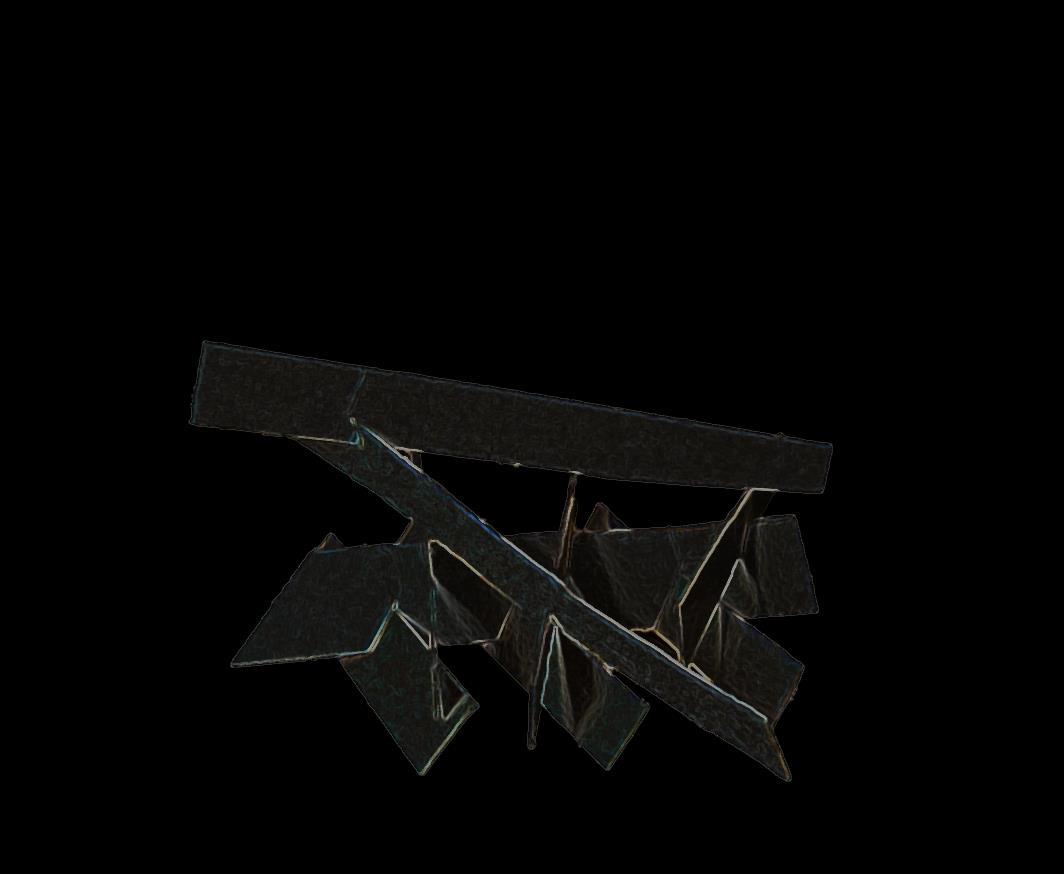
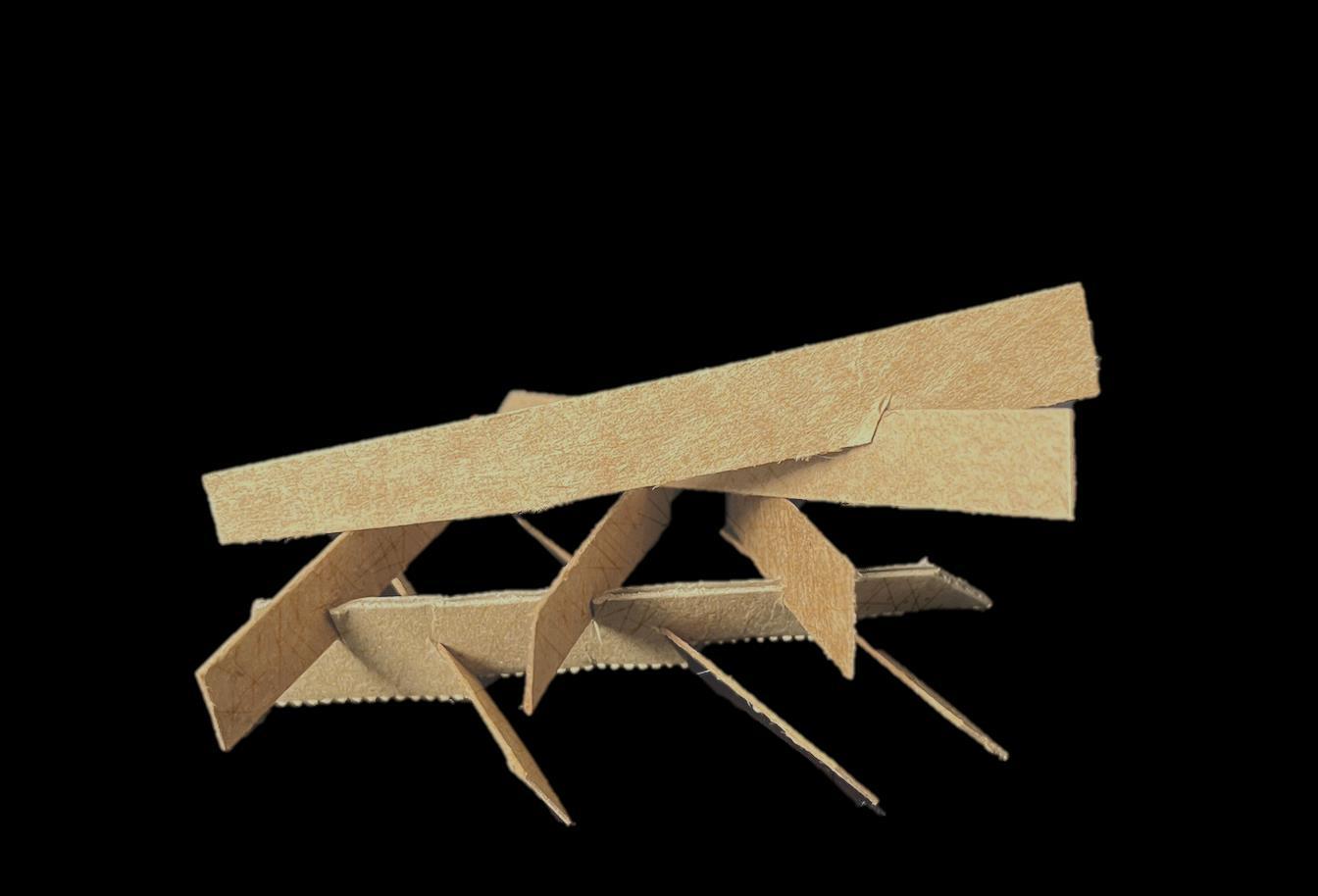
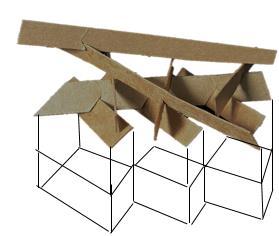
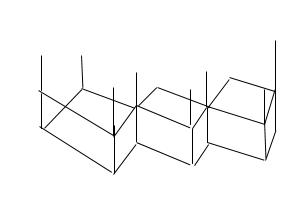
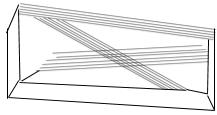
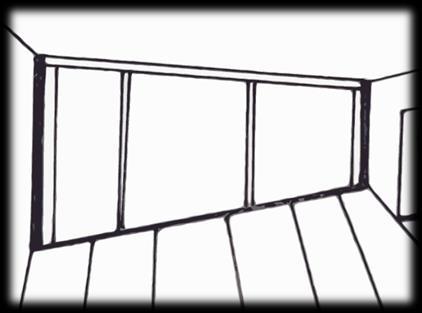
During my visit to the Victoria and Albert Musuem, I indulged myself in the architecture section and gained interesting insight on the interior structure of a building in which I have attached an image of what I saw below. In response to this I looked back at my models and since this model is quite complex, I developed it through the lenses of creating an internal structure.
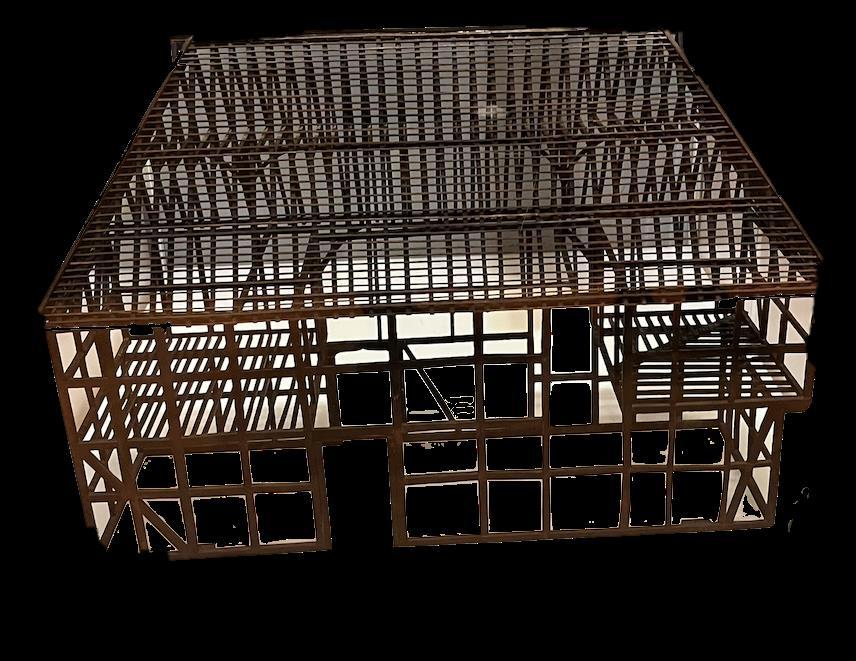
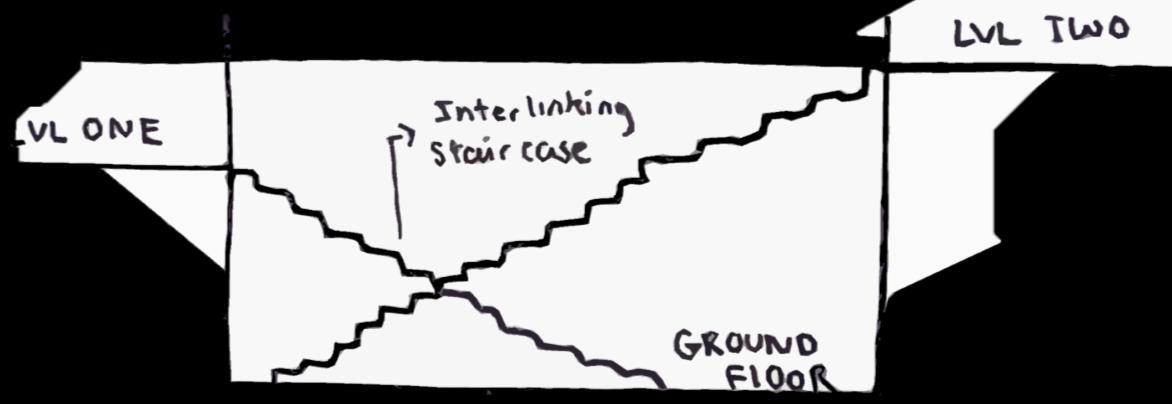
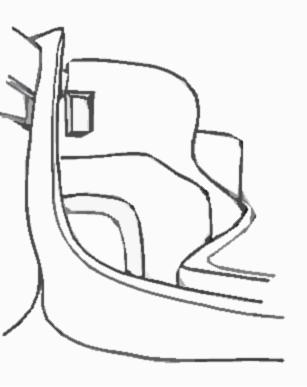
Here I traced out the structure of the model and added on extra base line structures for a potential staircase structure within the internal structure of the aquarium
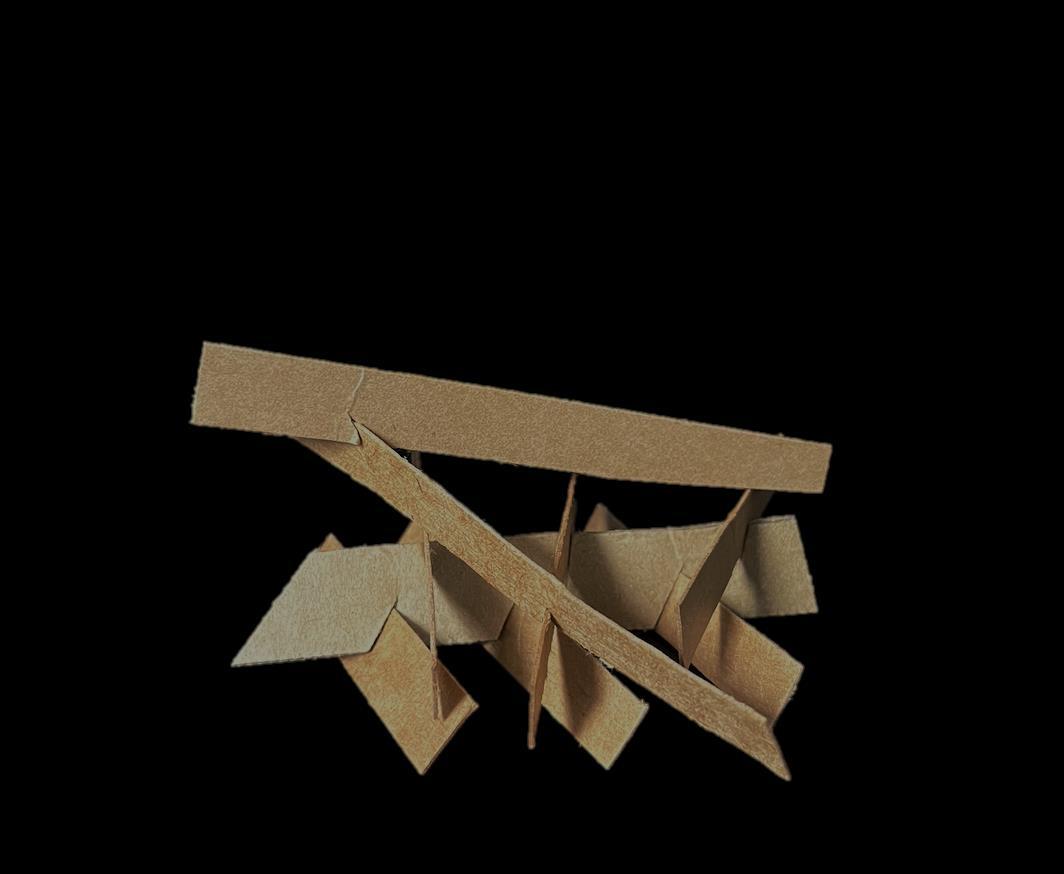
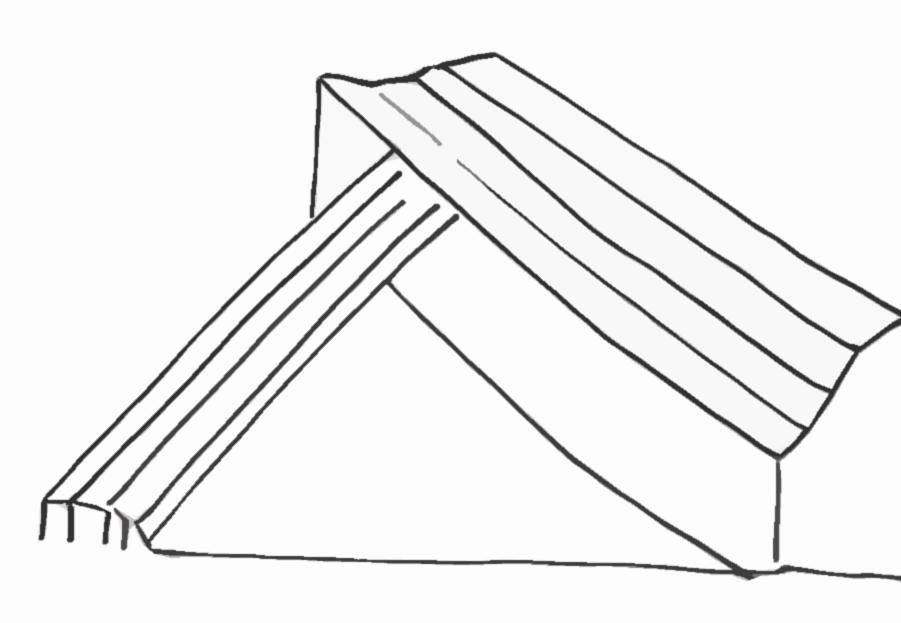
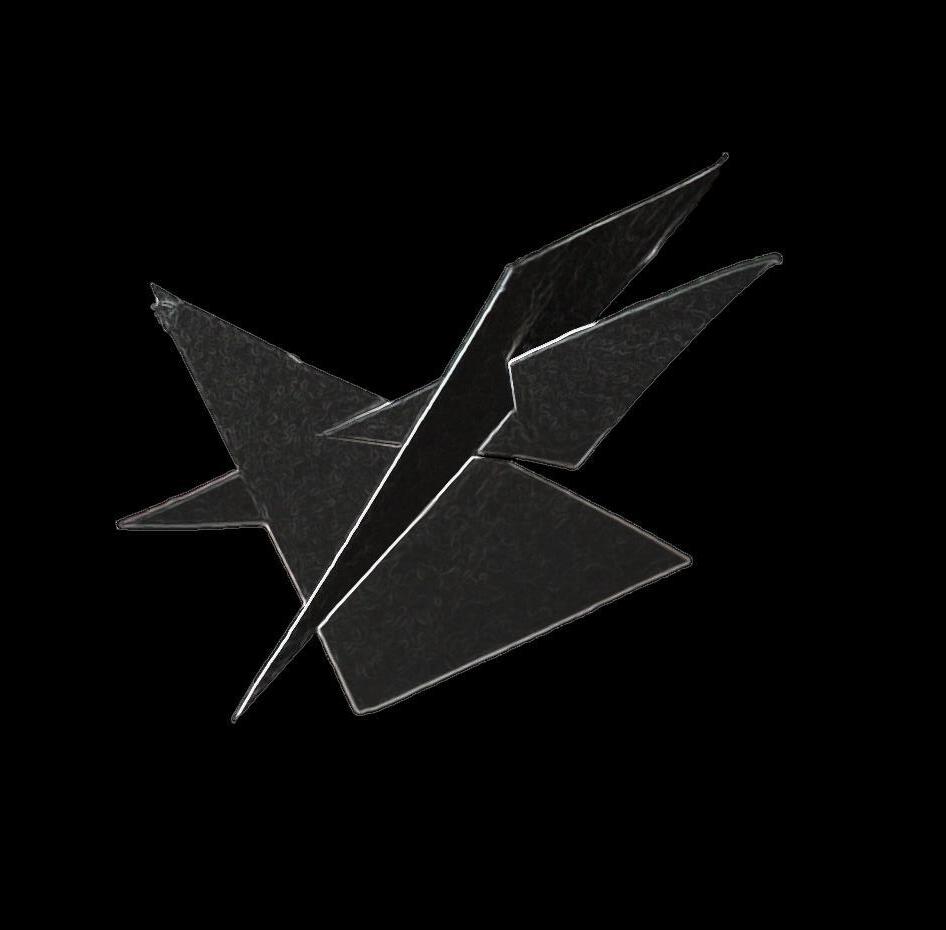
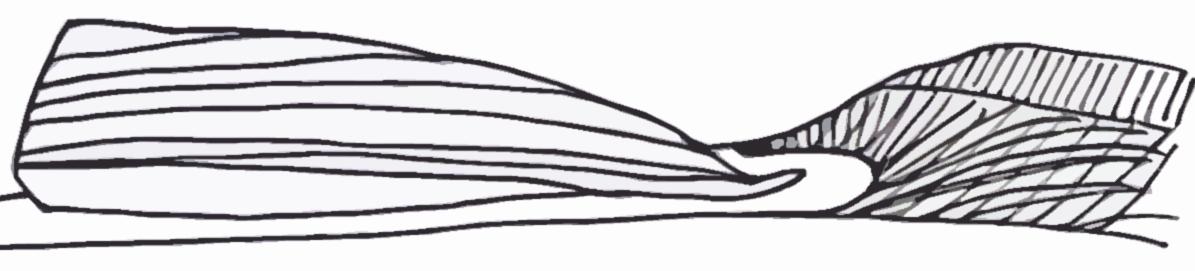
Two- This model was also inspired by my primary research of crystal shards, by taking the most angular parts in mind I have simplified those forms into a possible 3D structure with a hollow inside. I have also been partly inspired by sea animal fins.
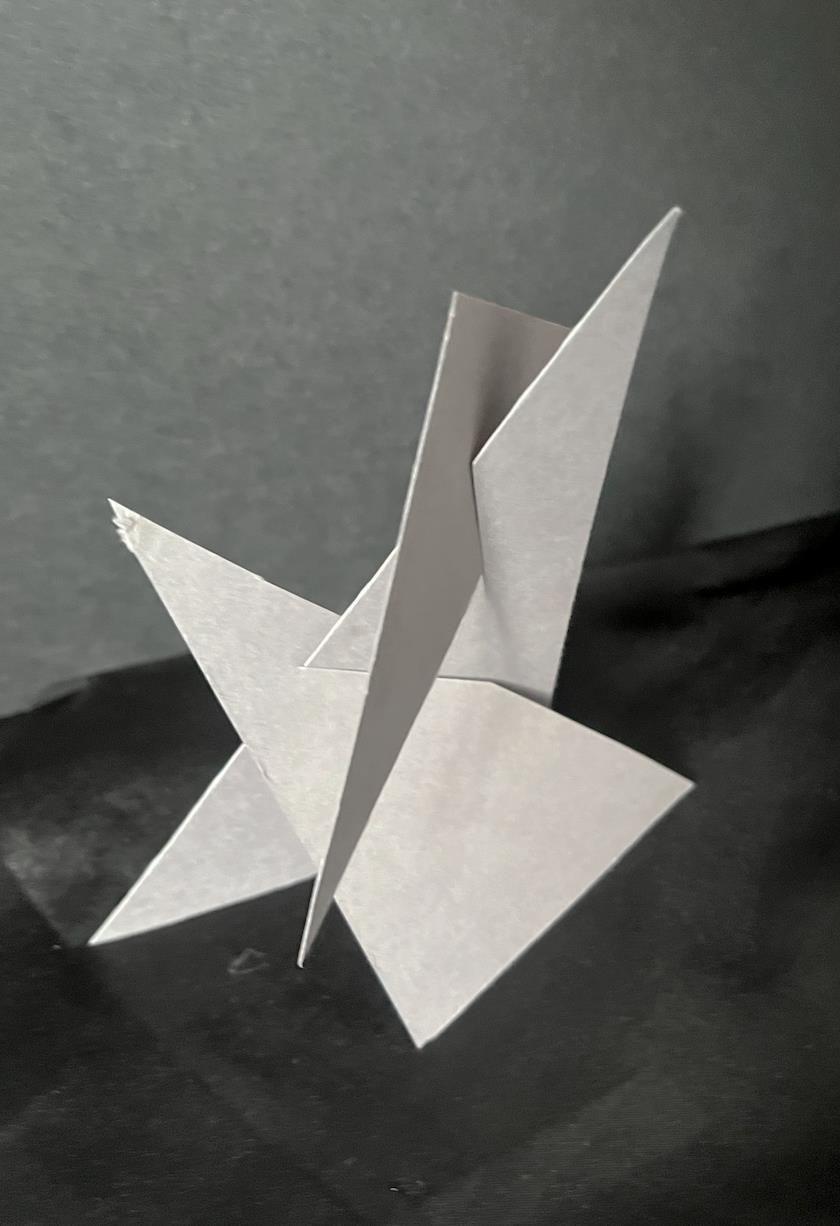
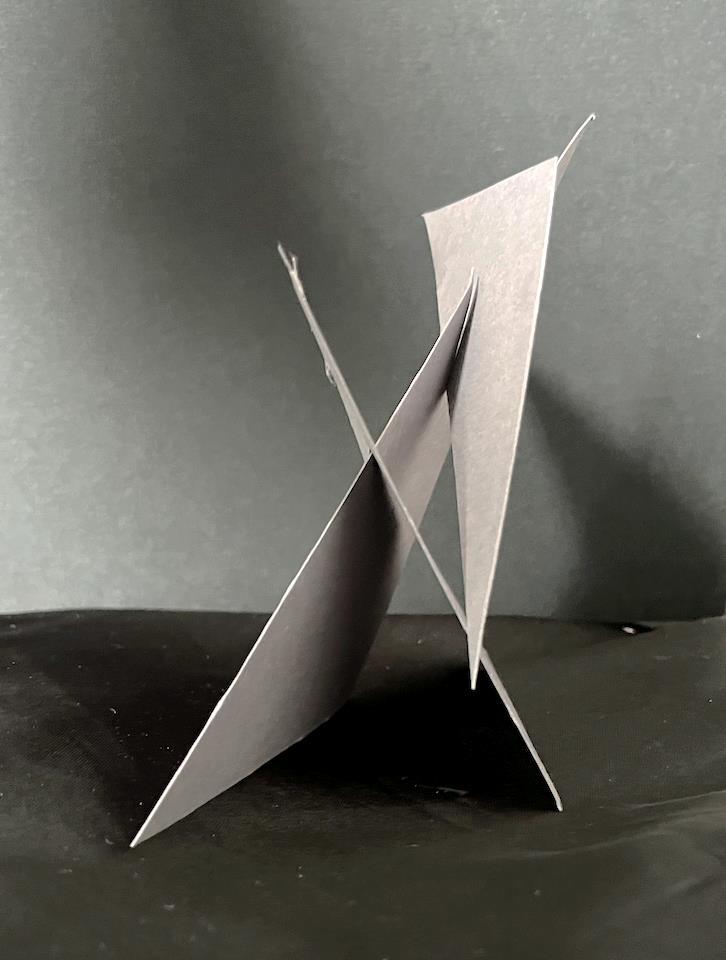
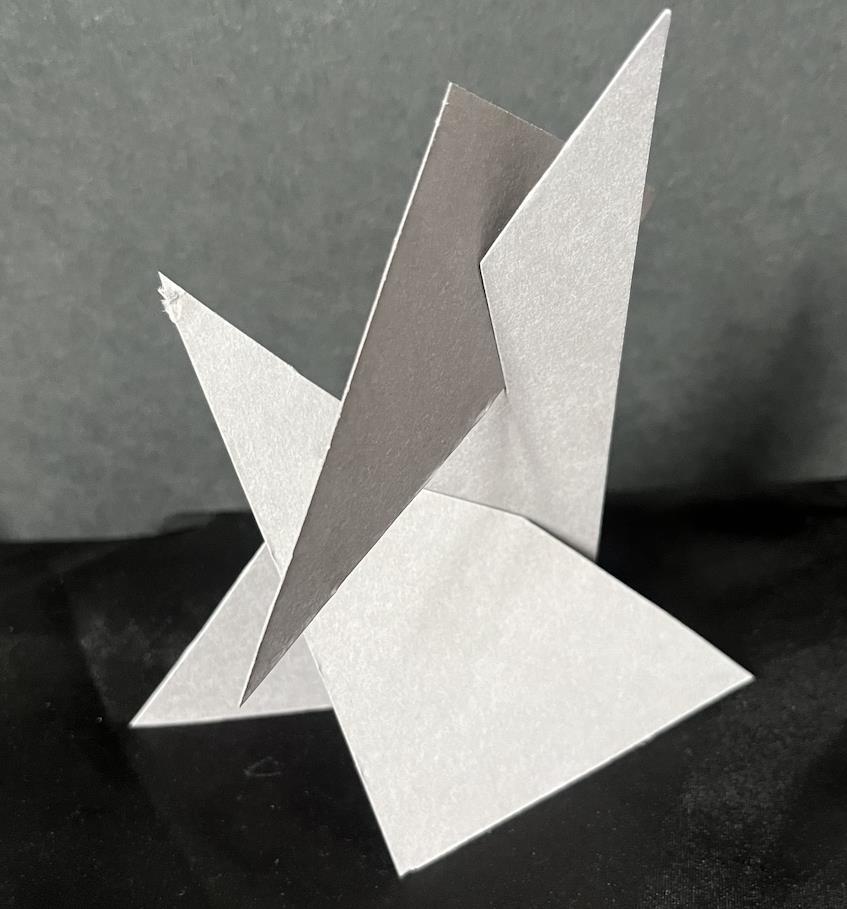
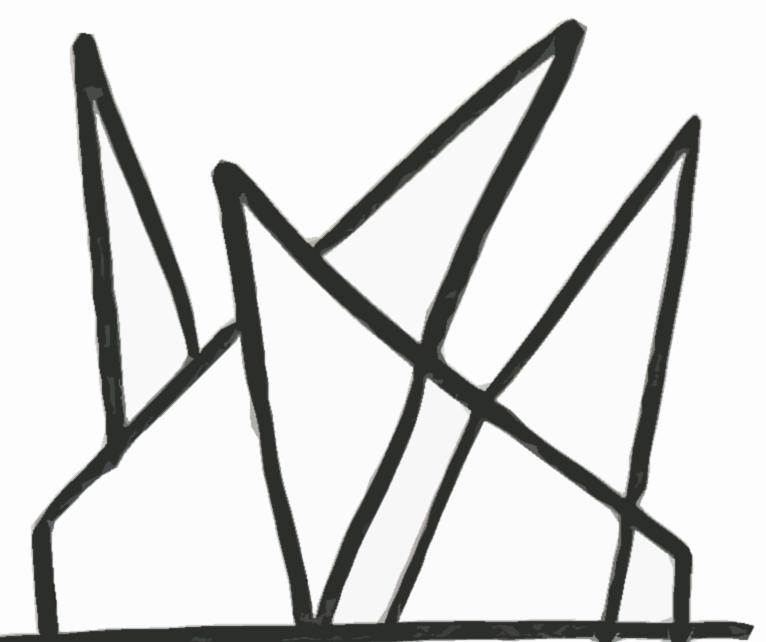
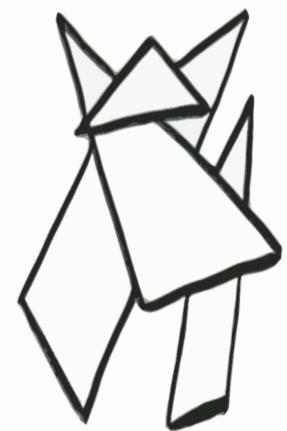

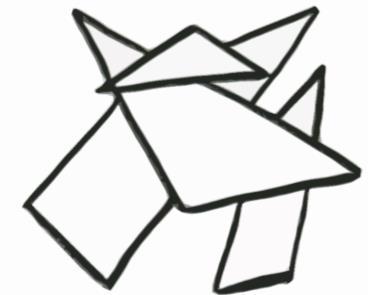
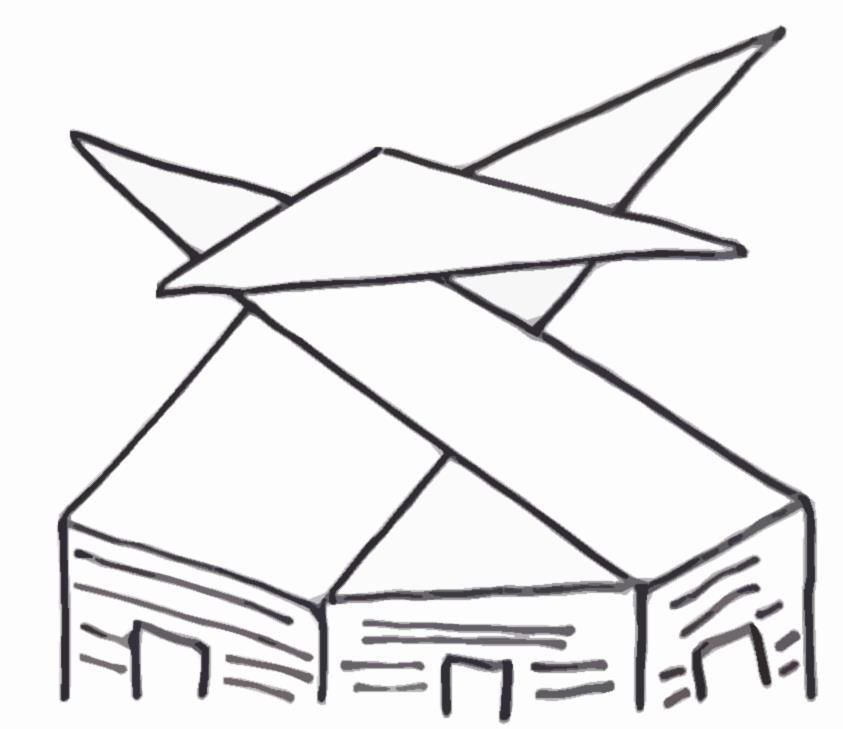
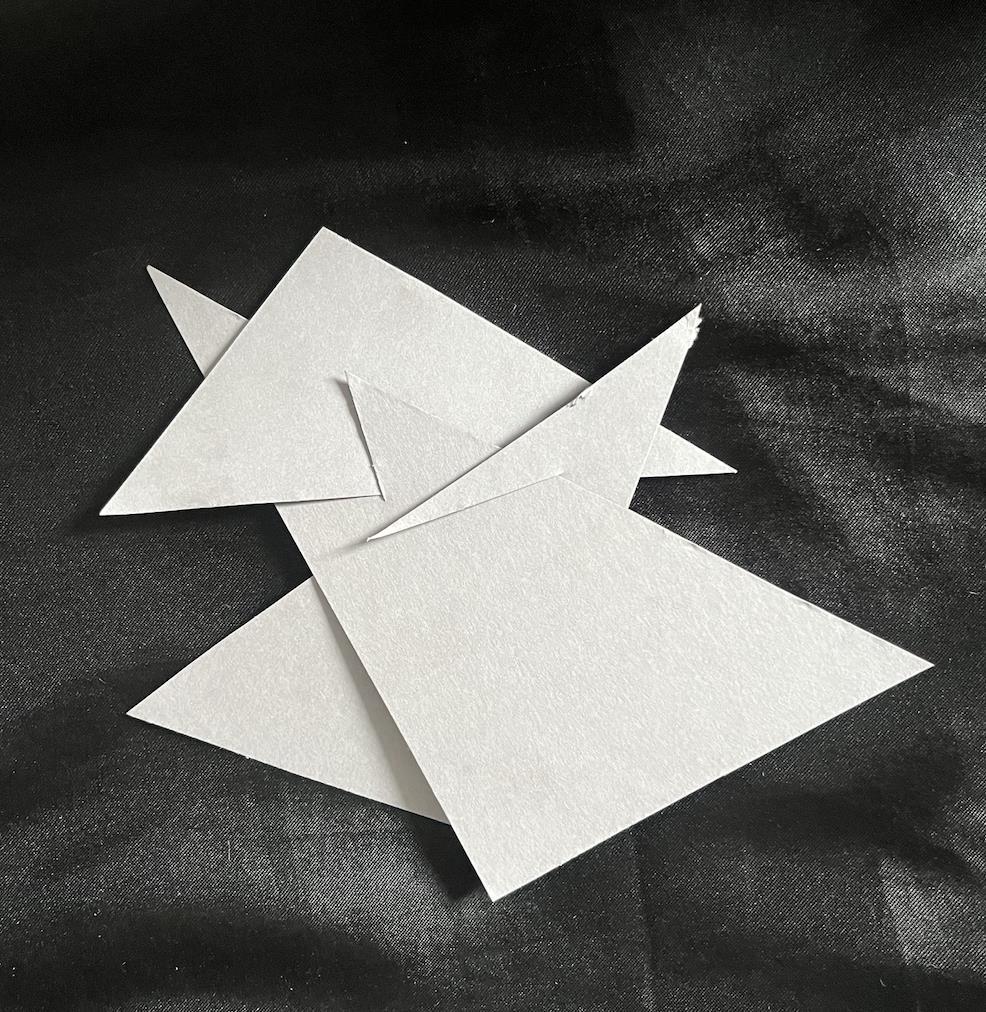
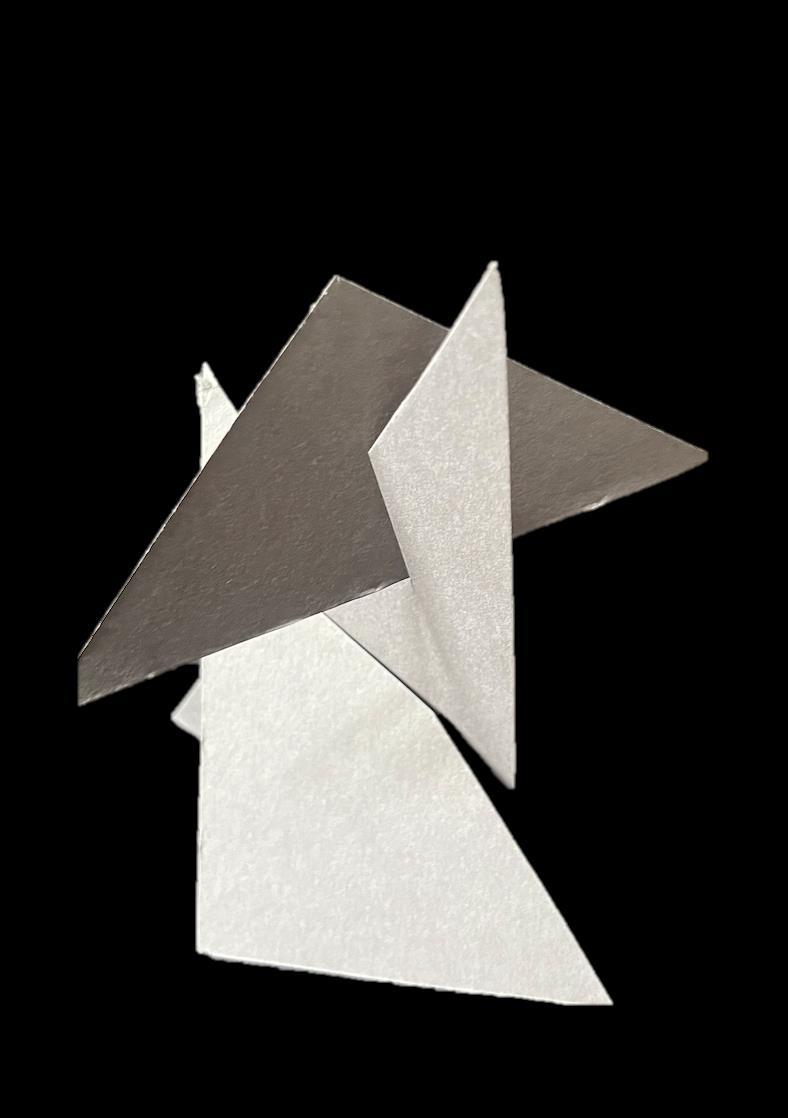
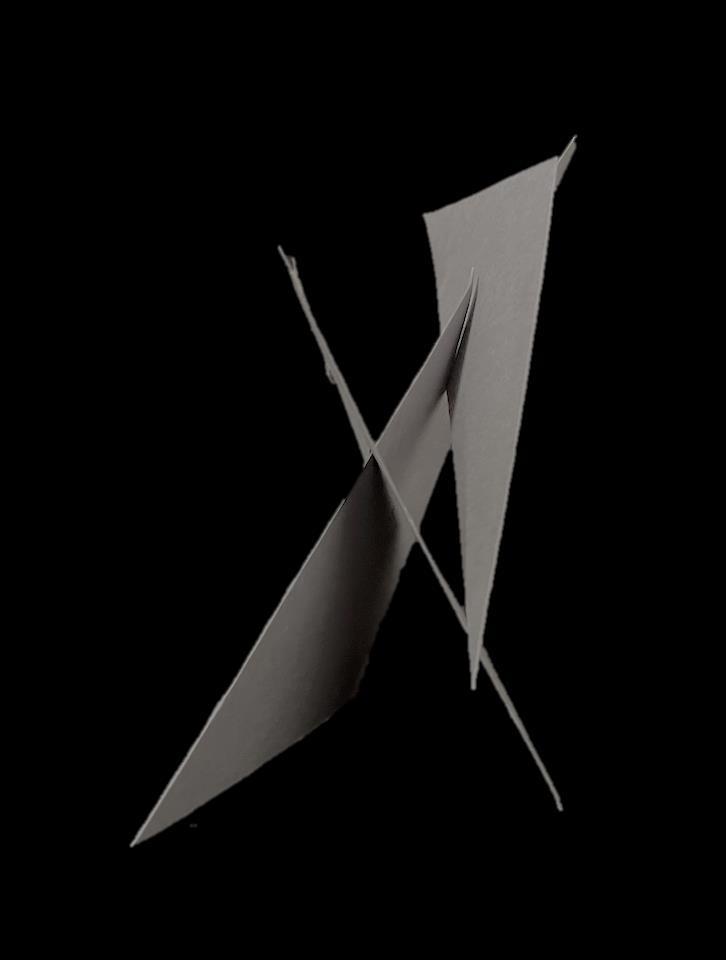
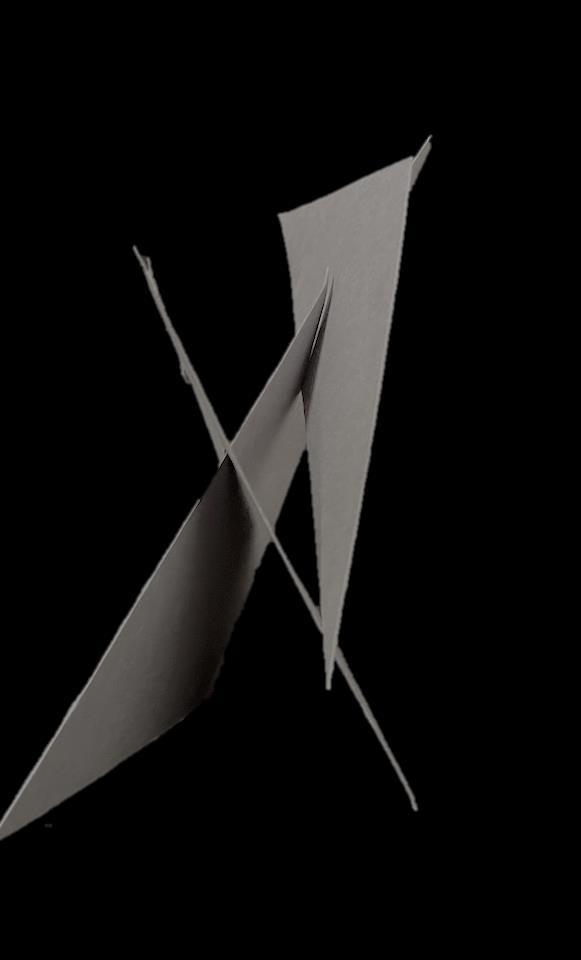
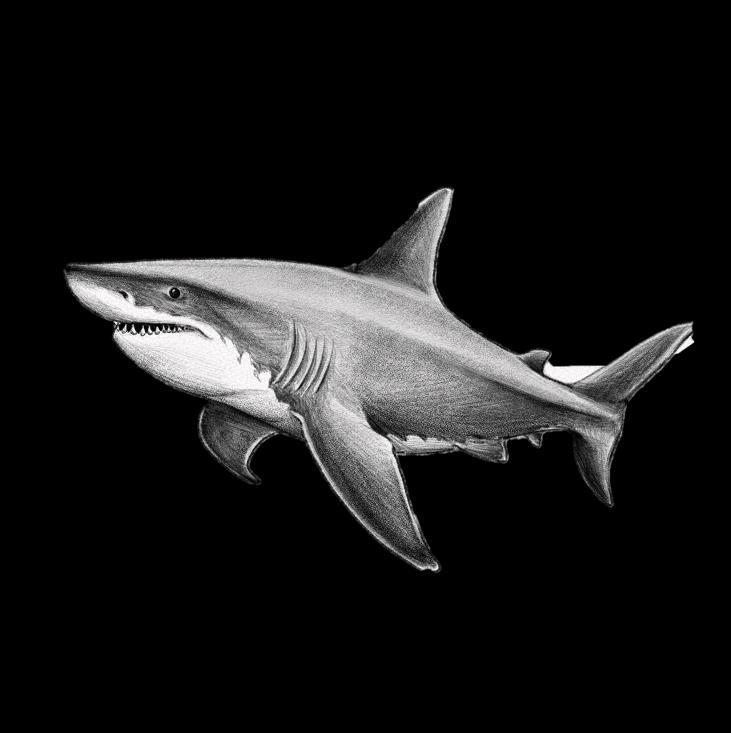
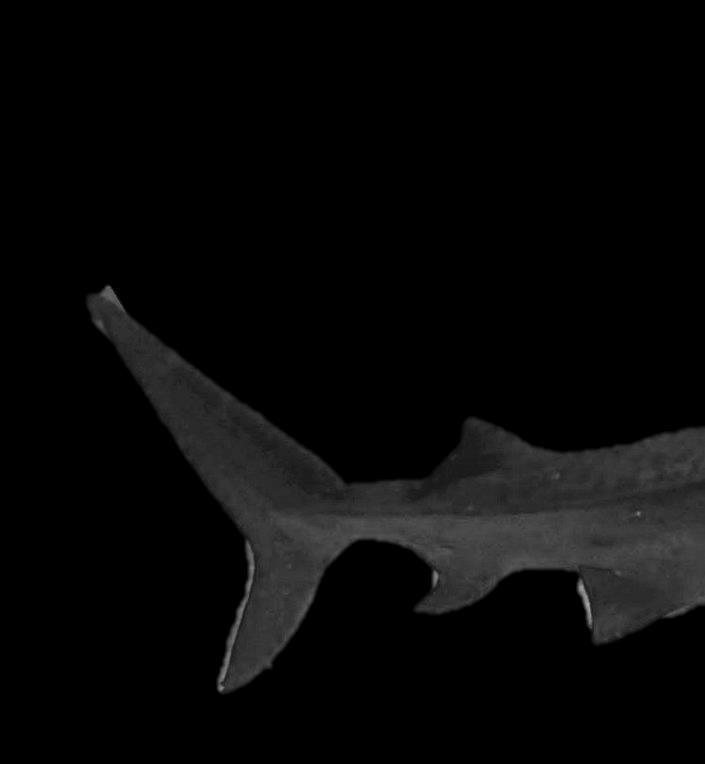
In this model above, I have correlated the similarities between the form and the shape of shark fins which will perhaps help prompt further research into architecture or art inspired from sea animals, given the appropriateness as I am designing an aquarium.


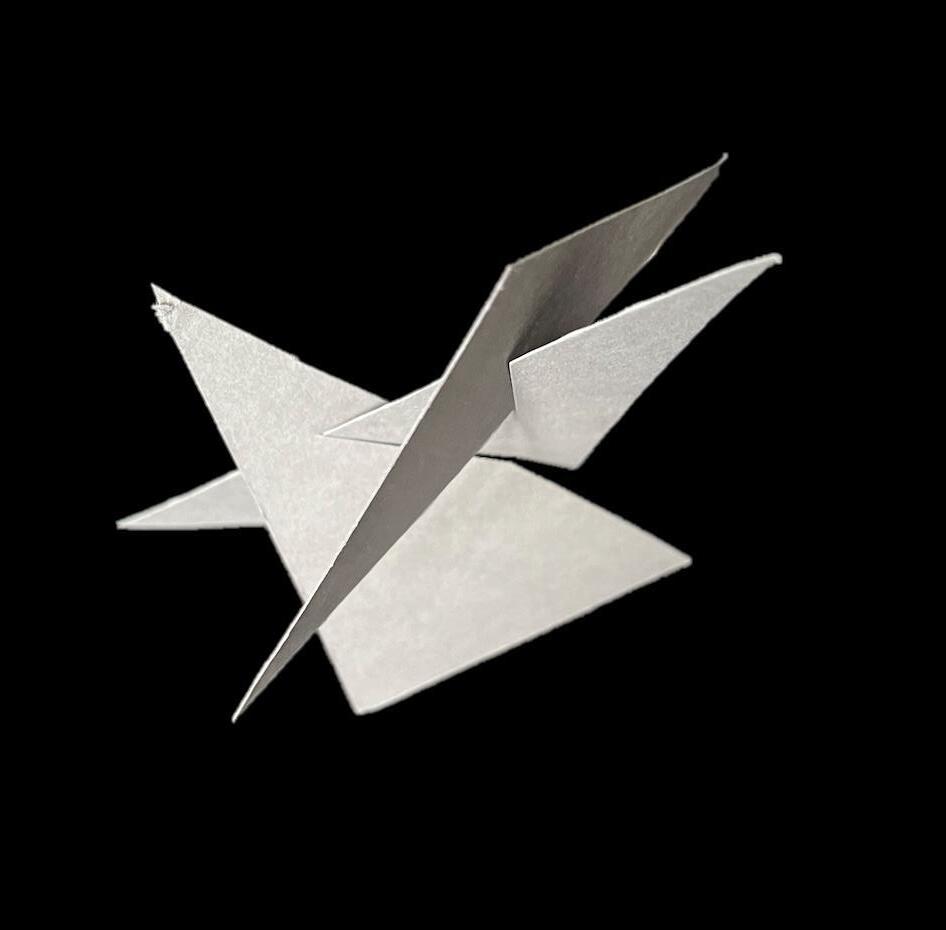
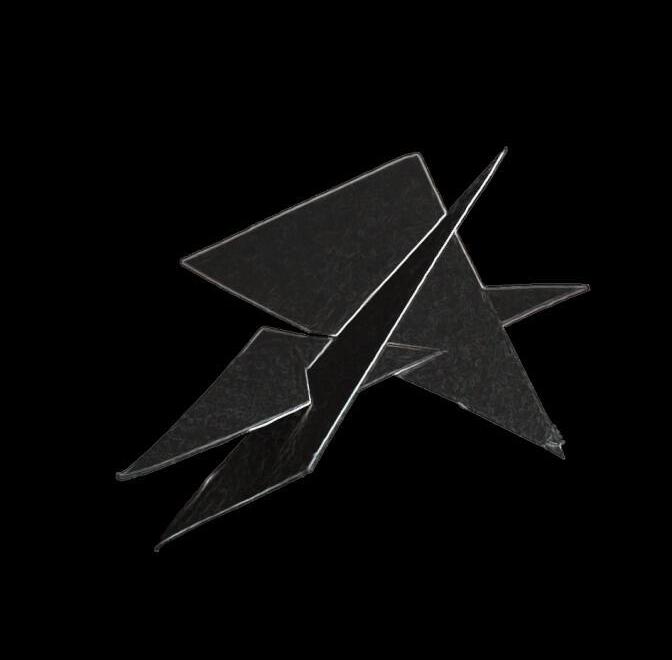
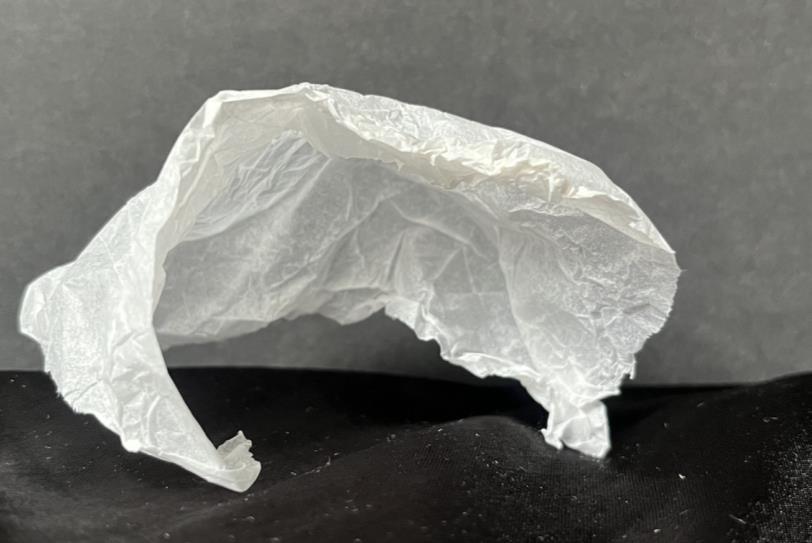
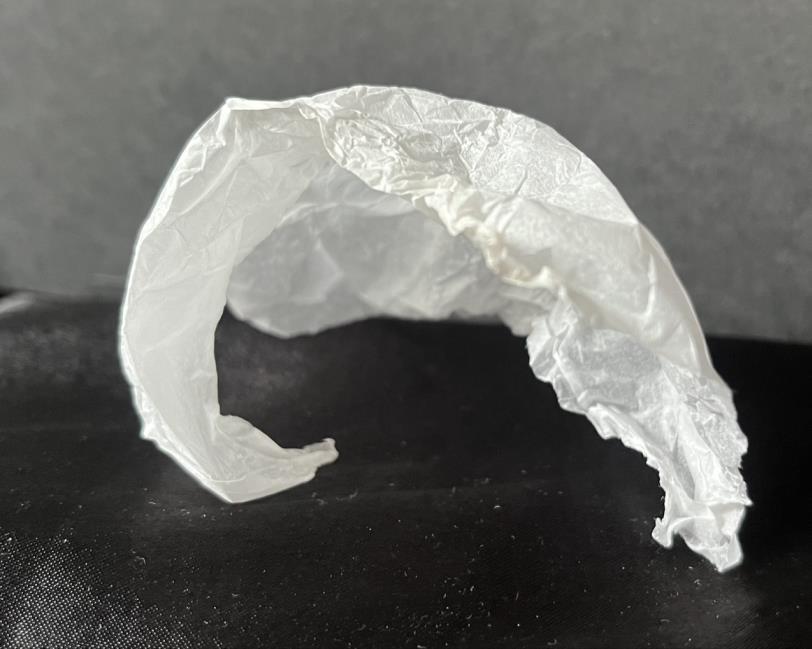
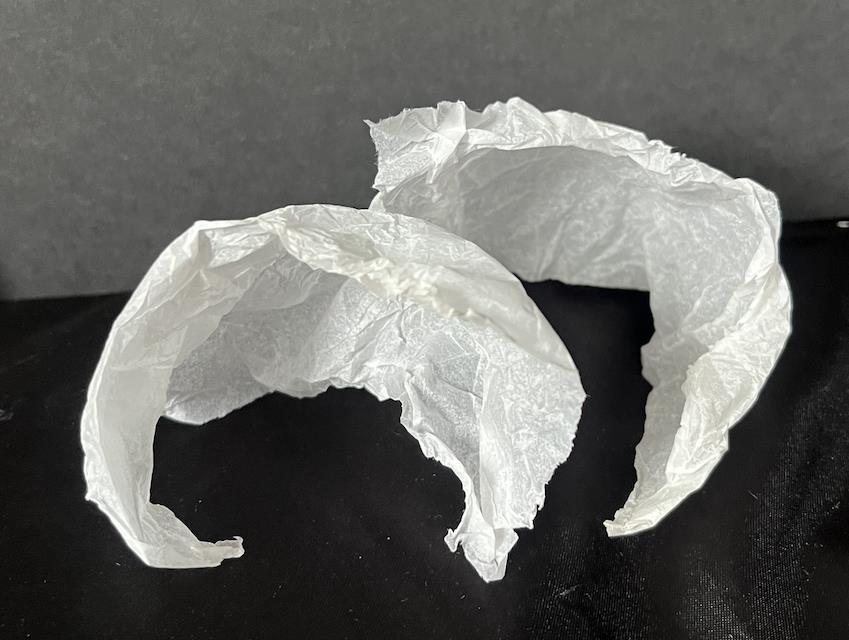
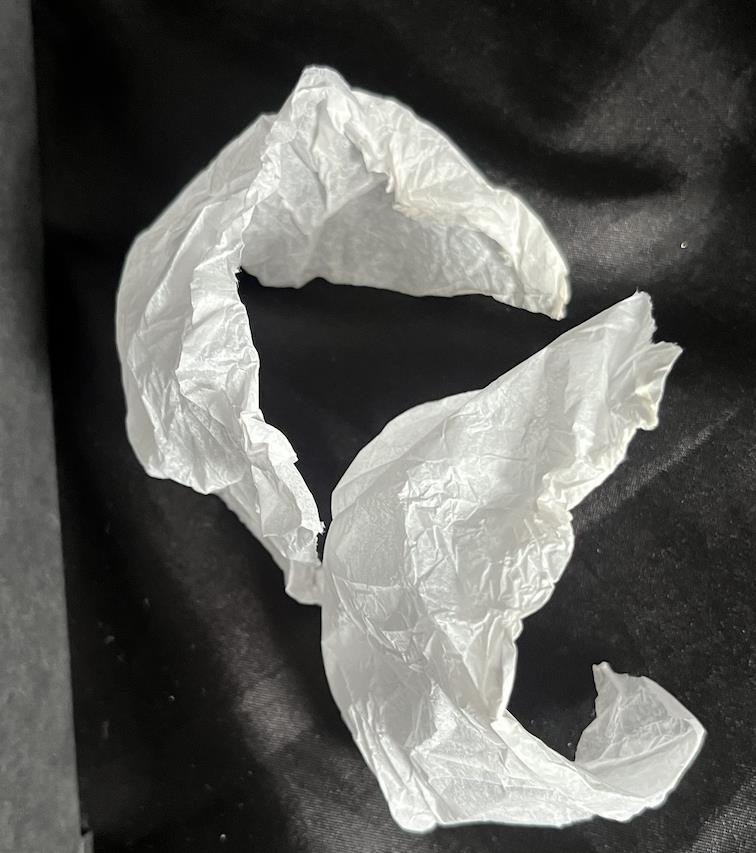
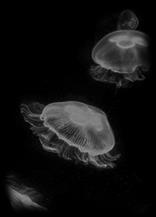
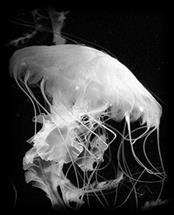
- This model is mainly inspired by Jellyfishes, the flow within their movement and exterior structure of their look. However, I was also inspired by the stone material textures in my primary research.
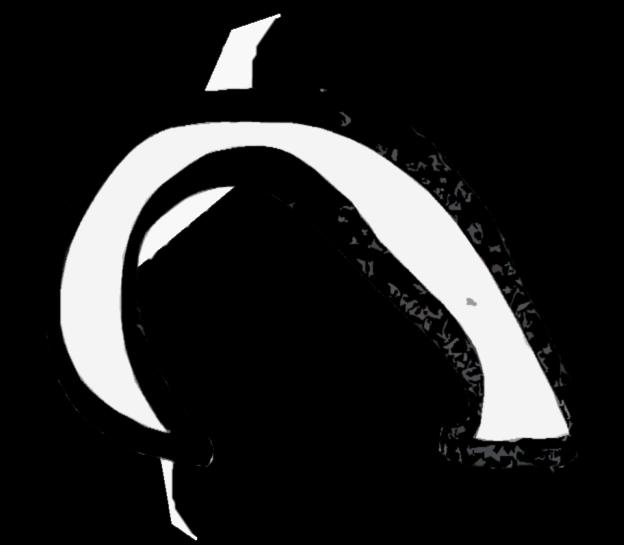
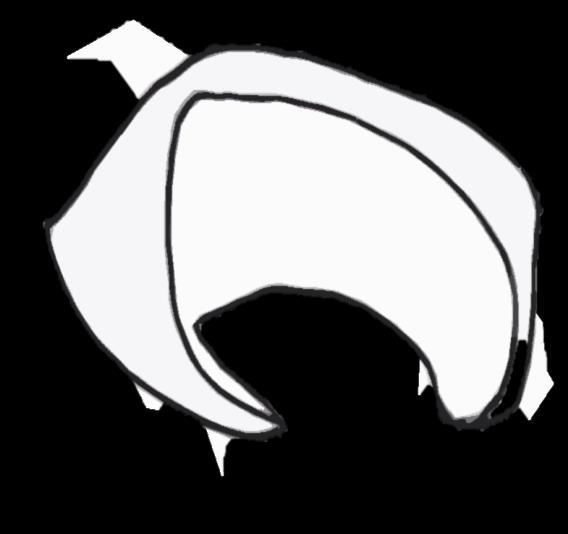
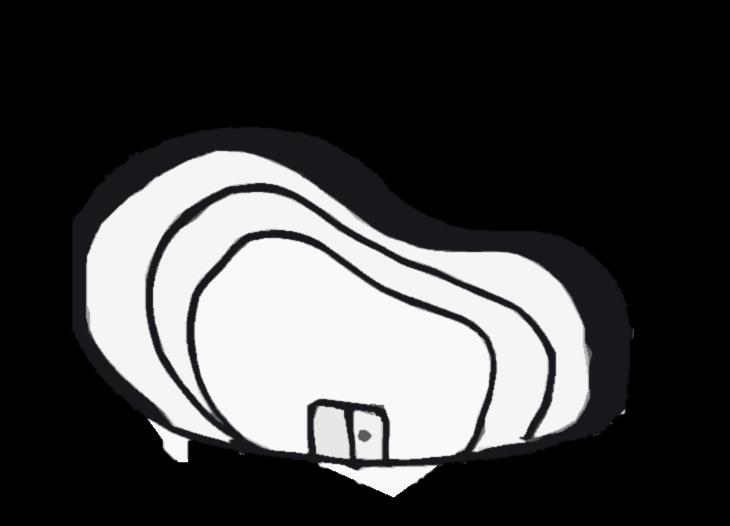
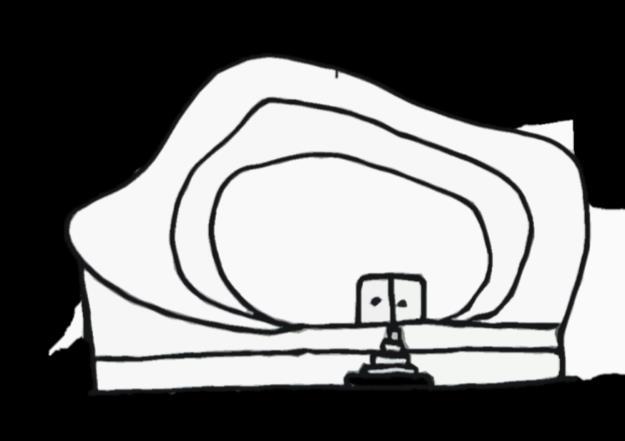
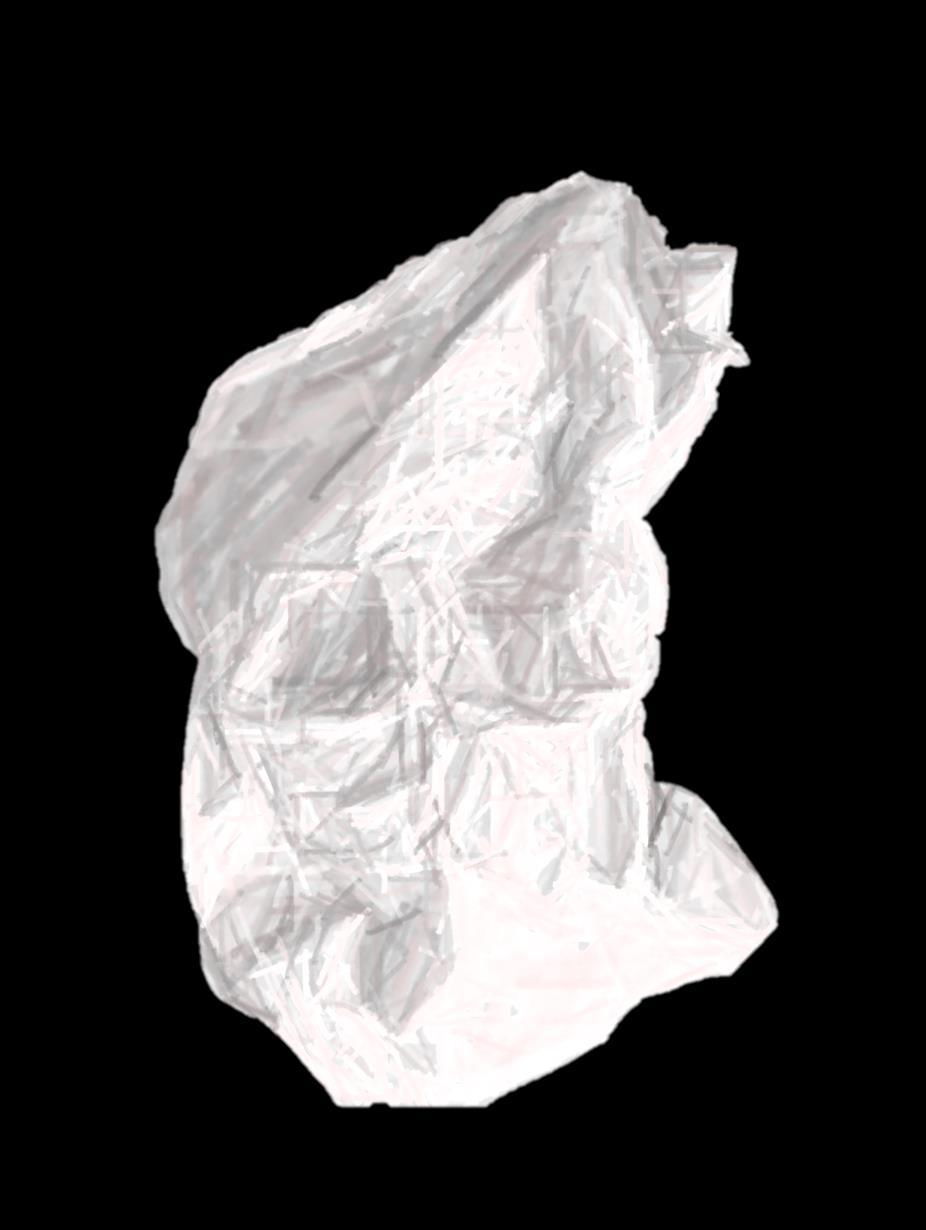
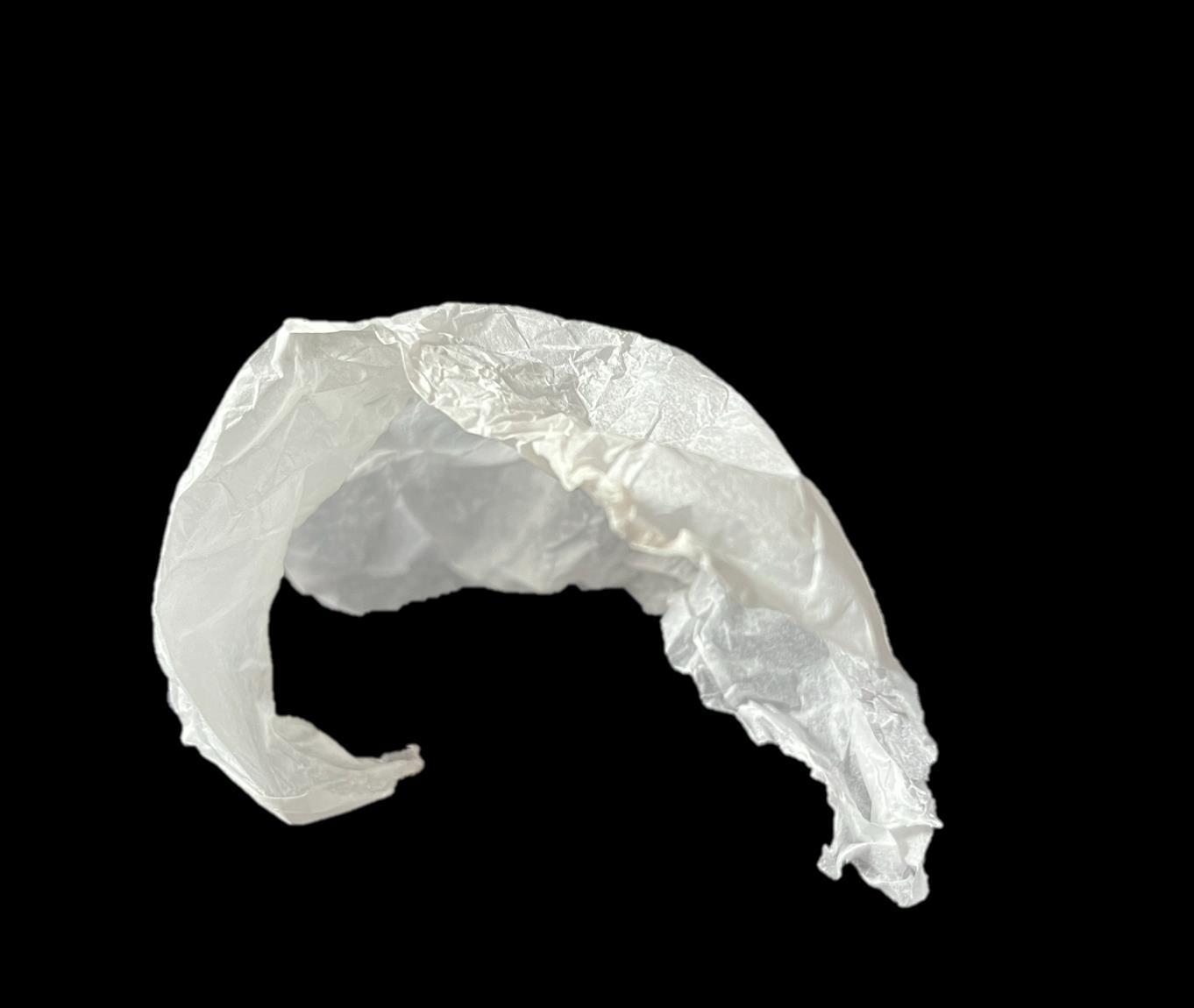
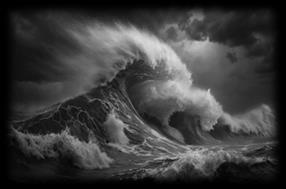
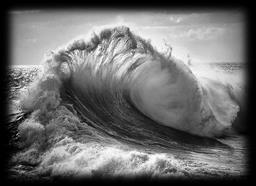
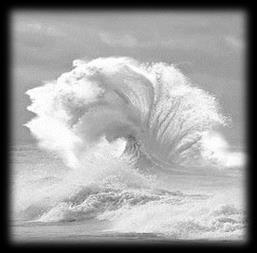
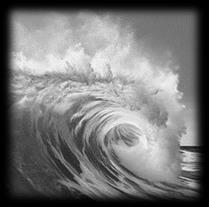
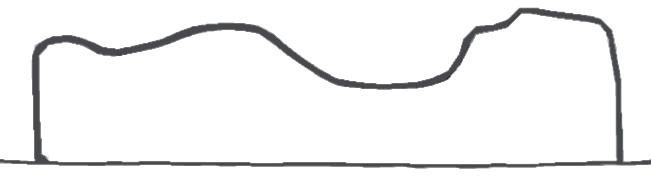
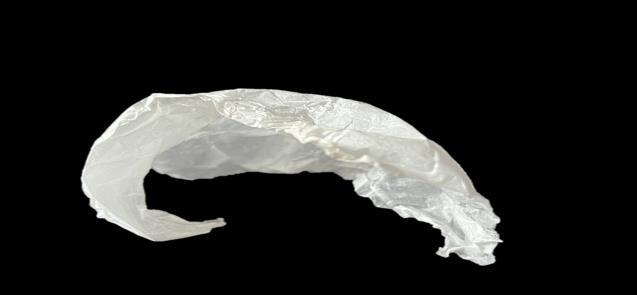
Upon further observation of my simple model, I found resemblance between that and ocean waves at their highest. The organic forms will help structure my final solutions as I aim for the aquarium to heavily reflect ocean imagery.
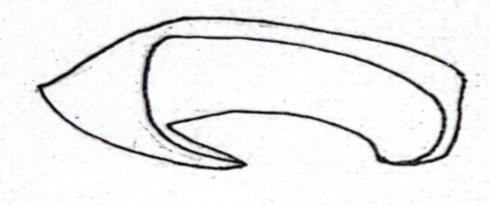
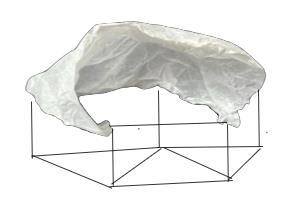
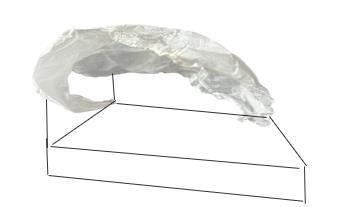

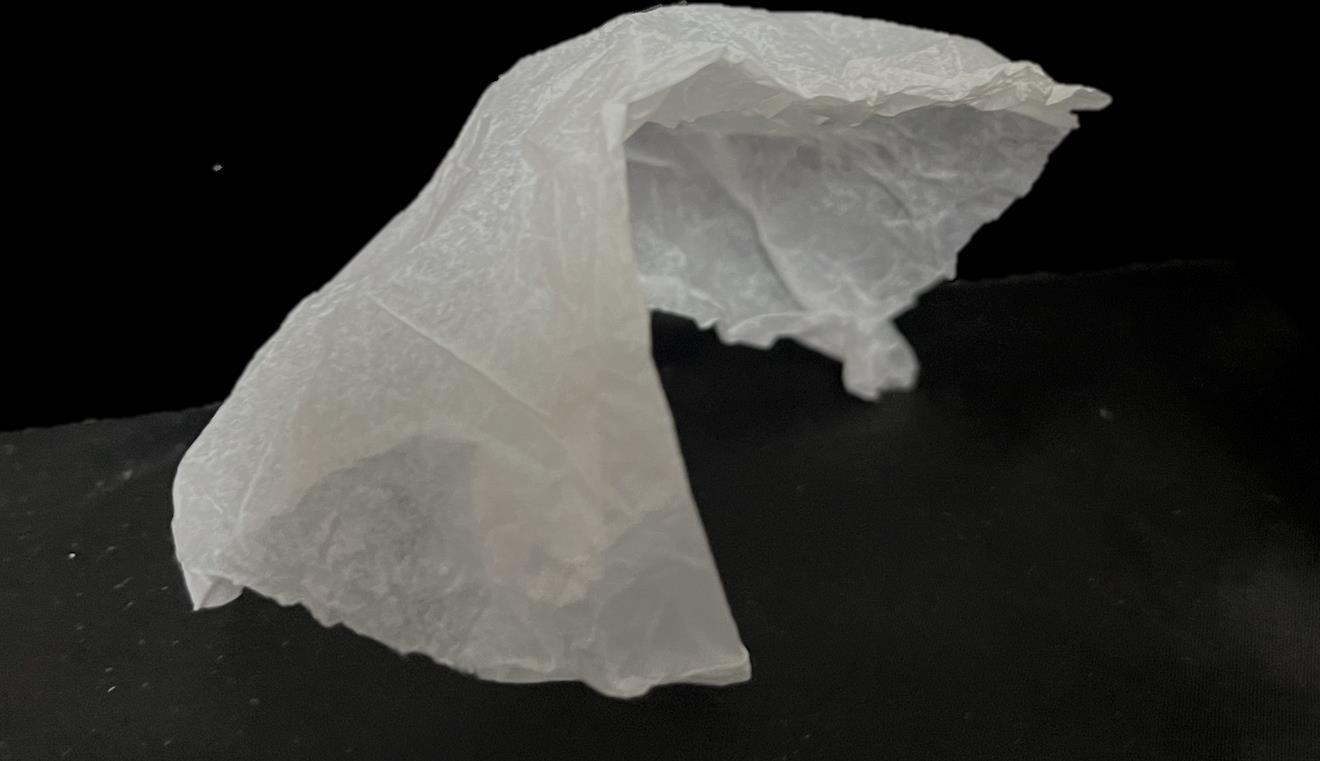
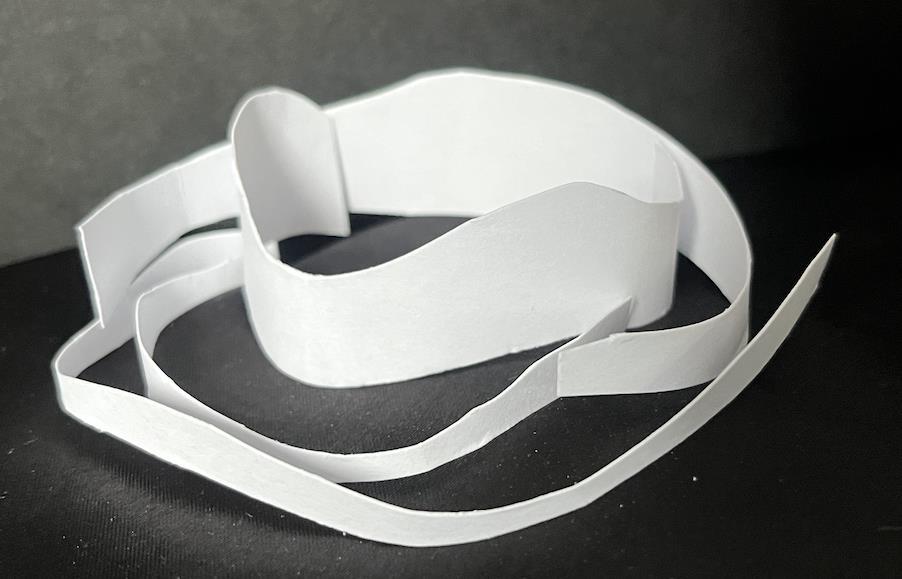
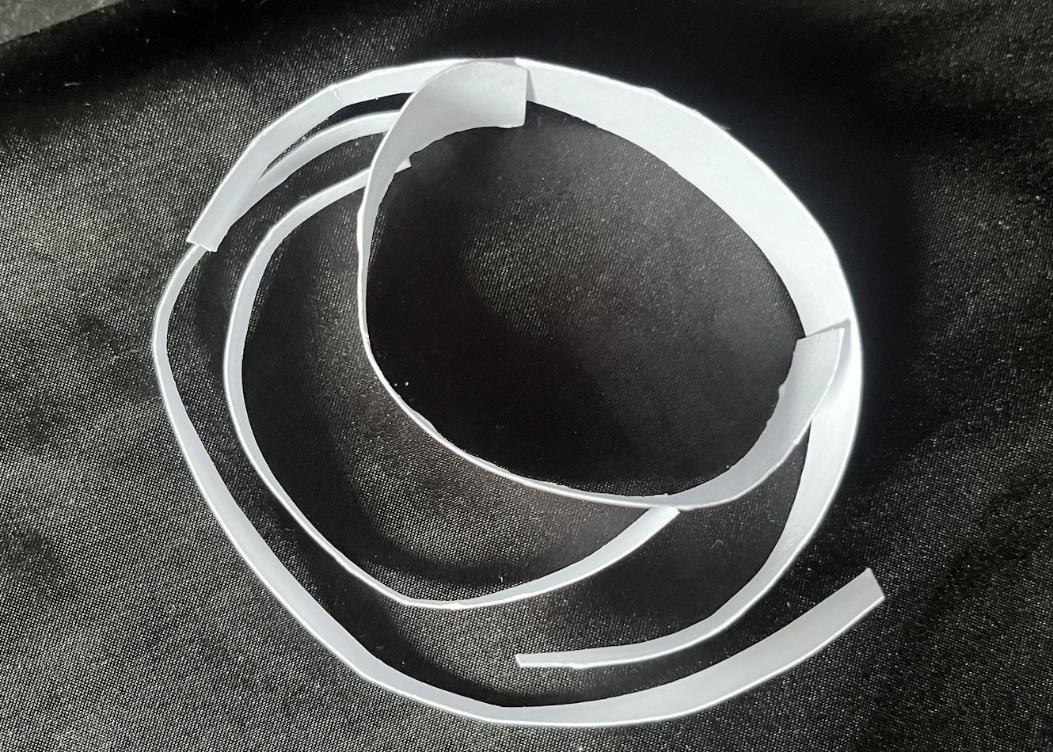
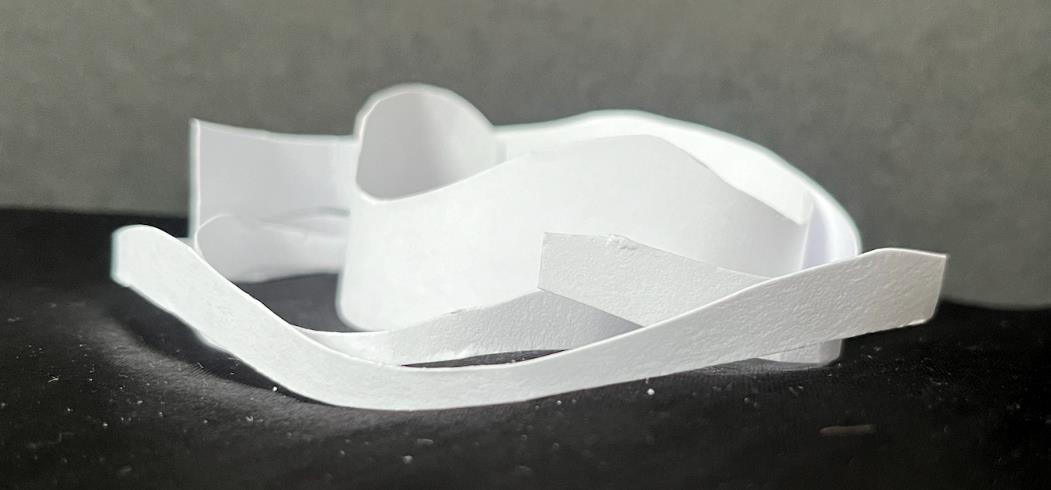
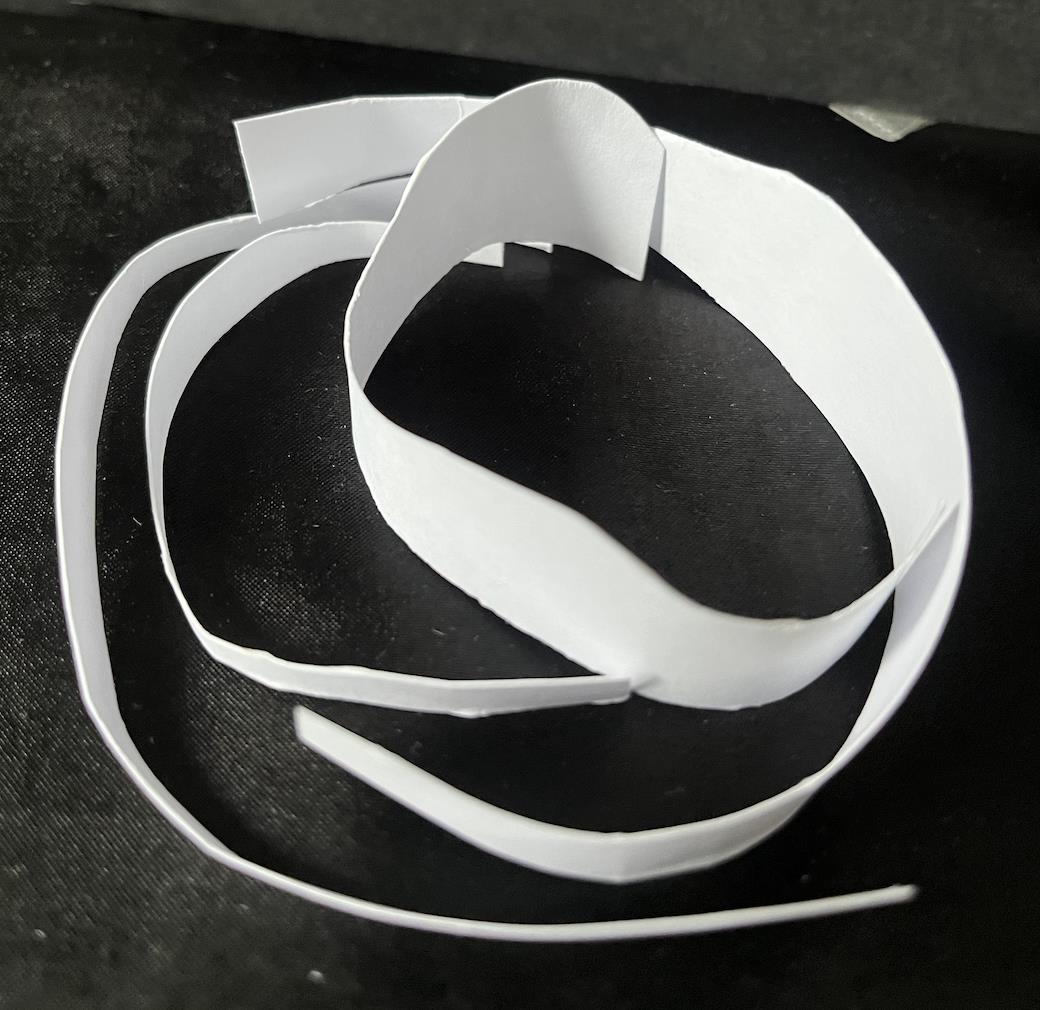
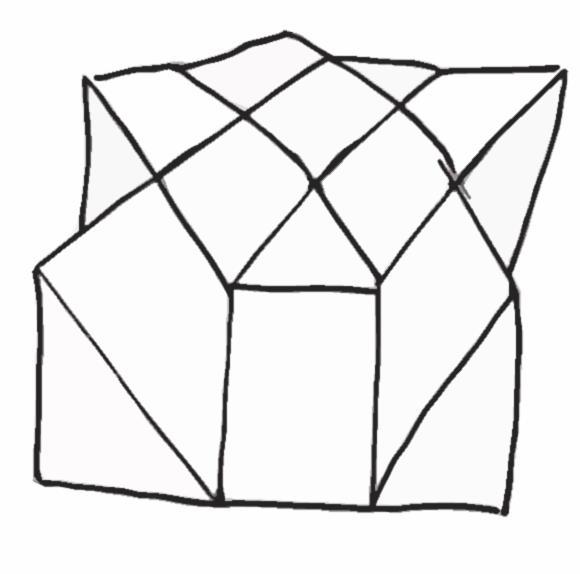
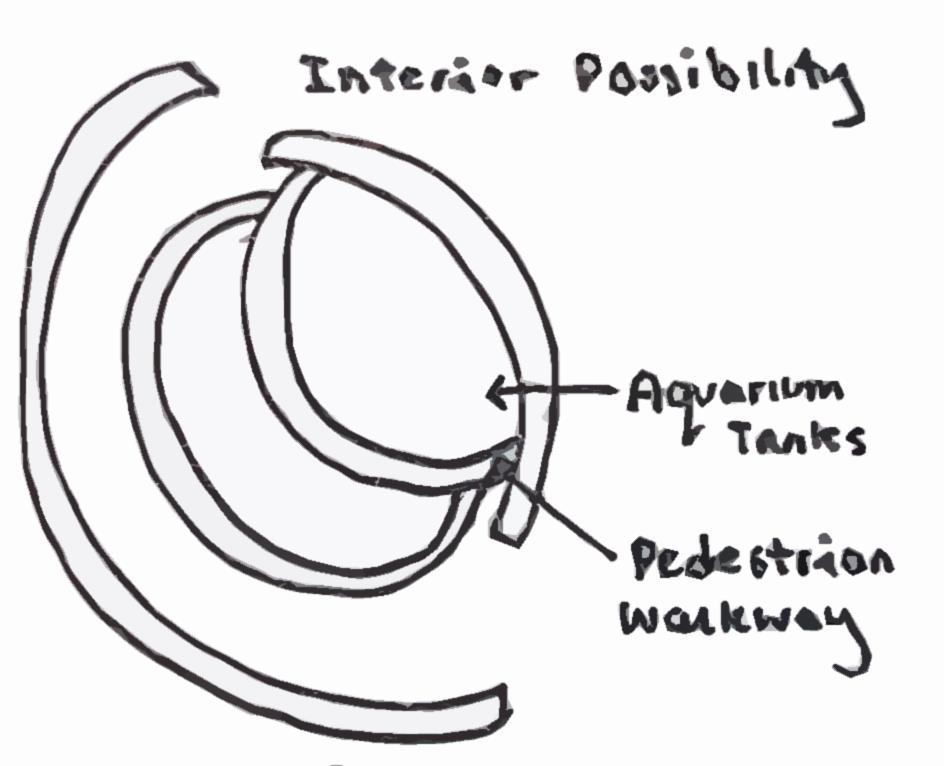
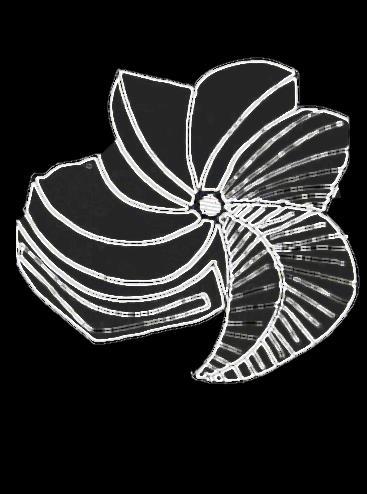
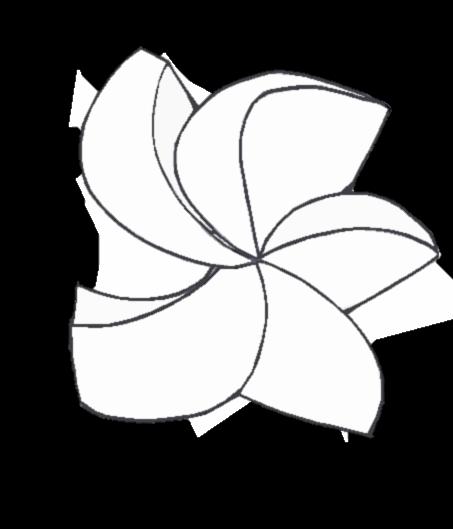
This concept model was inspired by the overall structure formed by my secondary research into patterns following sea life themes. This was most inspired by the Japanese pufferfish pattern as it creates circles outwards. The further I developed this model through sketching the more I realised it could serve as a potential interior floorplan given the different sectors.
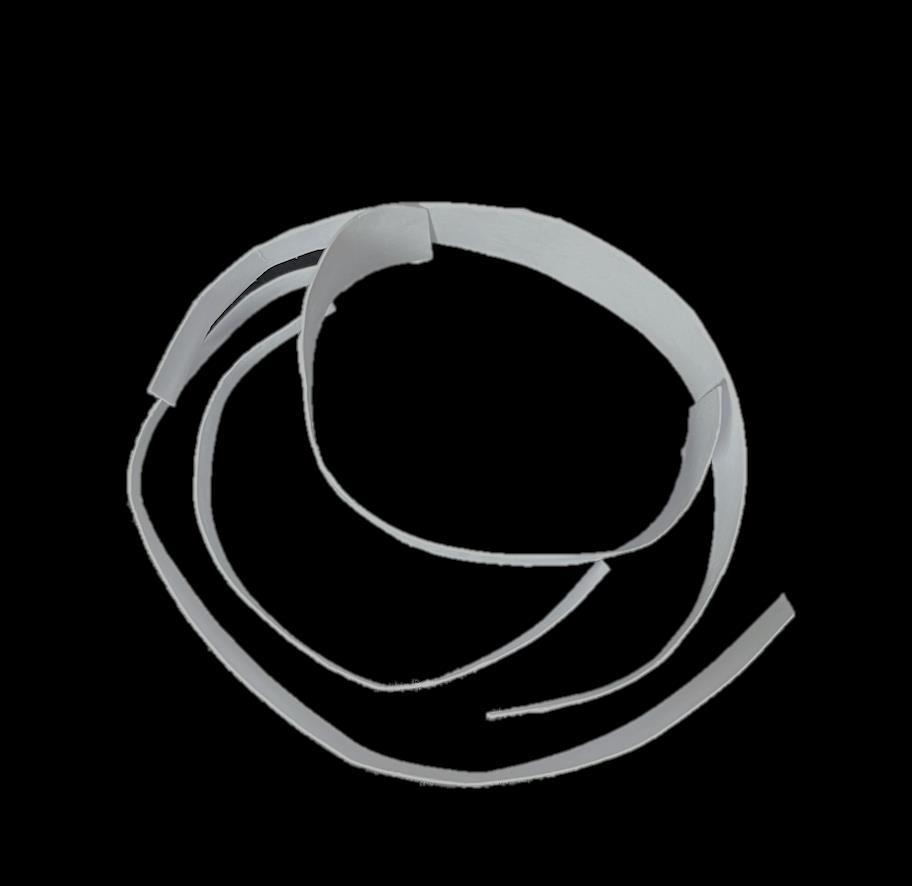
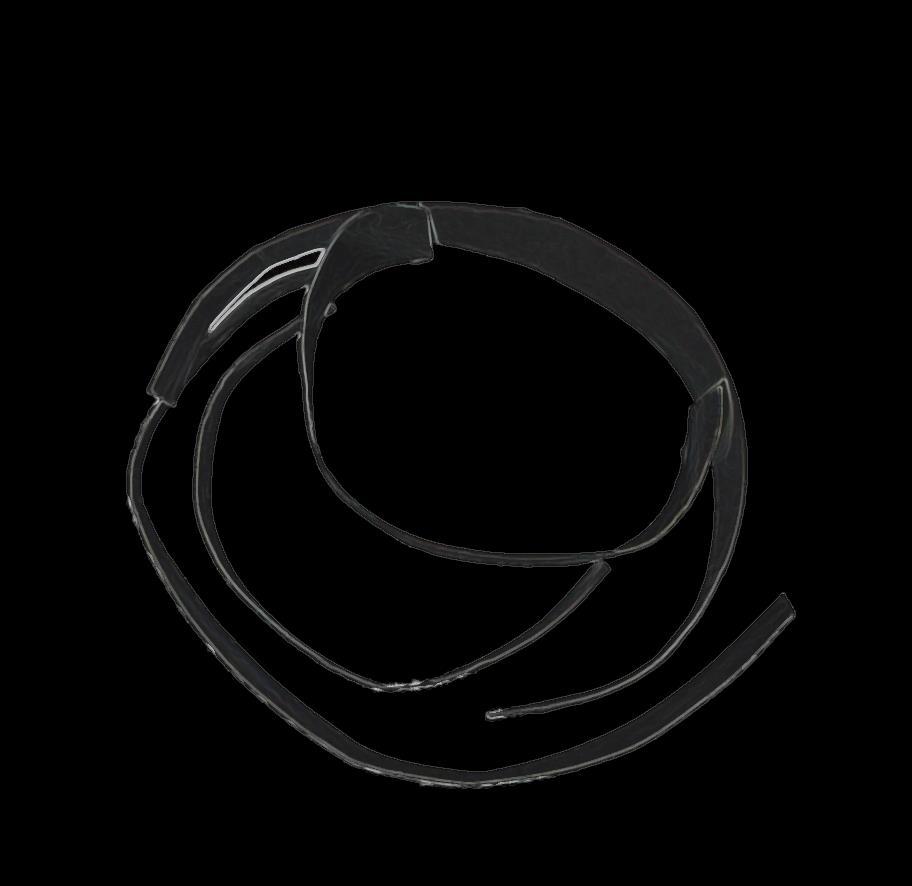
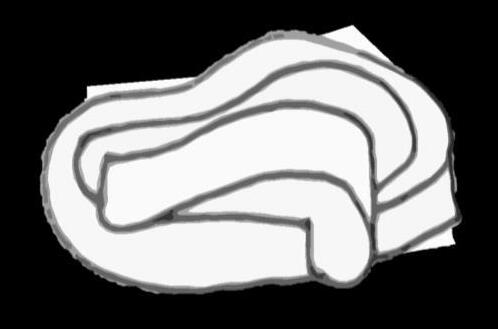
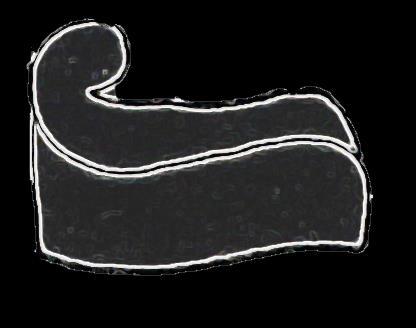
Turning the initial model upside down for an alternate design.
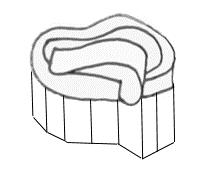
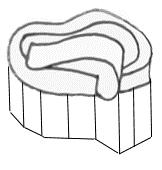
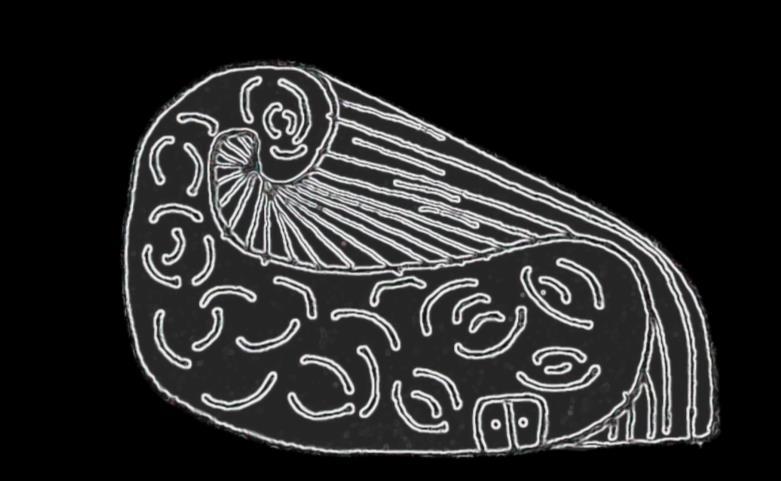
Taking out the curvature within the model to form a simplified development.
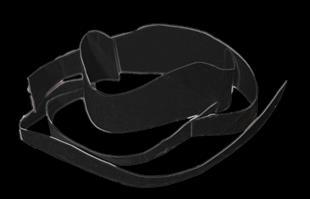
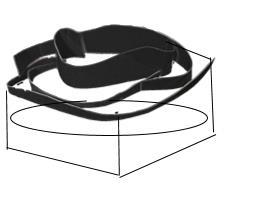
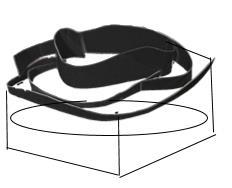
Attempting to follow more circular internal structure rather than angular.


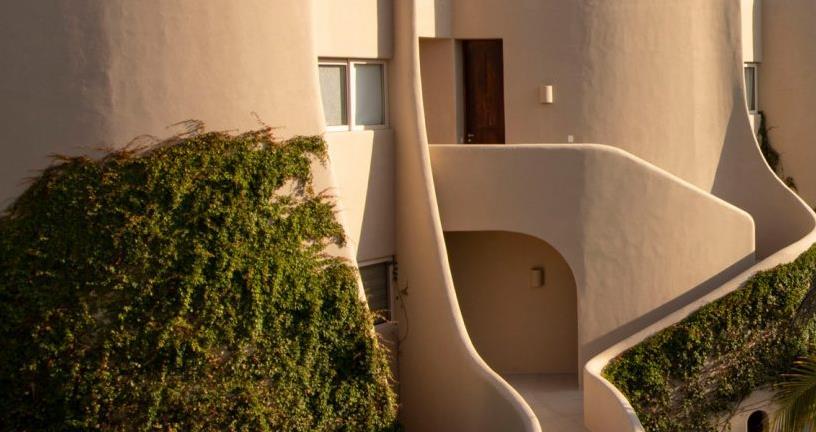
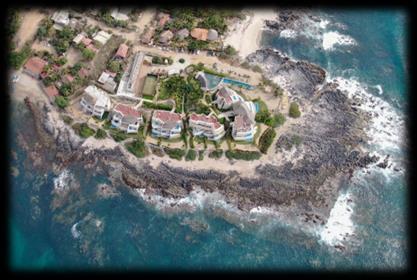
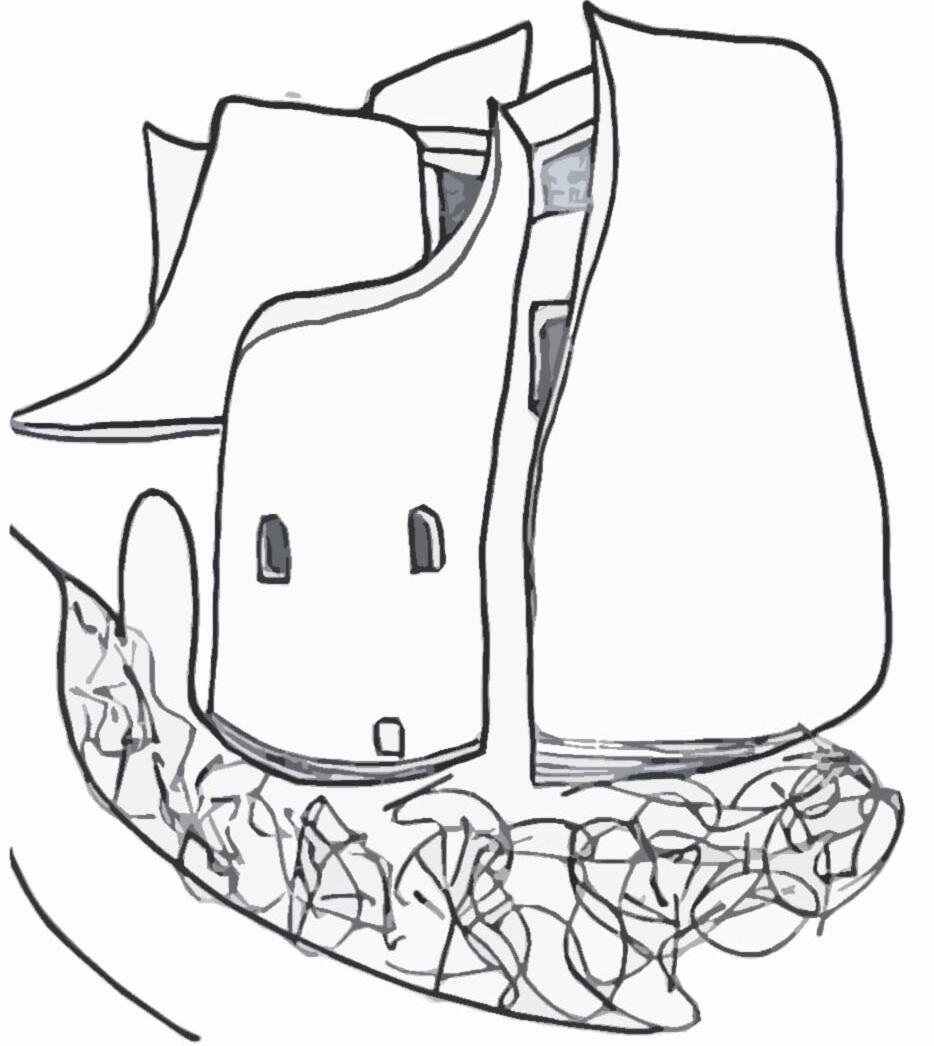
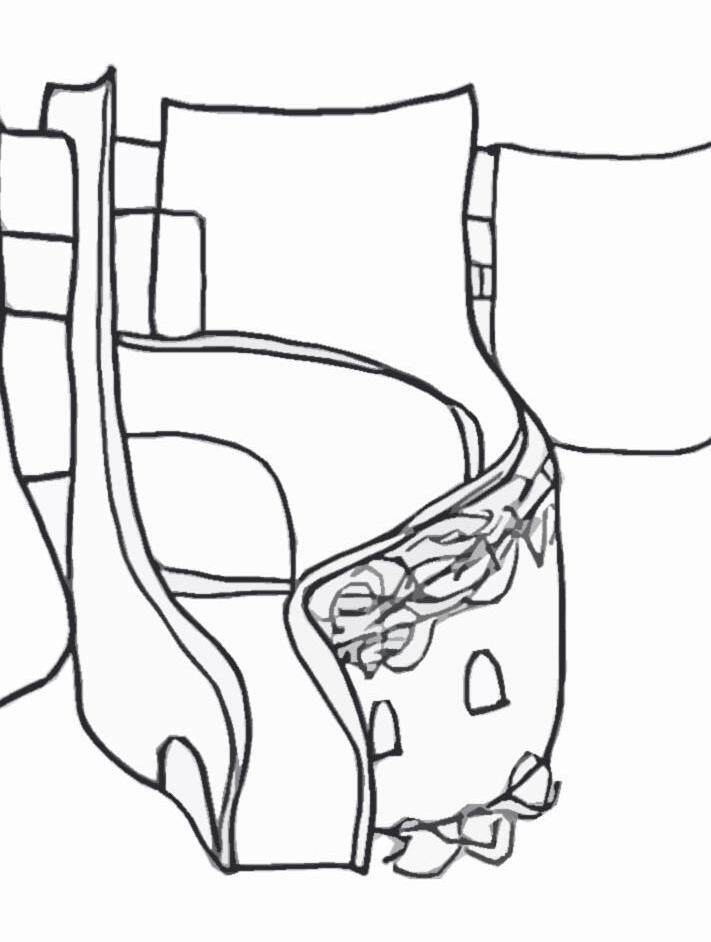
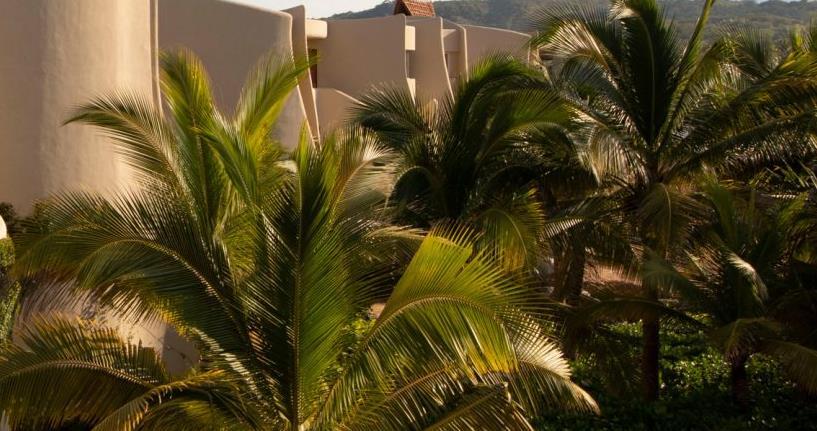
This housing complex designed by Zozaya Architects is inspirational towards my project as they took design inspiration from the fluidity of the ocean waves. With this residence also being situated next to a body of water it will help with compromising the practicalities of my site as my site is by standing River Thames. What I find most appealing about this design is the aesthetic use of the same monochromic material, resulting in a well-rounded minimalistic design.
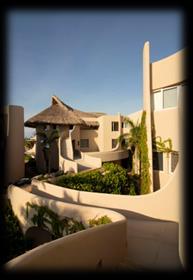
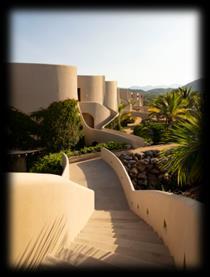
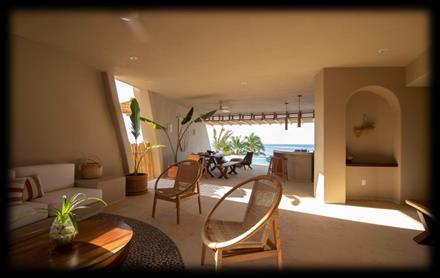
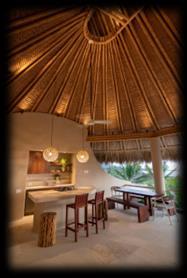
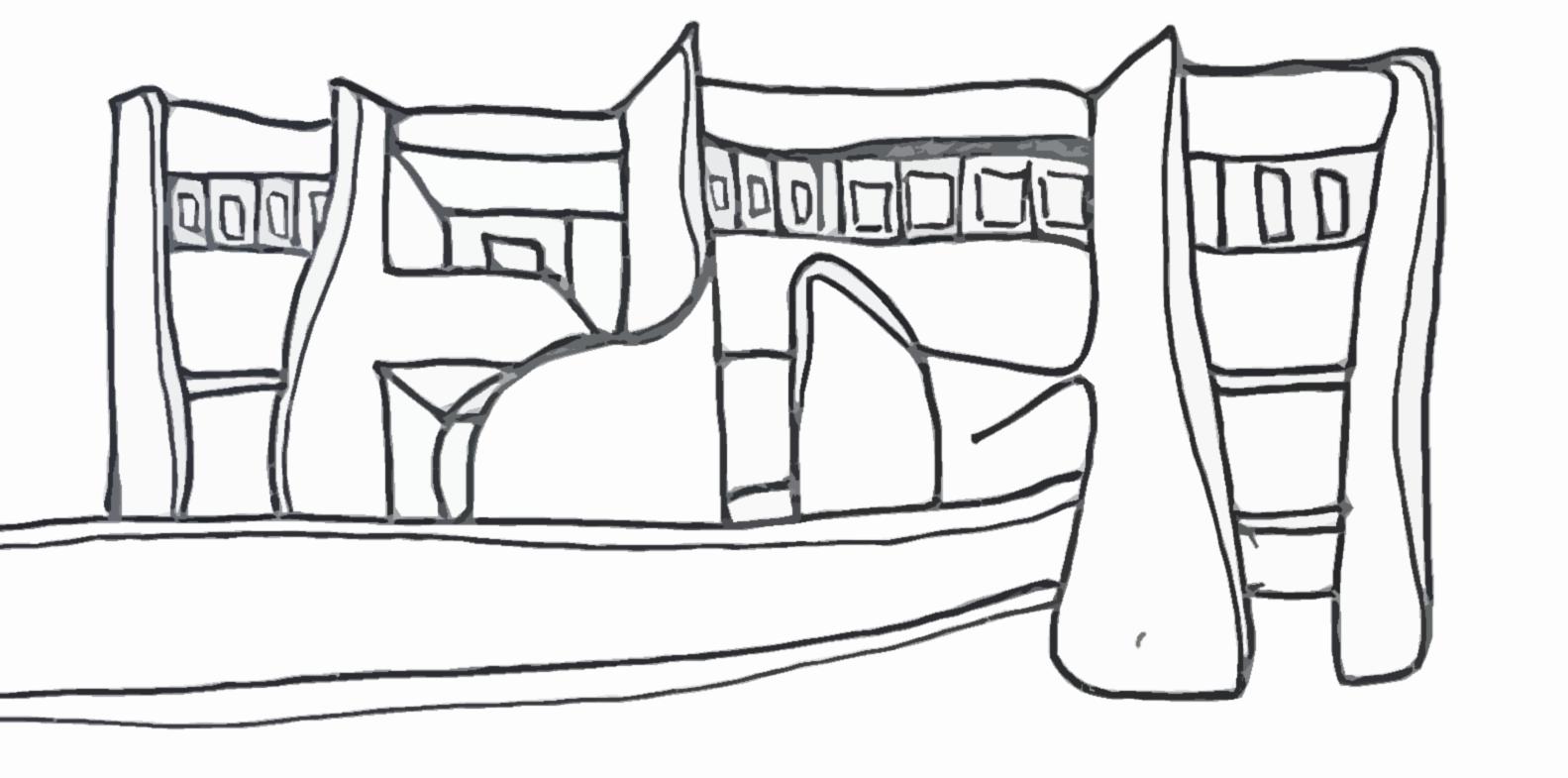
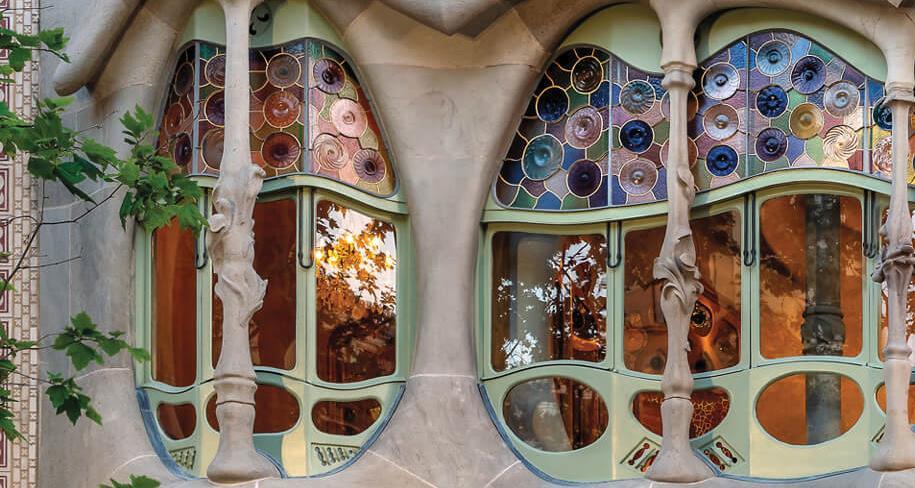
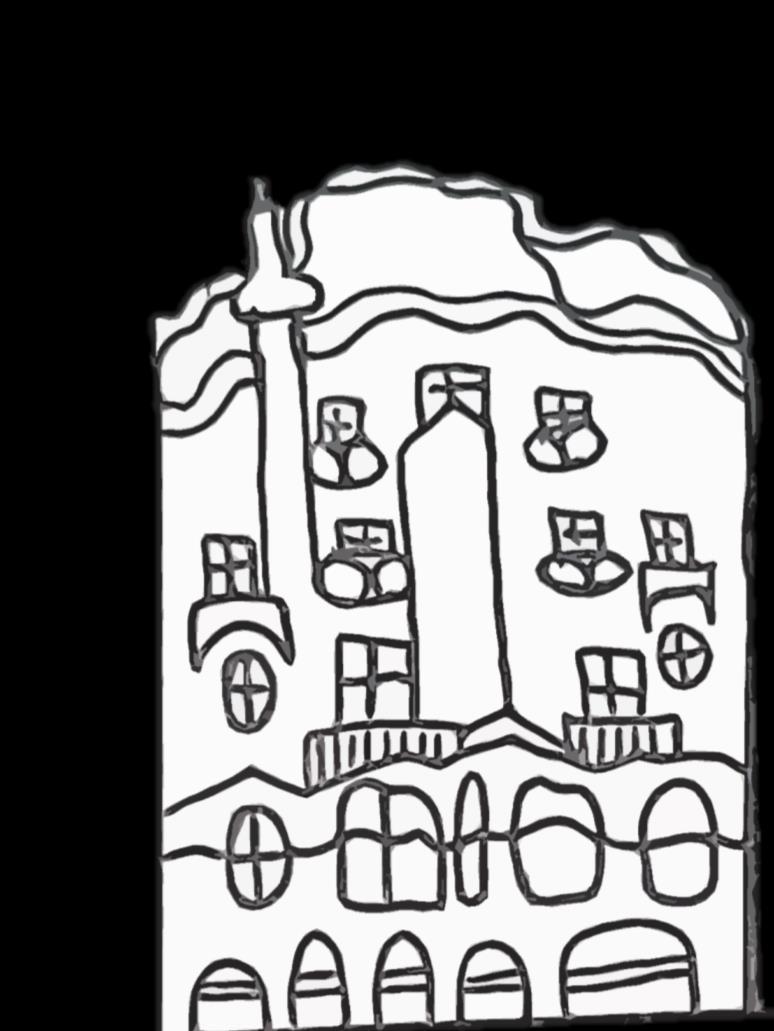
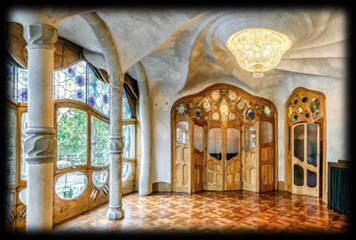
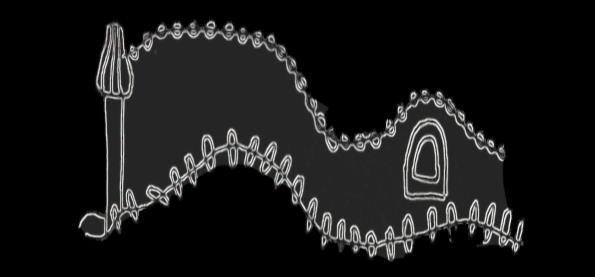
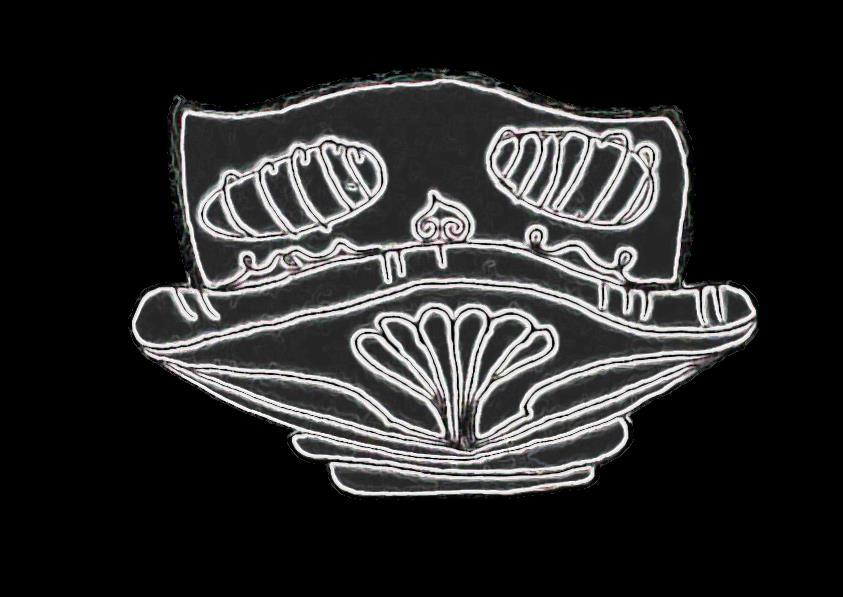
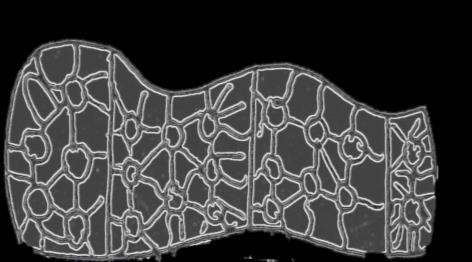
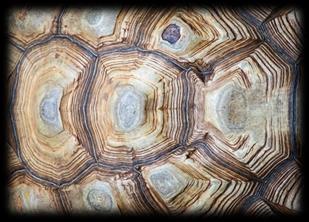
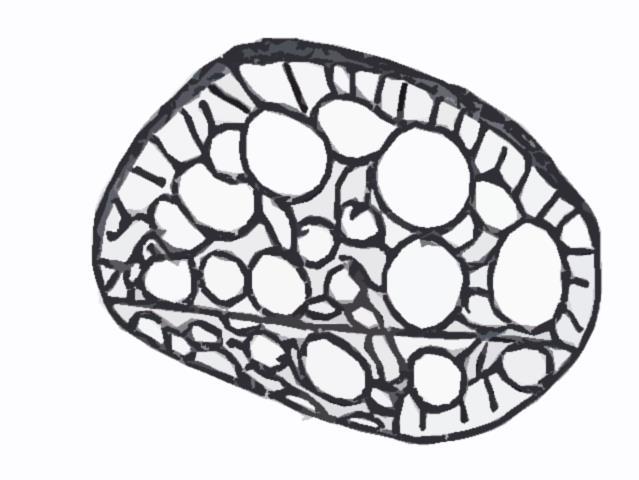
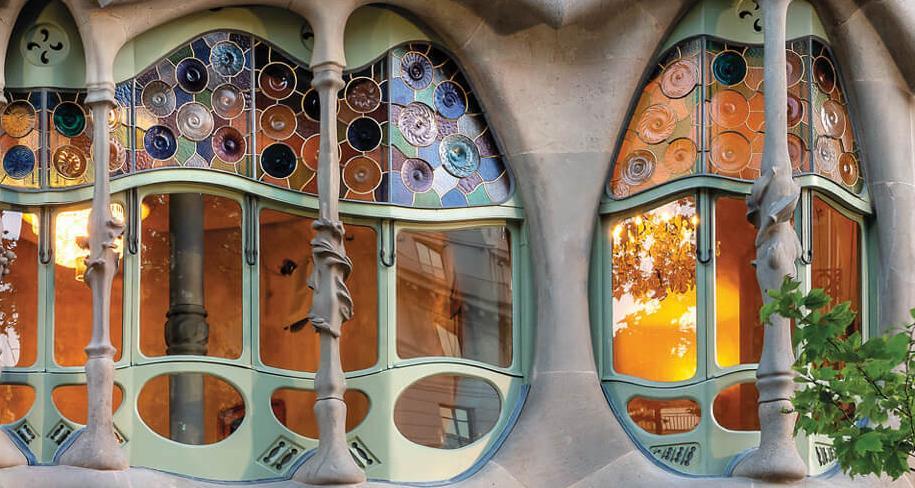
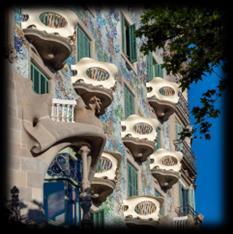
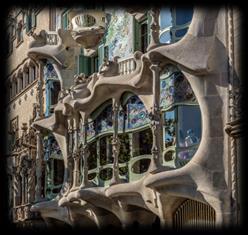
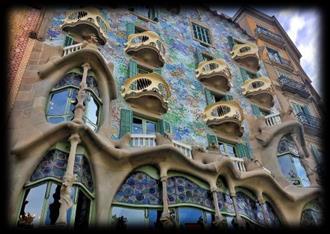
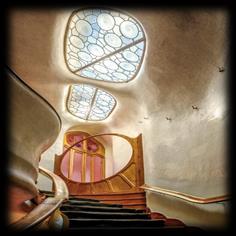
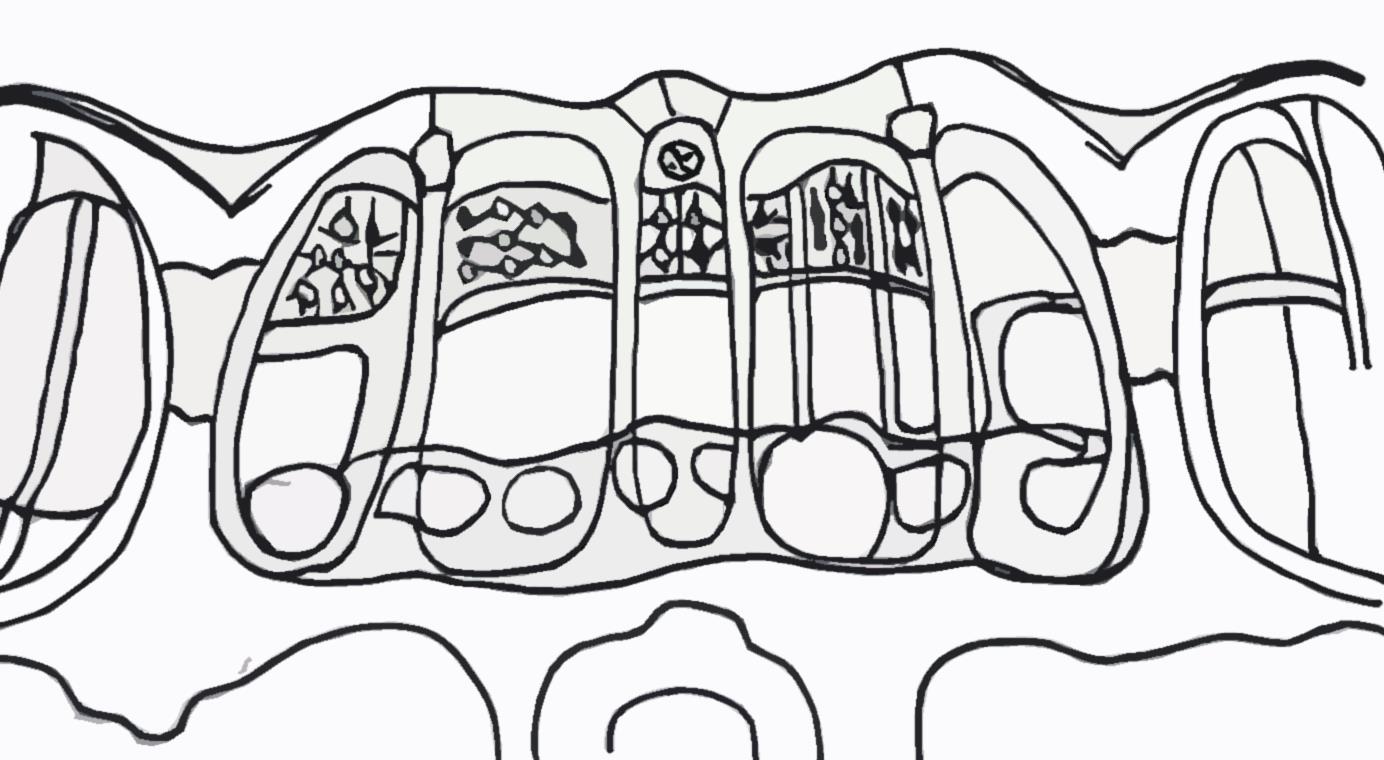
The world-renowned Casa Batllo designed by Antoni Gaudi also acts as a source of inspiration for my project as in this architecture, he was inspired by the marine world and specifically organic forms found in the Mediterranean sea. Both the exterior and interior hold unique factors that challenge the normalities of architecture which is something admirable in relation to this project. The image on the closest right was taken when I visited this site, he truly reflects oceanic imagery which is something I aim to do for this
To further gain a deeper understanding of how existing aquariums function I have researched into the Blue Planet Aquarium, designed by 3XN architects. The exterior is inspired from whirlpools and swirling water forms, material being aluminium designed to be textured like fish scales. It is also one of the largest aquariums established in Europe.
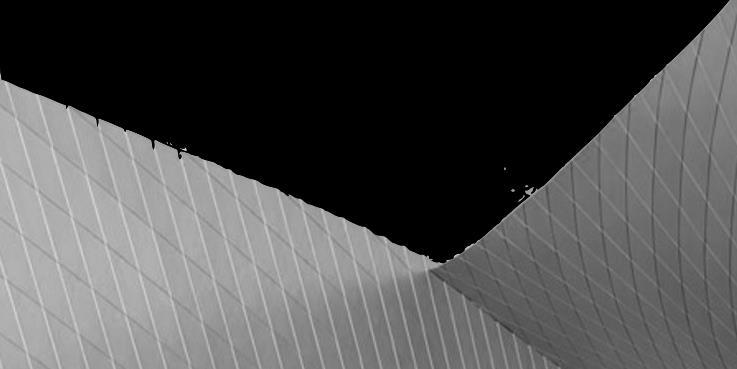

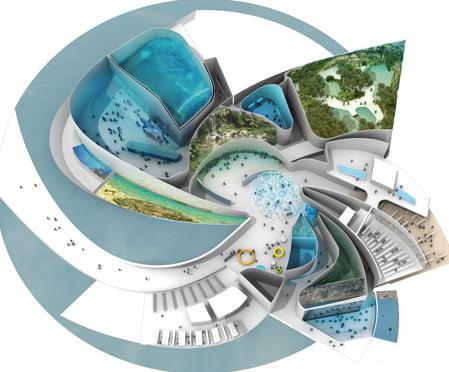
One of the most interesting factors of this interior design is that there are endless routes to venture into as like a whirlpool, it moves in a circular motion. The images on the right are from one section of an aquarium and the aesthetics are typical of an aquarium which is useful towards my design as I can use that to see how I can make my aquarium more unique.
Aquarium Spaces
Amazon Exhibition
Aquarium Restaurant
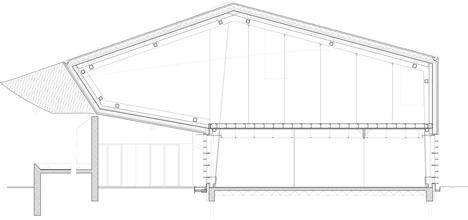
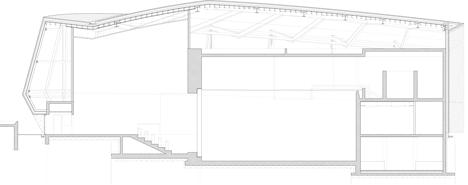
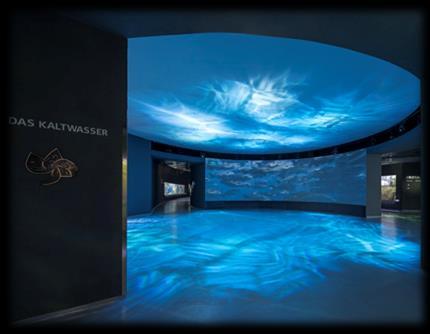
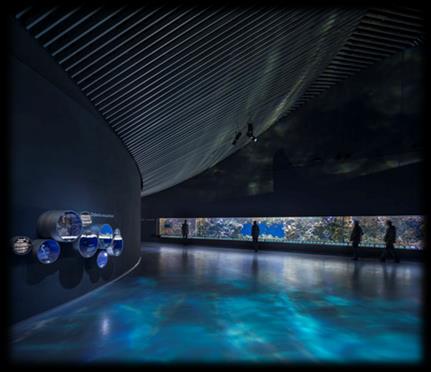
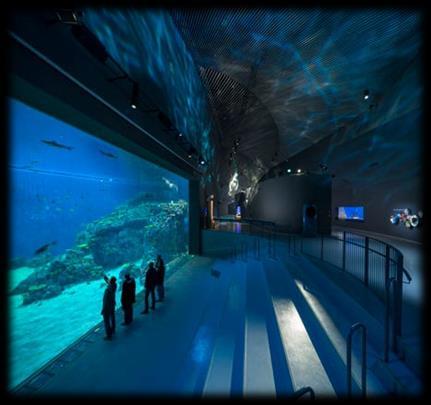
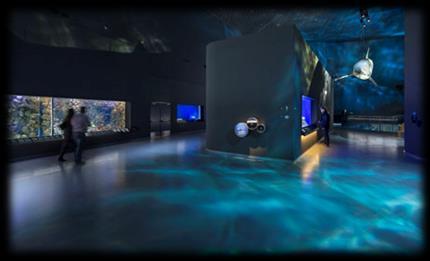
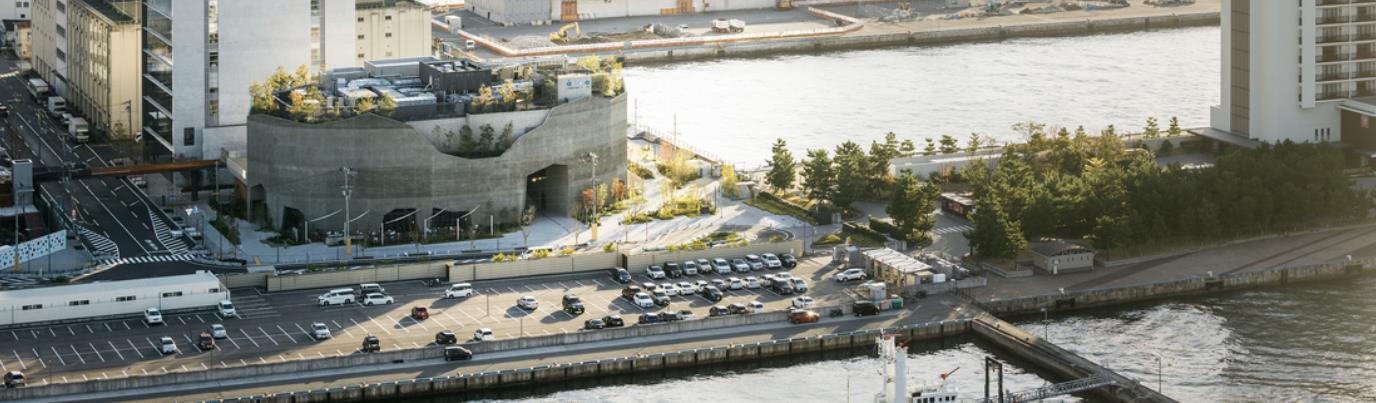
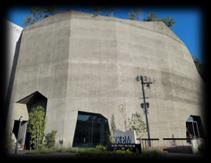
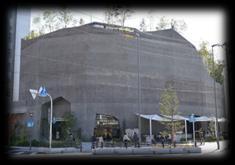
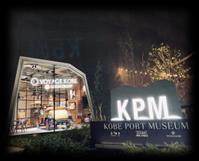
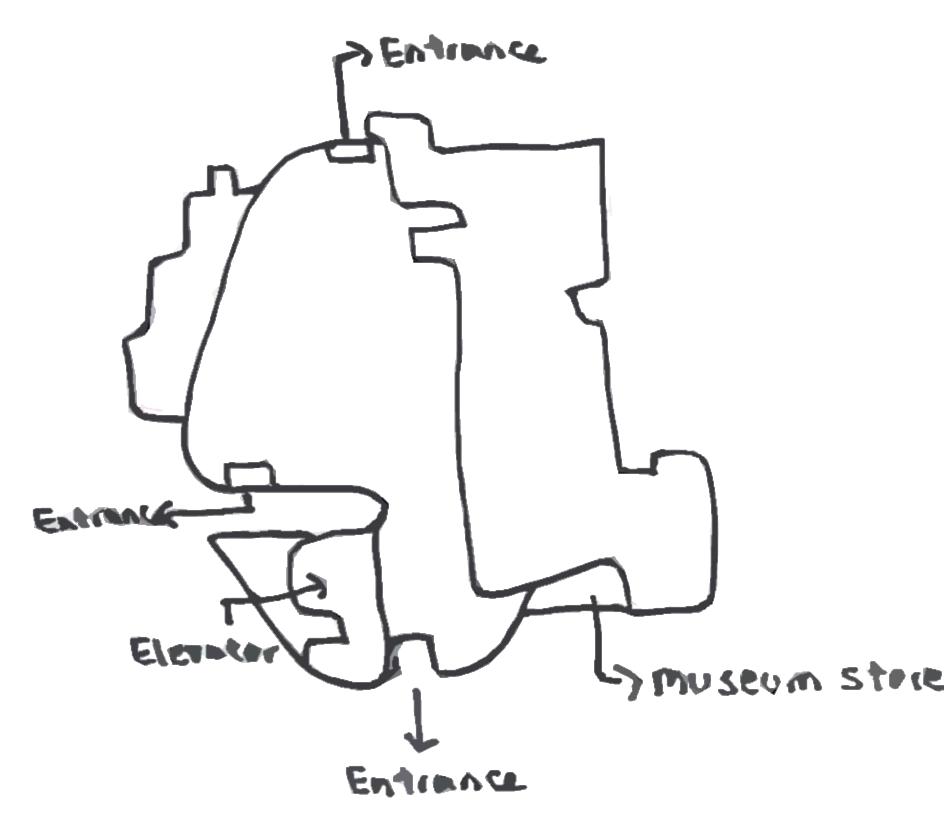
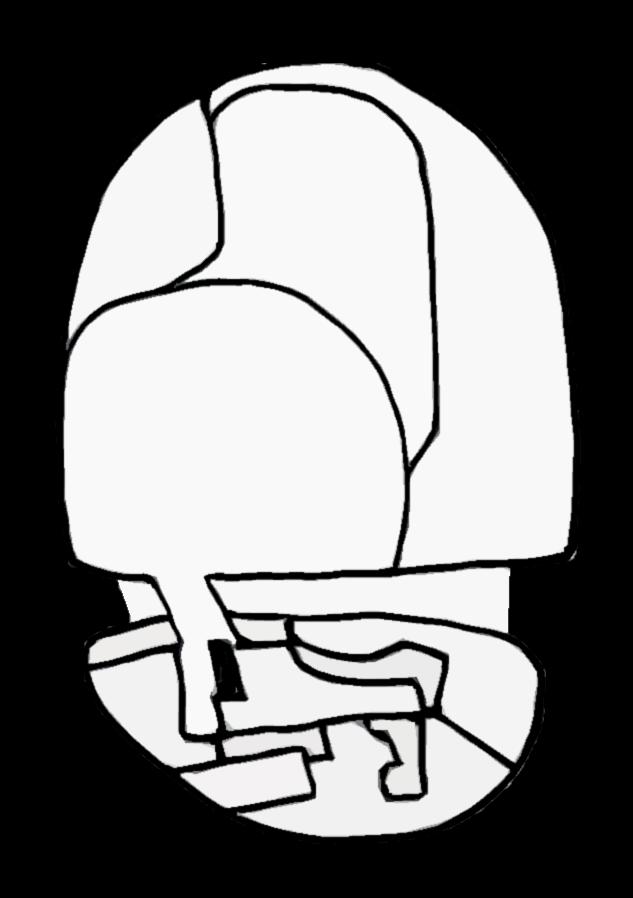
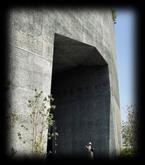
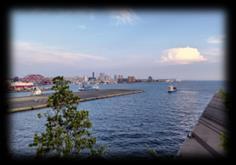
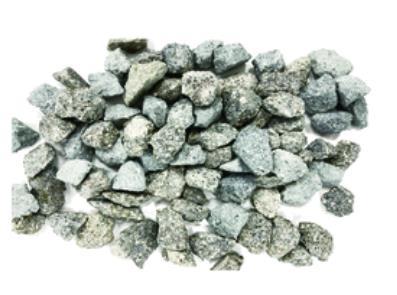
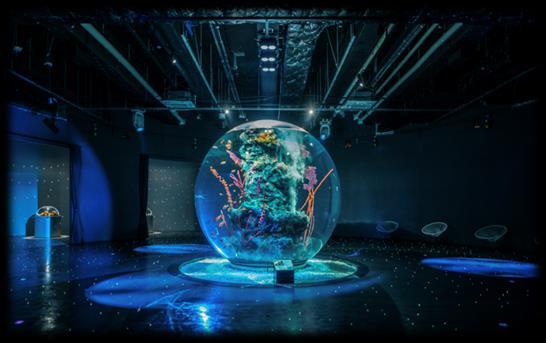
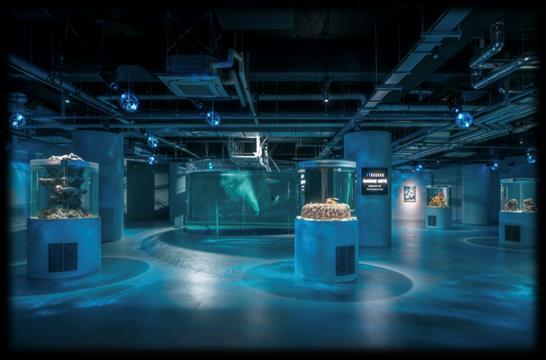
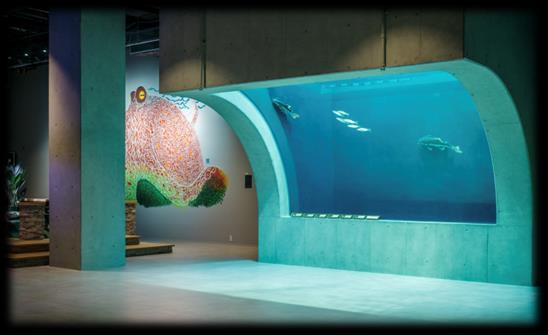
This cultural facility containing a wedding venue and an aquarium was designed by Taisei Architects. One of the most interesting elements of this design is use of materials found in the sea to create the architecture such as sea aggregate. Something that is also useful in regards to my own aquarium design is that this building is established near a body of water, in the same manner as my chosen site. I can see how architecture works around water in relation to the appropriate distance it should be and what else is included in the surrounding area.
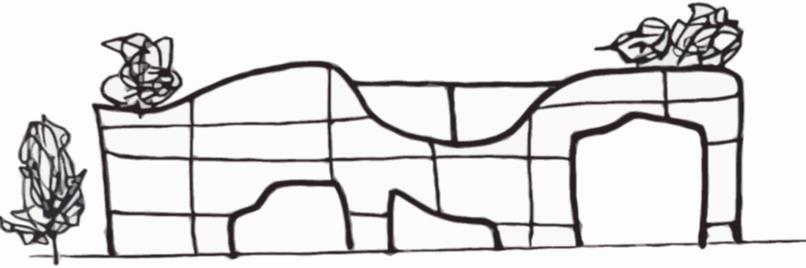
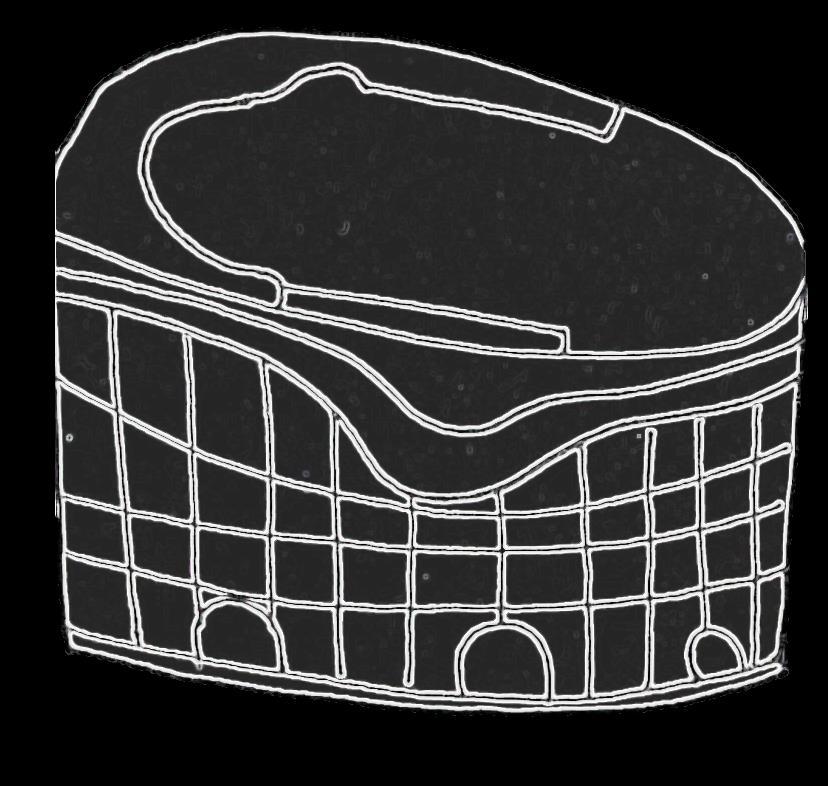
In terms of the interior design, they also like the previous aquarium feature very stereotypical aesthetics with the blue hues. However, this interior appears more brutalist in styles with exposed concrete and open ceilings allowing people to see the wiring of the facility.