Age-Friendly Leadership Academy Course Companion

2022-2023

Table of Contents 3 Welcome......................................................................... 4 Leadership Academy Content......................................... 8 Academy Calendar ....................................................... 12 Participating Communities ............................................ 15 Mentors......................................................................... 16 Faculty .......................................................................... 17 Academy Participants ................................................... 18 Participant Project List .................................................. 22 Participation Expectations............................................. 24 Frequently Asked Questions ......................................... 25
Welcome to AARP’s Inaugural Age-Friendly Leadership Academy!
AARP’s Network of Age Friendly States and Communities is pleased to extend this opportunity to support community leaders in their efforts to grow their age friendly knowledge and skills. As we face increasing challenges and complexities in our work, we can find resources, information, and camaraderie in others who are engaged in similar efforts around the country. The Leadership Academy is an innovative approach to convening those of you poised to take a fresh look at ways to address your community’s goals and objectives more effectively and efficiently. Each community will submit to have two people participate. Having a representative from both the built and social/service environments.
Over the course of 10 months, the Academy will offer up to date, relevant content delivered by recognized experts, researchers, and peers. Throughout the leadership academy, you will hear how a diversity and inclusion lens can be applied to all aspects of age friendly community development. We will also include a focus on data and metrics in all areas to help you develop an evaluation plan that fits with your community. Other topics that will be covered include:
• Equitable Age Friendly Community Development
• Engaging the Community and Partners
• Age Friendly Economic Development Strategies
• Parks and Public Spaces
• Transportation
• Housing
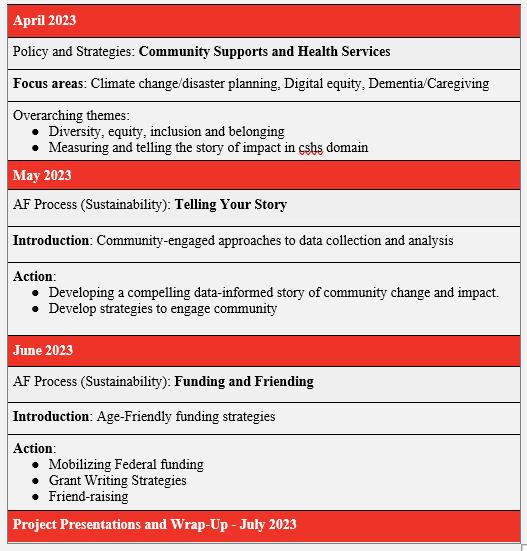
• Community Supports and Health Services
• Funding and Friending
• Telling Your Story
There will be multiple ways to network with colleagues to share ideas and insights and brainstorm about current issues and strategies. In addition, each participating pair will have an opportunity to work together on a specific community project, leveraging the expertise of the Academy faculty, mentors, and peer participants in support of your initiative.
The link to the Academy’s Course Companion is here for additional information about the program and the 2022 2023 timeline. We invite you to explore the myriad possibilities of how you and your community can benefit from the experience!
For questions, please contact me at warmbruster@aarp.org Welcome and thank you for participating!
Bill Armbruster
AARP
Senior Advisor, Livable Communities Program Manager, AARP Network of Age Friendly States and Communities
For questions or more information, please contact warmbruster@aarp.org
4
5
Introduction to the Leadership Academy
Age-Friendly Leadership Academy
Building expertise and networks within and across sectors and communities Vision
Through the Age Friendly Leadership Academy (AFLA), we will share ideas and innovations across a national network of age-friendly communities, learning from one another and from content experts to promote widespread adoption of agefriendly practices and initiatives that span the built, social, and service environments.
What is the goal of the Age-Friendly Leadership Academy?
Over the past decade, early AARP Network of Age Friendly States and Communities (NAFSC) members have developed sustainable, inclusive leadership models; launched cross sector community partnerships; and leveraged funding, organizational support, and volunteers to implement changes that improve the health and well-being of individuals and families. With the continued growth of the network and increasing complexity of local environments, there is a growing need for structured networking and learning opportunities to highlight age friendly practices and innovations. The AFLA brings together AARP resources and subject matter expertise with age friendly research and practice to spread knowledge, skills, and ideas among current and future NAFSC members. Shared learning deepens network relationships, generates ideas and collaborations, and builds trust and respect among diverse participants, adding significant value to the learning experience.
Why an Age-Friendly Leadership Academy?
The age friendly states and municipalities movement is a paradigm shifting innovation in how we envision, plan, and construct communities and the services and amenities they offer people. While the Members Portal is facilitating connections and experience-sharing among a broad range of age-friendly participants, the AFLA offers opportunities for even deeper learning and networking. Prospective AFLA attendees are from age friendly communities poised for additional content knowledge or resources, or that wish to develop or revitalize current programs and initiatives with updated approaches adapted for greater diversity, inclusion, complexity, and collaboration, and sustainability.
6
What is the program structure and curriculum?
With age friendly researchers, content experts, and community leaders, the AFLA offers a series of monthly shared learning and networking opportunities, with a structured curriculum covering primary age-friendly focus areas in the built, services, and social environment. The curriculum covers economic development, public spaces, public safety, housing, and transportation all with a diversity, equity, and inclusion lens. As part of the curriculum and in partnership with mentors, participants will develop or expand upon specific projects related to their community needs.
Who are the prospective Age-Friendly Leadership Academy participants?
During the pilot phase of the program, prospective AFLA participants will be recruited from the built, social, and service sectors of communities identified by AARP state offices. Each community will send two representatives one from the built environment, such as planning, housing or recreation, and one from the services environment, such as aging services or other backbone agencies that can move the local work forward. At least one representative will be from municipal government.
What are the benefits?
The AFLA provides an opportunity to link expertise and resources across AARP with academic and community expertise, accelerating and widening the spread of age friendly knowledge, skills, and initiatives. AFLA participants will be recognized for their commitment to engaging in the Academy. Cohorts of AFLA-alumni will remain connected through the AgeFriendly Portal, ongoing networking, and by sharing their expertise, experiences, and best practices with other NAFSC members. The AFLA faculty and participants will augment the Members Portal library with an array of relevant updated resources that will be the “go to” source for diverse age-friendly communities and organizations across the country.
When does it start?
The AFLA is projected to kick off in October 2022 with an overview of the program. Thereafter, learning, networking, workshop, and collaboration opportunities will be available monthly throughout the year.
7
Leadership Academy Content
October 2022
Introduction to Age Friendly
Goal: Establish the context for the two primary themes of DEI and measurement that will be woven throughout the leadership academy.
November 2022
Age Friendly Process: Equitable Age Friendly Community Development: Engaging the Community and Partners
Introduction: Community engagement
strategies
Topic materials will include volunteer engagement strategies and navigating local politics. Focus on inclusion
Action:
•Identify strategies to develop partnerships, with an emphasis on the key role of municipal (public) sector
•Identify strategies to include voices that are traditionally silenced
•Develop inclusive communication and information strategies
December 2022
Policy and Strategies: AF Economic Development
Introduction: Longevity Economy
Action: Identify strategies to partner with businesses (e.g., age and dementiafriendly businesses and age friendly employer programs; training programs and other efforts to bring older workers into the workplace, etc.) and to develop diversity and equity approaches to economic development.
8
January 2023
Policy and Strategies: Parks and Public Spaces
Introduction: Parks, Trails, Public Buildings
Includes business and economic impact of increasing access to public spaces and buildings. Includes accessibility and partnering with DFA.
Action: Identify strategies to foster an age-friendly built and service environment as part of your approach to improving the outdoor spaces and public buildings domain.
Overarching themes:
•Diversity, equity, inclusion and belonging
•Measuring and telling the story of impact in public spaces
February 2023
Policy and Strategies: Transportation
Introduction: Public transit encouraging use by residents of all abilities and income levels.
Policy: Complete Streets, Vision Zero
Includes on-demand transportation systems
Action: Develop housing strategies to meet the lifespan needs of diverse residents.
Overarching themes:
•Diversity, equity, inclusion and belonging
•Measuring and telling the story of impact in transportation domain
March 2023
Policy and Strategies: Housing
Introduction: Housing for changing needs, workforce housing issues
Policy: Inclusionary Zoning, Form Based Codes, etc.
Includes missing middle, ADUs, congregate housing, universal design, etc.
Action: Develop housing strategies to meet the lifespan needs of diverse residents.
Overarching themes:
•Diversity, equity, inclusion and belonging
•Measuring and telling the story of impact in housing domain
9
10
11
Academy Monthly Calendar
Zoom links are clickable and active
Leadership Academy Orientation
❑ October 11, 2022, 12:00 noon to 2:30 pm ET (2d Tuesday)
❑ Zoom link Meeting ID: 944 2564 2881 Passcode: NAFSC
Faculty Module Presentations
❑ 2d Tuesday of each month except November (November 2022 through July 2023) 1:00 2:30 pm ET. *November meeting will be November 1, 2022
❑ Zoom link Meeting ID: 944 2564 2881 Passcode: NAFSC
Faculty and Mentor “Drop-Ins” – All welcome
❑ 3rd Tuesday of every other month (November, January, March, May) 1:00 to 2:00 pm ET
❑ Zoom link Meeting ID: 944 2564 2881 Passcode: NAFSC
10
12
M T W Th F 3 4 5 6 7 10 11 12 13 14 17 18 19 20 21 24 25 26 27 28 M T W Th F 31 1 2 3 4 7 8 9 10 11 14 15 16 17 18 21 22 23 24 25 M T W Th F 1 2 5 6 7 8 9 12 13 14 15 16 19 20 21 22 23 M T W Th F 2 3 4 5 6 9 10 11 12 13 16 17 18 19 20 23 24 25 26 27 M T W Th F 1 2 3 6 7 8 9 10 13 14 15 16 17 20 21 22 23 24 M T W Th F 1 2 3 6 7 8 9 10 13 14 15 16 17 20 21 22 23 24 M T W Th F 3 4 5 6 7 10 11 12 13 14 17 18 19 20 21 24 25 26 27 28 M T W Th F 1 2 3 4 5 8 9 10 11 12 15 16 17 18 19 22 23 24 25 26 M T W Th F 1 2 5 6 7 8 9 12 13 14 15 16 19 20 21 22 23 M T W Th F 3 4 5 6 7 10 11 12 13 14 17 18 19 20 21 24 25 26 27 28 October 2022 November 2022 December 2022 January 2023 February 2023 March 2023 April 2023 May 2023 June 2023 July 2023 13 Faculty module presentations Faculty mentor drop in sessions Academy Orientation session Click on date to access Zoom sessions Meeting ID: 944 2564 2881 Passcode: NAFSC

14
Academy Participating Communities
So. Portland, ME (Town) Minneapolis, MN (City) Bismarck, ND (City) Tucson, AZ (City)
Providence, RI (City) Hennepin, MN (County) Sioux Falls, SD (City) Macon-Bibb, GA (County)
Albemarle, VA (County) Laramie, WY (City) Albuquerque, NM (City) Meridian, ID (City)
Mount Airy, NC (City) Larimer, CO (County) Orlando, FL (City)
15
Academy Mentors
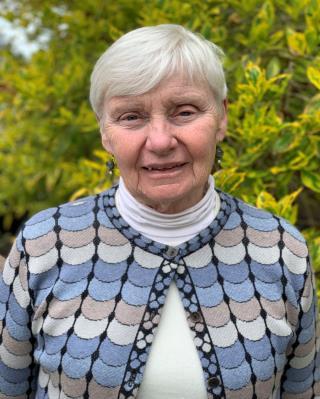
Kathy Black
AARP Florida Age-Friendly Communities Liaison Professor, School of Aging Studies, College of Behavioral & Community Sciences
Contact: kathy@usf.edu
Alan DeLaTorre

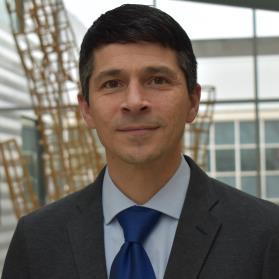


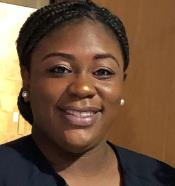
Age-Friendly City Program Manager
City of Portland Bureau of Planning and Sustainability
Contact: aland@pdx.edu
Contact: gail.kohn@dc.gov
Contact: laura@agefriendlypgh.org
Contact: sheldon.127@osu.edu
Office of Civil Rights |City of Austin
Contact: ms.tdonald@gmail.com
Gail Kohn
Age-Friendly DC Coordinator Office of the Deputy Mayor for Health & Human Services Executive Office of Mayor Muriel Bowser
Laura Poskin
Executive Director
Age Friendly Greater Pittsburg
Marisa Sheldon Ohio State University, College of Social Work Director, Age Friendly Innovation Center Director, Age Friendly Columbus and Franklin County
Tabitha Taylor
Business Process Consultant, Sr.
16
17
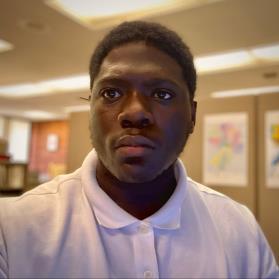
Academy Participants
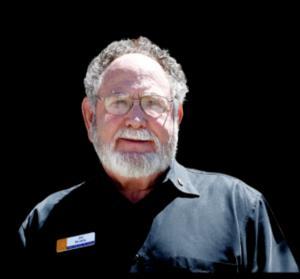

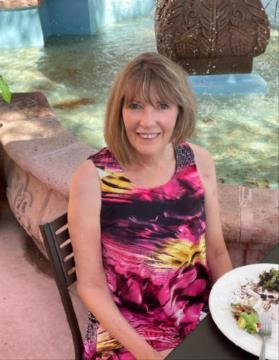
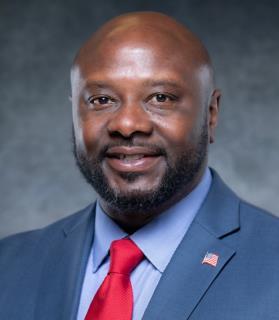
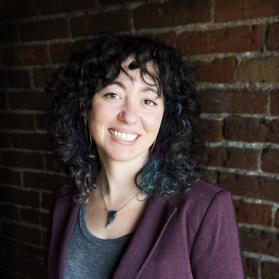
18
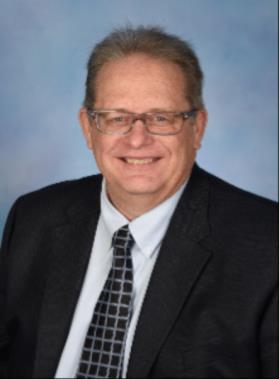
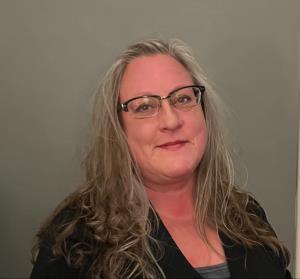
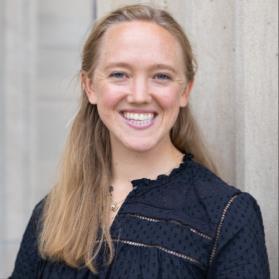
Claudia Frotton Claudia.Frotton@Tuc sonaz.gov
Jim Murphy jmurphytsn@gmail.com
Alea Rodriguez rodrigal@co.larimer.co.us Lorye McLeod ed@pafclarimer.org
Tristan Ruby truby@seniorsfirstinc.org Paul Lewis paul.lewis@cityoforla ndo.net
Karen Middleton kmiddleton@maconh ousing.com
Gregory L. Brown gbrown@mbpz.org
Tucson, Arizona
Larimer County, Colorado Orlando, Florida Macon-Bibb County, Georgia

19
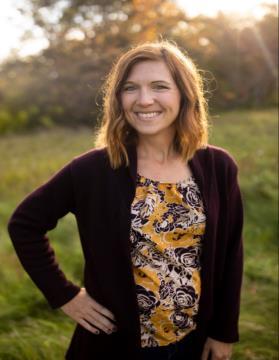
Cluff Jcluff@meridiancity.org Sahand Keshavarz Rahbar sahandkr@meridianc ity.org
Portland, Maine Lisa M. Joyce ljoyce@southportland.org Tony Grande agrande@vhb.com
County, Minnesota Natalie Vandenburgh natalie.vandenburgh @hennepin.us Monica Royston Ruckett monica.roystonrucket t@hennepin.us
Kendrick Christina.Kendrick@ minneapolismn.gov
Jake
Meridian, Idaho So.
Hennepin
Minneapolis, Minnesota Christina
Academy Participants


20
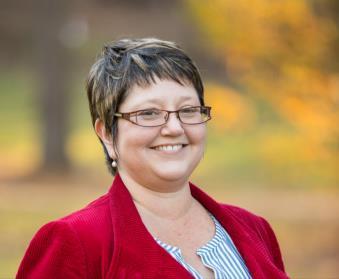
Peter Raymer
praymer@mountairy.org
kjohnke@bismarcknd
Darren Lewis dlewis@mountairy.org Katie Johnke
.gov Ben Ehreth behreth@bismarcknd.gov Seth Tinkle sethtinkle@cabq.gov Agnes Vallejos ajvallejos@cabq.gov Mount Airy, North Carolina Bismarck, North Dakota Albuquerque, New Mexico Providence, Rhode Island
Ryy
Dickerson Rdickerson@providenceri. gov
Sue Robbio srobbio@providenceri.gov
Academy Participants



21
Stacy Pethia spethia@albemarle.org
Bernard A. Steinman bsteinm1@uwyo.edu
Fletcher Lacock flacock@siouxfalls.org
Shelby Kommes skommes@siouxfalls.org
Sioux Falls, South Dakota
Albemarle County, Virginia
Laramie, Wyoming
Tricia Suszynski tsuszynski@albemarle.org
Jennifer Baier jbaier@aarp.org
Participant Project List – by project Sector Participant Mentor Housing Addressing Middle Housing Larimer Cty, CO Gail Kohn Parking Code/ADU/or Lot size Bismarck, ND Alan DeLaTorre Connecting Seniors to Affordable Housing and Transportation Macon Bibb Cty, GA Gail Kohn Transportation High Visibility Safety Education So. Portland, ME Marissa Sheldon Transportation access and public space activation Providence, RI Marissa Sheldon Parks and Public Spaces Development of Shared use path for Active Generations Sioux Falls, SD Marissa Sheldon Planning Master Plans for Downtown, Pedestrian, Parks and Recreation Mount Airy, NC Alan DeLaTorre Community Planning Area Assessments Albuquerque, NM Alan DeLaTorre Age Friendly Tucson Action Plan 2019 2024 Tucson, AZ Kathy Black Building Community Communities of Care through the Built Environment Albemarle Cty, VA Kathy Black Age Friendly Policy Analysis Hennepin, MN Minneapolis, MN Tabitha Taylor Age-Friendly Commerce Laramie, WY Laura Poskin Project Home Orlando, FL Laura Poskin Engage at Every Age Meridian, ID Tabitha Taylor 22
23 Participant Project List – by mentor group Mentor Participant Project
Black Tucson, AZ Age Friendly Tucson Action Plan 2019 2024 Albemarle Cty, VA Communities of Care through the Built Environment Alan DeLaTorre Mount Airy, NC Master Plans for Downtown, Pedestrian, Parks and Recreation Bismarck, ND Parking Code/ADU/or Lot size Albuquerque, NM Community Planning Area Assessments Gail Kohn Macon Bibb Cty, GA Connecting Seniors to Affordable Housing and Transportation Larimer Cty, CO Addressing Middle Housing
Poskin Orlando, FL Project Home Laramie, WY Age Friendly Commerce Marissa Sheldon So. Portland, ME High Visibility Safety Education Providence, RI Transportation access and public space activation Sioux Falls, SD Development of Shared use path for Active Generations
Taylor Meridian, ID Engage at Every Age Hennepin, MN Minneapolis, MN Age Friendly Policy Analysis
Kathy
Laura
Tabitha
Participation Expectations
Attendance
Academy participants are expected to attend the monthly faculty presentations and as many of the four drop in sessions as possible to get the most out of the Academy experience. If faculty have assigned readings, please review the readings in advance of the presentation. Presentations will not be recorded. Repeated absences will be addressed on a case by case basis.
Portal discussions
All attendees are expect to participate in portal discussion regularly throughout the Academy by posting questions or discussion topics and responding to the posts of others. Faculty and mentors will also participate in the portal conversations to be a resource for attendees.
Networking
One of the primary benefits of the Academy is the opportunity to meet colleagues around the country with similar interests! The Academy program staff hope you all take advantage of the opportunity to learn from each other and develop professional relationships.
Evaluation and Feedback
Since this is the first Academy cohort, we will look to you for regular feedback on your experiences and how future Academy sessions can be improved. We will have periodic check-ins during the 10 months and a formal evaluation survey after its completion.
Alumni networking
One of the benefits of participation in the Academy is to build relationships with other AF communities and create communities of practice and knowledge sharing. As the number of Academy participants grows, we hope all participants will benefit from being in touch with AF colleagues.
24
Frequently Asked Questions
Q: Will there be any in-person gatherings?
A: While we hope to convene in-person for the “graduation”, a final decision will depend on Covid-19 considerations and funding availability to support travel and lodging.
Q: How often will I receive Academy-related communication between sessions?
A: Periodic reminders and updates will be sent, but you are expected to have the sessions and the drop in sessions on your calendar and to coordinate with your mentor about meeting dates and times
Q: What level of enagement is expected?
A: It is expected that participants will attend each faculty presentation as prepared as possible and having reviewed the suggested readings. Academy participants are expected to participate in the online discussions periodically so you can share your knowledge and learn from others.
Q: What if I cannot complete the Academy?
A: Please let us know if work or life circumstances prevent you from completing the Academy and we can discuss next steps.
Q: Is there a certification for completing the Academy?
A: Yes, a certificate of completion will be awareded at the graduation ceremony
Q: Is there a badge of recognition for AF communities that have participated in the Academy?
A: Yes, communities will receive a logo they can display on their age friendly websites or on social media
Q: Are there future expectations for Academy graduates?
A: There are many ways that Academy graduates could support the growth and improvement of future cohorts. We expect you to particpate meaningfully in Academy evaluation surveys and we hope you will be available to provide recommendations for future attendees. 25
25