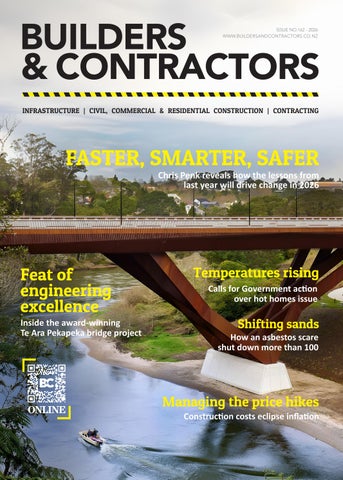
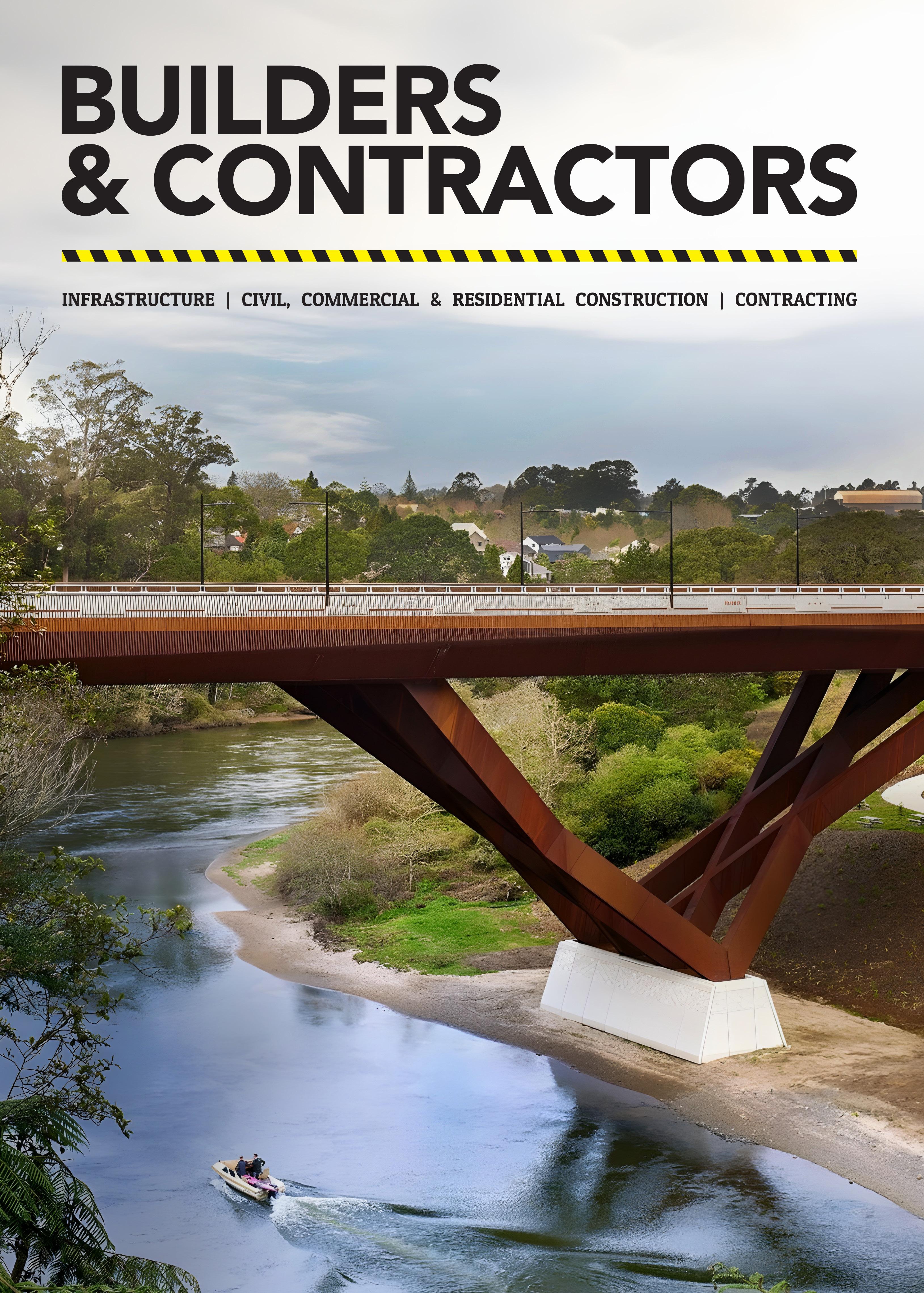
Chris Penk reveals how the lessons from last year will drive change in 2026
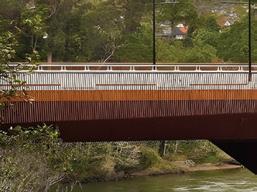
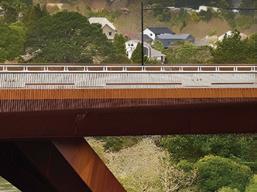
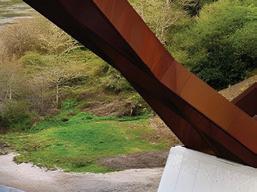
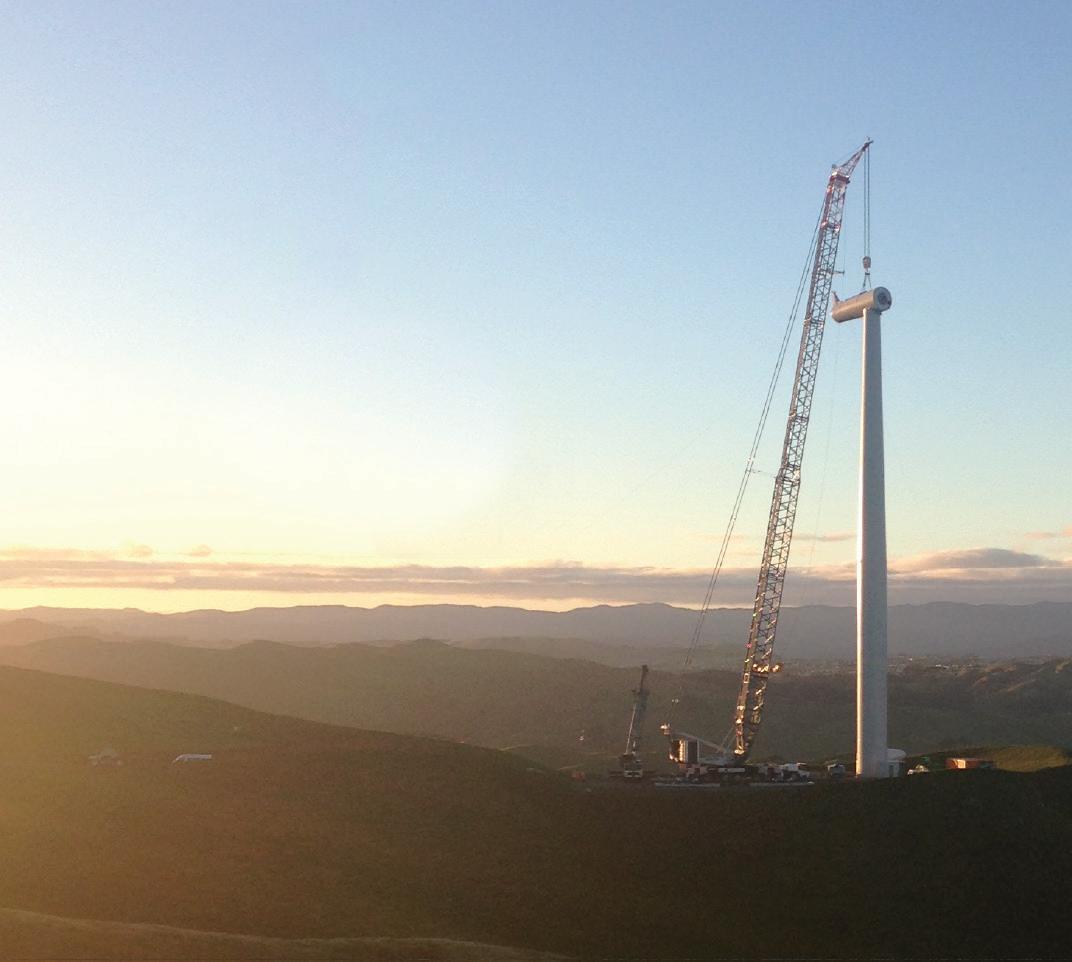
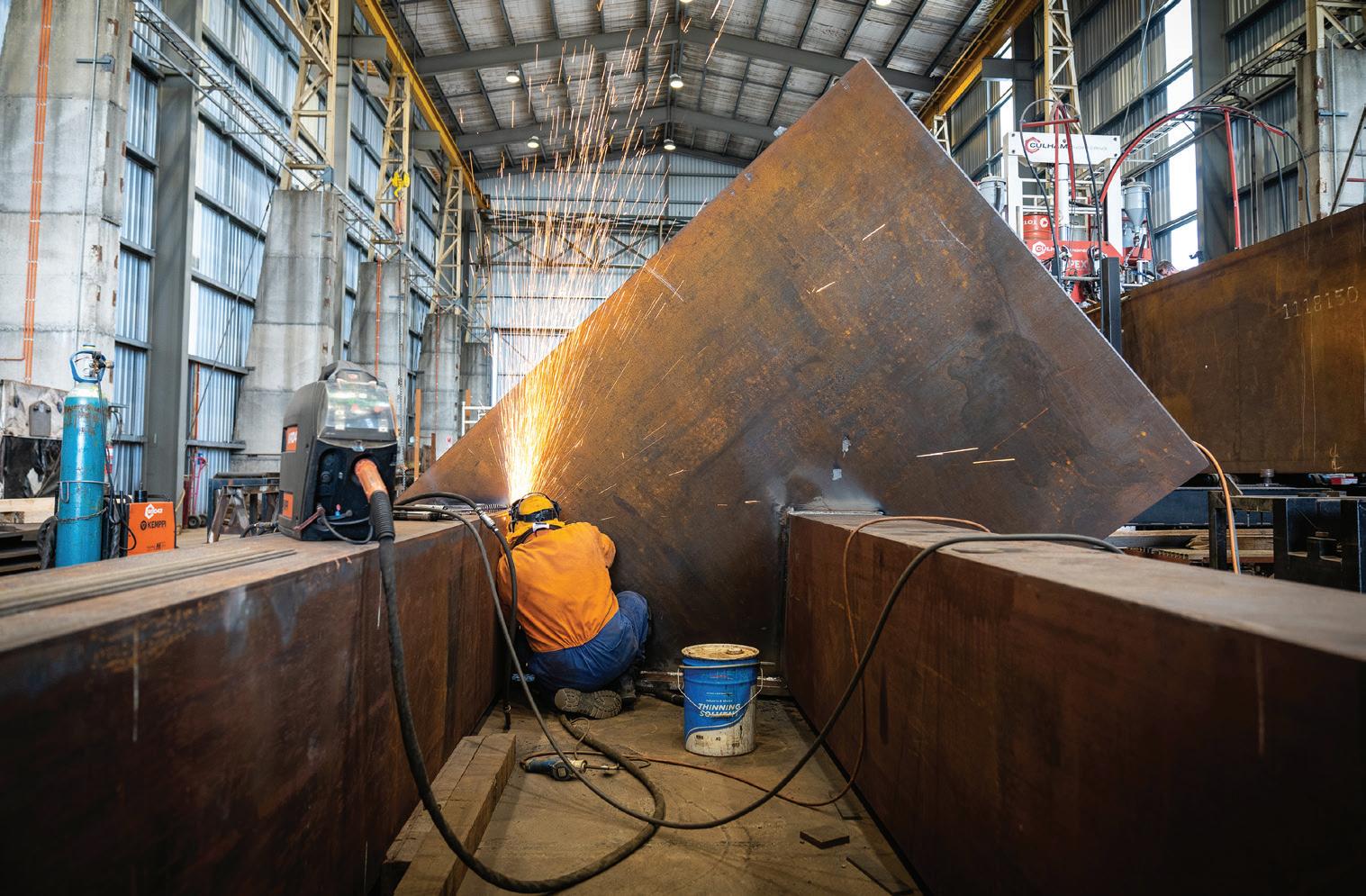
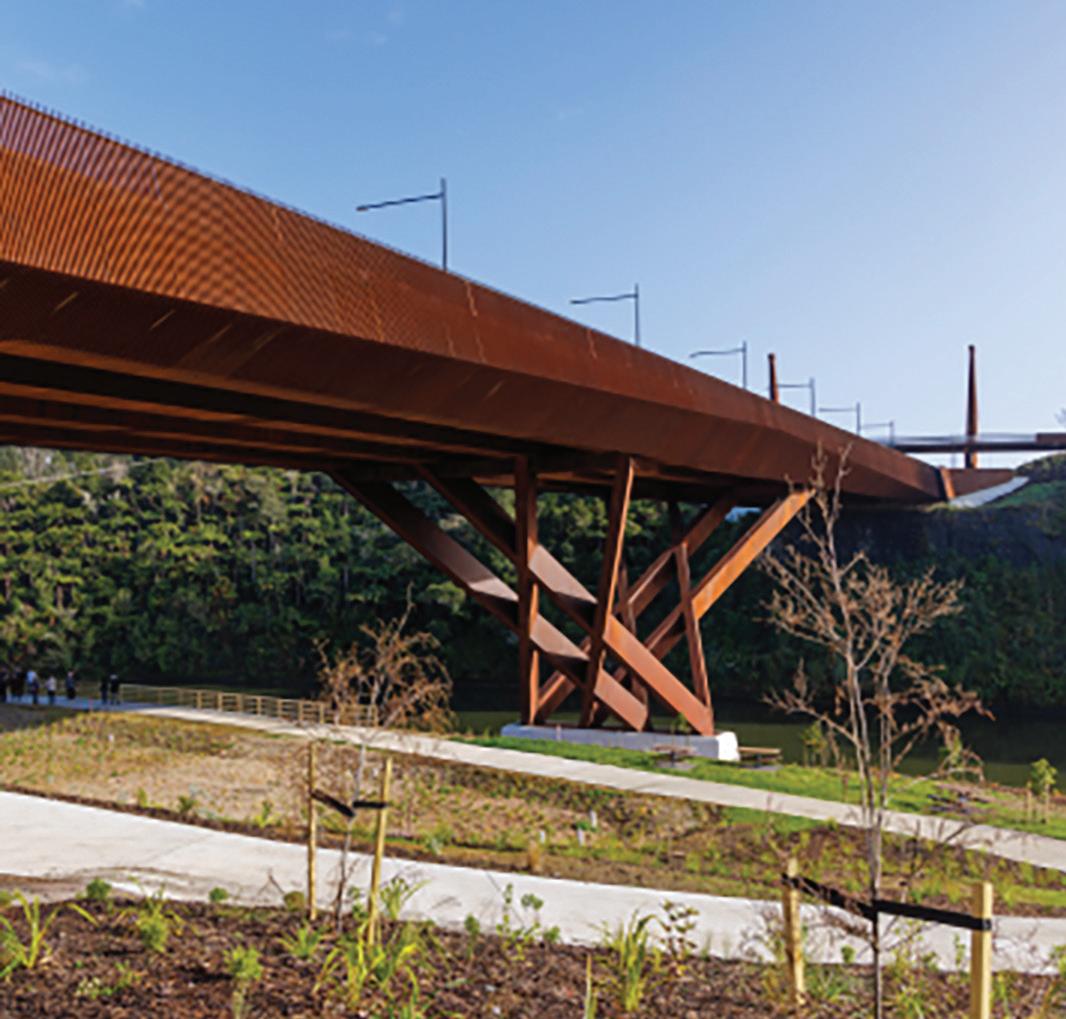
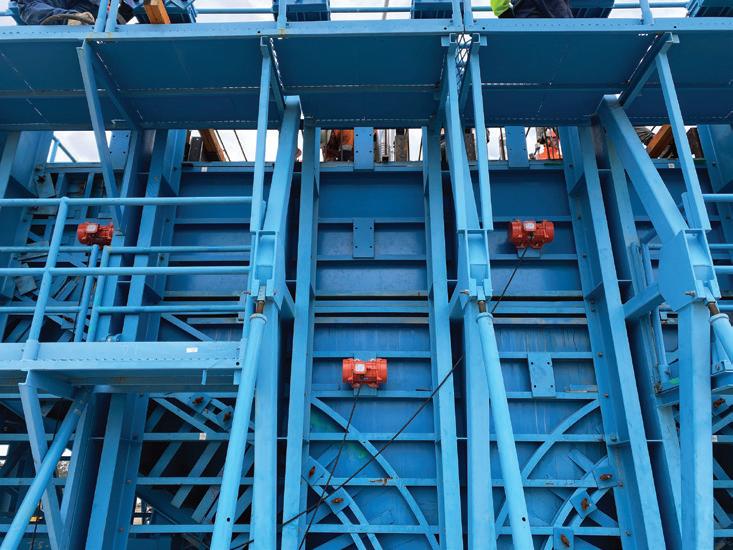
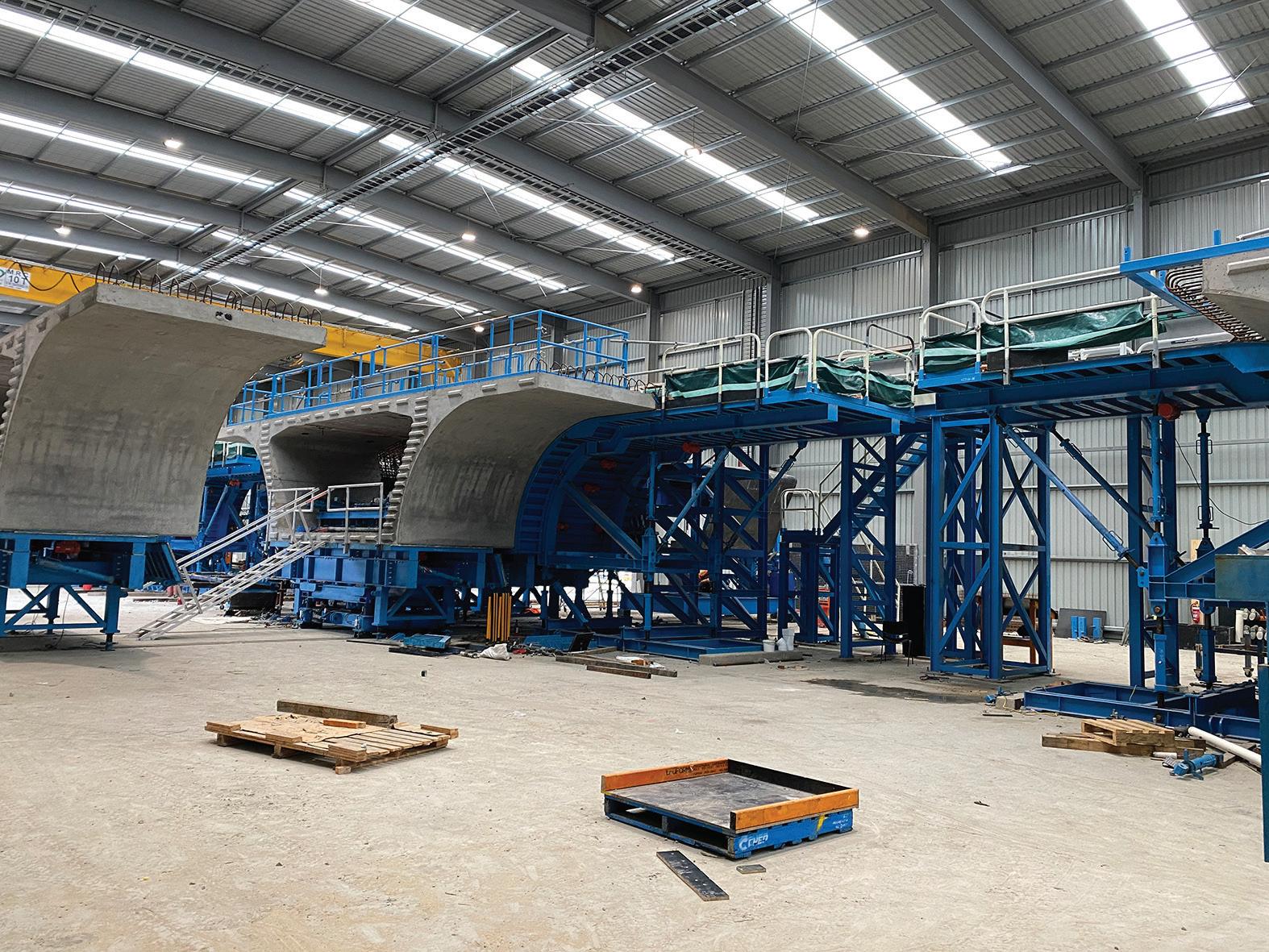
Feat of engineering excellence
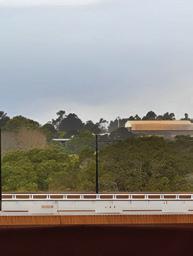
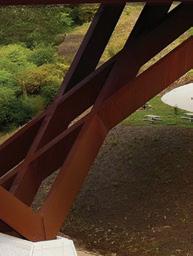
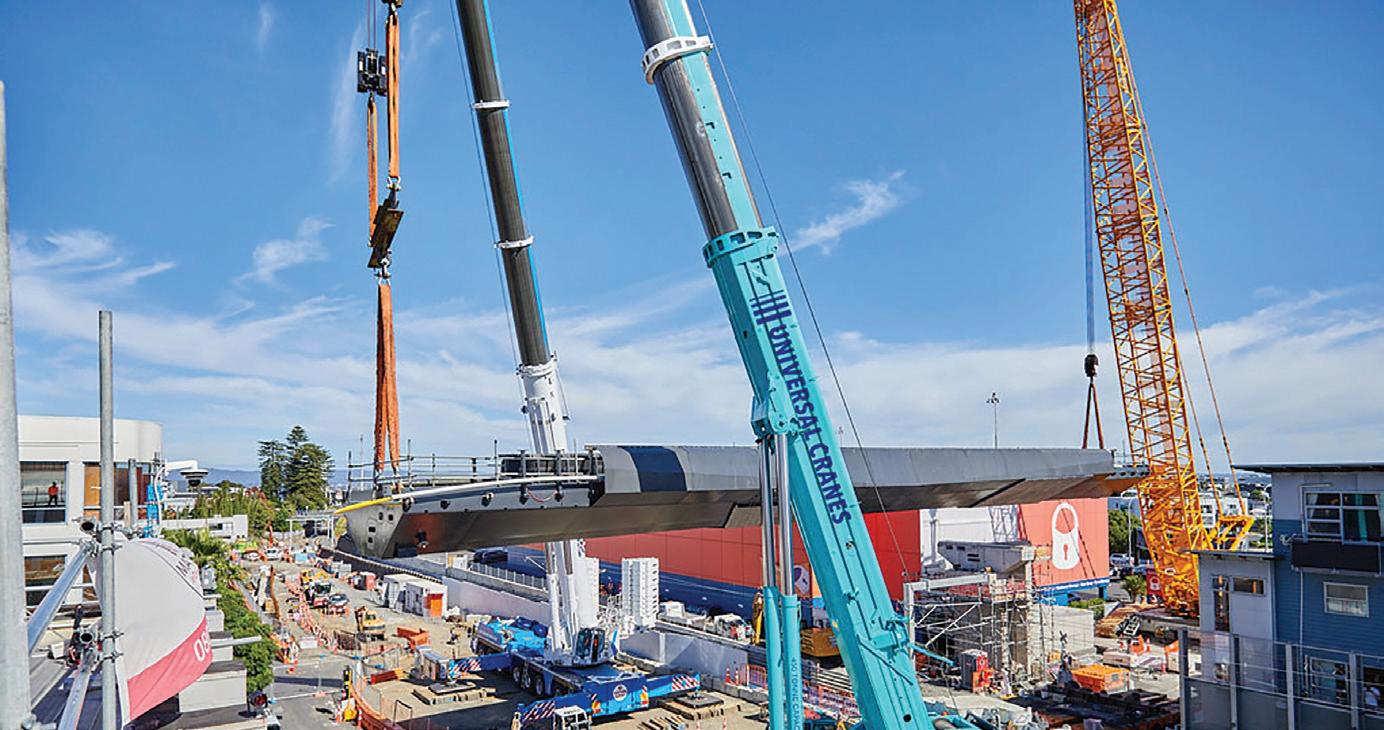
Inside the award-winning Te Ara Pekapeka bridge project
Temperatures rising
Calls for Government action over hot homes issue
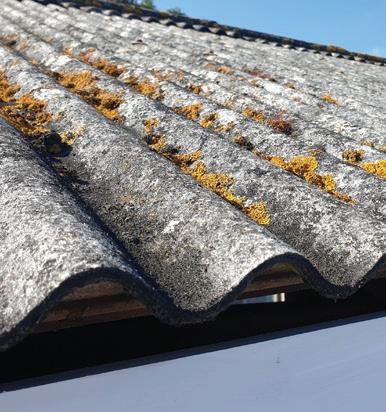
Shifting sands
How an asbestos scare shut down more than 100
Managing the price hikes
Construction costs eclipse inflation
Experience You Can Trust
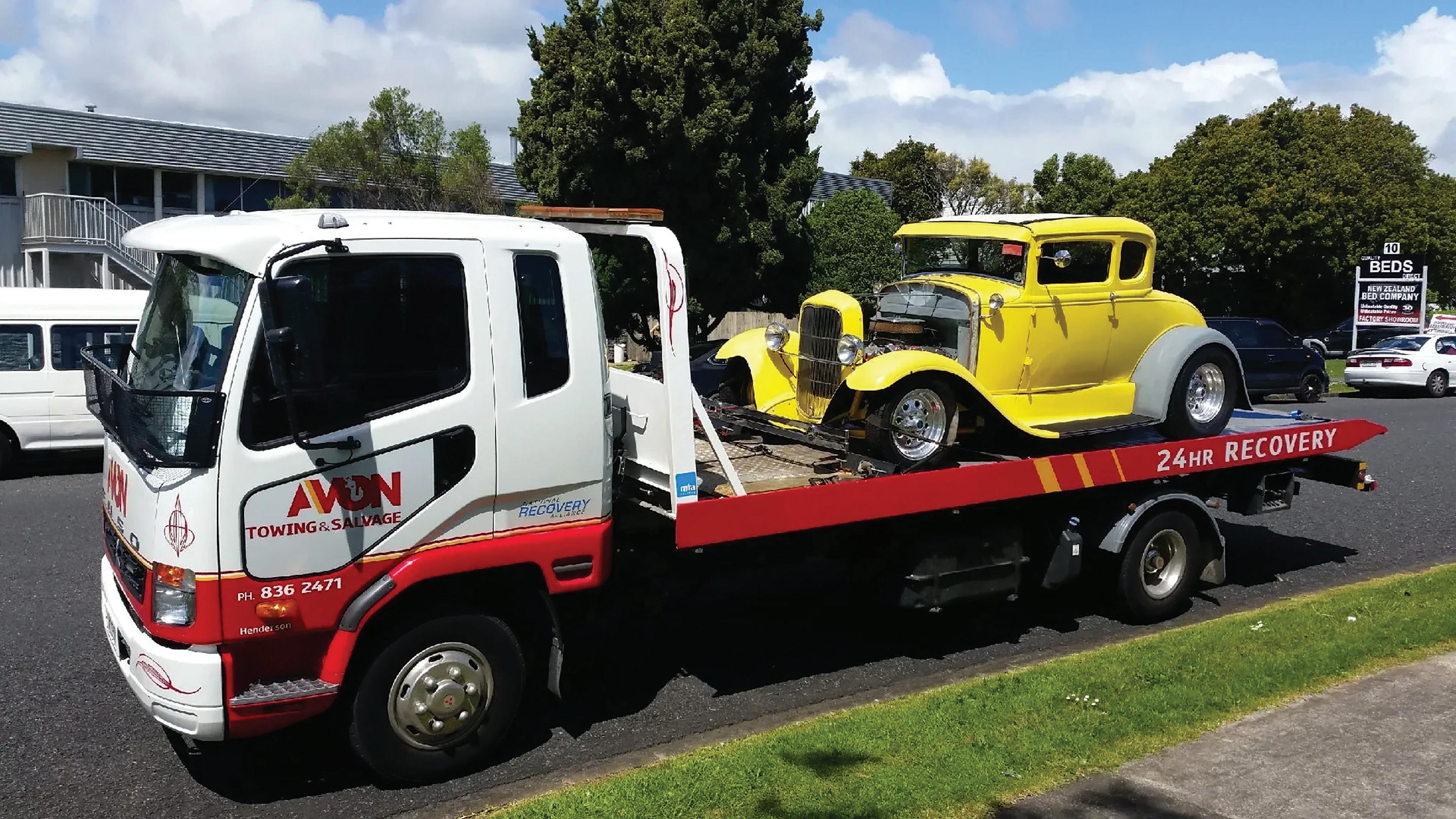
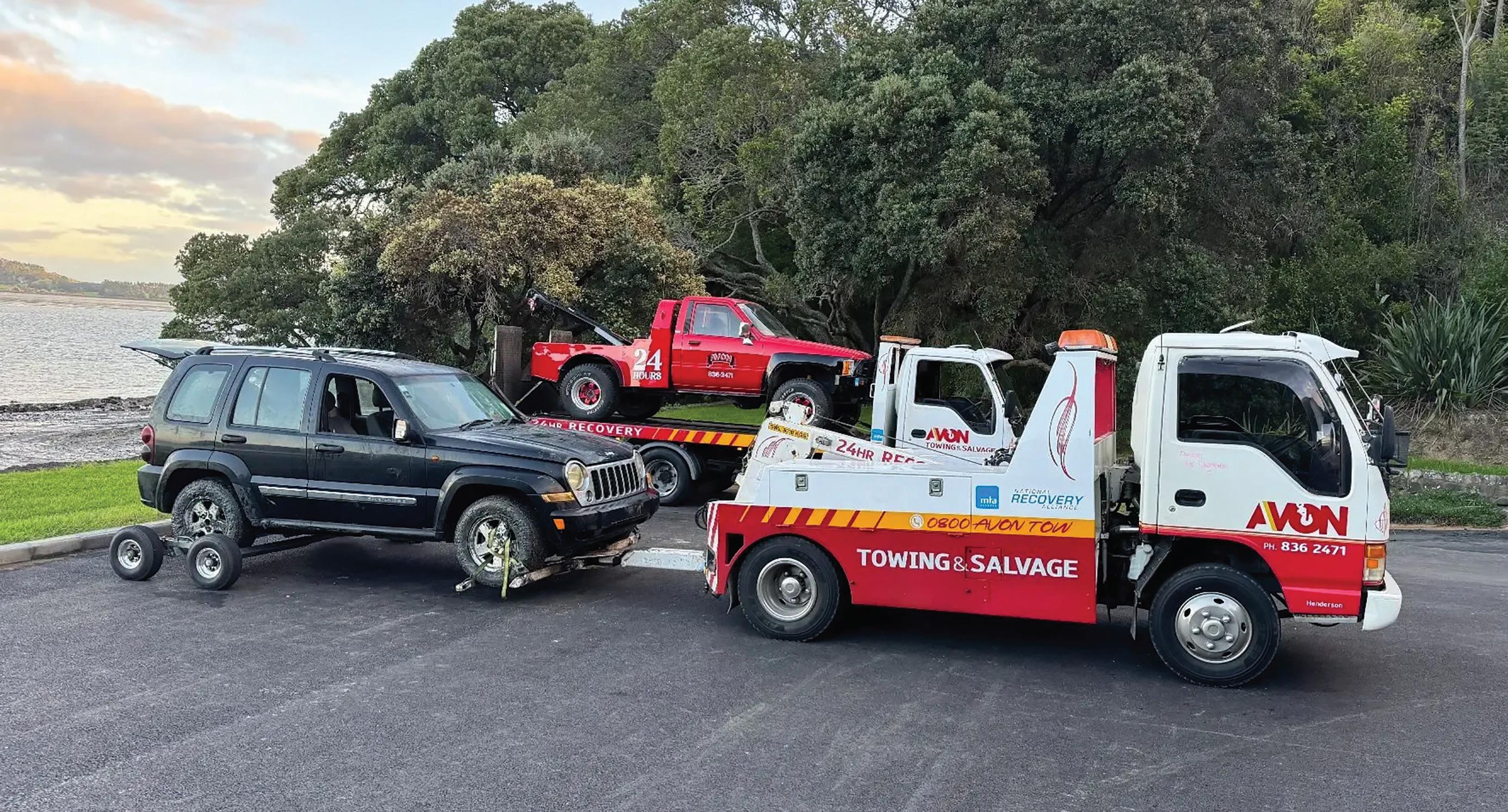
Avon Towing & Salvage provides fast, reliable Auckland towing services. Trusted by the New Zealand Police our staff are experienced and background-checked. With fair pricing, we ensure a safe and efficient service for you.
Immediate Roadside Assistance
24/7 Across Auckland
Whether you’re in West Auckland, North Shore, Auckland Central, or beyond, our team responds quickly to get you back on the road. We provide live tracking updates so you can monitor your vehicle’s journey from pickup to safe delivery, ensuring peace of mind every step of the way.
Trustworthy and Reliable Service
With over 30 years of experience, Avon Towing & Salvage is one of Auckland’s most trusted towing services. Our friendly, dedicated team is committed to getting you and your vehicle back on the road quickly. Call 09 836 2471 for fast, reliable assistance, anytime.
• Roadside Assistance
• Jump Start
• Vehicle Recovery
• Heavy Haulage
• Vehicle Unlock
• Breakdown Recovery
• Secure Storage
• Tow Aways
• Car Towing Auckland
• 24 Hour Towing Auckland
• Accident and Recovery
• Emergency Towing Auckland
This issue of Builders & Contractors lands at a pivotal moment for New Zealand’s building and construction sector. After years of disruption, uncertainty and rising costs, the focus is shifting back to momentum — and to the practical reforms that will determine how quickly and confidently the industry can move forward.
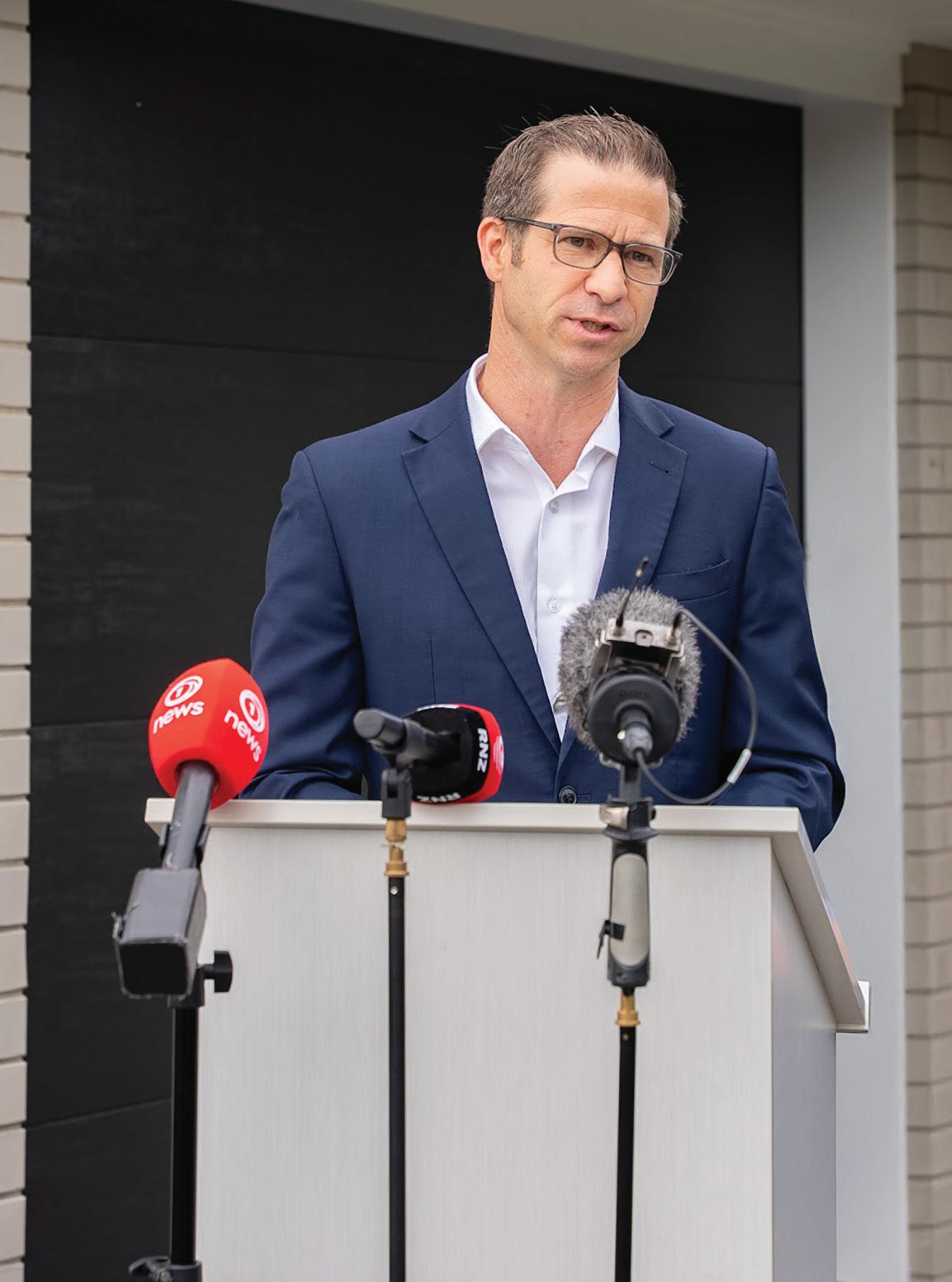
At the centre of this edition is our in-depth interview with Building and Construction Minister Chris Penk. His message is clear: the system must become faster, smarter and safer. From consent delays and inconsistent council processes to self-certification, liability reform and skills shortages, the interview tackles the issues builders raise most often — and outlines what government believes has changed, and what still must.
Whether you agree with every setting or not, the direction of travel matters. This conversation goes beyond headlines, offering insight into how policy is being shaped and how it may play out on site, in council offices, and across the wider supply chain.
Alongside this, you’ll find project stories, data, and perspectives from across the industry — all grounded in the realities of building today.
Group Editor
Phone: 021 676 320 stuart@academygroup.co.nz
8:
Industry snapshot
Consents data signals a year of transition
18: Faster, smarter, safer
Building Minister Chris Penk on cutting delays and lifting productivity
22: Infrastructure Outlook
What’s coming through the national pipeline
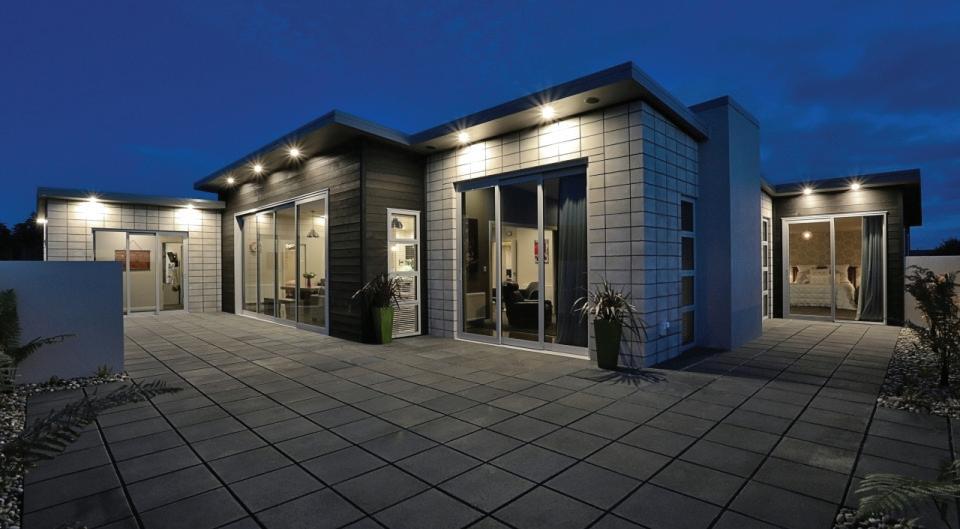
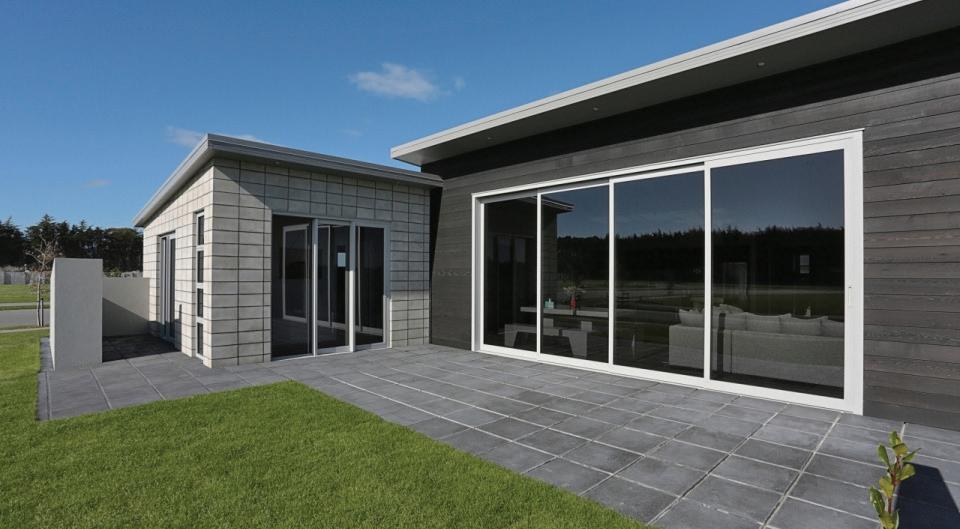
24: The future of bricks Timber might be king but brickwork is enjoying a renaissance
26: Shifting sands
How an asbestos scare shut down more than 100 schools
30: C&R Developments
A family legacy built on performance
36: Sustainability built
How the construction sector is leading the sustainability charge
40: Builder or landscaper? What defines a successful garden?
42: Civil construction careers
The foundations you need for a strong start
44: Avoid the speed bumps
What’s next for our Roads of National Significance
Builders and Contractors, a national trade newspaper targeted directly at New Zealand's building and construction industry. For some time we were aware that, although the building and related trades were generally covered individually by some trade journals, there was no amalgamated news link for trades as a whole, especially on a nationwide basis.
Readers: Construction/building industry leaders and decision makers: government & trade organisations, site safe members, business owners and professionals in the industry.
Nationwide Distribution: Mailed directly to a carefully maintained list of decision makers and subscribers for 25 years.
This void has been successfully filled by Builders & Contractors. Distribution is by way of various outlets: PlaceMakers, Mitre 10, Builders Hardware, Site Safe Members, timber companies, hire companies, together with our database direct mail drop to architects, draughting professionals, consulting engineers, building consultants, designers and local Councils. By these means we aim to reach one of the most powerful buying groups in the industry.
54: Quality Assurance
Why independent QA is gaining ground
56: Precision and partnership
Supreme-winning bridge engineering unpacked
60: Abuse, threats and violence
Why 30% of road workers feel unsafe
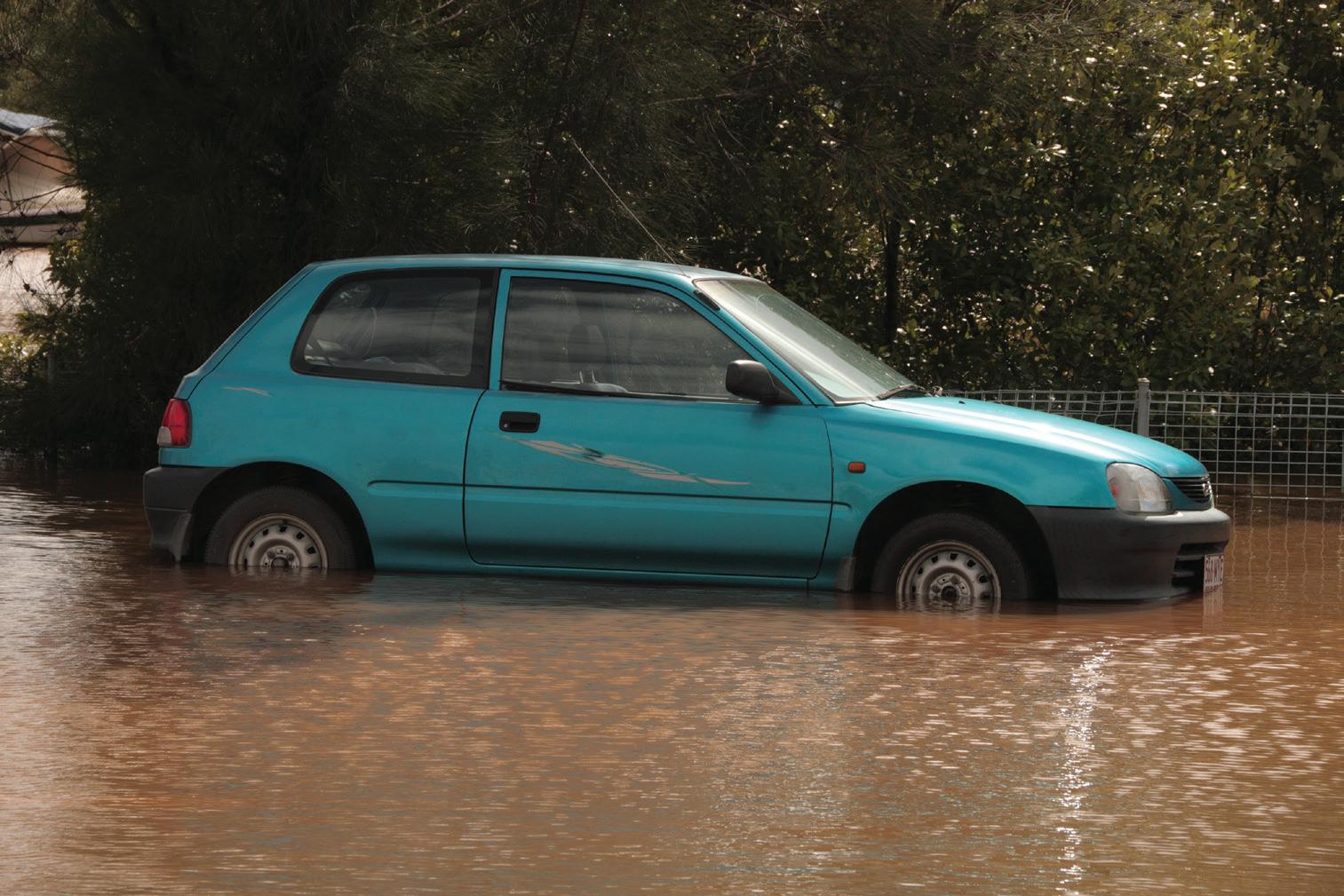
68: More floods, more claims
Natural hazards and their rising impact on insurance
72: Out of the woods
The ease and versatility of timber in construction
74: Managing the price hikes
Construction costs eclipse inflation
78: More than a checklist
Building a culture of workplace safety
80: Temperatures rising
Calls for Government action over hot homes issue
90: Building capability that lasts
The role of industry associations in training and education
Rome wasn’t built in a day. But we’ll give it a good crack.
With one of New Zealand’s biggest ranges of building supplies, hardware, tools, kitchens and bathrooms, you can count on Mitre 10 Trade to have everything you need to nail the job.
Backed by a massive supplier network, we bring together the trusted brands you know, all under one roof.
2025 by the numbers
By Ben O’Connell
Housing consents data reports have painted 2025 as a transition year. In recalibration mode after the post-COVID surge, annual figures show around 33,000 homes consented year-on-year. The sector sentiment is ‘proceed with caution’, but perhaps slow stability is welcome after the 2021 peak and 2023 freefall. National housing momentum is moving down south. Queenstown stood out in 2025 with its highest consents on record. Consents in Otago, Tasman and Canterbury keep inching up. Generally, Kiwis are leaving expensive northern centres for more affordable southern towns. In some places, that means infrastructure strains in smaller centres that can’t keep up with new demand.
There’s an affordability paradox in homebuilding: land and section prices are down 15% from mid-2022, but build costs remain historically high. Building a standard 200m² home now costs nearly $130,000 more than in 2022. QV CostBuilder showed 44% cost increases over four years.
Townhouses dominate new builds
A townhouse boom characterises 2025’s residential consents statistics: almost one in four Christchurch properties is a townhouse, and the latest Stats NZ data shows they continue to account for the majority of new builds consented nationwide.
There were 35,552 new homes consented in New Zealand in the year ended October 2025, up 6.2% compared with the year ended October 2024. “The lift we are seeing this year is being driven by higherdensity homes rather than traditional stand-alone houses,” economic indicators spokesperson Michelle Feyen said.
We now have an exciting road ahead, able to put all our focus on improving outcomes for apprentices, employers and the building and construction sector, and lifting productivity.
She said townhouses, flats, and units were driving the rise in homes consented, supported by a rebound in apartment consents. The Auckland region accounted for half of the rise.
Construction workforce ageing out
Nearly 20% of construction workers will reach retirement age within a decade, and
the number of young people entering the sector lags behind, according to 2023 MBIE data. In 2025, a major industry focus was attracting younger workers, including through the government’s Apprenticeship Boost Programme.
Phil Brosnan, Chair of BCITO Ltd, was pleased that the Government announced BCITO would become a Private Training Establishment starting in 2026. They say the timing is significant: construction accounts for 10% of the national workforce, and the tide of tradies moving overseas needs stemming.".
“We now have an exciting road ahead, able to put all our focus on improving outcomes for apprentices, employers and the building and construction sector, and lifting productivity. The construction sector will soon be back in full growth mode, with new housing consents already rising more than 27% in September, compared with the same time last year. That won’t just affect the industry, but the whole national economy,” he said.
February checkpoint: Finishing the financial year well and setting up for the next
By February businesses have a sense of how the financial year has gone. For many, it’s been a tough 12 months, tight margins and an uncertain order book. By February things are visible, margins and numbers are clearer. It’s a useful time to step back and make deliberate decisions before 31 March.
It’s more than tax compliance. It’s about closing FY26 cleanly and positioning your business for FY27, to give yourself the best start to the 2027 financial year.
Getting clarity before balance date
Often the issue is not tax, but information. Well run businesses can drift if reporting slips, jobs are not fully costed, or reporting lags.
Before year end, it is worth making sure:
• Job profitability is clear, and you understand what needs to change in 2027
• Major supplier and subcontractor costs are captured, so margins are recovered
• Income in advance, retentions, variations, and work in progress are understood and recorded correctly
If your management reports are prepared by February and then finalised after March, it puts you in a stronger position when dealing with banks, suppliers, or funding partners.
Tax planning should follow commercial reality
Good tax outcomes usually come from good commercial decisions, not the other way around.
This is the time to review:
• Asset purchases made, or genuinely needed before year end
• Vehicle use and FBT exposure, particularly where vehicles are taken home
• Stock levels, including obsolete or slow-moving items
• Provisional tax assumptions versus actual performance. If it has been a lean year, can payments be reduced? If results are stronger, do you need to plan for higher instalments?
Reviewing tax before 31 March reduces the risk of missed opportunities or surprises later.
Using FY26 results to shape FY27
Once you have a clear view of FY26, you can consider for FY27:
• What revenue is realistic given the economy and your order book
• Is margin stability more important than top line growth
• Are debt levels comfortable, serviceable, and support working capital
• Can your systems and people cope as work comes through, particularly if growth returns
A budget or forecast helps, as a reference point when decisions are made under pressure during the year. Don’t worry about perfection, look for improvement.
If you use Xero it is easy to get a budget in the system based on modifying last year’s figures,
there is also a great tool called Syft that is integrated with Xero for reporting, budgeting and variance analysis.
Why this matters
The construction sector remains cyclical. Businesses that perform best through cycles are ones that plan early, manage cash, and understand their numbers at a deeper level than compliance alone.
February is early enough to act, but late enough to be informed with 10 to 11 months of data.
If you know where you stand before 31 March, you enter FY27 with more options. Reach out if you need a chat or a hand with any of this, 027 283 8331.
Logan Granger, Partner Johnston Associates
QUALIFICATIONS THAT FIT WHAT YOU DO
WORK SMARTER
TRAIN AN APPRENTICE
ALREADY HAVE THE EXPERIENCE?
GROW YOUR BUSINESS THROUGH TRAINING
Have your team work smarter, learn up-to-date skills.
Help them learn the skills and become qualified.
ARCHITECTURAL ALUMINIUM JOINERY
BRICK AND BLOCK LAYING
CARPENTRY
CONCRETE
EXTERIOR PLASTERING
FLOORING
FRAME AND TRUSS FABRICATION
GLASS AND GLAZING
Get skills recognised with a formal qualification.
Training an apprentice is an investment in your business and the industry.
- Danny – Ph: 027 634 4894 – E: dannydrummond.frm@gmail.com
Open 7am – 4:30pm Monday to Friday or by special request
Bringing your vision to life
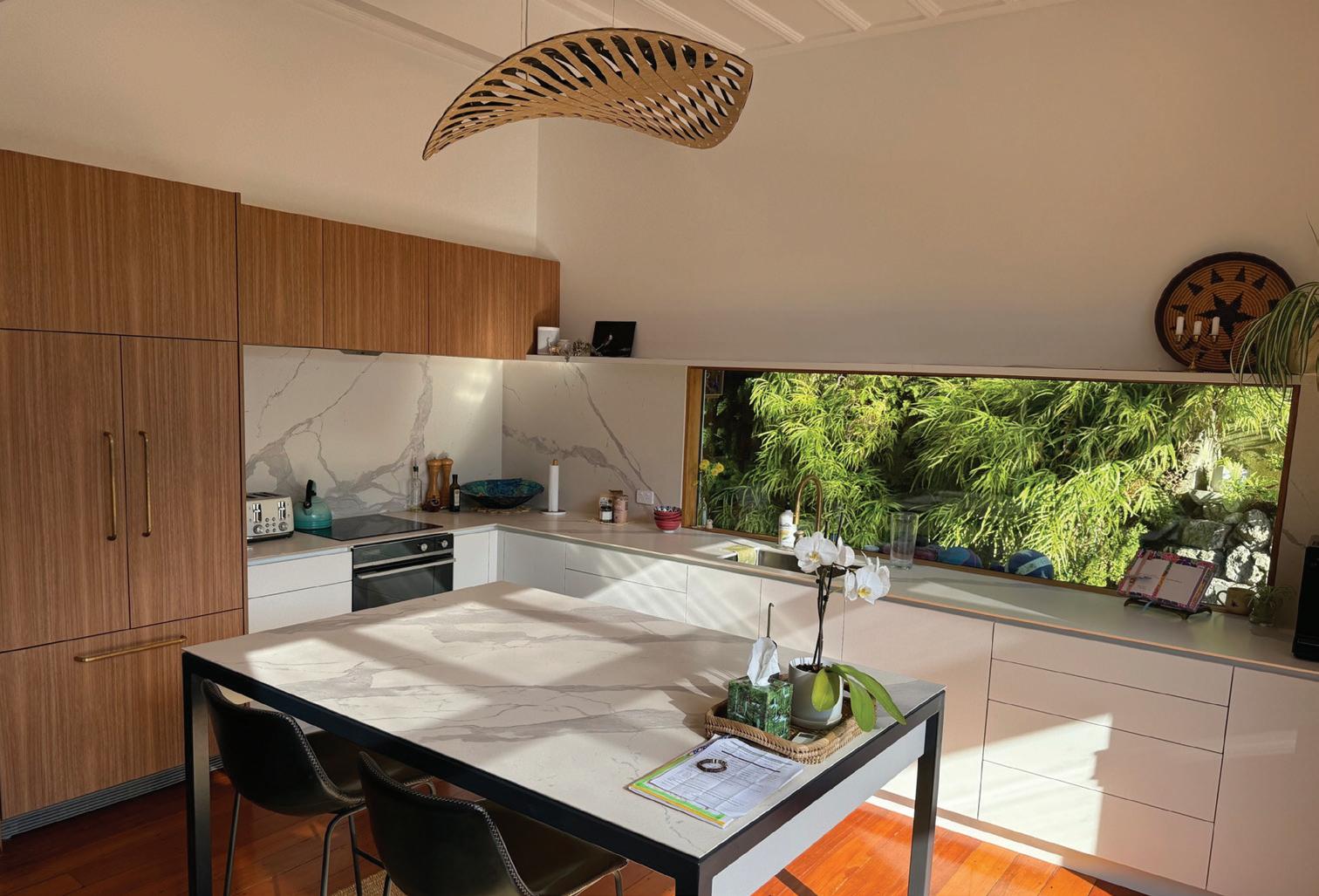
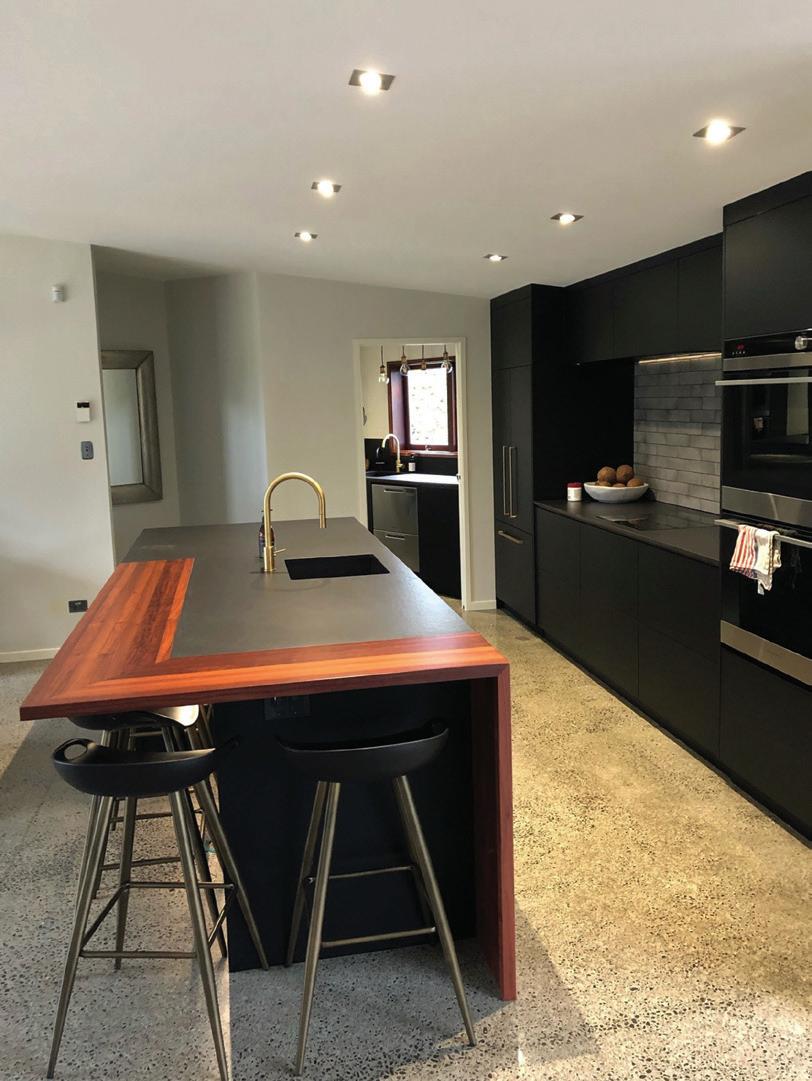
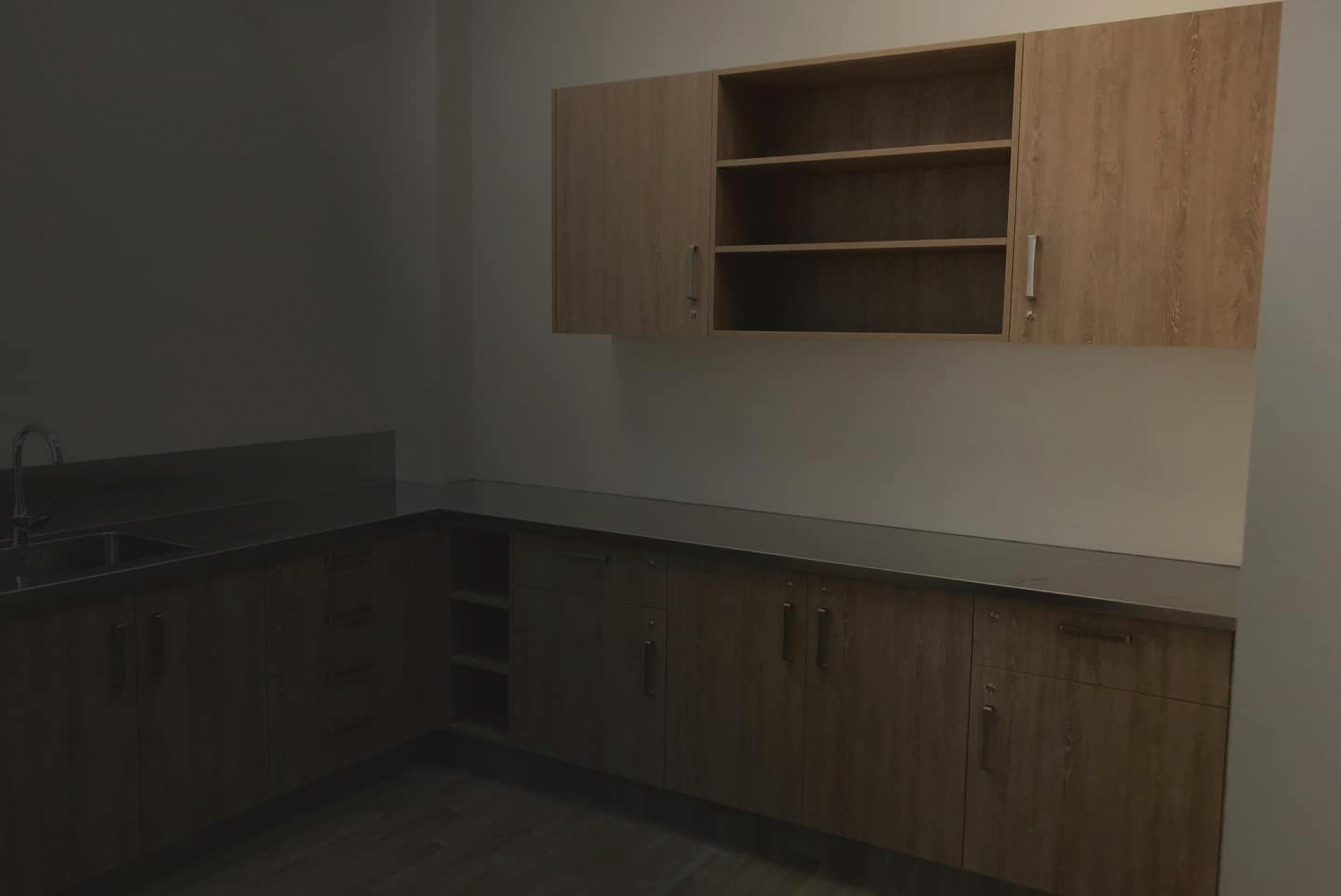
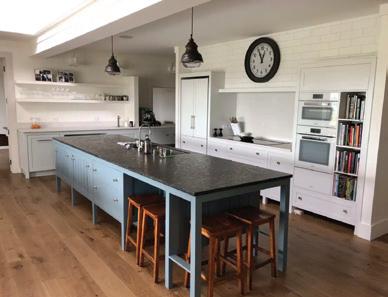
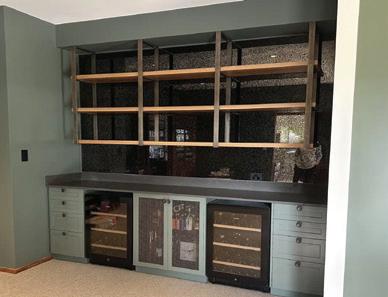
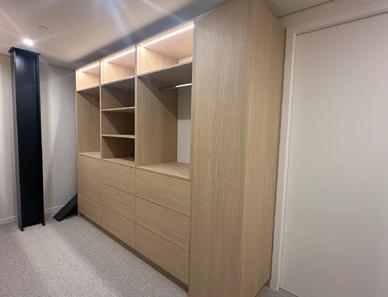
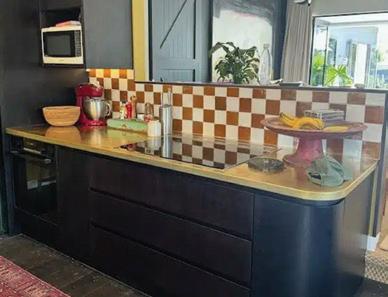
Transform your space with custom-crafted joinery from Fusion Joinery. Based in Napier and serving Hawke’s Bay wide, the team at Fusion Joinery specialise in designing, manufacturing and installing bespoke joinery solutions for both homes and businesses.
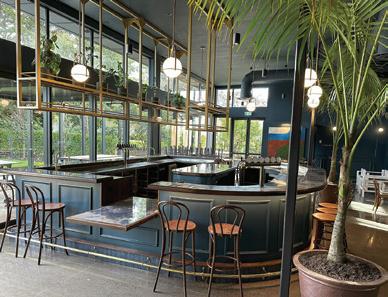
Whether your project is a kitchen remodel, bathroom upgrade, built-in wardrobe, unique furniture piece, or a full commercial fit-out, Fusion Joinery brings your vision to life through precision and quality.
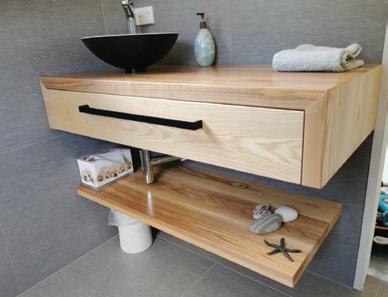
At Fusion Joinery, every project is tailored to your style and functional needs. Their services include custom kitchen joinery featuring benchtops, splashbacks, kitchen islands, and integrated lighting solutions. Bespoke bathroom cabinets, built-in wardrobes, custom-made cabinetry and customised furniture are also part of their repertoire, each crafted with careful attention and personalised design. For commercial clients, the company provides full fit-out services aimed at creating environments that reflect your brand and operate seamlessly.
What makes Fusion Joinery different from the rest is their end-to-end approach. From the initial consultation to manufacturing to final installation, they manage all phases of your joinery project, ensuring all details are taken care of, trades are coordinated, and the final result is finished to a high standard. They emphasise premium craftsmanship and long-lasting material choices, working with trusted brand partners so that your space doesn’t just look great, it also stands the test of time.
Whether you are envisioning a sleek modern aesthetic or a more timeless look, Fusion
Joinery will work closely with you to translate your ideas into functional and beautiful joinery. They take the time to understand how you live or work, customise to your preferences, and deliver results for your home or commercial spaces alike. Serving in the Hawke’s Bay community, they are a locally trusted provider with a strong focus on building relationships and listening to the client’s vision.
From concept to completion, the Fusion Joinery team turns ideas into real-world spaces that are both visually striking and highly practical. Whether you are outfitting
a new property, renovating your existing space or designing a full commercial interior, the process is built around you. Let them bring your vision to life, delivering joinery that reflects your personality and supports the way you want to live or work.
Ready to get started? Reach out to Fusion Joinery today and begin the journey to beautiful, custom-crafted joinery designed for you. From kitchens, wardrobes, and furniture to full commercial fit-outs, their team is here to make your space exceptional.
Keep cash flowing, tax simple, and profits where they belong — in your pocket.
Cash flow you can count on
Stress-free tax & payroll
Advice to grow with confidence
Experience financial freedom and the discretionary time to enjoy it with Grow your business, one insight at a time. Helping you
Founded in 2005, C Brown Builders has a reputation for precision, reliability, and award-winning results in Southland, Otago and beyond. Owner Craig Brown is a qualified tradesman with 35 years of experience across residential, commercial, and bespoke architectural projects.
Craig recently welcomed business partner Jessica Tinnock, a qualified carpenter who rose through the industry after starting in the Gateway programme. With 15 years’ experience, she has seen the trades evolve and says the sector is now more accepting of women. ‘‘We think differently. There’s no denying that. Having another perspective is definitely not a bad thing.”
From infill housing to new estates, renovations to small repairs, C Brown Builders ensures homes and buildings are finished to a high standard. Contact the team for a free quote today.
Ground Conditions –Below, At and Above
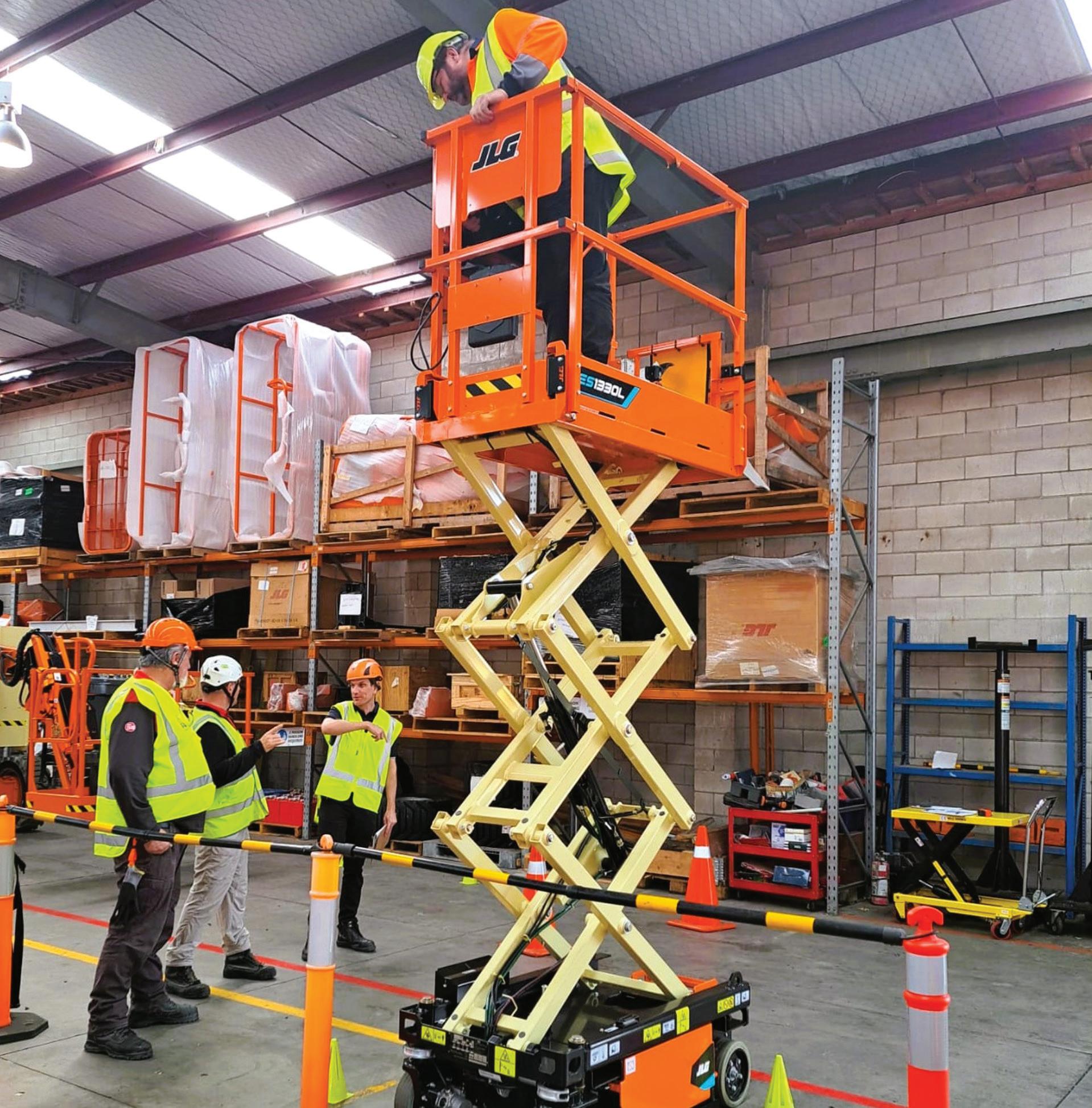
Mobile Elevating Work Platforms (MEWP’s) are a safe and efficient way of working at height. They are a control/ risk minimisation option for high-risk work.
During the site assessment prior to selecting the right MEWP for the task, you should identify all hazards and risks associated with the use of that MEWP.
We promote a “Below, At and Above” ground level approach during risk assessments. Breaking the work area into these three levels helps you focus on specific hazards and how to control them. Let’s looks at what we should be looking at in each level.
“Below” ground conditions is everything that you potentially can’t see below the surface. These can be underground services, basements, voids, recent excavations and similar. These need careful checking whether they can take the weight of the machine, occupants and tools. Pipelines can be tracked through services ID radar or by sighting a line between manholes or sumps. Underground surveys are really important.
Recently filled trenches or excavations may support the MEWP initially but as the machine moves and shifts its loading through the different ground contact points, the ground may give way and fail to support it.
“At” ground is everything on the surface –traffic management, stockpiles/structures, surface condition (slippery, sloping, uneven),
confined spaces and the like. This will determine the drive type of the MEWP you select. Traffic management is essential to ensure people are not working under you whilst at height and no other plant can accidently hit the MEWP whilst on site.
We promote “Below, At and Above” ground level approach during risk assessments. Breaking the work area into these three levels helps you focus on specific hazards and how to control them. Let’s looks at what we should be looking at in each level.
“Above” is everything higher than the stowed height of the MEWP you intend to use. Over hanging structures, including the structure itself represents a hazard. Crush avoidance needs serious consideration. Powerlines and overhead run lines need attention and may restrict your movements. If your work is going to be closer than 6.4 meters from powerlines, you are to communicate with the lines owner to seek approval and support.
Silvercard are raising the bar for MEWP and Forklift safety and competency training.
Never operate a MEWP within 4 meters of powerlines. Suspended loads from lifting operations are a big risk to MEWPs. Often workers in MEWPs are working with lifting operations. Uncontrolled movement of the suspended load can easily damage or topple a MEWP. Seek training and support on this type of work, a spotter whilst working near “Above” hazards reduces the risk significantly.
MEWP Operator training through the Silvercard Competent Operator Program, provides effective training on site assessment and MEWP selection to suit the task and application. A single MEWP cannot do all tasks. Knowledge, Skills and Behaviours taught through the Silvercard program creates a Safe, Competent and Productive Operator. Visit www.silvercard.co.nz for a trainer near you.
FASTER, SMARTER, SAFER
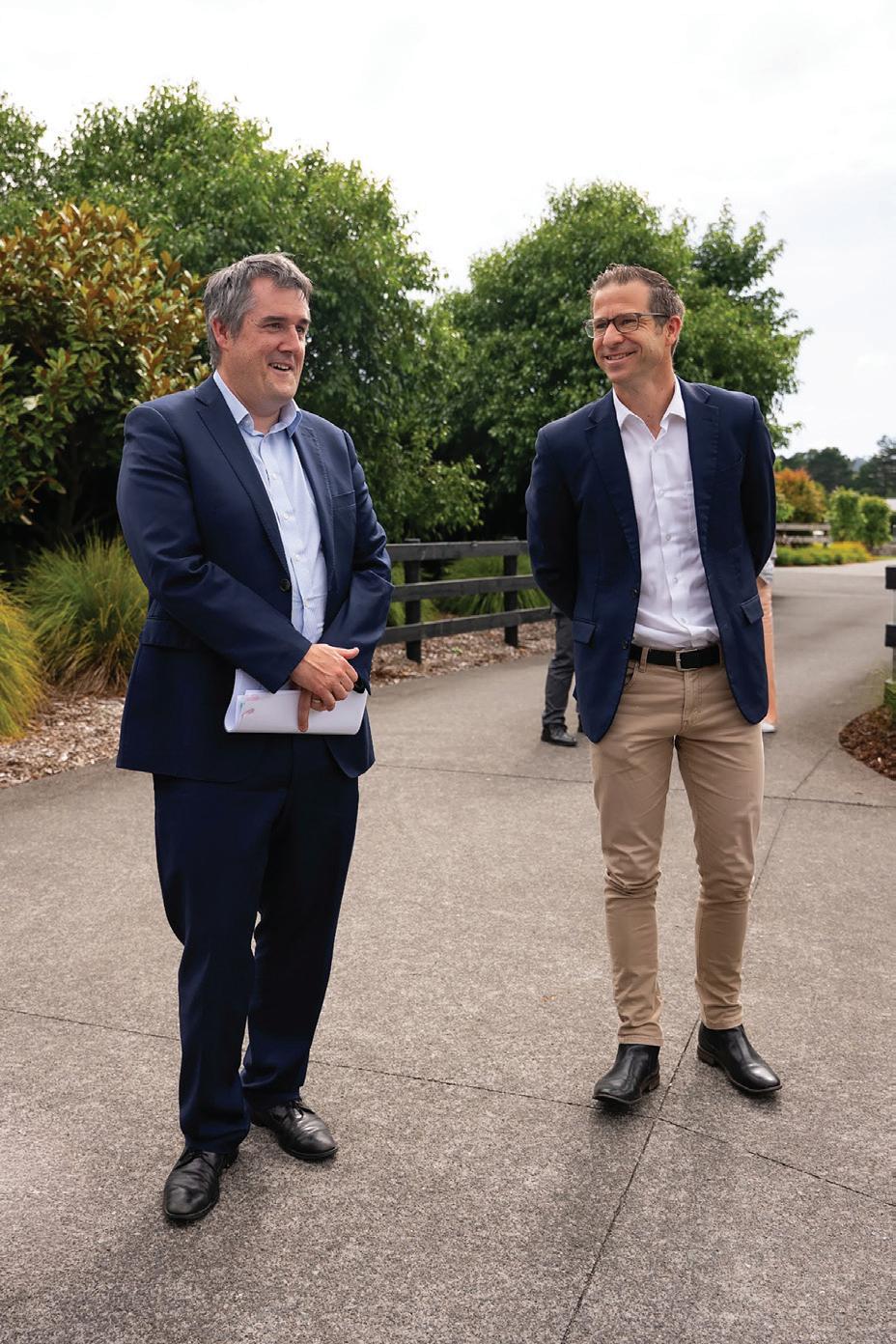
How the lessons from last year will drive change in 2026
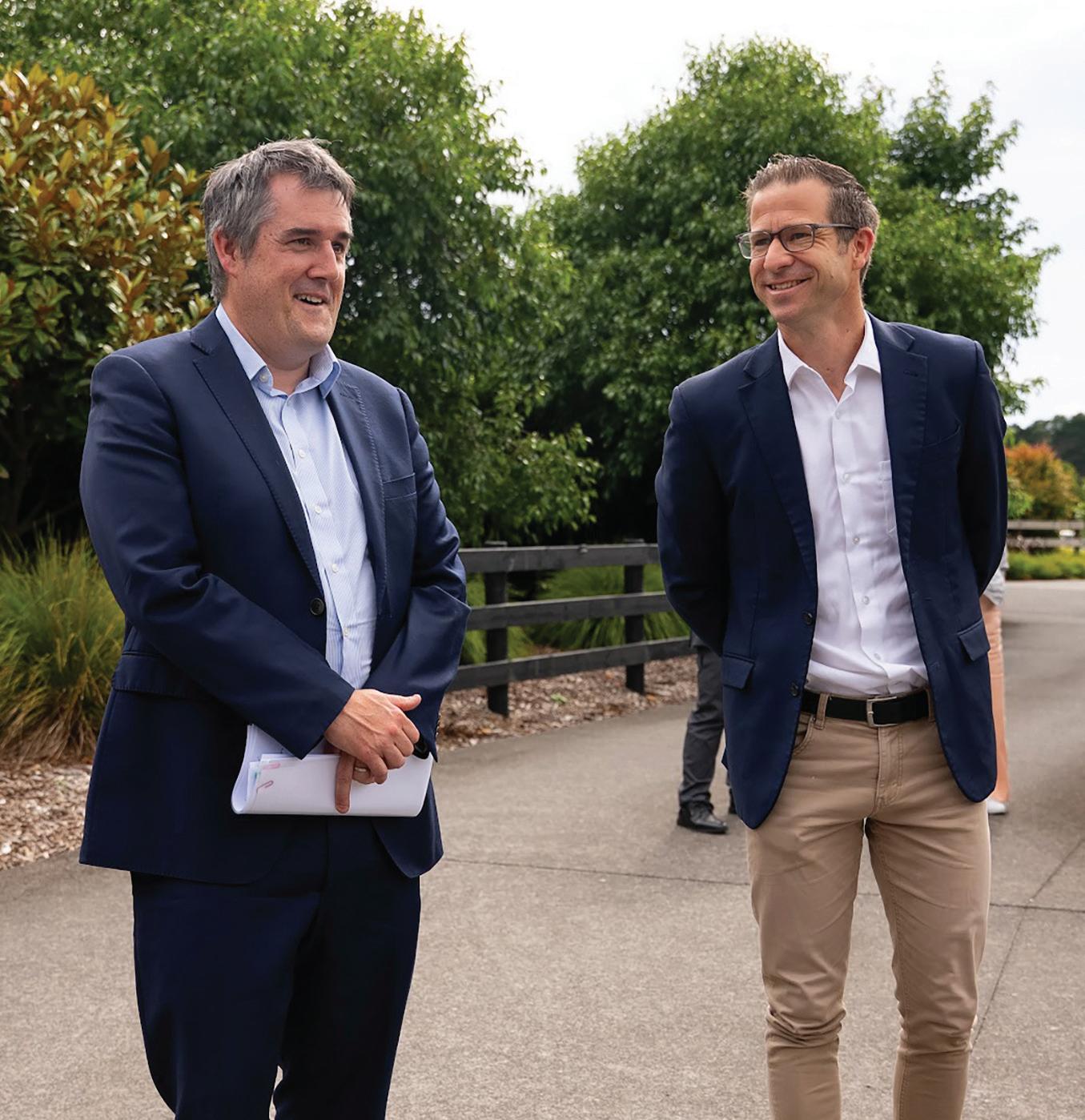
New Zealand’s building sector focused on reducing delays, cutting costs and improving productivity in 2025, Building and Construction Minister Chris Penk tells Builders and Contractors.
What was the biggest industry challenge that you solved in 2025?
The biggest challenge has been reducing the time and cost it takes for people in the sector to get on with the job. From day one, that is the frustration I hear most often from tradies and construction businesses, and it has been a long-standing issue with sluggish productivity holding the sector back for decades.
There is no silver bullet. Some barriers are small but widespread, while others require larger structural reform. In 2025, we focused on both. Practical improvements, such as publishing inspection wait time data, help lift consistency and reduce delays. Larger reforms, like refocusing the earthquakeprone building system, make strengthening work realistic and achievable.
Making it easier and more affordable to build is a work in progress, but progress is being made. The aim has been to restore momentum, support jobs, and give the sector confidence to plan ahead. That work is well underway, and I will continue to push in this direction so builders can spend more time building and less time navigating the system.
What barriers remain that slow the building consent process, and who is responsible for fixing them?
One of the biggest barriers in the building consent process is inconsistency. At the moment, builders, designers and homeowners are dealing with 66 different
Building Consent Authorities, each applying the Building Code slightly differently. That means an application that’s accepted by one council can be knocked back by the council next door, adding delays, cost and frustration for people just trying to get on with building a home.
To fix this, the Government has agreed to enable voluntary consolidation of council BCAs, so they can group together to deliver consent services. This is about making the system work more smoothly, without forcing councils into a one-size-fits-all model.
Changes to the Building Act 2004 will remove barriers that currently make consolidation difficult and streamline the way BCAs operate. A Bill covering these changes, along with updates to liability settings, is expected to be introduced to Parliament in 2026.
Responsibility sits across the system. The Government’s job is to cut red tape and create a regulatory environment that lowers paperwork and cost. Councils need to step up by using modern tools like remote inspections and shared services. Builders and designers also play a role by submitting complete, high-quality applications. When all parts of the system pull in the same direction, it will work more effectively.
How do we ensure cowboy builders cannot self-certify? What makes a trusted tradie?
Self-certification is designed to speed up straightforward builds while keeping strong safeguards in place. It allows trusted home builders to sign off their own work on entire
The biggest challenge has been reducing the time and cost it takes for people in the sector to get on with the job. From day one, that is the frustration I hear most often from tradies and construction businesses, and it has been a longstanding issue with sluggish productivity holding the sector back for decades.
dwellings which helps clear pressure on councils and lets them focus their time on more complex projects. That makes the whole system work better for everyone and helps bring down delays and costs.
This is not a free pass. Only home builders that choose to opt in and meet robust standards will be able to self-certify. Those standards will be set through regulations and will focus on proven capability, a strong track record of quality work, and having the right systems and financial backing in place to protect homeowners if something goes wrong. Cowboy builders simply will not qualify.
MBIE is already testing early proposals for these rules with industry and other key stakeholders to make sure the settings are practical and give Kiwis confidence in the system. The aim is to back professionals who consistently do the right thing, while keeping clear consequences for those who don’t.
A trusted tradie is someone with the right skills, a history of compliant builds, and accountability to their customers. Homeowners will always have a choice and can decide whether they want to use a self-certifying builder or go through the traditional consent pathway. Done properly, this approach makes life easier for Kiwi homeowners and building professionals, while supporting high standards.
Why won’t self-certification lead to lower standards and another leaky homes crisis?
Self-certification is about being smarter with regulation, not lowering the bar. It moves the system away from a one-sizefits-all approach and toward a risk-based model, where the level of oversight matches the complexity of the build. The scheme is limited to builds that are lower risk, while more complex or higher risk projects will continue to receive closer scrutiny.
Strong safeguards are built in. Entry to the scheme will be tightly controlled, with robust criteria that builders must meet before they can opt in. A key protection is the requirement to demonstrate adequate means to cover civil liabilities if work is non-compliant. That could involve financial checks, suitable warranty or defects insurance, or proof of sufficient capital. These settings are designed to protect homeowners and make sure responsibility sits with the people doing the work.
- Chris Penk
Policy changes can make a real difference on the ground. The new building consent exemption for granny flats is a good example. By removing time-consuming consent steps for simple, low risk builds, we expect up to 13,000 additional granny flats over the next decade. That translates directly into more work for builders and related trades.
This approach is about giving the industry confidence to plan ahead, and there are already positive signs. Stats NZ data released at the start of the year shows 35,969 new homes were consented in the year to November 2025, up 7% on the previous year. That points to thousands of upcoming jobs and many more roofs over Kiwis’ heads as the pipeline of work rebuilds.
How will you increase competition in the building products market, especially globally?
Increasing competition in the building products market is a key part of lowering building costs and getting more homes built. As a small trading nation, New Zealand cannot afford to limit itself to a narrow range of suppliers. Kiwis deserve real choice and fair prices when they are building or renovating.
That is why the Government passed the Building (Overseas Building Products, Standards, and Certification Schemes) Amendment Act in April 2025. The changes remove unnecessary barriers to using high quality overseas building products
Building in a country like New Zealand means living with real risks, from earthquakes to floods and severe weather. The challenge is to protect life safety while keeping building and strengthening work affordable and achievable.
- Chris Penk
that already meet trusted international standards, while keeping homes healthy, safe and durable.
The new law introduces clearer pathways for recognising overseas certified products and building methods. Where MBIE has recognised a product or system as complying with the Building Code, building consent authorities are required to accept it, provided the conditions are met. This gives builders and designers confidence that approved products will not be delayed or rejected due to inconsistent interpretation, helping projects move faster and reducing costly hold ups.
These changes support stronger competition by giving overseas suppliers confidence to enter the New Zealand market and encouraging more choice for builders and homeowners. They also make it easier for local manufacturers and suppliers to reference well established international standards, which can improve access to overseas markets.
What’s being done to address skill shortages and encourage new apprentices in the construction workforce?
Addressing skill shortages in construction starts with fixing how we train people and making sure learning is closely aligned with real jobs. From January 1, a major reset of the vocational education system has taken effect, with ten regionally governed polytechnics and eight new Industry Skills Boards now operating.
Decision making has been returned to regions and industry, where it belongs. The
re-established polytechnics are once again responsible for local training decisions, allowing them to respond to the specific workforce needs of their communities. That local accountability gives providers the flexibility to work directly with employers and adjust training as demand changes. The Open Polytechnic supports the system as an anchor, helping deliver shared programmes efficiently, while a small number of providers remain under transitional arrangements as future models are confirmed.
At the same time, Industry Skills Boards are now at the centre of work-based learning. These boards cover key sectors including construction and infrastructure, and are responsible for setting standards, endorsing programmes, and overseeing apprenticeships and training during the transition period. This ensures qualifications reflect the skills employers need and gives apprentices confidence that their training will lead to strong career opportunities.
How can the success of building reforms be measured over the next five years?
Success will be measured by whether the system is working better for the people who use it. That means looking closely at real world data and whether reforms are reducing delays, lowering costs, and making it easier to build.
MBIE already tracks how changes are landing across the sector. A good example is the new mandatory target to speed up building inspection wait times. MBIE publishes quarterly data for every council, so progress is transparent and measurable. In the Q3 2025 release, all 55 Building
Consent Authorities that provided data met the target of completing at least 80 percent of inspections within three working days. In practice, that meant around 67,000 inspections were carried out, with 97.3% completed within three working days of being requested.
We are also seeing improvement in consent processing. Q3 data shows 95.7% of building consent applications, including amendments and code compliance certificates, were processed within the statutory 20 working days. That is up from 93% in the same quarter the year before. Faster processing means fewer delays on site and lower holding costs for builders and homeowners.
Can you explain the proposed liability reforms? And how will it impact builders’ and homeowners’ rights?
The proposed liability reforms are about making the building system fairer and more balanced, while keeping strong protections in place for homeowners. In August 2025, Cabinet agreed to move the sector from joint and several liability to proportionate liability.
Under proportionate liability, each party involved in defective building work is responsible for the share of the problem they caused. This avoids situations where one party is left carrying the cost for others who cannot pay, and improves accountability and efficiency across the system. It also gives builders and professionals greater certainty about their risk.
At the same time, the Government is clear that homeowners must remain protected. That is why supporting measures are being introduced alongside the change. Home warranties will be required for all new residential buildings up to three storeys, and for larger renovations of $100,000 or more that involve restricted building work and
require a building consent. These warranties provide a clear safety net for homeowners if defects emerge and a responsible party is unable to meet their obligations.
The home warranty market in New Zealand is already well established and will scale to meet this requirement. Warranty providers will be required to register with MBIE, meet minimum standards set in regulations, provide regular reporting, and publish clear, easy to understand information for consumers.
Professional accountability is also being strengthened. Architects, engineers, designers and surveyors involved in building design will be required to hold professional indemnity insurance. This formalises good practice, ensures financial backing is in place, and gives homeowners confidence in the professionals they rely on.
Floods, quakes and more: how do we balance life safety and economic reality when building?
Building in a country like New Zealand means living with real risks, from earthquakes to floods and severe weather. The challenge is to protect life safety while keeping building and strengthening work affordable and achievable.
The Government’s upcoming changes to the earthquake prone building system are a good example of that balance. Cabinet has agreed to move to a more proportionate, risk based approach that focuses effort where it matters most. Fewer buildings will be classified as priority buildings, which currently face much shorter remediation timeframes. This reduces unnecessary cost while still addressing life safety risks in the most vulnerable buildings, particularly in medium and high seismic zones.
Climate change adds another layer of complexity. We can expect more intense rainfall, stronger winds, flooding, drought and wildfire risk. To help people respond in practical ways, MBIE has published a set of quick guides for homeowners and buyers. These cover flooding, higher temperatures, drought and wildfires, and wind and storms, and provide clear, affordable steps people can take when building, buying, renovating or retrofitting a home. They are about helping people make informed choices that improve resilience without driving up costs.
Natural hazards also need to be factored in at the site level. Planning rules and the Building Act both apply when land is affected by hazards. Even where a building consent is not required, such as under the granny flat exemption, adequate steps still need to be taken to protect the land, the building, and surrounding property. This approach keeps safety front and centre while recognising economic reality.
What are your focuses for 2026?
In 2026, the focus is on turning reform into real world change. Over the past year the Government has announced significant changes across the building and construction system, including refocusing the earthquake prone building framework, fixing how liability for defective work is shared, and introducing selfcertification for certain low risk projects. The priority now is to get that legislation through Parliament so these reforms can take effect.
Alongside that, I will be spending a lot of time engaging directly with industry. Hearing from builders, designers, councils and suppliers is essential to understanding what is working, what is not, and where
This year, I want to see building consents continuing to rise, confidence returning to the job market, and more projects getting underway. That includes housing, but also the infrastructure New Zealand needs to support growing communities, stronger public services, and better standards of living. We’re getting on with fixing the basics and building the future.
- Chris Penk
the next set of improvements should be made. That feedback will help shape further red tape reduction and inform the policies we take forward.
This year, I want to see building consents continuing to rise, confidence returning to the job market, and more projects getting underway. That includes housing, but also the infrastructure New Zealand needs to support growing communities, stronger public services, and better standards of living. We’re getting on with fixing the basics and building the future.
National Infrastructure Pipeline
– a view of future infrastructure initiatives
Over the past five years, the New Zealand Infrastructure Commission has been working with the infrastructure sector to develop the National Infrastructure Pipeline (Pipeline) – a publicly available searchable online dataset – to provide a view of what infrastructure initiatives are under construction, what’s being planned, what’s been funded and when it might come to market.
“In 2020, we had 21 organisations contributing information on about 500 active projects,” says Matthew Keir, Director – Data Science and Analytics.
As at June 2025, the Pipeline had 9,200 projects worth about $237 billion, explaining over 4% of GDP in the next year. Over half ($125 billion) of the total value reflects initiatives that were reported as funded, part-funded, or with a funding source confirmed.
“That big lift is in large part because of the number of contributors we now have – over 120 from across central and local government, and the private sector. But it’s
also because contributors are telling us more of what they have planned through their regular updates of their information.”
What this means for the construction industry
Around one-third of the construction workforce works in infrastructure.
“For the wider construction sector, the Pipeline provides an opportunity to get more visibility on the status of projects within their region or sector, including implementation timing, procurement arrangements, and potential workforce and resource requirements,” Keir says.
“This increased visibility helps to drive better coordination and sequencing of initiatives.
For the wider construction sector, the Pipeline provides an opportunity to get more visibility on the status of projects within their region or sector, including implementation timing, procurement arrangements, and potential workforce and resource requirements.
- Matthew Keir
It also supports investment decisions and workforce planning for the capabilities we will need to deliver these initiatives.
“With the support of our contributors, we’re still improving the Pipeline, which means it will become even more powerful over time. To date, we’ve focused on getting central and local government entities on board as contributors, as combined, they represent
over two-thirds of our infrastructure investment. The commercial sector represents about 31% of New Zealand’s infrastructure; however, it isn’t as well represented in the Pipeline as it could be,” Keir says.
Supporting better decision-making
Insights from the Pipeline are also helping to shape the National Infrastructure Plan that the Commission will deliver to the Minister for Infrastructure at the end of 2025. The Plan will provide a 30year view of how we can get the right infrastructure services in the right places at the right times.
“We’ve tracked roughly 24,000 projects through their lifecycle from early scoping to completion or closure. This evidence base is used to support our advice to the government and inform the Plan,” Keir says.
Explore the Pipeline: www.tewaihanga.govt.nz/the-pipeline
The innovative future of bricks
By Ben O’Connell
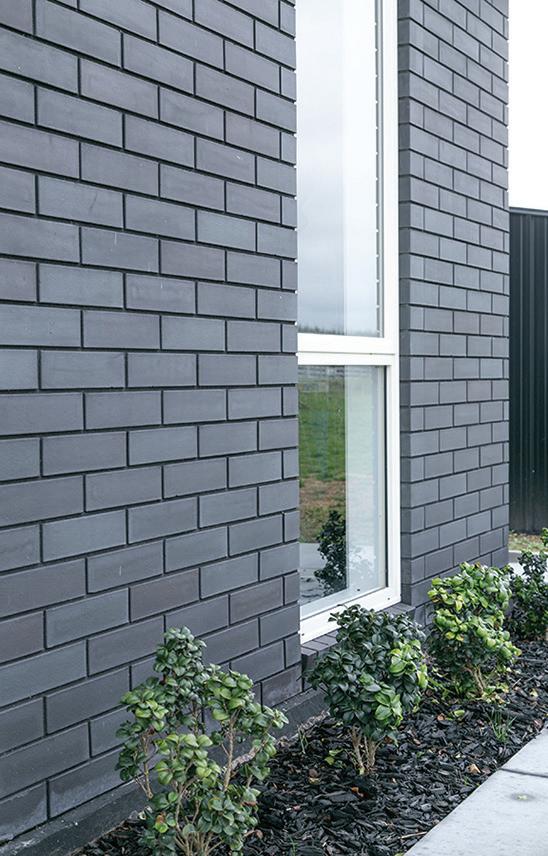
Kiwis might tend to go for timber when building their homes, but bricks are experiencing a resurgence, and they aren’t going anywhere. From the Neolithic Age to New Zealand’s avenues, bricks are versatile, natural, energyefficient, low-maintenance and more. If it ain’t broke, don’t fix it. And with bricks, you won’t have to.
Anna Carlton is the Marketing Manager for Brickworks NZ. Brickworks brings durability, sustainability, and design excellence to Aotearoa with innovative, beautiful building products that combine timeless style with modern performance. Anna says that in 2025, there was a clear shift towards natural yet elegant brick solutions.
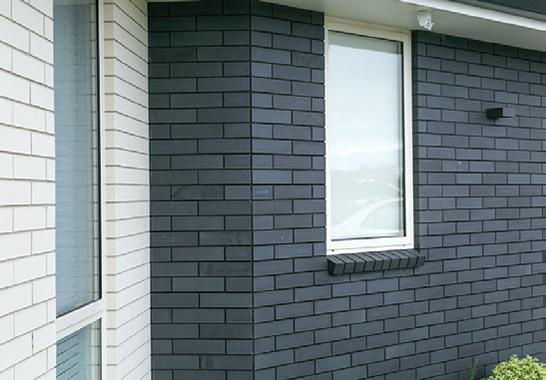
“During 2025, we saw a clear shift toward refined, thoughtful material choices that balance heritage with innovation. Roman profiled bricks stood out as a key trend, slim, elegant, and sophisticated; they offered a contemporary proportion while still feeling grounded in traditional masonry.”
New Zealanders are shying away from covering up their brickwork, choosing instead to celebrate the material unapologetically.
“Warm tones and subtle textures dominated, alongside a return to more ‘honest’ bricks that celebrate the natural character and heritage of brickworks rather than masking it.”
Going for a more natural brick look doesn’t mean compromising on creative expression or design ambition. Instead, it means letting the material do the talking, with a focus on tone, texture and craftsmanship.
“Creativity also played a major role, with customers and bricklayers increasingly mixing different bricks to create custom blends, resulting in more personalised and expressive façades.”
Bricks have always been an eco-friendly choice. Modern brick-making is moving towards more innovative architectural
solutions, decarbonisation, automation and the use of sustainable, alternative raw materials.
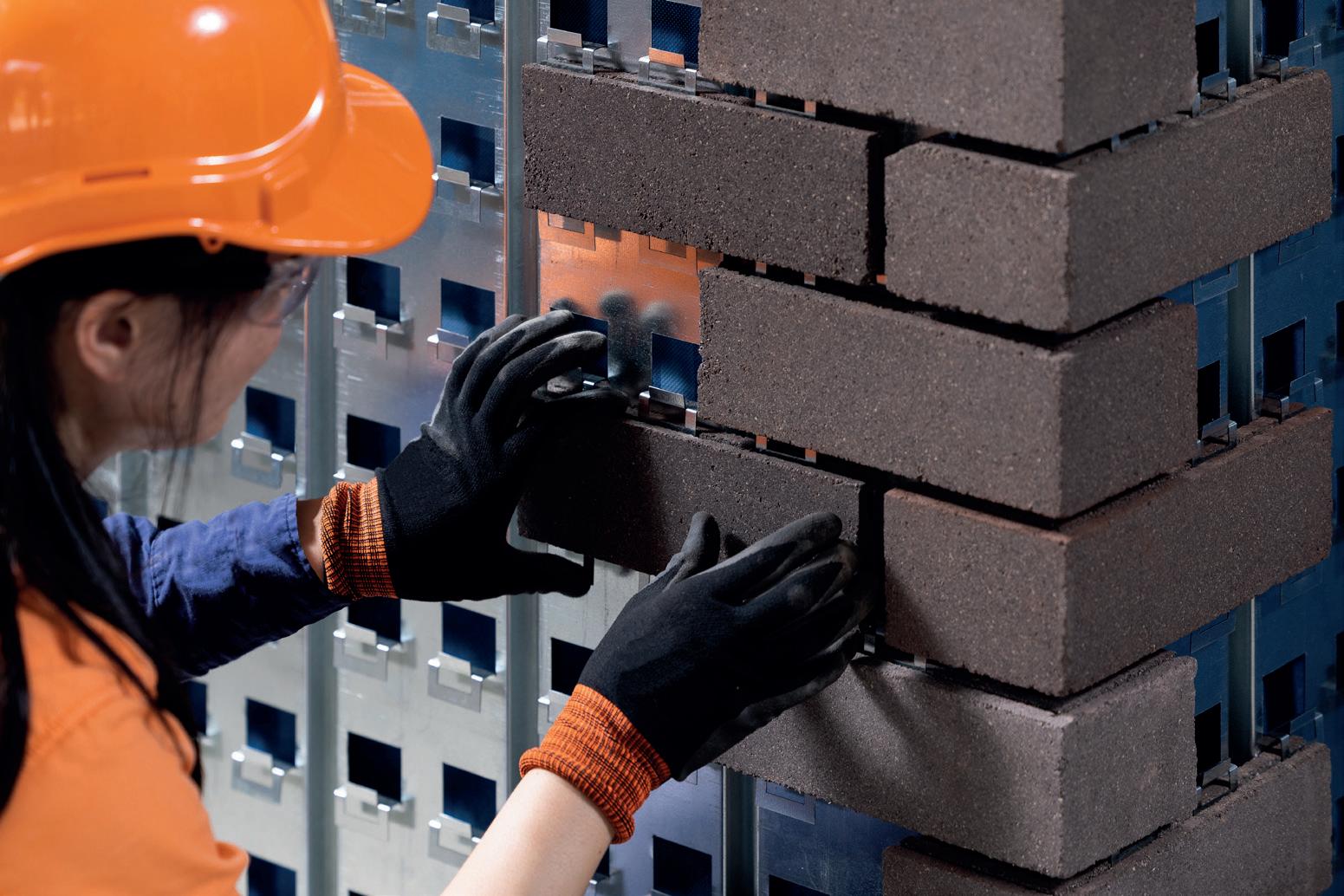
“Technology emerged as an important influence, highlighted by the introduction of Thin Tech Plus to New Zealand and Brickwork’s brick facings (brick slip) cladding system, which responds to modern construction needs while maintaining the aesthetic integrity of brick.”
Thin Tech Plus® is a ventilated, mediumweight engineered façade system that delivers an authentic clay brick finish, without the weight and space limitations of traditional full brick veneer.
Anna says these trends reflect a year where craftsmanship, authenticity, and innovation came together. Looking ahead, these trends are set to strengthen and evolve rather than disappear in 2026.
“Further technological advances will continue to shape the industry, with brick facing and slip systems becoming more widely used across residential builds, commercial projects, and technically challenging sites where traditional construction methods are less practical. As confidence in these systems grows, they will play a larger role in delivering both design flexibility and build efficiency.”
Warmth, character and timelessness characterise this year’s colour palette choices. Anna says these reasons showcase the durable yet expressive nature of bricks.
“In terms of aesthetics, colour palettes are likely to continue moving away from cooler greys. We expect to see a stronger return to warmer creams and reds, along with increased demand for custom blends.”
Brickworks offers a comprehensive range of products and services, including an extensive selection of 70mm clay bricks developed by
their New Zealand team specifically for local conditions and building needs.
Manufactured across Australia, Spain, and Italy, these bricks deliver trusted quality alongside a diverse range of styles and performance options.
For projects requiring a deeper profile, Brickworks can also source 110mm bricks from a wide network of international manufacturing plants, giving customers access to an exceptionally broad and versatile range.
The range and support available mean bricks can be specified across everything from smaller residential builds to larger-scale developments.
For commercial and high-volume work, Brickworks partners closely with manufacturers to produce custom bricks and colours, helping architects and developers achieve truly bespoke outcomes at scale.
How an asbestos scare shut down over 100 schools
By Ben O’Connell
Six children’s coloured sand products prompted widespread school closures across Australia and New Zealand in November 2025 after laboratory testing detected traces of tremolite and chrysotile asbestos. By mid-November, dozens of schools in New Zealand and over 70 in Australia’s ACT had temporarily shut, while hundreds more sought guidance from regulators. Since then, recalls have expanded amid growing concerns from families about all play sands.
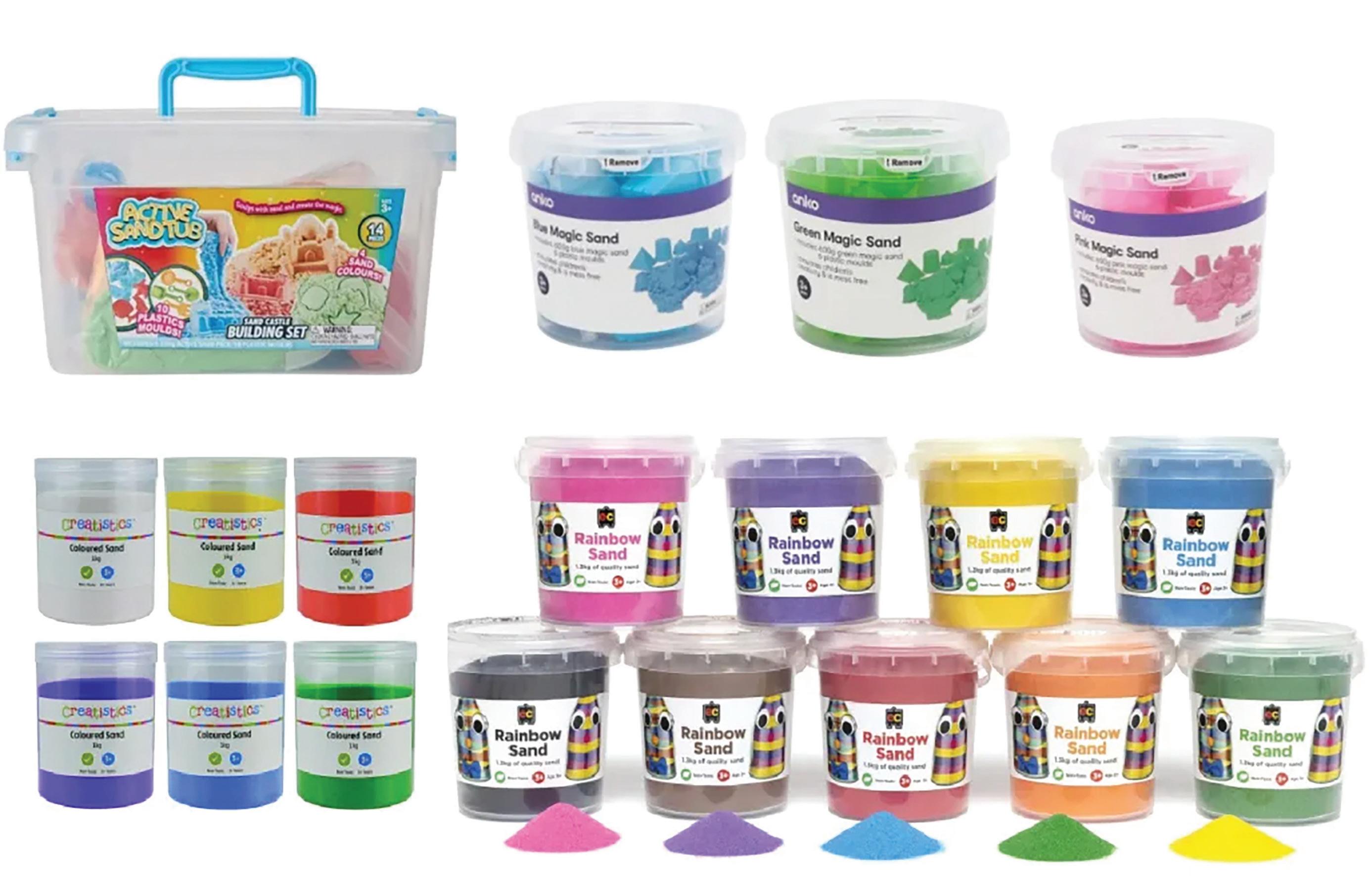
The products, rainbow sand from Educational Colours and coloured sand from Creatistics — sold through Kmart as a 14-piece sandcastle set and blue, green, and pink Magic Sand sets — are used for play, crafts, and sensory learning. Updated recall notices in both countries now include additional brands and batches, with Superdeal NZ voluntarily recalling 15 further coloured sand products distributed across than 100 stores. Regulators say testing is ongoing, and there could be more products affected.
Testing indicated asbestos fibres were not airborne in their intact form, meaning the immediate inhalation risk was low unless the sand was crushed or pulverised. That remains the official guidance. But because not all batches have been conclusively
cleared, authorities continue to advise schools, early-learning centres, and consumers to isolate and stop using any matching products until disposal instructions are followed.
“This is an incredibly distressing situation, and I can totally understand why parents would be very concerned,” said Dr Terri-Ann Berry, asbestos expert at Auckland University of Technology and chair of the Mesothelioma Support and Asbestos Awareness Trust. She reassured caregivers that short-term handling of intact sand carries minimal risk but emphasised following professional disposal instructions.
“Asbestos (like tobacco smoke or radiation) has no safe level, and therefore we try to
Asbestos (like tobacco smoke or radiation) has no safe level, and therefore we try to avoid exposure. However, it is important to know that not every exposure episode will lead to the development of cancer.
- Dr Terri-Ann Berry
avoid exposure. However, it is important to know that not every exposure episode will lead to the development of cancer.”
Authorities say the asbestos traces were likely present in imported sand batches manufactured overseas. Both Educational Colours and Creatistics products were packaged abroad before being sold in Australasia between 2020 and 2025. While asbestos is naturally occurring in some mineral deposits, its presence in children’s play products is prohibited. Experts say the
incident highlights the need for rigorous import testing, particularly for products intended for children.
“While all forms of asbestos can be harmful, the type involved here (tremolite) is generally considered less hazardous than other types, such as blue or brown asbestos,” says Professor Fraser Brims, director of the Curtin Medical School.
“When asbestos dust is inhaled, the lungs will usually clear it out naturally. But smoking or vaping can interfere with this process, making it harder for the lungs to protect themselves. It’s important to avoid smoking and vaping, especially around children, to protect everyone’s lung health.”
Asbestos-related illnesses, such as mesothelioma and lung cancer, generally develop after prolonged exposure to airborne fibres. The granular sand poses little risk unless disturbed, but authorities stress that no exposure is considered entirely safe. Schools were instructed to isolate the sand, avoid sweeping or vacuuming it, and engage licensed removalists for any disposal.
As the recall expanded, more than 400 New Zealand schools and 150 early-learning services contacted the Ministry of Education for advice. At least 24 schools and 16 ECE services closed or partially closed while
When asbestos dust is inhaled, the lungs will usually clear it out naturally. But smoking or vaping can interfere with this process, making it harder for the lungs to protect themselves. It’s important to avoid smoking and vaping, especially around children, to protect everyone’s lung health.
awaiting test results. However, a complete tally of contamination has not been kept, leaving principals frustrated that some schools still do not know whether their test results place them in the clear. Only a small number of confirmed positive test results have been made public, while many more remain pending or unreported.
Parents have also begun delivering potentially contaminated sand from home craft sets to council drop-off sites, and some have sought independent testing after using vacuums or cleaning equipment that could disturb fibres. Local authorities in both countries have set up disposal points and urged the public not to treat recalled sand as ordinary waste.
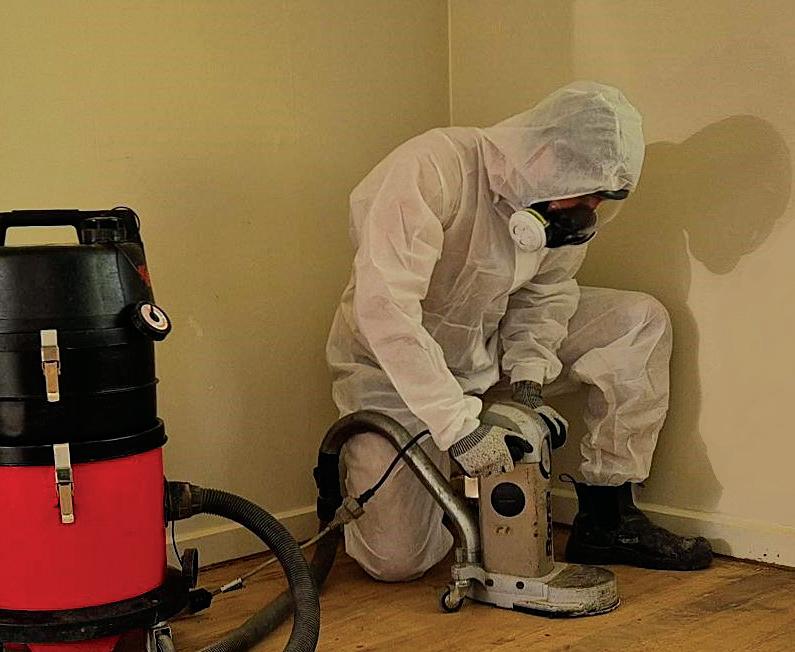
Asbestos removal should always be left to licensed specialists who follow strict procedures to protect health and meet regulatory requirements. Disturbing the sand in any way, pouring, sweeping, shovelling, vacuuming, or wiping, can release fibres and create airborne hazards.
Removal begins with a full risk assessment, including visual inspection, sampling, and lab analysis to confirm fibre type, concentration, and whether the asbestos is friable. Household vacuums are unsafe;
only HEPA-filtered asbestos vacuums can capture microscopic fibres.
Once assessed, teams set up a controlled environment using negative-pressure barriers, plastic sheeting, and sealed entry points. Workers wear full PPE and follow strict decontamination protocols to prevent fibres from being carried off-site. Any tools or clothing that come into contact with the sand are treated as asbestos waste.
Specialists use low-dust techniques, such as gentle wetting, during removal. A licensed assessor then conducts a clearance inspection, including surface testing and air monitoring, before an area can reopen. All waste is double-bagged, labelled, and sent to a licensed hazardous landfill. Detailed documentation is provided for compliance and liability. Even small handling mistakes can have long-term health consequences; another reason disposal should never be attempted by untrained staff.
Timaru’s Water Experts Since 1964
Think Wa ter Timar u has more than 60 year s of experience in the wa ter mana gement industr y. Founded in 1964 as Washington Pumps, the successful business joined the Think Wa ter g roup in 2012 and rebranded to become Think Wa ter Timar u as it is known today.
Specia lising in ir riga tion, pumping, wa ter trea tment and filtra tion, Think Wa ter are your loca l wa ter exper ts in the Timar u area. We va lue our customer s and of fer the full pac ka ge from system design and equipment supply to insta lla tion and ongoing ser vicing.
We now a lso ser vice Invercargill and sur rounding areas
A family legacy built on performance
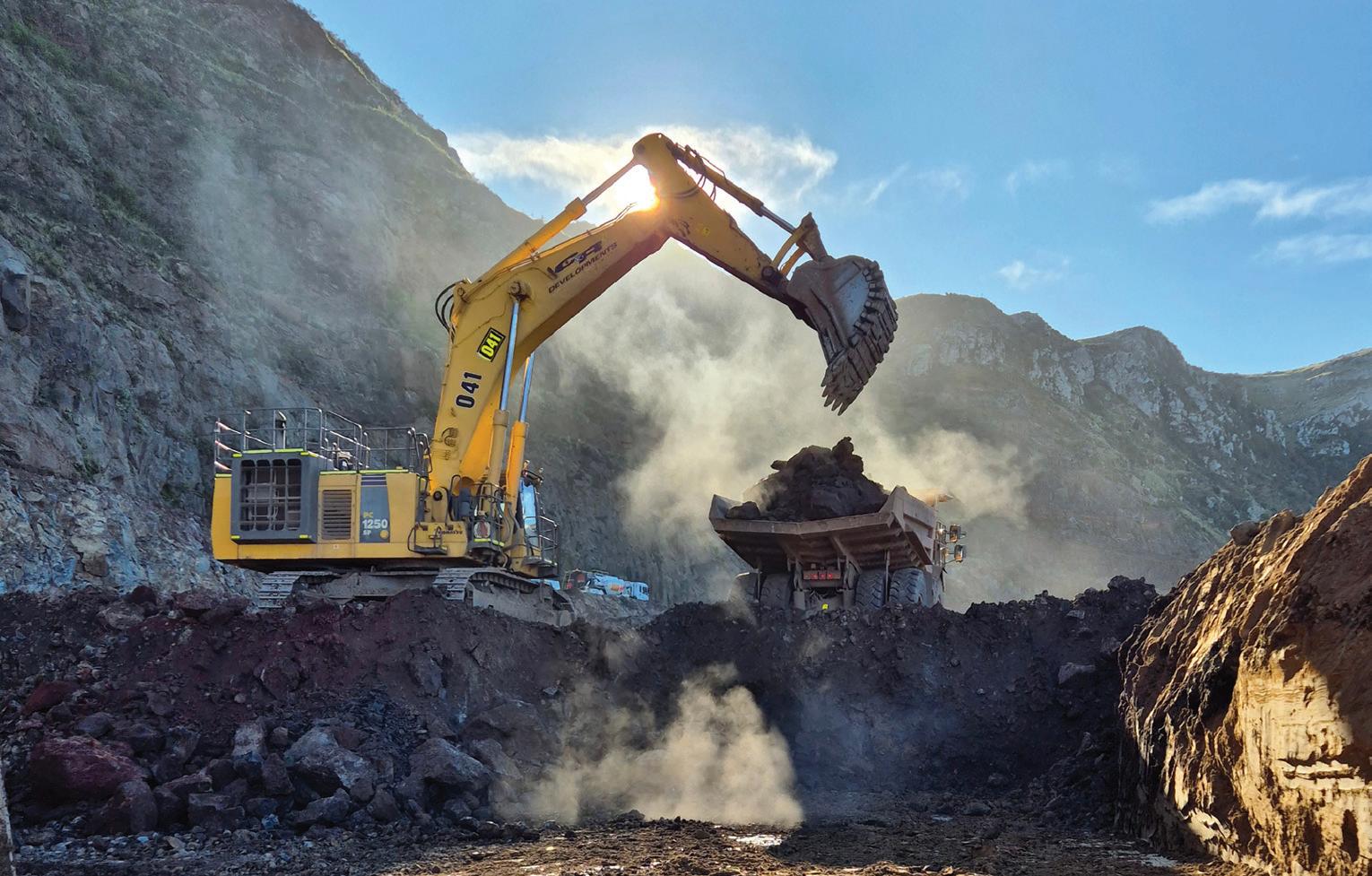
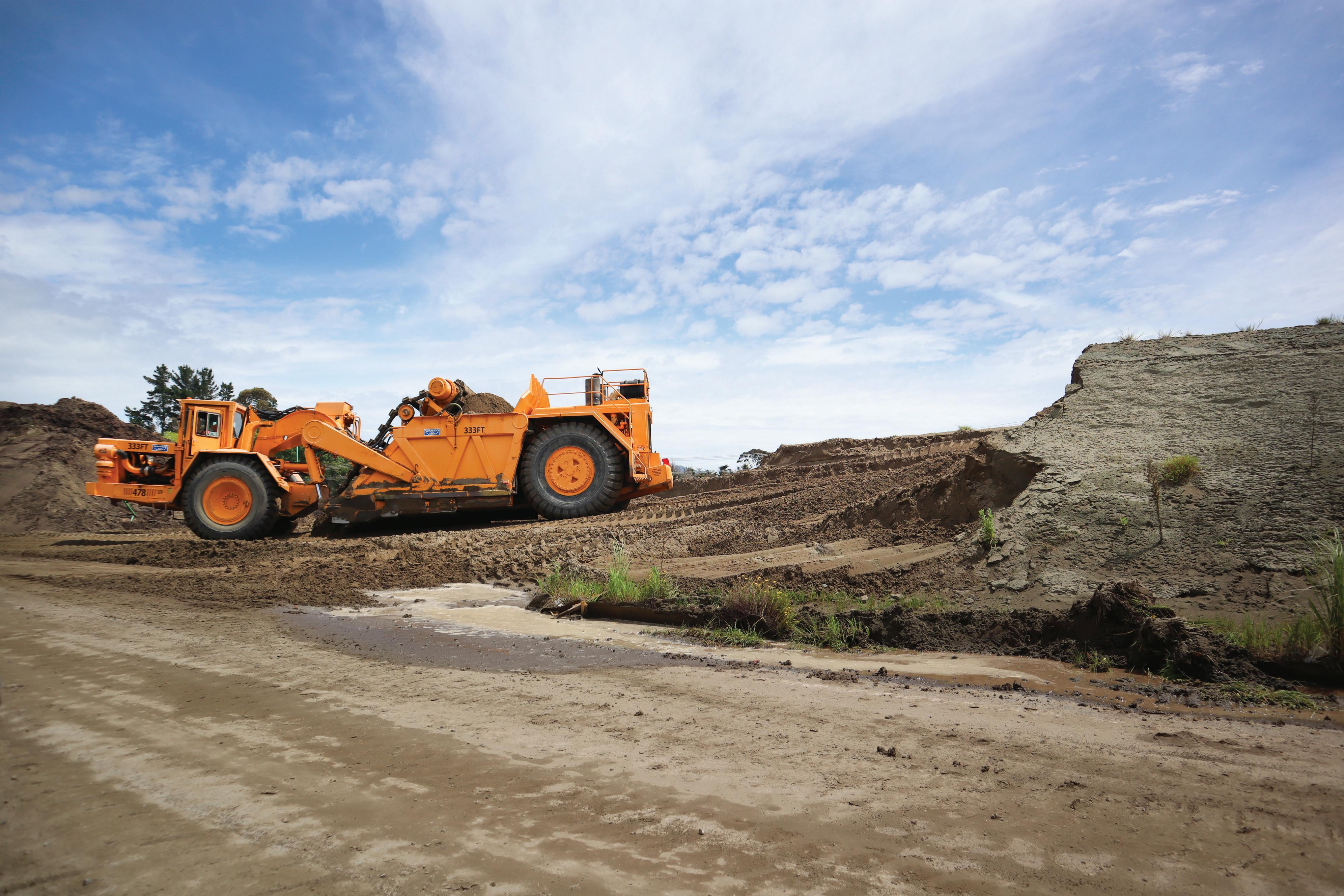
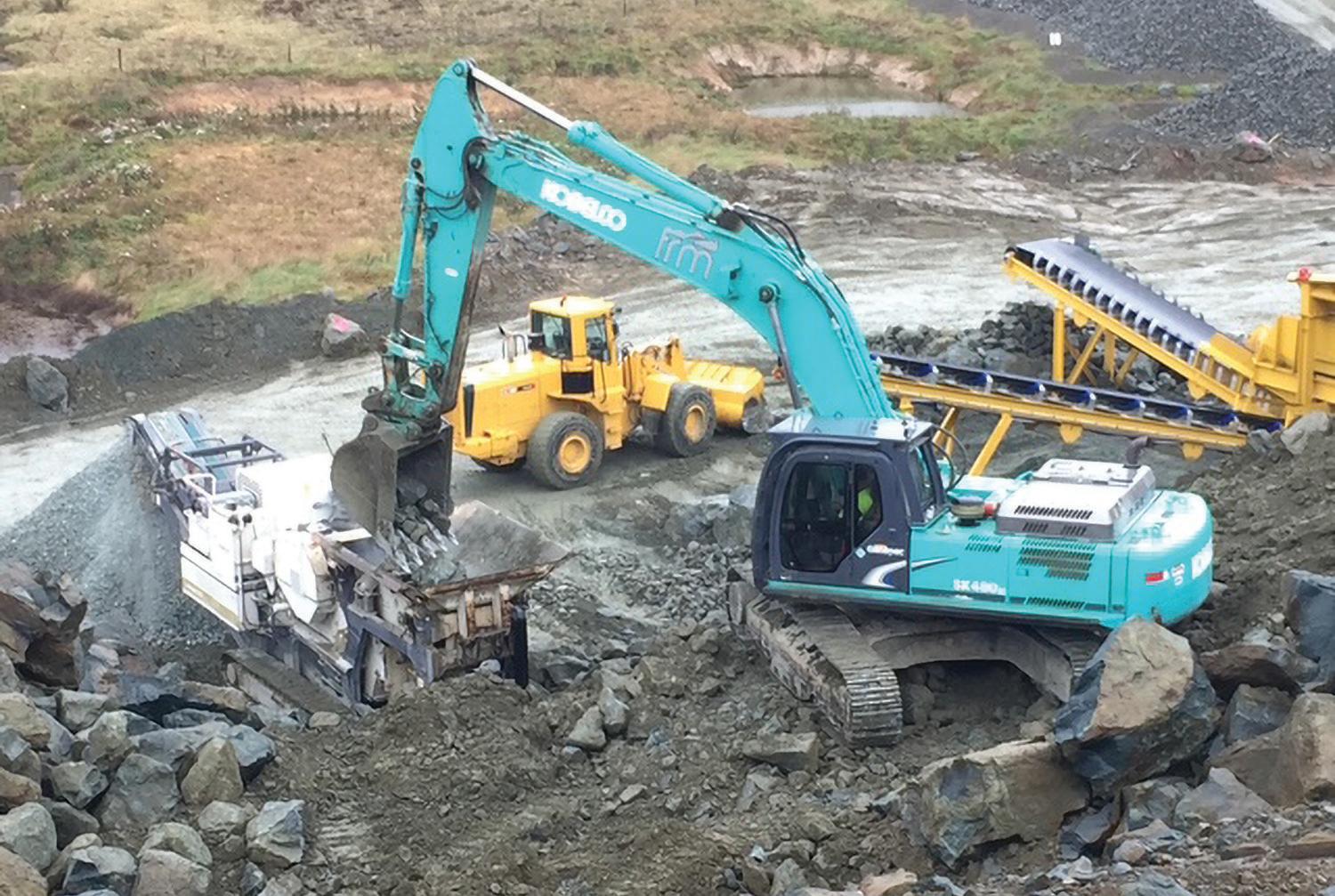
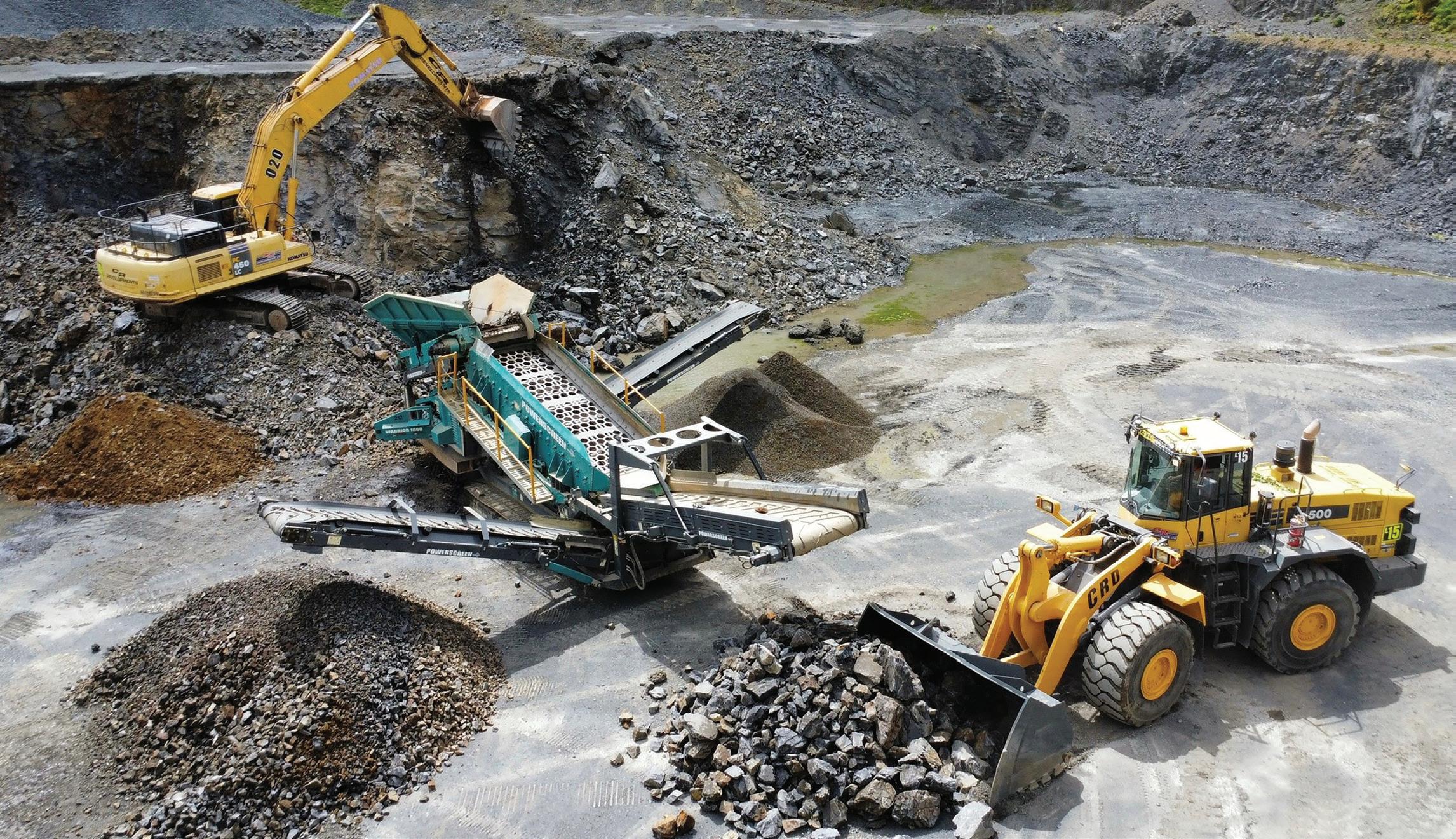
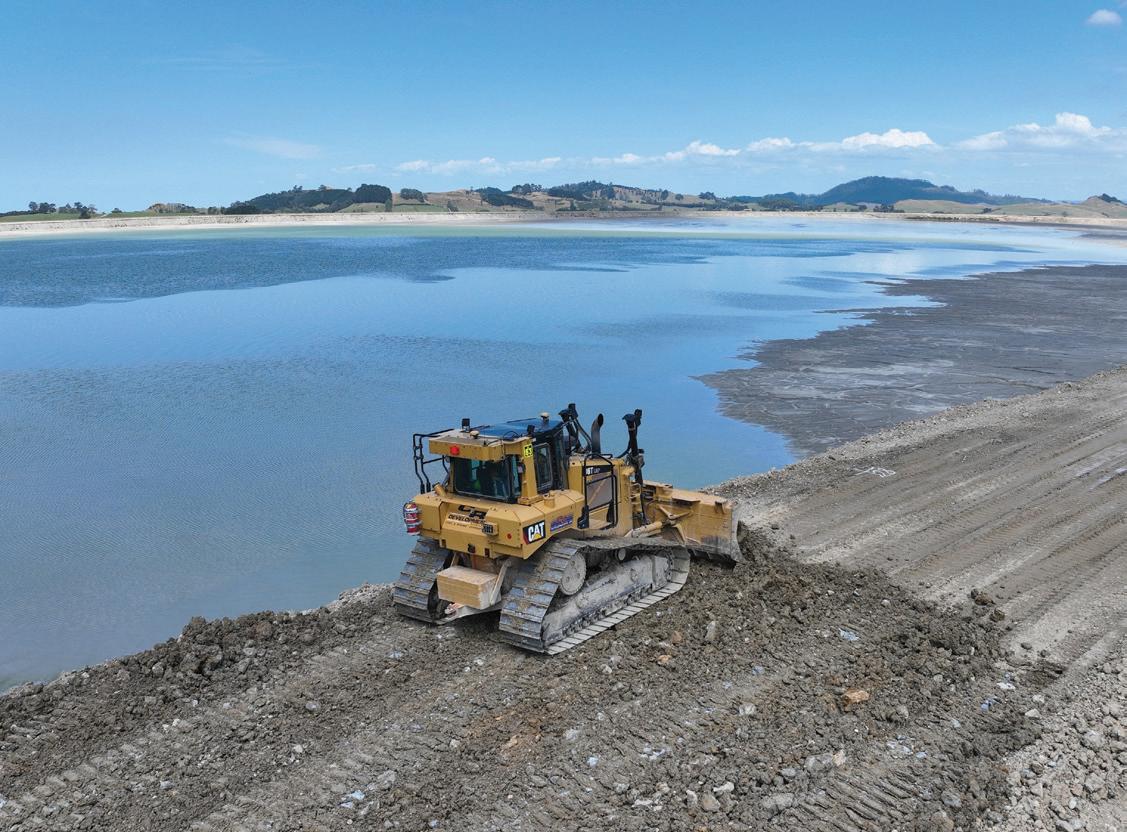
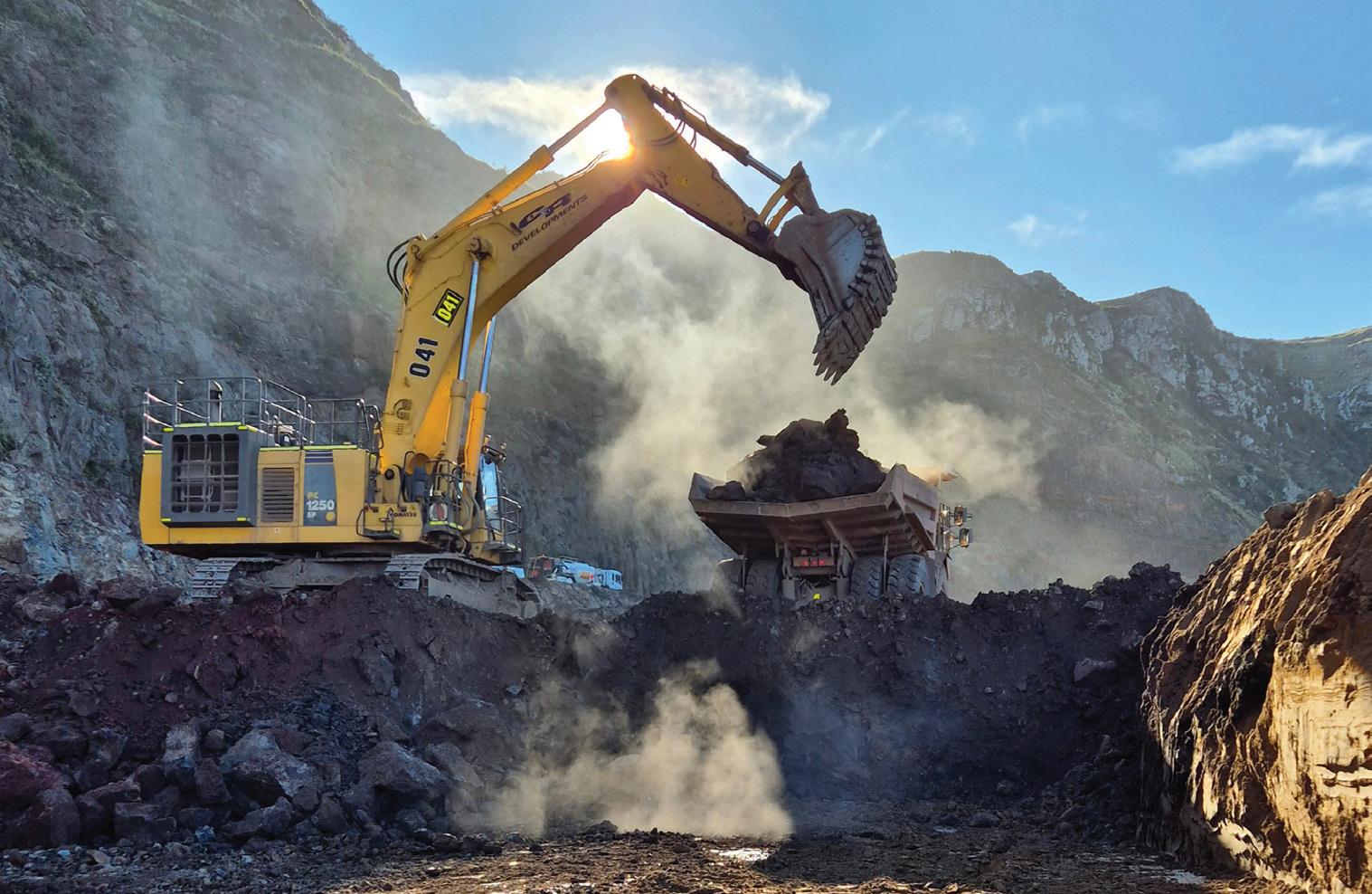
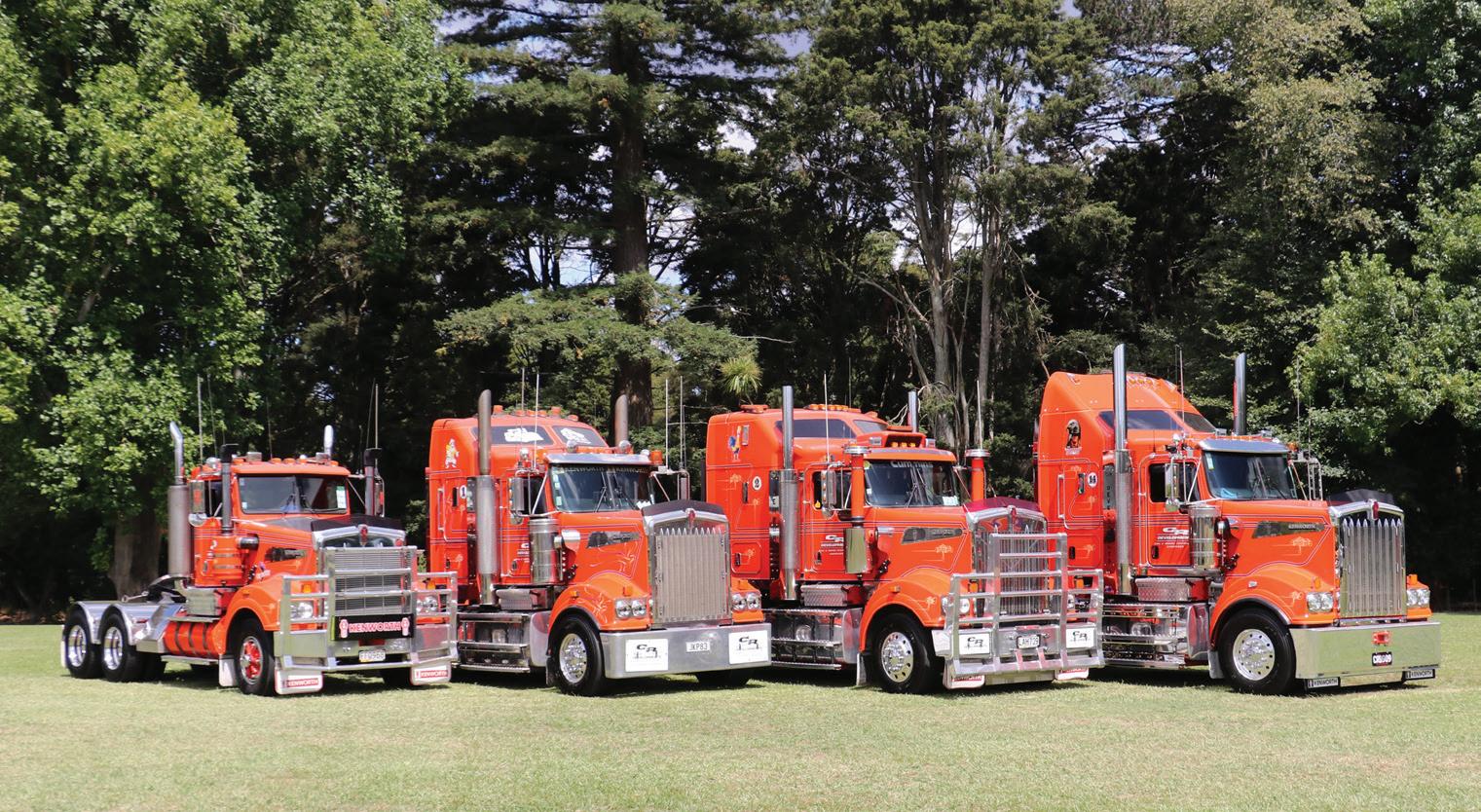
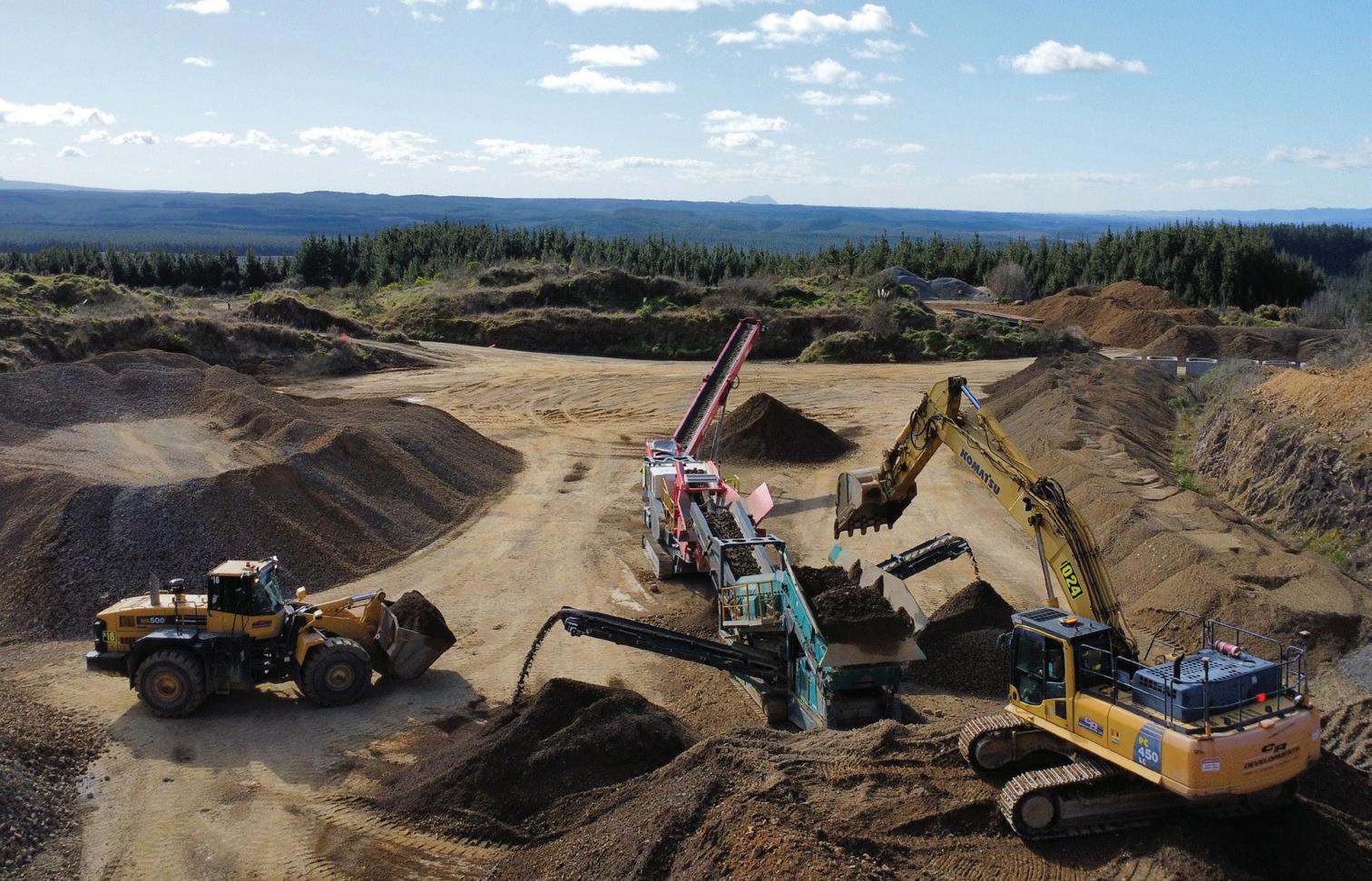
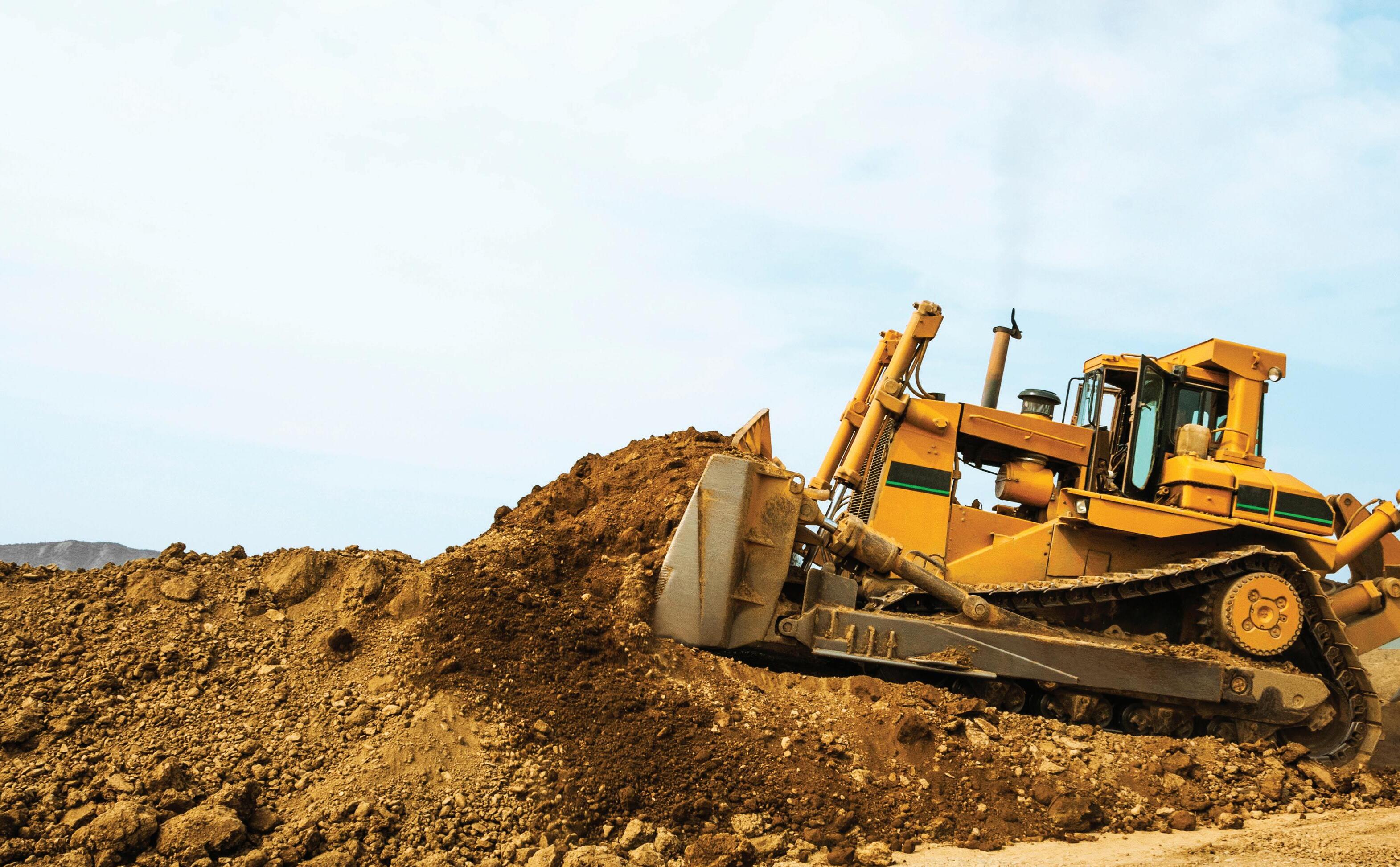
Founded in 1998 by the four Ross brothers, Mike, Tony, Tim, and Simon, C & R Construction has built its international reputation through projects in mining, civil, roading, quarrying, surveying, mechanical, and transportation of heavy equipment and aggregates.
Based in Cambridge, C&R Construction is well recognised for its ability and experience in breaking out new quarries, open-cut mines and major civil and roading projects.
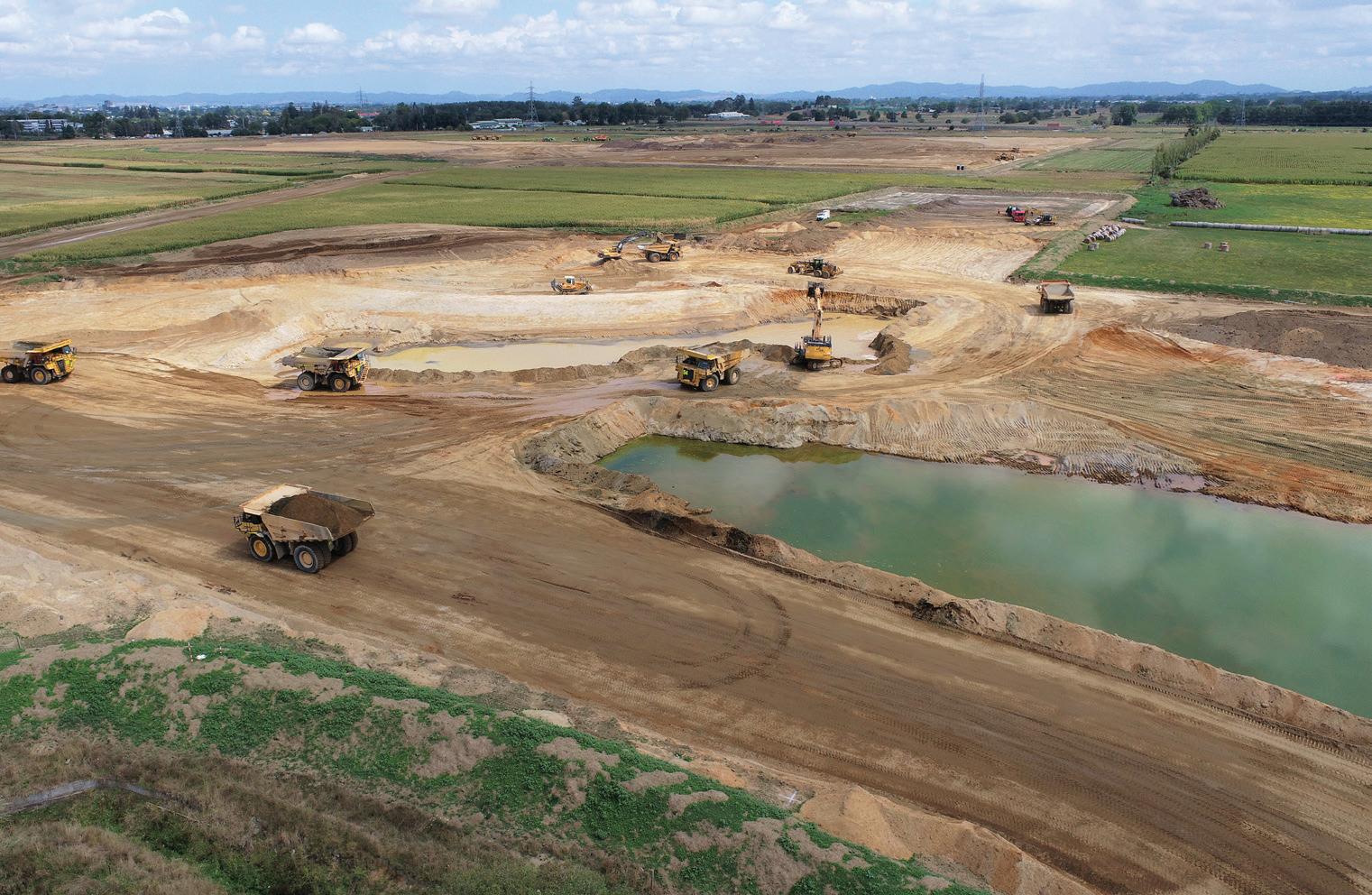
“We specialise in moving large volume earthworks into engineered fills in short timeframes,” says Simon. “We have the ability to implement and manage multishifts or extended working hours when required. Several projects have required double-shifting and night-shift work.
“The Lyttelton Port development and Rotowaro open cut are two examples. We also contract to a number of clients stripping overburden to meet tight production schedules and are very experienced in moving large volume earthworks to engineered fills in short time frames.”
The company has managed many structural fill projects and is experienced in moisture management, including dam core works, which require careful management of the engineered fill zone areas.
This work includes spreading and discing for lime stabilisation works. Other works include subdivisions, overburden removal contracts, stream diversions, environmental work and dry and wet hire of mining equipment.
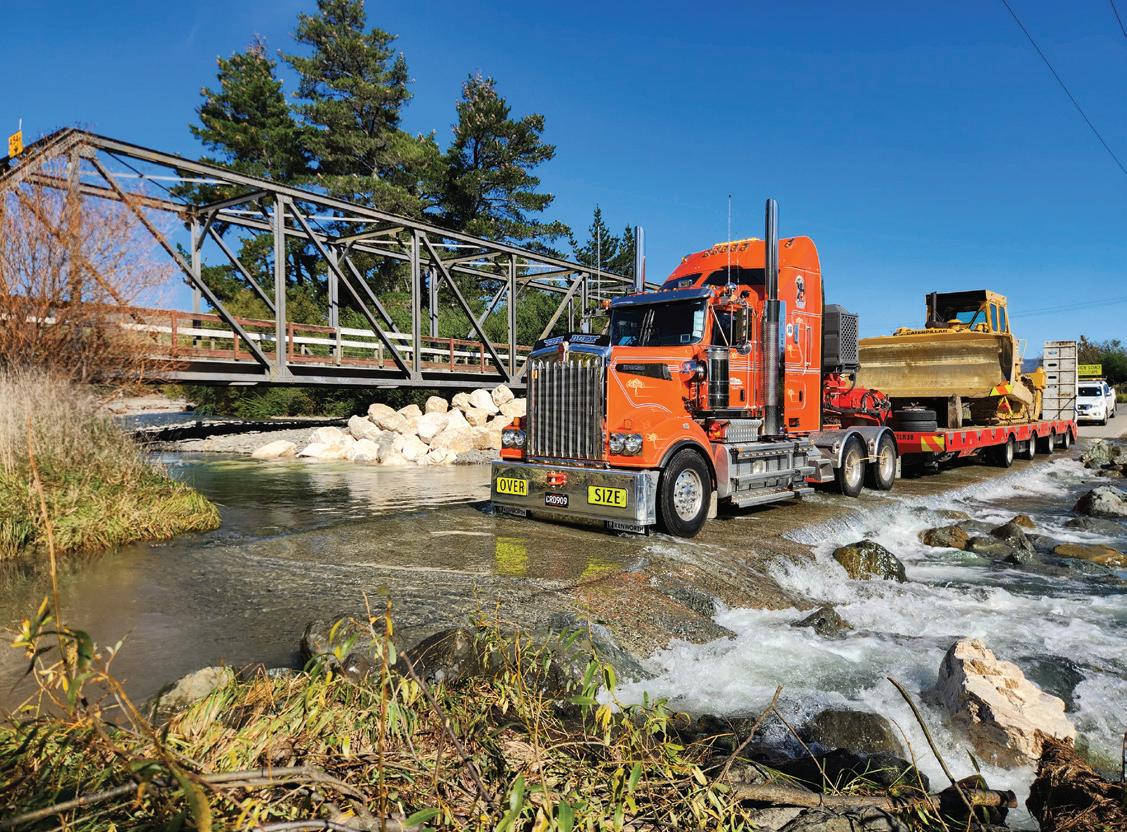
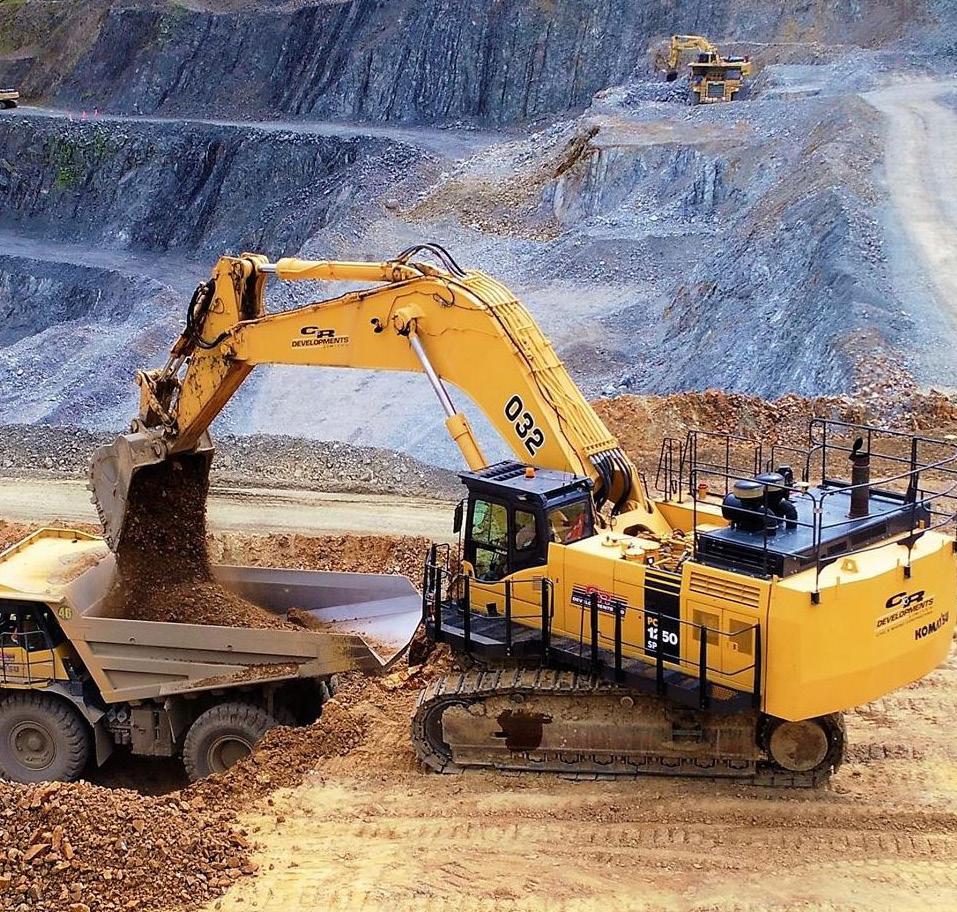
“We own a fleet of over two hundred major plant items, including dozers, excavators, loaders, dump trucks and other heavy machinery,” says Simon. “An experienced mechanical team based in our 20,000m2 purpose-built facility in Cambridge ensures the equipment is always maintained to a high level and ready for action.”
Over almost three decades of operation, C & R Construction has built an excellent environmental record, successfully completing numerous sensitive greenfield projects under the watchful eyes of regional councils.
“We also have a very strong focus on health and safety, and are fully committed to instilling those virtues in every member of our team.
“We’re deeply committed to ensuring that all staff, contractors and visitors are able to attend, work or visit and leave our workplaces safe and healthy and in a condition equal to or better than when they first arrived.
“We’re proud to say that we have a culture whereby all staff are comfortable reporting hazards, risks and incidents, and this has enabled us to be very proactive. Our health and safety policies are robust, and we have a dedicated Health and Safety professional on our management team.
“We have zero tolerance for drug and alcohol infringements and a random in-house testing regime to ensure our workplaces are and remain drug-free.”
We’re proud to say that we have a culture whereby all staff are comfortable reporting hazards, risks and incidents, and this has enabled us to be very proactive. Our health and safety policies are robust, and we have a dedicated Health and Safety professional on our management team.
- Simon Ross
A deep commitment to health and safety
Rooted in a desire to lead the industry, C & R prioritises creating a zero-harm environment where workers, contractors, visitors and surrounding communities can go about their work free from injury and illness. Beyond this lies a broader vision of responsible construction, committed to setting high standards in bulk earthworks, mining, civil works, and transport operations.
Safety must be managed, not monitored, and as a result, C & R continuously improves its systems and trains to eliminate hazards, reduce workplace risks and prevent incidents before they occur. to This commitment to risk prevention is supported by established Occupational Health and Safety Management Systems that are regularly reviewed and refined through both internal and external audits. These continuous checks ensure that the systems remain robust, practical and aligned with industry best practices.
A key part of C & R’s safety strategy is education and training. Comprehensive instruction and supervision are provided not only for employees but also for subcontractors, visitors, and clients, where relevant. By equipping everyone on site
with clear, accessible information about hazards, safe work procedures and responsibilities, the company fosters a shared understanding of how to work safely across diverse and often challenging construction environments. Regular toolbox meetings and ongoing feedback loops help reinforce this shared knowledge and keep all team members aligned with safety priorities.
One of the hallmarks of C & R’s safety culture is its emphasis on team engagement and feedback. Rather than treating safety as a unilateral mandate from management, the company actively involves its workforce and external partners in shaping safe work practices. Soliciting input from clients, customers, and even members of the community
ensures that safety procedures are practical, effective and reflective of real challenges on the ground. This collaborative approach improves current practices and reinforces a culture of professionalism, accountability and shared responsibility.
To support these systems, C & R invests in skills development and training on specialised equipment, ensuring that operators and site personnel are competent in both routine tasks and complex operations. For example, training on new machinery, such as specialised tyre-handling cranes, reflects the company’s commitment to equipping its teams with the knowledge to operate advanced plant safely and efficiently. By prioritising up-to-date training, C & R enhances both productivity and safety outcomes across its fleet of heavy machinery.
Health and safety at C & R Construction extends beyond immediate on-site practices to a broader organisational culture of care and responsibility. The company’s systems are designed to support people in returning home safely at the end of every day, and this mindset permeates its operational planning, project execution and stakeholder engagement. Safety performance is measured not only by compliance with policies, but also by the lived experience and wellbeing of its workforce.
This holistic focus is complemented by a strong environmental ethic and a commitment to quality outcomes, recognising that safe sites are also productive and sustainable. Environmental care and quality work practices are integrated into daily operations, reinforcing the idea that safety is part of a broader commitment to responsible construction and community wellbeing. This integrated HSEQ approach means that C & R not only meets regulatory expectations but often exceeds them in practice.
In practical terms, C & R’s health and safety programme is designed to be dynamic and continually improving. Regular audits, training refreshers, and open communication channels ensure that the company stays ahead of risks and responds nimbly to new challenges. C & R Construction Ltd’s health and safety philosophy reflects a commitment to people first, with systems and practices designed to ensure that every worker, contractor, and visitor can participate in and contribute to a safe, healthy, and productive work environment.
Technology and projects driving local infrastructure
Since 1998, C & R has evolved from a regional earthmoving specialist into a contractor capable of undertaking complex, large-scale contracts nationwide. Its commitment to state-of-theart technology, advanced equipment management and precision execution forms the backbone of its strategy to expand national reach in an increasingly competitive industry.
GPS-equipped machinery and advanced surveying tools drive the tech change.
C & R integrates GPS systems into a large portion of its plant fleet, ensuring accurate grading, cut-to-fill operations and engineered landform construction. This level of digital precision reduces rework, increases productivity, and allows greater control over material volumes on site, especially in civil earthworks projects where tolerances and timing are critical.
Another example of its adoption of technology is found in the mechanical workshop at Hautapu in Cambridge, where advanced tools such as 3D scanning equipment (Creaform Go!SCAN), SolidWorks design software, and ultrasonic testing are used to maintain and rebuild major components of heavy machinery. This capability allows the company to reverse-
engineer parts, perform precise repairs, and improve fleet availability without relying heavily on external suppliers. Such investment in mechanical technology supports project continuity and ensures equipment reliability on demanding jobsites.
C & R’s commitment to modern fleet management extends beyond earthmoving machinery. The company has recently adopted advanced GPS-based vehicle tracking and fleet systems across its light and heavy vehicles to improve operational oversight. By deploying electronic management systems for Road User Charges (RUC), maintenance scheduling, and driver performance monitoring, C & R has realised cost savings and improved safety performance. The ability to centrally track a large fleet not only improves compliance but also boosts transparency around project logistics.
Beyond technology in machinery and fleet systems, C & R embraces data-driven insights in project planning. Tools such as drone surveys and point cloud data technologies have been used in quarry and overburden removal projects to rapidly capture high-density terrain information. Projects that once relied solely on traditional rover-based surveys can now incorporate dense aerial data in minutes, improving accuracy and reducing time spent on site. This transition to digital surveying hints at a broader trend: construction firms adopting smart construction tech to enhance productivity and safety.
The integration of technology supports C & R’s existing service areas — from civil earthworks and bulk earthmoving to roading, environmental management and mining support — making it well placed to take on larger and more technically complex projects nationwide. While much of their work has
historically been in the upper North Island, the company’s track record includes port reclamation and inland port earthworks that demonstrate capability beyond regional boundaries.
Looking ahead, C & R Construction’s ongoing investment in cutting-edge tools, data systems, and fleet modernisation positions the company to expand its reach across New Zealand’s infrastructure sector. By leveraging sophisticated technology stacks, integrated operational systems, digital fleet tracking, and predictive maintenance tools, C & R can deliver high-value projects that demand tight tolerances, rapid timelines, and stringent health, safety, and environmental standards, while scaling operations responsibly, controlling costs, and meeting evolving sustainability expectations across regional and metropolitan developments alike.
Smart electrical solutions that last
Electrical planning is often one of the most important decisions made early in a build or renovation. Small choices around switch and tech placement, power distribution and lighting zones can have a big impact on how a home or workplace feels and functions from day to day. Whether you’re renovating a home, fitting out a commercial space, or upgrading essential systems, having the right electrical partner makes a real difference to the outcome from day one and for years to come.
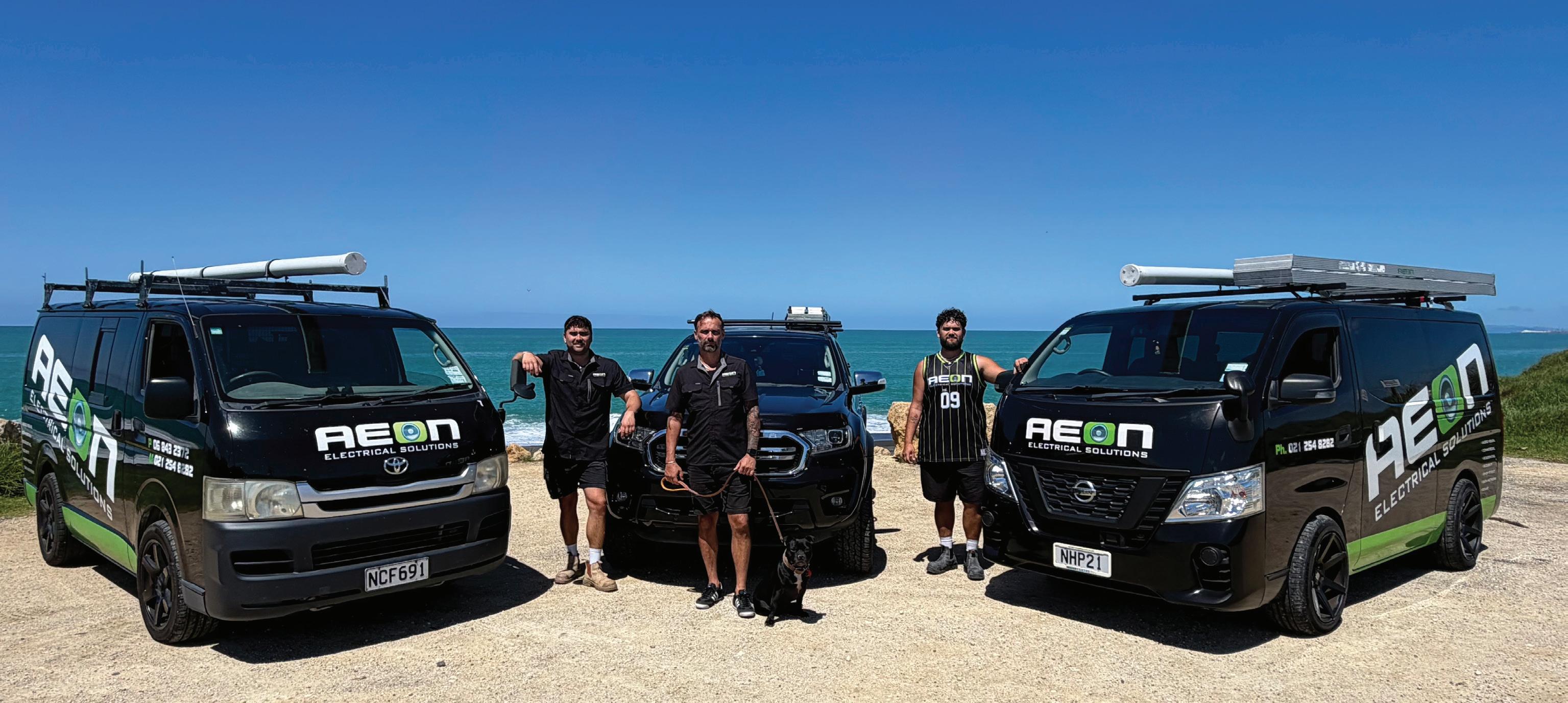
Aeon Electrical Solutions provides residential and commercial electrical services across Hawke’s Bay and beyond, supporting clients with practical plans and results, professional workmanship, and a clear focus on doing things properly. As a family-owned and operated company, Aeon combines technical capability with a personable approach, honed over 30 years. It’s never been easier for homeowners and business owners to move forward with confidence.
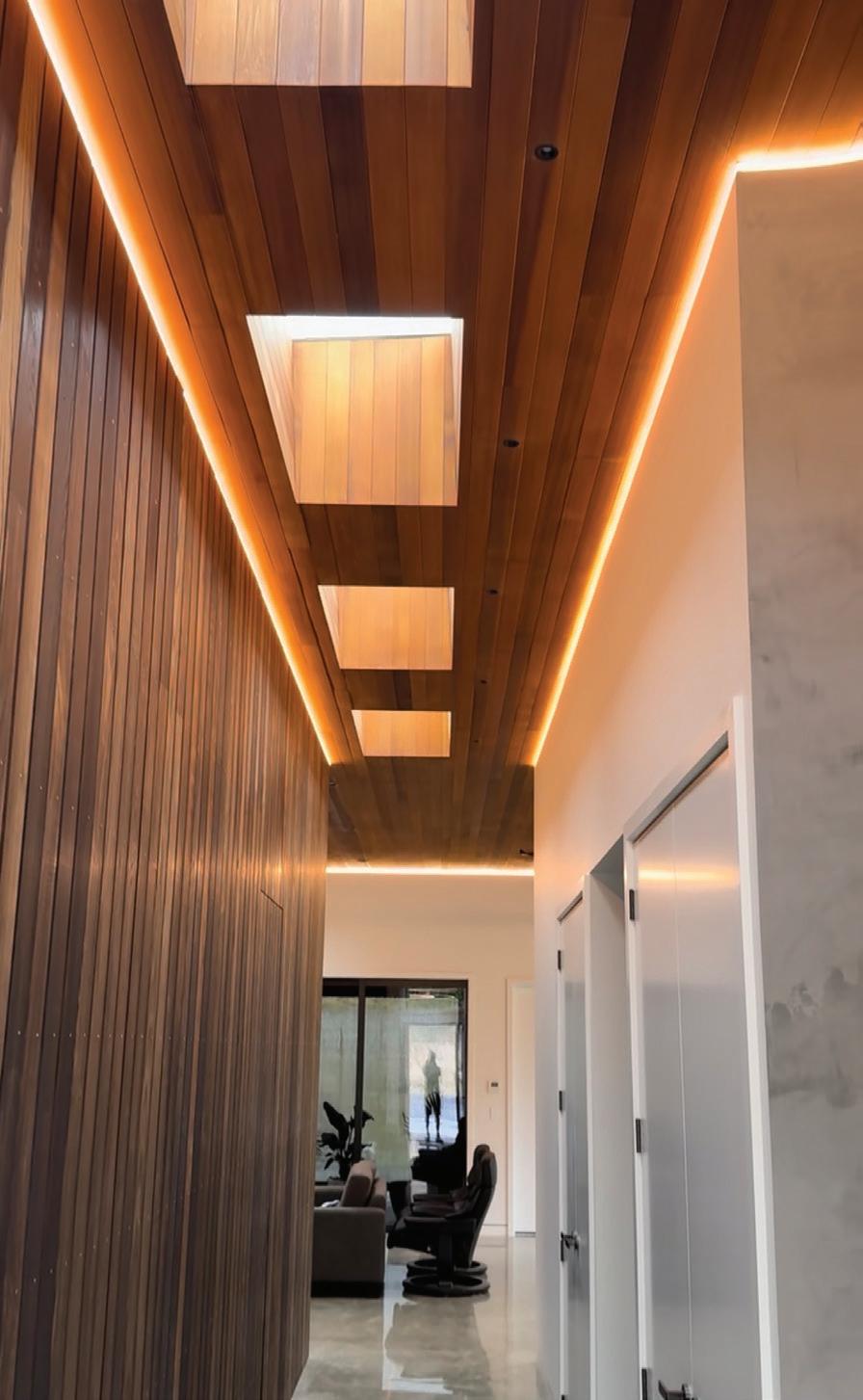
One of the key differences strong electrical teams bring to a project is clarity early on. From the outset, Aeon works closely with homeowners, architects, and builders to develop custom electrical plans tailored to each build, renovation, or fitout. The goal is to create a layout that aligns with how a space is actually used, supporting daily routines and long-term comfort rather than simply meeting minimum requirements.
Aeon Electrical Solutions understands the unique needs of each project. In a home, the priority is often comfort, usability, and longterm safety. In a workplace, electrical systems need to support efficiency, connectivity, and day-to-day operational demands without compromising performance or reliability. Because Aeon handles both, they’re in tune with the intended use and can scale to the job’s size and complexity.
For homeowners, electrical work is often a mix of the practical and the future-focused.
Aeon supports residential clients with electrical upgrades, improvements and new installations that help homes run smoothly behind the scenes. This can include planning power supply for modern appliances, ensuring circuits are safely distributed, and making sure the electrical system is fit for today’s demands. Aeon understands that work in your safe haven needs to be done with care, especially when people are living in the home during the project.
For commercial clients, electrical planning and delivery can directly impact how a business operates. Aeon provides commercial electrical services that support functionality, safety and professional presentation across a range of spaces. Whether it’s an upgrade, an expansion, or a new commercial fitout, Aeon helps businesses ensure their electrical systems are installed correctly, meet compliance requirements, and support modern working needs. The aim is always the same: provide a reliable electrical foundation that allows the business to run confidently day to day.
Shop fitouts bring their own set of priorities and timelines. Electrical work in a retail or customer-facing space must be completed to a high standard while aligning with layout, equipment, and operational requirements.
tidy and positioned to support the flow of the environment, while helping clients avoid the headaches that can come from last-minute changes or poor early planning.
Modern homes and businesses rely heavily on technology, which is why data networks are an important part of Aeon’s service offering. Aeon provides data network solutions that support connectivity, performance and usability, helping clients build environments that function well for work, streaming, communication, and day-today operation.
Security is another key service area and one that is increasingly important for both residential and commercial properties. Aeon provides solutions that help protect buildings, assets and peace of mind. Whether you’re securing a home or protecting a commercial location, security systems need to be installed professionally to ensure they function properly and reliably over time.
Audiovisual solutions can elevate any space, supporting entertainment, presentation needs, and integrated technology setups. Aeon offers audiovisual services to help clients create streamlined, functional systems that are easy to use and suited to their environment.
Aeon Electrical Solutions is built on professionalism, experience, and a genuine commitment to quality service.
We built a new home and worked with Rick from Aeon Electrical from the initial design through to installation. During the design phase, Rick offered excellent suggestions, options, and solutions that met, and often exceeded, our expectations of what was possible.
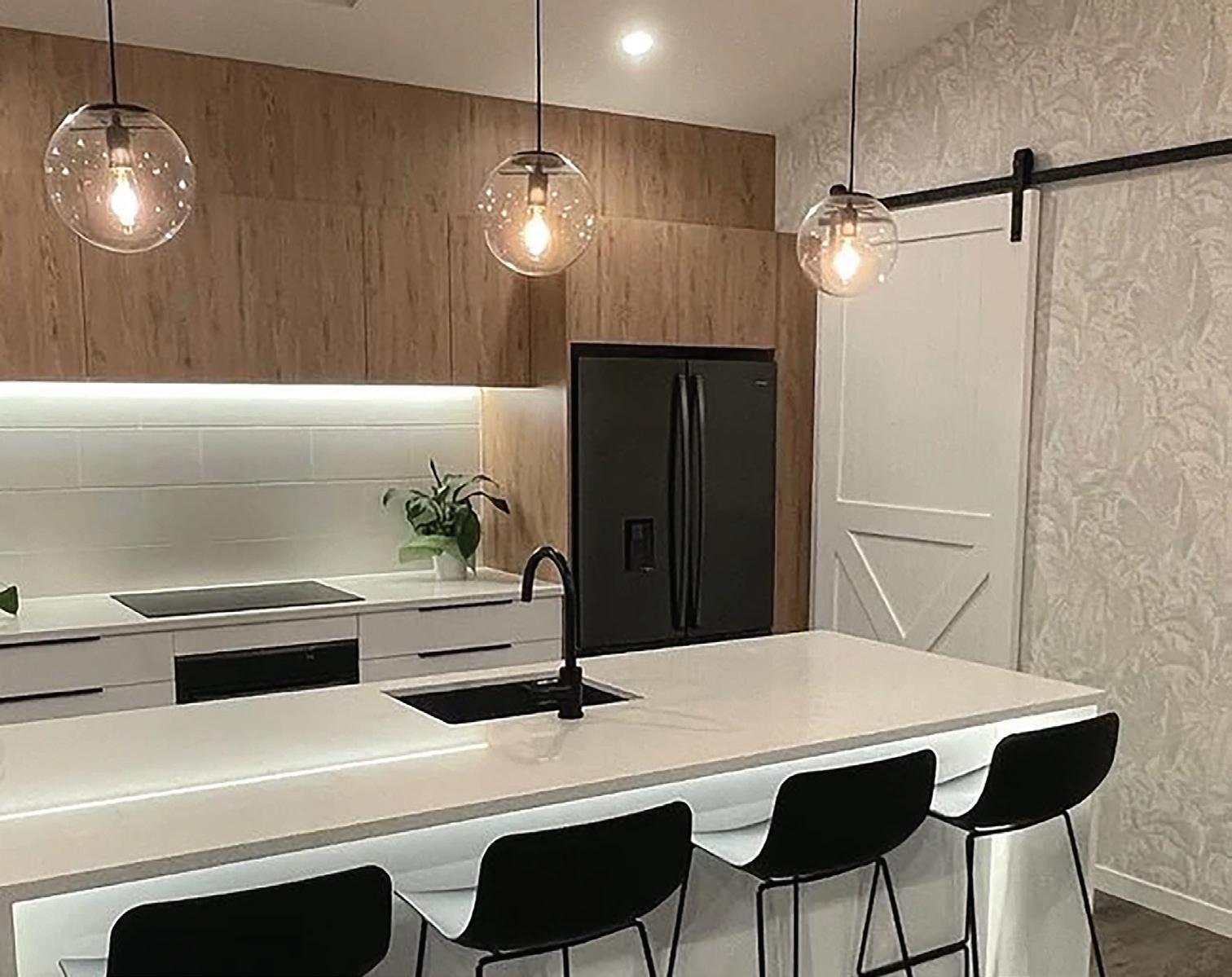
The Aeon team were great to work with onsite, always helpful and accommodating when it came to those final adjustments to get everything set up exactly as we wanted. Standout elements included the custom-built light over the kitchen island and the attention to detail in setting up the lighting in the wine cellar.
We are very pleased with the final result and now have a home that works beautifully for us and looks fantastic.
- Rob Taylor.
As a family-owned and operated company, they understand the value of trust and longterm relationships, and they deliver electrical solutions that support both performance and peace of mind. Contact the team today.
Construction sector leads sustainability charge
The construction sector has emerged as the biggest source of sustainability innovation in the 2025 Sustainable Business Awards. Despite ongoing economic challenges, 22 of the 119 finalists on the Next List 2025 come from the Built Environment, which is more than any other sector.
The Next List is an annual showcase of New Zealand’s leading sustainable innovators and the finalists in the Sustainable Business Awards. The list highlights the people, projects and organisations driving bold, potentially transformative change.
“I’m really thrilled to see such an uplift in the built environment space, especially in a sector that’s been under real pressure,” says Rachel Brown ONZM, founder and CEO of the Sustainable Business Network (SBN).
“It shows that when conditions are tough, innovation doesn’t slow down – it gets going!”
The Next List has grown from 95 in 2024 to 119 in 2025. Within this list lies the blueprint for a better future: radically reduced emissions, elimination of waste, resource reuse, and a natural world restored to abundance. These ventures position Aotearoa as a global beacon of sustainable business.
“The leap in companies on the list this year isn’t just a signal of growth – it’s momentum for a new economy,” Rachel says.
“These people and ventures aren’t dreaming about a better future; they’re building it in real time. They’re confronting the toughest challenges we face – from climate disruption to waste to deep inequality and proving that transformation comes from bold ideas backed by action and finance.”
There’s also strong regional diversity among entrants with many entries coming from smaller towns and regions, showing that sustainable innovation is not limited to the main centres.
The Sustainable Business Awards, now in their 23rd year, focus on just two powerful categories:
• Disruptive Innovation – for bold, scalable products, services or technologies embedding sustainability and circular economy thinking
• Transformational Leadership –recognising individuals and organisations driving system-level change through strategy, influence and action Innovation for more than the sake of itself
Commenting on the increase in businesses recognised for their outstanding sustainability solutions, Rachel says this wave of solutions signals something bigger than innovation for its own sake.
“It’s evidence of a mission-led shift in how we design a brighter economy — one that backs ingenuity, regenerates our natural systems and creates a thriving Aotearoa New Zealand for everyone.”
The benefits of innovation to businesses From new solar farms and zero-waste
I’m
really thrilled to see such an uplift in the built environment space, especially in a sector that’s been under real pressure. It shows that when conditions are tough, innovation doesn’t slow down – it gets going!
- Rachel Brown
textile breakthroughs to international expansion and stronger food rescue networks, many 2024 finalists have gone on to scale their solutions, deepen their community impact, and unlock major partnerships. Their success stories highlight the real-world momentum behind Aotearoa’s shift toward a low-emissions, regenerative economy.
2024 Awards winners - where are they now?
Lodestone Energy (Winner – Disruptive Innovation)
• Three solar farms are now fully operational (Kohirā, Rangitaiki, Te Herenga o Te Rā) with two more under construction,
• Became a registered electricity retailer in early 2025,
• FY25 milestones include generating 118 GWh of renewable energy, planting 5,500 native trees, displacing an estimated 14,600 tonnes of COe, and raising $50 million in new equity,
• Signed a 20-year customer partnership with Inghams NZ and continues strong community investment.
Mike Casey – Rewiring Aotearoa (Winner – Transformational Leadership)
• Continued on-orchard innovation and community engagement through a successful “Adopt a Tree” initiative.
Adaptable Structures
• Founder relocated to the US to accelerate adoption of low-carbon aluminium in construction,
• Engaged with two U.S. government agencies (Department of Energy and HUD),
• Continues advocacy for sustainable building alternatives at a systems level.
Untouched World
• Renewed B Corp certification with score increased from 83.5 to 107.3
• Celebrating 30 years in 2025,
• 70% of fibres now sourced from regenerative farms; goal is 100%,
• Repaired 593 garments in the past year; 99% of textile waste diverted from landfill,
• First NZ company to launch Brewed Protein™ by Spiber – an innovative biobased yarn.
Lanaco
• Filed a patent for a biodegradable woolbased filter — an industry first,
• Gained Mandatory Federal Purchasing status via USDA BioPreferred® Programme,
• Formed new international partnerships and preparing for a major public announcement.
Deborah Manning, NZ Food Network
• KiwiHarvest rescued and redistributed over 3 million kgs of food (14% YoY increase),
• Launched nationwide “Satellites” coordination service and grew food donor network from 270 to 370,
• Maintained financial stability despite reduced government funding through diversified revenue,
• New Zealand Food Network now supports around 500,000 people per month via Food Hubs,
• Expanded bulk food procurement to improve affordability and consistency for communities.
The Headwaters Eco Lodge (Debbi & Paul Brainerd)
• Launched Night Skies Program alongside Glenorchy’s recognition as an international Dark Skies Sanctuary.
EV Maritime (Michael Eaglen)
• Launched and proven first of two electric ferries for Auckland Transport,
• Secured product development contracts and consultancy work in the US,
• Cemented a second build partnership in Australia.
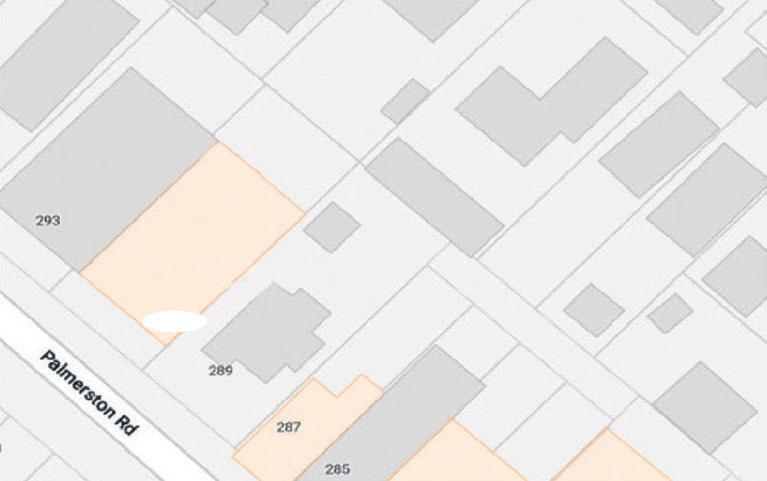
291 Palmerston Road, Gisborne
Spout Milk
• Benefited from award exposure and expanded reach through SBN connections,
• Continued growth in brand awareness and network collaboration.
We are a team of talented professionals who work alongside their clients every step of the way on each project. We apply artistic engineering and construction skills to design commercial buildings and bespoke residential homes.
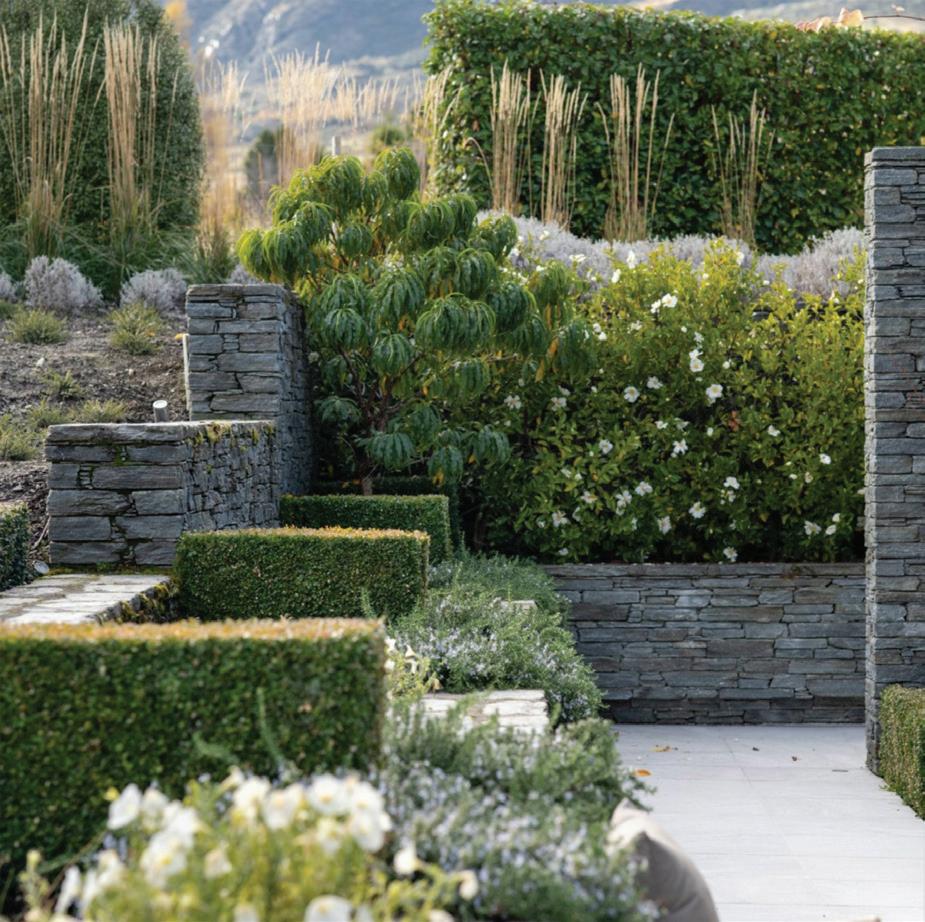
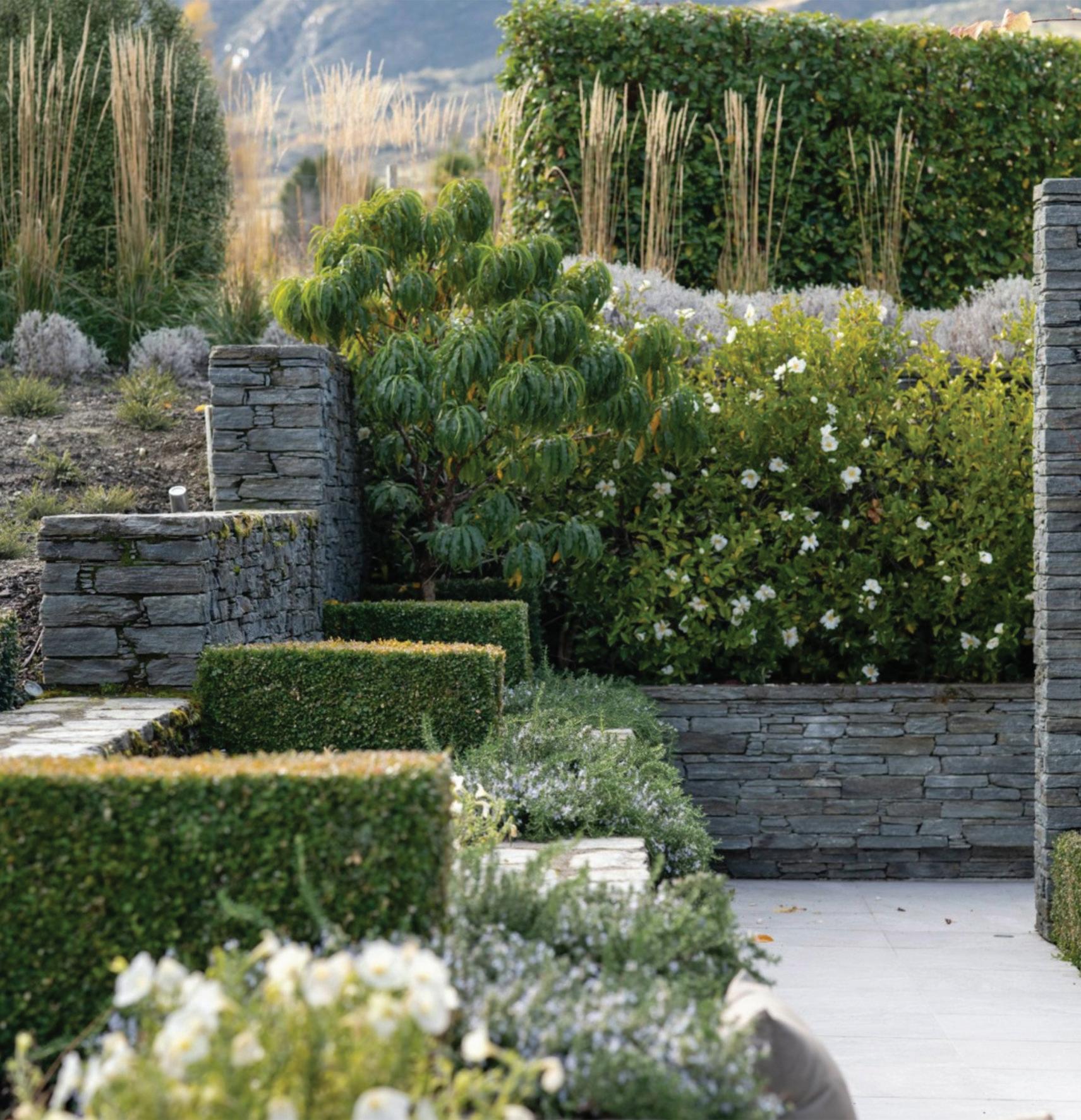
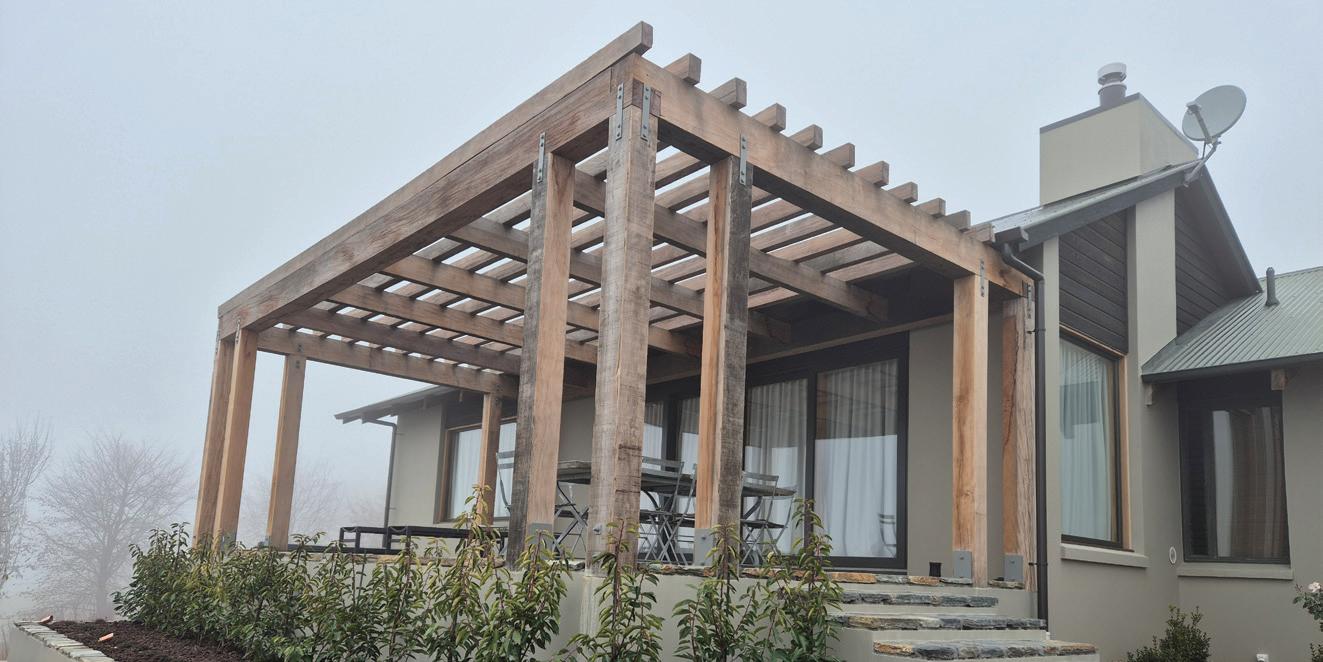
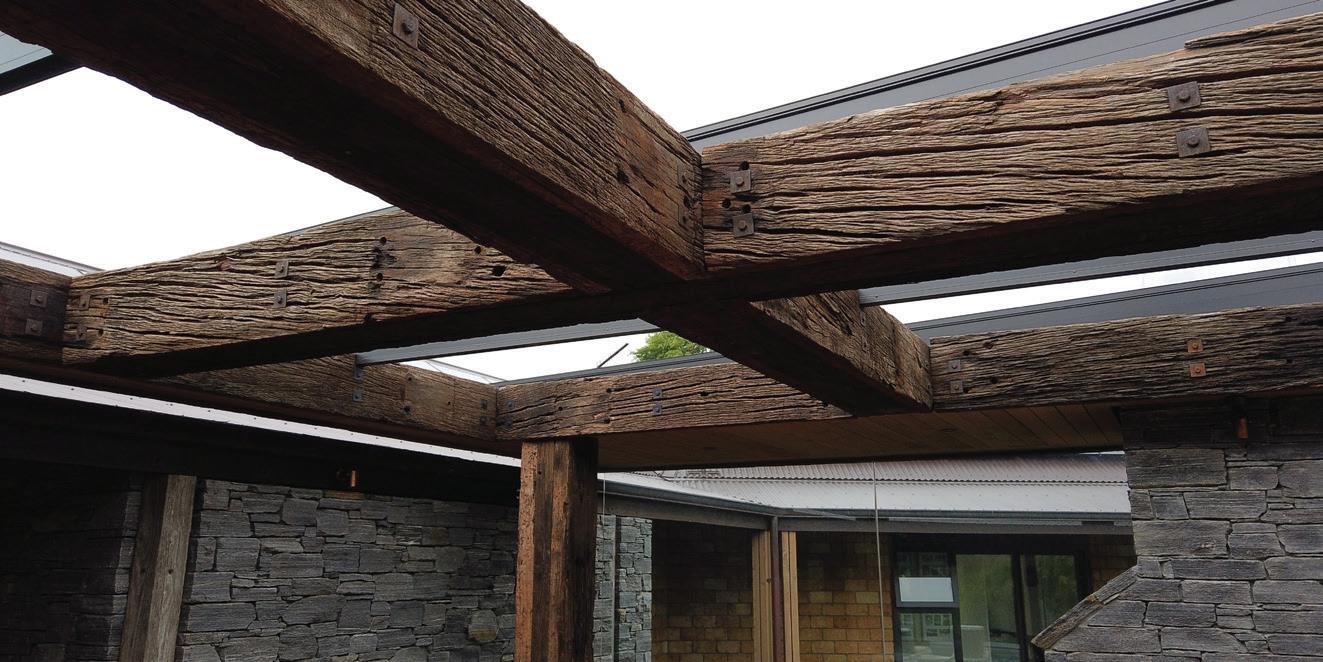
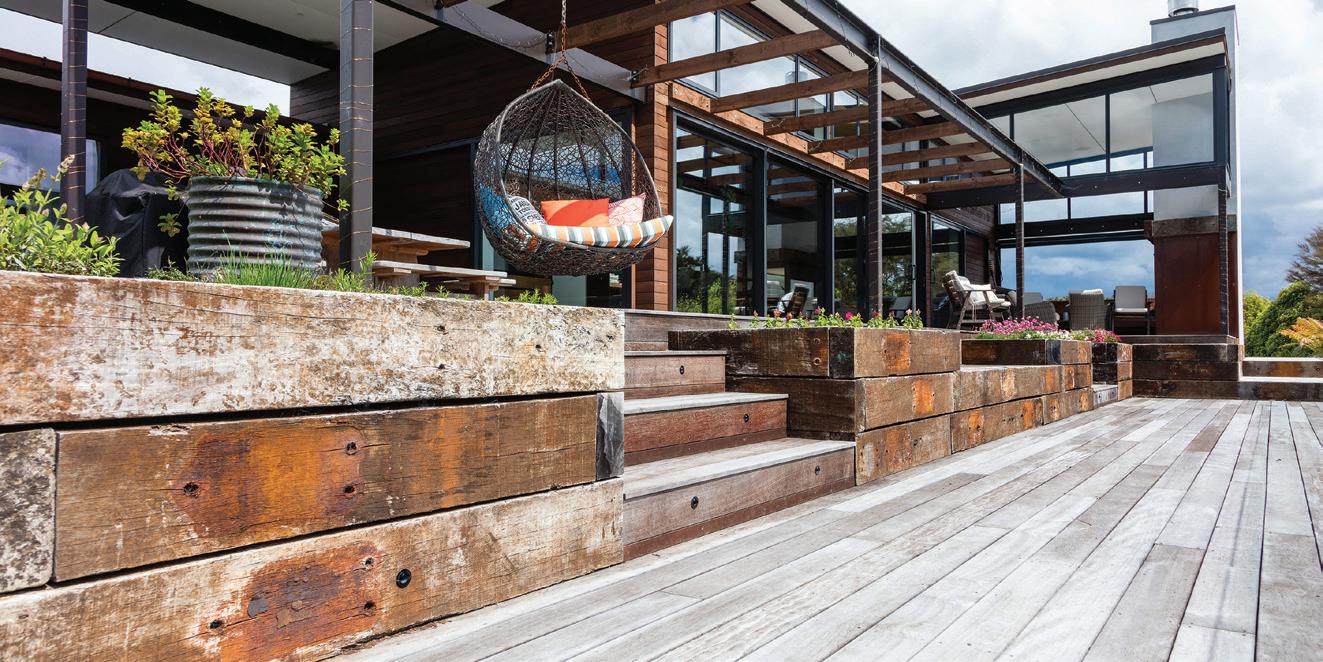
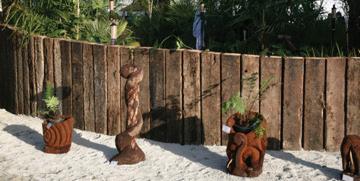
What differentiates a Registered Master Landscaper from a builder extending their scope into hard landscaping?
Images from www.masterlandscapers.org.nz
When it comes to constructing retaining walls, paving, or outdoor structures, builders and landscapers often share overlapping technical skills. A competent builder can, without question, deliver solid and compliant hardscaping outcomes as part of a wider building contract.
But a successful garden is not defined by walls and paths alone. What ultimately completes the picture - and determines whether the space thrives long term - is the soft landscaping.
Plants do not flourish by chance. They require an understanding of soil structure, drainage, aspect, microclimate, root behaviour, and ongoing maintenance requirements. Without this horticultural knowledge, even the best-constructed outdoor spaces can fail to deliver the outcome the client envisioned. This is where professional landscapers bring
a critical and often under-recognised dimension to a project.
Registered Master Landscapers (RML) members collectively represent a blend of design, construction and horticultural expertise. Many are construction-focused, but they either work closely with garden designers or landscape architects or have skilled horticultural knowledge within their own teams. This ensures that planting choices, layout and installation methods are aligned with both the built environment and the long-term performance of the garden.
From a builder’s perspective, involving an RML member - even where the hard landscaping sits within the building contract - can enhance the end result for the client. Consultation or collaboration can provide valuable input on garden layout, construction sequencing, planting requirements and how the landscape integrates with the home. The result is fewer compromises, fewer call-backs and a finished project that performs as well as it looks.
There is also an added layer of assurance in working with Registered Master Landscapers members. RML membership signals a commitment to professional standards, quality workmanship and industry best practice - offering confidence to both builders and clients that the landscaping component of a project is being delivered by experienced professionals.
Ultimately, builders and landscapers are not competitors in the garden space, they are complementary trades. When both disciplines work together, the client benefits from a cohesive outcome where structure and nature are equally well considered.
Welcoming Registered Master Landscapers new CEO
Registered Master Landscapers is pleased to announce the appointment of a new fractional Chief Executive Officer, Rachel Louie.
Rachel brings more than 20 years of leadership experience, including leading
her family business through periods of growth, governance development and later, the challenges of receivership. These experiences have shaped a strong sense of resilience and transparency, equipping her to lead thoughtfully under pressure, make sound strategic decisions and support people through change.
She also brings valuable experience working with member-led organisations through her involvement with the National Kitchen & Bathroom Association (NKBA). In this role, Rachel worked closely with members and industry suppliers, supporting the association through education initiatives, marketing and consumer awareness. This background has Rachel a practical understanding of how industry bodies can deliver real value to members through strong partnerships.
In addition, Rachel has a longstanding commitment to the not-for-profit sector, including leadership roles within a community-based martial arts organisation with a strong focus on member engagement and good governance.
Rachel’s appointment reflects RML’s ongoing commitment to professionalism, collaboration across the construction sector and delivering better outcomes for members, industry partners and clients alike.
www.masterlandscapers.org.nz
Earthworks
The foundations of a strong civil career
Before any road is built, or before any large infrastructure project can rise out of the ground, that ground must be carefully and properly prepared; setting the platform for everything that follows.
For those training for or considering a career in civil construction, Connexis qualifications in bulk earthworks and sediment control provide essential, practical skills that are highly sought after. These foundational competencies open doors to long-term, large-scale projects that shape communities and offer strong career prospects.
Connexis, a leading training provider for the civil construction sector and other key infrastructure industries - such as energy, telecommunications, and water - delivers comprehensive earthworks training programmes for trainees. These programmes equip learners with the expertise needed to succeed in the field and include:
● New Zealand Certificate in Civil Infrastructure (Level 3) Bulk Earthworks
● New Zealand Apprenticeship in Civil (Level 4) with strands in Earthworks, Road Construction and Road Maintenance
● Level 4 micro-credential in InfrastructureErosion and Sediment Control Plans
Connexis assessor Craig Shearer, a civil contract manager with Currie Construction, says bulk earthworks knowledge is an important part of a civil infrastructure qualification because it informs how to shape and prepare a work site, as well as how to move materials, and using cut and fill methods.
The bulk earthworks skills learned can be used often in preparing roads as well as other
infrastructure construction projects such as dams, mines, ports and airports.
“These skills mean you can start becoming a subject matter expert in earthworks, understanding the how and why of doing your job so you can deliver a good product to your clients,” Shearer says.
“Trainees who want to specialise and deepen their earthworks knowledge could also complete Connexis’ Level 4 microcredential in Infrastructure - Erosion and Sediment Control Plans,” Shearer says. This qualification is designed to provide civil industry workers with the relevant skills and knowledge to interpret and implement erosion and sediment control (ESC) plans.
“The level 4 micro-credential is a great addition that helps with understanding environmentally safe delivery methods and protections when carrying out bulk earthworks,” Shearer says. “You learn how to assess risk, prepare plans and safely manage your bulk earthworks in a way that prevents damage to the environment. After all, we want to take care of the world we live in, be good stewards and be tidy Kiwis.”
Trainees interested in specialising in earthworks could also go on to enrol in the New Zealand Apprenticeship in Civil (Level 4) with strands in Earthworks, Road Construction and Road Maintenance.
Shearer says earthworks qualifications such as those offered by Connexis, open up a range of career options within civil infrastructure.
“The world is full of possibilities with these qualifications. We have staff on our crews ranging from civil construction hands to leading hands to foremen, Managers and H&S personnel who have these qualifications or are wanting to do them,” he says.
“The key to success in training in bulk earthworks qualifications is to apply yourself, keep good records, ask the people around you questions, and be inquisitive. Understand the ‘why’ then figure out the ‘how’.”
Connexis executive director Kaarin Gaukrodger says bulk earthworks qualifications can literally provide the foundations for a successful civil career that could see trainees working on some of New Zealand’s biggest and most important infrastructure projects.
“These skills are essential in almost any major construction project, whether it’s a highway or a large build such as a dam or port building. No project moves forward until the groundworks are completed correctly, and safely - for the public, the workers and the environment.”
“That means earthworks skills and knowledge are in high demand and can lead to a range of long-term rewarding careers in the community.”
Qualification details:
New Zealand Certificate in Civil Infrastructure (Level 3) Bulk Earthworks
Skills covered include: following processes and procedures, and complying with environmental protocols to deliver quality outcomes; completing work to job specifications effectively and efficiently; applying health and safety procedures.
New Zealand Apprenticeship in Civil (Level 4) with strands in Earthworks, Road Construction and Road Maintenance
Skills covered include: carrying out a range of civil works complying with health, safety, and environmental requirements; interpret plans and apply methodology to complete civil works; coordinate plant, equipment, and materials; communicate civil works
The world is full of possibilities with these qualifications. We have staff on our crews ranging from civil construction hands to leading hands to foremen, Managers and H&S personnel who have these qualifications or are wanting to do them.
- Kaarin Gaukrodger Connexis
executive director
operations to stakeholders; ensure the safety of site personnel; carrying out, earthworks, road construction, and/or road maintenance to job specifications.
Micro-credential in Infrastructure - Erosion and Sediment Control (ESC) Plans (Level 4)
Skills covered include: the knowledge and skills required to understand and carry out the implementation of ESC plans on infrastructure worksites. This includes executing construction and decommissioning controls, maintaining monitoring programs for worksites, and integrating Te Aranga Design Principles throughout the implementation in accordance with the ESC plan.
For more information and other Connexis training programmes, apprenticeships and qualifications visit connexis.org.nz
Next steps for Roads of National Significance
By Ben O’Connell
The Government’s Roads of National Significance (RoNS) programme is moving into the next phase of its development, but Transporting NZ wants bipartisan commitment to avoid future speed bumps.
Combined funding of nearly $1.2 billion will advance key projects across the country.
“The Government is committed to building a long-term pipeline of transport infrastructure investments to redress New Zealand’s infrastructure deficit and build jobs and growth for Kiwis,” Transport Minister Chris Bishop says.
“Our Roads of National Significance (RoNS) programme is a vital part of this pipeline, and
I’m pleased to see good progress on getting these important projects ready for delivery.”
The National Road Carriers Association (NRC) was pleased to see progress in the space.
“All of these projects are much-needed improvements that will deliver safety, resilience and productivity to the roading network,” says NRC GM Policy and Advocacy James Smith.
“Many have been on the drawing boards in various states for decades, so this meaningful progress is worthy of celebration.
“Construction will bring much-needed work for the civil construction sector that has been through a fairly bleak few years.”
Transporting NZ calls for bipartisanship
Transporting NZ welcomes the progress but calls for commitment across party lines,
which they say is needed to avoid the risk of costly cancellations and further disruptions to the progress of the projects identified in the National Land Transport Programme 2024-2027.
“When people and freight are moving efficiently, that’s good news for the entire country. You can see this in the close correlation between heavy traffic movement and GDP growth,” Transporting NZ chief executive Dom Kalasih says.
He says that improved roading connections were good news for safety, productivity, and economic growth. Still, heading into an election year, he calls upon all political parties to support the infrastructure pipeline.
to implement road revenue reform with full Road User Charges by 2027; and to promote sustainable funding through tolling and public-private partnerships.
The specific RoNS projects
The NZTA Board has now endorsed investment cases for all RoNS projects, including Sections 2 and 3 of the Northland Expressway, the East West Link, Hamilton Southern Links, Petone to Grenada and Cross Valley Link, SH1 Wellington Improvements (including a new Mt Victoria Tunnel), and the Hope Bypass.
We are your double glazing solution experts.
Get your home warm and cozy for winter.
• Retrofit Double Glazing
• Insert Windows
• Full Replacement Windows & Doors
“These are not projects that can be delivered within a couple of election cycles,” he says. “They require consistency across successive governments if they are to be delivered affordably and without delay.
“A politically-driven cancellation or windingback of this infrastructure programme would be a nightmare for road users, local communities, and the national economy.”
Kalisah remains optimistic that there will be bipartisan buy-in for an infrastructure pledge.
“Senior government ministers have highlighted the value of bipartisan commitments, and opposition spokespeople have indicated they don’t want to see projects cancelled.”
Transporting New Zealand proposes five bipartisan transport pledges: to support the infrastructure pipeline, including RoNS and RONS projects; to prioritise road maintenance and economic growth; to back low-emission, high-productivity vehicles;
More than $675 million has been approved to progress consenting, design, route protection, site investigations, and early works, while over $515 million from existing RoNS property funding will enable local property acquisition.
“The Government is committed to delivering a strong and consistent pipeline of projects to support jobs and growth across New Zealand. I look forward to seeing further progress on these critical projects in the months and years ahead.”
Construction on some RoNS projects is already underway, including the Takitimu North Link Stage 1, SH29 Tauriko West (Omanawa Bridge replacement), and Otaki to north of Levin. Procurement and early works are progressing on others, with detailed design, consents, and Fast-track Approvals Act (FTAA) applications being prepared for multiple corridors.
Visit https: www.nzta.govt.nz/planningand-investment/roads-of-nationalsignificance for more.
Safe options for disposal of household and small power-tool batteries in Waimakariri District.
Household batteries deteriorate if not in use and need to be disposed of safely.
Batteries need to be disposed of safely once they are flat or show signs of deterioration – but they are hazardous, rechargeable batteries especially so.
If batteries, or items that contain batteries, end up in a collection truck, rubbish pit or recycling plant, they have the potential to cause fires in the trucks or facilities and harm people and the environment.
Damaged, leaking or rusty batteries can be dropped off for free at the hazardous waste drop-off area in Council’s Southbrook resource recovery park and Oxford transfer station.
Undamaged household and power-tool batteries can be recycled, saving valuable components for reuse. As New Zealand currently lacks the infrastructure to recycle batteries, we’ve partnered with Phoenix Recycling Group to collect undamaged batteries from our sites and ship them offshore under strict hazardous waste permits.
Phoenix works exclusively with approved facilities that are equipped to safely process the batteries, recover valuable materials, and minimise environmental impact.
About us
Loose batteries that can be dropped off for free in the specialised Battery Recycling Units:
• AA, AAA, C and D cell batteries
• Alkaline cell • Lithium
• 9-volt • Cr123 camera batteries
• Dry cell and zinc • Li-ion batteries
• NiCd • NiMH
Lead-acid and Gel car batteries can be dropped off at the Southbrook Resource Recovery Park and Oxford Transfer Station recycling area.
Tyre World is an independent and locally owned tyre dealer based in Tauranga, New Zealand.
With over 40 years of combined experience, we take the time to ensure your vehicle is safely fitted with the correct tyres at a competitive price. You can ensure that by trusting us, you will receive a professional and high-quality service with every visit.
We service vehicles of all calibres; no matter if you’re driving a Demio, Hilux, Tractor or Truck, we will be able to source and fit the right tyres you need or want!
of Courtney Road & Wilrose Place, Gate Pa, Tauranga m 07 578 0256 k info@tyreworld.co.nz
Here at Tyre World, we do all tyres and all services. If you’re struggling to source the tyres you need, give us a call and we’ll help you find them and fit them!
Buy New, Hire, Parts & Service
SHOP / SERVICES
New Electric Boilers
High Voltage Electrode Boiler
Boiler Parts & Service
Hire Boilers
Low Emission Boilers
Technical Specs
Updated HERA guide empowers industry to specify low-carbon structural steel
The Heavy Engineering Research Association (HERA) has released an updated version of its How to Specify LowCarbon Structural Steel guide. This is Aotearoa New Zealand’s leading reference for designing and specifying structural steel with a lower embodied carbon footprint.
As Aotearoa’s construction sector accelerates its transition toward net-zero carbon, this guide provides practical steps to help engineers, architects, contractors, and clients make informed, evidence-based decisions that reduce emissions without compromising safety, performance, or cost-effectiveness. This guide reflects the latest advances in steelmaking, design practice, and circular construction. It establishes carbon benchmarks for different steelmaking routes, introduces specification targets, and outlines strategies such as steel reuse, circular design, and efficient structural systems. The guide also includes example specification clauses, project case studies, and options for netzero certification—making it a hands-on tool for anyone seeking to integrate low-carbon thinking into their next project.
Notably, the publication has become HERA’s most downloaded document, reflecting the
strong and growing interest among specifiers and contractors in sustainable steel construction.
A practical resource for a decarbonising Industry
Embodied carbon, i.e. emissions generated during material production, transport, and construction, accounts for around 10% of New Zealand’s total greenhouse gas emissions. With the operational emissions of buildings continuing to fall through better energy efficiency, the relative importance of embodied carbon is increasing rapidly.
Structural steel plays a vital role in this discussion. As one of the most widely used materials in construction, it also offers some of the greatest opportunities for decarbonisation. HERA’s updated guide shows how early design decisions, specification clarity, and collaboration between clients, designers, and suppliers can dramatically reduce a project’s carbon footprint.
By setting clear carbon benchmarks, based on date from different steelmaking methods including electric arc furnace (EAF), basic oxygen furnace (BOF), and scrap-based processes, the guide allows professionals to compare and specify materials based on verified data. It also introduces a structured pathway for achieving progressively lower embodied-carbon targets, aligning New Zealand’s construction industry with international best practice.
One of the key updates in the 2025 edition is a new Section 3.3, Selection of Efficient Structural Systems and Optimised Design. This section recognises that good design is just as critical as material choice in reducing carbon emissions.
New section 3.3: Designing for carbon efficiency
One of the key updates in the 2025 edition is a new Section 3.3, Selection of Efficient Structural Systems and Optimised Design. This section recognises that good design is just as critical as material choice in reducing carbon emissions.
Efficient structural systems can significantly reduce the amount of steel required in a building, directly lowering embodied carbon. Low-damage systems (those designed to dissipate energy without excessive strain hardening) offer another opportunity. As
they have lower overstrength factors, they reduce demand on secondary elements such as foundations, columns, connections, braces, and collector beams.
The section also highlights the role of optimised structural design. By targeting higher demand-to-capacity utilisation ratios (typically in the 0.9–0.95 range), designers can achieve much more material-efficient structures. This contrasts with conservative designs that often operate below 0.5 utilisation, effectively over-designing and increasing carbon use unnecessarily.
The message is clear: by combining thoughtful system selection with optimisation techniques, engineers and specifiers can achieve meaningful carbon reductions while maintaining structural integrity and compliance. As Section 3.3 notes, these design decisions ripple across an entire project’s carbon profile; from foundations and substructures to secondary framing and connections.
From specification to action Beyond design principles, the updated guide provides actionable tools for implementation. Example specification clauses help consultants and contractors write carbon-aware requirements directly into project documentation. Case studies showcase successful applications of lowcarbon steel in New Zealand projects, offering practical insights into what works and what challenges remain.
For those aiming even higher, the guide outlines pathways to net-zero certification, helping projects demonstrate verified reductions through credible third-party standards. Together, these elements make the guide a bridge between strategic sustainability goals and real-world construction practice.
Aligning with global best practice
The updated guide also positions Aotearoa within the global movement toward responsible material use. Around the world, leading jurisdictions are embedding embodied-carbon limits into building codes and rating systems. New Zealand’s Green Star framework, for example, increasingly rewards low-carbon material selection and design efficiency.
By incorporating international benchmarks and methodologies, HERA’s guide ensures local professionals are equipped to meet both current and emerging expectations. It reflects HERA’s ongoing leadership in sustainability, research, and advocacy for the steel sector, ensuring that Aoteroa New Zealand construction remains innovative, competitive, and environmentally responsible.
Looking ahead: preparing for electric arc furnace steel
HERA notes that this guide will need to be reviewed again once New Zealand Steel’s new Electric Arc Furnace comes online and structural steel products from it become available in the domestic market. The new furnace is expected to significantly
The fact that this is HERA’s most downloaded publication shows just how strongly the industry is embracing the low-carbon transition. Builders and contractors are not waiting for regulation, they’re taking practical steps now. This updated guide gives them the tools and confidence to specify low-carbon steel and helps move Aotearoa closer to its net-zero goals.
- Dr Troy Coyle
reduce the embodied carbon of locally produced steel, creating opportunities for even lower-carbon specifications in future editions of the guide.
Driving industry-wide change
As decarbonisation becomes an industry imperative, the How to Specify Low-Carbon Structural Steel guide serves as both a reference and a roadmap. It demonstrates how engineers, specifiers, fabricators, and contractors can work together to reduce emissions through smarter design, specification, and procurement.
Dr Troy Coyle, HERA Chief Executive, says the high level of engagement with the guide is a clear sign of change.
“The fact that this is HERA’s most downloaded publication shows just how strongly the industry is embracing the lowcarbon transition. Builders and contractors are not waiting for regulation, they’re taking practical steps now. This updated guide gives
them the tools and confidence to specify low-carbon steel and helps move Aotearoa closer to its net-zero goals.”
By embedding the guide’s principles into everyday practice, whether through design efficiency, material selection, or specification clarity, the construction sector can make a measurable contribution to New Zealand’s climate goals while delivering durable, high-performing buildings and infrastructure.
Access the ipdated guide
The updated How to Specify Low-Carbon Structural Steel v2 (2025) is now available for download from HERA’s website. It’s a must-read for anyone involved in specifying, designing, or delivering steel structures in Aotearoa’s evolving lowcarbon built environment. www.hera.org.nz/product/specify-lowcarbon-structural-steel-v2/
Image
Low carbon steel for greener building
How to find, use and prove reinforcing & construction steels with lower embodied carbon - for a better, cleaner built environment
The push for green
Both New Zealand and Australia are committing to reducing emissions down from 2005 levels by 2030. Much of those emissions are attributed to embodied carbon from building materials – an issue set to snowball. In 2019, embodied carbon accounted for around 16% of all CO2 emissions in Australasian Buildings, but by 2050 it will comprise 85% due to efficiencies and reductions in operations.
Major contractors and building and infrastructure projects now report on sustainability, driven by
1. Asset Owners – with ESG reporting mandates, internal carbon reduction targets, and social procurement targets
3. Third-party certification (e.g. Green Star, ISC, and NABERS Embodied Carbon tool)
Tackling the embodied carbon in materials used (and their supply chain) will significantly reduce the carbon emissions generated by construction. Low embodied carbon steel addresses the global warming and sustainability impacts of the steel supply chain, which is one of the biggest contributors.
Identifying sustainable steel
Unfortunately, with the rise in demand for sustainable steel has come an increase in ‘greenwashing’ – claims of ESG standards without proof or accuracy. Transparency and disclosure are key, and savvy steel buyers and users demand third-party certification of ESG claims. But not all third-party certification schemes measure the same breadth of ESG factors and data, or are equally rigorous and well regarded. It is important to consider:
1. Independence / 3rd-party assurance: Scheme independence from industry stakeholders, requirements for Schemeadministered assessment & audits
3. Traceability & chain-of-custody: Full traceability from mill to site, including downstream players. Secure digital verification
4. Recycling requirements: Clear recording, tracking & verification of recycled content according to international standards
5. Scope of certification: Specificity of certification, as applies to individual products & supply chains
6. Assessment for modern slavery compliance
7. Longevity in market & global best practice: Track record, alignment with UN goals, international usage & recognition
“John Holland tracks and reports on the embodied carbon of projects to meet regulatory and client requirements.
Typically, the traceability of construction materials’ embodied carbon concludes at the point of a published Environmental Product Declaration. For steel products that undergo further modifications by processors or fabricators, the embodied carbon from these additional stages cannot be reported with complete certainty.
The ACRS Sustainable Construction Steel Scheme facilitates traceability and transparency of embodied carbon and other environmental indicators during these stages, establishing a “carbon chain of custody” from raw material through to the processor/ fabricator gate.
This enables John Holland projects to, in turn, provide more certainty in steel embodied carbon data to our clients and for Scope 3 emissions reporting in future.”
- Patrick Campbell, Operations Sustainability Manager, Building/Infrastructure/Major Projects, John Holland
Market-leading solutions
In 2021, the Australasian Certification Authority for Reinforcing and Structural Steels – ACRS – introduced its Sustainable Constructional Steel (SCS) Certification Scheme, to enable consumers, industry & government to confidently source high quality constructional steels with lower embodied carbon, produced under high ESG standards.
The Scheme ensures that construction steel entering Australia and New Zealand meets the UN guidelines on global environmental, social and ethical standards, using independent certification of ESG criteria and performance indicators.
The ACRS Sustainable Construction Steel Scheme facilitates traceability and transparency of embodied carbon and other environmental indicators during these stages, establishing a “carbon chain of custody” from raw material through to the processor/ fabricator gate.
- John Holland
The SCS scheme provides the industry with a uniform and benchmarked approach to demonstrating a commitment to sustainable principles. Having an internationally recognised and independently certified scheme for the assessment of steel means sustainability data can be seamlessly passed forward in the value chain – providing significant efficiencies in gathering verifiable SGS data for projects. Without it, gathering information on a project at the end of the supply chain or meeting benchmarks becomes a monumental task.
Governments, designers, builders, and the industry support the Scheme for its usability, traceability and transparency in delivering projects and use it to demonstrate compliance with sustainability frameworks, reduce project risk, and meet growing regulatory and investor expectations.
The SCS Scheme provides everyone from procurer to the public with confidence that the steel installed in their homes, high-rise commercial and residential buildings, and infrastructure projects, meets the highest global sustainability standards.
“If a customer asks what the Global Warming Potential (GWP) of the steel in their project sourced from PPR is, we can already provide exact figures – thanks to the endto-end traceability. With SCS Certification we are able to provide that data in an independently-certified manner.
Once it is adopted broadly, it will be far easier for everyone in the value chain to assess, compare and improve their steel impact. One day soon, sustainability accreditation will be a given. In the meantime, it protects from greenwashing.”
- Julian Borgert, Director of Operations, Precision Precast Reinforcement
Green Star
The SCS Scheme has been recognised by the Green Building Council of Australia (GBCA) under its Responsible Products program, which in turn can contribute to a Green Star rating through Responsible Credits.
Products certified under the ACRS SCS Scheme can contribute to a project’s Responsible Product Value (RPV). Green Star project teams can receive recognition for the use of these products to unlock up to 9 of the available 13 Responsible Products credits towards the relevant materials-related Green Star rating.
The SCS Scheme delivers more Green Star RPV credits than any other steel certification scheme currently available (at all levels). All
SCS Scheme-certified products (at any level) exceed “Best Practice” credits across five Responsible Product Guidelines categories, unlike other Schemes that may be limited to certain categories, or offer partial credits.
“ACRS’s SCS certification is a muchneeded tool that independently verifies sustainability claims against a set of global criteria - including ethical sourcing - and provides confidence to clients and investors regarding sustainability claims.
Recognition by GBCA reinforces the Scheme’s value to the industry, but what sets it apart is the depth and rigour of assessment, requiring the certificate holder to verify claims at all stages along the supply chain.”
– Andrew Wheeler, Executive Director ACRS
Internationally recognised ACRS’ SCS Scheme continues to gain international recognition for its leading approach, independence, and globallyaligned relevance.
It is recognised by international green building rating systems including BREEAM, LEED, and Singapore’s SGBP
It represents the forefront of industry best practice. The latest report from specialist global steel and metals intelligence provider, Kallanish, provides information on navigating the green steel landscape and on certifications developed to support the industry’s journey to decarbonisation.
The report notes that the steel industry is one of the largest contributors to global greenhouse gas (GHG), accounting for around 8% of industrial CO2 emissions, and as such its carbon footprint has become a critical priority.
The global standardized framework for measuring and managing GHG emissions, the GHG Protocol, underlies much of the industry’s sustainability practices. The report goes on to explain that, complementing this framework, is the Sustainable Constructional Steel (SCS) Scheme,* “an accredited, third-party certification programme developed to assess and improve the sustainability performance of steel products and the organisations that manufacture and process them.”
The report notes key elements of the scheme, including
• LCAs & EPDs: lifecycle assessment calculations and third-party verified environmental product declarations, ensuring transparency and c onsistency in environmental reporting
• Governance & stakeholder input: input from a wide range of stakeholders – including steel producers, construction contractors, green building councils and regulators – in the development and operation of the scheme.
• Certification Framework and Methodology: assessment against a wide-ranging set of environmental, social, ethical, and economic criteria, including audits covering 140 criteria, and a multi-level rating system.
Using SCS-certified steel
Using SCS-certified steel in a project is straightforward and user-friendly. For example, ACRS launched ACRS Cloud app in 2023 with digital traceability for steel products, allowing for better transparency through the supply chain journey to confirm compliance – this traceability is also essential for sustainability measurements. Steel users can check steel’s sustainability certification in the secure environment of the ACRS Cloud app for free, just by scanning product QR codes.
To use SCS-certified steel in projects, builders and contractors can:
1. Specify SCS steel at the outset of a project, e.g. acceptable manufacturers and processors of steel materials should hold a valid Sustainable Constructional Steel certificate of approval issued by ACRS
2. Procure SCS steel by find processors and traders with SCS certification on the online ACRS database (https:// steelcertification.com/certificateholders-sustainability)
3. Check on delivery – scan steel tags and open a product’s SCS certification in the free ACRS Cloud app, available for iPhone and Android
4. Report on sustainability – use ACRSverified data for easy project reporting
The importance and value of quality assurance in the construction industry
Quality assurance (QA) is a cornerstone of the construction industry, underpinning the delivery of safe, reliable, and durable structures. As projects become more complex and stakeholder expectations rise, robust QA systems ensure that construction work meets defined standards, contractual requirements, and regulatory obligations. QA is not simply a procedural layer of documentation — it is an integrated approach designed to ensure consistency, accuracy, and longterm performance across every stage of a project.
Central to effective QA is the principle of getting things right the first time. Wellstructured QA processes help identify issues early, before they escalate into costly defects or delays. By using clear procedures, inspection points, and documented verification, QA reduces the likelihood of rework and budget overruns. In an industry where small errors can lead to major consequences, this proactive oversight provides confidence in the integrity of the finished product and efficiency throughout the construction cycle.
Compliance is another vital aspect of QA. Construction operates within a landscape of strict building codes, engineering standards, and legal requirements. QA ensures every material, method, and completed task aligns with the relevant standards. Without rigorous QA, projects risk noncompliance,
which can lead to legal disputes, lost time, and reputational damage. A strong QA framework, by contrast, demonstrates professionalism and accountability—qualities that clients and regulators both expect and rely upon.
An increasingly recognised component of quality assurance is the value brought by independent auditors and inspectors, such as Southern QA. Independent oversight offers a level of objectivity and impartiality that internal systems alone cannot replicate. Thirdparty inspectors provide specialised expertise in testing, verification, and reporting, ensuring that all findings are free from project or commercial bias. This independence builds trust with clients, engineers, and asset owners, who benefit from clear, factual information about the condition and compliance of their structures.
It also reduces risk for contractors, who gain an external validation of workmanship and materials. In an environment where accountability, transparency, and technical accuracy are essential, independent QA adds substantial value by strengthening confidence in construction outcomes. Beyond compliance and verification, quality assurance also contributes to the longterm durability and sustainability of built assets. High-quality construction reduces maintenance costs, minimises waste, and supports better environmental performance. By ensuring that structures are built correctly and to specification, QA directly influences lifecycle value — helping assets perform better and last longer. This is particularly important in today’s construction landscape, where clients and communities expect resilient, efficient, and futureproof infrastructure.
Finally, a robust approach to QA significantly enhances a construction company’s reputation. Consistently delivering quality work fosters trust, strengthens client relationships, and differentiates organisations in a competitive industry. Whether through internal systems or independent verification, strong QA practices show commitment to excellence — leading to repeat business, reduced disputes, and greater long-term success.
An increasingly recognised component of quality assurance is the value brought by independent auditors and inspectors, such as Southern QA. Independent oversight offers a level of objectivity and impartiality that internal systems alone cannot replicate.
In summary, quality assurance is essential to modern construction. It ensures compliance, improves efficiency, enhances sustainability, and provides confidence in the integrity of the finished structure. With the added value of independent verification from third party companies QA becomes even more powerful — delivering clarity, reliability, and trust across every project.
Paint Coatings
Surface Preparation
Thermal Metal Sprays
Intumescent Coatings
Concrete Coatings
Duplex Systems
PREVIOUSLY 3.95 GWP
Locally made, lower emissions.
PACIFIC™ and PACIFIC DCRB™ are more than reinforcing steel, they’re the backbone of New Zealand’s next generation of sustainable buildings and infrastructure. Made locally to the highest standards, our lower-emission steel sets a new benchmark for construction. Building the foundations of a brighter, lower emissions future.
Coming to market in 2026. pacificsteel.co.nz
Precision and partnership behind Te Ara Pekapeka bridge’s supreme win
When the Te Ara Pekapeka project, which claimed Supreme Winner and Over $3 Million Project of the Year at the SCNZ Excellence in Steel Awards, it was a proud moment for Culham Engineering and Eastbridge Ltd.
This achievement was not just an industry award; it was a celebration of engineering ability, collaboration, and environmental responsibility on a complex infrastructure project and reinforces the valuable contribution that SCNZ provides to our sector with advocacy, technical resources, training, and networking to strengthen New Zealand’s structural steel industry and promote excellence.
The bridge is a centrepiece of Hamilton City Council’s largest-ever transport investment, connecting the city’s southern growth area across the Waikato River. At 215 metres long, Te Ara Pekapeka is a critical link for future urban development and a showcase of what can be achieved when innovation meets precision.
The Te Ara Pekapeka bridge features two striking lattice-shaped piers and a steel superstructure that demanded exceptional skill from the teams involved. While the architectural decision to use weathering steel set the tone for durability, it introduced significant fabrication challenges.
HEB Construction entrusted Culham Engineering with fabricating and installing the piers, which are both a visually striking and technically challenging element of the project. Eastbridge delivered the
superstructure, representing another major engineering challenge, including four lines of box-tube girders with complex angles and a composite deck that had to interface perfectly with the lattice piers. Both elements required pinpoint accuracy to achieve seamless integration, structural integrity, and visual harmony.
This visually stunning bridge makes clever use of weathering steel to enable elegant, durable construction, with clean lines, cultural detailing and impressive structural engineering.
Fabricating these massive lattice structures was anything but straightforward. Individual plates, ranging from 30 mm to 50 mm thick, were transformed into 2.2 m x 0.82 m box sections, requiring thousands of metres of welding and totalling more than 1.4 kilometres. To ensure absolute dimensional accuracy, a purpose-built jig was designed to assemble each component with millimetre-level tolerances. This meticulous approach reduced risk during onsite installation and ensured that once transported, each lattice could be welded into its final form without the need for adjustments. Every step reflected Culham’s commitment to delivering precision and quality under demanding conditions.
Transporting the colossal lattice frames was another challenge. Culham developed a bespoke logistics plan, using specialised equipment to optimise the number of trips required, each carefully sequenced to minimise disruption and ensure safety while aligning with sustainability goals.
Once on-site, strict welding controls were implemented, including purpose-built habitats around weld points to protect workers and maintain controlled conditions to achieve the quality expectations set for the project. The habitats also served an environmental purpose: they were designed to be “batproof,” and omit low-level lighting during night operations, safeguarding the critically
threatened pekapeka-tou-roa (long-tailed bat) that inhabits the Waikato region. This project reflected Culham’s commitment to environmental stewardship alongside engineering achievement.
Heavy lifting added yet another layer of complexity. The lattice frames, 228 tonnes for the southern pier and 241 tonnes for the northern, were installed using one of New Zealand’s largest crawler cranes in superlift mode. This operation earned the project recognition at the Crane Association Awards for Lift of the Year, further cementing its reputation for technical excellence.
Syntech surface finishing specialists: Expanded graco support & training in New Zealand
Syntech Surface Finishing Specialists is excited to announce the expansion of our sales and servicing support across New Zealand, enhancing our capacity to serve you better.
Key Highlights:
• Increased Servicing Capacity: We’ve expanded our servicing centres, especially around Graco spray equipment, to ensure your equipment remains operational and your projects stay on schedule.
• Dedicated Training Centre: Located on Rosebank Road, Avondale, Auckland, our new training facility allows us to support your team with hands-on equipment training and preventive maintenance programs. The more familiar your team is with the equipment, the better the performance and the quicker your projects are completed.
• Official Graco Distributor: As a direct Graco distributor, we offer comprehensive support including:
- New Equipment Sales
- Spare Parts
- Servicing & Technical Support
- Product Training
Our Support Centres:
• Auckland: Sales and Service Facilities
• Christchurch: Sales and Service Centre
• Partner Sites: Whangarei, New Plymouth, Palmerston North, Wellington
Investing in Expertise:
Our two main coating managers, Blake Lavery and Marty Whelan, have recently completed advanced product training with Graco in the USA to ensure they bring the latest knowledge and expertise to support your team.
Contact Us Today!
Whether you’re looking to upgrade your equipment, train your team, or improve application efficiency, we’re here to help. Let’s work together to optimize your coating processes and achieve your project deadlines.
delivering a structure that met and exceeded expectations.
The SCNZ judges were unequivocal in their praise: “This visually stunning bridge makes clever use of weathering steel to enable elegant, durable construction, with clean lines, cultural detailing and impressive structural engineering.”
For Culham Engineering, the Supreme Award is a testament to the team’s skill, dedication, and ingenuity. This achievement highlights Culham’s capability to tackle New Zealand’s most demanding steel fabrication challenges.
The Te Ara Pekapeka project stands as a benchmark for integrated engineering, balancing cultural meaning, technical precision, ecological respect and urban
needs. For the teams at Culham Engineering, Eastbridge Ltd, HEB Construction, Hamilton City Council and numerous specialist contractors, the awards are a celebration of years of planning, problem-solving and craftsmanship.
Steel bridging specialists Eastbridge were pleased to contribute to the success of the Te Ara Pekapeka bridge alongside Culham Engineering for our client, HEB Construction, and the Principal, Hamilton City Council.
“The bridge is an awesome outcome of engineering and architectural form,” says Eastbridge general manager Jayden Mellsop.
“The fabrication and installation of the box tub girders was a great project for Eastbridge, and we were suitably impressed by the workmanship on the pier frames fabricated by Culham’s.”
Beyond its functional role, the bridge represents a milestone in New Zealand’s infrastructure, showcasing how innovation and collaboration can deliver enduring benefits for communities and the environment.
Formerly known as Auckland Cranes and now proudly operating as Universal Cranes, we’ve emerged as a trusted, leading brand in the industry, drawing on our legacy since 1970. Our track record speaks for itself, with a strong reputation for providing secure and highly efficient solutions for all your lifting and shifting needs.
With locations in Auckland and Hamilton, we offer comprehensive mobile crane rental services, serving diverse industries and businesses. Our commitment to delivering precision lifts remains unwavering, no matter how complex the task.
In collaboration with Smithbridge Group and Universal Cranes Australia, our trans-Tasman partnership enhances our service offerings across Australia and New Zealand. This cross-border collaboration leverages our expertise, resources, and knowledge, offering seamless solutions for clients in both locations.
Exciting times lie ahead as the next generation leads us into a new era. Contact us today to discover our extensive national and international fleet and dependable crane rental services.
Universal Cranes New Zealand offer a diverse fleet ranging from 2.5T to 450T
30% of road workers feel unsafe
By Ben O’Connell
Road construction workers face alarming amounts of abuse, threats, and violence, according to a new survey.
It doesn’t help that road users refuse to stop more than once a week. 4.3% of respondents reported being struck by a vehicle in the past year.
The 2025 Traffic Controller Safety Survey is the first trans-Tasman study exploring the experiences of traffic controllers.
Nearly 700 New Zealand workers participated. They reported feeling less safe and more at risk than their Australian peers.
Civil Contractors New Zealand chief executive Alan Pollard hopes the public understands that roadwork sites are high-risk environments for workers.
“Traffic controllers work to keep people safe on and around road work sites, and their companies invest heavily to manage risk and keep road workers safe,” he says.
“Despite their best efforts, traffic controllers are having to face up to some of the highest risks on the job, including oncoming traffic and abuse.
He says it’s outrageous that around 30% of traffic controllers do not feel safe in their work.
“This would not be normal in any other workplace, and it should not be normal in temporary traffic management. It’s something we must address as an industry, and as a society.”
Nearly 20% of respondents reported experiencing some sort of physical assault in the past year. Pollard says the survey results demonstrate the risks workers face, with a majority reporting verbal abuse.
Pollard calls for greater leadership to support people at the coalface better. “It’s not acceptable that those who work to keep people safe are subject to violence and abuse.
“It must stop, and we all need to stand up and support better outcomes for the people who devote their time to safe road work sites.”
Despite their best efforts, traffic controllers are having to face up to some of the highest risks on the job, including oncoming traffic and abuse.
While most people work in safe offices, traffic control workers operate in live traffic lanes and in busy, high-risk areas. To be so on edge has a physical and psychological impact.
Pollard advocates for policy-level support to implement the survey’s recommendations. These include strengthening enforcement and consequences, and expanding the technology available to road workers. He also calls for more physical protection on road work sites and hopes to see a full-scale public awareness campaign in the future to address the poor behaviour and abuse that is experienced all too often.
The 2025 Traffic Controller Safety Survey was produced by the Temporary Traffic Management Industry Steering Group (New Zealand) and the Traffic Management Association of Australia (Australia).
MANUFACTURES OF COMPREHENSIVE PRECAST CONCRETE PRODUCTS
Specialising in structural and architectural precast panels
Providing quality services that exceed our customers’ expectations
Concrete New Zealand is a leading supplier of precast concrete. Established in 2005, Concretec has supplied over 1000 projects across the Greater Auckland, Waikato, Bay of Plenty and Northland region. Our purpose-built site can take on larger projects with efficient workflow and high storage capacity but equally supply one-off builds with the same attention to detail. Concretec has the capacity and capability to perform at the highest level across commercial, residential, and infrastructure developments.
Prefabricated Services
We offer smart prefabrication solutions that elevate construction outcomes. From modular construction to high-quality pre-finishing, our factory-based processes optimise construction timelines, reduce safety issues on site and delivers highquality finishes. Working in a controlled environment allows us to apply specialist coatings and installation of electrical components and windows with precision –saving time and lowering costs.
Resido - Sylvia Park - BTR
Architectural Features/Customisation
With more than 15 years of experience, Concretec has refined the art of architectural precast, transforming concrete into a true design feature. Using custom designed moulds and advanced manufacturing techniques, patterns and images can be precisely cast into panels enabling a unique and personalised outcome.
Building a Sustainable and Resilient Future with Precast Concrete
Our operation integrates sustainable practices including solar energy generation, advanced water management systems and extensive native landscaping contributing to a reduced environmental footprint.
Sustainability
Committed to greener building solutions, Concretec utilises low-carbon concrete mixes enhanced with pozzolanic materials to deliver structurally efficient precast products with reduced embodied carbon.
Products
Panels Insulated Panels Beams Stairs
Columns Balconies Lightweight Concrete
Underground Structures
Madden Street-Wynyard Quarter
Uni Lodge - Symonds Street
Carlaw Park - UOA - Student Village - Stage 3
The independent voice for the timber frame and truss industry
The Frame and Truss Manufacturers’ Association of New Zealand (FTMA) is an industry body representing the majority of prefabricated timber frame and roof truss manufacturers across the country. Established in the late 1990s, FTMA is a non-profit, self-regulating association formed by manufacturers who recognised the needto lift quality, consistency, and professionalism within the sector.
FTMA Member Services Executive Peter Carruthers explains that the association emerged in response to early concerns around variable quality and compliance. “A number of manufacturers recognised the need to work together to raise standards and provide assurance to customers,” he says.
This collaborative approach led to the development of FTMA’s Code of Practice, which sets clear expectations for quality, professionalism, and regulatory compliance.
The Code of Practice underpins FTMA’s quality assurance framework. Members are expected to follow recognised manufacturing practices, comply with relevant New Zealand Standards, and meet the requirements of the New Zealand Building Code. While FTMA does not expect world-class systems, it does require evidence that members have appropriate policies and procedures in place, including health and safety systems and internal performance monitoring and that these are actively used in day-to-day operations.
A key focus of FTMA’s assessment process is how members manage customer feedback and complaints. Peter notes that transparent and responsive complaint handling is often a strong indicator of a well-run business that values both customer satisfaction and employee wellbeing.
Beyond manufacturing standards, FTMA plays an important role in industry advocacy and support. The association keeps members informed about technical standards, regulatory changes, and legislative developments affecting the frame and truss sector.
The FTMA engages with government agencies and contributes to wider building sector discussions through peak organisations such as the Building Industry Federation, ensuring members’ perspectives are represented in industry consultations.
FTMA also works with stakeholders to address emerging challenges. Increasing attention to sustainability and emissions reduction within the construction sector has prompted discussions about materials, manufacturing processes, and waste, including packaging, though such initiatives typically involve collaboration across multiple industry groups.
Another vital function of FTMA is connecting industry participants. By fostering communication and collaboration among members, the association helps reduce isolation, encourages the sharing of best practice and supports problem-solving across the sector. This collective approach ultimately leads to improved efficiency, fewer
errors, and better outcomes for builders and homeowners.
Peter highlights the importance of employee engagement in building resilient operations.
“Having a team that is engaged and committed, rather than simply showing up for a paycheck, makes a significant difference when adapting to change or covering unexpected demands,” he says.
Workforce development is also a priority. FTMA works closely with training organisations such as the Building and Construction Industry Training Organisation (BCITO) to promote apprenticeships and ensure training reflects current industry needs. Several FTMA representatives contribute to apprenticeship curriculum development, helping ensure that new entrants gain relevant, practical skills.
Representation, credibility, and assurance One of the key benefits of FTMA membership is representation and advocacy. Acting as a unified voice, the FTMA represents the frame and truss manufacturing sector in discussions with government, regulators, and other stakeholders. This collective approach allows individual businesses to focus on their operations while the association engages with policy and regulatory matters on their behalf.
Having a team that is engaged and committed, rather than simply showing up for a paycheck, makes a significant difference when adapting to change or covering unexpected demands.
Peter notes that government agencies generally prefer working with an established industry association rather than individual companies. By staying closely connected to its members, FTMA can communicate industry concerns clearly and consistently, advocating for outcomes that benefit both members and the wider construction sector. FTMA’s credibility is grounded in its Code of Practice. Compliance gives clients, builders, and regulators confidence that FTMA members deliver high-quality, compliant products manufactured to a recognised standard. It also reflects a commitment to safe workplaces and professional business practices.
Ultimately, FTMA membership provides assurance and accountability, reinforcing trust in the quality, safety, and reliability of New Zealand’s timber frame and truss manufacturing industry.
FTMA 021 912 977
member.services@ftma.co.nz www.ftma.co.nz
Safe, reliable, professional
Looking for unparalleled electrical services in the Waikato region? Rivertown Electrical is your go-to, specialising in a wide range of electrical solutions.
Whether you need domestic, rural, commercial, or industrial services, our skilled electricians are ready to deliver toptier and unmatched customer care.
Superior service options
Rivertown Electrical provides an extensive array of services. From routine maintenance checks to complex installations and emergency repairs, our team ensures your electrical systems function flawlessly. Our expertise covers everything from rural installation and servicing to domestic installation, maintenance and servicing. No job is too big or too small for us.
Deep local roots and expertise
Located in Huntly, we are deeply embedded in the Waikato community and understand its unique electrical needs and challenges. Our local knowledge not only helps us deliver effective solutions but also
guarantees compliance with regional safety standards, giving you peace of mind that your electrical work is done right.
Customer satisfaction:
Our core commitment
We prioritise our clients’ satisfaction above all else. Rivertown Electrical is dedicated to exceeding your expectations through our responsive customer service, punctuality, and commitment to solving your electrical issues swiftly and efficiently. We listen
to your needs and tailor our services accordingly, ensuring a personalised experience every time.
Safety
and quality standards
Safety is number one to us at Rivertown Electrical. We adhere to strict safety standards, and all our work is compliant with national regulations. Our electricians are well-trained in the latest safety protocols and use only the best tools and technologies, guaranteeing the highest quality of workmanship.
Our expertise covers everything from rural installation and servicing to domestic installation, maintenance and servicing. No job is too big or too small for us.
Reach out for exceptional electrical services
Don’t compromise on quality and safety. Reach out to Rivertown Electrical for reliable, efficient, and high-quality electrical services. Let Rivertown Electrical power your home or business with skill, dedication, and professional integrity. Experience the best in the business –because when it comes to electricity, only the best will do.
Contact Information
Rivertown Electrical
07 828 7240
rivertownelectrical@xtra.co.nz
www.rivertownelectrical.co.nz
30 William Street, Huntly 3700
Hours of operation: 24/7, 365 days of the year
More floods, more insurance claims
By Ben O’Connell
The Insurance and Financial Services Ombudsman Scheme (IFSO Scheme) is urging consumers to make honest and accurate claims for flood damage, amid growing concern from New Zealanders about the rising impact of natural hazards on insurance affordability and accessibility.
Based on responses from more than 1,000 people, 67% of respondents believe natural hazards affect their insurance premiums “a great deal” or “a fair amount,” with this view particularly pronounced among older New Zealanders, professionals, homeowners without mortgages, and those who had recently filed a claim.
About one in four felt they lacked adequate information about natural hazards when buying or owning property, with Wellington residents less well-informed than average. The factors most commonly cited as limiting access to property insurance were the prospect of a major natural disaster in New Zealand and increasingly severe weather.
Respondents indicated that the most effective measures to reduce the risk of insurance becoming unavailable would be to restrict construction in high-risk areas and to invest in stronger flood defences and infrastructure to address sea-level rise.
“These results show that New Zealanders are highly aware of the pressures natural hazards and climate change are placing on insurance,” ICNZ Chief Executive Kris Faafoi says. “We need a combined effort from government, councils, and communities to reduce risks and ensure insurance remains accessible.”
“The findings underline the growing need for transparent hazard information, smarter land-use decisions, and resilient infrastructure investment to maintain longterm insurance accessibility in New Zealand.”
Providing false information can result in your whole claim being declined, not just the items that were inaccurately included. And if you’re found to have committed fraud, then you’ll likely not be able to get insurance in future.
- Karen Stevens,
IFSO calls for honest, accurate claims
Insurance & Financial Services Ombudsman, Karen Stevens, says that with more frequent flooding events, many New Zealanders are facing the stress of making insurance claims. She says it’s important to know the consequences of making a false statement on an insurance claim.
Following the Auckland floods in January 2023, Heather* claimed that 43 household items were damaged and discarded. However, the insurer discovered that some of these items were actually stored in a nearby facility.
After Heather revised her list to just 10 items, the insurer concluded that false statements had been made and declined her claim, cancelling her policy. The IFSO Scheme found that Heather’s claim for compensation was “deliberately reckless” due to her failure to verify the status of the items, and her complaint was not upheld.
“Providing false information can result in your whole claim being declined, not just the items that were inaccurately included. And if you’re found to have committed fraud, then you’ll likely not be able to get insurance in future,” Karen says.
She advises that people unsure about the details should verify them before submitting their claim. “It’s important to remember that insurance relies on trust. Honesty is always the best policy—especially when so many are relying on insurance to recover from natural disasters.”
New research projects inspire
More than $1.2 million has been awarded through the Natural Hazards Commission’s (NHC) 2026 Biennial Grants round, meaning 13 new research projects to better understand how New Zealand can handle floods and earthquakes.
These projects include a closer look at Auckland’s hidden faults, new disaster insurance models for marae-centred communities, and practical retrofits to make homes safer from natural hazards.
“We’re not just the ambulance at the bottom of the cliff,” says NHC Head of Research, Dr Natalie Balfour. “We want to strengthen the cliff or, better yet, ensure people don’t build there in the first place.”
She says this year’s grants round was the most competitive since the programme began in 1989.
“There’s a real sense of momentum, with researchers across engineering, mātauranga Māori, social science and physical science coming together to take a genuinely holistic approach to resilience.
“That’s exactly what’s needed if we’re to reduce the impact of natural hazards on people, property and communities.
“Many of this year’s projects are led by earlycareer researchers, helping to grow New Zealand’s pipeline of experts dedicated to natural hazard resilience.”
The Biennial Grants are part of NHC’s $10 million annual investment in research and initiatives that help reduce natural hazard impacts. The next funding round, for university-led research projects of up to $450,000, will open in early 2026.
Proud to be local. Proud to support One Mahurangi.
Composite Joinery are the longest standing, most successful aluminium joinery fabricators in Warkworth.
Specialising in a stylish and versatile range of aluminium windows and doors, Composite Joinery create bespoke results to meet your needs. We’re expert joiners with over 50 years’ combined experience.
Composite Joinery are proud manufacturers of Vantage Aluminium Products. 09 425
NZ’s First IANZ-Accredited Industrial Air Testing Specialists, Delivering Standards-Compliant Emissions Data You Can Trust
About Us
In August 1992, Air Resource Management was established. We provide efficient and reliable service to industries concerned about air emissions and compliance with the Resource Management Act. Test Results remain confidential between the client and Air Resource Management. Our client database is also confidential.
Our Testing
Whether you’re seeking routine monitoring, occupational health data, or resource consent support, we deliver a streamlined, professional service—no matter the size or scope of the job. Let us handle the testing, so you can focus on running your operation.
Our Equipment
We Offer
• Free Proposals
• Standard Test Methods
• Resource Consent Preparation
• RMA 4th Schedule Requirements
• Occupational Health Testing
• Competitive Prices
• Full Data Spreadsheets
• Stand-Alone Reports
• Efficient data processing & reporting
• Scientific Support for Interpretation of results
• Expert Evidence
• Odour Testing
Industries We Test
• Acid Plants
• Ashphalts Plants
• Boilers
• Cement Plants
• Chemical Manufacturing
• Furnaces
• Incinerators
• Municipal Waste Combustors
• Petroleum Refineries
• Power Plants
• Pulp and Paper Mills
• Smelters
• Steel Mills
Sampling Probe
Heated Probe
Filter Box
Pump Box
Probe in Stack
Heated Probe
Timber’s undeniable ease and versatility in construction
Timber has an exceptionally wide range of applications in New Zealand buildings, from treated timber piles used in house foundations through to fascia boards at the roof apex.
This versatility is largely due to the characteristics of radiata pine, the technologies used to enhance its basic properties, particularly durability and advanced manufacturing processes that convert raw timber into engineered wood products. These engineered products offer high strength and consistency, with minimal variation between individual pieces.
Durability
Radiata pine treated to H5 standard can be used for house foundation piles embedded in the ground, where they must resist both vertical and lateral loads for a minimum of 50 years, as required by the NZ Building Code.
This performance is achieved because radiata pine is highly permeable, allowing pressure treatment processes to inject sufficient preservative solution deep into the timber. The preservative then chemically bonds with the wood fibres, ensuring longterm durability.
Treatment to this level is relatively expensive and provides durability well beyond what is needed for above-ground components such as wall framing.
Past experience has demonstrated that untreated radiata pine performs poorly if moisture enters wall cavities. However, timber treated with boron to H1.2 level has proven to meet NZ Building Code durability requirements. This treatment is easy to work with, supplied at a suitable moisture content for installation, and readily identifiable by the distinctive pink dye added during treatment.
When appropriately treated, timber can be used in a wide range of applications, including retaining walls, internal linings, roof beams, weatherboards and sheet cladding.
Manufacturing technologies
Timber can be processed in several ways:
(1) used in its natural round form, (2) sawn, (3) peeled, (4) sliced, or (5) reconstituted by breaking it down and bonding it back together.
1. Round timber
Logs can be used in their natural round state, with bark removed and sometimes shaved for appearance. When preservativetreated to appropriate specifications, they are suitable for utility poles, house poles, foundation piles, and domestic or agricultural fence posts.
2. Sawn timber
Solid sawn timber is produced in rectangular sections and includes products such as:
a. Structural framing timber graded for predictable strength
b. Glue-laminated timber used to form large structural members
c. Cross-laminated timber (CLT) panels for walls and floors
d. High-value components such as weatherboards.
3. Veneer-based products
Logs can be peeled on a lathe to produce veneers approximately 3 mm thick. After drying, these veneers are arranged and bonded:
a. With alternating grain directions to produce plywood
b. With parallel grain alignment to create laminated veneer lumber (LVL), which can be manufactured into large, high-strength structural members.
Timber’s strength lies in its sustainability Engineered timber combines excellent load-bearing capacity with high structural strength, making it a competitive alternative to steel. It is also renewable and sustainable, with relatively low environmental impact during construction.
A sustainable product must avoid environmental harm, not deplete natural resources, and be capable of long-term use.
From this perspective, timber has a major advantage: its formation removes carbon dioxide from the atmosphere.
Approximately half of the dry weight of wood is carbon. A house containing around 20 m³ (approximately 9 tonnes) of timber therefore stores about 4.5 tonnes of carbon, equivalent to roughly 16.5 tonnes of CO₂ removed from the atmosphere.
Burning one litre of petrol produces around 2.5 kg of CO₂, and an average car consumes about one litre every 10 km. This means the timber framing in a typical house stores the equivalent CO₂ emissions from driving more than 70,000 km.
Timber is therefore a genuinely sustainable building material, as the carbon it stores helps reduce the likelihood of severe climate change.
Better building with wood
The Timber Design Centre is supporting the design and construction industry to build a better future for Aotearoa by increasing the use of timber in buildings. Its goal is to ensure the benefits of building with wood are widely understood, encouraging building owners and developers to commission timber buildings with confidence. Central to this mission is the creation of a trusted, single source of truth for timber design knowledge in New Zealand.
The Centre brings together a collective of experts from across the construction value chain, leveraging strong relationships with wood processors, designers, engineers, quantity surveyors, builders and contractors. By connecting industry participants, the Timber Design Centre is helping to grow capability and confidence in timber design and construction.
The long-term vision is for design professionals to specify timber as a standard material, for builders to consistently deliver high-quality timber buildings, and for the wider public to
understand the environmental and performance benefits of wood.
Director Dr Robert Finch says the Timber Design Centre plays a key role in supporting the increased use of mass timber products across the New Zealand construction sector. He notes that timber, when sourced from sustainably managed forests and used in buildings, sequesters carbon dioxide from the atmosphere and delivers lasting environmental benefits.
“This will bring real benefits to our communities, the built environment and the planet,” he says. “New Zealand faces the challenge of significantly reducing greenhouse gas emissions, and greater use of timber in the built environment is a critical part of that solution.”
Dr Finch says recognising and using sustainably grown timber wherever appropriate is an important mitigation strategy for reducing carbon emissions. The Timber Design Centre aims to drive a cultural shift towards timber use in all building types, particularly mid- to high-rise construction. This increased demand will support investment in domestic wood processing and help diversify New Zealand’s forestry exports. To achieve this vision, the Timber Design Centre supports the entire value chain by providing independent, expert advice, research, education and technical guidance. It fosters collaboration and knowledgesharing across the country to grow skills, innovation and best practice.
The Centre offers a wide range of services including design guidance, research and development, workshops, seminars, webinars and site visits. It is also undertaking research to identify and remove barriers to timber use, address technical challenges and develop new solutions, reinforcing its role as a trusted hub for timber expertise in New Zealand.
Fire performance data behind Woodspan mass timber flooring panels
The construction sector faces an ongoing challenge: balancing the push toward more sustainable structural building materials such as engineered timber products with concerns about fire safety and the need for robust performance documentation that specifiers can rely on. Engineered timber products offer real environmental benefits, but specifiers need confidence that performance claims are backed by testing relevant to local conditions, regulations and building practices.
Growing expertise in fire behaviour, alongside advances in materials, technology and building codes, has substantially strengthened confidence in wood as a primary structural material. This assurance stems partly from improved understanding of how heavy timber members naturally form protective char layers during intense fires. Every construction material suffers degradation when exposed to fire - steel warps, concrete fragments and wood combusts. However, through careful consideration of these material characteristics and proper specification, timber structures can achieve fire performance that matches or exceeds that of alternative materials.
For Woodspan’s parallel laminated timber (PLT) panels, the approach has been to establish performance through independent testing carried out in New Zealand by IANZ-accredited laboratories. Rather than relying on overseas test
results or extrapolated data, the company commissioned testing specifically to demonstrate how the flooring panels perform under conditions applicable to New Zealand construction.
When Techlam acquired the Woodspan brand last year, the robustness of the testing programme was a major drawcard according to Brett Hamilton, Techlam’s Managing Director.
New Zealand Building Code looks at fire performance from three angles: making sure occupants have enough time to get out safely, stopping fire from spreading to neighbouring properties, and keeping conditions safe enough for firefighters to do their job.
Back in 2020, Woodspan put together a comprehensive fire testing programme through two independent New Zealand laboratories, both accredited to AS 1530.42014. Passive Fire Inspection & Test Services examined the fire resistance rating of the
panels using test assemblies that included 117mm WS8 panels with different joint setups and RyanFire intumescent straps.
The PLT floor panels achieved a 60/60/60 minute rating for structural adequacy, integrity and insulation with no extra coatings or additional treatments needed.
Separately, Fire TS LAB tested penetration assemblies with 90mm panels and RyanFire products, giving designers the data they need for service penetrations.
When left exposed as a ceiling, the panels achieve a Material Group 3 rating.
For exposed floor surfaces, timber over 12mm thick delivers a Critical Radiant Flux of 2.2 kW/m², meeting specific Building Code requirements depending on space use and whether sprinklers are installed.
Woodspan, now under Techlam’s ownership, delivers on that through independent testing, clear documentation and a supply partnership with Taranakipine designed to last. For an industry still finding its feet with mass timber systems, that kind of reliability matters.
More information at www.woodspan.co.nz
Construction costs eclipse inflation
By Ben O’Connell
Showing how building costs have surged ahead of other common costs, national construction costs have increased by about 61% since 2015, compared with a 33% increase in the CPI.
The Consumer Price Index is a measure of inflation for the nation’s households that records changes in the price of goods and services.
New Zealand’s construction price inflation rates are relatively high among OECD nations.
Building-cost inflation has run roughly 1.8 times the pace of general inflation over the past 10 years, according to QV Cost Builder data.
“Over the past decade, our data shows the cost of building a standard 175m² home rose 61%, compared with a 33% rise in general consumer prices,” said QV Cost Builder Quantity Surveyor Martin Bisset.
“That’s a 28-percentage-point gap — building-cost inflation has been running well over one and a half times the pace of overall inflation.”
Of course, many salaries have failed to keep pace with inflation, exacerbating affordability challenges. Those wanting to build homes are facing more pronounced hurdles.
The last decade saw dramatic spikes in costs, especially through 2021 and 2022, when global supply chains were disrupted and material costs soared amid the coronavirus pandemic.
“We’ve seen the cost of construction flatten out since 2023, with annual increases back down around 1% in 2025,” he said. Cedar weatherboards recorded the greatest cost increase, going from $17 per metre in 2015 to a high of $64 in 2022. They cost $53 per metre today.
Shadow-clad exterior plywood has risen by 110%, windows by 72%, and steel sheet roofing by 76%.
Radiata pine clear flooring recorded the sharpest increase at 122%, followed by Radiata pine framing (45%), ready-mix concrete (43%), and carpet (41%).
Plywood saw one of the smallest gains, up just 12%. Construction labour costs have risen by around 35%, slightly above the CPI inflation rate.
Non-residential buildings (excluding educational) increased by 42% over the decade, which is well below the residential increase.
Regionally, construction cost growth has been uneven across the country. QV data shows that while national building costs have climbed about 61% since 2015, Canterbury has seen a comparatively modest rise, with costs in Christchurch up around 38%, Selwyn 52%, and Waimakariri 54%.
In contrast, higher-demand centres such as Auckland and Queenstown experienced sharper increases during the 2021–22 supply-chain crunch. More recently, the pace of growth has eased across all regions, with annual increases averaging about 1% nationwide in 2025.
The slowdown reflects stabilising material prices, improved supply conditions, and softer demand following the post-pandemic building boom.
“There’s no doubt the past decade has been one of the most extraordinary periods for New Zealand’s construction industry,” Bisset said.
At least, both inflation and construction cost increases are reportedly rising at slower rates than they once did.
The latest Cordell Construction Cost Index (CCCI) found that the cost of building a new home in New Zealand rose only marginally in the September quarter.
Construction costs remain high in dollar terms, but the pace of change is much milder. For builders and homeowners alike, that creates greater confidence in quoting, budgeting, and delivery.
- Kelvin Davidson
The cost to build a standard single-storey brick and tile home increased by 0.4% in the three months to September, a smaller rise than the 0.6% recorded in Q2 and well below the long-term quarterly average of 1.0%.
“Construction costs remain high in dollar terms, but the pace of change is much milder,” Cotality New Zealand chief property economist Kelvin Davidson says.
“For builders and homeowners alike, that creates greater confidence in quoting, budgeting, and delivery.
“The pipeline has thinned, but the underlying level of activity remains consistent rather than stagnant.
“Construction costs aren’t coming down, but the pace of growth has eased and the outlook is far more predictable.”
With material supply chains stabilising and cost growth returning to near pre-pandemic levels, the sector may finally be entering a period of normality, albeit from a much higher base.
About Us
We are a leading team of experienced qualified removal agents who are certified and registered with worksafe and NZDAA.
We are provincial based and cover the regions of Taranaki, Whanganui, Manawatu, Rangitikei.
Creating A Safe Environment
We offer qualified asbestos removal services, ensuring safety and efficiency in industrial, domestic, and commercial projects, including government work, consulting, surveys, and dedicated removal.
• Asbestos Consulting
• Asbestos Sampling
• Asbestos Removal Safe
• Asbestos Disposal
• Air Monitoring
Universal Cranes New Zealand strengthens capability through strategic investment and group expertise
When it comes to heavy lifting and crane services in New Zealand, Universal Cranes New Zealand (UNZ) stands out through experience, capability, and strategic investment. Backed by more than 60 years of operation across the wider Smithbridge Group, the company supports construction, infrastructure, industrial, and energy projects nationwide.
The business traces its origins to 1970, when Auckland Cranes was established. Over time, it built a strong reputation for reliability and technical excellence. A major milestone came in December 2023, when Auckland Cranes and Waikato Cranes merged under the Universal Cranes New Zealand banner, creating a stronger, more agile operation with national reach.
Universal Cranes New Zealand is part of the Smithbridge Group, a diversified, familyowned engineering and lifting group with over 60 years of operation. Founded in 1964 by John Smith in Rangiora, the group has grown into a multinational operation spanning New Zealand, Australia, and the wider Pacific, with a combined workforce of around 750 staff and a fleet of more than 280 cranes.
This wider group capability provides UNZ clients with access to extensive engineering knowledge, specialist equipment, and proven methodologies developed across some of the region’s most demanding projects. A standout example is Smithbridge Group’s investment in one of the world’s most specialised cranes, the Liebherr LTR 11200, a 1,200-tonne telescopic crawler crane.
The LTR 11200 operates safely on steep, exposed terrain with a compact footprint, designed specifically for sub-100-metre hub-height wind farms. Its exceptional lifting capacity and ability to travel fully rigged on narrow access roads make it ideal for challenging New Zealand sites. Following a factory rebuild in Germany, the crane now works across wind, infrastructure, and complex industrial projects.
PROUDLY KEEPING UNIVERSAL CRANES MOVING, SAFELY AND RELIABLY.
Trusted to manage tyres for one of New Zealand’s leading crane operators. Fleet tyre management
Alongside specialist assets, UNZ continues to invest heavily in its local fleet.Recent additions include two heavy-duty Hiab truck-mounted cranes , a Fassi 710 and a Fassi 820 on Iveco S-Way chassis, as well as a 300-tonne crawler crane, Kobelco CKE2500 250-tonne crawler crane with luffing fly attachment and four 120-tonne crawler cranes, a expanding capability for heavy lifts, confined sites, and complex radius requirements.
UNZ has also expanded its precast installation team, responding to rising demand for tilt-panel and precast construction. This capability enables safe, accurate, and efficient installations, reducing build programmes and providing clients with fully integrated lifting solutions.
Looking ahead, UNZ has a strategic plan to expand into other regions of New Zealand where demand is increasing, aligning fleet deployment, skilled personnel, and engineering support with local project needs to deliver the same high standard of service nationwide.
Today, Universal Cranes New Zealand operates more than 50 cranes ranging from 2.5 to 450 tonnes, including mobile, allterrain, city, crawler, Hiab truck-mounted, and self-erecting tower cranes. This versatility allows the company to tailor lifting solutions across construction, infrastructure, manufacturing, marine, and renewable energy sectors.
Every lift is underpinned by meticulous planning, in-house engineering, and rigorous safety systems. For complex projects, UNZ provides full project management, coordinating logistics, execution, and risk mitigation to ensure safe and efficient outcomes.
With the backing of the Smithbridge Group, 60+ years of operational experience, continued fleet investment, an expanding precast team, and a clear regional growth strategy, Universal Cranes New Zealand is well positioned for the future, supporting builders and contractors with the capability, confidence, and expertise required for New Zealand’s most demanding lifts.
Workplace safety isn’t optional
Workplace health and safety is not just a checklist to tick off or a compliance box to be filled. It is a culture, a shared commitment between employers and employees to ensure everyone goes home safe at the end of the day. While New Zealand has made strong strides in improving workplace safety standards over the past few decades, recent incidents and industry-specific data show there is still much work to be done.
The cost of getting it wrong
Every year, thousands of New Zealanders are injured or harmed at work. According to WorkSafe NZ, last year, 70 people died from work-related incidents, and over 180,000 new work-related injury claims were also submitted last year, according to ACC.
For businesses, poor health and safety practices can lead to serious financial and reputational damage. Fines, investigations, lost productivity, high staff turnover, and difficulty attracting new talent are just some of the consequences. In a time where consumers and clients are more value-driven, companies that visibly fail to prioritise safety could also lose trust and contracts.
Building a culture of safety
At the heart of good Workplace Health and Safety is culture. Safety culture goes above having the right policies on paper; it is about how safety is lived, communicated, and embedded into daily operations. A positive safety culture is one where:
• Employees feel empowered to speak up about risk or hazards without worry of punishment.
• Managers lead by example, consistently prioritising safety over shortcuts.
• Regular training keeps safety top of mind, not just something you hear about once a year.
• Reporting systems are easy to use and viewed as tools for improvement, not blame.
Health and safety leadership begins at the top. Boards, directors, and senior management need to be involved in Workplace Health and Safety conversations, provide sufficient resources, and integrate safety performance into the overall business strategy. When workers see that leaders genuinely care, and not just when an inspector is due, it builds trust and engagement.
High-risk sectors under the microscope
While all workplaces need a baseline of health and safety practices, highrisk industries require more intensive approaches. Construction, agriculture,
forestry, manufacturing, and transport consistently top the charts for workplace injuries and fatalities. These are sectors where heavy machinery, hazardous environments, or physically demanding tasks are part of the daily routine.
To address this, industry-specific guidelines and targeted safety campaigns have been rolled out, including tools like the Safer Farms initiative, SiteSafe training, and the Forest Industry Safety Council’s leadership resources. Programs like these emphasise the importance of proactive risk assessments, safety planning, and upskilling workers.
Mental health is health and safety, too
In recent years, there has been growing recognition that workplace health and
safety should include mental wellbeing. Work-related stress, burnout, bullying and harassment can be in some circumstances, just as harmful as physical injuries. For employers, this means thinking beyond hazards like cables or machinery to the culture and workloads being placed on staff.
Creating mentally healthy workplaces includes providing clear job expectations, promoting work-life balance, offering access to employee assistance programmes, and supporting open communication about mental health. In some industries, like healthcare or education, where emotional labour is high, peer support and debriefing systems are vital to help staff manage stress and avoid burnout.
Health and safety leadership begins at the top. Boards, directors, and senior management need to be involved in Workplace Health and Safety conversations, provide sufficient resources, and integrate safety performance into the overall business strategy.
A shared responsibility
Workplace health and safety is everyone’s responsibility. While employers need to provide a safe working environment, workers also have obligations to follow procedures, report hazards, and look out for one another. This shared approach helps build a stronger safety culture where risks are identified early and solutions are collaborative.
Involving staff in safety planning, toolbox meetings, and policy development can also boost engagement. Workers on the ground often have the best insights into what’s working and what’s not.
The goal should always be to create a workplace where people are not only protected but also respected, where safety is not a compliance chore but a value. Because at the end of the day, no deadline or amount of profit is worth more than a life.
Hot homes issue unacceptable: NZGBC
By Ben O’Connell
New Zealand’s Green Building Council (NZGBC) is calling for the Government to address the problem of new builds overheating. The issue means restless nights and rising indoor temperatures throughout summer.
BRANZ data from summer 2023/2024 showed 70% of people reported their homes were warmer than they wanted at least some of the time.
Wellington residents reported higher discomfort than Aucklanders despite having lower measured indoor temperatures, suggesting that design, layout, and ventilation have a major impact on comfort.
NZGBC chief executive Andrew Eagles says many recently built homes, particularly terraced homes and apartments, continue to experience unacceptably high indoor temperatures during summer.
Townhouses are increasingly popular, particularly in Christchurch, where they now make up about 24% of the housing stock.
Several design factors contribute to overheating: extensive window glazing, harsh sun on north- or west-facing buildings, limited cross-ventilation due to less exterior wall space, fewer windows and reduced airflow in high-density layouts, and smaller outdoor areas, darker roofs, and buildings packed closely together, which reflect heat.
In a letter to the Building and Construction Minister, Chris Penk, Andrew Eagles said international building codes, such as those in Australia and the United Kingdom, require checks for overheating at the design stage and limit internal heat gain.
“Unfortunately, the New Zealand Building Code has no such requirement,” the NZGBC chief executive wrote.
“Minister Penk acknowledged this issue for Kiwi families in May 2025 and indicated
that he wants to see practical steps taken to address it. Now is the time.”
NZGBC strongly encouraged the Government to develop policies that require an overheating assessment for terraced and apartment housing under the ‘H1 framework’.
They cited climate data showing that the number of high-temperature days in New Zealand is increasing sharply. Areas such as Auckland and Whangārei have seen a doubling in the number of days above 25°C, and this number is projected to rise to around 50 days per year by 2050.
Industry leaders agree
Auckland Council chief executive, Phil Wilson, signed the joint letter in support of the NZGBC’s call for urgent change. NZIA, ADNZ, BRANZ and the NZCIC also support the letter.
“We recognise there is an emerging issue with overheating of new terraced homes, especially as they are being built with more glazing and less shading.
“Auckland Council supports changes to the building code to address high internal temperatures, which good design can mitigate.”
The letter says solving the problem needn’t add to housing costs, and that the opposite might actually be true. Processes to ensure houses are more energy-efficient, so they’re cheaper to live in, are now only optional.
“It would be good to see this mandated in the Building Code for terraced housing and apartments.”
The leaders say the Building Act is clear about its purpose: ensuring people can use buildings safely and without endangering their health. “But our current settings don’t adequately address overheating.”
Many modern homes now become so hot that mechanical cooling is the only way to stay comfortable. Greater reliance on airconditioning lifts household power bills and places extra strain on the national grid during
Better technology means that impressive tools now exist which allow designers to properly model how a home will perform once built - the better understood and more widely adopted these tools are, the healthier, energy efficient and comfortable New Zealand’s homes will become.
peak heat periods, undermining progress towards more energy-efficient housing.
Auckland Council research last year identified overheating as a growing cause of discomfort. International studies echo this, pointing to overheating in energyefficient homes as one of the fastest-rising contributors to indoor environmental stress.
The health impacts are already measurable.
A 2024 study estimated that around 500 children under five are hospitalised for heatrelated reasons each year in New Zealand. The figure would be far higher if extended to adults, particularly older people and those with cardiovascular conditions, who face heightened risk during sustained heat.
Supporters of the proposal say the benefits are wide-ranging: healthier indoor environments, reduced pressure on the electricity grid during peak summer heat, alignment with international best practice, and a straightforward implementation path that avoids the need for legislative change.
And because the requirements would target dense housing rather than detached homes, the burden on the wider sector would be low.
NZGBC joins EECA on the road NZGBC, in partnership with EECA, will run a nationwide roadshow in 2026 to share practical knowledge and lift industry competence in residential energy modelling.
“Better technology means that impressive tools now exist which allow designers to properly model how a home will perform once built - the better understood and more widely adopted these tools are, the healthier, energy efficient and comfortable New Zealand’s homes will become,” Andrew Eagles says.
“We are seeing an increasing number of building firms use modelling, and they’re gaining real advantages. This roadshow is about ensuring all builders - no matter what their size or location can gain an understanding of what modelling is and how it can help meet customer needs and assist business.”
The roadshow aims to ensure builders of all sizes and regions can understand how modelling supports customer needs and business success.
The hands-on Residential Energy Modelling Masterclasses will train builders, designers and developers to use ECCHO — the Energy and Carbon Calculator for Homes — to make faster, better design decisions.
ECCHO, a New Zealand-made tool, lets designers test real-world variables such as window placement, insulation, heating systems and home orientation based on local climate. It helps avoid design surprises, accelerates compliance, and supports costoptimal design choices.
The “Better by Design: residential energy modelling masterclasses” will run throughout 2026 in Auckland, Hamilton, Wellington, Hawke’s Bay, Queenstown, Christchurch and Tauranga.
• Waterproofing and Tanking
• Concrete Protection and Repairs
• Structural Repairs and Strengthening
• Floor Levelling, Toppings, and Coatings
• Grouting and Sealants
• Flat Roof and Deck Membranes
• Flooring Screeds - Epoxy and Polyester
• Swimming Pool Sealing and Coating
• High Pressure Injection - Epoxy and Polyurethane
• The country’s largest independent safety-netting specialist.
• Our fall through protection system has been independently tested and certified by Massey University.
• Our system ensures that as a PCBU, you have taken all reasonably practicable steps to ensure the safety of your workforce.
• Bespoke debris and asbestos containment, fall protection system for uninterrupted work processes during industrial property re-roofing.
• A nationwide network of local installers providing exceptional customer-focused fall arrest solutions.
Protecting your hearing
Construction sites are noisy places. While this noise is often unavoidable, noise-induced hearing loss is not. Sadly, many workers believe noise is just ‘part of the job’ and something to get used to.
Prolonged exposure to loud noise can cause permanent hearing loss – something no worker or anyone on site should be exposed to.
How noisy is it out there?
Noise levels will also change depending on where you are. Outside, a worker will be exposed to a lower level of noise, while inside or in an enclosed space, they’ll be exposed to a higher level. In New Zealand, the ‘average’ exposure limit is 85 decibels averaged over an eight-hour period. You may be exposed to noise levels above this, but only if the time you are exposed to is reduced.
It’s also important to remember that noise doubles every three decibels. This means that a tool operating at 88 decibels is actually twice as loud as a tool operating at 85 decibels.
How can you manage the hazard on a busy construction site?
Where noise levels exceed the recommended levels per person per day, this workplace hazard must ideally be eliminated. If it cannot be eliminated, it must be managed through reducing and minimising exposure.
Getting it right from the beginning is essential – some ways of doing this include purchasing quieter equipment and ensuring it is properly maintained.
uvex aquarius range
Say goodbye to excuses. Hello to safety eyewear your crew will actually wear.
The uvex aquarius safety glasses are designed for real jobsite conditions, delivering comfort, protection and style in one lightweight frame.
• Advanced anti-fog coating for clear vision during high-activity work
• Integrated side-shield protection with full wraparound coverage
• 8-base curve design for a secure, close fit and wide field of vision
• Complies with AS/NZS 1337.1 medium impact protection
On the grind or off grid - uvex aquarius moves with you
Visit for Information: uvex.co.nz
at:
Where there is a residual risk of noise, employers have a duty to provide personal protective equipment and to manage the risk.
You must consider hearing protection and reducing exposure through distance and time. Controls will include:
• Getting workers to use ear muffs or earplugs,
• Setting up dedicated areas or times when noisy work is likely to happen, and keeping visitors and others away from the area,
• Reducing the time exposure to noisy activities and tasks.
Just giving your employees earplugs or earmuffs isn’t enough. They must fit properly; otherwise, there is no use in wearing them.
When the heat hits home
Dehydration is a serious hazard on industrial work sites, especially those that are outdoors during summer months.
With temperatures in some locales soaring, the need for workers to stay hydrated is a constant concern.
Because industrial workers are also exposed to operational hazards, many are required to wear personal protection equipment (PPE). However, multiple layers of stifling
equipment combined with high-heat environments can create potentially fatal situations.
Under these circumstances, the risk of dehydration increases dramatically, which can negatively impact workers’ ability to maintain focus, posture and operational functionality on the job.
Employers and on-site managers should be able to spot dehydration before it becomes a serious health issue.
Those most at risk of dehydration are employees:
• Who are directly under the sun,
• Who are working for hours at a time,
• Who are wearing PPE.
Some of the more prominent warnings that workers are dehydrated are:
• Excessive fatigue,
• Trouble focusing,
• Sunken eyes,
• Rapid heartbeat,
• Dry mouth,
• Extreme thirst,
• Darkly coloured urine.
Redefining safety eyewear without compromise uvex aquarius: safety redefined
The expectations placed on personal protective equipment have evolved. Today’s workforce no longer accepts safety eyewear that is purely functional, uncomfortable or visually outdated. Workers want eyewear that protects, fits well, looks modern and feels comfortable enough to wear all day. However, as safety glasses move towards more stylised designs, the risk of compromising protection becomes very real.
Poor fit, reduced coverage and a false sense of security can quickly lead to noncompliance, undermining the very purpose of PPE. The uvex aquarius range was engineered to address these challenges head-on, redefining what safety eyewear can and should be.
Engineered for protection. Designed for style.
uvex aquarius is not about choosing between fashion and function. It is about delivering both, without compromise. Every detail has been purpose-built to meet stringent safety requirements while offering a sleek, contemporary aesthetic that workers are proud to wear.
Certified to AS/NZS 1337.1 for medium impact protection, uvex aquarius is designed for demanding work environments. UV400 protection provides 100% defence against harmful UV radiation up to 400 nm, while durable anti-fog and anti-scratch coatings* support clear vision in challenging conditions.
An 8-base curved polycarbonate lens delivers wraparound coverage and improved facial conformity, complemented by integrated side shields for enhanced lateral protection. Rubberised soft-edge arms and a pressurefree nose pad ensure secure, all-day comfort.
On the grind or off-grid
Designed for professionals who don’t settle, uvex aquarius transitions seamlessly from high-risk worksites to life beyond the job. It is proof that safety eyewear no longer has to look like safety eyewear.
Safety redefined
More than a tagline, “Safety Redefined” represents uvex’s commitment to pushing boundaries and raising expectations. The uvex aquarius range delivers certified protection in a modern design, driving comfort, compliance and confidence in equal measure.
*The type of coating varies per model.
Future-proof your build
Weathertightness is key not only for the comfort and health of occupants but also for the longevity and durability of the building itself.
Weathertightness refers to a building’s ability to resist the entry of water from the outside environment, like both rain and ground moisture. This is important because water infiltration can lead to a number of problems, such as mould growth, structural deterioration, and insulation damage, which can impact both the integrity and liveability of a structure.
To future-proof buildings against these issues, a number of strategies can be used.
First and foremost, the building’s design should have sufficient drainage and prevent the possibility of water pooling. This means having properly sloped roofs, decent-sized gutters, and downspouts that lead water away from the building’s foundation.
The selection of materials plays an important role. Materials that are resistant to moisture and can withstand the local climate conditions are more ideal. For example, using water-resistant barriers and seals around openings such as windows and doors makes sure that these points do not become gateways for moisture entry.
Regular maintenance is crucial in maintaining weathertightness.
This involves checks and repairs of roofing materials, seals, and drainage systems to ensure they remain in top condition, maintaining water tightness.
Regular maintenance is crucial in maintaining weathertightness. This involves checks and repairs of roofing materials, seals, and drainage systems to ensure they remain in top condition, maintaining water tightness.
By using considerate design, choosing suitable materials, and maintaining them, buildings can be properly future-proofed against water damage. This not only increases the structure’s resilience but also ensures the health and safety of its occupants, in the long run contributing to the building’s sustainability and efficiency over time.
A legacy built on solid foundations
Taggart has been laying the groundwork for the future in Christchurch and the wider Canterbury region for nearly seven decades, earning a reputation as an industry leader in civil construction, demolition, Three Waters infrastructure, and landscape supplies. Since its beginnings in the early 1950s when Ron Taggart established the business, Taggart has grown from a modest local operation into one of the South Island’s most respected names in large-scale earthworks and infrastructure delivery.
Throughout its history, Taggart has completed more than 5,000 projects, demonstrating a depth of experience across a wide spectrum of work that few others in the region can match. From site preparation and land development to civil works and utility coordination, the company’s diverse capabilities allow them to deliver tailored solutions that meet the needs of both public and private clients. This breadth of expertise is backed by a highly skilled team, an extensive fleet of quality machinery, and a commitment to professionalism on every project.
At the core of Taggart’s operations is its civil construction division, which offers a fully integrated suite of services, including bulk earthworks, excavation, ground remediation, contamination removal, site works, roading, and utility installation. The company’s approach is defined by innovation, efficiency, and meticulous project management, ensuring each job is
and Trusted,
•
•
executed with the care and attention to detail that clients expect. With a focus on delivering a true “one-stop-shop” solution, Taggart’s civil construction team manages every aspect of a project from start to finish.
Taggart’s demolition and deconstruction services are among the largest in the South Island, catering to residential, commercial,
and industrial assignments. With decades of experience, the demolition division handles everything from technical high-reach work to basement removal, contaminated land remediation and on-site material processing. The company’s commitment to environmental responsibility has been recognised with industry awards and a demonstrated ability to recycle and repurpose materials, reducing waste sent to landfill.
As well as civil and demolition services, Taggart specialises in Three Waters infrastructure, providing accredited installation and maintenance of potable water, wastewater and stormwater systems. With dedicated crews and modern equipment, the team supports developers, councils, and large organisations throughout the region.
Taggart also supplies landscape and garden materials through its Rangiora landscape supplies hub, offering a wide range of quality products, including topsoil, decorative aggregates, and drainage materials for both DIY and professional landscaping projects.
Across its projects, from residential subdivisions and retirement villages to major infrastructure works, Taggart’s contribution to the region’s growth and resilience is unmistakable. More than just builders, the Taggart team are trusted partners in shaping the physical and economic landscape of Canterbury, delivering results that can stand the test of time.
From progress to impact: Concrete NZ’s focus for 2026
After several challenging years for New Zealand’s construction sector, the concrete industry enters 2026 with cautious optimism. While subdued economic conditions, elevated interest rates and softened pipelines continued through much of 2025, the sector has used this period to strengthen its capability, advance emissions reduction and reinforce its role in delivering resilient infrastructure.
Concrete NZ believes the emphasis now shifts from maintaining momentum to delivering impact - applying the groundwork laid during the downturn as activity stabilises and future demand becomes clearer.
A market approaching the bottom of the cycle
Construction conditions remain mixed, but recent data suggests the market may be nearing the bottom of the cycle. Ready-mixed concrete production declined year-on-year through much of 2025, reflecting weaker residential demand and cautious investment. However, seasonally adjusted figures point to signs of stabilisation.
Looking beyond the immediate cycle, the fundamentals remain strong. Infrastructure renewal, housing supply pressures, climate resilience and energy investment all point toward a return to more consistent activity levels over the medium term. For contractors, this reinforces the importance of materials that deliver durability, constructability and long-term value.
Infrastructure and resilience sharpen the case for concrete
Across transport, water and community infrastructure, the demand for long-life, low-maintenance solutions continues to grow. Severe weather events and the rising cost of repeated repairs have sharpened the focus on materials that perform over decades rather than years.
Concrete NZ reports growing interest in longlife concrete pavements, particularly as asset owners reassess lifecycle costs and resilience outcomes. Engagement with roading forums, NZTA technical groups and industry
conferences through 2025 highlighted a gradual shift toward whole-of-life thinking rather than upfront capital cost alone.
Water infrastructure presents another opportunity. As councils revisit long-term asset strategies following changes to threewaters reforms, concrete remains a trusted option for stormwater, wastewater and major trunk networks where durability and service life are critical.
Decarbonisation moves into practical delivery
Decarbonisation remains a defining priority for the concrete industry, and progress is increasingly measurable. Uptake of supplementary cementitious materials continues to rise, low-carbon concrete options are becoming more common across infrastructure and building projects, and Environmental Product Declarations are improving transparency and consistency.
In 2026, this progress will be supported by Concrete NZ’s Transformation to a LowCarbon Concrete Industry project. Funded by BRANZ through the Building Research Levy, the Ministry of Business, Innovation and Employment’s Building Innovation Partnership, as well as by industry, the project is strengthening emissions data, refining definitions of low-carbon concrete and supporting practical implementation across the supply chain.
Concrete NZ emphasises that the focus is on solutions that work on site - reducing emissions while maintaining performance, durability and constructability. Improved data and clearer specification pathways are helping contractors and clients make informed, project-ready decisions.
Technical leadership applied in 2026
A key focus for 2026 is the delivery of targeted technical guidance. Nationwide Reinforced Concrete Diaphragm Design seminars will be rolled out in May, providing updated guidance fundamental to earthquake performance. These seminars build on strong engagement with previous Concrete NZ programmes, including Slabs & Shrinkage and Strut & Tie design.
Alongside training, Concrete NZ’s Learned Society will play a leading role in coordinating updates to key concrete standards through MBIE’s Technical Coordination Group. In addition, work programmes covering NZS 3121 and NZS 3112 aim to ensure Standards are fit-for-purpose as materials, construction practices and sustainability expectations continue to evolve.
Building capability across the workforce
Capability remains central to delivering quality outcomes. Concrete NZ continues to invest in workforce development, supporting engineering education, contractor guidance and training pathways. Progress on reinforcing training - including clearer qualification pathways and improved consistency - reflects ongoing collaboration between industry, training providers and regulators. Engagement with the evolving Industry Skills Board framework remains focused on ensuring qualifications meet industry needs and support practical, onsite outcomes.
Connecting the sector
Bringing the sector together remains a priority. The 2026 Concrete NZ Conference, to be held at Tākina in Wellington, 21-23 October, will focus on technical excellence, policy relevance and strengthening connections between industry and government.
Recognition also continues to play an important role. Awards and industry forums celebrating individual, team and project excellence help lift best practice and showcase what is being achieved across New Zealand’s built environment.
From progress to impact
While near-term conditions remain challenging, the sector is entering 2026 well-positioned. Stronger data, deeper capability, growing uptake of low-carbon solutions and a renewed focus on whole-oflife performance provide a solid foundation for the next phase of activity.
As the cycle turns, the emphasis for Concrete NZ and its members is clear: applying the progress of recent years to deliver durable, resilient and lower-carbon outcomes for New Zealand’s future.
Moteo-Puketapu Bridge in Hawke’s Bay demonstrates concrete’s key role in ensuring resilient infrastructure.
The new MAX ® TWINTIER ™ RB443T Rebar-Tier can tie rebar faster and with more power than ever before! This is a 7th generation tool from MAX ® Japan and by far the best!
This new generation MAX® Rebar-Tier, the RB443T TwinTier™, was introduced with 3 new design features to provide the greatest efficiency and highest level of safety reinforcing ironworkers have ever experienced.
The TwinTier’s “dual wire feeding mechanism” increases tying speed by reducing the time needed to twist and feed the wire, consequently reducing the cost, and shortening the time required for construction. The tool’s dual-wire wrap ensures each tie is reinforced for maximum hold.
The TwinTier’s “wire pull back mechanism” firmly pulls the tie wire in to adjust the tie to the rebar’s size to maximize the strength of the tie. When forming a tie the tool makes a loop with the wire and then pulls the wire to tightly secure and lock the rebar in place.
The TwinTier’s “wire bending mechanism” feeds a precise amount of wire to match the thickness of the rebar being tied and cut down on the use of unnecessary wire. This bending mechanism consistently feeds, pulls
Overall, no matter the application, the MAX TwinTier™ reduces the time it takes to complete a job, saves businesses money by cutting man hours needed for each project and increases the productivity of its workers.
back, twists and releases the perfect sized tie for the each application.
This generation of the MAX® Rebar-Tier produces ties that are approximately 50% shorter in height, allowing for thinner concrete pours. Also, the ends of each tie are positioned downward to increase safety. Additionally, wire spools now produce up to 240 ties (when tying D12 x D12 rebar).
The TwinTier’s added features also include a jaw that is constructed to tie D10 x D10 up to D22 x D22 rebar. This wide jaw accommodates larger gauge rebar while its slim arm offers the freedom to work in tight spaces.
The TwinTier’s quick load magazine makes changing wire spools a piece of cake, and its frontward position provides improved balance/ergonomics, making flatwork easier.
A low “battery power consumption” design allows the tool to produce 5000 ties per charge using a 5.0Ah, 14.4volt Lithium-ion battery, which recharges in just 60 minutes.
The tool’s 6-step torque adjustment dial allows its user to adjust the strength of the tie based on the application. Steel, electrogalvanized and Stainless steel wire are all available for use with the MAX® TwinTier™.
The MAX® TwinTier™ works at double the speed and produces double the number of ties from a single roll of wire than the RB398 model and far exceeds that of any of its competitors.
Double the Speed - Double the Ties
Simple to operate - fast to use - wraps 2 x 1.0mm tie wires, tensions and ties tight, with a 50% shorter tie height than other models. Ties a combined size of 20mm, up to 44mm, approximately 240 ties per coil, 5000 ties per charge, with the MAX® 60 minute fast charger. The MAX® RB443T TwinTier Re-bar tier is lightweight, with a compact body.
New 5.0Ah Lithium-ion battery.
Made in Japan.
Battery operated re-bar-tying tool for:
• Precast concrete products
• Floors and walls
• Building foundations
• Retaining walls
• Road and bridge construction
• Swimming pool walls
Overall, no matter the application, the MAX® TwinTier™ reduces the time it takes to complete a job, saves businesses money by cutting man hours needed for each project and increases the productivity of its workers.
For more information visit the SIFCO website - www.sifco.co.nz
Building capability that lasts: The role of industry associations in training and education
As construction activity becomes more complex and expectations around quality, durability and compliance continue to rise, training and education are increasingly central to industry performance. For builders and contractors, access to practical, relevant and trusted learning pathways can make the difference between meeting minimum requirements and consistently delivering high-quality outcomes.
Industry associations play a critical role in this space - bridging the gap between Standards, design intent and what happens on site. Concrete NZ’s approach to training and education provides an example of how associations can support capability across the construction sector.
Practical training grounded in standards and site reality
Concrete NZ delivers a suite of industry training courses designed to support those working directly with concrete on site or from a design perspective. Key to this programme is the Concrete Construction Course, a two-day classroom-based course aimed at those supervising the placement of fresh concrete, including site foremen, formwork carpenters and apprentices.
Built around NZS 3109 Concrete Construction, the course focuses on practical understanding of materials, construction practice and quality control. Topics include concrete production, reinforcement,
formwork requirements and good site practice - from placing and compaction through to curing and crack control. The course is designed to meet industry needs while aligning with relevant NZQA standards.
Complementing this is the Concrete Masonry Course, developed with support from Firth Industries. Based on NZS 4229 Concrete Masonry Buildings Not Requiring Specific Engineering Design and relevant Building Code clauses, the course provides designers and practitioners with the knowledge to develop compliant masonry designs without the need for specific engineering input.
Structural design, bracing, foundations, diaphragms and weathertightness are covered, with practical exercises reinforcing learning outcomes.
Supporting technicians and testing capability
For many in the industry, quality outcomes depend on competent testing and verification. Concrete NZ’s long-running
Concrete Technicians Course, originally established by the Cement & Concrete Association of New Zealand (CCANZ), continues to play an important role in developing and refreshing technical capability.
This three-day lab based course, which can be taken as individual day courses, provides both introductory and refresher training covering concrete properties, production, construction and testing, with practical competency in fresh and hardened concrete testing emphasised through demonstration, discussion and assessment aligned with unit standards.
SOLVE YOUR SITE COVERAGE ISSUES!
Site coverage solution
With granny flats now exempt from requiring a building consent, homeowners are seeing an easier path to adding a second dwelling to their property. However, with site coverage limits still applying, increasing the built footprint could cause an issue when it comes to paths, driveways and patios etc. That’s where Permcon permeable concrete offers a practical and sustainable solution.
The Building and Construction (Small Standalone Dwellings) Amendment Bill enables simple detached dwellings of up to 70m² to be built without a building consent. In parallel, the National Environmental Standards for Detached Minor Residential Units 2025 (NES-DMRU) removes the need for resource consent for one minor residential unit (MRU) per site in relevant zones.
Site coverage rules still apply
Despite these changes, site coverage requirements remain. These rules vary by council and zone but typically allow between 40% and 75% site coverage, with a common limit of around 70% for impermeable surfaces in urban areas. Historically, buildings have been permitted to account for between 30% and 50% of site coverage.
Under the NES-DMRU, allowable building coverage would increase to 50% in residential zones. However, there is no
proposed change to the overall cap on impermeable surfaces. This means that if buildings take up most or all of the permitted impermeable area, driveways and other hard surfaces may need to be permeable to remain compliant.
Permcon NZ director Stuart Girvan says Permcon “can help unlock development potential by converting a significant proportion of hard surfaces into permeable areas, giving homeowners flexibility to add a DMRU while still meeting District Plan requirements”. Why use Permcon?
Permcon permeable concrete creates a durable, pervious surface that allows stormwater to pass through into the basecourse below. This reduces peak stormwater flows, helps minimise flooding, filters pollutants before they reach waterways, and supports groundwater recharge.
Concrete NZ offers Standards-based training for supervising fresh concrete placement on site.
Addressing weathertightness and performance expectations
Weathertightness remains a critical issue for designers, builders and regulators alike. Concrete NZ’s Weathertight Concrete Construction Course, developed with support from Firth Industries, is designed for architects, designers, building officials and construction professionals seeking a clear understanding of concrete and concrete masonry performance under Building Code Clause E2 External Moisture.
Based on the Code of Practice for Weathertight Concrete and Concrete Masonry Construction, the course covers wall systems, flashings, roofs, decks, slabon-ground construction and moisture management, helping reduce risk and improve build quality.
Knowledge-sharing through seminars and conferences
In addition to formal courses, Concrete NZ’s Learned Society plays a key role in delivering targeted technical education through seminars and webinars. Recent examples include the Strut & Tie design webinar and the Slabs & Shrinkage: Design Tips & Tricks seminar series, both of which attracted strong engagement from designers and contractors.
Looking ahead, Reinforced Concrete Diaphragm Design seminars will be delivered nationwide, providing updated guidance fundamental to earthquake performance and
Anyone who has worked with concrete knows the reality: it’s physically demanding and concrete is HARD. Led by Managing Director Tapa Henry, Concrete Consultant Specialist Limited has become a leader in delivering some of New Zealand’s most precise, high-performance concrete floors.
Tapa’s drive and technical expertise have pushed the industry to rethink what a concrete floor can be. Modern warehouses and commercial developments now demand floors that are exceptionally flat, visually refined, durable, and engineered for long-term performance. Yet the long-used New Zealand U3 standard no longer reflects these expectations.
Forward-thinking designers and engineers are turning to advanced international systems such as FL/FF and FM1–FM3. Concrete Consultant Specialist Limited not only works to these higher benchmarks — they consistently exceed them. Each project includes a detailed floor-tolerance statement, giving clients measurable proof of quality and complete confidence in the final product.
What sets the company apart is its integrated, precision-driven approach. By working closely with specialist designers, subcontractors, and expert floor-measuring technicians, they deliver results that
competitors struggle to match. Construction companies that understand the importance of getting a floor right the first time choose Concrete Consultant Specialist Limited as their preferred contractor.
Their reputation now extends into the Pacific, where a partnership with Tulsi Construction in Fiji is lifting flooring standards across major commercial projects.
The message is simple: if you want a floor that performs, lasts, and looks exceptional, you call Tapa Henry. Everyone else is just pouring concrete.
www.concreteconsultant.co.nz
Tapa Henry: 021 280 6665 bookings@concreteconsultant.co.nz
Concrete NZ delivers a suite of industry training courses designed to support those working directly with concrete on site or from a design perspective.
reinforcing the link between design intent and construction delivery.
At a broader level, the Concrete NZ Conference, to be held at Tākina in Wellington from 21–23 October, provides a national forum for sharing technical insight, policy direction and emerging best practice, connecting contractors, designers, suppliers and decision-makers.
Supporting vocational pathways through BCITO
Beyond delivering its own training, Concrete NZ also supports the development and promotion of BCITO concrete qualifications, recognising the importance of strong vocational pathways for long-term workforce capability. Working alongside BCITO and industry partners helps ensure qualifications remain aligned with real-world construction practices and evolving expectations.
This collaboration supports consistent standards, clearer career pathways and improved outcomes on site, particularly
as demand grows for skilled workers who understand both traditional construction practice and emerging requirements.
A long-term investment in industry quality
Training and education are not shortterm fixes; they are investments in safety, quality and productivity. By developing Standards-based courses, delivering targeted seminars, hosting sector-wide conferences and supporting vocational qualifications, Concrete NZ demonstrates how industry associations can play a pivotal role in building capability that lasts.
For builders and contractors, access to this kind of practical, industry-led education helps turn compliance into competenceand competence into confidence - on every project.
Visit the Concrete NZ website for more information about training courses and seminars – www.concretenz.org.nz
Concrete NZ’s Technicians Course build practical capability in fresh and hardened concrete testing.
Building stronger foundations How OLI Is supporting New Zealand’s growth with smarter concrete consolidation solutions
New Zealand’s construction and infrastructure sectors are entering a new era, one defined by rising expectations for quality, tighter delivery schedules, and increased pressure for cost-effective productivity. In this environment, getting the fundamentals right matters more than ever. And when it comes to concrete, that foundation is literal. Proper consolidation is the difference between durable structures built to last and costly problems waiting to emerge.
This is where OLI’s concrete consolidation equipment continues to prove its value across New Zealand. With a price-toperformance ratio unmatched in the market, OLI provides contractors with tools that deliver reliability, consistency, and efficiency without unnecessary cost. The performance edge comes from the strength of OLI’s engineering, globally recognised Italian design refined through decades of innovation, now paired with local New Zealand expertise to ensure each solution fits the conditions and challenges on site.
Contractors across the country know that concrete consolidation isn’t just about compacting material; it’s about protecting the long-term performance of assets. Honeycombing, voids, and weak points don’t simply compromise quality, they increase risk, maintenance costs, and project delays. OLI’s internal vibrators and high-frequency systems give teams the confidence that every pour meets the highest standard. Operators benefit from user-friendly, robust equipment designed for demanding environments, minimising downtime, extending service life, and improving overall project efficiency.
But consolidation is only part of the story. OLI’s contribution to New Zealand’s construction and infrastructure extends further. With a comprehensive range of Electric Vibrators and Flow-Aid technologies for concrete and asphalt batching plants, OLI supports safer, cleaner, and more productive material movement from start to finish. Whether preventing blockages, improving discharge flow, or protecting equipment from unnecessary
stress and wear, OLI systems help batching plants operate smoothly while reducing manual intervention and operational risk. What truly sets OLI apart is the combination of local knowledge backed by international expertise. New Zealand distributors and specialists work directly with builders, engineers, and plant managers to provide sound, practical advice rooted in real-world conditions. This ensures that customers receive not just equipment, but the right equipment—configured for their application, worksite requirements, and performance expectations.
As the country continues to invest in infrastructure, OLI remains committed to supporting every stage of construction: strengthening the reliability of concrete works, enhancing batching plant efficiency, and safeguarding the productivity of assets that keep the industry moving.
With quality, support, and value at its core, OLI is proud to help build the foundations of New Zealand’s future, one project at a time.
Immigration and the construction sector
Looking ahead to 2026
For many construction and trades businesses, managing immigration-related obligations has quietly become a significant burden they need to deal with — as if there wasn’t enough to do already.
You don’t want to spend your evenings or weekends getting lost in a sea of information on Immigration New Zealand’s website. The good news is — you don’t have to.
Every day, VisaLegal takes the hassle, stress, and confusion out of visa processes for businesses across New Zealand. Their role is to help employers understand what they actually need to know, stay compliant with immigration rules, recruit with confidence, and plan their workforce — so they can focus on the more practical, everyday realities of running their businesses.
Melanie Bradley, Director of VisaLegal, has spent more than 12 years working as a Licensed Immigration Adviser. In her experience, the challenge is no longer just understanding immigration — it is keeping up with it.
“Immigration used to be relatively stable — a system of clear policies that moved slowly and predictably,” she says. “Today, it is highly complex, governed by regulations that change at pace.”
“Since Covid, we have seen three to four times the number of Policy Amendment Circulars — close to one per week — and in recent years, every major part of the immigration system has had a comp lete rewrite.”
Melanie reiterates that if businesses are looking to recruit migrant workers, they need to go into the process with their eyes wide open and a clear understanding of what will be expected of them — both by Immigration New Zealand and by their migrant workforce. There is no reason for this to come as a surprise further down the track.
Immigration used to be relatively stable — a system of clear policies that moved slowly and predictably. Today, it is highly complex, governed by regulations that change at pace.
-Melanie Bradley, Director of VisaLegal,
She also cautions that while many employers want to support their workers, it is important to understand that employers are not legally allowed to give immigration advice unless they are licensed or exempt. Trying to help staff “figure it out” can create unintended risk.
VisaLegal’s team brings more than 25 years of combined experience to their work with construction and trades businesses. They understand the realities of both small operators and large enterprises, and adapt their support accordingly. Their focus is practical: solving problems and keeping things moving.
Importantly, VisaLegal looks beyond the immediate visa application and helps businesses make strategic decisions. This may include supporting employers to understand pathways to residence, or assisting with long-term workforce planning around immigration rules.
Under current settings, Accredited Employer Work Visa holders can remain in New Zealand for up to five years, although in some cases this is limited to three years.
The AEWV system was introduced in mid2022, meaning the maximum continuous stay period is approaching quickly for some migrant workers. If migrants are not ready to meet the English language requirements, or have not been paid at the correct rate, they may miss the opportunity to apply for residence and instead be required to spend 12 months outside New Zealand before they are eligible to return on a new work visa.
There are, however, some positive developments on the horizon in the residence space. In August 2026, new
pathways are expected to fill a gap that has meant many migrant workers in the trades and construction sectors have previously missed out. The Trades and Technicians pathway and the Skilled Work Experience pathway include options for workers with trade or technical qualifications, and in some cases, workers without formal qualifications but with a higher pay rate and at least five years’ experience.
The VisaLegal team prides itself on being approachable and down-to-earth. There is no unnecessary jargon and no intimidating legal tone — just clear advice, backed by robust systems and processes behind the scenes to keep everything organised and compliant.
Their work has not gone unnoticed. VisaLegal was named winner of the 2025 Matamata-Piako Business Awards in the Professional Services category, recognising both innovation and community impact.
As a proudly Kiwi-owned business, VisaLegal is passionate about the role immigration plays in helping New Zealand construction companies grow, remain competitive, and access the skills they need to thrive.
For those seeking clarity, confidence, or simply a trusted sounding board, VisaLegal invites employers to get in touch for a no-obligation conversation about how immigration support could work for their business.