Portfolio
Mareike Christianson
Welcome! My name is Mareike Christianson, I am a senoir at the University of Wisconsin-Stout. I am currently majoring in Interior Design with a minor in Art History. This is a portfolio showcasing the work I’ve completed throughout my years as a B.F.A student.
Design qualities that drive me include organic colors and materials, interest in the history of design, and how to apply history of design into my spaces.
Downtown Loft
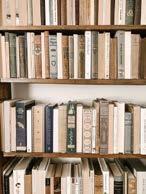
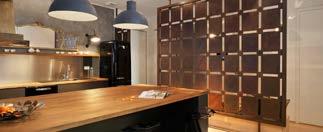
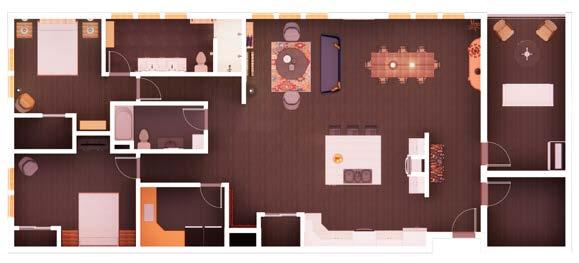
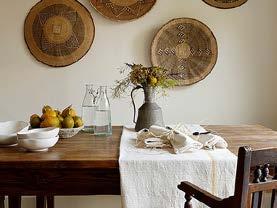
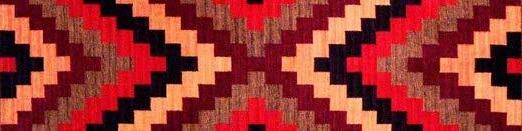
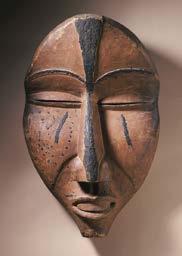
This space is to be designed in an older, converted commercial building which will serve as an urban residence. Students will select a client from one of the client profiles provided. My client is a 52-year-old male psychologist from Boston, MA. He lives with his 78-year-old father who is a huge Red Sox fan and former baseball coach. The clinet is very educated, has refined taste, collects African art and Peruvian textiles, reads, has a fine wine collection, and likes to cook. He is very involved in politics and has fund raising parties at his home.
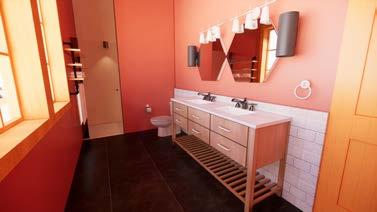
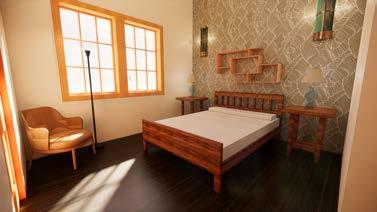
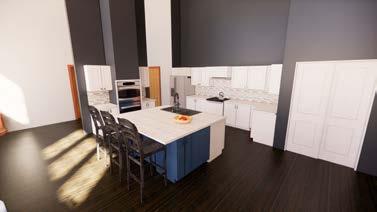
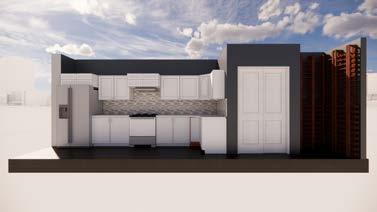
The space for this loft offers a contemorary escape for the psychologist and father who live there. With a love for African art and Peruvian textiles, bright reds, oranges, and yellows offer accented touches to the refined modernized space and direct the eye from room to room. The open concept of the loft is also ideal for large parties to gather while still offering seclusion from the hustle and bustle of the urban environment.
Fall 2022 Inviting EDUCATIONAL Sophisticated
a love
accented touches to the refined, modernized space and direct the eye from room to room. The inviting concept of the loft is also ideal for large
The space for this loft offers an educational escape for the psychologist and father who live there. With
for African art and Peruvian textiles, bright reds, oranges, and yellows offer
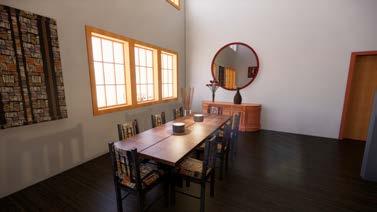
A. View of Dining Room
B. View of Primary Bathroom
C. View of Primary Bedroom
D. View of Kitchen
E. Elevation of Kitchen
F. View of Living Room

A B C D E F
Palm Springs
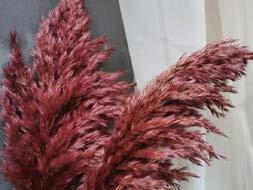
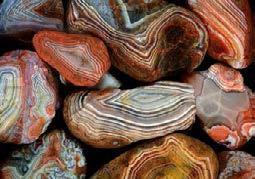

This Palm Springs home is a mid-century modern original on slab designed by architect Joseph Eichler. This project focuses on Universal and Accessible Design to suit the client’s needs.
My clients are Rosa (age 60) and Clara (age 30). They live together in a mid-century modern Palm Springs home. Rosa has Multiple Sclerosis, a condition that can cause symptoms such as slurred speech, difficulty walking by one’s self, and vision impairment. Rosa and Clara are looking for a modern day Boho interior that replicates the desert landscape and Coachella Valley.
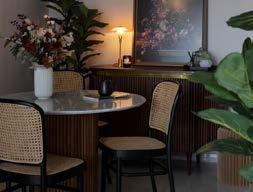
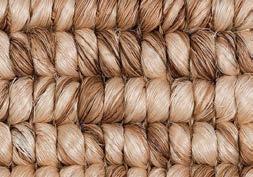
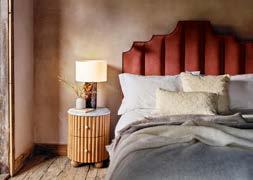
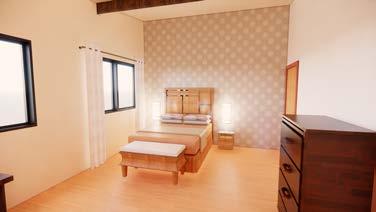
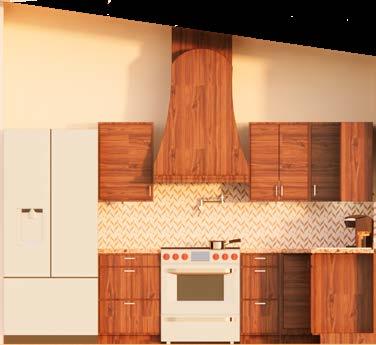
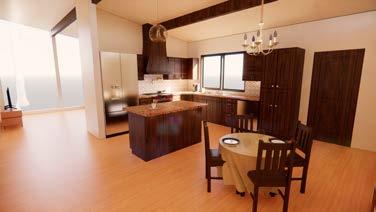
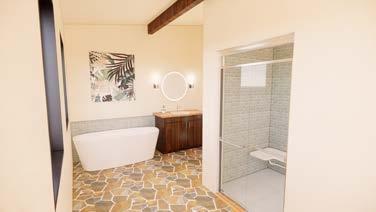
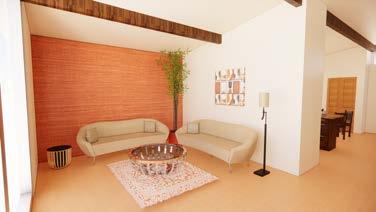
This home offers a serene, tranquil environment for the mother and daughter that live here. The interior replicates the desert landscape of the Coachella Valley by using rustic oranges and earthy textures inspired by the Boho style. This space also provides safety and reassurance through a universal and accessibility-focused design.
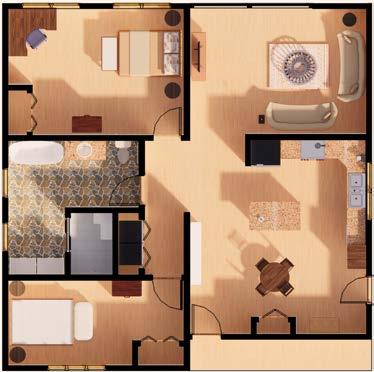
Concept Statement: This mid-century modern house offers a serene, tranquil environment for the mother and daughter that live here. The interior replicates the desert landscape of the Coachella Valley by using rustic oranges and earthy textures inspired by the Boho style. This space also provides safety and reassurance through a universal and accessibility-focsued design.
Fall 2022
A. View of Primary Bedroom
B. Elevation of Kitchen
C. View of Kitchen & Dining Room
D. View of Primary Bathroom
E. View of Living Room
B C A E D
YOU-Media Teen Library

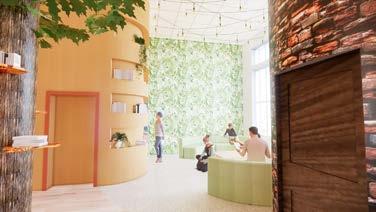
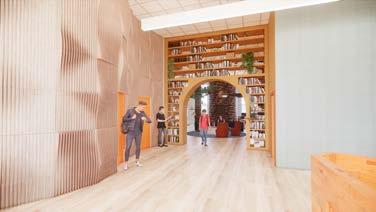
YOUmedia has decided to expand its digital learning program to locations throughout the Midwest. You have been hired by YOUmedia to design a teen space focused on digital learning at one of the Milwaukee Public Library locations. The library has identified approximately 3000 SF of space on the second floor that will be the future home for this project. This is a space where teens can hang out, get help with homework, experiment with design software in a range of disciplines, record music, and participate in a variety of digital media activities and workshops.
One of the main subjects I researched for this project was Attention Restoration Theory. Creating a space designed off of this idea helped me pay close attention to the materials I was using, as well as how colors interacted with one another. Another great source of inspiration for me was my research on Herme Rive Gauche and the techniques used for adding new architecture into historic buildings.

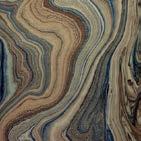
A new digital learning program has been announced to open at one of the Milwaukee Public Library locations. This 3,000 square-foot library space provides a productive and rejuvinating area for students to socialize, experiment, and recieve help with their studies. Organic materials, textures, and natural colors are used throughout the interior to refresh the minds of students and help them concentrate on their success.
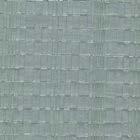
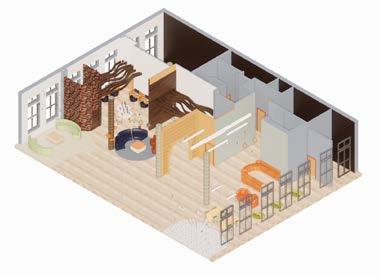
Organic Productive Refreshing Rejuvenating Computer Zone Reading Zone Lounge Study Nooks Cafe IT Closet Media Zone Library Shelving Podcast Booth Social Zone Reception Desk Recording Studio Performance Zone 30” 76” roll-up wheelchair clearance 80”
Spring 2023
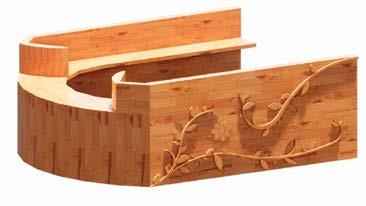
A. Custom Desk Perspective
B. View of Social Zone
C. View of the Lounge
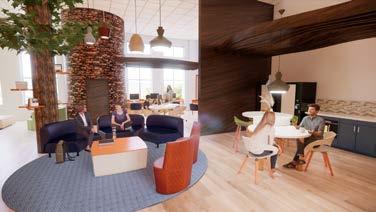
D. View of the Reading Zone
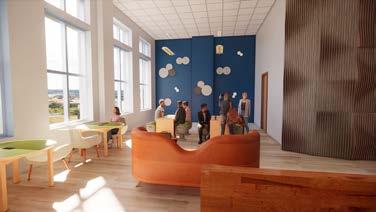
E. Reflected Ceiling Plan
F. Axon view of Entire Space
1/8" = 1'-0" 1 RCP A B C D E F
Positive Alternatives
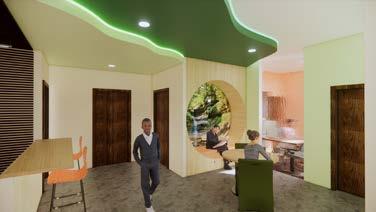
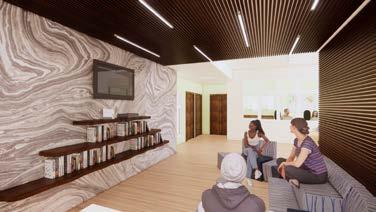
Positive Alternatives is a non-profit organization serving at-risk teens across the north and central Wisconsin region. With six to eight teens residing at their Menomonie location, their space needs to be safe, welcoming, and efficient for all residents and employees. We focused on behavioral health and color psychology to determine how to cultivate the proper environment for comfort and healing. In a living space, lack of privacy, time of day, and amount of people can impact ones mental health.
Design solutions such as sunlighting, clean air quality, and strategic color use can help to regulate stressful emotions. It’s important to note that patients are away from home, in an unfamiliar place. It’s incredibly effective to provide both public and private spaces for patients to have a safe place to be with themselves. Additionally, behavioral health studies have found that nature-based design has optimum calming effects through the use of color, curves, and organic shapes. Among the most effective colors to use in design, which include green and blue.
HOMEOSTATIC FLUID




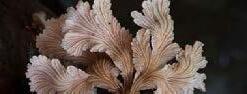



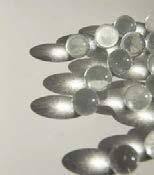

This location will be a homey, comfortable environment for residents to rejuvinate and grow. Aspects relating to the nature of Menomonie cater to the needs of residents and staff alike. Additionaly, the renovation will be spacious and sufficeint for employees to work effectively. The rooms in this space are connected through serene colors and ideas of reflection, which encourage residents and staff to acknowledge their emotions and actions.

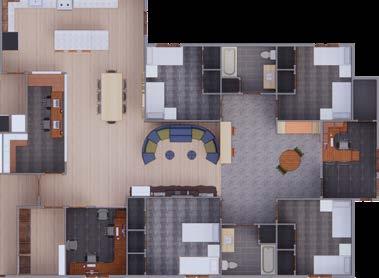
RCO CMO PMO MUDROOM PANTRY KITCHEN DINING LIVING ROOM 1 LIVING ROOM 2 ENTRY MECHANICAL BATHROOMS BEDROOMS Unnamed Copy 1 ELM INTERIORS No. Description Date
Spring 2023
SERENE
RCO CMO PMO MUDROOM PANTRY KITCHEN DINING LIVING ROOM 1 LIVING ROOM 2 ENTRY MECHANICAL BATHROOMS BEDROOMS Project number Date Drawn by Checked by www.autodesk.com/revit Unnamed Project Number Owner Project Name Issue Date Author Checker No. Description Date 1/8" = 1'-0" 1 Level 1 1/8" = 1'-0" Legend 1 Existing Plan New Plan
A. View of Dining Room
B. View of Kitchen
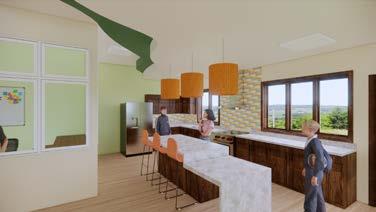
C. View of Living Room 1
D. View of Living Room 2
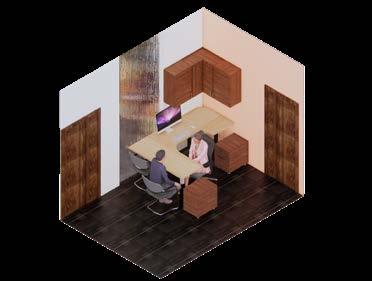
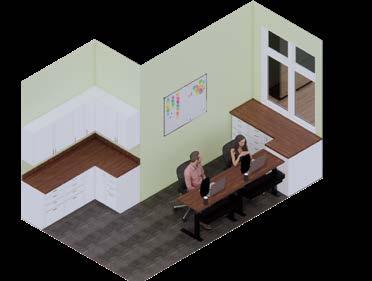
E. Axon View of Program Manager Office
F. Axon View of Resident Counselor Office

G. Rendered Floor Plan
A B C D F G E
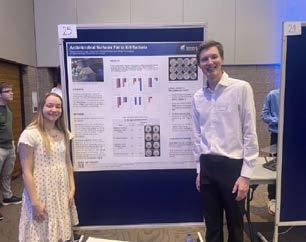
Student Research Grant
Spring
This research project evaluates the efficacy of surfaces marketed as “antimicrobial” compared to standard surfaces in preventing the growth of microorganisms. To conduct our study, we subjected a variety of architectural surfaces including flooring, countertops, and fabrics to qualitative and quantitative testing by exposing them to common clinical pathogens, Escherichia coli and Staphylococcus aureus. We applied bacterial cultures to both surface types and retrieved them using alginate swabs designed for optimal retrieval. Our findings revealed that the Gram-positive S. aureus persisted on surfaces for longer periods than the Gram-negative E. coli. While one antimicrobial surface (a copper-containing countertop) displayed effective antimicrobial properties, all other surfaces did not exhibit any antimicrobial effects. Furthermore, we observed no inhibition of bacterial growth on the antimicrobial fabrics that we tested. These results will inform decisions regarding the use of expensive antimicrobial surfaces in clinical and hospital settings, as well as any potential benefits.
This research aimed to answer the following question: Are there measurable differences in antimicrobial properties between surfaces branded as antimicrobial versus non-antimicrobial surfaces? We tested six different hard surfaces including: Laminate, Countertop, Vinyl, Woven Vinyl, Cork, and Porcelain Tile (Figure 1). Our findings suggest that the antimicrobial treatment on every hard surface excluding the countertop had no significant amount of killing when compared to the control surface. The countertop displayed a significant amount of killing when exposed to Gram positive S. aureus and an insignificant amount of killing when exposed to gram negative E. coli. All fabric samples tested with the halo method displayed no antimicrobial properties
Antimicrobial Surfaces Fail to Kill Bacteria



OVERVIEW
This study investigated the ability of “antimicrobial” surfaces to effectively kill microbes in clinical and hospital settings. Using accepted microbiological techniques (see METHODS), we compared standard fabrics (Table 1 and solid surfaces (Fig. 3) to those marketed as antimicrobial.



METHODS
We used two standard methods to perform this research:
Halo Method: Place fabric (2x2 cm) on a layer of agar inoculated with bacteria ( E. coli or S. aureus) and incubate at 37°C for 24 h. Fabric with antimicrobial properties will display a zone of inhibition, or “halo”. Halo size indicates antimicrobial effectiveness.

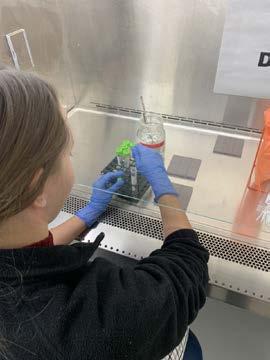
Solid Surfaces Method: Prepare stock cultures of ~5x10⁸ cells for each bacterial strain E. coli or S. aureus) and spread on control and antimicrobial surfaces Fig. 1). Immediately recover bacteria from the surface and again after 2 h. using alginate swabs designed for cell retrieval. Once retrieved, serially dilute, spread plate cells, incubate overnight, and count to determine recovered cell concentrations (Fig. 2).
CONCLUSIONS & RECOMMENDATIONS
• Antimicrobial treatment did not inhibit microbial growth on fabrics (Table 1)
• Only one antimicrobial treatment inhibited growth of S. aureus (Countertop) (Fig. 3B).
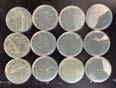

• All other antimicrobial treatments failed to inhibit bacterial growth (Fig. 3A, CF).
• In general, our results do NOT support specifying antimicrobial surfaces in clinical and hospital settings.
ACKNOWLEDGEMENTS
We sincerely thank Dr. Julie Beston (Biology) for graciously assisting with our statistical analyses.
These studies were supported by generous support from Access to Learning and UW-Stout Foundation funding.
2023 Maintain the ¼” white border indicated by the
Rachel Younker, Logan Frischmann, Mareike Christianson, Brady Cunningham Dr. Stephen Nold, Biology; Nicolette Brehm, Art and Design
RESULTS Figure 1 Spreading bacteria on solid surfaces Figure 2 Serial dilution plate counts Figure 3 Antimicrobial treatment on solid surfaces. A., Wilson Art Laminate, Silver Ion; B., Eos CU Solid Surface, Copper; C., Technoflor T3 LVT Textures, Nano-Silver; D., Metropolitan Woven Vinyl with Rubber Backing, Microban Finish; E., Composition Cork Sheets, Naturally Antimicrobial; F., Crossville, “ Hydrotect”. Orange, Standard Surface; Blue, Antimicrobial Surface. Table 1 Antimicrobial testing on fabric surfaces Is the fabric Antimicrobial? Organism Fabric E. coli S. aureus E. coli S. aureus Maharam: Outdoor Upholstery Fabric No No CF Stinson Acrobat No No Standard Textile: Privacy Curtain No No Source One Aurora No No REFERENCES Pinho E., Magalhães L., Henriques, M., Oliveira, R. (2010). Antimicrobial activity assessment of textiles: Standard methods comparison. Annals of Microbiology 61(3), 493–498. https://doi.org/10.1007/s13213-010-0163-8 Perez-Gavilan, Ana, et al. “Antibacterial Activity Testing Methods for Hydrophobic Patterned Surfaces.” Scientific Reports, vol. 11, no. 1, 23 Mar. 2021, p. 6675, www.nature.com/articles/s41598-021-85995-9, https://doi.org/10.1038/s41598-021-85995-9. Accessed 19 Apr. 2022.