QUADERNS I LLIBRES D’ARTISTA
MÉS ALLÀ DE L’ESBÓS...
2.
MÉS ALLÀ DE L’ESBÓS...
Apunts, idees, imatges Registre gràfic de dades Diversitat
Eina de treball
Espai pel pensament Assaig-Error
Apunts, idees, imatges Registre gràfic de dades Diversitat
Qualitat d’obra d’art
Materialitat àmplia (de llibre a objecte)
límits del llibre (estructura, forma, text, lectura, imatges)
Relació espai-temporal específica (en funció de la paginació)
Multiplicitat + Accessibilitat
Permet la distribució per altres vies
Qualitat
d’obra d’art
Materialitat àmplia (de llibre a objecte)
límits del llibre (estructura, forma, text, lectura, imatges)
Relació espai-temporal específica (en funció de la paginació)
Multiplicitat + Accessibilitat
Permet la distribució per altres vies
TRANSGREDIR ELS LÍMITS DE LES DISCIPLINES ARTÍSTIQUES
Llibreta /quadern d’artista
Quadern d’esbós / Quadern de camp
Sketchbook
Llibre il·lustrat
Novel·la gràfica
Llibre d’artista
Edició/publicació d’artista
Fanzine
Per saber més: Crespo, Bibiana. (2013). Llibre-Art / Llibre d’Artista: classificacions i característiques

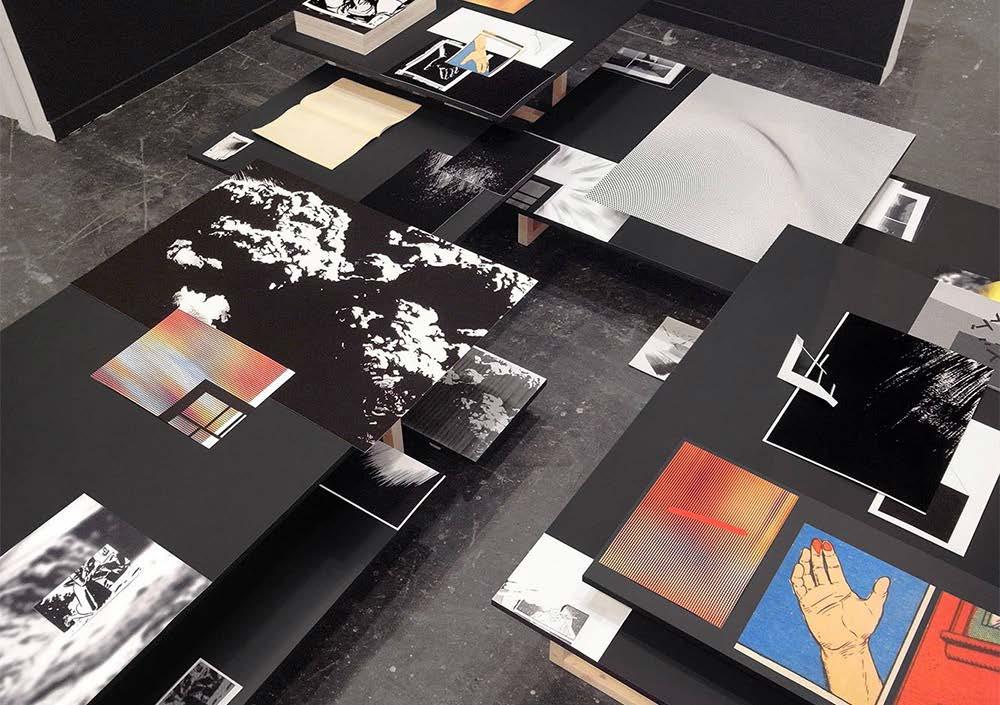 #141 Martin Vitaliti
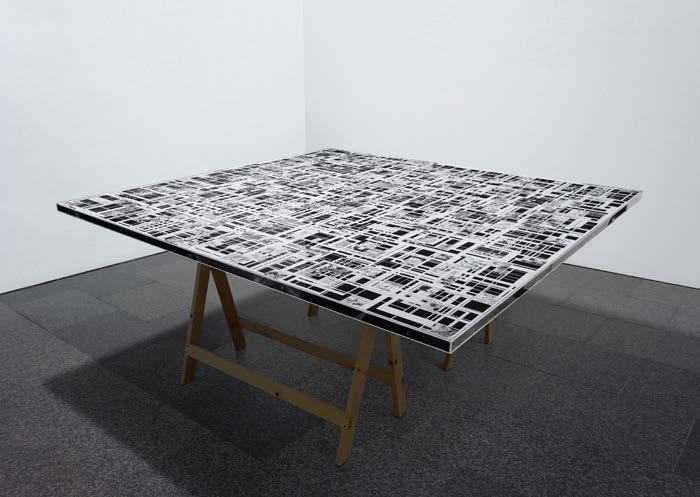
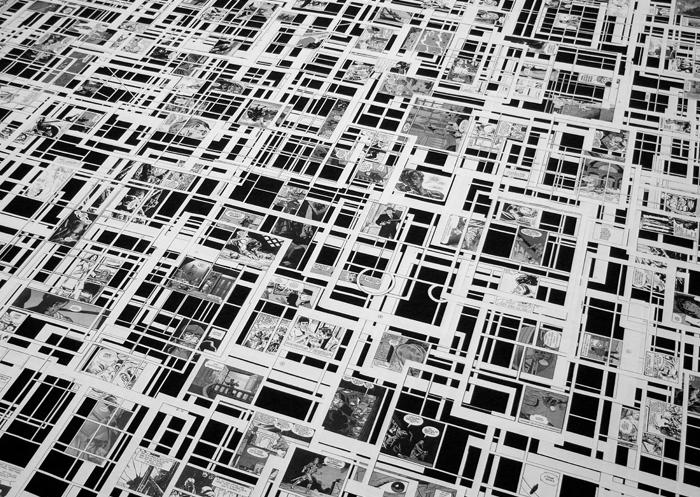
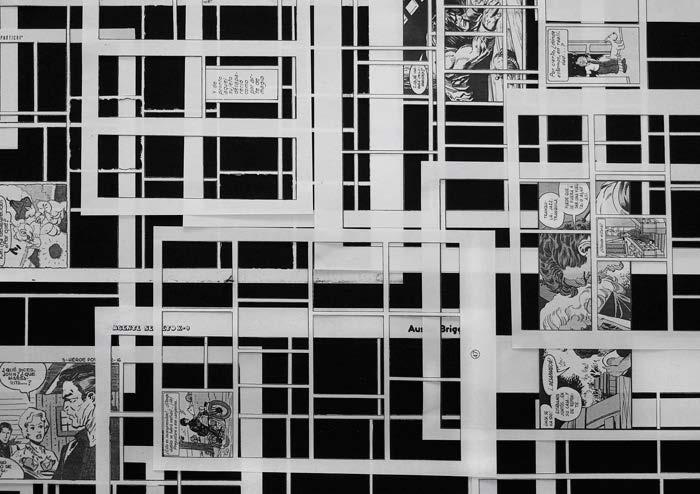
 #17
Martin Vitaliti
#17
Martin Vitaliti
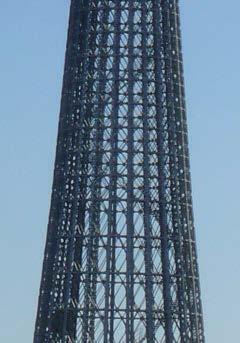
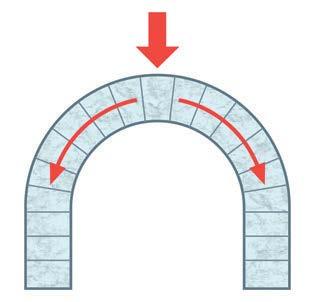
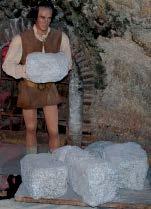
La llegada del Imperio romano a la península Ibérica significó la introducción de sus obras de ingeniería, como las calzadas romanas, los acueductos o las presas, así como nuevas técnicas constructivas como el arco, que apenas había sido utilizado por los griegos y que los romanos se encargaron de sistematizar y racionalizar. En la tumba de Cayo Julio Lacer, el ingeniero que construyó el puente de Alcántara, hay una inscripción grabada en latín que lo describe como un «artificio por el cual la materia se vence a sí misma». El arco es una estructura que trabaja a compresión, donde la gravedad inmoviliza las dovelas de piedra: todos los elementos están encajados, como un mecanismo o una trampa, subordinados, dominados, a hueso. En la época romana, los emperadores ostentaban el título de constructores de puentes (pontifex maximus), ligada al poder y a lo extraordinario, de ahí que con la llegada del cristianismo construir puentes pasara a manos de los monjes ponteros, como el que construyó un eremita en Santo Domingo de la Calzada en 1076. Durante la Edad Media se produjeron pocos cambios significativos en la
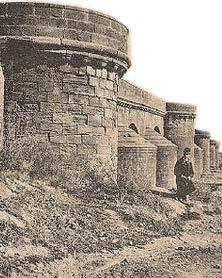
tipología, salvo la inclusión del arco ojival. Durante la segunda mitad del siglo xvi, el reinado de Felipe II coincidió con la cumbre del imperio español, al tiempo que el país caía en una etapa de estancamiento, de aquietamiento e introspección de sus habitantes (el monarca restringió el
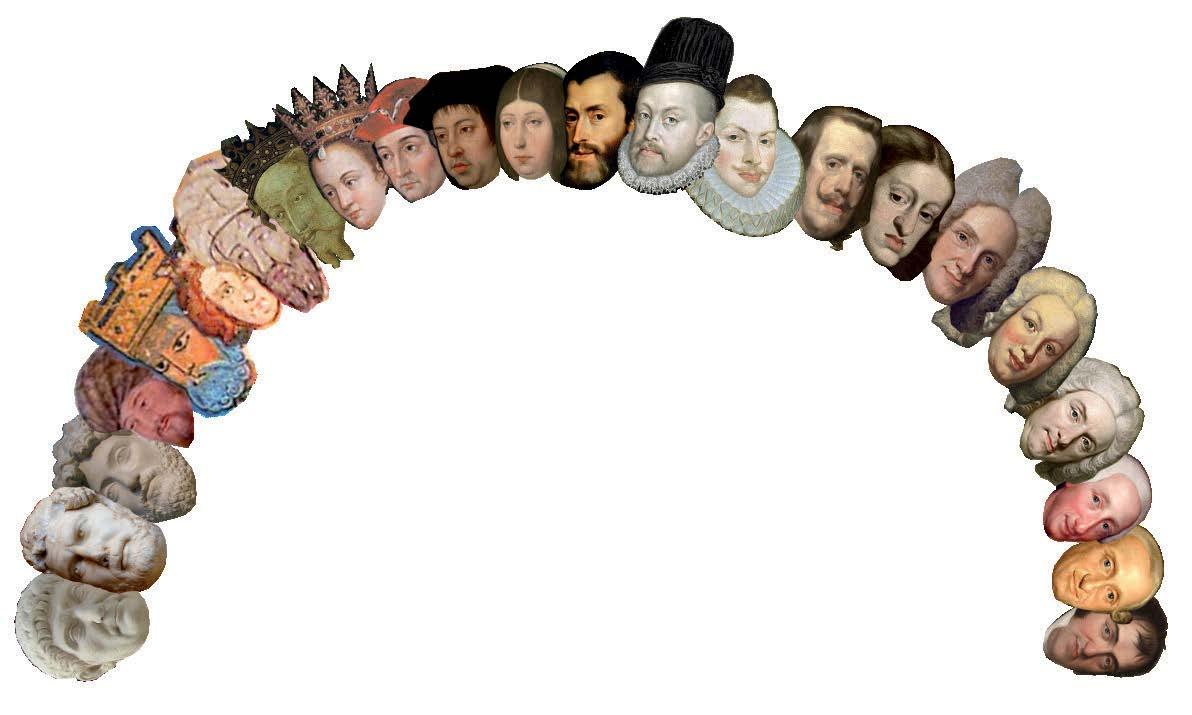
uso de carruajes por considerarlos un lujo pecaminoso). En los siglos posteriores se promovieron pocas obras públicas, construidas con madera, piedra, adobe, cemento en masa o ladrillo, y llevadas a cabo por ingenieros militares, arquitectos y frailes experimentados.

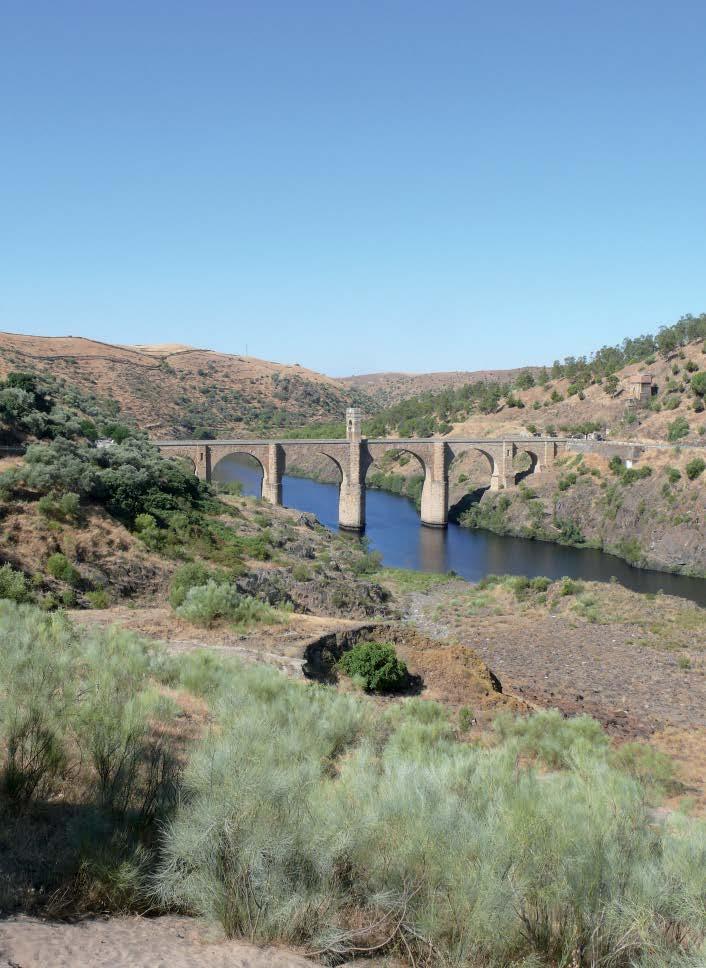
Este puente fue la primera gran obra de ingeniería del país y sirvió de modelo para la construcción de puentes durante los siglos posteriores. La estructura es de seis arcos, dos de ellos de casi 30 m de luz, y está dividida por una pila central de 57 m de altura que marca la simetría de su construcción. En la actualidad sigue estando en uso y los coches cruzan sus 183 m de longitud de camino a Portugal. El ingeniero Carlos
Fernández Casado, de quien hablaremos más adelante, sugirió que todo aquel que quisiera ser ingeniero debía visitar el puente y relató un paseo sobre la obra: «Somos extensos y nos desenvolvemos en las tres dimensiones que definen el sillar. Nuestro cuerpo pesa y mantenernos en pie supone un esfuerzo, pues en todo momento tenemos que asegurar, como le ocurre al puente, nuestro equilibrio mecánico.
Nuestra verticalidad juega con los pilares, nos erguimos con ellos y nos sentimos penetrados de impulso ascensional. Nuestra simetría corpórea tiene su paralelismo físico en la distribución simétrica de los arcos. Nuestro carácter noérgico se exalta al solidarizarnos con los esfuerzos de la estructura y sentimos crujir nuestros huesos y estirarse nuestros músculos».
Història ballada del playground
Mònica Planes
Enllaç: https://www.monicaplanes.com/historia-ballada-del-playground
Els playgrounds són una evolució dels parcs d’atraccions; una versió no mecanitzada i adaptada al dia a dia a la ciutat.
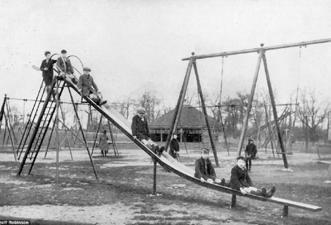
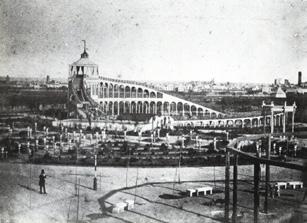
El tobogan sembla una versió reduïda de les atraccions de descens com la Muntanya Russa, que té origen a Rússia al segle XV en les anomenades Muntanyes de gel. Aquestes consistien en un pendent de gel de més de 20 metres d’alçada suportat per una estructura de fusta per la qual es lliscava a tota velocitat amb un trineu o amb un bloc de gel. Al segle XIX es va comercialitzar la primera Muntanya Russa pràcticament com la coneixem actualment.

L’energia del motor que activa la Muntanya Russa, es fa amb el cos al tobogan per pujar les escales i impulsar-se pendent avall per tenir la sensació (encara que apaivagada) de caiguda.
El tobogan és una traducció de la idea de muntanya, una síntesi de la seva forma en un objecte. En sintetitzar la muntanya en una estructura, aquesta pot ser repetida a qualsevol lloc però amb cada traducció, se’n redueix també el seu efecte, la sensació.


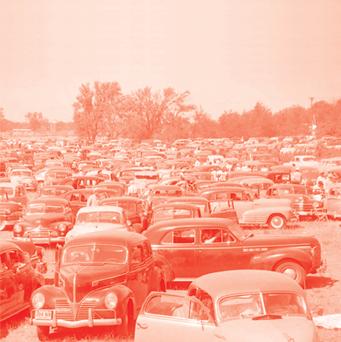
I liked the Christmas one more because only could play it at night. Luckily in winter it gets dark early. Furthermore, it allowed me to compete with my mother. It was about counting Christmas trees with intermittent colour lights you could see through the windows. The ones on the balconies wouldn’t do, neither would commercial decorations on the streets, only the ones you could get from the insides of the houses. And only from one side of the car, the other was reserved to my mother. In the city it was easier, well, more frenzied. Sometimes I even skipped houses; I hadn’t enough time to get into all of them with a glance. But when we moved away, when the flats turned into houses and castles, we could even get in and touch them.
I remember sensing the lights in the distance... then I got out of the car very quickly; and once I reached the last meters, I could stop and look at some country animal and take off flying again. With the movements of a bird flock, I reached
the window, the door and got in, looked at the tree, touched it, and always looked for someone. Sometimes I stood behind and pushed them to make them see me. The majority never noticed anything. Sometimes I succeeded in crossing glances, which delighted me. I almost never beat my mother, not in number. I used the other game as training. This way, every Christmas I traveled more quickly and controlled my moves better, I was more precise. The other game consisted of jumping sticks. Jump all the posts I found on one of the sides of the car at the same speed it circulated. I succeeded at it with a slight head movement. If there weren’t posts, I really liked finding elements in the ditches, especially plastic bags. It is absurd, but I always thought there could be parts of some mutilated person who was abandoned on the curb. As a child I only could imagine dead people and prostitutes as sublime beings, and sublime were their parts, white flesh, really smooth skin and always young. Grandfathers and ugly people just disappeared. If I could not jump an element, I died. Now it would be a Game Over. And a new game started. But I realized that every winter, every Christmas, it was getting more and more difficult to find trees. Now when remember this and continue playing, don’t find trees any more, but I keep on skipping posts and finding dead people on the curbs, although now I also see them even if they are old and ugly.
DISTURBED ONE (young mode): Hey look! I’m going to tell you a joke... This was a romantic full
moon night, when Pedro said: «Hey, mamacita, let’s do ‘weeweechu’». «Oh no, not now, let’s look at the moon!», said Rosita. «Oh, c’mon baby, let’s you and I do ‘weeweechu’. I love you and it’s the perfect time», Pedro begged. «But I wanna just hold your hand and watch the moon», replied Rosita. «Please, corazoncito, just once, do ‘weeweechu’ with me», said Pedro. Rosita looked at Pedro and said, «Ok, one time, we’ll do ‘weeweechu’». Pedro grabbed his guitar and they both sang... «‘Weeweechu’ a Merry Christmas, ‘weeweechu’ a Merry Christmas, ‘weeweechu’ a Merry Christmas, and a happy New Year».
A gloomy carol bursts. It comes from a Christmas toy which has been unexpectedly activated
the Marquis, the Marquis engendered the Earl, which is Me!
MARYLINE: Stop! I can tell —my dear travel companions— that you only mix with dead people.
back for them. Remorse, that’s what prevents them from making a step without seeing a ghost, but not dead people...
The rain which was accompanying us has now since vanished, but calm doesn’t seem to come. In the distance one suspects a dense and threatening bird flock approaching. Judging by their size and squawking it could be a big group of caradriforms.
soon
He hit his head several times, snapped his fingers and repeated five, six times in a row... God engendered an egg, the egg engendered the knife, the knife engendered David, David engendered the purple, the purple engendered the Duke, the Duke engendered the Marquis, the Marquis engendered the Earl, which is Me! God engendered an egg, the egg engendered the knife, the knife engendered David, David engendered the purple...
DISTURBED ONE: And you?
MARYLINE Dear people, it seems we are moving away from the storm, yet the sky is still dark. Did you realize that the lights on the road kept going off? And everything has gone quiet.
Dr. BLACK
Of course, Colonel Mustard in the Kitchen, with a Knife!
DISTURBED ONE: God engendered an egg, the egg engendered the knife, the knife engendered David, David engendered the purple, the purple engendered the Duke, the Duke engendered
MARYLINE (interrupts): For God’s sake! Let me see at least one sane ghost!
ENTITY LOCKED IN THE TRUNK: If you had condescended to look into the trunk you would have realized that I am here...
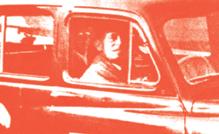
MARYLINE: Me, with living people to the same extent, since part of myself still receives blood. This is the difference. You are not willing to make the slightest effort to mix with living people? You are with the ones you call ‘the great spirits’... isn’t it terrifying? Where are the tormenting phantoms, the ones that stir the conscience of the living people?
CHEPITA: Ñigummmi gunñmi.
SEBASTIAN: What? What are you talking about, Mary? The living people don’t fear the death people, the living fear their mistakes to come
Only the squeaking of a cricket can be heard among the whistling of the March wind.
SEBASTIAN believe I can make out the form of the beet fields. I think this sort of crop is abundant in this area.
– TRACK 04 – – TRACK 05 –Conocida como la I.S. fue una organización marxista de artistas e intelectuales revolucionarios. Fuertemente influenciados por vanguardias anteriores como DADA, el surrealismo y la Internacional letrista hay quien se refiere a ellos como la última vanguardia del arte moderno. Con su práctica buscaban socavar la ideología dominante capitalista y la recién nacida cultura consumista. Este movimiento es el antecesor de todos los demás referentes que mencionaré para presentar mi trabajo. Con su práctica, los miembros de la organización trataban de construir situaciones que tuvieran una repercusión real en el entorno político buscando siempre disolver la separación entre arte y vida. Entre sus estrategias se encontraba el provocar escándalos, la experimentación artística en todo tipo de medios y el détournement. Esta última estrategia que consistía en la apropiación de material visual producido dentro de los canales del capitalismo y manipularlo de tal manera que las misma imágenes se convirtieran en un arma que atacara simbólicamente al propio sistema que la había producido. El détournement es el antecedente de lo que más adelante se conocerá como cultural jamming, un concepto clave para el desarrollo de mi producción. Los détournements se llevaban a cabo en muchos casos usando cómics en los que se substituían los diálogos de los personajes por nuevos diálogos en los que las ideas de la organización eran divulgadas.
El principal ideólogo del movimiento fue Guy Debord que fue también el escritor del libro de ensayo La societé du spectacle. En el libro, Debord reflexiona sobre la condición de la cultura capitalista en cuanto a elemento alienante.
Conferencia de la I.S. en Venecia, Italia, en 1969. De izquierda aderecha: Eduardo Rothe, Bruce Elwell, Robert Chasse, Tony Verlaan, J.V.Martin y Raoul Vaneigem.
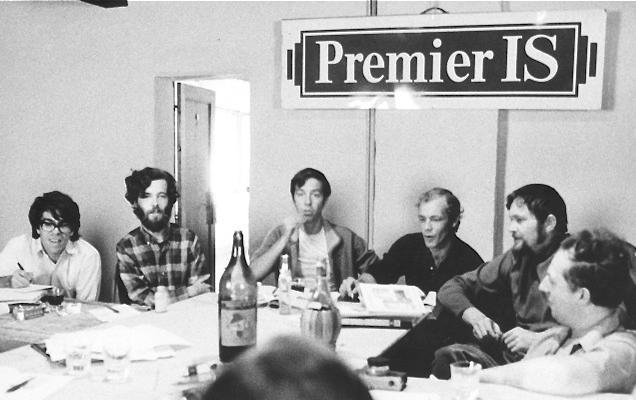
concepto de espectáculo donde residía el núcleo simbólico de la dominación de la mercancía autoritaria. Siendo a través de esta constante representación de la vida que substituye a la vida misma que el régimen social se construye y se sostiene. Más adelante esta teoría servirá de referente a Baudrillard para forjar el concepto de simulacro.
Diseño, ideología y ética del caos
Joan Pallé
Colecció especial de llibres d’artista de CRAI de Belles Arts
Fons de la Biblioteca de la Fundació Antoni Tàpies
Centre de Documentació del Centre d’Art la Panera de Lleida
Fons del Centre d’Estudis i Documentació del Macba
Arts Libris. Fira especialitzada en edicions, publicacions i llibres d’artista
Arxiu de publicacions de la Sala d’Art Jove
EL DIBUIX COM A DOCUMENT / EL DOCUMENT COM A ART