I would like to extend my heartfelt gratitude to Professor Hally Elkony for her invaluable insights and guidance throughout the creation of this project. Her expertise and support have been instrumental in shaping the content and enhancing the overall project. Special thanks to Swapnil Thorat for his constanst guidance and help. Special mention to Nuzhat and Felix for working with me throughout and making this a fun process.
Port Credit, located in Mississauga, Ontario, serves as an example of a successful urban design transformation, blending its rich historical roots with modern, sustainable development. Once a small village centered around a harbor, Port Credit has evolved into a dynamic waterfront community. In recent years, urban design in Port Credit has focused on revitalizing the waterfront, enhancing public spaces, and promoting mixed-use development that integrates residential, commercial, and recreational areas.
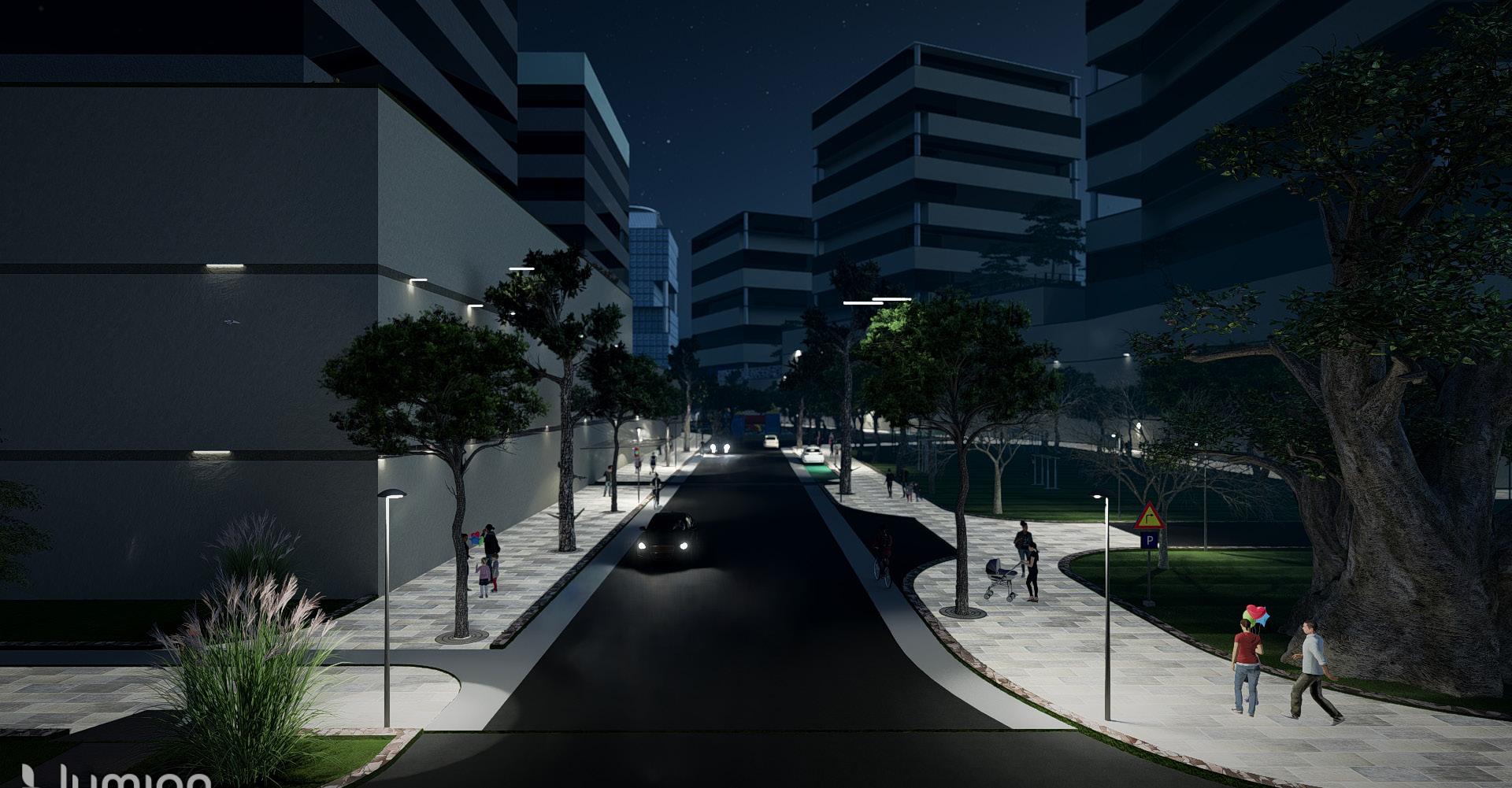
Key urban design principles here include pedestrian-friendly streetscapes, improved connectivity through transit and cycling networks, and the preservation of the area’s heritage. This approach creates a vibrant, walkable environment that fosters community engagement while supporting economic growth and environmental sustainability. The integration of green spaces and waterfront access further enhances the quality of life for residents and visitors alike.
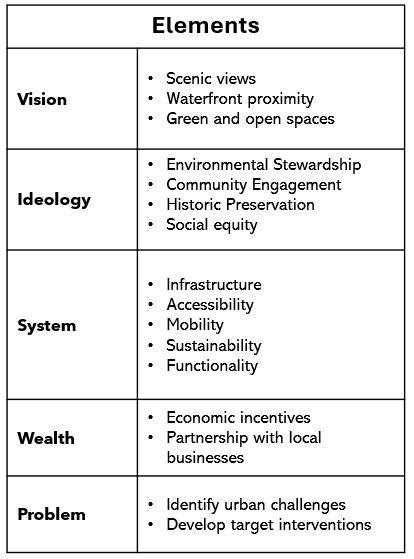
Vision statement
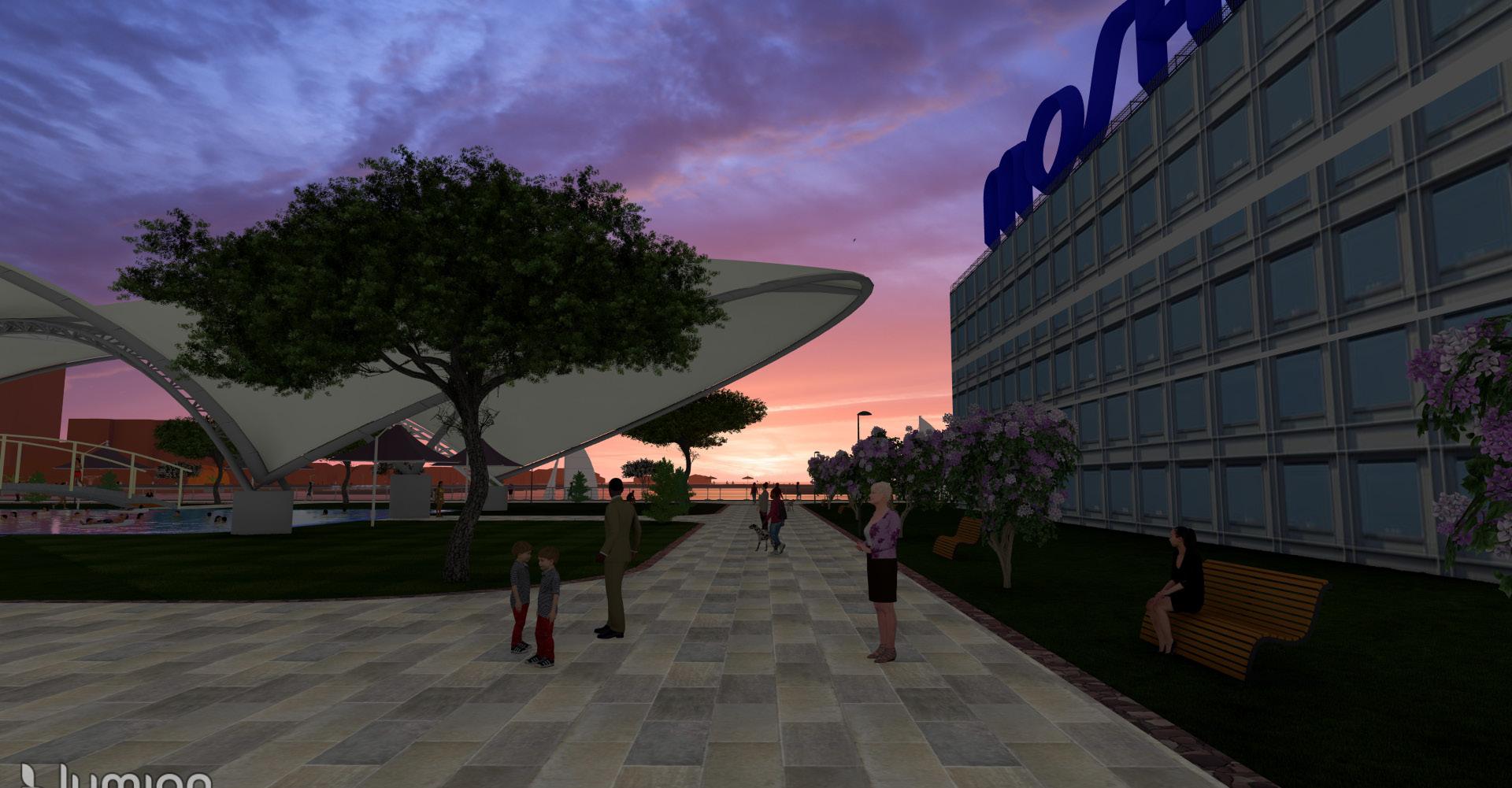
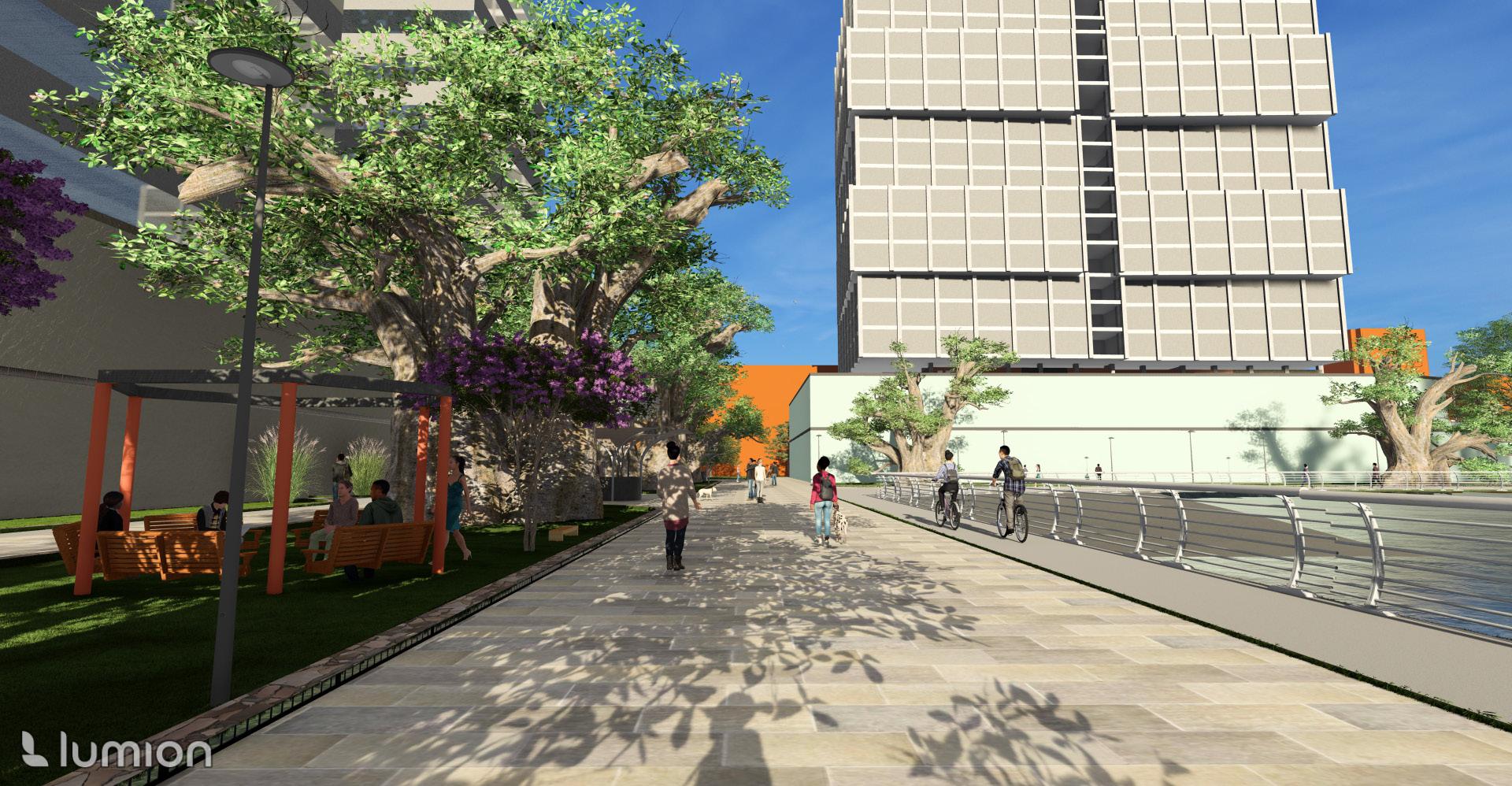
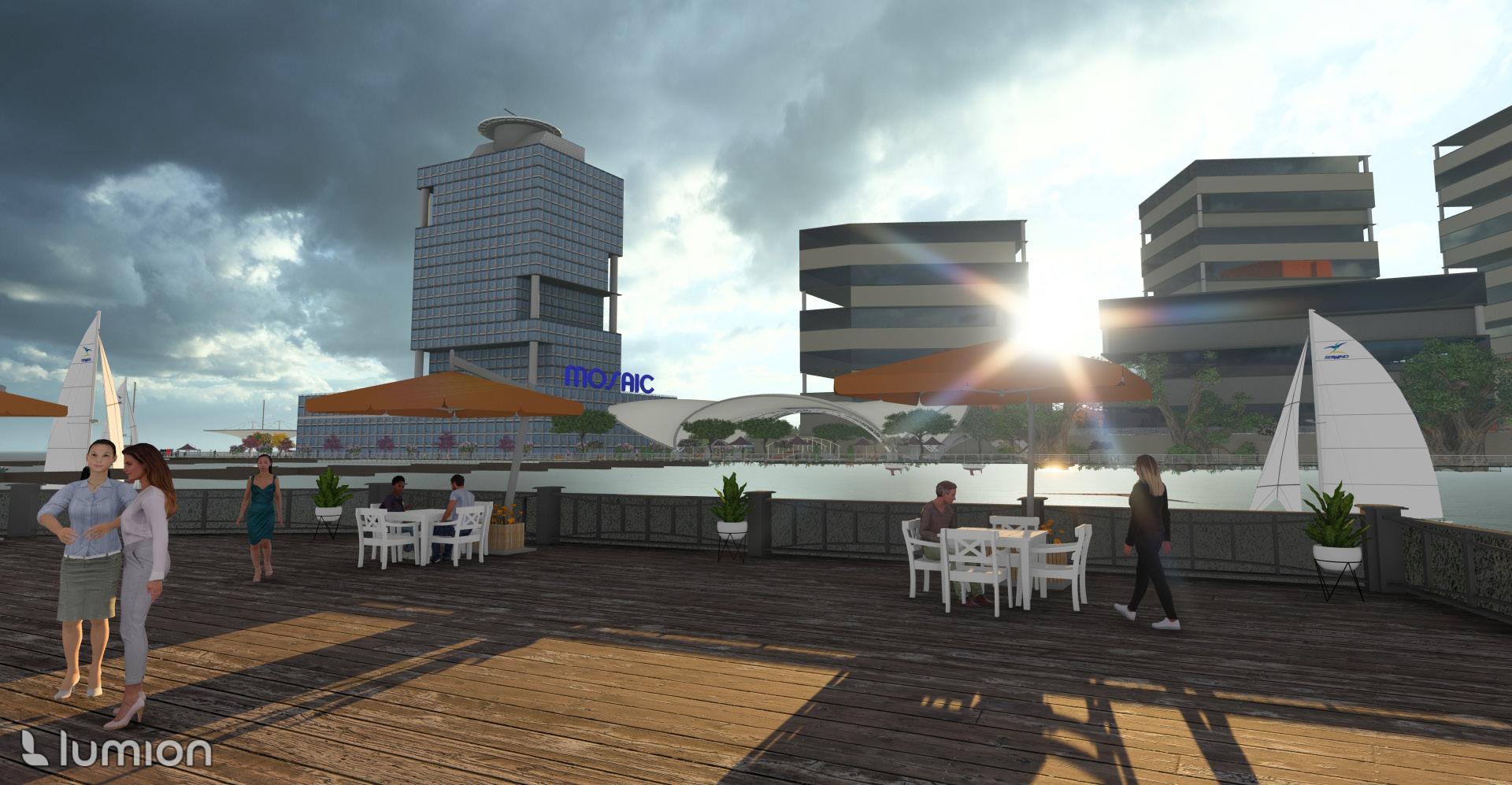
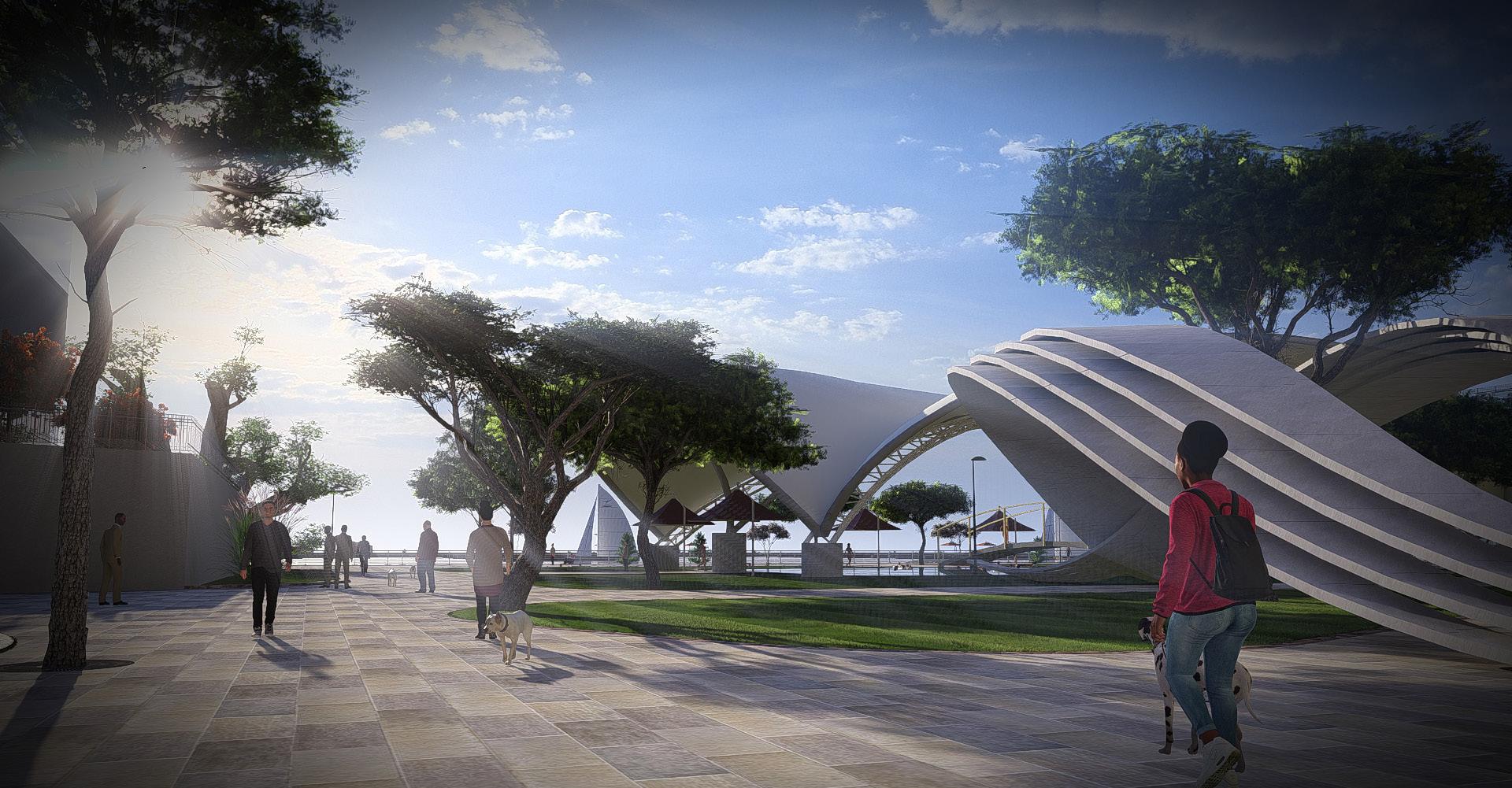
The NEW PORT CREDIT - Waterfront Development aims to create a unique collaboration where diverse elements of community life, nature, and culture intersect. At the macro scale, the design emphasizes connectivity—both physically and socially—inviting people to gather, engage, and interact.
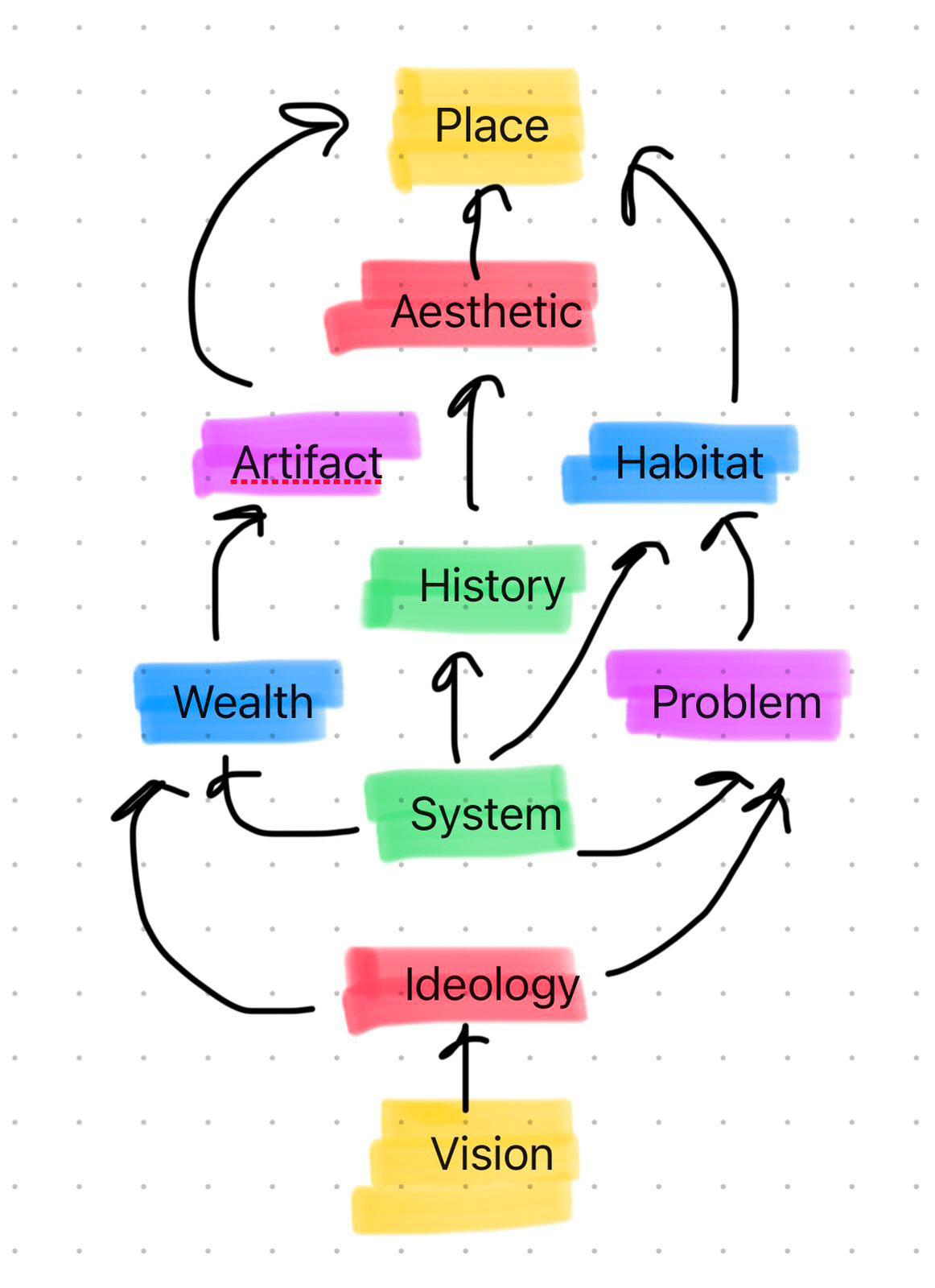
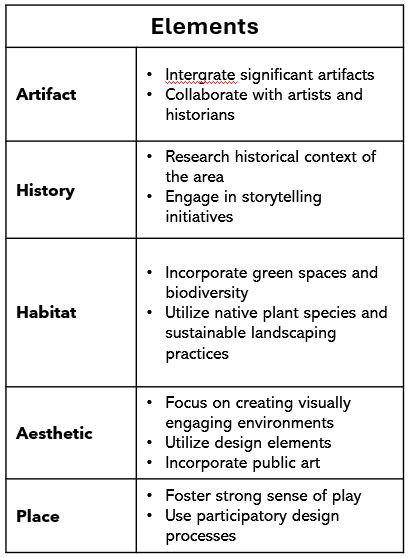
The guiding principle of ABHISARAN - convergence is reflected through the integration of various perceptual paths, each influencing our design decisions, contributing to a cohesive and meaningful environment.
The port credit MOSAIC
Fig. 1 Logo
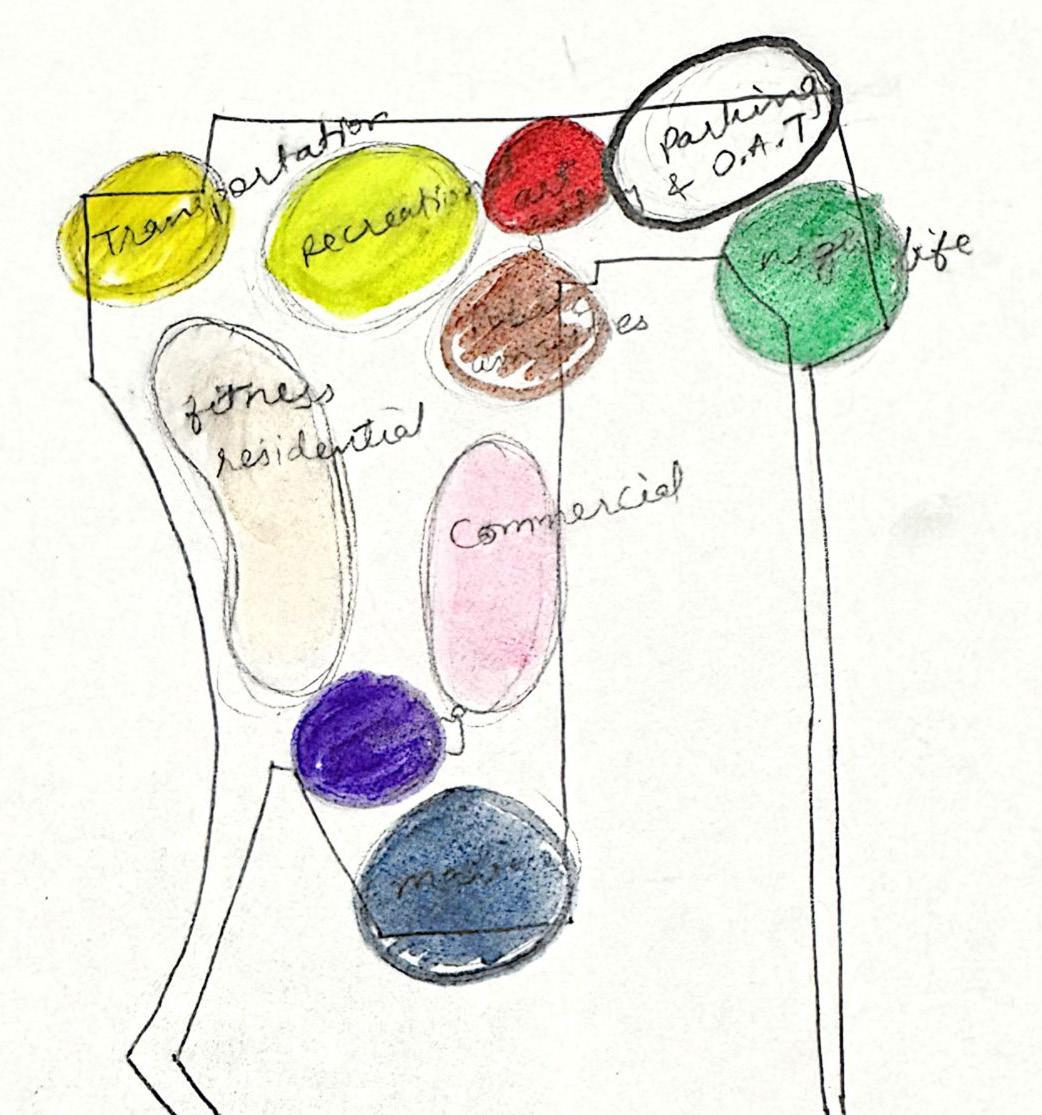
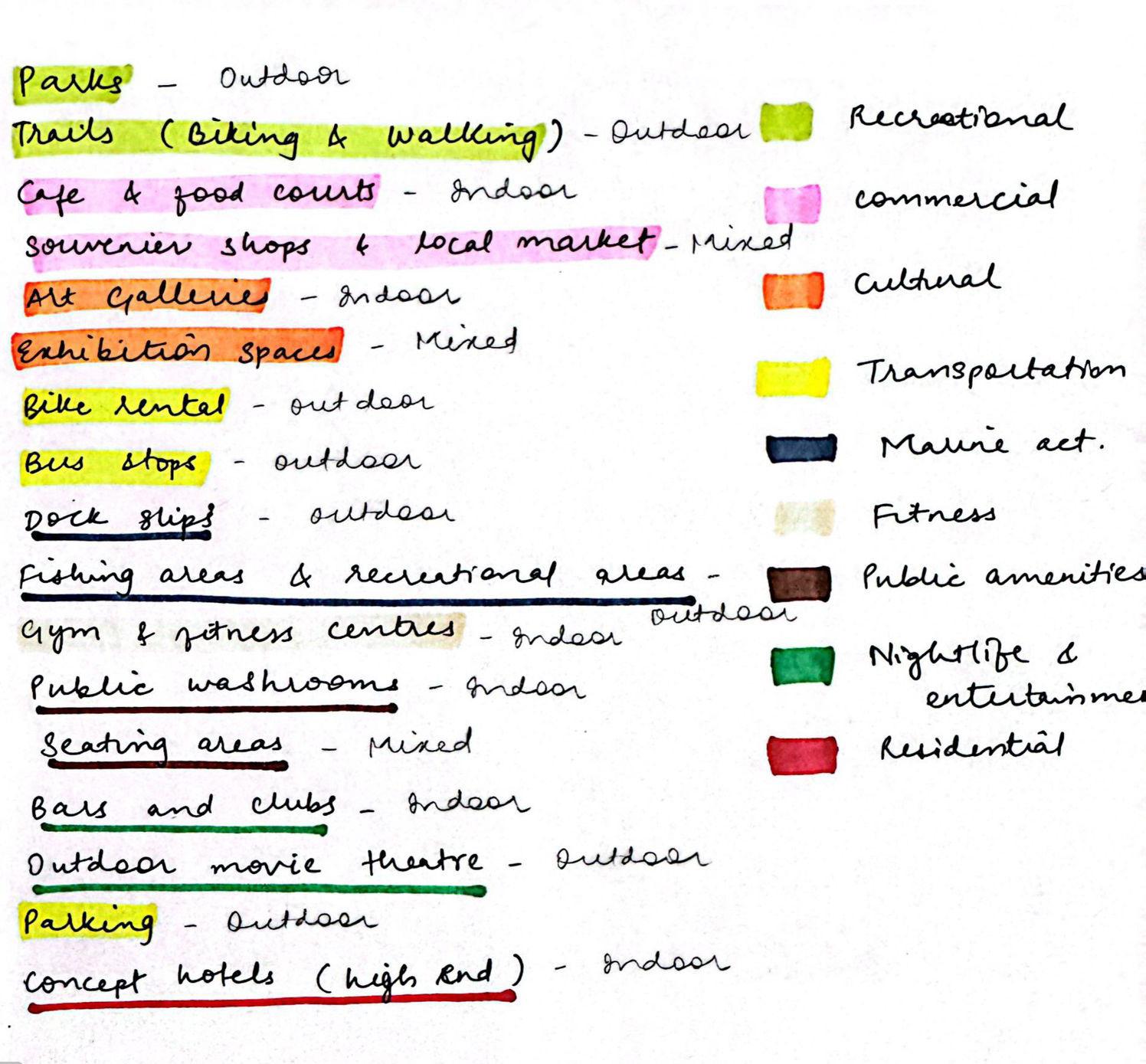
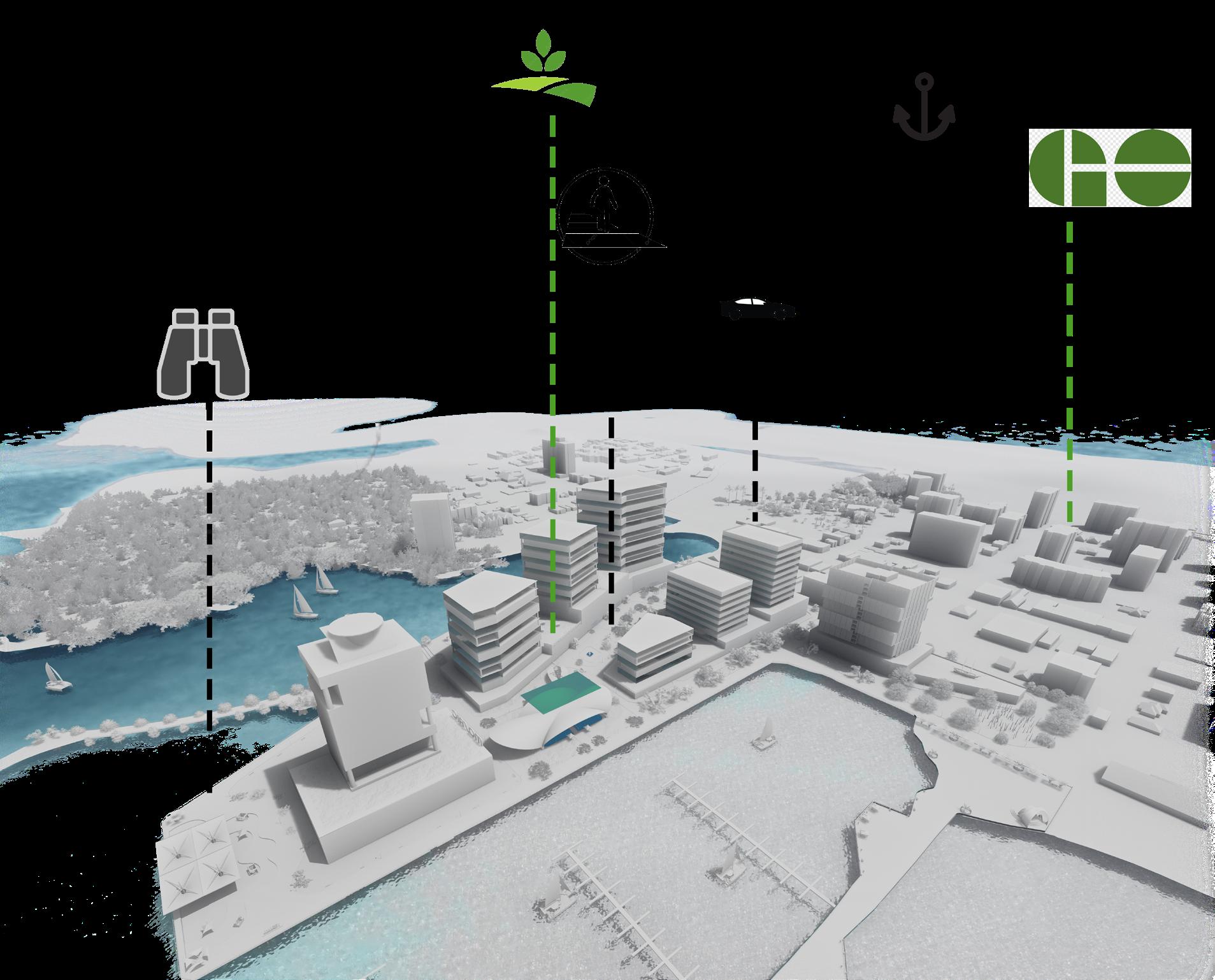
Fig. 2 Conceptual design flow
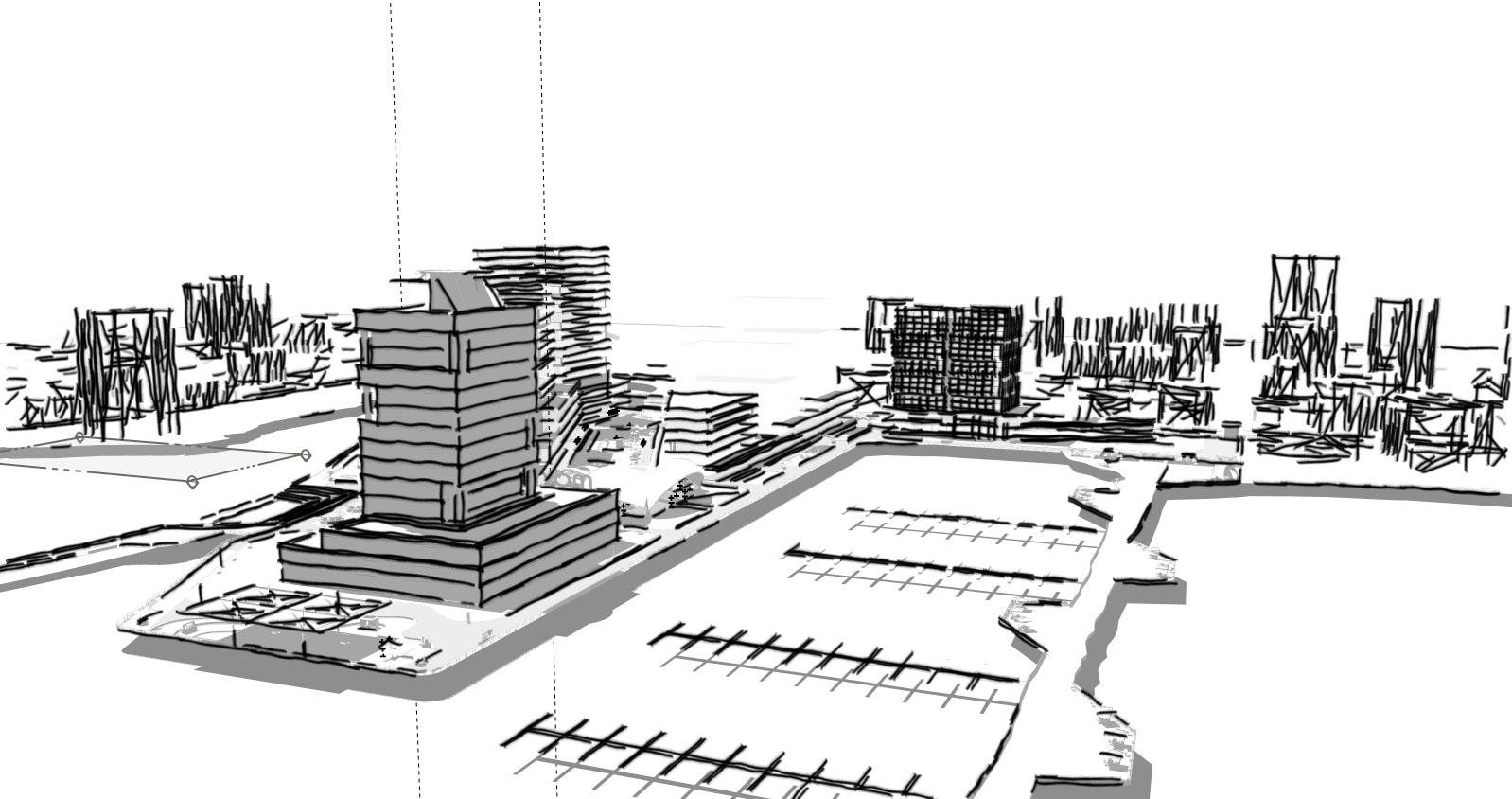
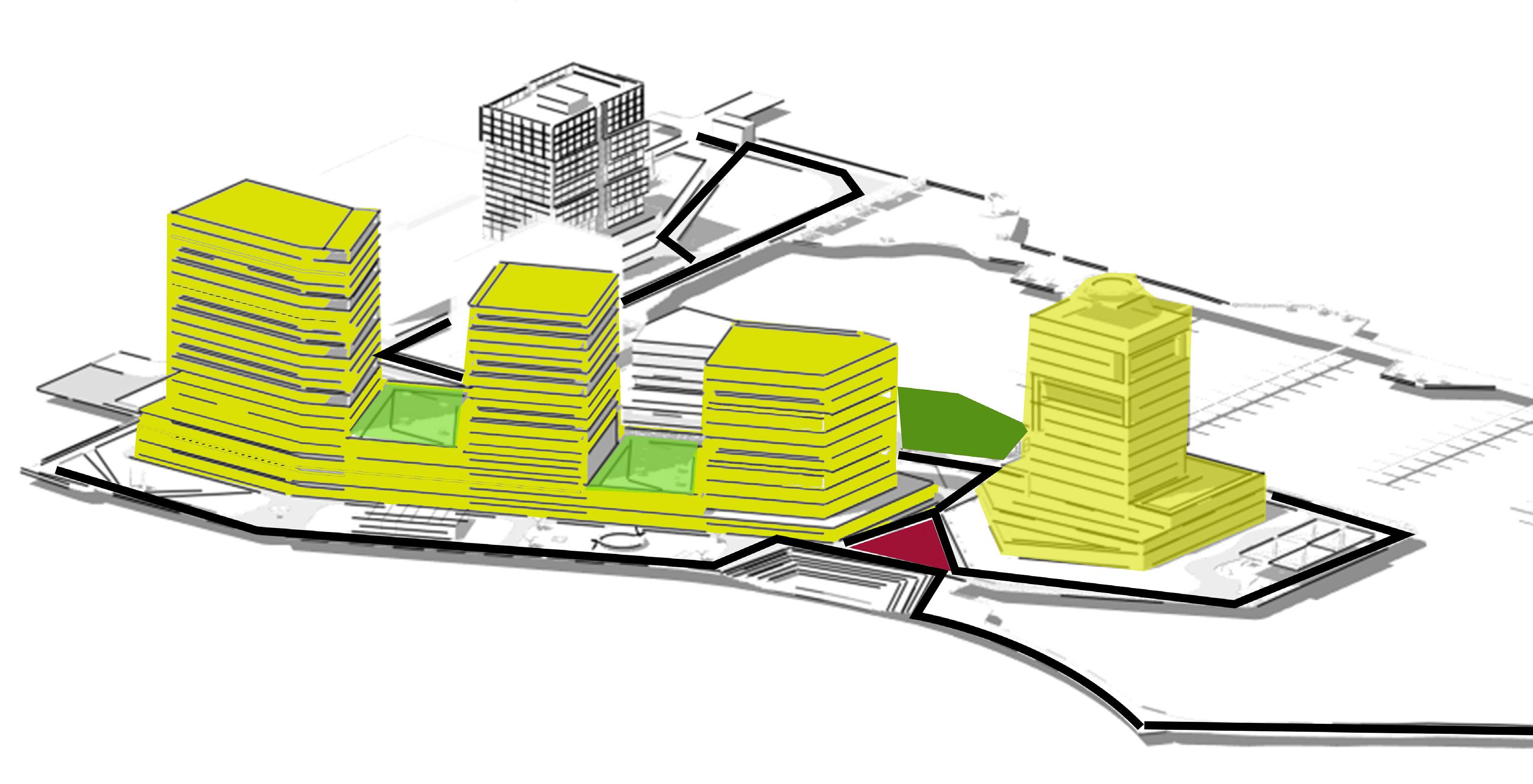
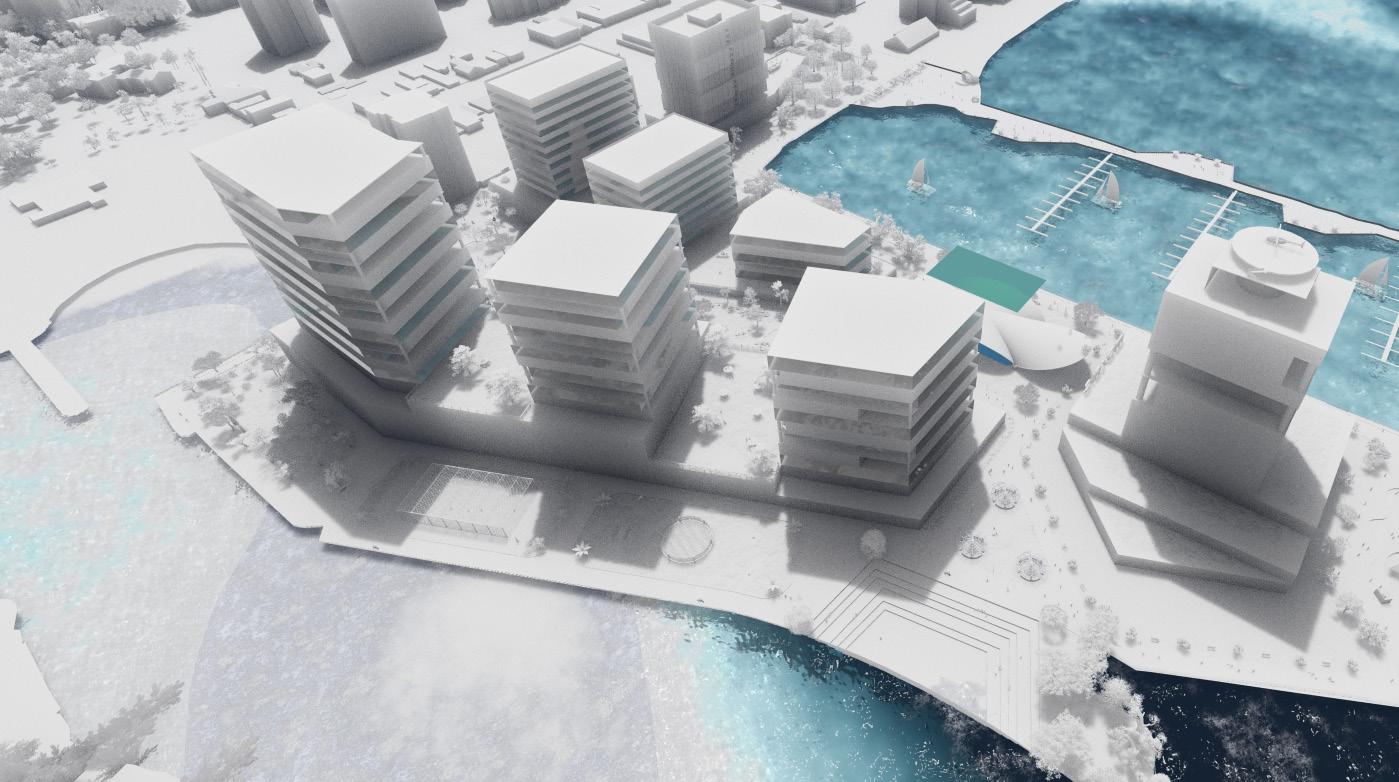
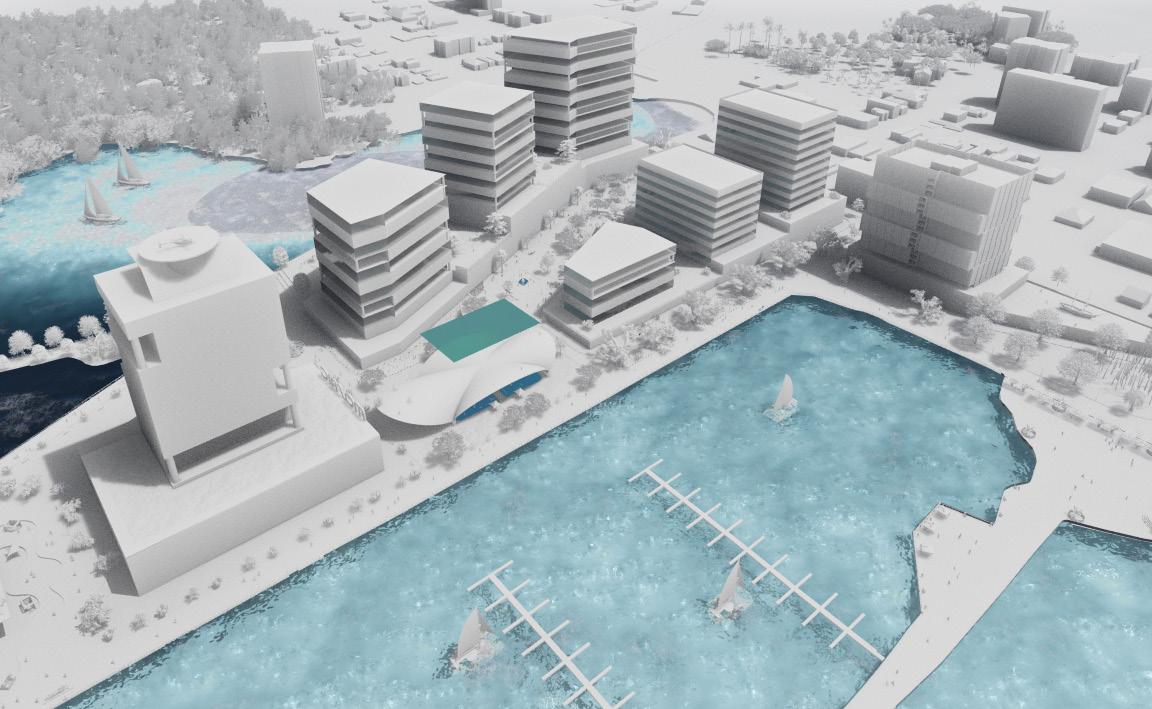
Fig. 3 Conceptual massing
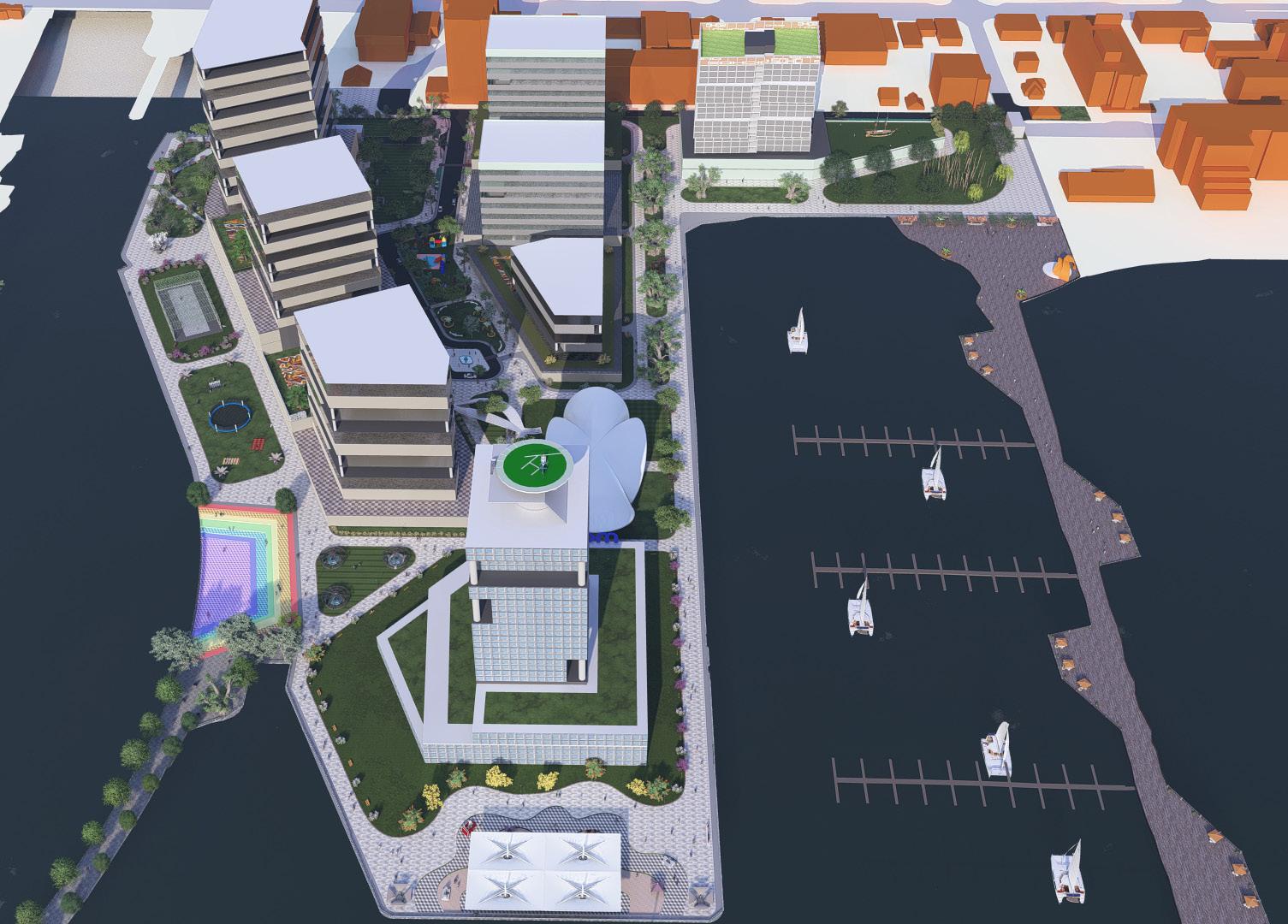
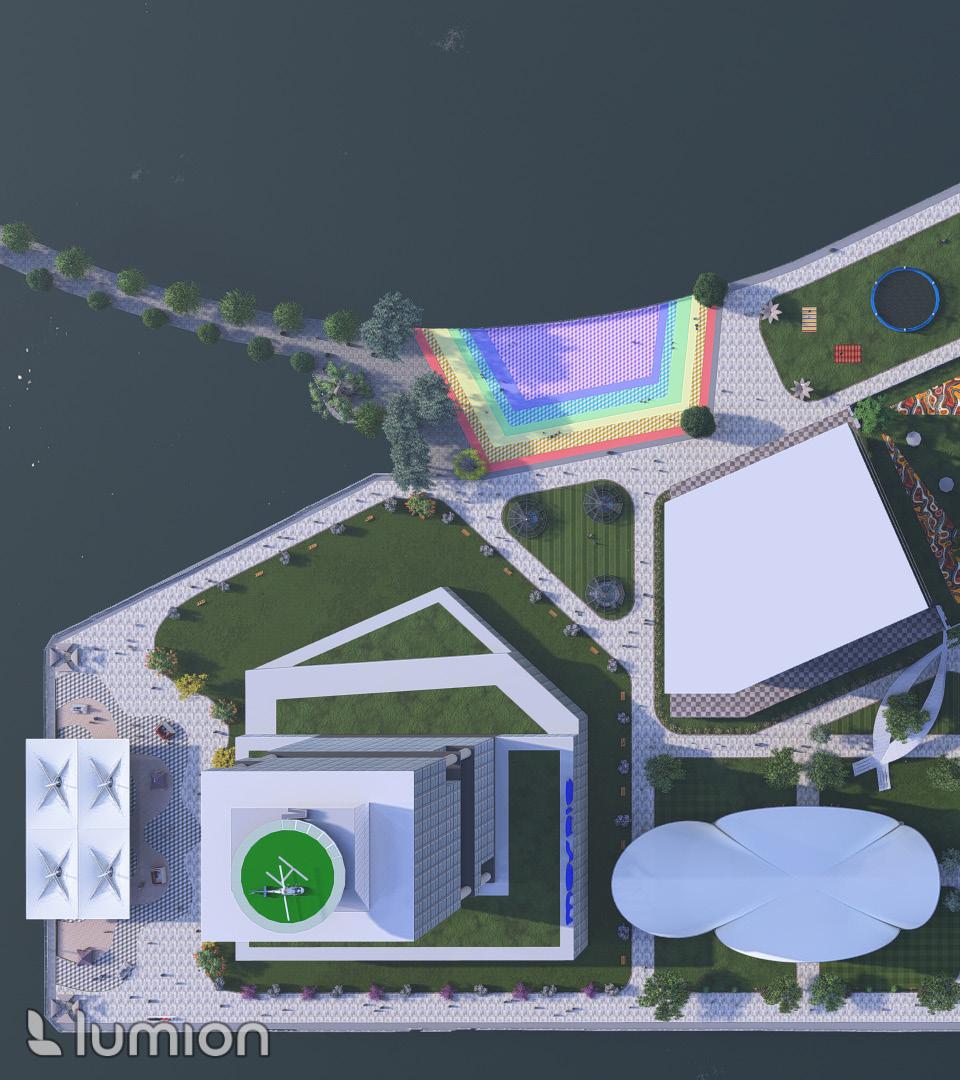
The overall view of the site
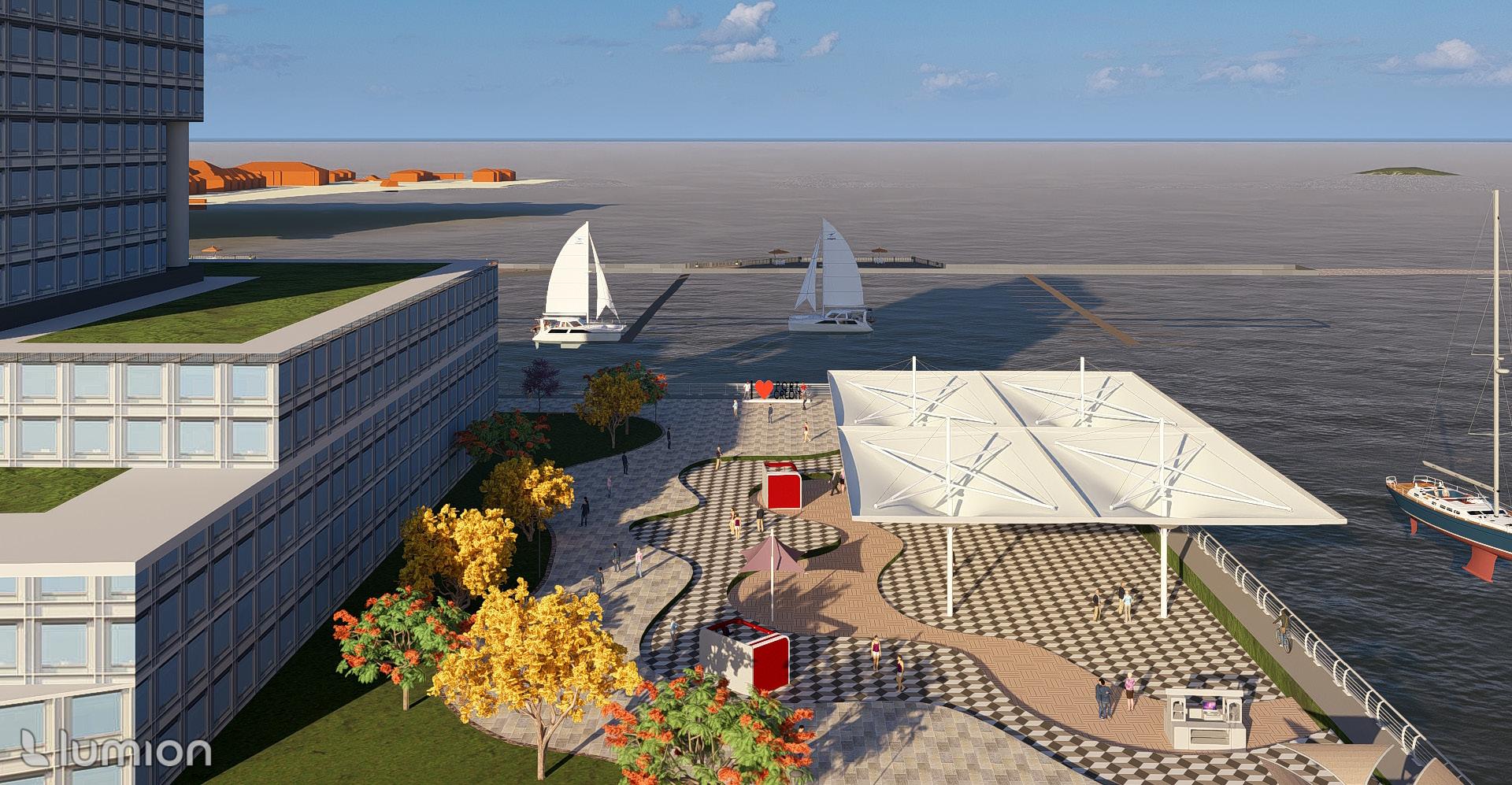
View point of the site
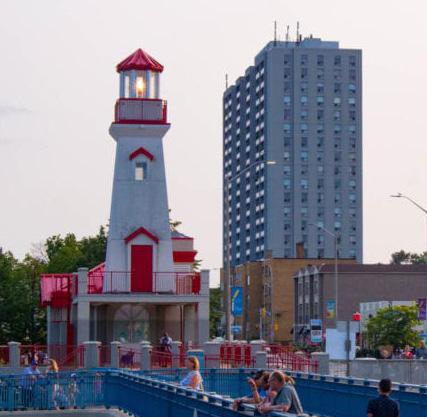
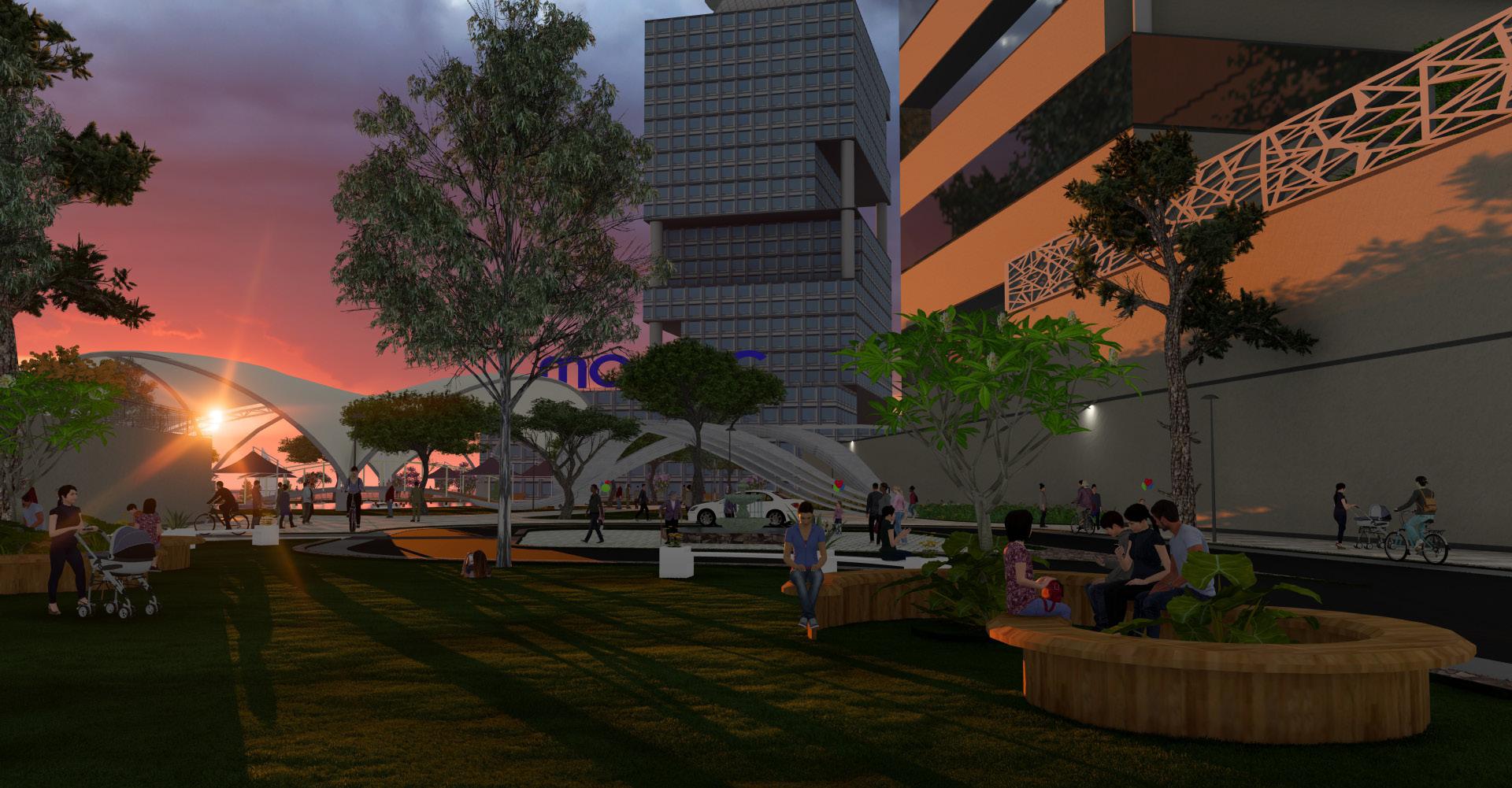
Clock tower
Fig. 4 Overall view of the site
Fig. 5 View point of the site
Fig. 6 Clock tower
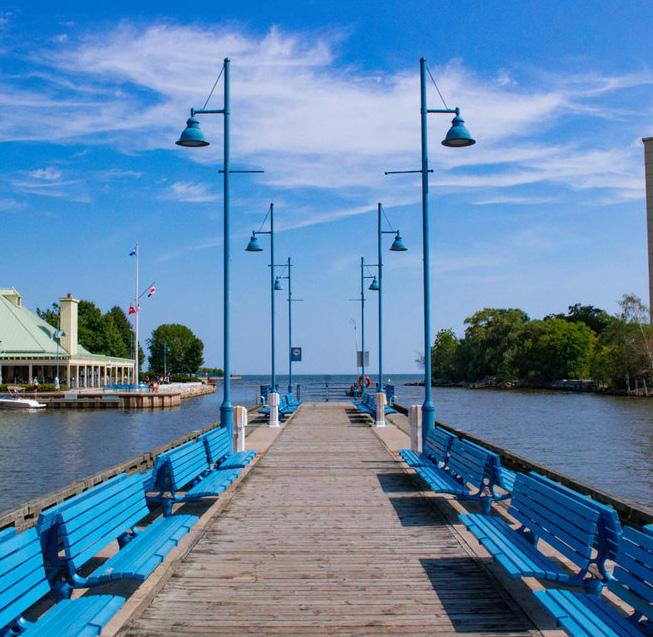
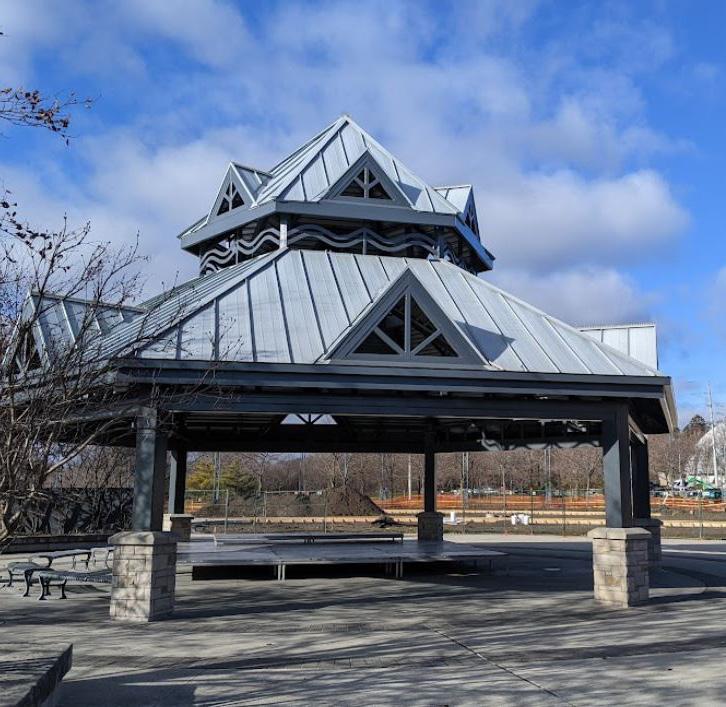
Port credit memorial park
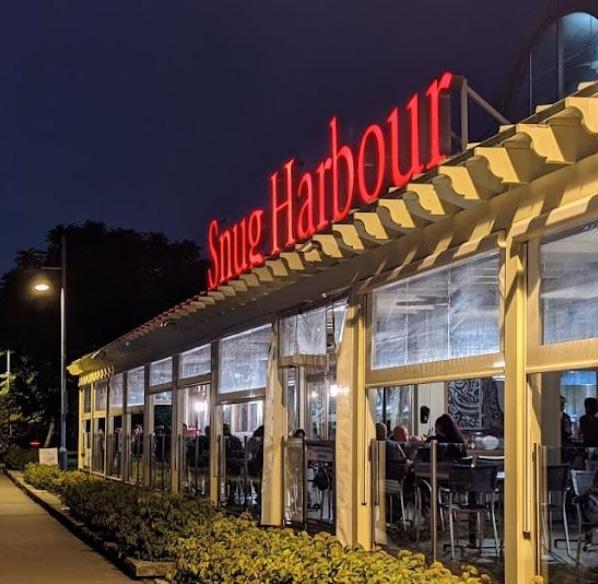
Snug Harbour Restaurant
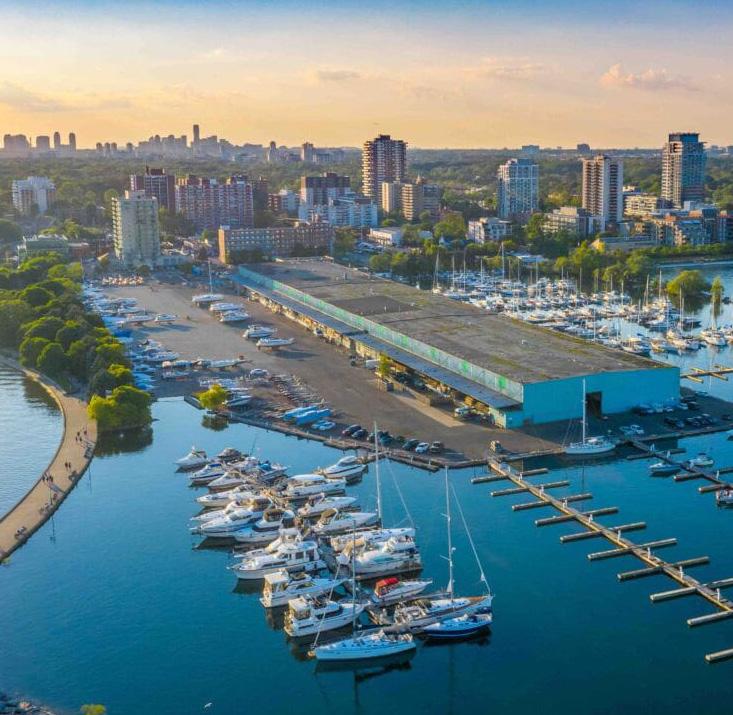
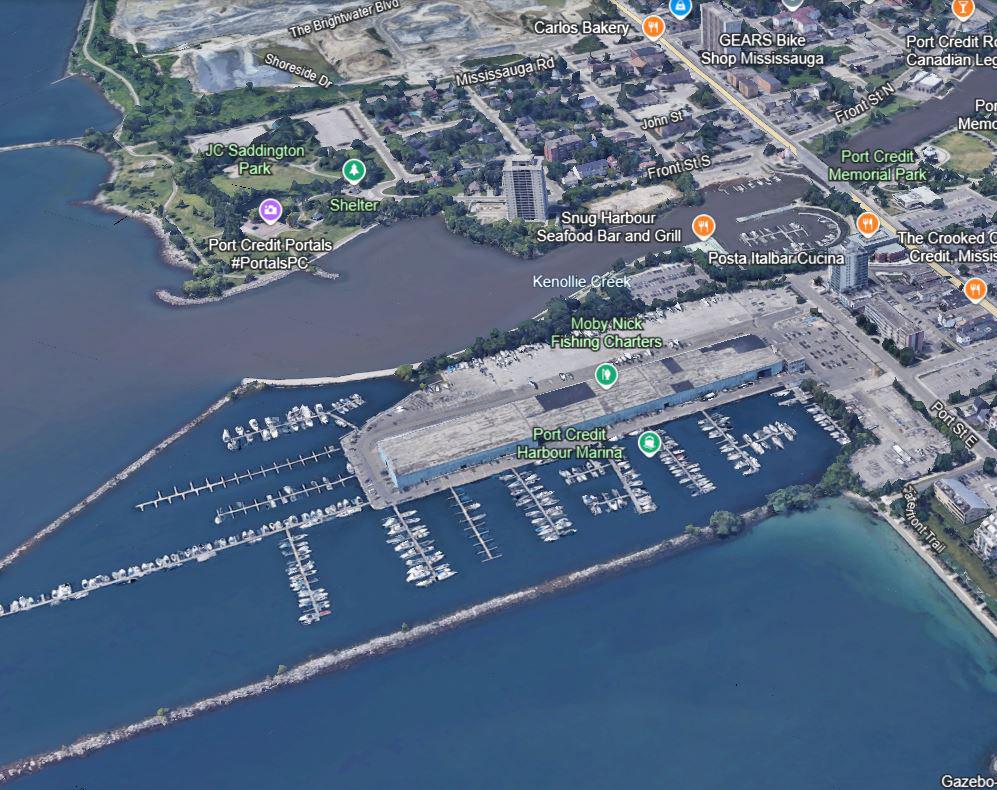
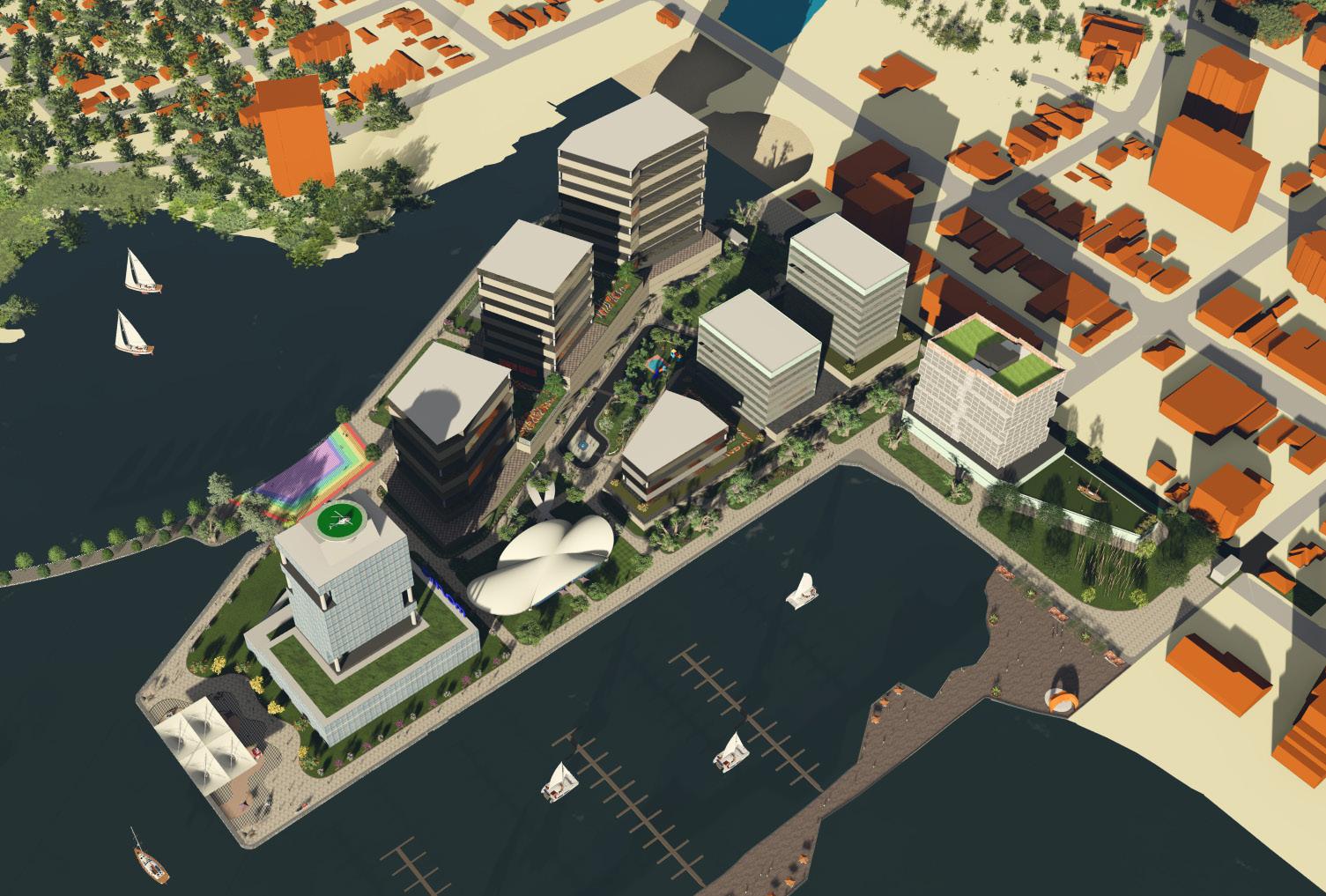
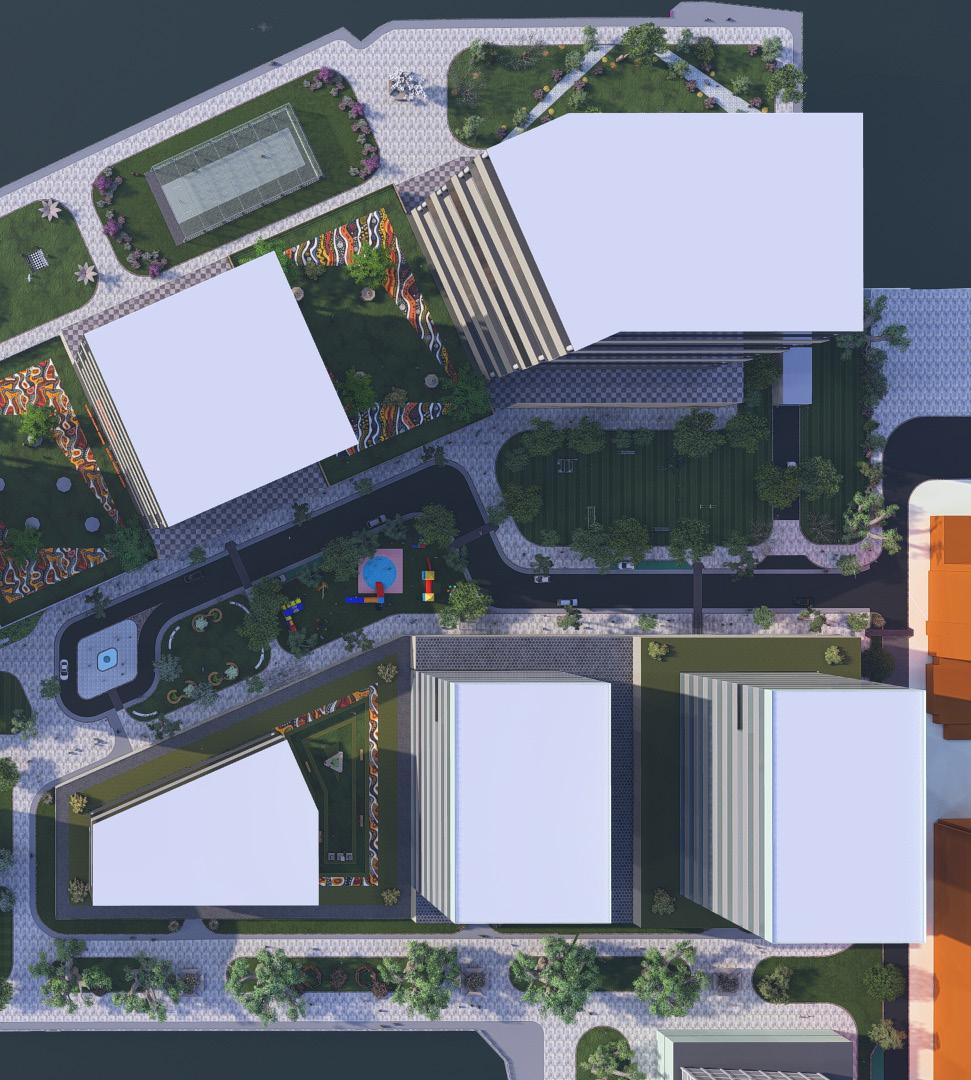
Fig. 7 Aereal view of the site
Fig. 8 Port credit memorial park
Fig. 9 Snug harbour restaurant
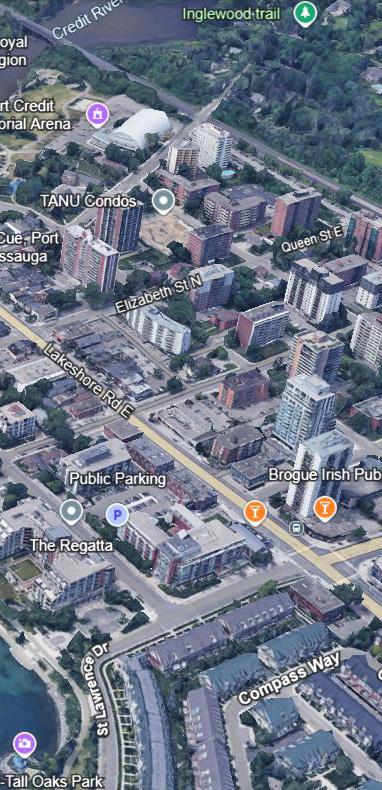
Site & Neighbourhood overview
Port Credit is a vibrant neighborhood located in the southern part of Mississauga, Ontario, along the shores of Lake Ontario. It is positioned around the mouth of the Credit River, a historical and geographical feature that played a key role in the area’s development. The neighborhood is approximately 20 kilometers west of downtown Toronto, making it a desirable location for both residential living and commercial activities due to its proximity to the Greater Toronto Area (GTA).
Geography and Natural Features
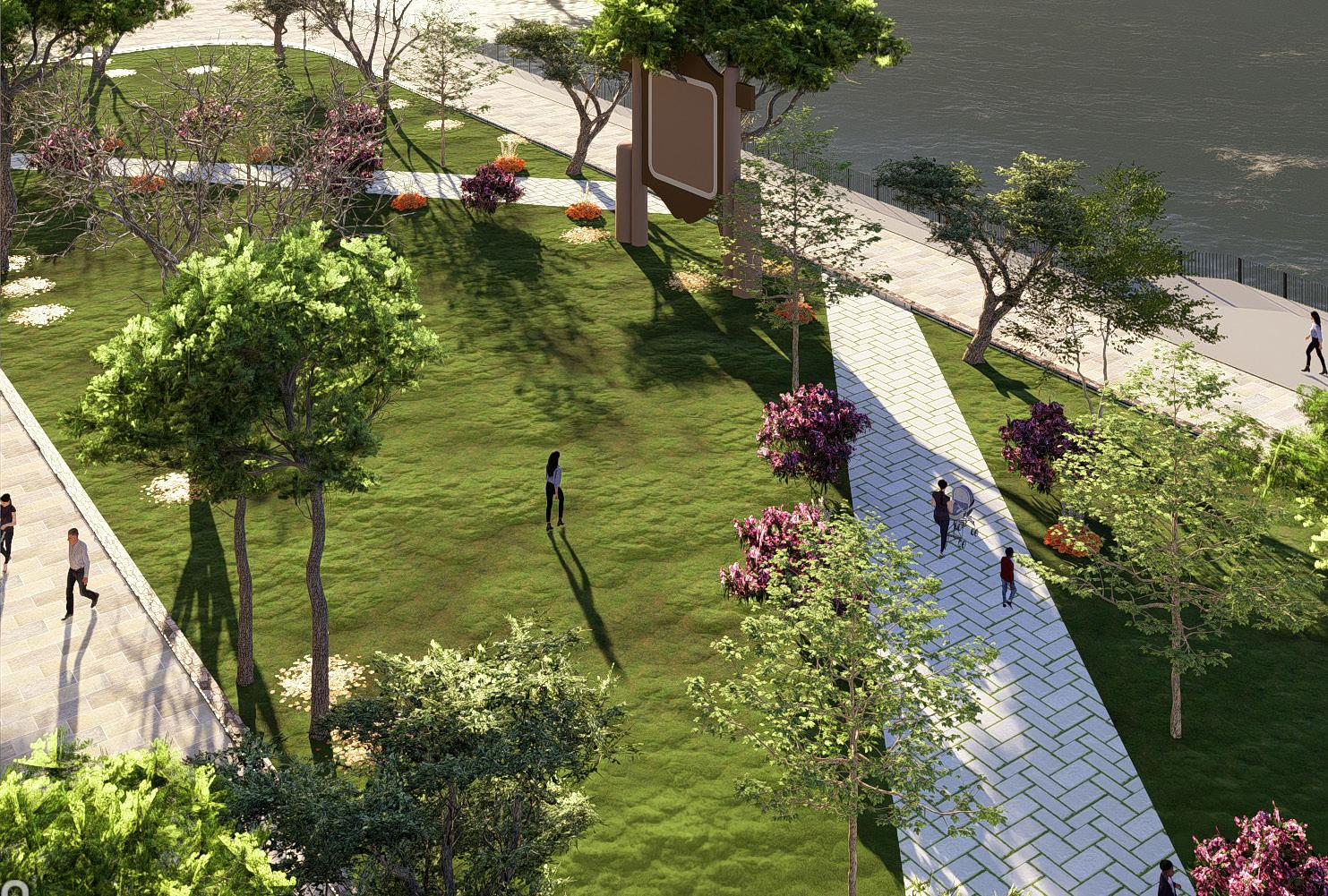
Port Credit’s most defining feature is its waterfront, with easy access to both the lake and the Credit River. The waterfront area is home to parks, marinas, and trails, providing recreational opportunities for residents and visitors. The river and lakeshore setting make it an attractive spot for leisure activities like boating, walking, and cycling. There are also several green spaces, such as J.C. Saddington Park and Port Credit Memorial Park, which enhance the neighborhood’s natural appeal.
Urban Structure
Port Credit’s urban design showcases a blend of historical charm and modern development. The area has a mix of lowrise residential homes, townhouses, and high-rise condos, with a particular focus on creating pedestrian-friendly streets. The neighborhood’s main commercial strip, Lakeshore Road, is lined with cafes, restaurants, shops, and services, providing a lively and walkable environment.
The area has undergone significant revitalization over the past few decades, with new mixed-use developments and improved infrastructure. These transformations have made Port Credit a sought-after location for both professionals and families, offering a range of housing options with easy access to local amenities and public transport.
Connectivity and Transit
Port Credit benefits from excellent transit connectivity, which has been a key element in its urban design. The Port Credit GO Station is a central transportation hub, providing commuter rail service to downtown Toronto via the GO Transit network, making the neighborhood highly accessible for those working in the city. Additionally, there are several bus routes and cycling paths that enhance mobility within the area and beyond.
Community and Culture
Port Credit retains a strong sense of community, blending new urban developments with its historical roots. It is home to a diverse population, and its cultural offerings include the Port Credit Public Library, art galleries, and community events like festivals and markets. The neighborhood’s history is also visible through the preserved historic buildings and landmarks that give it a unique character.
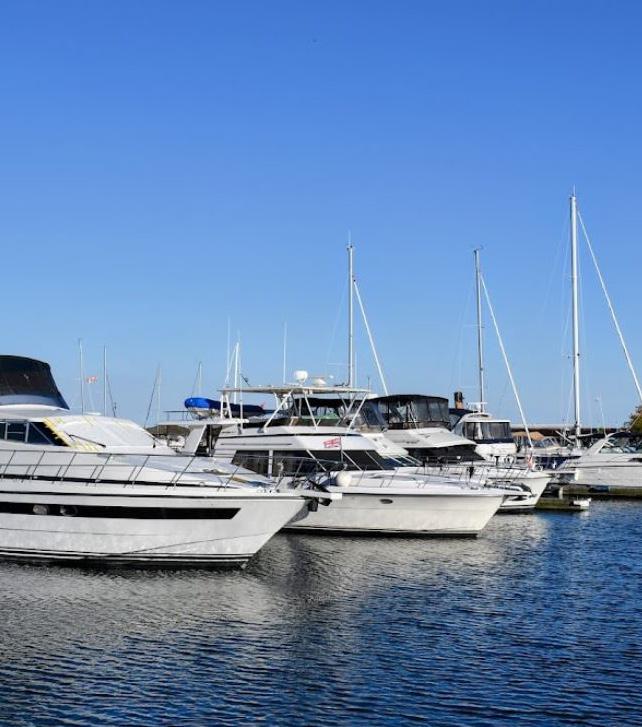
Port Credit Harbour Marina Fig. 10 Port credit harbour marina
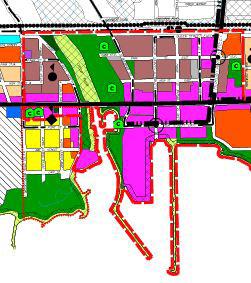
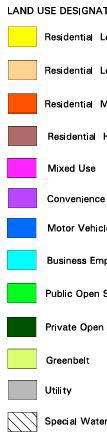
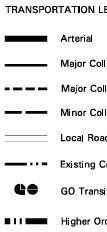
Existing Land use
The MOSAIC “Spaces that Connect, Lives that Thrive.”
Fig. 11 Existing Land use
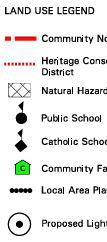
Proposed Land use
Fig. 12 Proposed Land use
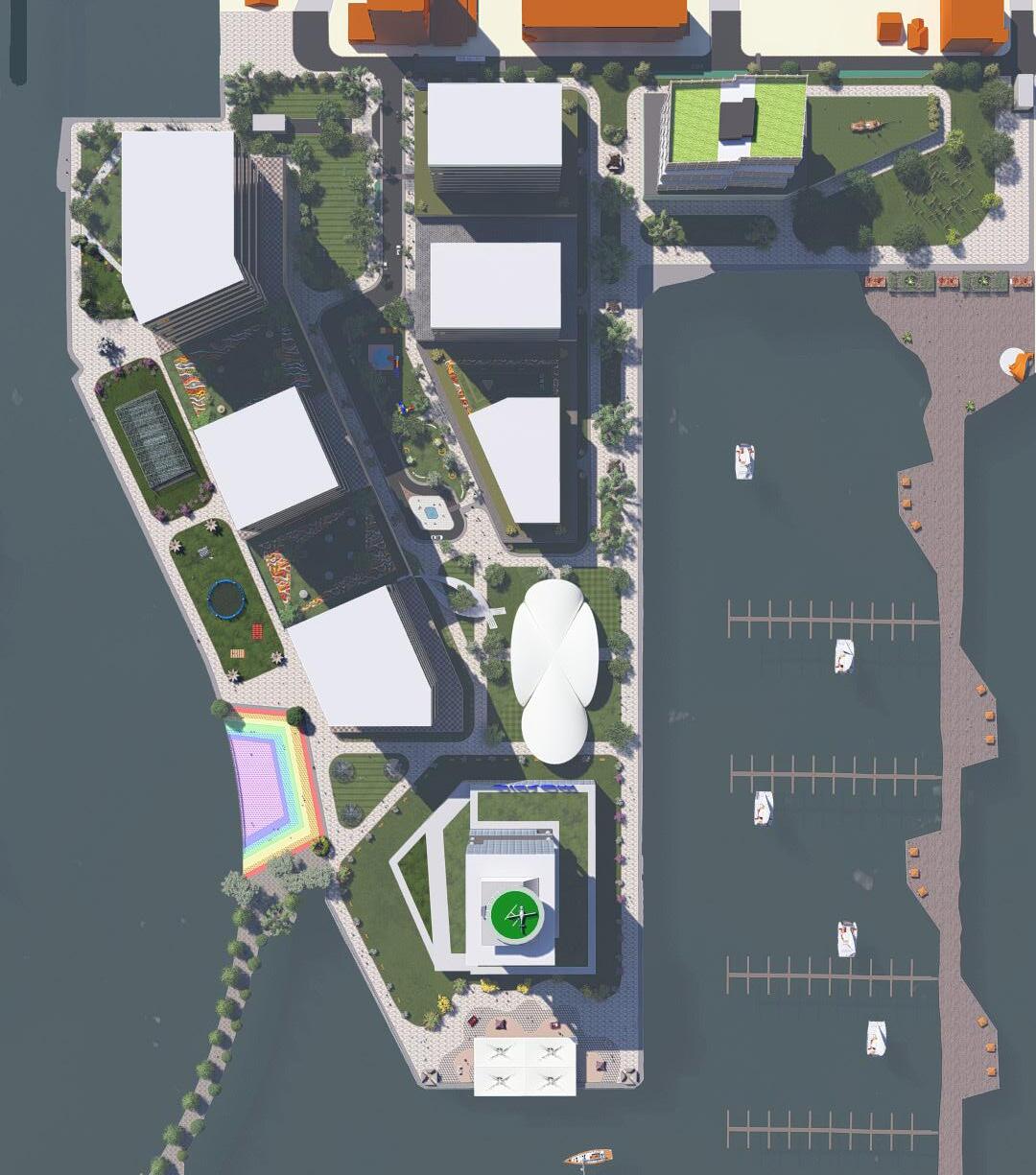
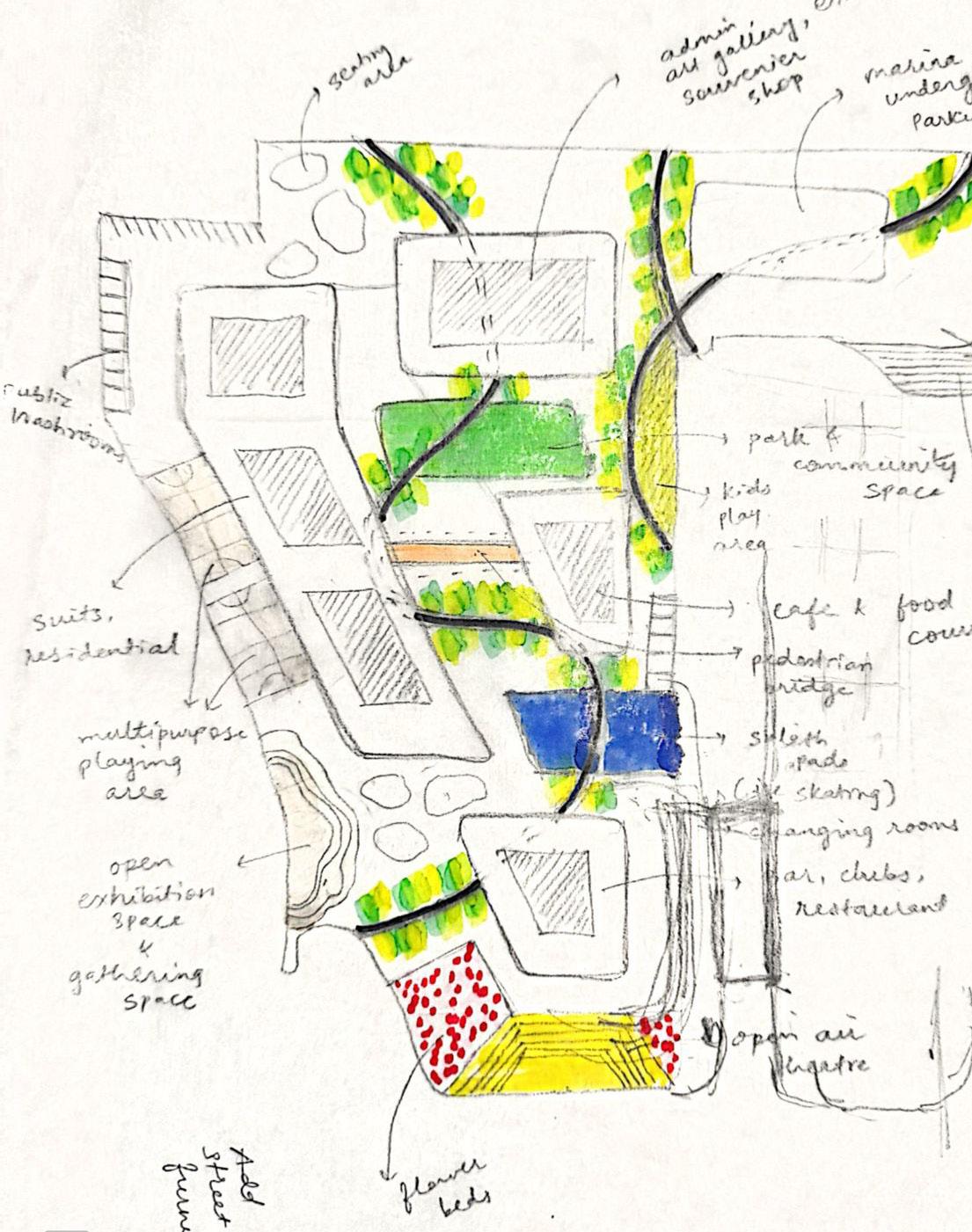
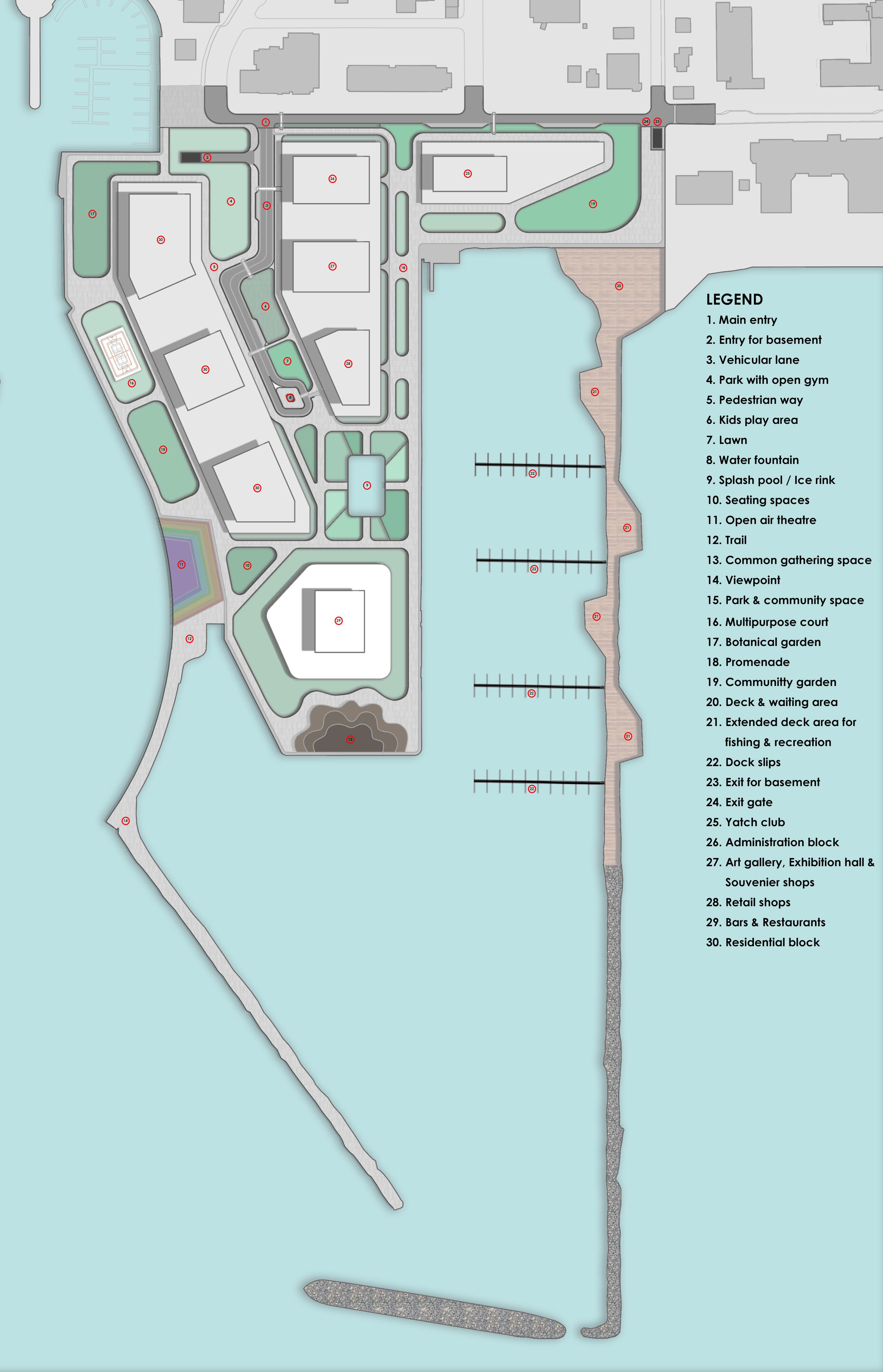
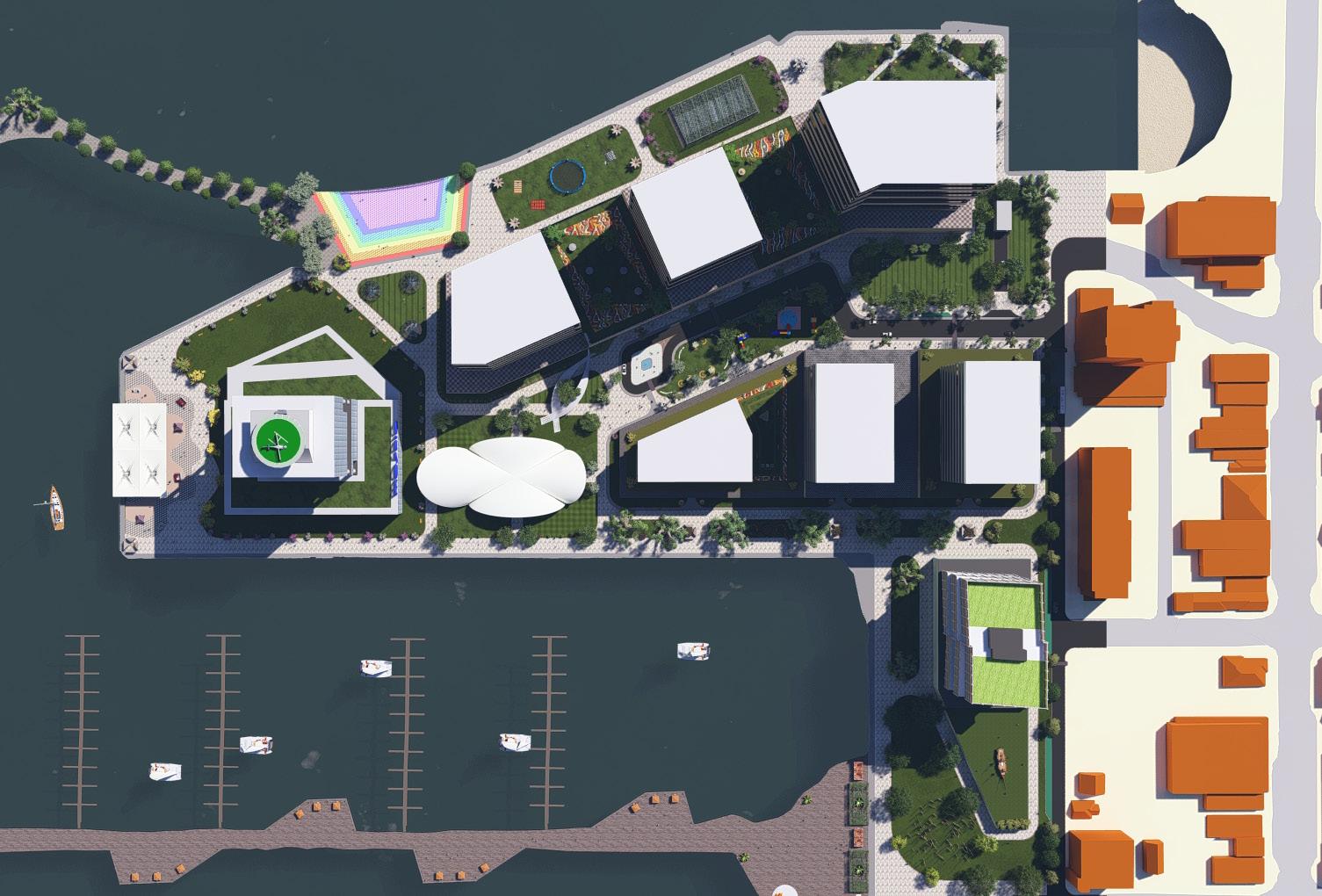
Conceptual proposed plan
Elements proposed in the design
Node
District
Landmark
Path
Edges
Kevin Lynch’s 5 elements
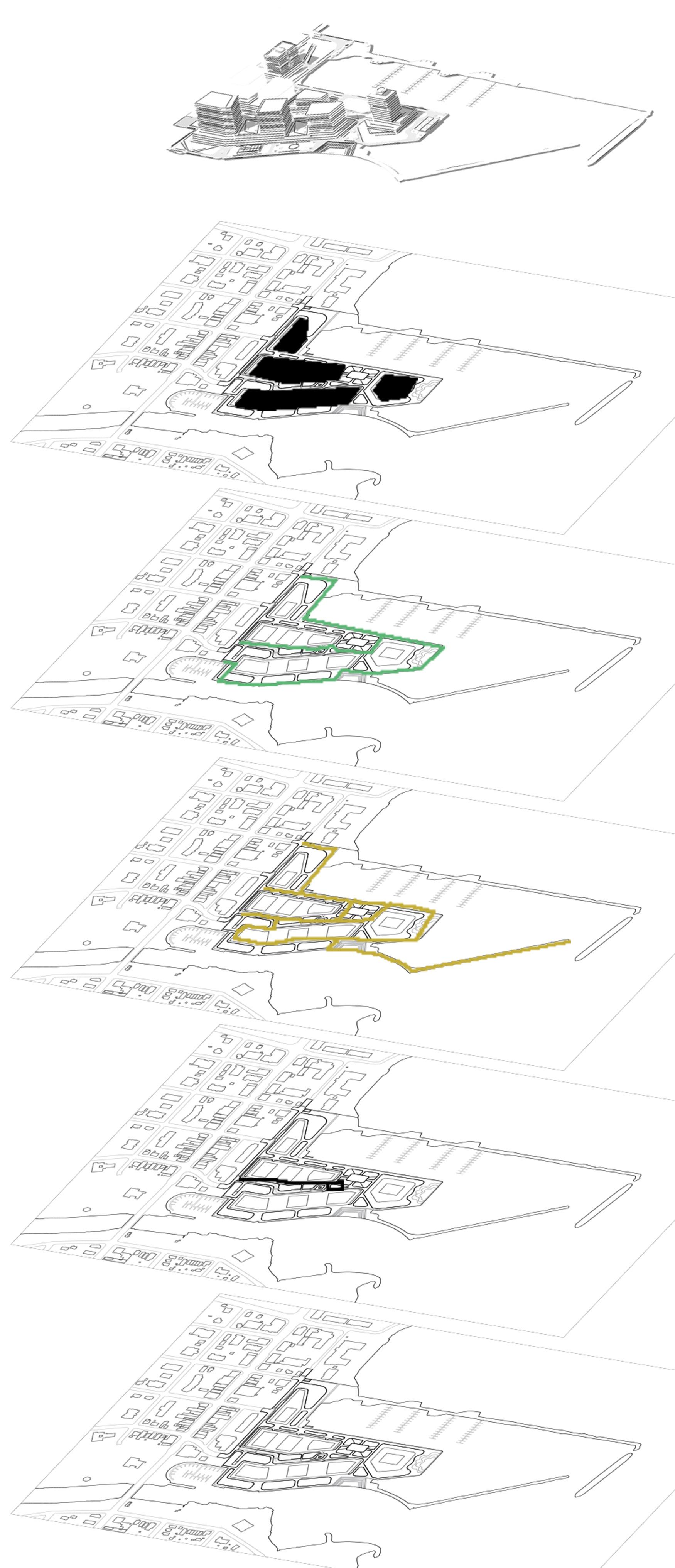
Conceptual ideas
Massing
Figure ground
Vehicular
Pedestrian
Cycle track
The MOSAIC “Spaces that Connect, Lives that Thrive.”
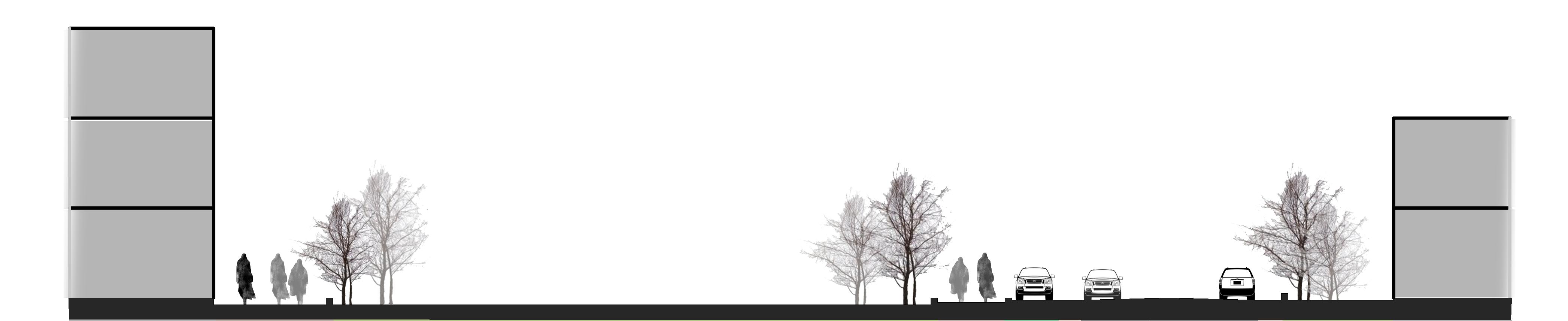
Keyplan Section
MOSAIC “Spaces that Connect, Lives that Thrive.”
Green buffer space
Sidewalk
Pedestrian walk
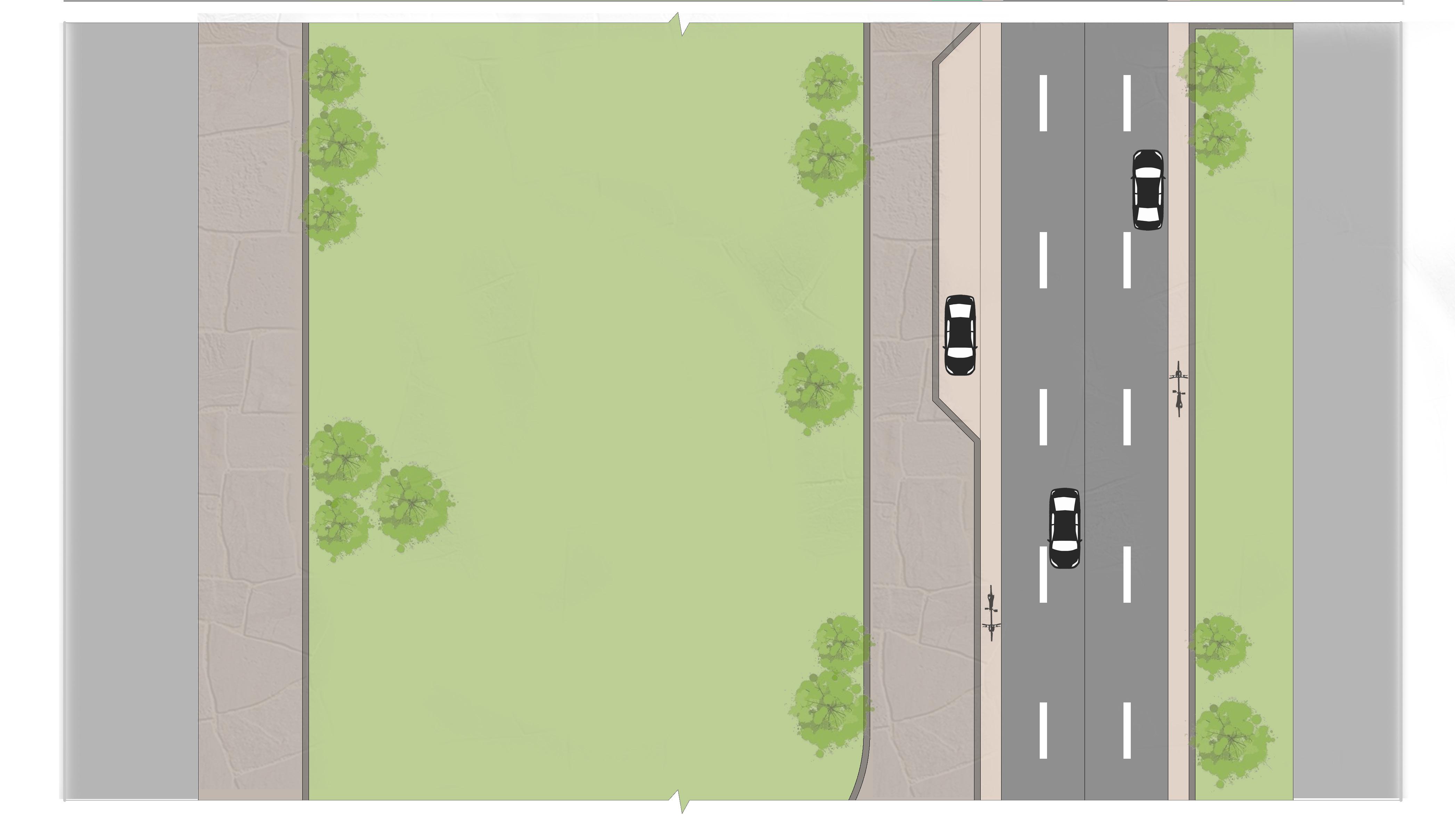
Extended curb Cycle track Cycle track
Driving lane Green buffer
Section
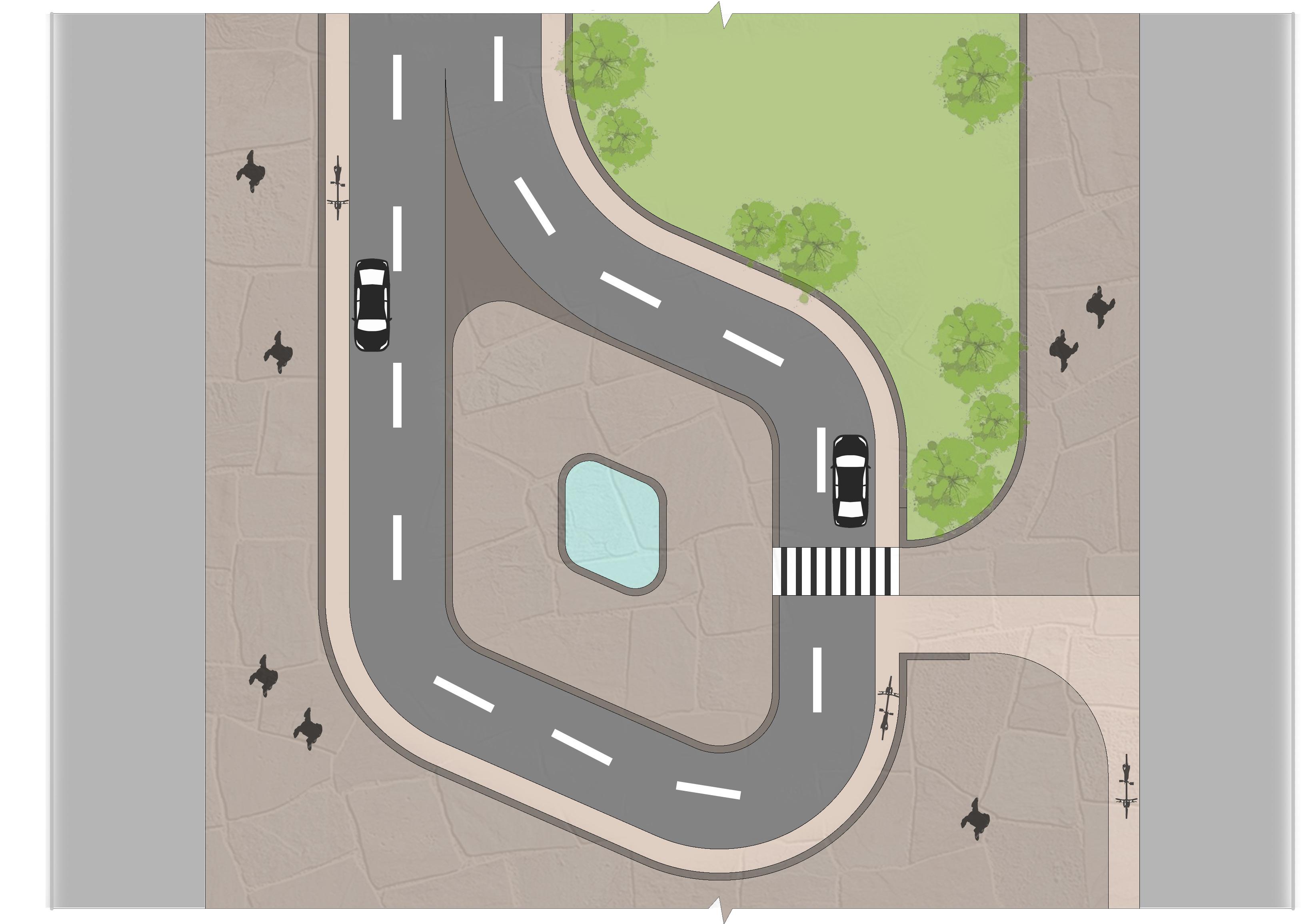
Plan
Keyplan
Pedestrian walk
Pedestrian walk Cycle track Cycle track
Driving lane
Driving lane
Sidewalk
Sidewalk
The MOSAIC “Spaces that Connect, Lives that Thrive.”
Seating spaces
Podium level gathering spaces
Common gathering spaces
Keyplan
Maitri Patel
Botanical garden
Lawn
Splash pool
SEASONAL
Botanical garden
Multipurpose court
Gathering spaces
Seating spaces
Open Air Theatre
The MOSAIC “Spaces that Connect, Lives that Thrive.”