Solutions & Technologies




Non-Invasive, Precision
Re-levelling Technologies
Learn
JOG Computer
Controlled Grouting
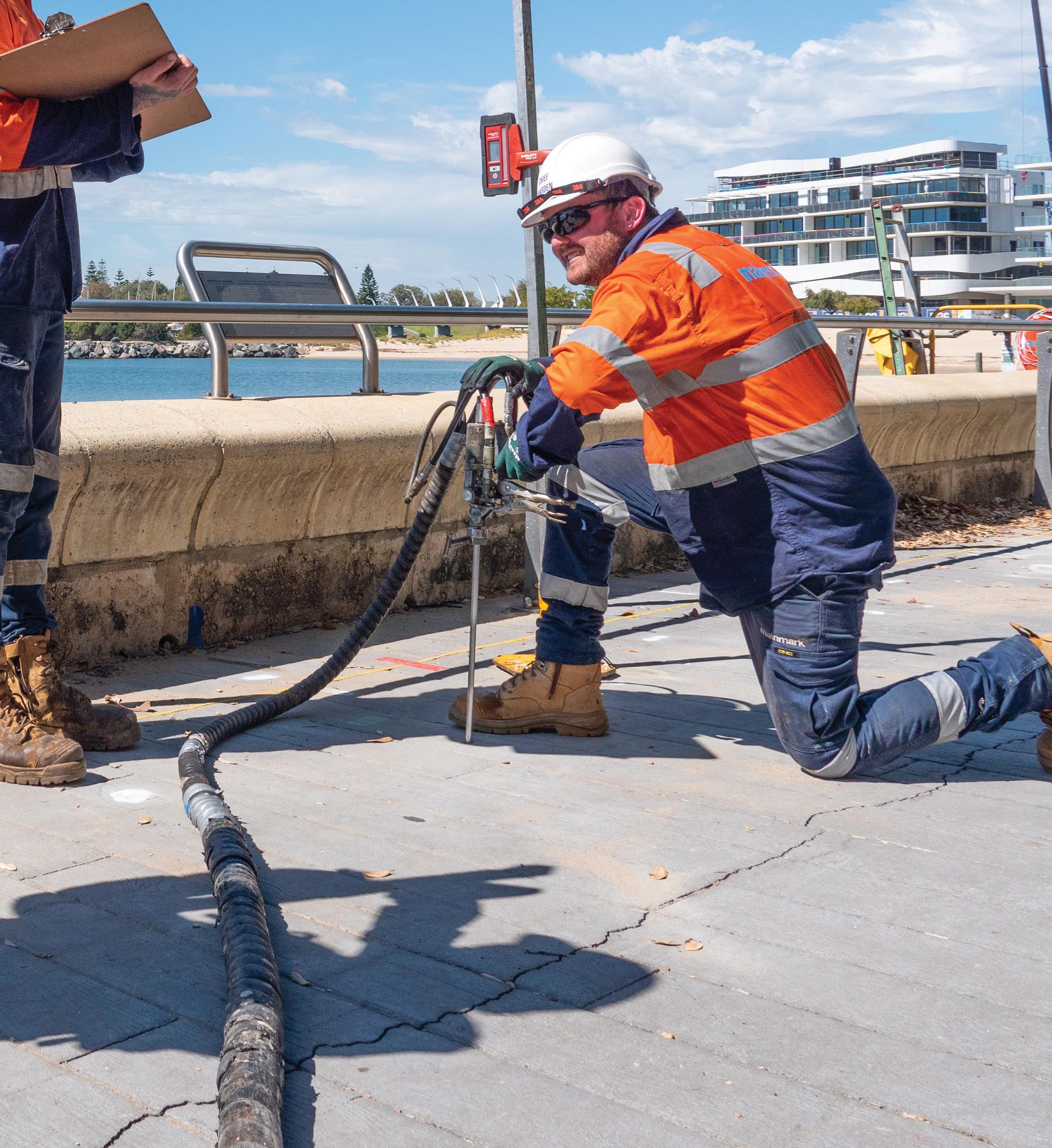
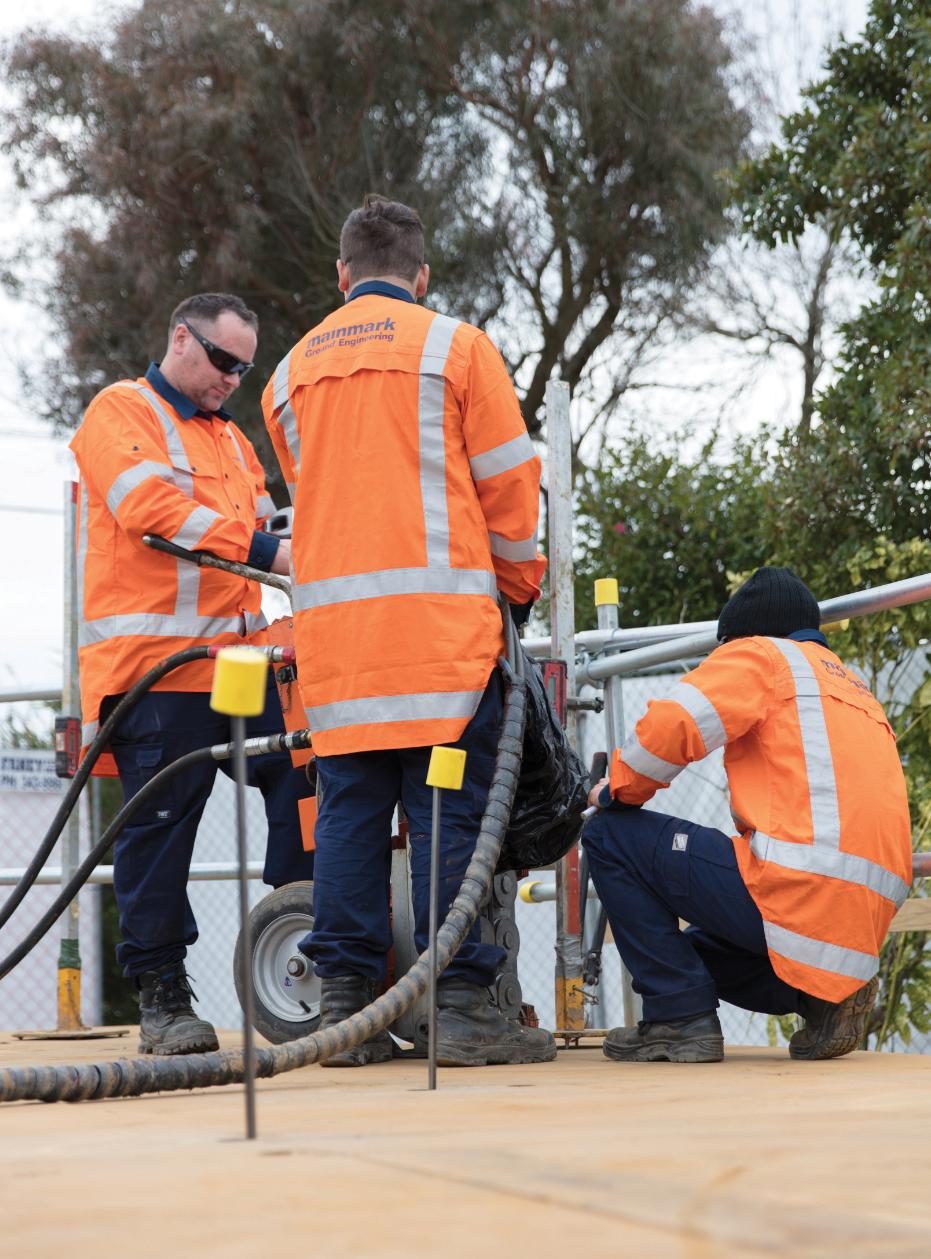
JOG is a computer-controlled, multi point injection system designed for precise level correction of large or complex structures.
• Multi-point levelling process
• Computer controlled
• High mobility, cementitious grout
• Controlled, variable set time
• Low building impact
Learn
Teretek®
Teretek lifts subsided structures, strengthens ground, and fills voids.
• Precision lifting of foundations and slabs
• Ground improvement for increasing bearing capacity
• Void filling
• Liquefaction mitigation research in 2013 Ground Improvement Science Trials with MBIE
• In NZGS Module 5
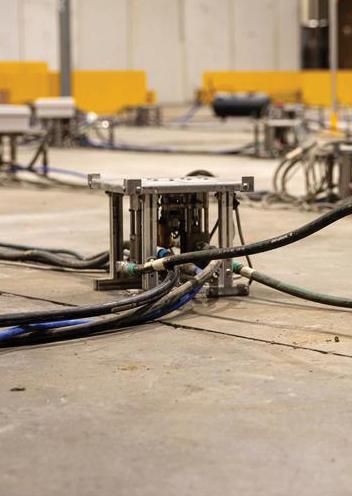
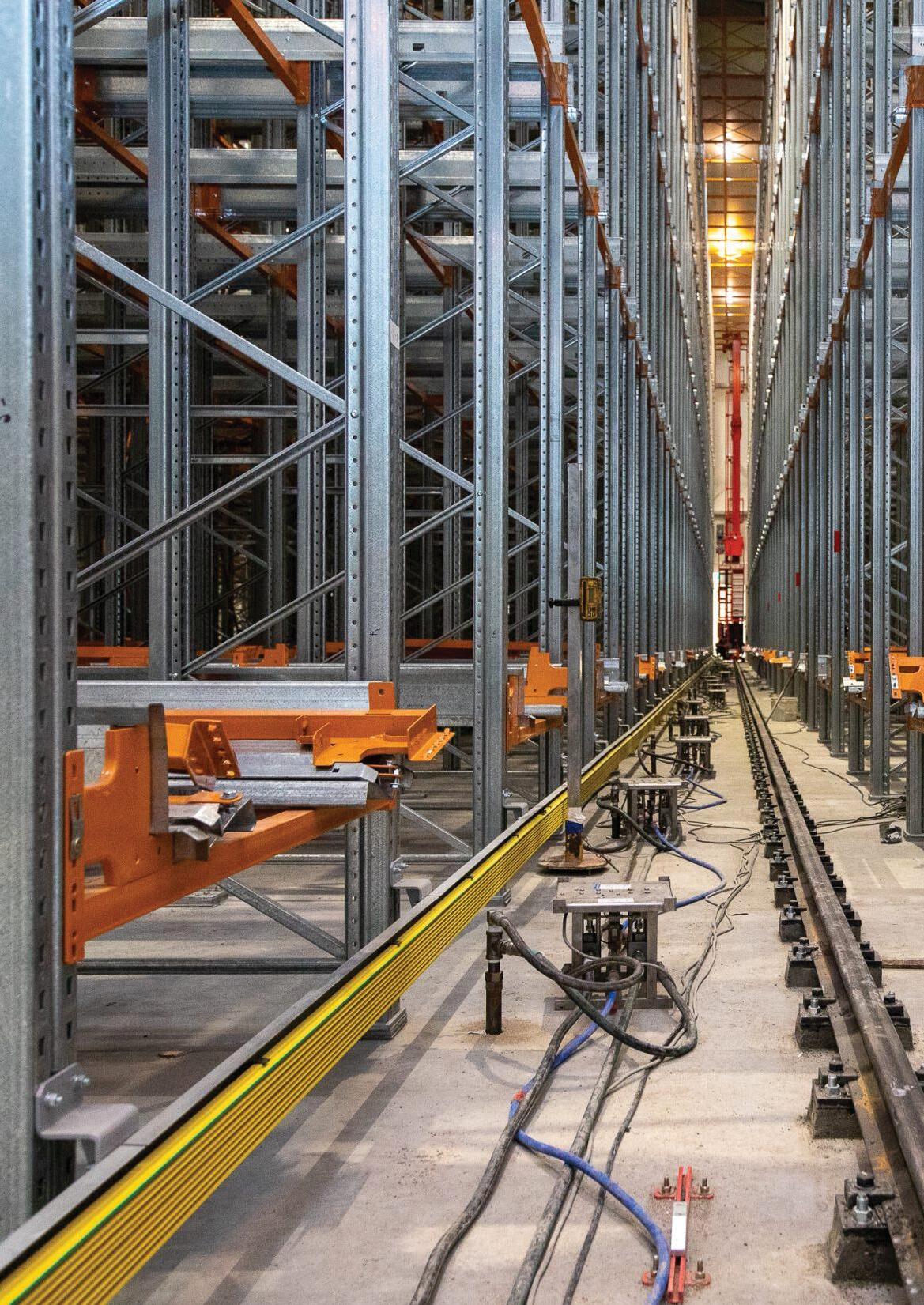
Re-levelling a 20,000m² Warehouse Case Study
Problem
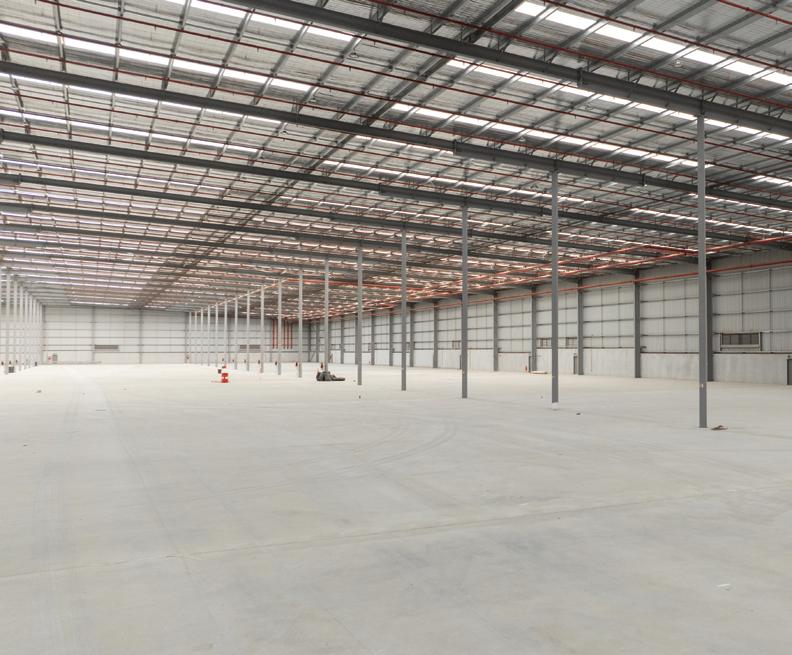
A 20,000m² warehouse had experienced significant ground subsidence, impacting its superstructure and floor slabs. The movement was caused by the loss of fines in foundation soils after a historic flood, leading to voids beneath the slab and differential settlement.
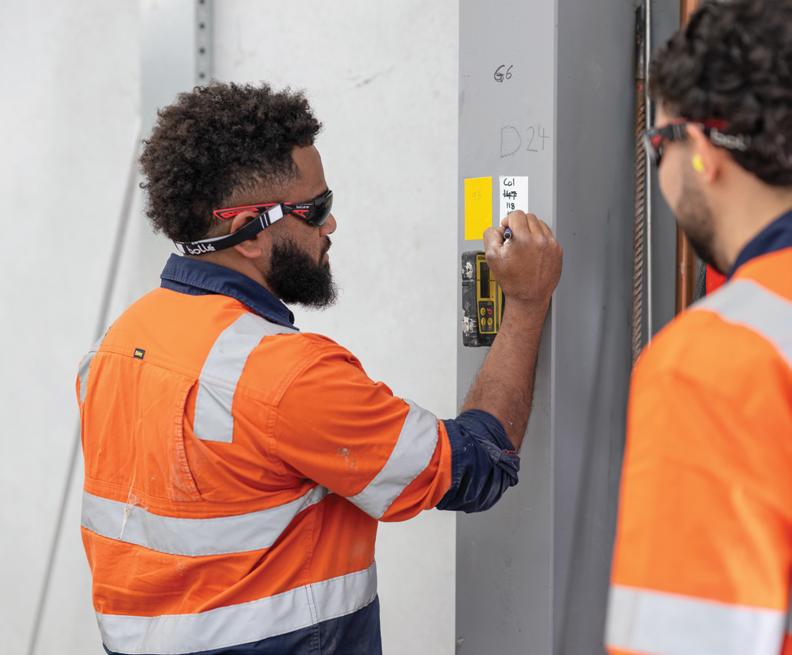
A detailed survey revealed up to 120mm of variation from the original levels. The structure consisted of a 180mm thick fibre-reinforced concrete slab, a steel portal frame, precast concrete dado panels, and perimeter/internal pad footings. Geotechnical investigations indicated the platform was built on up to 8m of imported fill.
Solution
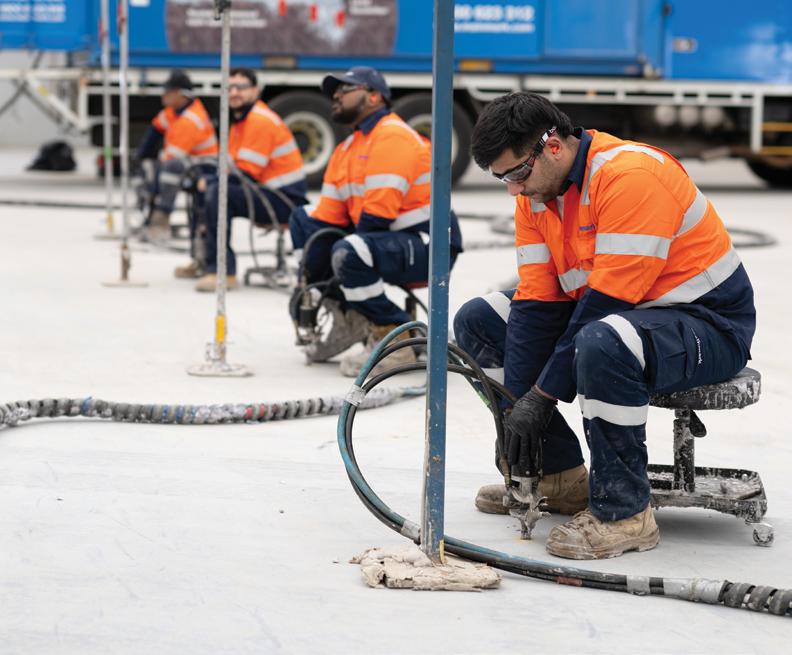
Mainmark was engaged to restore the structure’s level and integrity, working within tight timeframes as the client prepared the property for upgrades and occupancy. After agreeing on target levels and tolerances, Mainmark installed injection tubes to 2.5m depths beneath each pad footing.
Using Teretek® resin, the team gently lifted the superstructure via a pre-agreed injection sequence. Precast dado panels were levelled concurrently to ensure full structural alignment.
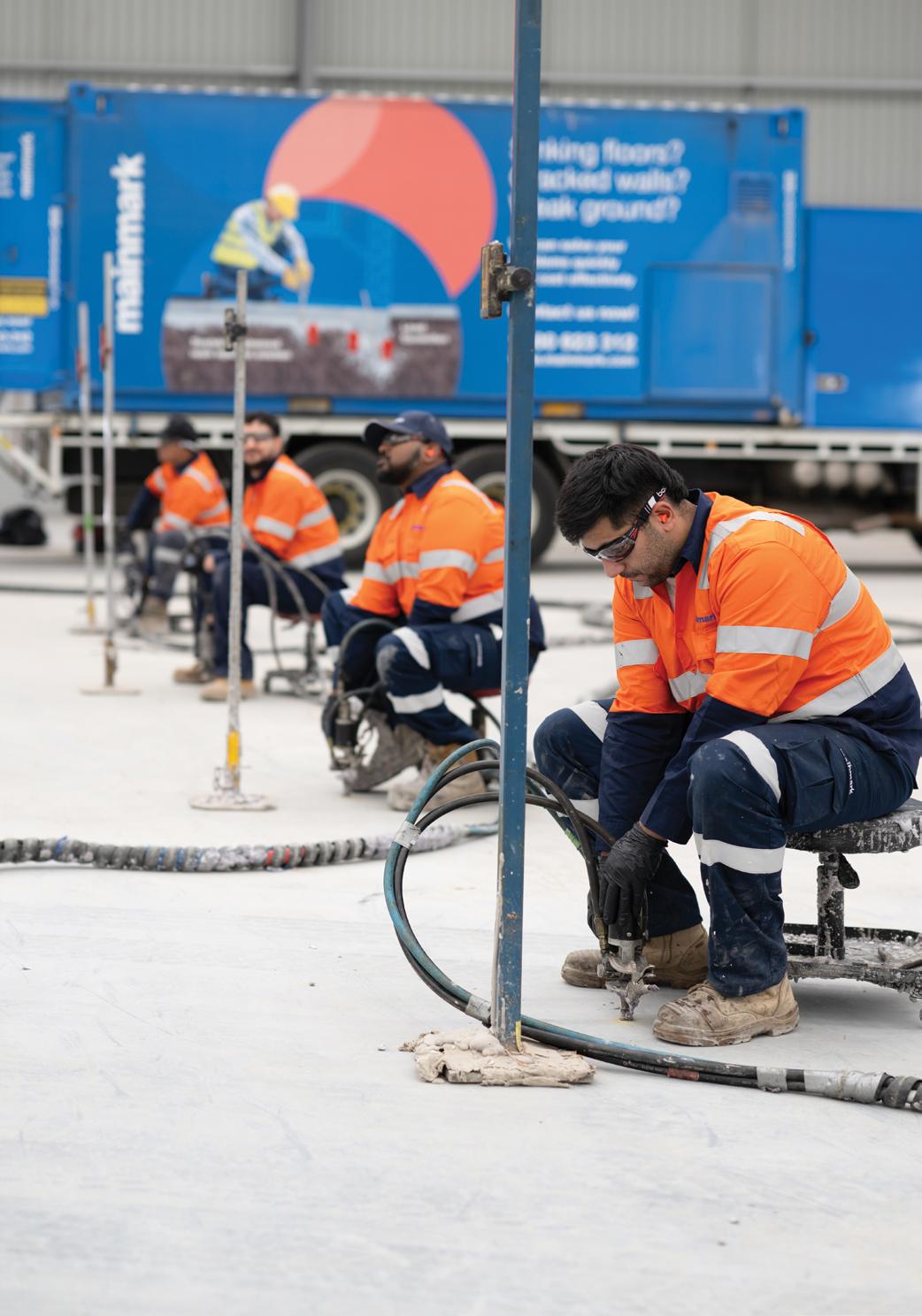
With the superstructure corrected, the team proceeded with slab lifting. Multiple injection rigs and guns were used to ‘float’ the slabs back to design levels efficiently and evenly. A final stitching phase reinforced construction joints beneath the slab edges to ensure long-term stability.
Result
The Teretek® application corrected up to 120mm of differential settlement, returning the structure and slabs to operational tolerances. The warehouse was made fit for high-level racking and forklift use.
The work was completed safely, on time, and well under the cost of demolition and replacement, demonstrating Mainmark’s ability to deliver innovative, cost-effective ground engineering solutions.
Case Study
JOG Computer-Controlled Grouting Re-levels
Multi-Storey Apartment Building in Christchurch
Problem
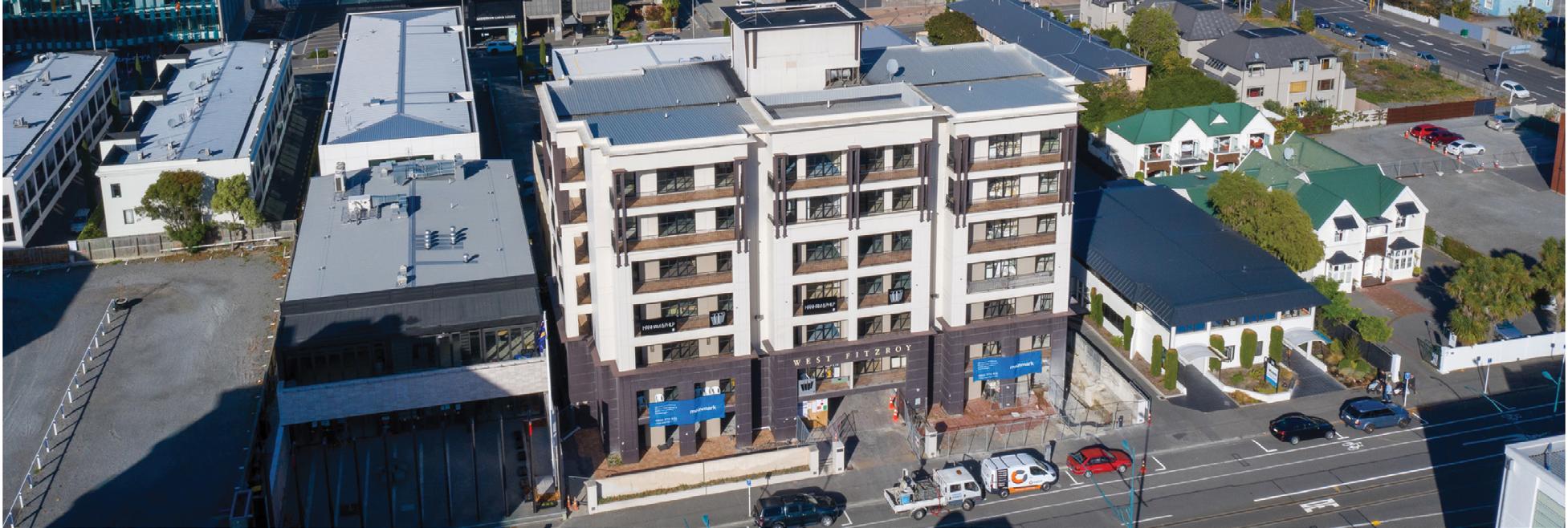
West Fitzroy Apartments, a seven-storey Christchurch complex, suffered about 135 mm of settlement after the 2010–11 earthquakes due to liquefaction-induced ground deformation. Built from heavy precast concrete panels, the 70-unit building required precise remediation to restore pre-quake levels without stressing the structure. Work had to avoid impacting neighbouring properties, including a new RSA building and carpark, and be completed within tight timelines for follow-on strengthening. Conventional methods such as screw piles and jacking were ruled out as too invasive and difficult to control for such a complex, heavy structure.
Solution
Mainmark deployed its proprietary JOG Computer-Controlled Grouting system, a highly accurate, multipoint injection process that enables large and complex structures to be lifted and re-levelled in a carefully controlled, incremental manner.
The project was executed in collaboration with the client’s engineers, project manager, and contractor, following a staged process with client approval after each phase. Mainmark installed 65 JOG injection points across internal slabs and perimeter footings, lifting the structure in five carefully managed stages to maintain structural tolerances of under 5 mm. Real-time Trimble monitoring and traditional surveying were used to track and verify movement after each stage. To protect neighbouring buildings, a temporary retaining wall and a 2.5 m-deep pile barrier were installed along the western boundary, and a trench was created along the southern side to break ground friction between the structures.
Result
The West Fitzroy Apartments were successfully re-levelled to within millimetres of design tolerance, setting a new benchmark as the tallest structure ever lifted using JOG Computer-Controlled Grouting. The project was delivered on time and under budget, with no impact on neighbouring properties. Following completion, the building achieved 90% of new building standards for structural strength, allowing the strengthening and refurbishment works to proceed immediately. Within 12 months, residents had returned to a safe, level, and fully restored apartment complex.
IMPROVEMENT
Soil Replacement
The Better Alternative to a Gravel Raft. Improving ground conditions in areas with soft, compressible, or liquefiable soils.
New Zealand has a complex geology including soft, compressible and liquefaction-prone soils. In recent years, New Zealand has experienced a growing demand for ground improvement due to increasing population and urbanisation. This has resulted in an increase in the construction and retrofit of buildings and infrastructure, which need suitable foundations to ensure their long-term durability and safety.
Soil replacement involves the excavation and removal of unsuitable soil and its replacement with engineered fill material.
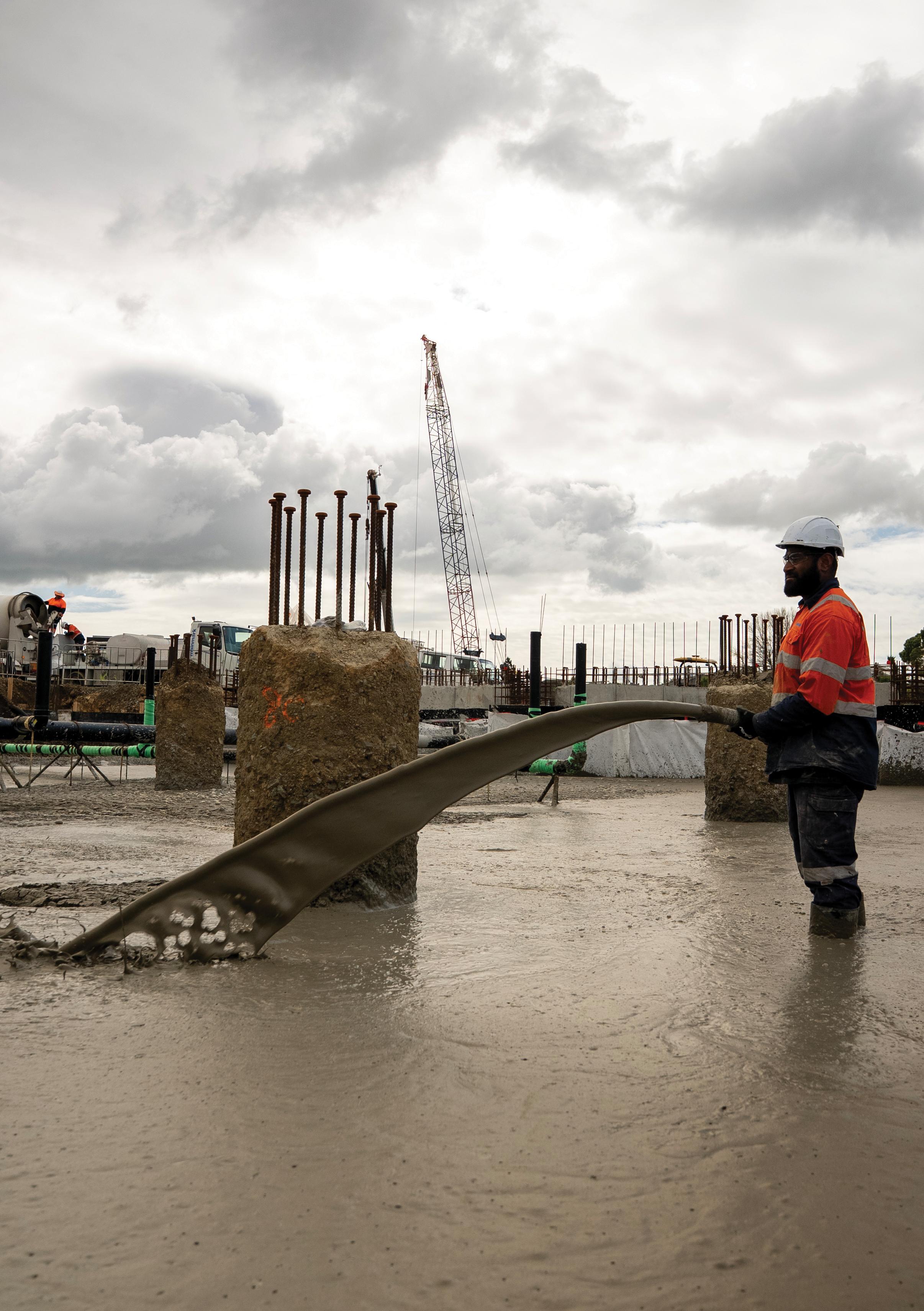
In a ground improvement application, Terefil is used to create a lightweight raft prior to building construction. Weak, compressible or liquefiable soils are excavated to a designed depth and replaced with cellular concrete. This reduces the weight on the underlying soils and provides an engineered fill material with consistent strength and stiffness properties.
Liquefaction Mitigation
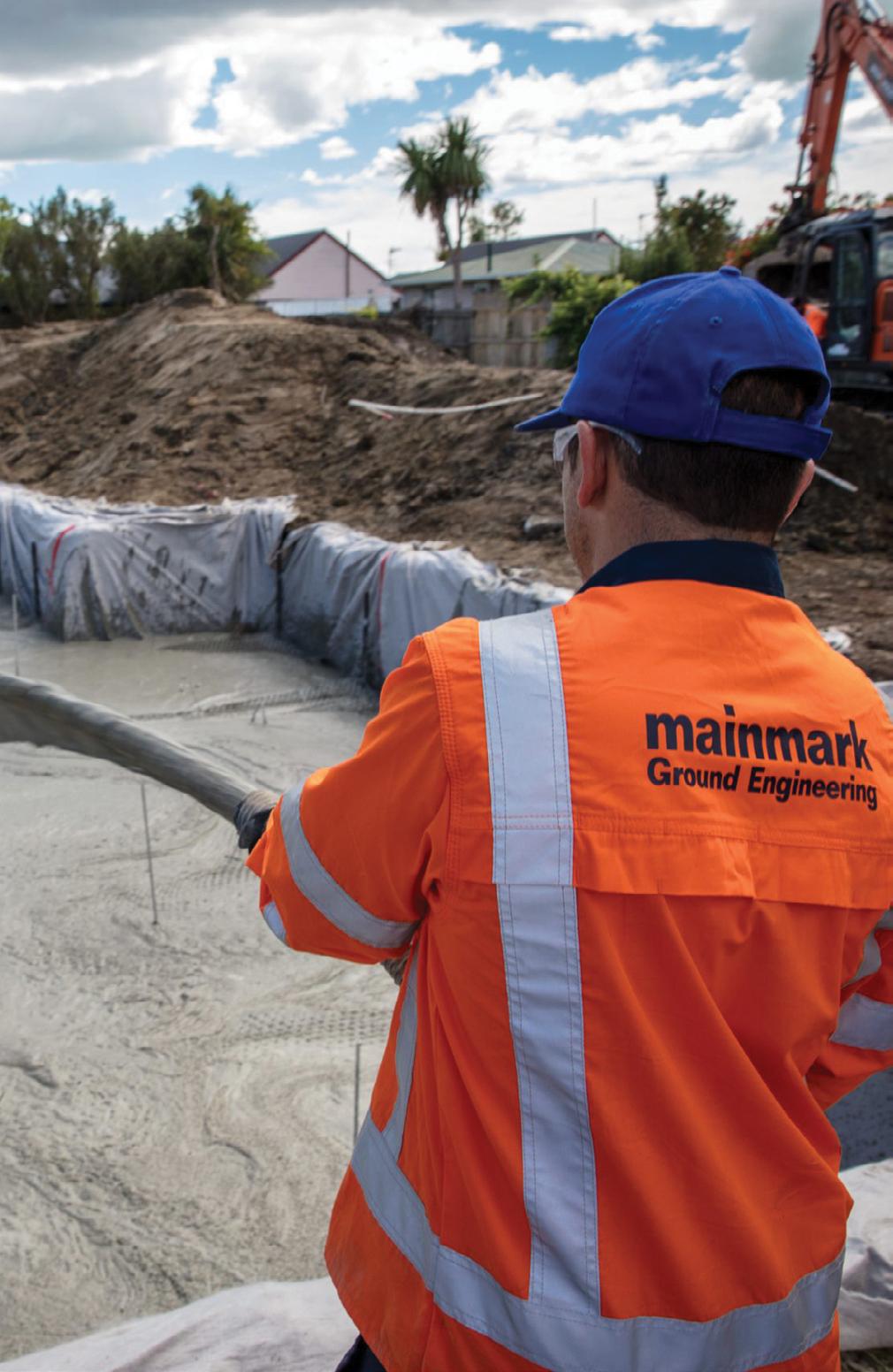
Teretek resin injection is a ground improvement technology that can be used to mitigate liquefaction with minimal disruptions.
There is a growing demand for liquefaction mitigation beneath existing structures. Resin injection is one of only a few practical and non-invasive methods that are currently available.
After a decade of researching and developing Teretek resin injection, Mainmark can claim a high level of accuracy in its design. Mainmark has also worked with international experts throughout the development of this technology. The performance of the resin injection has thus been tested across a wide range of geotechnical conditions.
Mainmark uses Teretek resin injection for ground improvement applications such as increasing bearing capacity and liquefaction mitigation.
Case Study
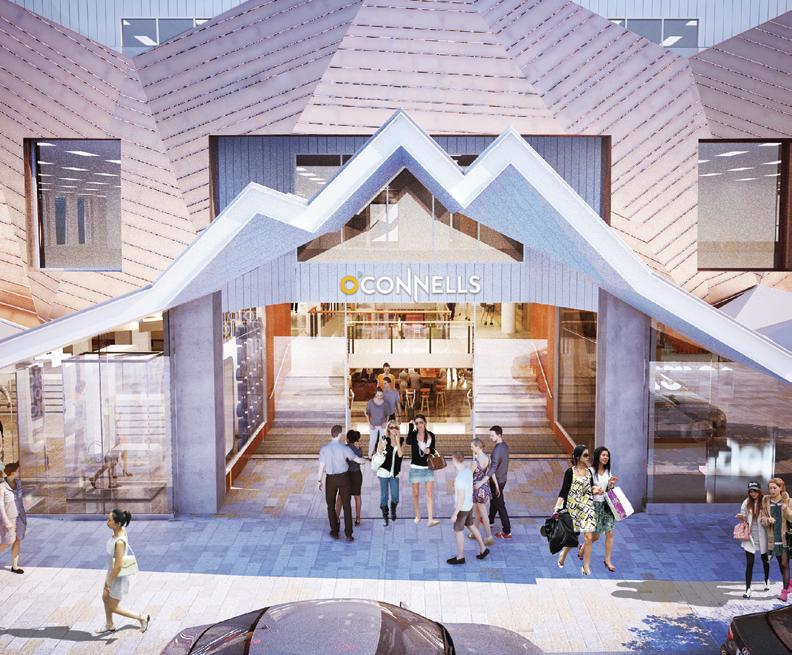
Resin Injection Used to Increase Liquefaction Resistance at O’Connells Shopping Complex
Problem
O’Connells, Queenstown’s first major shopping centre, underwent a major redevelopment to meet a high New Building Standard (NBS) for earthquake resilience. Engineers determined the 4,000m² structure needed a new external frame, reinforced foundations, and a nonliquefiable soil layer to mitigate seismic risk. However, the multi-level site with a basement posed significant access and logistical challenges. With tight timelines and minimal disruption required, traditional excavation or piling methods were ruled out as too slow and intrusive.
Solution
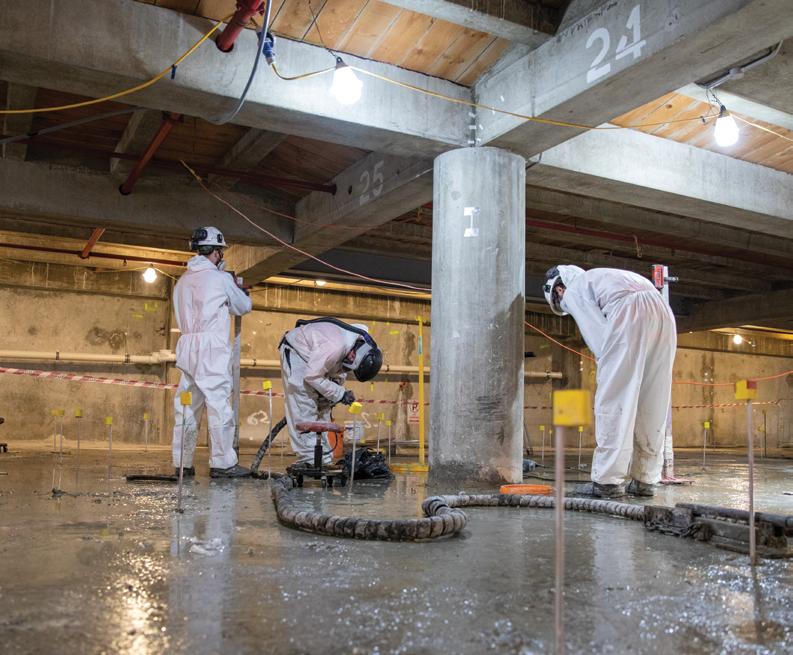
Mainmark implemented its proven Teretek® Ground Improvement solution to strengthen the ground and reduce liquefaction risk beneath the structure. Following a successful three-week trial across a 6m x 6m test zone, the team injected expanding polyurethane resin 1-5m below the basement slab, densifying the soil and creating a stable, non-liquefiable crust without excavation.
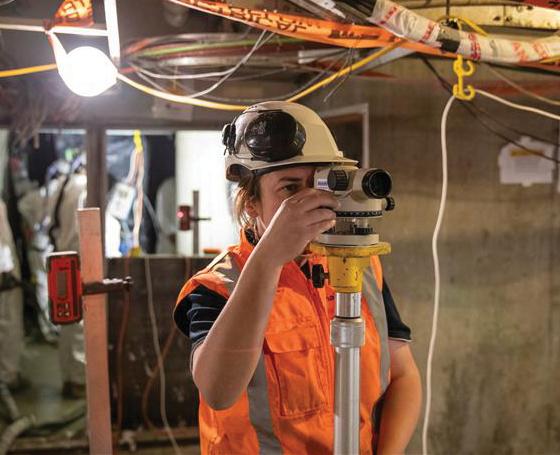
Working within tight spatial limits, basement heights of just 2.1m and restricted ramp access, Mainmark used compact equipment and precise injection control, continuously monitoring slab, wall, and column movement to ensure accuracy and stability throughout the works
Result
The Teretek® Ground Improvement solution increased soil density beneath O’Connells, achieving an NBS rating in the upper quartile for structural and geotechnical performance. Completed in five months, on time and under budget, it enabled the centre to reopen before the Christmas trading period. The non-invasive method delivered the required seismic resilience and foundation strength without excavation or delays, marking Mainmark’s second-largest Teretek® project in New Zealand.
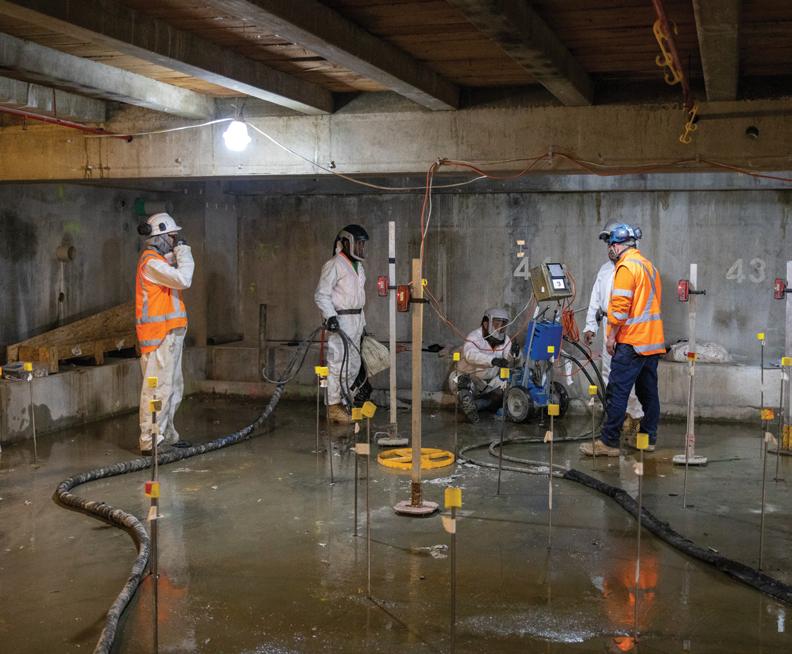
Case Study
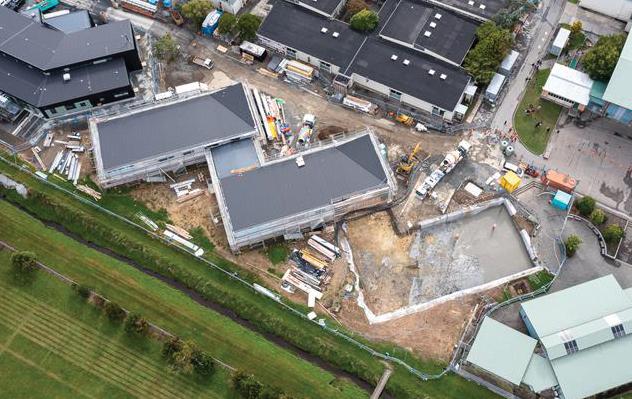
using Terefil Cellular Concrete
Problem
Wainuiomata High School in Lower Hutt sits on deep, soft sediments formed from lake, swamp, and alluvial deposits over 60m thick. Site investigations for a major redevelopment revealed liquefaction, high settlement risk, variable ground conditions, and a high-water table. With both new and existing buildings involved, a lightweight, reliable ground improvement solution was needed to prevent differential movement and ensure long-term structural resilience.
Solution
After evaluation, Terefil® cellular concrete was selected for its low density (850 kg/m³) and high strength (≥1 MPa), providing a lightweight engineered fill that reduced load on soft soils. Mainmark installed a 1.2 m-deep Terefil® raft extending beyond the building footprint, delivered in four stages aligned with the school’s redevelopment. The pumpable, fast-setting material enabled precise installation across multiple zones with minimal disruption to the active school environment.
Result
Mainmark completed all four stages of ground improvement at Wainuiomata High School, delivering a stable, lightweight foundation that reduced soil load and minimised settlement risk. Terefil®’s fast installation accelerated construction and lowered costs, supporting the redevelopment’s ongoing progress toward new learning hubs, cultural precincts, and modern facilities for the growing school community.
VOID FILLING
A Faster, Cost-Effective Solution
Learn more
Fast Execution
Varied Density Choices Designed Strengths
Tight-access Installation
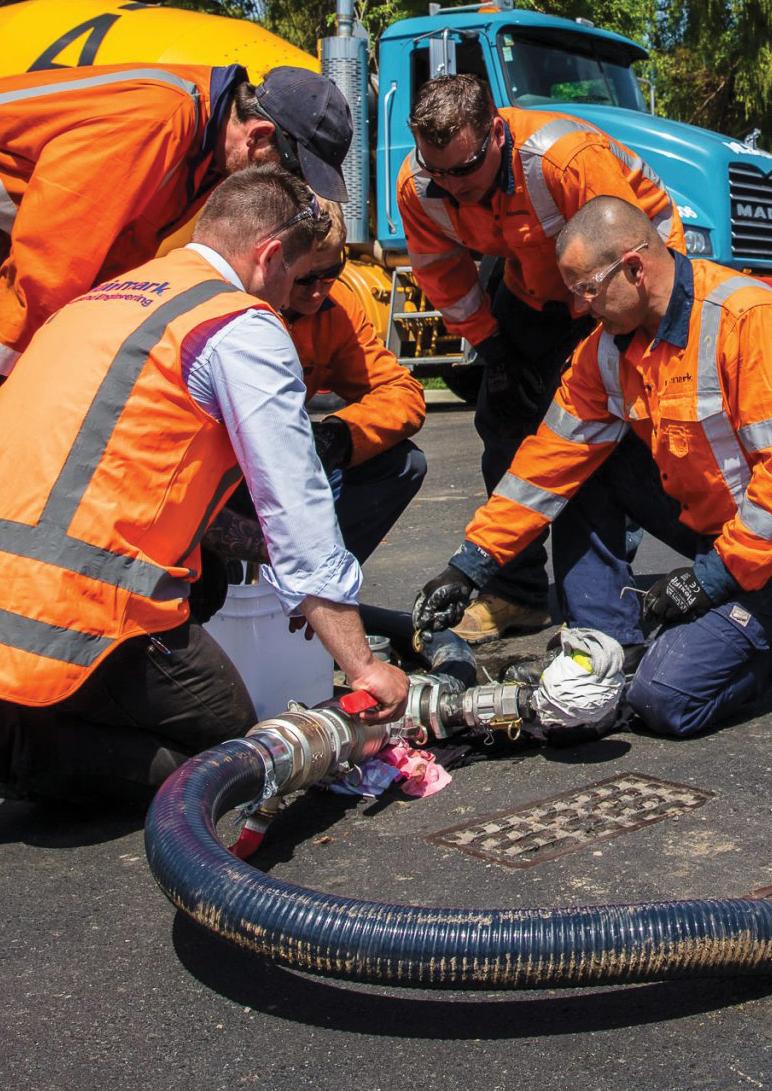
Mainmark void filling is quick, cost-effective, and causes minimal disruption to other site works.
The exact methods used depend on the type and location of the voids.
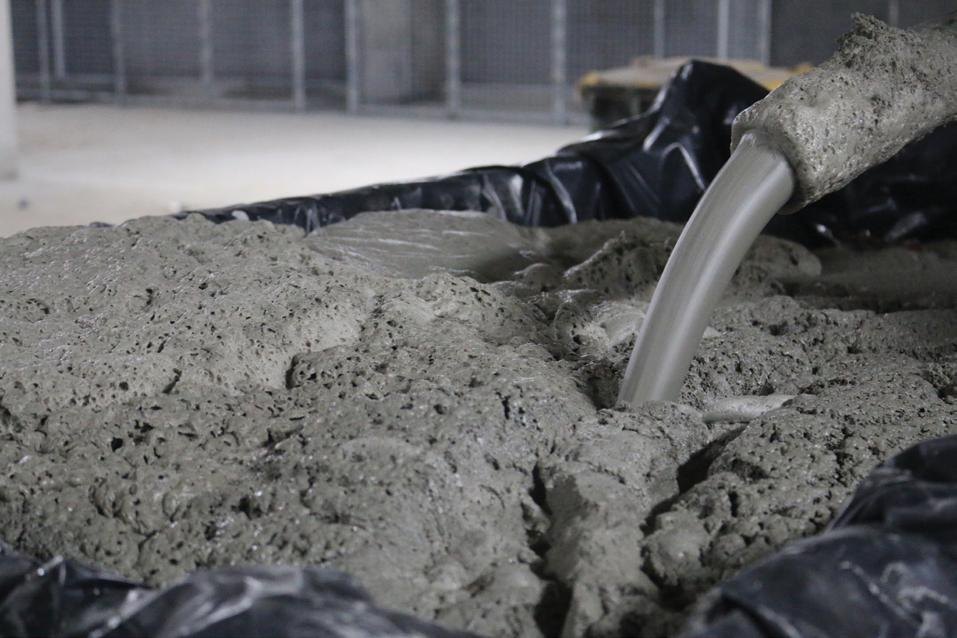
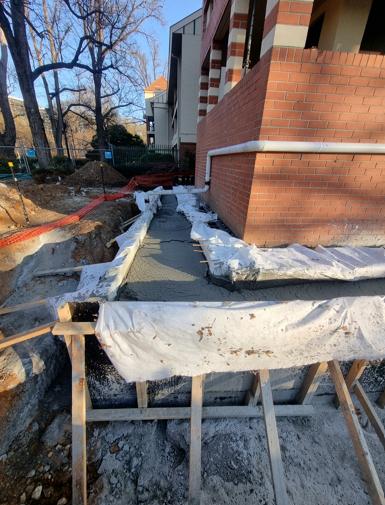
Specialised chemical or cementitious grouts can be used for foundation re-support, decommissioning underground services, and mass void fill. Expanding polyurethanes are typically used for smaller voids such as those found under concrete slabs. Cellular concrete is more suitable for larger voids and backfill.
The void filling process usually involves drilling small holes into the affected area, through which the chosen material is injected with specialised equipment.
This is often more cost-effective than traditional methods involving excavation and replacement in the
Industries & Applications:
Civil and Infrastructure
• Mass fill for voids and sinkholes
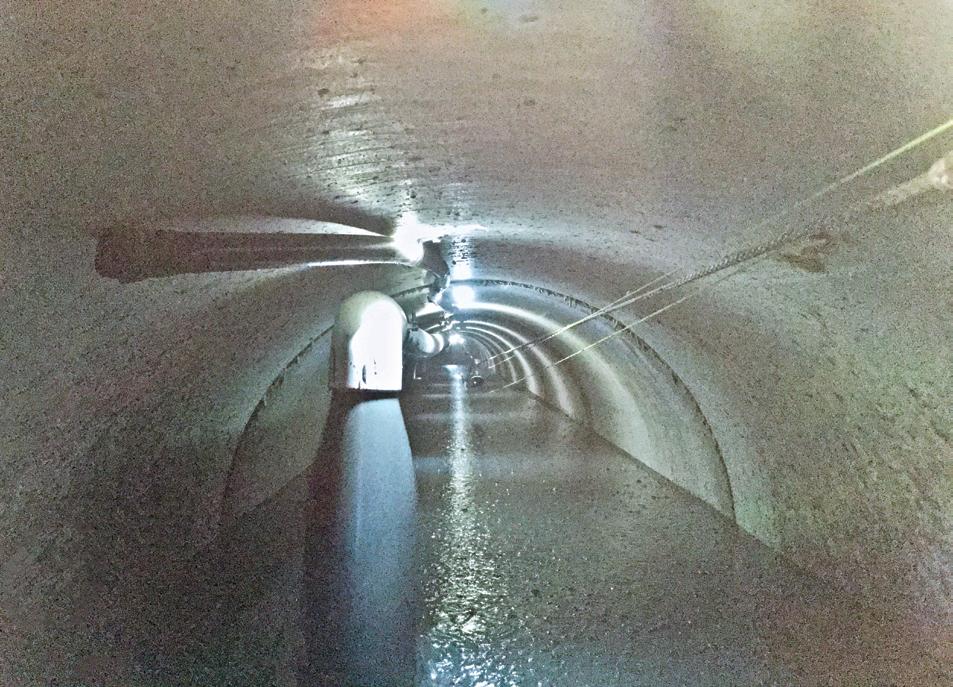
• Decommissioning underground fuel tanks, culverts, pipes and tunnels
• Service trenches, retaining walls and manhole backfilling
• Annulus filling in culverts, remedial works, or for pipe upgrades
• Landslip repair backfilling
Mining and Resources
• Mass fill for large voids, mine shafts and abandoned mines
• Decommissioning culverts and tunnels
Construction
• Subgrade for roads, runways and bridges
• Load reducing engineered fill placed over underground structures and services
• Retaining walls and wing wall backfilling

Health, Safety & Environment
Mainmark is committed to ensuring the Health, Safety, and Well-Being of all our Employees, Subcontractors, Customers, and Stakeholders.
Our robust integrated system has successfully met rigorous assessment against international standards, demonstrating our dedication to Work Health and Safety, with critical focus areas on:
Risk Management
Training & Competency
Leadership
Plant and Equipment Management
Management of Change
Continuous Improvement
Experienced Personnel
New Zealand I Australia I Japan I United Kingdom I Ireland