CONTENTS CROPS HOUSE

Just a moment, satisfaction lingered with what had been done. Upon revisiting the task, an uncomfortable sense emerged, signaling the need for improvement. Feeling guilt over dissatisfaction is permissible; without the inception of the work, discomfort wouldn’t arise, prompting reconsideration of the subsequent steps.
Each step repairs the prior one – the first rectifies the zero, the second addresses the first, the third corrects the second, and so forth..
Farming Architecture: Crops House as Architectural efforts to help food security Warsaw in the Past, Present and Future Ambiguity | Communication of Vertical and Horizontal Projecting site, and time with ephemeral architecture Side Hustle, exercise, and collaboration Graduate project | Residential | 8 months | 22/23 Architecture Student Contest | 17th edition Warsaw, Poland | 4 months | 21/22 Architecture Design’s Studio 5 | Experimental Architecture | 4 months | 21/22 The project with DOPE Architecture + Urbanism | 2 months | 22/23 INFINITY
45
REKA VILLAGE MADURA PERSONAL
STORY
OF ROTUNDA
WORKS
01 CROPS HOUSE
Farming Architecture: Crops House as Architectural efforts to help food security
The architectural space designed to be used as an Farming space in the building is a response to food security which is getting smaller in value. This food security is caused by the increase in population every year so that it requires land and invades agricultural land to non-agriculture.
In this case, it is getting narrower, exacerbated by the weather and climate that often occurs due to Global Warming. Architecture as a way to accommodate farming must be able to integrate agriculture with other spatial functions in buildings.
Graduate project, 2022
Tunjungan Plaza, Surabaya
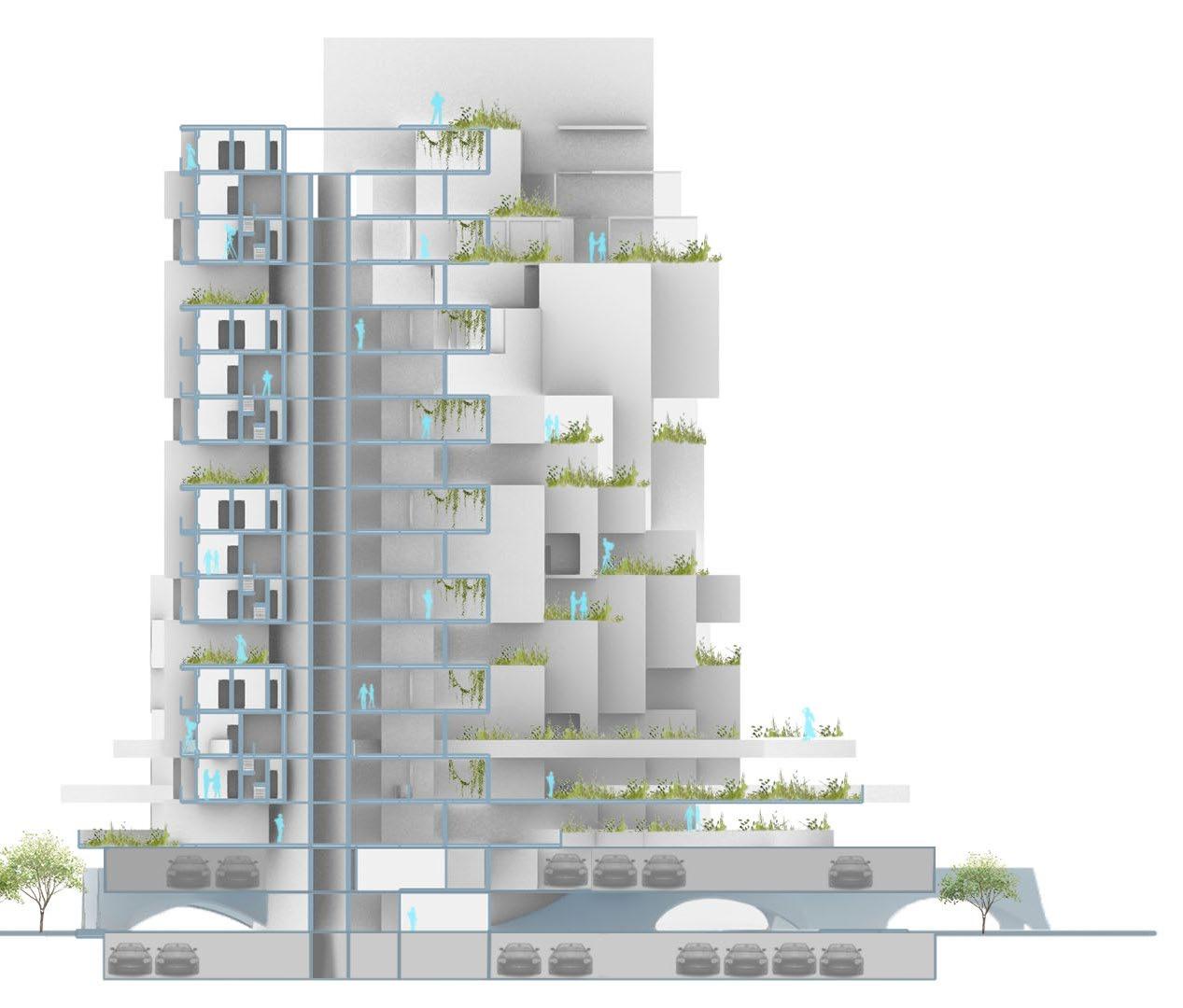
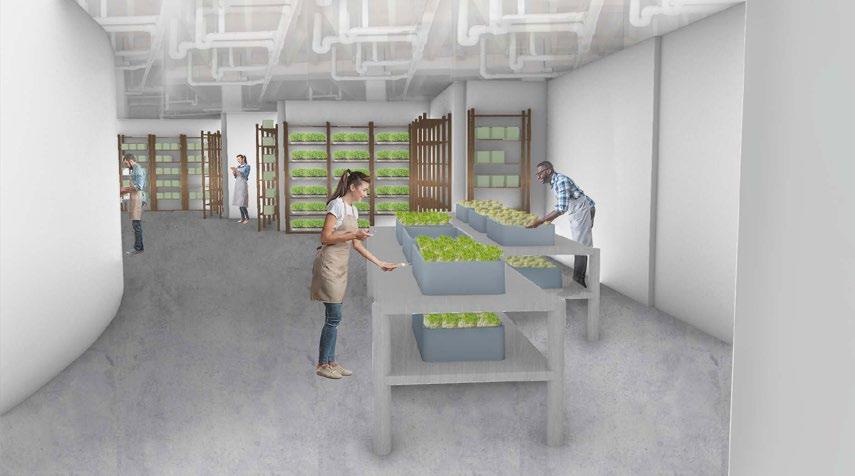
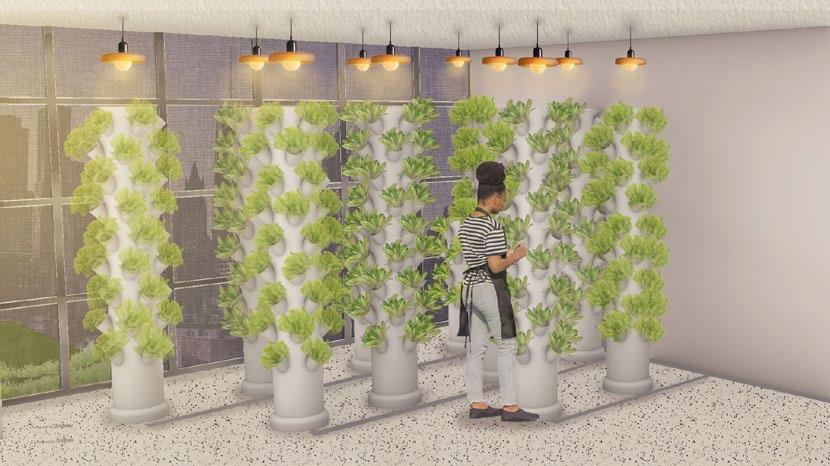
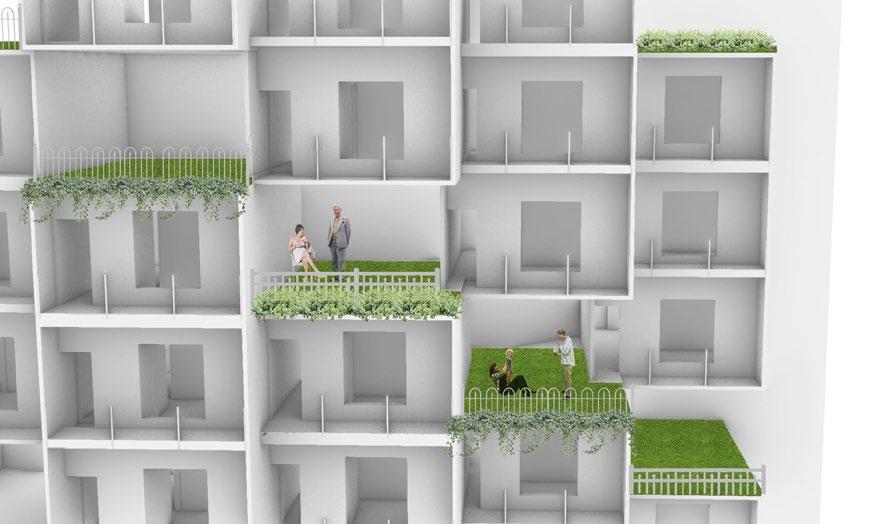
In the realm of agriculture, a pivotal stride towards bolstering food resilience involves integrating architecture into urban life through vertical farming. This innovative approach aligns with the contemporary inclination of young people to actively engage in the gardening process. By harmonizing human activities with agricultural architecture, vertical farming not only contributes to food security but also resonates with the preferences of today’s youth, fostering a sustainable and hands-on connection with the cultivation process.
The processing RoomResidential
Indoor Farming
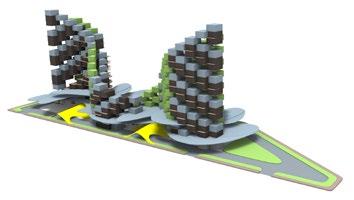
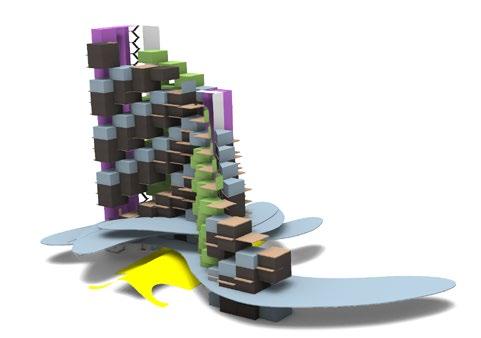
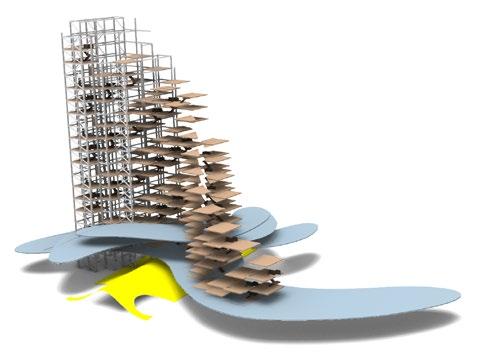
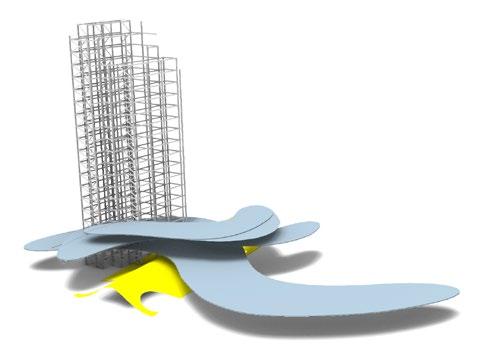
In the realm of agriculture, efficient farming hinges on strategic architectural planning. The synergy between humans, the environment, and cutting-edge technology is paramount in cultivating a space optimized for planting and multifunctional use. Thoughtful integration of these elements in farming architecture not only enhances productivity but also fosters a harmonious relationship between man, nature, and innovation.
02 45 OF ROTUNDA
INTRODUCING ARCHITECTURAL THEORY
Understanding of proportion and organization, Chapter 8
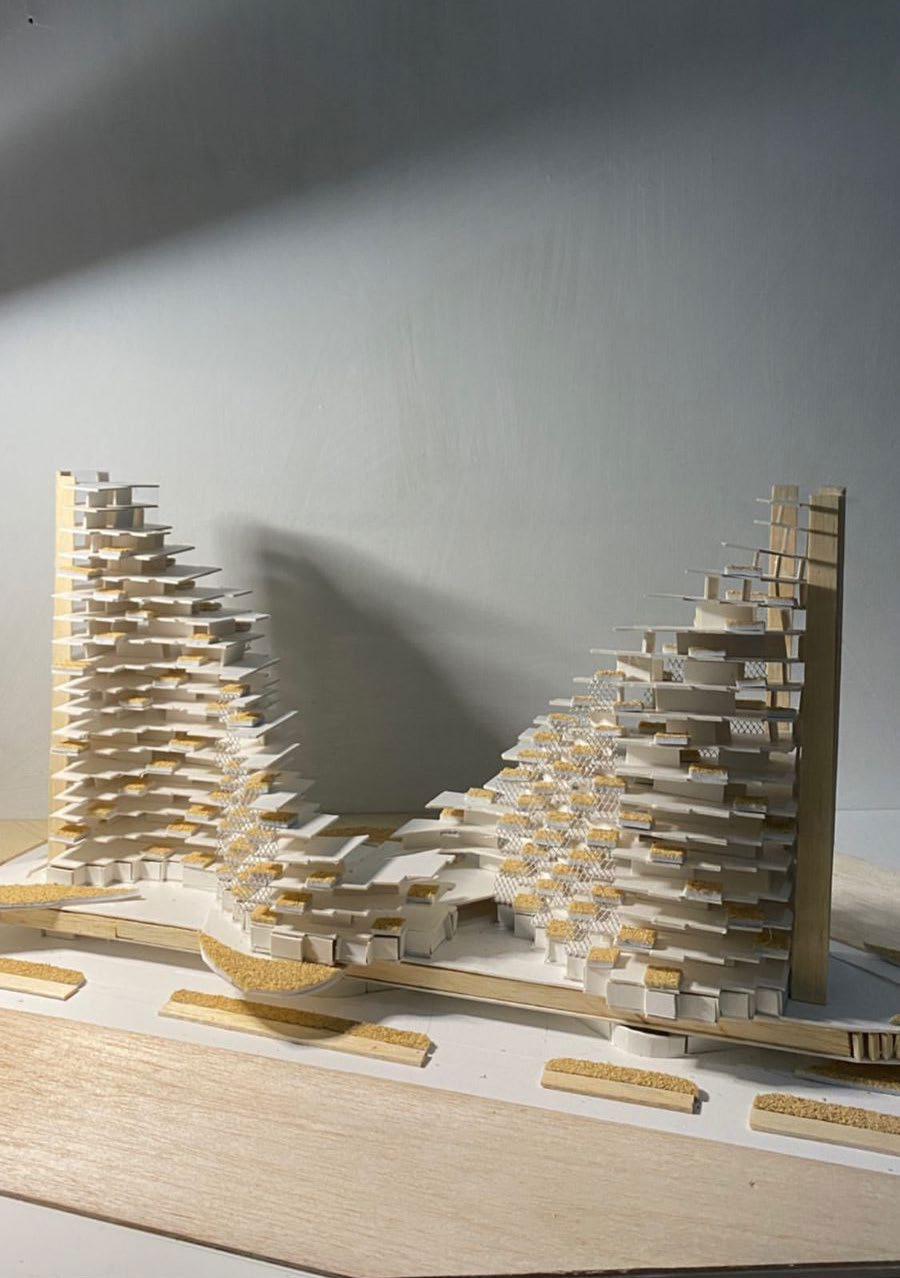
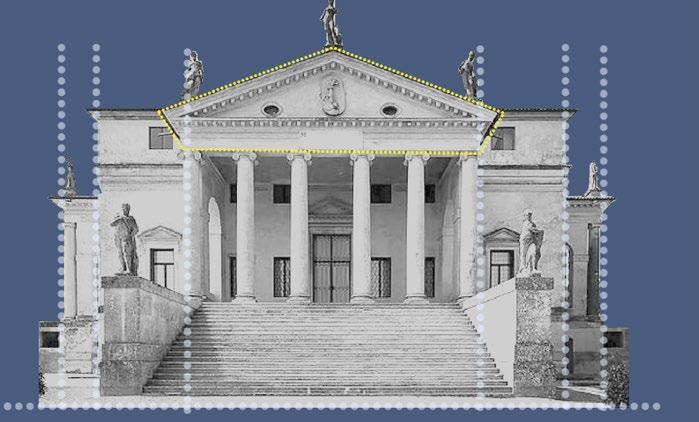
Palladio and Le Corbusier had their own way of designing buildings, so they both had different characters from the work they produced. Palladio is known for its symmetrical structure and centrality in its spatial organization, while Le Corbusier is well known for his freedom in managing his space organization due to the Le Modular that he has made. This is because Palladio itself, in the building of the Villa Rotunda, started its design with horizontal, or like a slate made so that it always looks like
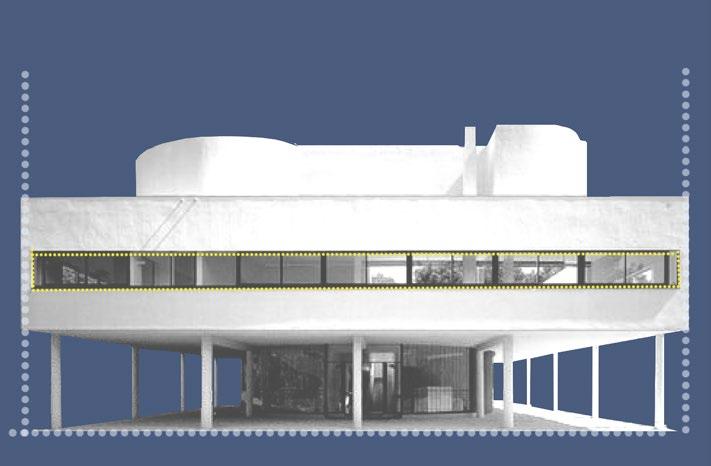
a centralized and symmetrical organization of space, and continued with the vertical part (walls) or facade as the face of the projected building from its plan. While Le Corbusier’s initial design for Villa Savoye created a grid that was a projection of the volume of its vertical buildings (walls) or facades, he had the freedom to arrange it. In this case, the image or facade of the Villa Rotunda and Villa Savoye is very visible as a result of the initial projections by Palladio and Le Corbusier.
How exactly is the relationship between vertical (wall) and horizontal (plan)?
Do both work just as linearly as Palladio and Le Corbusier do? What communication is caused by the organization of space and proportions inside?
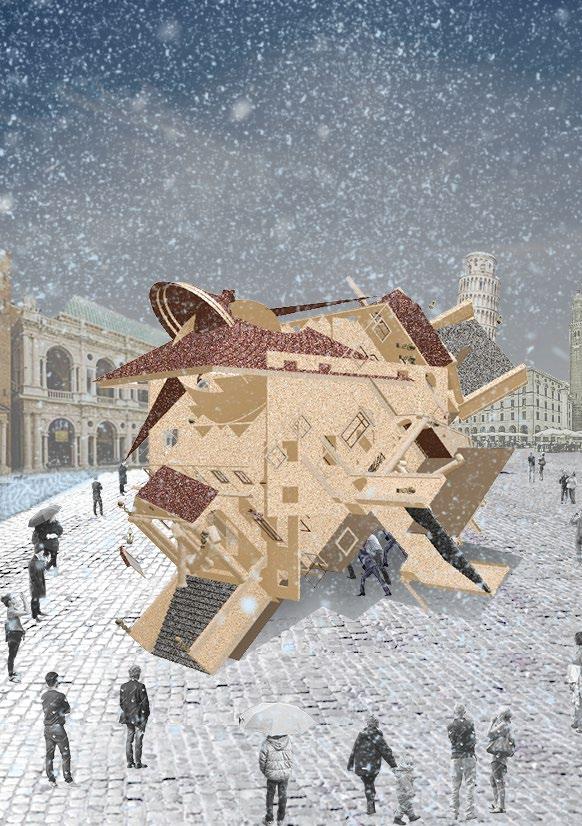
Architecture Studio 5, 2021 The context is the theory
The verticality is a projection from the horizontality or simetric plan. The facade is an addition of certain parts with specified criteria.
The form is shaped by the grid as a colom or verticality, which makes a free plan or horizontal. The facade should emphasize the building’s mass.
New elements influence vertical and horizontal projection (whether it removes or supports the pro-

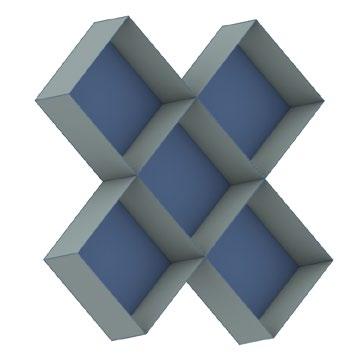
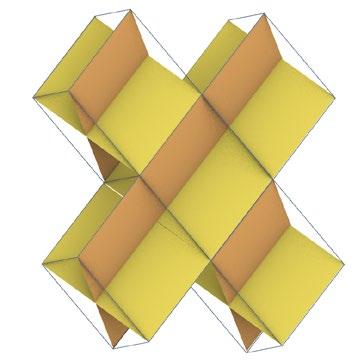
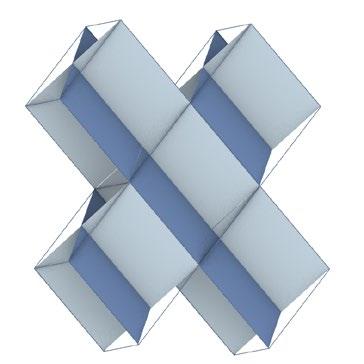
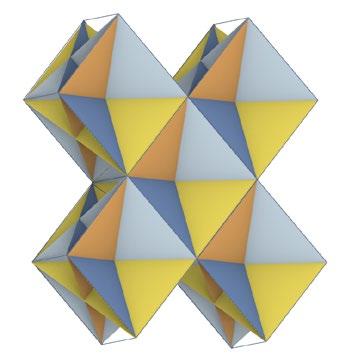
RE-IMAGINING VILLA ROTUNDA ROTATED


VERTICAL : HORIZONTAL = 1:1 The Plan Rotated 45
Because it produces straight-edge elements, it is not used. We are supposed to try something new, instead doing the same thing such the theory
VERTICAL : HORIZONTAL = 1:2
Because it produces straight-edge elements, it is not used. We are supposed to try something new, instead doing the same thing such the theory

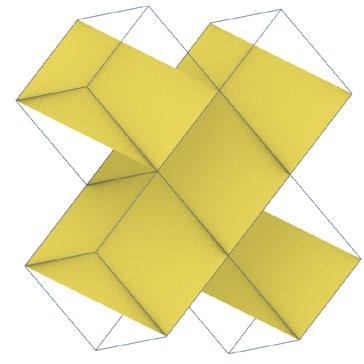


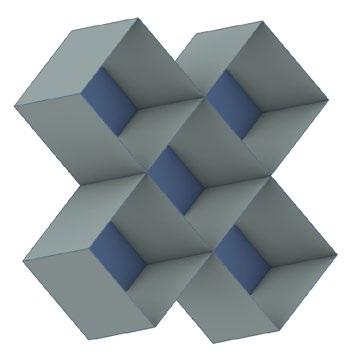
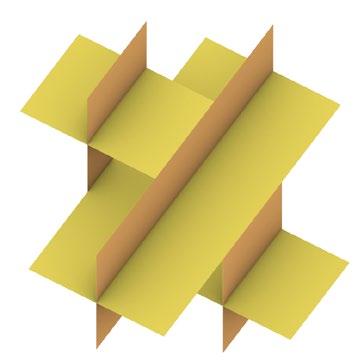
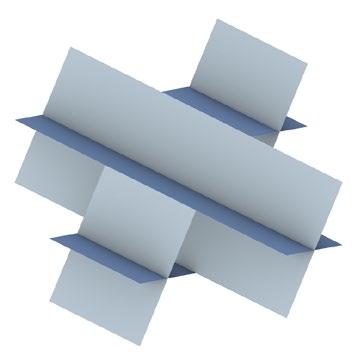
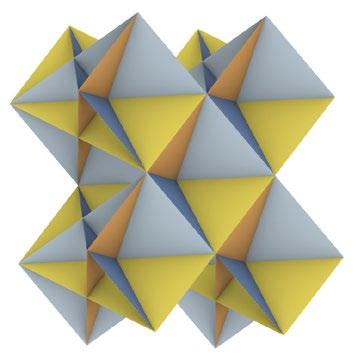
INFORMATION FROM THE THEORY
1. Horizontal spatial organization
2. Vertically, the structure is divided into three sections:
- Top: Roof - Bottom: Wall
- Footwear: Stairs or terrace
3. Walls and floors are always perpendicular.
4.The main building and terrace are open, which is a unit in his organization.
INFORMATION FROM IDEA
1. Bury vertically and horizontally.
2. Not perpendicular to normal humans
3. The facade is not forced to be straight or free.
VILLA ROTUNDA BY ANDREA PALLADIOa Diagonal b Diagonal c Diagonal d
Diagonal
VILLA SAVOYE BY LE CORBUSIER
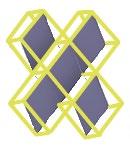
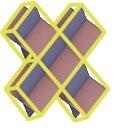
VERTICAL : HORIZONTAL = 1:2
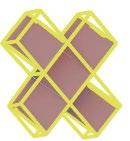
There is a blurring of the roles of the floor as a horizontal element and the wall as a vertical element. This approach, in my opinin my opinion, is the finest despite using conventional design techniques like Palladio’s Symmetrical Plan and Le Corbusier’s Grid Collom.
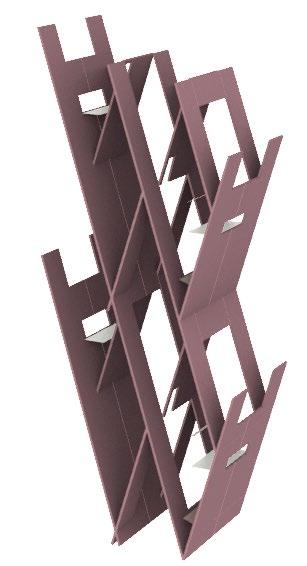
RE-ORGANIZING THE SPACE AND PROPORTION
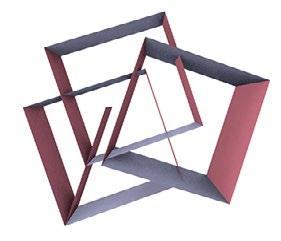
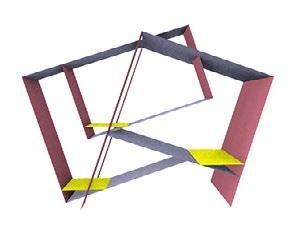
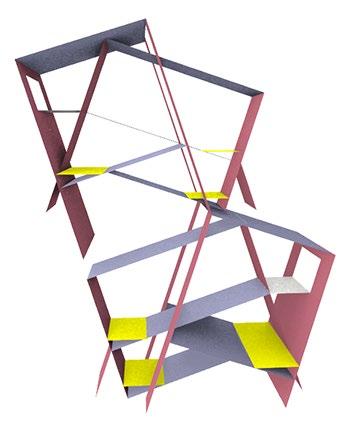
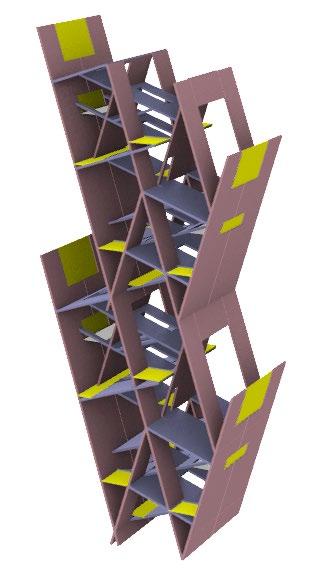
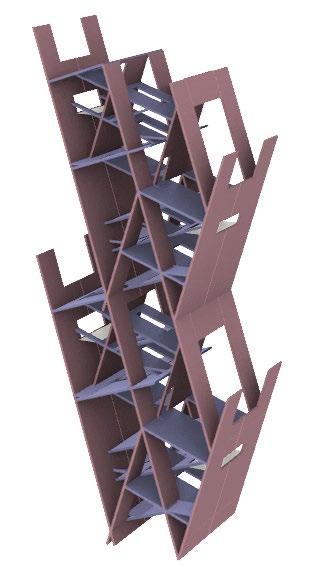
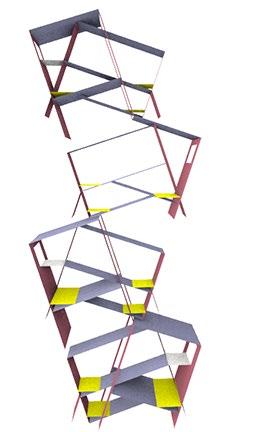
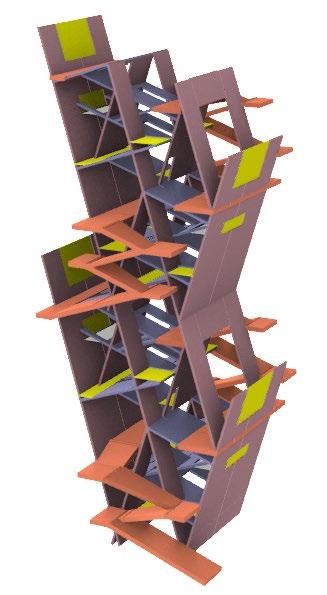
1.0 Vertical Vertical+Horizontal Vertical+Horizontal+opening Vertical+Horizontal+opening+stairs 1.1.0 1.1.1.0 2.1.1.1.0
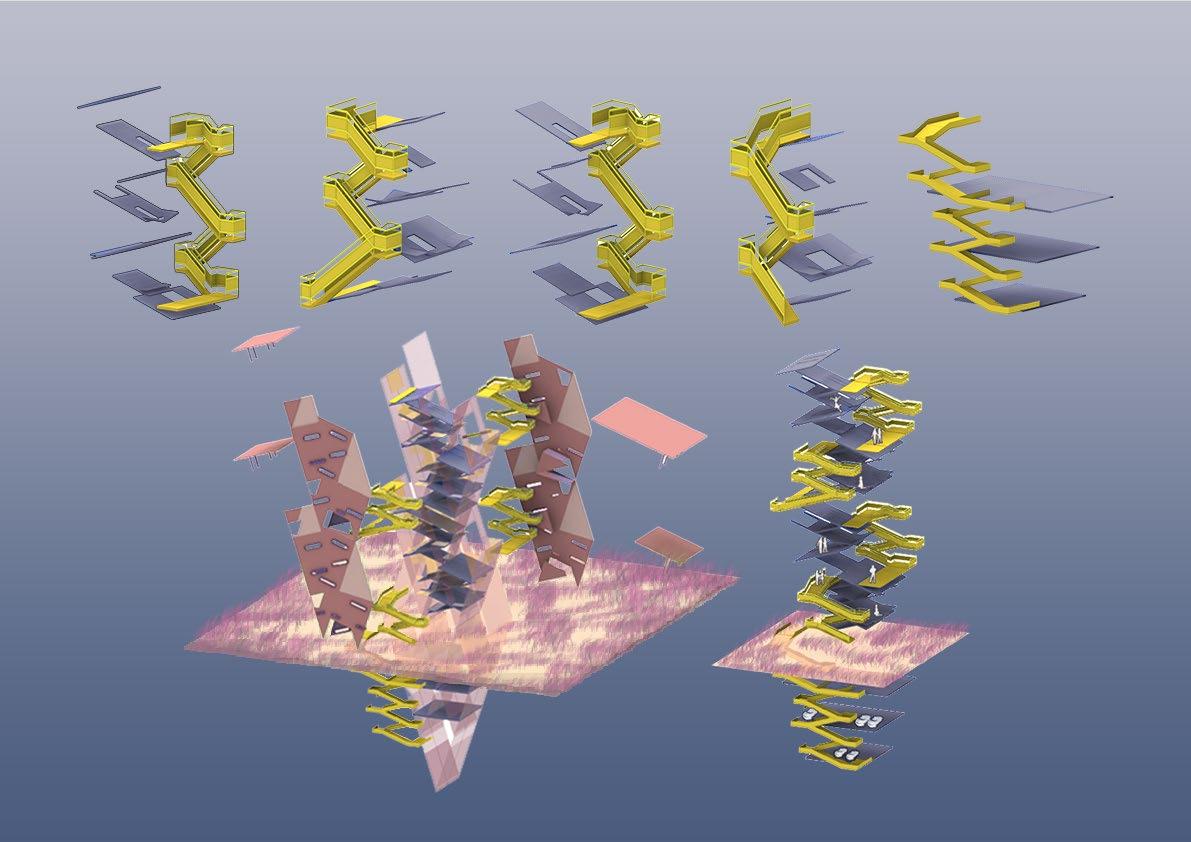
Unit 1 Unit 1 Unit 3 Unit 3 Unit 2 Unit 2 Unit 4 Unit 4 Unit Bs Unit Bs
03 INFINITY STORY
Warsaw in the past, present, and the future
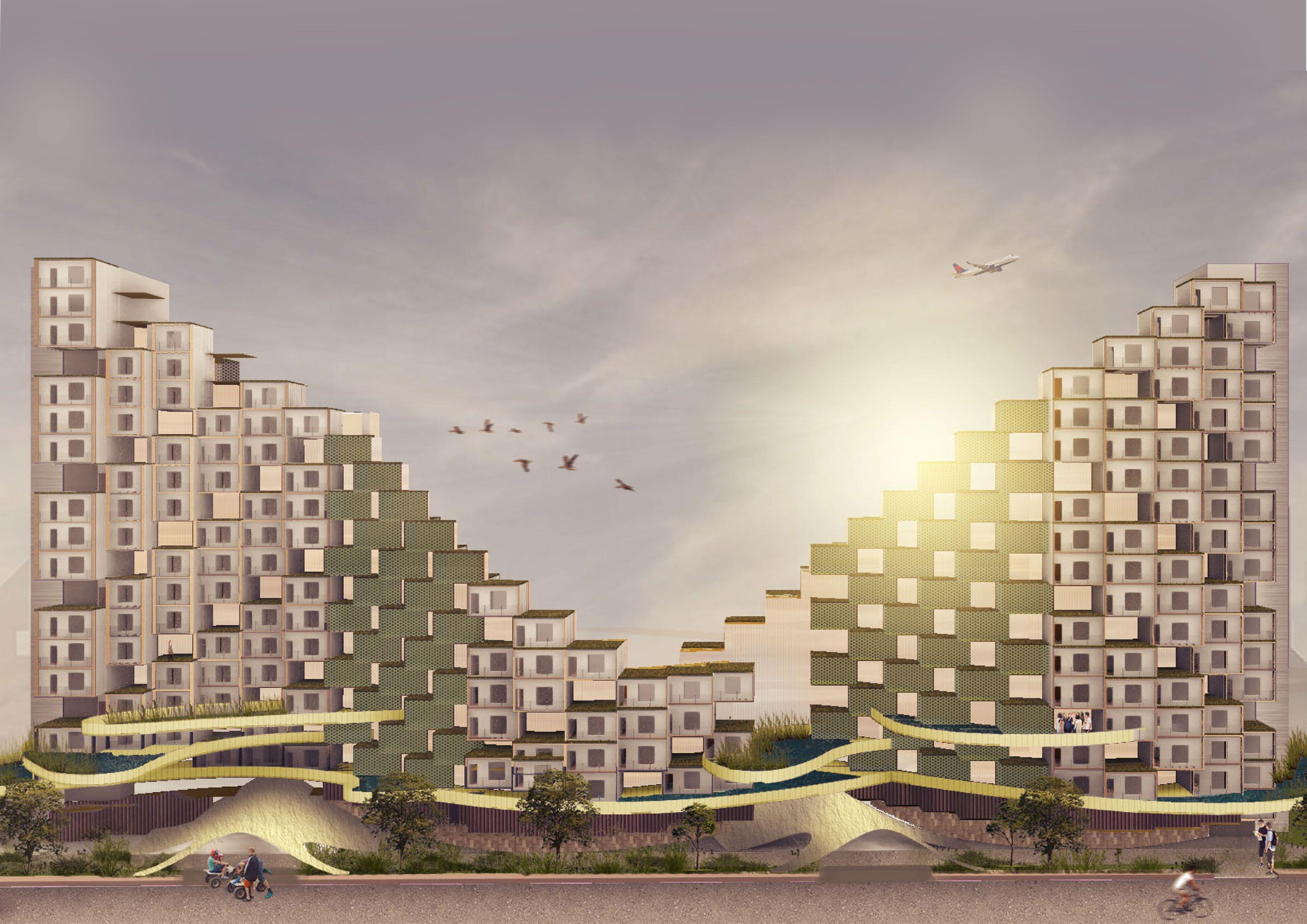
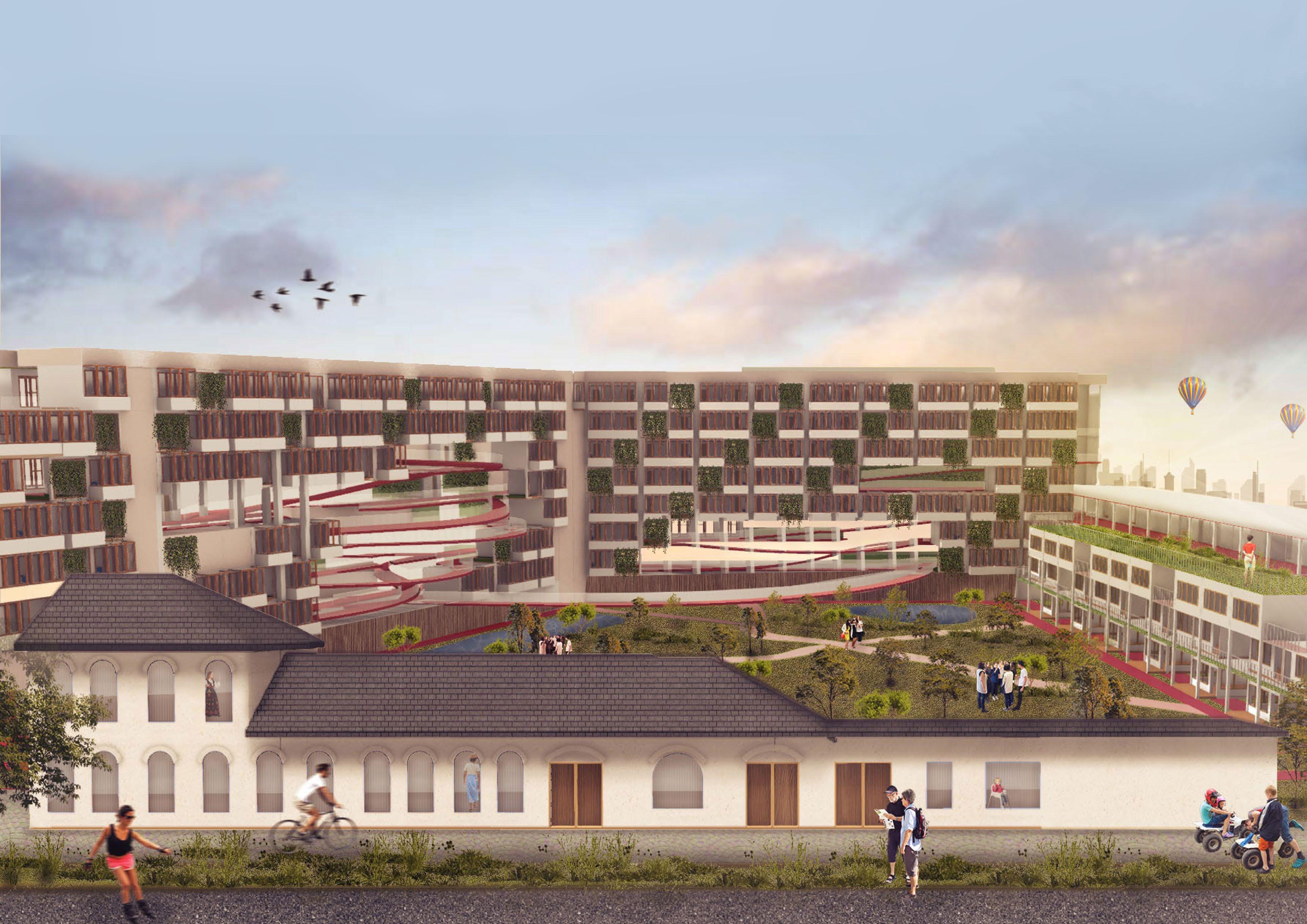
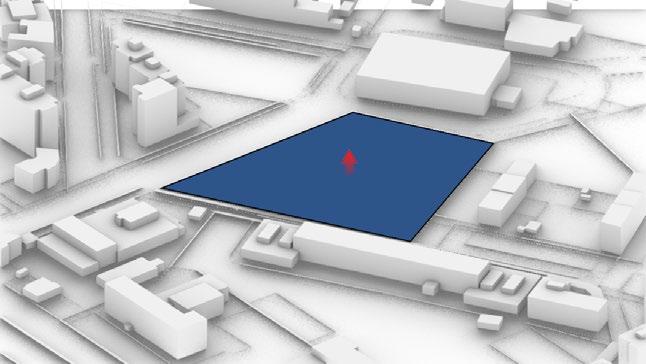
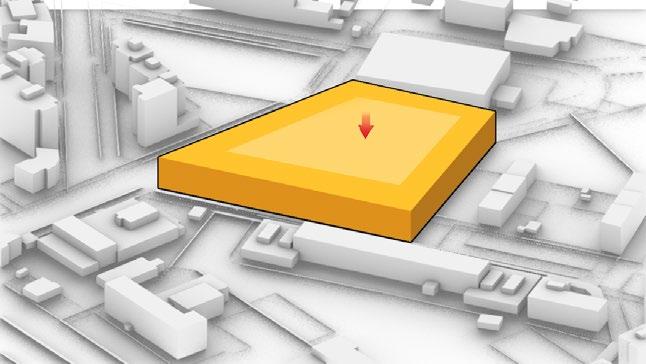
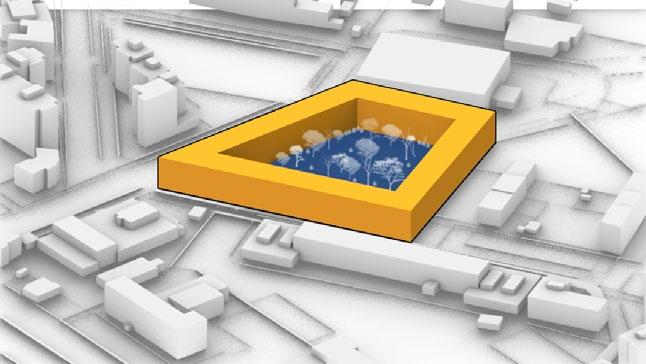
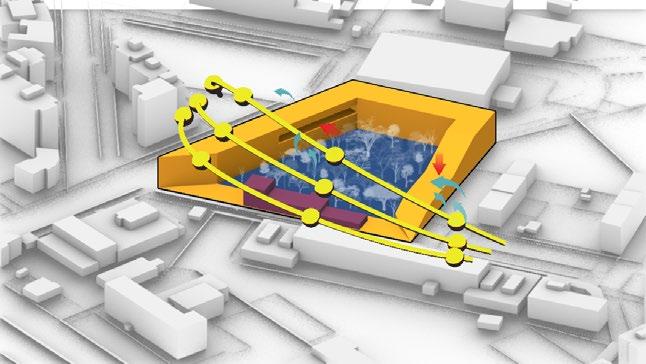
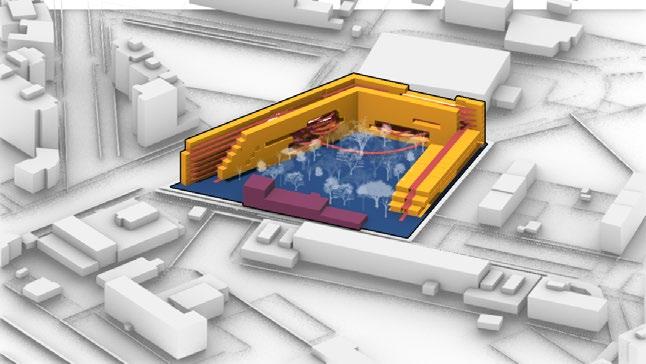
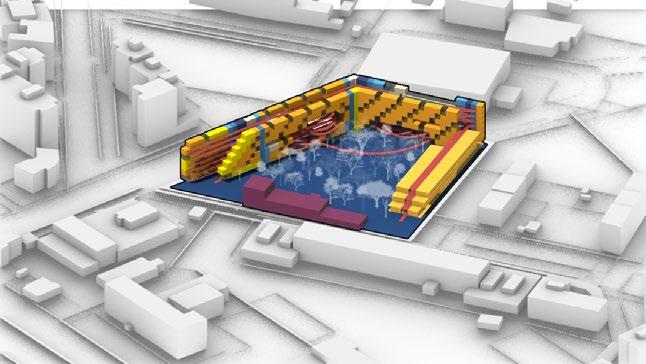
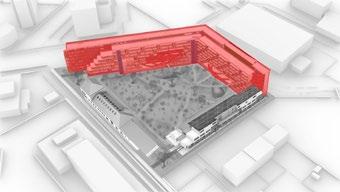
Infinity Story’s design was motivated by the need for revitalization in the Warsaw Wschodnia area through a combination of social activities and residential. Conducted analysis in various aspects such as Physical, Existing, and History. This analysis become the design criteria by using the vision and mission of Warsaw in 2030 and 2050.
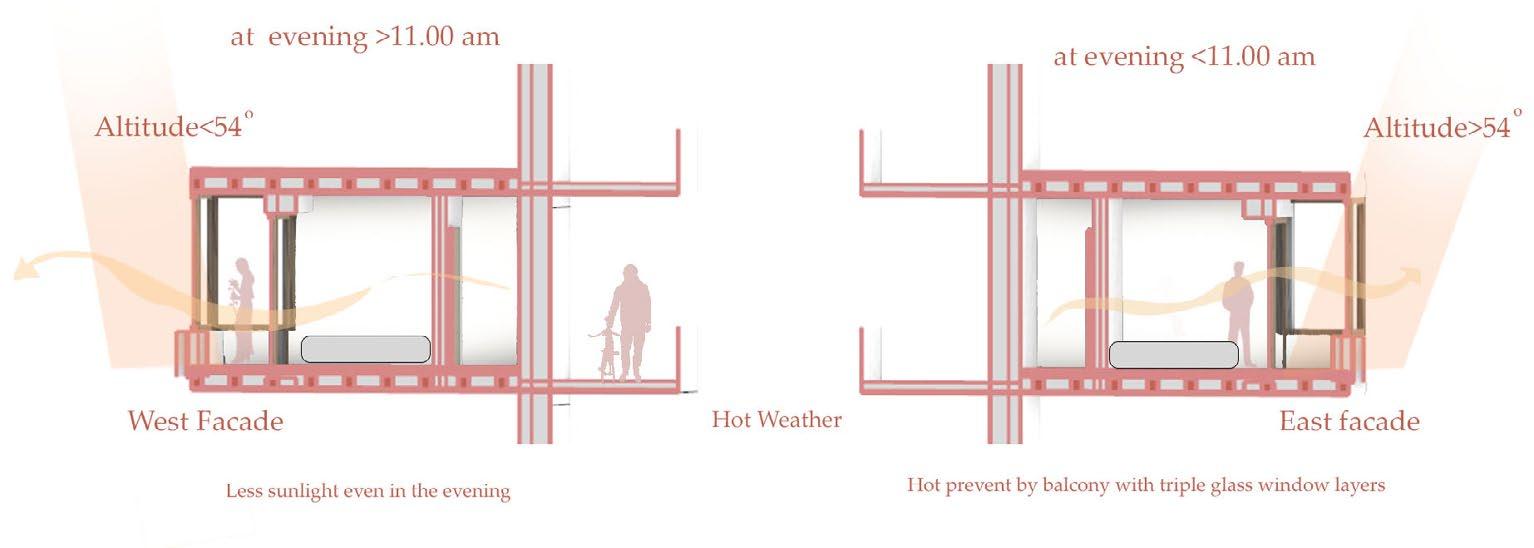
especially in the fields of Environment and energy as well as Culture and Heritage. The emphasis is on building comfort for humans by prioritizing the four human senses, such as thermal comfort, indoor air comfort, acoustic comfort, and visual comfort.
Competition, in a team, leader, 2022 Warsaw, Poland
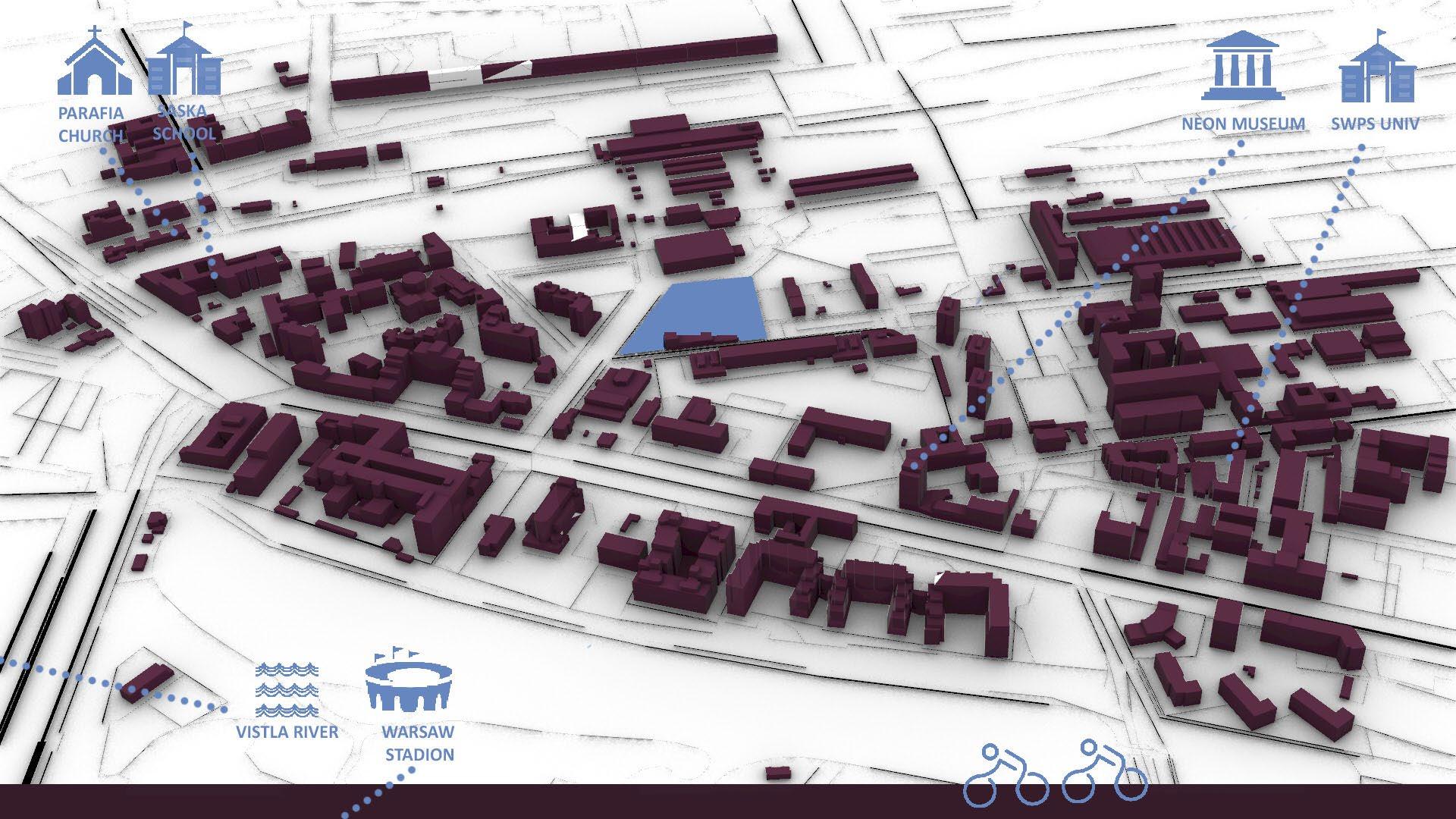
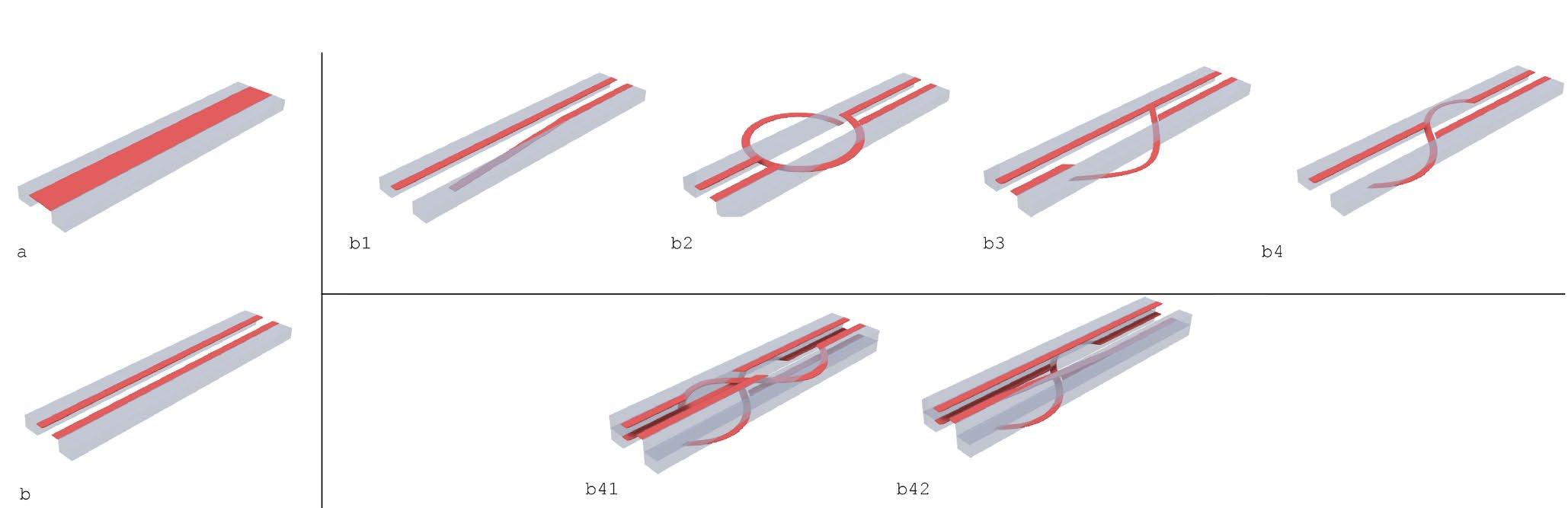
The historical value taken as a design force is to see the character and habits of the Warsaw people who like cycling, walking, running in their daily activities and are still doing it today. So, those this habit is tried to be incorporated into the concept design by ramp.
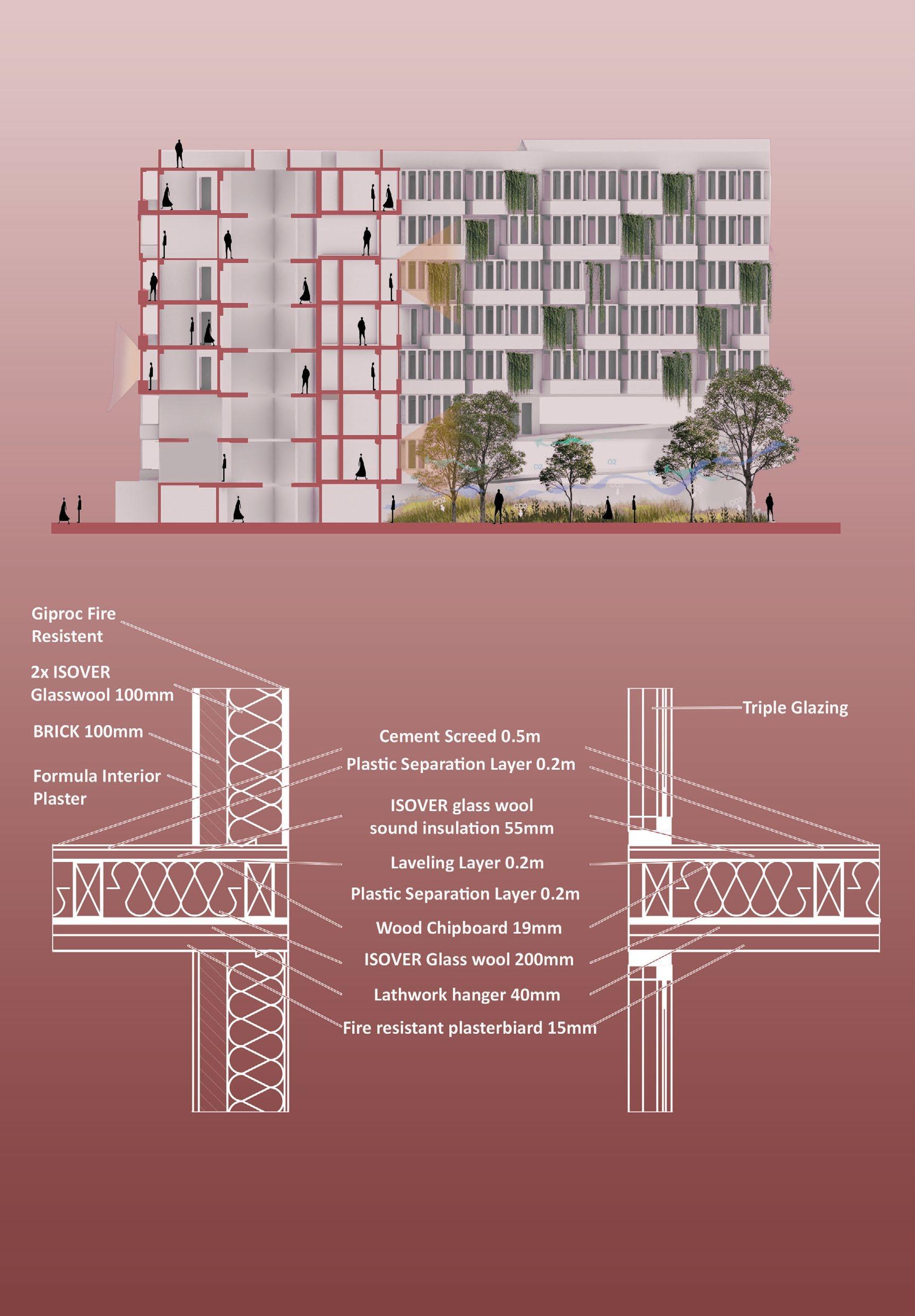
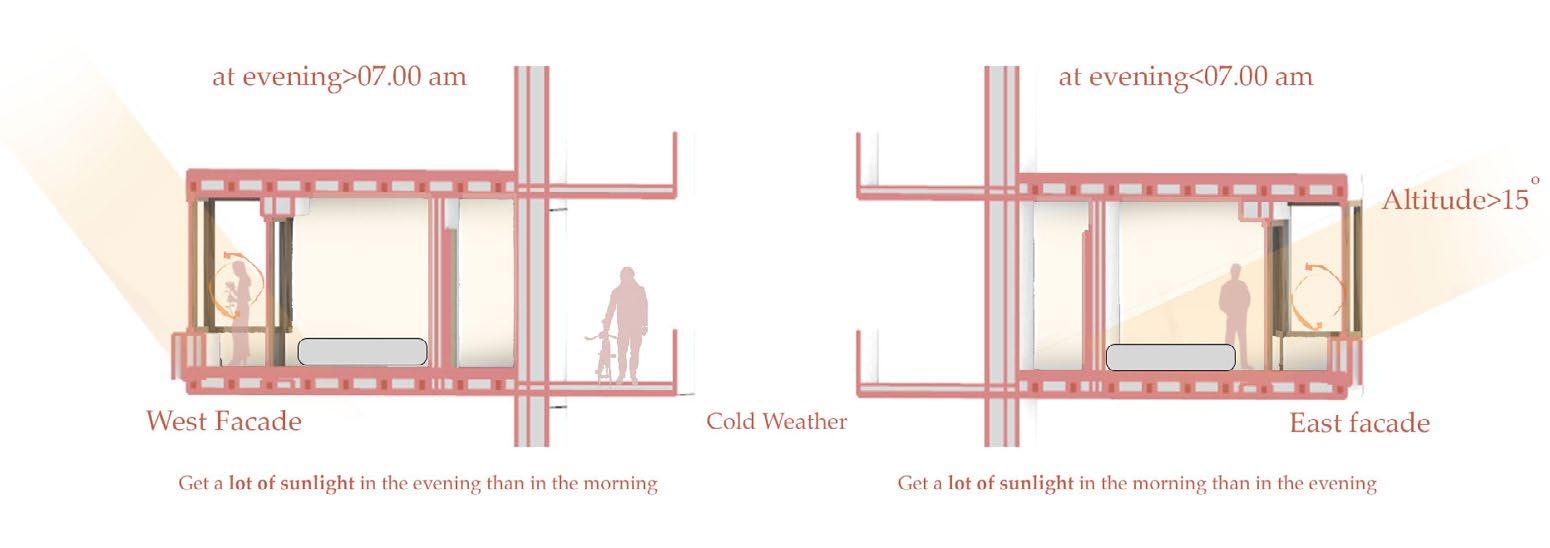
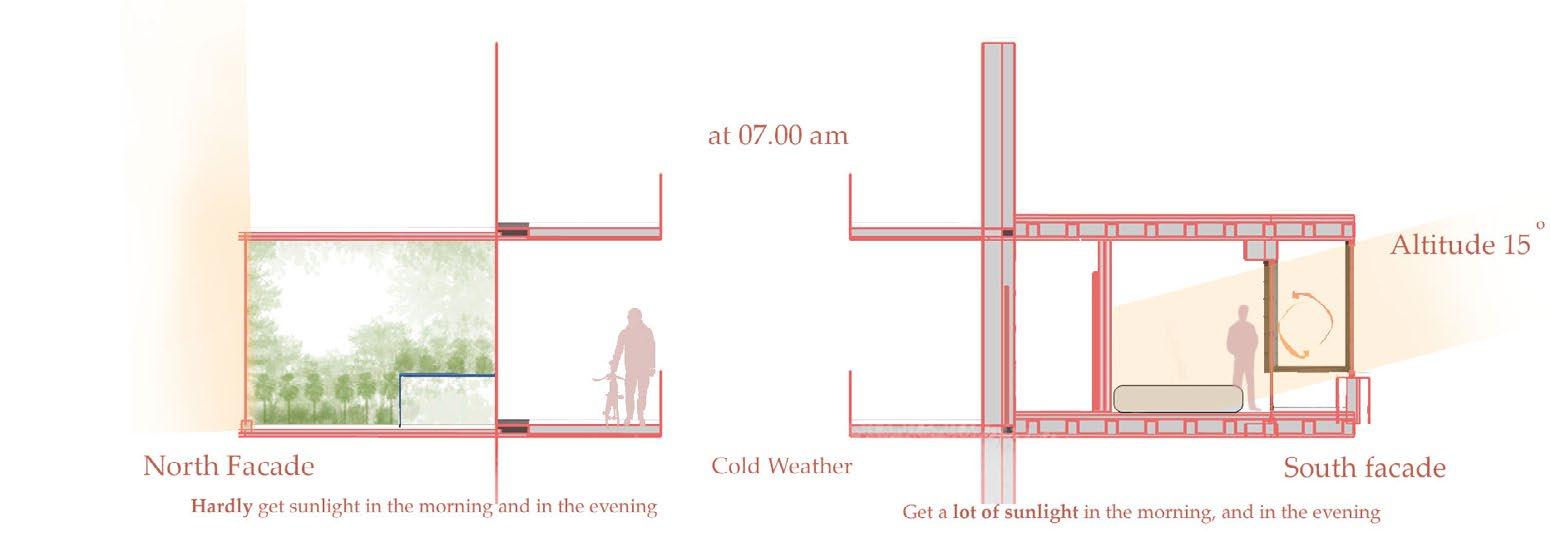
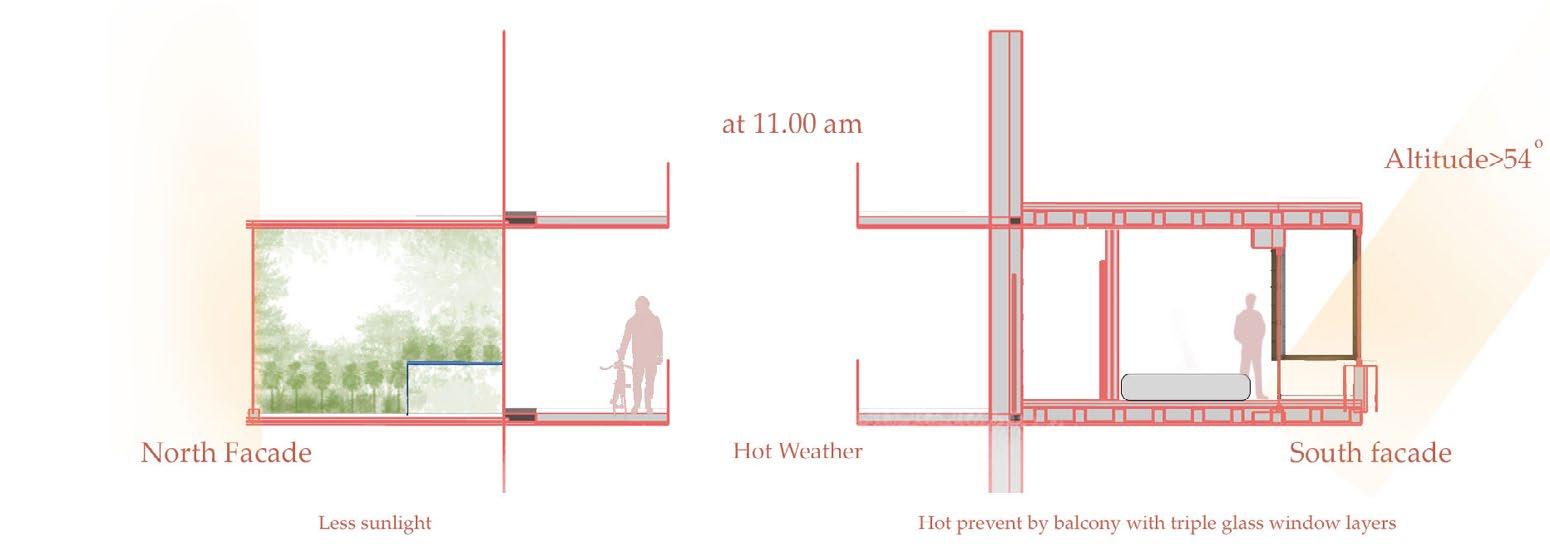
1 1 1 1 2 2 2 a b b Floor Detail a Wall Detail
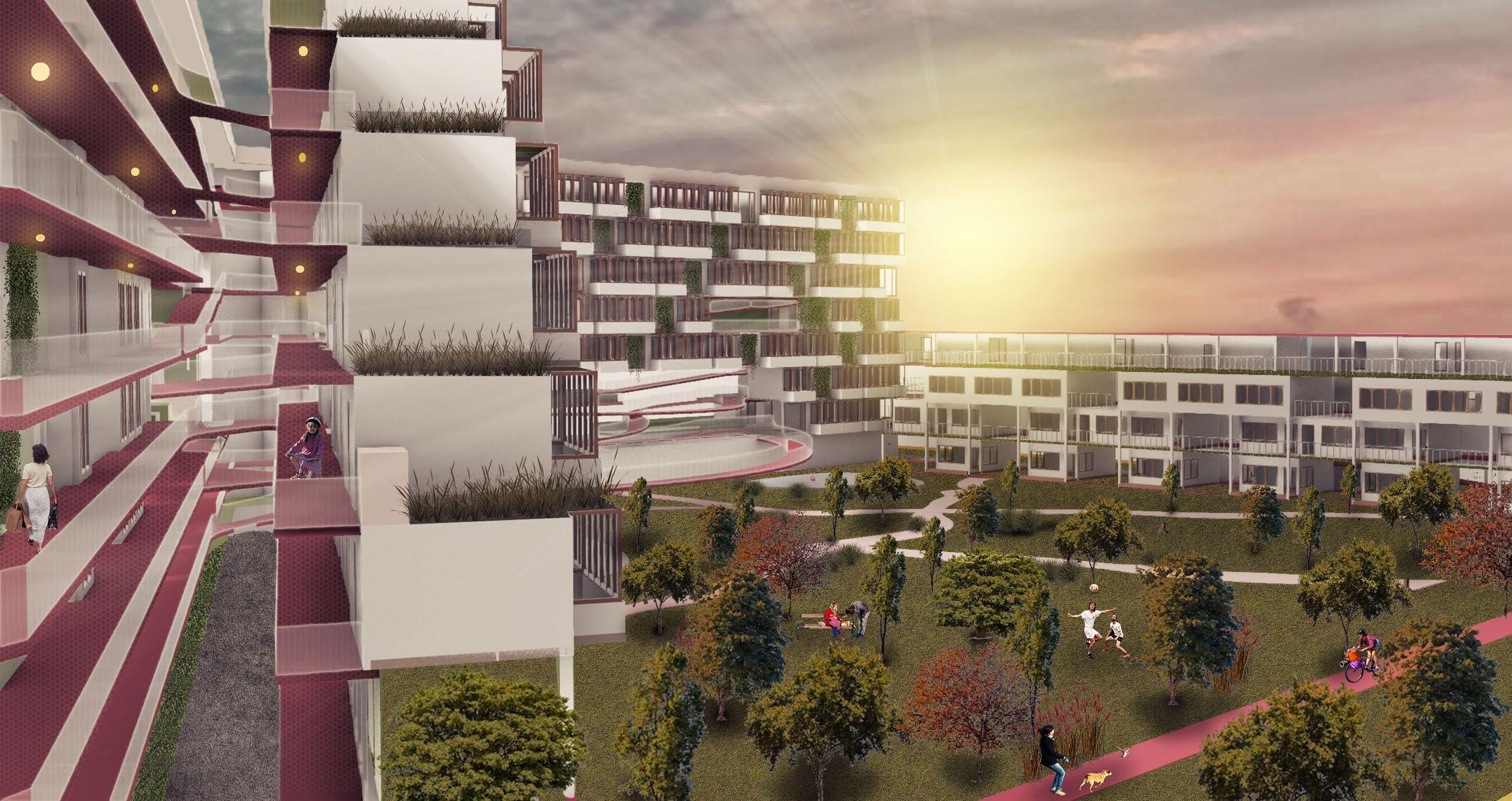
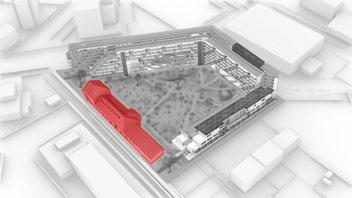
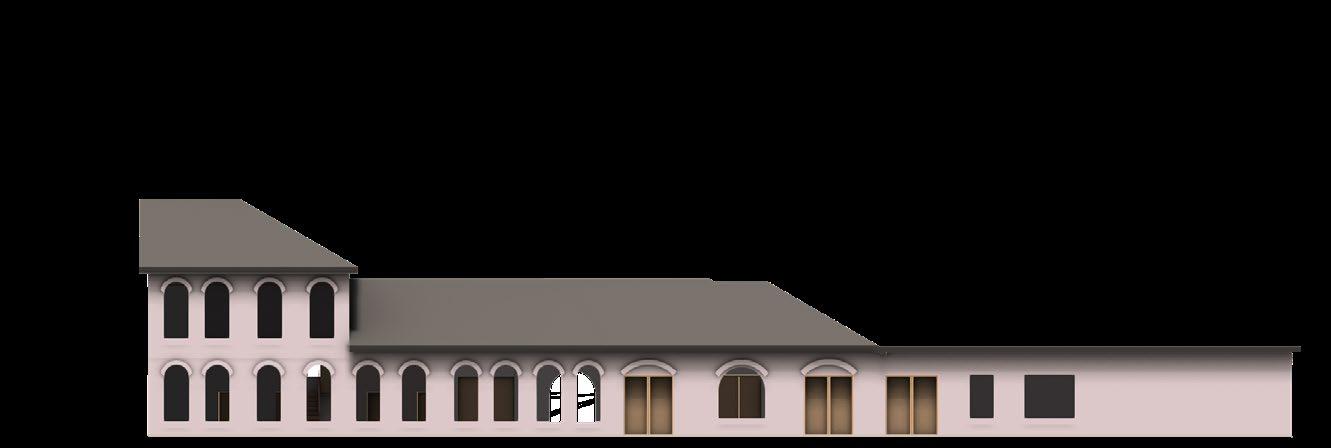
Preserving the museum by keeping the original facade.
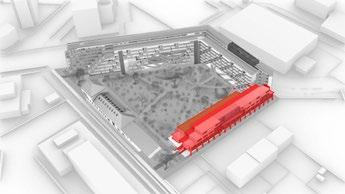
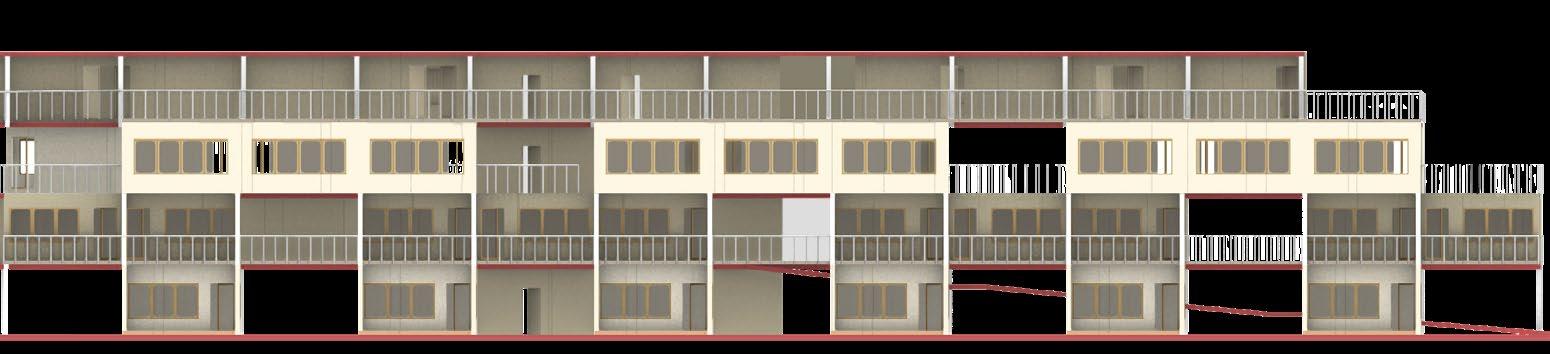
Retail and office as complementary of residential
04 REKA VILLAGE MADURA
Project with DOPE Architecture+Urbanism
Projecting site, and time with ephemeral architecture
In an area or urban concept, there are always several components that are factors in which the area can be said to be urban. The small area where people still don’t recognize it except only people who own the land. Becoming a new land more dense needs an injection of something to make it a life. Furthermore, several factors restrict it to branch out due to context. So what next can we do?
The land probably will extend in terms of number or wide which make it heavier. However, back to the previous statement that the land needs an injection to attract people to fulfill the activities there. So we need a method of thinking of something ephemeral to be built in these places that will support more adaptive in the future.
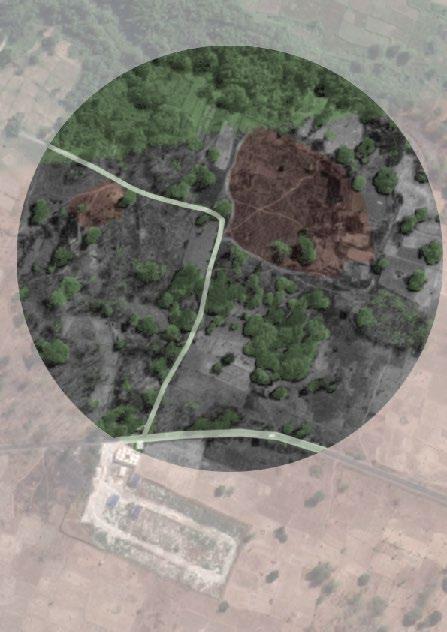
Work Project, 2023
Sampang, Madura
Questioning Unknown
1. What is the current job of the Madurese to fulfill their needs??
2. How their job could add to the quality of their life?
3. How do factors affect the growth and development of the economy?
4. What if adding new value in the area? will they accept it?
5. How about an art? How does art change their quality of life? What has changed in their social and economic life?
Plotting Questions
Empowering local communities to carry out activities following the needs that will continue to grow by making art and technology the main attractions. Enviromental and human Relation
Develop the land through the increasing amount of time with ephemeral architecture.
The improvement of madurese’s qualities life is the progressing their economic while art as western culture invert in the area which is going to change in several factors such as economic, society, and even education

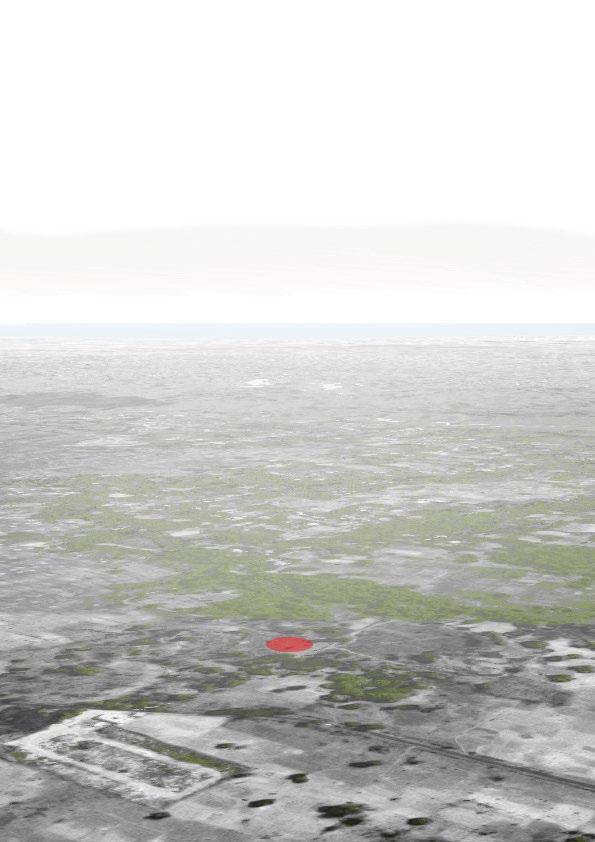








Opening Time Element Connector Design Ground
The Unknown
Strategy Approach
The Goal
The Components
Commercial Activities
Exhibition
Workshop
Healt Counseling
Trading
Infrastructures
Parking
Field
Precedent Activities System Arch
Student’s Pavillion Sitting, standing, lean back, small gathering
Lodging Log
Cafe Lodge
Flying Wood
Art Space
Term
Kinetic Box
Lodging, sitting various community gathering, yoga nad streching accounts, etc
Mix-used
Per;, 2, ... 12 months
Short Term
Circular Wall
Mostly for sports
Time
.., bi, annual Per week Weekend Weekdays Per day Morning Evening Long
Command on Design
Context Control
1. Low cost
2. Take advantage natural local resouces
3. Provide local and surrounding people to do activities
4. Responds to weather
5. Respect to local customes, faith, culture, etc.
Ephemeral Control
1. Adaptive
2. Movable elements
3. Potential for deconstruction
4.Ability take on fragmenta tion
Control
Entrance
Frontage
Landscape
Parking
Material Control
Brick
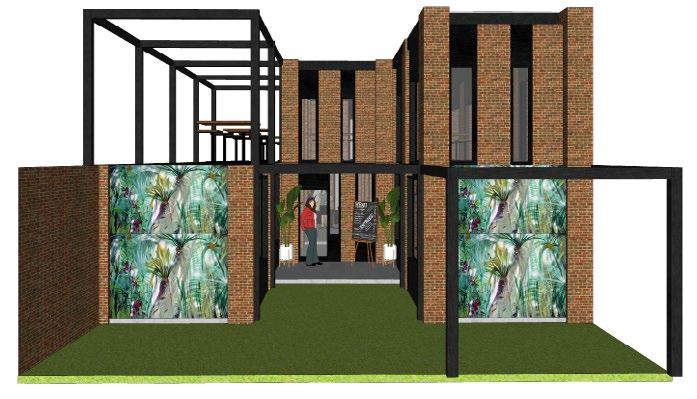
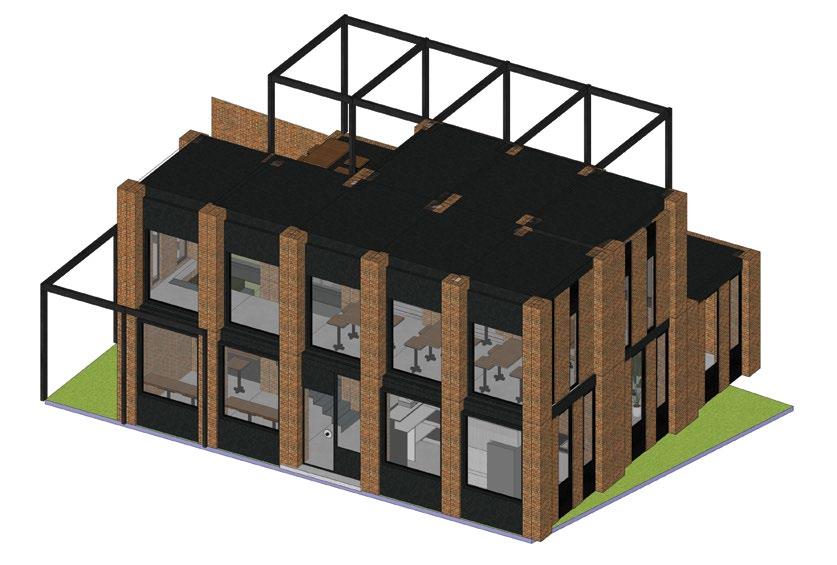
Development Stage
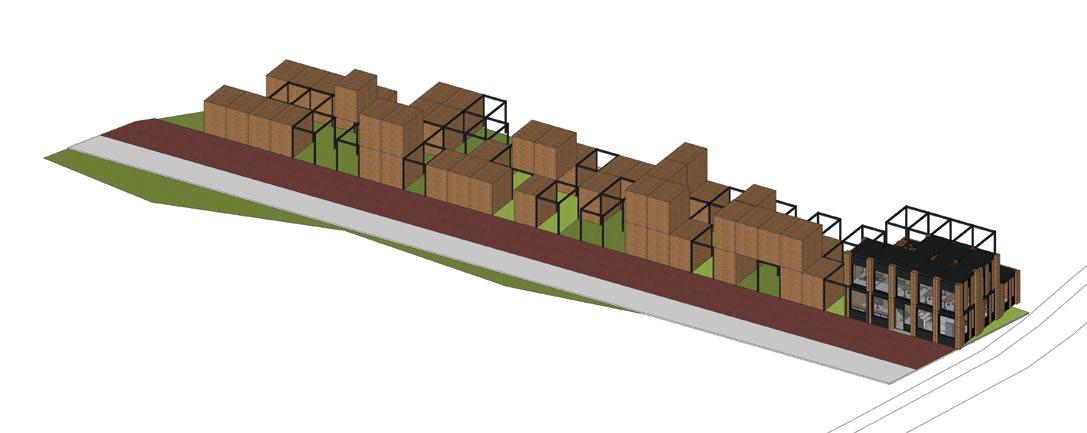
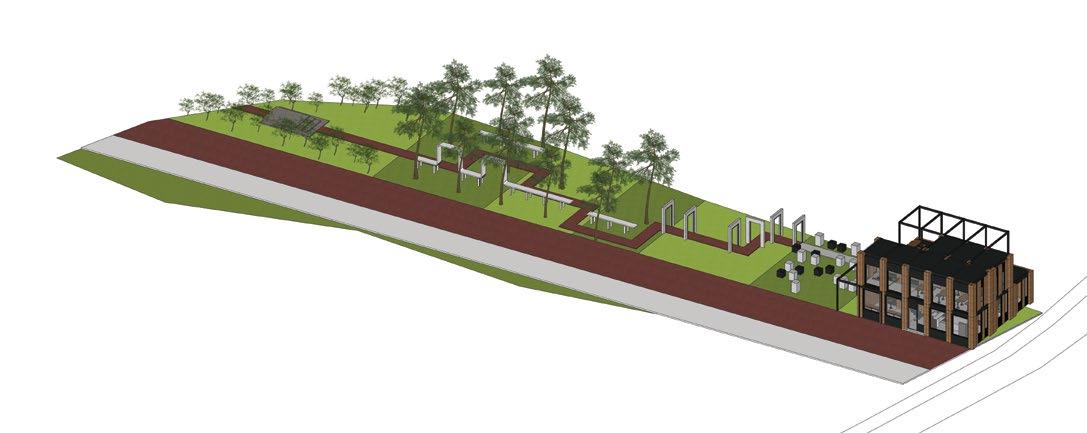
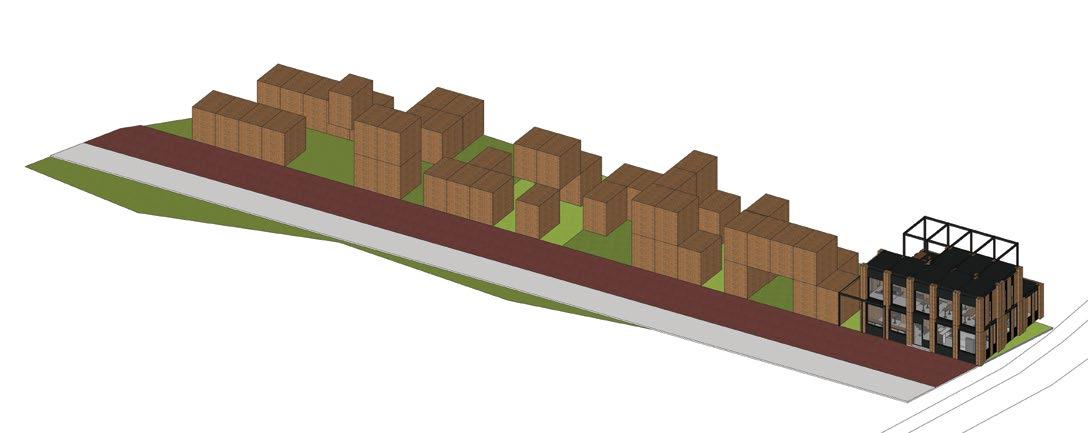
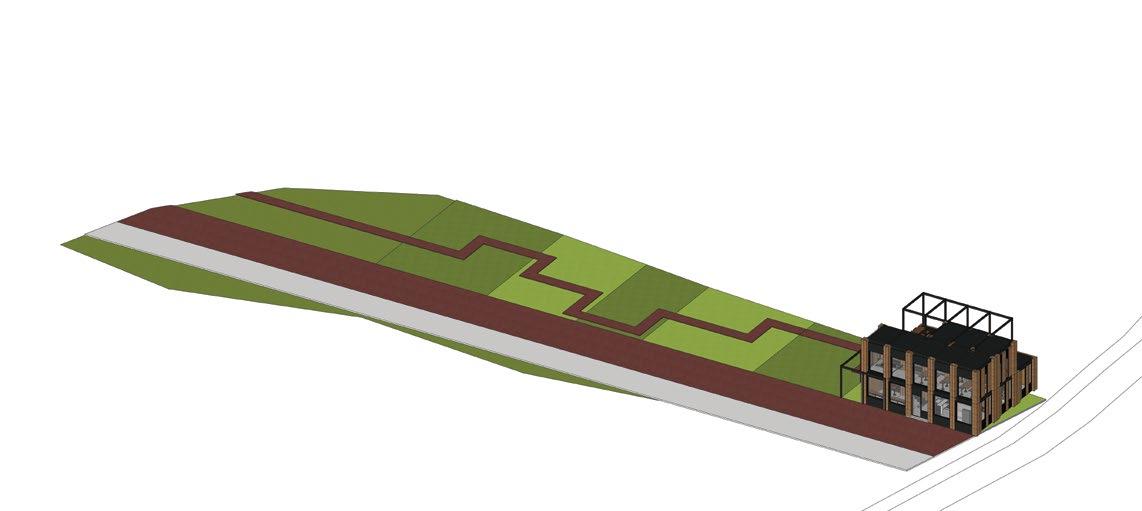
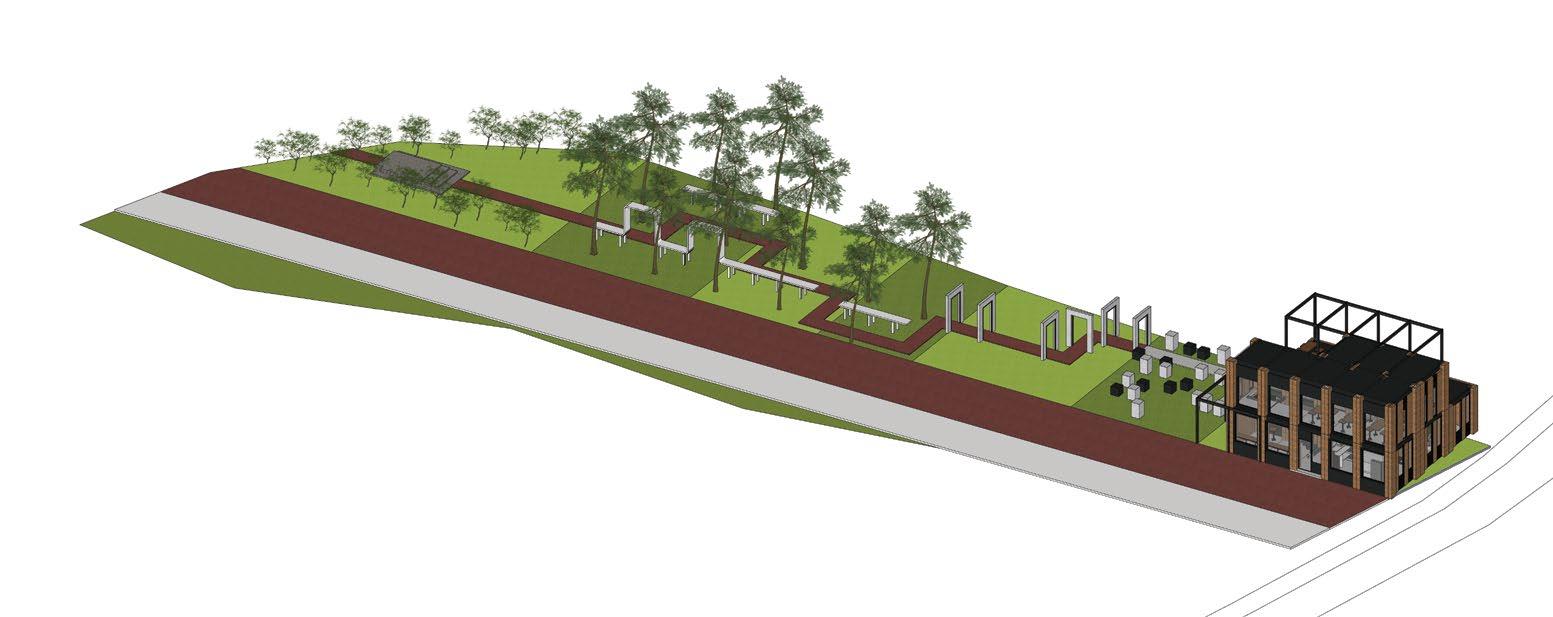
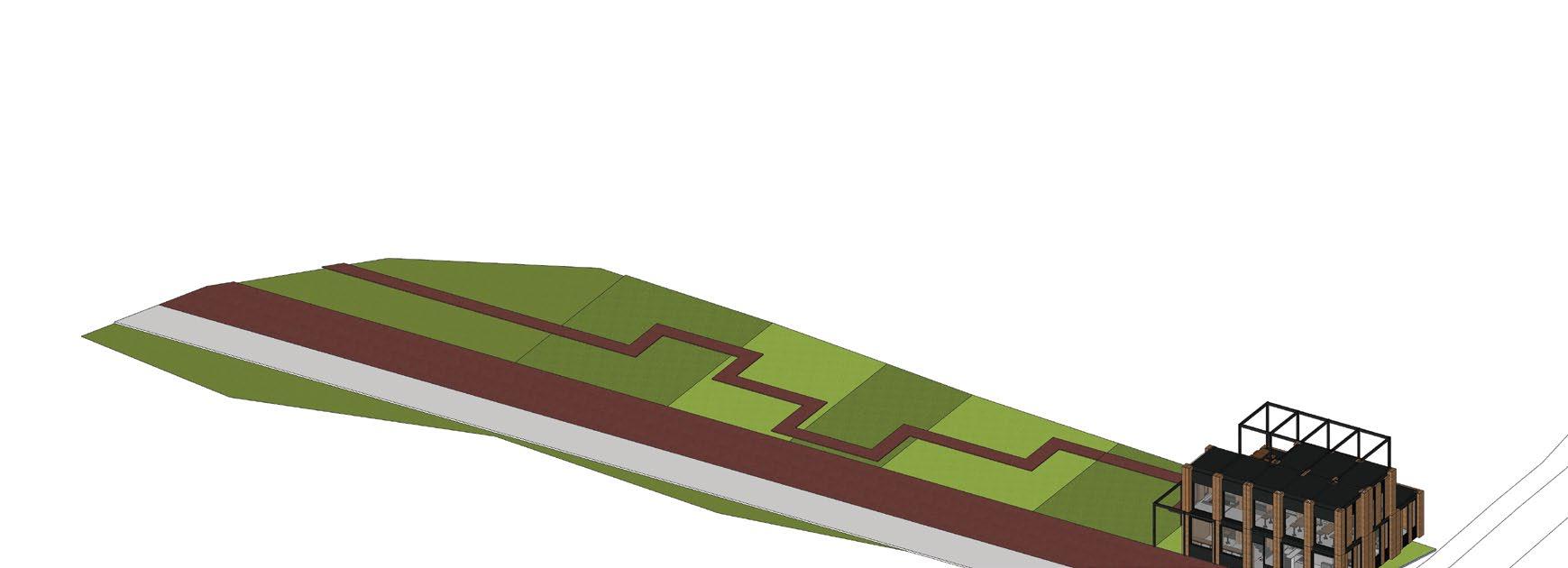
The flow of the line was planned for the next building in the next few years.
Period
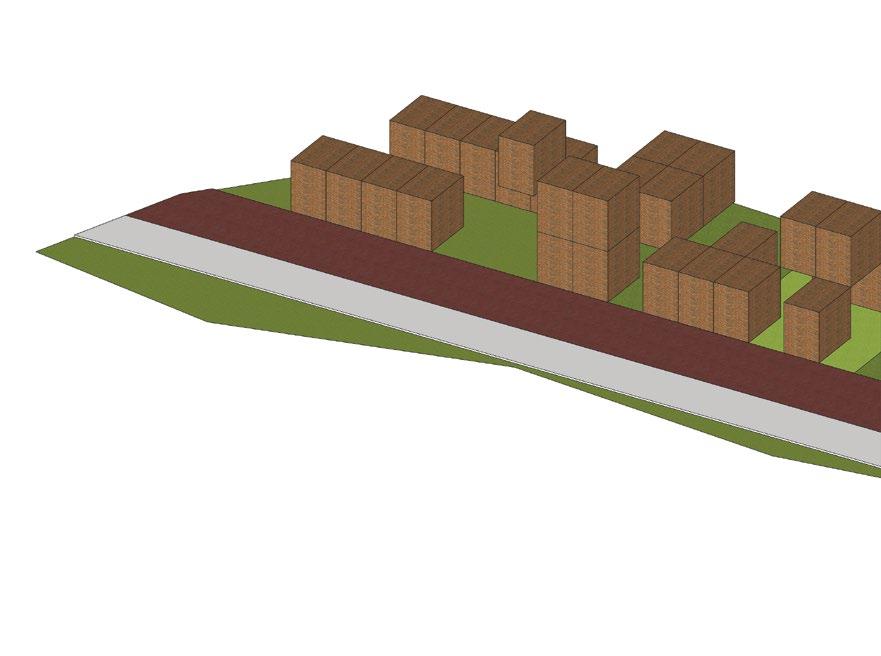
The growth develops as long as the second period is still used.

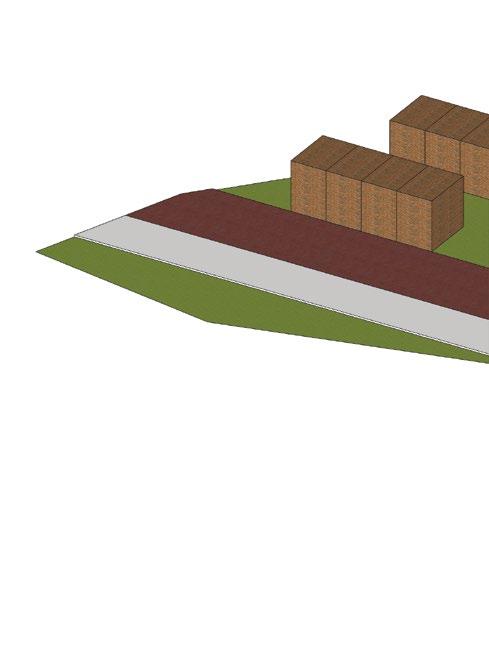
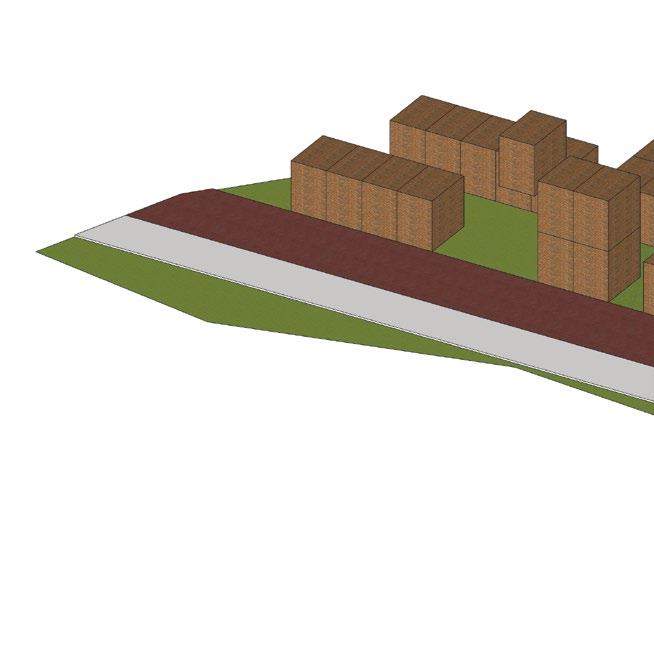
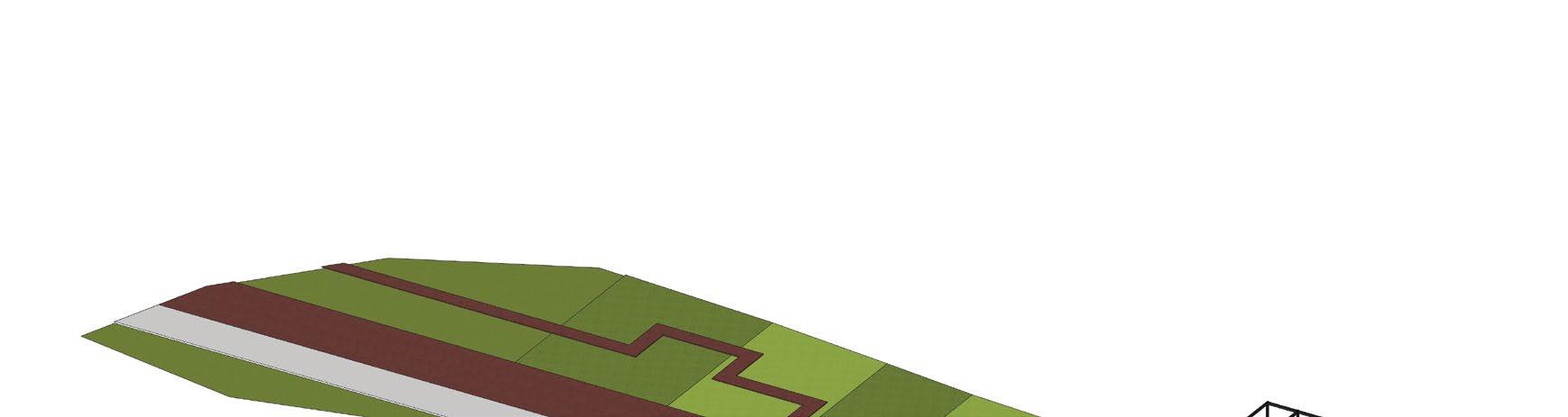
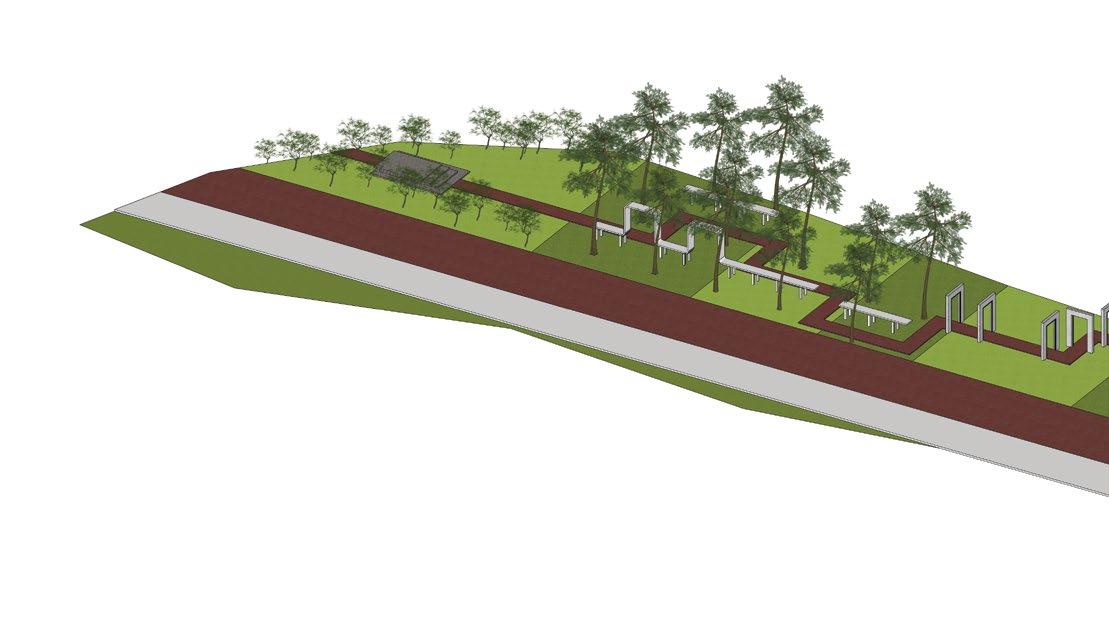
Urban
3.
4.
1.
The moment where all buildings have already 1.
2.
1st
2nd
3rd
Period
Period

05.1 AG SPACE
Personal Works, Side Hustle
Improving some spaces to encouraging a family time quality | 23/24
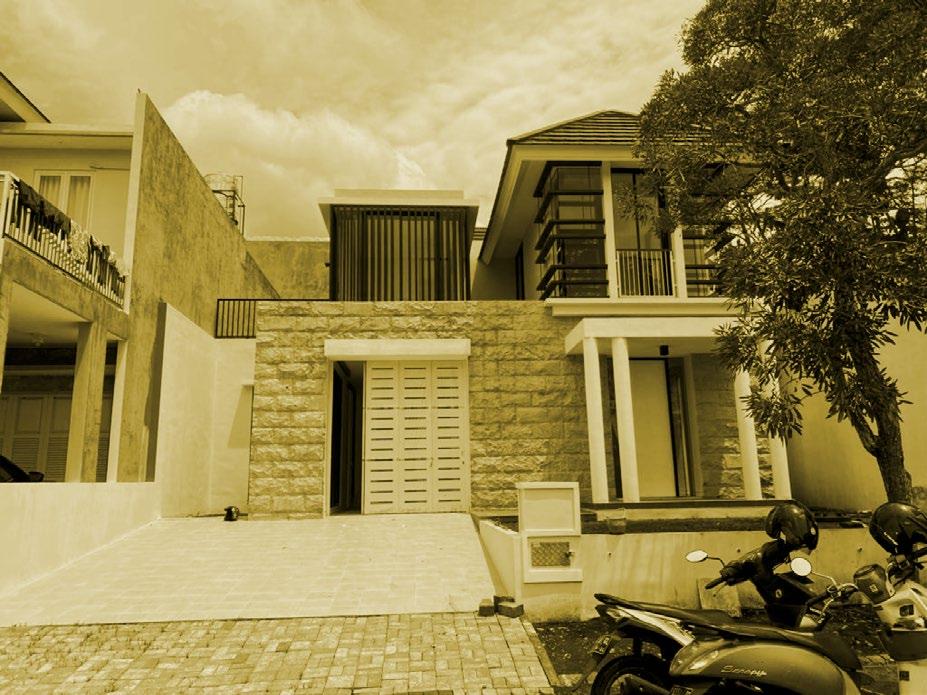
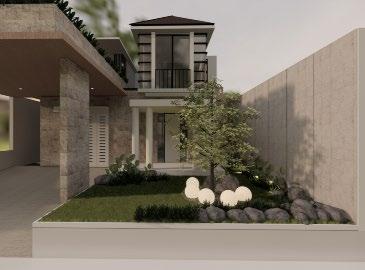
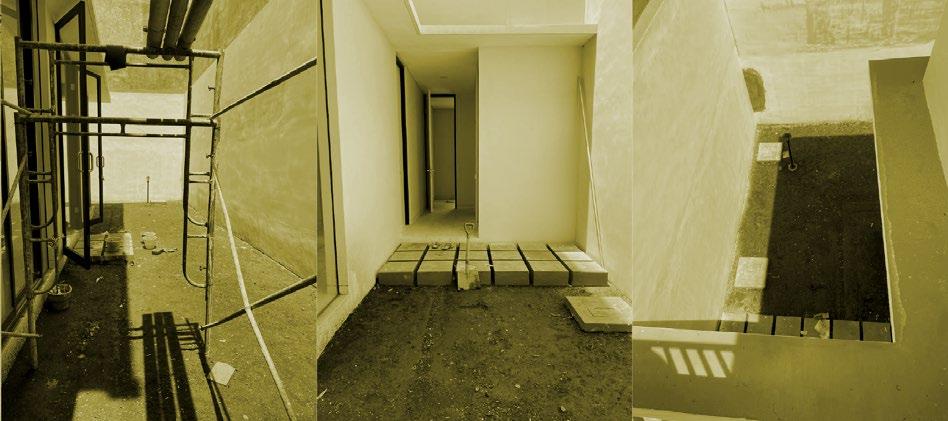
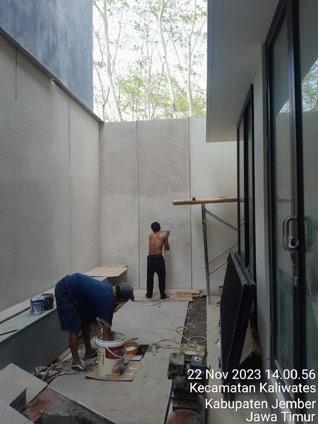
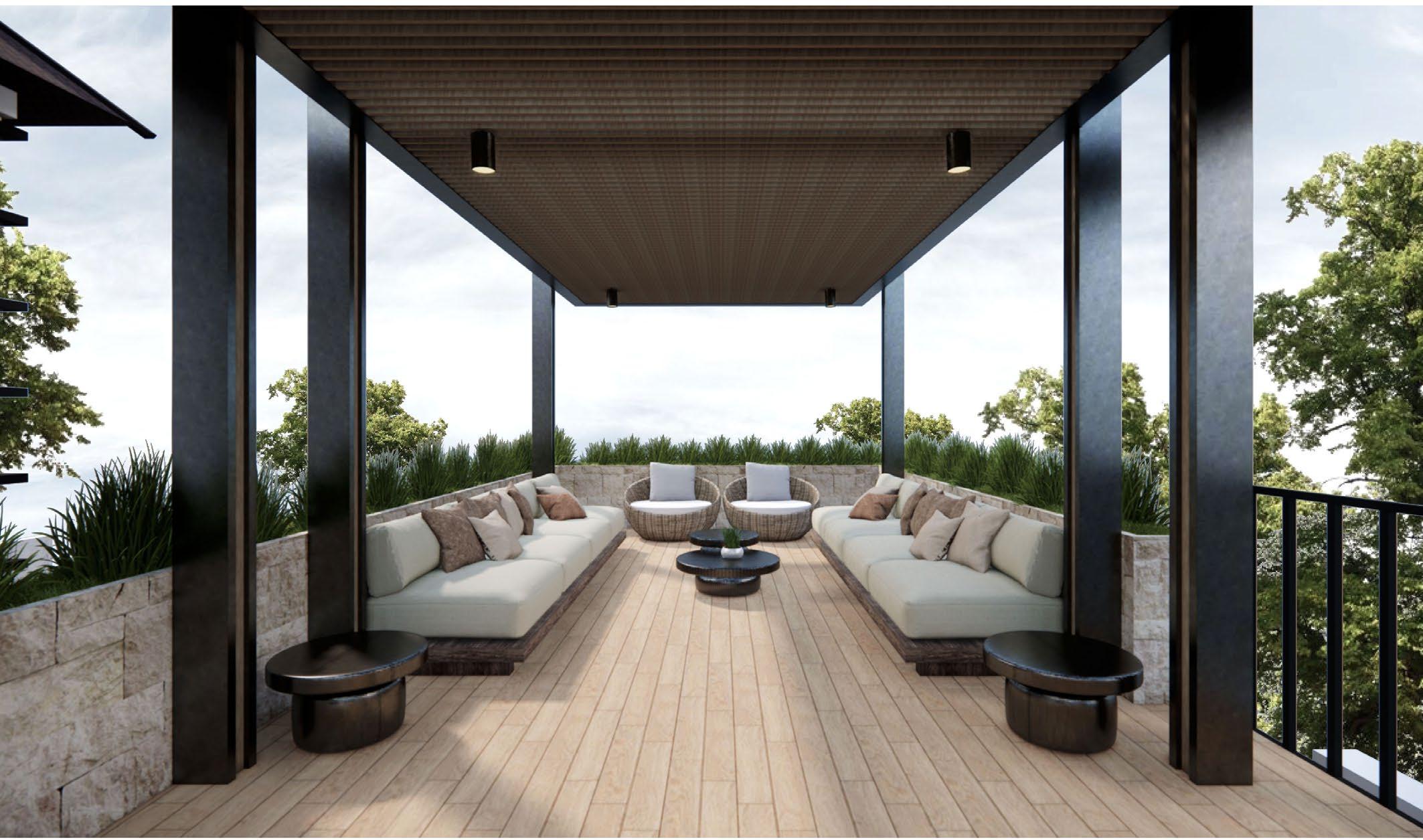
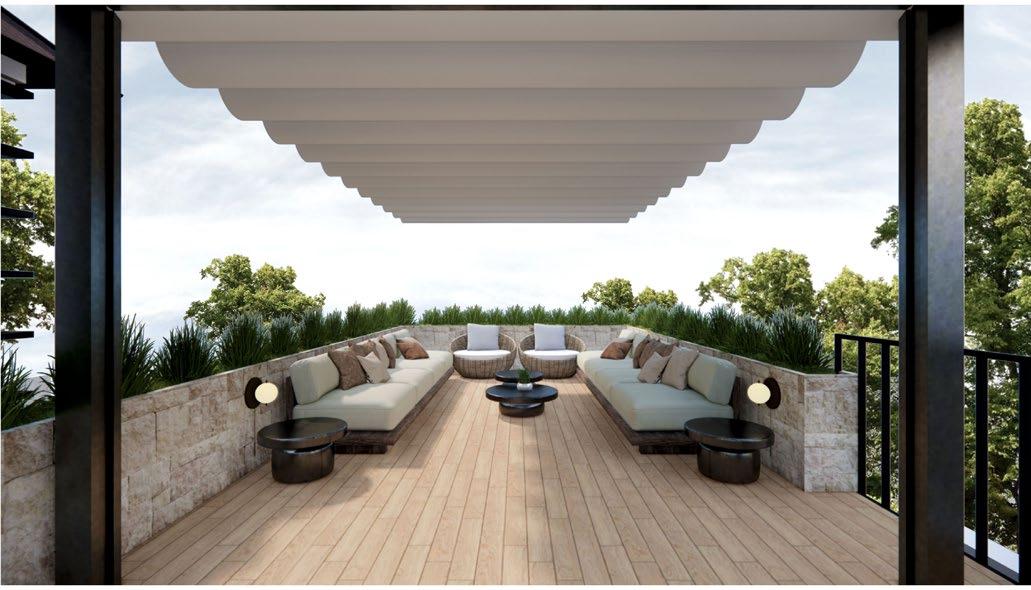
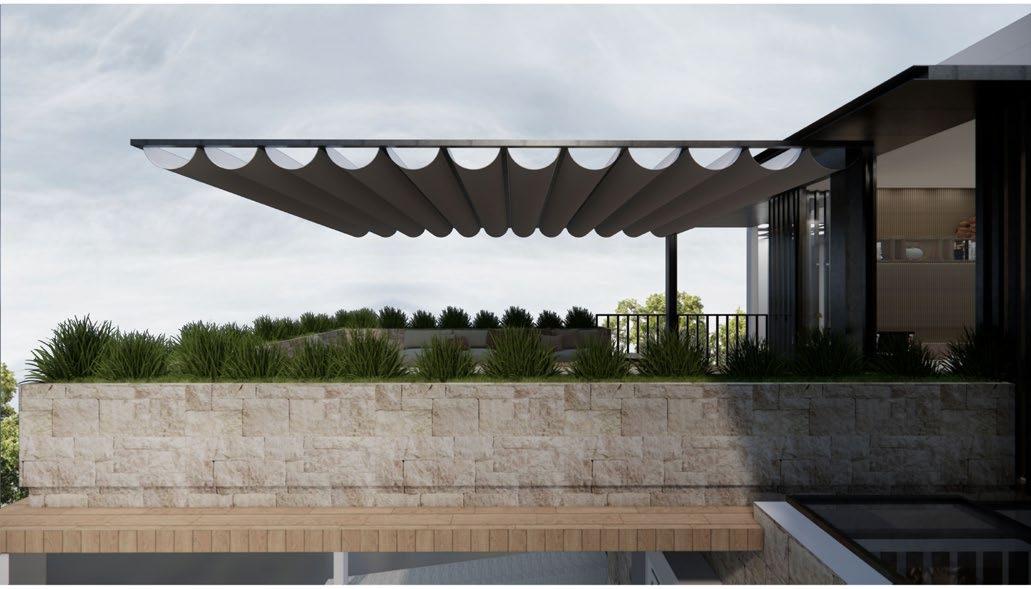
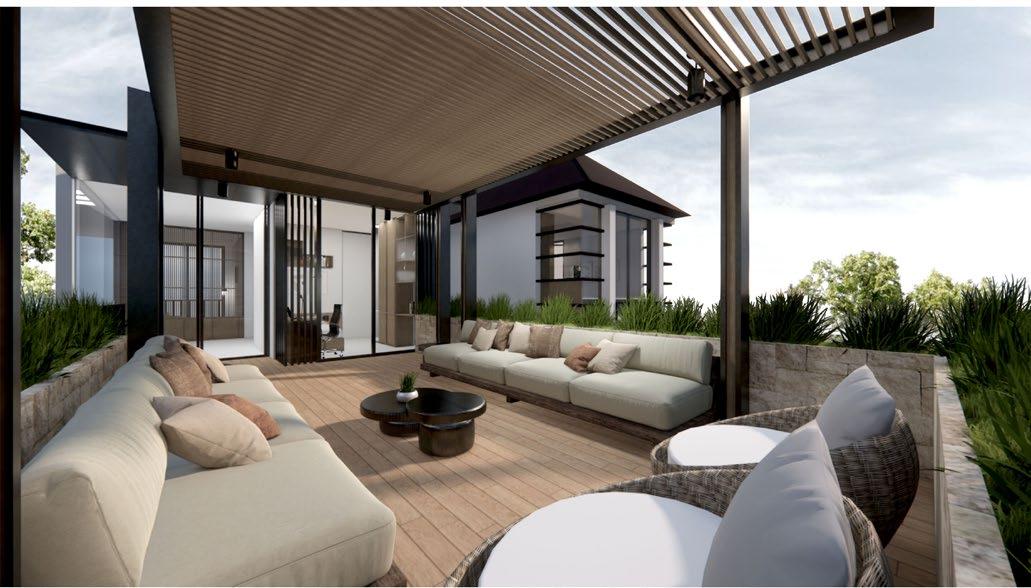
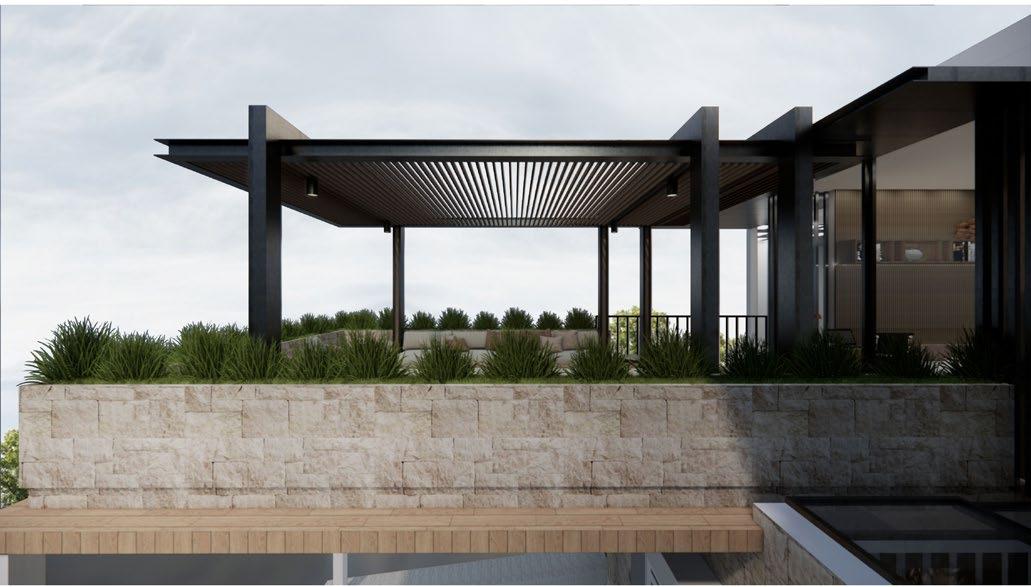
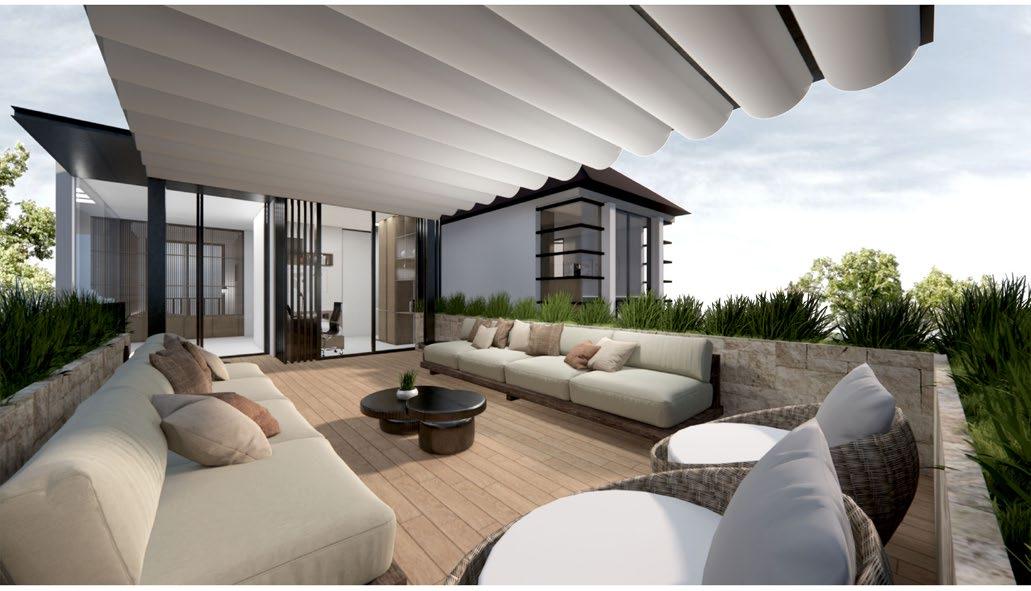
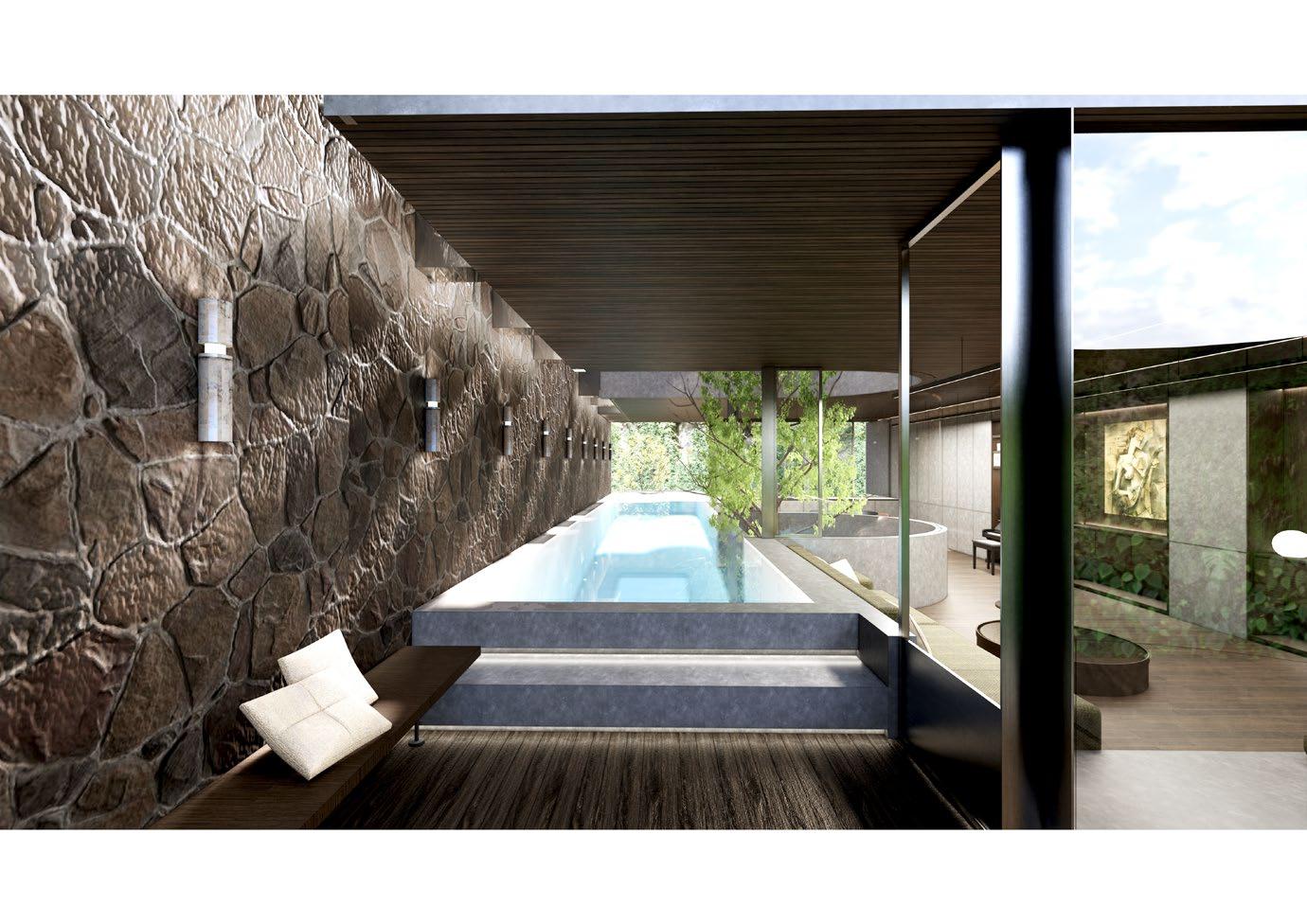
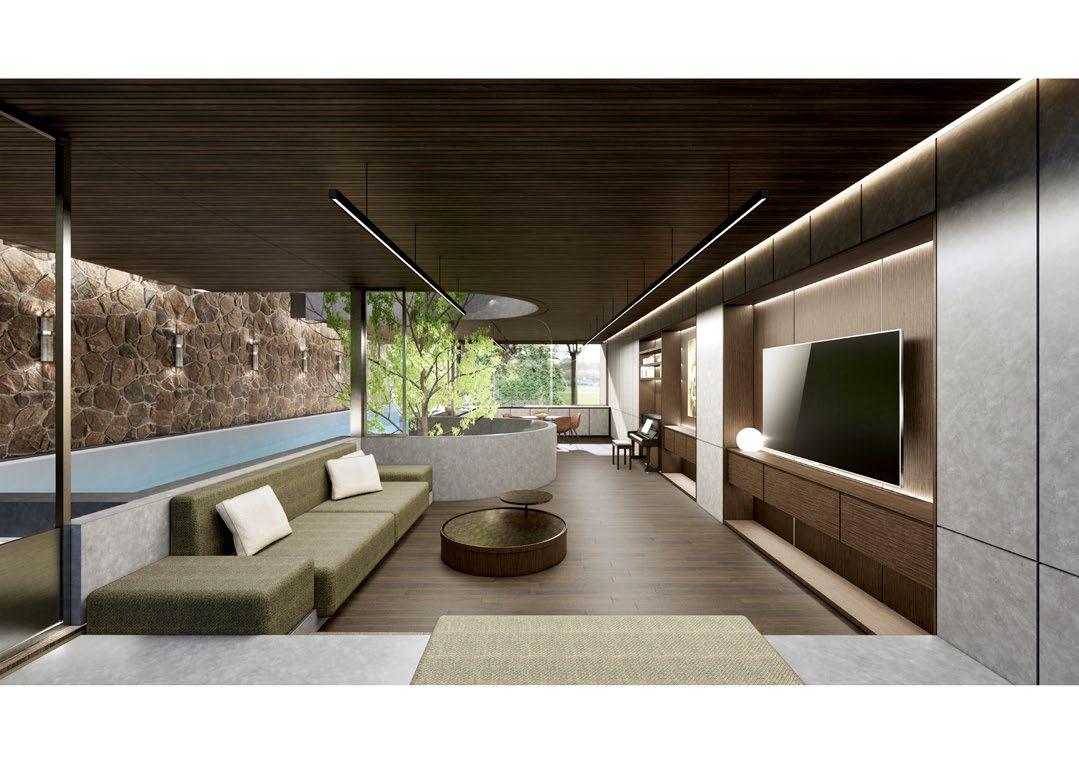
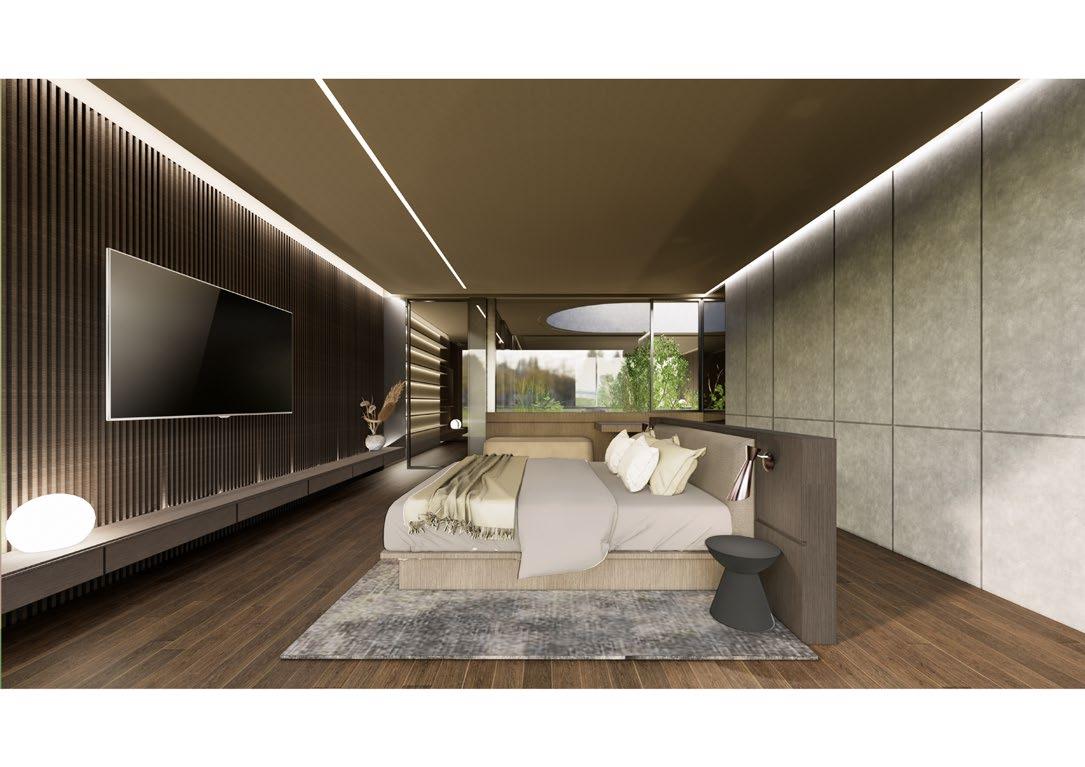
The client requested that I redesign various spaces in her new house, including the balcony, garden, inner court, and interiors. While enhancing these spaces, the client emphasized the importance of prioritizing the safety of her three young children, two of whom are under fifteen and one under five years old.
In the process, I endeavored to maintain consistency with the existing hype by adhering to similar materials or applying identical tones. The most challenging aspect was convincing the client that this represents an ideal design and establishing a connection with the contractor to consider the associated costs.
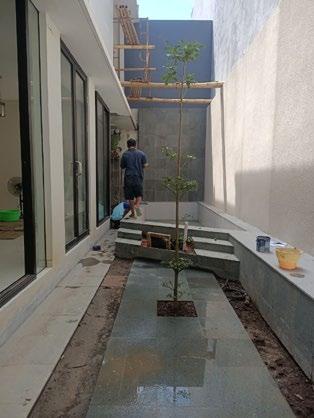
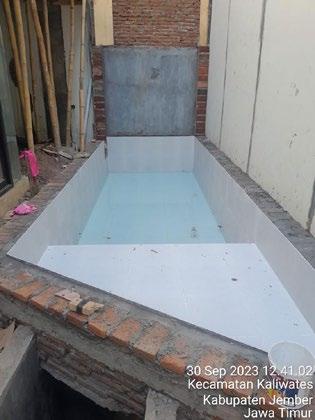
Side Hustle, 2023 Jember, East Java
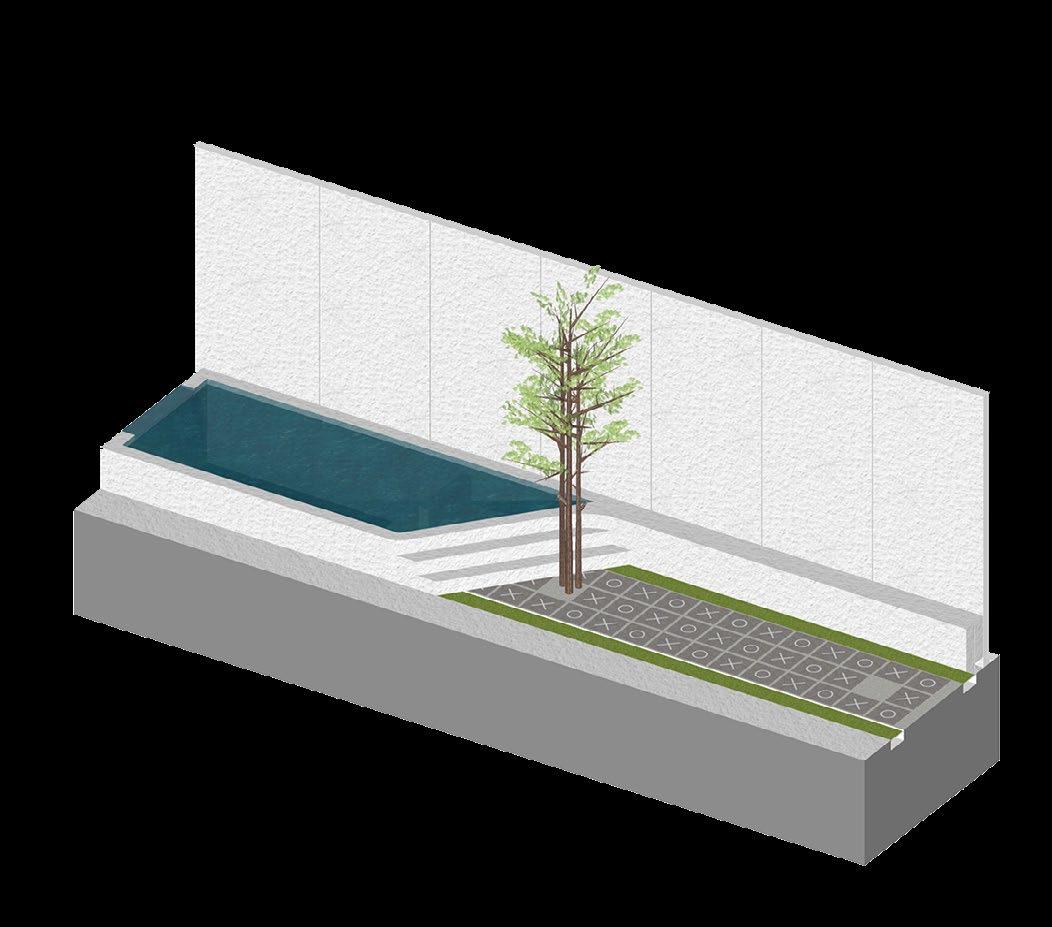
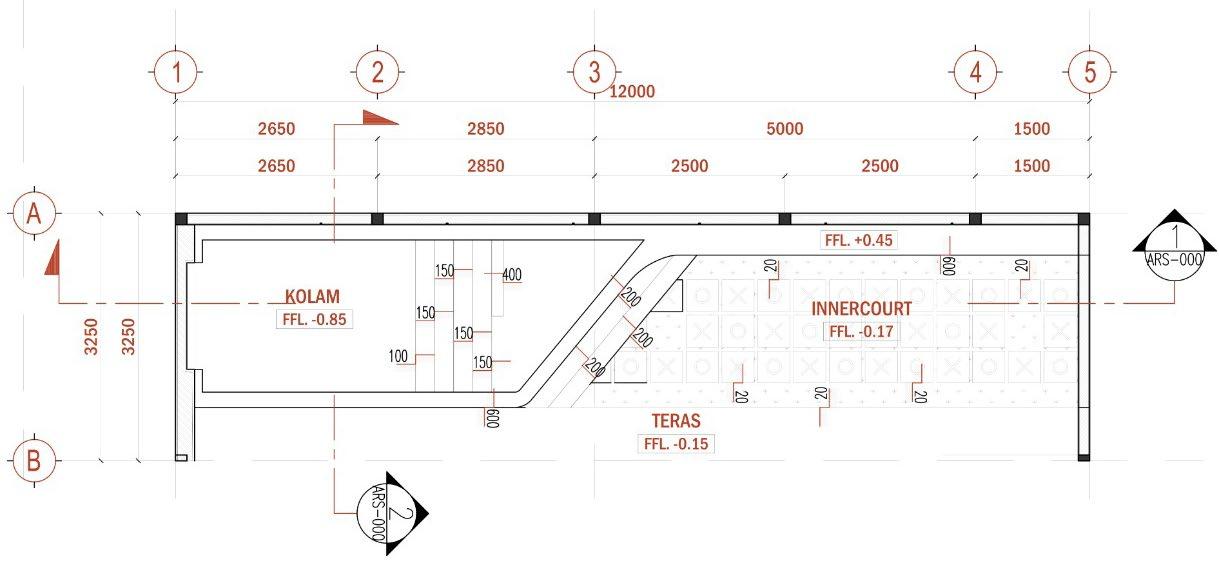


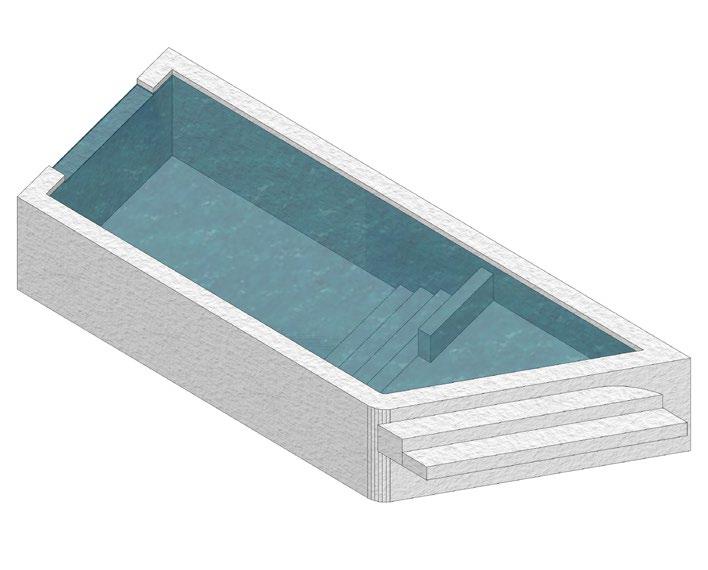
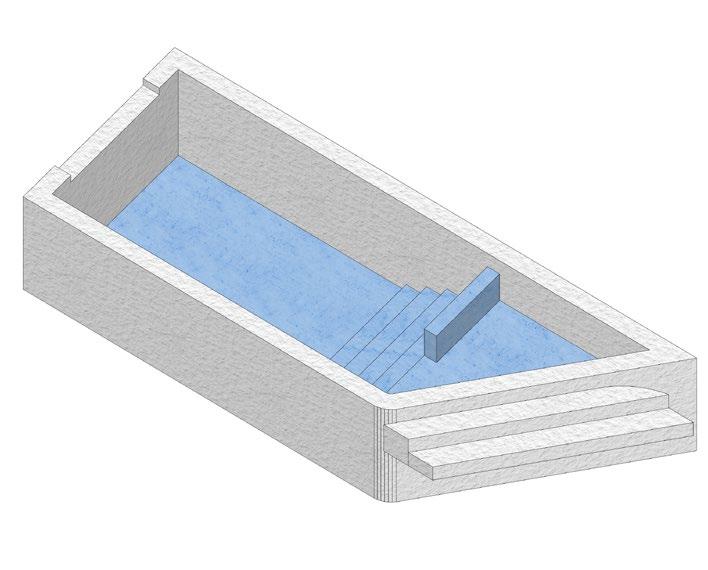
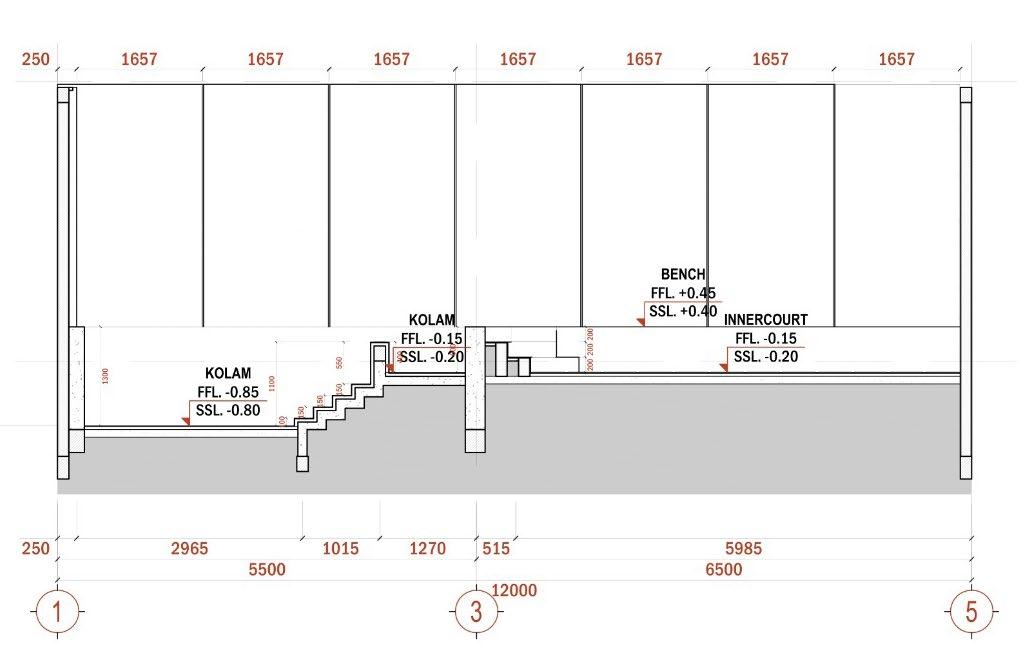 Imperial White
Off White Camprot wall
Swimming pool
Imperial White
Off White Camprot wall
Swimming pool
Balcony, Canopy Options
05.2 STUDIO PROJECT
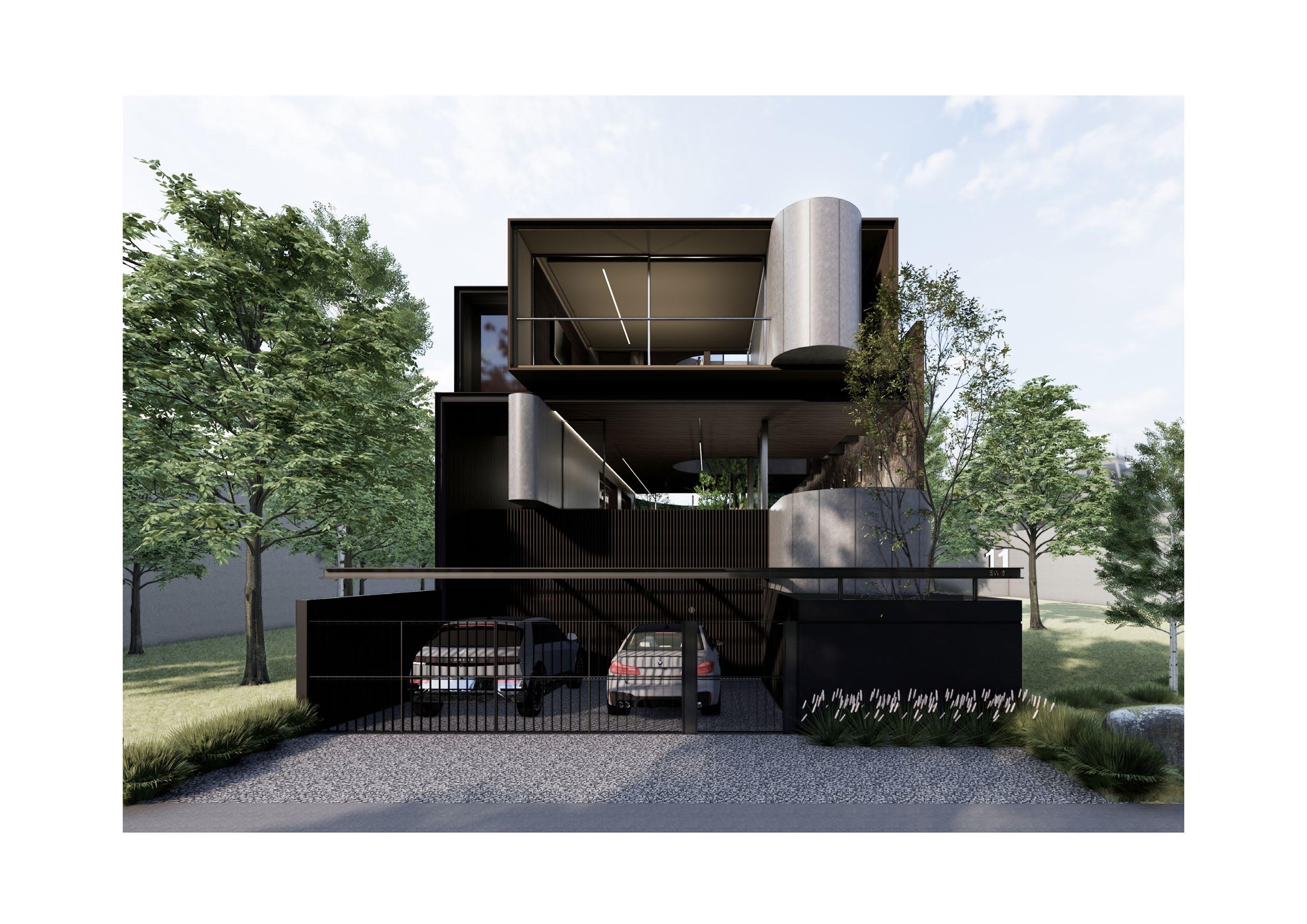
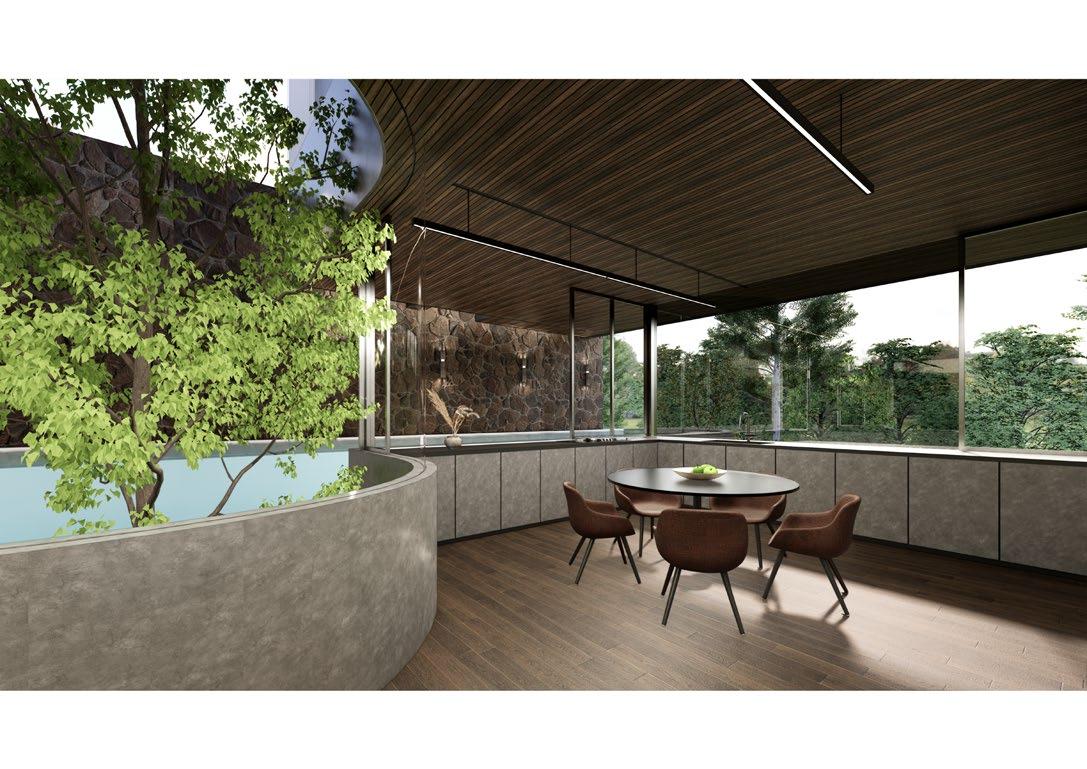
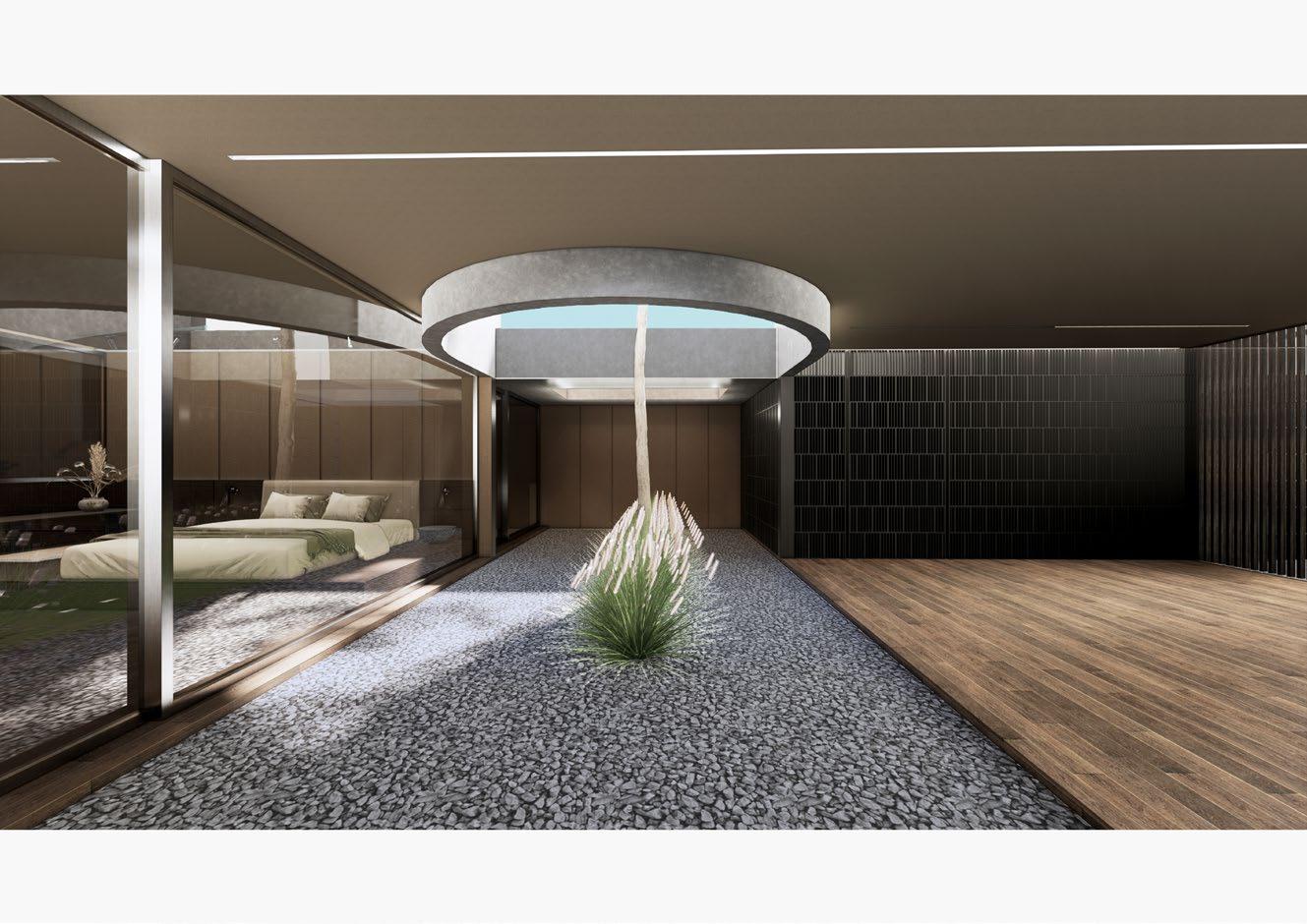
Project with Monuis Studio 23/24










































X1 X3 X4 X6 X2 X5 X1 X4' X6 X2 X5 Y1 Y3' Y3 Y4 Y5 Y6 Y7 Y8 Y1 Y3' Y4 Y5 Y7 Y8 1800 1200 3100 2500 500 3000 4000 3000 3100 1400 8000 6100 9400 1000 4500 5500 3000 4500 3500 5500 4500 21000 1800 2400 10000 KIDS BEDROOM MASTER BTH DAY BED DAY BED X3' 900 3000 5200 STORAGE KIDS BATHROOM X4 600 1 A1-01 SCALE 1:100 2ND FLOOR 10 8 6 5 21 20 19 18 17 16 15 14 13 12 11 JANITOR POWDER DINING ROOM X1 X3 X4 X6 X2 X1 X4 X6 X2 Y1 Y3 Y4 Y5 Y6 Y7 Y8 Y1 Y3 Y8 1800 2100 3100 3000 7000 3000 3000 2750 1750 3500 4500 5500 5750 9750 5500 1800 3000 10000 Y7' 4000 11500 21000 Y1' 625 4875 LIVING ROOM 1 A1-01 SCALE 1:100 1ST FLOOR 5200 2 OUTDOOR SHOWER 9 8 7 6 5 4 3 2 POOL BENCH POOL BENCH UP PIANO 21 20 19 18 17 16 15 14 13 12 11 WORKING ROOM DRY AREA KITCHEN MAID BEDROOM MAID BTH FOYER AND MULTIFUNCTION GUEST BEDROOM STORAGE DRY GARDEN GUEST BTH PUMP ROOM Medium size W X1 X4 X6 X2 X1 X4 X6 X2 Y1 Y2 Y3 Y4 Y5 Y7 Y8 Y1 Y2 Y3 Y4 Y5 Y7 Y8 1800 5200 3000 7000 3000 3000 4500 8000 5500 21000 3000 4500 3500 4500 3700 1800 7500 8000 5500 7000 3000 10000 UP W DRY GARDEN 2 3 4 1 A1-01 SCALE 1:100 GROUND FLOOR ODR AC 5 6 7 8 Plan
Plan
Plan
1
2
3
Personal Works Courses by Futurly.com
I won the challenge from the Futurly Instagram account for creating a prompt. Being in the first position, I had the opportunity to become a Futurly member, which grants access to some classes. I chose to focus on parametric design to enhance my skill sets in architecture.


05.3 05.4 Exercise STUDIO PROJECT
Personal Works with DOPE Architecture+Urbanism
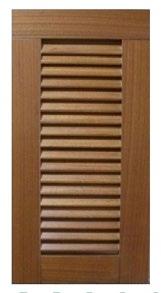
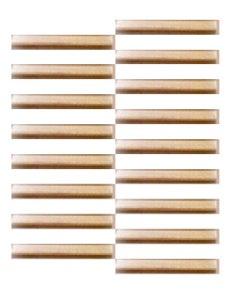
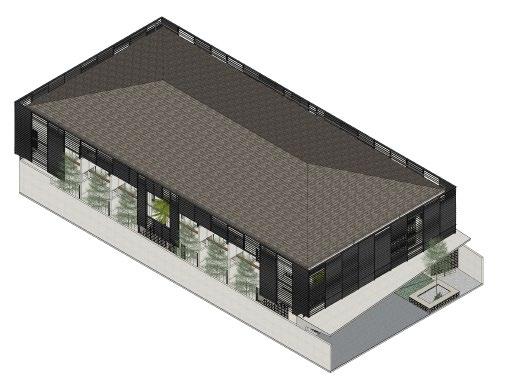
I was responsible for developing the facade of one of the projects, utilizing some basic Grasshopper skills that I possess. The horizontal orientation was chosen due to the Javanese context, which employs the krepyak system for the windows.
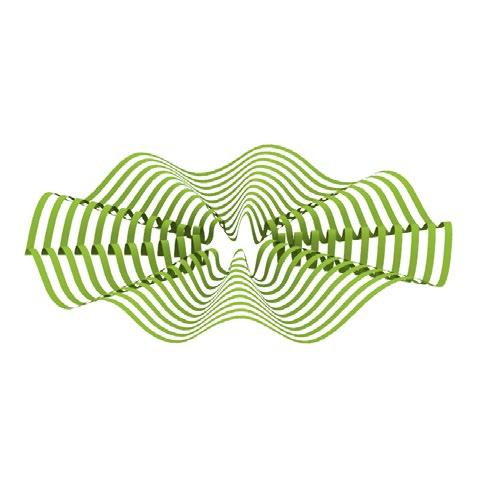
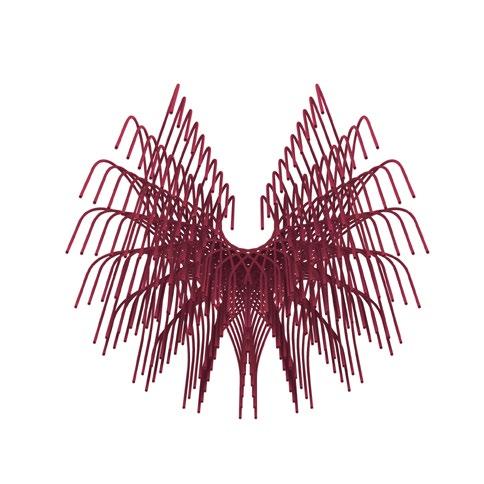
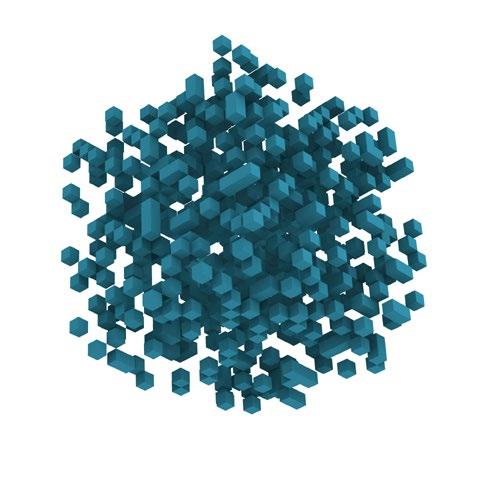
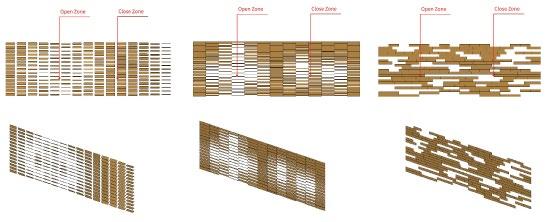 Water Dripple Spiral Veil Rotated Arch Pixel Randomizer
To be Continued..