LIVING WITH LUPUS ISSUE





Dear Readers,
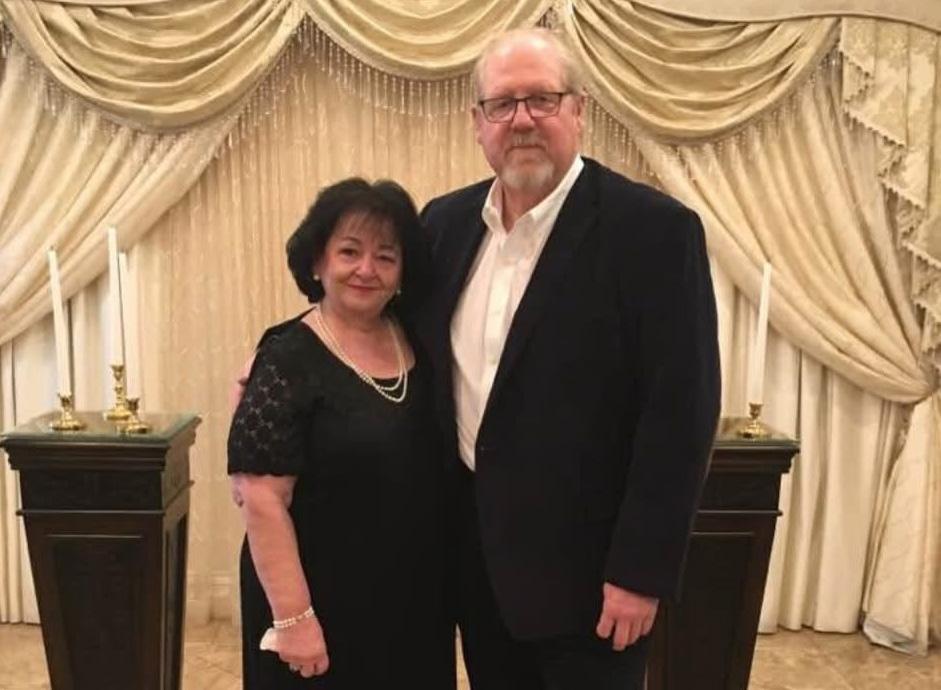
It is with deep sorrow that we announce the passing of William “Bill” Tierney, Jr. Our hearts are heavy as we support our fearless leader, Suzanne, in the loss of her beloved husband. They were married for 55 years and have been each other’s fiercest supporters during their marriage which Suzanne so lovingly called a “life sentence.”
Bill was an amazing husband and caregiver to Suzanne and was there to pick her up whenever she fell. He was an incredible father, provider, caregiver, and friend and will be missed by so many.
Next quarter, we will return to our normal “Letter From Suzanne”. For now, please take a moment to read a beautiful obituary commemorating the incredible life of William Tierney, Jr.
With Warmest Regards, The Team at the Lupus Foundation of America, Greater Ohio Chapter
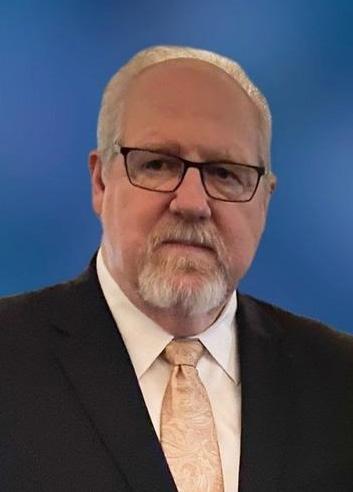
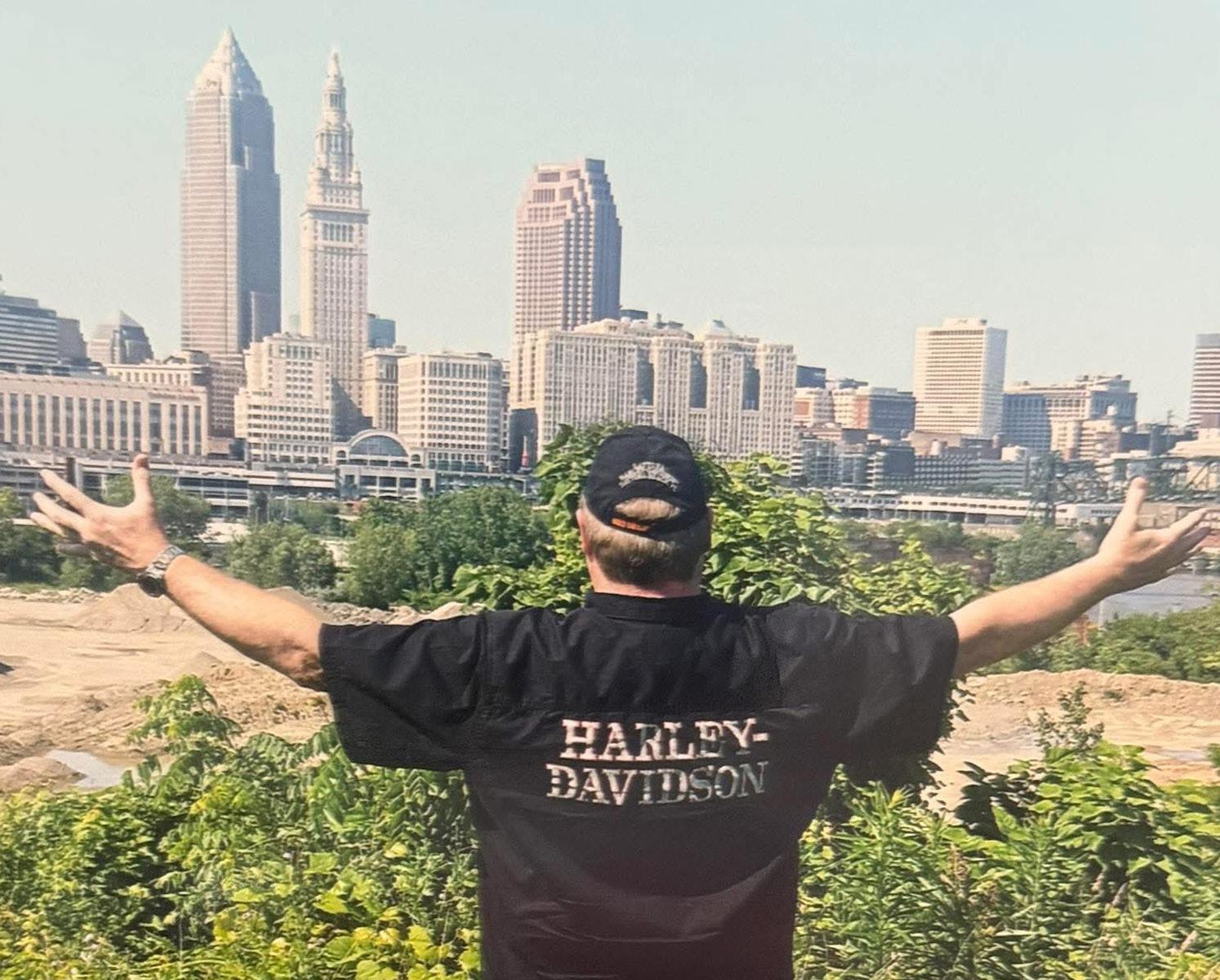
William Tierney, Jr., ALSO KNOWN AS BILL; 74 of Richfield, Ohio passed away peacefully on November 23, 2025. Born in Cleveland, Ohio, William was the beloved husband of Suzanne (Valenti) Tierney, with whom he shared 55 years of marriage filled with love, devotion, and partnership. Together, they built a life centered on family, faith, and enduring love. He was the cherished son of the late William A. Tierney Sr. and Lois Tierney, and the devoted son in law of the late Miles and Rosalia Valenti. William’s upbringing instilled in him the values of loyalty, kindness, and hard work - qualities that defined his life and touched everyone who knew him. From an early age, William showed remarkable talent and determination. He graduated from Maple Heights High School, where he excelled as a heavyweight wrestler. He also played PD Major softball, earning respect for his skill, sportsmanship, and competitive spirit. These early achievements reflected his drive and resilience, traits that carried into his career and personal life. Professionally, William was a proud member of Laborers’ Local 310 for 50 years, where he rose to the stellar position of Construction Superintendent. His career took him on a remarkable journey through many of Cleveland’s most iconic projects, leaving his mark on the city’s skyline and infrastructure. Among the projects he helped shape were the Society Tower, the BP Building, the Rock & Roll Hall of Fame, the Terminal Tower, and Tower City. His journey also included work in Cleveland’s steel mills, where his dedication and leadership strengthened the city’s industrial foundation. William’s expertise, fairness, and commitment earned him the respect of colleagues and the admiration of all who worked alongside him. His legacy is etched not only in the steel and stone of Cleveland’s landmarks but also in the lives of those he mentored and inspired. Beyond his career, William had a massive passion for his Harley-Davidson motorcycles and his motorcycle club. He rode to Sturgis multiple times, riding alongside his finest friends. Together, they shared the road on bikes that were not just vehicles, but masterpieces of machinery, symbols of freedom, craftsmanship, and brotherhood. These journeys brought him immense joy, lifelong friendships, and unforgettable memories. His Harley adventures reflected his love of life, his appreciation for camaraderie, and his spirit of adventure. William is survived by his loving wife, Suzanne; his daughter, Sabrina Tierney (Ken); his son, William A. Tierney IV, and his wife, Leslie (Vizcarra); and his treasured grandchildren, Declynn, William V, Delaney, Andrea, Damion, and great grandchild, Braydon. He also leaves behind his brother-in-law, Milo Valenti; Theodore and Barbara Demarco; Jeannine Valenti (preceded in death by her husband Richard); twin to Suzanne; his brother, Ronald Tierney (preceded in death by his wife, Cathy); and many wonderful nieces, nephews, and friends. William’s life was rich with moments of laughter, family gatherings, and quiet acts of generosity. He was a man who found joy in simple pleasures - whether spending time with loved ones, sharing stories, or riding his Harley across the open road. His legacy will live on in the hearts of his children, grandchildren, great-grandchildren, and extended family, who will carry forward his example of love, strength, and devotion. His work and passions live on in the city he helped build and, in the roads, he loved to ride, standing as a testament to a life well lived.
Pg. 1-2 In Remembrance of William Tierney, Jr.
Pg. 4-5 Patient Navigator Corner: December 2025
Pg. 6-8 Patient Story: Brooke Jackson
Pg. 30 Staff Page 1718 1922 What Gives You Joy? Be Prepared to Fight Flu and COVID This Winter by Leticia Ocana 6-8 Patient Story: Brooke Jackson 910 Patient Story: Lisa Bordner
Pg. 9-10 Patient Story: Lisa Bordner
Pg. 11-13 Research & News
Pg. 14 Joy in Healthcare by Josh Bordner, CNP
Pg. 15-16 Annual Appeal Letter
Pg. 17-18 Be Prepared to Fight Flu and COVID This Winter by Leticia Ocaña
Pg. 19-22 What Gives You Joy?
Pg. 23 Blog & Podcast
Pg. 24 Memorium
Pg. 25 2025 Membership
Pg. 26-27 Get Involved & Ways to Give
Pg. 28-29 Could You Have Lupus?

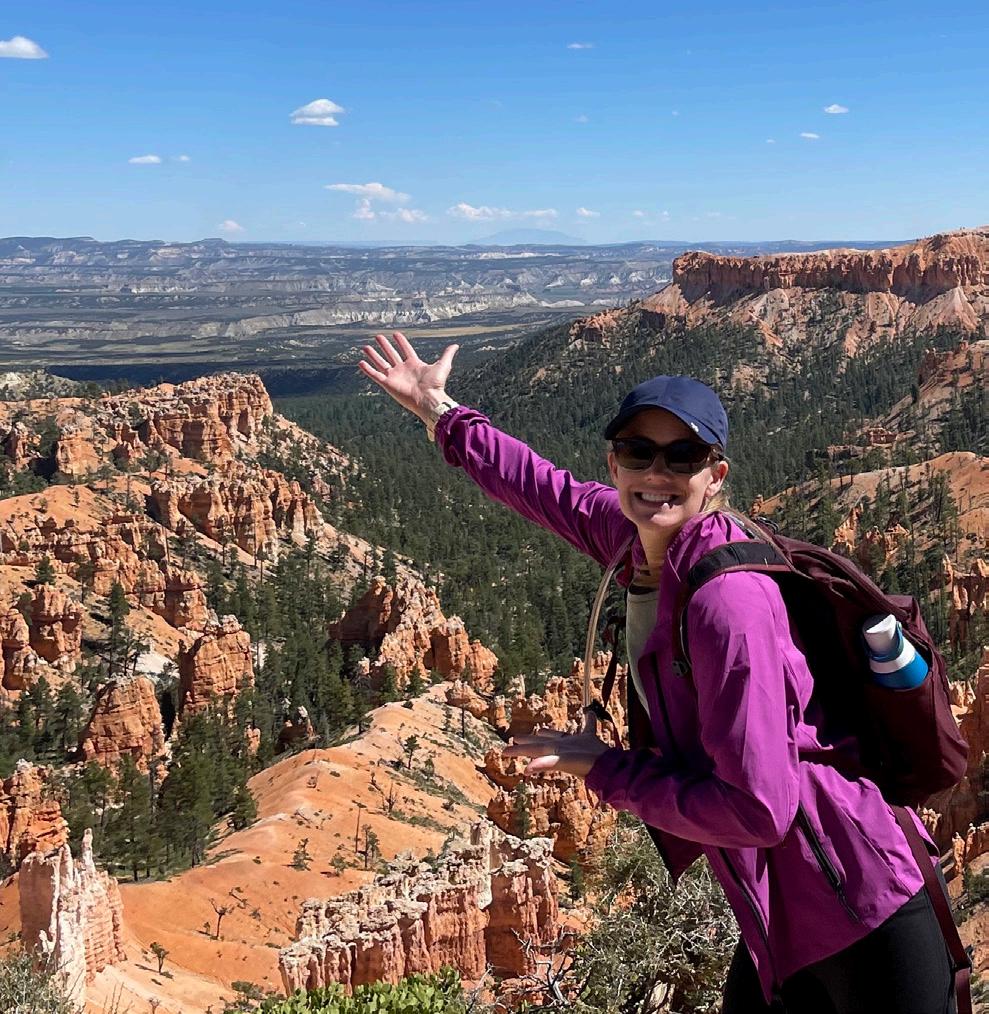


Lupus brings many kinds of challenges - medical, emotional, financial - and sometimes the support you need goes beyond direct help with lupus. If you’re living with lupus, you’re not alone - and you don’t have to go it alone. The Lupus Foundation of Ohio, Greater Ohio Chapter (LFA, GOC) is here to walk alongside you, offering support, guidance and resources that help you manage day-to-day life with lupus. In this issue’s “Patient Navigator Corner,” we’ll spotlight the different types of assistance our Chapter provides, share how you can research additional local agencies for help with housing, food, healthcare, one-time financial assistance, and other needs (or ask me to help research these for you), and direct you to the national financial assistance resources available through the Lupus Foundation of America (LFA).
Our Chapter serves the entire state of Ohio, offering a wide array of programs built by and for people living with lupus. All of these resources are free of charge. Here’s a snapshot of our main services:
• Patient Navigation: When you contact us, we can connect you with me - the Lead Patient Navigator and a registered nurse. I can provide education and answer questions about lupus and your health, explain our chapter’s services, and provide emotional support. I can also help you overcome barriers to care and locate other agencies/or-
ganizations that offer additional resources and help you navigate complex medical systems.
• Support Groups & Community: We host support group meetings across Ohio to help you meet others who understand what it’s like to live with lupus - and to learn from one another. Most of our support groups meet in-person, and a few of them are virtual. All are led by a trained facilitator.
• Educational Resources: Whether you’re newly diagnosed or you’ve been managing lupus for years, our educational resources give you the latest and most accurate information about lupus and how to live with the disease. These resources include:
• New Patient Education Class
• Educational Summits
• Patient and Caregiver Toolkits
• Patient Information Packet
• Monthly Enewsletter
• My Lupus Living Room Podcast
• Living With Lupus Magazine
• Lupus Night Light Blog
• Social Media Posts
• Website
• Video Archive of Past Summits and Educational Programs
• Physician Directory: The LFA, GOC provides a directory of rheumatologists in Ohio who have asked to be included in our physician directory. It is not a referral guide, but it is a listing of physicians who want to be
included in the directory. The LFA, GOC does not endorse physicians or hospitals.
• Food, Financial, Medical and Other Resources: In addition to information about lupus and how to manage the disease, the Patient Toolkit on our website lists resources that are available statewide and those available by county; and it also provides links to national resources: Greater Ohio Chapter Toolkit for Patients (https://bit.ly/49qYAsP). I also have access to Unite Us, a platform that allows us to look up and connect to other agencies and organizations that provide resources and services that we do not offer.
If you decide to look for additional assistance yourself, here are some useful tips to find organizations that provide help with food, housing, rental/mortgage, healthcare, one-time financial grants, and other needs:
1. Start with 2-1-1. (https://211. org/about-us/your-local-211) 211 is a referral line you can dial (or use online) to connect with local human-service agencies. They can help you with food programs, utility assistance, housing or shelter assistance, and more.
2. Search your county or city social services website.
In Ohio, check your county Department of Job & Family Services (or equivalent) for programs like:
• Food pantries/SNAP (Supplemental Nutrition Assistance Program)
• Energy/utility assistance (HEAP or local equivalent)
• Emergency rental/mortgage assistance (especially during times of hardship)
• Housing authority programs or public-housing subsidies
• Use keywords like “[Your County] Ohio rental assistance,” “[Your City] Ohio food pantry,” or “[County] Ohio utility assistance.”
3. Check local nonprofit and faith-based organizations. Many smaller nonprofit organizations or faith communities provide one-time emergency grants for individuals in crisis. When researching, ask:
• Is this grant one-time or recurring?
• What documentation is required (e.g., proof of income, medical bills)?
• How quickly can they deploy aid (days? weeks?).
• Do they partner with social workers or case-managers (which often speeds approval)?
4. Search for healthcare/prescription/treatment assistance. Even if you have insurance, copays, deductibles and travel costs for treatments can strain your resources. Some pharmaceutical companies provide free or discounted medications to people who cannot afford specific medicines. Free and charitable clinics may provide free or reduced cost medical care. Quest Diagnostics and Labcorp have payment options for lab work and may provide testing free of charge. Check with your hospital’s social work department—they may know of local funds specific to your region.
5. Make a tracking sheet. It is useful to keep track of the information you learn as your research organization, so that you’ll be organized and ready (especially if you are in urgent need). Include the following in your list:
• Organization name
• What they assist with (food, housing, utility, medication)
• Contact person / phone / website
• Eligibility criteria
• Documents needed
• Application deadline or turnaround time
6. Follow up.
Many agencies have waitlists or limited funds. After you apply, if you don’t hear back within a week, contact the agency to check status—mentioning you are living with lupus may help underscore urgency.
For all U.S. residents living with lupus, the national LFA website provides an excellent “Financial Assistance Resources” page which aggregates many of the national programs you can access. This page lists resources for:
• Emergency Food Assistance
• General Assistance
• Prescription and Medication Assistance
• Healthcare Assistance (Including Dental)
• Mental Health
• Lab Work
• Durable Medical Equipment (Wheelchairs and Mobility Aids)
• Housing, Rent, Utilities
• Transportation for Healthcare Needs
• Holiday Assistance
• Children
• General (One-Time Emergency Grants)
Important: Access this resource at: Financial Assistance Resources | Lupus Foundation of America (https://bit.ly/49qYAsP). Take time to review it and select the programs most relevant to you. While some programs are lupus-specific, others cover broader chronic/rare disease populations and may still apply.
Living with lupus may involve more than managing flares and medications—it often brings financial stress, access-to-care concerns, and questions about everyday survival. But you do have allies. Our team is here to help you identify local resources, understand financial aid programs, and provide emotional or educational support. Between the national LFA resources and your local Chapter right here in Ohio, you have a network. Our goal is to take some of the burden off of you—so you can focus more on your health, your life, your hope.
If you’re ready, let’s connect. Let’s explore together how we can lighten your load and strengthen your support. The Lupus Foundation of America, Greater Ohio Chapter is here for you every step of the way. Phone: 1 (888) NO-LUPUS or (440) 717-0183
Email: info@lupusgreaterohio.org
Address: 12930 Chippewa Road, Brecksville, OH 44141
Website: www.lupusgreaterohio. org

Wishing you and your families a joyous holiday season and a very happy, healthy, and peaceful New Year!
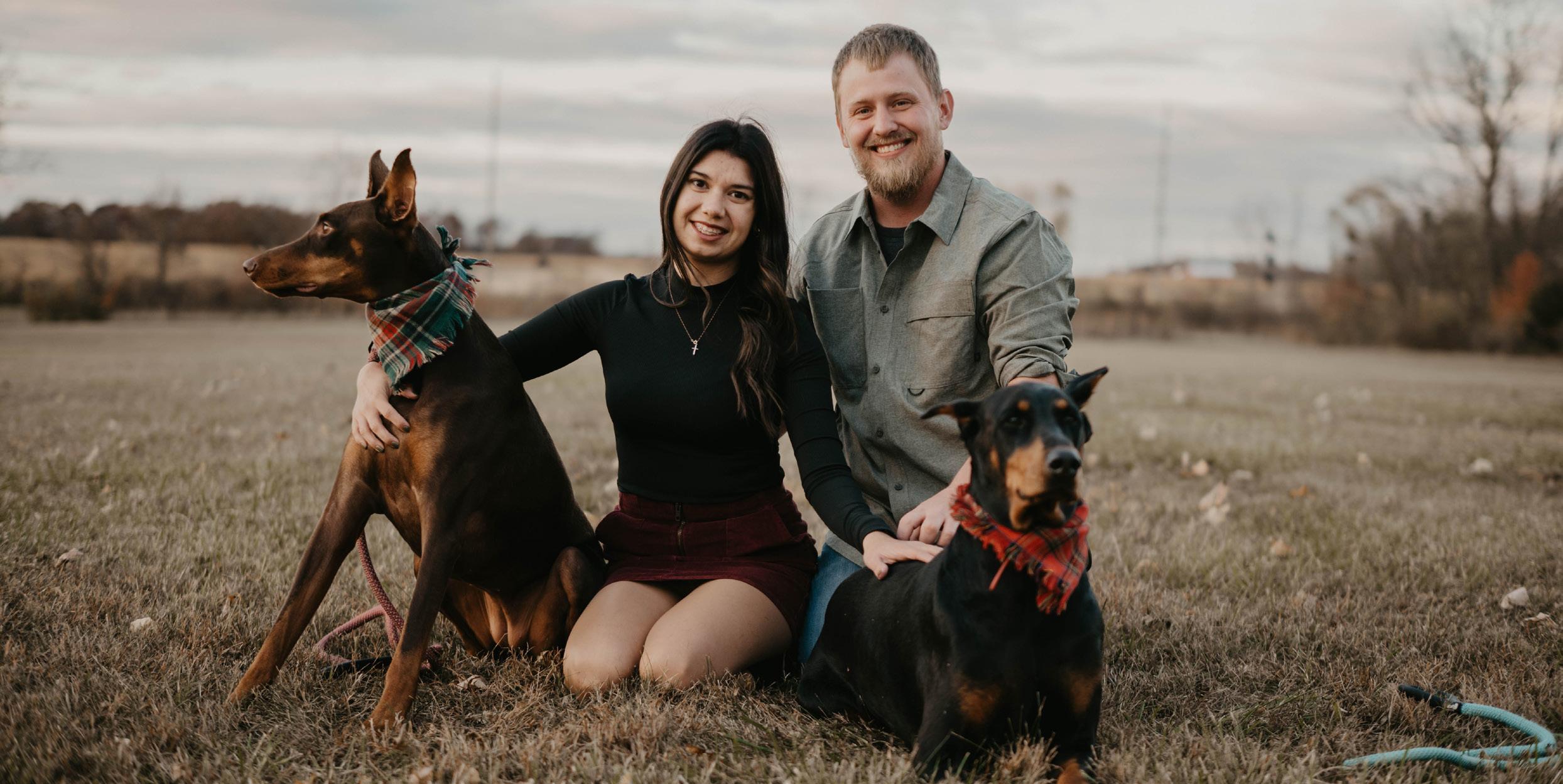
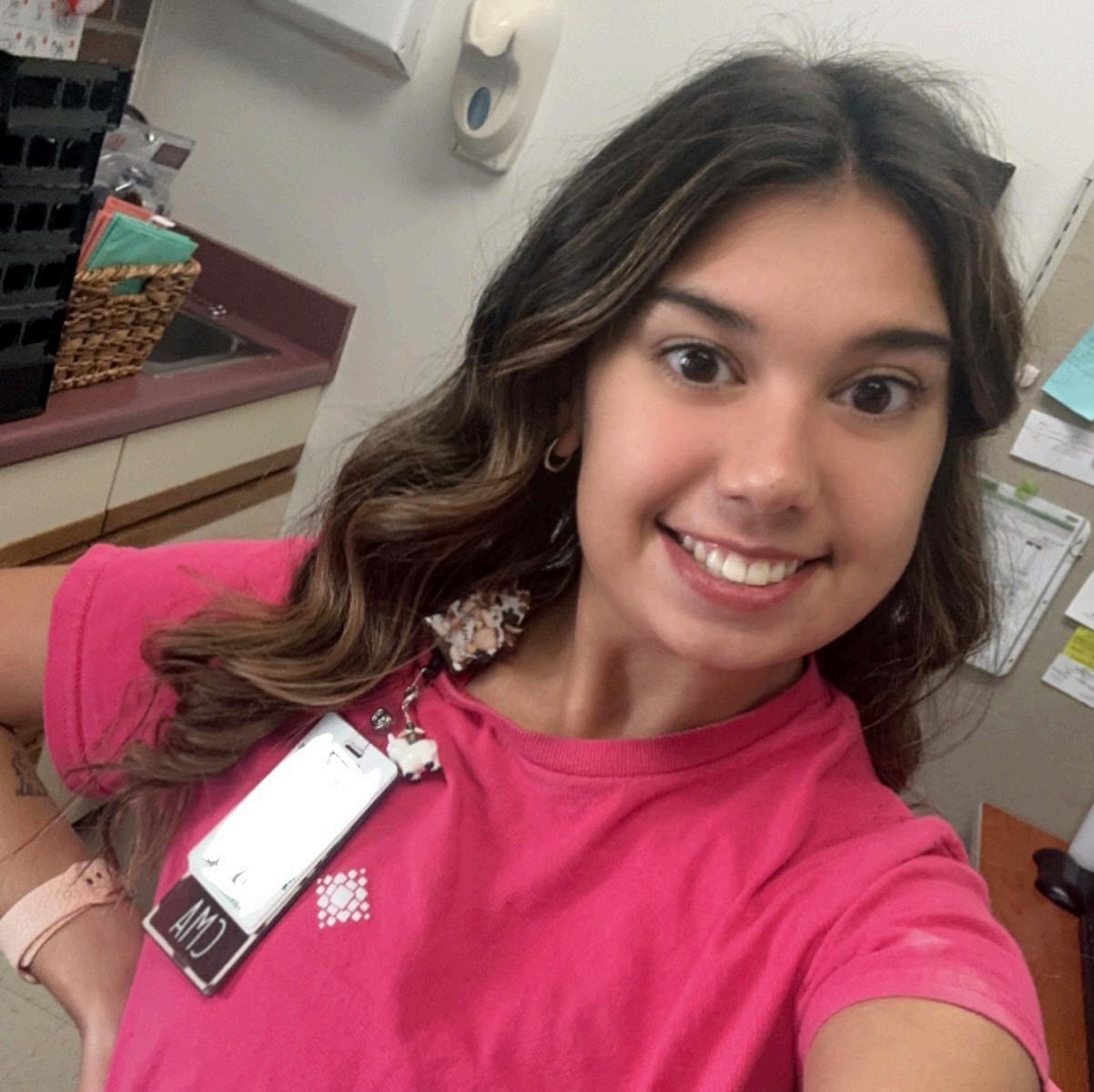
My journey officially began in August of 2021. After graduating college, I started my first job as a certified medical assistant for a pain management provider in Lima, Ohio at St Rita’s Medical Center. Within the office that I worked, a rheumatologist worked there as well. I had a lot of joint issues as a child, and was told numerous times that I more than likely had juvenile arthritis. My mother has rheumatoid arthritis; therefore, I really didn’t think of anything else aside from that.
I had a casual conversation with Dr. Trayton Mains, rheumatologist, about my concerns before making an appointment to see him because I didn’t want to waste his time, nor mine. He quickly looked at my hands and told me to get a referral to see him. Just by looking at the joints on my fingers, he noticed how swollen they were. Previously, I thought that this was a normal part of my fingers, and in hindsight, I couldn’t have been more wrong. I called my primary
care provider and asked to get a referral sent over to be able to see Dr. Mains in a timely manner. Once the referral was received, I was able to be seen fairly quickly.
During my initial visit, I thought I would walk out of the appointment being told what I’ve always
By Brooke Jackson
been told, which is that I had arthritis or possibly rheumatoid arthritis. What I truly didn’t expect was that he had suspicions that I have lupus. It wasn’t what I was expecting to hear, and it caught me off guard. I was scared, confused, worried, and alone. At the time, I was living alone in Lima while a

majority of my family was located back in my hometown, Bryan, Ohio. I was grateful to have my grandma, Susan, to call and talk to every day, although physically being alone was very challenging.
Dr. Mains ordered the specific lab work to confirm his suspicions, and they came back confirming that I do, in fact, have lupus. He started me on Plaquenil right away, although at the time I struggled swallowing pills. I tried taking them for a little while, but I just wasn’t able to do it. Next, I started Methotrexate to help get everything under control. After doing my research, I was scared of the side effects but willing to give it a try.
It ended up making me extremely sick, and I wasn’t able to continue taking the medication anymore. During the trials of various medications that I could take and tolerate well, I ended up getting iritis in my left eye, which resulted in me temporarily losing my vision. I went roughly two months with my left eye being 100/20 and not being able to see anything out of that eye. It took two months to restore my vision and even longer to get my lupus under control. During this time, Dr. Main’s office had a job opening available, and I took it immediately. This was a calling that I didn’t know I needed, and it is truly what sparked my passion for helping other people like me. While working for Dr. Mains and his nurse practitioner, Brittany Leininger, we worked hard to try everything possible to get my lupus under control and my labs back to normal. Nothing was working. I decided to see a gastroenterologist in Lima because I was
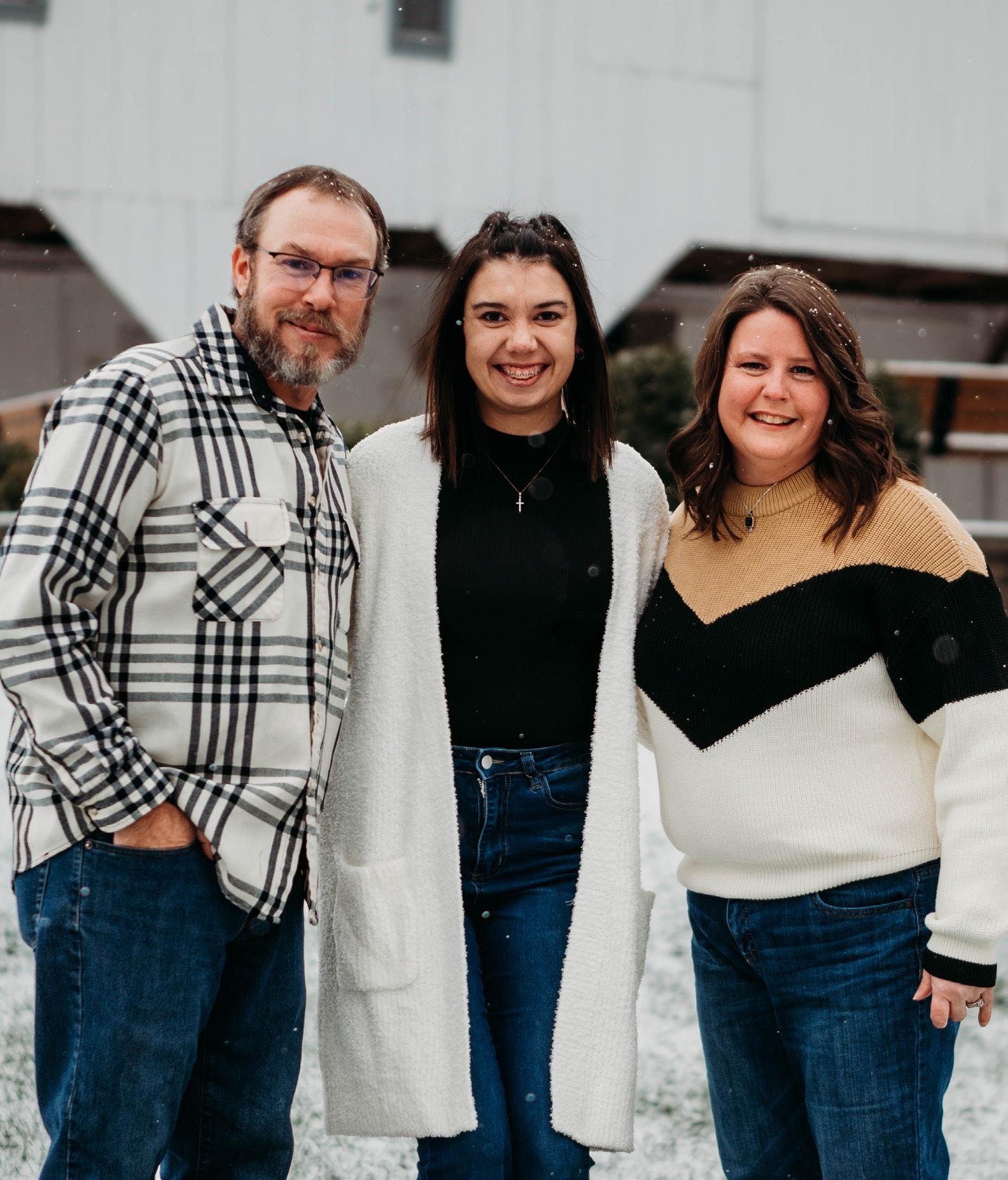
having some stomach issues, but the provider I saw wasn’t listening to my concerns. I am a big believer in patient advocacy, and I will always advocate for myself, my family, friends, individuals like myself, and my patients.
In 2023, I met an amazing man from my hometown who I am now lucky to call my boyfriend of two and a half years. This ultimately meant that it was time for me to move home. Although I wasn’t excited to leave my wonderful job and amazing providers, I knew this was the next step in my life bringing me home close to my family. Since moving home, I was able to get into a new gastroenterologist and express my concerns with them. Without any questions
“I am a big believer in patient advocacy, and I will always advocate for myself, my family, friends, individuals like myself, and my patients.”
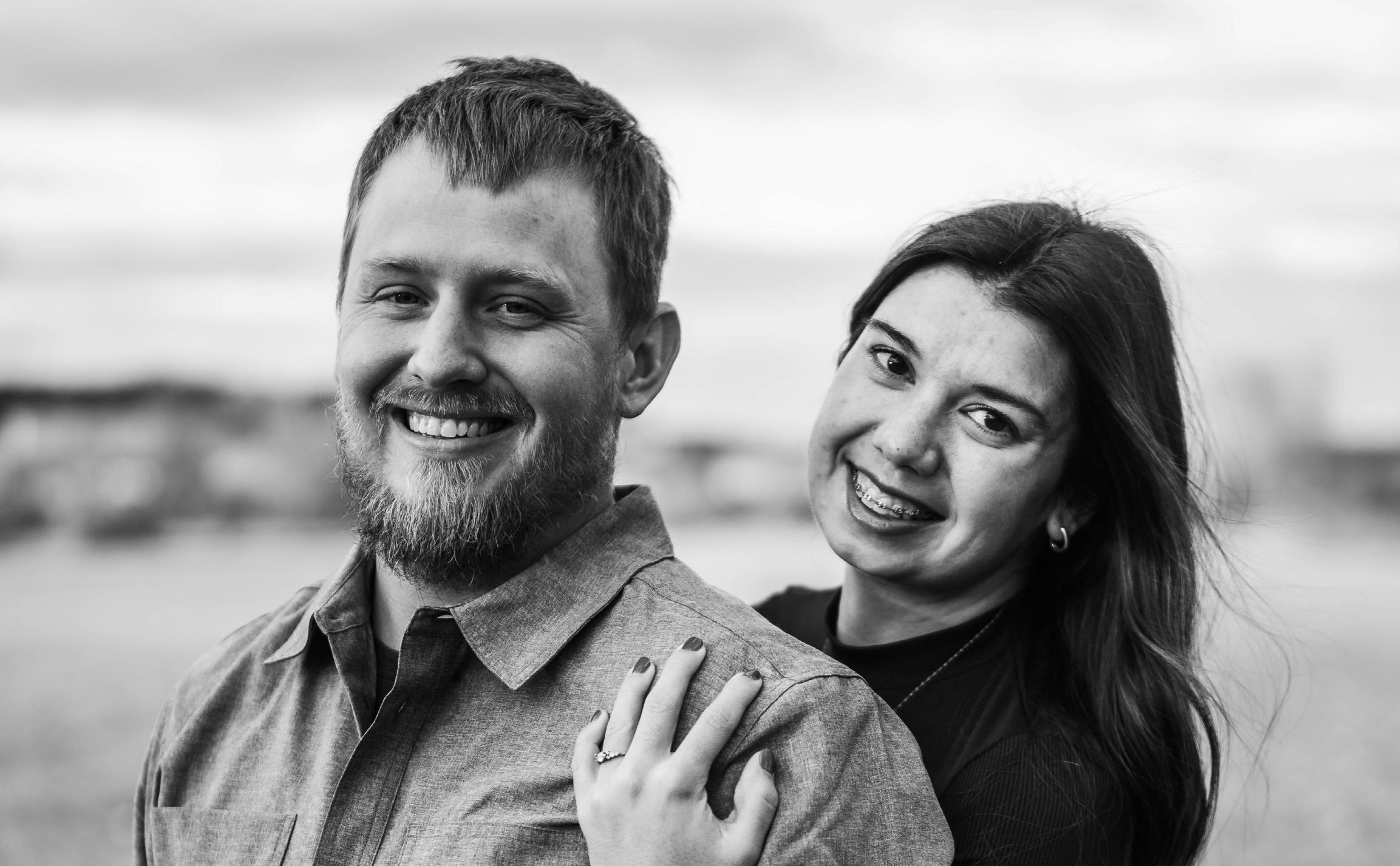
or hesitation, they knew I needed to have a colonoscopy right away because they suspected that I also had Crohn’s disease. I am grateful to Dr.Cooley and his team at Parkview Bryan Hospital for getting me in quickly to get a colonoscopy confirming my diagnosis of Crohn’s.
Dr. Cooley has been nothing but amazing working side by side with Dr. Mains and making sure that the treatment course that I am on is what works best for my lupus and Crohn’s. Since my diagnosis with Crohn’s in March of 2024, we have gotten me on the right course of medications for both my lupus and Crohn’s, and I can officially say that I haven’t had many, if any, flareups. Turns out, we couldn’t get my lupus under control because it was really my Crohn’s that was causing my flare-ups.
I truly don’t think that I would be where I am today without having my amazing care team; Brittany Leininger, NP, Dr. Trayton Mains,
DO and Dr. David Cooley, MD; my grandparents, Susan and Jim Jackson; my mother, Crystal Blackledge; my dad and stepmother, James and Dana Jackson; my boyfriend, Keith Hulbert; and all my
amazing friends. Each and every day is a challenge, mentally and physically, but the motto I live by is “Once I stop, I’ll never get going again,” and that is what keeps me going every single day.
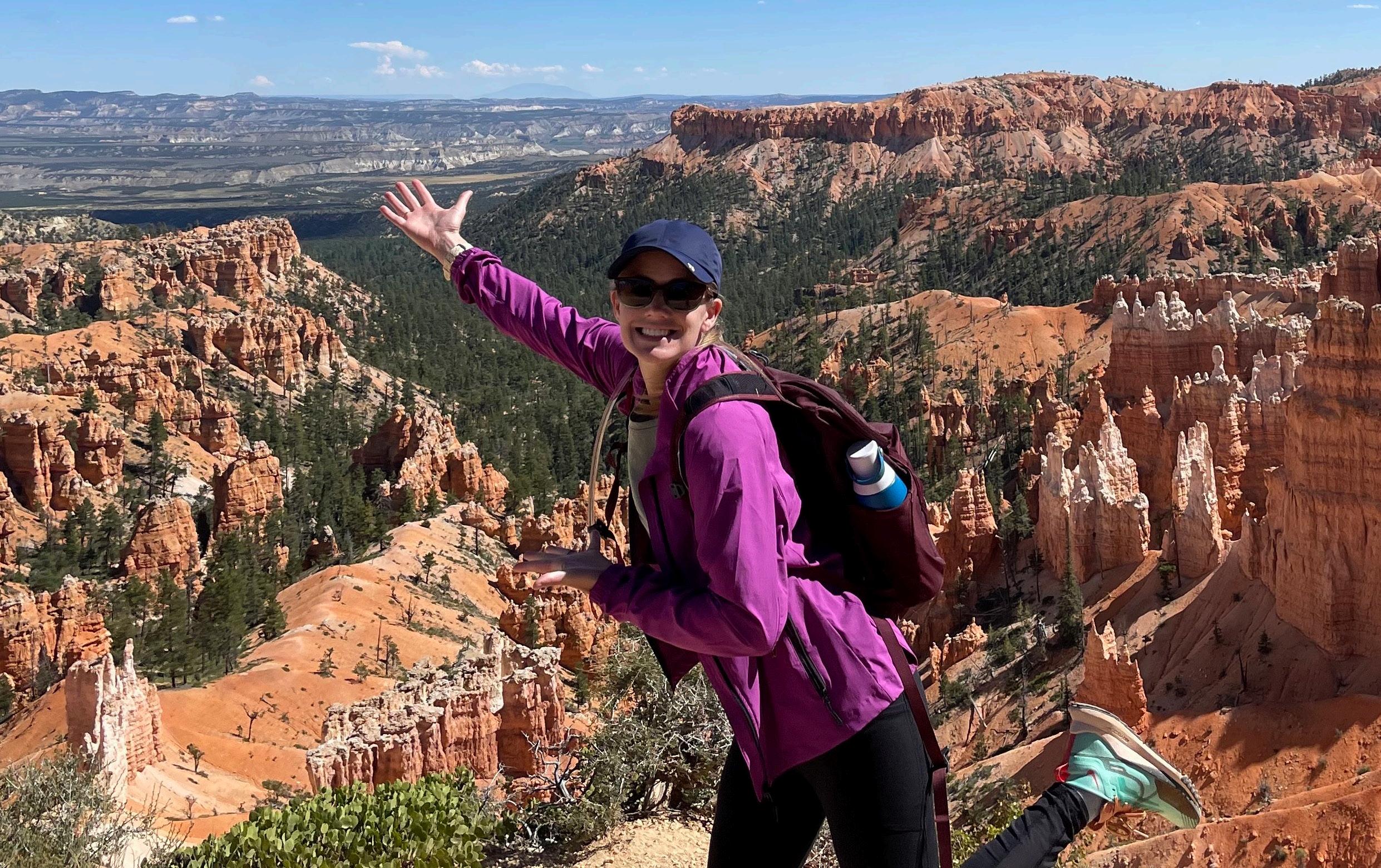
I have been living with lupus for over 15 years. My symptoms first started when I was in college, and I had no idea what lupus was or how I was going to manage it.
Given the lesions I had all over my body, I was desperate to find answers. Luckily, it did not take a long time to get a diagnosis, and I know this is usually not the case for most patients. For a while my medicine was working well, and I did not have a lot of signs and symptoms.
At that time, I was still learning about the disease so I didn’t know all the signs and symptoms I should be aware of, where I received most of my information through my doctors. I didn’t know anyone else who had lupus, so I
By Lisa Bordner
felt a little lost not having anyone else I could relate to. After I finished my undergraduate studies, one of the best resources I came across was the LFA-Greater Ohio Chapter. I’m so grateful for this community and all the resources, research, and events they provide to help not only lupus patients but family members and caregivers. Connecting with other lupus patients has been valuable to me so we can learn from each other. It’s a variety of emotions when you talk to other lupus patients who have similar experiences and feelings like me.
Every day my lupus can look different for me, but I have learned over the years to identify my stress triggers and when I need
to slow down, before I potentially overwork myself into a flare. It’s important to take care of myself and listen to my body before I start feeling depleted; it’s usually a downhill effect after that. Some days I feel tired, and it is a challenge to push myself to move my body; but ultimately, I know my fuel is to live as healthy as possible (and knowing when I need to slow down a bit). Sometimes when life feels extra busy and I am not as diligent about exercising or staying active, my body will start to feel weighed down. In addition, if I find myself not sleeping or eating as well, that becomes problematic for my body and can prompt a flare. I also have Raynaud’s disease, and I feel this the most when my stress levels are high.
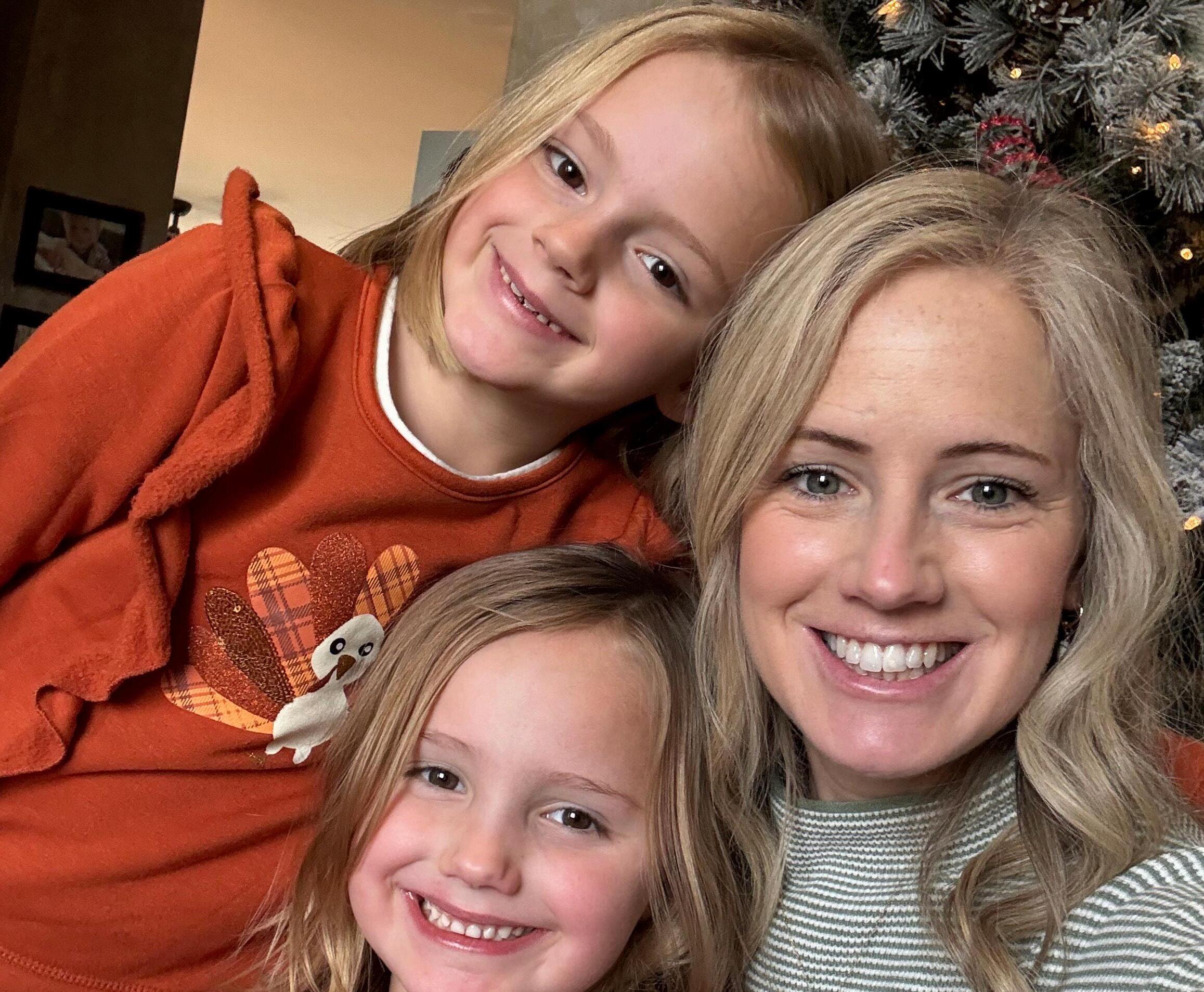
I do everything I can to control my lupus so I can be present with all the amazing experiences and blessings life brings us. Being a mom of two, I know I need to do everything I can to stay healthy and be my best, in order to give my best to my daughters. My greatest joy is being present with them and keeping up with their active schedules. They inspire me to stay strong and take care of myself. I feel so much joy for each of the “good lupus days” where I can be the best version of myself.
Joy is waking up every day and getting to fulfill a busy day without limitations (within reason). Joy is
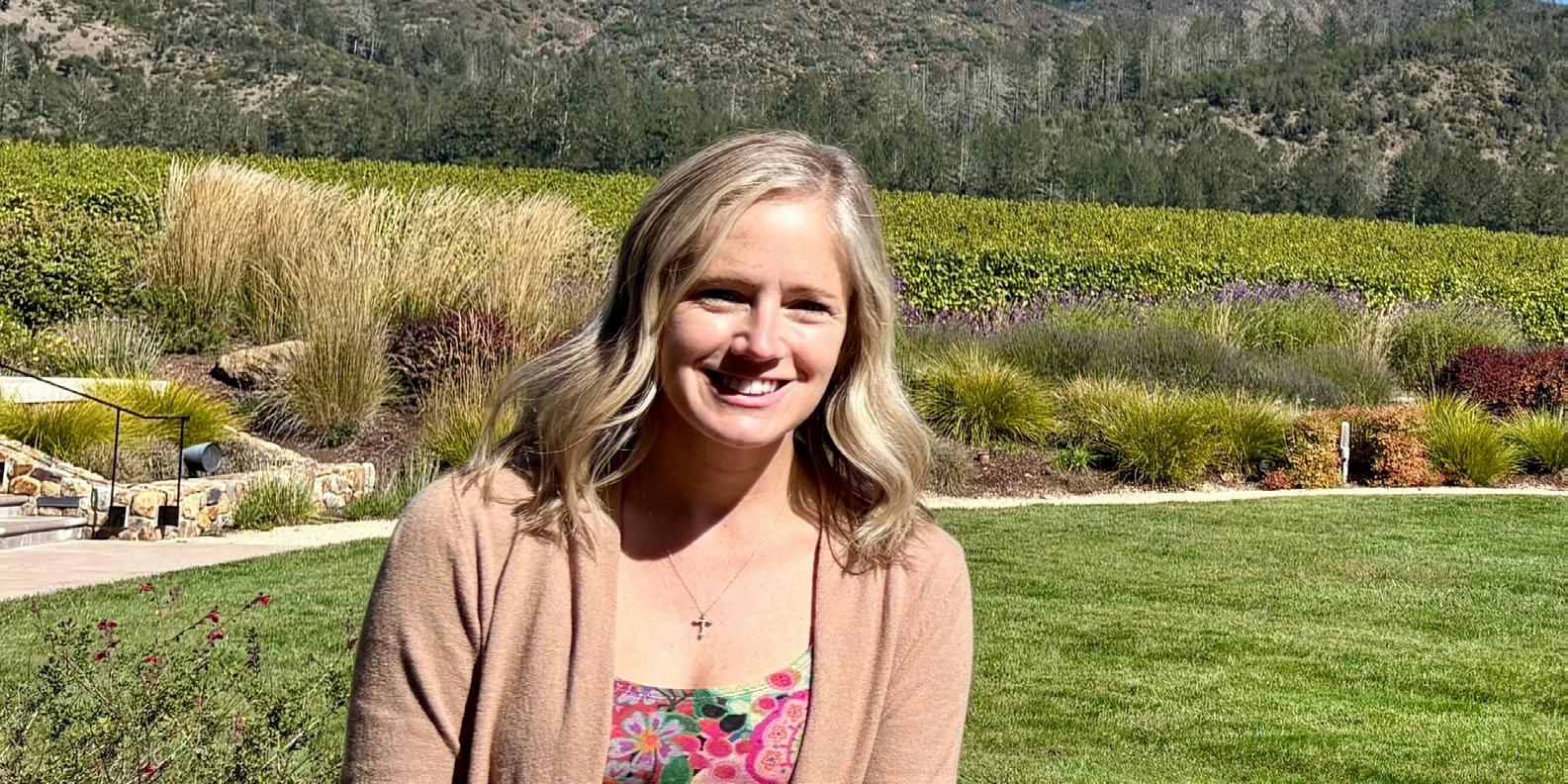
being surrounded by the people you love. Joy is having happiness with what you are given. Joy is participating in your favorite activities to reduce stress. Joy is watching people laugh and find peace. Joy is feeling love and kindness. I feel so grateful when I can travel with
my husband and kids, do anything active outdoors, and do various forms of art. With each holiday season, I want to focus on being present with my friends and family along with getting involved in mission partnerships at my church and through the community.

Inside Lupus Research (ILR): Treatment News (Lupus Foundation of America)
New results from a study of a drug called Gazyva (obinutuzumab) showed that it significantly reduced disease activity in adults with systemic lupus erythematosus (SLE). The drug was developed by Genentech and is sold under the brand names Gazyva® and Gazyvaro®
The purpose of this Phase III study known as ALLEGORY was to learn whether Gazyva was safe and could work in reducing SLE disease activity if taken along with people’s current medications (called standard of care therapy). People who participated in the study had
active, autoantibody-positive SLE.
Some participants in the study received Gazyva along with their regular lupus medications while others received their regular medications plus a placebo (a lookalike substance without the medicine). Neither the study participants or the doctors knew who received which therapy until the end of the study.
Participants in the study who received Gazyva had greater improvements in controlling their SLE compared to standard of care therapy by itself. The study successfully achieved its main goal, which was that more participants had at least a four-point improvement in the SLE Responder Index 4 (SRI-4) after one year (52 weeks)
with Gazyva compared to those receiving standard of care therapy + placebo. Gazyva may also delay or prevent further organ damage in people with SLE.
Gazyva recently received FDA approval for the treatment of lupus nephritis (LN) in adults. If approved for SLE, it would be the first anti-CD20 therapy specifically designed to target B cells, an underlying driver of the disease. Learn more about SLE.
This post was originally published on this site: https://bit.ly/4i0mwp1
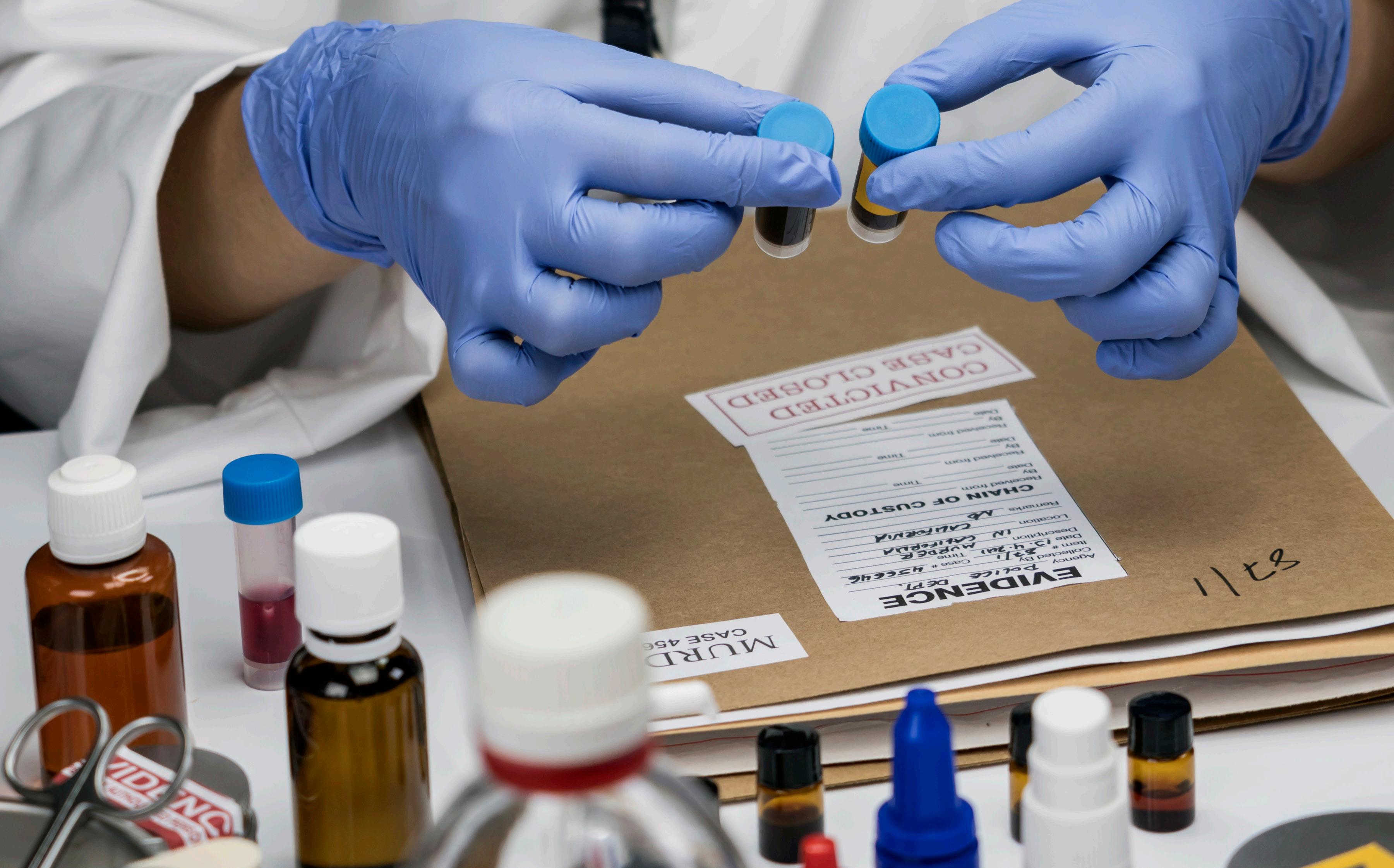
FDA approval of Gazyva expands therapeutic options for lupus care.
The U.S. Food and Drug Administration (FDA) has approved Gazyva® (obinutuzumab), developed by Genentech, as a treatment for adults with lupus nephritis (LN), also known as lupus-related kidney disease. Gazyva is a type II humanized anti-CD20 monoclonal antibody that works by targeting and eliminating certain B cells, which are believed to promote inflammation which causes kidney damage in LN. LN occurs in up to 60% of people with lupus and can lead to permanent kidney damage and even kidney failure if not effectively treated.
“Every new treatment that improves outcomes for people living with lupus nephritis is a tremendous victory,” said Louise Vetter, President & CEO, Lupus Foundation of America. “The FDA’s approval of Gazyva to treat lupus nephritis is an exciting milestone that illustrates medical advances in treatment options for those living with this debilitating, chronic condition.”
The approval is based on positive results of the Phase II NOBILITY and Phase III REGENCY trials. In the REGENCY trial, nearly half (46.4%) of those treated with Gazyva in addition to standard therapy (mycophenolate mofetil and glucocorticoids) achieved a complete renal response, meaning their kidney
function returned to normal with little to no protein in the urine, compared to individuals who received standard therapy alone. This represents a statistically significant and clinically meaningful improvement in kidney outcomes for people affected by lupus nephritis, because restoring normal kidney function and reducing protein in the urine can prevent long-term kidney damage and reduce the risk of kidney failure.
Gazyva is the only anti-CD20 monoclonal antibody to demonstrate a complete renal response benefit in lupus nephritis in a randomized Phase III study. For eligible patients living with lupus nephritis, Gazyva can be administered twice yearly following four initial doses in the first year.
“There has been significant progress in lupus treatment over the last several years, specifically for lupus nephritis. Today’s FDA approval of Gazyva provides another important option to help manage and mitigate one of the most severe complications of lupus,” shared Susan Manzi, MD, MPH, Lupus Foundation of America Board member, and Medical Director and Chair, Allegheny Health Network Medicine Institute and Director, Lupus Center of Excellence. “This new treatment option wouldn’t be possible without the people living with lupus who recognized the importance of their participation in clinical trials, a necessary step in drug development.”
People living with LN are at risk of experiencing serious kidney complications, like kidney failure, and may require dialysis, a machine that cleans the blood, or a kidney transplant. While recent years have brought important progress in the development of lupus nephritis treatments, with therapies such as belimumab and voclosporin, many living with lupus still do not achieve complete remission of their disease. The approval of Gazyva provides another option, though experts stress the continued need for additional innovation as only 4 out of 10 people living with LN, on average, respond to these therapies and a significant proportion experience cycles of disease flares and remission.
The Lupus Foundation of America has played a pivotal role in advancing this new treatment for people living with LN by educating the lupus community and connecting them with information about clinical trials of Gazyva through our Center for Clinical Trials Education program, while also raising awareness of the urgent need for new treatment options, and advocating before Congress to expand research and improve access to quality care and life-saving medications.
Learn more about the FDA’s approval of Gazyva on Genentech’s website.
This post was originally published on this site: http://bit.ly/47okJ8u

Inside Lupus Research (ILR): Disease Management News (Lupus Foundation of America)
A new study has found that women with systemic lupus erythematosus who have problems with memory and thinking (mild cognitive impairment, or MCI) exhibit morphological brain changes, which may serve as potential biomarkers for early detection and monitoring. SLE disproportionately affects women and is frequently associated with cognitive impairment (CI), and research has shown that CI in women with lupus may be directly linked with grey matter damage – the brain tissue that is primarily responsible for processing information and controlling muscle movement within the central nervous system.
In the study, the differences in
brain morphology were examined among three groups: women with SLE and MCI, women with SLE without MCI, and healthy controls. Using advanced MRI imaging techniques, researchers analyzed grey matter volume (GMV), cortical thickness (CT), and features of brain surface structure such as fractal dimension (FD), gyration index (GI), and sulcus depth. They found that women with SLE and MCI had a significant reduction in FD of the left lateral orbitofrontal gyrus compared to the women with SLE without MCI. When compared to healthy women, both lupus groups showed reduced GMV in the medial of right superior frontal gyrus, as well as a thinning of CT in the left paracentral and postcentral gyrus and the right pars triangularis gyrus and superior frontal gyrus. Only the women with SLE and MCI group
showed increased GI in the left inferior temporal gyrus. Scores on the Mini-Mental State Examination (MMSE) were positively linked with GMV in the right superior frontal gyrus and FD in the left orbitofrontal region across all lupus participants, although no significant correlations were observed within the MCI subgroup alone.
Brain measurement changes could be used in regular cognitive check-ups for women with SLE, offering early markers of potential decline. The study highlights the significance of advanced imaging tools in the management of lupus and cognitive decline. Learn more about how lupus affects the nervous system.
This post was originally published on this site: http://bit.ly/4oTHkB5

By Josh Bordner, CNP

Maybe that’s because so much of our work happens in moments filled with pain, fear, uncertainty, and exhaustion. We walk into rooms where people are facing some of the worst days of their lives, and we’re expected to be steady enough—strong enough— to guide them through it. We’re trusted with their stories, their bodies, and often their hope.
And yet... in the middle of all that heaviness, there is joy. A quiet, steady kind of joy that keeps you going when the days are long and the burdens feel heavy.
I don’t live with a chronic illness, but I care for people who do, every single day. And I know—truly know—how hard it can be to hear from someone who isn’t living your struggle what’s “wrong” with you. It’s a strange dynamic: me, healthy, telling someone who isn’t how to manage something they never asked for.
But this is where joy finds me. This is where I remember why I do this.
To me, joy isn’t loud. It’s not dramatic.
It shows up in small moments:
• in providing clarity when someone is scared and confused,
• in offering reassurance when a patient feels overwhelmed,
• in making someone laugh when they thought they couldn’t,
• in seeing a smile return after days of worry.
Joy is in those quiet, honest connections that remind both of us that healthcare is human before it is anything else.
I go out of my way to build relationships with my patients—not because it’s required, but because it matters. When someone trusts you, when they feel seen and safe, they open up. They tell you what’s really going on, what they’re afraid of, what hurts. And you can’t treat what you never hear.
Watching that trust grow, watching a patient soften or breathe easier, brings its own kind of joy—gentle, but powerful. And then there are the moments when they start to get better, when their family comes back into the room with relieved faces, when you realize you
had a hand in helping them return to their life. That is the kind of joy that stays with you.
Joy can be shared—passed from provider to patient and back again. But only if we can hold onto it ourselves. We have to remember that the people we care for are not just charts or diagnoses. They are someone’s parent, someone’s partner, someone’s entire world. And they deserve to be treated with the same tenderness we would want for our own families.
No one with a chronic illness chose it. It affects every corner of their life—work, relationships, identity, stability. And yet I have seen people living with chronic disease who fight, adapt, persevere, and still carve out beautiful, meaningful lives. I have watched them laugh, love, grow, and thrive in ways that inspire me.
That—that—is what real joy looks like. And being even a small part of that journey is a privilege I don’t take lightly.


Dear Friend,
As the holiday season approaches, many of us gather with loved ones to celebrate warmth, joy, and hope. But for thousands of Ohioans living with lupus, the season can be a reminder of daily battles with pain, fatigue, and uncertainty.
Patients know that managing a complex condition like lupus can’t be covered in a 15-minute doctor’s visit. When the appointment ends, they need reliable resources and continuous help that lasts far beyond the exam room. This is when the Lupus Foundation of America, Greater Ohio Chapter (LFA, GOC) steps in. We are a patient’s unwavering support system for the other 23 hours and 45 minutes of every day.
The LFA, GOC takes pride in being the leading experts on lupus in Ohio. Unfortunately, the state legislature recently eliminated our funding from the budget after years of support. With potential federal cuts also looming our operations are in severe crisis. We provide vital education, resources, and emotional connections that empower individuals to take control of their health, find accurate information, and know they are never alone on their journey.
Latasha Adams knows this struggle well. Diagnosed at just 20, lupus turned her world upside down, bringing pain, medications, and countless doctor visits. Yet, through the Lupus Foundation of America, Greater Ohio Chapter, she found a lifeline. Because of supporters like you, Latasha received education, assistance, and found a community that understood her challenges.
When the 15 minutes are up, patients still need answers. Thanks to you, we’re there for the other 23:45 minutes of the day. Please, help patients like Latasha by making your year-end, tax-deductible donation today to ensure they have the resources they need to face tomorrow with strength. Join us in making a profound difference!
With deep gratitude and holiday cheer,
Suzanne Tierney Lupus Patient, President & CEO Lupus Foundation of America, Greater Ohio Chapter



“One of the greatest blessings in my lupus journey has been discovering the Lupus Foundation of America, Greater Ohio Chapter. This organization has been a lifeline in ways I never expected. They’ve recognized my contributions to the lupus community, introduced me to support groups, and regularly check on my family’s wellbeing. When I’ve needed resources — they’ve been there.”

SCAN


Helps provide an hour of phone support for patients and caregivers because no one should be on this life-changing journey alone.
Helps provide an hour of New Patient Education classes. Lupus is hard to understand and navigation and support is essential to living longer and better with lupus.
Fuels statewide advocacy and education programs. Elected officials help move the funding needle federally and statewide.
Supports research for a cure, connects patients to vital resources. It also helps us work towards removing barriers to care by funding transportation, medical, and food assistance which our legislators removed from the state budget
SCAN AND GIVE TODAY!
This holiday season, you can fuel the spirit of resilience for the over 60,000 Ohioans living with lupus. Your year-end gift is a crucial lifeline that ensures our essential programs of education, resources, and support - continue long after the doctor’s visit is over. Your donation covers the critical support that happens during the remaining 23 hours and 45 minutes of every day.

By Leticia Ocaña
This blog post and the lupus resources found on the National Resource Center on Lupus are, in part, supported by the Centers for Disease Control and Prevention under Cooperative Agreement Number NU58 DP006139. The contents are solely the responsibility of the developers. Points of view or opinions do not, therefore, necessarily represent official views of the Centers for Disease Control and Prevention or the Department of Health and Human Services.This blog post is for educational and informational purposes only. Consult with your doctor/ health care team for medical advice.
Leelo en español aquí. https://bit. ly/43LnEaq
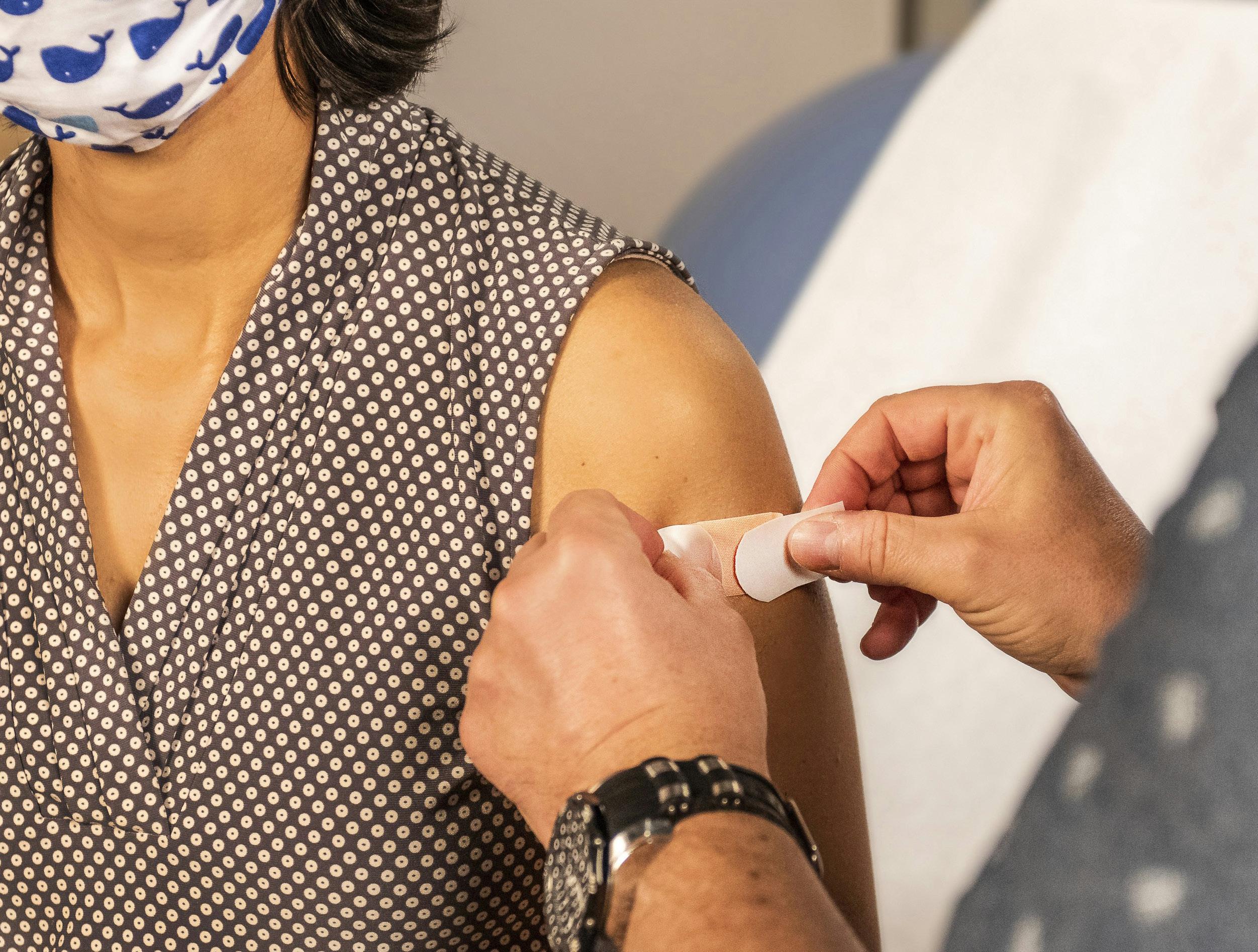
In the U.S., flu and COVID season runs from October through March and sometimes a bit longer. Although you can catch the flu or COVID anytime of the year, you are more likely to get sick during the fall and winter months. More people meet indoors, school is back in session, and people travel for the holidays, which increases the risk that you will be exposed to viruses.
The American College of Rheumatology recommends that people
with lupus who are not allergic to the vaccine get the flu and COVID shots every year—regardless of your disease activity, medications or age. For people who are on immunosuppressive medications, which includes steroids, it’s important to talk to your doctor about the timing of getting vaccinated. You may need to delay either the vaccine or your treatment in order to get the most benefit from receiving the vaccine.
The good news is that you can get the shots at the same time. Usually, the only side effects will be a sore
arm and fatigue, so make sure to plan some time to rest afterward. There is a small risk of the vaccine causing a lupus flare, but the risk of the flu or COVID causing a flare is much higher.
It can be frustrating to have to get the shots every year—most of us don’t like needles! But the flu and COVID viruses change every year, so the shot that you got last year probably won’t provide much protection. And people with lupus are at higher risk than those without lupus of getting both the flu and COVID and of having serious illness.
It’s also a good idea to ask the people that you live with or are often in close contact with to get the shots as well. This provides protection for them and you.
Getting the flu and COVID shots are the most important way to protect your health from those viruses, but they aren’t perfect. People who get the shots can still get flu and COVID, but the disease will be milder in those who have been vaccinated.
This means that it’s still important to take other steps to protect yourself. Remember to wash your hands or use hand sanitizer if you have been out in public touching doorknobs, railings, handles and other hard surfaces. If you are going to be in crowded spaces, consider wearing a mask. And you should always feel free to avoid shaking hands or hugging if you don’t feel comfortable. Just let people know that you want to spread love, not germs!
The flu and COVID can be serious and even life threatening for anyone, but especially for people with lupus. There have been some changes for getting the COVID vaccine this year, but the vaccine is available and in most cases your insurance will cover it and you should be able to get it at your local pharmacy without a prescription. However, some states may have different rules so work with your health care team to make a plan to get vaccinated, and give yourself some peace of mind this winter knowing that you are protecting your health.
This post was originally published on this site: http://bit.ly/4quCbRy

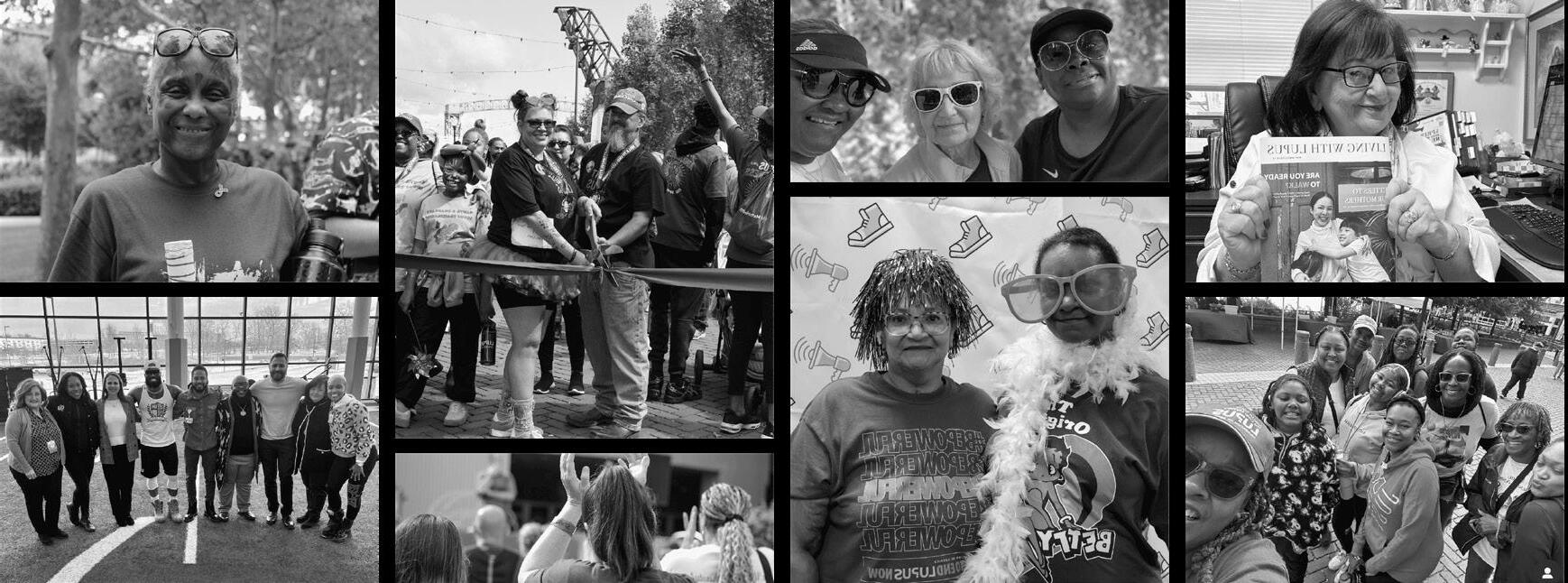
I get joy from music, and family, and friends.
- Melissa Kent


Joy for me is being surrounded with amazing people.
That may seem small to some people, but not everybody has good people in their life.
The most pure joy I have in my life is watching the people I love and care about, who have shown up for me when I needed them, walk through this life and be the best version of themselves. There is no better feeling of joy than seeing someone who deserved more than what life gave them in the past win at what they want to do in life and who they want to be. Joy is having a sense of community. People who understand what you’re going through because they’ve walked a similar path. Even people who haven’t - who still show up and make your battles in life their own.


The LFA,GOC is an amazing community that gives me so much joy!
- Rosie Chapman



Jesus
- Nicole Bernat








What brings me JOY... being a LUPUS WARRIOR HELPING OTHERS WITH LUPUS - Rachelle Roy









As the holiday season approaches, my heart fills with joy thinking about spending time with family and friends. I love reminiscing about our favorite traditions and the special moments we’ve shared through the years. It’s those memories and the laughter that remind me of what truly matters - love, connection, and gratitude.


- Aletha Acree




The presence of God. - Angelica Mis

Being able to help someone whenever I’m not in pain.
- Nada Bohl Chaffee




What brings me joy is creating - when I’m drawing or painting, I feel free, calm, and completely myself. Art lets me express things that words sometimes can’t. My joy also comes from the people I love most - my family, and the friends who’ve become family. They support me, lift me up, and remind me how much love there is in my life. Another deep source of joy for me is raising money for the Lupus Foundation, GOC. Knowing that I can help others, bring awareness, and contribute to something that truly matters gives me a sense of purpose. It fills my heart to know that even small actions can make a difference. Joy, to me, is found in creativity, love, and compassion - in doing what I love and sharing it with the people and causes that mean the most to me.


My three daughters bring me endless joy!


My children. - Kael Isaac Malabanan




Joy to me is being around people I love and feeling comfort from all of them.


- Chris Milazzo




- Kelly Perhach



- Carrie Teran Crawford


The oldest of the three is having my first grandchild in the beginning of 2026! I will be overjoyed being a grandparent and have really looked forward to this period of my life!











Hanging out with family.
- Jeanne Evans


My family brings me joy.









My kids and grand kids bring me great incredible joy.
- Stephanie Rhodes

I call Bingo 3 days a week at a nursing home. Some days I don’t feel like going, but I’m not going to let the residents down. I’ve been doing this for 7 years.
- Kathy Fitzgerald





- Katie Gugle




- Lisa Perry




- Tina Zarut Music.



My family and friends! My mother is by helping others we help ourselves. I always feel better when I can help someone. It makes me feel good for the rest of the day. When it comes to my lupus, I’ve had it for forty some years. I enjoy helping the newly diagnosed. In the beginning you are overwhelmed by what’s going on. Taking the time to explain things so they understand makes me feel good!


What brings me joy is staying as strong as I have been to deal with my lupus.
- Lillian J Newbern























I find joy in the days that I am able to enjoy my crafts box, sewing, knitting, and crocheting.
- Brenda Greene


Even though I struggle daily with this awful disease and despise it, my family and God give me the most joy I have ever experienced. Knowing I have a very amazing fiance who supports us, also having two amazing boys that I have raised into wonderful young men, I couldn’t ask for better. The Good Lord has gotten me through some difficult times and has blessed me with an amazing family. This is what brings me joy everyday. The reason I keep fighting.








- Melissa Foggin





Helping others get through this disease day by day by making them laugh in my Lupus group “In The Ring With Lupus.”




- Kat Anderson










What brings me joy is my grandson who has had to get used to my new reality without him I would be lost.
- Deb Marree



God brings me JOY when he wakes me up for another day in his beautiful world!



What brings me joy daily is being supported and loved by my husband. His hugs can comfort me in a magical way.
- Manda


First, that God loves me and that I have the love and support of my family. I am so blessed!



-







What brings me joy are the days that I am feeling no pain, no fatigue, and the ability to do work in the house. And, when my grandson is visiting us.
- Marilyn Baartman






- Sharon Moss













I joined a Facebook group called 719 Kindness rock. We paint rocks and leave them around Colorado Springs. When people find them they can keep it or move it to a new location. It is really simple, it doesn’t take much energy, and it’s something that I can do or not do. It’s fun to see people find my rocks! - Brandilyn Ingle Corntassel








My family. Making cups, my cats. Waking up every day. I am blessed even with the pain and fatigue.

- Jennifer Oster






My dogs bring me joy and reason to smile everyday.
- Elena Sartori





















- Tawana Marshall




The things that bring me joy, though I’m battling this illness, are my son, his happiness, and my family. I love spending time with them and my church family. I love to eat nice things, and have a hearty laugh. I find pleasure in praying and talking to the Heavenly Father.




My joy is music and of course singing.
- Cleo Kemu

in the woods and feeling the energy
- Jane





In spite of all the things I have to deal with, I find joy in uplifting others.
- FoShow Cummings



















This little one brings me so much joy, and is by my side through the good days and the bad days.
- LaTonya Brunner






















My joy comes from music, dancing, family, and the love of God.
- Norma Staley




If you would like to share your story, or have a topic you think would benefit lupus patients, contact our show’s producer Alex by email: Alex@lupusgreaterohio.org
Check out our channel: @lupusgreateroh
Latasha has been living with lupus for the last 25 years. As a Chef by trade, often working 10-12 hours per day, she has her good days and bad. Latasha shares how her unbreakable spirit and can-do mindset has allowed her to weather every storm and persevere!
Our blog, Lupus Night Light, is a place where we share stories and practical advice from patients that they have learned along their lupus journeys. You will find stories of triumph, hardship, and everything in between. It is meant to be a cathartic journey for both the contributors and readers alike.


We honor those who are gone, but not forgotten . . . .
Madison Parker
Kathryn Peters
Diane Diulus
Diane Dektas
Michele O’Rourke
Teresa Casey
Jason Graves
Calista Botta
Victor Ceja
Victoria Purnell
Mary Jo Gaudio
Andrea Mchugh
Linda Earhart
Betty Fenton
William Tierney, Jr.

Gina Bierman
William Tierney, III
Doug & Kathleen Holmes
Carole Kopnicky
Neva Pawlikowski
Jacqueline Sopko-Crolius
Elizabeth M. West
Jerome Wiedmann
William Ledger
Stanley Ballou, MD
Roger Evans
Rochelle Truskolaski
Maurice L. Fabbro, Sr.
Fran Fisher
Lou Freiberg
Marcy Horvitz
Dotty Kaufman
David Mandel, MD
Gerald Molitoris
William Omahen
Raymond Sarria
Helen Talarico
Joyce Truse
Jeffrey J. Wisnieski, MD
Carol Hoffman Vicario
Janice Hlavaty
Donald Calkins
Virgil & Beverly Humphreys
Mr. & Mrs. Thomas W. Stahl
Mary Louise Bleile Baltes
Toni Mckenzie
Mary Alice Garey
Carolynn J. Bennett
Bela Vinczi
Bonnie Harris
Thomas J. Scanlon
Carol Everett
David & Mary Jo Masciarelli
Susan West
Maria Woyma
Marie Edwards
Sam Sylk
Joe McMullin
Mary Dzigiel
Thomas Pindroh
Arya Askari
Ali Askari, MD
Rita Janicki
Richard Ranallo
Patrick Sweeney
Barbara Wonsetler
Maryann Lape
Jeannine Valenti
Mary Cay O’ Malley
Michelle Gaffney
Mr. & Mrs. John S.
Peters
Kenneth Wayman
Linda Steele
Mark Wester
Melvin E. Lowe Trustee
Pam Honsa
Charlie Koleno
Toni Koleno
Anthony Sagaris
Suzanne McGinnis
Jenny Demuth
Greg Petrus
Ernest, Diane, and
Michael Genovese
Roy Hurley
Joyce Hale
Laurie Kemer
Sandra Williams
Theresa DeMarco
Kathryn Ellis
Ashley Tabar
Amanda Baltrucki
Eugene Kyles
Kathy Merriner
JD Robinson
Kathleen Weiss
Sue Slater
Judy Hronek
Felicia Acord
Mychal Dennis
Lynne Hutchison
Beatrice Tec
Susan M. Bader
Janice Washington
Lisa J. Evans
Ruth Whiley
Sharon Renee McRary
Dr. Anthony Fernan-
dez, M.D., PhD
Lee Hebert
Jeff Hesler
Daniel J. Sarich
Cynthia Wuertz
Sandy Matthias
Marlene Herman
Carolyn Vander Stouw
Kathleen Russell-Rader
Dori Lynn White
Charles Marshall
Jeannette Chicoine
Sharon Petit
Rachel Scava
Jim Shiner
PhRMA
Mark Shelton
Thomas Surovey
Gwen Ford
Vasile Peicu
Nancy Goldberg
Katherine Littman
David Stewart
Katie Gugle
Betsy Lee
Jenny Senyitko
Bryan Knepper
Judy Martin
Karen Braatz
Roxanna Giambri
Ron Kubinski
Connie Hassing
Dorothy Anderson
Dave Benning
Carey Bailey
Carrie Roberts
Sonya Griffith
Patricia Page
Michelle (Shelly) Kale
Lisa Dian
Todd Dian
Elizabeth Howell
Amy Ochi
Crenee Salone
Julie Chubb
Christine Dowler
Dee Hayward
Maricor Docena
Stephanie Mattern
Keaton Bates
Ann Kowaleski
Robin Salyers
Sondra Krashoc
Lisa Perry
Jaime Davis
Diane Lightner
Jill Dorko
Debra L. King
Brooke Jackson
Donna Sanders
Michelle Hansen
Andrea Marshall
Patricia Houck
Stay up-to-date on everything we’re doing by joining our mailing list. You will receive a monthly newsletter, support group reminders, Walk to End Lupus Now® updates, research news, and more. Sign up now: lupusgreaterohio.org/stay-informed
Text “NOLUPUS” to 833-4490800, complete your contact information, and be sure to opt in to receive important lupus updates directly to your mobile device.
Join us on our social media platforms to stay connected: lupusgreaterohio.org/stay-informed/ get-social
Instagram.com/lupusgreaterOH
Facebook.com/lupusgreaterOH
Twitter.com/lupusgreaterOH
One-year: $25 Lifetime: $200 lupusgreaterohio.org/get-involved
Do you have an idea to support the mission? Give us a call at the office to discuss and plan your own fundraising activity to benefit the LFA, GOC. Here are a few examples of virtual events that people have coordinated in the past: Pampered Chef Party, Online Auction, Charity Video Game Tournament.
If you are interested in hosting a third-party event, reach out to us for our official guidelines and an application.
Each year, the National Lupus Advocacy Summit brings together the lupus community to pursue a collective vision of a world without lupus. In addition, we help to ensure
there is a cohesive voice heard in Washington, D.C. that ensures the lupus agenda is at the forefront of the legislature. This year’s National Lupus Advocacy Summit will take place May 4-6, 2025 in Washington, DC. If you are interested in participating, please visit lupus.org for more information.
We invite you to register to be a lupus advocate in Ohio. Our current initiative is to keep lupus in the state budget for the new biennium. Much of the educational and support programming produced by the LFA, GOC over the past two years has been a direct result of the funding provided by the state of Ohio and the Ohio Department of Health. It is imperative that we let Ohio’s leadership know the importance of keeping lupus in the public health agenda. lupusgreaterohio.org/ get-involved/advocate
Traditional
• Checks
Please make checks payable to the Lupus Foundation of America, Greater Ohio Chapter, and mail them directly to:
12930 Chippewa Road, Brecksville, Ohio 44141.
• Credit Card + PayPal
Fill out the online donation form or call the office.
• Facebook Fundraisers
• Instagram Stories
In Honor of
• Memorial Donation
• Tribute Donation
• Employer Matching Gift Program
Ask your employer if they match charitable contributions made by their employees.
• Combined Federal Campaign CFC #51890
• Stock or Other Securities
• Life Income Plans Pooled Income Fund Charitable Remainder Trusts
• Creating Healthier Communities CHC #9963
• United Way Campaigns
• Donatestuff.com
Schedule a donation pickup of your gently used goods and pick the LFA, GOC as your charity.
• Leave a Bequest
You can include the LFA, GOC in your will to support the mission beyond your lifetime.
• Give the Gift of Life Insurance
Name the LFA, GOC as a sole or partial beneficiary.
• RaiseRight.com
Buy a gift card, book a trip, or make an online purchase to support the LFA, GOC.
For more information on ways to give, please visit: lupusgreaterohio.org/get-involved/donate or call our office at 1 (888) NO-LUPUS.
Lupus is a chronic autoimmune disease that causes inflammation in various parts of the body. The disease can range from mild to life-threatening. Ninety percent of those diagnosed with lupus are females between ages 15 and 44, but lupus also occurs in men, older people, and children. Lupus can be very hard to diagnose because symptoms vary from person to person, can come and go, and can mimic symptoms of other illnesses. is important to know the symptoms of lupus and to know if you are at risk for this disease. Here is a simple test to help you. Read each question and answer it in terms of your current AND past health.
Have you had a seizure or convulsion?
Have you had unexplained confusion that lasted more than an hour?
Have you had unexplained fever higher than 100º F/38º C for more than a few days that was not due to infection?
Heart
Have you felt chest pain while taking deep breaths?
Have you had a stroke or heart attack?
Have you been told you have protein in your urine?
Have you had swelling in your legs and ankles on both sides at the same time?
Have you been told you have anemia, low white cell count, or low platelet count?
Have your fingers and/or toes become pale or red or blue, or felt numb or painful?
Have you had blood clotting problems or a miscarriage?
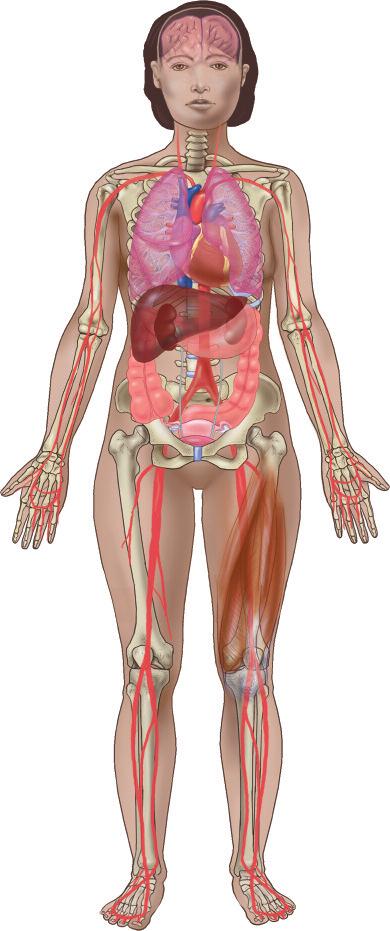
If you have had any symptoms like these, especially if you have had several, talk to your doctor about lupus. Early diagnosis and proper medical care are the best ways to manage lupus.
Please turn over this page for more information.
Have you had sores in your mouth or nose that lasted more than five days?
Have you developed irritation or dryness in your eyes or mouth for more than a few weeks?
Have you had unexplained weight loss or abdominal pain or tenderness when your belly is touched?
Have you had stiff, tender, and swollen joints that feel worse in the morning?
Have you had extreme fatigue and weakness for days or weeks at a time, even after plenty of sleep?
Has your skin broken out after being in the sun, but it’s not a sunburn?
Have you had redness or rash across your nose and cheeks in the shape of a butterfly?
Have you had sores on your skin that would not heal?
Have you had sudden, unexplained hair loss?

Ohio Chapter Programs Available:
Let's Talk About It Webinar Series
Living with Lupus Magazine
Lupus Night Light Blog
My Lupus Living Room Podcast
Patient Navigator Program
Educational Summits & Classes
Support Groups
Local State Advocacy

The Lupus Foundation of America is the only national force devoted to solving the mystery of lupus, one of the world’s cruelest and devastating diseases, while giving caring support to those who suffer from its brutal impact. Through a comprehensive program of research, education, and advocacy, we lead the fight to improve the quality of life for all people affected by lupus. Contact the LFA or a chapter that serves your area to find out how you can become involved in our mission and how we can help you.
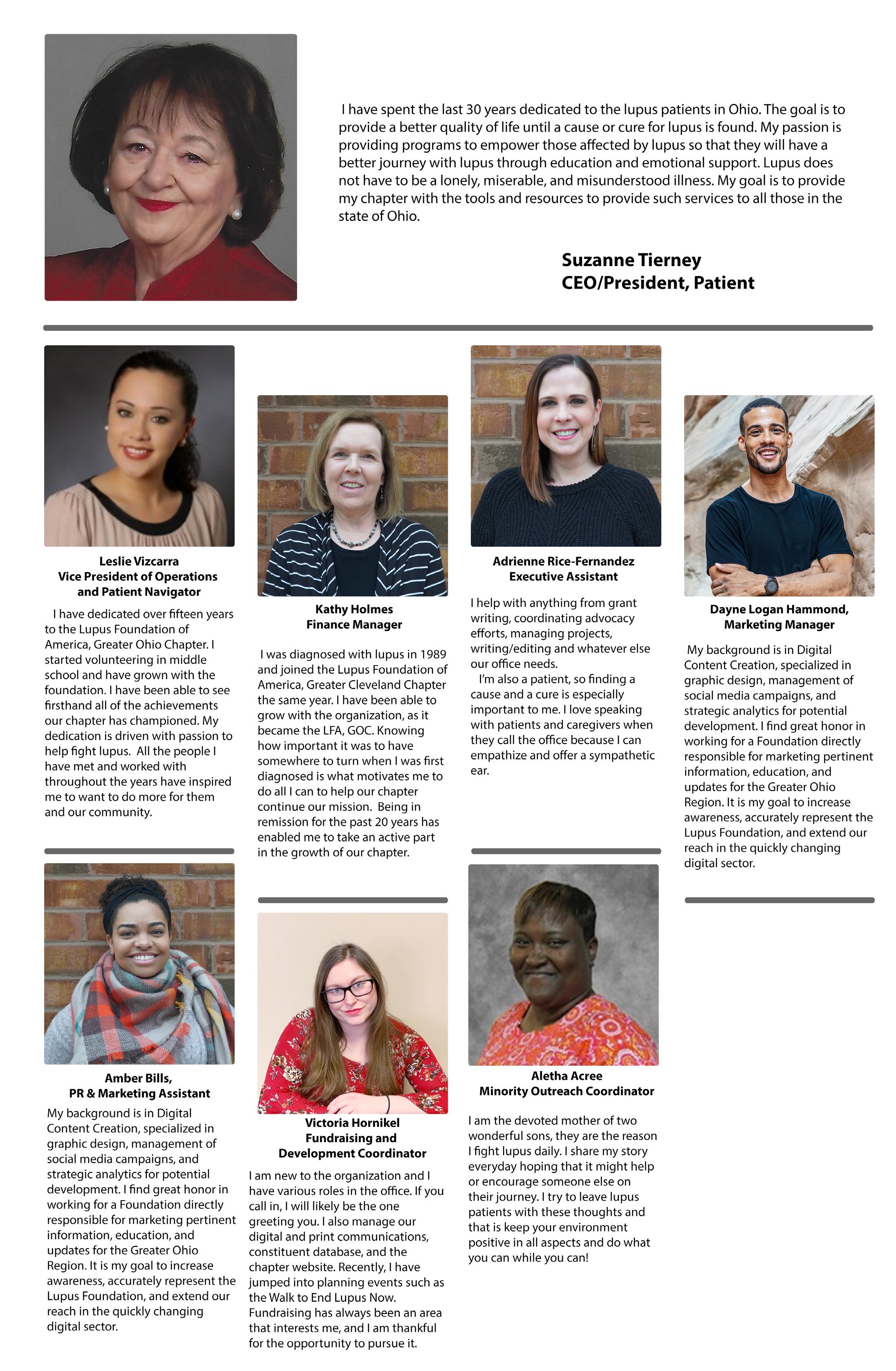
Suzanne Tierney, CEO/President Suzanne@lupusgreaterohio.org
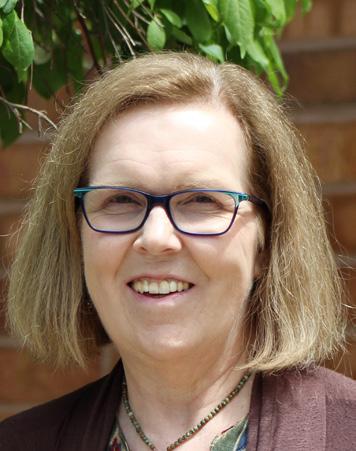
Kathy Holmes Finance Manager
Kathy@lupusgreaterohio.org
I was diagnosed with lupus in 1989 and joined the Lupus Foundation of America, Greater Cleveland Chapter the same year. I have been able to grow with the organization, as it became the LFA, GOC. Knowing how important it was to have somewhere to turn when I was first diagnosed is what motivates me to do all I can to help our chapter continue in our mission. Being in remission for the past 20 years has enabled me to take an active part in the growth of our chapter.
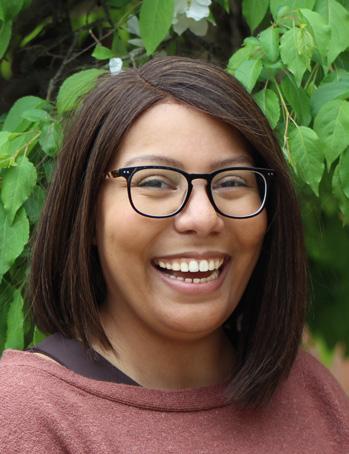
Mackenna Willis Creative Design Manager
Mackenna@lupusgreaterohio.org
I’m the marketing manager and creative developer when it comes to strategizing new ideas for Lupus awareness. As a graduate from Bowling Green State University with a BFA in graphic design, I’ve always envisioned utilizing my skills to make a difference. My enthusiasm to help others through design has always been a passion of mine and having the opportunity to share and grow with the LFA, GOC team has been nothing but inspiring.
I have spent the last 30 years dedicated to the lupus patients in Ohio. The goal is to provide a better quality of life until a cause or cure for lupus is found. My passion is providing programs to empower those affected by lupus so that they will have a better journey with lupus through education and emotional support. Lupus does not have to be a lonely, miserable, and misunderstood illness. My goal is to provide my chapter with the tools and resources to provide such services to all those in the state of Ohio.
Rita O. Piccin, BS, ND, RN Lead Patient Navigator /Outreach Coordinator
Rita@lupusgreaterohio.org
chapter continue to grow and help lupus patients for years to come.
I am a caring, collaborative, and resourceful nursing professional with over 30 years of experience in a variety of roles. I have a BS in Biology and French from John Carroll University and a Doctor of Nursing degree from Frances Payne Bolton School of Nursing at Case Western Reserve University. I am passionate about giving effective and empathetic customer service and education to patients, caregivers, families, colleagues and community organizations. I am honored to be a part of the LFA,GOC and dedicated to providing education, support, and resources to lupus warriors.
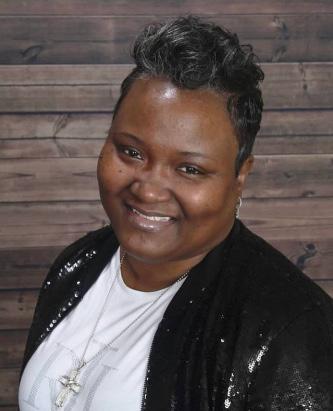
Community Outreach Coordinator
Aletha@lupusgreaterohio.org
two wonderful sons, they are the reason I fight lupus daily. I share my story everyday hoping that it might help or encourage someone else on their journey. I try to leave lupus patients with these thoughts and that is keep your environment positive in all aspects and do what you can

Chris Milazzo Event Assistant
Chris@lupusgreaterohio.org
Helping others has always been one of my greatest passions. After graduating from SUNY Oneonta with a degree in Media Studies, I knew I wanted to use my degree to do good. Being able to work for the LFA, GOC has been one of the most rewarding experiences in my career so far. It brings a smile on my face knowing that the work I do is able to help the lupus community of Ohio, and I hope to continue being a helping hand for the community.
Thank you for reading Ohio’s Lupus Magazine! For the most up-to-date information from the world of lupus. Please visit us at www.lupusgreaterohio.org.
Lupus Foundation of America, Greater Ohio Chapter 12930 Chippewa Road, Brecksville, OH, 44141
Phone: (440) 717-0183 Toll-free: 1 (888) NO-LUPUS