Lum YuJoe | Swinburne University of Technology
B.Des. Interior Architecture (Hons) | 2025
01. The Terrarium
STACK 03. A museum of the handmade
Lum YuJoe | Swinburne University of Technology
B.Des. Interior Architecture (Hons) | 2025
I’m a versatile and detail-oriented designer with a strong foundation in retail, residential, and hospitality projects. Though early in my career, I am deeply passionate about human-centric and sustainable design, prioritising the user experience while maintaining a strong sense of responsibility towards the environment and surrounding context. My design philosophy revolves around creating meaningful, well-balanced spaces that are not only visually compelling but also enhance well-being and usability.
With a problem-solving mindset and a collaborative approach, I excel at translating complex design concepts into practical solutions while managing multiple project phases. My proficiency in various design software allows me to develop clear visualisations and precise construction drawings, effectively communicating ideas to all stakeholders.
Beyond technical skills, I am known for my curiosity and eagerness to learn, always exploring new design strategies, materials, and technologies to push creative boundaries. With a proactive and positive attitude towards challenges, I thrive in dynamic, fast-paced environments that foster collaboration and innovation.
Email: yujoelum23@gmail.com
Phone: 0450 631 314
LinkedIn: www.linkedin.com/in/yujoelum-80a49a164
Drafting & 3D Modelling
- AutoCAD, Revit, Rhino, SketchUp
Rendering & Visualisation
- Enscape, V-ray, TwinMotion Postproduction
- Adobe Creative Suite, DaVinci Resolve Extras
- Ladybug. Grasshopper
SOFT SKILLS
- Adaptability
- Communication & Client relation
- Team-work & collaboration
- Time management & organisation
- Sustainable design and planning
2024
Retail & Visual Merchandising assistant
LEGO Certified Store (Alquemie Group)
- Sales, Customer service, stock management, time block scheduling, training new employees
Interior Designer
Elvin Tan Design
- Contributed to the design development and 3D modelling of the lobby and main entrance of the Merdeka Hotel
- Produced technical drawings and documentation for construction using AutoCAD
- Revised tender drawings for multiple Sushi Jiro projects
- Participated in design reviews and liaised with the principal designer on concept refinement
- Facilitated knowledge sharing of new Enscape and SketchUp features with team members
Freelance Interior Designer
Collaborative work with Smore’s Design
- Developed concept designs, spatial layouts, and rendered visualisations for a hospitality fit-out
- Collaborated with the lead designer to align brand identity with spatial solutions
- Produced presentation boards and final visuals for client approval
Hilltop Bungalow AirBnB project
- Led bathroom redesign concepts including layout planning and design development
- Full time - Part time - Internship
- English - Chinese & Cantonese - Malay
2021
- Created detailed 3D renders and visuals tailored to client preferences
- Maintained client communication throughout the design process, incorporating feedback and revisions
Interior Design proffesional placement
12 Empire Sdn Bhd
- Supported end-to-end residential & commercial design projects through concept development, 3D visualisation, material selection, documentation, and client coordination.
2025
2024
- Collaboratively working on freelance design projects alongside S’more Design
- Graduated with Upper Second-Class Honours
- Recipient of Design Excellence Award, recognising outstanding performance in final year studio
- Final thesis focused on sustainability and human-centric design strategies
- Served as Sponsorship Director for the Malaysian Society Association Club (MSA)
Bachelor of Design (Interior Architecture) (Honours) Swinburne University, Jan 2022 - Dec 2023
Bachelor Of Arts (Honours) In Interior Architecture Taylors University Design School, Mar 2019 - Dec 2022
Foundation In Arts (FIA) Sunway University, Jan 2018 - Nov 2018
Elvin Tan - Founder of Elvin Tan Design E: elvin@elvintan.com.au T: 0430 017 762
Loc Tran, PhD - Lecturer, ID at HDR architecture E: buuloc7992@gmail.com T: 0400 800 597
Kevin Shen - Founder of Smore’s Design E: hello@s-more.com.au T: 0414 633 830
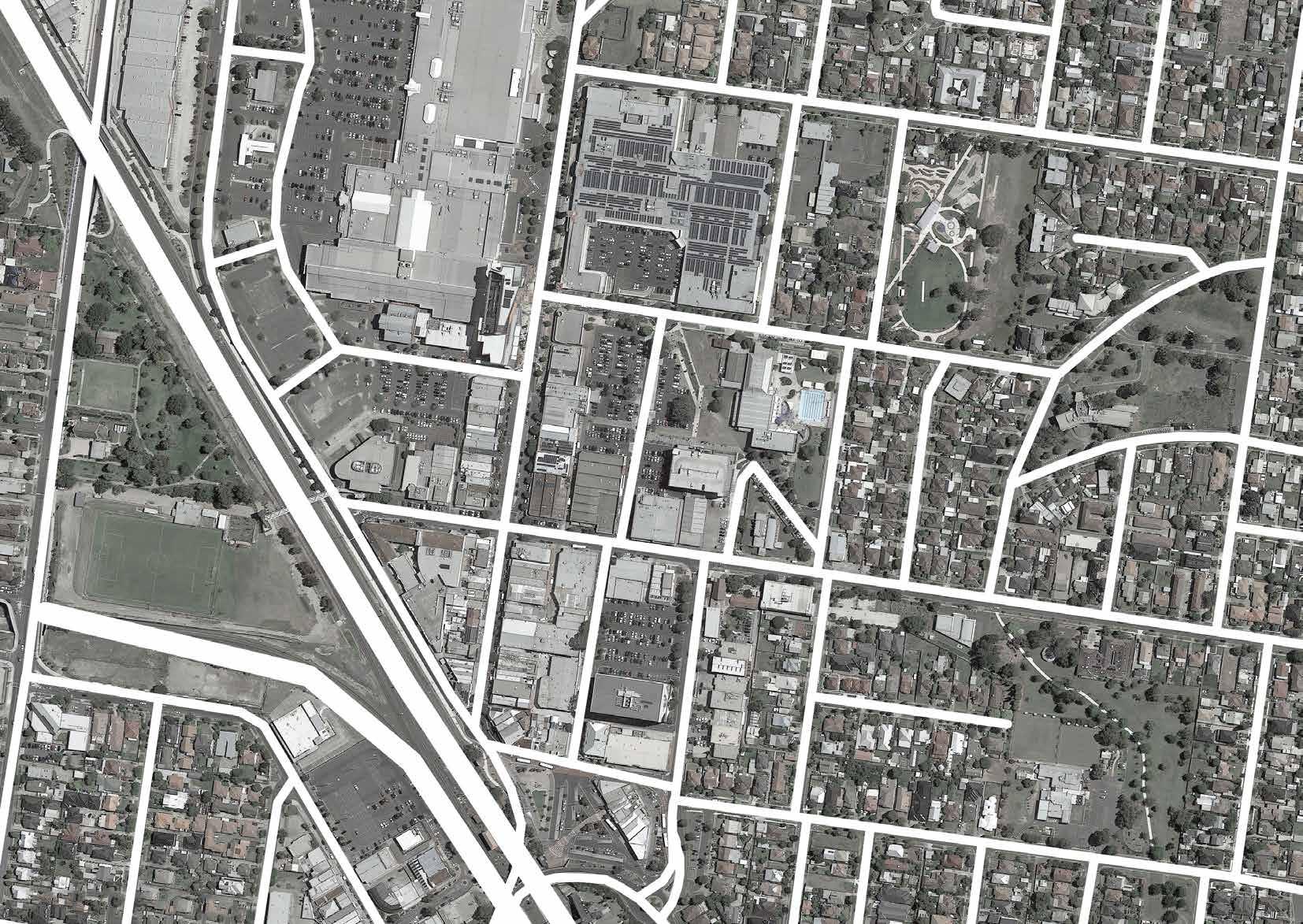
Location: Sunshine, Melbourne
Type: Community hub
Size: 5,020 km²
Year: 2023
Convener: Phuong Dinh & Kevin Shen
About:

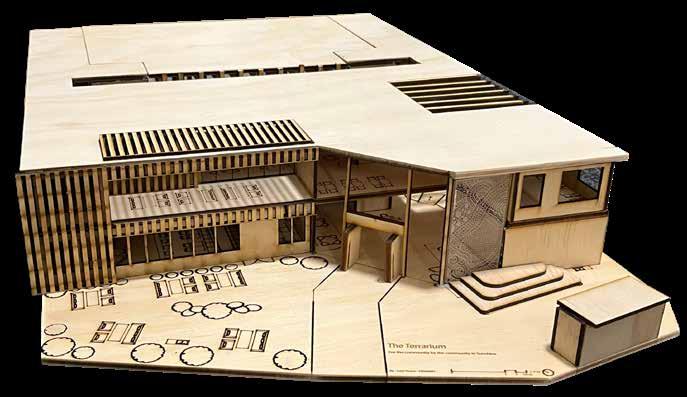
The Terrarium is a visionary sustainable architectural project that goes beyond bricks and mortar, aiming to be a beacon of hope and support for the less fortunate, particularly in the Sunshine neighborhood of West Melbourne. This innovative initiative not only incorporates novel food systems but also hosts valuable adolescent rehabilitation programs designed to uplift the community.
At its core, The Terrarium is dedicated to its mission of empowering the community, and this commitment is reflected in its multifaceted program spaces and activities thoughtfully spread throughout the compound. Within these spaces, community members can find safety and support, engaging in interactions that foster a sense of belonging. These activities serve not only as a lifeline to those in need but also as an educational platform, passing on the wisdom of sustainable food systems and equipping individuals to become self-reliant contributors to society.


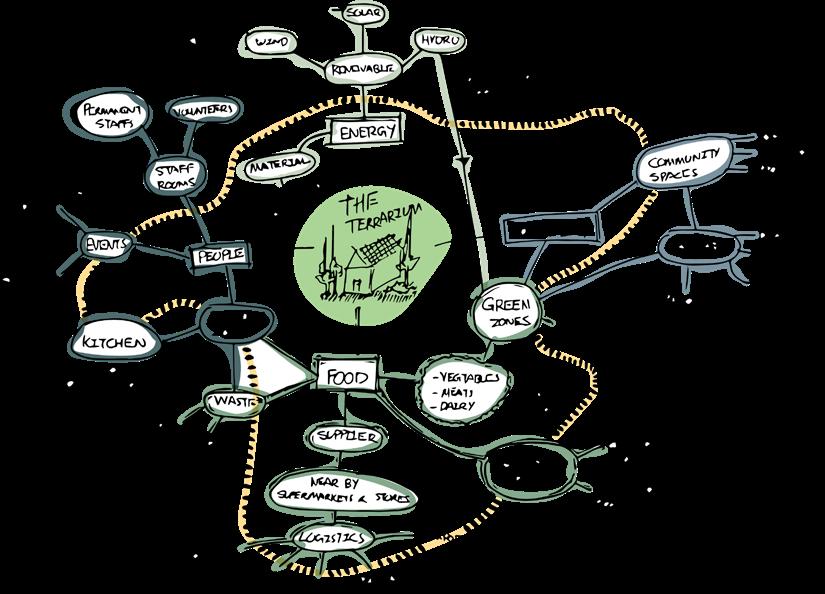
Similar to the concept of a terrarium, our goal is to nurture and care for all our guest . We aspire to create an environment that is self-sufficient, not only lessening our impact on the environment but also positively influencing the neighborhood we call home. This holistic approach to community support reflects our dedication to creating a better future for Sunshine in West Melbourne.
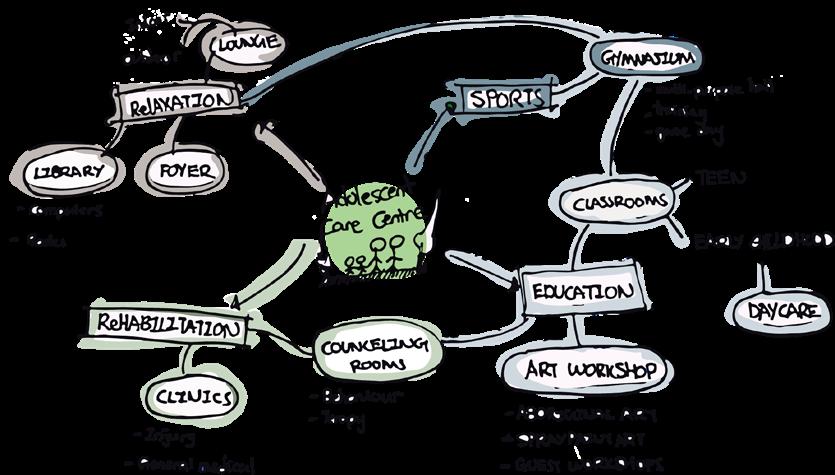
The design and layout of this space were meticulously crafted to ensure a seamless and harmonious flow throughout the entire complex. This thoughtful design is particularly evident in the winding path that gracefully meanders through the compounds. This path isn’t just a physical passage; it’s a carefully orchestrated journey that immerses guests in different facets of the complex.
As guests follow this winding path, they are guided through various sections of the complex, each offering a unique experience. At every turn and corner, there is something new to discover, adding depth to their visit. This deliberate design encourages engagement and interaction, allowing visitors to fully appreciate the multifaceted nature of the sustainable food hub.
The layout of the complex is more than just aesthetics; it plays a crucial role in the hub’s mission to support and uplift the Sunshine Community. By providing a dynamic and engaging environment, the complex creates opportunities for community members to connect, learn, and actively participate in sustainable food initiatives. It serves as a living testament to the hub’s commitment to not only provide sustenance but also nourish the community through shared experiences and a sense of togetherness.
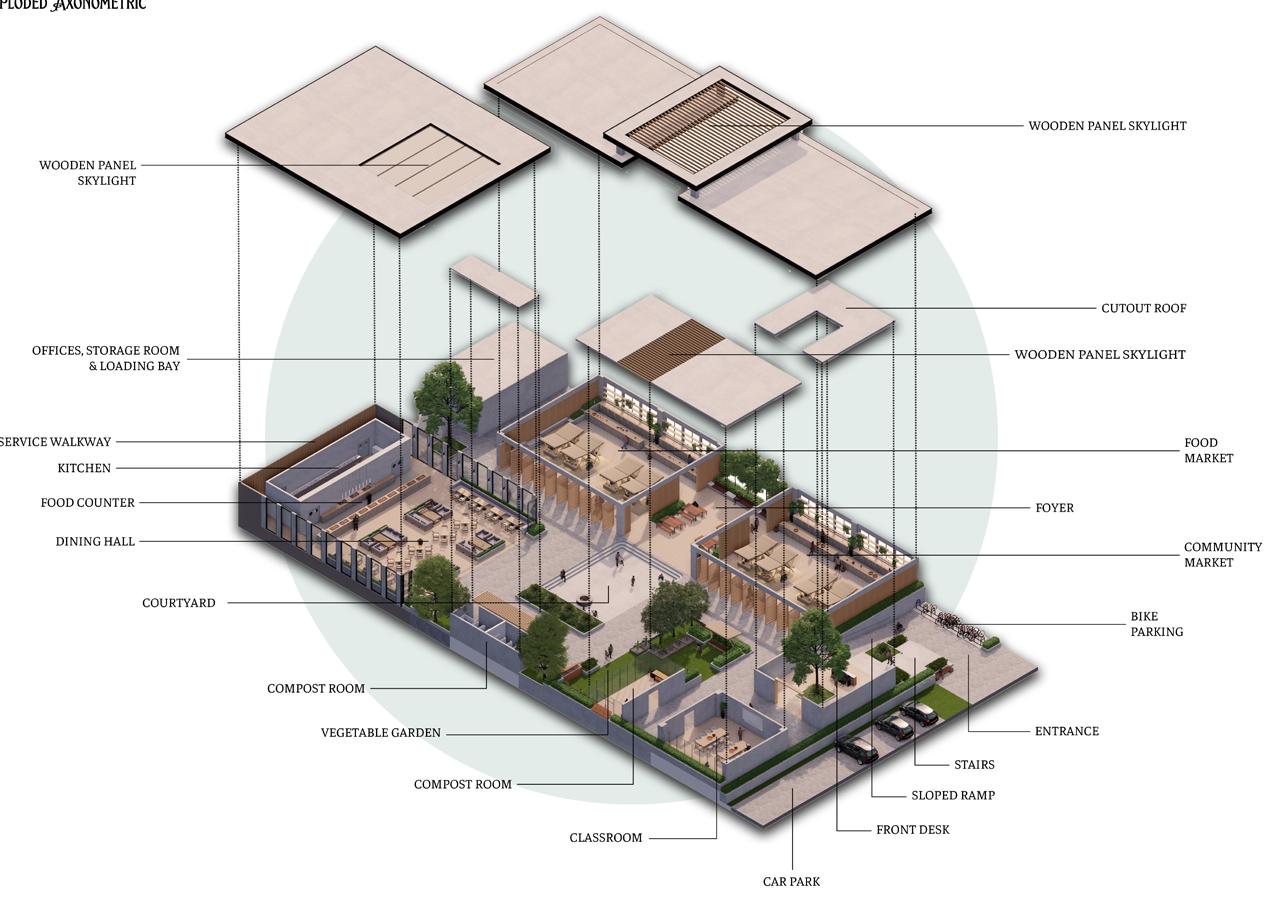
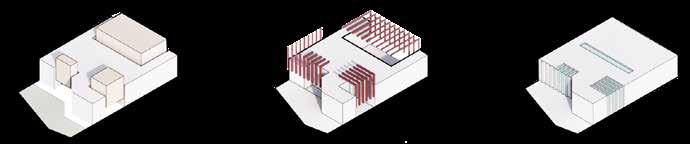
EXPLODED ISOMETRIC DIAGRAM
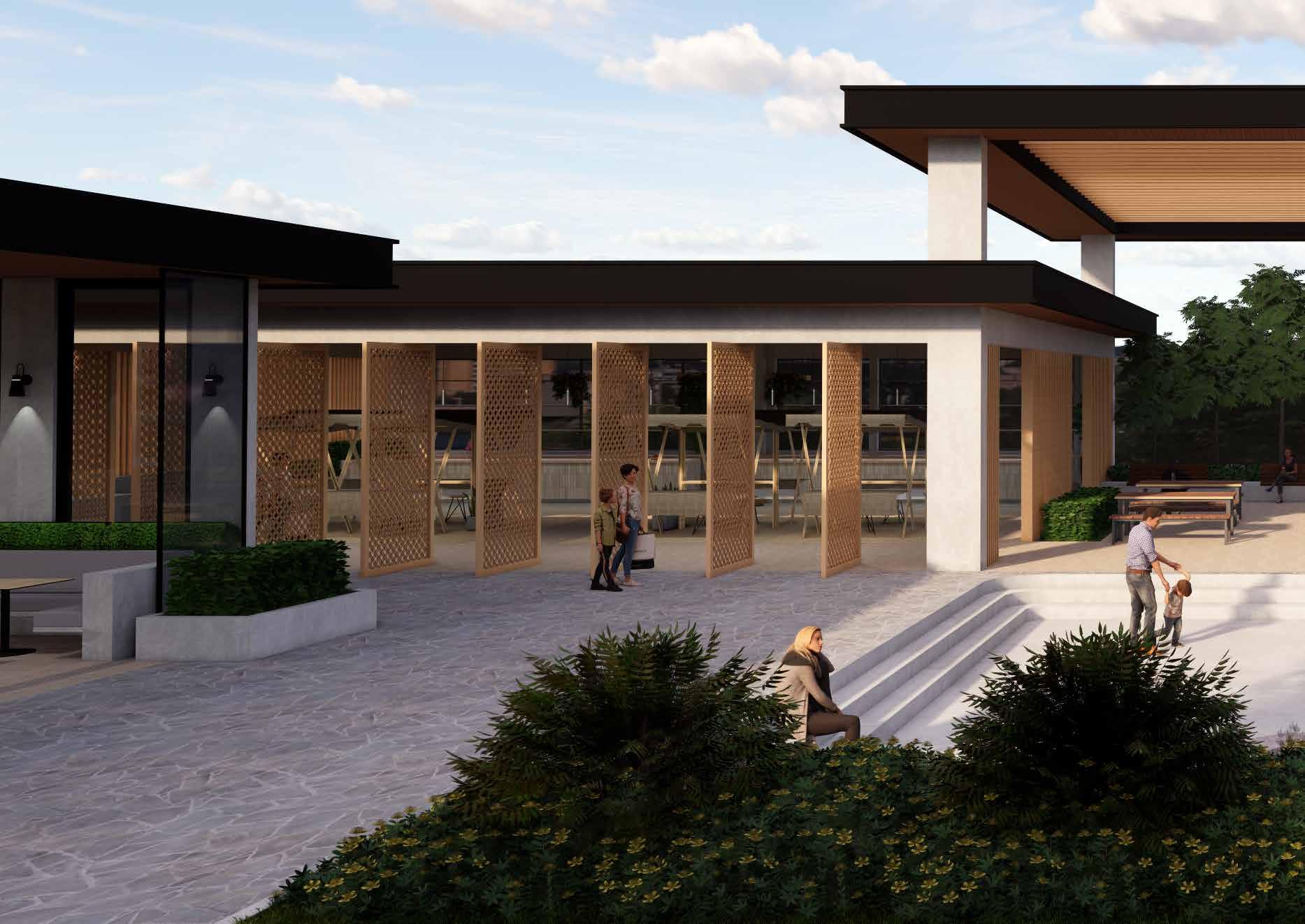
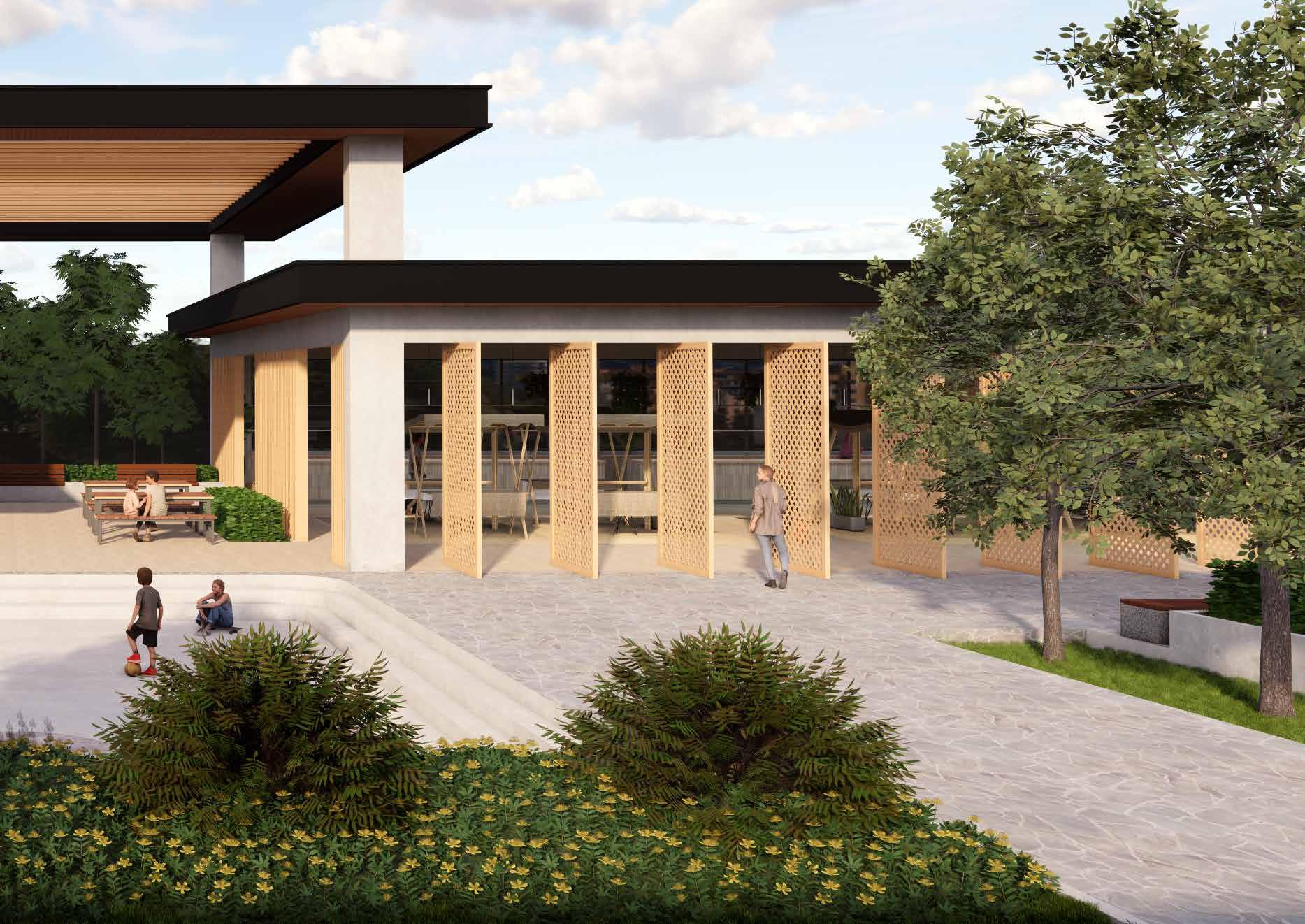
The community market has two wings that are created by dividing the markets. The food market is on the left, and the community market is on the right. Connecting the markets is a foyer that links to the courtyard.
While the community market helps support neighborhood businesses, the food market offers produce and groceries at a steep discount.
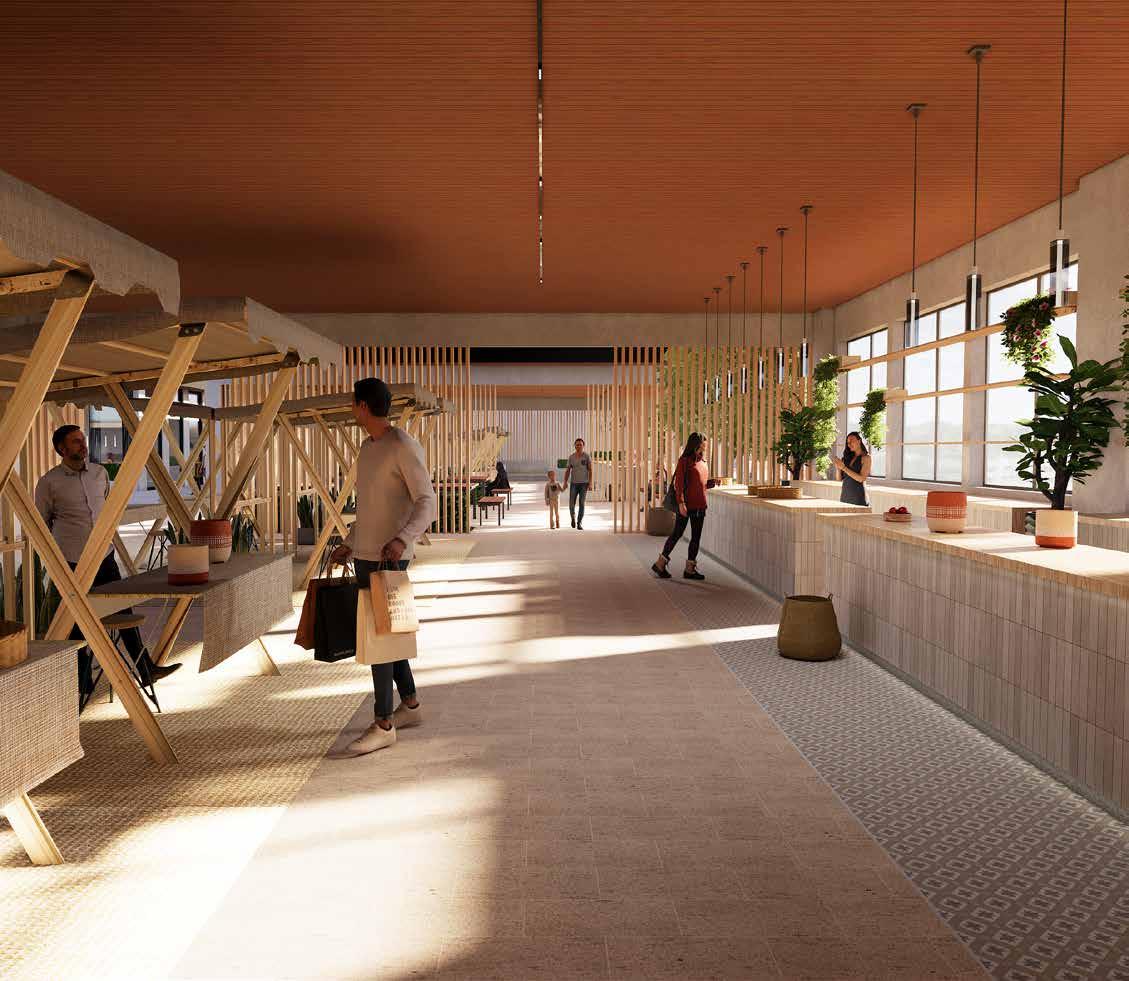
The market features expandable pop-up booths and wooden pivoting middle doors that slide open to reveal the entire space, showcasing a flexible and welcoming setup.
The classroom features large windows that allow natural light to flood the space, creating a warm atmosphere that highlights the earthy tones of the reclaimed wood ceiling and raw concrete walls, enhancing the connection to nature. Additionally, flexible, modular furniture made from recycled materials further emphasise the commitment to sustainability.
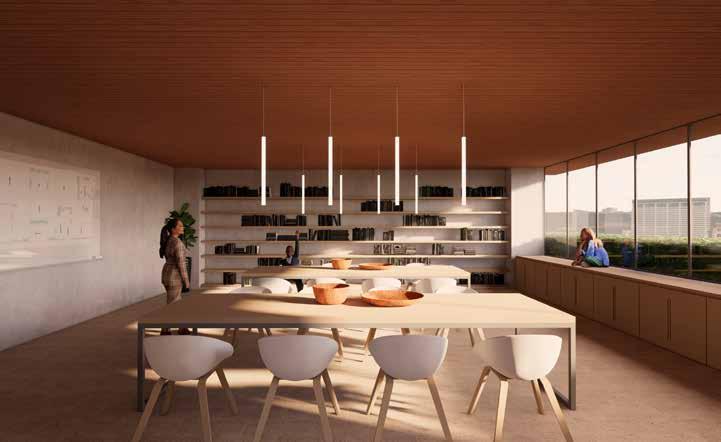
Large concrete walls and full-height windows are used in the design of the room, which is also furnished with wood paneling on the ceiling and a skylight covered in vast perpendicular wooden planks.
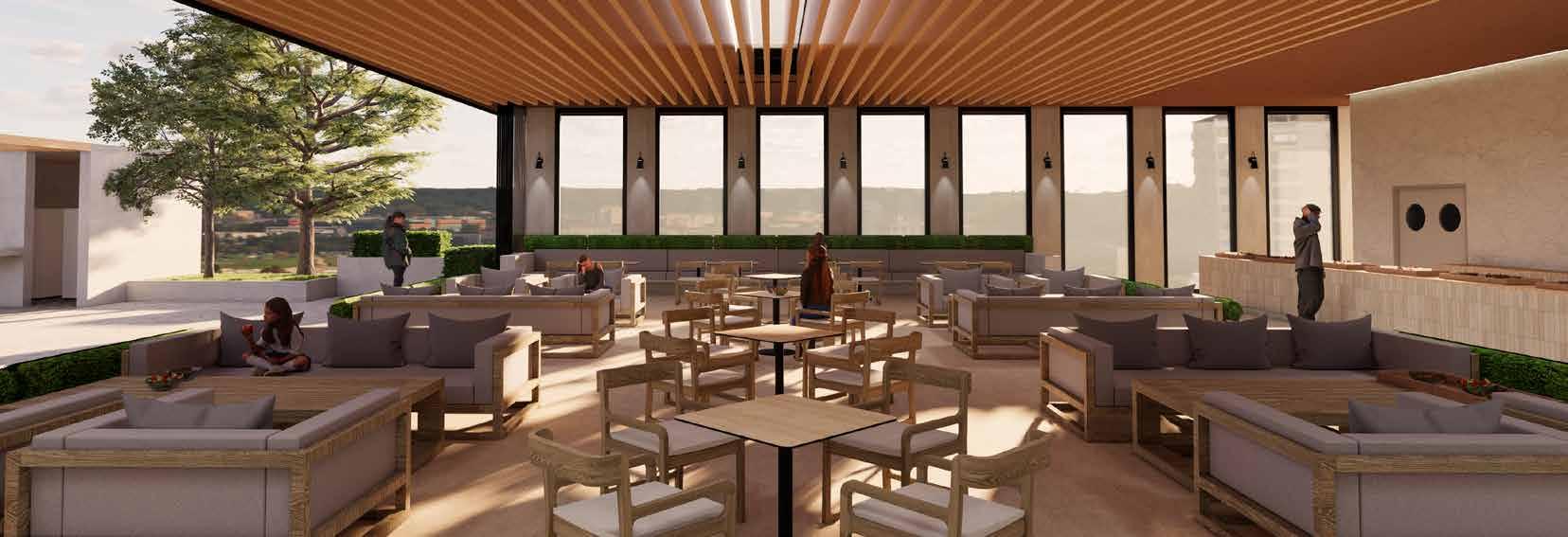
Creating a welcoming environment that is welcoming for the community of Sunshine to receive warm and healthy meals from a professional chef.
This plays a significant role in giving the space the character it needs to change its negative connotation that comes with spaces that provides similar services.
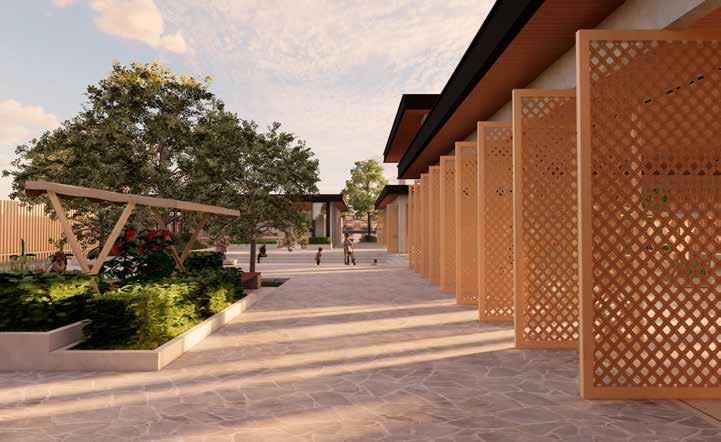
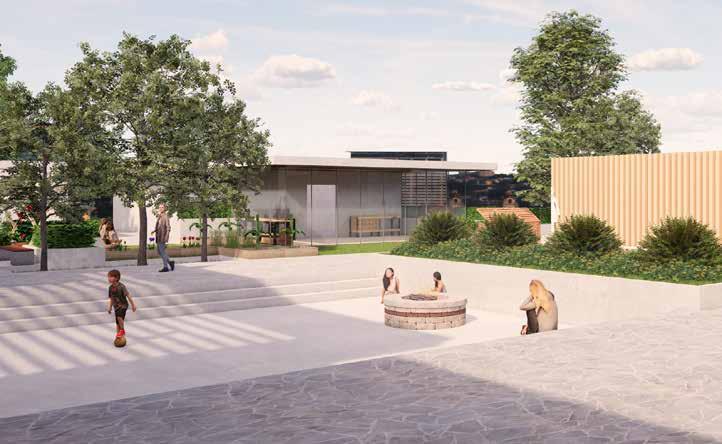
The event space at the centre of The Terrarium is designed as a welcoming and adaptable gathering area, encouraging interaction between visitors and the surrounding landscape. With an open layout, it accommodates various outdoor activities, including a central fire pit where people can gather, unwind, and connect in a relaxed setting. More than just a recreational spot, the space serves as a key linking element, seamlessly connecting different areas within the compound to create a cohesive and engaging environment. By integrating natural and built elements, the design promotes fluid movement, social interaction, and a deeper connection with the outdoors, reinforcing the project’s vision of an immersive and harmonious public space.
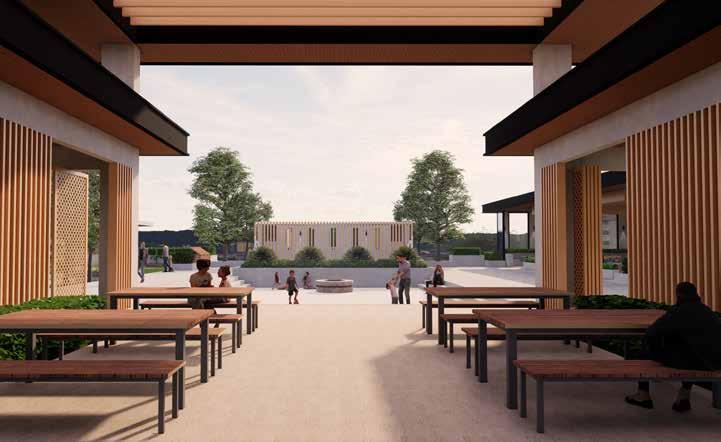
The Youth Centre is intended to focus on the younger generation, specifically in regards to the significance of a safe and secure environment with an ample amount of resources, programs, and activities to foster growth in children’s development.
This falls in line with The Terrarium’s concept of creating a sustainable future for the residents of Sunshine. In order to guarantee that every child has access to the best environment for growth, the Youth Centre works closely with their providers to build a network of relationships and connections between kids, families, and the larger community.

1)
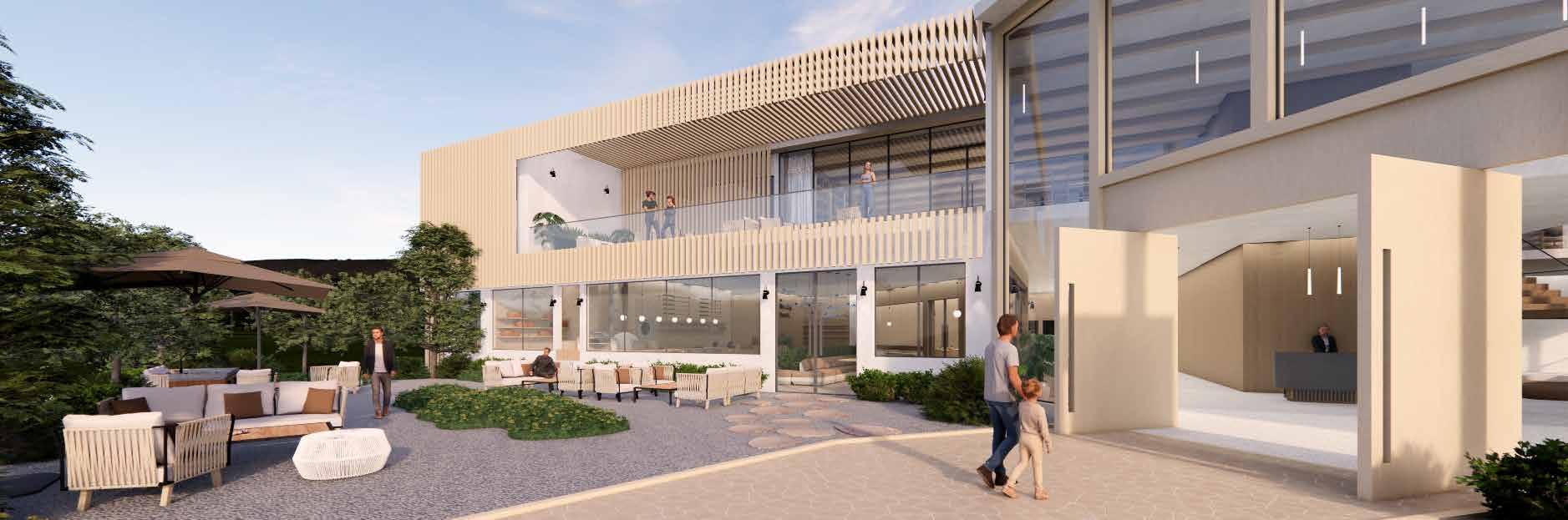
Users who may want to use similar spaces can easily do so because the youth center’s rooms are arranged in a way that seamlessly connects them to the surrounding spaces.
The hallways’ open layout eliminates obstacles and sharp turns to create a roomy, easy-to-navigate path for guests.
Finally, we need to incorporate wheelchair-user-friendly design into our building to ensure that everyone, regardless of mobility needs, can move around it safely and comfortably. This will help to promote inclusivity .

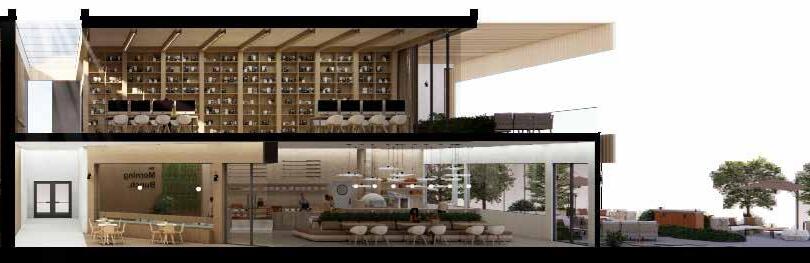
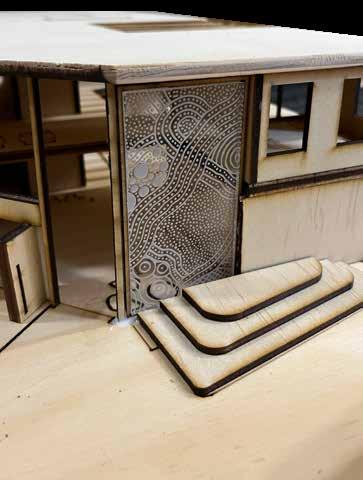
The youth center’s Morning bunch is the only cafe and serves free, healthy meals to its guests. There are numerous places to sit at the cafe. One such spot is outside, where you can take in views of the live artwork workshop area, the timber facade, and the entrance made of stained glass with Aboriginal designs.
A unique feature of the cafe is its brick-cast pizza oven, which is used to produce artisanal pizzas that can be served outside via window passes.
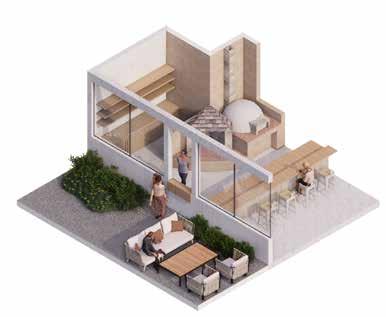
Integrated service systems that seamlessly connect both indoor and outdoor areas.
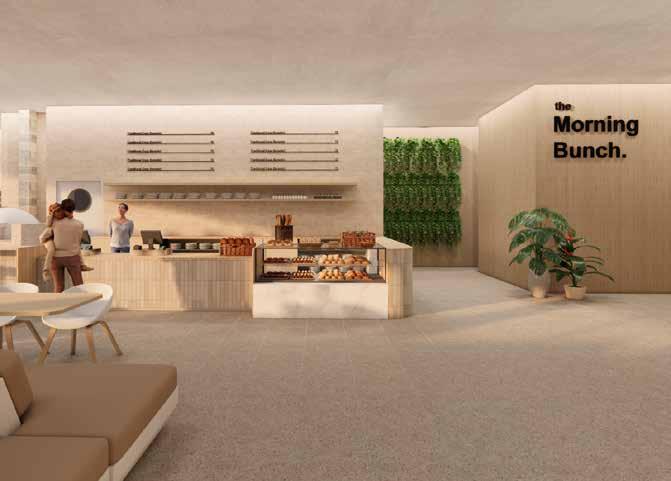
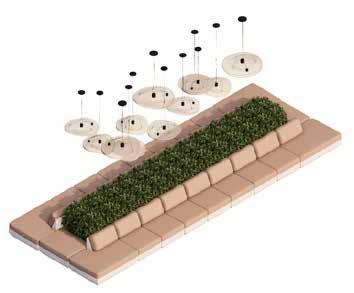
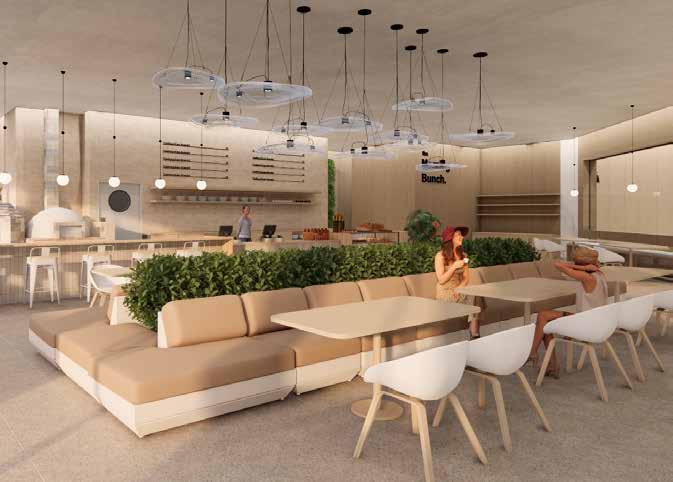
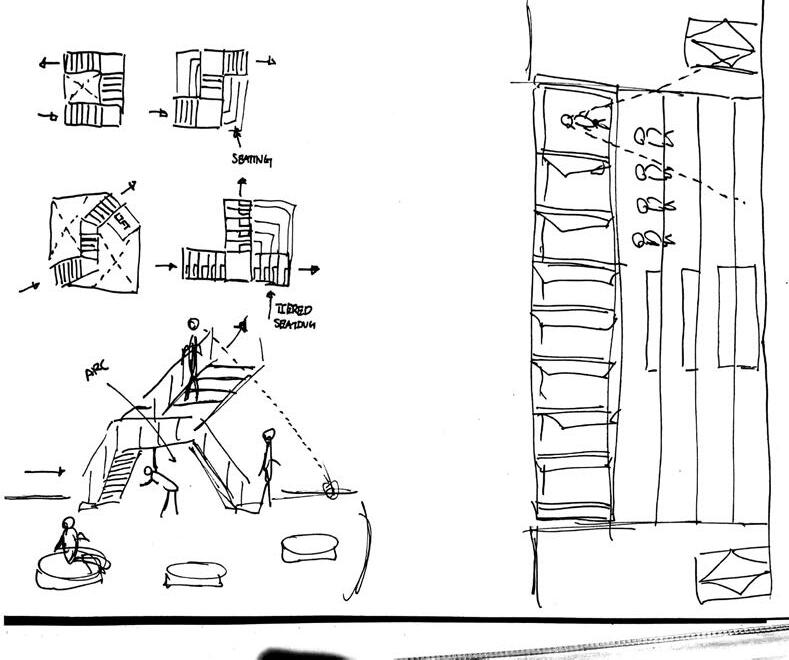
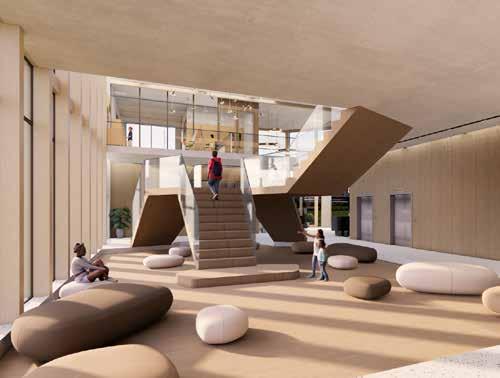
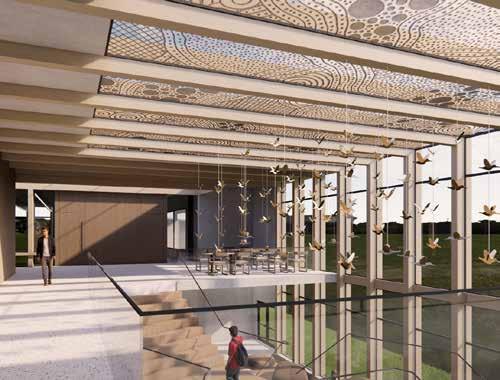
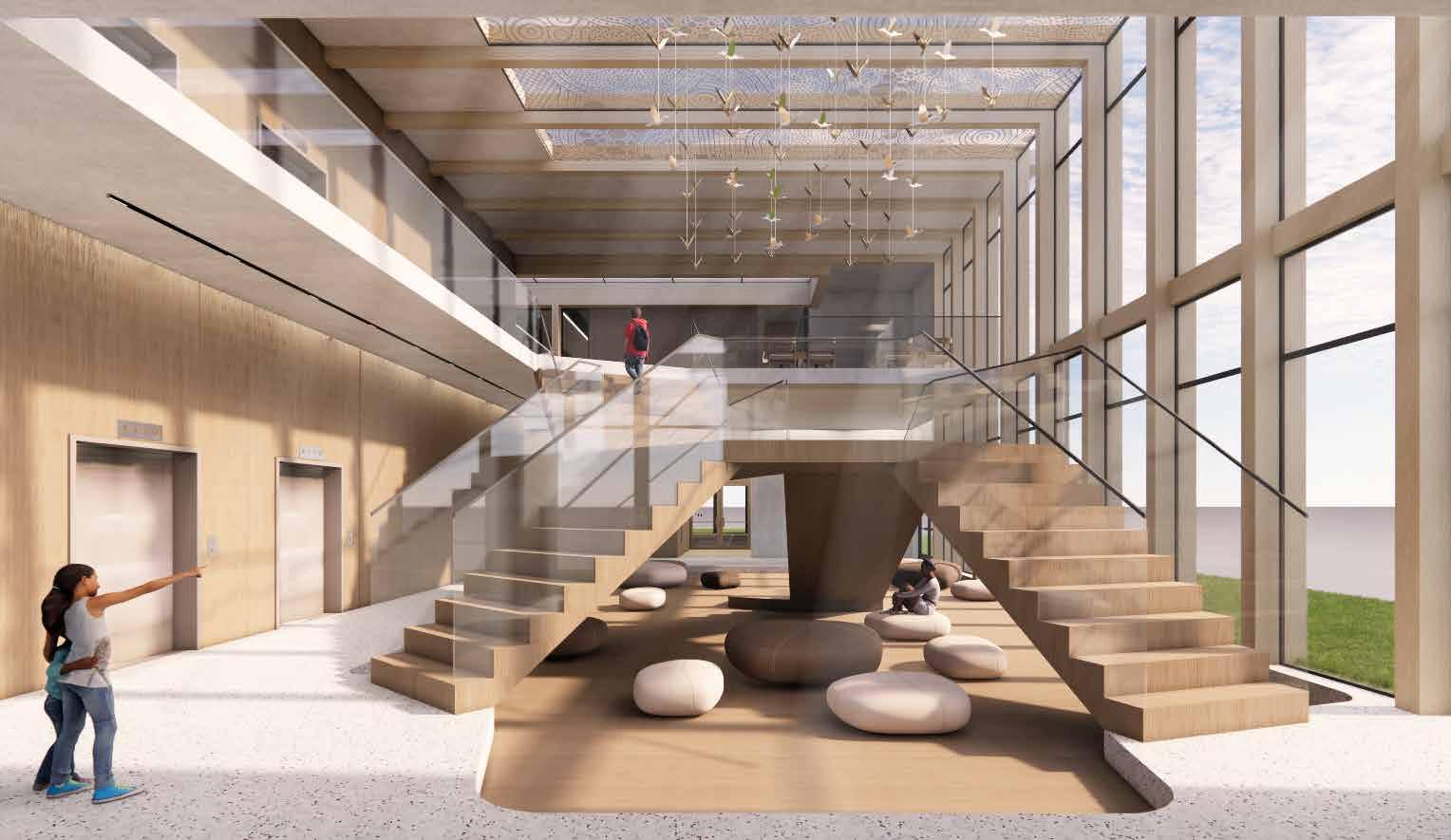
I explored various shapes and designs aimed at infusing a sense of playfulness into the space. By incorporating winding paths and an overhead archway, I’ve crafted a dynamic environment that sparks children’s imagination and encourages exploration.
Since this space is meant for public use beyond just a stairway, I’ve also integrated a seating area below to promote interaction and a sense of community.
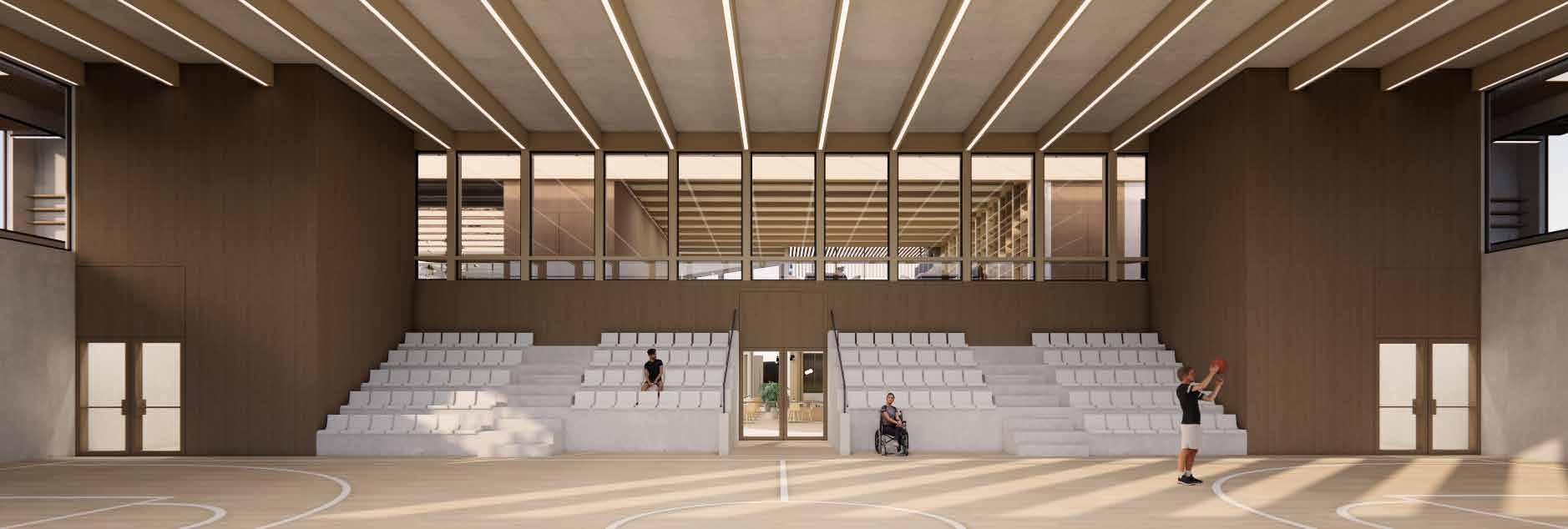
Given that the gym is the focal point of the building, there needs to be plenty of natural light exposure because research indicates that it improves motivation and mood.
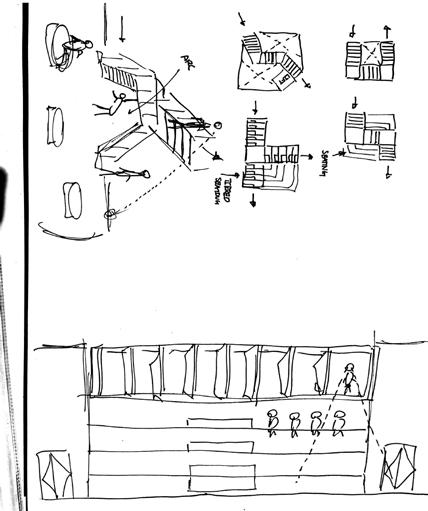
A room with lots of natural light may inspire its occupants to exercise more, which may boost attendance and consistency in their exercise regimens. This is also reflected throughout the entire building.
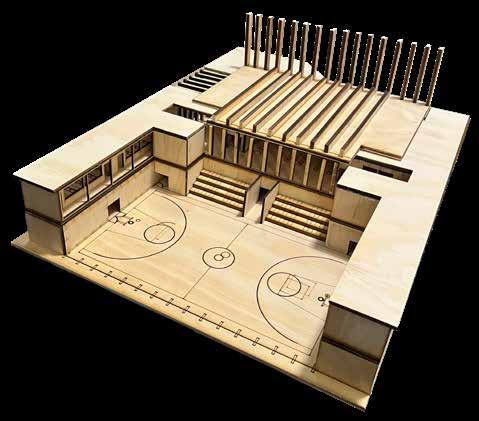
Incorporating concrete tiered seating can greatly improve the audience’s sightliness. With each successive row positioned at a higher elevation than the one in front, individuals seated in the rear rows enjoy unobstructed views of the court.
Moreover, the expansive window panel on the second floor provides an extensive view of the entire court as well.
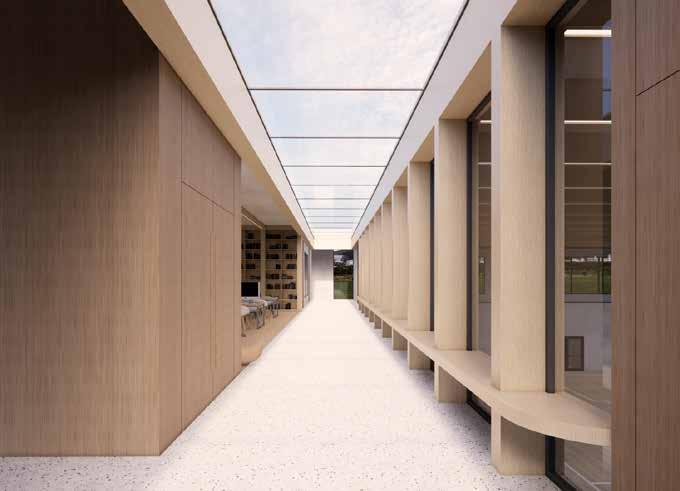
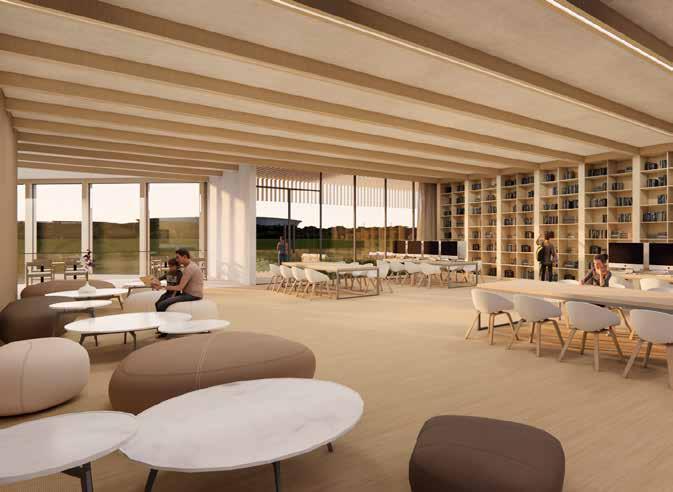
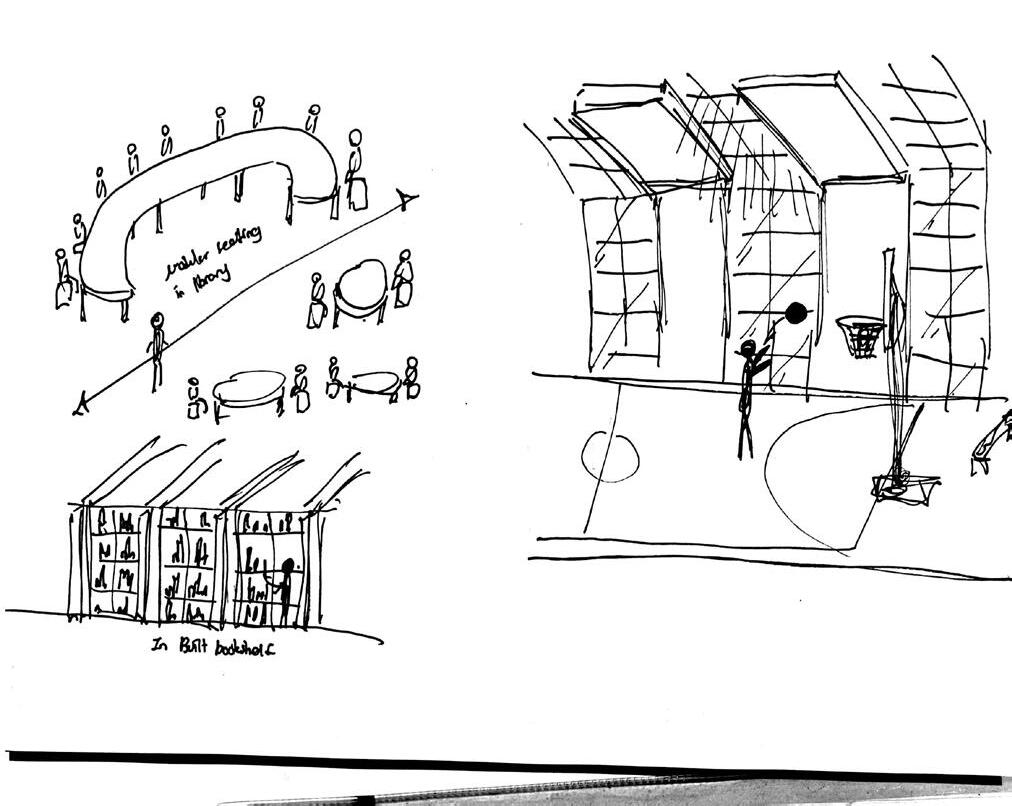
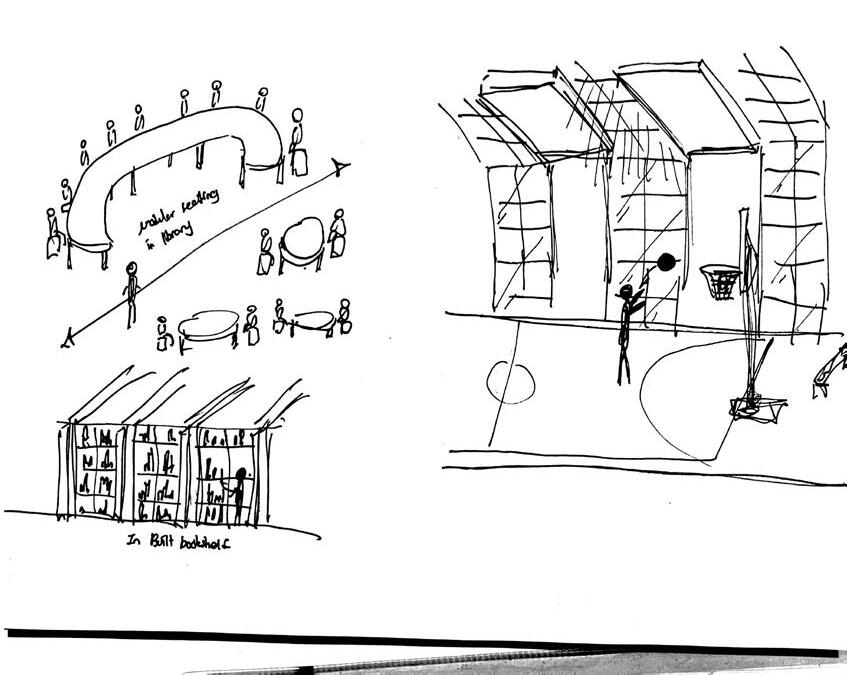
The library shelf is designed to complement the building’s timber structure, resulting in a full-height bookshelf. This efficient use of vertical space allows the library to accommodate a substantial collection of books and items while minimizing the use of floor space.
Moreover, spaces like this, which promote social interaction, offer invaluable benefits. They foster qualities such as empathy, enhanced language skills, an understanding of sharing and teamwork, increased confidence, and, most importantly, prepare individuals to become valuable assets to the broader community.



TRANSPIRATION
Plants in from the courtyard and cafe help release water vapor, which absorb and carries away heat.

CROSS VENTILATION
Large corridors and voids help stimulate the exchange of hot and cold air throughout the structure.

SOLAR PANELS
Large surface area of the roof equip with solar panels helps generate renewable energy (electricity)
SOLAR SHADING
Timber batons are situated on the NW & SW side of the building to provide shade.
CENTRAL VOID
Central stairs act as a void for heat and cooling exchange
HYDRONIC HEATING UNDER-SLAB
Helps heat the building using running hot water through pipe installed beneath the floor.
DOUBLED GLAZED WINDOWS
Helps create an insulating layer to improve energy efficiency and reduce noise pollution.

SOLAR PANELS
Large surface area of the roof equip with solar panels helps generate renewable energy (electricity)
Location: Kensington, Melbourne
Type: Community hub
Size: 3,256 km²
Year: 2022
Convener: Linus Tan
About:

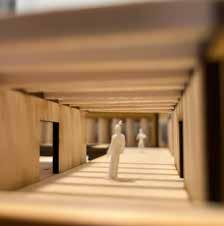
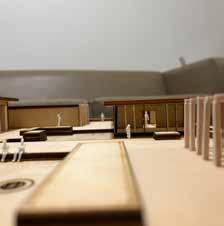
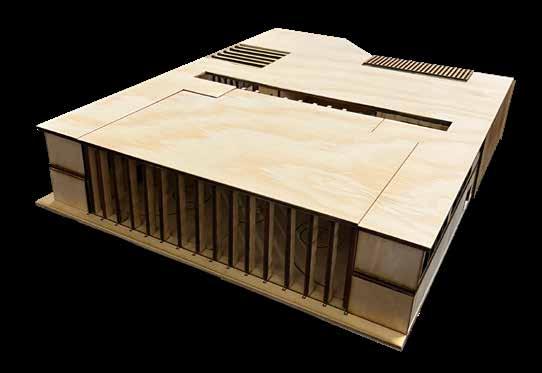
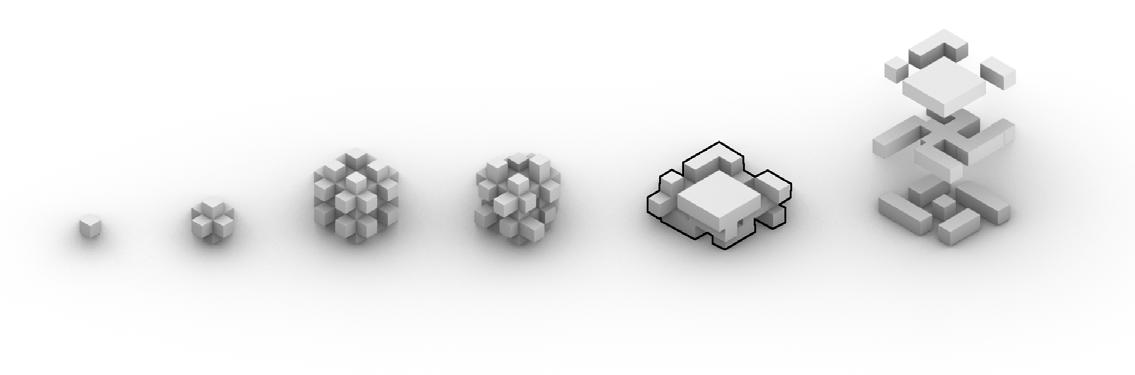
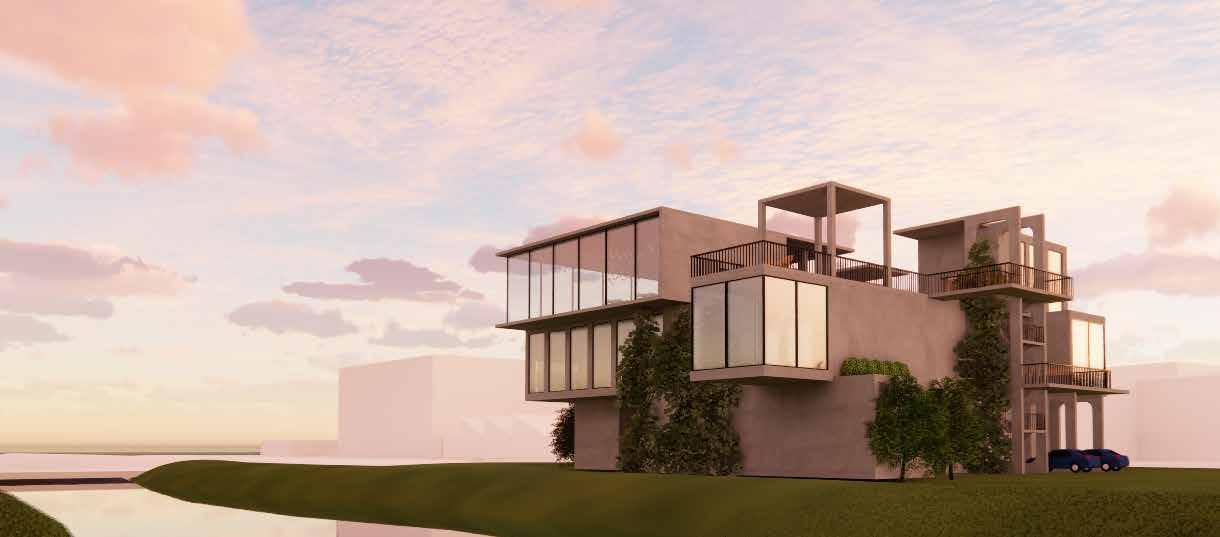
The project is a deep exploration inspired by the versatile shape of a simple Lego brick, aiming to transform an abstract form into functional spaces for a community hub. Through experimentation with patterns, scales, rotations, and more, the project pushes the boundaries of the cuboid shape. Embracing the playfulness inherent in Lego, the design invites audience exploration, utilizing a multistory grid-like structure with interactive elements like spiral staircases and winding paths.
The result is an immersive architectural experience that embodies the creativity and engagement associated with Lego play.
Software:
My experimentation with scale and repetition in The Stack was driven by the desire to push the boundaries of a simple cube form, transforming it into a dynamic and engaging architectural experience. By manipulating size, orientation, and spatial arrangement, I explored how repetition could create a sense of rhythm and continuity while allowing for variation in function and atmosphere. Scaling the cube up and down introduced layers of intimacy and openness, where some spaces feel expansive and communal, while others offer a more enclosed and focused environment. The repeated stacking of these modular forms established a gridlike framework, yet subtle shifts in alignment and rotation disrupted uniformity, introducing a sense of playfulness. This balance between order and variation encourages movement, exploration, and a constantly evolving spatial experience.
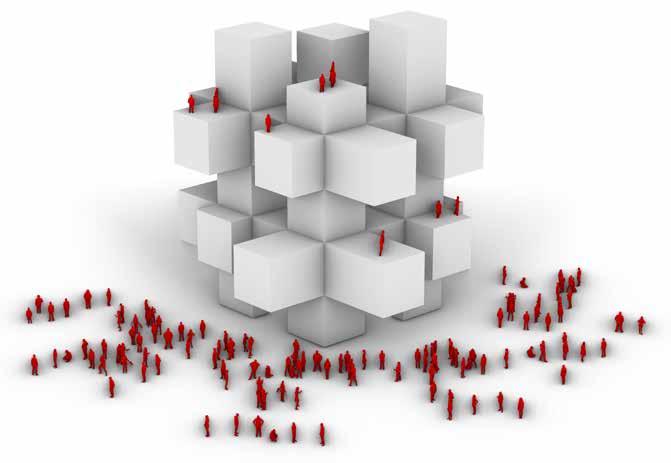
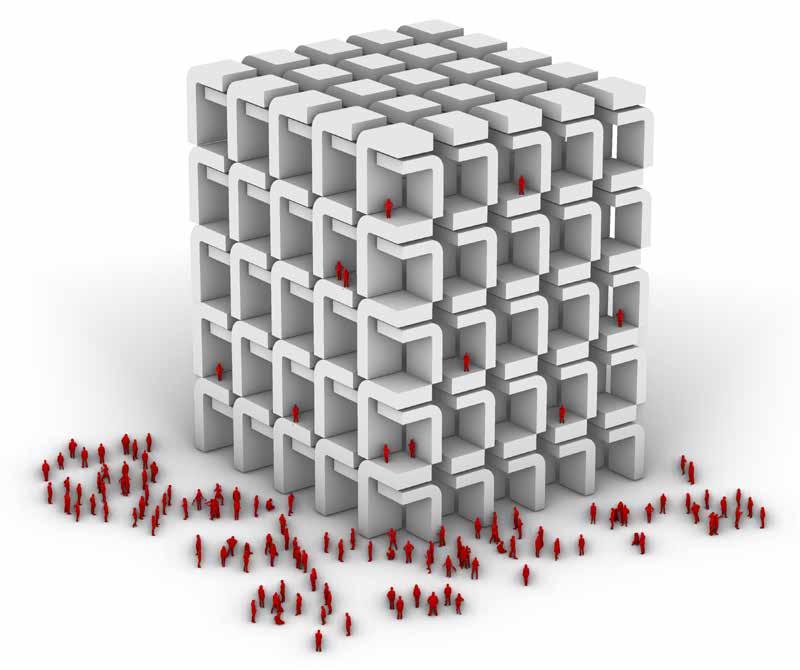
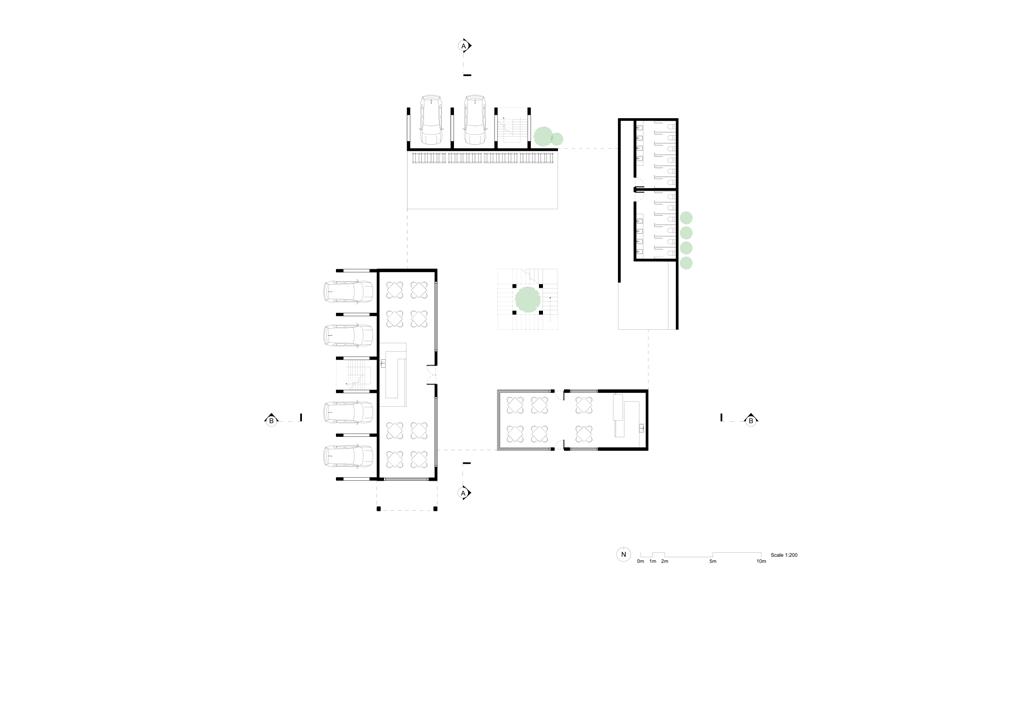
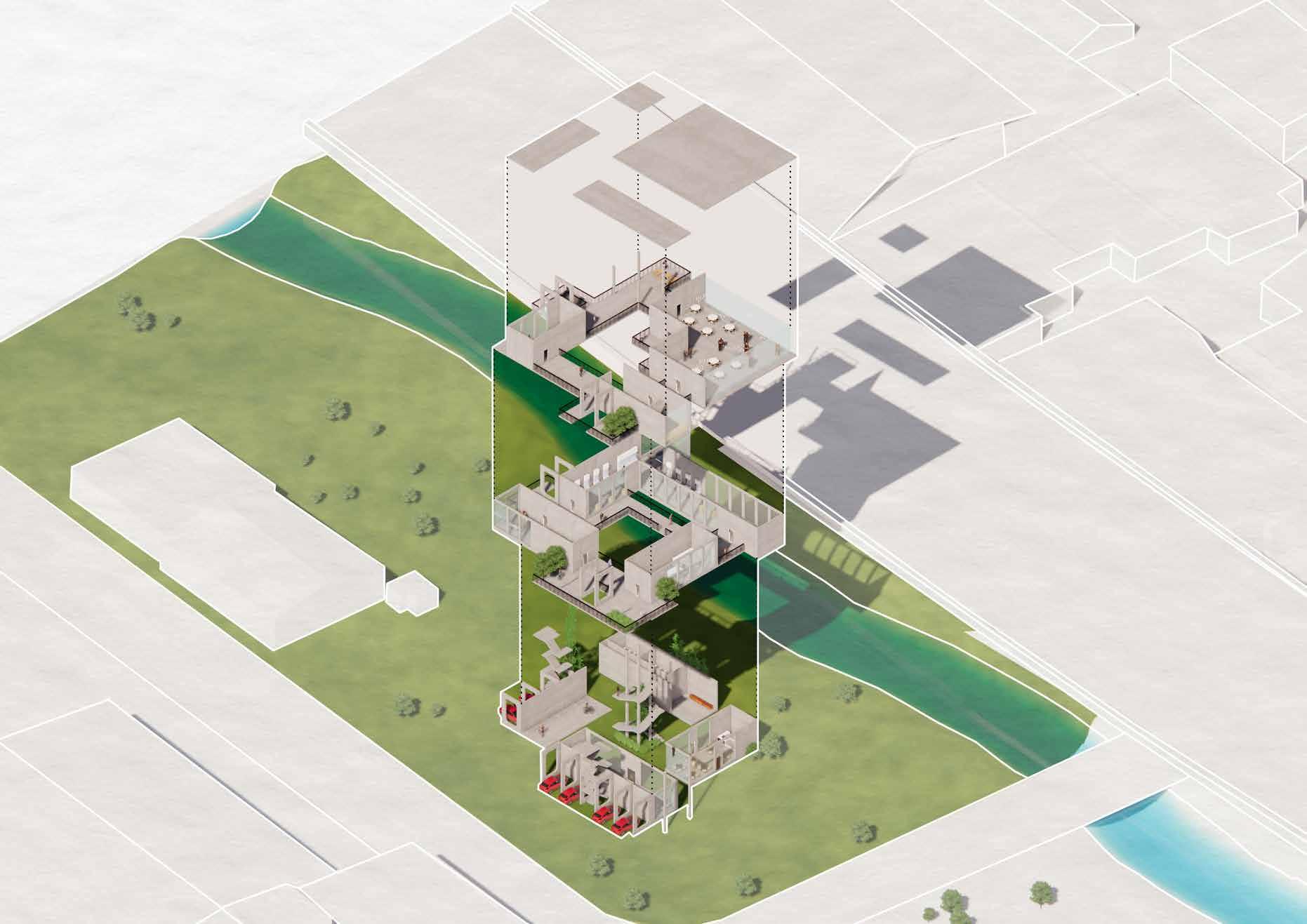
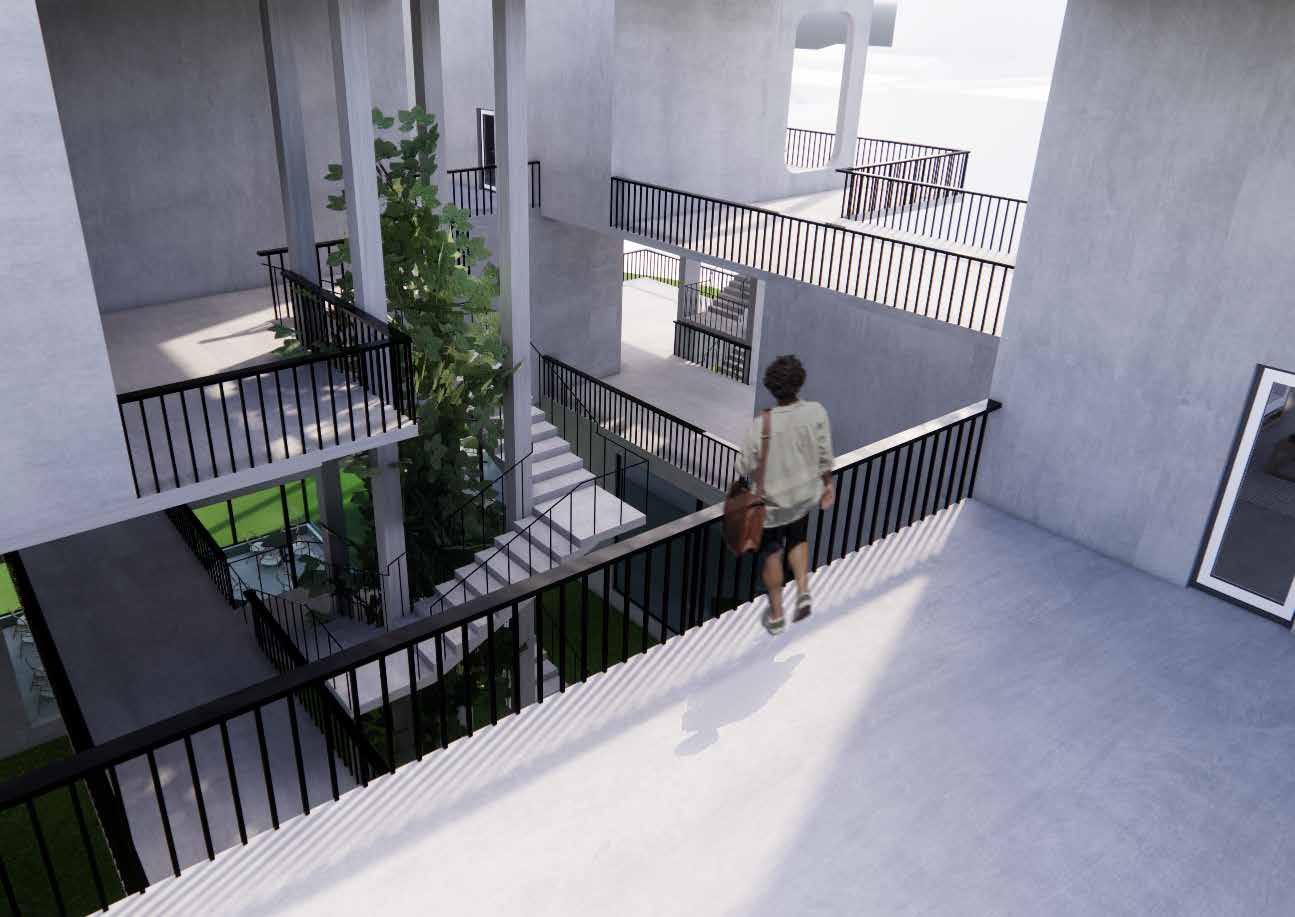
In order to encourage inclusivity and accessibility, the ground floor was planned with an open layout, making the community centre welcoming to people from all directions. Instead of using fences to define the “STACK”’s perimeter, the architecture of each room is strategically designed to create hallways and spaces for the audience to move between and across the entire compound.
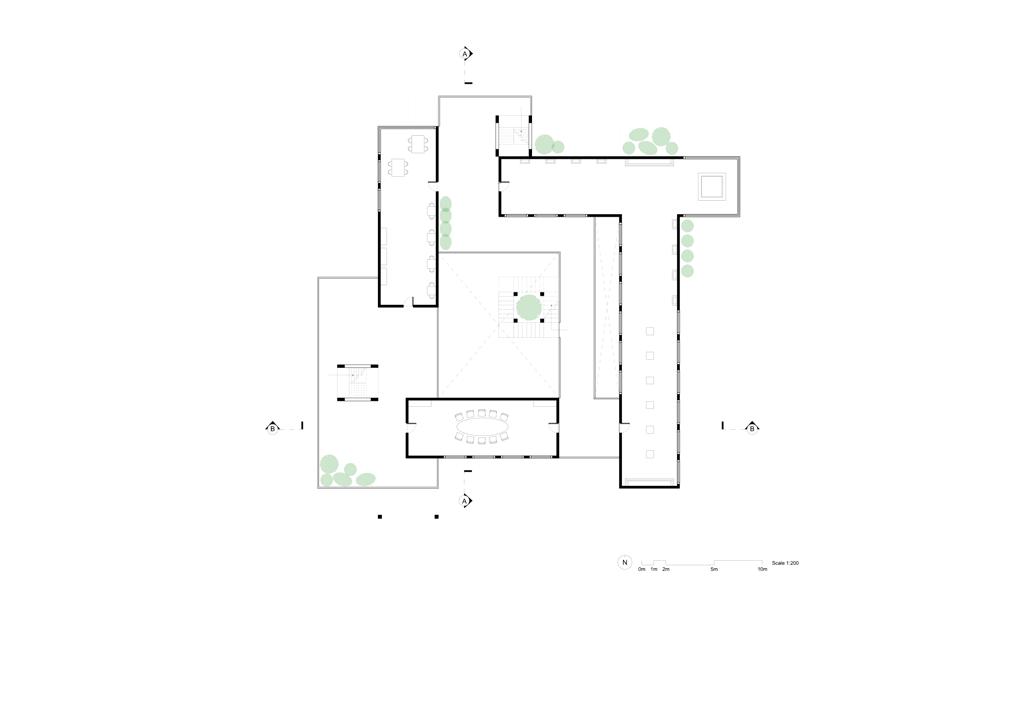
As we ascend to the second floor, the design changes to a semi-private configuration to balance individual privacy and communal interaction. Providing a cosier, more narrowly focused setting for particular programming, like a library, conference rooms, or an exhibition area.
3F : Private layout
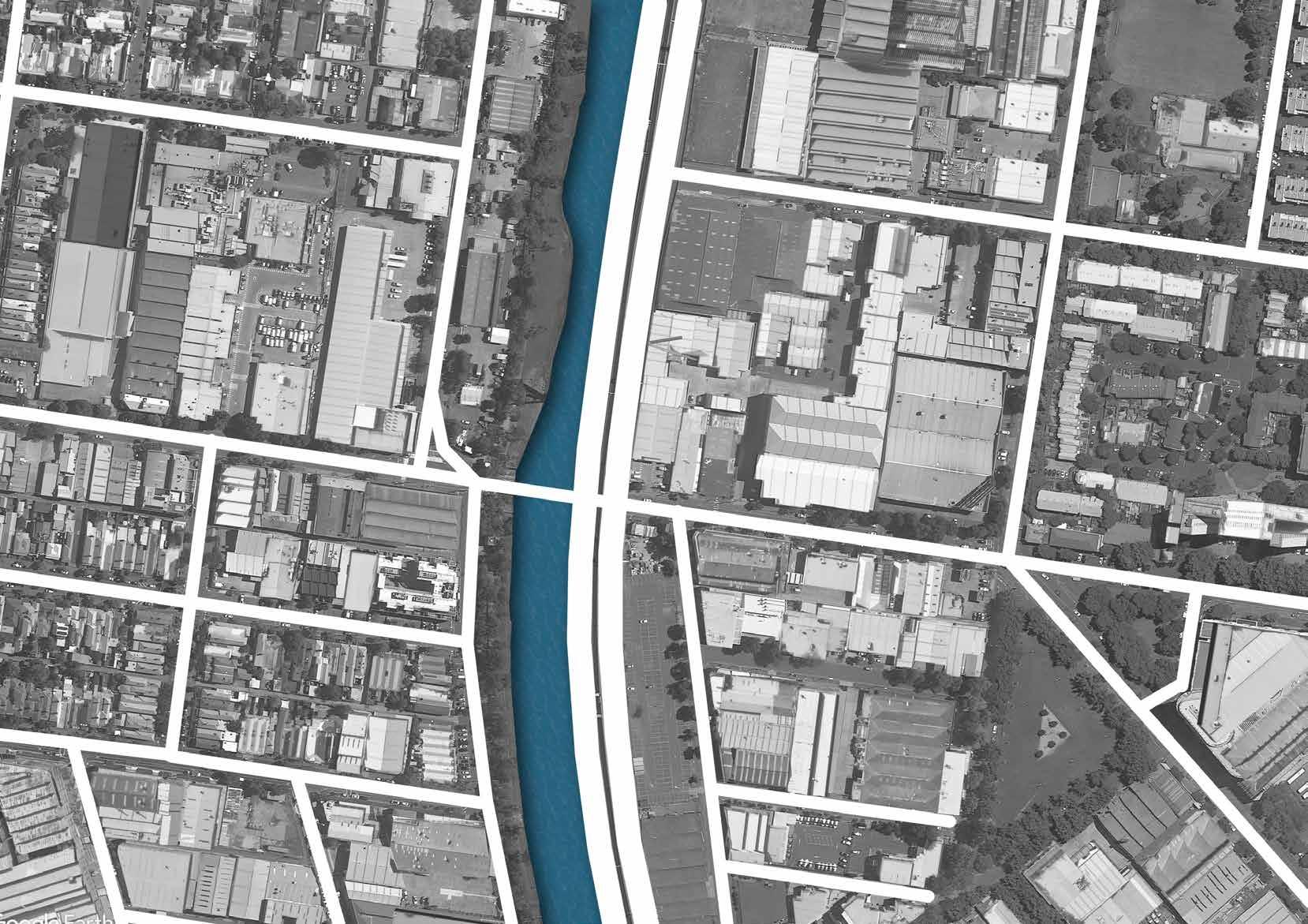
Once on the top floor, a private layout was used to separate the audiences from the busy sub-levels below while overlooking Moonee Ponds Creek and utilising the verticality of the architecture. The large ballroom on this floor also provides flexibility in space usage, offering a large venue with plenty of space for private events during some hours and being able to be transformed into an open communal area during other hours to ensure the room is used to its fullest potential.
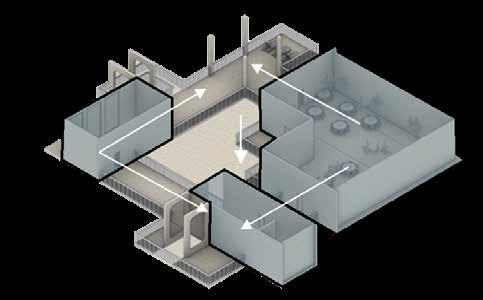
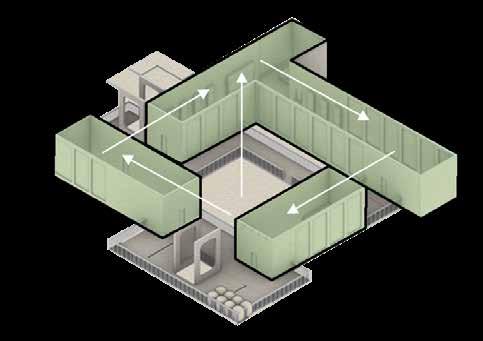
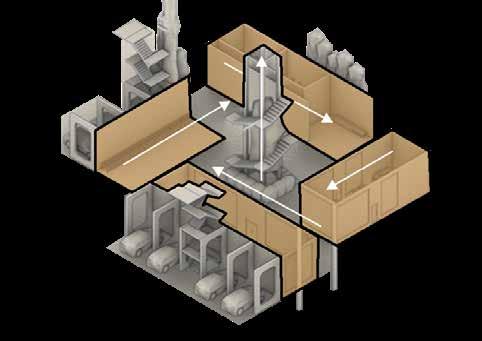
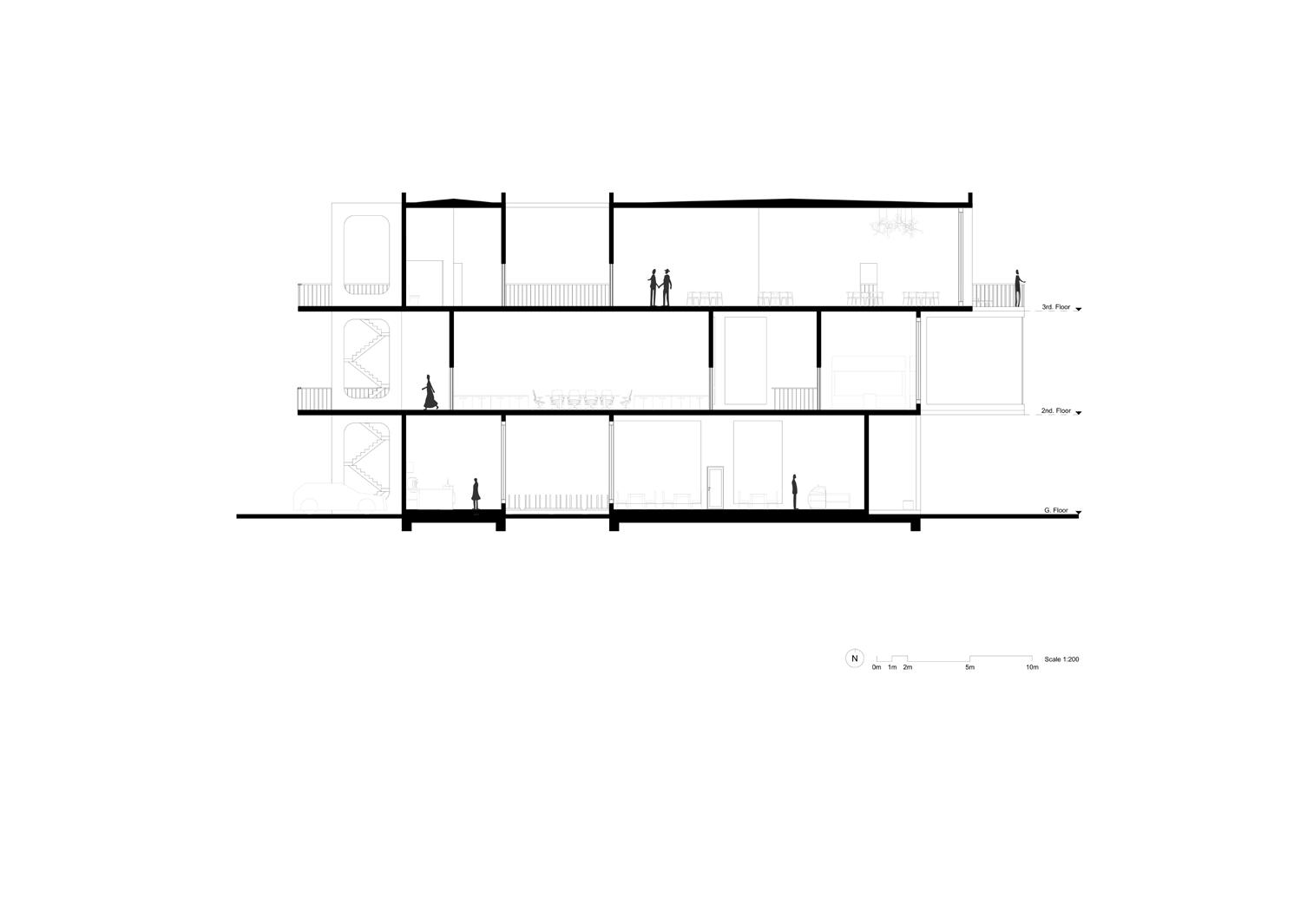
The floor plans of The Stack embody a dynamic and layered approach to spatial design, where form and function come together to create a seamless architectural journey. Each level is thoughtfully crafted to enhance the sense of movement and discovery, with open circulation routes and carefully framed views. The design prioritises flexibility, allowing spaces to adapt to the changing needs of the community. The interplay of solid and void, along with strategically placed staircases and transitional zones, encourages users to navigate the building intuitively, fostering engagement with both the architecture and its surroundings. By embracing the modularity of the LEGO-inspired concept, the floor plans create a rhythm of interconnected spaces that invite exploration, blurring the boundaries between public and private, indoor and outdoor, and static and dynamic experiences.
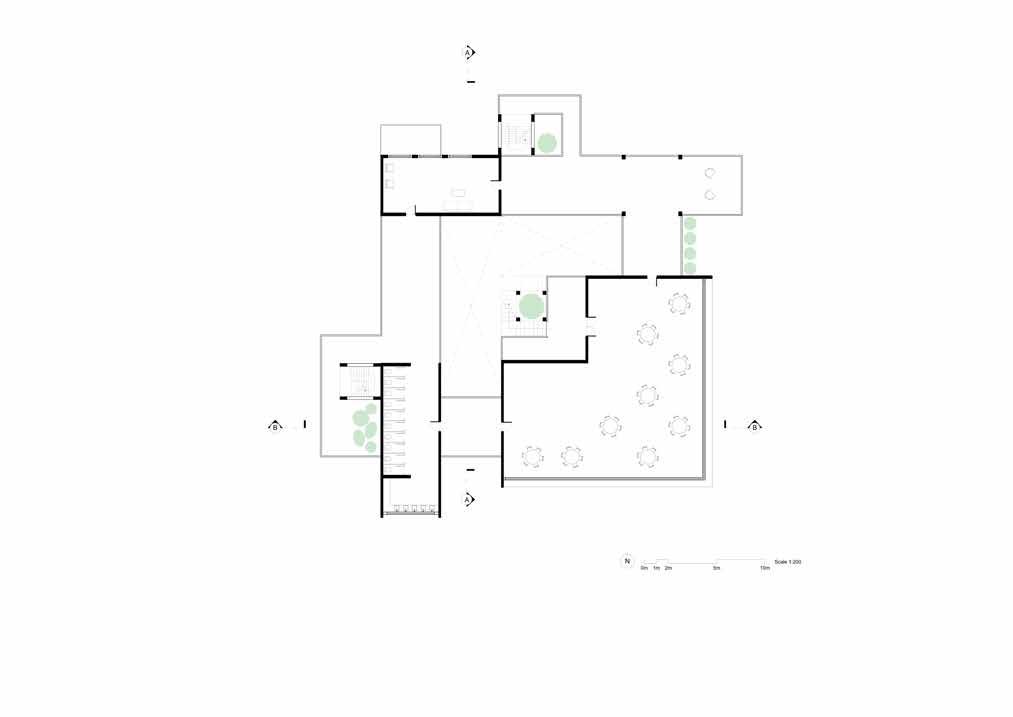
As I aimed to create an engaging and immersive journey throughout the space, I carefully considered how users would navigate between rooms and corridors, as well as their experience moving up and down the central spiral staircase. The seamless flow and sense of exploration were intentionally embedded into the project’s very essence, echoing the playfulness and creativity of LEGO. Every transition was designed to feel intuitive yet exciting, encouraging curiosity and interaction at every turn.
To further enhance this experience, large windows and doors were incorporated to dissolve the boundary between indoors and outdoors, allowing natural light to flood the interiors while framing picturesque views of Kensington’s tranquil neighbourhood. This integration not only created a visually open and airy atmosphere but also strengthened the connection between the built environment and its surroundings, reinforcing the project’s theme of discovery and engagement.
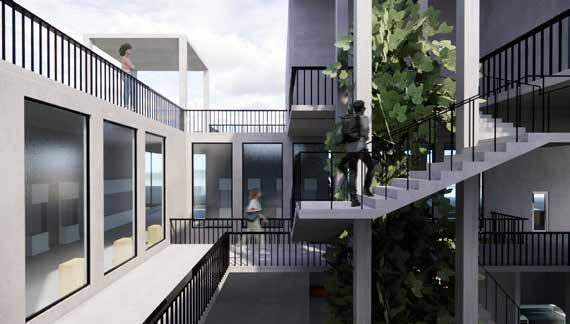
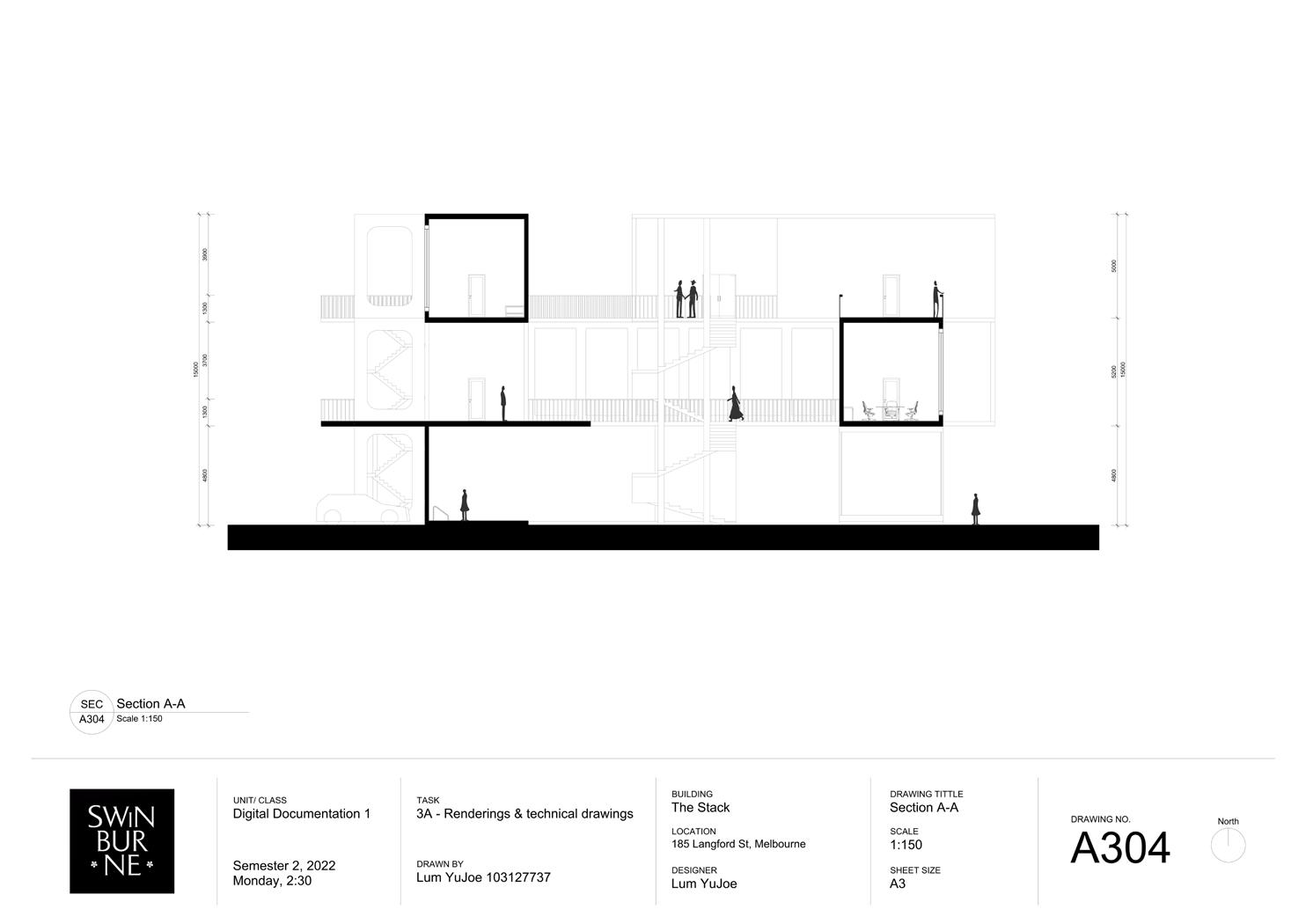
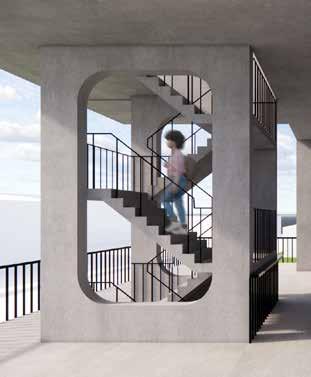
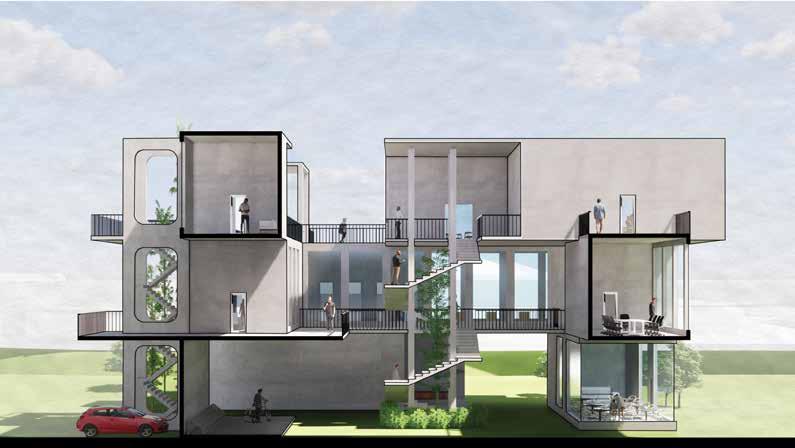
STACK’s innovative design fosters a strong sense of community while addressing the varied needs of the neighbourhood. It creates a flexible and adaptable space that can accommodate a wide variety of functions and preferences by seamlessly blending open, semi-open, and private layouts. In doing so, STACK establishes a new benchmark for adaptability and inclusivity within community spaces, serving as a trailblazing model for future community buildings. It’s a significant architectural undertaking that exemplifies how thoughtful design can influence how we interact with and engage with our surroundings, ultimately strengthening community ties.
Location: Docklands, Melbourne
Type: Active solar shading building
Size: 2,444 km²
Year: 2022
Convener: Simon Lloyd, Astrid Huwald
About:
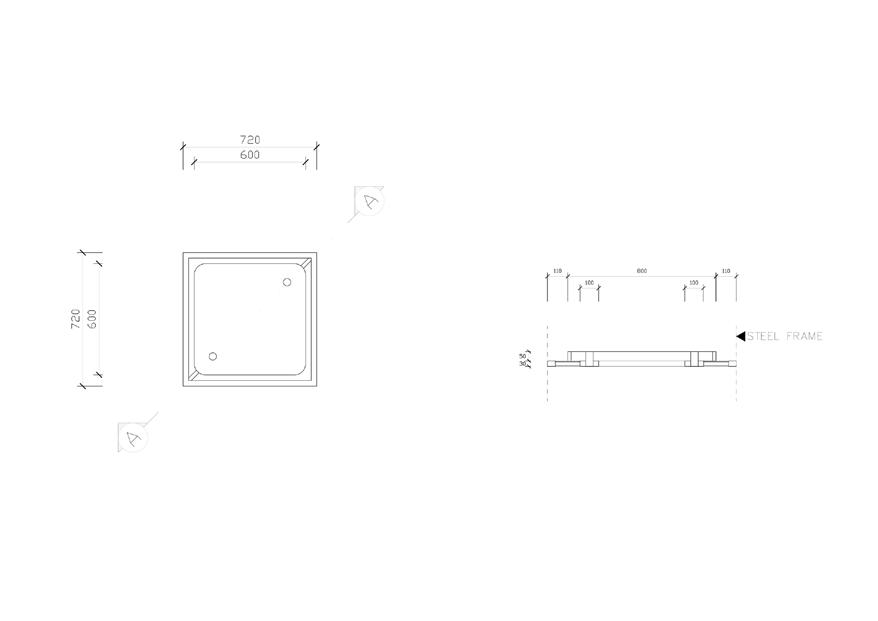
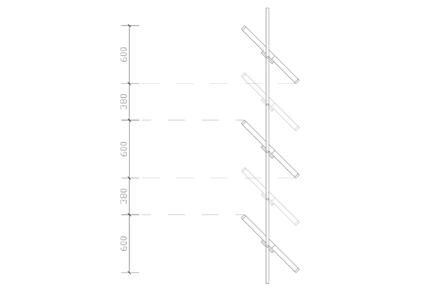
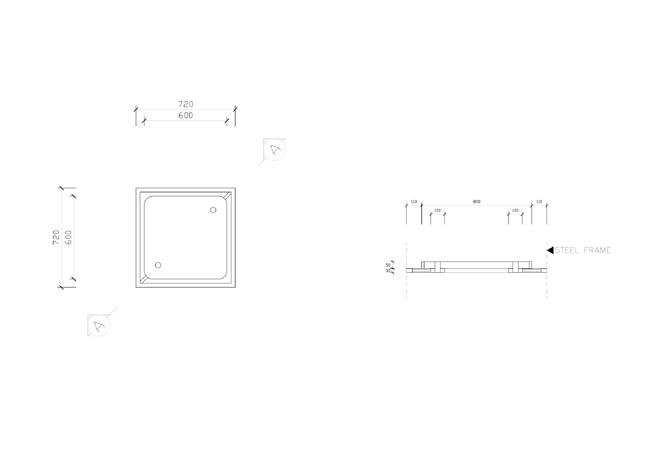
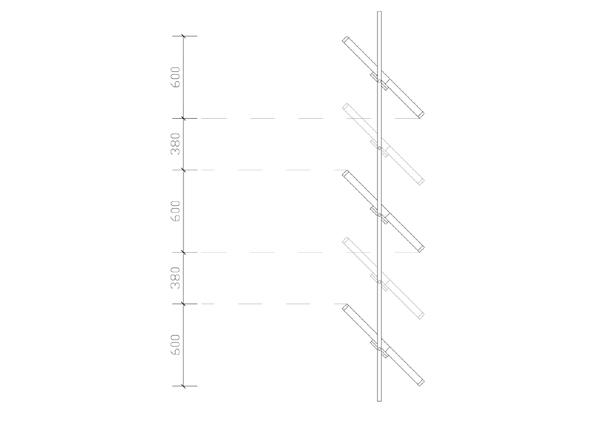
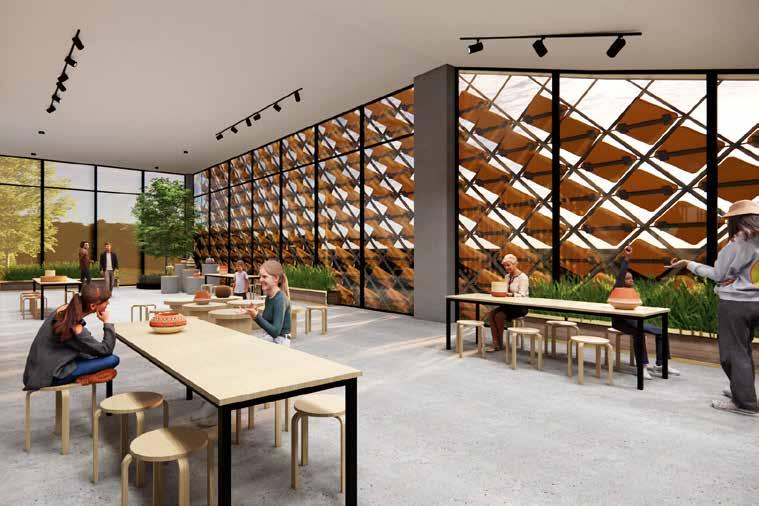
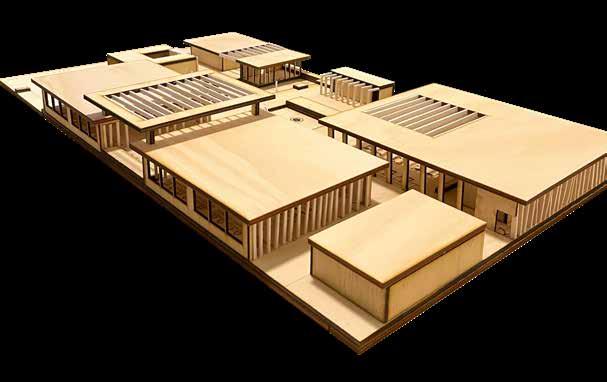
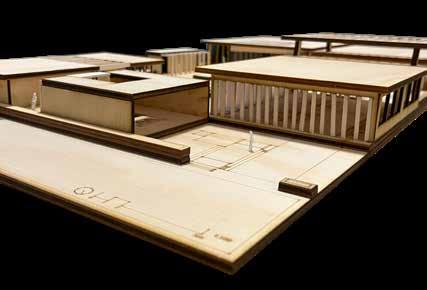
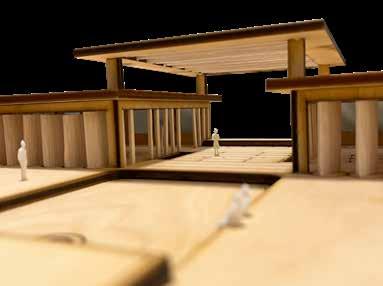
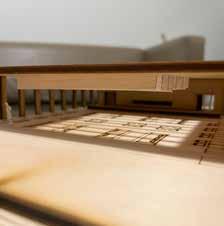
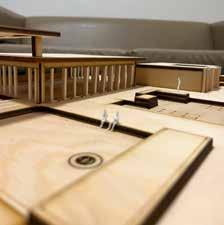
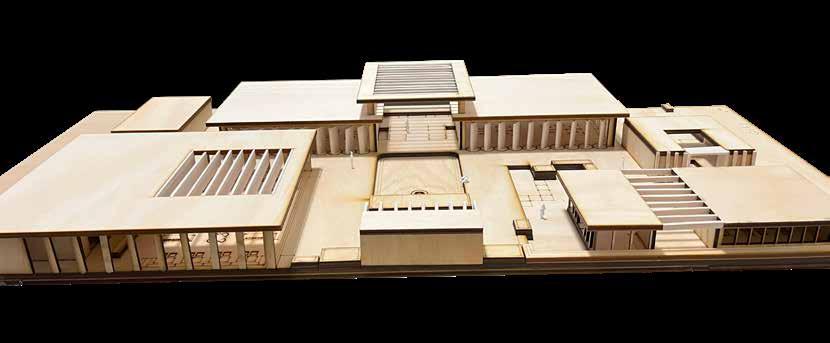
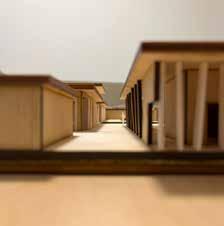
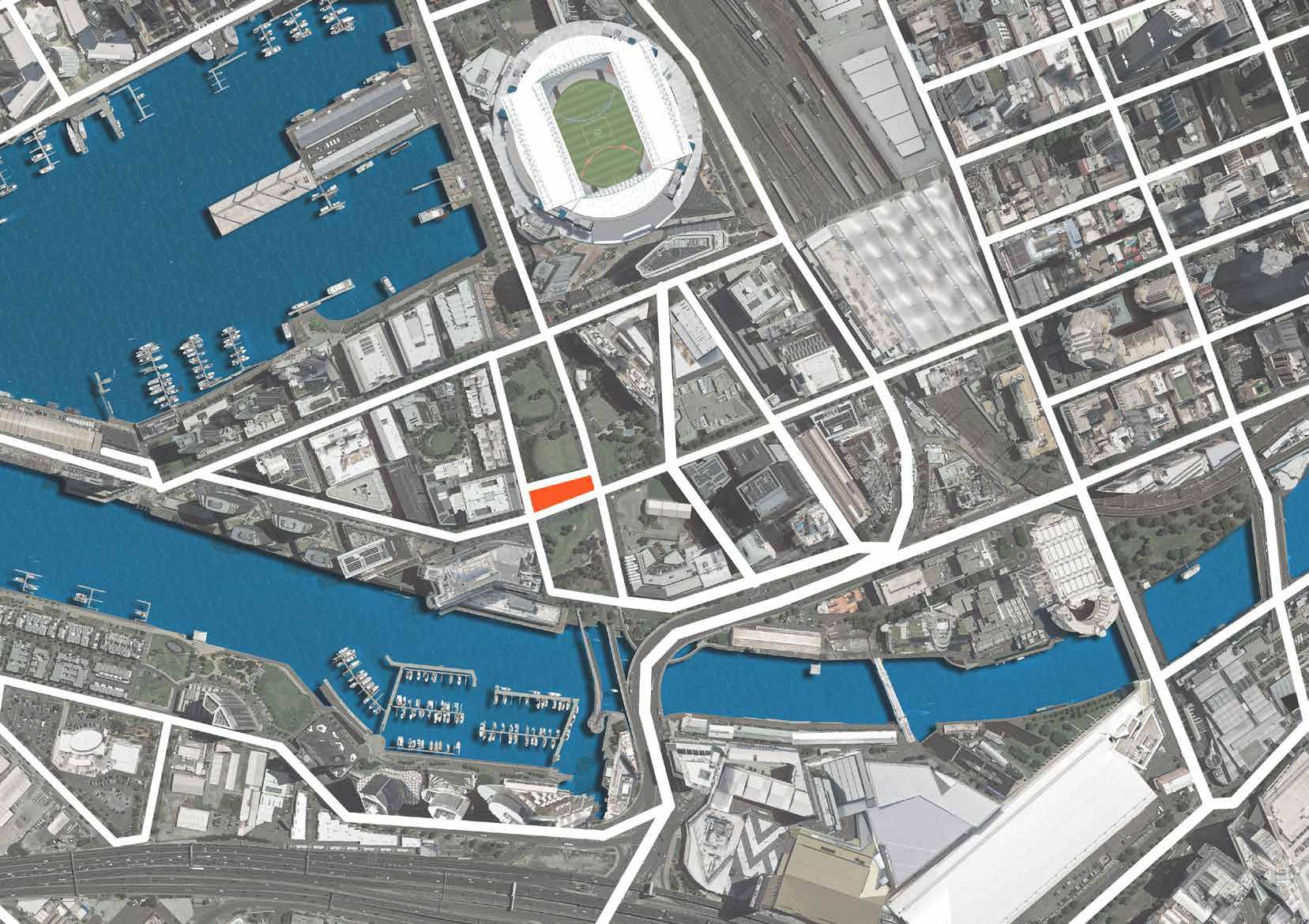
The Museum of the Handmade is located in Docklands, Melbourne. It is an innovative sustainable design integrating active solar shading using ceramic tiles that adjust its orientation based on the sun’s position throughout the day.
The project demonstrates a dedication to sustainability by utilising passive heating and cooling systems throughout, a planted roof covering a concrete sloped frame, and eco-friendly materials like recycled wood for furniture. The structure exemplifies an innovative and environmentally conscious approach to architectural design.
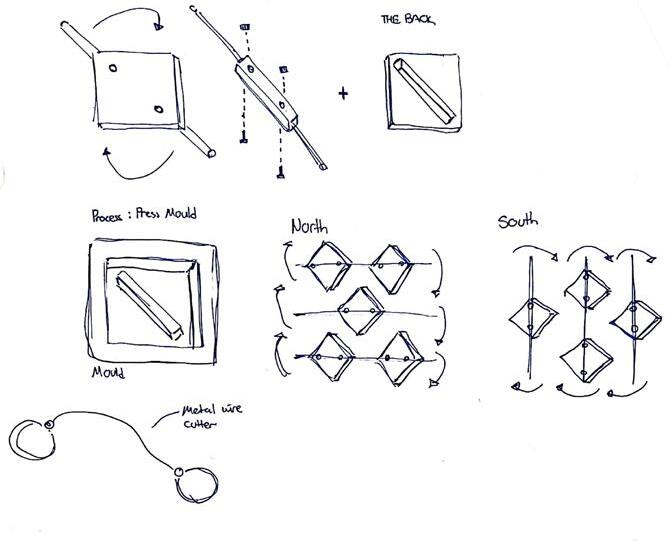
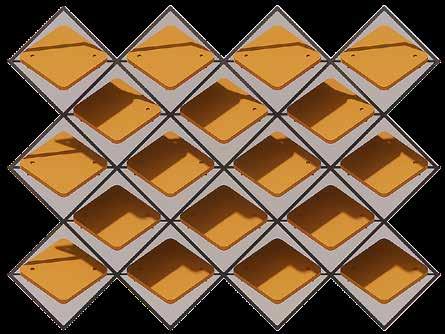
Located on Swanston Street and Victoria Street. The structure is covered in 17,000 automated circular glass panels that offer excellent thermal efficiency while rotating to match Melbourne’s weather forecast.
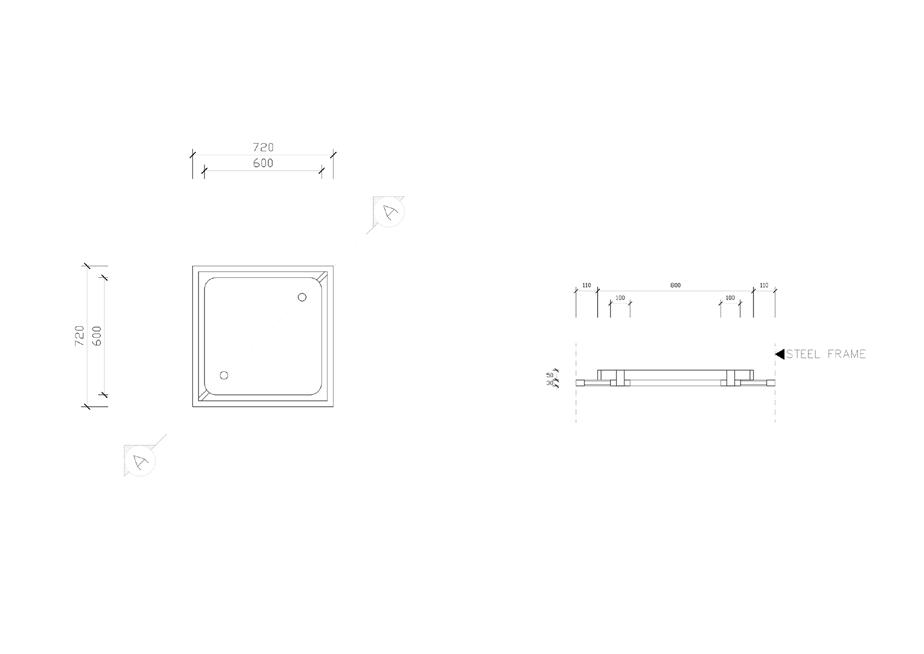
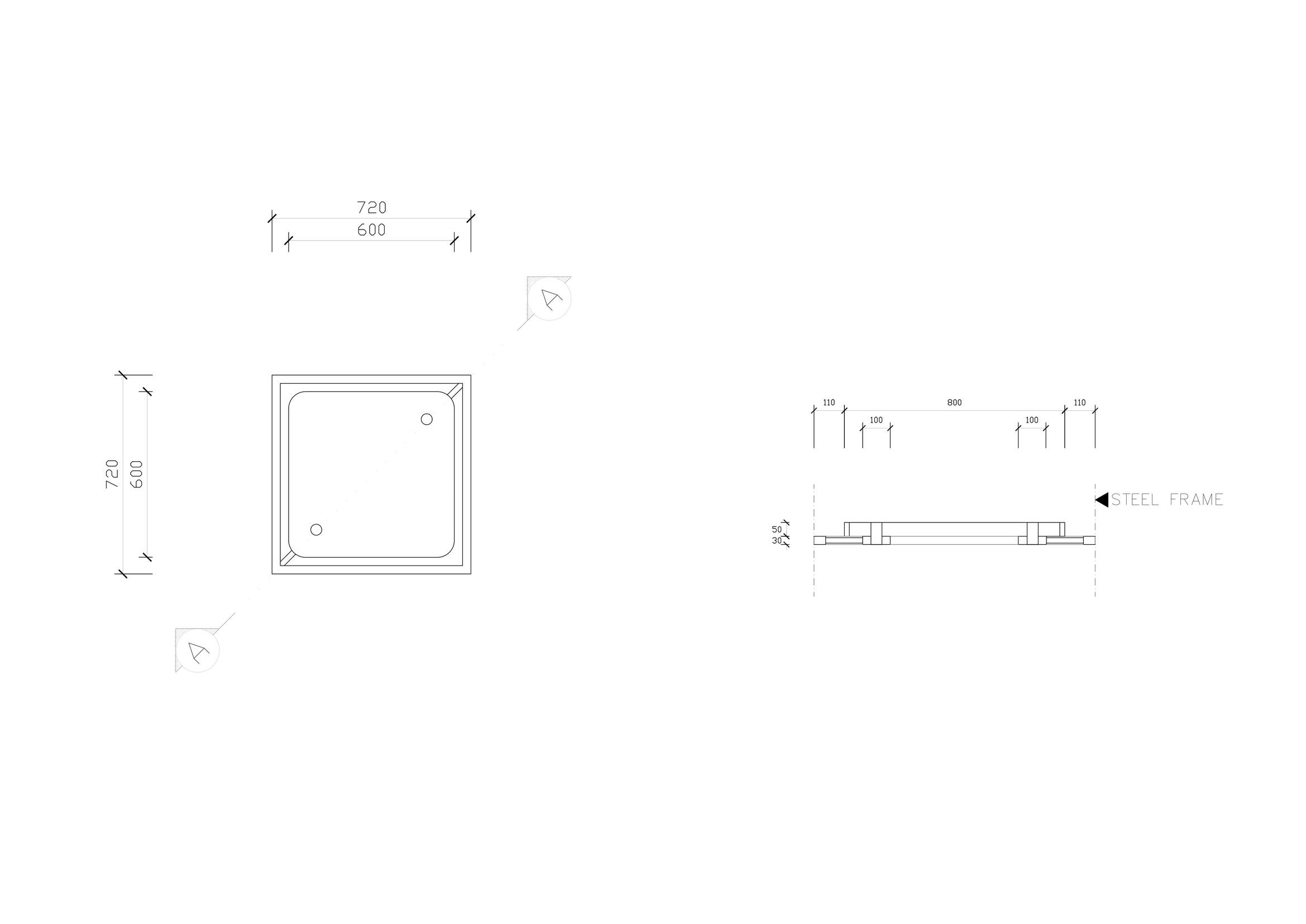
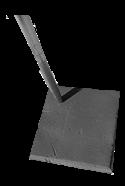
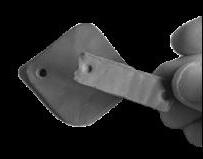
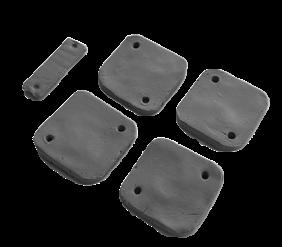
For the North and West facade prototype, I experimented with clay to create a diamond-shaped panel that aligns with Melbourne’s sun path. It was also used to comprehend the different production procedures needed to create a clay panel on a practical level.

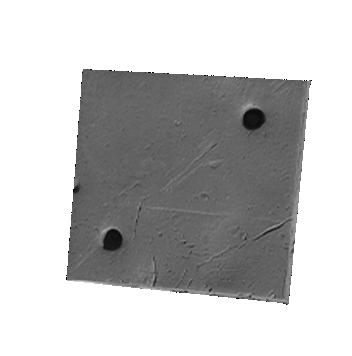
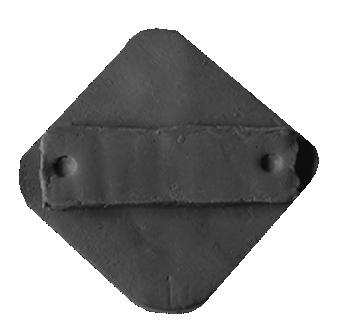


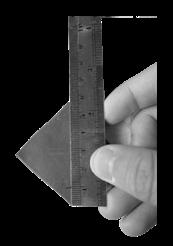
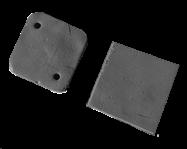
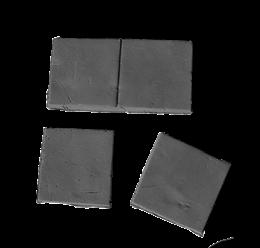
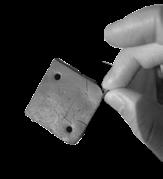
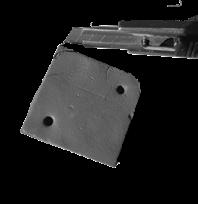
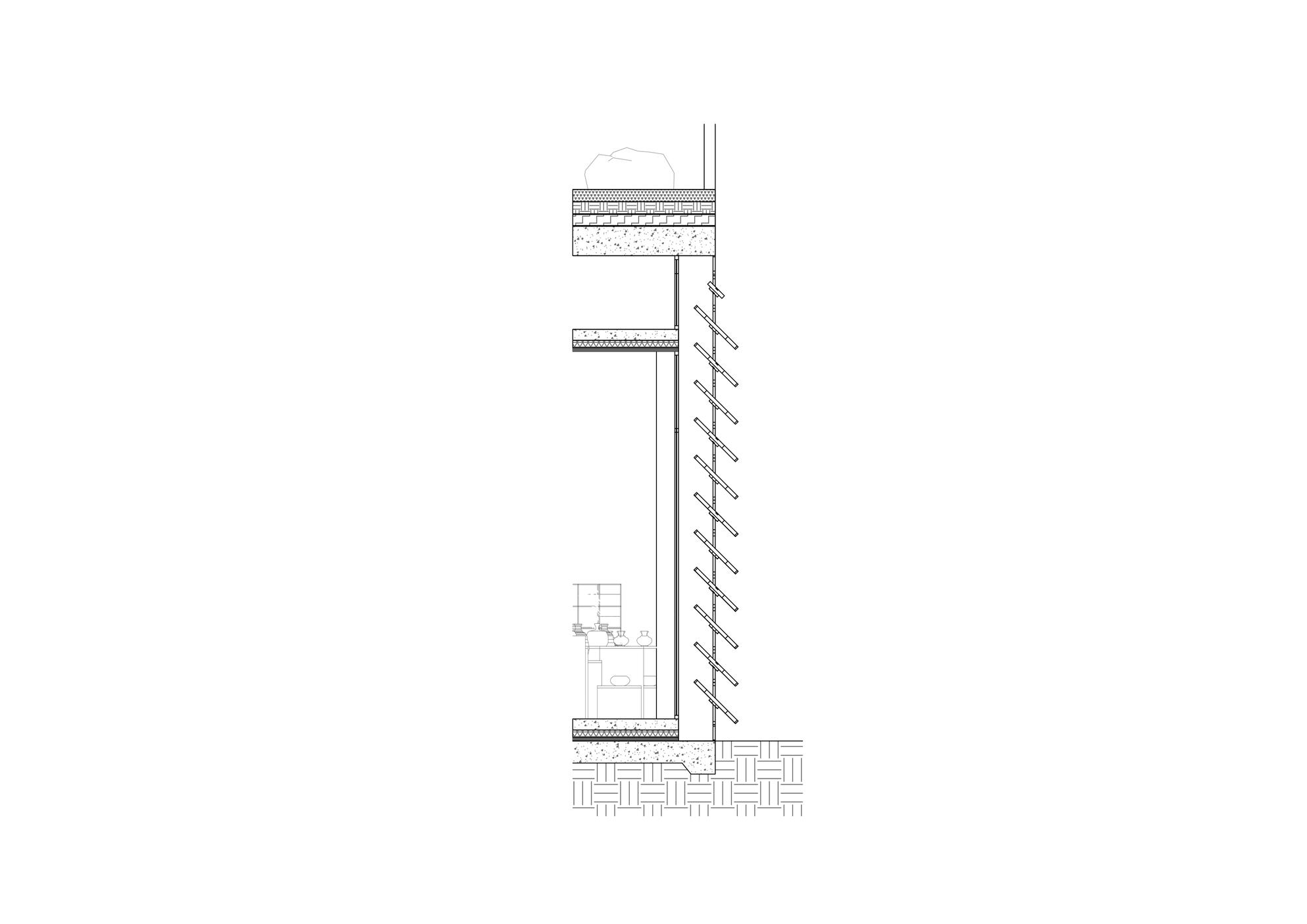
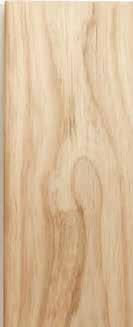
To reduce our carbon footprint in the building industry, the project uses eco-friendly and long-lasting materials alongside a sloped green roof that increases energy efficiency by reducing the amount of active heating and cooling systems that are normally required to regulate the temperature within the building. It also contributes to increasing biodiversity in Docklands by providing shelter for little creatures to dwell.
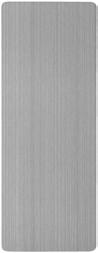
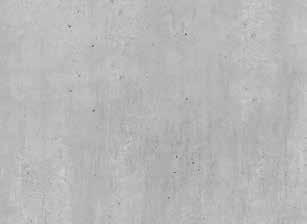

MATERIAL BOARD
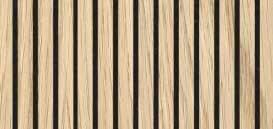
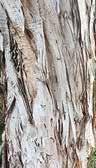
4.
During the day, thermal energy is stored by thermal mass within the structure. With the help of the proposed glazings above, cool night winds will flow into and through the building carrying the thermal energy away.
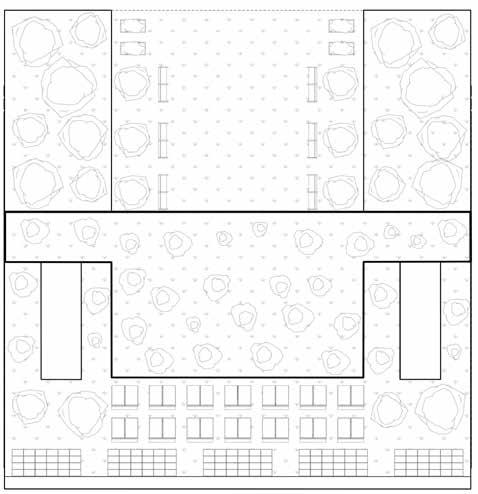
ROOF PLAN
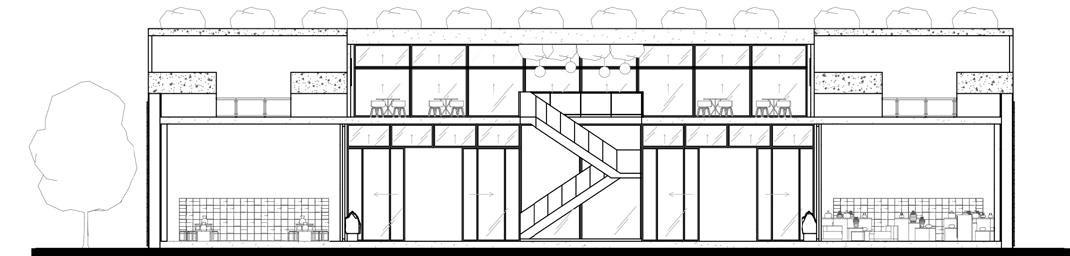
Cross-section ventilation, one of the building’s passive features, enables continuous fresh air flow throughout the structure, pushing cold air from plant transpiration up the central staircase and into the second floor, where the majority of the hot air pockets are found. After that, it is carried outside the structure, and the cycle continues throughout the day.
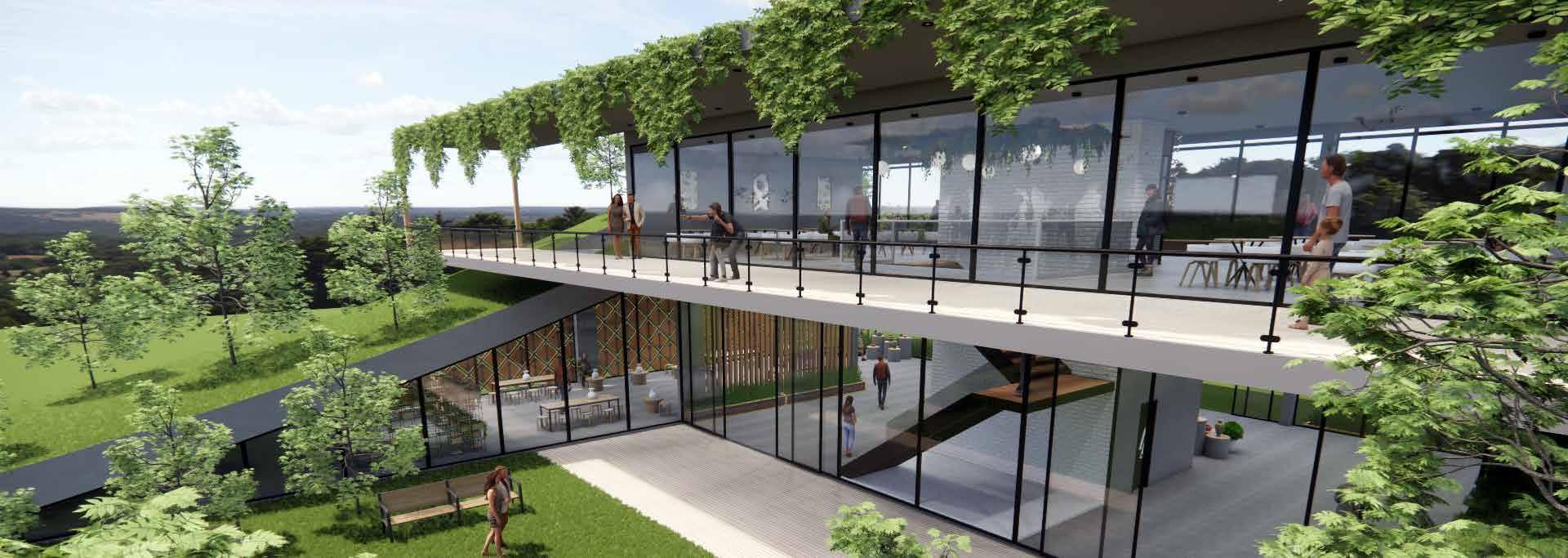
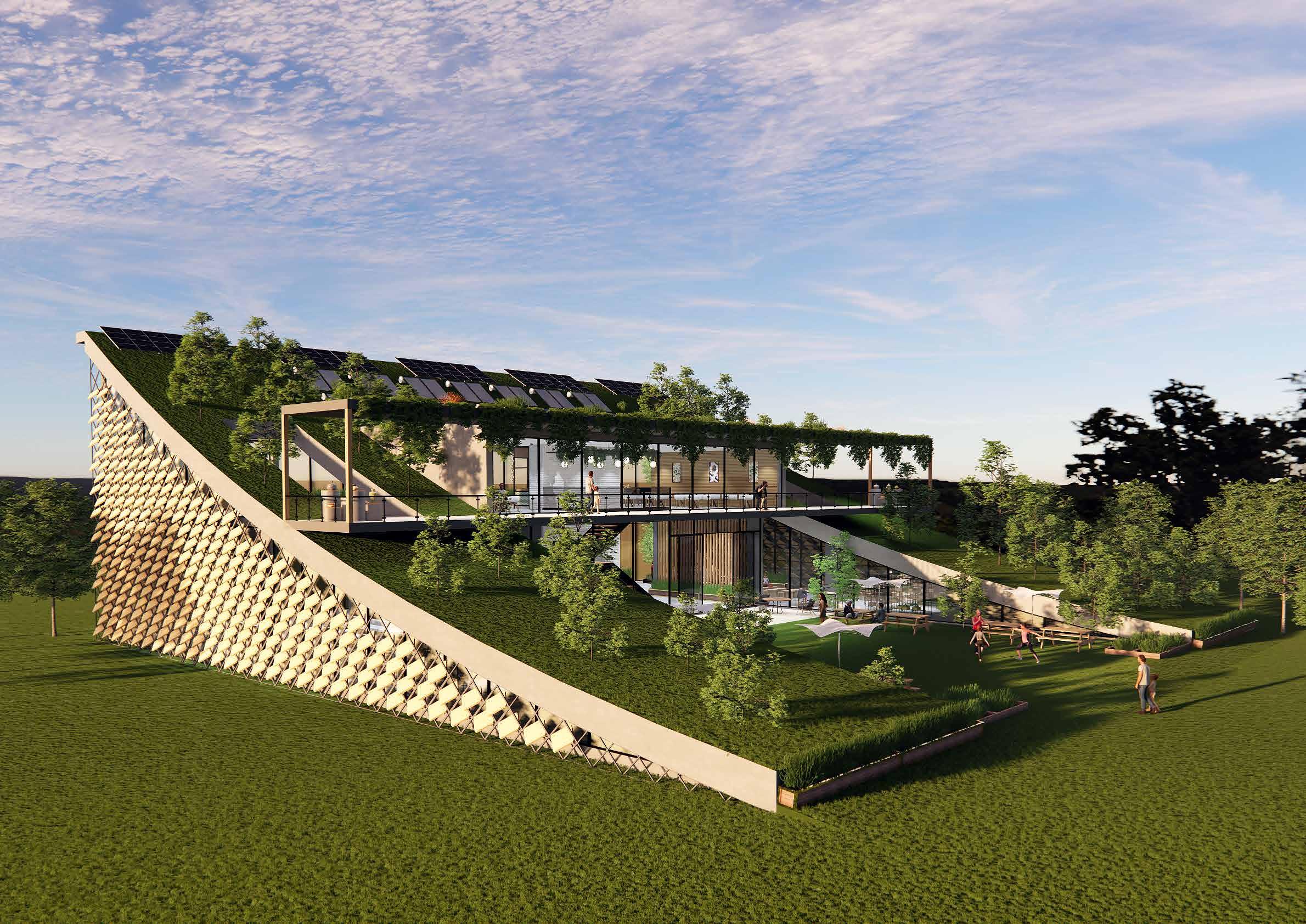
I incorporated a green roof to enhance sustainability and promote environmental harmony. The green roof not only improves insulation and reduces energy consumption, but also supports biodiversity and manages stormwater runoff. It creates a natural, visually appealing element that softens the built environment and contributes to overall well-being.
Another feature in my design is a shading mechanism that blocks out direct sunlight during peak hours. This system reduces heat gain within the building, lowering the need for artificial cooling and enhancing indoor comfort. By minimising solar exposure, it contributes to energy efficiency while maintaining a connection to natural light.