
PINS anglers catching warm-weather species
By Cory Byrnes
For Lone Star outdoor newS
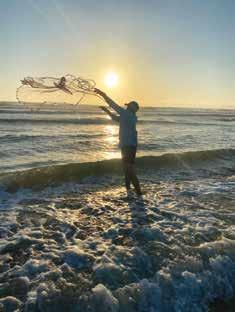
Padre Island National Seashore fishing has been excellent but localized.
“If you went to Mansfield on Sunday, it went ballistic,” said surf angler and rod builder Nick Meyer with Breakaway Tackle. “If you were at Fish Pass on Sunday, there were jackfish everywhere. Down south, the reds were stacking up against the jetty. Tarpon were being caught, pompano, and everything.”
The mild start to the fall has, however, delayed the pompano run. It has also meant anglers have been able to target a larger variety of species later in the season than normal.
No matter the target, anglers should focus on fishing a south wind.
By Conor Harrison Lone Star outdoor newS
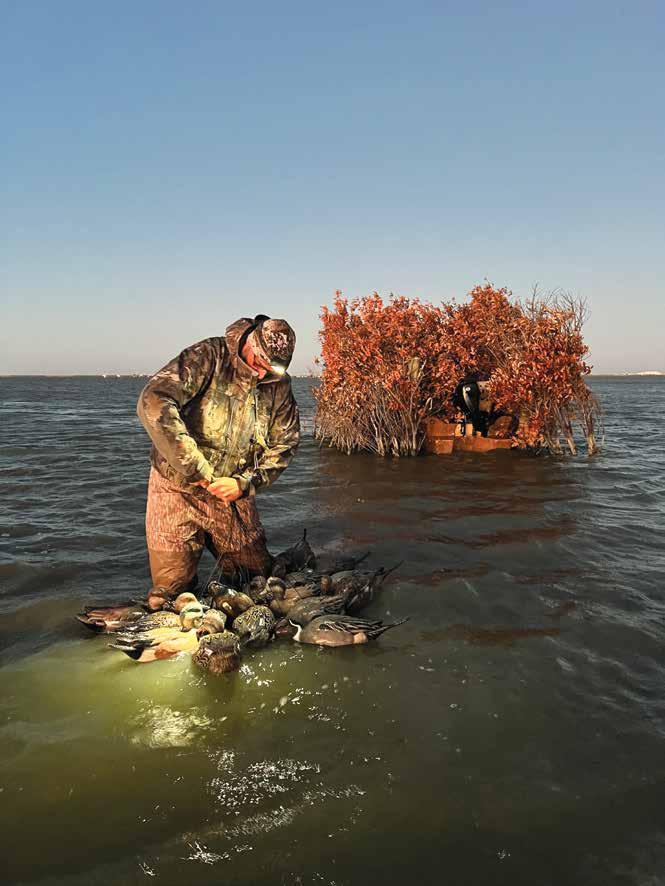
It’s been tough sledding for Texas duck hunters through the first split of the season which ends Nov. 30 in both the North and South zones.
Unseasonably warm weather and a lack of cold fronts in November have left many birds still up north, where food and water remain open and available with no snow cover.
On the coast, the action has been better in the afternoons, according to local guides.
“Our season started off really
By Nate Skinner For Lone Star outdoor newS
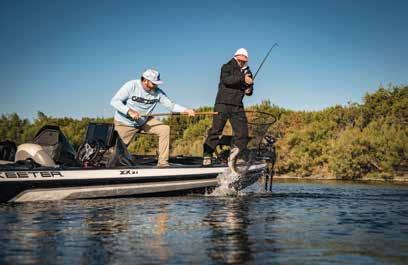
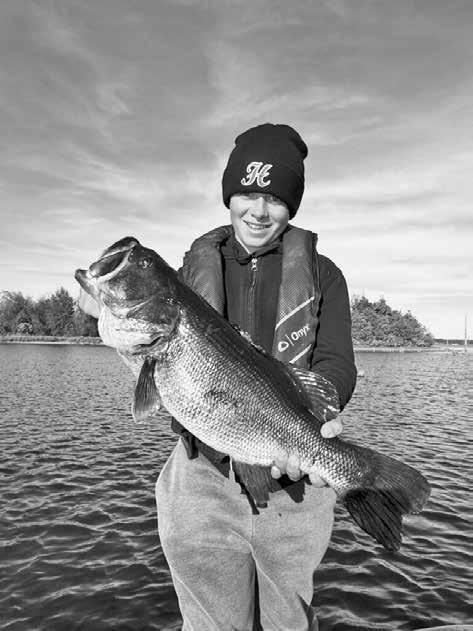
Anglers are taking advantage of the increased action from largemouth bass on reservoirs that serve as cooling lakes for power plants across Texas, especially on the occasional cool fronts that have rolled in this November. While some bass are starting to
move shallow on the power plant lakes, larger concentrations of fish continue to be caught in deeper water.
Fayette County Reservoir fishing guide Rick Denton said some bass are beginning to feed up shallow, while larger numbers of fish still remain in deeper water near structure.
“The best bite up shallow has been taking place during the early morning hours,” Denton said.
“How long it lasts varies from day
good,” said Port Aransas owner/guide Chris Cremeen with Texas Gulf Duck Hunting. “It has since slowed down with the 80- to 85-degree days. We have ducks around, especially redheads. I am sitting in the blind right now and we passed a raft of 3,000 to 4,000 redheads on the way here. It’s tough to scout
our area because we have so much traffic and pressure from hunters and anglers that keep birds moving.”
Cremeen said they had a good variety of birds early in November with the early cold front, with some pintail, teal and ringnecks pushing down, but many of those have since departed.


By David J Sams Lone Star outdoor newS
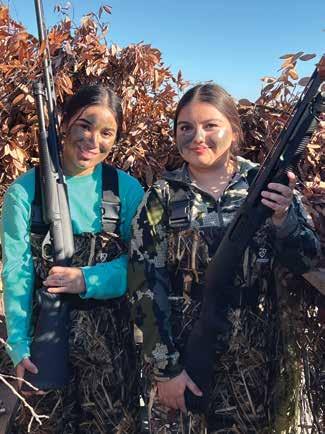
Sometimes it takes a contest to get a group of students to open up and relax. The 2025 Week of Waterfowl kicked off with a hot lunch and a door-prize raffle that quickly became one of the event’s, held at Port Bay Hunting and Fishing
Club in Rockport, early highlights. Every student from Texas A&M-Kingsville walked away with something — shooting glasses, Sitka hoodies and T-shirts, and more. The hunting guides were giving out pink LSON caps, a hit among the new hunters who were eager to learn.
This year’s class brought a diverse group: a Ph.D. student from Nepal, another from Virginia, one from Washington, and a mix of Texans — six with previous hunting experience ranging from deer to hogs and varmints. But none
had hunted ducks. Delta Waterfowl’s University Hunting Program supplied 10 Benelli pump shotguns, waders, and jackets, and Kent Cartridge provided all shotshells. For the first time, an all-female hunting team partook in the action, and guide Chelsea Stone wasted no time showing the girls how to set a decoy spread at one of the club’s many named duck blinds. Her young retriever, Kurt, just a puppy at 12 months old, joined the lesson, bounding around the salt
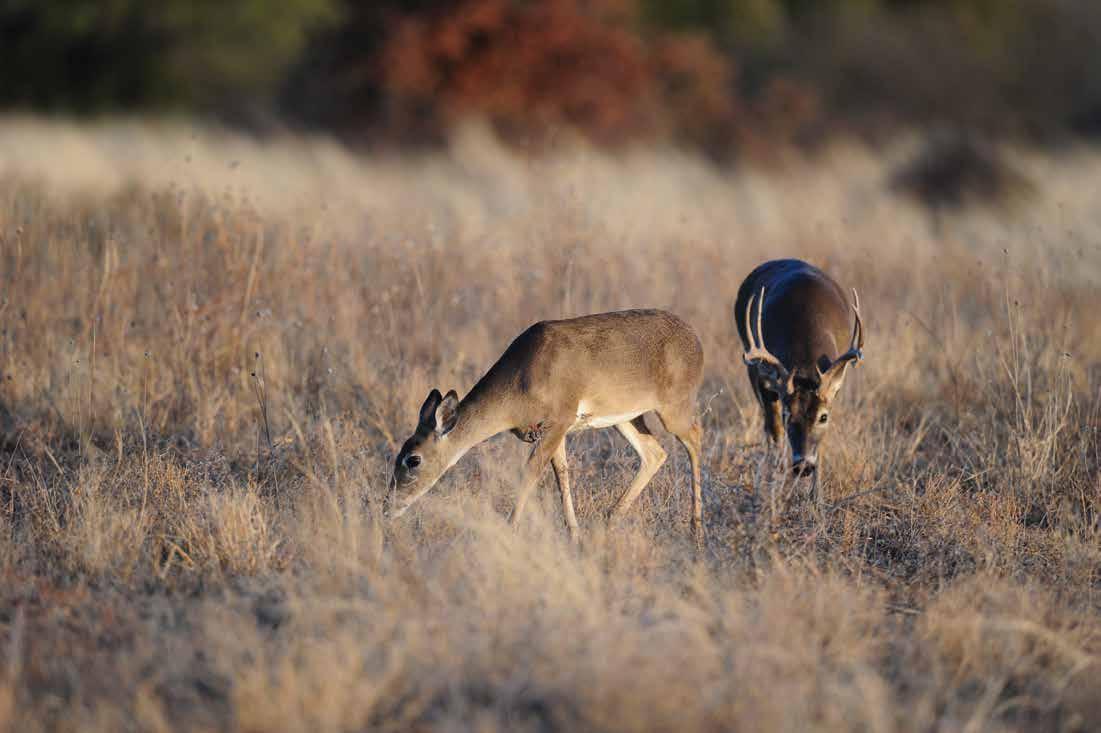
Bucks across the Lone Star State are in various stages of the annual white-tailed rut, and hunters have been taking advantage with tactics
In Northeast Texas, bucks have been running does for weeks, with peak breeding occurring around the third week of November. Despite warmer-than-normal temperatures, lots of daytime movement was seen from the full moon early in the month through the middle of the month. Hunters reported many mature deer locked down with does two weeks before Thanksgiving. With a traditional rut date of around Nov. 12, many hunters felt that held true again this year, although high temps led to decreased daytime activity.
Reports of trailing bucks in Bosque County on Nov. 18 brought several mature deer to local processors that were taken trailing does.
In nearby Mills County, hunters reported big bucks being locked down with does and tough to find during the same timeframe.
In the East Texas Pineywoods, the first two weeks of November proved to be the best time in the woods, with many reports of bucks
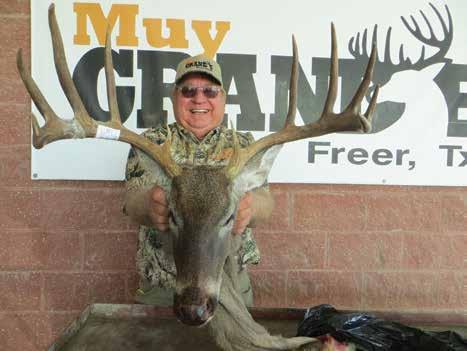
The longest Muy Grande member has participated for 61 years
By Meghan Jackson
Some say familiarity breeds contempt. Others say familiarity makes someone like family. And after 61 years, Lee Taylor feels like family at the Muy Grande Deer Contest in Freer.
The idea of a deer contest was unheard of in 1965, but founder of the Muy Grande Deer Contest, Leonel “Muy” Garza, was not one to resist new visions. Garza believed South Texas deer were as wide as the Rio Grande and as big as Texas, therefore they were “Muy Grande.” For 61 years, this contest has met many who feel the same, but there is one person who has never, ever missed an entry.
“Lee Taylor has been a faithful friend to the Muy Grande Deer Contest literally since the 1960s,” said Garza’s daughter and current owner Imelda Garza
Sharber. “He is always full of life and visits our store year after year to check out the leaderboard before hunting, and to say hello.”
Garza’s granddaughter and manager Alyssa Benavides said since she started working at the store in the early 2000s, registration number 170 is always reserved for Taylor.
“It must be his lucky number because since I have known him, that has always been his number,” Benavides said. “I am sure Grandpa always made sure he had it, as well.”
Taylor is a walking book of knowledge, according to owner Kenneth Sharber. He was a biologist for the Briscoe Ranch for 40 years and has a deep passion for white-tailed deer hunting.
“The excitement of hunting big deer has always existed… history proves that,” Taylor said. “The Muy Grande takes the time to recognize that, all while prioritizing proper deer management. Back then, people traveled from all over the world to come to Duval or Webb County to hunt, especially for a buck with the widest spread.”
chasing does in Cass County and southwards.
On the Edwards Plateau, in the Schleicher/Menard county area, reports were out the week of Nov. 17 of bucks in full rut and tending does across the area. Many hunters reported killing mature deer trailing does, despite the high temperatures. Rattling was bringing in lots of deer, especially on the cooler mornings.
In the Hill Country, hunters reported chasing around Nov. 10, with the main portion of lockdown occurring about a week later. As the calendar heads toward Thanksgiving, bucks were still searching for late does, but the main phase has come and gone.
In the Panhandle the action was just ramping up on Nov. 18. Lots of young bucks chasing and pushing does, and hunters expected mature deer to start making an appearance with the rain and cool front the weekend before Thanksgiving.
In South Texas, the best action is still to come in the month of December. Unusually high temperatures, even for South Texas, have slowed deer movement. Mature bucks have not been making regular daylight appearances yet.
By Conor Harrison Lone Star outdoor newS
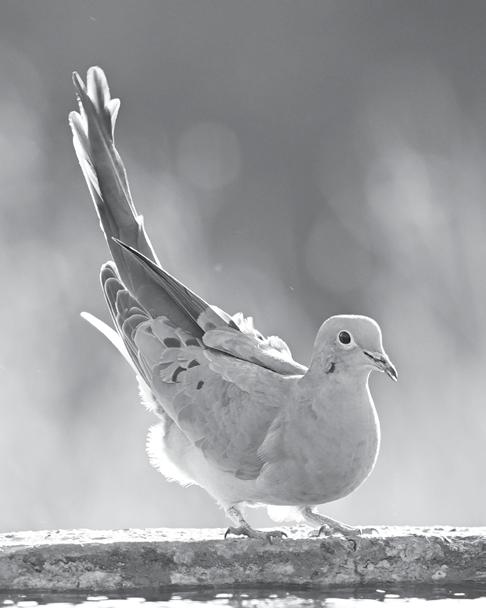
The dove breeding population, both mourning and white-winged varieties, are at or above longterm averages, across the state, according to a recent annual survey published by Texas Parks and Wildlife Department.
“There were no real surprises this year,” said Owen Fitzsimmons, TPWD Dove Program Leader. “We had a few years of below-average abundance, especially with mourning dove. But the past few years, we have had good breeding conditions. We had a lot of birds last year, so we expected a lot of birds this year, as well.”
The mourning dove population statewide estimate is 35.9 million birds, a 5-percent increase over last year’s estimate and 28 percent above the longterm average. Ninety percent of the birds occur in rural areas around the state.
For white-winged dove, the population estimate was 11.7 million birds, an 8-percent decrease from one year ago but still 15 percent above the long-term average. More than 84 percent of white-winged dove are found in urban areas compared to rural areas.
“I guess one small surprise was the decrease in white-winged dove numbers in several areas,” Fitzsimmons said. “They went down a bit in several areas — one around Houston, which we think was caused by bad storms last summer that impacted breeding. The other area is in the Trans-Pecos, where they had late-summer rains, but have been in a drought otherwise. I expect the carryover next year to be better in both areas.”
Hunters reported good hunting during the first split in many areas of the state.
The second split begins Dec. 19 in the North Zone, and Dec. 12 in the South and Central zones.



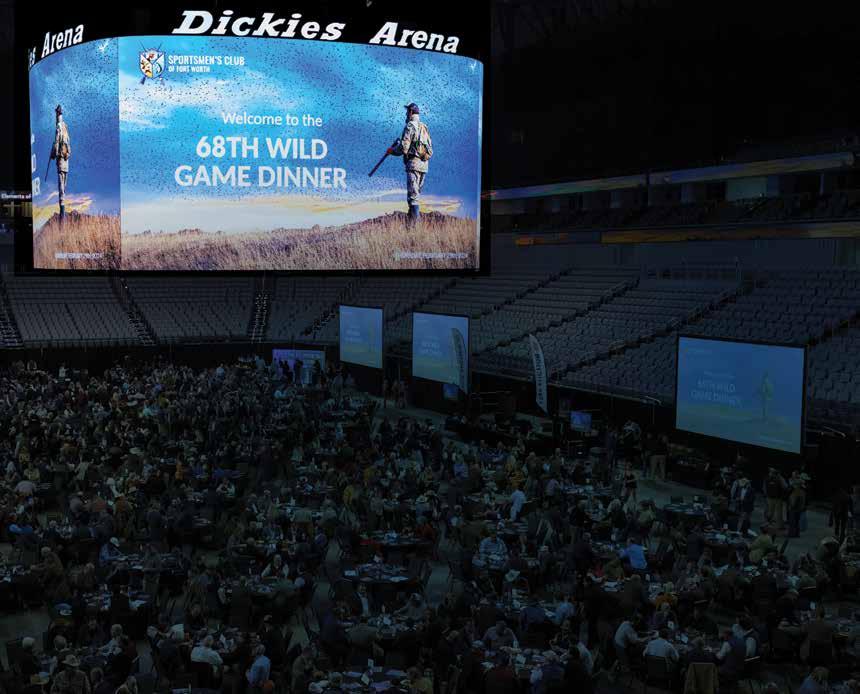
Quail Coalition raises over $3.4 million
Quail Coalition recently wrapped up their 2025 annual fundraisers, and they have reported net proceeds from their combined events has eclipsed $3.4 million.
The organization has also added a chapter in Oklahoma City, known as the Sooner State Chapter of Quail Coalition. In its first year of existence, the Sooner State chapter hosted their inaugural event with more than 140 attendees and raised a total of $71,000 in net proceeds.

The Texas-based organization boasts six chapters that netted more than $100,000 each this year, with the Park Cities Chapter in Dallas leading the way at $1.3 million raised at their Dinner & Auction in March. At that event, they honored Dallas Cowboys owner Jerry Jones with the T. Boone Pickens Lifetime Sportsman Award.
The Houston chapter, which netted more than $830,000, honored Russell Gordy with their James A. Baker, III, Lifetime Sportsman Award.
Below are the Quail Coalition chapters and the proceeds raised from their events this year:
Park Cities (Dallas)
Houston
Cross Timbers (Fort Worth)
Permian Basin (Midland)
South Texas (Kingsville)
San Antonio
Austin
Sooner State (Oklahoma City)
$1,300,000
$830,000
$450,000
$329,000
$255,000
$120,000
$82,000
$71,000
The funds raised from these chapter events will be granted to a multitude of research entities to study quail biology and the possible factors causing their decline. Quail Coalition also supports various habitat restoration programs and projects as well as funding programs focused on introducing youth to hunting and the outdoors.
Some of the beneficiaries of the funds raised from Quail Coalition events include; Rolling Plains Quail Research Ranch, Caesar Kleberg Wildlife Research Institute, Borderlands Research Institute, Tall Timbers Research Station, Texas Tech Quail, Wildlife Habitat Federation, the Wildlife Toxicology Laboratory at Texas Tech, National Bobwhite Grasslands Initiative, Valley View Field Trial Association, Outdoors Tomorrow Foundation, Youth Field Trail Alliance, and Texas Brigades.



Continued from page 4
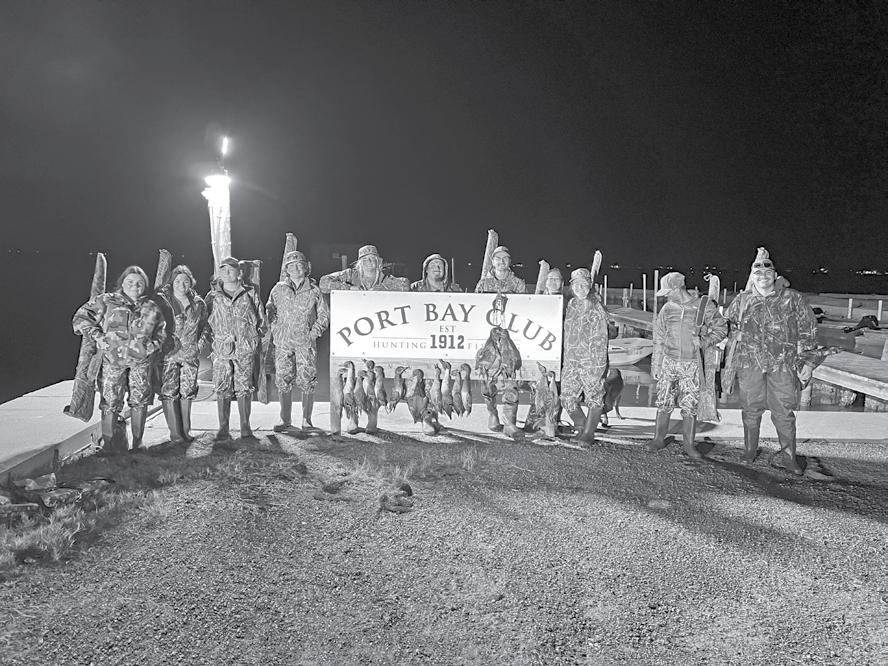
Ballou Blind proved a challenge early.
With the tall bay brush block ing their view, the girls climbed onto the bench before realizing they could simply stand outside on the hard sand bottom to see everything. Once settled, several ladies took shots at passing birds and managed to fold two pintail.
Around the corner, another crew set up at Lucci Blind with guide Dustin Seiler. Rupesh Ma harjan, the student from Nepal, and Hunter Guzman rounded out the team. The afternoon turned memorable when both students dropped their first ducks. Guzman immediately texted his father, “Dad, I got one.”


Redheads were the main tar gets, sliding in fast and giving the group tough, long opportu nities, but the birds kept coming.
Rupesh’s first duck was text book. A lone hen redhead circled and drifted over the decoys, and he made a clean shot. The bird fell right in the middle of the spread — something he’ll no doubt recall for years.
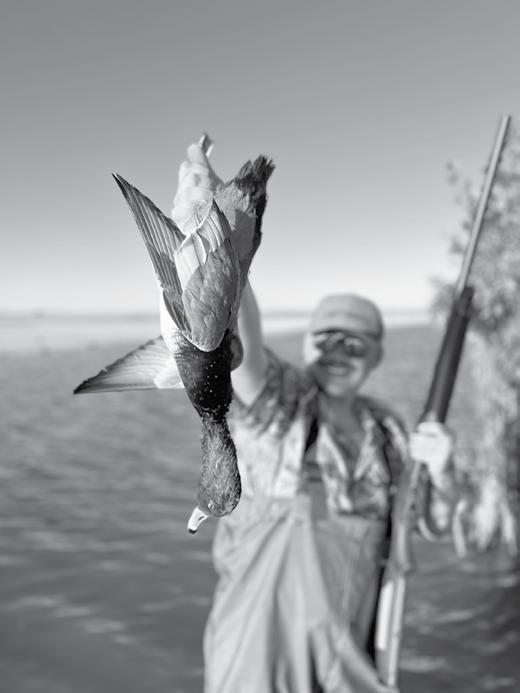
Spirits ran high back at camp that evening. Only three students in the entire group ended the day without a duck. Club cook Trey Huff served up chicken alfredo and pecan pie, and while a campfire burned bright at Port Bay, a $2-stakes poker game pulled in the crowd. Hannah Keyes walked away the night’s big winner.
Students talked about their hunt and their schoolwork— wildlife management, career goals, and life beyond the marsh. But by 10 p.m., most were already asleep, knowing the historic bell would ring through the halls of the Port Bay Club at 4:30 a.m., as it has for the past 113 years.
Miguel Carrillo had chorizo and egg tacos waiting, along with hot duck-club coffee. One group headed out by truck to hunt Blind #16, while the rest launched into the darkness via a big boat pulling skiffs. A video of their departure captured the quiet, glassy bay as the big boat left the dock.
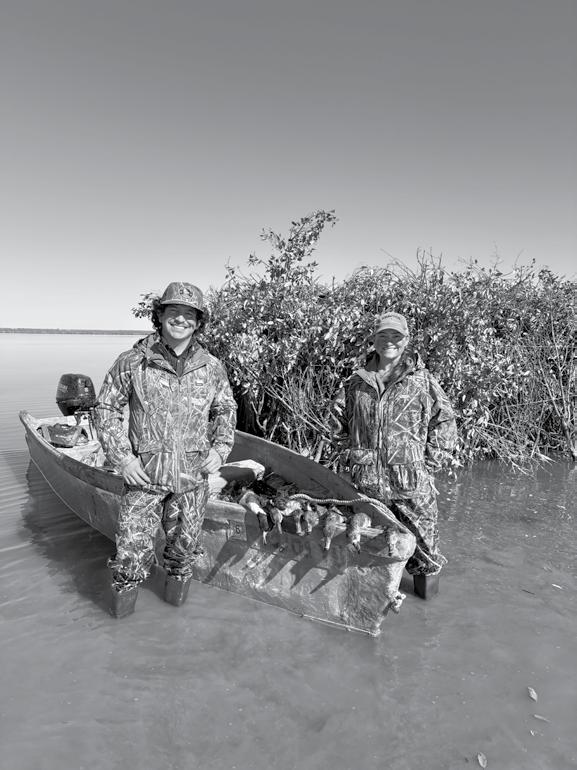
At Dagger Blind, the morning stayed dead calm, and action was slow.
A lone hen redhead rested in the decoys for more than two hours while her flock mate stiffened in the skiff. Near the End of the World Blind, Truman Collins spotted a hefty 28- to 30-inch redfish cruising the clear water, tailing and hunting for food just feet from the blind. From another blind, you could hear Hannah Keyes yelling with excitement when she hit her first duck.
Back at the dock, the students learned how to clean and prepare the birds for a meal. After lunch it was time to leave, but some students were overheard plotting to keep hunting and skip school.
About the Lone Star Outdoor News Foundation
The Lone Star Outdoor News Foundation’s mission is all about providing opportunities. It seeks to cultivate future hunters and anglers, especially those who haven’t had access to outdoor experiences, by offering education, mentorship, and hands-on opportunities. It also supports wildlife research and outdoor journalism, helping students pursue careers in wildlife management, conservation, and the media. We invented mentored hunting.
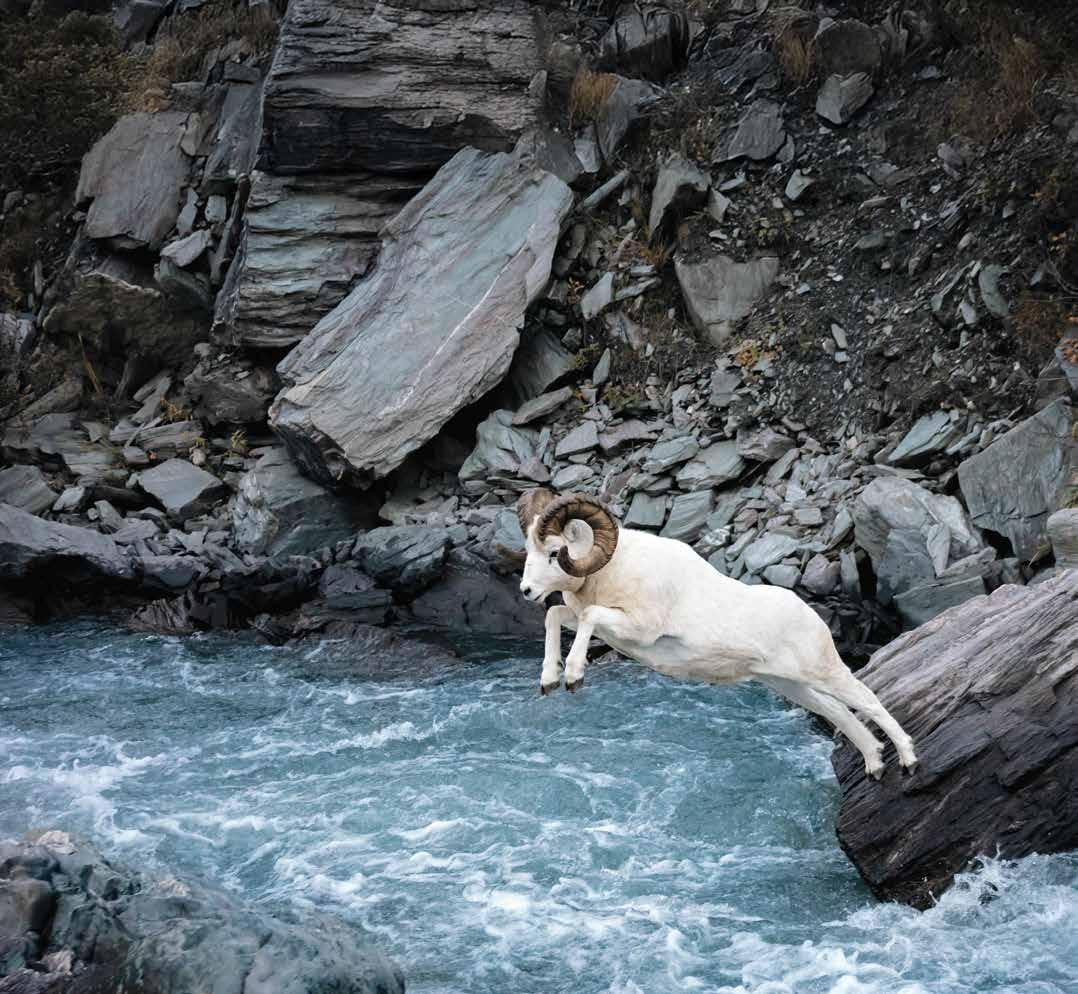



•Expo Hall, over 70,000 sq. ft. of wall-to-wall exhibitors featuring the finest guides and outfitters from North America and wherever mountain game hunting is found, plus the best in gear for all outdoor adventures, artwork, gift items, and more.
•$15,000 in Floor Credit drawings for all attendees
•Sheep Show® Mega Raffle
•Entertaining and inspiring nightly receptions, socials, banquets & auctions
•<1Club & <1iClub hunt giveaways and beer reception
•RAM Awards and Ladies Luncheons
•Life Member Breakfast and sheep hunt giveaway
•Horse Packing Competition & Backpack Races
•Free Seminars from industry experts and the latest films
•Sheep Show Sporting Clays shoot
•TOUGHSHEEP workout and sheep hunt drawing
•Youth Wildlife Conservation Experience
•More ways to win a sheep hunt than anywhere on the planet!
By Cory Byrnes For Lone Star outdoor newS
While most lower coast anglers favored revisions to speckled trout regulations, upper coast anglers are struggling with the discrepancy in limits next door in Louisiana.
In February 2021, winter storm Uri hit Texas and caused an estimated $200 billion in damages across the state.
The resulting fish kill impacted the spotted seatrout population more than other species. Texas Parks and Wildlife Department implemented emergency trout regulations in April of 2021 in the Laguna Madre Bay only. Those expired in September 2021.
“After we did more coastwide work, we determined that (the die off) was a little bit bigger than we thought,” said Mark Fisher, TPWD’s coast fisheries biologist.
The following year, the regulations were expanded from Matagorda through the Lower Laguna Madre. Those restrictions ended in August 2023.
“After the temporary measures sun-setted, anglers, our constituents decided they liked these new regs, and after it expired, there was a grassroots movement to make them permanent and coastwide,” Fisher said. “I will have 33 years with the agency next week, and I have never seen that.”
TPWD conducted public surveys on keeping the emergency regulations fulltime. More than 11,500 license holders were surveyed. Of those who participated, 10,000 were non-guides and 1,584 guides. Forty-seven percent of the recreational anglers and 54 percent of the guides approved with the regulations remaining in place.
“At the final commission meeting, there was nothing but support for it,” Fisher said. “The three fish slot, 15 to 20 inches, with one trout over 28 inches, regulation was made permanent in March 2024.”
From 2021-23, the gill net surveys were showing an improved population of trout, lining up with TPWD’s expectations. The goal of the three-fish limit and slot was to help the trout population recover in the hardest-hit areas. In implementing them permanently, TPWD estimated there would be a 26-percent increase of breeding stock. However, TPWD has not been able to perform a gill net survey for two seasons due to impending litigation from federal agencies.
After five years of the regulations, TPWD are unsure if estimates were met. Mixed reporting from anglers makes it difficult to tell how positively the new regulations affected the trout populations. Two years later, the feelings seem more mixed than before.
Many anglers LSON spoke with agreed that the regulations set in place after the freeze and beyond were for the conservation and recovery of the trout population. However, anglers are split on how the regulations should be managed for the northern and southern parts of the state. In the northern half of the state near the shared border
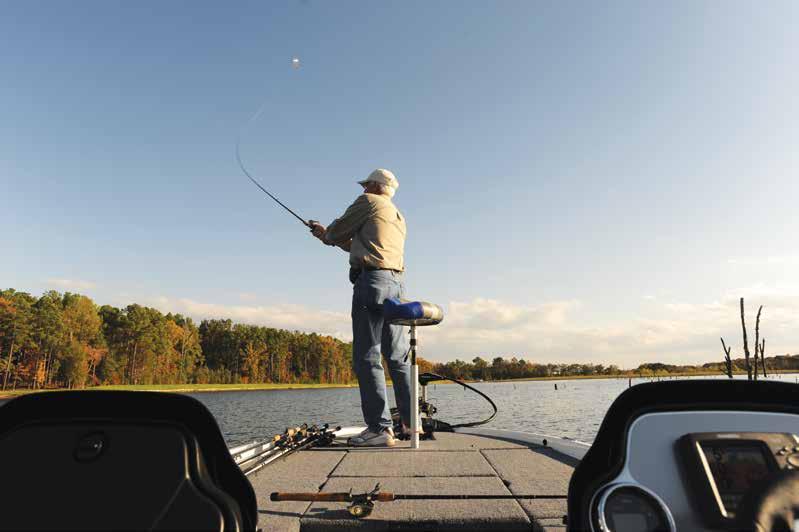
By Cory Byrnes For Lone Star outdoor newS
The start of fall was underwhelming.
And that slow coming has the largemouth bass bite remaining stuck in early fall patterns.
On Caddo Lake, Paul Keith with Caddo Lake Guide Service reports, “It’s been a little slow lately because it has been unusually warm weather.”
He and his clients are fishing more in summertime conditions, focusing on grass mats,
trees, and floating vegetation.
“Mostly fishing out of the grass, either punching the mats with heavy weights and creature baits,” Keith said.
Around the trees and cypress stumps, he is using spinner baits.
“Something that puts out some thump,” he said. “And as long as it is warm, frogs have been effective as well. If you do find a school, Whooper Ploppers and torpedo baits have been good.”
Keith said as long as it doesn’t get too cold too quickly, the bigger fish will be schooling out on the lake, chasing shad.
“If we can get about a week’s worth of really cold nights, like 20 to 30 degrees and kind of stay
By Nate Skinner For Lone Star outdoor newS
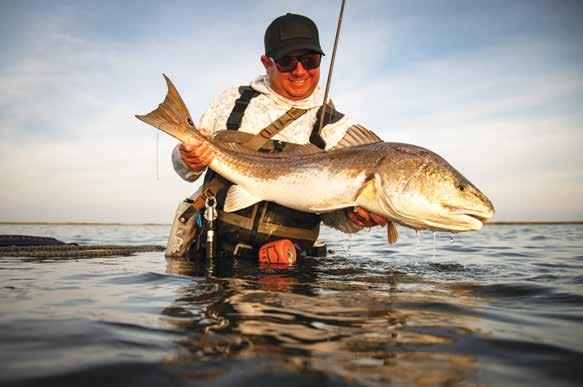
The Chandeleur Islands have tickled the interest of Texas anglers for years. As a popular destination for pursuing red fish and speckled trout, the remote and vast expanse of pris tine flats remains seemingly untapped by the masses. And that’s what prompted the owner and operator of Feral Con cepts, Darren Jones, to organize a trip to the Chandeleurs with a group of buddies recently.
Jones was accompanied by the owner and operator of Down South Lures, Michael Bosse, as well as the co-found er of Purpose Built Optics, Rob Phillips, and their friend, Chris McKinley. They ran out of Gulfport, Mississippi with Capt. Kyle Johnson, who runs day trip fishing charters to the Chandeleur Islands. Over the course of two days, they caught hundreds of speckled trout, as well as plenty of redfish.
that way with highs of 50, the big fish will start schooling,” he said.
On Lake Fork, the fishing has been good.
James Caldemeyer with Lake Fork Trophy Bass Guide Service reports it has been unseasonably warm, which means the patterns for this time of year have been delayed.
“It’s fishing more fall conditions just starting right now. We normally see this in October, so we are about a month behind,” Caldemeyer said.
He and his clients have been starting their days in 2 to 8 feet of water, transitioning to deep water later in the morning.
Caldemeyer said a main lake
or secondary points is where he has been finding the most fish. He and his clients have been using Carolina rigs with fluke-style bait and jigs with a trailer.
As the day warms up, he has been targeting suspended fish with jerkbaits or a minnow.
“They haven’t really moved en masse to the backs of the creeks like they normally do because of the water,” Caldemeyer said.
When the water cools down and the bass start making their way back into the creeks, fishermen will be able to get into some top-water action with frogs.
“As long as the water temperature steadily declines, rather than a rapid one, the fish will get into their fall pattern,” Calde-
By Nate Skinner
For Lone Star outdoor newS
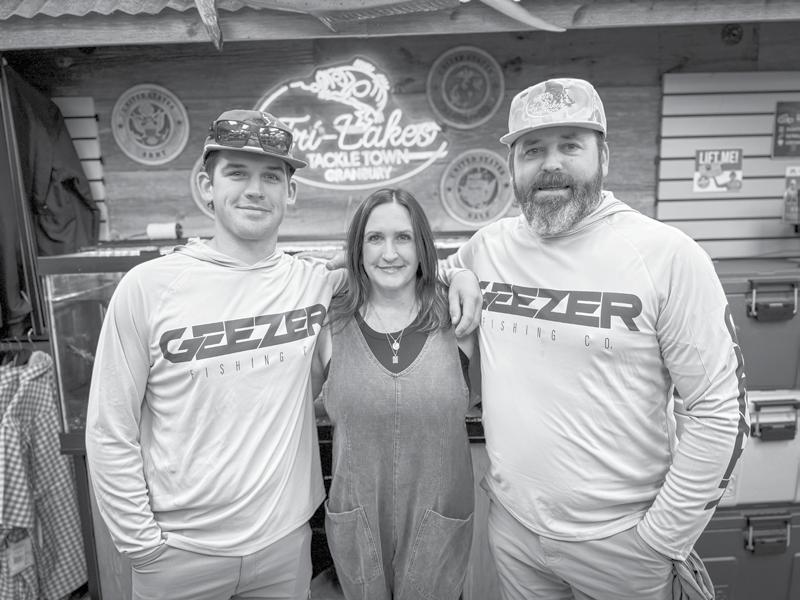
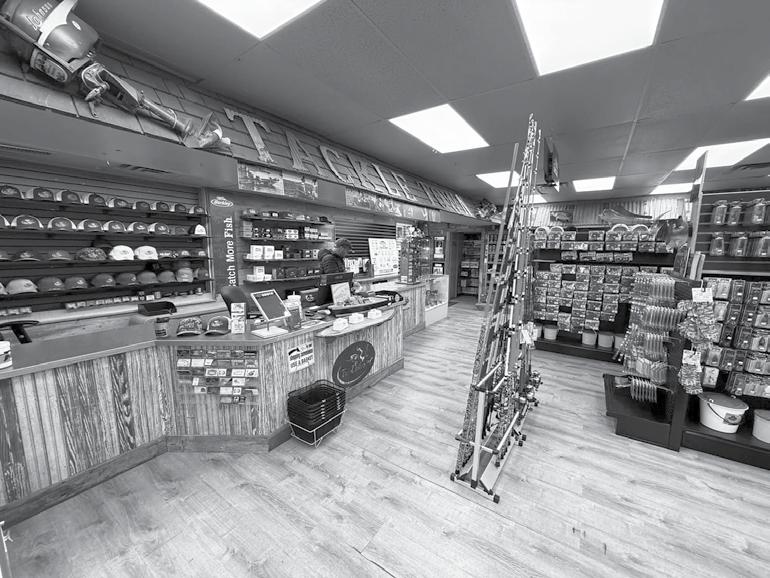
Shannon and Mary Stanley, along with their son, Cameron, became the new owners of Tri-Lakes Tackle Town, a shop located in Granbury, this past spring. Since taking over the establishment, the Stanleys have turned the store into much more than your typical tackle and bait shop. Tri-Lakes has quickly become a hub of information and intel for the angling community of north Texas.
“Fishing has always been important to our family,” Mary Stanley said. “My husband and son have been passionate about the sport for most of their lives. So, when the opportunity to take over a business as a family that could help support the angling community came about, we decided to jump on it.”
One thing that the Stanleys feel sets them apart from other tackle shops or sporting goods stores is their staff, consisting of tournament anglers and fishing guides who have a vast knowledge of what it takes to be a successful year-round angler on the area’s surrounding lakes and reservoirs.
“Tri-Lakes has historically been known as a tackle shop that supports anglers fishing on Lake Granbury, Possum Kingdom, and Lake Whitney,” Mary Stanley said. “While our staff can certainly help anglers who are targeting a variety of species of fish on those lakes, we are proud to feel confident in being able to help anglers fishing many other lakes in north Texas. We are constantly doing our absolute best to carry tackle, products, and lures that work.”
The Tri-Lakes staff prides themselves in sharing relevant and helpful intel and information with all anglers who walk through their doors.
“We aren’t just trying to sell products,” Shannon Stanley said. “We genuinely want
anyone who walks into our store with the tools to be successful on the water.”
Stanley said there have been plenty of circumstances where an angler has come into the store and walked up to the counter to pay for a pile of lures and tackle, and before completing the transaction, he or another staff member asked the individual where they were planning to use the products they were about to pay for.
“Often times, we will make suggestions after hearing what that angler’s plans are, about other lures or tackle items that could in fact help them catch more fish than what they were just about to pay for with their hard-earned money,” Stanley said. “Some folks would just take their money and not think twice about it. However, that’s not how we operate.”
Stanley said some of the most rewarding moments he, his wife, and their son have experienced as the tackle shop’s owners so far have transpired out of situations like the one described above. They have had numerous anglers return to the shop and show them photos of fish they caught on the baits and tackle they helped them pick out.
“There’s nothing better than that,” Stanley said. “That’s what it’s all about — growing the community of anglers and helping others.”
Tri-Lakes Tackle Town carries a variety of tackle, lures, live bait, gear, and other useful fishing products for anglers targeting just about any species that can be caught in lakes located in the North Texas region. The shop is located at 1735 East US Hwy 377 in Granbury (trilakestackletown.com).
Tri-Lakes Tackle Town also sponsors a fishing podcast called, The Lake Show, which is hosted by the tackle shop’s staff and is recorded in the store.
The Stanleys are proud to be running the business together as a family and are grateful for the angling community that supports them.
“It’s been a blast so far, and we can’t wait to see what the future holds,” Mary Stanley


ALAN HENRY: 65 degrees; 3.70’ low. Crappie are good on minnows.
AMISTAD: Water very stained; 81 degrees; 59.28’ low. Largemouth bass are good on chatterbaits, soft plastics, and square-billed crabkbaits.
AQUILLA: Water stained; 70 degrees; 1.21’ low. Largemouth bass are good on spinnerbaits. Crappie are good on minnows and jigs. Sand bass are fair on jigging spoons. Catfish are good on prepared baits.
ARLINGTON: Water slightly stained; 75 degrees; 1.76’ low. Largemouth bass are fair on soft plastics. White bass are fair on spinners and jigs. Crappie are good on jigs. Catfish are fair on cut bait.
ARROWHEAD: Water stained; 69 degrees; 2.12’ low. Catfish are good on shad.
ATHENS: Water stained; 70 degrees; 0.13’ high. Largemouth bass are good on soft plastics, frogs, and spinnerbaits. Crappie are good on jigs and minnows.
AUSTIN: Water clarity good; 72 degrees; 0.63’ low. Largemouth bass are good on moving baits and soft plastics.
B A STEINHAGEN: Water stained; 78 degrees; 0.25’ low. Largemouth bass are fair on soft plastics.
BASTROP: Water stained; 88 degrees. Largemouth bass are good on shaky heads, crankbaits, frogs, and wakebaits.
BELTON: Water stained; 73 degrees; 0.39’ high. White bass are good on slabs. Catfish are fair on cut bait.
BENBROOK: stained; 65 degrees; 2.94’ low. Catfish are fair on cut bait and stink bait. Hybrids are fair on live bait. Crappie are good on minnows.
BOB SANDLIN: Water stained; 68 degrees; 1.17’ low. Crappie are good on minnows and jigs.
BOIS D’ARC: Water stained; 65 degrees; 1.82’ low. Largemouth bass are good on top-waters, spinnerbaits, chatterbaits, soft plastics, and crankbaits. Crappie are good on minnows and jigs.
BRADY: Water stained; 73 degrees; 1.67’ low. Largemouth bass are slow. White bass are slow. Crappie are slow.
BRAUNIG: Water stained; 79 degrees; Largemouth bass are slow. Redfish are slow. Catfish are slow.
BRIDGEPORT: Water clear; 67 degrees; 3.78’ low. Largemouth bass are good on top-waters, flukes, Senkos, and chatterbaits. Crappie are good on minnows and jigs. White bass and hybrids are fair on top-waters, slabs, and trolling. Catfish are good on cut bait and live bait.
BROWNWOOD: Water stained; 68 degrees; 2.30’ low. Largemouth bass are good on wake baits, chatterbaits, crankbaits, and jigs. Crappie are good on minnows and jigs. White bass are slow. Catfish are good on cut shad and perch.
BRYAN: Water stained; 71 degrees. Largemouth bass are fair on top-water baits and Carolina rigs.
BUCHANAN: Water stained; 74 degrees; 1.76’ low. Large-
mouth bass are good on frogs, crankbaits, spinnerbaits, swimbaits, and flukes. Stripers are slow. Hybrid stripers and white bass are slow.
CADDO: Water stained; 64 degrees; Largemouth bass are fair on soft plastics. White bass and crappie are slow.
CALAVERAS: Water stained; 73 degrees; Redfish are good on spoons, fish bites, and live tilapia. Catfish are good on stink bait and shrimp.
CANYON LAKE: Water stained; 68 degrees; 18.66’ low. Largemouth bass are good on top-waters. Smallmouth bass are good on jigs and creature baits. Stripers and white bass are slow.
CEDAR CREEK: Water slightly stained; 69 degrees; 2.54’ low. White bass and hybrids are good on slabs, spinnerbaits, and Alabama rigs. Catfish are good on cut shad.
CISCO: Water stained; 78 degrees; 15.89’ high. Largemouth bass are fair on minnows and worms.
COLEMAN: Water stained; 69 degrees; 2.56’ low. Largemouth bass are fair on finesse worms. Crappie are good on jigs and minnows.
COLETO CREEK: Water stained; 91 degrees; 2.48’ high. Largemouth bass are slow. Crappie are fair on minnows.
COMANCHE CREEK: 80 degrees; 0.14’ high. Largemouth bass are good on soft plastics. Catfish are good on prepared baits.
CONROE: Water stained; 71 degrees; 0.81’ high. Largemouth bass good on creature baits and crankbaits. Crappie are fair on jigs and minnows. Hybrid and white bass are fair on slabs, spoons, and shad. Catfish are good on liver, worms, and punch bait.
COOPER: Water stained; 69 degrees; 3.10’ low. Crappie are good on minnows.
CORPUS CHRISTI LAKE: Water stained; 79 degrees; 17.00’ low. Largemouth bass are fair on soft plastics.
CYPRESS SPRINGS: Water stained; 65 degrees; 0.84’ low. Crappie are good on minnows.
EAGLE MOUNTAIN: Water stained; 65 degrees; 2.26’ low. Largemouth bass are fair on swimbaits and spinnerbaits. Crappie are good on jigs and minnows. Catfish are good on cut bait.
FALCON: Water stained; 75 degrees; 47.50’ low. Largemouth bass are fair on soft plastics. Crappie are good on jigs.
good on jigs.
FT PHANTOM HILL: Water stained; 5.01’ low; 69 degrees. Crappie are fair on minnows and jigs. Hybrid and white bass are good on slabs. Catfish are good on cut bait.
GEORGETOWN: stained; 76 degrees; 8.46’ high. Largemouth bass are good on shaky heads, jigs, and crankbaits.
GRAHAM: Water stained; upper 68 degrees; 3.21’ low. Largemouth bass are good on moving baits. Crappie are good on minnows. Sand bass and hybrids are good on slabs. Catfish are good on cut shad.
GRANBURY: stained; 67 degrees; 0.76’ low. Largemouth bass are good on top-waters and soft plastics. Sand bass are good on slabs and spinnerbaits. Striped bass are slow. Crappie are good on jigs and minnows. Catfish are good on cut bait and prepared bait.
GRANGER: Water stained; 70 degrees; 0.30’ high. Largemouth bass are good on plastic worms. Crappie are good on jigs and minnows. White bass are good on slab spoons. Catfish are good on live bait.
GRAPEVINE: Water stained; 68 degrees; 0.08’ low. White bass are good on slabs.
GREENBELT: Water stained; 78 degrees; 50.47’ low. Sand bass are good on minnows.
HAWKINS: Water slightly stained; 69 degrees. Largemouth bass are good on top-waters and soft plastics.
HOUSTON: Water clear; 77 degrees; 0.01’ high. Largemouth bass are good on spinnerbaits, crankbaits, and chatterbaits. White bass are fair on slabs, swimbaits, and trolled baits. Catfish are good on cut bait and whole shad.
HOUSTON COUNTY: Water stained; 77 degrees; 0.09’ high. Largemouth bass are fair on reaction baits.
HUBBARD CREEK: Water Stained; 70 degrees; 13.49’ low. Largemouth bass are slow. Crappie are fair on minnows and jigs.
INKS: Water stained; 72 degrees; 8.72’ low. Largemouth bass are fair on soft plastics.
JACKSONVILLE: Water stained; 68 degrees; 0.11’ high. Largemouth bass are fair on soft plastics, top-waters, and buzz baits.
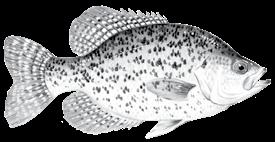
FAYETTE: Water slightly stained; 75 degrees; full pool. Largemouth bass are fair on shaky heads, dropshots, rattle traps, swimbaits, and underspins. Catfish are fair on cut bait.
FORK: Water stained; 65 degrees; 2.03’ low. Largemouth bass are good on top-waters, buzz baits, chatterbaits, spinnerbaits, and flukes. Sand bass are good on slabs. Crappie are
LAKE O’ THE PINES: Water stained; 68 degrees; 0.19’ high. Largemouth bass are good on Texasrigged creature baits, spinnerbaits, and bladed jigs. Crappie are fair on jigs. Catfish are fair on prepared baits and cut bait.
LAVON: Water stained; 69 degrees; 2.71’ low. Crappie are fair on minnows and jigs. White bass are good on slabs. Catfish are fair on punch bait, stink bait, and cut bait.
LBJ: Water stained; 67 degrees; 0.27’ low. Largemouth bass are fair on top-water frogs, soft plastics, and spinnerbaits. Crappie are fair on minnows. Catfish are good on punch bait.
LEWISVILLE: Water stained; 68 degrees; 0.71’ low. Largemouth bass are fair on soft plastics and crankbaits. White bass are fair on slabs, spoons, spinnerbaits, and live bait. Hybrid stripers are fair on slabs and live bait. Crappie are fair on minnows and jigs. Catfish are fair on cut shad.
LIMESTONE: Water clear; 69 degrees; 1.60’ low. Largemouth bass are fair on Texas rigs and spinnerbaits. Crappie are fair on minnows and jigs. White bass are fair on spoons. Catfish are fair on cut bait.
LIVINGSTON: Water stained; 78 degrees; 0.98’ high. Largemouth bass are fair on spinnerbaits, chatterbaits, jigs, soft plastics, and shallow crankbaits. White bass and stripers are fair on slabs. Catfish are good on stink bait, liver, and fresh shad.
MARBLE FALLS: Water stained; 71 degrees; 0.71’ low. Largemouth bass are good on top-waters and soft plastics.
MARTIN CREEK: Water slightly stained; 71 degrees; 1.39’ low. Largemouth bass are good on flukes and Senkos. Crappie are fair on minnows and jigs. Sand bass are good on slab spoons.
MEREDITH: Water stained; 67 degrees; 43.35’ low. Largemouth bass are good on topwaters and minnows. Smallmouth bass are good on spinnerbaits. Crappie are slow. Bluegill and perch are fair on worms and corn. Walleye are good on jigs and live minnows. Catfish are good on minnows, worms, stink bait, and frozen shrimp.
Crappie are slow.
PALESTINE: Water stained; 60 degrees; 0.16’ low. Crappie are slow. Catfish are slow.
PALO PINTO: Water stained; 65 degrees; 2.30’ low. feet below pool. Largemouth bass are slow. Crappie and white bass are fair on minnows. Catfish are slow.
PINKSTON: Water light stain; 71 degrees. Largemouth bass are good on top-water poppers and Carolina rigs. Crappie are good on minnows and jigs. Catfish are slow.
POSSUM KINGDOM: Water stained; 68 degrees; 1.94’ low. Largemouth bass are slow. Striper and white bass are good on slabs and flutter spoons. Crappie are fair on minnows and jigs. Catfish are good on punch bait and fresh cut shad.
PROCTOR: Water stained; 72 degrees; 2.34’ low. Catfish are good on worms and cut bait. Sand bass and hybrids are fair on top-water lures.
RAVEN: Water stained; 79 degrees. Largemouth bass are good on top-water popping frogs and crankbaits.
RAY HUBBARD: Water stained; 67 degrees; 1.47’ low. White bass are fair on swimbaits, tail spinners, and rattletraps. Crappie are fair on jigs and minnows. Catfish are good on punch bait.
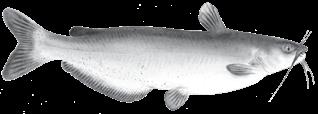
RAY ROBERTS: Water slightly stained; 73 degrees; 0.61’ low. Largemouth bass are good on buzz baits, top-water lures, spinnerbaits, chatterbaits, and swimbaits. Crappie are good on live minnows and jigs. Sand bass are fair on live bait and slabs. Catfish are fair on cut bait.
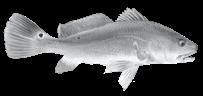
n Saltwater reports
Page 24
stained; 74 degrees; 1.25’ low. Largemouth bass are good on shallow-running crankbaits and spinnerbaits. Hybrid stripers and white bass are good on inline spinners and slab spoons. Crappie are fair on minnows. Catfish are good on punch bait, dip bait, and cut bait.
TEXANA: Water stained; 78 degrees; 4.20’ low. Largemouth bass are slow. Crappie are slow.
TEXOMA: Water stained; 74 degrees; 0.39’ high. Stripers are good on live bait. Crappie are fair on jigs and minnows. Catfish are good on cut bait.
TOLEDO BEND: 72 degrees; 3.89’ low. Largemouth bass are good on top-water baits, frogs, buzzbaits, Carolina rigs, and Texas rigs. Crappie are slow.
TRAVIS: Water stained; 72 degrees; 11.46’ low. Largemouth bass are good on swim baits and soft plastic worms.
TWIN BUTTES: Water stained; 64 degrees; 34.71’ low. Crappie are fair on live minnows and jigs. Catfish are fair on cut bait and punch bait.
TYLER: Water stained; 68 degrees; 1.29 low. Largemouth bass are fair on trick worms, spinnerbaits, and crankbaits. Bream are good on red worms. Catfish are good on cut bait, liver, and nightcrawlers.
MILLERS CREEK: Water stained; 70 degrees; 3.16’ low. Largemouth bass are good on spinnerbaits, crankbaits, and buzzbaits. Crappie are good on jigs and minnows.
NOCOGDOCHES: Water stained; 68 degrees; 1.56’ low. Largemouth bass are good on top-water baits and Carolina rigs. Crappie are fair minnows and jigs. Catfish are fair on cut bait and liver.
NACONICHE: Water stained; 65 degrees; full pool. Largemouth bass are good on square-billed crankbaits, jerkbaits, glide baits, top-waters, and deep-diving crankbaits. Crappie are good on jigs. Catfish are slow.
NASWORTHY: Water slightly stained; 67 degrees; 1.04; low. Largemouth bass are fair on soft plastics. Crappie are fair on jigs. Catfish are fair on cut bait and stink bait.
NAVARRO MILLS: 71 degrees; full pool. Crappie are fair on jigs. Catfish are good on cut bait.
O H IVIE: Water stained; 64 degrees; 18.82’ low. Largemouth bass are fair on vibrating jigs, frogs, and plastic worms. Crappie are fair on minnows. Catfish are good on cut shad.
OAK CREEK: Water lightly stained; 67 degrees; 21.75; low. Largemouth bass are slow.
RICHLAND CHAMBERS: Water slightly stained; 68 degrees; 1.56’ low. Largemouth bass are fair on chatterbaits and square-billed crankbaits. Hybrids are slow. White bass are fair on slabs.
SAM RAYBURN: Water stained; 80 degrees; 8.54’ low. Largemouth bass are fair on top-water frogs, Senkos, crankbaits, and jigs. Crappie are fair on jigs. Catfish are good on cut bait.
SOMERVILLE: Water stained; 65 degrees; 2.09’ low. Largemouth bass are slow. White bass are fair on spoons. Hybrids are slow. Crappie are fair on jigs and minnows. White bass are fair on spoons. Catfish are fair on cut shad and punch bait.
SPENCE: Water stained; 65 degrees; 50.37’ low. White bass are fair on slabs. Catfish are good on punch bait and cut bait.
STAMFORD: Water stained; 73 degrees; 0.89’ high. Largemouth bass are good on soft plastics. Crappie are fair on minnows and jigs. Catfish are slow.
STILLHOUSE: Water stained; 70 degrees; 0.26’ high. Largemouth bass are good on soft plastic jerkbaits. White bass are fair on slabs.
TAWAKONI: Water lightly
WACO: Water stained; 70 degrees; 0.38’ high. Largemouth bass are fair on soft plastics. Crappie are fair on jigs and minnows.
WEATHERFORD: Water stained; 70 degrees; 5.34’ low. Largemouth bass are slow. Crappie are fair on minnows and jigs. Catfish are fair on cut bait and shad.
WELSH: Water stained. 72 degrees. Crappie are fair on jigs.
WHITE RIVER: Water stained; 66 degrees; 18.13’ low. Crappie are fair on minnows.
WHITNEY: Water stained; 70 degrees; 1.21’ low. Largemouth bass are good on soft plastics. Striped bass are fair on live bait and top-water baits. Crappie are fair on jigs and minnows. White bass are slow. Catfish are good on punch bait.
WORTH: Water normal; 73 degrees; 1.17’ low. Largemouth bass are good on crankbaits. Crappie are good using minnows. Sand bass are good on slabs and fast-moving baits. Catfish are good on cut bait.
WRIGHT PATMAN: Water stained; 75 degrees; 4.23 feet above pool. Crappie are slow. Catfish are fair on stink bait and cut bait.
—TPWD



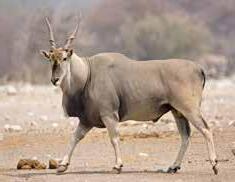
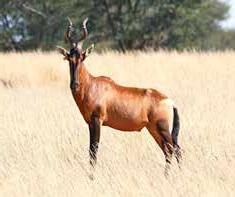
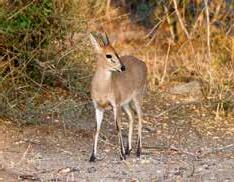
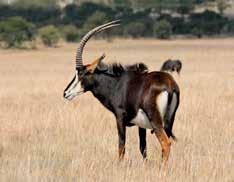
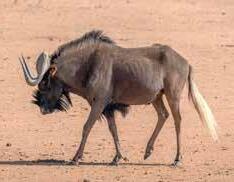
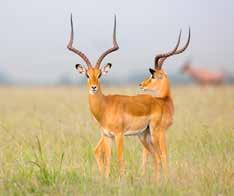
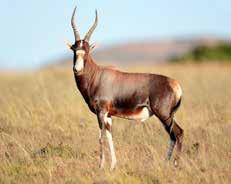
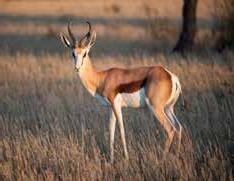


Based in Texas and in Africa, LONE STAR AFRICA offers traveling hunters a unique service. With partners in Africa, yet based in Texas, we bring you Africa with absolute peace of mind. Based on our media knowledge, understanding of every element of the safari, it is time to take care of hunters, from A-Z.
How it works
• A unique ‘End-to-End’ service, where traveling is about enjoying the safari and us taking care of every detail. We take care of:
• Booking flights through an agent who specialises in this.
• Arranging the Joburg airport meet and greet, gun permits if you need, overnight accommodation with Afton Safari Lodge
• Transfers to and from the game lodge.
• On the ground, 24/7 contact, while in Africa, giving you ‘in-country’ peace of mind.
• Offering the most affordable ALL-IN safari pricing using trusted and qualified outfitters.
• Ensuring the taxidermy & trophy shipping - of your trophies is efficient, superior quality and the most affordable solution. From the salt on the game farm to your trophy room, finished and processed, this turnkey A-Z, one point of contact service; is what we call taking care ‘after the hunt.’

meyer said. “If it happens quickly, they will still be doing it. Instead of 30 days, it will just be a couple of weeks before going hard into winter pattern.”
On Lake O’ the Pines, the fishing has also been good.
“The bass are really feeding up for the winter,” said Brian Vickery with Brian Vickery Fishing. “As long as you can find the shad, you can really find some good fish actively feeding.”
He and his clients have been sticking to the north end of the lake targeting the river channels. Most of their success has been on jerkbaits, crankbaits, and minnows. Keep an eye out for birds to help you locate the fish.
On the lower end of the lake, Vickery has found bass at the entrance of the creeks where the deepwater transitions to the shallow water. The bass will push the shad back into the creeks to feed.
“They seem to push them more into the backs of the creeks in the fall. It’s easier for them to feed on them in shallower water,” he said. “Hopefully, we get some big rains pretty soon, and the lake will come up, and we can get back in those bushes.”
Continued from page 8
According to Jones, the best action took place from about mid-morning through the late afternoon hours, while wade fishing over grass flats with pot holes in knee- to waist-deep water.
“Just about anywhere we found rafts of mullet, there were plenty of hungry trout willing to strike just about anything,” Jones said. “Most of the specks were in the 15to 20-inch range. However, there were some fish in the 3- to 5-pound range mixed in, as well.”
Jones said they caught most of the trout on soft plastics, top-waters, and slow sinking, mullet-imita tion twitch baits.
“Lures in white or purple color patterns were produc ing the most fish,” Jones said.
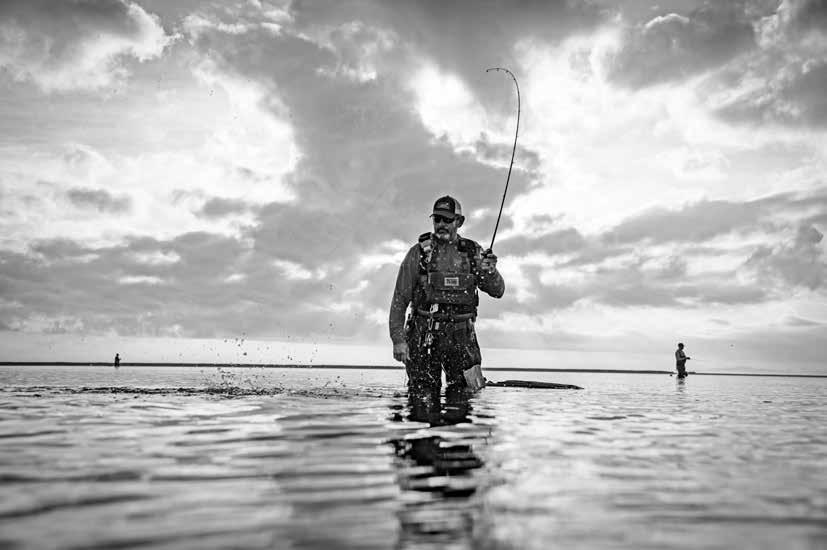
Bosse and McKinley had the hot hand when it came to catching oversized redfish. They both landed bull reds measuring well over 35 inches in length.
“I was catching trout fairly consistently in scattered potholes between seagrass beds when I set the hook on a solid thump,” Bosse said. “The next thing I knew, line was peeling off of my reel as the fish that I hooked had my drag screaming.”
Bosse was able to turn the fish and gain some line, and he realized he had hooked a large bull red. After fighting the brute for several minutes, he was able to bring the massive redfish to hand.
McKinley hooked up with a bull red about 30 minutes before sunset in waist deep water, while the rest of his counterparts were busy catching speckled trout.
“The oversized red honestly surprised me,” McKinley said. “I was catching trout on nearly every cast when the fish hit. My drag started ripping, and at first, I thought I had hooked a jackfish.”
When the bull red finally wore out, McKinley landed the beast and realized he had just caught one of the biggest redfish he had seen in a long time.
Johnson said guiding and fishing with these Texas anglers was a treat for him.
“These guys not only manufacturer and represent brands with products that work, but they also know how to fish, and they respect the resource,” Johnson said. “They didn’t come to fish the Chandeleurs for a meat haul, they came for the experience.”
Phillips described the location as a special place.
“There’s just something about the Chandeleurs that is unique,” Phillips said. “We caught hundreds of fish, and there wasn’t another soul in sight.”


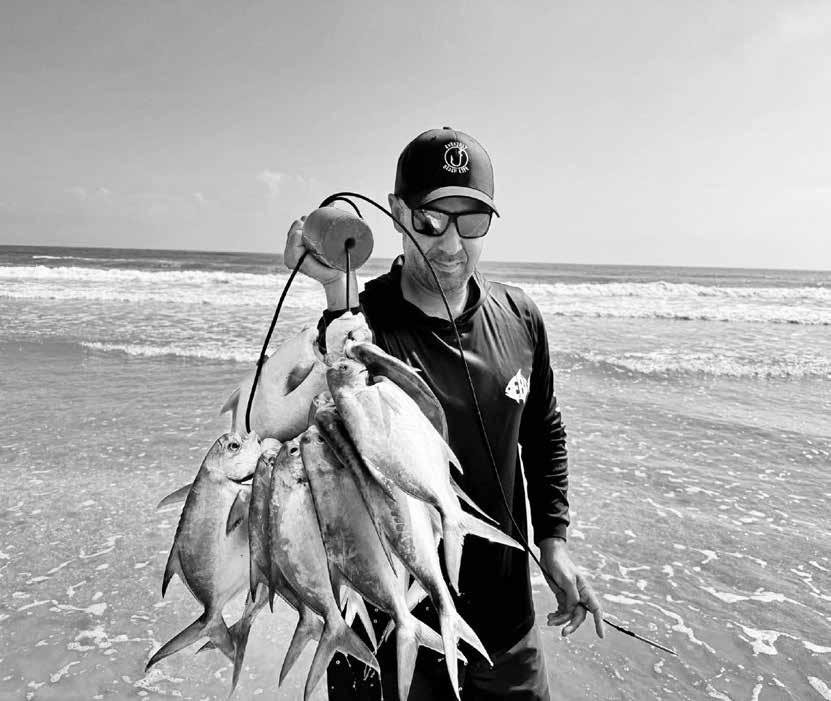
“When the wind moves north, the mullet move out into the deeper water,” Meyer said. “When the wind goes south, they move in, and the predator fish come with them. Stay away from the weeds. If you’re in the weeds, move.”
Meyer also recommends moving locations if you are in an area without a bite for 30 minutes.
Pompano anglers key in on points in the surf.
“There are good catches of pompano, but again, very localized,” Meyer said. “I am expecting them to come in heavier pretty soon. Keep moving until you find them. Fish bites have been really very productive.”
He recommends the Breakaway clip-down rigs and to double up your Fish Bites on the hook to target the larger pompano.
“The little ones can’t get it in their mouth,” he added.
To target redfish and tarpon, the key bait has been live mullet out in the first sand bar and an injured mullet in the second and third gut.
“The best thing is to take a little cut out of its tail and hook it through the head for out deep and through the tail for the second gut,” Meyer said. “The reds are following the mullet.”
Fish Gum has also produced good-size reds, and paddle tails with a jig head have been productive for tarpon.
Sami Khalil with Everyday Beach Life has been able to selectively target reds by fishing the top of the first and second bars.
“The pomps will run before or after, but the reds will actually cruise the sand bar,” Khalil said. “I would tell myself this is impossible; it’s super shallow, but I would cast and I would catch bull reds.”
He has had most of his success on cut whiting or mullet.
For pompano, Khalil is still looking for the water temperature to drop a little more for it to really get going. He has been reading the beach, looking for certain breakers in the surf and rips.
“The rip current in my mind acts as a highway, and that’s why the fish take that highway or channel to move closer or through,” Khalil said. “I cast my rig right before the farthest breaker I can reach, just before the third bar.”
December is usually the month the pompano bite heats up, with success being found closer into shore the colder the water temperatures get.
Continued from page 1
to day. If there are clear skies and very little wind, the fish have been moving out to deeper water pretty quick. But on cloudy days with a steady breeze, the action up shallow has been steady from sunrise until about mid-morning.”
While focusing on shallower stretches with grass in 2 to 8 feet of water, Denton and his anglers have been catching bass on swim jigs, underpins, and other moving baits that have a somewhat subtle presentation.
“The bass bite has been much more consistent out deeper in 15 to 19 feet of water, especially after sunrise when the sun is higher in the sky,” Denton said. “Main lake humps and stretches of water around brush piles have been the ticket. The bass haven’t necessarily been holding tight to the brush piles or staging in them, but they have definitely been feeding in areas adjacent to brush piles.”
While fishing out deep, Denton and his anglers have been getting plenty of strikes while throwing Ned rigs, drop-shot rigs, and Carolina-rigged worms. Smaller soft plastic worms have been producing the most bass.
“There are a lot of small fish out deep,” Denton said. “However, you can weed through them and find plenty of bass in the 2- to 5-pound range, with some 8- to 9-pound fish mixed in.”

Tournament angler and fishing guide
Whit Terry said the bass on Comanche Creek Reservoir are starting to slowly make a push up shallow, as well.
“We are starting to see some bass feeding along the banks, especially in the middle portion of the lake as water temperatures continue to drop,” Terry said. “Jerkbaits, square-billed crankbaits, top-water baits, and other reaction baits are producing bites up shallow. Rocky points and stretches with stumps have been key areas to focus on.”
Terry said there are still large numbers of bass in deeper water in depths ranging from 10 to 30 feet. Most of these fish can be found feeding around brush piles, humps, and old, underwater pond dams. Drop shots and Texas-rigged soft plastics, as well as jigs and small swimbaits, have been the ticket out deep.
“There are a lot of 1- to 3-pound bass being caught right now, but there are also some fish pushing 5 pounds or more starting to show themselves,” Terry said. “The bite continues to improve as more cooler weather sets in.”
According to fishing guide Scott Springer, largemouth bass on Coleto Creek Reservoir can be found in 5 to 10 feet of water around timber. A variety of soft plastics have been producing strikes recently.


29
03

Continued from page 4
Lee said he has entered the deer contest every single year and witnessed the evolution of this industry.
From the mid 1960s to now, he said there are many people dedicated toward making hunting better.
“There have been years I did not bring in a deer, but I always enter no matter what,” Taylor said. “I have won various categories over the years, but what is most important to me is the excitement this contest brings.”
Taylor believes the Muy Grande is the pioneer of displaying the importance of wildlife conservation and giving credit to the hunters and ranchers.
“The contest shows how serious people are about trying to improve the quality, as well as quantity of deer,” Taylor said. “It is important to recognize those who take a stand in this industry and when you see all the entry photos displayed in the store, it is exciting to see what is really out there.”
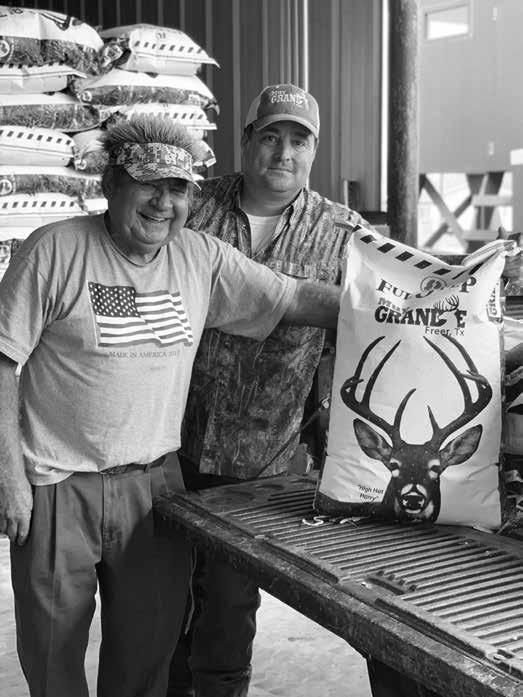
Kenneth Sharber said Taylor made a point to make sure he was the first to buy the first bag of Muy Grande deer protein at the store.
“My dad always made a point to visit with him and reintroduce him to all of us family who worked at the store,” Imelda Sharber said. “We love to hear his many Muy Grande stories, and we are more than grateful for his support all these years.”
Imelda said it is hunters like Lee who keep white-tailed deer hunting alive and exciting year after year.
The National Wild Turkey Federation, in partnership with the Texas Parks and Wildlife Department, recently completed a 500-acre prickly pear cactus treatment on Mason Mountain Wildlife Management Area in Mason County.
TPWD utilized aerial application of herbicide across 500 acres to reduce overabundant prickly pear. The treatment has already begun opening the ground layer and allowing sunlight to reach the soil — conditions that encourage a resurgence of native grasses and wildflowers.
“This project is a great example of how targeted habitat management can make a big difference,” said Annie Farrell, district biologist for Texas, Oklahoma, Kansas and Nebraska. “By reducing dense stands of prickly pear, we’re bringing back the native grasses and forbs that wild turkeys, quail, deer and countless other species depend on and creating healthier, moreresilient habitat that wildlife and Texans alike can enjoy.”
To maintain these habitat gains, TPWD will continue managing the treated areas with prescribed fire on a three- to five-year rotation.
—NWTF
The DSC Foundation announced Dr. Mike Arnold, Distinguished Research Professor of Genetics at the University of Georgia, as the 2026 DSC Foundation Education Award recipient. The award honors Dr. Arnold’s extraordinary leadership in wildlife conservation education and his lifelong commitment to demonstrating how ethical hunting supports ecosystem restoration and community well-being.
An accomplished scientist and storyteller, Dr. Arnold has authored four books with Oxford University Press. Recently, he published Bringing Back the Lions, and Bringing Back the Wild. His work has appeared in Game Trails, Sports Afield, Safari, and NRA Hunters’ Leadership Forum, and his TEDx talks on “How Supplying Protein Restores Ecosystems” have reached thousands of listeners.
“Dr. Arnold’s work connects science, storytelling, and the outdoors to show that hunting is vital to conservation,” said Scott Tobermann, Interim President of DSC Foundation.
“Mike has helped countless people understand the role hunters play in wildlife conservation,” added Larry Weishuhn, wildlife biologist and outdoor communicator.
“His research-backed stories resonate with hunters and non-hunters, proving that true conservation comes from unity and education,” said Mark Haldane, owner of Zambeze Delta Safaris.
—DSC Foundation
A Grapevine man was killed in a hunting accident early on the morning of Nov. 15 in Marion County.
According to Texas Parks and Wildlife Department, wardens assigned to Marion County responded to a hunting accident just after midnight on Nov. 15.
TPWD said that Jose Ramirez, 45, of Grapevine, was removing a firearm from a vehicle when it accidently discharged, striking him.
Life-saving measures were attempted, but Ramirez died from his injuries, TPWD stated. —KLTV


A Final Rule has been published by the Commerce Department’s Bureau of Industry and Security regarding US travelers taking firearms abroad. Just before the government shutdown, the Trump Administration published the revised rule, which rescinds most of the limitations imposed in an ‘Interim Final Rule’ that had been implemented in May 2024 by the Biden Administration.
Now under the Trump Administration, BIS has reviewed and amended the restrictions, dropping the prohibition to a list of countries that included some hunting destinations and the plans to implement time restrictions and require AES filings. So, sportsmen will continue using the Customs Border Protection (CBP) Form 4457 to declare firearms for international travel, and they may continue planning extended hunting travel without any time limits.
However, BIS decided to keep the threefirearm limitation. Traveling hunters are free to take any combination of rifles, shotguns or handguns for international hunts, but they can total no more than three. That limitation is already in effect and traveling hunters should abide by it to prevent issues when leaving the U.S. to hunt abroad.
—SCI
Montana Fish, Wildlife & Parks is seeking information after a bighorn sheep ram was shot and left to waste off Thompson River Road near Highway 200 east of Thompson Falls. The ram was discovered the night of Nov. 10 off the main road.
This ram was part of the small, highly visible herd that residents and visitors in Thompson Falls have been watching throughout the season.
1850-percent increase in fishing. The proposed season includes:
Summer: From May 22 (Memorial Day Weekend) through June 20
Fall: Three-day weekends in October (Oct. 2–4, 9–11, and 16–18) —MyFWC
The Nebraska Game and Parks Commission will release adult rooster pheasants on 18 wildlife management areas leading up to the Thanksgiving holiday weekend.
The WMAs, including counties, are Arnold Trupp (Morrill), Arrowhead (Gage), Bordeaux (Dawes), Branched Oak (Lancaster), Cornhusker (Hall), George D. Syas (Nance), Hickory Ridge (Johnson), James N. Douglas (Johnson), Kirkpatrick Basin North (York), Wood Duck (Stanton), Peru Bottoms (Nemaha), Powder Creek (Dixon), Pressey (Custer), Rakes Creek (Cass), Randall W. Schilling (Cass), Sherman Reservoir (Sherman), Wilkinson (Platte), and Yankee Hill (Lancaster).
To view a map of the pheasant release sites, visit the Upland Hunting page at OutdoorNebraska.gov.
Non-toxic shot is required at Kirkpatrick Basin North, Peru Bottoms, Randall W. Schilling, and Wilkinson WMAs, but otherwise all usual regulations apply.
—NGPC
Waterfowl hunters scouting Ed Gordon Point Remove Wildlife Management Area in Conway County will notice a significant lack of flooded habitat for ducks during the early portion of the upcoming duck season. This habitat loss is the result of vandalism on the WMA’s water-delivery system.


FWP wardens report that no meat or horns were taken from the animal.
—MFWP
The Gulf Council met in Biloxi, Mississippi, from Nov. 3-6, 2025.
The Gulf Council took final action on Shrimp Amendment 19, to extend the moratorium on the issuance of new federal Gulf commercial shrimp permits until Oct. 26, 2036
The Gulf Council took final action to require commercial and recreational fishermen to possess a venting tool or descending device that is rigged and ready for use when fishing for reef fish in the federal waters of the Gulf of America.
Recent stock assessments for mutton and yellowtail snapper showed that both stocks are healthy and not considered to be overfished or experiencing overfishing.
The most recent red grouper stock assessment indicates that red grouper is not overfished or experiencing overfishing, and the resulting catch advice is a substantial increase from the current catch limits — Gulf Council
Governor Ron DeSantis announced that the Florida Fish and Wildlife Conservation Commission formally submitted an Exempted Fishing Permit (to U.S. Commerce Secretary Howard Lutnick) that, upon approval, will allow Florida to assume management of the recreational red snapper fishery in state and federal waters off the Atlantic Coast beginning in 2026.
As submitted to the National Oceanic and Atmospheric Administration, Florida would implement a 39-day Atlantic Red Snapper season, a dramatic expansion from the two-day federal season allowed in 2025, an
Earlier this year, thieves stripped all copper wiring to the electric motor and variable frequency drive controls that operate a 200-horsepower pump that helps flood the WMA’s moist soil units. According to Alex Zachary, wildlife biologist for the Arkansas Game and Fish Commission, 20 of the 23 moist-soil impoundments on the WMA are flooded with the aid of this pump and a 7-mile network of underground pipes to offer native seed-producing plants that are essential to waterfowl and other migrants during winter. The theft was much more than a few wires and required extensive repairs. Every electrical component that gives the relift pump “life” was taken.
The theft likely will result in more than $50,000 dollars in damage, but the lost habitat is even more painful.
—AGFC
Safari Club International and the Property and Environment Research Center jointly filed an amici curiae brief in federal district court opposing the proposed closure of hunting on privately owned lands during Maryland’s peak hunting season.
An energy company seeking to build a contested transmission line filed an expedited motion to prevent private landowners from hunting on their own lands when survey work is noticed. SCI and PERC opposed the motion and warn that the energy company’s request would undermine Maryland’s conservation framework, disrupt science-based wildlife management, and infringe on fundamental private property rights.
SCI and PERC argue that the energy company attempts to override core constitutional protections for private landowners on their own properties, including hunting.
The brief warns that granting such a request would set a precedent exposing private landowners to further overreach and unlawful restrictions.
—SCI


























Solution on Page 26

3. A game bird of forests and shrublands
6. Winter occupation on the line
8. Lubbock’s university
9. A way to manage a herd
12. November holiday
13. Used to get bait to the bottom quickly
14. Top-water indicator
15. Texas winter surf fishing target
18. Firearm used for protection
19. Common saltwater species
21. Midwest deer hunter Mecca
22. Use preference points for these 23. Dividing Colorado hunters
27. Small boat to fish out of
28. Often mistaken for a doe
30. What hunters wait on
32. Water between TX and LA
33. Have a new, 3-bird limit
35. Tool of the patient hunter
36. Common bass lure DOWN
1. Texas fishing town 2. To make a bird fly 4. Known as the pecan capital of the world 5. Common coastal duck 6. Flows through Dallas
Also known as a peccary
Deer meat
Common fishing technique
Midwestern method of deer hunting
Uniquely American system of hunting
Great state for elk and mule deer
17. Type of hook
20. Mandatory federal waterfowl tag
24. Goes with the turkey
25. Often called honkers
26. Grows on top of a deer’s head
29. Late season in the whitetail woods
30. Bringing animals close to you
31. The end of a fishing line
An exotic grazer

The Houston Safari Club Foundation announced Genus Logistics as a new HSCF corporate sponsor.
National Bowhunter Education Foundation has partnered with Track’n Trail, a new mobile app that allows users to use smartphones as blood-trailing devices. NBEF will receive a donation from Track’n Trail for each paid subscriber using NBEF’s affiliate code: NBEF25.
Whitetails Unlimited issued grants totaling $637,480 fostering their DEER (Developing Educational and Environmental Resources) Program this past fiscal year.
The Mule Deer Foundation announced Tuesday that Bob Ziehmer has been named Chief Operating Officer of the Mule Deer Foundation and its affiliate, the Blacktail Deer Foundation.
BANISH Suppressors has announced the BANISH 12 shotgun suppressor designed for hunters and sport shooters, has been named Suppressor of the Year for 2025 by the editors of Guns & Ammo.
PRADCO Outdoor Brands announces the hiring of Daryl Cherry as Category Director (Feed & Seed).
Krieghoff International is seeking a motivated Sales Associate to join its team in Ottsville, Pennsylvania. This full-time, entry-level position offers an opportunity to grow within a family-owned company.
TAG Precision announced the appointment of Chevalier Advertising as its Agency of Record for public relations, media relations, affiliate marketing and influencer/contentcreator partnerships.
Walther Arms announces the formal multiyear pause of production for its PPK, PPK/S, and PP legacy handgun lines. These models will now enter a multi-year reengineering and modernization program.
Cole Fine Guns has introduced the Cole Exclusive Zoli Z-Expedition 20-gauge, now featuring Zoli light-weight barrels.
Place duck breasts in slow cooker on low with hoisin sauce and beer. Cook 4 to 5 hours. Move meat to bowl and shred with forks. Add remaining sauce from slow cooker to a bowl along with plum sauce, then mix. Serve in warmed tortillas along with thin-sliced scallions. Serves 6.
—MFWP

In a large bowl, mix crawfish, eggs, seasoning, hot sauce and sour cream. Next, fold in celery, chopped green onion, chopped jalapeño and corn. Lastly, mix in the hushpuppy mix and beer. Let rest for at least 15 minutes. Fry 1 tablespoon portions of hush puppy mix in a 350-degree fryer for 3 minutes. Remove from oil once golden brown.
boiled in crawfish boil, off the cob 2 cups of hushpuppy mix
—AGFC

Continued from page 8
with Louisiana, anglers and guides alike report wanting a more liberal limit like their neighbor.
Louisiana license holders can catch and keep 15 spotted trout in the slot between 13 and 20 inches with no more than two fish over 20 inches.
“I don’t know how they can regulate a fish/trout population on the upper coast with regulations that are meant for the lower coast,” said Chris Phillips with Sabine Outdoors LLC. “Our fishery is completely different than what is down there in Port Mansfield.”
Phillips has noticed that if a Texas angler wants to fish for trout, they will fish the Louisiana side. It is an added expense for Texas guides and anglers who want to fish the more liberal limits in Louisiana. Phillips would like to see more cooperation between Louisiana and Texas where both states agree on a management plan for the shared lake, much like Lake Texoma in North Texas on the border of Oklahoma.
“To find some middle ground there within the lake (would be really helpful),” Phillips said. “It’s a unique situation.”
Richard Malone, an avid fisherman in the Sabine Lake area, echoed Phillips’ sentiment.
“I don’t understand how, when they made the regs, they didn’t take into account the different fishery,” Malone said. “We fish the same waters as Louisiana. So, I can launch a boat on the Texas side and keep three fish. I can launch in Louisiana and keep 15. We fish the same water.”
Malone approved of the three-fish bag limit, but he would like to see the states come together and agree on the regulation for Sabine Lake. The consensus among anglers spoken with at Sabine Lake said there needs to be a tweaking of the regulations for the unique fishery. The Sabine Lake area was not as greatly affected by the storm in 2021, evident by the fact that the emergency regulations never made it that far north. The anglers and guides agree the problem is the large disparity between Texas and Louisiana’s regulations.
In the southern half of the state, anglers and guides trended neutral to approving of the new regulations, with some variation on what the regulation should be. Guides and anglers also expressed concern over the mortality rate of catch and release. Several were in support of widening the slot limit so there are less releases before getting to the three keepers.
There are no current plans to change the regulation. Without gill net surveys, TPWD and anglers are blind to the true impacts of the regulation and limits. TPWD cannot confirm if there has been an increase in the breeding stock biomass as predicted, how much the population has increased, or if the quality of fishing has improved with the slot limit. These factors make it difficult for anglers or TPWD to refine the regulation for unique fisheries like Sabine Lake.
The government shutdown slowed down TPWD’s application to get their gill nets back.
“We hope to get them back next spring,” Fisher said.
REDFISH BAY: 68 degrees. Black drum are good on shrimp. Redfish are good on cut mullet and shrimp. Speckled trout are good on live shrimp, piggy perch, and croaker in flats and along channels.
SAN ANTONIO BAY: 64 degrees. Speckled trout are good on top-waters, soft plastics, and live shrimp. Redfish are good on shrimp and mullet.
SABINE LAKE: 67 degrees. Redfish and speckled trout are fair on live shrimp under a popping cork and soft plastics. Black drum are fair on live shrimp.
BOLIVAR: 70 degrees. Redfish and speckled trout are good on live shrimp and soft plastics. Black drum are good on shrimp.
TRINITY BAY: 70 degrees. Redfish are good on crankbaits, soft plastics, and live shrimp. Speckled trout are good on live shrimp and soft plastics. Sheepshead and drum are fair on live shrimp.
EAST GALVESTON BAY: 72 degrees. Speckled trout are fair on live shrimp and soft plastics. Redfish are good on live shrimp and soft plastics.
GALVESTON BAY: 62 degrees. Speckled trout are fair on soft plastics and live shrimp. Redfish, sheepshead, and black drum are fair on live shrimp.
WEST GALVESTON BAY: 64 degrees.
Speckled trout are fair on soft plastics and live shrimp. Redfish, sheepshead, and black drum are fair on live shrimp.
TEXAS CITY: 70 degrees. Speckled trout and redfish are fair on live shrimp, finger mullet, and soft plastics.
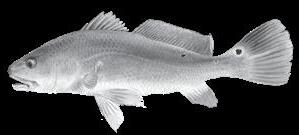
FREEPORT: 76 degrees. Speckled trout, sand trout, and redfish are good on live shrimp and soft plastics. Sheepshead, black drum, and mangrove snapper are good on live shrimp.
EAST MATAGORDA BAY: 67 degrees. Redfish are fair on cut mullet and soft plastics. Speckled trout are good on soft plastics and top-waters.
WEST MATAGORDA BAY: 67 degrees. Redfish are fair on cut mullet and soft plastics. Speckled trout are good on soft plastics and top-waters.
PORT O’CONNOR: 67 degrees. Bull redfish are good on Spanish sardines. Slot redfish are fair on dead shrimp and Spanish sardines. Black drum are fair on dead shrimp. Speckled
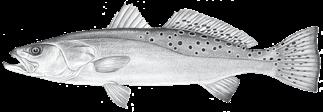
trout are slow.
ROCKPORT: 70 degrees. Speckled trout are fair on live shrimp, and piggy perch. Redfish are good on shrimp, mullet, and piggy perch. Black drum are good on live and dead shrimp. Mangrove snapper are good on shrimp.
PORT ARANSAS: 78 degrees. Redfish are good on live shrimp, cut mullet, and silver spoons. Oversized redfish are good on cut crab and mullet. Speckled trout are fair with croaker, piggy perch and shrimp free lined. Pompano are fair on shrimp and fish bites.
CORPUS CHRISTI: 70 degrees. Black drum are fair on shrimp. Redfish are fair on cut mullet and crab. Trout are fair on croakers.
BAFFIN BAY: 85 degrees. Redfish and speckled trout are fair on soft plastics, topwaters, and slow-sinking and suspending twitch baits.
PORT MANSFIELD: 72 degrees. Speckled trout and redfish are good on top-waters and soft plastics.
SOUTH PADRE: 74 degrees. Redfish and speckled trout are good on soft plastics, topwaters, and live shrimp.
PORT ISABEL: 74 degrees. Redfish and speckled trout are good on soft plastics, topwaters, and live shrimp.


Continued from page 1
“It’s been better hunting in the afternoon,” he said. “If you can stand the heat.” Farther north in the Stephenville area, owner/guide Hunter Hortenstine with Crooked Creek Outfitters said his outfit has had good hunts despite the high temperatures, although a much-needed cold front toward the end of November would be more than welcomed.
“I can’t complain, especially with how hot it has been,” Hortenstine said. “We hunt areas from Stephenville to Coleman, south of I-20. The most common duck we are seeing are gadwall, but there are some pintail around and a few wigeon have started to show up. And we have a bunch of ringnecks.”
Hortenstine said the best action has been on the larger, soil conservation lakes in the area.
“If you have really good habitat, you have birds,” he said. “If you have marginal habitat, you have no birds. There has been nothing on small water yet.”
Hortenstine said he has been running smaller spreads of two to four dozen decoys and five or six motion decoys.
Internet reports from across North Texas, from Texoma west reported much the samesome local ducks around, mostly gadwall, and not a lot else flying. The main migration push for waterfowl has definitely not arrived yet in Texas.

By Mike Bodenchuk
For Lone Star outdoor newS
While most quail hunters are focused on Gentleman Bob — the bobwhite quail — the outlook for Texas’ other quail is good, if spotty, for the 2025-26 season.
Scaled quail, aka blue quail, are found in dry grassland/ thornscrub habitat in the Panhandle, West Texas from the Permian Basin through the Trans-Pecos and in the western side of South Texas near the Rio Grande plains. Rainfall across this large area this past year has been spotty and as a result scaled quail hunting this year, like most, will involve searching for those coveys that benefitted from timely rain.
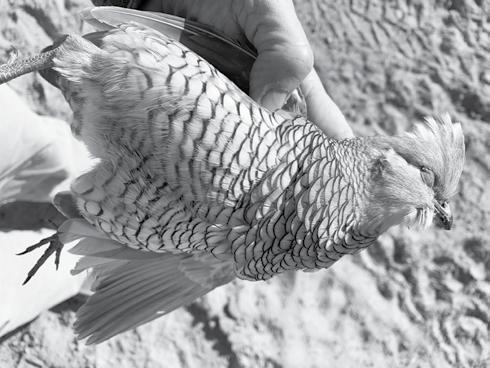
In South Texas the rains were a bit too late to benefit scaled quail, but in the Panhandle and in the Trans-Pecos areas, broods of quail came off where the rains came and a decent year of hunting awaits those with access and a good pair of boots. A recent trip to the Trans-Pecos found birds plentiful in canyons with water and coveys of 5 to 20 birds.
According to Texas Parks and Wildlife’s population reports, “in the Panhandle, annual populations fluctuate widely with rainfall, temperature, land use patterns and quality of habitat available, which provides necessary food, cover, water, and proper spacing of these habitats. Populations of scaled quail have declined significantly throughout their range in the Texas Panhandle; however, were good rangeland grazing management is practiced populations of this species remain abundant.”
Unlike the bobwhite, scaled quail aren’t gentlemen and are known for running ahead of hunters and dogs, flushing out of range and running again when they land. The great debate among scaled quail hunters is about the ethics of shooting them on the ground. One camp reports that it’s unsporting while another believes it’s necessary to break up the covey into singles which can be hunted with a dog. Regardless of one’s opinion, you’ll need a good pair of boots to run along behind the covey if you want to be in range when they flush.
While scalies tend to drive pointing breeds crazy, a good dog is an important partner to have since any birds that are knocked down can run off if they get their legs under them. As in hunting pheasants, a good retrieving breed will save a lot of time looking for a bird and is a great asset to the scaled quail hunter.
In addition to good boots and possibly a good retriever, hunters should consider bringing enough shotgun to reach birds at longer range. Scaled quail are famous for flushing at 35 yards or so and getting out of range quickly. A quick handling 12- or 16-gauge shotgun with No. 6 shot is typically preferred. Late season birds are even harder to get close to so consider your choke selection carefully.
Scaled quail are largely found on well managed private lands with light to moderately grazed grasslands.
Public hunting, however, is available on a number of TPWD managed properties. Big Bend Ranch State Park offers public opportunities through the e-postcard application process (the deadline for this year has passed). Scaled quail may also be hunted on the Matador, Black Gap and Elephant Mountain WMAs though each unit has specific dates when the units are closed to entry.
In addition to your Texas hunting license, an Annual Public Hunting license is required to hunt the WMAs and the Public Hunting handbook specifies which dates are open on each of these areas.
Quail season runs through February 28, 2026.
Rainbow trout stockings have started at waterbodies across the state for the annual Texas winter tradition of trout fishing. Texas Parks and Wildlife Department began stocking thousands of rainbow trout Nov. 26, the day before Thanksgiving.
It doesn’t take a lot of sophisticated fishing equipment to reel in a rainbow trout. They can be caught using simple, conventional tackle or hand-tied flies on a fly rod. However, anglers should keep an array of baits and lures nearby as well as ice to keep trout fresh. Rainbow trout are an attractive, tasty fish, and anglers can easily find recipes online.
“TPWD is proud to continue the tradition of bringing rainbow trout to waters across Texas,” said Neil Pugliese, TPWD rainbow trout program director. “Our annual stocking program is designed to make fishing accessible and enjoyable for everyone from seasoned anglers to families casting a line for the very first time. It’s about more than fishing; it’s about creating opportunities to connect with nature and build lasting memories.”
TPWD plans to stock 335,048 rainbow trout in Texas from Nov. 26 to March 6. Because rainbow trout are unable to survive in most areas of Texas after winter due to the warm water temperatures, anglers are encouraged to keep up to their daily bag limit of five trout.
Exceptions exist within special trout management zones on the Guadalupe River downstream of Canyon Lake, which often remains cool enough for rainbow trout to survive year-round. This portion of the Guadalupe River is recognized as one of the top 100 trout streams in the nation and is considered the southernmost trout stream in North America.
Fishing for rainbow trout on Texas rivers and streams is popular among anglers. In addition to stocking the Guadalupe River downstream of Canyon Lake, TPWD also stocks rainbow trout in the Brazos River downstream of Possum Kingdom Lake, portions of the Frio and South Llano rivers, and in the Clear Fork of the Trinity River.
—TPWD







MOBILE SPORTING CLAYS FOR HIRE!

Fundraisers, Corporate, Parties! Sales/Service all Traps! 40+ Years Experience! (817) 999-1395
DUVAL COUNTY
South Texas Dove Hunting 200 acres, Lodging, RV Power Available Huntershilton.com For more info (361) 244-0544 OR (361) 443-9330
AFRICA
Hunting: All Inclusive - No surprises Includes: Animals, daily rates, taxidermy, shipping home. To find out more: LONESTARAFRICA.COM
TEXANS ARCHERY CLUB Network of Archery Ranges For One Membership! TEXASARCHERY.INFO
TEXAS TROPHY WHITETAILS Axis, Blackbuck, Hogs Free range whitetail and exotic hunts in Sonora, TX HuntTexasWhitetails.com (717) 512-3582
NOVEMEBER 28
HILL COUNTRY DEER LEASE 2025 Llano County 3-4 Guns 280 Acres $9,000 (915) 225-9201
RURAL REAL ESTATE FOR SALE
Thomas A.C. Davis TDavis@TexasRanchSales.com (832) 977.0071
BIOLOGIST 4 HIRE, LLC. Fish & Wildlife Habitat Consulting, 1-D-1 Wildlife Agriculture Valuation, Conservation Land Assessment & Management Plans, Drone Mapping Services. Chad E. Simmons USDA NRCS TSP B-19-22936 chad@biologist4hire.com (972) 837-0392
ADVERTISE YOUR HUNTING LEASE HERE Only $1 per word. Email editor@lonestaroutdoornews.com or call (214) 361-2276
(2) BOAT HULLS FOR FREE to a good home Kurt hughes design Strip plank epoxy composite Glass in and out 46’ length, 5’6 beam Fast cruiser racer Catamaran Text: (409) 658-6119
2025 DARGEL ATTACK A FLAT 183 MODEL Matte black Suzuki 115 hp motor Single axle McClain all aluminum trailer Boat is brand new. Zero hours on the motor Asking $41,000
WELDER FOR SALE 1981 Lincoln SA200 Inclures Leads (830) 928-0496


RIO GRANDE PIPE/ RENO EQUIPMENT Our companies specialize in High Quality,clean, easily paintable, structural tubulars for fencing and construction from 1” to 36”. We have heavy weight and thick wall pipe in a variety of sizes, pre-cut posts, posts cut-toorder, and rods. Some other items we stock are 8400 gallon steel storage tanks (12’ wide x 7’ tall), pre-built H-braces, fence crossing ladder/ stairs, and culverts. Contact Josh Brown at (505)-366-3428, or Cody Hudson at (575)-441-1186
CATTLE MARKET IS HOT Cash out every Tuesday @10 am Atascosa Livestock Exchange Pleasanton Hauling Available Call (210) 289-7698

FOR SALE 1986 SUZUKI SAMURAI 4x4, Rooftop Carrier, Tow Bar, Winch (830) 928-0496
KIMBLE COUNTY CHAMBER OF COMMERCE
Wild Game Dinner
Coke Stevens Memorial Center, Junction (325) 446-3190 junctiontexas.com/wild-game-dinner
NOVEMBER 29-30
PREMIER GUN SHOWS
Mesquite Gun Show Mesquite Convention Center (817) 732-1194 premiergunshows.com
DECEMBER 7
DUCKS UNLIMITED
Outlaw Duck Jam

Tapatio Springs Hill Country Resort, Boerne outlawduckjam.org
DECEMBER 13-14
TEXAS GUN AND KNIFE ASSOCIATION
Amarillo Show
Amarillo Civic Center (830) 285-0575 texasgunandknifeshows.com
DECEMBER 20-21
TEXAS GUN AND KNIFE ASSOCIATION
Kerrville Show
Kerrville Expo Hall (830) 285-0575
texasgunandknifeshows.com
JANUARY 9-11

SAFARI CLUB INTERNATIONAL/TTHA First for Hunters Outdoor Extravaganza Kay Bailey Hutchison Center, Dallas (888) 486-8724 safariclub.org/convention
JANUARY 10
DALLAS SAFARI CLUB
Store Sale and Packing Party DSC Pavilion, Dallas (972) 980-9800 biggame.org
JANUARY 23-25
HOUSTON SAFARI CLUB FOUNDATION

Hunting Expo & Convention The Woodlands Waterway Marriott (713) 623-8844 hscfdn.org
JANUARY 31
BAY CITY MAIN STREET 10th Annual Wild Game and Wine Camofest Historic Downtown Bay City (979) 318-2575 baycitycamofest.com
FEBRUARY 6
ROCKY MOUNTAIN ELK FOUNDATION Victoria Big Game Banquet Victoria Community Center rmef.org
FEBRUARY 6-8

DALLAS SAFARI CLUB Convention and Sporting Expo, Atlanta (972) 980-9800 biggame.org
FEBRUARY 18-21
SAFARI CLUB INTERNATIONAL Convention 2026, Nashville (888) 486-8724 convention.safariclub.org
The Gulf Coast Ecosystem Restoration Council (RESTORE Council) has released the draft of its fourth Funded Priorities List (FPL). The 2026 FPL includes more than $403 million in additional funding for restoration activities spanning the Gulf Coast states impacted by the Deepwater Horizon oil spill.
The public review and comment period will open on Nov. 20, 2025, and close on Jan. 2, 2026. The draft 2026 FPL is available for review on the RESTORE Council’s website, restorethegulf.gov.
The RESTORE Council is composed of the governors of the five Gulf States and the cabinet members from the Environmental Protection Agency, Department of the Interior, Department of Commerce, Department of Agriculture, Department of the Army, and the Department of Homeland Security.


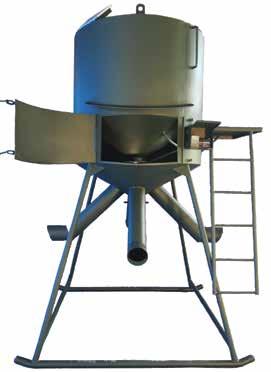

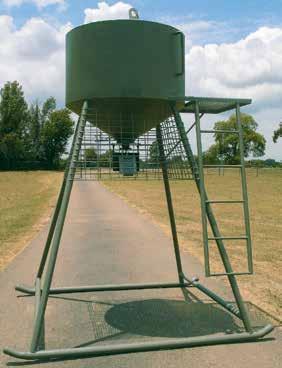
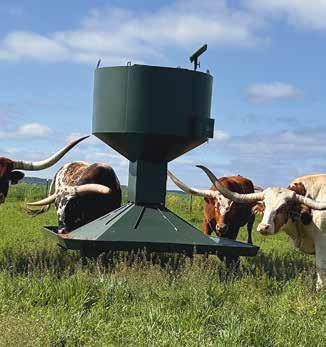





Fabarm USA is located on the eastern shore of Maryland, a region that is steeped in the history of water fowling. We have a very high standard for our equipment that goes all the way back to the days of market hunting, when your gun was a piece of equipment used to make a living. That is why we manufacture the Chesapeake to a level of precision and craftsmanship few can match. We don’t cut cost by making lots of plastic parts or having components made in Asia. If you wan’t to know how your gun is made, pull off the fore-end and it will become obvious that not all shotguns are made the same. How does an eastern shore waterman know what type of camo pattern your gun has? What TV show it was featured in? He doesn’t care.

Abilene Gun Works
Abilene, TX 79601
325-704-5174
Able Sporting, Inc. Huntsville, TX 77320 936-295-5786
Ally Outdoors Midland, TX 79705 432-203-3661
Alpine Shooting Range Fort Worth, TX 76140 817-478-6613
August M. Crocker Austin, TX 78727 512-567-7855
Baker Outdoors Lubbock, TX 79424
806-516-5700
Berg’s Outdoors Broussard, LA 70518 504-610-4319
BPS Outfitters Sherman, TX 75090 903-892-2227
Briley Manufacturing Houston, TX 77043 800-331-5718
Cajun Gun & Gear Lafayette, LA 70508 337-999-0373
Cole Gunsmithing San Antonio, TX 78253 210-906-0857
Clay Shooters Supply San Antonio, TX 78253 210-610-2999
Defender Outdoors Fort Worth, TX 76107 817-935-8377
Dury’s Gun Shop San Antonio, TX 78223 210-533-5431
Elite Shotguns San Antonio, TX 78253 210-741-9940
Gordy & Sons Outfitters Houston, TX 77007 713-333-3474
Gray’s Shotgun Cache Amarillo, TX 79118 806-622-8142
Jeff’s Gun Shop Wichita Falls, TX 76310 940-631-2314
Joshua Creek Ranch Boerne, TX 78006 830-537-5090
KB House of Guns Boswell, OK 74727 580-566-1400
K-5 Arms Exchange Trophy Club, TX 76262 682-237-7908
Lone Star Guns Weatherford, TX 76087 817-599-9275
Mumme’s Inc. Hondo, TX 78861 830-426-3313
Past & Blast Whitesboro, TX 76273 903-564-5444
Rocky Creek Outdoors Texarkana, AR 71854 903-278-8780
Sharp Shooters Lubbock, TX 79407
806-791-1231
Superior Outfitters Tyler, TX 75703 903-617-6141
Texas Ranch Outfitters Yantis, TX 75497 903-383-2800
Windwalker Farms Stanton, TX 79782 432-458-3324
Wilkerson’s Gun Shop Boerne, TX 78006 830-388-7205