


Logan Byler

Beginning Masters in Architecture at University of Colorado Denver
Graduate of University of Colorado
Bach. of Environmental Design, Emphasis in Architecture
Studios in Planning, Product Design, Landscape Architecture, Architecture
Experience in Rhino, Revit, CAD, Adobe, Twinmotion, Lumion, Grasshopper
Throughout my 4 years in CU’s Environmental Design, I have been able to expand my ability to serve people, and my identity as a designer has changed to reflect that.
My goal is to be able to use venue design to serve the surrounding communities. I am passionate about architecture, sports, faith, world history, and live music.
720 - 737 - 9116
loganbyler15@gmail.com
linkedin: www.linkedin.com/in/logan-byler-3bb2a6153
instagram: logansbyler
Sportsmile Fan Center
2 Three Space Sequence
3 The Curve
4 Other Skills



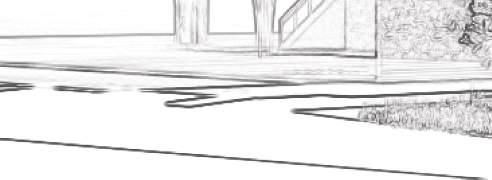
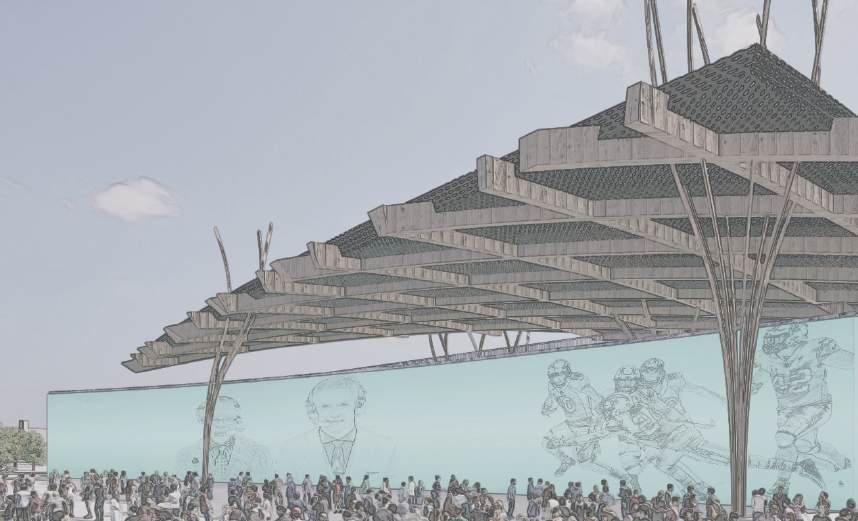
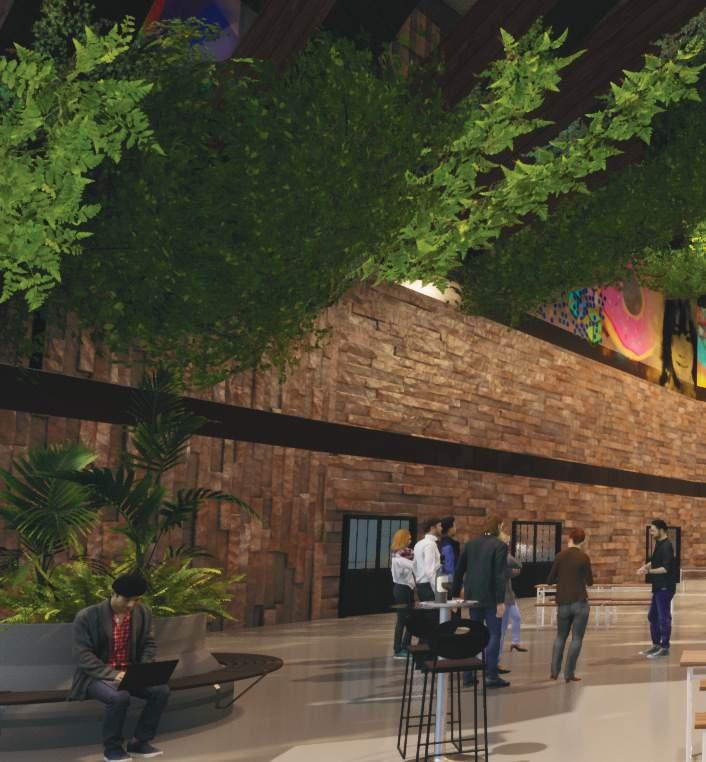
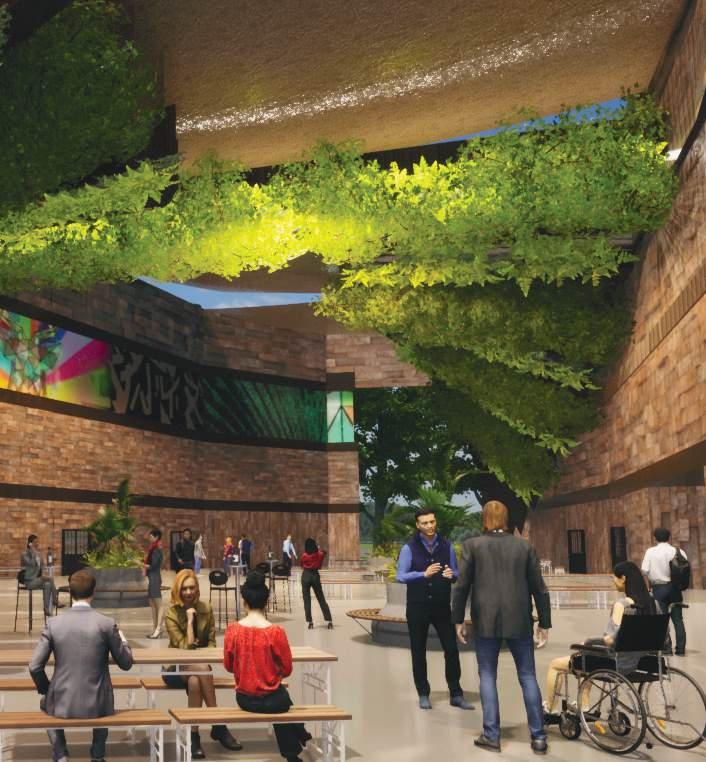
Corporate entertainment can dwarf local businesses. Can it serve them instead?







Push to respond to outside circulation patterns
30’ Tall
Roughly 940’ Perimiter
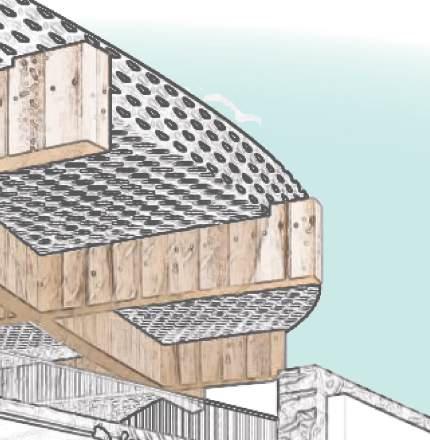
Roughly 650’ of Wall/Wall Material Inside Steel and Brick Structure
Fewer folds/corners in footprint
Clear pedestrian flow
Inside/outside gathering
Limited multidirectional shadows for planting Needs
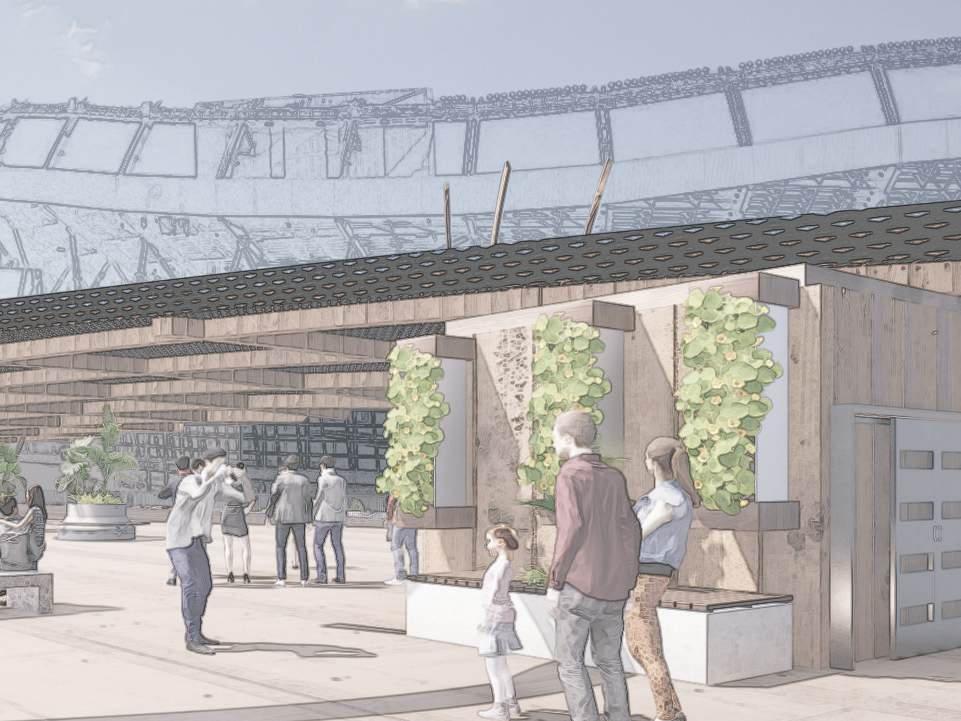
Given Denver’s massive urban growth in the last decade, an immediate problem presented itself: what happens to small businesses when corporate companies seem to be engulfing the area? Hundreds of local businesses lie next to but just out of view of Denver’s major sports venues, and I saw an opportunity.
circulation
Push to create rounded ‘bay’ shape for river view
Establishes main flow of circulation







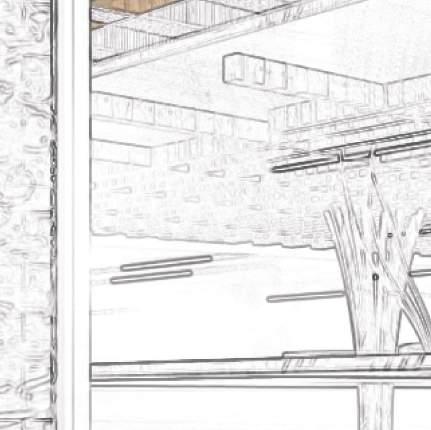
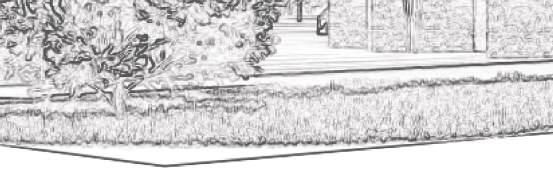
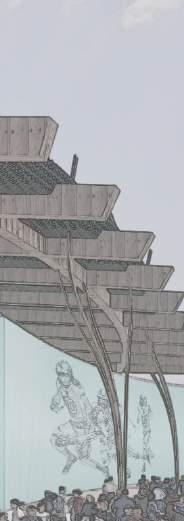
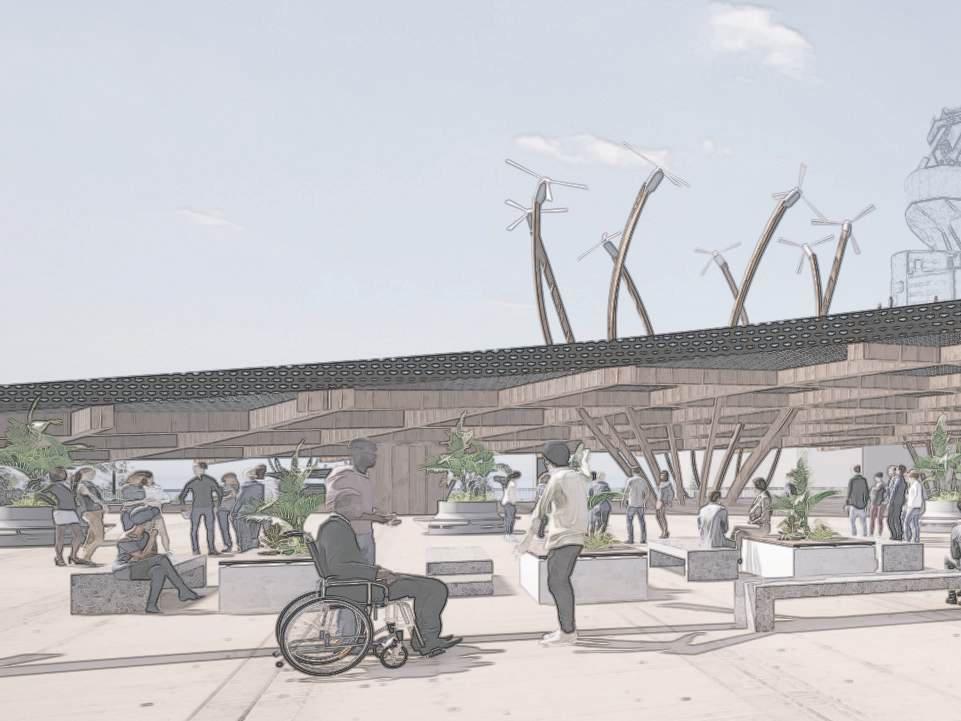
After picking a location directly next to Empower Field, Denver’s biggest stadium, I immediately developed a shape on axes determined by local circulation and neighboring local businesses. The resultant shape pushes people to the surrounding local businesses. The building also houses bays for local businesses to sell food, merchandise, or otherwise, and point people to their permanent locations.






























































1” = 30’


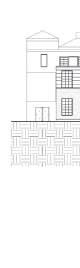
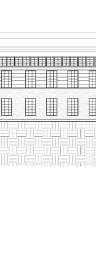
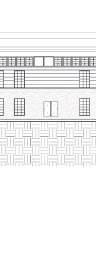
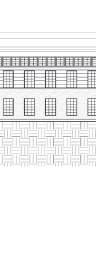
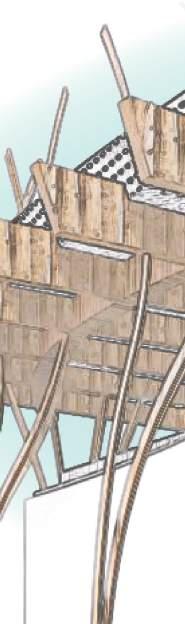
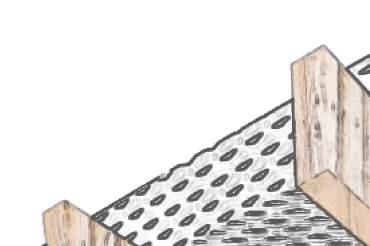
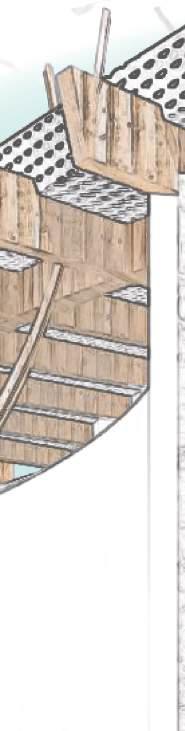
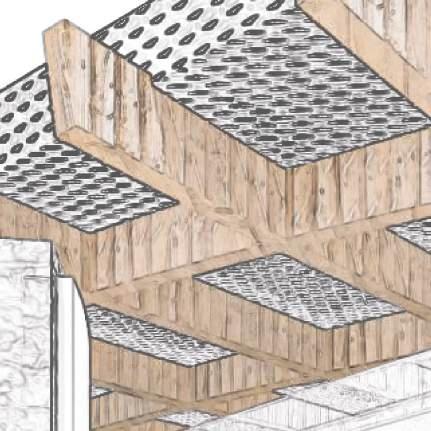
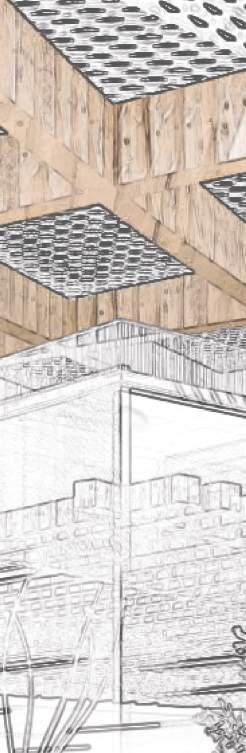
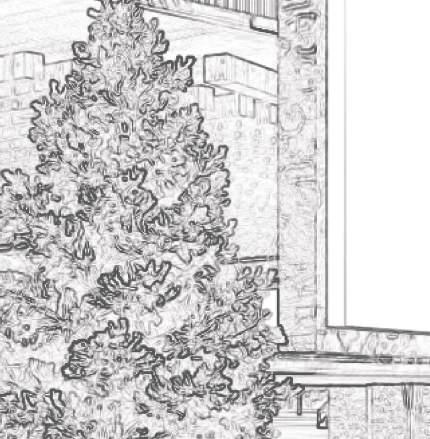
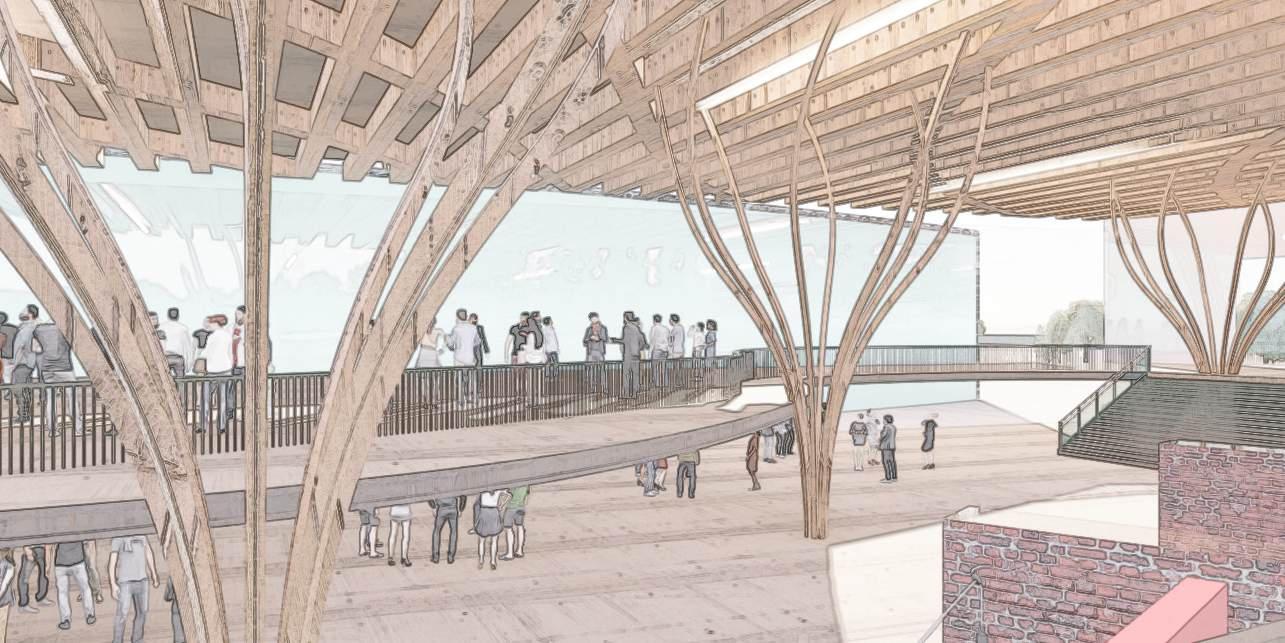
With a preexisting brick building already on site, and a rich local history of brick and new timber initiatives, a brick plus timber basis for materiality became the obvious choice for both honoring the city of Denver and adaptive reuse.











Indoor Sports Viewing Area













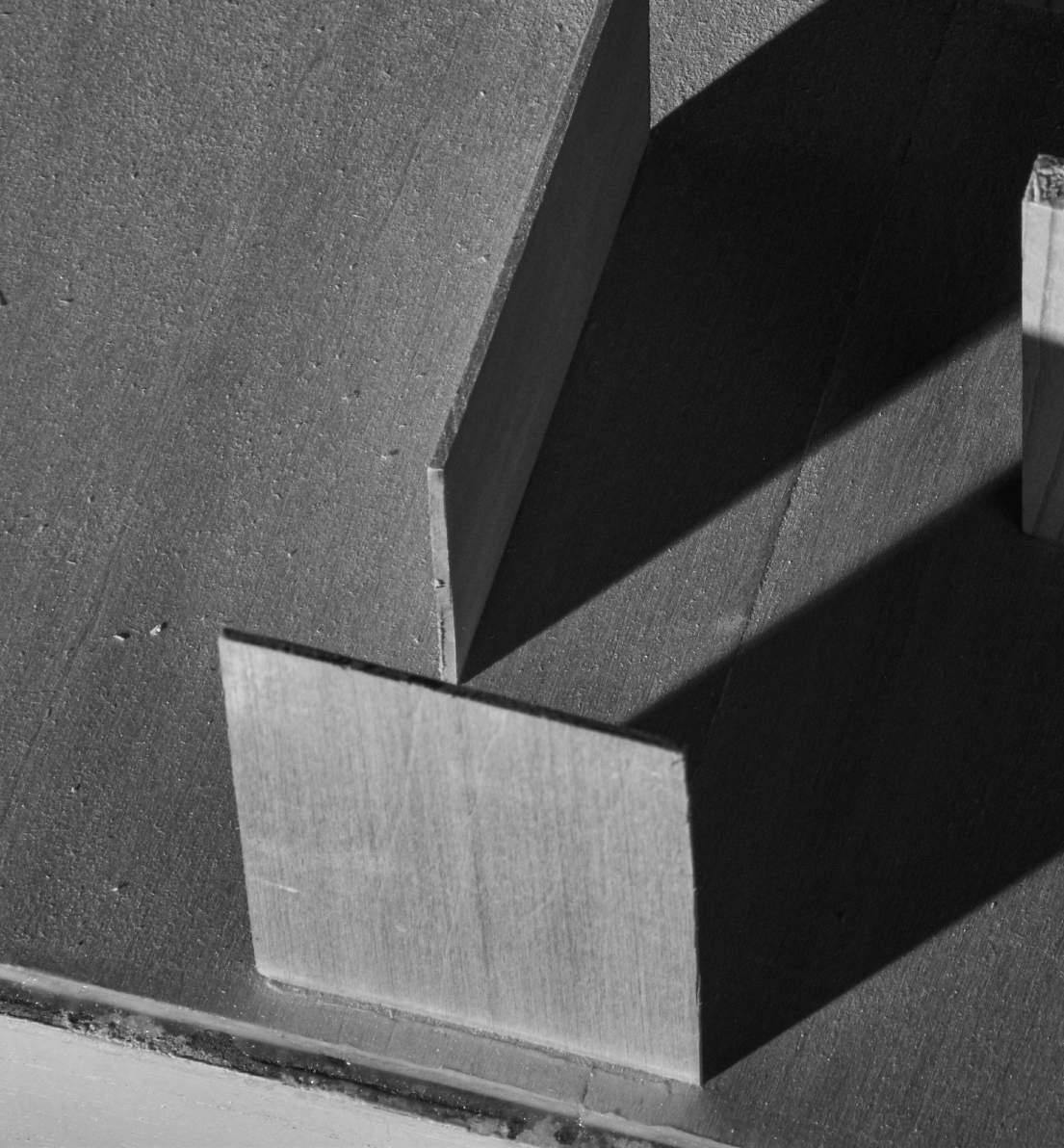
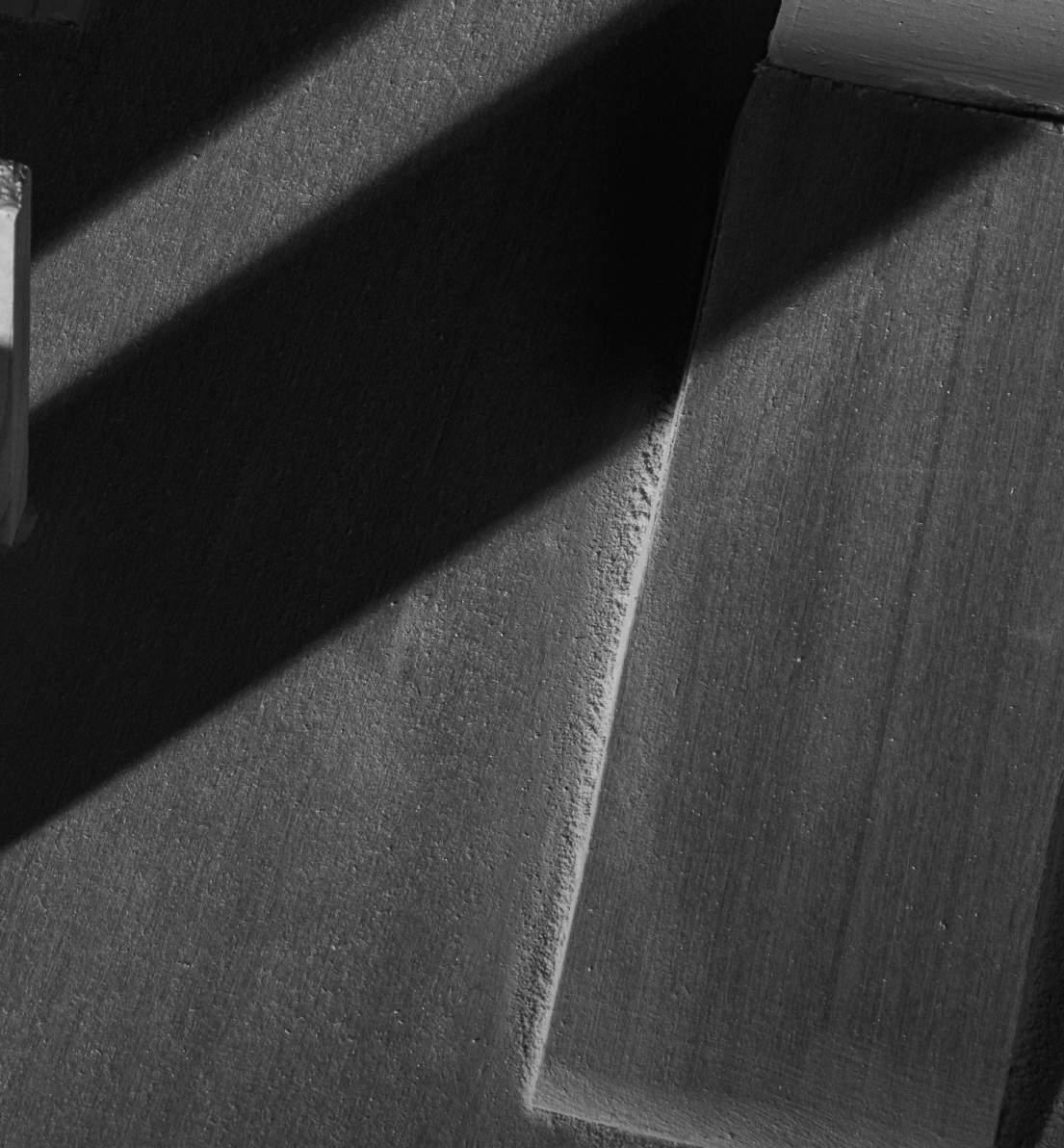
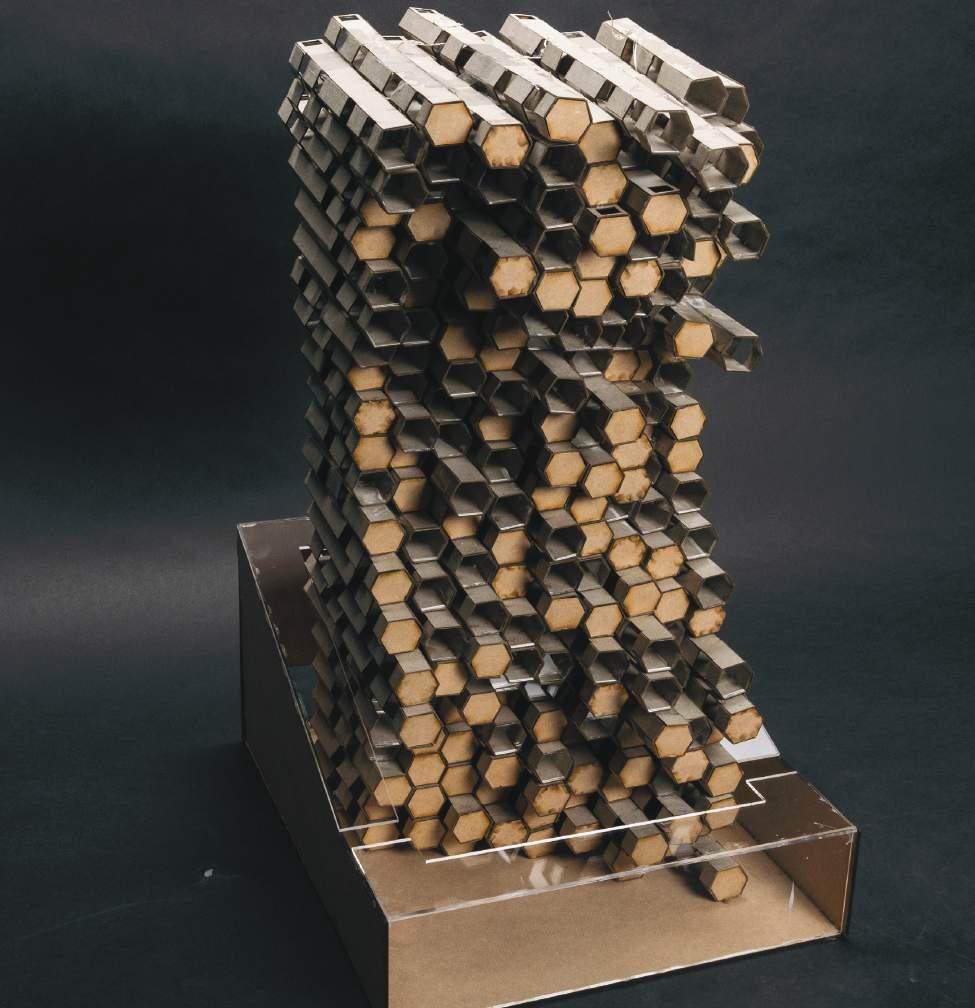
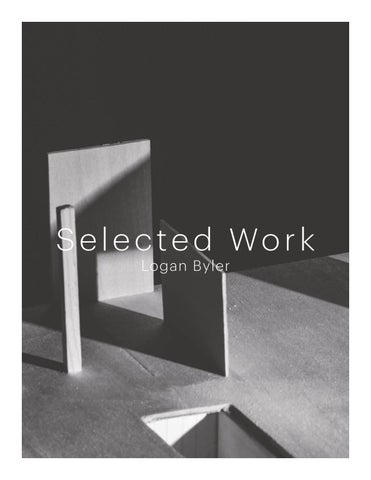
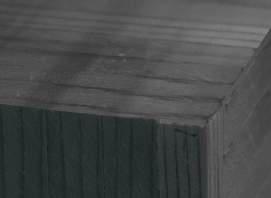
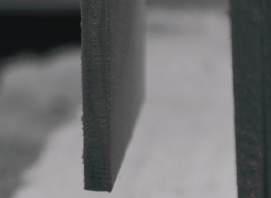
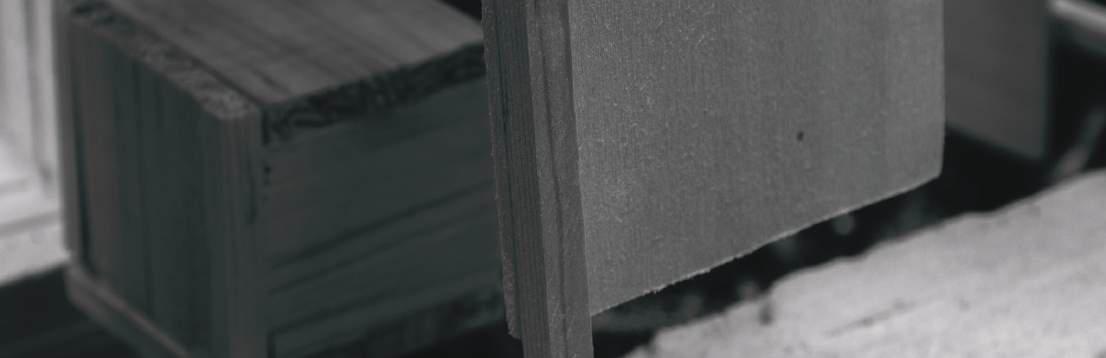
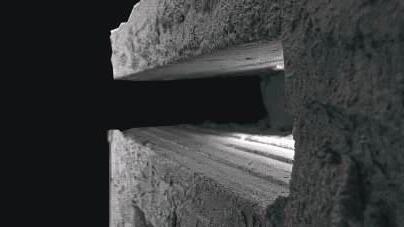
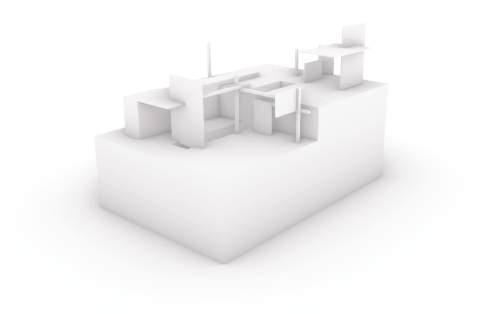
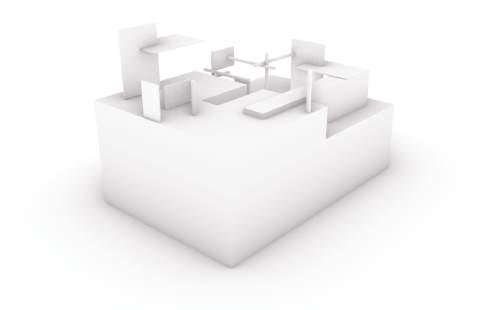
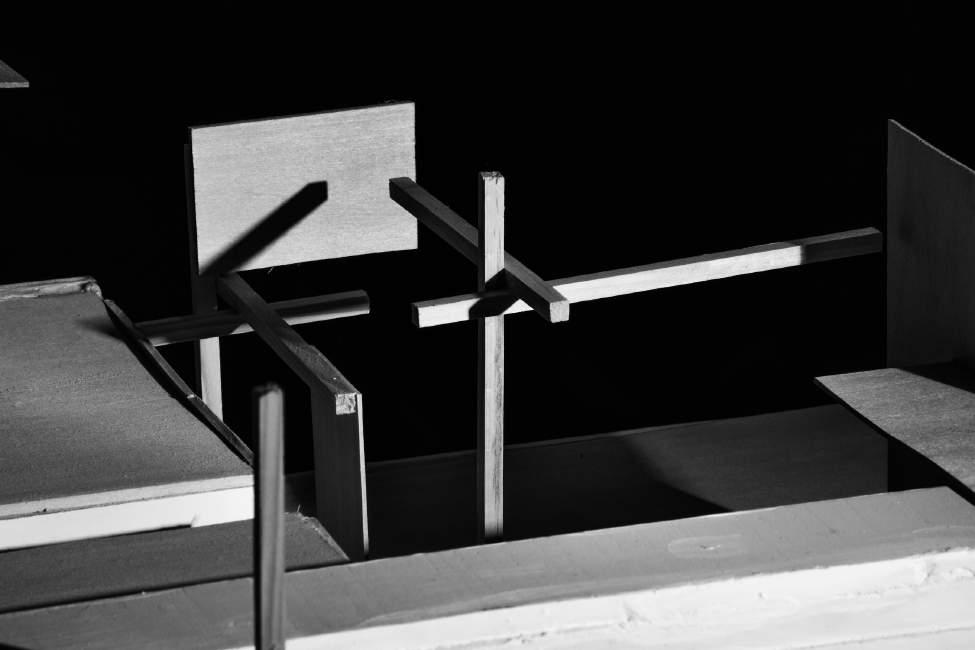
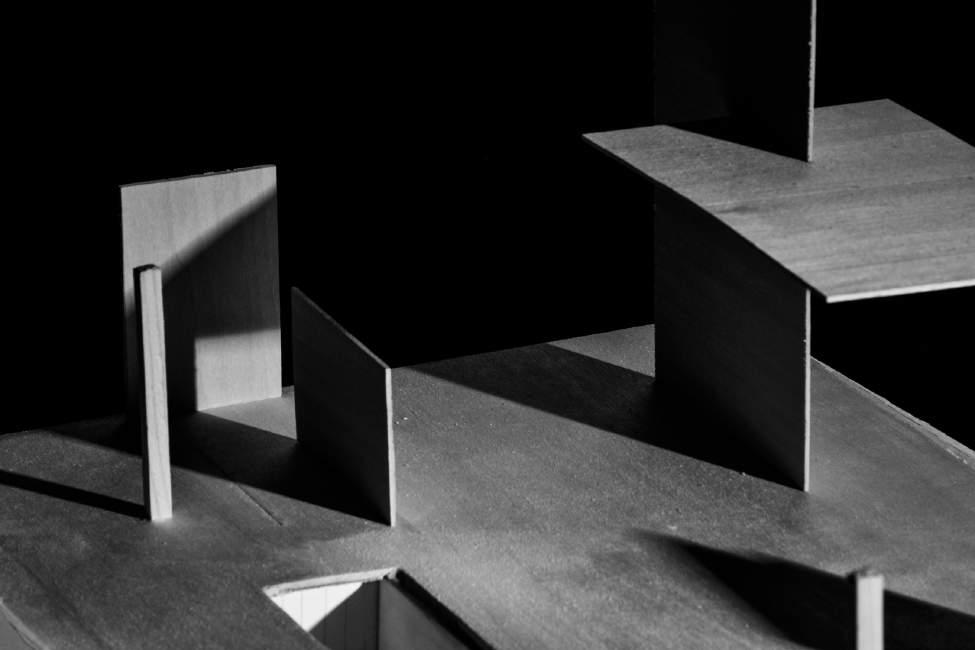
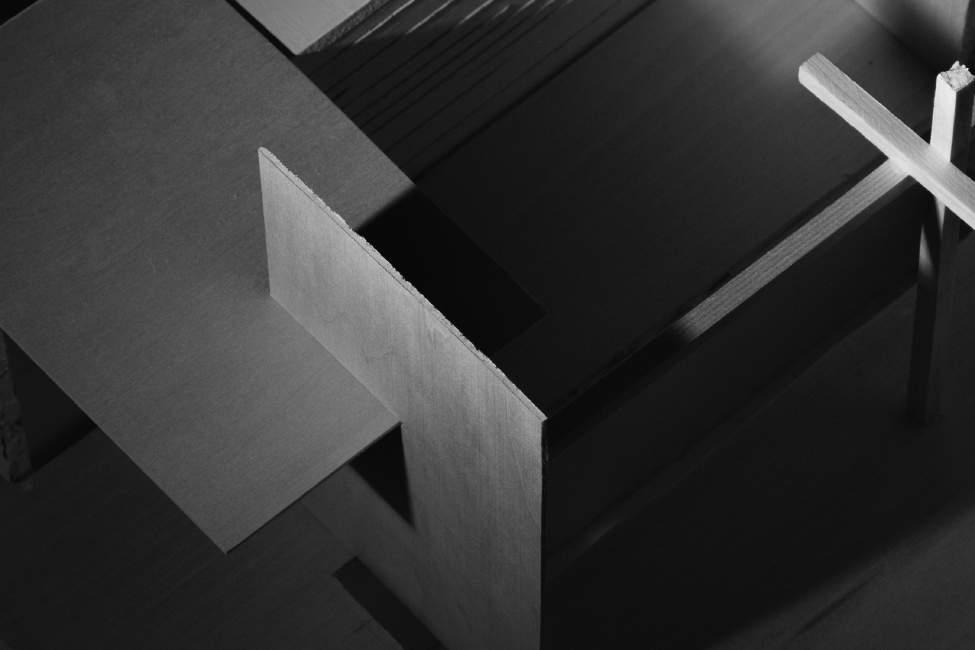
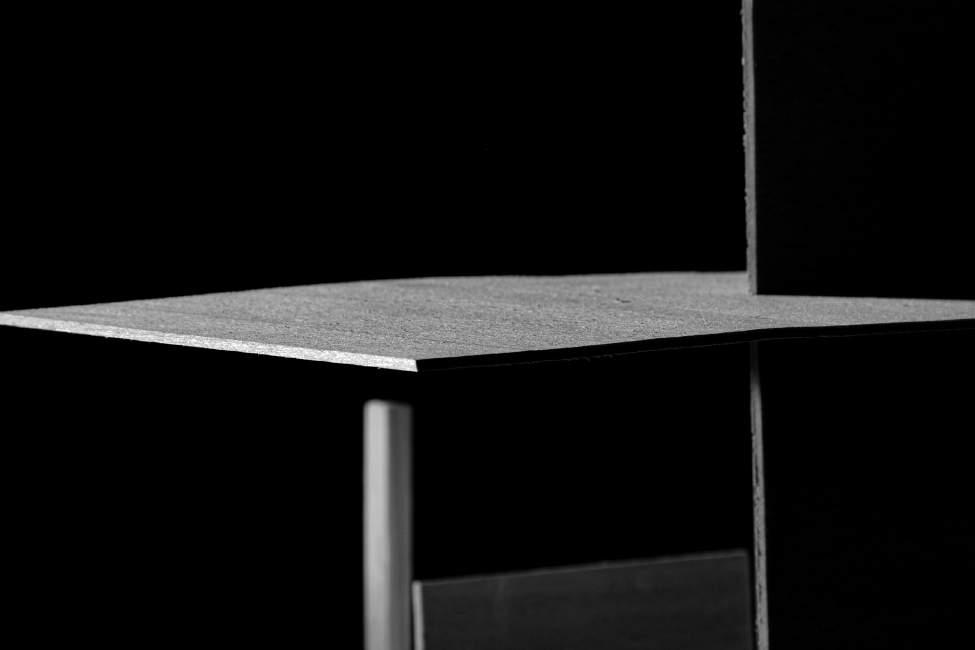
Initial Design: much of the semester consisted of design iteration and exercises that focused on negative space, stereotomic design, and tectonic design. The result was a combination of cast concrete and basswood that represented less literal architecture and more abstract space manipulation. My chosen focus was on creating spaces that appeared to ‘rotate’ and guide the eye around the space in continuous paths.
Next two pages: alternate visualizations of these same spaces to iterate and imagine different forms of entrance, transition, and terminus.
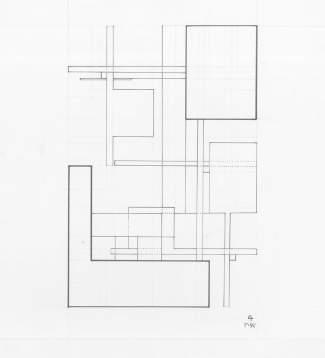
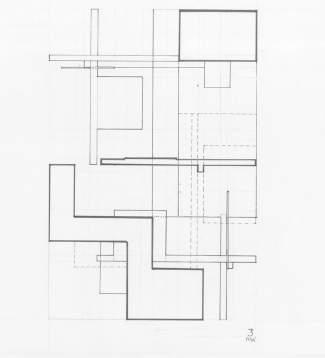
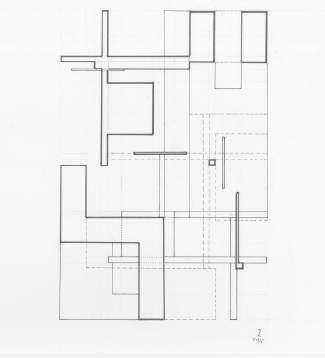
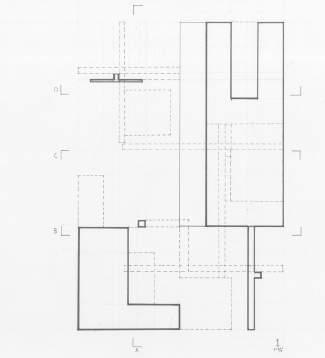
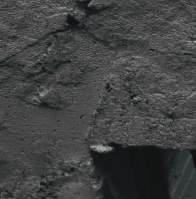
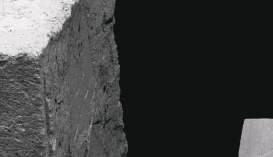
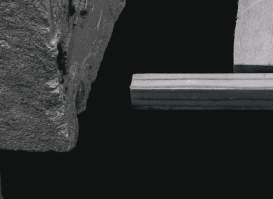
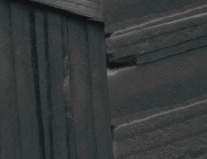

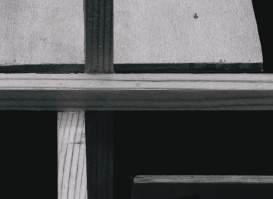
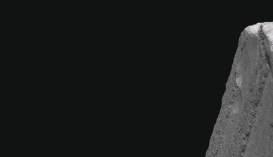
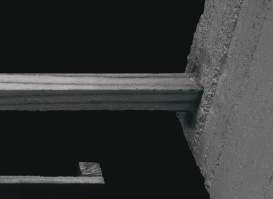

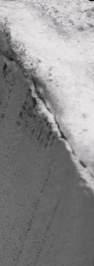





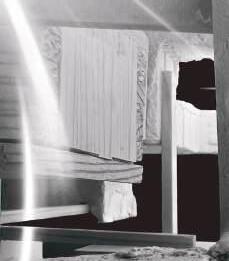
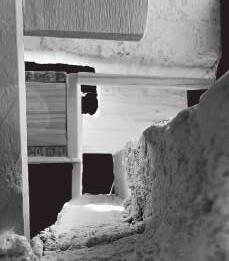
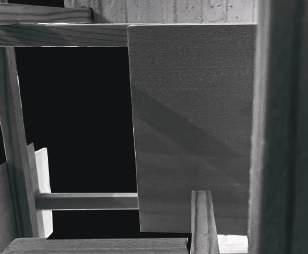
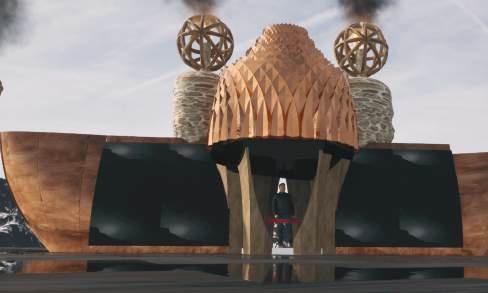
Final Design: All of the different iterations. exercises and designs culminated in a ‘Place of Reflection’ where all of the architectonic principles were repurposed into a design for people to reflect in.
To me, Reflection is viewing things that have already been seen both through a new perspective and in the context of new experiences gathered between now and what has been reflected on.
Here, the user enters, sees the ‘terminus’ or focal point from an obscured view, and, once having made their way around the space, sees the focal point from the opposite side, unobstructed, and in the context of the entire sequence, a literal representation of my personal view of reflection.
How can our government buildings serve its employees and the city citizens better?
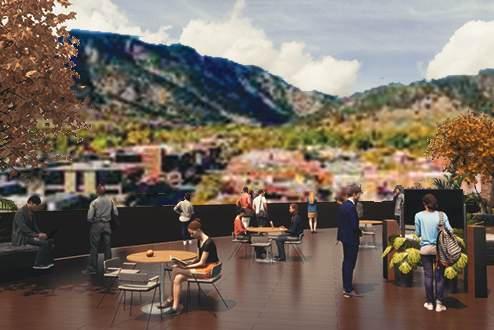
The main prompt for this project was designing offices and operations space for Boulder Public Safety, but with the added initiative of creating a more approachable space for the public, as the current building was hidden and between signage and aesthetic, was almost completely unapproachable. Boulder Government officials told us they wanted a space the public could not only approach but visit regularly, as a way to boost morale and let Boulder citizens know they were valuable participants in city affairs.

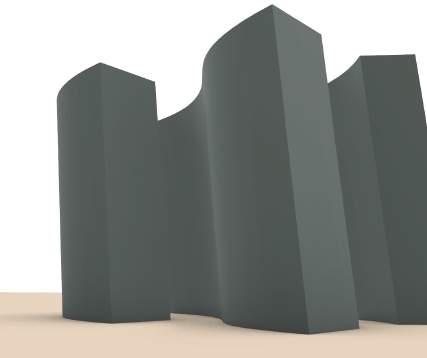

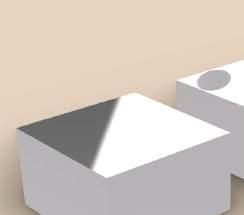
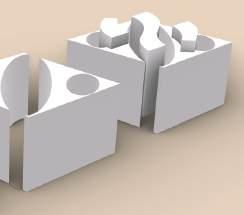



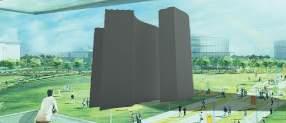
Shown here are initial form sketches. My main goal was to use curves and partially outdoor sections of the building to create a friendlier shape and show a clear connection to the outdoors, a hallmark of Boulder’s identity and a message to passerby that the Boulder Government is not closed off but connected to and involved with its surroundings.


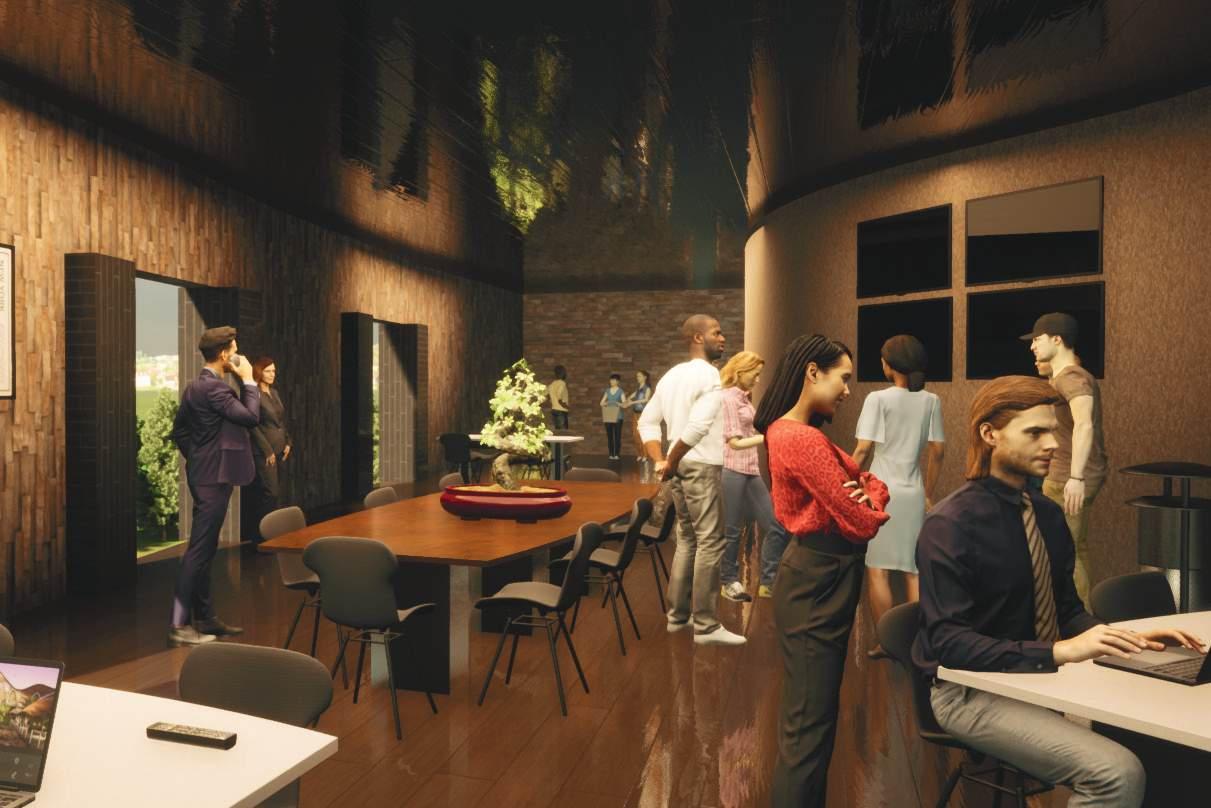
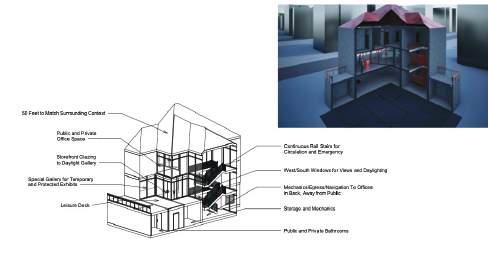
The three sections of the building are split into different usages, maintenance/ops, business, and amenities (from the left, respectively). In the effort to boost morale, boost daylighting, and open the office to the outdoors, the shape and arrangement of the complex, along with the two main atriums, mean that every room in the complex overlooks the atriums and no person is more than two doorways away from the outdoors. The two atriums dividing the three portions, along with other small areas, are open to the public and include leisure areas and cafes. Warehouse space, and public and private offices make up the rest of the interior.