LOCKYER VALLEY REGIONAL COUNCIL

LOCKYER VALLEY REGIONAL COUNCIL
This Annual Report, for the financial year 1 July 2024 to 30 June 2025, describes Lockyer Valley Regional Council’s achievements in providing services to the communities we serve. It displays our progress in delivering the actions in our Corporate and Operational Plans, along with statutory reporting requirements and encapsulates the information contained in our regular reports to community and stakeholders.
The Annual Report provides the community with operational and financial information about Council’s performance against the outcomes and service delivery commitments set out in the Corporate and Operational Plans, which were developed in response to the Community Plan 2017-2027.
Council is committed to protecting and promoting human rights by ensuring human rights are considered in all the work we do –from the decisions we make to the services we provide. This commitment is in accordance with Council’s obligations under the Human Rights Act 2019
For more information, phone 1300 005 872, email mailbox@lvrc.qld.gov.au or visit www.lockyervalley.qld.gov.au
26 Railway St, Gatton QLD 4343, Australia PO Box 82, Gatton, QLD, 4343


Lockyer Valley Regional Council acknowledges the Traditional Custodians of the region, the Ugarapul and Yuggera people and pays its respects to their Elders, past and present, and the Aboriginal and Torres Strait Islander Elders of other communities who may live here.
Lockyer Valley Regional Council is committed to cultivating inclusive environments for all staff, customers, residents and visitors.
Population and Miscellaneous
Family and Household
10,887 FAMILIES
4473
14,142 HOUSEHOLDS
Dwellings
13,278 occupied private dwellings
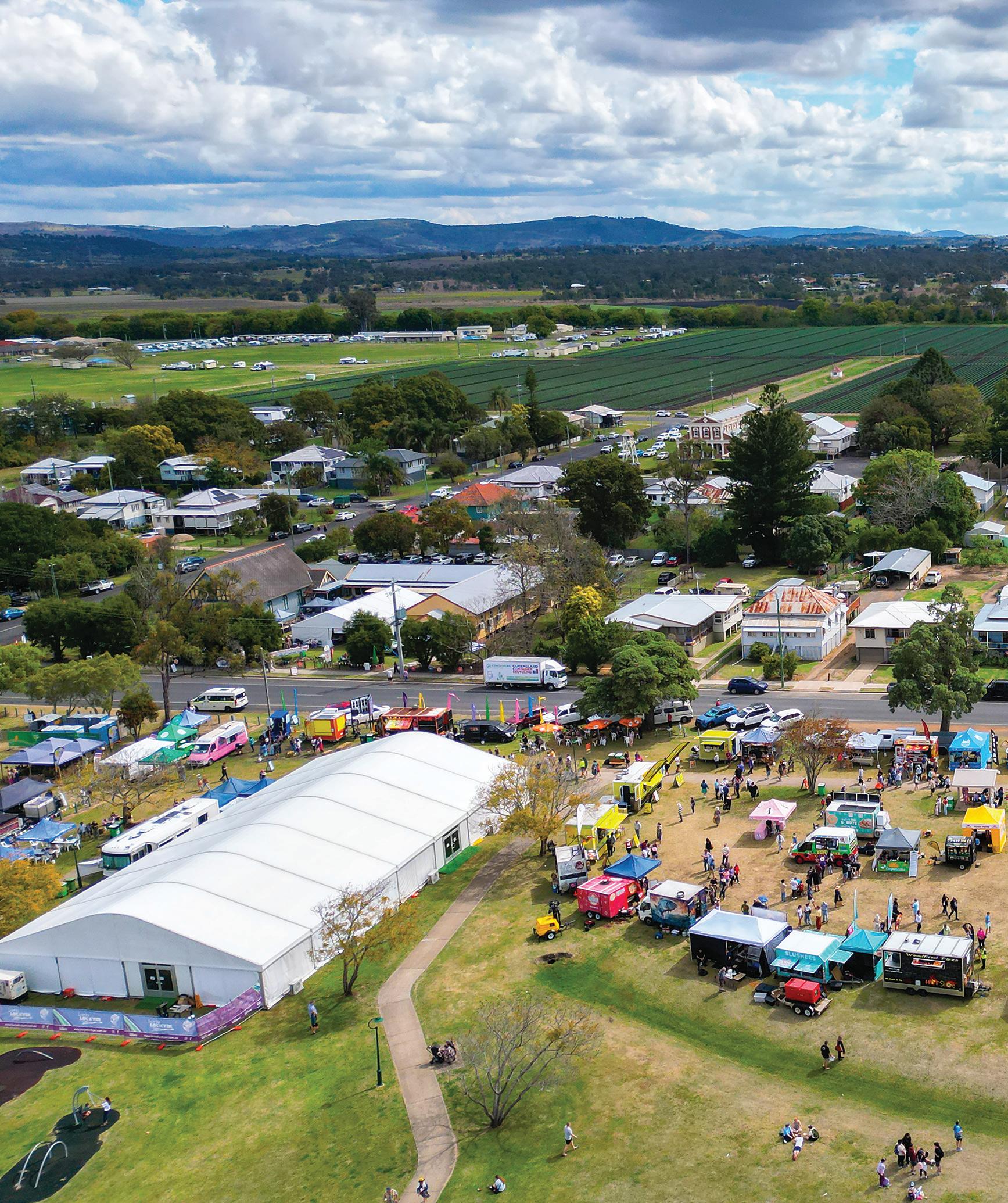
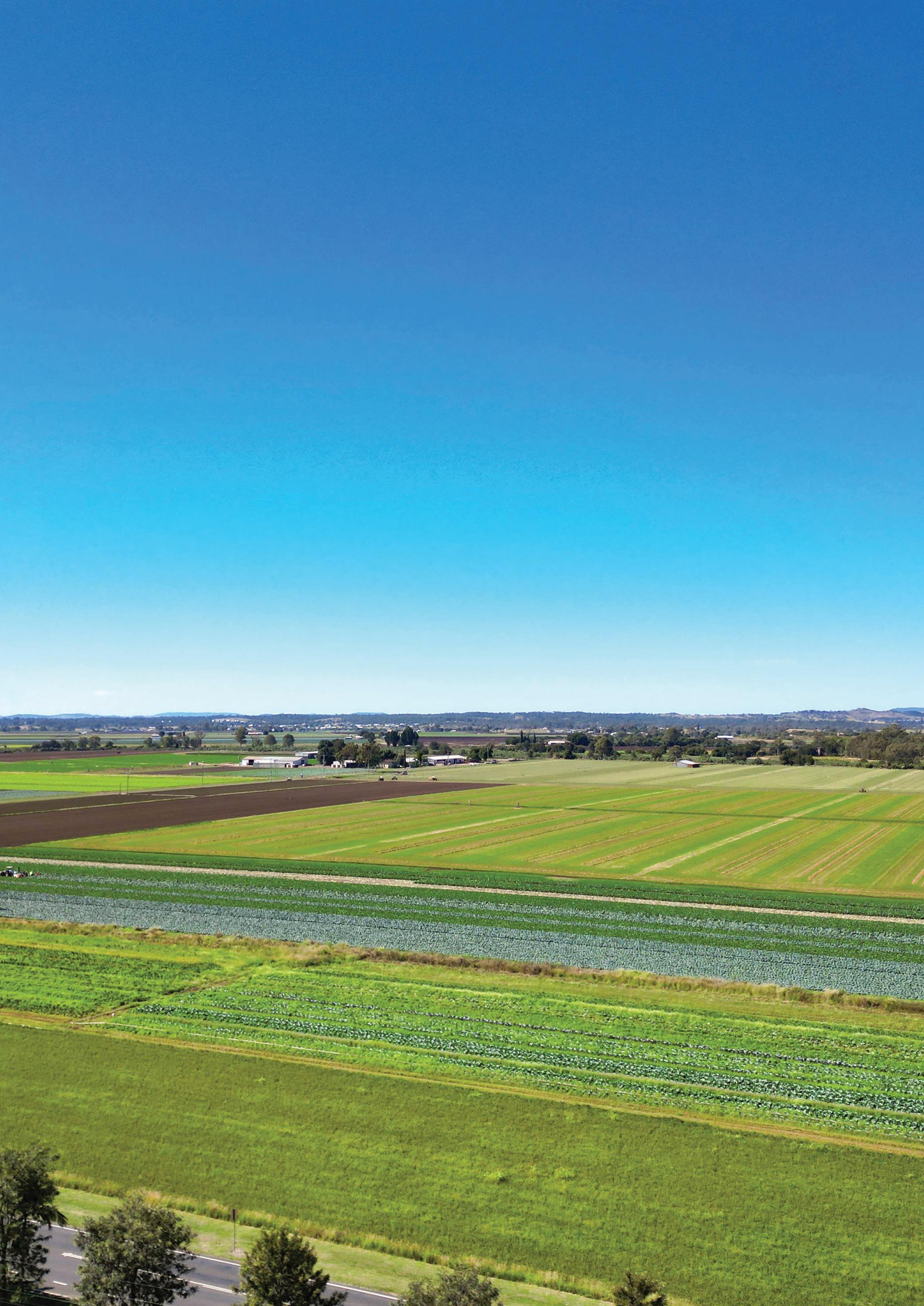
Spanning more than 2200 square kilometres, the picturesque Lockyer Valley sits less than an hour’s drive west of Brisbane and is known for its expansive farmland, fertile plains, stunning mountain ranges and rolling hills.
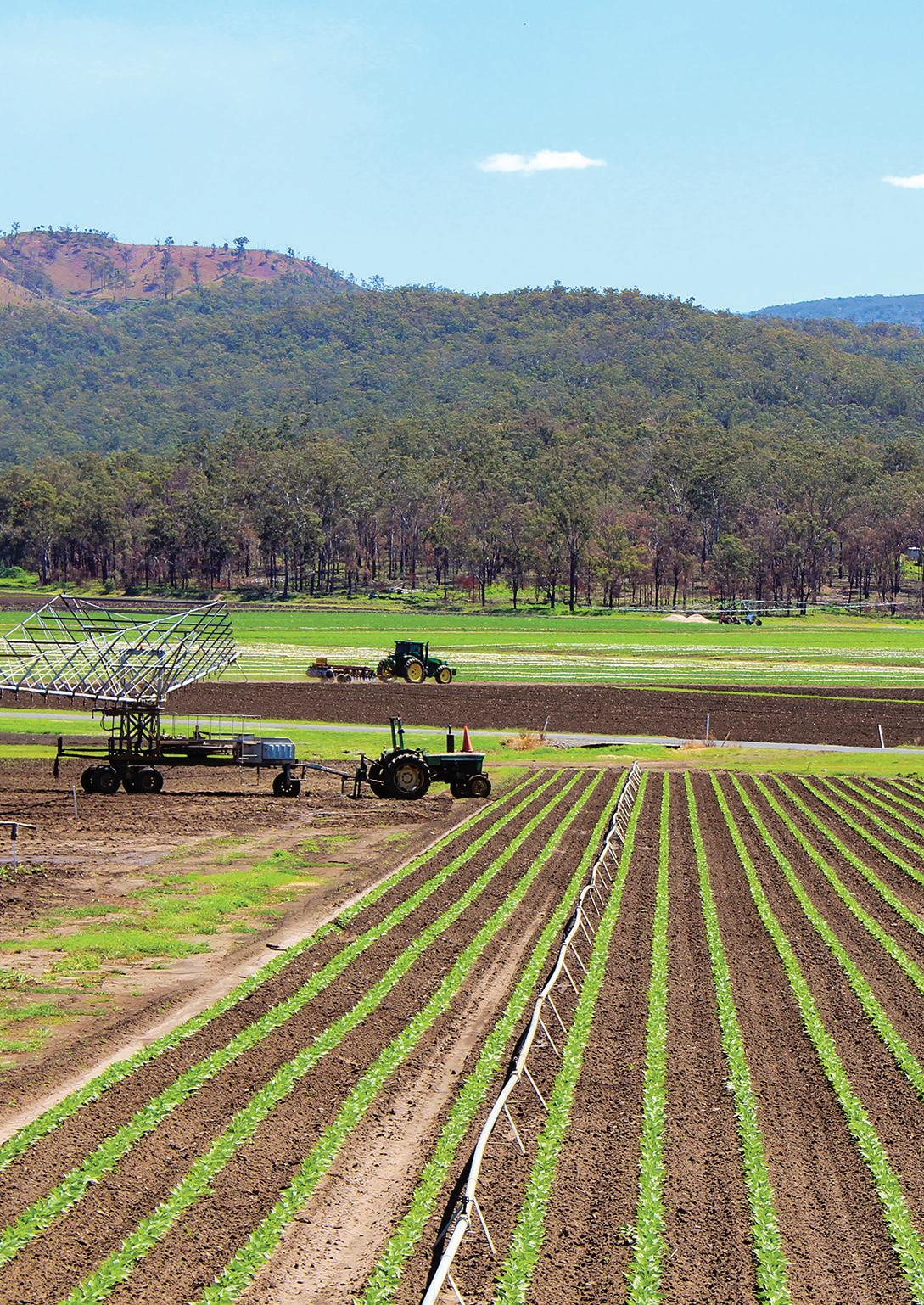
With its combination of luscious dark alluvial soils and irrigable groundwater, the Lockyer Valley is rated as one of the most fertile and productive agricultural regions in the world and is fondly known as ‘Australia’s Salad Bowl’.
Home to 45,000 people, the region has experienced an average growth rate of 1.9 per cent over the past five years and is expected to reach a population of 57,000 by 2046. The median age is currently 39 and is anticipated to be 44 by this time.
The Lockyer Valley has a population density of 19.83 persons per square kilometre and is made up of 77 localities (suburbs), including a mix of smaller townships, quaint villages and the larger commercial hubs of Gatton, Laidley, Withcott and Plainland.
With a relaxed and friendly country lifestyle and easy access to Queensland’s capital city, the Lockyer Valley continues to attract people seeking a better work-life balance and an affordable place to raise their family.
Population growth provides the region with exciting opportunities to create increased housing development for those wanting to call the Lockyer Valley home.
The region is bounded by the Toowoomba local government area (LGA) to the west, Somerset LGA to the north, Southern Downs LGA to the south and Ipswich City LGA and Scenic Rim LGA to the east. The Warrego Highway runs through the region, making it well connected to major transport routes.
Boasting a multicultural background, 14 per cent of residents were born overseas and almost 2100 identify as Aboriginal and/ or Torres Strait Islander. The traditional custodians of the land are the Yuggera and Ugarapul people.
In addition to its expansive farmland, the Lockyer Valley’s national parks and natural beauty makes it the perfect playground for bushwalking, birdwatching, mountain biking, water sports and caravan and camping stays.
The Lockyer Valley has a strong sense of community, and its toughness and resilience in the wake of natural disasters is well known.
Council continues to work with a wide range of stakeholders to attract millions of dollars’ worth of trade opportunities and investment into the region – such as the Water for Lockyer Project, new housing developments and the Lockyer Valley Equine Precinct.
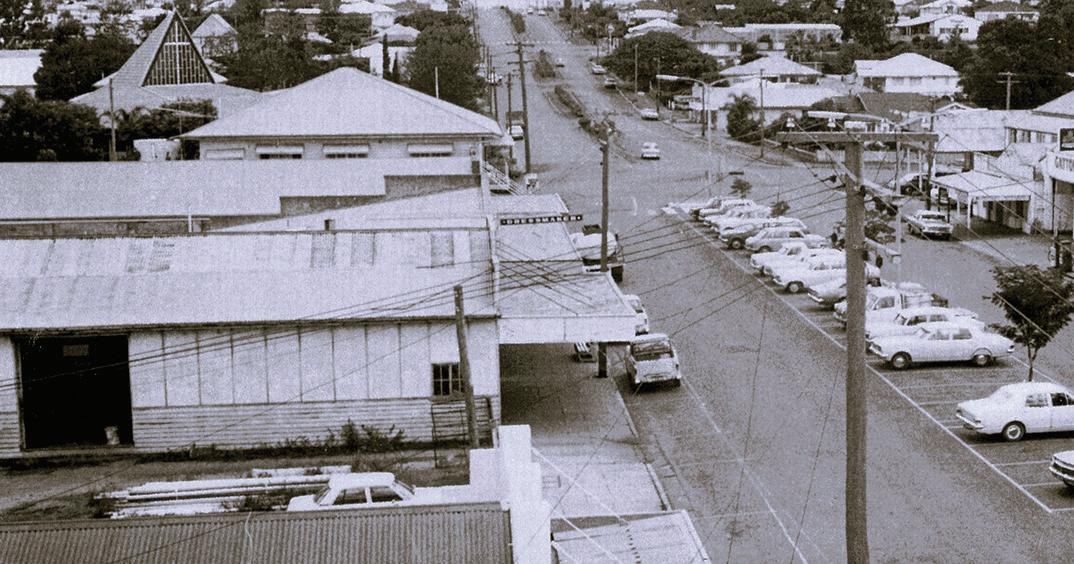
Credit: Gatton District Historical Society
The Lockyer Valley’s potential for farming and agriculture first caught the eye of colonial settlers in 1825 when British explorer Major Edmund Lockyer discovered Lockyer Creek and documented the region’s large open country and rich soil.
Prior to this time, the Yuggera and Ugarapul First Nations people had inhabited the Lockyer Valley.
Word about the area slowly spread to prospective settlers and by the 1830s, pastoralist explorers set their sights on the region.
Up until the late 1860s, most of the settlers in the Lockyer Valley were British but this changed dramatically over the next two decades, with a huge influx of German and then Irish settlers.
Unlike the British, who mainly came from cities and towns in their native land, many of the Germans had been farmers, and armed with these skills, they formed some of the Lockyer Valley’s first productive and sustainable operations.
Standard crops for the early settlers included maize, pumpkins, potatoes and cotton, while surviving place names such as ‘Woolshed Creek’ at Hatton Vale and ‘Bullock Gully’ and ‘Stockyard Creek’ at East Haldon are reminders of the region’s sheep runs and cattle grazing past.
Dairying was also a growing industry from the late 1800s, and advanced with the opening of the Grantham Butter Factory in 1907. However, the industry suffered rapid decline following the end of WWII when European nations made a pact to only trade in dairy and pork between themselves and Australia lost its greatest customer, the UK.
Mining in the region dates back to the earliest days of white settlement and today, the reputation of Helidon sandstone is known across Australia and overseas. Many majestic buildings in Brisbane City, such as City Hall, were built with Helidon sandstone. Spa water from Helidon Springs, noted by Allan Cunningham during his explorations in 1829, was first bottled commercially in 1880, and the water won national and international acclaim putting Helidon Spa in the world spotlight.
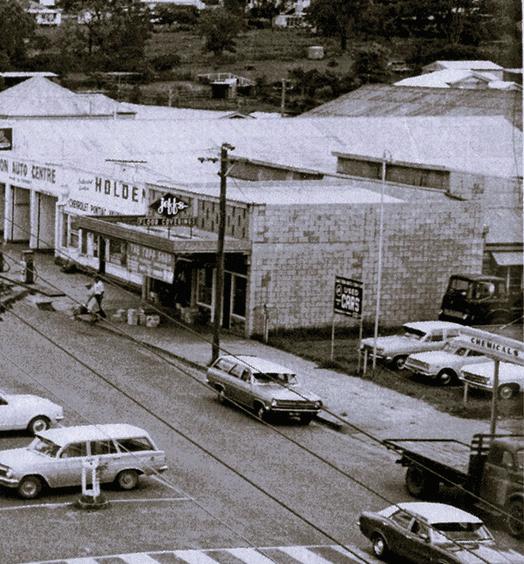
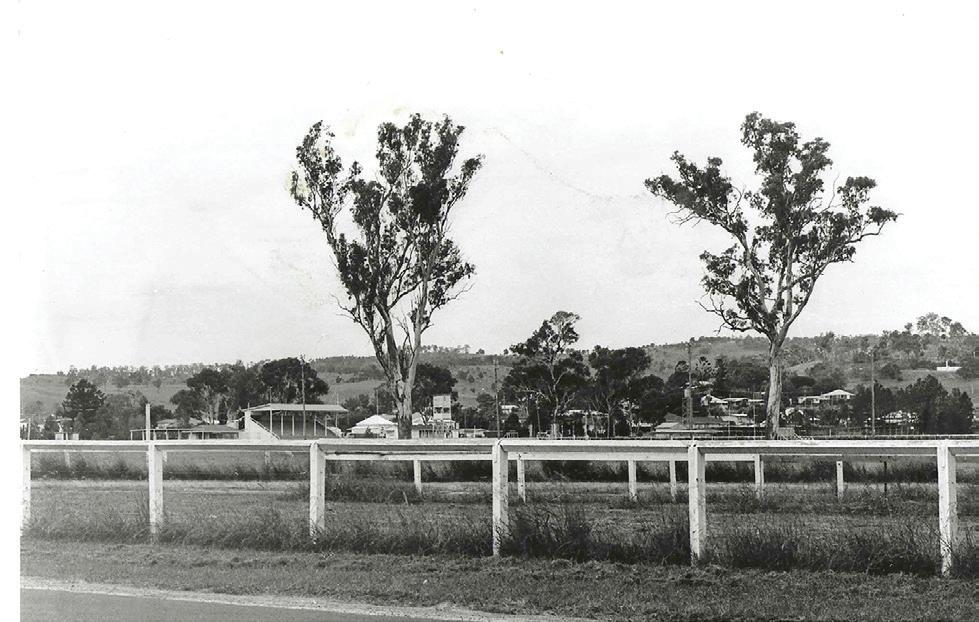
Credit: State Library Archives
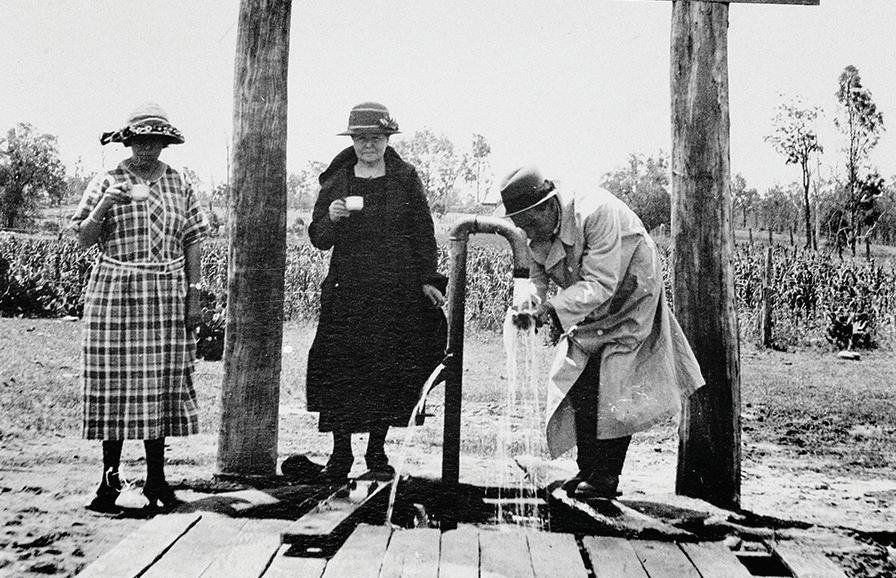
As with other regions, townships flourished along the railway, which by 1866 included stations at Laidley and Gatton. The arrival of the motor vehicle after WWI led to the concentration of services in the larger towns.
Irrigation in the Lockyer Valley began as far back as 1877 when John Robinson flood irrigated his farm on Tenthill Creek using a steam-powered pump.
Irrigation from ground wells gained favour in 1936 but it wasn’t until 1939 that it was adopted on a larger scale with the arrival of electricity.
Both Gatton Shire and Laidley Shire had their beginnings as part of the Tarampa Divisional Board, which was created on January 15, 1880. Laidley broke away to form its own shire in 1888, and Tarampa Shire was renamed Gatton Shire in 1938.
After 120 years, the neighbouring farming shires were once again joined following a recommendation by the Local Government Reform Commission. And on 15 March 2008, Gatton Shire and Laidley Shire formally amalgamated to form Lockyer Valley Regional Council.
Today, agriculture continues to thrive and remains the lifeblood of the region. In 2023-24, the total economic output for the Lockyer Valley was $4.15 billion. Of this, $767.8 million was from agriculture, with horticulture accounting for 92 per cent.
With its affordable land and property prices, coupled with its strategic proximity to Brisbane, Ipswich and Toowoomba, the Lockyer Valley is rapidly becoming a magnet for growth and investment. State government initiatives and private enterprises are drawn to its boundless opportunities. As the Lockyer Valley continues to flourish, its future shines brighter than ever, promising a vibrant and prosperous community for all.
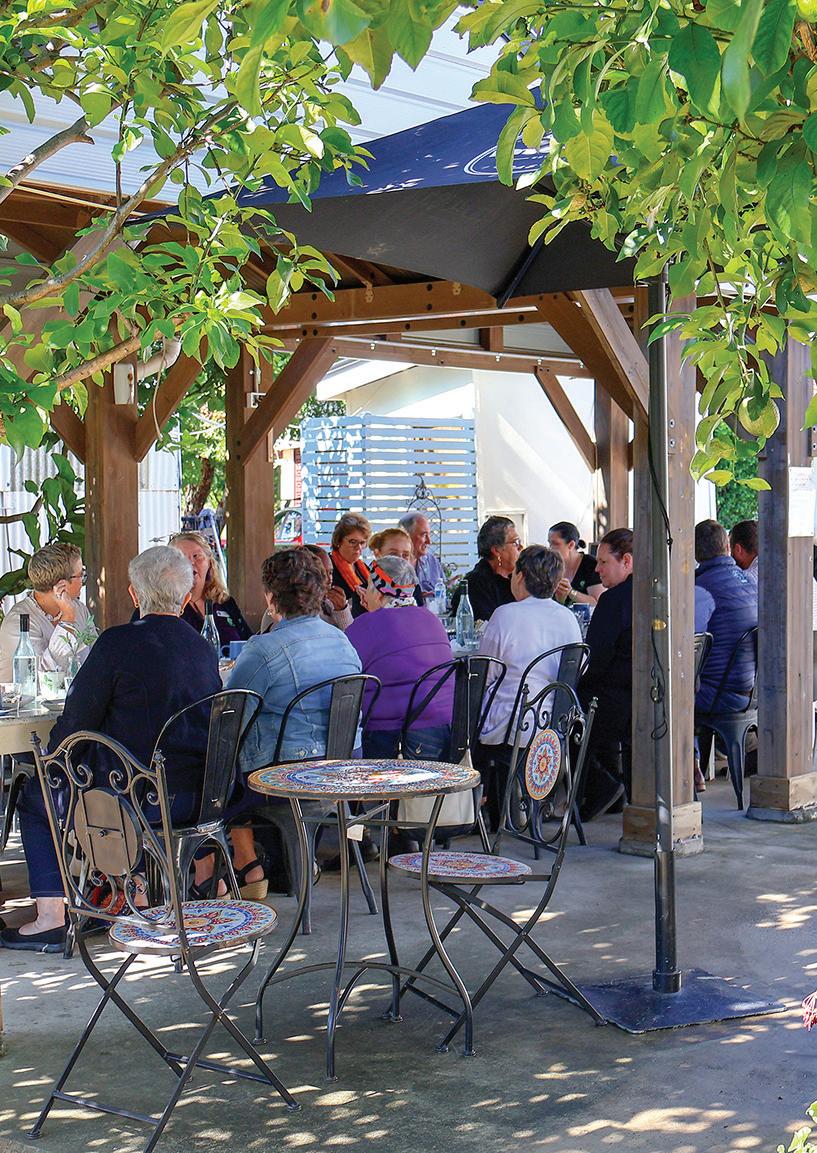
Welcome to Lockyer Valley Regional Council’s Annual Report for 2024-25.
The Annual Report isn’t just about facts and figures. It provides a comprehensive account of Council’s accomplishments, challenges and performance over the 2024-25 financial year.
Among our key achievements for this period was adopting several strategic documents, including the long-awaited Lockyer Valley Planning Schemean enormous milestone for our growing community.
We also delivered the new purpose-built Lockyer Waters Community Centre – a venue that will strengthen community ties and offer a Place of Shelter during natural disasters.
In March, our infrastructure crews and disaster management staff were once again put to the test when Ex-Tropical Cyclone Alfred moved inland, leading to severe flooding.
Our crews swung into action, restoring access and ensuring the road network was safe, and by the end of the 90-day emergency works period, 50 per cent of the 739 recorded defects from the event were already repaired.
With heightened climate instability, Council continues to advocate for more State and Federal funding to fix our roads and make them more resilient to flooding. Our road network remains our biggest asset, and ensuring it is equipped for the future is paramount.
Making the Lockyer Valley an inclusive, vibrant and liveable region for everyone is our commitment, and we continue to invest in essential services and plan responsibly for the needs of our fast-growing population.
As always, our focus centred on maintaining financial sustainability, while also delivering the range of services we are responsible for. We upheld our longstanding tradition of operating responsibly and within our means, recording a $4.15 million surplus for the year.
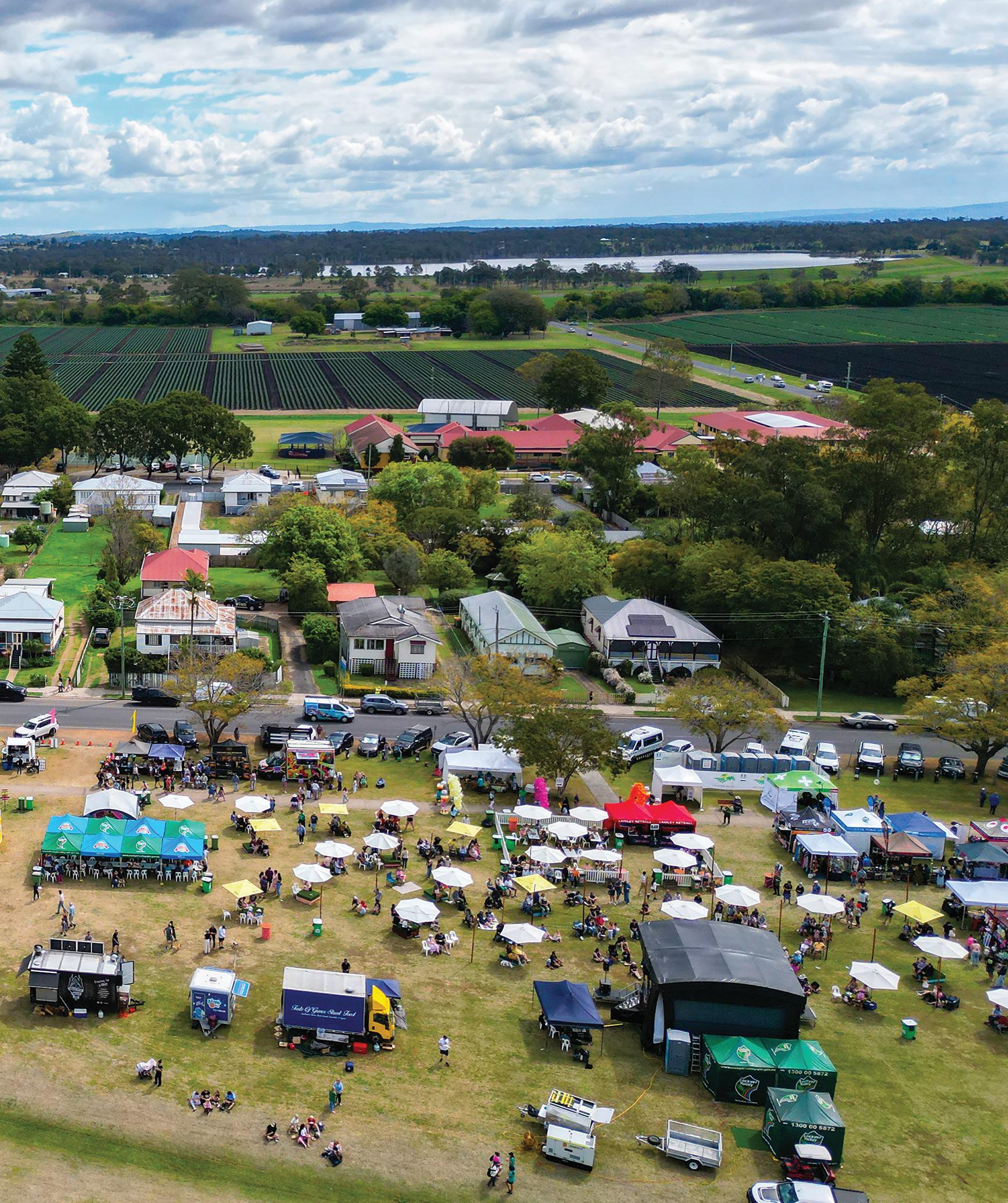
We have a strong focus on delivering community events and the economic benefits to the community are steadily increasing, with the 2024 Laidley Spring Festival drawing the largest crowds every recorded in its 60-year history.
We know our community continues to face difficulties, with cost-of-living pressures as rents, mortgages, bills and food costs rise, and we continue to absorb as much of Council’s own rising costs as we can to avoid overburdening our residents.
Looking back at the previous financial year is a time to not only reflect and feel a sense of pride in our achievements, but also to take stock and look at what’s ahead with a sense of purpose and optimism.
I extend a sincere thank you to the residents, community groups, local businesses and volunteers of the Lockyer Valley. Your contribution to our community is recognised and appreciated and makes such an impact on the region we all call home.
Together with my fellow Councillors, we are committed to the betterment of the Lockyer Valley region and will continue to actively pursue opportunities that will benefit the community. We continue to engage in positive conversations with stakeholders to drive the Lockyer Valley forward.
I also extend my thanks to my fellow Councillors, the CEO, staff, and community members for working together to create a prosperous Lockyer Valley community.
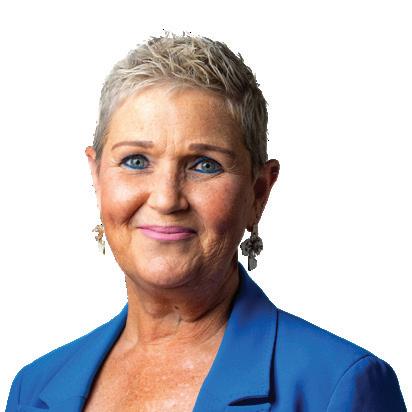
MAYOR TANYA MILLIGAN Community Engagement and Development; Media and Communications; Disaster Management;
Economic Development
It is once again my pleasure to provide an introduction to Lockyer Valley Regional Council’s 2024-2025 Annual Report. Like so many years before, this has been another very busy year, and despite yet another extreme weather event and the subsequent recovery tasks, we have delivered real results we can all be proud of.
The sections below include some highlights from the many achievements of Council against each of the outcomes of the 2022-2027 Corporate Plan. To get the full picture, please continue through the whole report.
Council delivered 10 “Have Your Say” community pop up consultations across the region and at community events to make it easy for residents to discuss concerns and their priorities and preferences. That feedback will be used to shape future Operational Plans and Budgets.
We have upgraded facilities such as the Lockyer Waters Community Centre, Lake Dyer Amenities Block and installed a new basketball half-court at Lake Apex Youth Precinct and provided significant support to many of our local community groups through grants and ree capacity-building workshops.
In response to the housing crisis, we have amended a subordinate local law to allow family and close friends to reside in a caravan on a resident’s property for up to 6 months in a year. To ensure the community still comes together to celebrate during these tough times we’ve delivered 15 major events and supported another 22 community-led events.
As always, disaster preparedness, response and recovery are a key priority for Council and the community and this year our highly experienced team led the community through the local impacts of Ex-Tropical Cyclone Alfred, delivered the Get Ready Lockyer Day, installed and commenced planning for more flood monitoring equipment.
Council continues to build on its foundational role in the Lockyer Valley and Somerset Water Collaborative project working with strategic partners at all levels of government and community to give the Water Security Scheme the best possible chance of success.
We continue to coordinate the Lockyer Valley Racing and Equine Collaborative Working Group, which aims to attract external investment to make Gatton one of South East Queensland strategic non-metropolitan racing venues.
In recognition of the vital role local businesses and tourism operators play in our region’s future, Council continues to move forward on the Forest Hill Silo Mural project, tourism marketing campaigns with Southern Queensland Country and in the provision of support to Lockyer Valley Chamber of Commerce, Industry and Tourism.
Council continued its commitment to the Resilient Rivers project by planting thousands more native trees and shrubs at several sites in the catchment area, undertaking creek bank stabilisation, habitat improvement, and weed control to help ‘keep the Lockyer in the Lockyer’. It was great to see community members joining these invaluable projects.
Updates were made to a range of formal strategic land use planning policies to ensure that our wonderful biodiversity and nature-based areas could be protected and used appropriate for generations to come. Similarly, we continue to actively support the Land For Wildlife Program and the provision of the Community Environmental Grants Program.
One of the very important areas of responsibility for Council is waste management and in reporting period we undertook community consultation before finalising and adopting Council’s Waste Management Strategy 2024-2030, which will provide the framework for sustainable waste management services, leadership and innovation in resource recovery and waste prevention within the region.
To ensure we continue to minimise waste going to landfill, we delivered community education on good waste management practices, including appropriate disposal of batteries and vapes and the “Get Grubby” program on organic recycling program for school aged children.
I am particularly pleased to note that the Lockyer Valley Planning Scheme has now been adopted by Council and approved by the State Government and is being applied. On behalf of Council, I offer my thanks to the community members who took the time to provide feedback. Your input has resulted in improvements to the plan that will benefit current and future residents and businesses. We also completed the 5-year review of Council’s Local Government Infrastructure Plan (LGIP).
We acquired necessary parcels of land to facilitate a flood mitigation option for Laidley and developed a comprehensive community engagement plan to support the community engagement phase of the project which is expected to occur in early 2025. We secured State Government funding
to assist with associated costs to deliver the Laidley Flood Mitigation Project.
Road works can seem never ending to the community and that because they are never ending.
Our crews delivered a program of work to re-instate Council’s transport and drainage network impacted by flood events which occurred in the region in January 2024 and March 2025 as well as daily maintenance and the major preventative projects such as bitumen resealing.
Our Development Team were very busy with 254 development applications decided, 21 exemption certificates decided, and 343 building, plumbing and planning information and Form 19 requests received and responded to. They also conducted 75 pre-lodgement meetings with customers interested in undertaking development within the region.
Risk Management remains a high priority for us in ensuring we are delivering the best possible outcomes for the community with transparent integrity. We are committed to our staff wellbeing and have implemented a staff pulse survey and psychosocial safety programs. Management of assets of all kinds is a continuing focus including the development of an Asset Management Decision making Framework, moving out of child care operations and moving to sell of surplus land holdings.
I would like to congratulate the Mayor, Tanya Milligan, and Councillors for their leadership throughout the year, in particular through yet another extreme weather event in early 2025 and in developing an organisation focused on providing outstanding service to our community.
I also sincerely thank the committed employees of Council who dedicate themselves to improving the liveability of the region for our residents, both present and future. Together, we are very much focused on ensuring the Lockyer Valley is a highly valued place to live, work and play, now and into the future.
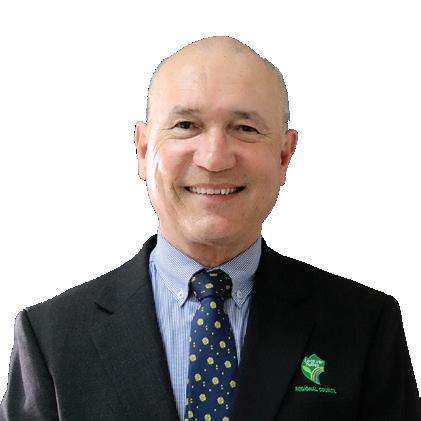
IAN CHURCH Chief E xcutitive O fficer
‘Lockyer – Our Valley, Our Vision Community Plan 2017-2027’ details the community’s vision through to the year 2027. The Community Plan establishes outcomes for the Lockyer Valley community that guides the priority actions which are to be undertaken by a wide range of stakeholders including Council. The future directions identified in the Community Plan along with its themes formed the basis for the development of Council’s Corporate Plan 2022-2027.
This Annual Report is the fourth to report on the progress Council has made in achieving the outcomes and commitments of the Corporate Plan 2022-2027. Outcomes and commitments which were determined to address the strategic objectives of the Community Plan 2017-2027.
Our Council Plans
The Corporate Plan guides the strategic direction for Council in delivering a sustainable future for the region. The Corporate Plan aims to achieve the vision and outcomes for the region and is informed by the Community Plan, Long Term Financial Plan and the Strategic Asset Management Plan.
The Outcomes and Commitments identified in the Corporate Plan serve to inform and guide Council’s decision-making process when delivering its diverse range of services to the community. These Outcomes and Commitments are delivered through Council’s annual Operational Plan, services and programs resourced by the annual capital and operational budgets.
The Operational Plan is the annual plan that progresses and achieves the Outcomes and Commitments of the Corporate Plan. The Operational Plan articulates Council’s significant activities and deliverables, areas of responsibility, addresses Council’s risks and monitors the overall annual performance of Council.
The detailed performance on these plans can be found at page 32.
To view all of Council's plans including quarterly performance reports, visit www.lockyervalley.qld.gov.au/our-council/publications
Vision
We will deliver sustainable services to enhance the liveability of our community while embracing our economic, cultural and natural diversity.
Mission
Lead, engage and empower.
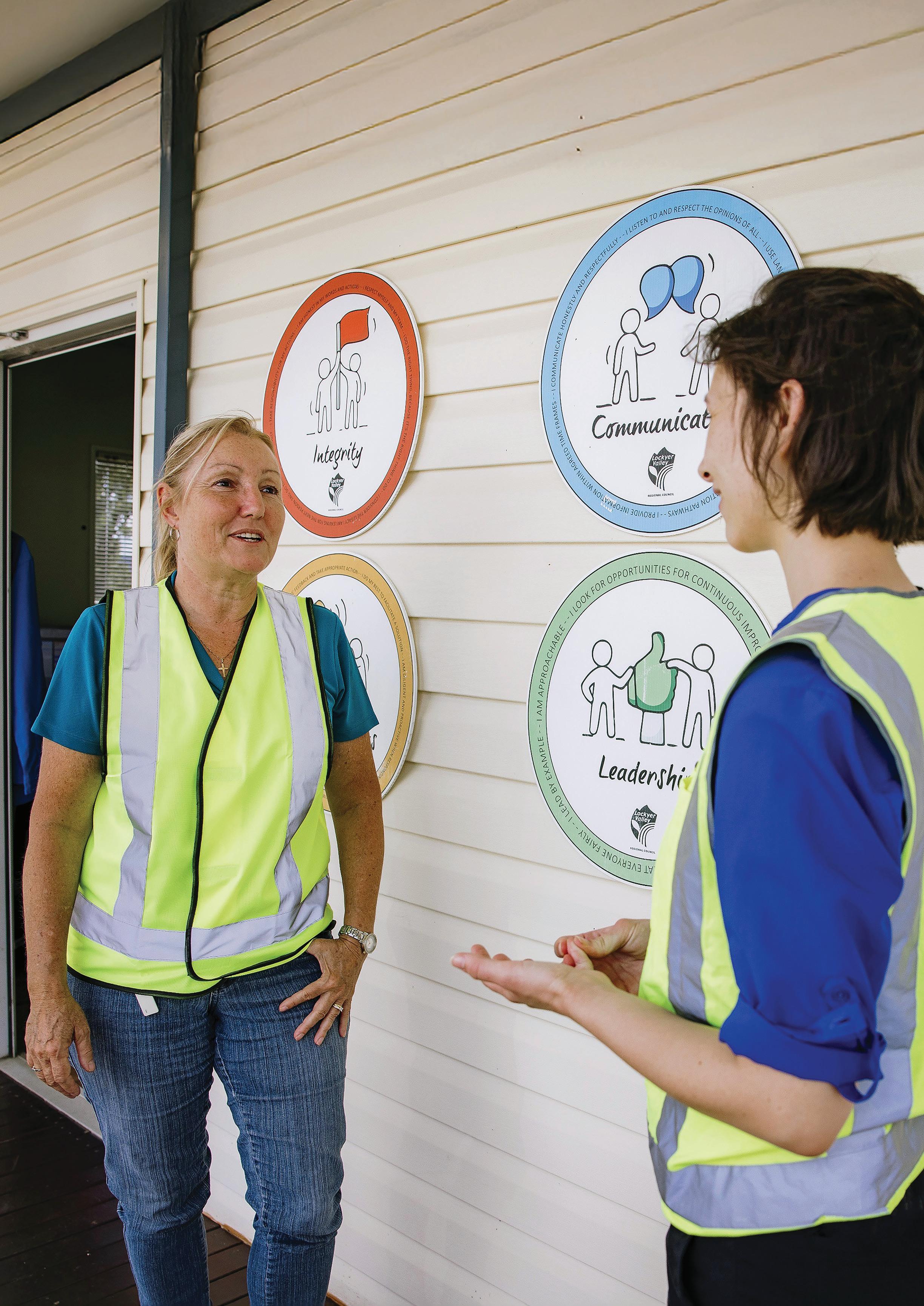
Values form the basis of our culture. They add meaning to work, and they provide a basis for consistent planning and decision making across the organisation. The desired values that every employee of Lockyer Valley Regional Council is expected to demonstrate in their daily activities, in the way they behave and in the way they make decisions are: >>
We lead through excellence and partner with the community to achieve Council’s vision and mission.
We accept ownership of our role and take responsibility for our actions. We are results focused, take pride in our successes and efforts and learn from our mistakes.
We strive to be valued and trusted by the Lockyer Valley community. We are respectful, open, transparent and honest in our dealings with the community. At all times we act in the best interests of the community.
We embrace diversity and communicate openly and honestly. We listen actively, consider and value the views of others. Our communication is clear, concise and consistent.
We strive to engage and communicate with our internal and external customers to meet agreed outcomes. We identify and aim to meet the needs of all customers in a responsive and equitable manner.
We value creative thinking and look for opportunities to collaborate and connect to deliver a better Lockyer Valley. We work together by recognising and sharing our talents, skills, experience and knowledge.
Lockyer Valley Regional Council, comprising the Mayor and six Councillors, is the elected body responsible for the good governance of Lockyer Valley Regional Council. The elected body has legal obligations requiring members to represent the current and future interests of Lockyer Valley residents. Councillors are democratically elected and accountable to their communities for the decisions they make and the services they provide. Their role also includes other responsibilities such as providing high quality leadership to the community, participating in Council meetings, developing policy and making decisions that are in the interest of the whole community.
Councillors and Their Portfolios
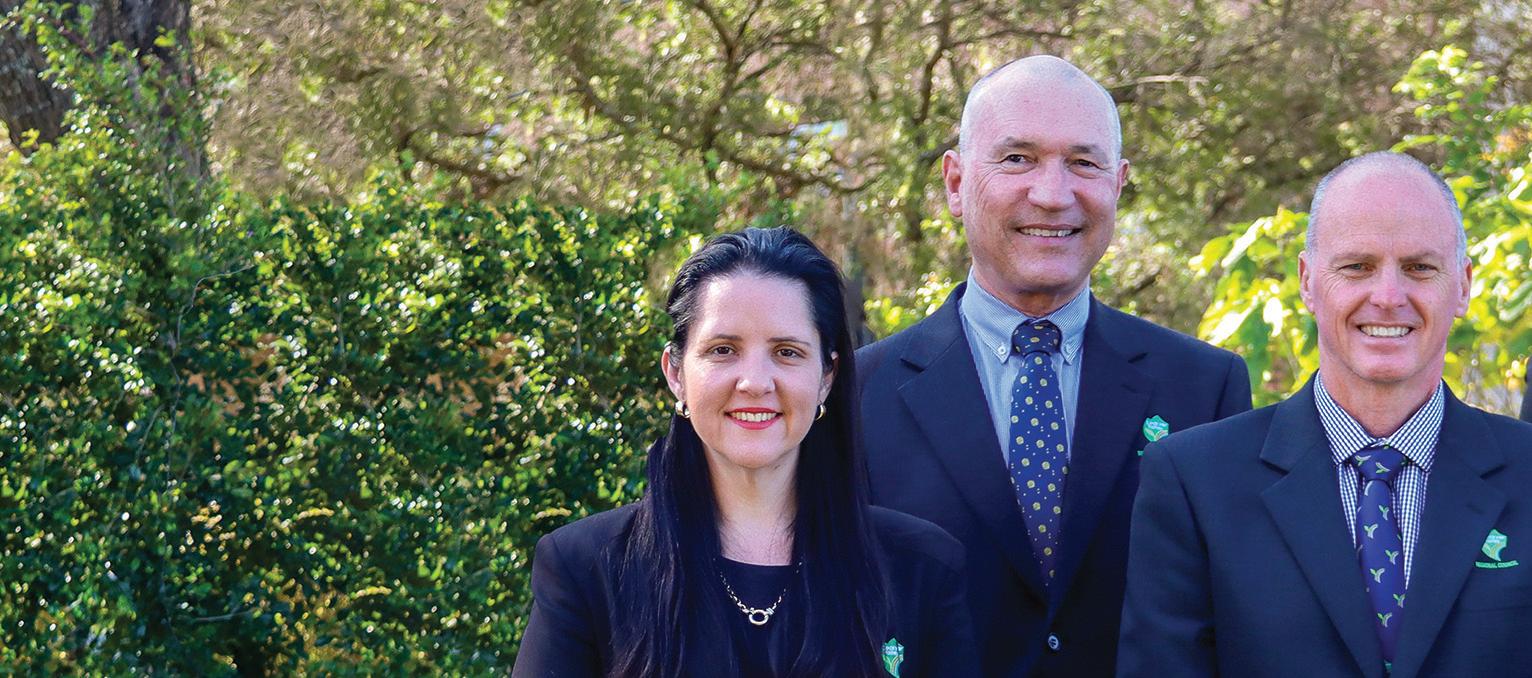
Councillors appointed for the 2024-28 term and their responsible portfolios:
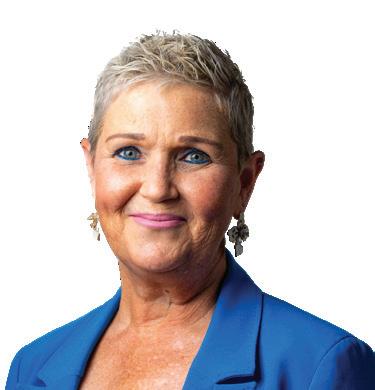
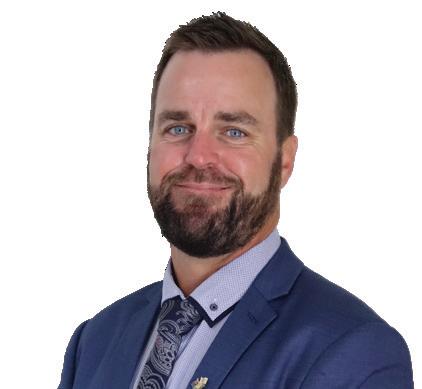
Councillor Tanya Milligan (Mayor)
Civic Leadership and Regional Development
(Civic Leadership and Advocacy; Media and Communications; Disaster Management; Regional Economic Development; Ex-officio other portfolios and committees)
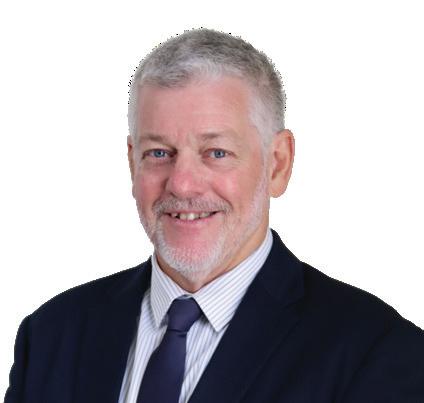
Councillor Chris Wilson (Deputy Mayor)
Corporate Services
(Governance, Legal and Property; Organisational Development; Work Health and Safety; Customer Experience; Information Communication and Technology; Corporate Strategic Planning; Finance and Procurement; Audit and Risk; Community Engagement (ex Sport and Recreation))
Councillor Michael Hagan
Infrastructure
(Infrastructure Maintenance and Operations; Infrastructure Planning; Infrastructure Construction; Infrastructure Design; Fleet; Asset Management)
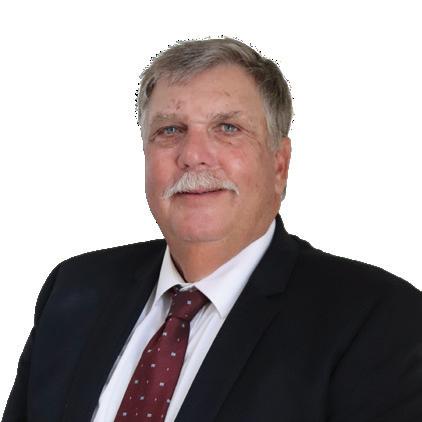
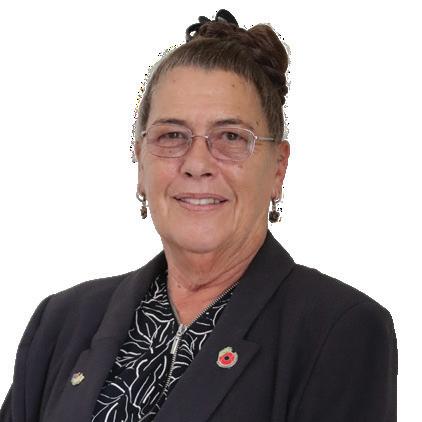
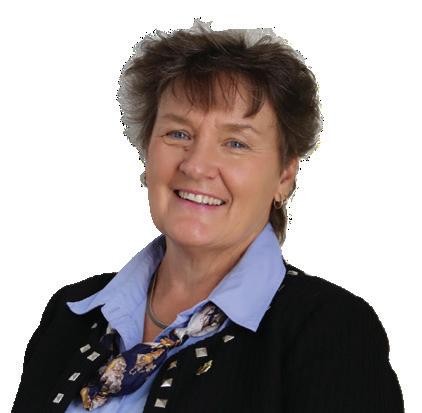
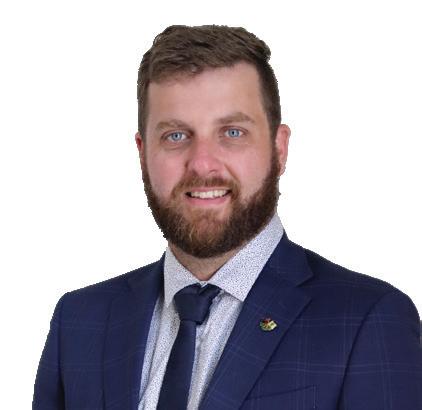
Councillor David Neuendorf
Planning and Development
(Strategic Land Use Planning; Planning Scheme; Development Assessment; Flood Mitigation)
Councillor Julie Reck
Liveability and the Circular Economy
(Libraries and Galleries; Events; Tourism/Visitor Information Centres; Waste Management and the Circular Economy)
Councillor Cheryl Steinhardt
Environment and Regulatory Services
(Regulatory Services/Local Laws; Environmental Health; Building and Plumbing; Environment and Pest Management; Natural Resource Management)
Councillor Anthony Wilson
Sports and Recreation
(Parks and Gardens (inc. sporting fields); Cemeteries; Facilities (Council owned including sporting structures); Sport and Recreation (inc. Community Development)
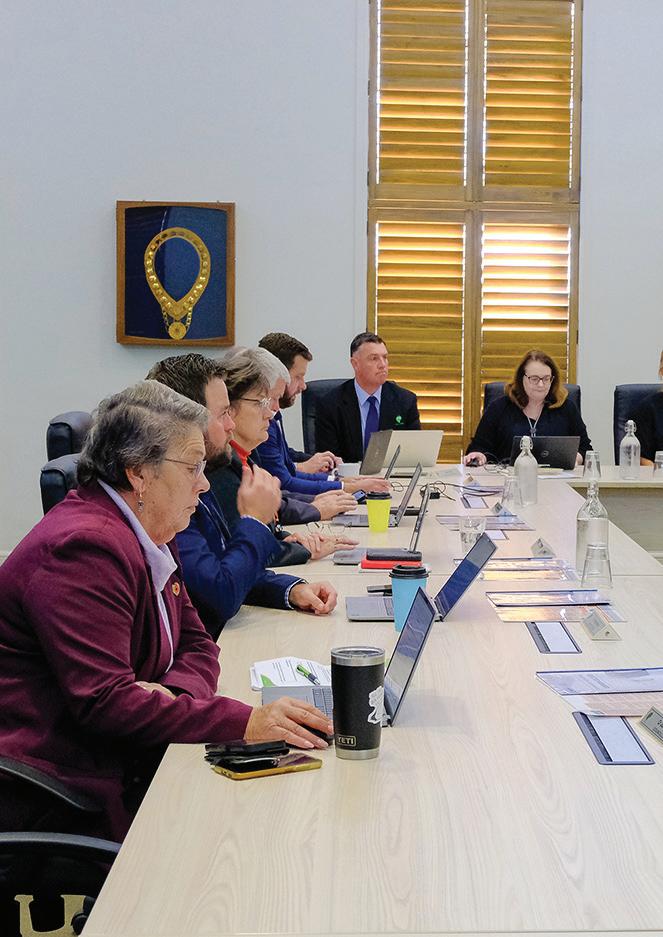
As required under section 186(c) of the Local Government Regulation 2012, the table below details the number of local government meetings each Councillor attended during the 2024-25 financial year.
As required under section 186(a) of the Local Government Regulation 2012, the table below outlines the total remuneration, including superannuation contributions, paid to each Councillor during the 2024-25 financial year.
In accordance with section 250 of the Local Government Regulation 2012, Council must have an Expenses Reimbursement Policy for Councillors.
The objective of the Policy is to ensure the payment of legitimate and reasonable expenses incurred by Councillors for discharging their duties and responsibilities as Councillors; and to provide facilities to Councillors for those purposes. This is to ensure that Councillors are not financially disadvantaged as a result of carrying out their official duties.
This Policy does not deal with the provision of remuneration, nor does it cover non-business-related expenses or facilities incurred by other people, including a Councillor’s partner. Council’s Expenses Reimbursement & Provision of Facilities for Councillors Policy is available on Council’s website.
As required under section 186(b) of the Local Government Regulation 2012, the table below outlines the expenses incurred by and the facilities provided to each Councillor during the 2024-25 financial year.
As required under section 185(a) and (b) of the Local Government Regulation 2012, Council’s Annual Report must include a copy of any particular resolutions made by Council associated with an expense.
For the 2024-25 financial year the resolutions were as outlined below:
LOCAL GOVERNMENT REGULATION PROVISION RESOLUTION MADE:
Section 206 (2) – Threshold for non-current physical asset to be treated as an expense Nil resolutions made.
Section 250 (1)- requirement to adopt an expenses reimbursement policy Nil resolutions made.
Section 188 of the Local Government Regulation 2012 requires the disclosure of information relating to the overseas travel of both elected members and Council officers.
Deputy Mayor Chris Wilson, on behalf of the Mayor, travelled to Singapore, England and Paris as part of the Council of Mayors South East Queensland (SEQ) Singapore and Europe Mission. The purpose of the Mission was to investigate how city regions leverage major events and balance the competing interests of other levels of government. The cost of this travel was covered by Council of Mayors SEQ.
Organisational Structure
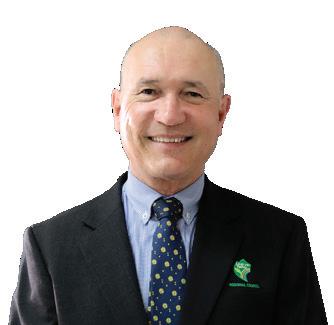
Church CHIEF EXECUTIVE OFFICER
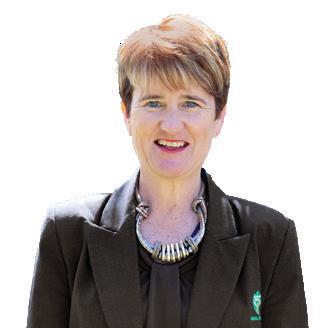
Dee Stewart ACTING CHIEF FINANCIAL OFFICER
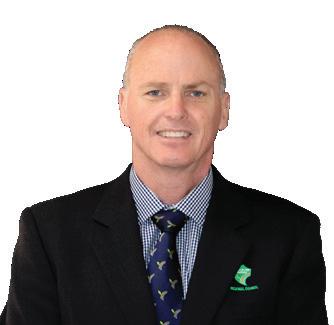
John Keen
GROUP MANAGER INFRASTRUCTURE
• Office of the Mayor and Councillors
• Office of the Chief Executive Officer
• Advocacy and Stakeholder Management
• Business Improvement
• Disaster Management
• Council Business
• Corporate Strategic Planning and Performance.
• Audit and Risk (including Audit and Risk Management Committee)
• Engagement and Communications.
• Budgeting and Financial Sustainability (inc.Long-term Financial Planning)
• Accounting Services/ Financial Reporting
• Cash/Treasury Management
• Procurement and Stores
• Fixed Asset Management
• Grant Management
• Rates & Revenue Management
• Accounts Receivable
• Accounts Payable (inc. corporate credit card management)
• Roads, Drainage and Bridge Capital Works Construction and Maintenance.
• Asset Management & Design
• Plant and Fleet Management and Operations
• External Works (RMPC contract delivery)
• Facilities Management and Maintenance.
• Parks, Gardens and Cemeteries
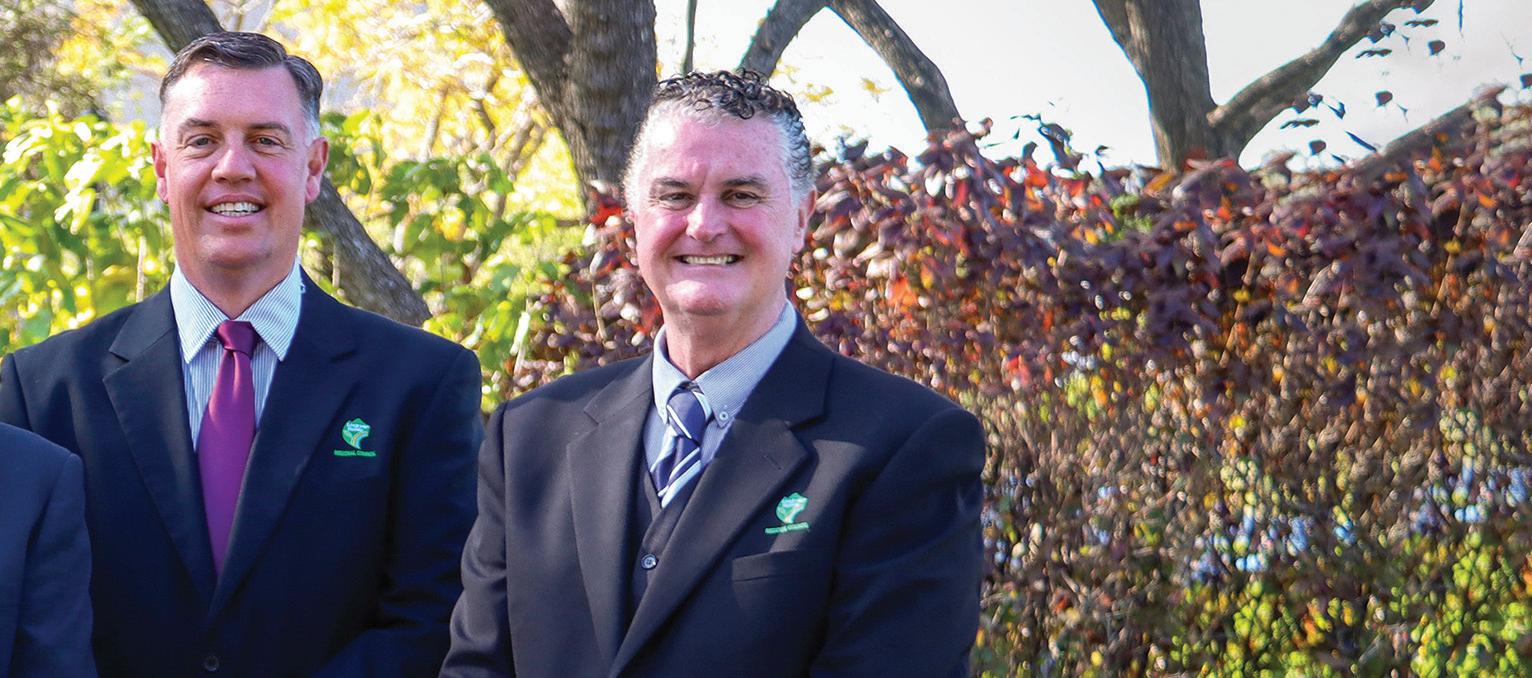
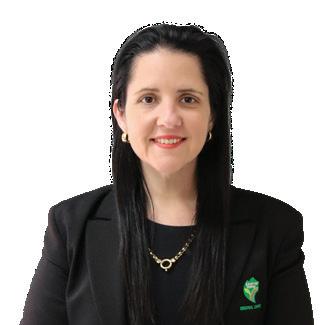
GROUP MANAGER COMMUNITY AND REGIONAL PROSPERITY
• Strategic Land Use Planning (Growth and Policy)
• Economic Development
• Development Assessment
• Plumbing and Building.
• Environmental Health & Regulatory Services
• Animal Management
• Environment and Pest Management
• Events and Tourism
• Visitors Information Centre
• Libraries (inc Art Gallery)
GROUP MANAGER PEOPLE, CUSTOMER AND CORPORATE SERVICES
• Customer Experience
• Organisational Development and Culture
• Payroll
• Work Health and Safety
• Governance
• Insurance
• Legal and Property
• Waste Management Operations and Collections
• Information Management
• Information Communication and Technology Operations, Systems and Projects.
The total remuneration packages for senior executives including base salary, vehicle allowance, professional memberships, telephone expenses, additional purchased leave and superannuation for 2024-25 was $1,619,006.
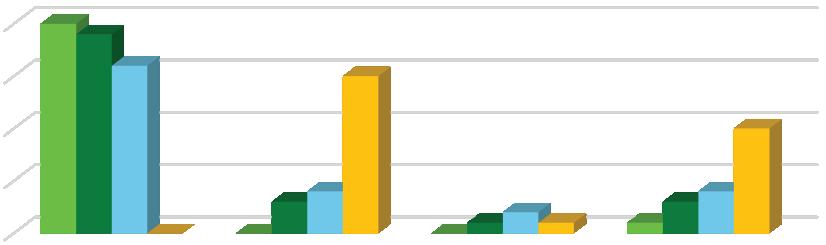
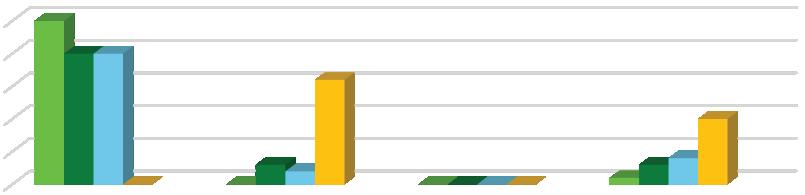
As of 30 June 2025, Council employed a total of 324 employees. The following table identifies the breakdown of full time equivalent (FTE) positions by employment type as of 30 June 2025 (excluding vacant positions).

Lockyer Valley Regional Council (Council) continues to strengthen its commitment to workforce development through participation in the Skilling Queenslanders for Work (SQW) First Start Program. This program provides structured training and employment opportunities, enabling participants to gain nationally recognised qualifications while contributing to Council’s operations.
At present, Council employs four trainees and five apprentices across a range of functional areas. From the last trainee cohort, three individuals have successfully transitioned into ongoing employment with Council, reflecting both the calibre of the participants and the effectiveness of the program in supporting sustainable career pathways.
Council has observed a growing interest in hosting trainees across the organisation, with leaders recognising the long term benefits of investing in local capability. In response, Council has submitted a bid for an additional six trainees in the coming year, with the objective to further enhancing skills development and supporting future service delivery needs.
Council values the contribution of its trainees and apprentices and acknowledges the importance of programs such as the First Start Program in creating opportunities for local people to build rewarding careers while strengthening the region’s workforce for the future.
Lockyer Valley Regional Council (Council) has continued to deliver strong outcomes through its recruitment practices, ensuring the organisation is equipped with the skills, knowledge and experience required to deliver quality services to the community. By leading recruitment campaigns internally, Council is able to maintain oversight of the process, uphold consistency and ensure appointments align closely with organisational values and workforce needs.
During the 2024-25 financial year, Council welcomed 92 new starters across a diverse range of service areas. These appointments reflect the variety of skills essential to Council’s operations, from professional and technical roles through to frontline services that support the day to day delivery of community programs and infrastructure.
Importantly, 97 per cent of these appointments were achieved through self-managed recruitment campaigns, rather than via external recruitment agencies. This approach demonstrates the efficiency and effectiveness of Council’s internal processes while also delivering cost savings and ensuring a strong cultural alignment with the organisation.
Council’s ability to successfully attract and select high-quality candidates in a competitive labour market reflects the organisation’s proactive approach to workforce planning and talent management. Through these efforts, Council continues to strengthen its workforce capability, ensuring it remains well positioned to meet current operational requirements while preparing for the challenges and opportunities of the future.
Council continued to prioritise the health, safety, and wellbeing of staff by maintaining certification with the international safety standard for occupational safety management systems, ISO45001. This is achieved through a comprehensive audit program of our workplaces, worksites, policies, procedures and staff engagement. Activities within Council’s Safety Management System identify risks and hazards, which are followed by the preparation and implementation of prevention programs, thereby managing and reducing the risk of work-related illness and injury to workers. These activities are conducted in partnership with all staff across Council.
Councils Work Health and Safety Management Plan (SMP) is compiled each year by reviewing current Work Health and Safety (WHS) legislative requirements. The Executive Leadership Team is responsible for providing leadership and support in the development, endorsement and implementation of a Safety Management Plan. The Plan aims to establish measurable objectives and targets for health and safety to ensure continuous improvement aimed at elimination of work-related illness and injury. A key objective of the current plan is to develop and implement a framework to manage psychosocial hazards in the workplace in accordance with legislative amendments.
Councils Leadership Team continues to demonstrate their commitment to the safety and wellbeing of staff through participation in safety inspections, staff site visits and through attendance and chairmanship of the LVRC Corporate WHS Consultative Committee.
The Safety Team, in collaboration with teams from across all of Councils work group, have worked hard to develop a framework for the management of psychosocial hazards in the workplace. The purpose of the framework is to ensure Council is able to recognise and control workplace impacts which may have an effect on employee mental health and wellbeing. It is anticipated the implementation of the psychosocial hazard management plan developed through this process, including the treatment plan for identified psychosocial hazards, will be implemented within the target date set by the SMP. The resulting outcomes of the plan are to foster a workplace that promotes the wellbeing of workers, reduce costs associated with employee burnout and absenteeism, attract and retain a talented workforce, and remain accountable to regulatory obligations.
In conjunction with the psychosocial framework, Council’s Wellbeing Committee continues to actively support employees by promoting the importance of physical and mental health and wellbeing through a variety of mechanisms and initiatives. This reporting period has seen the Wellbeing Committee engage in a flu prevention campaign, sun safety skin check program, participation in the 2025 Corporate Games, a 10,000-step challenge, and the promotion of R U OK day. These events encourage a variety of collaboration between colleagues, such as physical teamwork, healthy competition, and mental health conversations, which assist in developing a safe and healthy workplace.

This
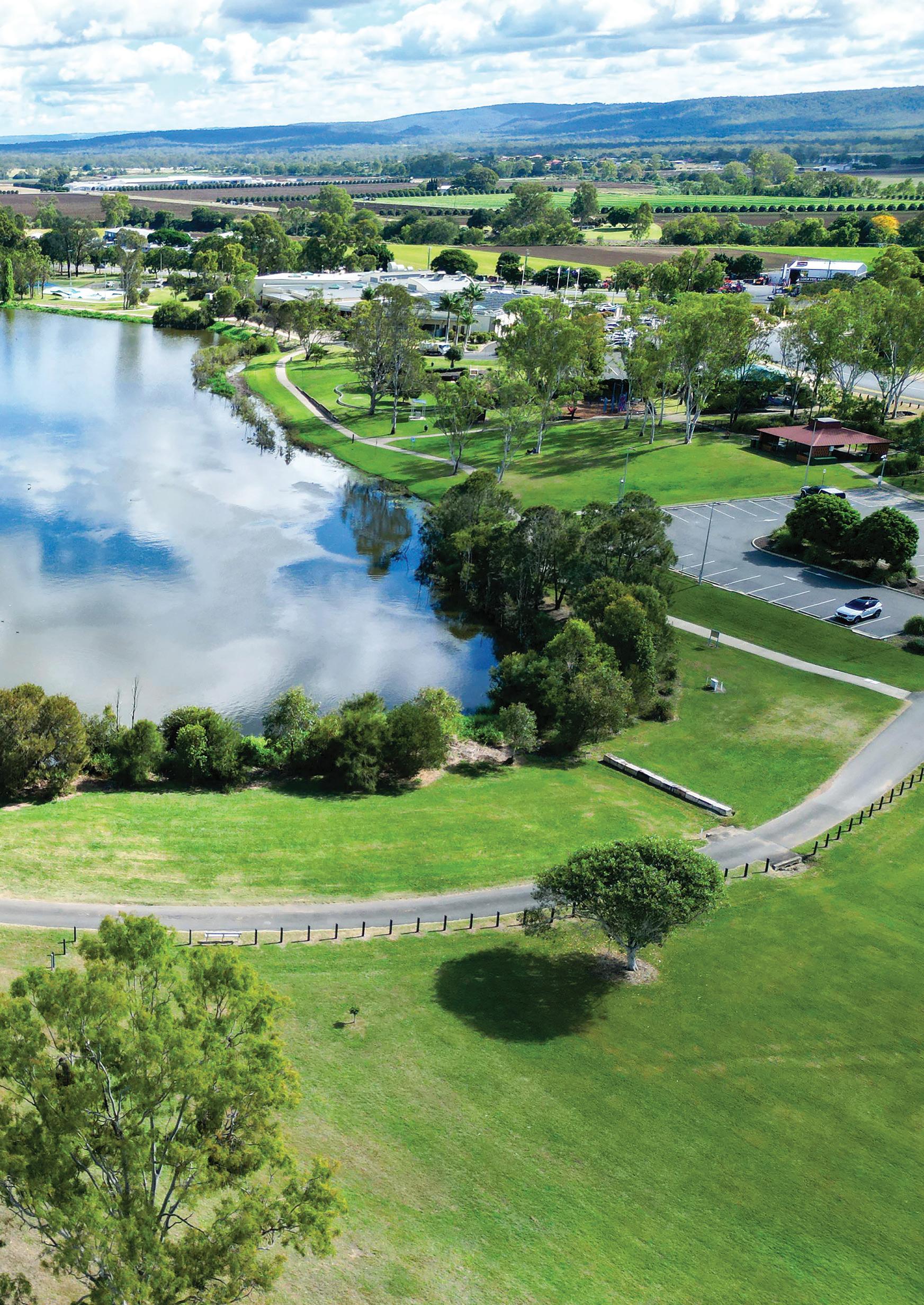
In July, Lockyer Valley Regional Council adopted the Lockyer Valley Planning Scheme.
Council endorsed the long-awaited Draft Scheme late last year and following approval from the Hon. Meaghan Scanlon, Minister for Housing, Local Government and Planning, adopted the final document.
The Planning Scheme is the basis for ensuring development in the Lockyer Valley is orderly and sustainable and offers opportunities for people to live, work and invest.
Through the Scheme, Council allows for the development of well-planned and attractive housing that is serviced by the necessary infrastructure and facilities.
Council also adopted the Temporary Local Planning Instrument (Flood Regulation) 2024, which will regulate development within the flood hazard area.
The Planning Scheme reduces red tape, improves development opportunities and consistency across the region and allows for refinements in the future through both minor and major amendments.
Mayor Tanya Milligan acknowledged it had taken several attempts to get the Planning Scheme finalised due to genuine consultation processes leading to significant changes in the draft versions.
While delays haven’t been ideal, she said they have allowed Council to get the Scheme right – which is of great importance to both Council and the community.
Council has cemented its framework for sustainable waste management services, adopting its Waste Management Strategy 2024-2030.
Councillors gave the green light to the Strategy, which highlights leadership and innovation in resource recovery and waste prevention and delivers on the community’s values, at the November Council Meeting.
The Strategy is planned to be implemented through short, medium, and long-term actions over the life of the plan, with the actions to focus on the areas of:
• encouraging behavioural change to avoid and reduce waste generation;
• recovering organics and reducing future climate change impacts;
• improving resource recovery at Council waste facilities;
• planning for future waste services and infrastructure needs; and
• being a Council that leads by example.
Council conducted two rounds of consultation to ensure the community’s views and values were at the forefront of this important document.
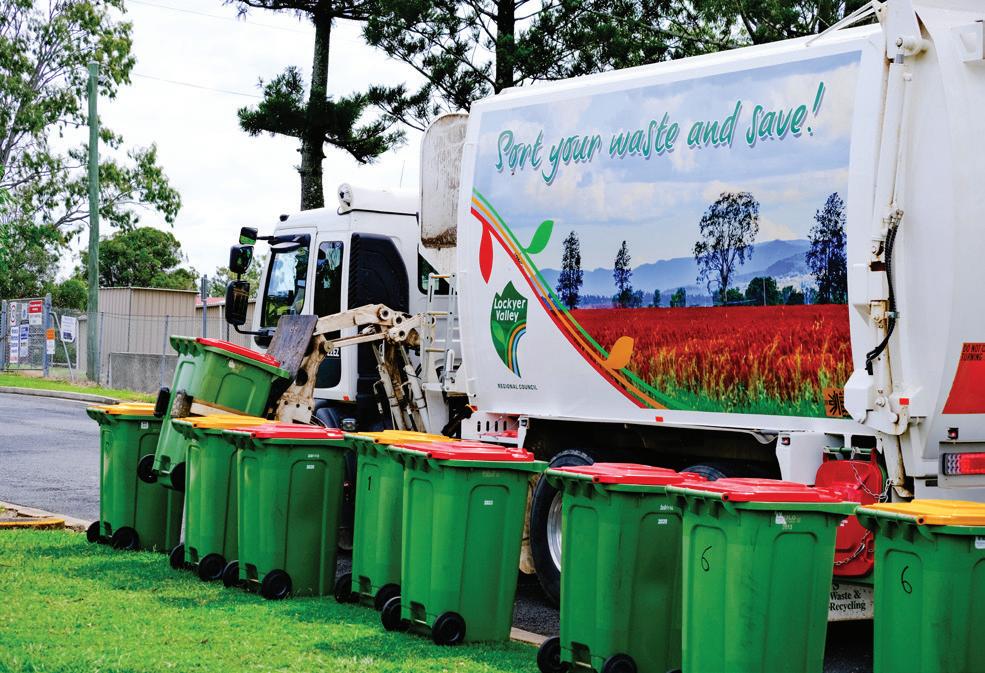
Almost 1000 residents took the time to have their say on the future of the Lockyer Valley, heeding Council’s calls to complete the 2025 Lockyer Valley Liveability Survey.
While our population of 43,800 may be relatively small compared to other regional centres and of course major cities, the Lockyer Valley is still made up of a whopping 77 suburbs and localities and trying to gather data from each of these was no easy feat.
Throughout the survey, Council sourced data from 58 localities. Undertaken by social research organisation, Place Score, the survey gave respondents the chance to rate their neighbourhood’s liveability, share their priorities and offer ideas for improvement.
Council will be briefed by Place Score on the common themes that were found - what rated highly, what rated poorly, where things can be improved and what different segments the community most value.
After this, the community will be informed about the next steps, and Council will use the results as a baseline for future surveys to track its progress.
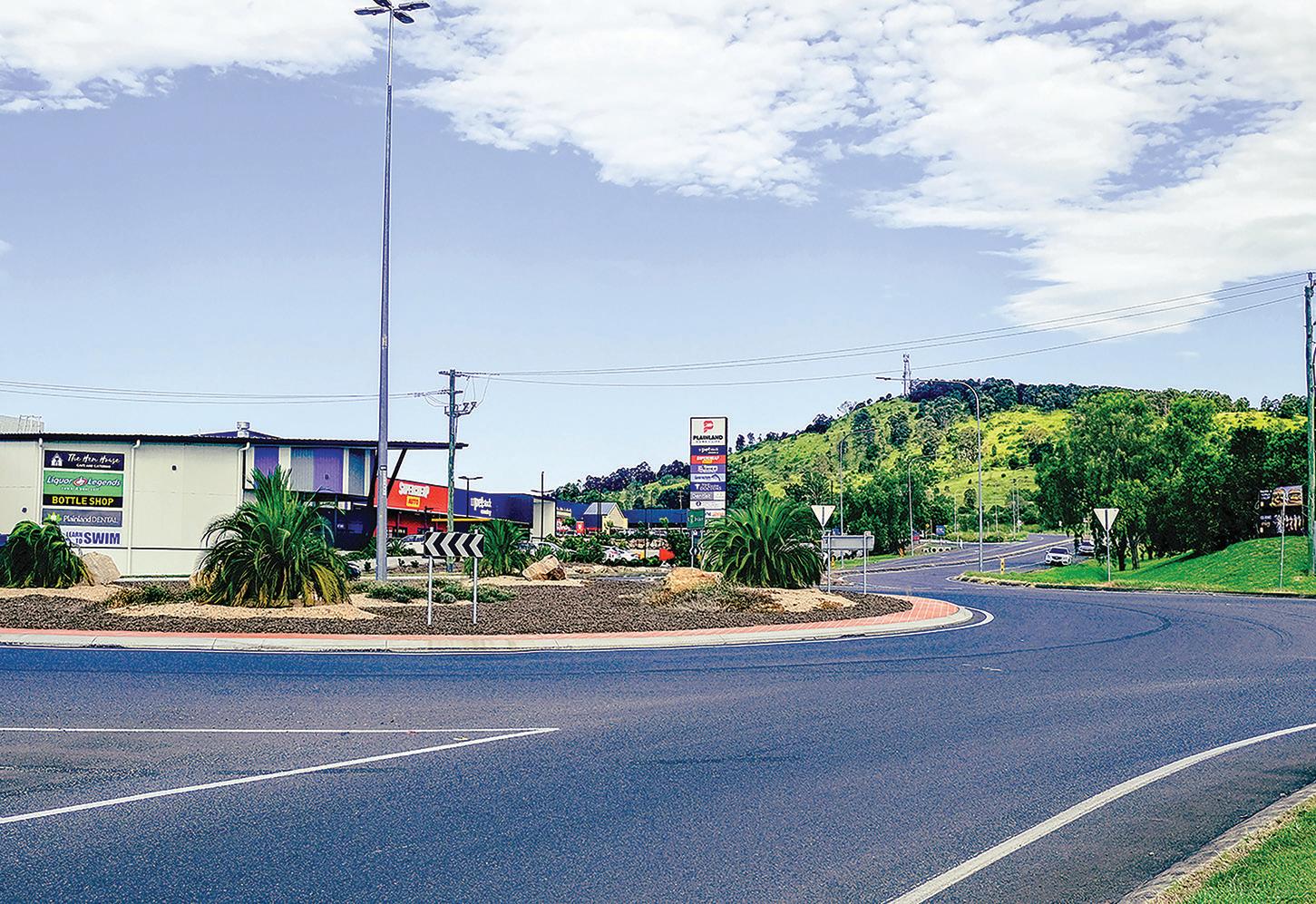
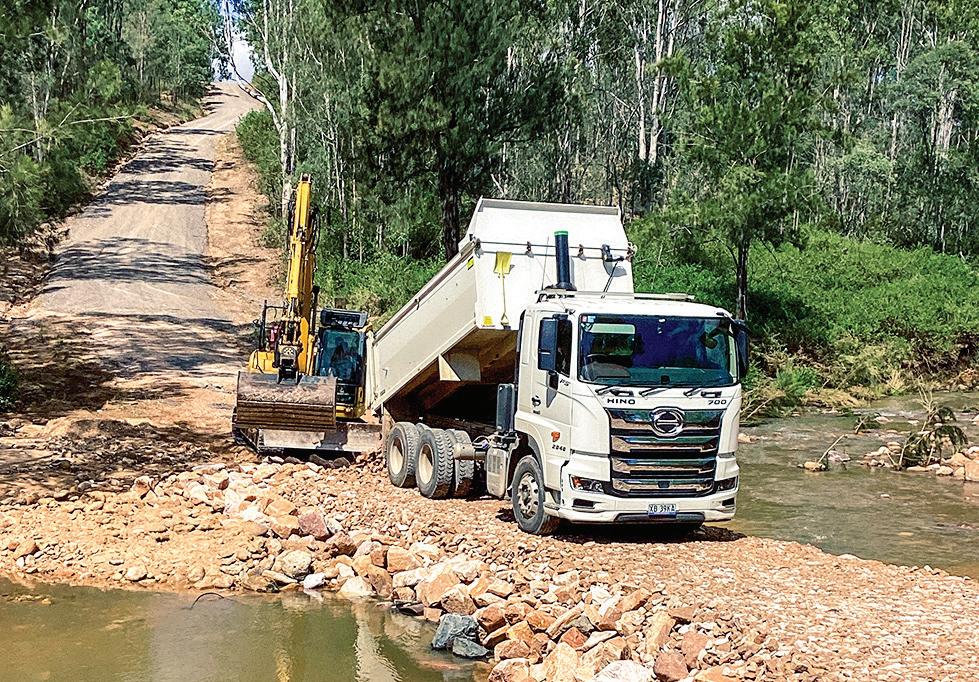
Lockyer Valley Regional Council’s infrastructure crews are more than halfway through road repairs following Ex-Tropical Cyclone Alfred.
Council remains committed to restoring the full road network, with crews prioritising the worst defects throughout the region.
As at 13 June, the end of the Emergent Works phase, 471 defects out of a total of 811 recorded from the event had been completed, at a cost of $1.5M.
About 25 per cent (125km) of the region’s unsealed network is estimated to have suffered some form of damage that required repair, replacement of gravel or grading, and this is in addition to damage to sealed roads including potholes.
The remaining defects will be reassessed and converted to routine maintenance defects or moved into the next phase of the Restoration of Essential Public Assets (REPA)
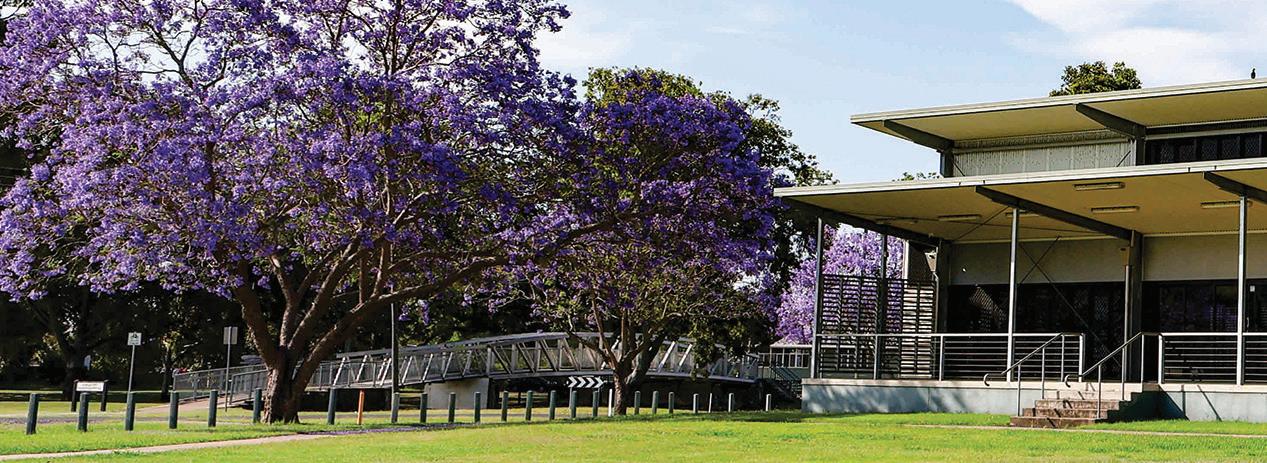
Our healthy community welcomes the spirited diversity found within our region. Times of hardship highlight our resilience. Our high standards support our quality of life and vibrancy while providing a dynamic and safe place full of opportunity.
We strive to build on who we are and all that our region has to offer by connecting business, the community and government.
126,483
VISITORS TO THE LOCKYER VALLEY LIBRARIES
145,569
ITEMS ISSUED BY THE LOCKYER VALLEY LIBRARIES (PHYSICAL AND DIGITAL)
956
EVENTS AND ACTIVITIES DELIVERED BY THE LOCKYER VALLEY LIBRARIES
23,428
VISITORS TO THE LOCKYER VALLEY ART GALLERY
6895
TOTAL NUMBER OF CUSTOMERS WHO CONTACTED THE LOCKYER VALLEY VISITORS INFORMATION CENTRE
15
TOTAL NUMBER OF COUNCIL LED EVENTS DELIVERED
17
TOTAL NUMBER OF COMMUNITY EVENTS IN THE REGION SUPPORTED BY COUNCIL (EITHER IN-KIND AND/OR FINANCIAL).
18
TOTAL NUMBER OF DISASTER MANAGEMENT TRAINING PROGRAMS DELIVERED
55
STAFF PARTICIPATED IN TWO COUNCIL-LED DISASTER MANAGEMENT EXERCISES
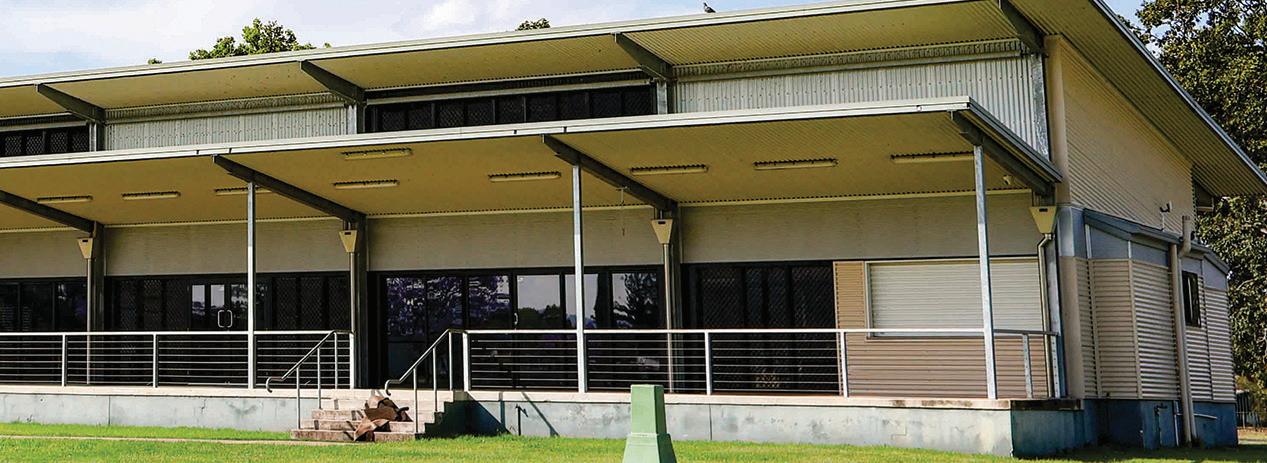
$383,407.57
IN GRANTS DISPERSED BY COUNCIL ACROSS 141 ORGANISATIONS FROM ITS COMMUNITY GRANTS AND ASSISTANCE PROGRAM
39
ENGAGEMENT PROJECTS SUPPORTED
9
INTERAGENCY MEETINGS WITH 205 TOTAL ATTENDEES
10 COUNCIL POP-UP STANDS AT LOCAL COMMUNITY EVENTS
21
COMMUNITY NEWSLETTERS ISSUED (COMMUNITY CONNECT AND ON THE BALL)
126
ATTENDEES ACROSS THE FIVE COMMUNITY CAPACITY-BUILDING WORKSHOPS HELD
86
PARKS AND RECREATIONAL AREAS MAINTAINED BY COUNCIL (INCLUDING TWO POOLS, FOUR CRICKET GROUNDS AND ONE SHOWGROUND)
6778
TOTAL NUMBER OF DOGS REGISTERED (INC LICENCED KENNELS)
181
NUMBER OF ENVIRONMENTAL HEALTH LICENCES ISSUED
• Delivered 10 “Have Your Say” pop up consultations at regional shows and markets. These consultations provided local community and visitors the opportunity to speak directly with both Councillors and Council officers and assisted in building a community informed profile of concerns, ideas and feedback.
• Participated in five Lockyer Youth Agency Network (LYAN) interagency meetings with 84 attendees and four Lockyer Valley Service Provider Interagency (LVSPI) meetings with 121 attendees. The aim of these meetings is, through networking and partnerships to identify human and social gaps and trends in the community and service improvement opportunities.
Council optimises the use of its open spaces and facilities by improving access to and the quality of the facilities for individuals and groups for cultural, recreational and community activities
• Delivered a new community centre at Lockyer Waters. This is a new multipurpose facility to service the residents of Lockyer Waters and surrounding areas.
• Upgraded the amenities block at the Lake Dyer Camping Ground.
• Installed a half basketball court at Lake Apex Park.
• Completed improvements to the pool heating at the Lockyer Valley Sports and Aquatic Centre.
• Completed accessibility improvements on a number of facilities which are utilised by the community.
• Commenced a project to re-develop Jean Biggs Park at Withcott.
Enhanced wellbeing and safety of the community.
• Finalised the review and commenced the amendment process of Subordinate Local Law No 1 (Temporary Homes and Local Government Areas). This process will amend Subordinate Local Law No 1.3 and Subordinate Local Law No 4
• Commenced the review to amend Subordinate Local Law No 2 (Animal Management)
• Completed the annual food business licence inspections, with 186 businesses inspected.
• Undertook 1518 plumbing inspections and 200 building inspections across the region.
Council seeks to understand community needs, resulting in partnerships that realise longterm benefits for the community in a timely manner
Delivered programs and initiatives which align to the strategic priorities of the Community Engagement and Development Strategy including:
• Council’s annual community grants program, including major and minor grants and ambassador support grants.
• Community development and engagement workshops and initiatives across the region.
Events and activities that bring together and support greater connectivity in the community.
• Delivered 15 events across the region for the community, including Australia Day, Anzac Day, Laidley Spring Festival, Mayors Christmas Carols, Lockyer Valley Christmas Carnival and a series of sporting showcases and gala days.
• Provided support and assistance to 22 community events held across the region.
The community’s preparedness for disasters is improved through community education, training and strong partnerships between Council and other agencies.
• Activated the Local Disaster Coordination Centre and supporting services to guide the community and respond to impacts on the region from Ex-Tropical Cyclone Alfred Weather Event.
• Delivered the “Get Ready Lockyer Day” with the aim of the event to provide guidance to the community on how to improve their resilience and preparedness for emergencies.
• Promoted “Get Ready Qld Week” to the community which was held from 8-12 October 24 and themed with “Weather doesn’t plan, but you can”
• Delivered the annual schedule of disaster management training for Councillors and staff.
• Conducted the annual schedule of Local Disaster Management Group (LDMG) meetings and training.
• Participated in the review of the State Disaster Management Plan and Disaster Management Guidelines.
• Conducted a training exercise of Council’s Disaster Coordination Centre to identify improvement and preparedness opportunities for this facility.
• Increased Council’s flood monitoring capacity through:
à Identification of appropriate site locations and appointed a specialist contractor to install two additional flood monitoring cameras on Gatton-Esk Road and Grantham-Winwill Road.
à Installed hardware for two new flood monitoring gauges for the region’s Flood Warning Network at the Glenore Grove Billabong and Mulgowie West Overflow ready for commissioning once final input is received from the Bureau of Meteorology.
à Finalised the identification of three site locations for the installation of flood monitoring gauges on Pike and Alexander Street, Laidley.
Lockyer Business: Our business community is a thriving and inclusive network where it is easy to do business. We create opportunities and encourage innovation that inspires business confidence and collaborative partnerships.
Lockyer Farming : As custodians we manage our water and land assets to ensure our farming future. We pride ourselves on our innovation and clean, green reputation. We work together to support our farmers of current and future generations.
Lockyer Livelihood : We are a community where lifelong learning opportunities exist. Our quality education facilities are highly regarded and provide diverse career pathways. We look to develop skills and generate job opportunities for all.
12
ECONOMIC DEVELOPMENT ACTION PLAN DELIVERABLES ACHIEVED $33,000
FINANCIAL ASSISTANCE PROVIDED TO BUSINESS SECTOR
66
ADDITIONAL NEW LOCAL BUSINESSES COMMENCED OPERATION IN THE REGION.
1138
RATE SEARCHES ISSUED BY COUNCIL
942
ADDITIONAL LOCAL JOBS CREATED
41
RETAIL BUSINESSES WHO PARTICIPATED IN THE CHRISTMAS SHOP LOCAL CAMPAIGN
Encourage opportunities for the Lockyer Valley to drive economic and community outcomes
• Coordinated Lockyer Valley Racing and Equine Collaborative Working Group, which is made up of representatives from Council, University of Qld, Racing Queensland, Lockyer Valley Turf Club and Regional Development Australia, Ipswich and West Moreton branch with the purpose of the Group to facilitate the development of an equine precinct in the region.
• Commenced the re-scoping and updating of the concept plan and business case for the Lockyer Valley Equine Precinct, in line with Racing Queensland objectives for the Precinct.
• Adopted the Lockyer Valley Local Housing Action Plan. This Plan examines housing availability, the rental market, employee housing, social housing supply and specific housing requirements for aged care, disability and domestic and family violence to assist with determining the current and future housing needs for the region.
Maximise opportunities through engagement and partnerships with stakeholders to achieve a strong resilient economy
• Advocated for improved water security and supply for the region through active participation in the Lockyer Valley and Somerset Water Collaborative on the Water for the Lockyer and Somerset Project.
Promote and market the Lockyer Valley as a destination for commerce, tourism and lifestyle.
• Commenced work on the Painting of Murals on Forest Hill Silo project to establish a tourism drawcard in the region.
• Marketed the region’s tourism and lifestyle destinations and events throughout the year via the “LuvYa Lockyer” website and social media page.
Attract and support education and employment opportunities for the community.
• Provided financial support to the Lockyer Chamber of Commerce, Industry and Tourism.
• Published a Lockyer Valley Development Status Report which provides the statistical information on development activity for the region and demonstrates the growth of the region.
• Participated in events and supported initiatives delivered by the Lockyer Chamber of Commerce, Industry and Tourism.
• Partnered with a local newspaper to the deliver the “Your Town” buy local promotion to promote, encourage and highlight the benefits of shopping within the region.
26 ha OF LAND IN THE REGION ACTIVELY MAINTAINED FOR REVEGETATION PURPOSES (INCLUDING TREE PLANTING)
77 ha OF LAND MAINTAINED FOR CONSERVATION PURPOSES (INCLUDING HIGH CONSERVATION VALUE AREAS WITH ENDANGERED SPECIES)
1700 FREE PLANTS ISSUED TO PARTICIPANTS UNDER LAND FOR WILDLIFE INITIATIVE
715,512
DOMESTIC WASTE BINS SERVICED
322,137
DOMESTIC RECYCLING BINS SERVICED
24,470 FOGO BINS SERVICED
418.02
TONNES OF FOGO WASTE COLLECTED 2134.1
17,498.434 ha OF LAND CONSERVED FOR WILDLIFE 444 PEST MANAGEMENT ENQUIRIES RECEIVED AND ACTIONED
TONNES DOMESTIC RECYCLING COLLECTED
$53,685.71 IN HERBICIDE SUBSIDY CLAIMS PROCESSED.
Lockyer Valley’s natural assets are managed, maintained and protected.
Delivered a number of projects and initiatives identified to achieve the strategic priorities of the Environment and Biosecurity Strategies:
• Progressed a biodiversity study to determine Matters of Local Environmental Significance (MLES), Corridor Overlays and Codes for the Planning Scheme amendment and an MLES Offset Policy.
• Managed natural areas within the region by conducting weed and pest control, cultural burning and habitat restoration.
• Established and maintain partnerships with appropriate stakeholders to inform and guide the identification of innovative and sustainable land and catchment management practices.
• Delivered projects and initiatives of the Lockyer Catchment Action Plan which are funded through the Resilient Rivers Catchment Investment Program.
Council’s policies and plans support environmentally sustainable development.
• Identified and included environmental offsets in the Biodiversity Policy which was adopted as part of the Lockyer Valley Planning Scheme.
• Commenced investigations into the development of an Environmental Levy Policy, to establish Council’s position and clarity on Levy spend.
• Continued the Land for Wildlife Program through conducting land assessments and responding to enquiries.
• Delivered Council’s annual Community Environmental Grants Program, with $17,497 in grants issued.
• Participated in and promoted community working and reference groups to enable collaboration on the region’s natural assets.
Council and the community actively reduce waste, recycle and reuse more.
• Finalised and adopted Council’s Waste Management Strategy 2024-2030, which will provide the framework for sustainable waste management services, leadership and innovation in resource recovery and waste prevention within the region.
• Delivered the Community Education Program on good waste management practices, including appropriate disposal of batteries and vapes and the “Get Grubby” program on organic recycling program for school aged children.
• Reviewed and updated Council’s Full Cost Pricing Model for Waste.
• Engaged Ability Enterprises via public tender to oversee the operation and supervision of Council’s landfills and waste transfer stations.
• Released a tender to market for the processing of the region’s recyclables.
• Commenced a feasibility assessment to operate a material recycling facility in the region.
Council and the community actively reduce consumption of non-renewable resources.
• Installed Solar Panels at the Gatton Cemetery Chapel.
• Completed a series of electrical upgrades across Council’s facilities.
We have unique, well connected communities. We have places and spaces that bring together people. Local services match the needs of the community. Our built infrastructure is designed and constructed to enable access for all.
$7.14M
AMOUNT OF FLOOD RESTORATION WORKS COMPLETED
$22.81M
DELIVERED PROGRAM OF CAPITAL WORKS
>92,000
TONNES OF GRAVEL USED TO RESTORE UNSEALED ROADS ACROSS THE REGION
3294
IDENTIFIED DEFECTS ON COUNCIL MAINTAINED ASSETS
2019
RECTIFIED DEFECTS ON COUNCIL MAINTAINED ASSETS
295
APPLICATIONS RECEIVED FOR WORKS ON A ROAD RESERVE PERMIT
438
NATIONAL HEAVY VEHICLE REGULATOR APPLICATIONS RECEIVED
352
ROADS ACROSS THE REGION WHICH HAD FLOOD RESTORATION WORK COMPLETED.
3499
FLOOD INFORMATION PORTAL REPORTS ISSUED
61,569
VISITS TO THE FLOOD INFORMATION PORTAL
154
DEVELOPMENT APPLICATIONS RECEIVED
35 RECONFIGURING A LOT
83 MATERIAL CHANGE OF USE
36 OPERATIONAL WORKS
331
FORMAL REQUESTS FOR DEVELOPMENT INFORMATION
75
PRE-LODGEMENT MEETINGS CONDUCTED
Growth and development in the region is sustainably managed through the adoption and implementation of the Lockyer Valley Planning Scheme.
• Adopted the Lockyer Valley Planning Scheme and commenced the implementation of the Scheme. Consequential amendments will be made to the Scheme as required.
• Commenced preparation of the Planning Scheme amendment to incorporate a revise Flood Hazard Overlay and associated code.
• Hosted a developer roundtable to seek feedback from the sector in relation to the functionality and useability of the Planning Scheme.
• Commenced work on the Growth Management Strategy.
• Adopted a Local Floodplain Management Plan to assist Council and the community to understand the intricacies of floodplain management.
Provision of fit-for-purpose infrastructure which meets the current and future needs of the region.
• Completed the 5-year review of Council’s Local Government Infrastructure Plan (LGIP) and commenced scoping the LGIP amendment.
• Acquired necessary parcels of land to facilitate a flood mitigation option for Laidley and developed a comprehensive community engagement plan to support the community engagement phase of the project.
• Obtained funding to assist with associated costs to deliver the Laidley Flood Mitigation Project, including legalising the Narda Lagoon Levee.
• Developed a detailed 3-year Capital Investment and Works Program for Council’s Transport and Drainage asset classes and utilised it to determine projects on these assets for delivery in the 2025-26 financial year.
• Continued to deliver the program of work to re-instate Council’s transport and drainage network impacted by flood events which occurred in the region in January 2024 and March 2025.
• Progressed the replacement of Mahon’s Bridge at Carpendale, with the project funded by the Australian Government.
A development assessment process that delivers quality development that is consistent with legislation, best practice and community expectations.
• 254 development applications were decided.
• 21 exemption certificates were decided.
• Responded to 343 building, plumbing and planning information and Form 19 requests received.
• Conducted 75 pre-lodgement meetings with customer interested in undertaking development within the region.
Regional collaboration and targeted advocacy that drives external funding, for timely delivery of key infrastructure and enhanced community outcomes
Participated in the Lockyer Valley and Somerset Water Collaborative which successfully achieved the following outcomes:
• Completed a viability assessment of the water security scheme and submitted to the Queensland Government for review.
• Identified and endorsed a viable option to take water from Bundamba Advanced Wastewater Treatment Plant to be pipe directly to suitable users.
• Received phase 2 milestone funding payment from the South East Queensland City Deal programme to enable the delivery of phase 2 of the project. This program is a joint initiative between the Australian and Queensland Governments and Council of Mayors South East Queensland.
An integrated approach to the planning of all communities that strengthens local identity and lifestyle.
• Completed the Lockyer Valley Liveability Survey to obtain place-based sentiment of the region’s local communities to inform the development of the Growth Management Strategy.
• Completed a Local Heritage Study which identified required amendments to Council’s Local Heritage Register.
• Successfully obtained funding and commenced a review of the Grantham Masterplan with a draft Grantham Structure Plan developed for community feedback.
• Identified and acquired suitable land within Plainland for future community purposes.
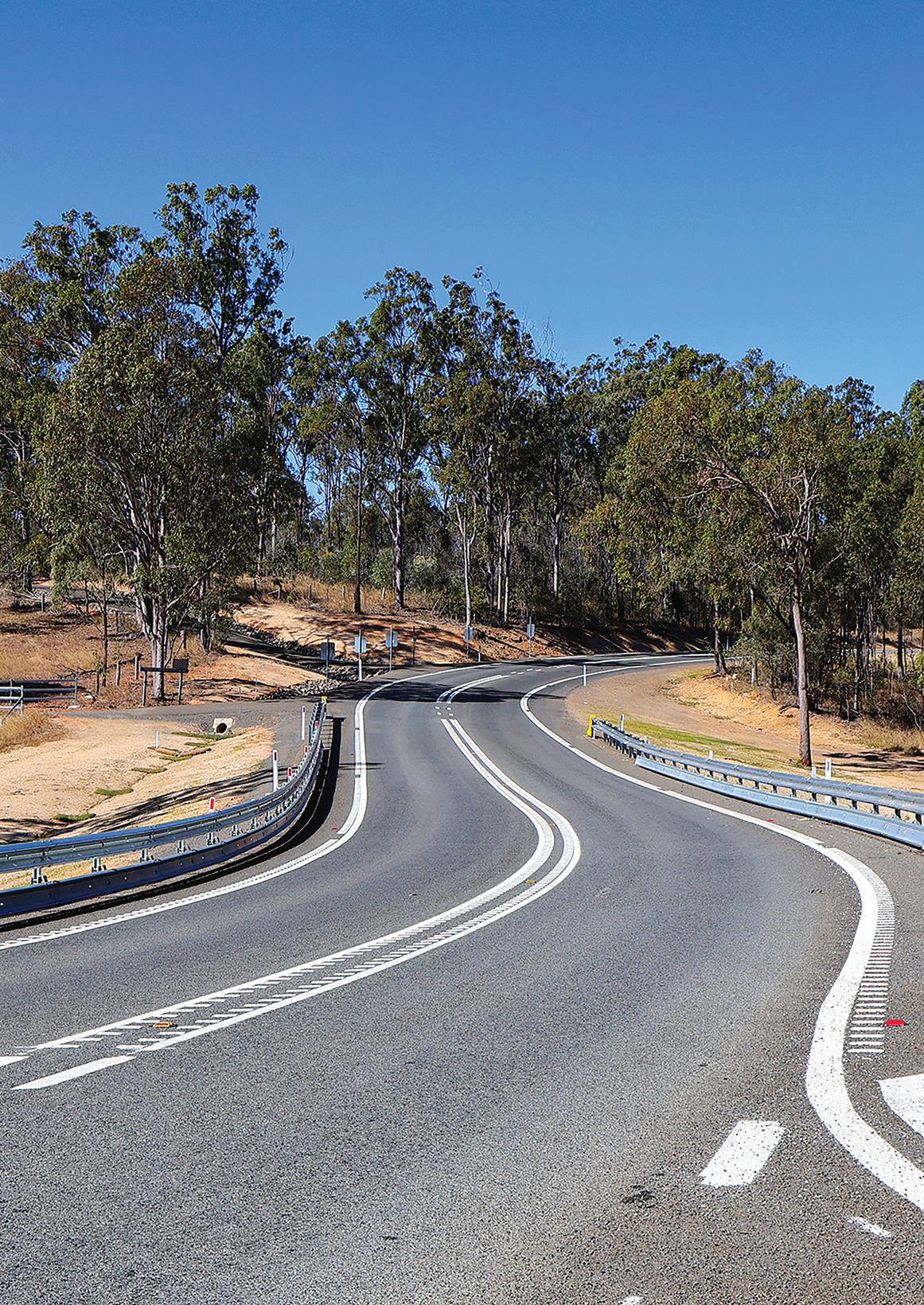
Lockyer Leadership: Our leaders are visionary and seek coordinated outcomes for the benefit of the whole community.
Lockyer Council : A well-managed, transparent and accountable organisation that gives the community confidence, demonstrates financial sustainability, where customers are satisfied with our services and our employees are proud to work.
729,000 VISITS TO COUNCIL’S CORPORATE WEBSITE
940
SOCIAL MEDIA POSTS PUBLISHED
137 MEDIA RELEASES DISTRIBUTED
349
CORPORATE DESIGN PROJECTS COMPLETED
600 BOXES OF COUNCIL’S HARDCOPY RECORDS WERE AUDITED AND DIGITISED DURING 2024-25
25,921
CALLS RECEIVED BY CALL CENTRE
84.26%
CALLS RESPONDED TO AT FIRST CONTACT
14,552
CUSTOMER REQUEST RECEIVED
13,818
CUSTOMER REQUESTS COMPLETED
$36,203,000 REVENUE RECEIVED FROM GRANTS
$4.15M OPERATING SURPLUS ACHIEVED
Undertake robust and accountable financial, resource and infrastructure planning and management to ensure affordable and sustainable outcomes for our community.
• Developed an Asset Management Decision Making Framework for Council’s roads and drainage assets which was utilised to develop the 2025-26 financial year budget and capital investment plan for transport and drainage asset classes.
• Ceased operation and transitioned ownership of the Gatton Child Care Centre, with the business transitioning to the First Steps Early Childhood Learning Centre.
• Reviewed and updated Council’s Procurement Policy, Guideline and Tier Chart to enable a procurement process that supports value for money opportunities for Council, the needs of the business and improves legislative compliance.
• Delivered an education program within Council on best procurement practices and the importance of complying with these.
• Established supplier panel arrangements for Trade Services, Supply and Delivery of Quarry Products, Real Estate Services (within the Lockyer Valley Region). These Panels are designed to deliver efficiencies for both Council and the suppliers.
• Encouraged local suppliers to conduct their business with Council through the use of purchase orders instead of via corporate credit card. Utilising purchase orders will improve surety of compliance with Council’s Procurement Guideline.
• Commenced a review and rationalisation of Council’s land holdings, which resulted in the sale of 12 blocks of land at Grantham, an assessment completed on all land owned by Council and strategies identified to dispose of land suitable for disposal.
• Finalised 13,818 requests received from customers.
• Responded to 84.26% of calls received by Council’s call centre on first contact.
Actively engage with the community to inform council decision making processes and communicate on decisions made.
• Implemented a free bi-monthly publication “Council News” to inform the community of all things Council including key projects, service updates, events etc and delivered six editions of the document. By financial year end there were 1392 subscribers of the publication.
• Promoted Council’s achievements, delivered key messaging and decisions to the community through a variety of media platforms including print media, Facebook, Instagram and Linkedin.
• Delivered the annual schedule of Council Meetings.
• Delivered Council’s audit and risk management function, including three Audit and Risk Management Committee Meetings, fully completed three internal audit reviews and closed out 27 recommendations made by internal and external audit.
• Educated council employees on their roles and responsibilities in regard to ensuring legislative compliance.
Promote a values-based culture that appreciates and empowers its workforce.
• Conducted an Employee Pulse Survey and the National People at Work Survey to enable employees the opportunity to provide guided feedback on the organisations culture and psychosocial hazards in the workplace.
• Delivered the annual Employee Wellbeing Program across the organisation.
Provide leadership and contemporary management systems that drive a coordinated and connected organisation.
• A fifth cohort of council officers completed a Leadership Development Program.
• Delivered Council’s annual corporate training program.
• Delivered training on the Psychosocial Code of Practice 2023 to educate the organisation on the Code and to assist with developing a to a psychosocial management framework and the identification of psychosocial hazards across Council.
• Completed Council’s annual Work Health and Health Program, including the hazard inspection program, monthly action plans and toolbox talks.
Deliver reliable internal support services.
• Transitioned Council’s Core Enterprise Suite Module (financial software program ) to TechnologyOne’s CIA software program. The Core Enterprise Module is the first software module to be transitioned as part of the transition from TechnologyOne CI to CIA software package.
• Commenced the delivery of Council’s Cyber Security Strategy to improve Council’s cyber security maturity and capabilities.
• Provided community engagement support and assistance on 41 different council delivered projects and initiatives.
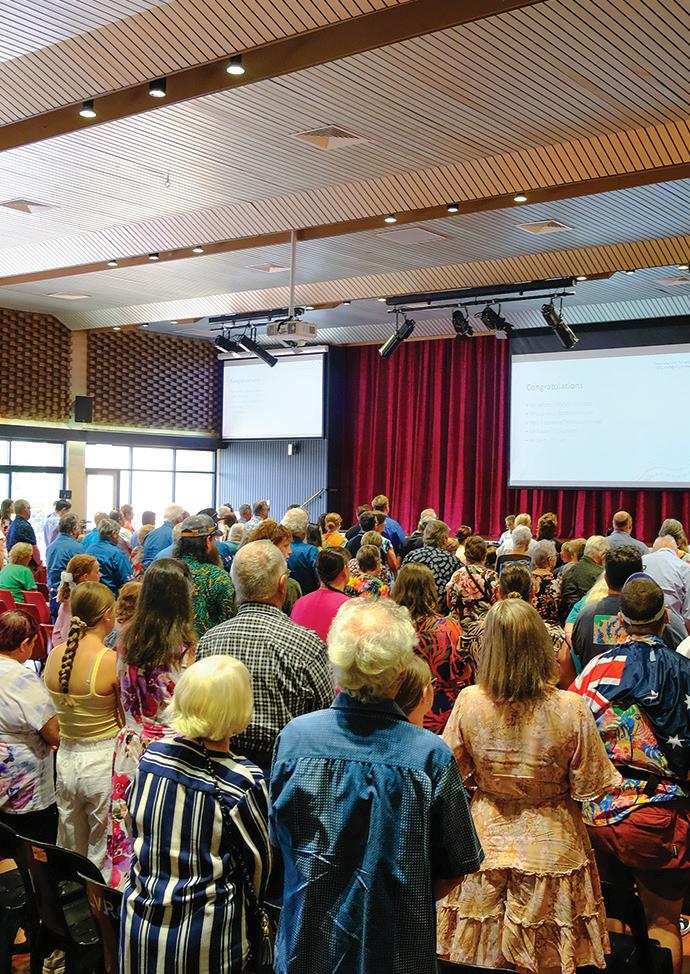
Council actively assists community organisations to implement projects and activities which benefit the Lockyer Valley community. The intent of the grants and assistance provided by Council is to help community organisations and individuals to meet the needs of the community, improve the skills and resilience of the community and develop and maintain facilities for the community.
The following grants were made to community organisations during the 2024-25 financial year in accordance Council’s Community Grants and Assistance Policy and Procedure.

No individual rate rebates or remissions were directly granted under the Community Grants and Assistance Policy and Procedure. All rebates and remissions issued were granted either via resolution of Council or in accordance with Council’s Hardship Policy. Eligibility and application of pensioner concessions were completed in accordance with Part 10 of the Local Government Regulation 2012
Postmans
The Regional Arts Development Fund is a partnership between the Queensland Government and Council to support local arts and culture in the region.
Funding was distributed to the following recipients during the 2024-25 financial year.
Fee waivers for the use of Council’s facilities during the 2024-25 financial year were granted at a total cost of $96,702.13
Section 109 of the Local Government Act 2009 defines discretionary funds as funds in the local government’s operating fund that are; budgeted for community purposes; and allocated by Councillor at the Councillor discretion.
Council did not establish any discretionary funds for the 2024-25 financial year.
Section 186 of the Local Government Regulation 2012 states that a local government must include particulars of complaints associated with councillor conduct as detailed below:
In relation to councillors, the annual report must contain:
• the total number of the following during the financial year LGR s186(d) – (e)
à orders made under section 150I(2) of the LGA
à orders made under section 150IA(2)(b) of the LGA
à orders made under section 150AH of the LGA
à decisions, orders and recommendations made under section 150AR(1) of the LGA
• each of the following during the financial year
à the name of each councillor for whom a decision, order or recommendation under section 150I(2), 150IA(2)(b), 150AH or 150 AR(1) of the LGA was made
à a description of the unsuitable meeting conduct, conduct breach or misconduct engaged in by each of the councillors;
à a summary of the decision, order or recommendation made for each councillor;
For councillors, the annual report must also contain the number of each of the following during the financial year
• complaints referred to the assessor under section 150P(2)(a) of the LGA by the local government, a councillor of the local government or the chief executive officer of the local government
• matters, mentioned in section 150P(3) of the LGA, notified to the Crime and Corruption Commission
• notices given under section 150R(2) of the LGA
• notices given under section 150S(2)(a) of the LGA
• occasions information was given under section 150AF(3)(a) of the LGA
s186 (1) (f)(i)-(iv) 1
(1) (f)(v)
• occasions the local government asked another entity to investigate, under chapter 5A, part 3, division 5 of the LGA for the local government, the suspected conduct breach of a councillor
• applications heard by the conduct tribunal under chapter 5A, part 3, division 6 of the Act about whether a councillor engaged in misconduct or a conduct breach
• total number of referral notices given to the local government under section 150AC(1) of the LGA during the financial year
• for suspected conduct breaches the subject of a referral notice mentioned in section 186(1)(g) of the LGR:
LGR s186 (1) (f)(vi)-(vii)
s186(1) (g)-(h)
à the total number of suspected conduct breaches; and 0
à the total number of suspected conduct breaches for which an investigation was not started or was discontinued under section 150AEA of the LGA 1
• number of decisions made by the local government under section 150AG(1) of the LGA during the financial year
• number of matters not decided by the end of the financial year under section 150AG(1) of the LGA
• average time taken by the local government in making a decision under section 150AG(1) of the LGA
s186(1) (i)-(k)
Council receives a variety of complaints that are managed through Council’s Complaints Management System. This includes administrative action complaints, staff conduct complaints, information privacy complaints, public interest disclosures and human rights complaints. Council’s Complaints Management Policy and Procedure are currently under review to provide clearer guidance on the different types of complaints that Council receives and how they are managed.
Council is committed to dealing fairly with all complaints by receiving, investigating and responding to and reviewing such complaints in a professional and cost-effective manner. All complaints managed through Council’s Complaints Management System are recorded in the Complaints Register.
A 33% decrease in the number of complaints received has been noted when compared to the 2023-24 financial year.
During the 2024-25 financial year, regular reporting on Council’s Complaints Management System has occurred as follows:
• to the Executive Leadership Team monthly
• to Council monthly through the Group Manager People, Customer and Corporate Services’ monthly report
• to Council’s Audit and Risk Committee quarterly.
By analysing and reporting on complaints management to senior management, Council is able to improve its processes and services to the community.
The following charts provides an overview of the types of complaints received and managed during the 2024-25 financial year and the status:



The majority of administrative action complaints managed during the 2024-25 financial year related to development compliance matters. For the second year in a row, Council continues to receive a significant number of complaints about staff conduct and roads and drainage.
The number of complaints proceeding to internal review has decreased, but a similar number of requests for review by external agencies have been made. Only one internal review was partially upheld and none of the external review requests have been upheld. This indicates that Council is responding well to complaints it receives.
Administrative action complaints 2024-25
Reportable items under section 187 of the Local Government Regulation 2012
Number of administrative action complaints not resolved (completed) by Council that were made in the previous financial year (2023-24)
*Figure includes complaints received in previous financial years but completed during 2024-25.
This section of the Annual Report 2024-25 outlines the remaining content Council’s is legislatively required to report on in accordance with the Local Government Regulation 2012
As prescribed in section 105 (1) of the Local Government Act 2009 Council has established an internal audit function. The delivery of the internal audit function is guided by the Internal Audit Charter, which was reviewed during the financial year and approved by Council on 18 June 2025.
The responsibilities and activities of internal audit are detailed in Council’s three-year Internal Audit Plan, which undergoes an annual review by management, the Audit and Risk Management Committee, and Council. The activities included in the Plan are performed by a qualified internal audit consultant on a wholly outsourced basis. For the 2024-25 financial year, O’Connor Marsden and Associates provided this service.
Internal audit projects conducted during the financial year include:
• Annual internal audit planning with management and the Audit and Risk Management Committee.
• Review of outstanding audit recommendations, (21 outstanding internal audit recommendations were verified as completed and closed).
• Review of project expense capitalisation
• Review of corporate credit cards
• Review of conflict of interest management
• Review of records management (commenced)
A review of the performance of the work performed by Internal Audit in accordance with s.207(3) of the Local Government Regulation 2012 was conducted by the Audit and Risk Management Committee on 5 June 2025, with the findings presented to Council on 18 June 2025.
While Council is statutorily required to have an internal audit function and plan, the primary objective of this function is to enhance and add value to Council’s operations.
Council’s Audit and Risk Management Committee (ARMC) was established in accordance with section 105 (2) of the Local Government Act 2009
The role of the ARMC is to provide assurance and assistance to Council on its risk, control and compliance frameworks along with Council’s external accountability responsibilities as prescribed in the Local Government Act 2009 and the Local Government Regulation 2012
Council’s ARMC Charter (version 12), adopted 18 June 2025 outlines the role, responsibilities, composition and operating guidelines of the ARMC in accordance with the Local Government Act 2009 and Local Government Regulation 2012. Membership of the ARMC consists of three independent members, one of whom is appointed as Chair and two Councillors.
During the 2024-25 financial year, three ARMC Meetings were held, and one was cancelled due to ex-tropical cyclone Alfred. The unconfirmed Minutes of these meetings were presented to Council. The ARMC also participated in two workshops, including one annual planning workshop with Council’s Executive Leadership Team.
Registers Maintained
Registers maintained by Council: Asset Registers.
Audit Recommendations Register.
Complaints Management System Register.
Contracts Register.
Councillor Conduct Register
Employee Conflict of Interest Declaration Register
Employee Gift Declaration Register.
Information, Communication and Technology Registers
Fraud and Corruption Allegation Register. Land Record.
Lobbyist Register.
Local Law Compliance specific registers – infringement register, animal impound register, vehicle impound register, lost and found animal registers.
Loss Register.
Procurement Non-Conformance Register.
Procurement Exemptions Register.
QLeave Register.
Recommendations Implementation Register –Disaster Management Reviews and Inquiries.
Register of Administrative Delegations.
Register of Councillor and Senior Management Interests.
Register of Councillor Conflict of Interest Declarations at Council Meetings.
Register of Delegations by Council.
Register of Delegations by the Chief Executive Officer.
Register of Financial Delegations.
Register of General Charges and Regulatory Fees.
Register of Infrastructure Charges Audits.
Register of Local Laws and Subordinate Local Laws.
Register Policy, Procedure and Guidelines.
Register of Related Parties.
Register of Roads.
Risk Registers (Strategic, Operational and Project).
Tenure Register
Work Health and Safety specific registers – nonconformance register, internal and external issues register, interest parties register, legal and other requirements register, elected health and safety representative registers, first aid officers register, emergency control team register, electrical equipment register and confined space register.
Section 39 (3) of the Local Government Act 2009 defines a beneficial enterprise as an enterprise that local government considers is directed to benefitting, and can reasonably be expected to benefit, the whole or part of its local government area. Furthermore, section 39 (4) of the Local Government Act 2009 provides that local government is conducting a beneficial enterprise if the local government is engaging in, or helping, the beneficial enterprise.
Council did not have any partnership arrangements or conducted any business with beneficial enterprises during the 2024-25 financial year.
A business activity is defined in schedule 4 of the Local Government Act 2009, as the trading in goods and services by the local government.
Significant business activity is prescribed by sections 19 and 20 of the Local Government Regulation 2012
Council did not conduct any business activities or significant business activities during the 2023-24 and 2024-25 financial years.
As Council did not conduct any significant business activities, no application of the competitive neutrality principle occurred, or competitive neutrality complaints received for investigation or response during the 2024-25 financial year.
Council did not maintain any commercial business units during the 2024-25 financial year.
Council was not supplied with any services, facilities or activities by another local government under any agreements or joint activities and for which any special rates or charges were levied, during the 2024-25 financial year.
Council awarded 10 tenders during the 2024-25 financial year and are listed in the table below:
LVRC-24-024
LVRC-22-076
LVRC-23-075 Trade Services
• A & J Communications Pty Ltd
• Abyss Demolition Pty Ltd
• Australian Environmental Landscapes Pty Ltd
• BD Fencing Company Pty Ltd
• Bower Technology Pty Ltd
• Creto Concrete Pty Ltd
• CVSG Asset Services Pty Ltd
• DKM Projects Pty Ltd t/a DKM Building and Construction
• Don Evans Plumber Pty Ltd
• G D Trent Landscapes Pty Ltd t/a GDT Landscapes
• Heritage Tree Services Pty Ltd t/a Heritage Tree Care
• Hewitt’s Plumbing Pty Ltd
• Higgins Coatings Pty Ltd
• Martin Brothers Contracting Pty Ltd
• Metwide Communications Pty Ltd
• Mick Sutton Concreting Pty Ltd
• JK Moht Pty Ltd t/a Powermate
• NRG Electrical (Qld) Pty Ltd
• Rocomm Pty Ltd t/a R & O Communications
• Red Dog’s Painting & Decorating Pty Ltd
• Redshaw Constructions Pty Ltd t/a Redshaw Plumbing & Drainage
• Secured Solutions Access and Security Pty Ltd
• Boon, Gary t/a SGS Electrical
• T2 Electrical & Data Pty Ltd
• Digital Jungle Pty Ltd t/a Visual Focus
• Wawrzyniak, Jamie Lee t/a Kerry Holding Fencing
• Zero Asbestos Pty Ltd
$1,000,000
Contract No and Name
LVRC-24-004 Tyre Recycling and Disposal J.A & S.T Hayes T/AS S & J Australian Scrap Tyre Disposals $185,000
LVRC-24-052 Employee Uniforms and PPE • Infinity Workwear • Taylor Safety $445,830
LVRC-24-108 Vegetation and Pest Management Panel
• 2K Pasture Management & Consulting
• Biodiversity Australia
• CGB Environmental Management
• ECOllaboration Ltd
• Environmental Management Unit
• Evolve Environmental Solutions Pty Ltd
• Invasive Plant & Animal Services
• Pest Animal Management Qld
• ReconEco Pty Ltd
• Red Leaf Projects
• Sports Turf Services
• Sams Tree Services
• Australian Environmental Landscapes
• Treebiz Tree Services
• All Terrain Earthworks
• Treescapes Australasia
• Yarramine Environmental $4,900,000
LVRC-24-003 Management of Lake Dyer Caravan and Camping Ground
LVRC-24-011 Bore Lease – Forest Hill
• Moira Farming Pty Ltd as Trustee Revenue
Council did not issue any invitations to change any tenders under section 228(8) of the Local Government Regulation 2012 during the 2024-25 financial year.
Part 10 of the Local Government Regulation 2012 provides Council with the ability to grant concessions to property owners in certain circumstances. For the 2024-25 financial year concessions were granted by either Council Resolution or Council’s Hardship Policy to the following properties:
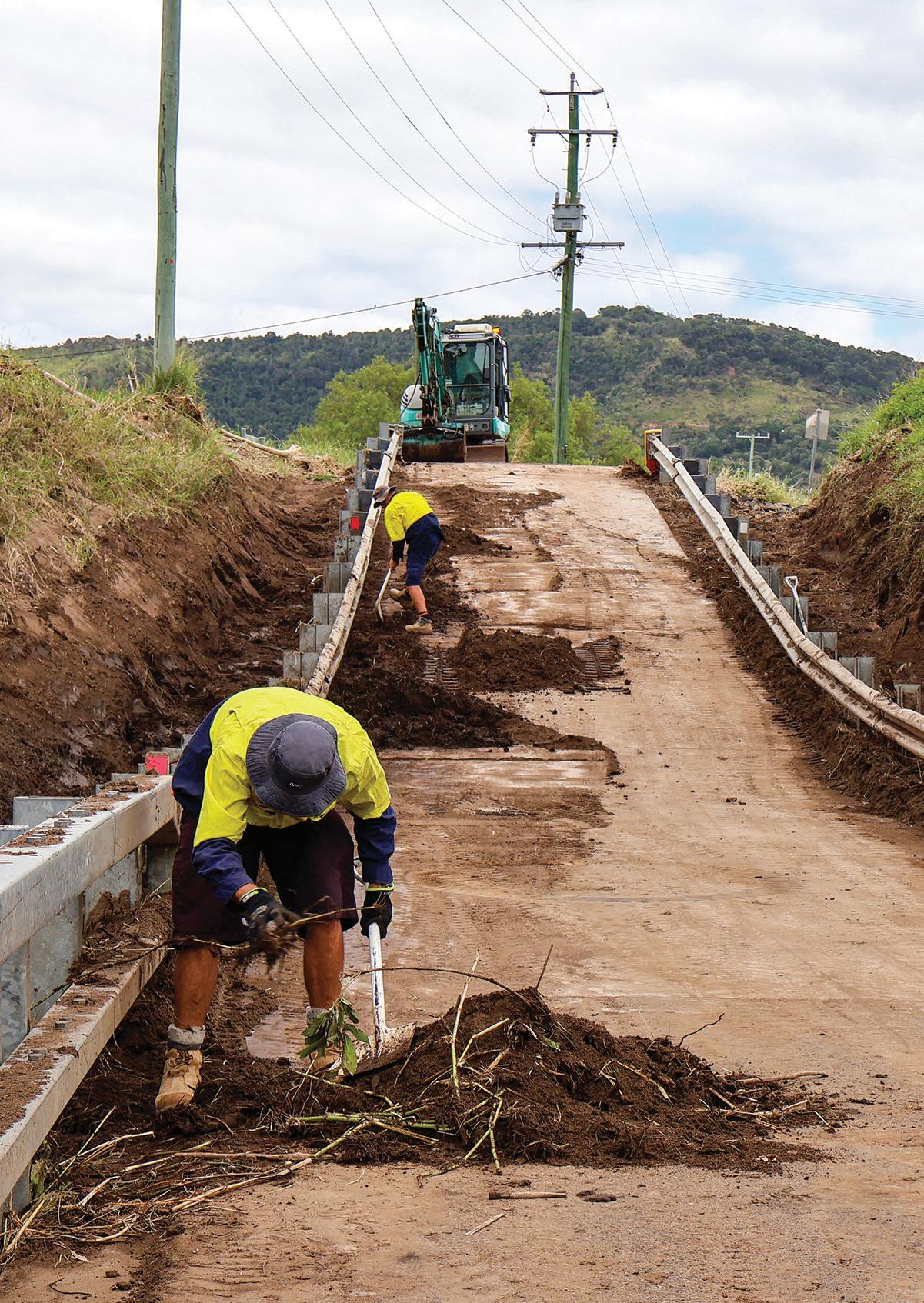
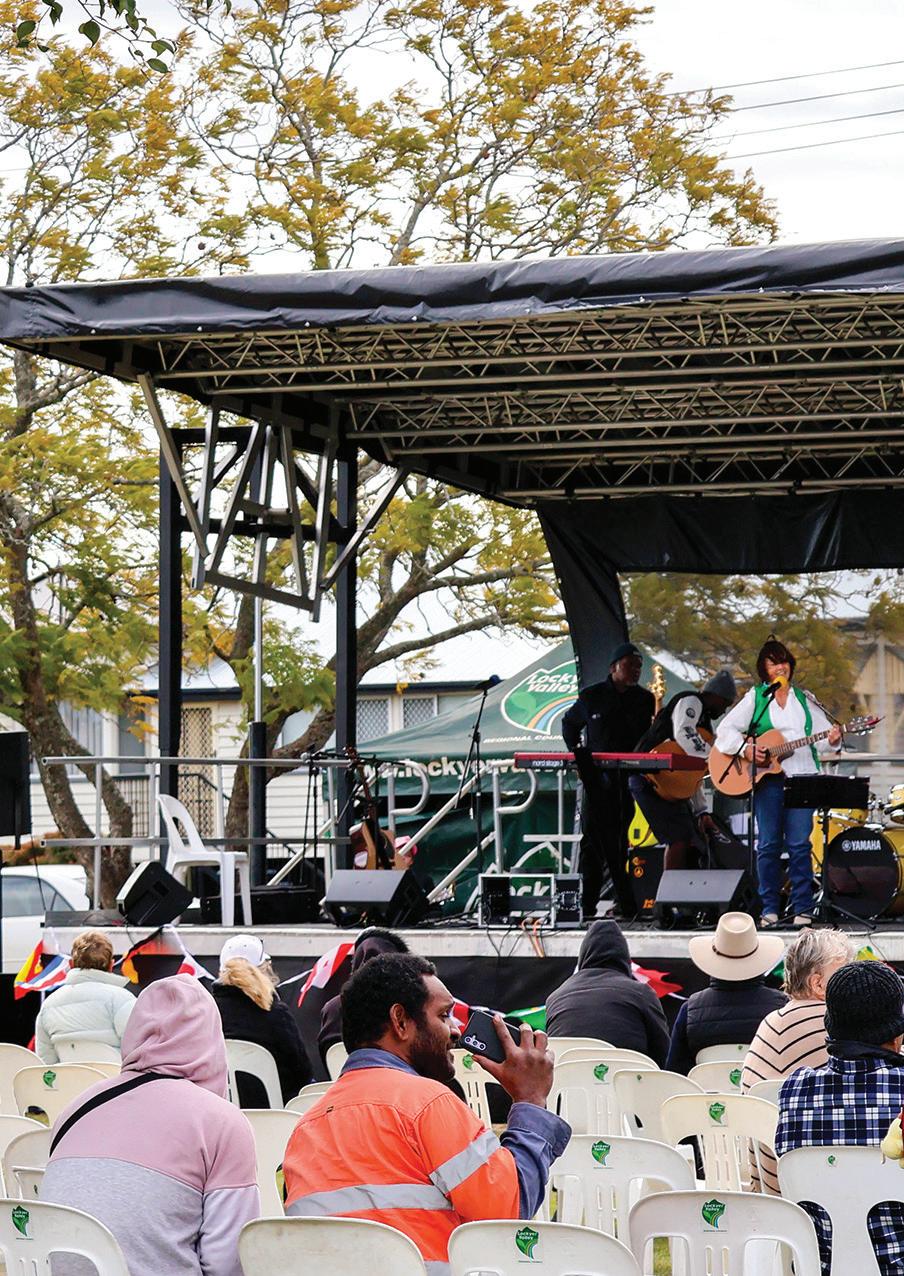
The Community Financial Report aims to simplify the financial statements (pg 90) of Lockyer Valley Regional Council to enable our community, business partners, customers and employees to better understand how we performed financially.
The report provides graphical representation of the financial position, financial performance and cash flows as well as changes in community equity, to provide a simple, comprehensive view of Council’s financial results for the period 1 July 2024 to 30 June 2025.
During the 2024-25 financial year, Lockyer Valley Regional Council continued to deliver its program of core services to the community while consolidating its base to maintain financial sustainability. Council’s operations continued to be heavily impacted by flood restoration and recovery activities following three significant rain events during the 2021-22 financial year, a rain event in January/February 2024 and a further two rain events in March/May 2025. In spite of these events and continuing the success of previous financial years, the results for the current year once again include the achievement of an operating surplus.
Despite the challenging times, this is Council’s eighth genuine surplus in a row, continuing the improved financial position established in the 2017 year.
Council repaid all outstanding debt during the 2023-24 financial year and remains debt free in 2024-25. This sees Council debt free for the first time in over a decade, and the forward forecasts show no borrowings for the next ten years of the plan. Council delivered a capital works program totalling $24.68 million with $22.90 million spent on the renewal of assets and in particular road and related infrastructure. The total capital expenditure on roads and related infrastructure assets was $17.97 million.


$87.11M REVENUE $996.21M ASSETS $82.96M EXPENSES $75.21M LIABILITIES



$4.15M OPERATING SURPLUS
COUNCIL’S DEBT REMAINS AT $0.00M


$34.16M RECEIVED IN GRANTS AND SUBSIDIES ACROSS 56 PROJECTS

$24.68M SPENT ON CAPITAL INVESTMENT INCLUDING $22.90M ON THE RENEWAL OF ASSETS
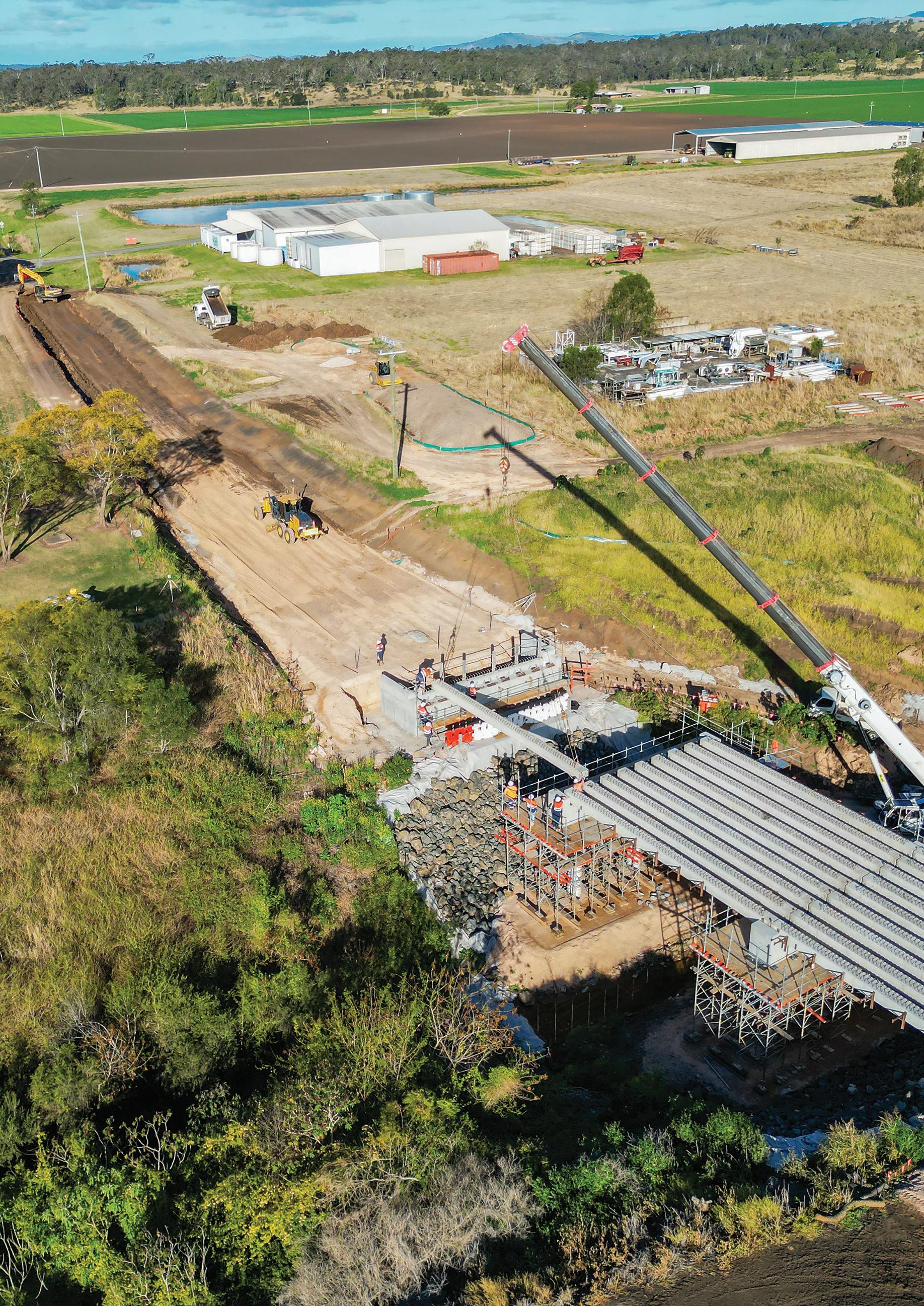
In 2023-24 the Queensland Government implemented an updated Financial Management (Sustainability) Guideline. This Guideline provides the reporting framework to ensure councils remain financially sustainable and able to continue to serve their communities.
Sustainability measures provide evidence of Council’s ability to continue operating and to provide an acceptable level of service to the community both currently and in the longer term. Council is required to report on nine financial sustainability measures for the 2024-25 financial year. Council has met or favourably exceeded all of the sustainability measures set by the Department of Local Government, Water and Volunteers (the Department) for the 2024-25 financial year.
Council Controlled Revenue Ratio
Population Growth Ratio
Operating Surplus Ratio
Council controlled revenue is an indicator of a Council's financial flexibility, ability to influence its operation income, and capacity to respond to unexpected financial shocks.
Population growth is a key driver of a Council's operating income, service needs and infrastructure requirements into the future.
The operating surplus ratio is an indicator of the extent to which operating revenues generated cover operational expenses. Any operating surplus would be available for capital funding or other purposes.
Unrestricted Cash Expense Cover Ratio
The operating cash ratio is a measure of a Council's ability to cover its core operational expenses and generate a cash surplus excluding depreciation, amortisation and finance costs.
The unrestricted cash expense cover ratio is an indicator of the unconstrained liquidity available to a Council to meeting ongoing and emergent financial demands which is a key component to solvency. It represents the number of months a Council can continue operating based on currently monthly expenses.
The long-term financial forecast shows Council’s commitment to achieving operating surpluses in the forecast years.
The Long-Term Financial Sustainability Statement shows that Council will meet targets set by the Department though to the 2034-35 financial year.
69.27%
1.58%
8.52%
26.88%
Not applicable
A higher council controlled revenue ratio indicates a stronger ability to generate operating revenue without relying on external sources. Councils with a high ratio generally have a healthy rate base and are better able to respond to unexpected financial obligations such as natural disaster recovery.
A growing Council population indicates a greater capacity to generate its own source revenue through rates as well as statutory charges. Population growth also puts additional pressure on Councils to invest in new community infrastructure to support service needs.
An operating surplus ratio above 0% is an indication that council is managing its finances within its existing funding envelope and generating surplus funds for capital funding or other purposes. An operating surplus ratio below 0% is an indication that a council’s operating expenses exceed its revenue. An operating deficit in any one year is not a cause for concern if, over the long term, a council achieves a balanced operating result or small surplus. Operating deficits over the long term affect a council’s ability to internally fund its capital requirements and other initiatives as and when they fall due, potentially requiring external funding support.
A positive operating cash ratio indicates Council that Council is generating surplus cash from its core operations, which suggests that Council has the ability to selffund its capital expenditure requirements.
A higher unrestricted cash expense cover ratio indicates that a council has sufficient free cash available to contribute to the cost of future planned and unplanned expenditures such as infrastructure investment or disaster recovery. An excessively high ratio may be indicative of cash hoarding, poor cash management, or large upcoming capital investment requirements. A low ratio suggests limited unconstrained liquidity available to council to use for capital investment or in an emergency. For councils with efficient cash management practices and strong borrowing capacity, this is not a concern. Where a council also has a negative operating cash ratio, a very low or negative unrestricted cash expense cover ratio is an indicator of potential solvency concerns.
Asset Sustainability Ratio
Asset Consumption Ratio
The asset sustainability ratio approximates the extent to which the infrastructure assets managed by Council are being replaced as they reach the end of their useful lives.
Asset renewal funding ratio
The asset consumption ratio approximates the extent to which Council's infrastructure assets have been consumed compared to what it would cost to build a new asset with the same benefit to the community.
The asset renewal funding ratio measures the ability of a Council to fund its projected infrastructure asset renewal/replacements in the future.
Leverage Ratio
The leverage ratio is an indicator of a Council's ability to repay its existing debt. It measures the relative size of the Council's debt to its operating performance.
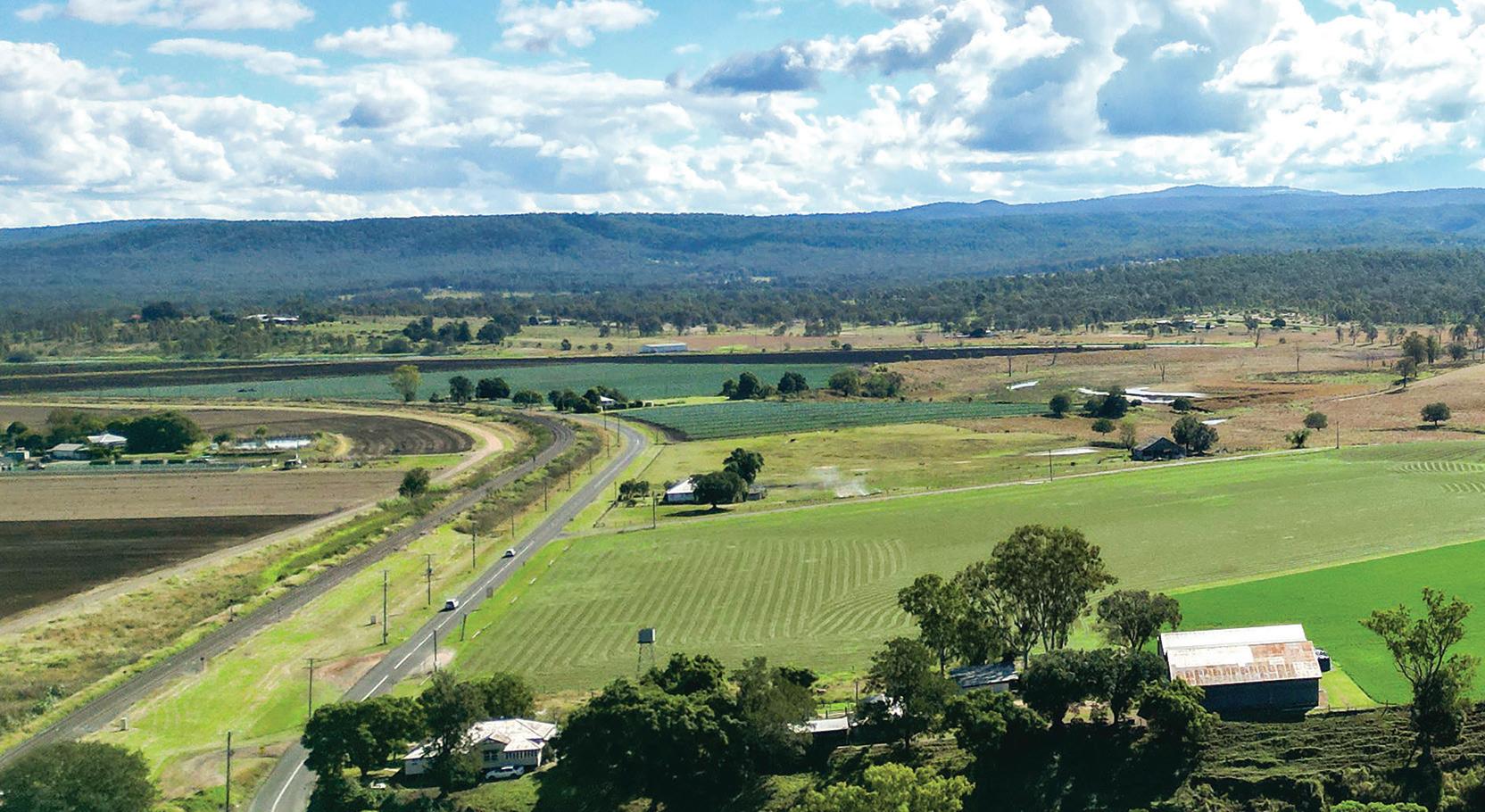
168.27%
73.00%
Not applicable
An asset sustainability ratio close to 100% suggests that a council is spending enough on the renewal of its assets to compensate for the deterioration in its asset base as loosely proxied by its reported depreciation, with outcomes too far below this level being potentially indicative of underspending against capital replacement requirements. However, as this measure uses depreciation in lieu of more rigorous asset planning data, it does not account for councils with large investments in new capital assets such as those with strongly growing population bases. In these instances, a lower asset sustainability ratio is not of concern provided a council is meeting the capital needs of its current and future community.
The minimum target of 60% indicates that a council’s assets are being broadly consumed in line with their estimated useful lives. Councils with lower than target ratio will need to invest more in those assets (in terms of replacement or maintenance) to ensure they are maintained at a standard that will meet the needs of their communities. On the other hand, if the ratio is much higher than the target ratio, councils may need to revisit their asset management plans to assess their current service levels or whether their estimates of the assets’ useful lives are appropriate.
Ideally, the asset renewal funding ratio should be as close to 100% as possible, as this indicates that a council is appropriately funding and delivering the entirety of its required capital program as outlined by its asset management plans. A ratio that is too far in excess of 100% indicates capital spending above and beyond what is proposed by a council’s asset management plans. A ratio that is too far below 100% may indicate an underfunded capital program and therefore a potentially increasing infrastructure backlog and asset failures. Either scenario suggests a mismatch between a council’s capital requirements and forecast capital program, whether due to poor planning and/or limited resources or skills to deliver the assets required by the community.
0.6 times A higher leverage ratio indicates an increasingly limited capacity to support additional borrowings due to already high debt levels and/or decreasing operational performance, while a lower ratio indicates the opposite.
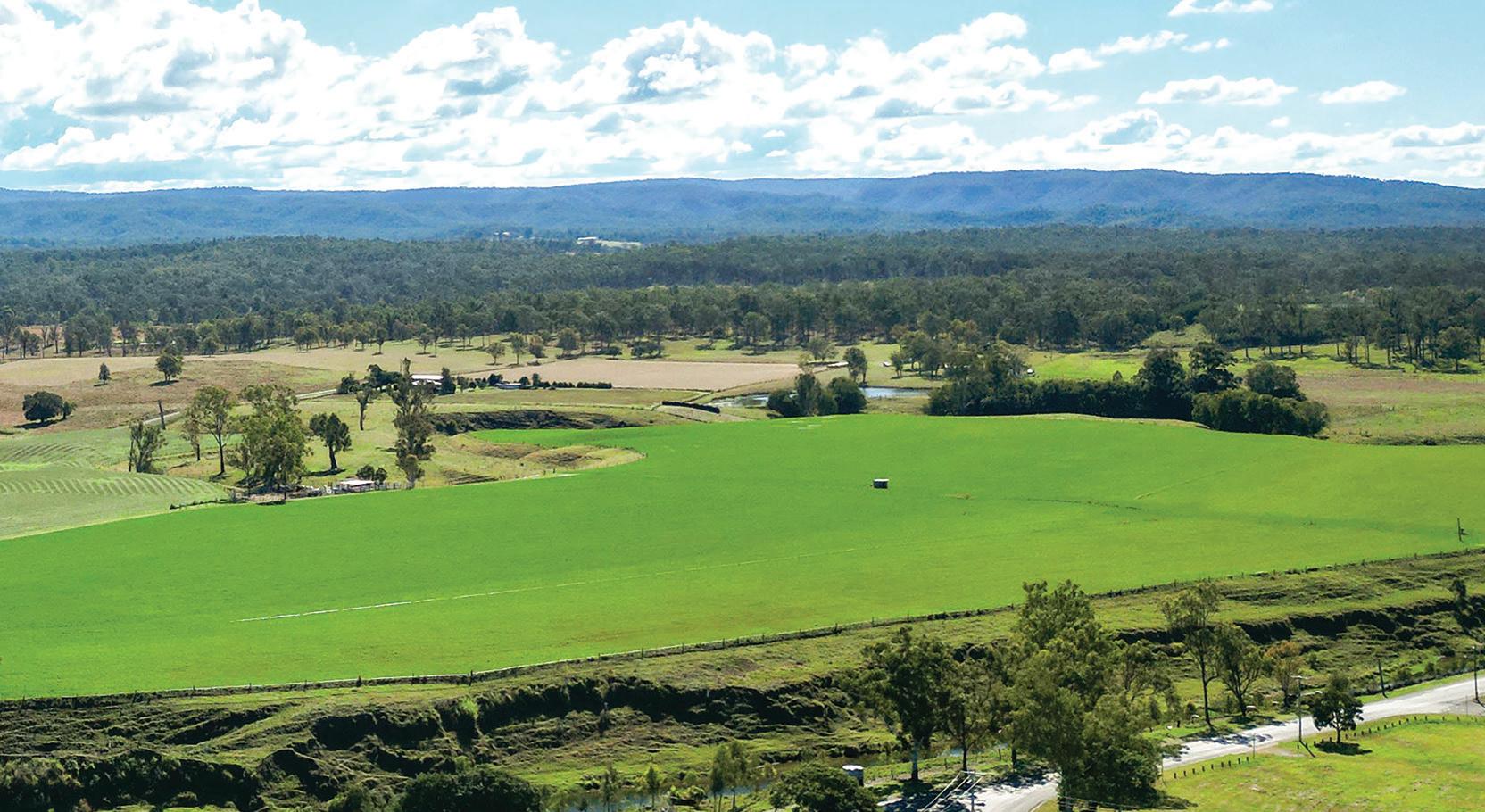
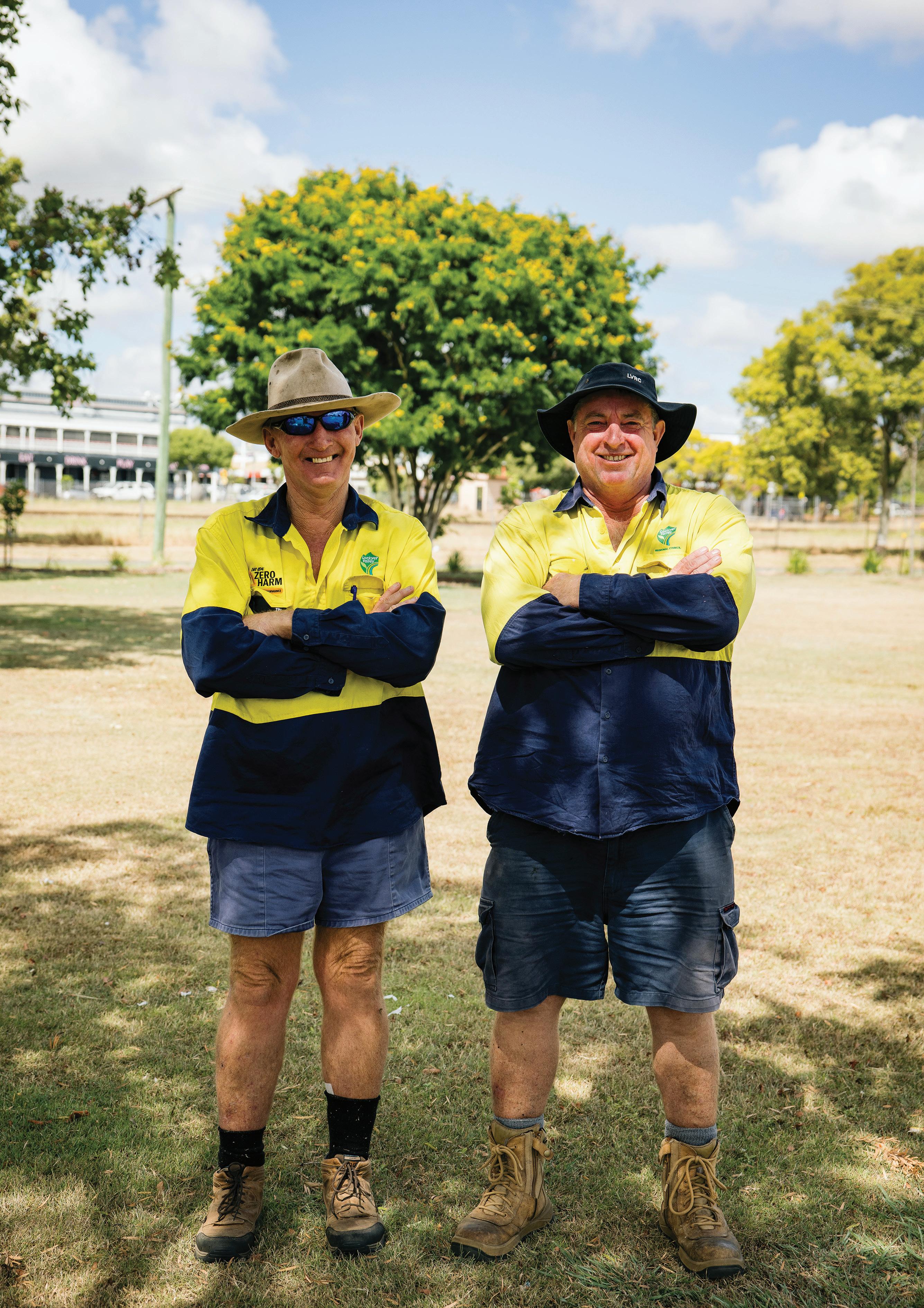
The Statement of Comprehensive Income is one of the key statements forming part of the financial report. It is often referred to as the profit and loss statement. The statement of comprehensive income measures how Council performed in relation to income and expenses during the financial year. This statement illustrates how money received from Council operations is spent.
For the 2024-25 financial year, Council had an operating surplus result of $4.15 million. The timing and recognition of grants income has a significant effect on Council’s operating surplus and will continue to affect the result over future years.
The achievement of the eighth operating surplus in a row indicates that the long-term sustainability of the organisation continues to remain on track to achieve Council’s longterm financial goals. It shows Council’s continued commitment to operating within its means, providing stability for its future financial and operational sustainability and an improved ability to withstand unexpected financial shocks.
Council will continue to place increased focus on managing finances to ensure the continued provision of core services to our community.
$3.63M
$4.92M INTEREST
$6.59M OTHER INCOME
FEES AND CHARGES
OPERATING REVENUE TOTAL $87.11M
$23.63M
RATES
$48.35M GRANTS
EMPLOYEE COSTS
$32.29M


$2.29M
$15.88M FINANCE COSTS
OPERATING EXPENSES TOTAL $82.96M
DEPRECIATION & AMORTISATION

MATERIALS AND SERVICES
$32.50M

For the 2024-25 financial year, Council received $87.11 million in operating revenue and $31.90 million in capital revenue.
While revenue from rates and charges is the main source of income, revenue has seen a significant increase in operating grants, subsidies, contributions and donations. This increase is due high levels of one-off funding received in 2024-2025 from the Queensland Reconstruction Authority (QRA) in relation to flood restoration and recovery efforts with $0.08 million received for counter disaster operations and $1.28 million for emergency works. There was also an increase due to $3.91 million of the 2025-26 federal assistance grant prepaid in the 2024-25 financial year and recognised as revenue when it was received. Council also received $6.80 million from the SEQ City Deal – Water Initiatives funding in the 2024-25 financial year, with most this grant funding to be expended in the 2025-26 financial year on projects and initiatives of the Lockyer Valley and Somerset Water Collaborative.
Capital grants, subsidies, contributions and donations have seen a significant decrease over the prior year due to a decrease for QRA funding for the reconstruction of essential public assets and voluntary home buy back funding totalling $36.05 million. This funding was in relation to the flood restoration and recovery works incurred from the rain events in 2021-22 and the associated funding being recognised in the 2023-24 financial year. In addition to these other major capital grants monies received in 2024-25 include Local Roads and Community Infrastructure (LRCI) Program, Transport Infrastructure Development Scheme, Heavy Vehicle Safety and Productivity Program, Black Spot Program, Queensland Resilience and Risk Reduction Fund, South East Queensland Community Stimulus Program, Black Summer Bushfire Recovery Grants Program, Laidley Disaster Ready Funding, Emergency Response Fund and SEQ Liveability Fund. Council committed to using those funds to reduce the impact on ratepayers while delivering important facilities and services for the community. Council continues to manage those funds and projects in a way that maximises local job creation and sustainability and an ongoing economic stimulus for local businesses.
Council incurs both operating and capital expenditure in the provision of services to our local community. For the 2024-25 financial year, Council expended $82.97 million in operating expenditure and $25.28 million in capital expenditure.
During the 2024-25 financial year, total operational expenditure increased by $11.44 million. Employee costs increased due to wages inflation consistent with the Australian Bureau of Statistics (ABS) wages price index and the successful filling of positions in Council’s established workforce following the challenges encountered by Council in recruiting staff in a competitive job market .
Depreciation $15.89 million continues to be a significant cost and is constantly under review through the asset revaluation process. There have been large increases in depreciation due to unit rate increases on infrastructure assets. The additional funds raised to cover depreciation expenses are used to renew Council’s assets.
The Statement of Financial Position is another major statement in the financial report and is often referred to as the balance sheet. It measures what we own (our assets) and what we owe (our liabilities) and our net worth (equity) at the end of the financial year.
Where does the money go?
$23.63M
$1.87M




Council’s total cash and investments increased by $29.81 million with increased operating cash inflows and increased cash outflows for capital works. There were no new borrowings or repayments during 2024-25 financial year. Council’s cash balance at 30 June 2025 was $60.46 million (2024 was $30.65 million).
Non-current assets have increased from 2024, with most of the movement relating to the increase in fair value of assets due to revaluations and the application of indexation ($25.13 million) and the addition of assets ($36.05 million) including $22.90 million on the renewal of existing assets and $11.37 million of developer contributed assets.
For the 2024-25 financial year, Council’s capital additions totalled $24.68 million in capital works with a further $11.37 million in developer contributed assets. Works in progress at year end totalled $53.86 million. Council expended $22.90 million on the renewal of property, plant and equipment. $17.26 million of the total renewals was spent on transport infrastructure.

Total liabilities increased from the previous year due to an increase in the contract liability which relates to prepaid grants. Contract liabilities have increased due to an increase in the prepayments of grant funds for various funded projects. The most notable increases are the prepayment of the Resilient Rivers $0.80 million, South East Queensland Liveability $0.95 million and South East Queensland Community Stimulus Program $0.60 million funding programs.
Council’s largest liability continues to be the provisions for the rehabilitation of land fill and quarry sites across the region in accordance with environmental requirements. These provisions are generated to recognise the estimated future costs of restoring and maintaining Council’s quarries and landfills throughout the region and are reviewed and adjusted annually.
BORROWINGS
$0.00M
OTHER LIABILITIES
$4.05M
PROVISIONS
$8.54M
TRADE & OTHER PAYABLES
$12.85M

BORROWINGS
$0.00M
TRADE AND OTHER PAYABLES
$1.00M
PROVISIONS
$48.77M

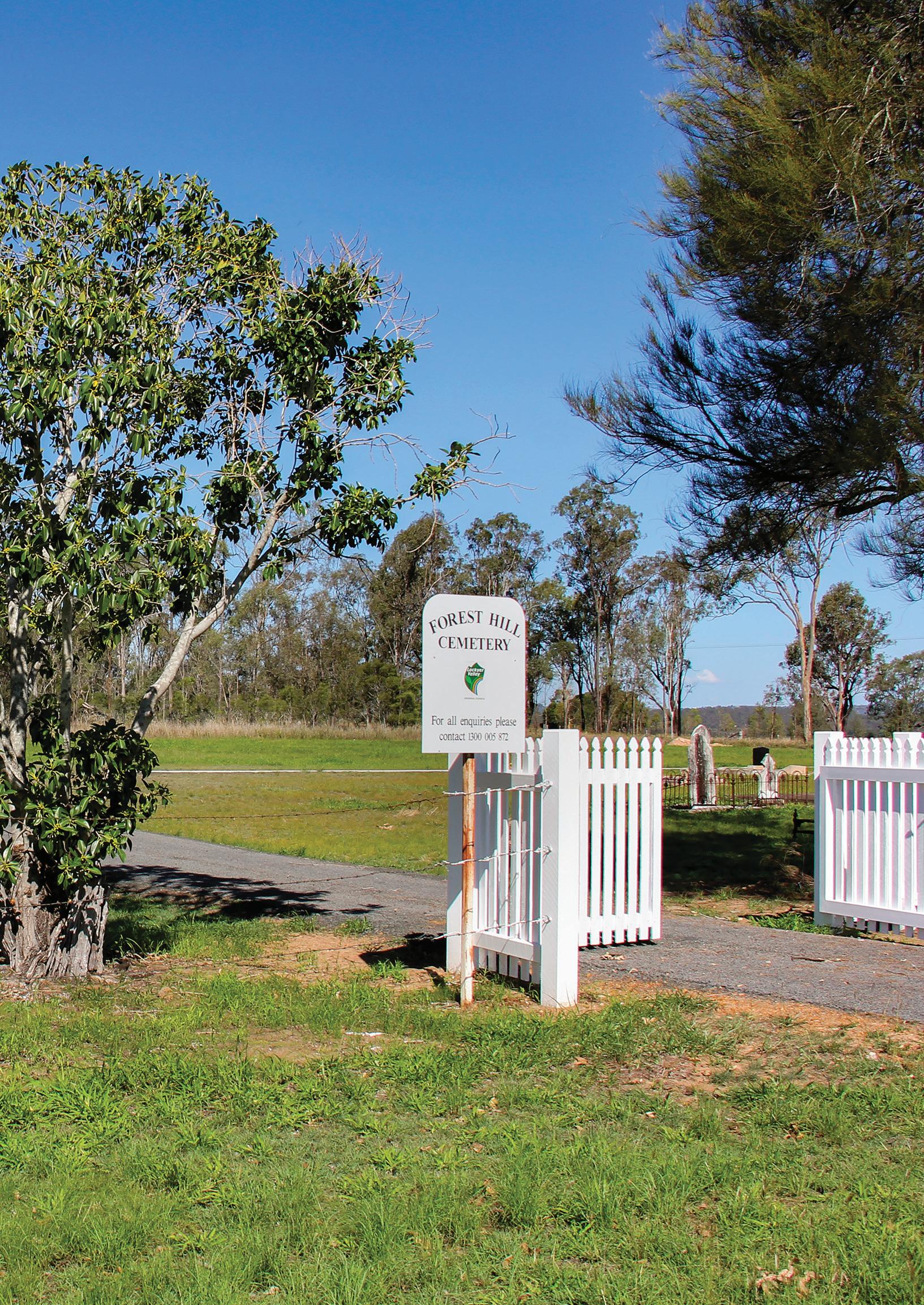
Council’s debt policy is based on sound financial management practices with borrowings restricted as follows:
• Council will not utilise loan funds to finance operational activities.
• Council will endeavour to fund all capital renewal works from operating cash flows and borrow only for new or upgrade projects.
Council repaid all its outstanding debt during the 2023-24 financial year, and no new borrowings occurred during 2024-25, this sees Council debt free at 30 June 2025.
The Statement of Changes in Equity measures the changes in our net wealth and shows the movements in our retained earnings, reserves and asset revaluation surplus.
In the 2024-25 financial year, our net worth increased by $58.97 million or 6.84 per cent with the main contributor being an increase of $25.13 million in our asset revaluation surplus. The increase in the asset revaluation surplus is due to the revaluation of assets and the application of index factors in line with recent levels of inflation.
At 30 June 2025 Council’s equity balance was $921.00 million.
The Statement of Cash Flows outlines how we received and spent cash throughout the year. The closing balance reflects how much cash Council had at year end.
Council generated a net amount of $21.10 million from its operating activities which relates to payments received from customers including noncapital grants and contributions and interest less the payments to employees and suppliers.
In conjunction with the proceeds of the disposal of assets, capital grants, and other investment distributions, the cash generated from operating activities was used to purchase assets such as property, plant and equipment.
At 30 June 2025, Council’s total cash balance including investments of $3.00 million was $60.46 million which was a net increase in cash of $29.81 million during the 2024-25 financial year. The large increase during the year can be attributed to the prepayment of a portion of the 2025-26 financial assistance grant $3.91 million, prepayment of the water initiatives grant of $4.78 million, underspend on capital works due to delays to the program of works due to flooding during March and April 2025. These works are to be carried forward into the 2025-26 year. The timing of the REPA cashflows with $10.03 million of this funding being received during the 2024-25 financial year also contributed to the increase in cash during the year.
Maintaining Council’s financial position to support long-term financial and operational sustainability remains a priority for Council. We continue to focus on balancing community expectations with financial sustainability, delivering projects and services while maintaining community assets and financial capital.
Our current position delivers the stability that our long-term financial strategy provides for and allows Council to meet its future obligations and demands of our community in the foreseeable future.
The results for the 2024-25 financial year show that Council has continued to deliver on its promise to achieve operating surpluses despite the difficult times. Recently experienced external factors such as changes in the global market resulting in increases in labour, contract and supply costs and flood restoration has highlighted the importance of having a sound long-term plan, and appropriate financial support from other levels of government so we can deliver increasing value-for-money for our ratepayers.
The clear focus on renewing existing assets is further evidence of Council’s determination to achieve a financially sustainable future.
With areas to the east and west of the Lockyer Valley experiencing rapid population growth the challenge for council will be keeping up with the demand of the growth and the related infrastructure and service delivery.
We will continue to make decisions that are in the best interest of the community that we all live in and are proud to call home as we stay focused on the organisation’s trend of sound financial management.
Opinion
I have audited the financial report of Lockyer Valley Regional Council.
The financial report comprises the statement of financial position as at 30 June 2025, the statement of comprehensive income, statement of changes in equity and statement of cash flows for the year then ended, notes to the financial statements including material accounting policy information and the certificate given by the Mayor and Chief Executive Officer.
In my opinion, the financial report:
a) June 2025, and of its financial performance for the year then ended; and
b) complies with the Local Government Act 2009, the Local Government Regulation 2012 and Australian Accounting Standards.
Basis for opinion
I conducted my audit in accordance with the Auditor-General Auditing Standards, which incorporate the Australian Auditing Standards. My responsibilities under those standards are further described in the section of my report.
I am independent of the council in accordance with the ethical requirements of the Code of Ethics for Professional Accountants (including Independence Standards) (the Code) that are relevant to my audit of the financial report in Australia. I have also fulfilled my other ethical responsibilities in accordance with the Code and the Auditor-General Auditing Standards.
I believe that the audit evidence I have obtained is sufficient and appropriate to provide a basis for my opinion.
Other information
The councillors are responsible for the other information.
year ended 30 June 2025 thereon.
the available other information in Lockyer Valley Regional Council annual report for the year ended 30 June 2025 was the current year financial sustainability statement, current year financial sustainability statement - contextual ratios and long-term financial sustainability statement.
My opinion on the financial report does not cover the other information and accordingly I do not express any form of assurance conclusion thereon. However, as required by the Local Government Regulation 2012, I have formed a separate opinion on the current year financial sustainability statement.
In connection with my audit of the financial report, my responsibility is to read the other information and, in doing so, consider whether the other information is materially inconsistent with the financial report and my knowledge obtained in the audit or otherwise appears to be materially misstated.
If, based on the work I have performed, I conclude that there is a material misstatement of this information, I am required to report that fact. I have nothing to report in this regard.
The councillors are responsible for the preparation of the financial report that gives a true and fair view in accordance with the Local Government Act 2009, the Local Government Regulation 2012 and Australian Accounting Standards, and for such internal control as the councillors determine is necessary to enable the preparation of the financial report that is free from material misstatement, whether due to fraud or error.
The councillors are also responsible for assessing to continue as a going concern, disclosing, as applicable, matters relating to going concern and using the going concern basis of accounting unless it is intended to abolish the council or to otherwise cease operations of the council.
My objectives are to obtain reasonable assurance about whether the financial report as a whole is free from material misstatement, whether due to fraud or error, and to issue an l of assurance, but is not a guarantee that an audit conducted in accordance with the Australian Auditing Standards will always detect a material misstatement when it exists. Misstatements can arise from fraud or error and are considered material if, individually or in the aggregate, they could reasonably be expected to influence the economic decisions of users taken on the basis of this financial report.
A further description of my responsibilities for the audit of the financial report is located at the Auditing and Assurance Standards Board website at: https://www.auasb.gov.au/auditors_responsibilities/ar4.pdf
In accordance with s. 40 of the Auditor-General Act 2009, for the year ended 30 June 2025:
a) I received all the information and explanations I required
b) I consider that, the prescribed requirements in relation to the establishment and keeping of accounts were complied with in all material respects.
The prescribed requirements for the establishment and keeping of accounts are contained in the Local Government Act 2009, and the Local Government Regulation 2012. The applicable requirements include those for keeping financial records that correctly record and explain the financial report.
13 October 2025
David Adams Queensland Audit Office as delegate of the Auditor-General Brisbane
To the councillorsof Lockyer Valley Regional Council
Report on the Current-Year Financial Sustainability Statement
Opinion
I have audited the accompanying current year financial sustainability statement of Lockyer Valley Regional Council forthe year ended 30 June 2025, comprising the statement, explanatory notes, and the certificate of accuracy given by the Mayor and the Chief Executive Officer.
In accordance with s.212 of the Local Government Regulation 2012,in my opinion, in all material respects, the current year financial sustainability statement ofLockyer Valley Regional Councilfor the year ended 30 June2025has been accurately calculated.
Basis of opinion
I conducted myaudit in accordance with the Auditor-General Auditing Standards, which incorporate the Australian Auditing Standards. My responsibilities under those standards are further described in the Auditor’s responsibilities for the audit of the current year financial sustainabilitystatement section of my report.
I am independent of thecouncil in accordance with the ethical requirements of the Accounting Professional and Ethical Standards Board APES 110 Code of Ethics for Professional Accountants(including Independence Standards) (the Code) that are relevant to my audit of the statementin Australia.I have also fulfilled my other ethical responsibilities in accordance with the Codeand the Auditor-General Auditing Standards
I believe that the audit evidence I have obtained is sufficient and appropriate to provide a basis for my opinion.
Emphasis of matter – basis of accounting
I draw attentiontoNote 1 which describes the basis of accounting.The current year financial sustainability statement has been prepared in accordance with the Financial Management (Sustainability) Guideline 2025for the purpose of fulfilling the council’s reporting responsibilitiesunder the Local Government Regulation2012.As a result, thestatement may not be suitable for another purpose.My opinion is not modified in respect of this matter.
Other Information
The councillors are responsible for the other information.
The other information comprises the information included in the entity’s annual report for the year ended 30 June 2025, but does not includethe financial sustainability statement and our auditor’s report thereon.
At the date of this auditor’s report, the available other information in Lockyer Valley Regional Council’s annual report for the year ended 30 June 2025 was the general-purposefinancial statements,current-year financial sustainability statement -contextual ratios,and the longterm financial sustainability statement.
My opinion on the current year financial sustainability statement does not cover the other information and accordinglyIdo not express any form of assurance conclusion thereon. However, as required by the Local Government Regulation 2012, I have formed a separate opinion on the general-purposefinancial report.
In connection with my audit of the financial sustainability statement, my responsibility is to read the other information and, in doing so, consider whether the other information is materially inconsistent with the financial sustainability statement and my knowledge obtained in the audit or otherwise appears to be materially misstated.
If, based on the work I have performed,I conclude that there is a material misstatement of this information,I am required to report that fact. I have nothing to report in this regard.
Responsibilities of the councillorsfor the current year financial sustainability statement
The councillorsareresponsible for the preparation and fair presentation of the current year financial sustainability statement in accordance with the Local Government Regulation 2012. The councillorsresponsibility also includes such internal control as the councillorsdetermine is necessary to enable the preparation and fair presentation of the statement that is accurately calculated and is free from material misstatement, whether due to fraud or error.
Auditor’s responsibilities for the audit of the current year financial sustainability statement
My objectives are to obtain reasonable assurance about whether the current year financial sustainability statementas a whole is free from material misstatement, whether due to fraud or error, and to issue an auditor’s report that includes myopinion. Reasonable assurance is a high level of assurance, but is not a guarantee that an audit conducted in accordance with the Australian Auditing Standards will always detect a material misstatement when it exists. Misstatements can arise from fraud or error and are considered material if, individually or in the aggregate, they could reasonably be expected to influence the economic decisions of users taken on the basis of this statement.
My responsibility does not extend to forming an opinion on the appropriateness or relevance of the reported ratios, nor on the council’s future sustainability.
As part of an audit in accordance with the Australian Auditing Standards, Iexercise professional judgement and maintain professional scepticism throughout the audit. Ialso:
Identify and assess the risks of material misstatement of the statement, whether due to fraud or error, design and perform audit procedures responsive to those risks, and obtain audit evidence that is sufficient and appropriate to provide a basis for my opinion. The risk of not detecting a material misstatement resulting from fraud is higher than for one resulting from error, as fraud may involve collusion, forgery, intentional omissions, misrepresentations, or the override of internal control.
Obtain an understanding of internal control relevant to the audit in order to design audit procedures that are appropriate in the circumstances, but not for the purpose of expressing an opinion on the effectiveness ofthe council’s internal control.
Evaluate the appropriateness of material accounting policy informationused and the reasonableness of accounting estimates and related disclosures made by the council.
Icommunicate with the council regarding, among other matters, the planned scope and timing of the audit and significant audit findings, including any significant deficiencies in internal control that Iidentify during myaudit.
13October 2025
David Adams Queensland Audit Office as delegate of theAuditor-General Brisbane
For more information phone 1300 005 872, email mailbox@lvrc.qld.gov.au or visit www.lockyervalley.qld.gov.au
Lockyer Valley Regional Council, PO Box 82, Gatton Qld 4343 © Lockyer Valley Regional Council