LITA architecture portfolio selected works | 2019-2023 LI
2 CONTENTS
TWO PROJECT THREE Chicago Urban Housing Habitat for Humanity Housing 10-15 16-19 PROJECT ONE Coastal Resiliency 4-9
PROJECT
3
Small Art Museum Tiny House Village + Residence Research + Hand Sketches 20-23 24-27 28-33
PROJECT FOUR PROJECT FIVE OTHER WORKS
COASTAL RESILIENCY
Fall 2022
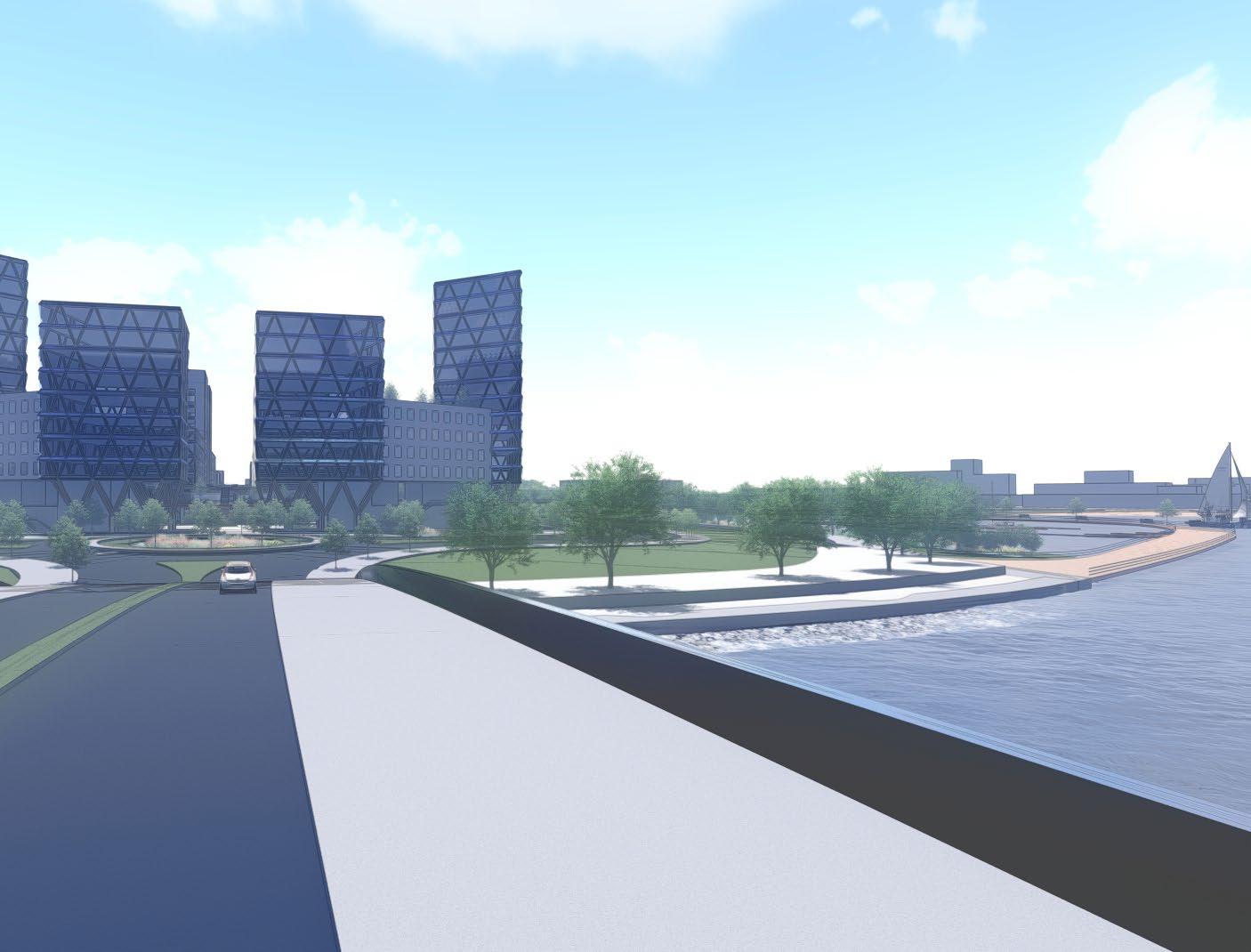
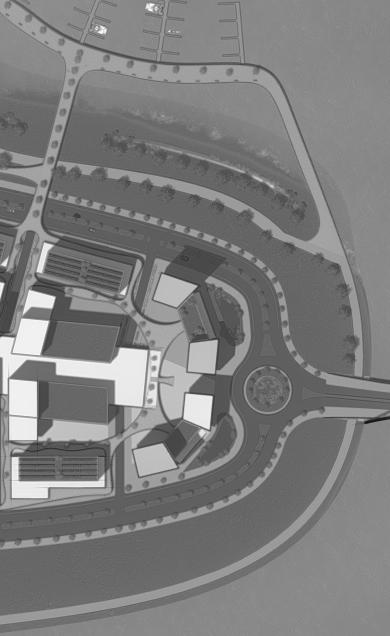
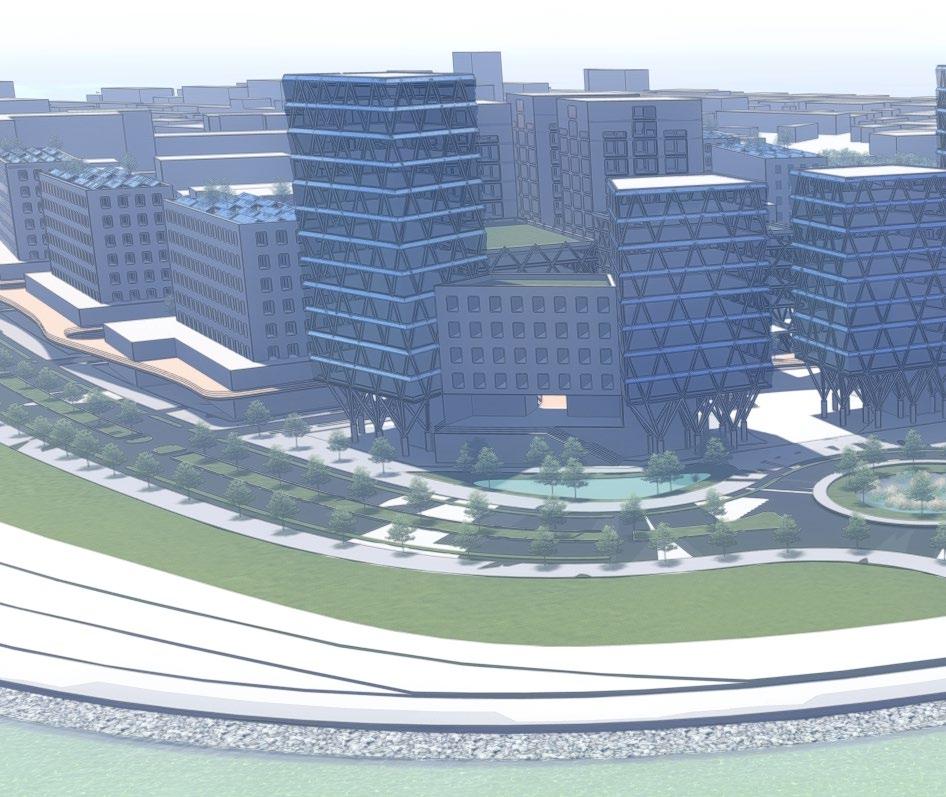
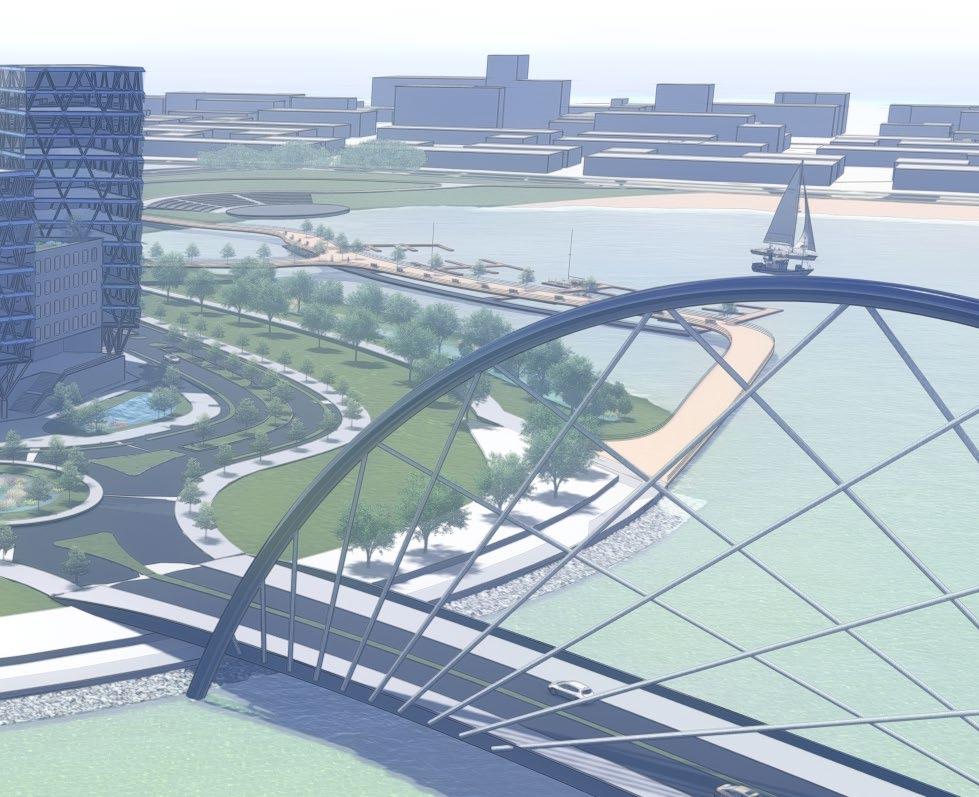
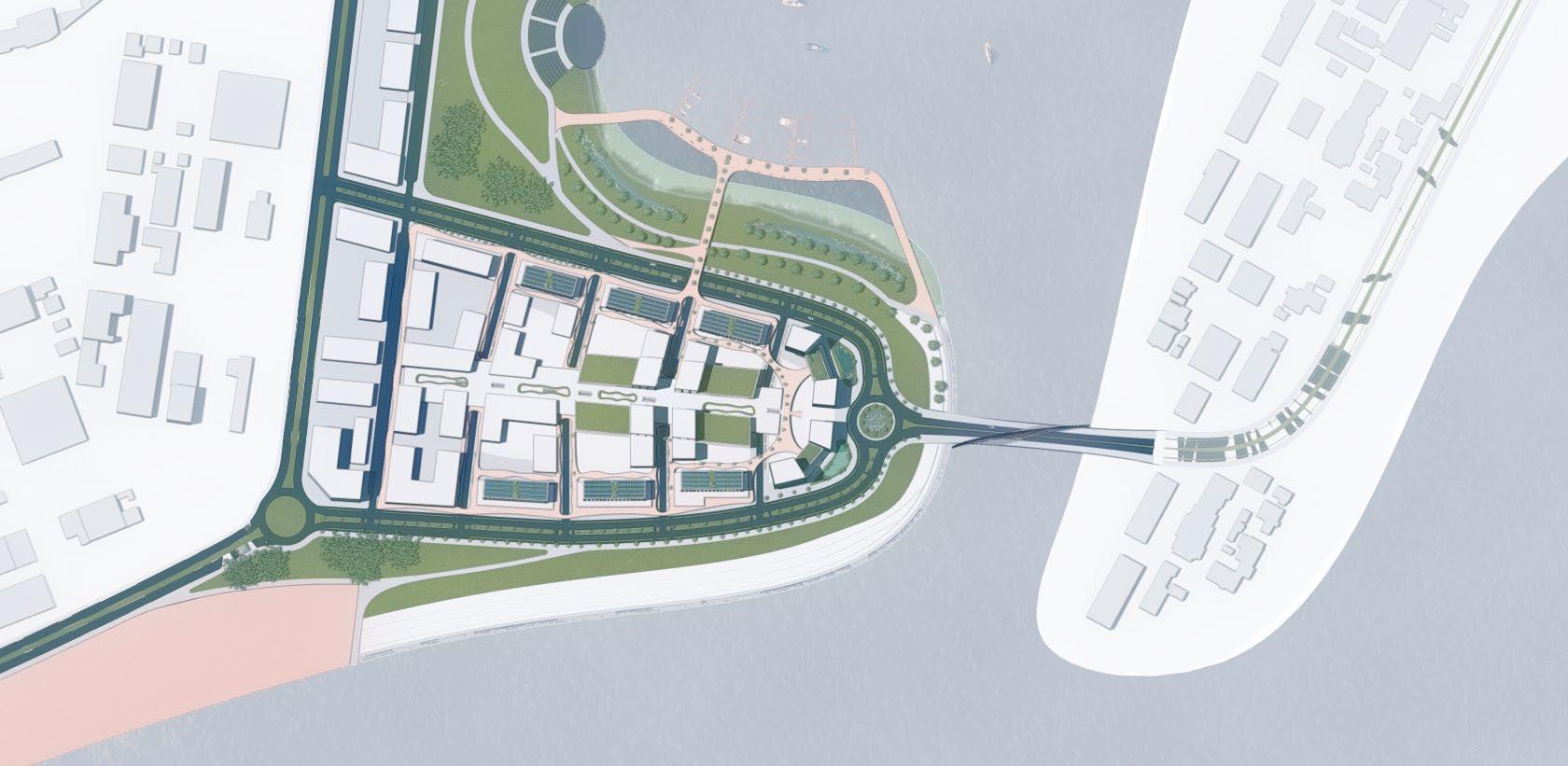
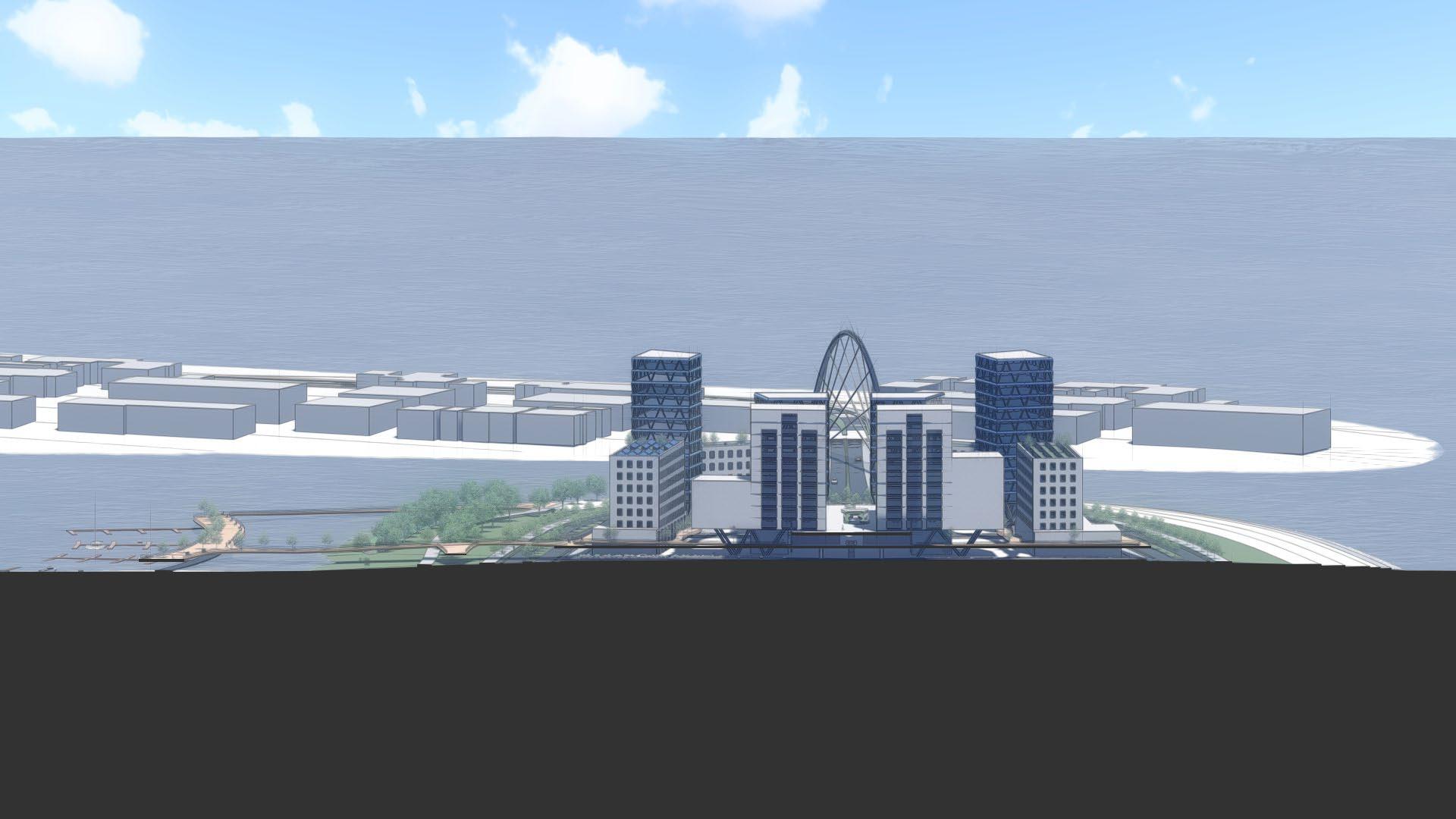
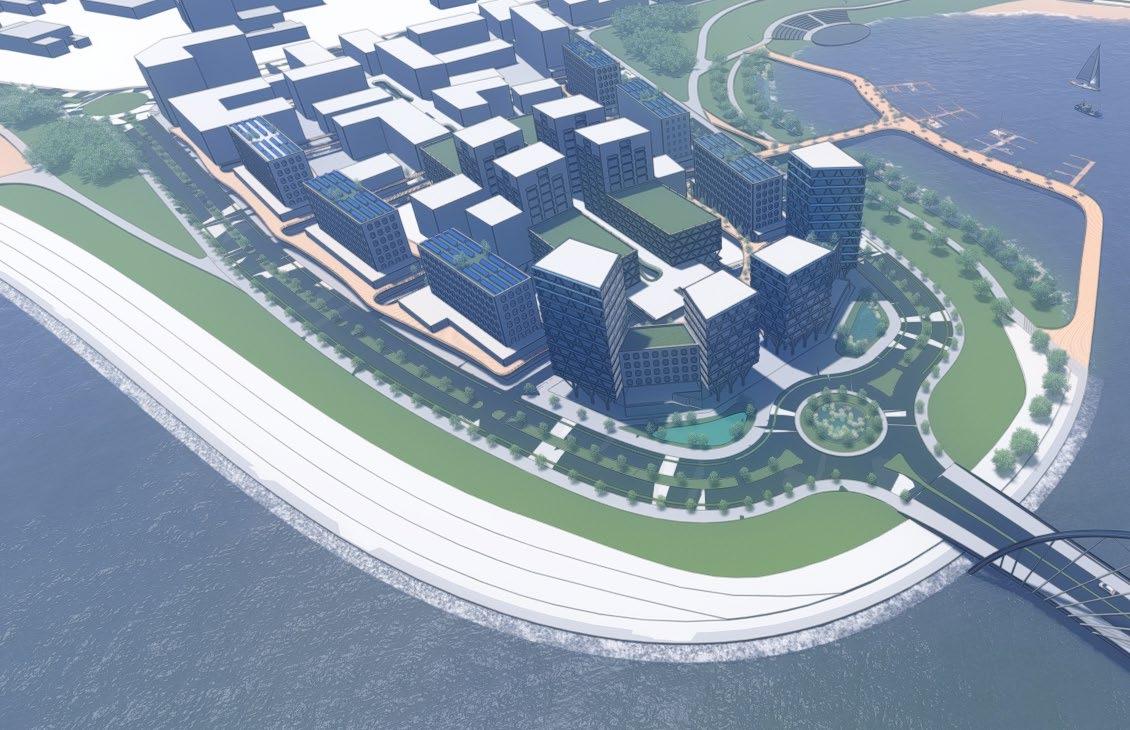
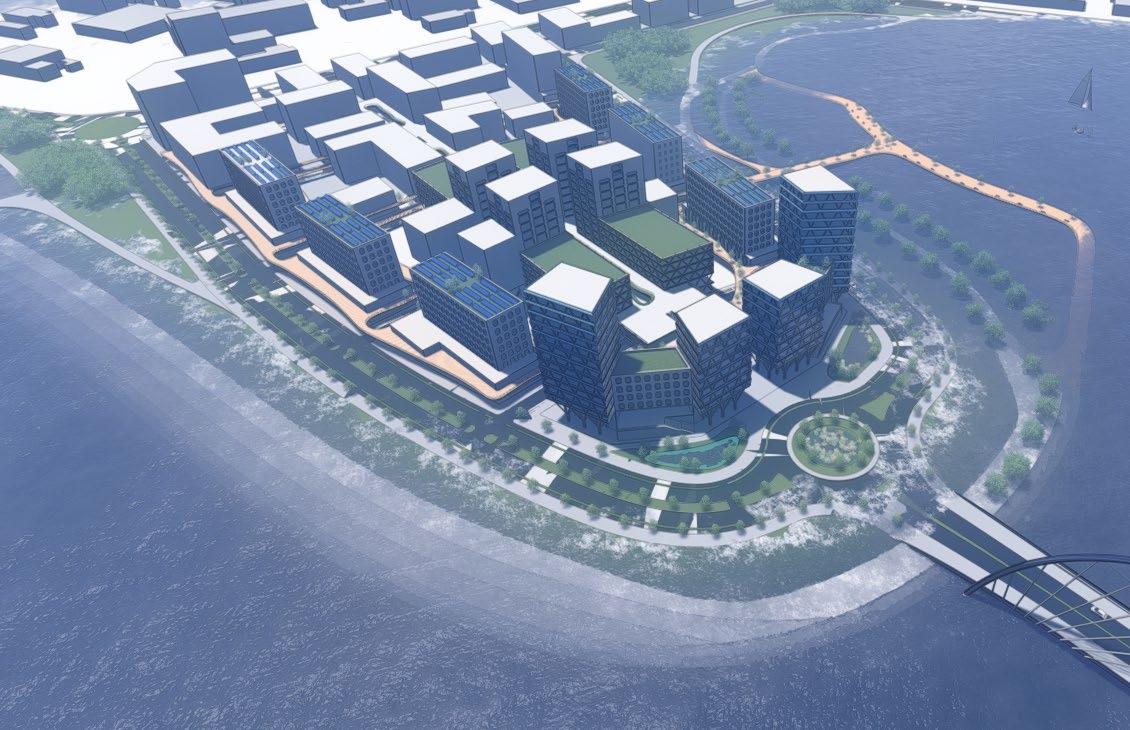
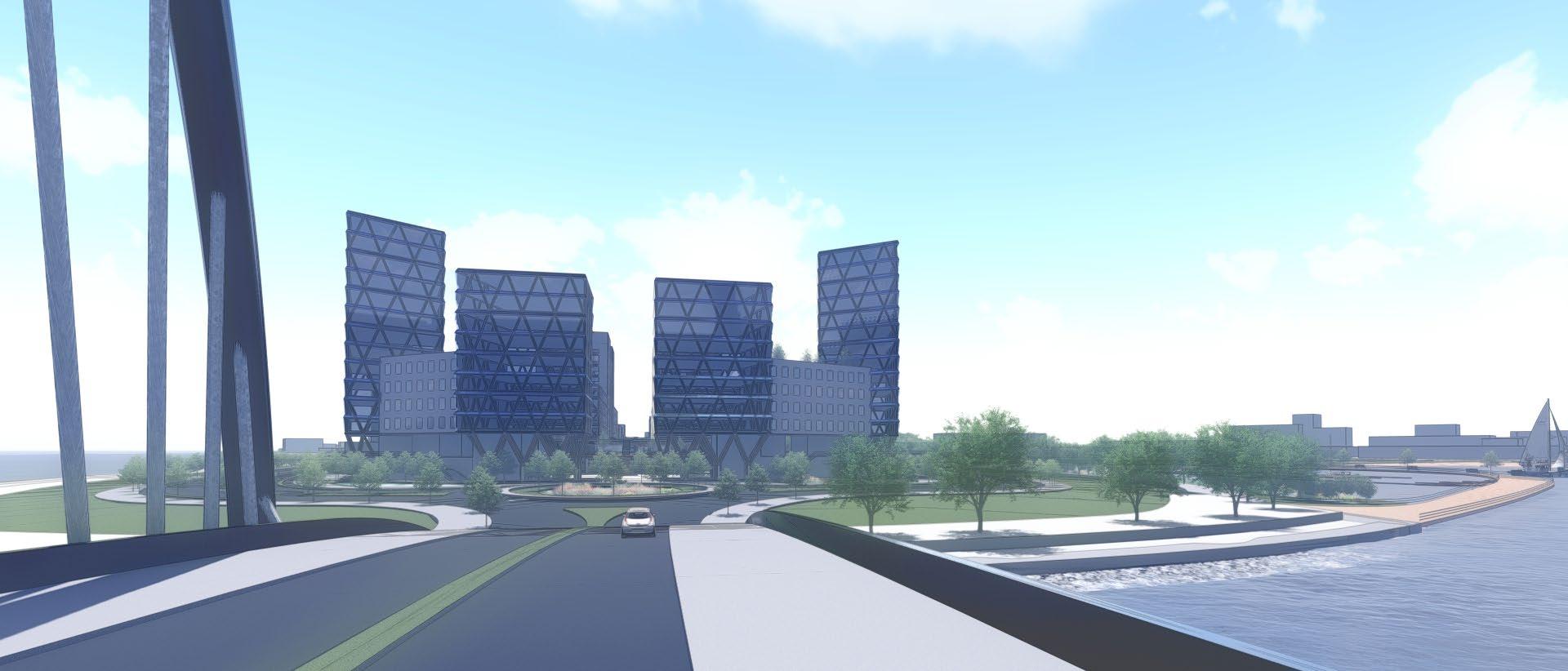
The Bay of the Coast is using and designing land to protect land. This condition can be repeated several times along the coast in areas that need it, especially in areas with low topography. The land is dug out and used to build a bay condition that reaches out into the water. While there is development all along these new bay conditions, sustainable high-density development are built on the peninsulas, which act as defensible walls to protect development in the inner bay. On the inner part of the bay is a living shoreline with living breakwaters for aquaculture while on the outer part of the bay is a hardened shoreline that can contain beaches. The calmer waves in the inner part of the bay allow for boats to set off from the piers. The living shoreline contains bioretention ponds for stormwater management
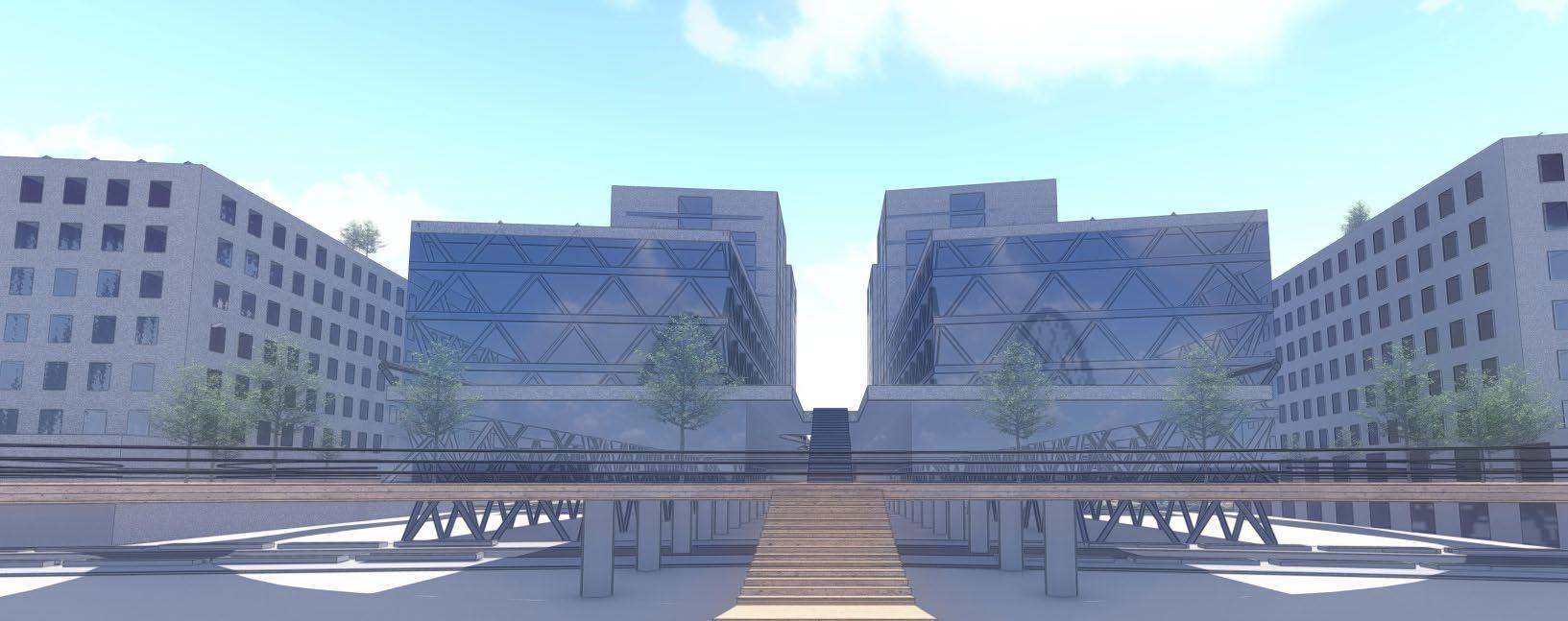
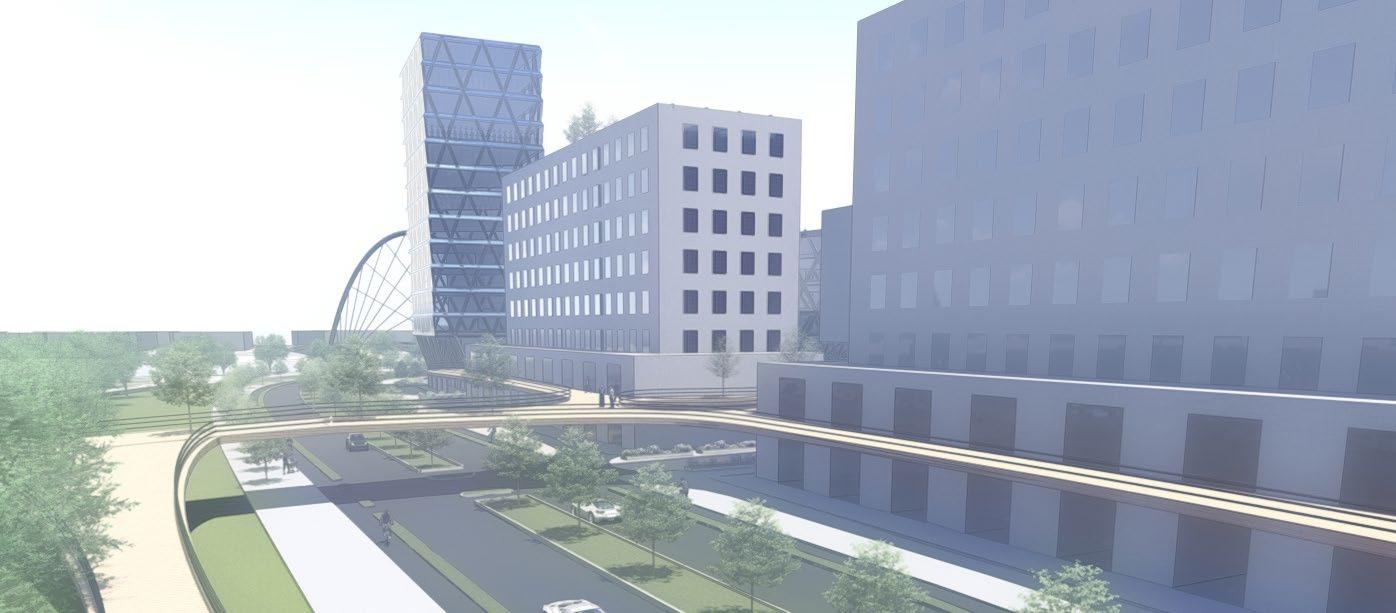
as well as adding some nature into the high-density development. There is two planes of living: the ground plane and an elevated plane. The ground plane is floodable while the elevated plane is protected. The first level of all the development is designed to be able to flood while the rest of the development is safe from storm surges. Along all the streets, there are bioswales for additional stormwater management. There are walks and parks all around the peninsula while a beach can exist in portions. The midrise high-density development will include BlueTech companies, dense residential, shops, and other businesses. Additionally, many of the buildings will have green roof and solar panels to help improve the quality of living in the bay area. This site activates several planes of living.
4
5






Stormwater Management Ground Circulation FLOOD PLAIN MASSING Base 5’ Innundation 0’ Innundation


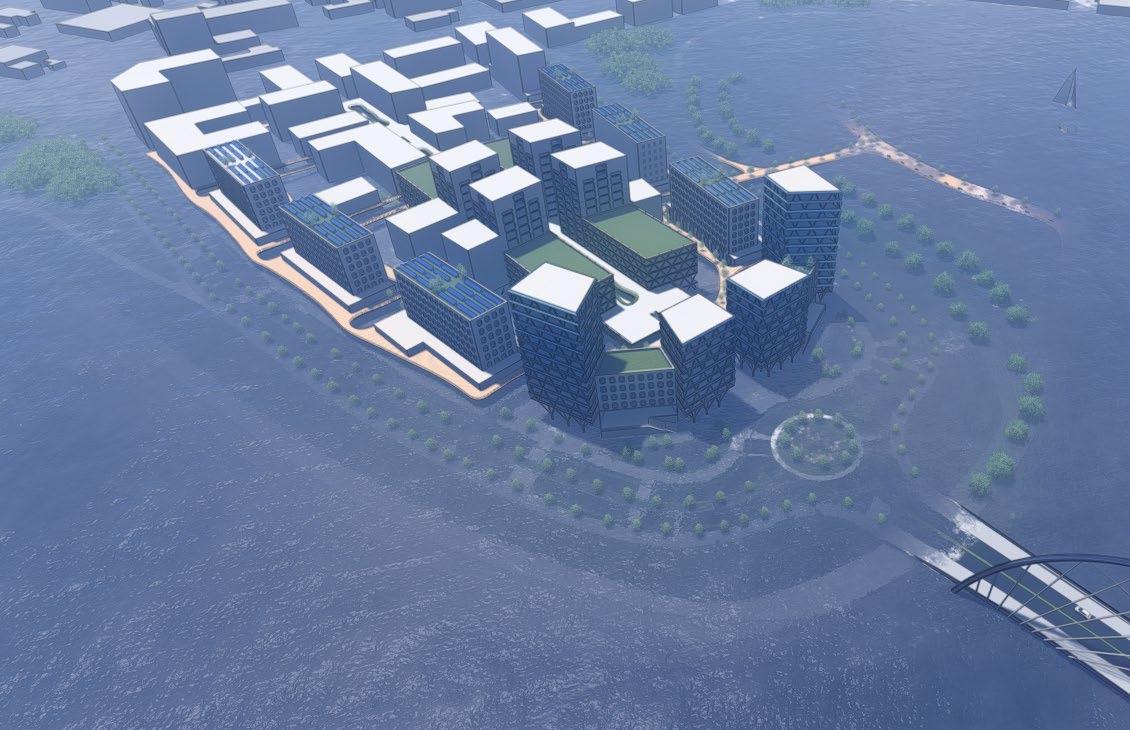
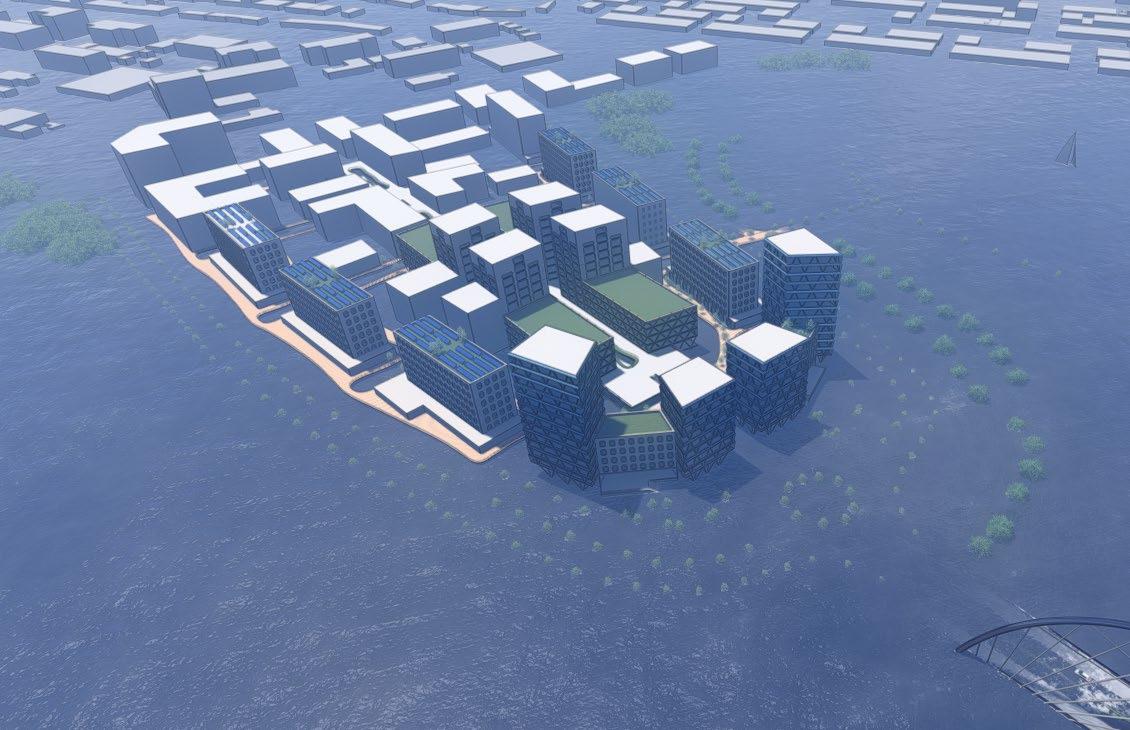


High-Density Development Elevation Circulation 25’ Innundation 15’ Innundation
GREEN ROOFS

While some buildings have bisolar green roofs, other have an intensive green roof to allow for additional stormwater management in high-density living. Green roofs are a good design strategy to passively cool a building. It also adds to the asthetic of the building. Water falls on the roof and is soaked up by vegetation.
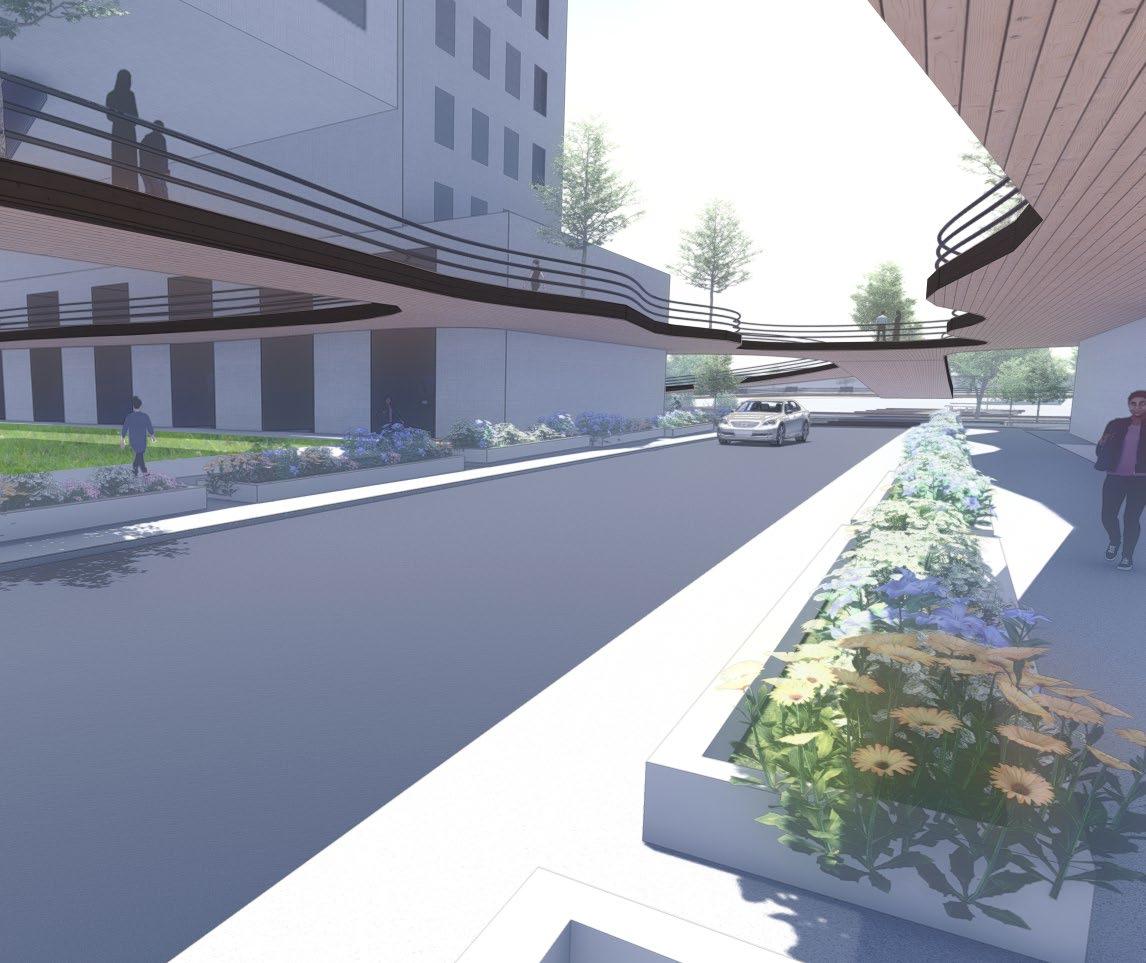
SIDEWALK BIOSWALES
Alongside all the sitewalks and medians are bioswale that help with the stormwater management. The bioswale planters hold a variety of vegetation, bringing beauty and biodiversity into the site. They can hold up to 1’ to 1.5’ feet of water.
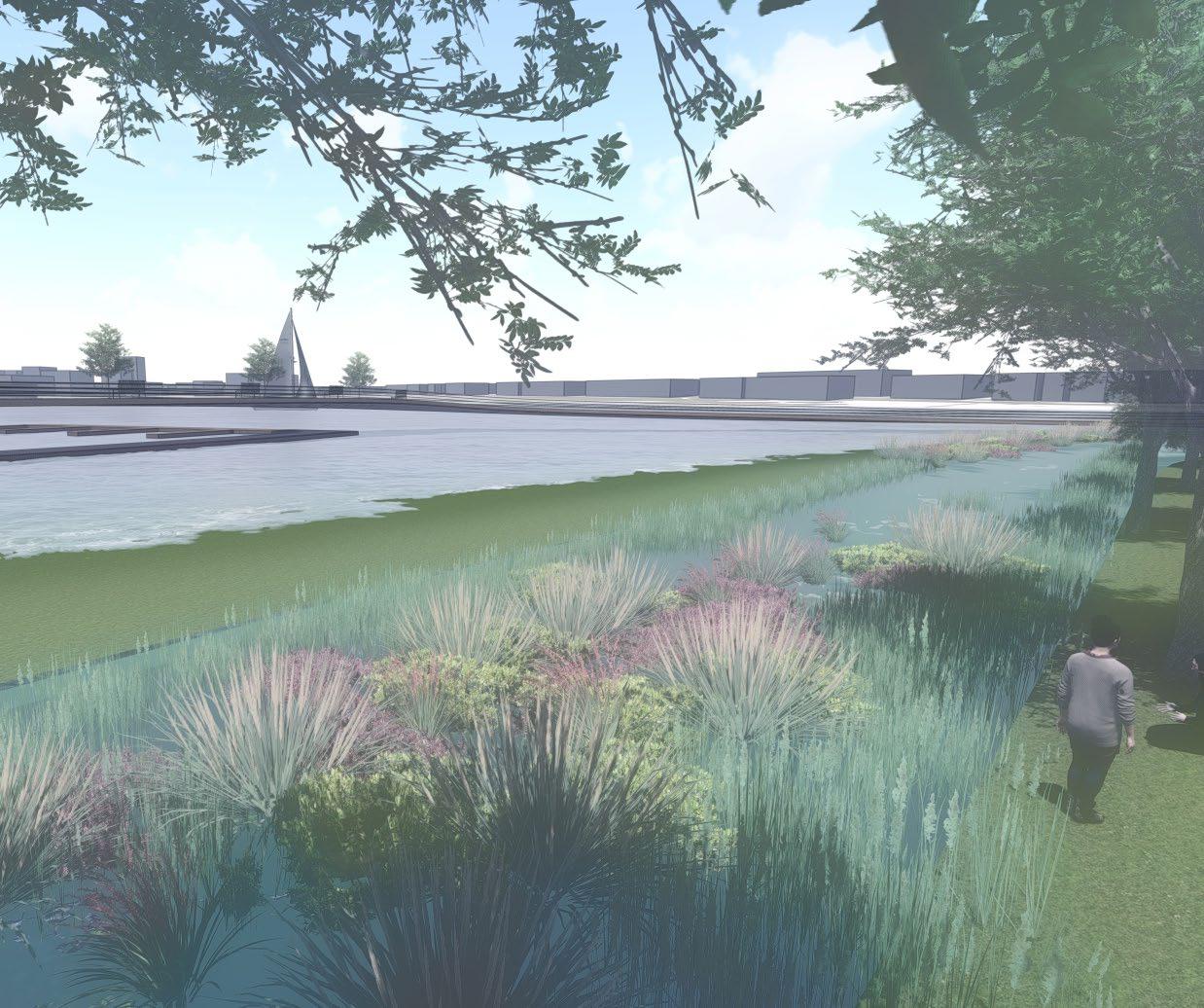
BIORETENTION POND
On the north side and in the living shoreline, there are two large bioretention ponds. Storm water on the site will mainly drain into these ponds.
8
9
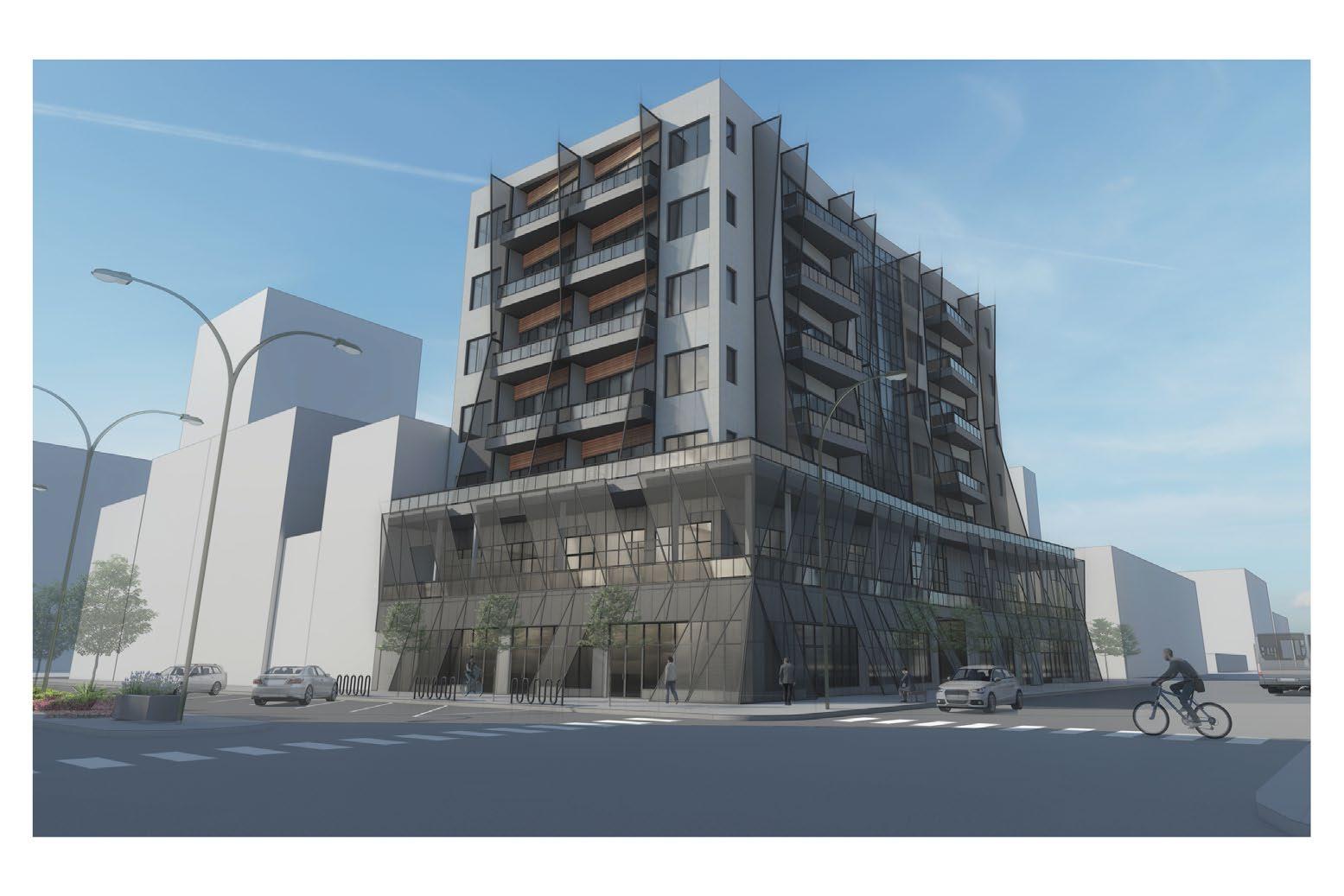
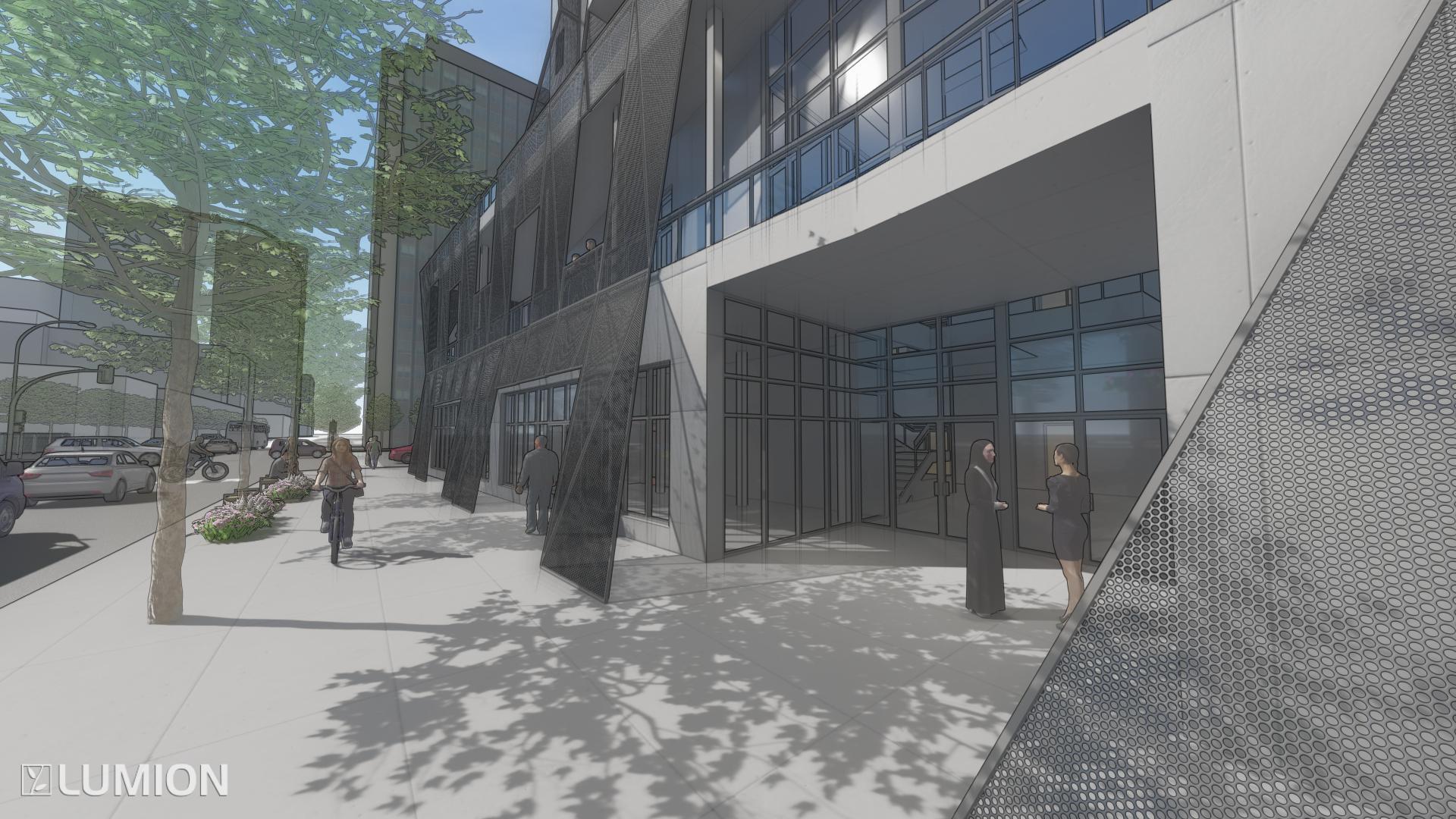
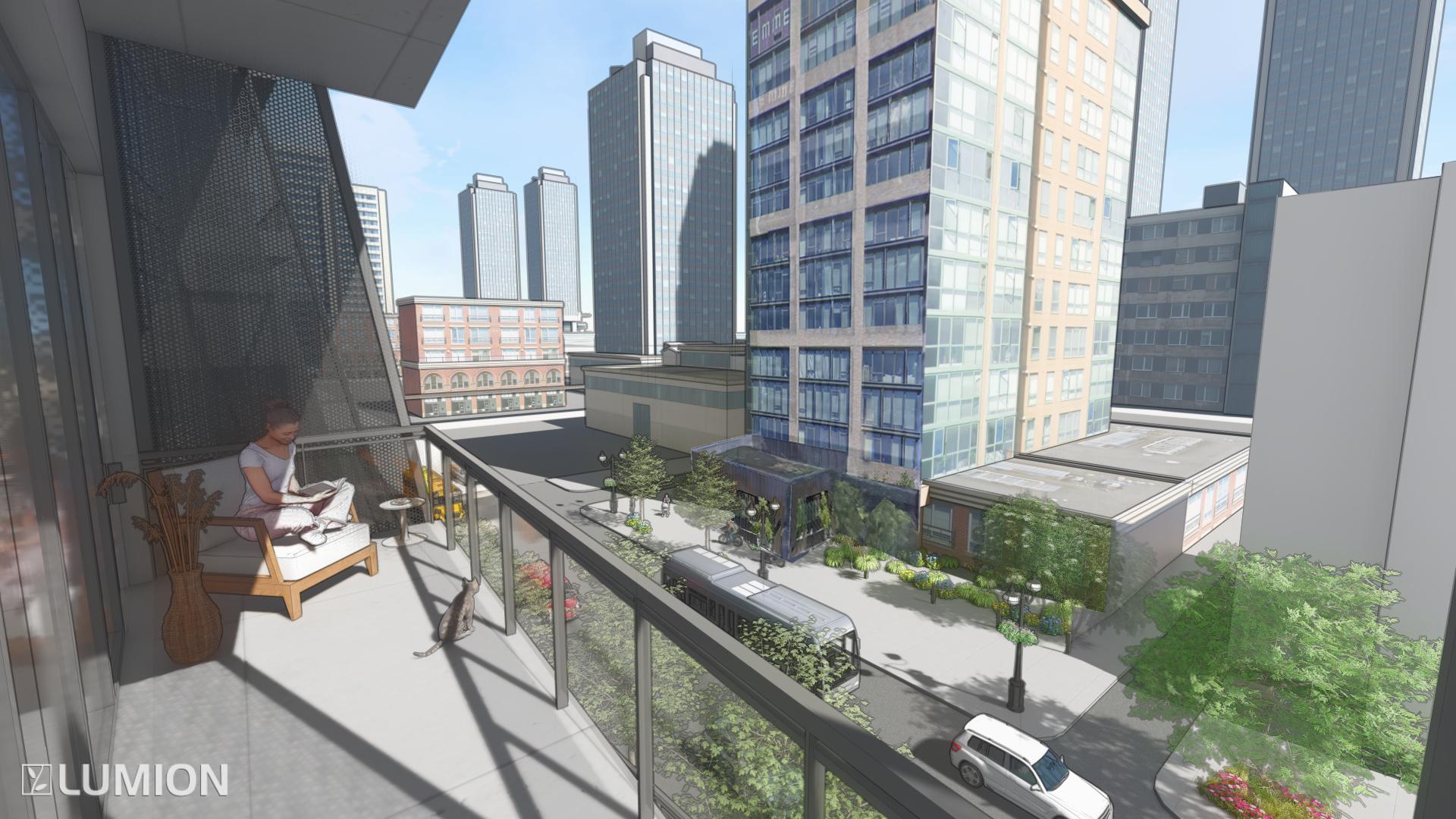
CHICAGO MIXED-USE RESIDENTAL
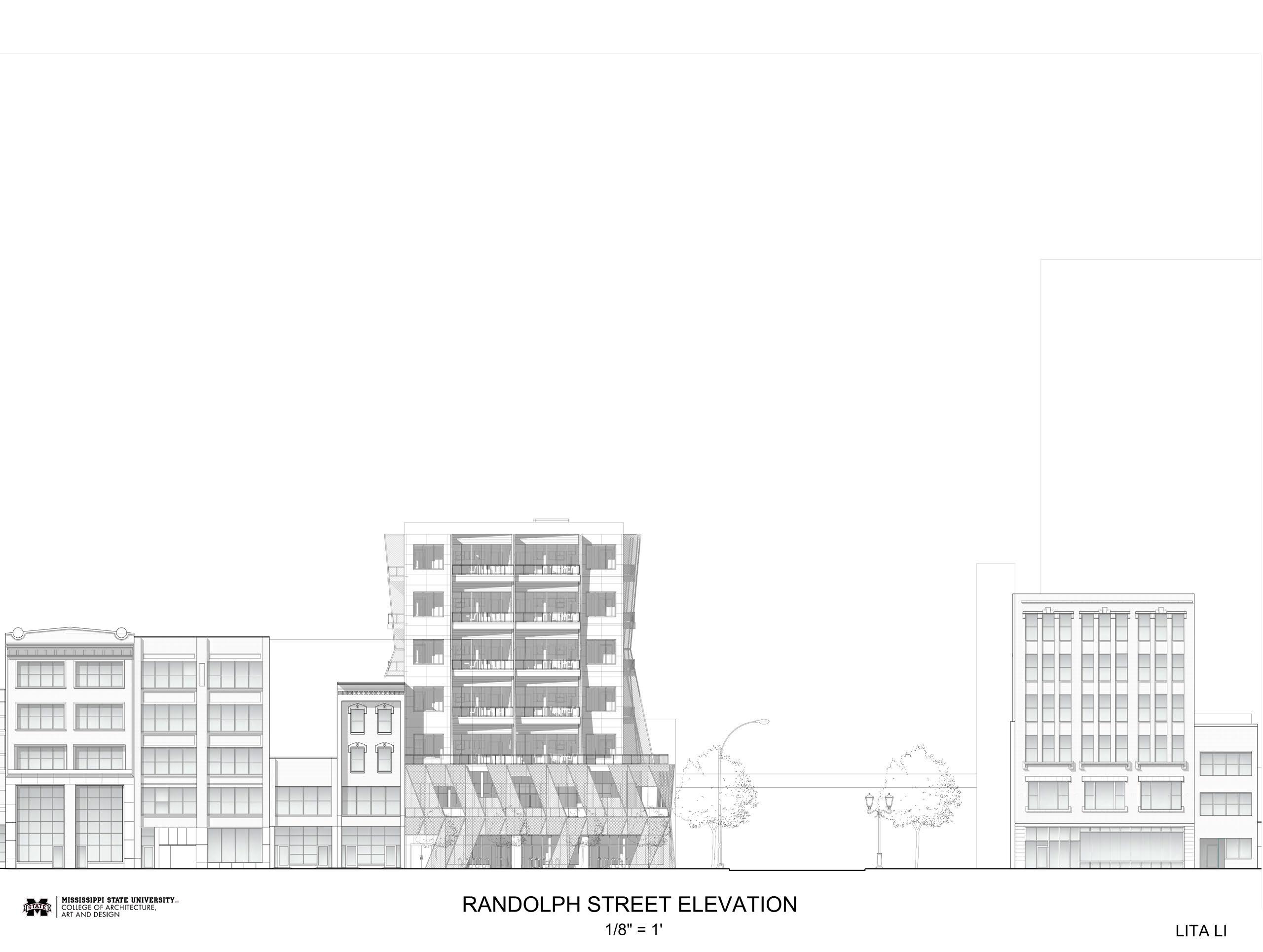

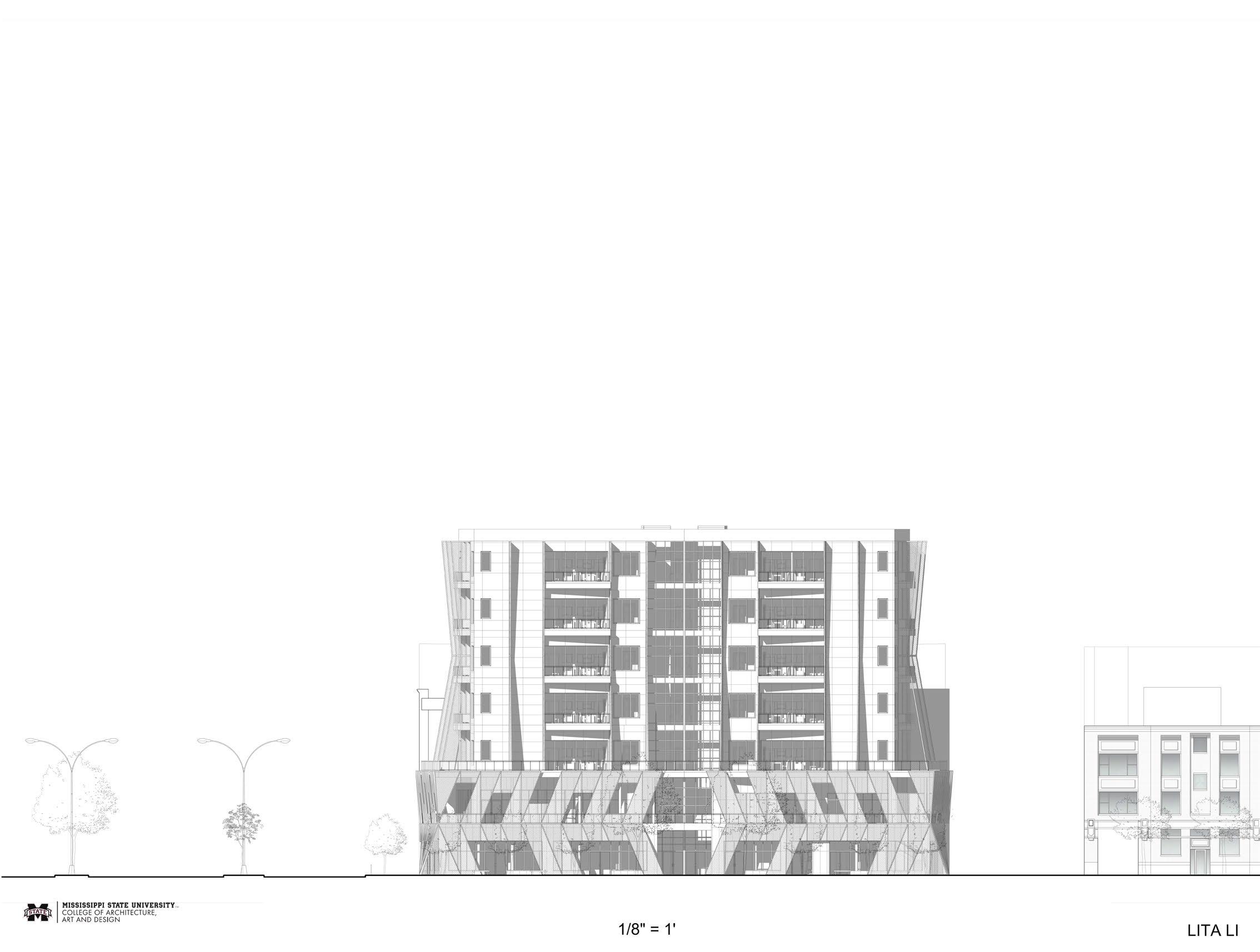 Randolph Street Elevation
Des Plaines Street Elevation
Randolph Street Elevation
Des Plaines Street Elevation
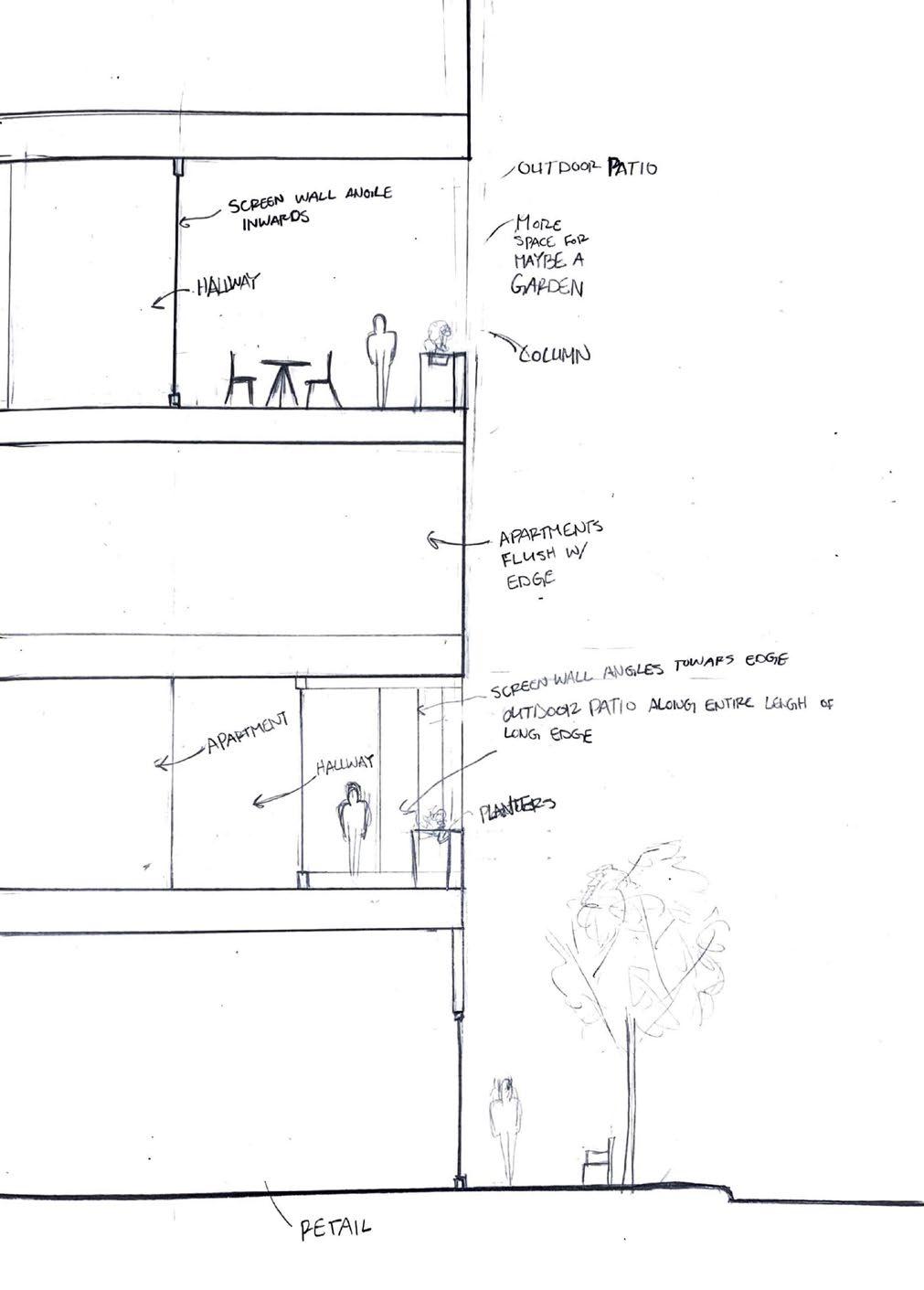
Conceptual Section Cut
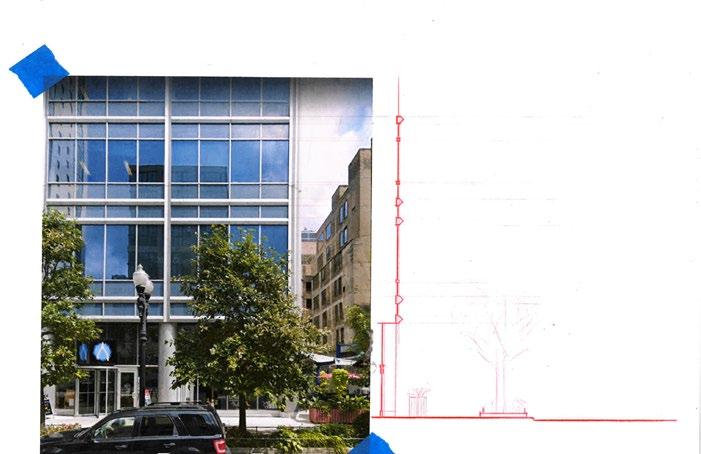
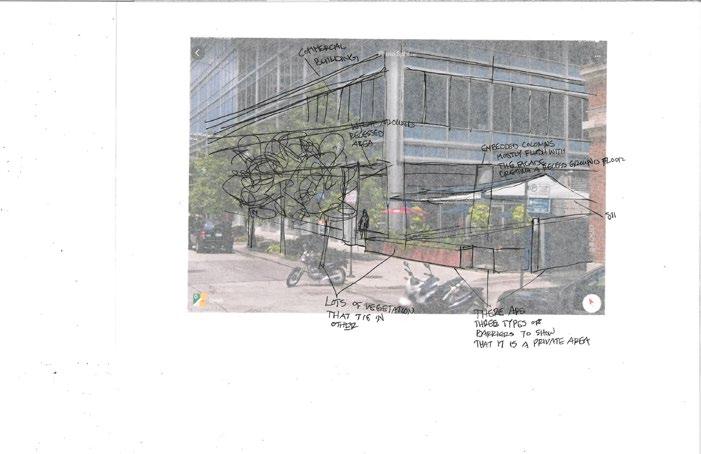

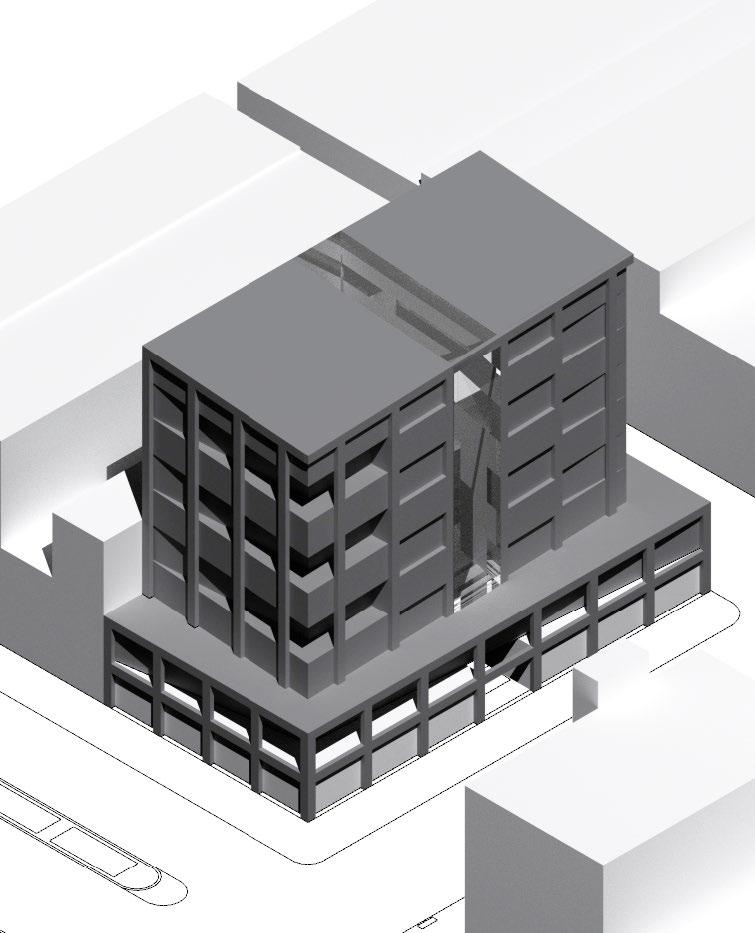
Initial Massing Design
12
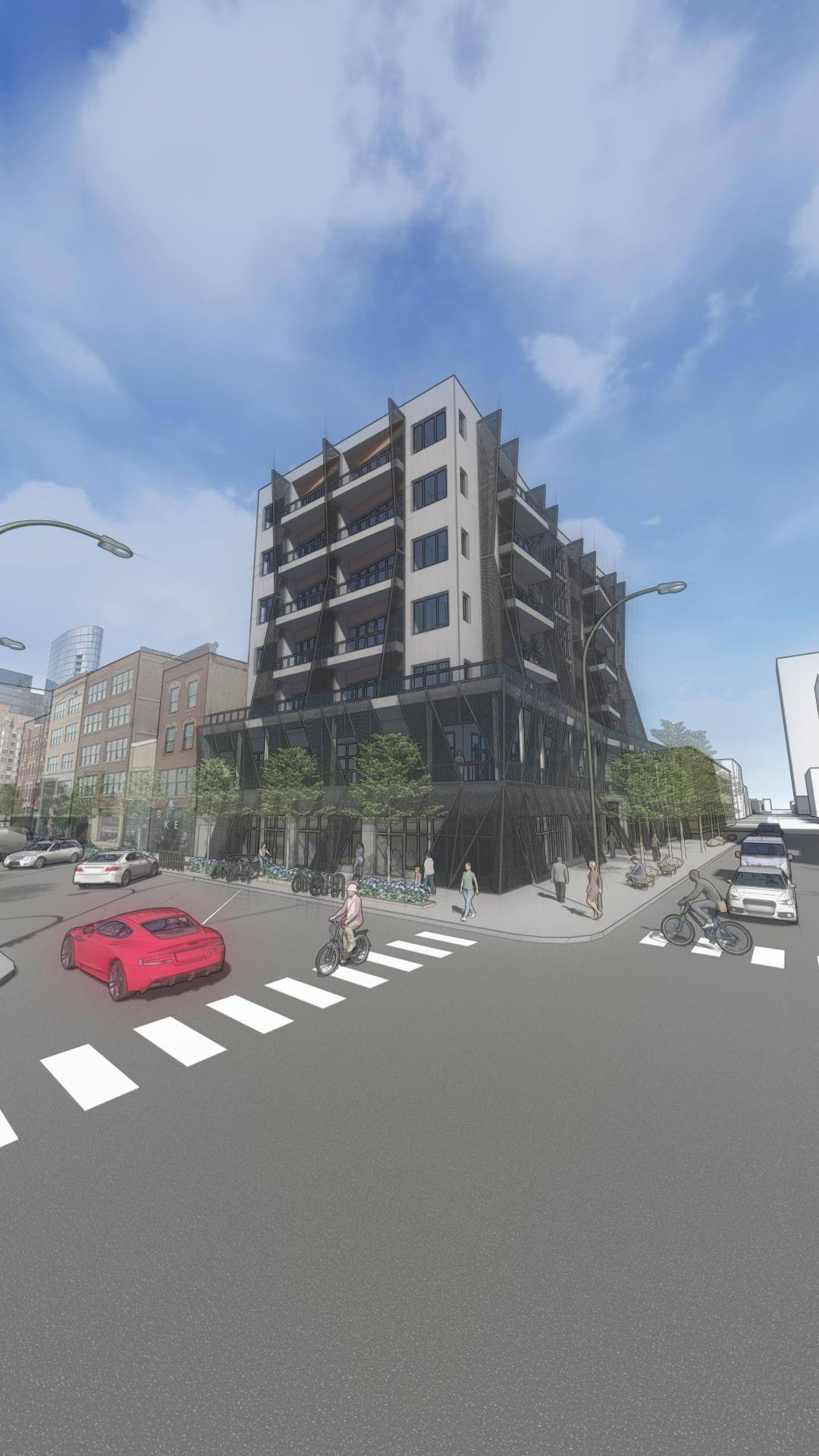
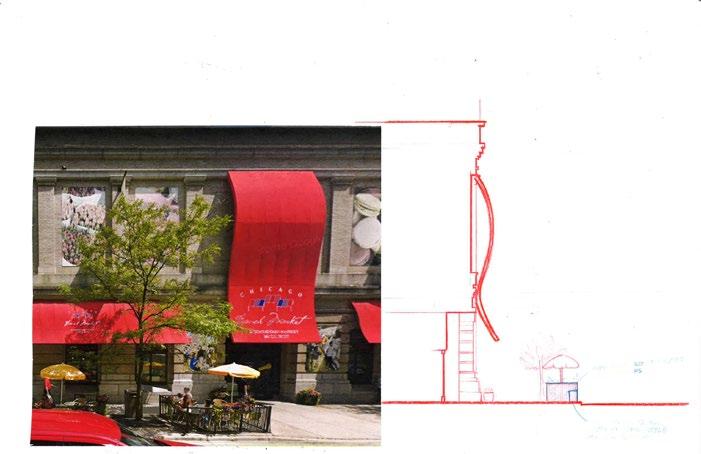
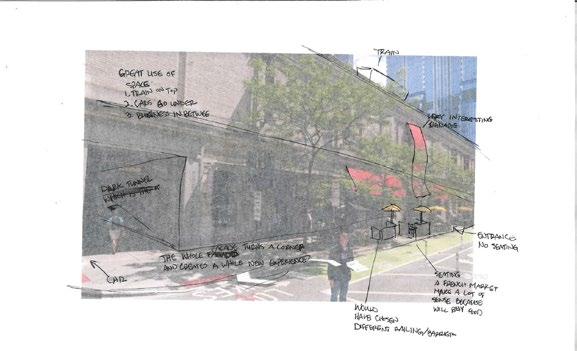
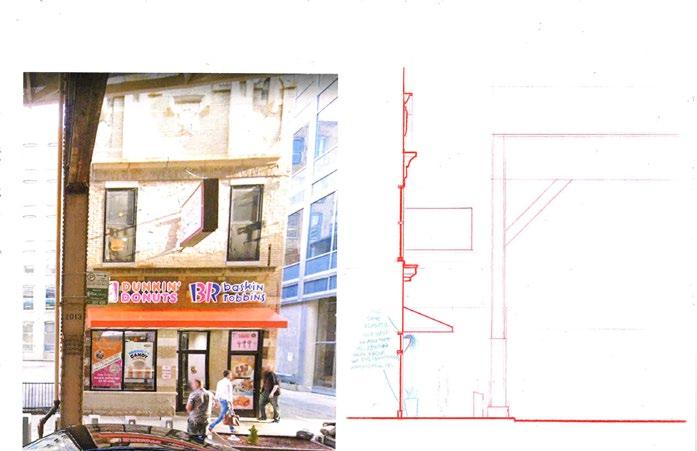
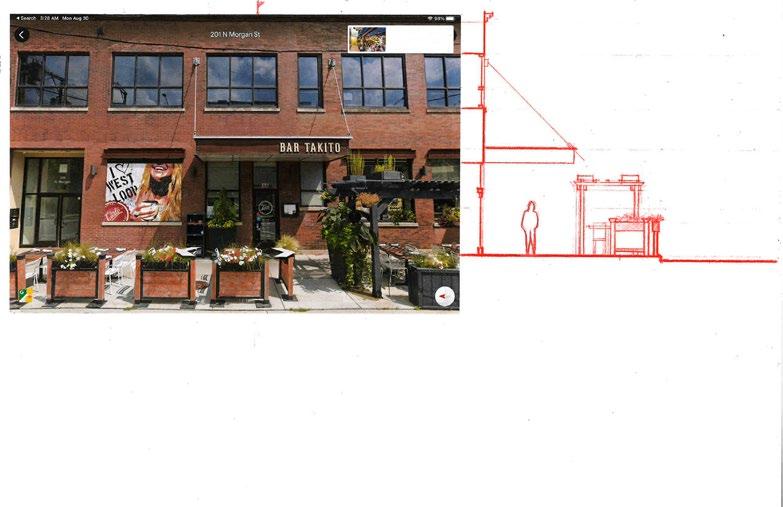
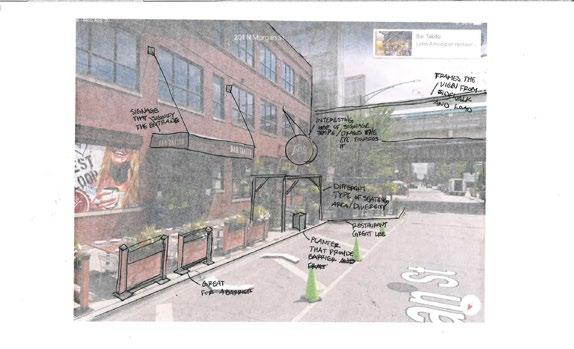
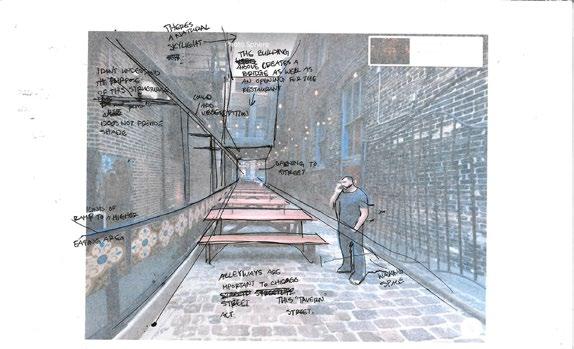
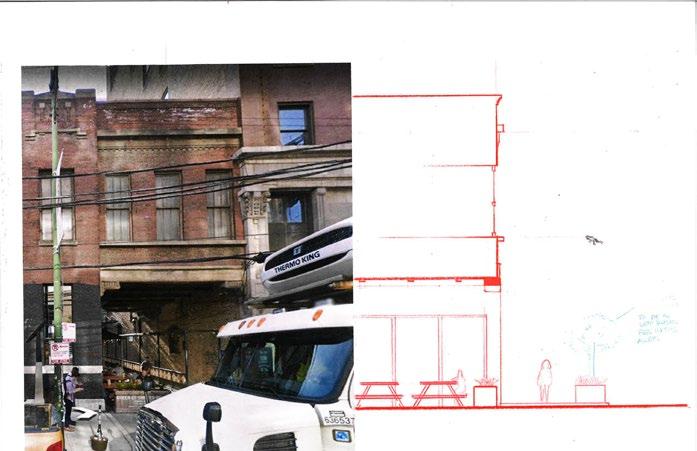
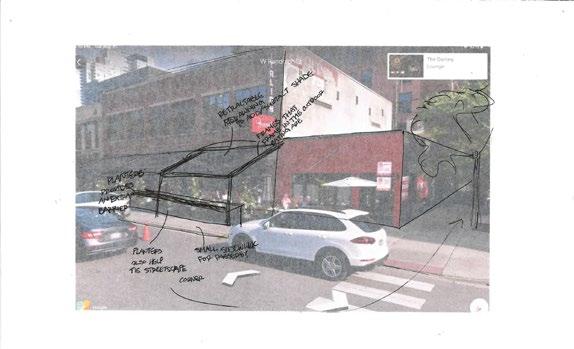
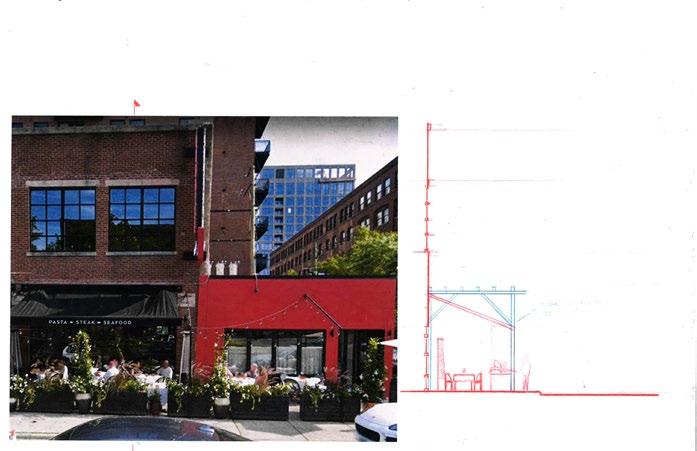
Streetscape Study





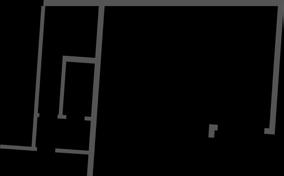





























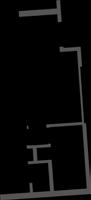


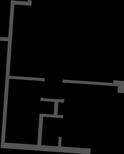


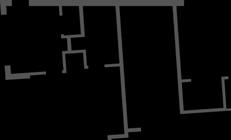

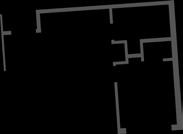



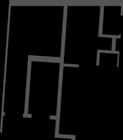



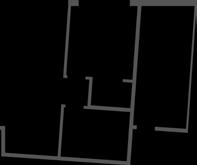












13 1 AA 1 2 3 4 5 6 7 8 16 15 14 13 12 11 10 9 N M L K J I H G F E D C B A G F E D C B A N M L K J I H OFFICE OFFICE RETAIL COMMUNITY SPACE RESTAURANT MECH ROOM ELEC ROOM TRASH ROOM JANITOR SECOND LEVEL FLOOR PLAN 1/8" = 1' LITA LI 1 2 3 4 5 6 7 8 16 15 14 13 12 11 10 9 N M L K J I H G F E D C B A G F E D C B A N M L K J I H 1 AA RETAIL RETAIL RETAIL RETAIL RETAIL LOBBY BIKE STORAGE MAIL ROOM MECH ROOM ELEC ROOM KITCHEN STORAGE SERVICE HALL RESTAURANT GROUND LEVEL FLOOR PLAN 1/8" = 1' N 1 AA 1 2 3 4 5 6 7 8 16 15 14 13 12 11 10 9 N M L K J I H G F E D C B A G F E D C B A M L K J I H UNIT LEVEL FLOOR PLAN 1/8" = 1' LITA LI Unit Level Floor Plan Ground Level Floor Plan Second Level Floor Plan

14
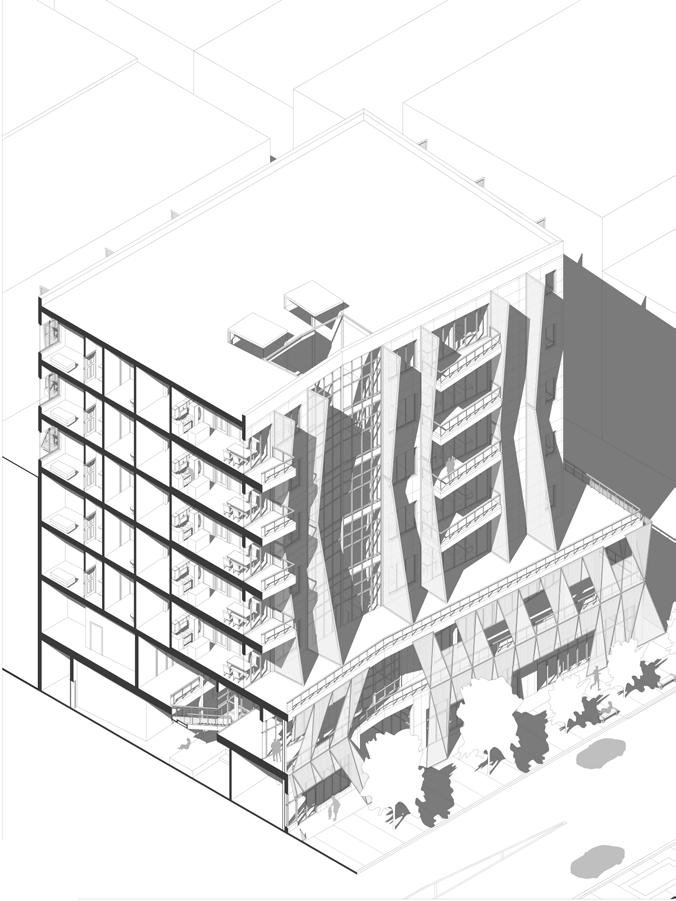
Sectional Axon
Commerical Level
Ground Level
15
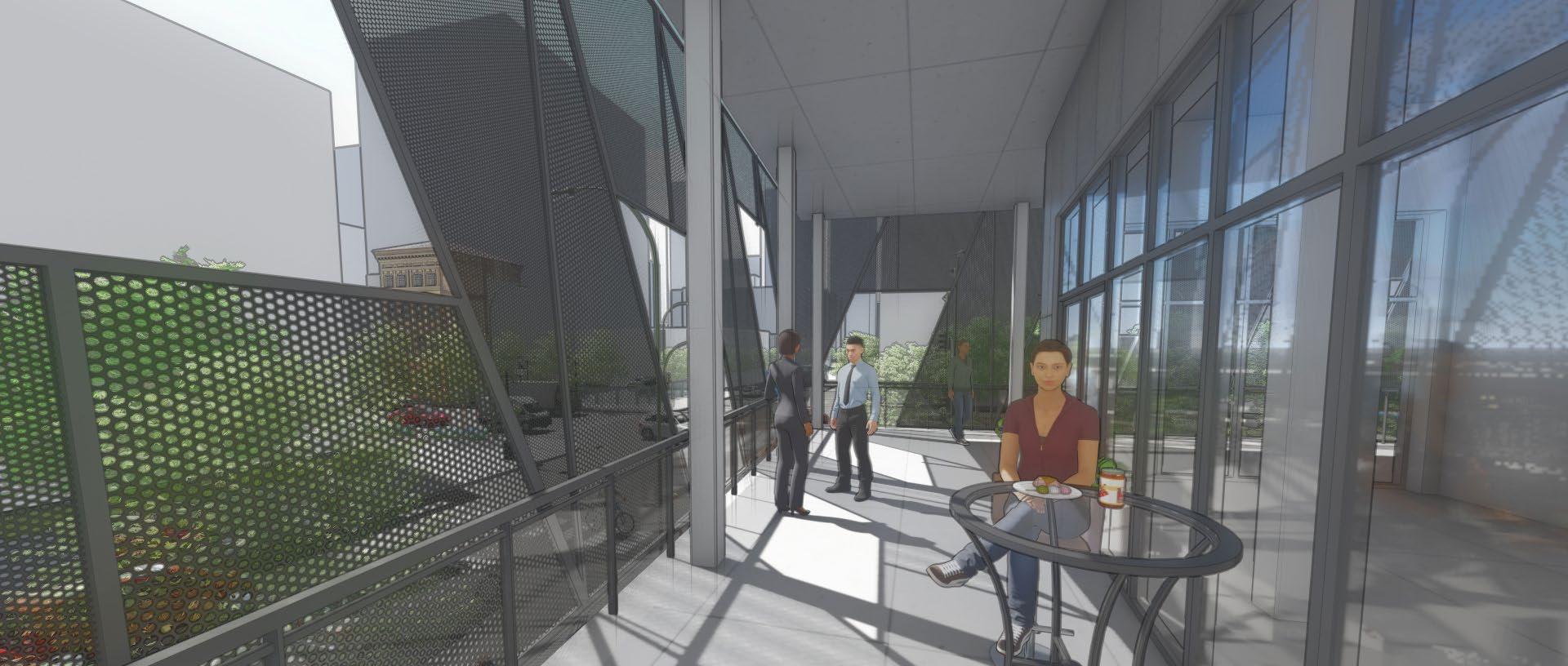
Unit Balcony
HABITAT FOR HUMANITY HOUSING
Spring 2022
Team Project: Jenny Hutton and Lita Li
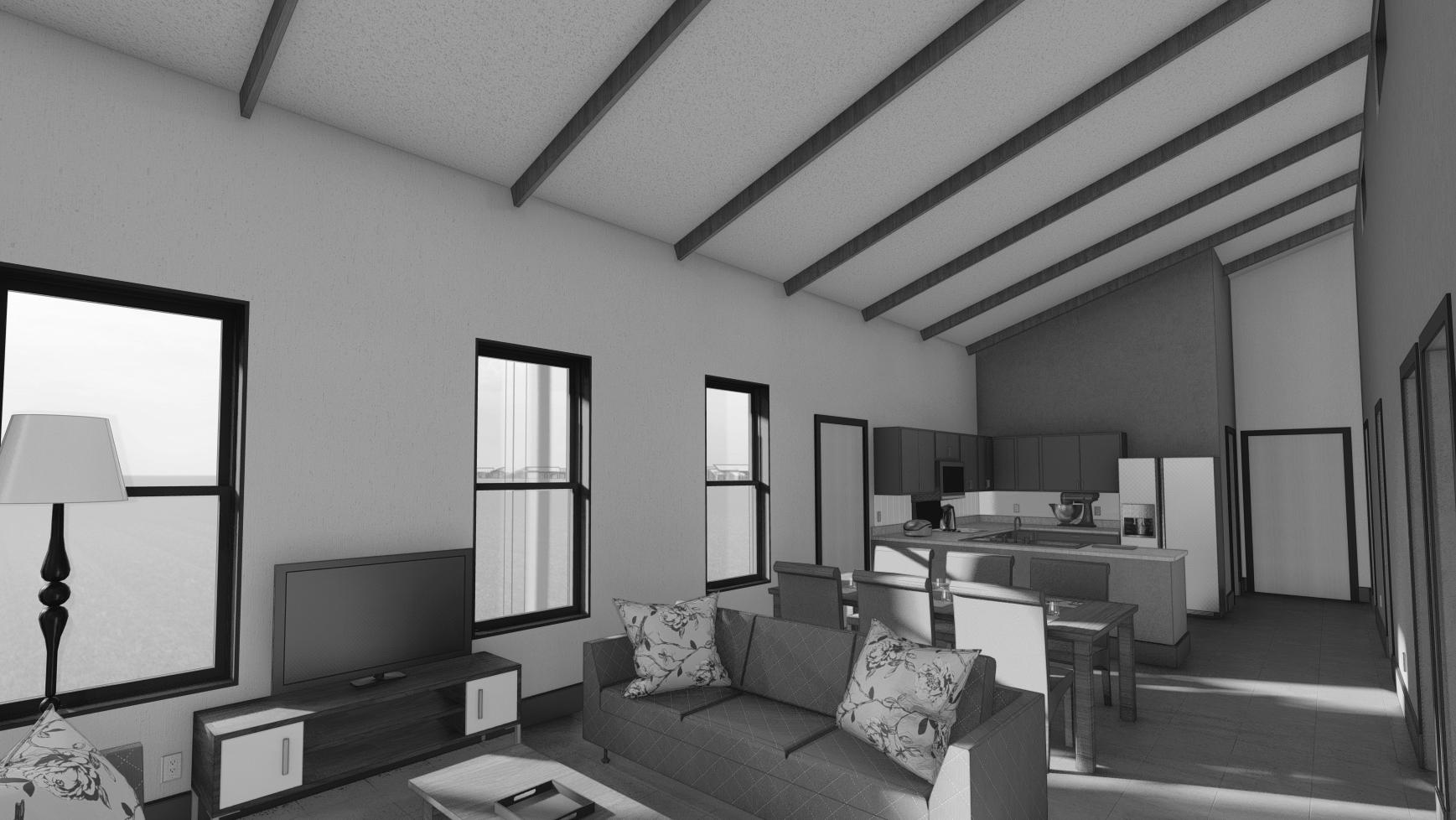
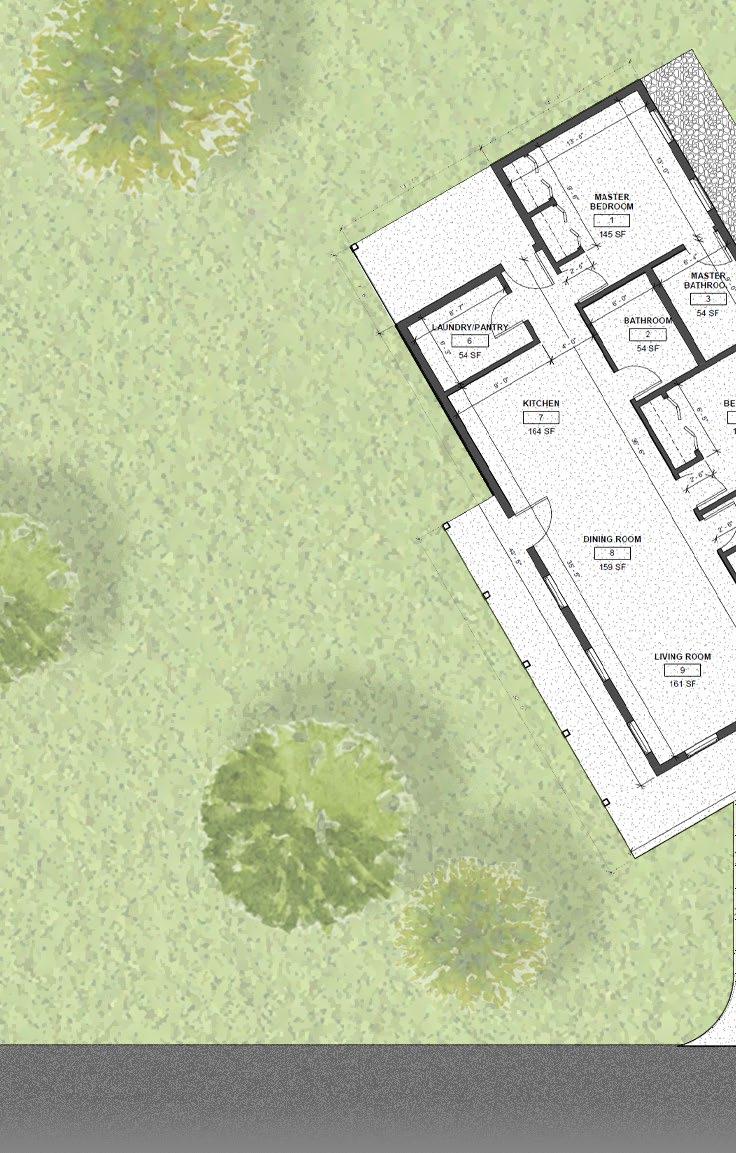
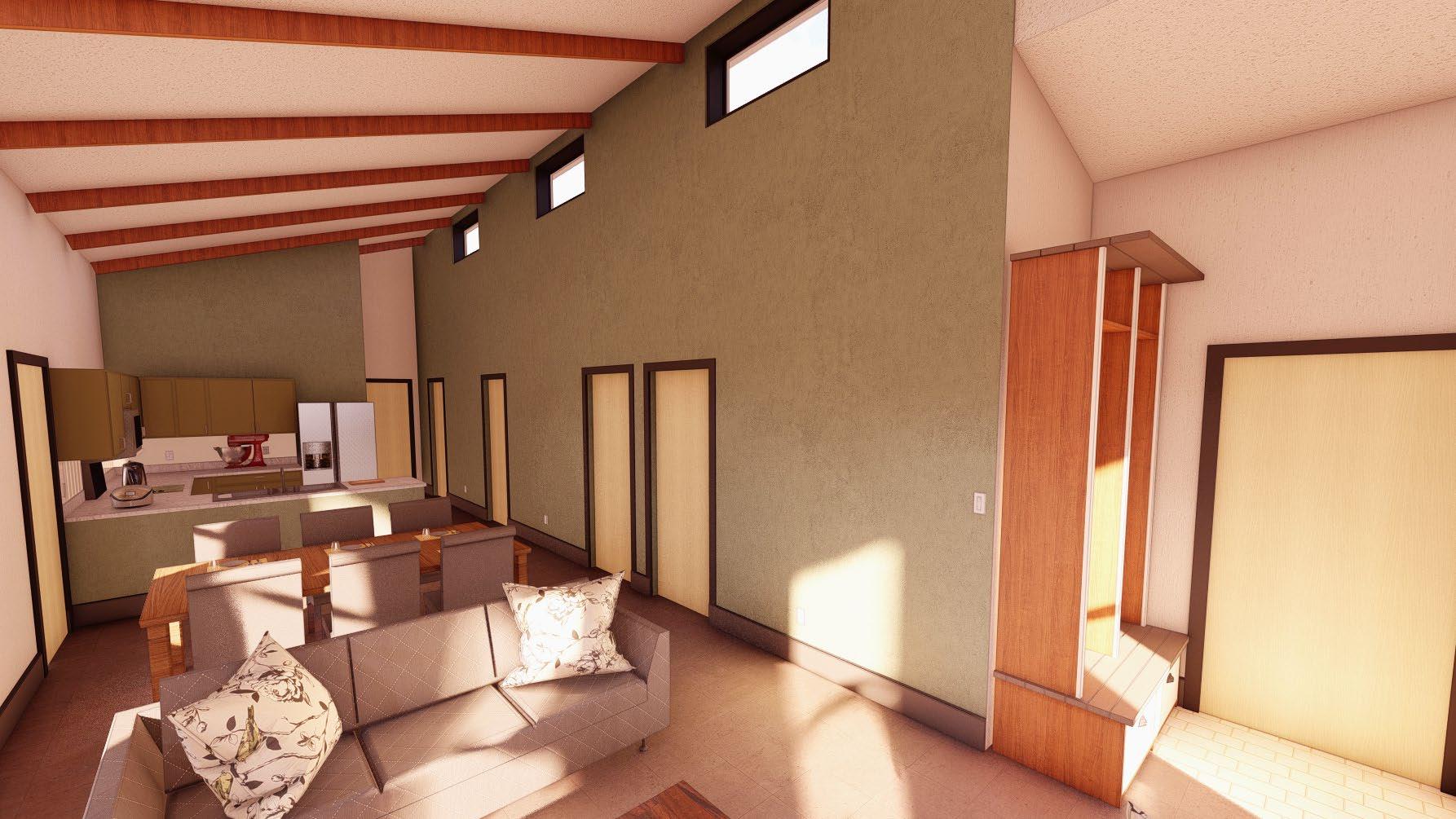
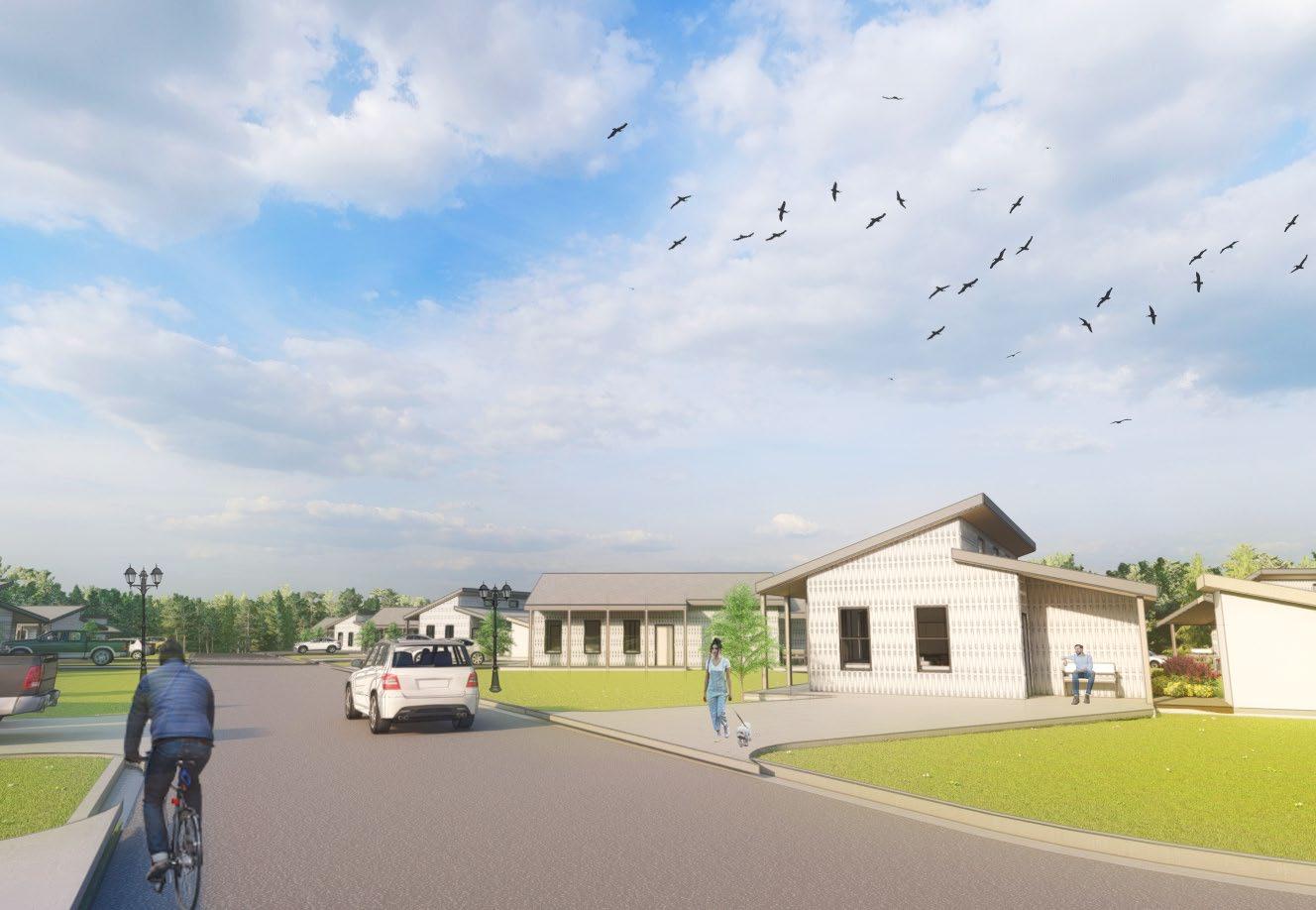
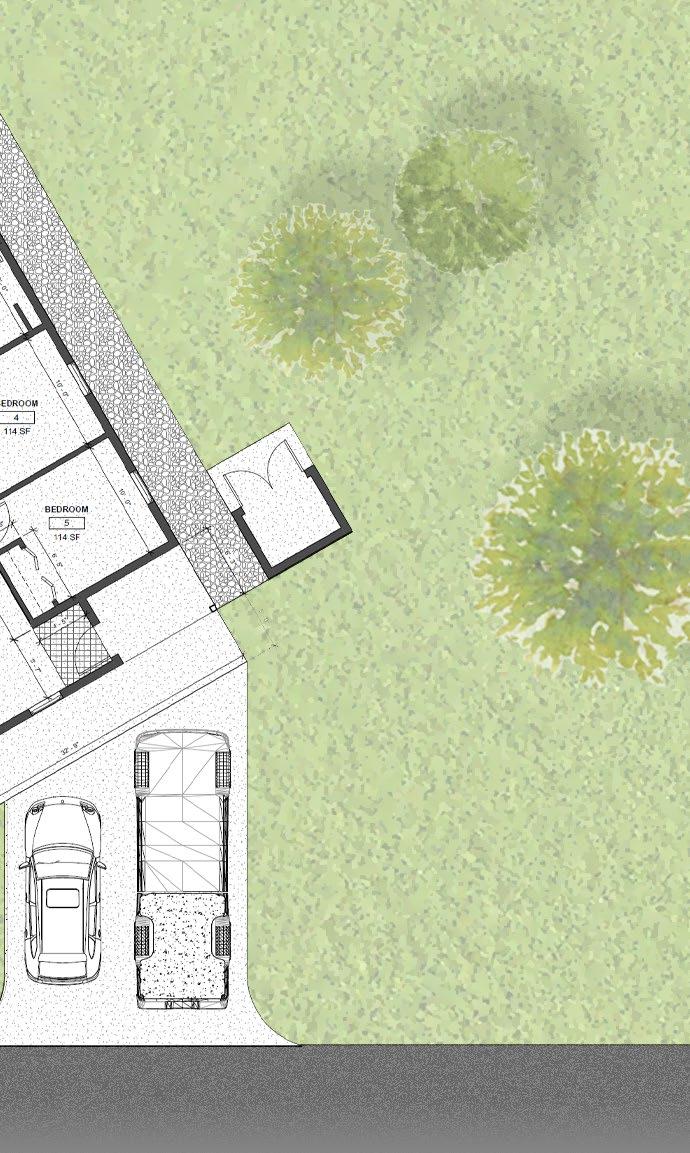
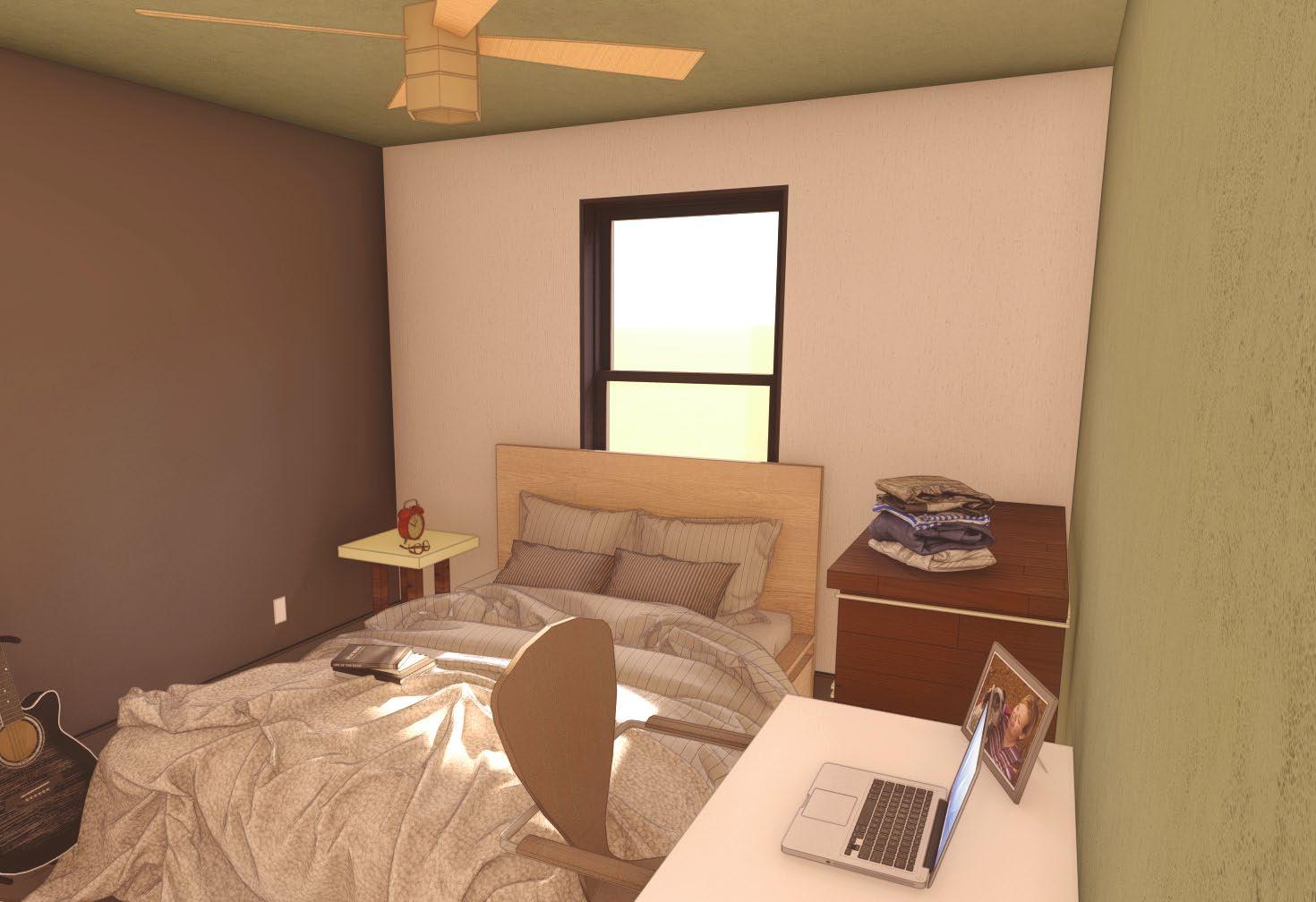
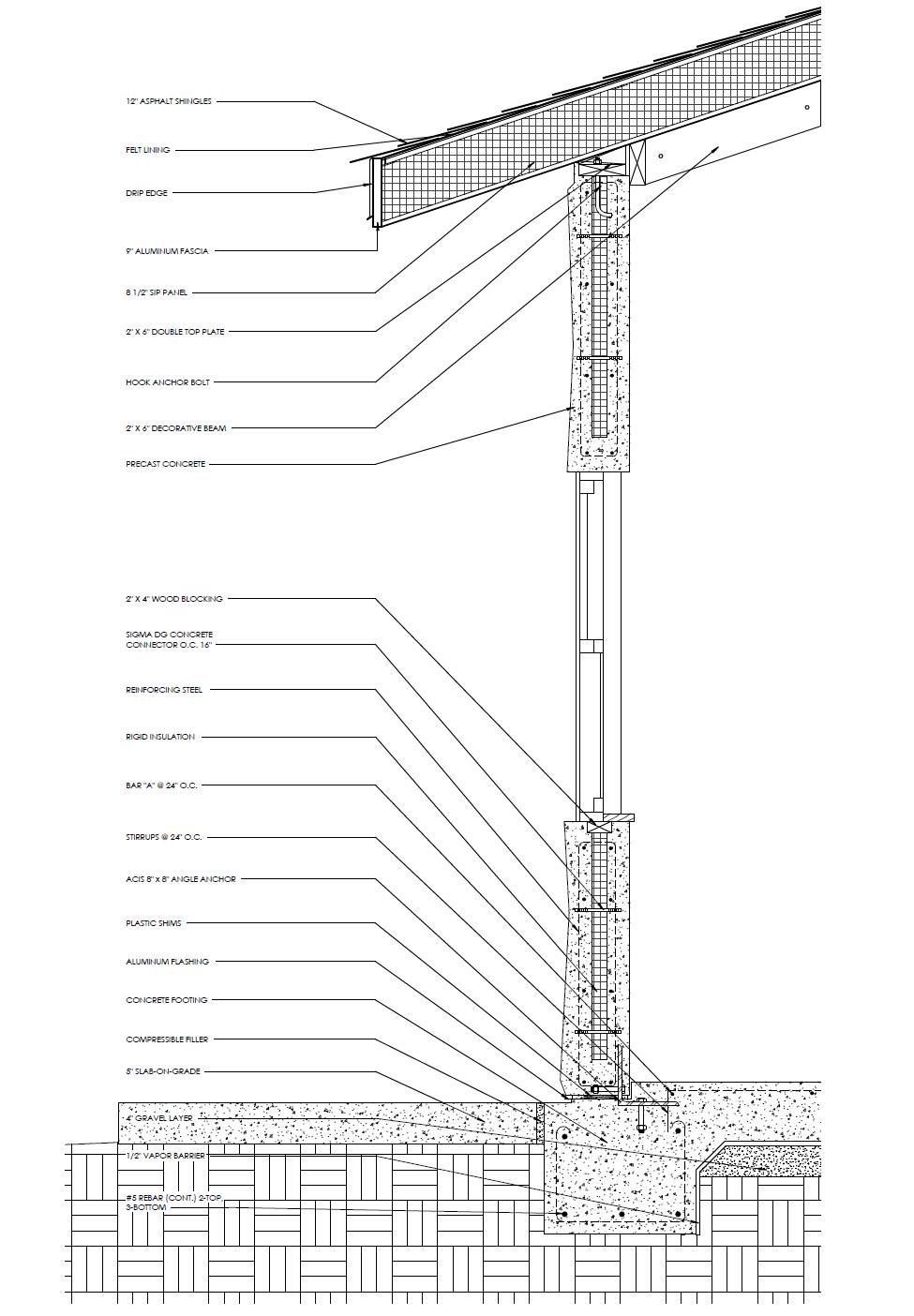
During this semester, the studio recieved a grant to design a house typology as well as a neighborhood masterplan for Habitat for Humanity house. Additionally, the exterior of the house were cladded in concrete panels. The masterplan had to be open, so we created spaces for shared outdoor spaces. The house is a total of 1250 square feet. The design of the house is an offset shotgun, dividing the house into semi-public and private spaces. The left side of the house includes a foyer entry, a living area, a dining room, a kitchen, and a separate laundry/pantry space. On the opposite side of the house, there are three bedrooms and two bathrooms,
one of which is an ADA bathroom. The semi-public is opened to the sips panel above with its peak at 15’3”. The bedrooms have an 8 feet ceiling with attic space for HVAC. The exterior walls are sandwich panels with three inches of concrete on either side and two inches of rigid insulation while the interior walls are typical
16
18
19
SMALL ART MUSUEM
Spring 2021
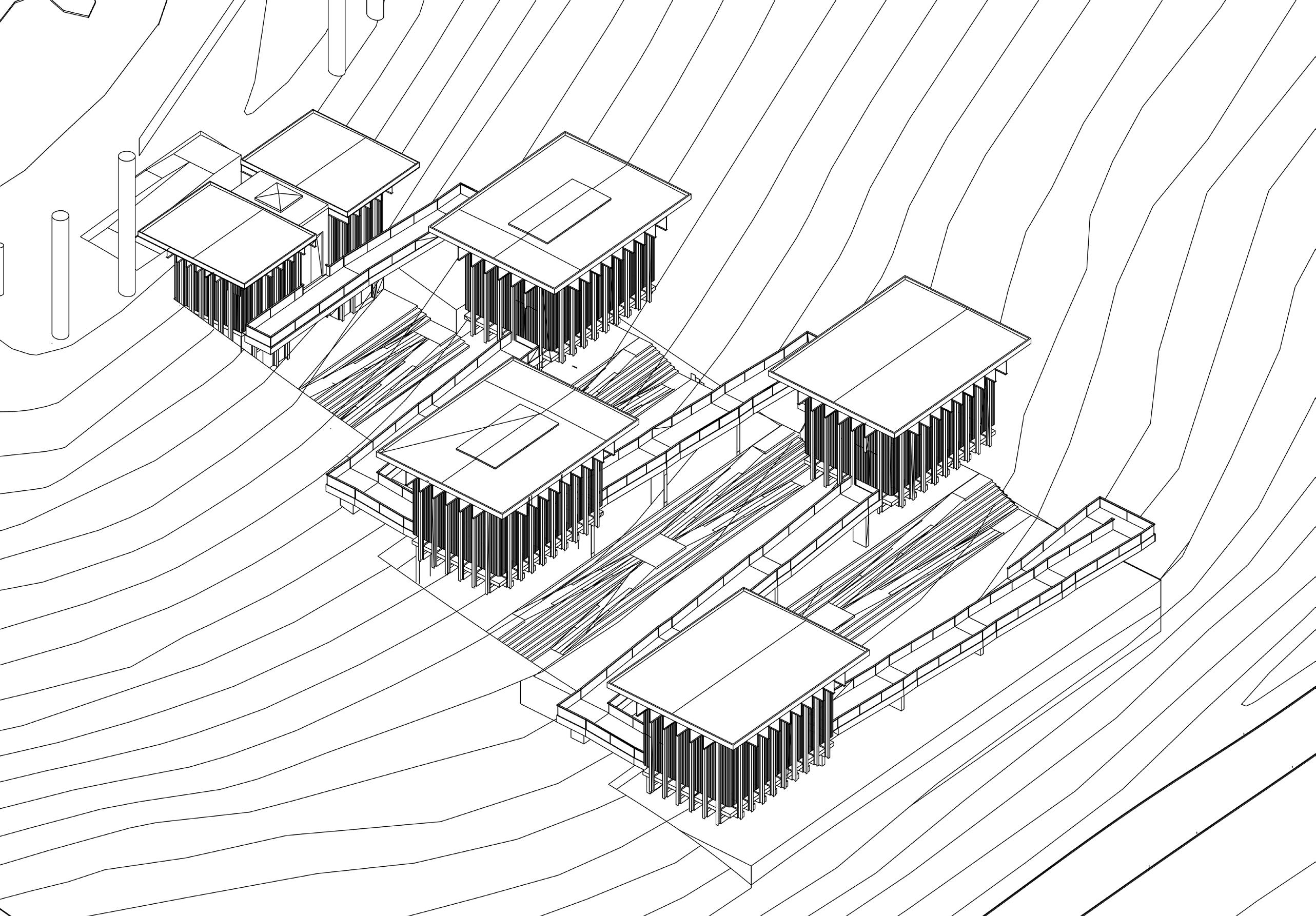
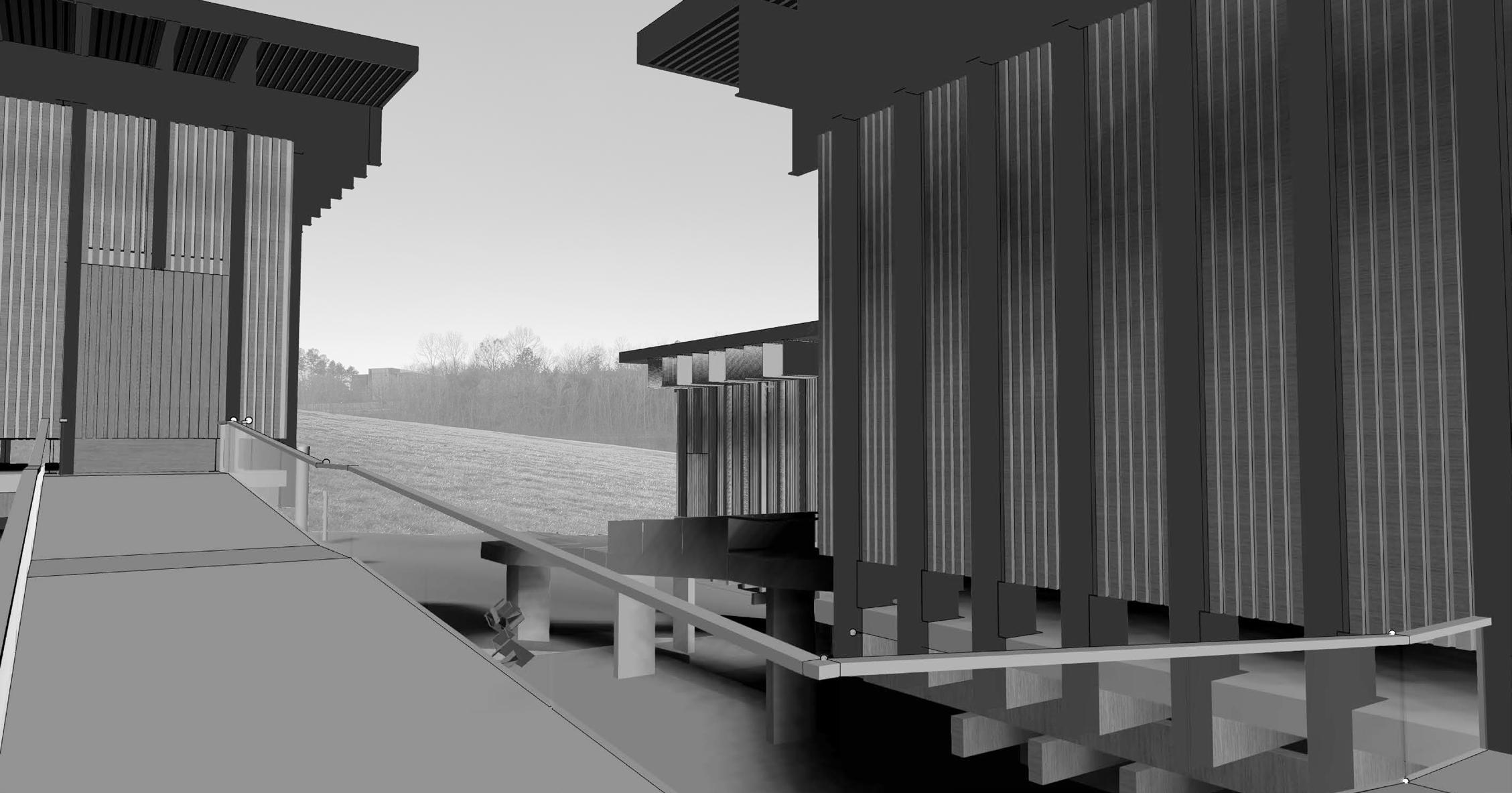
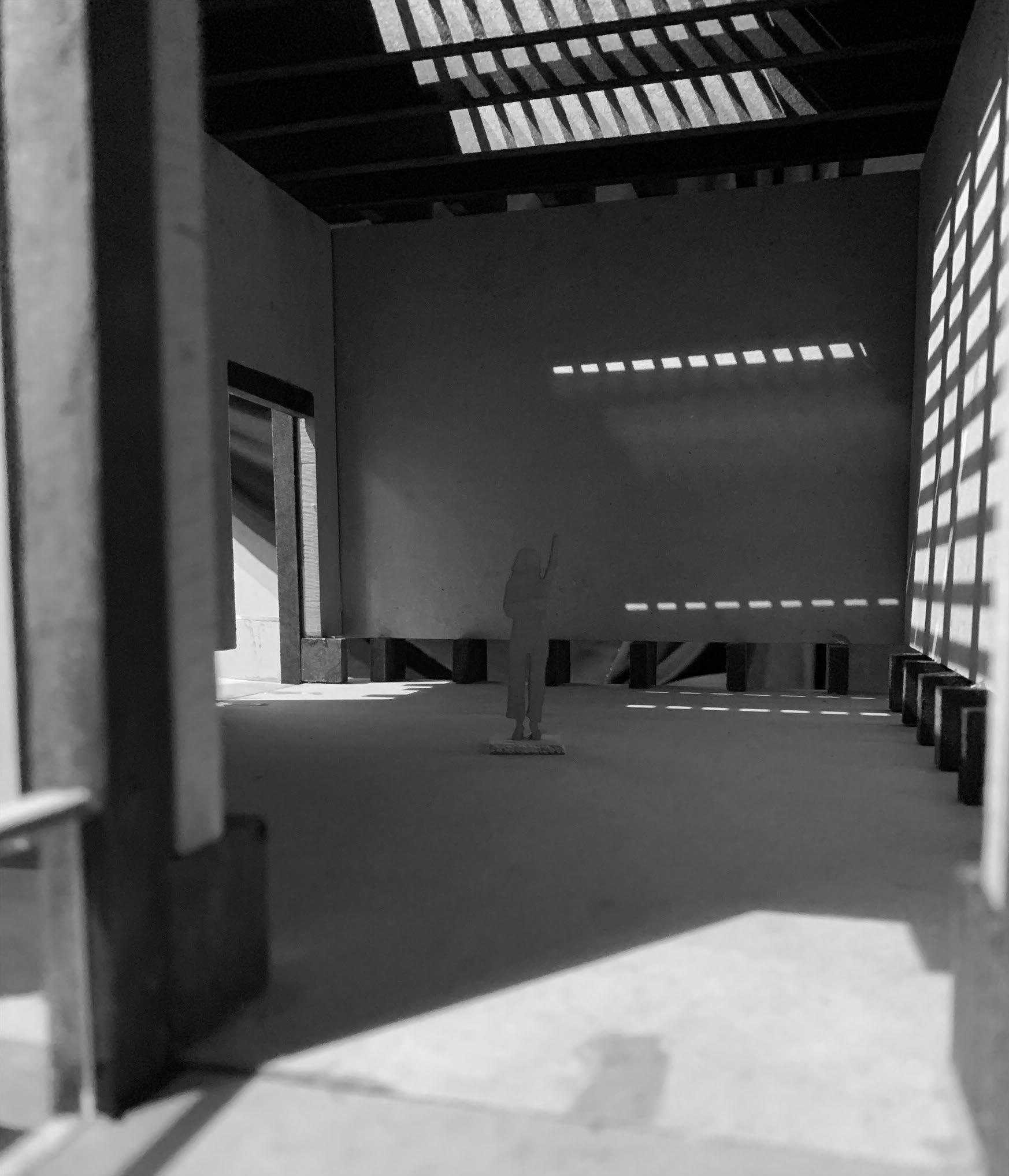
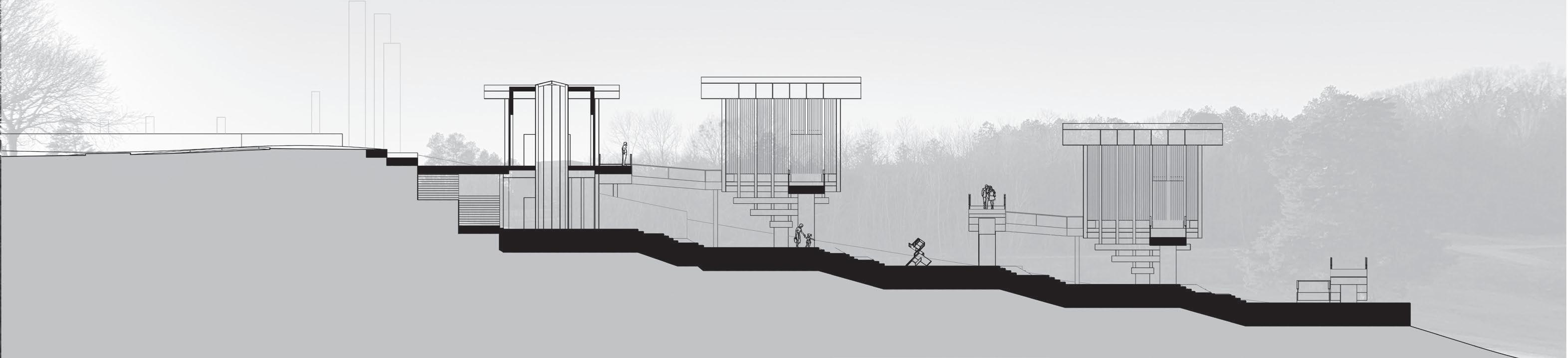
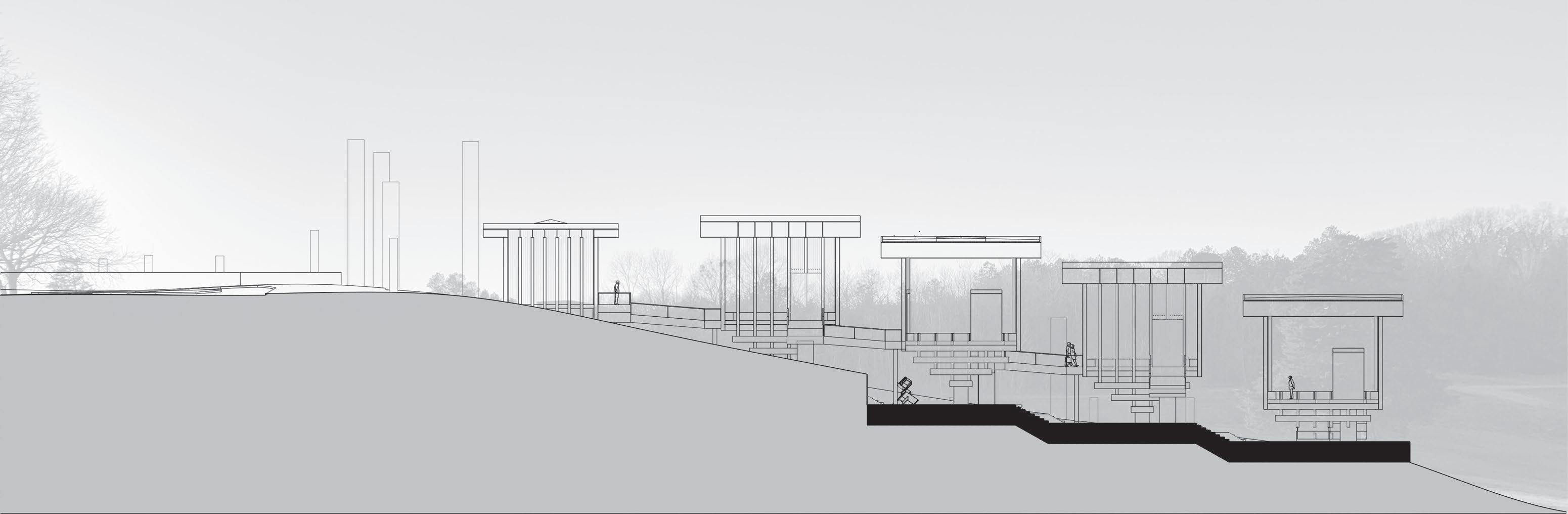
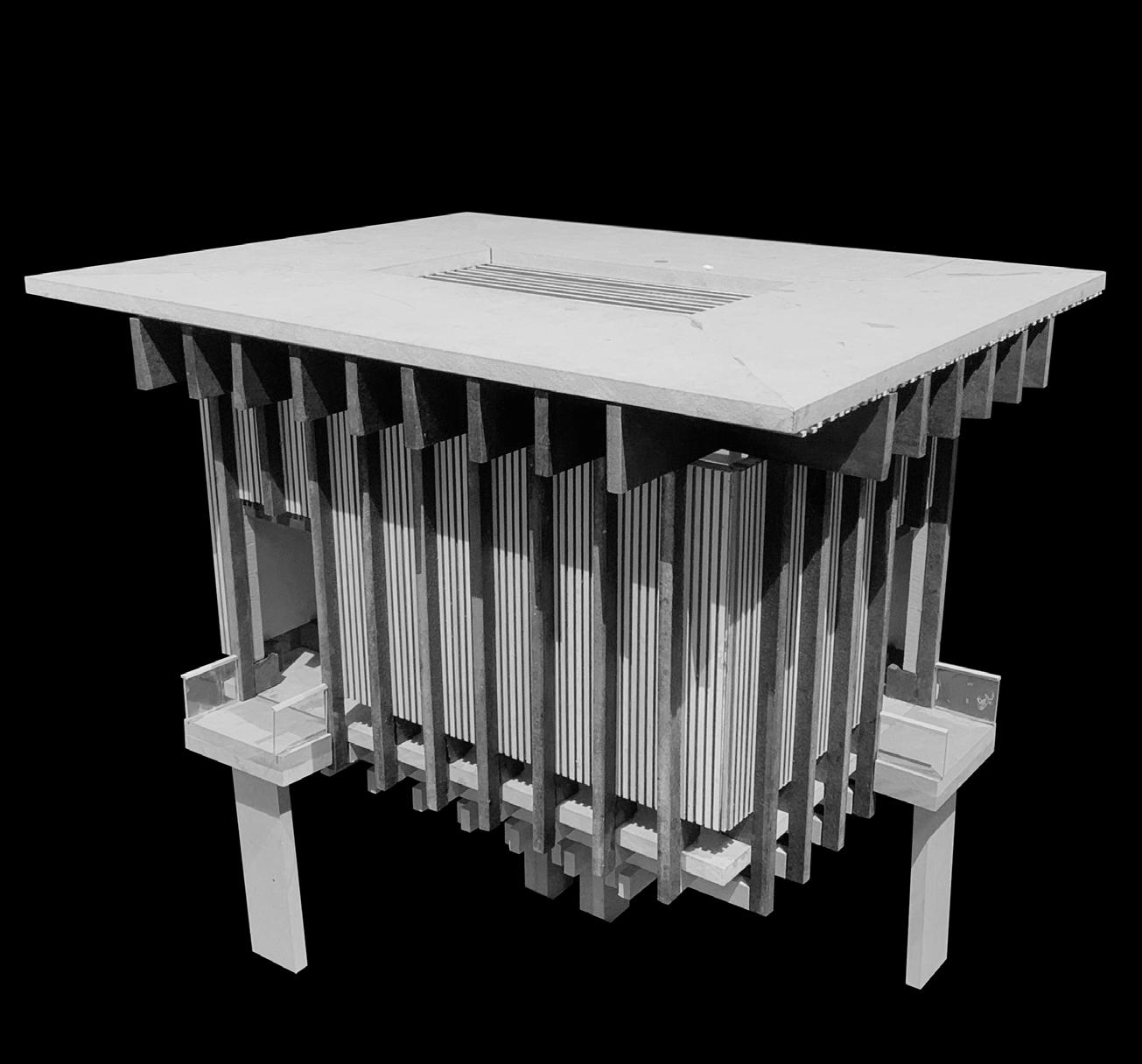
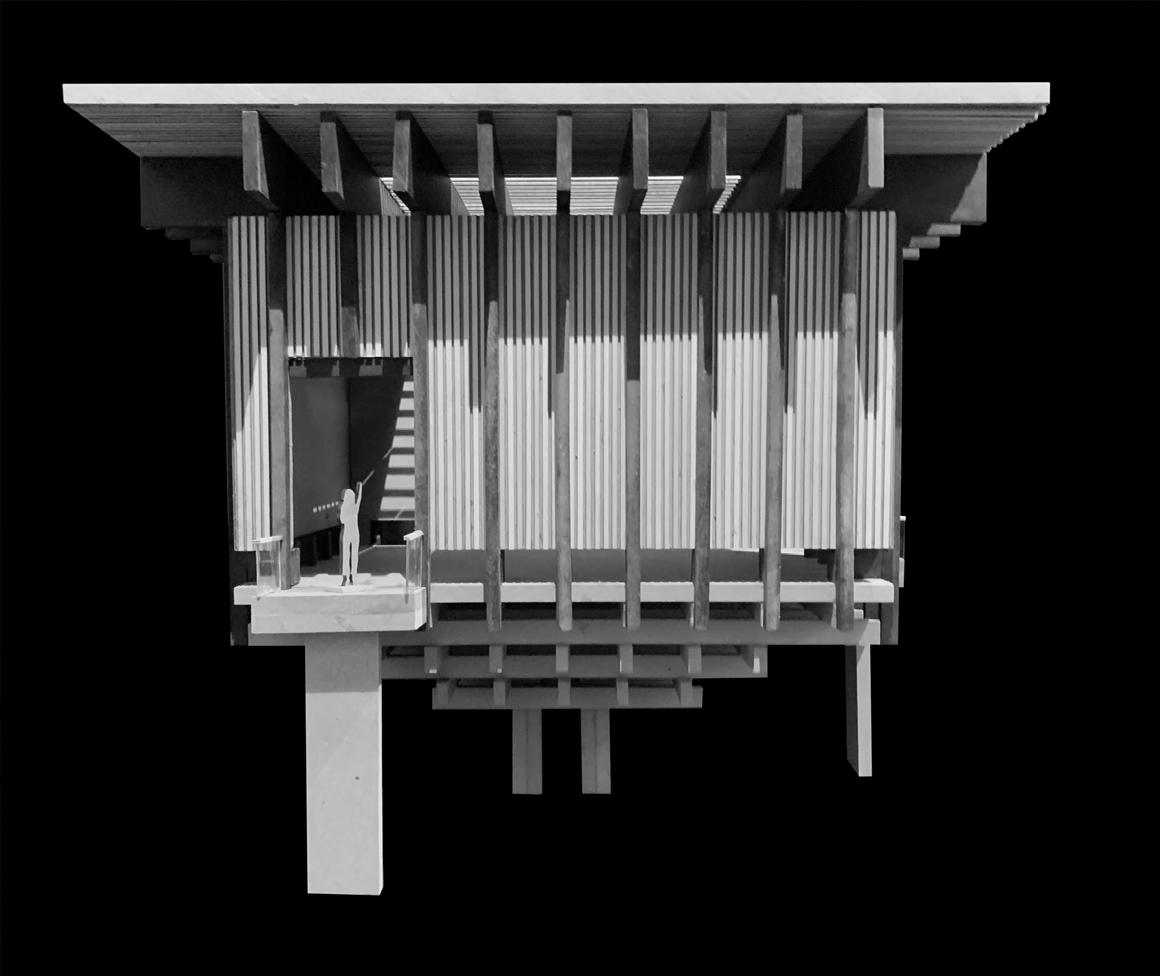
For this project, we were tasked to design an art museum on a relatively sloped site. We began this project by exploring a series of geometric composition which lead to the overall composition for the art museum. For my art museum, I wanted the guest to be able to experience not only the art in the galleries, but also the beauty of the site and its views. To get from one gallery to another, one would travel above the ground to on a series of ramps. This provides a continuous view as one travels down the ramp. On the
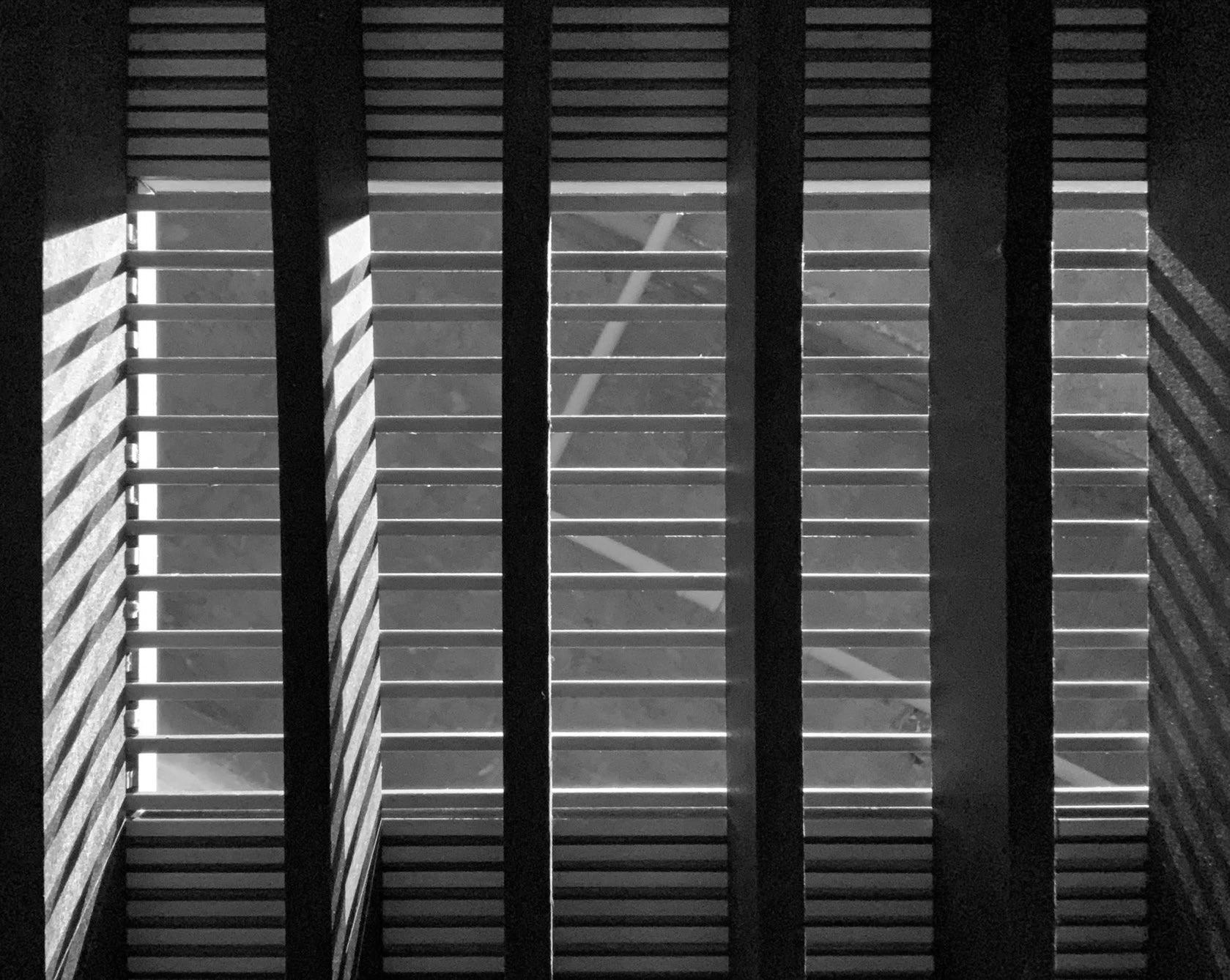
other hand, the sculpture garden is embedded in the the ground to be closer to the nature that surrounds the musum. The user is allowed to take their own journey throughout the art museum as well as the site. The main lobby building is made up of two parts, partically in the ground and above. It holds the main entrance and lobby, a gift shop, and small eatery. Each gallery allows for indirect light through the elevated walls and raised roof. Light floods in through the floor and ceiling, creating a floating sensation.
20
22 Original Geometric Study
Section A
Section B
Physical Model
Physical Model
23
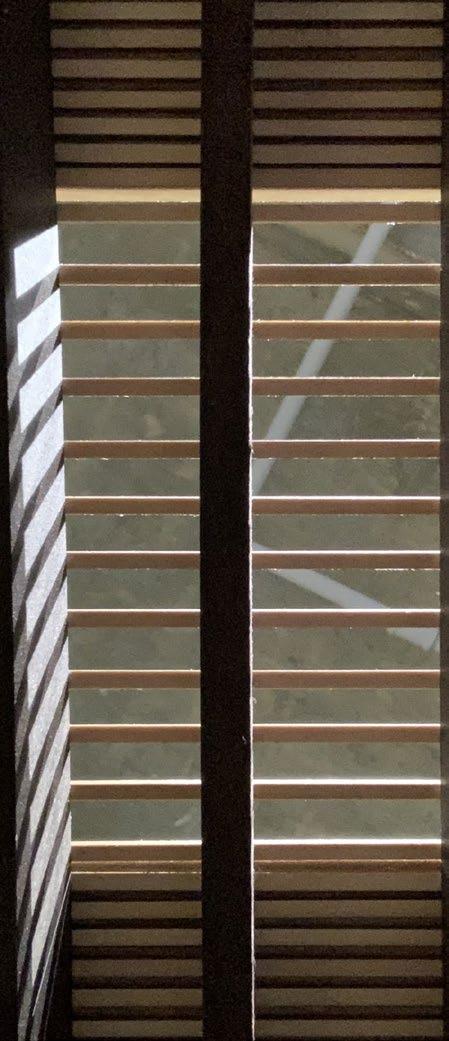
Skylight
TINY HOUSE VILLAGE
Fall 2020
Team Project: Reagan Douglass, Jeb Thomas, Grace Owens, Lita Li
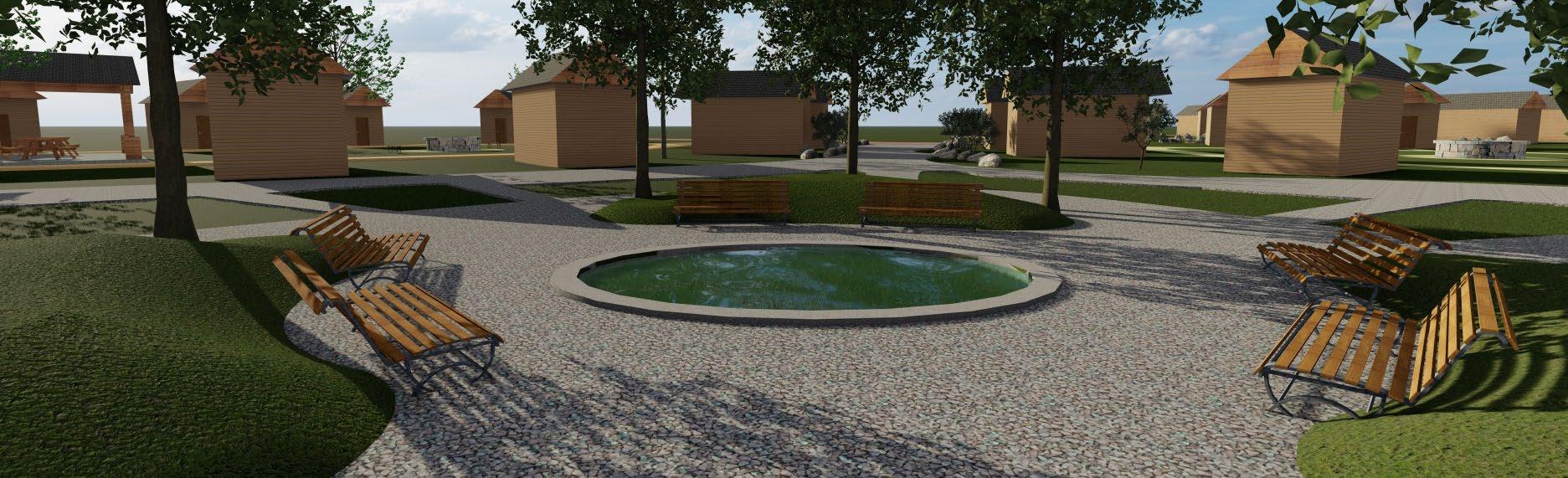
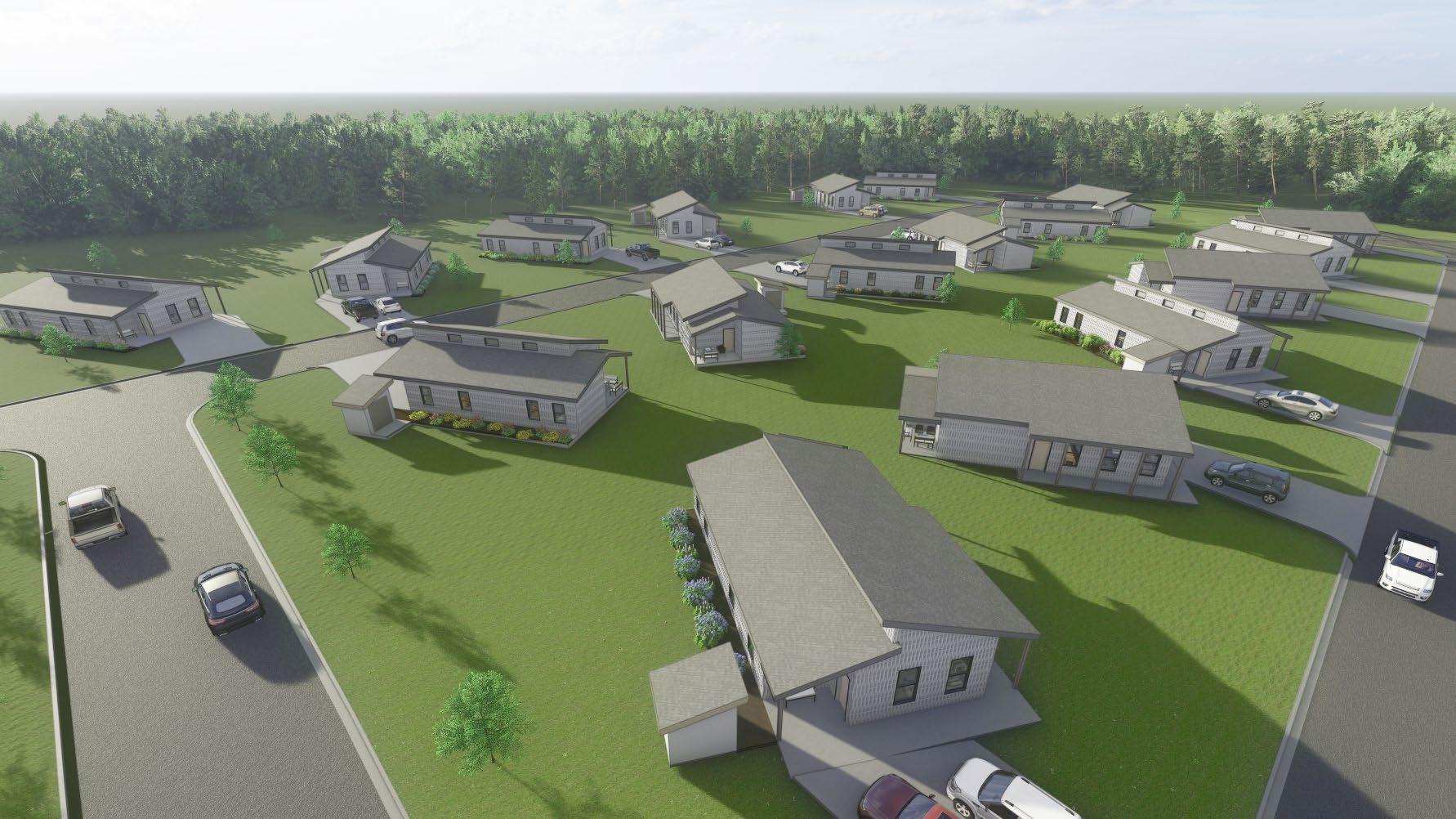
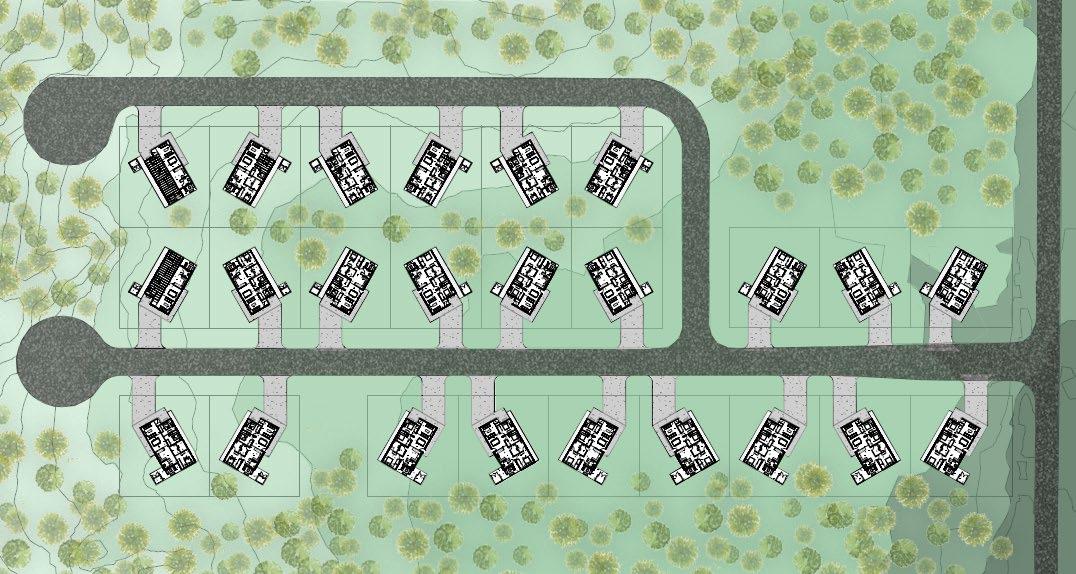
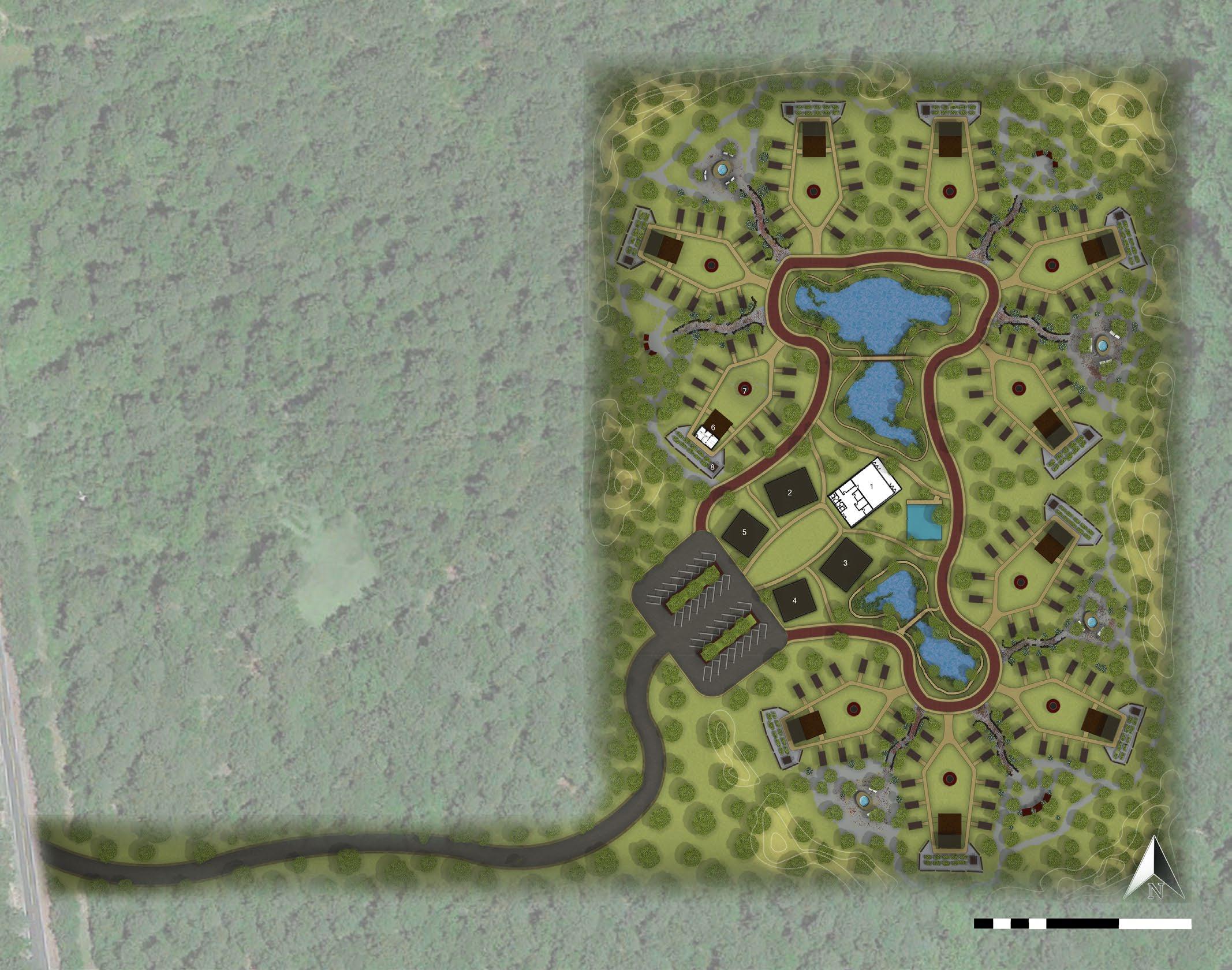
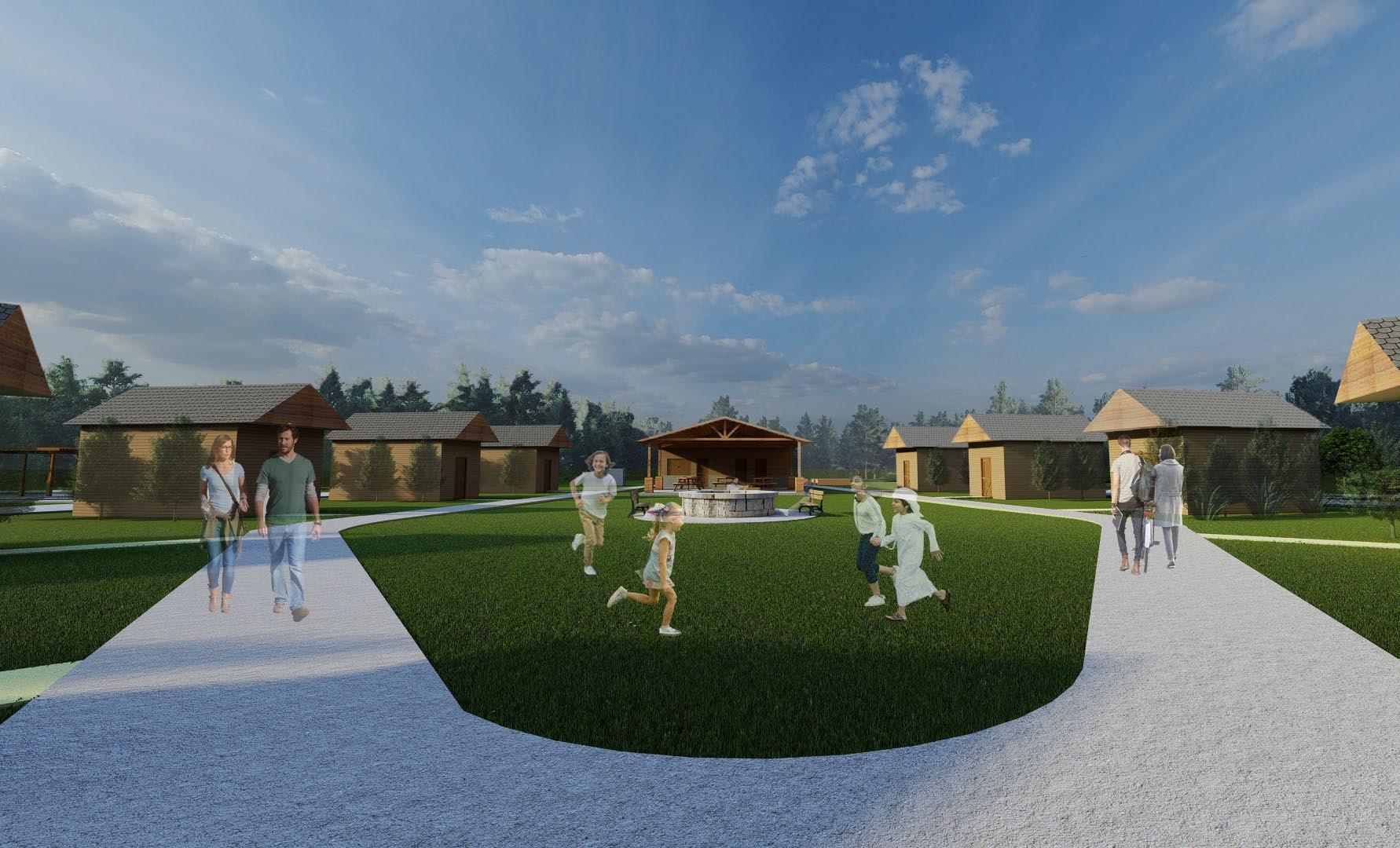
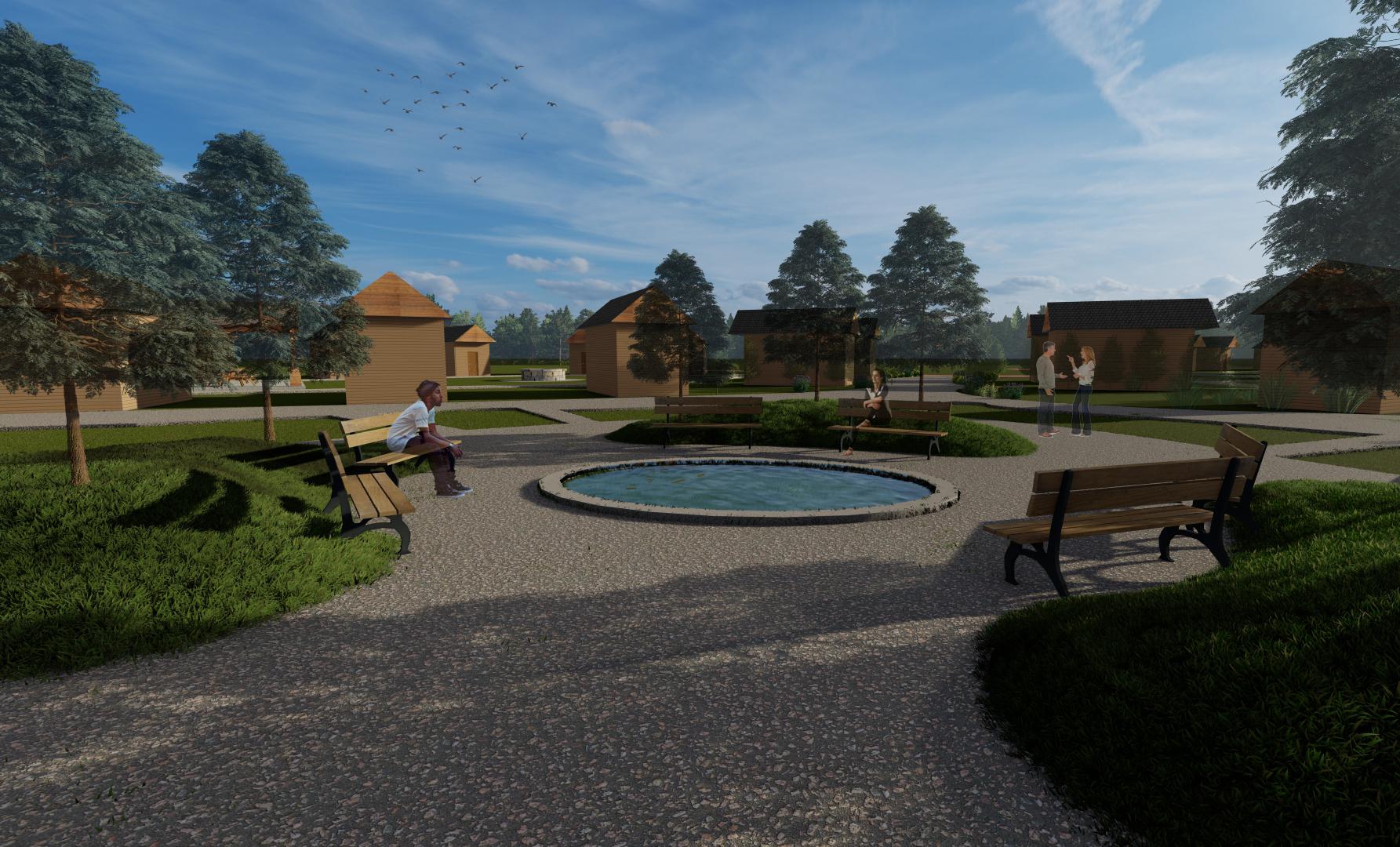
For this project, my team and I were assigned to take a given site with its existing conditions and design a tiny house community for the homeless community in Shreveport, Louisiana. The site was roughly 60 acres. We were asked to create a master plan for the site that not only included living quarters but also amenities such as places of work and community Gathering spaces. For the living quarters, we needed to design ten cul de sacs that would hold ten tiny houses each. Each cul de sac must also include a xcommunity center with space for a kitchen and bathroom. My team first had to decide on the shape and placement of each cul de
sac. I was in charge of designing the community centers within the cul de sacs. Next, we needed to decide where the places of work needed to go. Here, I was in charge of designing the administrative building, which was meant to be the main building people see when they entered the site. The way we grouped the cul de sacs in relation with to each other and the grouping of the places of work were meant to represent a flower blooming. Within the over master plan, my team decided to add water into the site to add some tranquility into the lives of the residence. Additionally, I created the 3d model as well as the 3d rendering.
24
25
TINY HOUSE RESIDENCE
Fall 2020
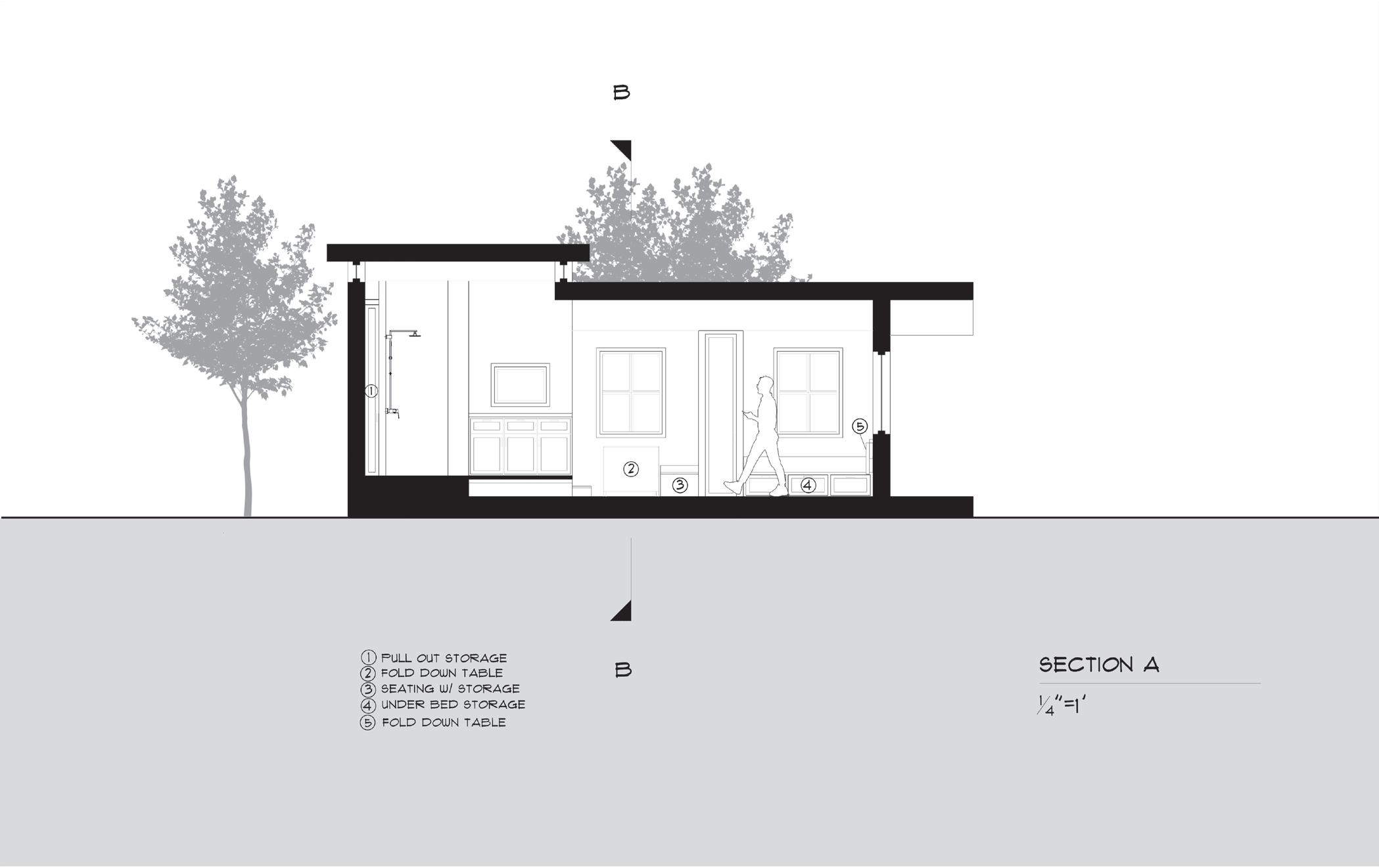
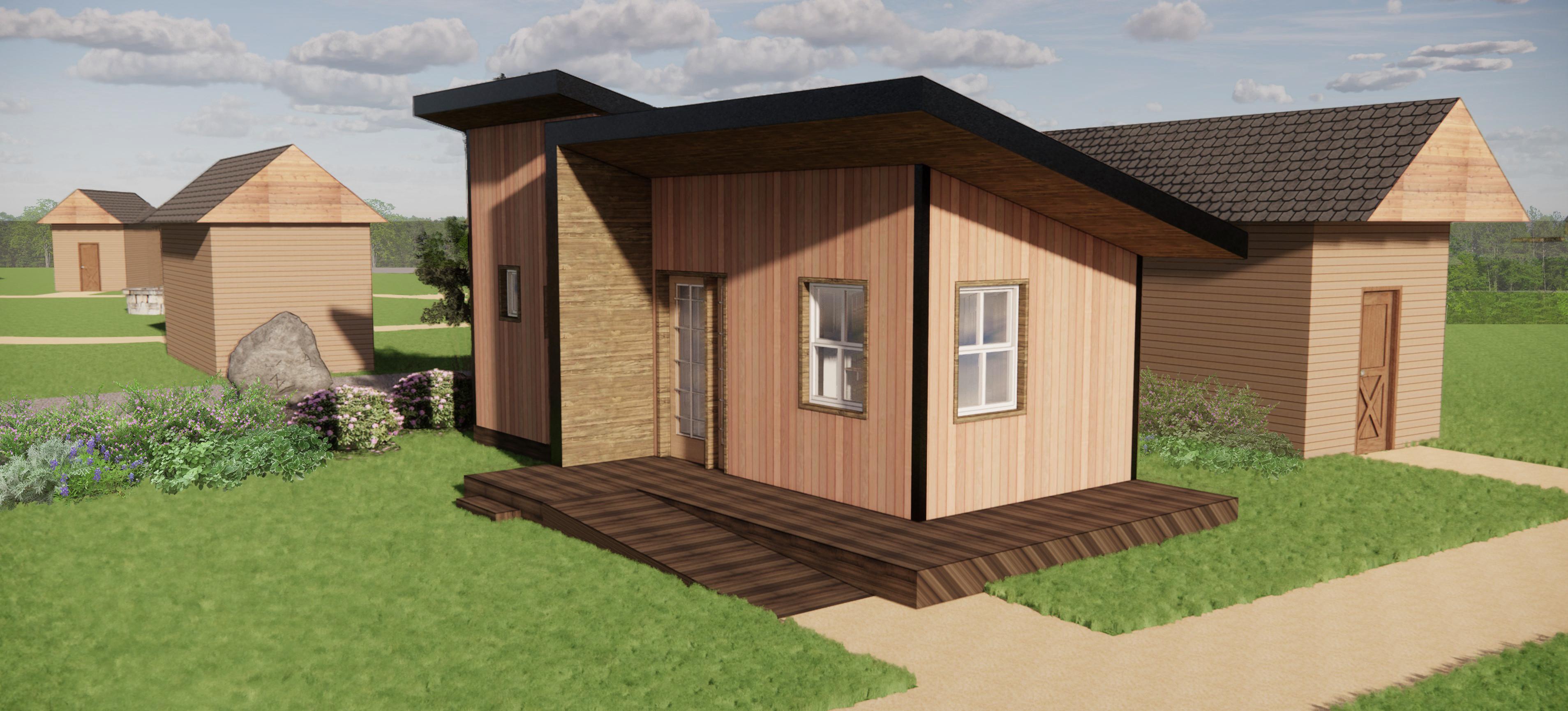
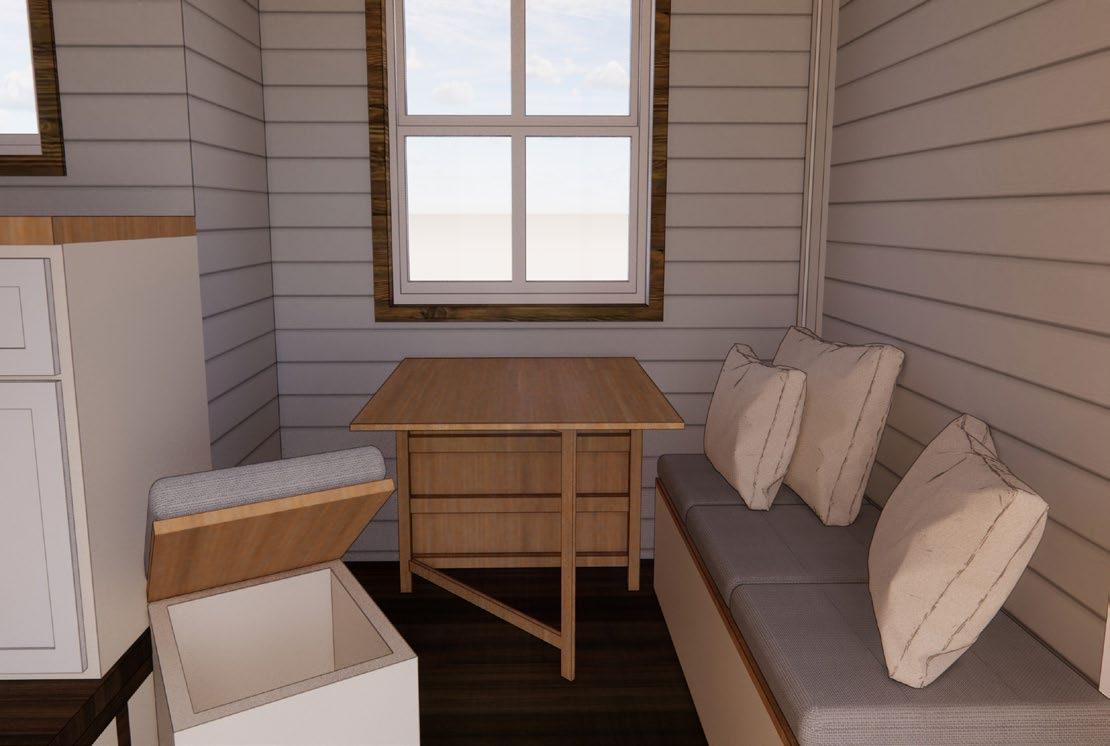
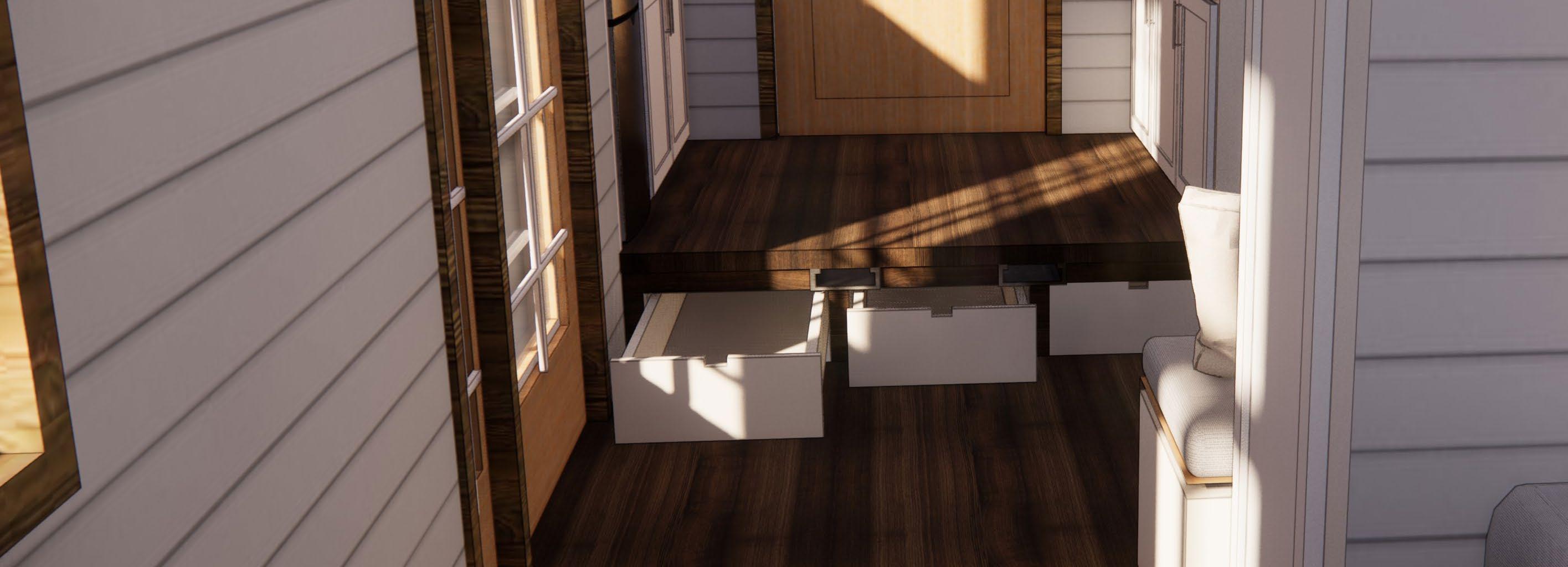
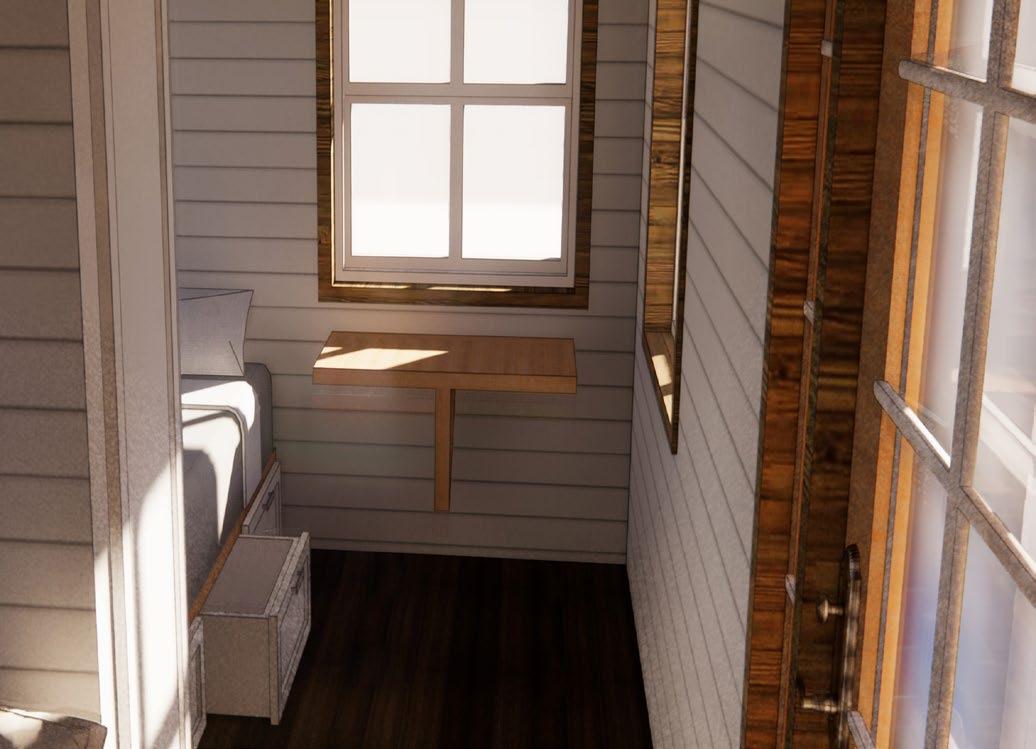
After creating the master plan for our Tiny House Village, we individually created our own tiny house design for the residences. The tiny house must include a sleeping area, seating area, a kitchenette, a small bathroom, and a porch. The tiny house had to be less than 250 sqare feet. For my tiny house, I wanted to focus on the lack of space and storage within tiny houses, so I set out to design several parts of the tiny house that would double as storage areas, like a couch with storage and pull out closets in the bathroom and in the wall between the bedroom and seating area. The bed rest on top of even more storage with drawers
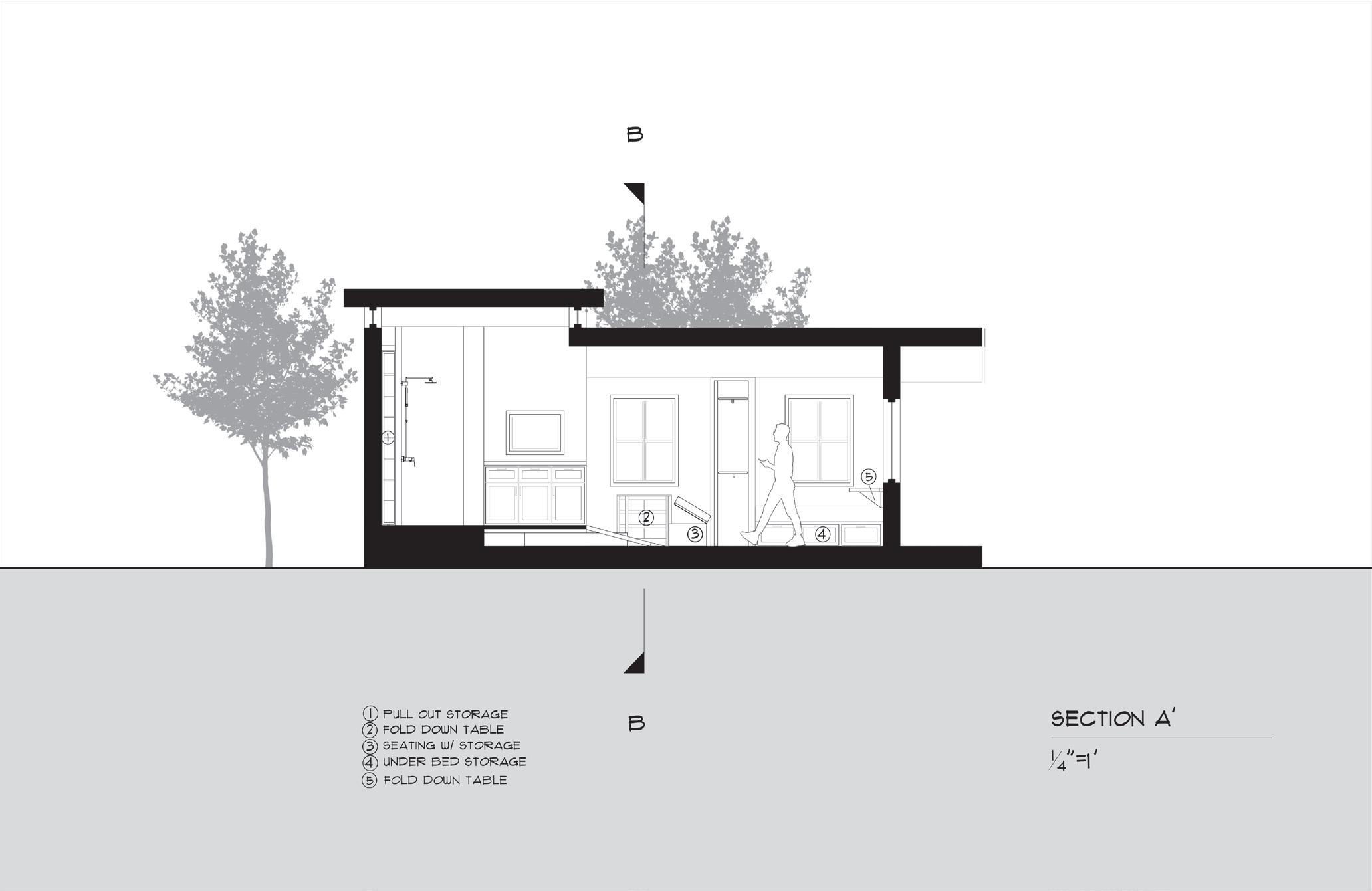
and the bed itself can be lifted up for larger storage. The pull out closet create a separation between the sleeping area and the rest of the tiny house, giving the residence some privacy.The wall mounted tables in the living area and sleeping areas are foldable to create more space when needed. I also made the tiny house as close as possible to wheelchair assessible. Even though the kithcen area is raised, I designed a pull out ramp from under the kitchen floor. double as a storage. for example, there is pull out storage under the kitchen floor and bed frame. Other
27
RESEARCH: POP-UP HOUSING


Spring 2022




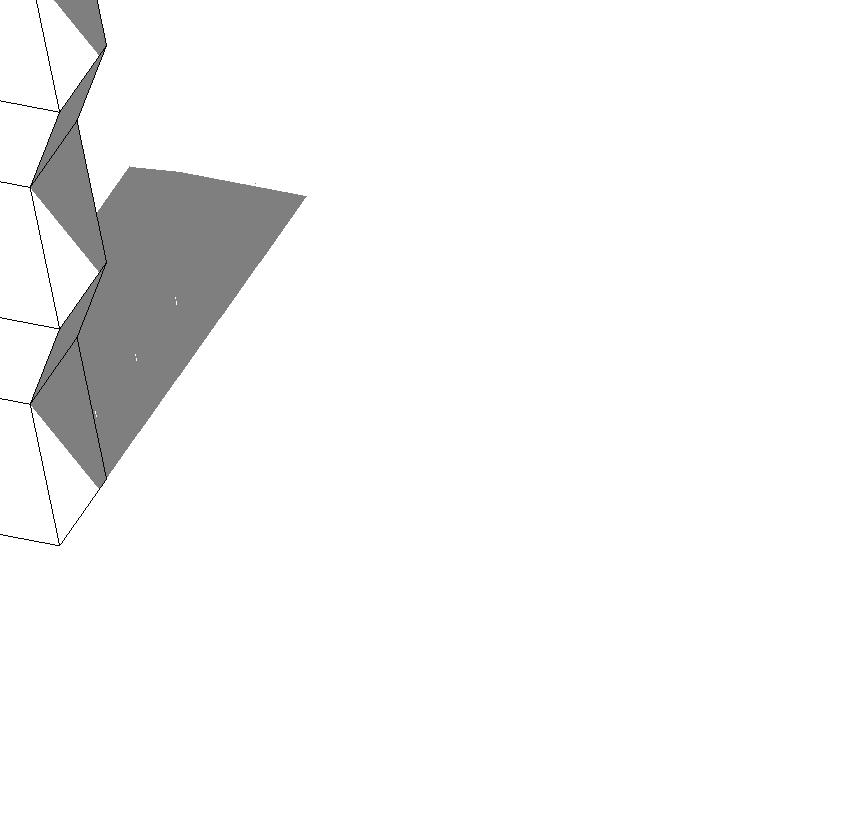
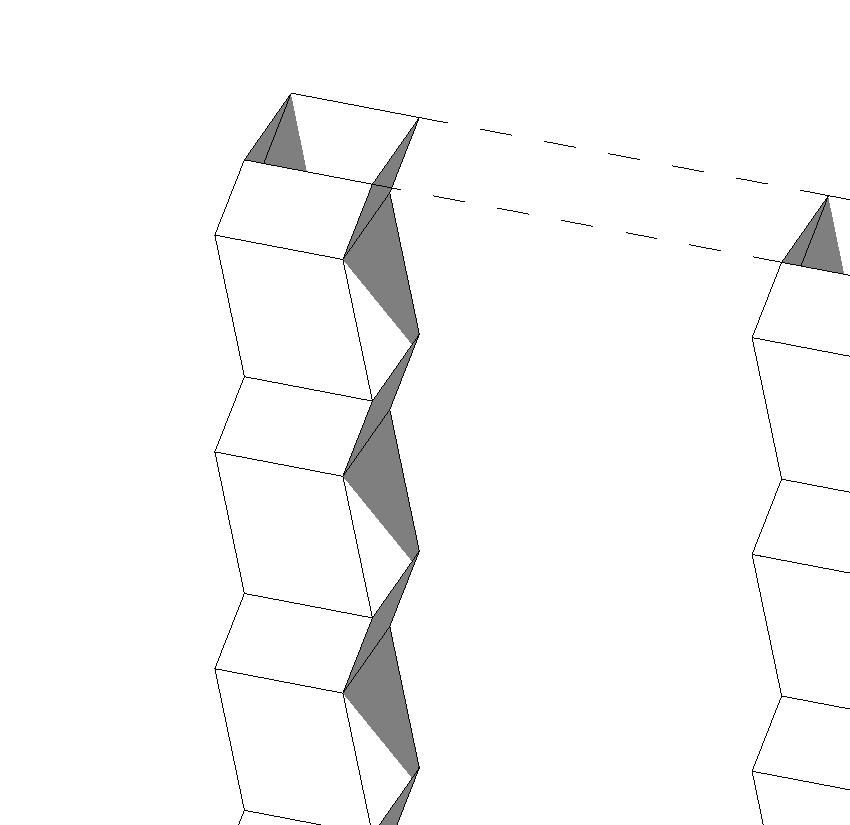
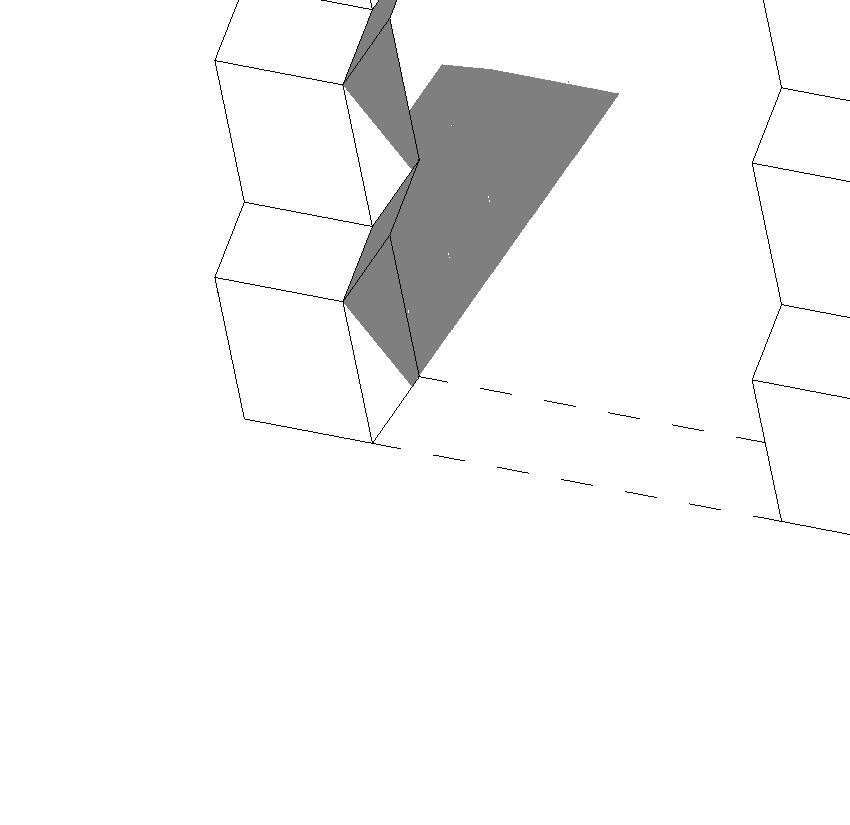
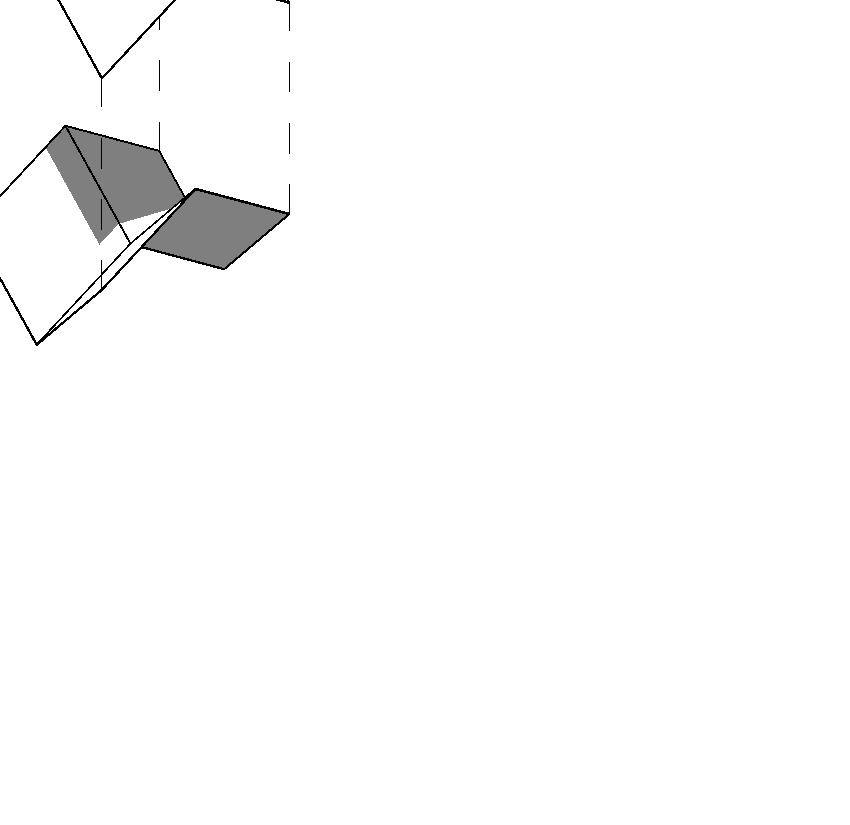
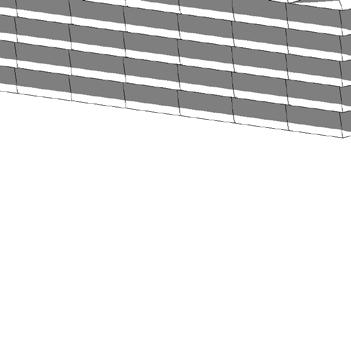
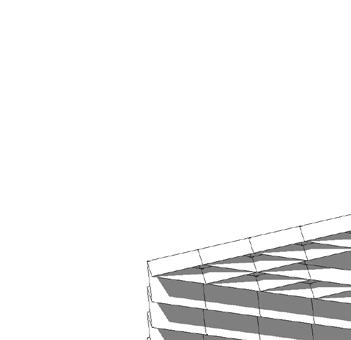
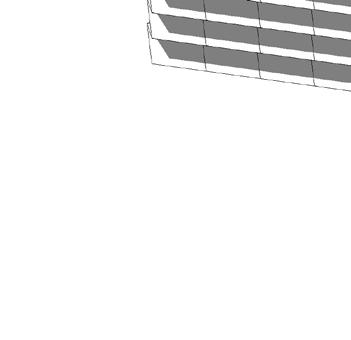
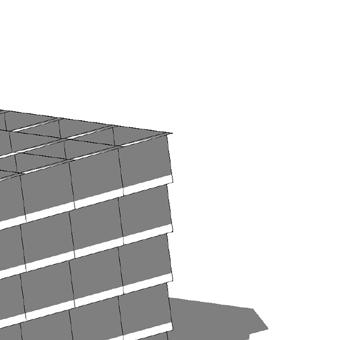
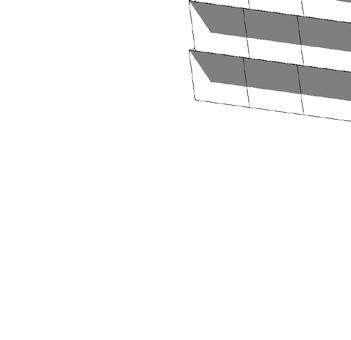
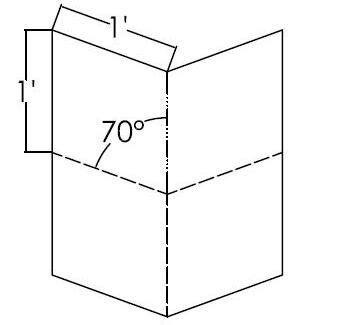
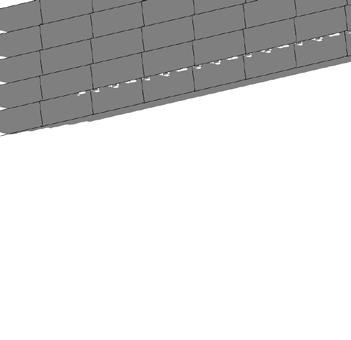
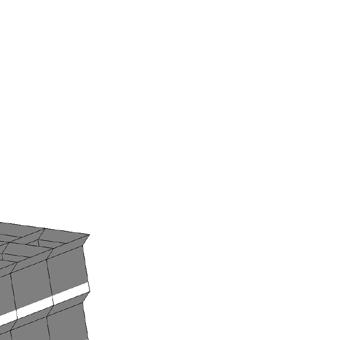
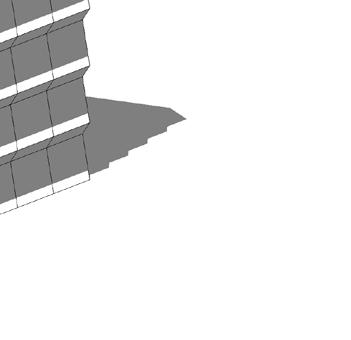
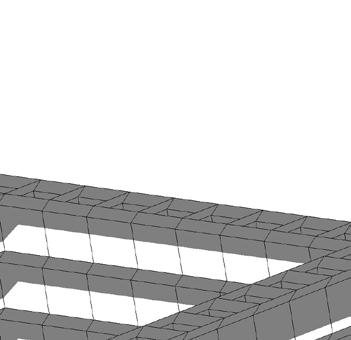
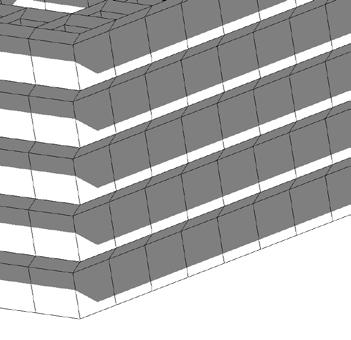
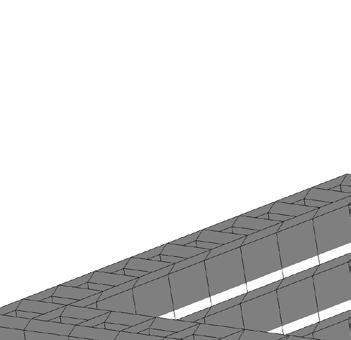
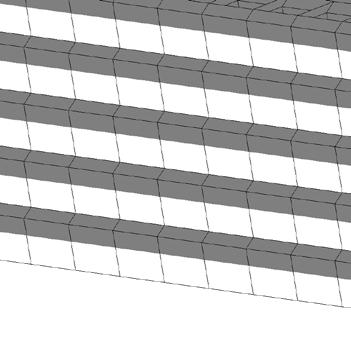
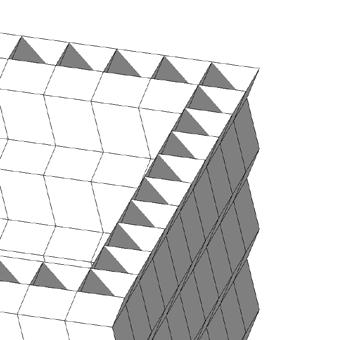
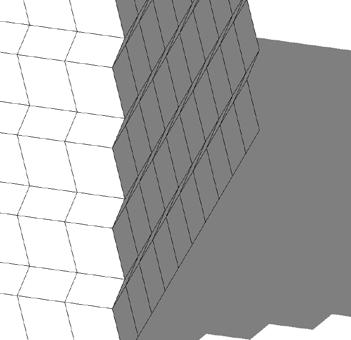
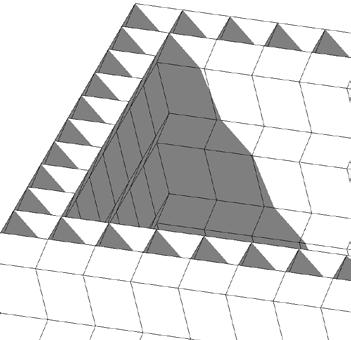
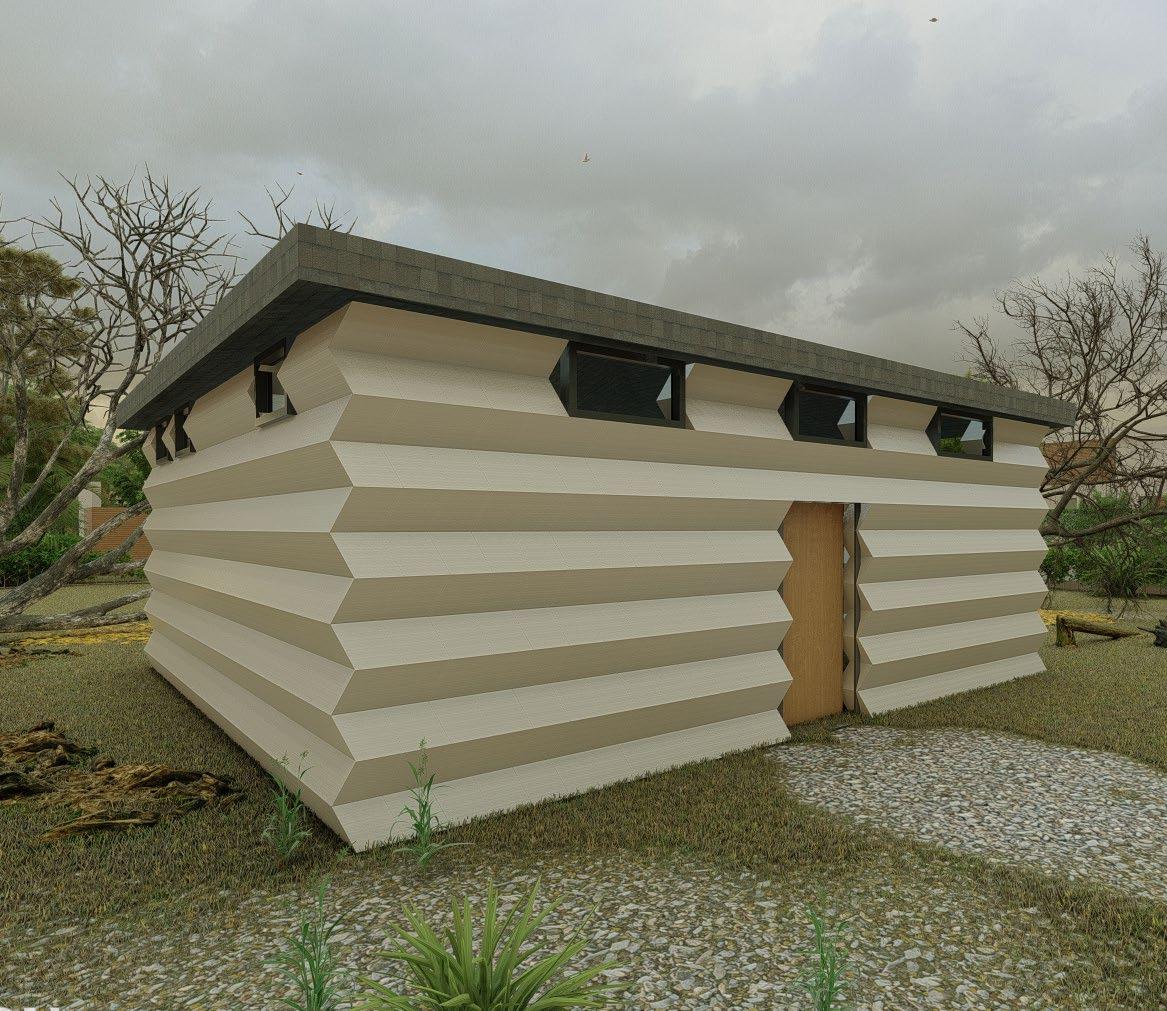
Within this project, there is a hope to design a structure that takes up little space in transportation and can be easily assembled for disaster relief housing. potential space exploration, affordable housing. After a natural disaster, one of the top priorities is sheltering displaced people quickly and affordably. Typically, pre-built structures are transported to the disaster site, ready to use. However, this method can take up a lot of space, requiring one whole truck or vehicle to transport one house. On the other hand, building on the disaster site
directly would require a lot of time and would still require the transportation of materials, as materials would likely be scarce locally after a natural disaster. This project wanted to mitigate both space, time, and material. The Pop-Up Housing would be mostly prefabricated but would be quickly assembled at the site. Similar to sandbag architecture, the spaces would like filled with dirt or sand gathered locally. The structure would be self-supporting and allow for customizations.
2 Exploded Axon 1 Connection
45% Deployed 20% Deployed
65% Deployed




100% Deployed
Full Full
100%
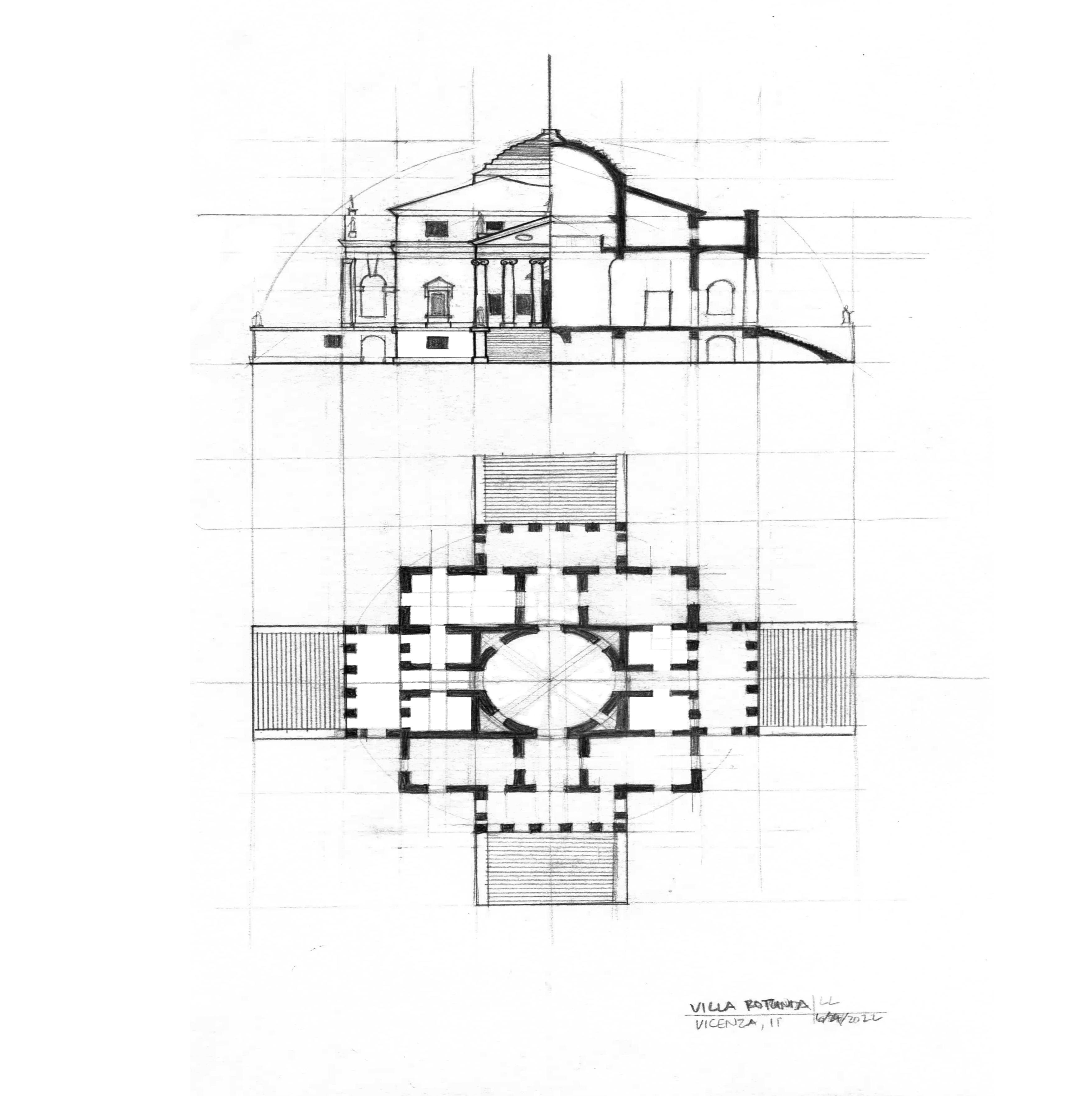
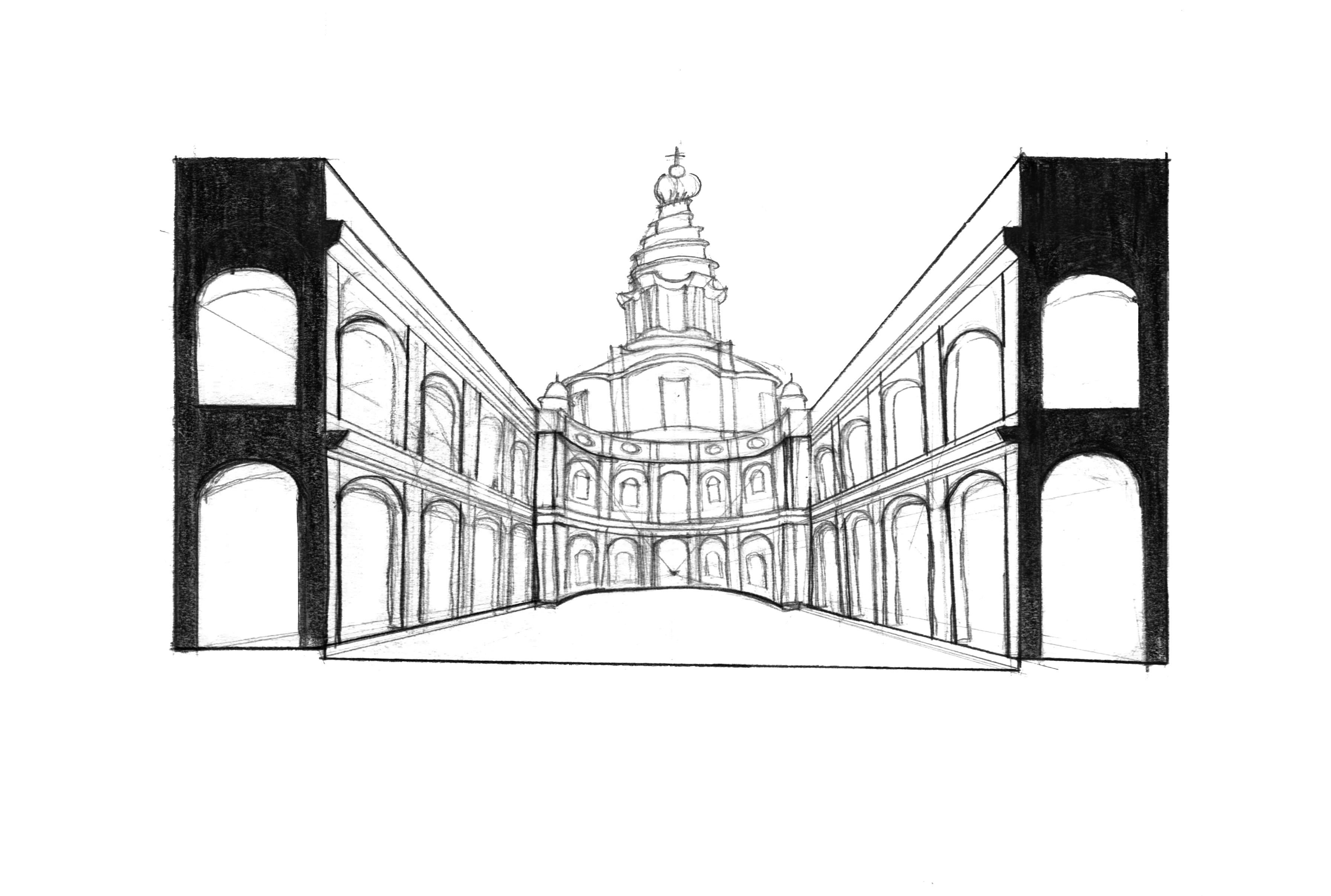
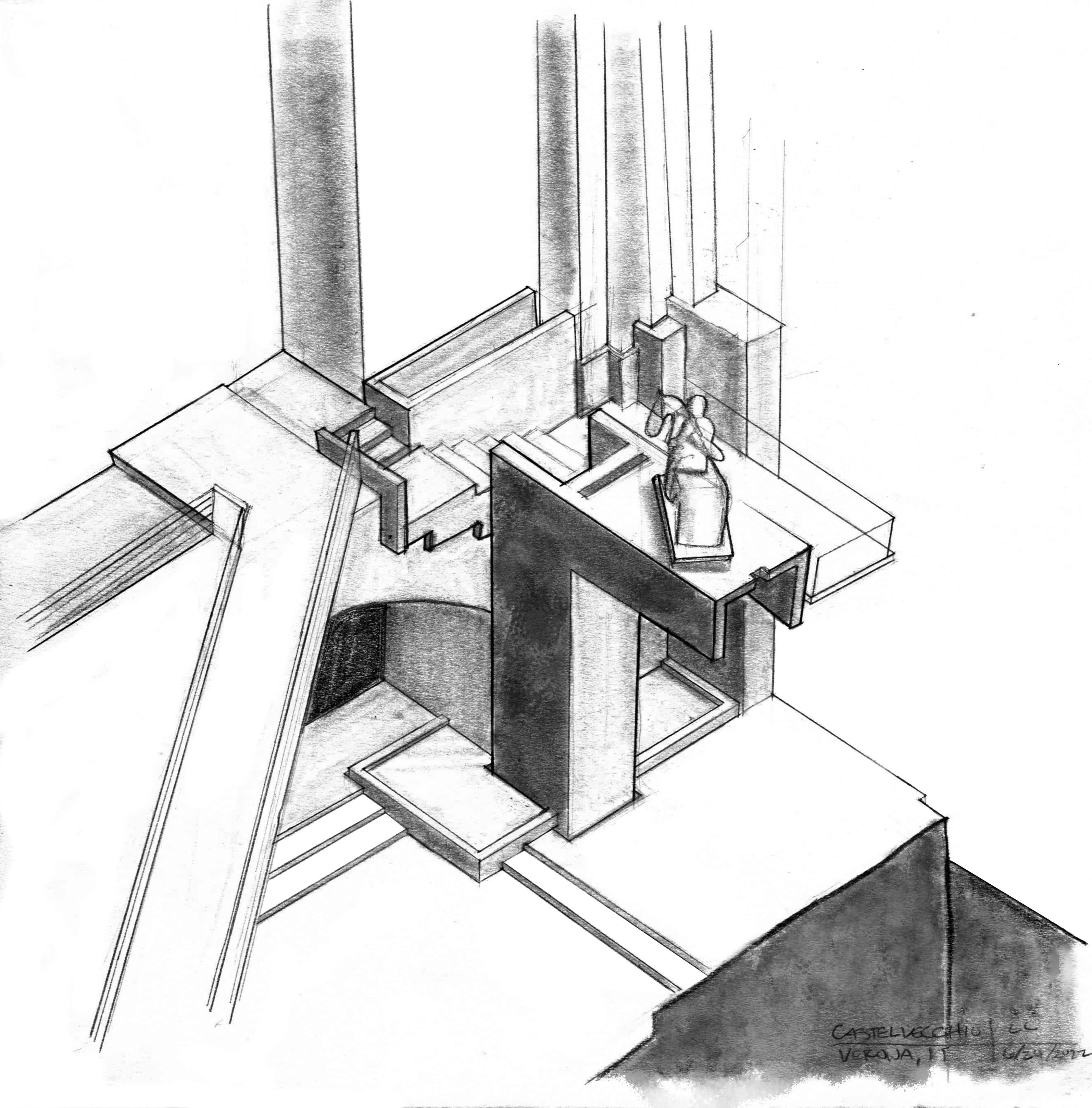
HANDSKETCHES
Summer 2022

31
32
33