LIZANDRO
MARCIAL-ARMAS
LANDSCAPE + ARCHITECTURE PORTFOLIO
TABLE OF CONTENT
UNC IMS Campus Site Design
PAGE 02
CVM Educational Building
PAGE 12
Professional Experience PAGE 24
LIZANDRO
MARCIAL-ARMAS
LANDSCAPE + ARCHITECTURE PORTFOLIO
TABLE OF CONTENT
UNC IMS Campus Site Design
PAGE 02
CVM Educational Building
PAGE 12
Professional Experience PAGE 24
LAR 503 | SITE DESIGN + ENVIRONMENTAL PLANNING
Professors Meg Calkins and Travis Klondike
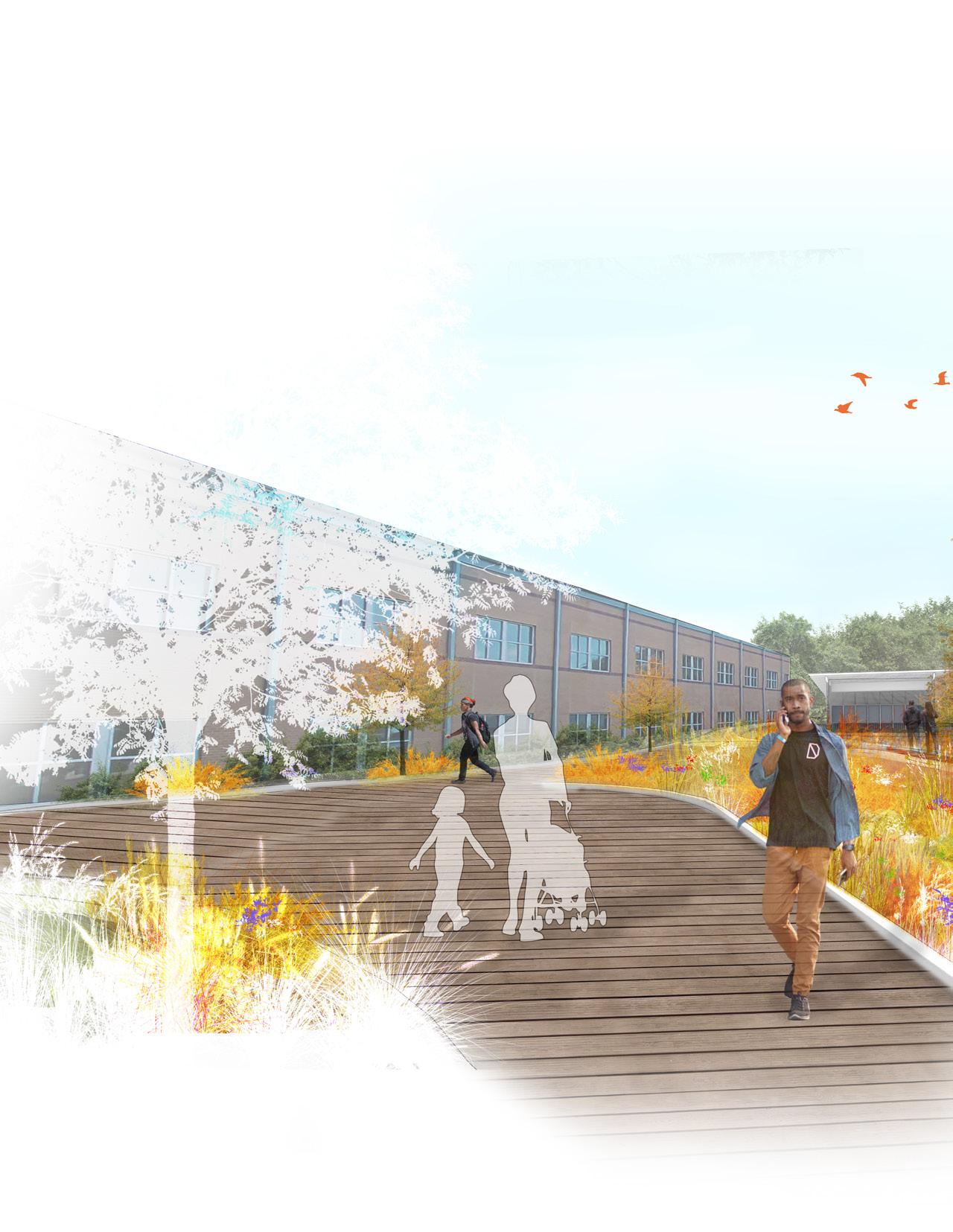
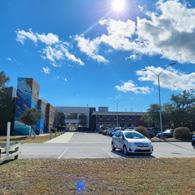
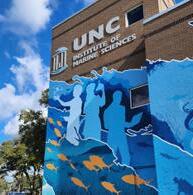
The University of North Carolina at Chapel Hill Institute of Marine Sciences (IMS) collaborated with the Landscape Department to enhance campus visibility and improve the experience for employees, students, and visitors. The project explored designs for a new dormitory and event space, intended for both campus use and community rental. The site design integrates educational opportunities, showcasing IMS’s research through active stormwater management, resilient coastal design, and native plantings, while raising awareness of the campus and its mission.
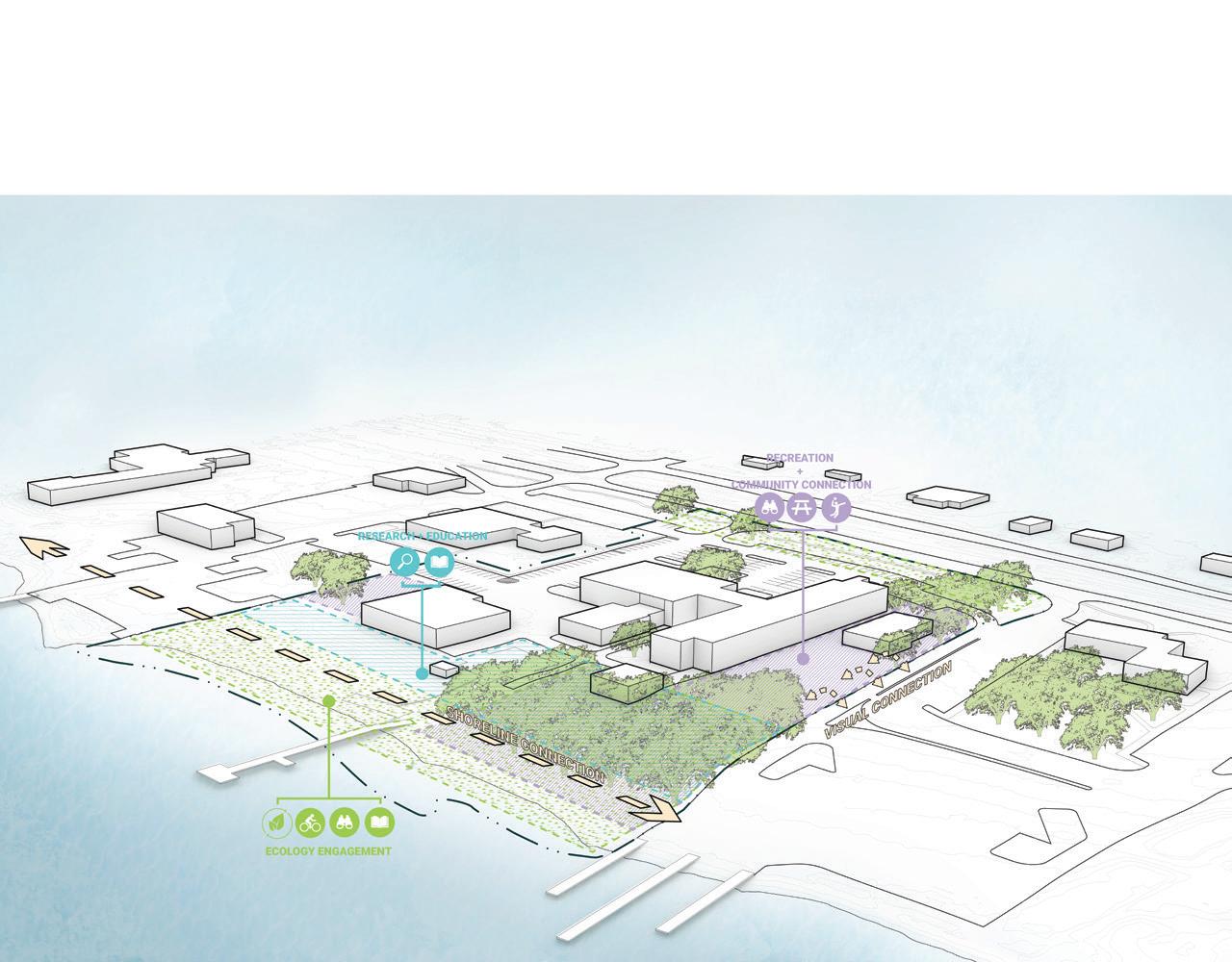
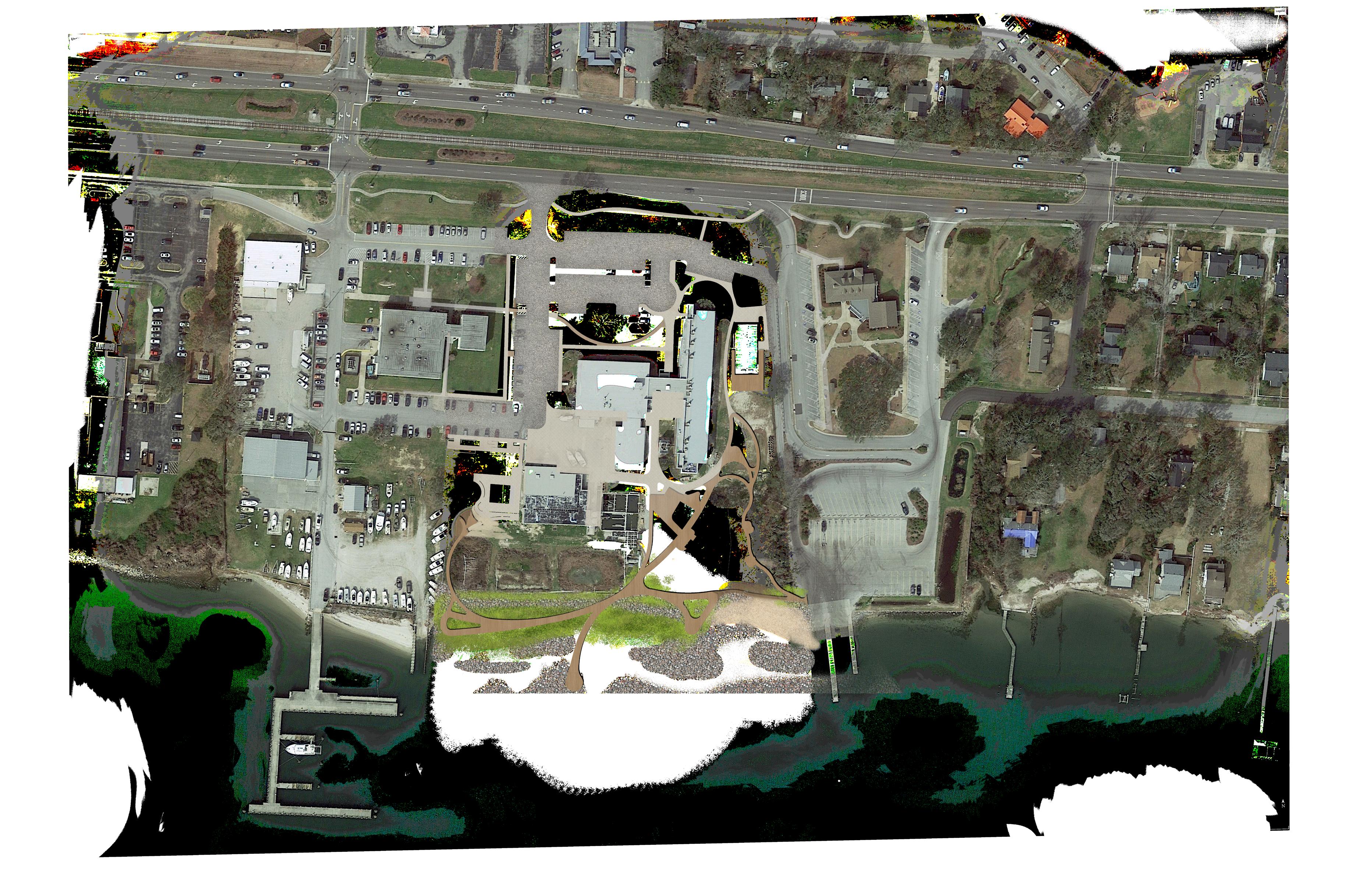
The analysis determined that the east side of the site is ideal for public engagement due to its proximity to the Visitor Center, available un-programmed space, and minimal disruption to research equipment and operations. The area near the wet labs, shop, and maritime forest is wellsuited for educational and research opportunities for both the public and UNC IMS staff. Additionally, the shoreline requires restoration and resilience measures, while the streetscape along Route 70 needs ecological enhancements for stormwater management and improved approachability.
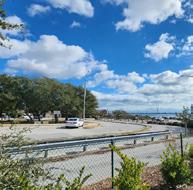
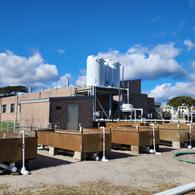
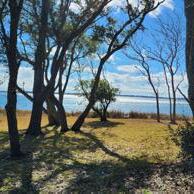
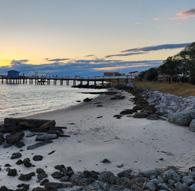
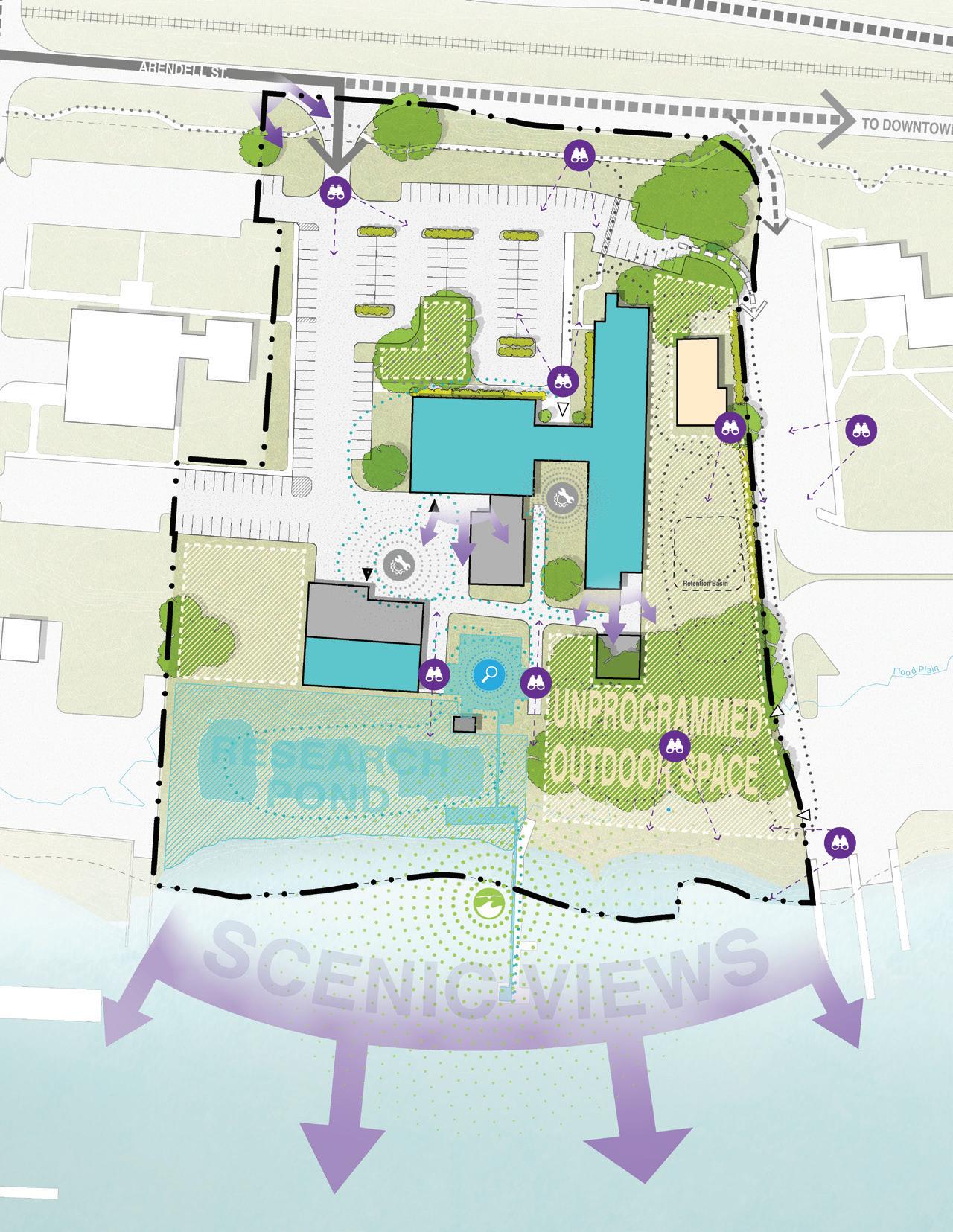
Integrate the four educational pillars of UNC Marine Institute Camps—research, ecology, and community—while strengthening existing connections and fostering new ones to promote and enhance these relationships.

The design aims to promote educational opportunities, foster ecological awareness, and support three of the four educational pillars of research at IMS.
WATER QUALITY
Design interactive exhibits highlighting water filtration techniques, native plants that purify water, and educational signage emphasizing the importance of clean water for coastal ecosystems.
COASTAL ECOSYSTEM
Create an immersive experience showcasing coastal life with diverse plantings that attract pollinators, support bird nesting, and highlight the interconnected coastal ecosystem.At,
COASTAL RESILIENCY
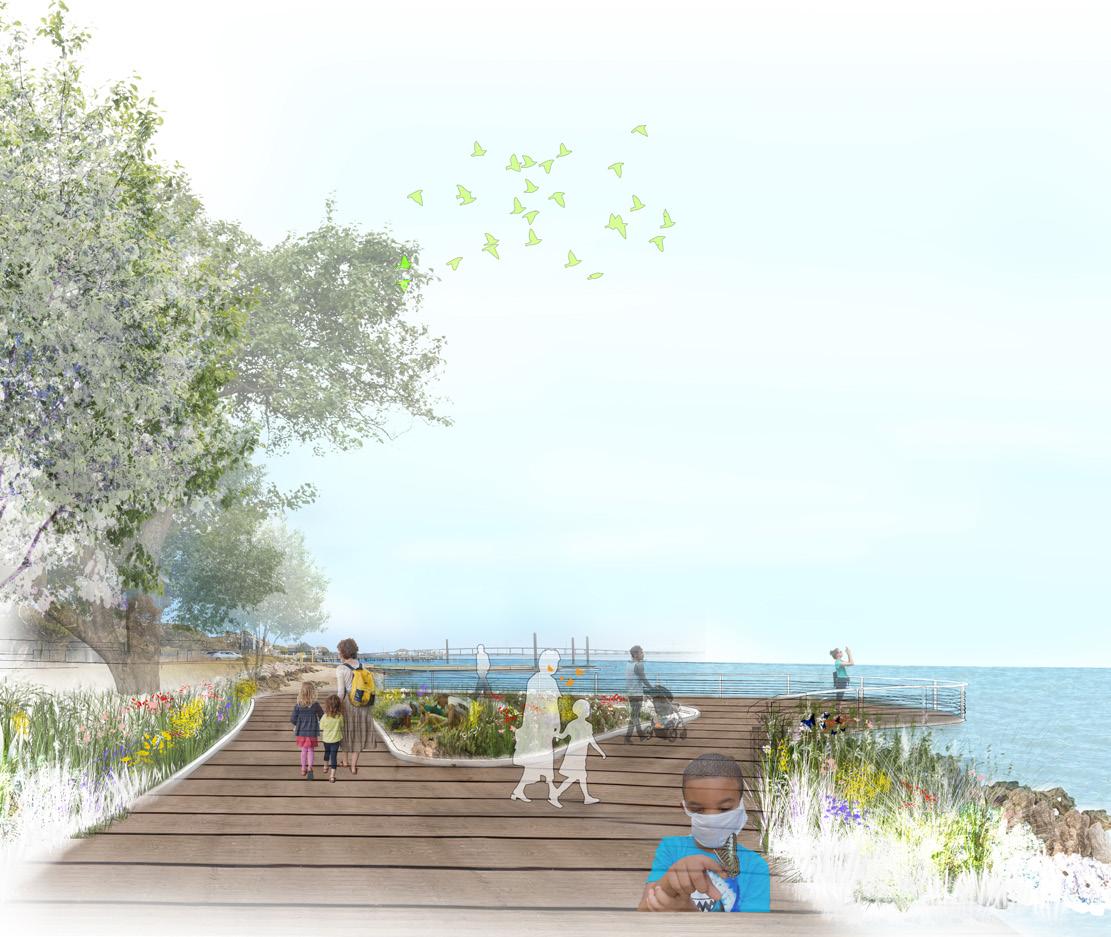
Showcase the challenges and adaptations of coastal environments with plantings resilient to salt spray, wind, and flooding. Visualize dune systems with wind-resistant grasses, barrier islands with mangroves and salt-tolerant shrubs, and living shorelines protected by oyster reefs.

Spring Condition
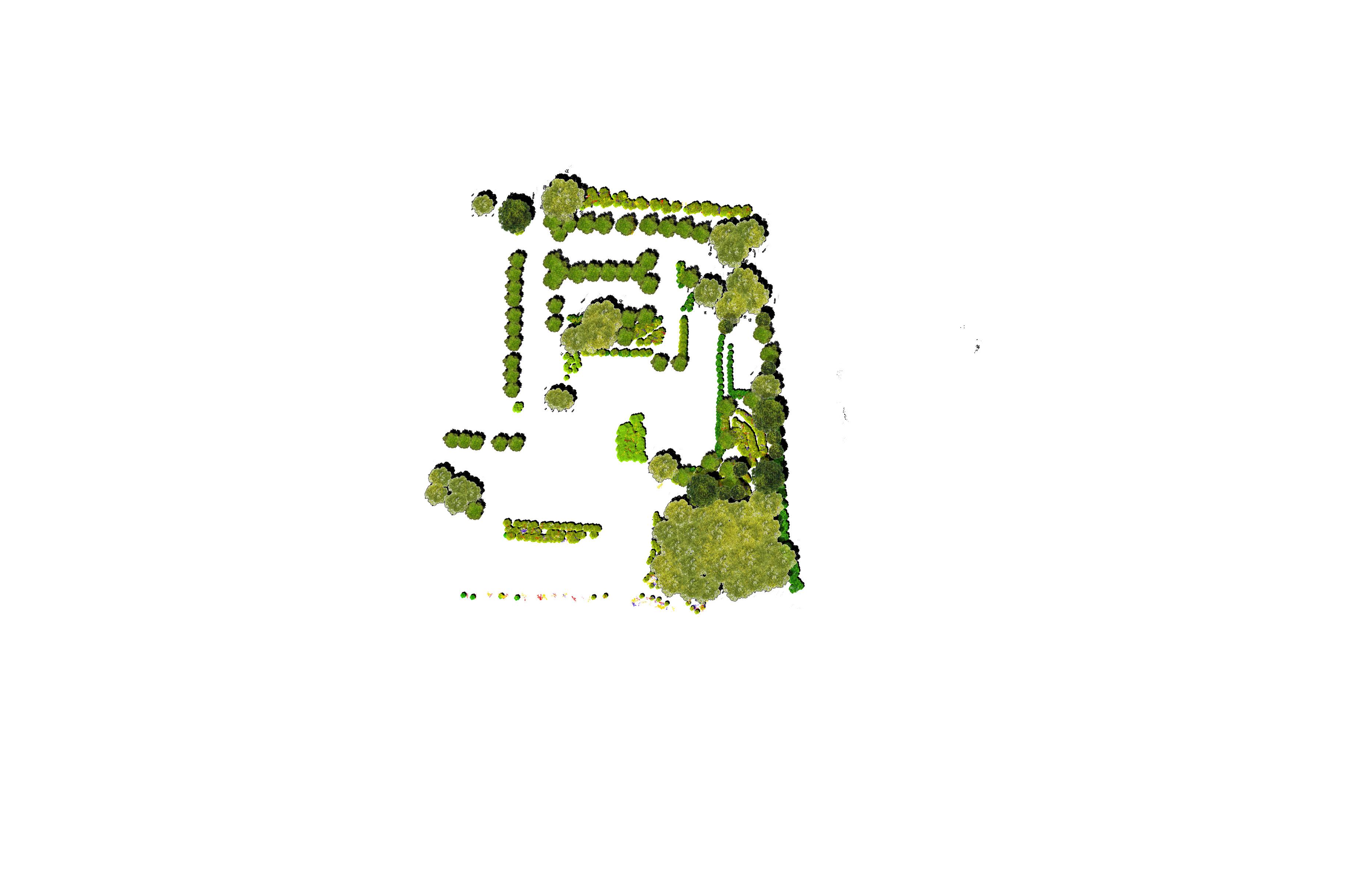
Maritime Forest
Coastal Wetland help absorb wave water and block storm surge, which protects the inland from flood and erosion while providing benefits to biodiversity.
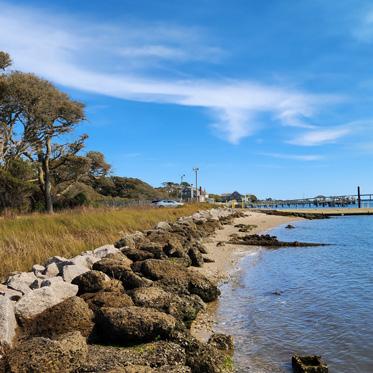
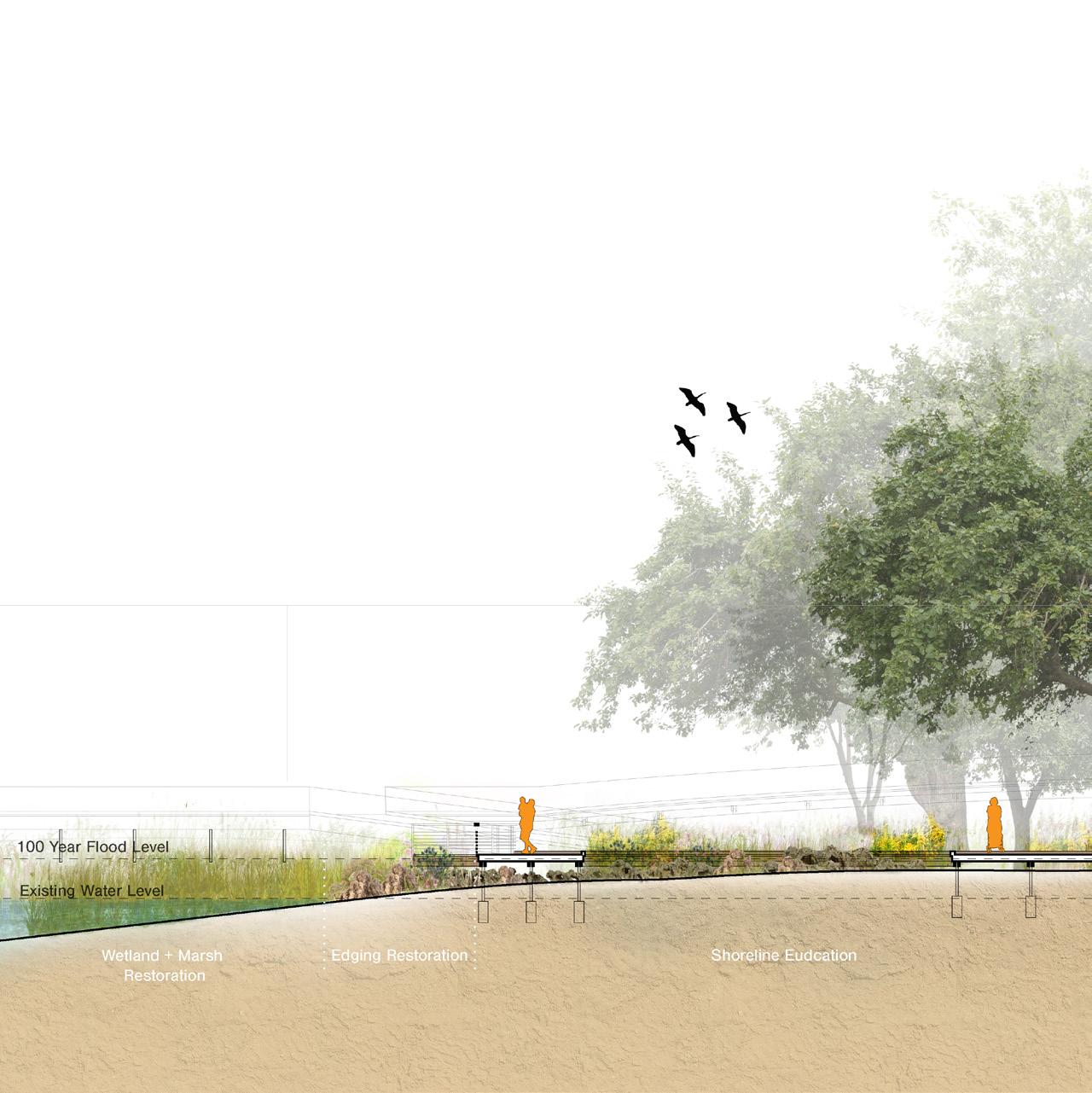
By immersing visitors in these educational landscapes, this area becomes a living textbook, reinforcing the research taking place at IMS while inspiring the community to become stewards of our precious coastal environment.
OPPORTUNITIES
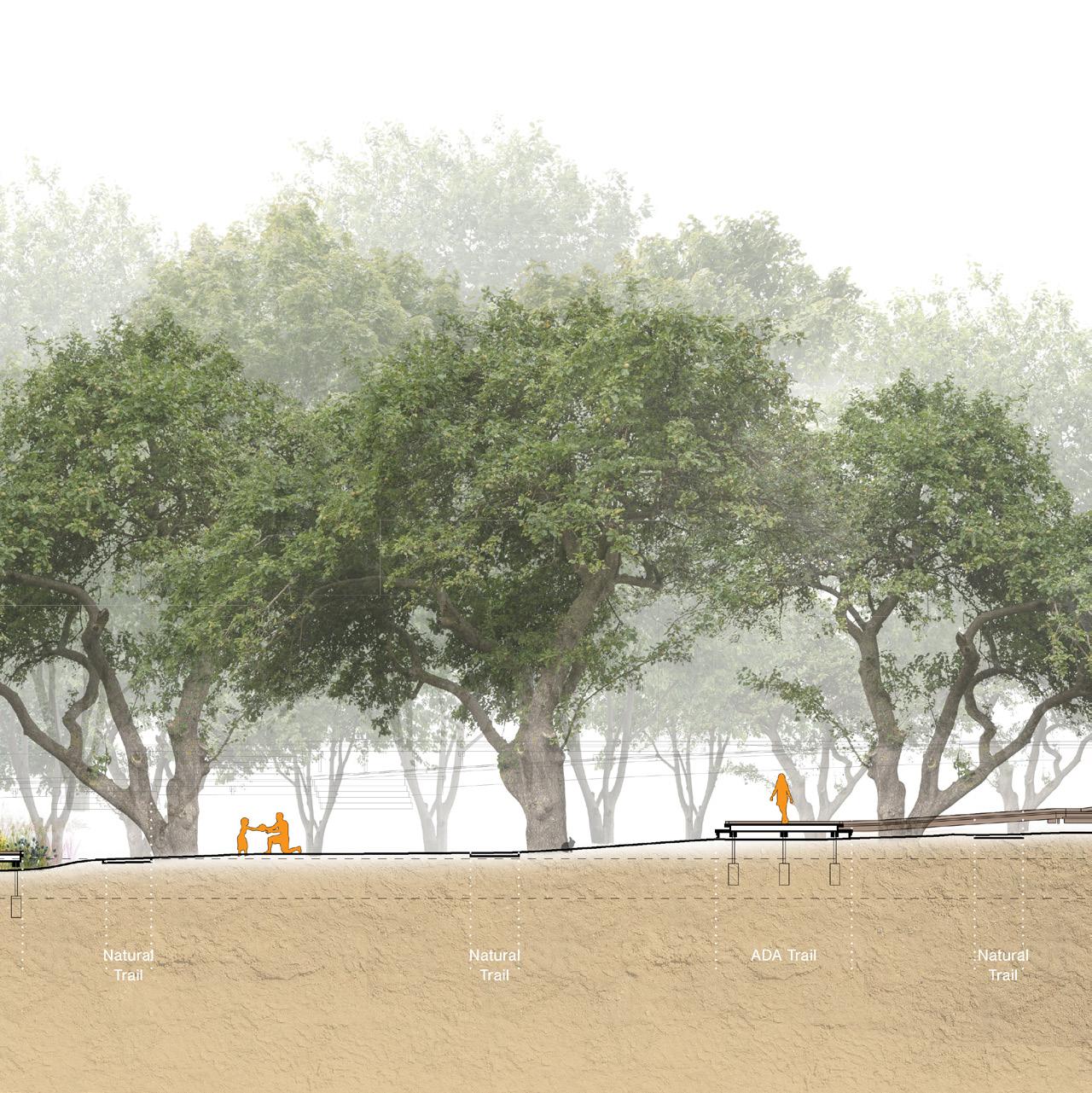
By immersing visitors in these educational landscapes, this area becomes a living textbook, reinforcing the research taking place at IMS while inspiring the community to become stewards of our precious coastal environment.
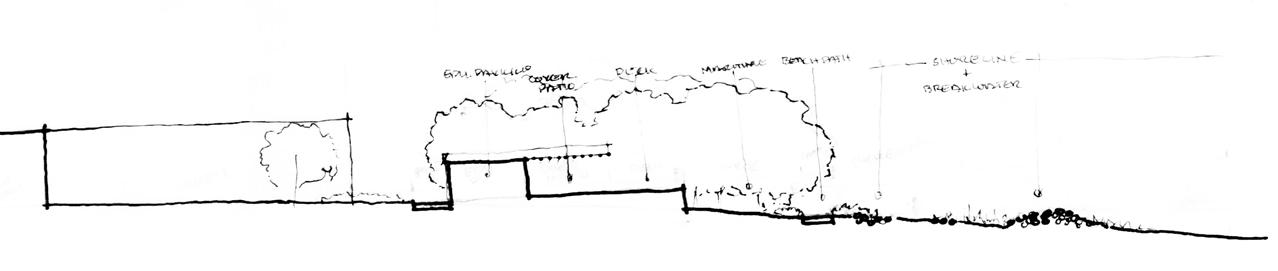
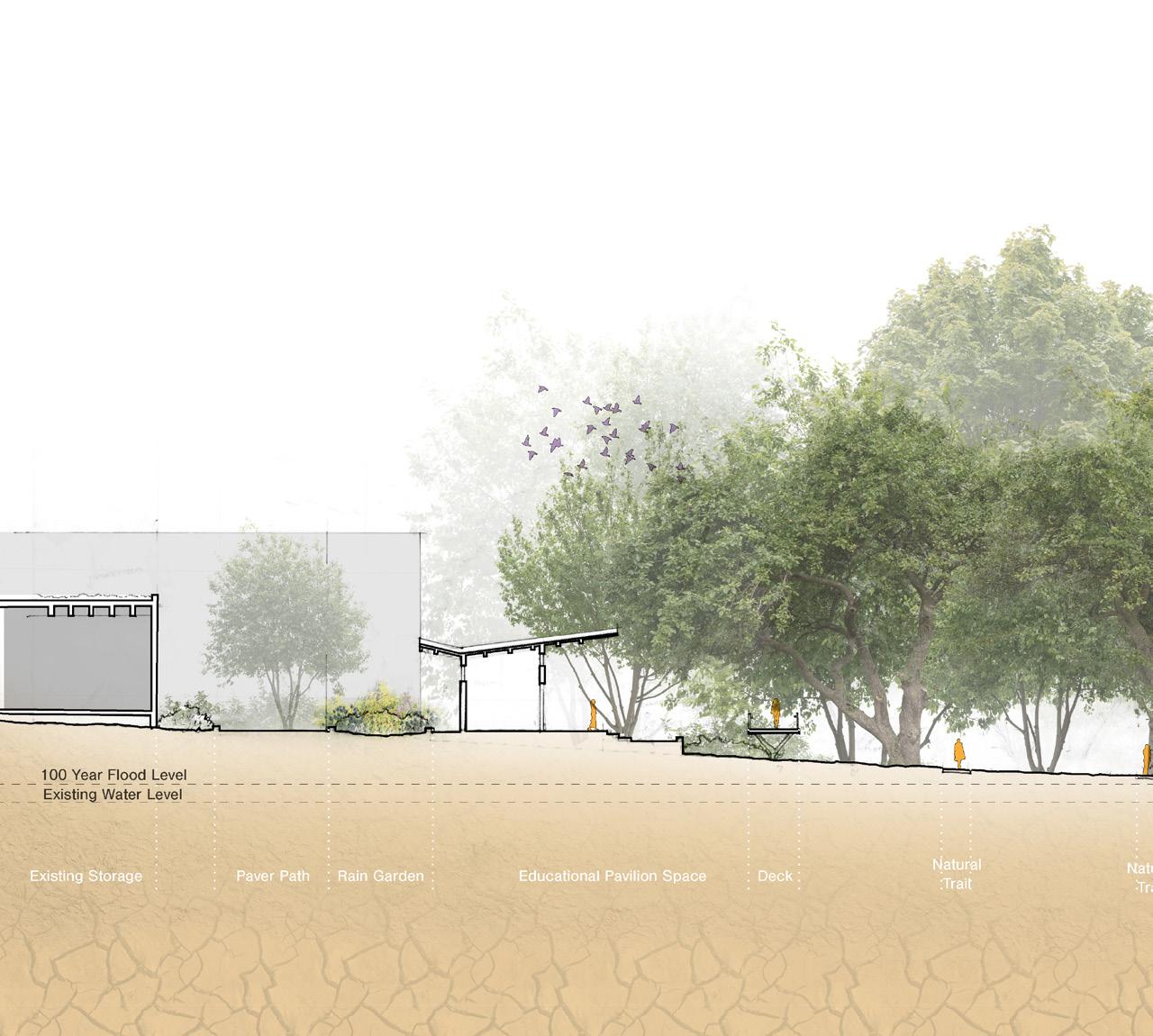
COASTAL ECOSYSTEMS
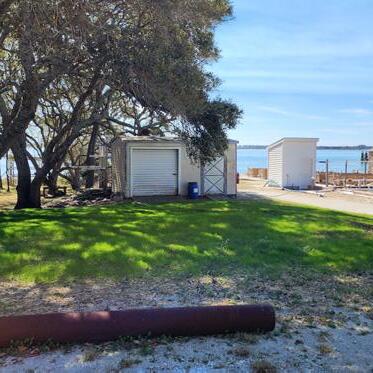
EXISTING CONDITIONS
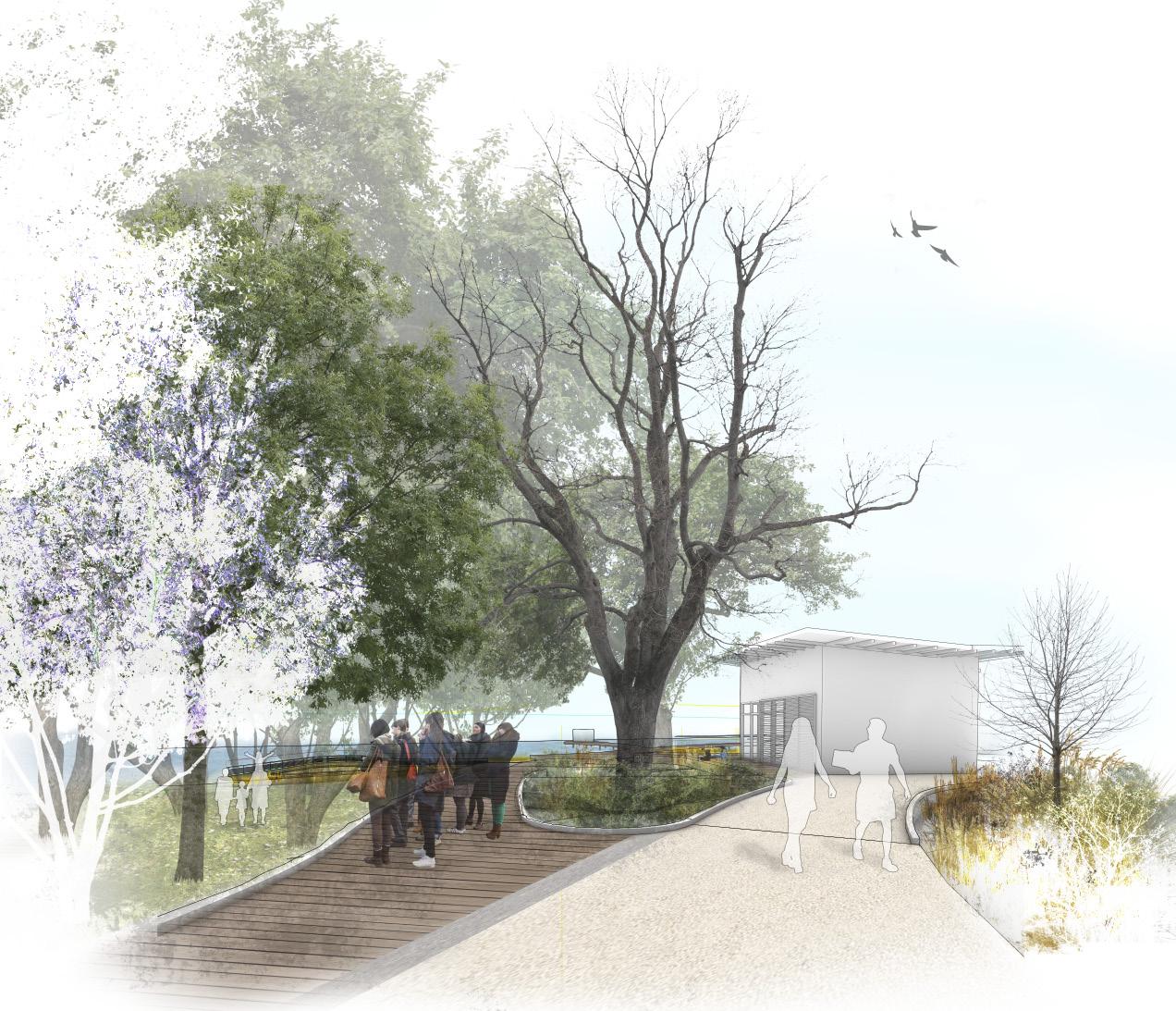
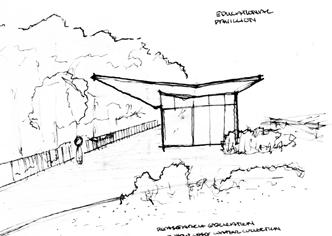
EDUCATIONAL PAVILION
COASTAL ECOSYSTEMS EDUCATION
MARITIME UNDERSTORY CONDITION
Protect coastal areas from the effects of storm surge, helps to reduce coastal erosions and absorbs wave water. Can assist with sediment transfer when segmented. Constructed with natural habitat components such as oyster reefs and coral reefs.
STORMWATER PLANTINGS
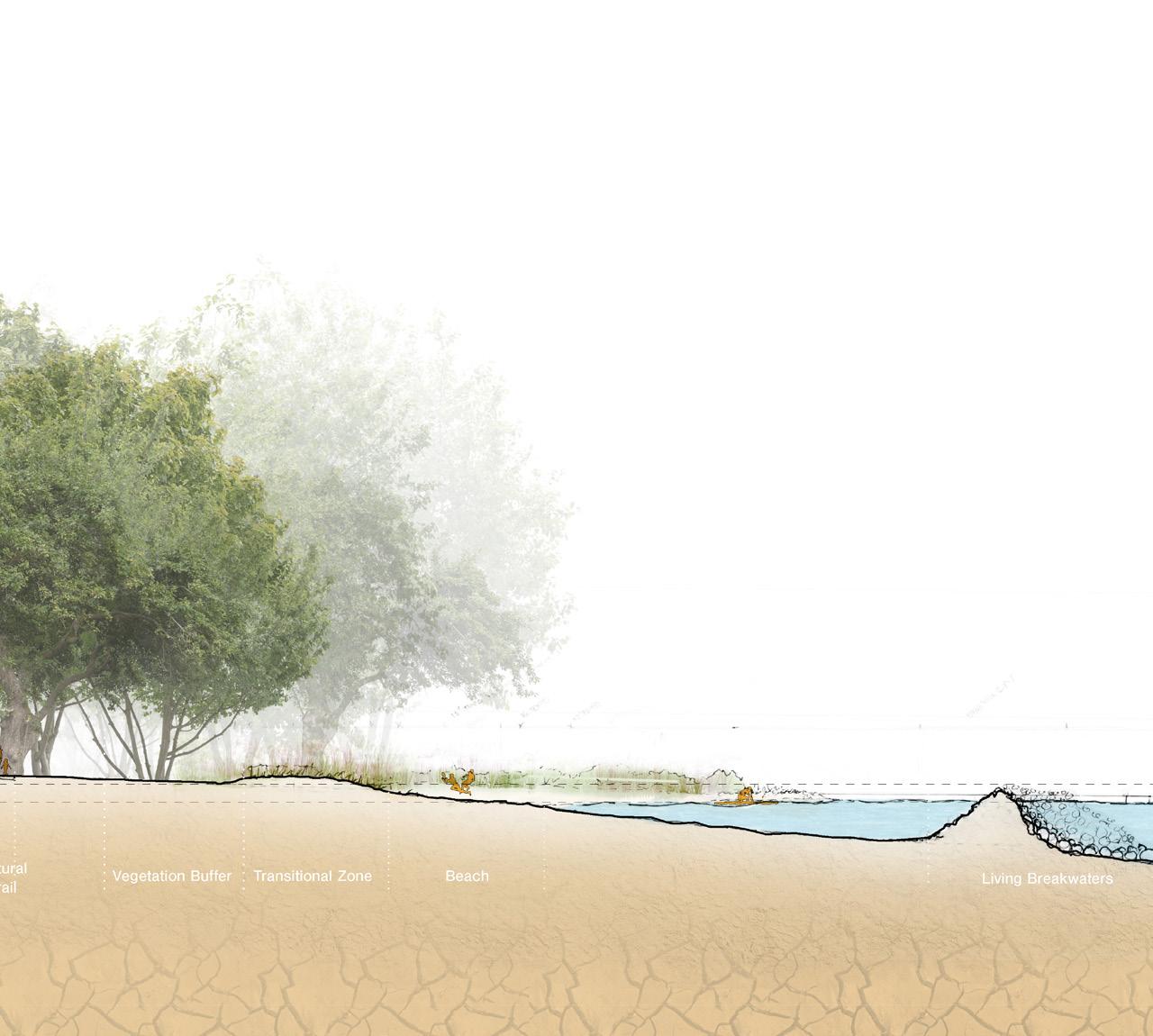
COASTAL RESILIENCY
ARC 500 | ARCH. DESIGN FOUNDATION & ENVIRONMENT
Professors Jinxan Hue
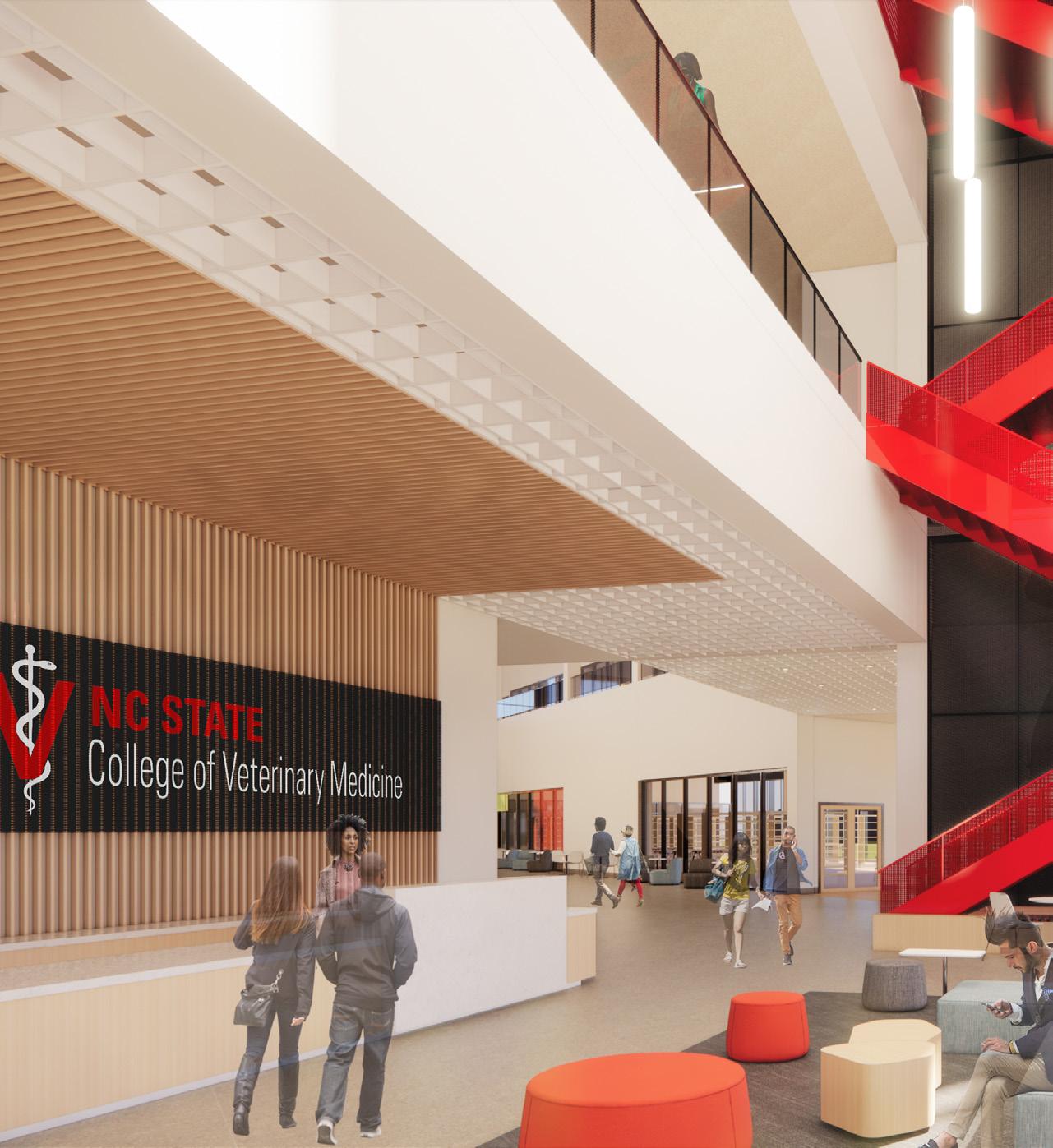
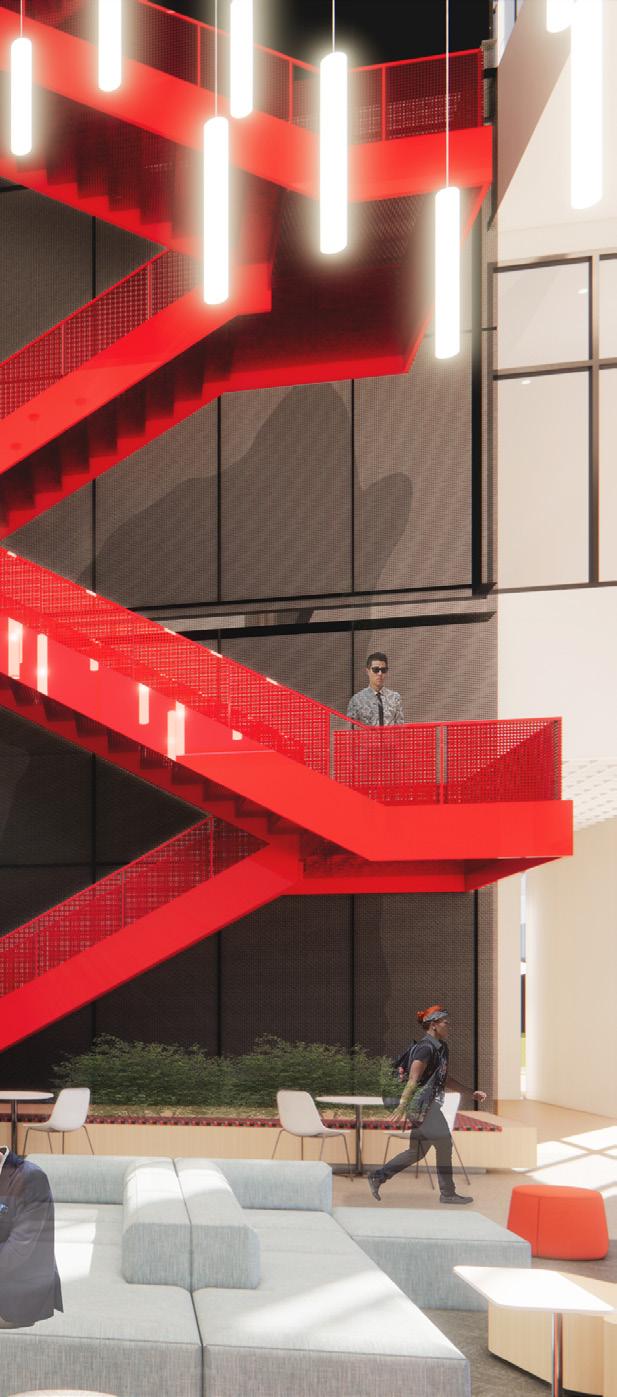
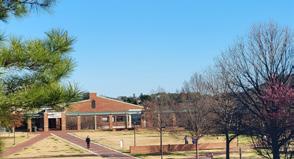
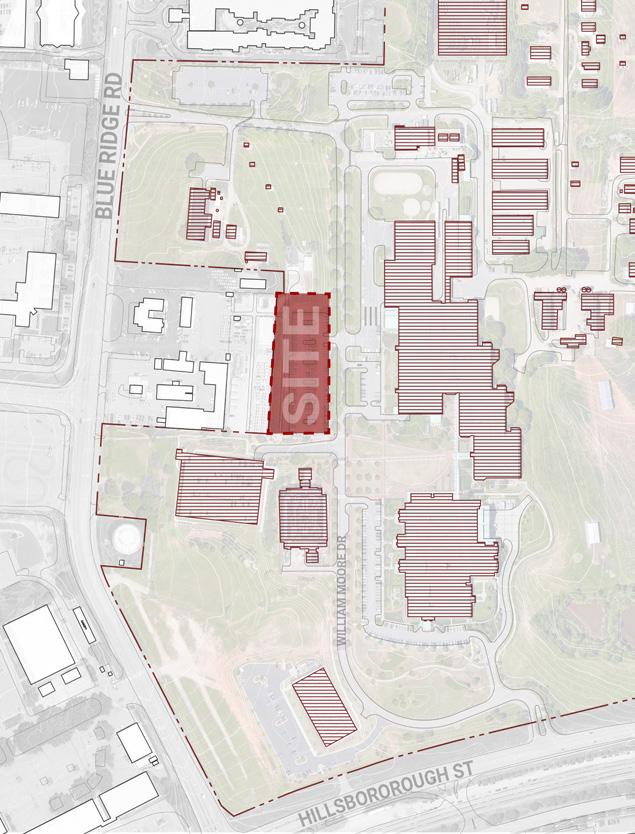
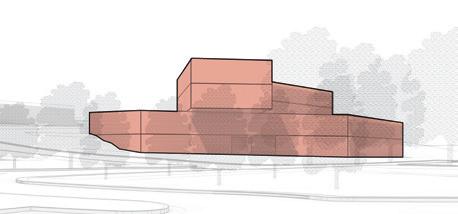
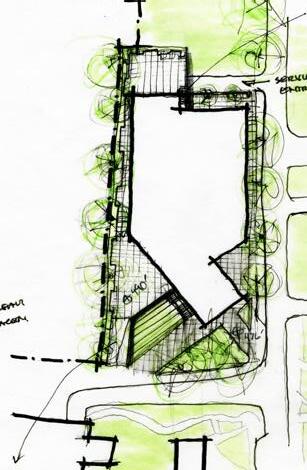
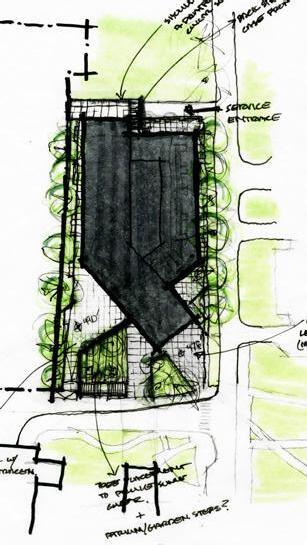
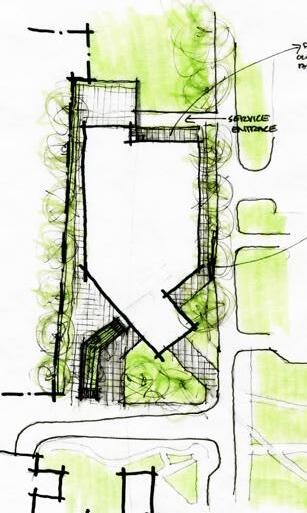
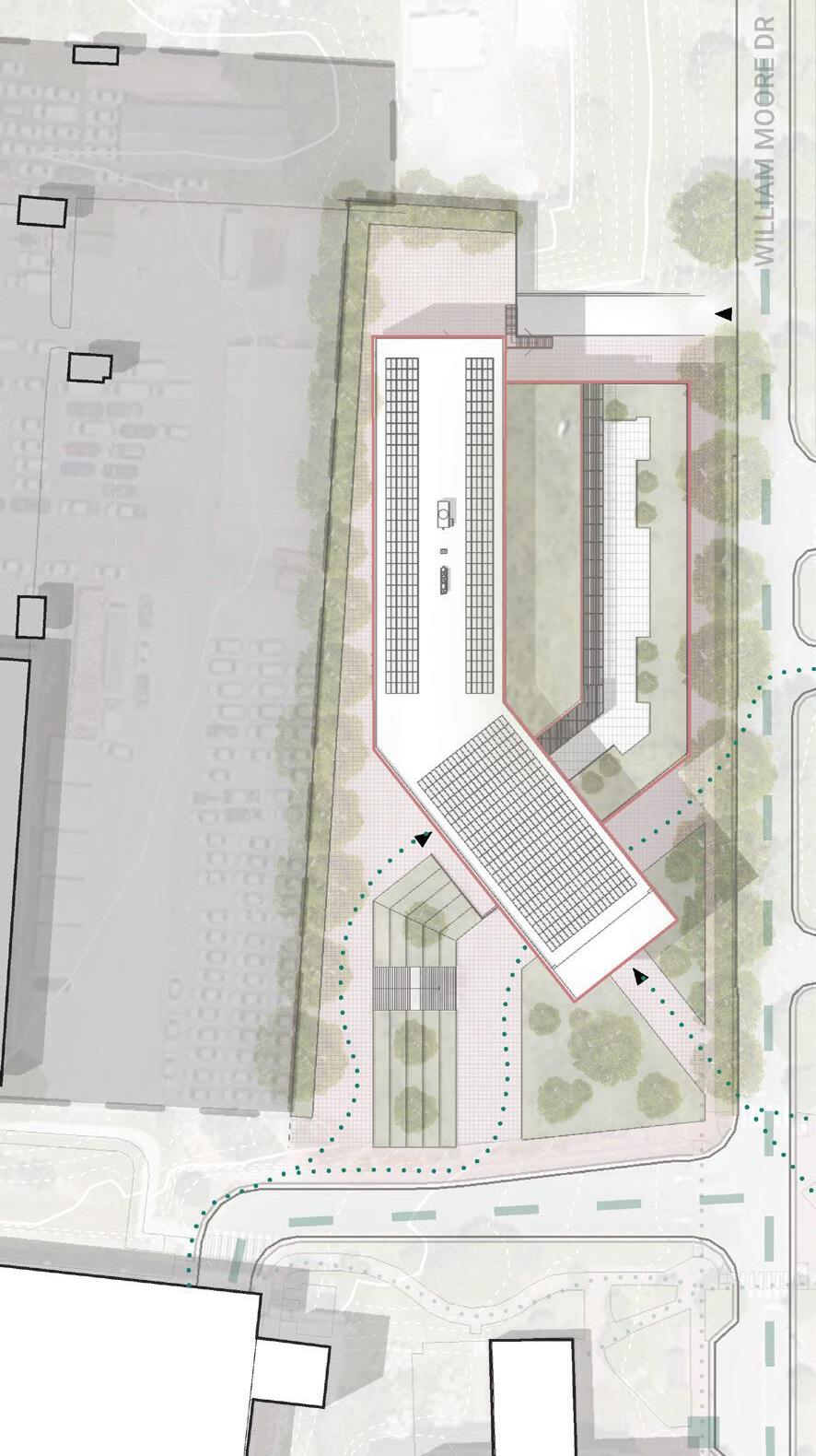
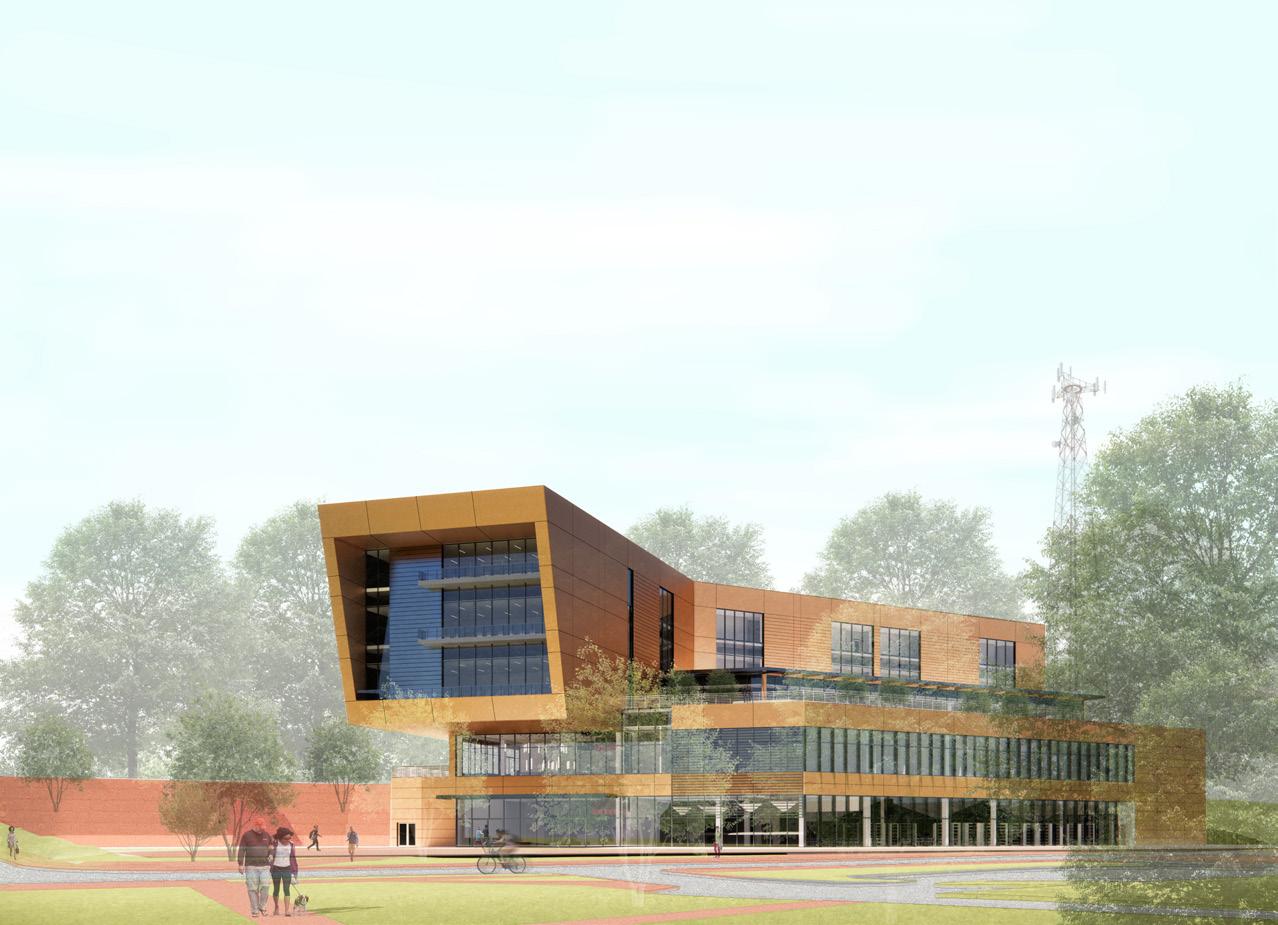
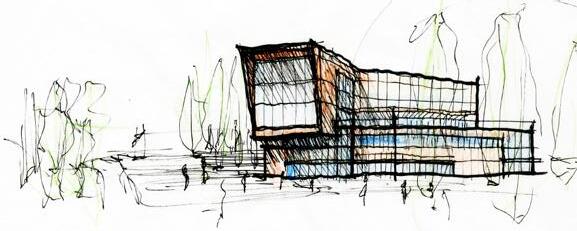
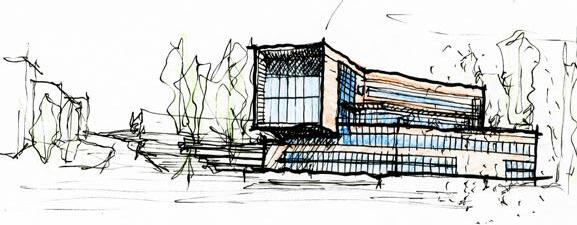
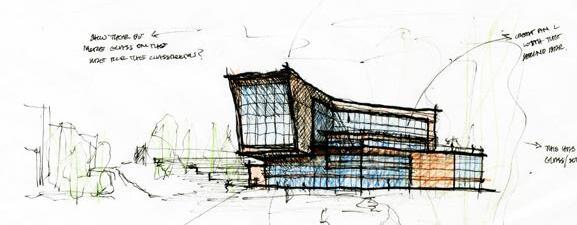
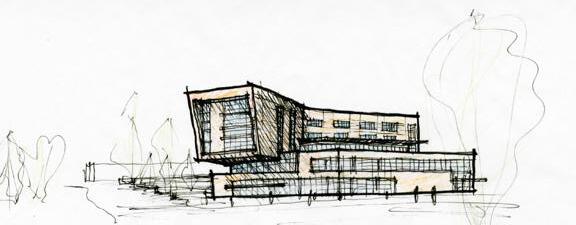
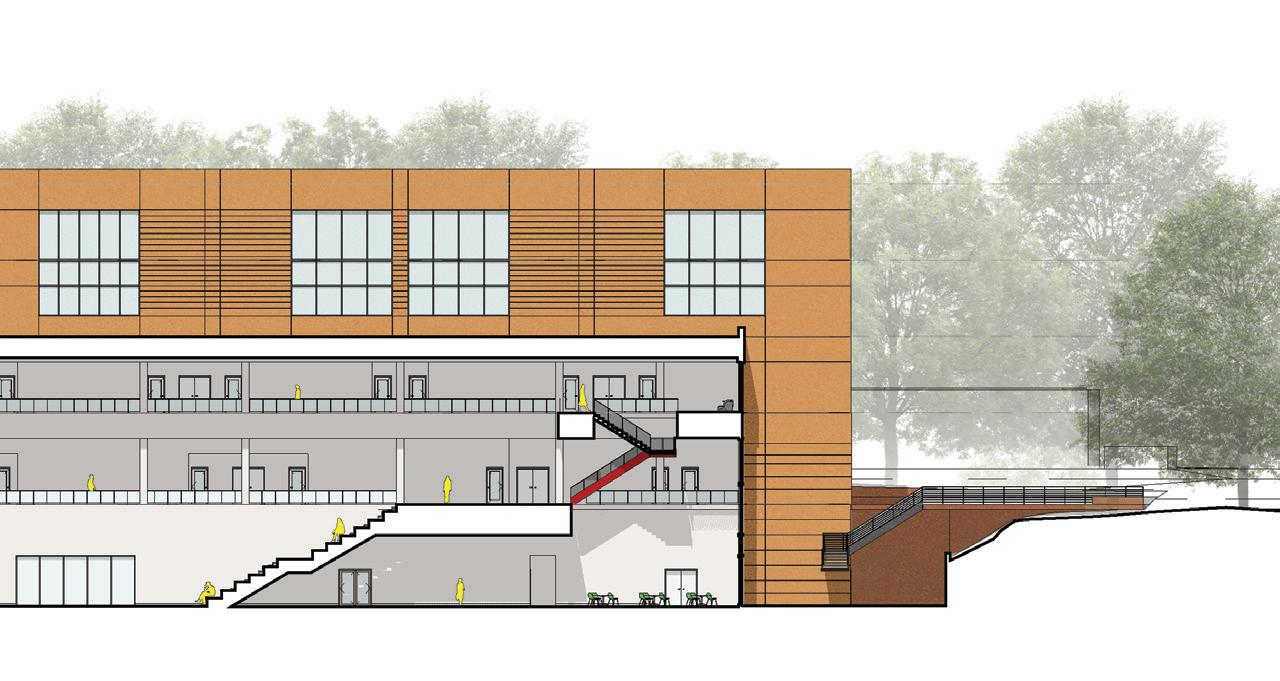
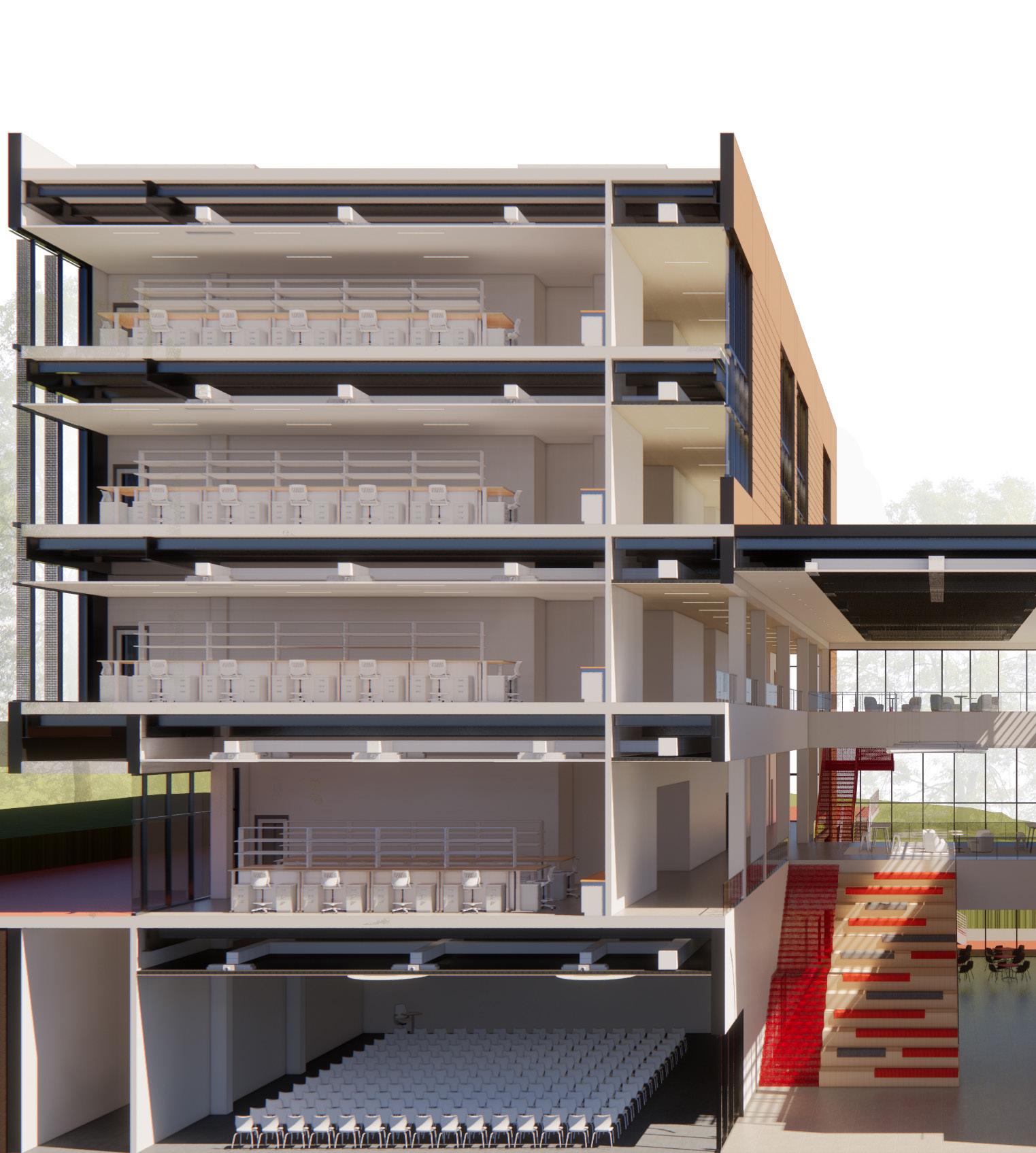
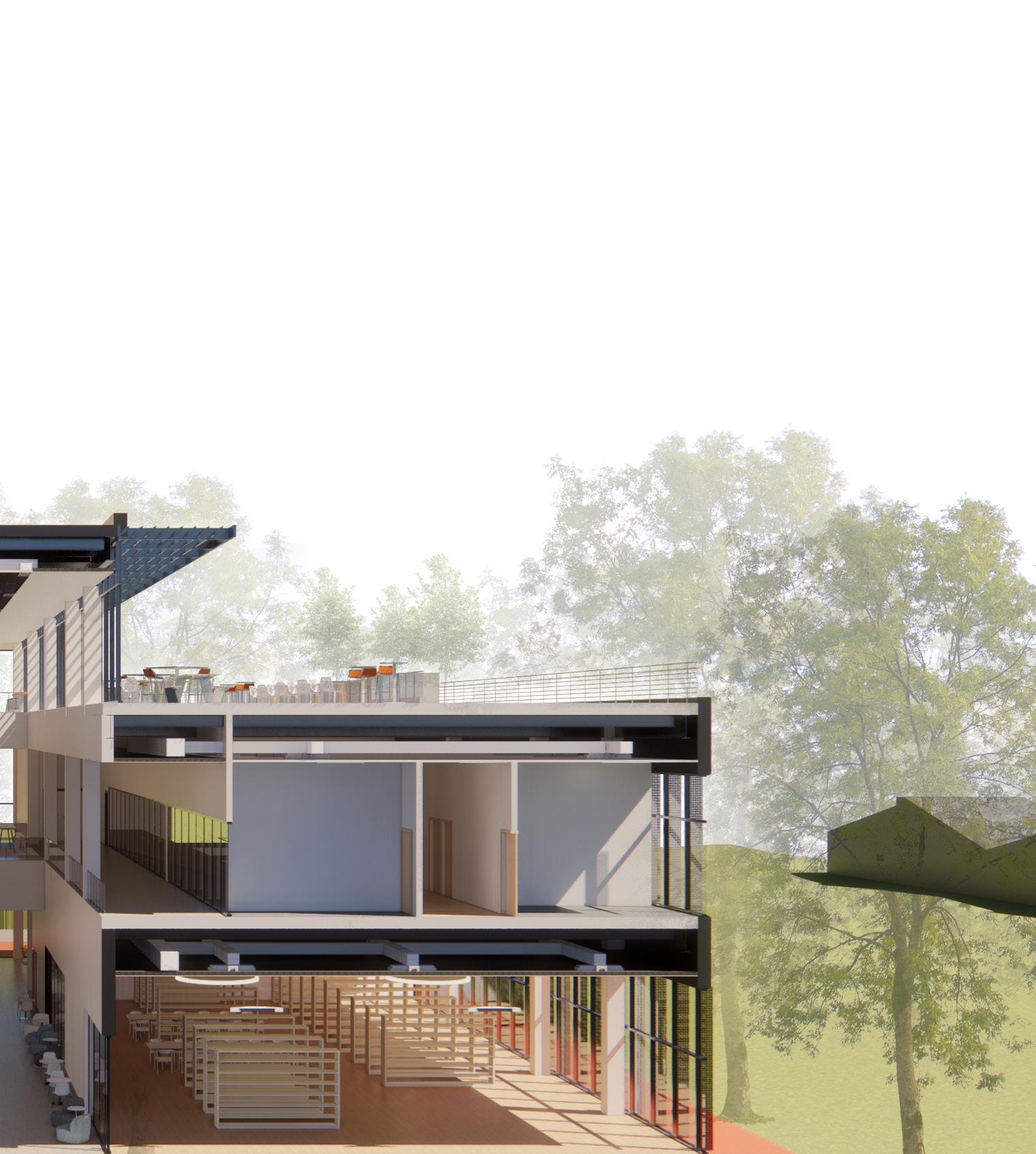
The College of Veterinary Medicine Educational Building serves as a dynamic hub for learning and social connection at North Carolina State University’s Centennial Biomedical Campus. As a prominent gateway from William Moore Drive and Trinity Road, the building enhances campus accessibility while prioritizing walk ability and student engagement. Its design centers around a light-filled atrium that fosters transparency, collaboration, and community. This vibrant space encourages students to gather, study, and connect, creating an inspiring academic environment. The adaptable exterior spaces accommodate future expansion, ensuring long-term flexibility.
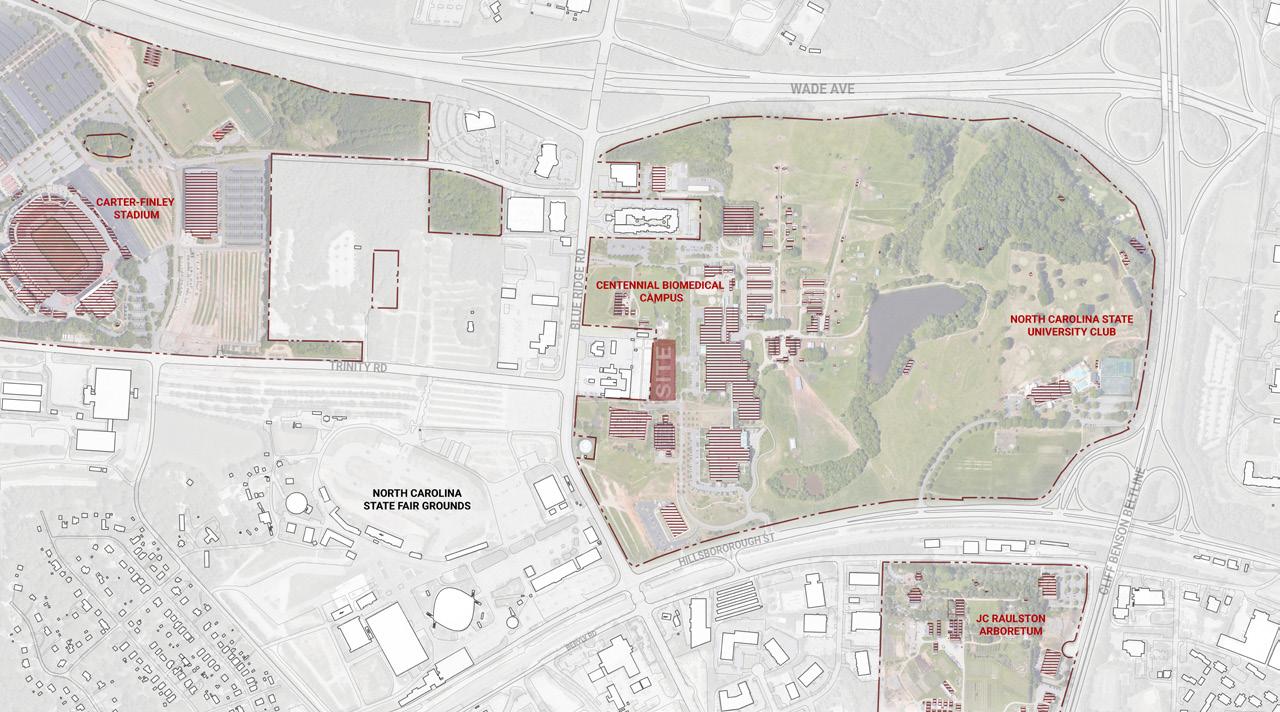
North Carolina, 27606
FUTURE GATEWAY PARKING DECK
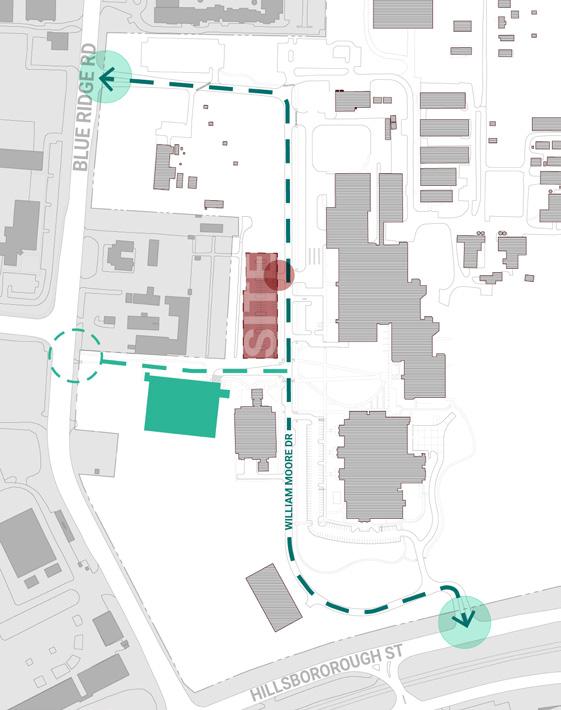
EXISTING GATEWAY
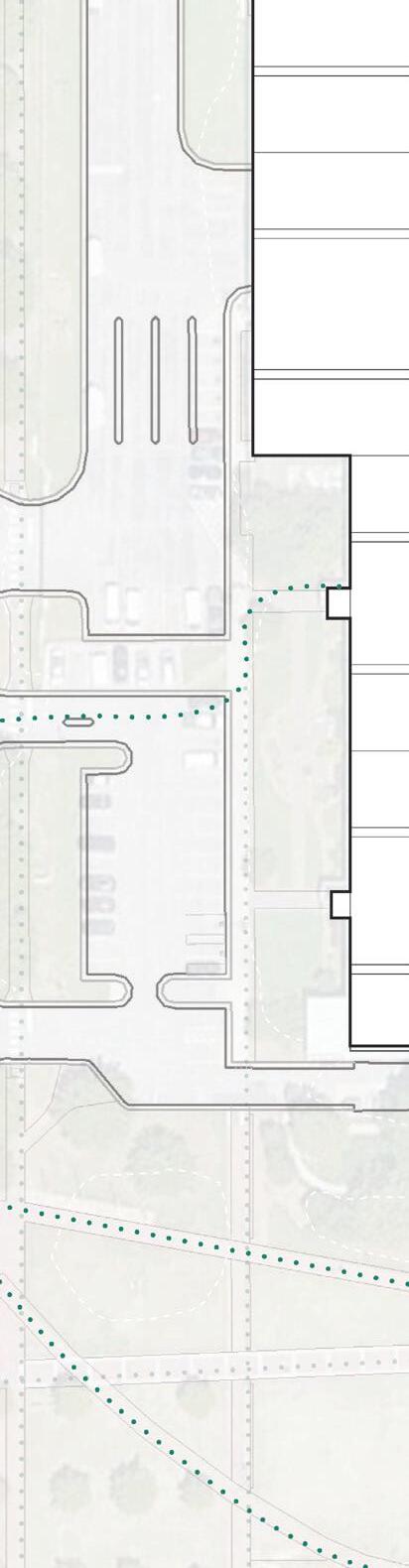
VEHICULAR DIAGRAM
LAWN SPACE
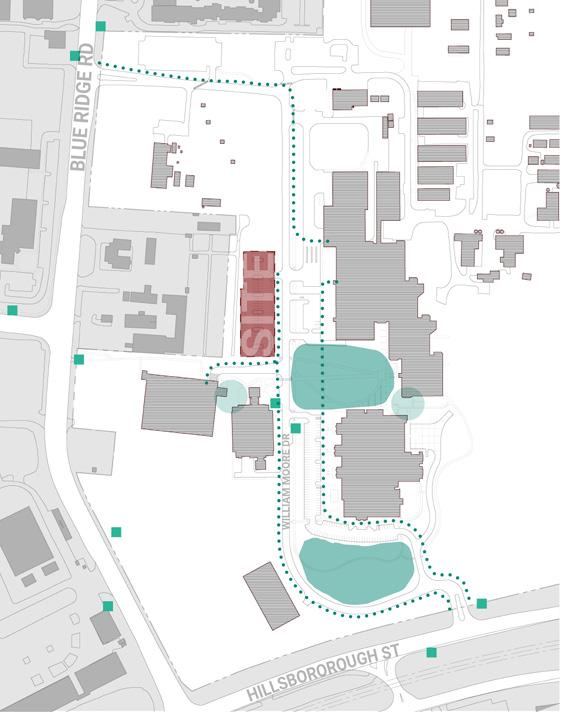
PEDESTRIAN DIAGRAM
Vehicular Circulation Site Existing Entrance
HIGH LAND
Future Road
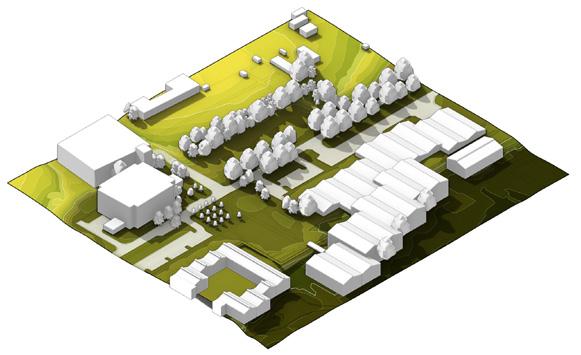
TOPOGRAPHY DIAGRAM
Pedestrian Threshold Bus Stops
Pedestrian Circulation
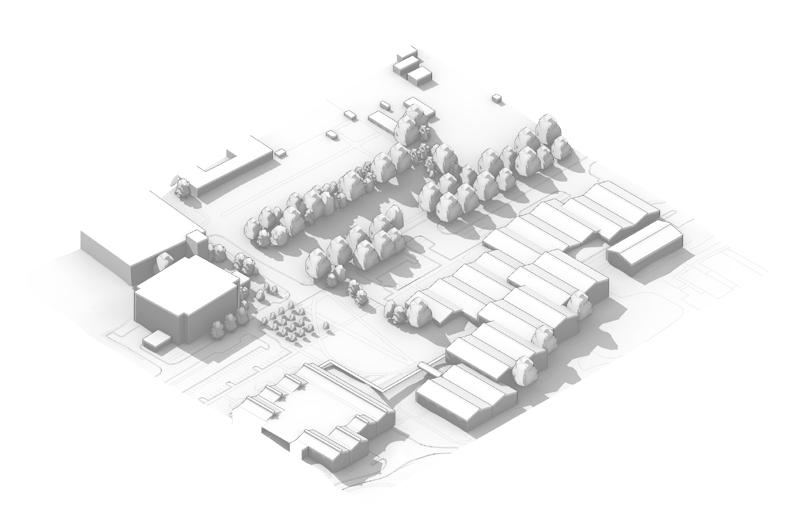
DIAGRAM
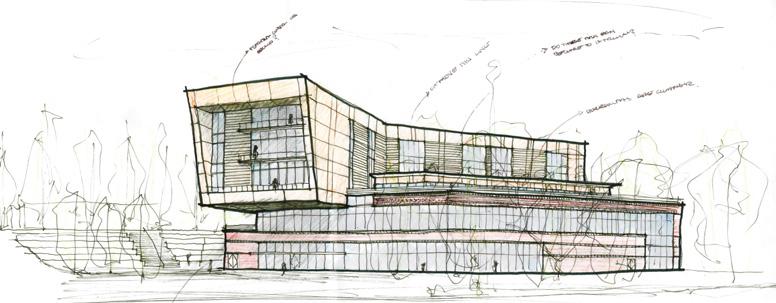
MASSING STUDY
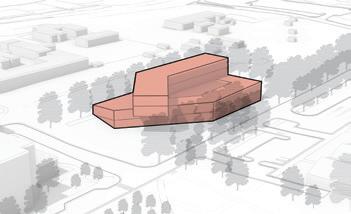
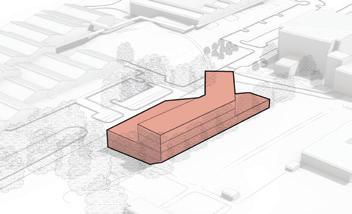
NC STATE COLLEGE OF VETERINARY MEDICINE
4/21/2022 11:14:52 PM
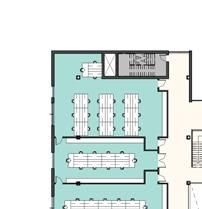
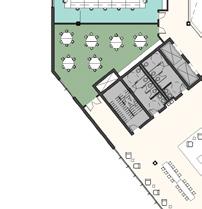
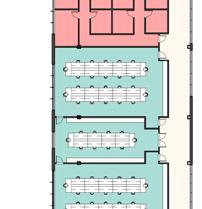
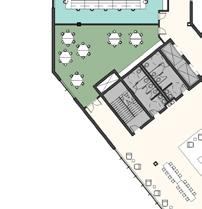
FIRST FLOOR PLAN
Classrooms
Social Space Circulation BOH
The College of Veterinary Medicine Educational Building enhances walkability through interconnected pathways and landscaped spaces. These inviting walkways encourage pedestrian movement, fostering community and a connection to the natural environment. Designed for future growth, the building features adaptable exterior spaces that allow for seamless expansion, ensuring it can meet the College of Veterinary Medicine’s evolving needs. This forward-thinking approach guarantees the building’s role as a vital center for learning and innovation for generations to come.

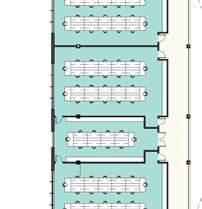
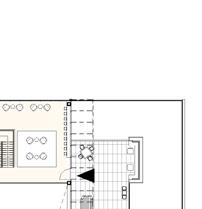
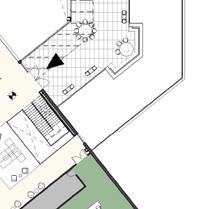
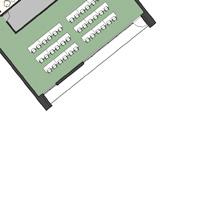
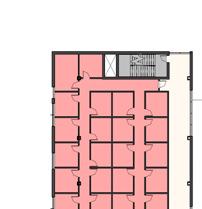
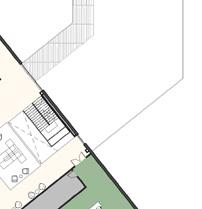
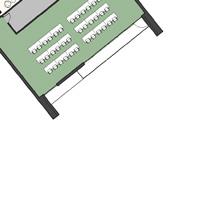
FOURTH FLOOR PLAN
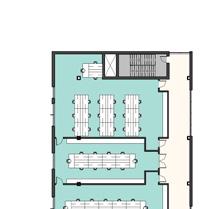

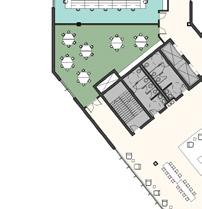
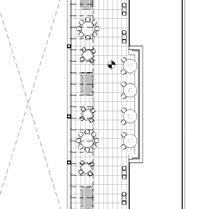
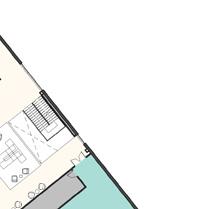
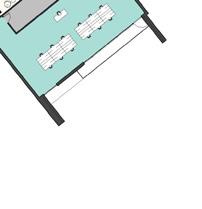
FIFTH FLOOR PLAN
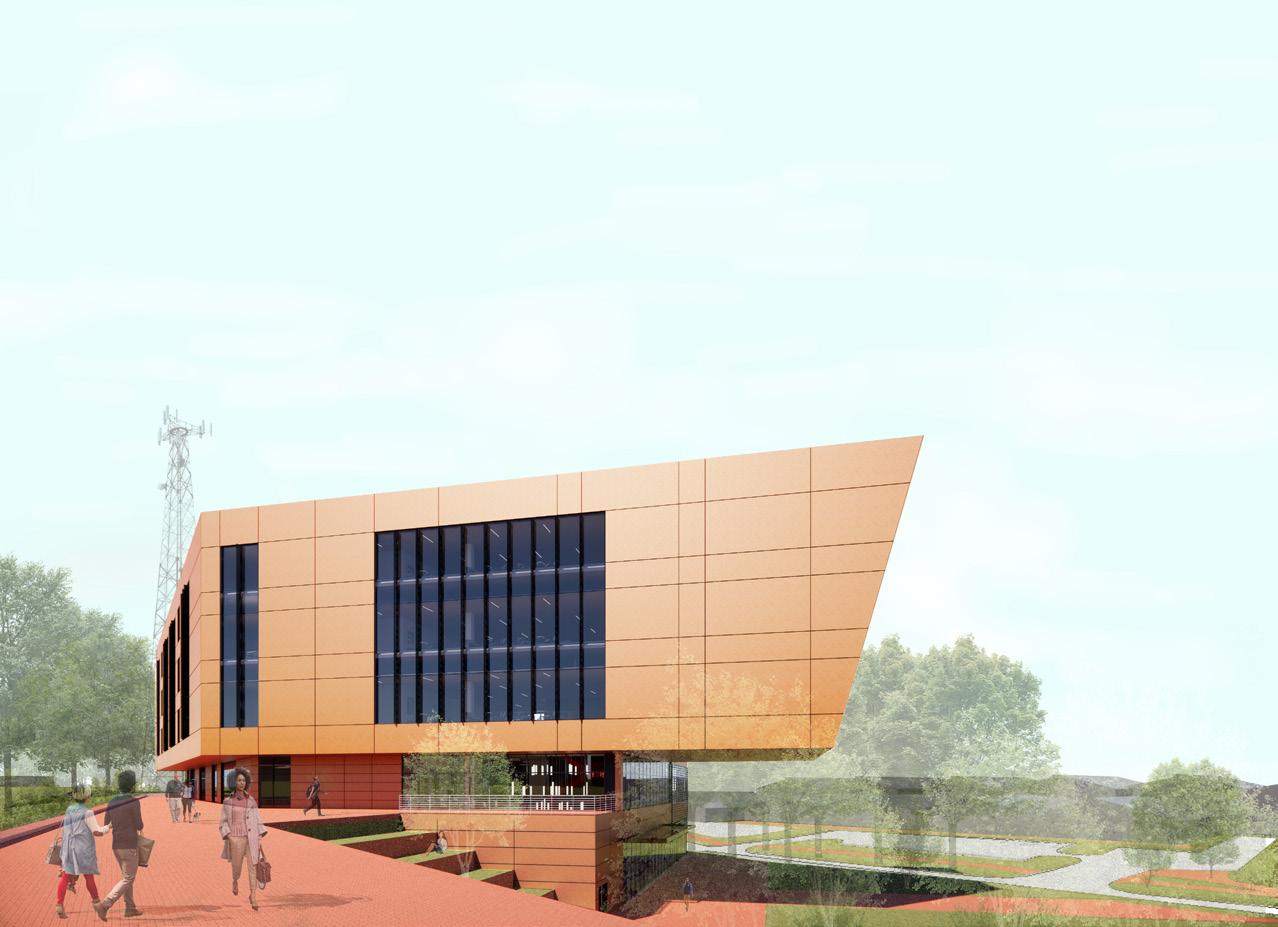
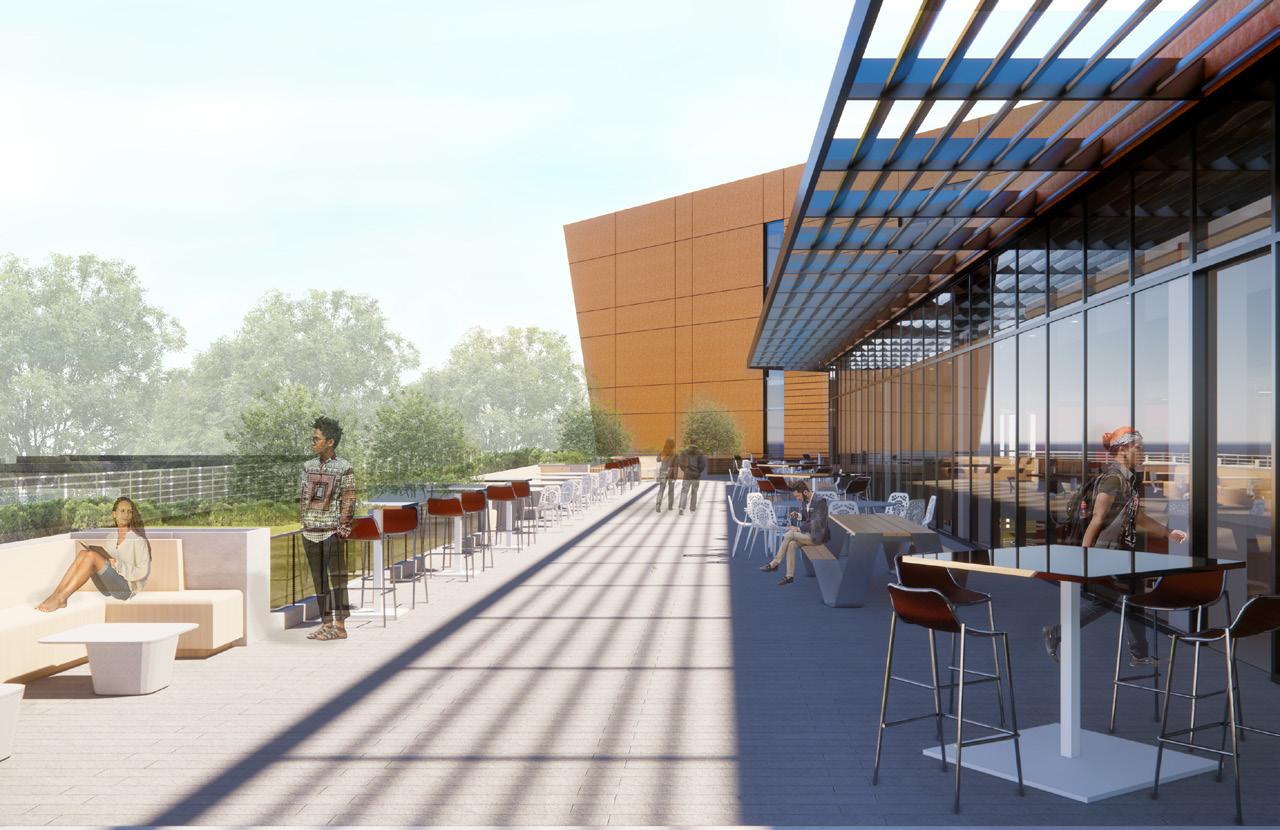
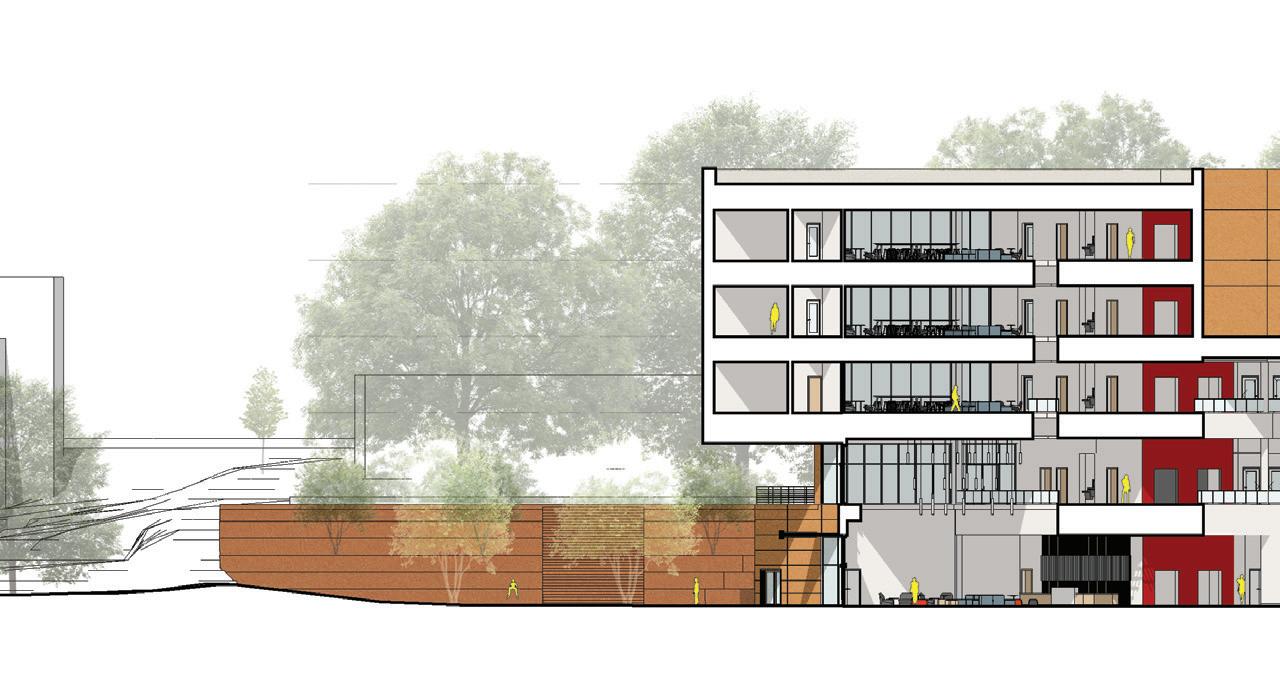
The building’s exterior material palette honors NC State’s architectural heritage, seamlessly integrating warm brick tones with terracotta panels. This timeless aesthetic reinforces the tradition and excellence of the veterinary medicine program while maintaining a strong connection to the campus landscape.
SUMMER 2024 + SPRING 2025
Design Workshop CFI Intern + Landscape Designer
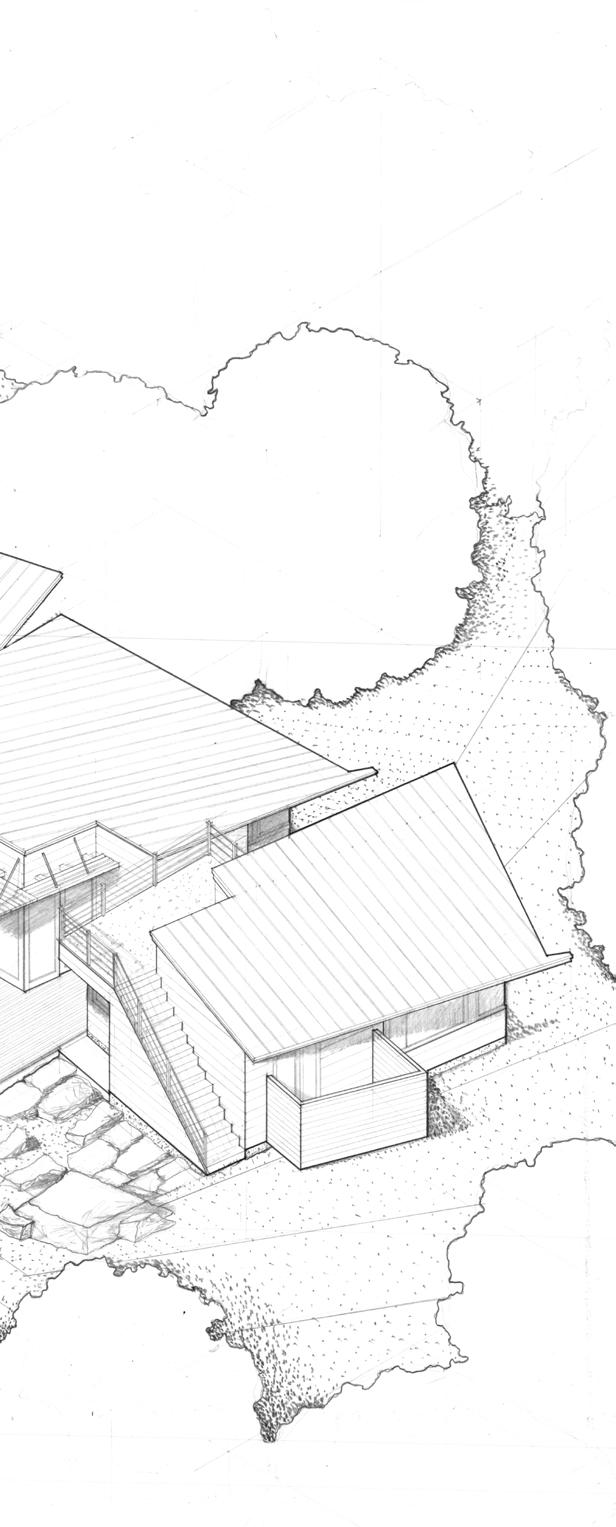
As a 2024 Charles Fountain Intern, I contributed to the redesign of Augustus F. Hawkins Park, an 8.5-acre historic green space in South Los Angeles, alongside a team of seven other interns. It was an extremely collaborative effort. As a Landscape Designer, I assisted with the project booklet for clients, project award submissions, redlines, and research.
SUMMER 2022 - SPRING 2024
Hanbury Summer Scholar + Architecture Designer
Developed high-impact graphics and info graphics for client presentations in collaboration with the Planning Team and data analysts. Participated in action meetings, site visits, and concept development charrettes to support campus planning initiatives. Conducted research as a Summer Scholar, re imagining a shopping mall impacted by environmental challenges and evolving retail trends. Engaged with city officials and industry professionals to gather insights, culminating in the publication of a comprehensive book documenting findings and design solutions.
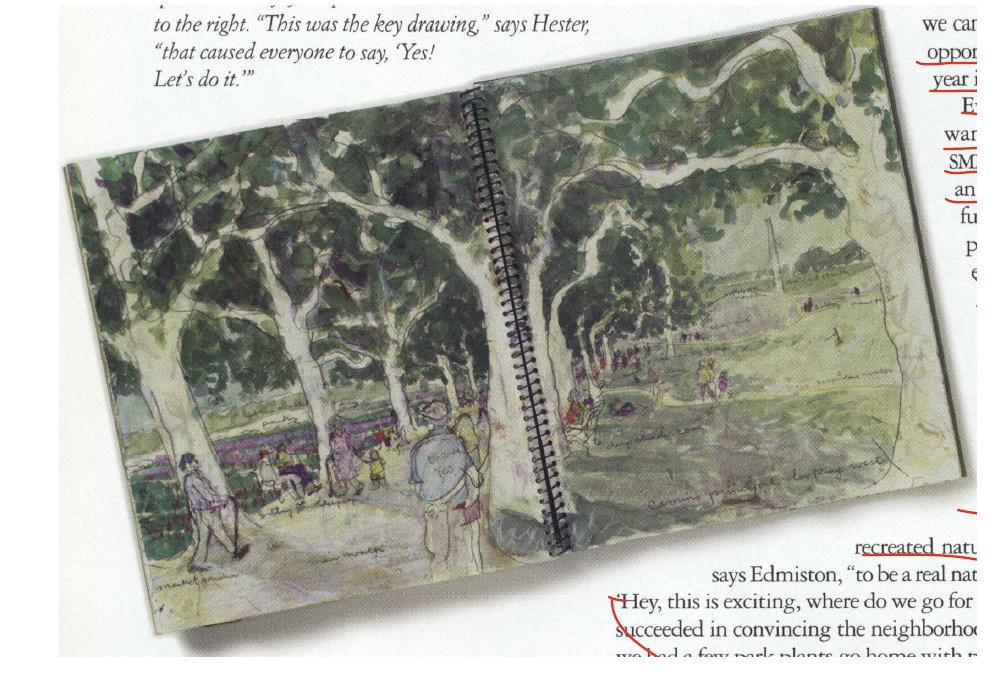
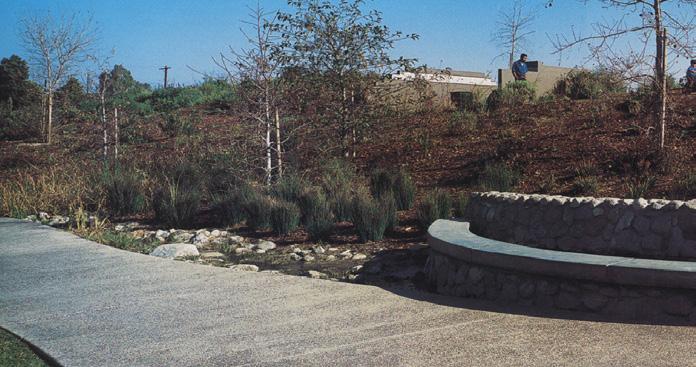
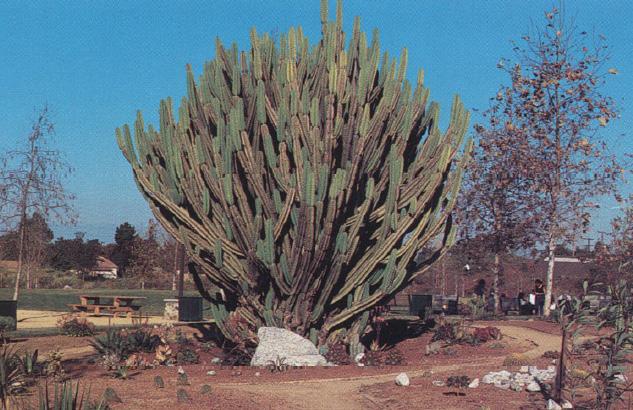
IMAGES FROM 19XX
“I LIKE THE GREEN AREAS TO PLAY WITH MY LITTLE BROTHER.”
“I LIKE THE POND, DUCKS, AND TURTLES!”

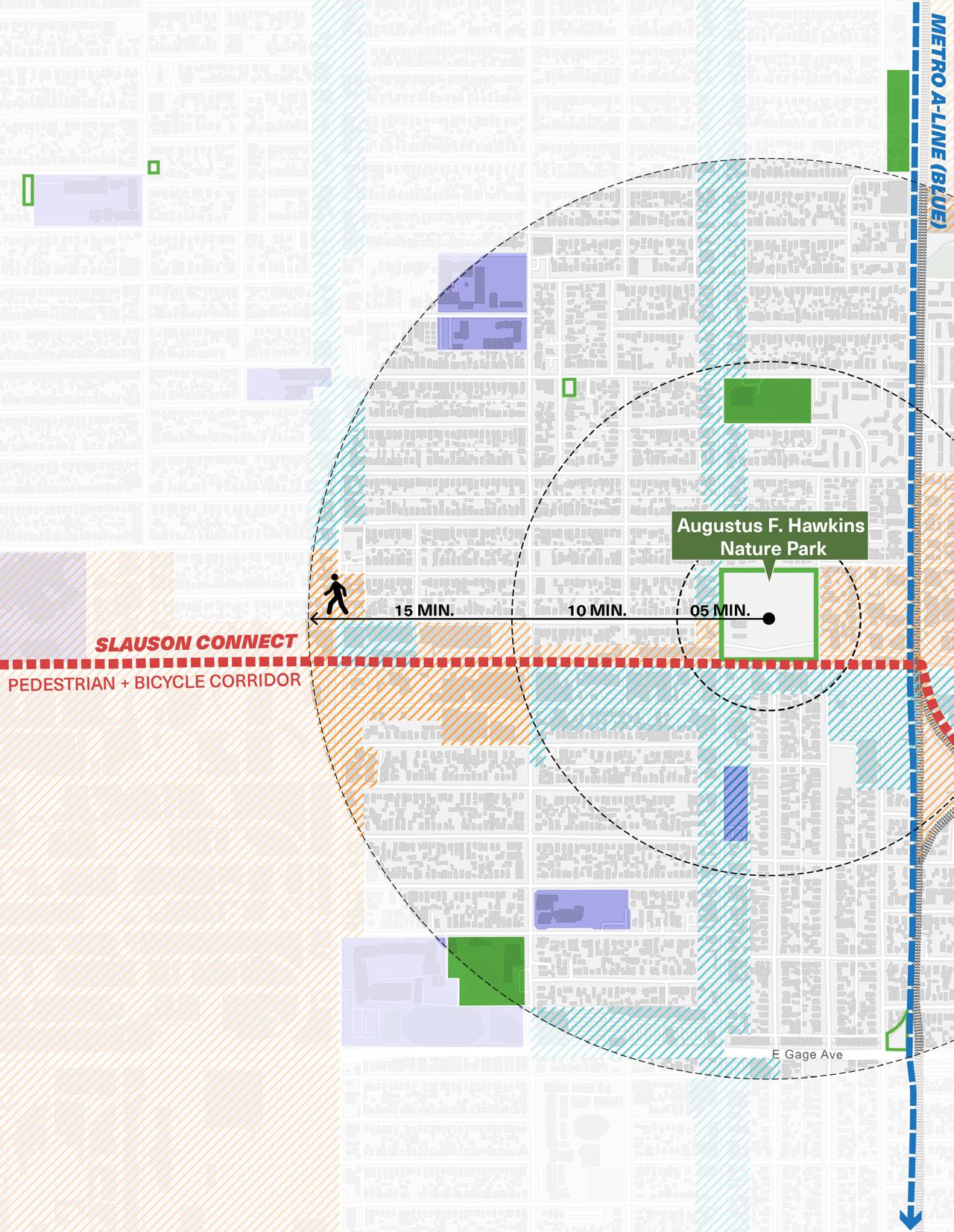
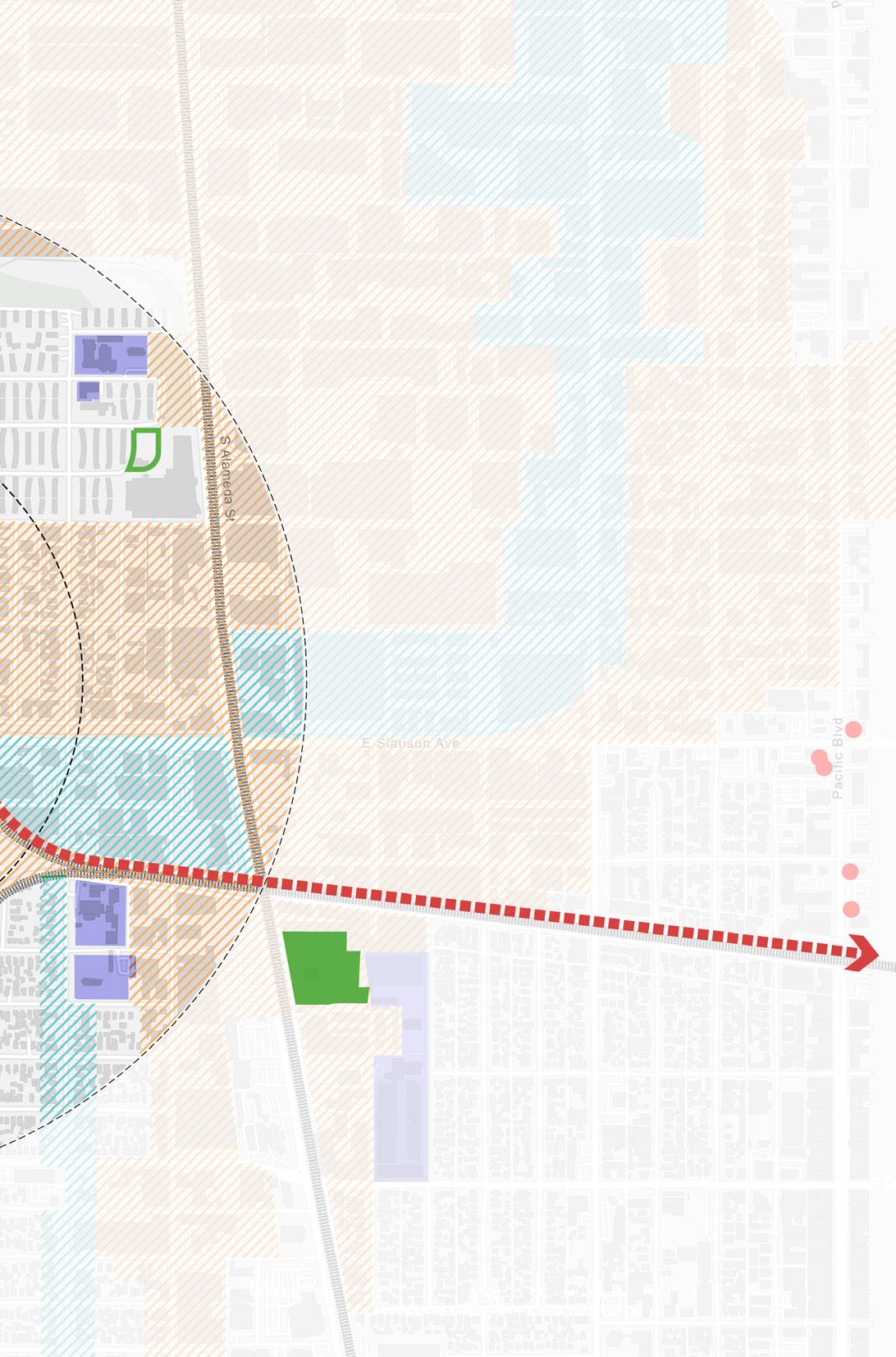
MAP
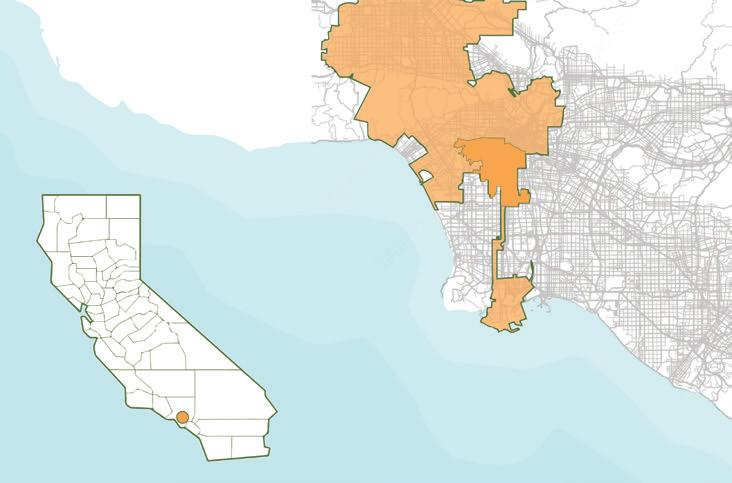
Los Angeles City Boundary
“I LIKE THE TREES AND THERE AREN’T A LOT OF PEOPLE SMOKING AND DRINKING.”
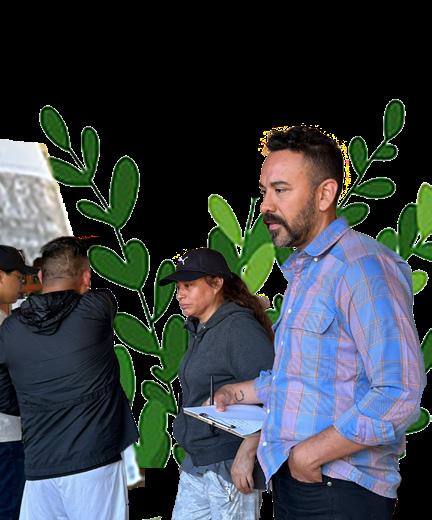
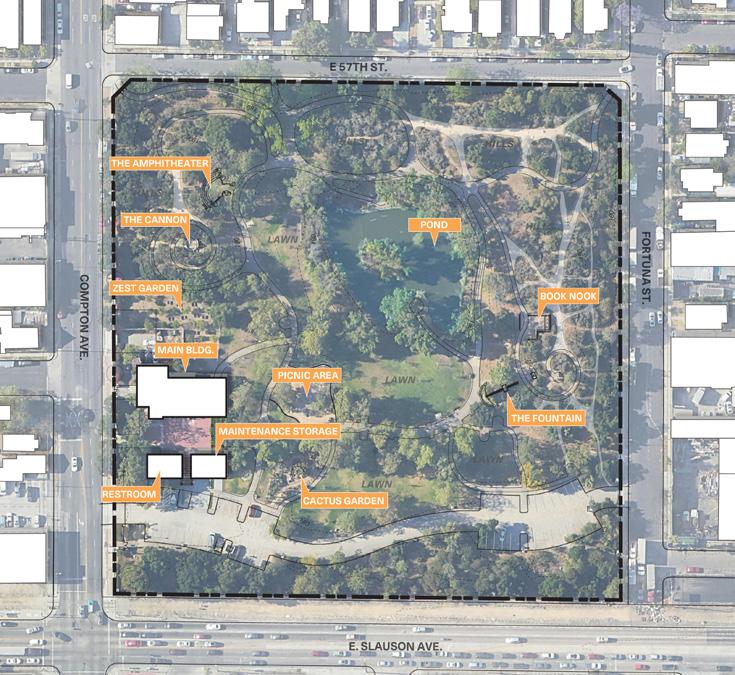
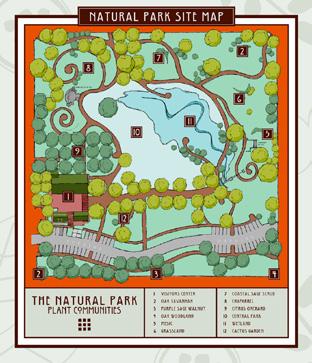
As part of the Charles Fountain Interns of 2024, we’ve had the honor of redesigning Augustus F. Hawkins Park, a groundbreaking and cherished green space in South Los Angeles. Our goal were to propose a design that ensures this 8.5 acre historic park continues to serve the community for the next 25 years and beyond—not as a tourist destination, but as a preserved and enhanced oasis for the local residents who have enjoyed it for the past quarter-century. We used data to support our design decicions and strageties.
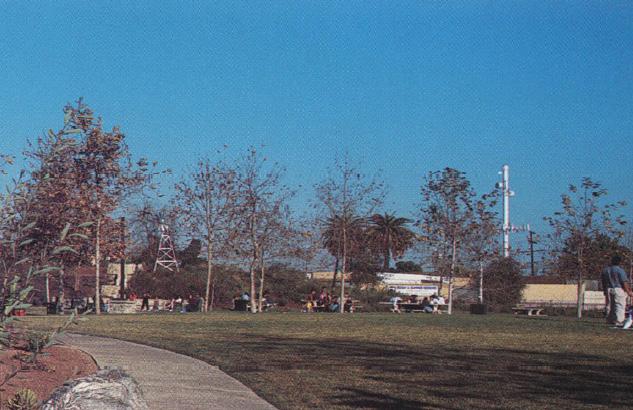
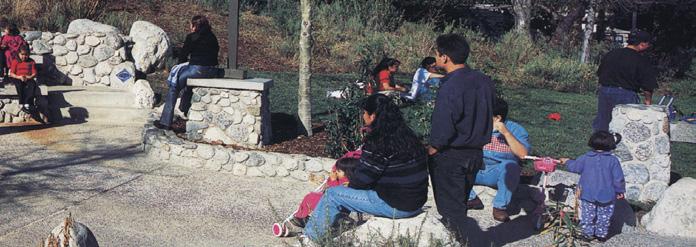
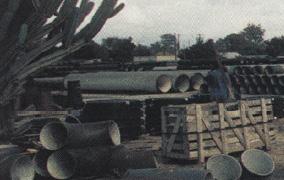
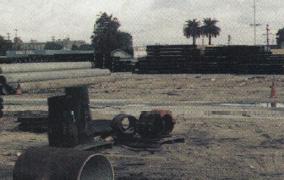
Once a brownfield pipe yard this park was originally designed through collaborations between key landscape architects, local leaders, and the community, the park was created in response to the community’s desire for a safer space and wa connection to nature. Today, it remains a vital social and environmental asset, rooted in collaboration and reflecting the needs and values of the local community
QUIETER THAN THE BUSY STREETS OUTSIDE
58%
TREE CANOPY COVER
COMPARED TO 1-2% IN SURROUNDING NEIGHBORHOOD
THE ONLY DEDIC ATED WILD LIFE SANCTUARY IN SOUTH L.A
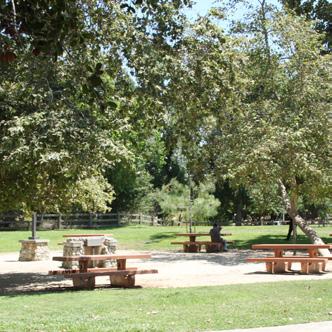

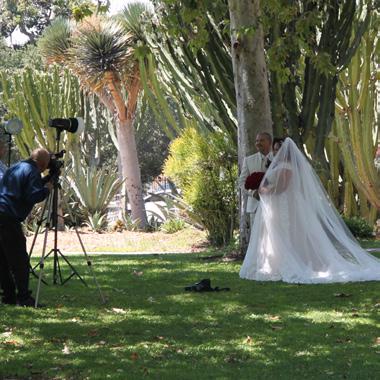
EXISTING CONDITIONS
“I’M HOMELESS FROM THIS HOOD; I LIKE THE SHADE, WATER FOUNTAINS, AND PEACE. THERE ARE NO GANGS HERE: ITS QUIET.”
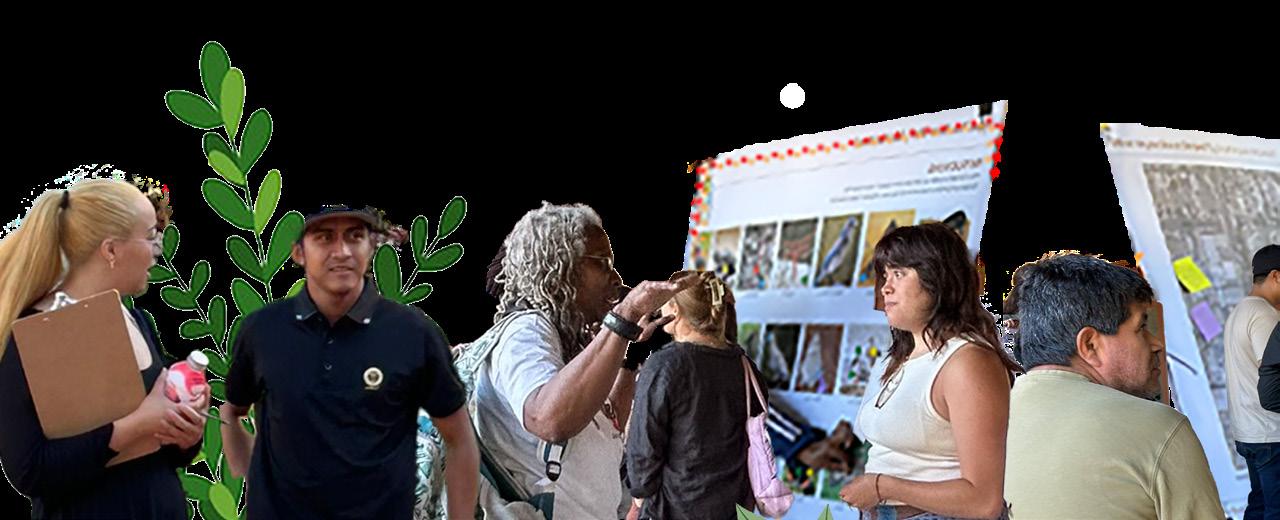
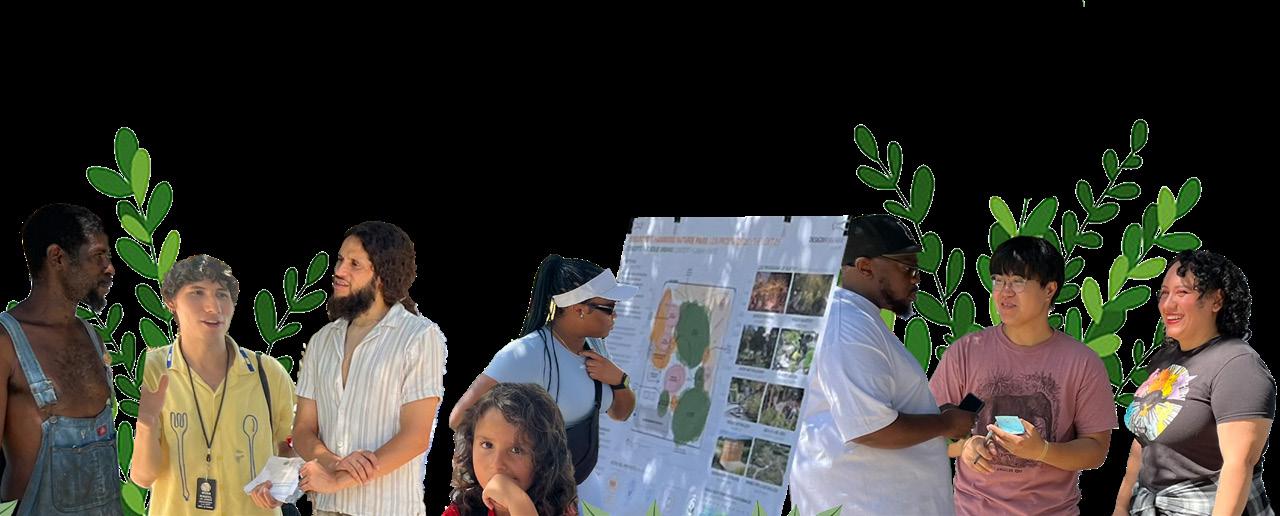
During our community engagement, key themes emerged: enhanced safety, preserved natural features, improved accessibility, and expanded family-friendly, educational, and inclusive spaces. These conversations were instrumental in shaping our design strategies to align with the community’s needs and aspirations.
Our research further revealed significant challenges beyond the park’s boundaries. South LA suffers from a stark lack of habitat for diverse species, putting local wildlife at risk. Limited green spaces contribute to high temperatures, exacerbating health and comfort issues for residents. Many community members also face barriers to accessing fresh, healthy food, while the scarcity of environmental education programs limits opportunities to inspire care for the local environment. Additionally, the area has long struggled with crime, gang activity, and a significant unhoused population. By addressing these issues, the park plays a vital role in creating a safer, more supportive space for the community.
From the Community Engagements and site analysis we developed three strategies and six goals to make sure the design proposal meets the need of the community.
ECOLOGICAL & ENVIRONMENTAL RESILIENCE
COMMUNITY SAFETY & ENGAGEMENT
FORTIFY ECOLOGICAL RESILIENCE
IMPROVE PARK SAFETY
REDUCE THE IMPACT OF UHI
CREATE VIBRANT AND INCLUSIVE
“LOVE
“LOVE THE WATER FEATURES AND WANT TO SEE THEM BROUGHT BACK.”
LEARN & PROSPER
DRIVE ECONOMIC GROWTH
CULTIVATE EDUCATIONAL
THE IDEA OF MAKING SIDEWALKS COLORFUL OUTSIDE OF THE PARK TO
CATCH ATTENTION.”
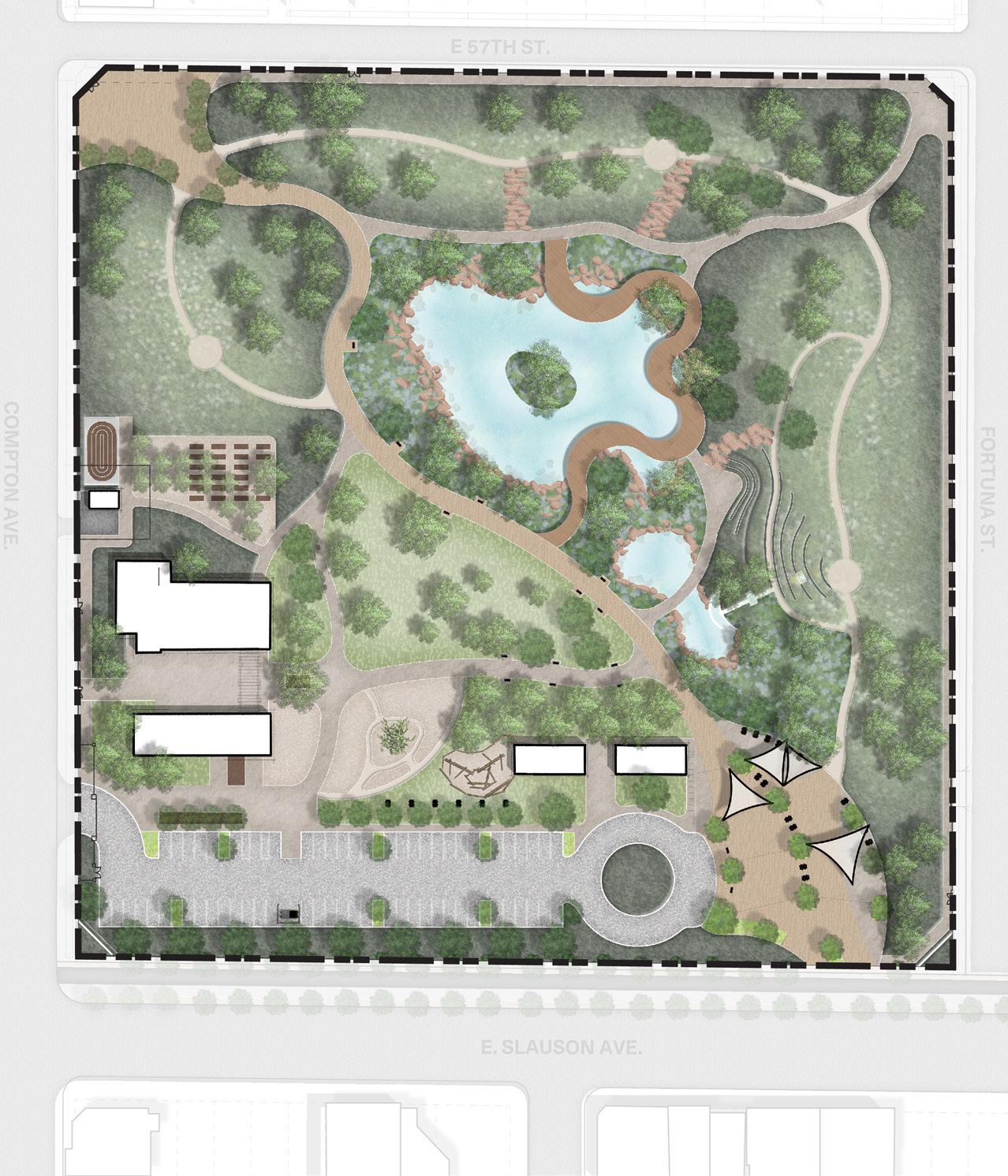
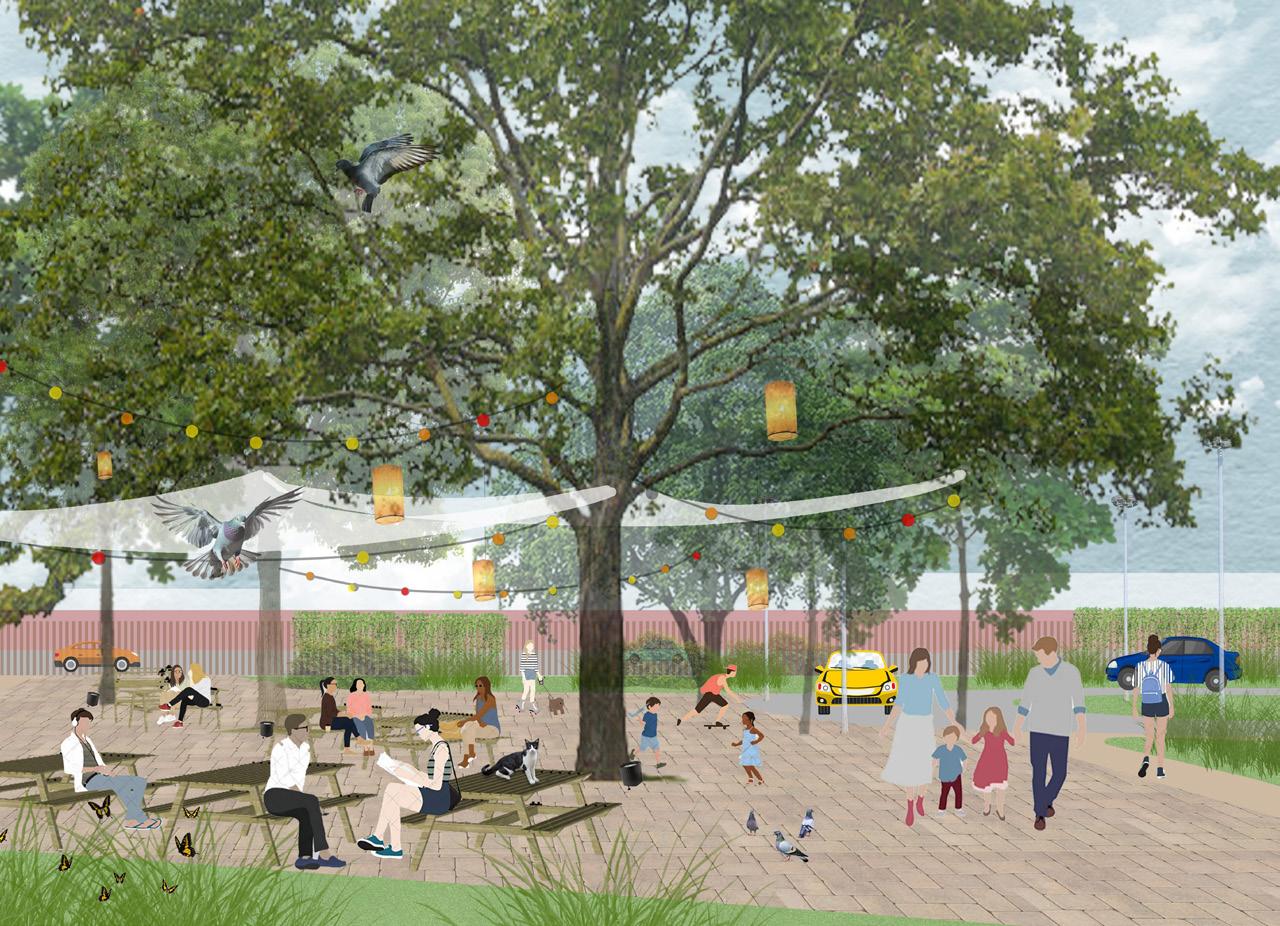
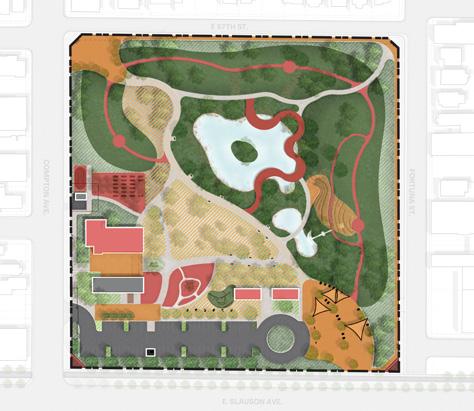
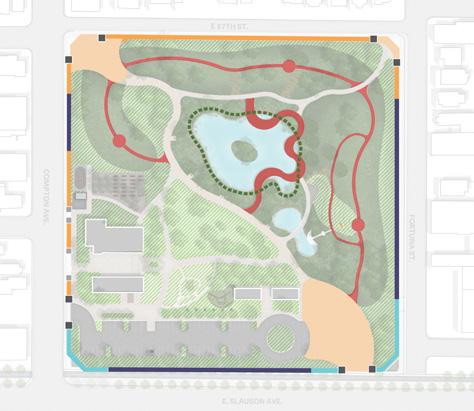
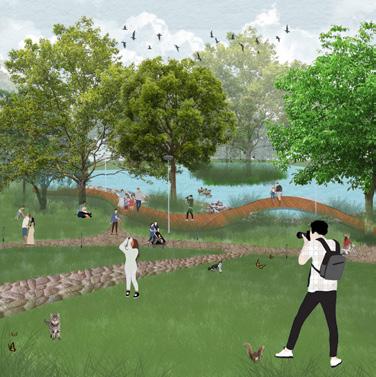
Having thoroughly analyzed the site’s existing conditions—including its ecological features, community usage patterns, and infrastructural elements—we gained further valuable insights into the park’s strengths and areas for improvement.
In our initial design concept phase, we explored various approaches to reimagine these spaces. We experimented with ‘pushing and pulling’ different areas, considering how modifications could address our goals—such fortifying ecological resilience, creating vibrant and inclusive community spaces and cultivating educational opportunities—each with varying emphases. This iterative process allowed us to develop focused strategies tailored to the park’s unique context and the community’s aspirations.
Documentation of the entire project can be provide on request
HANBURY SUMMER SCHOLAR THEORETICAL PROJECT
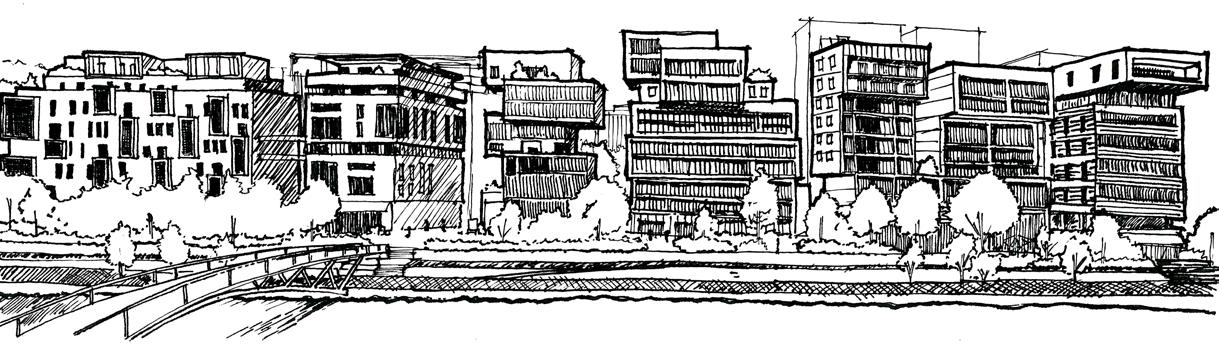
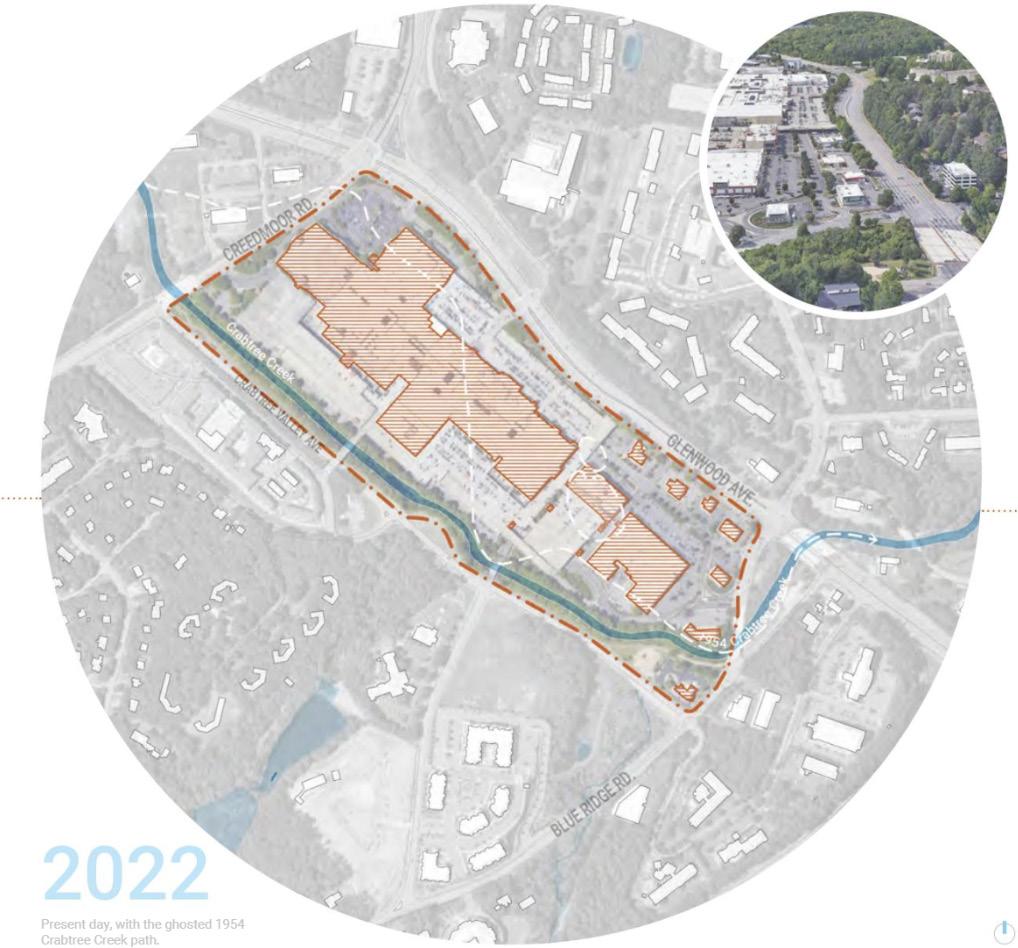
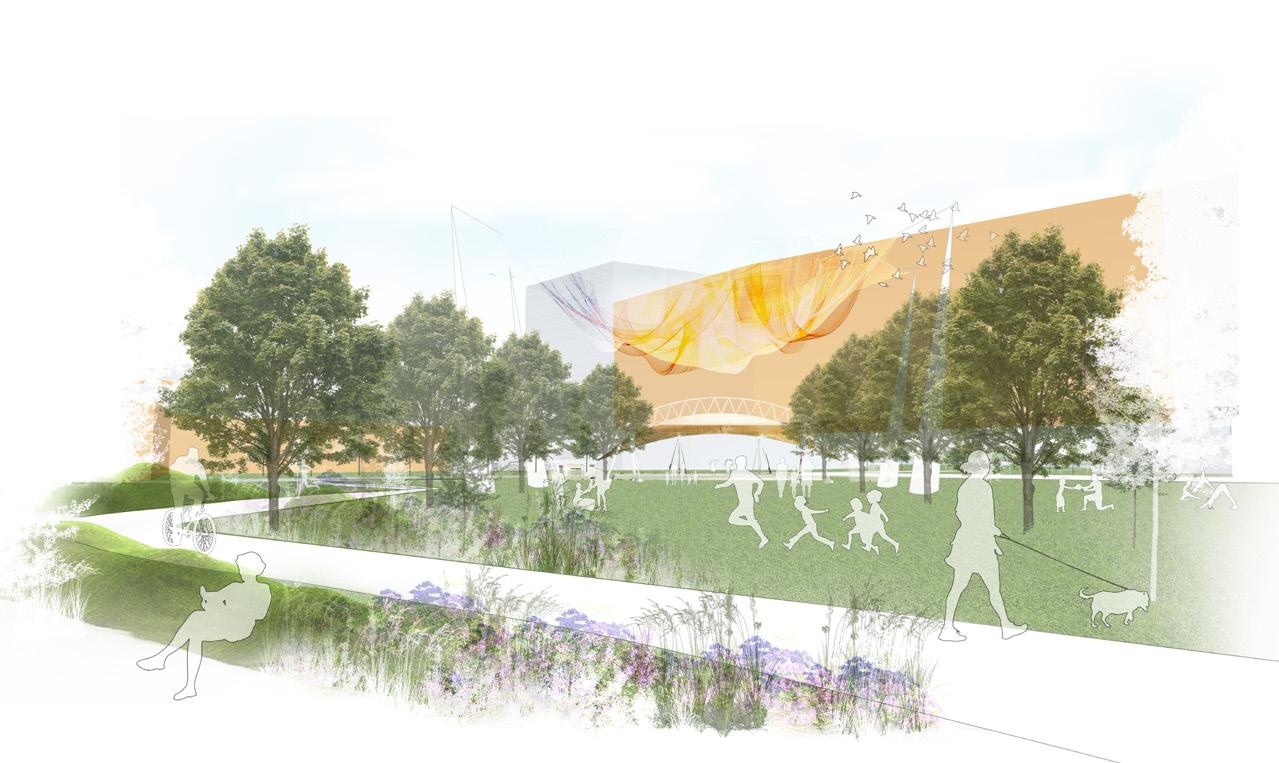
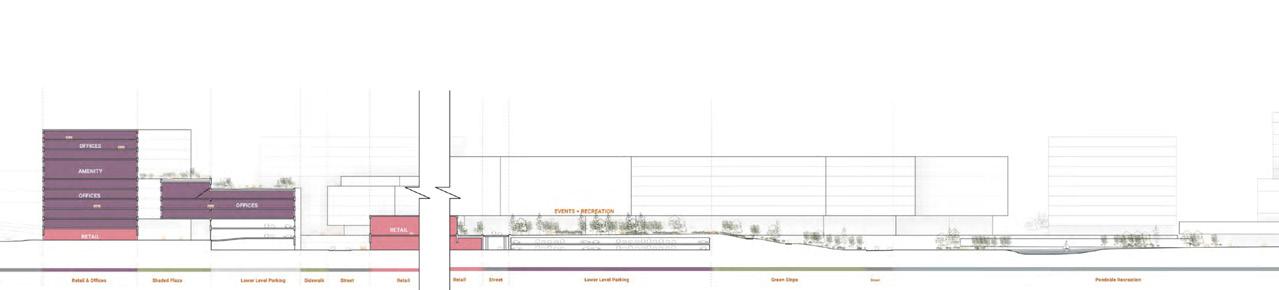
A New Spectacle, a research book by the 2022 Hanbury Summer Scholars (Abhishek Ambekar, Kelly Clark, Shuqi Liu, and Lizandro Marcial-Armas), explores the future of Raleigh’s iconic Crabtree Valley Mall, recently listed for sale after 50 years. Acknowledging the mall’s ecological vulnerability near flood-prone Crabtree Creek, the Scholars envision a sustainable mixed-use development. Their proposal integrates green infrastructure, repurposes existing assets, and emphasizes pedestrian-friendly design. The plan includes residential, commercial, and recreational spaces to serve Raleigh’s diverse community while harmonizing with the natural environment.
DIGTAL BOOK

SUMMER 2023 - SPRING 2024
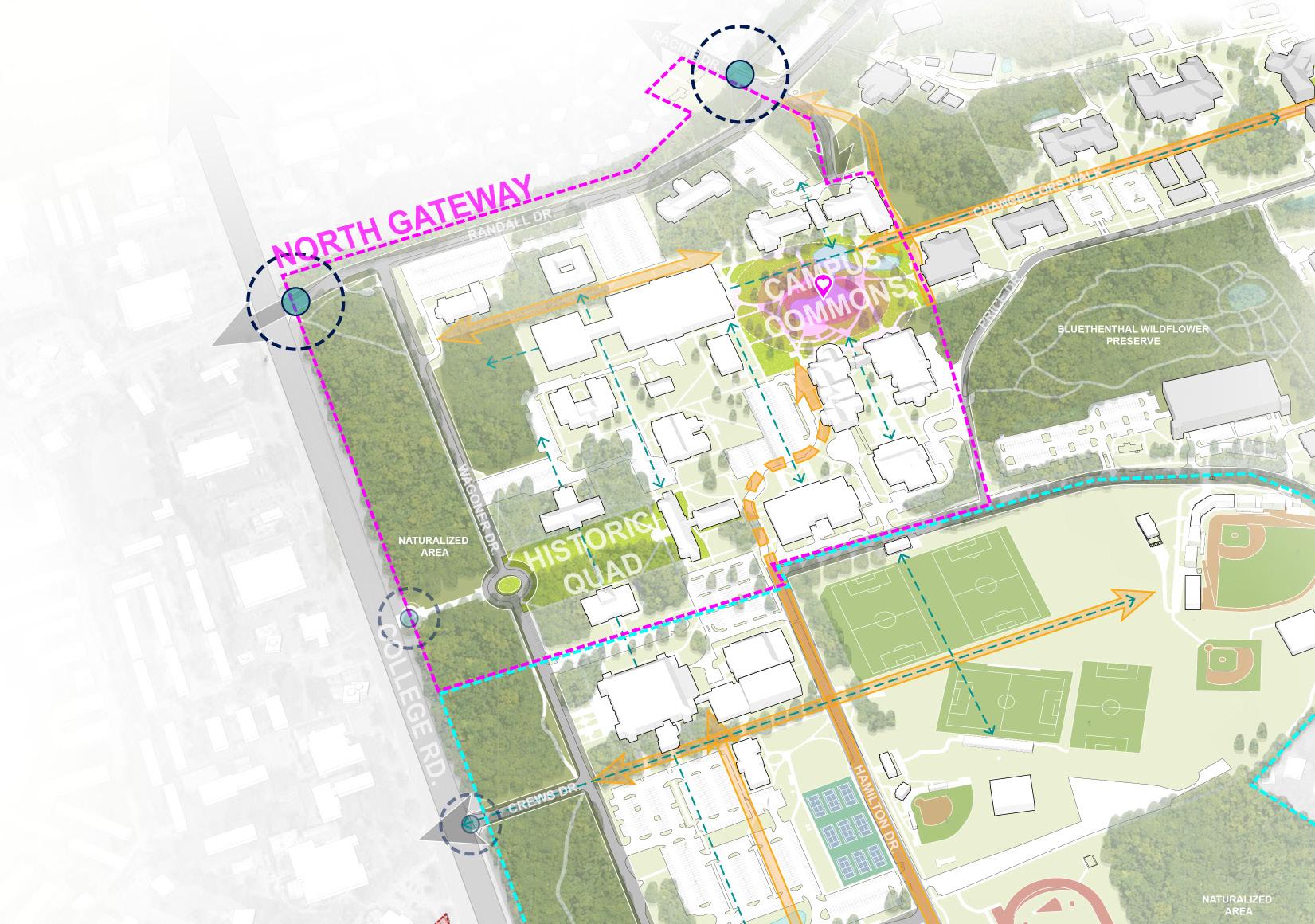
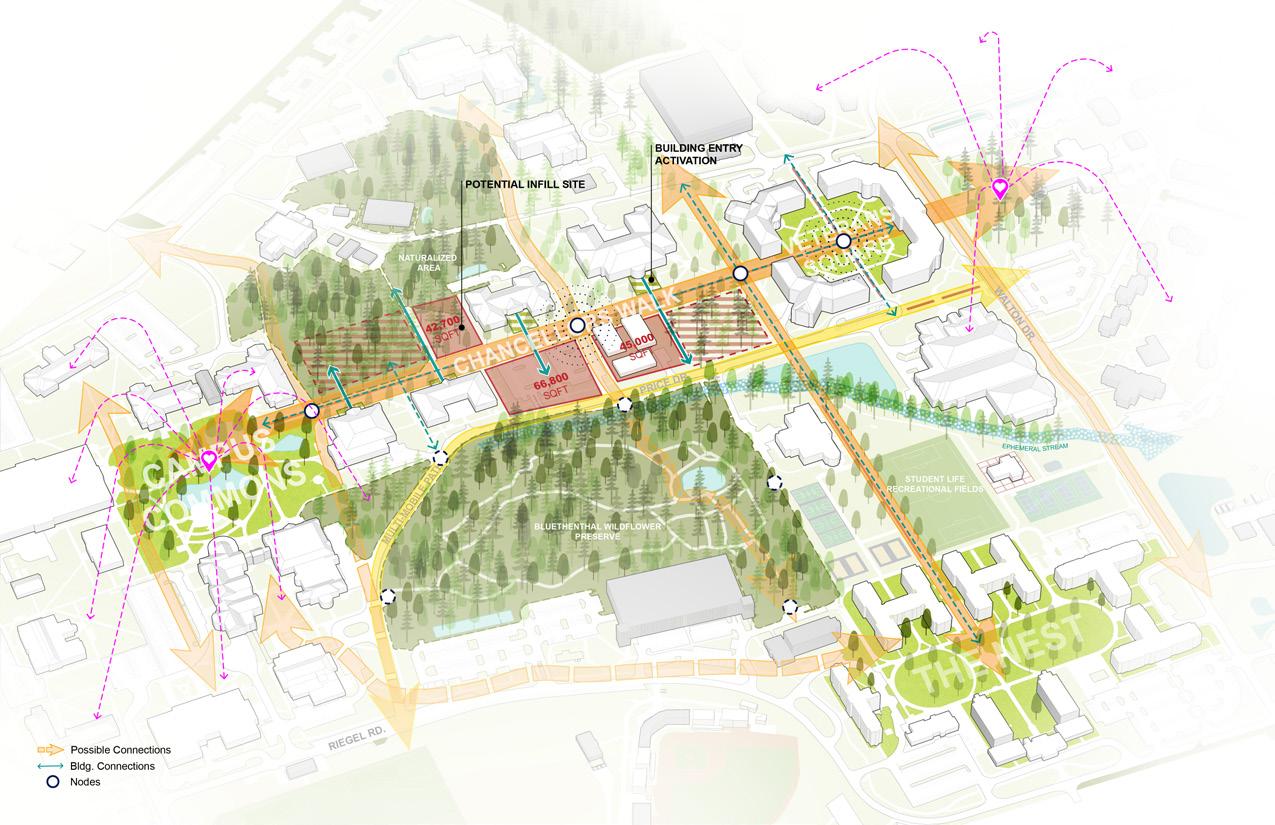
Spearheaded the development of illustrative graphics for the University of North Carolina Wilmington Master Plan, collaborating with the planning team to ensure alignment with project objectives. Designed a comprehensive 3D campus model, serving as the foundation for 2D illustrations, to effectively visualize and communicate master plan goals and initiatives.
Documentation of the entire project can be provide on request