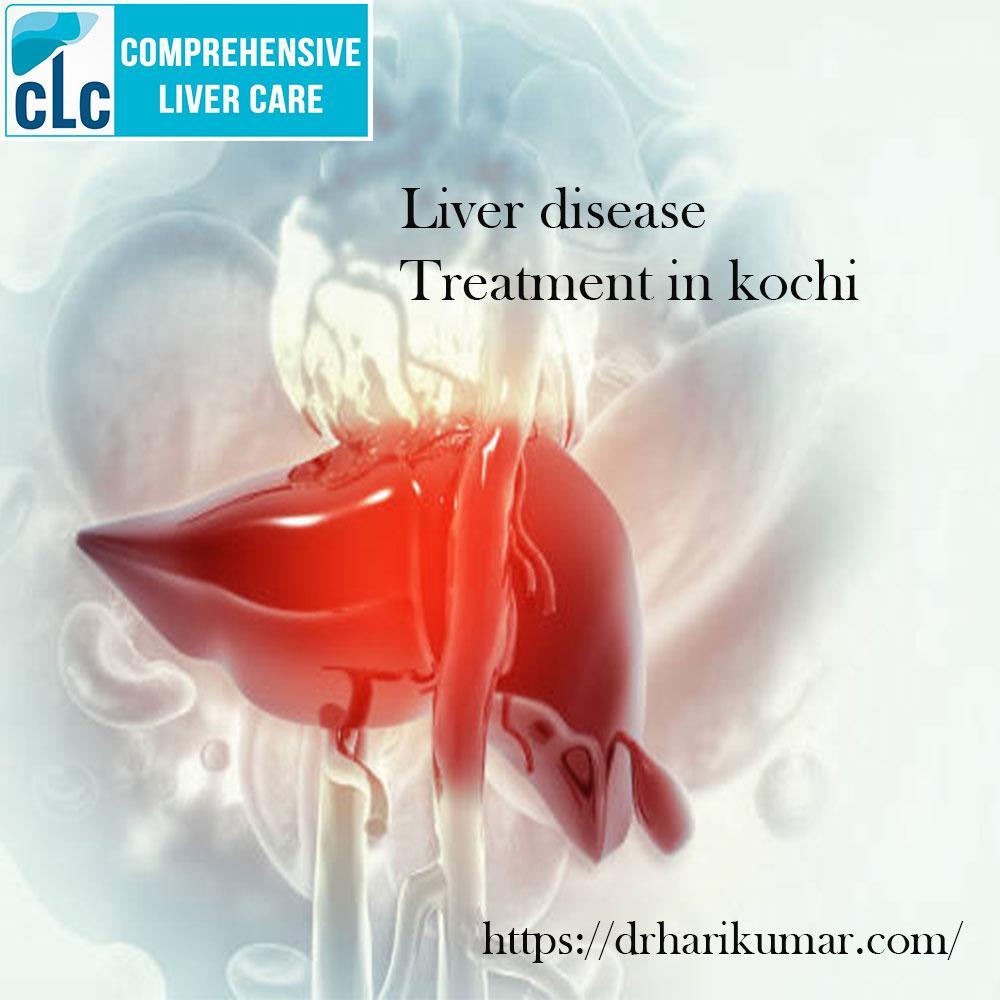
Liver ?
The liver is an essential organ for overall health and plays a critical role in maintaining various bodily functions. It is susceptible to various diseases and conditions, including hepatitis, cirrhosis, fatty liver disease, and liver cancer. Maintaining a healthy lifestyle, avoiding excessive alcohol consumption, and seeking medical care when necessary are important for liver health.
Some of the key functions of the liver include:
1. Metabolism: The liver metabolizes nutrients, drugs, and toxins that enter the body. It helps convert food into energy, stores vitamins and minerals, and produces bile, which aids in digestion and absorption of fats.
2. Detoxification: The liver filters and detoxifies harmful substances, including drugs, alcohol, and metabolic waste products. It helps remove toxins from the bloodstream, converting them into less harmful substances that can be excreted from the body.
3. Protein Production: The liver plays a crucial role in synthesizing various proteins essential for blood clotting, immune function, and transport of substances in the bloodstream. It produces albumin, which helps maintain proper fluid balance in the body.
4. Storage: The liver stores glycogen, a form of glucose that serves as an energy reserve. It also stores vitamins, minerals, and iron, which are released when needed by the body.
5. Bile Production: The liver produces bile, a greenish-yellow fluid that aids in the digestion and absorption of fats in the small intestine.
6. Hormone Regulation: The liver helps regulate hormone levels by breaking down hormones that are no longer needed or active.