Lexi Duganitz
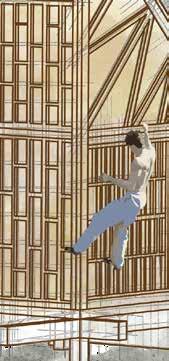
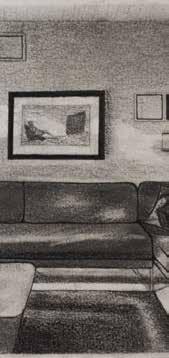
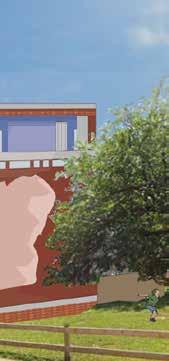
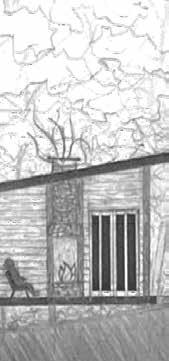
Table of Contents Cabin Vis 3 - Fall 2021 pgs 13-17 Case Study to Client D2 - Spring 2021 pgs 20-29 Rowhome D3 - Fall 2021 pgs 18-19 Peace Sanctuary D4- Spring 2022 pgs 3-7 Adaptive Reuse Mixed-Use D6- Spring 2023 pgs 8-13
Peace Sanctuary
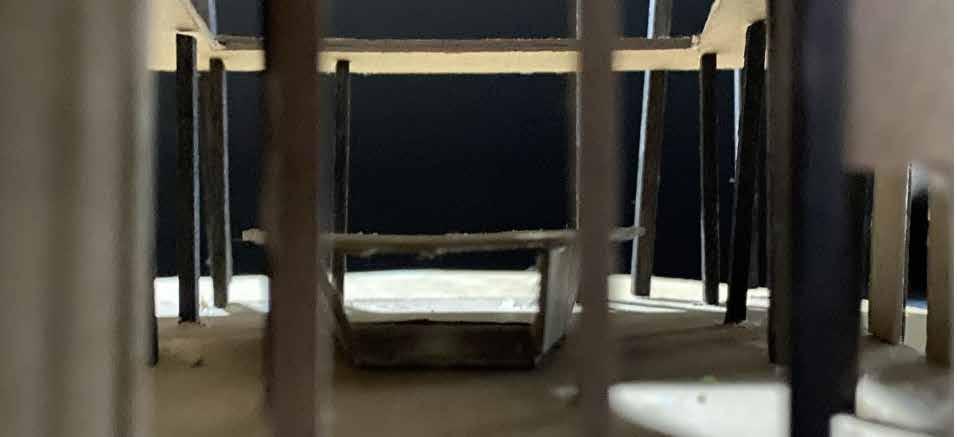
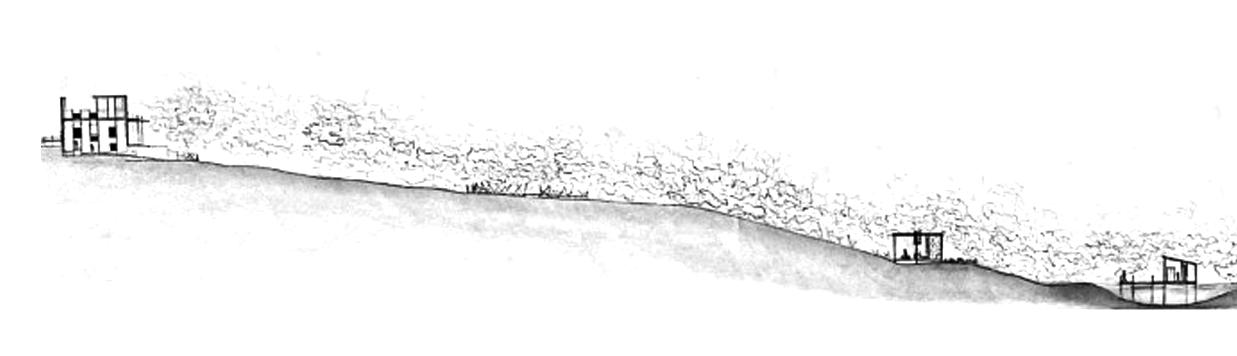
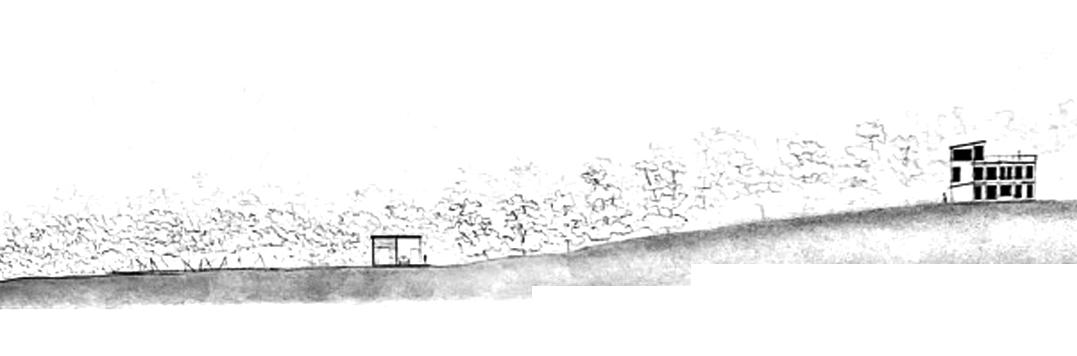
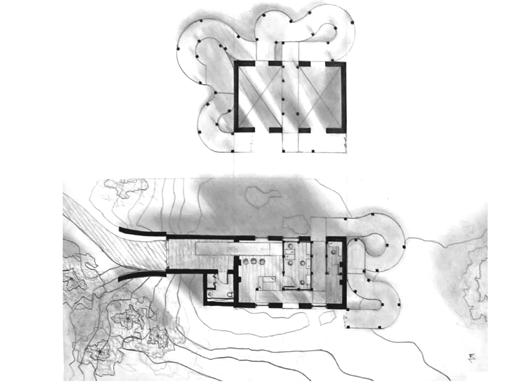
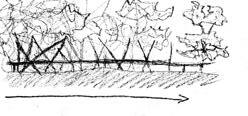
This project followed a series of two week projects involving an investigation into Strawberry Mansion, Philadelphia. The goal was to design a sanctuary, housing the Altar for Peace by George Nakashima, that would satisfy the needs of both Strawberry Mansion residents and citizens of the world. This led to the creation of an experiential pathway with meditation spaces for users to come to peace within oneself before ending at the sanctuary space.
Main Entrace/ Adaptive Reuse
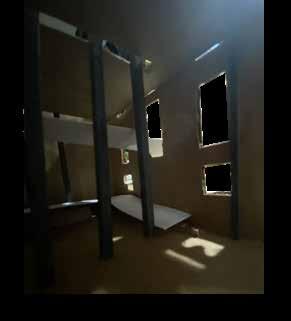
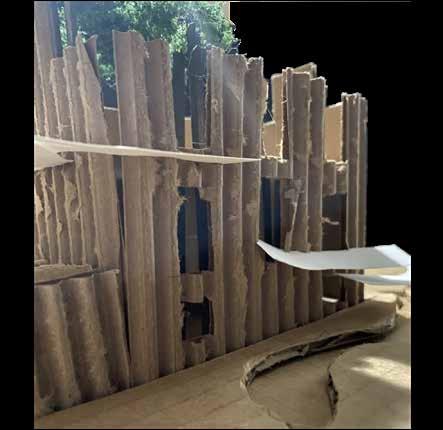
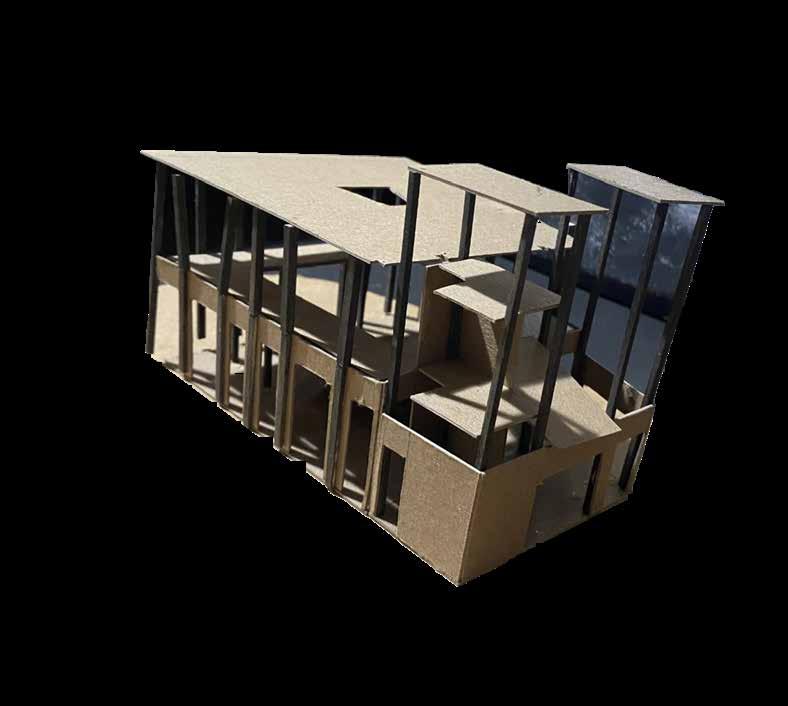
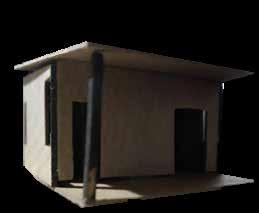
Final Models
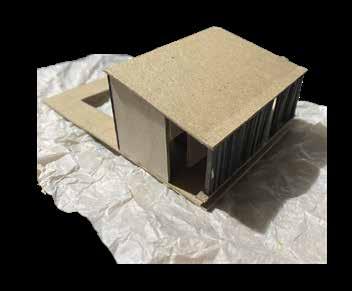
Extra Long Section
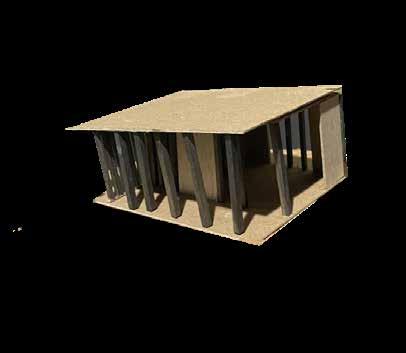
 Main Entrace Interior Perspective
Heated Meditation Space
Cooled Meditation Space
Main Entrace Interior Perspective
Heated Meditation Space
Cooled Meditation Space
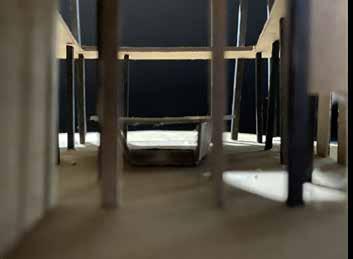 Neutral Counsel Space
Sanctuary Interior Perspective
Peace Sanctuary
Neutral Counsel Space
Sanctuary Interior Perspective
Peace Sanctuary
PROCESSION OF PEACE

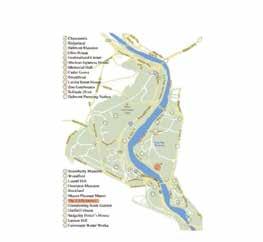
To find peace with others, you must first find peace within yourself.
THE CLIFFS ‘A’
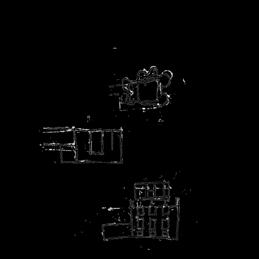
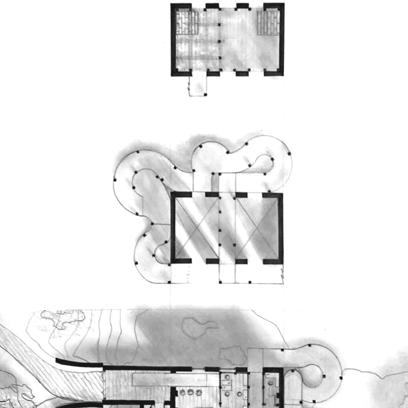
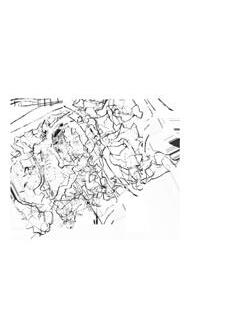
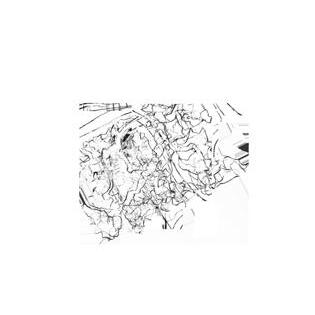
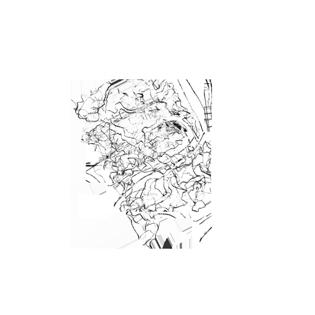
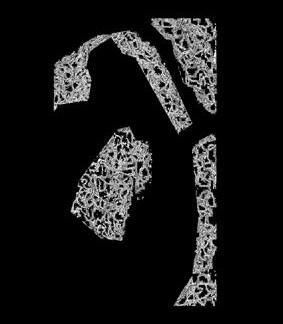
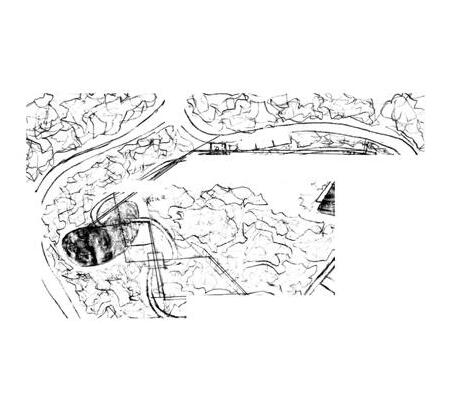
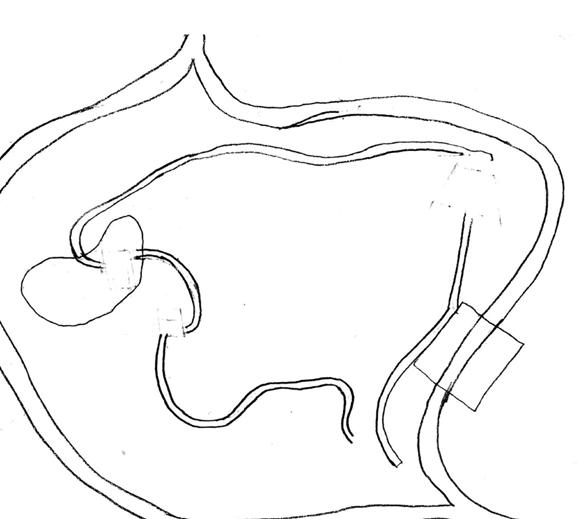
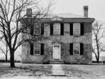
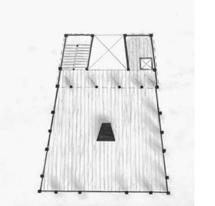
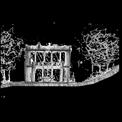
Adaptive Reuse of this historical home’s ruins becomes the beginning of the journey. The winding ramp acts as the last thread holding these ruins together. It leads up to a roof deck garden which incorporates the ivy plant already taking over this structure or down to the beginning of the Pathway Towards Peace.
LEXI DUGANITZ S22 D’ANGELA A B C D LEXI DUGANITZ S22 D’ANGELA
A B C D E N^
MEDITATION ‘B’ & ‘C’
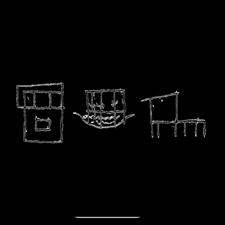
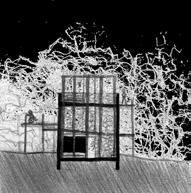
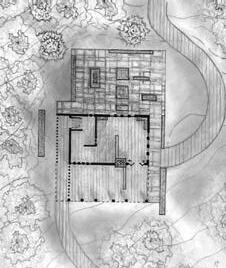
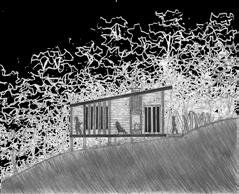
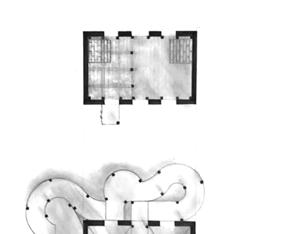
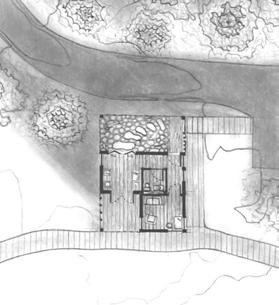
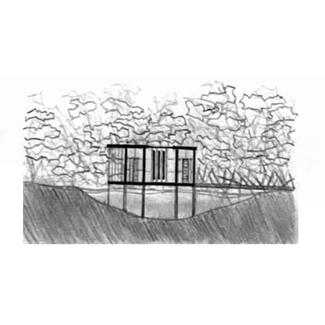
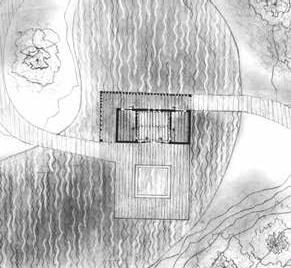
These two meditation spaces are designed to contrast eachother. Meditation B is heated by fire with a maze-like entry and rough materiality, whereas, building C is set over a cool pond utilizes smooth concrete panels on the interior.
COUNSELING ‘D’
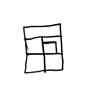
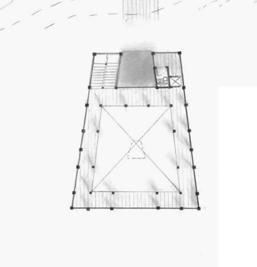
This secondary program provides an additional oppurtunity to find peace within yourself, with the guidance of a professional.
SANCTUARY ‘E’
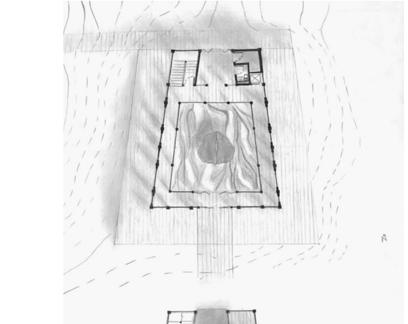
After coming to terms with inner struggles, people come to the sanctuary to find peace with eachother. In addition to housing George Nakashima’s Altar for Peace, it also incoporates a community garden for the people of Strawberry Mansion to come together on a regular basis.
Adaptive Reuse Mixed-Use
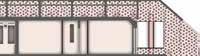
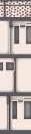
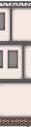
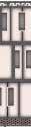

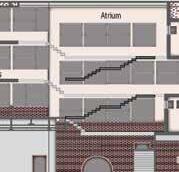
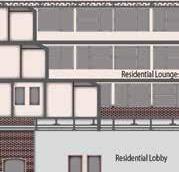
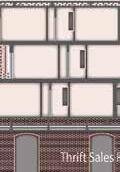


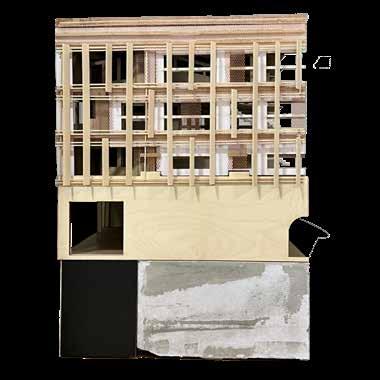
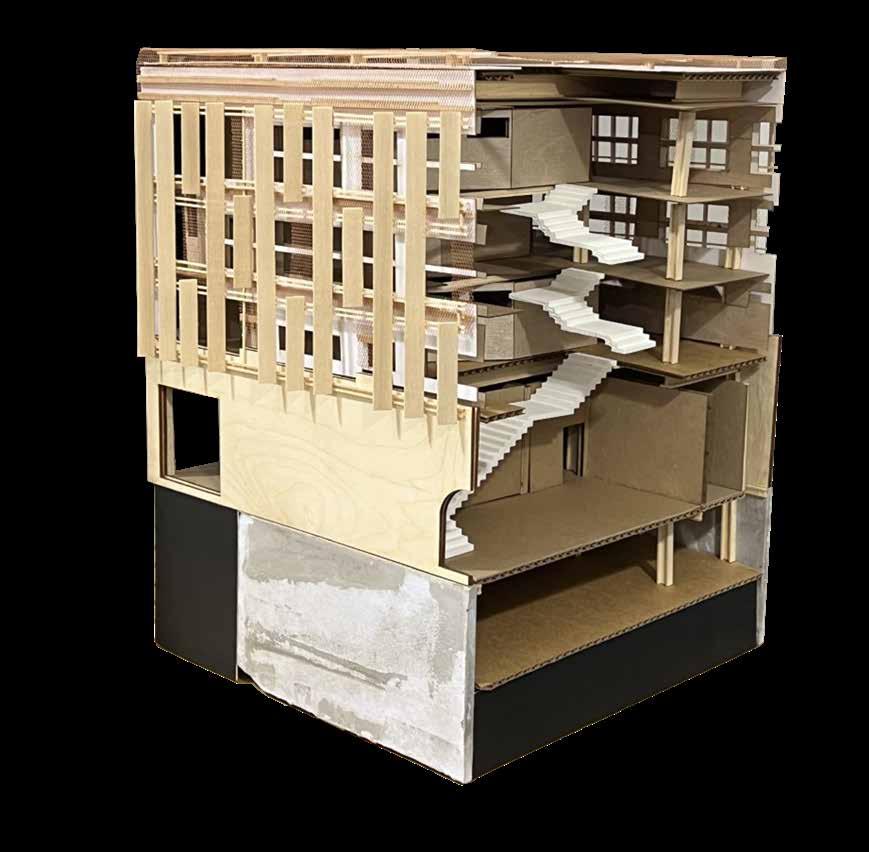
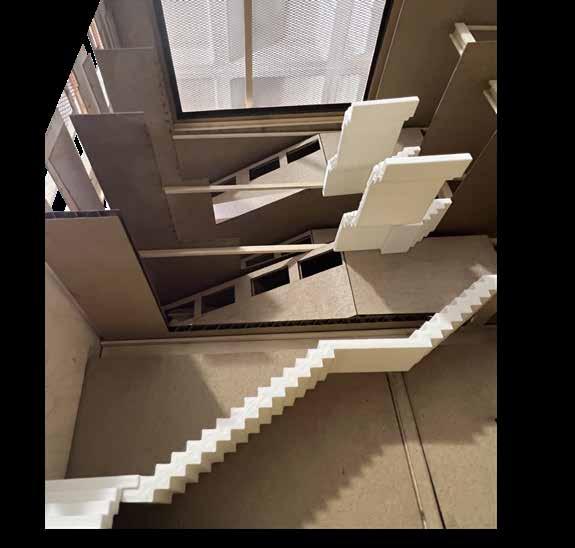
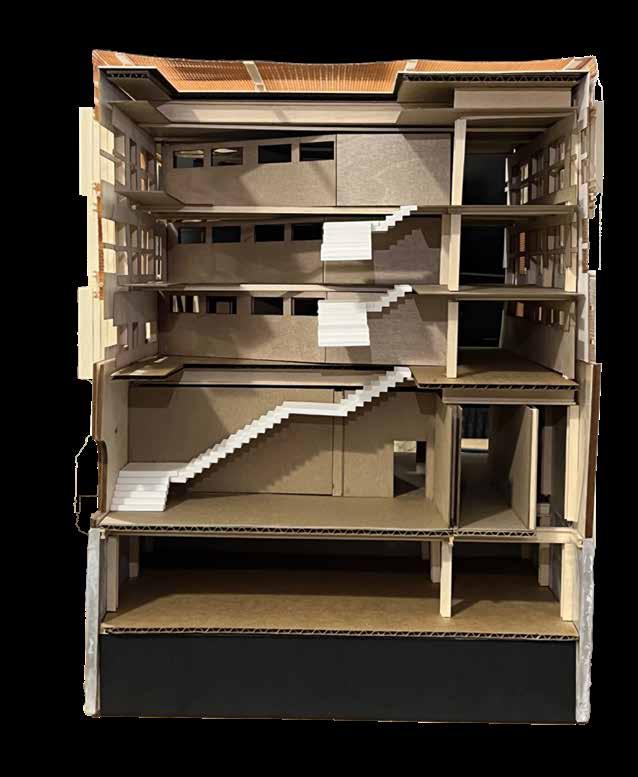
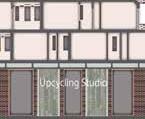
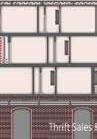
The goal of this 8 week partner project was to adapt a building on two adjoining lots to accomodate a residential and commercial mixed-use space. Thimble House is the combination of a thrift store, upcycling studio, and affordable housing, located on Baltimore and Springfield Avenue in West Philadelphia. In addition to the pre-existing brick shell facade, this project demonstrates its sustainable design with the multi-layered exterior skin. Similar to the function of a THIMBLE, this integrated skin provides the user with protection against harsh external conditions, whilst also giving them the control of these conditions. The perforated skin acts as a sunscreen to allow diffused light, operable awning windows can be opened to introduce ventilation, and a series of louvers shade from western sunlight.
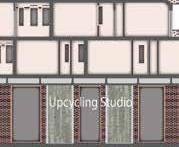
THIMBLE HOUSE encapsulates the essense of sustainable adaptive reuse within its walls, old and new.
t Sales Floor Residential Storage Commercial Storage Donations s BALTIMORE AVE SPRINGFIELD AVE
Final 1/4”
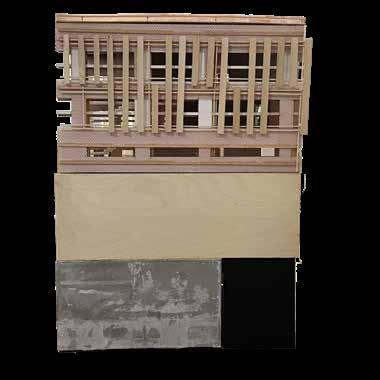
Scale
Section Model
Model Perspectives & Final Elevations
2-1/2” ALUMINUM SUN SCREEN
MOUNTING LOUVER BRACKE T
EXTERIOR CLADDING
5/8” GYPSUM BOARD
1 1/4” VERTICAL MULLION
ADJUSTABLE LOUVER MOUNT
2” HORIZONTAL MULLION
2’ VERTICAL FIN 4’6”oc
COMPRESSABLE SEALANT
DRIP CAP GASKET


DRIP CAP
3/4” OSB SHEATHING
5” FIBERGLASS BATT INSULATION
STRUCT URAL LOUVER BRACKE T


6” 14 ga ME TAL STUD
ANGLED WOOD BLOCKING
INTERIOR FINISH
MORTAR JOINT
EXISTING BRICK
Wall Section Details
STEEL GIRDER
AIR CAVITY
ANGLED WOOD BLOCKING
WINDOW SEAL
GLAZING FRAME
1/2” SINGLE PANE GLAZING
WINDOW FRAMING STUD
WINDOW TRIM PIECE
STRUCT URAL SCREEN BRACKET
2” HORIZONTAL MULLION

1 1/4” VERTICAL MULLION
STEEL COLUMN
STEEL BEAM
5/8” GYPSUM BOARD
5” FIBERGLASS BATT INSULATION
6” 14 ga METAL STUD
3/4” OSB SHEATHING
EXTERIOR CLADDING
HORIZONTAL SCREEN MOUNT
2 1/2” ALUMINIUM SUN SCREEN
ADJUSTABLE STEEL LOUVER MOUNT
2’ VERTICAL LOUVER 4’6” oc.
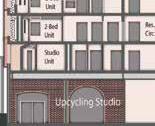



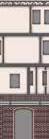
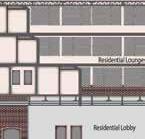
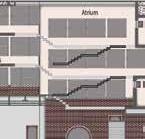

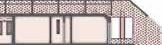
Commercial Neighbor Com/Res Neighbor 2-Bed Interior Perspective & Sections t Sales Floor Residential Storage Commercial Storage Donations s BALTIMORE SPRINGFIELD AVE












Upcycling Studio Thrift Sales Floor Residential Storage Commercial Storage Residential Lounges Residential Lobby BALTIMORE AVE SPRINGFIELD AVE Upcycling Studio Commercial Neighbor Com/Res Neighbor Com/Res Neighbor Com/Res Neighbor Res. Circ. SPRINGFIELD AVE BALTIMOREAVE 30 0 34’ 34’ 34’ 26 22’ 22’ 18’ 18’ 26’ 26 30’ 6’ 22
BALTIMORE AVENUE MELV LLE S CEDAR AVENUE FARRAGUTSTREET S46THSTREET S 46 TH STR S45THSTREET STR N 16’ 64’96’ 0” 1/2” 32’ 1” 2”3” Ground Level 0’-0” 2nd Level (Residential) 18’-0” 3rd Level (Residential) 28’-0” 4th Level (Residential) 38’-0” Roof Level 52’-0” Lower Level -10’-0” WEST ELEVATION DIAGRAM 1/4" = 1'-0" 1/4 = 1 -0 Ground Level 0’-0” 2nd Level (Residential) 18’-0” 3rd Level (Residential) 28’-0” 4th Level (Residential) 38’-0” Roof Level 52’-0” WALL SECTION SECT ON 1/2" 1'-0" /Roof Level 52’-0” Ground Level 0’-0” 2nd Level (Residential) 18’-0” 3rd Level (Residential) 28’-0” 4th Level (Residential) 38’-0” Roof Level 52’-0” Ground Level -4’-0” 2nd Level (Residential) 14’-0” 3rd Level (Residential) 24’-0” 4th Level (Residential) 34’-0” Roof Level 52’-0” Ground Level -4’-0” 2nd Level (Residential) 14’-0” 3rd Level (Residential) 24’-0” 4th Level (Residential) 34’-0” Roof Level 52’-0” Ground Level -4’-0” 2nd Level (Residential) 14’-0” 3rd Level (Residential) 24’-0” 4th Level (Residential) 34’-0” Roof Level 52’-0” Ground Level -4’-0” 2nd Level (Residential) 14’-0” 3rd Level (Residential) 24’-0” 4th Level (Residential) 34’-0” 2nd Level (Residential) 18’-0” 3rd Level (Residential) 28’-0” 4th Level (Residential) 38’-0” Lower Level -10’-0” -Roof Level 52’-0” Ground Level 0’-0” 2nd Level (Residential) 18’-0” 3rd Level (Residential) 28’-0” 4th Level (Residential) 38’-0” SECTION B SECT ON 1/16" = 1'-0" / 6 1 -0 BALTIMORE AVE ELEVATION ELEVAT ON 1/16" = 1'-0" 6 -0 SPRINGFIELD AVE ELEVATION SPR NGF ELD ELEVAT ON 1/16" 1'-0" / -0 EAST ELEVATION ELEVAT ON 1/16" 1'-0" 1SECTION A SECT ON 1/16" = 1'-0" 1 6 -0 WEST ELEVATION ELEVAT ON 1/8" 1'-0" /1 1 1 N 2ND FLOOR 1/16" = 1'-0" / 6 -0 N 1ST FLOOR 1/16" 1'-0" /N 3RD FLOOR 1/16" = 1'-0" / 6 -0 N 4TH FLOOR 1/16" 1'-0" 1ROOF & SITE PLAN S TE 1/32" 1'-0" 1 3SPRINGFIELD AVE PERSPECTIVE SPR NGF ELD PERSPECT VE INTERIOR STUDIO PERSPECTIVE NTER OR STUD O PERSPECT VE BALTIMORE AVE PERSPECTIVE BALT MORE PERSPECT VE is the combination of a thrift store/upcycling studio and affordable housing, located on Baltimore and Springfield Avenue in West Philadelphia. In addition to the pre-existing brick shell facade, this project demonstrates its sustainable design heavily with the multi-layered exterior is the comb nat on of a thr ft store/upcycl ng stud o and affordable hous ng located on Balt more and Springf eld Avenue n West Ph adelphia n add t on to the pre-ex st ng br ck she l facade th s demonstrates ts sustainab e des gn heav ly w th the mult -layered exter or skin. Similar to the function of a THIMBLE, this integrated skin provides the user with protection against harsh external conditions, whilst also giving them the control of these conditions. The operable awning windows can be opened to introduce ventilation into the space. The sk n S mi ar to the function of a TH MBLE this ntegrated sk n prov des the user w th protect on harsh external cond t ons wh lst also giv ng them the control of these condit ons The awn ng w ndows can be to introduce vent lat on nto the space The perforated skin acts as a sunscreen and allows diffused light in. Attached to the skin are a series of louvers that shade from western sunlight. This environmentally-friendly design also responds to the local community. Placed on the border of densly populated, low income sk n acts as a sunscreen and allows d ffused l ght n Attached to the sk n are a ser es of louvers that shade from western sun ight Th s env ronmenta ly-fr endly des gn also to the oca commun ty P aced on the border of populated low ncome neighborhoods, and important commercial corridors, this program provides affordable clothing options as well as educational oppurtunities through the upcycling studio. THIMBLE HOUSE encapsulates the essense of sustainable adaptive reuse within its walls, old and new. ne ghborhoods and commerc al corridors this program prov des affordab e cloth ng opt ons as wel as educationa oppurtun t es the upcycl ng stud o TH MBLE HOUSE the essense of sustainab e adapt ve reuse w th n ts wal s new THIMBLE HOUSE B A B B B TIMORE AVE
SPRINGFIELDAVENUE
Cabin
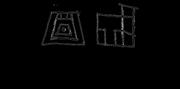
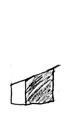
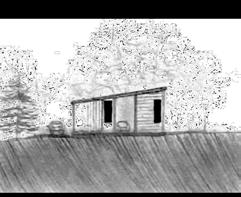
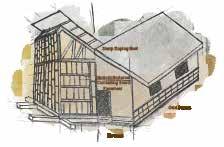
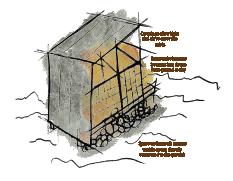
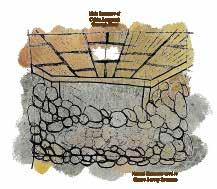
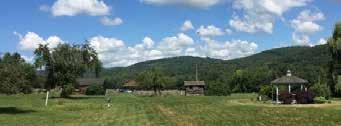
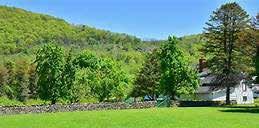
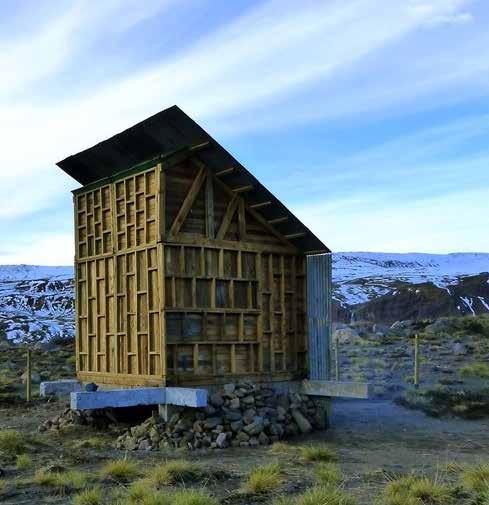
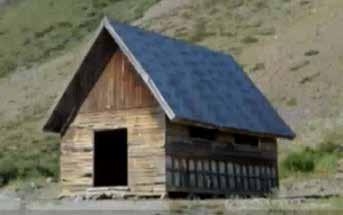
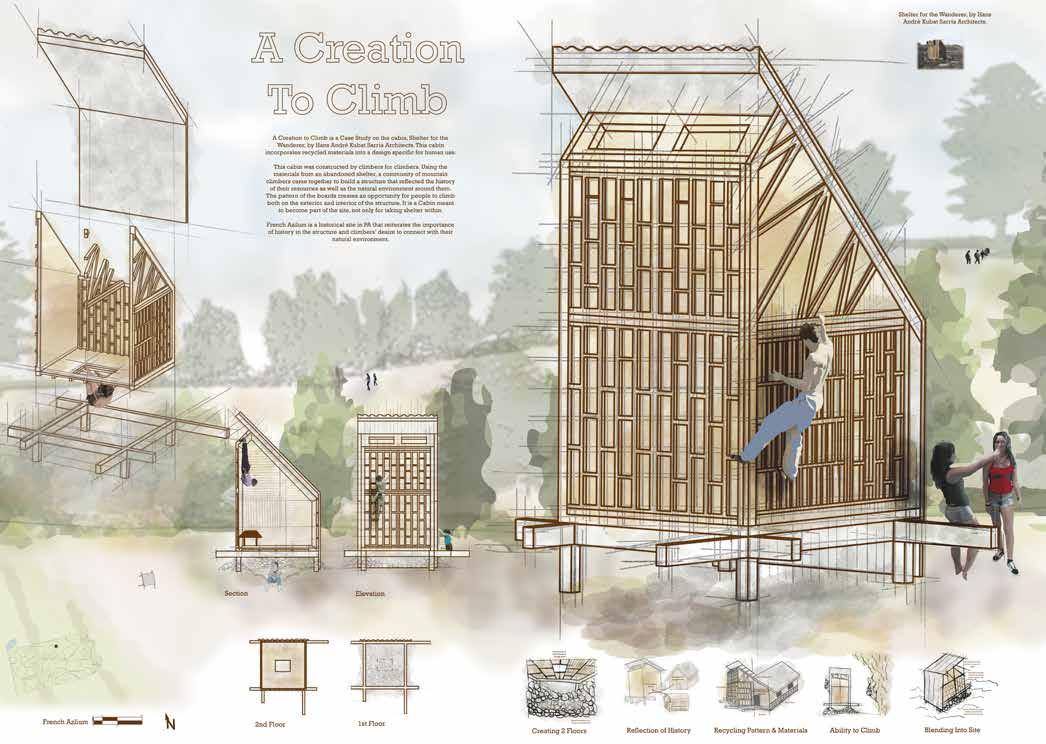
This project began with a case study of an existing cabin with the intention of relocating it to a Philadelphia park. After understanding the narrative of the cabin, an exploration of vairous board organizations led to the creation of a final composition.
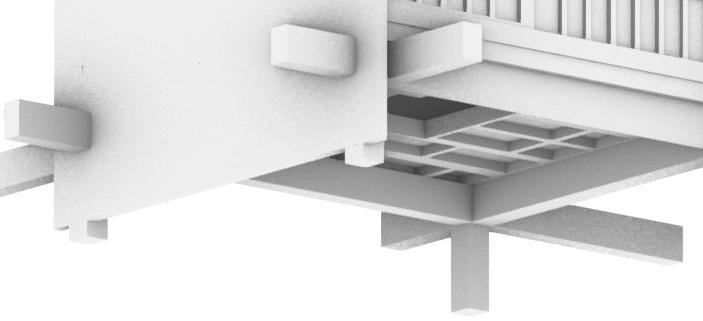
Case Study Analysis
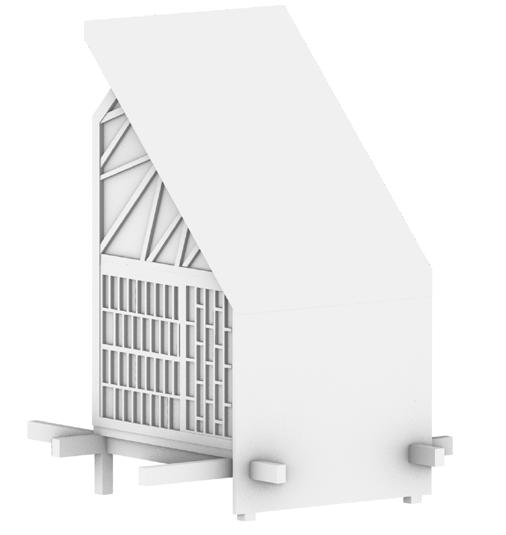
Water Color Swatches


Construction Lines


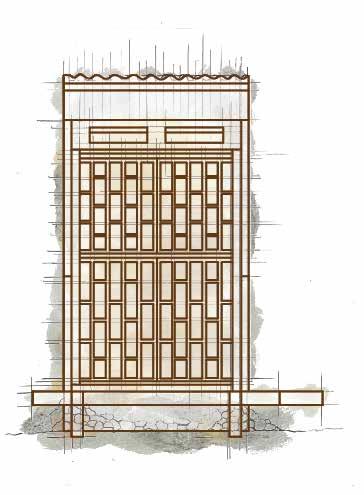
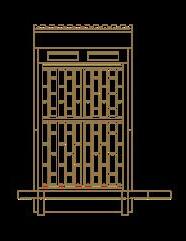
Digital Line Drawing
Creation of Scale Figures



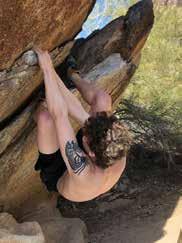
+ + =
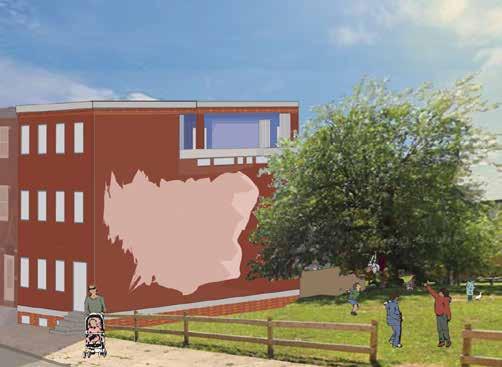
Rowhome
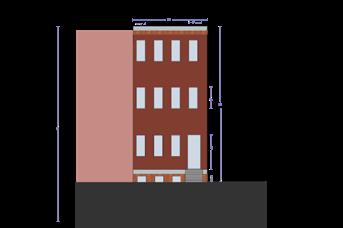
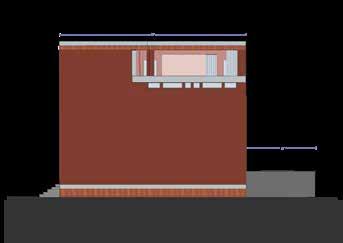
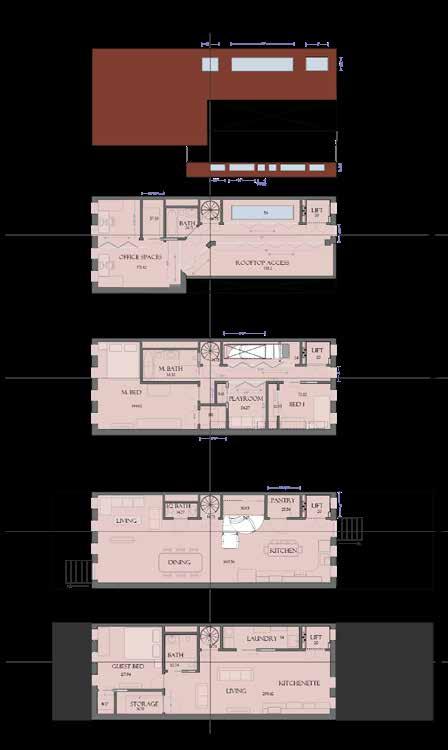
A semester of animation included this project to design a rowhome for a client in the Sharswood neighborhood. The colorful rendering style is inpired by the client, a child and her multigenerational family.
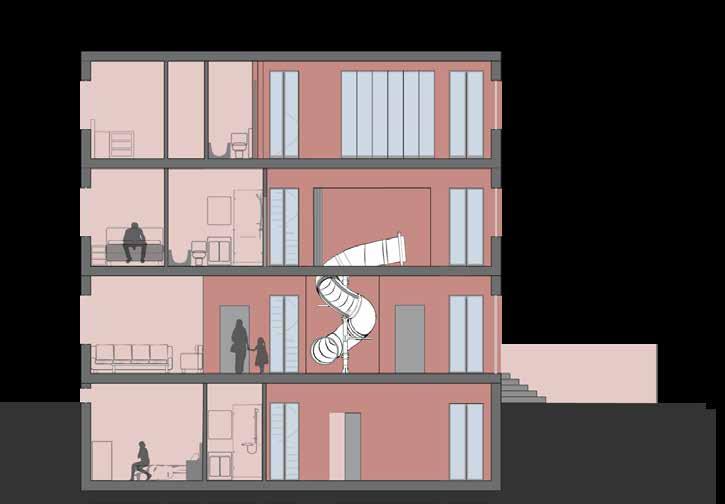
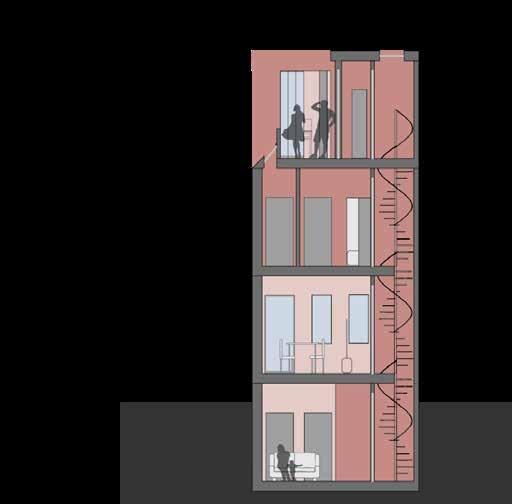
Please use the link below to watch the animation.
https://youtu.be/ZWy1-DEN1Jw
Rowhome Details
Case Study to Client
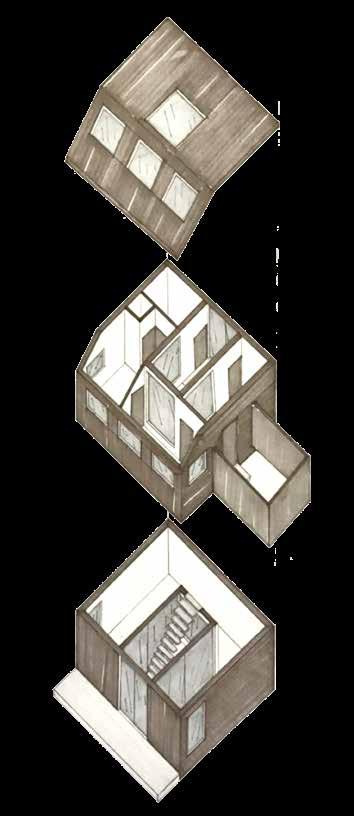
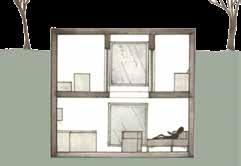
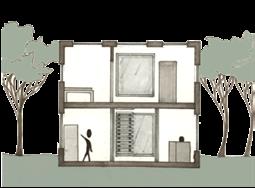
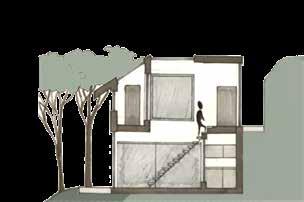
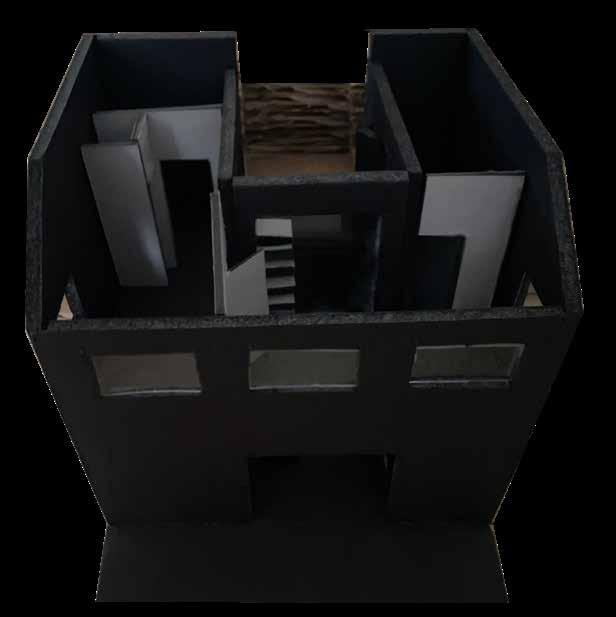
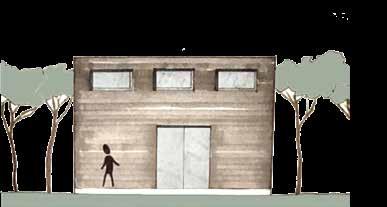
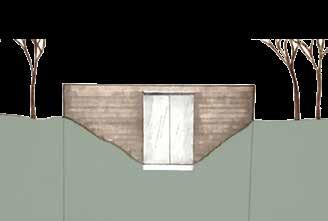
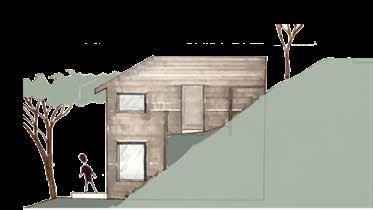
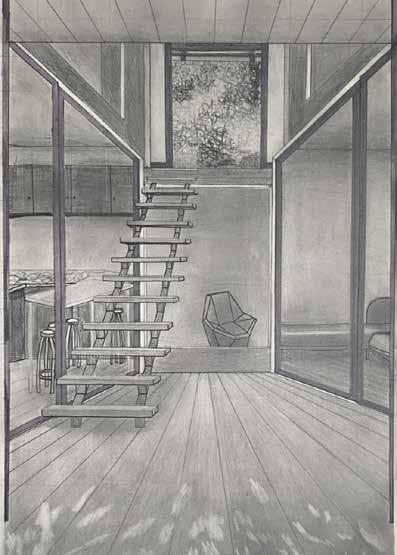
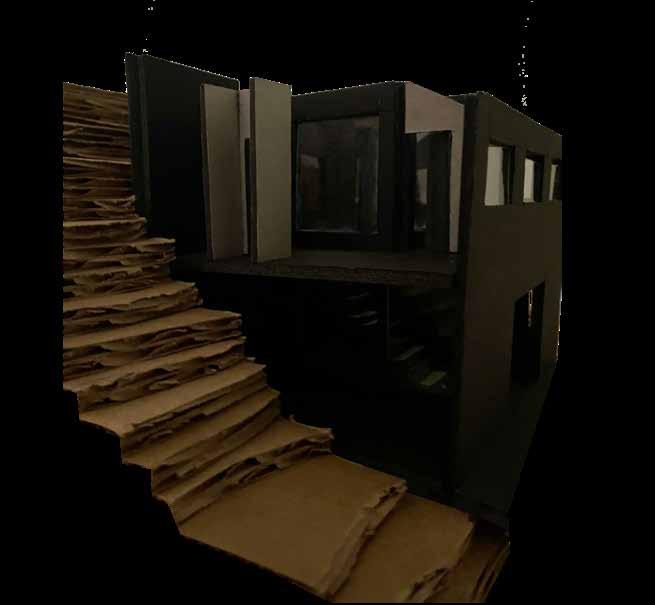
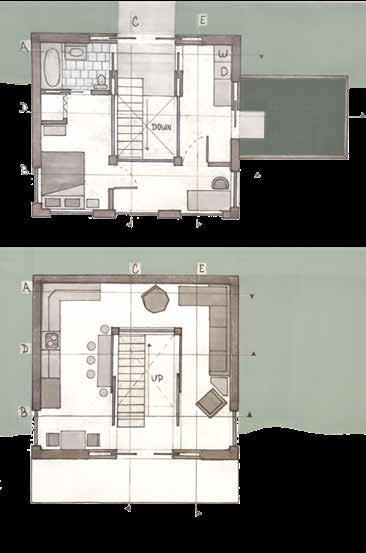
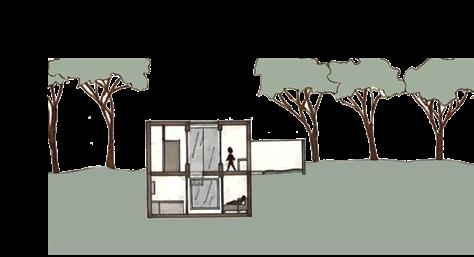
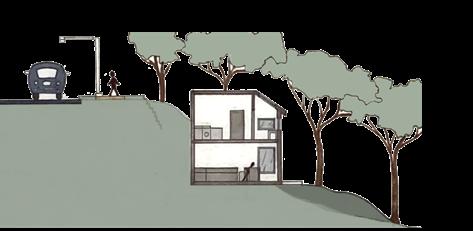
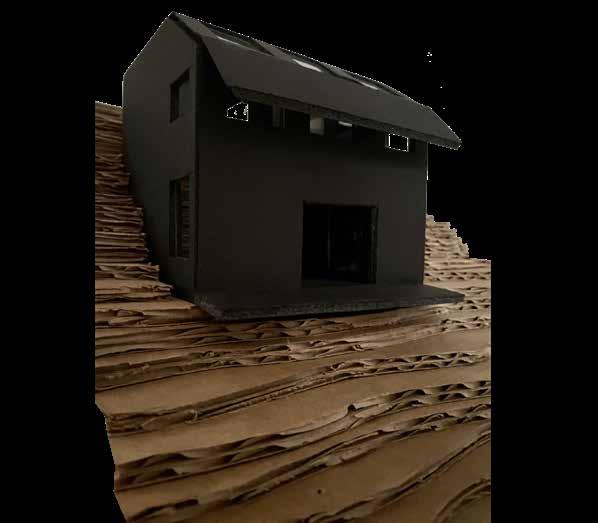
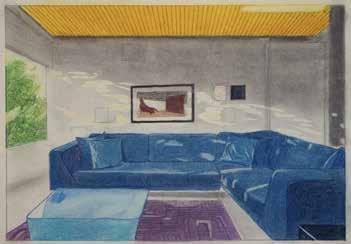
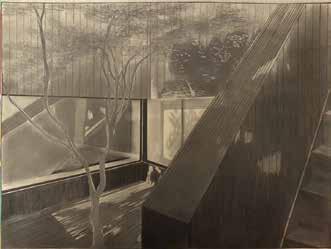
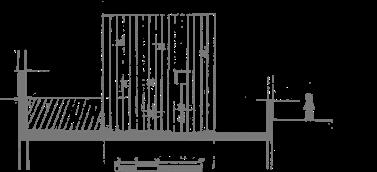
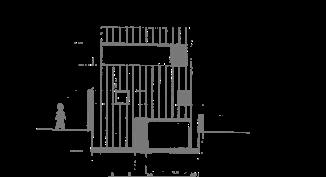
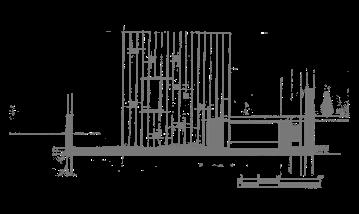
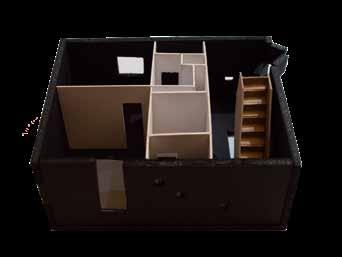
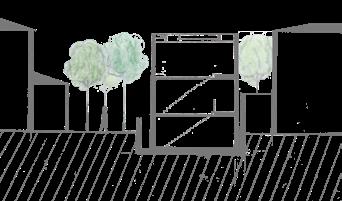
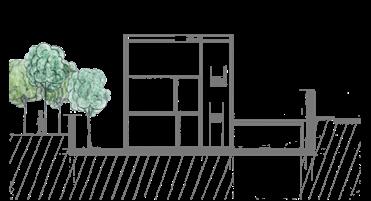
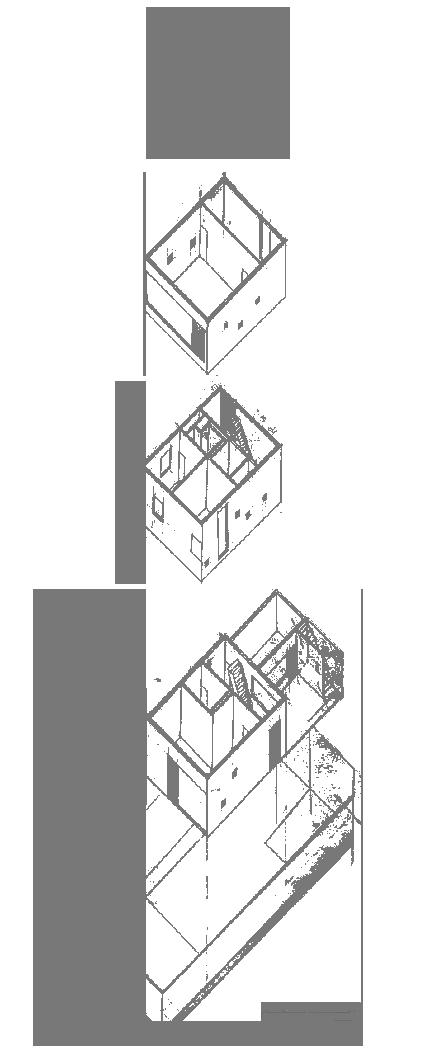
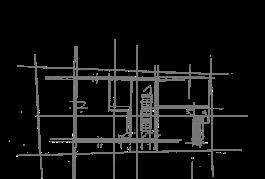
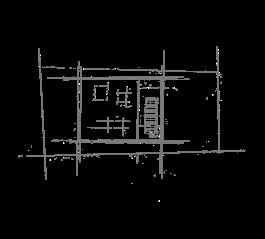
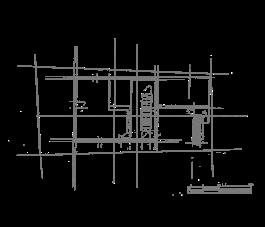
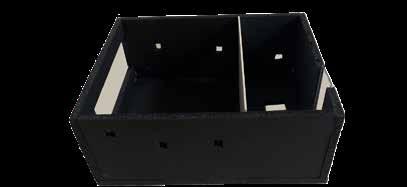
A case study analysis began this two part project. Researching the building led to understanding its form and function. A study of the designer as a potential client led into part two of this project. A tiny home on a nearby site was designed to suit the needs of the client for a semester long teaching position on Jefferson campus.
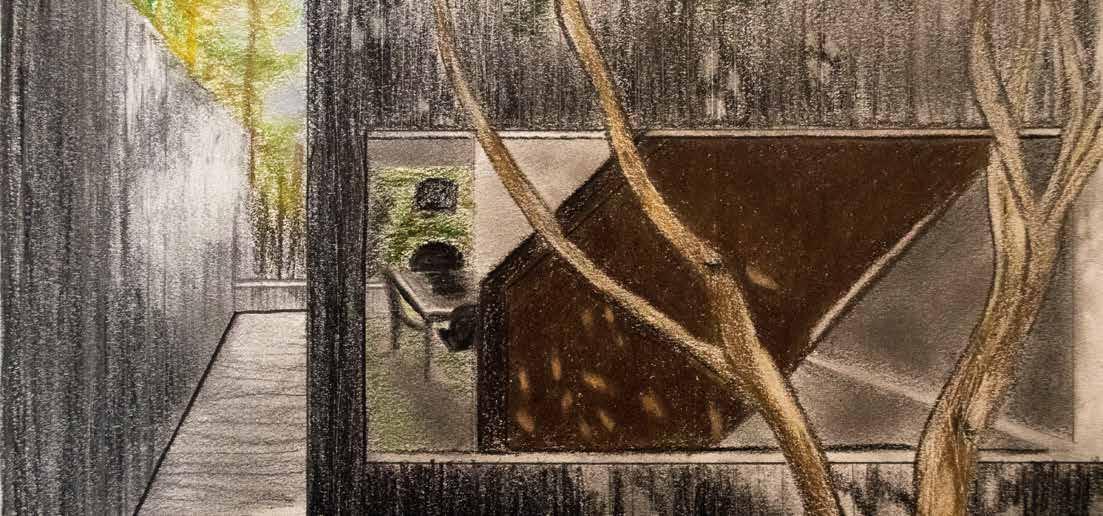
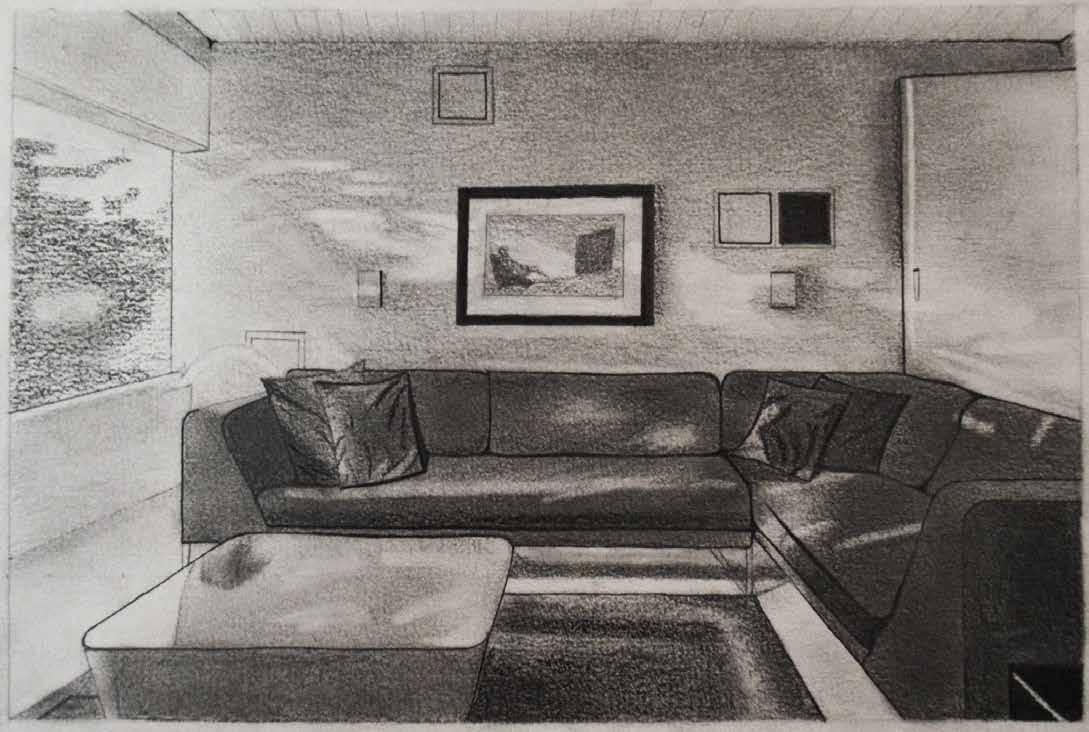
Various mediums were used to make multiple perspectives of the case study. All based on one or more images of the Sunken
House by David Adjaye.
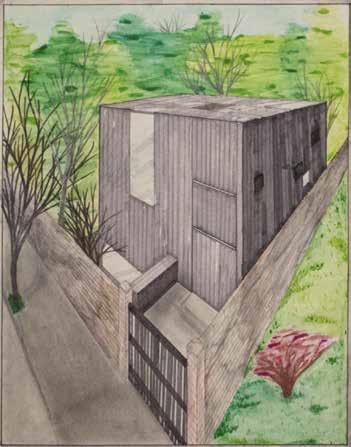
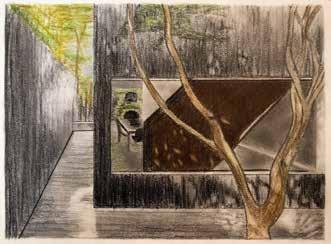
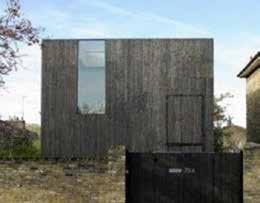
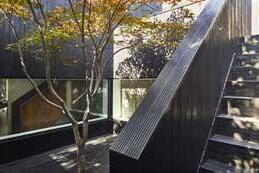
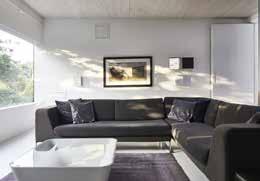
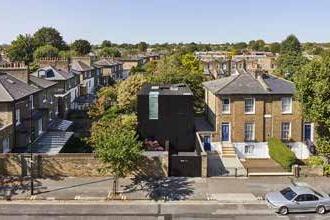 Soft Pastels & Colored Pencil
Colored Pencil
Watercolors & Markers
Markers & Graphite
Soft Pastels & Colored Pencil
Colored Pencil
Watercolors & Markers
Markers & Graphite
Case Study
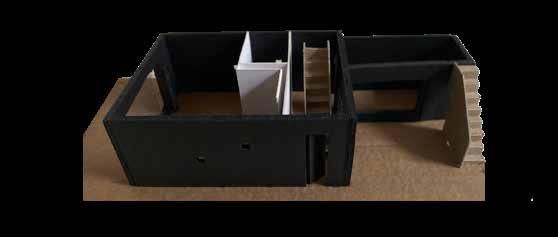
Drawings & Model
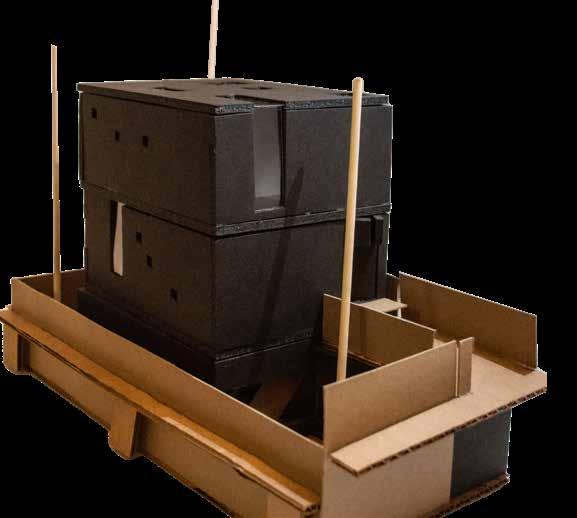

 Graphite & Ink
Creating For A Client
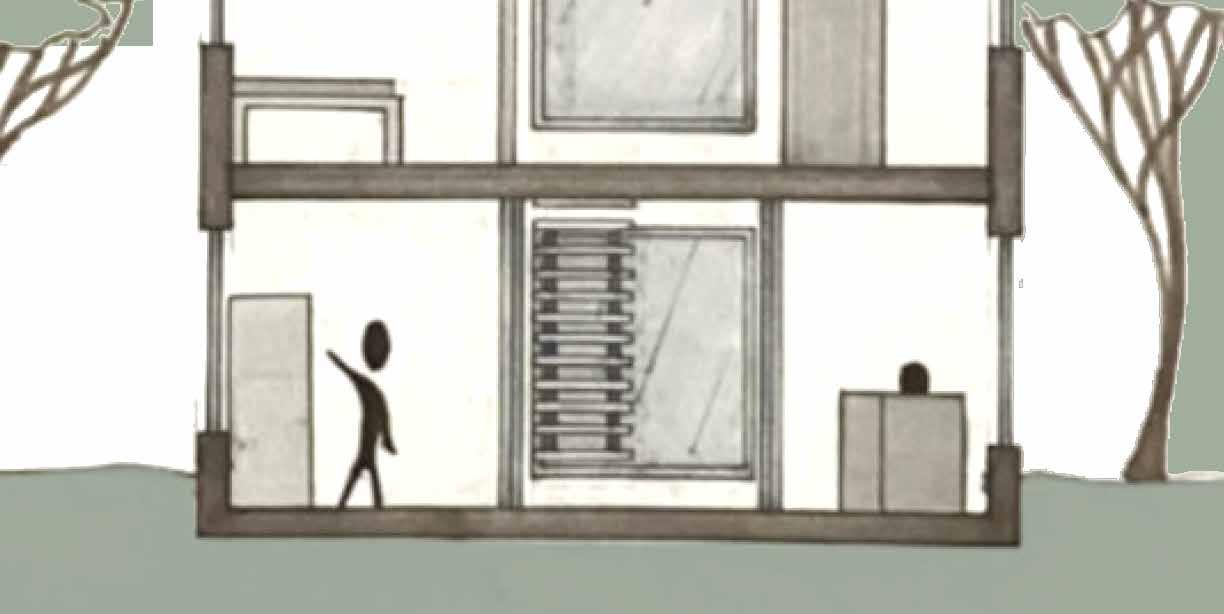
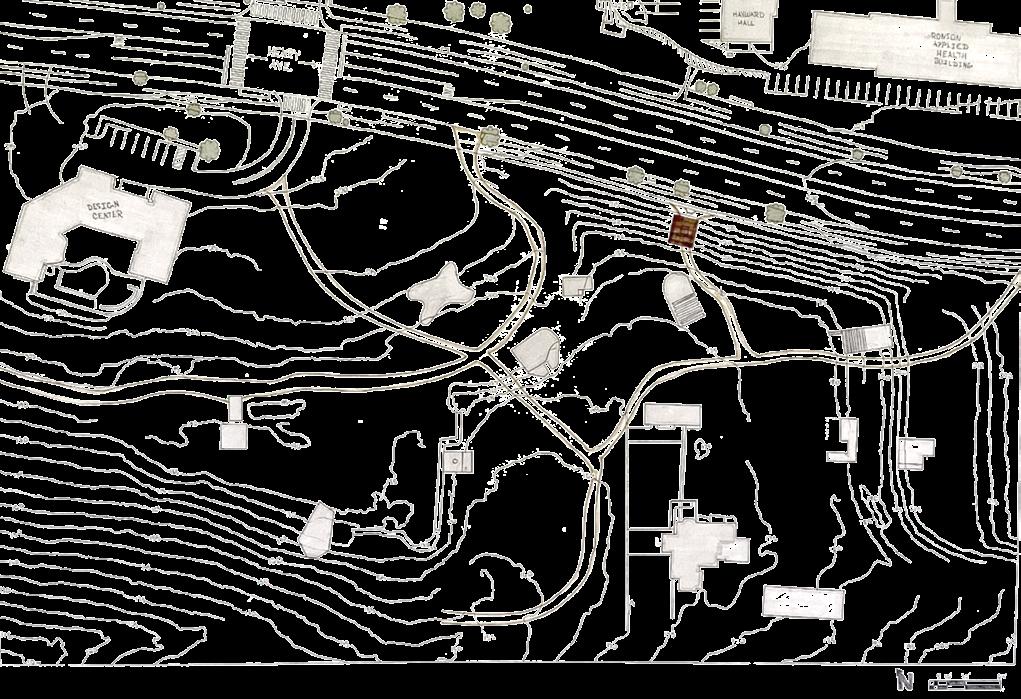
Class-wide Site Plan
Final Drawings & Model