Student Housing
Portfolio
As architects, landscape architects and urban designers, we create award winning buildings, living landscapes and thriving urban spaces, using inventive design to solve real life challenges. Each of our projects is different but the driving force behind every one is the desire to create something that is inherently beautiful, sustainable and useful.
We have specialised in the design of housing of all types since our founding. This includes multiple student housing schemes as well as shared housing for young people such as YMCA projects. We have completed projects for universities, housing associations, charities and the commercial sector. We have also designed market rent housing, particularly targeted at sharers.
We work on both new and existing buildings, which are often on constrained urban sites in central London boroughs. We are familiar with all the specific regulation that applies to the design of homes in multiple occupation (HMOs).
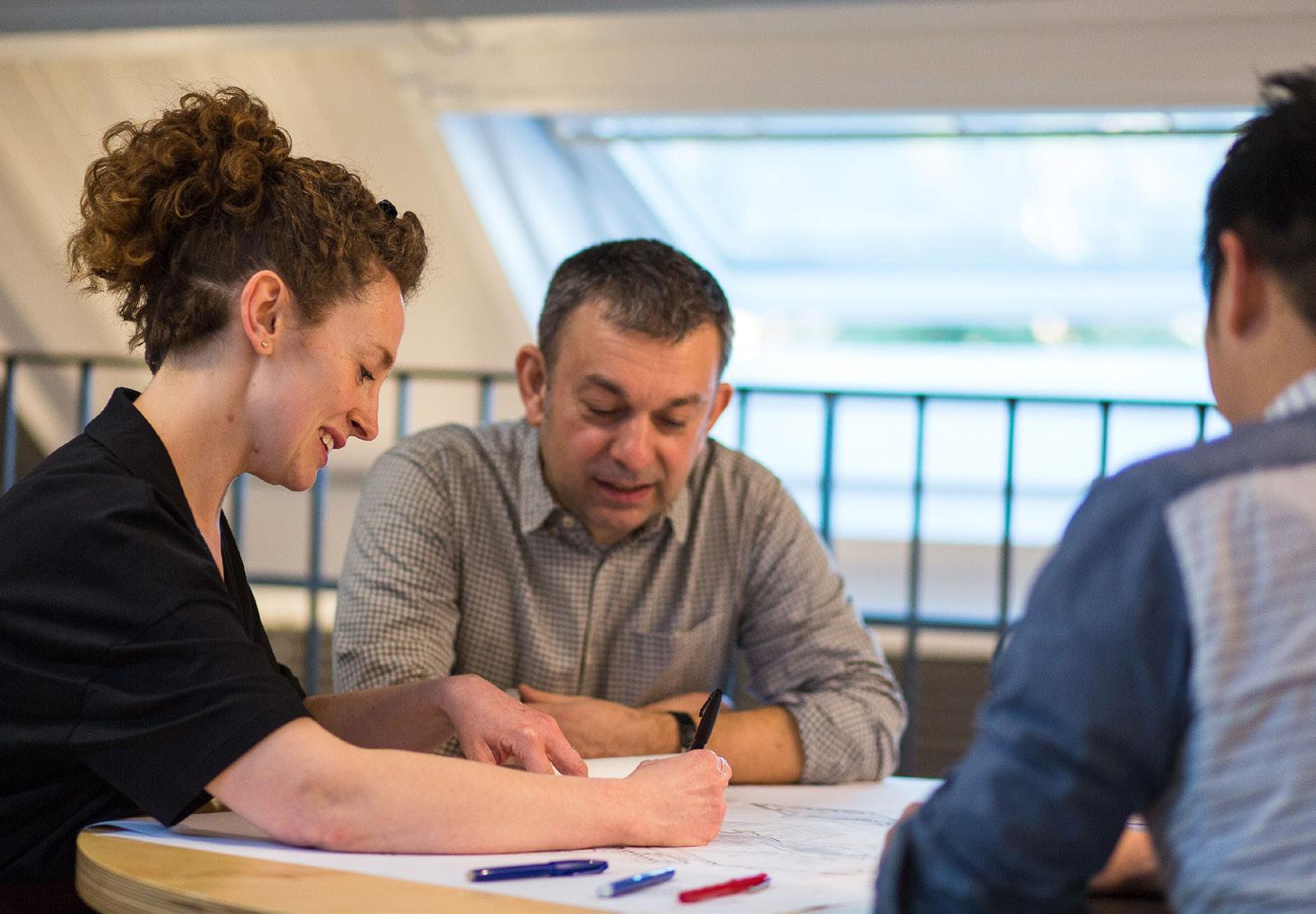
From our studios in London, Manchester and Ireland, our in-house teams of architects, urban designers and landscape architects enable us to look holistically at all projects, providing the expertise to deal with both the macro scale masterplanning and micro scale detailing.
We have a strong focus on sustainability, with experience of delivering passivhaus as well as providing more tailored environmental solutions that are affordable for our clients.
Hythe Mills
Essex
Future Generation
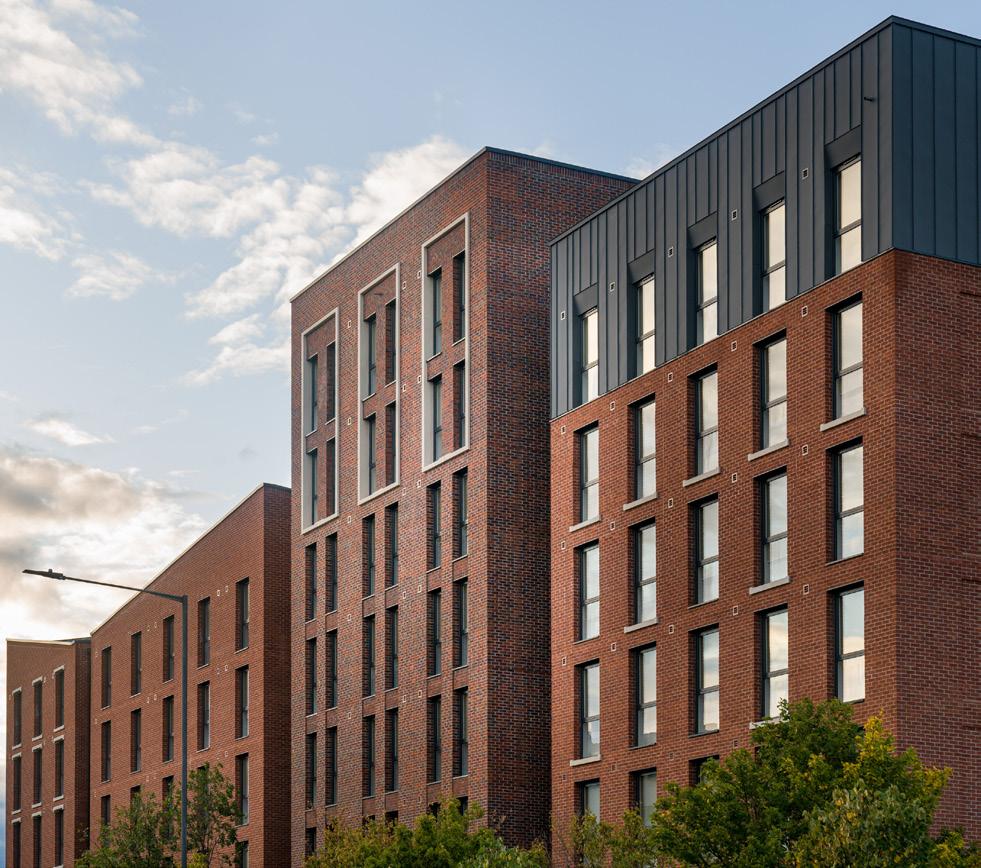
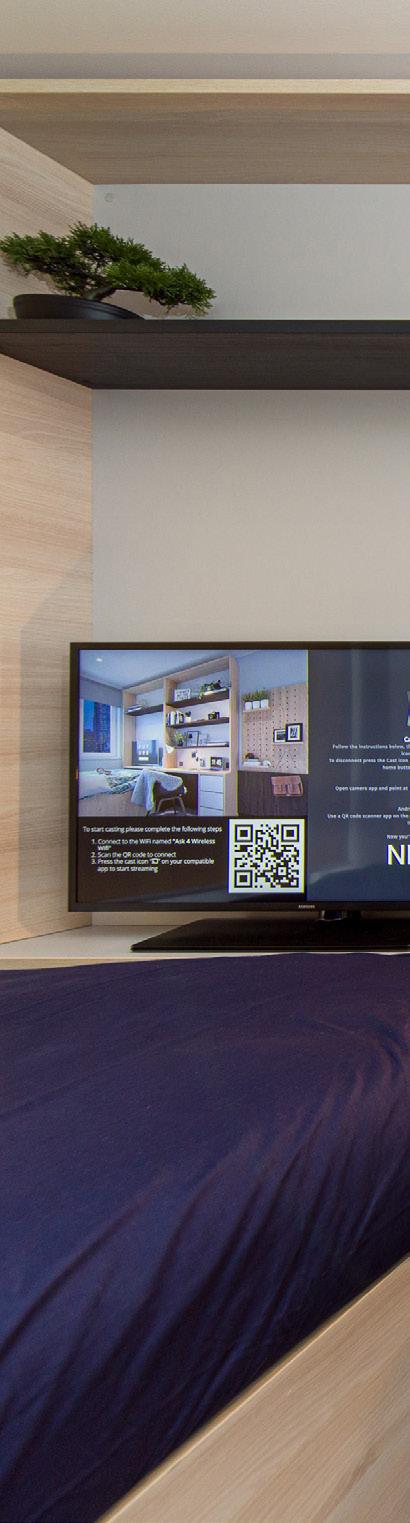
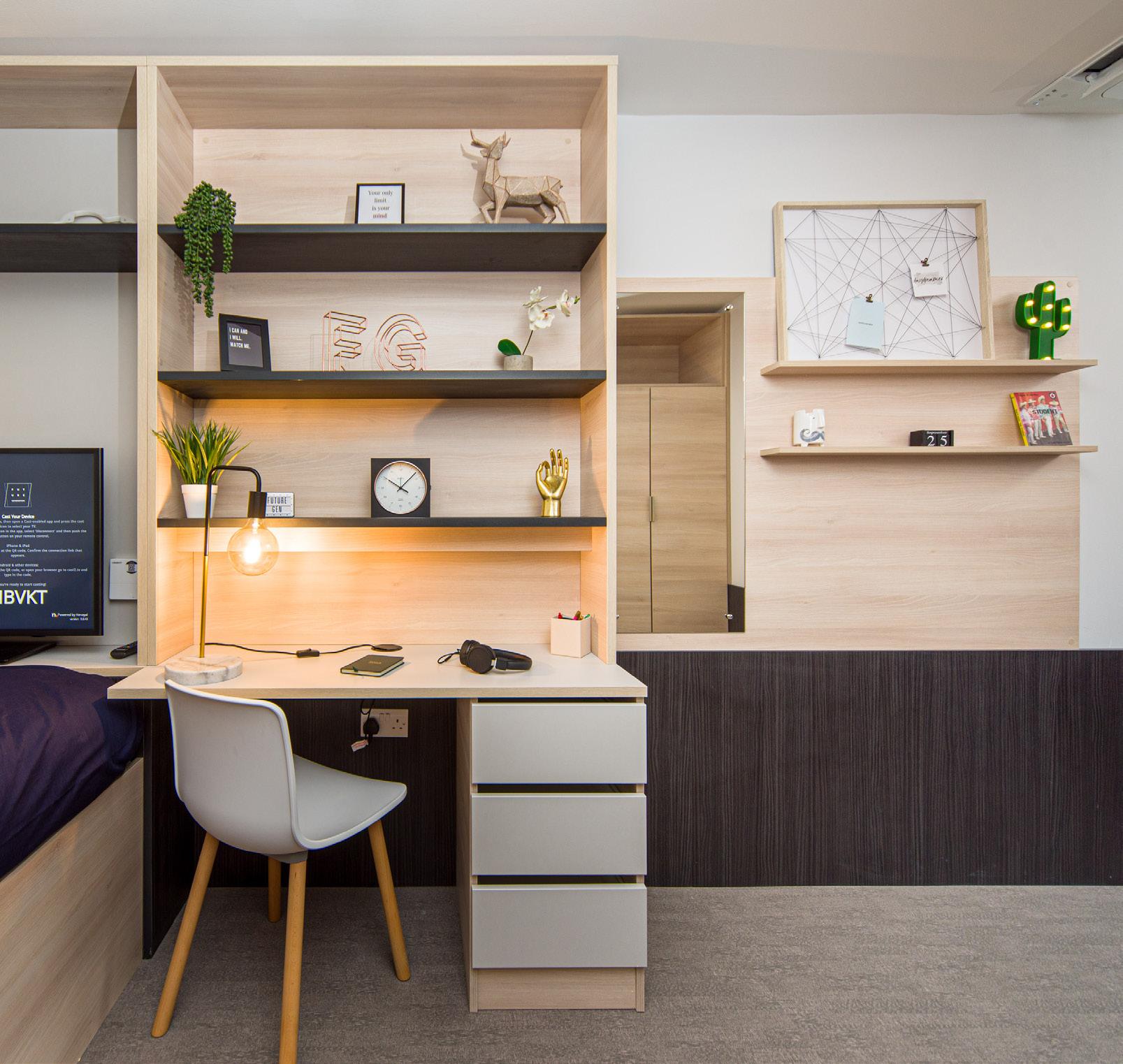
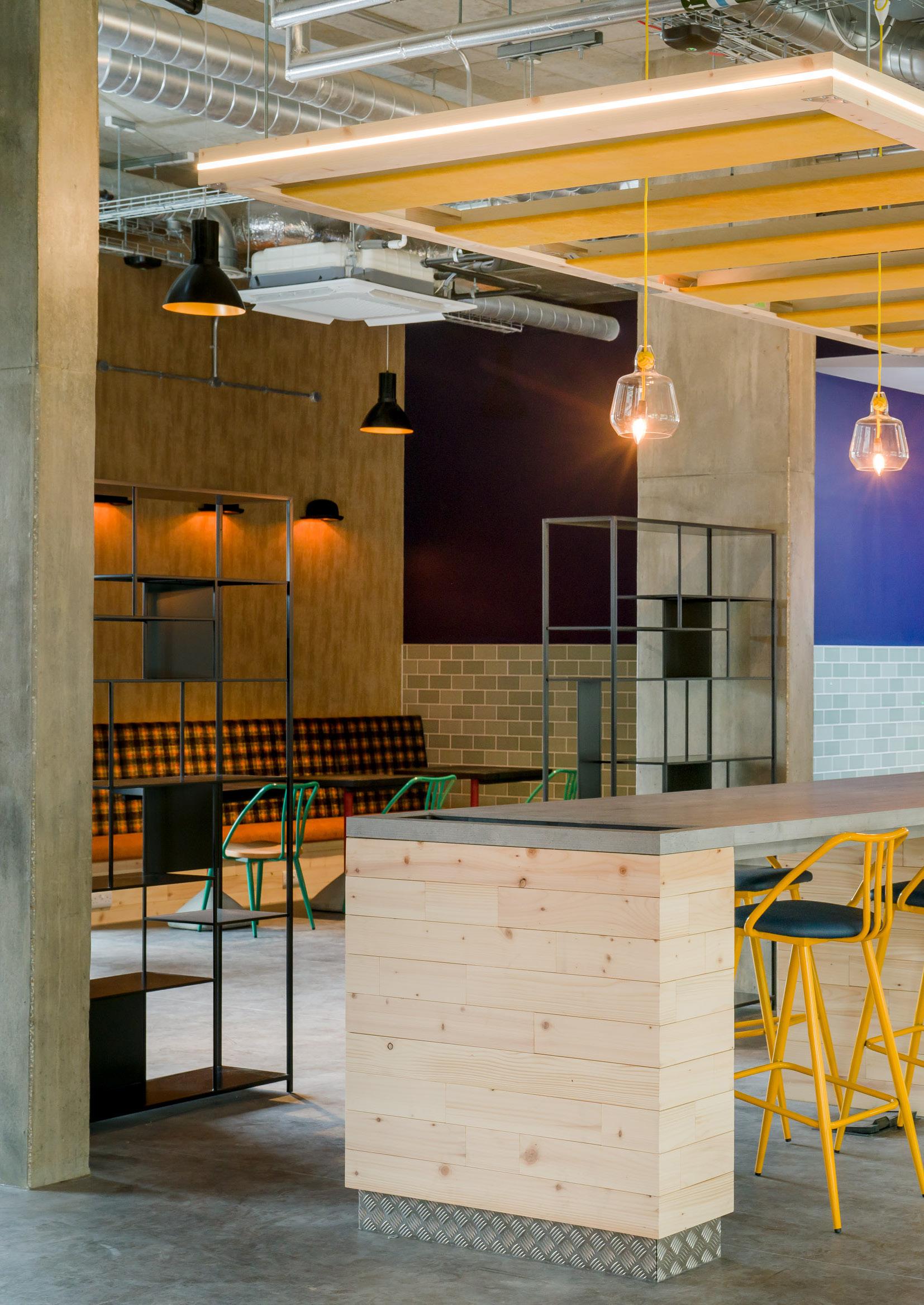
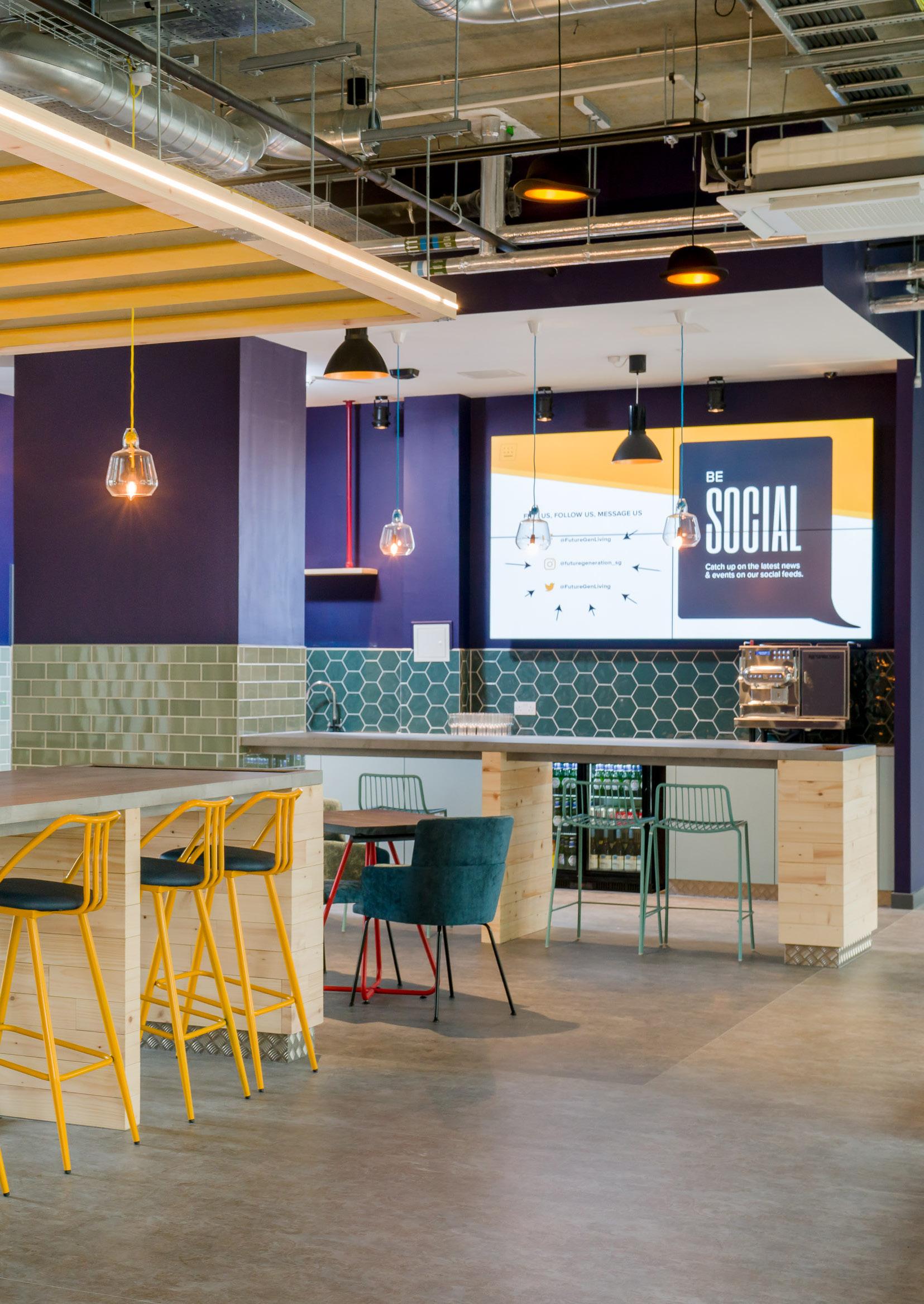
Hythe Mills comprises 231 student bedrooms in a mix of en-suite rooms with shared kitchens, accessible studios, standard and premium studios, together with a 24 hour reception, communal study and social spaces, private roof terrace, parking, laundry and bike storage.
The scheme is a strong addition to the waterfront; reading as four distinct volumes connected by a series of translucent bridging links. These help to express the overall massing and offer a glimpse into the circulation.
Sitting within a context of brick, render and glass buildings, the façade resembles a warehouse or wharf, with differing window sizes to articulate the room types inside and generous glazing to provide a light and open feel during both day and night.
Ramsay Hall
Camden, London
University College London
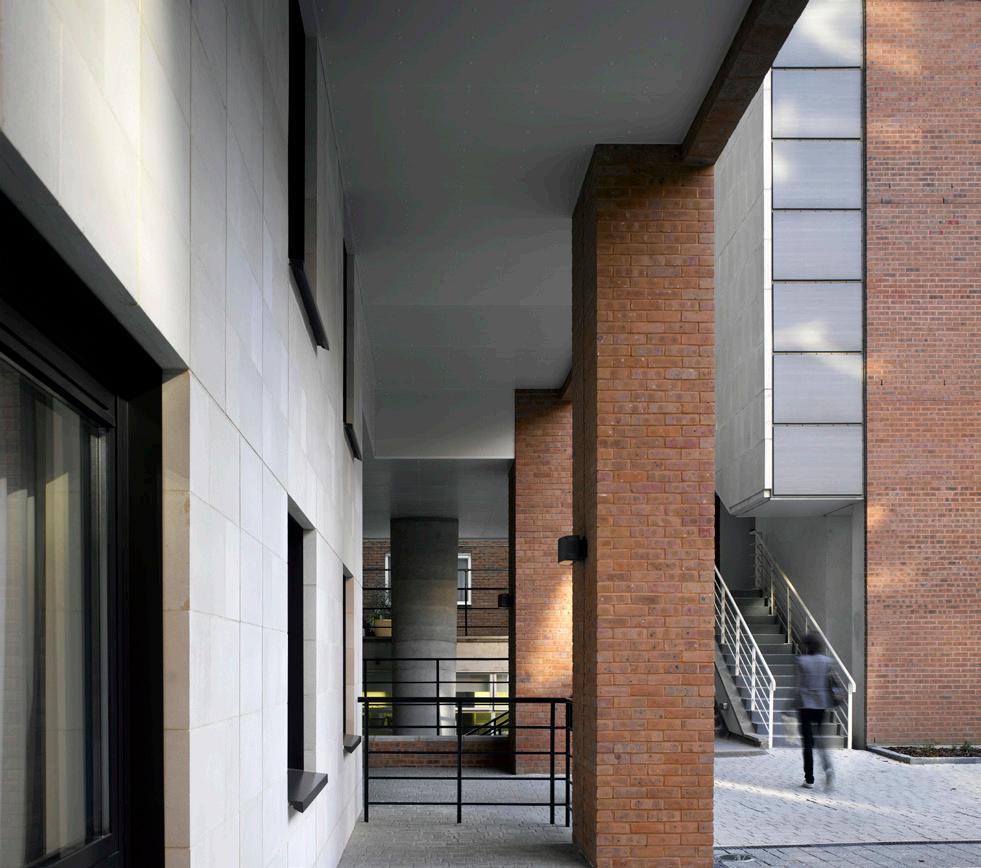
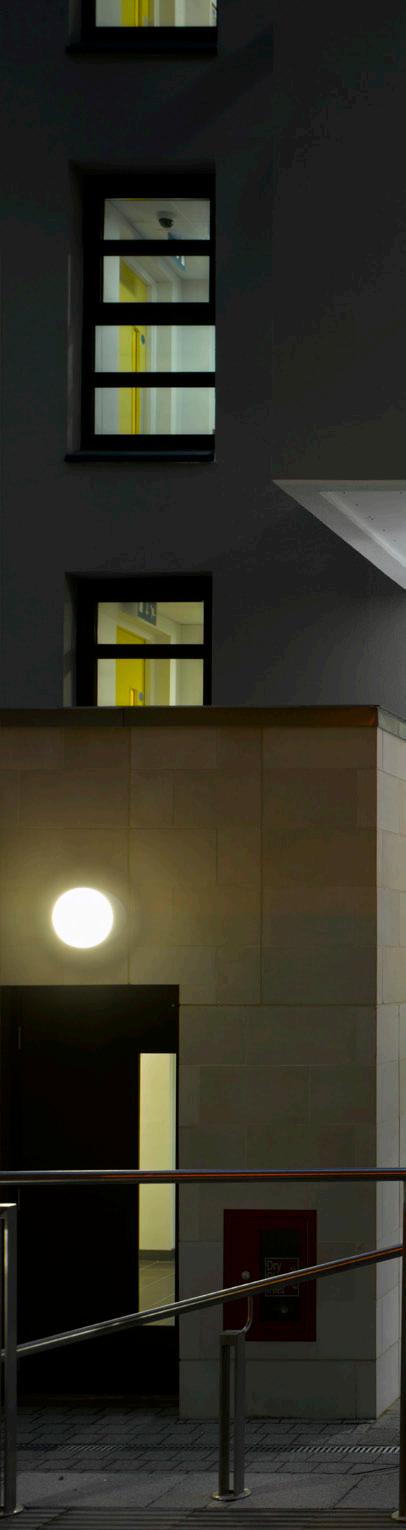
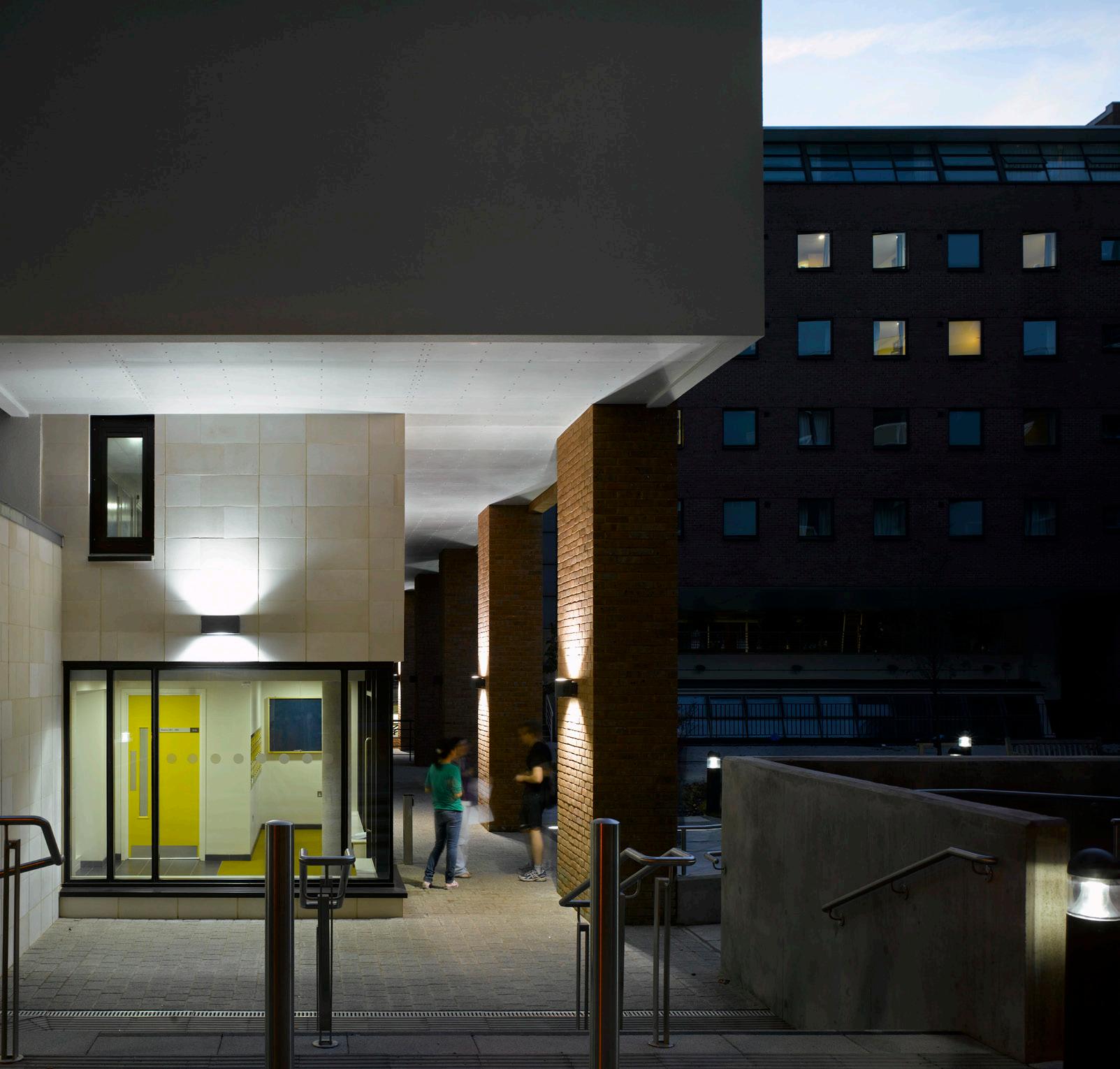
Ian Baker House, situated in the courtyard of the Ramsay Hall complex, delivers 91 new self-catering study bedrooms, including six for wheelchair users – representing a valuable increase to the university’s residential portfolio. The eight storey building provides a primary façade to the newly reordered courtyard, with the form and materials responding to the adjacent Grade II listed YMCA building. Sustainability measures include rainwater harvesting, a brown roof and highly efficient combined heat and power plant, which all helped the building to achieve a BREEAM Very Good rating.
“Levitt Bernstein had to be bold when updating the fabric and function of the building, but sensitive to the underlying spatial and material principles that make it such a remarkable example of 20th century architecture.”
Owen Pritchard, Blueprint Magazine
Harvey Court
Cambridge
Gonville & Caius College
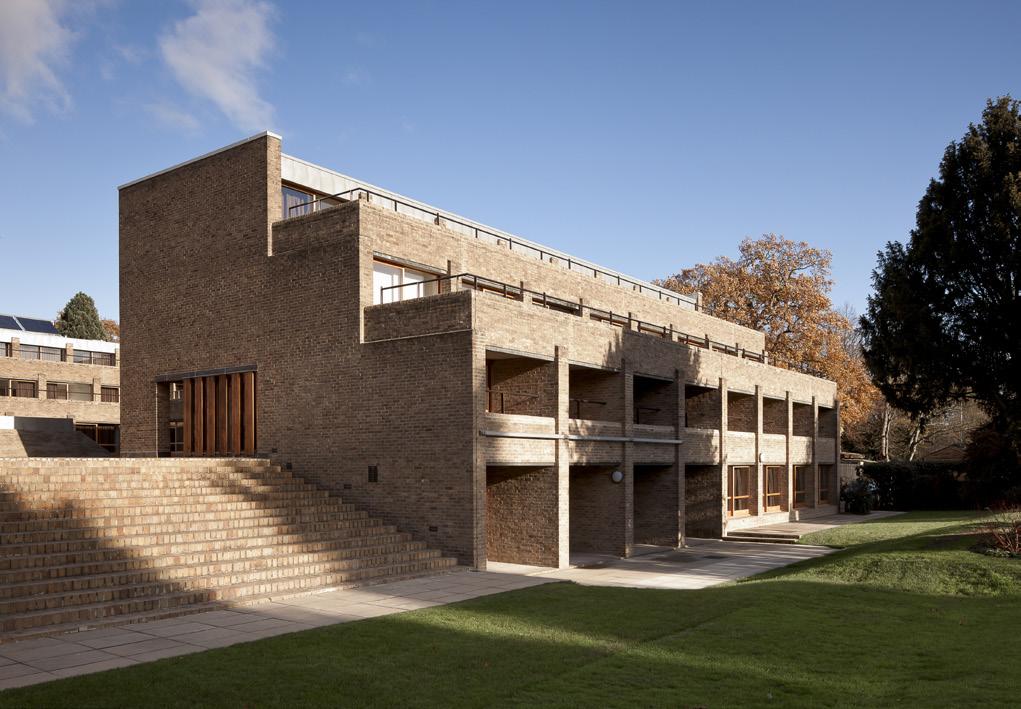
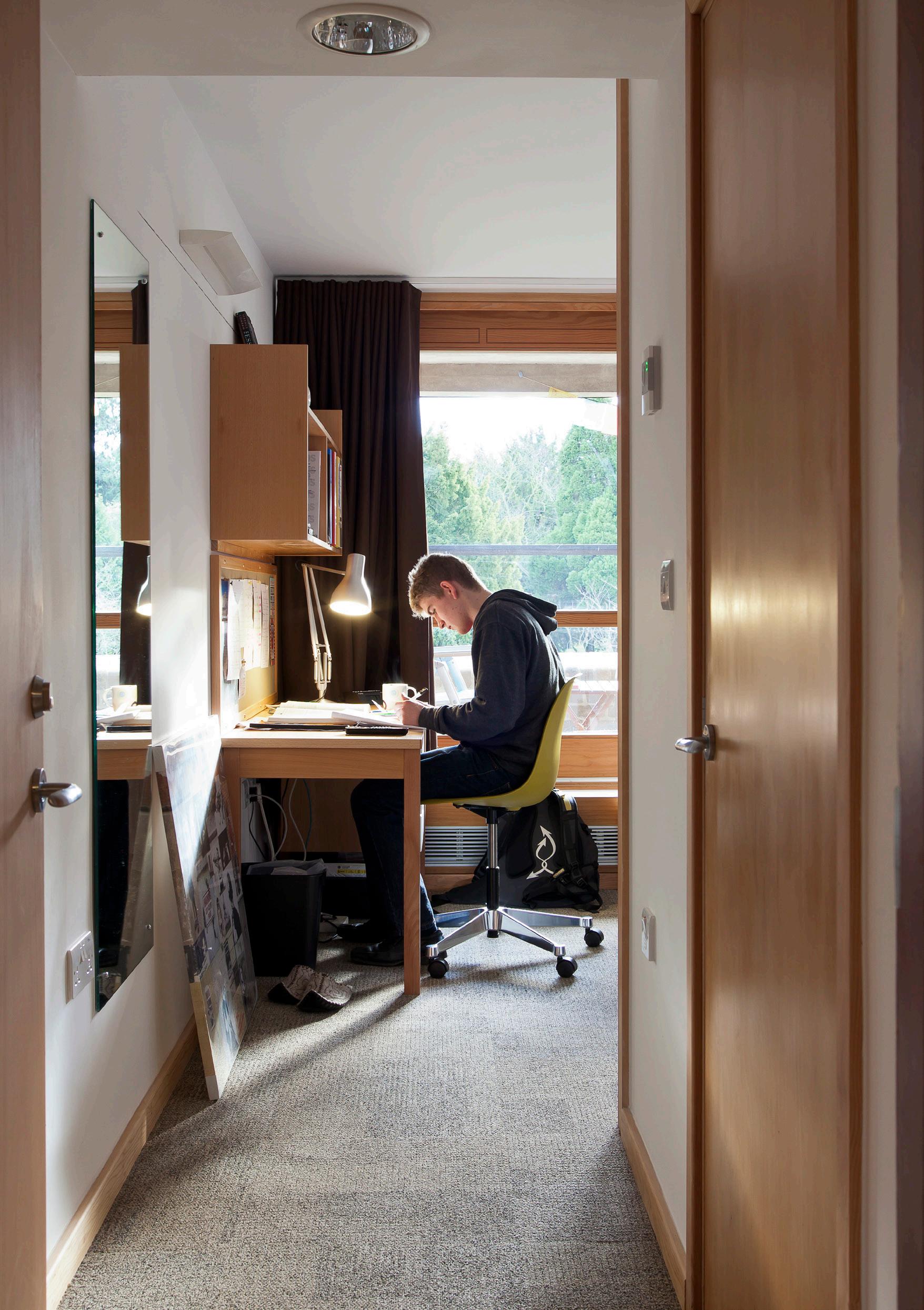
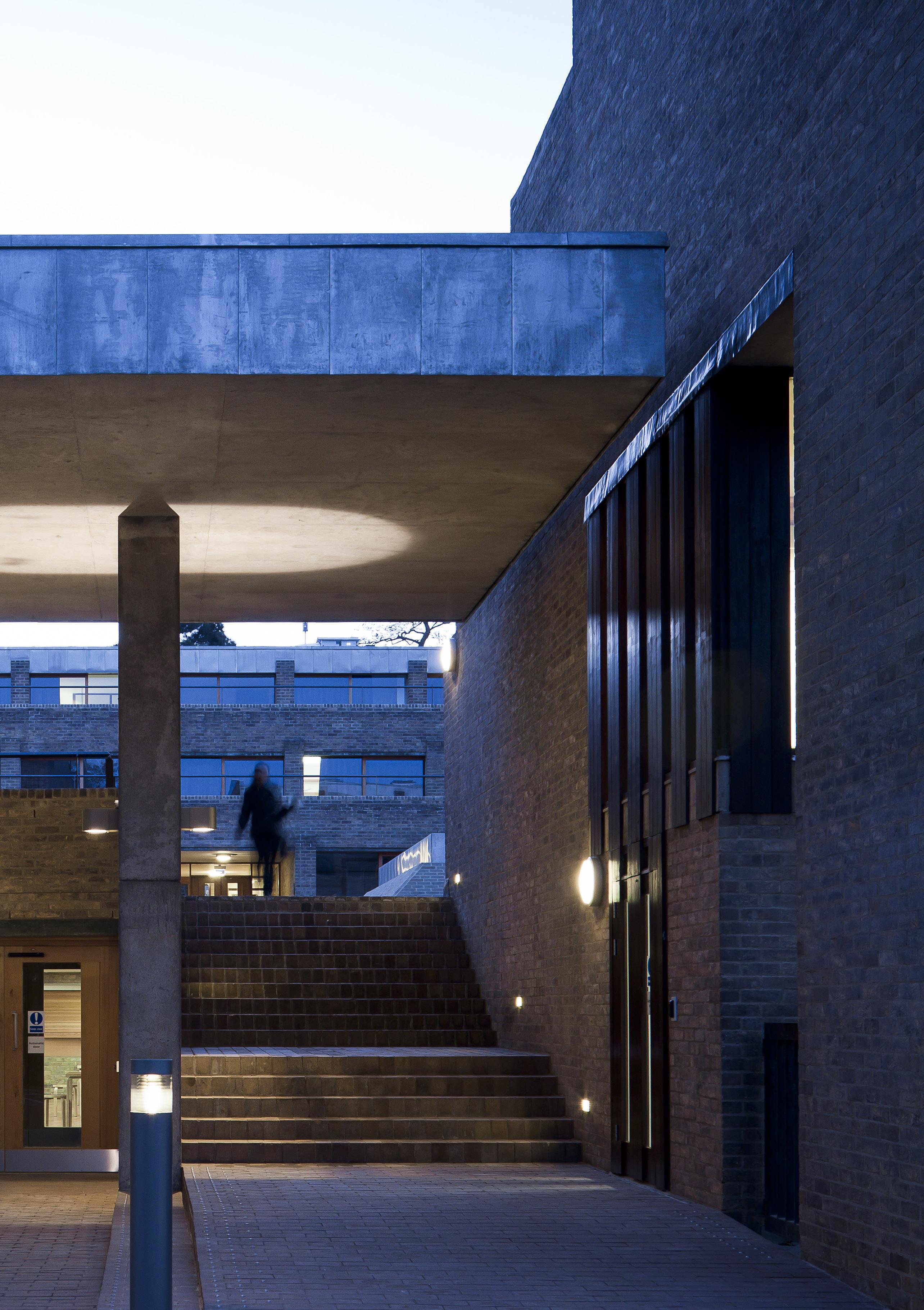
We were commissioned to refurbish this seminal Grade II* listed collegiate building, ensuring all the new interventions respected its architectural heritage. Our design hinges around rethinking movement and linking the ground and first floor internally for the first time. The insertion of a new lift allowed us to reorientate the building, creating a new main entrance sensitively designed to reproduce the original detailing. New bathrooms have been ingeniously incorporated through utilising unused storage spaces, whilst communal facilities have been refurbished throughout. Finally, better insulation and solar panels lower the carbon footprint of the building.
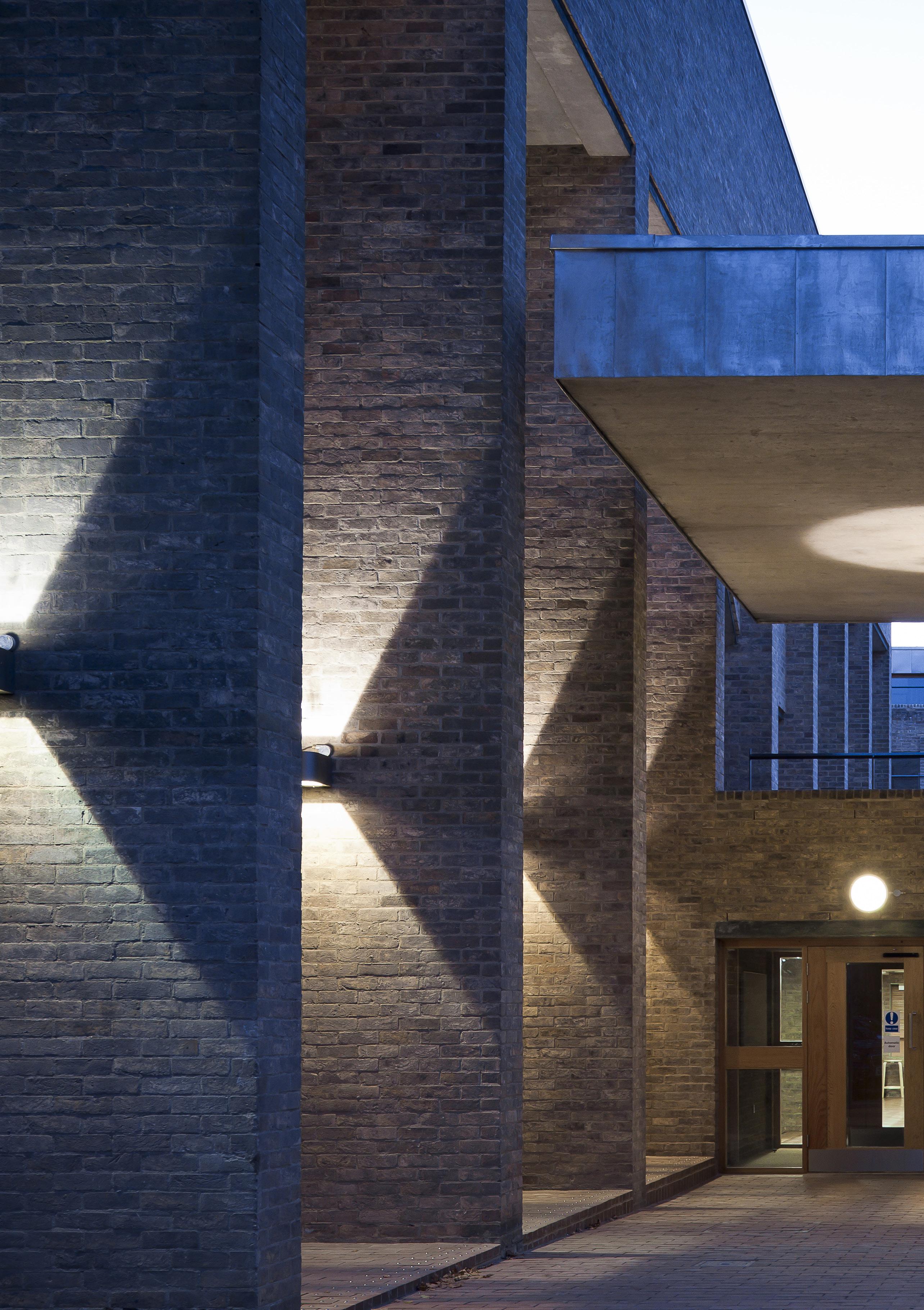
“Projects of this kind involving more or less invisible mending require far more architectural skill but get less applause than relatively thoughtless new builds. At Harvey Court, however, Levitt Bernstein’s respectful work certainly deserves its plaudits.”
Peter Blundell Jones, Architecture Today, February 2012
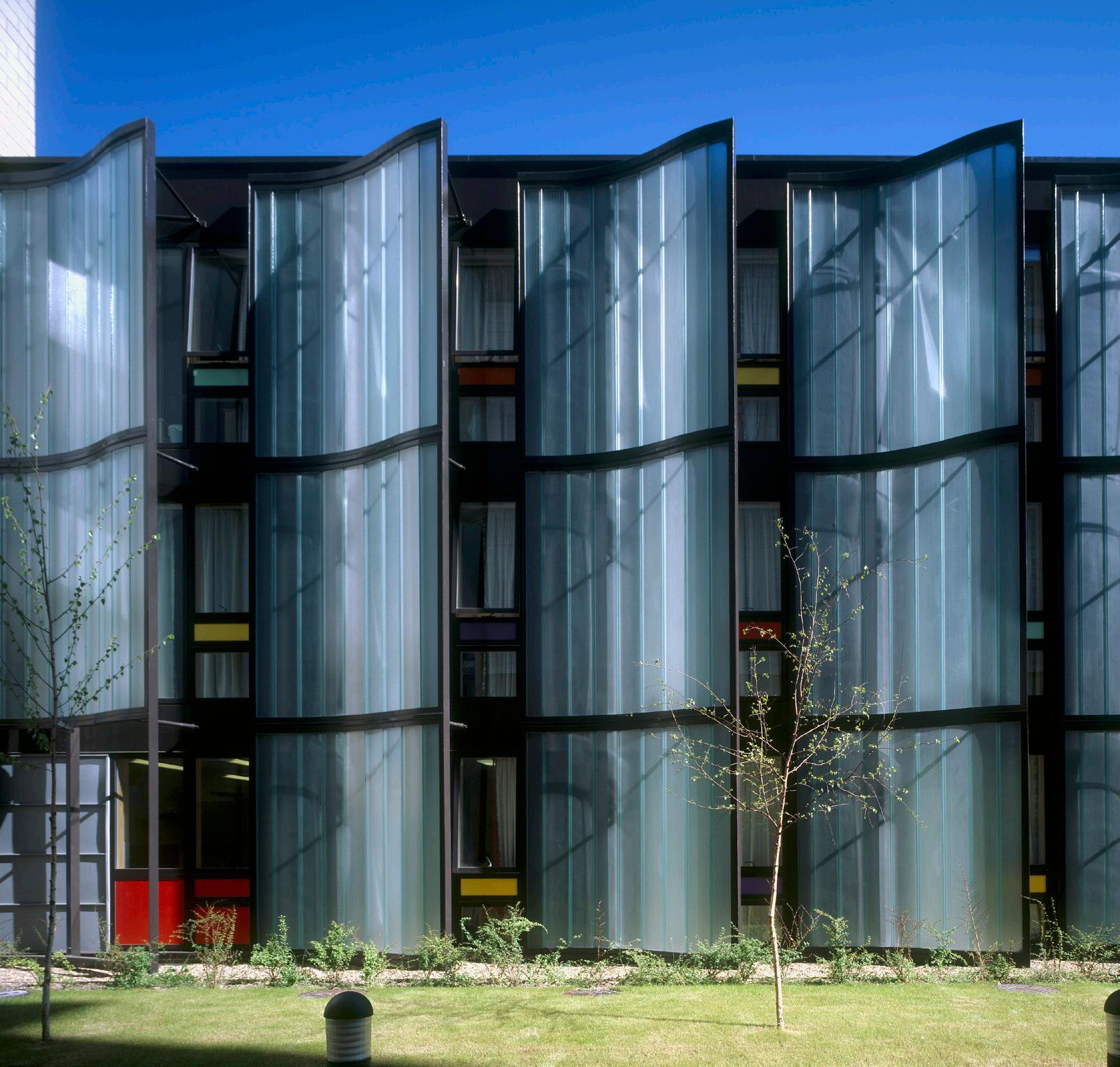
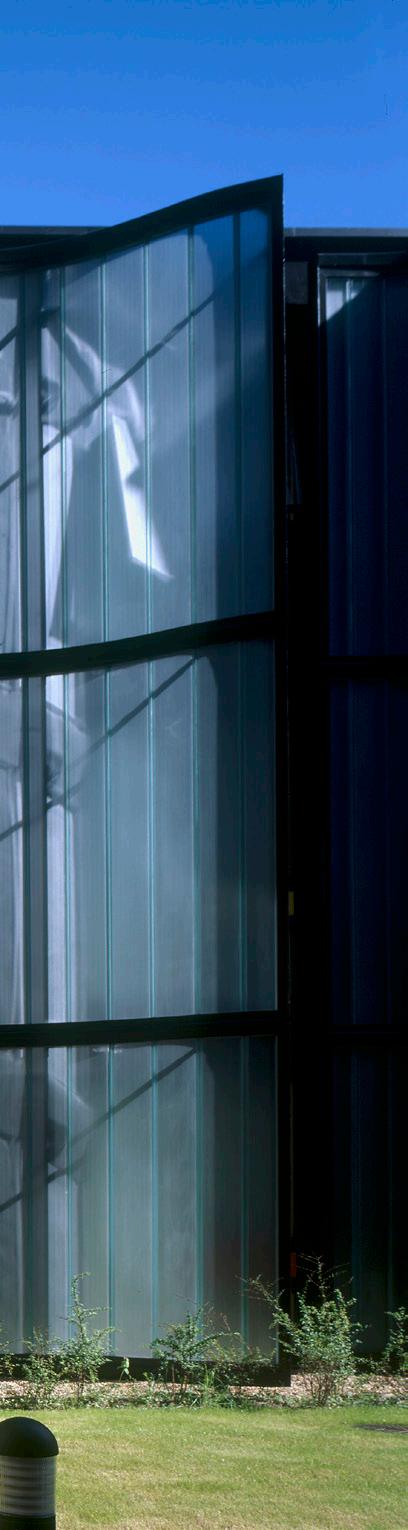
Designed for UCL students, the redevelopment of this existing building provides 20 new bedrooms, two of which are wheelchair accessible. Creating much needed new accommodation in central London, the new annexe makes use of land previously considered undevelopable due to its close proximity to surrounding buildings. However, our inventive design incorporates curved translucent facade panels that allow privacy even with full height windows. Views are directed away from neighbouring rooms without diminishing natural light. Built against a boundary wall, the building completes a formally landscaped traditional college ‘quad’.
James Lighthill Annexe Building
Islington
University College London
Astor College
Camden, London
University College London
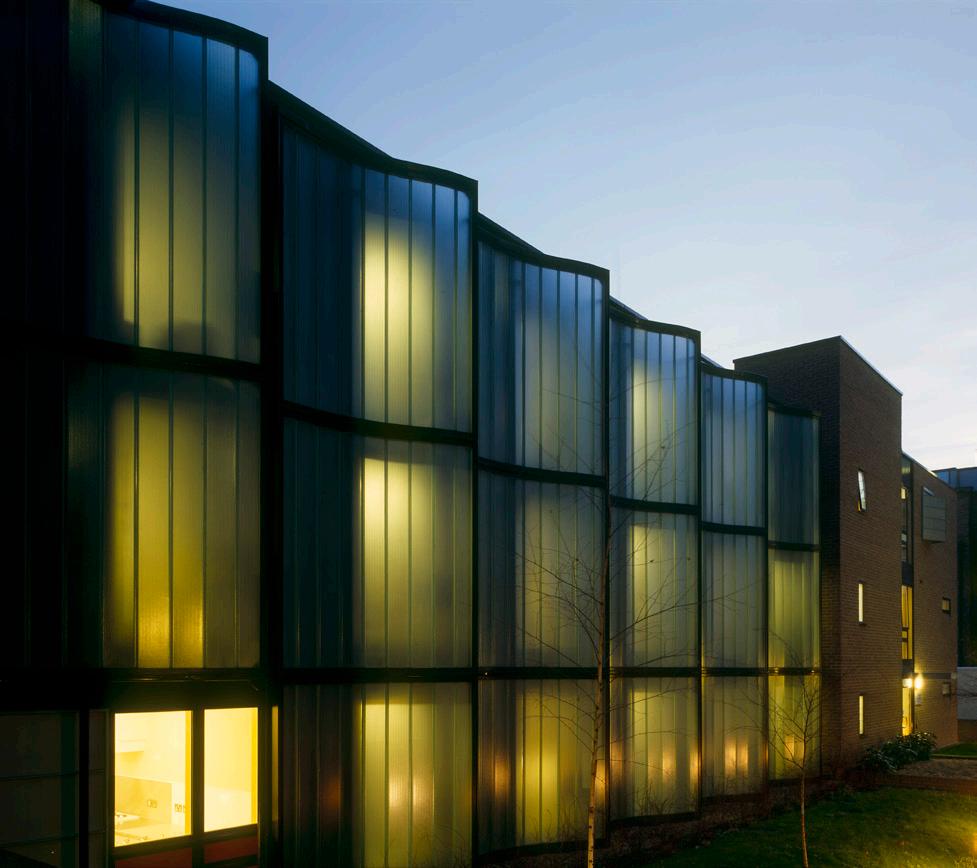
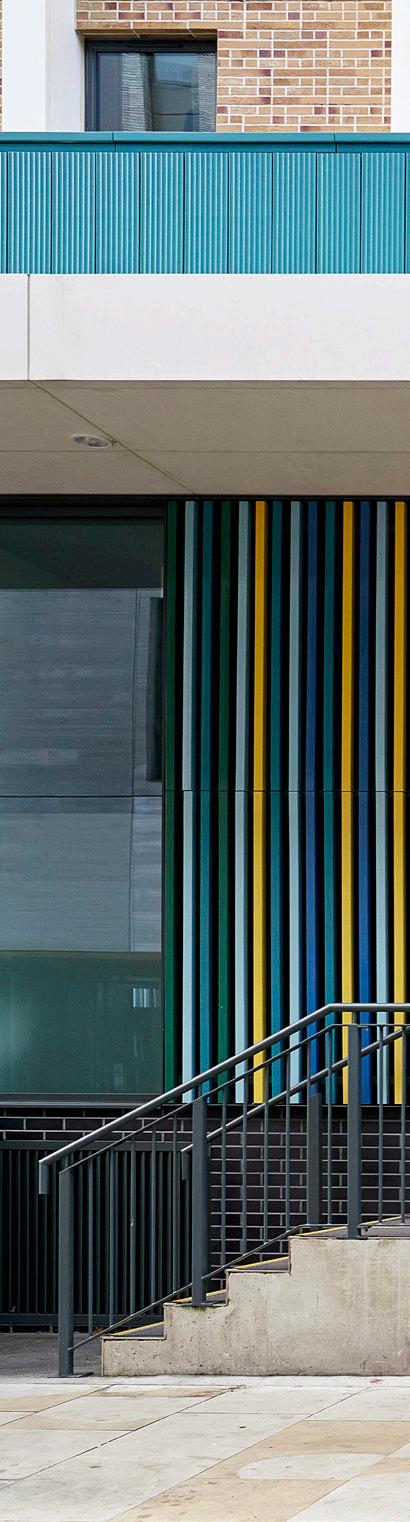
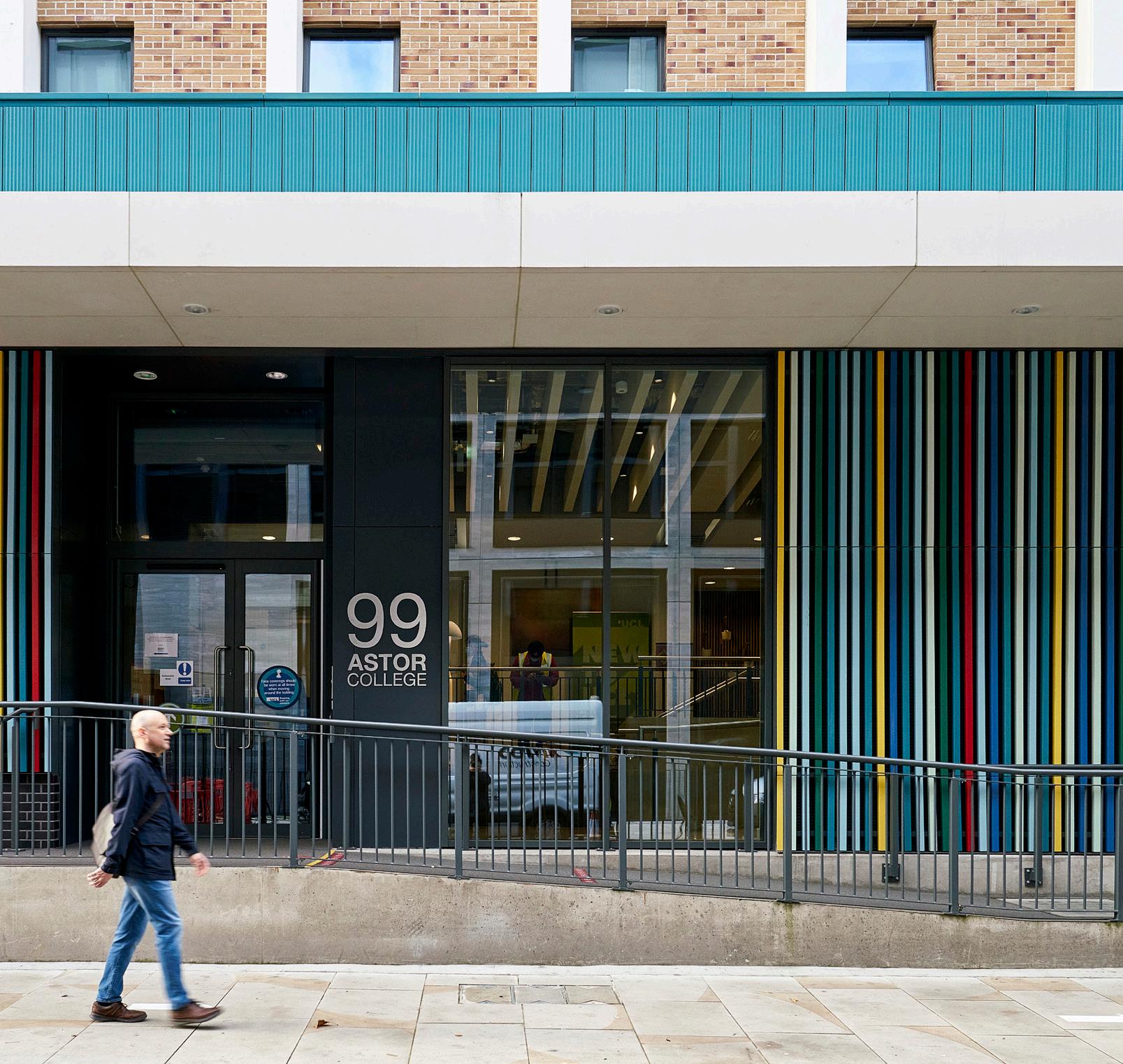
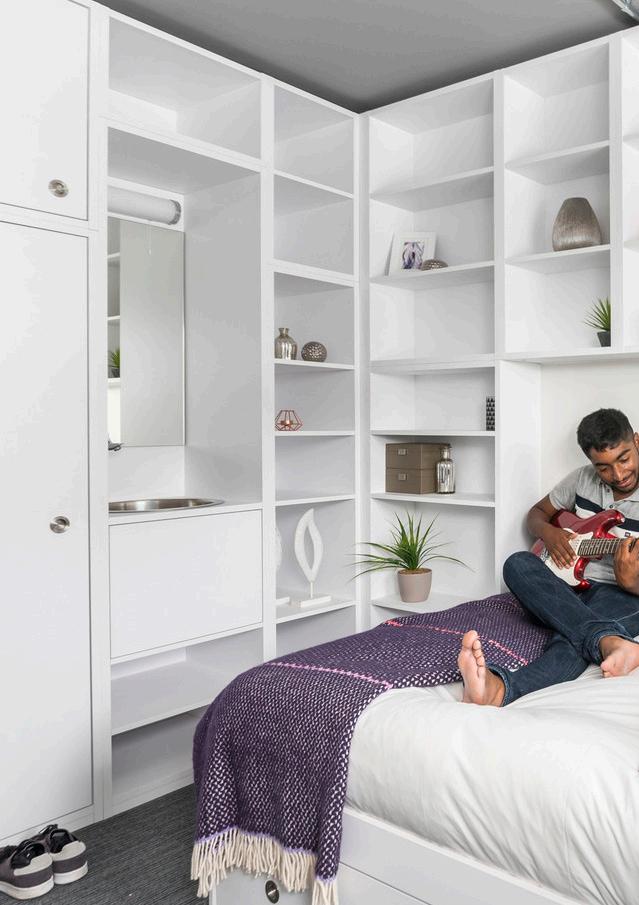
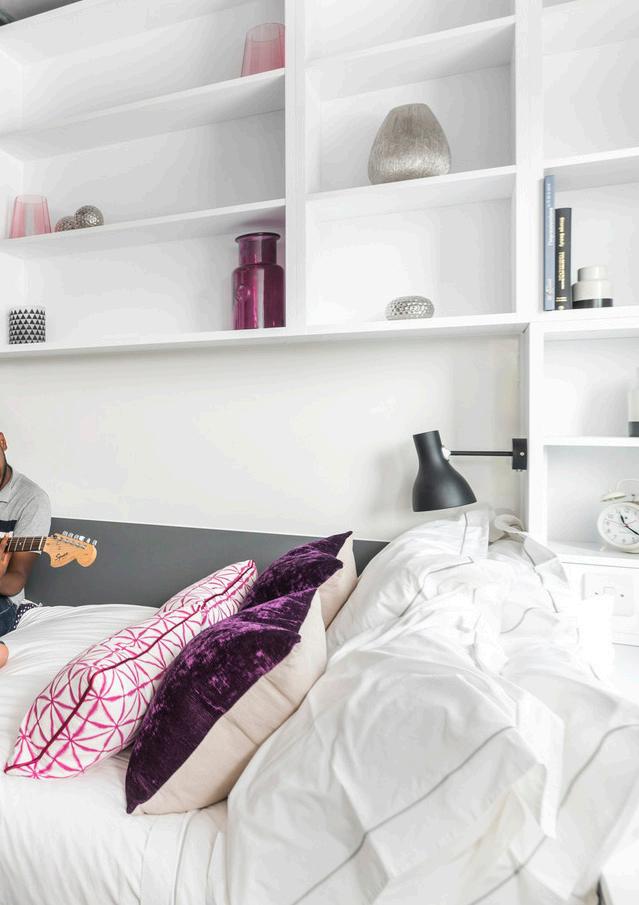
The refurbishment of this building, located close to UCL’s Bloomsbury campus, enhances existing student accommodation and facilities and provides further bed spaces in a new extension. This addition activates the street frontage and reinforces the entrance; addressing the imposing massing of the existing building and creating a new pedestrian link through Bedford Passage, knitting Astor College into the wider masterplan.
John Dodgson House
Camden University College London
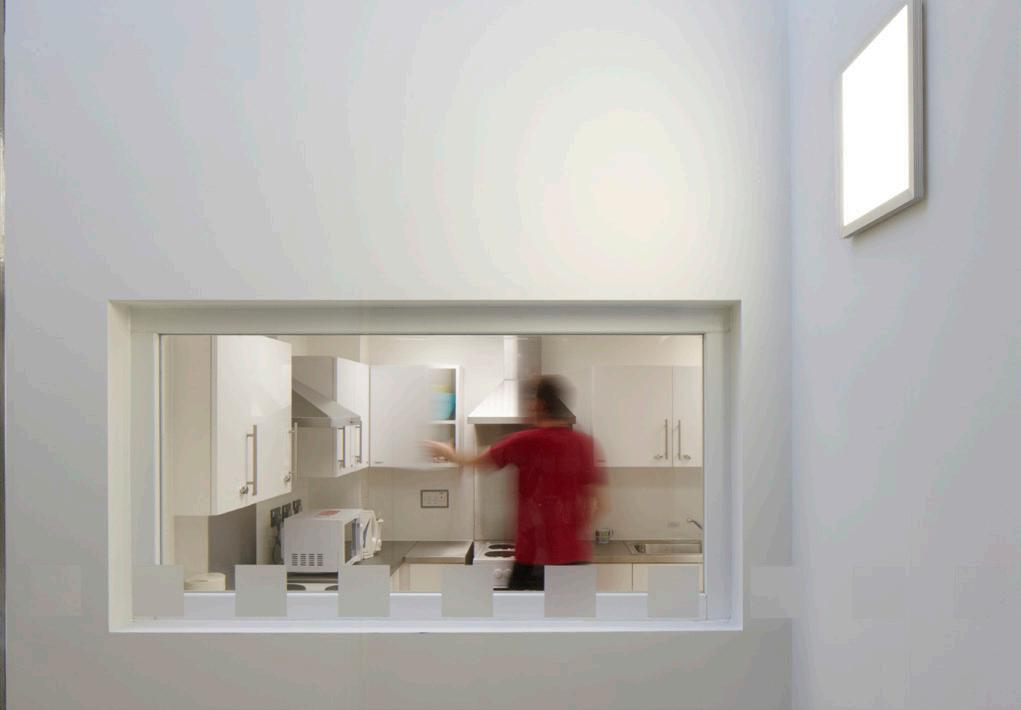
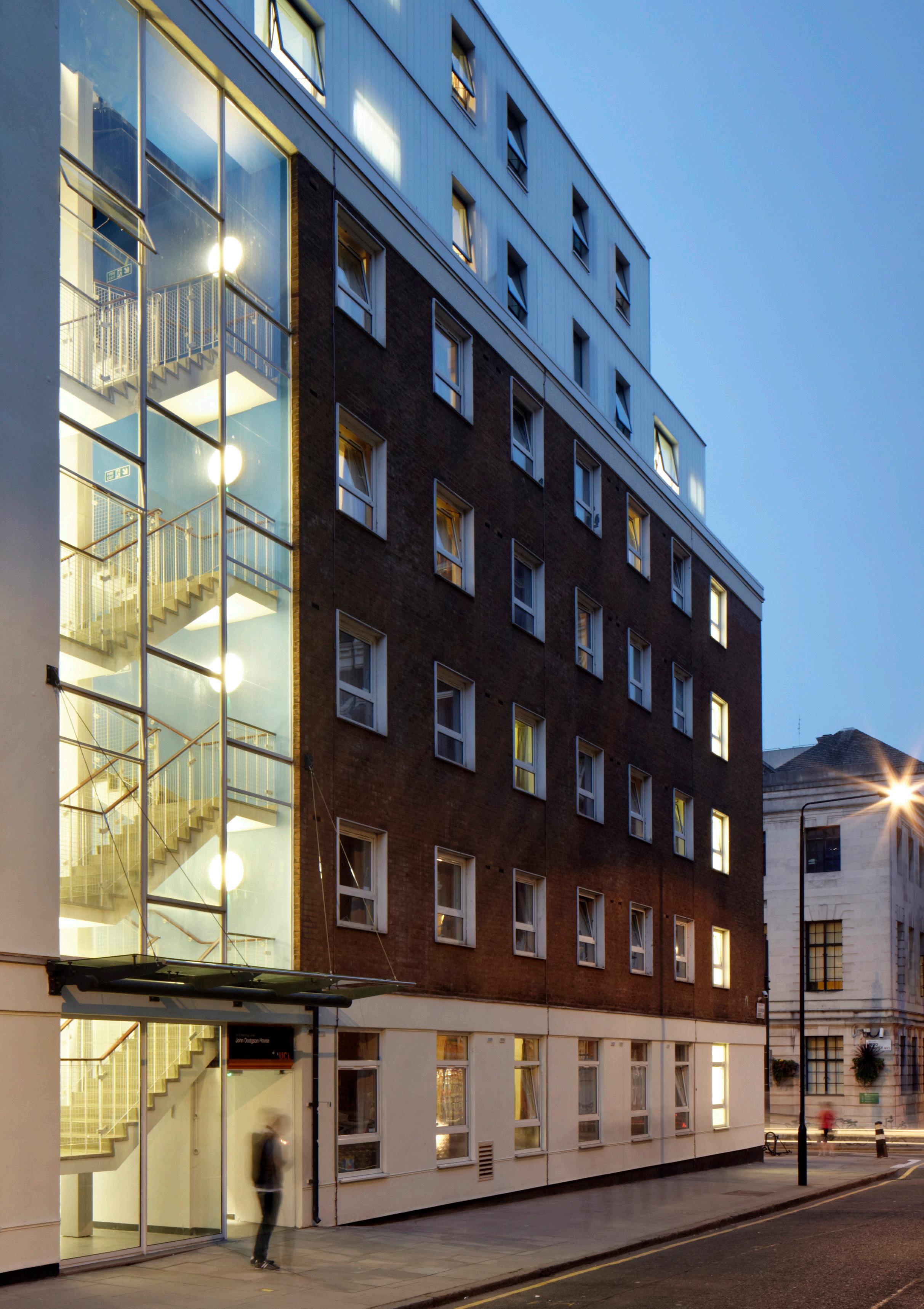
This rooftop extension provides an additional 49 new bedrooms for postgraduate students in an existing University College London residence hall. An inventive off-site volumetric modular construction was used to minimise construction time, resulting in work being completed within the span of one academic year. Each bedroom was fitted out in the factory with an ensuite bathroom pod, desk, wardrobe, and light fittings. Once in position, the units were clad with glazed facades designed to create a layered appearance through the use of natural and artificial lighting that animates the built elevations. Internally, circulation spaces have been planned to enhance students’ social experience. Bedrooms are clustered to maximise natural light through rooflights above widened areas of corridors as well as a central lightwell.
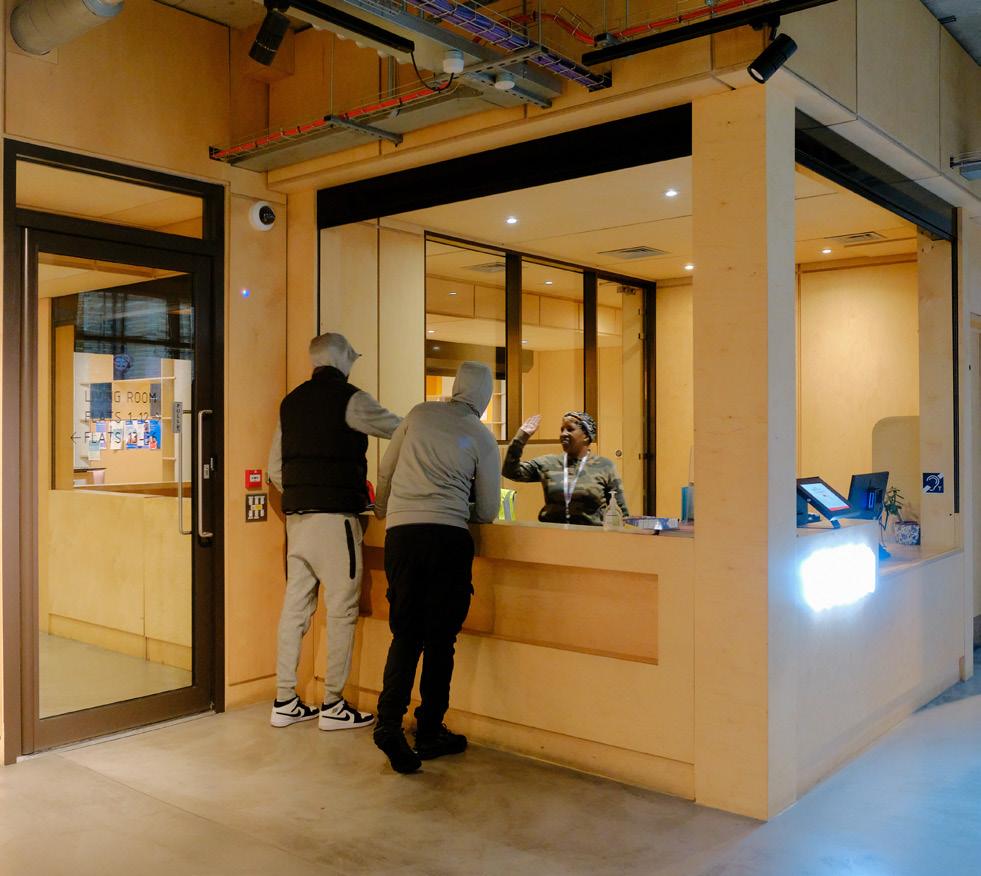
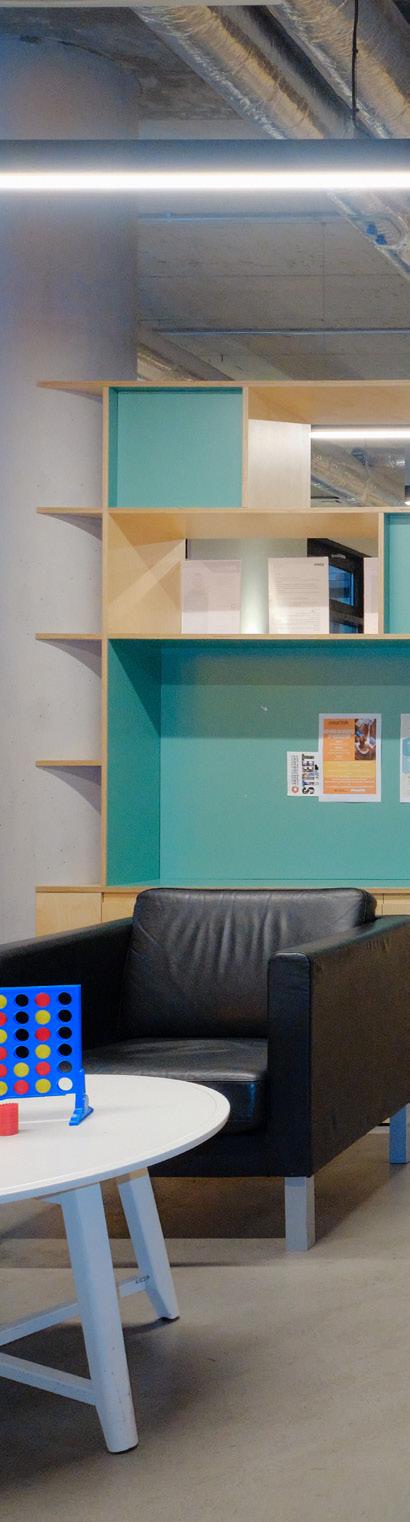
The City YMCA has provided housing and support to Islington’s young people for over 30 years, enabling them to establish security and build positive futures. Our brief was to replace the poor quality and outdated hostel from the 1980s to create an aspirational living environment.
The scheme provides 146 bed spaces in cluster apartments with one to six bedrooms. Over 10% of the accommodation is designed to accessible standards, and the needs of disabled people have been incorporated within the common areas and shared facilities. Two community enterprise units with shop frontages, meeting rooms for hire, ancillary offices, and a public gym complete the mix of uses within this dynamic building. The design is informed by the nearby Victorian brewery and the surrounding Conservation Area. The mass of the proposed building is subtly subdivided vertically and horizontally to blend into the setting. A BREEAM ‘Excellent’ rating and over 40% reduction in CO2 is achieved through passive environmental design, sustainable materials, green roofs/ walls, gas CHP, and PVs.
City YMCA
Islington City YMCA
YMCA Indian Student Hostel
Camden
YMCA Indian Student Hostel
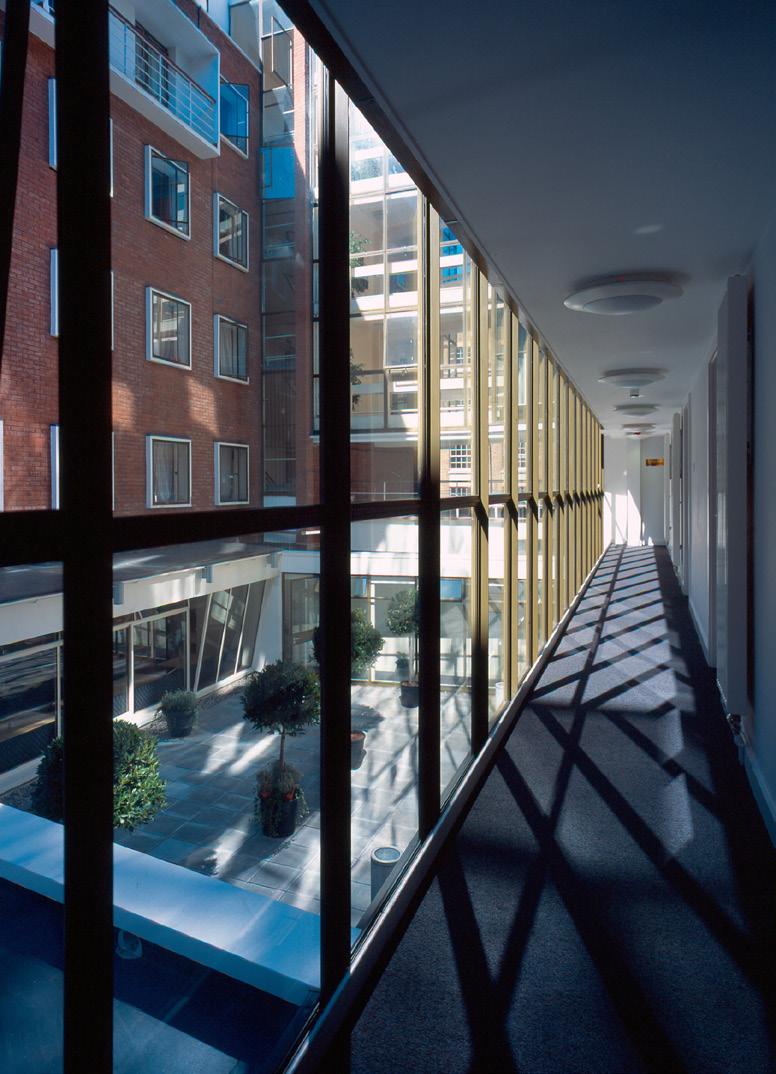
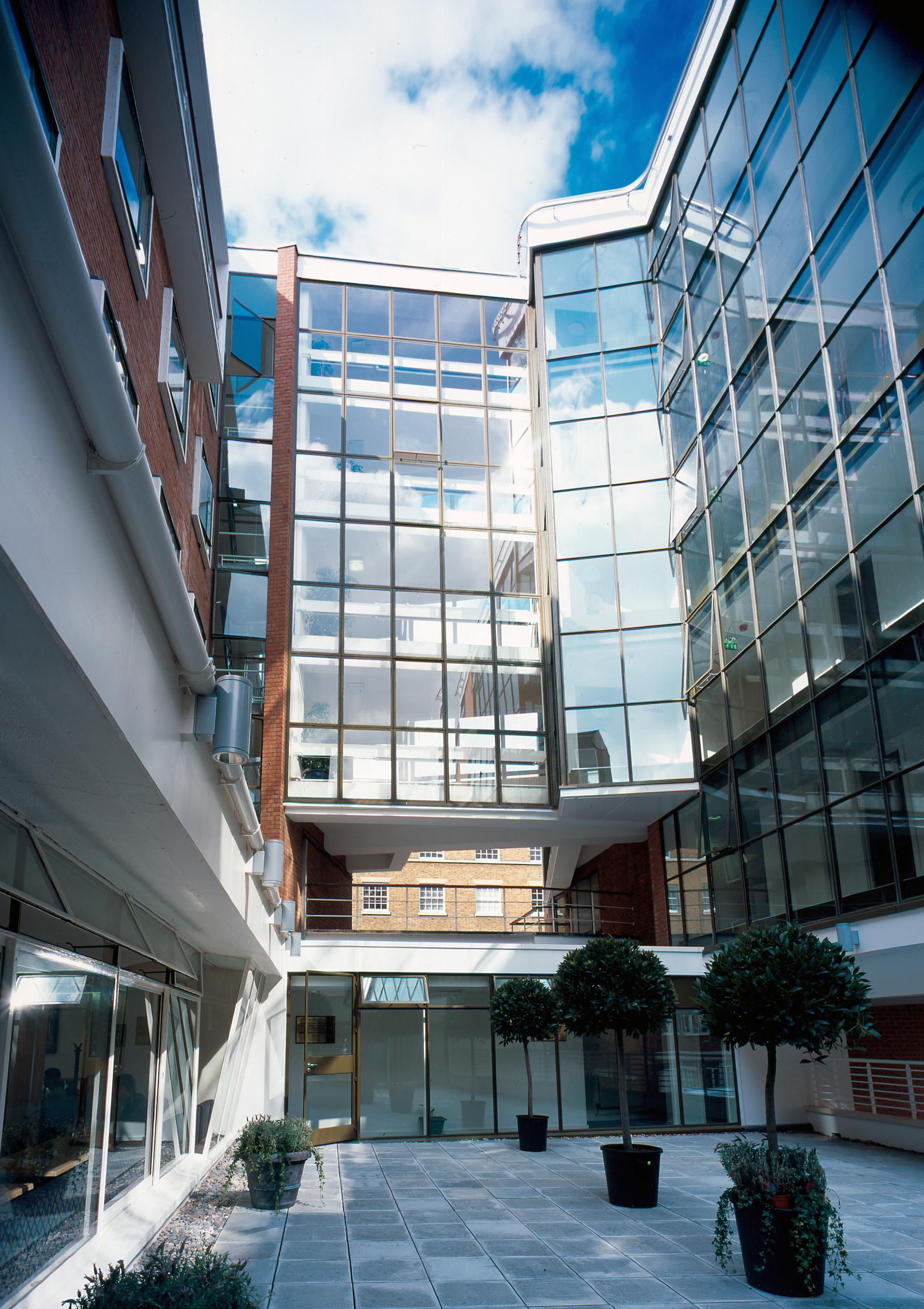
The YMCA Indian Student Hostel houses international students studying in London. The extension to the Grade II listed building, originally designed by Ralph Tubbs, provides an additional 19 single and double en-suite student bedrooms, a new conference room and roof terrace. The new wing spans over the existing auditorium to the rear of the building. The glass curtain wall corridors link into the existing building from first to fifth floors. The materials palette echoes those used in the original construction.
Fryer House, Junior Boarding
Reading
Leighton Park School
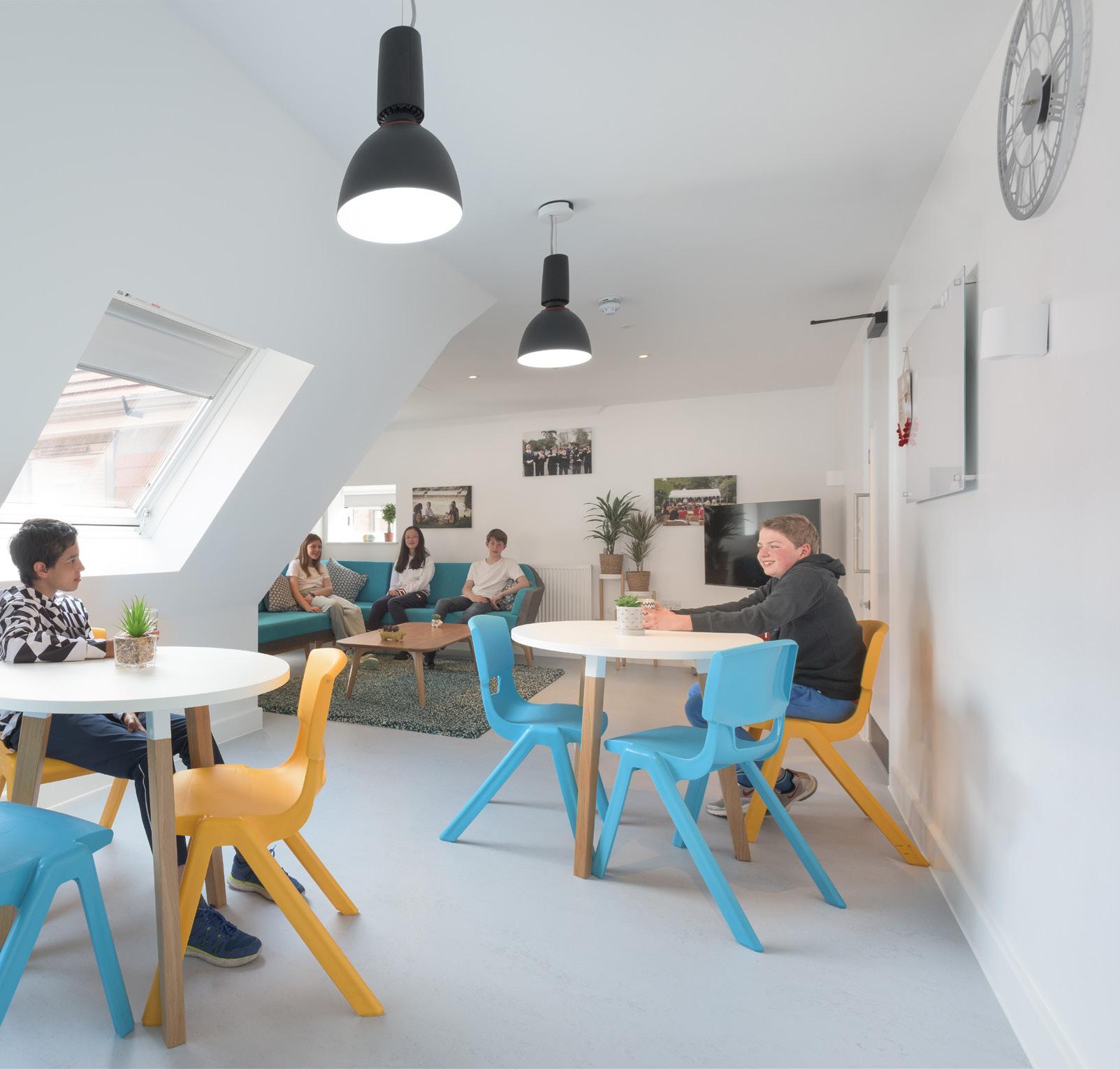
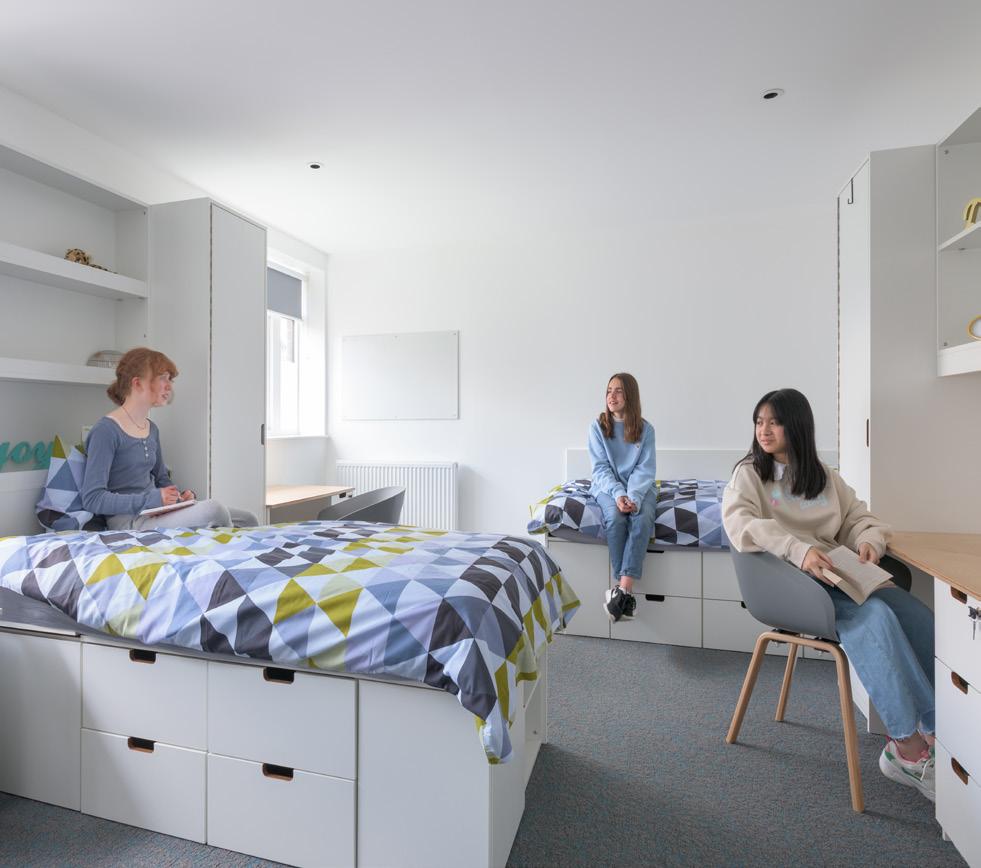
A strategic decision at the school to relocate the junior boarders from the current vertical house system to a boarding house of their own has led to the remodelling of the current junior day house. Accommodating 25 boarding spaces for students and associated staff residences, the house is split into boys and girls wings with combined social lounge and kitchen facilities. The dormitories will sleep three to four, with an ensuite shower room in each. The design addresses opportunities for future phased refurbishment, including enclosing the external courtyard to create improved internal social space for both junior day and boarding pupils.

“Since progressing with the refurbishment of Fryer Boarding House, it’s clear the level of quality and finish is just as we hope for here at Leighton Park!”
Matthew Judd, Headmaster, Leighton Park School