01 07 19
The Fuel Depot Theatre
NYCU M.Arch I Landscape Design 2019 Fall
A + A’
NYCU M.Arch I Core Studio 2020 Spring
Succession NYCU M.Arch I Optional Studio 2020 Fall
Spring NYCU M.Arch I Core Studio 2019 Spring
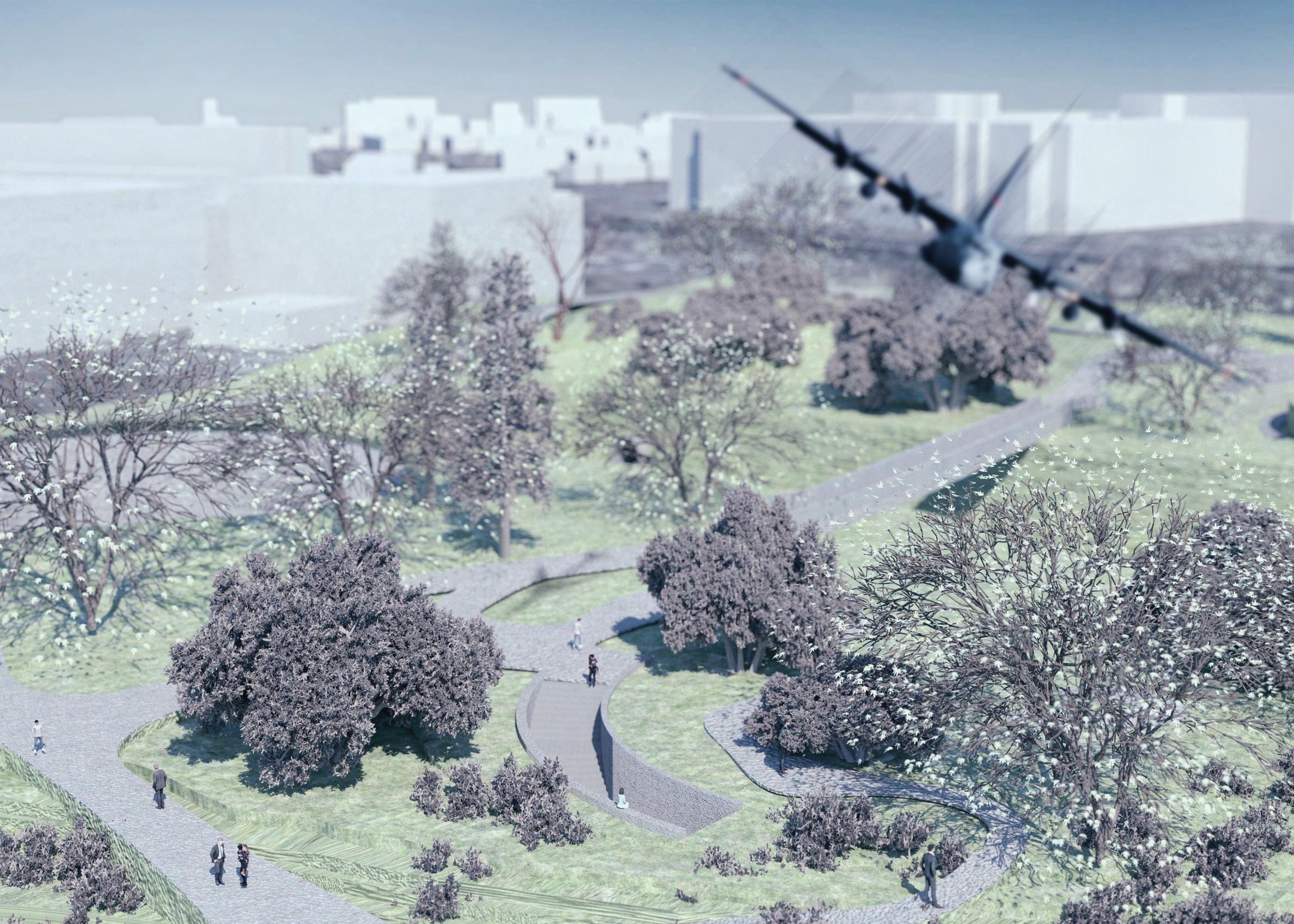

An abandoned military heritage


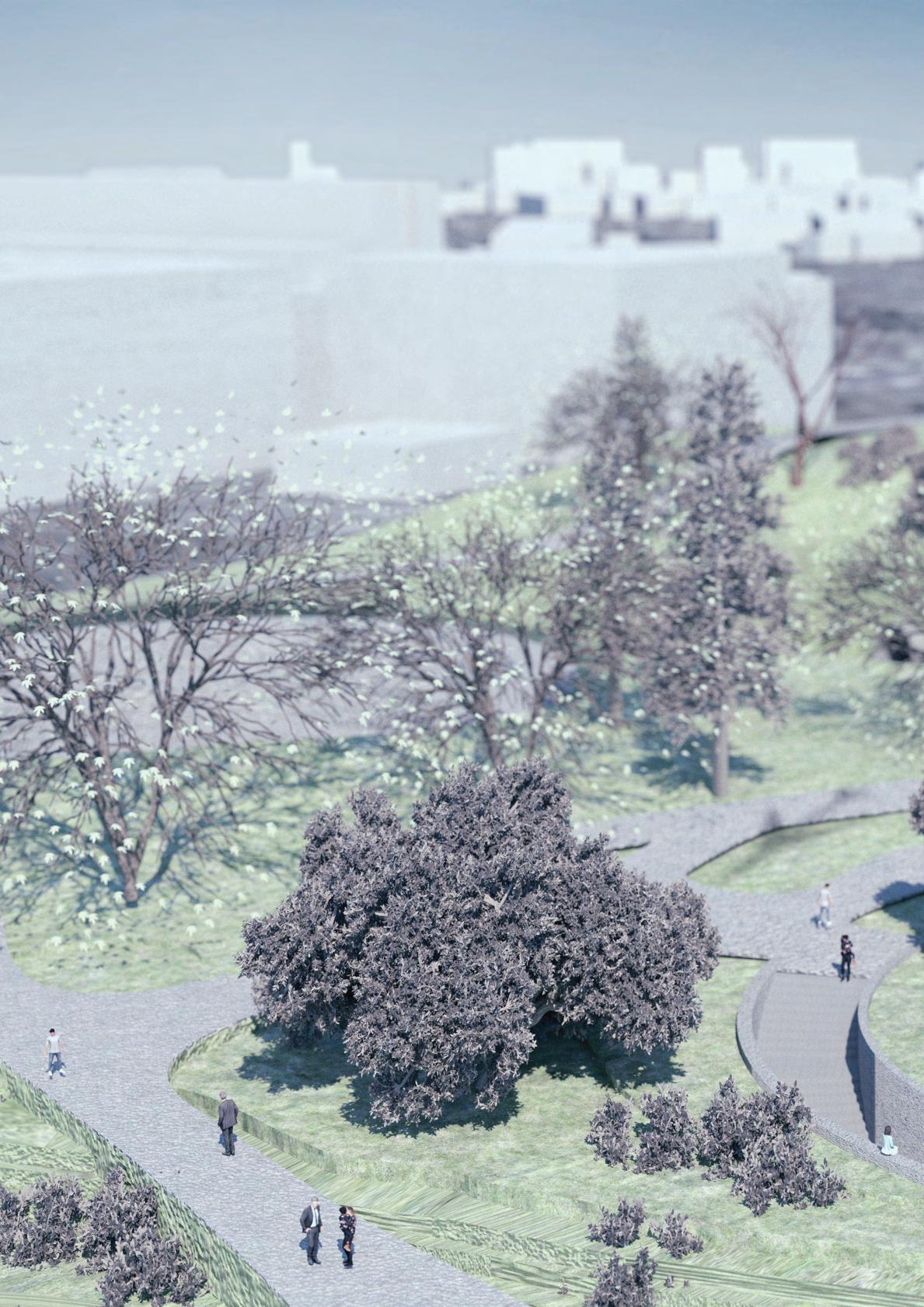
After the fuel depots were decommissioned, they became desolate. These vast underground depots have a dense forest at the top, including banyan trees, Lianwu trees, and small animals. In addition to the Jiangong River flowing through the depots, the ecological diversity here is very high.


Case studies of building type
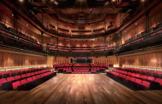


 Wild Rice @ Funan
Q Theatre
Aoyama round theatre
Taipei Performing Arts Center
Thrust Stage
Traverse Stage
Proscenium Stage
Arena Stage
THE PROTOTYPES OF STAGES
Wild Rice @ Funan
Q Theatre
Aoyama round theatre
Taipei Performing Arts Center
Thrust Stage
Traverse Stage
Proscenium Stage
Arena Stage
THE PROTOTYPES OF STAGES
Form analysis & architectural strategy of the warehouses


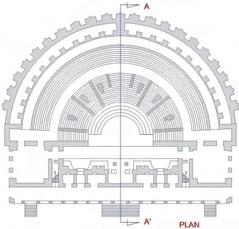
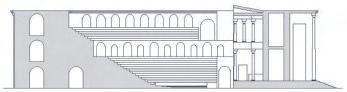
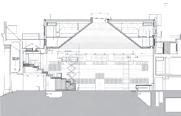
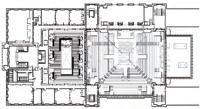
PARTIAL DISMENTLING
INFILL
The fuel depots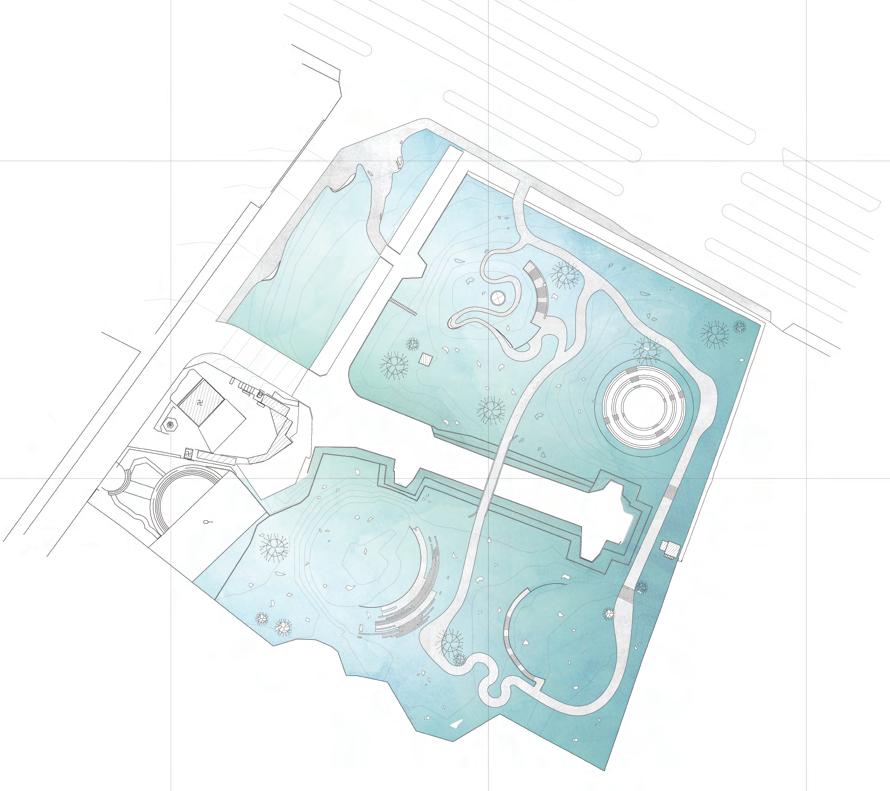












Background:


The situation of Keelung port today is influenced by a port construction and urban plan during the Japanese colonial period. Keelung Port is an important transportation node in northern Taiwan. The start point of the first Taiwan railway was set up at the west bank of Keelung Port at the end of the Qing Dynasty. Later, with functions such as commerce, passenger transportation, military affairs, and fishing, Keelung Port was once the most important port in northern Taiwan.
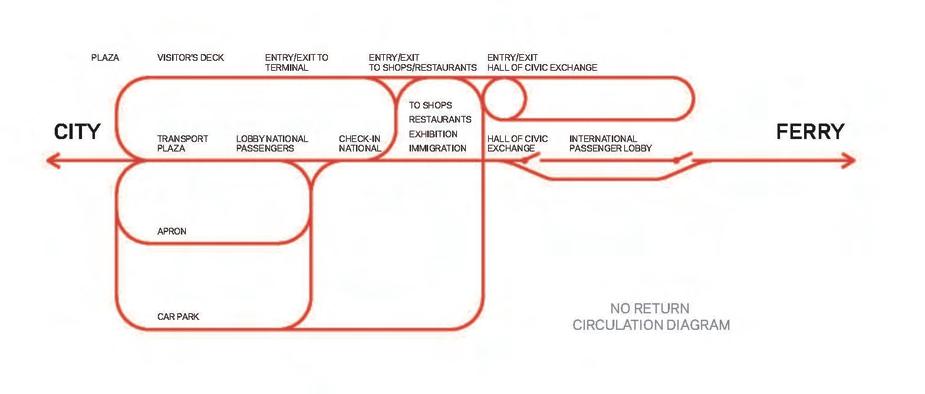
Since the reconstruction of the West Warehouse Nos. 2 & 3 in 1933, there was a separating system for passengers and goods. The cargo in the ship directly entered the indoor storage on the first floor, and then was transported to Keelung Railway Station via the Lingang Line Railway. At the same time, the passengers could enter the service center in the second floor of the West Warehouse Nos. 2 & 3, and connected with Keelung Railway Station seamlessly by the bridge between the West Warehouse No. 2 and the station. The warehouses were featured in the cargo-passenger separating system and seamless transportation, designated as municipal heritage sites by Keelung City’s Cultural Affairs Bureau.
Topic: Maximization of pubic space
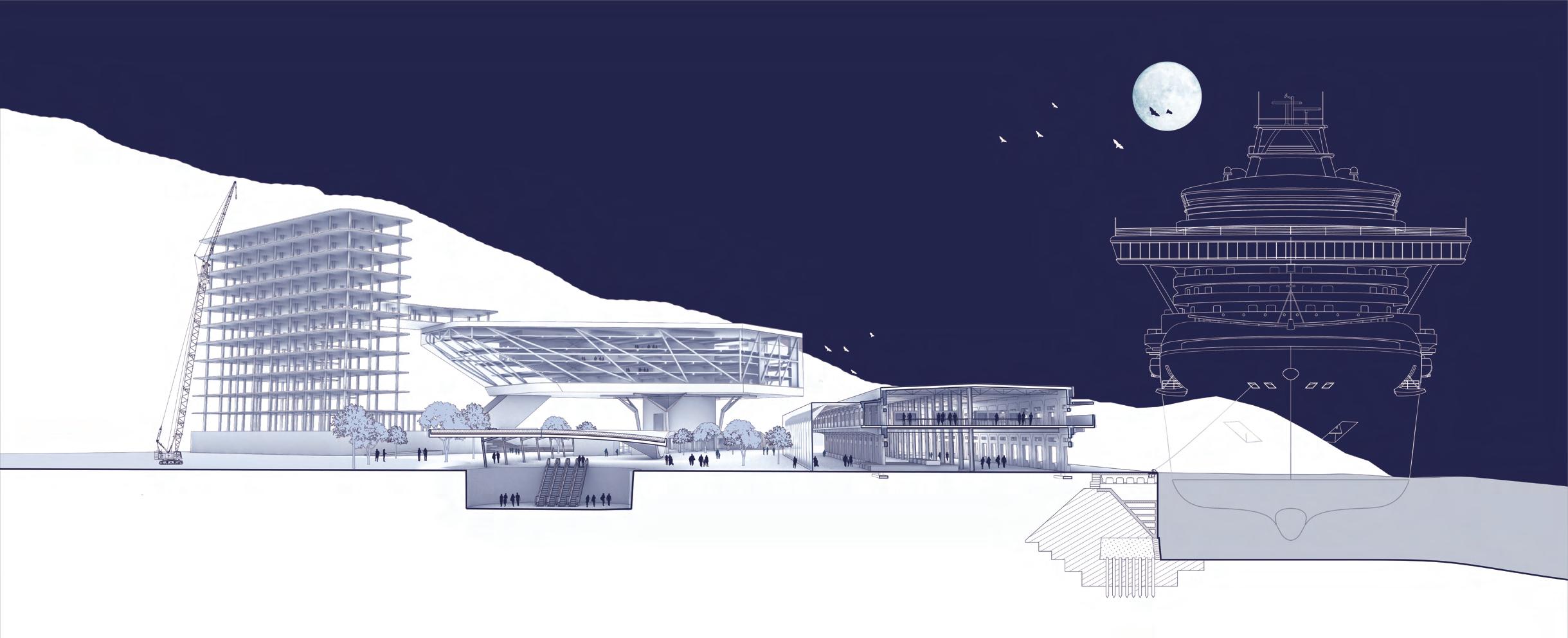
As a comprehensive development that integrates business, conferencing, exhibition, and cruise tourism, the design focus on rehabilitating the West Warehouse Nos. 2 & 3 and maximizing public space.
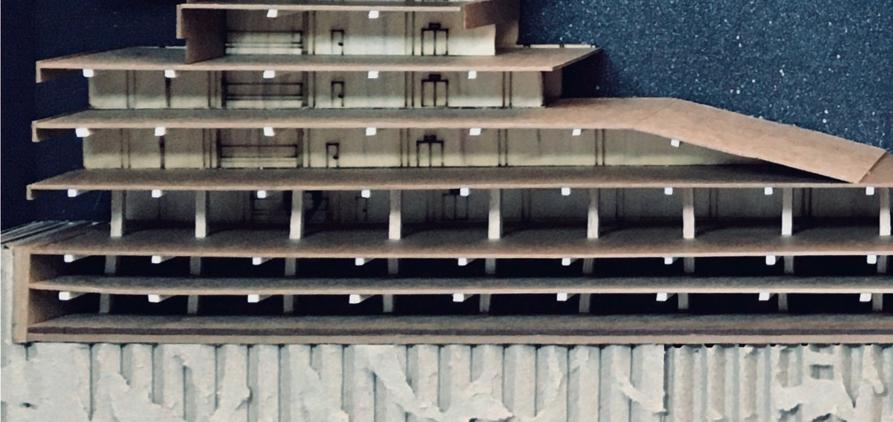
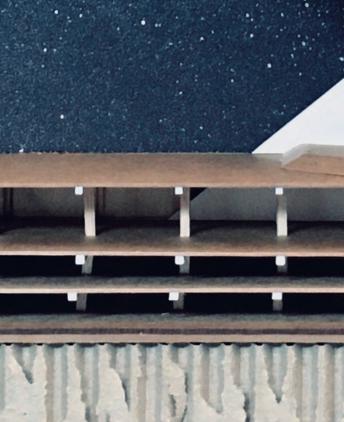
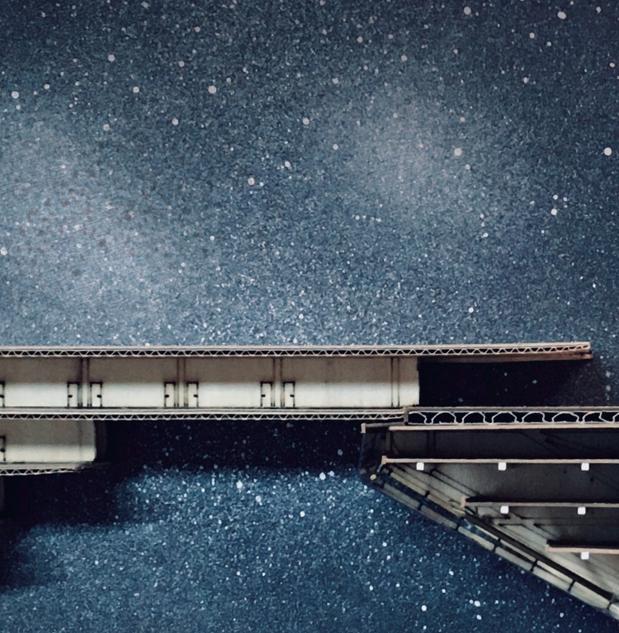
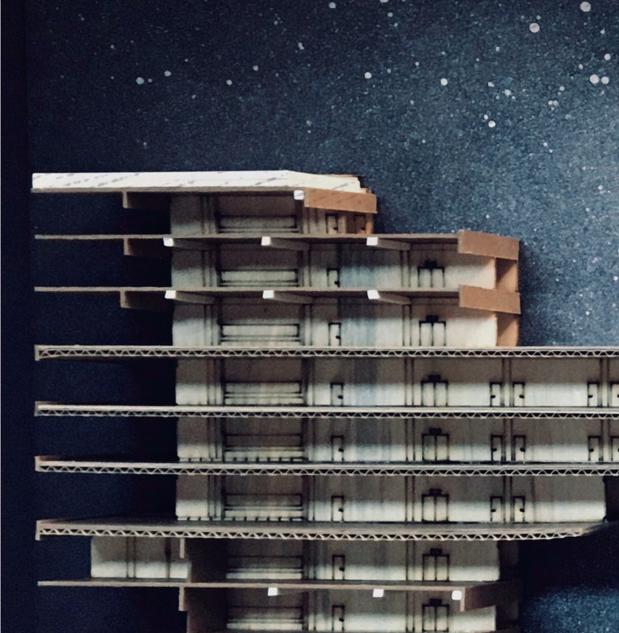
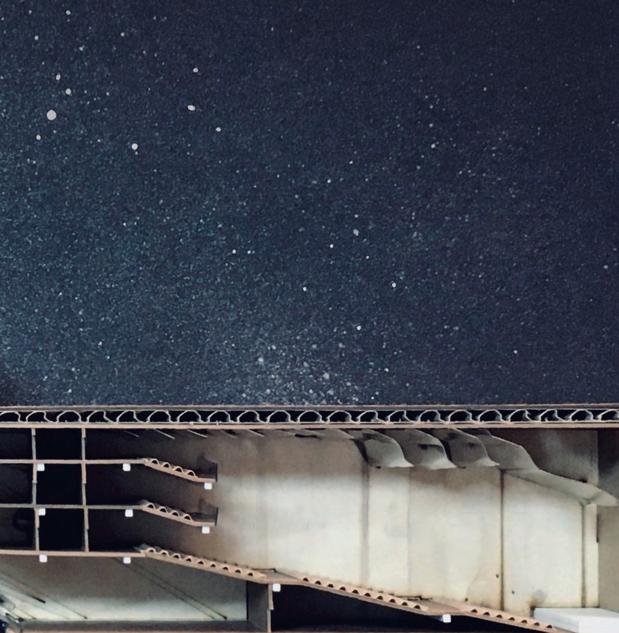
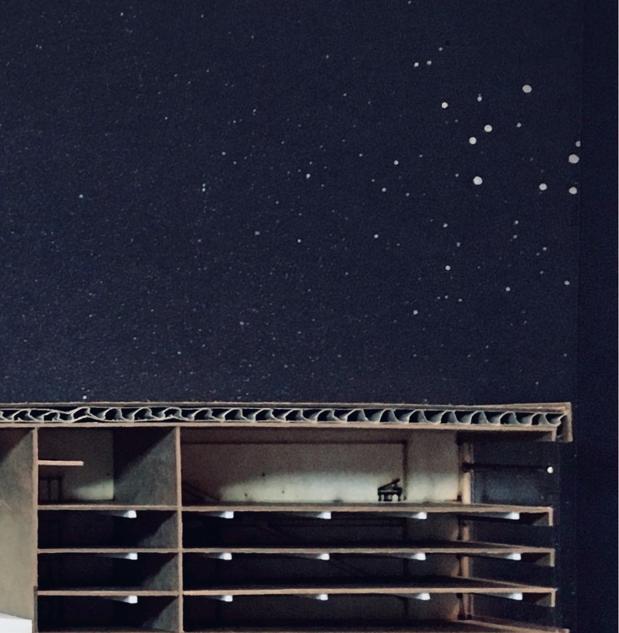
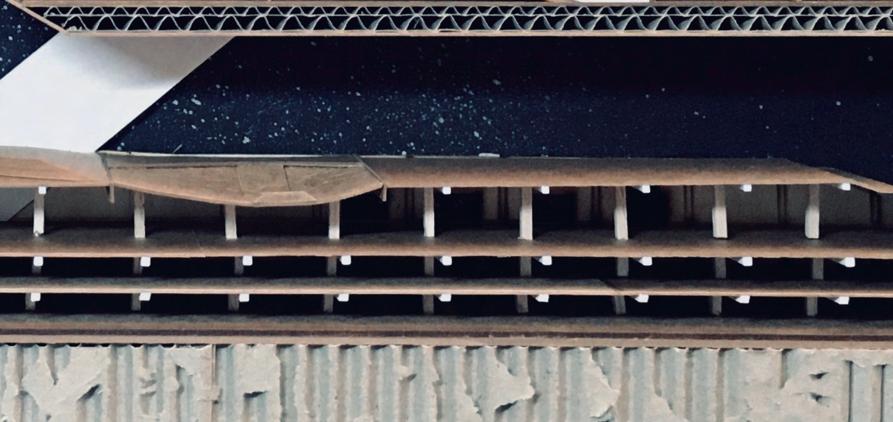
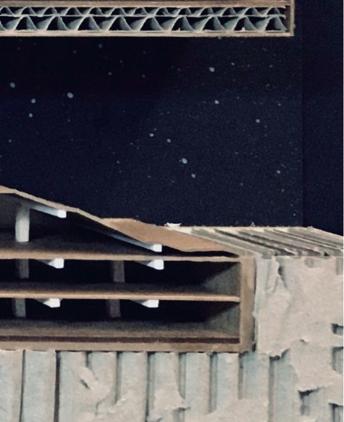
As shown below, A is a black space that is regulated or has a supporting function. A' is an open space at different levels. This project aims to create a maximum and diverse A' above, below, and between A's surface while meeting the volumetric demand of A.


History
1900
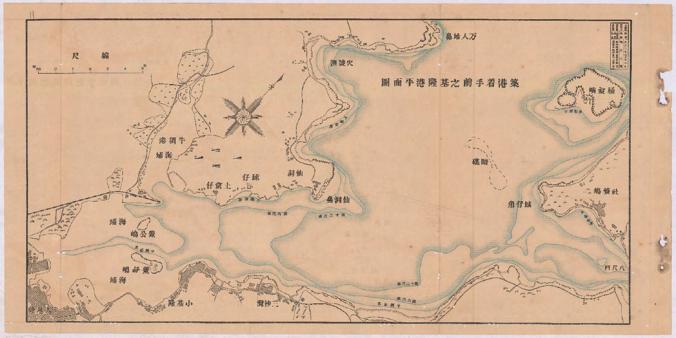
The beginning of the modern construction of Keelung Port

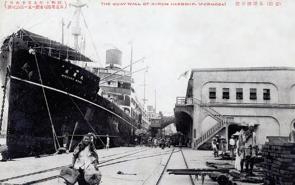
1911
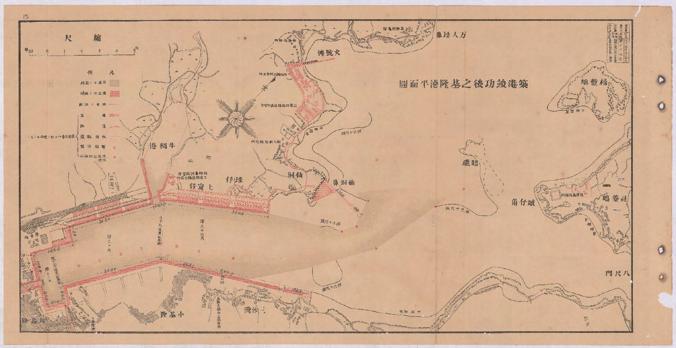
Completion of the first-generation West Warehouse Nos. 2 & 3
1934
Completion of the second-generation West Warehouse Nos. 2 & 3
1921
1904


The settlement before the 20th century was located in the hinterland of the south bank of the harbor.
1921
The Government-General of Taiwan promulgated the Urban Improvement Plan in 1907, and the settlement was transformed into a rectangular pattern.


1945
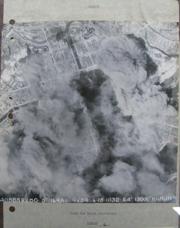
The U.S. military launched an air-raid bombing on Keelung, targeting the port and ancillary facilities.



Case studies of building type


1949
After the Chinese Civil War, the defeated KMT army landed at Keelung Port.


2014.02

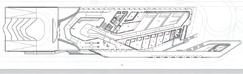
A demolition Crisis of West Warehouses Nos. 2 & 3
2014.04

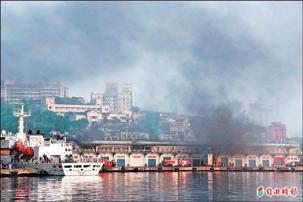
Fire in the lobby of West Warehouse Nos. 2
1985
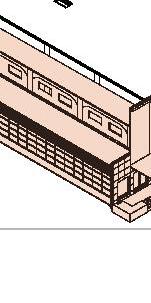
Reconstruction after the bombing in World War II
1989
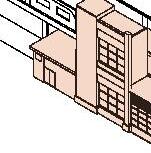
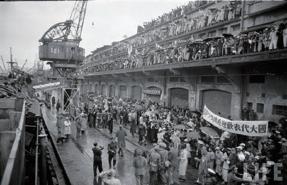
Lots of refugees poured into Keelung after WWI, and the urban area extended to the surrounding hillside.


2014.12
West Warehouses Nos. 2 & 3 were designated as municipal heritage sites.

The hillside land in Keelung City accounts for approximately 93% of the city's land, and the 8,900.83 hectares of forest accounts for about 65.2%. However, Keelung lacks an open space located on a flat, public, and highly accessible. Many parks are located along the border between the settlement and the forest. Except for the green belt around the harbor, there are very few flat parks and on difficult accessible places.
The site is situated at the end of the green belt. The most important goal is to maximize the open space and connect the pedestrian loop to the harbor area.
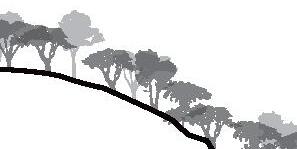
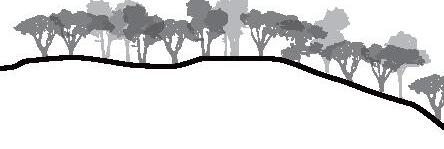
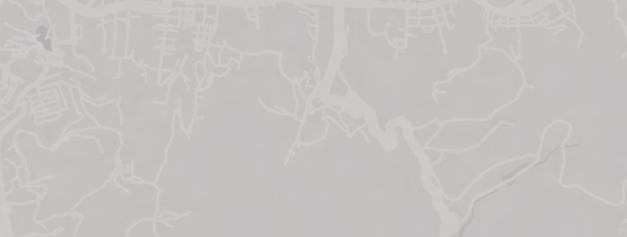
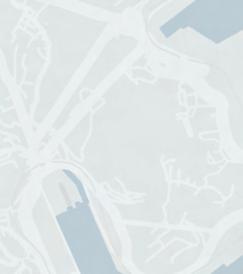





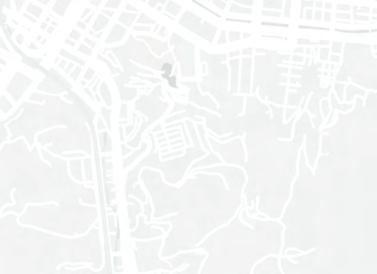



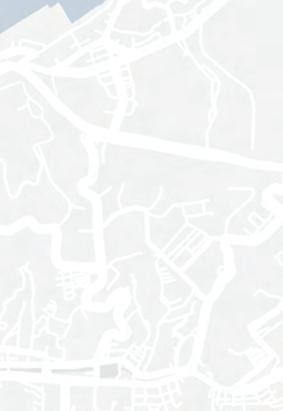



Urban strategy :





































 1. A New Promenade around the Port
3. Attractions: Green, Historical Buildings & Open Space
2. Experience in Different Eye Level
1. A New Promenade around the Port
3. Attractions: Green, Historical Buildings & Open Space
2. Experience in Different Eye Level
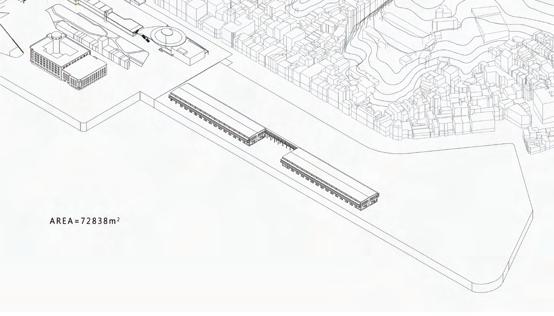
AREA = 72838m2
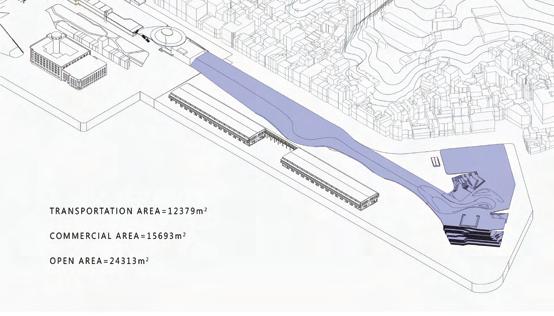
TRANSPORTATION AREA = 12379m2
COMMERCIAL AREA = 15693m2
OPEN AREA = 24313m2
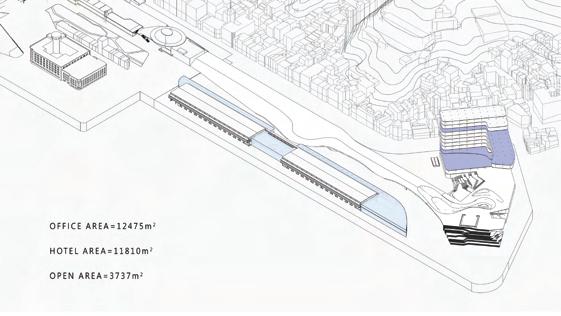
OFFICE AREA = 12475m2
HOTEL AREA = 11810m2
OPEN AREA = 3737m2
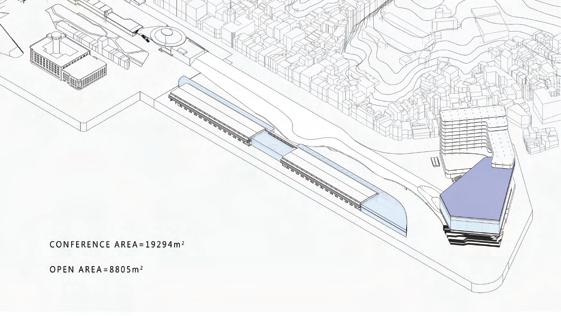
CONFERENCE AREA = 19294m2
OPEN AREA = 8805m2
Maximization of pubic space
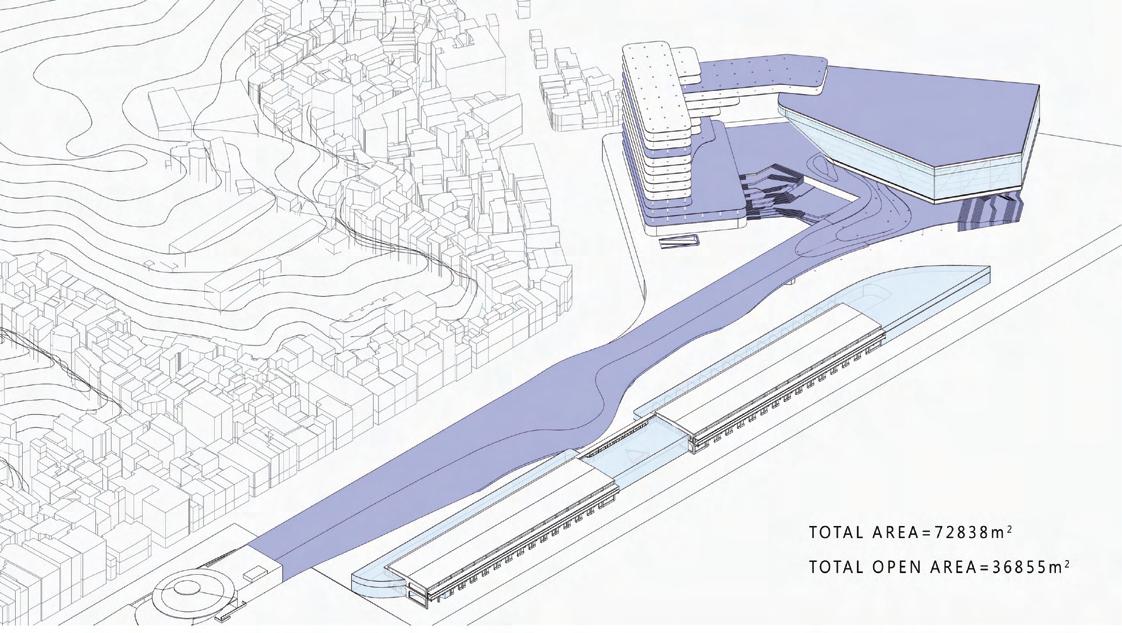
TOTAL FUNTIONAL AREA = 72838m2
TOTAL OPEN AREA = 36855m2
The space under the purple block is functional A, such as traffic corridors, shopping malls, conference halls, offices, etc. The space above the color blocks is three-dimensional and public A'. After quantitative calculations, the open space increased 50% of the original site area due to the new placement of A.
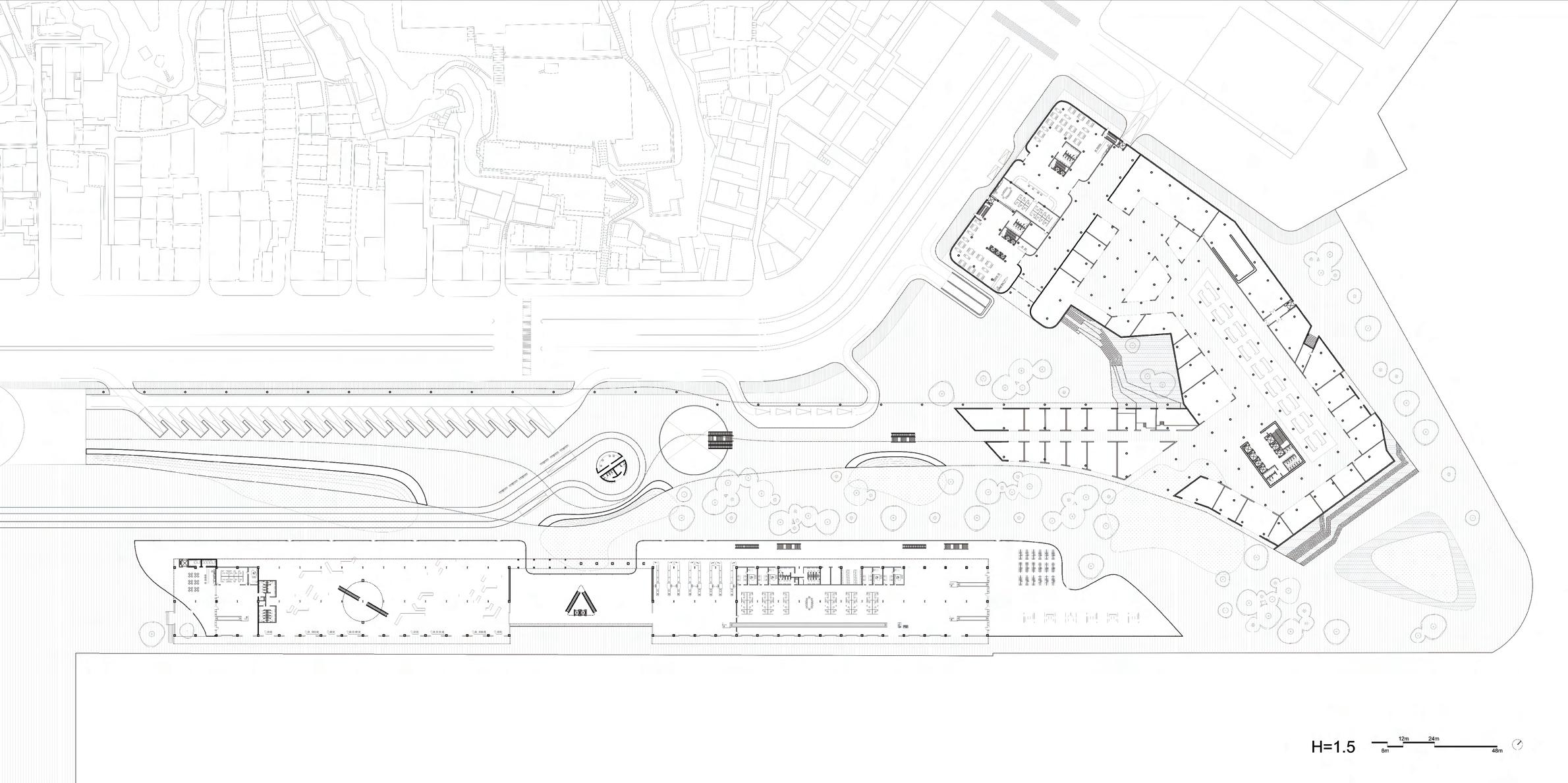
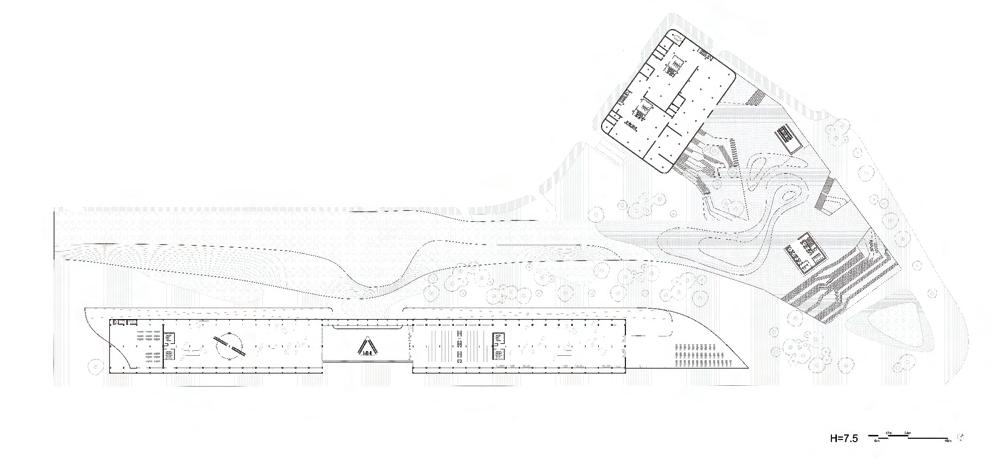
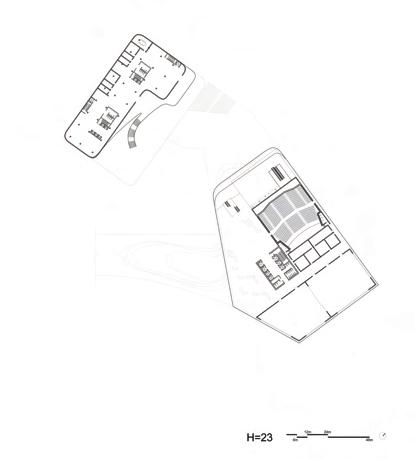
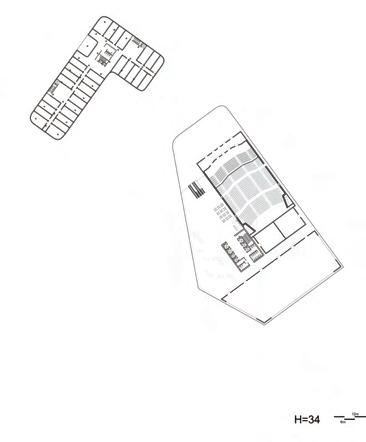
MASSING
STRUCTURE
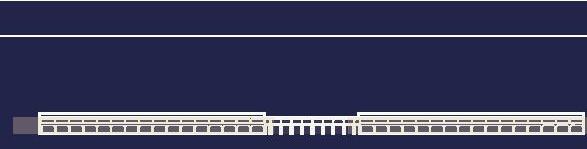
RHYTHM SECTION
CIRCULATION
HERITAGE/ OLD BUILDING
PARTIAL DISMENTLING
NEW CONSTRUCTION
HORIZONTAL PROLIFERATION
URBAN CONTEXT
There are four hierarchies of A' in this picture. First of all, passengers on the light rail can feel the hint of arrival through the sunlight after unearthed. Secondly, passengers can read the detailed structure behind the glass while walking between the landscape and the old warehouse.
Then a semi-shaded space for sports and entertainment is under the distant two masses. Finally, the grassy slope above the landscape completes the last piece of the puzzle of the wandering path, bringing the passengers back to the north exit of the railway station.
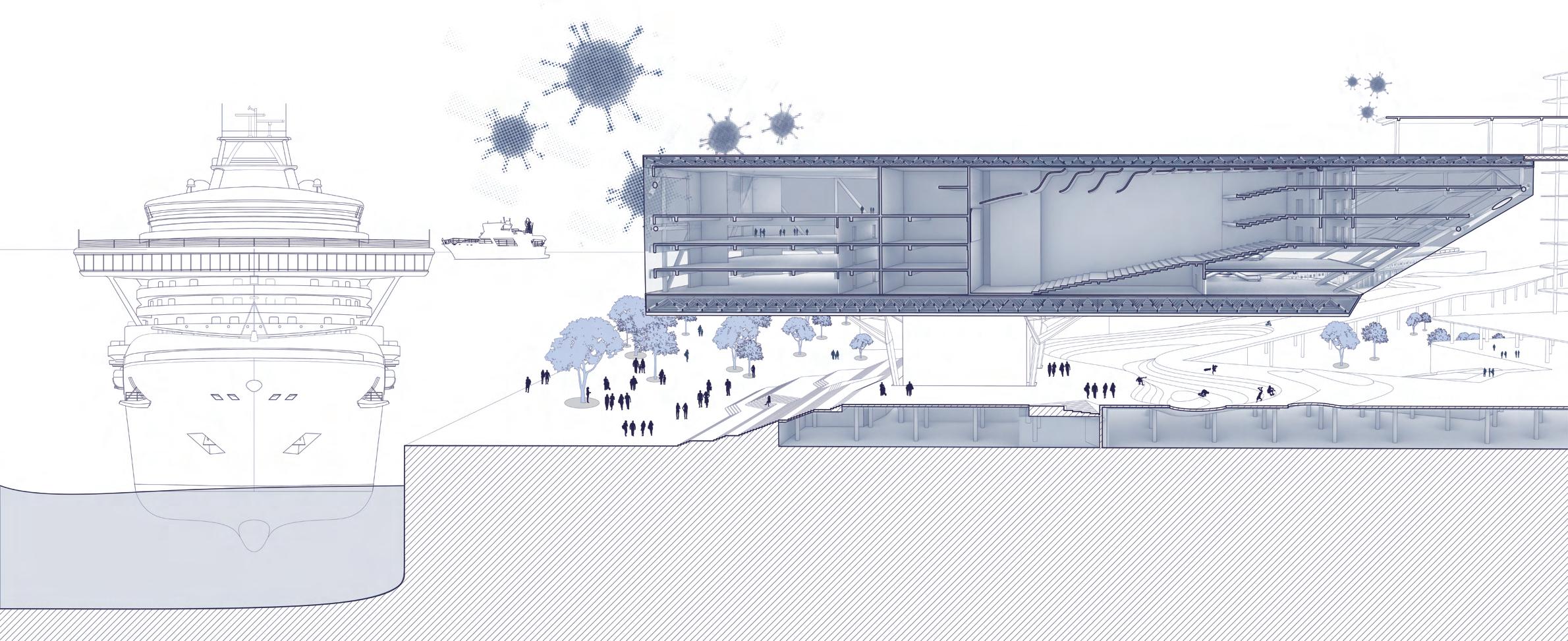
Issue:
According to Marx (1818-1883), the development of nature is human instinct. Different from the wild, the second nature is socially constructed, transformed through the labor process, and shaped by human technology and values (1981). Ironically, based on the desire for population expansion and development, human beings often develop the first nature for residential use and build the second nature on top of it.
On the other hand, statistics from the International Energy Agency (IEP) indicated that the global growth rate of floor (about 23%) is far greater than the population growth rate (about 9%) in 2018. Besides, the total population of Taiwan has gradually decreased after reaching its peak in 2019. Moreover, the housing supply has surpassed the actual population.
Topic: Rewild
Based on the above statistics, we can assume that the developed land will exceed the actual use range in the future. Returning to nature is the primary task at present. Therefore, this project proposes a new urban renewal model. Through the framework of Open Building, the last residential behavior brings into the second nature, and the developed space finally gets restored.
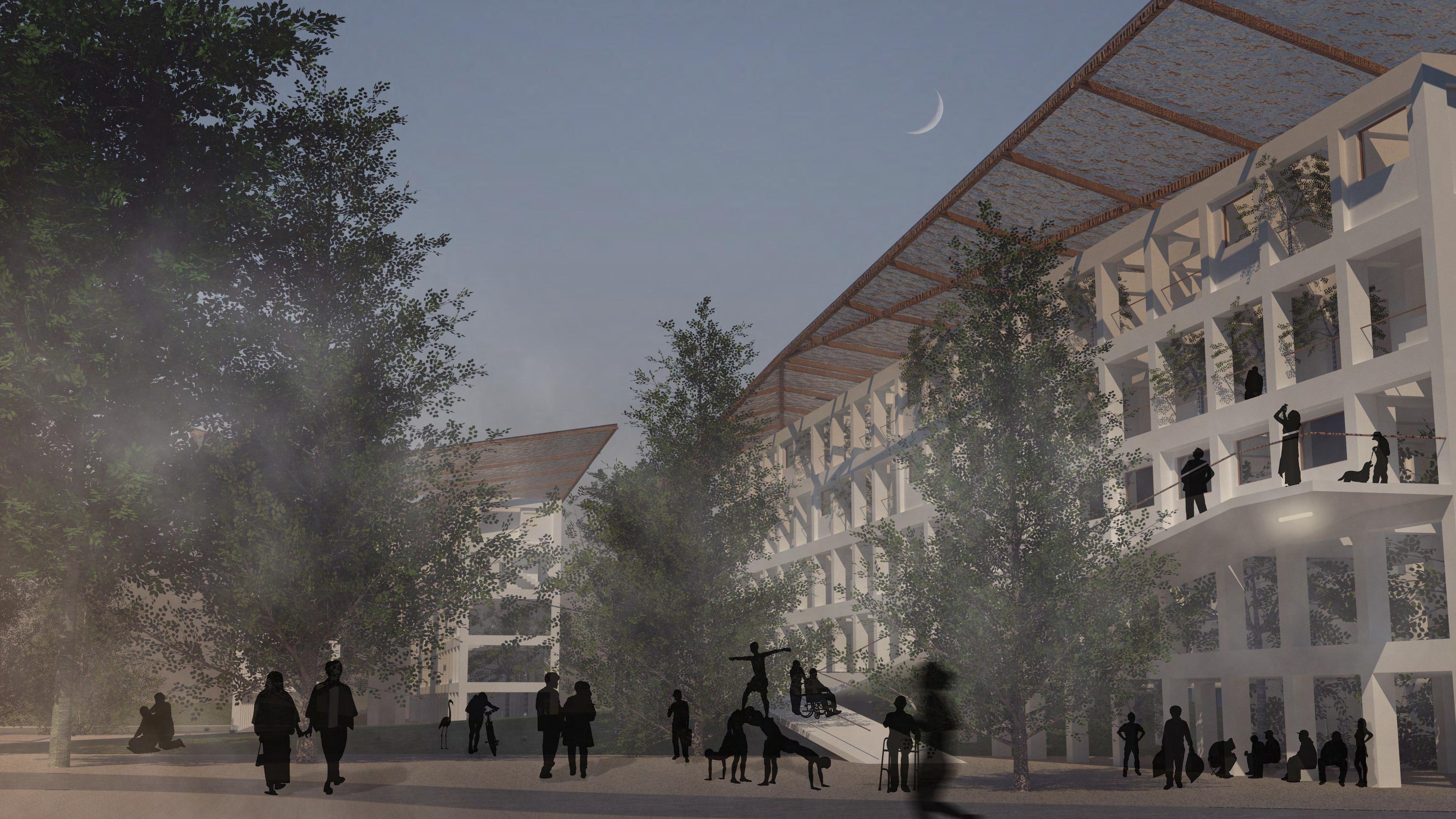
The buildings and construction sector should be a primary target for greenhouse gas emissions mitigation efforts, as it accounted for 36% of final energy use and 39% of energy- and process-related emissions in 2018.




The global growth rate of floor (about 23%) is far greater than the population growth rate (about 9%) in 2018.


Based on the Open Building, this project keeps the existing skeleton of the Nanjichang Apartment and removes the infill materials such as walls and floor slabs. Also, this project uses construction waste, eco-friendly materials, and on-site construction as the principle to construct a new wall. The interweaving of the new living space and the plant system constitute a huge organism. It will finally transform into a wild park through evolving.
The total population of Taiwan has gradually decreased after reaching its peak in 2019 (about 23.6 M people). Whereas, the housing supply (3.29* 8.79 M ≒ 28.9 M) has surpassed the actual population.

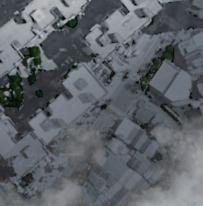
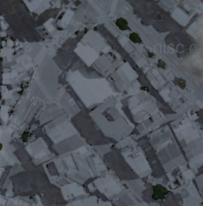
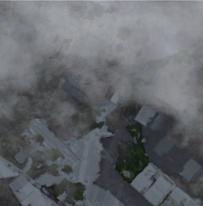
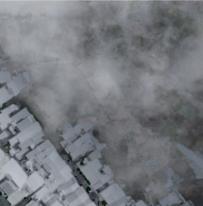

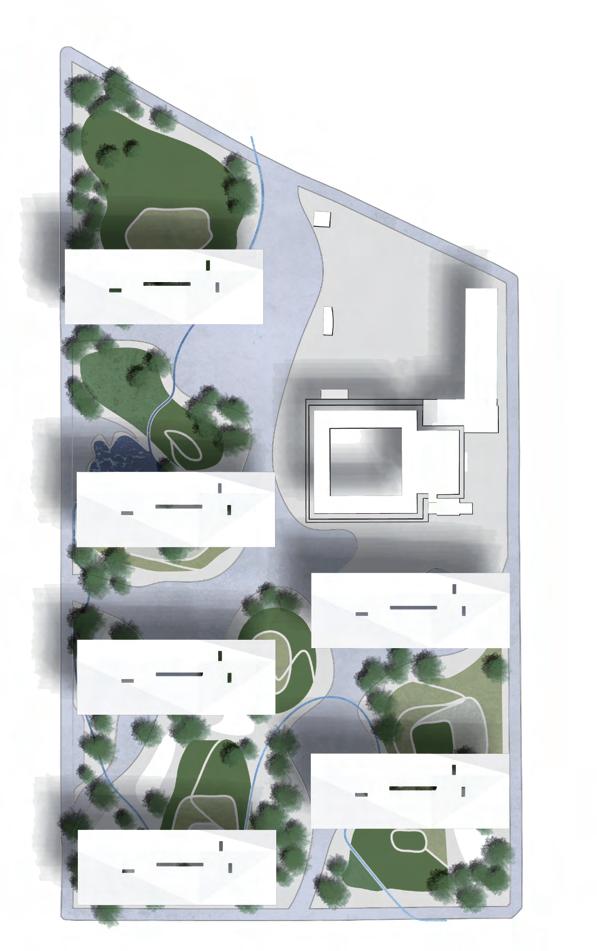

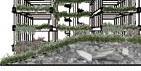





Green inside the dwelling unit Green between neighborhoods Green in the public space



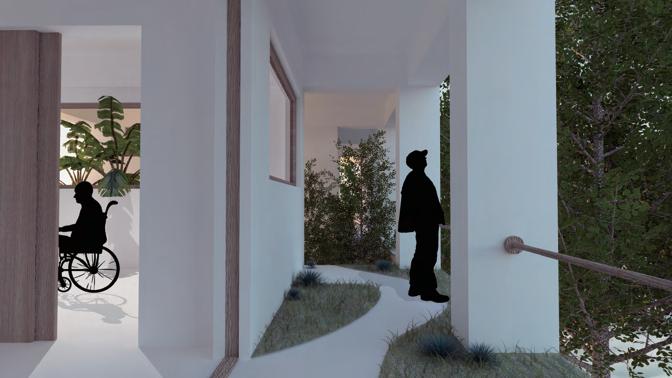
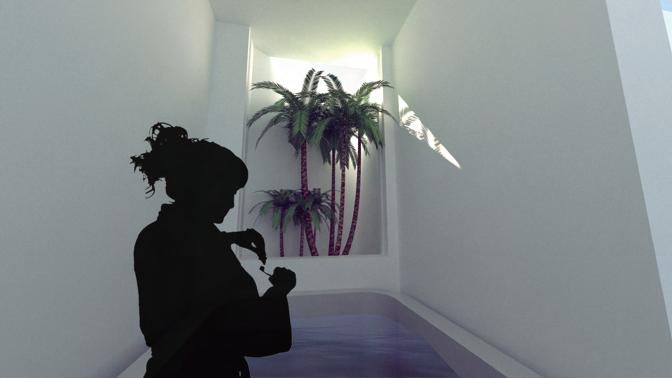
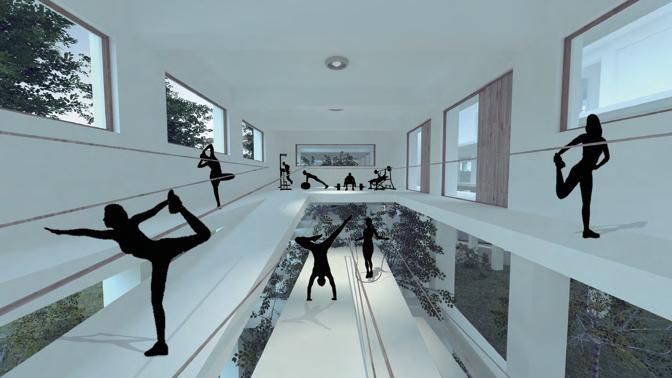
The above three perspective drawings show three different hierarchies of green space: in the public space, between neighborhoods, and inside the dwelling unit.
As for recycling construction waste, the demolished walls and floor slabs are classified into three levels by size first. The largest ones are used for land grading. The seconds are for street furniture. The smallest gravels are mixed with soil to compose a new wall structure.
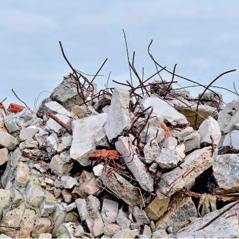
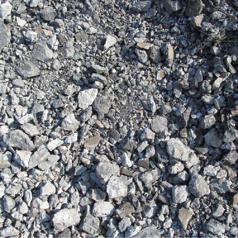
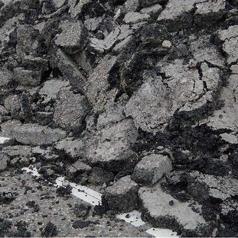
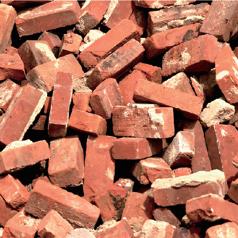
There are some recycling targets below:
1. Consuming the most construction waste
2. Processed and assembled on site
3. Portable while processing
1m
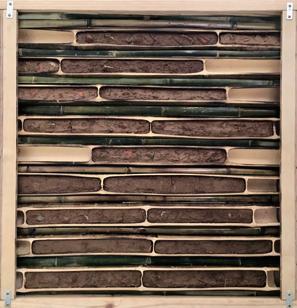
After stepping into the tectonic practice, I first explored the characteristics of the soil. Then I added different additives, fibers, wastes that provide adhesiveness, which provided the basis for subsequent structural experiments.
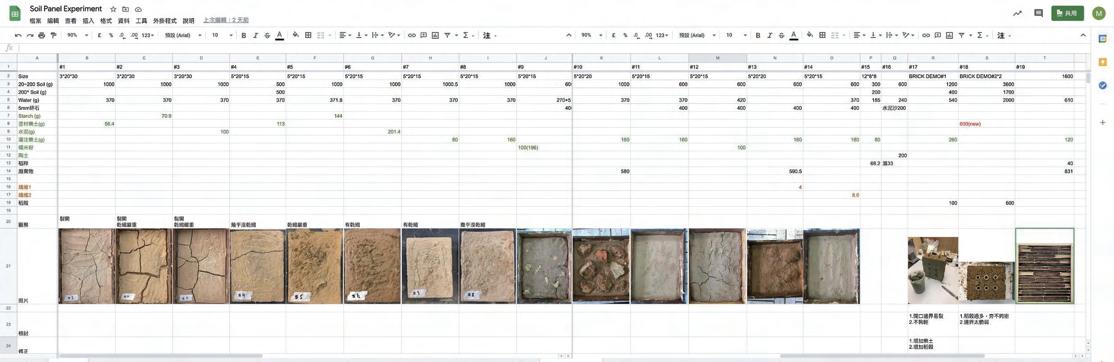
for Wall Construction__
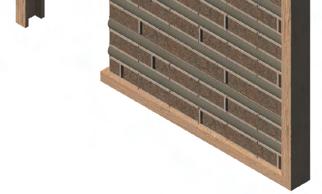
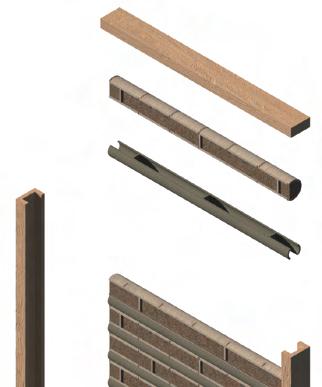
In the final version, two bamboos filled with soil and construction waste of different diameters were longitudinally sectioned and then clipped to each other.
Issue:


According to the Social Order Maintenance Act, the sex trade is allowed in Taiwan, but restricted within sex districts. The right to enact sex districts is controlled in local governments. However, including Hsinchu City, there is no local government establishing a sex district so far.
70% of the sex trade have hidden behind other recreation industries, such as hotel, massage, and sauna. It can hardly be banned due to their strong background and influence on local politics. In contrast, although self-employed sex workers only account for less than 5% of the market, they must withstand nearly 80% of the bans. Then they are extorted for protection money by gangsters and police. Their meager income has been exploited again and again. The difficulty in promoting the Prostitutes' Rights in Taiwan is mainly due to the moral doctrine of "monogamy" and "sex cannot be exchanged" dominated by the middle class. This ideology forms a cultural hegemony that sex workers must fight against.
Topic: Cooperative
Before the goal of legalization is achieved, many sex workers pick up customers on the street, which exposes themselves to great danger. Thousands of sex workers are killed and abused every year. Sex workers are forced to tolerate that because they are marginalized and stigmatized.
It's imperative to build a cooperative group of self-employed sex workers together. Once a sex worker is threatened or violently treated by a guest, others can come to help immediately. Cooperation can avoid sexual exploitation and provide a safe place to work.
NCTU M.Arch I Core Studio 2019 Spring
Site: Hsinchu City, Taiwan
Director: CHUN-CHIEH FANG
Solo Work


Site Analysis:
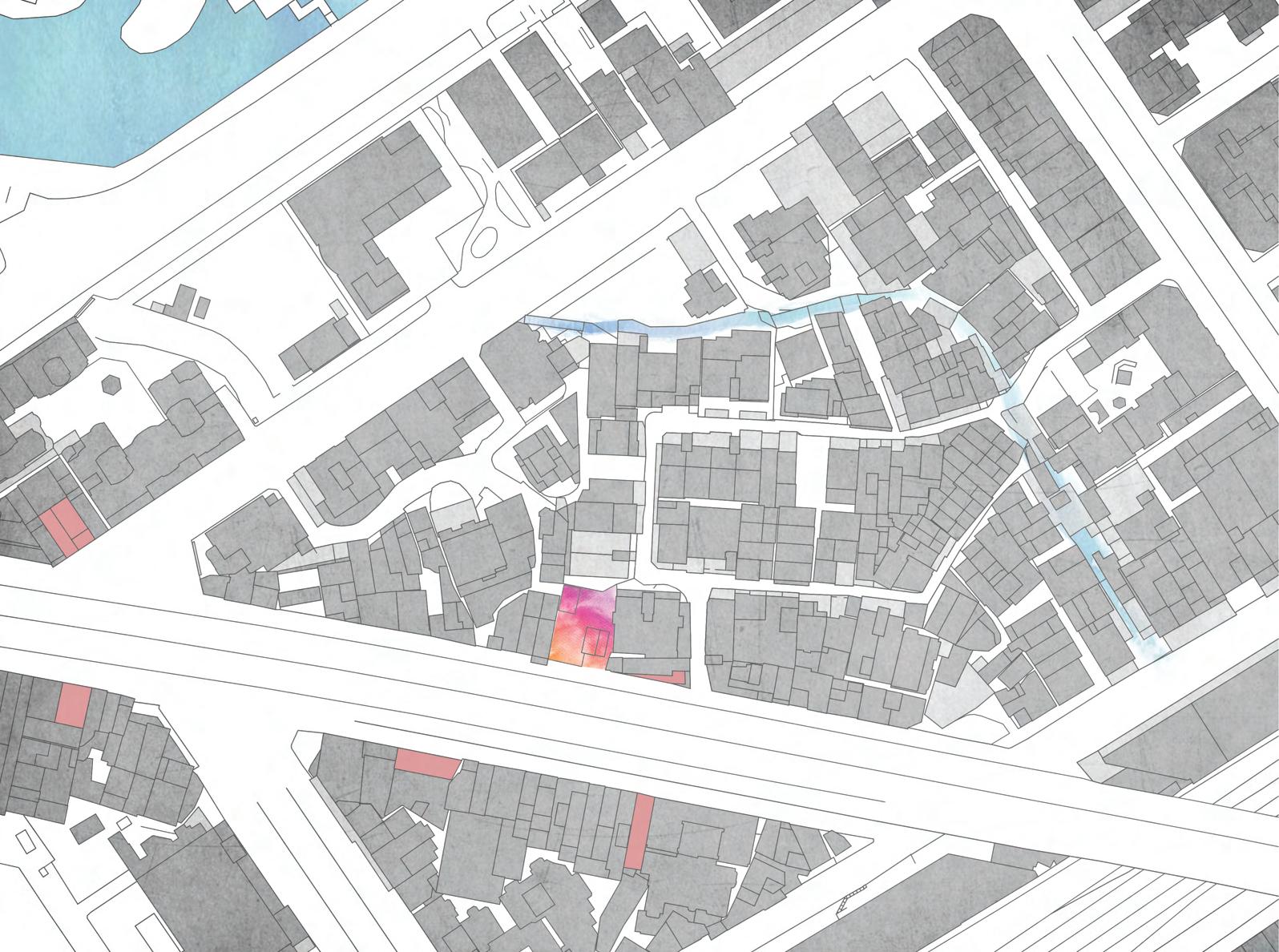


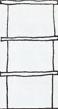

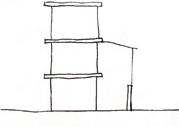
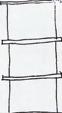
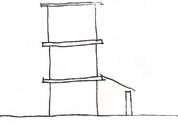
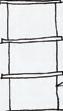
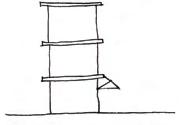


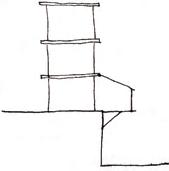

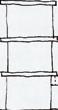
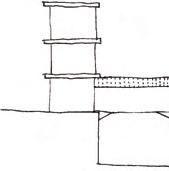
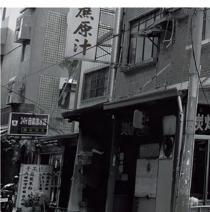
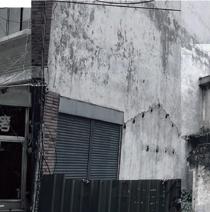
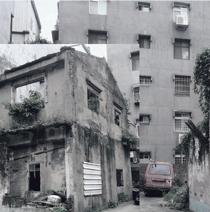
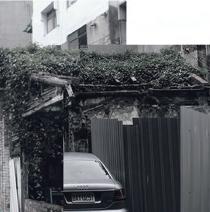
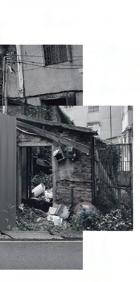
The site is located in a residential area with the proletariat. People rack their brains to extend the living space, so much corrugated aluminum and C-shaped steel can be seen in the alley and even on the ditch. Furthermore, there is a shortage of public space. Some businesses with similar properties are around there as the block is close to the main road. Many truck drivers would do sex trade on their way home after a tiring workday.

illigal extension similar business water


Types of Illigal Extention:

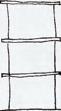

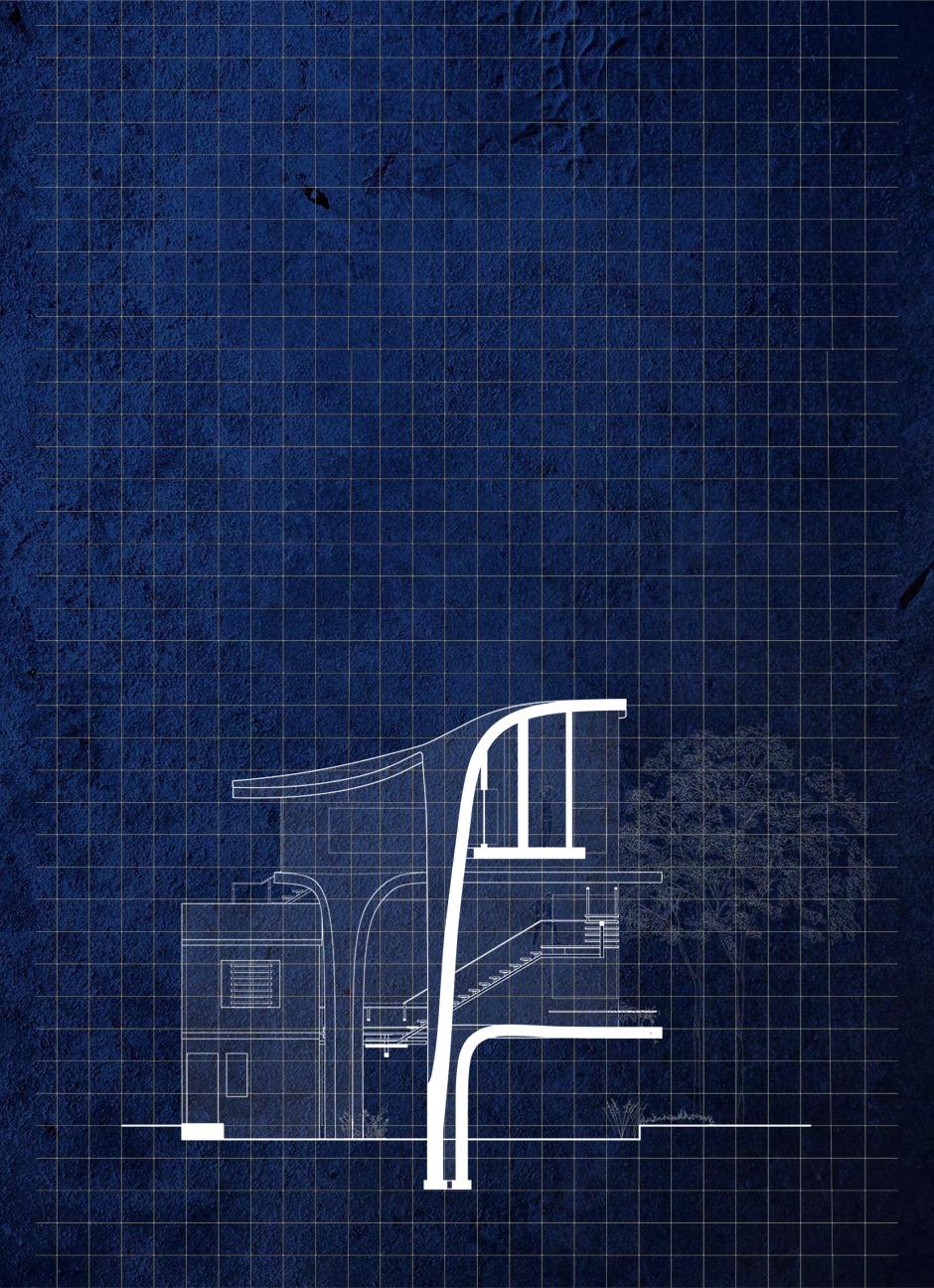
The three-dimensional curved concrete plates are used as the main structure to support the new building and also as the floor of the room. After entering the lobby, visitors enter the rooms via the stairs in the atrium. The stairs cross through new and old buildings, which create a continuous exchanging scene between indoors and outdoors. Furthermore, the independent circulation for each room can help to ensure privacy.
The program contains 5 sex houses(rooms), an office and a gallery. New constructions are used as sex houses. The facade of one old building has been transformed into a new interior. The window on the brick wall is also transformed as a service counter. The second floor of another old building is used as the foyer of one of the rooms, while the first floor is a small gallery. Including the gallery, the remaining ground floor space is designed as an open space to the public.