LANDCARE IN FOCUS
Campfire Gathering to Connect and Reflect on Country NOVEMBER 2025
Haddon Rig Station Joins
Cover Story: 2025 National Landcare Awards
The Biodiversity Project Biodiversity in Action Grants Program Landcare Agriculture
Table of Contents
Landcare Australia is proud to acknowledge Aboriginal and Torres Strait Islander Peoples as the Traditional Custodians of the Country on which we live and work. We value and respect their deep and continued spiritual and Cultural connections to the land, waters and seas, and pay our respects to their Ancestors, and Elders past, present and future.
Message from the Landcare Australia CEO
Blooming Against the Odds: Our Journey to Healthier Soil and Lavendar
More
Australia and Victrack’s Partnership
Dedicated Force for Tasmania’s Coastlines
Lens
Ground!
Biodiversity Project
Gliders of The Burnett
into Soil, Water, and The Little Critters in The Environment
QWaLC and Community Landcare
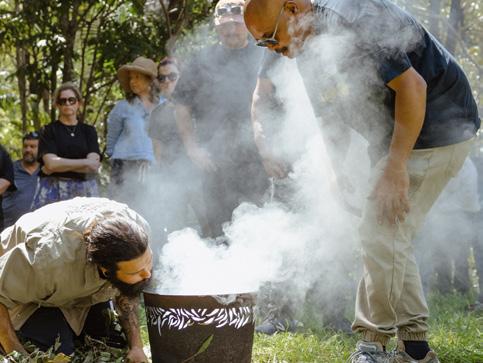
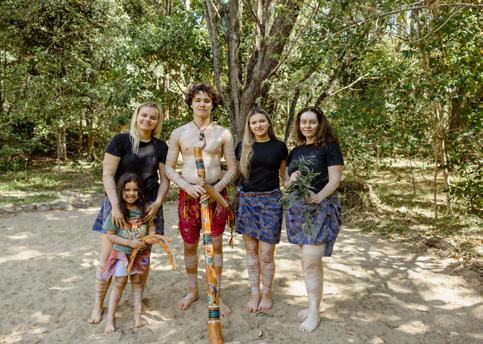
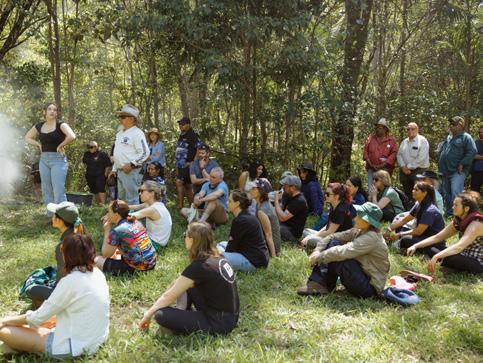
Connect and Reflect on Country
Sutherland Shire’s First Canopy-Fest Draws 230 Locals to Celebrate Urban Biodiversity
Wins Australian Geographic Nature Award for Saving Victoria’s Faunal Emblems
Helping Communities to Talk About Mental Health
Board
Partners with Ruminati
Australia’s Natural Environment
Editorial Team:
Millie Webber, Eleanor Slade, Melissa Higgins –Landcare Australia
Designer: J Intal – Landcare Australia
Digital Production: Ayla Perna – Landcare Australia
Maryam Mahini – Landcare Australia
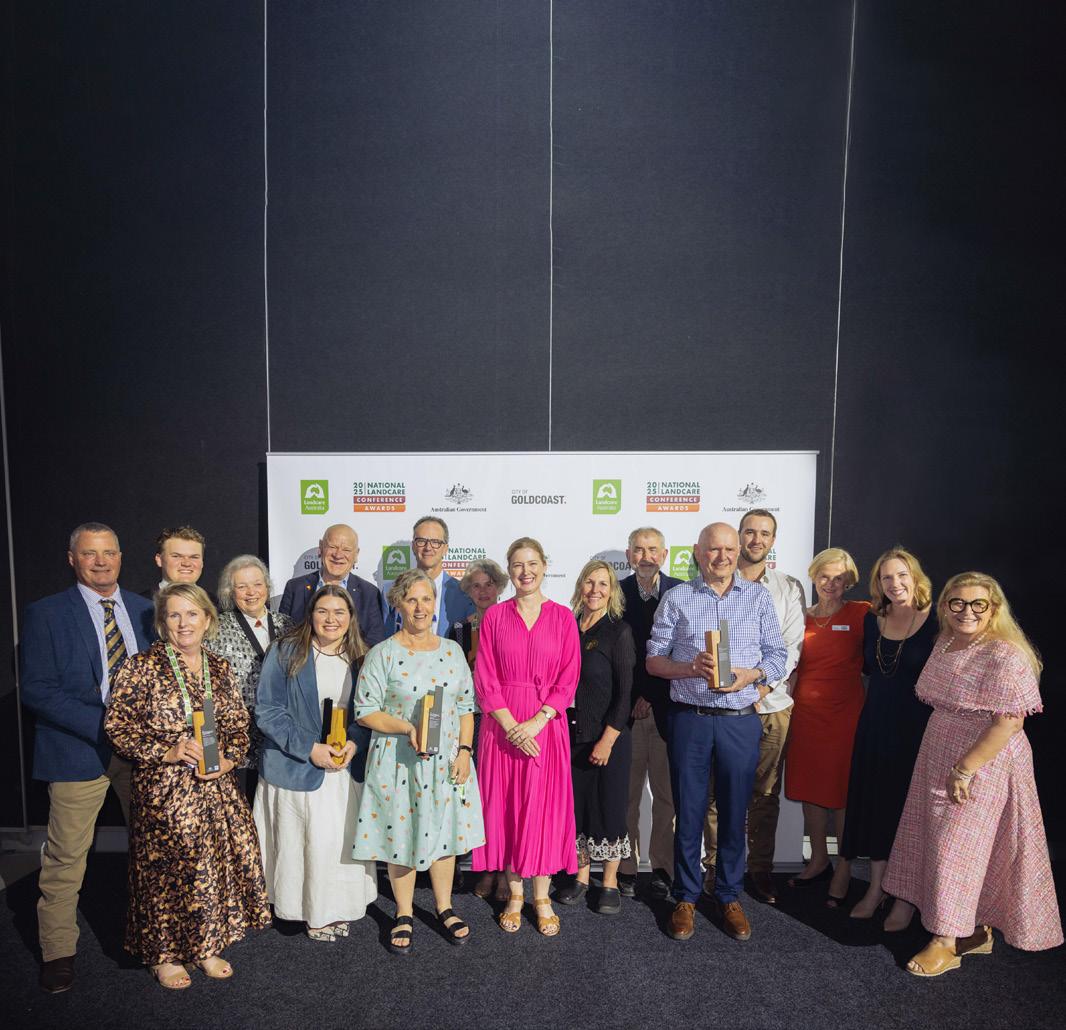
Cover Photo: Winners of the 2025 National Landcare Awards
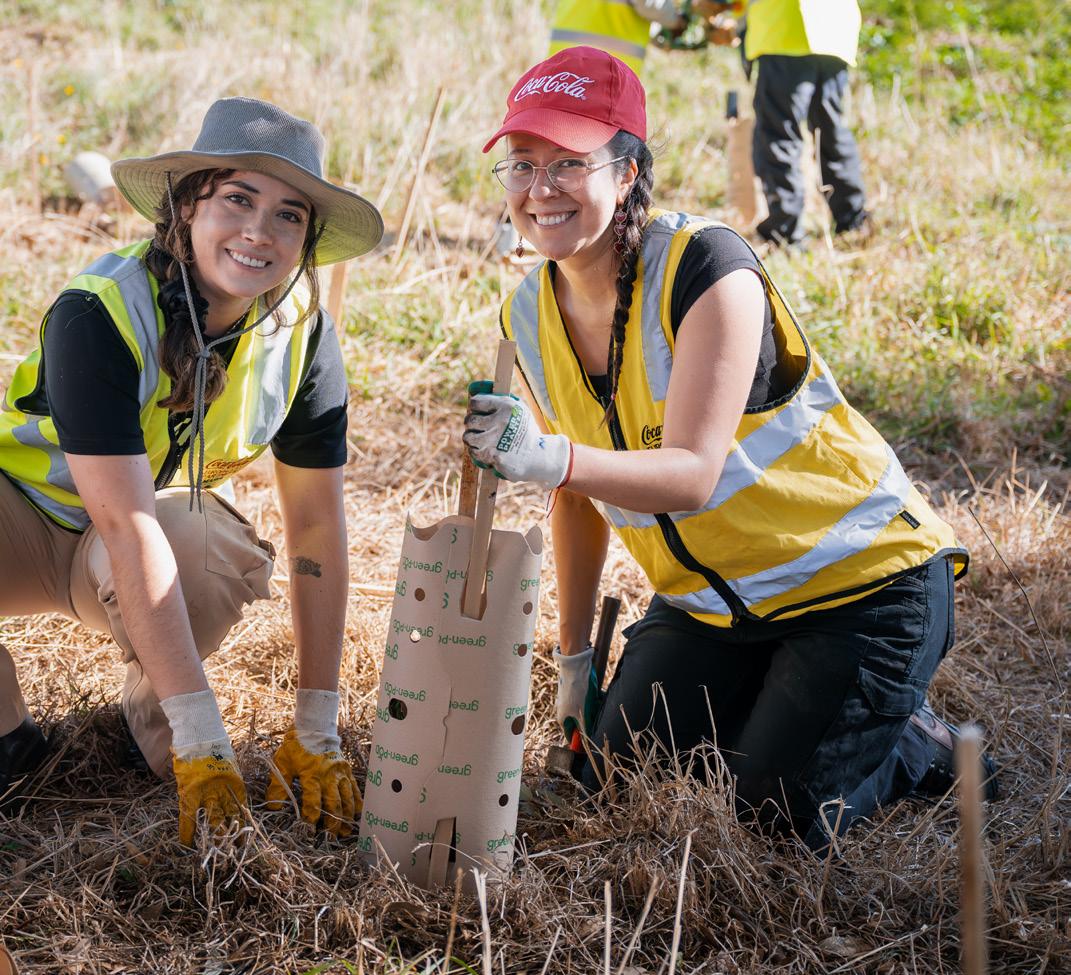
Above Photo:
Coca-Cola Europacific Partners (CCEP) staff volunteering at major revegetation project
Contact Us:
We welcome feedback and your content ideas to Landcare in Focus! You can contact the editorial team via email at enquiries@landcareaustralia.com.au
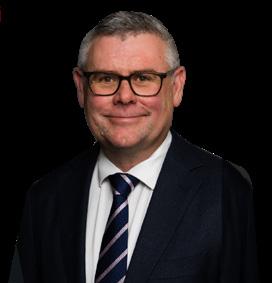
Message from Senator Murray Watt, The Minister for the Environment and Water
or many Australians, a landcare tree planting day or a community working bee is their first brush with environmental conservation and volunteering.
And at a time when many of us spend too much time on technology, Landcare offers a chance for every Australian to connect with nature, whilst learning and giving back.
I’m now a few months into my new role as Australia’s Environment Minister, and it’s been a privilege to reconnect with Australia’s Landcare movement, after getting to know you in the Agriculture portfolio.
Landcare has always played a crucial role in supporting a shift to a more sustainable future. Whether it’s restoring precious habitat or working with landholders to improve biodiversity on their land, Landcare groups give up their time to manage nature for future generations.
The Albanese Government is proud to be supporting Landcare Australia and the National Landcare Network with $14.5 million to ensure Landcare groups have the tools and resources they need to protect and restore biodiversity.
And many Landcare groups are also involved in our $200 million Urban Rivers and Catchments Program, restoring waterways so native animals like platypus and turtles can thrive. It also benefits people living in those areas because it improves their access to nature which in turn boosts social connection.
In this term of Parliament our highest priority will be reforming our national environment laws to make sure we have stronger environmental protection and more efficient project assessments. Our Government will also deliver a new Federal Environmental Protection Agency, to improve transparency and compliance with environmental decisions.
We’re also focussed on ensuring 30 percent of Australia’s landmass is protected by 2030, with new funding to reach that goal.
We have so much more to do to as a country to meet our nature and climate goals, and I know that the partnerships Landcare forms are critical to getting there.
Thanks for all you to do, to restore Australia’s spectacular natural environment and I look forward to seeing you on the ground before long.
Message from the Hon. Julie Collins, The Minister for Agriculture, Fisheries and Forestry
andcare represents the best of Australian communities.
It is one of the largest volunteer, grassroots movements in Australia, with more than 6,000 groups and well over 140,000 volunteers. It empowers people of all ages and backgrounds and is a proud Labor legacy.
The Albanese Labor Government is helping build a sustainable future for our agricultural industry.
This is not something we can do alone.
We know the best action happens with community support.
Our Government is supporting a sustainable future for the agriculture sector through the release of the Agriculture and Land Sector Plan, which is backed by more than $2 billion in investment to ensure our farmers and producers can confidently face our climate future.
The plan is fundamentally a partnership.
It will mean the agriculture and land sectors contribute appropriately to Australia’s net zero target and support the great work that has been undertaken by the Landcare movement for the last three decades.
I was delighted to recently attend this year’s National Landcare Conference on the Gold Coast and had the pleasure of joining and celebrating the 2025 National Landcare Award winners and finalists.
These Landcare champions are excelling in sustainable agricultural practices, environmental protection, conservation of land and waterways, coastlines and biodiversity.
It was truly inspiring to see what has been achieved by the award winners and finalists, and the wider Landcare movement around the country.
The Landcare movement will continue to be a critical part of Australia’s efforts to build a more sustainable future – in agriculture and across the community.
That is why our Government will continue to back these efforts.

Message from Landcare Australia CEO, Dr Shane Norrish
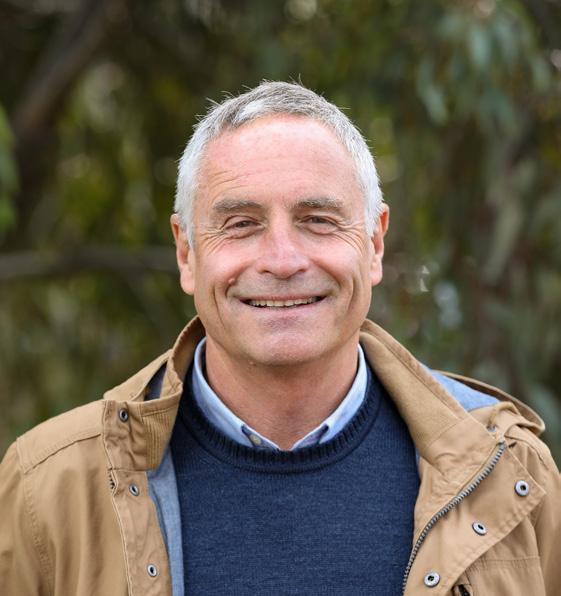
Welcome to the November edition of Landcare in Focus. This magazine highlights the many achievements of the landcare community and gives groups around Australia a chance to showcase the important work underway to restore and protect our land, waterways, and biodiversity.
Across the country, the landcare movement continues to show how local action, practical expertise, and collaborative partnerships yield positive results for Australia’s natural assets and the communities that care for them.
In this edition, you’ll find restorative agricultural projects led by Landcare Australia, including the work at Haddon Rigg Station in NSW which is contributing to The Biodiversity
Project with Country Road. We also profile initiatives supported by the Landcare Agriculture Biodiversity in Action grants program.
You can read how landcare volunteers are driving conservation efforts in their local area, including the Burnett Catchment in Queensland, Lake Macquarie in NSW, and Coastcare projects in Tasmania. With the support of great partners like Bupa and Victrack, we’ve helped deliver funding essential for community-led restoration projects throughout Australia, engaging hundreds of people in practical landcare.
The 2025 National Landcare Conference and National Landcare Awards events on the Gold Coast were a great success and brought together over 600 delegates,
reflecting the energy and progress of the landcare network. Please have a look at the articles on these important events and enjoy the photo gallery.
As always, we welcome your content contributions and encourage you to please share this magazine with your colleagues and networks.
Happy reading, Dr Shane Norrish

Climate-Smart Investment in Agricultural Practices
ustralian farmers and land managers, the stewards of our land and natural resources, are facing the increasingly urgent need to adapt to a changing climate and transition to a low emissions future.
Industry is already responding to the challenge. They are innovating, adapting and improving resilience.
But tackling climate change and sustainability goals across the agriculture sector is not something that can be done alone - it requires partnerships and collaboration.
Climate and sustainability are a central priority for the Australian Government, and the Department of Agriculture, Fisheries and Forestry (DAFF) is committed to supporting the agriculture sector to adopt sustainable agriculture practices and farm in a changing climate, while driving agricultural productivity.
Through the current 5-year phase of the Natural Heritage Trust, the Australian Government has invested $302.1 million through the Climate-Smart Agriculture Program. The program is empowering the agriculture sector to build on its reputation as world-leading by supporting the adoption of practices that reduce emissions, increase the health of our farmland and preservation of our biodiversity, and build resilience against climate change.
The program is funding 178 projects across Australia through nine integrated investment streams, each designed to address different aspects and scale of sustainable agriculture, with a particular focus on innovation, capacity building and on-ground scalable projects. Funded projects range from soil health and water management to climate adaptation, emissions reductions, environmental markets and extension and outreach initiatives.
The program actively encourages partnerships and collaboration, with the majority of these projects including a range of consortium partners and project partners that are helping to achieve outcomes. This includes partnerships with landcare organisations, Natural Resource Management groups and First Nations people.
The Australian Government also recently released the Agriculture and Land Sector Plan, one of six sector level emissions reduction plans underpinning a Net Zero Plan. The sector plan establishes a framework for Australian producers to contribute to, and most importantly benefit from, the whole-ofeconomy transition. It was developed in partnership with industry, building on the significant work already underway.
The sector plan will help ensure that Australia remains a leader in the production of low emissions food and fibre globally. It is backed by significant investment, including $60.8 million to support emissions reduction efforts and an additional $1 billion for the Regional Investment Corporation, including agreement to broaden its scope to provide assistance that builds climate resilience, boosts productivity and supports agriculture to be part of the net zero transition.

These DAFF-led initiatives will support us in transitioning to a more sustainable future through partnerships and collaboration. For more information about the Climate-Smart Agriculture Program scan the QR code. agriculture.gov.au/climate-smart
For more information on the Agriculture and Land Sector Plan scan the QR code: agriculture.gov.au/ag-and-land-sectoral-plan

Words by Kristie Logus, Director, Sustainable Agriculture Programs | Department of Agriculture, Fisheries and Forestry
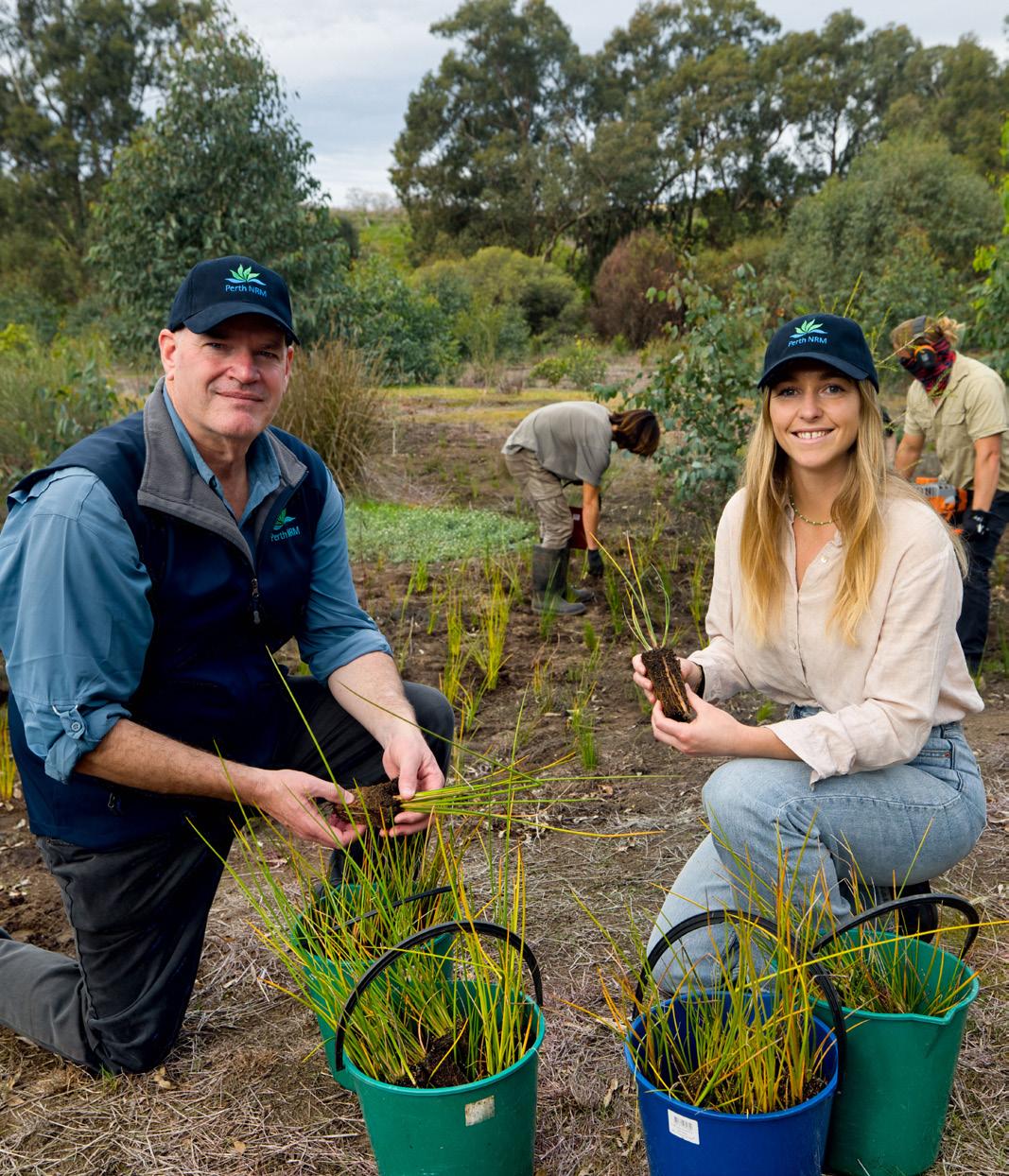
Feature image David Broadhurst, Manager, Sustainable Agriculture and Tibby Tuckett, Sustainable Agriculture Facilitator
2025 National Landcare Conference and Awards –a week to remember!
As the largest gathering of its kind since the 2022 National Landcare Conference in Sydney, the 2025 National Landcare Conference and Awards was an inspiring celebration filled with collaboration, innovation and a shared commitment to shaping a more sustainable future for our landscapes and communities.

his year’s conference theme, Landcare: Nature, Agriculture, Land and People
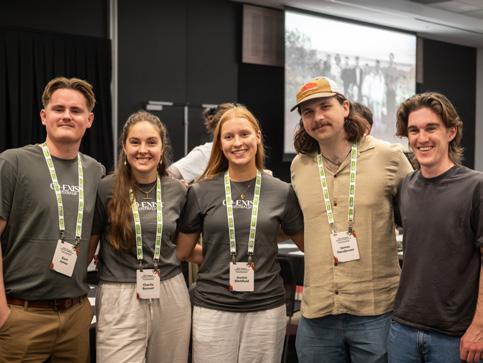
Positive, captured the breadth of knowledge, passion and collaboration that defines the landcare movement. More than 650 delegates from across Australia came together for the fourday conference program, representing each state and territory. The event brought a wonderful mix of familiar faces, and first-time attendees, including a strong contingent of next generation landcarers, who are eager to shape the future of landcare and sustainable land management.
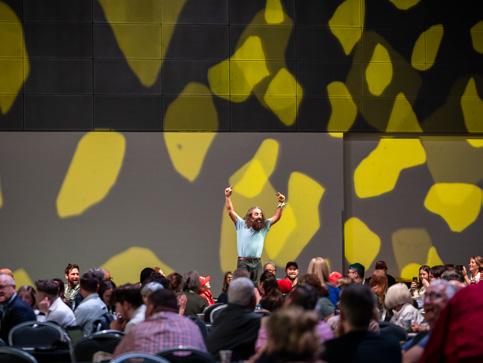
As the Conference MC, Costa Georgiadis, beloved ABC TV presenter and long-time landcare champion, brought his trademark energy, humour, and deep respect for the landcare movement. His enthusiasm set the tone for the week, making every delegate and speaker feel recognised and valued for their contribution to the movement.
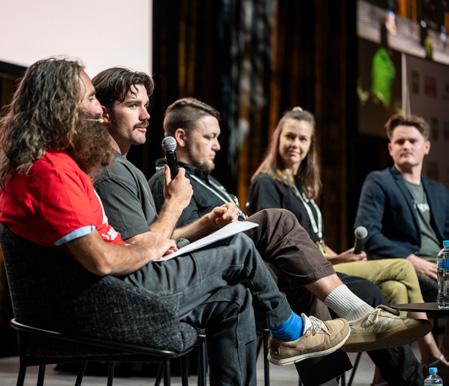
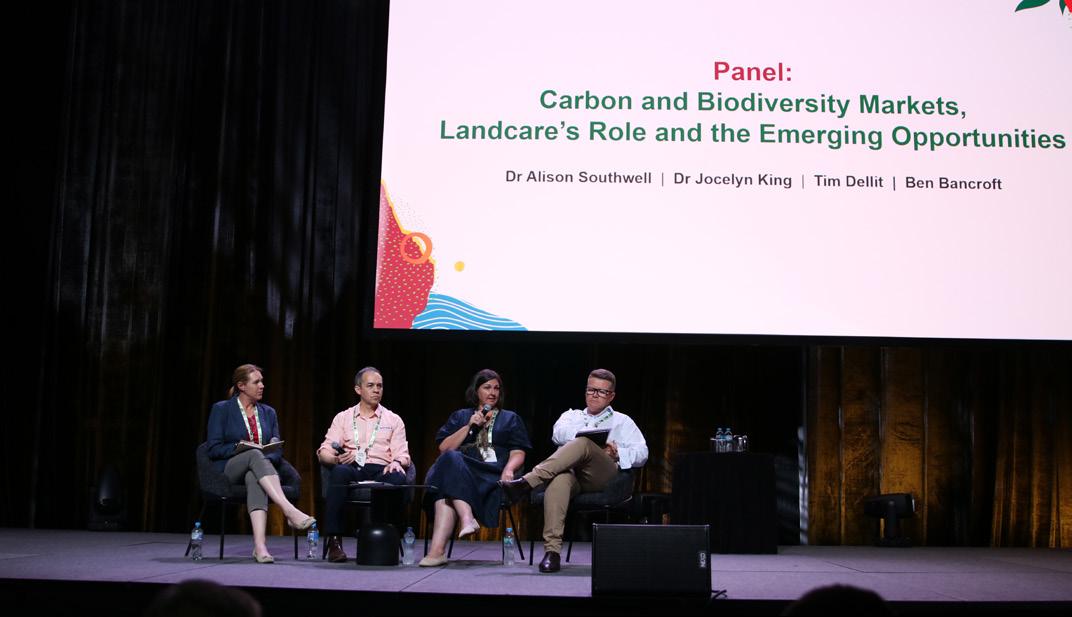
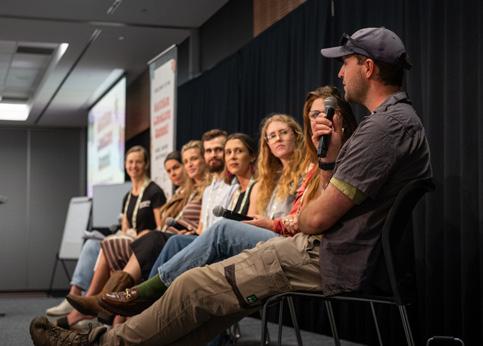
More than 130 speakers shared their expertise through plenary sessions, five panel discussions and 50 concurrent stream sessions, covering everything from cutting-edge agricultural innovation, community action and First Nations engagement.
A field trip program was hosted by community groups on the final day connecting delegates to on-ground landcare projects in the Gold Coast and Tweed Valley regions.
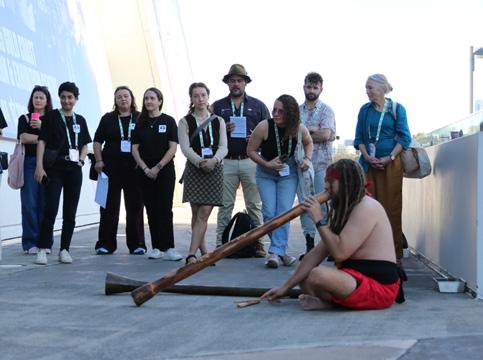
The First Nations Landcare Gathering brought together Country, Culture and community. Through yarning circles and Cultural exchange, participants shared stories, knowledge and wisdom that enriched the entire event.
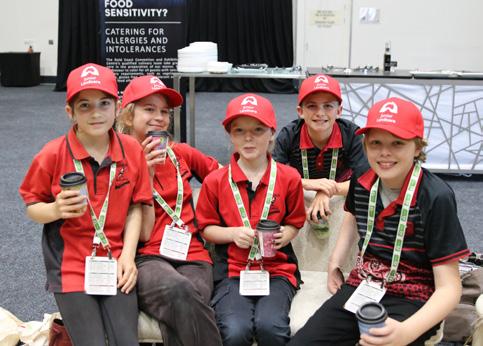
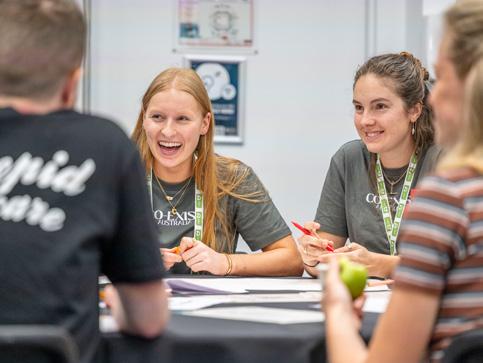
At the NextGen Landcare Youth Summit, over 160 young people and supporters from across the country came together for a dynamic day of panels, interactive sessions and bold new ideas. The passion and vision of the next generation of landcarers is alive and well – and incredibly inspiring.
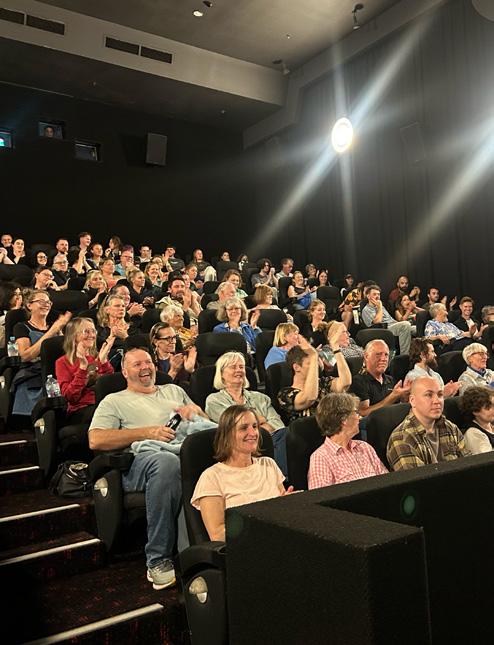
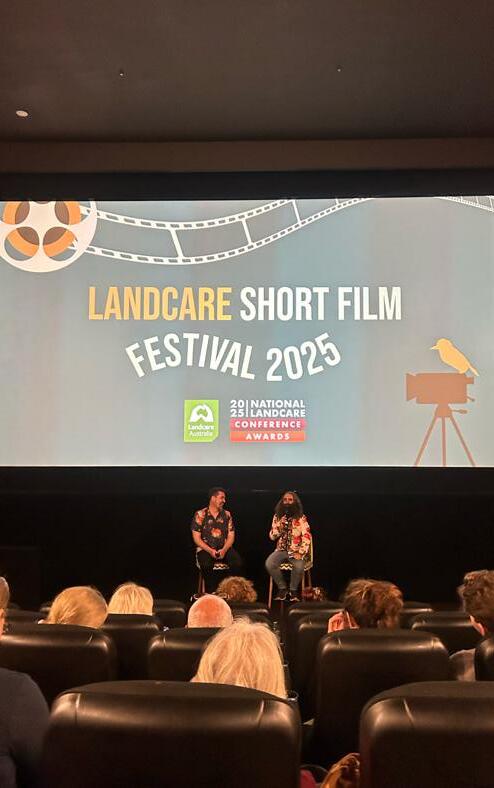
For the first time, the Landcare Short Film Festival was produced, taking place at the Events, adding a creative dimension to the 2025 National Landcare Conference. The festival screened 13 inspiring films, making it a celebration of landcare groups from across Australia. From koala habitat restoration and river regeneration, to rainforest planting and First Nations-led landcare projects, each story highlighted the passion and dedication driving real change on the ground.
Information about the 2027 National Landcare Conference and Awards will be announced late 2025.
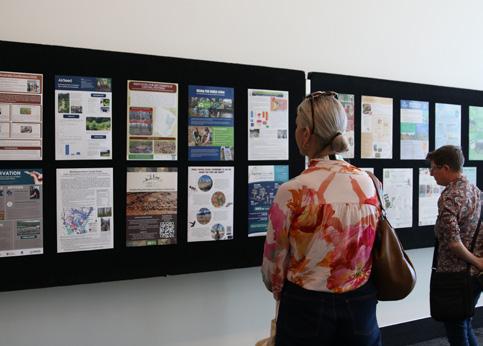
If you missed the conference or would like to revisit your favourite sessions, you can now access all speaker presentation videos, poster displays and the 2025 National Landcare Awards ceremony online via the Landcarer platform. Share these resources with your networks and keep the conversation going.
The posters and speaker presentations are hosted on Landcare Australia’s Landcarer platform, this is a user generated website that allows you publish your own content and join online conversations about landcare, agriculture and natural resource management.
https://www.landcarer.com.au/2025-nationallandcare-conference-resources
2025 National Landcare Conference
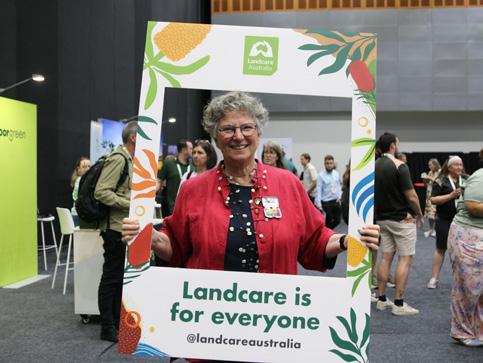
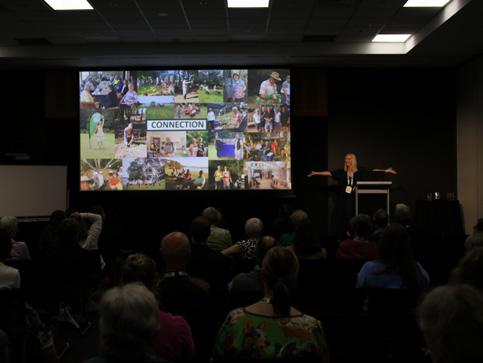
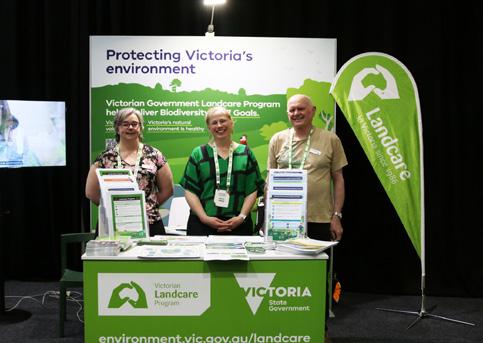
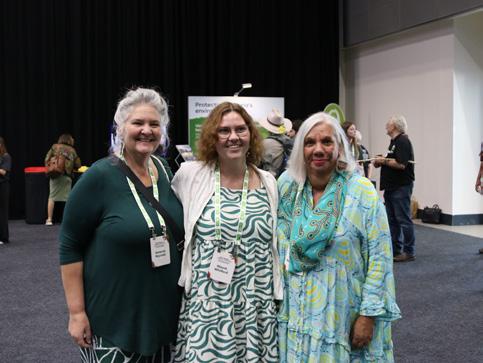
To view more images from the 2025 National Landcare Conference, please visit: https://www.facebook.com/landcareaustralia/
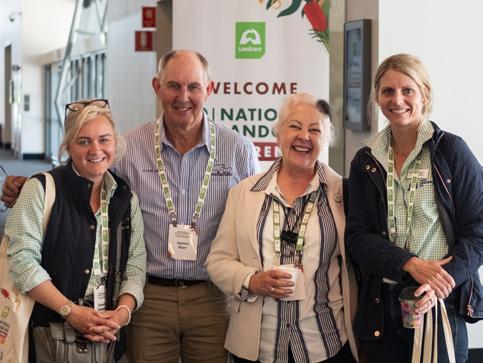
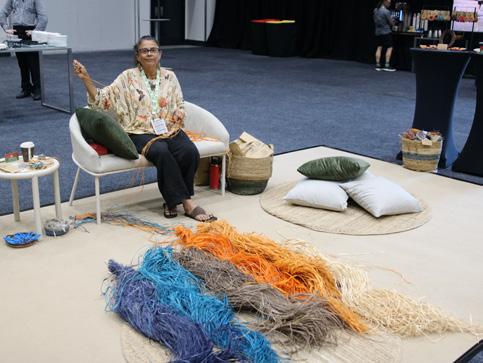
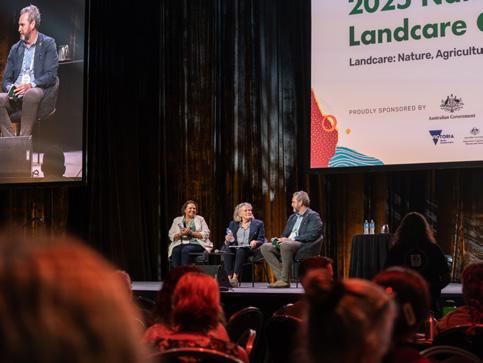
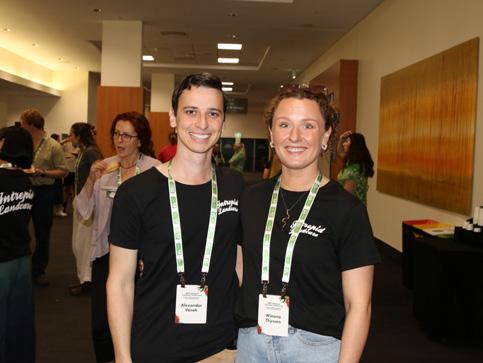
2025 NextGen Landcare Summit Photo Gallery
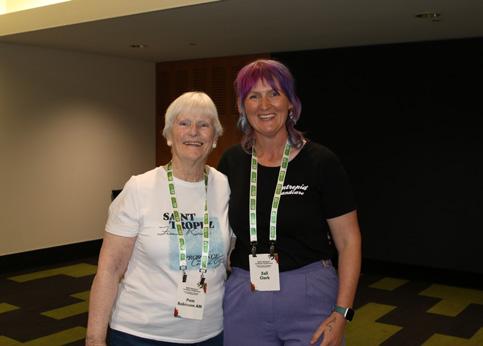
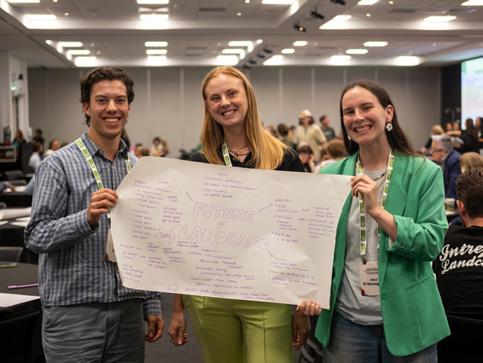
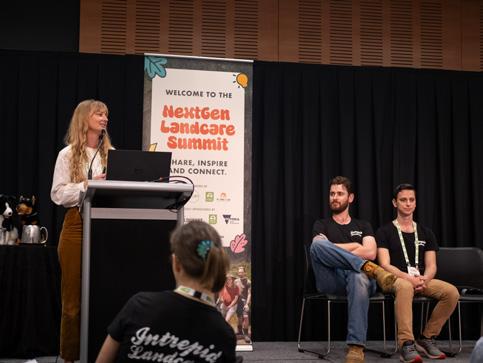
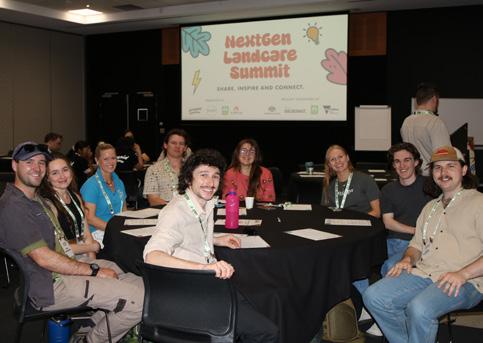
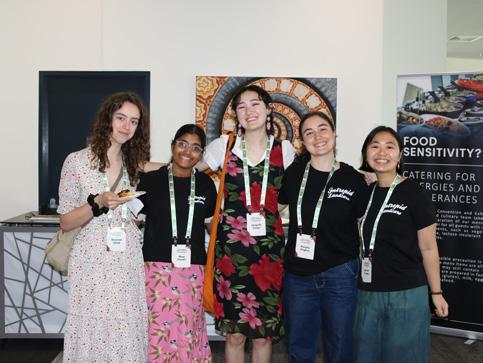
To view more images from the 2025 National Landcare Conference, please visit: https://www.facebook.com/landcareaustralia/
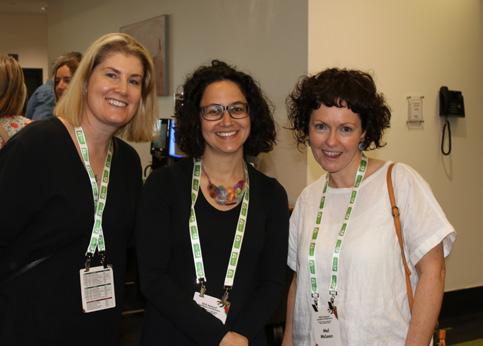
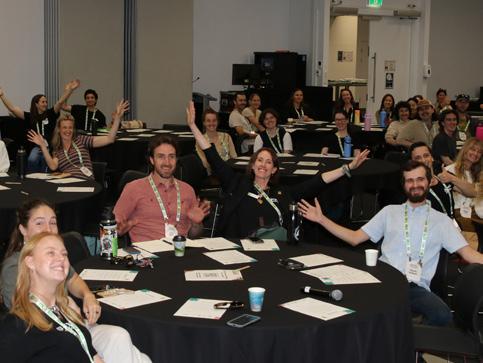
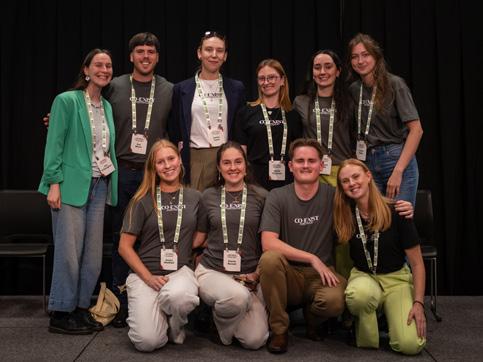
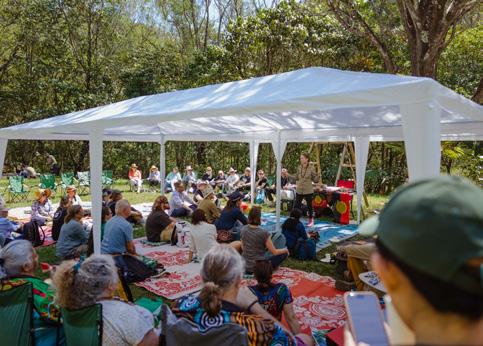
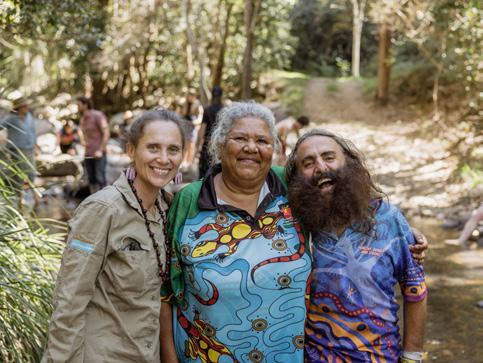
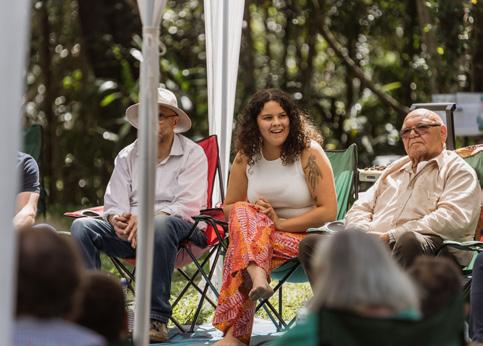
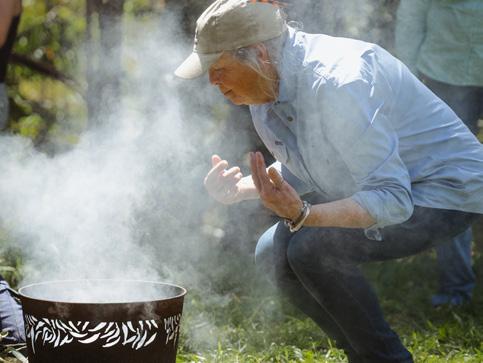
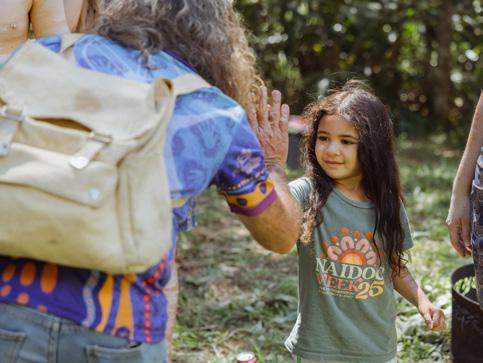
To view more images from the 2025 National Landcare Conference, please visit: https://www.facebook.com/landcareaustralia/
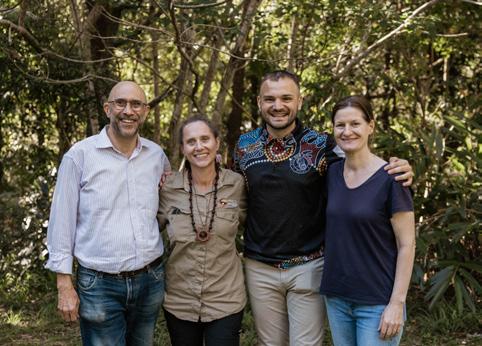
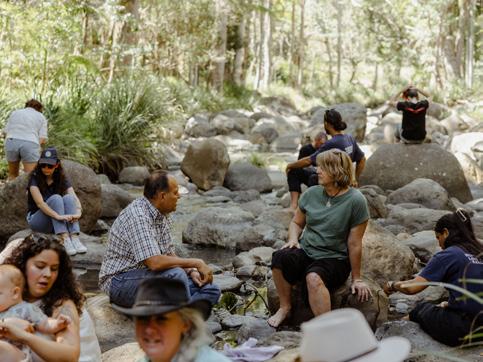
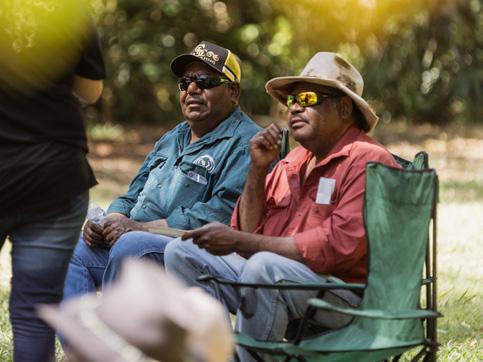
2025 National Landcare Awards Photo
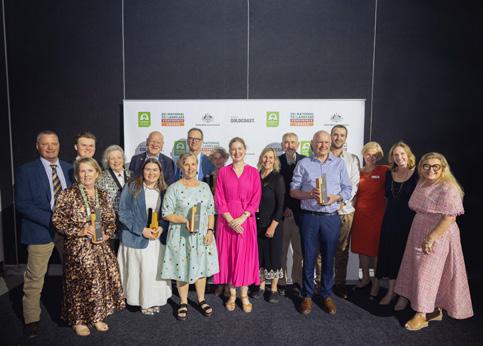

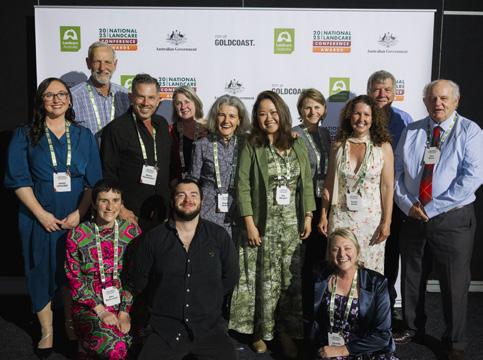

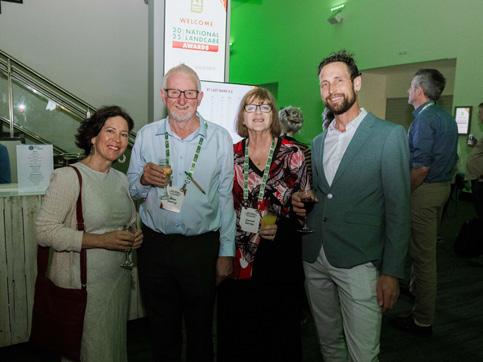

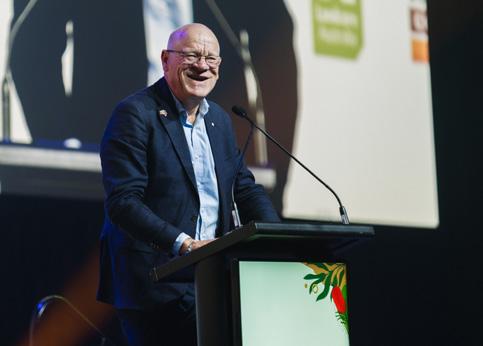
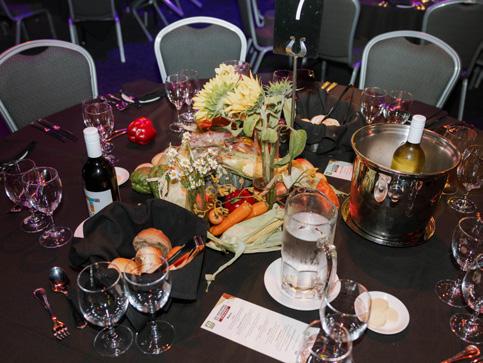
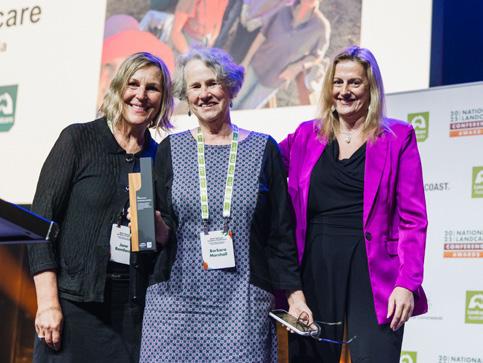
To view more images from the 2025 National Landcare Awards, please visit: https://www.facebook.com/landcareaustralia/
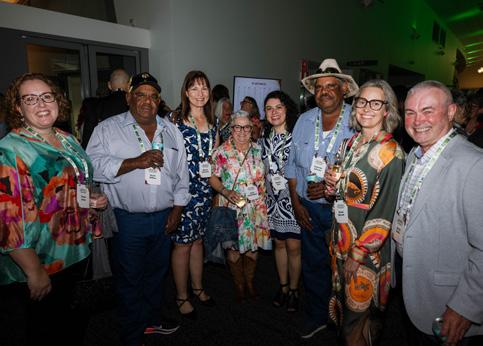
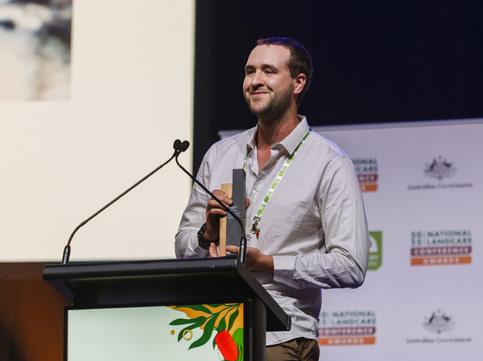

Congratulations to the 2025 National Landcare Award Winners
n September 23 at the Gold Coast Convention Centre, Landcare Australia announced the eleven highly deserving and exceptional landcare award winners from across Australia who have been crowned at the prestigious 2025 National Landcare Awards dinner.
Presented by ABC TV Gardening Australia host and landcare ambassador, Costa Georgiadis, in front of an audience of over 600 guests during the National Landcare Awards Gala Dinner at the Gold Coast Convention and Exhibition Centre.
This year’s champions were selected from 69 finalists, including nominees for the 2025 General Jeffery Soil Health Award and the prestigious 2025 Bob Hawke Landcare Award.
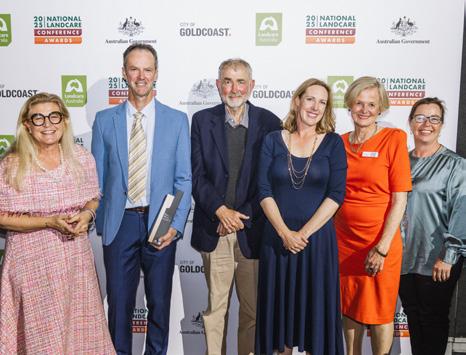
2025 General Jeffery Soil Health Award: Dr Susan Orgill, Australian Capital Territory
Dr. Susan Orgill is a leading applied soil scientist who champions soil science and evidence-based decision making in land management, inspiring thousands with her passion for soil. Susan is the original “Soil Influencer” earning national recognition for her ability to communicate all things soils specifically soil carbon and its contribution to healthy soil.
2025 Bob Hawke Landcare Award: Holbrook Landcare Network, New South Wales
Started in 1947 by local farmers to care for the land, Holbrook Landcare Network exists to support the rural community to achieve positive and enduring changes in agricultural productivity, environmental sustainability and social capacity in the region.
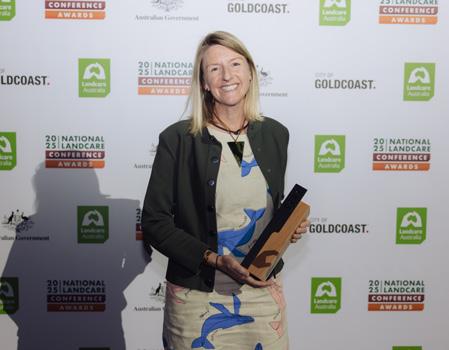
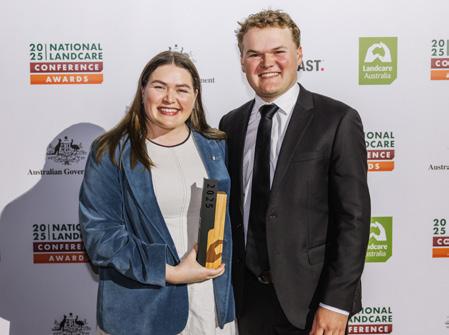
2025 Australian Government Sustainable Agriculture Landcare Award: Leather Cattle Co, Queensland
In operation since 1988, Leather Cattle Co (LCC) is a family owned and operated sustainable beef business covering 17,500 ha over three properties in Central Queensland. LCC has a clear focus on a sustainable future and takes responsibility of how they contribute to global food security and climate action as a priority.
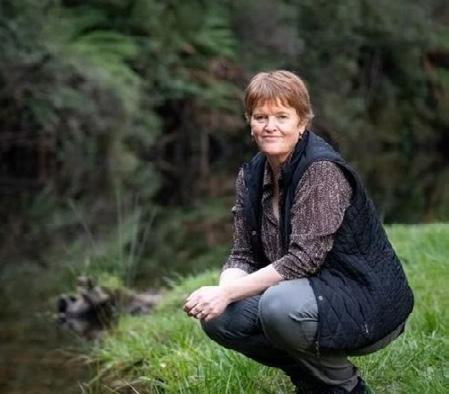
2025 Australian Government Climate Innovation Award: Grant and Carly Burnham, Queensland
Grant and Carly Burnham and their four children are ecological and organic beef producers at Bonnie Doone west of Monto in the beautiful North Burnett. The Burnham’s are highly regarded leaders in the agricultural industry, regularly invited to speak and share their experiences of ecological agriculture and soil carbon sequestration.
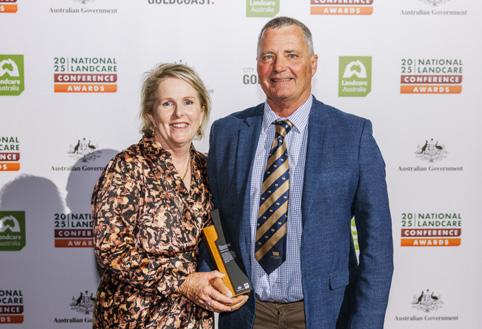
2025 Australian Government Individual Landcarer Award: Vivienne Briggs, Tasmania
Vivienne has dedicated 25 years to Australian wildlife conservation, focusing on platypus, penguins, and birds like the Silver Gull in Burnie. For two decades, she has played a key role in platypus preservation in Tasmania through professional and voluntary efforts. As founder and coordinator of Friends of Fernglade since 2014, Vivienne has helped establish Fernglade as one of Australia’s premier spots to observe platypus. She also founded the Tasmanian Platypus Conservation Group in 2021 and elected to the Landcare Tasmania Members Council in 2023.
2025 Australian Government Community Partnerships Landcare Award: Merri Creek Management Committee, Victoria
Merri Creek Management Committee (MCMC) brings people together at a catchment scale to make a difference to the environment. MCMC is a long-term motivated pioneer of urban creek protection. They continue to innovate and undertake creek restoration projects, whilst combining community education and specialist technical advice to volunteers, land managers, and decision-makers with a reach over nearly 400 square kilometres. This passionate group of people work together to improve the health of Merri Creek and beyond.
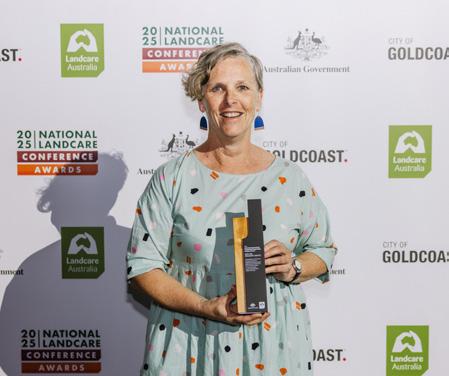
2025 Greyhound Coastcare Award: Kingston Beach Coastcare, Tasmania
Kingston Beach Coastcare (KBC) has been operating continuously for 25 years. During that time the group has been involved in not one, but a number of projects. The core members of KBC have a very real commitment to actively healing the land and water of their coastal ecosystems, encouraging healthy habitat for native flora and fauna in this high conservation value area. The contribution and dedication of KBC’s members over many years is truly significant. The improvements evident today are testament to the great efforts that their volunteers have exerted.
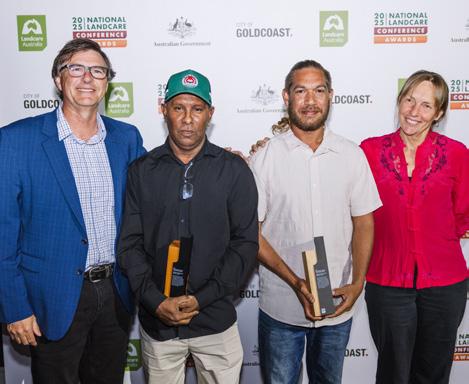
2025 First Nations Landcare Collaboration Award: Dampier Peninsula Fire Working Group, Western Australia
DPFWG is an appropriately scaled, First Nations-led, community-focused, multi-stakeholder collaboration in land management and restoration of landscape health through right way fire. Together they use expert ecological knowledge and practical fire management experience of the Indigenous members and combined it with knowledge of fire ecologists, to identify the Cultural, ecological and economic assets on the Dampier Peninsula that are affected by large, intense wildfires; and to determine the strategies for mitigating the fire-caused damage to these assets.
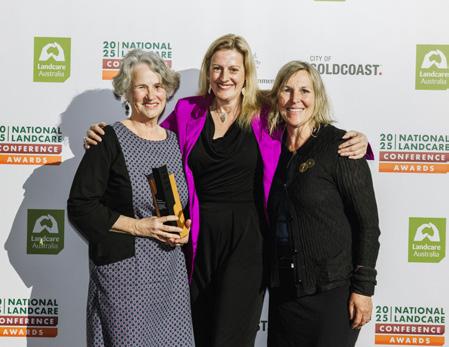
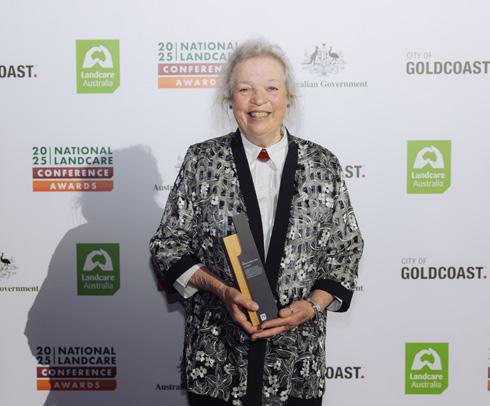
2025 Women in Landcare Award: Nell Chaffey, New South Wales
Nell is a dedicated landcare advocate, embodying a profound commitment to environmental stewardship and community engagement, staring her journey four decades ago. Nell’s dedication to inclusivity and sustainability in landcare exemplifies her passion for Australian ecosystems, biodiversity, and community education. Her proactive approach to promoting sustainable landcare initiatives reflects her strong commitment to responsible resource use. Nell’s efforts benefit her farm and inspire others to adopt sustainable practices for the betterment of the environment.
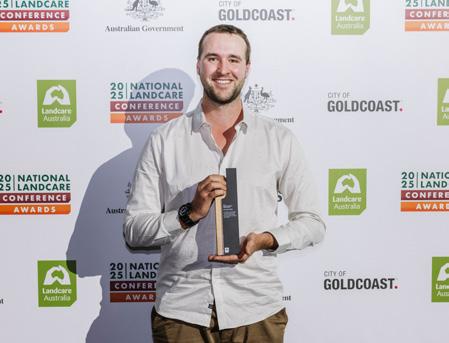
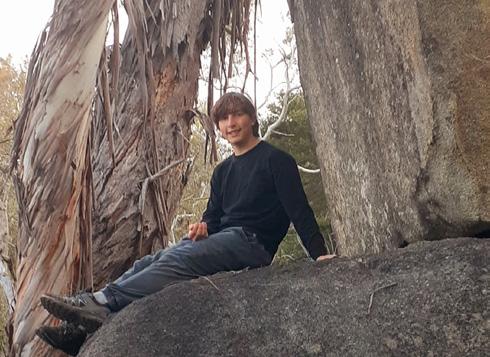
2025 Junior Landcare Award: Tavish Bloom, Victoria
Tavish Bloom, a 13-year-old nature enthusiast, is making significant contributions to his community by dedicating himself to the protection of a local reserve. Through meticulous data collection on wildlife, Tavish has played a crucial role in safeguarding the lives of local fauna, raising awareness about the importance of conservation efforts. His involvement in school environmental programs and community projects aimed at wildlife conservation is remarkable for someone his age, reflecting his deep commitment to environmental stewardship.
2025 NextGen Landcare Award: Bryce Watts-Parker, Victoria
Bryce is an enthusiastic environmentalist having a soft spot for the local unique flora and the scaly critters of East Gippsland. Bryce has been a key speaker on the natural environment within his community, undertaking many bush walks and talks about bushfire recovery and the many local threatened plant species. Since the Black summer bush fires Bryce played a critical role in delivering and conceiving the idea of the Mallacoota Endemic Garden and the local community nursery, both crucial in reconnecting community with nature.
Holbrook Landcare Network Wins Prestigious
2025 Bob Hawke Landcare Award
olbrook Landcare Network, based in the New South Wales Riverina, has been named the winner of the prestigious 2025 Bob Hawke Landcare Award at this year’s National Landcare Awards Gala Dinner.
As the 2025 award winner, Holbrook Landcare Network will receive a $30,000 prize to support further development of their knowledge and skills in sustainable land management to enable an even stronger contribution to landcare.
Holbrook Landcare Network is the first group to receive the Bob Hawke Landcare Award and were recognised for their efforts in sustainable farming practices for over decades.
At the awards ceremony, Chair of Holbrook Landcare Network, Marcus Richardson said,
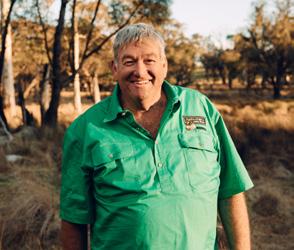
Fourth generation farmer who is committed to sustainable farming through innovative practices that enhance productivity, profitability, and the quality of natural resources. Garry has recognised the critical importance of ecological connectivity and dedicated 40% of his farm in the Southern Tablelands to conservation efforts, exceeding the 30% target set by Australia and the international community for protecting natural areas.
“Holbrook Landcare is more than just a network; it’s part of the social fabric of our region. For over three decades, we’ve stood shoulder to shoulder with our farmer members, who are the heart and soul of our organisation. Their innovation, resilience and stewardship of the land are what drive our success. This award belongs to them.”
Earlier this year, Landcare Australia announced three impressive finalists for the award: Garry Kadwell, Stuart McAlpine, and Holbrook Landcare Network.
The award honours the legacy of the Hon. Bob Hawke AC, recognising his pivotal role in transforming landcare from a grassroots community initiative into a national movement, securing unique bipartisan support.
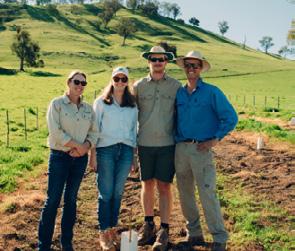
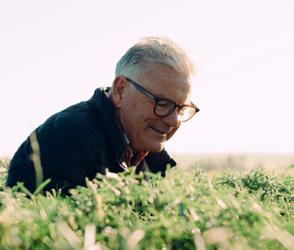
Holbrook, New South Wales: Started in 1947 by local farmers to care for the land, Holbrook Landcare Network exists to support the rural community to achieve positive and enduring changes in agricultural productivity, environmental sustainability and social capacity in the region.
more information: www.bobhawkelandcareaward.com.au
A pioneer in sustainable farming, transforming his family farm in Buntine, Western Australia, to enhance productivity, profitability, and natural capital. In 1997, he cofounded the Liebe Group, fostering collaboration between farmers, researchers, and institutions. Early trials on his farm explored soil health and biology, laying the foundation for his regenerative journey.
this short film to learn more about Holbrook Landcare Network https://www.youtube.com/watch?v=QoU5zXJ1zh8
Holbrook Landcare Network
Stuart McAlpine Garry Kadwell
Champions: The 2025 General Jeffery Soil Health Award Celebrating Australia’s Soil
he 2025 General Jeffrey Soil Health Award honours the legacy of Major General the Hon. Michael Jeffery, AC, AO (Mil), CVO, MC (Retd) Australia’s first National Soils Advocate.
General Jeffery championed soil health nationwide. From Parliament House to the paddock, he inspired a shift towards integrated management of soil, water, animals and plants to the benefit of all Australians and our environment. His work underscored that healthy soils are essential for agricultural productivity, environmental resilience and long-term food security.
Continuing this vision, the Award recognises individuals and organisations leading the way in protecting and regenerating Australia’s soils. Nominees include farmers, educators, researchers, landcare groups, extension specialists and innovators working to inspire others and deliver on-ground impact.
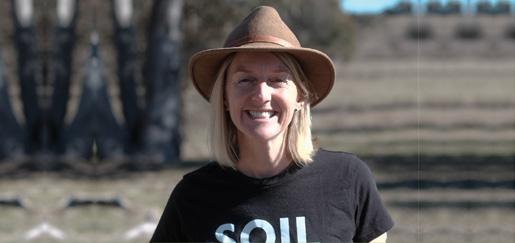
And the 2025 winner is… Dr. Susan Orgill, Australian Capital Territory
A leading applied soil scientist, educator and communicator, Dr Susan Orgill has dedicated her career to making soil science accessible and practical for land managers. Known as Australia’s original “Soil Influencer” she has a rare talent for bringing soil carbon and soil health to life, helping thousands better understand how to manage their land sustainably.
With more than 25 peer-reviewed papers, Susan is widely respected for her scientific expertise, but it is her commitment to sharing knowledge through workshops, field days and community engagement that has driven real change. Her work has strengthened understanding of soil carbon, supported evidence-based decisionmaking and inspired a new generation of farmers and land managers.
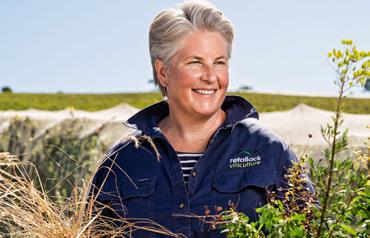
Dr Mary Retallack (South Australia) – an agroecologist, scientist and viticulturist, Mary has spent more than 30 years advancing soil health through agroecological restoration. As founder of the national EcoVineyards program, she equips growers with practical tools to rebuild soil health, enhance biodiversity and reduce emissions.
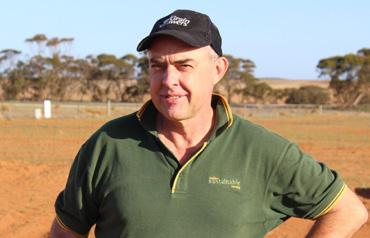
Chris
over 40 years of service, Chris has led solutions to major soil degradation challenges, including Mallee seeps and dry saline land. His innovative remediation techniques and strong collaboration with farmers have improved soil structure and productivity across thousands of hectares.
Together, these finalists reflect the passion, innovation and leadership shaping Australia’s soil future.
Acknowledging the Finalists...
Alongside this year’s winer, two outstanding finalists were celebrated for their long-standing contributions to soil health and innovation.
Dr
McDonough (South Australia) – with
Dr. Mary Retallack
Dr Chris McDonough
Than Landcare… It’s Much More
Becoming involved in this group has opened up a whole new world for my husband and I as they have welcomed us into their beautiful community.”
anessa Whelan recently presented at the 2025 National Landcare Conference, in the CommunityDriven Landcare stream. Her story was part of a series of presentations that looked at different ways landcare groups strengthen community resilience through partnerships, storytelling and inclusive participation.
After living in Canberra for over 30 years, Vanessa Whelan and her husband made a big leap: they sold the family home, retired, and moved to Fennell Bay on the shores of Lake Macquarie, just south of Newcastle in NSW. They knew nothing about the neighbourhood or its people, but were ready for a new chapter.
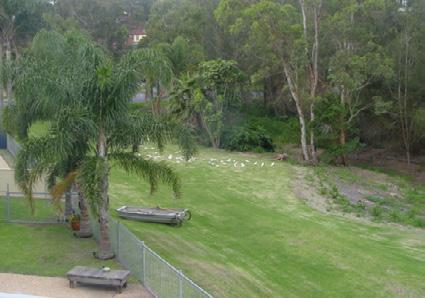
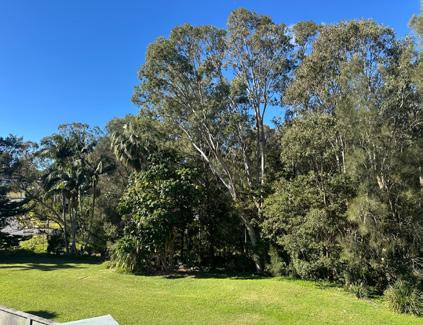
On moving day, their new neighbours invited them to morning tea and to meet their local landcare group, a group that cares for the stunning forest that could be seen from the new house — a major reason they bought their new home. What started as apprehension about the unknown quickly turned to joy as they were welcomed into this special landcare community.
Vanessa has recently taken on the role of team leader for this incredible group which brings excitement and challenges – after 24 years of dedication how does she ensure the momentum built remains strong.
Background about the Kooroora Bay Landcare Group
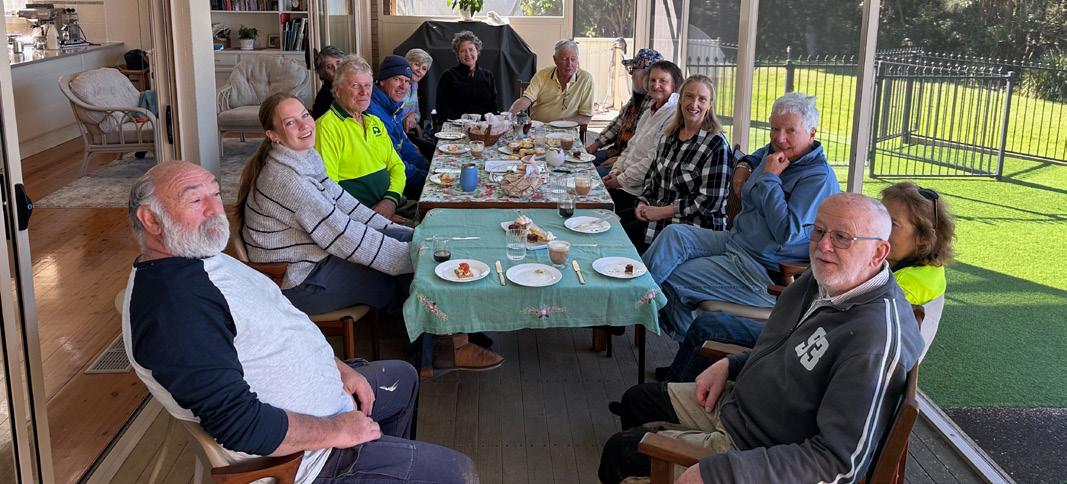
For the past 24 years, this group has met fortnightly, and in that time, they’ve completely transformed an area once plagued by rubbish into a lush, vibrant mini forest teeming with diverse plant life and an abundance of birds. To this day, they still gather regularly, always ending their sessions with a comforting cuppa and one of Helen’s scrumptious morning tea’s.
Some of the original members are now in their 80s/90s and whilst they can’t participate hands-on anymore, they provide valuable feedback and connect with the new members to make sure the forest won’t go back to where it was.
A strong sense of community has developed, with some members recruited at the Street Christmas party. The area has become one big family, with their children growing up together. With one of the founding members now living with dementia, the group has rallied together to support his wife with hands on help when she needs it. Another member brings her grandchildren along to join in.
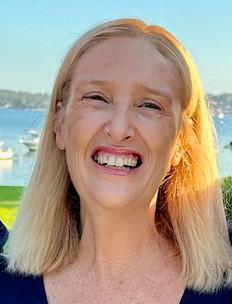
Above Vanessa Whelan Top right Morning tea Bottom right Before and after view from houses
When these landcare group members where asked “What does being part of this group mean to you?”, they have shared comments like:
“It’s about feeling connected to the community, having a place where you belong, and ensuring no one ever feels alone,” and “It’s about making lifelong friendships—not just being neighbours, but true friends.”
Side note
Vanessa’s 90-year-old father-in-law (Bert) has recently moved in with them. He continues to produce music programs for the ArtSound FM community radio station in Canberra, which he has been doing for many years. Bert has the largest collection of Gershwin music and paraphernalia in the southern hemisphere and is extremely knowledgeable about movies and music. Bert now attends the landcare group morning tea (they call him the Movie and Music Director) and he has even started up a weekly movie club where he shares classic musicals from the 1930’s onwards. Many of the landcare group members come every week to enjoy the next show put on by Bert. You can watch Vanessa’s presentation at the 2025 National Landcare Conference on Youtube here
For more information, please visit: www.lakemacquarielandcare.org
Words by Vanessa Whelan | Kooroora Bay Landcare Group
Odds: Our Journey Blooming Against the to Healthier Soil and Lavendar
ur Wine Country Lavender farm location is perfect - gentle rolling hills, stunning views, and that magical Hunter Valley air. But there was one problem: the soil wasn’t ideal for lavender.
Our land was heavily clay-based, far from the welldraining, sandy loam that lavender traditionally loves. It was compacted, having been used for resting dairy back in the day, and never worked for agricultural use. Instead of giving up or taking shortcuts, we committed to regenerative farming - working with nature to improve the soil.
Building a Better Foundation
Before planting a single lavender bush, we got to work bringing the soil to life. We enriched it with organic matter - hay, nutrient-rich manure, and compostboosting microbial activity, and added gypsum to further break the clay and improve structure. Over time, this transformed the dense clay into a healthier, more balanced foundation where roots could breathe and spread with ease.
We also made a bold decision: no weed mat. While it might have made maintenance easier, it would have locked us out of the soil, preventing us from continuing to enrich it. By keeping the soil exposed, we have been able to keep adding organic material, aerating the earth, and improving conditions season after season.
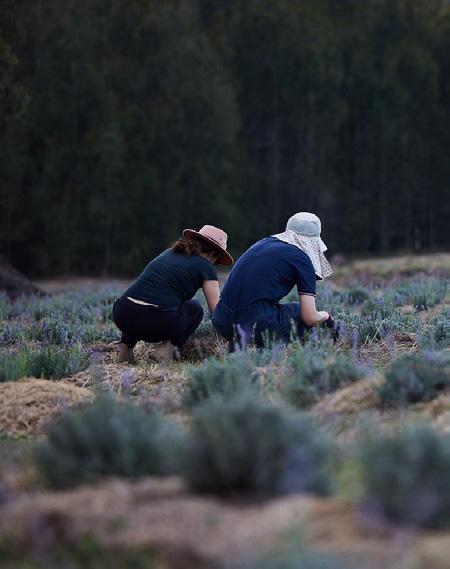
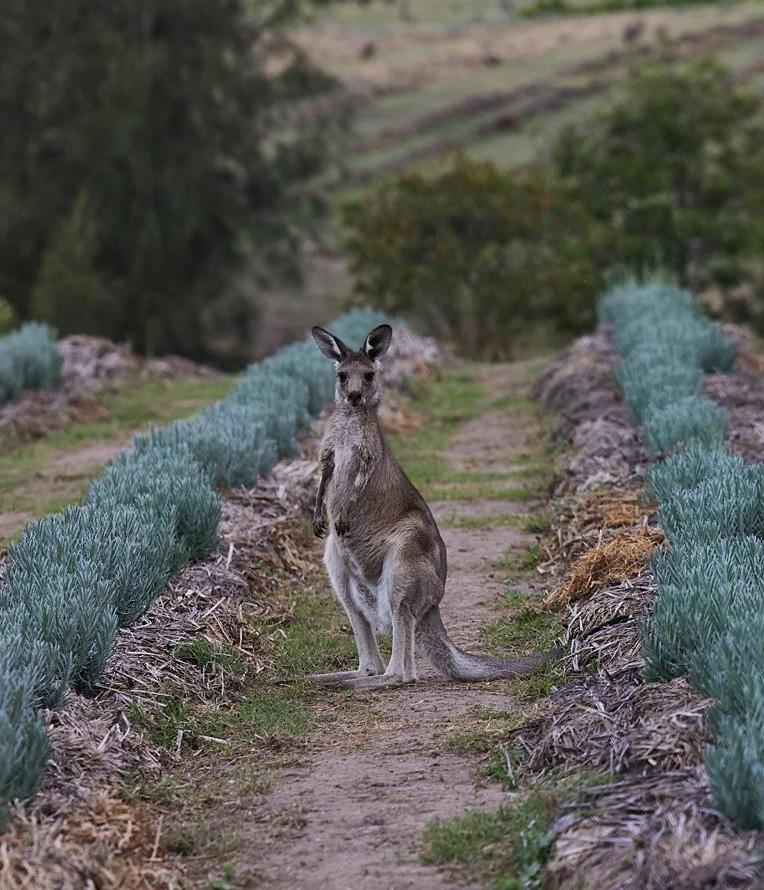
The difference has been incredible. Our lavender plants are strong, healthy and producing vibrant, aromatic blooms. The soil is alive, rich with nutrients, and better than we ever imagined when we first started this journey.
Regenerative farming isn’t just about growing better lavender—it’s about stewarding the land for the future. By working with nature, we’re not only creating stunning fields of lavender but also a thriving, sustainable ecosystem that will continue to flourish for years to come.
For more information, please visit www.winecountrylavender.com.au
Words by Karen McRae | Wine Country Lavender
The Results? A Lavender Dream Come True!
More Than 100,000 Native Plants Take Root Across 33 Community Projects
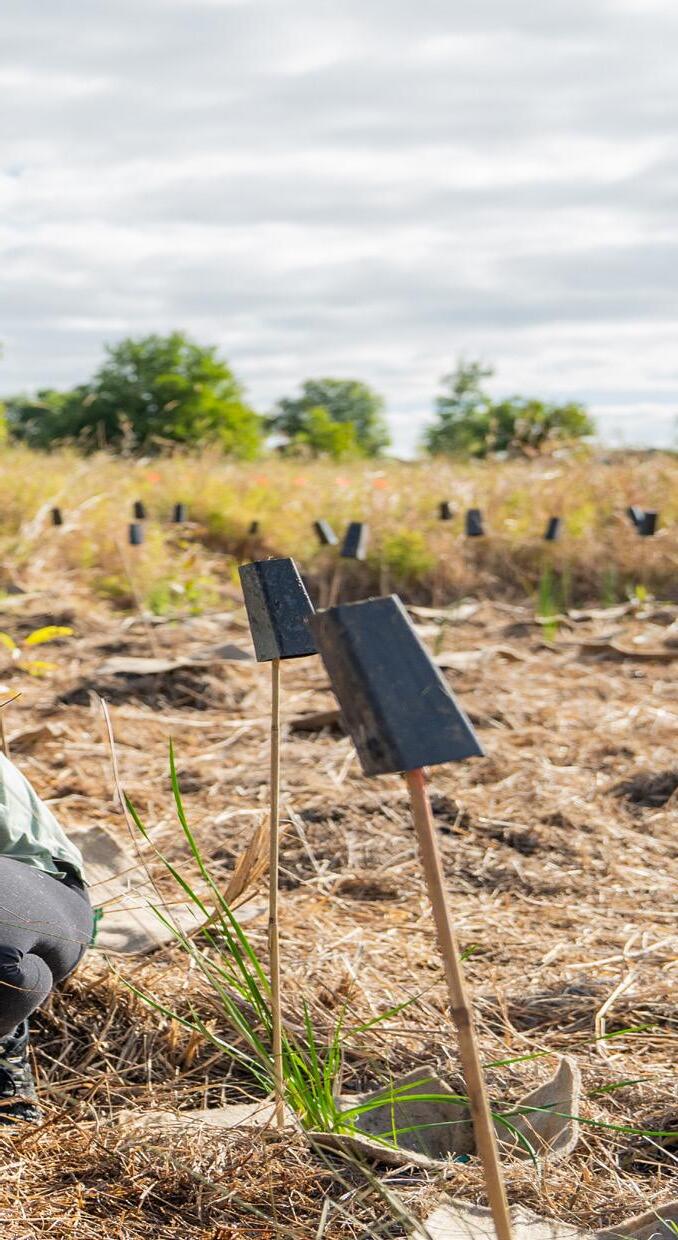
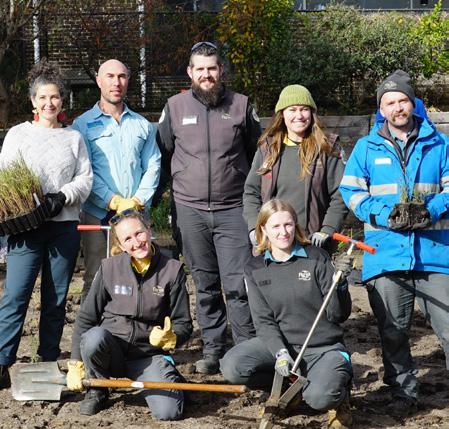
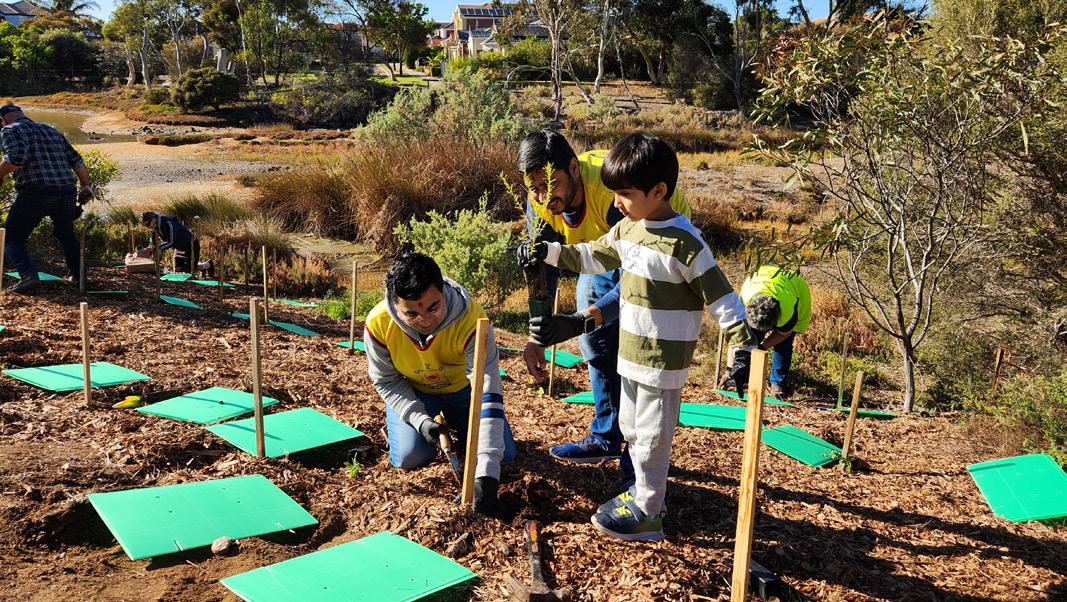
More than 100,000 native trees, shrubs, and groundcovers have been planted across Australia through the 2024 Bupa Landcare Grants program, helping to green urban spaces, restore local ecosystems, and bring communities together.
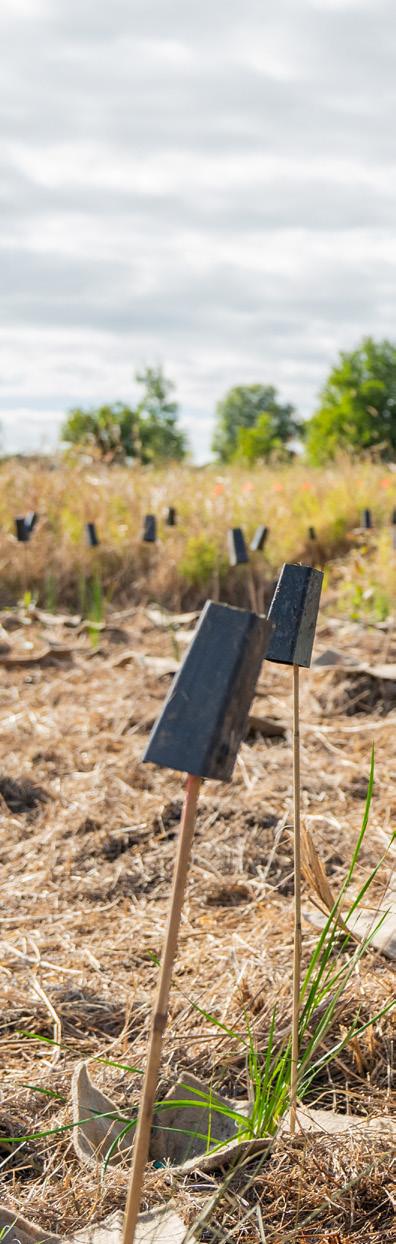
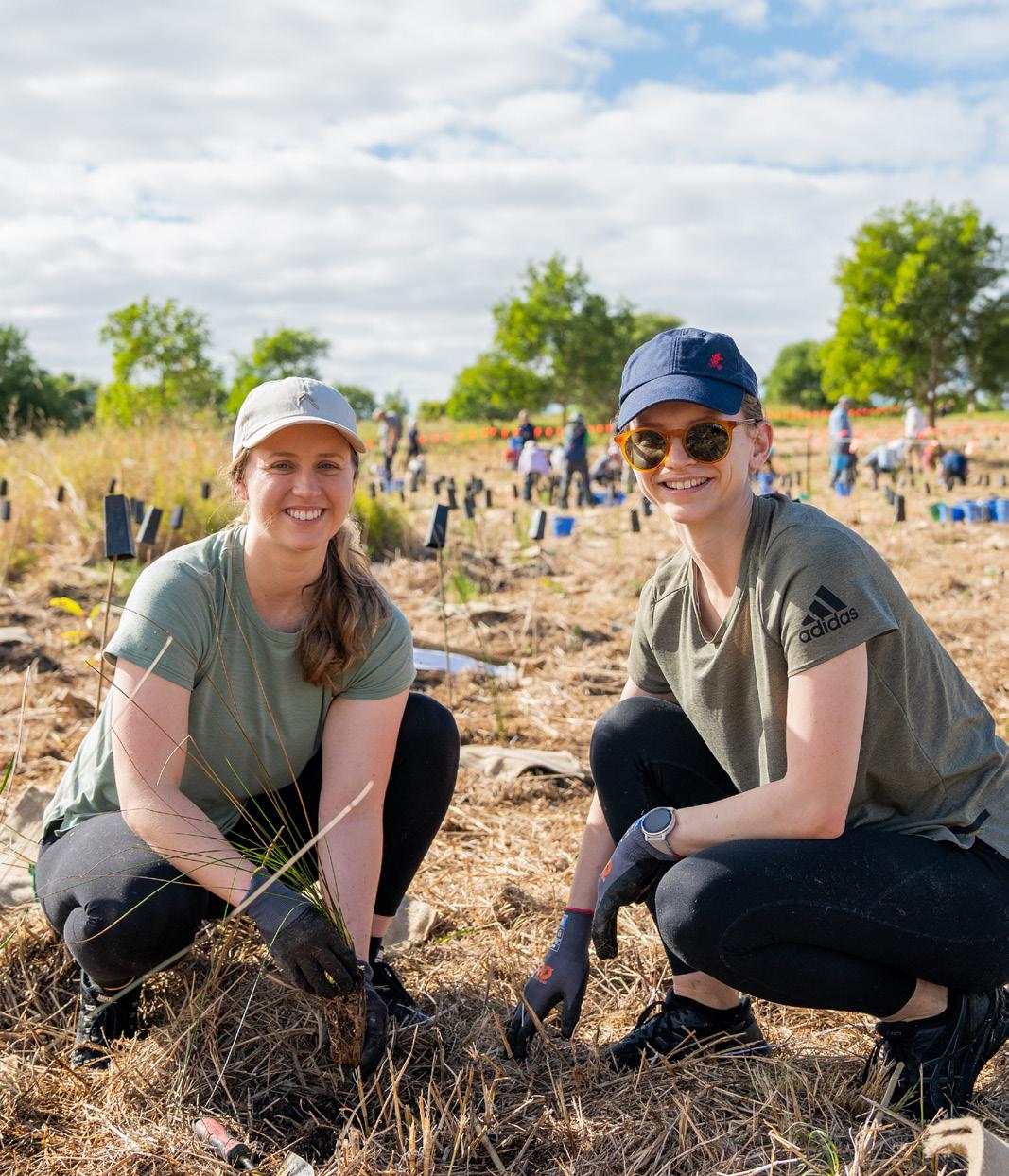
upa and Landcare Australia partnered to create the Bupa Landcare Grants program, supporting 33 projects funded in 2024 across the country in urban and peri-urban communities.
The program enhanced both environmental and health outcomes by planting locally endemic trees and shrubs, enhancing native vegetation connectivity, and creating new green spaces in urban areas. These efforts supported community wellbeing by offering local volunteers the opportunity to get active through landcare, which benefits both mental and physical health, and they create healthier, greener environments that encourage all community members to spend time outdoors and stay active.
In total, the projects achieved:
• 100,735 native trees, shrubs and groundcovers planted
• 163,000 square metres of weed control undertaken
• 16,487 volunteer hours contributed
• 5,540 community members attended planting days
• 102 hectares of public green spaces and parks enhanced
Here’s a look at some of the projects that transformed local patches:
Albert Park, Victoria: Port Phillip EcoCentre Inc. transformed a 400m² patch of degraded kikuyu grass into a thriving biodiversity corridor through the planting of 2,900 indigenous plants. This revegetation effort supports native pollinators and bird species, contributing to ecological connectivity between the Ngargee Tree Indigenous Cultural Heritage site and the Canterbury Road Urban Forest. Over 300 individuals, including students, teachers, parents, local residents, and corporate volunteers participated in planting events and site care.
Kiama, New South Wales: Landcare Illawarra successfully revegetated and expanded wildlife corridors while planting over 1,500 native trees, shrubs, groundcovers, vines, grasses, and ferns across five degraded public reserve sites located in high-traffic recreational areas. This contributes to expanded wildlife corridors for coastal fauna and will be actively maintained by local Landcare groups. The new plantings will improve habitat quality, support ecological connectivity, and enhance biodiversity adjacent to listed Threatened Ecological Communities.
Encounter Bay, South Australia: Biodiversity Victor Harbor Inc revegetated and improved habitat areas of the Bluff Reserve, a botanically, culturally, and geologically significant site on the urban fringe. Home to echidnas, kangaroos, Cunningham’s Skinks, more than 80 bird species, and 131 endemic plants, it faces erosion, habitat loss, and weeds. This revegetation project restores biodiversity, safeguards wildlife, and leaves a lasting legacy for future generations to enjoy.
Redlynch, Queensland: Treeforce Association Inc regained connectivity for the Freshwater Creek Wildlife Corridor, creating flow between Mount Whitfield and the Wet Tropics Rainforest Bio-regions. They planted over 1700 native seedlings supporting the endangered Lowlands Rainforest. Treeforce hosted 5 well attended community events and engaged over 180 volunteers of all ages in the project.
Claremont, Western Australia: Friends of Lake Claremont
Limited revegetated a barren site where Moreton fig trees infected with Polyphagous Shot-Hole Borer had to be removed. This project establishes a native ecosystem of diverse overstorey trees and understory. Replanting of the wetland buffer area with trees, shrubs and groundcover will re-establish a native ecosystem. This will provide additional habitat for local wildlife, including birds, possums, quendas, reptiles, amphibians and insects.
Following the success of the 2024 program, the Bupa Landcare Grants reopened for 2025, giving more community groups and organisations the opportunity to secure funding to plant native plants in urban and peri-urban communities. `
The Bupa Landcare Grants Program is an initiative of Bupa’s Healthy Cities program, which aims to deliver positive health outcomes for both people and the planet.
Read more about the funded projects, as part of the 2024 Bupa Landcare Grant Program here.
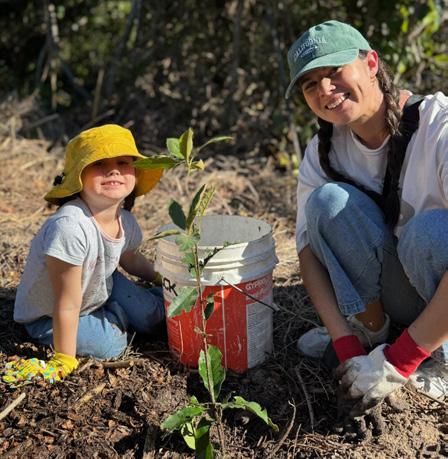
Left Port Phillip Eco Centre Top Right Friends of Pledger Wetlands Above Fingal Head Coastcare
Impact: The 2024 Landcare Australia Community Celebrating Local Grants Wrap-Up
aunched as part of 2024 Landcare Week, the Landcare Australia Community Grants program celebrated the 35year anniversary of landcare as a national movement and the establishment of Landcare Australia. The national formation of the landcare movement in 1989 at Wentworth NSW, brought farmers and conservationists together to resolve environmental issues. Landcare has transformed how Australians care for the land and each other and is now one of the largest volunteer movements in Australia.
Today, Landcare Australia’s mission continues. Protecting and restoring landscapes, supporting biodiversity, and empowering communities to make real, lasting change.
In 2024, the $300,000 Landcare Australia Community Grants program invited applications from landcare, ‘Friends of’, Bushcare, Coastcare, Dunecare and other communityled groups across Australia. The funding supported what matters most to landcare groups - local knowledge, hands-on action, biodiversity restoration, and meaningful community engagement.
Twenty-six groups across seven states and territories received grants of $5,000–$20,000, delivering impactful projects that strengthen ecosystems, deepen cultural knowledge, and mobilise volunteers.
Here are just a few of the highlights from the 2024 Landcare Australia Community Grants Program.
To find out more about the projects in the 2024 Landcare Australia Community Grants Program – visit our website: www.landcareaustralia.org.au/grant/2024-landcare-australiacommunity-grants
Weed Busting
Square metres (m2) of weeding control undertaken
An area of 75 hectares which is about the size of 108 footy ovals, or more than 1,200 Aussie house blocks!
Planting & Propagating
Established more than 30,500 plants & propagated over 9,000 more
Habitat Boosting
27 nest boxes & artificial habitats installed
11 biodiversity surveys were conducted to better understand the species we’re protecting
685 metres of fencing to safeguard sensitive areas were installed
People, Communities & Knowledge Sharing
735 volunteers who’ve generously given 11,215 hours of their time
100 Junior Landcarers stepping up to get involved & their hands dirty
1,272 people and their community groups at the heart of the grants programdriving it forward
Project Highlights
Capertee Valley Landcare:
Aboriginal Land Management Experience
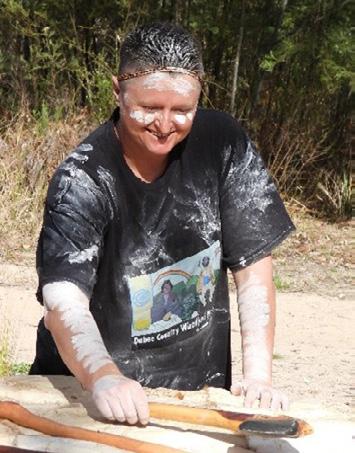
Capertee Valley Landcare partnered with the Dabee/Wiradjuri community to deepen local understanding of Indigenous land management as part of their long-term restoration of Glen Davis Reserve. Using a $7,500 Landcare Australia Community Grant, the project delivered cultural learning experiences - bush tucker walks, artefact identification, Wiradjuri language and song, and on-Country knowledge sharing. Led by Emma Syme from the North East Wiradjuri Company Ltd, the program is strengthening relationships, improving land stewardship, and supporting culturally informed regeneration practices.
Springbrook Weedbusters:
Community Engagement and Koala Habitat Restoration
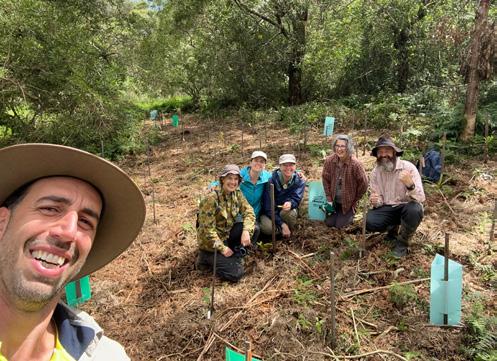
Springbrook Weedbusters delivered a standout year of volunteer mobilisation and habitat restoration. With six major events and monthly bush-regeneration sessions, the group planted 250 native trees, expanded their volunteer network, and engaged 144 community members, double their original goal. Plant-labelling activities improved local botanical knowledge, while two “Caring for Country” sessions with Traditional Owners enriched cultural understanding. The project strengthened community participation and accelerated restoration of important wildlife habitat, including koala movement corridors.
Hills Biodiversity Inc:
Restoring the Springs Road Water Reserve
Hills Biodiversity Inc is revitalising the Springs Road Water Reserve, an ecologically important grassy woodland impacted by grazing and invasive weeds. Supported by their Landcare Australia Community Grant, the group is clearing exotic species, encouraging natural regeneration, restoring soil health, and undertaking targeted plantings. As part of the broader “Springs to Summit” initiative, the project will enhance habitat connectivity with Mt Barker Summit Reserve and support the return of threatened flora and fauna.


Mount Roland Land Care:
Why is the Giant Freshwater Crayfish crossing the road?
Mount Roland Landcare is uncovering why the endangered Giant Freshwater Crayfish (GFC) sometimes crosses roads instead of using nearby culverts. Building on earlier research, their $10,000 grant supported remote-camera and scanning technology that revealed the species can move downstream through culverts but struggles to travel upstream in round, plastic designs. The findings are believed to be firstof-their-kind, highlighting infrastructure improvements needed to protect this iconic Tasmanian species.
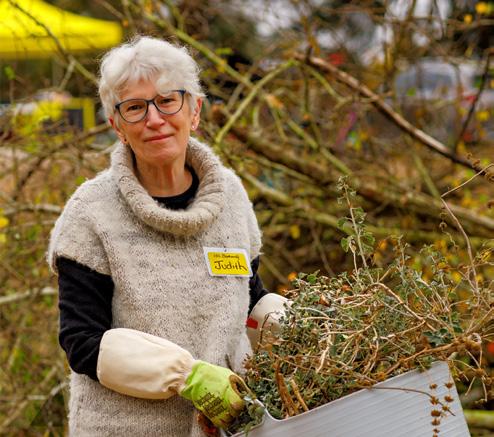
Right column (top) Carpertee Valley Landcare - Emma Syme Cultural experience and tools
Right column (middle) Springbrook Weedbusters
Right column (bottom) Hills Biodiversity Inc - Drovers Rest
National Group Community Landcare Group Wins Champion Award at 35th Anniversary Clean Up Australia Day’s
ongratulations to Pioneer Catchment
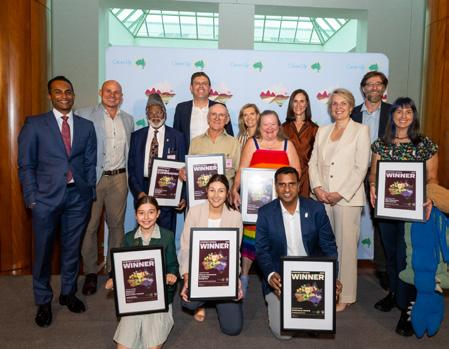
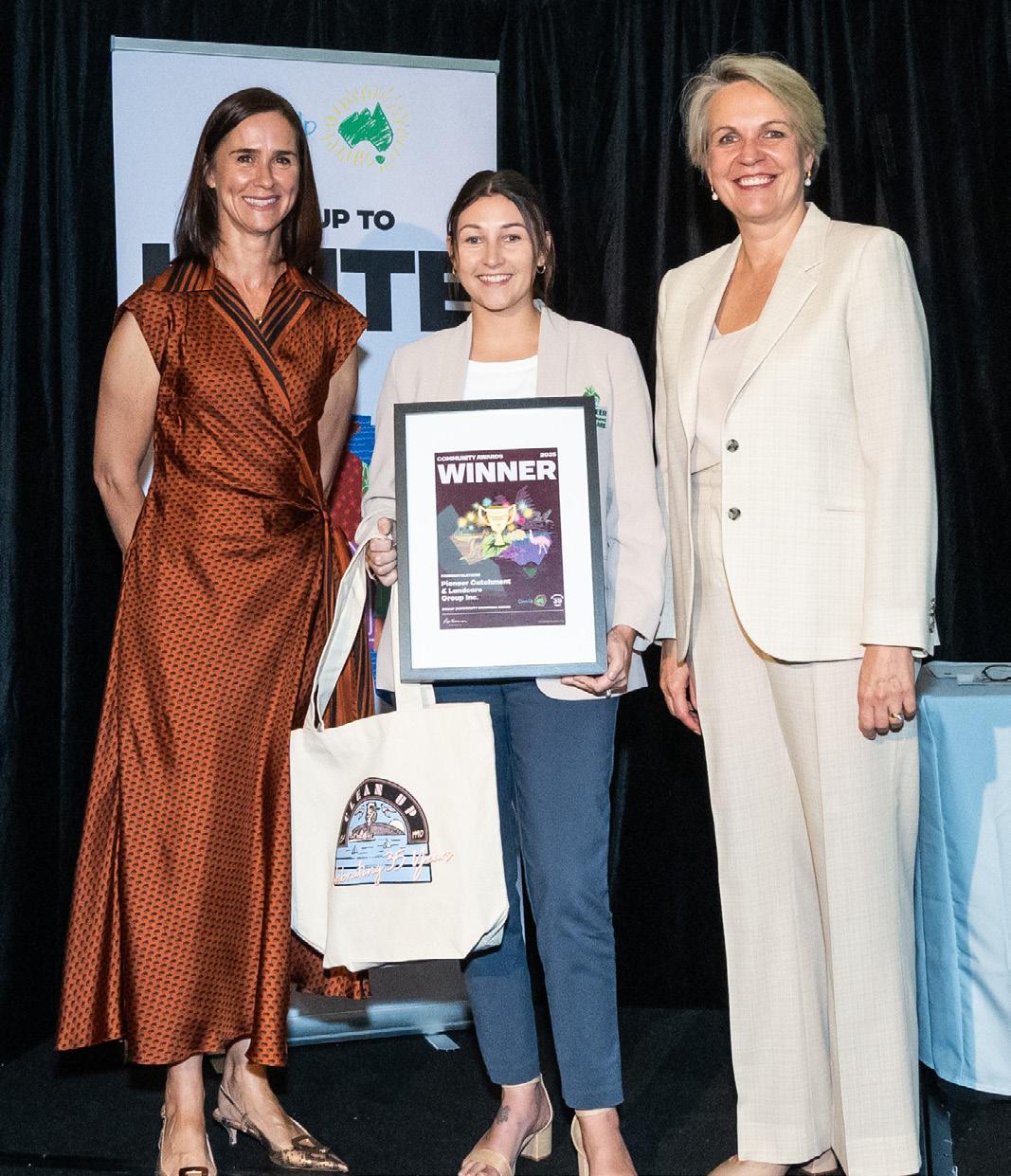
Landcare in Queensland for winning a prestigious Group Community Champion Award at the Clean Up Australia Day Awards in Canberra. This year marks the 35th anniversary of Clean Up Australia Day, making the honour even more special.
Pioneer Catchment Landcare Coordinator Nancy Pratt said the organisation has been a leader in on-ground environmental work in Mackay for many years, hosting four annual clean-ups at Harbour Beach and Pioneer River, as well as the large-scale Clean Up Australia Day event.
“This award is a testament to the dedication of our volunteers, staff, and community members who show up year after year to make a real difference,” Nancy Pratt said. “It’s an honour to be recognised for the work we do and to celebrate this milestone with Clean Up Australia.”
Beyond their clean-up efforts, Pioneer Catchment Landcare actively engages the community through education, conservation and restoration projects, and partnerships that improve our local biodiversity creating healthy landscapes and waterways. The award acknowledges not only the group’s past achievements but also its ongoing commitment to environmental sustainability.
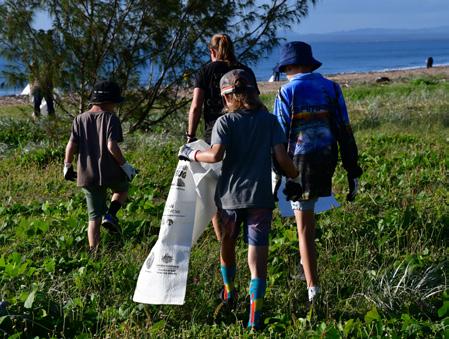
The group’s cleanups are part of ReefClean and the Landcare Support Program, funded by Mackay Regional Council. ReefClean is funded by the Australian Government’s Reef Trust and is delivered by Tangaroa Blue Foundation in partnership with Pioneer Catchment Landcare along with Mackay Regional Council through the Landcare Support Program.
For more information, please visit www.pioneercatchment.org.au
Words by Eleanor Slade | Landcare Australia
Bottom Award winners across all categories
Feature Left to right - Pip Kiernan chair of Clean Up Australia, Taleah Virgona, The Hon. Tanya Plibersek
Top Clean up participants
Supporting Agriculture Biodiversity in Action: to Work in Harmony with Nature
ach year, September’s Biodiversity Month provides a timely reminder of the role Landcare groups, agricultural communities, farmers, graziers, and land managers play in looking after Australia’s natural environment. The Biodiversity in Action program, which Landcare Agriculture launched in September, demonstrates this commitment and is active across five states.
With almost $1 million awarded to 11 three-year projects, the Biodiversity in Action program is designed to trial, groundtruth, and demonstrate practical, evidence-based methods for managing biodiversity in agricultural landscapes. Importantly, these projects are co-designed with producers, landcare and farming groups, scientists, and extension specialists to ensure they are grounded in real-world agricultural systems.
Diverse Projects, Shared Goals
The 11 funded projects are testing a wide range of activities, in diverse regions and industries:
Victoria: Restoring wetlands and habitats for threatened species, while running habitat management training for producers.
New South Wales: Supporting on-farm biodiversity planning and monitoring, with links to emerging biodiversity and natural capital markets.
Queensland: Demonstrating Integrated Pest Management in horticulture and co-designing Indigenous-led biodiversity monitoring with Traditional Owners in the Gulf.
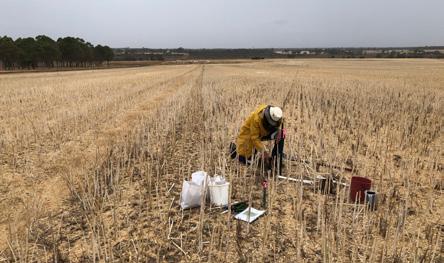
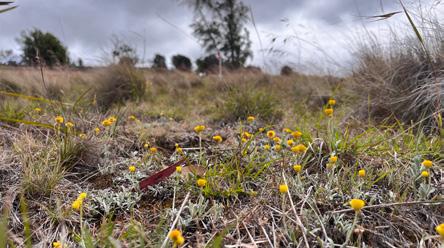
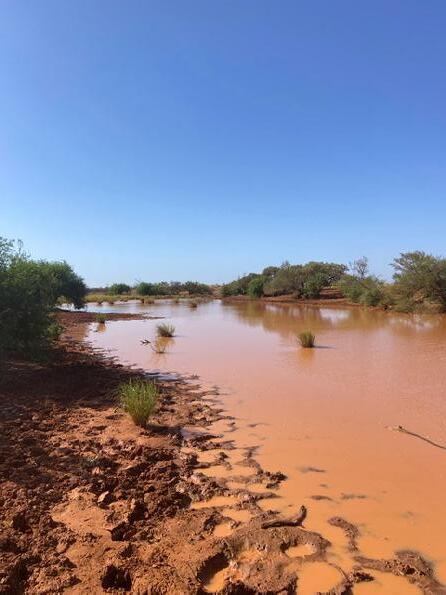
Western Australia: Running large-scale rangelands grazing trials, testing new monitoring tools such as eDNA and Accounting for Nature assessments.
Tasmania: Restoring critically endangered Midlands native grasslands through grazing and fire trials, backed by university research.
Although the methods vary, all projects share similar objectives: to give producers the knowledge, skills, and confidence to measure, manage, and manage biodiversity on-farm in ways that support both environmental and business outcomes.
Science and Technology in Agriculture
A key feature of the program is the integration of applied science and technology with practical land management in agricultural businesses. Tools being trialled include vegetation and soil monitoring, drones, mobile apps, tools for understanding and managing on-farm emissions, and biodiversity metrics linked to farm business planning. These methods provide producers with robust, accessible information for decision-making while also generating data for natural capital accounting and potential ecosystem services markets.
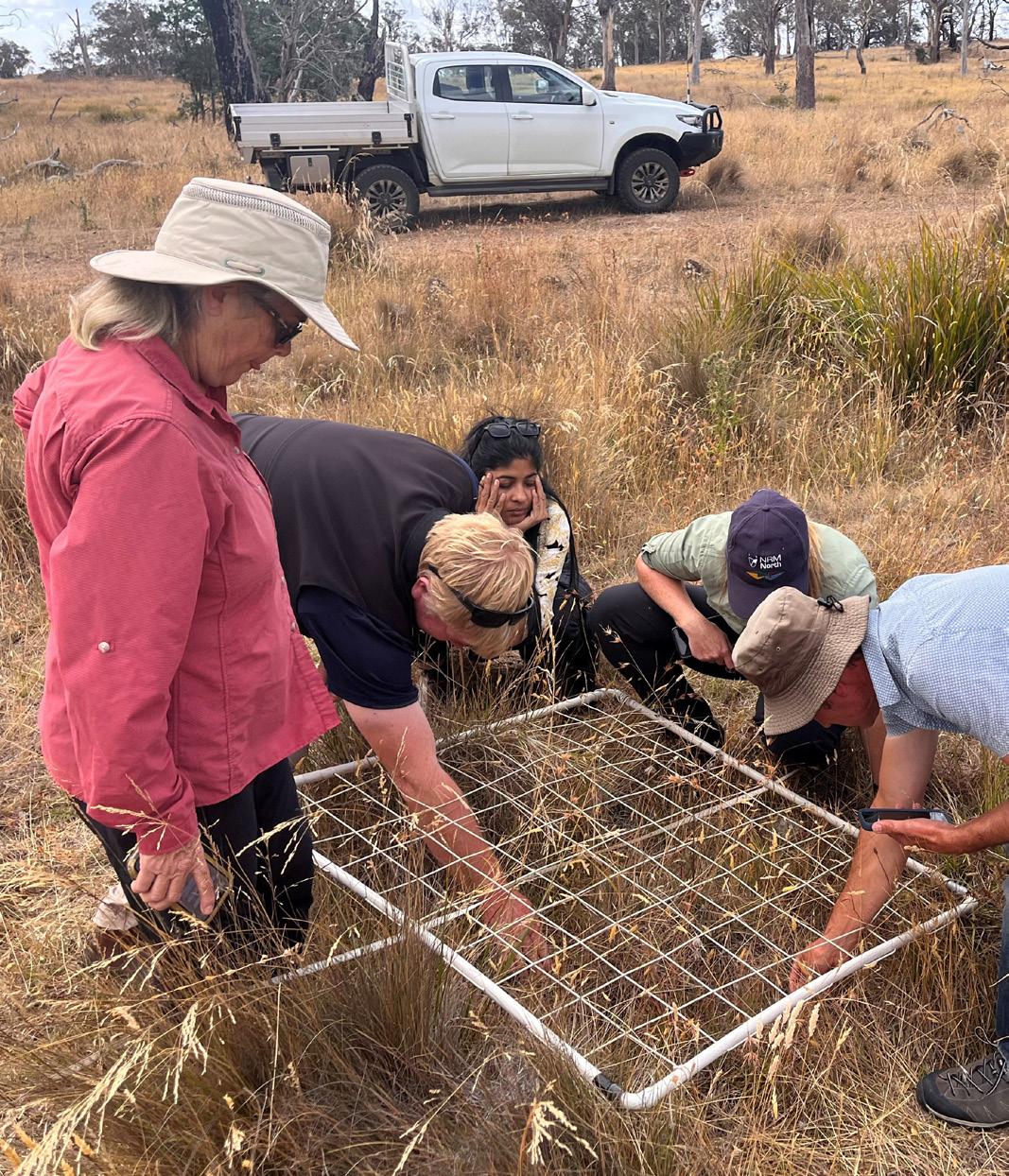
Feature Tasmanian Land Conservancy - John and Isabelle Atkinson at Maitland, with Matt Appleby, BHA Ecologist
Why Producers are Engaging with the Projects
For pastoral regions in remote Western Australia, the motivation is clear - Krystie Bremer, from the Gascoyne Catchments Group (WA), explained:
“The funding opportunity aligned well with our current focus of empowering landholders across the region. We want to build a deeper understanding of plant species and the role they play in biodiversity, while also increasing awareness of the need to monitor landscapes in different ways.”
She added that for pastoralists managing vast and unique landscapes, biodiversity is integral to maintaining land and water systems:
“Through this project, we hope land managers will see first-hand the benefits of managing biodiversity areas differently. It’s a chance to demonstrate the benefits of monitoring and how it can capture the story of land management, rehabilitation, and rehydration practices over time.”
Building Confidence and Pathways to Markets
As the projects gain traction, consistent goals and themes are emerging:
Producer capability: building farmer awareness and confidence in biodiversity management through training and peer-to-peer learning.
On-ground improvements: monitoring native species, soil biology, and landscape function to demonstrate practical gains.
Networks: strengthening collaborations between producers, Landcare groups, scientists, and industry.
Pathways to markets: exploring biodiversity metrics that could underpin future income streams through ecosystem services.
Why It Matters
Demand for support to implement Biodiversity management into agricultural business operations is strong - demonstrating the appetite among producers for practical, evidence-based approaches that can be integrated into everyday operations.
“It’s exciting to work with the Landcare Ag program that has a strong connection to agriculture and prioritises the value of partnerships. This innovative model of extension support ensures grant recipients can deliver projects to their full potential, while showcasing
outcomes that continue to shape the future of Australian
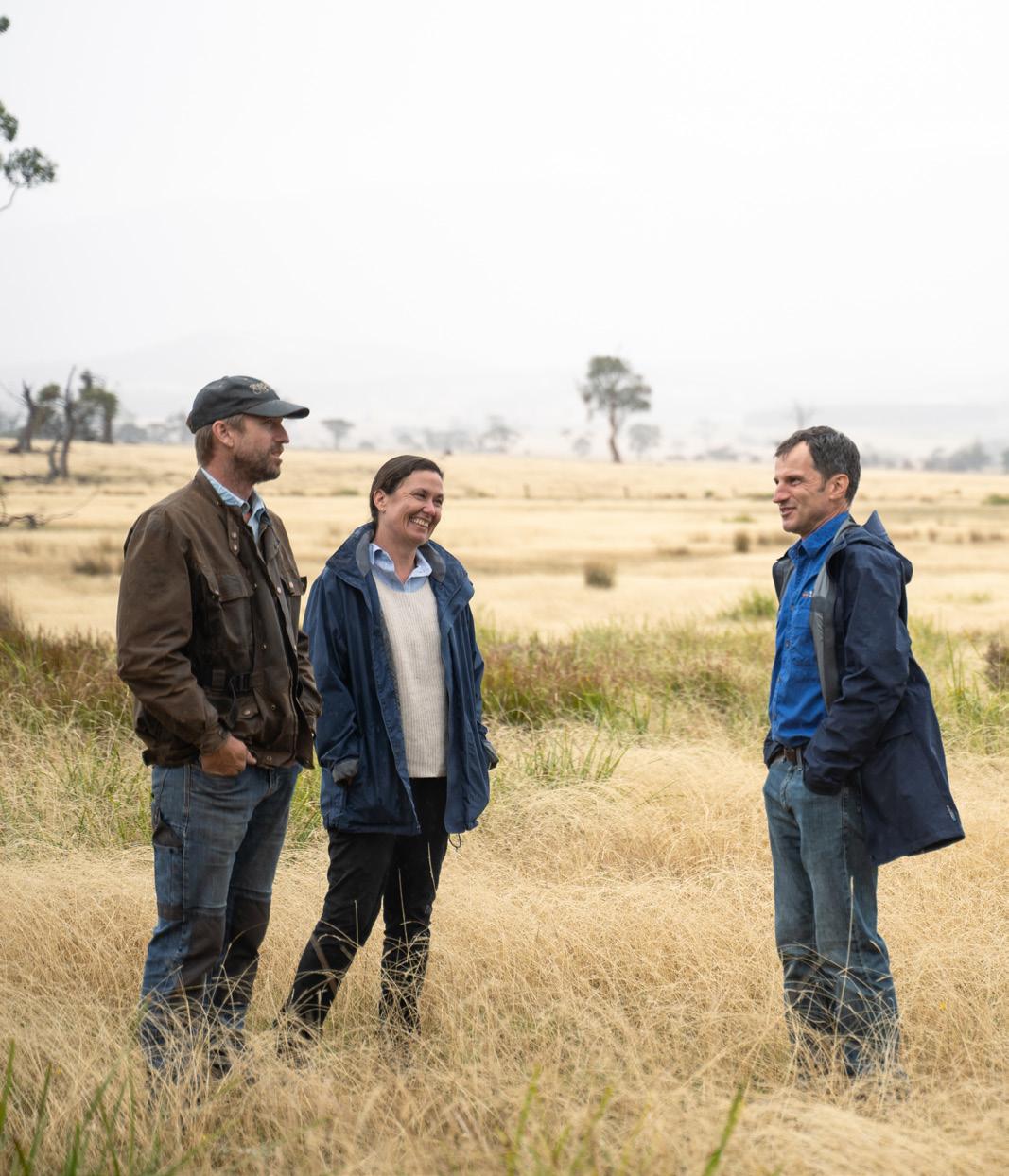
“Farmers want solutions that are credible, practical, and profitable,” said Anne Alison of Three Rivers Landcare, NSW. “What’s exciting about Biodiversity in Action is that it doesn’t just test new practices - it builds producer confidence and connects biodiversity with farm business outcomes. That’s where we’ll see lasting change.”
Looking Ahead
Over the next three years, results will be shared widely through field days, workshops, case studies, and digital platforms. By program’s end, there will be a stronger evidence base for biodiversity practices that are scientifically robust, economically viable, and practically achievable.
The Biodiversity in Action grants program demonstrates that biodiversity and agriculture are not competing priorities. With the right support, producers and agricultural communities from Dunedoo in the east to the Gascoyne in the west, Normanton in the north to Tasmania in the south, are showing how practical, science-based approaches can restore ecosystems, strengthen agricultural resilience, and deliver lasting outcomes for people and landscapes.
For regular updates visit www.landcareaustralia.org.au website or subscribe to the Landcare Ag newsletter.
Words by Eleanor Slade | Landcare Australia
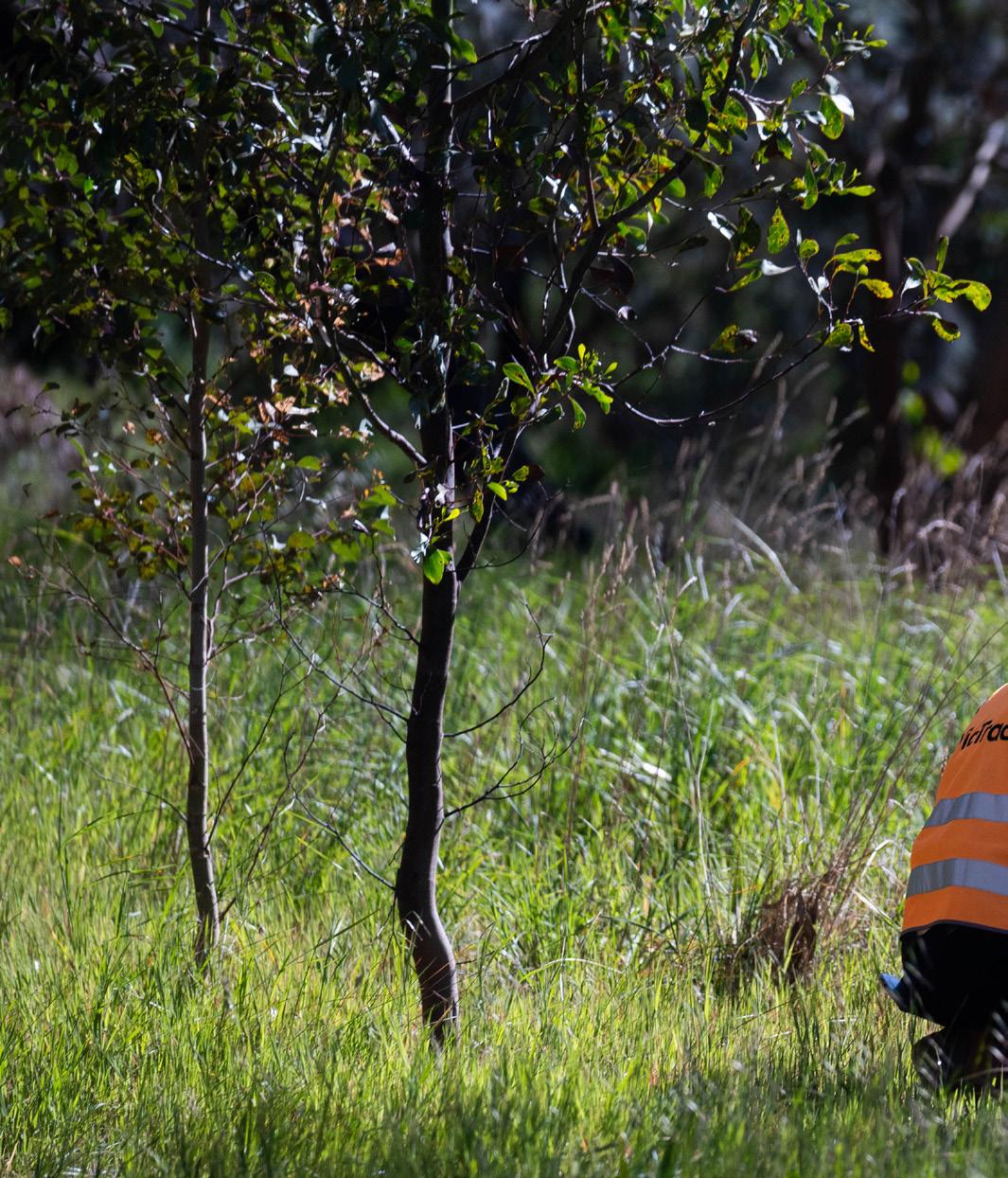
20 Years of Landcare Australia and VicTrack Partnership
VicTrack is celebrating 20 years of successful collaboration with Landcare Australia’s Corporate Partnership Program.
Words
by Louise Reynolds | VicTrack
Image VicTrack employees on a site visit with the Bellarine Catchment Network, one of the group’s supported by VicTrack’s partnership with Landcare Australia.
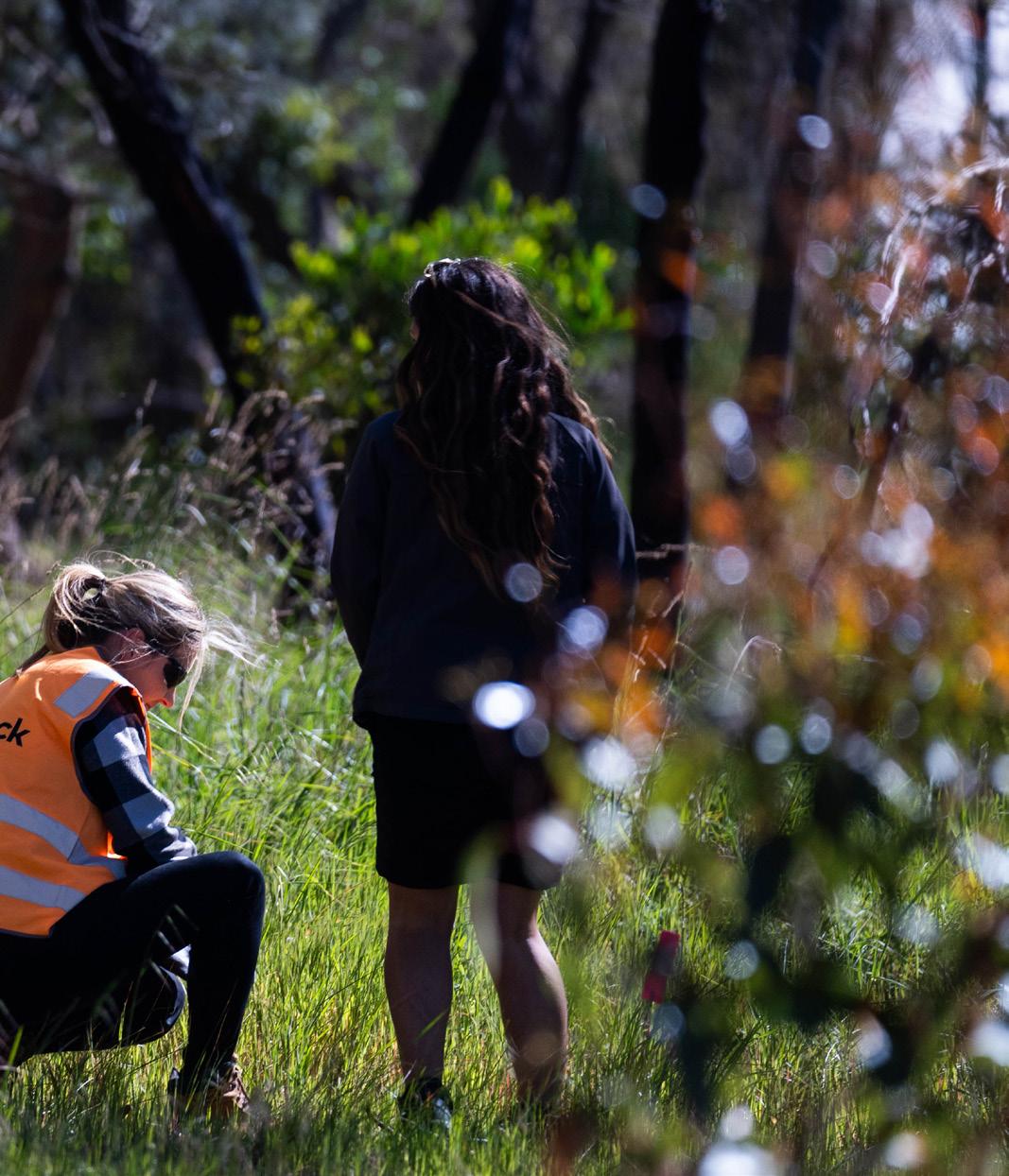
he two-decade-long partnership has supported many landcare groups across Victoria to work on VicTrack land, enabling the establishment of native species, removing invasive weeds, and engaging with local communities, First Nations organisations and schools, while achieving some great outcomes for the environment.
VicTrack, custodial owner of Victoria’s rail transport land, assets and infrastructure recognises the importance of preserving land in its care, explained Madelyn Nunn, VicTrack Acting Group Manager Environment.
“We work closely with landcare groups to protect and restore native grasslands in and around railway corridors,” she said.
“Our partnership with Landcare Australia reflects our commitment to making the most of our assets and supporting enhanced environmental outcomes with local communities.”
James Link, Landcare Australia’s Head of Corporate Partnerships said the partnership with VicTrack brings mutual benefits.
“The partnerships program we have with corporate partners, including VicTrack, is really important because it enables us to support landcare groups on the ground to do really impactful work in their local communities,” James said.
“And for VicTrack what better way to demonstrate that you are a committed land manager than to engage with local groups who really understand the land and know how to improve the biodiversity and harness that expertise to inform land management activities.”
In 2024–25 the partnership saw VicTrack fund six landcare projects. Across all projects, more than 1,200 volunteer hours were contributed to the conservation of VicTrack land with 198 hectares of weed control undertaken, 2,300 plants established, and 160 community events held.
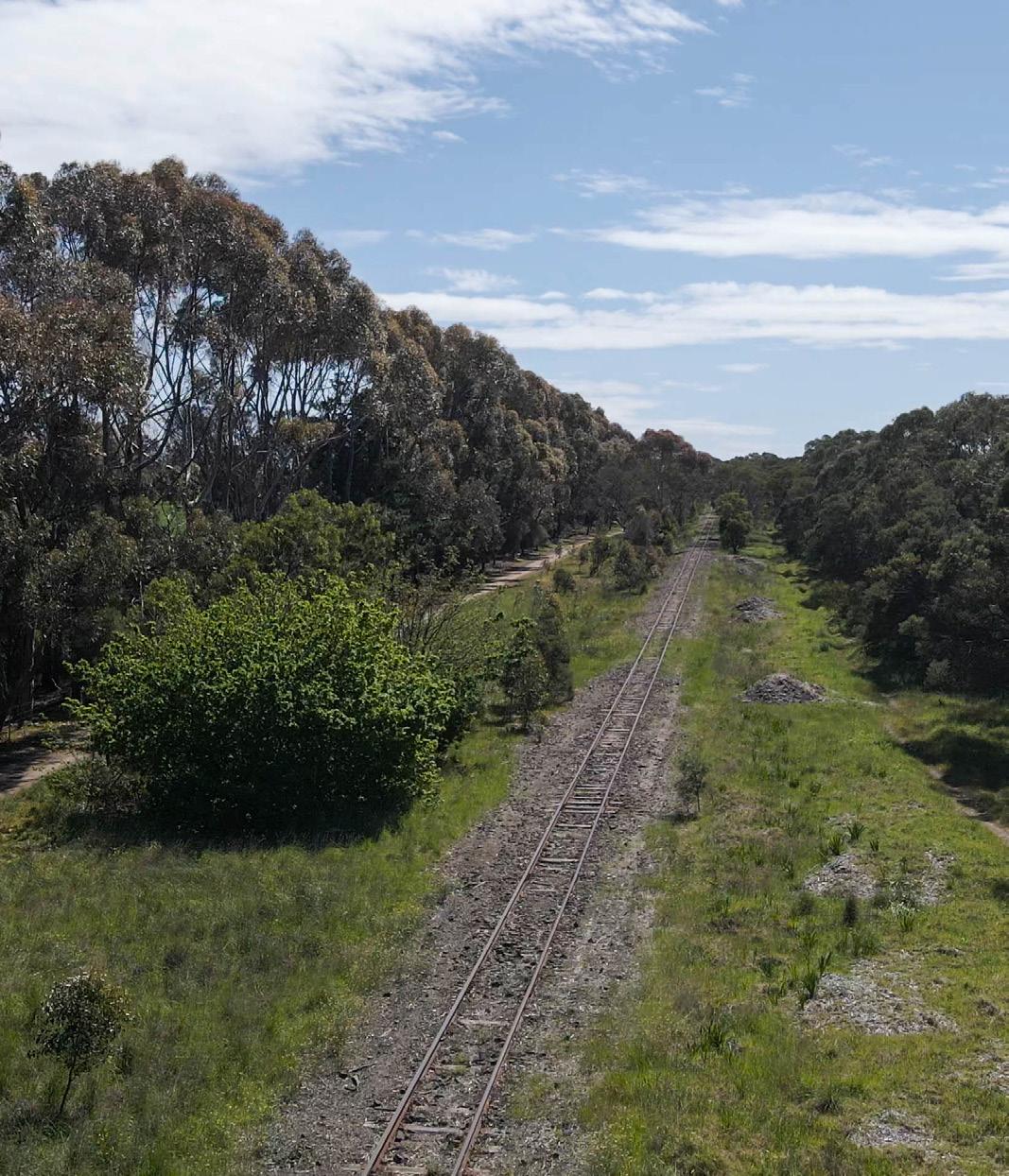
The Bellarine Catchment Network – a local landcare group operating on Victoria’s Bellarine Peninsula – has been working to reduce weed species and increase natural biodiversity along the Bellarine Rail Trail for around 19 years.
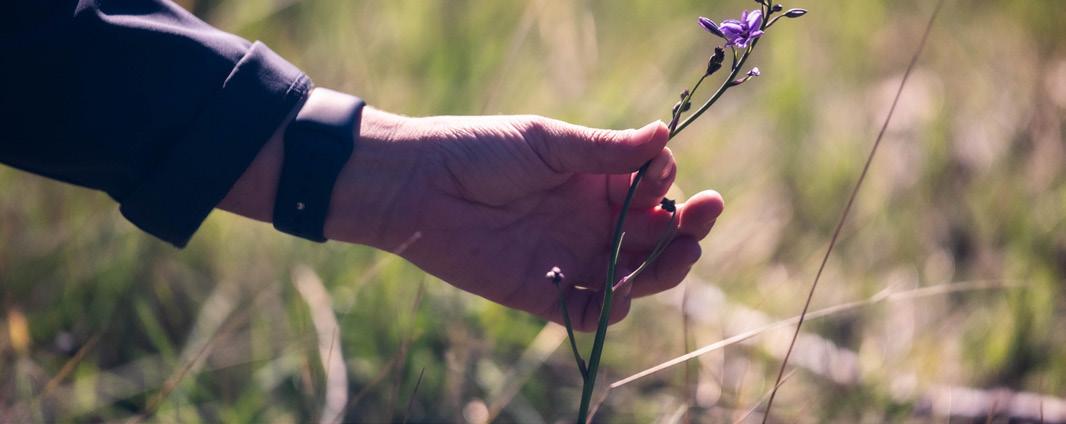
The VicTrack-funded project places a strong focus on community engagement. The group runs regular weed ‘Walk, gawk and talk’ sessions where landcare volunteers showcases local wildflowers and other species found along the rail trail. Invasive weeds, including gorse and broom, are removed by hand.
A recent planting day held in collaboration with the Bellarine Railway restored an area at Suma Park with indigenous shrubs, ground covers and herbs.
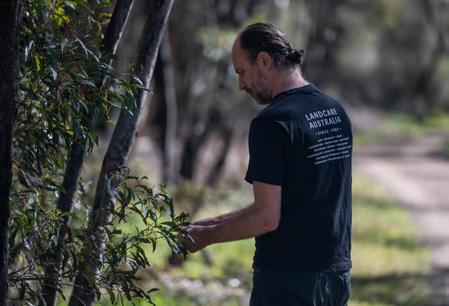
It’s been amazing to work on this project for so many years with many community groups getting involved, said Bellarine Catchment Network Acting Executive Officer, Naomi Wells. One of the best outcomes of this project is being able to present to the community all the biodiversity that is already here and is increasing.
As a result of our partnership with VicTrack biodiversity has increased. One area, previously filled with wild Watsonia, has been completely regenerated with indigenous kangaroo grass, weeping grass, and lilies. That has been amazing to witness.
Right feature Bellarine Rail Trail, Bellarine Catchment Network Left James Link, Head of Corporate Partnerships, Landcare Australia at Bellarine Rail Trail
VicTrack Grants supports revegetating the Stanhope-Girgarre Rail Trail
The Stanhope/Girgarre Land Protection Group, in north central Victoria, is a farmer based group focusing on local salinity and revegetation issues. In 2019, they received a VicTrack Landcare Grant to revegetate 3km of barren weed infested land with the goal of providing the final link in a north/south wildlife corridor between the Rushworth State Forest and Girgarre.
Located next to the main road, the land was unattractive and the project aimed to improve the aesthetics of the district as well as becoming a model for other landholders to emulate. It was envisioned that revegetation using plant species indigenous to the area would provide wildlife habitats to encourage indigenous fauna and that the project would inspire a new generation of children to connect with their environment and the community.
Working in collaboration with nine local groups and 90 volunteers, this project went from strength to strength with VicTrack continuing to fund the StanhopeGirgarre Rail Trail Revegetation Project in 2020, 2021, and 2024.
A look back: We found some projects VicTrack has supported
Upper Goulburn Landcare Network’s Pedalling the Great Victorian Rail Trail with Landcare Activities
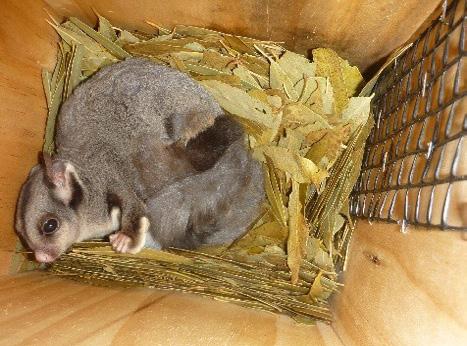
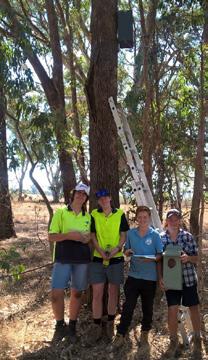
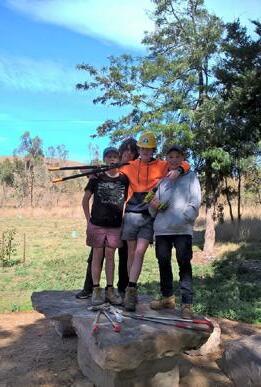
Since 2017, VicTrack Landcare Grants have supported the Upper Goulburn Landcare Network’s Pedalling the Great Victorian Rail Trail with Landcare project, enhancing biodiversity along the iconic trail in Central Victoria. They work across 85km of rail trail, from Tallarook to Mansfield. The trail acts as a vital wildlife corridor linking remnant bushland, waterways and forests. Funding has enabled weed control, habitat restoration and installation of nesting boxes for threatened species like the Brush-tailed Phascogale and Squirrel Glider. Supported by local schools, scouts and community landcare groups, the project combines ecological restoration with meaningful community engagement through wildflower and nature walks, bird surveys and planting days, strengthening connections between people and nature.
Basalt to Bay Landcare Network is a group of local landholders, and has been managing the Green Line since 2012
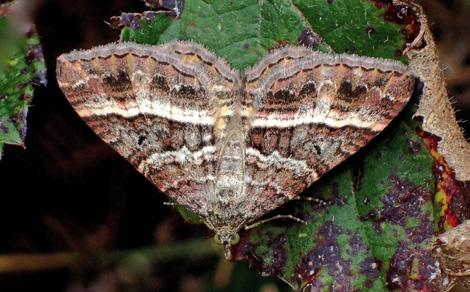
In March, an exciting discovery occurred on The Green Line when the Basalt to Bay Landcare Network Facilitator recorded a native moth which, according to iNaturalist and the Atlas of Living Australia, has not been recorded west of the Otways before. The moth does not have a common name, but its latin name is Chrysolarentia vicissata. This discovery means the VicTrack Green Line project contains the first ever recorded population of this moth in Victoria beyond the previously known extent since the 1800s, providing an excellent story telling opportunity to showcase VicTrack’s commitment to protecting biodiversity on its assets.
Image: Courtesy of Upper Goulburn Network
Image: Yea High School students installing and inspecting nest boxes
Image: iNaturalist - Photo 116008256, (c) johneichler Moth Chrysolarentia Vicissata
some inspiring environmental supported over the
In 2019 – 2020
VicTrack funding continued to support four existing projects and welcomed a further four projects to the program –including:
Hopetoun Habitat Haven
Hopetoun Landcare Group, Hopetoun
Hopetoun Landcare Group began work on VicTrack land in Hopetoun to control weeds, increase vital habitat and raise community awareness of endangered species of flora and fauna. The landcare group collaborated with local schools, Yarriambiack Shire Council and other local community groups to support the project.
Emerald Starbush Sustainability Project
Johns Hill Landcare Group, Emerald
Johns Hill Landcare Group worked to conserve and restore the endangered Emerald Starbush on VictTack land in Emerald. The landcare group collaborated with local organisations such as the Emerald Starbush Alliance, Cardinia Shire and Yellingbo and Koroit.
In 2018 – 2019
Habitat for the Southern Brown Bandicoot (Eastern population)
Western Port Catchment Landcare Network
The Western Port Catchment Landcare Network’s revegetation of Southern Brown Bandicoot habitat species, and worked closely with the Westernport Swamp Landcare Group, to focus on weed control to maintain the environmental values along the 14 hectares under VicTrack management.
The Green Line Basalt to Bay Landcare Network, Koroit
The Basalt to Bay Landcare Network’s Green Line project was a six-year investment from VicTrack, supporting a project in Western Victoria, managing and promoting the environmental and cultural heritage values along 37km of VicTrack land between Minhamite and Koroit.
Bellarine Tourist Rail
Bellarine Catchment Network, Drysdale
The Bellarine Catchment Network’s inspirational community engagement work on VicTrack land targeted pest rabbit populations and woody weeds. They worked closely with the Geelong Steam Preservation Society, to manage planting and growth of plants near key rail infrastructure such as crossings, and important tourist vistas.
Yan Yean VicTrack Reserve Project Whittlesea and Surrounds Blackberry Action Group, Yan Yean
Whittlesea and Surrounds Blackberry Action Group worked to control the growth, spread and establishment of Catchment and Land Protection (CaLP) Act listed noxious weeds along an 8km section of VicTrack land between Whittlesea and Mernda. This weed control work has supported critically endangered vegetation communities including native grasslands and grassy woodlands that contain regionally and nationally threatened species such as the Matted Flax-lily (Dianella amoena) and habitat for the Striped Legless Lizard (Delma impar), Swift Parrot (Lathamus discolor) and Golden Sun-moth (Synemon plana)
Cronomby Cultural Connect Woomelang Lascelles Landcare Group, Woomelang
The Woomelang Lascelles Landcare Group improved the condition of VicTrack land in Woomelang through weed control, community awareness raising and walking tracks to reduce tramping of the endangered Ridged Plains Mallee vegetation. The group worked closely with the local community and council to complete the works.
Words by Eleanor Slade | Landcare Australia
For more information, please visit www.landcareaustralia.org.au/partner/victrack
Image: Scar Tree located on the Green Line, near Woolsthorpe.
(Photo: Basalt to Bay Landcare Network)
A Dedicated Force for Kingston Beach Coastcare
Tasmania’s Coastlines
Winners of the 2025 Greyhound Coastcare Award
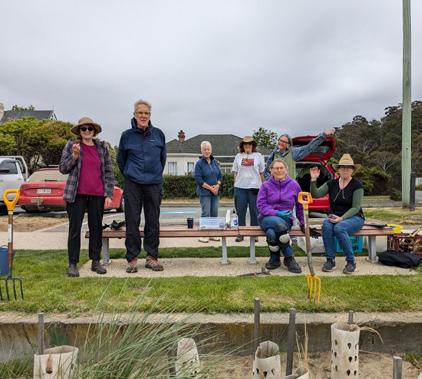
“It is a huge honour for our group to be recognised at the national level,” says Kingston Beach Coastcare Convenor, Barbara Marshall, reflecting on the group’s recent win at the 2025 National Landcare Awards. “I’m certain there are many Coastcare groups working around Australia that are equally deserving of this recognition, yet we have been chosen.”
For Barbara, the award not only celebrates their achievements but also shines a light on the countless volunteers around Australia who quietly carry out their work with the only thought of reward being the results they see and the joy of working with like-minded people. “This award has stimulated my curiosity about the work of other Coastcare groups around Australia and stretched my advocacy muscle,” she adds.
Pride, Purpose and Persistence
“This award has made our volunteers proud and brought increased public attention to the group, our work and the areas we look after,” Barbara says. “It has highlighted the significance of our achievements and hopefully motivated more in the local community to join us in caring for our local environment.”
The win, she says, best represents Kingston Beach Coastcare’s persistent effort over 25 years. “It’s the tortoise who wins the race. Taking small manageable steps regularly over a long period of time has been key to our success both on the ground and as a team. We’re in it for the long term.”
Barbara reminds her volunteers that self-care is as vital as their environmental work. “We give our time and energy freely and generously; therefore, we owe it to ourselves to sustain our energy and enthusiasm over the long term. Results are important, but more important is the process.”
Transforming the Coastline
Two major projects stand out. The Tyndall Beach Coastal Erosion Mitigation Project has been particularly significant. “In 2002 this area was practically devoid of native vegetation except for a few mature pine trees,” Barbara explains. “Our founding convenor Jane Bamford and her team started planting here in 2002, and by 2015 the eucalypts and banksias had all matured, but the understorey needed to be expanded.”
When the current group took over in 2021, they progressively expanded plantings and managed weeds. “The rapid growth of the understory in the past four years has been very satisfying to witness,” Barbara says. “We felt it was important for us to help mitigate the effects of erosion caused by climate change but also to improve the appearance of this entrance to Tyndall Beach. We receive regular remarks on how much better the area looks these days.”
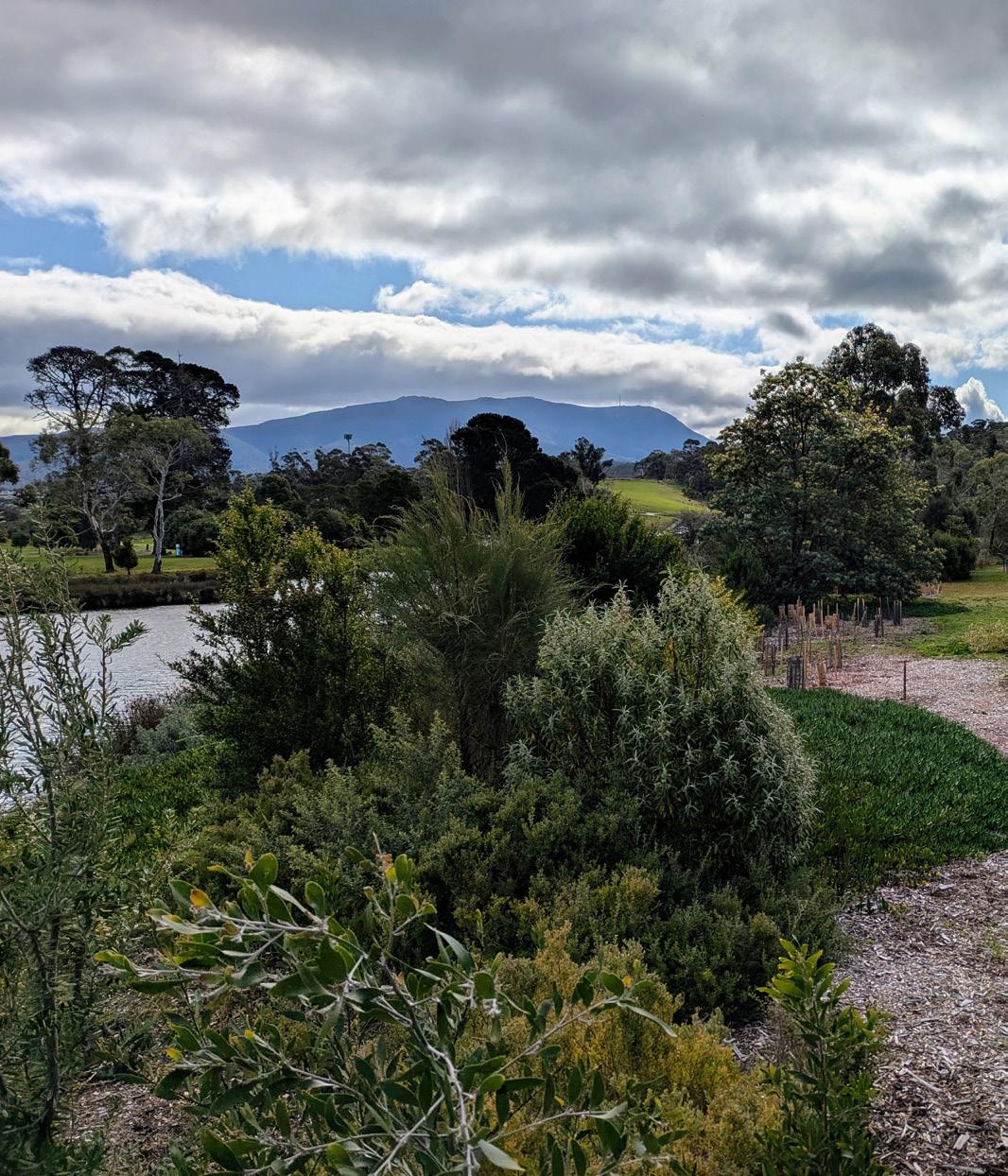
The second major initiative is the promenalinah/ Browns River Saltmarsh Project. “Guided by Kingborough Council Natural Areas and Biodiversity staff, our team set about restoring the saltmarsh buffer zone in 2020,” she explains. “Now the entire buffer zone in this reserve is planted out with hundreds of tubestock and is absolutely thriving.”
Nurturing Nature Back to Life
“Where there were plentiful weeds and bare patches of earth, there are now flourishing areas of native coastal biodiversity,” Barbara says proudly. “Many invasive weeds are now under effective control. The saltmarsh buffer zone is transformed from a weedy mess into a richly biodiverse area. Tyndall Beach now has an extensive native coastal vegetation buffer zone to help mitigate the effects of increasing coastal erosion.”
Their efforts even extend offshore. “Our efforts to remove the invasive Northern Pacific Sea Star from the waters at our beaches have reduced the negative impact of this seastar.”
Rebuilding a Community
As convenor, Barbara has seen the group through both challenging and rewarding times. “Lack of active membership was our biggest issue in late 2018,” she recalls. “Almost all our active volunteers finished up.”
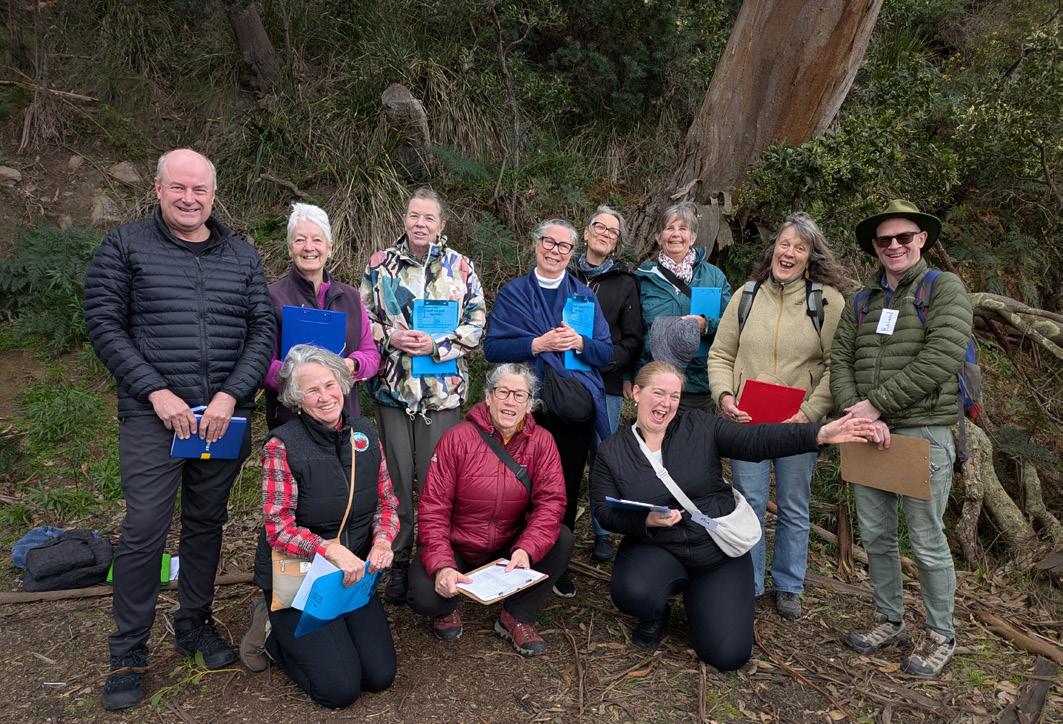
To turn things around, Barbara prioritised recruitment. “We manned a stall at a community event and had conversations with the public. As a result, our email list doubled, and we engaged some very keen individuals who are still highly dedicated today. Their enthusiasm and commitment gave me the confidence to plan monthly working bees. Today we continue to experience healthy growth in membership.”
She’s also proud of the “wonderful Coastcare community” that has formed. “It gives me great pleasure to see the continual blossoming of friendships in our group.”
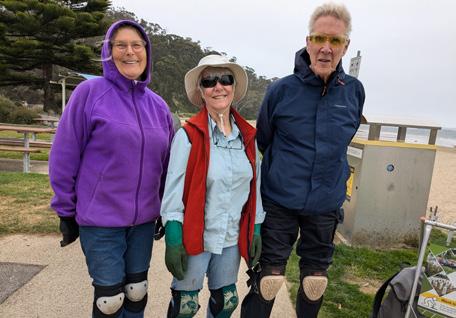
Youth and Cultural Connection
Young people and First Nations perspectives play an important role. “We have collaborated with Tasmanian Student Landcare, and a 15-year-old boy who is Environment Leader at his school has recently joined our group,” Barbara says.
She adds, “We respect First Nations history, artefacts, people, language and culture. One area at the end of Tyndall Beach was identified as an Aboriginal heritage site and is protected. We liaise with palawa woman Nicole King from South East Tasmanian Aboriginal Corporation to exploit opportunities for collaboration.”
Welcoming Everyone to Coastcare
Barbara’s approach to community engagement is inclusive and creative. “I try to encourage people in my community to get involved by being a visible presence,” she says. “We have a public Facebook group, monthly updates with a friendly tone, and a yearly schedule of events so members can lock in dates in advance.”
Kingston Beach Coastcare also finds ways to mix fun, creativity and mindfulness with care for the environment. “We’ve run basketmaking with weeds, natural mandalas, nature journalling and walking meditation activities,” Barbara says. “We promote Council’s ‘Dose of Nature’ program which seeks to get people outside connected with nature, themselves and each other.”
Being an informal group helps too. “Members frequently tell me this is an attractive feature because there is no pressure to take on formal administrative responsibilities. We have no membership fees or formal meetings.”
The Power of Education
Barbara hopes the award will open new doors for funding. “Considering the value of community landcare and its many benefits, it seems logical to invest in the ongoing and targeted education of its volunteers,” she says. “More frequent educational events for our members can be provided inexpensively with a little thought and collaboration with our supporters, partners and others.”
Looking Ahead
“I would love to see further growth in networking, social connection and educational opportunities amongst the 24 landcare groups in our Kingborough municipality,” Barbara says. “We have seen significant improvement in networking activity with healthy attendance at our Kingborough Landcare Network meetings.”
KBC also has a small grant from the Tasmanian Landcare Fund for iNaturalist and plant identification training. “We hope that we can win further grants to enable us to offer more of what our members need in terms of education,” she adds. “Many of Kingborough’s landcare groups, including KBC, need more younger members, and this is an ongoing challenge.”
A Message for landcarers
Her advice to others is simple but profound: “Don’t be in a rush to change the world overnight. Look carefully at your local area and notice what needs a helping hand. Take your time, observe, build relationships and trust. Think about the longterm outcomes you want. Start your own landcare group!”
And her final message to fellow Australians:
“There is no higher responsibility than caring for our environment in our lifetimes. In caring for nature, we care for ourselves and each other. The more we care, the better life is for all beings on this planet.”
Words by Eleanor Slade | Landcare Australia
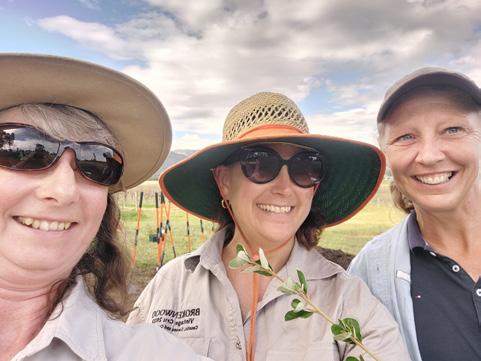
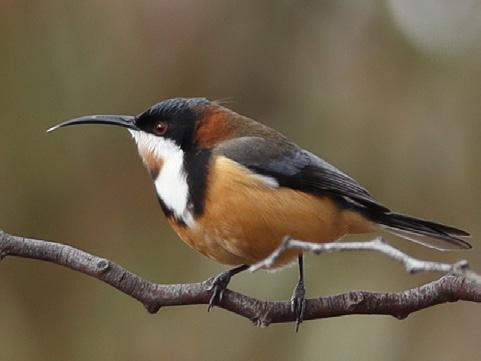
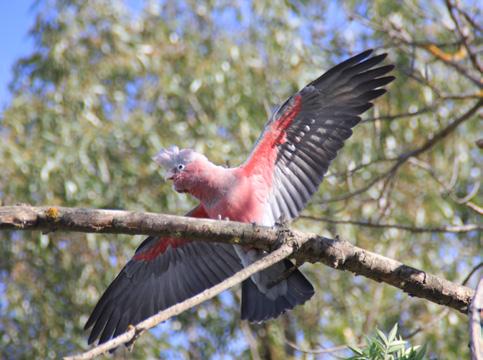
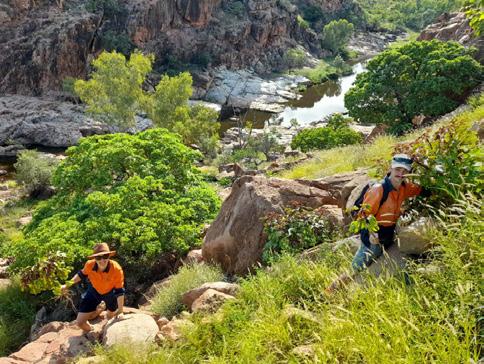
2025 Landcare Through the Lens
Landcarers from across the country submitted a photo of what landcare means to them during this year’s Landcare Week campaign– from restoration projects, volunteers in action, sustainable agriculture, community spirit and stunning photos of our native fauna, flora and landscapes.
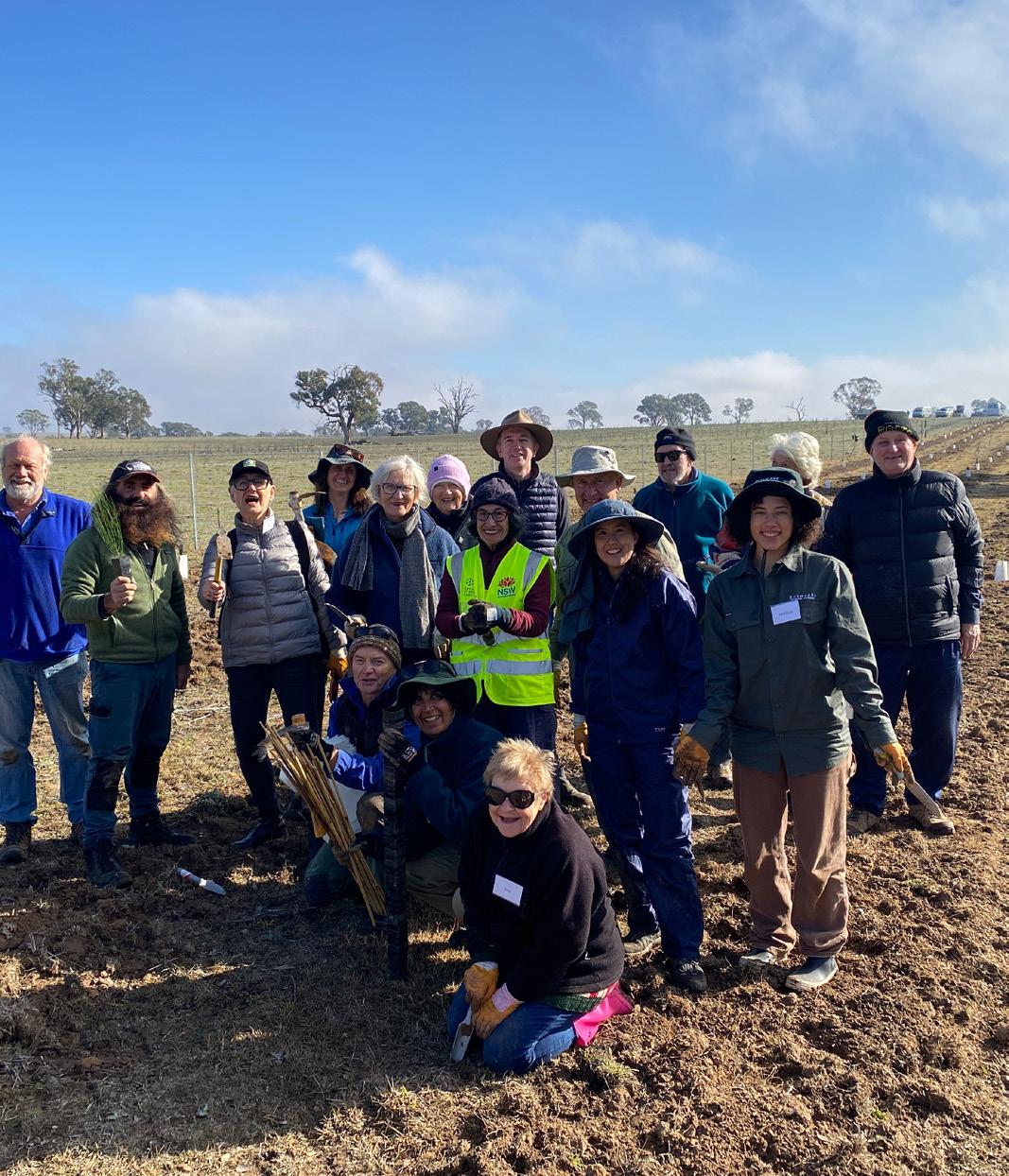
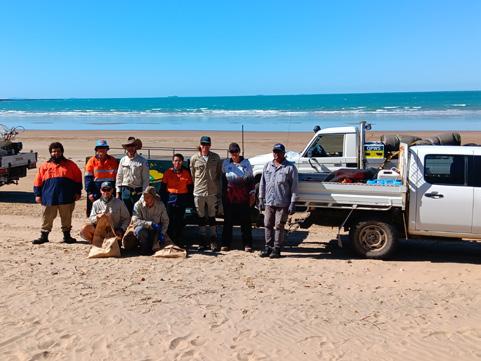
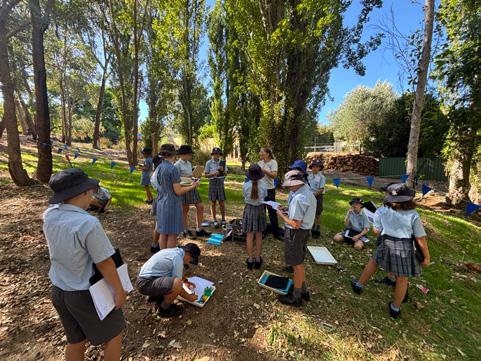
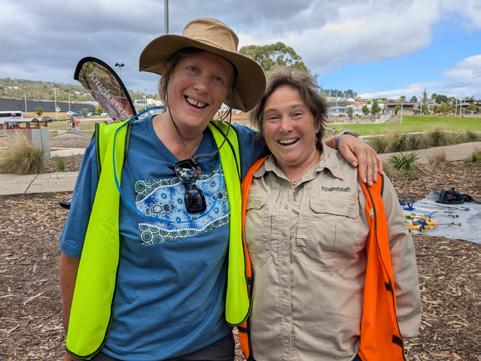
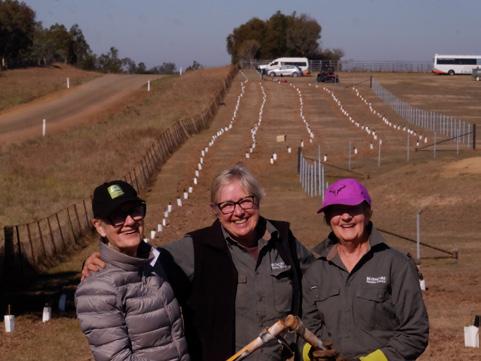
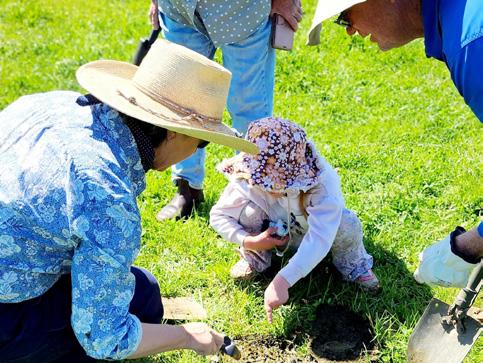
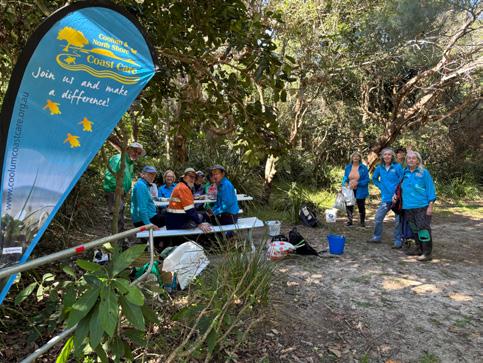
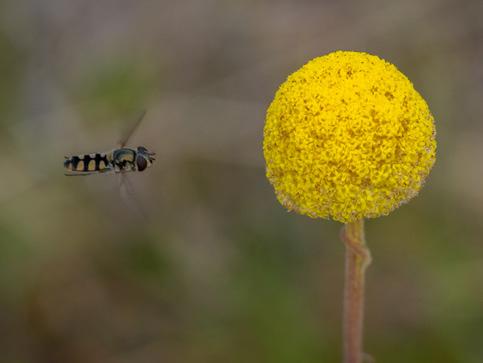
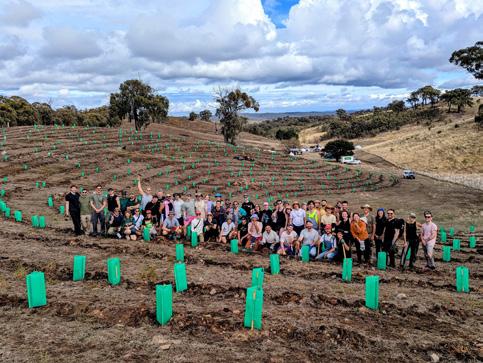
To view more images from the 2025 Landcare Through The Lens campaign, please visit: https://www.facebook.com/landcareaustralia/
Images
Photo submissions from the 2025 Landcare Through The Lens campaign
on The Ground! Powering Landcare
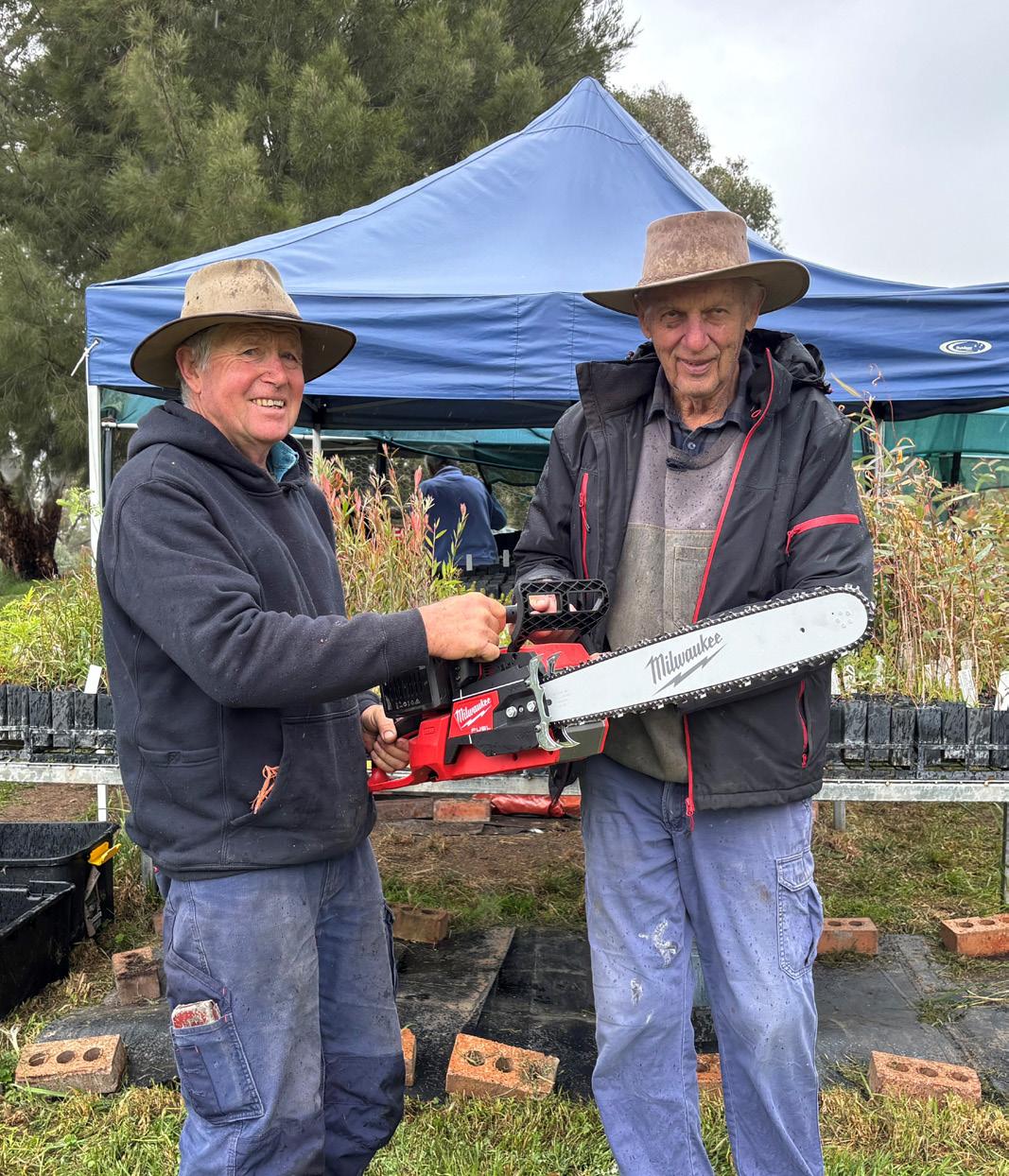
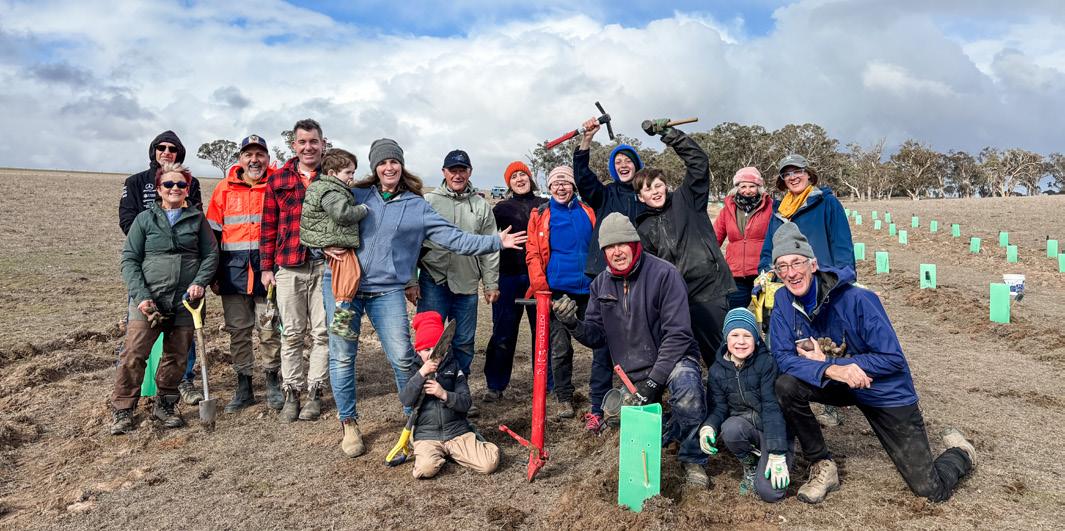
owning Bookham Landcare in New South Wales is the proud winner of the Landcare Through the Lens campaign, celebrating the many faces and facets of landcare across Australia. The group recently received the prize, a Milwaukee M18 FUEL™ 20” (508mm) Dual Battery Chainsaw Kit, for their outstanding photo submission and support their incredible work on the land.
While much of Bowning Bookham Landcare’s work focuses on growing and planting thousands of tube stock each year across farms and along waterways, creating habitat, shelter, and connections across our landscapes with Climate Ready plants, maintaining those sites as they mature is just as important. Many of their earlier plantings are now seven to eight years old (or more) and require ongoing care to ensure their continued success.
The new chainsaw from Milwaukee will be invaluable in helping them clear fallen branches from fences, thin dense revegetation plots to encourage understorey and groundcover diversity, and carry out essential maintenance on our established planting sites.
Bowning Bookham Landcare President, Ian McGrath, said the group is delighted with the prize:
“This chainsaw will be perfect for the job, small enough to get into tight spots, but powerful enough to handle the bigger tasks. The battery operation means no mess and no fuss, which is ideal for the kind of work we do.”
To make the most of this new tool, the group is planning to host another chainsaw safety training day for members, building on the success of a previous session that proved very popular. As Ian noted, “There are plenty of members who missed out last time, and we want to make sure everyone has the skills and confidence to work safely when maintaining vegetation on their properties.”
A big thank you to Milwaukee for this wonderful prize and for supporting landcare groups across Australia. Practical tools like this make a real difference in helping local volunteers care for their environment safely and effectively.
For more information, please visit https://yan.org.au/membergroups/bowning-bookham-landcare-group
Words by Sarah McGrath, Local Coordinator | Bowning Bookham Landcare Group
Left Ian McGrath, Bowning Bookham Landcare President & Gary Armour, a member who has sown or planted thousands of plants on his property at Bookham.
Haddon Rig Station Joins The Biodiversity Project
Since 2020 Country Road has partnered with Landcare Australia on The Biodiversity Project to revegetate land, improve native habitat and increase biodiversity.
Words by Country Road
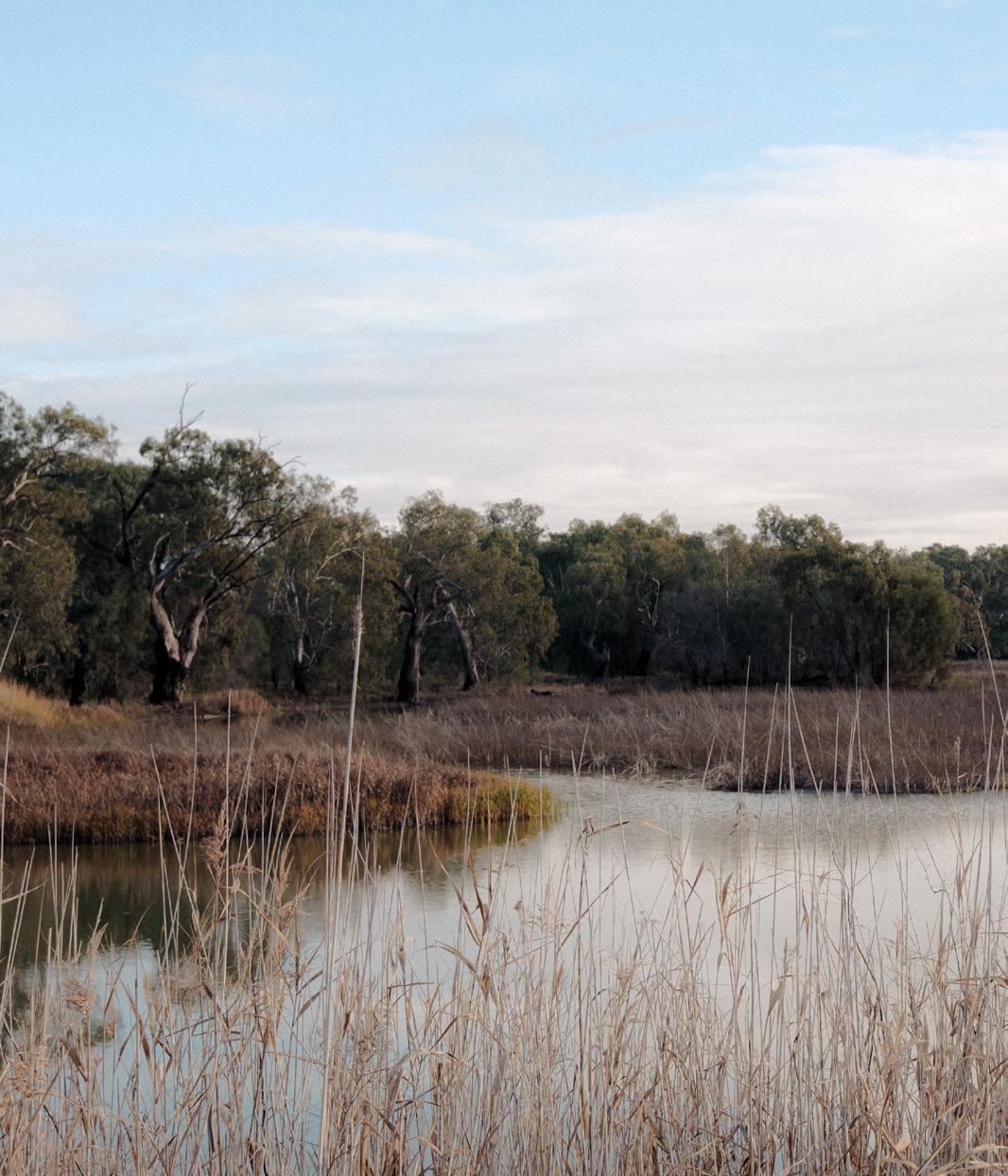
Feature Macquarie Valley Wetlands
ince 2020 Country Road has partnered with Landcare Australia on The Biodiversity Project to revegetate land, improve native habitat and increase biodiversity.
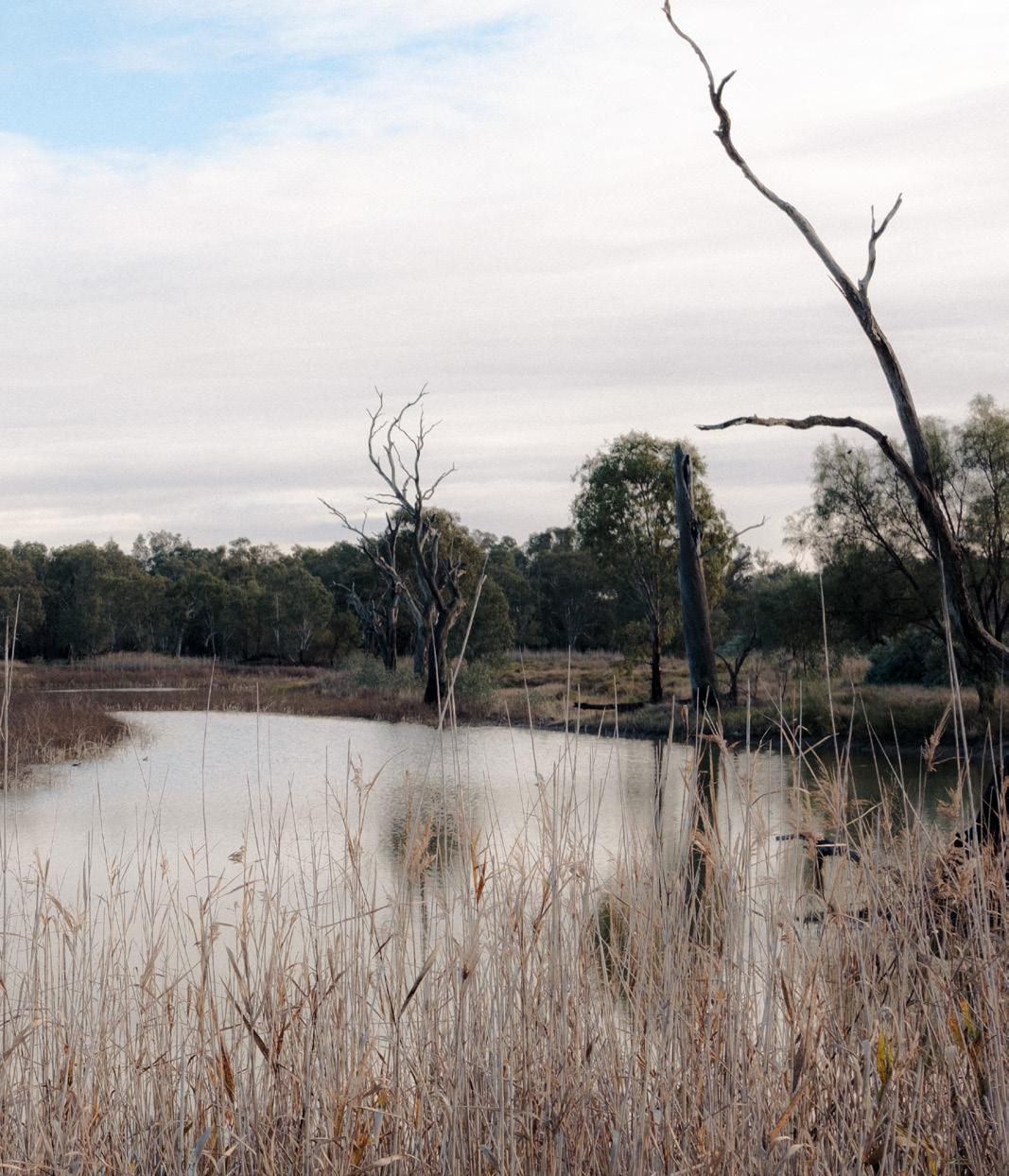
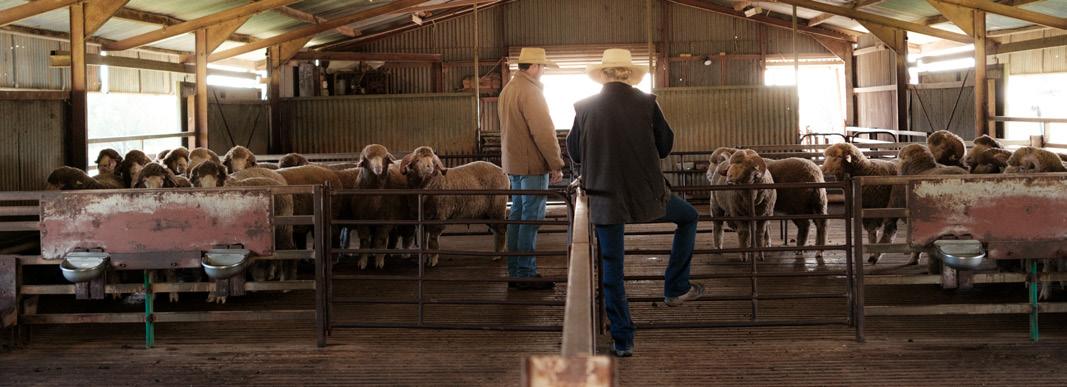
This year, Haddon Rig Station, a farm producing cotton and wool on the Traditional Lands of the Ngiyampaa Wayilwan People in Central West New South Wales, has joined the initiative. The first farm in the Macquarie Valley region to take part in The Biodiversity Project, Haddon Rig Station is also the first participating property to focus on protecting native wetlands.
Here, fourth-generation farmer Olivia Falkiner shares what the land means to her family and how the project will protect the wildlife that lives on it for years to come.
For more than a century, the Falkiner family has held the property at Haddon Rig Station, evolving and improving farming and caring for the land as it passes from generation to generation.
“When my great-grandfather Frank first purchased Haddon Rig in 1916, the entire property was used to produce Merino sheep,” says Olivia.
“Then over time—and in line with markets and seasons—we’ve evolved, with my dad, George, developing cotton irrigation and dryland farming in the 90s in response to the wool crash of 1991. Today, around half the land use here is cotton and dryland farming [relying solely on rainfall rather than irrigation] and we also run commercial cattle and sheep.”
She explains that diversifying crops makes sense from an economic point of view.
“Having several crops provides a good diversity of enterprise and income. Cotton in this valley has played a significant role in the economy and in creating employment. It’s been a major economic engine for the past 30 years in Warren, and we’ve been proud to be part of that growth and to have played a role in keeping the community going.”
Just as crop diversity is essential financially, an abundance of native wildlife on the property indicates healthy soils and waterways and a thriving ecosystem. Located within a network of ecological wetlands, waterways and river systems, Haddon Rig supports an extensive range of fauna and flora, including white-plumed honeyeaters, wedgetail eagles, brolgas and royal spoonbills.
“Both our parents love nature,” says Olivia. “Our dad calls himself a twitcher, so we grew up taking our tinny down the creeks and rivers, looking at birds and wildlife and identifying all the different species like magpie geese, brolgas, pelicans and kookaburras. Our mum is a landscape painter so she’s given us a really deep appreciation of the nature and trees we have here. We were brought up to believe that trees are sacred and that we’ve got to do everything we can to look after them.”
Haddon Rig has various long-established partnerships in place to monitor environmental change and ensure that on-farm activities are enhancing biodiversity. Olivia is excited about what The Biodiversity Project will mean for the future of the farm and the wildlife it supports.
Haddon Rig, Country Road and Landcare Australia have partnered together to plant 2000 native trees on a natural marshland on our farm. It’s an area where we get a lot of
migratory birds and protected species, so we wanted to reforest the area and fence it off so that it was protected from non-native species such as feral pigs, which do a lot of damage. Now that’s done, we’ll work together to make sure the trees grow and last into the future.
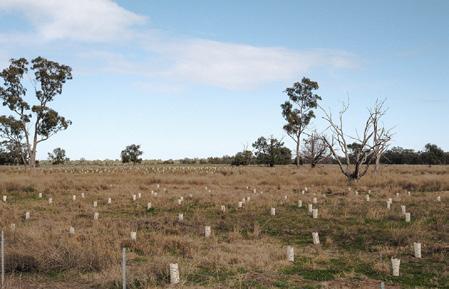
Taking place on 1.1 kilometres of floodplain habitat along the Wemabung Creek, the project will support biodiversity by revegetating 24 hectares of seasonal marshland known as Wilga Wetland. Planting comprises a mix of shrubs, understory and canopy species to increase vegetation along the riparian corridor, thereby also improving habitat for wildlife, including pollinators, smaller birds and micro bats, which feed on insects and potential pests.
“Wetlands are an important part of the ecosystem. They provide a habitat to endangered and protected species year-round, but they also provide a habitat to migratory species like magpie geese. Between September and March, we get a lot of species that you wouldn’t see at other times of the year, and they need those points along their journey to stop and nest and to have a safe place to breed and keep going. Marshlands and wetlands also provide a really important role in fostering native grasses—but also filtering air and water.”
Olivia says that even after the planting and fencing works that were originally planned had been completed, the momentum continued.
“Once Country Road and Haddon Rig had started this, we then kept going with the same team, and Landcare Australia, and planted another 2000 trees of our own volition. So the program had a lot further reach than originally expected.” Olivia believes that with help from the right partners, on-farm productivity and biodiversity can complement one another.
Projects like The Biodiversity Project with Country Road are integral to that because a lot of the time you don’t have the resources to do it by yourself. There’s some years where cashflow is so tight you can’t do much, even if you want to. So it’s great to have actors on the ground who are benefiting from what we’re doing and who are in the supply chain, who are happy to encourage and help deliver those projects as well.”
Now a new mum to her first child, Olivia’s appreciation for the land around her has intensified.
“I feel like every year I want to keep working to make sure this is here not just for the children in our family, but for generations to come, as well as the broader community so they can enjoy the amazing birds, trees and marshlands and wildlife that we are so lucky to have. I think there’s also an intrinsic value to protecting these assets, not for any human benefit, but because they are becoming rarer and performing an increasingly important function within the broader environment and ecosystem. We never know what role they’ll play in the future.”
The protection of all of our natural assets at Haddon Rig is something I want to keep building on within our chapter of custodianship of this place. I hope every year we can pick a different area or natural asset we need to protect or enhance so that by the time we leave in 50 years, it’s in a better place than when we took it on.”
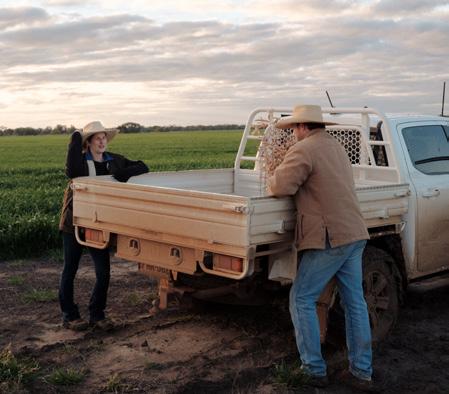
Left and above image Olivia Falkiner and Will Mitchell on site
Right The Biodiversity Project native planting site at Haddon Rig
Country Road.
The Bug Rug
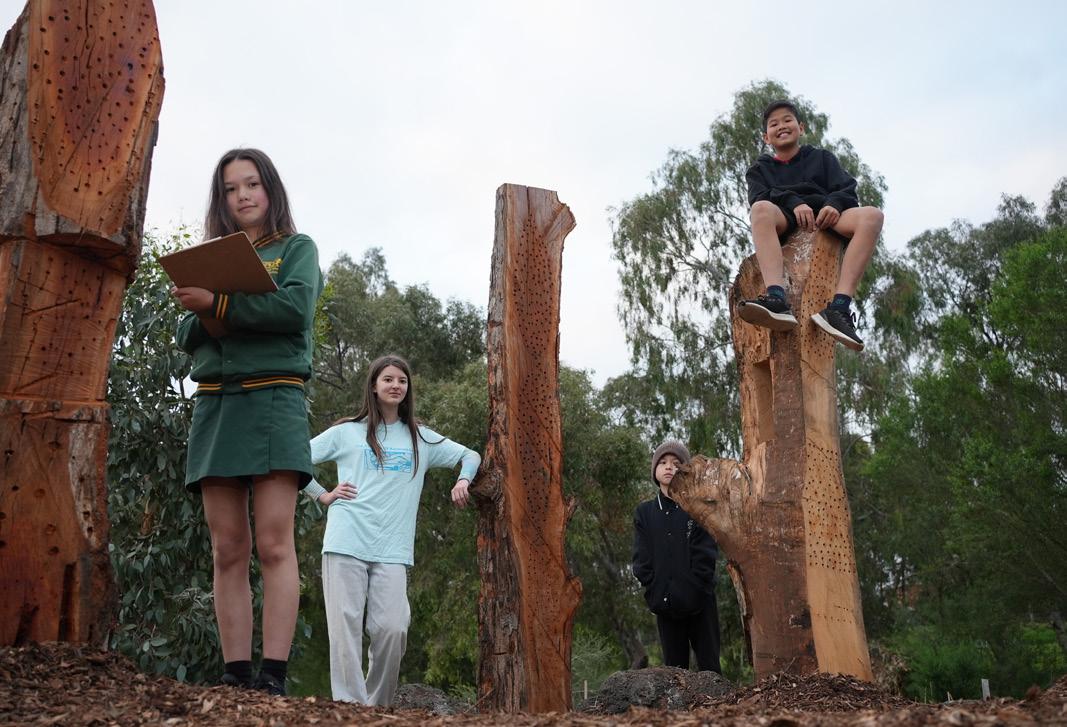
unny name for a site. But when you’re working with children, it’s a little more inspiring than “Sanders Ave”! The Bug Rug is one of six main Friends of Kororoit Creek sites, although, plenty of smaller patches and passion projects are scattered around too.
The site came to life nine years ago when Friends of Kororoit Creek worked with a local school on a creek adoption patch. Back then, there was a lone gum tree in a vast expanse of mown weedy grass. Not much wildlife, just people passing by. But that little school adoption patch grew and grew,
involving more schools, community and corporate groups and hosting National Tree Day, until it transformed into a thriving, biodiverse revegetation oasis, packed with hundreds of Indigenous plants and carpets (or rugs!) of wildflowers hosting every imaginable insect… The delightful list goes on! Every corner teems with life.
To add depth, fun and character, Friends of Kororoit Creek achieved:
Created a nature play area for children with logs and rocks creating dry creek beds and bridges, fortresses, things to jump off and run around – designed by talented member Susie. It is popular with local families, parent groups and schools!
Consulted with the Wurundjeri Woi Wurrung Cultural Heritage Aboriginal Corporation and working with
Aboriginal artist Fiona Clarke and artist Ken McKean and multiple sponsors and agencies. They installed Walan-walan—a glow-in-the-dark rock carving representing animals from the Wurundjeri seasonal cycle. Meaning ‘circle or round’ in Wurundjeri Woiwurrung language, Walan-walan has become a special meeting place, connecting people to the culture and history of this ancient land.
Sculptor Mike Nicholls designed five striking sculptures that double as bug hotels, adding to the site’s layered complexity. They also piloted a direct seeding project, guided by Katherine Horsfall from Melbourne Meadows, which flourished so beautifully. Frog bogs, habitat rocks, and logs were installed, along with seating areas to encourage people to linger and observe. Beautiful ceramic signs form a Wildlife Treasure Hunt by Ursula Dutkiewicz from Ursula’s Nature, showing visitors the incredible array of species spotted here. At the entrance, a fabulous mural by Liz Dalgleish from Studio Hibiscus — incorporating artwork by local students and heroically overcoming a sustained attack by a local tagger — welcomes everyone to this thriving space.
A special feature is a beautiful carved bench, made by the same Mike Nicholls of bug hotel fame. This bench commemorates a local woman who grew up playing along the creek with her dog. When she passed, her family kindly made a substantial donation to the FOKC and this bench is their offering to the community and remembrance of their loved one.
So why all this art? Well, FOKC is a creative bunch with lots of artists among us. There’s such a deep connection between art and nature, beauty and place. Why shouldn’t practical things—like bug hotels—also be beautiful?
Friends of Kororoit Creek also want to give as many people as possible a reason to engage with the creek. Not everyone is a plant or animal boffin like they are! Some people are drawn to sculpture and art. Others want spaces to sit and relax, places for their kids to play, or opportunities to learn about First Nations Culture. The more ways people can connect, the more they’ll care.
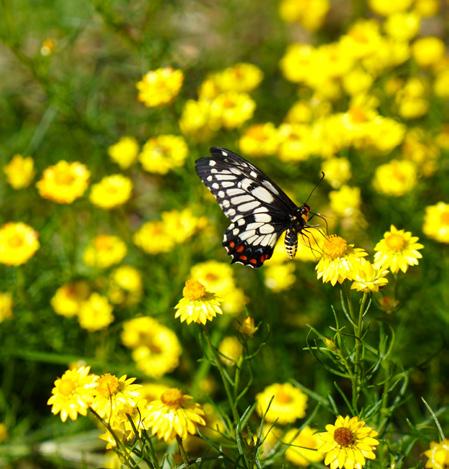
They are “down the creek” two to three times a week, and the support from their community, schools, corporate groups, and government agencies has been extraordinary. It truly takes a village.
The site now hums with birdsong, insect life, fascinating fungi and the rustle of reptiles in the grasses. Every visit brings a new discovery, a reminder of what’s possible when people come together to care for a place.
The Bug Rug is adored and with continued love and care, Friends of Kororoit Creek look forward to seeing them flourish, growing bigger, healthier, and ever more alive for the people who come to enjoy them and for our precious wildlife.
Want to visit or get involved? Find out more at www.fokc.org.au
Words by Friends of Kororoit Creek
Left Bug Hotels
Above Swallowtail on at the Bug Rug
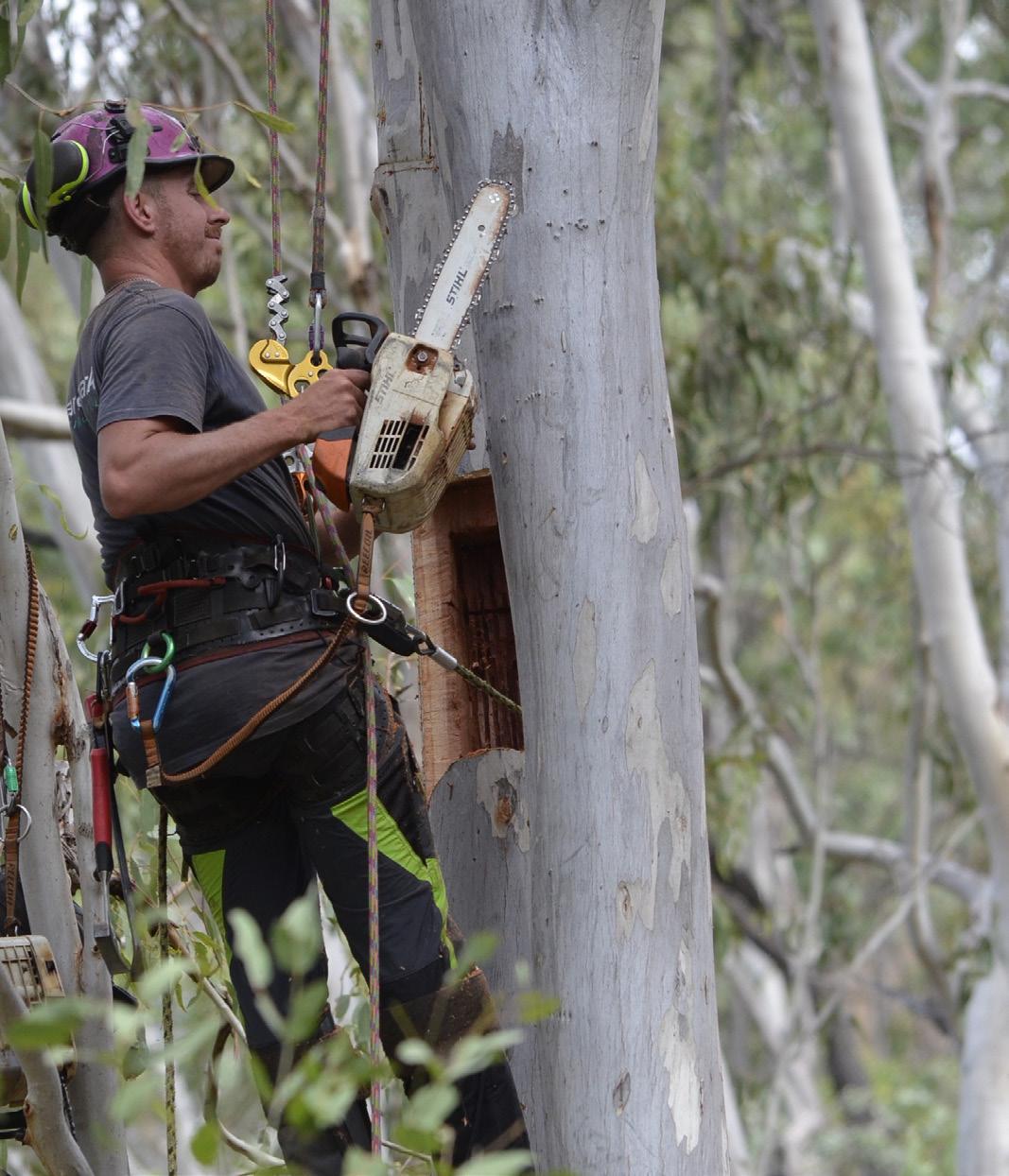
Feature Carved Hollow installation in young forests by Habi-Tec - photo credit BCCA
left
right Juvenile GG rescue after bushfire - photo
Donna Dingle
Greater Gliders Saving Endangered
of The Burnett
ig impact from a small project. The Saving Endangered Greater Gliders of the Burnett project shows how communities, landholders, and scientists can work together to make a real difference for endangered species within agricultural landscapes. The project was proudly supported by WIRES and Evolution Mining, with additional contributions from Goondicum Pastoral Co.
Covering 8,080 hectares across 11 sites located on private grazing properties, it is the largest project of its kind in the region. Habitat enhancements included 69 den sites, combining traditional nesting boxes—built and supplied by the Monto Men’s Shed, creating ongoing local capacity— with innovative carved living hollows designed by Habi-Tec Arboricultural Innovations. Monitoring was strengthened through a trial of airborne eDNA technology by the University of Queensland, providing new insights into Greater Glider populations.
Citizen scientists contributed to 81% of all public access Greater Glider observation data. Workshops, educational resources, and landholder engagement raised awareness, built skills, and embedded conservation practices across working landscapes.
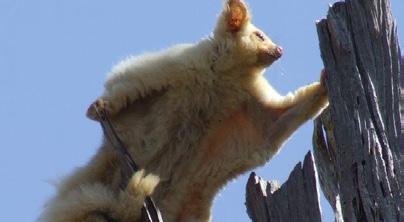
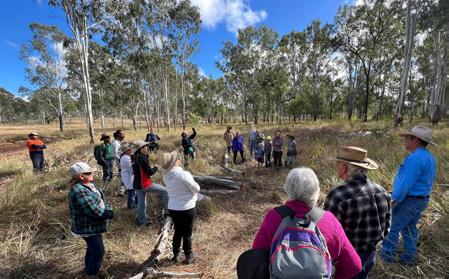
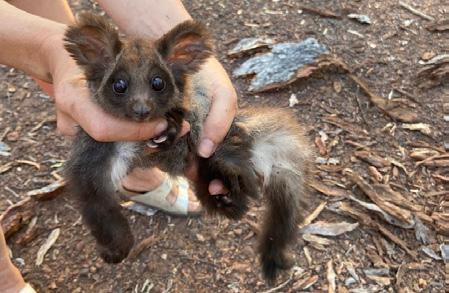
With 67% of the Burnett catchment used for agriculture—85% of which is grazing—these lands hold much of the remnant private forests outside protected areas, making private landscapes vital for Greater Glider survival. This project demonstrates how endangered species can thrive alongside productive land use.
While grassroots efforts have achieved remarkable outcomes, dedicated government support remains vital to ensure the long-term survival of this iconic species.
For more information, including the full project report, please visit: www.betterburnett.com/saving-the-greater-glider
Words by Misty Neilson, Ecologist & Conservation Biologist | Burnett Catchment Care Association
Dive into Soil, Water, Students Take a Deep and The Little Critters in The Environment
arbon8 and the Tamworth Regional Landcare Association (TRLA) recently hosted an unforgettable Schools Biodiversity Day, bringing together students from across the Peel region to explore the magic of soils, water, and the tiny critters that make our ecosystems thrive.
This was no ordinary school day—it was a hands-on journey into the living systems that sustain us. Through interactive workshops and engaging demonstrations, students discovered the interconnectedness of soil, water, plants, and animals, and the vital role they play in protecting Australia’s natural environment.
Wes Leedham, Principal of Warrumbungle National Park Environmental Education Centre, kicked off the day with his lively “Bee Aware” workshop. Students explored the world of pollinators, learning how bees and insects support biodiversity and healthy food systems. The buzz of excitement was real as students realised just how much we depend on these small but mighty creatures.
Next, Ange Bunner, also from Warrumbungle National Park Environmental Education Centre, led a creative “Design Your Farm” session that put biodiversity at the heart of agricultural thinking. Students worked in teams to plan sustainable farms using practices such as rotational grazing, shelter belts, and riparian restoration. The exercise inspired teamwork and imagination with students creating farms that not only grew food but also helped protect the land and water.
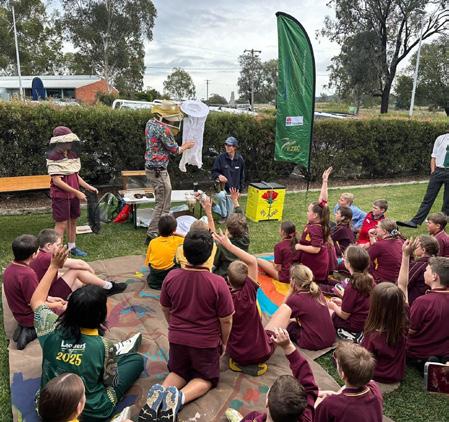
Michael McCosker, Carbon8 co-founder and fourthgeneration farmer, wowed students with his visual experiment “How to Make Rain.” Using two trays—one covered in living ground cover and the other bare—he showed how healthy soil absorbs water while degraded soil repels it. The demonstration made a lasting impression. Michael’s fun and engaging demonstration had students thinking deeper about the tiny microorganisms that live in the soil and their huge impact on our planet.
Dr Gundula Rhoades, veterinarian, farmer, and soil scientist, brought her expertise and energy to present “Food to Make You Strong.” Students learned how soil microbes help produce nutrients in the food we eat, connecting the dots between soil health, nutrition, and human wellbeing. Her session ended with a hands-on bean and sunflower planting activity—letting students literally get their hands dirty in the name of science.
Dr Aurélie Quade, soil scientist with Climate Friendly, took students underground to meet the unseen heroes of the ecosystem. Her engaging session unveiled the world of soil organisms that support biodiversity, store carbon, and protect against climate change. Her passion and energy had students marvelling at the hidden life beneath their feet.
Left “Bee Alive” workshop presented by Wes Leedham, teaching Principal from Warrumbungle’s Environmental Education Centre.
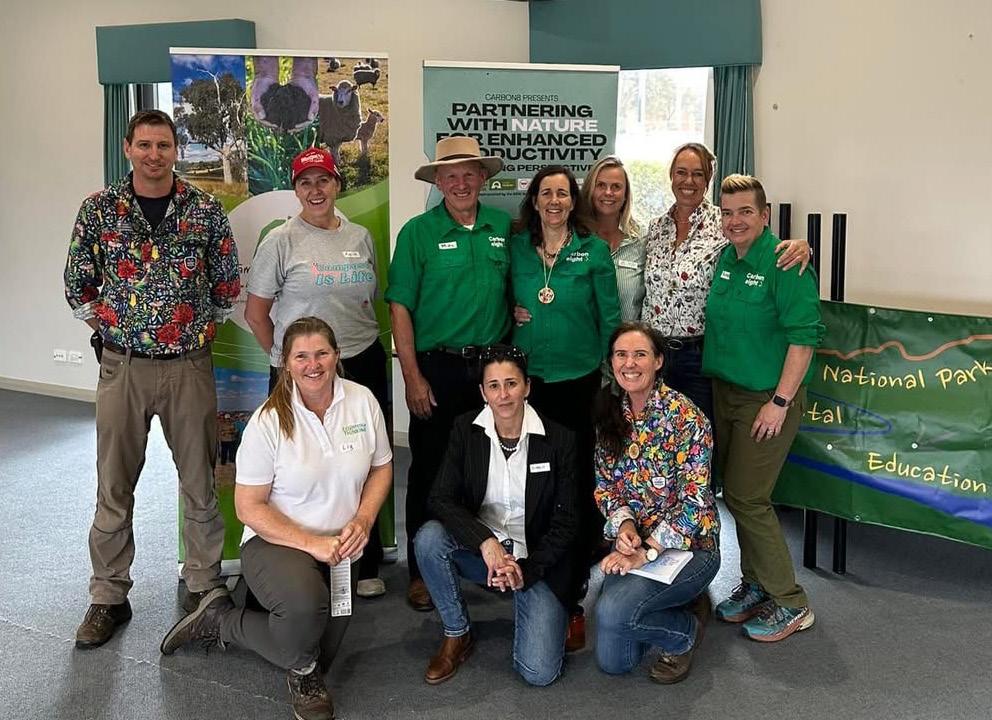
Author Kylie Woodham, writer of Soil Sister: Farming for our Future, wrapped up the day with her storytelling session using her book as inspiration. She guided students through five key principles for caring for soil and farming alongside nature. “I absolutely loved every minute of this event,” Kylie said. “It was great to share the beautiful stories of farming and the importance of nurturing the land.”
Throughout the day, students explored, questioned, and created. They left with a deeper understanding of how biodiversity, soil, and water are interlinked—and how small actions can make a big difference.
Beyond the excitement, the event planted the seeds of future engagement. By connecting young people to nature through fun, science-based activities, Carbon8 and TRLA are helping inspire the next generation of environmentalists. Whether they go on to become ecologists, soil scientists, farmers, or simply active landcarers in their communities, these students now have the knowledge — and the spark — to care for the world around them. Through connection, knowledge, and a little bit of dirt under their nails, this day may well shape a generation of environmental stewards.
For more information, please visit www.trla.org.au
Words by Kate Spry, NW Youth and Education Landcare Coordinator | Tamworth Regional Landcare
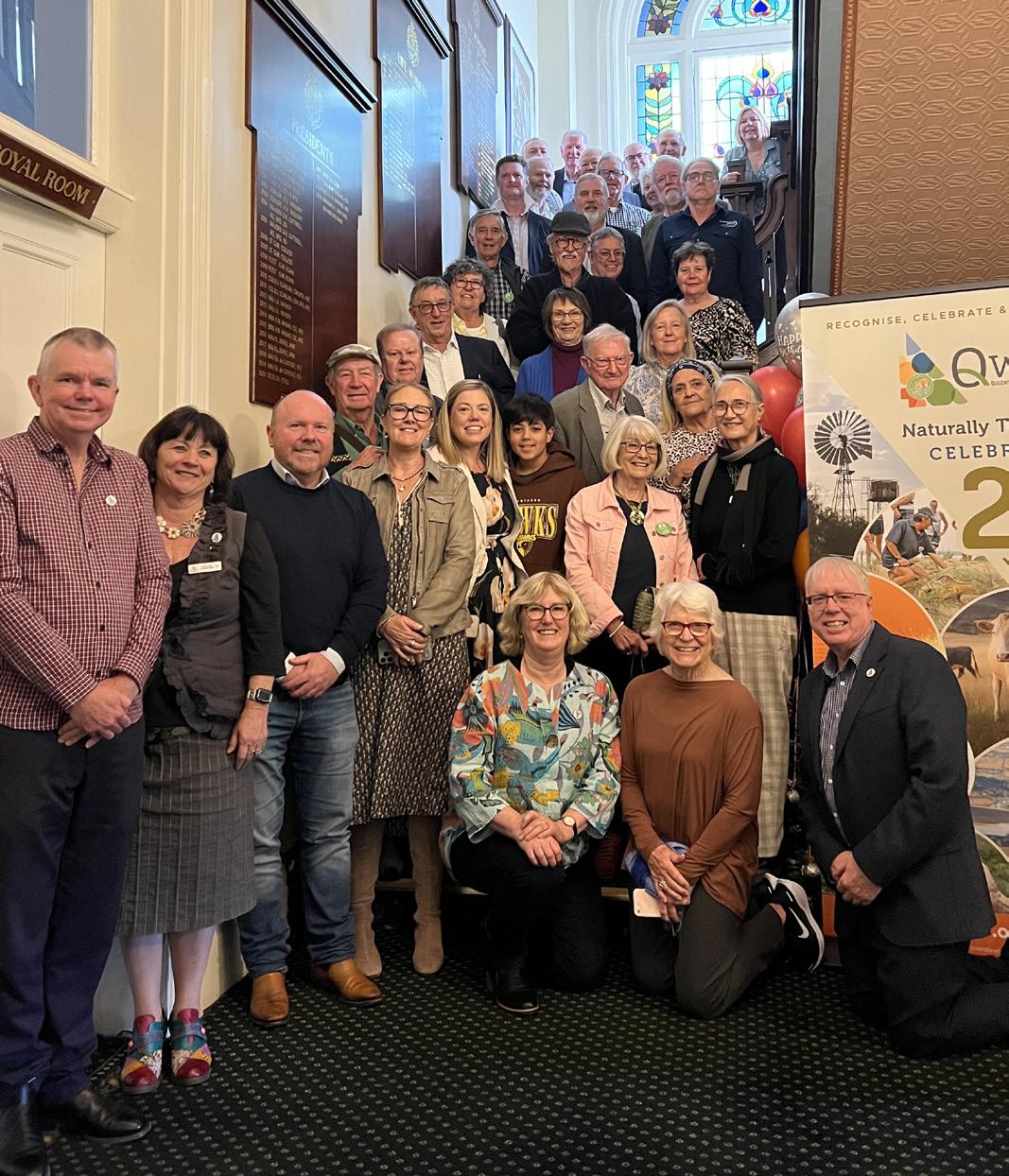
to 21 Years of QWaLC Raising a Toast and Community Landcare
WaLC held a special event on August 30, 2025, to commemorate its 21 years drawing over 120 guests, including past and present Directors, CEOs, member group volunteers, and representatives from Landcare Australia, the National Landcare Network, and regional natural resource management (NRM) bodies.
QWaLC has grown into the state’s peak body for community-based environmental volunteer groups. Today, QWaLC stands as Queensland’s leading organisation for environmental volunteers, representing groups from Landcare, Catchment Management, Coastcare, Wildlife Carers, Community Gardens, and First Nations associations.
This anniversary celebrated the journey and honours those who built QWaLC. It was also the perfect time to acknowledge long-lasting partnerships, local relationships, and the thriving community spirit.
A heartfelt Acknowledgement of Country was delivered by Board member Trevor Meldrum and Kuku Yalangi community member, setting the tone for the celebration. The event video messages from Her Excellency the Honourable Dr Jeannette Young AC PSM, Governor of Queensland, and her husband Professor Graeme Nimmo RFD, joint Patrons of QWaLC. Further encouragement came from Hon Dale Last MP, Minister for Natural Resources and Mines, Minister for Manufacturing, and Minister for Regional and Rural Development.
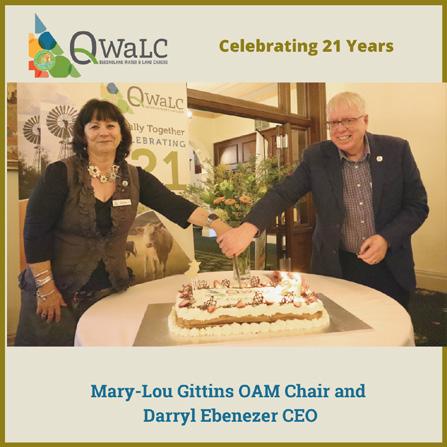
The incredible work and community spirit of landcarers in Queensland were showcased by highlights from Cairns, Yeppoon, Toowoomba, and Brisbane. Darryl Ebenezer, QWaLC CEO, celebrated eleven years of service, emphasizing community engagement and sustainability. Mary-Lou Gittins OAM, the former Chair and a founder of QWaLC, was recognised for her leadership and dedication in the National Landcare Legends Honour Roll from Landcare Australia.
Happy 21st Anniversary QWaLC!
For more information, please visit www.qwalc.org.au
Words by QWaLC
Feature Group photo from the 21st anniversary celebration
Bottom Mary-Lou Gittins OAM Chair and Darryl Ebenezer CEO
To Connect and Campfire Gatherings
Reflect on Country
series of Campfire Gatherings are being held across New South Wales, inviting Landcare Coordinators employed under the NSW Landcare Enabling Program 2023 – 2027 (the Program) to sit by a campfire, share, listen, connect, and reflect on Country.
Landcare NSW is delivering these events to provide space for regions to explore opportunities to develop stronger connections and partnerships between landcare groups and Aboriginal communities practicing traditional land management practices.
Landcare NSW Aboriginal Partnerships Manager Den Barber, a descendant of the Traditional Custodians from Mudgee of the Wiradjuri people, said connection is at the heart of each Campfire Gathering, made possible through Cultural ceremony, storytelling, and the sharing of personal and Landcare-related experiences in an on-Country setting.
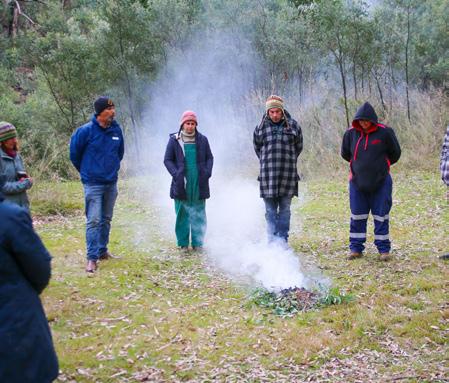
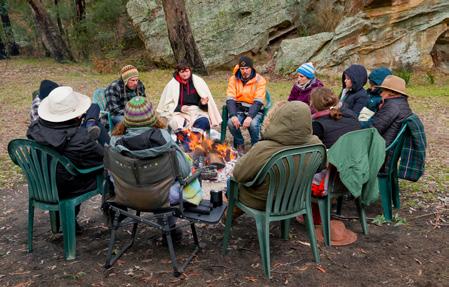
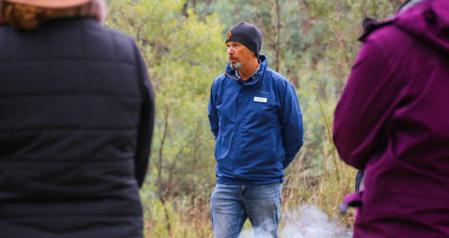
“These aren’t formal meetings or workshops. Campfire Gatherings are about people - Aboriginal and non-Aboriginal - meeting in a safe, open space to yarn, honour Country, build trust, and foster genuine relationships that will shape the future of Aboriginal partnerships within Landcare in NSW. Reflection is just as important - participants are encouraged to be open, honest, and transparent in exploring what ‘Aboriginal Partnerships’ in Landcare means to them,” said Den.
The stories, conversations, and takeaways from these Campfire Gatherings will help landcare regions to shape the future of their Aboriginal Partnerships Pathway Plan - ensuring the next steps are guided by trust, respect, and the voices of the community.
This initiative is made possible by the NSW Landcare Enabling Program, a collaboration between Local Land Services and Landcare NSW supported by the NSW Government.
For more information, please visit www.landcarensw.org.au
Words by Kimberly Omodei | Landcare NSW
Images Campfire gathering at the Central Tablelands, photos by Nviro Media
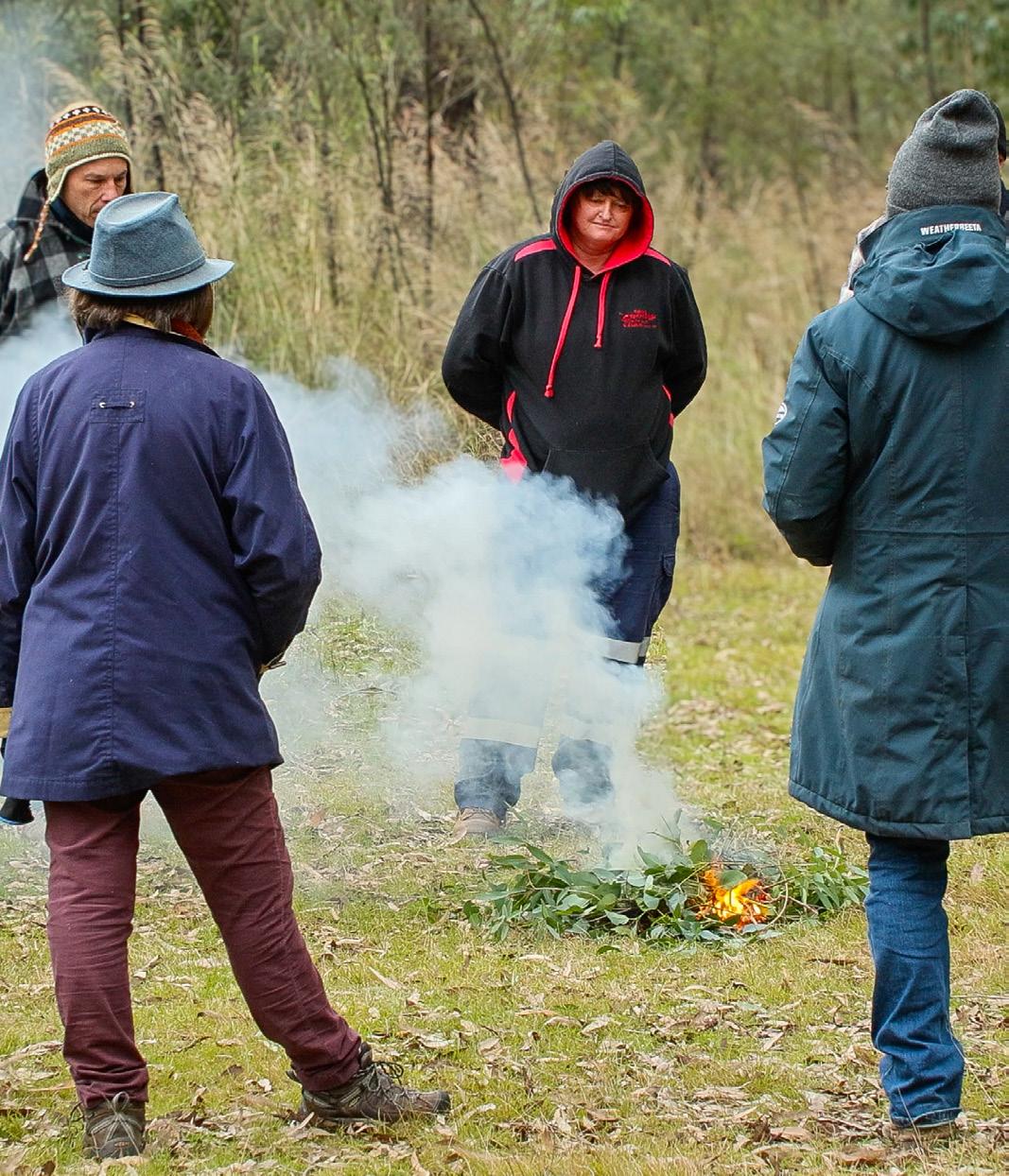
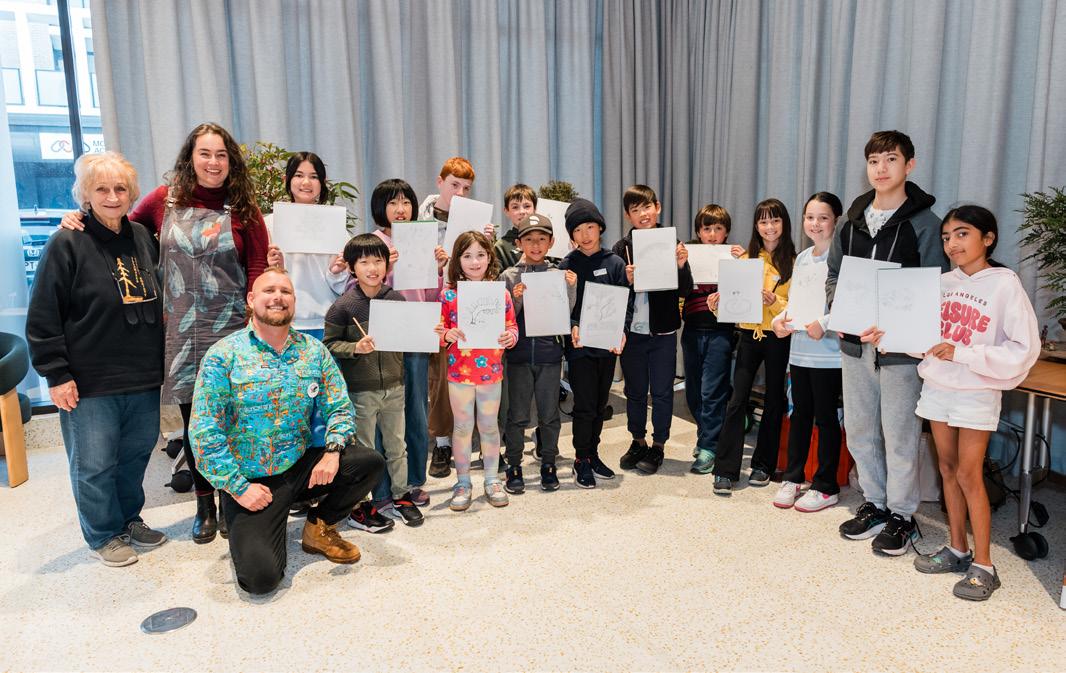
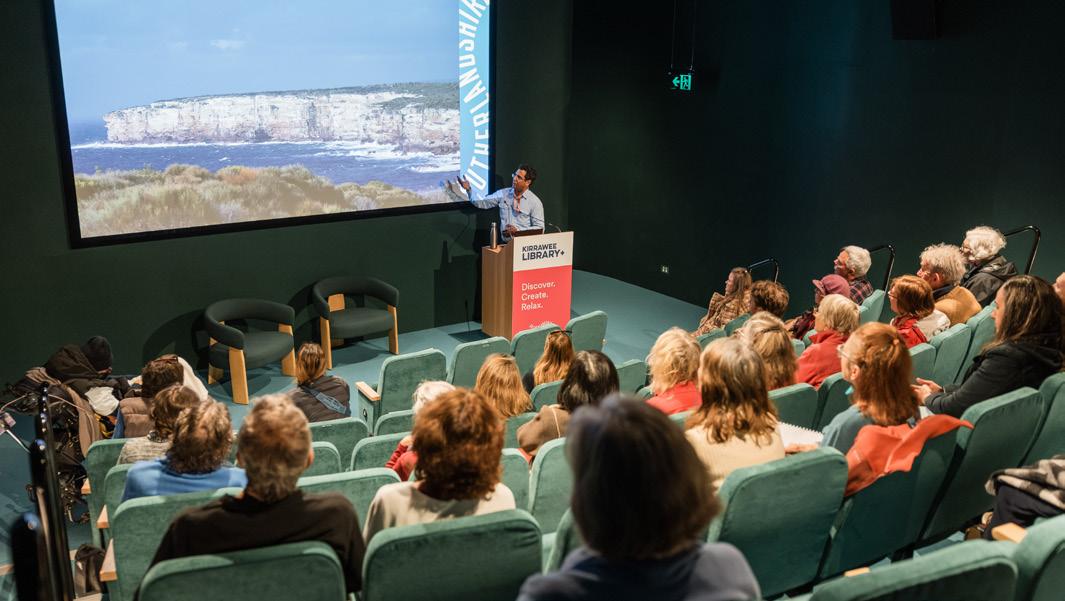
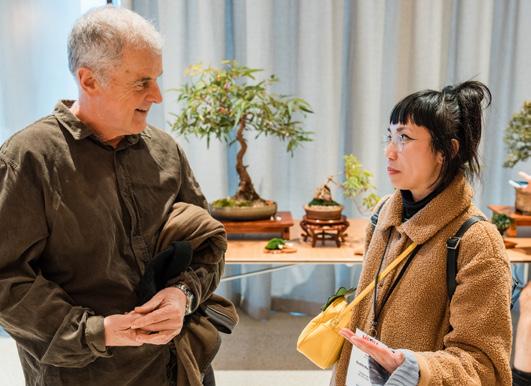
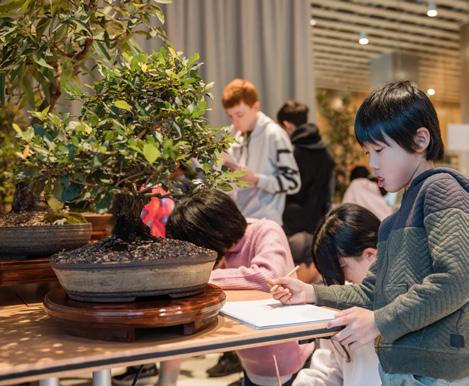
Sutherland Shire’s Tree-mendous Success:
First Canopy-Fest Draws
230
Locals to Celebrate
Urban Biodiversity
tree-mendous first ever Canopy-Fest was held by Sutherland Shire Council at Kirrawee Library in Sydney on Saturday 26 July, with over 230 community members coming along to celebrate our tree canopy and urban biodiversity!
Canopy Fest complemented Sutherland Shire Councils’ planting sessions on National Tree Day and was an opportunity to connect residents to urban trees in different ways - particularly those living in apartments, without gardens, or who for a variety of reasons might not be able to participate in tree planting activities.
The day featured interactive tree walks, talks, a panel discussion, art and craft-based activities, lucky door prizes and Canopy-Fest souvenir give aways, and a native plant stall run by our community nursery crew.
Participants could also connect with trees and each other through First Nations perspectives, discussions on climate change action and impacts, tree management, urban heat and resilience. They also took part in a native bonsai session and display by the Illawarra Bonsai Society and cartooning with cartoonist and environmental advocate Jess Harwood.
A highlight of the day was the spontaneous crossover between the kids cartooning workshop and the Illawarra bonsai display, where the kids learned about native bonsai and drew their favourite tree.
It was also a big day for collaboration with five different teams from across council coming together to make the day happen, and cross promote other council environment and sustainability initiatives and services such as our Bushcare programmes and the upcoming Food Organics Garden Organics (FOGO) collection service.
For more information, please visit: www.sutherlandshire.nsw.gov.au
Words by Mitchell Parker, Sustainability Officer | Sutherland Shire Council
Feature top Cartoon workshop participants
Feature bottom Natural Areas Aboriginal Heritage Officer Graham Avery presents on Cultural connections to trees and bushland All images supplied by Good Thanks Media
Above left Greenweb Officer Geoff Doret chats with ‘Budlife’ magazine writer Annie Huang
Above right Children drawing and learning about bonsai during cartoon workshop with Jess Harwood
Wins Australian Geographic Nangana Landcare Network
Nature Award for Saving Victoria’s
Faunal
Emblems
n Coranderrk Country in Victoria, a dedicated network of landholders, Traditional Owners, scientists and community volunteers is proving that collective care can bring endangered species back from the brink.
The Nangana Landcare Network has been awarded the Australian Geographic Nature Award – Silver for its project Coranderrk Country: Saving Faunal Emblems, which supports the recovery of two of Victoria’s most critically endangered species — the Helmeted Honeyeater and the Leadbeater’s Possum.
From Beyond Yellingbo to Coranderrk Country
The project builds on the legacy of Beyond Yellingbo, which engaged more than 120 property owners to restore over 300 hectares of habitat. Coranderrk Country takes this effort further, engaging 20 landholders to steward and restore high-priority habitat corridors, identify 20 hectares of critical habitat for restoration, and co-design a 20-year ecological and cultural recovery plan for C411 COUNTRY – Natural Capital for Generations.
At its core, this is a story of connection — between people, place and purpose. By bringing together Traditional Owners, landholders and scientists, Nangana Landcare Network is creating a replicable model for community-led conservation and landscape-scale recovery.
A Legacy of Collaboration
Accepting the award, Arabella Eyre, Threatened Species Program Coordinator at Zoos Victoria, reflected on the long journey to protect Victoria’s faunal emblems.
“This award is not just recognition of work happening today – it is part of a legacy,” Eyre said.
“For more than thirty years, community members, scientists, Traditional Owners, landholders, and volunteers have worked tirelessly to protect the Helmeted Honeyeater and the Leadbeater’s Possum. They may be small, their numbers may be few, but they embody something far larger – resilience, collaboration, and the power of hope.”
Eyre described the award as a tribute to “those who came before us, who refused to let these treasures vanish,” and a reminder of the responsibility to continue their work for future generations.
Building Natural Capital for Generations
Alan Clayton, President of Nangana Landcare Network and former President of Friends of the Helmeted Honeyeater, said the project represents “a coordinated, landscape-scale response to biodiversity loss and climate change.”
“The C411 COUNTRY project honours First Nations wisdom, connects communities, and inspires climate-smart farming, tourism, and industry,” he said. “Through the Foundation for Natural Capital, we’re building a future where investment in natural systems is essential for human wellbeing.”
A Future Rooted in Hope
C411 COUNTRY project lead Jenny Lyndon also thanked the Australian Geographic Society for recognising “the work of many years and many people,” acknowledging early partners from the Beyond Yellingbo project — The Helen McPherson Smith Trust, the Australian Communities Foundation, and the Ross Trust.
“Once damaged, nature is costly to repair,” Lyndon said. “Our plans to reconnect ecosystems across the Yarra Valley and Dandenong Ranges will create opportunities for partners to invest in lasting environmental and community outcomes.”
For the Helmeted Honeyeater and Leadbeater’s Possum, the award symbolises hope — and for the people of Coranderrk Country, it’s a testament to what’s possible when communities work together to care for country.
For more information, please visit www.nangana.net
Words by Jenny Lyndon| Nangana Landcare
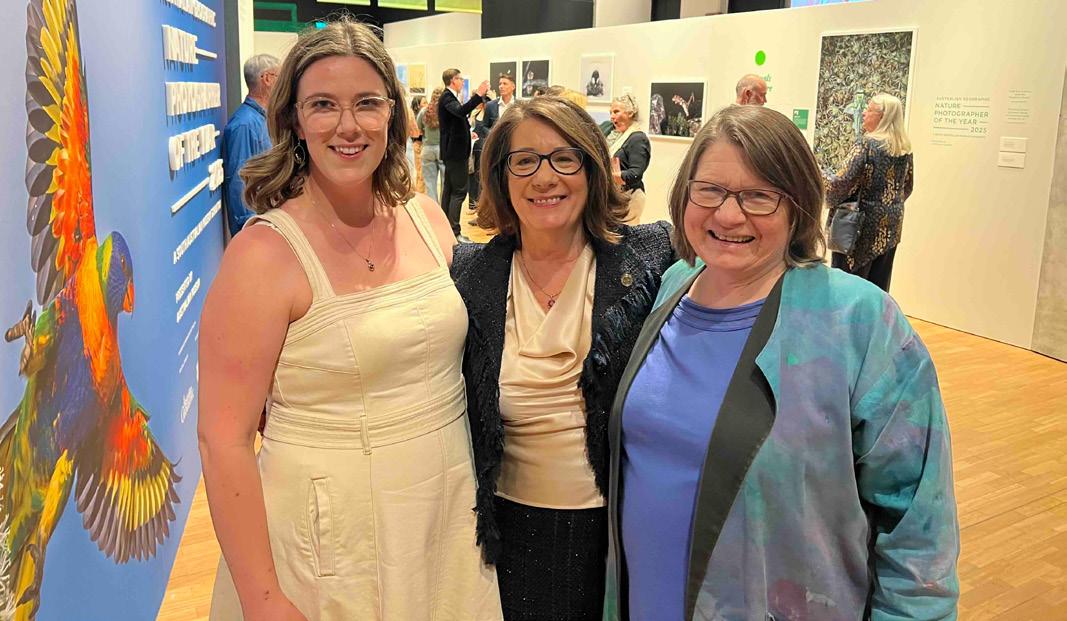
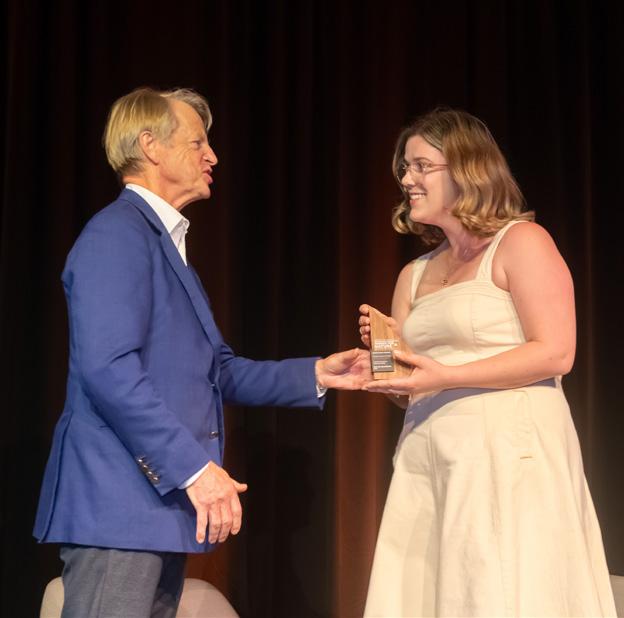
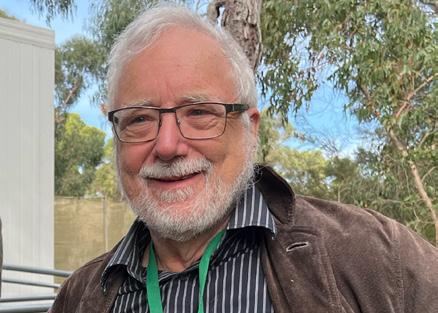
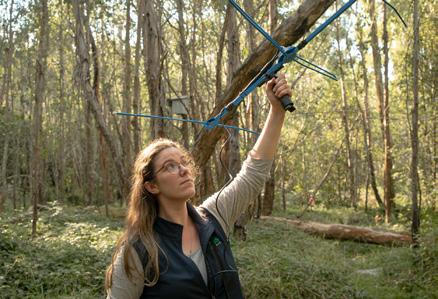
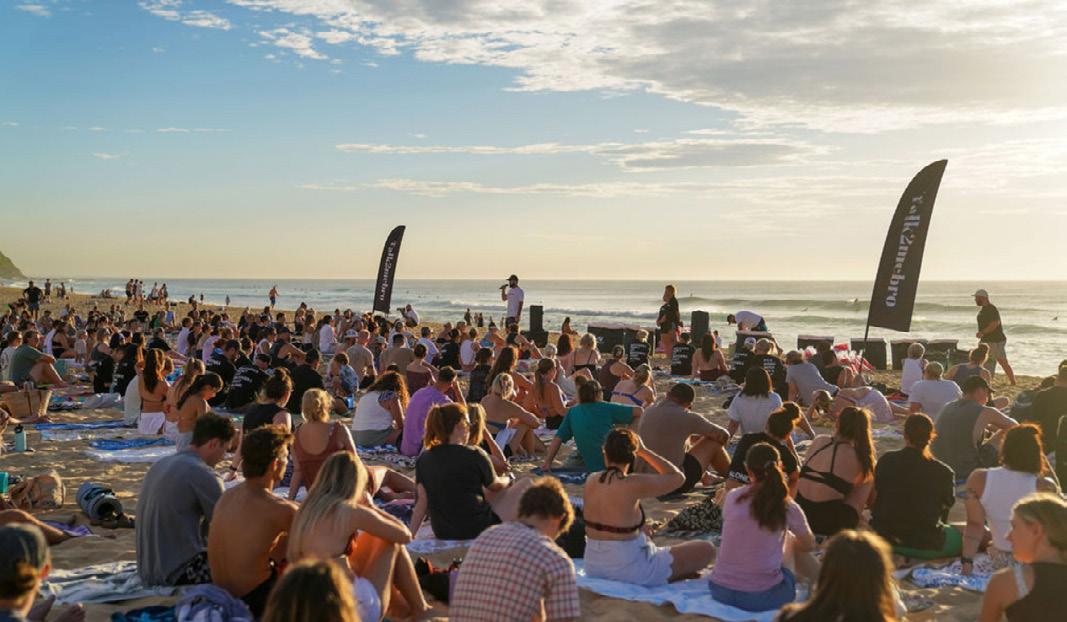
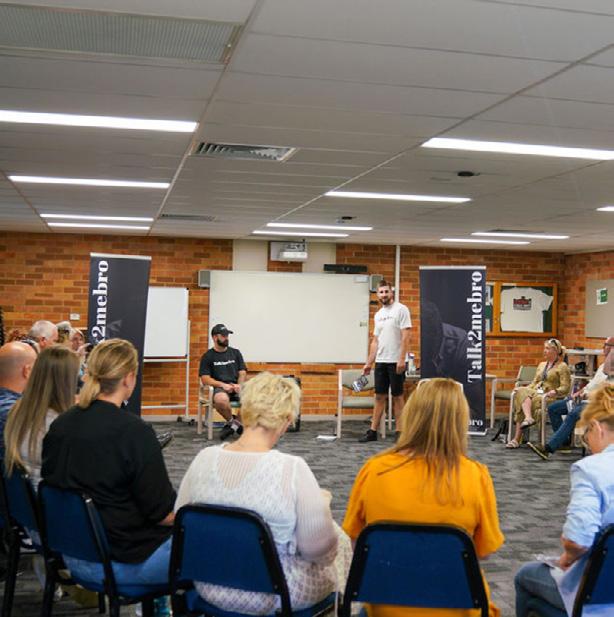

Helping Communities to Talk2mebro: The Charity
Talk About Mental Health
alk2mebro started in 2018, after directors, Luke Connors and Jack Brown both lost two pivotal people in their lives to suicide. That was the catalyst to do more. At the time of starting Talk2mebro, it was focused on men and encouraging conversations, and then it continued with one-on-one mentoring, facilitating unique programs, retreats, seminars in schools, workplaces, sports clubs, and across communities. We sat down with Cal Edwards from Talk2mebro to discuss mental health and how the organisation is helping communities, particularly in regional areas to open up and start meaningful conversations.
What is Talk2mebro’s mission?
Cal: Our mission as an organisation is to make suicide zero in Australia, and we couldn’t do that without educating women too. We run educational workshops and programs with schools, workplaces, emergency services, sporting organisations, overall humans in general because no one has immunity to suicide. As a prevention organisation, we are addressing a community issue that mental health does affect men but also affects women as well. We want to invite women to be involved, and now we would roughly have more women involved in the organisation then men.
We offer free, ongoing community support through breathwork sessions, ice baths and community catch ups, closing the gap on cost and accessibility. Our workshops also teach people how to recognise signs and check in before someone reaches crisis.
Where is Talk2mebro located in Australia?
Cal: We have six hubs in NSW: Newcastle, Wollongong, Central Coast, Forbes, Dubbo, South West Sydney & Batemans Bay. We hope to expand nationally, but being 95% volunteer-run and mostly community-funded makes that challenging. Most of our funding comes through local fundraising, events and paid workshops.
Photos supplied by Talk2mebro
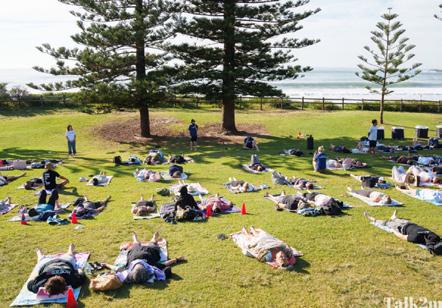
How do you engage with regional and rural communities?
One of our team members moved to Dubbo and decided to bring over what Talk2mebro is doing in Newcastle and now they’re out running events and the same as the Forbes region. Unfortunately, suicide rates are high in regional communities, and after a cluster of suicides happened in Forbes, we sent a team to support with community workshops and educational activities, and the community saw value in it and took ownership, forming their own volunteer-led hubs that now run regular catch ups and events.
What do people enjoy most about the workshops?
Cal: Our events start by creating a safe space for people to share. When facilitators share their own stories of lived experience, it helps others open up. Breathwork often brings up emotion and reflection, and the connection afterwards is powerful. People leave with genuine friendships and conversations that continue beyond our events.
How can people get involved?
Cal: Head to our website and have a look at what we are running in different areas. There are many ways to help, from setting up events to joining school talks or business collaborations. We also offer training like Mental Health First Aid, suicide assist training and safeTALK. Education is important, the more that we can offer this to people, the safer our communities are. There is an enquiry form on how you can get involved on the website.
For more information, please visit www.talk2mebro.org.au
Words by Talk2mebro
2026 Calendar
Coastcare Week December 1 to 7, 2025
2025 State & Territory Landcare Awards Campaign
March to December 2026
Landcare in Focus Magazine May 2026
Landcare Week August 3 to 9, 2026
Landcare in Focus Magazine November 2026
Landcare Agriculture Day November 20, 2026
Coastcare Week December 7 to 13, 2026
Landcare Australia


2027
National Landcare Conference Dates
Information about the 2027 National Landcare Conference date and venue, including the call for abstracts and early bird registration will be announced late 2025. Also announced at this time will be the opening dates for nominations of the 2027 Bob Hawke Landcare Award and the 2027 General Jeffery Soil Health Award management team and Australian Government advising them that we need any feedback by Monday afternoon.
Learn more here
Take our survey here

Your feedback is important continue to improve what movement. You are welcome thoughts on the Landcare other Landcare Australia

Australia communications tips create awareness

Australia Notice Board
Stay connected and subscribe to our newsletters you think!
important to us so that we can what we do for the landcare welcome to share your Landcare in Focus magazine and Australia activities.


Check out our Communications and Kit Resources
Australia has developed useful and guidelines to help you awareness of your group’s activities. Learn more here


Landcare Australia’s newsletters are jam-packed with the latest updates on grants, education resources, case studies, project updates, events, campaigns, partnerships, new programs and much more! Make sure you know what is happening by subscribing to our newsletters – Landcare in Focus, Landlink, Coastcarer, Junior Landcarer and Landcare Agriculture. It is free and easy to subscribe here.


Do you have a landcare photo in your collection?
Submit your photo for the Landcare in Focus photo gallery and your image could be the cover of the next edition of Landcare In Focus magazine. The quality needs to be a minimum of 300 dpi and include a caption that explains what the image is about, the location and the people involved. It is important that have copyright of the photos so that we can publish. Submit your photos here: digital@landcareaustralia.com.au
Partners with Ruminati Landcare Agriculture
Landcare Agriculture has partnered with Ruminati, a leading Australian ag-tech provider helping producers track and understand their on-farm emissions.
Built by producers and backed by experts, Ruminati’s platform aligns with best practice, offering clear insights and metrics to help producers stay ahead of evolving industry expectations.
The platform is more than just a tracking tool, it’s about making your data work for you. With tools to visualise emissions over time, compare performance across enterprises, and securely share data with supply chain partners, Landcare Australia and Ruminati are helping you turn emissions reporting into a useful and practical part of running your business.
To find out more about the Ruminati platform and how to sign up please visit their website: www.ruminati.com.au/partners/landcare-collaboration

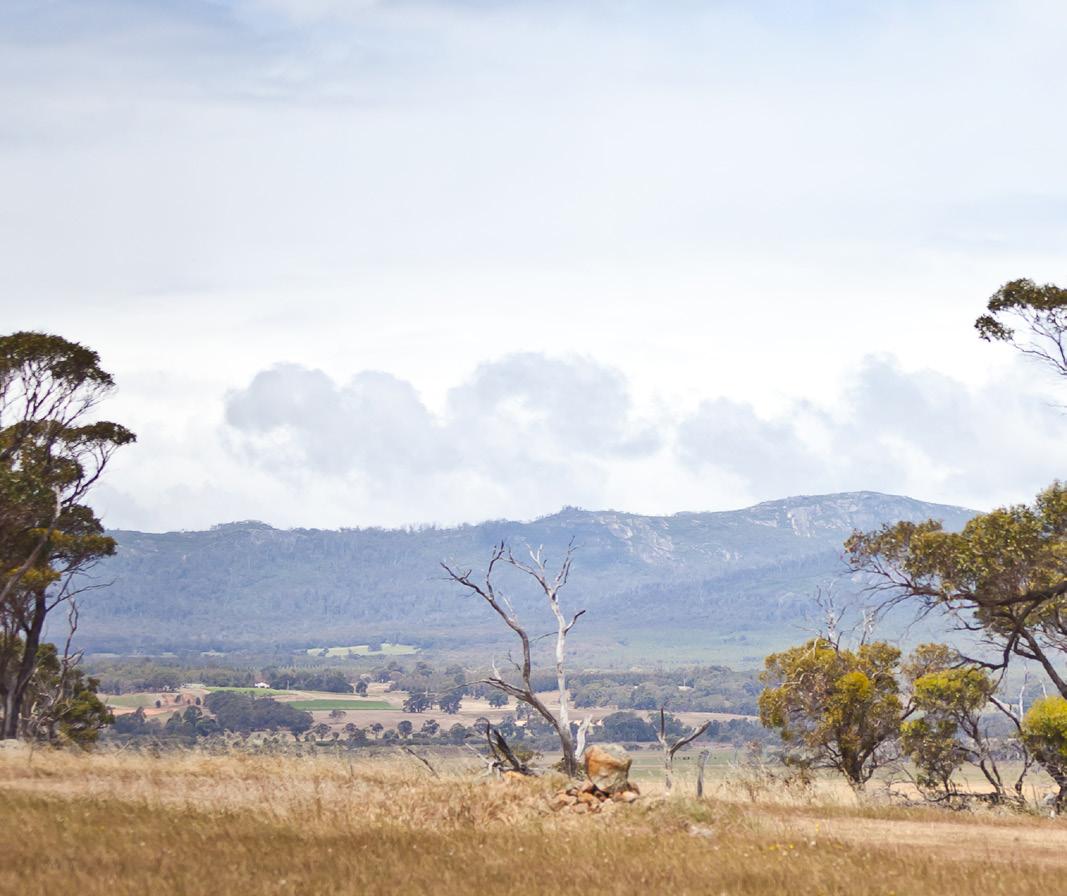
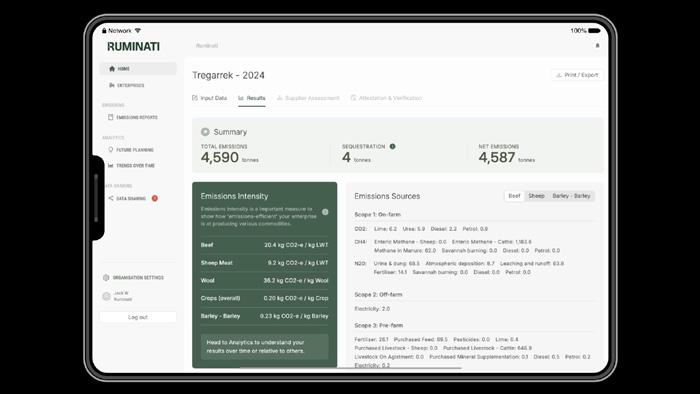
Ruminati’s producer dashboard highlights key on-farm emissions metrics.
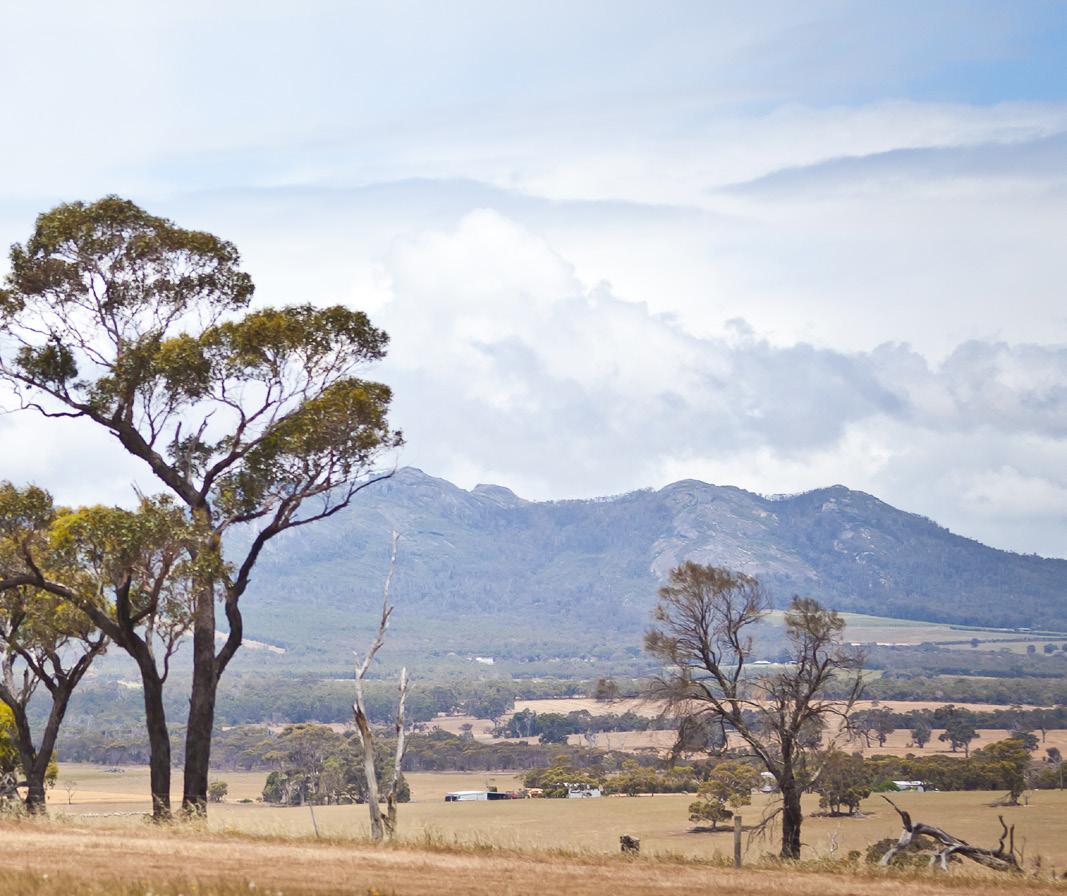
Together We Are Caring For Australia’s Natural Environment
For over 35 years, Landcare Australia has worked at the forefront of community and corporate engagement in environmental conservation and sustainable land management with activities that protect and conserve Australia’s land, water, soils, plants, animals and ecosystems. Together with the landcare community and our partners, our efforts improve biodiversity, restore landscapes, build resilience in Australia’s food and farming systems, and create stronger communities. With the impact of a changing climate, biodiversity loss and natural disasters, our work has never been more important.
We want to take this opportunity to thank our corporate, philanthropic and government partners for their support and working with us in 2025.
Government Partners


Corporate Partners









Supporting Partners











In-Kind Supporters