
Education is your priority. Ours is designing schools that are safe places for it. In this issue, we explore how designers can help establish physically, socially, and neurologically secure spaces for learning.
We’re rethinking the school bathroom, well beyond ADA compliance. Sensory management takes center focus as we offer design recommendations that help maintain a neurologically safe environment. We also examine how to build schools that stand up to challenges like climate change and site security.
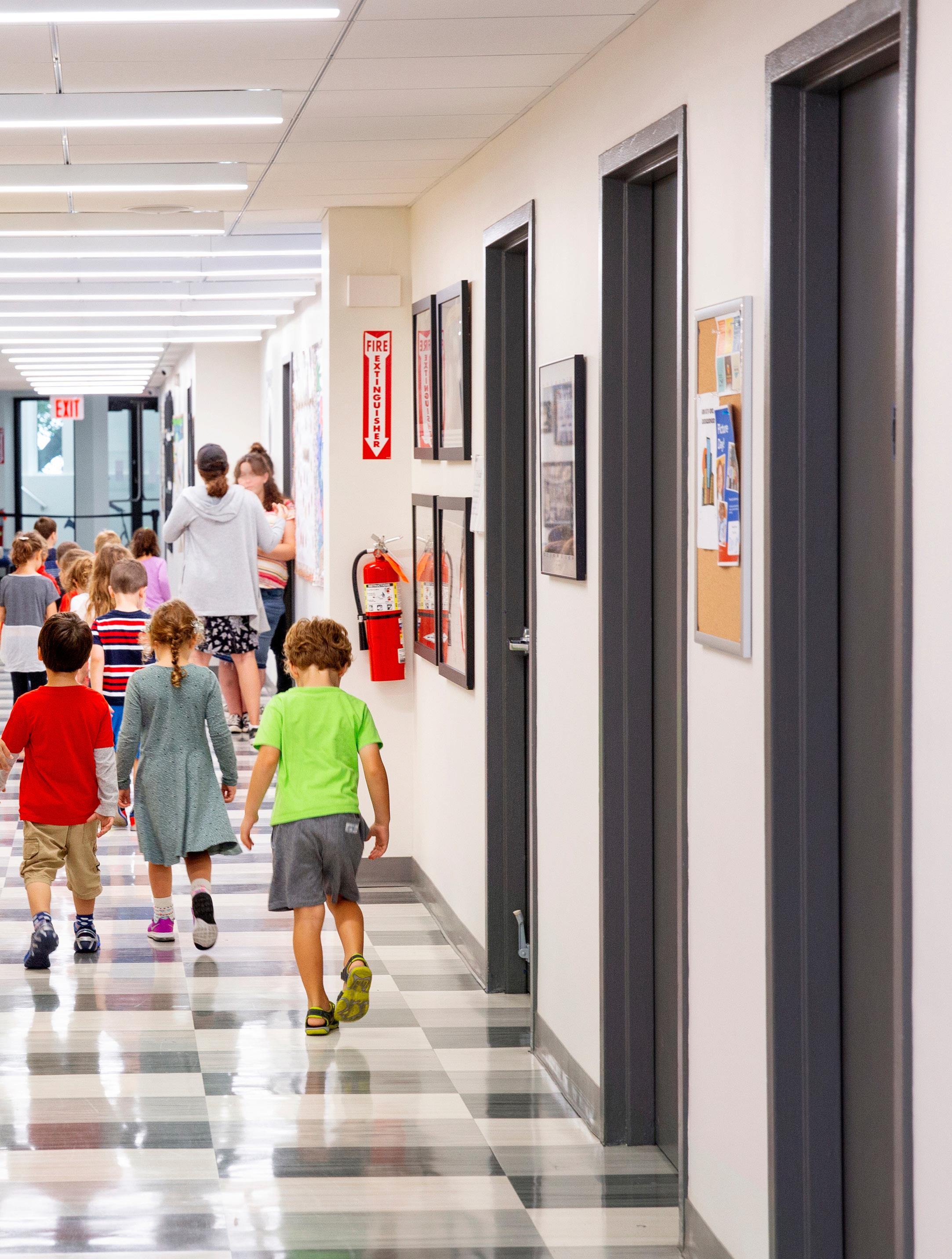
School safety isn’t just about preventing harm— it’s about creating spaces where every student feels secure, supported, and ready to learn.
Want to see your idea in the next issue of In Session? We would love to hear more about it. Submit your topic to insession@labellapc.com
Did you know there’s a regional initiative that helps educators teach about climate change and funds innovative classroom projects?
Our partnership with the Rochester Museum & Science Center (RMSC) introduced us to the Finger Lakes Connected Learning Ecosystem (CLE), a network of educators who share resources and strategies for teaching climate and data literacy through place-based learning.
Finger Lakes CLE offers minigrants—up to $1,500 each for up to five educators—to fund climate and data projects that help students ages 5–18 explore the impact of climate change on their local ecosystems. Grants are awarded to educators in the Finger Lakes region, with the next round expected in spring/summer 2026. The group also provides year-round support through virtual meetings, brainstorming sessions, and a free summer retreat.
Finger Lakes CLE is part of Learning Ecosystems Northeast (LENE), a regional program connecting educators across the Northeast to expand access to climate and STEM learning.
Scan the QR codes below to learn more:
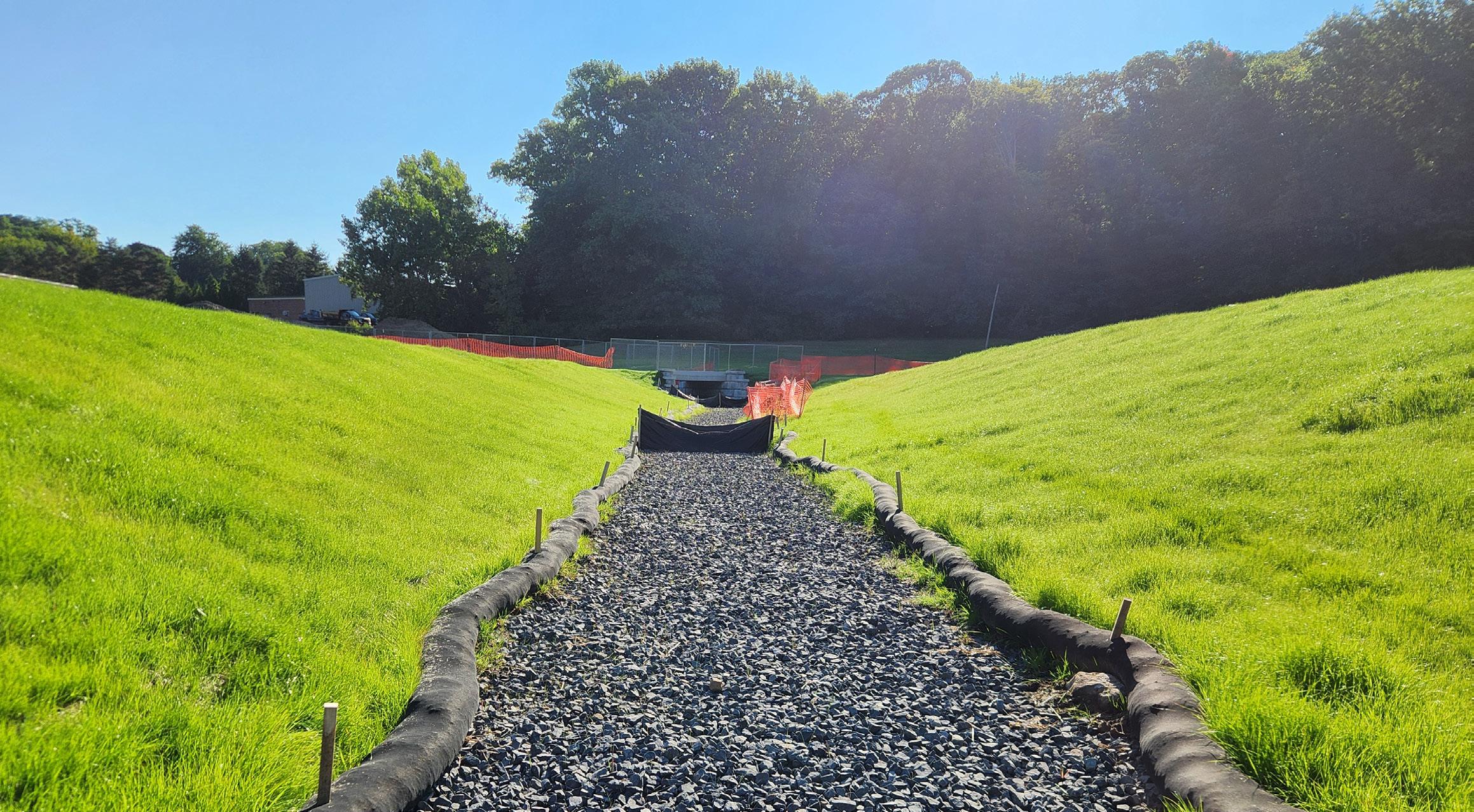
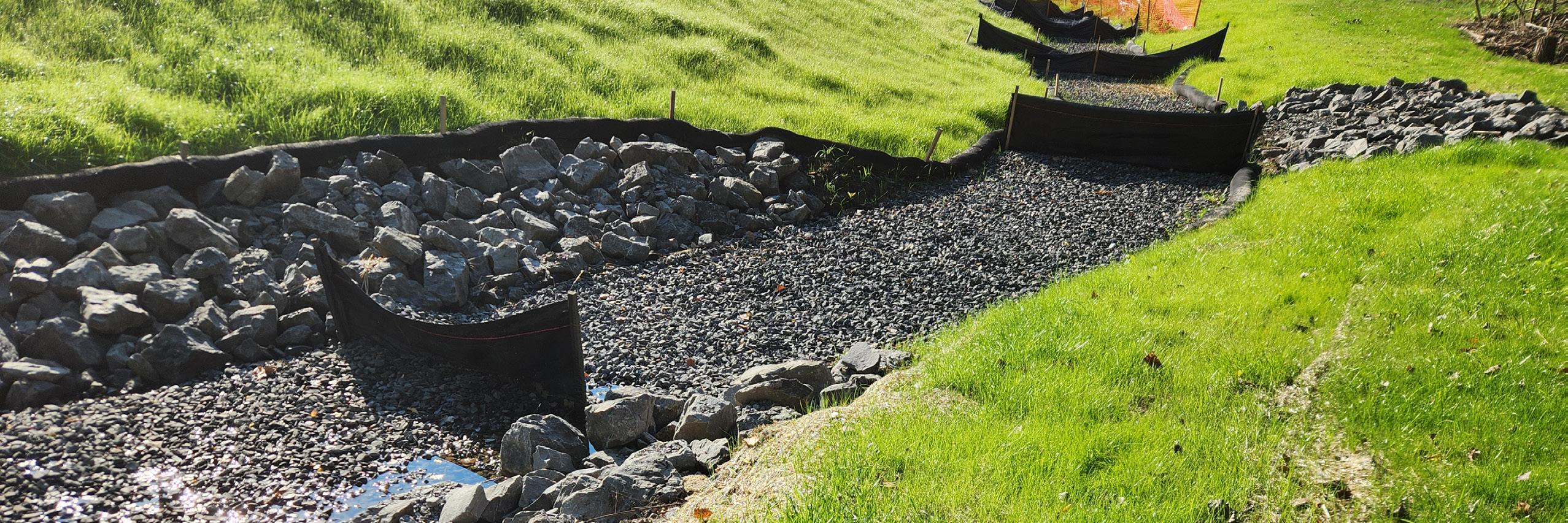
At Minerva DeLand School in Fairport, New York, LaBella responded to a collapsed stormwater pipe with a creative solution—“daylighting” the stream and restoring it to a natural channel that boosts stormwater capacity, reduces flood risk, enhances habitat, and saves the district money.
By Jared Pristach, PE | Senior Environmental Engineer
Across the United States, schools are facing a new reality: buildings and ground once considered secure are now increasingly vulnerable to flooding, stormwater issues, and extreme heat. Rainfall events once thought of as “once in a century” now occur far more often, and aging drainage systems are struggling to keep up. Meanwhile, older classrooms grow uncomfortably hot as temperatures rise.
For districts focused first and foremost on teaching and learning, these challenges can feel daunting. But a range of costeffective, nature-based solutions can help schools remain safe, comfortable, and resilient.
By keeping schools open, reducing costly disruptions, and creating healthier environments for students and staff, these strategies directly support the core mission of education.
This article highlights three key environmental challenges, along with practical strategies for resilience.
A 2017 Pew Charitable Trusts study found that about 2.3% of U.S. public schools are located in flood zones1—areas with at least a 1% annual chance of flooding.
As rainfall becomes heavier and more frequent, even schools outside mapped floodplains face new risks.
At Jasper-Troupsburg High School in Jasper, New York, flooding occurred in 2021 and 2024 despite the site being outside the mapped floodplain. The natural floodplain had been filled in during the 1990s to create athletic fields, reducing the site’s natural flood capacity. To prevent recurring flooding, the school district is working with LaBella to restore a portion of the natural floodplain, allowing the landscape to safely continued on page 4
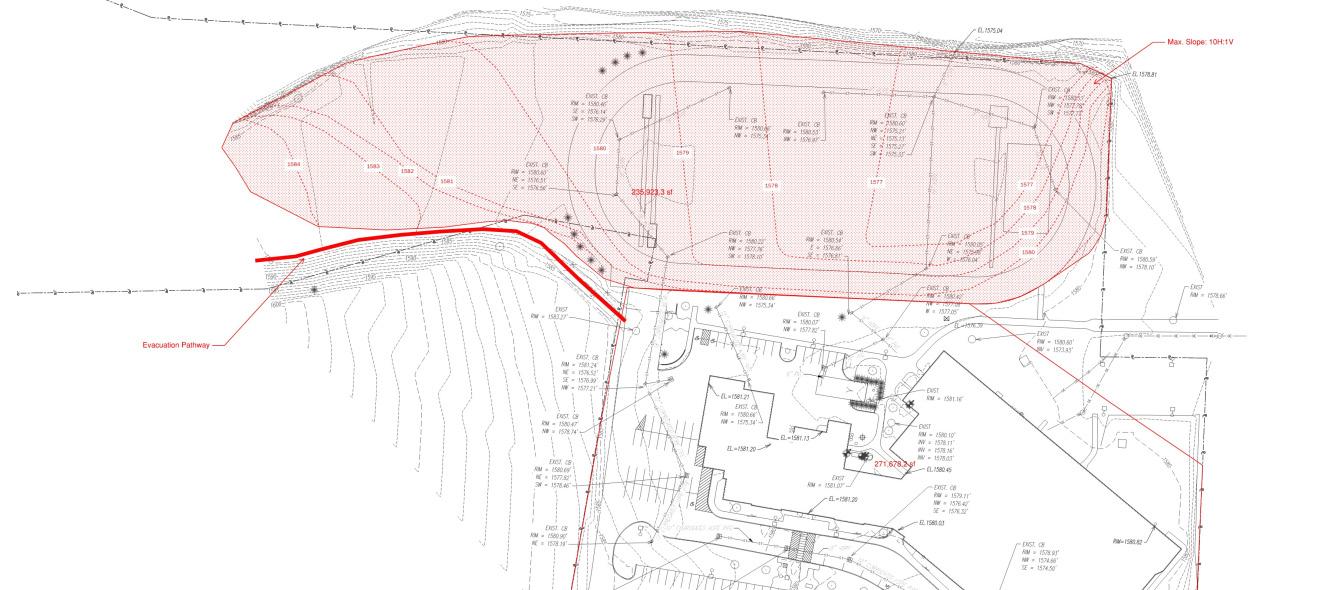
multiple current and projected storm scenarios after the school experienced flooding in 2021 and 2024.
Sustainability, continued from page 3
store water during storms and prevent flooding at the school building and in downstream neighborhoods.
To strengthen resilience against heavy rainfall, school districts should begin by assessing how and where flooding occurs, identifying areas at greatest risk. Open spaces—such as practice fields—can be intentionally designed to serve as temporary flood storage, directing water away from critical buildings and minimizing potential damage. When planning upgrades or new construction, districts should also call for engineering firms to incorporate future climate projections to ensure long-term resilience and protection.
Stormwater systems in many schools were built decades ago and cannot handle today’s heavier storms. As these systems age, they naturally lose capacity without consistent upkeep, further exacerbating the potential for storm damage.
Replacing them is often costly and disruptive—but there are smarter, more sustainable solutions.
At Minerva DeLand School in Fairport, New York, a small underground pipe carrying stormwater to the Erie Canal collapsed, damaging the athletic field. Instead of replacing the pipe, LaBella’s design team chose to “daylight” the small stream, restoring it to a natural channel. The result: greater stormwater capacity, reduced flood risk, improved habitat, and significant cost savings for the district.
While this specific solution may not be applicable to every school, districts can incorporate nature-based stormwater capture systems such as rain gardens, bioswales, permeable pavement, and naturalized channels to slow, capture, and infiltrate stormwater where it falls. Green infrastructure increases the capacity of existing stormwater systems, reduces maintenance needs, and can serve as an outdoor learning tool for students.
Capturing and infiltrating stormwater slows runoff to nearby creeks, rivers, and streams, reducing the intensity of flooding. Green infrastructure also promotes the use of native vegetation, enhancing aesthetics and improving the natural habitat.
Although a quieter concern, heat is equally as troubling. Hot classrooms make it difficult for students to concentrate and can endanger health during prolonged heatwaves.
In New York State, recent legislation establishes maximum temperature limits for K–12 classrooms.2 Schools must take immediate actions to relieve heatrelated discomfort when indoor temperatures reach 82°F, and classrooms cannot be occupied if temperatures exceed 88°F. Many schools—particularly in older buildings—will face significant challenges in meeting these requirements, from outdated
electrical systems and limited space for mechanical upgrades to rising utility expenses.
According to the U.S. Government Accountability Office, an estimated 36,000 schools currently need to update or replace their heating, ventilation, and air conditioning systems.3 As heatwaves become more frequent, the cost of installing and operating cooling systems will continue to rise.
Modest design and landscaping upgrades can have a significant impact. Planting shade trees, utilizing cool roofing materials or green roofs, installing energyefficient windows, and maximizing natural ventilation all help lower temperatures inside and out while reducing energy consumption. Outdoor canopies or shaded courtyards can also make recess and outdoor learning safer and more enjoyable.
Green infrastructure provides cooling benefits as well, helping to reduce urban heat island effects in addition to managing stormwater.
By planning for flood risk, managing stormwater naturally, and mitigating extreme heat, districts can safeguard students, protect their facilities, and make smart investments in long-term resilience.
These approaches not only improve comfort but also help schools meet regulatory requirements while supporting student well-being and performance.
School districts should actively look for opportunities to incorporate shade, energy efficiency, and ventilation improvements during routine upgrades or building projects to reduce long-term costs and enhance comfort year-round. By planning strategically—phasing in improvements, upgrading systems where feasible, and leveraging sustainable design— districts can maintain safe,
functional, and productive learning environments even as temperatures continue to rise.
Climate change is already reshaping the environments where students learn, and schools must evolve accordingly. By planning for flood risk, managing stormwater naturally, and mitigating extreme heat, districts can safeguard students, protect their facilities, and make smart investments in long-term resilience. Forward-thinking design not only strengthens infrastructure—it also creates safer, healthier, and more sustainable places to learn.
References:
3. U.S. Government Accountability Office: https://www.gao.gov/products/gao-20-494

Interview with an Expert
Designing bathroom facilities in K-12 schools may seem straightforward, but these spaces require a thoughtful balance of elements that provide privacy for the user, durability for the facilities team, and safety and security for the school community.
In this interview, we spoke with Courtney Ter-Velde, a NYS Certified Interior Designer and Accredited Learning Environment Planner, about how LaBella’s team approaches K-12 bathroom design to provide safe spaces that meet the needs of students, staff, and administrators.
How often do we design bathrooms in K-12 schools?
Within the last five years, we’ve seen an increase in the demand for bathroom designs. In older buildings that require renovations, the age of the facility and compliance with the Americans with Disabilities Act (ADA) are often driving factors.
Beyond designing or upgrading to meet regulatory requirements, many schools are looking to address other challenges that traditional, multi-user bathrooms present, particularly around safety and vandalism.
What are some bathroom design challenges you’re facing today?
A topic we often discuss from a facility and administrative lens is the challenge of vandalism and illicit activity. The traditional multi-stall design creates opportunities for incidents to occur behind closed doors where observation is limited. For example, one high school project currently under construction was fast-tracked because students were attempting social media challenges that encouraged acts of vandalism, such as ripping sinks off the walls and flushing large amounts of paper products down the toilets.
The cost and effort required to repair the damage forced the school to shut down the bathroom so it could be properly cleaned and cleared. From an observation standpoint, it became critical for the district to modify the facility to prevent the damage from happening again.
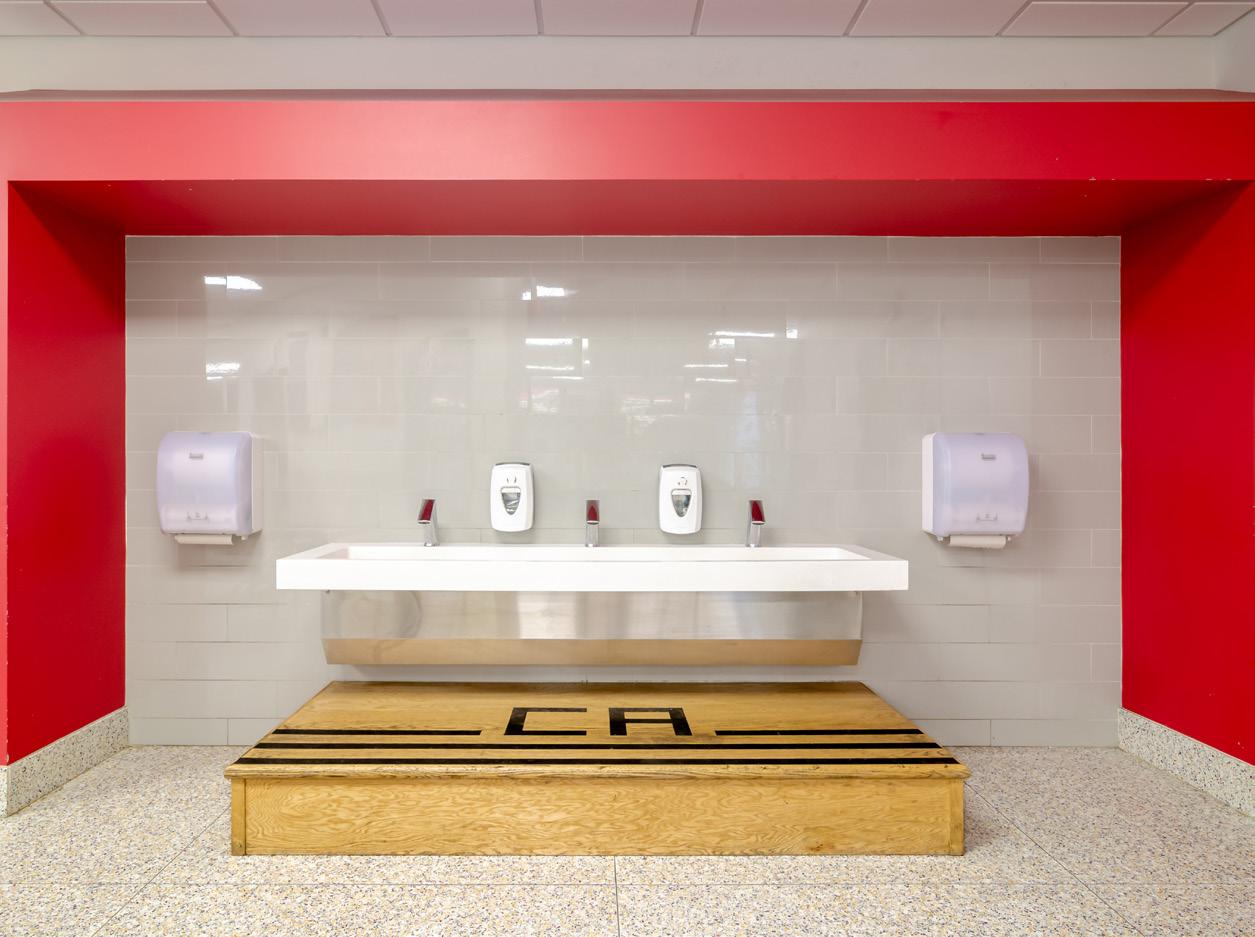
To balance students’ need for privacy and the school’s need for observation, we designed individual-use bathrooms arranged along three walls in a U-shape within a larger space. The waiting area opens to the corridor through a set of double doors held in place by magnetic hold-opens, which release and close in an emergency.
Security cameras observe the corridor to better identify individual comings and goings. There’s no observation within the actual toilet rooms, but the smaller footprint of each individual room prevents multiple people from occupying a single stall, making it easier to identify if damage is being caused. Individual-use toilet rooms are also often equipped with sensors that can detect illicit activities, such as smoking or vaping.
Are individual-use bathrooms a common design request?
Yes, for students who are already navigating an emotionally and socially challenging time, entering a traditional multistall bathroom can create fear or anxiety, which may trigger behavioral issues or absenteeism. Since it’s not feasible to have a monitor in every restroom, designing facilities that help students feel safe and comfortable is preferred.
One way we address these needs is by incorporating multiple types of facilities to meet different needs. Individual-use bathrooms provide an accessible option for students who may not feel comfortable being in a facility with their peers. We’ve seen an increase in requests for this type of design from districts as well.
What materials, fixtures, and layouts do you recommend to support hygiene in high-traffic school environments?
Durability and cleanability are critical, as bathrooms are one of the most highly trafficked spaces in a school. Part of our design evaluation involves working with facilities directors to understand their maintenance programs and
determine how the materials and fixtures we propose can be incorporated into their program. Staff training and access to appropriate equipment are also considered to ensure the facility can be maintained successfully.
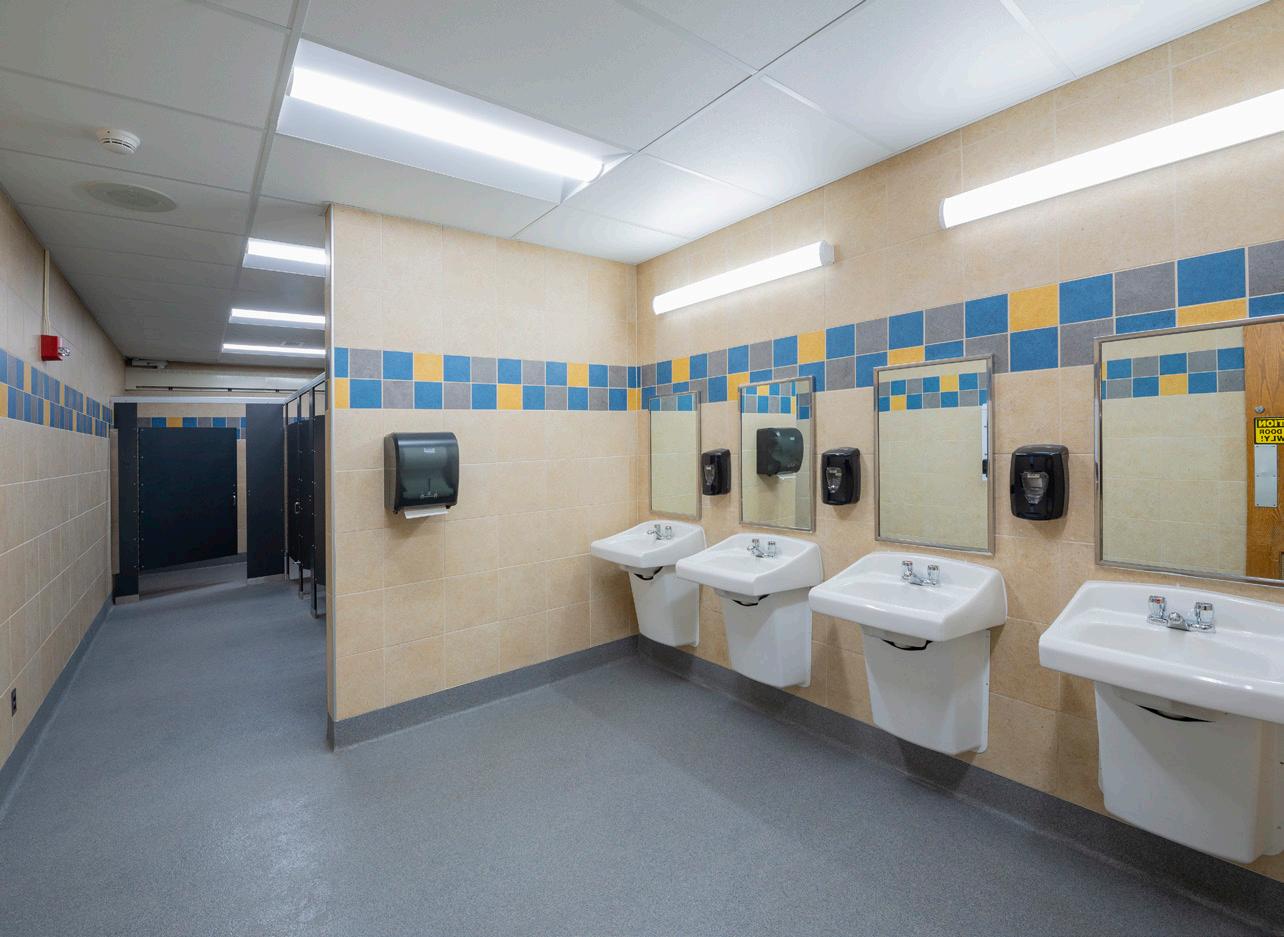
We’ve seen growing interest in removing grout and tile flooring systems to reduce the amount of scrubbing required to clean away dirt and bacteria. In place of tile, we’re installing epoxy resinous flooring systems, which are monolithic, seamless surfaces that can include an aggregate for slip resistance. Because of the seamless application, the flooring can wrap up the wall to create an integral base, so the area can be hosed down with water that’s directed to a floor drain.
Another recommendation we make to assist with cleanability is using high-density polyethylene (HDPE) partitions between the toilets. HDPE is a highly durable, moisture-resistant plastic that’s denser than standard partitions and has a very high wear rating.
Touchless features—like motionsensored toilets, faucets, soap dispensers, and hand dryers— reduce waste and the amount of daily cleaning and disinfection required.
Standard materials can also be adapted for bathroom use, such as ceiling tiles that can be
bleached and cleaned and epoxy paints that withstand frequent scrubbing better than standard latex paint.
How do we deal with footprint limitations during design renovations?
Anytime the configuration of an outdated facility is modified, it must be upgraded to meet ADA standards. Balancing the International Building Code (IBC), which establishes fixture counts based on building occupancy, with ADA compliance can present a challenge for schools with space constraints.
The space needed to add an ADA-compliant facility can reduce the total fixture count required by the IBC. When a school is considering a program change or the district is developing a master plan, we identify the need for additional facilities during that process.
If a school already has more than the IBC-required number of fixtures, it’s much easier to add an ADA-accessible toilet room. If space does not allow conversion from multi-stall to individual toilet rooms, a renovation to make the existing space ADA-compliant would likely occur.
There’s also an opportunity to evaluate nearby rooms for
potential conversion to individualuse bathrooms.
do you tailor bathroom designs across different grade levels?
Most of our discussion has focused on middle and high school. For pre-K, kindergarten, and first grade, most states require bathrooms within the classroom so staff can provide assistance when necessary. For the remaining elementary school grades, multi-stall facilities are the most common. Designing sinks to face the corridor helps ensure handwashing can be observed. In both in-classroom and multi-stall elementary bathrooms, most fixtures are smaller than standard and installed at lower heights to accommodate younger students.
There’s no one-size-fits-all solution to such a complex topic. Finding the right balance between privacy, safety, and security in K-12 bathrooms is an ongoing effort. By offering both multi-user and individualuse facilities, and by carefully selecting materials and layouts that support maintenance and student well-being, schools can provide students with options that help them feel comfortable and secure in what can be a vulnerable environment.
By Justin Shaffer, AIA | Architect & Darren Pieters | Senior Electrical Engineer
Supportive learning spaces are safe learning spaces. With intentional design, school districts can create learning environments where students are not just safe but also feel safe.
Schools can respond to threats by introducing stronger interior and exterior security measures. The resolution is valuable but raises an important question: how do we keep schools secure without losing the welcoming, supportive atmosphere that makes learning and connection possible?
Reducing the risk of threats requires a comprehensive and balanced strategy—one built
through close collaboration among administration, emergency response personnel, design professionals, and the public. District administrators offer insights into building operations and daily procedures. Local authorities help inform preventive actions by sharing lessons learned from past events. Architects guide the integration of design, technology, and aesthetics to ensure safe and inviting environments for students and staff.
With this group exercise, threats and vulnerabilities can be identified—and so too can opportunities to help students feel safe rather than just see security.
School districts often include large-scale safety improvements in their Capital Improvement Plans (CIPs) so that more of the scope of work qualifies for state building aid. Site and building renovations, as well as new construction, provide time and funding for safety enhancements—and, most importantly, offer the opportunity to prioritize safety as a districtwide initiative.
However, if vulnerabilities, such as a non-functioning security camera or unsecure doors, exist before large project planning begins, in-house improvements or a Capital Outlay Project (COP) are recommended for quicker resolution.
Feature, continued from page 9
• Technology: Security technology can be a powerful tool when implemented thoughtfully. Cameras and metal detectors may cause anxiety if overemphasized, but when subtly integrated, they effectively fill security gaps. From closed-circuit televisions to fully monitored security systems, technology is rapidly advancing. Common systems being explored by districts throughout New York State include license plate readers and door access control hardware. Though costly—particularly for hardwired systems—door access control devices with programmed lockdown buttons enable authorized staff to lock all doors with the touch of a single button,
isolating sections of a building. All emergency services (police, fire, and EMS) should be provided with full access cards and keys to ensure entry during lockdown events.
• Additional Considerations: Walls and doors can be reinforced to withstand greater impact at highconcern entry points. Folding partitions can isolate a section of a classroom if a door cannot be secured during a critical event. Smoke and carbon monoxide detectors, as well as sprinkler systems, must be maintained annually. It is vital that any solution be accessible to all individuals and comply with local and state agency codes.
From windows-as-walls to license plate readers, safety design and technology should remain a top priority in any capital project. Effective safety management requires a balanced approach— one tailored to each building’s needs and sustainable for district staff to maintain and monitor. Physical safety improvements should also be complemented by other measures such as identification badges, accessible signage, and clear communication strategies.
A school’s safe and well-designed physical environment creates a foundation that supports students’ emotional, social, and academic development.
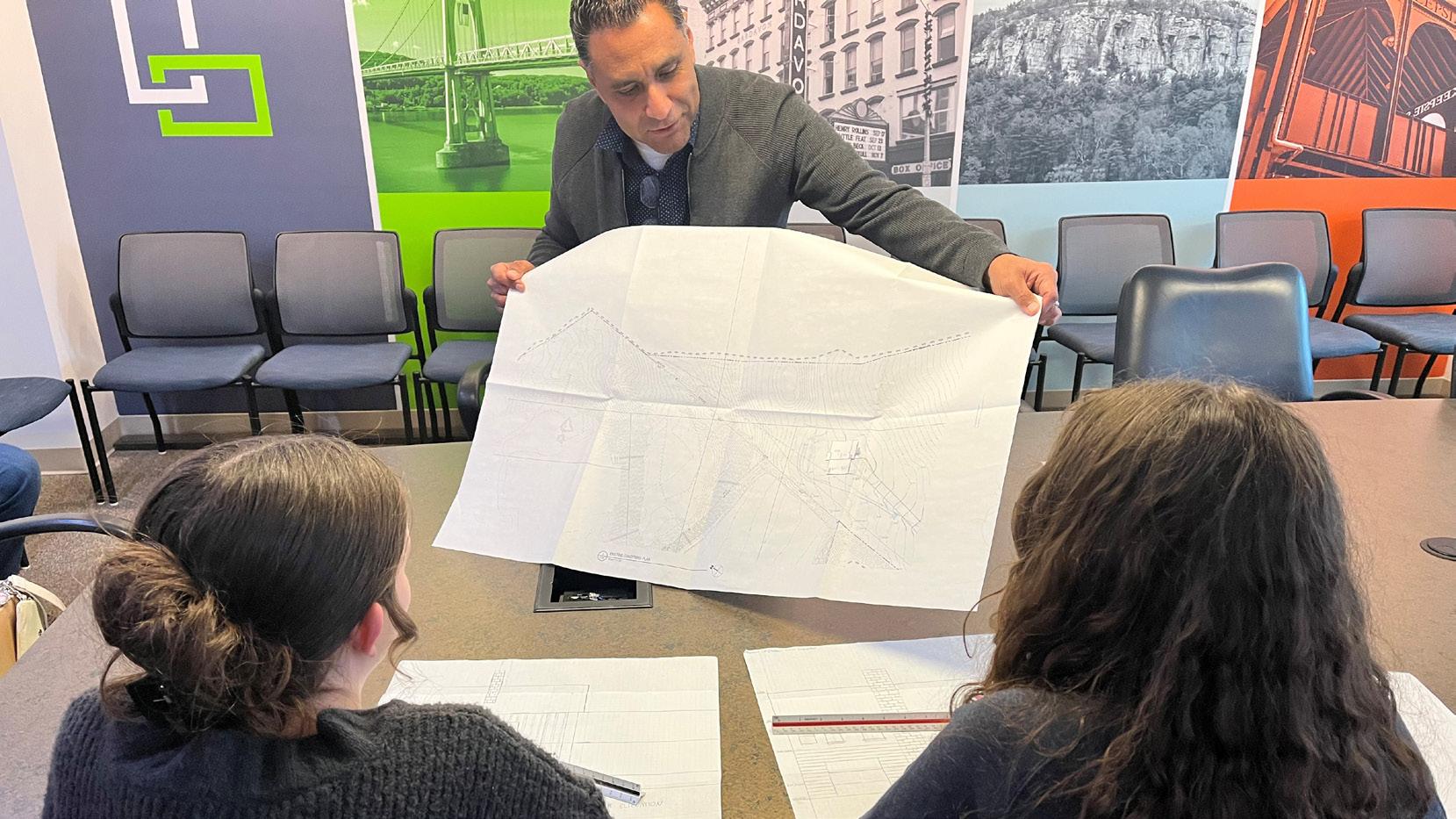
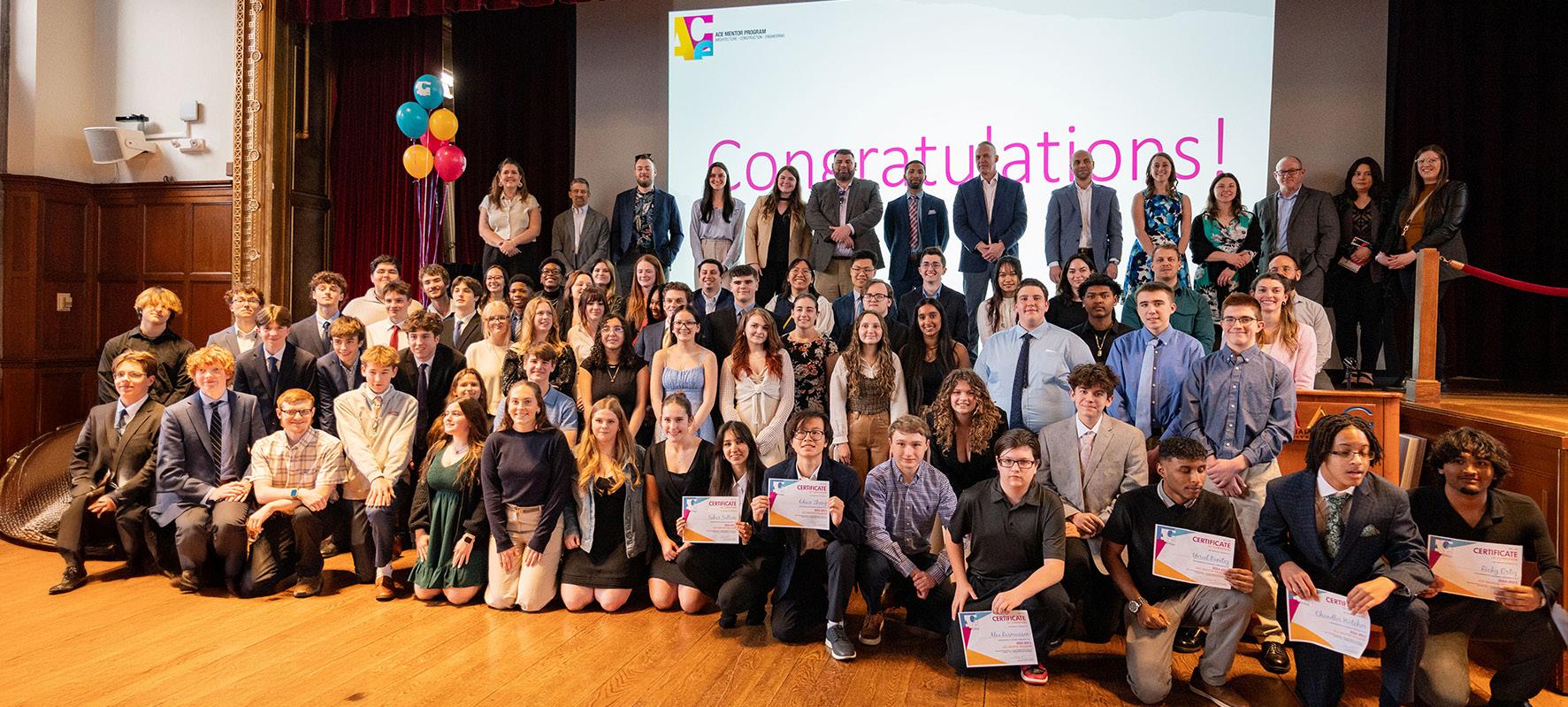
Pictured clockwise from top left
• Dutchess Chamber Youth Leadership Program (Poughkeepsie, NY - Spring 2025)
• Explore & More World Environment Weekend (Buffalo, NY - June 2025)
• Education Success Foundation Workshop (Rochester, NY - March 2025)
• Career JamTM Explore (Troy, NY - Spring 2025)
• Tapestry Charter School Earth Science Day (Buffalo, NY - October 2025)
• ACE Mentor Program of Rochester (Rochester, NY - Spring 2025)
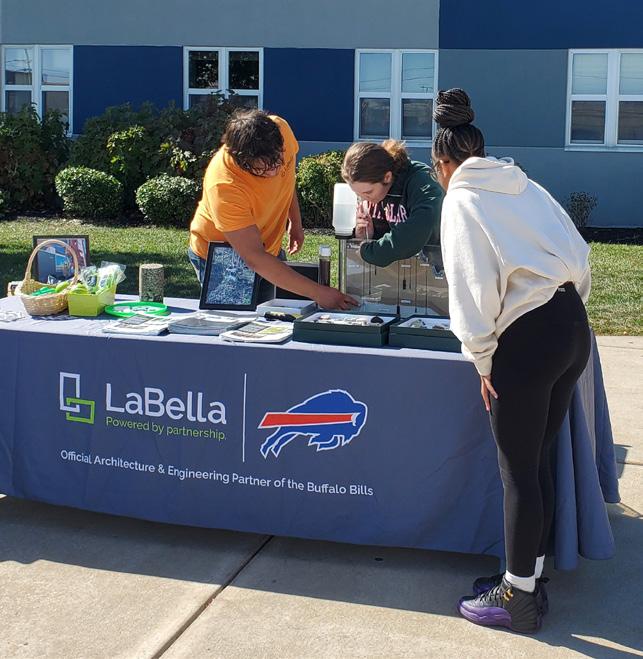
As educational designers, LaBella’s work shapes learning outcomes, but our impact extends well beyond a school’s physical borders. We seek opportunities to use our skills, experience, and insights to make a meaningful difference in students’ lives.

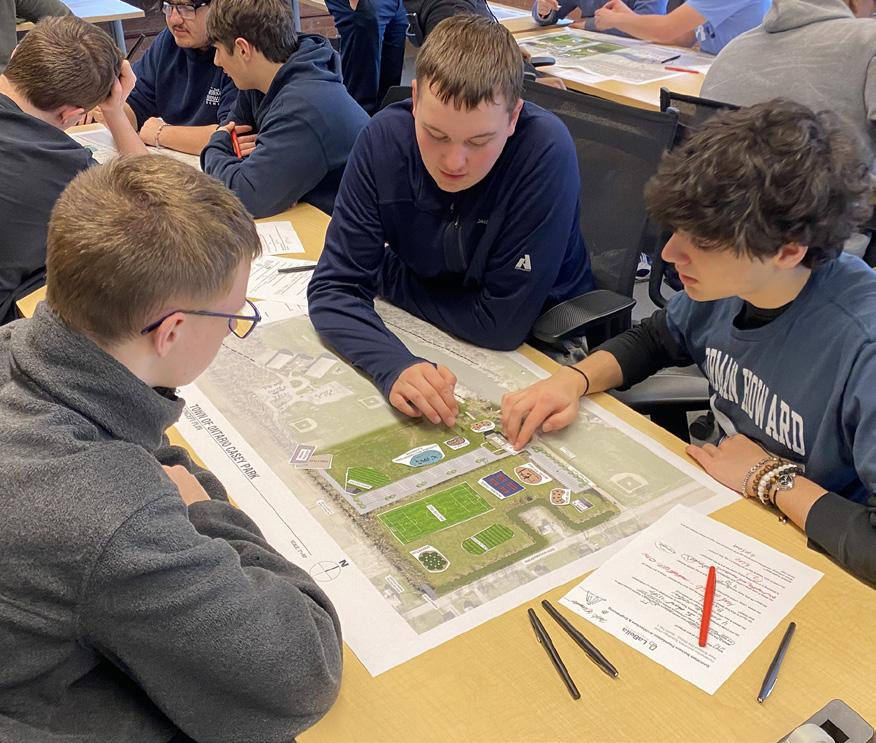
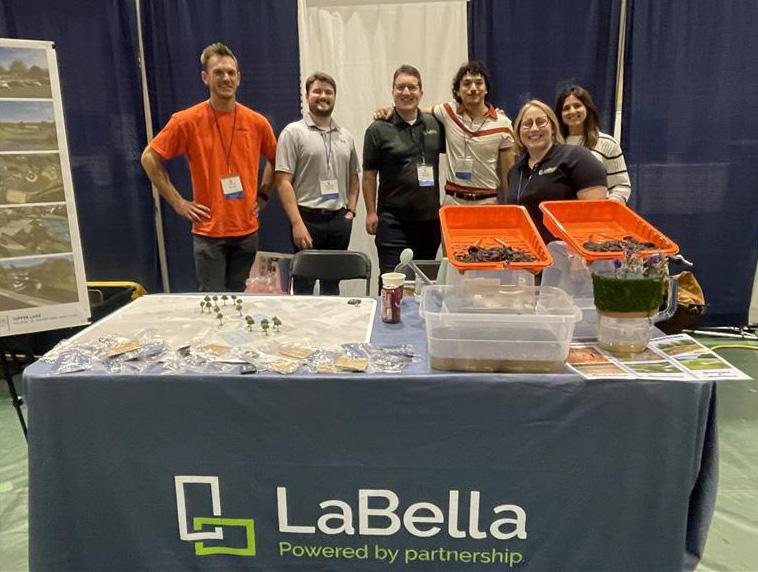
Through a variety of engagement efforts, we connect with students one-on-one to encourage STEM/STEAM education and inspire the next generation of design professionals. Pictured above are some recent student engagement activities LaBella has participated in.
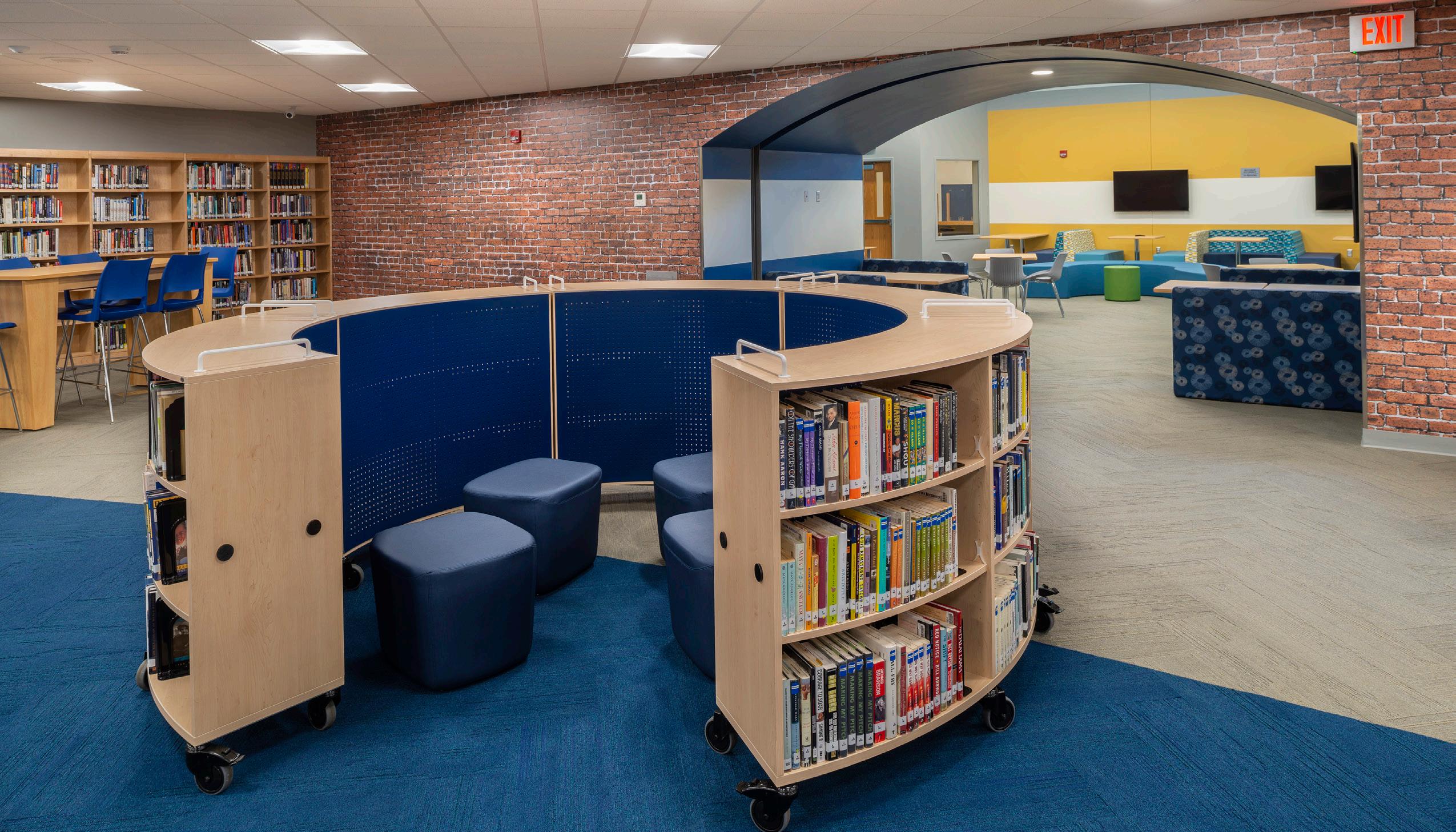
Interior Design
By Danielle Lewis, CID, ALEP, IIDA, WELL AP | Senior Interior Designer
It’s Monday morning, and your week begins in the faculty workroom. Colleagues arrive, sharing stories of weekend outings. Table feet screech across the floor as furniture is rearranged for collaboration. The light above is bright; the sun shining on your workstation, even brighter. The aroma of someone’s breakfast fills the space. As the room occupancy rises, so does the sensory input—and possibly your emotions.
Too much sensory input can provoke overstimulation. This state of overwhelm can manifest as feeling unsettled or unsafe in the surroundings. Some individuals—often adults—can self-regulate.
Students, however, are still learning how to process their environments.
As educators and designers, it is our responsibility to give them tools for learning, and that can start with spaces that support feelings of calm, comfort, and safety—not stress and anxiety.
In addition, as neurodiversity suggests, not all people experience and engage with the world in the same way. In fact, between 15% and 20% of the global population is recognized as neurodivergent,1 a term describing “people whose brain differences affect how their brain works.” These differences, including additional connections in the brain and reduced cognitive filtering, can make neurodivergent individuals more susceptible to cognitive overload.2
Many districts are embracing these ideas with the understanding that most students are still learning to regulate and that no two students process information the same way. Below we highlight built elements designers can implement to create an atmosphere that fosters a psychologically safe environment.
Visual elements such as lighting, color, and visibility can be particularly overwhelming sensory inputs. While natural lighting is best to support circadian rhythms, small strategies—like zoned, dimmable LED lighting—can help students manage environmental triggers such as brightness and glare.
Colors should be used thoughtfully, with calm or neutral palettes supplemented by minimal bold colors. Bright, bold colors can be reserved for distinguishing zones, feature areas, or wayfinding within spaces.
Transparency and visibility between spaces helps students see a space before entering, reducing the discomfort of entering an unfamiliar area.
Incorporating furniture and finishes with soft textures or providing areas of grass-like turf gives students a tactile way to process sensory inputs. Elements like sensory paths, interactive walls, and furniture that students can climb on can also be effective means for expressing kinesthetic energy.
When space planning, areas with strong smells, like cafeterias, should be placed away from classrooms and focus spaces. Similarly, areas with high levels or unique types of noise should be isolated. Even sounds like flushing toilets or elevator machine components humming can create an unpleasant atmosphere.
Designers should also recognize the importance of acousticabsorbing dividers, acoustic wall systems, and enhanced ceiling and wall finishes to reduce the amount of reverberation and sound transfer between spaces.
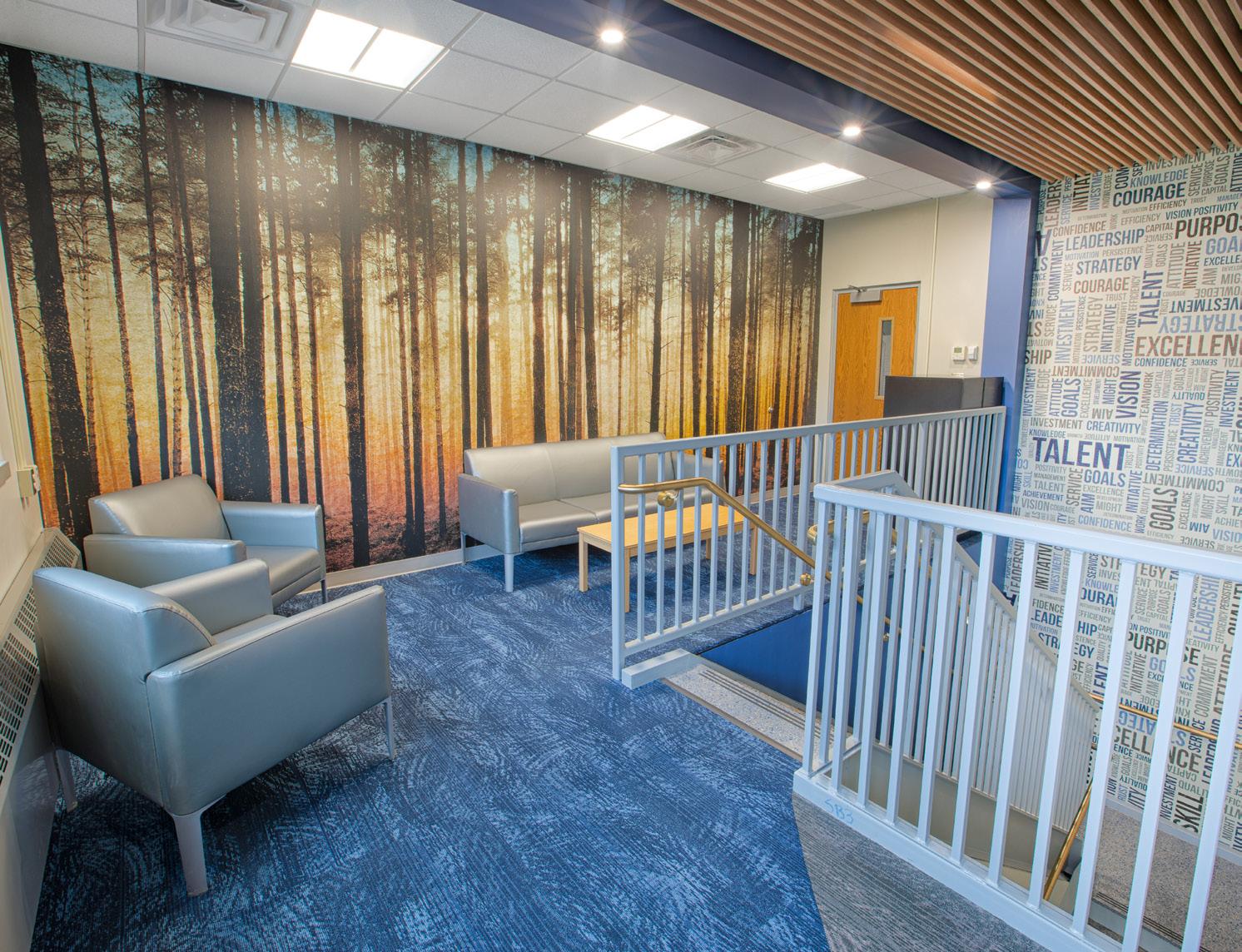
Ultimately, students benefit from increased agency within their classrooms. Much research has gone into the Universal Design for Learning (UDL) guidelines,3 where a focus on engagement, representation, and action encourages students to flourish.
• Engagement: Giving students opportunities to practice learning in ways that best allow them to cope and challenge themselves.
• Representation: Providing students opportunities to personalize how they build skills.
• Action: Encouraging students to express what they have learned in an authentic manner.
Though vastly based on teaching and classroom management policies, the UDL concepts can apply to the built environment in many ways. Designers should provide adaptable furniture that allows for rocking, wiggling, or standing—a few means of selfregulation. Small areas of refuge, like individual, recessed nooks or separate workrooms, can promote physical and emotional security.
By recognizing that students respond uniquely to their surroundings, we take the first step toward creating emotionally safe learning environments. While some may thrive in lively, dynamic spaces, others need calm and structure to feel secure and focused. When we prioritize comfort and psychological safety, students can engage and grow in the ways that work best for them.
References:
1. Northwestern Medicine: https://www.nm.org/healthbeat/healthy-tips/Understanding-Neurodiversity
2. Incredible Horizons: https://incrediblehorizons.org/autism-Plus-II-neurodiversity-approach/
3. Universal Design for Learning Guidelines: https://udlguidelines.cast.org/more/about-guidelines-3-0/
Project Feature
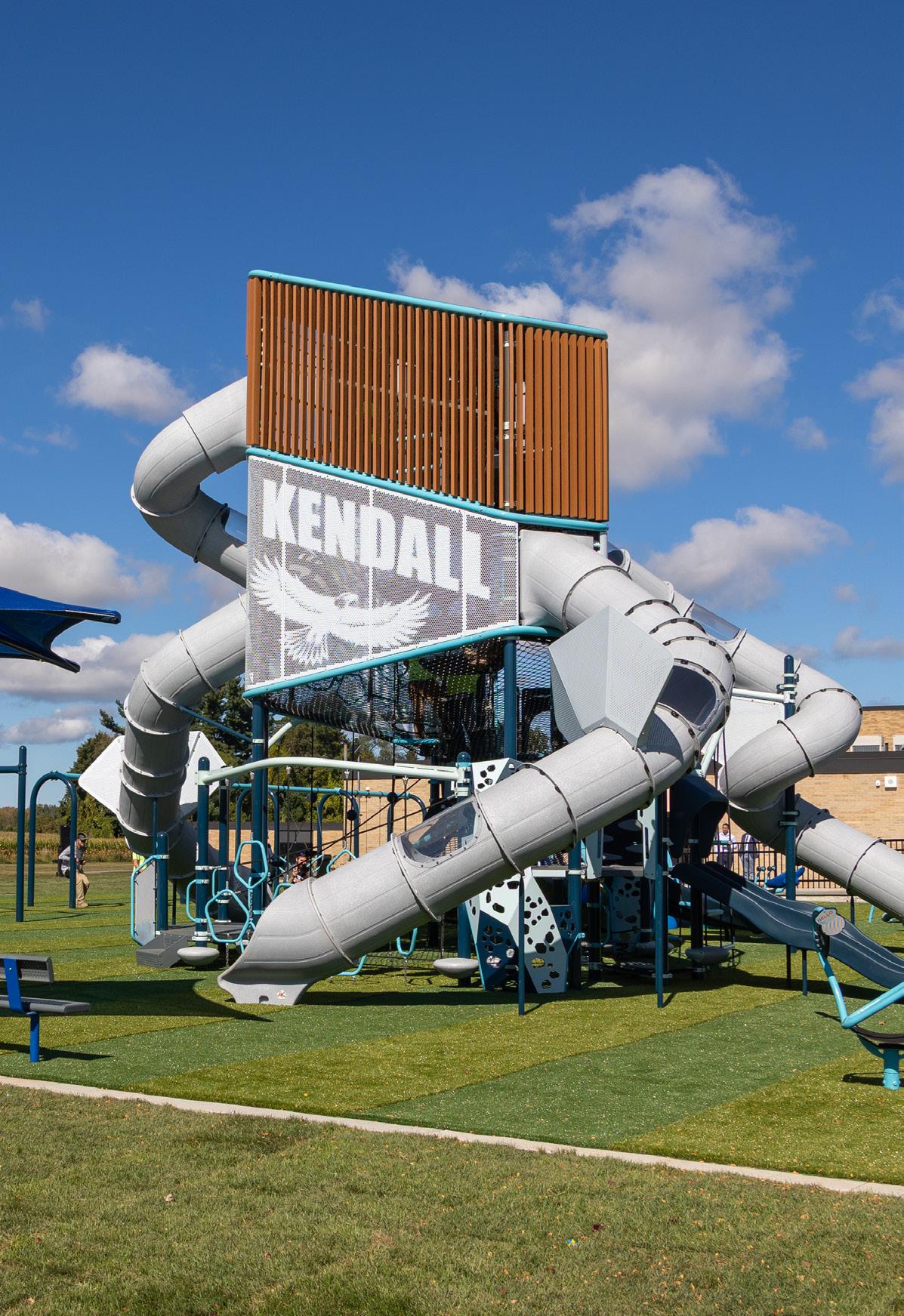
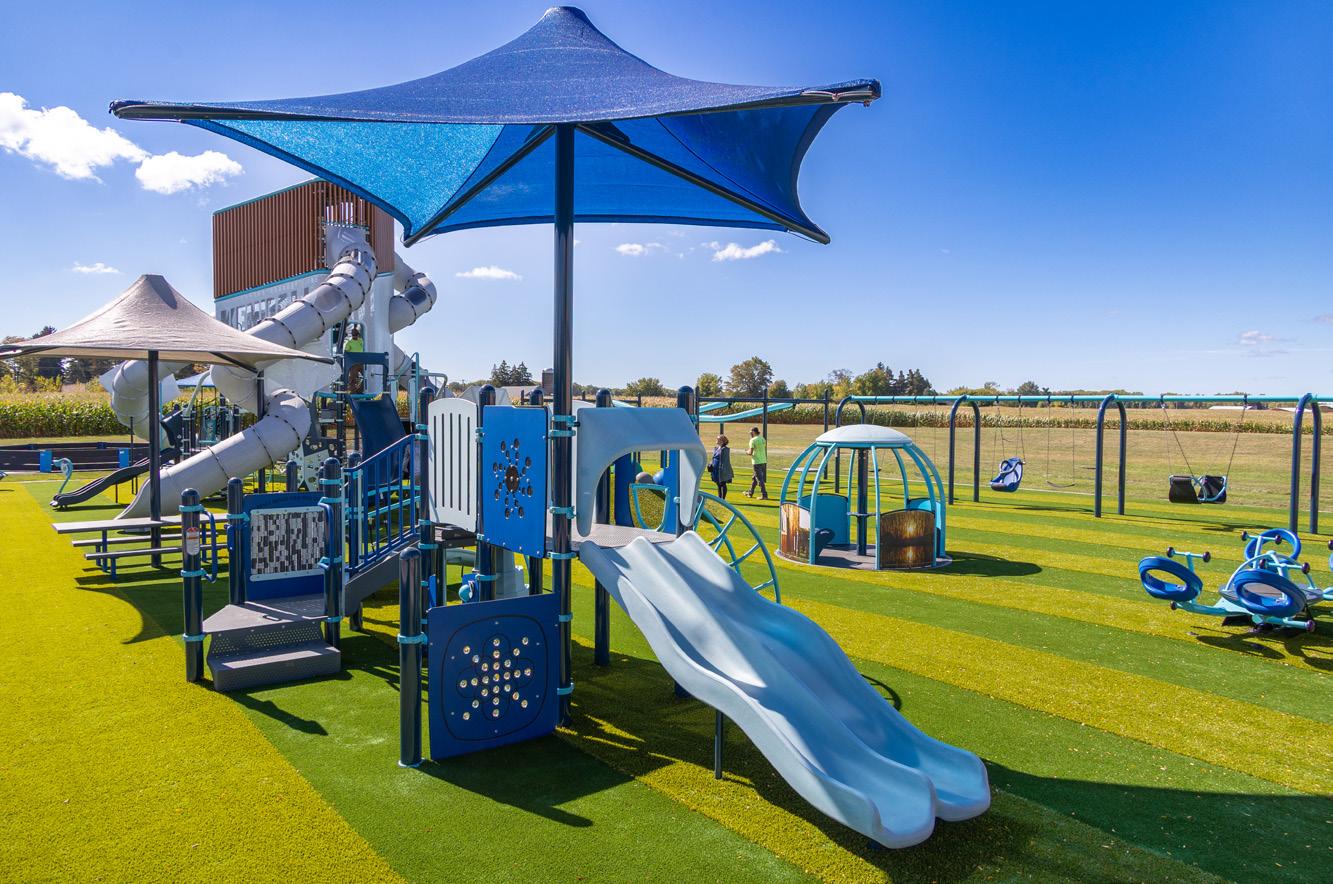
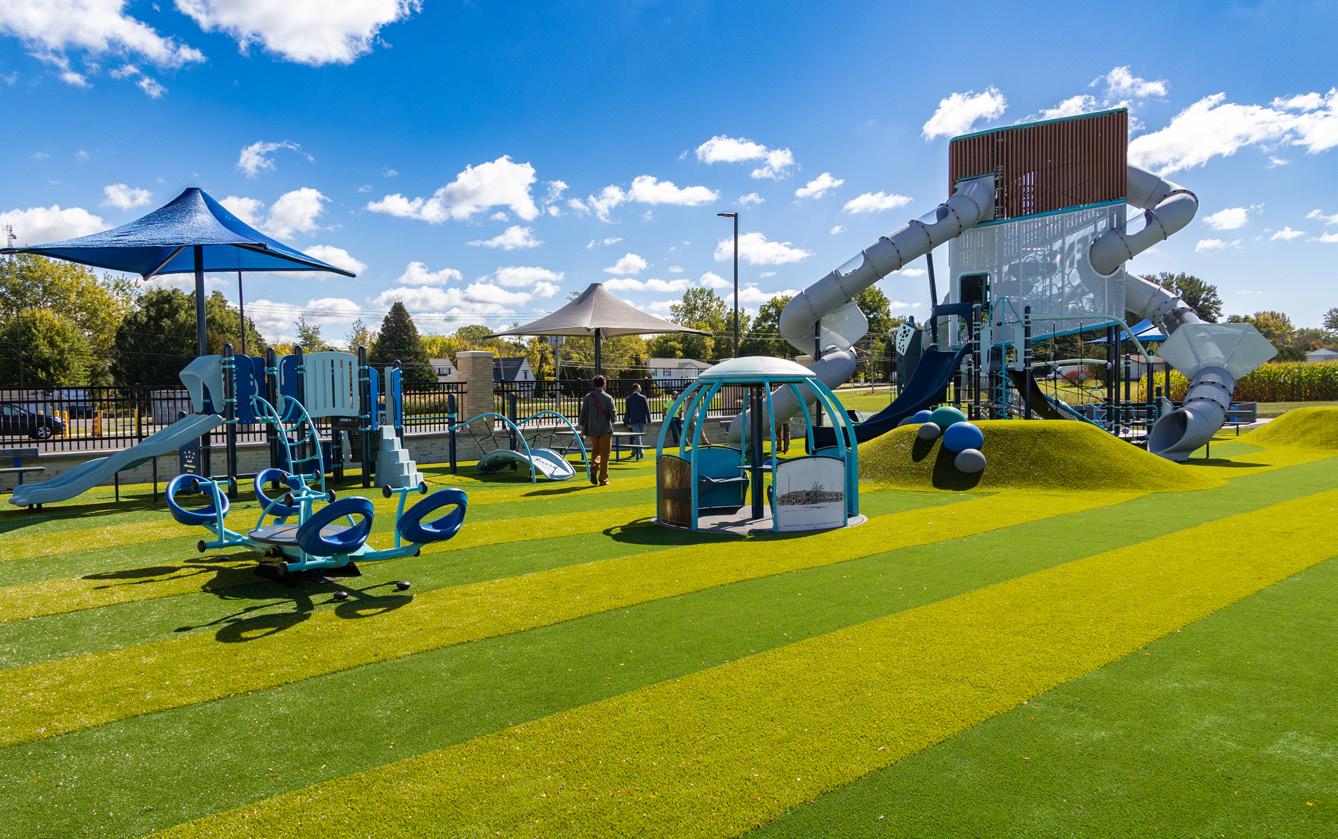
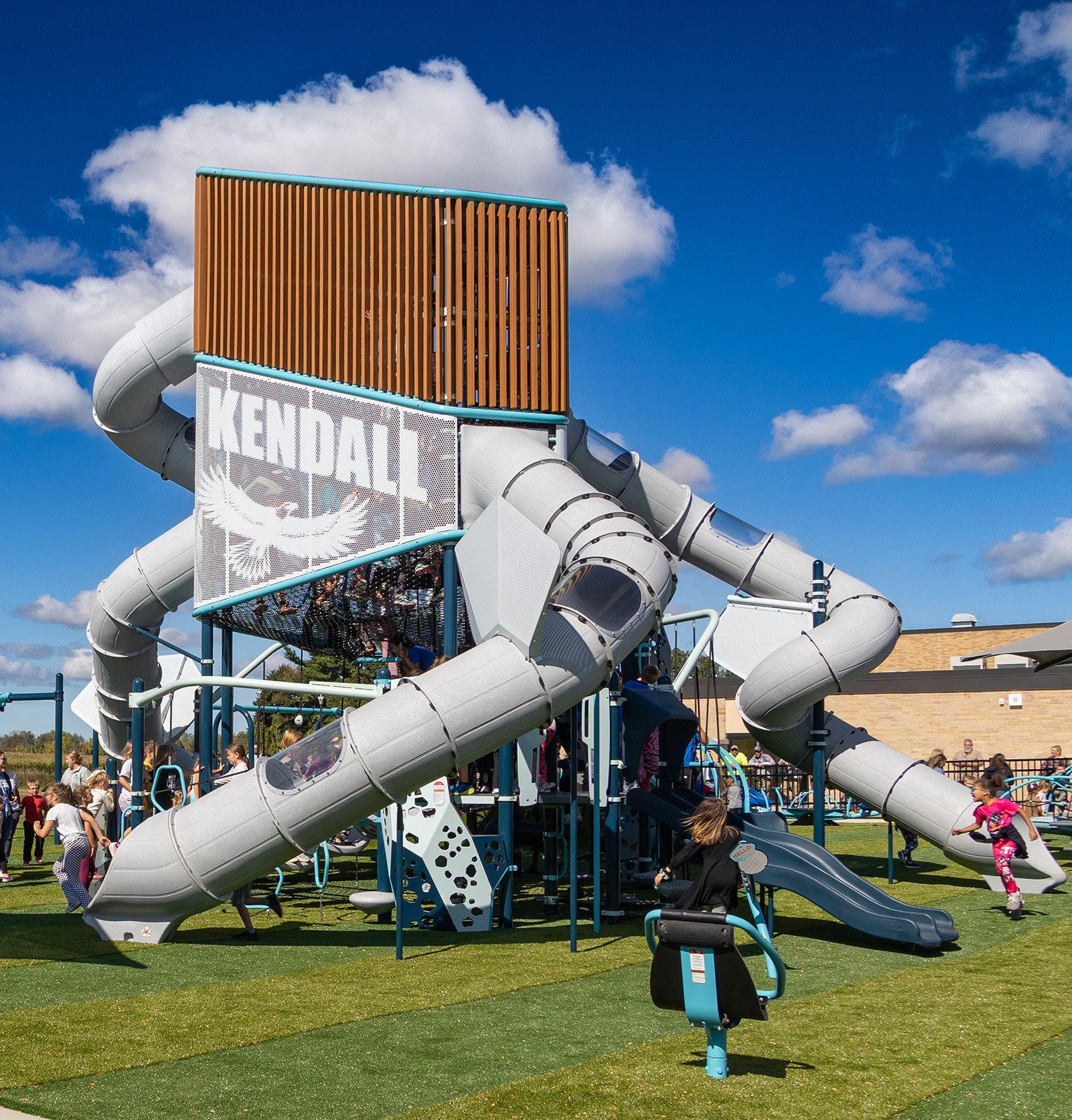
With funds from its 2023 Capital Improvement Plan, Kendall Central School District invested in a new, state-of-the-art playground at the elementary school. This transformative upgrade replaces an aging, 30-year-old structure with a modern, inclusive, and engaging play space reflective of the school’s deep commitment to student well-being, community values, and the importance of play in childhood development.
Key features of the playground include age-appropriate play structures such as the Volo Aire, a covered, multi-story climbing tower with slides—the first of its kind on the East Coast, and the We-Go-Round, a modern-day merry-go-round with a floor-level entry accessible to all. Additional playground features include We-Saws, a zipline, chill spinners, swings, climbing mounds, and several shaded areas.
Additionally, the playground offers enhanced accessibility, integrated educational elements, and visual details that reflect the District’s identity. Exterior cameras will also be installed as part of district-wide safety improvements, underscoring a holistic approach to creating a secure and welcoming environment for all.
Learn more about this exciting project by scanning the QR code:
Located within a tight site footprint, the Prospect Elementary school needed additional space for key school programs.
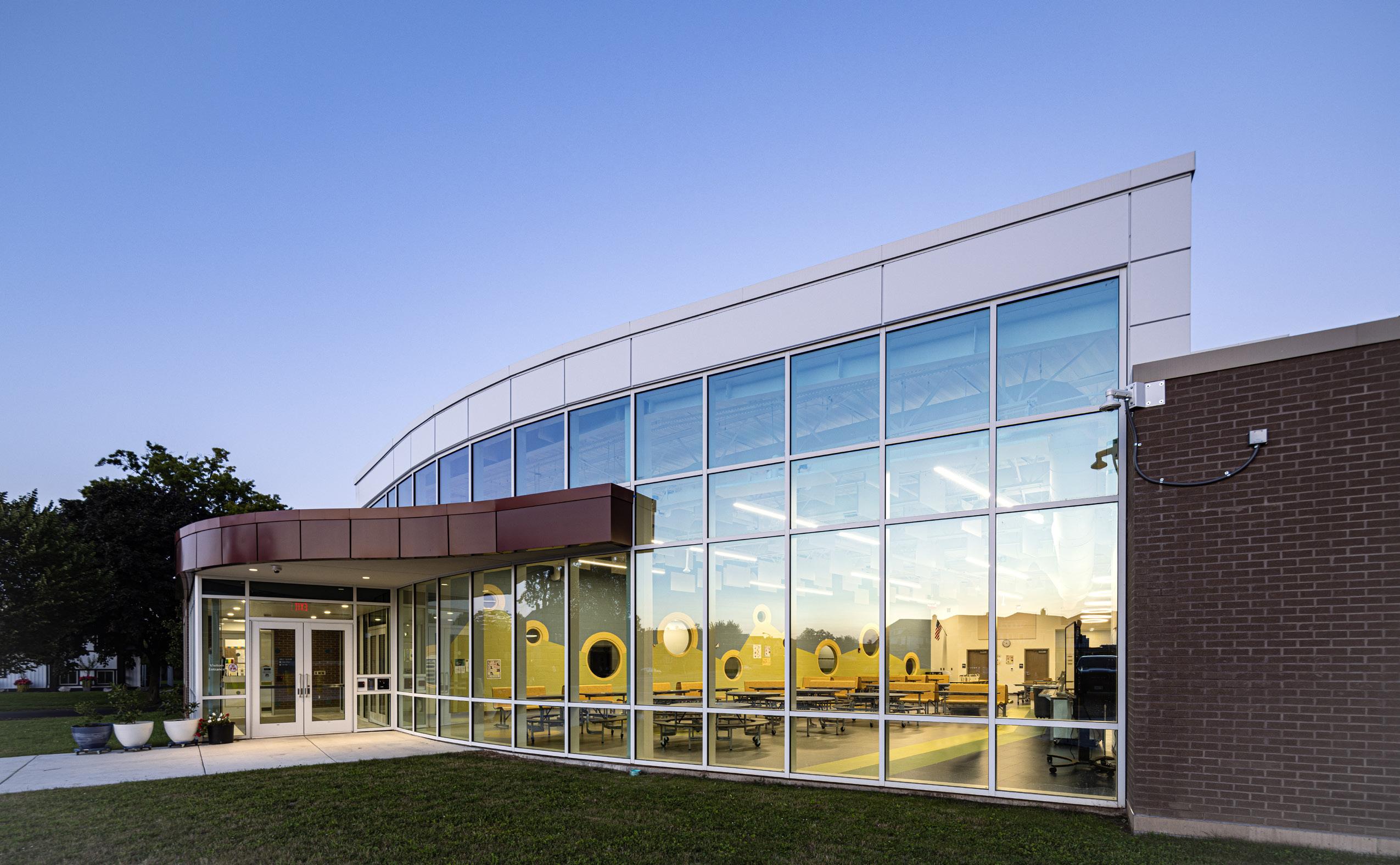
In May 2025, LaBella and Salamanca City Central School District were honored to receive a 2025 IIDA NY Buffalo City Center Interior Design Award in the K-12 Education category for the Prospect Elementary Addition project. This award highlights projects that exhibit design excellence, creativity, and exemplary skill.
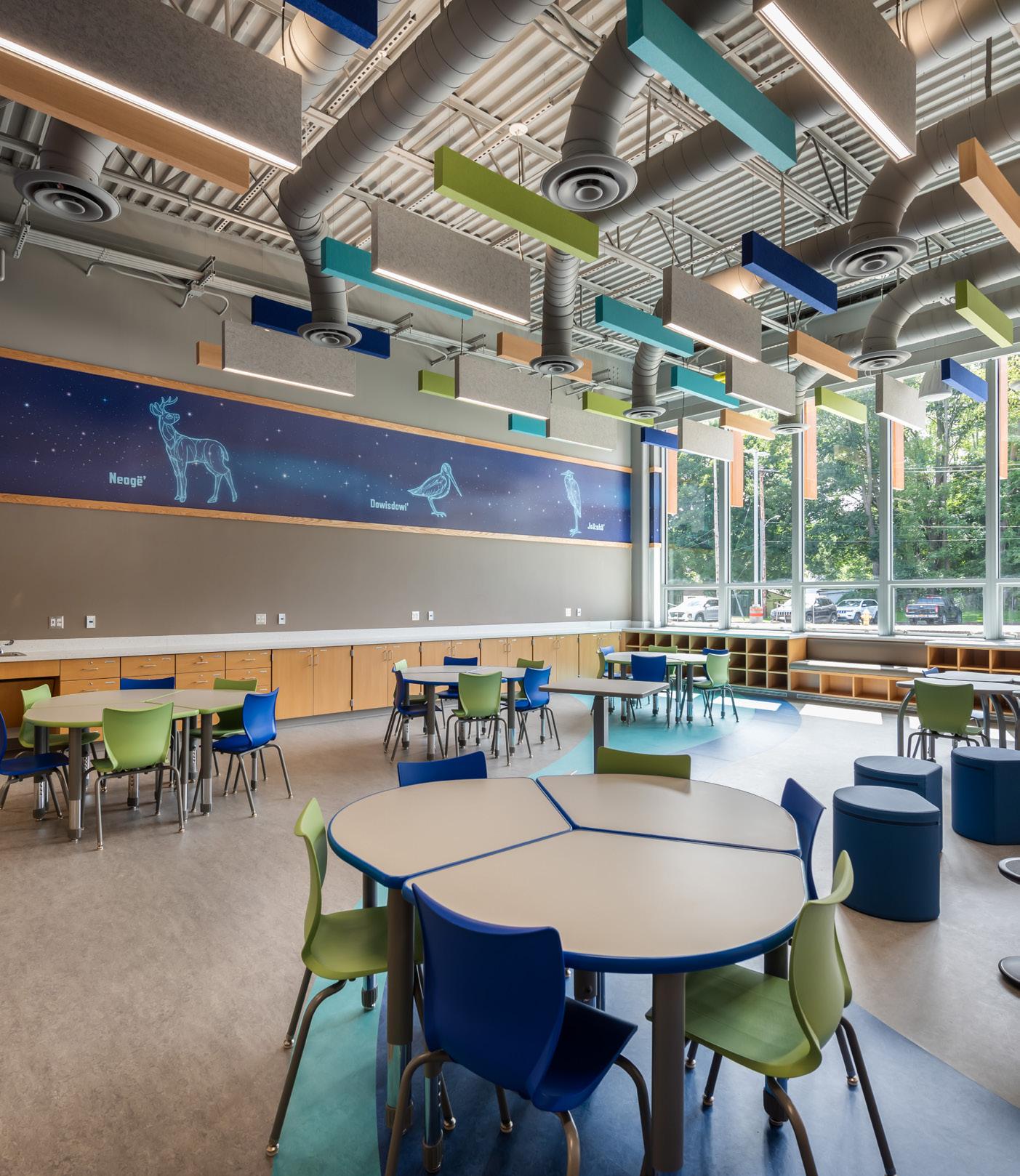
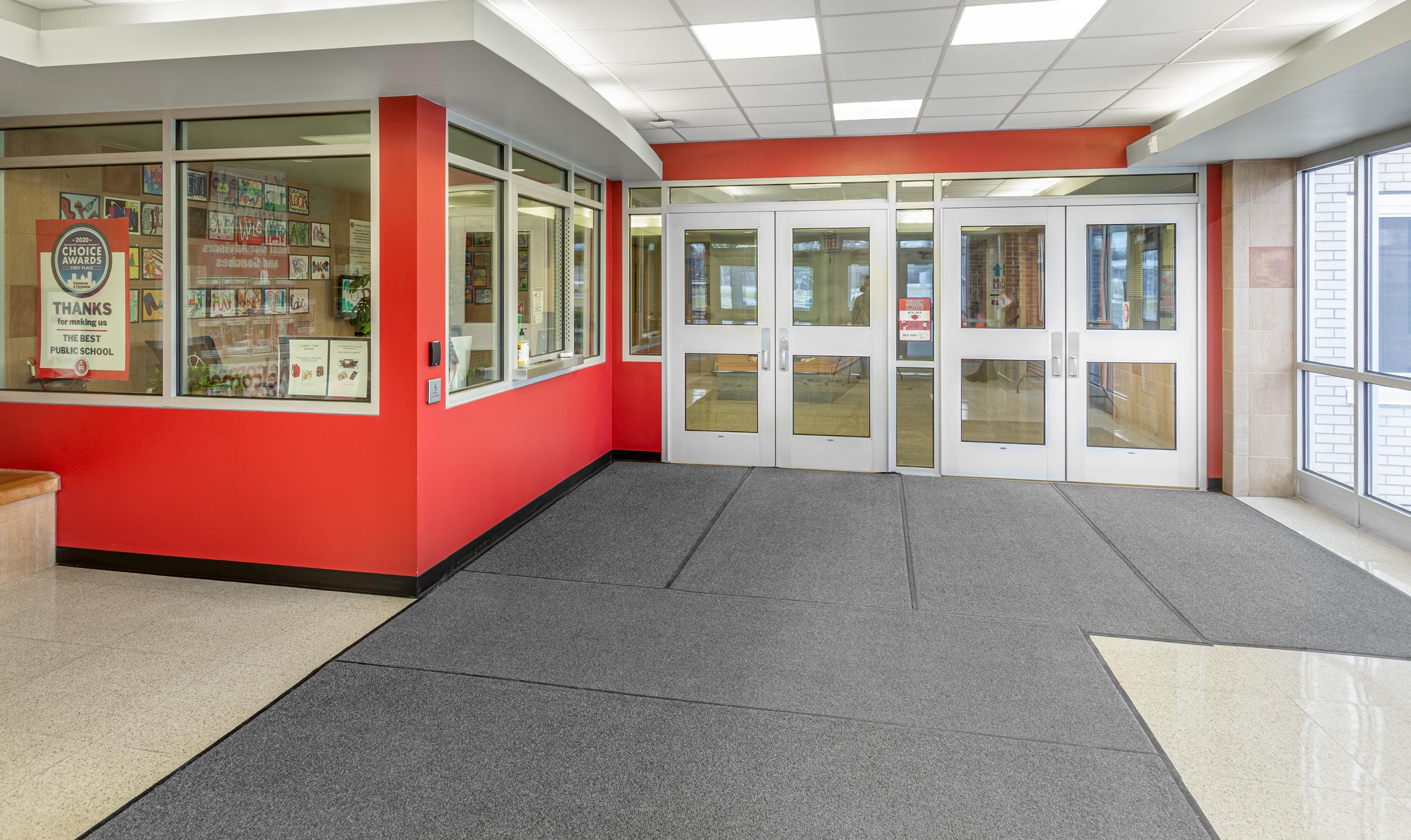
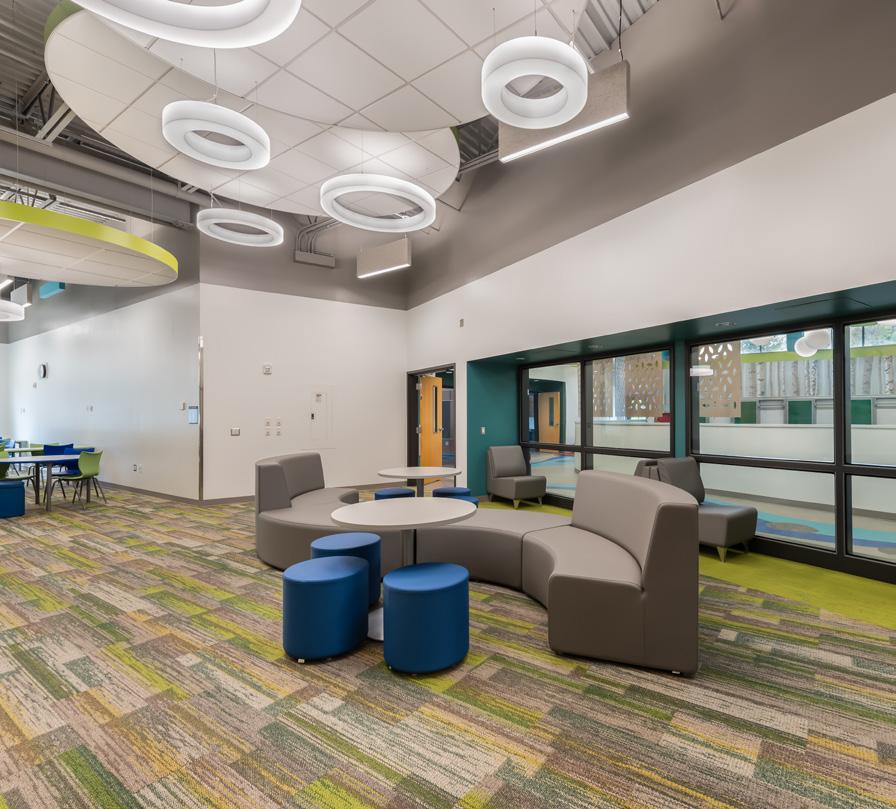
Located within a tight site footprint, the Prospect Elementary School needed additional space for key programs. The expansion houses critical offices and workspaces for student support, along with a STEAM classroom, a Seneca Nation History classroom, and a purposeful play space. These programs serve the District’s unique population of kindergarten through second-grade students and staff, including a large population of Indigenous people.
Learn more about this awardwinning project by scanning the QR code below:

www.labellapc.com/schools-in-session
To replace a nearly 30-year-old playground structure, the Kendall Central School District allocated funds from its 2023 Capital Improvement Plan for a new, state-ofthe-art playground. More information on Page 14.
ph. (877) 626-6606
insession@labellapc.com