»I am more interested in the future than the past, because I in tend to live in it.« This was Albert Einstein’s view of tomorrow. We, too, regard the German Federal Cultural Foundation as a workshop of the future. We are even considering start ing a new programme titled Life in the Future . Of course, such a programme would be years in the making, but we want to set the stage for what may come. The Federal Cultural Foun dation has initiated three projects to prepare for our future en deavours in the next decade.
AGENTS For the Audience of Tomorrow is the first project in which we venture in a new direction in the field of cultural education. We wish to support dedicated cultural ed ucators and give them freedom to forge new alliances between schools and cultural institutions. The museums, theatres and concert halls of Germany are all looking for their audience of tomorrow. Our schools need new partners in their regions. We support agents of culture who can form a close relationship between young audiences and cultural organizations in an innovative way.
Our second future-oriented project is called Über Lebenskunst. Initiative for Culture and Sustainability Its concept is to focus on productive ways society as a whole can respond to the calamitous effects of climate change without inciting panic or shirking responsibility. We are looking for a 21st-century lifestyle that does not endanger human survival on our planet. We want to combine art and culture, science and so cial practice in such a way as to gain new perspectives on envi ronmentally sustainable existence. Together with the House of World Cultures, we plan to hold a theme-based festival in Berlin in summer 2011 to introduce audiences of all ages and walks of life to this issue.
People are undyingly enamoured with the idea of immortality. Most of us would agree that the only ones capable of such a victory over death are heroes and monsters. That is why our third future-oriented project, Of Heroes and Monsters , addresses a debate that involves much more than simply the issue of immortality. Describing the anthropological threshold of our times, Wolfgang Frühwald claims that »the obvi ously desired and planned creation of the perfect human is now within our reach, i.e. technically feasible.« In pop culture, how ever, we have long crossed this threshold. The fascination with the perfect human has become a mass phenomenon, which, as
Frühwald points out in his article, is exemplified by vampire fe ver, the return of the undead and the success of the book and film series Twilight . The Federal Cultural Foundation hopes to explore this phenomenon in more detail at the festival Of Heroes and Monsters , scheduled to take place in Leipzig next year.
The other writers in this issue also examine what life in the fu ture may look like. As part of our event series Philosophy: Art , Christian Demand examines the philosophical ramifications of »good form« and beauty as a »timeless quality« in the field of design. He confirms the failure of every »authorita tive theory of refined taste,« praises the exciting »tumult of con flicting forms« and comes to the sober conclusion that »there is simply no single lifestyle of our time«. Rainer Werner Fassbinder would have probably held the same opinion. Rainer Rother and Jan Distelmeyer offer two differ ent interpretations of Fassbinder’s film World on a Wire Thirty years after its original television airing, the film material was in such poor condition that the Rainer Werner Fassbinder Foundation had no alternative but to digitally restore it with funding provided by the Federal Cultural Foundation. From now on, Fassbinder’s science-fiction drama will confront view ers with its existential questions in crystal-clear, digital quality »Who’s to say that we aren’t a computer ourselves you, me, everyone here?«
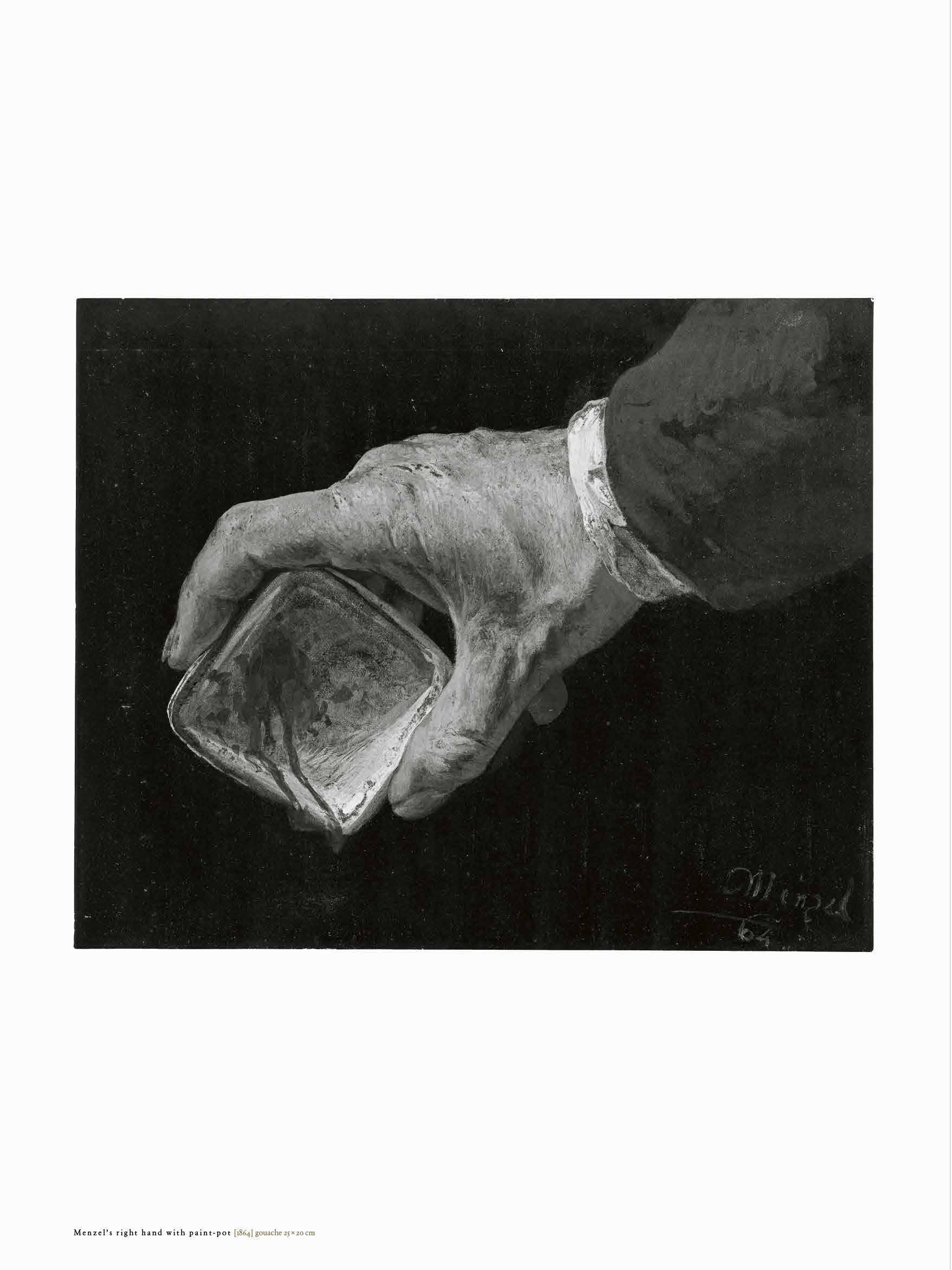
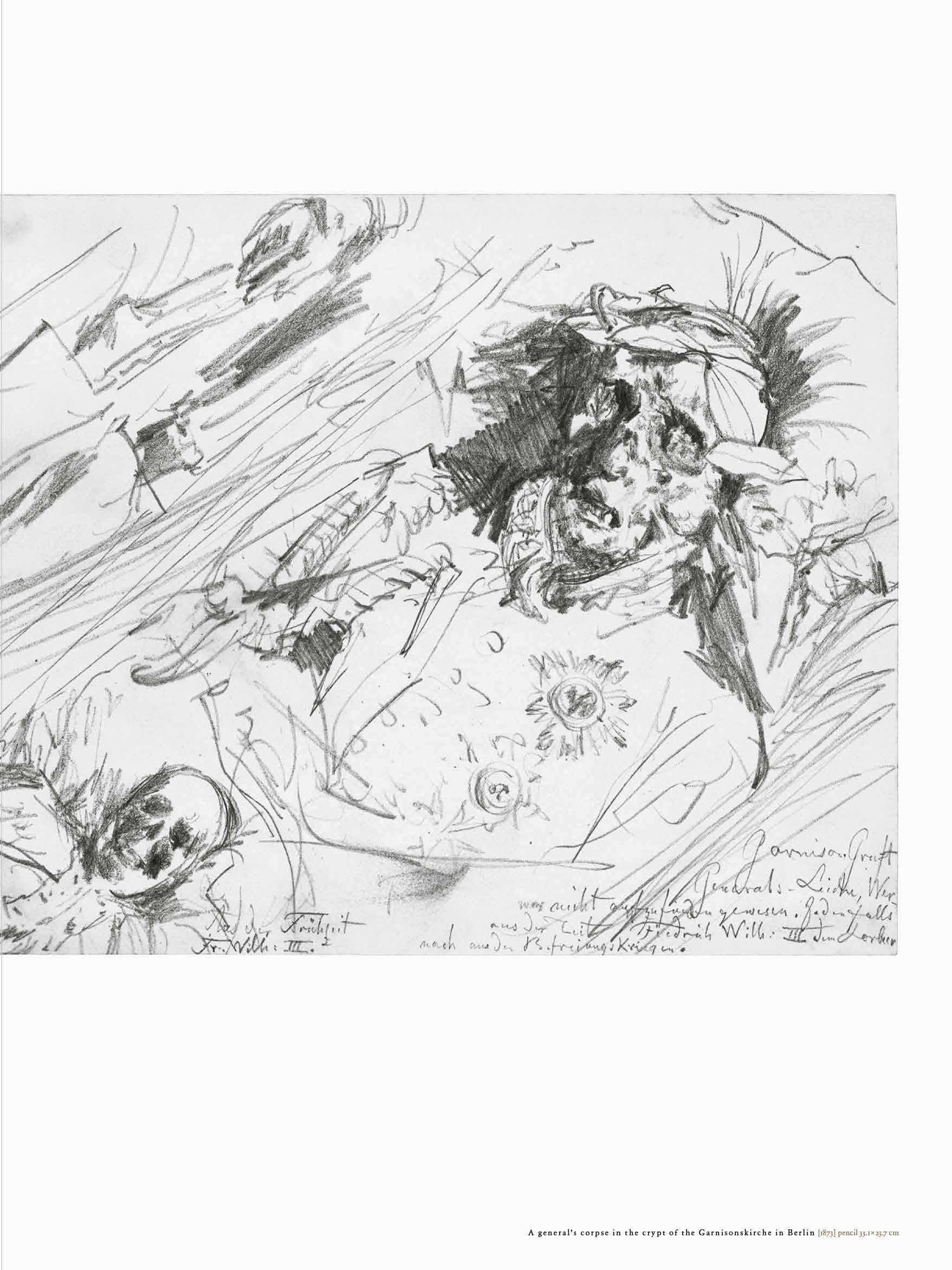
As always we’ve included several pieces which provide an over view of our activities and highlight several important projects that the Federal Cultural Foundation is currently funding, such as the 6th Berlin Biennial for Contemporary Art this summer which, under the direction of Kathrin Rhomberg, will focus on combining contemporary trends with historic positions. Michael Fried reports on the Adolph Menzel exhibition also featured at the Berlin Biennial along with photos by Michael Schmidt, some of which we’ve included in this issue. Stephan Weidner , who is currently a guest professor at the German Translator Fund, financed by the Federal Cultural Foundation, objects to the general »dictates of understanding« by extolling the virtues of »not understand ing«. Using translations of the Koran as the basis of his argument, he asserts that in today’s media-based discourse and interpersonal relationships, we are seeing the »depletion« of every thing that might be viewed as difficult to comprehend a trend
that threatens our imagination and power of deduction to an equal degree. When debating cultural differences, any »produc tive dissatisfaction« we feel in our efforts to understand them is a thousand times more valuable than the flaccid complacency expressed in global assertions of understanding. Christian Schlüter interviews Thomas Pogge about new Cul tures of Economics , which is also the name of a series of conferences in Berlin, funded by the Federal Cultural Founda tion. According to Pogge, the financial crisis and climate change demonstrate how the »market has failed miserably« and why it is necessary »to permanently change our way of life.« He argues that part of the solution must include new, globally-binding market regulations that serve the common good.
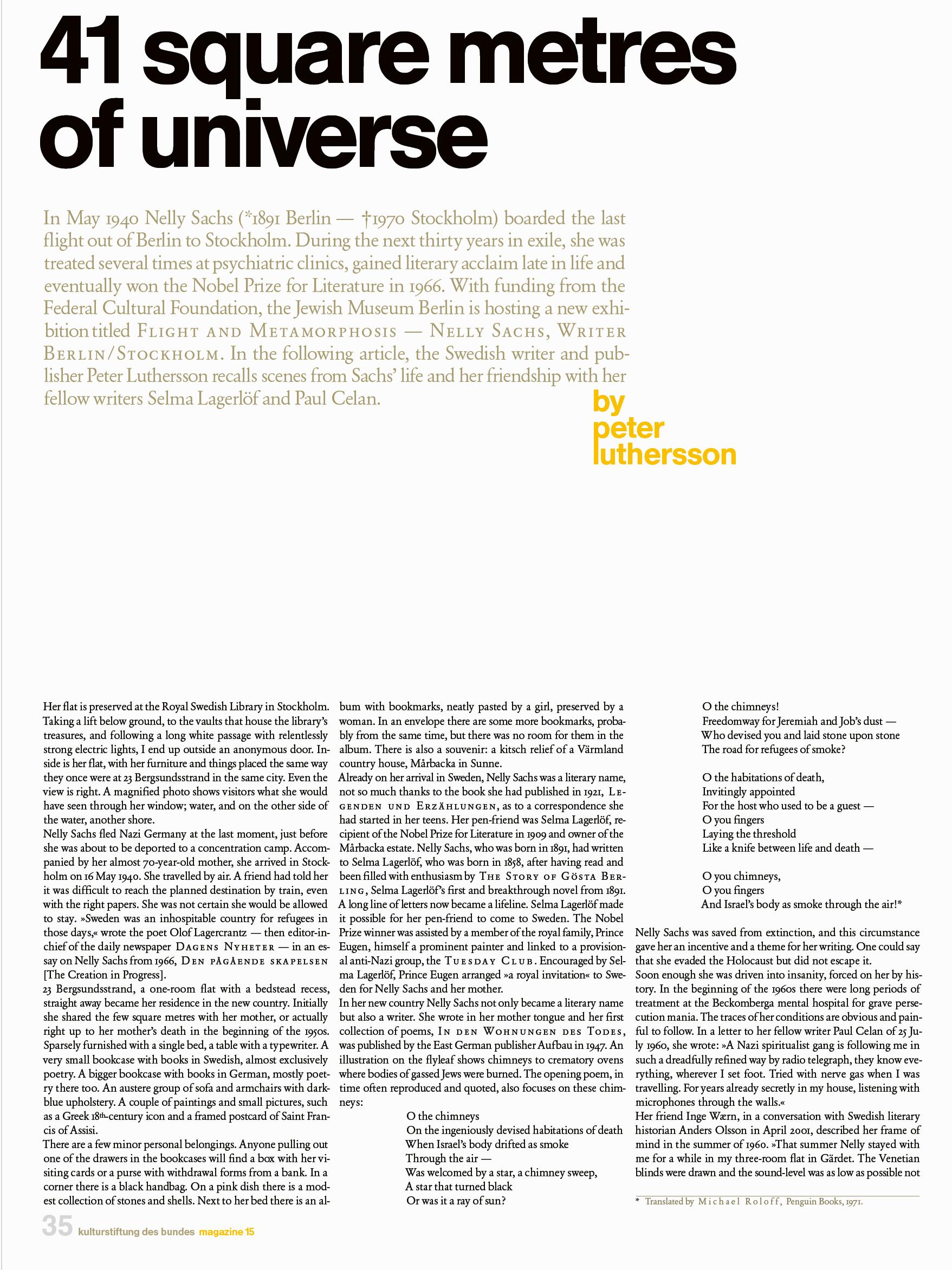
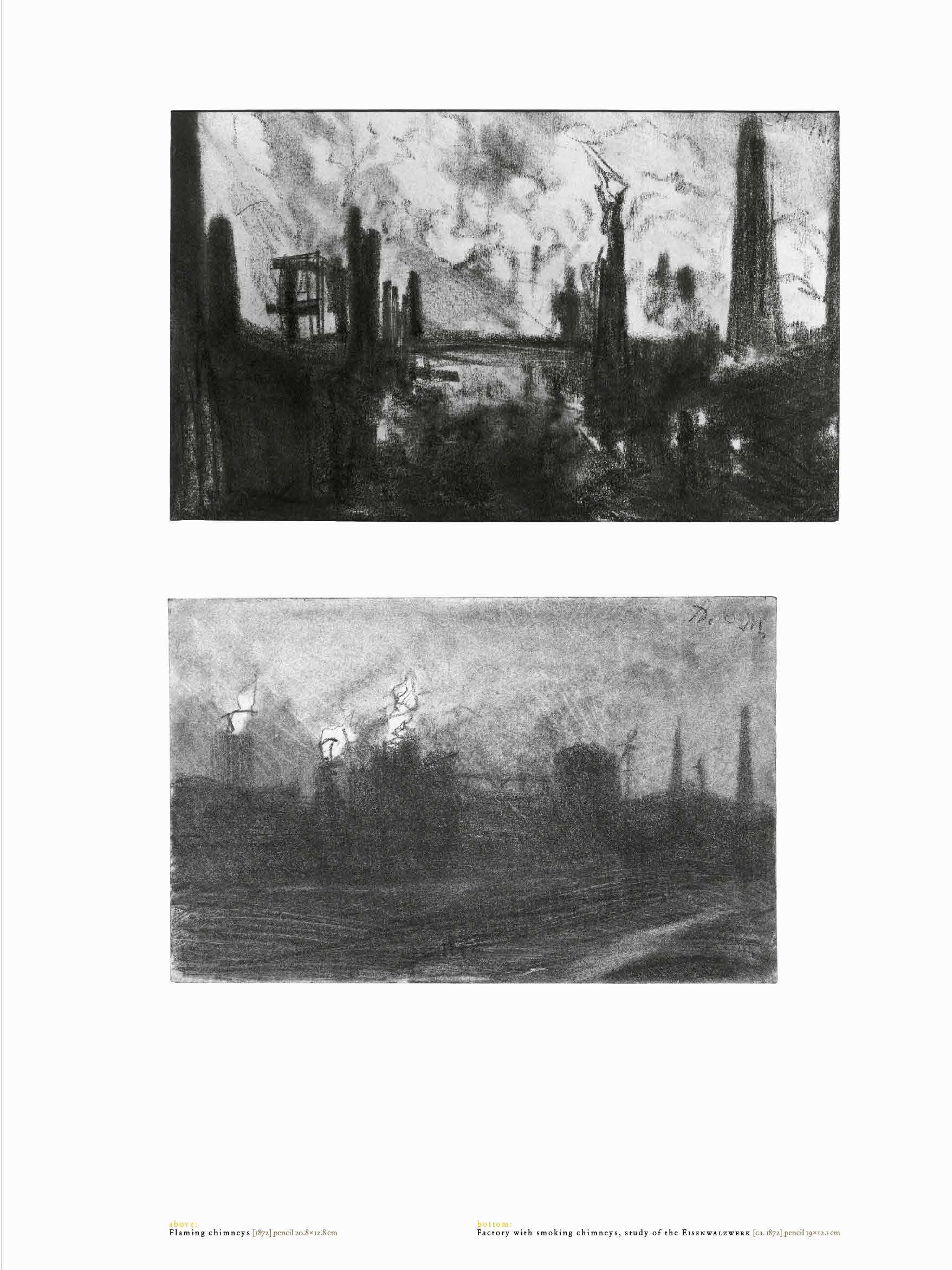
In an essay that includes several moving poems, Peter Luthersson writes about the Jewish poet Nelly Sachs who spent most of her life in Stockholm. The Jewish Museum Berlin is now honouring the famous Nobel Prize winner in an exhibition titled Flight and Metamorphosis Nelly Sachs, Writer Berlin/Stockholm Manuel Gogos comple ments this piece with his own article about Jewish life in Ger many today. An exhibition at the Jewish Museum Frankfurt am Main illustrates how Germany of All Places! became the single-most important country of immigration for Russian Jews following German reunification. They didn’t come as asy lum seekers, but invited guests who are now defining the »con tours of a new European Judaism« which fosters cultural ex change between Berlin, New York and Tel Aviv. The Arabic port city of Jaffa near Tel Aviv happens to be the setting of the exciting film Ajami, described by Christina Bylow The film portrays the city quarter of Ajami in Jaffa, a part of town in a permanent state of emergency. Among violent con flicts between Muslims, Jews and Christians, powerful real es tate speculators exploit the inhabitants and threaten the dynamically vibrant quarter of Ajami day after day. The World Cinema Fund (WCF ), co-founded by the Federal Cultural Foundation, supported Ajami which has garnered numerous awards like so many other films the foundation has financed in the past. Already a cult film in Israel, Ajami was nominated for an Oscar in the category »Best Foreign Language Film«.
Hortensia Völckers / Alexander Farenholtz
life in the future wolfgang frühwald twilight or the return of the undead 7 christian demand attitude! how much ethos does design need? 11 rainer rother/jan distelmeyer as if it were ours 18
berlin biennial michael fried empathic projections 23 cultures of translating stefan weidner in praise of not understanding 27 cultures of economics thomas pogge economics for the common good 32 exhibitions peter luthersson 41 square metres of universe 35 manuel gogos the russians are coming III 40
world cinema fund christina bylow the way we used to live 44 news 48 new projects 49 committees + imprint 54
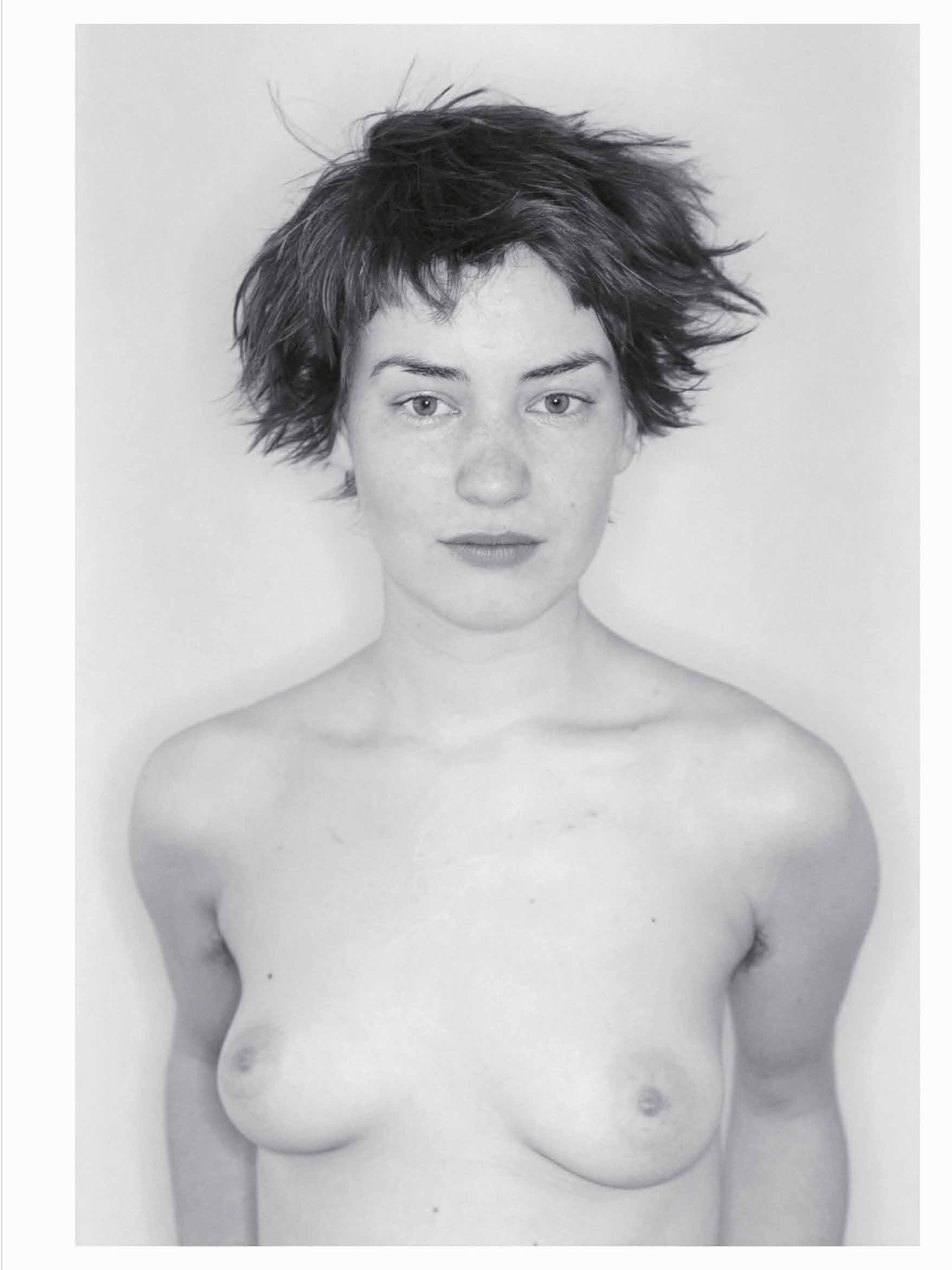
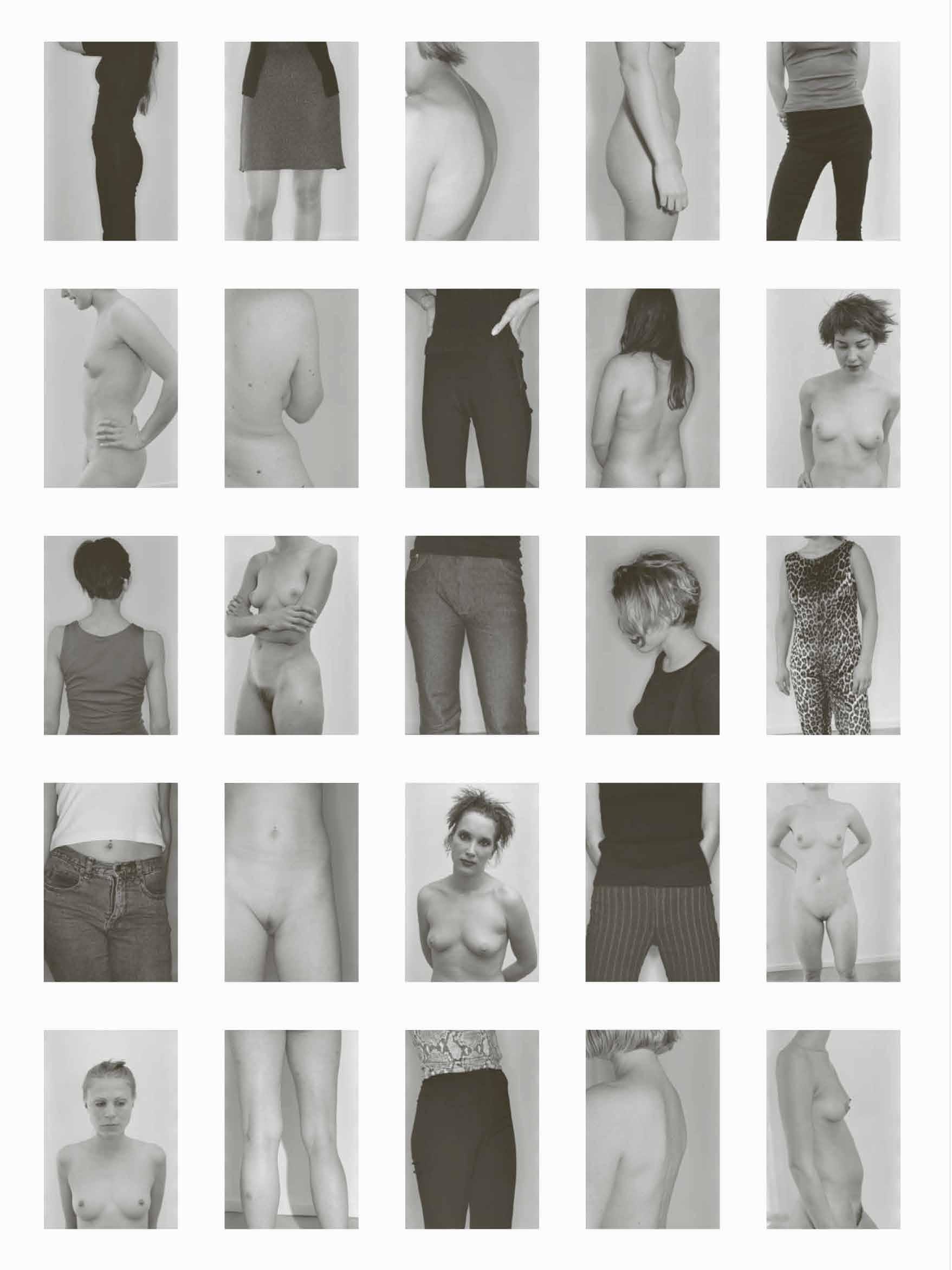
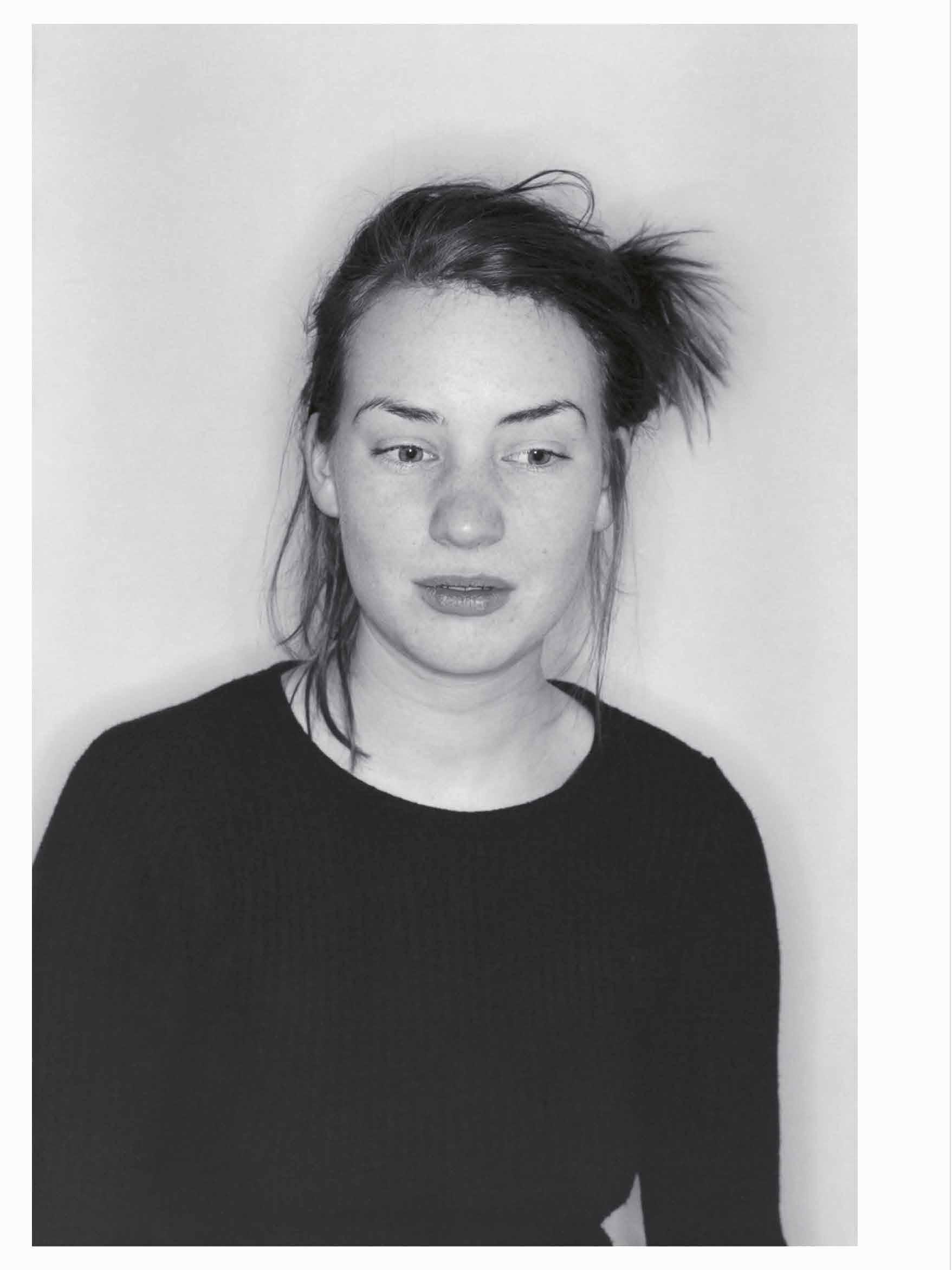
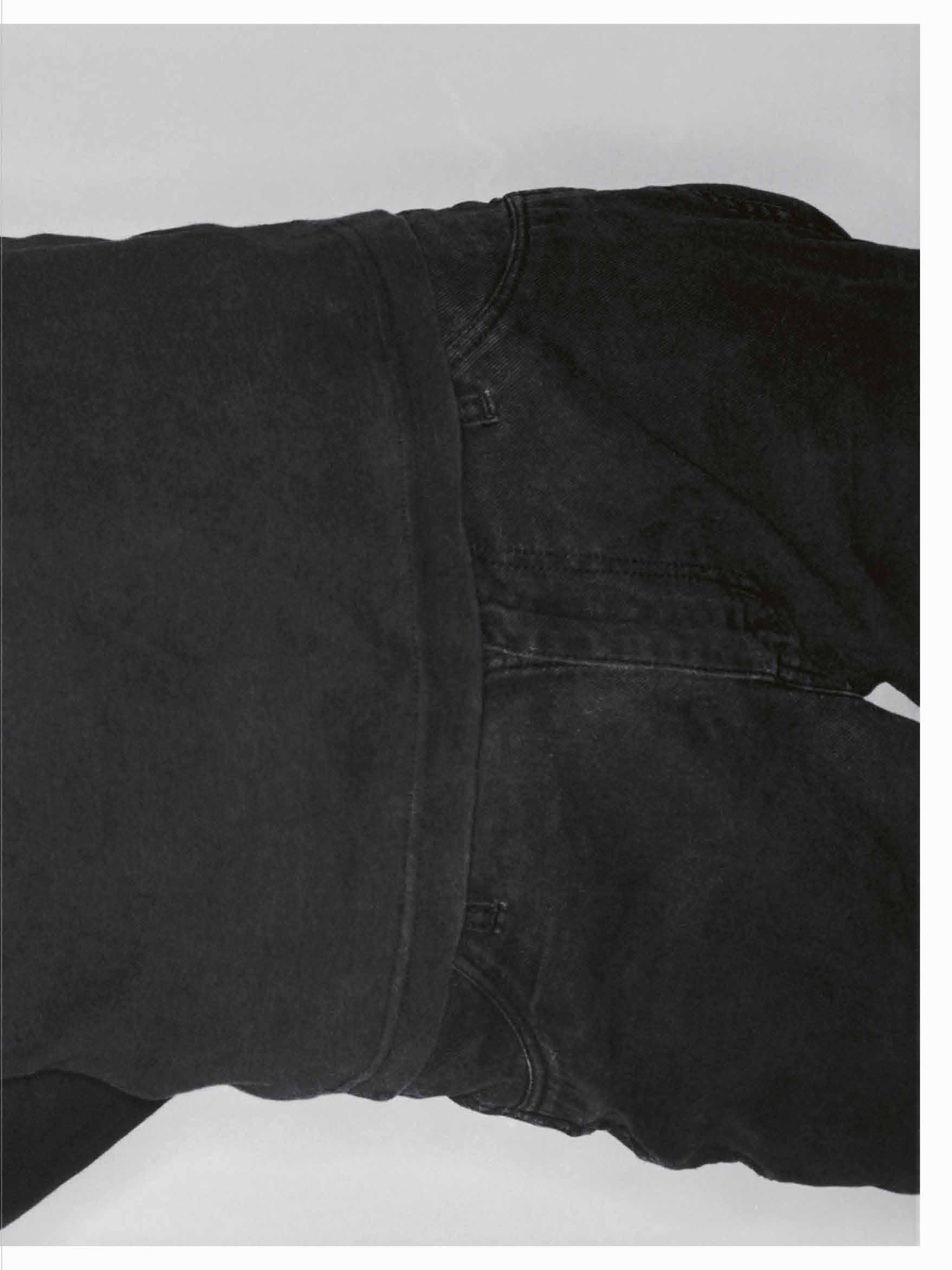
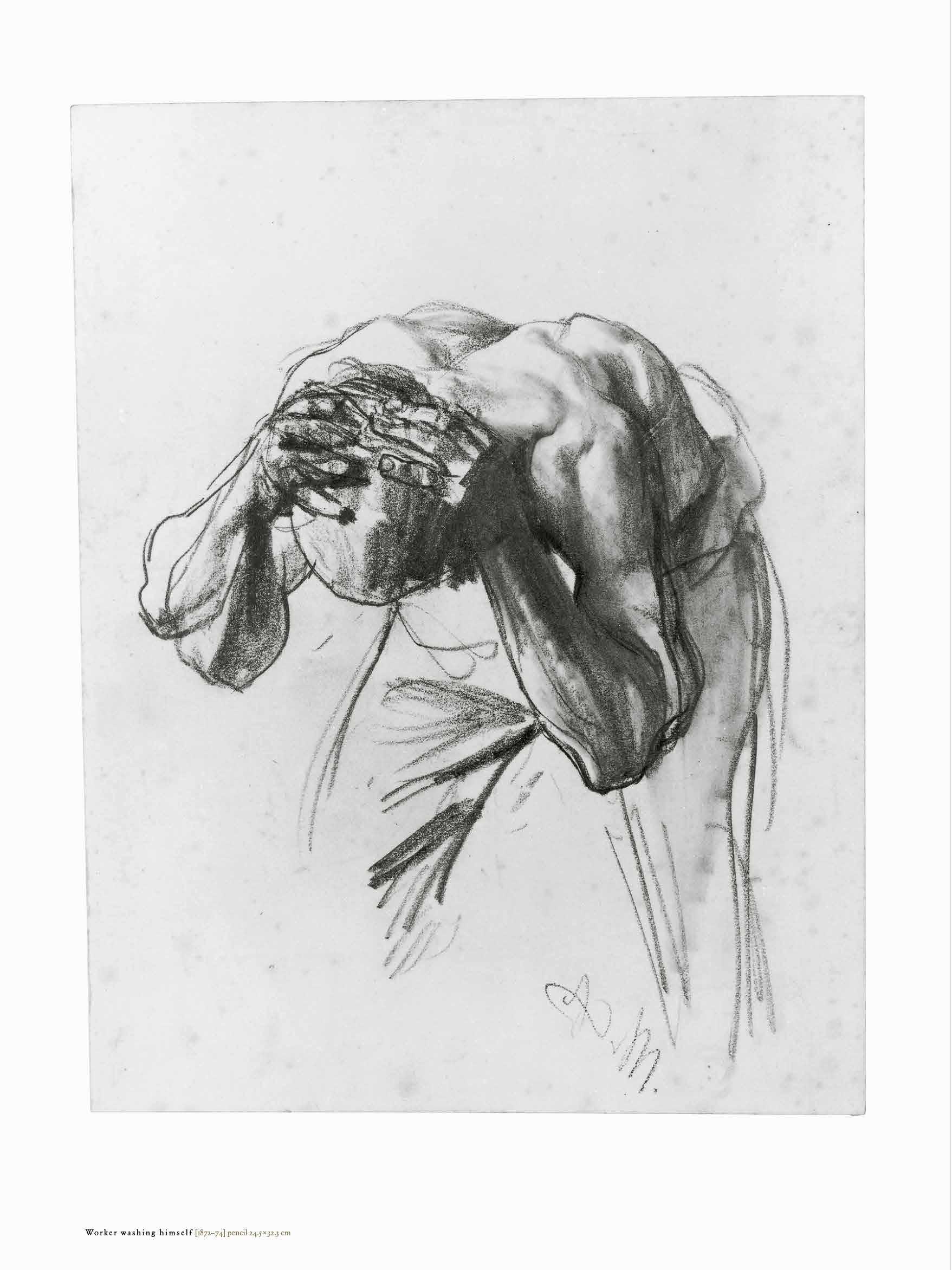
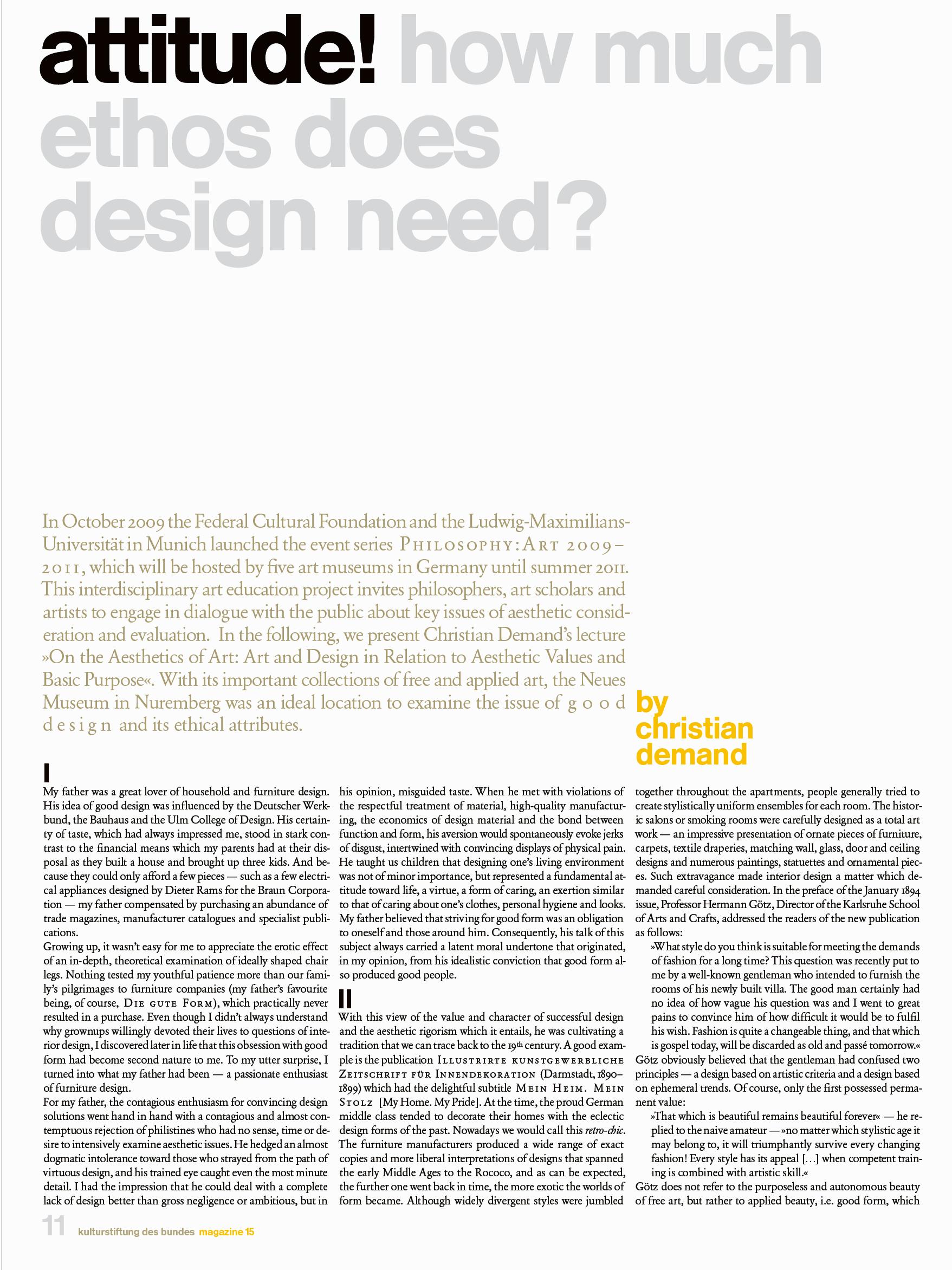
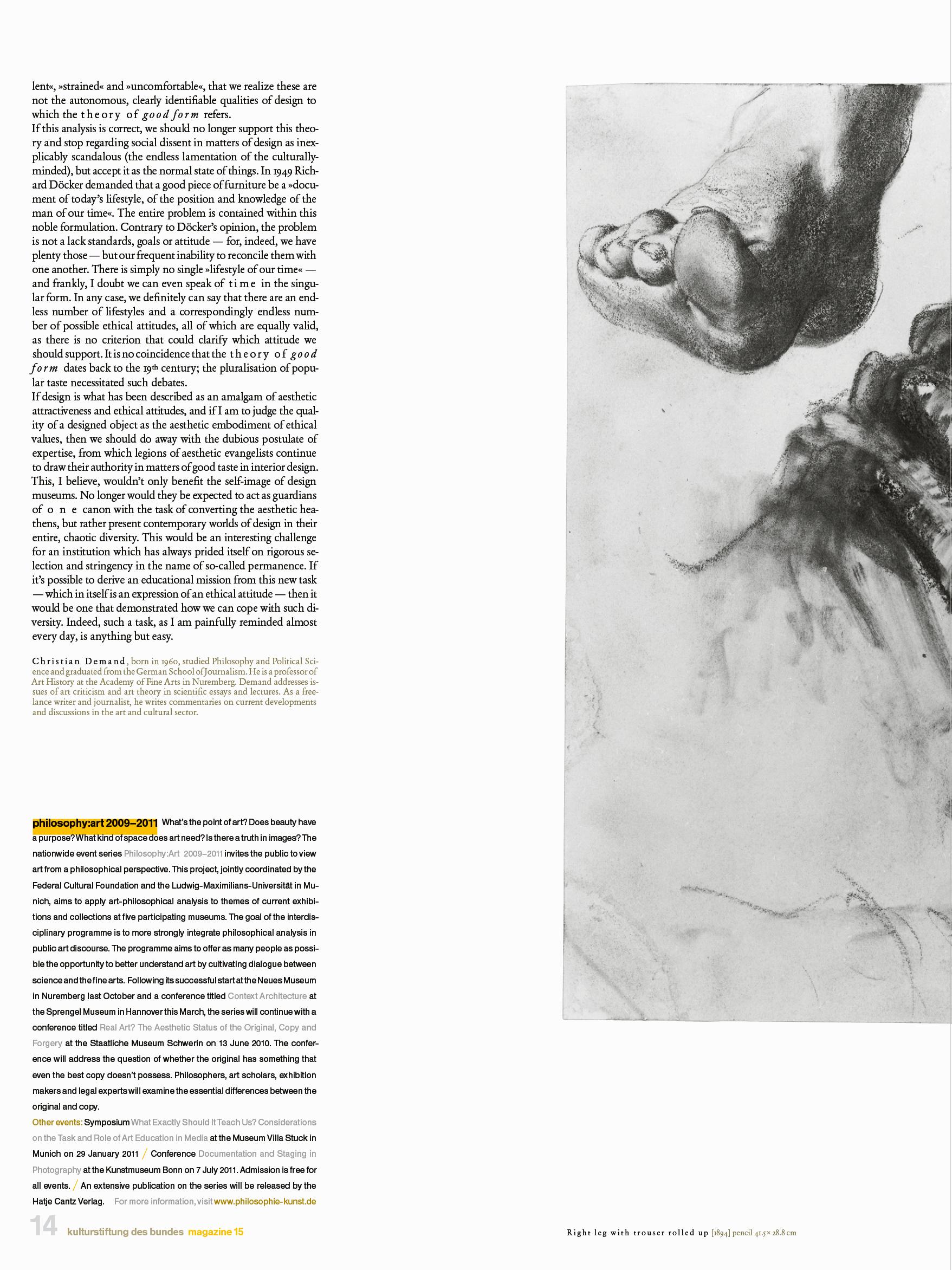
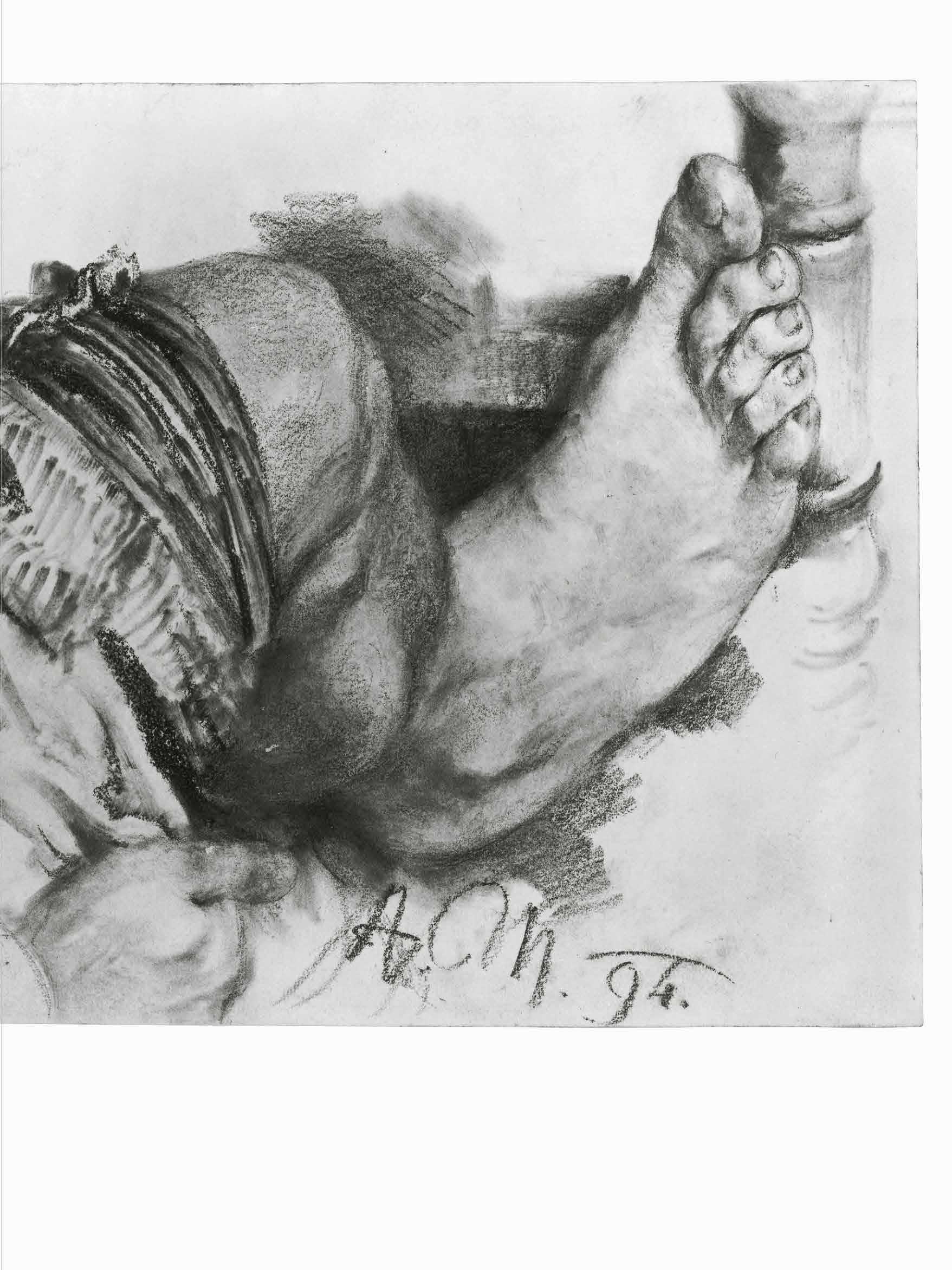
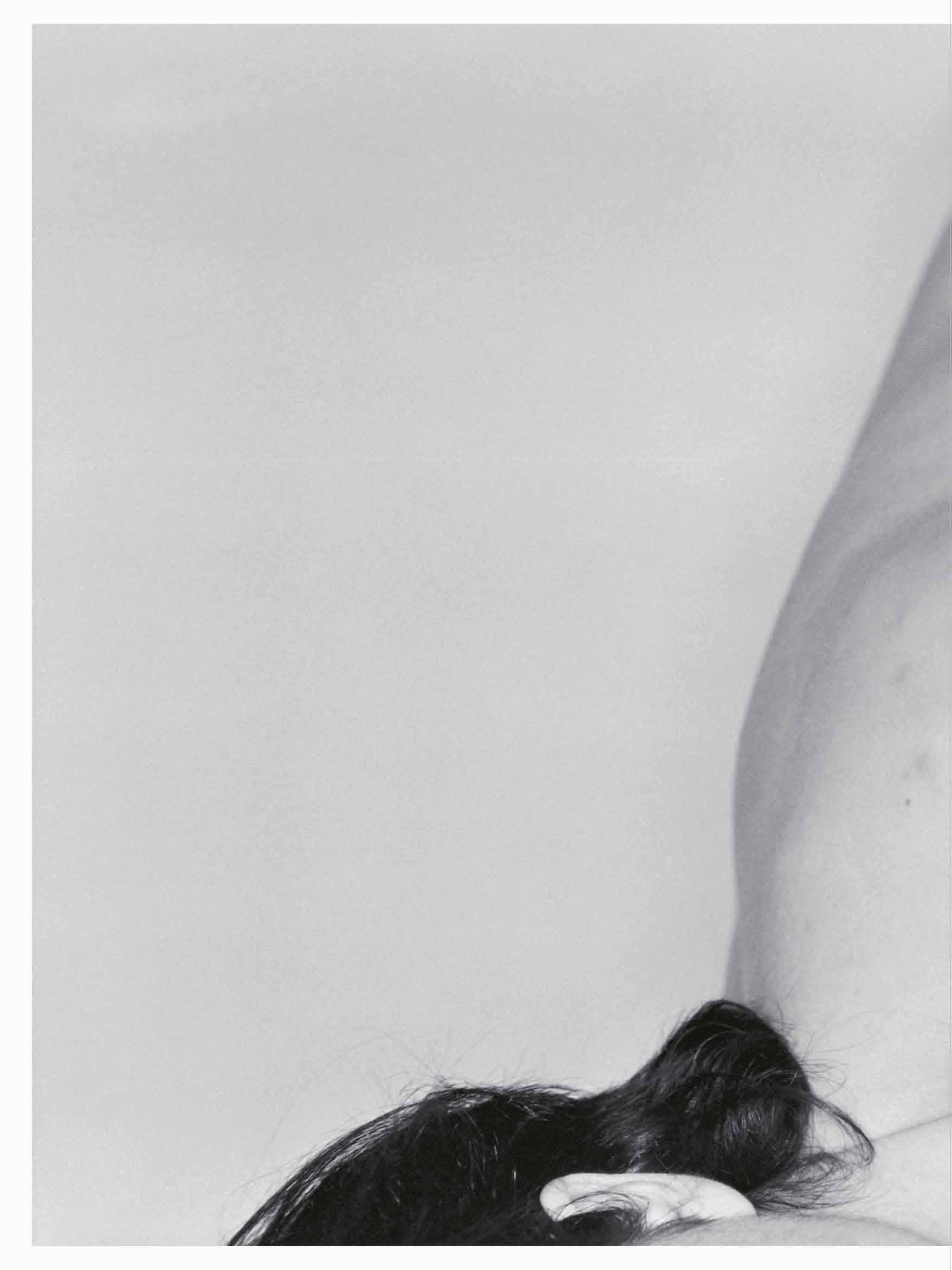
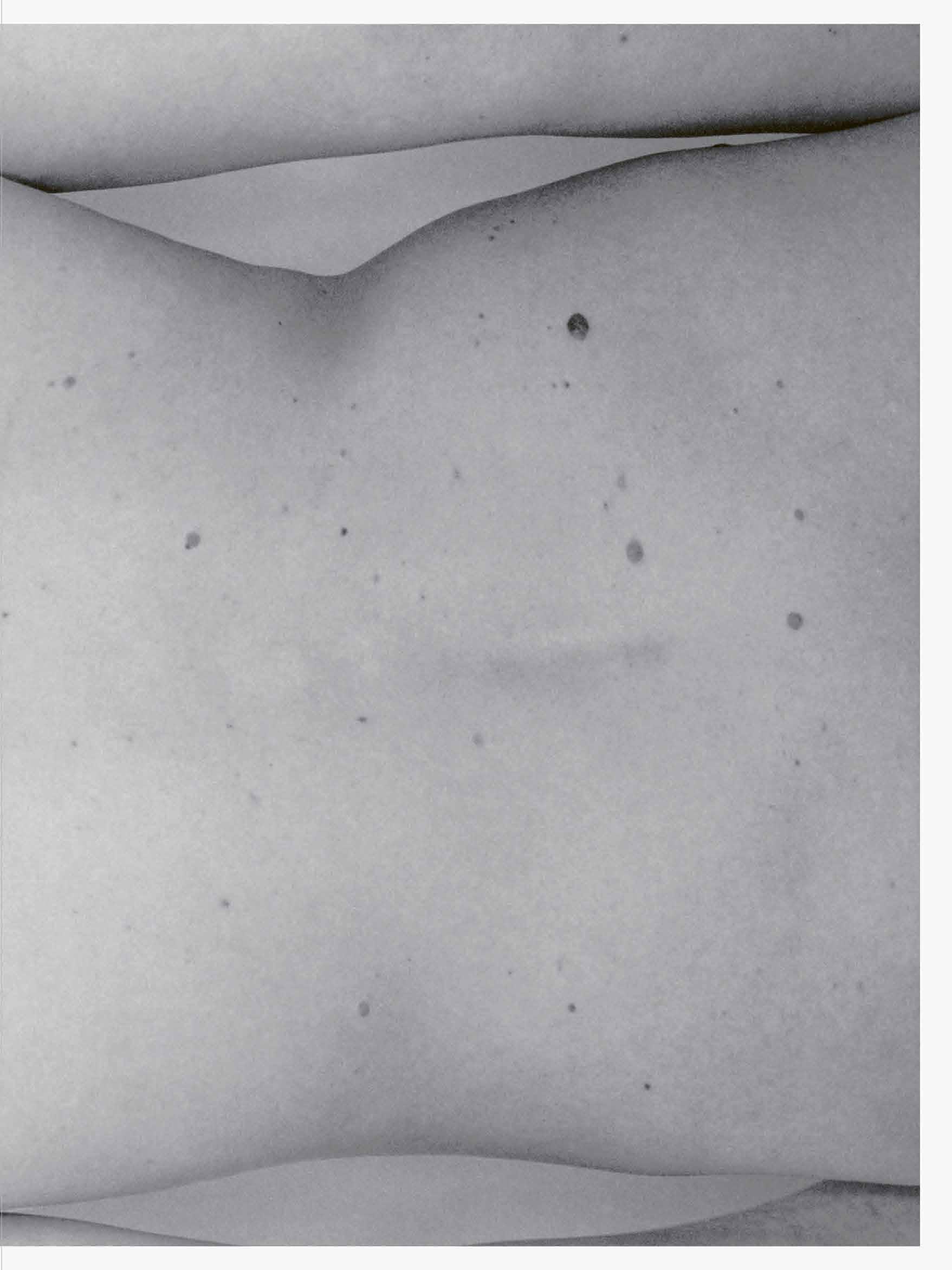
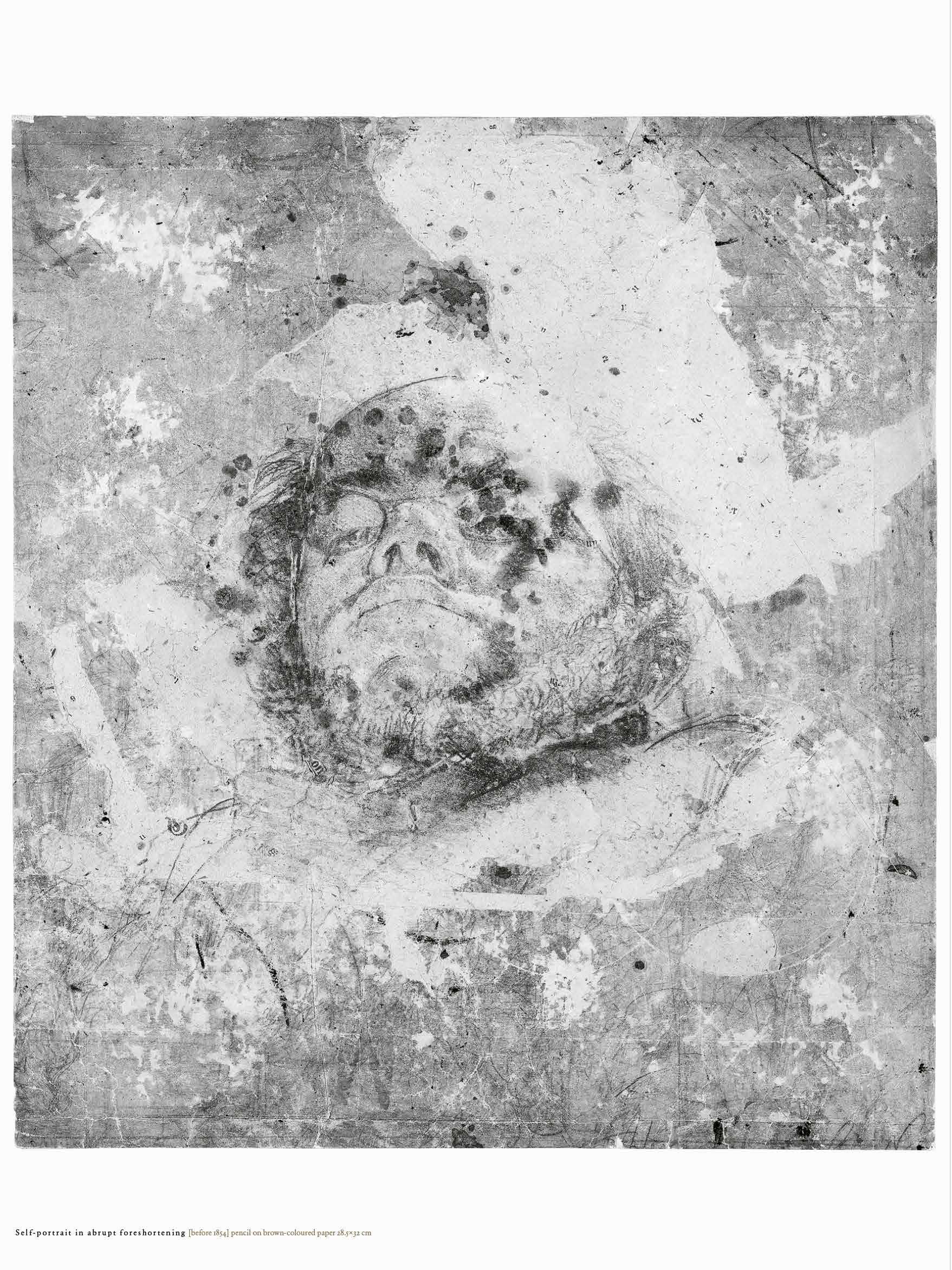
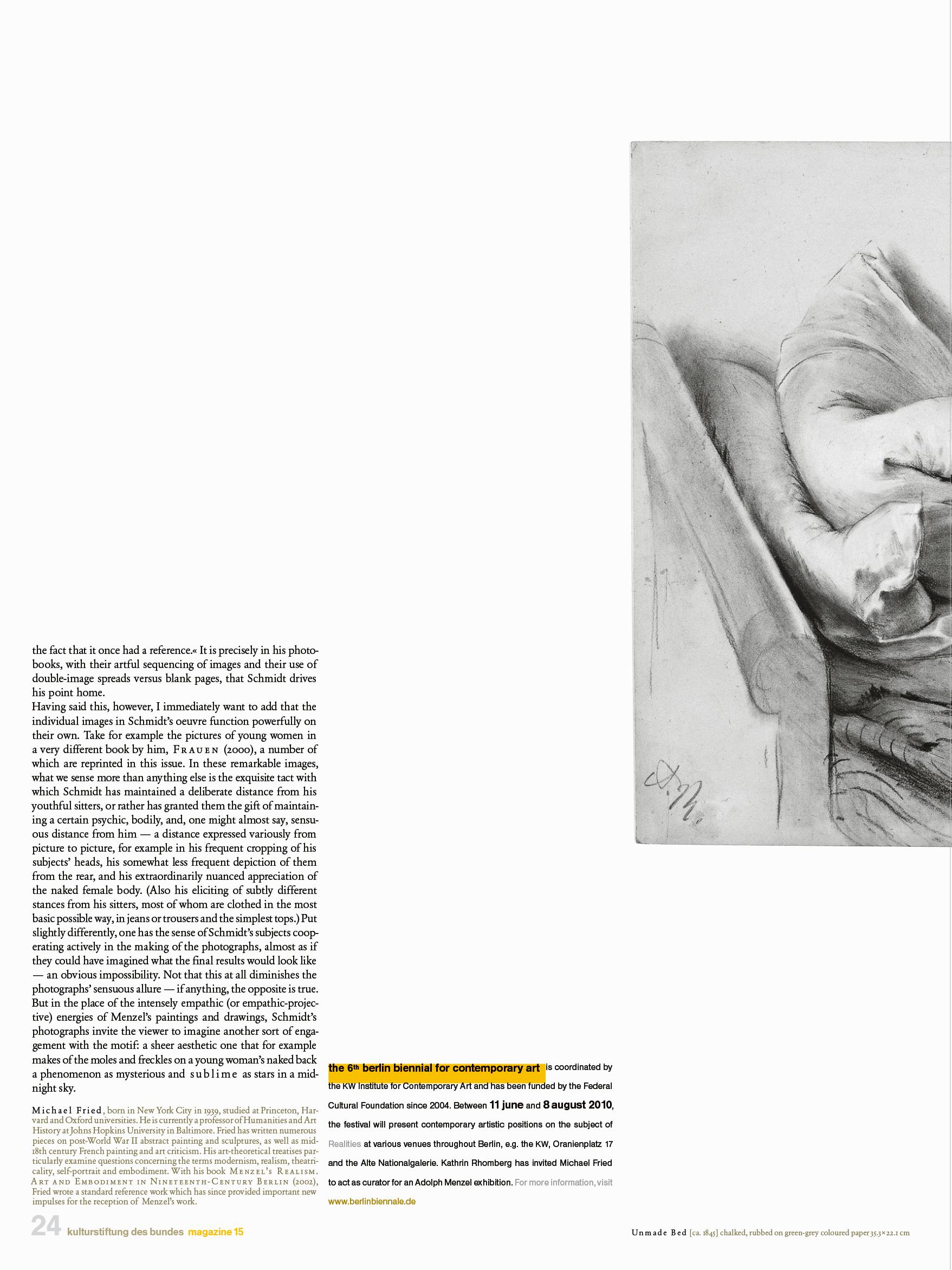
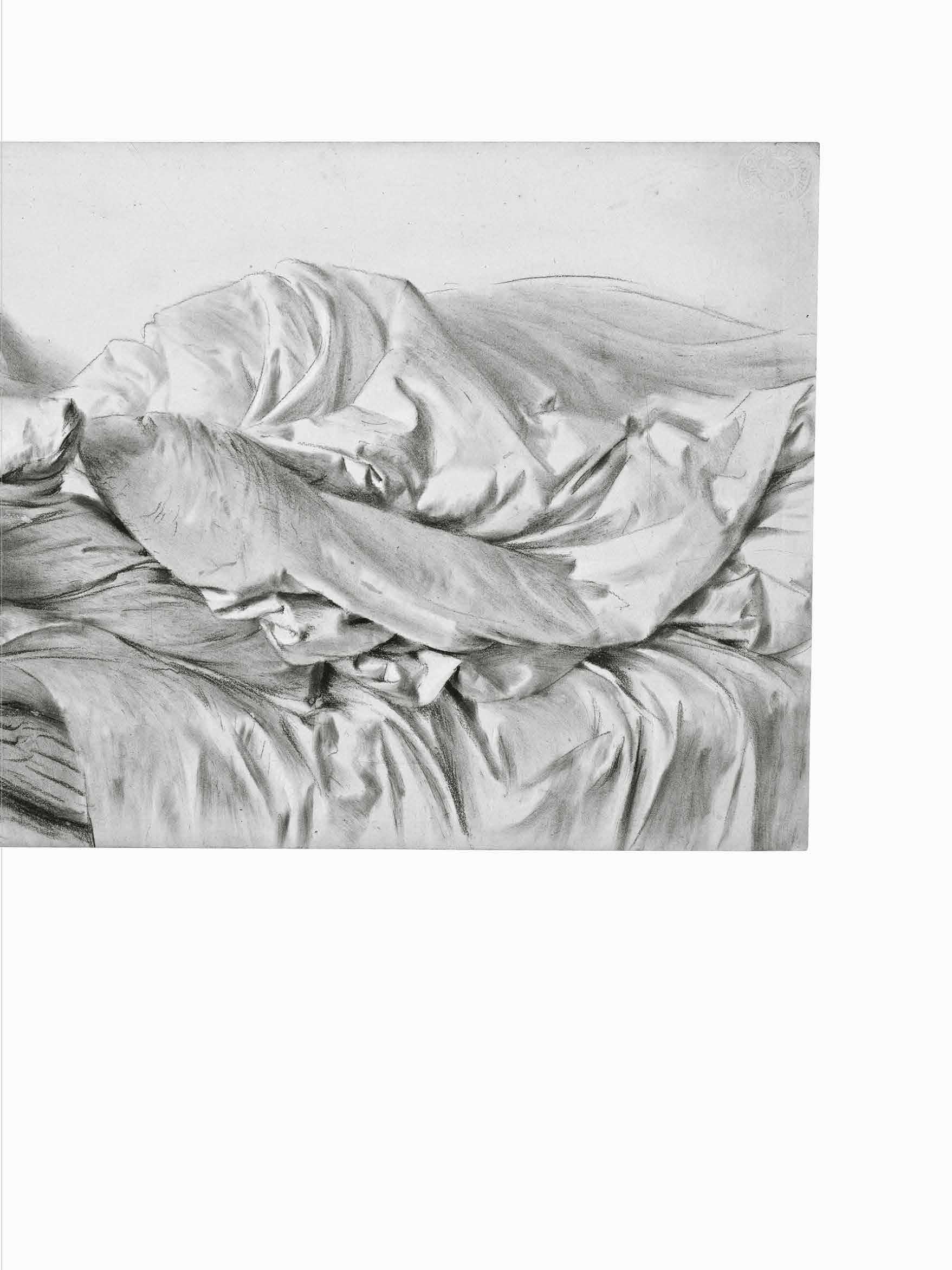
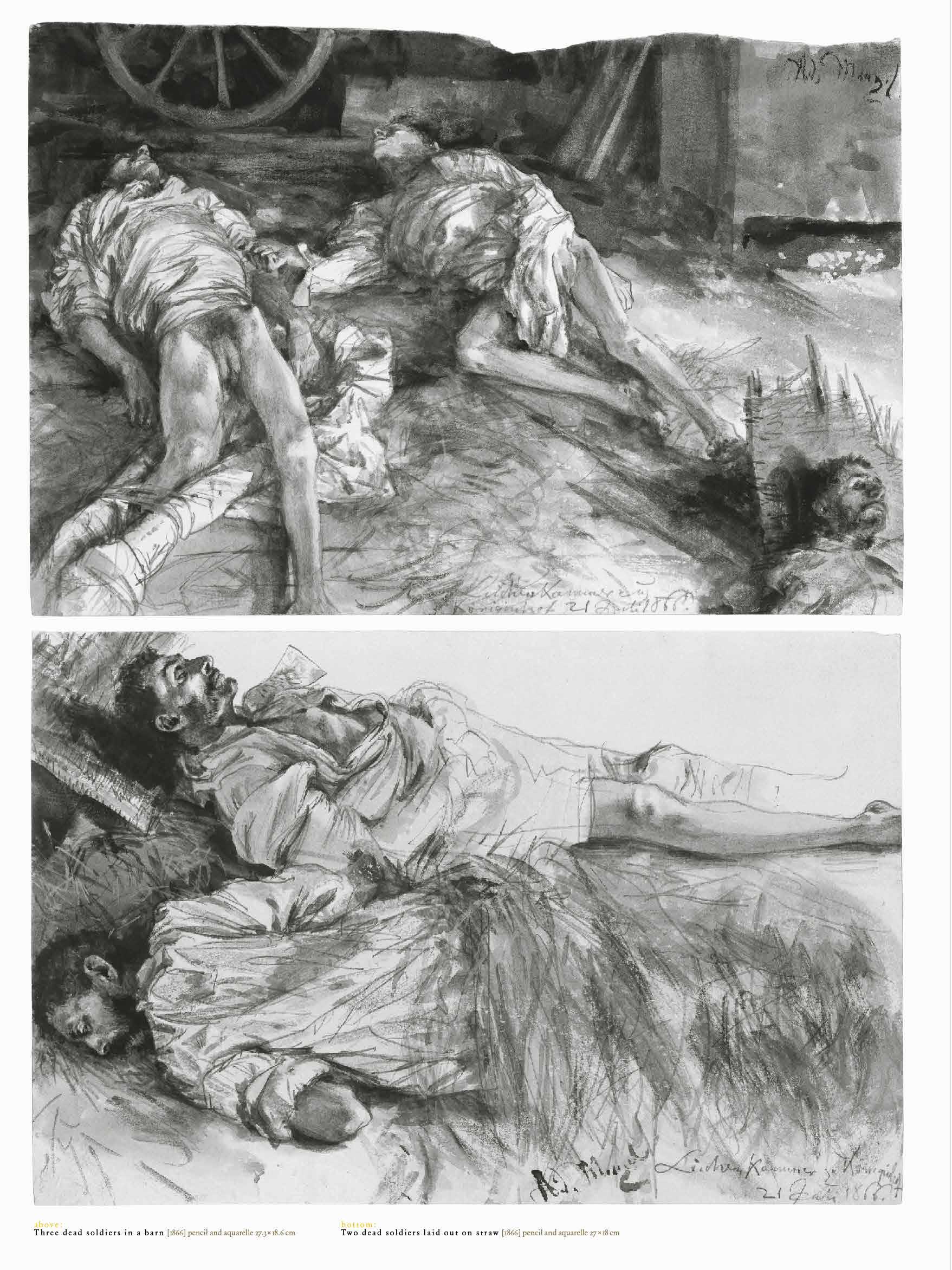
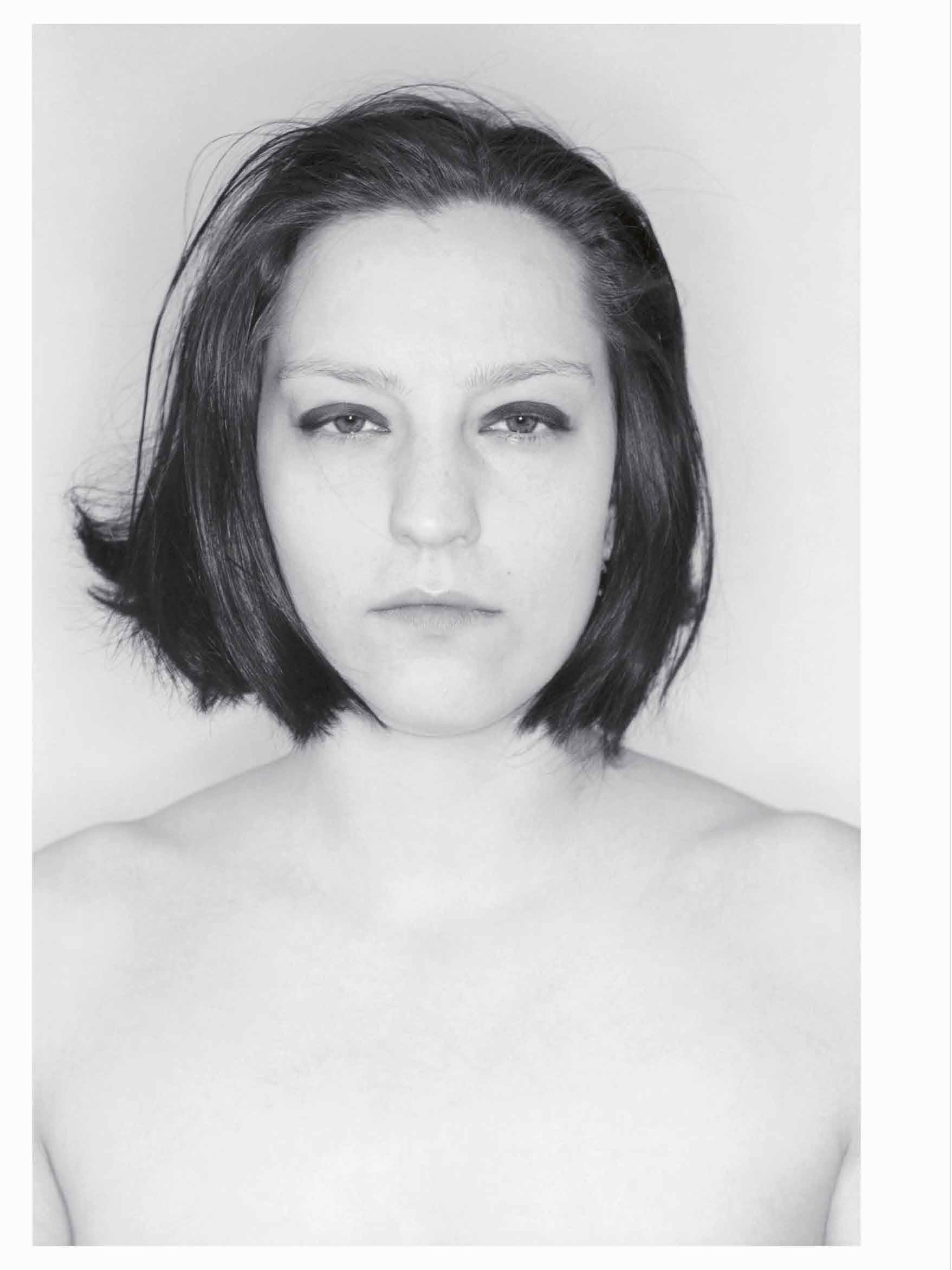
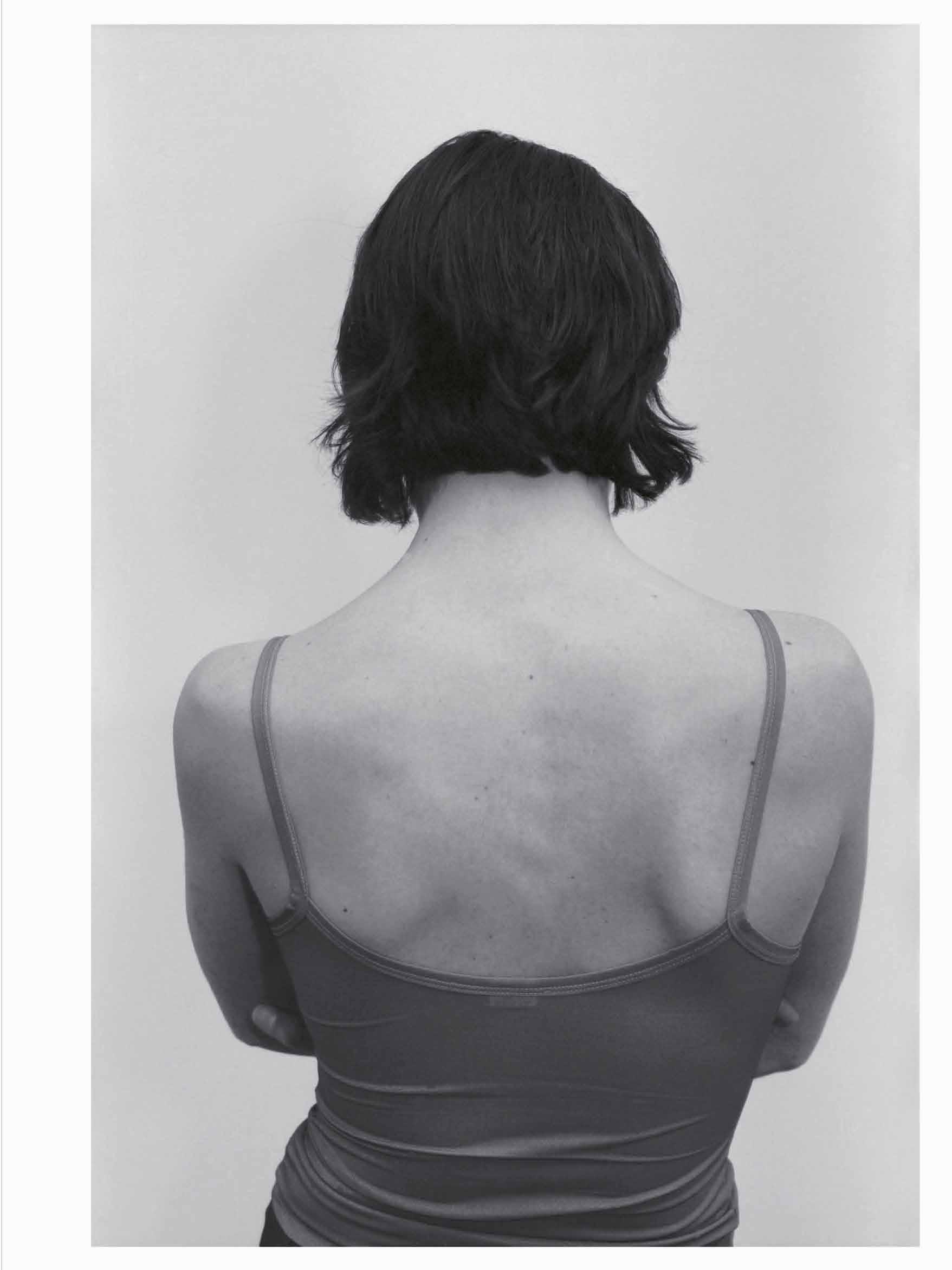
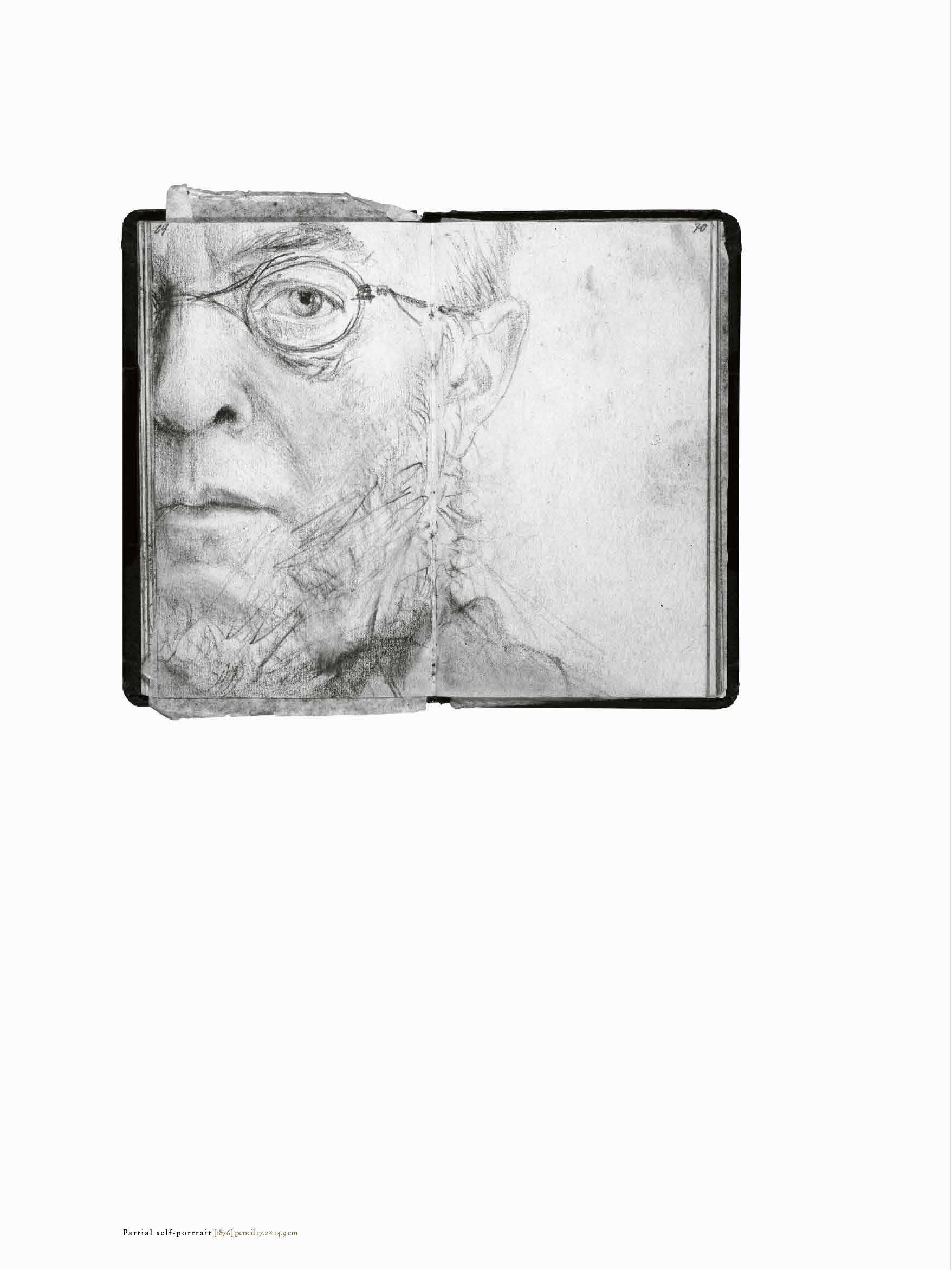
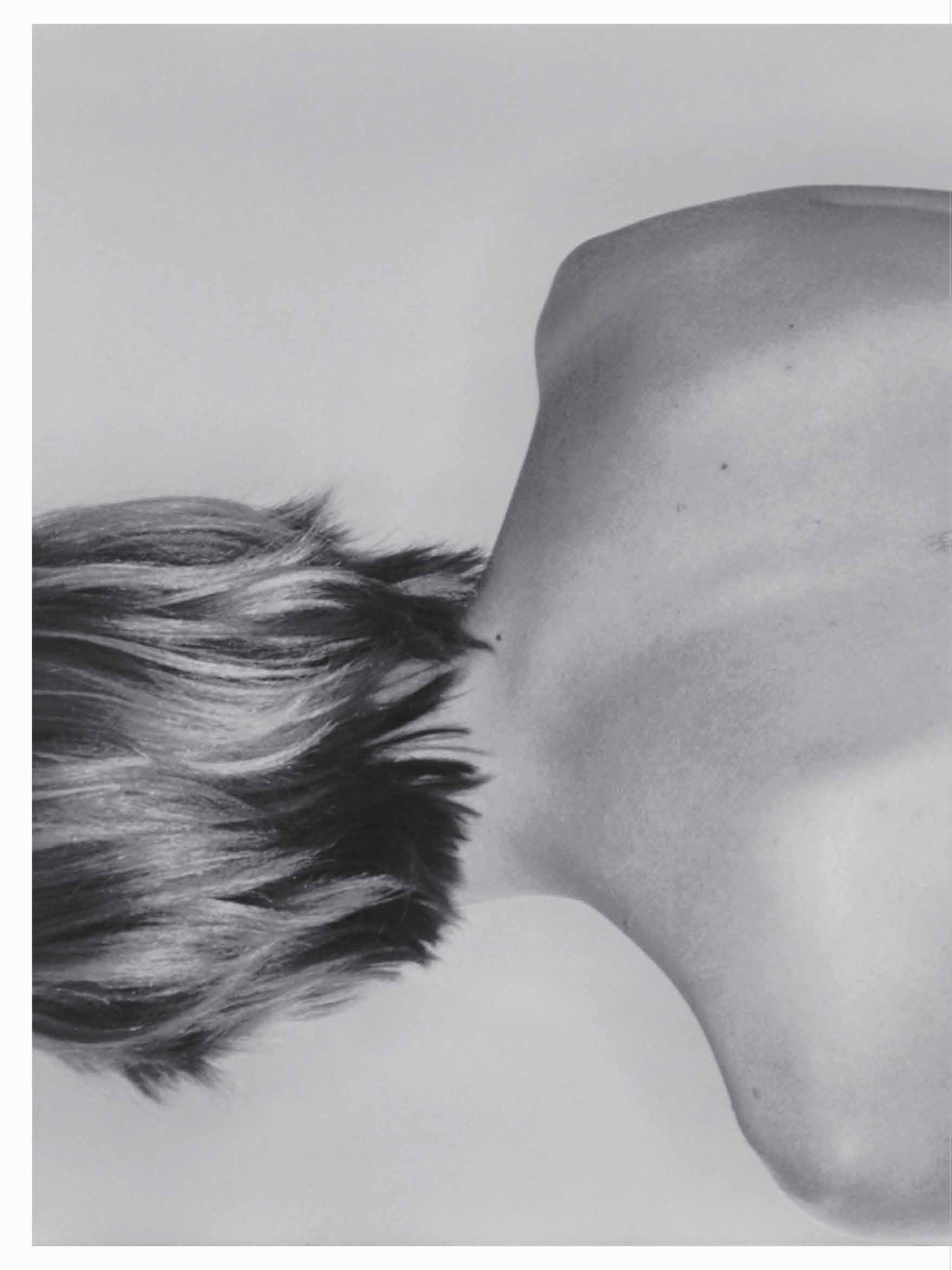
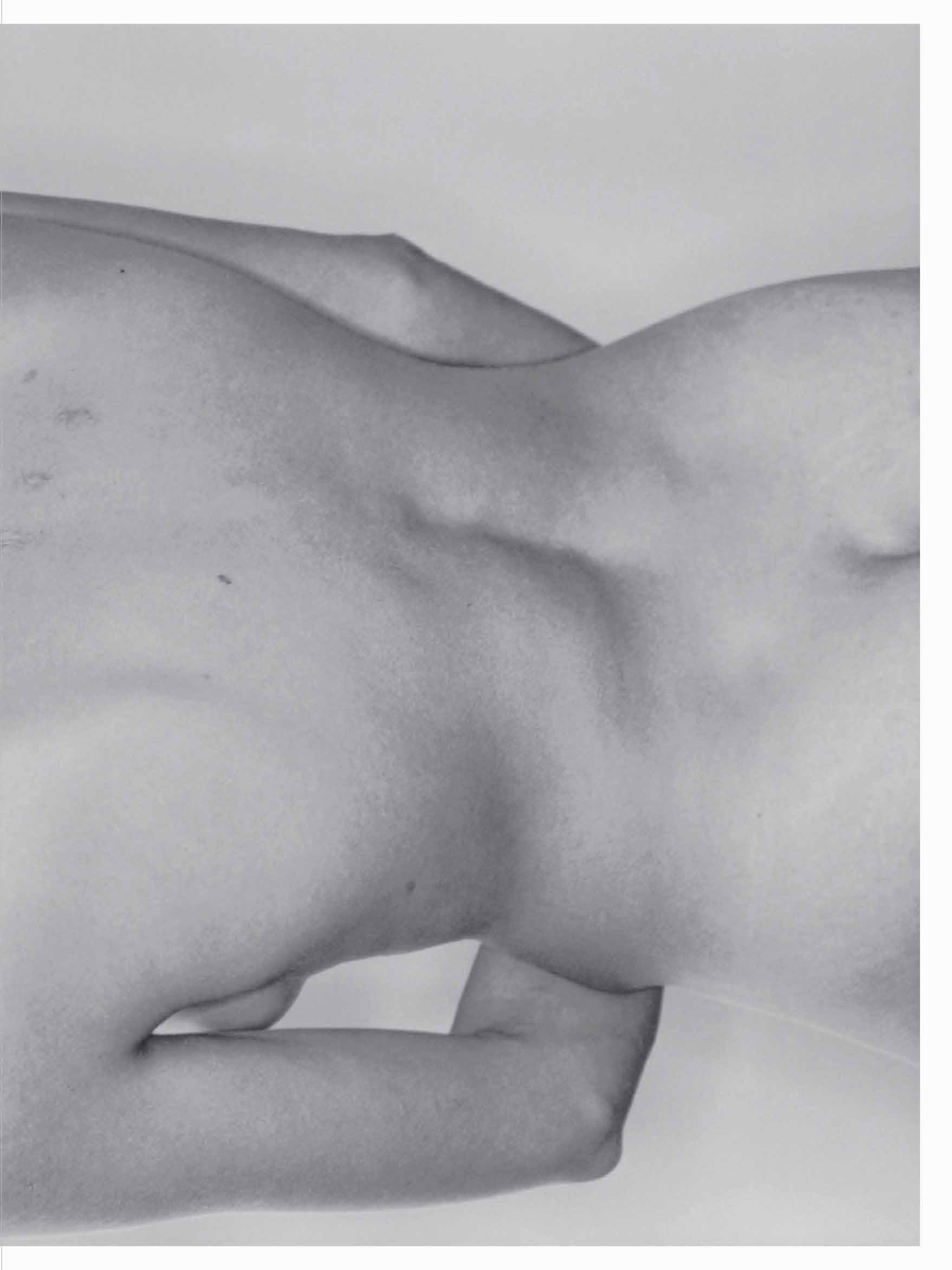
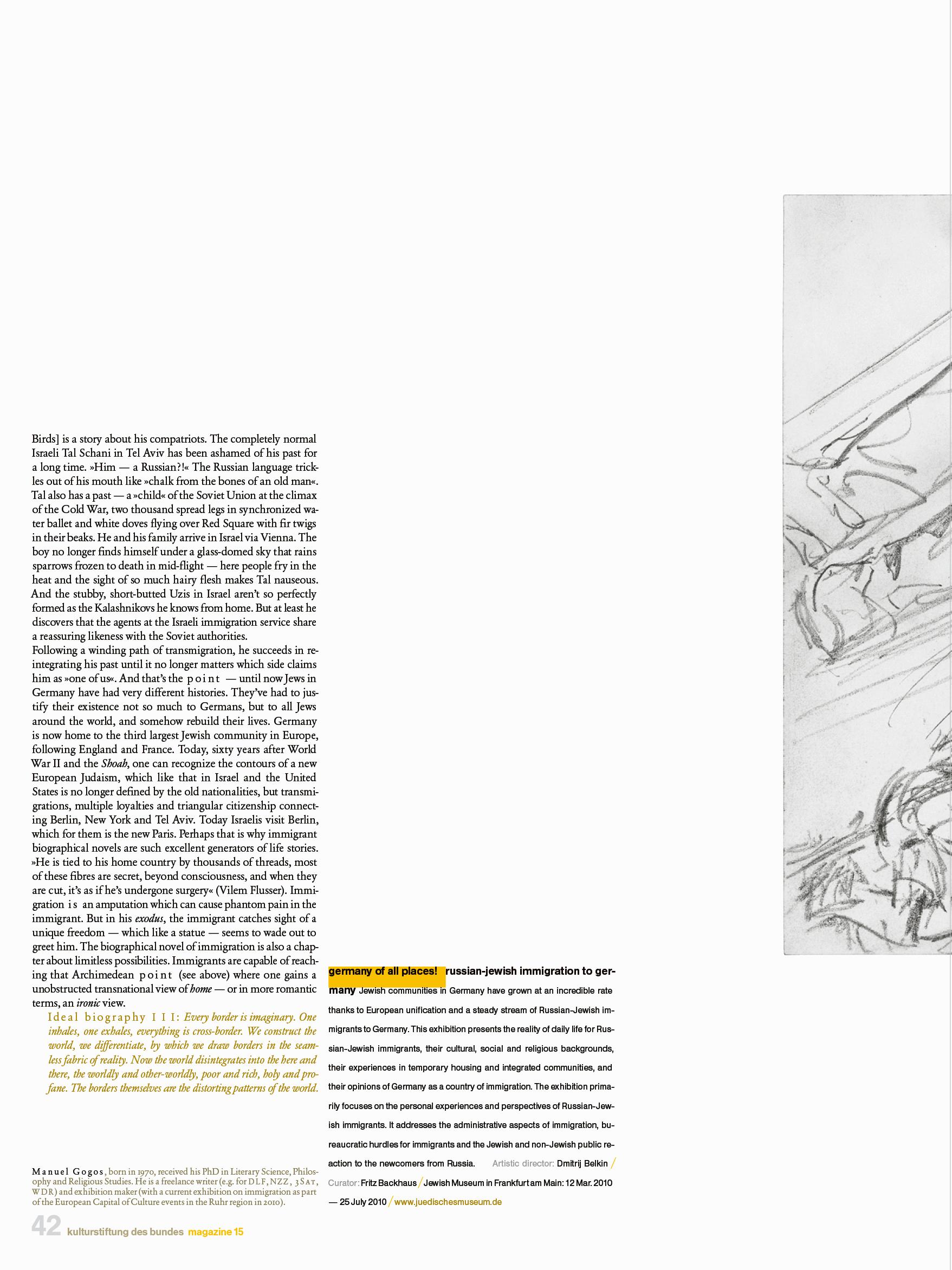
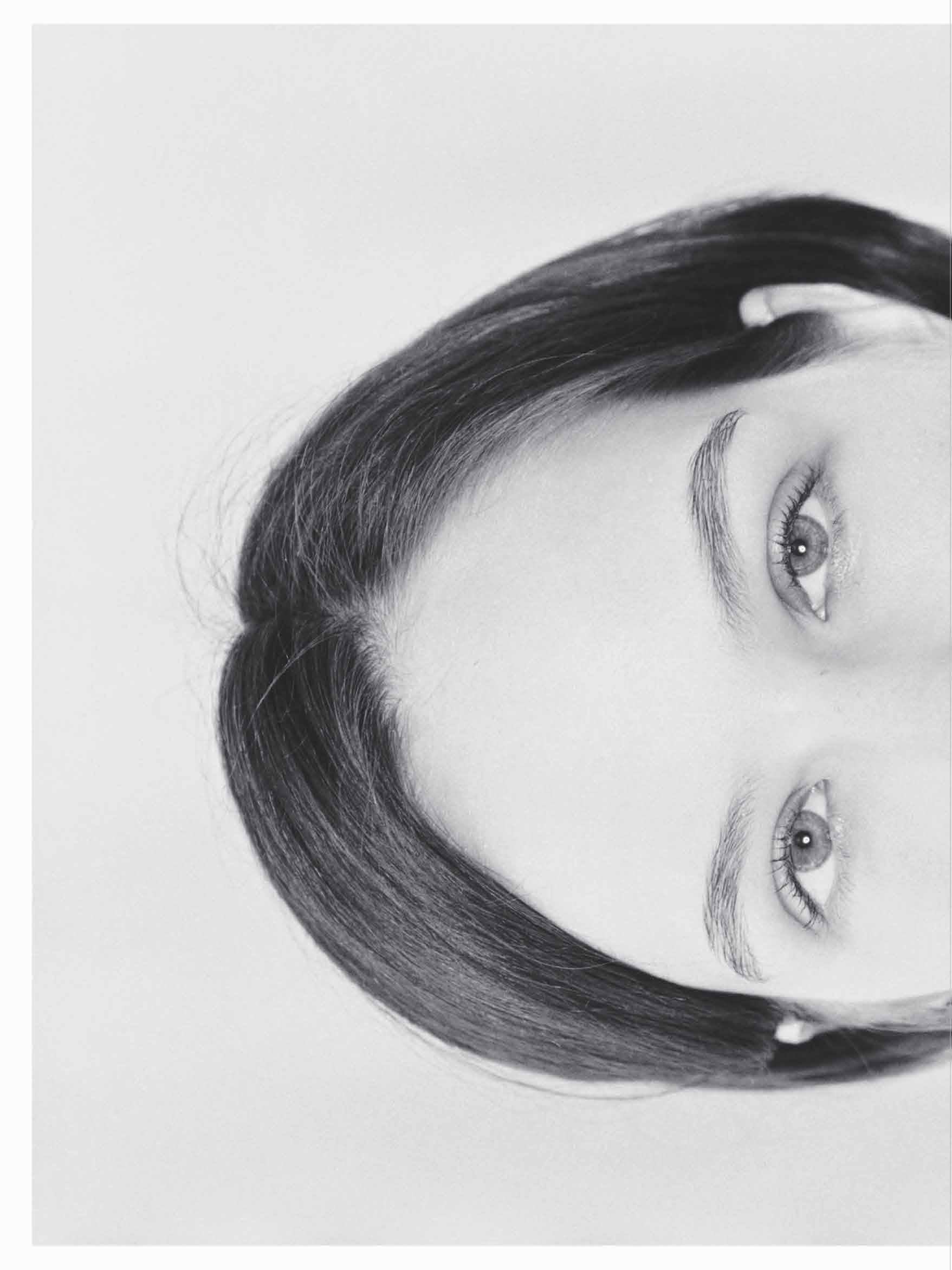
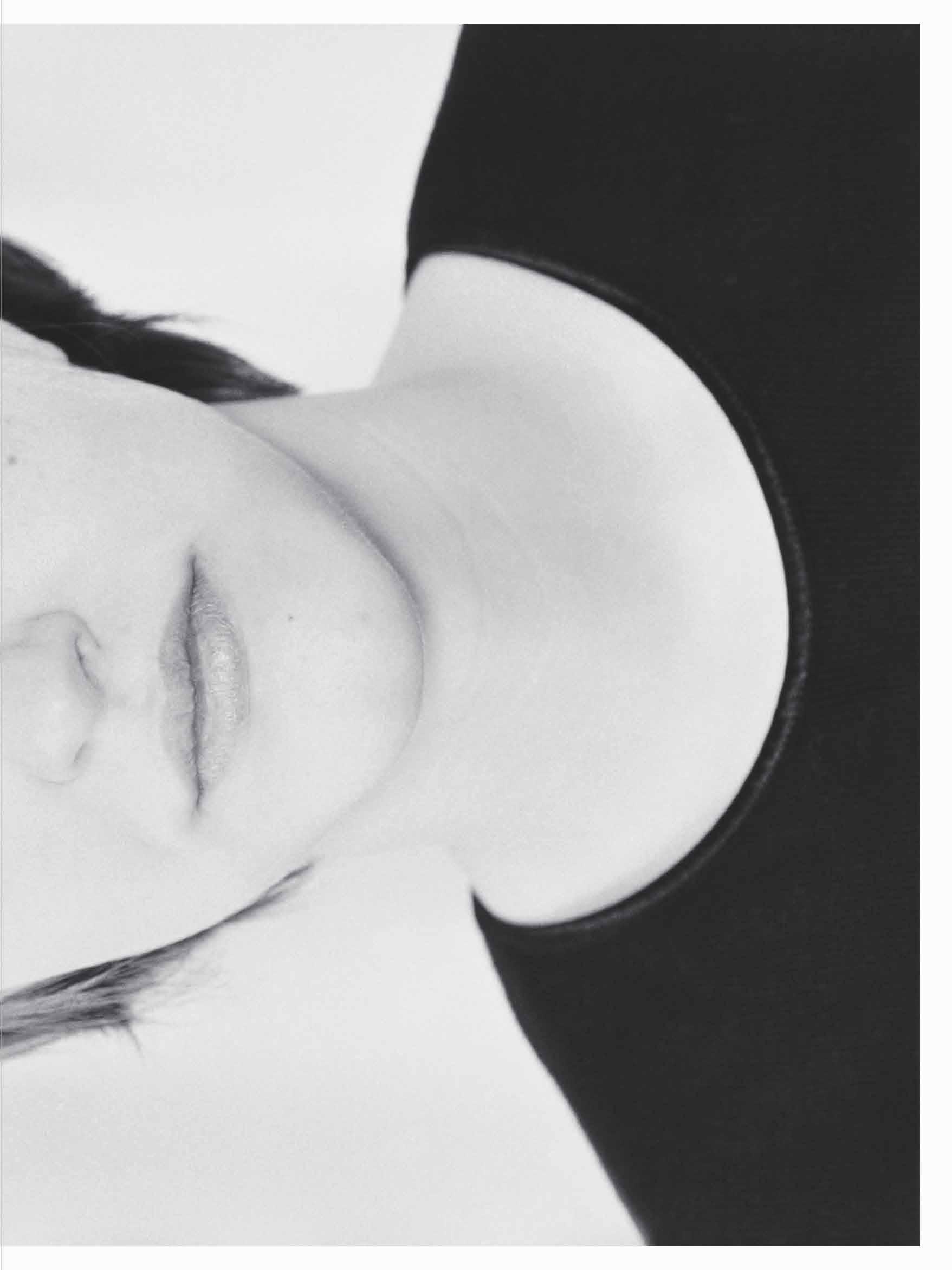
This issue of our magazine combines sketches by one of most renowned realists of the 19 th century, Adolph Menzel (1815 1905) with photos by Michael Schmidt (*1945), a representative of realistic photography. Works by both artists will be displayed at the 6 th Berlin Biennial for Contemporary Art (See the article by Michael Fried on page 23 ) /// Michael Schmidt has worked with photography for more than four decades. In 1976 he founded the Workshop for Photography at the adult education centre in Berlin Kreuzberg, which became the main forum for international discourse on photography in West Berlin. Today the self-taught artist is one of the best-known photographers of the post-war generation. He has gained interna tional recognition at numerous solo and group exhibitions at galleries around the world, including the MoMA in New York, the Tate Modern in London, Museum Ludwig in Cologne and currently at the Haus der Kunst in Munich. /// »For me, photography demands a series.« Consequently Schmidt always presents his newest black/white photos in documentary-style series. He is espe cially interested in working with all shades of grey, so that the viewer ultimately regards black and white as colours in themselves. Each individual photo withdraws within the sequence only to condense in the overall context. Until the early 1990s he completed most of his projects in Berlin Berlin Wedding (1976 78 ), Berlin nach 1945 [Berlin after 1945] (1980 ) and Waffenruhe [Ceasefire] (1985 87). The photo series reprinted here in this issue is titled Frauen [Women] (1997 99 ), which takes subjective inventory of a generation of young women who possess a new definition of self-confidence.

originates from the successful combination of aesthetic and functional qualities. He didn’t feel the need to expound on this, as every issue of the magazine repeated his view like a mantra. On the other hand, he emphasized his conviction that the triumph of good form would not happen by itself, but represented an ardu ous, pedagogical challenge.
»Our present-day addiction to new and original forms has been detrimental to the ambitious production of the good and tasteful, as is evident by a great number of questionable fruits. If artists and experts find it difficult to identify high quality from the over-abundance of styles available today, how much more perplexed the public must be as it tries to make sense of this stylistic chaos! To offer them a guideline, to encourage artists and experts to teach and inform ama teurs this is the goal which the Zeitschrift für Innen-De koration has set for itself.«
Let me summarize the programmatic points of the credo which Götz hopes his readers will adopt after reading his preface:
1 A design of living space that aspires to beauty must reconcile aesthetic and functional demands in a harmonious relation ship.
2 Beauty is a timeless quality and products that are tastefully designed are unaffected by the changes of fashion. Good form is and remains good form.
3 In order to recognize good form and differentiate it from bad form, one requires »competent training«, i.e. special exper tise. Consequently, the level of competence clearly distin guishes the expert from the amateur.
4 Götz ridicules the ignorant builder who constructs his home in whatever form to ensure that his investment is safe for as long as possible. What he implies is that without sound de sign principles, the builder will stumble into what he had in tended to avoid, i.e. the chaos of changing tastes and trends.
5 We can assume by his emphatically-concerned tone that such a lack of design principles is no trifling offence. Even though he makes no direct reference to weaknesses of orientation in other areas of life a suspicion, not mentioned by Götz, but proposed in numerous texts in the magazine he seems troubled by the risk of contagion by bad example. Therefore, providing artistic instruction and expert guidance in matters of taste to amateurs represents an important task of public education.
This is exactly my father’s position, which I had long believed to be the only and obvious position. I will refer to it in the follow ing as the theory of good form, even though, strictly speaking, it refers to an authoritative theory of refined taste. Au thoritative in that it assumes there is a generally recognized hier archy of design solutions, a clearly-defined ranking of style that ranges from bad to better to brilliantly accomplished, which one can recognize with appropriate training and upon which most can generally agree. As long as judgements of design refer to this ranking, they can be accurate or inaccurate. Correspondingly, aesthetic differences in judgement like empirical differences in judgement are interpreted as epistemic mistakes. These oc cur when one of the participating parties fails to recognize a cer tain design quality. It is relatively easy to rectify such mistakes as
soon as the one party points out the quality or qualities the other party overlooked. As soon as the virtue of good is recognized, every disagreement can be completely resolved.
The theory of good form was not developed by Professor Götz, however. Fifty years earlier, Sir Henry Cole had written a similar piece on judging successful design in his Journal of Design and Manufacture , the first specialist magazine on industrial design. If we dig even deeper into the literature of furniture making and the arts and crafts, we soon discover that Cole came from a long line of like-minded predecessors. What is more important than the question of origin is the fact that these five propositions that I’ve distilled above had been repeated word for word in magazines, books, catalogues, essays and lec tures for generations. One could say they had already become a canon of sorts. For reasons of space, I will have to limit myself here to one example. The authors of one of the most successful design books of the 1980s and 90s introduced their work with the question »What constitutes a classical piece of furniture?« They offered the following answer:
»Definitely the same thing that constitutes a classical work of music or literature harmony of form and content, a uni versal, timeless design language. This maturity of design raises the classical pieces of modernity high above the medi ocrity of contemporary products. Classical design […] is a ›personal intellectual creation,‹ a functional and formal in novation that exceeds trendy originality.« Believe it or not, this emphatic praise for authoritative design comes from a popular design book, published by the magazine Schöner Wohnen from 1982 to 1998 in 19 editions. While Professor Götz spoke of good and tasteful design, artistic train ing and high quality at the turn of the 20 th century, now the fo cus was on the maturity of design, universal form and timelessly genuine innovation at the turn of the 21st century. The terminol ogy might have slightly changed, but the substance was the same. »Good form« was still regarded as a beacon that shone through the ubiquitous chaos of arbitrary design.
The theory of good form has many plausible arguments, which it has to have, for otherwise it certainly wouldn’t have been so successful. For example, it harmonizes well with the ex perience of direct and indisputable evidence that one finds in the satisfying solution of design problems even if these in volve choosing the right outfit or table decoration for a dinner party. We are all familiar with that particular moment when all doubts are brushed aside and suddenly we know that this certain colour, form or material belongs right here and must look, feel and come across just like this and no other way. Because the theory of good form combines the competence of aes thetic judgement and the objective, trained eye, it harmonizes best with the observation that amateurs of certain epochs, stylis tic periods and design schools come up with similar assessments. And these assessments directly impact the going prices of the collectors’ market, which, despite regular fluctuations, remains generally stable. For the same reason, this theory is ideally suited for declaring and above all legitimizing the formation of a can
on, as was the case in the above-mentioned book on modern classics, which has since been followed by dozens of similar pub lications. When a certain historical sequence is presented in such an exemplary manner, the five programmatic points listed above do not appear to be the result of random, inexplicably motivated factors, but the inevitable and authoritatively binding conclu sion of a sound cognitive process. From here, one can easily pro ceed to the next step of presuming public interest in the exist ence of design museums and design instruction. The sheer ex planatory power of the theory of good form is apparently so comprehensive it can justify the necessity of the institutions which promote it.
Despite this impressive spectrum of achievement, there is a seri ous problem with the theory, which at least in my opinion has not yet been adequately addressed. It claims that there are specific formal qualities which make a certain artefact an exam ple of good design, or in more precise terms, its appearance opti mally corresponds to its usefulness. However, if an object pos sesses these qualities to a high degree and truly towers above the mediocrity of contemporary products, as the authors of Schöner Wohnen claimed, and if high-quality design does indeed survive every change in fashion as Professor Götz argued, why then is this victory so difficult to achieve? Why don’t most people choose good form for themselves? How could they fail to see design quality if it so obviously towers before them?
For more than one and a half centuries, the common answer to this was: Because, unfortunately, amateurs are generally blind to true beauty. All one has to do is look at the apartments chock full of hideous objects, the ugly houses, the tasteless clothing of the average Joe to realize that most people lack what Prof. Götz calls »competent training«. This explanation may appear en lightening at first hearing, if it weren’t for two points which give us good reason to be suspicious. Point one: Generations of magazine publishers have influenced the public since the mid19th century, dozens of professorial chairs in Design Studies have been created, thousands of books have been written and tens of thousands of lectures have been given. At the same time, a myri ad of arts and crafts instructors have spread the word about good form to people throughout the world and obviously nothing has changed for the better. We still hear the same old lamenta tion about the absence of taste in design in that same resigned tone, and interestingly enough, from those who feel little need for aesthetic instruction themselves. This ought to give us pause, because this allows us to draw but two conclusions the prob lem is neither caused by a lack of competent training nor a lack of competent students. Neither conclusion is good news for friends of good form. Point two: Such a far-reaching the ory of deficiency, which basically portrays the majority of the population as aesthetically challenged, should be able to offer better reasons than mere disappointment that one’s intuitive standards regarding the formal design of one’s personal living environment are not shared by others.
The real question, though, is: Does one truly require special ex pertise to recognize beauty? Let us remember we’re not talk ing about cosmology or quantum physics, but the design of ta bles, closets, chairs in other words, relatively uncomplicated objects of daily use, whose subjective assessment should not pose an unsolvable riddle to anyone (in contrast to some ambi
tious, conceptual positions in the fine arts, for example). In fact, it appears doubtful that a sense for beauty has anything to do with skill. Immanuel Kant, who discussed this question with un surpassable clarity at the end of the 18 th century, explicitly de nied this presumption. He insisted that we cannot recognize beauty, but only feel it, and therefore, are quite mistaken when we consider beauty in terms of epistemic categories like compe tence, knowledge or expertise. We judge an object as being beau tiful, Kant writes, when we are stimulated »by merely reflecting« on its form. Basically every person is capable of this feeling, which is evidently an integral part of our makeup as sensually perceptive beings. It is automatically activated as soon as we en counter forms which possess a formal arrangement that can be described as aesthetically organized, organically structured or intrinsically whole.
If we subscribe to Kant’s interpretation of the term »beauty«, there can be no dissent all people react under the same condi tions to the same forms in the same way. And if this is not the case, then we are no longer dealing with only beauty, but rather circumstances in which the reflection of aesthetics and the de mands of other value systems intricately overlap. Kant provides several examples of free beauty which are thus universally re garded as beautiful. These are not products from a design studio, but come straight from Mother Nature’s design office flowers, shells, leaves, feathers, lines in the sand, etc. The only hu manly designed product included in the same category is wallpa per with repeat patterns a design with no artistic ambition other than displaying the same regular and irregular patterns which so fascinate us in nature.
I believe Kant was basically correct in this observation. Indeed, there does seem to be a smallest common denominator of aes thetic attractiveness which one may not have to argue transcen dentally or philosophically, as Kant had done in the Critique of the Power of Judgement . One can also take a more modest approach by proposing the following anthropological hypothesis: As long as people are free of existential worries, most if not all are fascinated by naturally created forms of beauty to the same degree regardless of age, sex, social class, prior ed ucation, etc. As a result, there can be no experts for natural beau ty, at least not in the sense in which design experts regard their expertise. A biologist might show me a fascinating structure which I had never seen before. A botanist might point out an at tractive detail in the form of a blossom which I might never have noticed without his trained eye. But in both cases, it would be unnecessary to explain what is beautiful about them for I’d be able to see or feel it without their help. If this were not the case, then no amount of explanation could prove their beauty. According to Kant, beauty cannot and need not be proven. It should be no surprise to us that, like in the fine arts, such una nimity hardly exists in the field of design. Anyone who has vis ited a recent furniture trade show knows that the spectrum of products, praised by designers and manufacturers as practical and beautifully designed and apparently regarded so by consum ers, represents the chaos of fashions and tastes which Prof. Götz had warned his readers about 115 years ago. In the aesthetic-theo logical fury of my youth, I might have also seen it this way.
Today I have to admit I find it a thousand times more interesting to observe this tumult of conflicting forms than to pay my re spects to the monotonous parade of Thonet, Free Swinger and Eames chairs on display in practically every design museum. But couldn’t we come to a consensus even here? Couldn’t we ar gue that because design collections look almost identical throughout the world, this is proof that good form does exist, but unfortunately only among museum-going experts? At the risk of sounding repetitive, I counter this possibility with anoth er question: What kind of beauty is that which only appeals to trained experts? Why doesn’t everyone feel the same way? As we know, year after year, millions of tourists spend their vacations in Venice and shun the neighbouring city of Mestre. Do all of these people appreciate Venice and its architecture thanks to »competent training«? Or are they simply following the stupid herd, as many like to believe, which recklessly tramples our cul tural heritage and would be just as happy in Las Vegas? And if so, why are we so sure that a trip to Venice is more cultivated? I hon estly do not believe it’s possible to rationally defend such a uni versal aesthetic deficiency theory. When the Renaissance archi tect Sebastiano Serlio praised the perfect proportions of the Ro man Pantheon in the 16 th century, he wrote that its effect was so impressive that visitors »even of plain appearance [would] inex plicably gain a measure of poise and beauty«. This is the kind of automatism to which Kant refers, as close as possible, and at the same time, containing all the promises ever made in the name of good form. Why does the literature on interior design sound so resigned in contrast?
Let us page through Innendekoration once more this time the February issue of 1894 , devoted to »modern interior Gothic« which customers apparently favoured less than other retro styles. In response to this, the issue featured an article by the educationally-minded manufacturer of period furniture from Breslau who took up the fight for good neo-Gothic form. He as sured his readers that the Middle Ages, which he produced, had nothing to do with the frivolously trendy products sold on the market by his competitors.
»I have introduced a type of Gothic style which finds its le gitimacy in its deliberate, most elementary construction, and what I have in common with many other so-called Gothic objects currently circulating throughout the business world a jumble of conglomerate styles produced in recent years in no harmony with our German nature as far as the practi cal aspect is concerned is that I have always tended to re ject such products in favour of simplicity and authenticity.«
In February 1949, exactly 55 years later, the same magazine which now carried the title Architektur und Wohnform and only mentioned interior design in its descriptive subtitle, the architecture professor Richard Döcker from Stuttgart deplored once again the level of quality of furniture design.
»The clarity and simplicity of furniture, the neatness of func tional design [...] has not gained our general acceptance. We prefer to replace these with decrepit Baroque, with overload, expensive kitsch and tastelessness, we seek refuge in farm house romanticism, Biedermeier, etc., instead of focusing on the task at hand and regarding what we create as a document of today’s lifestyle, of our position and knowledge of the man of our time. […] There is a lack of standards, goals, attitude.
[…] Authenticity, quality these basically require simplicity, honesty in matters of material, form and manufacture, and the sensible fulfilment of use.«
I could have included a long list of similar statements made since 1850, but I think these two examples suffice to illustrate my con cluding thoughts. They demonstrate that, when judging the de sign of items of daily use, the matter of debate does not only in volve aesthetic and functional characteristics as many frequently claim. In both quotes above, the authors were explicitly ad dressing the question of what makes designed form a good form. And in both instances, the authors make discursive reference to ethical qualities, i.e. connecting virtues to form and thereby dis tinguishing it as the result of what they consider an exemplary attitude. It is no coincidence that I’ve chosen the virtues of honesty and simplicity, as these terms are most frequently men tioned in the literature. For long periods in design history, asceticism marked by a programmatically unsentimental rationale has strongly influenced the design of private living space (and interestingly, not only among uncompromising advocates of modernity, but unshakeable sceptics of modernity, as well). And though this attitude continues to be celebrated in the relevant literature, the spectrum of possible attitudes to which a writer can ascribe, has continuously expanded over the past three dec ades. In the meantime, some of these attitudes are shaded in ways unimaginable in the heroically rigoristic phase of German furniture design that extends back to the late 1960s, such as with irony, casualness and even programmatic frivolity. Those who equate the success of design in terms of timeless, uni versal, classical beauty, which one can merely reflect on and en joy »as form« in the Kantian sense without further verbalization, are in danger of overlooking the one and perhaps most signifi cant quality when it comes to discourse on good form. »Good form« does not only refer to »successful« design, but also to meaningful, and above all, ethically meaningful form. By this I do not mean to claim that purely formal considerations e.g. blue or red, shiny or matte, corner or curve play no role in the discussion and assessment of design. If this were the case, the subject of product design could just as well be taught by moral philosophers in the future, which despite every confidence in their discipline wouldn’t be a good idea. I only wish to point out that aesthetic evaluations in discourse on design have generally incorporated strongly ethical components in the past. In contrast to context-free, unproblematic, consensual encoun ters with natural beauty, it does not suffice in this case to simply like something. At best, this can only be the starting point of a discussion. The question of good form deals much more with whether I should like something. This is only possible, be cause, in contrast to unproblematic, consensual natural beauty, designed form is perceived as being symbolic of something else, i.e. it ultimately reflects a certain attitude toward life. In the same way one assesses the form of art or fashion in a referential con nection, one can and must interpret the form of furniture. This comes so easily to us that we hardly notice in our day-to-day hermeneutic work how we characterize a steel-tube chair of the Bauhaus era, for example, as »functional«, »honest« and »simple«. It’s only when we hear that others regard the same form as »repel
preter and translator with their mute, naked materiality that must first of all be clothed in meaning.
The dissemination of writing, the need for faster communication and the desire for function ality have of course led, also in languages with systems of scripture such as the Arabic which lack interpretation, to an ever-greater reduction in the realm of ambiguity, so that in everyday life it is only the foreigner who experiences this with all its original force. Jewish biblical exeges is states that the material form of the letter is al so the alpha and omega, and the dynamic of this exegesis draws on the aforementioned am biguity of the letters. The mere reading of such a script is already translation, interpretation. In every act of reading and comprehension, the in herent complexity of the symbol system must first be diminished. Hence every reading is a suggestion, just as every translation is merely a proposal for translation, one variant among many of equal merit.
In principle the Jewish bible shares this ambiguity of scripture with the Koran, or more precise ly with the early Koranic manuscripts. The first Muslims had the wisdom to safeguard the am biguous early transcripts of the Koranic frag ments from the outset with a very stable oral tradition, which is to this day the actual bearer of the message. Unlike in the Jewish tradition, the question of the phonetic structure of the text was not central to Muslim exegesis as the Koran was always a text that was read, recited. The early Muslims had good reason not to trust their written language. It was impossible for it to establish sufficient clarity; oral tradition is far more reliable. One of the follies of our scriptfixated contemporary culture is the desire to re interpret the text of the Koran based on, of all things, its early, fragmentary, and ambiguous written form, and to reconstruct it as the real, critically examined version: to think that one must first teach Muslims their true Koran. The alpha and omega of the Koran, the text you can not circumvent, lies not in the scripture but in its phonetic structure, and compared with the Hebrew bible the ambiguity, the zero point of comprehension, shifts from the written to the spoken material.
But let us return to our imagined world without translations! In this world, the work of transla tion is superseded by interpretation and other, similar forms of mediation. In a world without translation the mediator is interpreter, commentator, anthologist, translator, plagiarist, perpet uator in one, something that is only true of the contemporary translator in special cases (such as when he is translating from an Oriental lan guage). In our imaginary world, as soon as a translator enters the stage the erstwhile, impro
vised interpretation and mediation lose their innocence and revocability. Unlike what the in terpreter says, what the translator writes is, like all script, definitive. The legend of the transla tors of the Septuaginta , the Hebrew bi ble, into Greek in Alexandria in the third cen tury B.C. bears witness to the translator’s bur den. Seventy-two translators are said to have repaired each to separate cells in order to trans late the Bible, and seventy-two times, according to legend, their efforts brought forth the same, identical text.
The Septuaginta does actually exist, though the story of its origin is legendary. The next great feat of translation recorded in the his tory of religion, Hieronymus’ translation of the Bible at the end of the fourth century A.D. , is more credibly documented. Here, too, it is the legendary aspect which interests us, that is: what posterity made of Hieronymus and his work, namely a saint. For his sanctification is not, as one might naively assume, based on a recogni tion of his accomplishment as a translator, rec ognised though this was. His sanctification arose from a much more important, more ur gent purpose the authorisation of his work, the translation, i.e. to secure for Hieronymus’ translation that which, according to legend, was provided by divine intervention in the case of the seventy-two. Hieronymus could not have predicted that his translation, the so-called Vulgata , would be forced to carry what is, on the scale of contemporary exercises in translation, an absolutely inconceivable burden. For more than a millennium the entirety of Western Lat in Christianity invoked this translation as its main point of reference. It was able to carry the burden not least because its author had been transformed into one of the most popular sub jects of Christian art and iconography. Whether consciously or unconsciously, every pictorial depiction of Hieronymus authenticated his work in translation, raised it far beyond the sphere of ordinary human accomplishment, and imputed to him supernatural aid.
In a world almost without translations let us say the period of late antiquity as soon as a translation emerges let us say the Vulgata gradually it comes to be treated as an original, and the world once again becomes one without translation, since the translation is no longer perceived or intended to be perceived as such. For, strictly speaking, a translation only accomplishes more than a mere interpretation or other forms of mediation when the concept of translation is lost and it is treated as an origi nal. Two observations should be recorded here that can also be made with reference to transla tions today: translations have the tendency to conceal their status as secondary texts (as in the case of the Septuaginta ), or else this status is gradually forgotten within a culture (as in the
case of the Vulgata ). Both lead to the trans lation being equated with an original, or even supplanting it.
Since Hieronymus lived in a world that was still more or less without translation, it was possible for him to become an icon; but this was not the case for Luther and the other translators of the Bible into the vernacular. Although what Luther did was ostensibly the same as Hieronymus, his work heralds the bursting of a dam, a historical turning point. From then on we may say that the world starts to become the one with which we are familiar today, a world in which there are translations and in which they are increas ingly perceived as such (whereby, admittedly, it remains the ideal of every translation to be the equal of the original, i.e. to be able to replace it in essential aspects).
The trigger for the change in perspective was the shift in the objective of translation from a purely script-based or scholarly language to a living, spoken idiom, one in the process of develop ment. If one accepts the vitality of language, as the translators of the Bible into the vernacular did, one also accepts its mutability. However good a translation into a living language may be, the translator himself runs the risk of being overtaken by its liveliness. Moreover, anyone translating into the vernacular can no longer become a Hieronymus, because there are too many vernaculars. Interestingly, with us at least in the German-speaking realm, something of the aura of Hieronymus does fall on Luther: the vague perception that the true text of the Bible is the Lutheran one. It is therefore all the more remarkable that, despite this aura, Luther’s translation was frequently edited; that although its cadences and many of its phrasings have sur vived, its wording was in no way sacred and in violable as that of Hieronymus was for more than a millennium. This assumption, that we have the right to make such alterations, is what betrays the fact that we find ourselves in a true world of translation.
This world of translation is founded on the be lief (I use the word belief deliberately) in the severability of word and content, of character and meaning. It is not that there had been no consciousness of the possibility of such a divi sion prior to this, but the connection between sign and signified had been deemed uncircum ventable.
Following the translations of the Bible into the vernacular, however, this connection was regarded as arbitrary and capable of rupture. Hence forth the translating solution applied that eve ry word could take on every meaning: in the most extreme instance, the unpolished lan guage of the people was able to record the Holy Scripture. It is only this notion that makes a world of translation possible, a world of being able to understand everything, because every
thing (the greatest thing of all, the Word of God) can be translated into everything (the simple language of the people) with no significant loss in transformation (or so it appears; such is the implication). From this point on there is no longer anything that is untranslatable. Our contemporary attitude becomes apparent: eve rything can be understood. Including the Word of God. Also by laymen. The material, the char acters, no longer matter. The translation (where it is recognised as such) is now no longer consid ered simply a necessary evil. And thanks to the invention of printing it becomes an efficient means of making a profit.
Despite the bursting of this dam it took several centuries for translation to shape our culture as completely as it does today. For a very long time, educated people would continue to read texts that interested them in the original and only if they were able to do this would they be con sidered educated. Furthermore, education con sisted above all of being able to read texts in foreign languages, and of little else besides. It was only in the second half of the 20 th century that the classics yielded their status in the uni versities to the natural sciences. Evidently the breach in the dam only affected certain points in the linguistic dyke. The educated middleclass continued to locate what was essential, its roots, in the uncircumventable original. The study of classical languages became the last bas tion of a class whose conception of itself had already become obsolete in relation to society as a whole. Today, even among our educational elite, the consensus prevails that everything is somehow translatable, that even if we have no command of any, or only of a few, foreign lan guages, we consider it our absolute right to un derstand everything that is expressed in any language whatsoever.
Our demand for understanding, and the claim to understanding associated with it, goes so far that we, with our translated knowl edge, dare to intervene in debates about other cultures. In an event about Islam held by an ecclesiastical institution, to which I was invited as a speaker, I heard numerous participants cheerfully citing the Koran in translation, of course. And how from these translated quota tions they extrapolated for themselves the most sweeping conclusions about Islam and the na ture of Muslims, as if these were uncircumvent able axioms. The translated sentences, i.e. their supposed or actual meaning, were for these speakers synonymous with the Koran and with Islam itself. I suspect that this is a genuine Christian, if not a specifically Protestant misap prehension, which has of course, as a result of the global dominance of the Christian-orien tated West, by now also encroached on the selfconception of many Muslims.
However, in all likelihood it is not a misappre hension at all but simply a very specific under standing of language and text. It expresses itself in the belief in universal translatability, in the appeal to a detachable content beyond a specific wording. Precisely this understanding be came the hallmark of the Christian-orientated world once translations began their triumphal march into the vernacular. It then remained its distinguishing characteristic in the encounter with other, for the most part colonised peoples. In many countries of the Third World the first printers were those of the Christian mis sions, and to this day the most translated book is, as is well known, the Bible.
For the French philosopher of religion René Gi rard, the presumption of a universal translata bility of the Gospel, executable with no signifi cant loss of meaning, was proof of its absolute veracity. The gospel of Jesus is true, because it can be translated into all languages and under stood by all people. This thesis is the logical completion of the bursting of the dam to which we have referred, the paradigm shift in the atti tude towards translation that began with the translation of the Bible into the vernacular and its mass circulation with the development of printing technology.
What interests me in this regard is a particular symptomatology. Girard’s argument is the cul mination of that which I have previously indi cated, namely the reduction of the text and the world to that which is comprehensible. The universal translatability of the Gospel be comes a given precisely then when that which can be translated is defined as the essence of the Gospel. This amounts to excluding the untrans latable, the incomprehensible, as inauthentic or not part of the true message of the Gospel. The text and the world reflected within it are reduced to what is comprehensible. Sheer communicability becomes a meaningless end in itself: the TV principle. Anything beyond this, the incomprehensible, is discarded, expelled, banished, considered a disturbing interference.
I find this totalitarian and dangerous, and I think I can make a convincing case as to why. If it is a characteristic of our time to demand com prehensibility in all things, and to consider that everything deemed reasonable and comprehen sible is automatically also translatable i.e. ac cessible for communicative action then Is lam and its cultures are to a great extent exclud ed from this communicative action. We all know the story that immediately after Septem ber 11th , 2001 every bookshop was reportedly sold out of Koran translations. This story is a clear exposure of our naïve demand for under standing, whereby what is meant by under standing in this instance is not of course empa thetic comprehension of the subject but being
informed about it and having it explained. The demand is all the more naïve. It is seeking an swers and information in a 1, 400 -year-old text on questions and problematic issues that affect us here and now. It ignores nothing less than history, and the semantic change of all charac ters that is permanently taking place within it. What is revealed even more clearly here is a crude understanding of translation as if, in translating such an ancient and alien text, cru cial elements of information would not inevita bly fall to the wayside. One could conclude that large parts of our reading, i.e. educated popula tion have only an inadequate awareness of the limits of translatability. In this, ironically, it is translators, of all people, who are at fault. They have evidently been doing their work far too well. Today there are such good translations even of difficult texts that the opinion that translation and original are practically inter changeable is not all that absurd. Why should this not also apply to the Koran?
The paradox of the attempt to make sense of the Koran by way of a translation is that the Koran itself declares every form of imitation, and thus also translation, impossible. In doing so, it learned a crucial lesson from the previous his tory of translation in the Christian and Jewish traditions. In the twenty-third verse of the sec ond sura it says:
If you doubt what We revealed to Our servant, bring forth one sura like it. 1
This dogma of inimitability, the miracle of the Koran known in Arabic as `Idjaz, is of course tautological: the Koran is inimitable, because only the Koran is like the Koran (›like it‹). Noth ing can as be as beautiful as it is, unless it be identical with it and then it would simply be, again, the Koran. The inimitability thesis is tan tamount to the permanent establishment of a concrete wording and its uncircumventability. According to this concept there is no meaning beyond this that might be expressed in any oth er way. The hermeneutic consequence would have to be that the text of the Koran does not want to be understood, because every kind of understandability implies a certain degree of translatability. The much-criticised madrassas in which the Koranic text is drummed into chil dren’s heads without them understanding it is the pedagogical result. Yet in principle there should be as little to object to in this as in teach ing children Chopin piano pieces without ex plaining their historical musical background. The problem arises when the text contradicts its own linguistic concept as elaborated by Muslims in the dogma of `Idjaz and decides it does want to be understood after all, in that for example it issues instructions or makes asser tions that a believer can scarcely ignore. As it
is received in a mainstream of Muslim exegesis, the Koran acts as if it were not to be translated, yet nevertheless conveys translatable statements that are also often understood as such by believ ers.
We see that the Koran is a highly ambivalent work, and that it depends on the zeitgeist which aspect is given greater weight in its reception that which rejects textual comprehension (or labels it constructive and relative), or that which emphasises the concrete and apparently une quivocal, comprehensible statements in the Koranic text. In a world shaped by the Western culture of understanding, in which, for political reasons, Islam is constantly being compelled to explain itself, the translatable, content-orientated aspect naturally comes to dominate, although this runs contrary to the attitude of many Mus lims to the Koran in the past and even more so in the present day. This is not good for Islam; for if you read it primarily with regard to its con tent, to a person socialised in a liberal affluent society it is inevitable that in many places the Koran will appear to be a very nasty book. Against this background, the consistent response would be not to translate the Koran at all. The interested layperson would have to acquire a picture of it for himself from commentaries, paraphrases, and secondary literature. He would then be more precisely informed, and with greater differentiation, than any reader of even the best translation. However, like good Protestants, we demand to be able to form our very own opinion of the text. Even if this demand is pat ently misguided, we are seldom prepared to re linquish it. And there will always be those namely translators who will seek to satisfy this requirement. Or who embark on such a project out of pure creative zeal, because they are tantalised by the difficulty of it, of compet ing with the divine power of language, as tradi tion relates of a number of Arabic poets in the Middle Ages who were famed for their attempts to produce works equal to the Koran, now un fortunately lost.
Absurd though the undertaking may be, we consider translation an outstanding form of com prehension. Even if I were against a translation of the Koran, I could imagine myself compelled to translate it for this very reason, if only to cloud the deceptive clarity of the other translations, or to clarify their opacities; in other words, to add some understanding to the under standing that already exists and thus to avoid the trap that suggests we could understand something in some absolute, ultimate way, be it the world, the text, ourselves, or anything at all. It is precisely this that ultimately reconciles me with the desire for understanding, and with translation. It has this nagging logic that is all its own. It is never satisfied. It keeps on finding the not-understood even in what was thought un
derstood. It keeps finding the untranslated in the translated. And the translators are the agents, furnished with the appropriate poetic licenses, of this dissatisfaction of understanding. They guard it jealously and delight in pointing out to their colleagues or predecessors what they have not understood; they are constantly switching roles, one moment helpers, making life easier, the next nigglers, nuisances, pedants and spoil sports. I like them for this, these translators; it makes me feel that I belong with them. Their work never ends; in it is lodged the barb that animates, motivates and justifies every criti cism.
Dear translators, please continue to criticise each other as fiercely as you can! Your criticism is the archetype of all criticism, and quite right ly you will never be finished, never be satisfied. You are not so easily lulled into believing that you have understood a thing correctly. Your world is different to the world of others; it is full of the not-understood, the unsayable; it is full of mystery. It is a mystery that you preserve, that we preserve, by constantly revealing it anew.
1 The Qur’an. Translated by Tarif Khalidi. London (Penguin) 2008, p. 5
Stefan Weidner , born in Cologne in 1967, works as an author and translator from the Arabic. Among his bestknown publications are the anthology Die Farbe der Ferne. Moderne arabische Lyrik [The Colour of Distance: Modern Arabic Poetry], together with the narrative essays Mohammedanische Versuchungen [Mohammedan Temptations] and Manual für den Kampf der Kulturen [Manual for the Clash of Civilisations]. Stefan Weidner currently lives in Cologne and Berlin and is the editor-in-chief of Art& Thought/Fikrun wa Fann , the cultural journal for the Islamic world published twice a year by the Goethe In stitut in Arabic, English and Persian.
This article is a slightly abbreviated version of the inaugu ral lecture given on 30 th October 2009 at the Landesvertre tung North-Rhine Westphalia in Berlin for the August Wilhelm Schlegel Guest Professorship , initi ated by the Deutsche Übersetzerfonds at the Peter Szondi Institute of the Free University of Berlin, 2009 2010. The Deutsche Übersetzerfonds was established in 1997 with the goal of providing quality-based, nationwide fund ing to translators. The Federal Cultural Foundation added the Übersetzerfonds to its funding catalogue in 2005. In addition to providing working, residence and travel grants to translators, the Übersetzerfonds also develops mentor ing models, continuing education programmes and new forms of translator exchange. www.uebersetzerfonds.de
new programme über lebenskunst One of the post ers at the Copenhagen conference in December 2009 declared »There is no Planet B.« The Earth simply cannot sustain the glo bal expansion of our lifestyle. Deluged with facts and findings, our civilization must now grapple with this frightening scenario. The Federal Cultural Foundation wishes to focus on these fu ture developments in a positive light. With our new programme Über Lebenskunst Initiative for Culture and Sustainability , we are interested in finding a new 21st -cen tury way of life that does not threaten human survival on our planet. German Chancellor Merkel has repeatedly called cli mate protection a »task of humanity« a task whose cultural dimension requires far more consideration. When we speak of increasing awareness in order to change behaviour, or of being able to imagine a sustainable society in the future, of global justice, of the courage to implement change, then it always in volves our system of values and cultural impulses, without which society’s potential for environmental renewal could not develop. Über Lebenskunst attempts to interconnect art, culture, science and social practice in such a way that we gain new out looks on sustainability and can experiment with new environ mentally-friendly lifestyles. In cooperation with the House of World Cultures, the Federal Cultural Foundation is planning an international theme-based festival aimed at attracting young and old from all walks of life. An educational programme, or ganized together with the Freie Universität Berlin, will accom pany the project, which the Federal Cultural Foundation is funding with 3 5 million euros from 2010 to 2012 For more infor mation, visit www.ueber-lebenskunst.org
new model programme for cultural education In December 2009 the Federal Cultural Foundation’s Board of Trustees approved a new model programme for cultural educa tion titled Agents For the Audience of Tomorrow The programme will support cultural »agents« over several years who will work together with schools to tap the full potential of networking with municipal cultural organizations. The agents are entrusted with the task of making culture more accessible to young people and forming the audience of tomorrow for cul ture. As part of the five-year model phase, the Federal Cultural Foundation has pledged funding to install agents at numerous schools. Together with school directors, the agents will establish a comprehensive, cross-disciplinary cultural education pro gramme, create partnerships with cultural institutions in their cities and develop artistic projects with the pupils themselves. The German states that are interested in participating in the programme will be chosen by the end of this year, after which suitable schools and agents will be selected. Then the agents can begin their mission. For more information, visit www.kulturstiftung-bund.de
new headquarters for the federal cultural founda tion A new building designed by the Munich architect’s office Dannheimer & Joos will be constructed for the Federal Cultural Foundation on the grounds of the Franckesche Stiftungen in Halle. In spring 2009 the Federal Cultural Foundation held an architectural design competition, in which architects were asked to take the historic 17th -century ensemble of buildings in to account in their designs. Out of the 24 submissions, Dannheimer & Joos entered the only design to incorporate elements of the half-timbered construction of the surrounding buildings without overly historicizing its design. The construction, funded largely by the federal government and the state of Saxony-An halt, is slated for completion in summer 2011 [www.kulturstiftung-bund.de/neubau]
first prize for the exhibition cold war cultures The exhibition The Art of Two Germanys / Cold War Cultures , funded by the Federal Cultural Foundation, has been distinguished by the American branch of the International Association of Art Critics (AICA /USA ) as the »Best Thematic Museum Show Nationally« of 2009. The exhibition, curated by Stephanie Barron, the head curator of the Los Angeles County Museum of Art ( LACMA ), and Dr. Eckhart Gillen, guest curator of the German Historic Museum, featured art positions from East and West Germany in the context of the Cold War. After its presentation at the LACMA , the exhibition was shown in Ger many at the Germanisches Nationalmuseum in Nuremberg and at the German Historic Museum in Berlin. Congratulations!
kur symposium in autumn: for all the world to see improving public awareness of conservation achievements and challenges There are many ways we can increase public awareness concerning the important social issue of preserving our cultural assets. In order to effectively reach the public, supporters and cultural policymakers in the long term, we must consider the needs of all parties from their own perspective. What standards are important to cultural sup porters and sponsors? In what ways can we present the issue to attract the interest of non-professionals? How can we make the difficult conservational challenges facing collections more understandable? And what other PR formats are available be yond those commonly used and well-trusted? The KUR Pro gramme for the Conservation of Moveable Cul tural Assets , a programme jointly initiated by the Federal Cultural Foundation and the Cultural Foundation of German States, is currently funding 26 projects in museums, archives and libraries. Both foundations consider it very important to inform the public about the problems of conservation and their solu tions a challenge that each project is addressing in its own way. The KUR symposium on 13 and 14 October in Halle (Saale) will examine the public relations activities related to conservation efforts. Conservators, curators and PR staff are invited to exam ine successful public relations strategies based on best-practice examples and tailored to various target groups. [www.kulturstiftung-bund.de/kur]
donating time publication on cultural volun teerism in the new german states What resources do people rely on when they volunteer their time to promote cul ture, save castles and organize festivals? What difficulties do they face? Does donating one’s time really pay off? The Founda tion’s New Länder Fund has supported civic involvement in exemplary cultural projects in East Germany since July 2002 The fund recognized that the cultural infrastructure in the new German states had to be completely re-organized in the wake of the political upheaval in 1989 /90. Civic involvement has played a key role in strengthening and developing cultural endeavours ever since. A newly released publication titled Zeitspenden [Donating Time] provides a first-ever overview of the organiza tions and projects which the New Länder Fund has sup ported. In the publication, thirty-five volunteer-based organiza tions introduce themselves and their activities, ranging from music to monument conservation, from theatre performances to traditional cultural events. It also includes personal portraits of volunteers, who describe the reasons for their involvement in cultural life, colour photos, a directory of associations, and a general map that invites readers to discover the diversity and professionalism of cultural projects in East Germany for them selves. Feature articles by Julia Friedrichs, Wolfgang Kil, Kristi na Volke, et. al.
Zeitspenden: Kulturelles Engagement in den neuen Bun desländern / Edited by the Federal Cultural Foundation and published by the Mitteldeutscher Verlag, Halle (Saale) 2010 / 234 pp. / numerous colour illustrations / language: German / price: 14 90 EUR / ISBN 978 3898127073
zlín utopia and model city of modernity two new publications In the 1920s and 30s the Czech city of Zlín became a laboratory of urban development. The entire so cial sphere was reorganized based on rationalistic criteria. Al though largely forgotten for many years because of the country’s political situation, this significant architectural and socio-tech nical experiment was re-examined at an international confer ence in Zlín titled A Utopia of Modernity : Zlín and the exhibition Zlín Model City of Modernity in Munich. Both the symposium and exhibition were funded through Zipp German-Czech Cultural Projects , a programme initiated by the Federal Cultural Foundation. Both projects have now released follow-up publications with ar chitectural plans, photos, film stills, historic documents, and a wealth of articles by renowned writers, all of whom examine the various aspects of the history and current significance of the Zlín model.
A Utopia of Modernity: Zlín / Anthology / Edited by Katrin Klin gan in collaboration with Kerstin Gust / JOVIS Verlag, Berlin 2009 / 304 pp. / language: English / price: 28 EUR / ISBN : 978 3868590340
Zlín. Modellstadt der Moderne / Exhibition catalogue / The Museum of Architecture at the TU Munich, Pinakothek der Moderne 19 Nov. 2009 — 21 Feb. 2010 / Edited by Winfried Nerdinger in collaboration with Ladis lava Hornˇáková and Radomíra Sedlá kova / Photos by Gabriele Winter and Bar bara Schulze / JOVIS Verlag / Berlin 2009 / 207 pp. / language: German / price: 38 EUR / ISBN : 978 3868590517
transit 68/89. anthology 1968 and 1989 Prague Spring and the end of the communist regime. In mid-2007 Zipp German-Czech Cultural Projects , a programme ini tiated by the Federal Cultural Foundation, invited historians, theatre artists and fine artists from Germany and the Czech Re public to discuss the connection between these two important dates in history. After a year of collaboration, the project has released four publications which examine the cultural transfers between East and West ( crossing 68/89 ), people’s miscon ceptions and images of the other ( misunderstanding 68/89 ), the performative dimension (performing 68/89 ) and the longer-term cultural connection between the events of 1968 and 1989 in a German-Czech context (transforming 68/89 ). The project has now published a new anthology titled Transit 68/89 which contains the main content of these four journals. Its unusual design, for which the graphic arts company formdusche won numerous awards makes reading it an aesthetic pleasure.
Transit 68/89: Deutsch-tschechische Kulturgeschichten / Edited by Jürgen Danyel, Jennifer Schevardo and Stephan Kruhl / Metropol Verlag, Berlin 2009 / 648 pp. / language: German and Czech / price: 29 EUR / ISBN : 978 3940938640
wanderlust blog online
The Federal Cultural Foundation’s Wanderlust Fund supports municipal, state and regional theatres in Germany which yearn to venture out and work with theatres around the world for two to three seasons. After the second round of applications, the fund is currently supporting 29 international theatre partnerships which include cooperative projects between German theatres and theatres in India, Russia, Burkina Faso, Malawi, Israel and Bulgaria. In February 2010 par ticipating theatre artists began sharing their experiences and re porting on their meetings, workshops, guest performances and joint productions in the Wanderlust Blog . The blog also features reports by three Pfadfinder [scouts], who visit the par ticipating theatres and document the exciting cross-border en counters in texts, films and photos. [www.wanderlust-blog.de]
from würzburg to ouagadougou 15 new theatre partnerships added to the wanderlust fund In addi tion to the 14 projects that were granted funding last year, the jury of the Wanderlust Fund approved funding for another 15 projects at its second joint session on 15 January 2010. Funding for all projects in the Wanderlust Fund now totals approximately four million euros. Actors and playwrights from Würzburg and Ouagadougou (Burkina Faso) will collaborate on a play about mourning rituals and family. Dancers and puppeteers from Gör litz and Jelenia Góra (Poland) will work on performances based on »Silesia«. And a German-Chinese ensemble is rehearsing a play in fairy-tale form. The unique character of the Wander lust Fund lies in its diversity — the projects and theatre aes thetics, the stories that are told on stage, and the people who tell them. New partnerships are now being funded between theatres in the following cities: Constance and Blantyre (Malawi), Wilhelmshaven and Bydgoszcz (Poland), Erlangen and St. Pe tersburg (Russia), Stuttgart and Bologna (Italy), Bochum and Leiden (Netherlands), Braunschweig and Zagreb (Croatia), Paderborn and Qingdao (China), Berlin and Torino (Italy), Görlitz and Jelenia Góra (Poland), Dresden and Copenhagen (Den mark), Halle (Saale) and Paris (France), Dresden and Saratov (Russia), Berlin and Tel Aviv (Israel), Munich and Helsinki (Fin land) and Würzburg and Ouagadougou (Burkina Faso).
sounding d a topography of new music The project sounding D will officially begin when a chartered train with a sound installation leaves Dresden to tour through Germany on 25 August 2010. The two-and-a-half week art event will create a musical map through Germany by means of various performance methods and forms of contemporary art music, such as sound walks, concerts and virtual sound maps. By survey ing the specific musical characteristics of each location, all of which are centres of new music in the New Music Network ( NMN ), sounding D will produce a new, illustrative image of contemporary music today. sounding D will spiral through Germany with stops at 15 stations. The route spans the entire country and corresponds to the coverage of the New Music Net work from Kiel to Cologne and Freiburg to Passau. During the journey, the sound artist Robin Minard will electroni cally modulate and expand a composition with 15 signets, each of which represents the places where the train halts. The move ment theme will be repeated at each location in the form of sound walks at predetermined sound points. As part of sound ing D, the regional networks that have grown over the past two and a half years will jointly participate in a major 15-day festival. The train’s final destination is Eisenach the birthplace of Bach and home to the famous Wartburg, situated in the middle of Germany and Thuringia’s cultural landscape. There, visi tors can enjoy a three-day programme titled mittenDrin , featuring sound expeditions by numerous regional groups and headed by the composer group directed by Daniel Ott. mit tenDrin will include a top-class concert programme with five NMN ensembles and invited guests. At the end of April, www. sounding- D.net will offer a virtual overview of sounding D and allow visitors to acoustically immerse themselves in the landscape of New Music. For more information about the New Music Network, funded by the Federal Cultural Foundation, visit www.netzwerkneuemusik.de