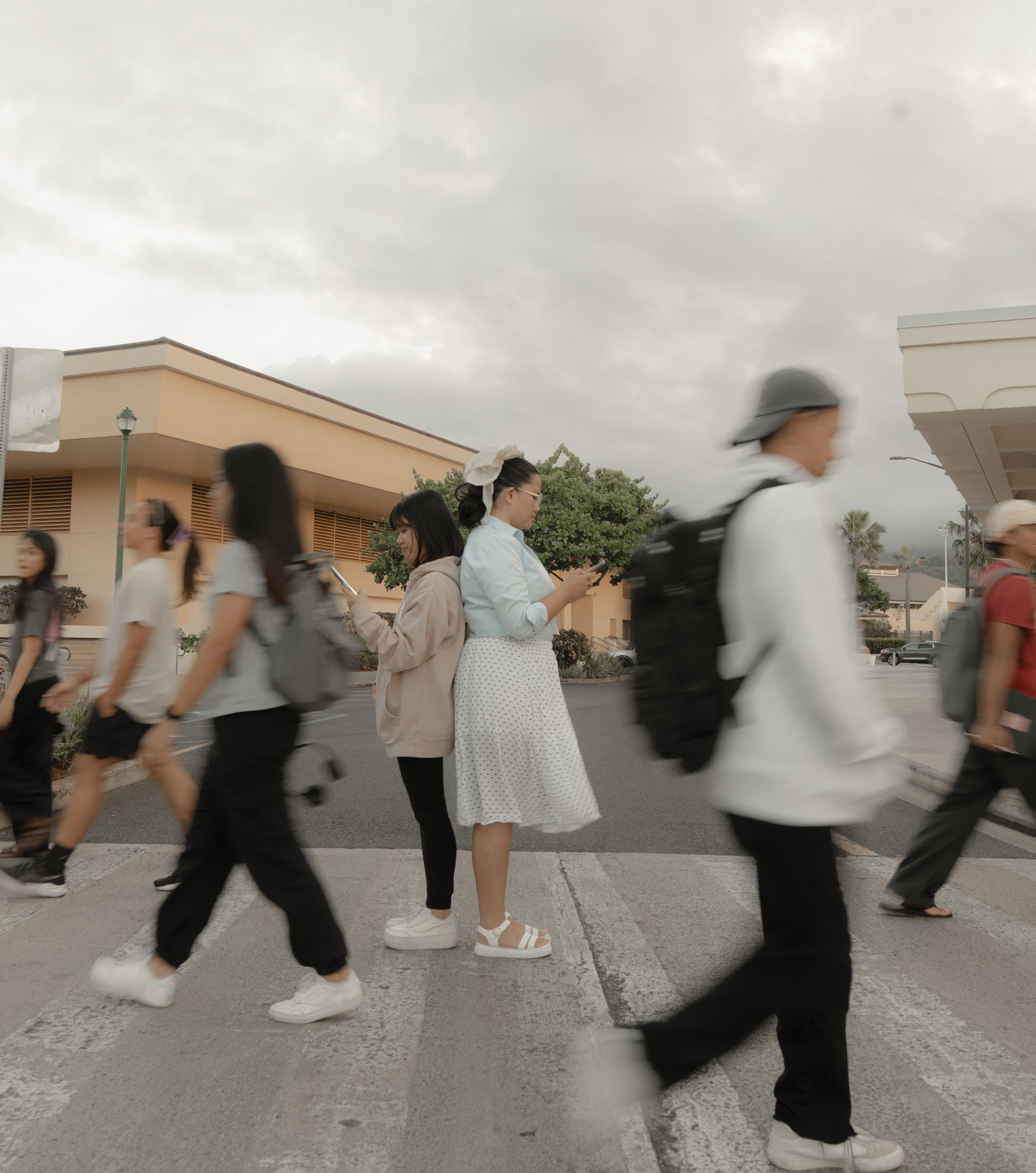
To access the podcasts, you can go to Spotify, Buzzsprout or YouTube and search for Ke Alaka‘i.
NEWS CENTER: Box 1920
BYUH
Laie, HI 96762
Editorial, photo submissions & distribution inquiry: kealakai@byuh.edu
To view additional articles, go to kealakai.byuh.edu
CONTACT:
Email: kealakai@byuh.edu
Phone: (808) 675-3694
Office: BYU–Hawaii
McKay Classroom 135 ON THE FRONT & BACK COVER:
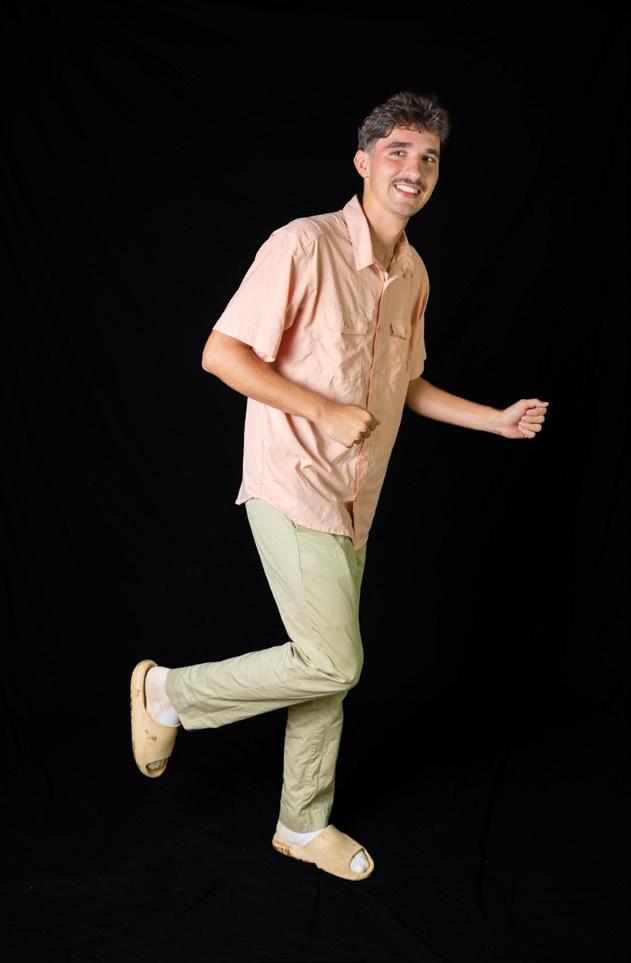
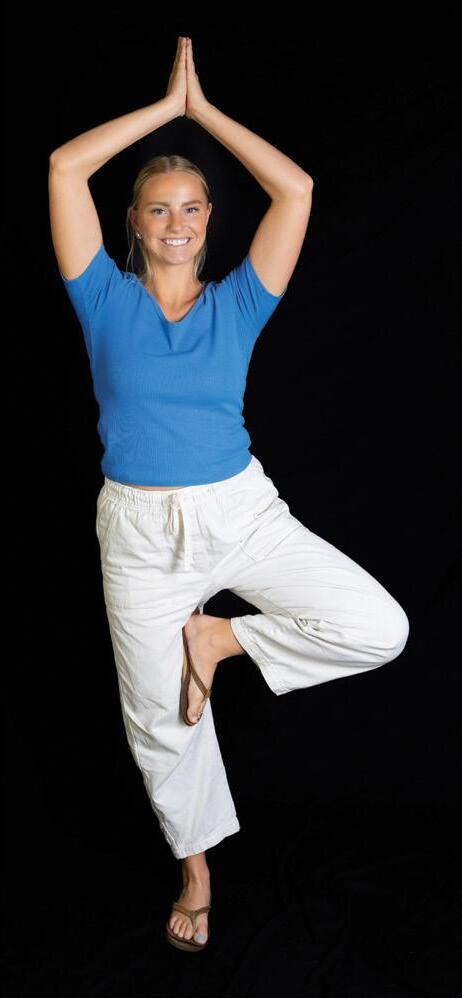
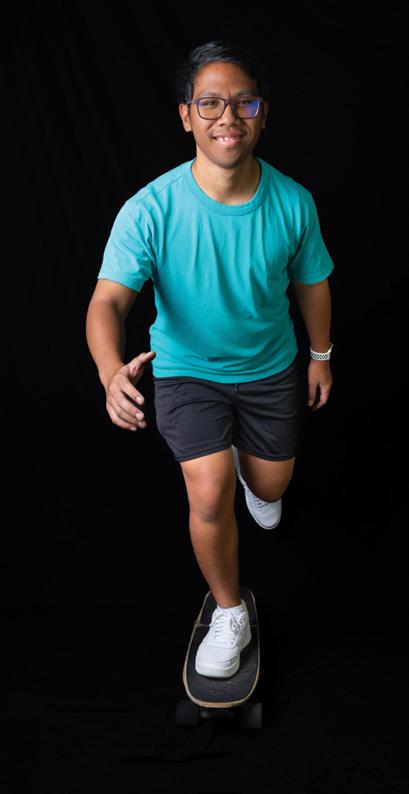
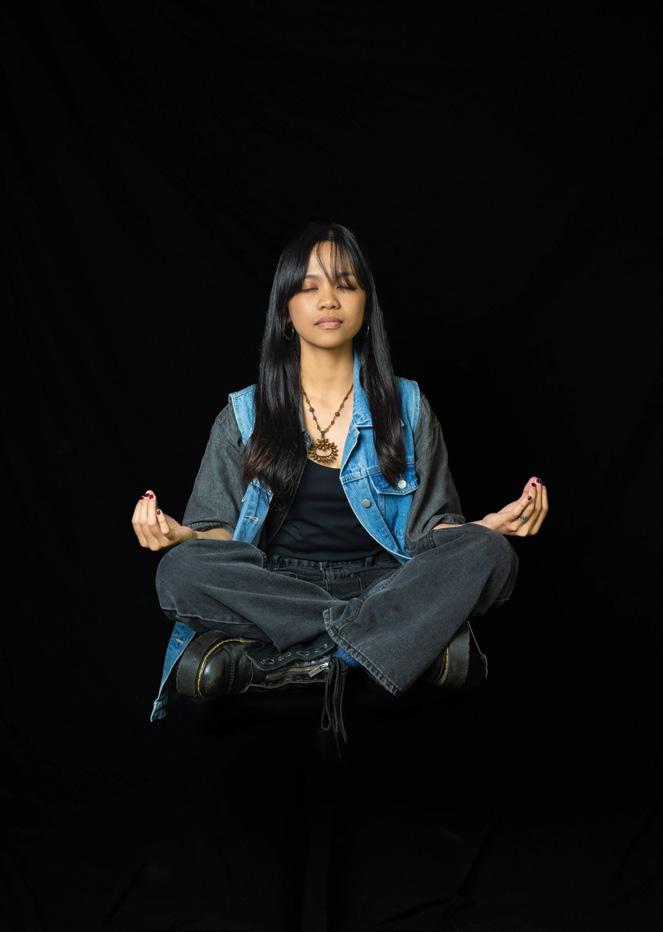
Illustrations illustrated by Guen Platon Ramirez and photos taken by Haley Cowan & Hiroki Konno.
ABOUT
The Ke Alaka‘i began publishing the same year the University, then called Church College of Hawaii, opened. It has continued printing for more than 70 years. The name means “the leader” in Hawaiian. What began as a monthly newsletter, evolved into a weekly newspaper, then a weekly magazine and is now a magazine published 8 times a year with a website and a social media presence. Today, a staff of more than 20 students work to provide information for BYU–Hawaii’s campus ohana and Laie’s community.
College life is an interesting journey. It’s where we learn, grow and meet people who challenge and change us. Yet, in the rhythm of assignments, group projects, exams and endless deadlines, it’s easy to forget one simple truth—we are more than our grades.
Here at BYU–Hawaii, we live in a uniquely vibrant community. Students from different cultures, languages and walks of life gather in one small corner of the Pacific, each carrying dreams, stories and struggles of their own. Some are far from home for the first time, others juggle studies with work and family, and many of us quietly wrestle with the weight of expectations—from professors, parents and most of all, ourselves.
In the middle of all that striving, we often forget to check on something essential: our well-being.
This issue is a gentle reminder, even to myself, that thriving doesn’t always mean staying busy or keeping up with everyone else. Sometimes, it means slowing down, setting boundaries and giving ourselves permission to rest. True well-being is not just about mental health; it’s about how we nurture our relationships, how we nourish our bodies, how we manage our emotions and how we find meaning in what we do every day—even in the smallest acts.
Within these pages, you’ll meet students who discovered peace in unexpected places. You’ll read stories of resilience and renewal, of people who learned that it’s okay to ask for help and that vulnerability is not weakness but courage wearing a softer face.
As we move forward in our studies and in life, may we remember that caring for ourselves is not selfish—it is sacred.
Because success means little if you lose yourself in the process, and true achievement begins when you learn to be well while becoming more.
Take care of yourself. You deserve it—every bit of peace, pause and purpose you can find.
Warmly,
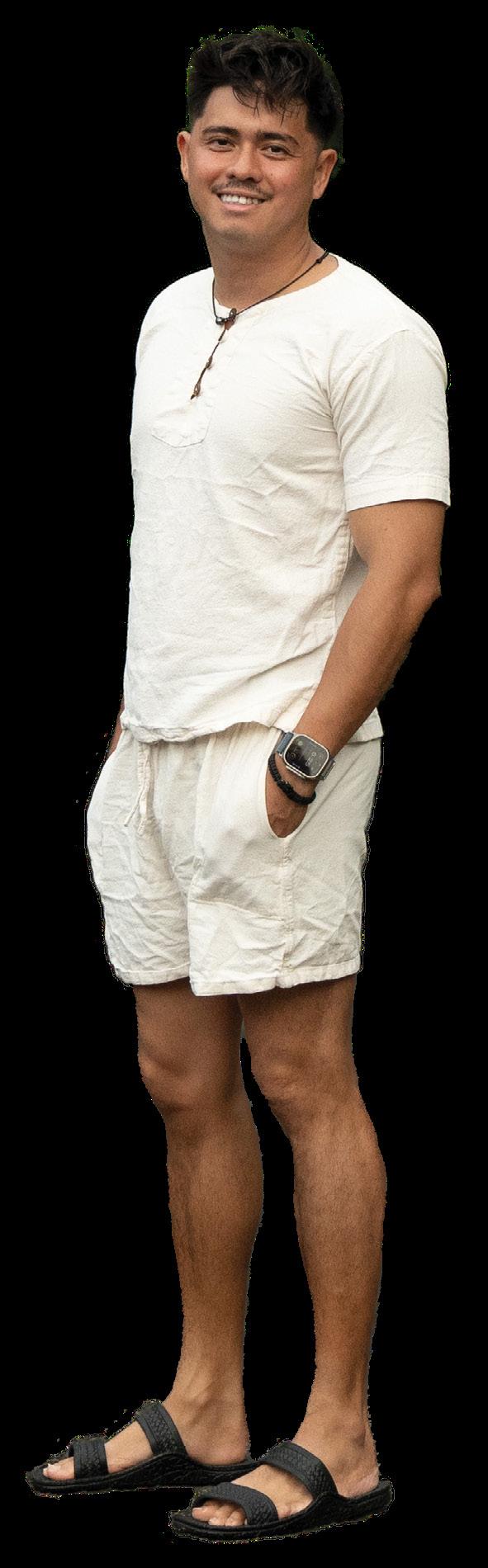
John Andrew Quizana Editor-in-Chief
TEAM MEMBERS
TEAM MEMBERS
TEAM MEMBERS
TEAM MEMBERS
Myco Chillian Marcaida Multimedia Journalist
Samantha Faith Satorre Copy Editor
Hiroki Konno Lead Photographer
Justin Venotti Videographer
Abigail Adams Multimedia Journalist
Julia Aunai Multimedia Journalist
Naomi Saenz Photographer
John Andrew Quizana Editor-in-Chief
Marlee Palmer Young Yen Art Director
John Rincon Watson Multimedia Journalist
Guen Ramirez Illustrator
France Valerie Lucillo Multimedia Journalist
Jessika Santoso Managing Editor
Cyrelle Briz Graphic Designer
Ice Casario Graphic Designer
Cho Yong Fei Graphic Designer
Haley Cowan Photographer
Caleb Galotera Photographer
CJ Shinihah Nortarte-Orr Managing Editor
Jay R Gallano Graphic Designer
Chance Childers Graphic Designer
Three areas of health mental emotional & spiritual
physical
Sleep
Laying
BYUH
Coping
Digital
Finding
Anxiety
Smart
Tips
PASMA
Wellness
SECTION 01MENTAL HEALTH
Breathe. Pause. Feel. You dont have to control your thoughts, you just have to stop letting them control you.” — Dan Millman
Silence. Self-reflection. Moments of distraction. Self-care. These are some of the words BYUH students used to describe meditation. Though it may feel intimidating at first, meditation—or kilo-ing in Hawaiian—invites people to live in the present and act with greater intention.
Seeing meditation as part of mindfulness, Keilani Cabatu, a junior majoring in social work and intercultural peacebuilding from Maui, said mindfulness is intentional living. “Being intentional with my thoughts and actions affects my higher self—or who I’m striving to become,” she said.
Defining mindfulness
Savani Aupui, adjunct faculty in the Faculty of Culture, Language & Performing
to peace
BYU–Hawaii ‘ohana share how brief mindfulness practices bring focus and encourage others to pause with purpose
BY FRANCE VALERIE LUCILLO
Arts and at the David O. McKay Center for Intercultural Understanding, said mindfulness means taking steps toward self-awareness. “I see mindfulness as being intentional about your decisions and selfreflective about those choices,” she said.
“Mindfulness connects your heart and mind and helps you engage with others beyond yourself,” Aupui said. The practice was first introduced through the Mindfulness in Peacebuilding course (IPB 271) before being integrated into Interpersonal Peacebuilding (IPB 231).
Although IPB 231 focuses on building relationships among communities and individuals, Aupui said that kind of work begins within. “Mindfulness is a skill required to
establish understanding and peace with everyone around us,” she said.
Benefits of meditation
Aupui said meditation can look different for everyone—whether it’s a 15-minute morning session or mindful walking. “It’s giving yourself time and space to let your mind relax and think about what needs to be done that day,” she said. Practicing mindfulness, she added, helps people make better decisions that improve both their lives and relationships.
Mindfulness, Aupui said, can also enhance academic performance. “When students are mindful about how they prepare for class or a quiz, they’re less likely to be distracted,” she said. “Your
“Mindfulness connects your heart and mind and helps you engage with others beyond yourself.”
Savani Aupui
heart and mind stay calm, allowing you to better handle stress in school and in life.”
The start of mindfulness journey
Mya Thornton, a senior studying marine biology and intercultural peacebuilding from Kailua, said mindfulness helps her stay present. “I’ve read that when we’re anxious, we’re living in the future, and when we’re depressed, we’re living in the past,” she said. “Meditation brings you back to the present.”
Initially skeptical, Thornton said her father—a longtime practitioner—encouraged her to try meditation. “He would tell me and my sisters it changed his life,” she said.
She eventually tried it and secretly enjoyed it. “For a while, I didn’t want him to know,” she said, laughing. “But it brought me so much peace and calmness that I started meditating regularly near the end of high school and into college.”
Thornton, who has struggled with mental health since age 12, said mindfulness quiets her negative thoughts. “It helps me clear my head,” she said.
Cabatu said she first learned mindfulness through yoga. “When I came to BYUH, Amanda Ford—then the
professor for the mindfulness course— invited me to take her class,” she said. “As a social work major, I really value mindfulness as a form of self-care.”
Ways to be mindful
To stay active mindfully, Cabatu said she enjoys walking and playing pickleball. “Walking helps my mental health because it moves my body slowly and intentionally,” she said. Pickleball, meanwhile, offers a more energetic outlet. “It’s still mindful because I have to focus on my movements, coordination and presence in the game,” she said.
Thornton said she practices both personal and guided meditations with themes such as gratitude, loving-kindness and body awareness. Compared with exercise, she said, meditation offers a mental reset without physical exhaustion. “In workouts, you might need 30–45 minutes to
feel refreshed,” she said. “In meditation, five minutes can do the same.”
During the busy David O. McKay Center 20th Anniversary, Thornton said short meditations helped her manage stress as the organizer. “There wasn’t much time for self-care, so I’d do short walking meditations or square breathing when I couldn’t fit in a full session,” she said.
Cabatu said shell diving is another mindfulness practice she loves. “There’s so much to notice—the ground beneath you, the warmth of the sun, the water around you,” she said.
Struggles of meditation
Thornton said one of the challenges she faced when she was first starting in
meditation was being consistent. She continued she did not realize how much meditation was helping her life because she did not make it a priority. “I used to have excuses not to do it. Once I realized how beneficial it was, it was a turning point for me,” she said.
Cabatu shared a similar experience, saying it’s hard to stay present while meditating. “We naturally want to move, and it’s so easy to wander our minds. That’s why it’s difficult to do meditation,” she shared.
Thornton said meditation doesn’t have to take 30 minutes. “It feels less intimidating when you start with just five minutes,” she explained. Taking time to meditate, she added, helps her keep moving instead of breaking down. “Instead of getting overwhelmed, I noticed that meditation helps me to take on heavier loads in school and get more things done,” she shared.
Comparing movement-based meditation to still, guided meditation, Thornton said it was easier to stay present when there’s something active to focus on. “In walking meditation, you focus on each step—how your heel hits the ground— and that helps me stay centered,” she said. “But in still meditation, when you’re just breathing, your mind tends to wander.”
Cabatu agreed, saying movement-based
mindfulness is easier to practice. “When you’re silent meditating it’s easy to be influenced by external distractions around you,” she explained.
“Mindfulness Hour” & words of advice
Thornton recalled the previous Mindfulness Hour initiative, which replaced the now-discontinued mindfulness course in the peacebuilding program. “When people think of meditation, they picture sitting still with their eyes closed,” she said. “But this initiative includes other practices like yoga and journaling.”
She said the program is expected to return this fall and will be open to everyone—beginners and advanced meditators, not just peacebuilding students.
For those hesitant to try meditation, Cabatu encouraged starting small. “Even two minutes of silence is enough,” she said. “Mindfulness just means taking time for yourself in whatever way feels right.”
Thornton added that openness is key. “Just like in peacebuilding, we’re taught to turn first,” she said. “Having that mindset helps you approach meditation successfully.” She admitted that starting can be intimidating but compared it to cliff-jumping. “Once you take that first leap, you want to keep doing it again and again,” she said•
“Mindfulness just means taking time for yourself in whatever way feels right.”
Keilani Cabatu
10/08/2038 15:09:31
ClEAR MIND
BYUH professor and two students talk about intention, agency and discipline in an age of fragmented attention
BY SAMANTHA FAITH SATORRE
In a world that offers endless sources of wonder and awe, simply cruising through the roads without paying attention to life’s details and textures—a tree’s unique bark pattern, the earthly scent of rain on dry soil, the music of rustling leaves—robs one of “what’s so amazing about being a human with a brain,” said Mason Allred, associate professor in the Faculty of Arts & Letters.
Attention is a currency, Allred said. Billions of dollars are expensed, top specialists are employed and ethical boundaries are pushed to capture and keep people’s attention, Allred added. The problem, he emphasized, is people have collectively agreed it is normal for our consciousness to be pushed around and pulled in hundreds of different directions. “If you care about being a critical, smart thinker or a disciple of Christ, you definitely need to retain and control your attention more so you can direct it in intentional ways,” he stressed.
Shallow, scattered presence
Toggling between four different apps, scrolling without knowing when to stop, searching constantly for fast, easy gratifications— these are what Allred described as “hollow mechanical repetitions” that characterize poor attention. It is our presence getting scattered thoughtlessly into different places; it is our brain slipping through our fingers. “So, we have to then consider how much we should be actually doing. How much should we consume? And where would that limit be to actually have the most positive effects out of a negative situation?” he said.
Lovely Therese Coronel, a sophomore in communication, media and culture from the Philippines, said she noticed the dwindling of her attention during the COVID-19 pandemic. Normalcy took on a different form, routines changed and people’s only access to the
outside world was through digital images on their screens. “I shifted from waking up early and doing productive things to just always looking for things that can stimulate me immediately,” she shared. With accelerated digitalization during the pandemic, she said she got used to seeing endless fonts of stimuli wherever the Internet brought her.
Paula Graciella Butones, a senior in psychology from the Philippines, shared the same experience. “We saw the rise of short-form content, like TikTok and Instagram reels, that rewards us without having to exert significant effort,” she said. Moreover, she said the living conditions during the COVID-19 pandemic triggered a massive increase in multitasking. “I thought I could be productive by doing many things all at once, but I realized dividing my attention only limits me to the surface level of these tasks,” she shared.
When asked to describe fragmented attention, Allred said “It’s like jet skiing across the top and never scuba diving.” As an educator, he said he believes in the value of sitting down and thinking deeply. The loss of interest in the ability to understand, he continued, is a tragedy that strips people’s lives of depth, detail and individuality. “I believe in a God who has consumed all media ever created and will ever be created … I don’t think we’re expected to do that, though. I don’t think our brain can handle it, so I can’t fully buy the argument that it’s good to just keep as much as you can take in,” he shared.
There is a huge difference, he emphasized, between passively consuming short-form media and taking one’s time with longform content, especially those with narratives. “We, as humans, still are the type of beings that resonate with stories to connect with others,” he said. If there is one thing that consistently moves people to rally together under their common humanity, it would be their passion for telling stories, he said. “You tend to feel healthier consuming
something where someone put in the time and thought to actually spin out a story to it … The longer form tends to have much more fulfillment to it,” he shared.
Attention as a commodity
The attention economy, Allred said, is a huge industry worth hundreds of billions of dollars every year. When society is pervaded by systems that subject human experiences to capital, he said people’s ability to feel rooted and connected to the earth is undermined. “When you turn [attention] into a commodity to be bought and sold, you alienate people from their attention. It becomes this product that can be picked up and pushed around in other ways,” he explained.
For Coronel, letting capitalistic structures dictate where her attention goes without question is as good as surrendering her whole life to their ploys. “The risk is it’s not just our attention that’s being
commodified. It’s our time. And our time is our life. So if we just give that away, it’s not just attention we’re losing,” she explained.
Meanwhile, for Butones, the ecosystem designed by tech empires—one where attention is grabbed, held as long as possible and sold to advertisers—is an infertile land that cannot sustain human relationships and empathy. “You need to connect with a person to understand how they’re feeling. But if your attention is divided, you don’t have enough focus and presence to do that. You might lose the ability to connect and empathize,” she explained.
According to Allred, the shift towards fragmented attention amid the digital age has also been gradually eroding the perceived value of hard-won wisdom. “The biggest thing right now is as soon as you have to spend attention on something longer than a couple minutes, it just seems to get outsourced to AI. That’s the biggest temptation for most students now,” he explained. Outsourcing one’s cognitive capacities to AI and justifying it as efficiency is the very mindset sold by capitalism, Allred stressed.
10/08/2038
LONELY
“We, as humans, still are the type of beings that resonate with stories to connect with others.”
Mason Allred
16:45:17
Piecing it back together
Many people find it difficult to completely disengage themselves from media, Allred said, so extreme methods can yield better results. He emphasized intention, discipline, mindfulness and variety both in content and medium. “It’s almost like if you know four different languages and you only ever speak one, the others are just atrophying,” he said. “So vary your media, be deliberate, try to enjoy it, actually get something out of it.” Crafting a plan, understanding the purpose and sticking to it, he said, can help people reclaim their focus.
“Do I keep going or not?” is the decision Coronel said she always makes whenever she catches herself getting lost in mindless scrolling. “That’s why I’m retraining myself to be more intentional with my time by setting limits,” she shared. She said she sets up timers, thoroughly plans her day and establishes a clear schedule to know where everything fits. “You want to spend your money on things that will benefit you, right? So it’s the same with attention. You should invest it in things that will give you returns.”
Meanwhile, Butones emphasized the brain’s incredible plasticity. She said people can engage several brain systems to carve new neural pathways and retrain attention. “You can mold your brain. You can train it by experience,” she said. She stressed the importance of establishing habits that can dislodge people from the grasps of media. “I physically put my devices away, I plan and divide my time into blocks. I make it harder for me to get my hands on the things that distract me,” she shared.•
“You want to spend your money on things that will benefit you, right? So it’s the same with attention. You should invest it in things that will give you returns.”
Lovely Therese Coronel
FOCUSED
100%
Photos taken by Haley Cowan. Page design by Marlee Palmer Young Yen.
Be mindful of not just the content but the actual medium
Make it harder for yourself to get your hands on the things that distract you (e.g. physically put your phone away)
Stop and think about what you are doing, set a plan and stick to it
HOW TO PAY ATTENTION AGAIN
Put variety into the type of media you consume intentionally, deliberately and mindfully
Set up timers
Map out your dayEstablish a clear schedule
Engage in activities that require effort, whether mental or physical (e.g. read a book, exercise)
DisciplineGo for what you need and remind yourself to get out
Laying academic foundations
Students and faculty share how EIL program supports students academic adaptation
BY JESSIKA SANTOSO
Study skills
• Time management
• Test preparation
• Critical thinking & analysis
• Navigating assignments & academic resources
Language skills
• Academic reading & writing
• Oral presentation
• Academic listening strategies & vocabulary
Confidence & personal support
• Express ideas in English
• Be comfortable making mistakes
• Adjust to culture shock, homesickness or stress that affect academics
Classroom culture
• Practice in discussion
• Ask questions
• Collaboration
• Adjusting to U.S. educational norms
With 56% of BYUH students being international, those whose first language is not English are required to take an English proficiency test, according to BYUH International Student Services and Admission websites. Based on their results, students may be placed in the English as an International Language (EIL) Program for one to three semesters.
Nathasha Gillette, faculty supervisor for EIL tutoring program, said the program offers weekly one-on-one 30-minute sessions to support students’ language learning and academic adaptation.
As an assistant professor in the Faculty of Education & Social Work, Gillette explained that academic adaptation is more than language. It also includes study skills, classroom participation and personal support that affect academic performance. “Unlike an English school that focuses solely on test preparation, this is a university where we prepare students to graduate by integrating social and academic skills to succeed.”
Fresh start
Jinhyeok “Jayden” Kwon, a hospitality and tourism management (HTM) freshman from South Korea, said the tutoring program “is a blessing.” As someone who had never studied abroad before, he said he found EIL classes and tutoring not only improved his language proficiency but also supported his adaptation to the more collaborative
U.S. academic culture. It helped him hone study habits, develop critical thinking, prepare for his major and understand pragmatics.
Kwon said his main challenge in his first semester at BYUH was using appropriate vocabulary for specific contexts. With only English reading and writing emphasized in South Korea, he said “the English I learned back home was different from what’s used here. In South Korea, I learned advanced vocabulary, but here people use conversational words.”
Kwon continued understanding new, unfamiliar concepts was also difficult because “I had to catch up with English while also processing new concepts in both languages.”
With the help of his well-organized and resourceful EIL tutor, Kwon said he managed to meet his professors’ academic expectations and develop language learning strategies. “My tutor separated all language skills and showed methods to improve each skill. With unfamiliar topics, she helped simplify concepts and explain them in clear words.” He added her approach addressed his needs and improved his language skills.
Kwon said the EIL program and tutoring also prepared him for his major. “HTM isn’t only hospitality—you must understand global factors, like economies and social dynamics. In EIL, the topic ranged from science to social life and economics, which broadened my perspective.”
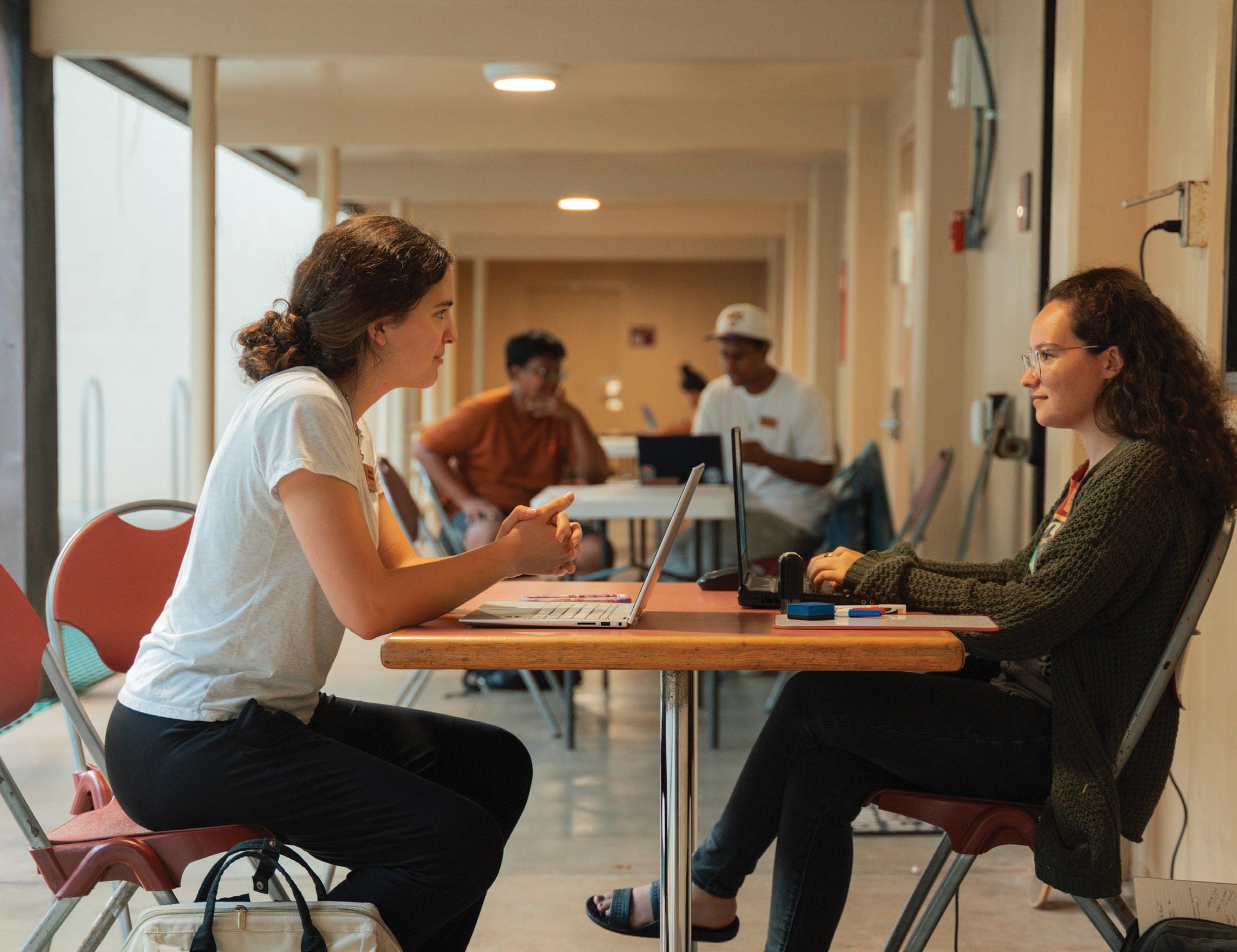
Photos of Jayden Kwon attending his tutoring session and reading a textbook in a reading lab. Photos by Justin Venotti.
It sharpens his critical thinking, he said, by helping him form opinions from multiple angles.
Preparing to engage in worldwide professional discussion, Kwon said he can now understand a variety of English accents and perspectives—something he could not do at the start of his EIL classes. “Even though we all here speak English, when people share opinions influenced by their country or culture, I used to catch the words but miss the deeper meaning. Now, I can catch the nuance and context,” he said.
More than a source to improve academic English, Kwon said his EIL tutoring sessions and classes became an integral part of his overall learning at BYUH. “I also talked with my tutor about life lessons, questions of life and how to apply what I learned in class to real life. If I didn’t, my college degree would just be a piece of paper. I don’t want to waste my time.”
Total support
Gillette said tutors support students in ways faculty can’t. “Many tutors came through EIL themselves, so they understand time management and learning in another language.” Being peers in similar situations, she continued, tutors reduce stress by sympathizing and sharing relatable experiences to students personally.
Because most tutors are TESOL majors, Gillette said, they’re equipped with strategies to teach English learners. Tutors model learning strategies, reinforce expectations and provide accountability and encouragement outside of class which makes the program extend classroom instruction.
EIL tutor student supervisor Sawalee Saengchai from Thailand said the real purpose of the tutoring isn’t only to strengthen English skills but also to help peers overcome academic and personal
challenges. “I see my tutees as peers, not just ‘students,’” she said. “That way, it’s about collaboration and two-way conversation, not a one-directional relationship.”
From her experience as both an EIL (English as International Language) student and now a tutor, Saengchai said one of the most common struggles is building resilience and consistency. “Language learning isn’t something you see progress in right away,” she said. “It takes persistence to keep going even when improvement isn’t obvious, which can be frustrating.” Tutors, she explained, can suggest strategies, but ultimately students must take ownership of their learning.
Gillette said the goal of the program is to help students become independent learners who can succeed beyond EIL, especially when transitioning to a Western, interaction-based education system.
“Without EIL, students would be less prepared to clarify, ask questions, and engage,” she said. “This program builds both language ability and
the skills to function in a classroom culture that values participation, continuous engagement and negotiation of meaning [or back-and-forth conversation to reach understanding].”
Although Kwon was already familiar with after-school tutoring back home, he said the EIL program stood out and recommended it to new students. “Some might misunderstand the purpose of EIL as only for studying English,” he said. “But it also helps you adapt to life at BYUH.” Coming from a rigorous education system, Kwon said he found the school here more relaxed and more dynamic with peer and professor support.
Gillette said instructors in other departments can also support EIL students’ adaptation by explaining cultural norms in class, much like the EIL program does. “We want students to understand what the expectations are here and to appreciate different ways of doing things across cultures,” she said.•
“I also talked with my tutor about life lessons, questions of life and how to apply what I learned in class to real life. If I didn’t, my college degree would just be a piece of paper. I don’t want to waste my time.”
Jinhyeok “Jayden” Kwon
BYUH academic support
Academic Commons
Skills:
• Learning foundations (Joseph F. Smith Library)
• Reading/ writing (JFS Library)
• Math (Science Building)
• Language/ speech (MCK Building Classroom)
Services:
• Study habits, test-taking, time management, learning strategies.
• One-on-one and group tutoring, workshops on various levels (EIL to capstone projects) and aspects of writing (grammar and research).
• Mastering math concepts through tech-supported learning.
• Pronunciation and presentation tutoring. Video and audio materials available for borrowing, language test for credits and self-assessment.
Illustrations by Guen Ramirez-Platon. Page design by Cyrelle Briz.
Student Development 101R class - Build skills, earn credit
Topics: Goal-setting, study strategies, financial health and lifelong self-reliance
Joseph F. Smith Library
Research guides & tutorials
Writing & citation tools Access to advanced research resources & learning materials
More information: disability.byuh.edu/disability-resources
Coping across cultures
Learn how different cultures view emotions and their take on mental health as they cope up with it
BY FRANCE VALERIE LUCILLO
Emotions are universal, and how we deal with it speaks so much on our different cultural backgrounds and upbringing, shared BYU–Hawaii students. Students— from Thailand to Canada—shared how their own culture shaped how they deal with emotions and lead them to cope through different method such as exercising, praying and talking to others and not bottling those emotions.
Jatuphoon Phakdeerat, Thailand
A marketing and business supply chain senior, Phakdeerat said in his culture, he learned how to keep his emotions to himself. Although initially having difficulty sharing his real feelings, he learned that people here at BYUH can share their emotional state and be acknowledged. “By pausing a little bit and realizing what is the cause of that emotion along with praying and exercising, it has helped me cope up with my emotional issues,” he shared.
Pamela Joy Talactac, Philippines
A social work senior, Talactac said she grew up in a culture of resilience, so she felt the need to be stronger despite her struggles. She said one thing she does to cope with those negative emotions is by doing selfcare. “Doing the things I love and care about makes me reflect and forget about my struggles,” she shared.
Austin Jefferies, Canada
A biology freshman, Jefferies said people handle emotions well in their culture. It is not shameful to share emotions and get the help an individual needs as mental health resources are available, he said. He said one of the things he does to cope up with his negative emotions is by talking to someone and letting his emotions out. “I do that in a healthy way through releasing and going to the people I trust rather than building it up and letting it come up in negative ways,” Jefferies shared.
Ariana Chen, United States
A biology freshman, Chen said being born with a Chinese father and a Caucasian mother led her to find healthy outlets for her emotions such as doing sports and communicating her true feelings. “I think my culture is also similar to Jefferies where we’re accepting of mental health,” she said. She said one thing she does to cope with her emotions is regulating it. “By understanding your own emotions and how you feel before you act can prevent you from doing anything drastic,” Chen said.
Amanaki Soane Raass II, United States
A communication, media & culture and political science freshman, Raass said culture affects so much with emotions in mental health. He said the way a family is raised in a generational trauma can affect what kind of person you will become. “If you don’t have enough positive outlets to deal with your emotions, you’re going to suffer more than you’re going to be helped,” he said. He said his one coping mechanism is to build healthy habits in general. “Instead of listening to other people, it’s better to know what works for you. So, build that habit such as releasing feelings and even pain instead of bottling it up,” he shared.
Photos taken by Naomi Saenz. Illustration from Adobe Stock. Page design by Jay R Gallano and Ice Cesario.
Sodanin Prak, Cambodia
A finance and marketing junior, Prak said growing up she has always been taught to not open much about her feelings. “We are taught to not murmur or tell out what we feel even though we’re just expressing it,” she shared. Prak said one of the things she does to cope with negative emotions is by being with friends and people with the same faith. “They’re helping me to open up, find my own value and realize it’s okay to talk about my feelings,” she said.
Emosi Vuakatagane, Fiji
A psychology freshman, Vuakatagane said the topic of emotions or mental health is stigmatized in their culture. “If a person is suffering from depression, they’ll just think that that person is crazy,” he said. He continued that people in their culture do not really talk about their feelings, especially men because of the toxic masculinity mindset. “If you tend to open up especially as a man, you’ll be seen as soft and weak,” he said. Vuakatagane shared that going to the gym is one of the things he does to cope with his emotions.
Jaime Aaron Acuña III, Philippines
A computer science and applied mathematics sophomore, Acuña said emotions in his culture, especially when it comes to mental health, are often ignored. “I grew up thinking that it’s my sole responsibility to take care of myself especially in emotional aspect because I don’t want to burden anyone,” he said. Acuña said using more logic than relying solely on emotions has helped him assess things differently. “I tend to make all my decisions with 90% logic which I’m grateful for,” he said.
Leini Fong, United States
An intercultural peacebuilding senior, Fong said her culture has taught her the importance of making things right or “hooponopono” in Hawaiian. “When I need to cope up and I connect it with “hooponopono”, I can talk things out with other people. Or if it’s with myself, I can recognize what I’m feeling and accept it,” she explained. Acknowledging if she is not okay is one of the things Fong said she does when she is coping with her emotions.
Chun Ho Wong, Singapore
A communication, media & culture senior, Wong said living in a fast-paced country like Singapore shaped him to be fast-paced while dealing with emotions. “I guess there’s good and bad when it comes to being fast-paced. Bad, because I don’t have time to internalize what I’m actually feeling; and good, because I can think of immediate things to do to make myself feel better,” he explained. Wong said conversion with his family, friends and loved ones helped him cope with negative emotions.•
DIGITAL DETOX
FOCUS AND PURPOSE TO REGAIN
BYU-Hawaii voices and global research highlight how unplugging restores clarity, balance and human connection in an age of constant scrolling
BY MYCO MARCAIDA
On average, students use their smartphones over six hours per day and picked up their phones 113 times, according to a study from the National Library of Medicine on “Stress and Mood Associations with Smartphone Use in University Students: A 12-Week Longitudinal Study” by Abigail Bradley and Andrea Howard in 2023. “Stress, negative mood, poor well-being and ill mental health in young people are functions of ongoing person-environment interactions that include smartphones as a context of daily life,” the site says.
Cost of constant connectivity
Brown University Health describes digital detox as a time period for an individual to stay away from the devices and social media sites that have become an integral part of life. “The goal is to experience real life without distractions, personally reconnect with others and take time to de-stress and step away from constant connectedness,” the site explains.
In a story written by CNBC about Microsoft’s CEO Bill Gates, the tech pioneer took himself to a form of an annual digital retreat he called “Think Weeks”. “He isolates himself in a cabin in the Pacific Northwest to read, write and reflect without interruption. During those quiet times, he often developed groundbreaking ideas, including the early foundations for Internet Explorer,” the site says.
“I LEARNED TO USE TECHNOLOGY AS A TOOL RATHER THAN LETTING IT USE ME.”
Balance through boundaries
For Lily Mae Rich, a junior majoring in elementary education from South Carolina, unplugging is not about isolation but intentional living. “I love social media, but I didn’t grow up with it,” she said. “I learned to use technology as a tool rather than letting it use me.”
Further, Rich said she has since adopted what she calls “digital mindfulness.” Her phone is in grayscale, her social media apps are deleted, and her daily use average is around two hours. “When I’m not distracted, I feel anxious, experience less comparison and FOMO, and feel more present,” she added.
Her habits reflect what researchers Subhendu Bhattacharya and Sona Raghuvanshi observed in their 2019 study called “Digital Detoxification: A Pressing Need for Restoring Balance in Tech-Driven Life”. They described that while technology enhances education, entertainment and exploration, excessive dependence can be detrimental for users. “Chronic tech reliance makes it difficult to survive
without digital devices. We urge individuals to restore balance through deliberate self-control,” they explained.
Rich said “restorative activities” are ways to find balance in a person’s life. “Scrolling can feel like a break, but it is often filled with political or controversial contents,” she said. “I enjoy engaging in hobbies like reading physical books, water coloring, sewing and journaling. These activities give me a sense of accomplishment and peace.”
Rethinking technology’s role
Joel Campbell, a visiting faculty member in the Faculty of Arts and Letters said the issue of technology and social media use goes beyond individual distraction because it shapes how people think, communicate and relate to one another. “Digital distraction is the incessant psychological need to be on our phones,” he explained. “The fear of being out of the loop or FOMO contributes to it.”
Campbell said social media’s design to trap users with endless scrolling and emotionally charged content creates a feedback loop that can lead to irritability, anxiety and even burnout. “Unlike television or newspapers, which you only interact with at a certain pace, phones are carried with us every moment,” he explained.
Campbell said he was once active on X, formerly known as Twitter, but decided to step away when he noticed how easily it fueled frustration. “I call it a dumpster fire or a cesspool. And most things on the app did not go with my beliefs as a Latter-Day saint,” he added.
Campbell encouraged students to try media fasts and temporarily deletes apps, tracking phone use or keep a media diary. “Being aware of how we use and spend time with technology is key,” he explained. “Once one’s habits are understood, you can choose meaningful activities to switch doomscrolling with.”•
“ONCE ONE’S HABITS ARE UNDERSTOOD, YOU CAN CHOOSE MEANINGFUL ACTIVITIES TO SWITCH DOOMSCROLLING WITH.”
“ONCE ONE’S HABITS ARE UNDERSTOOD, YOU CAN CHOOSE MEANINGFUL ACTIVITIES TO SWITCH DOOMSCROLLING WITH.”
Photos taken by Naomi Saenz. Page design by Marlee Palmer Young Yen.
Limit screen time Set app time limits
No screen time past 8 pm Turn off notifications
Pick one day a week to stay off of your phone for the whole day
8 ways to take back control of your life
Plug your phone in at night away from your bed
Set your phone on ‘Do Not Disturb’ at night
Make certain parts of your house a ‘no phone zone’
Infographic design by Marlee Palmer Young Yen.
Keep for yourself or share with a friend.
Keep for yourself or share with a friend.
Keep for yourself or share with a friend.
Keep for yourself or share with a friend.
BYUH psychology professor and students say human personalities are too complex to be reduced to a type
BY ABIGAIL ADAMS
From BuzzFeed quizzes to the Myers–Briggs Type Indicator (MBTI), BYU–Hawaii psychology professor and students explained that the nonspecific nature of personality tests causes them to be misleading. Dr. Boyd Timothy, associate professor in the Faculty of Sciences, said, “There’s not a universal approach to testing personality because there’s not a universal consensus on the definition of personality.”
Ed Salazar, a junior from the Philippines majoring in business management, said he was first exposed to personality tests at his first job as a call center agent. “My trainer asked me, ‘Ed, what is your bird type?’ I didn’t know how to answer him, but I love the color black, so I answered, ‘A crow,’” explained Ed. “Everyone was laughing at me because I answered, I guess, a silly answer. But he said, ‘No, I mean, the personality bird test, have you taken it?’” After taking the test, Ed shared he found out he was half eagle and half peacock. “For the eagle, [it means] independence or reliant leadership. For the peacock, it’s showy. I realized, in personality tests there are traits that will reflect your personality. Some of them are accurate and some are not,” he explained.
The limits of labeling
People are complex, shared Kale Simpson, a junior from Washington majoring in psychology, which makes it difficult to capture all the nuances of an individual based on one test. There are a lot of factors that go into our behavior, he said, “For example, if you haven’t been getting a lot of sleep, that’s going to change the way you interact with other people [and] the way your personality looks. So, you just have to make sure you don’t look at the [results of the] test at face value,” he shared.
One of the biggest pitfalls of personality tests, Dr. Timothy shared, is their claim to be able to explain an individual’s entire personality. “When you take something that’s reductionistic by design—something that’s meant to measure a small aspect of your psychological pattern—and then apply it to your entire identity, you’re probably going to get a distorted self-view,” he explained.
Additionally, Simpson said people’s thought processes change over time, causing them to answer questions differently. “I remember taking one test when I was 16 and then taking the same test when I was 20, and I got completely different results. To me, that showed I grew over time [or] at least answered the questions differently over time,” he explained, “So, if you take a personality test and then in your mind that’s all you are, then that can be pretty limiting.”
Overreliance on the results of a personality test, Salazar shared, can lead to disappointment because they are not true reflections of a person’s identity. “You need to separate the things that really reflect who you are…and filter down the things that are not beneficial to you,” he explained.
I realized, in personality tests, there are traits that will reflect your personality. Some of them are accurate and some are not.
ED SALAZAR
If you take a personally test and then, in your mind, that’s all you are, then that can be pretty limiting
Kale Simpson
The comfort of categories
Despite their lack of scientific backing, Dr. Timothy explained, personality tests are extremely popular because of the sense of identity they provide. “It’s like astrology for some people—it gives you a narrative about who you are. That’s very attractive even if it’s not scientifically rigorous,” he said.
In Salazar’ experience, he said, mediums like personality tests have been a way for him to connect with others. “It’s fun to learn more about people and who they are because the more you understand people, the easier it is for you to deal with other people,” he shared.
One of the benefits of taking personality tests, Simpson said, is also their influence on guiding introspec tion—getting people to think more about themselves. People really want to know more about themselves, he shared, “They want to understand who they are, and I think the message of a personality test is appealing to that.”
While personality tests can be a fun recreation al activity, Dr. Timothy emphasized the importance of not taking them too seriously. “Self-understanding requires context, nuance and reflection over time—not just the results of a single test. So, while it could spark curiosity, it could also give people an oversimplified or even inaccurate sense of who they are,” he explained.•
Page design by Cho Yong Fei.
Photos taken by Hiroki Konno.
SECTION 02EMOTIONAL & SPIRITUAL HEALTH
Reflect. Connect. Believe.
“What lies behind us and what lies before us are tiny matters compared to what lies within us.” — Emerson
STANDING ON HIGHER GROUND
The temple is an essential part of having a healthy mind, three BYUH students say
BY CJ SHINIHAH NOTARTE
As a place of rest, a place of peace and a place where the noise of the world can’t be heard, the temple contributes to having a healthy mentality and strength to deal with life’s hassles, said BYU–Hawaii students who frequent the sacred house of the Lord.
Joanne Eyo, a junior from the Philippines majoring in accounting, said she considers the temple her sanctuary. “Stepping into the temple wipes your worries away immediately because you’re focusing on the temple,” she said. The Lord allows people to rest in His house so they can be inspired, motivated and energized before facing their responsibilities once more, she continued.
For Chakri Ambati, a senior from India majoring in information technology, the temple is a place of peace. He said working there gives him more energy even after a tiring day. “When I go to the temple, that means I’m out of the world … My main focus is seeking the Lord and connecting to Him,” he expressed.
Vuthy Sok, a senior from Cambodia majoring in information technology, said going to the temple—whether it’s just sitting around the temple ground or participating inside—allows her to release her mental burdens. The temple is at the center of her life, she shared, because it is the House of the Lord; it’s where His spirit dwells. “It is like heaven to me. I feel connected to Him … I feel relaxed and away from all stress and distractions,” she continued.
The need for a higher ground
Sok said she lost her mom three years ago. “It was really hard because I just started studying here. I was a freshman,” she expressed. She said going through multiple difficulties made it harder for her to find peace. “But then I remembered,” she continued, “the temple is where I can find answers to my struggles.”
Sok said focusing on the temple helped her better understand her circumstances at that time. “God allowed me to go through these experiences to help me become stronger and build my testimony of the gospel,” she shared. Knowing she will see her mom again someday, Sok said it helped her cope and understand the purpose of life.
Meanwhile, although having hobbies is enough for some people to cope with the pains of life, Eyo said spiritual experiences are essential for her to function better in her responsibilities. “Ever since I became a mom, it was just me and my husband. Both our families are far from us, so I needed divine help,” she shared.
“I was assigned one morning as an usher in the celestial room, and for some reason, I kept looking at the door waiting for patrons to come in,” Eyo recalled, saying the patrons light up the room with their presence. Watching the patrons file in, she said, gave her a wonderful thought: “This must be the feeling when you are in the celestial kingdom. How much greater will your happiness be if you see your family there with you?” Because of this experience, Eyo said she comes home feeling more motivated to love and serve her kids. She realized going to the temple is not just for herself, but also for her family.
Ambati also said one of the ways the temple blesses him is by providing a place to rest from his frustrations. When he was a new student, he said he had to balance his church calling, school, work, friends and dating life. He said he felt the weight of frustration and expectations because even though he was performing his duties, he couldn’t see the results of his efforts. “So to escape the things that bother me, I choose to go to the temple; I choose to turn to the Lord. It is the best place for me whenever I feel down,” he shared.
Ambati said he developed a deep testimony of the blessings people gain from temple service. “I’ve seen a lot of growth … I had low self-esteem, I was not confident academically … but choosing Him makes things better,” he said.
Commitment, purpose and promised blessings
Ambati said it’s been over three years since he started working at the temple. “I started the month I got here and I haven’t taken a break since,” he said. During the first few months of his weekly temple visits, he said it was a challenge whenever he would miss out on weekend campus events. He said he used to receive mild teasing from his friends, such as getting called “bishop.” “But it was never an issue because I know my purpose,” he expressed.
Sok said going to the temple calls to mind what the Savior said in John 15:27: “Peace I leave with you, my peace I give unto you; not as the world giveth, give I unto you. Let not your heart be troubled, neither let it be afraid.” Some people find it hard to go to the temple because of personal reasons, Sok said, but committing to it can help people learn and understand the process of healing and finding peace.
Eyo said everything in a person’s life will change forever for the better if they prioritize going to the temple. “For me, it’s never a sacrifice,” she said. Without the temple, her week feels incomplete and she feels more vulnerable emotionally, she added.•
Photos of the Laie Hawaii Temple grounds. Photos taken by Caleb Galotera. Page design by Ice Cesario.
“Stepping into the temple wipes your worries away immediately because you’re focusing on the temple.”
-Joanne Eyo
Finding calm in the chaos
Your step-by-step guide to managing anxiety
BY JOHN ANDREW QUIZANA
For many college students, anxiety is a quiet companion— unseen by most, yet constantly present. For Kate Ashley Pedroso, a junior social work major from the Philippines, it shows up in familiar ways: a racing heart, restless nights and thoughts that refuse to quiet down.
“I usually know I’m anxious when I start feeling really nervous or uncomfortable in a situation, or when negative thoughts keep running through my mind,” she said. “It often happens when I feel overwhelmed—my heart starts racing, and I can’t seem to focus.”
Experts remind us that this feeling is not unusual, she said. As Psych Central notes, “When anxiety strikes, turning to your favorite coping skills can help calm your mind and body.” Yet, as Pedroso has learned, the challenge lies in finding which coping skills work best.
The weight of expectations
Like many students, Pedroso said she admits part of her anxiety stems from fear of failure. Coming from a family with high standards, she said she feels the weight of expectations—both her own and others.
“When I don’t meet the expectations, I worry others will be disappointed in me or think I’m not doing well,” she shared. “I still don’t want to let them down. That fear sometimes affects how well I perform.”
Exams and group activities heighten that pressure, Pedroso said, while her part-time work in customer service brings its own challenges. “When customers get upset, I get really nervous. Their satisfaction comes first, but it’s hard when I can’t meet their expectations.”
As BYUH Women’s Services and Resources explains, “There is a difference between feeling anxious and having an anxiety disorder. It is normal to feel nervous when facing a new or challenging experience. These feelings, however, should not disrupt your everyday activities.” Feelings of excessive worry, distorted thinking, excessive perfectionism, excessive niceness, unresolved regret and guilt are all symptoms of anxiety disorders, the website adds.
Understanding that difference, Pedroso said, has helped her acknowledge when she needs to slow down and when she needs to seek support.
Coping with care
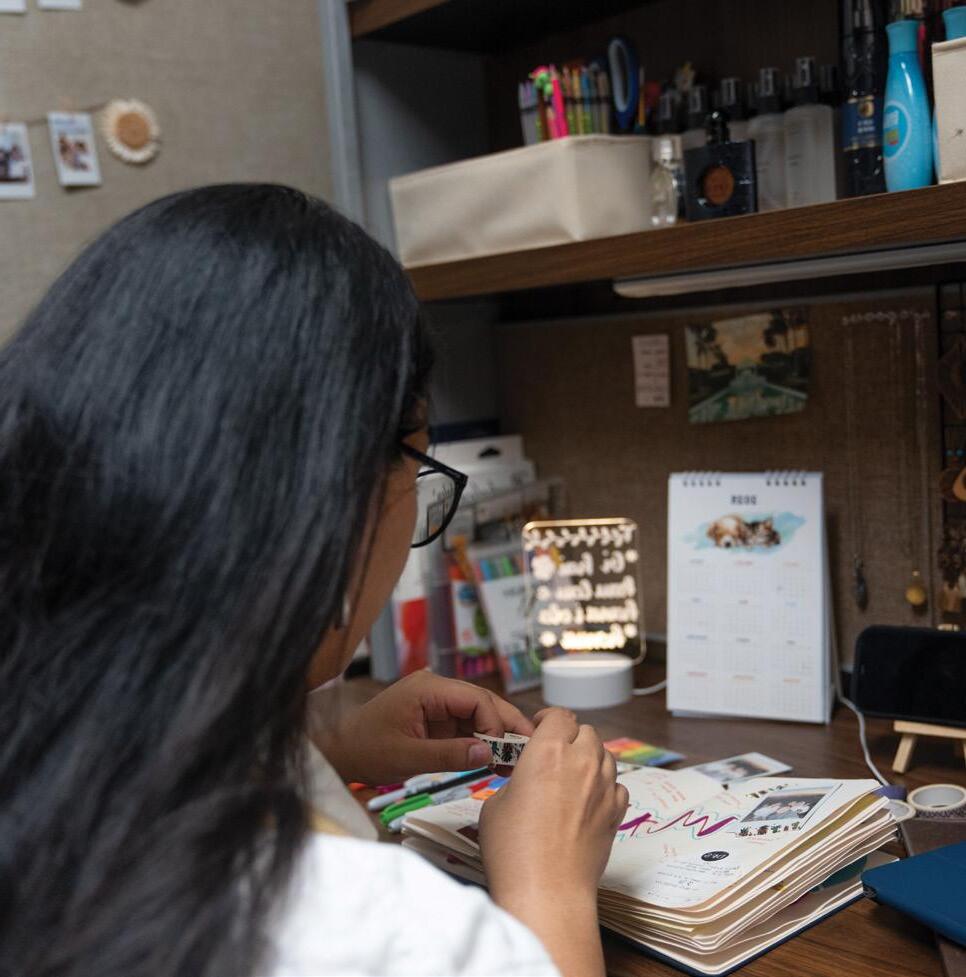
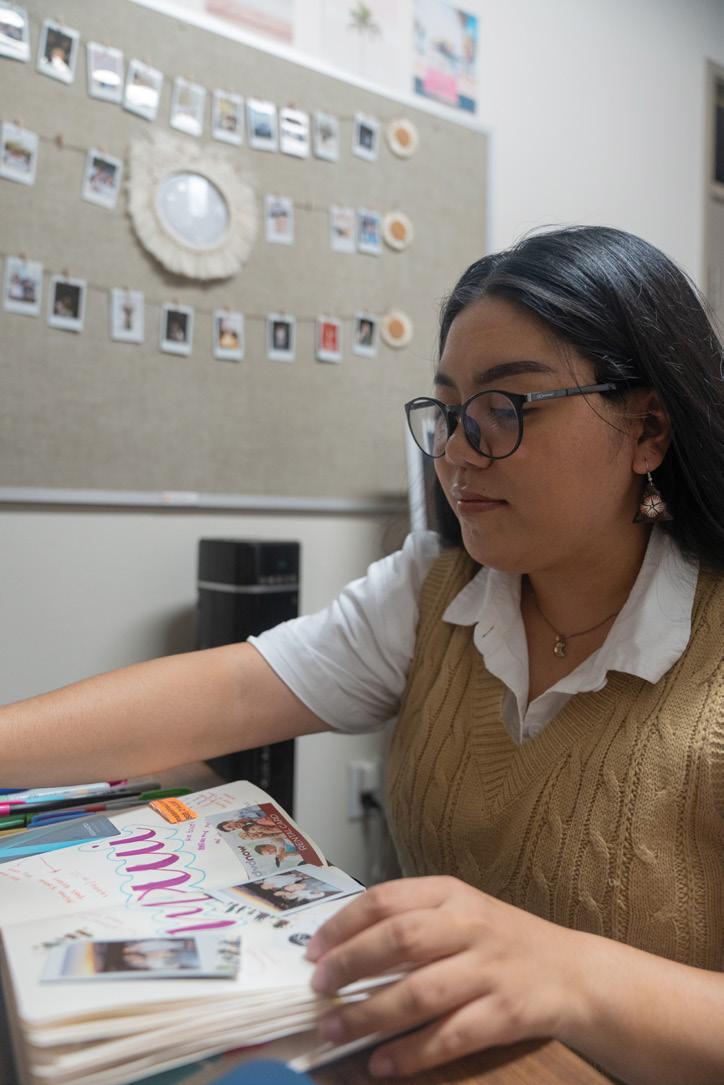
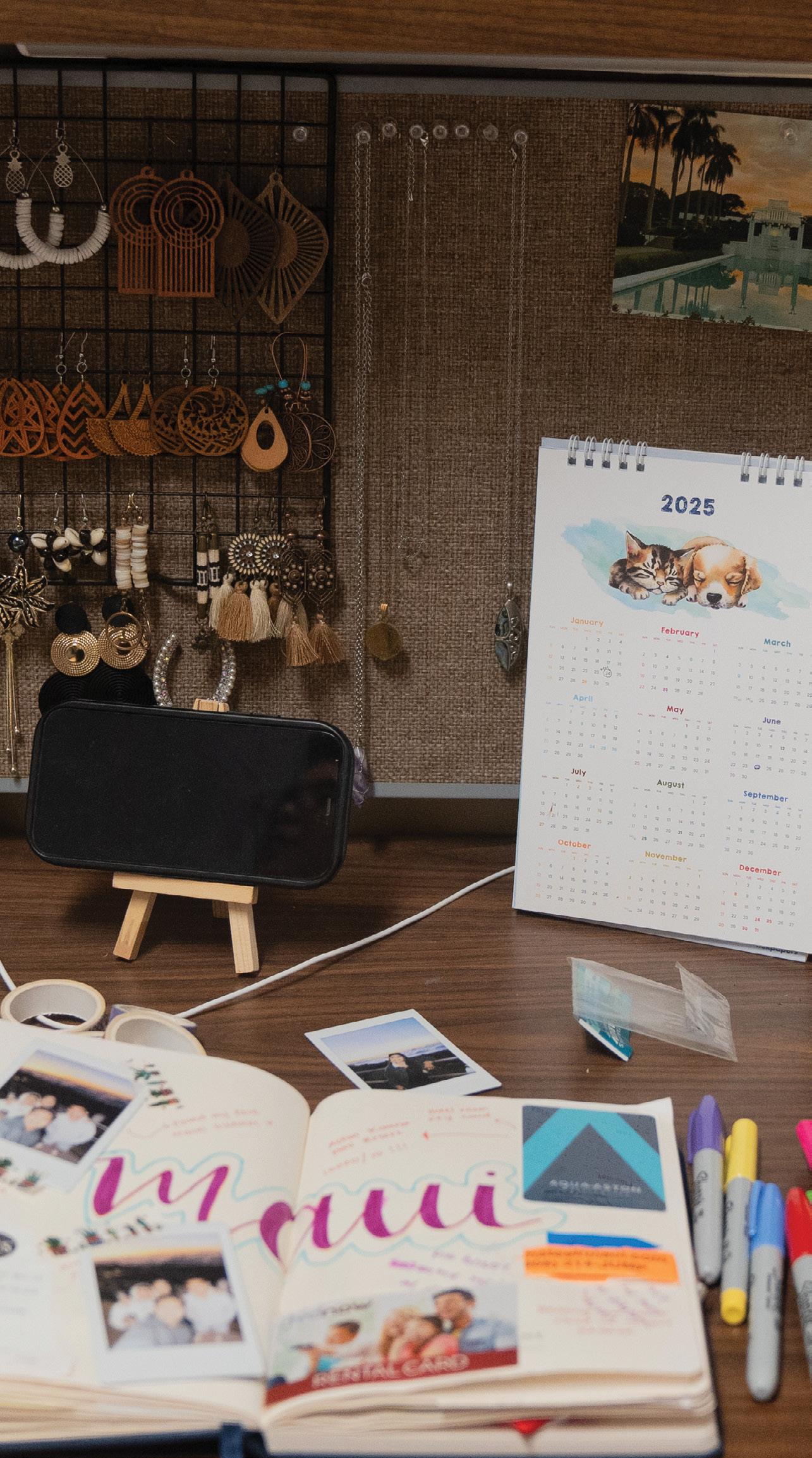
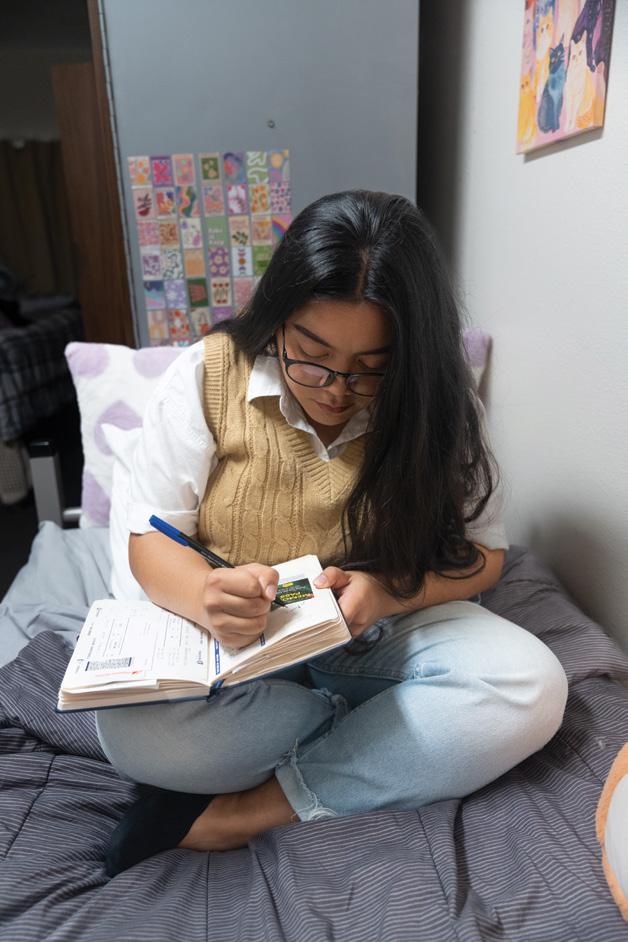
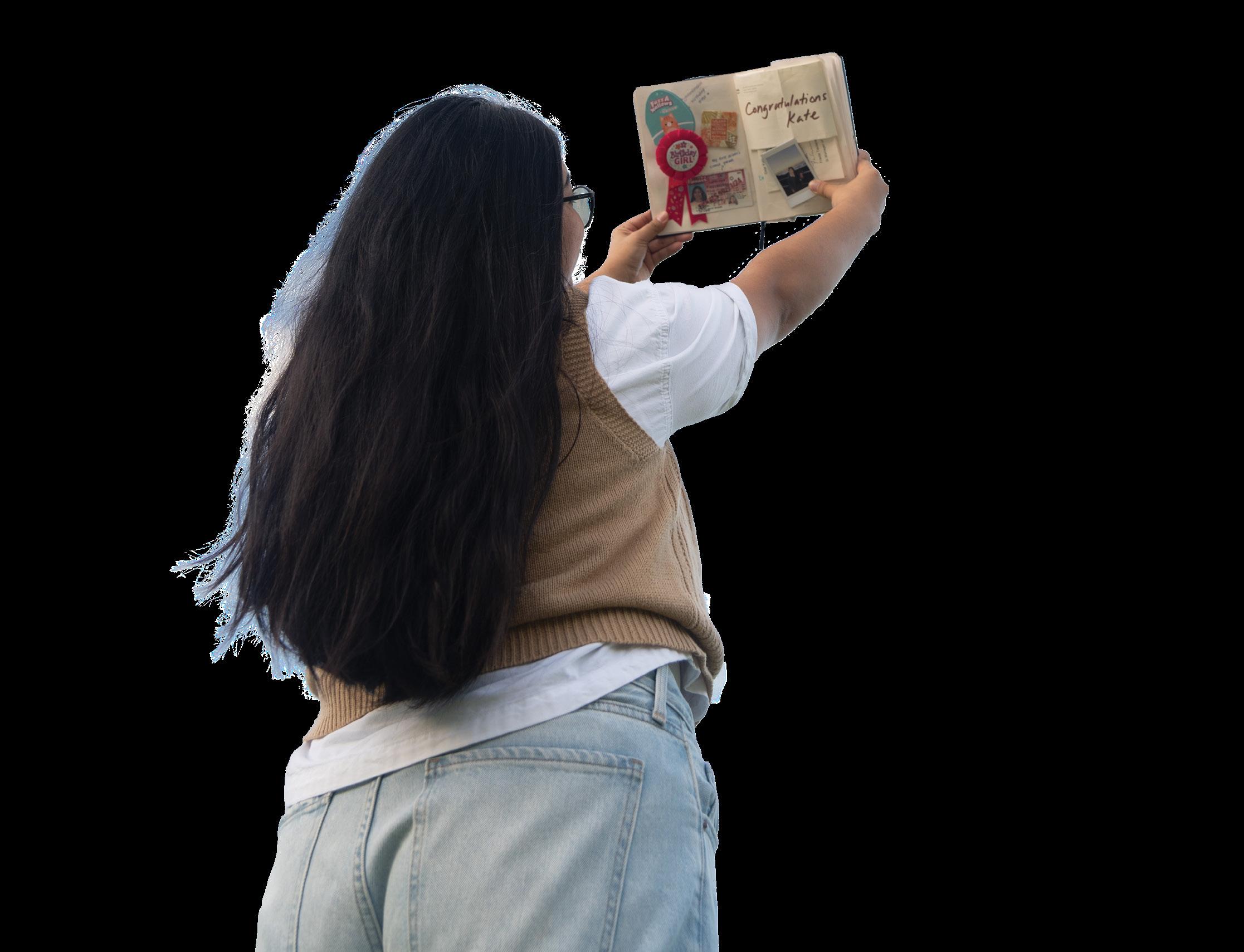
Despite the challenges, Pedroso said she has built routines that help her keep anxiety from taking over. Prayer anchors her— something her parents remind her never to forget. Journaling is another outlet, she said, where she collects notes, candy wrappers, photos and small mementos that bring her joy.
“I’m very sentimental,” Pedroso laughed, explaining how even little scraps of paper turn into reminders of good moments. Writing her thoughts also has another benefit, she said. As Psych Central points out, “Seeing your anxious thoughts laid out on paper, and outside your head, can help make them seem more manageable.”
Nature, too, provides relief, Pedroso said. “If I stay indoors too long, I tend to overthink. Being outside in a calm, peaceful place, like the beach, helps me clear my mind.”
Pedroso said counseling has also been a turning point. “The therapists don’t just talk to you—they also give activities that keep you engaged and help you feel validated. They’re so kind and professional, and you can genuinely feel their care and love.”
Mental health specialists from BYUH Counselling Services affirmed the value of such strategies: “Different coping skills work for different folks—one person might benefit most from physical methods…another might find that emotional methods are the key.”
Lessons from anxiety
Living with anxiety, Pedroso said, has taught her resilience. “It has taught me to be more independent emotionally. I’ve learned to rely on myself, find solutions to my problems and grow from the experience.”
Far from holding her back, Pedroso said she believes anxiety has shaped her into a stronger person. “If I can make myself happy, I can also bring happiness to others. The most important lesson for me is this: help yourself first. Learn who you are, recognize your limits and trust in your ability to cope.”
As Psych Central adds, “Even if you incorporate all of these techniques and tips, you may still experience moments of anxiety— but these coping skills can help you to adapt and better respond.”
A word for others
To students walking a similar path, Pedroso said her advice is simple but heartfelt: “Don’t let your worries pile up. Find a circle of good friends—or even just one person you can trust. And don’t keep your feelings bottled up. Your feelings are valid.”
Her story echoes the reminder from Psych Central: “Just knowing you have some coping skills to rely on can provide comfort in times of stress.”
Anxiety may be a heavy weight, but the tools she’s gathered— prayer, journaling, nature, counseling and trusted friendships—help her carry it with grace, Pedroso concluded.•
Page design by Cyrelle Briz. Photos taken by Haley Cowan.
“Even if you incorporate all of these techniques and tips, you may still experience moments of anxiety—but these coping skills can help you to adapt and better respond.”
Psych Central
Anxiety toolkit: strategies and support
Sources:Psych Central and BYUH Women’s Services and Resources
Photos taken by Haley Cowan. Illustrations by Guen Ramirez-Platon. Page design by Cyrelle Briz.
1. Identify and understand triggers
• Pay attention to what sparks your anxiety (public speaking, crowded spaces, memories, etc.)
• Notice when and where anxiety starts and how your body reacts. Write down patterns and recurring triggers
• Work on addressing triggers instead of only treating symptoms
2. Physical coping methods
• Move your body: walk, jog, yoga, dance, jump or stretch
• Walk in nature or a green space for calm
• Try grounding exercises:
- Run hands under cold water
- Take a cold shower
- Shake out body tension
- Focus on deep breathing
- Use 5-4-3-2-1 sensory grounding
- Try the 3-3-3 rule (see, hear, move)
• Use relaxation techniques (therapeutic breathing, progressive muscle relaxation, yoga)
• Take a warm bath or shower before bed to help with sleep
4. Daily routines for long-term relief
• Exercise regularly (even light movement helps)
• Maintain good nutrition and hydration
• Limit caffeine and alcohol
• Prioritize sleep (stick to a routine, improve sleep hygiene)
• Make time for self-care activities (reading, music, journaling, cleaning, nature walks)
• Balance academics, work and rest—avoid over-scheduling
• Build a support network (friends, mentors, faith leaders)
5. Seek Support When Needed
• Talk to trusted friends or family members
• Reach out to BYUH Counseling Services (LSB – FREE for students)
• Attend Seasider Sports yoga or other wellness sessions
• Speak with your Bishop or church leader for guidance and additional resources
• Consider professional therapy (Cognitive Behavioral Therapy, counseling or medication if recommended)
3. Emotional and mental coping methods
• Journal your thoughts and feelings to make them more manageable
• Practice thought exercises (visualize a calming scene, use defusion techniques like repeating thoughts in a silly voice)
• Try meditation or mindfulness (guided sessions or apps if new)
• Use healthy distractions when thoughts are overwhelming (reading, music, TV, humor, spending time with friends)
• Say a prayer or use spiritual grounding if meaningful to you
Lack of financial wellness trickles down into many areas of life.
Sister Clara Spilker
Student and senior couple missionary share habits and mindset to build financial wellness
BY JESSIKA SANTOSO
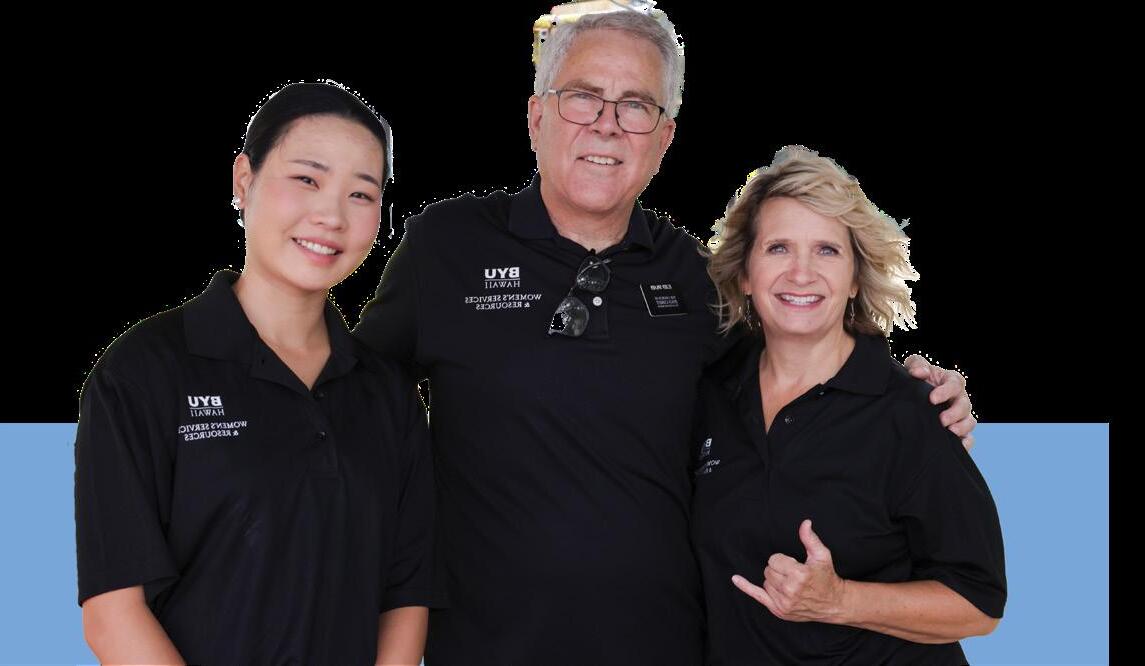
Like a wheel in motion, wellness turns smoothly only when all areas of life—physical, mental, financial and emotional—are in balance, said Elder Michael Spilker, the Church missionary for Women Services & Resources.
For Sunhyeong “Sunny” Kwon, a psychology senior from South Korea, financial wellness is a key part of that balance. “If you’re not good with your money, you’re not looking toward the future or preparing for things you might need later. That creates stress and affects your mental health,” she said, adding that money management and financial security play an essential role today.
Sister Clara Spilker said finances often affect every other type of wellness. “Financial issues are one of the top causes of divorce, which shows their impact on relationships,” she said. “If you don’t have enough for food or shelter, you’ll be stressed because you’re worried. Lack of financial wellness trickles down into many areas of life.”
Financial wellness can also bring peace, Sister Spilker continued. She echoed the Church’s teaching on self-reliance as part of God’s plan: “Have the mindset to take care of yourself so you later can help others.”
Tighten your belt
As a self-funded student, Kwon said always being on a tight budget is a struggle. Part of her tuition, rent, food, groceries and utilities already suffocated her budget, she said. “Self-discipline and continuously practicing budgeting helps with my money management process.”
She began by setting a weekly spending limit, prioritizing needs over wants, avoiding online shopping and writing down all expenses to visualize how much she spent. “This self-control doesn’t just come overnight,” she emphasized.
Elder Spilker shared the same sentiment. “Even as a certified public accountant for more than three decades, it was hard to budget every year or month,” he said. “But doing it for a short period, say three months, can establish a pattern.”
Both the Spilkers and Kwon stressed the importance of tracking money, not just planning it. “Writing down even small expenses helps reduce the urge to overspend and makes you more stable for the future,” Kwon said. “Don’t just calculate in your head. Sometimes the actual money in the bank account is way less than what you think.”
Elder Spilker said budgeting tools depend on the person. “Apps that link to cards can automatically track spending, while spreadsheets suit detail-oriented folks,” he explained. “Most people are surprised how much they spend on little things—even after one week.”
Left to right: Sunhyeong “Sunny” Kwon, Elder Michael Spilker, Sister Clara Spilker.
Save for a rainy day
For married students, Elder Spilker said, financial wellness means thinking long term—wanting to be comfortable in retirement, help children or travel. “It’s okay to go without now if you’re thinking about the future,” he said. “If you don’t, it’s easy to overspend today to feel happy.”
Reflecting on his marriage, he said he and Sister Spilker took turns being the more conservative partner to keep each other accountable. Sister Spilker added, “Spend with a plan—do it intentionally. If I spend it on Netflix, maybe I won’t have as much for vacation. Choose what you want to save for.”
She said intentional choices affect both financial and emotional wellness. “If after ten years you spent a lot traveling and have awesome experiences but little savings, at least you can say, ‘We decided to do that.’”
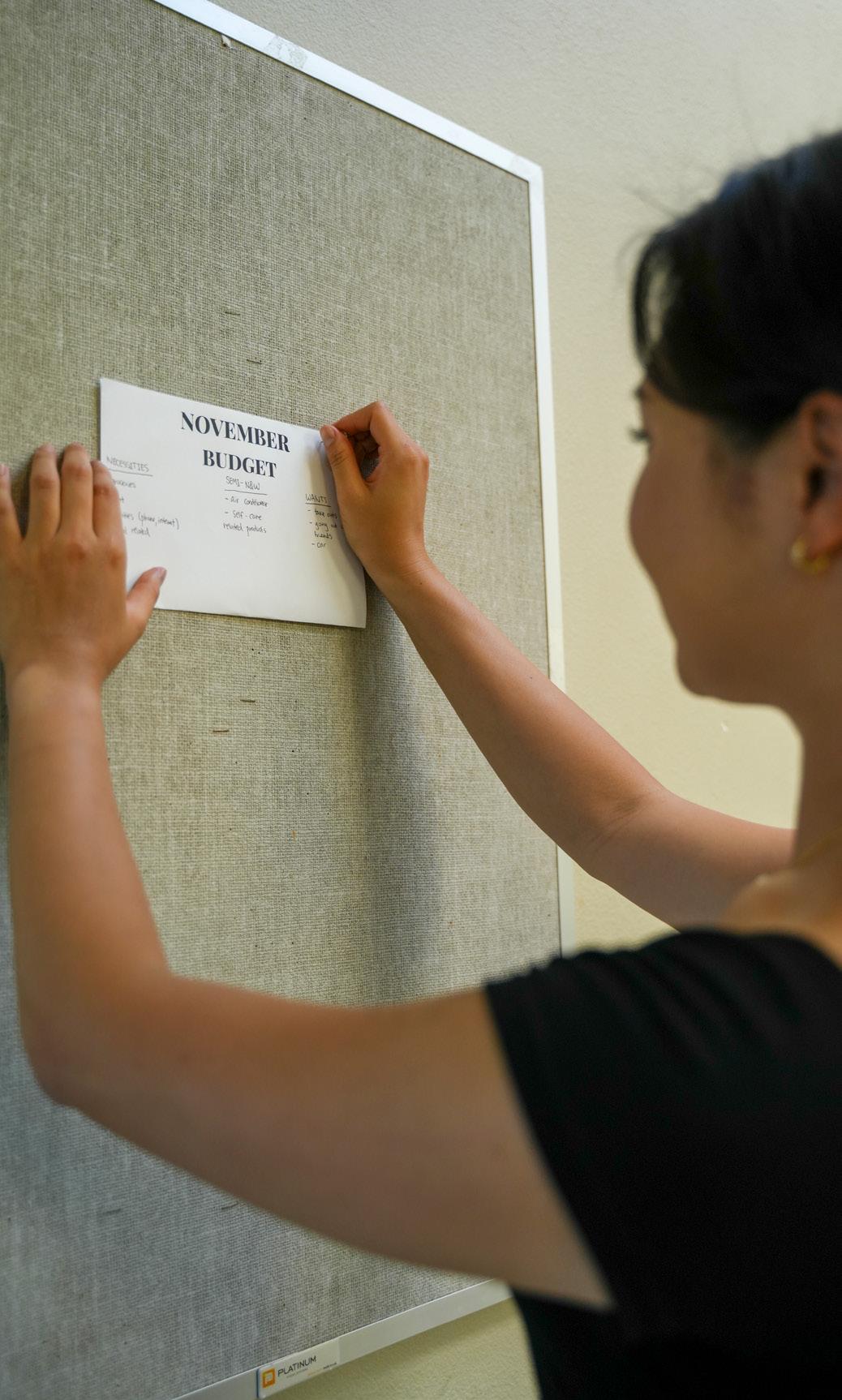
Helping at the WSR budgeting booth on Sep. 18, Kwon said her perspective changed about credit cards. “I used to think credit cards were always bad, but now I see that if you’re responsible, building credit helps you later—especially for loans or buying a house.”
Elder Spilker cautioned that many students misunderstand how credit works. “A misconception is thinking minimum payments will pay it off soon—not true,” he said. “Interest adds up fast; minimums are set so companies make more.”
Elder Spilker added that while paying with cash once made spending more visible, today’s credit and contactless payments can feel effortless—but also easy to lose track of.
Kwon said running the “Needs vs. Wants” activity at the booth reminded her that perception matters. “Students debated whether haircuts, eating out or dating were needs or wants,” she said. “It made me realize what I think is a need could actually be a want in disguise.”
Rainy SavingsDay
Sunny Kwon holding up an umbrella against raindrops.
Self-control is the antidote
Kwon said budgeting became a necessity once she left home and managed her own expenses. “Now that I’m independent, I have to be careful,” she said. “It’s not as simple as, ‘I’ll make the money again next month.’”
Although living on a limited income forces her to budget, she said it also helps her build discipline. “There are long days when I tell myself, ‘I deserve something fancy,’” she said with a laugh. “But I can easily make comfort food with what I have at home.”
That discipline, she added, applies beyond finances. “When you have that self-control, you don’t make mistakes you’ll regret later.”
Elder Spilker said that while college financial struggles haven’t changed—tuition, food and rent—the social pressures have. “Today, there may be more pressure, like ‘You don’t have a phone?’” he said. Sister Spilker added, “We didn’t even have a TV in college. Things once considered wants might be considered needs now.”
Self-discipline and continuously practicing budgeting helps with my money management process.
Sunhyeong “Sunny” Kwon
Faith and financial wisdom
Elder Spilker shared a story about a wealthy optometrist who lacked good habits and ended up paying double for a car because of interest. “Just graduating and getting a job doesn’t make you a good money manager,” he said. “Good habits and being informed carry through life.”
He emphasized the importance of saving early. “Starting to save in your 20s versus 30s multiplies outcomes by a surprising amount,” he said. “Learn early—there’s no reason to wait.”
He encouraged students to seek advice. “Talk to parents, professors, faculty or friends,” he said.
From a gospel perspective, Elder Spilker said financial wellness is spiritual stewardship. “Everything we have is the Lord’s,” he said. “Be intentional. Pray about your financial decisions. Be a wise steward.”
For married couples, he added, unity is key. “Be one—share one bank account. What’s mine is yours. That’s how we should approach everything in celestial marriage.”
Elder and Sister Spilker also encouraged students to take Personal Financial Management (ENTR 318) to learn principles that build lasting personal and family stability.•
Spend with a plan—do it intentionally... Choose what you want to save for.
Elder Michael Spilker
Photos by Justin Venotti. Page design by Chance Childers.
TIPS FOR CHOOSING A BUDGETING APP
Features to look for:
User-friendly interface
Automatic syncing
Customizable categories
Free Budgeting Apps
Alerts and notifications
Debt management tools, if it’s your goal
Fudget Honeydue
Simple-to-use budget interface for beginners
Budgeting app for couples; links two accounts
EveryDollar Rocket Money
Budget down to the last cent
GoodBudget
Virtual envelope tool for organizing spending categories
Tracks subscriptions and recurring charges
Debt Payoff Planner
Helps create strategies for paying off debt
BEST PRACTICES CREDIT CARD
Only buy stuff you can afford
Set up autopay
Pay full balance every month
Review all transactions
Stay below 30% utilization
Watch out for annual fees Use your rewards
Never take cash advances
Protect your card information
PASMA BELIEF ON THE GLOBAL STAGE
Filipino students at BYU–Hawaii turned their belief in pasma into global research on culture and health
BY JOHN ANDREW QUIZANA
When Filipino psychology majors Mariella Loria and John Carlo Santiago arrived at BYU–Hawaii, they said they brought with them more than suitcases and textbooks— they carried childhood beliefs whispered by parents and elders: warnings about “pasma”, the mysterious imbalance of heat and cold said to cause weakness, trembling or illness. According to them, what started as a personal curiosity about a cultural health belief soon became a full-fledged research project, exploring how Filipino students living in the U.S. retain, adapt or question pasma, ultimately taking them from campus surveys to an international stage in Cebu, Philippines.
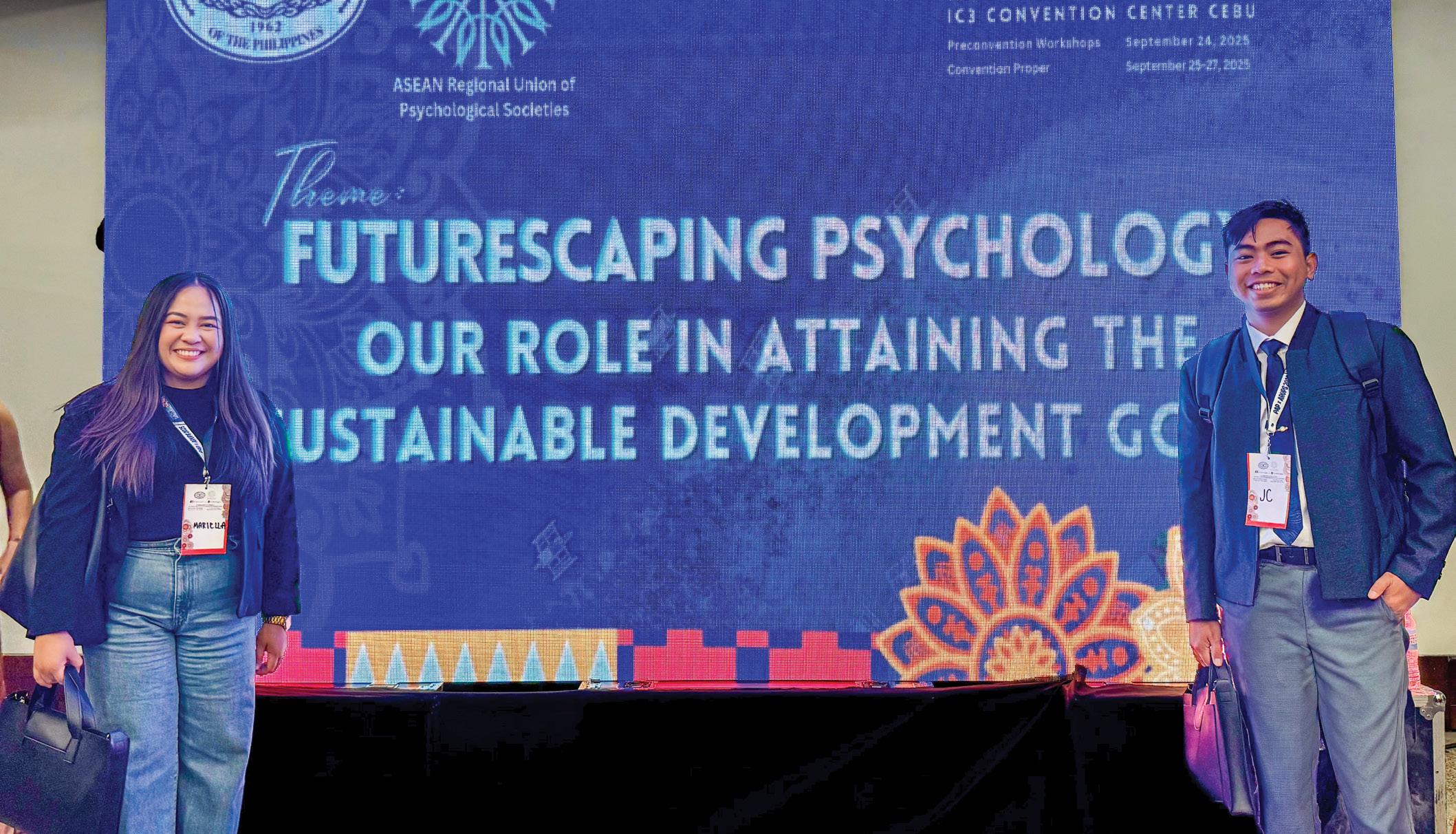
Their study, titled “Pasma Belief and Its Influence on Health-Seeking Behaviors Among Filipinos in an American University,” drew attention from professionals, researchers and mental health advocates across Southeast Asia, they said. The event, which was also the 8th ASEAN Regional Union of Psychological Societies Congress, revolved around the theme “Futurescaping Psychology: Our Role in Attaining the Sustainable Development Goals.”
From folklore to framework
“I actually thought pasma was backed by science until I came to BYU–Hawaii and learned otherwise,” Santiago admitted. Growing up in Isabela, a province in northern Philippines, he recalled being warned not to shower after physical work or when his body was still hot. Back home, Santiago said, they were told that sudden exposure to cold after heat causes pasma—numbness, trembling or even sickness. “It’s a real concern in Filipino households.”
Loria, a junior from Philippines said, “In my family, it was normal to hear things like ‘don’t wash your feet after wearing shoes all day’ or ‘don’t touch water when you’re tired.’ Those things shaped how she thought about health, she said. “Even now, living in the U.S., I catch myself reflecting on those beliefs.”
While Western medicine often dismisses pasma as a cultural myth, for many Filipinos, it represents something much deeper—a worldview rooted in balance, respect for nature and family wisdom passed down through generations, they both shared.
Loria and Santiago at the 8th ASEAN Regional Union of Psychological Societies Congress.
The project originally began years ago under Dr. Eric Orr, assistant professor in the Faculty of Sciences, who, Santiago and Loria said, has guided multiple cohorts of Filipino psychology students through the evolving study. “It’s been a four- to five-year process,” Dr. Orr explained. “Earlier students developed an assessment to measure belief in pasma, and each batch built on that foundation. Santiago and Loria continued what previous students started.”
A belief that crosses oceans
When asked what motivated them to continue the project, Santiago’s answer reflected both curiosity and cultural pride. “We were fascinated by how something deeply ingrained in Filipino culture could be viewed as nonexistent elsewhere,” he said. “Pasma may not be recognized by Western science, but that doesn’t make it less real to those who believe in it.”
Loria added, “We wanted to see whether Filipinos in America retain or change this belief after being exposed to Western medical practices. Does distance weaken tradition, or does it strengthen it?”
Their study surveyed Filipino students in an American university—mostly in BYU–Hawaii—using a quantitative approach. The goal wasn’t to prove whether pasma exists scientifically but to analyze how belief systems influence behavior, particularly in health and self-care decisions, they said.
“Initially, we wanted to do a lot, including experiments,” Santiago explained, “but due to International Review Board restrictions and time constraints, we focused on surveys and statistical analysis instead.”
One challenge, they said, was ensuring that participants answered thoughtfully. “We provided snacks to make the session light
and engaging,” Mariella laughed, “but cleaning the data later revealed inconsistencies. We had to be extra careful to filter valid responses.”
Despite the challenges, they said their findings were surprising. “Our hypothesis was that the longer Filipinos stayed in America, the weaker their belief in pasma would become,” Loria shared. “But the data showed the opposite—many retained strong belief even after years abroad.”
For Santiago, this discovery revealed the enduring nature of Filipino identity. “It shows that pasma is not just a belief—it’s part of our cultural DNA,” he said. “Even when Filipinos adopt Western medical systems, cultural wisdom remains a quiet compass guiding their choices.”
Psychology beyond the Western lens
For both students, the project also reshaped how they viewed psychology itself. “I learned that psychology is not a one-size-fitsall profession,” Santiago reflected. “Western psychology is built on Western experiences, however, Filipino psychology is influenced by collectivism, family ties and faith,” he shared. As future Filipino psychologists, we want to meet clients where they are—to honor their beliefs instead of dismissing them, he added.
Loria echoed his thought: “Culture shapes behavior and thinking. Pasma is not just a medical idea—it reflects our family dynamics, our respect for elders and our understanding of health as harmony. If psychologists ignore that, we risk missing what truly matters to people.”
Dr. Orr, who mentors many Filipino students through the Filipino Psychology Mentor Research Group, said this approach is exactly what the department hopes to cultivate. “We want our students to explore psychology through a multicultural lens,” he said. “Every year,
Left to right: Mariella Loria, John Carlo Santiago and Dr. Eric Orr.
we guide them through research design, data collection and analysis—sometimes over several semesters. It’s rare for undergraduates to sustain research this long, but the continuity helps them build depth.”
Dr. Orr added that the department’s mentorship model allows research projects to evolve even after students graduate. “Research takes time. Most students can’t finish everything before they leave, so we pass it to the next generation. That’s how this pasma project survived for years—it became a shared academic legacy.”
Courage and connection in Cebu
When Santiago and Loria flew to Cebu for the PAP Convention in late September, they said they expected to quietly display their e-Poster alongside other students. Instead, they received an unexpected email: they were selected among the top five undergraduate presenters and invited to the Organized Symposium—a major session typically reserved for professionals and postgraduate researchers.
“We were stunned,” Loria laughed. “Suddenly we were on a stage presenting before PhDs, master’s students and experts from different countries. I was terrified, but Dr. Orr reminded us, ‘Everyone starts somewhere.’ That gave me the courage to speak with confidence.”
The experience, she said, changed how she viewed herself as a researcher. “It reminded me that research is not just about data—it’s about contributing to conversations that matter.”
Santiago shared that one of the best parts was networking. “We met people from the American Psychological Association and the Psychological Association of the Philippines. Some even called us ‘doctors’ during the event,” he said, smiling. “We didn’t correct them—but it motivated us to keep going until one day, maybe, we really earn that title.”
A cultural bridge in Academia
Dr. Orr said he believes the study’s relevance goes beyond cultural curiosity. “Pasma is an indigenous health belief that affects behavior. Understanding it can help healthcare workers communicate better with Filipino patients,” he said. “For example, some farmers avoid protective gloves because they believe it causes pasma. That can lead to real health risks.”
His goal is not to disprove pasma but to understand it scientifically. “Cultural beliefs influence health-seeking behavior. That’s psychological data worth studying,” he emphasized. “This research opens doors for cross-cultural understanding—how science can respect tradition while guiding safer health practices.”
The road ahead
For Santiago and Loria, their Cebu experience is just the beginning. Both plan to continue pursuing cultural psychology and community research after graduation.
“Doing this project made me proud to be Filipino,” Santiago said. “It reminded me that our beliefs, even when questioned, are part of who we are. Studying them helps us understand ourselves.”
Loria agreed. “Research taught me patience, humility and teamwork. But most of all, it taught me that our culture deserves to be studied and understood—not just preserved, but reimagined through science.”
As Dr. Orr put it, “Research is hard—but it’s worth it. It trains you to think critically and see the world with compassion.”•
Page design by Cho Yong Fei.
PASMA BELIEF AND ITS INFLUENCE ON HEALTH-SEEKING BEHAVIOUR AMONG FILIPINOS IN AN AMERCIAN UNIVERSITY
Araujo, Milazel P., Loria, Mariella Loida D., Lulab, Eloisa D., Orr, Eric G., Santiago, John Carlo M., Tacuel, Christine Jane T., Uddon, John Erick F., Watt, Armari P.
Psychology Department, Brigham Young University-Hawai’i, USA
INTRODUCTION
Pasma is a Filipino folk illness linked to cold exposure after exertion— causing tremors, fatigue, and sweating (Lee, 2017). Though not recognized by Western medicine, it’s shaped by colonial, indigenous, and Asian traditions (Coronado et al., 2022). Filipino students in U.S. universities face unfamiliar health systems that may subtly challenge traditional beliefs like pasma, leading to reflection and adaptation. Limited research explores how Pasma beliefs shift when Filipinos move abroad. This study investigates: Do Filipino students retain, adapt, or abandon their belief in Pasma in American academic settings? (Bacong et al., 2022).
This study preserves Filipino cultural health knowledge while informing more culturally sensitive healthcare practices. It highlights how migration influences traditional beliefs like pasma, especially among international students (Sevilla et al., 2018). The research aims to assess the strength of Pasma beliefs, explore the roles of upbringing and time spent in the U.S., examine its influence on medical decision-making, and ultimately improve wellness support for Filipino students.
METHODOLOGY
NONEXPERIMENTAL QUANTITATIVE METHOD
SAMPLE
371 Filipino undergraduate students at BYUH
Age: 18-40 years
Mean= 24
292 of 371 surveyed Filipino students at BYUH completed a Likert-scale survey on Pasma beliefs, symptoms, and traditional medicine. Data was collected online during campus events with a QR code link.
DATA ANALYSIS
DESCRIPTIVE STATISTIC
Frequency distribution of Pasma beliefs; Mean and standard deviation for continuous variables (e.g., age, literacy scores)
INFERENTIAL STATISTICS
Pearson Correlation – for relationships between continuous variables Chi-square Test – for associations between categorical variables
STATISTICAL SOFTWARE: JASP
REFERENCES
Bacong, A. M., Ponce, N. A., & Ramaswamy, M. (2022). Health selection on self-rated health and the healthy immigrant effect among Filipino migrants in the U.S. PLOS Global Public Health, 2(8), e0000324. https://doi.org/10.1371/journal.pgph.0000324
Coronado, G., Chio-Lauri, J., Cruz, R. D., & Roman, Y. M. (2022). Health Disparities of Cardiometabolic Disorders Among Filipino Americans: Implications for Health Equity and Community-Based Genetic Research. Journal of racial and ethnic health disparities, 9(6), 2560–2567. https://doi.org/10.1007/s40615-021-01190-6
Lee, A. (2017, March). The Cuyonon concept of pasma: An indigenous knowledge in health care [Conference presentation]. 5th International Conference on Language Documentation and Conservation, University of Hawai’i at Mānoa, Honolulu, HI. https://doi.org/10.13140/RG.2.2.13042.43207
Sevilla, P. I. C., Sorra, L. A., Tasic, C., & Turalde, J. (2018, August). Pasma and migration in the Cuyonon context: An ethnolinguistic study [Conference presentation]. Linguistics Students Research Colloquium, University of the Philippines.
RESULTS & DISCUSSIONS
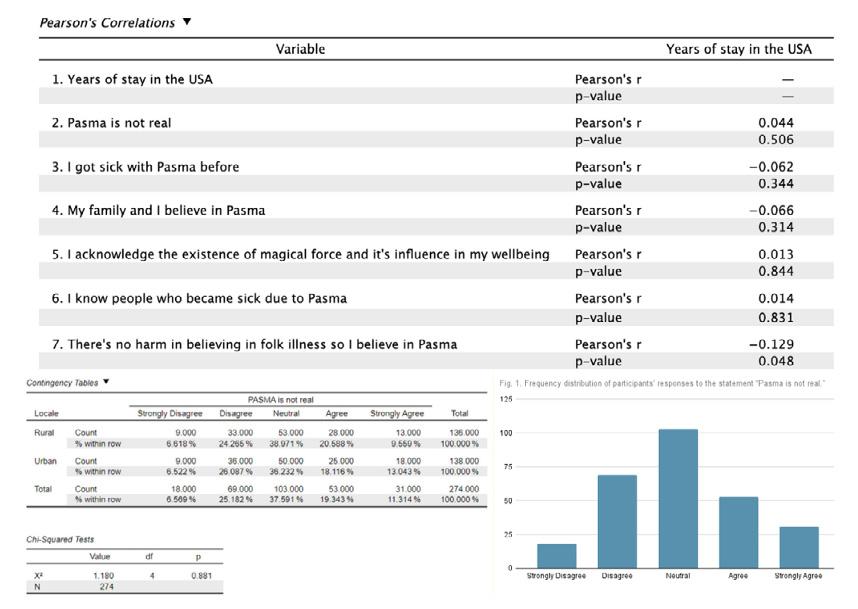
Belief in Pasma remains prevalent among Filipino students in diaspora, with 32% affirming belief, 38% expressing uncertainty, and 31% rejecting it. Pearson’s correlation analysis showed that most belief-related items did not significantly correlate with years spent in the U.S., except for Question 23, which revealed a weak but significant negative relationship (r = –0.129, p = .048), indicating reduced passive acceptance over time.
Spearman’s correlation found healthcare preferences mostly stable, though reliance on school-based sources increased with longer U.S. residency (ρ = –0.151, p = .010), suggesting higher formal education may influence health-seeking behavior.
While most beliefs remained unchanged despite migration, results point to an emerging cognitive shift. Students begin to critically reflect on Pasma, not necessarily abandoning the belief but reevaluating it amid Western medical norms. This subtle transformation illustrates cultural negotiation, where tradition and new perspectives coexist in tension, shaping both thought and behavior.
CONCLUSION
Our hypothesis—that belief in Pasma declines with time spent outside of the Philippines—was only partially supported. While most beliefs held steady, one showed a weak but notable link to acculturation. This suggests Filipino students may gradually shift from active belief to passive acceptance. This study highlights how deeply Pasma is embedded in Filipino culture and how exposure to Western health systems may subtly challenge traditional beliefs.
Rather than dismissing Pasma, the research fosters respectful dialogue between cultural practice and modern science—encouraging reflection, adaptation, and critical thinking. For institutions like BYU–Hawaii, these insights support more culturally responsive care and empower students to navigate identity and wellness in evolving environments.
RECOMMENDATIONS
Future studies should integrate qualitative approaches—such as interviews, focus groups, and open-ended responses—to deepen understanding of how individuals negotiate Pasma beliefs in Western contexts. Investigating the role of peer influence, particularly through online Filipino communities and campus interactions, may illuminate how social networks shape belief retention or questioning. Additionally, evaluating the impact of university health education and culturally competent care can provide insight into how institutional environments contribute to shifts in traditional health perceptions.
SECTION 03PHYSICAL HEALTH
Move. Rest. Nourish.
“To keep the body in good health is a duty.” — Buddha
Sleep fuels health, focus and success
Professor and student share why prioritizing sleep is about routine and discipline
BY MYCO MARCAIDA
“When you truly value your health, you tend to push yourself to be better.”
Deborah Sabio
Sleep is not optional; it is the foundation of learning, health and well-being, said Celine Duffau, assistant professor in the Faculty of Sciences. Regular sufficient and consistent sleep will help you think clearly, feel better and perform your best academically and physically, she continued.
Duffau advised students to strive for a simple lifestyle in sleep and diet to improve mental and physical health. Reflecting on a former student who changed his lifestyle habits, Duffau said he told her he would never go back to his old ways. “I feel more energized, I feel like paying more attention in class, and I don’t feel depressed. It’s because I fixed my diet and my sleep,” she quoted the student.
The science behind sleep
Duffau explained sleep is essential for both brain and body restoration. “Our bodies are not designed to function at night. We are diurnal creatures [active during the day]; our rhythms are tied to sunlight,” she explained. “Hormones like melatonin, that help regulate the body’s sleep-wake cycle or circadian rhythm, are influenced by light and supplements help fix that a little but cannot
replace what your body naturally produces through proper sleeping routines.”
According to the National Institute of Neurological Disorders and Stroke (NINDS), sleep is a “complex and dynamic process” that plays a vital role in how the brain functions. Sleep is essential for the neurons to communicate with one another, and the brain remains highly active during rest, the site adds.
Duffau explained as humans age, the number of hours of sleep might lessen. “As we age, we generally need fewer hours, but restorative functions are still essential. A baby who only sleeps six hours suffers serious developmental consequences, while a 60 year old might feel fine with that small amount,” she explained.
A review published in the Sleep Medicine Reviews titled “The Rile of Sleep Hygiene in Promoting Public Health: A Review of Empirical Evidence” by Leah A. Irish and colleagues in 2015, found sleep problem as a growing global health concern. According to Irish, poor sleep is associated with impairments in motivation, emotion and cognitive functioning as well as an increased risks of serious medical conditions including diabetes and cardiovascular diseases.
Discipline and routine
For Deborah Sabio, a junior majoring in hospitality and tourism management from the Philippines, strict discipline and planning are key to maintaining healthy sleep patterns while managing academic and school life. “Everything started during my mission. We woke up at 6:30
a.m., exercised and ate healthily then slept at 10:30 p.m. every day. It was a routine that helped prepare me for college life,” she explained. Sabio believes consistency of eight hours of sleep translates to better mental function, higher energy levels and improved overall health.
“If I don’t get eight hours of sleep, my body feels weak. My brain doesn’t function well, and I cannot sustain energy for the day,” she said.
Sabio said maintaining her schedule is a matter of self-discipline. “Managing social life is difficult but I make sure my friends know my schedule. They would have
“Sleep is not optional; it is the foundation of learning, health and well-being.”
Celine Duffau
to let me know before I got bed if they need help with anything so I can make time for them,” she added.
Sabio said she learned how to value her health as she developed her routines. “When you truly value your health, you tend to push yourself to be better. I started thinking of how my body will look like in the long run.,” she explained.
Sleep misconceptions and healthy habits
Duffau said one of the common misconceptions students have is that lost sleep can be recovered. “Lost sleep is lost forever,” she said. “If you miss a night of proper rest, the memory consolidation you skipped is gone.”
Duffau compared sleep to diet. “You can eat poorly now and not see the consequences immediately, but you are damaging yourself long-term. By then, you cannot undo it,” she explained.
Naps do not offer the same restorative benefits as a full night’s sleep, Duffau said. “Naps and nighttime sleep are very
different processes. A nap should be 20-30 minutes maximum. Longer than that, your brain intercepts it as nighttime sleep,” she explained. “A short nap can boost alertness, but it can’t replace the deep restorative cycles of full night’s sleep.”
Short term chronic sleep deprivation reduces attention and increases mistakes, said Duffau. It leads to lower productivity and even fatalities, she explained. “Long term, it accelerates aging, weakens immune system and damages the brain. Economically, sleep deprivation costs millions each year as it drives up healthcare costs and causes losses from fatigue-related mistakes, accidents and poor decisions,” she shared.
Duffau shared routines to best support sleep for students. “Limit screens before bed. Blue light from phones and laptops tricks your brain into thinking it’s daytime; keep your room for sleep only. Avoid procrastination because when you don’t you become stressed, and it keeps you awake. It is as simple as that,” she explained.•
Page design by Jay R Gallano.
Graphics by Jay R Gallano and Adobe Stock.
I MOVE, THEREFORE I AM
Athletics can be tied to every aspect of one’s existence, say Seasider Sports supervisor and two BYUH students
BY SAMANTHA FAITH SATORRE
For BYU–Hawaii students Jarom Notarte and Ashton Finau, standing on the sports field instills them with invaluable lessons that guide them not only through strategic gameplay but also through life’s storms. Every joint of their body has been familiar with strenuous physical activity since childhood, and they said it’s something that has always filled them with a sense of satisfaction and pride.
Notarte, a sophomore in psychology from the Philippines, said this synergy between fatigue and fulfillment helps him weather crazy semesters, deal with frustrations and rest from daily stressors. “It puts me in a different place. It’s like an escape for me when everything is stressful,” he expressed.
Finau, a senior in political science and Pacific studies from Tonga, echoed the same sentiment. For him, all the time and effort he commits to athletics equip him with both physical and mental fortitude—a state of well-being he finds necessary in other areas of life. “Participating in sports makes me feel happy and, at the same time, keeps me healthy,” he shared.
Seasider Sports supervisor Leiloa Malala-apo affirmed by emphasizing the irreplaceable role of athletics in the whole BYU–Hawaii experience, especially given the university’s enduring mission to support all aspects of students’ growth and discipleship. “Sports help build unity, resilience and school spirit so all students can remember they’re forever a Seasider. It reminds them that wellness isn’t just academic or spiritual but also physical and social,” she said.
Sports and stress-relief
From the very first dribble he made against the basketball court at 11 to the first football he kicked towards the goal at 12, Notarte said his passion for sports evolved from an activity done simply for fun to a vital aspect of his overall well-being. Now a sophomore at BYU–Hawaii and a regular football player at the intramural leagues, the space in his life occupied by athletics has only grown larger and brighter. “It helps me so much, especially right now. Whenever the semesters become too overwhelming, all I look forward to is our game,” he expressed.
Notarte said he has always turned to physical activities, such as sports and exercise, whenever he starts feeling like the burden of emotions and mental fatigue are becoming too much to handle. “Sports and activities like running give me an outlet for my emotions and help me express myself better,” he shared. “There are emotions that I can only be open about in the field.”
Similarly, Finau’s athletic history runs deep and can be traced back to his childhood—back when he was 14 and fervently pursuing
his passion for rugby, be it in Tonga or New Zealand. Even though he said he decided to pause from playing to begin his academic journey at BYU–Hawaii, he said he eventually found his boot-clad feet back on the rugby field again. “I think I just like it. It motivates me. Instead of doing things by myself, I can do it with a team. Having teammates around me also inspires me to be more competitive as opposed to competing on my own,” he expressed.
Moreover, Finau said staying active in sports gives him the power to lift life’s burdens off his shoulders. He emphasized the role of consistent physical activity in keeping one’s mind open and gaining meaningful experiences with other people. “When you get yourself out there, keep yourself busy and engage in something like sports, at the end of the day, you’ve played with your teammates, met new people and opened yourself up. You opened yourself to people, their ideas and their help,” he explained. He said it’s up to the student to make sports an avenue for profound engagement and connection.
Photos taken by Caleb Galotera. Page design by Marlee Palmer Young Yen.
“It helps me open my mind and think about what I’ve been going through, and it gives me a better way to find solutions to the challenges I face every day.”
ASHTON FINAU
“I go to the gym a lot,” Finau shared, “and although every weight I lift makes me tired, I enjoy it.” Even the saddest days are tolerable, he said, because the entire process of setting his body into motion and letting fatigue set in helps him regulate his emotions. “It helps me open my mind and think about what I’ve been going through, and it gives me a better way to find solutions to the challenges I face every day,” he explained.
“Studying is not easy,” Malala-apo said, “so I find it important for students to recognize the power of physical activity in reducing stress and improving overall mental health.” She said an active lifestyle triggers the release of endorphins, an important bodily chemical that serves as mood elevators and assists the body in coping with both physical and mental stress. That’s why Seasider Sports’ efforts revolve around this dynamic, she continued. “I’ve witnessed students walk away smiling, happy and wanting to come back again for our sports events. They leave feeling like they’ve had a good time. You can tell they’ve released their stress,” she shared.
Lessons from the field
Community, collaboration, strategic planning and communication—these are just a few among the abundance of principles people can foster in athletics, according to Notarte and Finau. “That’s how sports connect to my life. These things help individuals, especially me, to become better and do better in the future,” Finau shared.
“My football team’s name for this semester is ‘Just For Fun.’ My teammates are easy to communicate with, and we play mainly to have a good time,” Notarte shared. He said his attitude towards sports would have been far different if his teammates had been too critical and overbearing. His experience with his current team, he continued, taught him how central having a community is to one’s quality of life. “Playing sports has become more fun for me because I have them,” he expressed.
Meanwhile, Finau said he values the diverse stories he hears from teammates hailing from different cultures. “During breaks, we would share stories and ideas. Whenever I feel burdened, listening to their perspectives and to the lessons they have in their stories wash
away my frustrations,” he shared. He said he seeks to foster the same spirit in other aspects of his life, because that’s what community and teamwork is all about: sharing and unity. “You learn from their perspectives, fuse them with your own, and together you can produce stronger results.
Planning and communication are also of paramount importance, Notarte emphasized. “I map out my days and weeks the same way my team captain strategizes efficient assignments and positions before a game, and I try to communicate effectively with my peers the same way I do with my teammates on the football field,” he shared. He said refining these skills gives him a competitive advantage not only in sports but also in every other path he aims to pursue.
Promoting sports on campus
Seasider Sports, according to Malala-apo, was established to cultivate the very same principles Notarte and Finau emphasized: community, teamwork and a balanced lifestyle that supports
every student’s overall wellbeing. “Our events are designed to help students recharge in a healthy way and connect socially because it’s always important to socialize. It goes beyond competition. It’s about building a community,” she explained. BYU–Hawaii, she continued, is first and foremost about bringing students together and fostering a strong sense of belonging among individuals from all walks of life.
“We build wellness by creating a positive space where students can stay active, de-stress and grow together as a community,” Malala-apo stressed. She said they focus on encouraging students to uplift each other through friendly competition. “We want them to remember this is for fun. We want them to both play hard and empower each other,” she expressed.
“Start small,” Malala-apo said, “Don’t be afraid to be bad at it at first,” Notarte noted, and “Get out of your comfort zone,” Finau urged. Malala-apo said Seasider Sports continually works to create more opportunities where students can actively participate, express their characters and hear one another’s varying perspectives without the pressure of academic and professional responsibilities.•
Stepping outside, even for a few minutes, can reset the mind, lift the spirit and restore balance
BY JOHN ANDREW QUIZANA
Healing
IS WHERE THE BEGINS
Galileo Abrecht seated by the sea at Laie Point. Photos taken by Haley Cowan.
Spending time in nature can improve mood, lower anxiety and improve cognition and memory.”
Jodie M. Smith
Out in the woods I wasn’t scrambling for my phone or thinking about work deadlines. My attention span seemed to lengthen and level out. I relaxed,” says Jodie M. Smith, a Mayo Clinic nurse practitioner, reflecting on how nature creates a mental reset—freeing people from distraction and stress while fostering focus and peace. This simple yet profound shift—what happens when we step outdoors—is at the heart of a growing body of research and personal testimony: nature heals, she said.
The science behind the calm
“Spending time in nature can improve mood, lower anxiety and improve cognition and memory,” says Smith in her article “The Mental Health Benefits of Nature.” She asserts making time for the outdoors is vital to maintain resiliency and promote self-care in a world that constantly demands our attention.
According to Smith, the benefits can be almost immediate. A purposeful five-minute walk outdoors can reset the mind, while consistent exposure helps reduce cumulative stress that might otherwise lead to chronic illness or burnout, she explains. “Slow down, go outside, notice what’s around you,” Smith advises. “Listen to the birds and the wind and the crackling of the leaves under your feet, and you really will notice a benefit in your well-being.”
A student’s journey with outdoors
For Galileo Abrecht, a junior from Argentina doublemajoring in business finance and economics, nature has been more than just a backdrop—it’s been a companion. He said his love for the outdoors began during high school in Germany, where he often wandered through a riverside park. “I’d go there, walk for hours and listen to music before heading home. That’s when I really began connecting with nature,” he recalled.
Now balancing classes, clubs and jobs, Abrecht said he finds refuge in Laie’s natural landscapes. “This semester has been really busy. … Recently, I went to see the sunrise at a friend’s backyard just drinking “mate” (a traditional South American drink) together. Simple moments like that calm me down. Even walking home late at night—20 minutes in the quiet—helps reset my mind.”
For Abrecht, the outdoors functions like a reset button.
“After being in classes and working from 8 to 5, going outside—even for just 30 minutes—makes everything disappear,” he said. When he comes back, he’s more focused, productive and has a fresh perspective, he added.
Finding healing spaces
Abrecht said he has a personal map of healing spots: Laniloa “Bikini” beach for morning runs, Laie Point for sunsets, Castle Beach for surfing and stargazing by Shaka Shake at PCC at night. Each place offers a different kind of restoration—whether solitude, friendship or spiritual connection, he said.
“Many people prefer staying indoors, watching movies or playing video games,” Abrecht added. “But for me, staying inside all day feels like I accomplished nothing,” he said. Abrecht said being outdoors even for 15 minutes helps him think, connect with himself and even with God.
“Nature puts things in perspective—it reminds us that the world is and our problems are small, that knowledge is freeing and humbling.”
-Stephen Pecaoco
Like Abrecht, Stephen Pecaoco, a psychology senior from the Philippines, sees nature as both an escape and a mirror—showing him who he is when the noise fades. “We underestimate how powerful outdoors is,” he said. “But the moment I step outside, I remember how grounding it is,” Pecaoco reflected. Nature puts things in perspective—it reminds us that the world is and our problems are small, Pecaoco said. “That knowledge is freeing and humbling.”
The stillness of the sea
For Pecaoco, one experience stands out vividly. “I paddled with my friends to Chinaman’s Hat the other day, and it was one of those moments that walked the line of the sacred,” he said. “The world just came to a halt—nothing but a peaceful ocean, still air and all-butfairy-tale-appearing mountains,” he recalled. He said, describing the experience, there was no noise, no rush—just silence. “And in the silence, I felt everything slow down. And for a moment, life was simple and whole again.”
As a soon-to-be graduate, Pecaoco said he feels the weight of uncertainties. Yet the ocean, he said, always brings him back to center. “Nature allows me to catch my breath. It recharges my batteries and reminds me that life need not go any faster than it has to,” he shared. If he goes outside, he then return to his studies and obligations with a sharper head and a lighter heart, he explained.
Page design by Chance Childers.
Outside Remind You who You are.” leT
Stephen Pecaoco
The gentle teacher
The outdoors has become Pecaoco’s teacher in patience and gratitude, he said. “Even during the most overwhelming moments in my life, going outside has this gentle manner of reminding me that there is still loveliness surrounding me—that the world continues to turn, and so can I.”
Pecaoco said his favorite outdoor classroom is the coast. “I like to sit by the beach, read a book while listening to the rhythm of the waves. The sun’s warmth, the sea breeze—it’s all healing,” he said. “Sometimes I’ll just lie on the grass, feel the earth beneath me and remind myself to be present.”
When he’s with friends, he said they pick shells, chase sunsets or hang hammocks between trees and sleep under the stars. “Moments like those make me appreciate how great it is to be alive,” he said. He shared such experiences to remind him that joy doesn’t have to be loud—it can be found in silence, in stillness and in being.
Going outdoors as a daily ritual
Pecaoco said he makes it a point to take a hike once a week—or walk down to the beach if time is short.
“Taking in the view of the ocean, breathing the fresh air or feeling the sand under my feet—it all makes me feel at home,” he said. Abrecht said the same, stating that even a brief outdoor walk after a long day “can make everything else disappear.”
Both students find that stepping outside clears the clutter of daily life. Pecaoco said he calls it his “reconnection with life,” while Abrecht said he sees it as his “reset button.” Each returns indoors with a sense of renewal—calmer, clearer and more grounded, they said.
A quiet prescription
If Pecaoco could offer advice, he said it would be simple: “Let outside remind you who you are.” He added, “Step outside and allow yourself to start again.” He said nature cleans the clamor of life. “It’s where you can relax, feel and remember that you’re still growing—quietly but surely.”
Looking ahead, Pecaoco said he knows that the outdoors will remain part of his personal healing. “Nature will always be my sanctuary—a place where I’m at my truest self.” He said such experiences remind him of his purpose and his faith. “Standing in the vastness of the sea, I sense God’s presence most—guiding, comforting and reminding me I am never alone.”•
“Nature doesn’t just relax you; it gives you space to think, connects and reset.”
Galileo Abrecht
Stephen Pecaoco poses with green foliage as his backdrop.
Photos by Haley Cowan.
Finding balance through healthy habits
BYU–Hawaii students share what they do personally to take care of their mental and physical wellness
BY FRANCE VALERIE LUCILLO
“Mind and body wellness means balancing both as they should be at the same level, like harmonizing with each other.”
Nance Micabani
Health and wellness looks different to everyone. For some BYUH students, it’s taking a nap, journaling or eating balanced food. According to an article by Abbie Attwood on Substack, health and wellness is not just one story and one rule about one body—it varies.
Although the blog says that health and wellness does not have a definitive answer as it varies from person to person, it still emphasizes that health and wellness can be considered—in physical and mental aspects—as nourished, rested and even fed.
“Mind and body wellness means balancing both as they should be at the same level, like harmonizing with each other,” said Nance Micabini, a hospitality tourism management senior from the Philippines. He said being healthy or having a balanced wellness is not about perfection. “It should come with consistency in habits that you should do in your body and mind,” he explained.
Believing that mind and body wellness are connected, Julia Aunai, a communications, media and culture sophomore from California, said being physically active keeps one’s mental health good. Even if she does not know the whole science behind it, she noticed first-hand with herself how truly connected the mind and body is, especially when taken care of, she continued. “I believe that when you’re mentally okay, you’re more inclined to do physical things because you feel good about yourself and vice versa,” she said.
By finding harmony with mind and body, individuals can create habits that will last for a long time, for our own benefit. So, check out some personal wellness activities BYU–Hawaii students practice regarding mind and body wellness below.
MIND
Nance Micabani, hospitality tourism management senior from the Philippines.
Daily journaling. Micabani said it has helped him to validate his feelings and reflect on what happened throughout the day. “Through writing, I can be aware of my feelings and thought process and how they work at
Dipeek Reddy, business finance and intercultural peacebuilding senior from Fiji.
Time management, power nap and comedic movies. Reddy said through time management, he has been able to do his homework and job in a reasonable amount of time. He said it was a struggle for him to do time management especially with his new born baby. However, he said one thing that supported him in his time management was having a power nap, as he believed sleep is important. “By doing power naps, I’ve been able to stay up as much as I can throughout the night to do my homework and take care of the baby while my wife rests,” he explained. Reddy added that watching comedy movies are also a big help as it helps him feel relaxed and at ease.
Julia Aunai, communications, media and culture sophomore from California.
Listening to music. Aunai said she tries to go on walks pretty often as she considers herself an introvert. “It is my time to recoup with myself, so listening to music and walking around the campus or temple keeps my mind active,” she shared. She continued that one of the benefits she saw by doing these is she feels less stressed out and she can think more clearly.
Nyah Wallwork, an applied mathematics sophomore from Washington State
Healthy communication with others. Wallwork said it is healthy to communicate with others or vent out when she is feeling mad or sad. “It helps relieve my stress,” she continued. She said by communicating, it brings things like unspoken conflict to light which makes it easier to heal rather than keeping your thoughts in the dark, which tends to hurt more.
BODY
As a training supervisor in the guest services department in Polynesian Cultural Center, Micabani said he does not move as much as he did before when he was not promoted yet. “It’s not as tiring as before but it was unhealthy for me [to just sit], so I move as much as I can to stretch my muscles and make the blood flow in my body,” he shared.
As a first time father, exercise is not something that Reddy can do consistently, he said. He continued that he was thinking of other things to keep his body moving such as doing bench press, sit ups or walking with his family around the campus. Reddy also said he makes sure him and his family eat healthy. “I always make sure that my food has vegetables and fruits to have a balanced diet. I also need to make sure my wife eats healthy as she is still breastfeeding,” he said.
Aunai said accomplishing 10,000 steps every chance she gets allows her to be active physically. “I also go to the gym with my friends and I find it a lot of fun to workout with other people too,” she shared. Aunai said she believed that moving is good for the body.
Wallwork said apart from walking and going to the gym, listening to one’s body is needed to survive. “By listening to your body, you listen to what it wants by giving it nutrients like vegetables, fiber and proteins,” she said. She continued that another big thing when listening to your body was knowing when to stop when it does not want anything.
Photos of students taken by Haley Cowan. Page desgin by Jay R Gallano.
WELLNESS RESOURCES YOU MIGHT BE MISSING
By Abigail Adams
Feeling stressed, stuck in a routine or looking for a change of scenery? BYU–Hawaii and the Laie community offer more physical and mental wellness resources than meets the eye. Follow along to discover some new spaces to relax and recharge.
Malaekahana Bike and Pedestrian Path
Dedicated in 2011, the Malaekahana Bike and Pedestrian Path connects Laie and Kahuku. This 1.2-mile-long path provides a space for students and community members to take a walk, go for a bike ride or just enjoy nature. Visitors are encouraged to “share the path with aloha.”
Information received from hawaiinewsnow.com and news.byuh.edu.
Laie Pioneer Memorial Cemetery
Hidden behind the Laie Temple parking lot lies a memorial dedicated to the pioneers of Laie, where visitors can learn about local history and pay respects to those who came before. Located on top of the hill is also a gazebo overlooking Laie in which visitors can admire their surroundings or quietly reflect.
Malaekahana State Recreation Area
Open from 7 a.m. to 6:45 p.m., Malaekahana State Recreation Area is a beach and campsite surrounded by trees where visitors can relax, swim, fish or picnic. Camping requires a permit, which can be purchased by Hawaii residents for $20, or $30 for non-residents.
Music Rooms
Information received from dlnr.hawaii.gov.
Lanihuli Gardens at the Kumuwaiwai Center for Sustainability
Located between Temple View Apartment Building R and the Laie Temple, the Kumuwaiwai Center for Sustainability is dedicated to promoting sustainability on campus. The gardens are open Monday to Friday from 2 to 5 p.m. for garden and volunteer activities. Visitors can volunteer to work in the garden and will be added to the food distribution list in exchange.
Information received from sustainability.byuh.edu and @byuhsustainability on Instagram.
Seasider Wellness Lab
For students with an interest in music, music practice rooms are available weekdays from 8 a.m. to 11 p.m. in the Cannon Activities Center. Located in rooms 184 to 190 and 194 to 197, students can practice singing, piano or their own instruments. Each door displays a sign emphasizing the rooms are to be used solely for practice and not for hanging out.
The Seasider Wellness Lab, located in McKay Gym 132, aims to encourage healthy living across campus. It offers services like fitness assessments, personal training, body composition testing, gym tours and wellness coaching—all free for BYUH students and employees to use. Appointments can be made at sciences.byuh. edu/seasider-wellness-lab.
Information received from sciences.byuh.edu.
Photos by Naomi Saenz.
Information provided by Music Theory tutor, Mitzi Diaz-Chou, a senior from the Philippines majoring in music.