JUSTIN WAN
Columbia University, G.SAPP M.S.AAD 2023 USC, School of Architecture B.ARCH | 2022
Selected Works 2020 - 2025
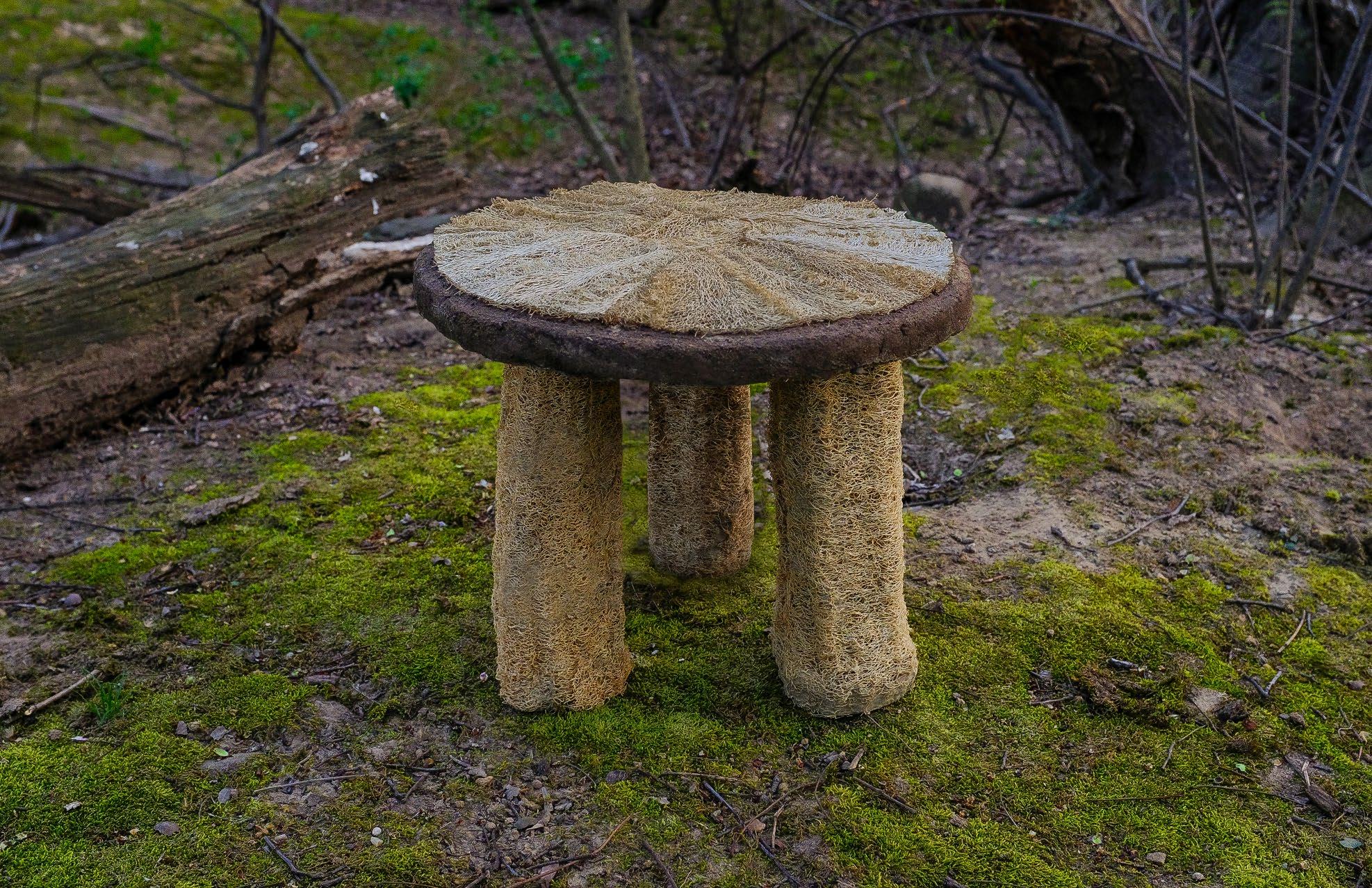
01 Luffa Stoolita
Experimental furniture design made with natural materials
Columbia GSAPP M.S.AAD
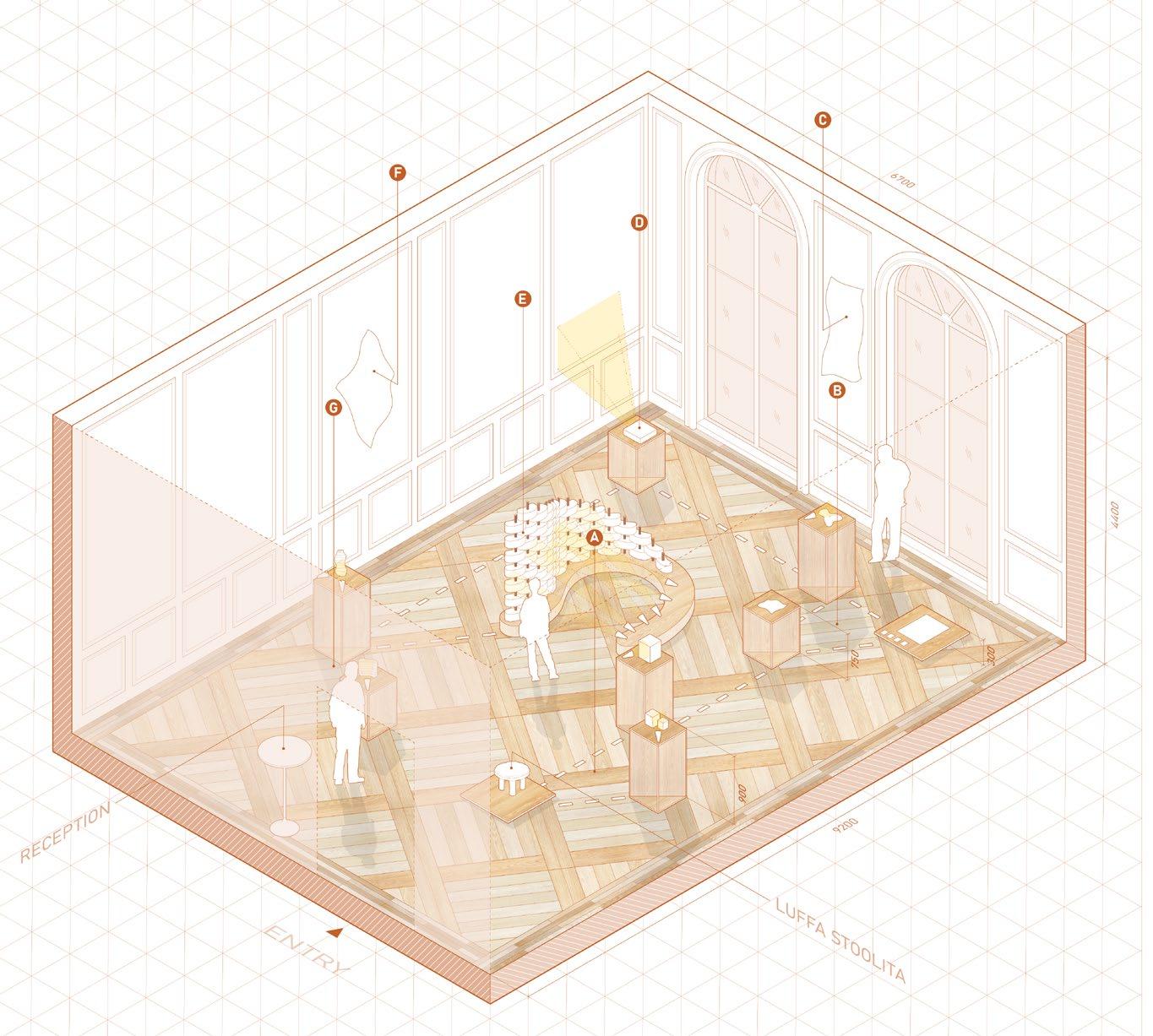
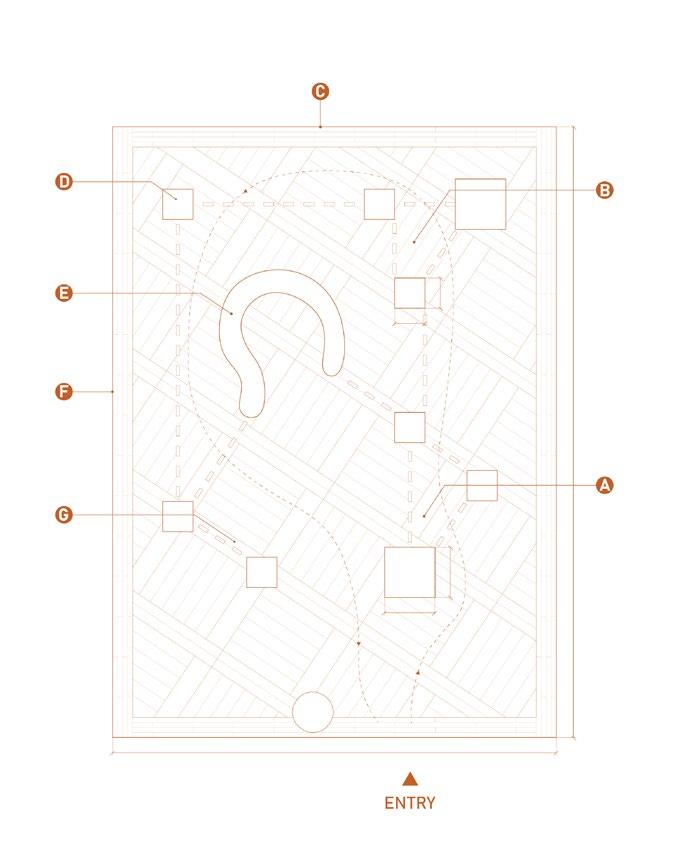
Project Type: Natural material research & design ; Exhibition Curation
Site: 1014 - Space for Ideas, New York, U.S.A
Team Members: Tim Ting-Hao Chen, Paul Edward Liu, Lola Ben-Alon (Advisor)
Role: Concept Design, Research, Fabrication, Exhibition Curation
Year: May 2023
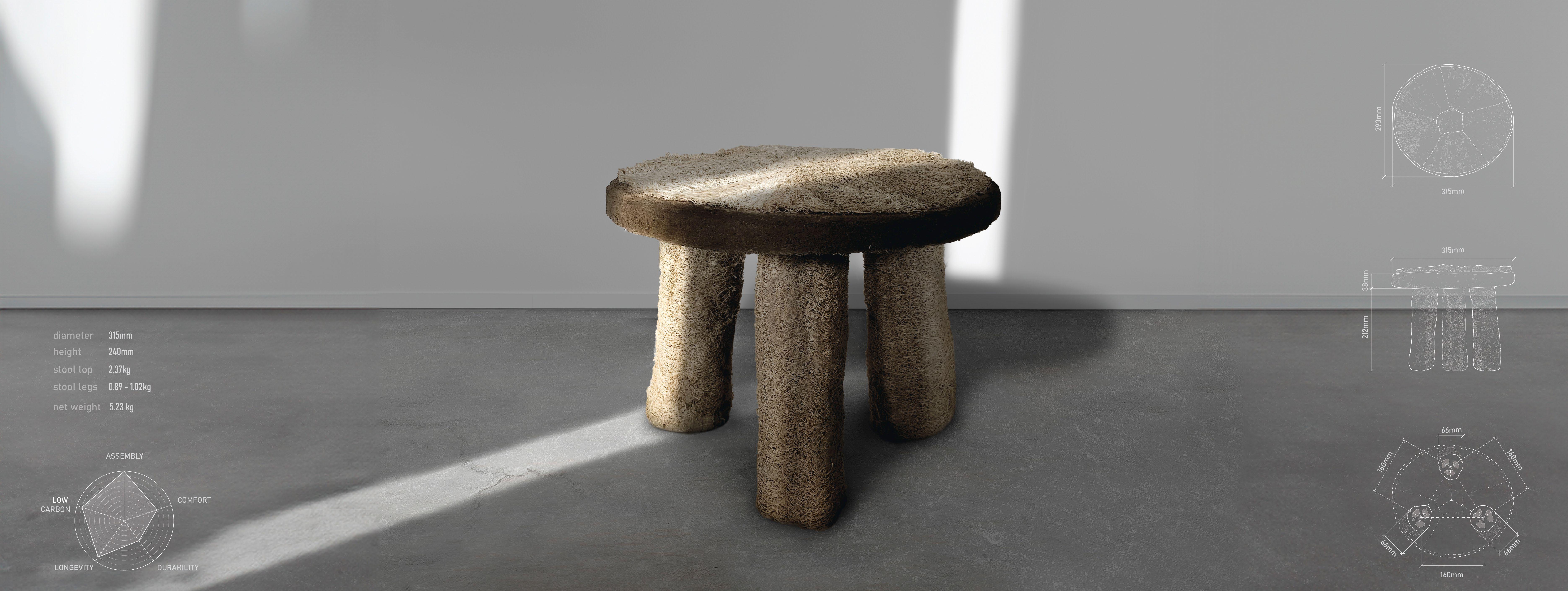
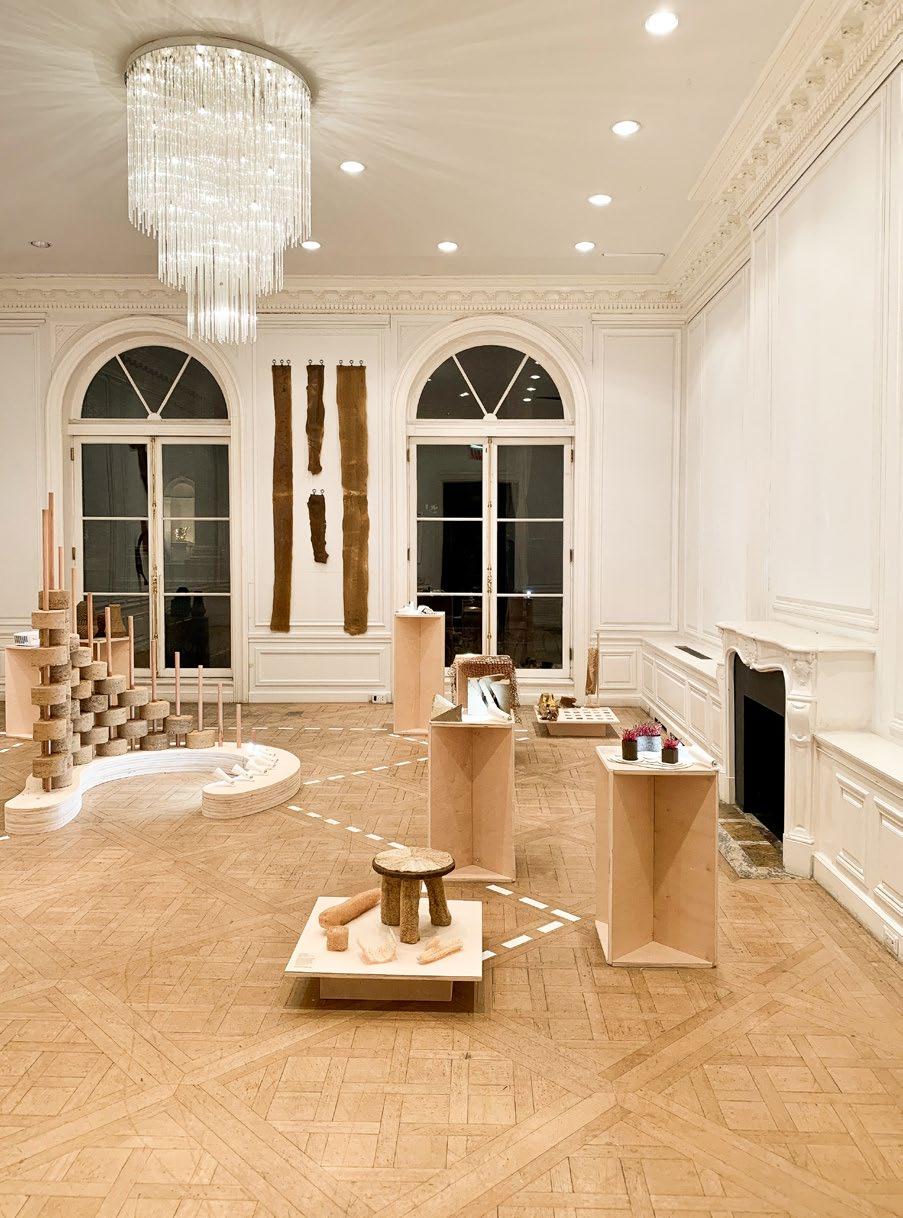
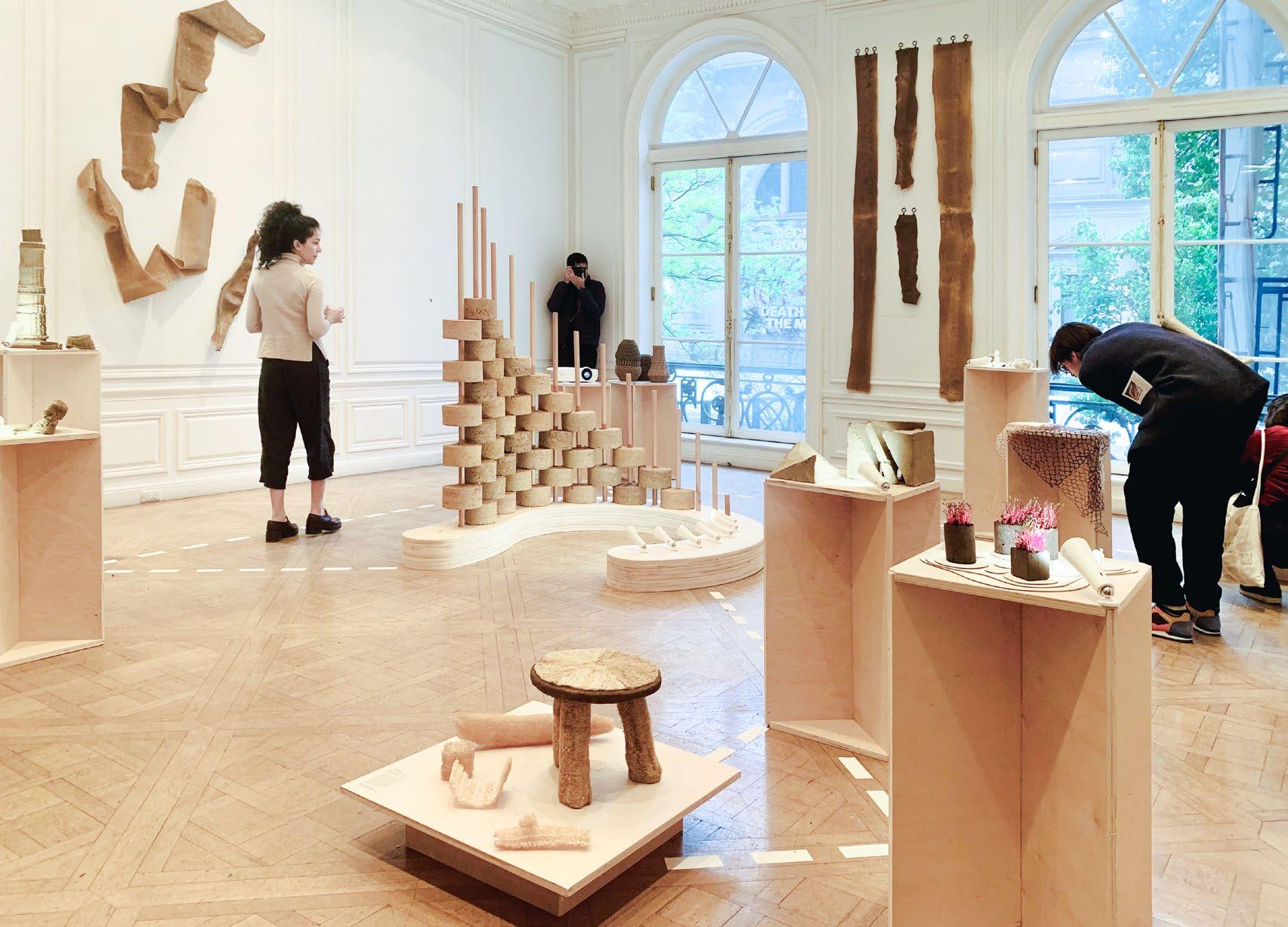
The Luffa Stoolita explores the potential application of plant-based by-products, specifically their subsequent food wastes, as alternative materials for design and construction. The investigation primarily focuses on gaining an improved understanding of both the physical properties of the loofah fruit and how it can enhance the structural strength and durability of earthen designs.
The Luffa Stoolita challenges the possibilities of applying the fruit to load-bearing purposes at the human scale, specifically as furniture, to test its strength and constructibility. In conceiving the concept for the furniture piece, the design considers all components of the fruit, utilizing it as formwork, fibers for construction, and cushioning for comfort and support.
02 WALDORF ASTORIA WELLNESS VILLAGE
Wellness area designed to reconnect guests to naturein hotel resort in Bali
WOW ARCHITECTS
Project Type: Ecologically Regenerative Resort [SPA AREA]
Role: Masterplanning, Architectural design, modelling, D5 Render, and Post-Production
Year: November 2024 - Present (WIP)
7. SWIMMING LAP POOL
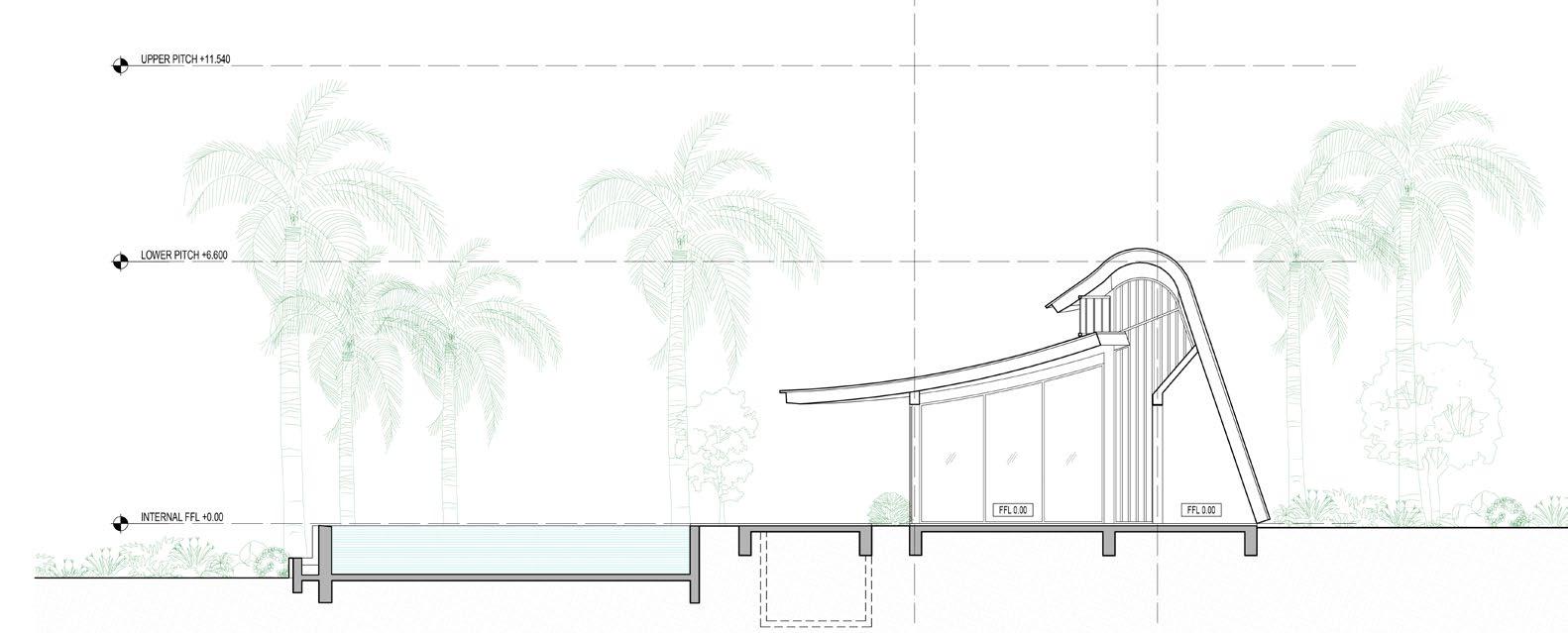
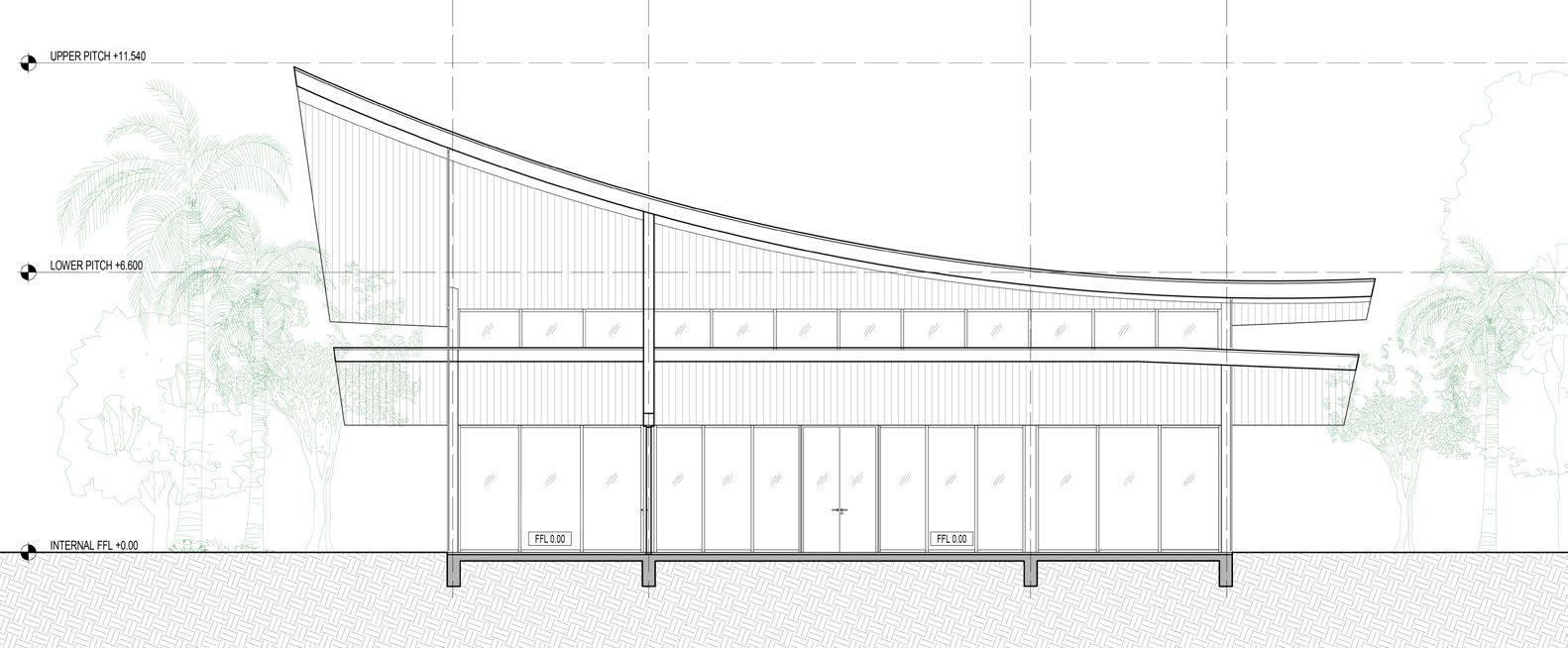
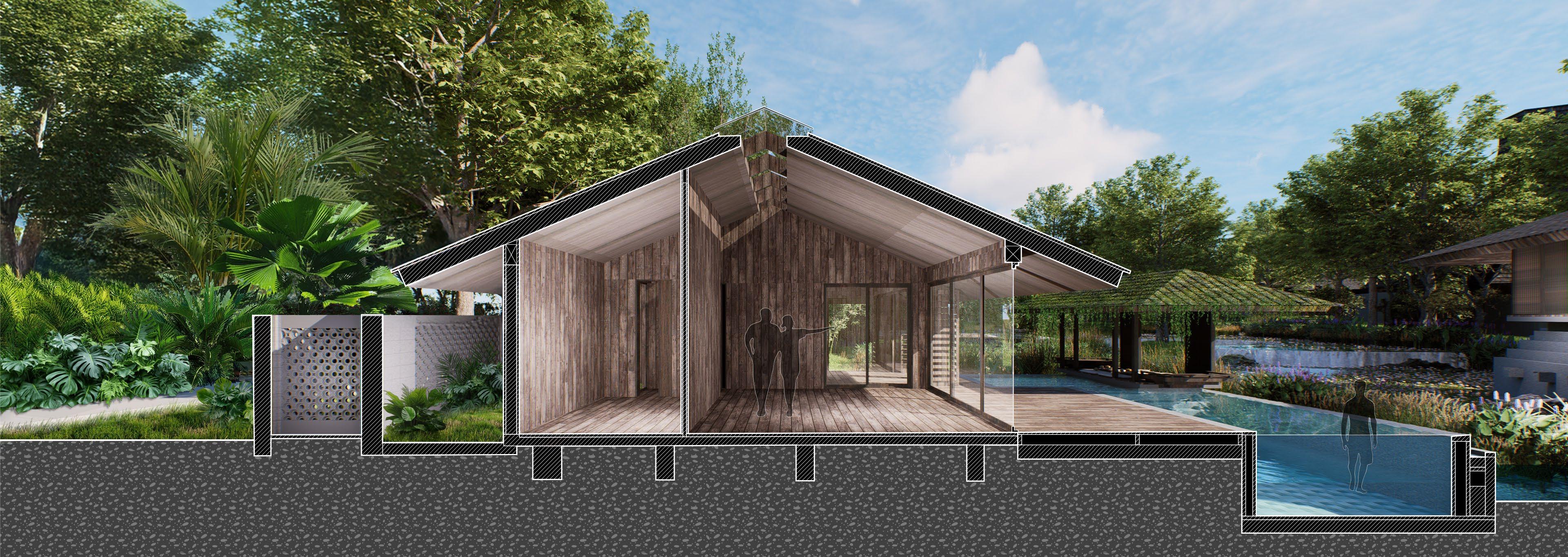
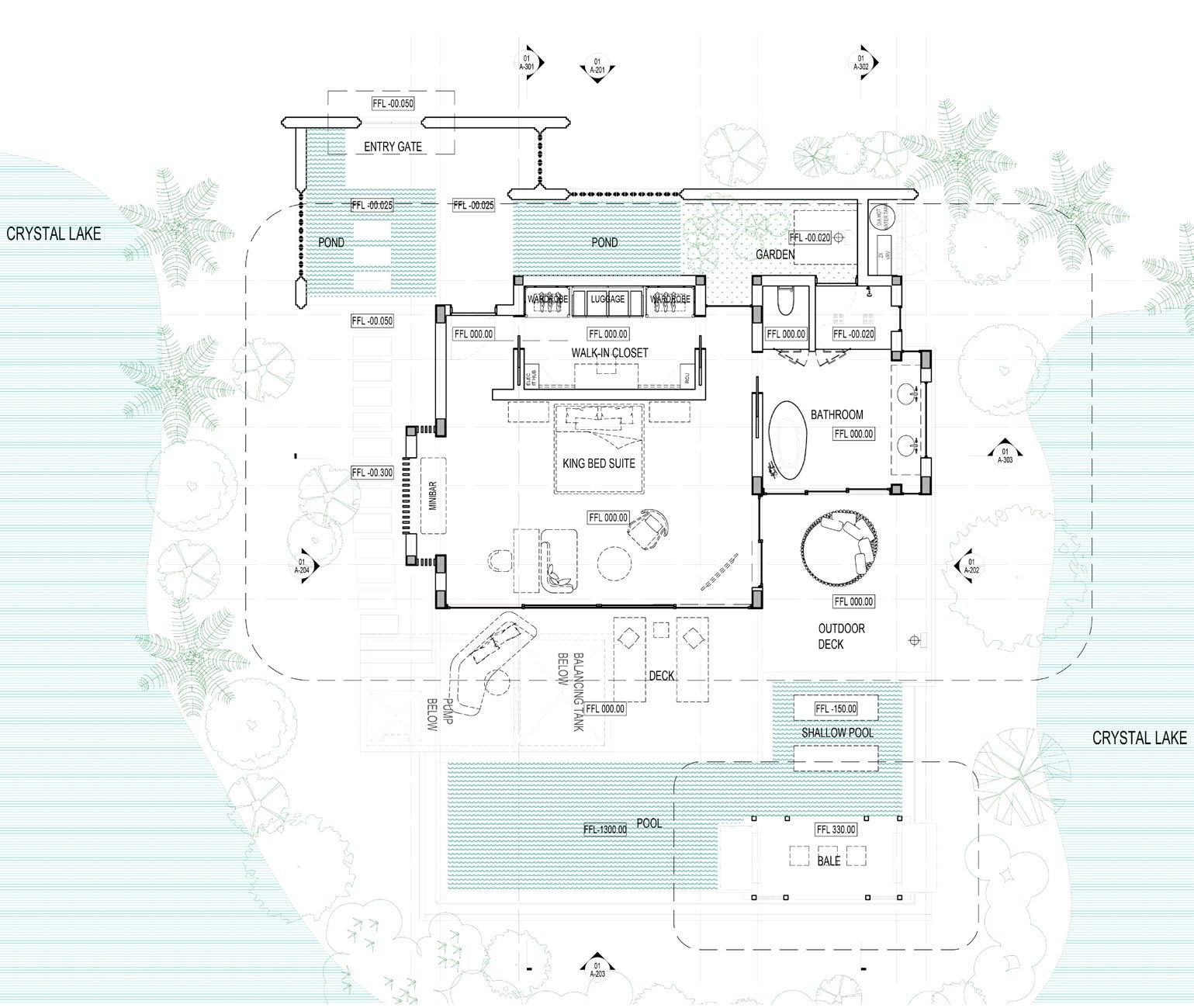
8. LAKESIDE VILLA
9. RESTING PAVILION
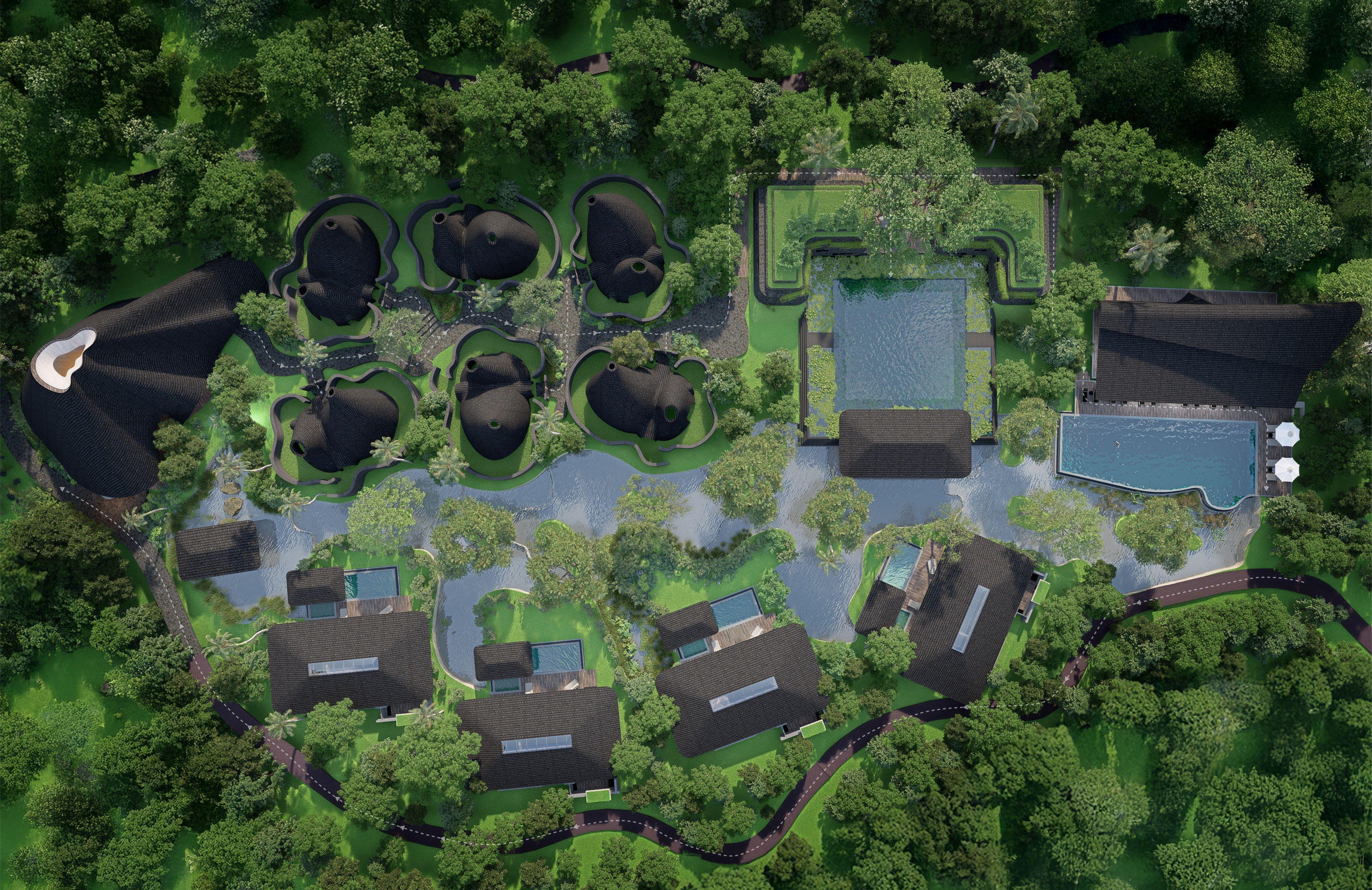
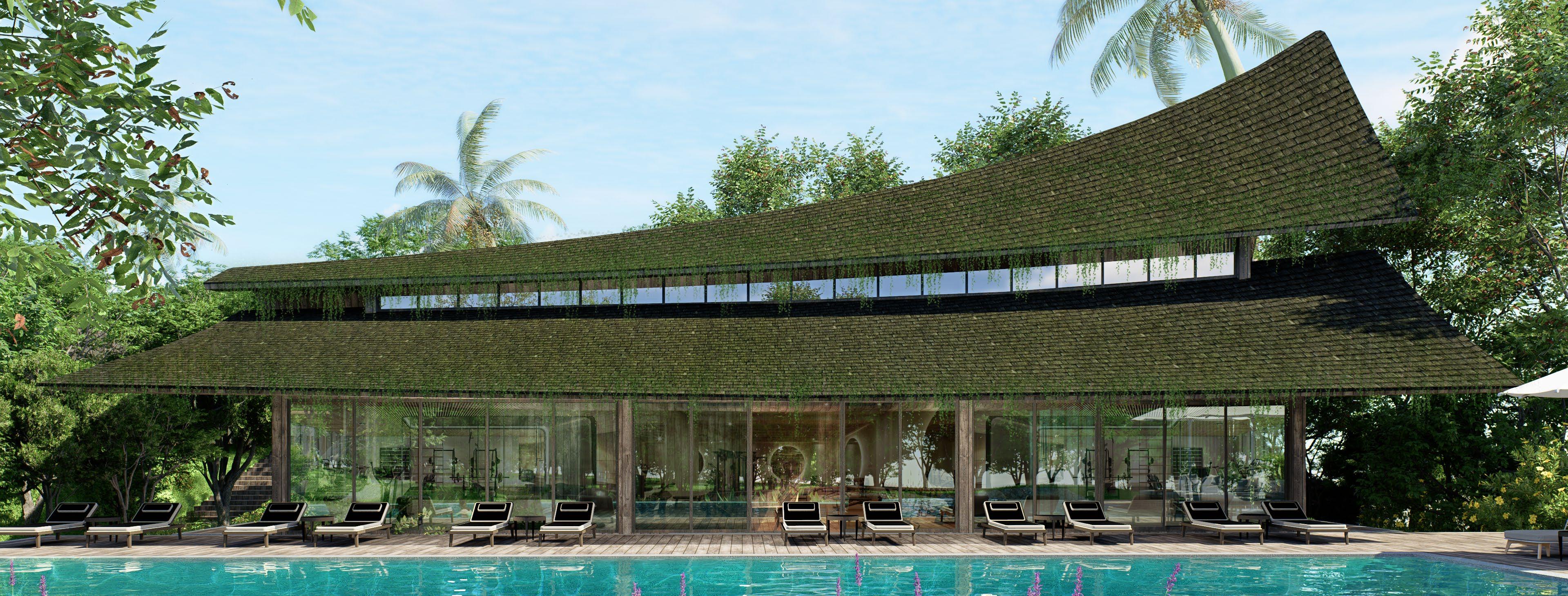
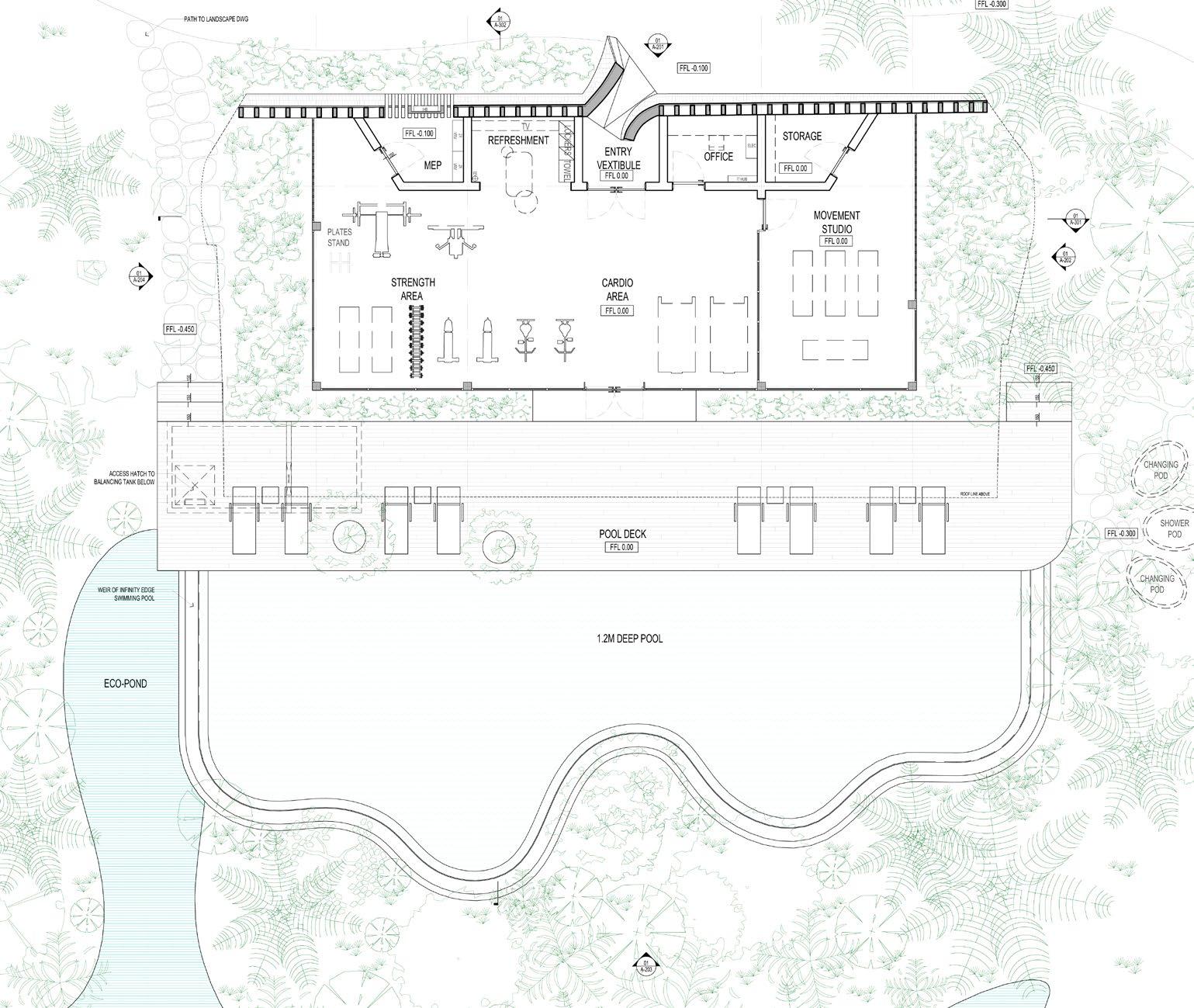
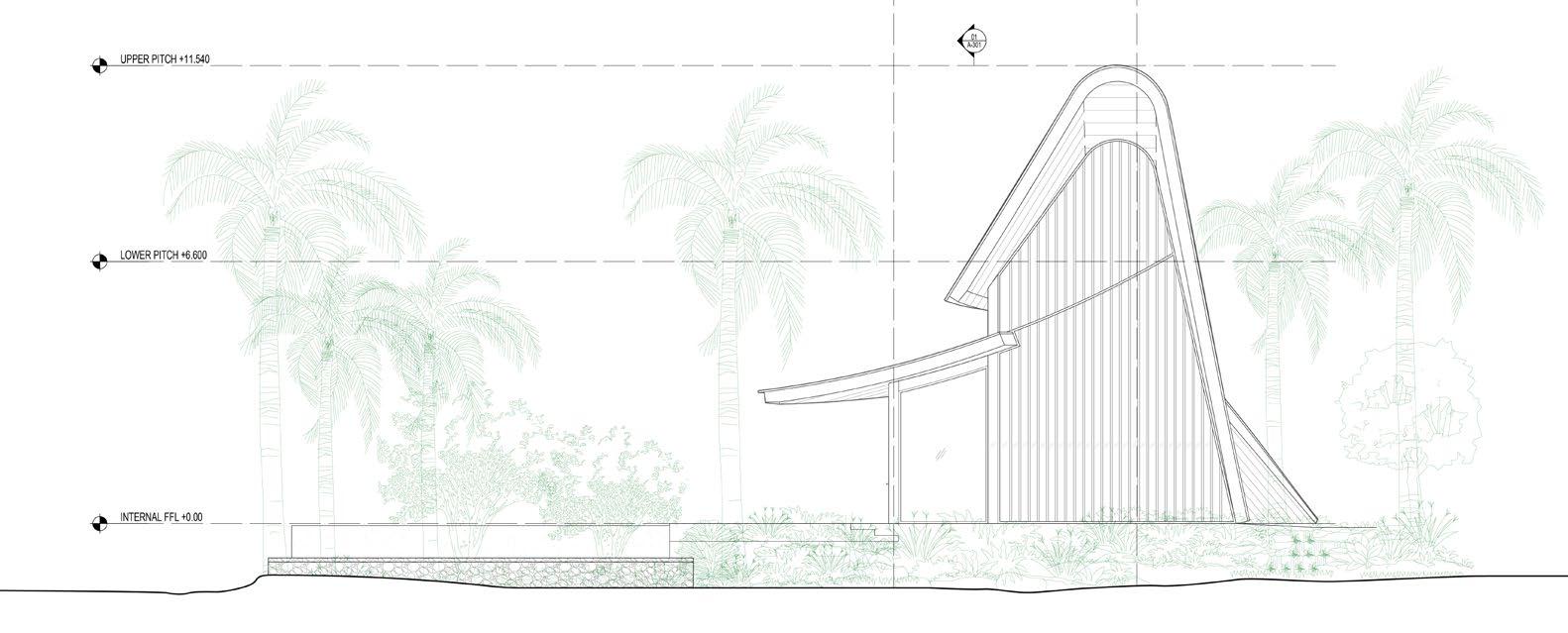
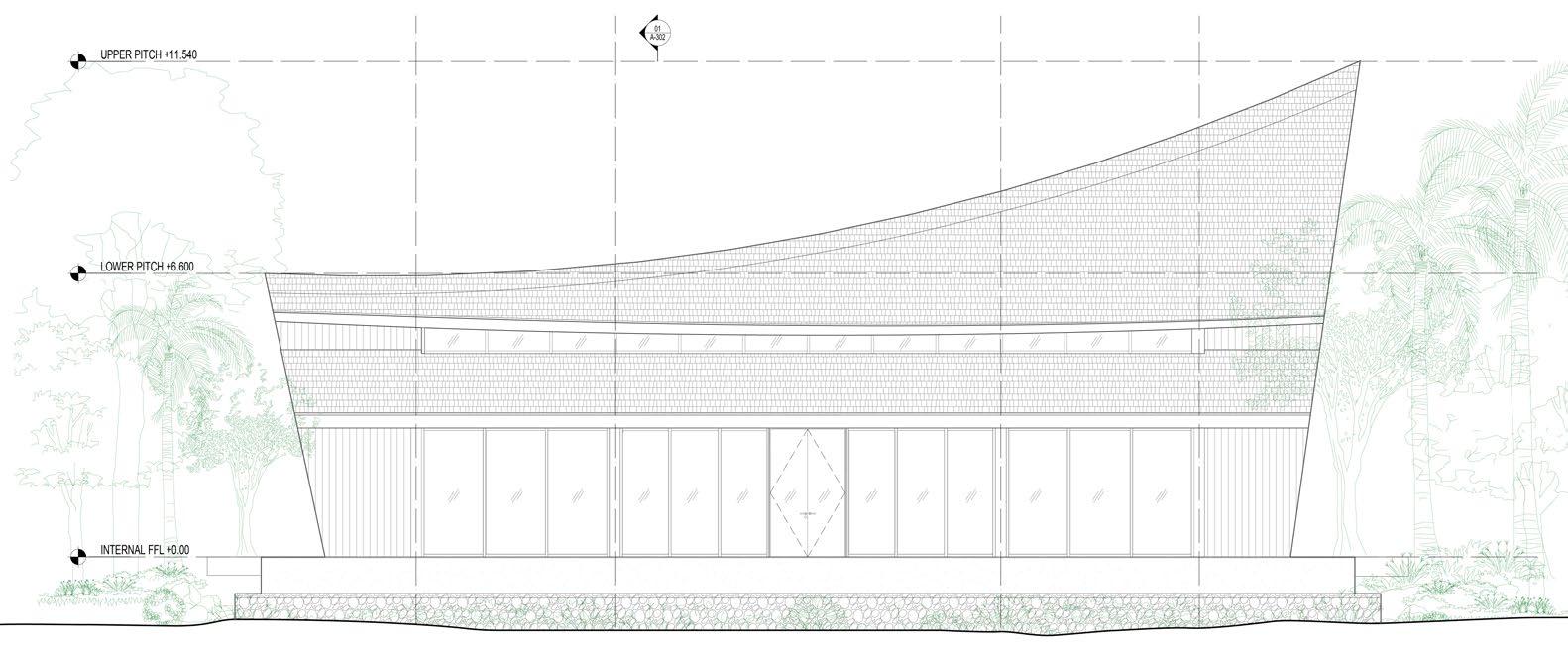
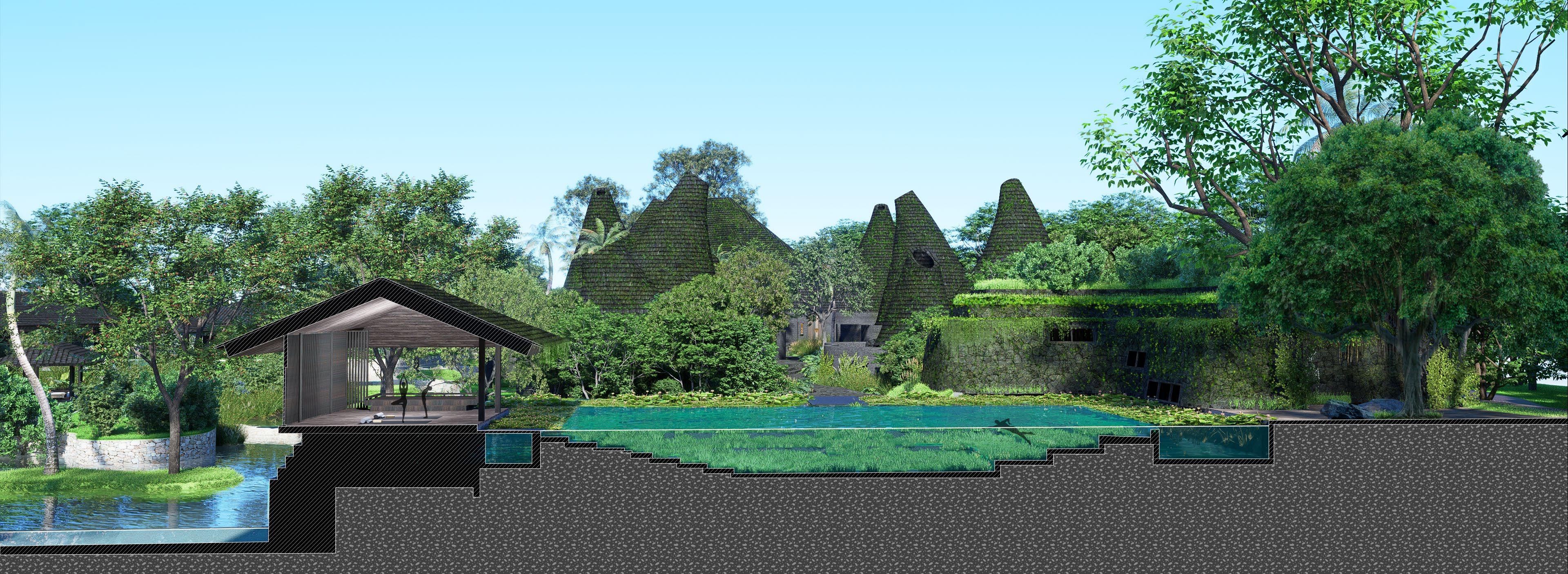
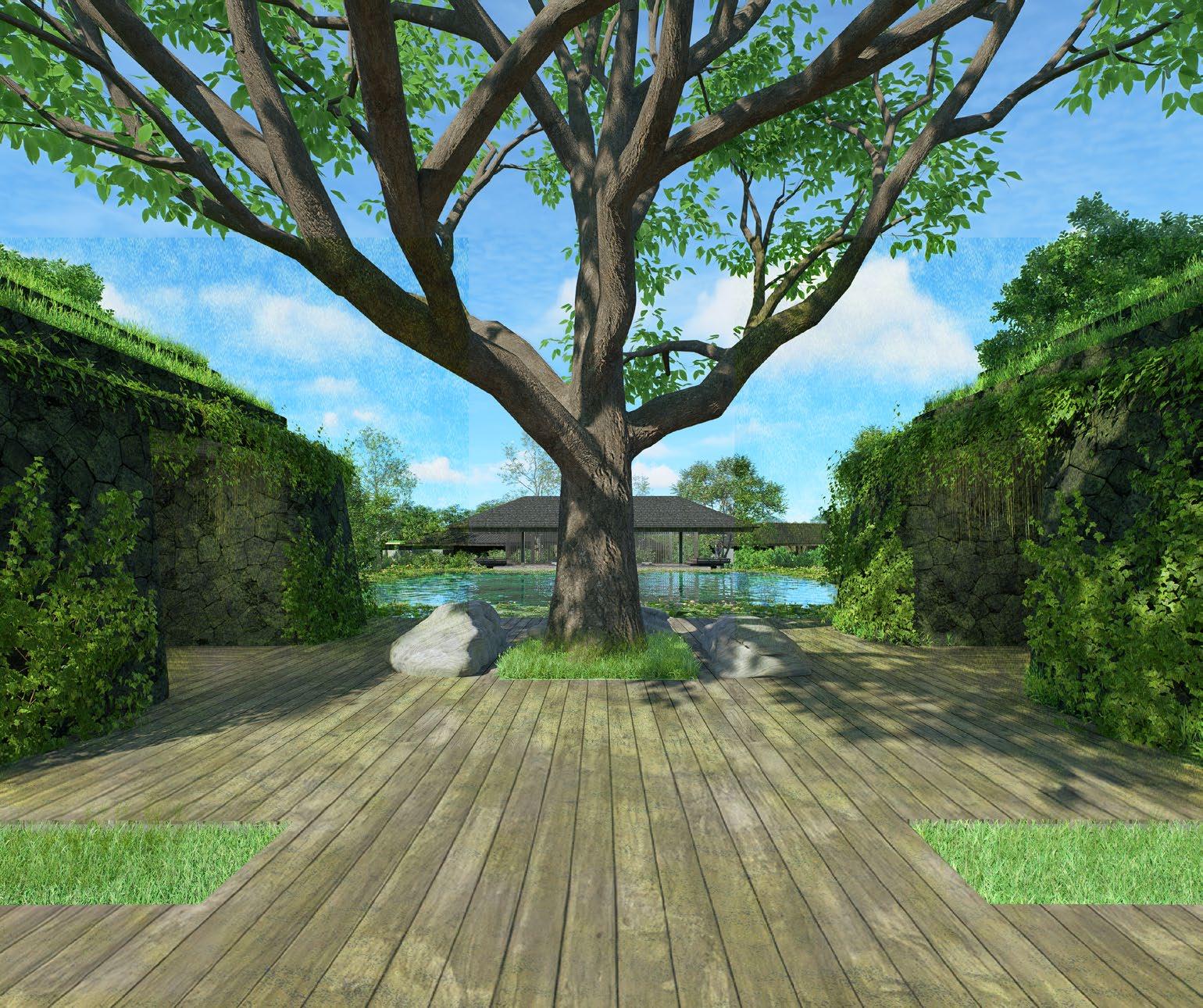
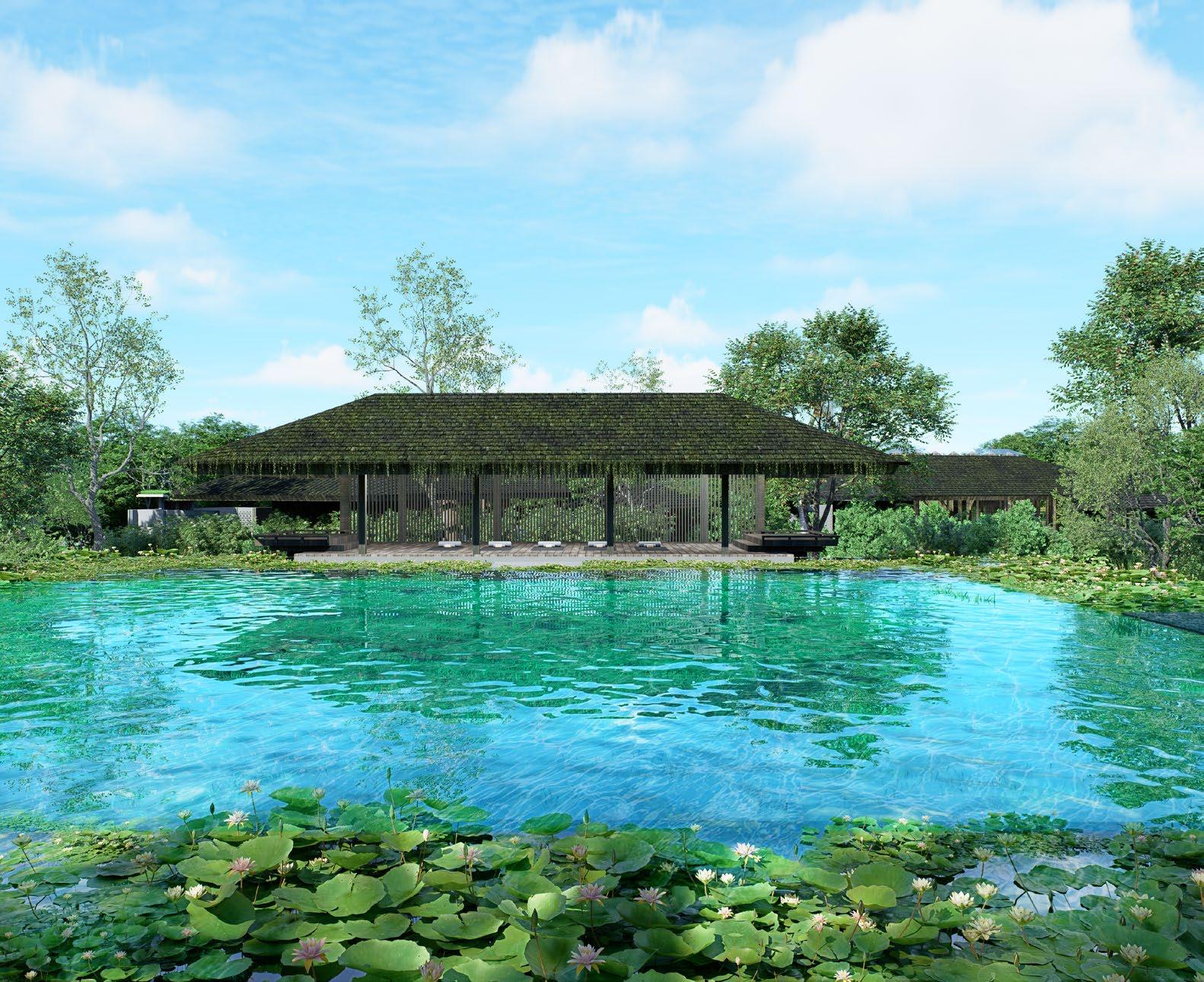
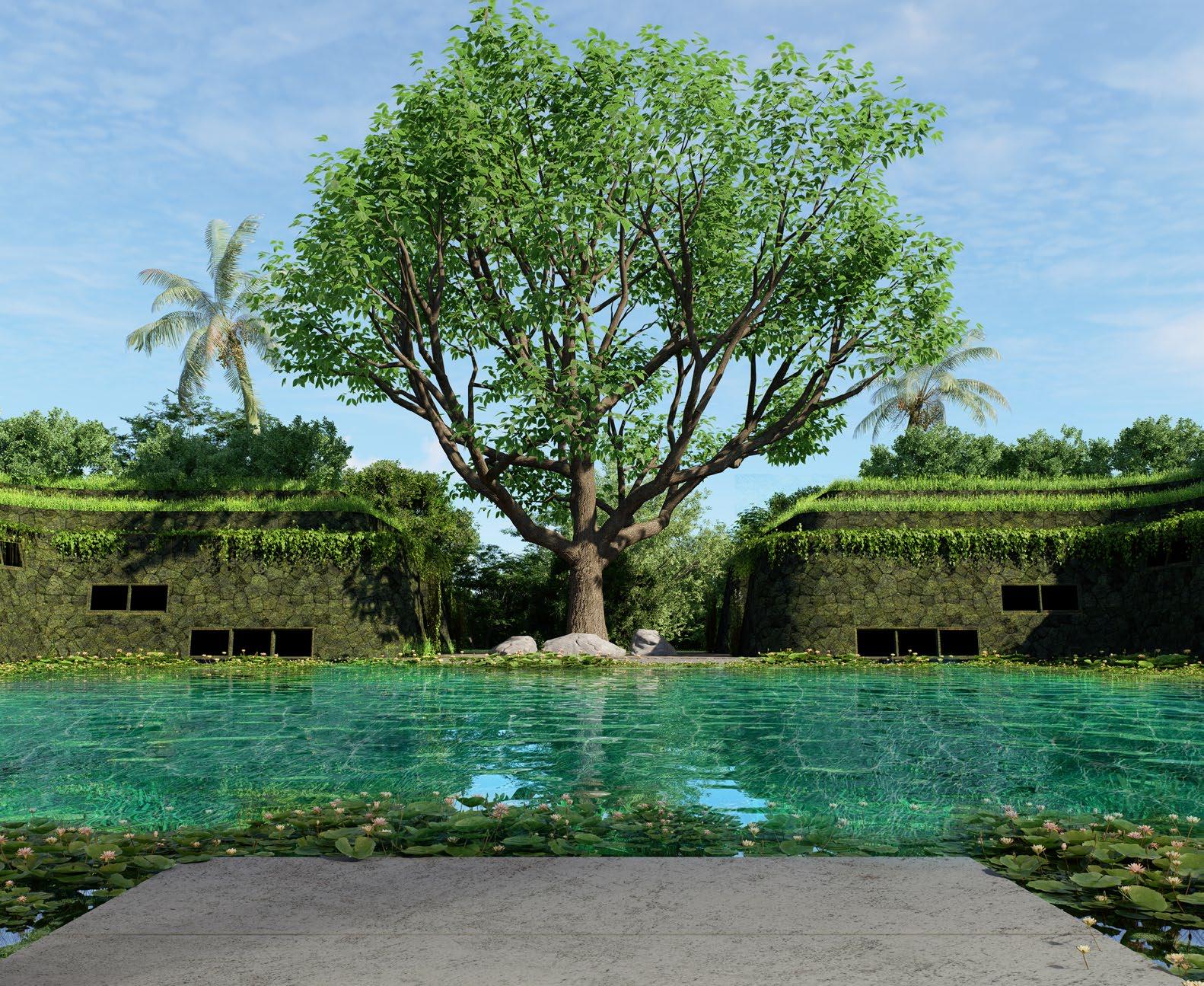
The Wellness Village is an integral part of the hospitality masterplan, envisioned as a sanctuary for guests to restore both body and soul through a deep connection with nature. Conceived as a nature-immersive walking experience, the masterplan guides guests along meandering pathways dotted with pockets of retreat and quiet lookout points. Each step through the village encourages mindful engagement with the landscape, inviting moments of reflection and calm. As the heart of the complex lies a crystal-clear freshwater pond, its waters naturally filtered by layers of aquatic plants that purify and sustain the ecosystem. This central feature reflects the essence of the village’s design philosophy - a space for cleansing not only the physical body, but also the spirit, through the healing presence of water, plants, and quietude.
YOGA PAVILION
CRYSTAL POND
CRYSTAL LAKE
CHANGING ROOM
03 DESERT ROSE
Residence designed for citizen ecologists to regenerate the coastal valleys of the Red Sea
WOW ARCHITECTS
Project Type: Ecologically Regenerative Residence
Site: Red Sea, Saudi Arabia
Client: Confidential
Year: June 2025 - Present (WIP)
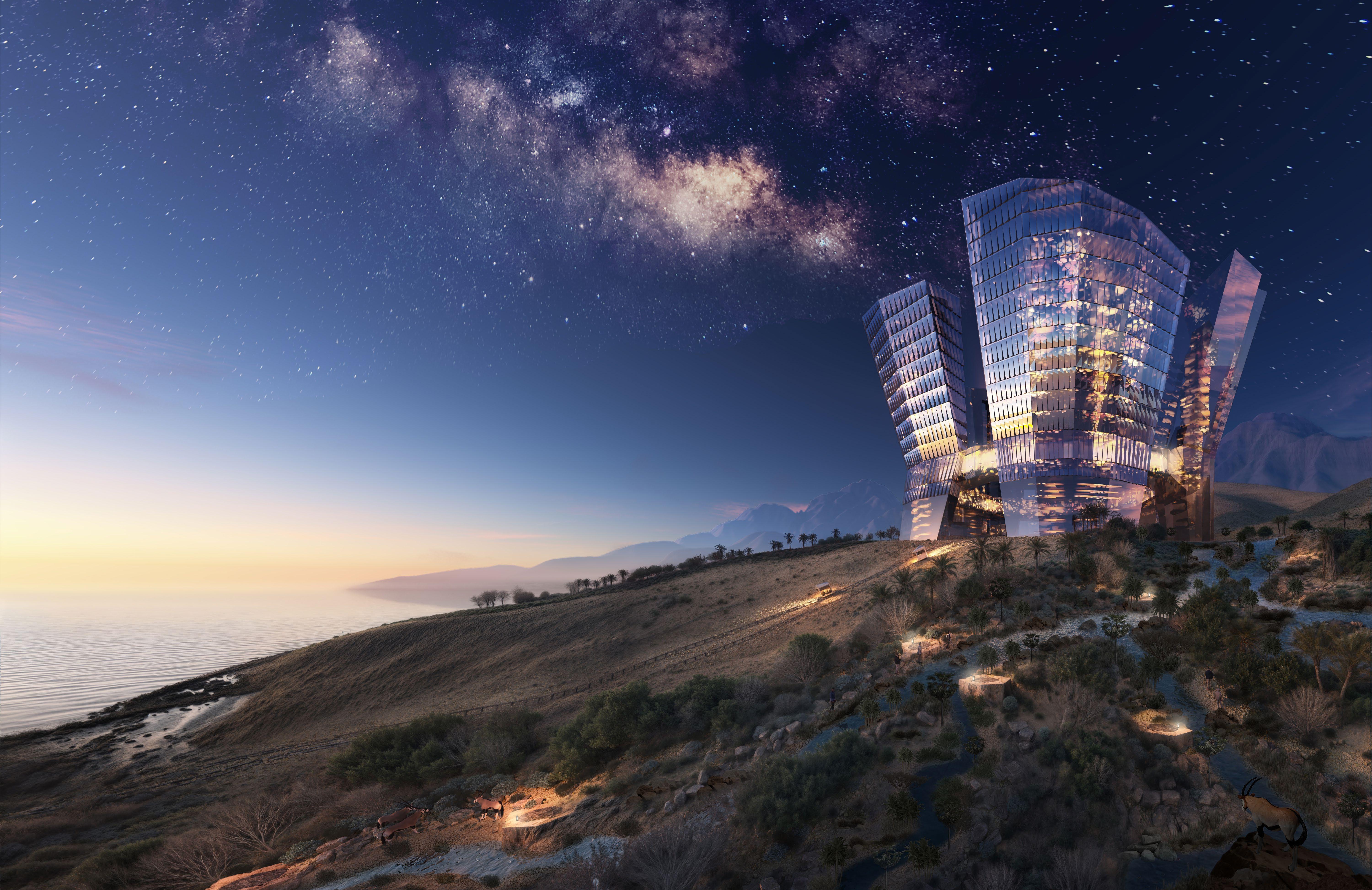
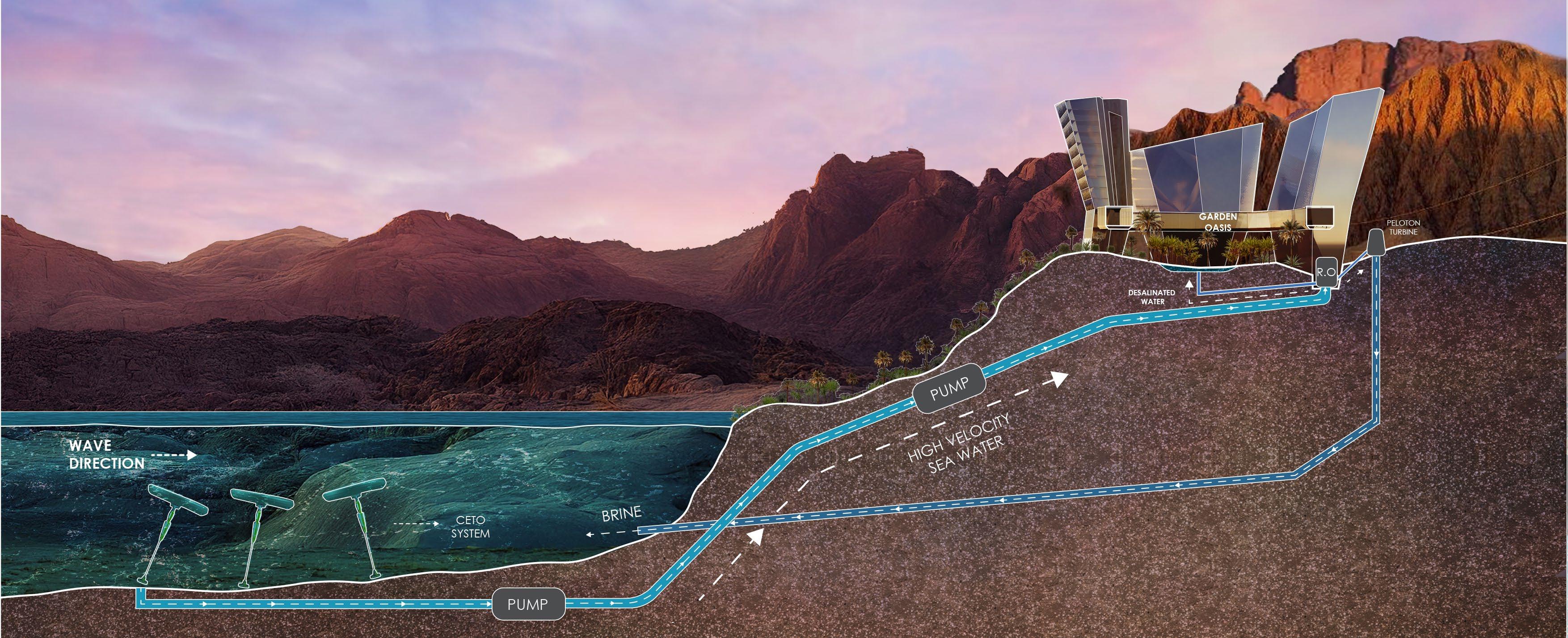
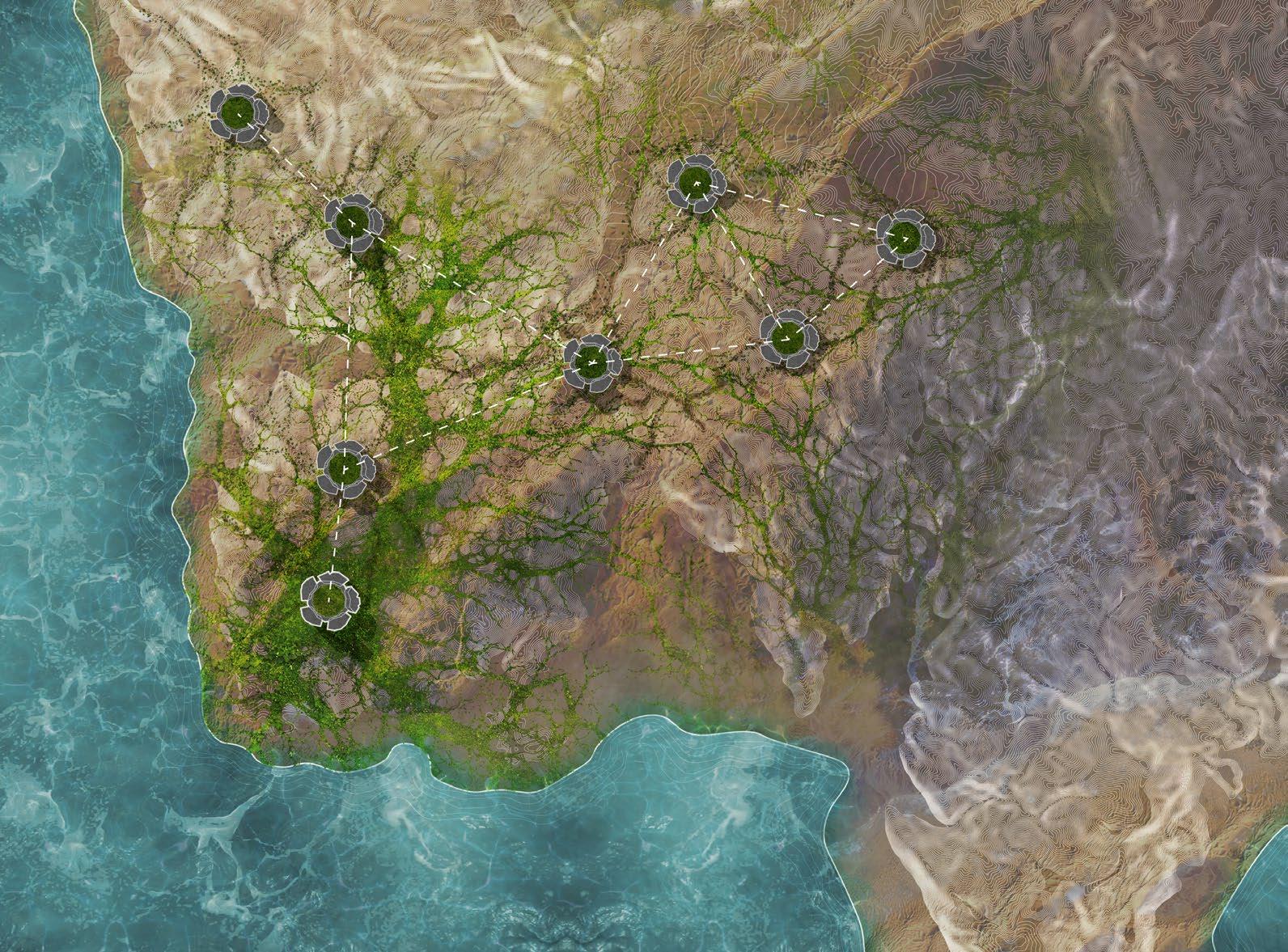
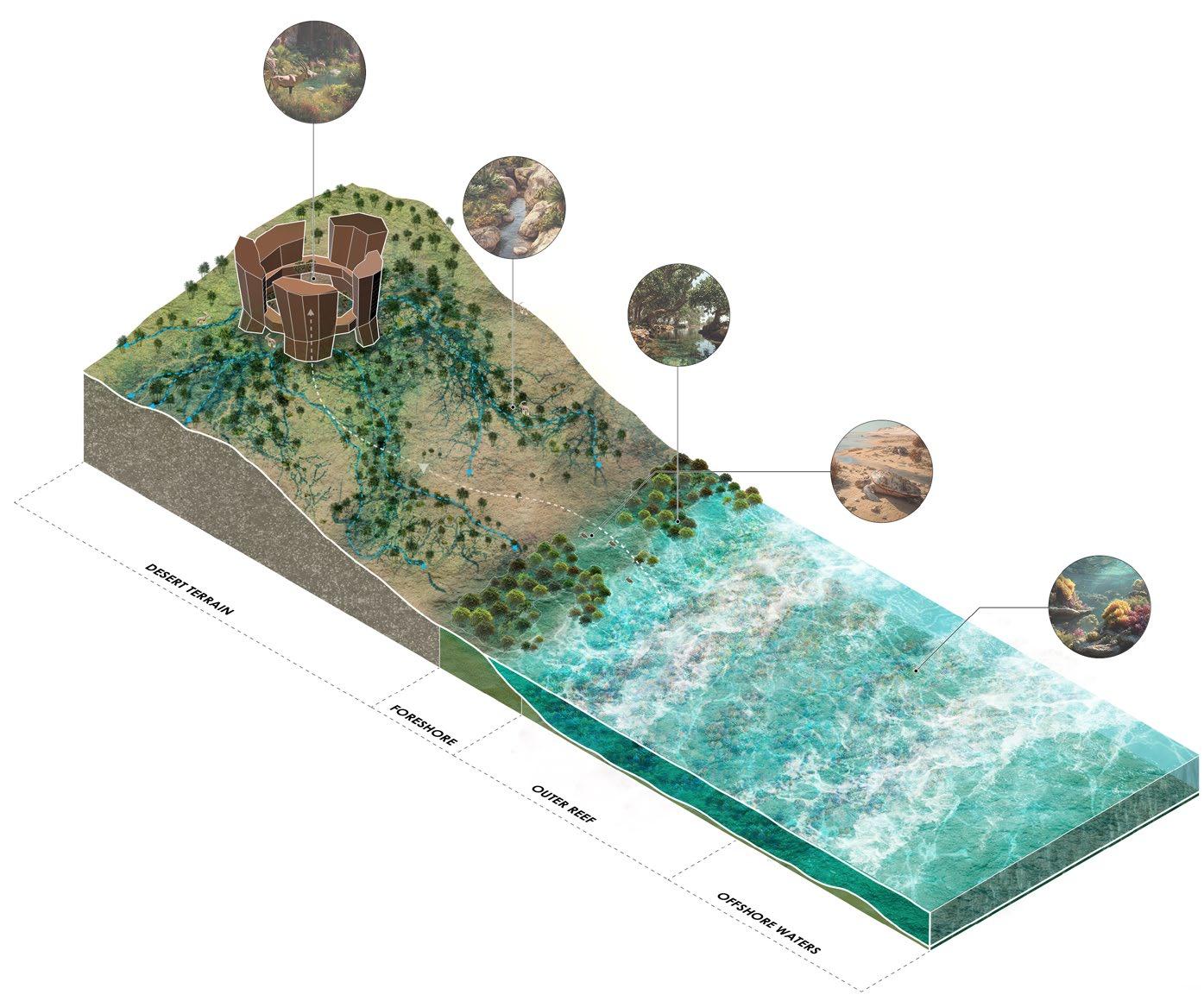
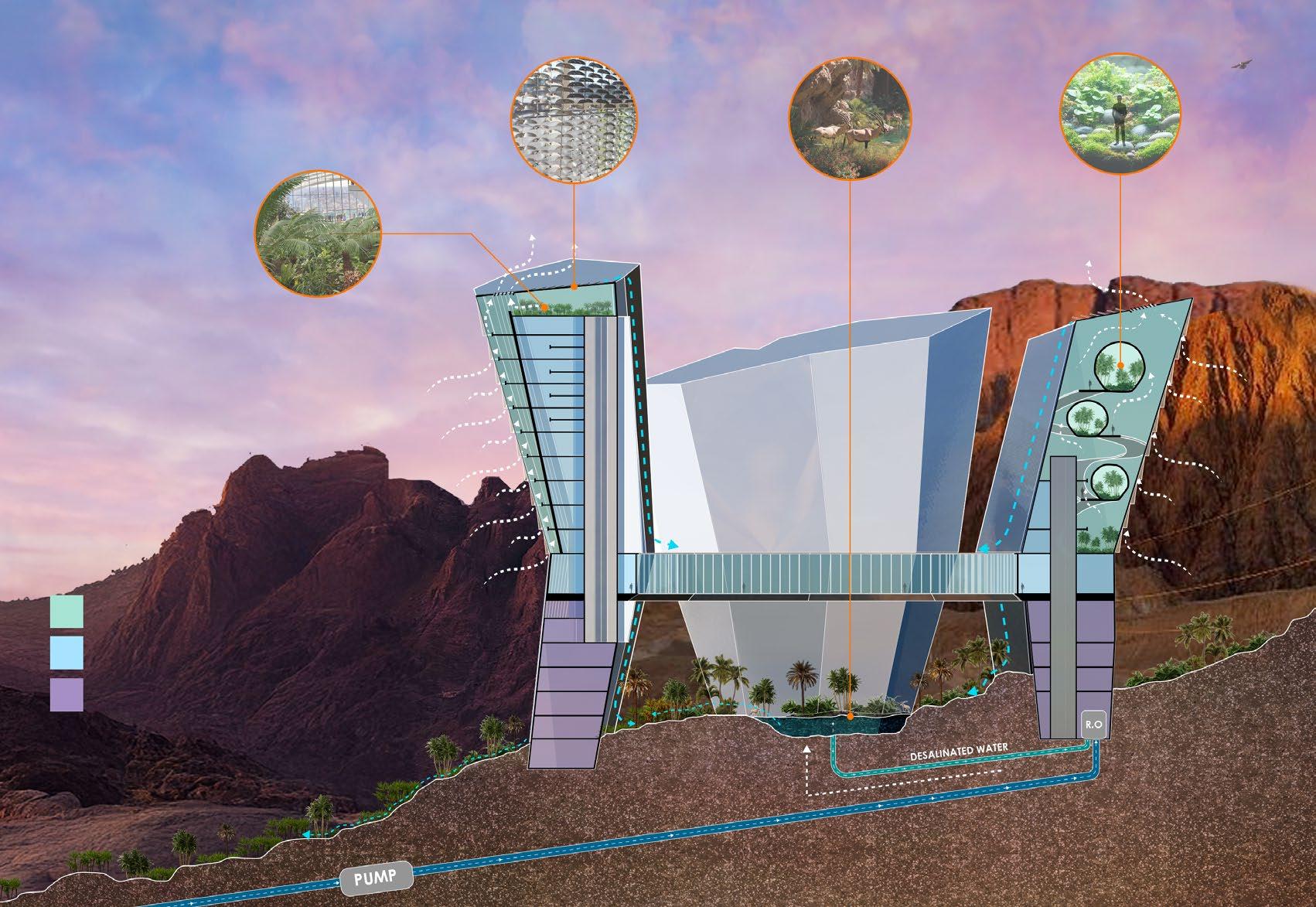
Desert Rose Regenerative Community is a project for regenerating the Red Sea’s coastal deserts by creating a sustainable, climate-adaptive communities designed for long-term habitation. Rooted in the region’s prehistoric ecology, the concept draws on human ingenuity and the growing shift toward remote, nature-based lifestyles - making such communities both viable and essential in the broader effort to reverse climate impacts. The project begins as a node on a regenerative network of recycled seawater and harvested atmospheric water that, through human-led ecological engineering, initiates a localized hillside spring. Streams cascaded from the source create and sustain a microclimate, allowing life to thrive in the crevices of an otherwise dry, rocky landscape. Each Desert Rose connects into a network, fostering continuous growth through positive human contributions that enrich the land.
Moderated Climate Zone (18-32 Celsius)
BOTANICAL CONSERVANCY
OASIS
DESERT GULLIES
MANGROVE FOREST
NESTING GROUNDS
CORAL REEFS
by
Climate Control Zone (23-26 Celsius) BOH Zone / Tech Zone (12-35 Celsius)