fall 2024 juicy
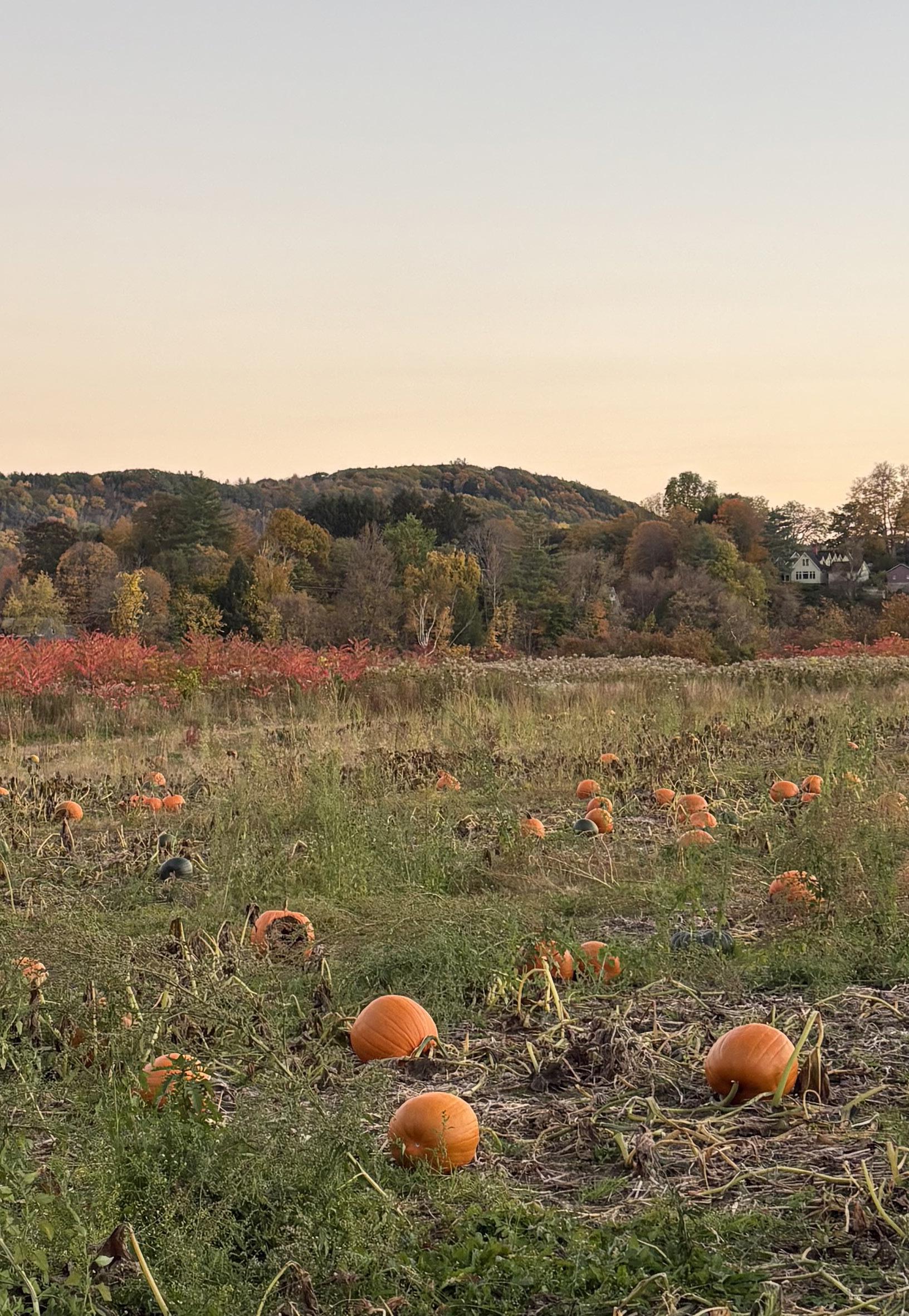
Juicy is back for the Fall 2024 season to remind you to be good to yourself, be kind. I’m back to tell you and tell myself it’s OK to take a break. Also, that you should feed your body and move your body and listen to the birds outside. Watch the leaves fall. Then watch your favorite TV show, because that’s important, too.
I’ve noticed that this fall, for me, feels less focused on Halloween spooks and more focused on, like, maple syrup and Uggs. Daydream ing and pumpkin spice through a straw. And gratitude for the people I love. That’s you!
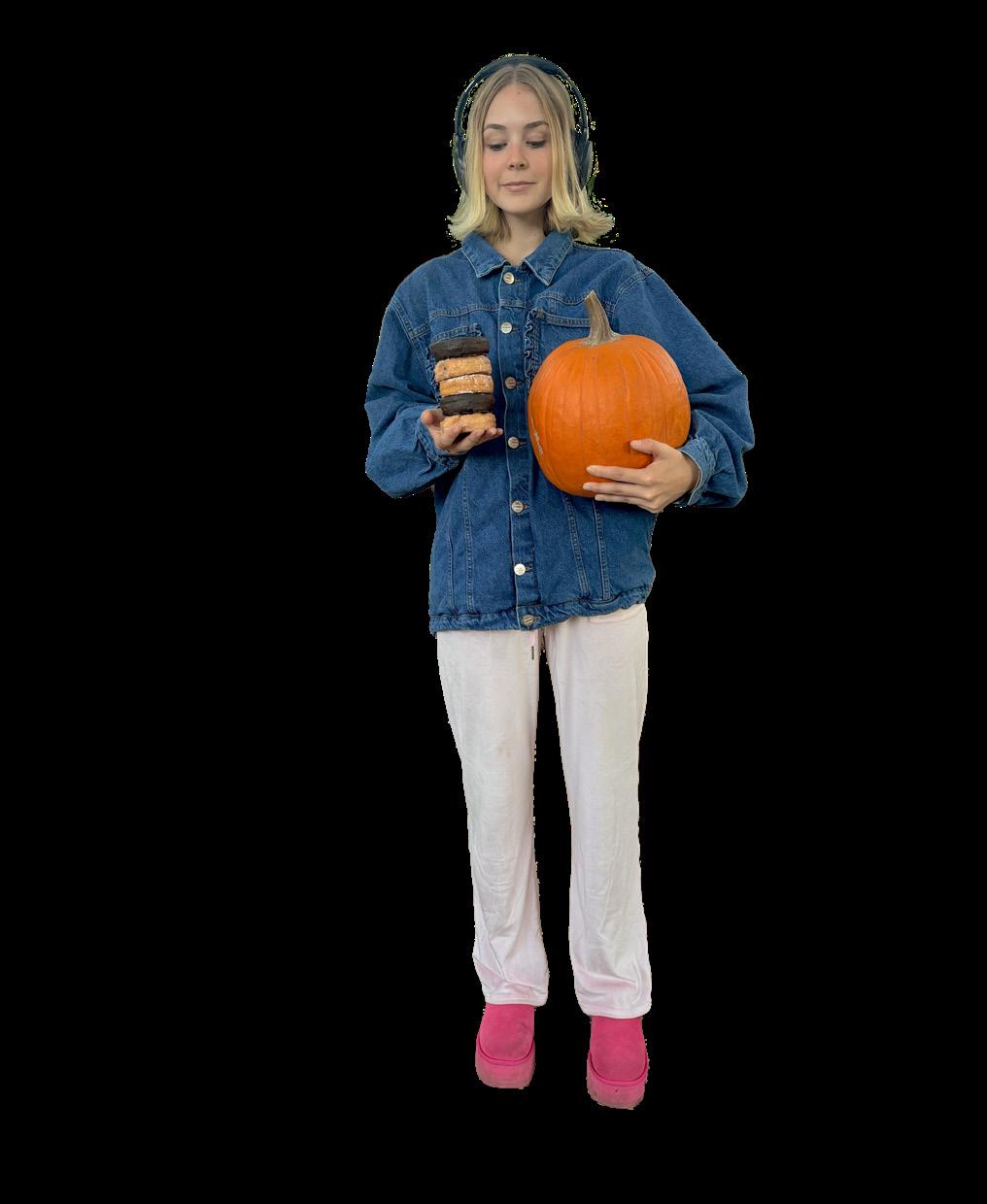

My Fall Foodie Heroes!
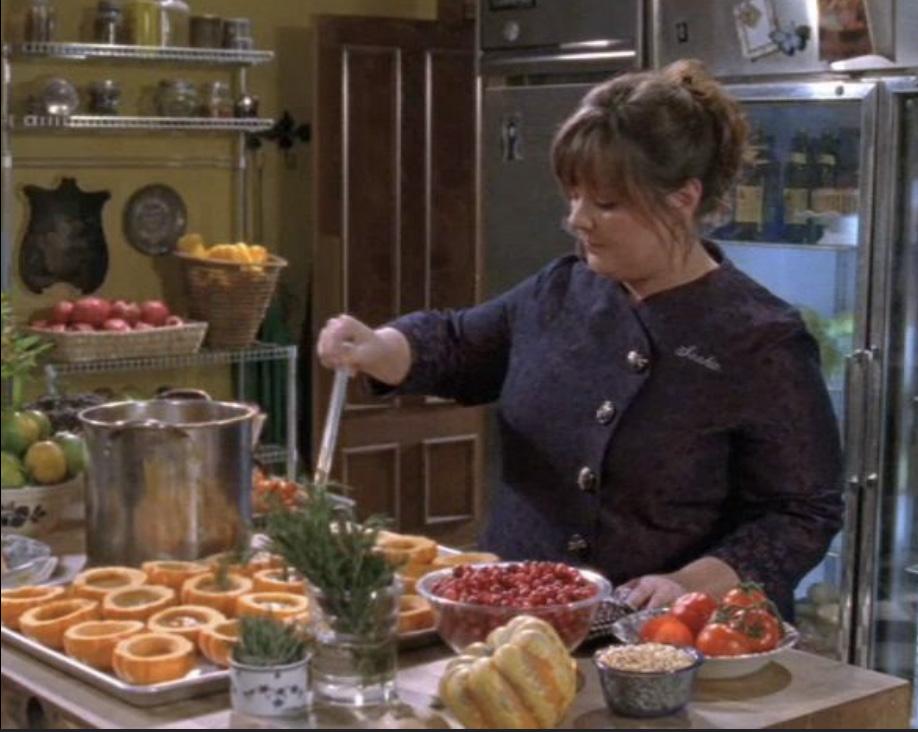
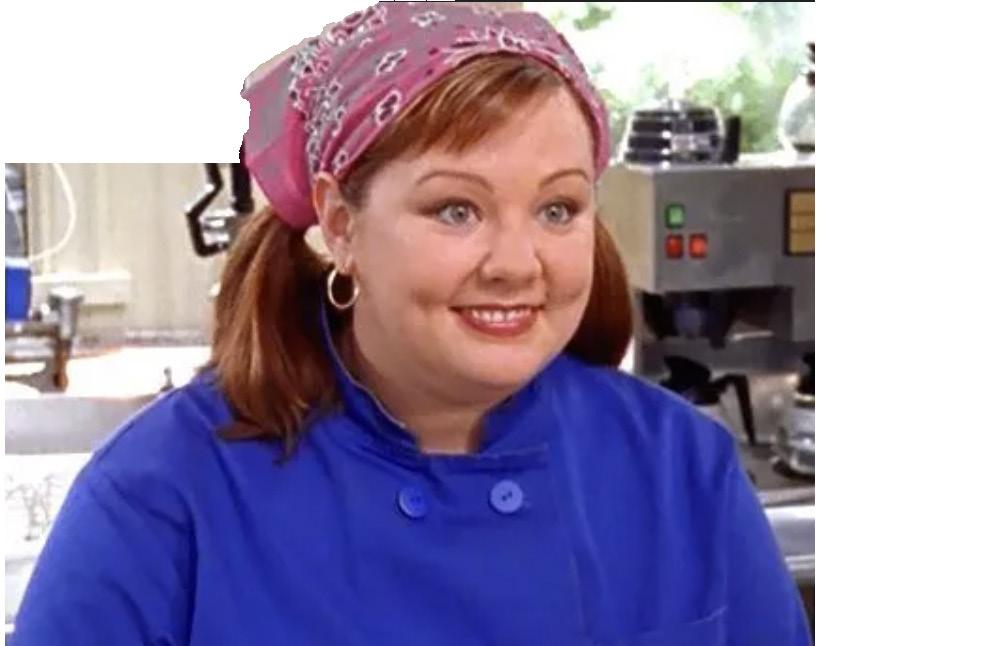
Sookie St James
Fall, autumn, Gilmore Girls season, whatever you wanna call it... Sookie St. James is the perfect antithesis to the Gilmore nokitchen-necessary lifestyle, and creates the most divine and seasonally celebratory dishes at the inn where she works as the head chef. The comfort she brings to her family and friends through her cooking translates directly into the comfort we all feel watching them on TV. Plus, her enthusiasm for fresh produce and elaborate desserts is contagious. Here’s what a day in Sookie’s kitchen looks
Breakfast
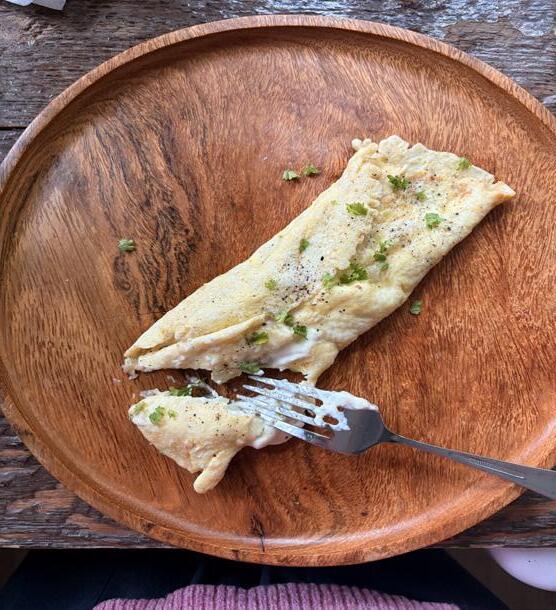
Goat cheese omelette cooked in sherry olive oil
Lunch
Grilled three cheese sandwich
Lobster bisque
Dinner
Saltwater Bourbon brined pork chops
Brussels sprouts with garlic olive oil
Dessert
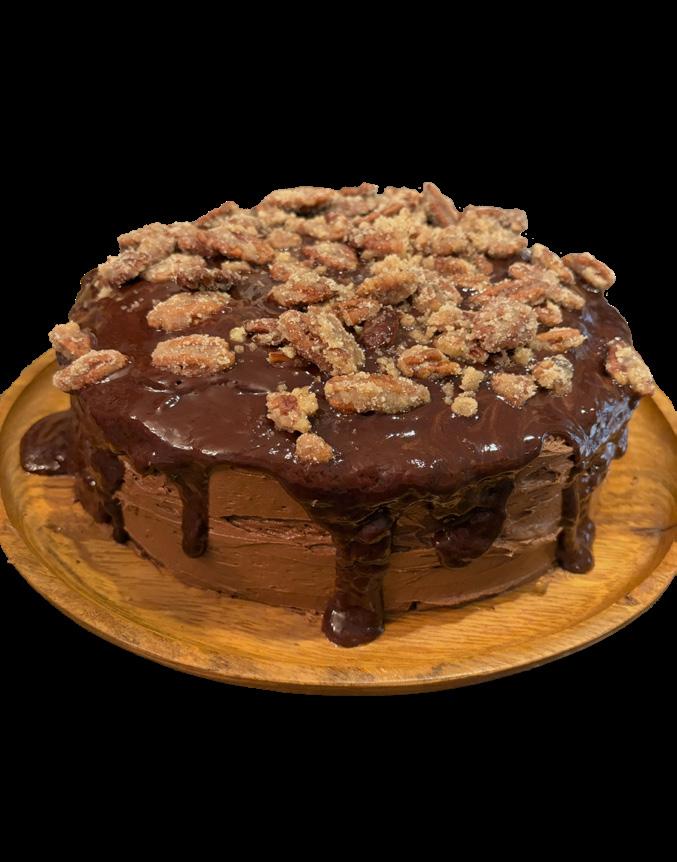
Chocolate praline crunch cake
Apple cider ice cream
Agent Dale Cooper
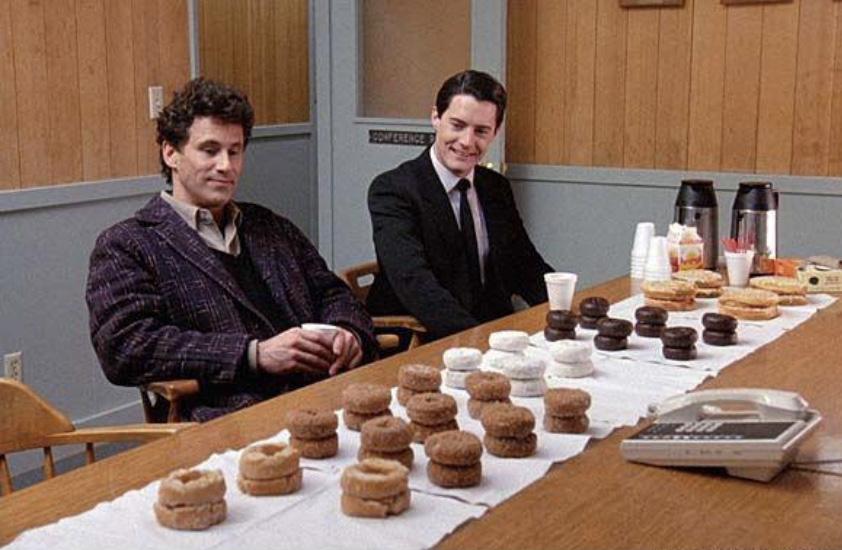
Dale Cooper of Twin Peaks, on the other hand, is not a chef, but rather a connoisseuer of taste.
The true definition of a foodie. Cooper’s character is essential to the mysterious plot (or whatever the Lynchian adjacent to “plot” is) but so is the food he consumes and adores. Some say the pastries and piping hot coffee have symbolic meaning, like only the purest souls are worthy of sweetness.
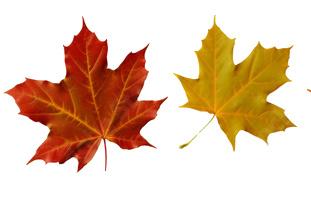

Maybe this is true, or maybe they represent his weaknesses, as the deeper he goes into his investigation-- the more donuts pile up on the conference table before him-- the more intrigued by the dark forces he becomes. Whatever they stand for, they are vital to Cooper’s success and further, I would say that his love of donuts, coffee, and cherry pie plays a huge part in elevating the show to true autumnal classic. A diner feels like a fall venue thanks to Dale Cooper.
Pixelated Delicacies: Baked Alaska, Etc.
By Ashley Finnell
The entire concept of food anthropology or food as a pillar of cultural life relies on the fact that everybody eats. Throughout the world we will have vastly different diets, but without sustenance we couldn’t survive. The same is true in the made-up world of video games. There were many appearances of food in early video games, but most of these games were very basic gameplay; they had cuisine-related themes, but were limited to up-down-side-to-side motions and pixelated burger toppings. The goal is the assembly of a food item, or to beat food-themed antagonists. Then came the restaurant-based games which give the player the goal of business success and customer satisfaction, typically including dollar earnings. This type of game has been created a thousand times on every platform, console, or phone App Store. We are able to simulate the capitalist structure we live in. (Joy!)
There are also games which simulate cooking or dish-construction which are not business-related. The Cooking Mama franchise gives the player motivation to finish a dish under time constraint, with proper technique— same as restaurant-based games. You’re just working for your mother’s approval instead of tips.
In many modern games, and especially in “sandbox games” or life simulation games— which give the player free will to
walk whatever path they choose— you will need to consume something to keep energy levels up and keep your character alive. In Stardew Valley, items you’ve collected or crops you’ve grown can be eaten as they are or combined with others to create new dishes. You receive recipes from neighbors you befriend. Some of these dishes are classics— like spaghetti— and some are completely made up. A few of these items you would not want to eat in real life (for example: Algae soup). And though you don’t have to cook any recipes, players may find added benefits to cooking; for example, eating fish tacos gives you a temporary boost in fishing skill, so you’ll have good luck catching more fish, more easily. The same is true in the Zelda games, newer Pokemon versions, and many others. Food is a superpower.
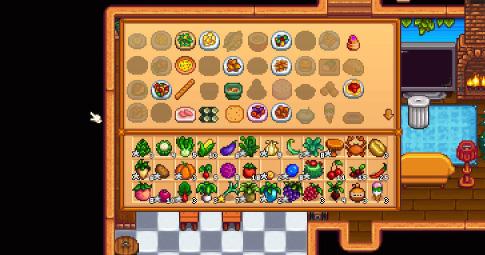
“You can live forever, or bring loved ones back from the dead. You can also make a saved shopping list for the grocery store, and learn new recipes from the library’s cookbooks.”
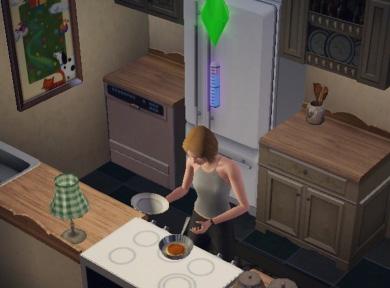
The Sims, a popular life simulation series since 2000, offers nearly endless possibilities for players to mess around with life consequence-free. For those smart (or sadistic) enough to figure it out, you may kill other Sims. You can become a criminal, and there’s a career track for it. You can live forever, or bring loved ones back from the dead. You can also make a saved shopping list for the grocery store, and learn new recipes from the library’s cookbooks. To each their own.
In these games you may accomplish a lot: You can become a world-renowned chef in much less time and with much less effort than in reality. You can become skilled enough to make Baked Alaska (by the way, does anybody actually know how to make that?) with much less dexterity and patience than you would need to make a real Baked Alaska. The world is your oyster, but when you close that laptop, you realize it’s temporary. You don’t get the reward of tasting the Baked Alaska you made. Why bother exploring food, or any other interest, in a game like this? My truth is that I grew up playing The Sims and I didn’t know what a lot of the foods were that I had my Sim making. Chili con carne or lobster thermidor, though admittedly not as common as I thought they might be in adulthood, were dishes I thought sounded intriguing and adventurous. I asked for lobster at my tenth birthday dinner, though I’d never had it. As they updated and came out with new versions of the game, the palate expanded, too. My Sims learned to make carbonara, dim sum, and ratatouille. Even later on, they got to try bhel puri, empanadas, or pho from nearby food stands.
“Food is a superpower.”
I got high one time when I was about eighteen and decided to make a fried peanut-butter-and-banana sandwich. I had never made this before, never tried it, but it was deep in my memory from something, and it was all I wanted in that moment. I didn’t realize until much later that I had bought the recipe for it from the bookstore when I was about 10 years old. Well, my Sim did— it was the bookstore in The Sims 3– and she was a young adult with free will— actually, my will— and she made it, and I wanted it. So I finally made it, too. Luckily, in reality, you don’t really need a recipe nor very much skill for that one.
When someone discovers something new through a video game, it counteracts the aspect of the game which many so thoughtfully refer to as the “brainrotting” effect.
It actually may expand this person’s life and knowledge, like reading a book. I am not saying that playing a video game is equivalent to reading a book, but a curious and creative mind will glean everything it can from a made-up world. And maybe, turn it into reality.
8

The peaks and valleys of South Lake Tahoe make me hungry. As we make our way, winding up and down hills to our lookout point of destination, there’s a hint of sweetness to the air. Back home-- well-- in New York, you get luscious smells at select times of the year. About a week in the Spring, when the trees are flowers, and in the Fall, when the humidity cracks like Cola on ice into a cool crisp morning. In Nevada, late May, the air is so pure it almost hurts. And it smells like butterscotch.
It’s something about the pine trees, all the different kinds; I watch my sister’s boyfriend explain to her how to differentiate between them. They pump out this scent in the warm sun like it’s Disneyland. And as we walk further, we come across sagebrush, which we can all recognize by sniffing it, and Jacob keeps a sprig with him, bringing it to his nose here and there along the path. We muse about turning it into bread, and I can’t stop dreaming about freshly baked treats.



I spot manzanita bushes, which stand out due to their flat, round, pale green leaves and small berries. This reminds me of our childhood, which, luckily, we spent outside, imagining the small clearings between the bushes and rocks to be our homes. My sister would make tea from the manzanita berries, and I, a chef from a young age, made pies and other dishes with the most abundant ingredient I had: dirt. I’d invite her, or my friends who I allowed into this precious little world we created, for dinners of dirt and dirt, and we’d discuss her latest expedition into the undeveloped and overgrown area behind the neighborhood-- a land we named and explored often, and where my sister searched for medicinal herbs. A witch from a young age. On the journey back to the car, we all can’t wait for a sandwich and a cold beer. A hike, or even just a lake or river excursion, requires a good sandwich, consumed either during or after the adventure. I did not make this rule, but I live it. Maybe it’s my job to think like this now, but everything is food.
I cut my hair, hoping it will finally behave
I’m brushing and tugging and combing my hair and wondering why it won’t be smooth-- polite-noticing the freckles and blemishes all over my back and arms, trying not to scream at the chaos in my home that persists no matter how hard I wish for calm. I have too much stuff. My hair’s in my face again. The cat won’t stop meowing. The outfit I chose isn’t sitting right on my small breasts, my slender figure. I wake up feeling groggy, with a sense of urgency to fix my life and everyone else’s.
I’m too stubborn to accept my shortcomings. No one will tell me my hair’s too messy, but they will tell me more important things that I refuse to hear.
I realize where all of these “faults” of mine stem from, where I get my frizzy wild hair, whose home was never quiet nor quite as neat as some-- who is stubborn enough to die on the hill of not being stubborn, whose guilt causes headaches and whose time in the sun has created constellations along her skin. Suddenly, these faults feel more human than error.
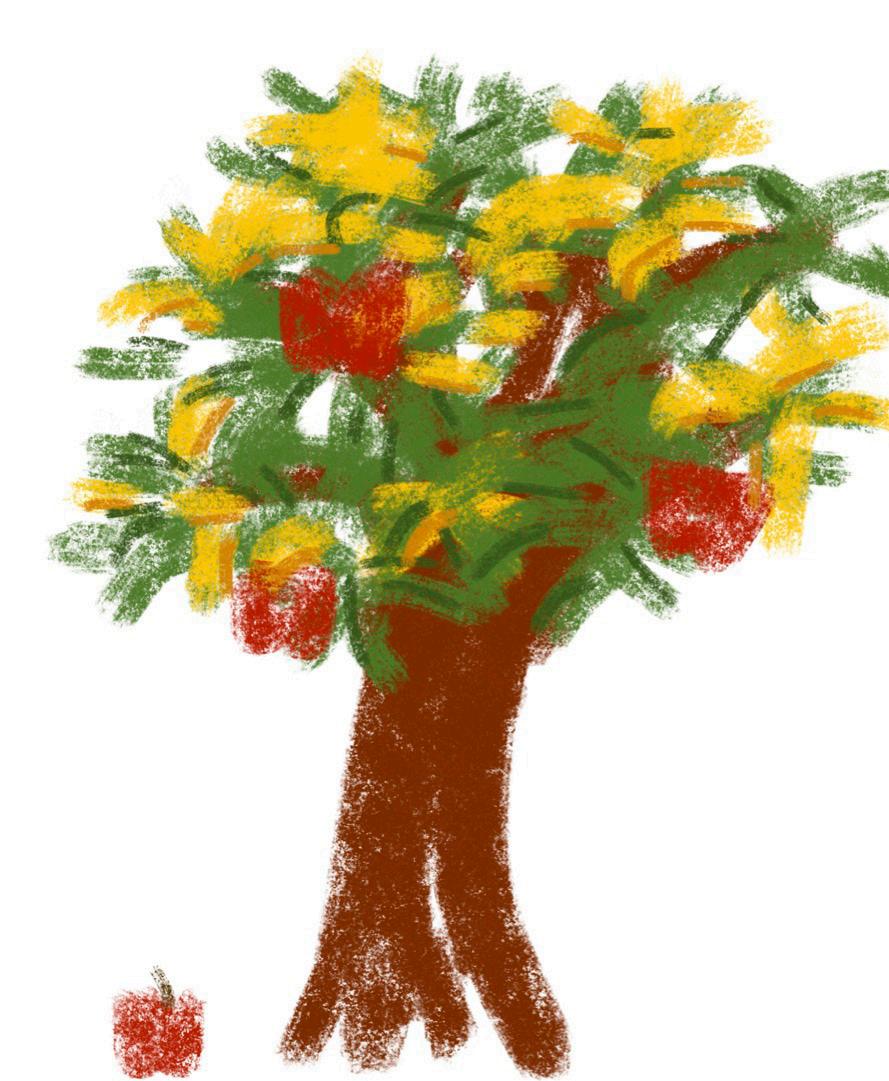
My mother lays in bed, weak from chemotherapy, thinking up all of the foods that sound so tempting and dangerous to her sensitive stomach. She says she wants a bean-and-cheese burrito-- fried-- like her grandmother made for her when she was young. The apple doesn’t fall far from the tree.

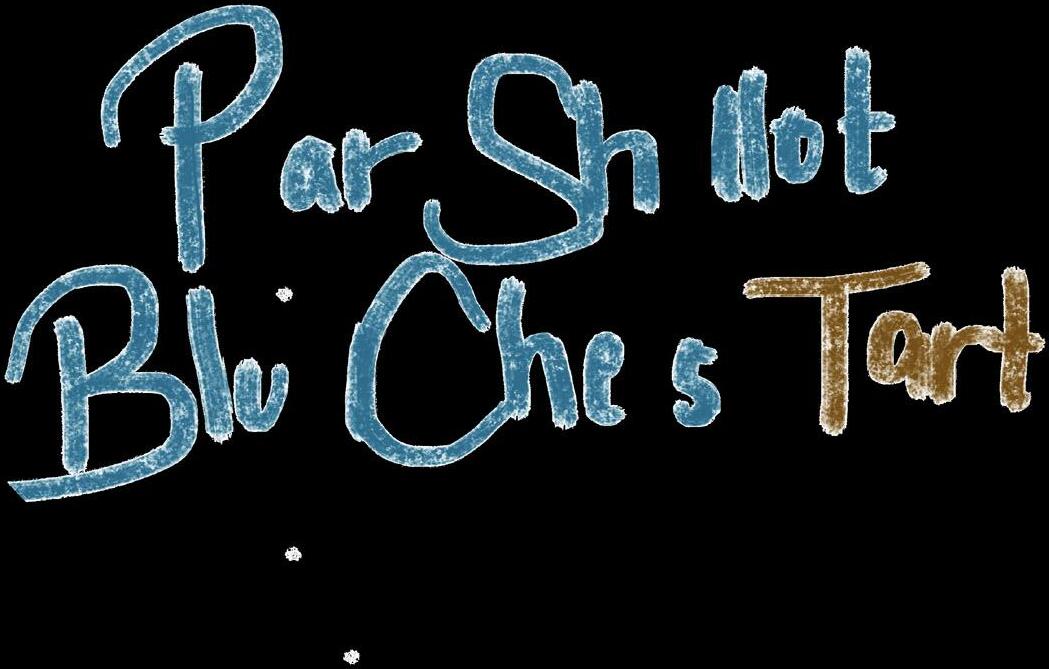

• 1 pre-made pie crust
• spoonful of creme fraiche or sour cream
• 1 pear, cored and sliced about 1/4 inch
• 1 small shallot, or 1/2 large shallot, thinly sliced
• 1/2 cup blue cheese, crumbled
• 1 Tbsp olive oil
• 2 sprigs thyme
• salt and pepper
• honey

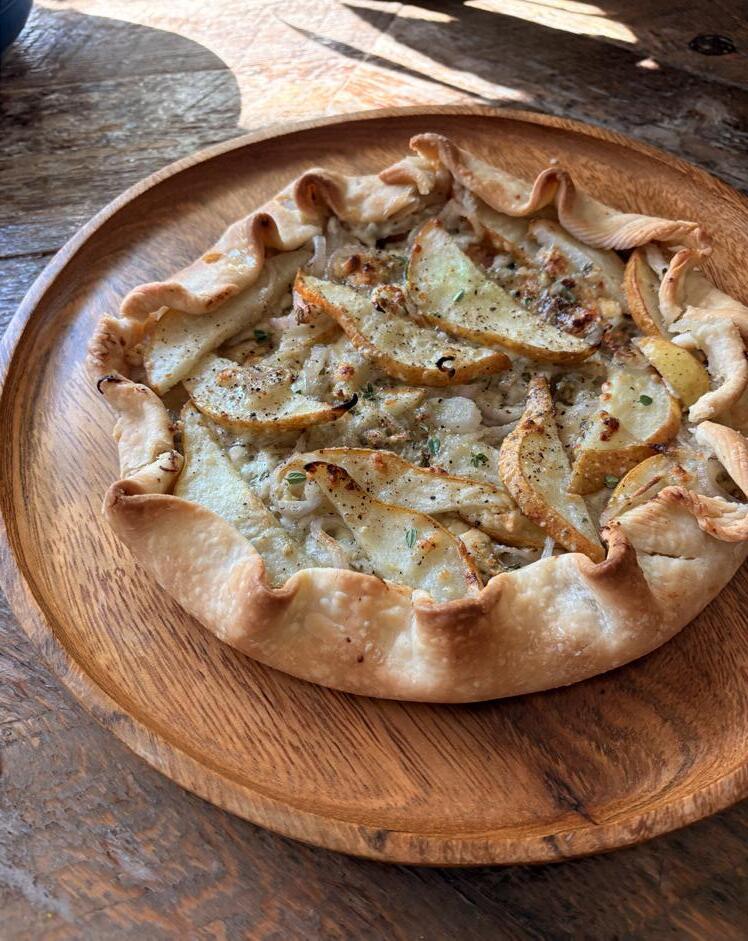
round pie crust on a baking sheet or in an 8inch round pan. Leaving about an inch-and-a-half of dough on the edge to fold over, spread the spoonful of creme fraiche thinly over the area of the crust.
In a medium bowl, combine the pear slices, shallot, blue cheese, and olive oil. Add generous salt and pepper and one sprig of thyme.
Pour the mixture into the crust and fold the edges inward, fluting to avoid overlap. Optionally brush the exposed edges of crust with a touch of olive oil.
Bake for 20 minutes, until the center of the crust is fully baked. As it cools, drizzle honey over the top and garnish with more thyme.