ICU Care
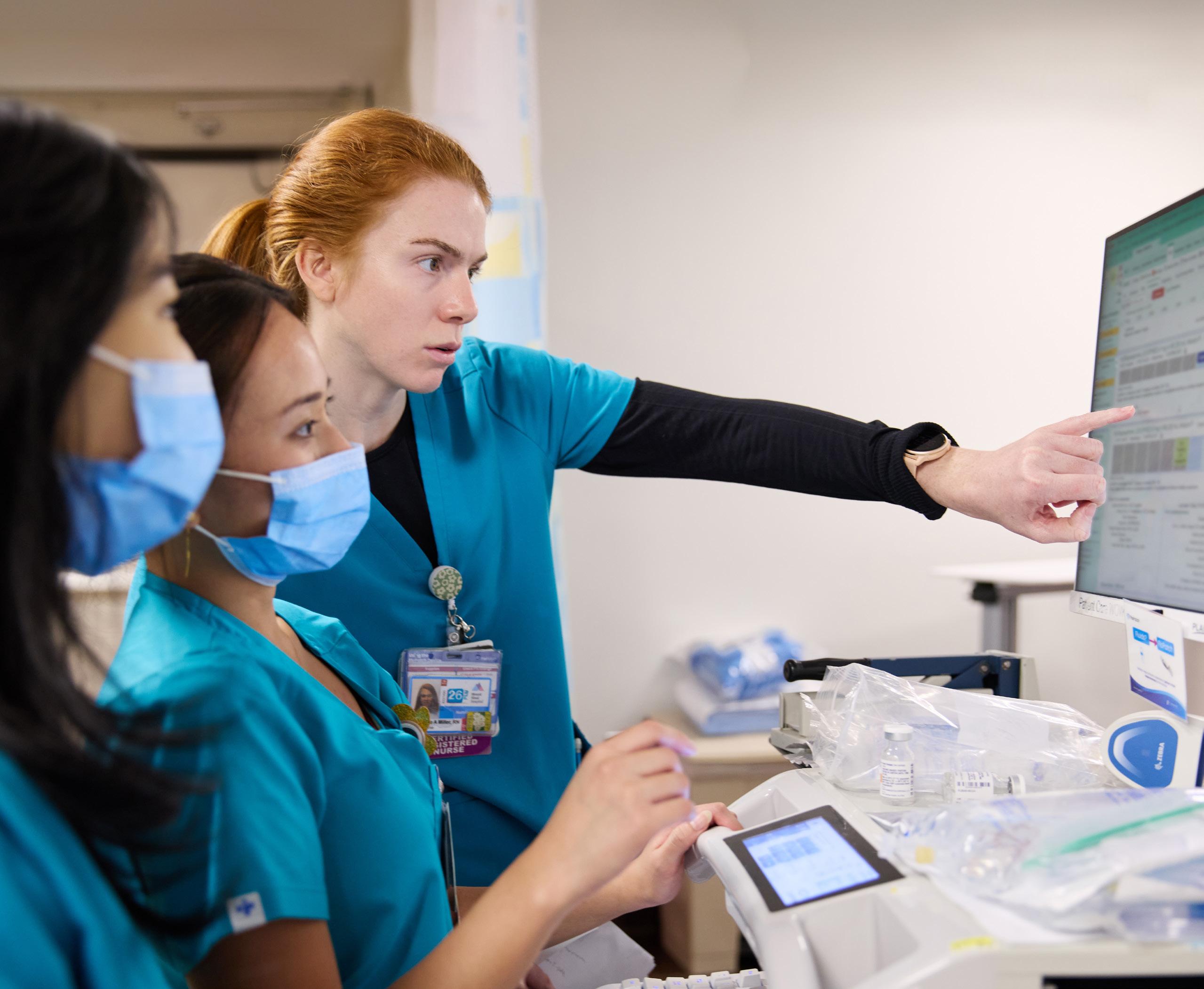
Being in the Intensive Care Unit (ICU) can be a stressful and uncertain time—for both patients and their loved ones.
This guide, developed by the Institute for Critical Care Medicine (ICCM), is intended to provide helpful information about what to expect during an ICU stay at the Mount Sinai Health System.
Inside, there are details about the care team, common procedures and equipment, how we support recovery, discharge planning, and ways families can stay involved.
Our goal is to provide clarity and comfort during this challenging time.
Please don’t hesitate to ask any member of your care team if you have questions—we are always here for you.
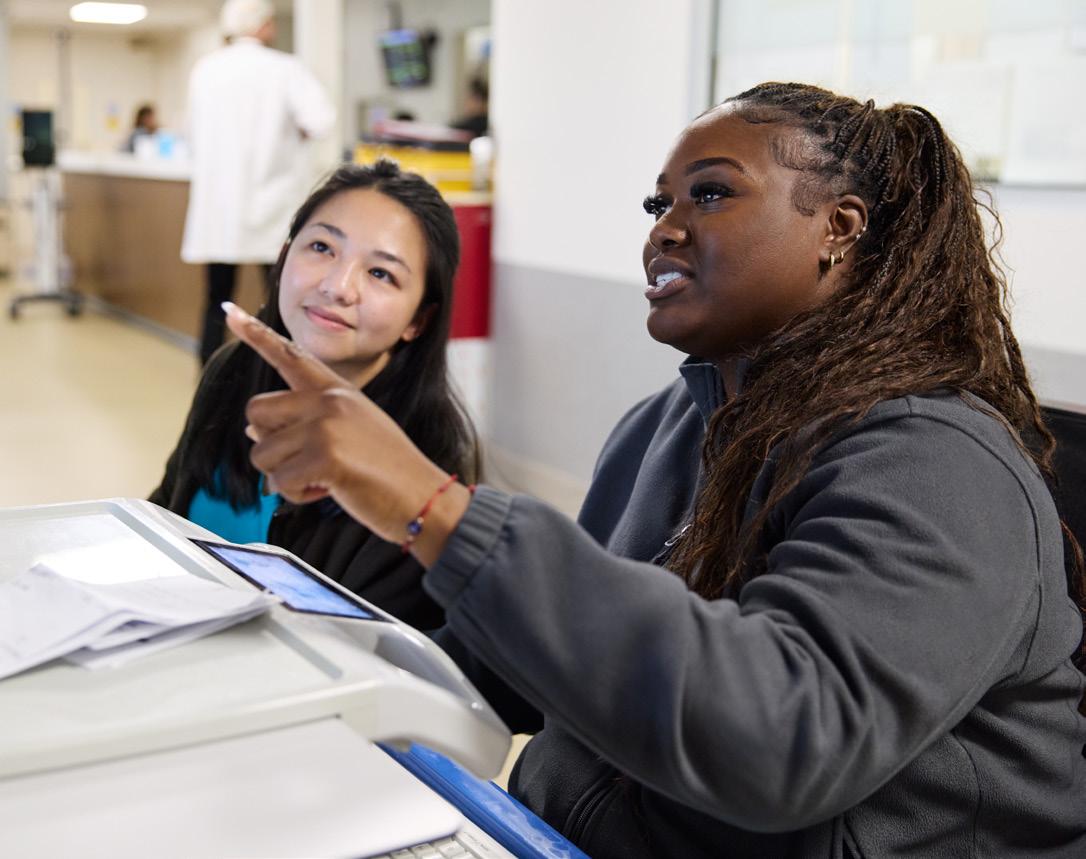
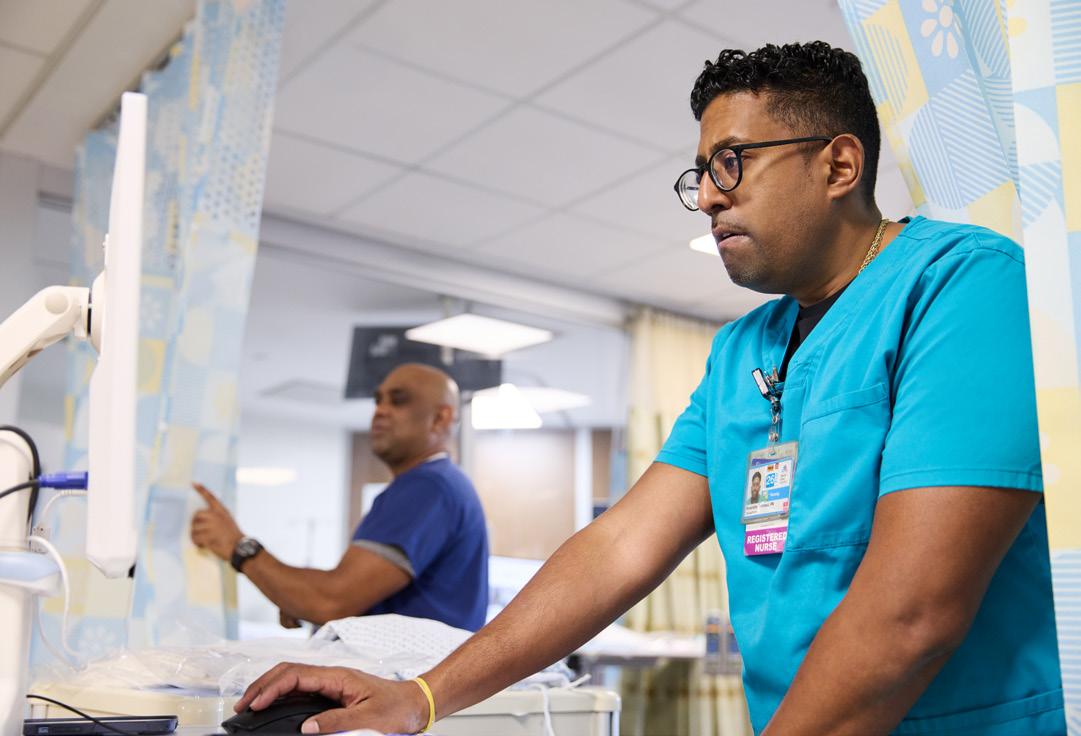

The Mount Sinai Health System is one of the largest academic medical systems in the New York metro area, with seven hospitals, 400 outpatient practices, and 9,000 primary and specialty care physicians. The system also operates 10 free-standing joint-venture centers throughout the five boroughs of New York City, Westchester, and Long Island.
Mount Sinai’s mission is to provide compassionate, patient-centered care while advancing medicine through leading-edge research, education, and community partnerships. With facilities spanning a wide region, Mount Sinai delivers seamless access to high-quality care for the diverse communities of the New York metropolitan area and beyond.
Hospitals within the System are consistently ranked by Newsweek’s® “The World’s Best Smart Hospitals, Best in State Hospitals, World Best Hospitals and Best Specialty Hospitals” and by U.S. News & World Report’s® “Best Hospitals” and “Best Children’s Hospitals.” The Mount Sinai Hospital is on the U.S. News & World Report® “Best Hospitals” Honor Roll for 2025-2026.
Internationally recognized for leadership in patient care, education, and research, Mount Sinai has long been at the forefront of medical innovation. Its commitment to reducing health disparities and improving outcomes ensures that patients and families receive the very best care—locally, nationally, and globally.
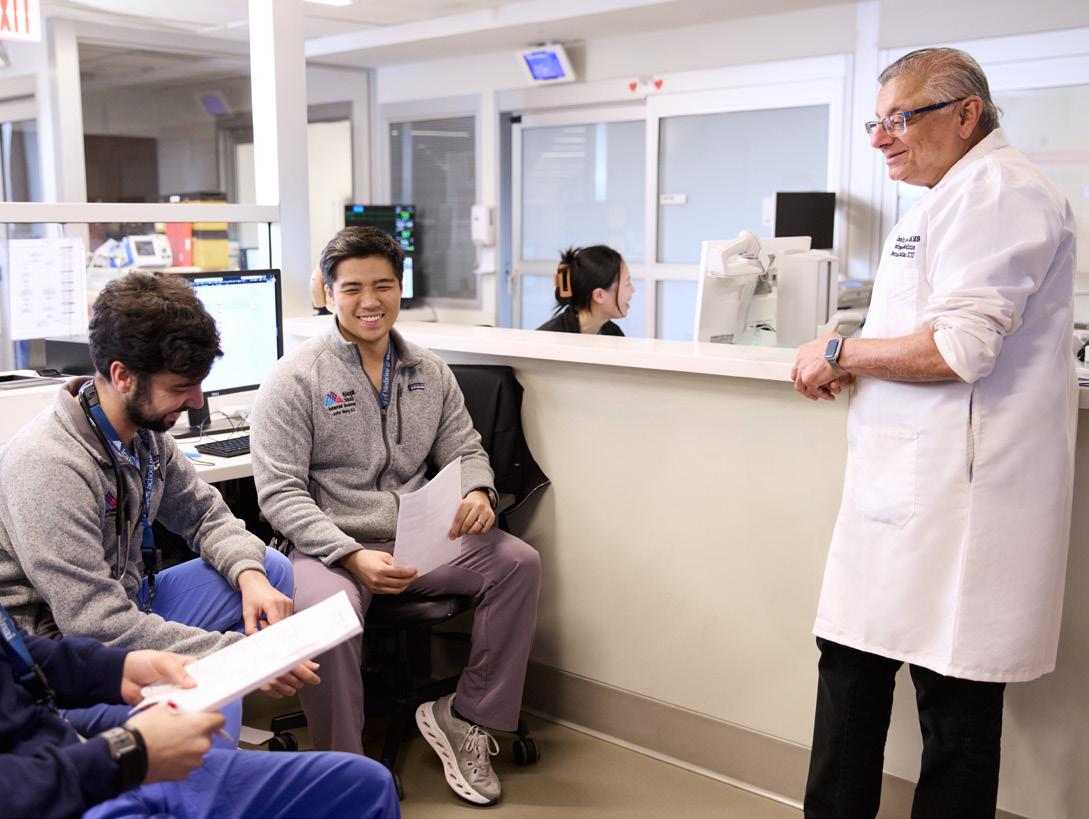
The Institute for Critical Care Medicine (ICCM) brings together more than 100 board-certified specialists in critical care, who provide 24/7 care for patients across 17 intensive care units within the Mount Sinai Health System. ICCM was created to standardize excellence in ICU care, foster innovation, and ensure that every critically ill patient receives the safest, most effective, and most compassionate treatment.
Patients also benefit from a network of highly specialized teams, such as the Rapid Response Team, Vascular Access Service, Central Intensivist Service, Nutrition Support Team, Stepdown Support Team, and the Difficult Airway Response Team. Together, these teams deliver coordinated, specialized care that enhances patient safety and improves outcomes.
ICCM has introduced systemwide initiatives such as the Respiratory Recovery Pathway, and the Progressive Respiratory Failure Pathway, which improve recovery and shorten ICU stays. These programs have helped Mount Sinai ICUs achieve some of the best outcomes in the region, with many units earning Beacon Awards for Excellence in Critical
Care Nursing—a national recognition of outstanding patient care, teamwork, and supportive work environments.
ICCM’s leadership in quality and safety has also been recognized through its collaborations with the Society of Critical Care Medicine, including acceptance into the ICU Centers of Excellence Program. These honors reflect the institute’s strong culture of innovation, teamwork, and commitment to advancing the highest standards in critical care.
Beyond direct care, ICCM is shaping the future of medicine through clinical research, global health partnerships, and fellowship training. By developing the next generation of critical care providers and contributing to national and international innovation, ICCM continues to build on its legacy as a leader in critical care medicine.

Roopa Kohli-Seth, MD
System Director, Institute for Critical Care Medicine
The Mount Sinai Hospital
We ask that all visitors please follow the policy below.
General Guidelines
• If you feel sick (cough, sore throat, fever, chills, etc.), please postpone your visit to protect patients.
• Masks: Optional in most areas. Required in the neonatal intensive care unit (NICU), and if you’ve had recent COVID-19, cold/ flu symptoms, or a COVID-19 exposure in the past 10 days. Masks are available at entrances and nurses’ stations.
• Staff will wear a mask upon request.
• Clean your hands with soap and water or hand sanitizer when entering and leaving the room.
• Please remain in the patient’s room unless asked to step out. Visitors may not stay during procedures or in recovery areas.
of Operation:
The Mount Sinai Hospital, Mount Sinai Queens, Mount Sinai Morningside, Mount Sinai West:
General visiting hours are from 9 am to 9 pm daily, though hours may vary for certain units. Two visitors are allowed at the bedside at the same time.
Mount Sinai Brooklyn: General visiting hours are from 10 am to 8 pm.
Two adult visitors are allowed at the bedside at the same time.
Mount Sinai South Nassau:
General visiting hours are from noon to 8 pm.
Two adult visitors are permitted daily, but only one at a time.
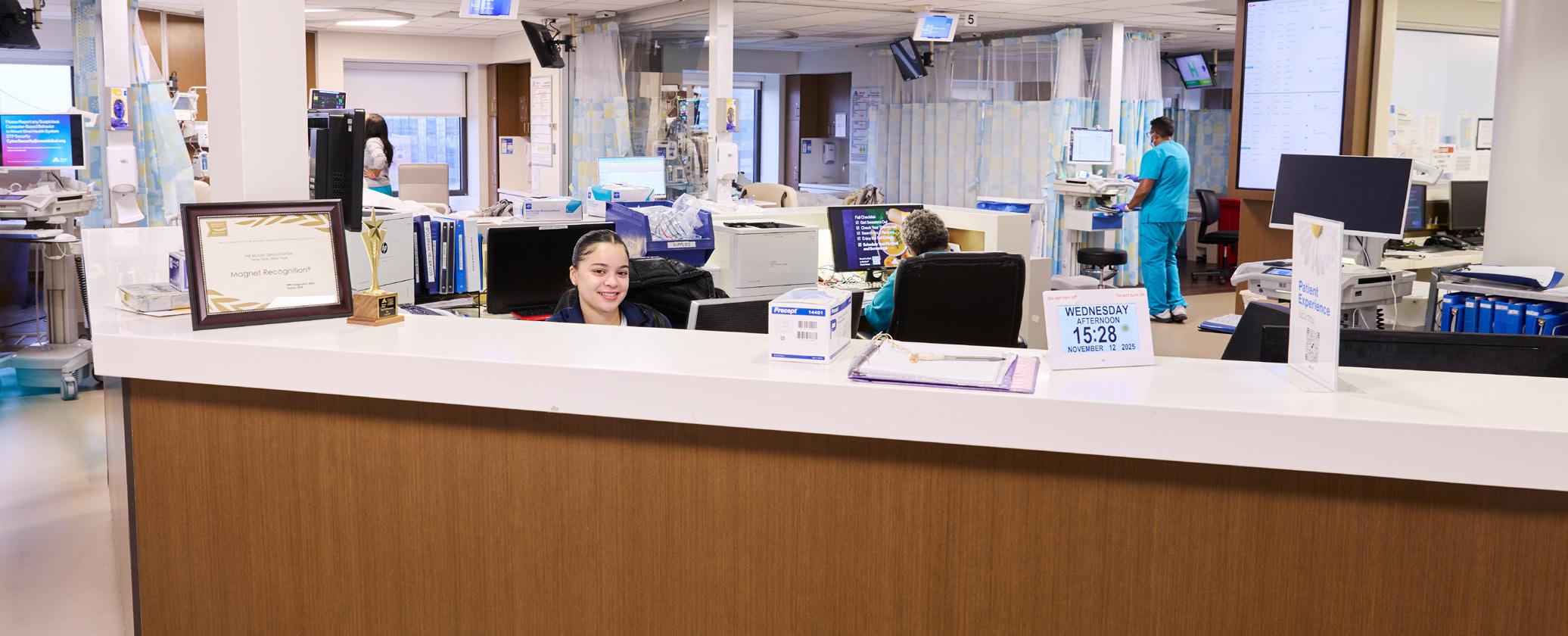
Attending Physicians (MD) direct the medical care and plan the treatment of your loved one.
Interns, Residents, and Fellows (MD) are doctors who are in postgraduate training in a particular medical or surgical specialty. Under supervision, they supplement the visits of the attending physician.
Physician Assistants/Nurse
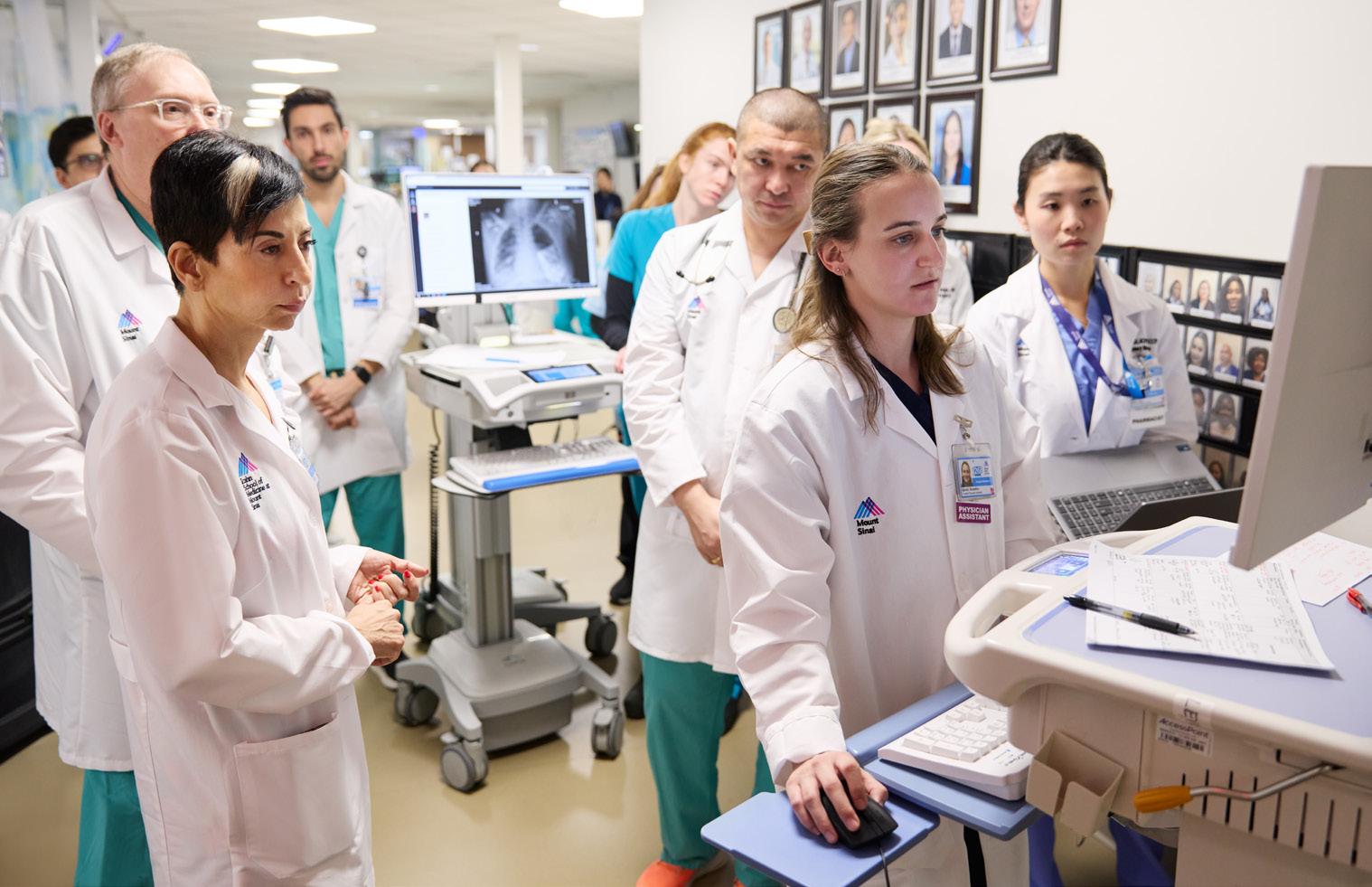
Practitioners (PA/NP) are advanced care providers who assess, treat and support patients in partnership with doctors.
Registered Nurses (RN) monitor your loved one’s condition, administer medications and provide hands-on care around the clock.
Patient Care Assistant (PCA)/Nursing Aid (NA) assist with daily activities like bathing, eating, drawing blood, and moving around.
Respiratory Therapist (RT) manage breathing treatments, ventilators and oxygen support for patients with respiratory needs.
Social Workers (SW) assist with discharge planning, counseling and connecting patients to community resources.
Physical Therapists/Occupational Therapists/Speech Therapists (PT/OT/ ST) help patients regain strength, mobility, speech, and independence with everyday tasks.
Chaplains offer emotional and spiritual support for patients and families of all backgrounds.
Registered Dieticians (RD) ensure patients get proper nutrition, whether through meals or a feeding tube if they can’t eat.
Some ICU patients may need extra help to breathe. A breathing tube is placed in the mouth or nose and connected to a ventilator. The ventilator gently pushes air and oxygen into the lungs and removes carbon dioxide, giving the lungs time to rest and heal.
The machine can be programmed to give regular breaths or step in only when the patient needs extra support.
Before placing the patient on a ventilator, the health care team may provide:
• Medications to make them feel relaxed (sedatives) and prevent pain (analgesics) .
• Fluids and other medicines through an IV to support their blood pressure (vasopressors) and keep oxygen moving to their organs.
Being on a ventilator isn’t usually painful, but it may appear uncomfortable.
If your loved one has a breathing tube in their mouth or nose, they won’t be able to talk or eat. But don’t worry—their care team will make sure they still get the nutrition they need through other ways, like through a feeding tube or IV.
Because the breathing tube is attached to the ventilator, the patient’s movement may be limited, and they may sometimes need to stay in bed.
Sometimes, their care team may have them lie on their stomach instead of their back to help their lungs work better and get more oxygen, this process is called proning.
While your loved one is on a ventilator, the doctors, nurses, and respiratory therapists will carefully monitor them. The team may do regular blood tests and chest X-rays to check how well their lungs are working and to make sure the breathing tube is in the right place. Based on these results, they may adjust the ventilator to better support their breathing.
Why do we limit ventilator time?
Prolonged ventilator use can increase the risk of infection and delay recovery. Our goal is to help patients breathe on their own again as quickly and safely as possible
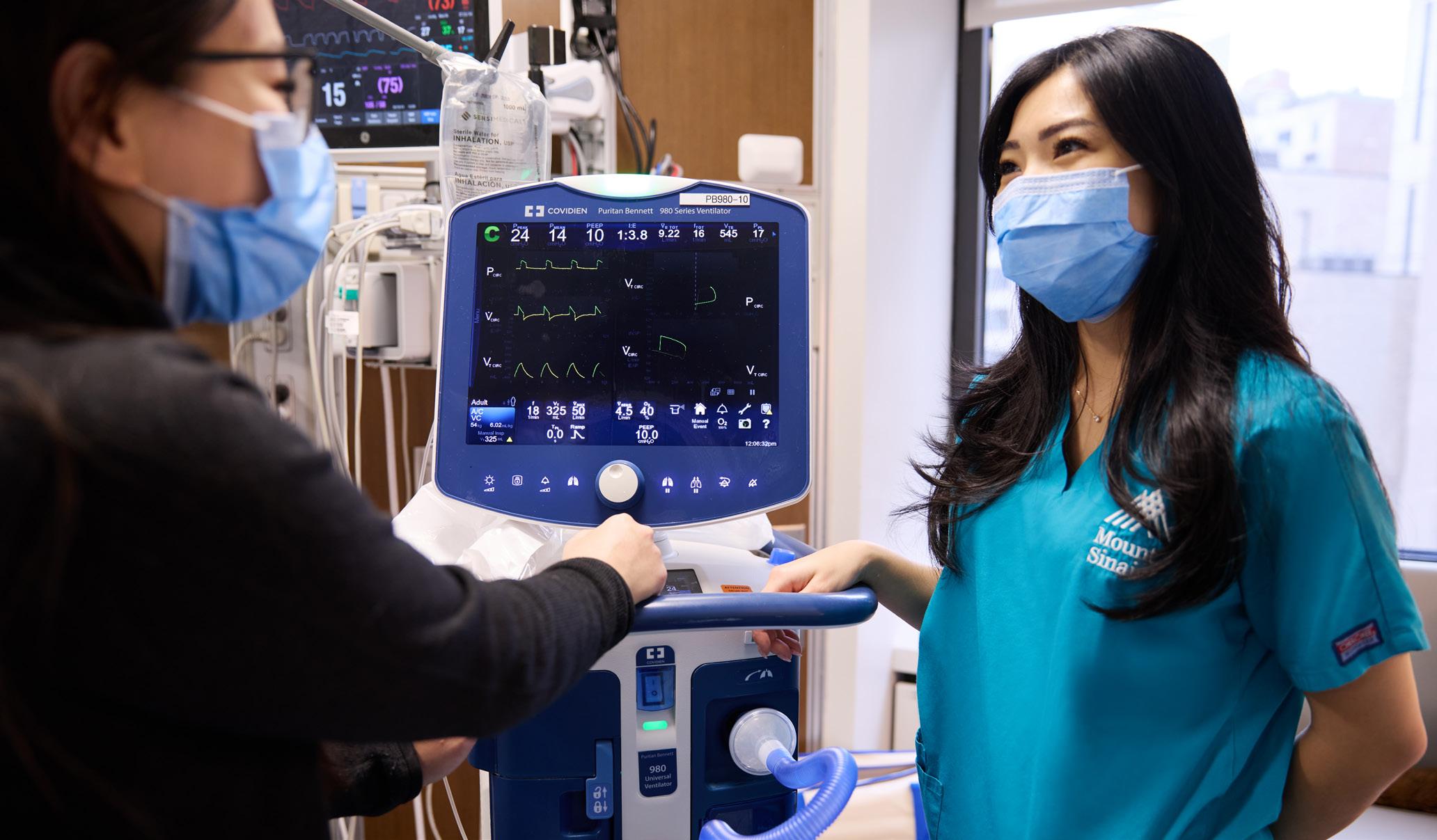
After we place the breathing tube (intubation) and connect it to a breathing machine, the care team regularly checks how ready the patient is to breathe on their own. We do this by
• Spontaneous Awakening Trial (SAT): Lowering or stopping sedation to check their mental status.
• Spontaneous Breathing Trial (SBT): Testing if they can breathe without the ventilator.
At ICCM, these steps are part of the Respiratory Recovery Pathway (RRP) — a process to help patients safely come off the breathing machine. The pathway focuses on daily wake-up and breathing tests, getting the patient moving early, and slowly giving them more chances to breathe on their own.
When the patient is ready, we remove the breathing tube, a process called extubation .
During their ICU stay, we may help your loved one move and get active as soon as possible. Early mobility is very important because it can speed up healing and help clear the lungs, which often means leaving the ICU sooner.
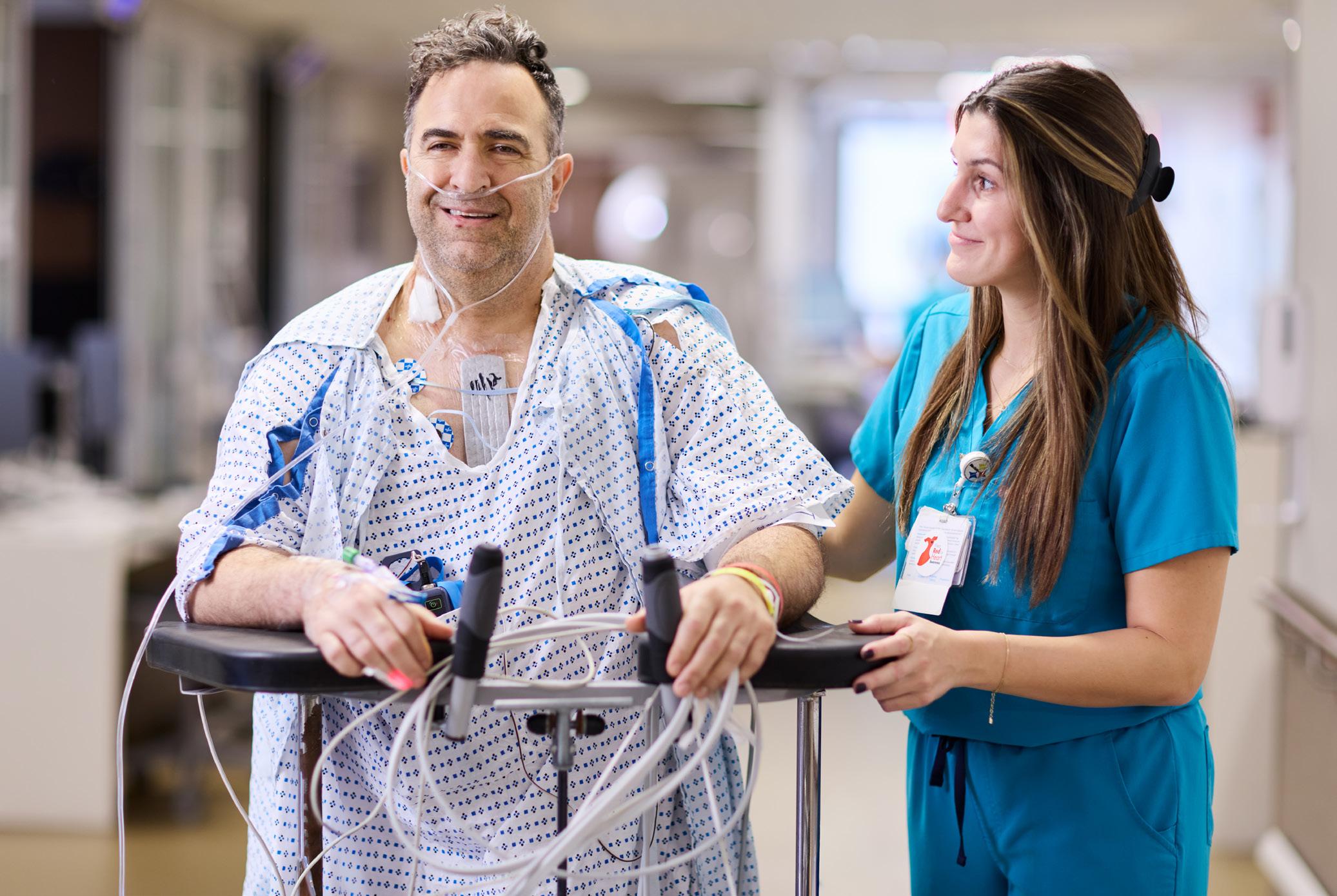
A physical therapist will check how the patient is moving and breathing and provide treatments to help them get stronger and recover safely. This may include:
• Breathing and chest exercises to loosen mucus and make breathing easier
• Gentle exercises, both assisted (passive) and on their own (active) , to keep their muscles and joints moving
• Getting them moving—such as sitting in a chair or walking with support when it’s safe
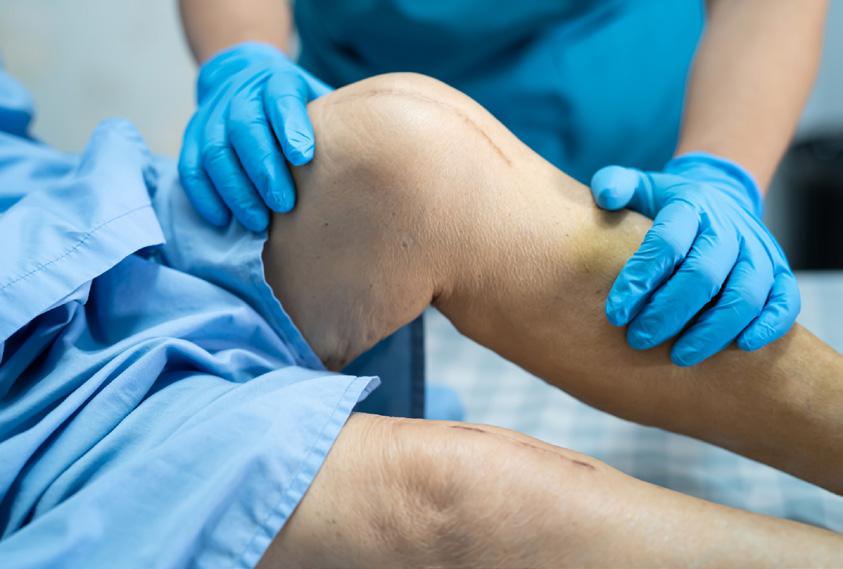
Range of motion exercises help keep a patient’s joints and muscles flexible by gently moving them. These exercises promote healthy blood flow, help prevent stiffness, and support muscle strength, aiding in faster recovery.
• Active ROM: The patient moves their own joints and muscles during these exercises. This helps keep their body strong. Sometimes they may need a little help or encouragement.
• Passive ROM: A caregiver or health care provider moves the patient’s joint for them, taking care to support the limb above and below the joint. Movements should be slow and gentle, to keep the patient safe and avoid injury.
Sometimes patients start with passive ROM and move to active ROM when they get stronger.
• Make sure to check in with your care team first to make sure it’s safe.
• Do one exercise at a time. Stop if it hurts.
• Watch for tubes and wires, don’t pull or block them.
• Breathe normally; don’t hold your breath.
• Don’t push a joint past its normal movement.
• Take breaks
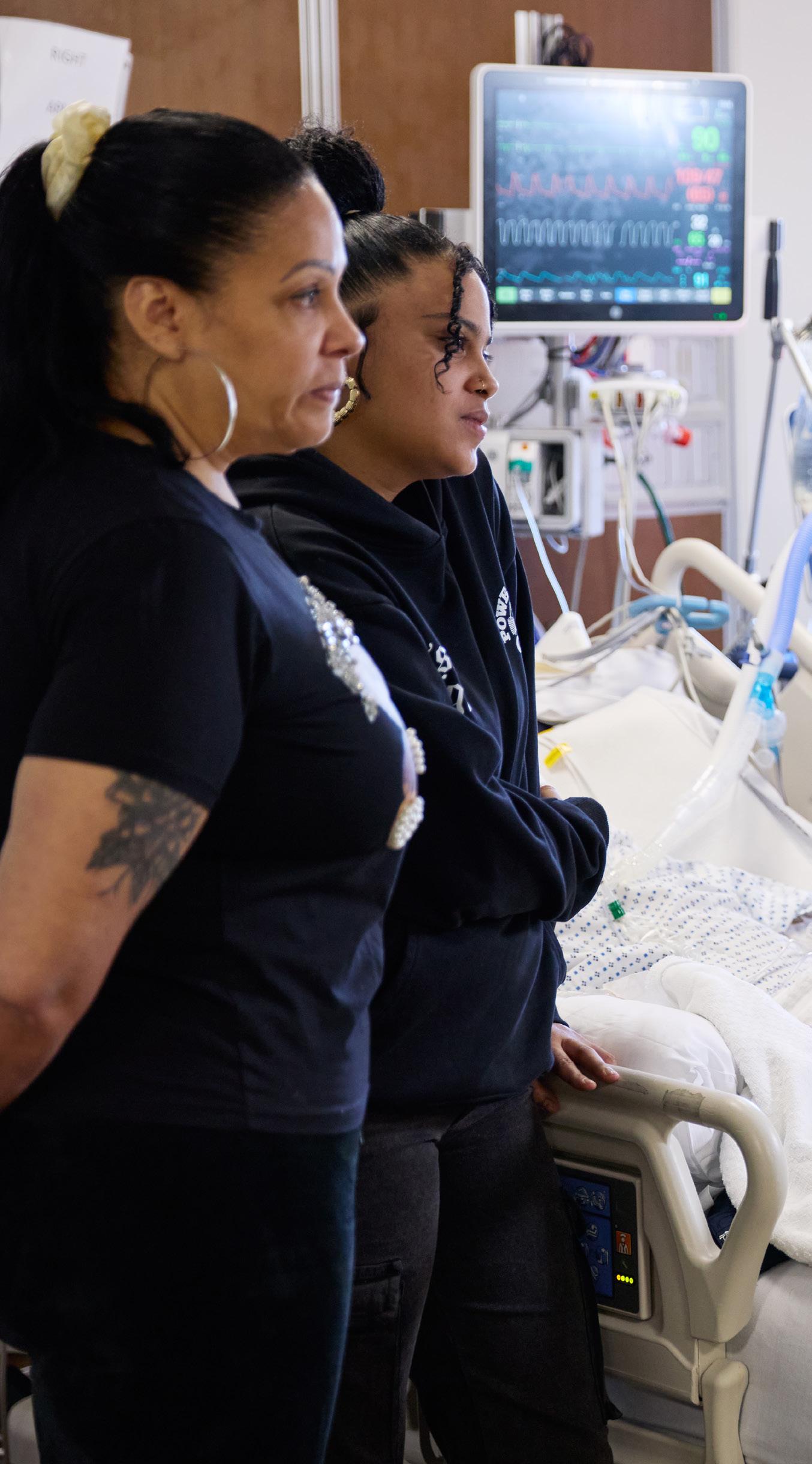
Patients in the ICU can sometimes develop delirium , a sudden change in thinking, awareness, or behavior. Delirium can sometimes cause them to feel frightened, angry, lonely, and ashamed. This is extremely common.
In fact, two out of three patients in the ICU get delirium . It can be caused by many things, such as medication, infections, pain, or other medical issues.
ICU staff are trained to recognize, manage, and treat delirium. You can also help ease it by:
• Reminding your loved one where they are, and what day and time it is.
• Encouraging their participation in physical and occupational therapy.
• Bringing personal items like glasses, hearing aids, or dentures so they can use them.
• Sharing family photos or familiar objects and talking about them.
• Reducing noise and TV time, allowing for quiet rest during the day and sleep at night
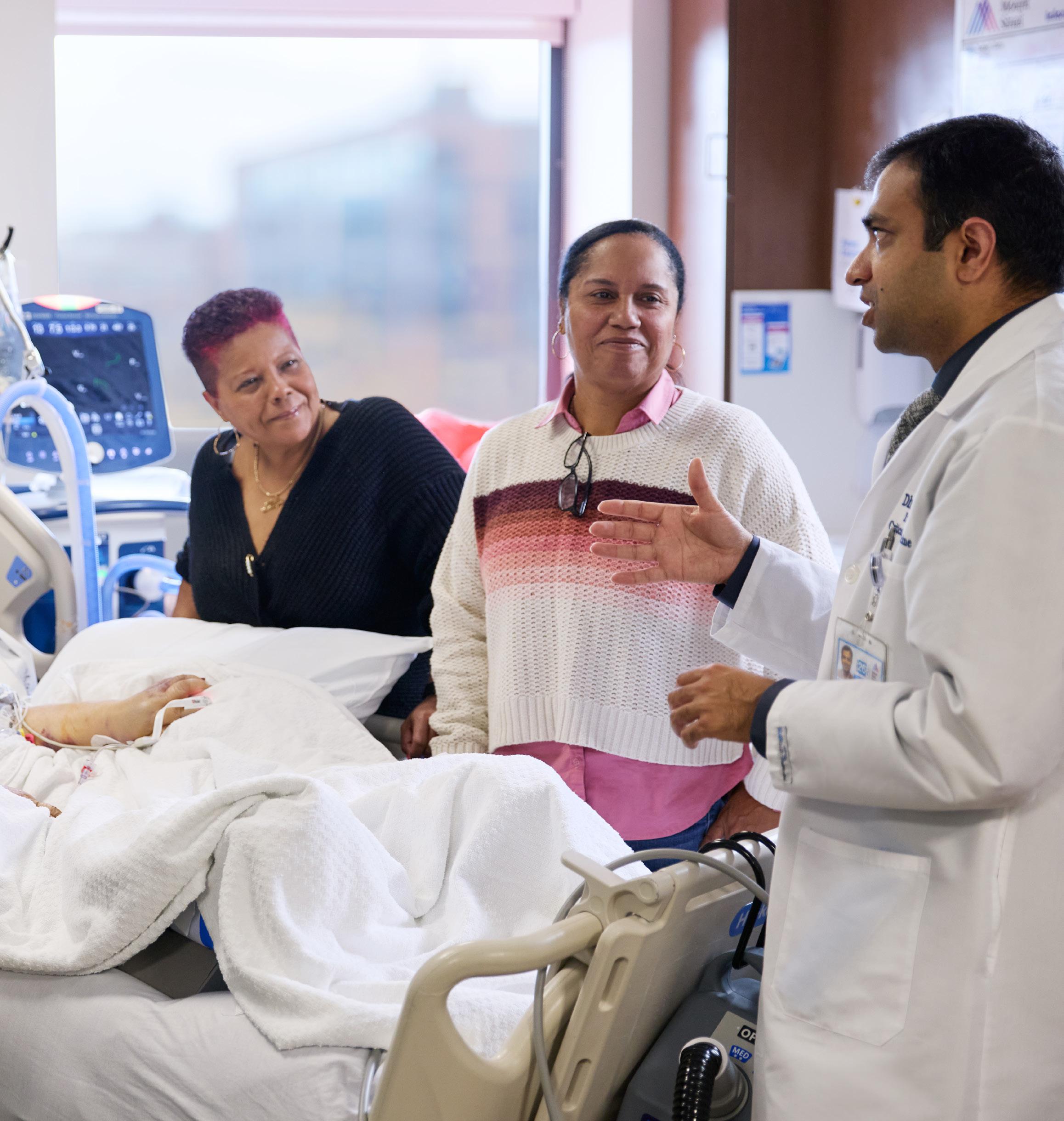
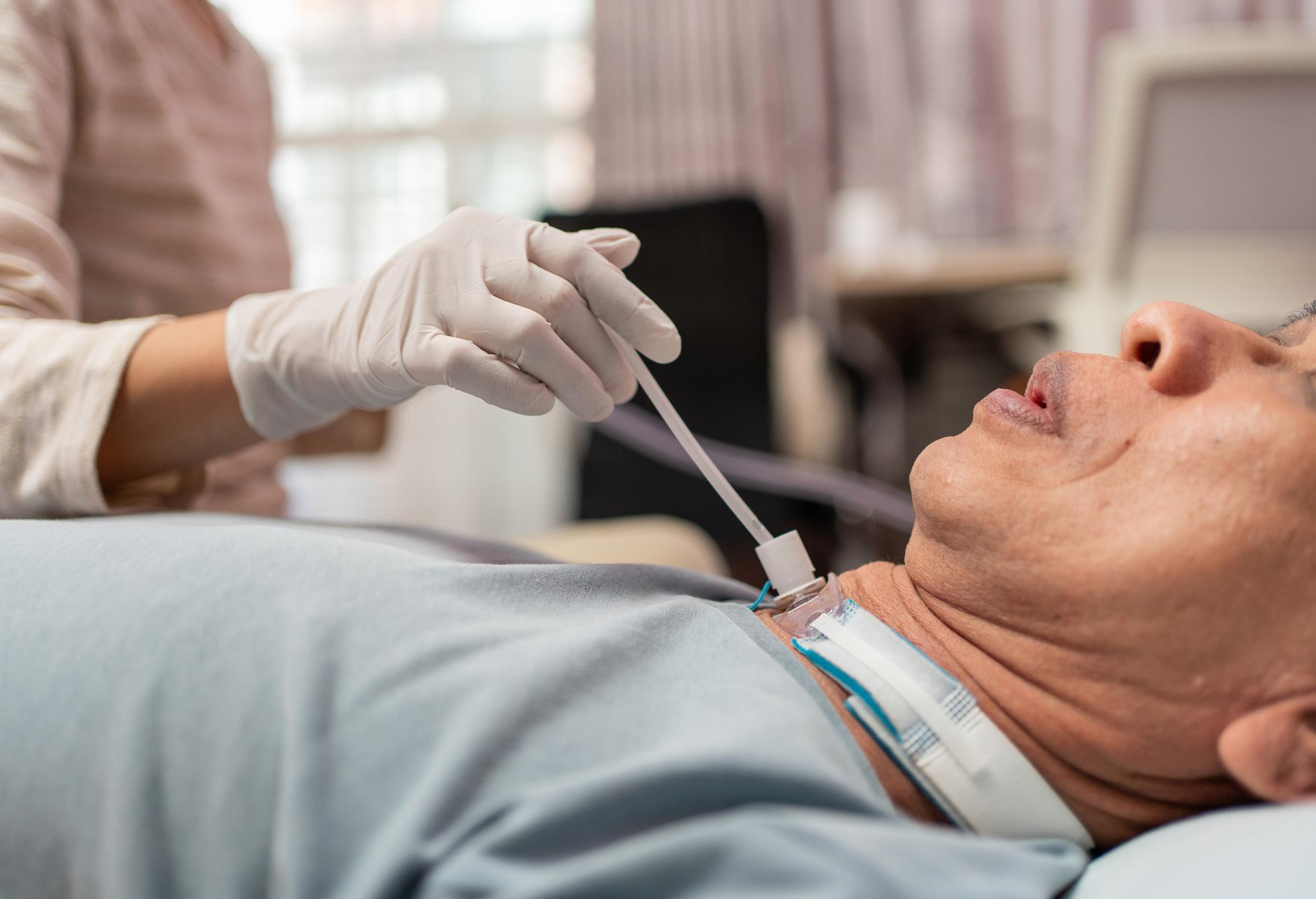
In some cases, patients may need a tracheostomy. This is a procedure that creates a small opening in the trachea (windpipe) through the front of the neck. This opening helps air and oxygen reach the lungs more easily. A tracheostomy tube is then placed in this opening so the patient can breathe through it.
Reasons why patients may need a tracheostomy:
• They need a breathing machine (ventilator) for more than a week.
• They have trouble coughing up mucus, and a tracheostomy makes it easier to suction out mucus and keep their airway clear.
• The airway is blocked or narrowed, and a regular breathing tube through the mouth or nose can’t be used.
• They have trouble breathing because of a lung problem, paralysis, or an injury to their head or neck.
• They need help breathing after surgery on your throat or voice box
Depending on the situation, a tracheostomy may be temporary or permanent.
Benefits of a Tracheostomy:
• May be more comfortable
• Lowers chance of infection
• Makes it easier to move around
• May make it easier to talk






Tracheostomy Tube

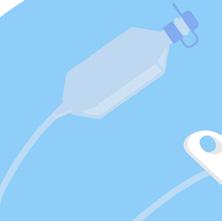










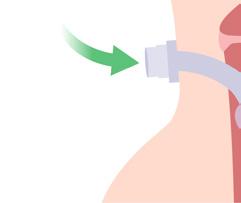
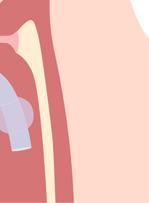




A tracheostomy usually heals in about 10-14 days. During this time, the patient’s neck and throat may feel sore. As they recover, they’ll be getting used to breathing through the tube, as well as learning how to eat, speak, and manage daily activities with it.
As they get stronger, they may not need the tracheostomy anymore. If that happens, your care team may remove the trach tube. This process is called decannulation .
Decannulation is usually considered when patients:
• Are awake and alert
• Can breathe without needing a ventilator
• Have less mucus
• Can cough well to clear their airway
• Have little or no trouble breathing
This process can take time and may be done in the hospital, a facility, or sometimes in an outpatient visit.

As your loved one improves, we plan for care after the ICU. This could be at:
• Lower Acuity Unit –a step-down or general care unit for continued recovery in the hospital
• Home –with or without home health services.
• Long-Term Acute Care Hospital –for patients who still need extended medical care.
• Rehabilitation Facility –to help regain strength, mobility, and independence.
• Skilled Nursing Facility –for ongoing medical care and support with daily activities.
If recovery isn’t possible, we may shift focus from treatment to comfort and quality of life.
Comfort Care focuses on:
• Relieving pain and symptoms , such as trouble breathing or agitation.
• Making sure your loved one feels dignity, comfort, and peace at the end of life.
• Avoiding treatments that may be hard on the body and may not improve quality of life.
Choosing comfort care is not about giving up—it is about honoring your loved one’s goals, values, and comfort.
Our palliative care specialists, chaplains, and social workers are here to support you every step of the way.
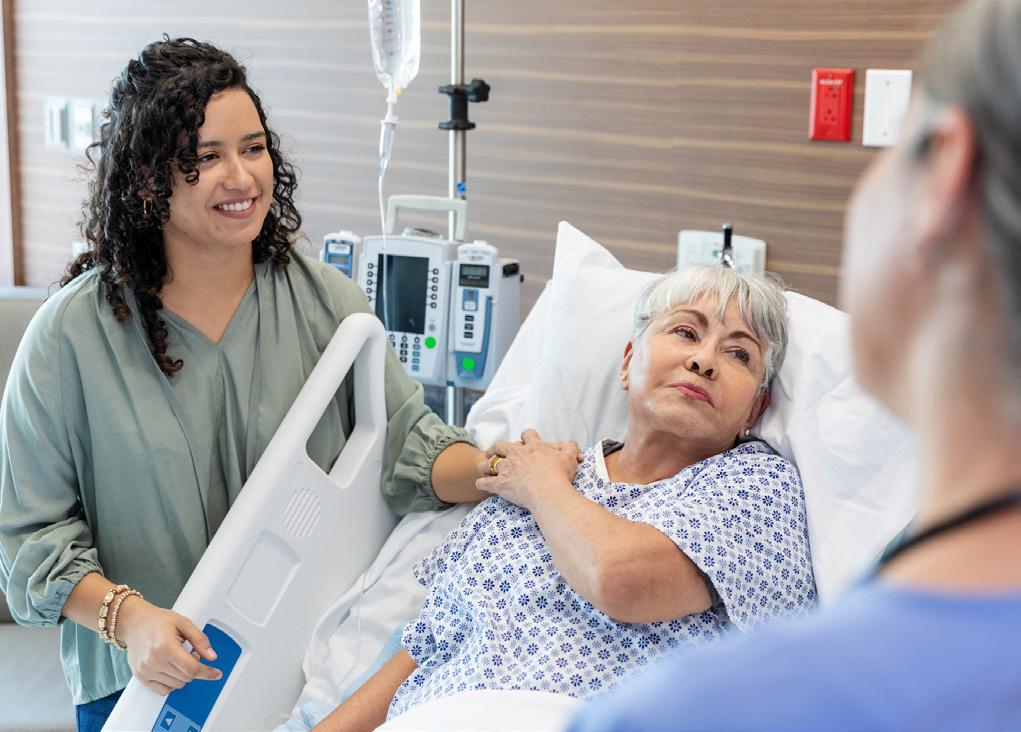
• Attend care planning meetings or family updates.
• Share what you know about your loved one’s preferences, routines, and values — your input helps guide the care team.
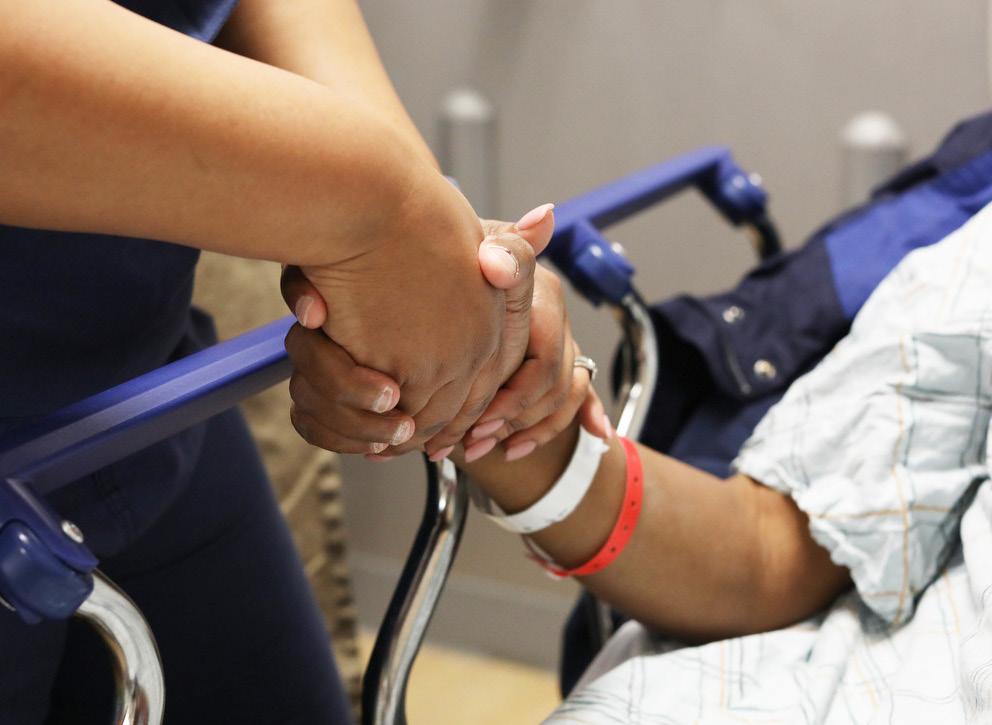
• Offer emotional comfort by simply being there, listening, or holding their hand.
• Help reduce confusion or anxiety by calmly reassuring your loved one.
• Learn about your loved one’s condition, treatment plan, and what to expect during recovery.
• Ask the care team about family meetings, daily updates, or times to speak with the doctors.
• Speak up if something doesn’t seem right or if your loved one can’t speak for themselves.
• Follow visitation rules—these help protect all patients.
• Limit visitors and noise to create a healing environment.
• Be flexible with visiting hours during medical emergencies or procedures.
• It’s okay to step away and rest—caring for yourself helps you better support your loved one.
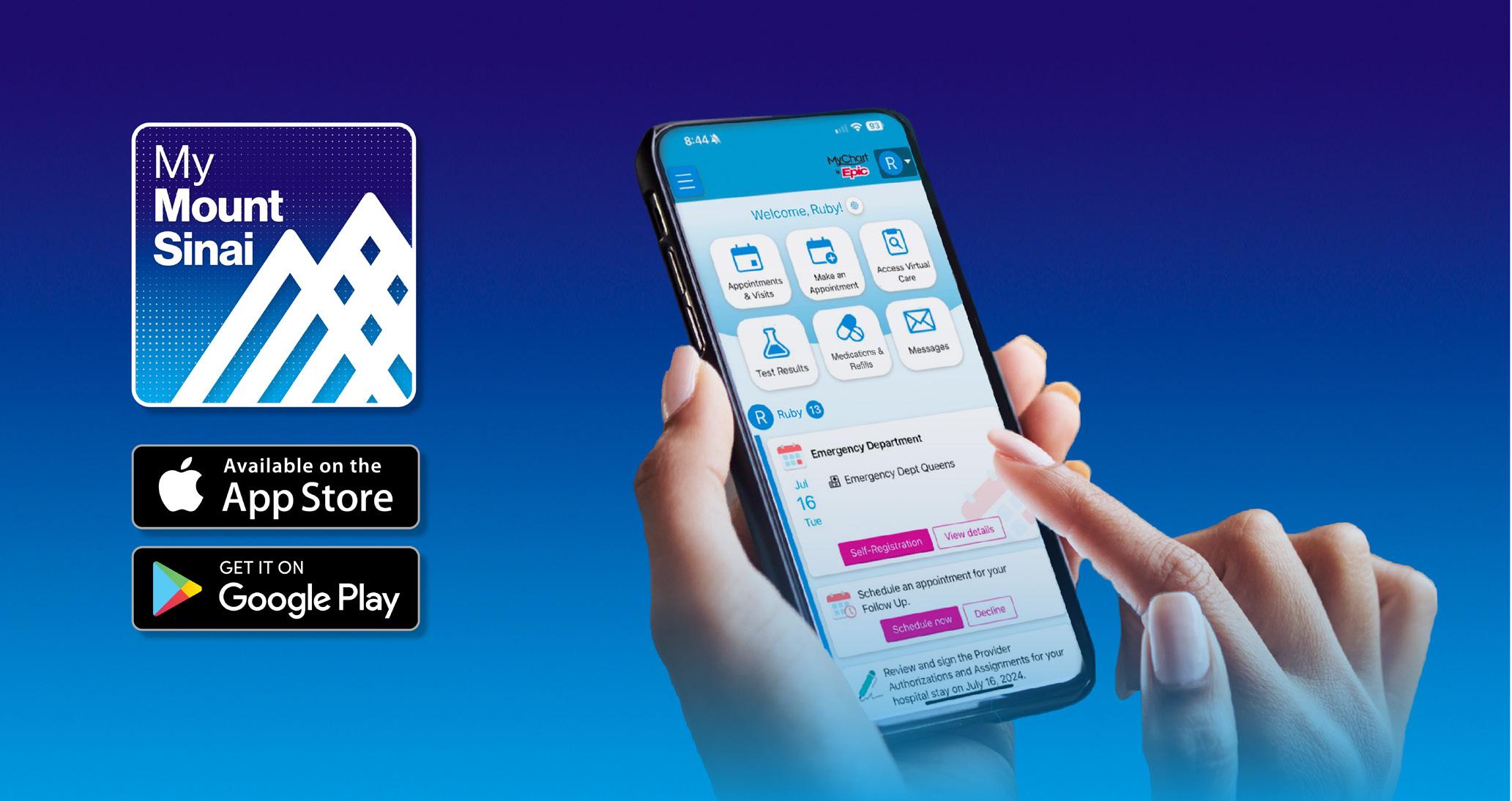
Use MyMountSinai to:
• View your health summary from the MyMountSinai electronic health record
• Communicate electronically and securely with your medical care team
• Request medical appointments
• View test results
• Request prescription renewals
• Access trusted health information resources
How to sign up:
The MyMountSinai mobile app is free to download and use. Just go to the Apple App Store or Google Play. Once you download the app, you can log in with your MyChart username and password, or register if you are a new patient.
The Mount Sinai Hospital
1 Gustave L. Levy Place, New York, NY, 10029
Dining Options
The Plaza Cafe
Guggenheim Pavilion, First Floor Atrium Open 7 days a week
Starbucks Coffee Bar
Guggenheim Pavilion, First Floor Atrium Open 7 days a week
Center for Advanced Medicine “Grab and Go”
17 East 102nd Street, Lobby Monday-Friday
Icahn Lobby Café
Icahn Medical Institute 1425 Madison Avenue Lobby Monday-Friday
Gift Shops
Guggenheim Pavilion, Seventh Floor, East Atrium
212-241-4438 (4-4438)
Open 7 days a week
Mount Sinai Kravis Children’s Hospital
Klingenstein Pavilion Lobby 1176 Fifth Avenue
212-241-9770 (4-9770)
Open 7 days a week
Mount Sinai West 1000 10th Avenue, New York, NY 10019
Cafeteria
First Floor Monday-Friday
Gift Shop Lobby Monday-Friday
Mount Sinai Morningside 419 W 114th Street, New York, NY 10025
Starbucks Coffee Bar First Floor Monday-Friday
Cafeteria
First Floor
Mount Sinai Brooklyn 3201 Kings Highway, Brooklyn, NY 11234
Cafeteria First Floor
Mount Sinai Queens 25-10 30th Avenue, Long Island City, NY 11102
Le Zia Cafe Main Lobby Open Monday-Saturday
Mount Sinai South Nassau 1 Healthy Way, Oceanside, NY 11572
Cafe Main Atrium Open Monday-Friday
Gift Shop Main Atrium Monday-Friday
ARDS (Acute Respiratory Distress Syndrome)
A serious condition where the lungs can’t supply enough oxygen to the body, causing fast, shallow breathing.
Artificial Kidney Machine (Dialysis Machine)
A device that filters the blood when the kidneys aren’t working properly. It removes waste and extra fluid, adds back important substances, and returns clean blood to the body.
Catheter
A thin, flexible tube placed into the body to allow fluids to drain or medicines to be delivered. A common example is a urinary catheter, which drains urine from the bladder.
COPD (Chronic Obstructive Pulmonary Disease)
A long-term lung disease that makes it hard to breathe. This condition includes chronic bronchitis and emphysema.
Endotracheal Tube (ET Tube)
A breathing tube inserted through the mouth or nose into the windpipe to help a patient breathe with a ventilator.
ICU (Intensive Care Unit)
A hospital unit with specialized staff and equipment to care for the sickest patients.
Intensivist
A doctor who specializes in the care of critically ill patients in the ICU.
Intravenous (IV)
Medicine or fluids given directly into a vein through a small tube.
Monitor
An electronic device that tracks a patient’s vital signs, such as heart rate, blood pressure, and oxygen levels.
NG Tube (Nasogastric Tube)
A tube inserted through the nose into the stomach to provide nutrition, fluids, or medication when patients can’t eat by mouth.
Sedatives
Medicines that help patients feel calm, reduce anxiety, or make them sleepy so they can rest or receive medical care more comfortably.
Sepsis
A serious, life-threatening reaction to an infection where the body’s response causes organ damage and requires urgent medical treatment.
Palliative Care
Specialized care that focuses on improving quality of life, comfort, and support for patients and families, alongside or instead of intensive treatments.
Passy-Muir Valve (Speaking Valve)
A small device placed on a tracheostomy tube that allows patients to speak once they are stable enough.
PEG (Percutaneous Endoscopic Gastronomy)
A longer-term feeding tube placed directly into the stomach through the abdomen.
Proning
Placing a patient on their stomach to help patients breathe better. It is often used in severe lung disease like ARDS.
Tracheostomy
A tube placed through a small opening in the throat into the windpipe, making it easier and more comfortable to breathe, especially for patients needing longer- term ventilator support.
Urinary Catheter
A tube placed into the bladder to collect urine, allowing staff to measure fluid output accurately.
Ventilator (Breathing Machine)
A machine that helps move air in and out of the lungs. It can either take over all breathing for the patient or assist with each breath.
Vasopressor
Medicines that raise low blood pressure to keep blood flowing to important organs like the brain and heart.
Weaning
The gradual process of reducing and then removing ventilator support as the patient’s condition improves.
Mount Sinai’s mission is to provide compassionate, patient-centered care while advancing medicine through leading-edge research, education, and community partnerships.