
Link: https://aviationa2z.com/index.php/2025/11/29/10-mostpopulated-cities-in-the-world-2025/
Please see the link above for the source text.
10 Most Populated Cities in the World in 2025,
The world’s most populous cities continue to expand at an extraordinary pace, driven by economic opportunity, internal migration, and the steady pull of urban life.

By Karan Bhatta
November 29, 2025
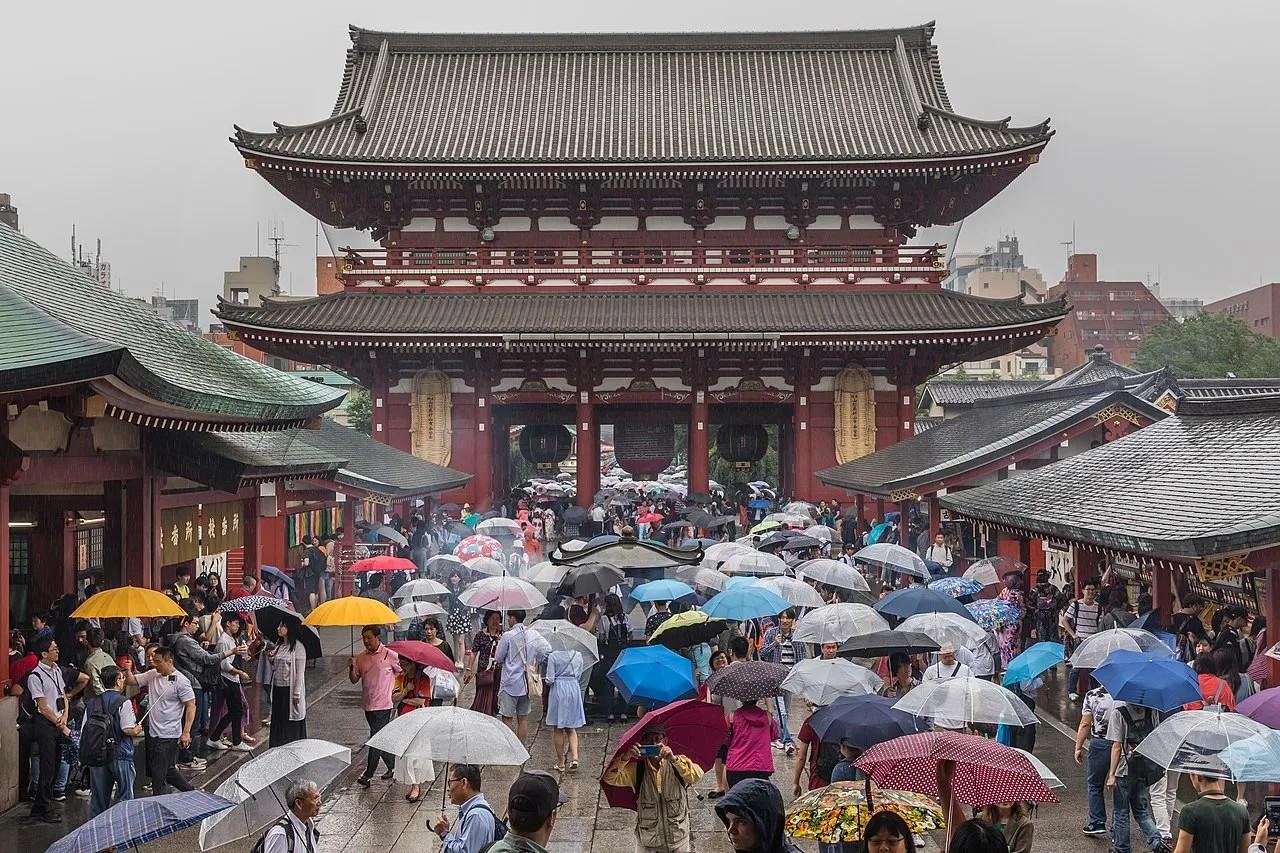
Hozomon with visitors under their umbrellas, a rainy day in Tokyo, Japan; Photo- Wikipedia
In 2025, the global population will have passed 8.2 billion, and cities will have become home to almost half of humanity. Rapid urbanisation, economic opportunity, and demographic
momentum continue to reshape the world’s largest metropolitan regions.
According to the latest United Nations estimates, megacities— urban areas with more than 10 million residents—have grown to 33 worldwide, up from just eight in 1975. What stands out in 2025 is how strongly Asia dominates this urban explosion.
Top 10 Most Populated Cities
Of the 10 most populous cities on the planet, nine belong to Asia, showcasing the continent’s role as the epicentre of global urban growth. Here’s a closer look at the world’s 10 most populous cities this year.
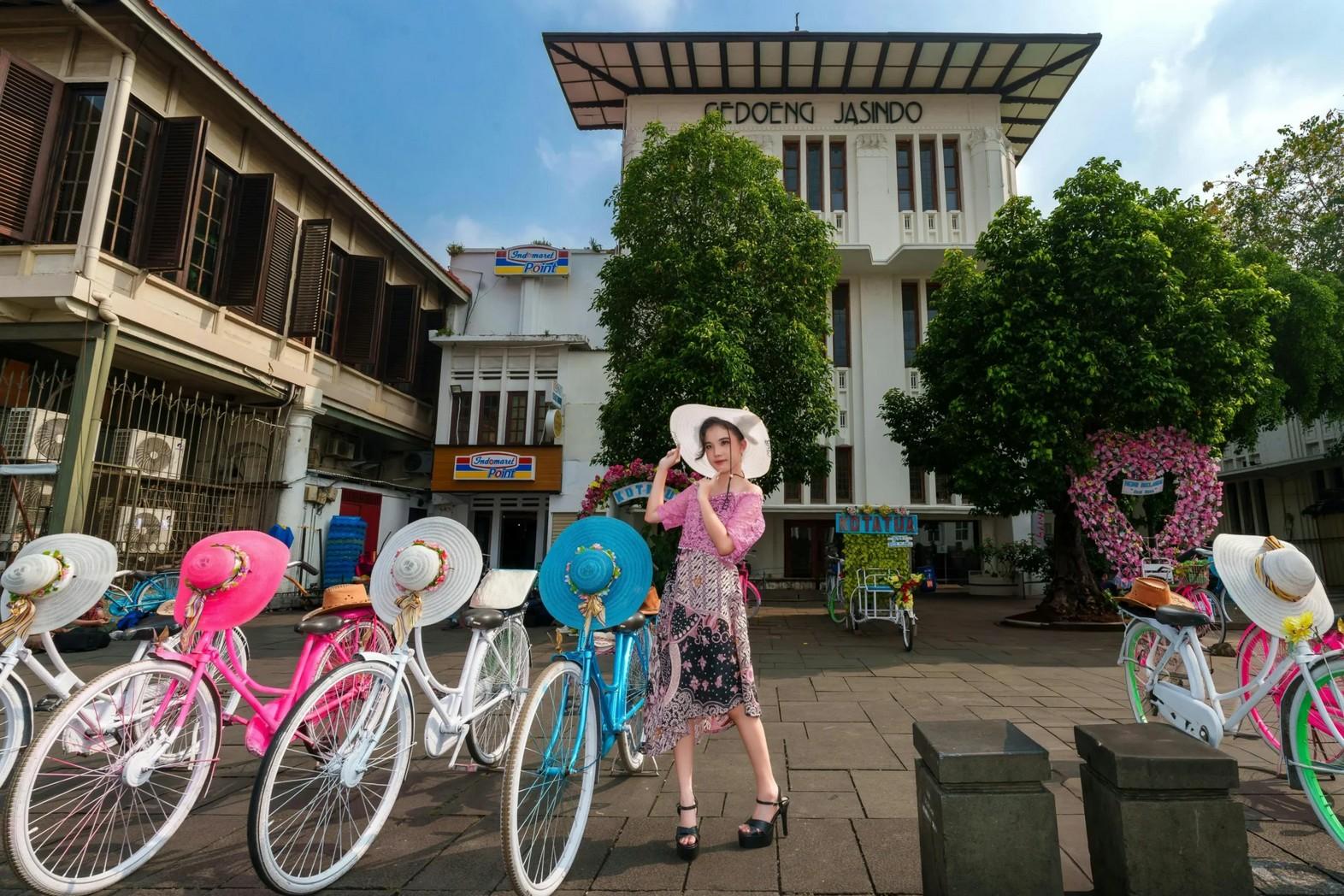
1. Jakarta, Indonesia — 41.9 million
Jakarta emerges as the most populous city in the world in 2025, with its sprawling metropolitan area crossing 41.9 million
people. As Indonesia’s political, cultural, and economic powerhouse, the capital has expanded far beyond its historic boundaries.
Despite plans to move the administrative capital to Nusantara, Jakarta continues to witness intense urban migration, driven by economic opportunities and long-established infrastructure. However, this explosive growth also brings immense challenges, from land subsidence to congestion and pressure on public services.
Key points
● Estimated 2025 population: 41.9 million
● Rapid migration from surrounding regions continues to fuel expansion
● Faces critical issues such as flooding, housing demand, and traffic congestion
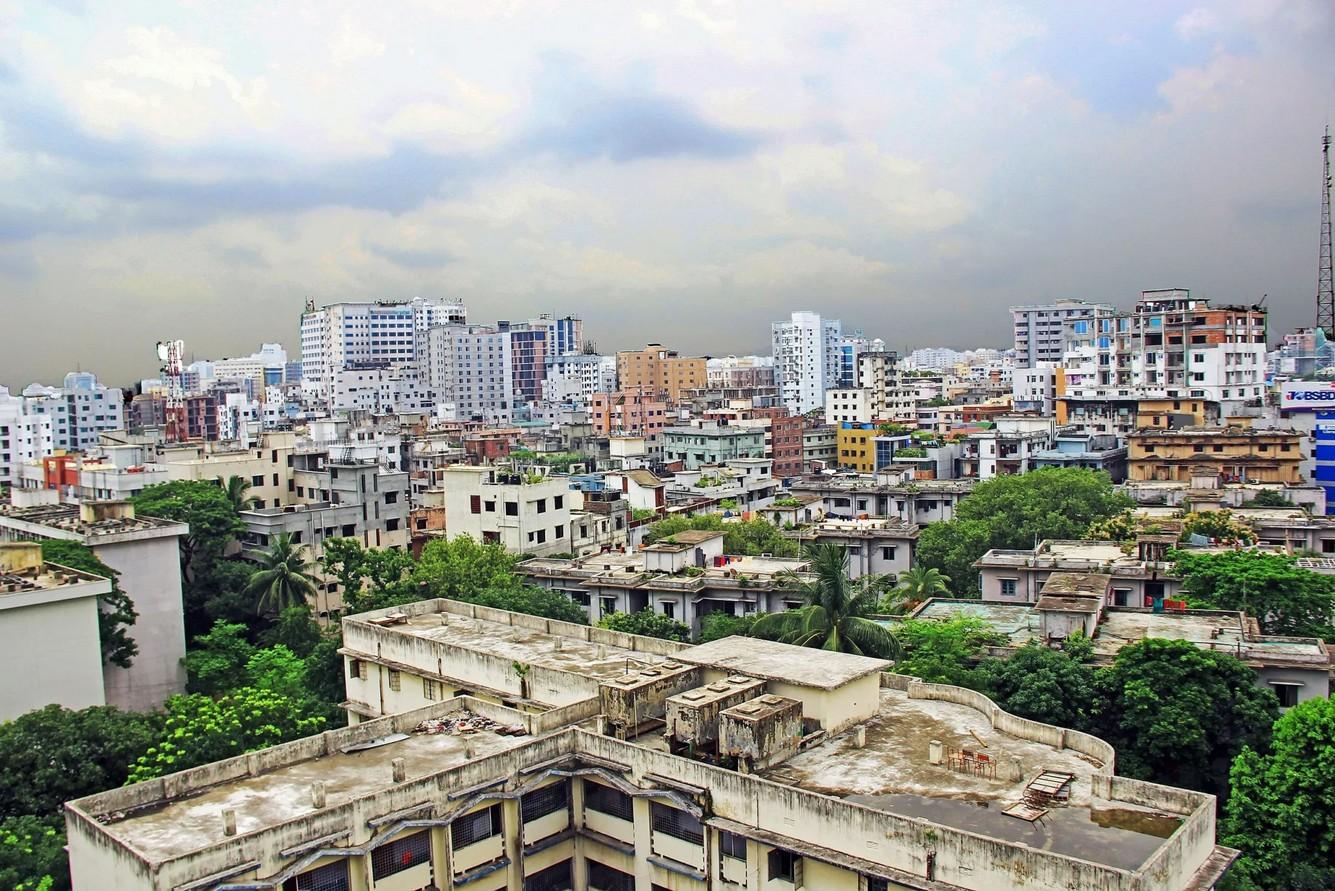
Dhaka, Bangaladesh; Photo- Sagar razib | Wikimedia
2. Dhaka, Bangladesh — 36.6 million
Dhaka ranks second globally with a population of 36.6 million, reflecting Bangladesh’s broader demographic surge and heavy rural-to-urban migration. Widely known as one of the densest cities on earth, Dhaka’s growth is shaped by its role as the country’s economic and administrative centre.
But with limited land, infrastructure strains, environmental concerns, and the constant pressure of mobility, the city faces some of the world’s toughest urban challenges.
Key points
● The population has risen steadily due to internal migration
● Considered one of the most crowded capitals globally
● Urban planning struggles include waste management, transport, and pollution
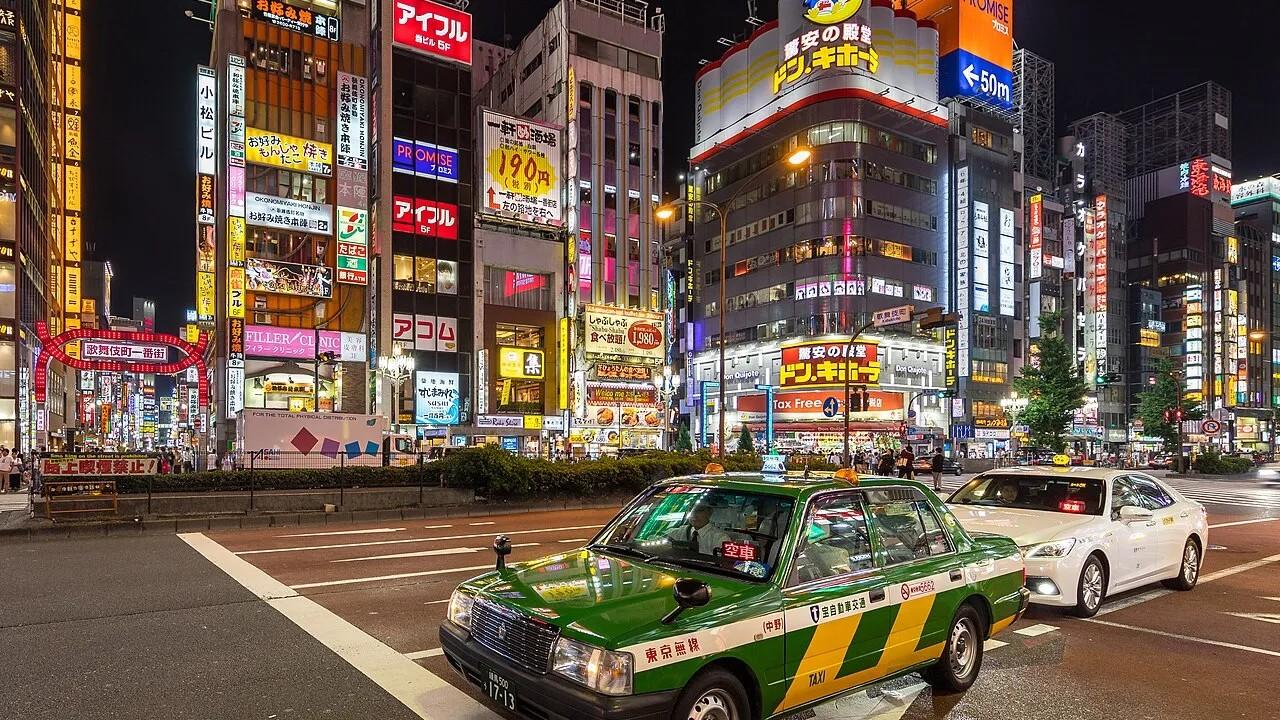
o: Basile Morin | Wikimedia Commons https://commons.wikimedia.org/wiki/ File:Green_and_yellow_taxi_at_night_in_Yasukunidori_Avenue,_Shinjuku,_Tokyo.jpg
3. Tokyo, Japan — 33.4 million
Tokyo, long recognised as a model of modern urban development, now stands third with 33.4 million residents. While no longer the largest megacity on earth, it remains a global benchmark for infrastructure quality, public transportation, and organised urban living.
Tokyo’s population growth has slowed in recent years due to Japan’s ageing demographics, yet the metropolitan area continues to thrive as a major centre for innovation, technology, and culture.
Key points
● Growth rate has stabilised due to ageing and declining birth rates
● Known for world-leading public transport and urban planning
● Continues to be a major global financial and technological hub
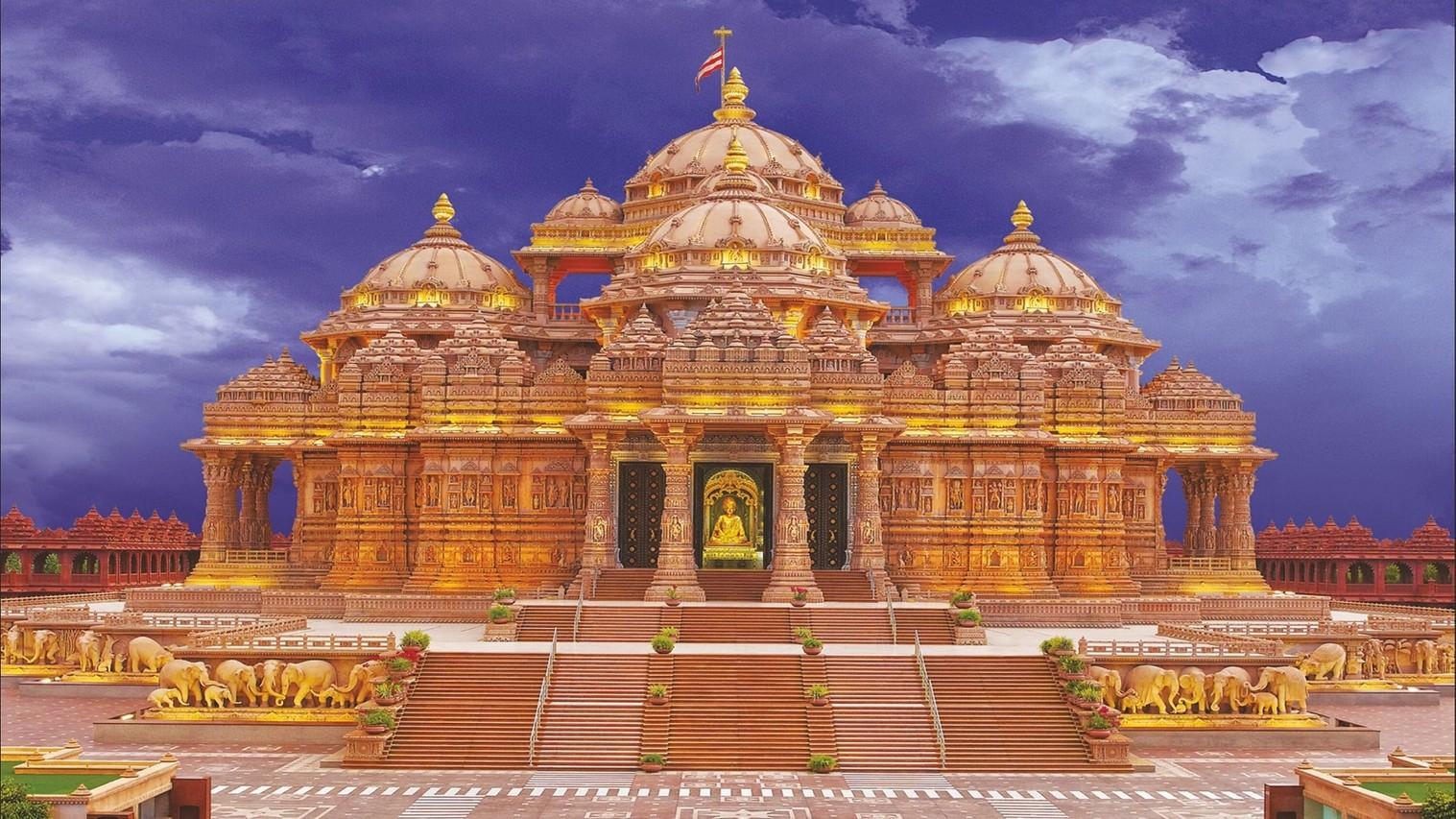
4. New Delhi, India — 30.2 million
New Delhi and the larger National Capital Region (NCR) stand as one of the world’s fastest-growing megacity clusters. With a population of 30.2 million in 2025, Delhi reflects India’s broader shift toward urban living and expanding economic opportunity.
The region attracts millions seeking employment, education, and connectivity, but also struggles with air quality, infrastructure bottlenecks, and intense pressure on housing, energy, and water.
Key points
● One of the fastest-growing metropolitan regions globally
● A major centre for government, industry, IT, and services
● Faces challenges related to pollution, congestion, and infrastructure gaps
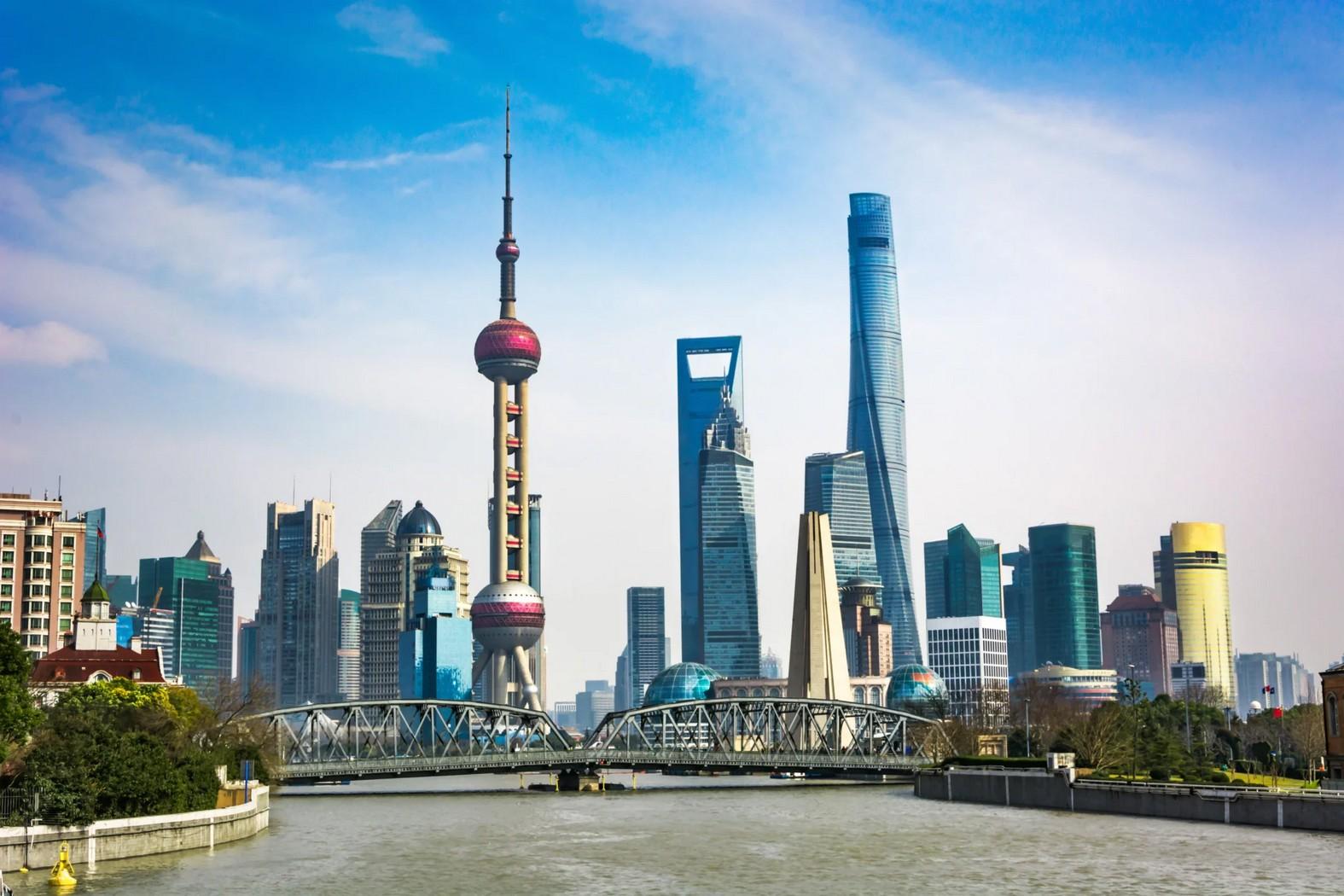
5. Shanghai, China — 29.6 million
Shanghai remains one of China’s most influential cities, with its population reaching 29.6 million in 2025. As a global financial hub, major seaport, and cultural centre, Shanghai continues to attract migrants from across China and beyond.
Its skyline symbolises modern China’s economic rise, and the city’s growth is supported by strong infrastructure, manufacturing clusters, and global connectivity.
Key points
● Among the top financial and logistics hubs worldwide
● Population stabilising but still growing at a moderate pace
● Major investments in technology, transport, and sustainability
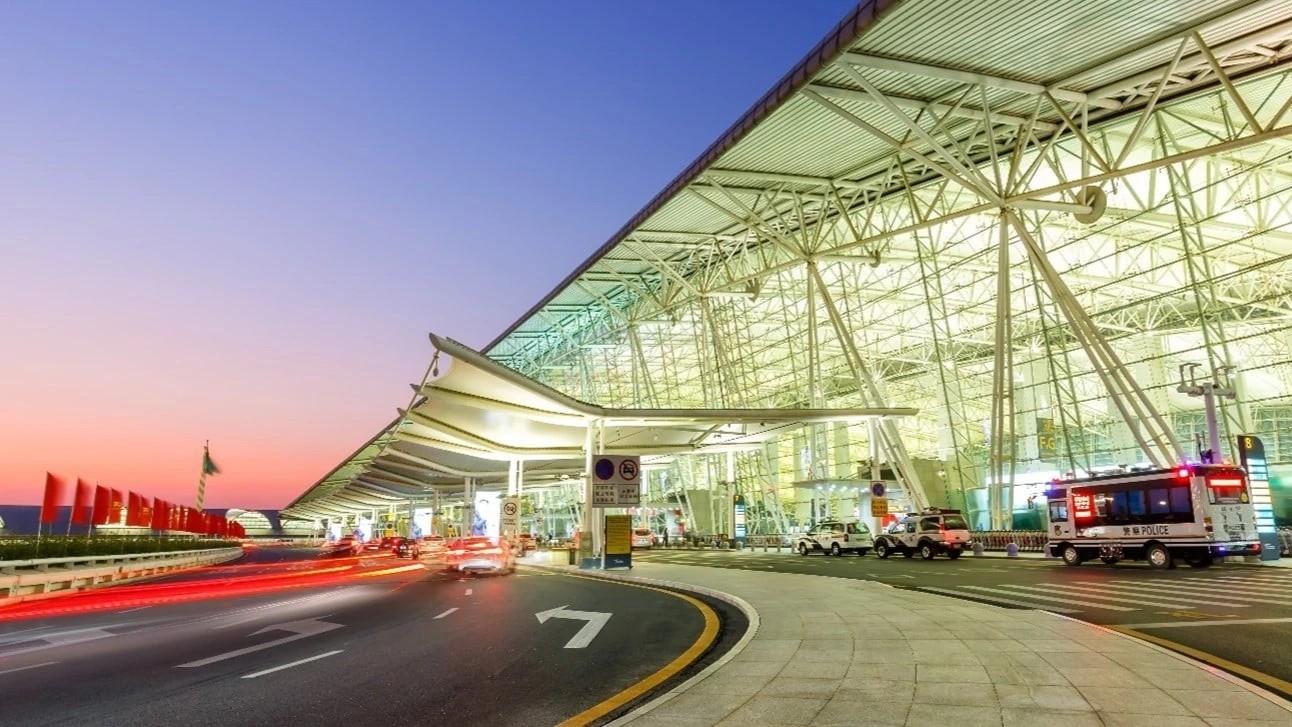
6. Guangzhou, China — 27.6 million
Guangzhou, part of the dynamic Pearl River Delta region, stands sixth with 27.6 million residents. As one of China’s most important industrial and commercial centres, the city benefits from strong regional development and connectivity with Shenzhen, Hong Kong, and Macau.
Guangzhou’s continued rise highlights how China’s urban growth extends beyond its most famous cities.
Key points
● Key city within the Greater Bay Area mega-region
● Strong industrial base and export-driven economy
● Rapid development continues to attract migrants nationwide
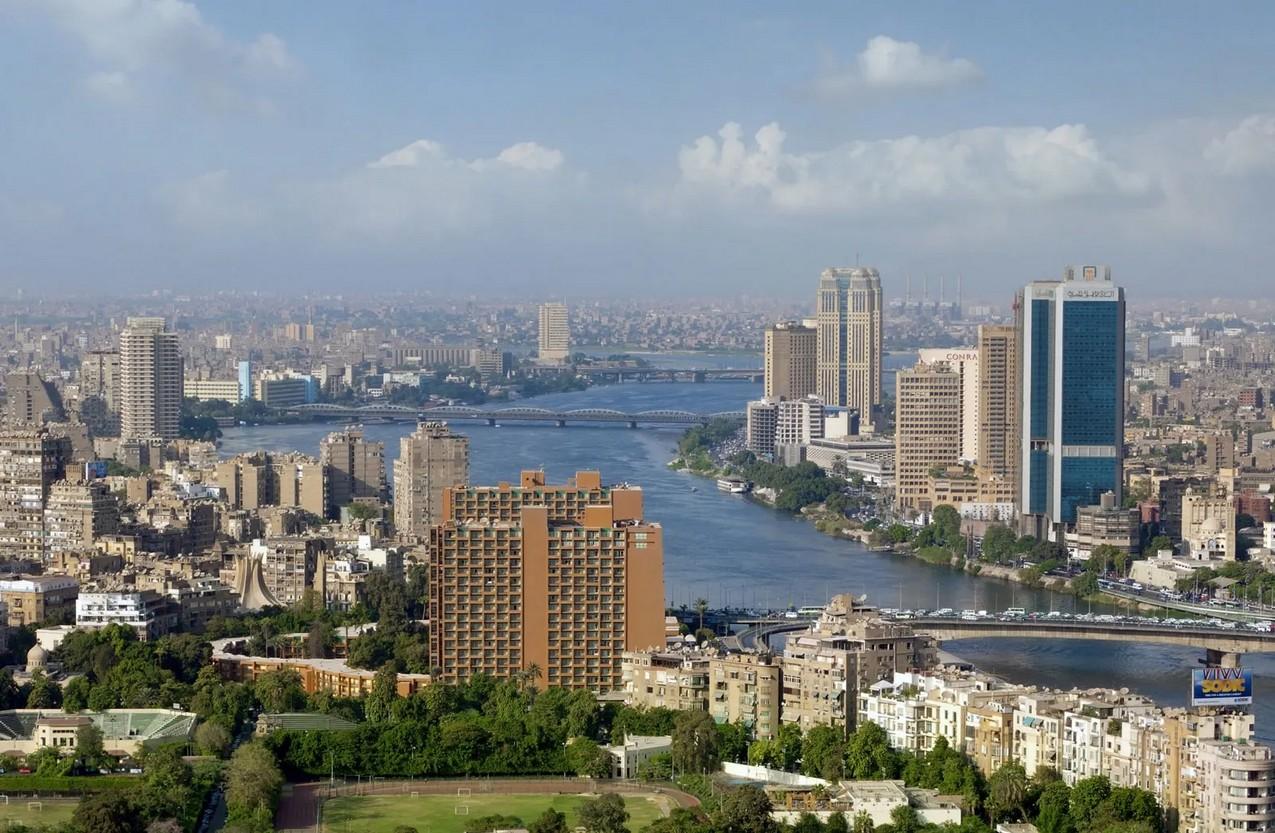
Britannica
7. Cairo, Egypt — 25.6 million
Cairo is the only city outside Asia to appear in the top 10. Home to 25.6 million people in 2025, it remains the political, economic, and cultural heart of Egypt. Cairo’s rapid expansion is shaped by a growing population, migration from rural regions, and its long-standing role as a regional centre.
Yet the city also faces challenges related to housing, traffic congestion, and pressure on public services.
Key points
● Largest metropolitan region in Africa and the Arab world
● Growth driven by high fertility rates and urban migration
● Infrastructure expansion underway to support rising demand
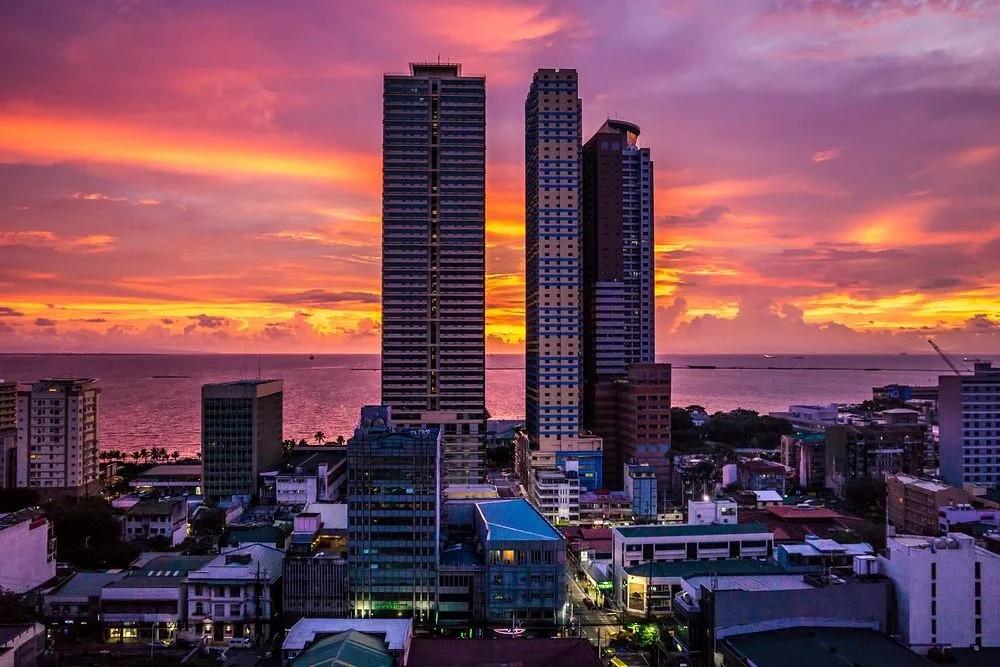
Manila; Photo- Rawpixel
8. Manila, Philippines — 24.7 million
With a population of 24.7 million, Manila is one of Southeast Asia’s fastest-growing urban regions. Its location, expanding economy, and youthful population contribute to its rapid increase in size.
The city’s dense urban fabric, vibrant commercial districts, and improving connectivity make it a major centre for business and culture in the region.
Key points
● Driven by a young, growing population and economic opportunities
● One of the densest metropolitan areas in Asia
● Traffic, transport, and housing remain major planning concerns
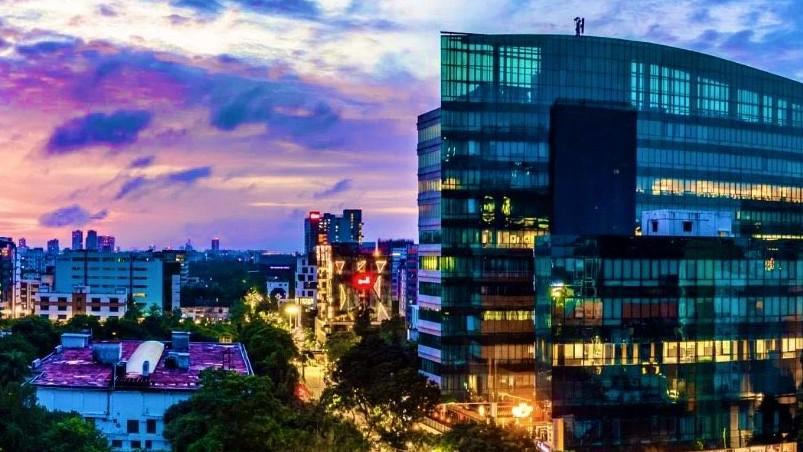
9. Kolkata, India — 22.5 million
Kolkata joins the global top-10 list with 22.5 million residents in 2025. Once the capital of British India, the city retains cultural and intellectual identity while growing into a vital urban hub.
Kolkata’s expansion reflects rising economic diversification, improvements in connectivity, and population movement from surrounding districts.
Key points
● Major educational, commercial, and cultural centre of East India
● Growth supported by expanding suburban and periurban areas
● Continues to balance heritage with modern development needs
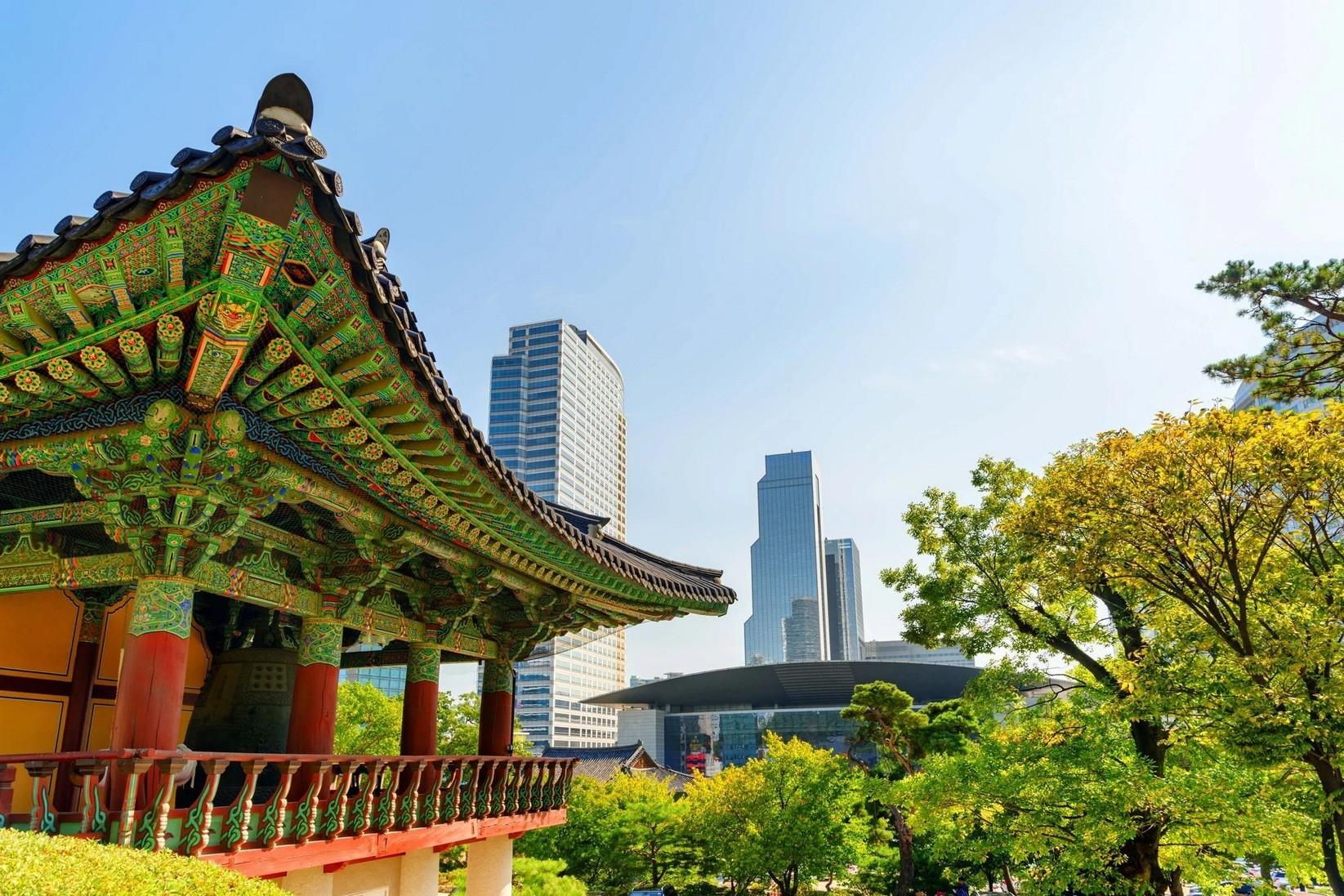
o: Juha Jaervinen, Chief Commercial Officer – Executive Vice President, Virgin Atlantic | LinkedIn
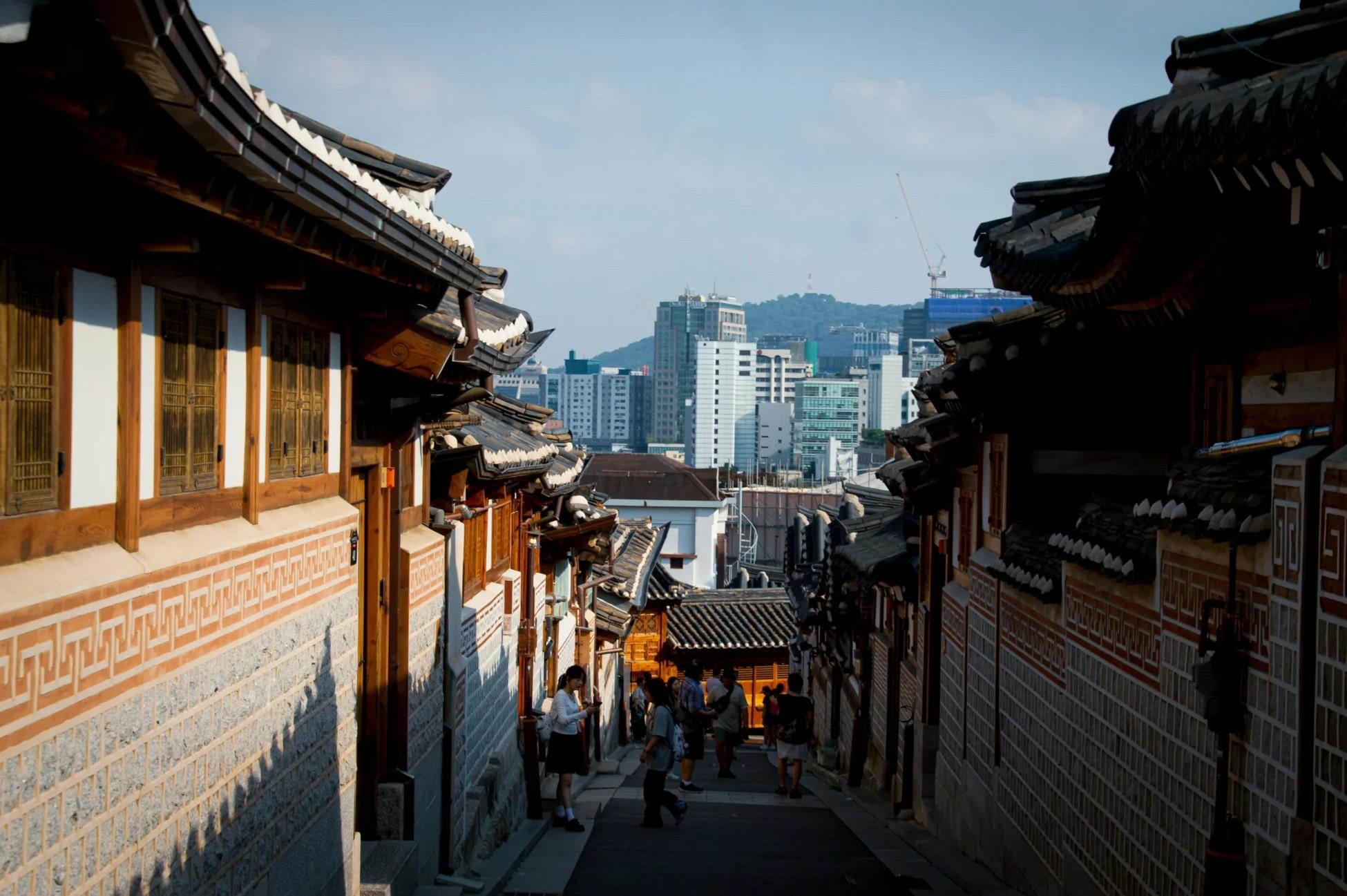
10. Seoul, South Korea — 22.5 million
Seoul completes the top 10 with a population of roughly 22.5 million. Known for its innovation-driven economy, high standard of living, and technological leadership, Seoul represents a megacity shaped not by rapid population booms but by steady development.
Its infrastructure, urban planning, and global competitiveness make it one of the most advanced metropolitan areas in the world.
Key points
● Strong focus on innovation, digital services, and smartcity development
● Population growth stable due to ageing demographics
● High quality of life and efficient transport systems define the city
Bottom Line
The world’s most populous cities continue to expand at an extraordinary pace, driven by economic opportunity, internal migration, and the steady pull of urban life.
These megacities shape global culture, influence regional development, and determine how nations plan infrastructure for the future.
While population concentration brings innovation and growth, it
also demands smarter governance, sustainable housing, efficient transit systems, and resilient public services.
As urban centers grow denser, the challenge for policymakers will be balancing quality of life with the realities of rapid expansion. Ultimately, understanding these urban giants helps us better anticipate the future of global development. Stay tuned with us. Further, follow us on social media for the latest updates.
Join us on Telegram Group for the Latest Aviation Updates. Subsequently, follow us on Google News