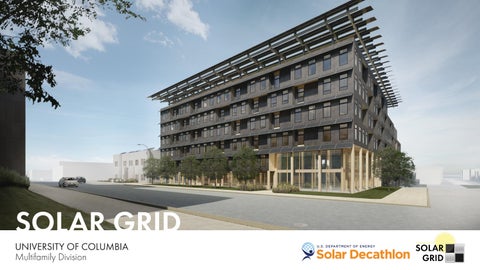
SOLAR GRID
UNIVERSITY OF COLUMBIA
Multifamily Division


MEET THE TEAM
Lyndsey Gerbec
Team Lead Senior

HANBIN KIM
SENIOR
ARCHITECTURAL STUDIES
REEVES SENIOR ARCHITECTURAL STUDIES


Brandon Johnston Architecture Senior
Raghad Nasraldeen
Interior Design Senior


TEAM LEAD - SENIOR
Jackson Reeves
ARCHITECTURAL STUDIES
Architecture
Junior



Lyria Bartlett
CHAIR
Faculty Lead
Department Chair

JACKSON
AIDAN KURTZ
LYRIA FACULTY LEAD DEPARTMENT
TARGET MARKET
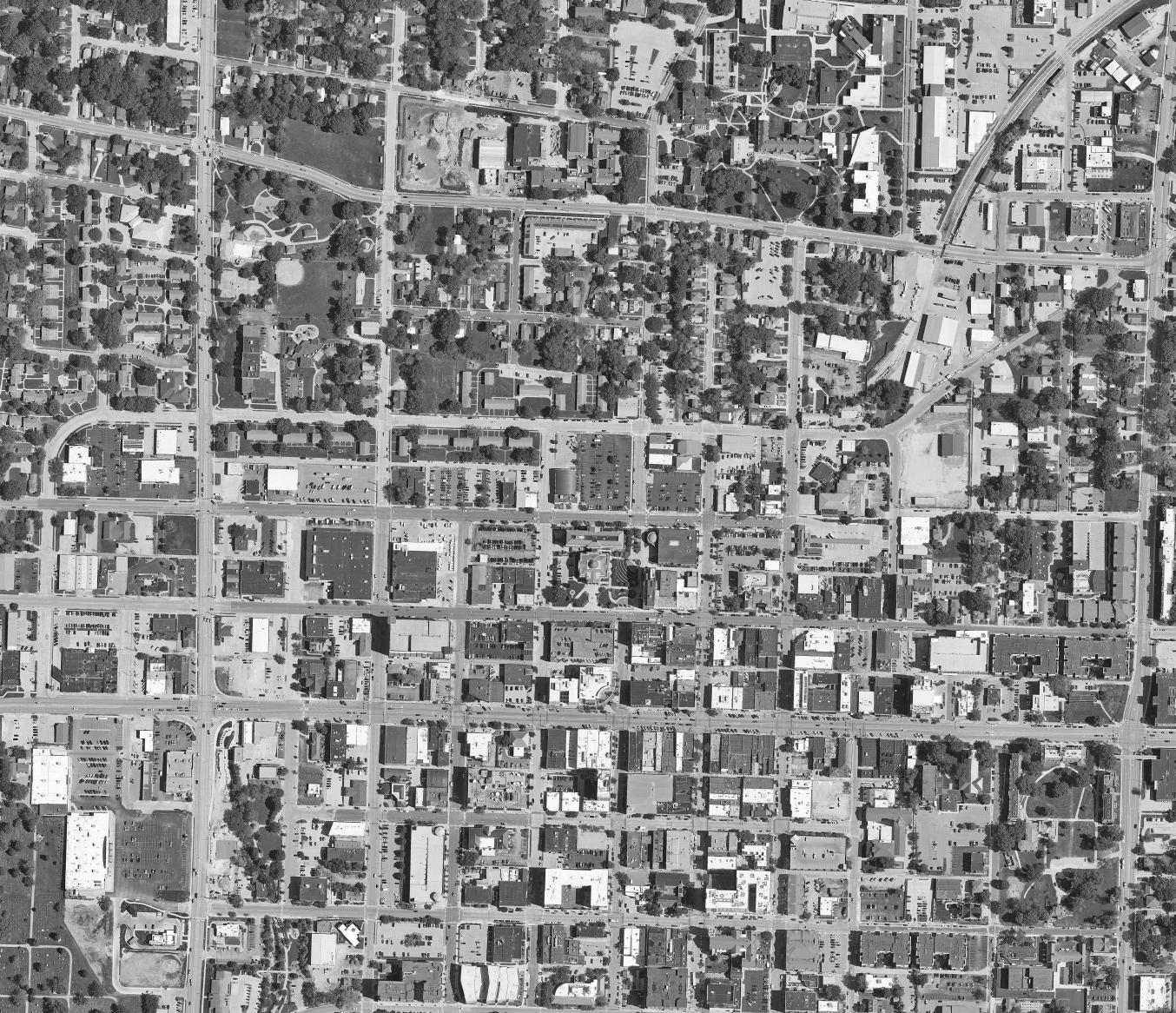
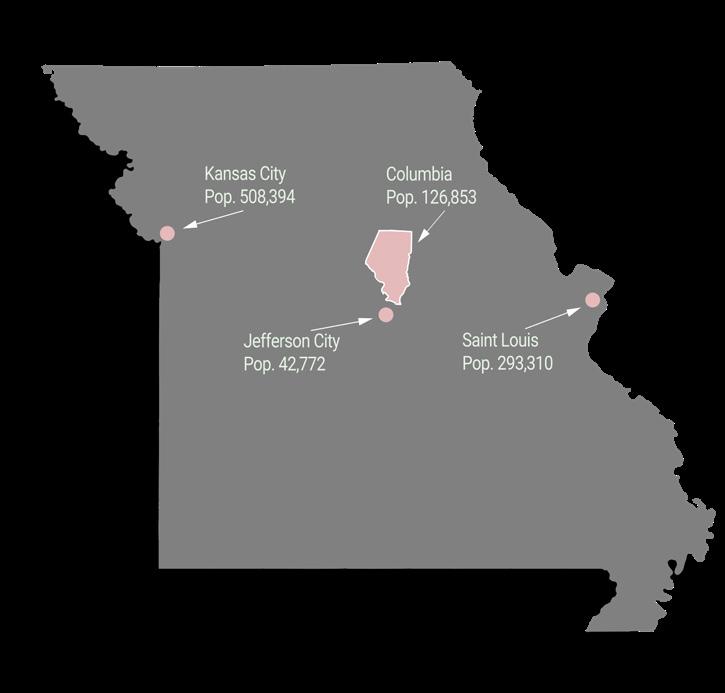
Douglass Park is a historic community just north of downtown Columbia, MO. The area is mostly low-rise residential, with many of the units falling into disrepair with few renovations. The area is also home to the highest % of impoverished individuals and families, with over 40% of its inhabitants making less than $15,000 annually. According to the Columbia Housing Authority (CHA), whose office is located in Douglass Park, a majority of the Section 8 Housing Voucher applications also come from this area. Most of these applicants are young singles. Despite this, most CHA properties accommodate the elderly, while recent developments assist larger households. Meanwhile, downtown Columbia has a growing art and culture scene, with many opportunities for community engagement. However, rent is incredibly high. Solar Grid is a proposed solution to allow younger individuals in the Douglass Park neighborhood to find affordable housing, with large potential for upward mobility in their own livelihood.
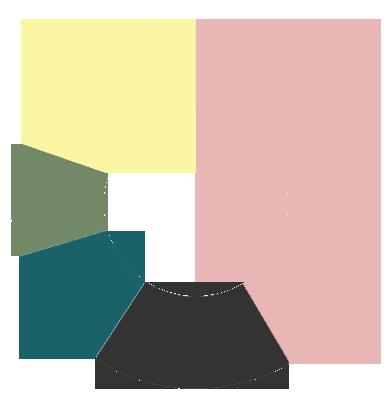
POPULATION BREAKDOWN
Within a 1 mi. radius of Columbia Housing Authority office





MARKET ANALYSIS

CHA AVAILABLE PROPERTIES
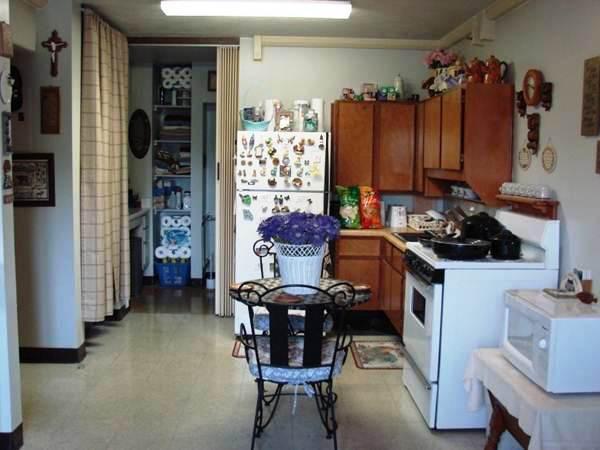
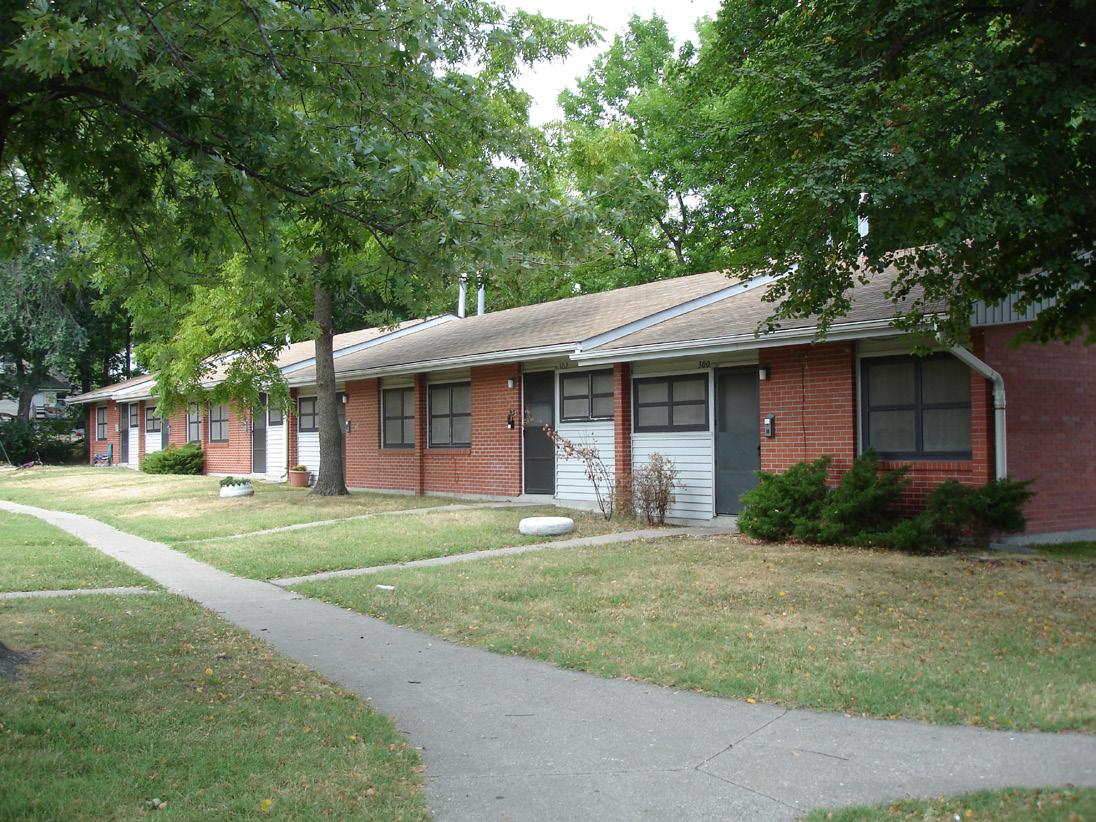
Most of Columbia Housing Authority’s properties assist the elderly, with few non-senior low-income housing available in the vicinity of Douglass Park or downtown.
• Outdated interiors
• Requirement of personal vehicle
• Disconnected from community
• High utility costs
PROPOSED SOLUTION
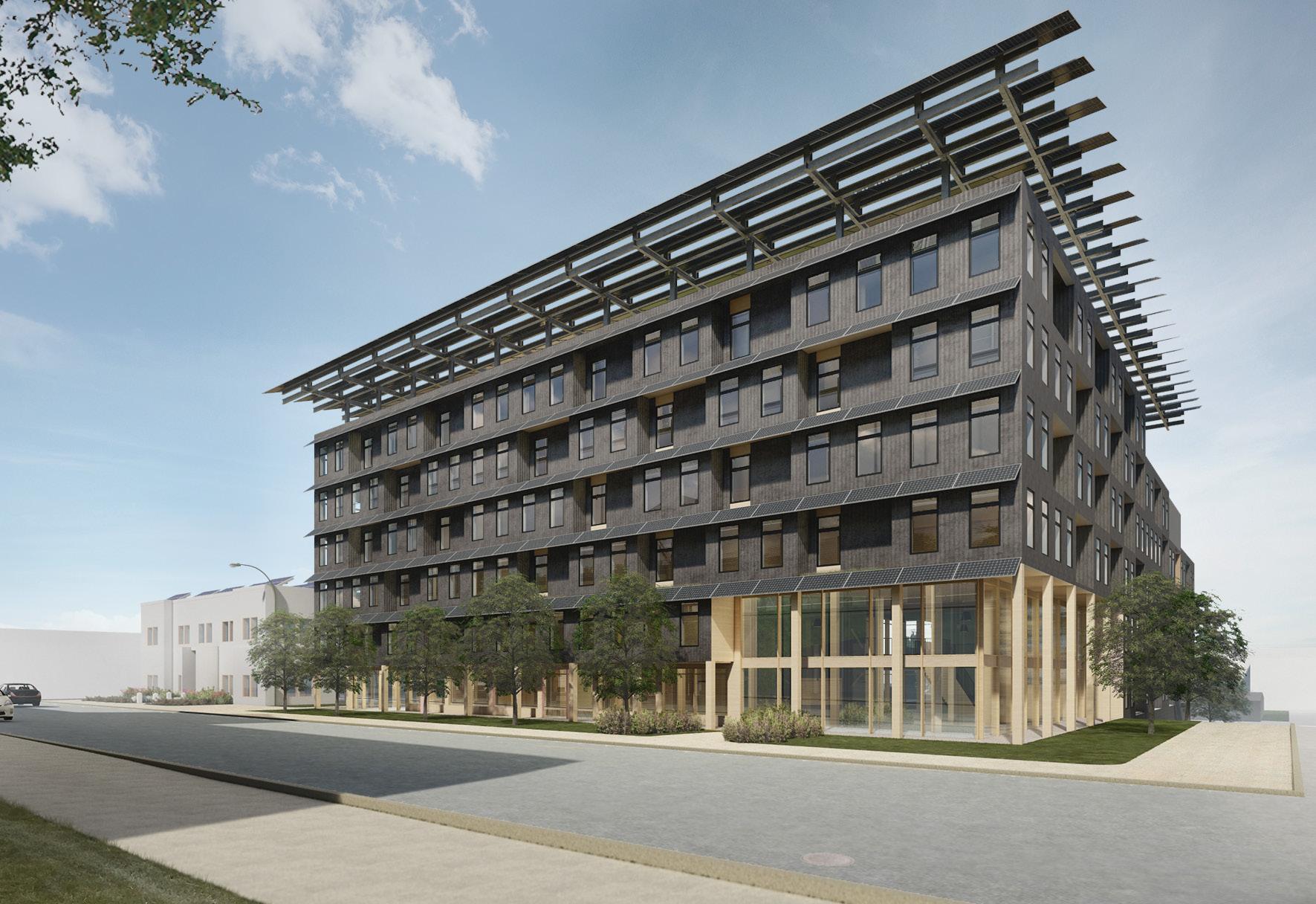
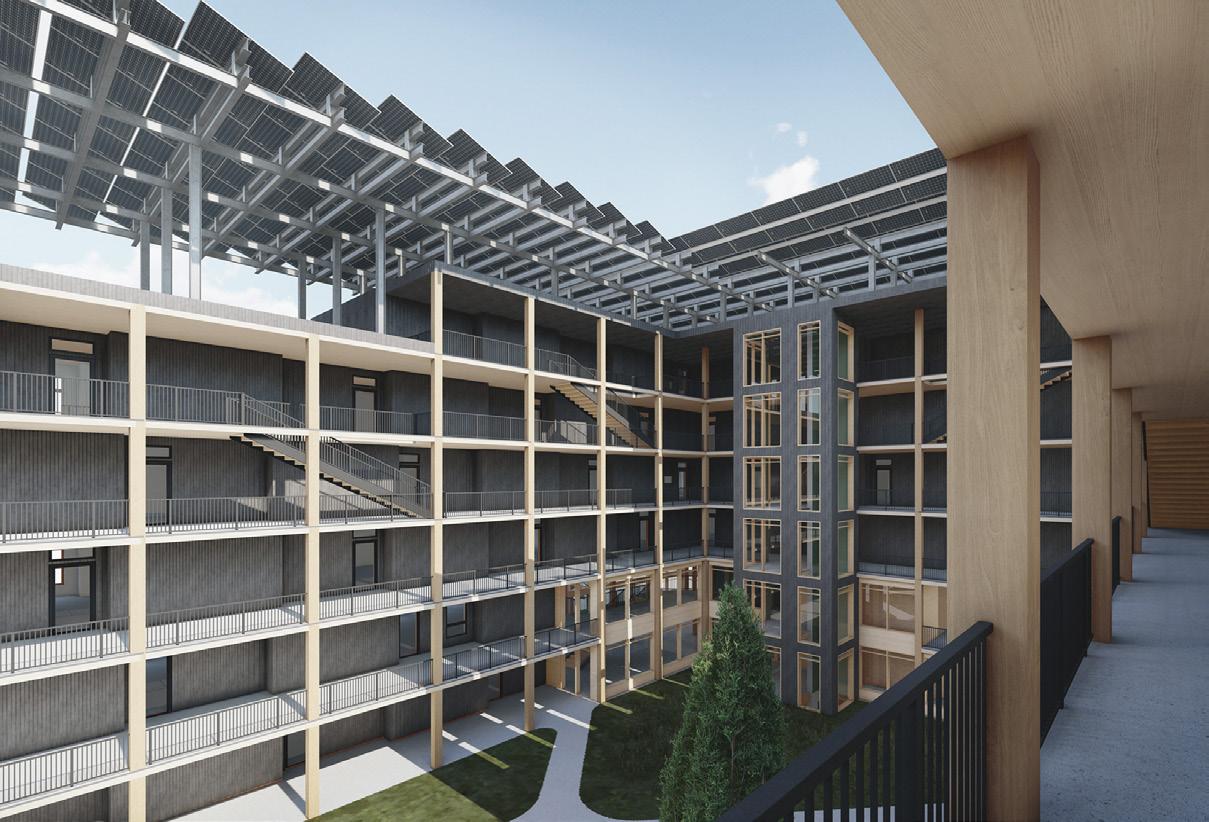
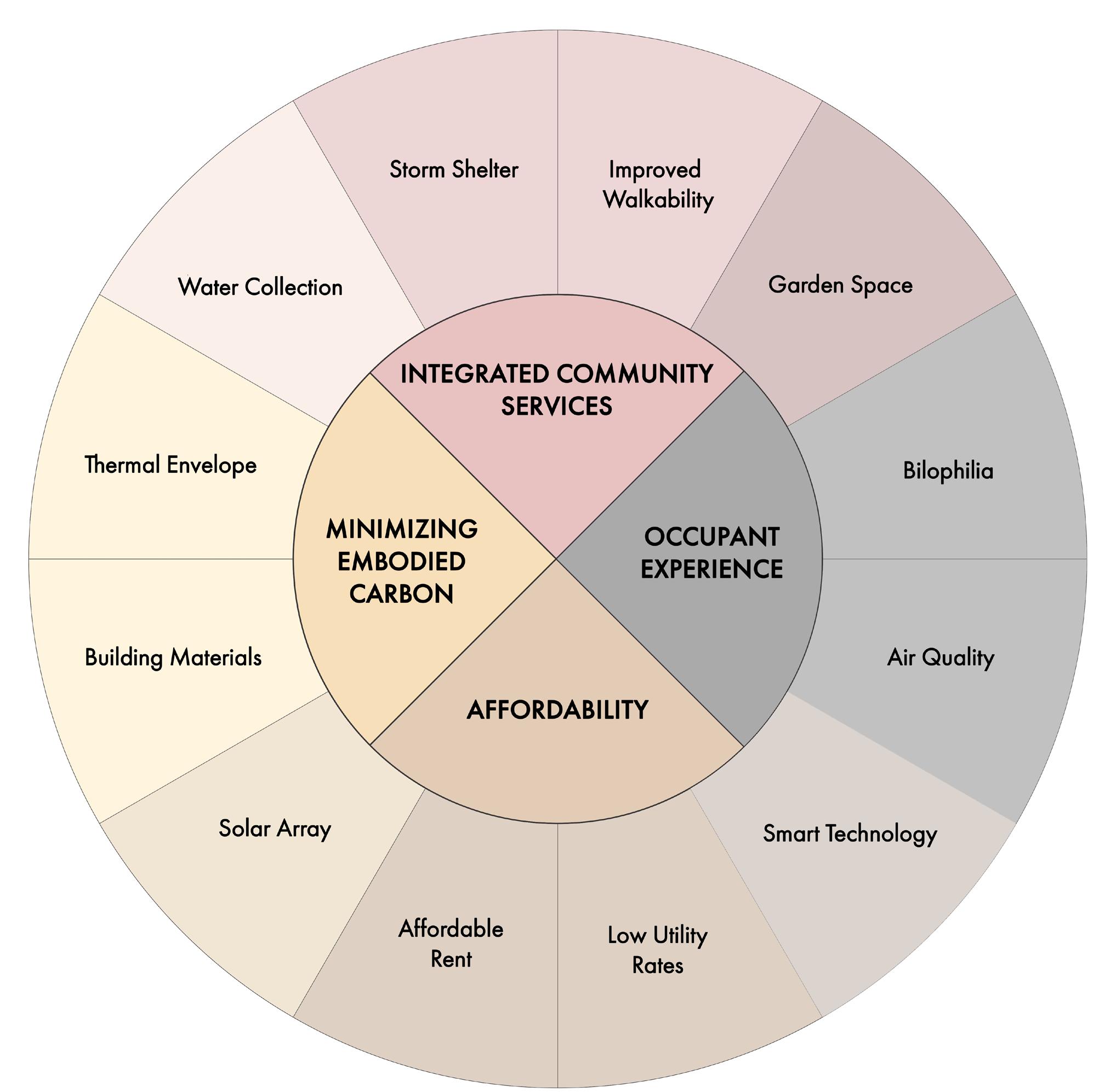
Our solution brings connects the building with the surrounding community, providing housing for an under-served demographic.
• Connected to community
• Immediate access to bus lines
• Abundant Vegetation
• Low utility costs
• Interior comfort and quality
• Opportunities for upward mobility
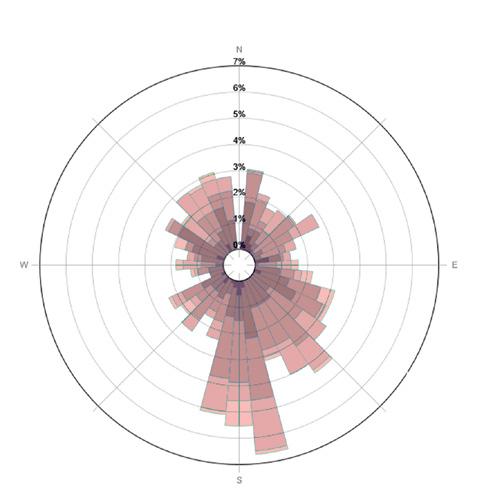
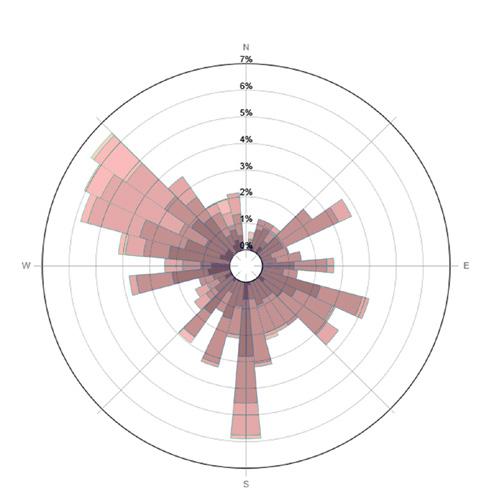
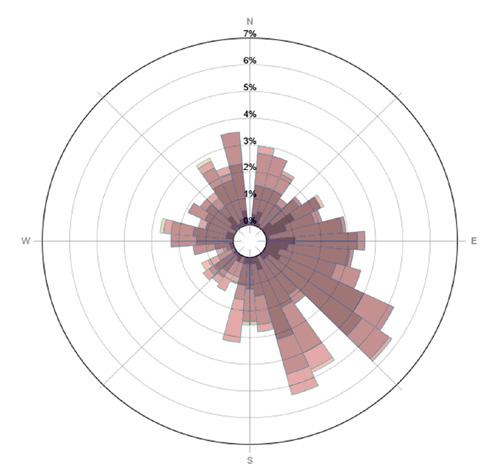
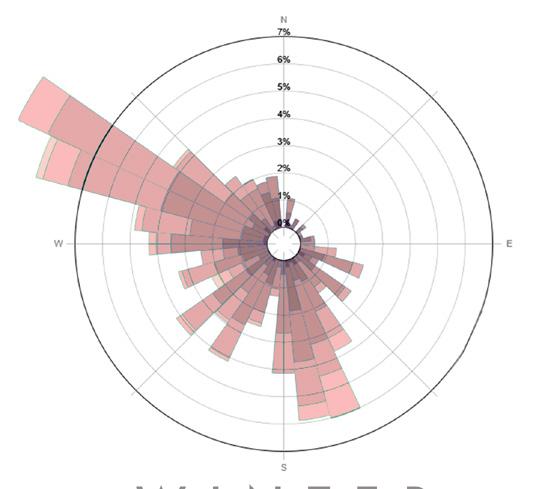
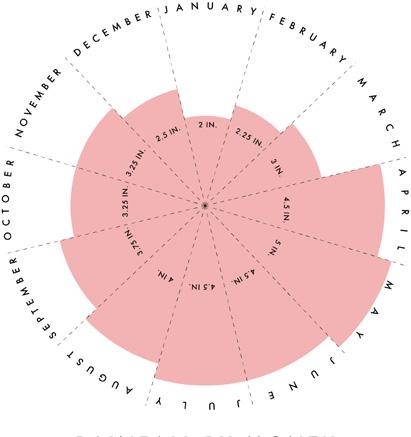
SITE AND CLIMATE
CHA AVAILABLE PROPERTIES
LOCATION: 701 E. Ash St, Columbia MO
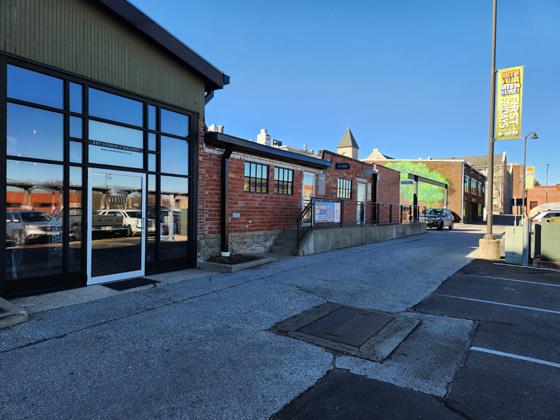
NEIGHBORHOOD: North Village Arts District
LOT SIZE: 1.65 acres shared with Armory Recreation Center
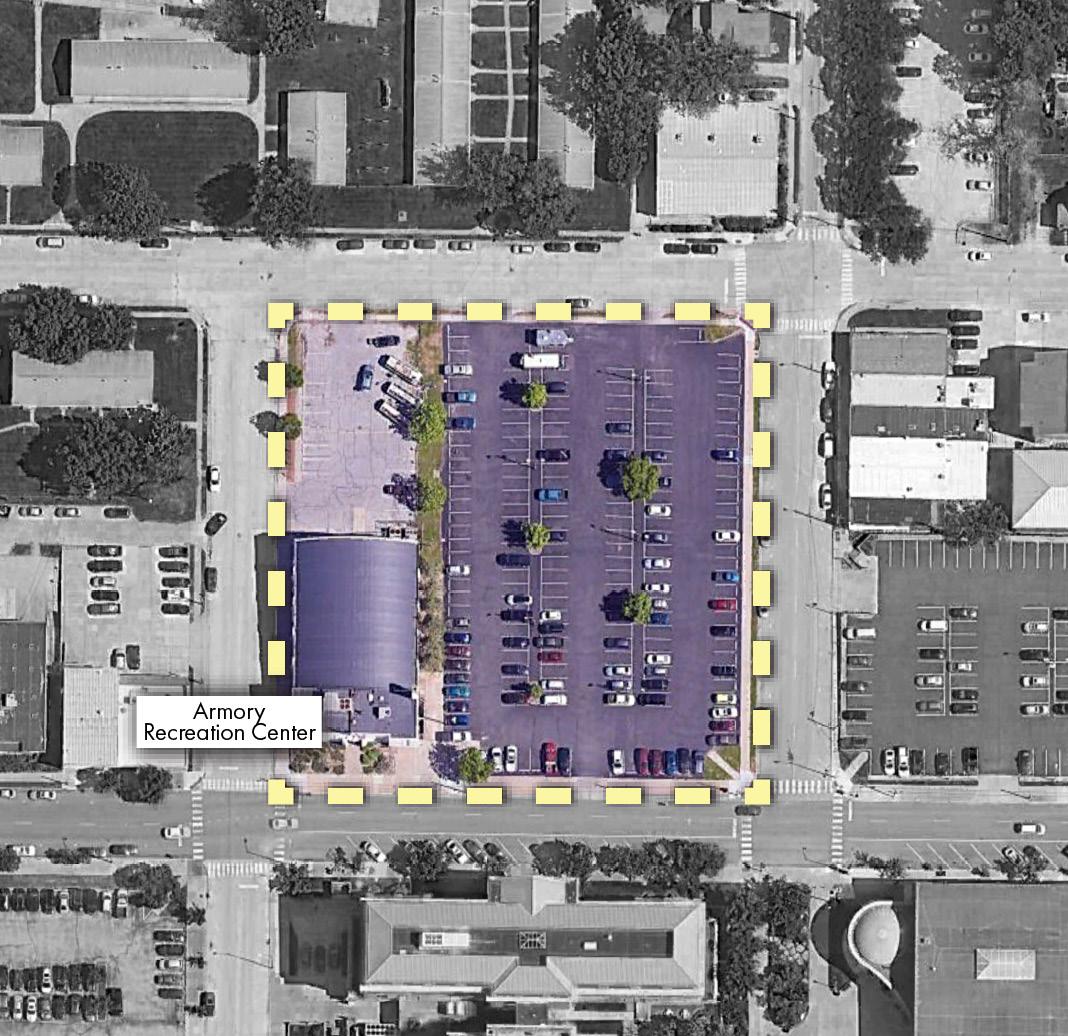
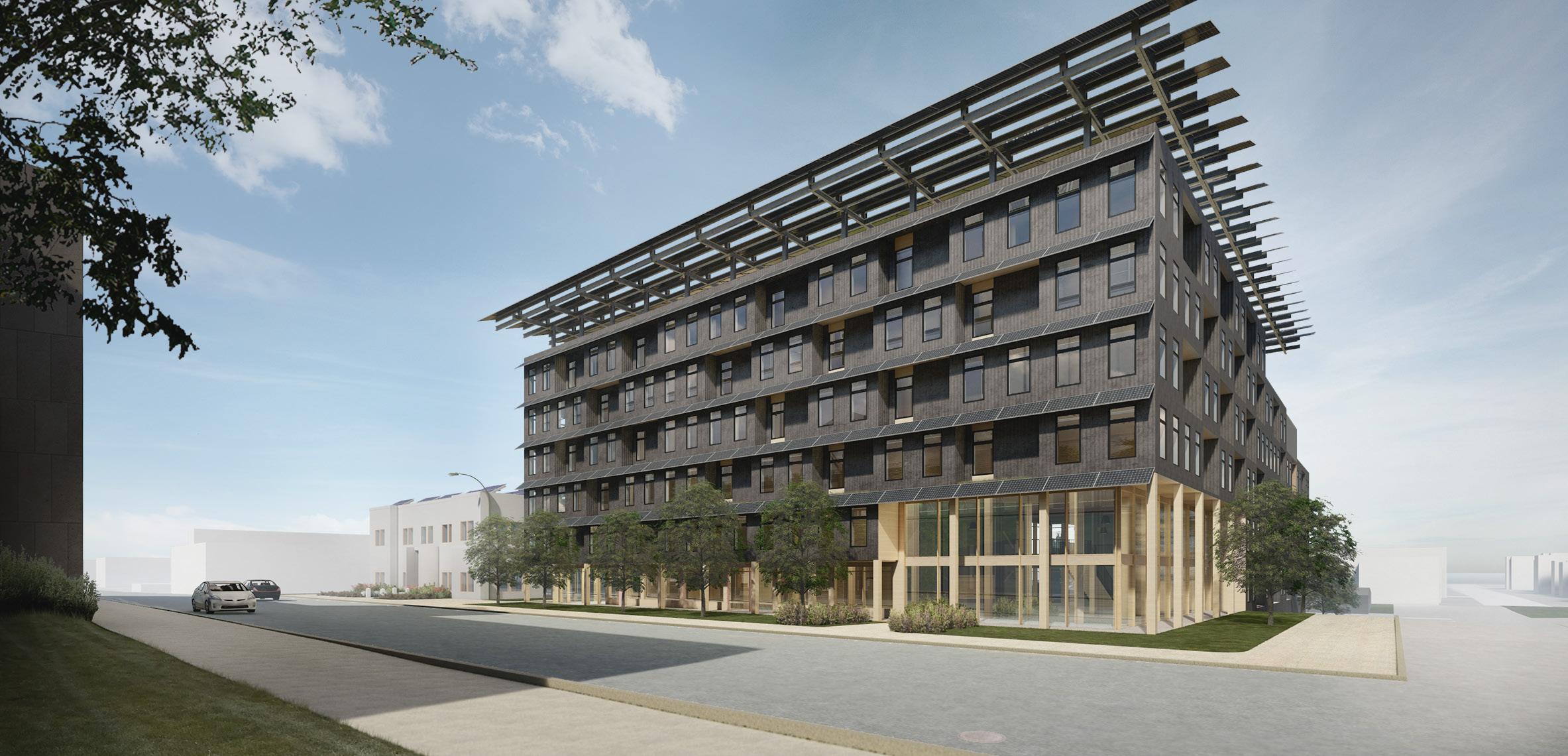
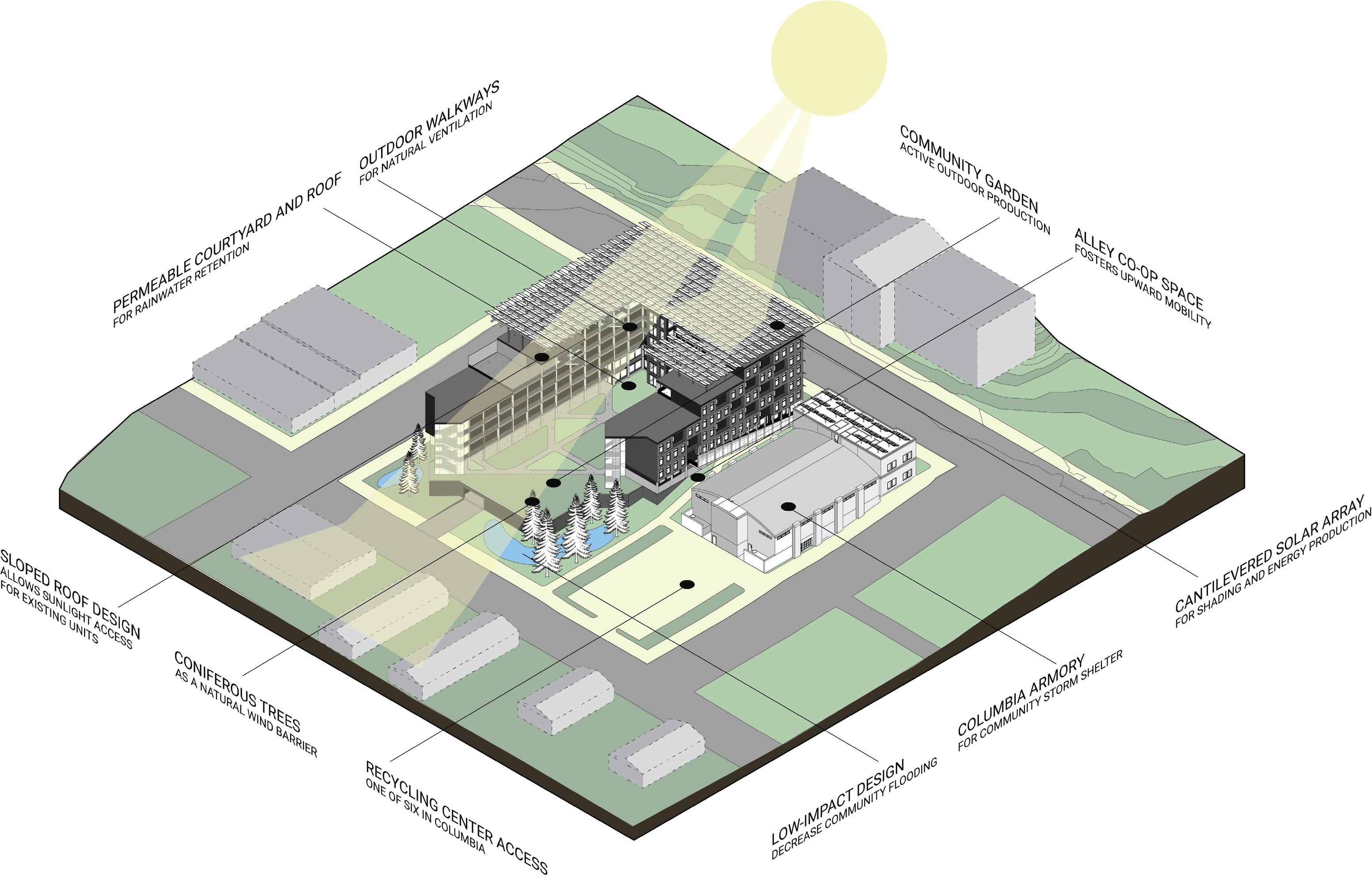
We chose the site for its proximity to downtown and Douglass Park, giving tenants nearby access to bus lines, restaurants, grocery stores, and other benefits of the district. The location of the Armory Recreation Center allows the building to maximize its living units while still giving the occupants the necessary amenities of a typical apartment complex.
DESIGN GOALS
ARCHITECTURE
six1-BR, two 2-BR
nine1-BR, two 2-BR
seven 1-BR, six 2-BR
ten 1-BR, three 2-BR
four 1-BR, three 2-BR
CHA branch office
work suite
career suite
laundry
community kitchen
lobby
three 1-BR, one 2-BR
courtyard/community garden
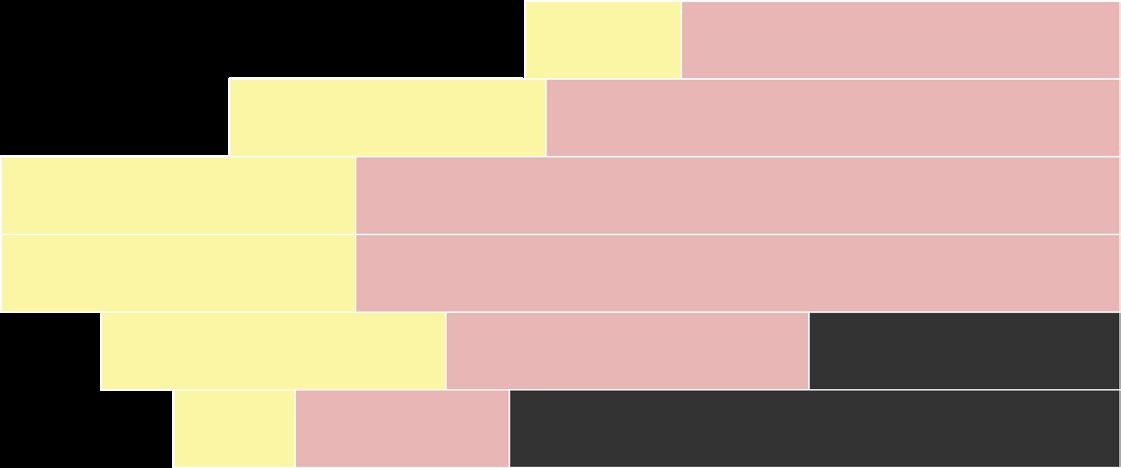
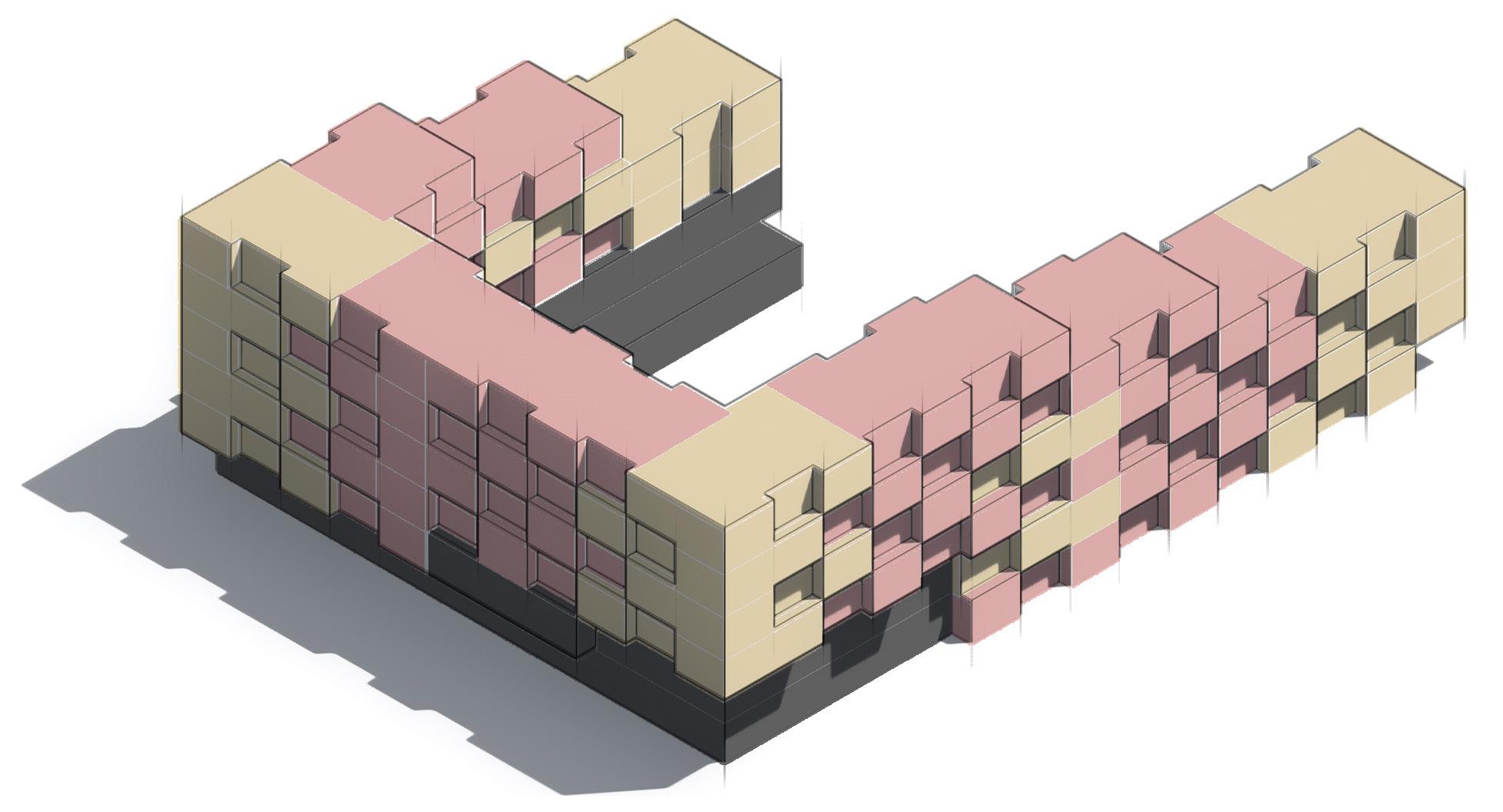
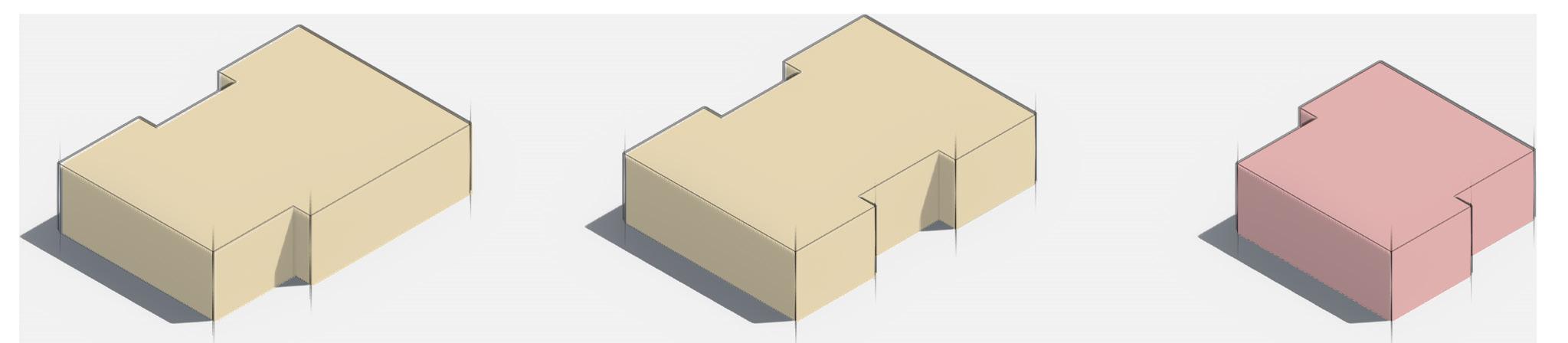
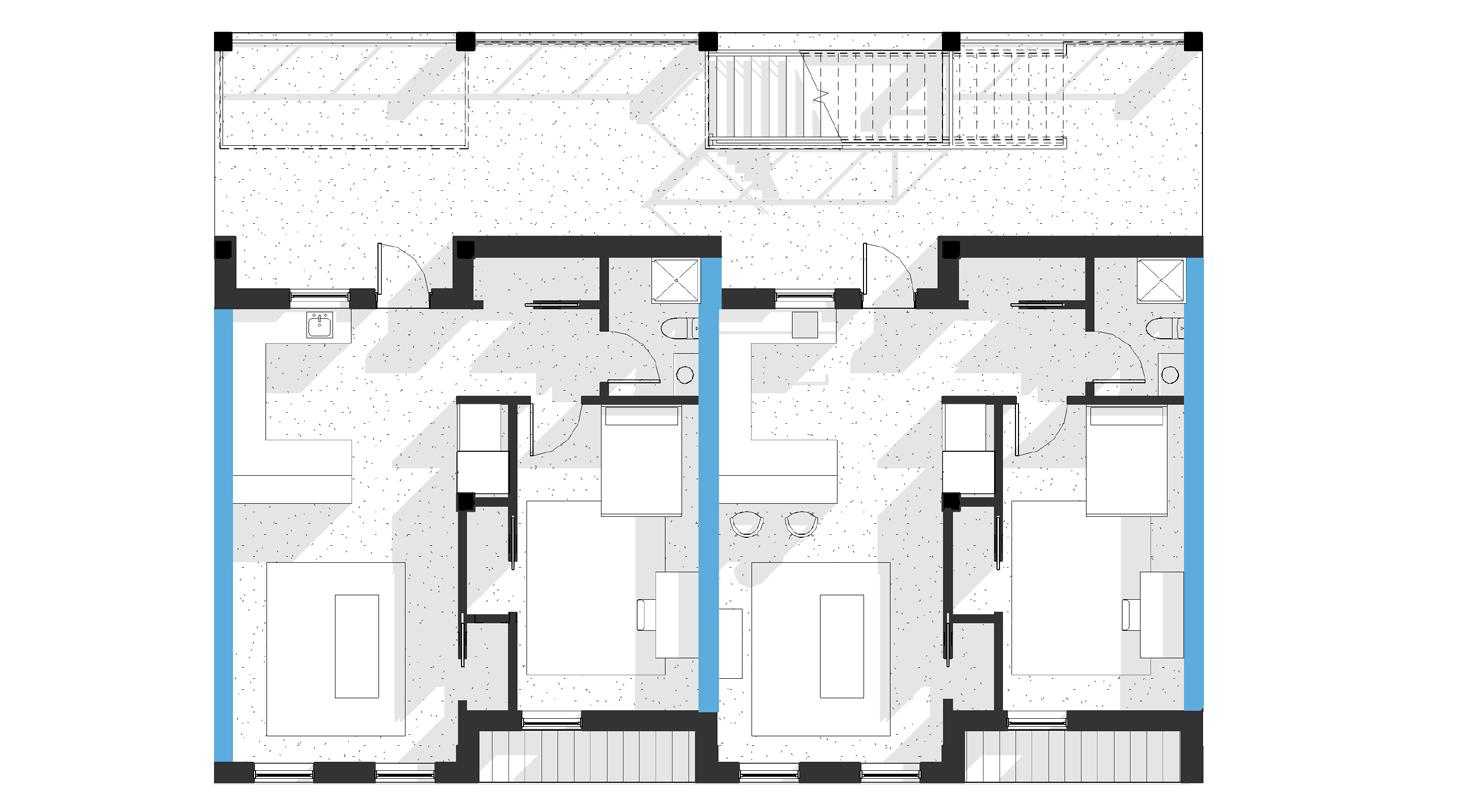
Living spaces were designed as modular units that repeat in a staggered pattern throughout the building, creating voids for shading and privacy, and accentuating the grid-like form. The building steps down with the site, allowing natural light to reach the low-rise residences to the north and creating community spaces on the roof.
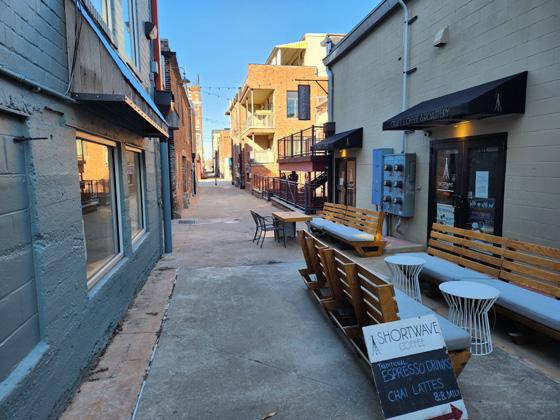
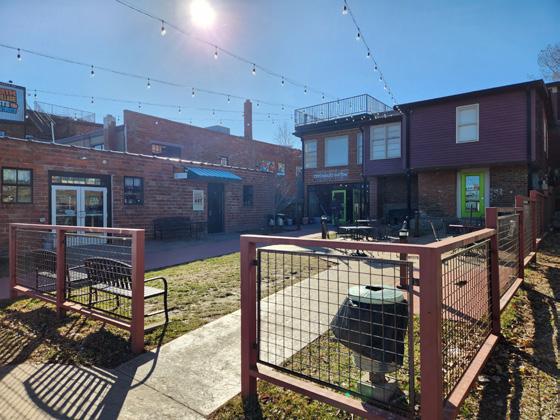
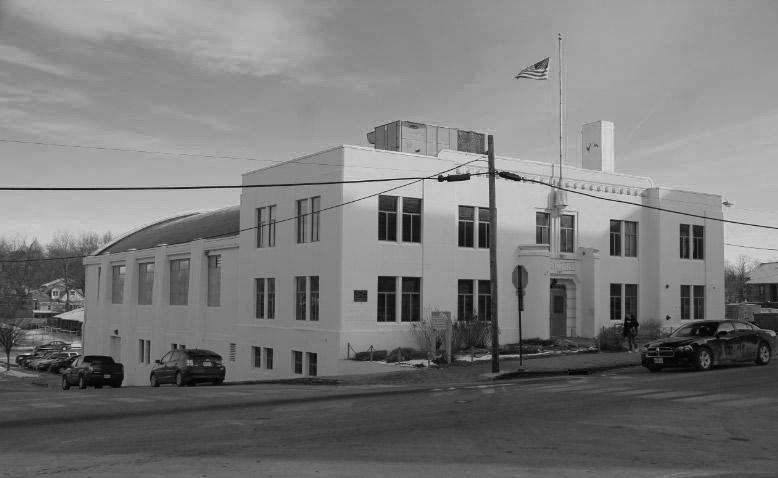
Co-op spaces face the armory, creating an active alley to mimic the current circulation of the North Village Arts District. A second story bridge and subterranean storm shelter connect the two buildings, allowing for ease of travel for occupants.
ARCHITECTURE
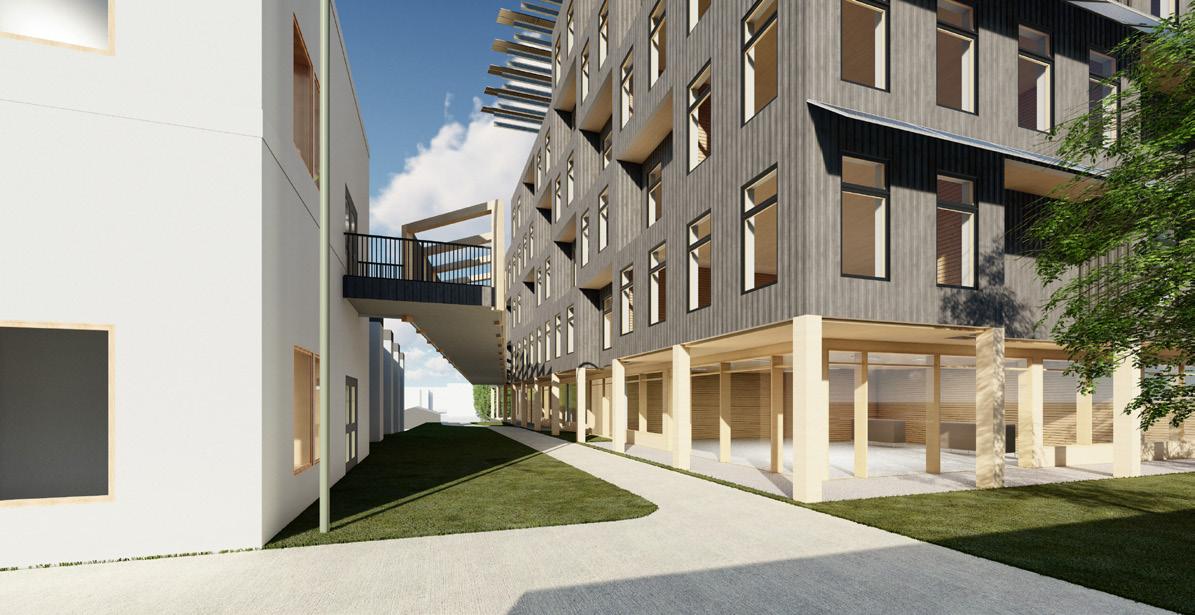
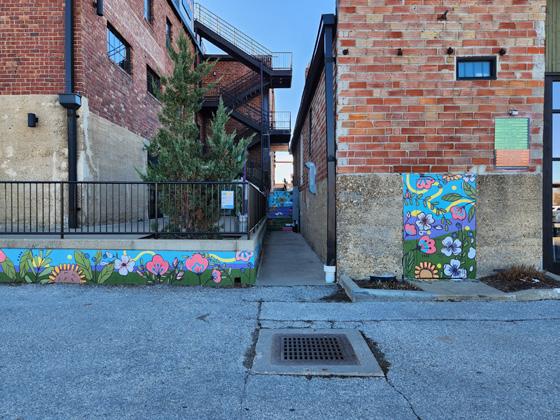
Co-op spaces mimic the hidden, more intimate storefronts of the North Village Arts District. There is plenty of opportunity in the area to explore.
ARCHITECTURE
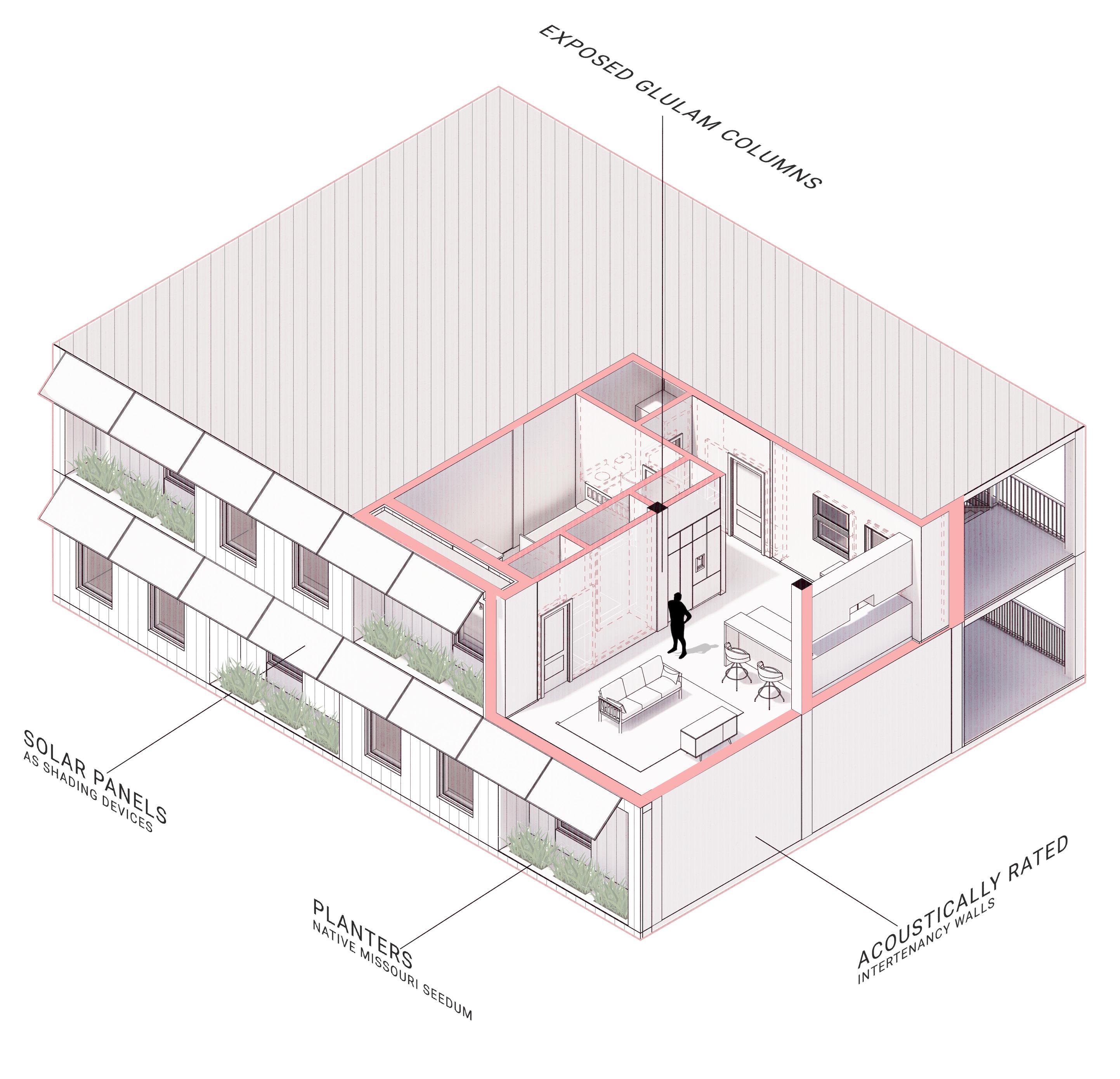
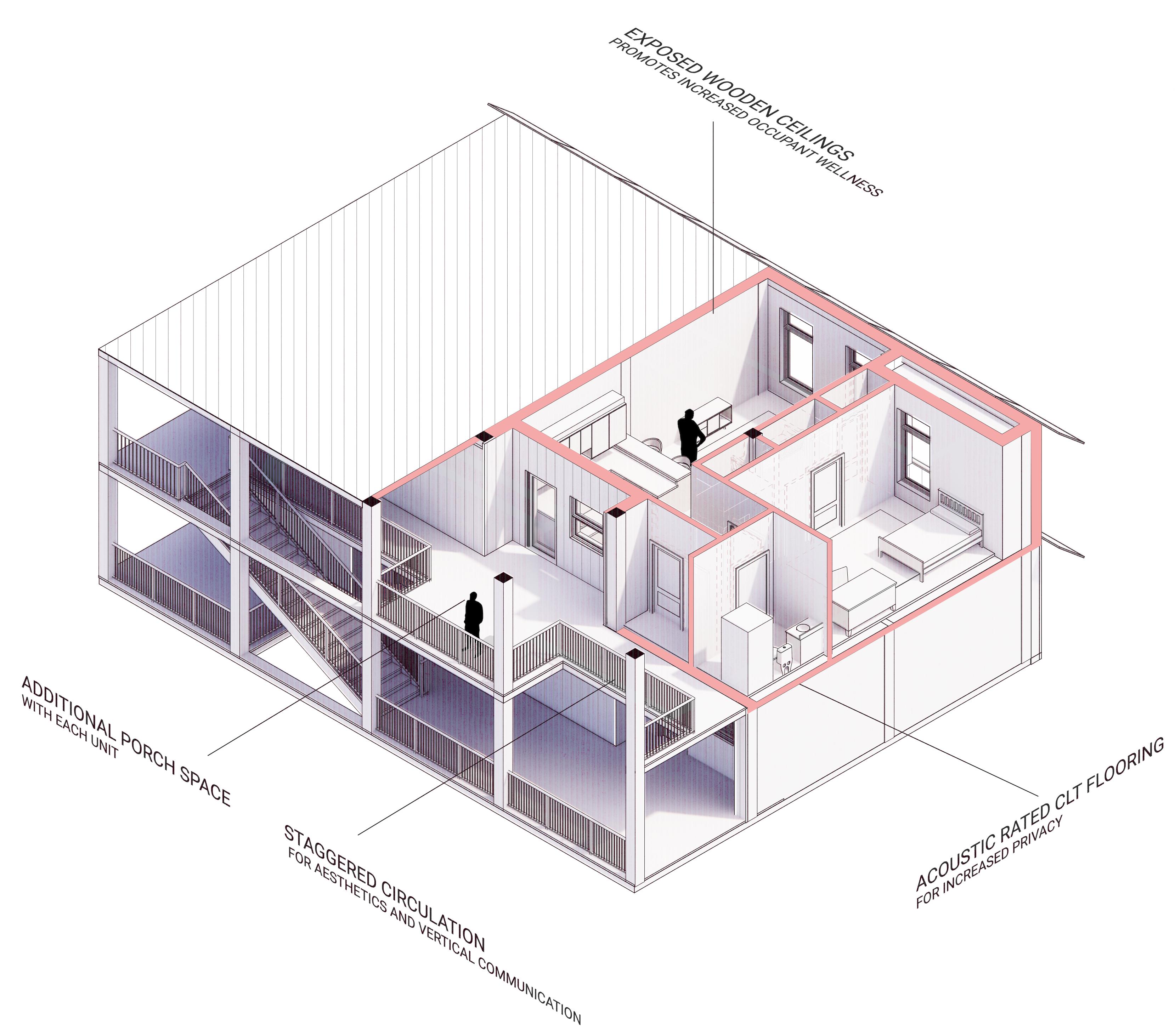
4 UNIT MODULE
ENGINEERING
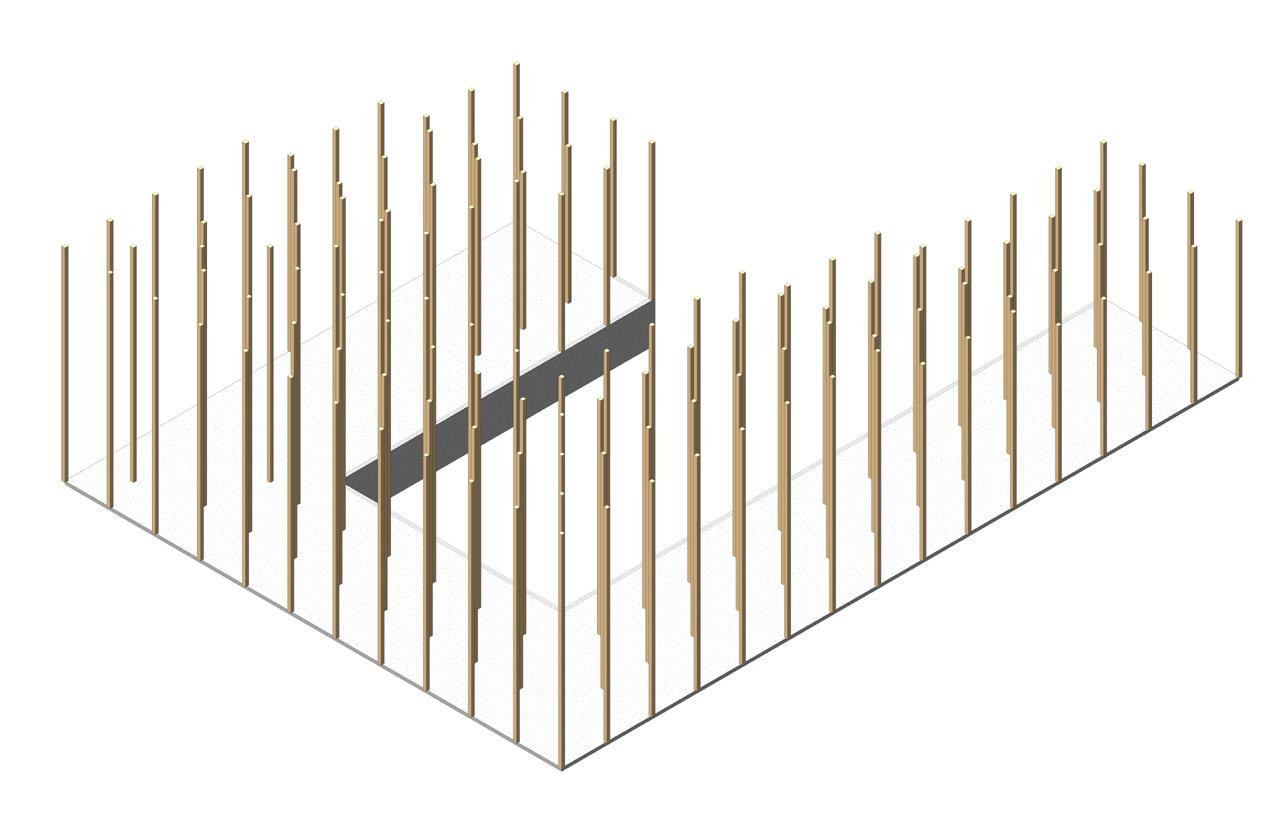
GLULAM GRID ON LOW CARBON CONCRETE FOUNDATION
Fire-rated glulam beams meet structural demands at less weight than steel or concrete. Modularity allows for ease of construction.
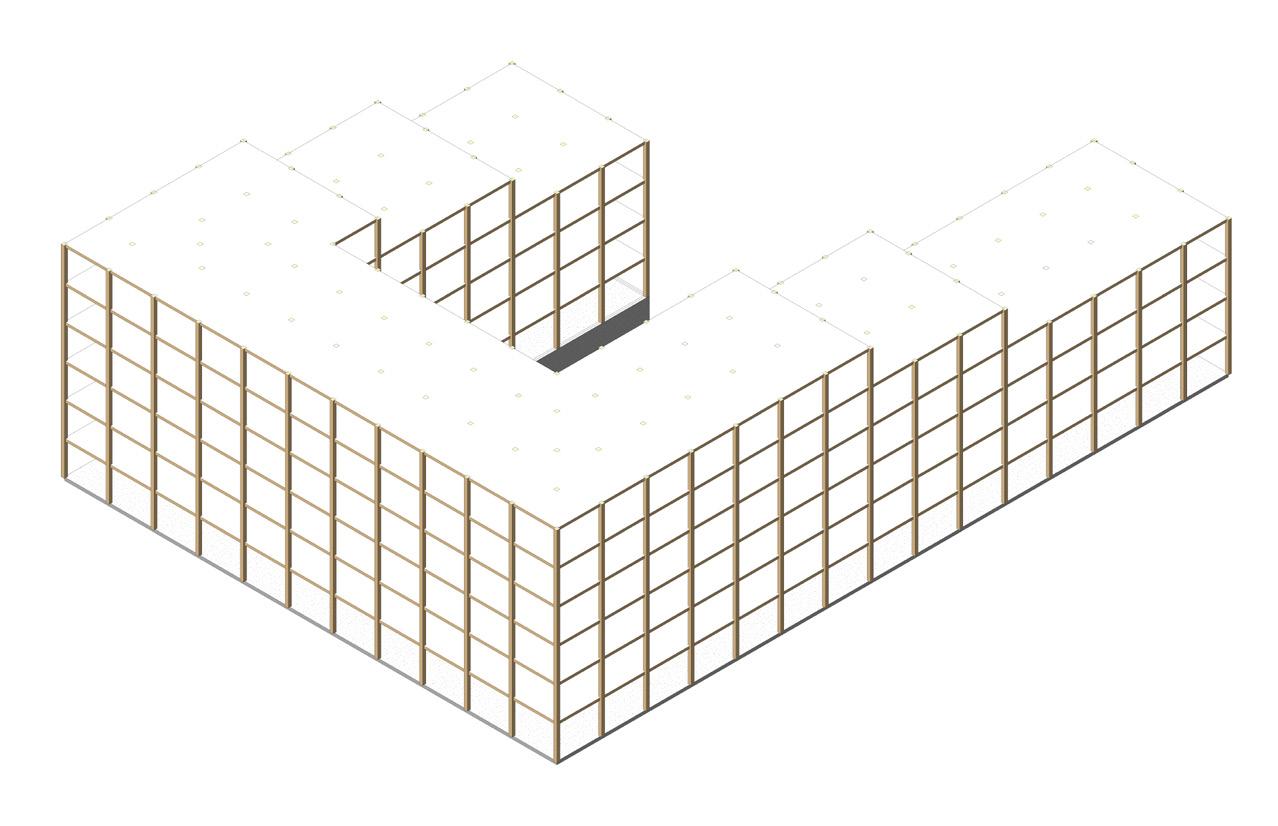
PREFABRICATED CLT SLAB WITH 2” CONCRETE FINISH
Acoustic-rated CLT pre-fab slab assembly allows for easy customization. Exposed ceilings and beams improve occupant comfort.
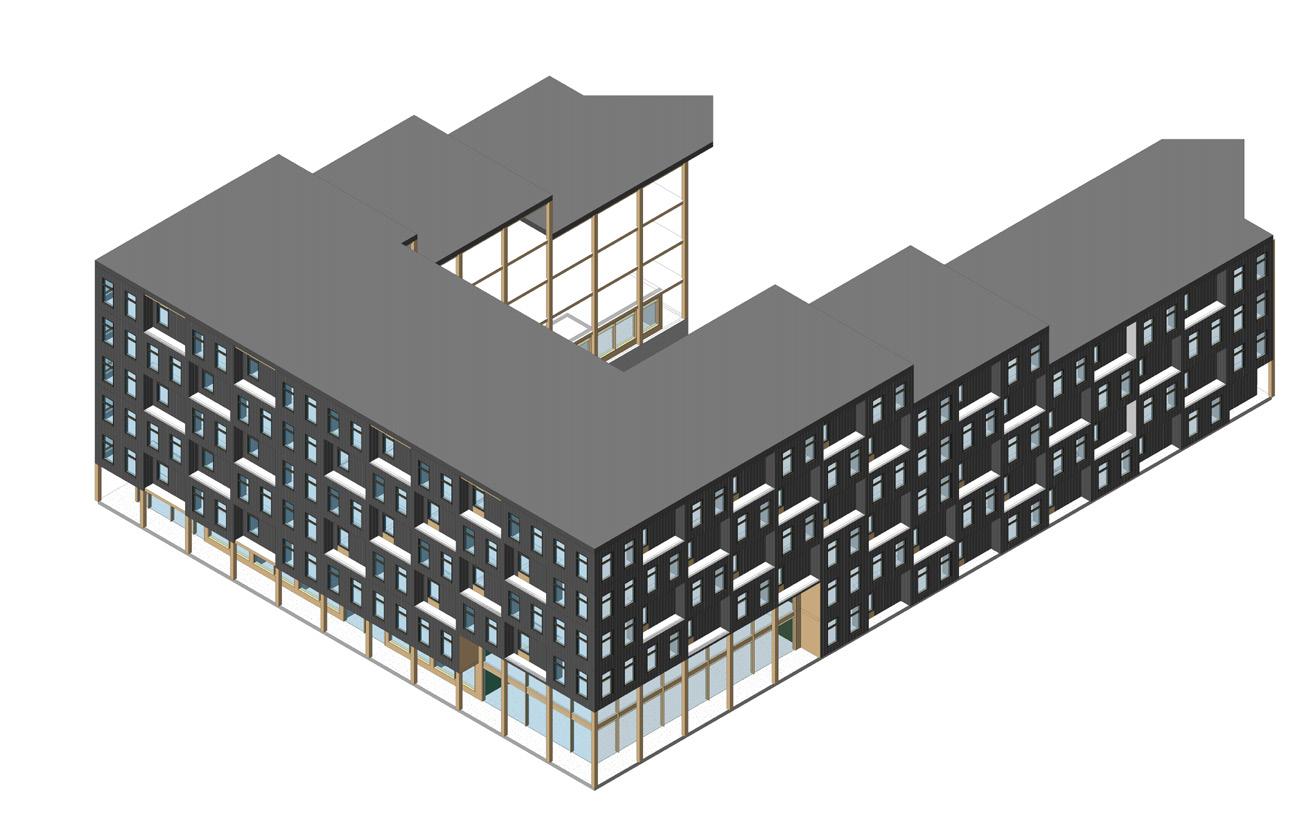
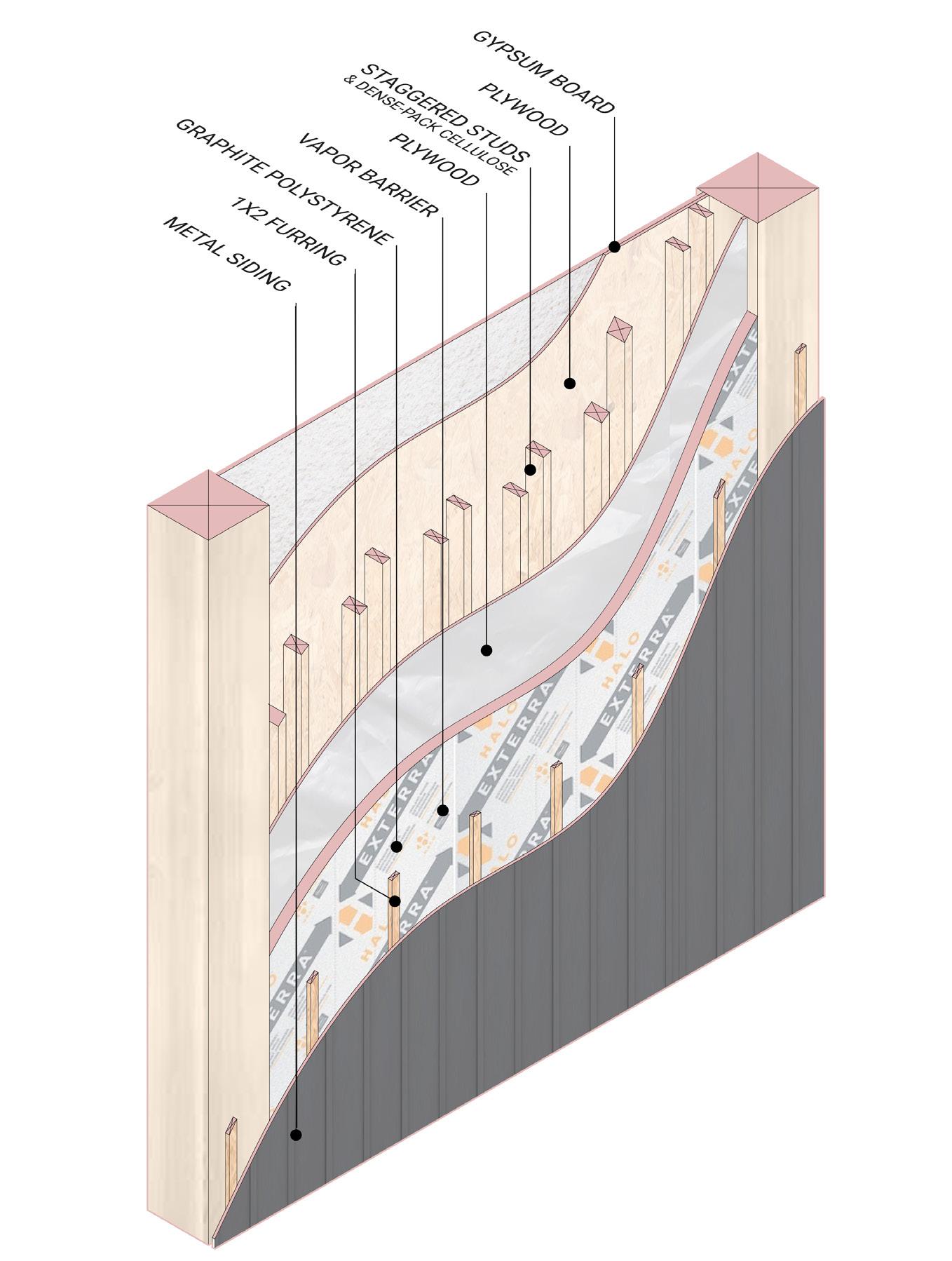
AIR-TIGHT HIGHLY INSULATED BUILDING ENVELOPE
R-40 walls wrap post-beam-panel structural grid, eliminating potential for thermal bridging. Glulam beams left exposed at ground level.
ENGINEERING
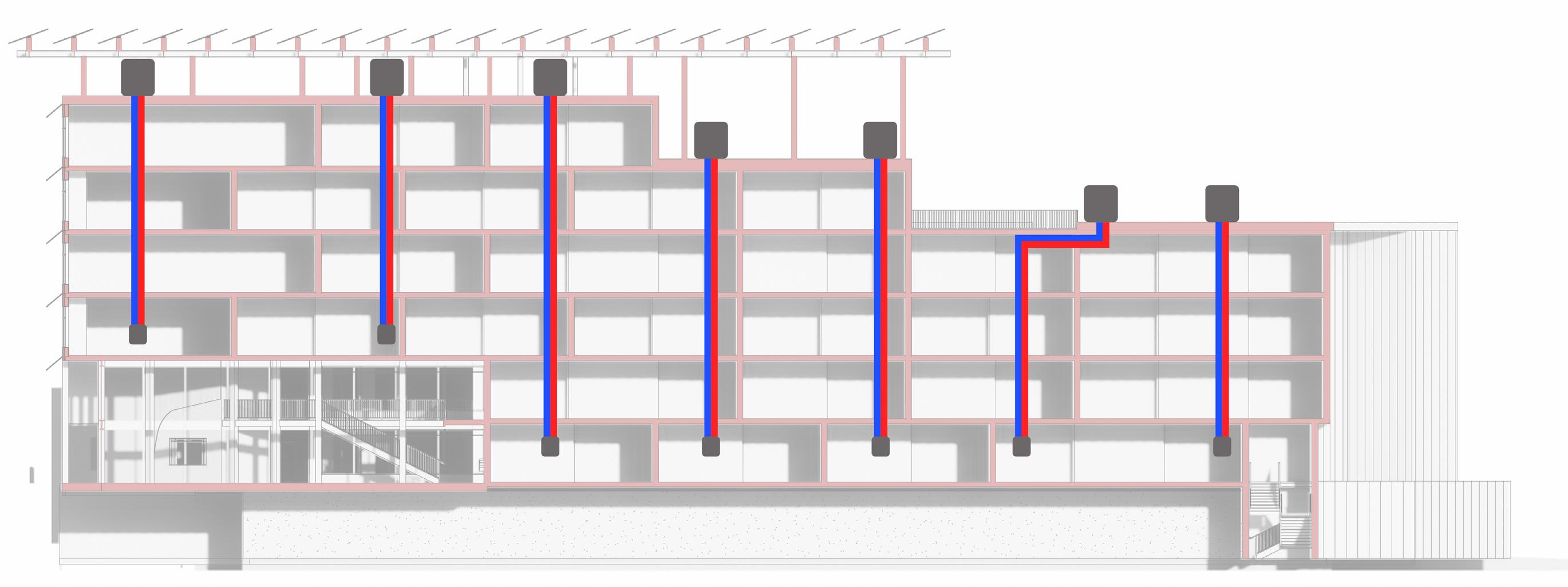
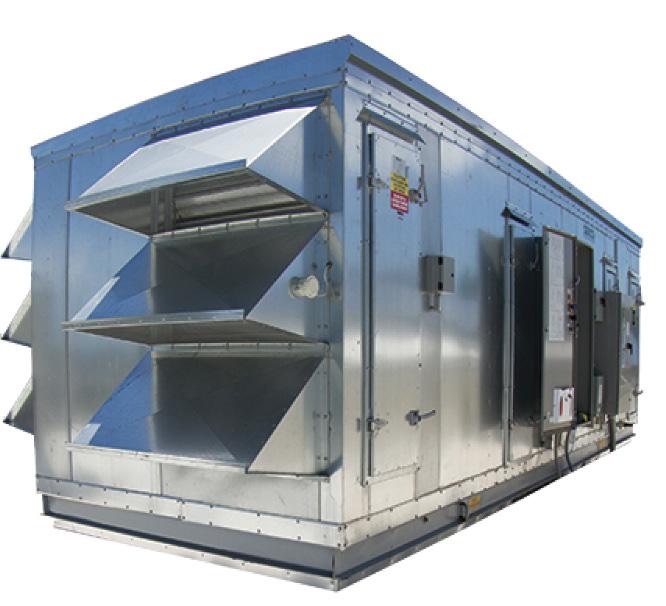
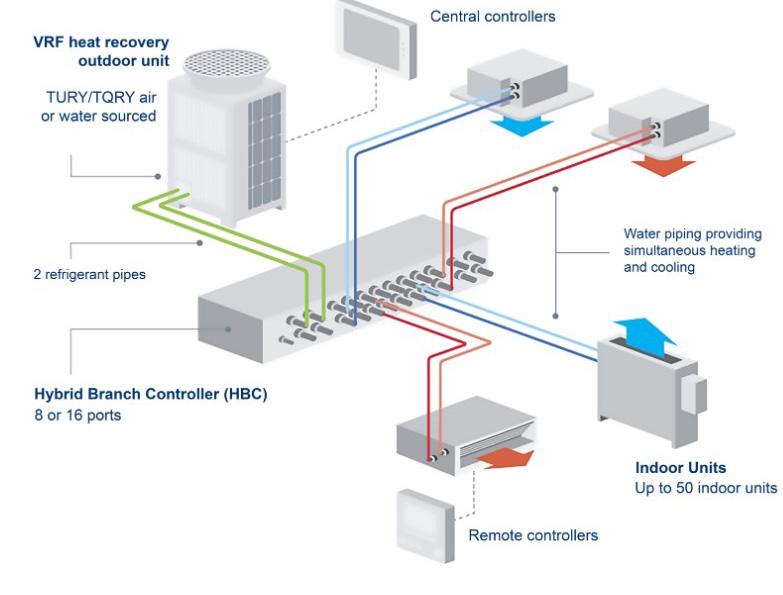
IMPLEMENTATION OF HVRF AIR:AIR HEAT PUMP
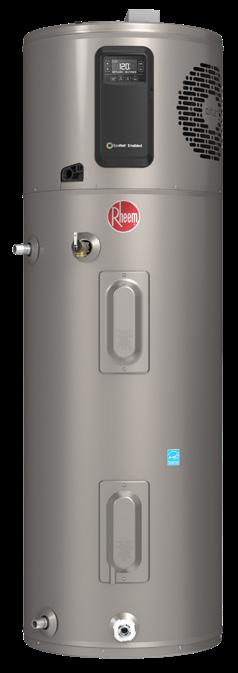
A air-to-air multi-zone hybrid VRF (HVRF) system will handle the heating and cooling demands of our building. The HVRF uses less refrigerant and can operate at lower temperatures with continuous heating so that rooms do not lose temperature during defrosting. A DOAS with an ERV will help reduce the energy demand for heating and cooling, while improving overall occupant comfort. Units will have hybrid water heaters which save 75% energy consumption compared to standard options.
SEMCO ERV
RHEEMS WATER HEATER
PLUMBING
OCCUPANT EXPERIENCE
BIOPHILIC INTERIORS
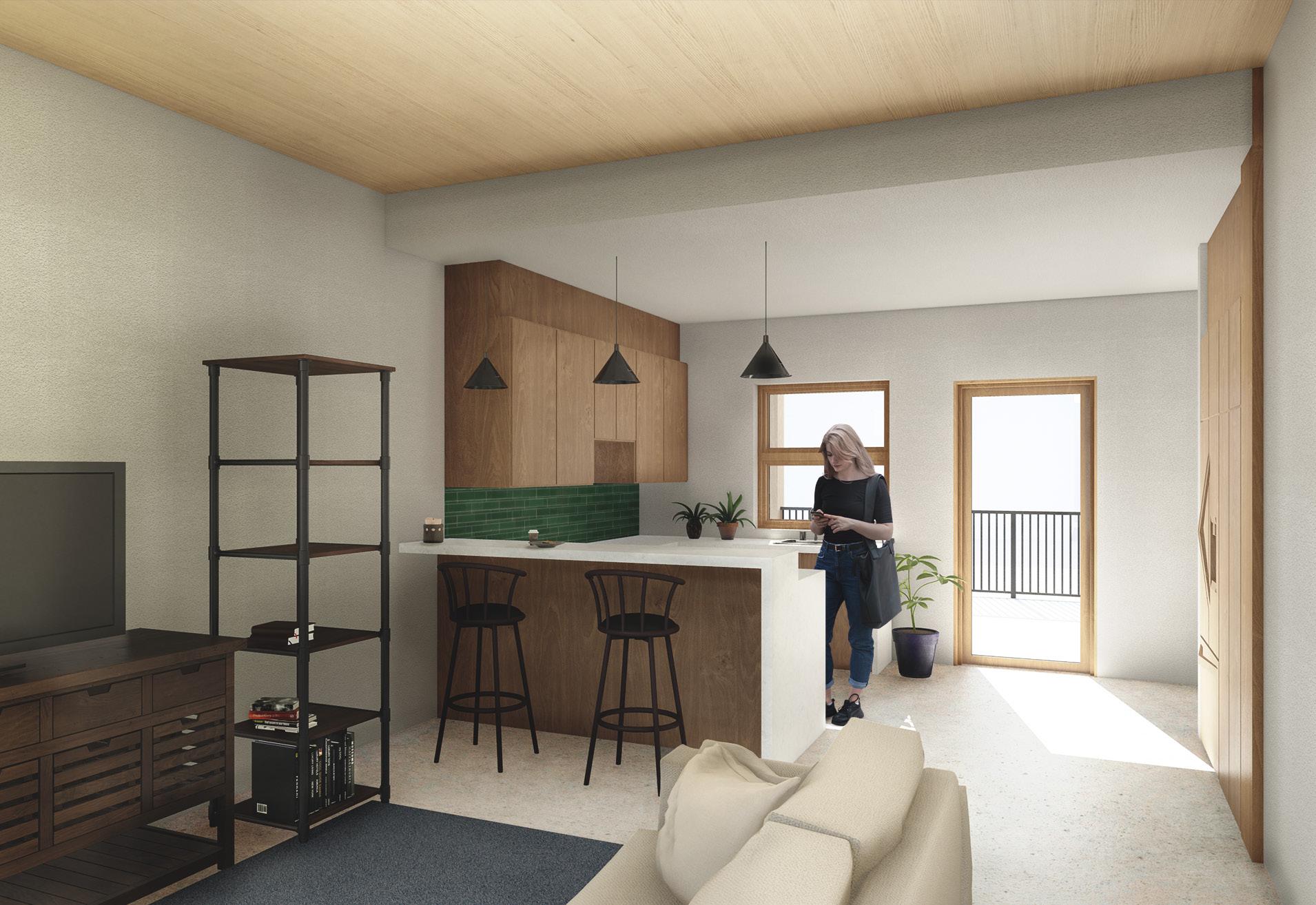
Appearance of exposed wood and natural daylighting proven to improve physical and mental well-being
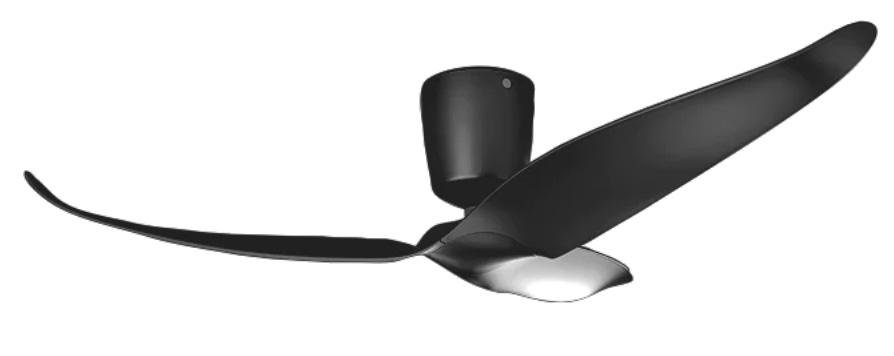
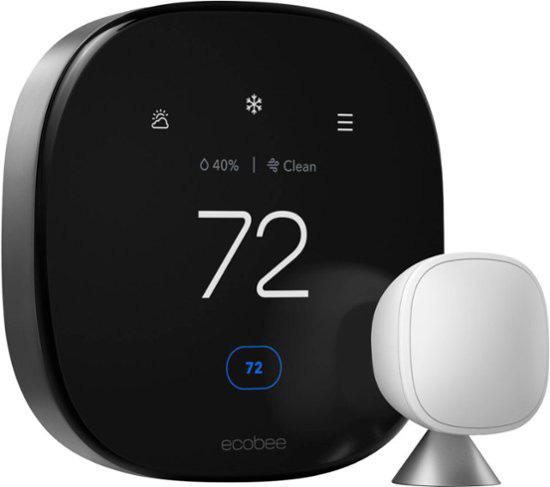
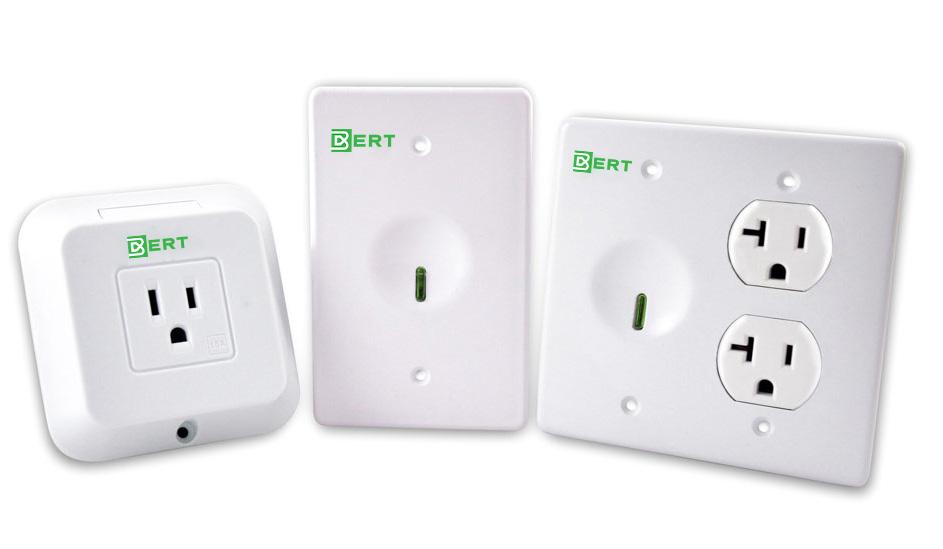
OPTIMIZATION OF INDOOR AIR QUALITY & PLUG LOAD MANAGEMENT
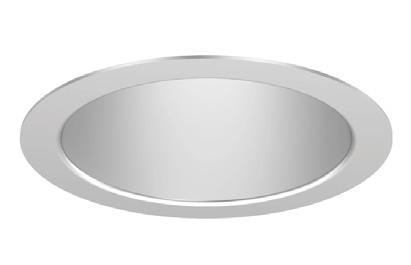
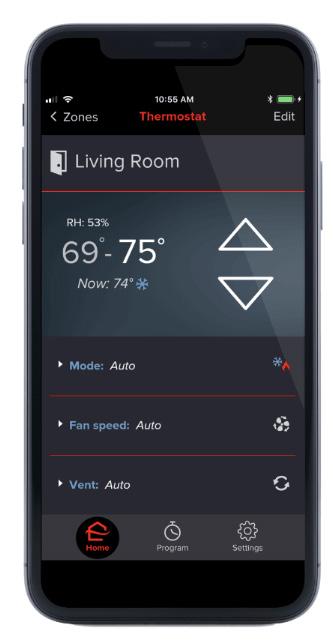
EFFICIENT LED LIGHTING OCCUPANT CONTROLLED COMFORT
OCCUPANT
DURABILITY AND RESILIENCE
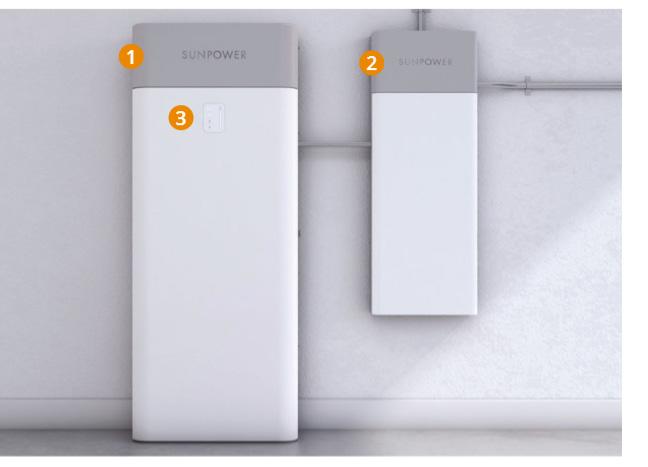
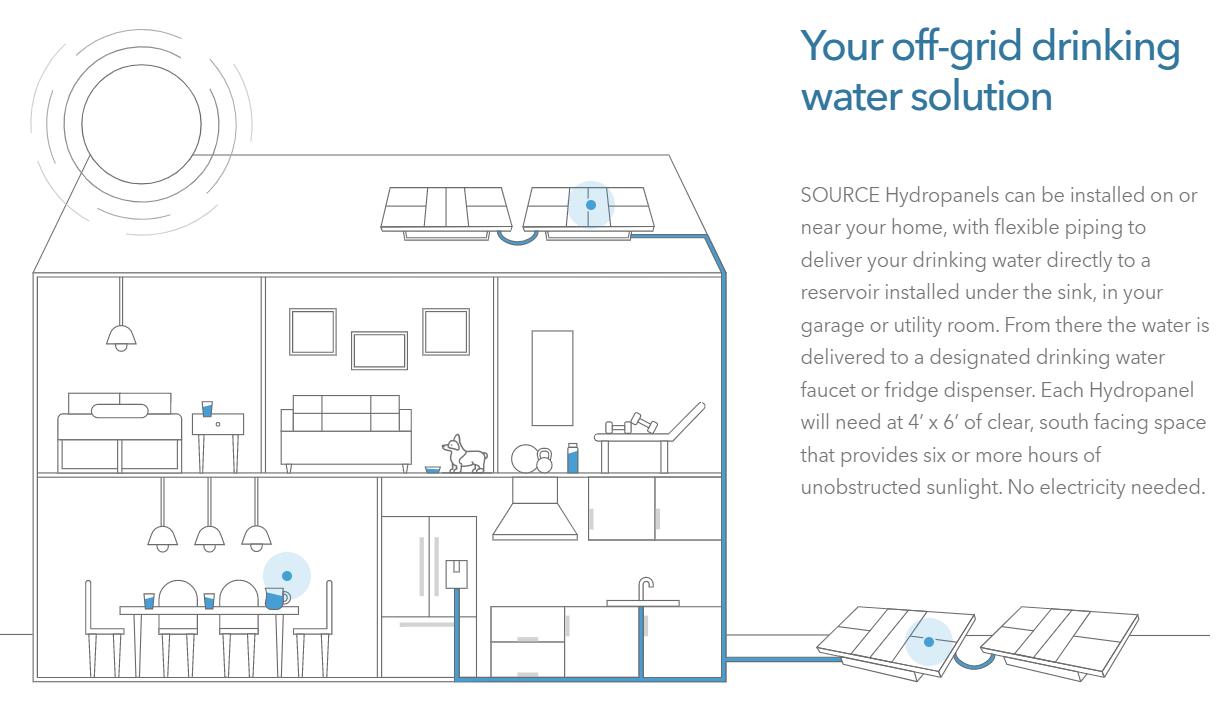
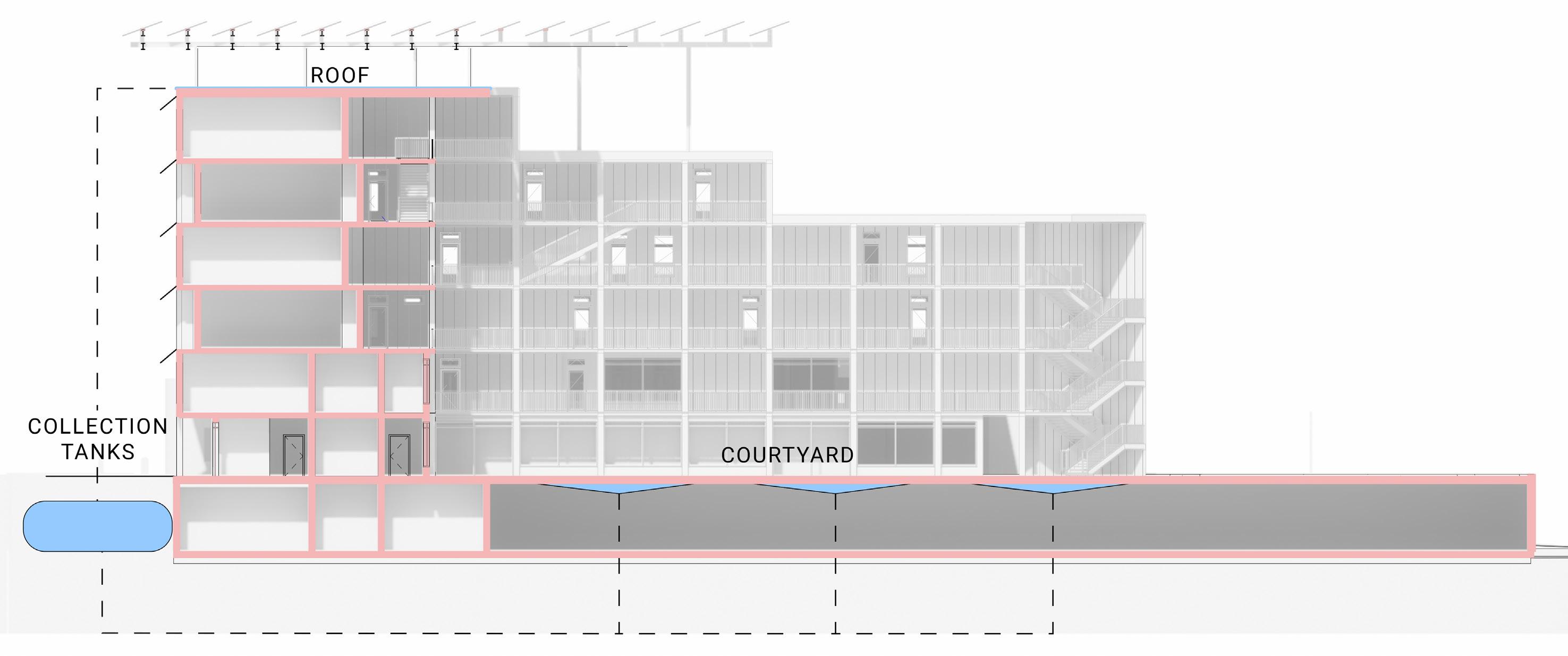
The Columbia Armory also acts as a community storm shelter and disaster relief center. In times of emergency, Solar Grid will open its own storm shelter and provide the armory with its supply of solar energy and recycled stormwater, the latter lasting up to 11 days. We are experimenting with Source Water Panels to
help meet drinking water demands without further relying on the grid.
The exterior materials of the building were selected to endure harsh storm weather while remaining energy efficient. Concealing the glulam columns prolongs their life-cycle.
INTEGRATED SYSTEMS
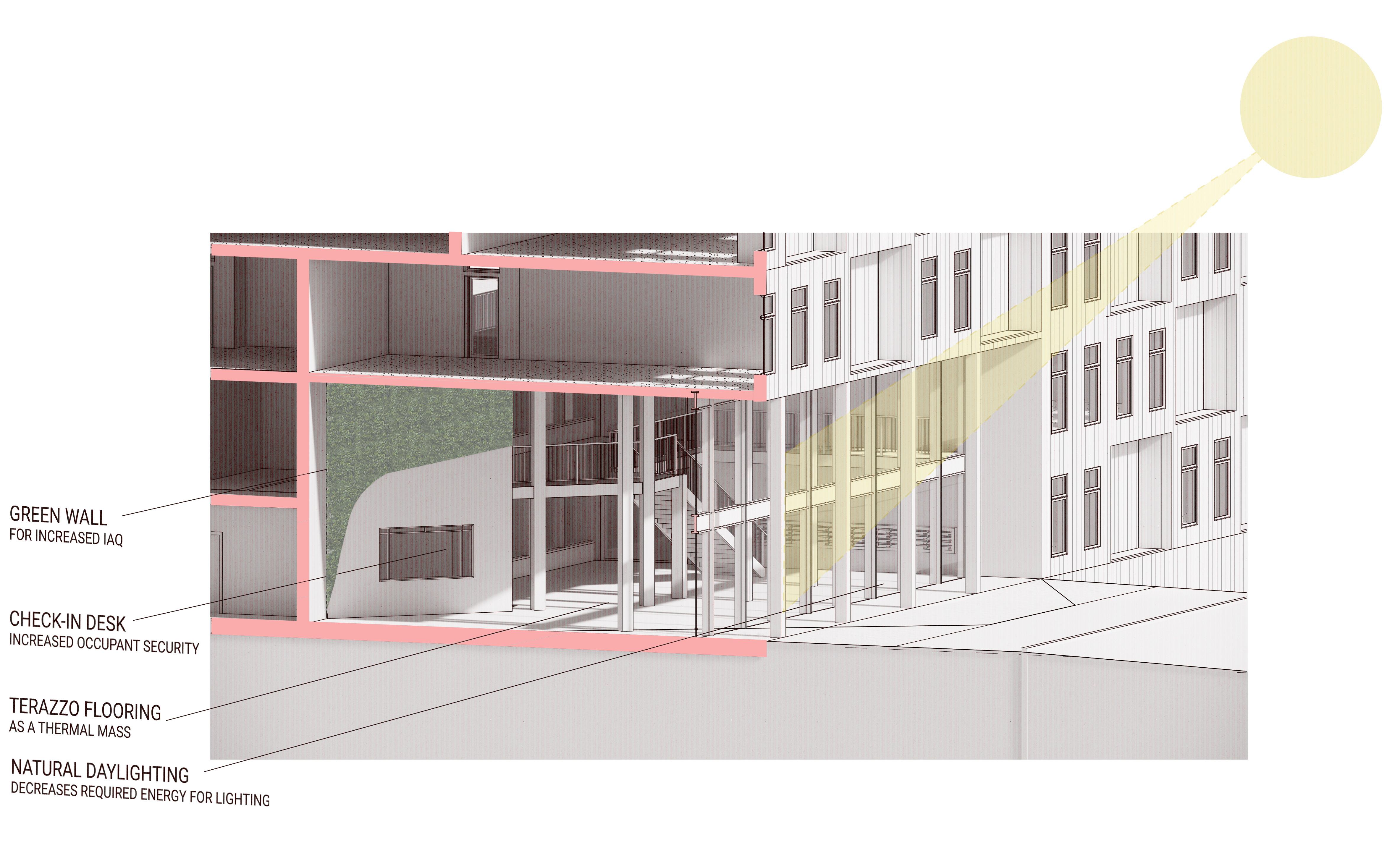
MAIN LOBBY
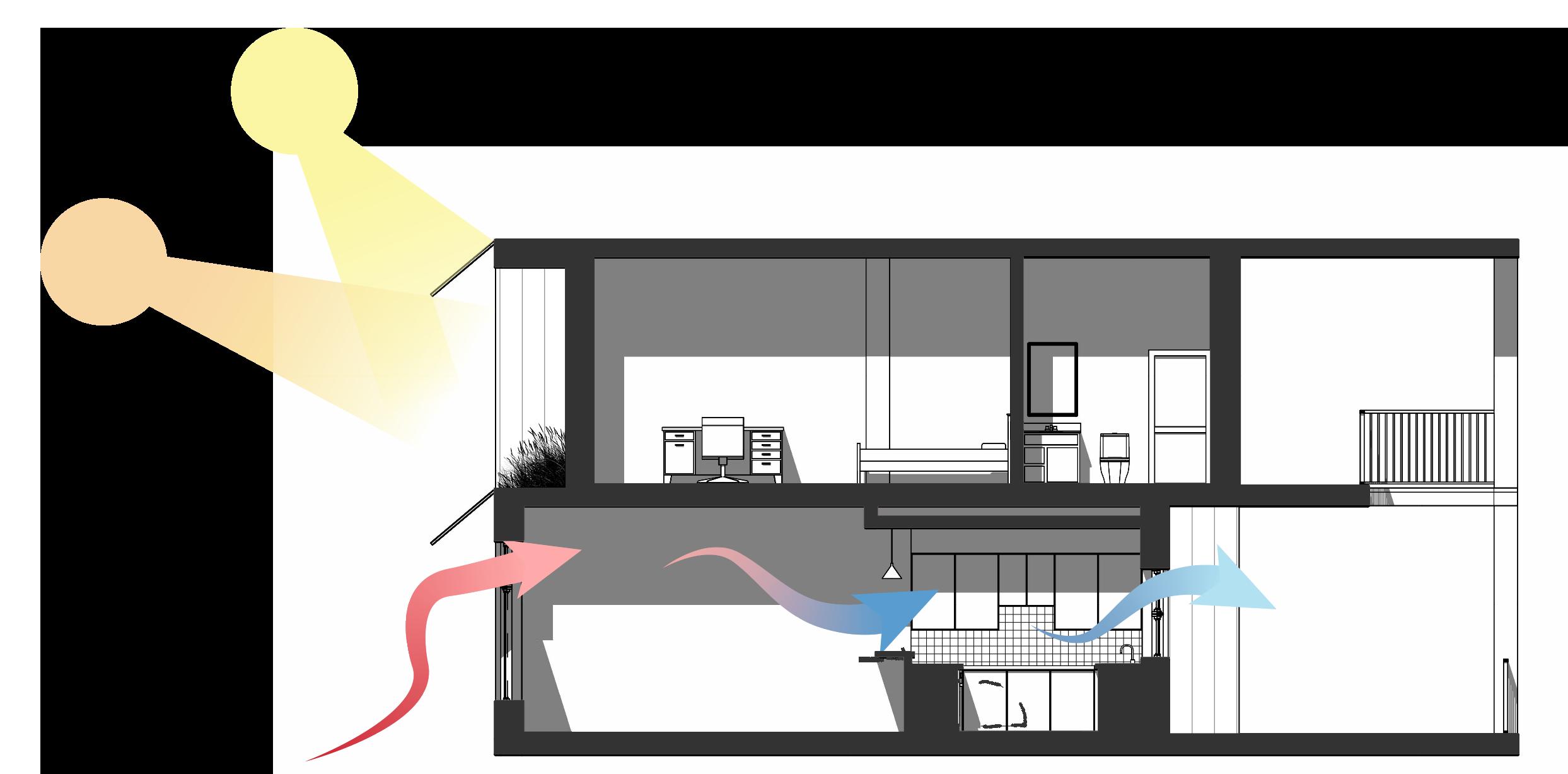
INTEGRATED SYSTEMS
SOLAR SHADING
VERTICAL COMMUNICATION

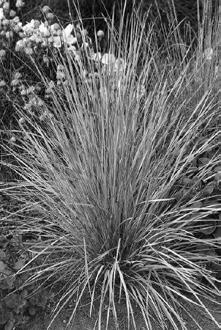

NATIVE MISSOURI SEEDUMS
Require little-no maintenance, sun, water. Reduce cooling demand during summer, biophilic design improves occupant wellness.
EMBODIED IMPACT

REGIONALLY SOURCED MATERIALS
Most of our materials and supplies can be found within Missouri and nearby states within 500 miles, reducing transport costs and emissions.
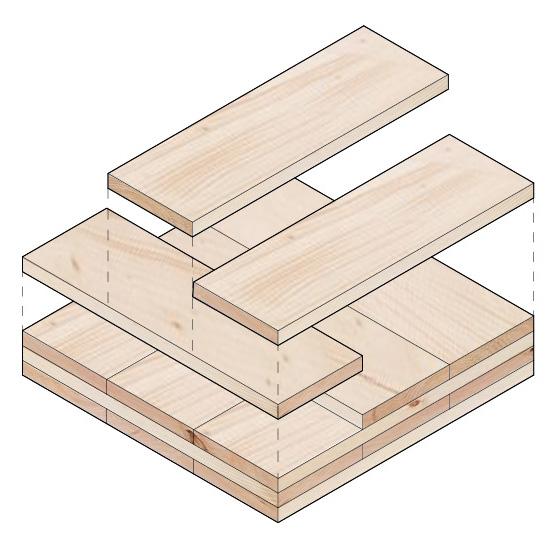

HEAVY TIMBER CONSTRUCTION
Because of its strength to weight ratio, and its prefabrication, mass timber can reduce up to 22% of embodied carbon from the construction phase. Additionally, the carbon that is sequestered during its life-cycle contributes to a material with the potential to be net-positive in its embodied carbon. The timber for Solar Grid is FSC certified and sustainably sourced in nearby Arkansas, cutting transportation time.
ECOPACT LOW-CARBON CONCRETE
Holcim’s EcoPact concrete is able to drastically reduce the emitted carbon of traditional concrete mixes, using upcycled construction for up to 100% savings compared to normal concrete.
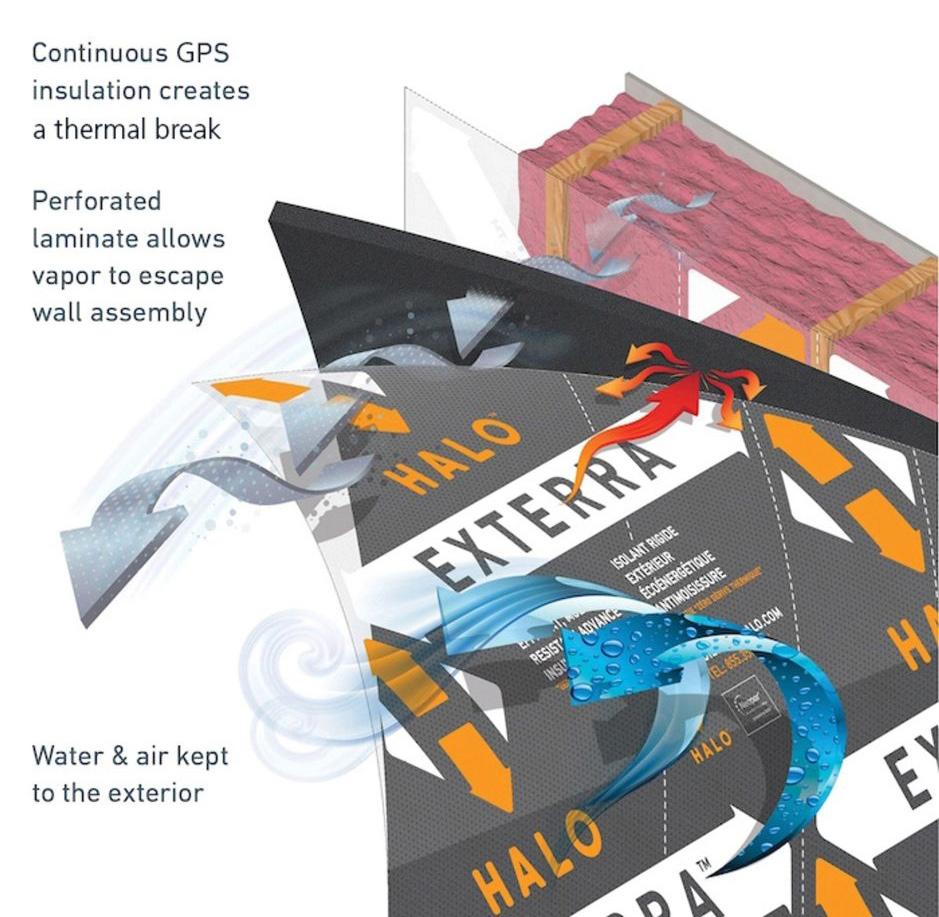
HALO GRAPHITE POLYSTYRENE
GPS rigid sheathing is a rigid foam insulated sheathing with considerably lower GWP than alternatives. Thermal performance does not wane as the temperature gets colder, reducing peak demands during the heating season. The material is 100% recyclable.
ENERGY PERFORMANCE

NEXT STEPS
SEMIFINAL SUBMISSION
FEB 21
Finalize and submit an updated project summary along with the eight minute presentation slides for the presentation on the 24th.
PROJECT IMPROVEMENTS
MAR 1-31
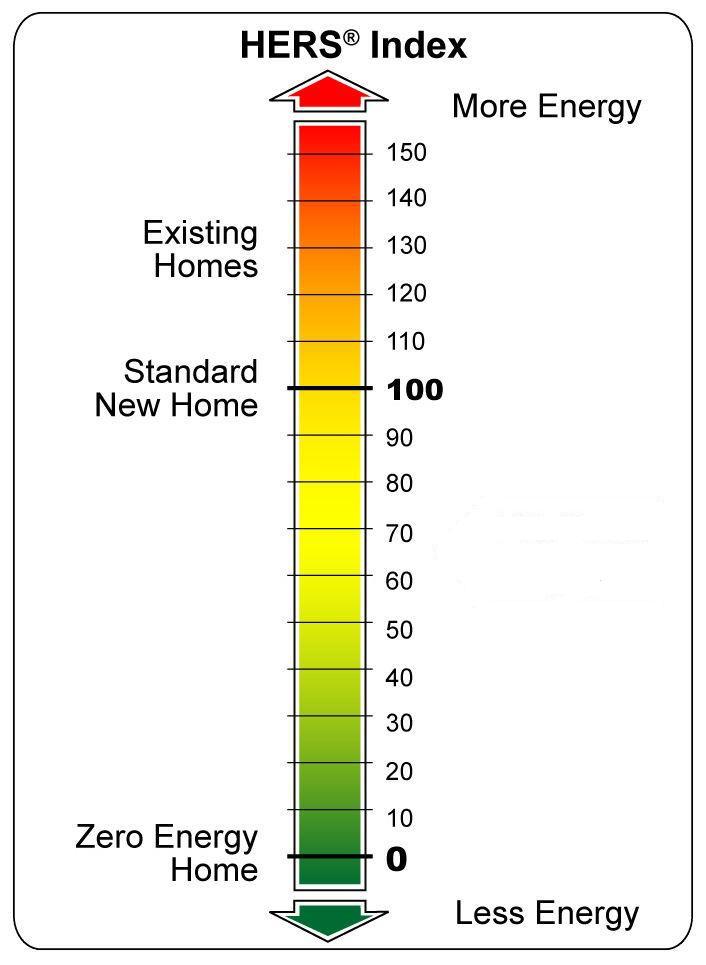
Continue researching , update the model, finalize construction documents, collect data from industry partners, run improved simulations for HERS and EUI.
FINAL SUBMISSIONS
APR 18
Submit all of the final documents along with the 15 minute presentation slides and the 5 minute Grand Jury presentation slides.
MULTIMEDIA PITCH & UPDATED DOCS
APR 4
Submit the updated documents and the multimedia pitch video. Prepare for the final submission.
FINAL PRESENTATION
APR 22-23
Prepare and present the final design competition project to the judges at NREL in Golden, Colorado