

February Saturday 8 Hopping practise
May Saturday 10 Autumn Show
July Saturday 26 Winter Show
RCNZ and Support Show
August Saturday 9 Hopping practice
September Saturday 6 Spring Show
October Saturday 18 CDRA Campionship Show – RCNZ South Island Nationals – Lop Rabbit Society of NZ
December Saturday 6 Christmas Show All shows held at Burwood Scout Den Hall, 16 Travis Road Christchurch.
If there are changes to the venue or date you will be notified via the schedule and Facebook page. Contact us: c.d.r.a.inc@gmail.com Club magazine – Canterbury Tails editor: cdra.tails@gmail.com
Thank you
Disclaimer: The views and opinions expressed in this magazine are not necessarily those of the Canterbury Domestic Rabbit Association Inc. Which disclaims any responsibility or liability for the contents of this magazine. A big thank you to Anna Putu for being kind to others within the rabbit community. As such, some items that were not needed were sold, and the proceeds donated to the CDRA to the due of $75. Your generous spirit is incredible and valued.
Answers can be found on the back page
1. How many beats a minute is a normal rabbit’s heart beat?
2. When rabbits are making a burrow, who does most of the digging?
3. Rabbits have four toes on each of their hind feet, but five on each of their front ones. What is this extra toe called?
4. Dutch rabbits are a very popular breed. Where did the Dutch breed originate?
5. Who have been credited with discovering domestic rabbits?
6. Rabbits are crepuscular. What does crepuscular mean?
7. When were rabbits introduced to NZ?
8. What is a group of rabbits called?
9. What do rabbits and cats have in common?
10. What is the word for rabbit in Te Reo?
How old were you when you got your first rabbit?
My first rabbit was a wild rabbit. I was out hunting with my dad and brother where we found a three – four week old wild bunny. I was five and he was called Buttons.
What rabbit breed is your favourite and why?
Definitely mini lop. I think our first lop changed me for life in loving lops. They have such lovely nature’s, playful and just their cute look appeals.
What is the best and naughtiest thing your rabbits can do?
All my boys spray. And unexpectedly too!
And some like to play soccer with pickle balls. They push it around with their nose or pick it up in their mouth. Very cute and clever!
Do you have any plans or projects for yourself, or your rabbits?
How many rabbits do you own?
Way too many. Back in the day I had over 100. Now I have between 20-30. These include Flynn’s (I say this to make my numbers look better!).
I have many plans and I want to implement them all. Mostly centered around education and promoting husbandry, enrichment to see the rabbit world thrive and just enjoying rabbits with like minded people.
How long have you been a member of CDRA?
Two years since I came back from having a seven year break. Prior to that maybe eight – ten years.
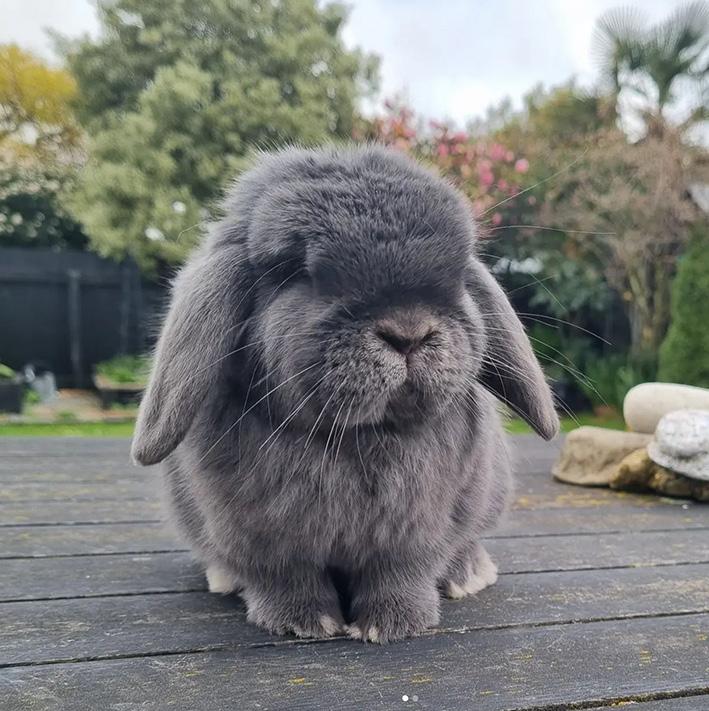
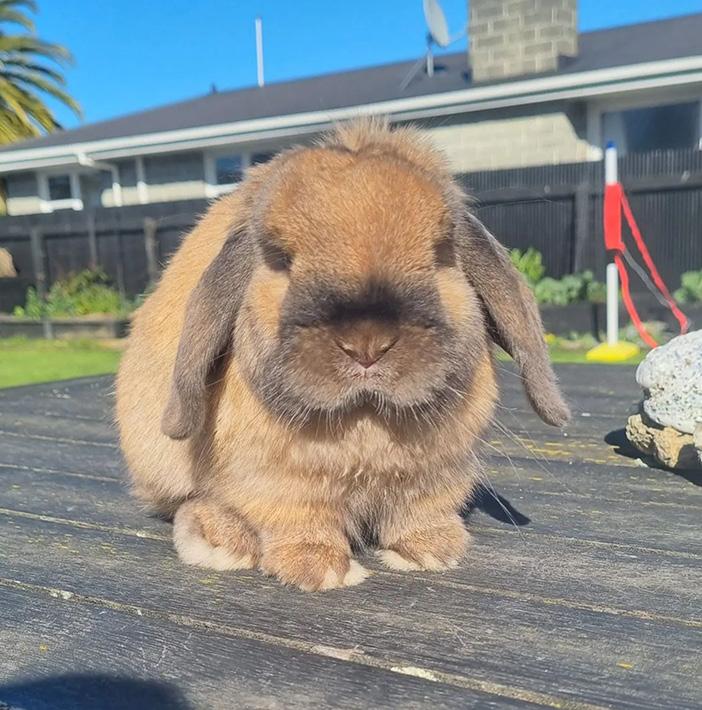
The Silver Fox rabbit appeared around the 1920s in Great Britain as a sport in a Standard Chinchilla litter. Breeding two sports together produced a litter identical to their parents. This is how it all started. Sports also appeared in litters in France and North America (where it is called the Silver Martin) at about the same time.
At a commercial level, the Silver Fox is bred purely for the fur market (rather than as a meatproducer), with all the value being
placed on the pelts with their glossy, dense, silky coat.
The striking feature of this breed, with its cobby body and broad head, is the silver tipped guard hairs on the chest, flanks, feet and rump. The higher the ticking continues up the sides the more beautiful this feature is considered. This is not a breed that you can pass by quickly and not be taken in by its crisp, clean, black and white unique pattern.
Being a medium sized rabbit, fanciers can house a Silver Fox
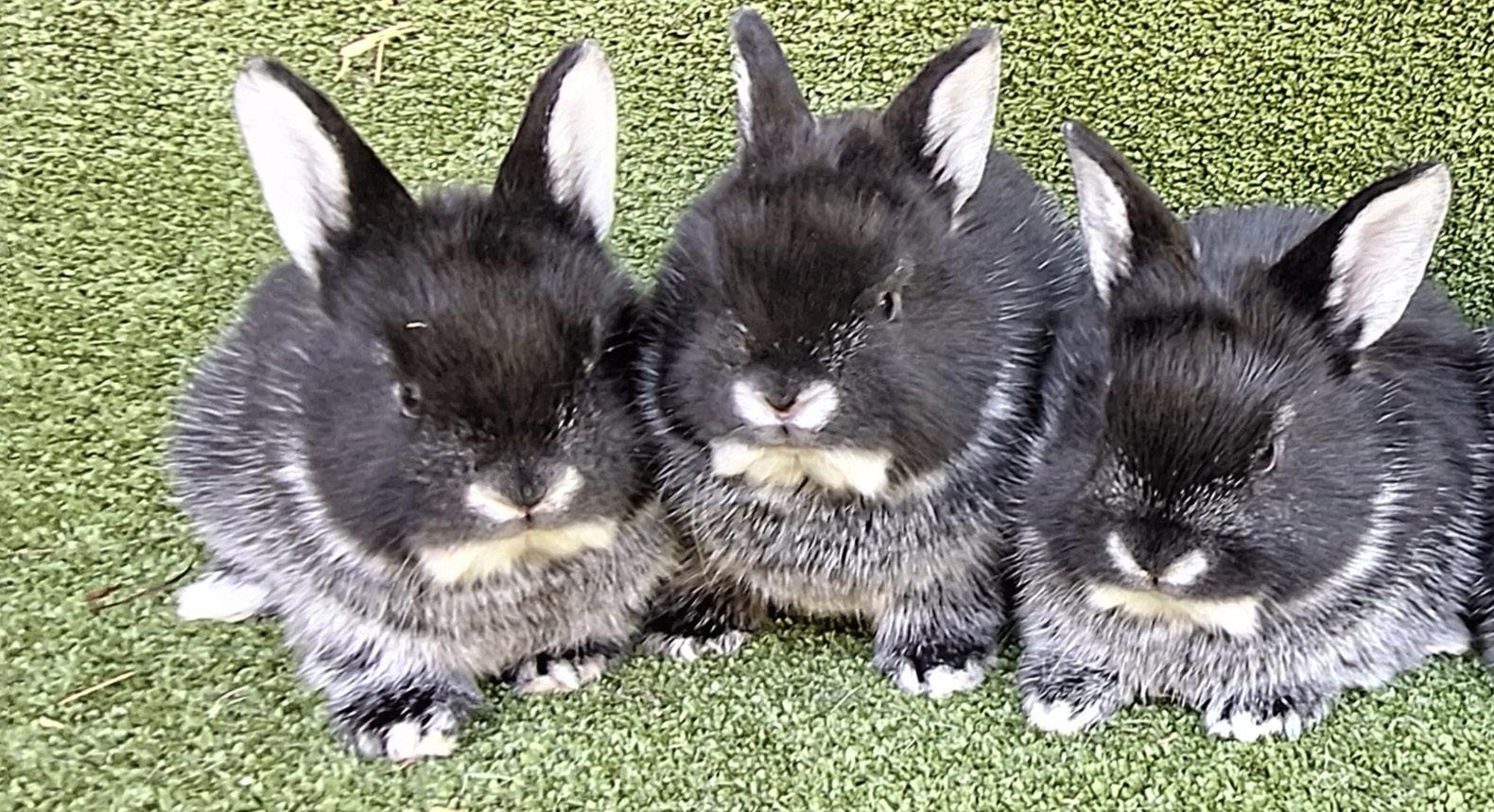
in a partly wired run off the ground, giving easy access to adults and children. Wooden floors may be preferred in cooler climates. Care of this breed requires some grooming during moult as the thick coat is replaced by a new one. Future inconsistencies in weather patterns could increase the number of moults, though they usually moult only once a year.
An adult buck weighs around 2.48 kgs; an adult
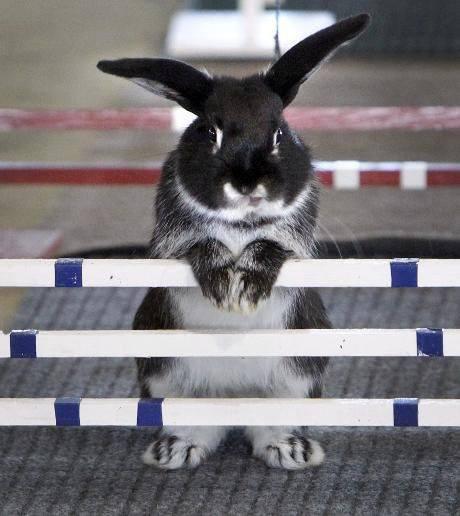
doe around 3.17 kgs. In New Zealand, three colours are accepted by the Rabbit Council of New Zealand: Chocolate, Blue and Black.
The population of Silver Fox rabbits in this country is estimated to be fewer than 60 – numbers have been declining. The importation of new stock from overseas is not seen as a realistic option for the near future.
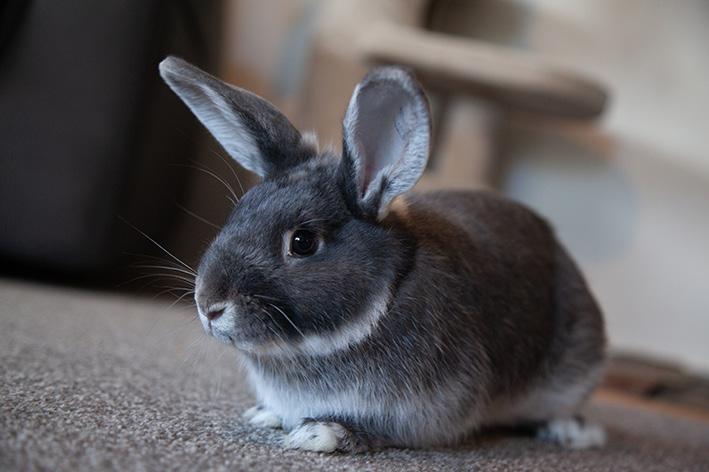
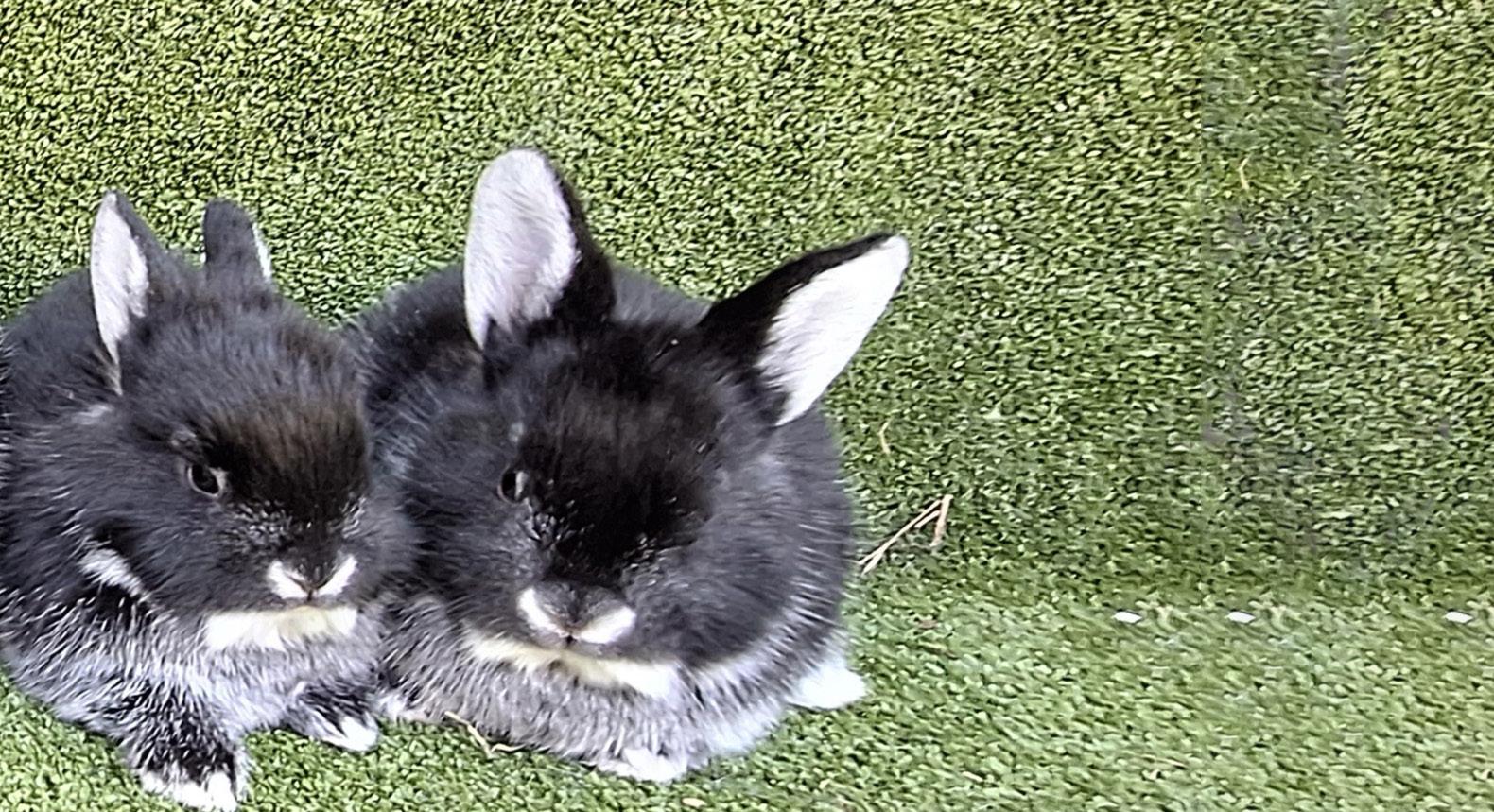
What we are looking for in each exhibit using photos as examples. We are not judging the rabbit.
Anything found on an exhibit written in red is to be removed from the show.
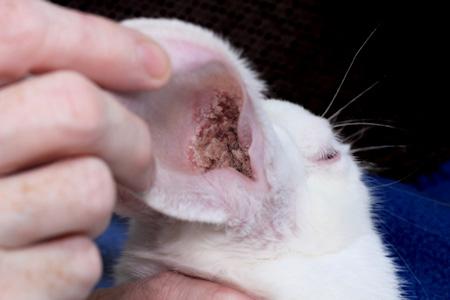
1. Ear mites
Remove from show.
2. Runny nose and eyes (white snot)
Remove from show.
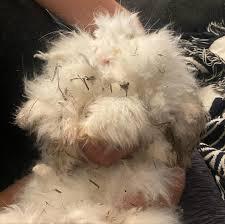
3. Matted front legs
Remove from show.
4. Fur mites
Remove from show.
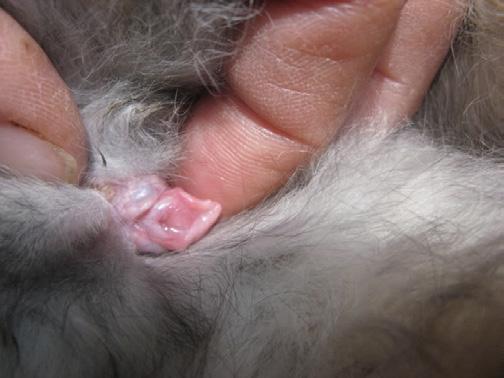
5. Syphilis
Remove from show.
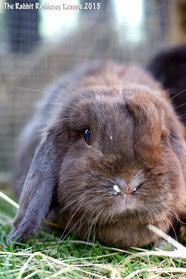
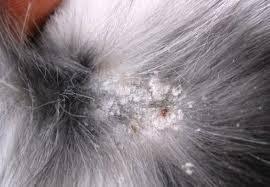
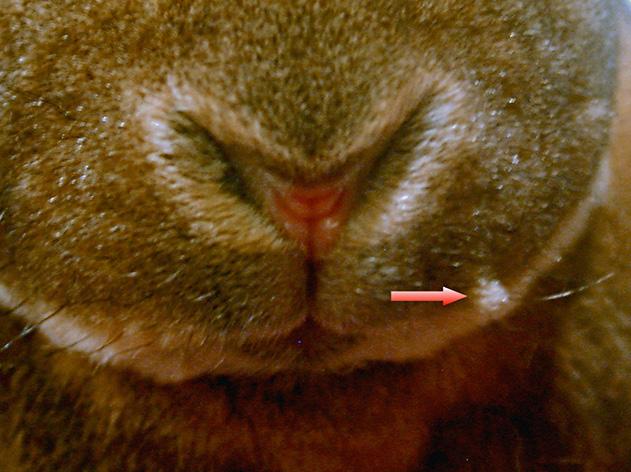
6. Abcesses and lumps anywhere
Remove from show.
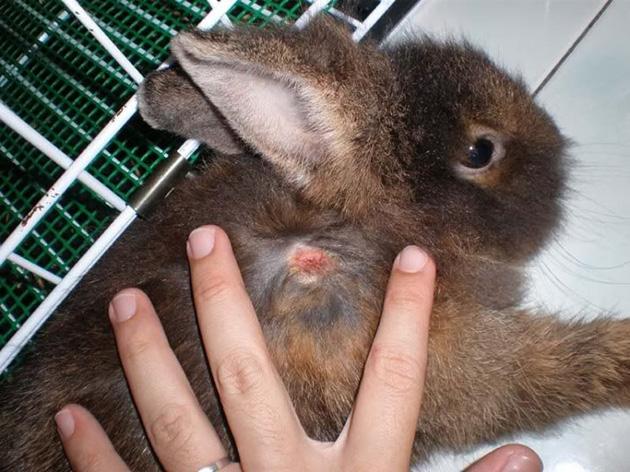
Inform owner.
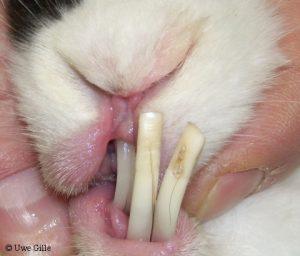
8. Teeth (overgrown)
Inform owner.
This is not harmful to other rabbits and it is up to the judge to remove from show.
9. Deformaties
Remove from show.
Inform owner.
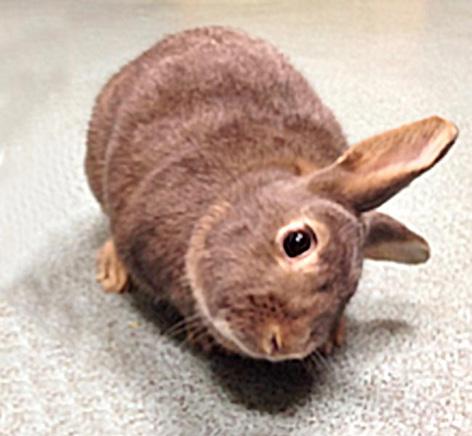
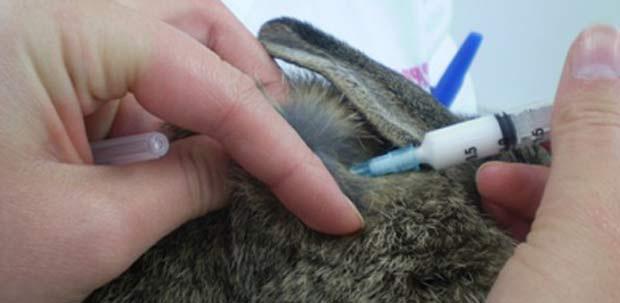
10. Vaccination and microchip scars
Inform owner.
Fur can be missing or white hairs can appear from regrowth. If there are no weeping sores, the exhibit is allowed into the show.
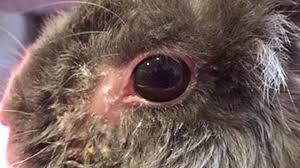
11. Eye damage
Remove from show.
12.
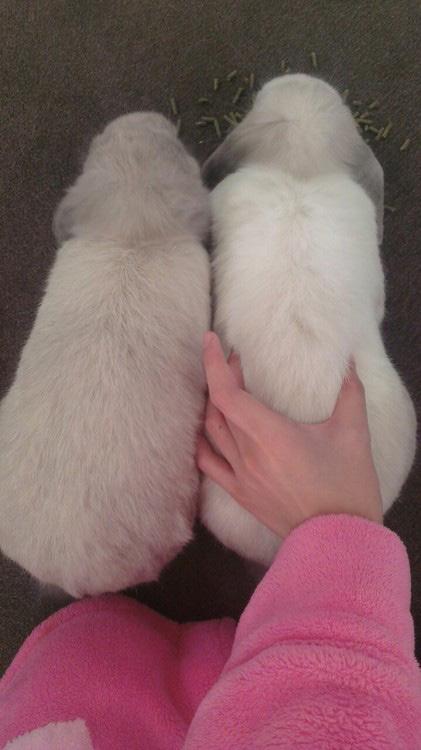
Remove from show if exhibit is too thin.
Inform owner.
Not harmful to other rabbits.
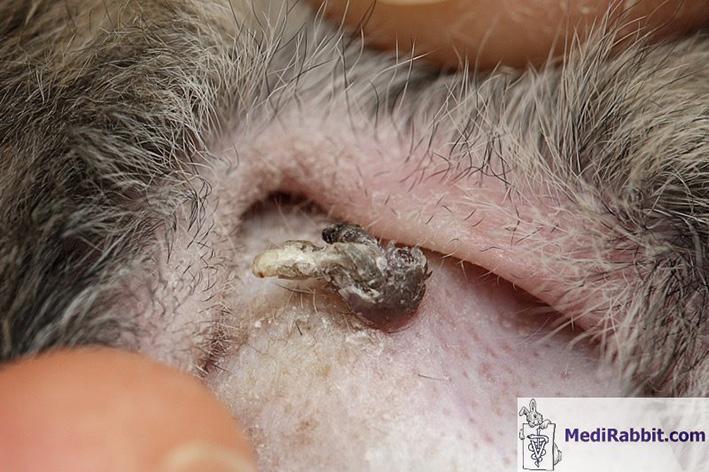
13. Warts
Remove from show.
Warts seen on any part of the body or mouth are infectious.
Date: 19 October 2024
Judge: Dave Fairbrother-Clarke
Best in Show: Danielle Thomson, Netherland Dwarf
Reserve Best in Show: Rosina Fridd, Mini Rex
Best Fancy: Danielle Thomson, Netherland Dwarf
Best Lop: Kathleen Brinsdon, Mini Lop
Best Normal Fur: Liselle Silver, Satin
Best Rex: Rosina Fridd, Mini Rex
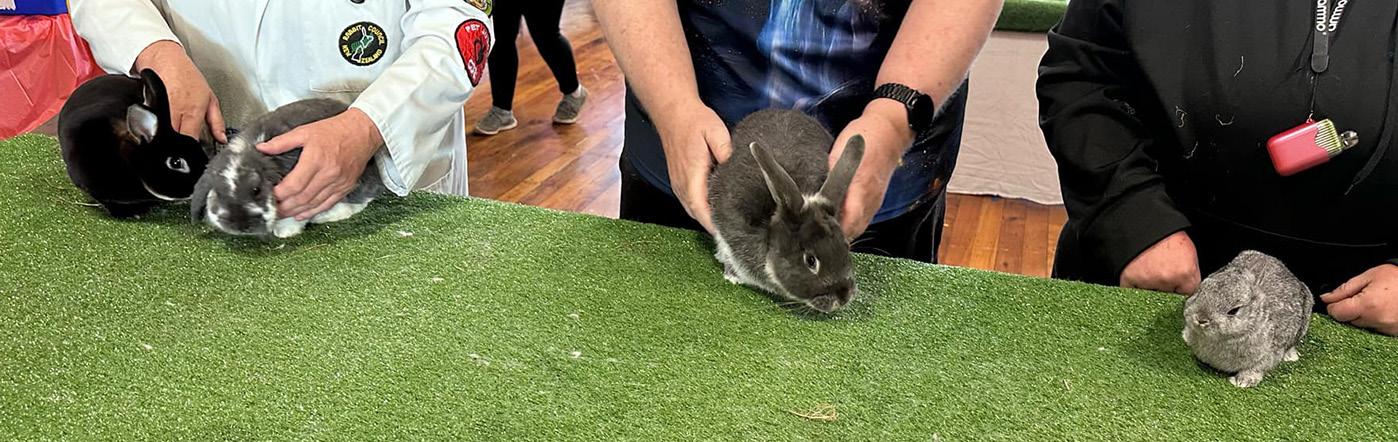
Best in Show: Willow Roberts-Smith
Reserve in Show: Flynn Wallace
1. Answer: 130 to 325. An average rabbit's heart beat is 130 to 325 beats a minute. Because of this rabbits can easily die of shock of frightened.
2. Answer: The females. Under the right conditions, a single rabbit can dig up to two meters deep in one night.
3. Answer: Dewclaw.
In a rabbit its primary use, in a very minor way, is helping to hold onto small items of food. Rabbits are very careful about food choices as they are one animal that cannot vomit should they become sick. Their food is passed in two different sized pellets. One is full of vitamins and proteins which the rabbit then re-consumes until all the essential goodness has been absorbed.
Answer: They are active in twilight hours. Crepuscular means that rabbits are active mostly when there is some light, such as during dusk and dawn.
Answer: In the 1830s for sport and food.
They were imported as late as the 1860s to stimulate a domestic fur and meat trade.
8. Answer: A herd.
Sometimes they are called a nest or colony, a warren, or even a fluffle.
9. Answer: They both purr when they are happy.
Although a rabbits purr is not the same as a cat’s purr! It sounds like teeth chattering or light chomping.
10. Answer: Rāpiti
4. Answer: England. These rabbits originated in the lowlands of the UK in the early 1800s.
5. Answer: Phoenicians Their writing tells us of creatures that closely resemble the rabbits we see today.
“Oma Rāpiti” is a Māori song about a rabbit. Some say they learned the song in primary school in the 1970s. The lyrics have been changed since then due to the original version being about the rabbit running from a farmer or hunter’s gun.