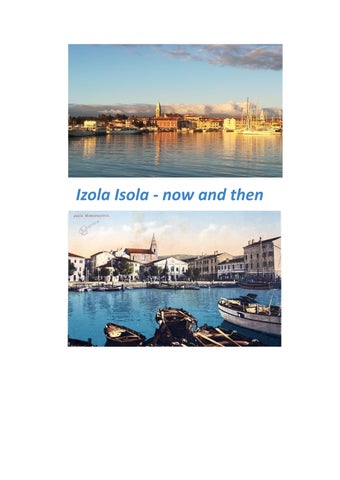
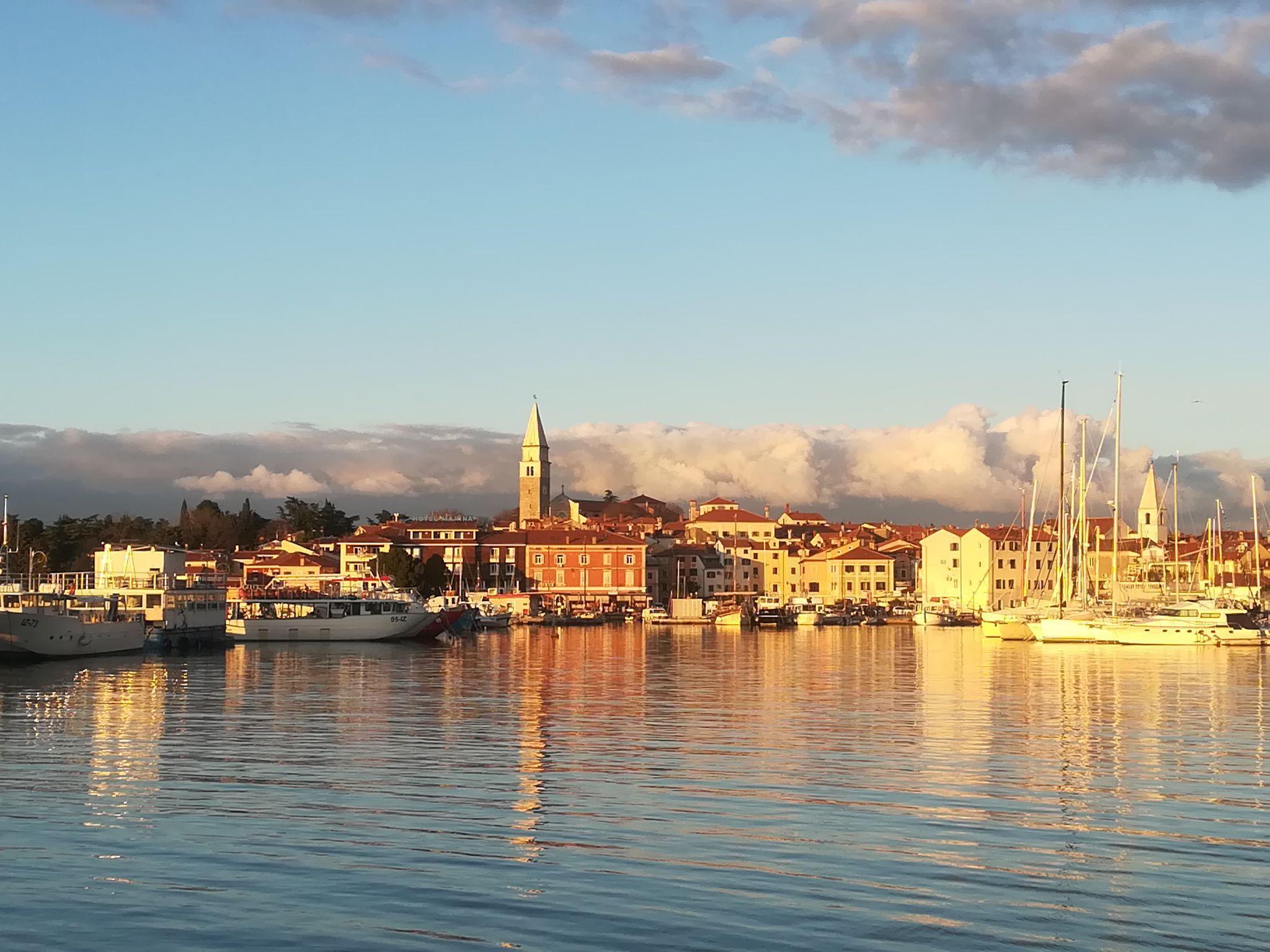
Izola Isola - now and then
The 8-class students and English teachers have contributed texts and photos for the booklet about Izola-Isola.
They have researched the internet pages and taken information from: https://www.visitizola.com/en/ https://www.kamra.si/ https://issuu.com/iconadv/docs/sau_piccole_grandi_storie_isolane
Izola-Isola, april 2021
Osnovna šola Scuola Elementare Dante Alighieri Isola Izola
INDEX:
Front Cover 1
Index 3
An island or a peninsula 4
The History of Izola- Isola 6
The Roman ruins 7
The first school 8
The School of the Flagellants 9
The old school of lace 10
Churches in Izola Isola 11
Places: The Municipal Palace 14
The legend 15
Important Palaces 16 Parks in Izola Isola 19
The Harbour of Izola Isola 21
The Piers 22
The Lighthouse Cape 22 The Marina 23
Fish-Canning 24 Atlantic Droga Kolinska 25
Shipbuilding 26
The Museum Isolana 28
The Ship Rex 29
The Parenzana Railway 30
The Beginning of Tourism in Izola Isola 31
Trends in tourism today 32
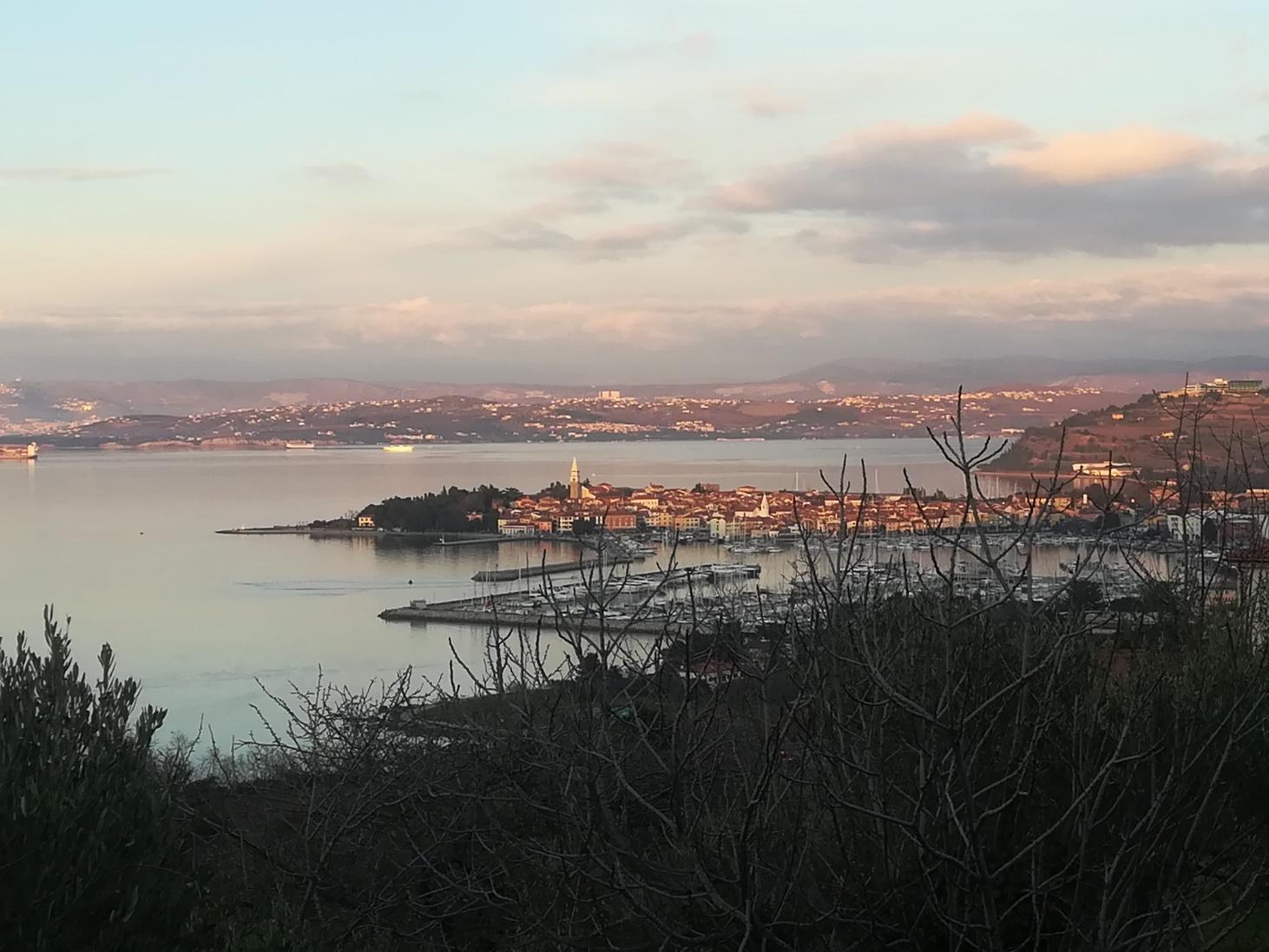
An island or a peninsula
The first settlers
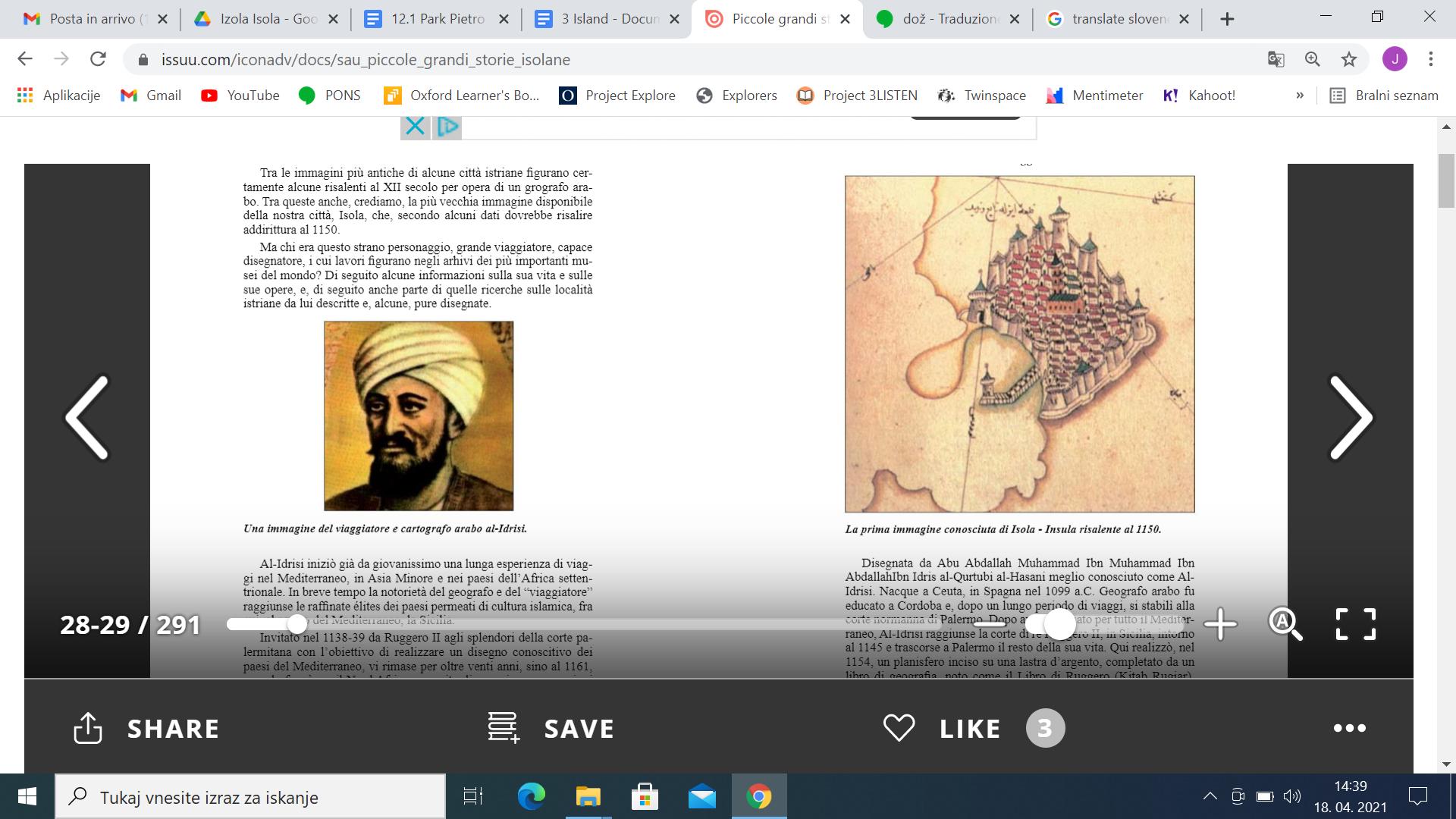
The territory of today’s Izola has a very long history, since due to its favourable conditions of life it was settled by peoples back in the Bronze and Iron Age. The first known inhabitants of Istria were the Histri, who built settlements with fortresses on top of hills. One of these was also Kaštelir (Castelliero - castrum aereum) near Korte. The Histri bred livestock, worked in the fields, hunted, fished in the sea and some were even pirates.
Haliaetum
In 178 BC the Histri fought against the Romans and lost the territory of today’s Izola. Later they became romanized, but they gave the name to the Istrian peninsula. In the times of the migrations, the romanized Histri that lived in the hinterland escaped due to attack of the Huns to the coastal Istrian settlements. In the 5th century, they gave the name Haliaetum to the settlement on the island and built villas, like the villa rustica at present Simon Bay.
Insula
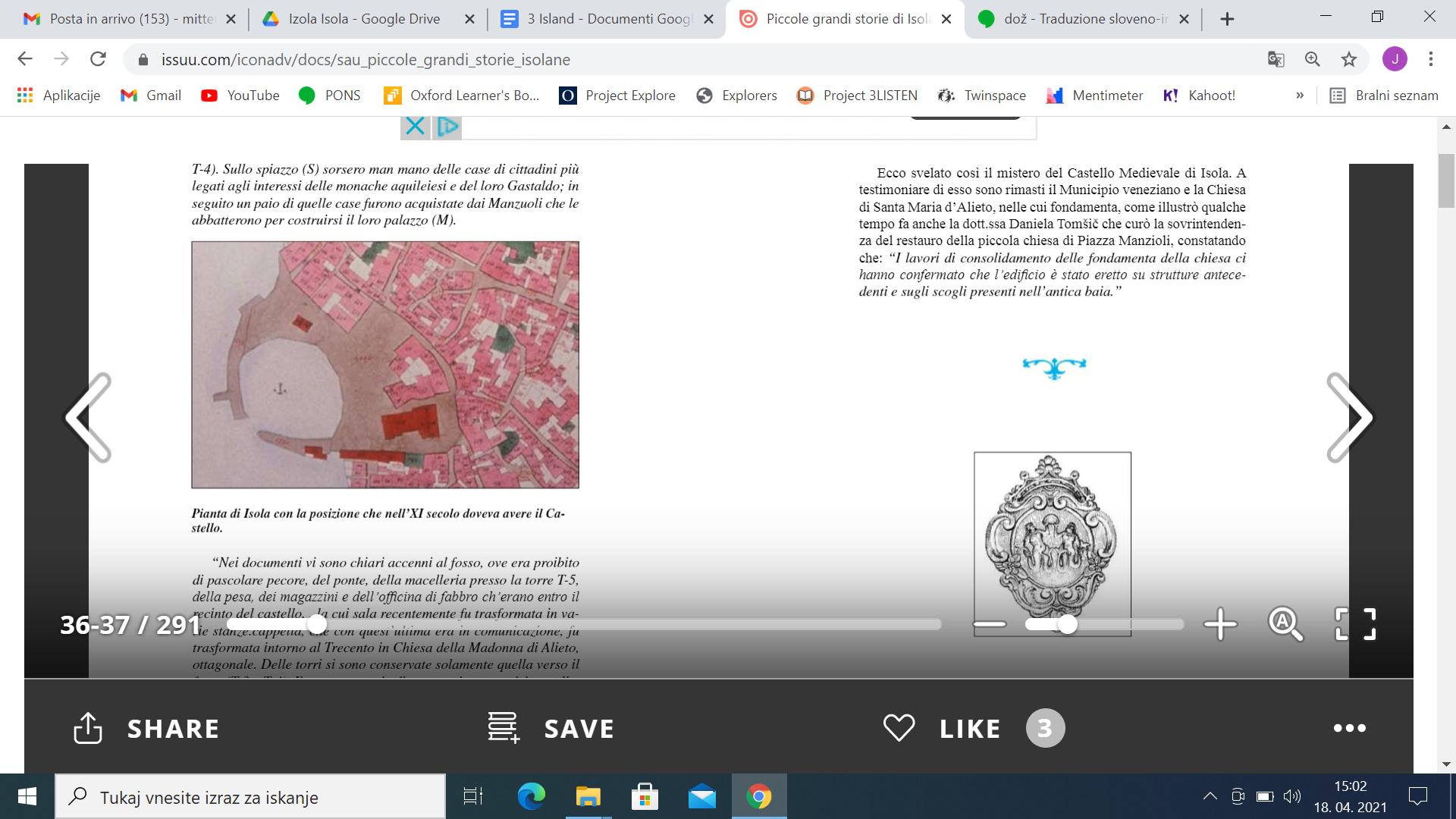
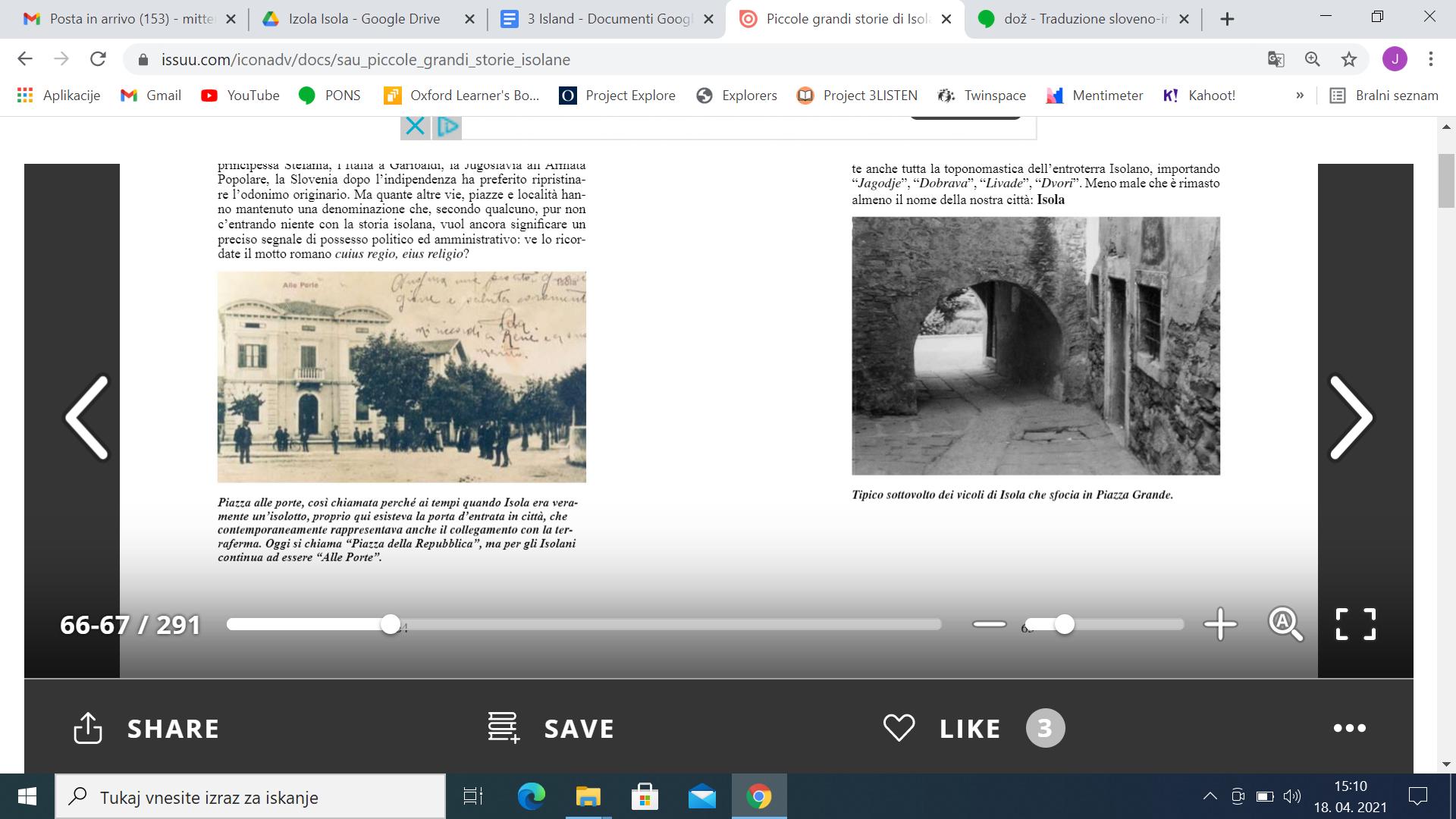 The name “insula” w
ne
ectly
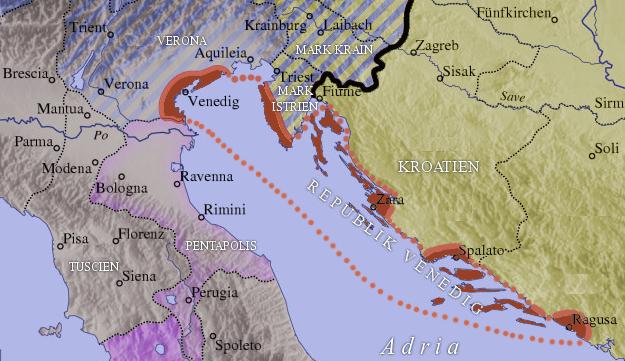
The map shows the site of the castle in the 11th century. Around the year 1300, the chapel of the former castle was later turned into the octagonal Church of St. Mary of Haliaetum, and the Venetian Municipal palace was also built on the base of the medieval castle.
THE HISTORY OF IZOLA-ISOLA
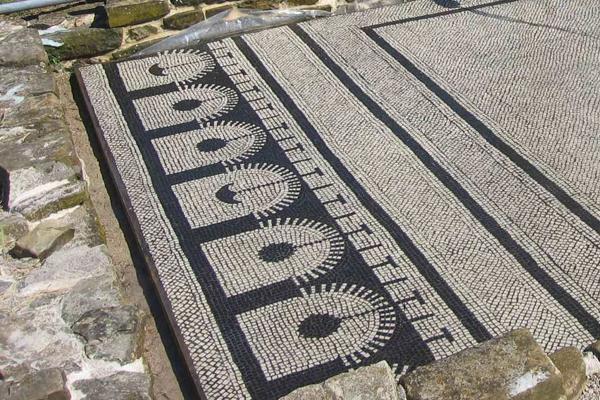
The first origins of the town go back to the 2nd century B.C. A Roman settlement, named Halietum stood in the area of today’s Simon Bay There was an ancient Roman pier, harbour and a villa rustica
The town of Isola was established on a small island by refugees from Aquilea in the 7 th century
The coastal areas of Istria came under the Venetian influence in the 9th century The town of Izola eventually became the territory of the “Serenissima” in 1267
In 1797 the Venetian part of the peninsula passed to the Holy Roman Empire of the German Nation
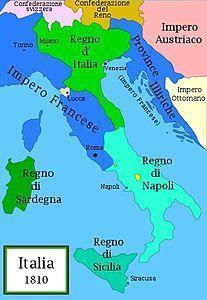
From 1805 to 1813 Istria became part of the IIlirium provinces, established under the Napoleon Empire.
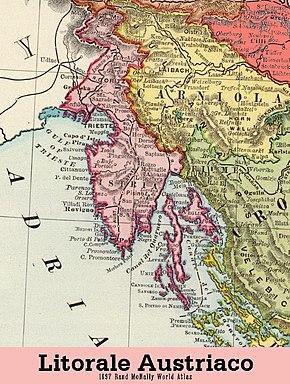
In November of 1918 the Austrian Empire ruled over Istria. Istria became part of the Italian Kingdom and remained a part of it until the Italian capitulation in September 1943.
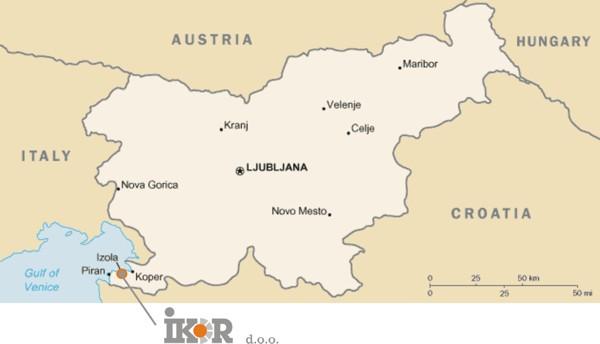
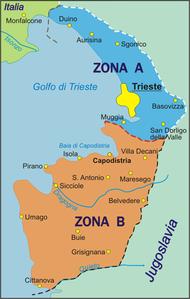
Later Isola was part of Zone B, the independent free territory of Trieste. In 1954, it became part of the Republic of Slovenia, which was then part of the Socialist and Federative Republic of Yugoslavia.
In 1991, Slovenia became an autonomous and independent state.
THE ROMAN RUINS
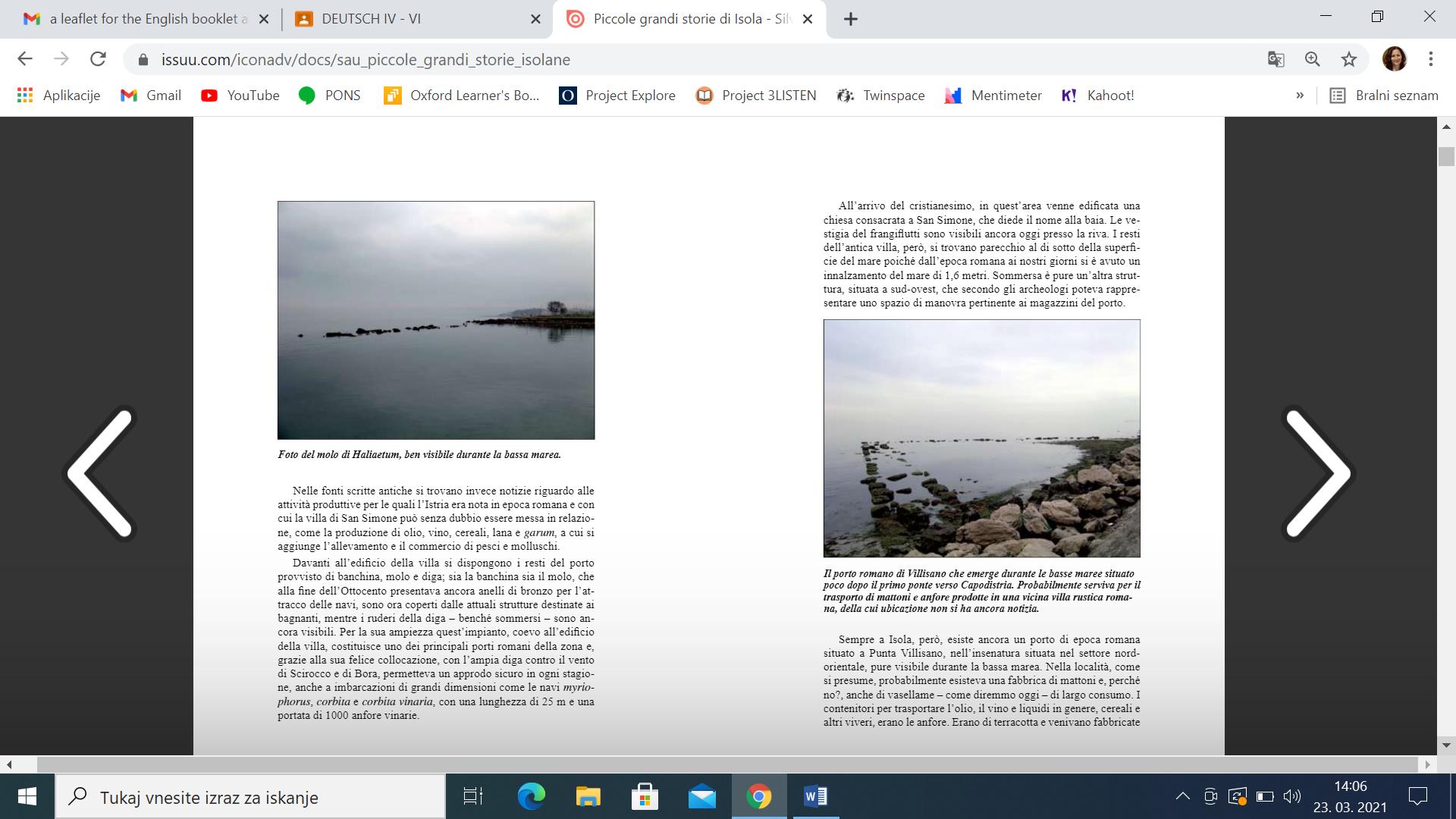
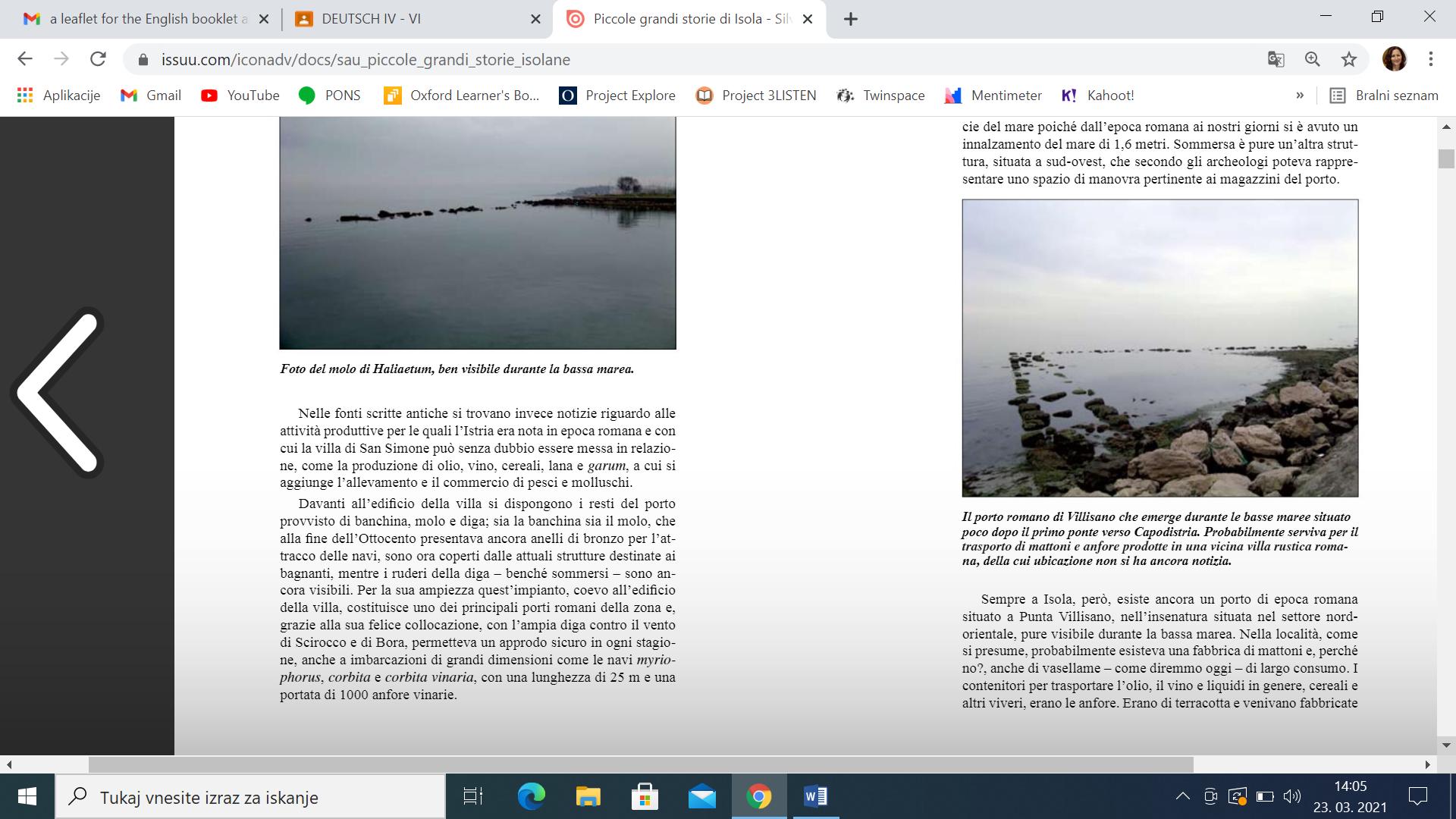
The villa and port at San Simon
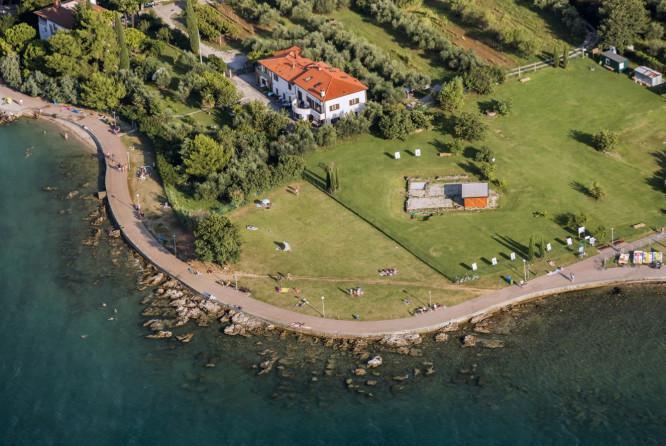
After the Romans established the colony of Aquileia in 181 BC, a large part of Istria fell under their rule. The Roman influence was especially evident because of the colonization of the littoral and inland region. They were interested in the Istrian agricultural products, especially olive oil, wine, cereals, wool, and garum, as well as in the livestock breeding, trade with fish and molluscs.
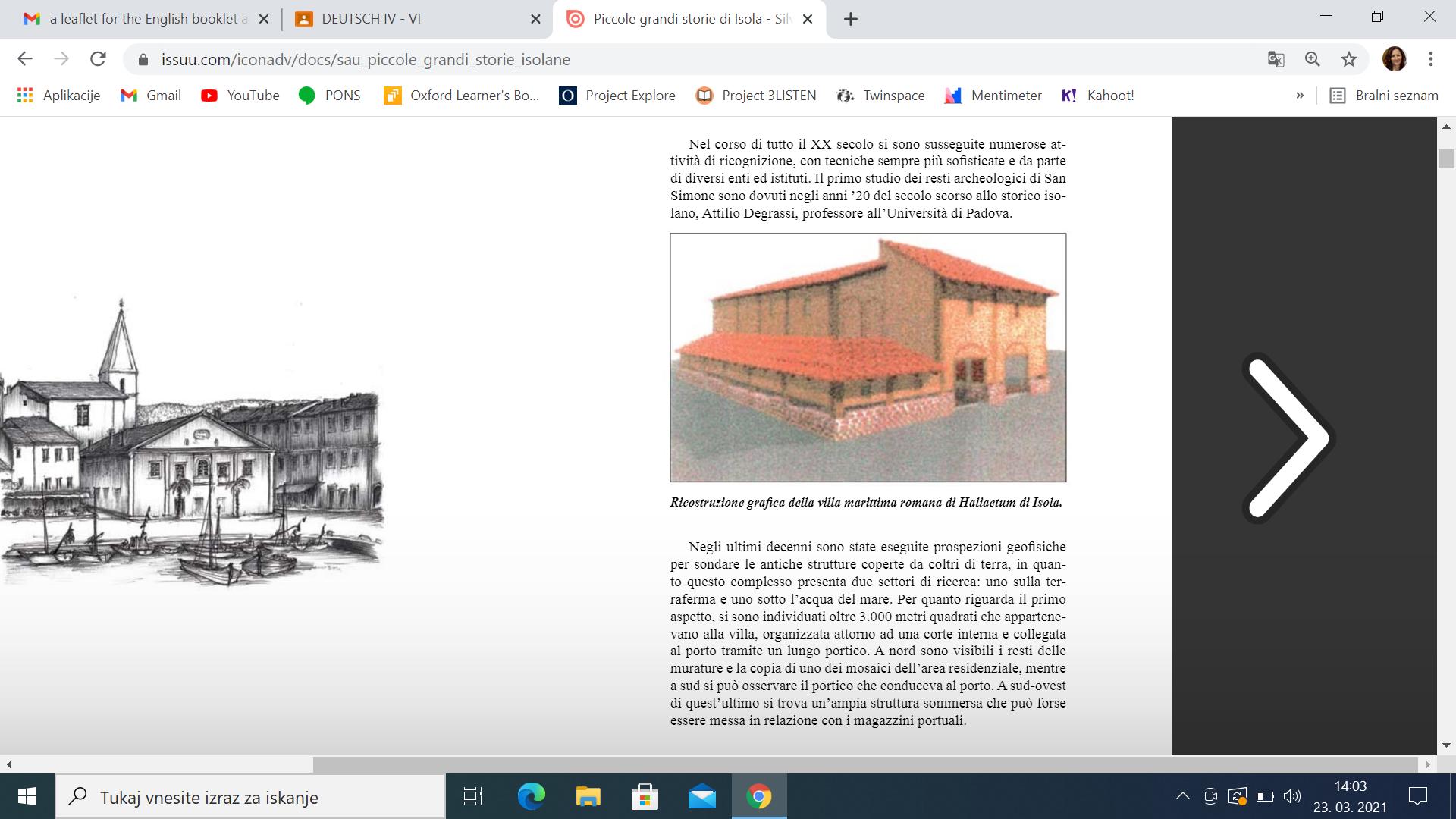
The R tled down in Izola and built the “villae maritimae” and a port in Simon Bay, building and the waterway they
a floor mosaic of the villa and ed the villa with the
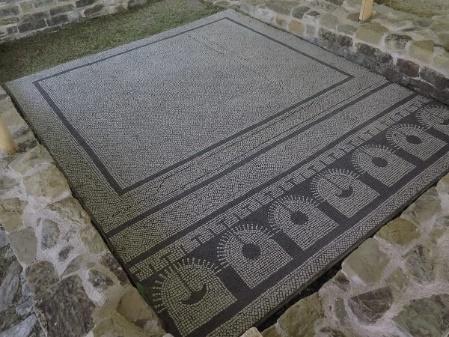
vinaria, which w ar signific Th At Vili Izola t at lo of brick rus disc
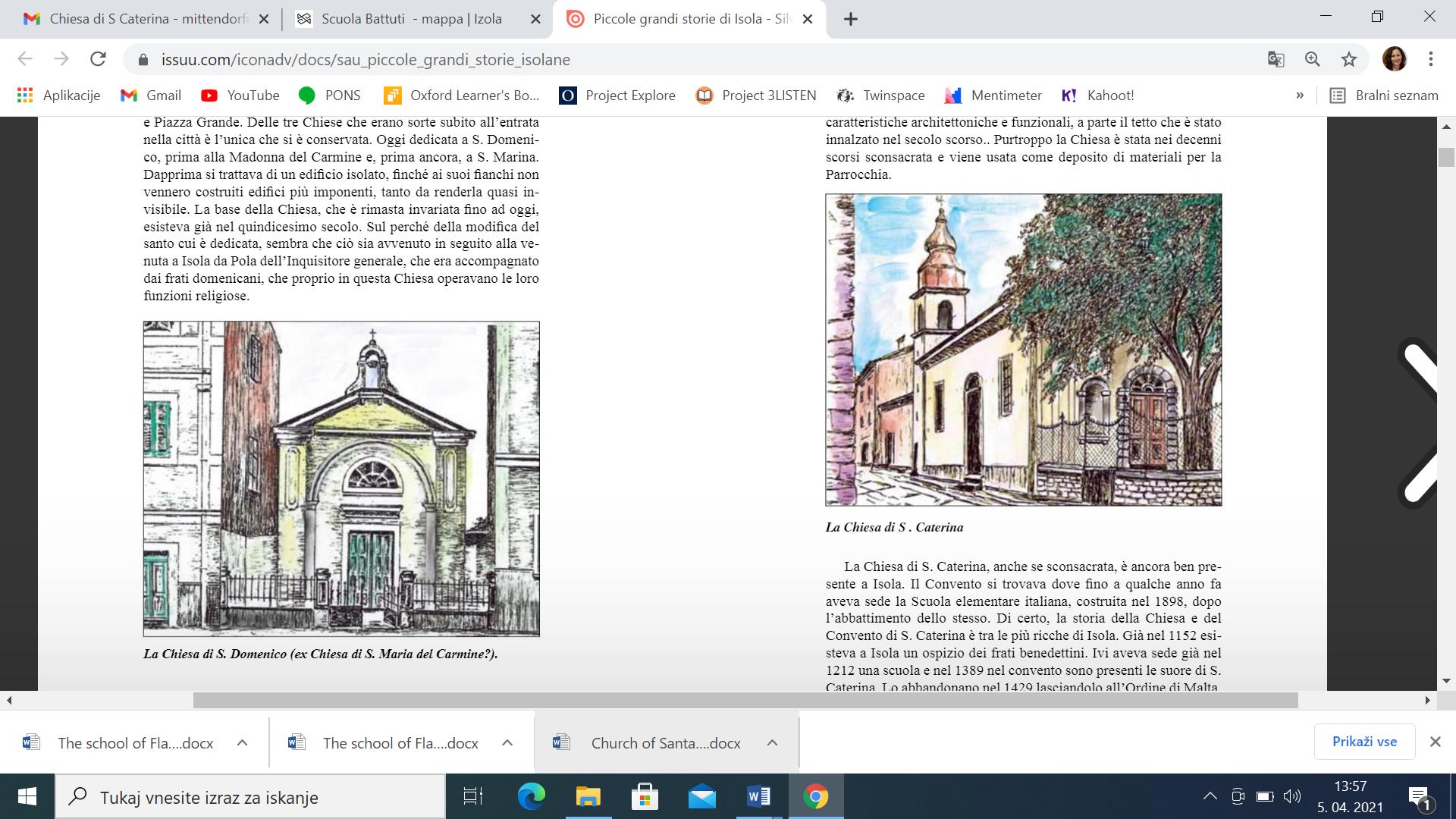
in the building in today s Gregorčič Street, once named Santa Caterina Street and later Besenghi Street, on which a stone plaque was put to commemorate the old school. Students could finish grammar school there and go to study theology at Koper or get a diploma in high school and continue their studies at the university in Padova. After the decline of the Serenissima, the Napoleonic and then the Austrian period of government, the school went through new experiences.
In 1899 the school was named Elementary School Dante Alighieri, to which male and female students were admitted. At the beginning of the 1960s the school building also hosted some sections of the elementary Slovenian School and the Italian high school of Economics. In 1969, the church of Santa Caterina was made into a gym where school children could practise sport.
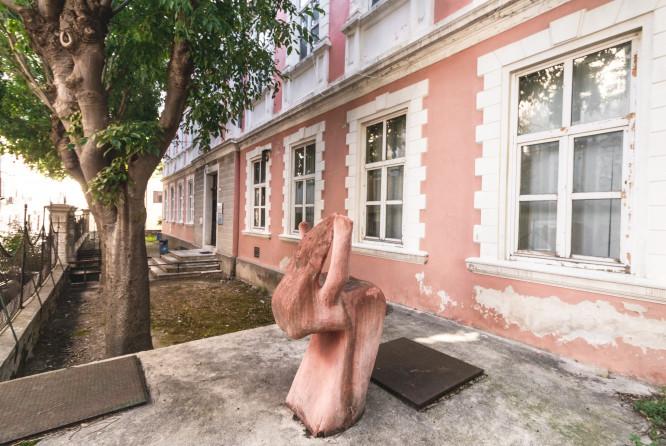
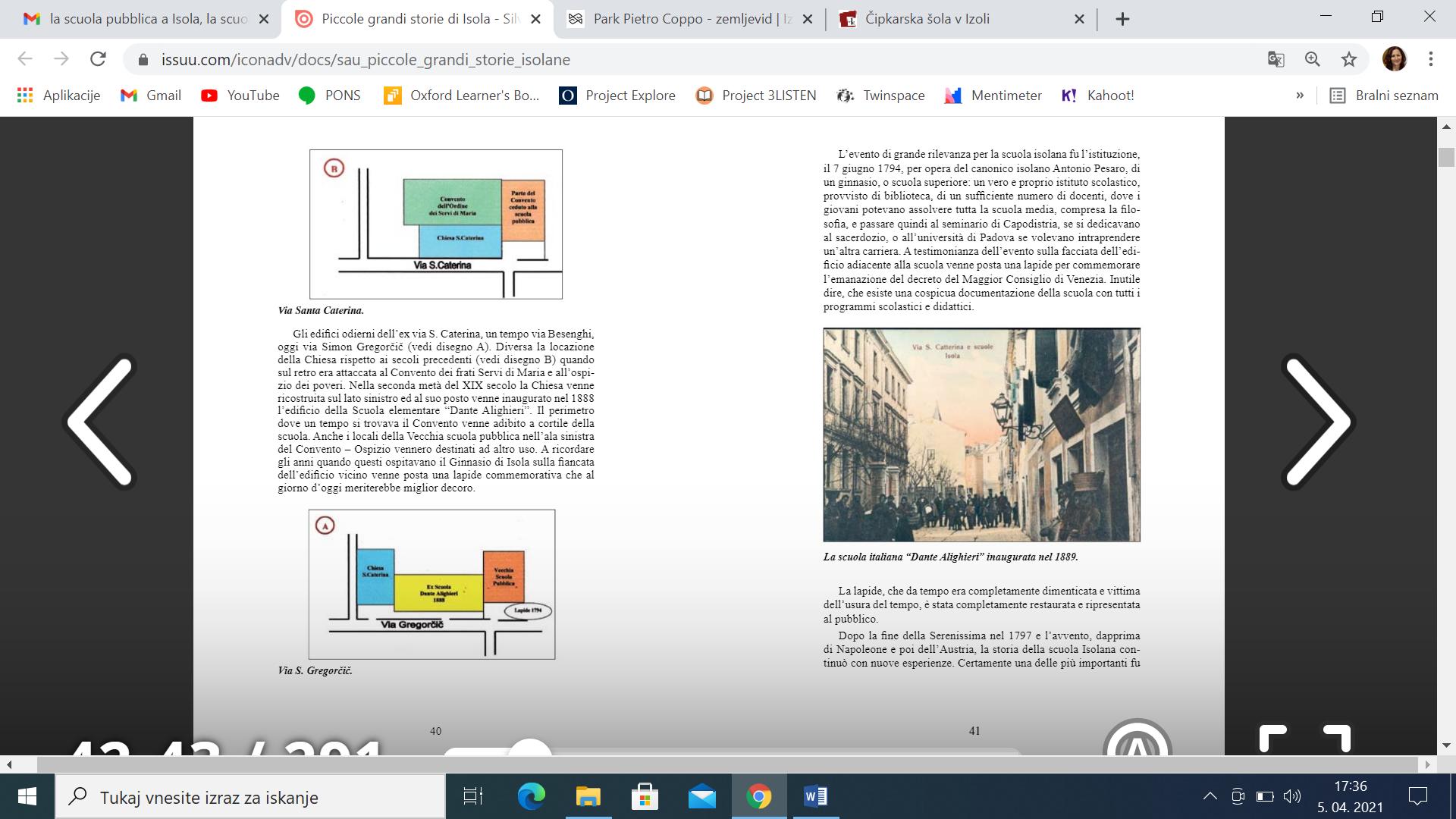
In 1986 the new school building of the Middle School “Pietro Coppo” was opened in Zustovič Street.
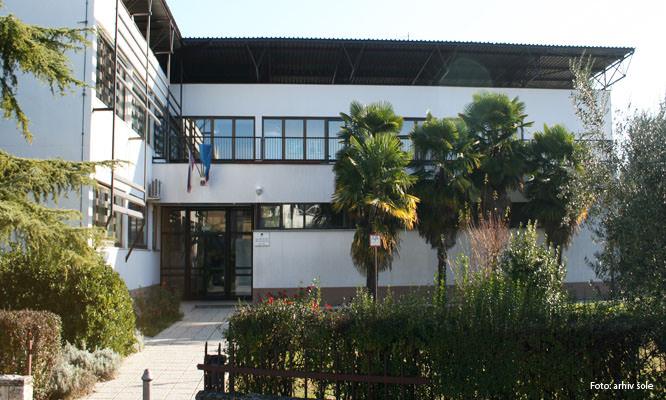
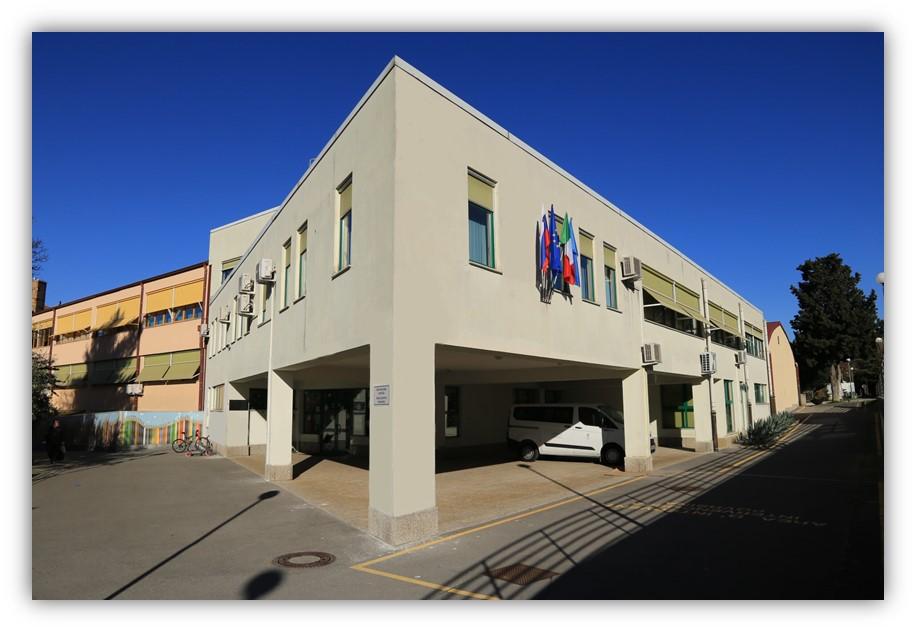
And on 20 January 1998 the new building of the elementary school “Dante Alighieri” and the kindergarten “L’Aquilone” was opened in October Revolution Street. The two heads of state were present at the event: the then President of the Italian Republic, Oscar Luigi Scalfaro and the former President of the Republic of Slovenia, Milan Kučan.
THE SCHOOL OF THE FLAGELLANTS (SCUOLA DEI BATTUTI)
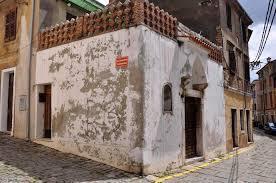
It is the building situated next to the Besenghi degli Ughi Palace, in Gregorčič Street. It was the prayer house of the Brotherhood of flagellants of the Battuti school. It is considered one of the oldest buildings in Isola, built in 1451. The Flagellants were a radical movement of the Catholic Church that corporally punished themselves, whipped themselves for their sins.
THE OLD SCHOOL OF LACES IN IZOLA ISOLA
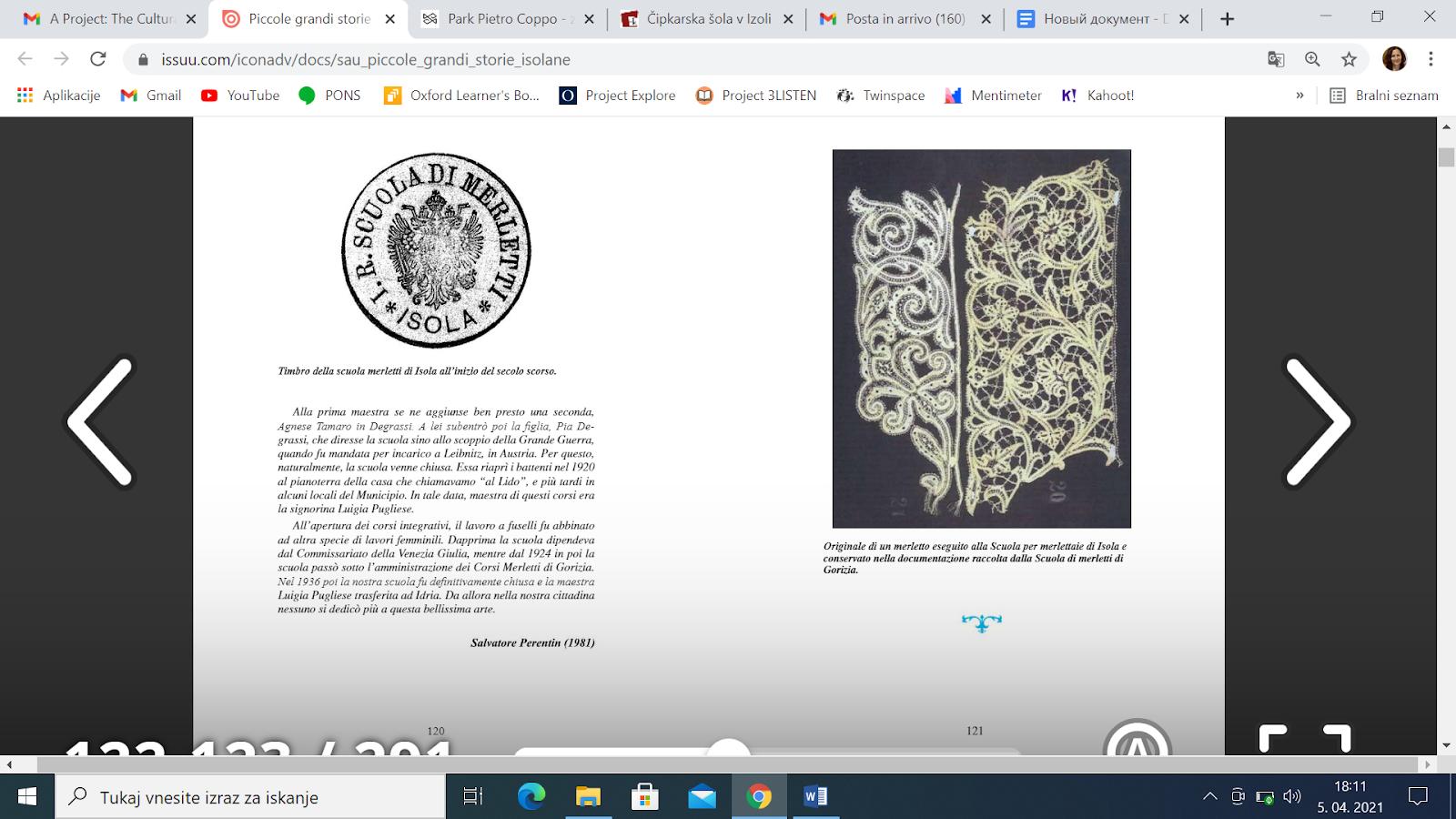
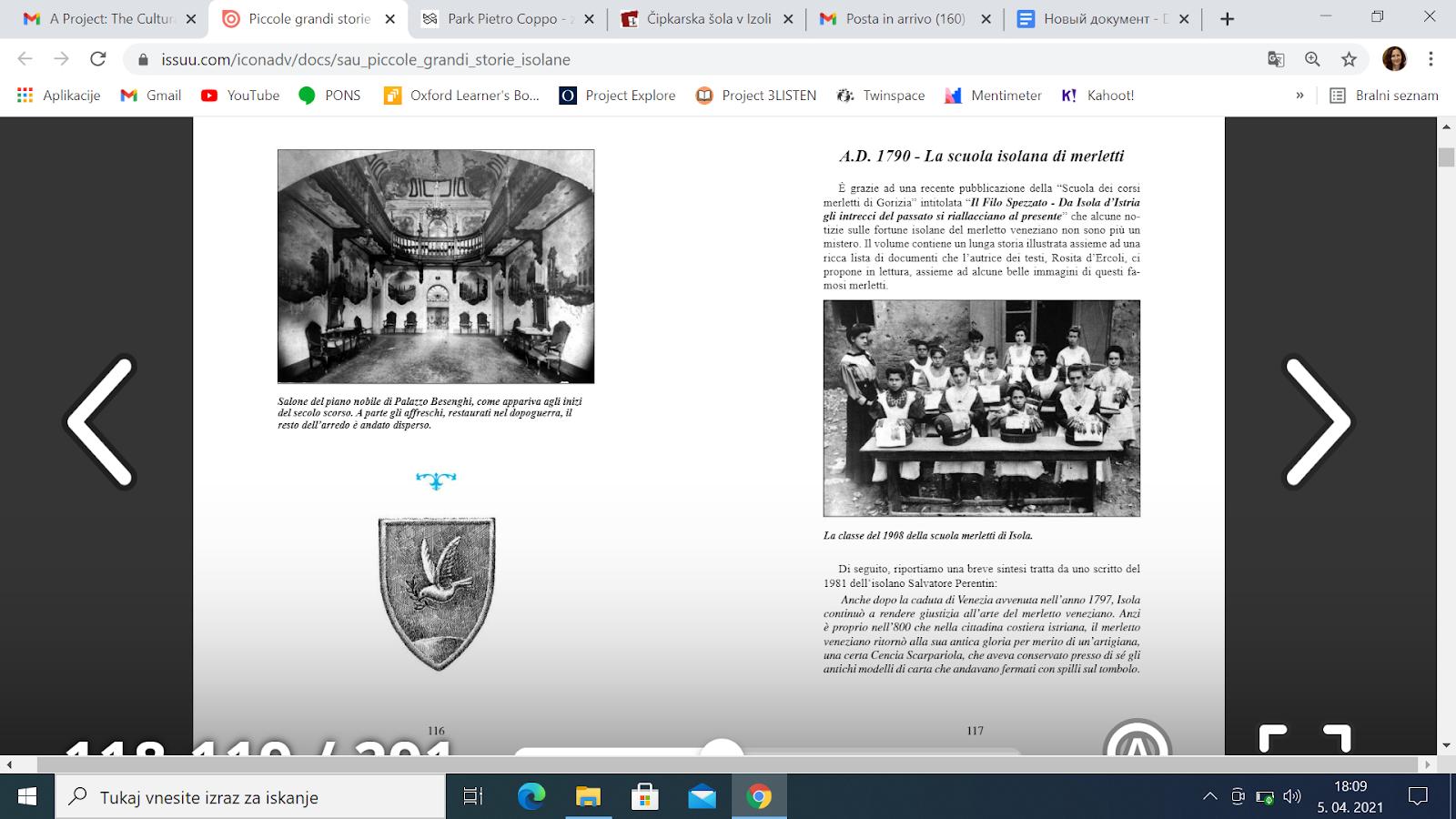
The professional school of Venetian lace was opened on the decision of the parish priest Monsignor Giovanni Zamarin. Its aim was to extend and continue the activity of manufacturing lace with the use of bobbins. This ancient tradition seems to have been imported by the fugitives of Venice to Aquileia and was well learned by the women in Isola, whose embroideries were appreciated by the sophisticated French ladies who arrived on the coast, following the Napoleonic tr s. The Austrians also liked lace so much that the facilit
 Maria T
ering the en the eserving
CHURCHES IN IZOLA - ISOLA
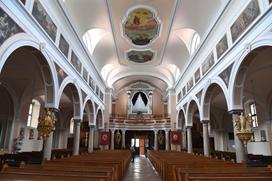
The church of St. Maurus
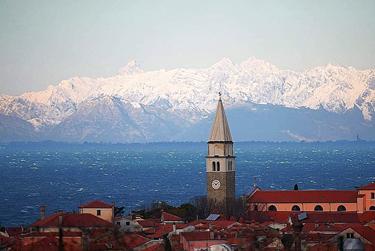
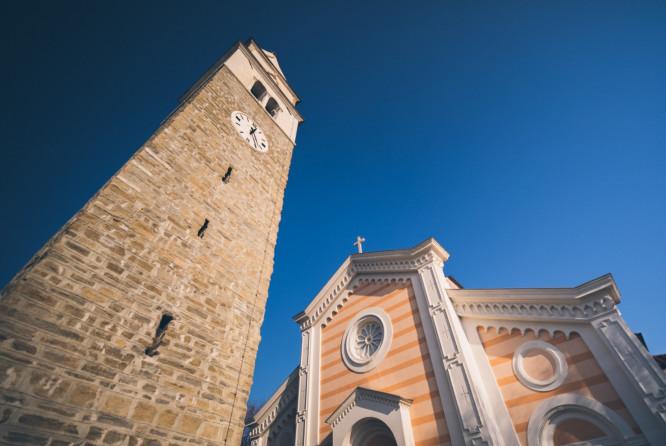
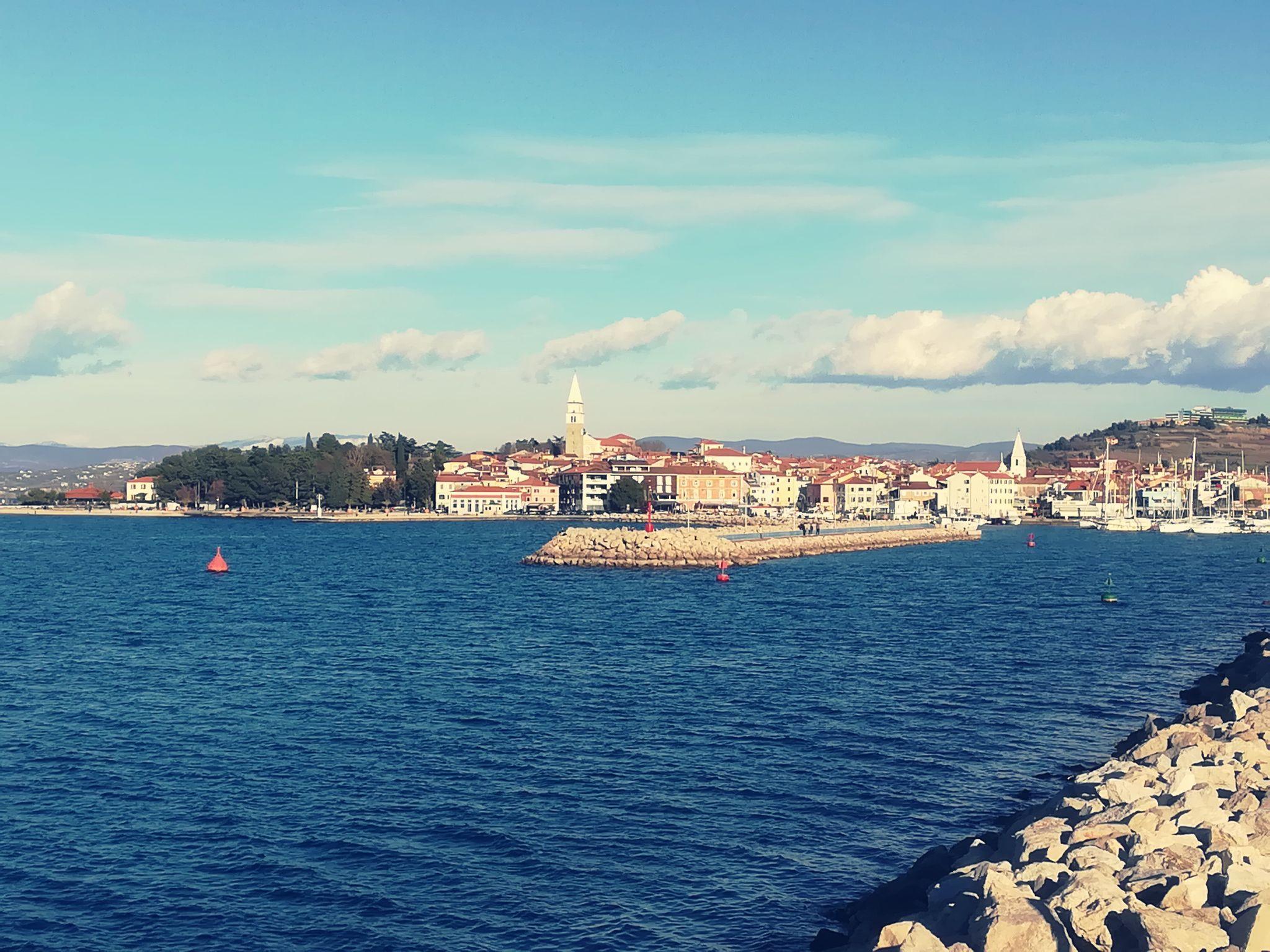
The parish church of St. Maurus is the most visible church in Izola, as it stands on the highest point of the former island.
Originally, a small medieval church was built on this site in 1356. In 1547 they started the construction of the current church in the form of a Romanesque basilica combined with Renaissance elements. The church has been rebuilt several times over the centuries, most recently in the early 20th century. A complete restoration was carried out from 1980 to 1982.
Its interior was redesigned in the Baroque style. There are ten altars with gilded ornaments, fourteen pillars that carry the main aisle, an arched ceiling, Callido’s organ from 1796, a gilded cupola above the presbytery and beautiful paintings dating as far back as the 15th century. The authors were Venetian painters of the 16th and 17th century, among them also Palma il Giovane, Bernardo Strozzi and Zorzi Ventura. A Renaissance façade was added to the front of the church.
A 39-meter-high bell tower stands detached to the church. It was built in 1585 of ordinary Istrian stone in the style of Venetian Gothic architecture. There are four bells in it, named after Saint Maurus, Saint Bishop Donato, Saint Joseph, and the Saint Pope Sixth II. A staircase with 99 steps leads to the top of the bell tower.
An exhibition of its sacral objects, called the Treasures of the Parish of Izola, can be seen with previous notice.
THE CHURCH OF ST. MARY OF HALIAETUM
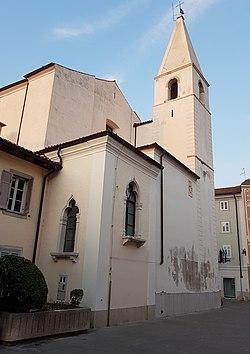
After the parish church, the most important church in Izola is certainly the church of St. Mary of Haliaetum, which is located near the old Municipal Palace, to which it was connected by an internal passage. It stands in Manzioli square and near to the old harbour, called Mandracchio.
It is the oldest church in Izola. It dates back to 1303. It is dedicated to the Assumption of Mary. Its architectural features are characteristic of the Romanesque period.
There are three altars inside, as well as a wooden chancel and a pipe organ built by Petar Nakič, one of the greatest Venetian organ builders. The main feature of this church is, however, its architectural composition, characterized by an octagonal plan form and a groin vault, which makes it unique in the area.
THE CHURCH OF SAINT MARY OF LORETO
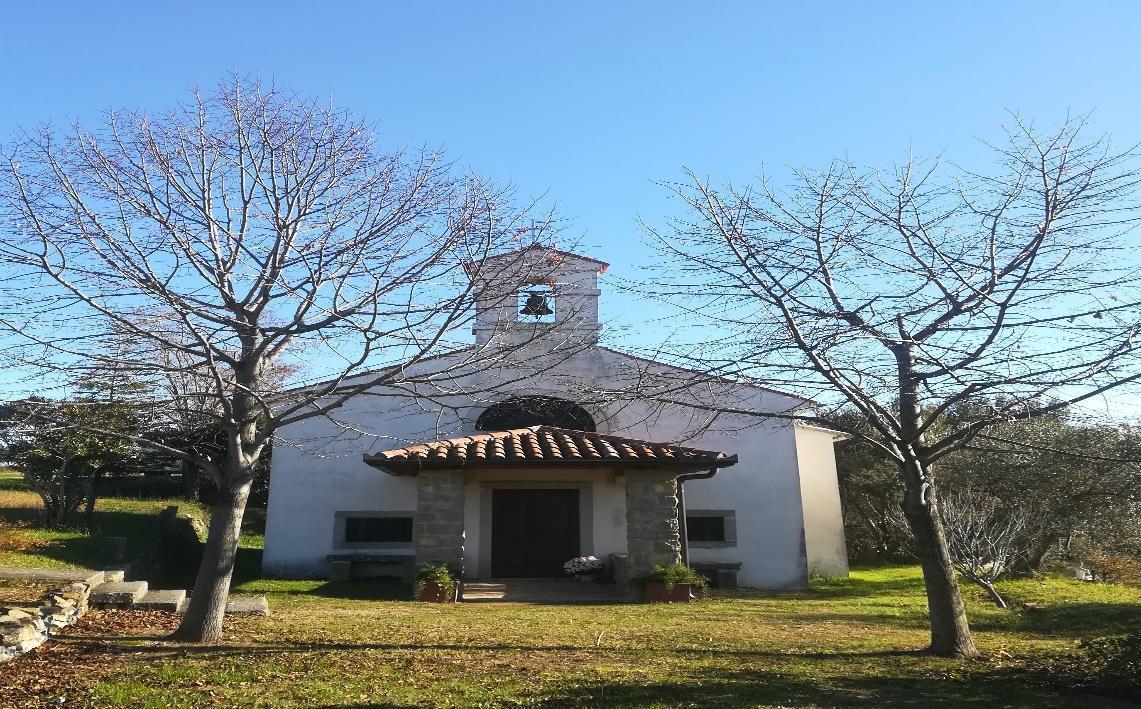
This church was built in 1663 by the Delise family. It was erected in gratitude for having survived the pestilence in 1611.
The festivity of St. Mary has always been celebrated here on September 8th, one week before the celebration of the Assumption of Mary in the church of Strunjan.
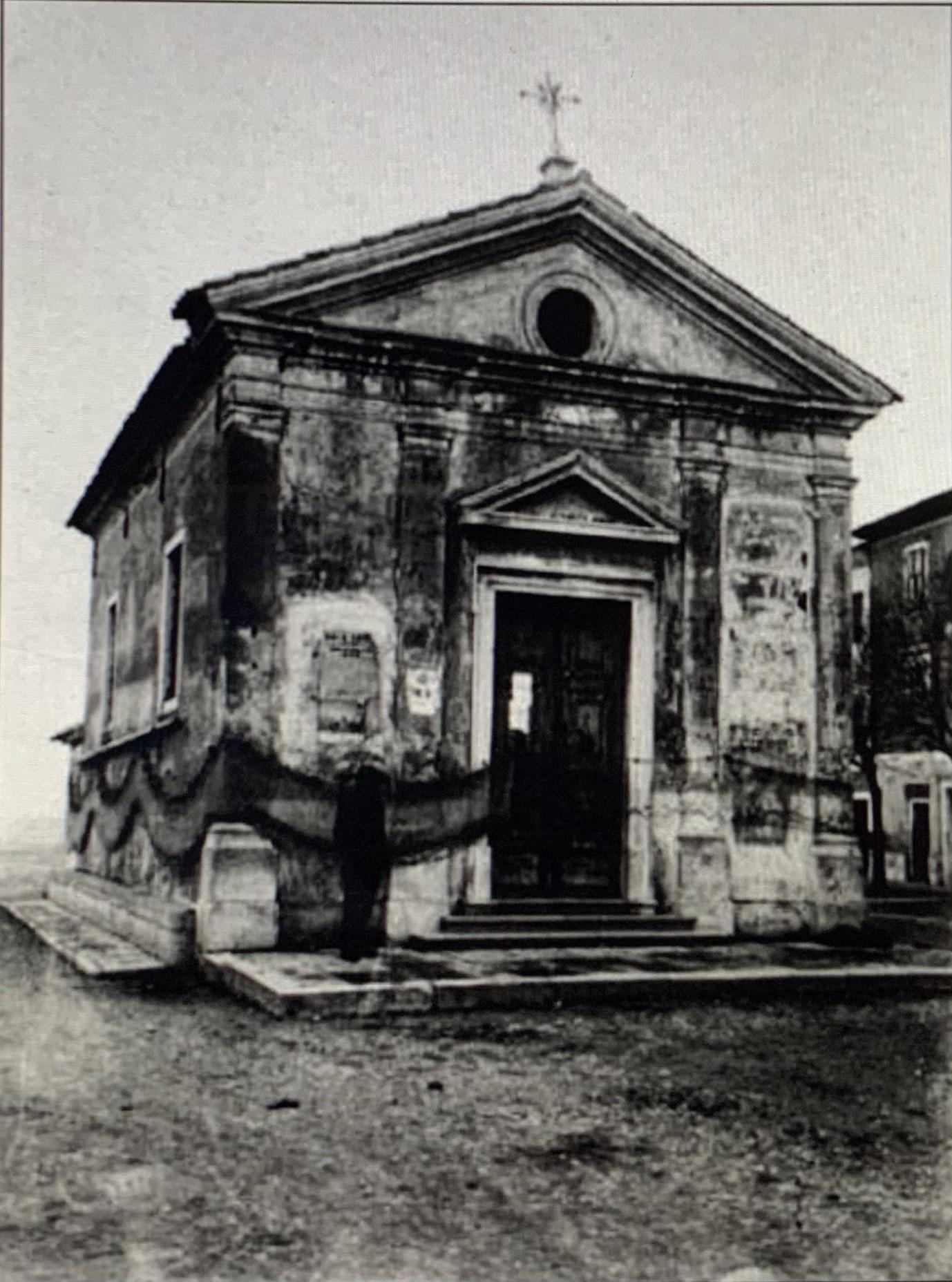
THE CHURCH OF SANT ANDREA
On some old postcards with the view of the harbour in square Piasa Granda (Veliki Trg) you can see the building of the Church of St. Andrea.
Unfortunately, there is little news about it. It seems that it was never used for celebrating religious rituals and mass, since it was not mentioned in the parish chronicles of the period. It was located at Alle Porte, one of the gates of the town, in 1797.
The fishermen wished to consecrate a church to their patron St. Andrea in the centre of Piasa Granda, where the Congregation of St Andrea had its seat. It was pulled down in 1927.
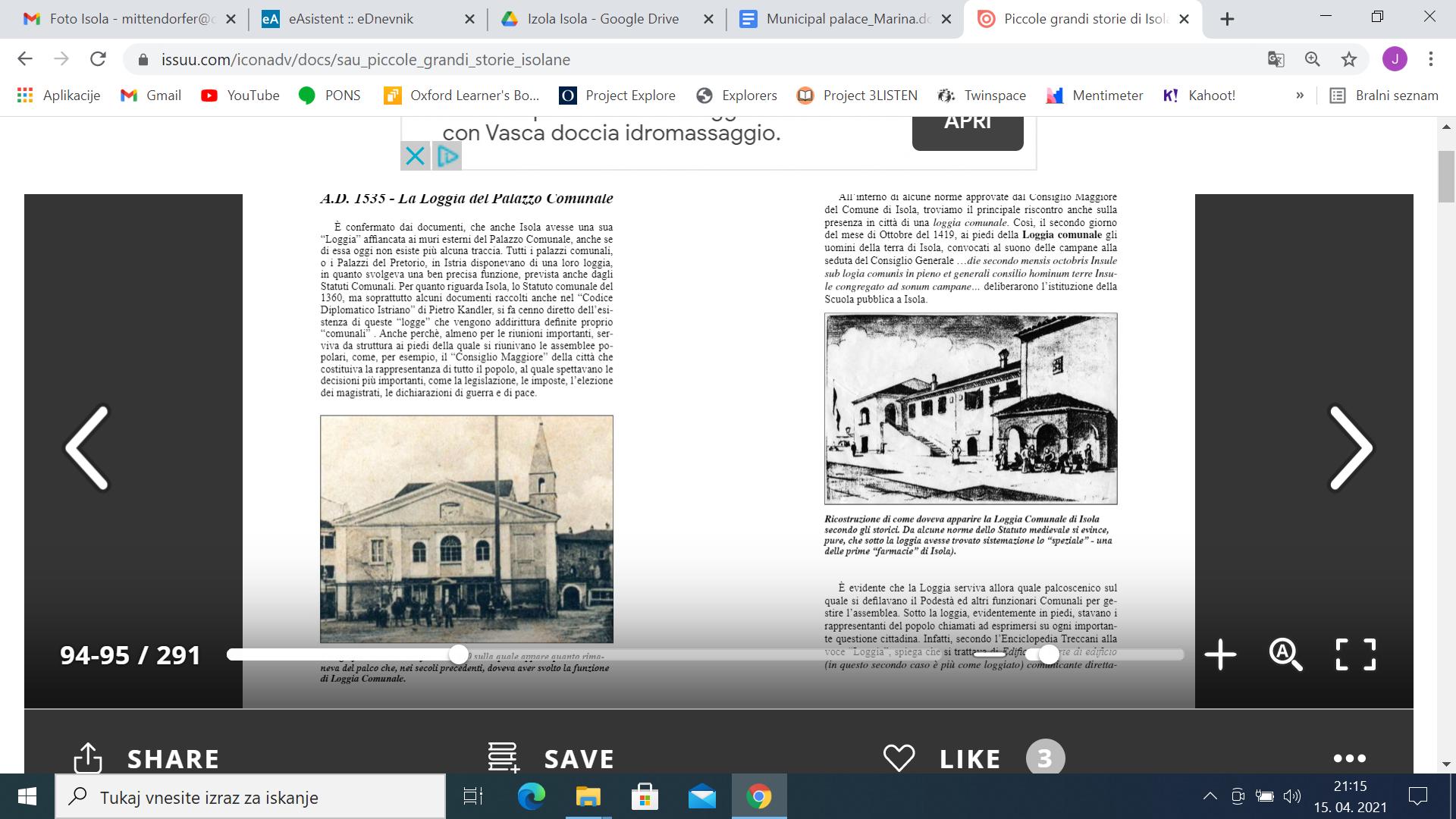
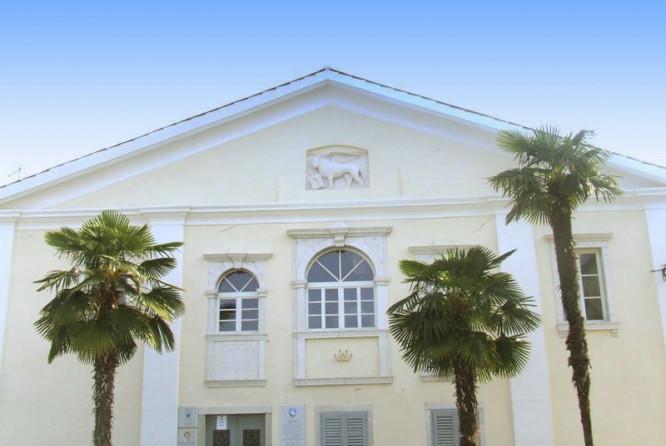
Saint Mauro became the patron saint of the parish of Izola, after he had been the bishop of Poreč. He was captured on his way to Rome and killed around the year 300 AD. The people celebrated him on 21st November in the church, but it became a public festivity on the 23rd October, in the memory of the miracle done by St. Mauro in 1380.
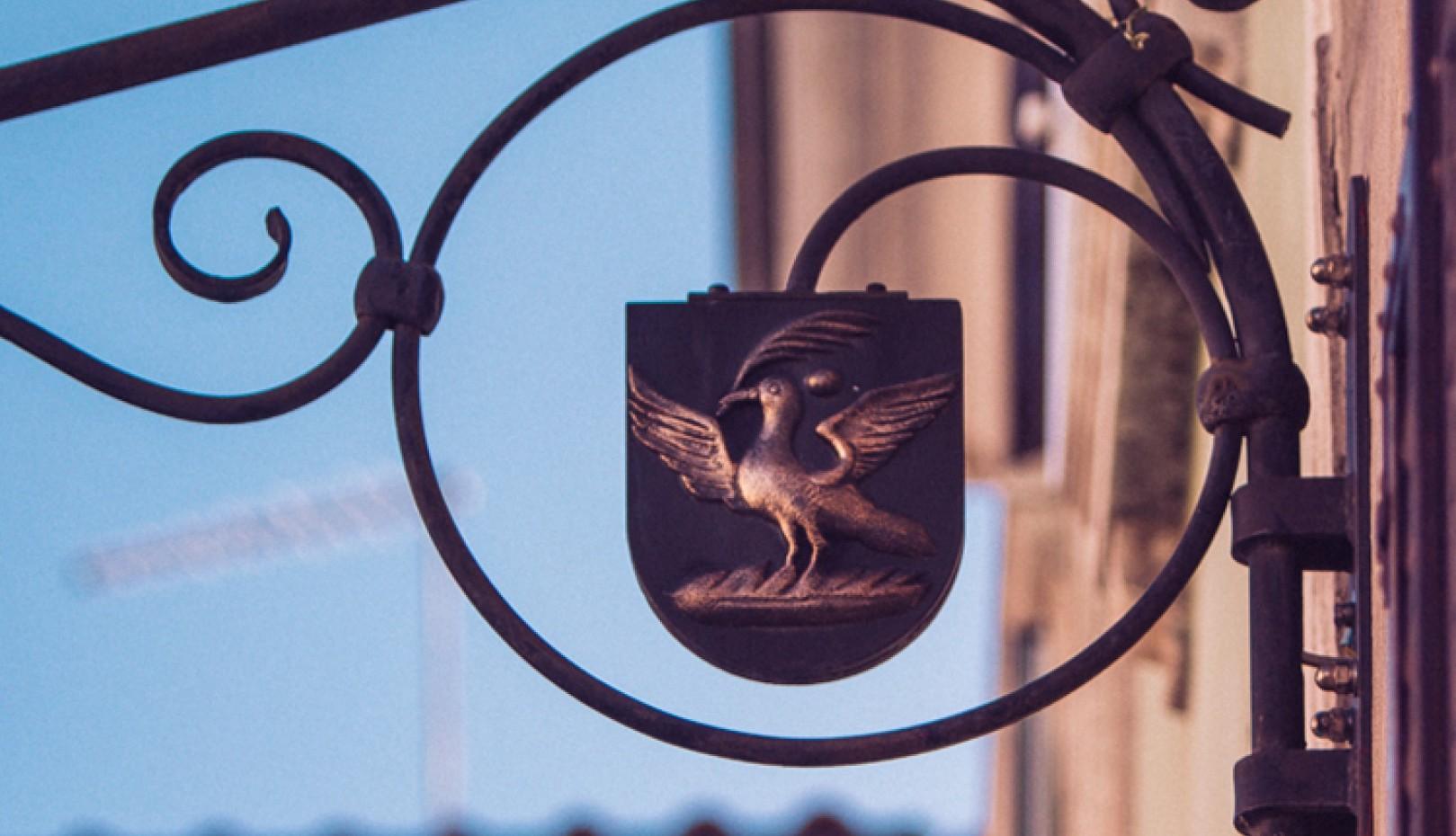
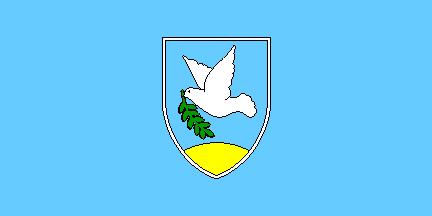
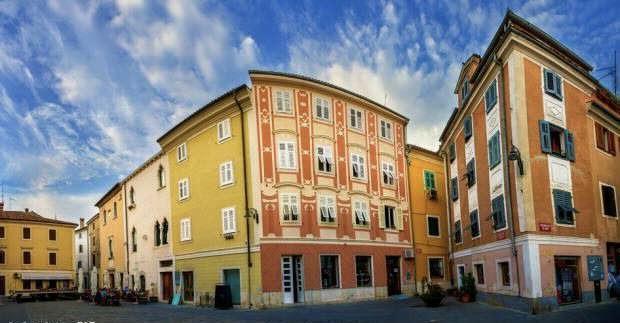
The Manzioli palace
The Manzioli Palace, located on the Manzioli square, is one of the oldest buildings in Izola. It was built in 1470 as a typical Venetian-Gothic townhouse. It was named after Tommaso Manzioli, the former mayor of Izola, who contributed to the construction of the old harbour. Today the Manzioli palace hosts the seat of the Italian communities and the Wine Bar Manzioli. There is also an exhibition space for displays of works of art.
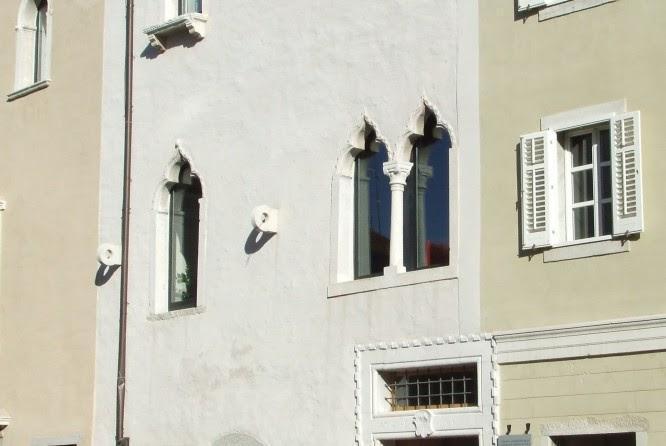
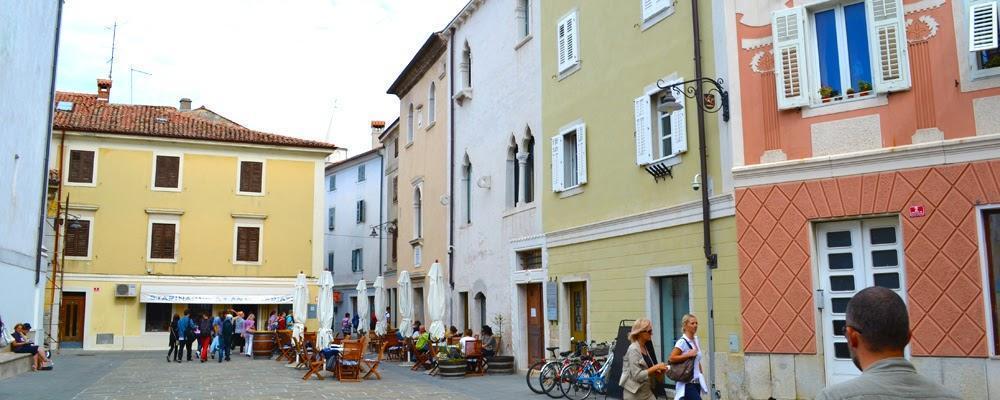
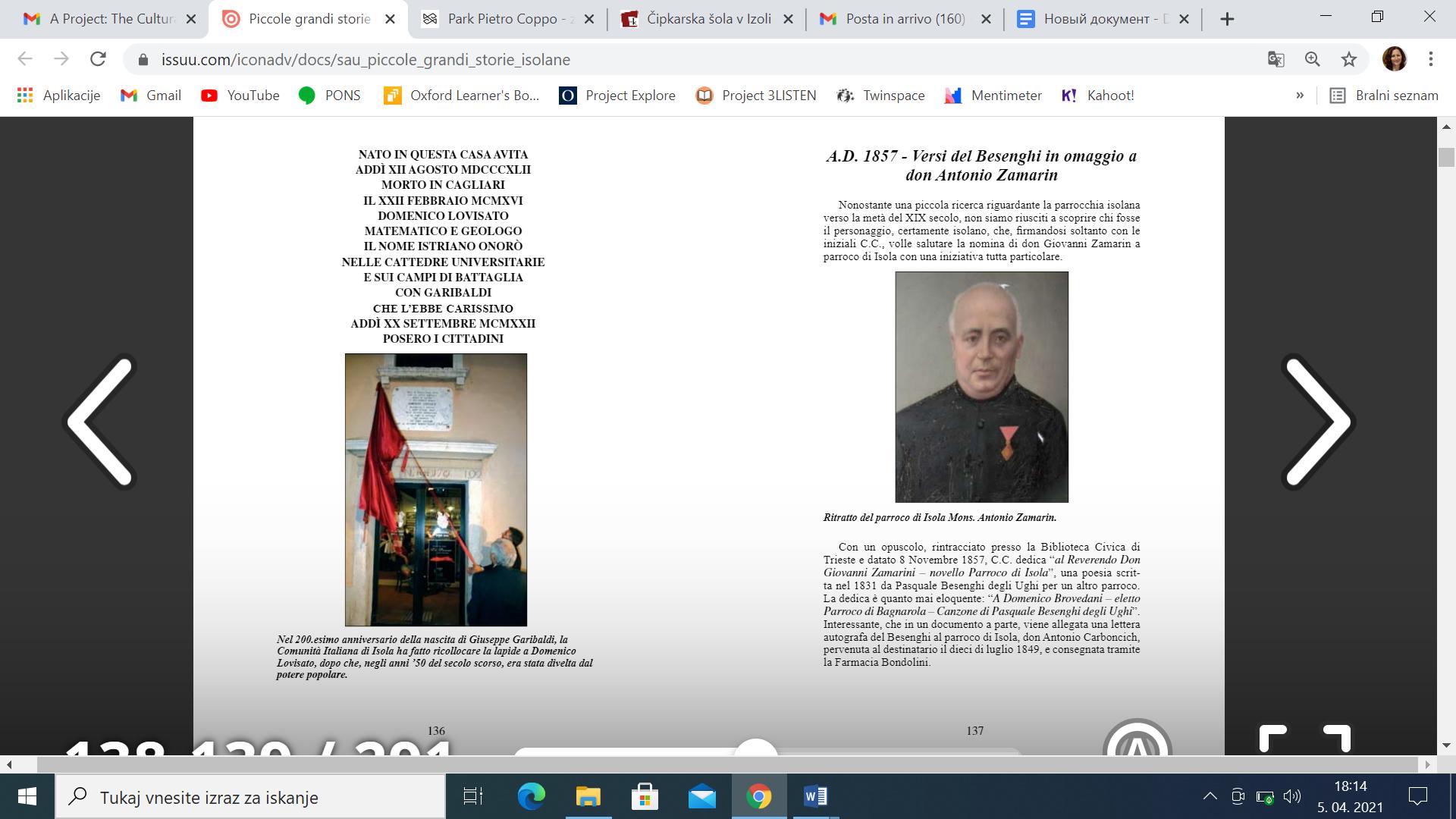
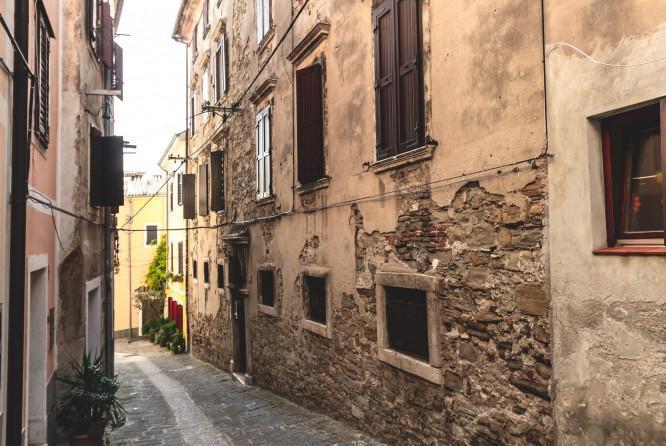
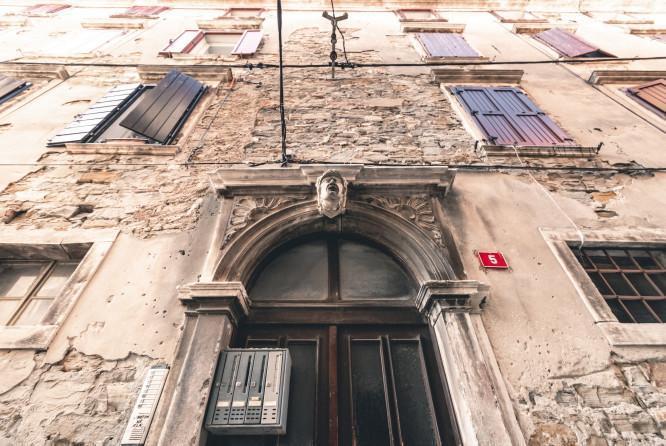
The Lovisato house
The Lovisato Palace, the his the birthplace of the interna Lovisato, who was a protag fought for the liberation led b within an expedition in Pa the Museum of Mineralogy s birth, a stone plaque was put on the f commemorate the scientis
Both palaces were renova villa, which stood on this sit
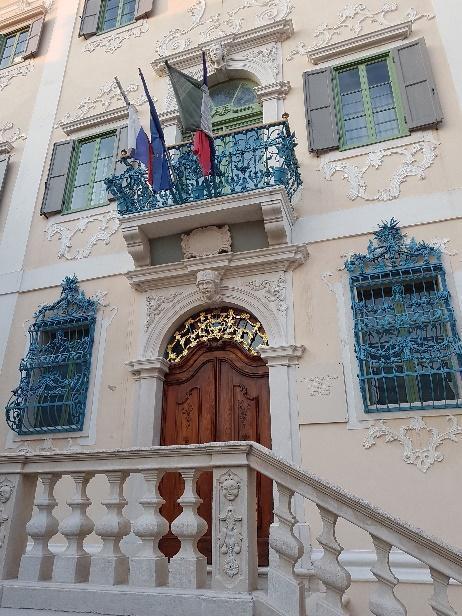
The Zanon Palace
The baroque Zanon Palace can be found on Krpan Street. The building obtained its current look in 1772. It was built on the request of Barba Nane Zanon, a merchant from Izola, and by the same people who worked on the Besenghi degli Ughi Palace.
Other important people
The geographer Pietro Coppo was born in Venice in 1470, but moved to Izola and stay there until his death. He married an Izolan girl named Collotta di Ugo. They had five children. In honor of his work, various geographical maps of Istra, Park Pietro Coppo was named.
Another Izolan was Nino Benvenuti, an Italian boxer and actor, sport reporter, journalist, and Italian writer. He was born in Isola in 1938, which was at that time under the Italian rule. His father was a fishmonger. After the Second World War his family fled to Italy. He had three brothers and a sister. As a boxer he won an Olympic gold medal and he was also the winner of two world titles in 1967 and 1970. As an actor he was in a documentary and three films, one was a spaghetti-western with a very famous actor Giuliano Gemma, entitled Vivi o preferibilmente morti (1969).

THE BESENGHI PALACE
The Besenghi Palace is one of the most beautiful monuments of the late Baroque period in Istria. It was built in a fairly short time, between the years 1775 and 1781 in the center of Isola. The Besenghi degli Ughi family commissioned the construction work to the famous architect from Milan, Filippo Dongetti.
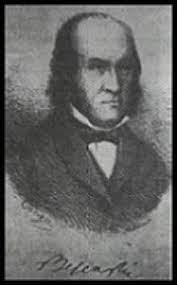
The Besenghi degli Ughi were a rich and powerful family who came from Venice to Istria. They were of Tuscan origin. Their most famous member was the poet Pasquale Besenghi degli Ughi, who wrote Romantic poetry in the Italian language. He was born in Isola on March 31, 1797. He was first educated at Izola and Koper, and later he studied law at the University of Padova, where he wrote his first tragedy that went lost, influenced by Alfieri and Parini. He loved the classical literature of Dante and Petrarca, so his first poetry was under the influence of their spirit. In his Romantic work, Besenghi expressed the love for women and nature, but also his pessimistic vision of human life. He felt very strongly the love for his Italian origins and in his poems, he wanted to bring the Renaissance ideas among the people of Istria and Trieste. His patriotic poetry came very close to the 18th century Romantics, Leopardi and Foscolo.
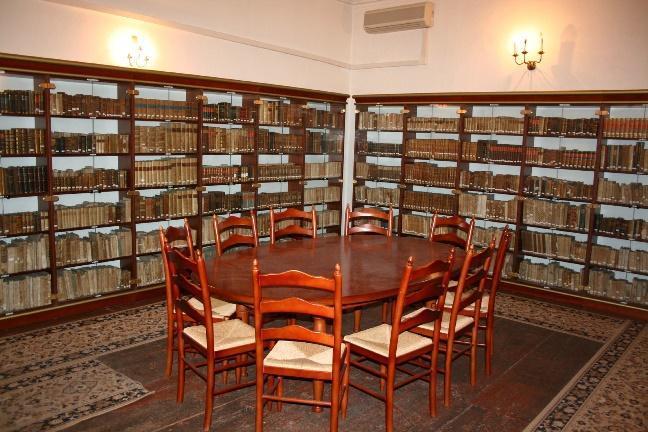
The Besenghi degli Ughi family owned a large library which can be seen in the palace today. There are over 3,000 books and manuscripts dating back to the 16th and 17th century in it.
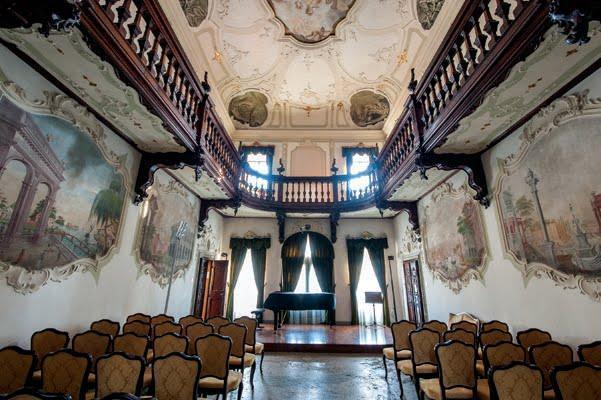
The town's music school is located in the Besenghi Palace with its concert hall, which is the venue of several performances of classical music, but weddings take place there too. Inside you can see a lot of paintings and frescoes belonging to the Baroque period.
The building is three storeys high. A white stone staircase at the front of the palace leads us inside.
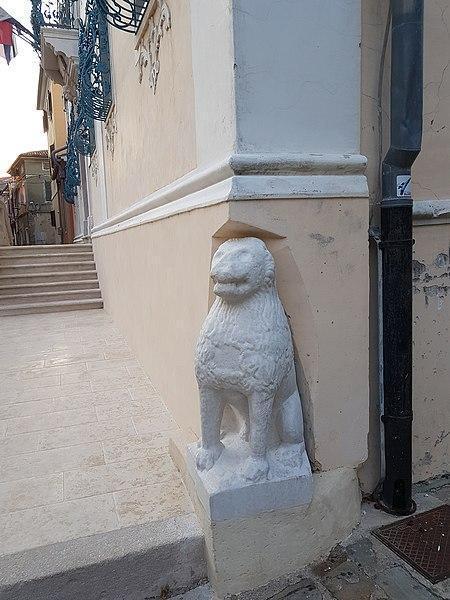
A Venetian lion made of white stone from the 13th century stands in the corner of the building.
IN IZOLA
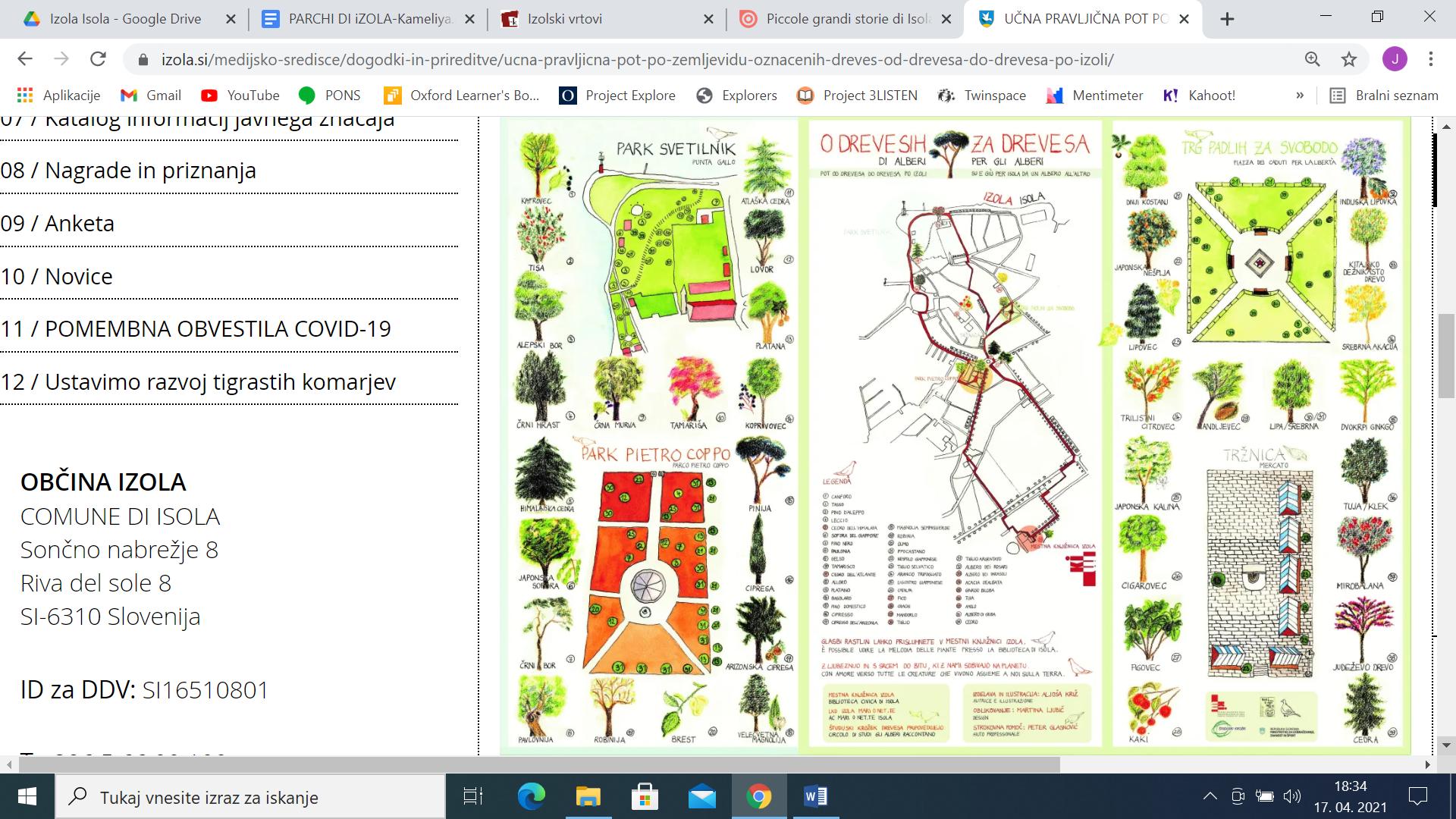
PARKS
PARK PIETRO COPPO
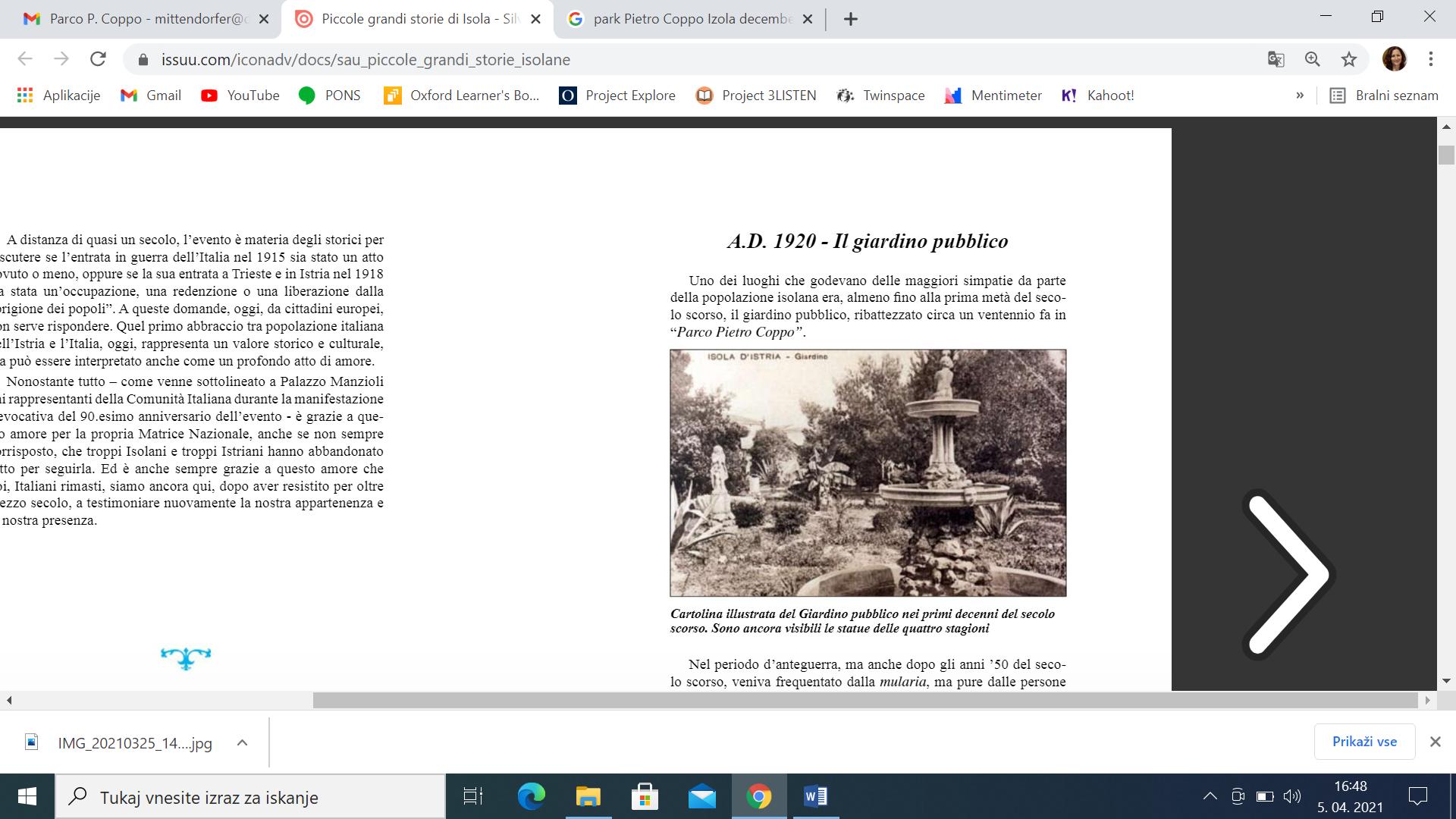
The Park Pietro Coppo was given the name of the Istrian geographer in the 1990s. Pietro Coppo was the author of important geographical maps, he drew all Istrian cities and towns.
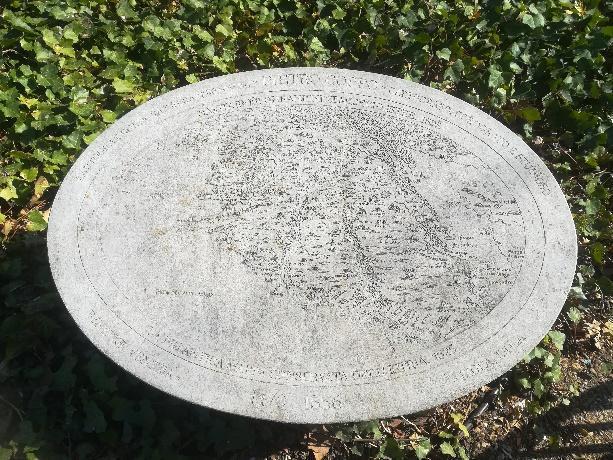
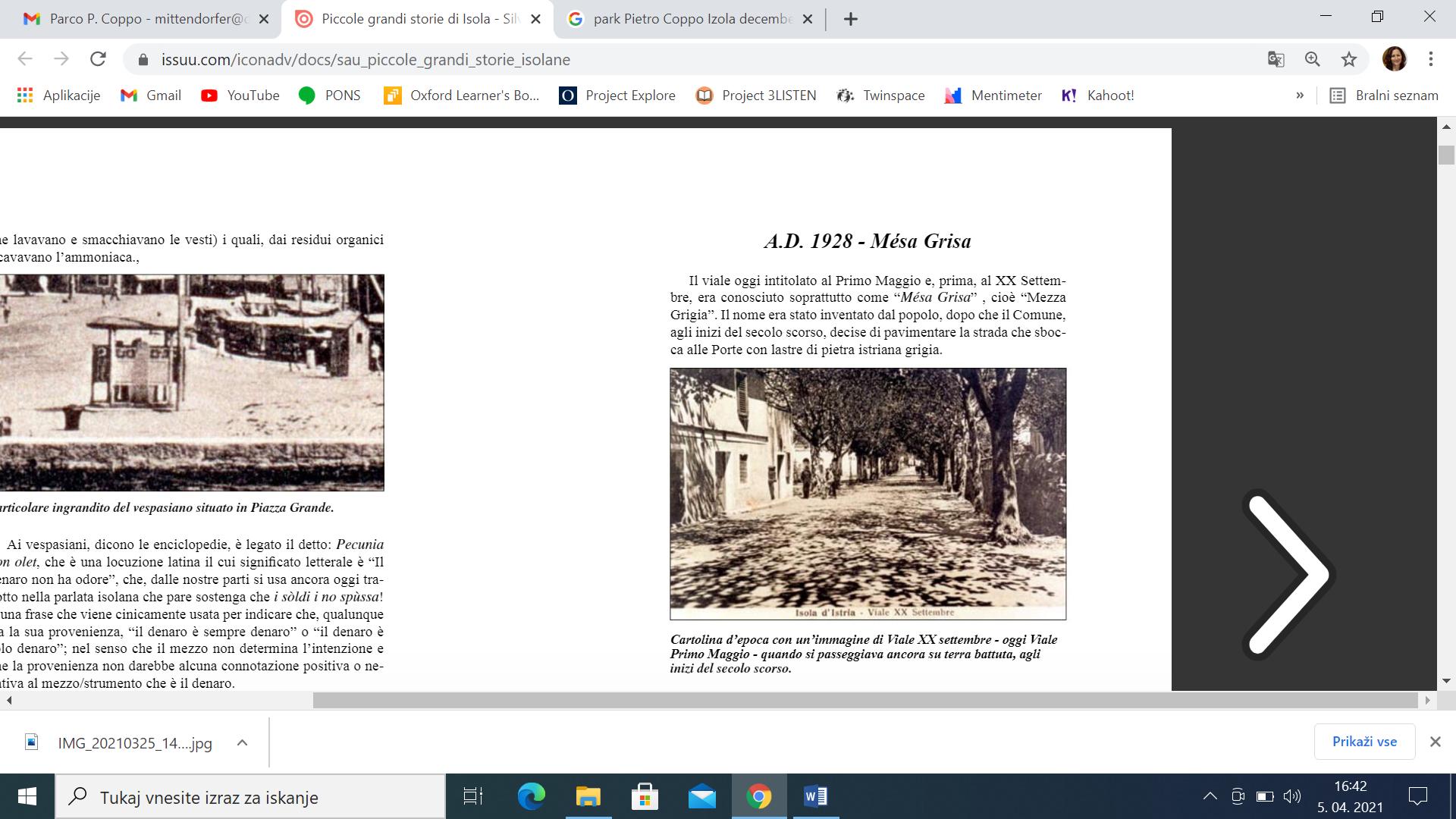
The park is very old. It was the first public garden, called “Giardino pubblico” in 1920.
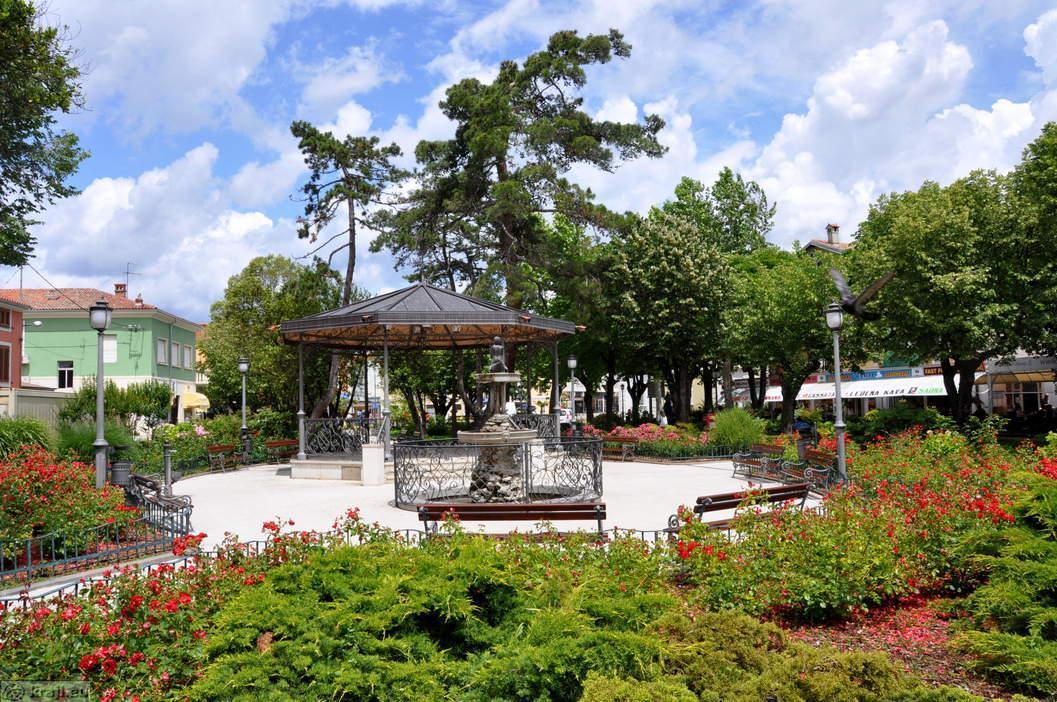
At the beginning there was a monument dedicated to the victims of the First World War and there were also four statues depicting the
women who needed water supplies for their households. The Fontana Fora dates back to the 14th century, and was renovated during the French period and in 1847.
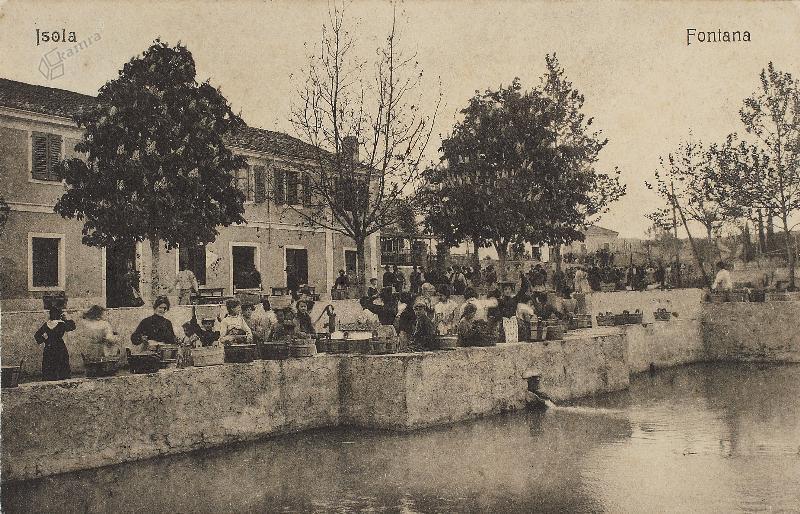
Izola was well-known for having lots of natural water sources; even Pietro Coppo in his maps of Istria wanted to give Izola a second name, i.e. Fontana. Only in 1935, Isola was connected to the water supply system of the Rižana river
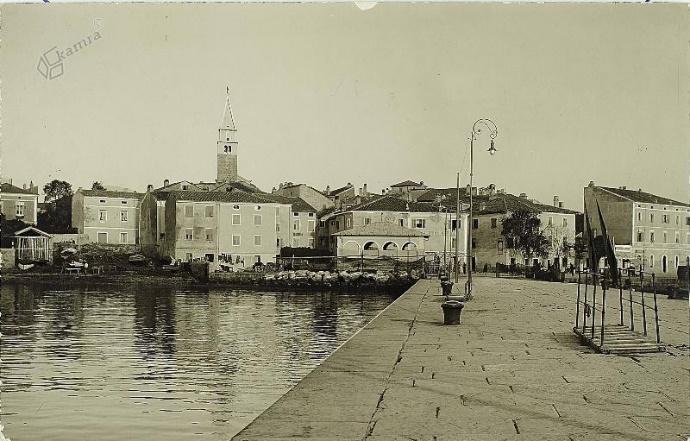
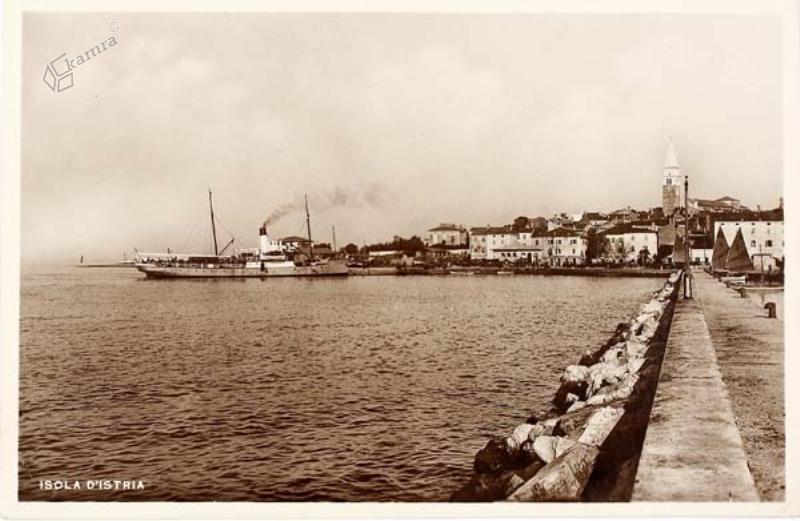
The Mandracchio, the harbour of Izola Isola
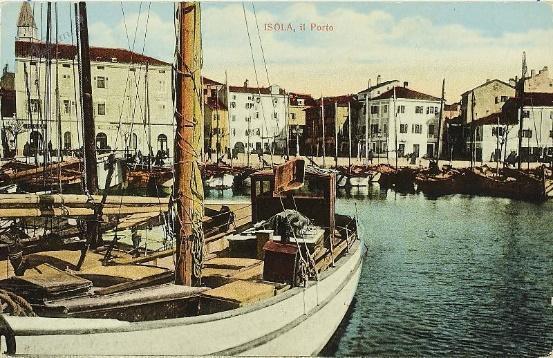
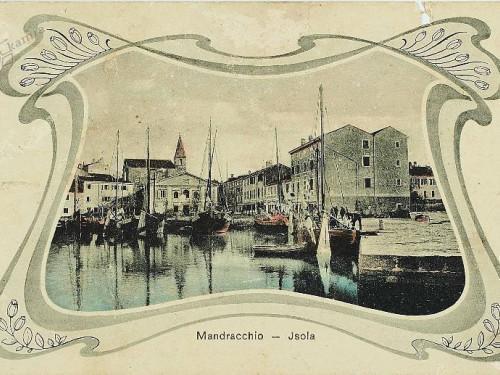
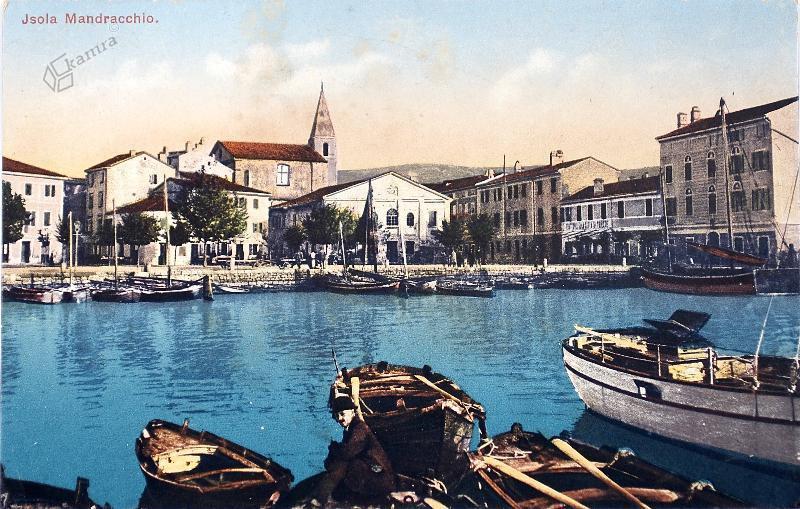
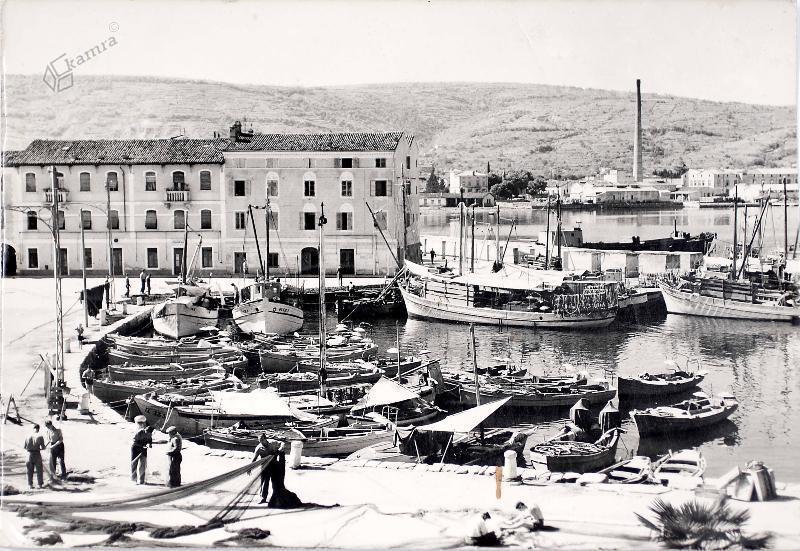
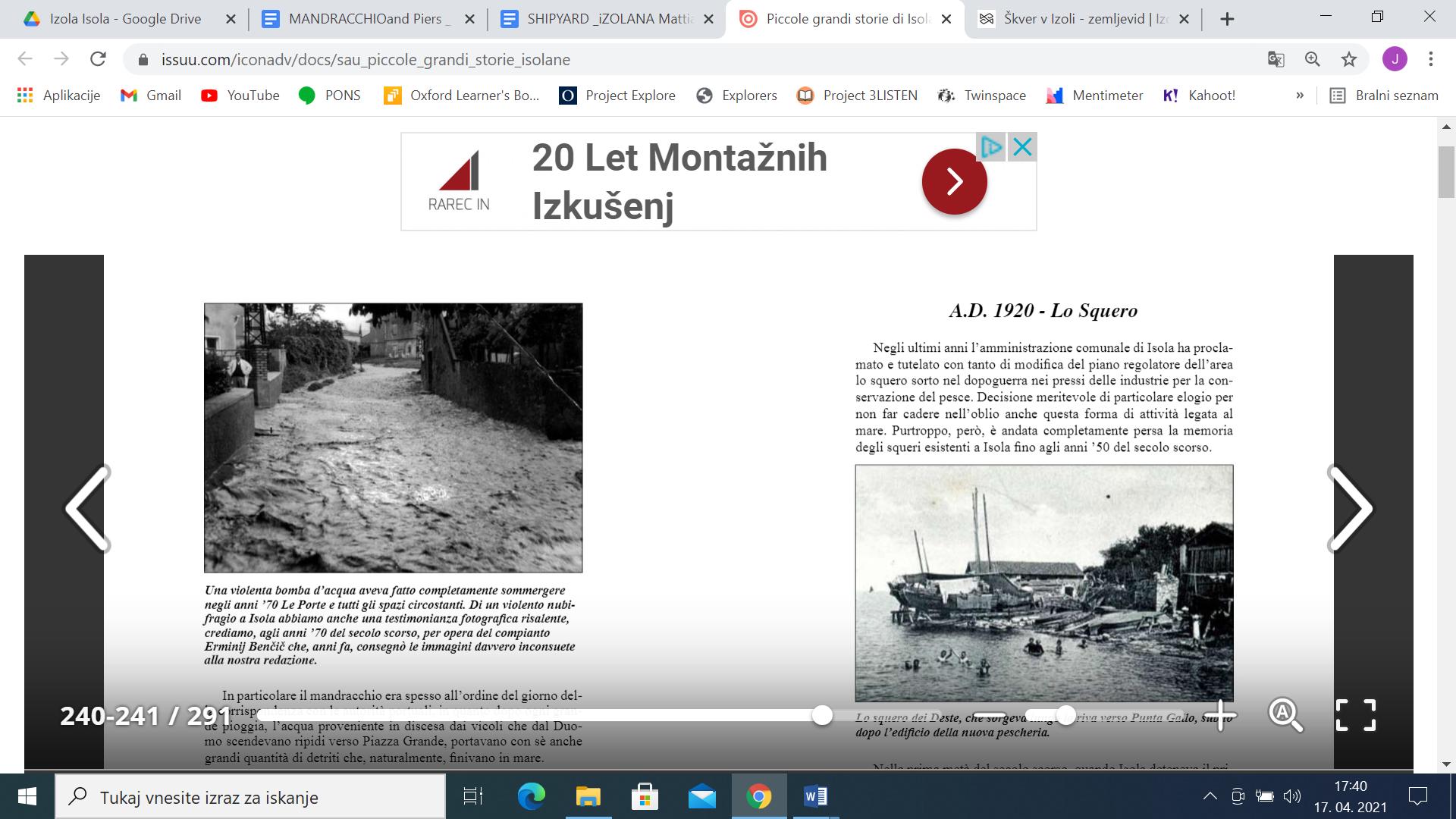
The name “mandracchio” indicates a stretch of water reserved for the mooring of fishing boats and smaller boats, such as spears and barges. The port of Izola is a protected sea basin, where small boats find shelter in shallow water and come to the town centre for maritime transport. The „mandracchio“ can be found in other Istrian coastal towns too. With the development of ships and navigation, the port has also expanded and larger ships have found shelter in it. It has been used for the embarkment and disembarkment of passengers, loading and unloading of goods, and for fishing. Through the port of Isola, maritime traffic has constantly flowed. The traffic increased especially during the period between the two world wars, when the island's fishing industry reached its peak and transported its products across the sea.
The mandracchio is located close to the Veliki trg or Main Square, near the popular Manzioli Square and the church of St. Mary of Haliaetum and Hotel Marina.
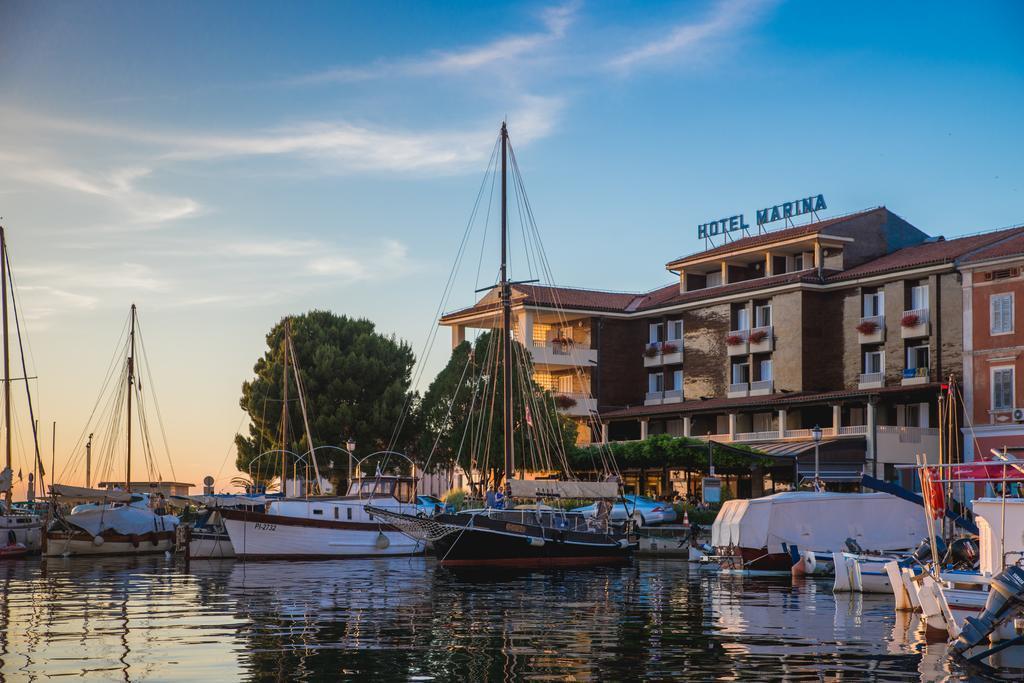
In the old postcards, you can see the harbour, full of wooden fishing boats that are moored in several rows, and the frontline of the houses around it.
The Custom's Pier
The Custom’s Pier was initially made of several wooden piers. Later they used the blocks of stone that constituted the Roman pier in the Simon Bay to build a larger pier. In 1561, when the harbor of Izola was enlarged and deepened, the piers were lengthened too.
The Fishing Pier
Next to the Customs Pier you can see the Fishing Pier. There are lots of fishing ships and boats there. Up to the end of the 18th century the fishermen had to fish in very primitive ways. The first fishermen had very little nets and their boats were carved out of large pine trunks. Later fishermen started to buy bigger boats. They used larger nets to fish big quantities of sardines and anchovies. Some nets were drawn on the bottom of the sea, which ruined the flora, so they are not allowed to use them.
There is a Fishing market in the building on the way to The Lighthouse Cape, but the fishermen can also sell fresh fish directly from their boats. There are only about ten professional fishermen in Izola nowadays. Today some former fishing boats are used for tourism, as restaurants or for boat trips along the coast.
The Lighthouse
The lighthouse on the P es a shoal. It is located on the cape along the largest public beach of the town centre. From there the view opens to the open Adriatic Sea as well as to the Dolomites and Alps. At dark you can see the lights of the cities situated on the Italian coast.
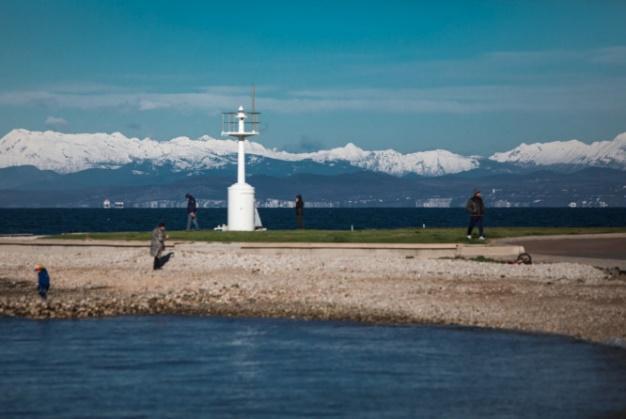
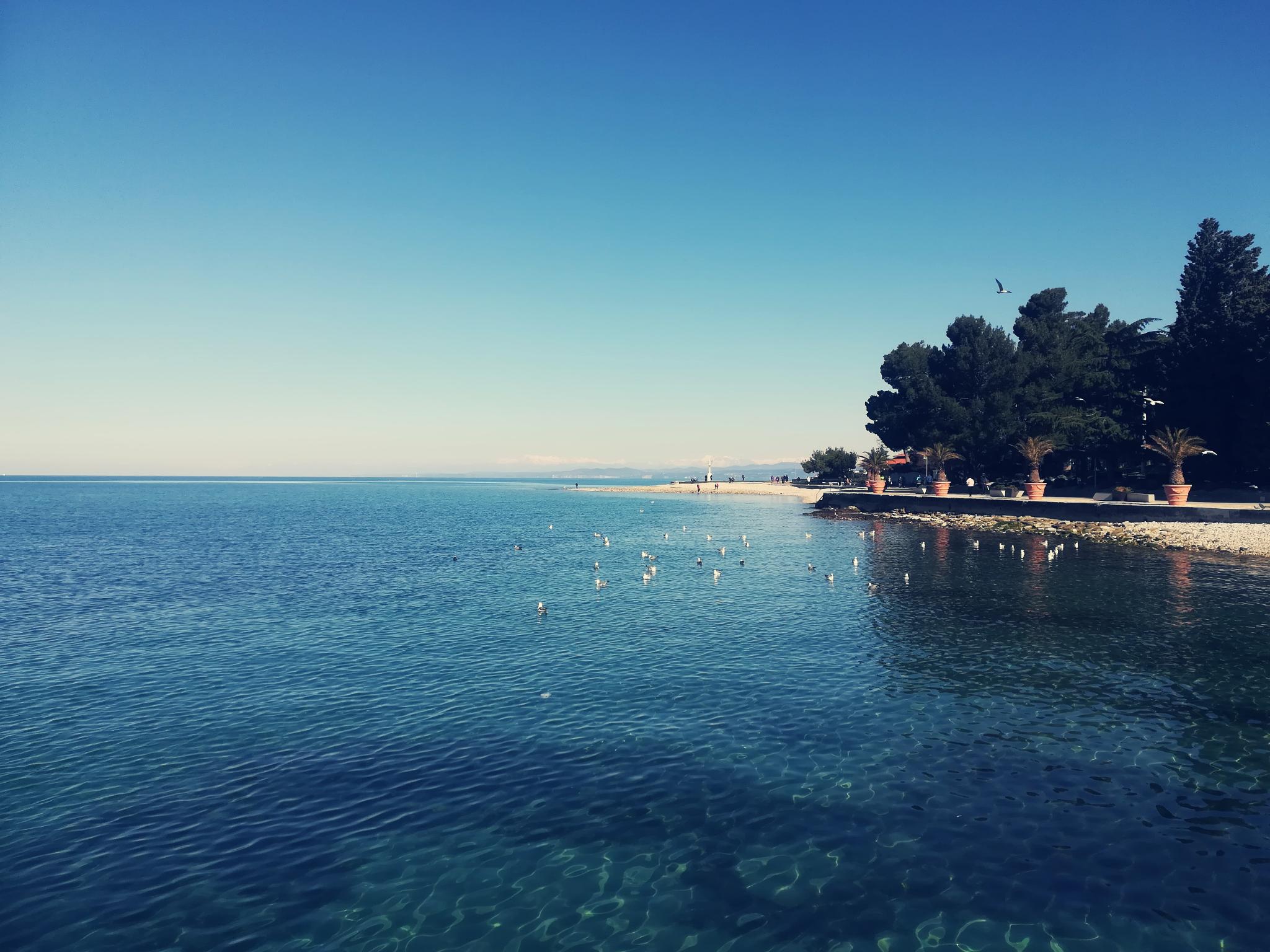
In summer time Punta Gallo is popular with tourists and Izolans that love swimming and sunbathing, but also enjoy all kinds of sea activities.
The lighthouse of Izola is mounted on a wooden platform and equipped with a constant white and red light. The white light glows from the southwest to the northeast, whereas the red light from the northeast towards the interior of the harbour of Izola.
The Marina
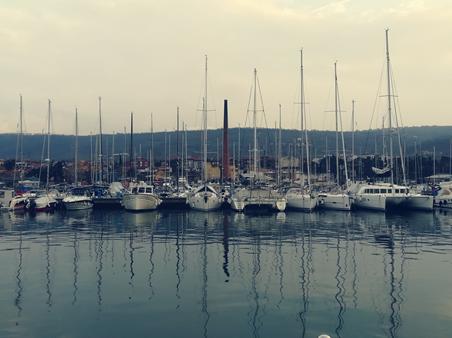
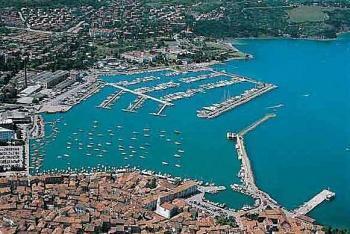
The marina has moorings and supplies for yachts and small boats, but it does not offer its services to large passenger ships. Nowadays, it has more than 700 berths for vessels up to 30 meters in length. It is equipped with water supply and electricity connection.
The Marina in Izola provides its guests with all necessary things: open and covered parking lots, an agency for the sale and rental of boats, nautical equipmen eas and r
rch of San Rocco, on the road from in which they produced canned fish, plums, while out of fish waste they made ses.
d
The
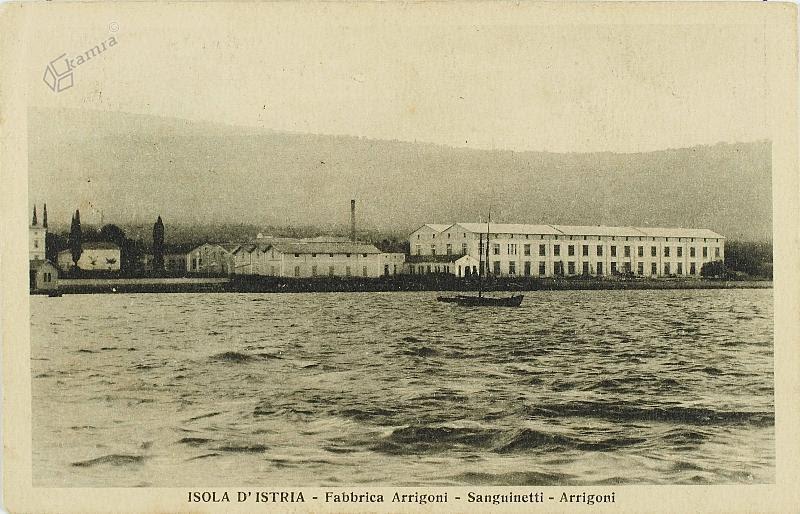
at was also the destiny 924, well known for
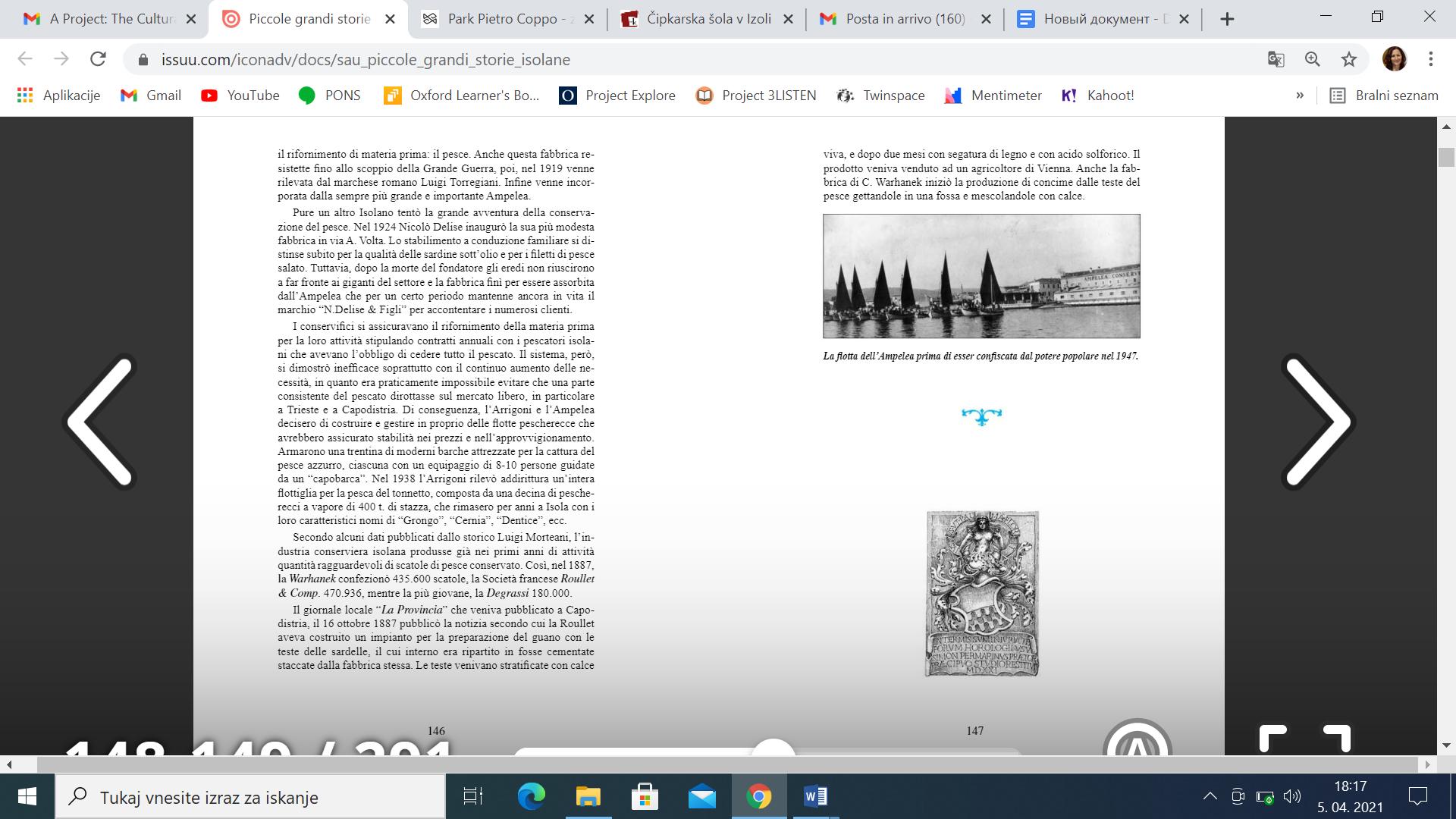
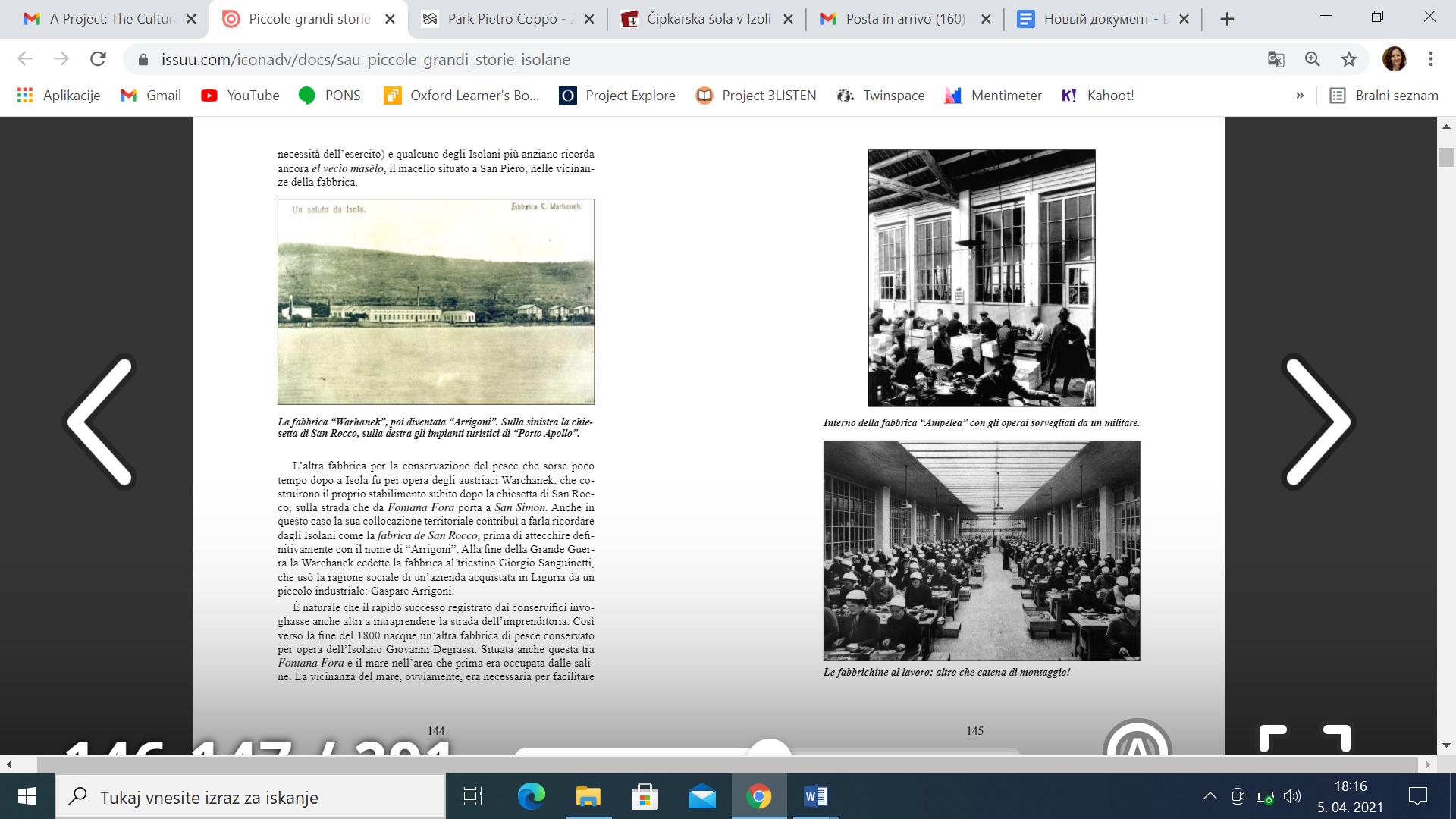
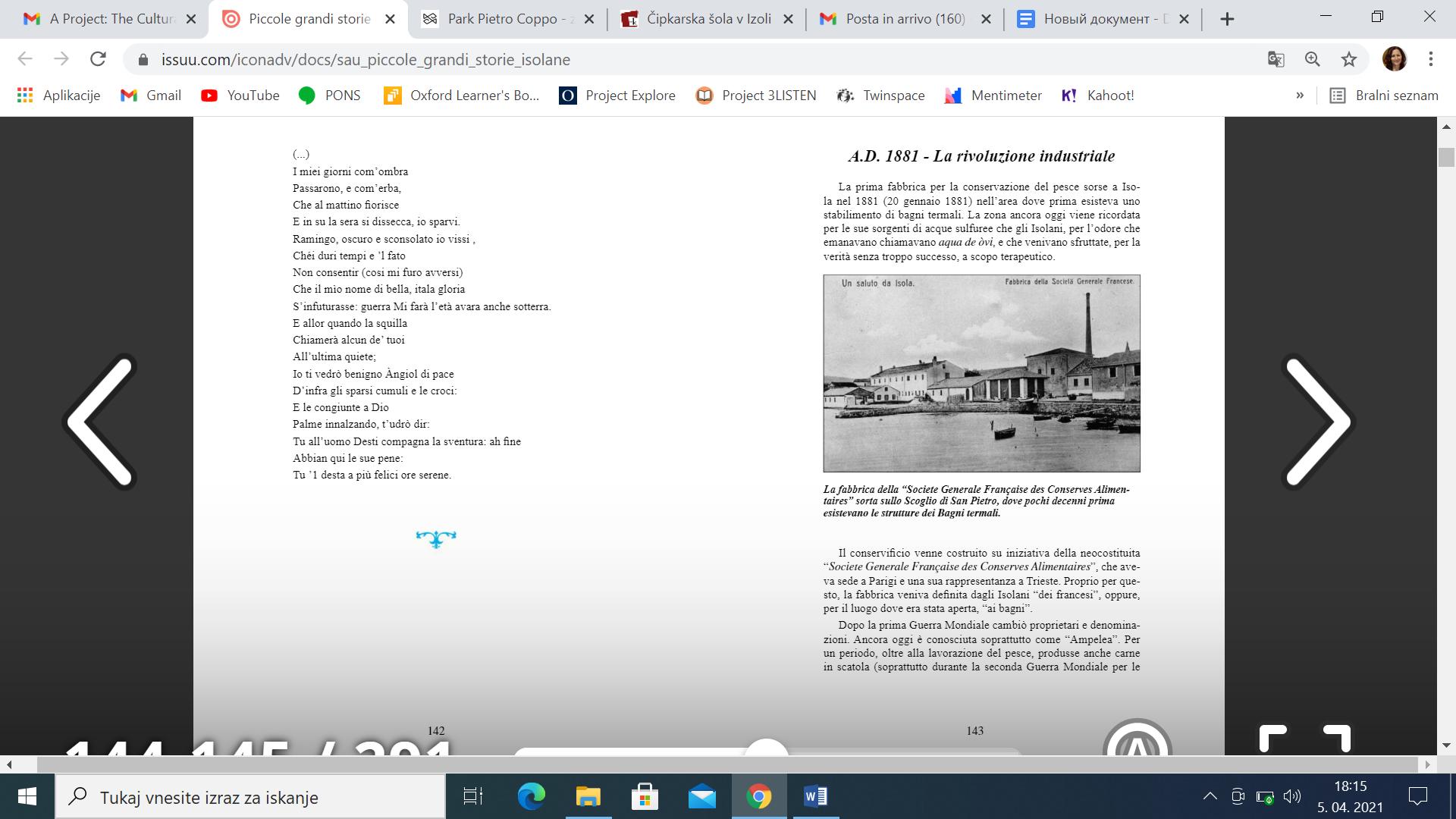
men per ship to make n 1938 the Arrigoni old postcard, there is
Atlantic Droga Kolinska
The company bearing this name is quite new, but its beginnings go back to the old Arrigoni factory. Two factories were merged in 1964: the old Arrigoni or Argo factory and the Začimba from Portorož. After 1991 they started to expand abroad. In 1996, the company became a joint stock company.
In 2001, the production and the administration of the company Droga Portorož moved from Seča to Izola. In 2002, Droga Group was established and a thousand workers earned their living in it. They mainly processed and packaged coffee, tea, salt, spices and herbs, drinks, sugar, and also processed and preserved vegetables, mushrooms and meat as well as cereal.
In 2005, Droga Portorož merged with the food processing industry Kolinska from Ljubljana and thus Droga Kolinska d.d. was established.
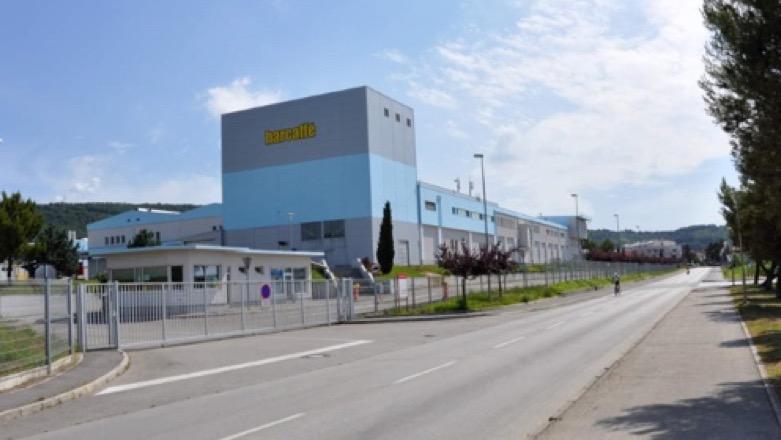

In November 2010, the Croatian company Atlantic Group took over Droga Kolinska. It has been one of the largest food industries in southeastern Europe. Among its well known trademarks are Argeta, Bananica, Barcaffe, Cedevita, Montana, Bakina Tajna, Cockta, Donat Mg, Grand, etc
In the past coffee, tea and pate were produced in Izola, today only two products are produced here, i.e. coffee and pate. The market share of this coffee in Slovenia represents 58% and the pate about 50%.
SHIPBUILDING
Shipbuilding was one of the oldest economic activities along eastern Adriatic coasts and it dates back to the 14th century. There is a written record of an existing shipyard in Piran in the year 1322.
In the 19th century, there were three shipyards in the area of Piran and specialized in the building of cargo and fishing boats. After WWII the shipyard »2.Oktober« operated in the Monfort warehouses until it was transferred to Izola.
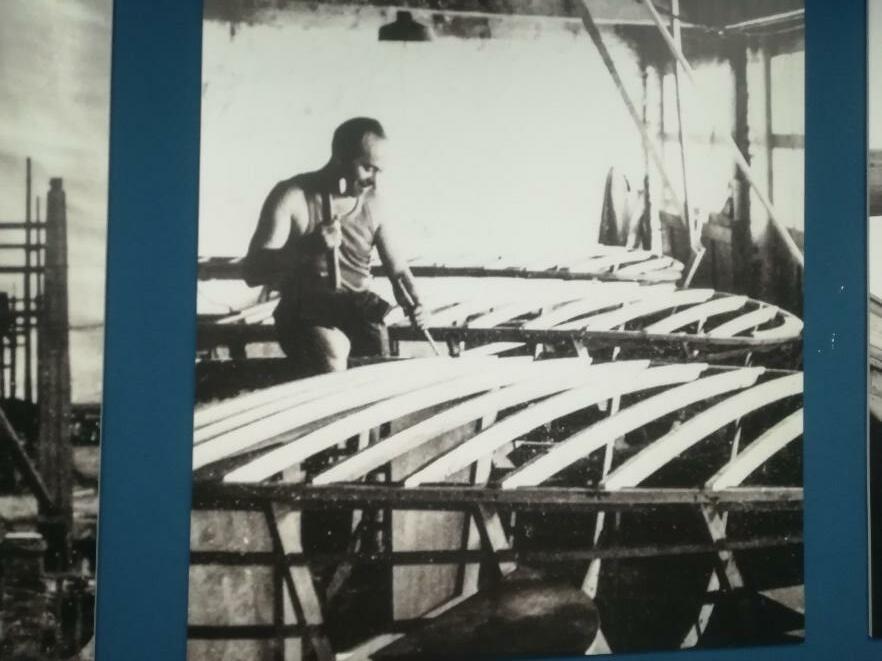
Compared to shipyards in Trieste, which in the 19th century developed into independent timber and later iron industries that took over all the most important boat construction orders, the shipyards in Istrian towns remained at the level of craft production until the 1950s. They integrated the skills of different craftsmen who built vessels for local shipowners and for the needs of the local population.
The construction of wooden vessels relied on traditional techniques common to the entire eastern Adriatic area and remained relatively unchanged until the 1950s. Wooden vessels could only be built of quality timber. The keel was made of oak wood. Ribs of mulberry tree, pine or elm wood, which was also used for planking. Vessel parts were also made of unsightly trees growing in Istria, Kras, and Friuli. First tree logs were brought to the shipyard and soaked in a sea pool. Then, by sawing and hewing the parts of the boat were made. Master craftsmen rarely drew construction plans, thus vessels of the same type could be quite different. Vessel width had to correspond to one third of vessel length. First they finished the framing structure and then they made the planking. The hull was caulked –sealed with tar-soaked yarn. A part of the hull was covered with a deck, the rudder was installed, and the mast hole was made. Then the buyer could choose the colour and other details.
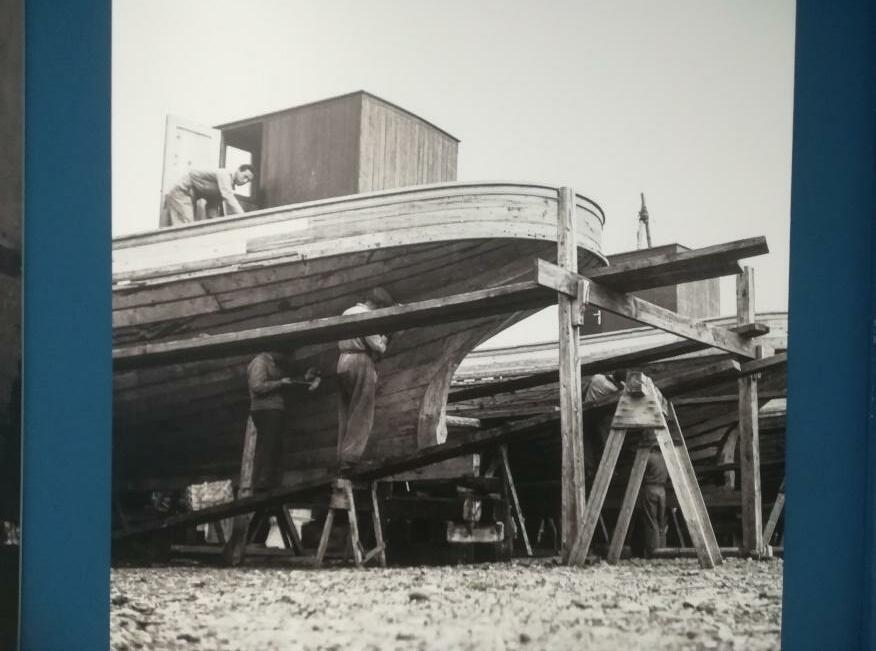
or building and repairing smaller apacity of up to 10 tonnes - and y built wooden boats by using ormer Riba company, next to the and it has been listed in the register of
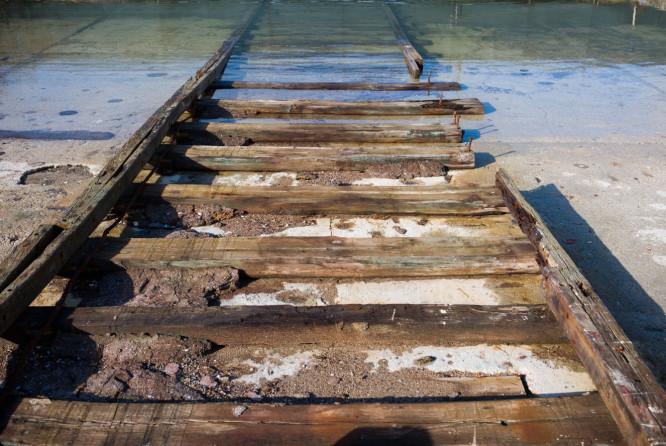
ard of the family Deste, which t behind today’s fishmonger on the thouse Cape, Punta Gallo. Another o the Primo Ponte.
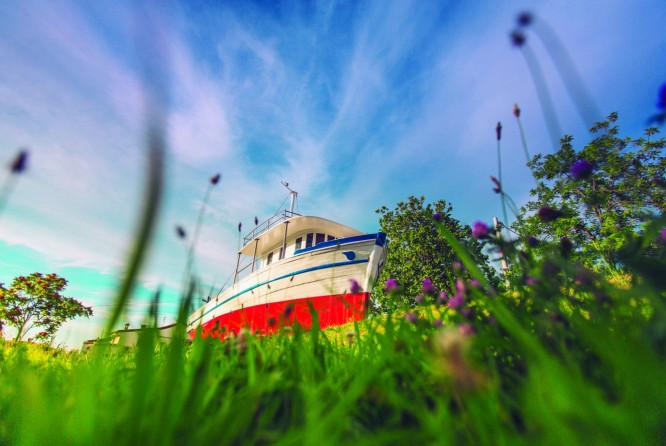
The restored fishing boat Biser, which belonged to the former Delamaris Canning Factory. It is the only preserved wooden fishing boat from the former Delamaris fleet or the fishing company Riba and it used to be its integral part since 1955. The ship sailed in the Adriatic sea, from Izola all the way to Vis. The vessel Biser, proclaimed as cultural heritage, is located near the coast, in the Simon Bay, and it stands on land and it is part of the Mala Barka project.
The Shipyard “Second October”
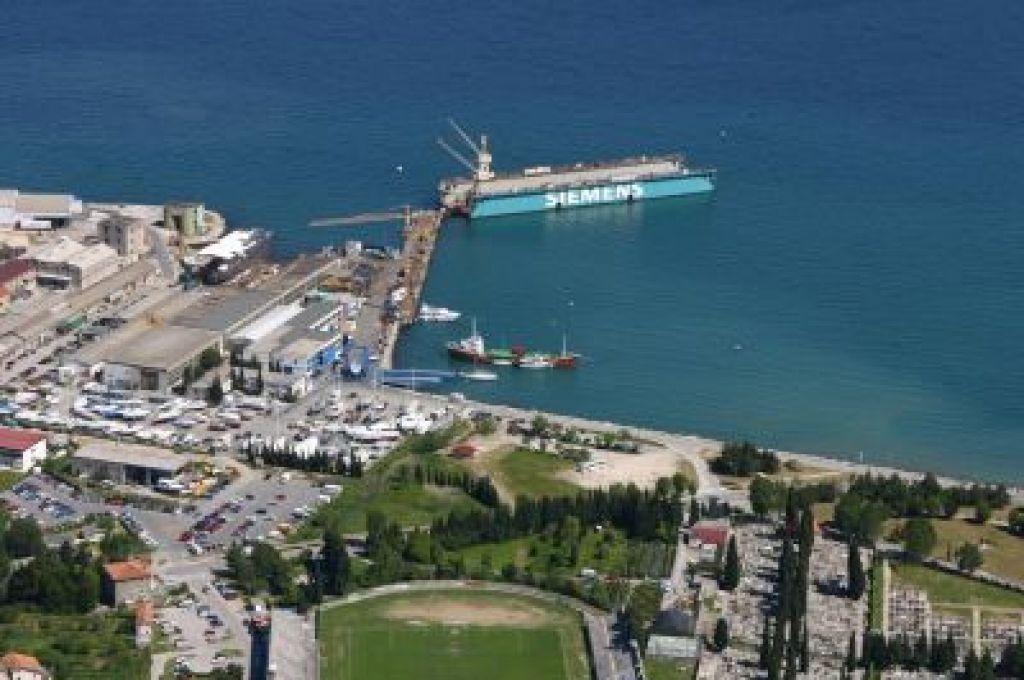
The former shipyard moved from Piran to Izola in 1974. Three smaller shipyards stood at this location since the middle of the 19th century, but were merged into a single one after World War II. The shipyard was renamed several times, but from the very beginning the company was specialized mainly in the repair and reconstruction of all types of vessels. In 2011, its 800-ton-heavy dock was sold to a Turkish company, the shipyard closed down and hundreds of workers lost their jobs.
The House of the Sea offers a treasure hunt for children aged 7 to 12, in which they learn about the history of Izola and its people, and a workshop, where they become familiar with model making of boats. Reservations are made at the Tourist Information Centre or via email tic.izola@izola.si. The museum is open every day from 10 am to 6 pm.
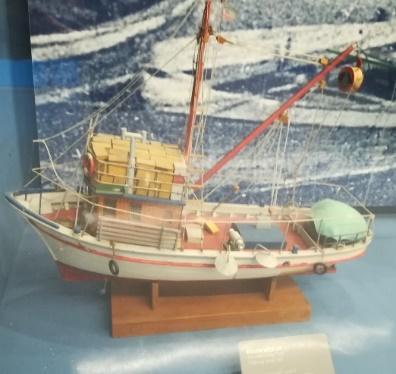
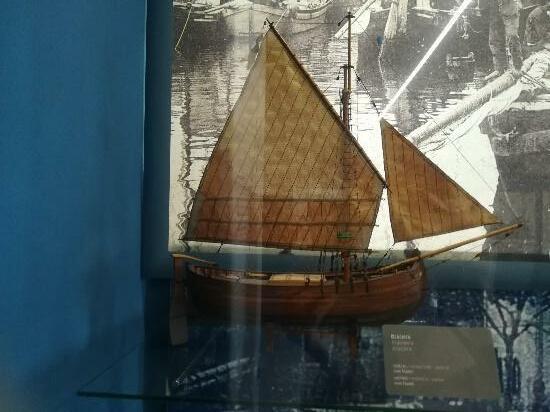
The Isolana houses an exhibition of wooden models of ships and boats that show just the types of vessels that were built and used in the previous century in the northern Adriatic sea.
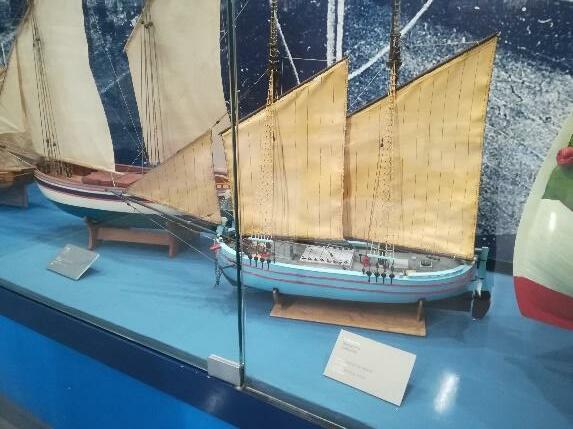
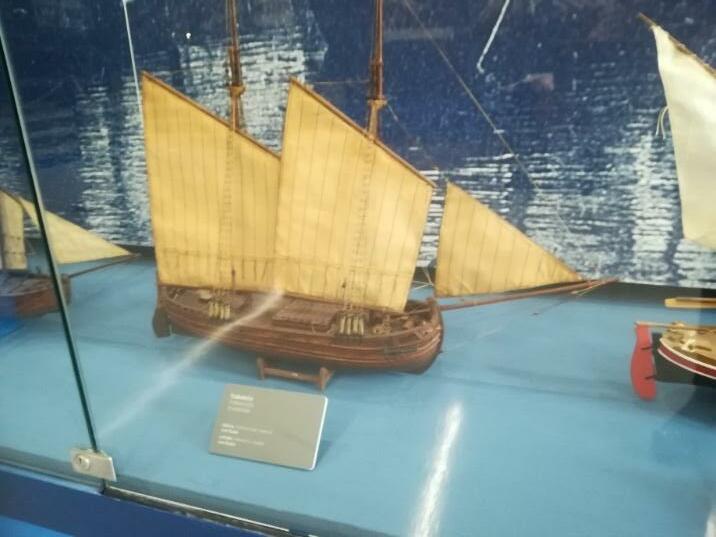
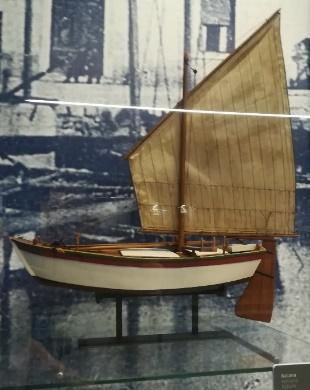
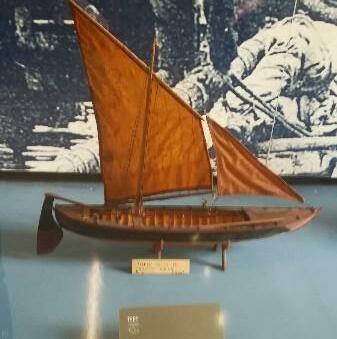
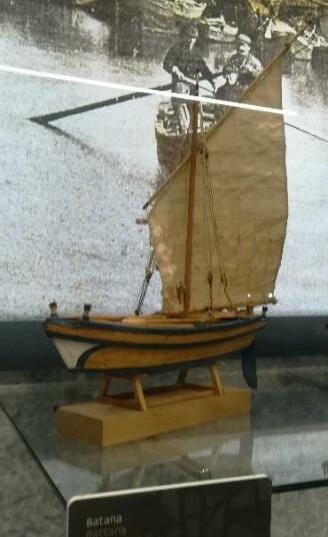
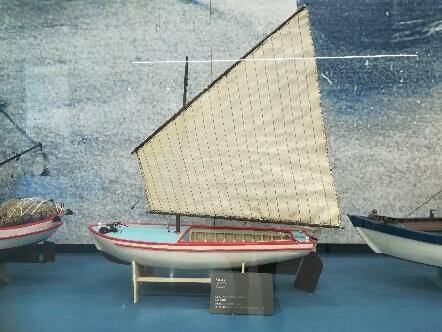 ana Passera
Toppo
Bracera Fishing boat Jež
ana Passera
Toppo
Bracera Fishing boat Jež
THE MUSEUM “ISOLANA”
THE SHIP REX
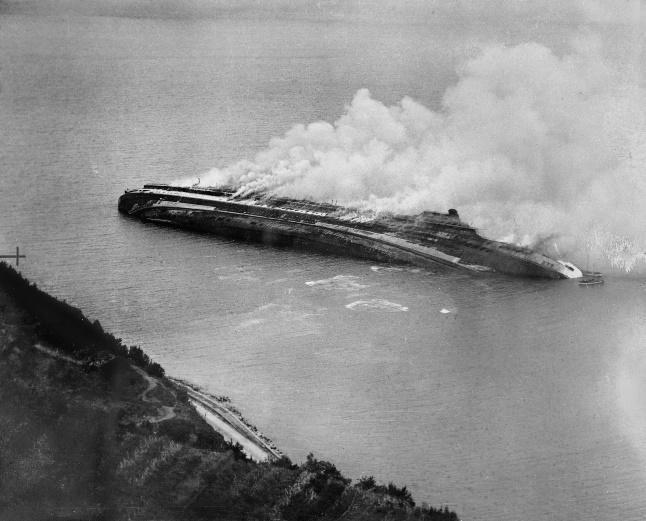
SS Rex was an Italian ocean liner launched in 1931. She held the westbound Blue Riband between 1933 and 1935. The ship was 40 meters high, had 12 storeys and could accommodate more than 2,000 passengers.
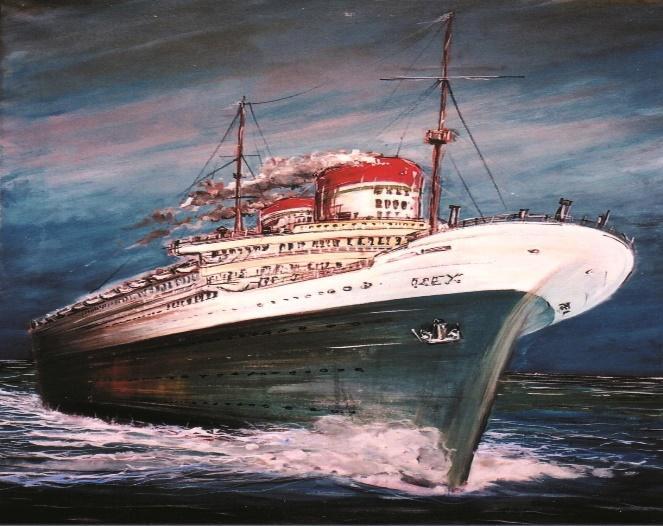
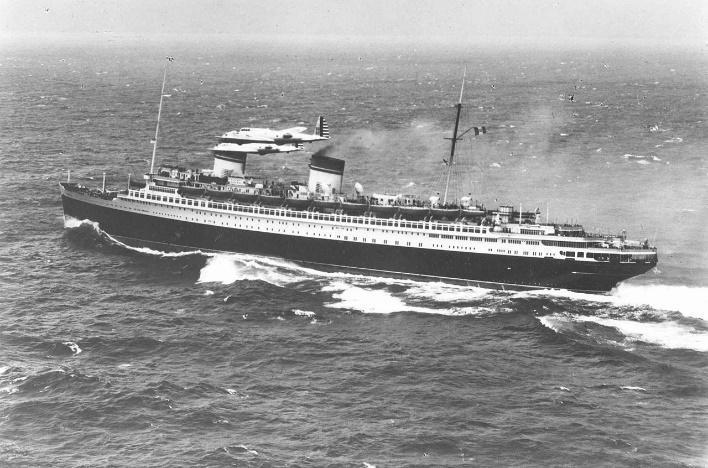
Rex operated transatlantic crossings from Italy with its running mate, Conte di Savoia prior to the outbreak of the Second World War. Rex maintained a commercial service in the Meditarranean Sea for a short period, but when Italy entered the war in June 1940 Rex was laid up for safe-keeping.
On 8 September 1944, near the coast between Izola and Koper, hiding from a possible attack on Trieste due to her size, the ship was stranded about 200 m from the seashore, becoming an easy target for the attack of the Allied air force. The SS Rex was hit by cannon fire and 123 rockets launched by Royal Air Force aircraft, caught fire from stem to stern. She rolled onto the port side, burned for four days, and sank in shallow water. After the war finished, the locals scavenged the ship for any valuables while the remains of the metal structure were broken apart in 1950.
Marjan Kralj, a collector of information and expert on the SS Rex, opened an art gallery in Izola.
THE PARENZANA or POREČANKA RAILWAY
The Porečanka, a former narrow gauge railway line that ran between Trieste and Poreč, operated from 1902 to 1935. It was 123 kilometres long and had 35 stations.
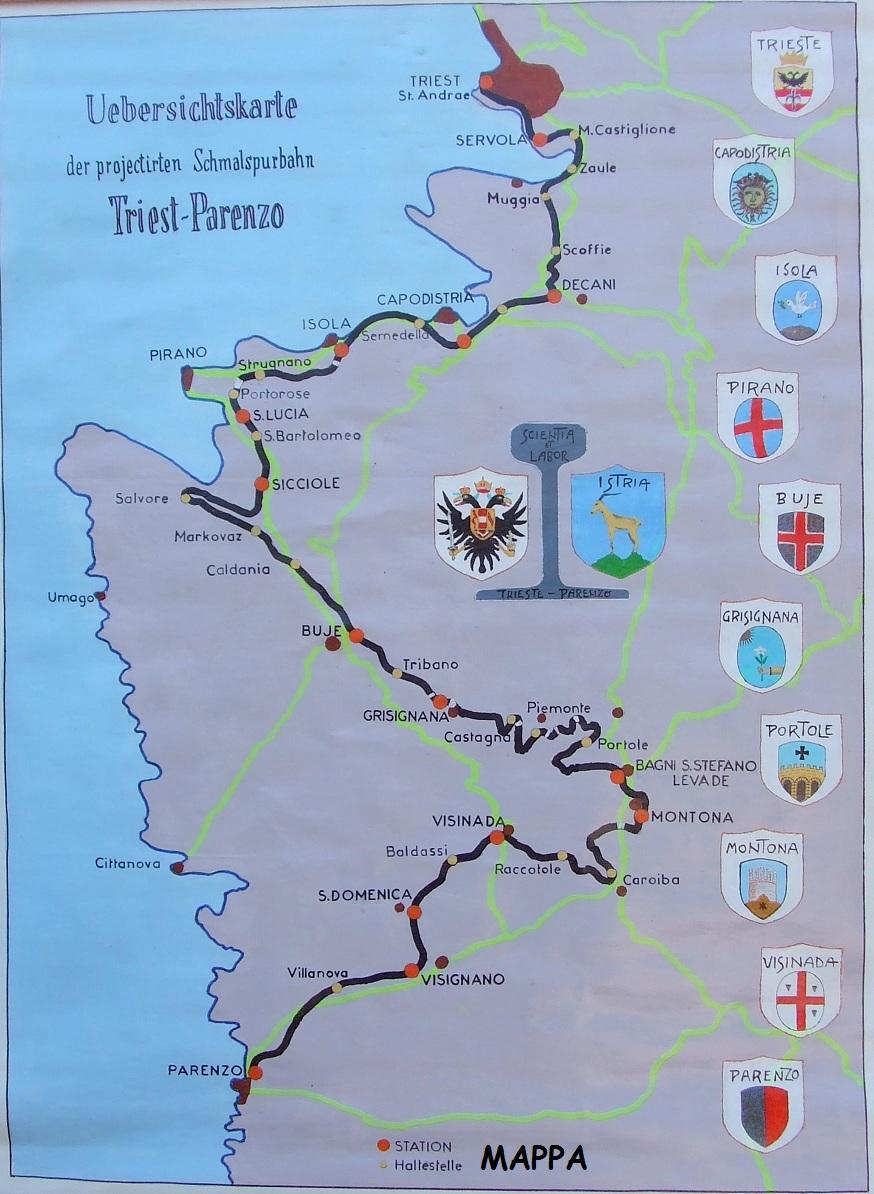
The Istrians called it Istranka or Istrijanka, but when Istria became part of Italy, it was renamed to “La Parenzana”.
In the second half of the 16th century, a series of local railway lines were constructed in the Habsburg Monarchy Since a 0 76 m wide track narrow gauge line had proved to be technically successful and economically justified in Bosnia and Herzegovina, the project for the construction of a railway between Trieste and Poreč was approved in 1898, its first line Trieste Buje were inaugurated on April 1, 1902 and on December 15 the railway line was opened all the way to Poreč Its route included the following stations: Trieste Škofije Dekani Koper Izola Strunjan Portorož Sečovlje Savudrija Buje Grožnjan the Mirna valley Motovun Vižinada Poreč. The stations along the route were of three types. The first category had housing for its workers, two waiting rooms and restrooms for passengers. Koper, Lucija and Poreč were included in this category. The second one had housing only for the chief of the station and had no waiting rooms, but there was a hall. The third type were stops with a lamp and a signpost with the station name on it.
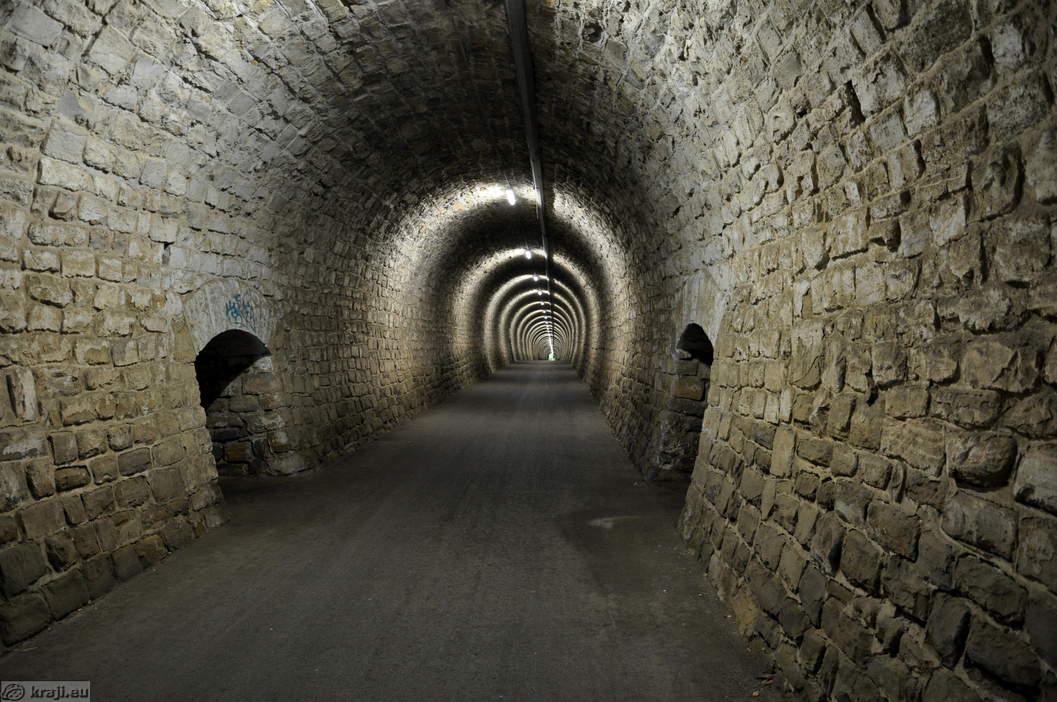
Until the First World War, traffic on the line gradually increased, but during the war it dropped drastically. After the war, these places were occupied by the Kingdom of Italy, which took over from the former Austro Hungarian Empire all obligations related to operation of the Parenzana line At first it ran well, but in 1929 due to the economic crisis in Istria the railway was abolished by the Italian authorities on September 1, 1935
The engines were cut for scrap metal, whereas the route, the station buildings, viaducts and tunnels were left over Only the engine P7 has been preserved to the present day, and it is exhibited in the National Science Technology Museum Leonardo Davinci in Milan, whereas a P3 can be seen at the entrance to Izola and a P37 is parked as an exhibit at the train station in Koper
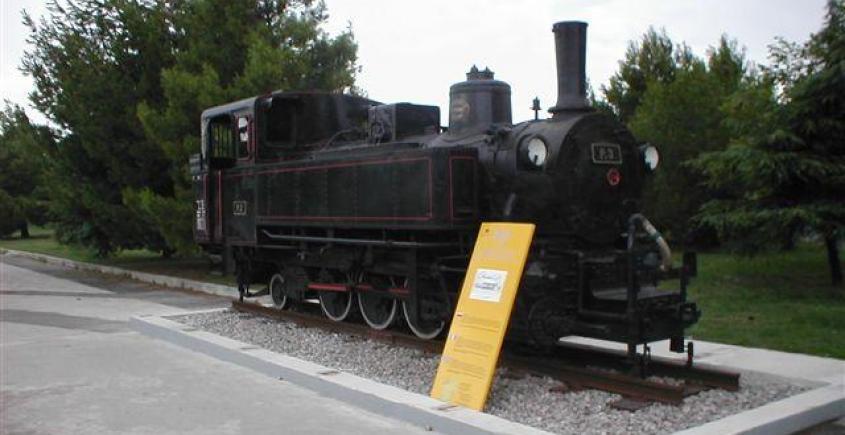
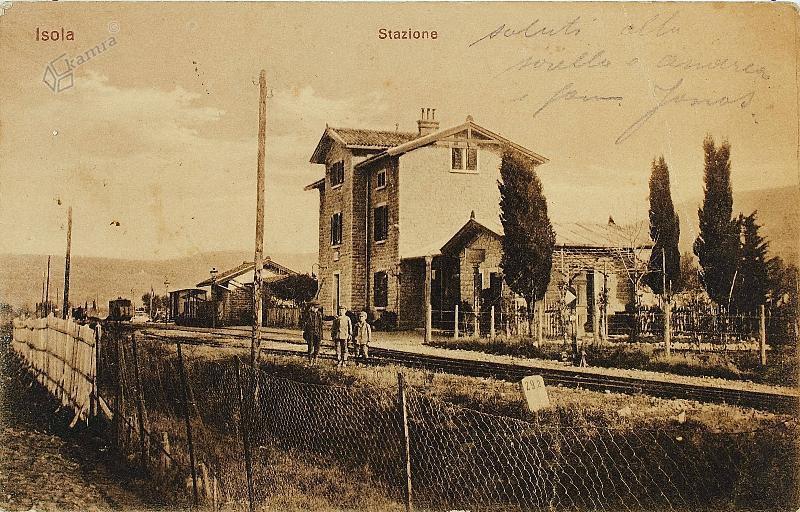
Today the station building of the Parenzana railway is preserved in Izola. It belonged to the second category of stations. The area around it was called “Ala Stasion” and the restaurant nearby was given the name “Alla Stazione”. The people called the engine “El brustolin”, probably because it puffed really hard when going uphill, and the passengers could easily get off and pick some fruits from the field and then hop on the train again to continue their journey. If some fruit, for example figs, lay on the tracks, the engine driver had to stop the train, get off and clean the tracks first, otherwise the train would slide. But even more dangerous were the sudden thrusts of the bora wind that could easily derail the train, and hurt the passengers Therefore, the railway was built on numerous uphill and downhill slopes in order to slow it down It could reach the maximum speed of 25 to 30 km / h Nowadays, you can either walk or cycle along the former railway route
THE BEGINNING OF TOURISM IN IZOLA ISOLA
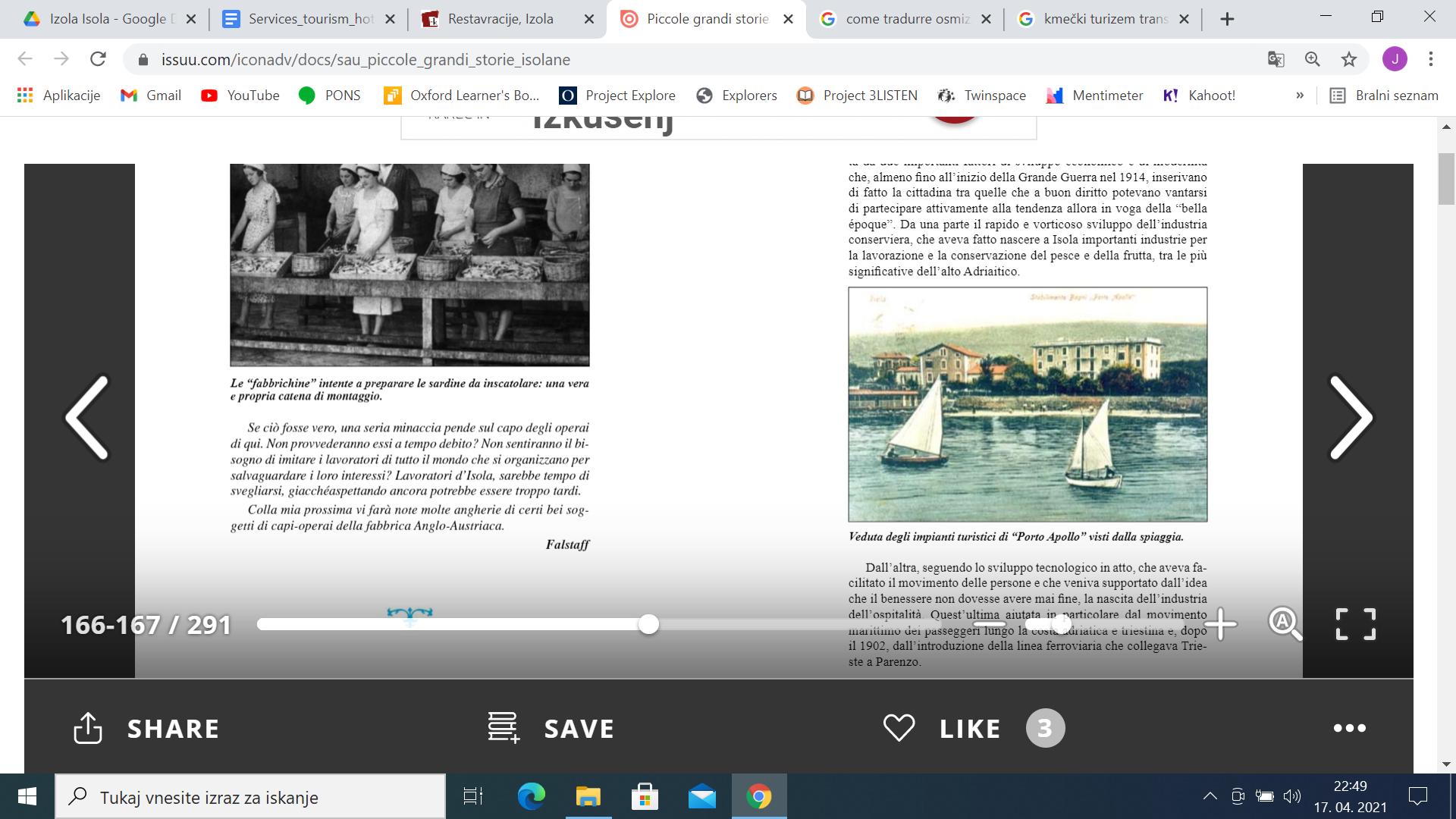
In 1829 the abbot Bartolomeo Vascotto inaugurated the thermal baths at San Piero due to the presence of thermal springs of sulphur water in Izola. People could smell it and gave it the name of “acqua de ovi”. The baths were believed to be beneficent, although the life of the townspeople did not change much, the owner sold the place to the French company to
een the end of the 19th and the beginning of the tury Izola was overwhelmed by two important s: the fast development of the fish- and onservation industry, and on the other hand the birth of the industry of hospitality. People had the opportunity to move around easier by means of ts and ships along the Adriatic coast, and as er 1902 by the Parenzana train.
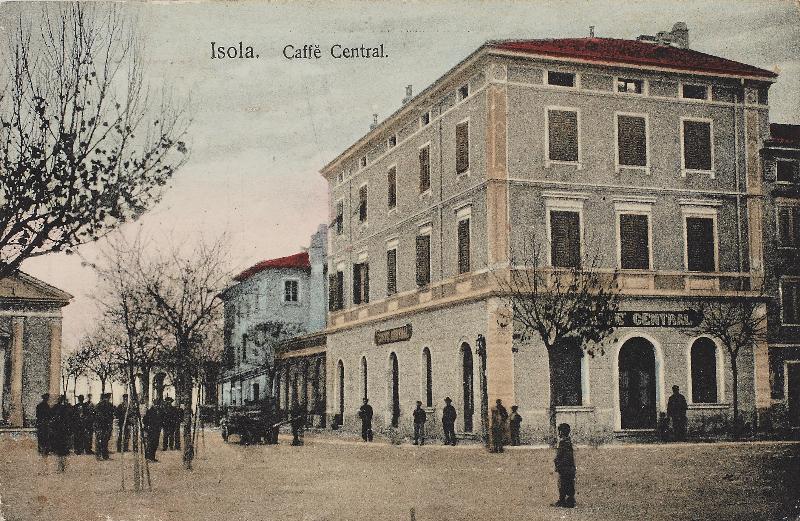
The catering services were active in the centre of the town already in the 19th century in Izola. Besides inns, also cafes, restaurants, spirits shops, wineries and cellars were quite numerous too. Hotels used to offer catering services as well. After the First World War the number of places increased, there was one per 240 inhabitants. Izola had 7,300 citizens in 1923 and 31 inns and 3 cafes. Out of town, at the train station, Luigi Menis owned the famous cafe’ “Caffe alla stazione”,, which was well-known for having the first espresso machine back in 1923.
TRENDS IN TOURISM TODAY
Izola is following the basic direction of Slovenian tourism, that is offering to the guests authentic five-star experiences that will be green, active and healthy. The aim is for Izola to be recognized internationally as a small authentic, former fishing town by the sea, where visitors can experience the true Mediterranean spirit through culinary, and cultural heritage experiences throughout the year. At the same time, a high quality of living is pursued and the possibility of hosting small events for locals and visitors alike.
Accommodation
Guests can choose to stay in a variety of hotels, hostels, guesthouses, apartments, villas, farmsteads, rooms, campsites and camper facilities, in the town centre as well as in the outskirts of the town, villages or in the country. The Marina offers sailing boats and yachts and also apartments to rent. A glamping site is planned in the near future.
Catering services
The large number of seafood restaurants, grills, pizzerias, cafes, take-aways and ice-cream salons offer to each visitor the opportunity to have a culinary experience of his or her choice.
Entertainment
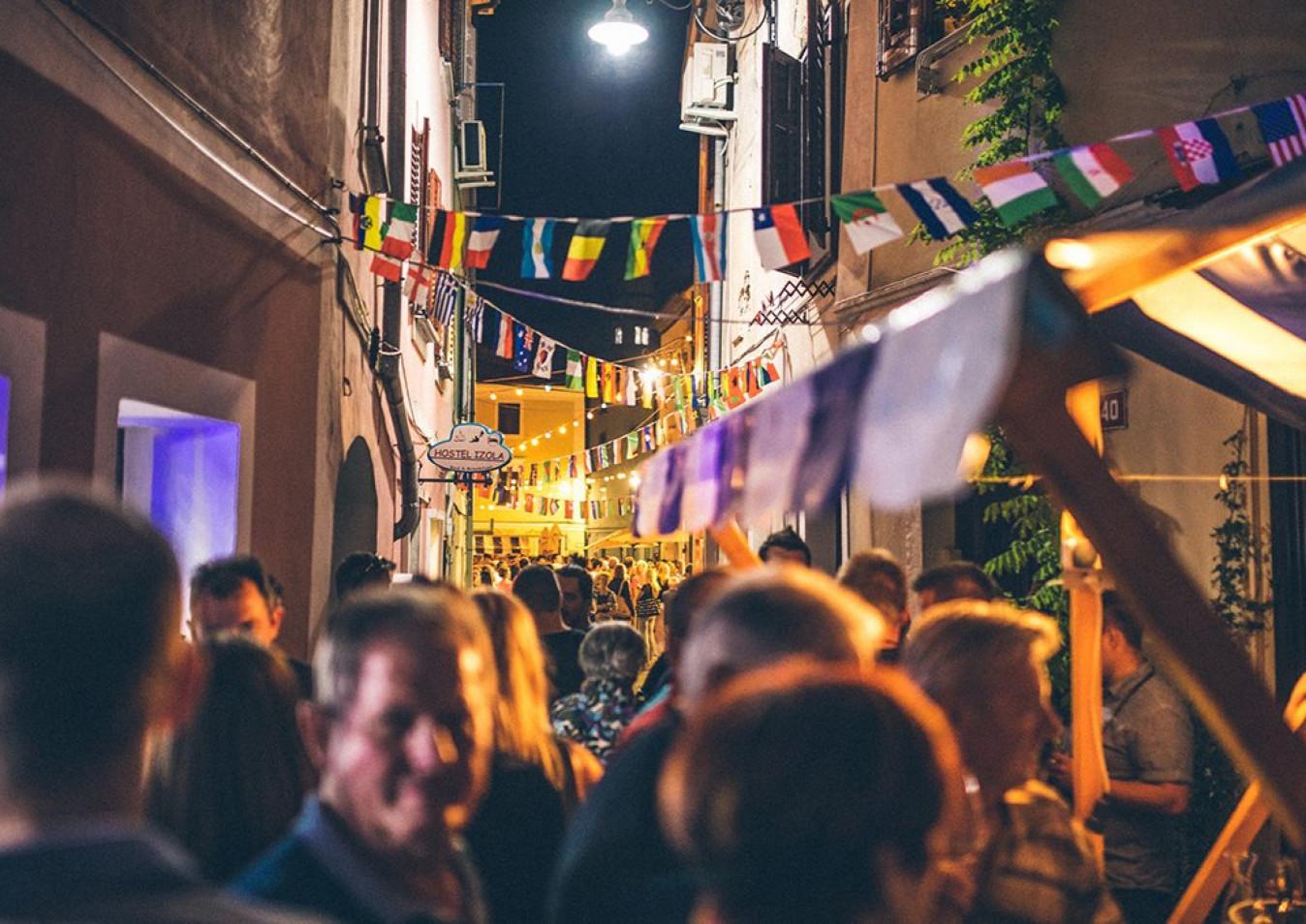
The visitors who like to be active can practise all sorts of sports, from watersports to cliff climbing, from cycling to running. All year round there are events held in the streets and squares of Izola that appeal to the guest’s cultural, musical, artistic as well as gourmet preferences. There are plenty of events in spring and summer. There are the traditional Fisherman's festival and the Olives, wine and fish festival. On the Custom’s pier events are held, where you can taste delicious traditional dishes. In June, all restaurants offer mussels, the so-called “pedoci”, a sea-food specialty of the Adriatic. The International Refuscus Mundi Wine Festival and the Orange Wine Festival take place every year in Manzioli Square. Especially in the summer a lot of concerts are held in Park Pietro Coppo, in Arrigoni Park or in Manzioli Square. The international film festival Kino Otok takes place around the town in June. An Arts street market is held along the promenade every last Saturday
Sport events
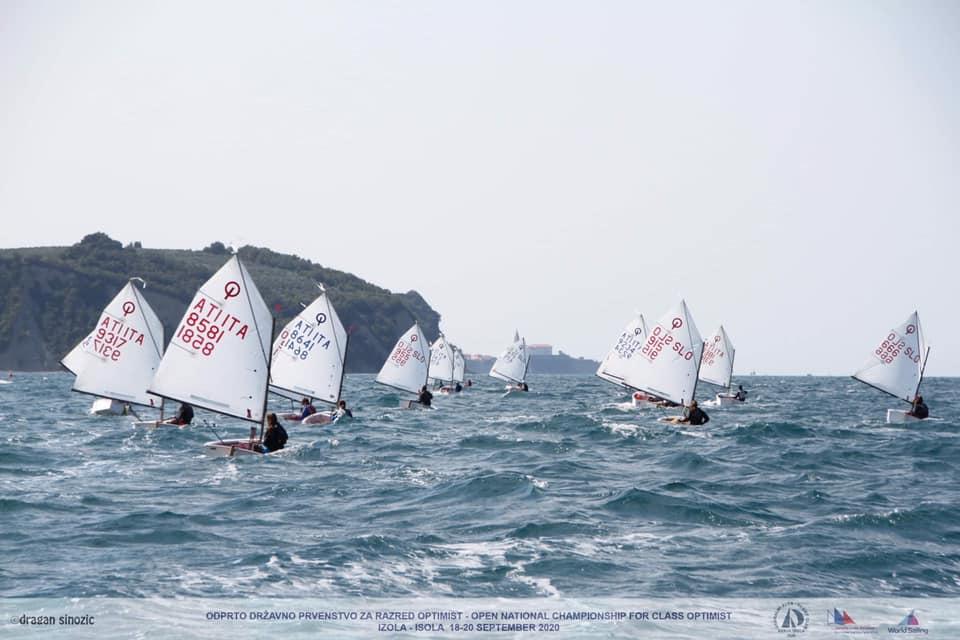
Sports events, such as the Grand Prix of Izola and the Istrian Marathon connect all four coastal towns, Izola, Koper, Piran and Ankaran with a bike race and a run in the spring. Izola hosts the Spring Cup Regatta, which is one of the most powerful sailing regattas in the Eastern Mediterranean.