Addressing Gender-Based Self-Stigma in Adolescents Living with HIV: Evidence Gaps and Policy Respons
Addressing Gender-Based Self-Stigma in Adolescents
Living with HIV:
Ava Ospina, Avery DeWitt, Carla Becerra Sabrera, Carys Mihardja, Makayla White, Catherine Panter-Brick, Cara Kiernan Fallon, Nadine Ferris France
EXECUTIVE SUMMARY
• Adolescents living with HIV experience self-stigma that is configured by gender, age, and their everyday social environments, yet many current approaches treat stigma as a single, uniform construct. This limits how accurately programs can identify self-stigma or design support that is appropriate and effective.
• Evidence shows that adolescents talk about judgment, belonging, emotional safety, and visibility in ways that existing measures do not capture. These concerns affect disclosure, confidence, and engagement in care.
• The brief identifies practical steps to strengthen research and programming. These include developing tools that reflect adolescents’ language and priorities, creating regular opportunities for adolescent participation, and supporting methods that engage families and communities.
• Approaches that center adolescents, including youth-led reflection spaces and structured family
KEY INSIGHTS
• Stigma remains a primary barrier to mental health, treatment adherence, and retention in care for adolescents living with HIV. However, most adolescent stigma studies either do not collect gender-disaggregated data or do not analyze it, limiting insight into how stigma is formed and experienced differently by young women and men, girls and boys.
• Qualitative evidence reveals a consistent gendered pattern in how adolescents describe self-stigma.
• Girls tend to frame stigma through fears of reputation loss, sexual judgment, and exposure to social surveillance, with concerns centered on safety and visibility.
• Boys rarely frame stigma around reputation. Instead, they describe pressure to be self-reliant, suppress emotional expression, and manage HIV independently.
• These gendered norms influence disclosure behavior, help-seeking, and coping strategies in distinct ways.
• Evidence from three adolescent-focused case studies
dialogue, consistently reveal insights that static questionnaires cannot surface. This brief brings together findings from these settings to outline why current measurement and intervention practices fall short.
• These recommendations aim to improve the relevance and effectiveness of stigma-informed support for adolescents and guide future work on designing gender-responsive and developmentally appropriate interventions.
Taken together, these findings are intended to guide program design choices, funding priorities, and evaluation strategies in adolescent HIV programming, particularly for national HIV program managers, donors supporting adolescent-focused interventions, and implementing organizations responsible for delivering psychosocial support within care settings.
shows how these differences remain obscured by existing measurement and intervention approaches.
• In Zimbabwe, Wakakosha surfaced concerns around belonging and visibility when adolescents were allowed to define stigma in their own terms rather than responding to predefined indicators.
• Family Connections in Zambia demonstrated how family communication reproduces gendered expectations, with girls receiving moral warnings related to sexuality and responsibility, while boys receive messages emphasizing strength and self-control.
• Project ACCEPT in the United States further showed that these gendered dynamics influence intervention effectiveness, with boys demonstrating sustained reductions in self-stigma and girls showing more limited or non-sustained improvements.
Taken together, these insights show that treating stigma as a uniform construct obscures gender-specific drivers of self-stigma and leads programs to misidentify needs and misjudge intervention outcomes.
For adolescent HIV programming, this has direct implications for how stigma is measured, how psychosocial interventions are designed, and how resources are allocated. Improving effectiveness requires moving beyond static indicators toward approaches that are gender-responsive, developmentally appropriate, and grounded in adolescents’ lived experiences across families, peer networks, and everyday care settings
BACKGROUND
The Current State of HIV Care for Adolescents
Adolescents are emerging as a demographic group disproportionately impacted by HIV, with an estimated 2.1 million adolescents living with HIV in 2016.1 HIV was the 8th-leading cause of adolescent death globally, and the 4th-leading cause of death for adolescents in low and middle-income countries (LMIC) in Africa, with 84% of affected adolescents living in Sub-Saharan Africa, in 2015.1 In 2024, 145,000 adolescents age 15-19 were newly infected with HIV.2 Recent health
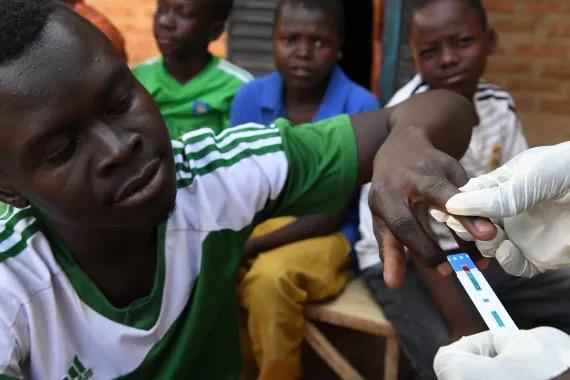
improvements over the past decade, including higher rates of early diagnosis and antiretroviral therapy (ART) initiation, have decreased child mortality for those living with HIV, resulting in a larger population of children entering adolescence and navigating transition to adulthood with this diagnosis.3 Despite these advances, adolescents have the highest rates of attrition for HIV treatment and are still facing higher rates of HIV-related death compared to other age groups.1,4 Access to ART for adolescents has been increasing in LMICs, although adherence to treatment remains a challenge for this population.5 The incomplete development characterized by this stage of life, both physically and mentally, can impact adolescents’ decision-making, cognitions surrounding HIV, and willingness to engage with healthcare services. Psychosocial barriers faced by adolescents can impact HIV testing as well as treatment adherence and retention, which can be detrimental to health outcomes (Figure 1). Experiencing HIV stigma is also associated with higher morbidity and mortality among those living with HIV, demonstrating that biomedical advances alone cannot fully address the gap in care for adolescents, and that incorporating mental health and stigma into interventions are crucial to improving adolescent health outcomes.3
1: Adolescent HIV testing in a community-based setting. Early diagnosis is a critical entry point in the HIV care cascade, yet stigma-related fears can delay testing and linkage to care among adolescents. Image credit: UNICEF.13
Figure 1
Figure
Self-Stigma: A Critical Threat to Adolescent HIV Outcomes
Self-stigma in the context of HIV can be defined as an individual’s negative beliefs, thoughts, and behaviors about themselves and their diagnosis, which can manifest as self-rejection, self-loathing, shame, guilt, feelings of contamination, and low self-esteem. Self-stigma arises through a complex mix of social, familial, community, structural, and individual factors that can culminate in lower quality of life, mental health problems, impaired social interaction, decreased usage of health services, and decreased treatment compliance and adherence in those who experience it.6 All steps of the treatment cascade can be impacted by self-stigma, as negative beliefs about oneself can result in hesitancy to seek help out of fear of discrimination or embarrassment. Self-hatred and low self-esteem can also cause a lack of adherence to treatment plans or avoidance of care. A study done in Uganda showed that of adolescents living with HIV, 40% struggle with depression and around 45% struggle with anxiety.3 Living with HIV is also known to be associated with suicidal ideation and substance use disorders.7 A systematic review done by Chem et al. (2022) surveyed
the top health-related concerns reported by adolescents receiving ART. Their study revealed that stigma reduction is the primary health need of this population in managing their diagnosis and treatment.8 It has been shown that interventions aiming to address self-efficacy and self-esteem can be effective in improving these metrics for adolescents, meaning that designing tailored interventions for adolescents to address self-stigma is a worthwhile pursuit.9 Pantelic et al. (2017) have suggested a potential mechanism by which self-stigma is created and propagated in adolescents living with HIV in South Africa, in which anticipated stigma and depression were most strongly correlated with internalized stigma. They posit a framework in which violence (which increased with higher HIV-related disability) and discrimination in their social lives created feelings of blame, internal shame, thereby creating internalized stigma, showing that the development of self-stigma can be a socially produced process.10 The importance of addressing self-stigma in HIV treatment for adolescents cannot be overstated, and demands further investigation into how interventions can be developed to address stigma for adolescents living with HIV during their transition to adulthood.
Figure 2
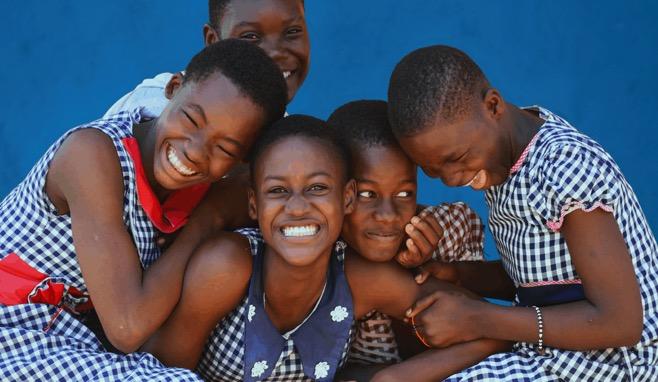
Figure 2: Peer interaction among adolescent girls. Social belonging and peer relationships affect self-worth and influence how adolescents experience and internalize HIV-related stigma. Image credit: UNICEF. 14
How Gender Impacts the Experience of Self-Stigma in Adolescents
Gender is currently an overlooked factor impacting how adolescents experience self-stigma. Most literature studying HIV-related self-stigma in adolescents combines data from adolescent boys and girls into the same category, which inhibits a further understanding of how stigma is experienced differently between these two groups. Since stigma can dictate how adolescents view feelings of belonging, acceptance, self-worth, it is critical that these gendered dimensions of self-stigma are further researched. As adolescents transition from childhood to adulthood, they are strongly impacted by developmental shifts in identity formation, autonomy, and peer dynamics (Figure 2). Across several qualitative studies, it has been shown that adolescent girls and boys experience distinct fears surrounding HIV. A study by Pantelic et al. (2017) showed that adolescent girls were more likely to report anticipated HIV stigma, emotional abuse victimization, and lifetime sexual abuse victimization, when compared to adolescent boys.10 A pilot intervention study done by Harper et al. (2014), Project ACCEPT, highlighted that there are baseline gender differences in how adolescents feel about disclosing their HIV diagnosis, personalized stigma, negative self-image, and concerns about public attitudes.11 Another study found that involving caregivers, and therefore gendered family power dynamics, in an intervention to improve selfstigma was acceptable and feasible.12 The difference in the emotional mechanisms by which girls and boys develop and live with self-stigma demands different interventions tailored to these unique experiences.
Challenges with Current Research
1. A major limitation of current research is the aggregation of gender data into a singular category in the field of HIV-related self-stigma research in adolescents. By not reporting gender differences descriptively, experts are not able to analyze gendered emotional pathways that create and maintain self-stigma. The continued practice of gender data aggregation can lead to the development of interventions that are ineffective, delaying adequate support for adolescents.
2. Existing research relies heavily on stigma scales and other highly quantitative measures. To capture complex contributors like blame narratives, emotional suppression, reputational concerns, and belonging, researchers need more qualitative approaches to understand adolescents’ experiences of self-stigma. Without qualitative measures of self-stigma, researchers can’t identify the exact reasons (like fear of social exposure or knowledge gaps) why adolescents are disengaging from treatment or community support.
3. Much of the current research assumes adolescents living with HIV have neutral or positive relationships with families and peers, whom they rely on for social support. Interventions that involve parents, caregivers, or peers may overlook how power dynamics and societal gender roles influence these relationships.
CASE STUDIES
CASE STUDY 1: Wakakosha (“You Are Worth It”), Zimbabwe
How Youth-Led Narratives Reveal Gender-Based Self-Stigma
Zimbabwe faces persistently high HIV prevalence among adolescents, many of whom experience self-stigma due to restrictive social expectations, limited access to reliable information, and fear of judgment.15,16 The Wakakosha program provides evidence that adolescents experience self-stigma primarily through social visibility, belonging, and gendered reputational expectations, dimensions largely absent from standard stigma measures. In comparison to conventional methods which rely on standardized assessments or adult-led counseling, this case study uses inquiry-based stress reduction, mindfulness, creativity through music and poetry, storytelling, body mapping, and dialogue between peers to help adolescents (aged 10 to 24) describe and express their experiences in their own words.17,18 As they reflect on their identities, their deeply held self-stigmatizing beliefs, their interpersonal relationships, and their own aspirations, it becomes clear that they understand self-stigma best through their social relationships, noticing how they were seen or perceived by others,
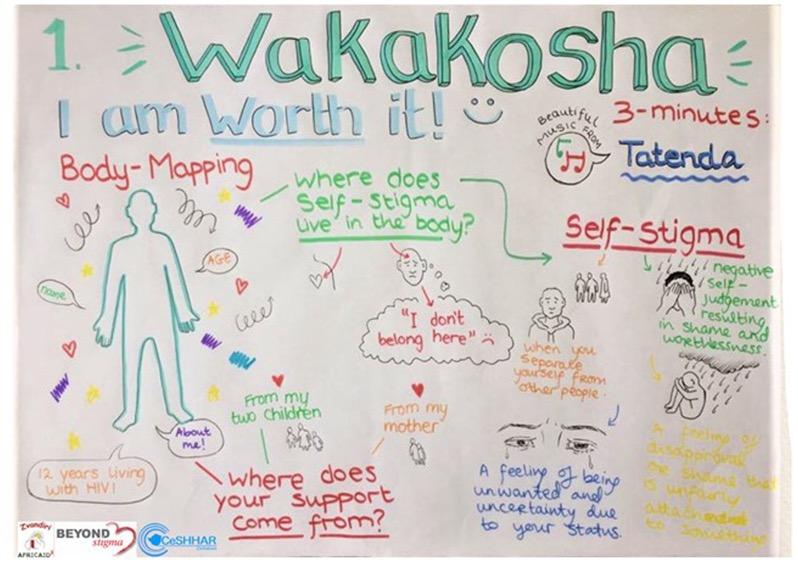
whether they were judged, criticized, or devalued. As illustrated in Figure 3, adolescents used body-mapping to visually narrate experiences of judgment, visibility, and social exclusion, reinforcing that self-stigma is understood through relational and social cues rather than internalized guilt alone. Wakakosha was co-designed, piloted and implemented with adolescents and young people living with HIV.
Although the Wakakosha program was not designed to examine gender differences, clear patterns emerged in how girls and boys articulated self-stigma. Girls expressed their vulnerability in protecting their reputation and their morality as they showed much concern about being considered irresponsible or being seen as sexually “improper,” which often overlaps with concerns about appearance and comparisons with peers.17 Boys, by contrast, framed self-stigma through issues related to strength and emotional containment, viewing their diagnosis as a sign of weakness and a threat to fulfilling masculine roles for their families and society.17 The boys began to be more silent, isolated, and avoided seeking support.17,19
Gaps in Current Adolescent Self-Stigma Measurements
Wakakosha also highlights the way adolescents and youth rely on emotional factors such as belonging, visibility, worthiness, and confidence, which don’t exist or rarely appear in self-stigma measuring tools.17 Standard scales tend to focus on guilt or self-blame, yet adolescents spoke about feeling “unseen,” “out of place,” or “not good enough,” demonstrating the gaps in current tools.17,18,20 Adolescents described peers as sources of validation and safety, though peer environments could also reinforce exclusion and inadequacy.17 Through its youth-led design, Wakakosha surfaced mechanisms that remain invisible when measurement frameworks rely solely on adult-defined constructs. These insights expose the need for evidence-based approaches, such as Wakakosha, that draw upon cognitive-mindfulness-based strategies to reduce self-stigma.40 They also highlight the limitations of conventional study assessments and propose the need to include adolescents’ own language, gender
Figure 3: Body-mapping activity conducted during a Wakakosha youth workshop, in which adolescents visually represent personal experiences related to HIV and self-stigma. Source: Wakakosha program.17
expectations, and their relational experiences in the design of future tools. As a result, programs that rely on these tools cannot distinguish whether adolescents disengage from care due to fear of social exposure and reputational harm, rather than treatment burden or lack of knowledge, leading to misdirected psychosocial support.
CASE STUDY 2: Family Connections, Zambia How Family Conversations Reveal Gender-Based Self-Stigma
In Zambia, despite progress in HIV treatment, the psychosocial challenges that adolescents face have still not been eliminated, especially around disclosure, communication, and emotional wellbeing at home.21 The Family Connections program offers evidence that self-stigma is influenced not only by individual beliefs but by gendered family communication patterns that remain invisible in most assessment frameworks. This program, developed for adolescents ages 15 to 19 and their caregivers, uses guided conversations, skill-building activities, and facilitated communication to surface family fears, expectations, and misunderstandings that often complicate HIV management.21 These conversations revealed that self-stigma is deeply connected to family interactions and emotional dynamics, not simply to individual beliefs.
Gender strongly influenced how adolescents interpreted these experiences. Girls frequently described intensified moral supervision. 21 Caregivers often framed HIV in terms of propriety, responsibility, or sexual behavior, which increased women’s fear of public judgment and led them toward self-blame.21 Boys, on the other hand, reported pressure to remain calm and avoid showing distress. 21 Many boys feel that expressing emotions would be interpreted by society as a sign of weakness or failure, which influences their willingness to seek support or disclose their diagnosis. 21
Caregivers themselves reported that they faced notable challenges. Many expressed discomfort talking about sexuality and at the same time confusion about how to provide emotional support.21,22 Patterns of avoidance, indirect communication, and inconsistent reassurance often left adolescents feeling isolated, even in families that hoped to be supportive. However, when caregivers used communication
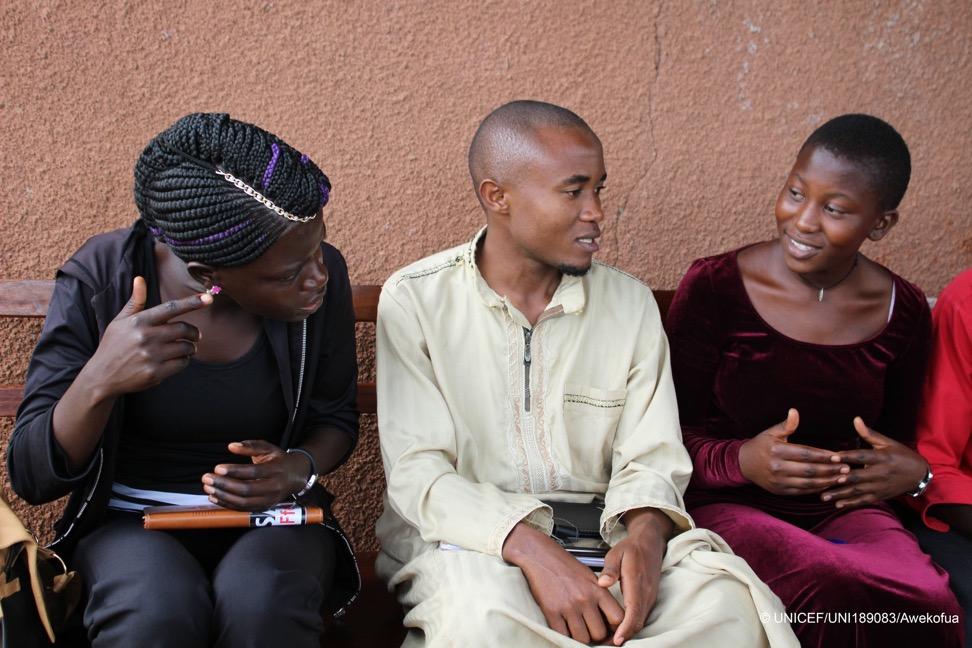
tools provided by the program, adolescents reported greater trust, a stronger emotional connection, and less secrecy.21 These dynamics are reflected in Figure 4, which depicts adolescents engaged in facilitated family discussions, highlighting how household communication contexts influence disclosure, emotional expression, and gendered experiences of HIV-related self-stigma.
Gaps in Current Approaches to FamilyBased Support
The Family Connections program shows that household expectations, communication patterns, and perceptions of family judgment play a central and very important role in the formation of self-stigma. However, these factors rarely appear in current measures. Existing tools do not capture experiences such as worrying that caregivers consider them irresponsible (more common among girls) or feeling pressure to hide distress and appear strong (more frequent among boys).22 When these family-based pressures go unmeasured, programs tend to frame self-stigma as an individual psychological issue, overlooking household communication patterns that actively sustain disengagement, secrecy, and emotional withdrawal among adolescents. Without accounting for these relational pressures, programs risk overlooking the mechanisms that drive adolescent self-stigma.
In conclusion, Family Connections highlights the need to incorporate adolescents’ family contexts and gender expectations into the development of future tools and interventions. When these relational pressures go unmeasured, interventions often target individual attitudes while overlooking household dynamics that actively sustain self-stigma, limiting the effectiveness of adolescent support programs.
Figure 4
Figure 4: Adolescents participating in a facilitated discussion. Family- and peer-based communication contexts play a central role in influencing disclosure, emotional expression, and gendered experiences of HIV-related self-stigma.
Image credit: UNICEF/UNI189083/Awekofua.23
CASE STUDY 3: Project ACCEPT, United States How Aggregate Effectiveness Masks Gendered Failures in Psychosocial Interventions
While explicit, external expressions of HIV-related stigma are declining throughout the United States, self-stigma persists and remains understudied24,25. The Adolescent Medicine Trials Network for HIV/AIDS Interventions (ATN) developed Project ACCEPT (Adolescents Coping, Connecting, Empowering, and Protecting Together).
Most HIV stigma research in the United States examines generalized social attitudes rather than the lived experiences of adolescents managing a new diagnosis24, 25. As a result, psychosocial interventions often fail to address the specific pressures adolescents face during early adjustment24,25,28 Project ACCEPT responded to this limitation by working with fifty adolescents across three clinics (Chicago, New York, and Puerto Rico), using individual interviews and group sessions over a 12-week intervention period25. The intervention assessed different dimensions of stigma: personalized stigma, disclosure concerns, negative self-image, and concern about
public attitudes. Focusing on adolescents diagnosed within the previous two years allowed the intervention to capture self-stigma during early adjustment, when pressures around disclosure, identity, and social belonging are most acute, while also supporting direct engagement with adolescents’ lived experiences.25, 26, 27, 30.
Intervention outcomes raised the question of whether observed changes reflected natural psychosocial adjustment following diagnosis or the effects of Project ACCEPT’s intervention25. Regardless of the underlying explanation, the results revealed striking gender differences. Girls only demonstrated a notable decrease in personalized stigma, which was not sustained at 3-month follow-up. Furthermore, the other three stigma categories were noted to increase at post-intervention and 3-month follow-up reviews25. Boys, however, experienced reductions in all four stigma categories, as well as all four effects generally maintained at follow-up25. These distinctions highlight a disproportionate burden on adolescent girls and young women, linked to social rejection, shame, discrimination, exposure to violence, and heightened concerns about social perception25,29,30,31. Gen-
dered social expectations influenced adolescents’ access to supportive spaces, with community connection and social interaction emerging as key influences on self-stigma34,35. As a result, interventions may be classified as effective overall even when gender-specific barriers faced by adolescent girls remain unaddressed34,35. Without a tailored understanding of distinct burdens and barriers living with HIV, programs’ ability to adapt support strategies or allocate resources in gender-responsive ways is significantly limited. While Project ACCEPT pointed out that girls’ gender-specific burdens might include additional processing time needed for specific kinds of HIV awareness (e.g. topics related to gender discrimination, pregnancy, and mother-to-child HIV transmission), this itself calls attention to the need for further tailoring for gender-based programming25,28. Concentrating on such gaps is imperative for sustained solutions, especially for girls and young women, who the study shows are traversing unique internal and social stressors while living with HIV and lacking full support by current programming as a result25,36.
Comparative Synthesis of Case Studies
Wakakosha, Family Connections, and Project ACCEPT demonstrate the way self-stigma in adolescents is formed by factors such as emotional experiences, social expectations, and interpersonal dynamics that vary according to gender. Wakakosha sees from one perspective the internal emotional frameworks that adolescents go through such as belonging, visibility, and worth through understanding deeply held self-stigmatizing core beliefs, while Family Connections shows us how family expectations and communication patterns can increase or decrease self-stigma. Project ACCEPT affirms and extends these implications, evidenced by distinctions in programming effectiveness between genders for adolescents recently diagnosed with HIV. On one hand, girls are subjected to scrutiny of reputation and moral judgment, limited sustained coping with both self-stigma and external stigma. Meanwhile, boys face expectations of strength and emotional control.
The three programs have provided us with complementary perspectives. Together, these findings demonstrate that adolescents navigate overlapping relational worlds, peer networks and family systems, which together build on self-stigma. Individual lived experiences, leveraged by gendered expectations and roles, exacerbate self-stigma and self-stigma coping. Conventional measurements, which focus mainly on individual beliefs and lack representation of those living with HIV presently, do not capture these relational and gender dynamics. More effective evaluation requires tools that reflect the social contexts in which self-stigma develops and incorporate the emotional languages and words that adolescents use to describe their experiences.
Taken together, these case studies show that when
stigma measurement and intervention frameworks fail to capture gender-specific drivers of self-stigma, programs misclassify adolescent needs, evaluate interventions inaccurately, and allocate psychosocial resources in ways that do not align with adolescents’ lived experiences.
RECOMMENDATIONS
Our three recommendations address key design, engagement, and implementation decisions for global health policymakers, donors, and implementing partners in adolescent HIV programming. Together, they focus on how stigma is measured, how adolescents are meaningfully engaged in program development, and how family environments function as critical sites where gendered self-stigma is produced and reinforced.
1. Redesign Measurement Tools Around GenderSpecific Drivers of Self-Stigma
Policy Direction:
Revise adolescent HIV stigma measurement tools to assess gender-specific forms of self-stigma identified by adolescents, rather than relying solely on global stigma scores.
Implementation Actions:
• Pilot revised stigma modules that include gender-specific indicators, such as reputational surveillance and moral judgment for girls, and expectations to suppress emotional expression or appear strong for boys.
• Integrate adolescent-informed items into existing surveys (clinic intake tools, CBCT - Community-Based HIV Counseling and Testing evaluations) rather than creating entirely new instruments.
• Test revised measures for construct validity and interpretability through cognitive interviews with adolescents.
• Track whether revised tools identify stigma patterns that standard scales do not (family-driven stigma vs. peer-driven stigma).
• Require stigma outcomes to be reported separately for girls and boys in all evaluations, with
program effectiveness assessed only after gender-disaggregated results are reviewed.
2. Put Adolescents at the Forefront of Co-Design to Improve Program Relevance and Uptake
Policy Direction:
Require adolescent participation in the design and revision of stigma-related psychosocial interventions so that programs are informed by adolescents’ own definitions, language, and priorities, rather than relying solely on adult-designed frameworks.
Implementation Actions:
• Require documentation of at least one structured adolescent consultation phase before psychosocial interventions are approved or adapted for adolescents.
• Use participatory methods such as peer-facilitated discussions, youth-led group sessions, or narrative exercises to elicit adolescents’ own definitions of stigma, disclosure concerns, and support needs.
• Require programs to demonstrate how adolescent input informed concrete changes to intervention content, language, or delivery format, including how stigma, disclosure, or support needs are framed.
• Monitor whether interventions developed with documented adolescent input show higher adolescent participation, acceptability, or retention compared to interventions designed without adolescent involvement.
• Support adolescents to become program implementors themselves through structured training and mentoring approaches.
3. Educate Parents and Families Through Community-Based Workshops on Gendered Family Communication
Policy Direction:
Integrate caregiver-focused, gender-sensitive education into adolescent HIV programs to address family communication practices that reinforce self-stigma differently for girls and boys.
Implementation Actions:
• Require caregiver education components within adolescent HIV programs that address gendered expectations related to morality, responsibility, emotional expression, and disclosure.
• Train facilitators to help caregivers recognize how household communication and expectations affect adolescents differently based on gender.
• Integrate caregiver modules into existing adolescent HIV care and support programs, rather than creating parallel or standalone family interventions.
• Monitor changes in adolescent-reported family support, comfort with disclosure, and emotional well-being following caregiver participation.
EVIDENCE THAT SUPPORTS RECOMMENDATIONS:
1. Redesign Measurement Tools Around Gender-Specific Drivers of Self-Stigma
Widely used tools, such as the Berger HIV Stigma Scale and the Internalized AIDS-Related Stigma Scale (IA-RSS)37, focus primarily on internal feelings of shame, guilt, self-blame, and concern about disclosure38. They do not assess experiences adolescents describe as central in qualitative settings, including being judged by family or community members, managing reputation, concerns about visibility, or expectations to appear morally responsible or emotionally strong. As a result, these tools have limited ability to distinguish how self-stigma is experienced and managed by girls and boys.
• Wakakosha (Zimbabwe) identified concerns related to visibility, belonging, and worth, none of which appear in widely used stigma scales17.
• Family Connections (Zambia) showed that caregiver communication influenced adolescents’ interpretations of HIV, yet these relational pressures are absent from existing measurement frameworks39
• Project ACCEPT (United States) demonstrates that aggregate stigma outcomes can mask gender-specific failure. Overall improvements concealed the fact that benefits were concentrated among boys, while adolescent girls experienced limited or unsustained change. Without gender-disaggregated reporting, programs risk being judged effective despite underserving girls.
2. Put Adolescents at the Forefront of Co-Design to Improve Program Relevance and Uptake
Across the case studies examined in this brief, adolescents consistently described stigma using terms and concerns that differed from adult-designed categories, emphasizing visibility, reputation, and expectations of behavior rather than generalized internal feelings alone39
• In Wakakosha, co-designed with adolescents and young people living with HIV in Zimbabwe, inquiry-based stress reduction, mindfulness, creativity, storytelling, body mapping, and peerled discussions revealed concerns related to visibility, belonging, and social judgment that were not captured by standard stigma surveys.
• Implement interventions that use a cognitive-mindfulness approach such as inquiry-based stress reduction to support questioning of deeply held negative beliefs.
• Similarly, South Africa’s community-based HIV counseling and testing evaluation found that structured questionnaires aligned only partially with adolescents’ understandings of risk, relationships, and stigma, highlighting the limits of adult-designed measurement categories39.
3. Educate Parents and Families Through Community-Based Workshops on Gendered Family Communication
Across the case studies examined in this brief, family communication emerged as a key site where gendered self-stigma was produced and reinforced39. Communication styles, expectations, and emotional norms within households often imposed moral scrutiny and responsibility on girls, while encouraging boys to suppress emotional distress.
• Family Connections in Zambia found that caregiver messaging often imposed moral scrutiny and responsibility on girls, while encouraging boys to suppress emotional distress.
• Similarly, Wakakosha in Zimbabwe showed that family expectations continued to influence adolescents’ disclosure decisions and help-seeking behaviors even when peer support was available6
FUNDING
Effective gender-responsive stigma interventions depend on funding structures that can support how this work is actually carried out. Programs that rely on adolescents’ own accounts of stigma, such as peerled discussions, body mapping, and facilitated group reflection, require funding that allows for repeated engagement, adaptation over time, and protected spaces for adolescents to speak openly about gender, reputation, disclosure, and emotional pressure. These activities cannot be delivered through short funding cycles or rigidly standardized program templates. They require resources that allow facilitators and youth leaders to adjust content as adolescents articulate concerns that are not visible in predefined indicators. In an ideal setting, stigma interventions would fully capture adolescents’ gendered lived experiences through flexible, participatory methods; in practice, funding constraints require programs to balance this aim with the demands of scale, standard reporting requirements, and administrative feasibility.
Interventions that work through caregivers and family environments introduce a different set of funding needs. Family-based approaches depend on repeated sessions, skilled facilitation, and time to shift communication patterns that are often influenced by long-standing gender norms. Programs that aim to reduce self-stigma within households cannot rely on single-session trainings or brief informational workshops. They require funding that supports continuity, facilitator training, and follow-up with families whose expectations and responses to adolescents differ by gender.
National HIV programs add a further dimension. Large-scale platforms can incorporate stigma-related indicators into routine monitoring systems, but doing so meaningfully requires investment in improved measurement tools that distinguish gendered experiences rather than collapsing them into aggregate scores. Without dedicated funding for measurement development and validation, these systems risk reproducing the same limitations identified in this brief, namely efficient data collection that fails to detect how girls and boys experience and manage self-stigma differently. Taken together, these considerations point to a funding approach aligned with program function rather than program form. Community-based work requires flexible funding that allows adaptation across sessions. Family-focused interventions require sustained
support for facilitation and follow-up. Public-sector systems require earmarked investment in measurement tools that are sensitive to gendered pathways. When funding reflects these functional requirements, programs are better positioned to identify adolescents’ needs accurately and to deliver support that is both feasible within existing systems and responsive to lived experience.
CONCLUSION
This brief shows that self-stigma among adolescents living with HIV is influenced by gender-specific pressures related to disclosure, reputation, expectations of self-reliance, and family and social visibility. Yet most current stigma measures and psychosocial interventions treat stigma as a single, undifferentiated experience. As a result, programs often fail to detect the pressures that most strongly influence adolescents’ decisions to disengage from care.
If national HIV program managers, donors, and implementing partners continue to rely on uniform stigma indicators and standardized interventions, these blind spots will remain. Programs will continue to misinterpret adolescent stress and stigma, underestimate gender-specific barriers, and invest in psychosocial support that does not align with how stigma is experienced in everyday life. In contrast, acting on the recommendations in this brief enables programs to make more accurate decisions about measurement, engagement, and intervention design. Revising stigma tools to reflect adolescents’ language, involving young people in shaping programs, and addressing family and care settings where stigma is reinforced allow interventions to respond to the realities adolescents describe.
The choice facing policymakers is therefore practical and immediate. Whether adolescent HIV programs continue to use broad stigma frameworks or adopt approaches that capture gender-specific concerns and social contexts will determine their ability to sustain engagement in care and support adolescent mental health. Making this shift is necessary to improve continuity of treatment and long-term wellbeing for adolescents living with HIV.
HOW TO CITE
Ospina A1, DeWitt A1, Becerra Sabrera C1, Mihardja C1, White M1, Panter-Brick C1, Fallon CK1, Ferris France N2 (2026). Addressing Gender-Based Self-Stigma in Adolescents Living with HIV: Evidence Gaps and Policy Responses. Policy Brief, Global Health Studies Program, Jackson School of Global Affairs, Yale University.
1 Jackson School of Global Affairs, Global Health Studies Program
2 Beyond Stigma
REFERENCES
1. Slogrove AL, Sohn AH. The global epidemiology of adolescents living with HIV. Curr Opin HIV AIDS. 2018;13(3):170-178. doi:10.1097/COH.0000000000000449
2. UNICEF. Adolescent HIV prevention. UNICEF Data. Published 2024. https://data.unicef.org/topic/hivaids/adolescentsyoung-people/
3. Nabunya P, Ssewamala FM, Kizito S, et al. Preliminary impact of group-based interventions on stigma, mental health, and treatment adherence among adolescents living with HIV in Uganda. J Pediatr. 2024;269:113983. doi:10.1016/j. jpeds.2024.113983
4. Mavhu W, Willis N, Mufuka J, et al. Effect of a differentiated service delivery model on virological failure in adolescents with HIV in Zimbabwe (Zvandiri): A cluster-randomised controlled trial. Lancet Glob Health 2020;8(2):e264-e275. doi:10.1016/S2214-109X(19)30526-1
5. Joint United Nations Programme on HIV/AIDS (UNAIDS). The response to HIV in western and central Africa. Published 2021. https://www.unaids.org/en/resources/documents/2021/response-to-hiv-in-western-central-africa
6. Ferris France N. From Self-Stigma to Self-Worth: Understanding Self-Stigma Through Developing, Implementing and Evaluating a Self-Stigma Intervention Among People Living With HIV and AIDS. Cork Open Research Archive; 2023. https://cora.ucc.ie/items/3725c46e-21d4-413b-99df-a78e9515bd8b
7. Armoon B, Fleury MJ, Bayat AH, et al. HIV-related stigma associated with social support, alcohol use disorders, depression, anxiety, and suicidal ideation: A systematic review and meta-analysis. Int J Ment Health Syst. 2022;16(1):114. doi:10.1186/s13033-022-00527-w
8. Chem ED, Ferry A, Seeley J, Weiss HA, Simms V. Health-related needs reported by adolescents living with HIV and receiving antiretroviral therapy in sub-Saharan Africa: A systematic review. J Int AIDS Soc. 2022;25(8):e25921. doi:10.1002/jia2.25921
9. Mathew RN, M MY. Self-esteem and self-efficacy among HIV-positive adolescents: An intervention study. HIV AIDS Rev. 2022. https://hivaids.termedia.pl
10. Pantelic M, Boyes M, Cluver L, Meinck F. HIV, violence, blame and shame: Pathways of risk to internalized HIV stigma among South African adolescents living with HIV. J Int AIDS Soc. 2017;20(1):21771. doi:10.7448/ IAS.20.1.21771
11. Harper GW, Lemos D, Hosek SG. Stigma reduction in adolescents and young adults newly diagnosed with HIV: Findings from the Project ACCEPT intervention. AIDS Patient Care STDs. 2014;28(10):543-554. doi:10.1089/ apc.2013.0331
12. Denison JA, Packer C, Nyambe N, et al. Family Connections randomized controlled trial: Assessing feasibility and acceptability of an intervention with adolescents living with HIV and their caregivers in Ndola, Zambia. AIDS Care. 2022;34(4):459-468. doi:10.1080/09540121.2021.1902935
13. UNICEF. HIV/AIDS in Chad. https://www.unicef.org/chad/hivaids
14. UNICEF. Adolescent girls’ health and well-being in West and Central Africa. https://data.unicef.org/resources/ adolescent-girls-health-and-well-being-in-west-and-central-africa/
15. UNICEF Zimbabwe. Despite progress, adolescent girls continue to bear the brunt of the HIV epidemic with 98,000 new infections in Eastern and Southern Africa in 2022. Published December 1, 2023. https://www.unicef.org/zimbabwe/ press-releases/despite-progress-adolescent-girls-continue-bear-brunt-hiv-epidemic-98000-new
16. Robinson A, Cooney A, Fassbender C, McGovern DP. Examining the relationship between HIV-related stigma and the health and wellbeing of children and adolescents living with HIV: A systematic review. AIDS Behav. 2023;27:31333149. doi:10.1007/s10461-023-04034-y
17. Ferris France N, Byrne E, Nyamwanza O, et al. Wakakosha “You Are Worth It”: Reported impact of a communitybased, peer-led HIV self-stigma intervention to improve self-worth and wellbeing among young people living with HIV in Zimbabwe. Front Public Health. 2023;11:1235150. doi:10.3389/fpubh.2023.1235150
18. Kalichman SC, Simbayi LC, Cloete A, Mthembu PP, Mkhonta RN, Ginindza T. Measuring AIDS stigmas in people living with HIV/AIDS: The Internalized AIDS-Related Stigma Scale. AIDS Care. 2009;21(1):87-93. doi:10.1080/09540120802032627
19. Joint United Nations Programme on HIV/AIDS (UNAIDS). HIV and Adolescent Girls and Young Women: 2024 Global AIDS Update. UNAIDS; 2024. https://www.unaids.org
20. Holzemer WL, Uys LR, Chirwa M, et al. A conceptual model of HIV/AIDS stigma from five African countries. J Adv Nurs. 2007;58(6):541-551. doi:10.1111/j.1365-2648.2007.04226.x
21. Debra A, Mhlongo E, Mackesy-Amiti ME, et al. Effects of female caregiver communication and behavior on sexual behavior of South African adolescent girls and young women post-HIV/STI intervention. Child Youth Serv Rev. 2025;179:108630. doi:10.1016/j.childyouth.2025.108630
22. Ferguson L, Gruskin S, Bolshakova M, et al. Frameworks and measures for HIV-related internalized stigma, stigma and discrimination in healthcare and in laws and policies: A systematic review. J Int AIDS Soc. 2022;25(suppl 1):e25915. doi:10.1002/jia2.25915
24. Herek GM, Capitanio JP, Widaman KF. HIV-related stigma and knowledge in the United States: prevalence and trends, 1991-1999. Am J Public Health. 2002;92(3):371-377. doi:10.2105/ajph.92.3.371
25. Harper, G.W., Lemos, D., Hosek, S.G., and the Adolescent Medicine Trials Network for HIV/AIDS Interventions. Stigma Reduction in Adolescents and Young Adults Newly Diagnosed with HIV: Findings from the Project ACCEPT Intervention. AIDS Patient Care and STDs. 2014; 28:10, 543-554, https://www.liebertpub.com/doi/10.1089/ apc.2013.0331
26. Coates TJ. An expanded behavioral paradigm for prevention and treatment of HIV-1 infection. J Acquir Immune Defic Syndr. 2013;63 Suppl 2(0 2):S179-S182. doi:10.1097/QAI.0b013e318299eff0
27. Chory, A., Gillette, E., Grant, C., et al. Gender differences in HIV knowledge among adolescents and young people in low-and middle-income countries: a systematic review. Frontiers in Reproductive Health. 2023; 5, ISSN: 26733153,Doi: 10.3389/frph.2023.1154395 https://www.frontiersin.org/journals/reproductive-health/articles/10.3389/ frph.2023.1154395
28. Lee, R.S., Kochman, A. & Sikkema, K.J. Internalized Stigma Among People Living with HIV-AIDS. AIDS Behav. 2002; 6, 309–319, doi: https://doi.org/10.1023/A:1021144511957 , https://link.springer.com/ article/10.1023/a:1021144511957
29. Gupta, G.R., Parkhurst J.O., Ogden J.A., et al. Structural approaches to HIV prevention. The Lancet. 2008; 372(9640), 764-775, ISSN 0140-6736.Doi: https://doi.org/10.1016/S0140-6736(08)60887-9 , https://www.sciencedirect.com/ science/article/pii/S0140673608608879
30. National Institutes of Health (NIH). Interventions for Stigma Reduction to Improve HIV/AIDS Prevention, Treatment and Care in Low- and Middle- Income Countries (R01 - Clinical Trial Optional). Department of Health and Human Services. 10 May 2023. https://grants.nih.gov/grants/guide/pa-files/PAR-23-190.html
31. Saul J, Bachman G, Allen S, Toiv NF, Cooney C, Beamon T. The DREAMS core package of interventions: A comprehensive approach to preventing HIV among adolescent girls and young women. PLoS One. 2018;13(12):e0208167. Published 2018 Dec 7. doi:10.1371/journal.pone.0208167
32. Harrison, A., Colvin, C.J., Kuo, C. et al. Sustained High HIV Incidence in Young Women in Southern Africa: Social, Behavioral, and Structural Factors and Emerging Intervention Approaches. Curr HIV/AIDS. 2015;Rep 12, 207–215. Doi: https://doi.org/10.1007/s11904-015-0261-0
33. Lewis, L., Kharsany, A. B. M., Humphries, H., et al. HIV incidence and associated risk factors in adolescent girls and young women in South Africa: A population-based cohort study. PloS one. 2022;17(12), e0279289. Doi: https://doi. org/10.1371/journal.pone.0279289
34. Dellar RC, Dlamini S, Karim QA. Adolescent girls and young women: key populations for HIV epidemic control. J Int AIDS Soc. 2015;18(2 Suppl 1):19408. Published 2015 Feb 26. doi:10.7448/IAS.18.2.19408
35. Dworkin SL, Hatcher AM, Colvin C, Peacock D. Impact of a Gender-Transformative HIV and Antiviolence Program on Gender Ideologies and Masculinities in Two Rural, South African Communities. Men Masc. 2013;16(2):10.1177/10 97184X12469878. doi:10.1177/1097184X12469878
36. Parker R, Aggleton P. HIV and AIDS-related stigma and discrimination: a conceptual framework and implications for action. Soc Sci Med. 2003;57(1):13-24. doi:10.1016/s0277-9536(02)00304-0
37. Wanjala, Stanley W., Ezra K. Too, Stanley Luchters, and Amina Abubakar. 2021. “Psychometric Properties of the Berger HIV Stigma Scale: A Systematic Review” International Journal of Environmental Research and Public Health 18, no. 24: 13074. https://doi.org/10.3390/ijerph182413074
38. Reid AM, Ndhlovu CE, Nyamukapa C, Gregson S, Skovdal M. Adolescents’ experiences of HIV-related stigma and social support: Insights from the Wakakosha psychosocial program in Zimbabwe. BMC Public Health. 2020;20:1-12. doi:10.1186/s12889-020-09356-3
39. Bigna JJR, et al. Gender differences in HIV knowledge, attitudes, and practices among youth participating in a community-based HIV testing program in South Africa. BMC Public Health. 2020;20:1-14. doi:10.1186/s12889-02009356-3
40. Ferris France N, Lyons S, Cioringa A, Mavhu W, Manas Miramontes I, Byrne E. Interventions to reduce selfstigma among people living with HIV: A systematic review. Stigma and Health. Published online January 23, 2025. doi:10.1037/sah0000600