This report includes the annual reports of the Ngāti Tama ki Te Waipounamu Trust (NTWT) and Ngāti Tama ki Te Tauihu Charitable Trust (NTCT) as well as information about our commercial entity Tama Asset Holding Company Limited (TAHC). Collectively, these entities are known as the Ngāti Tama Group. As part of our Group’s reporting responsibilities, the Group’s financial results have been summarised in
report. A full set of financial statements are available to registered whānau under a separate cover. If you have not received a copy of these and wish to see them, please contact the Ngāti Tama tari.
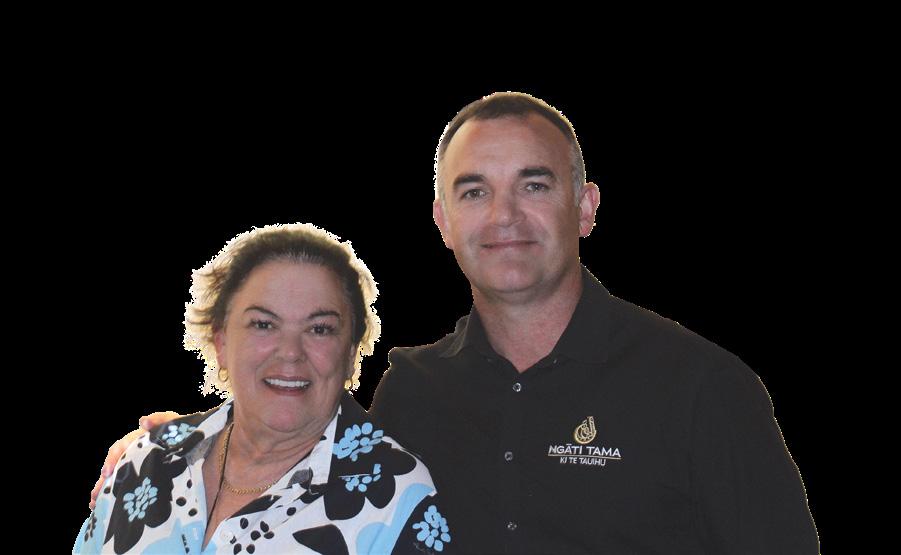
HE KUPU WHAKATAKI CHAIRS AND CEO REPORT
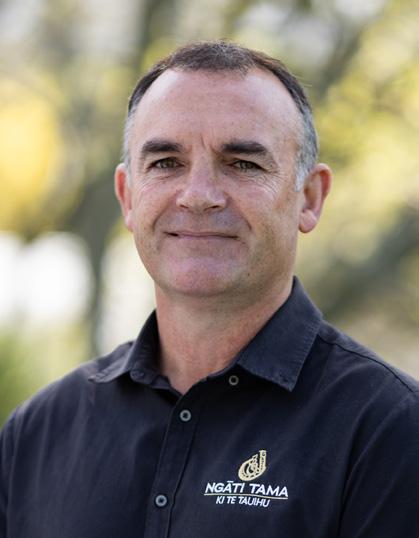
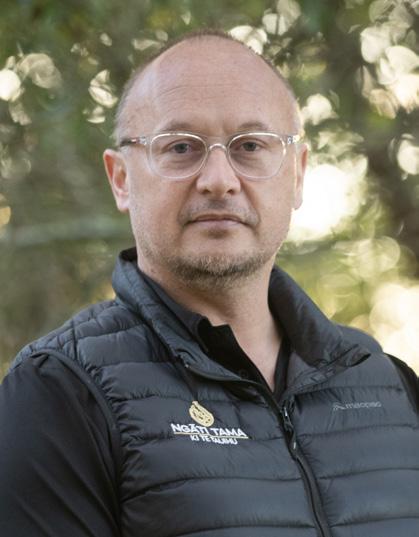
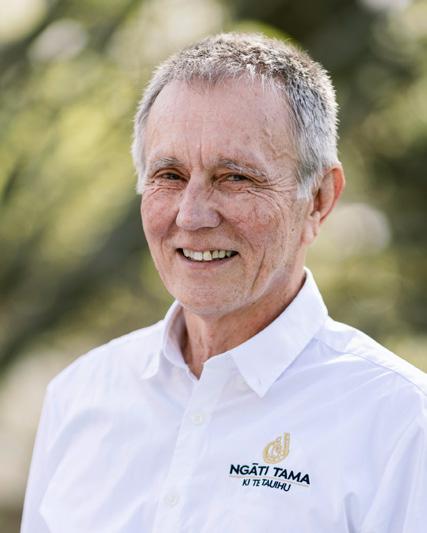
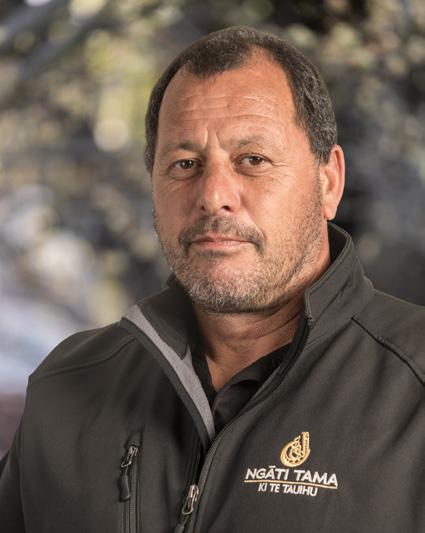
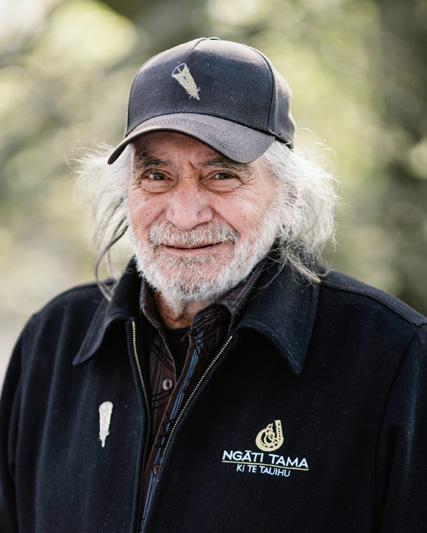
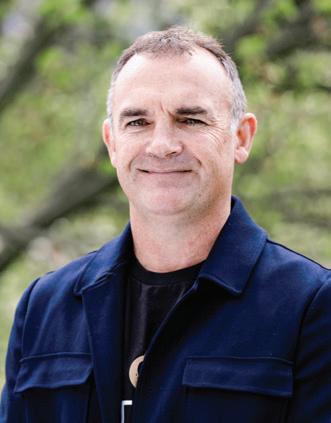
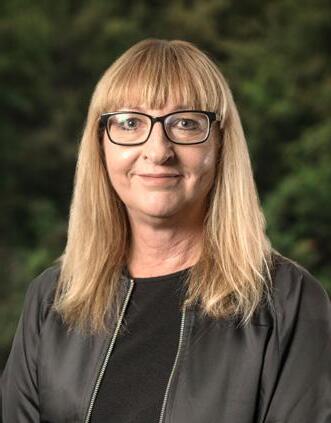
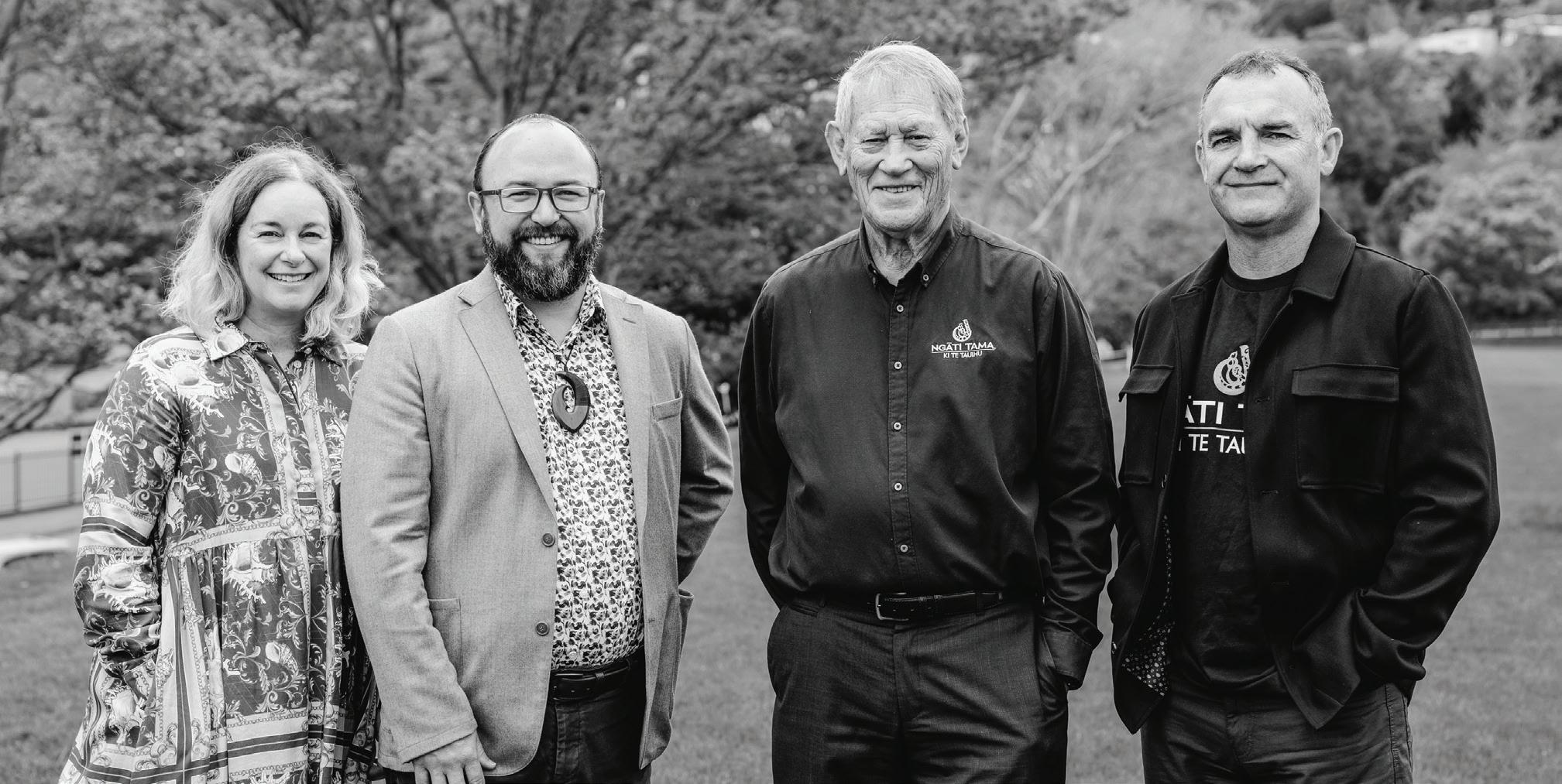
Anthony (Butch) Little CHAIR OF NTWT
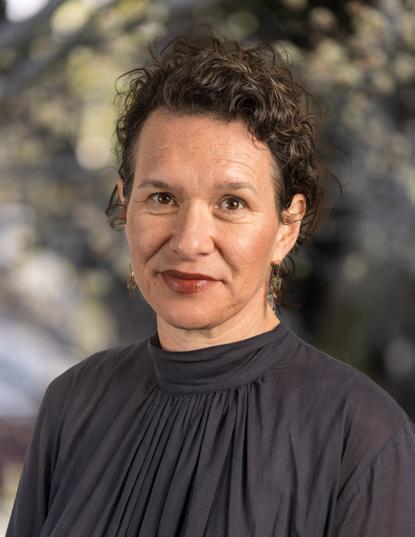
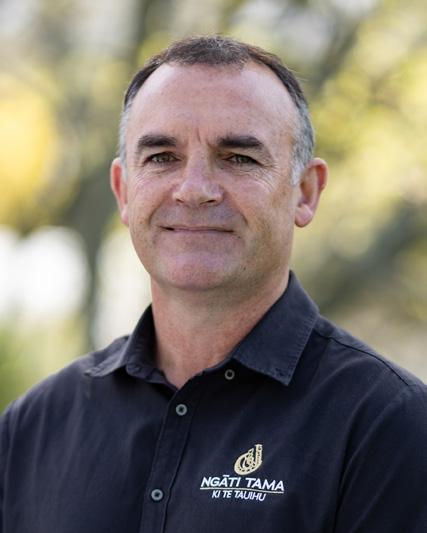
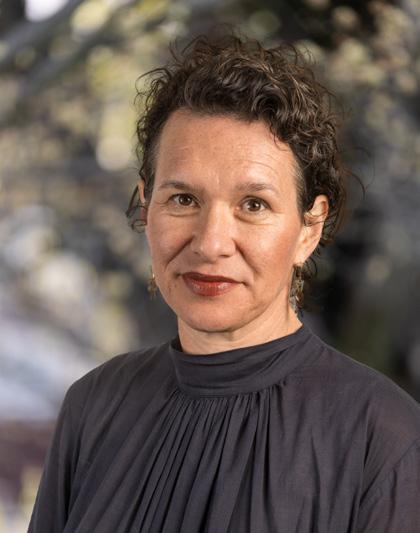
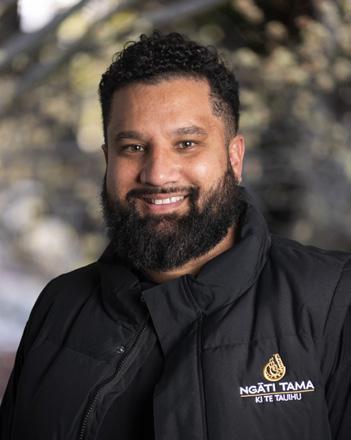
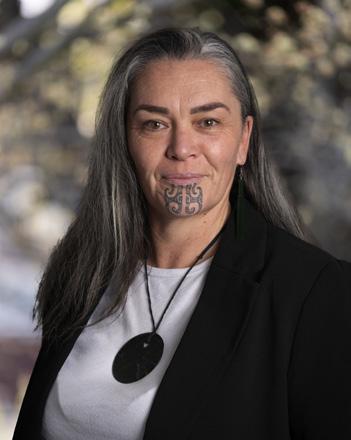
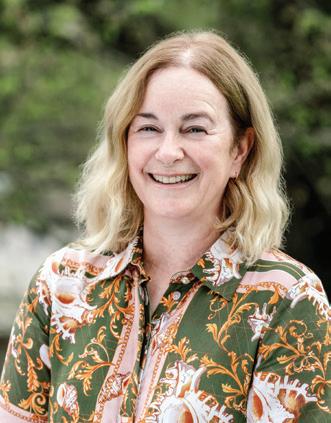
Kerensa Johnston CHAIR OF NTCT
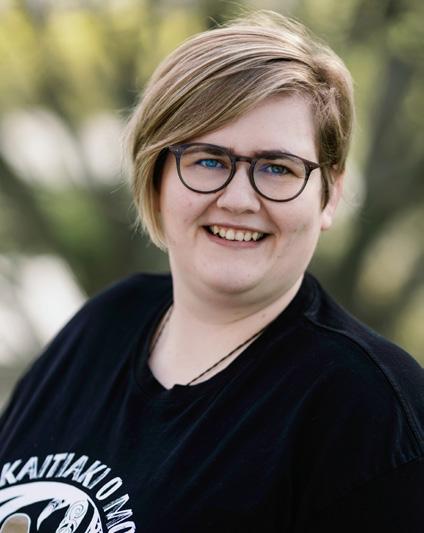
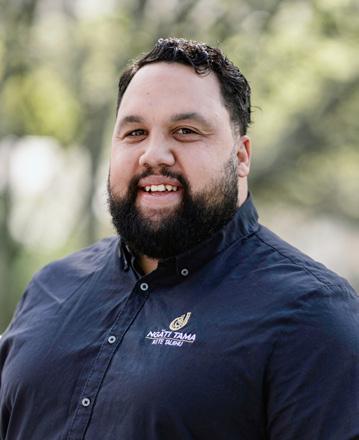
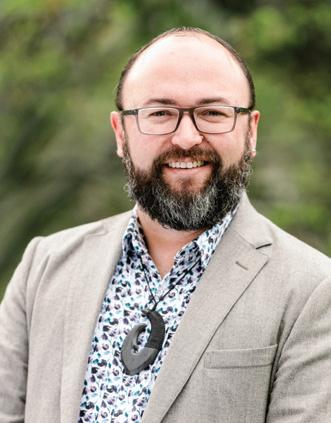
Hēmi Sundgren CHIEF EXECUTIVE OF NTWT
Tēnei au te tau ake nei i taku tau
He tauranga a tai, he tauranga a uta
Whiua ki tai – he hau moana
Ko Te Aorere te pari mai nei
Whiua ki uta – he hau whenua ki Horoirangi, Maungatapu, Tū-ao-Wharepapa, Ki Pukeone
He hau tipua
He hau tawhito
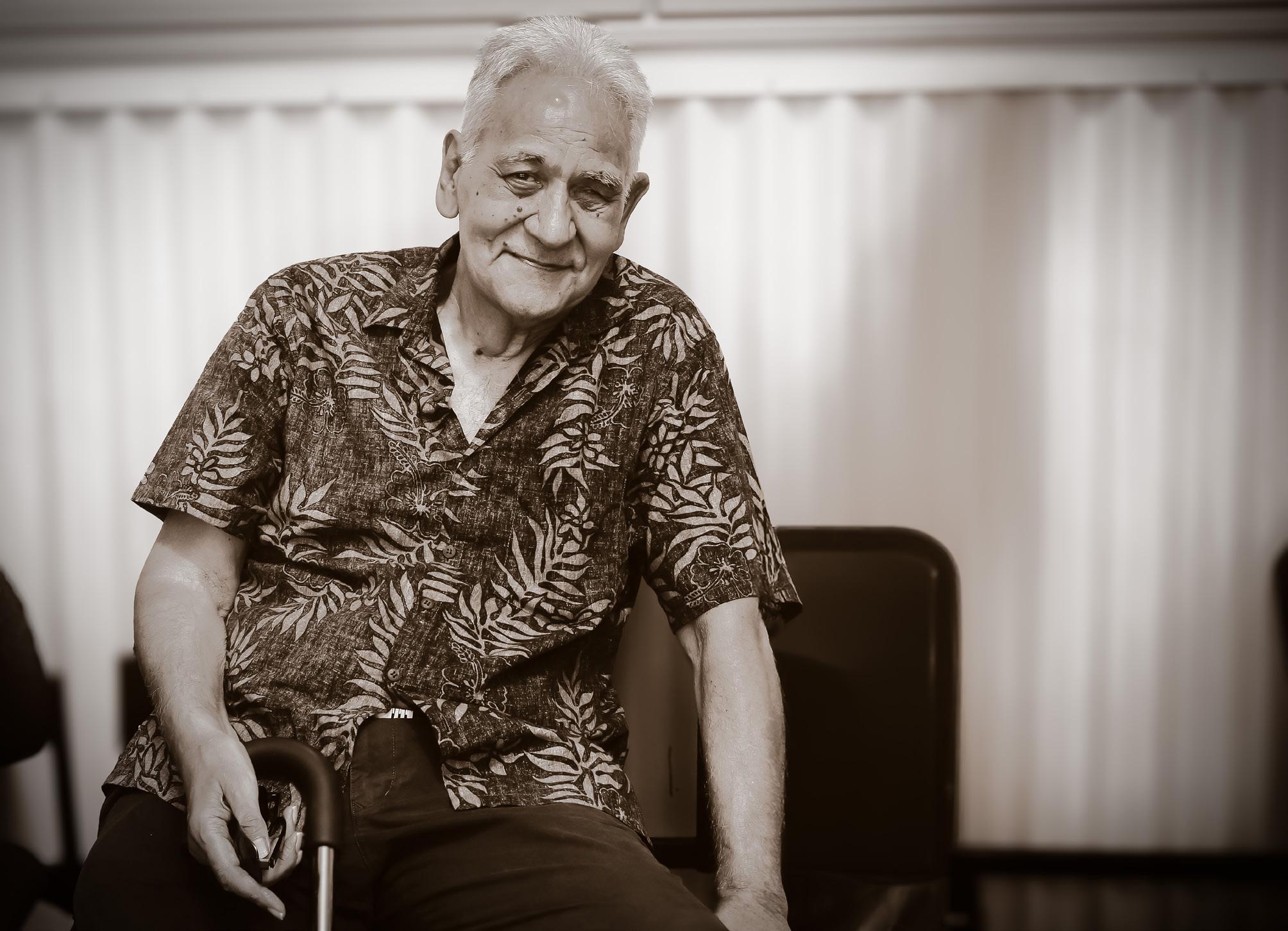
As another year has drawn to a close, we think of our cherished whānau and friends who have passed throughout the year. We make special mention of Mākere Chapman, Judi Billens and Robert McKewen for their significant contributions to ngā uri o Ngāti Tama.
He hau ora e hai!
Tēnei te hau moana o Te Aorere...
Tēnei te hau whenua, te kokorutanga o ngā kura waka
Tēnei te hau kāinga e oha atu nei, e mihi nei ki koutou, tēnā koutou
Taku tapuae nei, Ko Huaki-nuku, ko Huakirangi, koutou i wehea takitaki tū, tatau ana te pō i a koutou, whiti ana te rā i a mātou, tatau ana te kohu i a koutou, whiti ana te rā i a mātou, he pō ki a koutou, he ao mārama ki a mātou... totohi ana te pō i a koutou, heheu ana mai te ao i a mātou, tēnā te pō ka ruruku, tēnei te rangi ka heua...Ka heu, ka heheu!!
Kei ngā uri o Rākeiora, o Poutama Ariki, huia mai kia rangirangi tahi tātou i te ahi i tiritiria e ō tātou kuia whaene, mātua tauheke inā rā te whakawai e kī mai ana kia kotahi
tonu rā tātou e te iwi.
We extend our heartfelt gratitude to our fellow trustees, whose leadership in governance has provided a strong foundation for Ngāti Tama; to our directors, who have guided our investment strategies ensuring financial growth and stability; to our kōmiti members, who have provided sound guidance to our kaimahi; and to our kaimahi, whose dedication to daily operations have kept everything running smoothly. Together, your efforts have contributed to uplifting Ngāti Tama throughout the past year.
We are pleased to present to whānau the annual report for the Ngāti Tama ki Te Waipounamu Trust (the Trust), Ngāti Tama ki Te Tauihu Charitable Trust (the Charitable Trust) and the Tama Asset Holding Company (TAHC) for the financial year ending 30 June 2025.
Strategic Vision
Our annual report provides an opportunity for us to reflect on the programmes and activities we have undertaken across our five strategic pou; Ahurea, Ahuora, Ahumahi, Ahuwhenua, and Ahuwhāiti. These programmes aim to create opportunities for our whānau by strengthening Ngāti Tama cultural identity, advancing education and wellbeing, supporting access to secure housing and financial stability, and safeguarding and nurturing our whenua.
Our strategic plan, established in 2020, has been under active review in preparation for the next five years ahead. Over the past six months, we have made significant progress on the development of our updated outcomesfocused strategic plan, guided by whānau through kōrero, surveys and Hui-ā-motu. This input has provided valuable insights and ensured that the voices and aspirations of our people are at the heart of our strategic direction. We are excited to launch the new strategic plan at our Hui-ā-tau in December.
Group Financial Performance
We manage and grow iwi assets with a long-term vision, ensuring that both today’s and future generations of Ngāti Tama whānau benefit from our careful stewardship. This involves a balanced approach, where we steadily increase our pūtea, enabling us to support a wide range of initiatives each year while also reinvesting for the ongoing prosperity of our people.
For the financial year ending 30 June 2025, our net asset base experienced notable growth, rising from $80.8 million to $87.8 million. This net asset base represents the combined value of everything Ngāti Tama owns—including investments, property, and other assets—after accounting for any liabilities. The increase is testament to effective asset management and investment strategies, especially given the challenging economic environment affecting iwi and businesses throughout Aotearoa and globally.
During this period, our total comprehensive revenue reached $7.07 million. This figure encompasses all income streams, as well as adjustments to the value of assets we hold. It provides a holistic view of our financial performance, going beyond day-to-day operating profits to include fluctuations in asset values, giving us a clearer picture of our overall financial health.
The Trust received $2 million in funding, generated from investment returns earned by the Tama Asset Holding Company. This amount is determined by our Group’s dividend policy, which allocates 2.5% of the value of our investment portfolio to the Trust each year. These funds play a crucial role in supporting our governance and daily operations, ensuring the smooth running of our organisational activities. More importantly, this funding allows us to give back directly to our whānau, enabling us to support the Charitable Trust. Through this support, the Charitable Trust is able to distribute grants, provide assistance to marae, and deliver a variety of cultural programmes that strengthen our community and promote wellbeing.
Our financial management approach ensures stability and resilience, positioning Ngāti Tama to respond to changing circumstances while continuing to invest in initiatives that enhance cultural identity, education, housing, and the overall welfare of our whānau. By focusing on both growth and reinvestment, we safeguard our assets for future generations and remain committed to uplifting our people for years to come.
Governance and Operations
Last December, we congratulated Butch Little, Ānaru Stephens and Kerensa Johnston on their re-election to the Trust. In line with our commitment to succession planning, we also reappointed Dan Solomon and Hoani Tākao as our associate trustees after their successful first year, and welcomed Senae Mitchell as our associate trustee on the Charitable Trust. The inclusion of associate trustees enables us to nurture emerging leaders, ensuring continuity, fresh perspectives, and a smooth transition of governance for the future strength of our Trust.
Compared with other Iwi Trusts here in Te Tauihu, we have a small operations team by design, allowing us to remain agile and foster sustainable, effective growth. Notably, our team of kaimahi has remained stable with no changes throughout the year, providing continuity and an increasing depth of institutional knowledge. We have continued to experience high levels of requests from Councils, government agencies, and other groups meaning the demands on our team have not slowed. Regardless of these external pressures, our number one priority continues to be our whānau—every decision about what we engage in, and to what extent, is always made to deliver on our strategic outcomes with a priority on whānau and whenua.
Recent government policy changes have reversed several significant policy advancements for Māori, resulting in notable concern within our whānau and Māori communities. In response, we have prioritised a unified and collaborative approach to advocate for positive outcomes. We have maintained regular engagement with both the Te Tauihu Iwi Chairs Forum and the National Iwi Chairs Forum, including preparing joint submissions and participating in frequent hui. In a demonstration of kotahitanga, a delegation of trustees and whānau attended the hīkoi opposing the Treaty Principles Bill in Pōneke in November 2024—a significant event where approximately 50,000 people gathered in solidarity to address the current challenges faced by Māori.
We have also seen some changes in the health sector. After a decade of impactful service, Te Pūtahitanga o Te Waipounamu concluded its role as Whānau Ora Commissioning Agency and Te Tauraki Limited is now leading this under a new model. Ngāti Tama worked closely with Ngāi Tahu to ensure whānau wellbeing was central to this transition. We acknowledge Nikki Jones for her nine years of dedicated leadership as our Te Taumata representative and thank her for her significant contribution to Ngāti Tama and Te Pūtahitanga.
Tama Asset Holding Company
Over the year, we farewelled Tony Sewell and Toni Grant after completing nine years’ service as our directors. We welcome Joe Hanita and Meg Matthews as their successors, joining the board to continue guiding our investment strategies going forward. Our four directors and our investment managers, Koau, remain dedicated to overseeing and managing our investment portfolio. We maintain a risk-based approach to structuring our investments, which enables us to achieve steady returns even as external economic conditions fluctuate.
TAHC had another strong year, making a profit of $7.8 million and earning an 10.9% return for the year. These results were achieved by maintaining our diversified investment strategy, which included partnering with other iwi through Māori investment partnerships like Hāpai and Pūainuku, and carefully managing assets across forestry, fishing quota, aquaculture, and property. This approach ensured steady income for the Trust while growing assets for future generations.
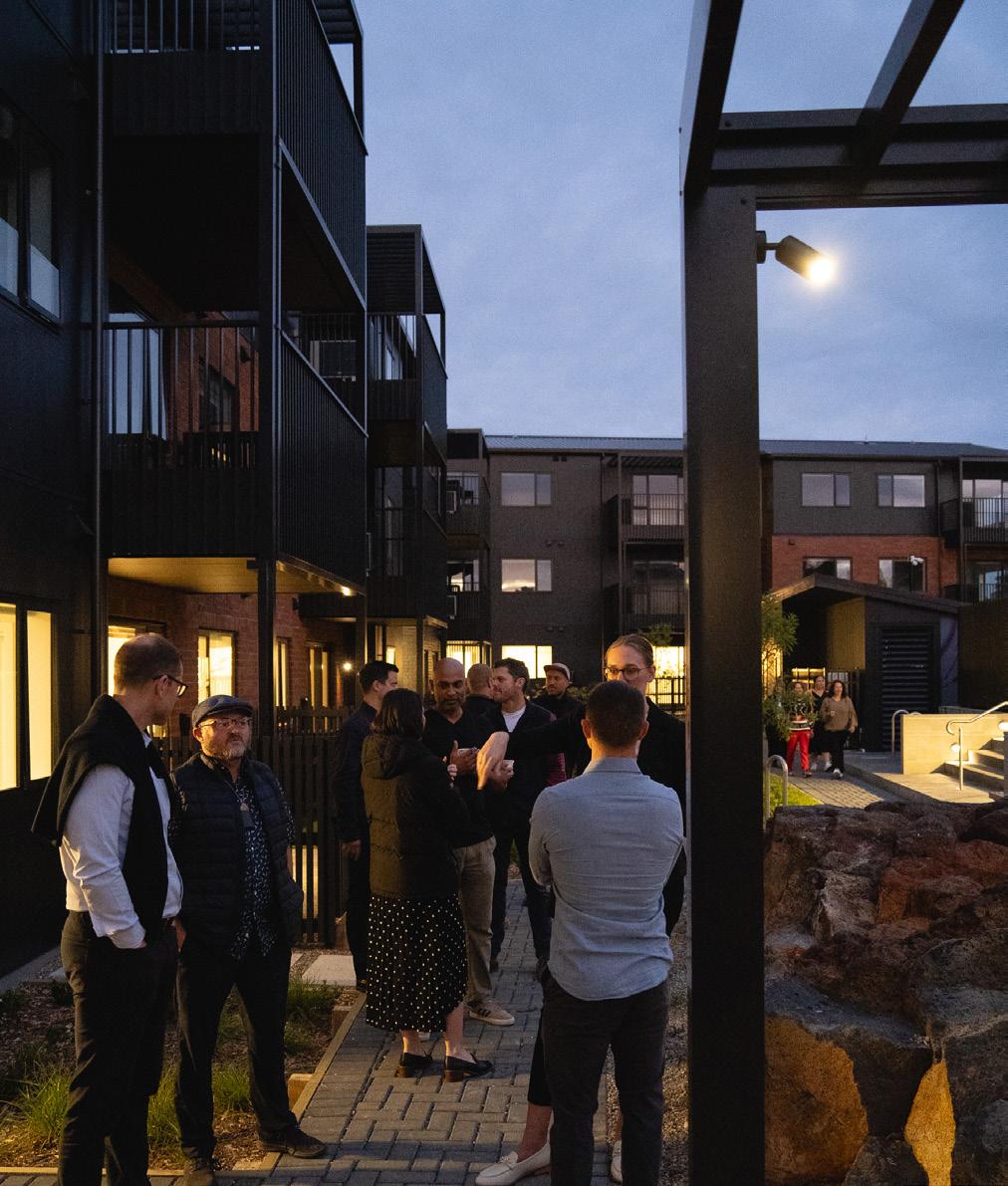
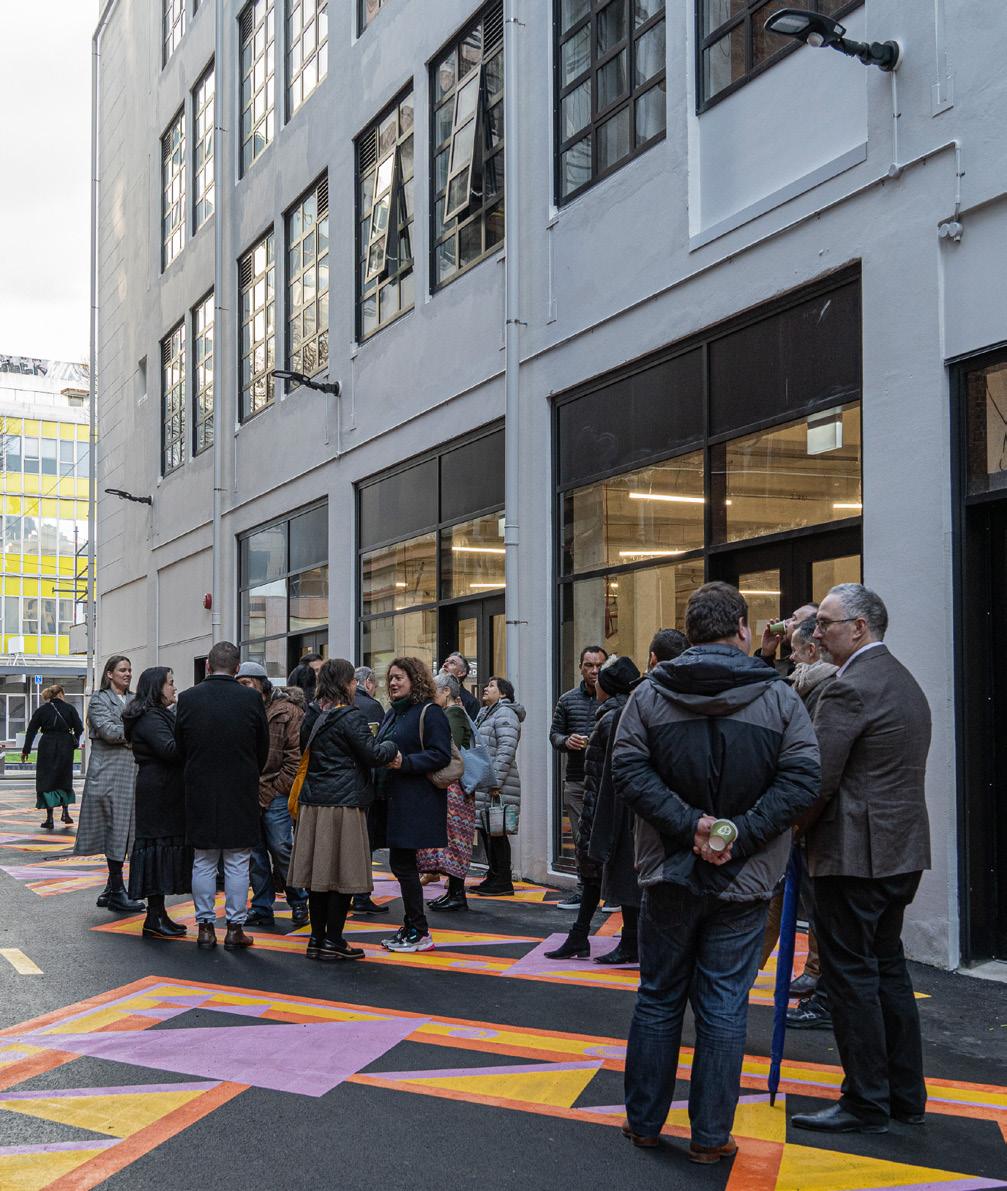
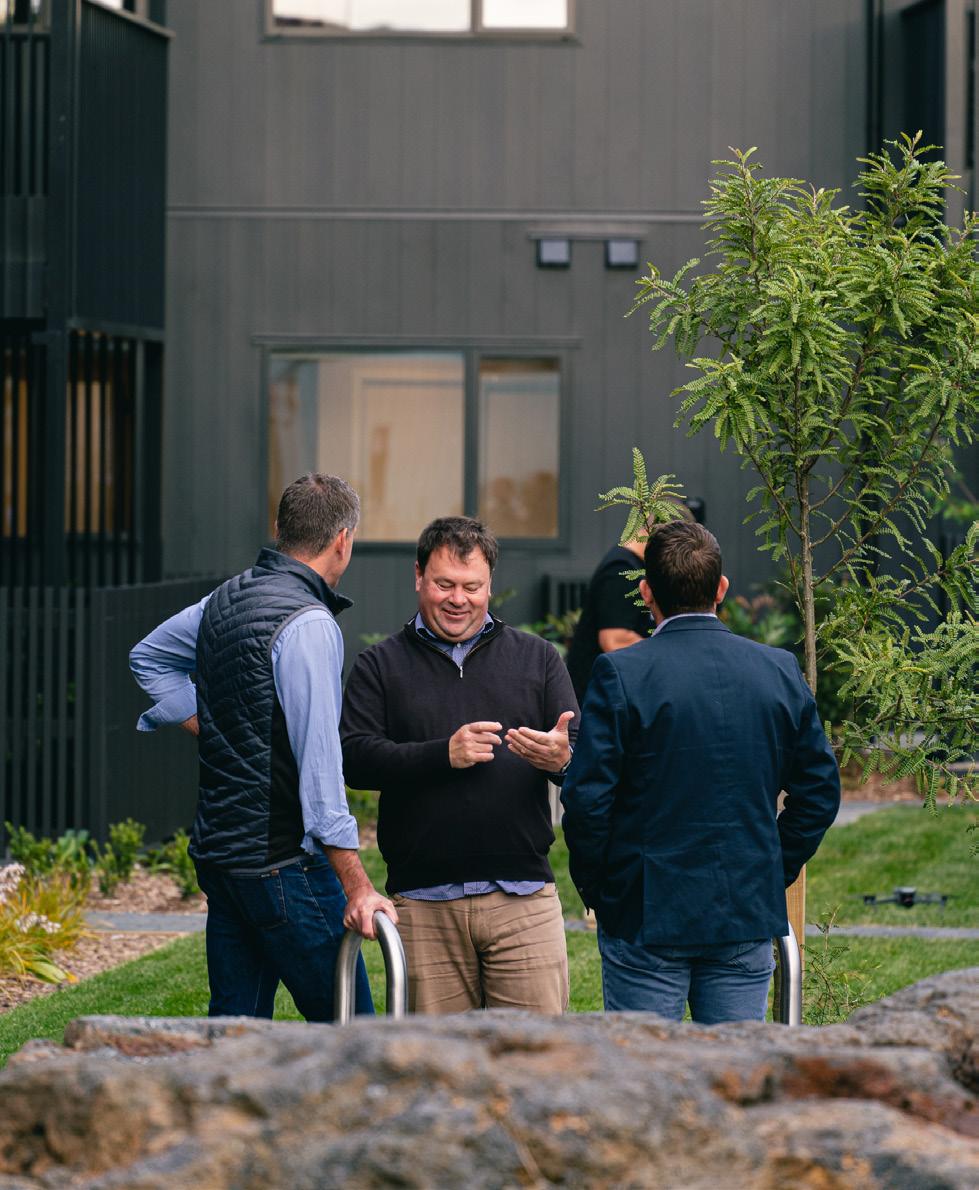
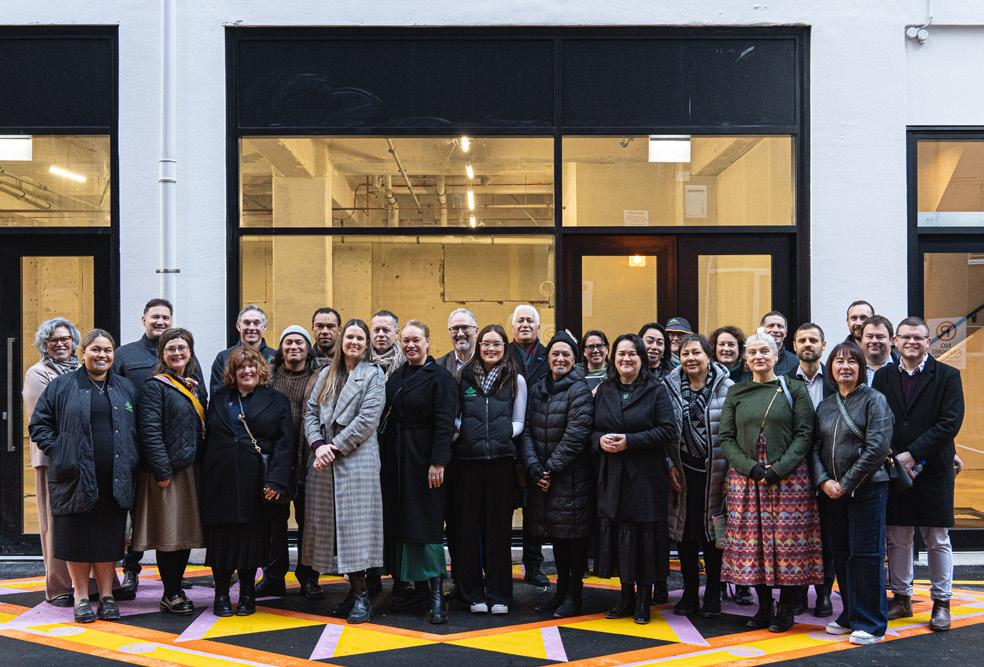
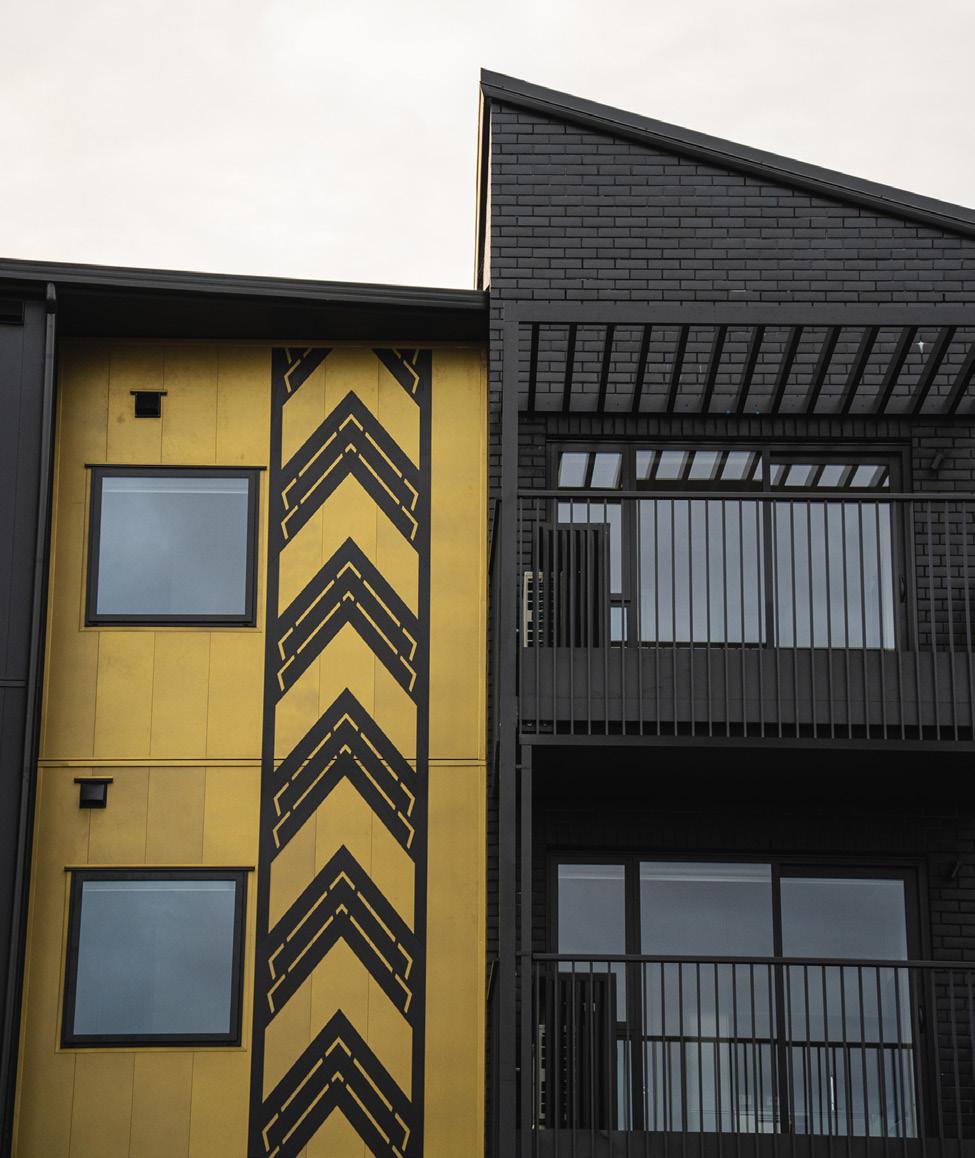
Key achievements were the completion of Kaweka in Auckland and Te Piringa mai ki Te Aro in Wellington. These joint ventures between Hāpai and Ka Uruora mark significant progress in providing more affordable housing solutions for our whānau in both cities.
Other highlights for the year included successful rent reviews resulting in increased income from leased property, and the ongoing development of managed growth funds, which balance short-term fluctuations with long-term stability.
Looking ahead, TAHC will continue to focus on direct investments, operational efficiency, and supporting the broader aspirations of Ngāti Tama, ensuring profits grow steadily to benefit whānau both now and in the future.
Ngāti Tama ki Te Tauihu Charitable Trust
The Charitable Trust manages charitable activities and initiatives, including the delivery of cultural programmes and the provision of grants to whānau. The Trust offers various grants that support whānau in education, sports, wellbeing, culture, travel, energy/heating, tangi, and provides kaumatua grants. In total, 758 grants were issued, amounting to $247,509, which included 320 education grants worth $85,642.
We delivered another full year of events and wānanga; highlights include:
• Te Ipukarea: This year Ngāti Tama got to host it in Whakatū for Te Tauihu iwi. Not only did we run the event, we also had strong participation from whānau, competing in netball, euchre, touch, debates, table tennis, basketball, tug-o-war, and games for our kaumatua. We’re proud to say Ngāti Tama took out the senior tug-o-war!
• Wānanga-ā-whānau: Bringing whānau together, to connect with each other, our whenua, and our identity.
• Wānanga kōhine: In partnership with Wakatū Incorporation we welcomed five Ngāti Tama kōhine to Whakatū, helping them reconnect with our ancestral lands in Te Tauihu and learn more about themselves, their iwi and their connection to our rohe.
• Puanga ceremony: On a crisp June morning, we celebrated the rise of Puanga to mark the start of the Māori New Year at Moturoa and acknowledged those who had passed during the year gone by. By doing this, we practice our rituals, safeguarding them for the future.
• Wānanga paepae: A series of wānanga designed to strengthen our collective ability to uphold our tikanga and traditions within our marae, homes and beyond.
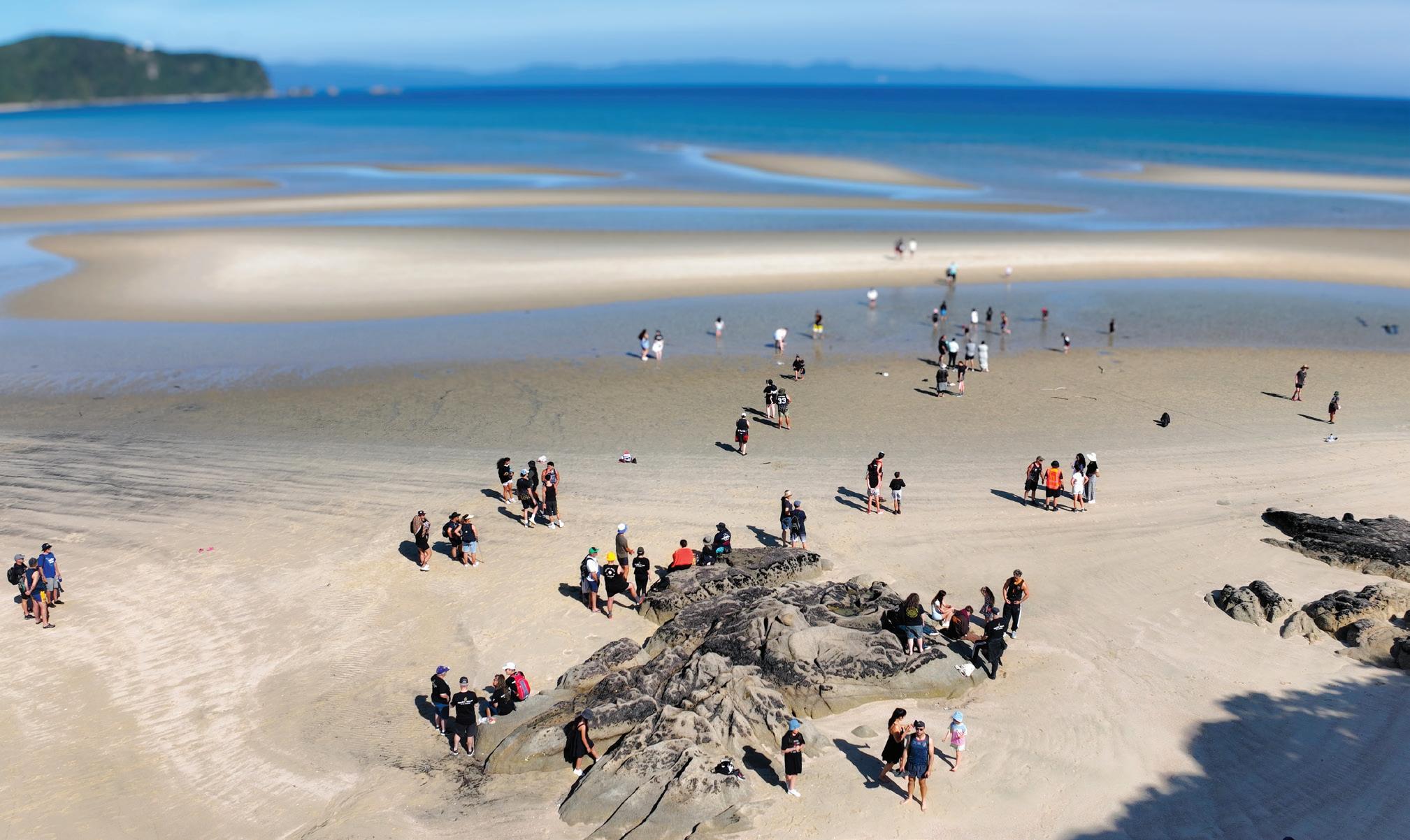
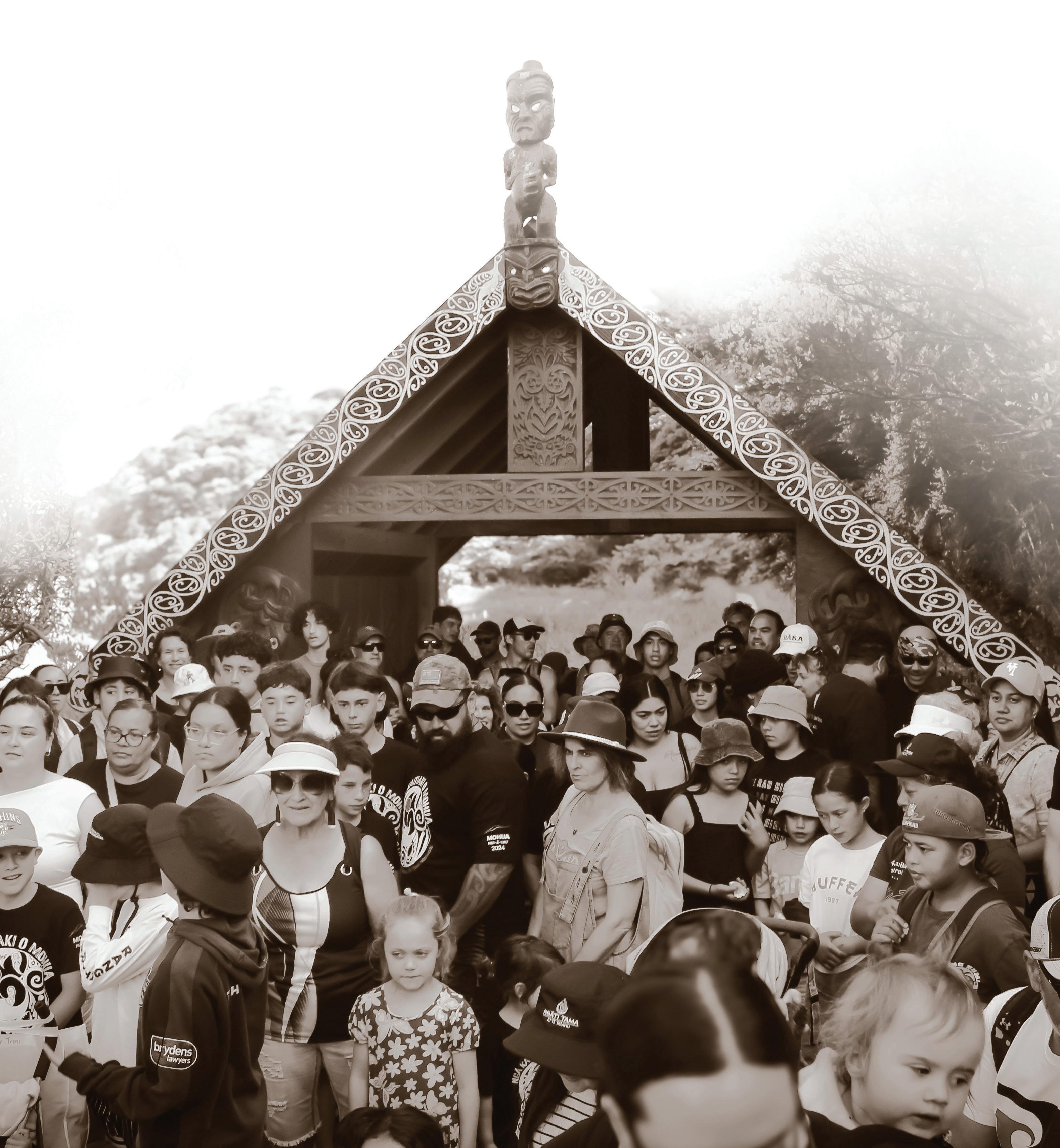
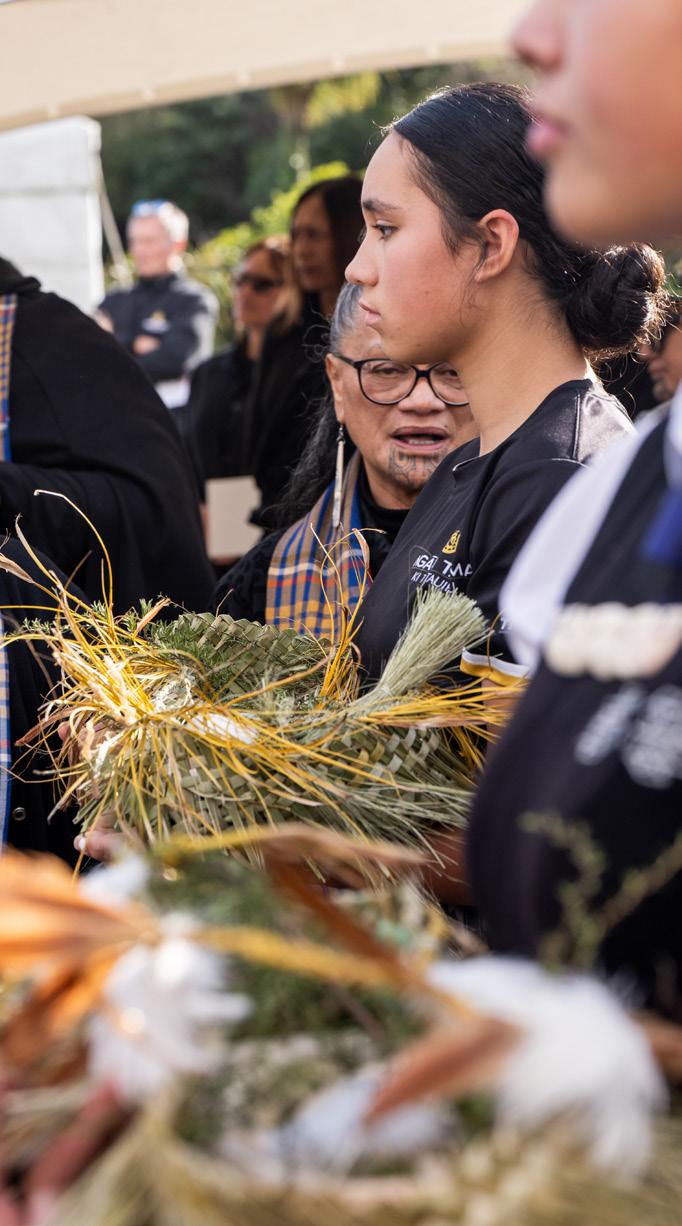
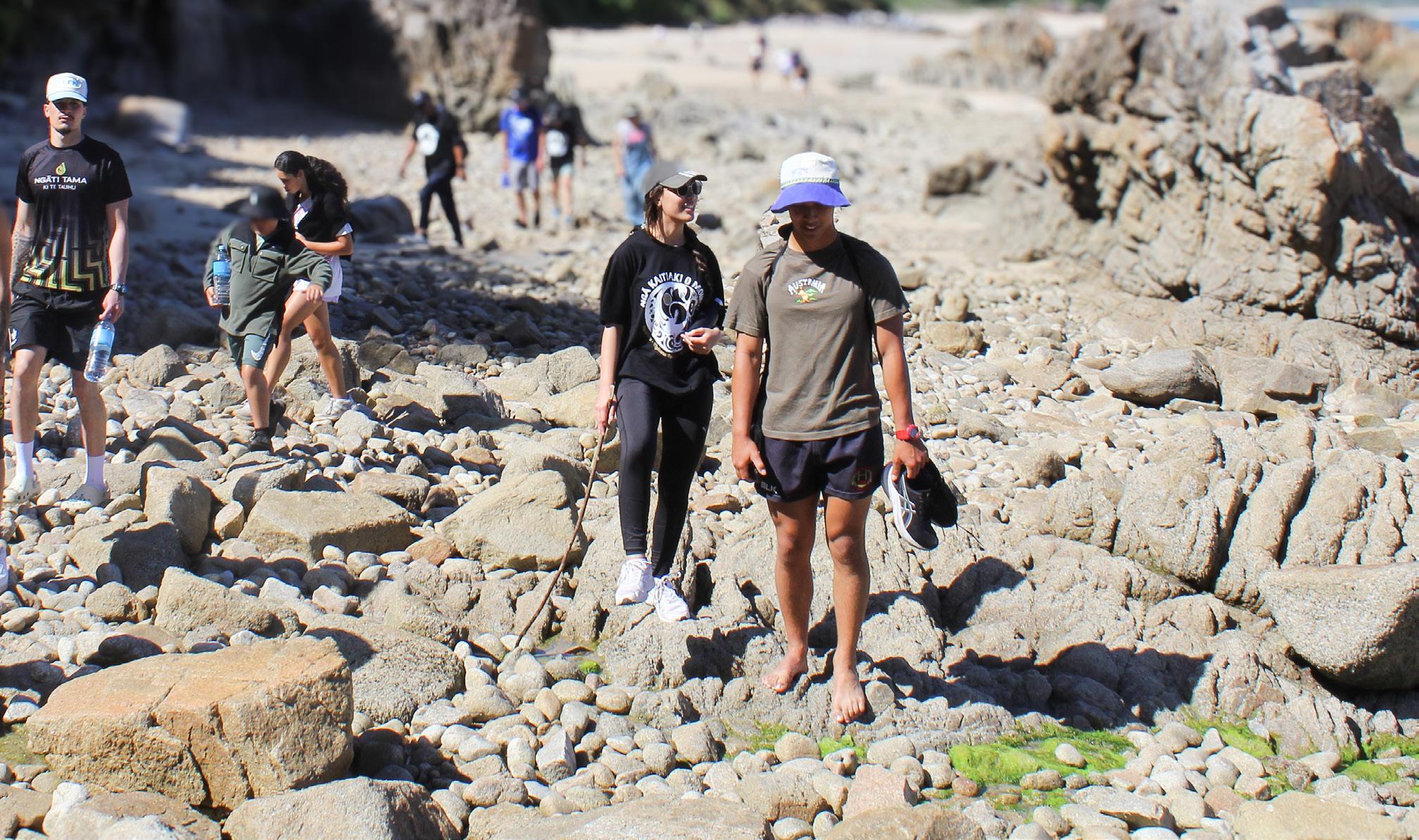
Whānau at Wainui Bay, Mohua, AGM 2024.
Ka Uruora
Our partnership with Ka Uruora continues to create impactful opportunities for whānau in Te Tauihu. Efforts to promote financial literacy programmes have resulted in increased awareness and participation, advancing the community’s financial resilience. Landmark progress includes completion of whānau homes in Kaweka (Auckland) and Te Piringa mai ki Te Aro (Wellington), alongside new projects underway at Waikārapi (Blenheim) and Berryfields (Nelson). The recent occupation of a newly completed home in Nelson signifies a meaningful achievement for all involved.
In November 2024, the official launch of the WhānauSaver programme marked a significant milestone in supporting long-term financial independence for whānau. The Trust encourages all members to participate in WhānauSaver and take advantage of resources dedicated to building secure financial futures. We currently have 35 registered members in the WhanauSaver programme.
Looking Ahead
We expect the next year to be another busy one with no sign of the external engagements slowing down. We will continue to prioritise the delivery of our strategic plan through our strategic pou activities and initiatives. We will see the launch and implementation of our renewed 5-year strategic plan throughout 2026. This will set a clear and purposeful direction for the Trust and kaimahi.
We will build on the momentum established through our current wānanga programmes as we are committed to further expanding opportunities for collective learning, cultural growth, and whānau connection.
Closing Acknowledgements
As always, our report serves as a concise summary of the year’s key milestones and achievements. While it is impossible to capture every detail of the mahi and dedication that occurs throughout the year, we hope these highlights offer meaningful insight into the work undertaken by our Trust, our operations team, and the many whānau representatives who generously contribute their time and mātauranga to uphold the mana of Ngāti Tama in our rohe.
Our greatest joy each year comes from spending time together as whānau, celebrating our collective identity as Ngāti Tama. We are eagerly looking forward to reconnecting with whānau at our Hui-ā-tau and wānanga-āwhānau in Mārahau this December 2025, and warmly welcome all who are able to join us for this special occasion.
On behalf of all trustees and our operations team, we extend our heartfelt thanks to all iwi members for your ongoing support and trust over the past year. We reaffirm our commitment to delivering meaningful outcomes for whānau in the year ahead and look forward to journeying together toward a prosperous future for Ngāti Tama.
Butch Little | Chair of Ngāti Tama ki Te Waipounamu Trust
Kerensa Johnston | Chair of Ngāti Tama ki Te Tauihu Charitable Trust
Hēmi Sundgren | Chief Executive of Tama ki Te Waipounamu Trust
933
Number of registered members
13 Events and wānanga
24 Governance hui
758 Number of grants $247,509 Value of grants $87.8m Total equity $7.07m Operating profit $2.0m Dividend
230
Consents and concessions considered
166 Hui-ā-tau/ AGM attendance
NGĀ MEMA O TE POARI
OUR BOARD MEMBERS
Anthony (Butch) Little - CHAIR NTWT
Butch grew up in Mohua and now lives in Nelson with his three teenage kids – Tama, Kiriana and Meri. After gaining a management degree from Lincoln University, Butch joined the Ministry of Fisheries in its Compliance division where he now leads the Nelson / West Coast teams, stretching from Mohua to Haast. Through his professional career and time serving the Trust and its Asset Holding Company, he has developed a wealth of experience in the fisheries, aquaculture and forestry sectors. In his younger days he was a keen rugby player, representing Nelson Bays, and spent time playing in Italy. Now in his spare time he is an avid fisherman and diver.
HIGHLIGHT: “Meeting Ngāti Tama whānau at the Hui-ā-tau who were visiting our rohe for the first time.”
Phil Sparks - DEPUTY CHAIR NTWT
Phil grew up in Blenheim and Christchurch and now lives in Waikanae with his wife Jenni. He has Bachelor of Commerce and Master of Education degrees and has had careers in international shipping, human resources management, real estate and teaching. He has also published material in international academic journals. His business and financial knowledge has been of immense value in helping to grow Ngāti Tama. In his spare time Phil likes to travel and plays competitive croquet.
HIGHLIGHT: “Meeting whānau whānui on the Hui-ā-motu and joining the protest at Parliament in support of Toitū te Tiriti.”
Kerensa Johnston - CHAIR NTCT
Kerensa was raised in the Bay of Plenty and moved to Te Tauihu in 2012 with her partner Lane and their two tamariki, Daisy and Mahuru. With a background in international law, corporate governance, and research and development, Kerensa’s professional career has taken her from a practicing lawyer to an experienced Chief Executive and governor. She serves as a trustee of Ngāti Tama ki Te Waipounamu Trust and Chair of Ngāti Tama ki Te Waipounamu Charitable Trust.
HIGHLIGHT: “The development of our paepae and kura taiao wānanga throughout 2025, aimed at building the cultural capacity, knowledge and well-being of our whānau and iwi”
Margie Little - TRUSTEE NTWT
Margie was born in Mohua, spending most of her life there and currently lives on her whānau farm with her husband Graham at Patons Rock. She has three adult children – Nathan, Butch and Talia who have given her six moko. Margie had a long-standing teaching career at Te Waka Kura o Mohua – Golden Bay High School which she only recently retired from. She has been an active advocate for Ngāti Tama over many years, alongside her late brother John and late sister Janice. Margie has been a strong proponent for environmental and cultural improvements across Mohua which has led her to become Chair of Manawhenua ki Mohua. When Margie isn’t contributing to kaupapa she can be found working around home, restoring the wetlands and gardening.
HIGHLIGHT: “Contributing to cultural and environmental initiatives at Triangle Flat in Pūponga on behalf of Ngāti Tama.”
Ānaru Stephens - TRUSTEE NTWT
Ānaru grew up in Nelson and Motueka and now lives in W’akapuaka with his wife Dayveen. Ānaru has four grown kids and 14 mokopuna who reside across Waikato and W’akatū. His early career started in the NZ Army. Afterwards he spent time living in Ngāruawāhia and working at the Te Rapa freezing works. He then moved back to W’akatū where he has resided since - working across a range of spaces including iwi monitoring, construction, commercial fishing and w’ānau navigation. Ānaru has a Diploma in Aquaculture and sits on fisheries and aquaculture forums for Ngāti Tama. He is an old boy of Nelson College, proudly playing in the 1st XV. His claim to fame is being part of the league team that took out the Waikato Premiership for three years in a row.
HIGHLIGHT: “To have our Ngāti Tama tikanga, kawa, culture on our own Ngāti Tama marae supporting our whakapapa, supporting our next generations.”
Nikita-Marie Day - TRUSTEE NTWT
Nikita grew up in Whakatū and now lives in Upper Hutt. Since graduating from the University of Canterbury in 2019 with a bachelor of laws, Nikita has practiced as a commercial lawyer specialising in civil litigation and Māori commercial issues. Nikita is also the Kaipūtea (treasurer) of Te Hunga Rōia Māori o Aotearoa (the Māori Law Society). Her claim to fame was participating as a contestant in the third series of the Great Kiwi Bake Off.
HIGHLIGHT: “Playing euchre for the first time alongside whānau at Te Ipukarea.”
Fred Te Miha - TRUSTEE NTWT
Fred grew up in Lower Hutt and now lives in Motueka with his wife Veronica. Fred had seven children, who have given him countless moko. Fred has lived a busy life across many types of jobs, building an eclectic mix of experience. This includes time as a freezing works meat grader, linesman and commercial hunter. Fred moved to Motueka, his grandmother’s rohe, to look after her interests. It was following that move that he began representing Ngāti Tama from its inception as a settlement entity, most notably as chief negotiator for the settlement. In his ‘retirement’, Fred is an avid collector and breeder of cattle and parrots.
HIGHLIGHT: “Continuing to have a seat at Board table and contributing to the leadership of Ngāti Tama.”
Senae Mitchell NTCT
Dan Solomon NTWT
Hoani Tākao NTWT
Luke Mitchell TAHC
OUR ASSOCIATES
TE WHARE O NGĀTI TAMA
OUR GROUP STRUCTURE AND COMMITTEES
Ngā Hinonga - Our Entities
Ngāti Tama ki Te Waipounamu Trust is the representative organisation for Ngāti Tama ki Te Tauihu. The purpose of the Trust is to receive, hold, manage and administer the trust fund on behalf of and for the benefit of the present and future members of Ngāti Tama ki Te Tauihu. The Trust has three wholly-owned entities; one company, one custodian trustee, and a charitable trust.
Ngāti Tama ki Te Tauihu Charitable Trust is the charitable arm of the Group and provides benefits such as education grants, tangi koha, and cultural wānanga to iwi members. The purpose of the trust is to receive, hold, manage and administer the trust fund for every charitable purpose benefiting Ngāti Tama ki Te Tauihu.
Tama Asset Holding Company Limited is the Asset Holding Company for Ngāti Tama ki Te Tauihu in line with the requirements of the Māori Fisheries Act and holds the fisheries and aquaculture assets. It also holds other commercial property such as our forestry lands and schools. All assets held by this company are held, managed and administered by the company as trustee for the benefit of the Trust or Ngāti Tama ki Te Tauihu. Directors of this company are responsible for following the strategic and commercial direction set by Ngāti Tama ki Te Waipounamu Trust.
Ngāti Tama ki Te Tauihu Custodian Trustee Limited enabled the property titles of cultural redress properties to be transferred from the individual names of trustees to the custodian trustee entity. This adds more continuity and stability to the Group’s structure. Unlike individual trustees who might be subject to life events, custodian trustee entities are perpetual entities, ensuring the seamless transfer of responsibilities and assets to future generations.
Ngā KōmitI - Our Committees
The Group is supported by four committees. Membership of the committees as at 30 June 2025 is shown below.
Te Kōmiti Pou Tāngata - HR Committee
The objective of the kōmiti is to assist the Trust in the setting and review of remuneration and performance objectives for the Pou Whakahaere | CEO, and to provide support when requested for employment matters.
Butch Little (Chair)
Phil Sparks
Nikita Day
Te Kōmiti Whakapapa - Whakapapa Committee
The objective of the kōmiti is to assist the Trust in discharging its responsibilities relative to kaitiakitanga of Ngāti Tama ki Te Tauihu whakapapa and whānau membership with the Trust.
Ānaru Stephens (Co-Chair)
Margie Little (Co-Chair)
Jane du Feu
Rob McKewen
Mark Galvin
Mairangi Reiher
Johannah Kātene-Burge
Louise Studd
Kelvin Tapuke
Te Kōmiti Tautuku - Grants Committee
The objective of the kōmiti is to assist the Trust in its endeavours to assist and support whānau through the provision of a range of charitable grants.
Margie Little (Chair)
Nikita Day
Bev Purdie
Jozef Benge
Te Kōmiti Arotake Tūraru - Audit and Risk Committee
The objective of the kōmiti is to assist the Trust in discharging its responsibilities relative to financial reporting, risk management and regulatory compliance.
Phil Sparks (Chair)
Nikita Day
Waari Ward-Holmes
Luke Mitchell
Casey Webster
NĀU TE ROUROU, NĀKU TE ROUROU KA ORA AI TE IWI
WITH YOUR BASKET, AND MY BASKET THE PEOPLE WILL THRIVE
Whānau at Wainui Bay Mohua, AGM 2024.
Ō TĀTOU POUMAHI OUR STAFF
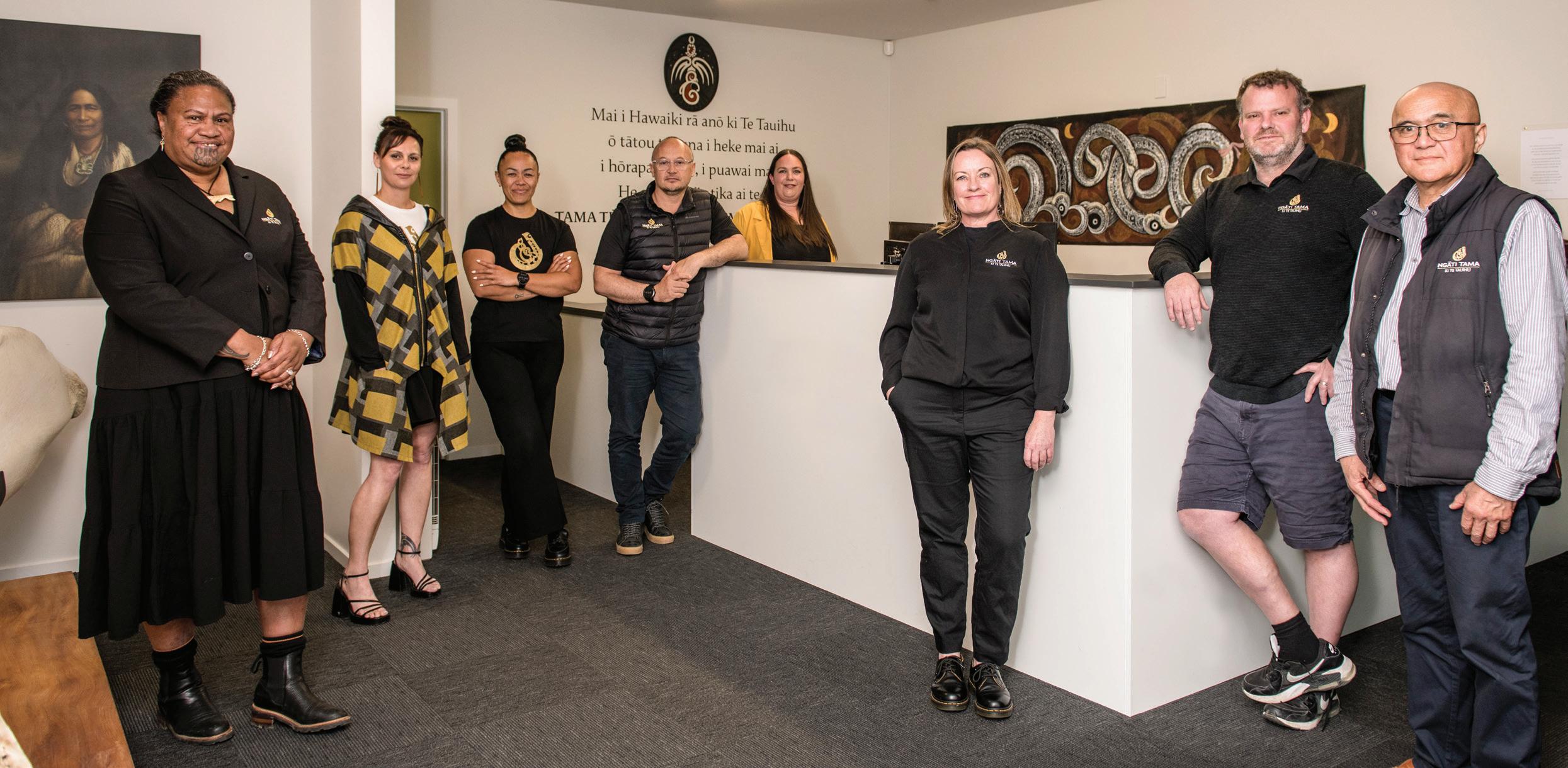
Our Ngāti Tama management team is a dedicated and agile rōpū committed to advancing the aspirations of our whānau. Guided by kaupapa Māori values and strategic priorities, the team works to protect and grow our collective assets, support whānau wellbeing, and facilitate wānanga and events which help strengthen our cultural identity. From managing grants and housing initiatives to leading communications and strategic planning, each member plays a vital role in ensuring Ngāti Tama thrives now and for future generations. Their mahi is grounded in service, integrity, and a deep responsibility to our iwi, whenua, and taonga.
FROM LEFT
Dayveen Stephens Te Pou Taiao (Environmental Manager)
Jenna Neame Te Pou Amotake (GM Business and Operations)
Suz Tawaka Te Pou Tari (Office Co-Ordinator)
Hēmi Sundgren Te Pou Whakahaere (Chief Executive Officer)
Jasmine La’auli Te Pou Whakakori (Programme Co-Ordinator Events and Engagement)
Jacinta Beullens Te Pou Whakarākei (Graphic Designer)
Robert Hovenden Te Pou Tahua (Group Accountant)
Te Ahu Rei Te Pou Hāpai Tikanga (Cultural Manager)
NGĀ TOROTORONGA
DISTRIBUTION OF ADULT MEMBERS 18 YEARS AND OVER
NORTHLAND -11
AUCKLAND - 56
WAIKATO -58
BAY OF PLENTY - 42
TARANAKI -56
MANAWATŪ - WHANGANUI - 12
TE TAUIHU - 123
WESTCOAST - 5
CANTERBURY - 50
OTAGO - 9
SOUTHLAND -12
HAWKES BAY - 17
WELLINGTON - 261
MEMBER LOCATION
REST OF AOTEAROA - 6
AUSTRALIA - 76
REST OF WORLD - 10
LOCATION UNKNOWN - 79
NUMBERS AS AT 30 JUNE 2025
A LIFE OF LEGACY, LEADERSHIP AND LOYALTY
ROBERT TE WAARI MCKEWEN
In the rich tapestry of Ngāti Tama history, one of the strongest threads is that of our whanaunga, Rob McKewen.
Born in Te Whanganui-a-Tara in 1944, Rob’s life journey reflected the courage, pride, and deep whakapapa connections that have shaped our iwi across generations. His journey was one carried with aroha by his whānau and the wider community, and he leaves behind a legacy that will live on in the hearts and minds of his uri. Through his tireless work in iwi development, the protection of our tikanga and reo, and his leadership in the Treaty settlement journey, Rob laid down strong foundations for the future of Ngāti Tama.
Rob passed away on the 17th of September 2025. His passing is felt deeply by his whānau, by the iwi, and by all who had the privilege of walking alongside him. His kōrero tuku iho, lovingly recorded and preserved, stands as a taonga — a treasured source of knowledge, inspiration, and aroha for generations to come.
Whakapapa and Early Life
Rob’s whakapapa traces through the Mason line, connecting him to prominent ancestors such as Tairehe, Te Mokomoko, Te Meihana, Titiraukura, and Mamatinga Kiraki. His grandmother was one of 14 children born to Titiraukura and Te Waari—a union arranged by Hūria Mātenga, a revered figure in Ngāti Tama history. Rob’s
lineage also includes strong ties to Te Ātiawa, Ngāti Toa, and iwi within Te Arawa, reflecting the interconnectedness of whakapapa Māori.
Growing up in Ngaengae in the Hutt Valley, Rob was surrounded by whānau. His mother, a skilled seamstress and founding member of the Young Māori Club, instilled in him a strong sense of identity and community. The club, a precursor to Ngāti Pōneke, was a hub for Māori in Wellington, fostering cultural pride and connection.
Rob’s recollections of his childhood are rich with anecdotes that illuminate the everyday lives of whānau in Wellington. From the herring runs, to mussel gathering on the Boulder Bank, his stories evoke a deep connection to whenua and tikanga. He fondly remembers his mother’s view of ‘home’ as encompassing the entire top of the South Island, and her uncanny ability to recognise fellow Māori from Te Tauihu even in the streets of Wellington.
His memories of whānau gatherings—weddings, farewells, and Christmases—paint a picture of a tight-knit community. Rob’s storytelling is peppered with humour and warmth, such as the tale of his cousin Maureen appearing in a newspaper photo after sneaking off to a dance, or his uncle’s dramatic antics during the Napier earthquake.
Sporting Achievements and Personal Challenges
Rob’s life was not confined to cultural and iwi affairs. He was a talented sportsman, playing senior cricket and
rugby for Ngaengae and even representing Wellington. His sporting career was curtailed by the loss of sight in one eye, a setback he met with characteristic resilience. Despite personal challenges, Rob remained deeply connected to his whānau and iwi. He speaks of the quiet support from relatives who celebrated his academic achievements and kept a watchful eye on his progress. This sense of collective pride and responsibility is a recurring theme in his reflections.
Leadership in Ngāti Tama
Rob’s formal involvement with Ngāti Tama began in the late 1990s when he was encouraged by whānau to join the iwi trust. Initially overwhelmed by the intensity of board meetings, he quickly found his footing and became a pivotal figure in the Trust’s development. He served as a trustee for both Ngāti Tama Manawhenua ki Te Tauihu Trust and Ngāti Tama ki Te Waipounamu Trust, and was a member of Te Kōmiti Whakapapa and Te Taumata.
One of Rob’s most significant contributions was his role in the Treaty settlement process. He was part of the claims committee and helped navigate complex negotiations with the Crown. His leadership during the Whakapuaka mudflats and Foreshore and Seabed claims demonstrated strategic acumen and unwavering commitment to Māori rights.
Rob recounted the challenges of organising the Ngāti Tama claim hearing, including the last-minute rescheduling that required rapid coordination of buses, catering, and accommodation. He credits Diane Brown for her tireless efforts and reflects on the success of the hearing with pride.
Advocacy and Cultural Integrity
Throughout his oral history, Rob emphasised the importance of cultural integrity and standing firm in the face of adversity. He recalled disputes over Ngāti Tama’s place in Motueka and asserts the iwi’s historical presence and rightful belonging. His defence of Ngāti Tama’s mana whenua status was both passionate and grounded in historical knowledge.
Rob also played a key role in the Foreshore and Seabed march in Wellington, leading Ngāti Tama with a flag raised high. His account of crafting the flagpole from a bamboo pole and rallying iwi members is emblematic of his resourcefulness and leadership.
Legacy and Reflection
After Rob stepped back from formal governance roles he remained an active advisor. Up until his passing he continued to serve on Te Kōmiti Whakapapa, offering wisdom and guidance to the next generation. His reflections on the current state of the Trust were optimistic; he believed Ngāti Tama is being run well at both governance and operational levels.
Conclusion
In the words of Rob himself, “For a little iwi, we punch well above our weight.” His life and legacy are testament to that truth. From the rugby fields of Ngaengae to the halls of Parliament, Rob McKewen has carried the mantle of Ngāti Tama with dignity, courage, and aroha. His story is a beacon for all who seek to understand the richness of Ngāti Tama history and the power of one voice to shape the destiny of many.
NGĀTI TAMA KI MOTUEKA
THE STORY OF NGĀTI TAMA IN MOTUEKA AND TE TAUIHU IS NOT JUST ONE OF DISPLACEMENT; IT IS ALSO ONE OF ENDURING PRESENCE.
Through the leadership of rangatira such as Ngāpiko and his wife Herehere, Mokoera, Hohaia Tamihana and others of their generation, Ngāti Tama were deeply part of the Motueka community throughout the nineteenth and early twentieth centuries. Our whānau cultivated the lands, maintained pā and urupā, and participated fully in the shared life of the rohe.
A Long Promise, Slowly UpheldThe Nelson Tenths and Crown’s Fiduciary Breach
The establishment of the Nelson settlement was based on a straightforward promise: one-tenth of all land acquired would be reserved, in trust, for the benefit of the customary Māori owners and their descendants. These lands, known as the Nelson Tenths, were to provide enduring support for Māori communities. Importantly, the agreement also stated that pā (fortified villages), cultivations, and wāhi tapu (sacred sites) would be excluded from the lands included in the tenth allocation, recognising their unique significance and usage by Māori.
In 2017, the Supreme Court determined that the Crown had breached its fiduciary duties. The Court found that the Crown failed to reserve 15,100 acres—representing a tenth of the total 151,000 acres purchased—as required. Additionally, the Crown had not excluded pā, urupā
(burial grounds), and cultivations from the New Zealand Company’s allocation, further violating the trust placed in it by our people. Following this judgment, the matter was referred back to the High Court to assess the extent of these breaches and to consider appropriate remedies.
On 31 October 2024, Justice Edwards of the High Court delivered a significant ruling, largely in favour of the customary owners. The judgment confirmed that there had been substantial breaches by the Crown, specifically highlighting the failure to reserve the full amount of land promised and the losses that resulted from subsequent Crown transactions. This was further reinforced by a follow-up judgment in 2025, which reiterated that the Crown’s fiduciary obligation was to reserve 15,100 acres for the benefit of the Māori owners and their descendants.
“What would the lives of our families look like had the Crown adhered to its side of the bargain in 1845?”
- Uncle Rore Stafford
KO NGĀ TAPUWAE
O TE HUNGA KUA TAHA OUR
ANCESTORS’
FOOTSTEPS STILL MARK THE SOIL
These decisions continue to shape practical pathways for return and compensation. For our kaumātua, Uncle Rore Stafford— whom has led this kaupapa since the 1990’s, the issue has always been about honouring commitments made to our tūpuna in 1840’s.
“The Supreme Court and High Court findings give legal shape to what our tūpuna already knew: that commitments made to our people must be honoured in practice”
The Loss and Transformation of Motueka’s Lands
The Waitangi Tribunal’s Te Tauihu reports record how Motueka was one of the first areas surveyed after Nelson town. Despite assurances that extensive Occupation Reserves which included cultivations, wāhi tapu and kāinga would be surveyed and protected, the Crown set about providing land for settler allocation, displacing many whānau from their reserves.
Later “re-designations” to create reservations were taken out of the Tenths estate without replacement—eroding the very trust estate that was set aside as an enduring endowment to support our people.
In 1853, Governor Grey granted 1,078 acres at Motueka to the Church of England for the Whakarewa school—only 160 acres were actually Crown land, while 918 acres came from Tenths estate and Occupation Reserves. The school’s establishment led to Ngāti Tama whānau being evicted and relocated to Puketutu, a reserve by the current day wharf, much of which, was taken for a public cemetery.
The Crown’s unilateral decisions relating to Tenths Lands and Occupation Reserves, had a profound impact on Ngāti Tama’s ability to sustain our place. Compounded by war and conflict in Taranaki, the plight and resistance at Parihaka, and the workings of the Native Land Court,
all struck heavy blows to our social and economic base in the community. Essentially, changing the nature of occupation patterns and land ownership. Over time, these impacts slowly led to pockets of Ngāti Tama whānau leaving Motueka to support kin and kaupapa in the North Island.
But departure never meant disconnection. Our whakapapa and relationships locally and in the north remain woven into Motueka’s social fabric, alongside Ngāti Rārua, Te Ātiawa and others with whom we share deep kinship. Our connection to this whenua is not a matter of physical presence alone—it is carried in whakapapa, in shared stories of our tūpuna, and in the relationships that continue to link us to the whānau who live here today.
Whakapapa as Obligation—Building the future together
Our tikanga frames this not as a story of grievance alone, but of responsibility. Whakapapa binds us to care for each other and for place; whanaungatanga asks us to hold relationships at the centre; kotahitanga calls us to solve hard problems together.
As our Trustee, Kerensa Johnston has said of the Tenths, “the legacy of the courts’ decisions is a willingness to hold the Crown to account when promises to Māori are legal and enduring. That accountability is not about division; it’s about restoring integrity to relationships so communities can thrive.”
Ngāti Tama has consistently approached Motueka’s future in that spirit. Our historical narrative records both the disruptions of the nineteenth century and the resilience of whānau who stayed connected to Motueka and surrounding areas.
He Hoa Tapuwae - Footsteps into the future
Motueka has always been a gathering place for our people - a herenga waka and a home. We acknowledge the complexities of the past—the overlapping interests of iwi and whānau, the pressures of early settlement, and the long shadow of complex decisions made outside of our control.
We also affirm our shared responsibility, with our relations, local communities, and the Crown, to build a positive future in Motueka and across Te Tauihu. That future is practical and hopeful: enabling and supporting local leadership, protecting pā and marae, urupā and wāhi tapu, creating opportunities for rangatahi, and ensuring that the economy of our community sustains its people and environment.
Ko ngā tapuwae o te hunga kua taha—our ancestors’ footsteps—still mark the soil. Our task is to walk them forward, in the spirit of kotahitanga - together.
“Our relationship has been tested over generations, but its essence - kotahitanga, whakapapa, and whanaungatanga - remains our compass”
2020-2025
Strategic Priorities
Each year we set goals in our Annual Plan that relate to our Strategic Priorities. In the following sections, we report on our progress against our goals for the 2024/25 financial year and the key initiatives that our team has been working on.
Our Vision
TAMA TŪ KI TE TAUIHU, TAMA ORA KI TE AO
Our place, our people, our destiny
Our Mission
MĀ NGĀRAHU, KA MURA TE AHIKĀROA
Success will depend on each of our contributions
Our Values
TŪ RANGATIRA - Courage, determination, growth
ĀKONA KIA TUPU - Learn, teach, evolve
MANA TIAKI - Restore, protect, sustain
AROTAHI AI TĀTOU - Collective, unified, inclusive
AHUREA
STIMULATE LEARNERS OF TE REO, TIKANGA AND WHAKAPAPA
AHUWHENUA
ENHANCE OUR SIGNIFICANT LANDS AND WATERWAYS
AHUORA
EXPLORE OPTIONS FOR WHĀNAU WELLBEING AND INDEPENDENCE
AHUMAHI
DEVELOP OPPORTUNITIES TO LIVE AND WORK IN TE TAUIHU
AHUWHĀITI FIT FOR PURPOSE SYSTEMS AND OPERATIONS
AHUORA
EXPLORE OPTIONS FOR WHĀNAU WELLBEING AND INDEPENDENCE
2025 GOALS
Our Social Impact
SOCIAL IMPACT ASSESSMENT OF OUR INVESTMENTS Ongoing
SUBSIDISED HEALTHCARE AND INSURANCE SCHEMES Monitoring GRANTS Ongoing
Our ongoing partnership with Ka Uruora remains robust and productive, enabling us to deliver initiatives that promote the wellbeing and independence of our whānau.
In late 2024, we proudly supported the launch of the Ka Ururoa savings programme, WhānauSaver. We strongly encourage all whānau to join and take advantage of this valuable opportunity to support your wellbeing and future security. You can read more about WhānauSaver under our Ahumahi pou.
Within our annual plan for 2025, we highlighted the need to undertake a strategic review of our approach to grants. We want to test if our investment in whānau through our grants programme can be refined to create more social impact and a stronger alignment with our strategic plan. Through this review, we aim to identify targeted strategies that more directly address iwi and whānau needs. To ensure we can test against the most current strategic plan, we have delayed this review to 2026 as we will be launching our new strategic plan at our Hui-ā-Tau in December 2025.
Subsidised Healthcare and Insurance Schemes
In collaboration with Ka Uruora, we have continued to monitor potential healthcare and insurance schemes for whānau. To date, we have not identified a suitable option for further investigation, as we are specifically seeking schemes that provide coverage that is affordable and accessible to all whānau members. We will maintain a watching brief for emerging opportunities.
Grants
Overall, the Ngāti Tama Group made 758 grants worth a total of $247,509. These grants supported a diverse range of initiatives—from education and health to cultural events—directly benefiting our whānau and strengthening our community. Te Kōmiti Tautuku continue to provide sound advice to our team, through oversight and support for the distribution of grants to our whānau. We thank committee members Margie Little, Joseph Benge, NikitaMarie Day, and Bev Purdie for their mahi.
We maintain our support for three marae within our rohe— Whakatū, Te Āwhina, and Onetahua—and have provided financial assistance to Manawhenua ki Mohua to further the important work they do on our behalf.
Whānau Ora: A New Chapter Begins
After a decade of transformative service, Te Pūtahitanga o Te Waipounamu has concluded its role as the South Island’s Whānau Ora Commissioning Agency. Recognised as an exemplar of whānau-led innovation, Te Pūtahitanga empowered over 700 initiatives and thousands of whānau to thrive on their own terms.
A new model was introduced on 1 July 2025 in response to government led changes. Te Tauraki Limited, a subsidiary of Te Rūnanga o Ngāi Tahu, was appointed as the commissioning agency in Te Waipounamu. This new approach signifies the following changes:
• Direct contracting with service providers, including mainstream NGOs.
• A data-driven investment model, aligning with government targets and the Stats NZ Deprivation Index.
• Revised performance frameworks with increased emphasis on measurable outcomes.
• Investment Boards to ensure localised, representative decision-making.
The transition to Te Tauraki marks a shift in service delivery, and while the core Whānau Ora outcomes remain unchanged - whānau wellbeing, self determination, and inter-generational strength, changes to the Crowns funding model have. Despite this, Ngāti Tama partnered closely with Ngāi Tahu, fostering a collaborative environment that prioritised the wellbeing of whānau in every aspect of the transition.
When Te Pūtahitanga was established, Ngāti Tama was a founding one-eighth shareholder alongside the other iwi of Te Tauihu. For the past nine years, Nikki Jones has been our representative for Ngāti Tama on Te Taumata with Te Pūtahitanga. With Te Pūtahitanga wrapping up due to these changes, Nikki’s time in this role has come to an end. We extend our heartfelt thanks to Nikki for her unwavering dedication and leadership as our Te Taumata representative.
Nikki Jones and Butch Little after recognising Nikki’s contribution at the Hui-ā-motu ki Ōtautahi.
GRANTS AND SCHOLARSHIPS
PRE-SCHOOL
MAHINARANGI BLACK
TAMAHAE BLACK
TAUNGAHA BLACK
NATHAN REI
CORBY JAMES NEWPORT
ROTA WESTON
KAUTŪ-HERA METE-MATEHAEARE
TE HEREWHAIMĀMĀ MATEHAERE
NGĀHEU
RANGIRUHIA ROTA
TAANIKO THRUPP
KEHLANI KING
RAIĀTEA SAINTY-TAKAO
RYDER HUXFORD
MAIA COLLINS
TAMA ARIKI THOMPSON
TE KAEWA ROPATA
MIHIPEKA TEHAARA
SADIE SOLOMAN
MACEY MILLAN
TE ORANGAITI REI-STIRLING
KOA SOLOMON
HOANI-REIGN HAWAIIKIRANGIWOODS
MILA-TE AO WHAREWERA-COOPER
MIA WILSON
REVE WILSON
MANEA LOFTUS
STEVEN LOFTUS
KŌPERE MAKO
MIA HOYES
TŪ KAITOA HOYES
RAYA EDEN
MAIHI TAURIMA
IRAIA TAURIMA
TE MAIRE WESTON
KAIA ABERA
OLIVER PEMBERTON
MĀHINA SMITH
KAWHIA ROPATA
ROME MONTGOMERY
LYLAH SMITH
MANAIA WAIHAPE
TAIKA WAIHAPE
KHEMISTRY REWETI
PRIMARY
BRENDAN REI
JAYLA RAMEKA
DALLIS RAMEKA
KAEDYN PUGH
KAHLIA PUGH
RAAURU NGAIA-PUGH
EWARANGI NGAIA-PUGH
KYLO NEWPORT
KOBI WHAREWERA-BALLARD
REMI WHAREWERA-BALLARD
RIRI WESTON
PARATINI METE-MATEHAEARETE ARANUI
PATIKI METE-MATEHAEARETE ARANUI
HAWAIIKI SMTIH
ZACHARIAH SIMPSON
EZEKIEL TAKAO-VAIOMO’UNGA
ETERNITY TAKAO-VAIOMO’UNGA
CALEB HARVEY
JACOB HARVEY
EDEN-KAYNE PERROT (MILLER)
HAIGH HUXFORD
RONGOMAI KARAURIA-WOODS
CAZNA KARAURIA-WOODS
RAUHUIA KARAURIA-WOODS
OTIS MASON
LEVI COLLINS
ZAYNE COLLINS
ARIA COLLINS
MARAEA MANUEL (REI)
DURY MANUEL
MALONE THOMPSON
KATENE THOMPSON
ARIA THWAITES
AVA MAPUNA-THWAITES
ARCHER WALKER
TANGAROA ROPATA
CHANTELLE TE HAARA
TE PAEA TAYLOR
MAIA WHAREWERA-BALLARD
WAI-ARIKI WHAREWERABALLARD
KORA HAWE MOE
AIYA TUWAIRUA
AMAIYIS TUWAIRUA
ISABEL ARBUCKLE
HARLOW ARBUCKLE
DANIEL ARBUCKLE
DAYTON MCMINN
ANEVA PAGE
MADISON PAGE
EVIE BRUNING
MALAKAI NGAUAMO
ISLA-FAITH NGAUAMO
KYLAN MILLAN
KARTIER STRICKLAND
INDIE SOLOMON
THOMAS DESOUZA
KENDRICK LEOFO
LALELEI LEOFO
HĀPAI MAKO
ASLAN EDEN
COVA EDEN
TIEMI (WOLFE) AMNER
ROCCO AMNER
MILA TAIT
TĀMAIKOHA TĀKAO
XYLA SMITH
KASSIUS RAMEKA
KEIRA ABERA
LEO ABERA
NIKAU ABERA
SCARLETT MITCHELL
BELLA PEMBERTON
KYJAH ROPATA
CARTER MILLAN
HARPER MILLAN
MIA SMITH
KAHU LYNCH
MANA LYNCH
SECRETS REWETI
CLASSIC REWETI
INTERMEDIATE
KAURI PUGH
IYLA LA’AULI
ELI LA’AULI
CASSIE REI
HARIATA NGAPERA
KAITIAKI METE-MATEHAEARETE ARANUI
EVE HARVEY
HARRIET RAWINIA MASON
AMAIA THWAITES
NASSAH SOLOMAN
BODICA TUWAIRUA
FRANCILLA MCMINN
INDII BRUNING
SERENA STRICKLAND
DENIRO STRICKLAND
TE KUITI KANI-MARSHALL
TUAKURA FORD
ONETEA FORD
ATAWHAI FORD
MANEA FORD
AALIYAH RICKETTS
ZAVANNA RICKETTS
MILA-NEVE PARAI
JESSE-GEORGE TEISSONNIERES-
SMEATON
MARIUS TEISSONNIERESSMEATON
KAEL PARAI
BAYLEE SMITH
STATYNE RAMEKA
ROMAN ABERA
WILLIAM CROASDALE
NIXON KING
RUBY MILLAN
SECONDARY
TE KOOMURI AROHA
ISRAEL MILLAN
ANIKAH MILLAN
KHIANA HENRY
KAYMARNI MARTIN
DELRIO MARTIN
WAIMIERE MARTIN
LEYLA DYHRBERG
MALAHKAE KARAURIA-WOODS
KADE PERROT
ZAYAH RAMEKA
AMARLEA RAMEKA
LYRICC RAMEKA
RILEY REI
JO NATHAN REI
STACEY SINCLAIR
HAWEA SMITH
EZAIAH SOLOMON
ANAHERA STAPLES-REI
KARANĀ TAIT
KAEA-ROSE TAIT
ROMAN TAKAO
STELLA-GRACE TAKAO
WARREN WOODS
TOARANGATIRA KARAURIAWOODS
HUNTER SCHWASS
TIA SCHWASS
SOLOMON RAMEKA
DONTAE RILEY (FAIRBROTHER)
HARRIET MAGON
FLYNN CROASDALE
JAKSON CROASDALE
STRATEGIC REWETI
INNOCENCE REWETI
PROMISE REWETI
KIRIANA LITTLE
MERI LITTLE
TERTIARY
KLEIN SALMON
ABIGAIL JAMES
KEIRA JOYCE
UNAIKI REI
REBEKAH JAMES
JERSHON ELKINGTON
MOANA WOODS
KELSEA ELKINGTON
DAISY HAWKINS
MAHARA PARAI
METAPERE STAPLES-REI
DEAHNA SCHWASS
VETTA PUGH
ANGUS MITCHELL
STACIA HAITANA
MIA BLUNDELL-MYERS
CHEYNA MATENGA
SOPHIA WHITE
TRINI LOFTUS
POLLY-ANNA COOPER
MISTY REI SPIERS
BOBBI WARD-HOLMES
TRAVIS MILLAN
APPRENTICESHIPS
CJAY MCMINN
SCHOLARSHIPS
CASHIOUS THEO HAWE LA’AULI
A selection of whānau grant recipients.
KIA WHAKAMANA, KIA MANAAKI, KIA AROHA KI TE PAE ORA
TO EMPOWER, TO SUPPORT, SHOW COMPASSION AND KINDNESS TOWARDS HEALTH EQUITY
While facing turbulent headwinds, both politically, socially and structurally,
Te Kāhui Hauora o Te Tauihu IMPB remains focused on upholding and improving hauora outcomes for all Māori living in the Te Tauihu rohe.
Leanne Manson, reports.
E ngā uri o Ngāti Tama ki te Tauihu, tēnā koutou.
It is my great honour to represent our whānau, hapū and iwi on Te Kāhui Hauora, and while it has been a challenging year, it has not been without its achievements.
Firstly, I would like to acknowledge mātāwaka and the eight iwi of Te Tauihu for their support from our inception, through our young history and for their continued support. I would like to also mihi to our kaimahi who have been part of the journey: Patricia Joseph, our first Pouwhakahaere; Naomi Solomon, who has worked hard in the engagement space and stepped into the Pouwhakahaere role upon the departure of Patricia; Shayne Wijohn, who is responsible for our monitoring mahi, and also to our recently appointed Pouwhakahaere, Kim Ngawhika, who has hit the ground running since she came on board at the beginning of August 2025.
I must also acknowledge our hauora Māori providers in Te Tauihu who continue to support and uplift whānau across the region. We are also grateful for the strong partnerships with the two local primary health organisations, Hauora Matua ki Te Tai o Aorere| Nelson Bays Primary Health and Kimi Hauora Wairau| Marlborough Primary Health. Their support of our communities has been crucial in advancing our shared goals for health and well-being in Te Tauihu.
Finally, I mihi to those at the heart of our kaupapa— whānau. The willingness of whānau to share your experiences, needs, and aspirations has been instrumental in guiding our work and ensuring that we remain responsive to the communities we serve.
To understand the current situation surrounding IMPBs, it is important to go back to the start.
What is an IMPB?
Iwi Māori Partnerships Boards (IMPBs) were set up in 2022 as part of the previous Labour Government’s health reforms, underpinned by the Pae Ora Act. There are 15 IMPBs, and two more emerging, and our functions are legally mandated:
• Engage with whānau and hapū on regional health needs, and communicate the results and insights from that engagement to Health New Zealand
• Evaluate the current state of hauora Māori in their region of responsibility for the purpose of determining priorities for improving hauora Māori
• Work with Health New Zealand in developing priorities for improving hauora Māori
• Report on the hauora Māori activities of Health New Zealand to Māori within the area covered by the iwi-Māori partnership board
In Te Tauihu, our IMPB is made up of representatives of the eight tangata whenua iwi and one mātāwaka representative.
What have we been doing?
Following our establishment phase, the operational arm of Te Kāhui Hauora was stood up last year to work alongside our governance board and achieve our purpose: to see our whānau, whenua and whakapapa flourishing.
Since then, we have worked to develop policies and procedures, design frameworks for monitoring and accountability, created a strategic plan and carried out extensive engagement with whānau to inform our clinical and community priorities, which are enshrined in Te Whakamahere Hauora o Te Tauihu, our Community Health Plan, which was lodged with Te Whatu Ora/Health New Zealand in September 2024.
Key achievements to date
• Worked to take a system approach to how whānau voice and community voice is collected
• Collaborated with Nelson Bays PHO, Health New Zealand, and Ngāti Koata to improve general practice and oral health services
• Led health response plan with Health New Zealand following gaps identified in recent emergency events
• Supported joint hui to discuss the structure and aspirations of meso-level organisations, ensuring that the needs and aspirations of whānau, hapū, iwi and hapori (community) are central to health planning and delivery
• Developed monitoring framework to operationalise our entity
• Engaged extensively with whānau across the rohe
• Hosted the first hauora Māori hui with participants across primary care, hauora providers, patient advocates, iwi, marae, local council, and Health New Zealand
• Initiated and supported a project to shift specialist services to Wairau
• Published our first Whānau Voice Report
• Completed Te Whakamahere Hauora o Te Tauihu, our Community Health Plan
Te Whakamahere Hauora o Te Tauihu | Community Health Plan
Te Whakamahere Hauora o Te Tauihu outlines our highlevel intentions for Te Kāhui Hauora o Te Tauihu for the next two to five years. Rooted in the whakapapa and vision of Māori of Te Tauihu, the plan discusses our approach in
gathering, analysing, and determining hauora priorities and outcomes as well as our methods for monitoring these priorities.
The intent of this plan is to inform Health New Zealand about Te Kāhui Hauora’s strategic direction and initial priorities for commissioning and monitoring. The key elements provide clarity of our direction while outlining where support will be required. We intend to work in partnership with Health New Zealand to deliver on these priorities and reduce the equity gap for whānau Māori in Te Tauihu.
Clinical Priorities
1. Mental Health and wellbeing
2. Cancer services
3. Access to high-quality care and experiences for whānau
4. Workforce development and capability
Community Priorities
1. Cultural connection
2 Rongoā services
3. Health Literacy
Amendments to the Pae Ora (Healthy Futures) Act
At the time of writing this an amendment bill is proceeding through Parliment which would have a significant negative impact on IMPBs and their ability to influence the health sector. Te Kāhui Hauora considers the new direction an abrupt departure from what was intended when IMPBs were established and vehementhly opposes the amendments.
For now
As we await to see what our future looks like, e te iwi, we want you to know that Te Kāhui Hauora remains firmly focused on the hauora aspirations of whānau. If you have concerns about the local health system or the experiences you have had, we are here to listen. You can get in touch via our website or feel free to get in touch with me directly.
Remember the importance of hauora, and of getting checked and keeping up with screenings. Staying well is the best way we can respond to the challenges we face.
He puna waiora, he puna hauora, he puna reo rangatira, he puna mauri ora ki Te Rae o Pae Ora.
Mauri ora
Leanne Manson
Ngāti Tama ki Te Tauihu representative on Te Kāhui Hauora.
AHUWHĀITI
FIT FOR PURPOSE SYSTEMS AND OPERATIONS
TECHNOLOGY REVIEW IMPLEMENTATION
MEMBER REGISTRATION DATABASE
2025 GOALS
PRIORITY WORK MONITORING AND REPORTING
ENHANCE COMMUNICATION AND ENGAGEMENT
SPECIAL PROJECTS
Technology review implementation
Over the past year, we have continued to refine our operational approaches. These enhancements enable us to execute our mahi with greater efficiency and dedicate more time to delivering meaningful outcomes for whānau. Notable focus areas include advancements in records management, preparations for implementing AI support tools, the integration of GIS technology, and enhanced functionality within our whakapapa database.
Records management and AI | We are improving the way we use SharePoint, which will enhance the safety of our data and information. These changes help futureproof our records management, enable archiving of our hardcopy records, and develop a safe and secure environment so that we can implement AI support tools.
GIS technology | With ongoing funding support, the GIS environment has continued to be developed. In the past year, Ngāti Tama’s journey and arrival in Te Tauihu have been documented using the Story Maps format, with plans to share this with whānau in the next year. Operational knowledge of Ngāti Tama’s assets has increased, and a field data capture tool has been created for use by cultural health monitors to assist their work.
Whakapapa database | We are still using the Tikios member registration system and Legacy whakapapa records tool, and no additional development is needed at this time.
Membership registration
As of 30 June 2025, our Ngāti Tama database included 933 active and non-active adult registered members. Non-active members are those who we don’t have current contact details for. That may be because they have moved and not updated their addresses or have not provided these when registering.
The majority of our registered whānau members reside in Te Whanganui-a-Tara (28%), followed by Te Tauihu (14%). Registered whānau members living overseas make up 9.2% of our total membership.
Our appreciation goes to our Te Kōmiti Whakapapa members who review and validate all membership applications, ngā mihi maioha ki a koutou – Ānaru Stephens, Jane du Feu, Johannah Kātene-Burge, Kelvin Tāpuke, Louise Studd, Mairangi Reiher, Margie Little, Mark Galvin and Rob McKewen.
Ongoing
Ongoing
Ongoing
Ongoing
Ongoing
Priority work monitoring and reporting
The Board maintains oversight of the Group’s mahi through regular planning and reporting cycles. This includes:
Strategic Plan | The strategic plan establishes the longterm direction for Ngāti Tama, detailing priorities to foster a strong and flourishing Ngāti Tama identity. As stipulated by our Deed, the strategic plan undergoes regular review, with current practice dictating a five-year cycle. This annual report provides an account of the final year under the existing strategic plan initiated in 2020. A comprehensive review has recently been completed, and we anticipate unveiling the revised strategic plan at the Hui-ā-tau in December 2025.
Annual plans | In June 2025, the NTWT and NTCT Boards approved a joint annual plan for FY2026, designed to give effect to the strategic plan and ensure its priorities are actioned. The annual plan outlines the strategic initiatives assigned to the management team for delivery to whānau over the year. To keep trustees informed, the management team provides regular six-weekly progress updates through Board reporting.
Tama Asset Holding Company | The Ngāti Tama ki Te Waipounamu Trust (NTWT) Board approves the Tama Asset Holding Company (TAHC)’s Statement of Investment Policies and Objectives (SIPO), which is typically reviewed every three years. The SIPO outlines the asset holding company’s investment strategy. Following approval of the SIPO, TAHC develops an annual plan that aligns with this investment strategy, and this plan is subsequently reviewed and ratified by the NTWT Board. Throughout the year, TAHC provides quarterly progress reports to the NTWT Board. This reporting process ensures that key commercial risks are identified and addressed early, and it also gives the NTWT Board opportunities to provide strategic input as appropriate.
Group policies | With support from our management team, Te Kōmiti Arotake Tūraru conducts routine reviews of internal policy documents and puts forward recommendations to the Board for their approval. This process is essential because it ensures that our policies remain current, effective, and aligned with our organisational goals. Regular policy reviews help identify and address any potential risks, maintain compliance with legal and regulatory requirements, and support informed decision-making. By keeping our policies up to date, we safeguard the organisation’s integrity and ensure we continue to meet the needs of our whānau and stakeholders.
Our communication strategy
We use several communication channels to share news and insights with whānau. They include:
Te Puna | Our magazine which we release twice a year, in addition to our Annual Report which is prepared in the style of our Te Puna publications.
Whānau app | Our Whānau app is a space exclusively for registered whānau. You can find recordings of our Hui-ātau, waiata and reo resources such as recordings of our online hui.
Mailchimp | Is an email tool we use to communicate directly with whānau to share news, events and notices.
SurveyMonkey | Is a survey tool we use to collect information and feedback from whānau to inform our cultural programmes and strategic initiatives.
Ngāti Tama website | We use our website to communicate with whānau and others who want to know about us or connect with us. Whānau can use the website to access previous editions of Te Puna and to find more about our grants and apply for them.
Special projects
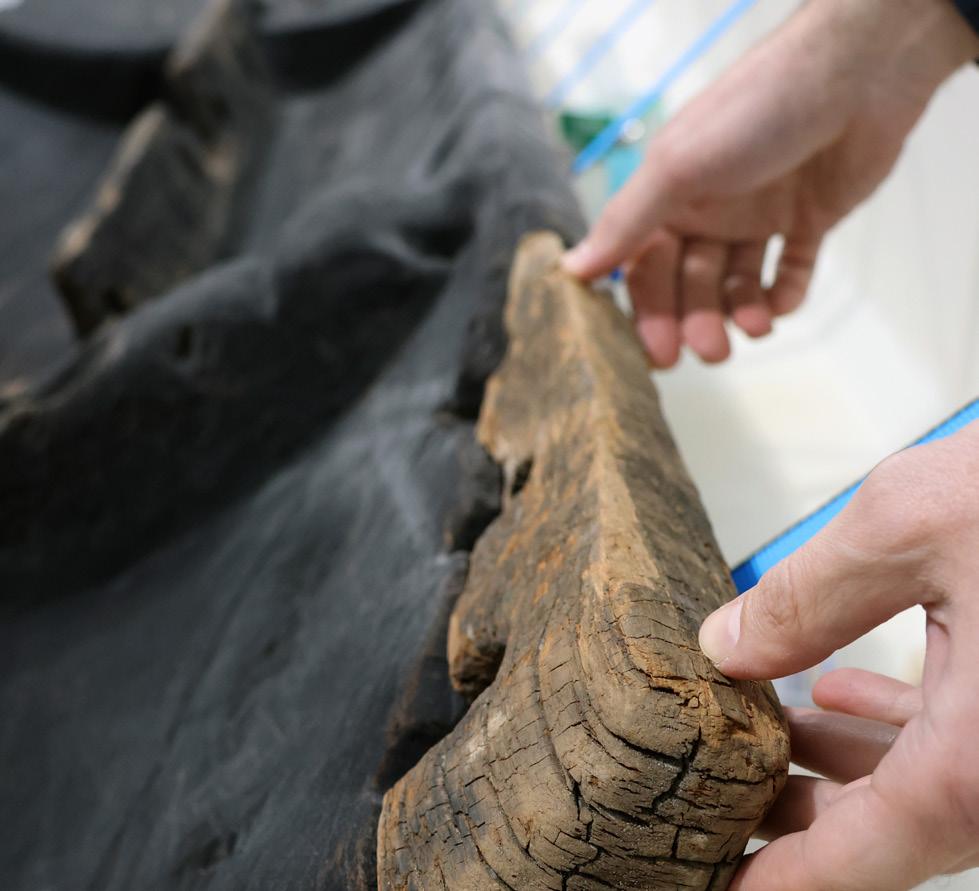
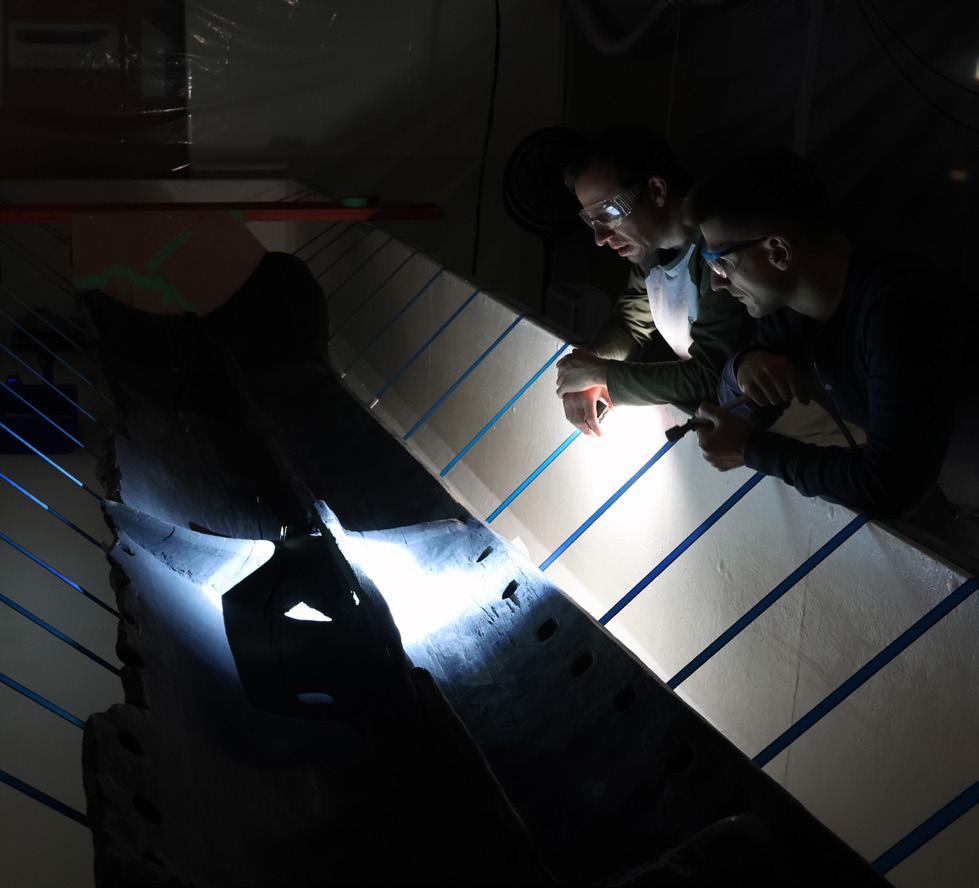
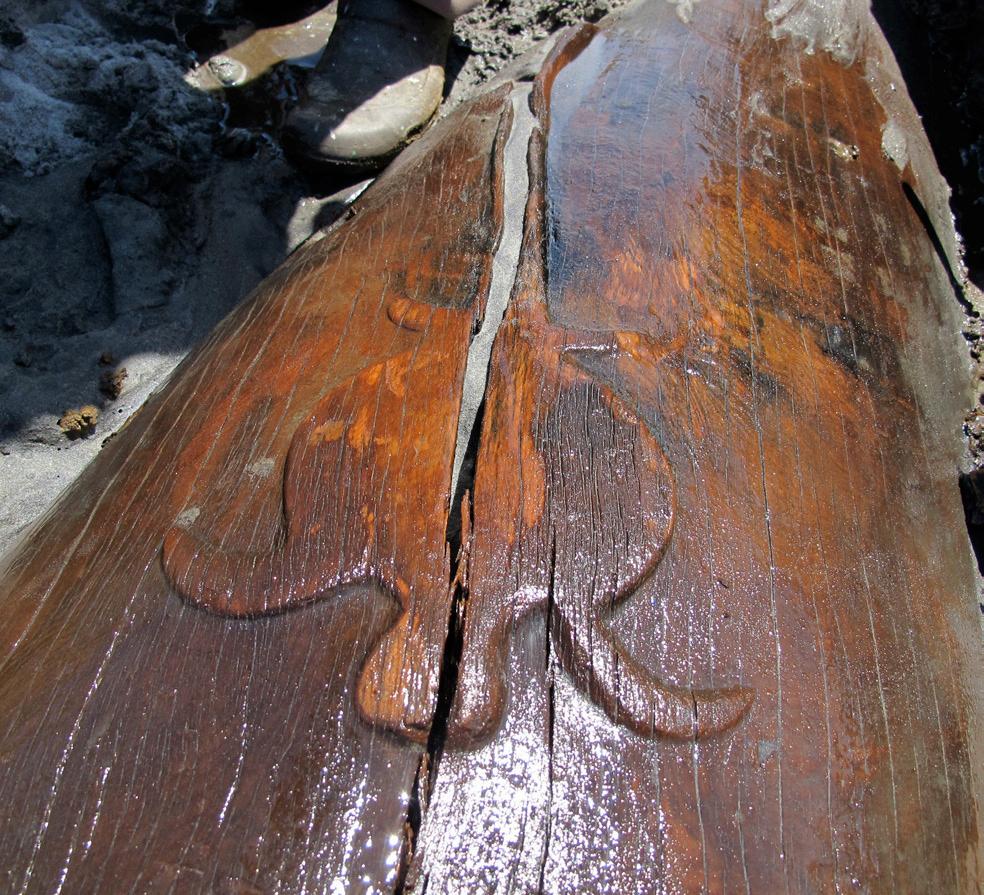
Whakaruruhau mō Te Anaweka Waka | Through this project, we are working alongside Manawhenua ki Mohua, Ngāti Rārua, Te Ātiawa, and Ngāti Kuia to secure a new whare for the preservation and display of the Anaweka Waka. Preserving and displaying the Anaweka Waka will provide an invaluable opportunity for people to connect with the waka, ensuring this important taonga continues to enrich our community and cultural heritage. You can read more about the waka in our previous annual report. Over the last year, we completed a preconcept design and strengthened our relationship with the Golden Bay Museum and Tasman District Council. Over the next year, we will be working to develop our concept and preliminary design along with supporting information.
New Marae | Realising our aspiration of establishing our own marae in the Nelson - Tasman region is a significant undertaking. We have begun by reviewing our existing property to assess whether it meets our needs and are currently in the early stages of this process. Over the coming year, our goal is to identify and confirm the most suitable location and overall scope for our proposed marae. This will involve developing a comprehensive concept plan, together with a robust business case. The business case is a critical step, as it provides information about the project’s feasibility and what is required to complete it. In addition to planning for the physical components of the marae, we are also committed to nurturing the growth of our people. Through our paepae wānanga, we are building the knowledge and capacity needed to uphold the tikanga and mana of our marae. You can read more about these initiatives under our Ahurea pou.
UPDATE YOUR DETAILS: If you have moved recently or haven’t been receiving our communications, please update your details by emailing jasmine@ngati-tama.iwi.nz. By updating your details, you won’t miss out on important news or your chance to participate in upcoming events and voting opportunities.
AHUREA
STIMULATE LEARNERS OF TE REO, TIKANGA AND WHAKAPAPA
2025 GOALS
TIKANGA AND WHAKAPAPA WĀNANGA Ongoing
TE REO MĀORI PROGRAMMES Ongoing
TAMA KŌRERO - TE REO LANGUAGE PLAN 2050 Ongoing
Each year, we come together to participate in a variety of cultural activities that strengthen our whānau connections and mātauranga. These wānanga and events offer opportunities to develop our knowledge of te reo Māori and tikanga, while also helping us build lasting relationships with one another and a stronger Ngāti Tama identity.
Here’s a quick look back at some of the highlights from our year:
Te Ipukarea
We proudly hosted Te Ipukarea on April 5th and 6th 2025, welcoming our biggest whānau turn out yet. Uri of all ages came together, entering teams in every sport which included new events like tautohetohe (debates), table tennis and whakangahau kapa haka. Although some games were cancelled due to bad weather, it was still a fulfilling weekend with many whānau sharing kai and laughs with each other.
Our favourite part was the iwi whakangāhau, where all iwi stood proudly to sing their waiata anthems. Seeing whānau of all ages participate brought a strong cultural component to Te Ipukarea and captured the spirit of who we are as Māori.
Our tautohetohe team of Te Ahu Rei, Te Atapo Matthews and Amiria-Zoey Matthews took out the inaugural win, showcasing teamwork and hard effort to walk away with a first placing.
Bringing the hype and strong inter-iwi competition was the tug-o-war, which (of course) Ngāti Tama walked away undefeated in the pakeke event.
Thank you to everyone who came and made this event so special, we look forward to next year’s Te Ipukarea which will be hosted by Rangitāne in Wairau.
Wānanga-ā-Whānau and Hui-ā-Tau
Held in Mohua/Golden Bay, this year’s wānanga was our biggest yet, a true reflection of our growing whānau connections. From Friday 6th to Sunday 8th December 2024, we started the weekend with pōwhiri at Onetahua Marae, welcoming 166 whānau members. A highlight was welcoming new whānau faces who had never been to Mohua, creating the opportunity for them to reconnect with their whenua.
Our whānau day, included a hīkoi to Taupō Point to visit the historic pā site, followed by options to visit the historic Anaweka waka, Te Waikoropupū Springs or to stay and enjoy the beach and barbeque at Ligar Bay. We wrapped up the day with a hākari at Pōhara Hall where we could relax, kōrero and enjoy time together.
Thank you to all our whānau who took the time to attend and made the effort to travel, especially those who came from afar. Your presence helped make this wānanga a meaningful and successful hui for us all.
Wānanga Kōhine
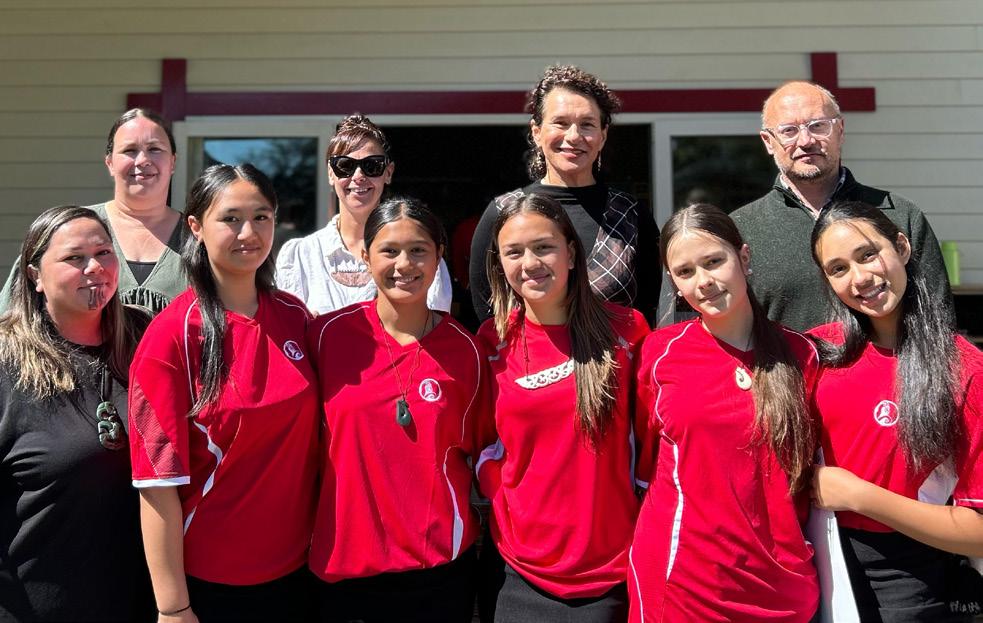
This year in partnership with Wakatū Incorporation, we supported five rangatahi to participate in the wānanga kōhine.
This wānanga was grounded in the kaupapa of reconnecting our kōhine to their ancestral whenua in Te Tauihu, offering marae and taiao based learning and discovery. Set within the beautiful back drop of Motueka and the Abel Tasman, the wānanga included a paddle into Bark Bay where we stayed at the hut for the first night, exploring the estuary and learning waiata. In the morning, we hiked from Bark Bay to Anchorage Hut, a test of endurance made more challenging by the rain and cold river crossing. We stayed at Anchorage Hut for our last night before returning to Whakatū for the final night in preparation for the whānau performance and graduation ceremony. We were proud to watch our kōhine walk in the footsteps of their tūpuna and strengthen their sense of belonging.
E mihi ana ki ō tātou kōhine, e ngā māreikura, ko Manaia Kahotea koutou ko Tyler Tapiki, ko Lola Jade Fau, ko Wairere Te Pania, ko Iyla La’auli, tēnā koutou katoa.
Kōhine from left: Manaia Kahotea, Tyler Tapiki, Lola Jade Fau, Wairere Te Pania, and Iyla La’auli - at their graduation ceremony.
Te Arikinui Kuīni Ngā wai hono i te pō visit to Whakatū
On Saturday May 17th, ngā iwi waru o Te Tauihu gathered at Whakatū Marae to welcome Te Arikinui Kuīni Ngā wai hono i te pō and her hikuroa, as part of the kaupapa ‘He Ara Whanaunga’.
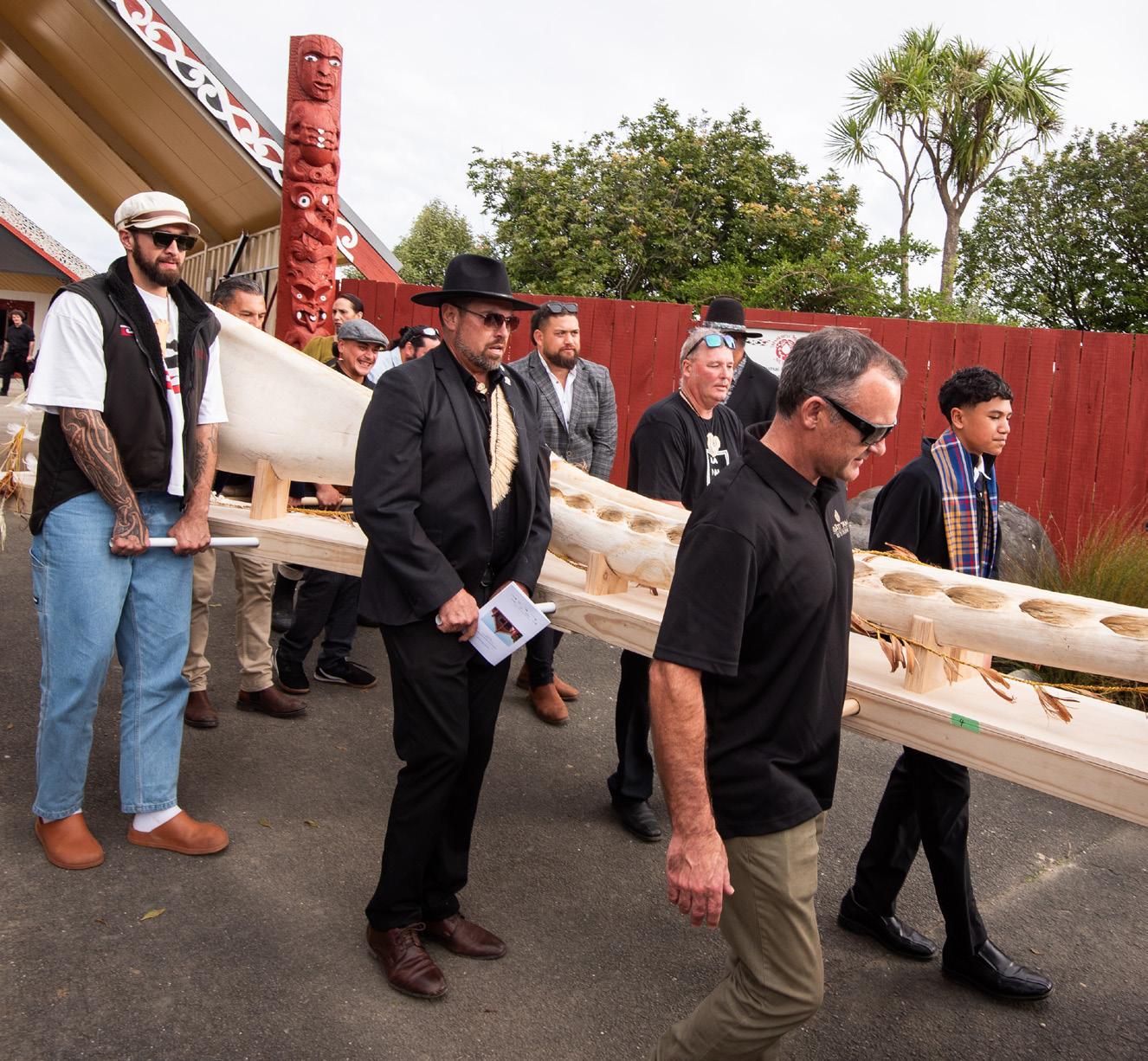
At the heart of this day was the gifting of Te Ara Maurei, the jaw and teeth from a tohorā (sperm whale).
The taonga was originally gifted to Te Arikinui Te Atairangikaahu. Sadly, she passed before it could be received and it was then gifted to Kīngi Tūheitia, who also passed before it could be presented.
It was with deep aroha that Te Ara Maurei was finally handed to Te Arikinui Kuīni Ngā wai hono i te pō, mokopuna of Te Atairangikaahu fulfilling the intent of this taonga, and honouring the whakapapa that connects to Tainui waka. With Ngāti Tama uri involvement in the kaupapa, we give special thanks to Aunty Margie and Aunty Jane our kaikaranga, Te Ahu and Te Pūoho who were on the paepae, and Butch and Iyla who carried Te Ara Maurei and the niho to present to Te Arikinui Ngā wai hono i te pō.
Puanga Dawn Ceremony
As the glimmer of Puanga and Matariki lit the skies of Te Tauihu, we gathered to honour these celestial markers that symbolises renewal, reflection and connection to the environment and our ancestors. On Saturday June 21st, 35 iwi members came together on Moturoa / Rabbit Island to mark the start of another year. Whānau were welcomed by the scent of burning offerings mingled with the crisp, early dawn air as karakia filled the shore with reverence and emotion. Whānau honoured their tūpuna and acknowledged those who had passed away throughout the year, imagining their spirits transcending this earthy realm to become stars in the night sky.
By holding this ceremony, we aim to equip whānau with the knowledge and skills to carry our tikanga and traditions forward with pride and integrity.
Wānanga Paepae
Over the past year, Ngāti Tama has been holding wānanga paepae with a small, committed rōpū of whānau, focused on growing confidence and capability within our iwi. This kaupapa is about more than learning karakia, waiata, whaikōrero and karanga, it’s about strengthening our identity, nurturing our mātauranga, and reclaiming the voices of our people on the marae. These wānanga have created a space to reconnect with our reo, tikanga, and whakapapa, while developing future leaders. By building capacity from within, we are ensuring that Ngāti Tama rangatiratanga is sustained and strengthened for generations to come.
In the following pages, Brooke, Lenaire, and Maree share reflections which we hope will inspire others to join this kaupapa.
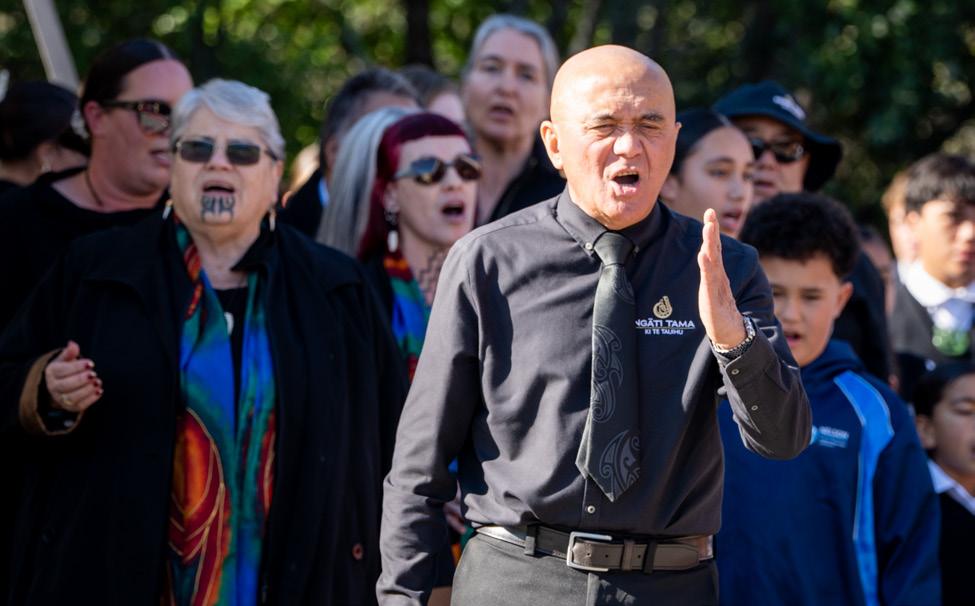
Top: Te Ahu Rei delivering whaikōrero at Te Arikinui Kuīni Ngā wai hono i te pō visit to Whakatū. Above: Butch and Iyla, along with other iwi representing Te Tauihu, handing Te Ara Maurei to Te Arikinui Kuīni Ngā wai hono i te pō. PHOTOS: Melissa Banks Photography.
WĀNANGA PAEPAE
BROOKE, LENAIRE AND MAREE REFLECT ON THEIR JOURNEY
BROOKE HAWE
Ko Parapara te maunga
Ko Pariwhakaoho te awa
Ko Tokomaru te waka
Ko Onetahua te marae
Ko Ngāti Tama ki Te Tauihu te iwi
Ko Rameka Te Ketu tōku tupuna
Ko Brooke Hawe tōku ingoa
Can you please give us an overview of your time so far at the wānanga paepae?
Stepping into this space can be overwhelming and even a bit scary at times, but our kaiako have created such a safe and supportive environment for us to learn, grow, and reclaim our indigenous practices. That sense of safety and whanaungatanga has been a consistent experience across all Ngāti Tama wānanga and events I’ve attended.
One of the most meaningful parts for me has been our kōrero around manaakitanga - what it means, and how it looks in practice, especially in the context of our responsibilities on the marae. These discussions have really stood out, because they reinforce not just who we are, but who we aspire to be. When our leaders lead by example and show us how powerful manaakitanga can be, it encourages me to show up in the same way - and to protect and uphold that way of being.
We’ve learned so much in such a short time. It’s normal to feel out of your depth, but what matters is that you keep going. Every time I do, I come away feeling more connected, more capable, and more committed to the kaupapa.
What were your expectations going into the wānanga? Did the wānanga deliver on your expectations?
The only expectations I had were of myself - to be brave, to be open, and to keep showing up, even when it’s hard. I’m a firm believer that we, as individuals, have a responsibility to engage when opportunities arise. Ngāti Tama have created this space, and our kaiako are generously sharing their knowledge, so it’s up to us to meet them halfway.
Did you have any barriers in place before heading into the wānanga? If so, how did you manage to overcome these?
I’ve faced barriers leading up to every wānanga I’ve attended - and I think I always will. Sometimes life feels overwhelming, with a million things going on, and wānanga can feel like the last thing you want to do. Other times, you’re embarrassed or scared because you don’t know what you’re doing. And sometimes, your resilience and energy just aren’t there, and you know stepping into the wānanga space can be emotionally and mentally daunting.
I experience most of these emotions in the lead-up to every wānanga. But in saying that, wānanga fills my cup like nothing else can. I almost always come out the other side tired, but invigorated and motivated to keep going and make it happen.
What key points did you take away as learnings over the wānanga?
One of the biggest learnings for me was understanding, from start to finish, what goes into kāranga. It can feel like a huge challenge, especially when you don’t know where to begin. But Rangimōkai has shown us how to draw on the knowledge we already carryto use that as a foundation to express intent and meaning, and to properly acknowledge the kaupapa, the place we’ve gathered, and the people involved.
Another important takeaway - one that comes up at every learning opportunity - is that the wānanga isn’t the only place to practise. You have to keep learning and applying what you’ve learned outside of that space too. It’s not new information, but it’s a reminder that really matters. Growth doesn’t just happen in the wānanga - it happens in the everyday moments in between.
What does Tama tū ki te Tauihu, Tama ora ki te Ao mean to you?
To me, Tama tū ki te Tauihu, Tama ora ki te Ao speaks to the strength and vitality that comes from standing proud in your identity, especially as Ngāti Tama.
It reminds me that when we show up - even when it’s hard - and stand firm in who we are, we carry that strength into every part of our lives. It’s about resilience, connection, and the life force that comes from knowing where you come from and who you stand with.
What type of tupuna do you want to be?
I want to be the kind of tūpuna that future generations are proud of - someone who inspires them to stand strong in who they are and to continue upholding the values and identity of Ngāti Tama. I want to be remembered not just for what I did, but for how I made people feel - supported, encouraged, and connected to something bigger than themselves.
LENAIRE CROCKFORD
Ko Parapara te maunga
Ko Pariwhahaoho te awa
Ko Tokomaru me Te Arawa ngā waka
Ko Ngāti Tama, ko Te Ātiawa, ko Te Arawa ngā iwi
Ko Hēnare Te Keha me Te Meihana ngā tāngata
Ko Mairangi Mason rāua Ko Herman Reiher
ōku mātua
Ko Onetahua te marae
Ko Lenaire Crockford tōku ingoa
Can you please give us an overview of your time so far at the wānanga paepae?
I was fortunate to be selected as a participant of the Paepae Wānanga, held over a series of noho wānanga in Mohua and Whakatū over the last year. We have been guided by kaiako, Rangimōkai Knuckey, Hēmi Sundgren, Te Ahu Rei, Jane du Feu and Dr Ruakere Hond. I was also fortunate to have my mother, Mairangi Reiher join us over the different wānanga.
It has been a privilege having the opportunity to increase my understanding and knowledge of karanga, karakia and waiata in a safe learning environment. Questions are always encouraged and answered in a friendly, encouraging and supportive way. Understanding and acknowledging that everyone learns at different speeds and are at different stages has helped us move forward together in a caring and reassuring way.
Learning in this caring environment supports us to realise the abilities we have. The strength comes from within as you allow it. This was evident to me where I found myself undertaking karanga at the presentation of Te Ara Maurei on to Tūrangawaewae Marae at Ngāruawāhia alongside ngā iwi o Te Tauihu and the many whānau who joined us on the day of the annual celebration of the Māori monarch’s accession and coronation, held 2nd – 6th September. This year is the first Koroneihana under the leadership of Te Arikinui Kuīni Ngā wai hono i te pō.
What were your expectations going into the wānanga? Did the wānanga deliver on your expectations?
My expectations going into the wānanga were inviting, even though I was anxious, I was put at ease with Rangimōkai’s gentle encouragement and very down-to-earth approach to facilitating the hui.
Highlights over the wānanga have been the bonds created between Tama whānau and being part of hui with facilitators such as Rangimōkai and Ruakere. Another highlight is of learning ancient karakia with Hēmi.
Did you have any barriers in place before heading into the wānanga? If so, how did you manage to overcome these?
Language trauma can be a barrier of feeling whakamā that I don’t have the reo is uncomfortable at times but also encouraging. I am sourcing more kupu to extend my reo and karanga. I was eager to increase my knowledge but hesitant hoping I would be at an appropriate level to join the wānanga. Te reo wasn’t part of my schooling years but at whānau gatherings te reo was spoken at times amongst the extended whānau. My husband Paul and I have three adult sons, Andre, Sean, and Chey. As they journeyed through school with te reo included in some of their learning is also when my journey began, supporting them with learning their whaikōrero. Fast forward a couple of decades later, I was fortunate to be part of learning karanga through Matike Mai, a Nelson Marlborough Institute of Technology three-year course. This led me to taking part in the current wānanga paepae.
What key points did you take away as learnings over the wānanga?
One of our earlier learning days, we acknowledge the different learning styles and ways of learning. For some whānau, they learnt what was needed to get through the kaupapa of the day. During the latest paepae wānanga, it really has been encouraging and supportive. It’s ok to not know or not fully understand what has been provided for you during each wānanga. Asking questions is encouraged and beneficial to understanding the kaupapa. Being part of the paepae wānanga you’re encouraged in a nonjudgemental way. I believe to move further in your learning you allow yourself to be vulnerable. Allowing yourself to sit in that space, you allow yourself to acknowledge your vulnerability and work on moving forward. To move forward, mistakes or adjustments in our learning in a positive way supports us moving forward and embracing our Māoritanga. We can only make that decision when we find the time is right for us.
What does Tama tū ki te Tauihu, Tama ora ki te Ao mean to you?
Ngāti Tama stand strong in Te Tauihu and standing together upright and steadfast we will thrive in the Māori world.
What type of tupuna do you want to be?
Encouraging, supportive and understanding. Being inclusive, taking my whānau along to hui and sharing hui opportunities. Ngā mihi maioha ki a Ngāti Tama ki Te Waipounamu Trust.
HE RANGI TĀ MATAWHĀITI, HE RANGI TĀ MATAWHĀNUI
A person with narrow vision has a restricted horizon; A person with wide vision has plentiful opportunities.
MAREE REIHER
Ko Parapara te maunga
Ko Pariwhakaoho te awa
Ko Waikoropupū te puna ora
Ko Tokomaru te waka
Ko Onetahua te marae
Ko Ngāti Tama ki Te Tauihu te iwi
Ko Te Meihana Te Ao,
ko Hēnare Tatana Te Keha ōku tūpuna
Ko Mairangi Reiher tōku whaea
Ko Maree tāku ingoa
Can you please give us an overview of your time so far at the wānanga paepae?
My journey in learning te reo Māori began when I was hapū with my eldest son, Reuben, who is now 33. My first kaiako was Vi Goodall, and our classes were held in the office above Onetahua Marae. Those were fun and special times, learning alongside my uncle, Ra Mason, John Ward-Holmes, Teri Goodall, and many others.
I attended my first wānanga, Mana Wāhine Mana Tāne, with Vi at Te Āwhina Marae in the late 1990s. Our kaiako was Nuki Tākao, and it was through this wānanga that my passion for discovering more about my identity as Māori truly began. Both Reuben and my second-born, Jessica (now 30), attended kōhanga reo at Onetahua Marae and took part in kapa haka during their college years, and I loved supporting rangatahi and being involved at the marae. My two younger sons Tomasi and Rāwiri have both attended wānanga through Wakatū Incorporation. Marae have always been, and will continue to be, the places I feel most at home to learn and grow.
It was a great honour to be selected for the Te Rākau Pakiaka wānanga in 2021. I am currently in my third year of Matike Mai wānanga with Nuki once again as my kaiako, learning about the roles of wāhine and tāne on the marae. This learning has been invaluable in strengthening my confidence to provide guidance and promote biculturalism within my workplace and also to step into the role of Co-Chair at Onetahua Marae.
In September, our Ngāti Tama whānau gathered at Whakatū Marae for our paepae wānanga. I arrived on Saturday morning, excited to reconnect with whānau. We began the day with our kaiako Rangimōkai, who explained the meaning behind a new waiata, while Hanna taught us the rangi. We explored the significance of karanga, each sharing our own with the rōpū, supported by Rangimōkai’s guidance and encouragement. Practising on the mahau helped many of us feel more at ease and confident.
In the afternoon, Hēmi shared precious taonga kōrero handed down to him, along with stories of Ngāti Tama’s occupation in Taranaki. He reminded us of the importance of learning our history, our marae, whakapapa, and tikanga, and encouraged us to carry this knowledge forward.
Going into the wānanga, my hopes were to strengthen whanaungatanga and expand my reo Māori. Reconnecting with whānau is always a highlight for me, and building confidence in karanga has helped reduce my anxieties about standing on the mahau. Learning new karakia and waiata is both enjoyable and vital, adding to the collective voice of Ngāti Tama. These expectations were all met, and I felt supported to learn, to ask questions, and to show vulnerability in a safe and encouraging environment.
One of the highlights was the intimacy of the smaller group, which allowed for stronger bonds, deeper kōrero, and the sharing of whakaaroaro and personal experiences. For me, learning whakapapa, karakia, tikanga, and waiata is both important and a privilege. This wānanga strengthened my identity, deepened my connection to our tūpuna, and reinforced my commitment to ensuring our reo and traditions endure. It is a gift to learn, to uphold, and to pass these taonga to future generations.
I am especially grateful for the manaakitanga shown by our amazing kaiako – Rangimōkai, Hēmi, Te Ahu, and Hana – who created a space of openness, honesty, and genuine care. Although I sometimes worry about remembering everything shared, I record kōrero and take time afterwards to reflect and make notes. Having my mum, Mairangi, and my sister, Lenaire, alongside me at these wānanga has also been special, as we are able to support each other in our mahi and prepare together before the next wānanga.
Tama Tū ki Te Tauihu, Tama Ora ki Te Ao – those who are willing to take their place at the front, to lead and uphold responsibility, will thrive in life. For Ngāti Tama to flourish, we must each be willing to step forward, embrace our roles, and lead with strength and pride.
I aspire to be a tupuna who shares knowledge, upholds tikanga and reo, nurtures whānau with aroha and manaakitanga, creating pathways so that my mokopuna and future generations of Ngāti Tama will stand with confidence, embrace their identity, and carry forward the wisdom of our tūpuna.
At our wānanga, learning is not an individual journey but a collective one. Ehara taku toa i te toa takitahi, engari he toa takitini – our strength comes from standing and learning together. On the marae, we each bring our own kete of knowledge, and as Nāu te rourou, nāku te rourou, ka ora ai te iwi tells us – by sharing, we nourish the whole iwi. He waka eke noa reflects the way we paddle as one, supporting each other to grow in reo, tikanga, and whakapapa. Through listening and reflecting – Mā te rongo ka mōhio, mā te mōhio ka mārama – we move towards deeper wisdom, while striving always for new horizons as Ko te pae tawhiti, whāia kia tata encourages us to do. Together, these whakataukī remind us that knowledge is strengthened and carried forward when we learn as one whānau, guided by our tūpuna and united in our purpose.
TE WHAI I TE REO
WE ARE PROUD TO SHARE KŌRERO FROM ETERNITY AS SHE REFLECTS ON ON HER REO JOURNEY
How did your learning journey begin?
I grew up in Ōtautahi with my mum and siblings, in an Englishspeaking home. My first introduction to te reo Māori as I remember it, came from my Nana, Tiny Bailey-Tākao. Looking back, I realise she wasn’t a fluent speaker. But as a child, I felt as though she was. She always used the reo she did have and more importantly, she lived as Māori. Her wairua, her actions, her way of life, that was all Māori, and it left a lasting impression on me.
My Nana moved home to Te Tauihu, we followed her. I attended Nayland College and my kaiako was Aunty Jane du Feu. Moving here was different, people already knew my whānau, they knew there were reo speakers among them and so assumed I was one too. That assumption weighed on me. At 15, I decided to do something about it and enrolled in a night class for te reo Māori. Eventually I enrolled in full-time reo studies at NMIT and immersed myself for two years. From there I began working at Te Kōhanga Reo o Te Āwhina. Since then, my path has carried on through attending more classes and wānanga.
The reo is endless and so too is my journey with it.
Who has contributed most to your reo journey?
When I think about who has contributed most to my reo journey, I feel overwhelmed with gratitude. My grandparents, my parents, my siblings, my aunties and uncles, my cousins, my irāmutu, my partner, my in-laws, my kaiako, my friends, my iwi and my hapori have all played a huge part. But mostly, it is my babies at Te Kōhanga Reo o Te Āwhina. Every day they remind me why this journey matters and every day they teach me as much as I teach them.
“KEI
ŌKU KAUMĀTUA, PAKEKE, TUĀKANA, TUNGĀNE, HOA, TAKU IPO, ĀKU KURU
TONGAREREWA - NĀ KOUTOU KATOA AHAU”
What have been the challenges in your learning journey?
The biggest challenge in my reo journey has been confidence, the fear of getting things wrong. For a long time, I hesitated to speak Māori in front of whānau, friends or even colleagues. While I believe I have come a long way from where I first started, the whakamā is still there and it is something I am continually working to overcome.
Why is reo so important to you?
Te Reo Māori is important to me because it is part of who I am, it is me, it is us. It connects us to our tūpuna, their stories and their wisdom. It is more than words; it is our identity and belonging. Without it, a part of us is missing.
What does “Tama tū ki te Tauihu, Tama ora ki te Ao” mean to you?
“Tama Tū ki te Tauihu, Tama Ora ki te Ao” is a reminder of resilience and responsibility. It calls us to stand strong in our tuakiritanga, honour the richness of our rohe and carry that strength into the wider world. It encourages us to live proudly as uri of Ngāti Tama, in our homes, our hapori and beyond.
ETERNITY TĀKAO
Ka ū a Tokomaru ki Aotearoa nei
Ka takahia te mata o te whenua
Ka piki au ki te tihi o Horoirangi
Ka titiro ki te waipuna o Wakapuaka e rere ana
Ka tau ki runga i a Whakatū
Ko te reo maioha tērā o Paremata Te Wahapiro
He uri o Ngāti Tama
E ko koia
E ara e
Ko Eternity Tākao tōku ingoa
What type of tupuna do you want to be?
I want to be a tupuna who leaves a strong foundation for future generations, one who has fought for our rights as Māori so my mokopuna won’t have to. Humble in my being but strong in my beliefs, someone my whānau can learn from and feel safe doing so. He tupuna e aroha ana ki ngā tāngata katoa ahakoa ko wai, ahakoa nō hea.
What is your advice to whānau wanting to jump on the waka for their own reo journey?
It’s never too late to start. Consistency is key. Immerse yourself wherever you can - waiata, podcasts, pukapuka, Disney reo Māori, it’s all around us. And most importantly, patua te whakamā, nau mai te hapa. I need to take that advice for myself too.
2025 GOALS
Ka Uruora
AHUMAHI
DEVELOP OPPORTUNITIES TO LIVE AND WORK IN TE TAUIHU
INTERNSHIPS IN THE NTWT GROUP In development
WORK PLACEMENTS IN TAMA INVESTED INDUSTRIES In development
TAMA-INVESTED HOUSING OPTIONS FOR WHĀNAU Ongoing
Ngāti Tama proudly continues to engage with and support Ka Uruora Te Tauihu as our key initiative to help whānau access warm, dry, healthy homes. As a collective iwi entity, Ka Uruora shows the benefits and collective strength of iwi working together for whānau. Following a successful launch in May 2023, Ka Uruora has continued to build momentum and provide support to whānau. Ka Uruora iwi membership has expanded from the four founding iwi members; Ngāti Tama, Ngāti Rārua, Te Ātiawa and Rangitāne, to also include Ngāti Kuia and Ngāti Toa Rangatira. Ka Uruora has three core pou:
Te Uru Ahupūtea – Financial Education
This initiative equips our whānau with the tools and knowledge necessary to secure their financial futures, covering budgeting to informed investment decisions. The financial education programme serves as the foundational platform to access kāinga opportunities. We are pleased to share that 50 registered Ngāti Tama members participated in the financial literacy course throughout the last financial year.
Te Uru Tahua – WhānauSaver
WhānauSaver is a powerful and innovative savings platform that will help grow wealth for current and future generations. Originally developed by Te Kotahitanga o Te Ātiawa, Te Kāhui o Taranaki and SuperLife, the programme allows whānau to start saving from birth, with contributions possible from parents, grandparents, wider whānau, and iwi.
The launch of WhānauSaver in Te Tauihu was marked in November 2024, and it is encouraging to see that Ngāti Tama whānau have responded positively to this initiative. To date, 35 Ngāti Tama members have registered with WhānauSaver, establishing a solid foundation for long-term financial independence and intergenerational prosperity.
We’re excited about the impact this initiative will continue to have and encourage all whānau to get involved.
Te Urunga Kāinga - Housing Solutions
Through this partnership, another two affordable rental housing projects have been delivered across the motu –Kaweka in Tāmaki Makaurau and Te Piringa mai ki Te Aro in Te Whanganui-a-Tara
Through the mixture of kāinga solutions, Ka Uruora have supported 11 Ngāti Tama members into new homes, whether it be via affordable rental, community rental or outright ownership.
Closer to home here in Te Tauihu, we have seen pleasing progress on the Wairau kāinga project, Waikārapi. The site is 4.5 hectares and could potentially support about 90-100 homes. At the time of writing this report, whānau are invited to attend pre-release sessions to learn more about what is on offer. Click here to find out more about more Waikārapi.
We invite whānau to explore Ka Uruora’s services.
Learn more at: https://kauruora.nz/ka-uruora-te-tauihu/ or contact one of our Pou Tūhono: tehaupanarae@kauruora.co.nz or quilla@kauruora.co.nz
Ngāti Tama Summer Internship
Over summer 2024/25, Daisy Hawkins was appointed as our first office intern.
Daisy brought a positive and enthusiastic attitude to our team during her internship. She was curious and eager to learn, making her a great addition to our office. Daisy’s friendly nature and willingness to try new things helped her fit in quickly. Daisy helped with our GIS storytelling project gathering information which will help connect whānau with the journeys of their tūpuna and stories of our whenua.
This internship was a valuable opportunity for both the tari and our rangatahi, providing hands-on experience and fostering professional growth in a real-world environment. The internship helps develop opportunities to work in Te Tauihu and abroad by equipping rangatahi with work experience.
Photos from the opening of Kaweka and Te Piringa mai ki Te Aro
AHUWHENUA
ENHANCE OUR SIGNIFICANT LANDS AND WATERWAYS
GROUND-TRUTH OUR SIGNIFICANT AREAS AND WĀHI TAPU Ongoing
2025 GOALS
IDENTIFY CULTURAL VALUES AND USES FOR OUR WATERWAYS Ongoing
PROTECT AND ENHANCE TE TAIAO Ongoing
Highlights from Pou Taiao
As kaitiaki, one of the primary instruments utilised to safeguard and enhance our taiao is the resource management framework. When activities are proposed within areas of interest in our rohe, we conduct reviews of applications and provide recommendations regarding conditions or measures that should be incorporated into consents or concessions. Over the past year, our Pou Taiao addressed 230 consent and concession matters, underscoring the significant role this process plays in our daily operations.
Working together for the taiao
We recognise that kotahitanga, or unity, is essential to achieving positive outcomes for our environment, the taiao. As a small team, we are aware that meaningful and impactful changes cannot be achieved in isolation. Therefore, our approach is to foster partnerships with other iwi, government agencies, local government bodies, and philanthropic organisations. Through these collaborations, we can enhance our own workstreams and broaden the reach and effectiveness of our initiatives.
Outlined below are some of the key collaborations that support and strengthen our collective efforts for the taiao.
Kotahitanga mō te Taiao | Kotahitanga mō te Taiao is a collaborative initiative, co-chaired by the Department of Conservation and Hēmi Sundgren that brings together iwi, local Councils, and Government agencies—comprising 17 partners across Te Tauihu. The kaupapa is rooted in
the shared vision of restoring and enhancing 3.4 million hectares of land and sea, recognising that both people and nature flourish when cared for at a landscape scale. The partnership is a powerful demonstration of collective leadership, Hēmi’s role as co-chair is pivotal. Hēmi ensures that iwi perspectives and mātauranga Māori are woven into decision-making, and that outcomes reflect aspirations for the whenua, moana, and future generations.
Strategically, Kotahitanga mō te Taiao is focused on environmental restoration, strengthening cultural connections, and creating social and economic benefits for the region. These goals are closely aligned with Ngāti Tama’s enduring commitment to upholding the cultural, spiritual, and environmental integrity of our rohe. Manawhenua ki Mohua (MkM) | MkM is an umbrella entity for the three manawhenua iwi in Mohua; Ngāti Tama, Ngāti Rārua, and Te Ātiawa. MkM is made up of whānau who whakapapa to Mohua, and a representative from each of the three Iwi Trusts. MkM seeks to uphold the cultural, spiritual, and environmental integrity of the rohe for past, present and future generations.
Motueka Catchment Collective (MCC) Steering Group |
The MCC is a collective of local community members who aim to facilitate community action to enhance freshwater wellbeing across the Motueka catchment. We are represented on the steering group which leads the collective.
Te Mana o Te Wai | A collective work programme for ngā iwi of Te Tauihu and the three local Councils to develop a policy framework that implements Te Mana o Te Wai in the Councils’ freshwater planning tools.
Wakapuaka Taiāpure | Ngāti Tama, in partnership with Te Ātiawa, Ngāti Rārua, Tourism New Zealand, Mojang, Warner Brothers, and Māori-led creative agency Piki Studios, has helped bring the whenua of Rākauroa to life in the virtual world of Minecraft. This collaboration is a powerful example of how tikanga Māori and storytelling can thrive in new spaces, connecting our whānau to the world through technology, creativity, and manaakitanga.
Kura Taiao
Empowering Whānau for Environmental Guardianship
Over the past year, we have launched a new initiative designed to support whānau who are engaged in environmental work within our rohe. Our Kura Taiao programme is structured to run over two years and features a series of wānanga. The purpose of these wānanga is to enhance the confidence, capacity, and capability of our people, equipping them to safeguard te taiao on behalf of our iwi and community.
Our first wānanga took place in September 2024. During this gathering, we worked together to capture the aspirations of participants for the programme. We also identified areas in which whānau felt they would benefit from additional support, ensuring our approach is responsive to their needs.
Key pillars of the Kura Taiao programme include a focus on the health of our awa (rivers) and puna (springs). We recognise taonga species, such as kākahi (freshwater mussels) and tuna (eels), as important indicators of wider taiao health. Their wellbeing reflects the overall state of our waterways and guides our efforts in restoration and protection.
In addition, we are undertaking a review of our response to tohorā (whale) strandings. This process aims to give us a clearer understanding of how we collectively respond to these events and to help us confidently identify the role we want to uphold in such situations.
Cultural Health Monitioring Programme
In partnership with Manawhenua ki Mohua (MkM), a dedicated cultural health monitoring programme has been initiated in direct response to concerns for Te Waikoropupū Springs and the Wharepapa Arthur Marble Aquifer, following the Water Conservation Order established in 2023. This initiative recognises the unique role of mana whenua as kaitiaki, ensuring that the
spiritual, cultural, and ecological values of these taonga are both respected and protected.
The programme combines mātauranga Māori with scientific methods to assess the health of the springs and aquifer. Regular site visits, water quality observations, and cultural health indices are used to monitor changes over time, providing a holistic view of the state of these precious water bodies. Whānau and iwi members actively participate in data gathering and reporting, weaving traditional knowledge and lived experience into the ongoing stewardship of these waterways.
Over the past year, we have completed a thorough review of our cultural health monitoring mahi and reports, which has enabled us to refine and establish a robust methodology for assessing our waterways. Baseline monitoring was undertaken to provide a clear starting point, and a framework for ongoing routine monitoring has now been put in place to ensure consistency and reliability in our data collection. In addition, through our GIS programme, we have implemented a new tool that enables all information to be collected directly via mobile phones during monitoring activities, streamlining the process and enhancing the accuracy and accessibility of our records.
Through this collaborative approach, the cultural health monitoring programme not only meets the requirements of the Water Conservation Order but also strengthens the connection between people and place. It empowers whānau to advocate for the protection of Te Waikoropupū, ensuring that these sacred waters are safeguarded for present and future generations.
We would like to acknowledge Bronwynn Billens, Syd Eru, Raelene Mason, and Willow Milligan for their invaluable contributions to this kaupapa.
TOITŪ TE MARAE A TĀNE, TOITŪ TE MARAE A TANGAROA, TOITŪ TE TANGATA IF THE LAND IS WELL AND THE SEA IS WELL, THE PEOPLE WILL THRIVE
Willow (front), Syd and Bronwynn measuring nutrients in the awa.
TAMA ASSET HOLDING COMPANY
CHAIR REPORT
TRUSTEE DIRECTOR
TAHC
Directors are happy to share with whānau how Tama Asset Holding Company (TAHC) has been performing over this past financial year, up to 30 June 2025. Even though times have been tough for many in Aotearoa, our investments have performed very well. We’ve made sure our investment portfolio is appropriately diversified, so we can keep supporting the Trust and growing what we have for our tamariki and mokopuna. We’re proud that our investments bring in steady income that support the Trust’s strategic direction and tribal development programme, while also preserving and growing our settlement assets for future generations.
This year, after covering all our costs and taxes, we achieved a net profit of $7.8 million, an annual return of 10.9%. In other words, for every $100 we managed, we earned about $10.90.
We’ve maintained the same investment strategy as previous years, and it’s working well for us. Here’s what we do:
1 We partner with other iwi in Māori investment groups like Hāpai and Pūainuku, so we can achieve more, collectively.
2 We keep improving how we manage our forestry land, fishing quota, and aquaculture.
3 We have carefully diversified our investments, to ensure we have enough cash to support our obligations to the Trust and for investment into new opportunities.
4 We are strategically and operationally aligned with the Trust to support the broader goals and aspirations of Ngāti Tama. By investing wisely, we generate returns that empower the Trust to fulfil its purpose across social, cultural, and environmental kaupapa.
Our Investments
We are one of the founding partners of a collective property investment fund, Hāpai alongside five other iwi from across Aotearoa. Hāpai is our primary way of investing in property, and it allocates capital into three defined asset classes: commercial property, residential property, and land for redevelopment. Today, more than 36 iwi and Māori partners are involved. TAHC has paid $16.9 million of a total commitment of $17.5 million into these funds.
Hāpai Commercial owns eight buildings, two of which were developed and completed this year. With an estimated value of $310 million, these properties are occupied by reputable tenants to mitigate tenancy risk. Income generated from this portfolio is distributed monthly allowing us to provide ongoing support to the Trust. This fund employs interest rate hedging strategies to protect against changes in interest rates, thereby maintaining stable and reliable income.
Hāpai Housing has three build-to-rent developments in Auckland (Moroki and Kaweka) and Wellington (Te Piringa mai ki Te Aro), offering a total of 114 homes with one to three bedrooms. Three Ngāti Tama whānau currently live in these homes. We’re also helping build eight new three-bedroom homes in Waimea, Richmond. Providing, safe, affordable rentals with a pathway to home ownership.
In partnership with Ka Uruora, Hāpai Housing is also developing land at Wairau Hospital in Blenheim (Waikārapi), adding more affordable rental and ownership opportunities for our iwi communities in Te Tauihu.
Hāpai Development adopts a long-term approach, by investing in land with rezoning potential. One of our investments, in Beachlands South with the NZ Superfund, recently secured approval to rezone 255 hectares in Southeast Auckland, marking a key milestone for future development.
Waari Ward-Holmes CHAIR TAHC
Jo Hanita DIRECTOR TAHC
Tony Sewell
Toni Grant
Meg Matthews DIRECTOR
Anthony (Butch) Little
Pūainuku whānau is an agri-business collective which we invest in with other iwi. Now, more than 16 iwi and Māori partners are involved, and TAHC has committed $8.7 million into these funds. It has three defined funds:
• Pūai Tangaroa LP – We own shares in crayfish (kōura) quota, and we lease out our yearly catch to Tātai Kōura (previously Port Nicholson Fisheries). This allows us to be a part of the kōura business without upfront costs.
• Pūainuku Pastures LP – We own a 13% share in Dairy Holdings Limited, the largest dairy farm holdings in Aotearoa which is known for its exemplary land management systems.
• Pūainuku Vines LP – Holds vineyard land in Wairau, which is leased to Giesen Wines. The rent is adjusted annually to inflation to maintain its real value over time.
Aquaculture remains a key focus for us due to the significance of our settlement rights, which primarily consist of aquaculture areas in Te Tauihu which is managed by Maara Moana. We own an equal part of the Maara Moana Group with other Te Tauihu iwi utilising most of this space through 335 mussel lines in Golden and Tasman Bay, while leasing out the rest for a strong risk adjusted return.
Leasing out our forestry land is a big part of what we do (it’s about a third of our assets). This has been reliable, providing steady annual income. We own 13,300 hectares of forestry land, with leases assessed on an agreed review cycle to ensure long-term sustainability. Recent floods caused only minor damage to our forests in Kaiteretere and Mārahau, reminding us to prioritise responsible management practices that minimise impact to our neighbouring communities. In addition to our forestry lands, we also lease property to organisations such as the Ministry of Education and Plant and Food Research. This year, we completed our seven-year rent review with the Ministry of Education which resulted in rental increases of approximately 65%.
We allocate around 15% of our portfolio onto growth funds, including overseas investments to spread our risk. These funds can be volatile at times, but overall, they contribute to the overall balance and long-term growth of our putea.
This year, our managed funds returned 11.9%. We plan to keep about 15% of our investments in these funds, using different managers who each bring their own skills and experience.
Te Pouwhenua ki Te Mamaku - Tasman School (situated near the ancient pā site of Te Mamaku along the Kina Peninsuala Coastline). Carver: Tim Wraight.
Tama Asset Holding Company
For the year ended 30 June 2025 NOTES * Managed funds are net of
TAHC Asset Mix as at 30th June 2025 $86.5m total TAHC assets
TAHC Financial Performance and Position
The Financial Performance table shows how TAHC did over the past financial year.
• We earned $2.37 million from direct investments and $1.04 million from managed funds.
• Next year, we’ll continue our focus on direct investments, and we expect more income from Hāpai Commercial and Housing as their projects finish and start generating cash returns.
• Our running costs were as expected, and as we grow, we expect to improve our operational efficiency.
• The value of what we own went up by $5.63 million, strong contributors to this were forestry, aquaculture, Pūainuku Pastures, and Hāpai whānau.
You can see a breakdown of all Ngāti Tama’s commercial assets, including quota shares, in the pie chart on page 42.
Overall, we had a solid year, especially considering our portfolio is weighted to income generating assets which usually have more modest returns. Our total return on assets for the year was 10.2%
Our plans for next year
TAHC directors and the Trust’s trustees will review our investment policy and confirm our plan for the next three years. We believe our current approach is working well, so we’ll keep focusing on direct investments and making sure our current investments are performing as they should. We’ll keep looking at new opportunities that fit our strategy and always align our approach with the Trust to make sure our investments help achieve cultural, social, and whānau goals.
Our main focus areas are:
1 Keep working closely with other iwi through groups like Hāpai and Pūainuku whānau, so we can get the best returns collectively.
2 Stay involved in aquaculture, fishing, forestry, and property, making sure we manage these efficiently and look after the environment. We’re also planning and assessing our long-term strategy of our forests, especially after recent floods.
3 Continually assess our investments in managed funds with our independent advisor, choosing best in class managers and making sure we have enough cash for obligations and new opportunities.
4 Support the Trust’s vision and goals, including helping Hāpai and Pūainuku create wider benefits like better access to housing and jobs.
Overall, we expect our profits to keep growing in a steady way, so we can continue supporting Ngāti Tama.
Our Team
This year, we said goodbye to Tony Sewell and Toni Grant, who have helped shape our success over the past nine years, especially in property and aquaculture. Wewelcomed Joe Hanita and Meg Matthews to the Board, and we’re excited about the new skills and experience they bring.
We thank the Trust office staff for their support this year, with special mention to Hēmi Sundgren (CEO), Robert Hovenden (Group Accountant), and Jenna Neame (General Manager) for their valuable contributions as the Senior Leadership Team.
Nā reira, tēnā koutou, tēnā koutou katoa
Waari Ward-Holmes
Butch Little
Toni Grant (term ended June 2025)
Tony Sewell (term ended December 2024)
Joe Hanita (appointed January 2025)
Meg Matthews (appointed July 2025)
FINANCIAL OVERVIEW
NGĀTI TAMA GROUP
NGĀTI TAMA GROUP - NET ASSETS, OPERATING PROFIT AND DISTRIBUTION
The Ngāti Tama Group Operating Profit before Tax and Distributions has grown as we have invested into direct investments in a patient and disciplined manner. Note, managed funds are not included in the Operating Profit. The distribution from TAHC to NTWT was $2 million.
Whānau at Taupō Point, Mohua, AGM 2024.
Ngāti Tama ki Te Waipounamu Trust
Ngāti Tama ki Te Waipounamu Trust
NATIONAL IWI LEADERS
Butch Little - Representative
Hēmi Sundgren - Representative
TE KOTAHI O TE TAUIHU CHARITABLE TRUST
Hēmi Sundgren - Trustee
TE TAUIHU FISHERIES FORUM
Fred Te Miha - Representative
Ānaru Stephens - Representative
Ō TĀTOU MĀNGAI
OUR REPRESENTATION DURING FY25
KOTATO LIMITED
Toni Grant - Director
WHAKATŪ MARAE LAND TRUST
Moetū Tuuta - Trustee
TWAM AND TTI IWI CHAIRS FORUM
Butch Little - Representative
Hēmi Sundgren - Representative
KOTAHITANGA MŌ
TE TAIAO ALLIANCE
Hēmi Sundgren - Co-Chair
TE MĀTĀWAI
Te Ahu Rei - Representative
KA URUORA TRUST
Hēmi Sundgren - Chair
CARE AND PROTECTION PANEL
Jane du Feu - Representative
REGIONAL INTERSECTORAL FORUM
Hēmi Sundgren - Member
MAARA MOANA LIMITED
Toni Grant - Director
WHAKATŪ MARAE KŌMITI
Ānaru Stephens - Member
Dan Solomon - Alternative Member
MARLBOROUGH DISTRICT COUNCIL, NELSON CITY COUNCIL AND TASMAN DISTRICT COUNCIL
TIAKINA TE TAIAO LIMITED
Ānaru Stephens - Director
HĀPAI WHĀNAU
Tony Sewell - Director
BROOK WAIMĀRAMA SANCTUARY TRUST
Deryk Mason - Trustee
MANAWHENUA KI MOHUA
Margie Little - Chair
TE KĀHUI MĀTAURANGA O TE TAUIHU
Te Ahu Rei - Representative
SUTER ART GALLERY IWI KOMITI
Butch Little - Representative
Hēmi Sundgren - Representative
MĀORI RUGBY BOARD TE TAUIHU
Ānaru Stephens - Representative
Te Ahu Rei - Representative TE PŪTAHITANGA
Nikki Jones - Representative
TE KĀHUI HAUORA
Leanne Manson - Trustee
NELSON MUSEUM IWI KŌMITI
Te Ahu Rei - Representative
Whānau hīkoi to Taupō Point, Mohua, AGM 2024.
PURUTIA MAI TE TĀURU O TE RANGI
KIA TINA, KIA WHENA
KIA TOKA TE MANAWA ORA!
TINA TOKA TE MANAWA ORA KI WHEA?
TINA TOKA TE MANAWA ORA KI A
RANGINUI E TŪ IHO NEI
KI A PAPATŪĀNUKU E TAKOTO AKE NEI
KIA RARAU IHO RĀ NGĀ TAPUWAE O TĀNE
TĒNEI TE PŌ NAU MAI TE AO
E RONGO WHAKAIRIHIA AKE KI RUNGA
KIA TINA! TINA! HUI E! TĀIKI E!
Whānau exploring Wainui Bay, Mohua, AGM 2024.
WHAKAPĀ MAI | CONTACT US
NGĀTI TAMA KI TE WAIPOUNAMU TRUST 74 Waimea Road, Nelson 7010