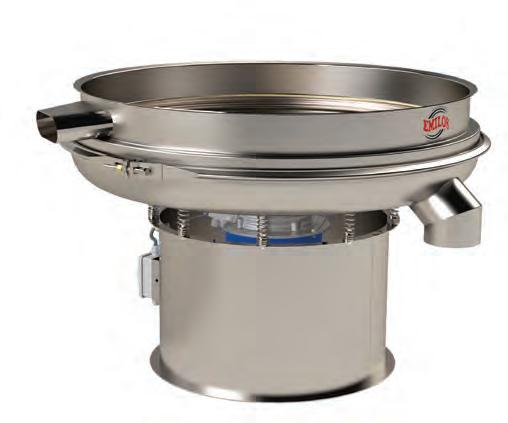
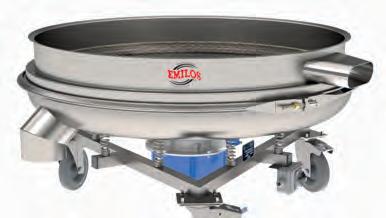
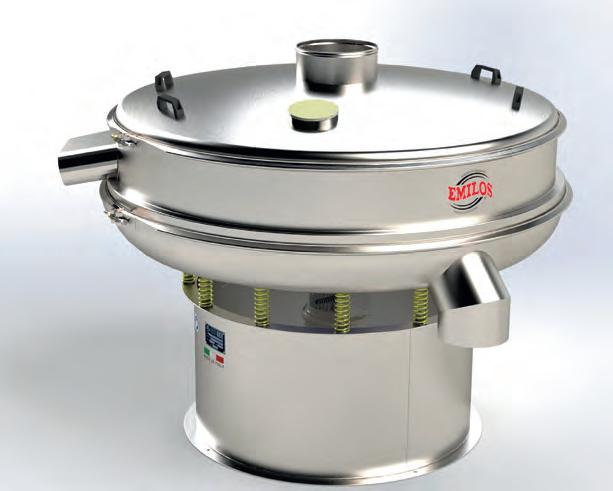
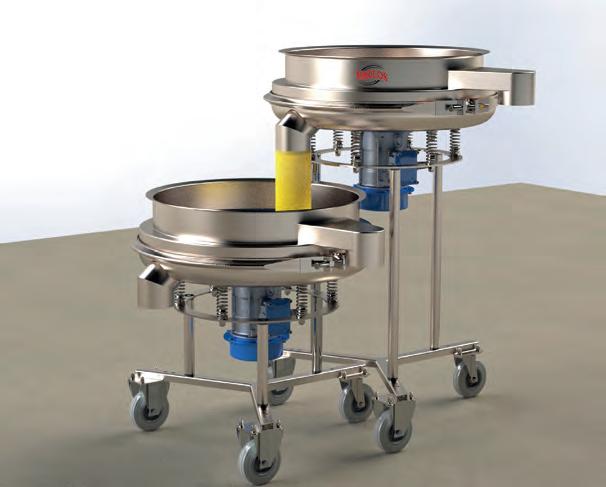
Our passion for screening was conceived at the end of the 1970s
We have always demonstrated intuition and enthusiasm, thanks to which we have successfully established ourselves in the world of screening.
Our way of working is characterised by a high level of flexibility, which allows us to obtain significant immediate results
Direct contact with customer issues constantly stimulates our planning.
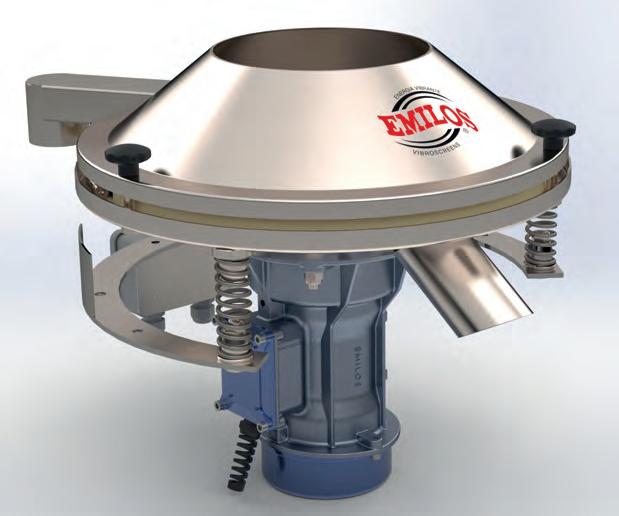
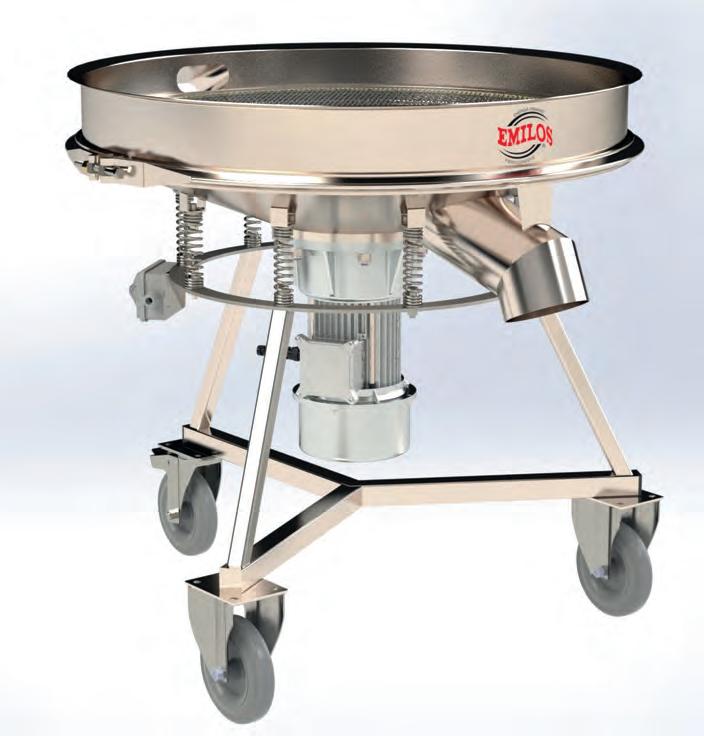
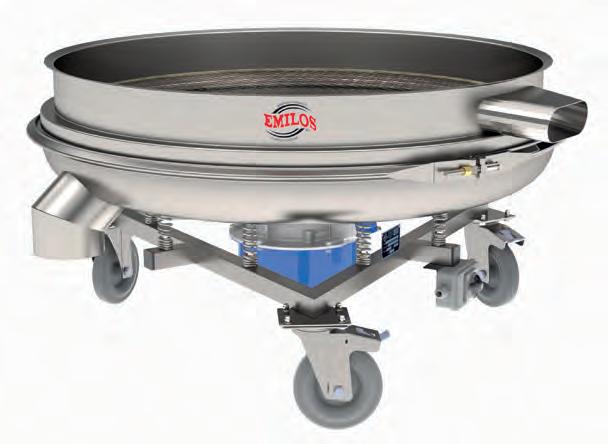
We offer an absolute guarantee of quality, and we have always guaranteed optimum operation of the vibrating screen made ad personam
We are a 100% Made in Italy company; every one of our vibrating screens is entirely made in-house.
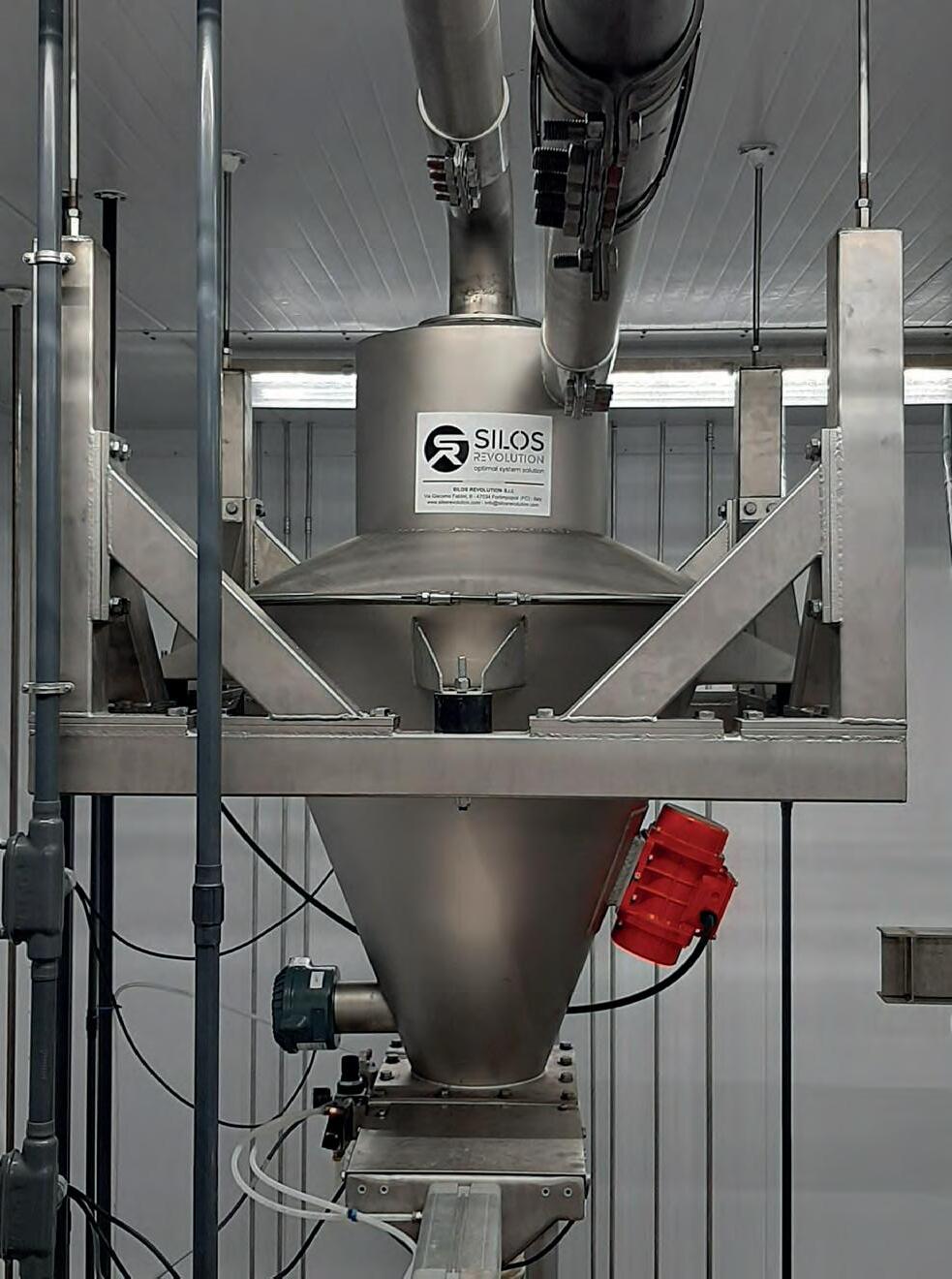
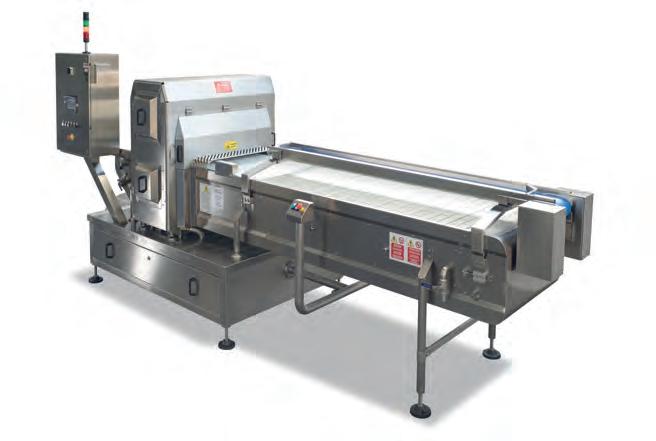
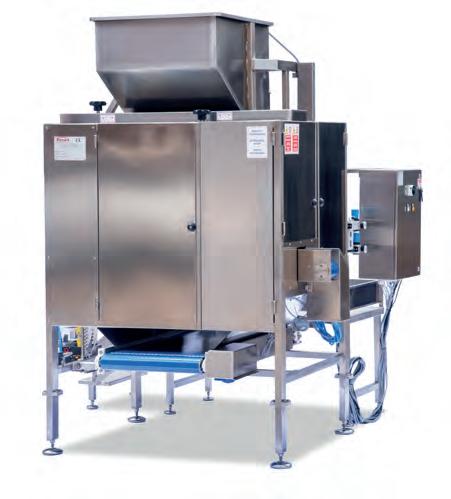
Our vibrating screens are able to cope with very difficult screening and high hourly flow rates, thanks to the special vibrating motors installed, designed to operate continuously 24 hours a day, 365 days a year.
www.emilos.it
The leading trade show for the global fresh produce business.
01-36
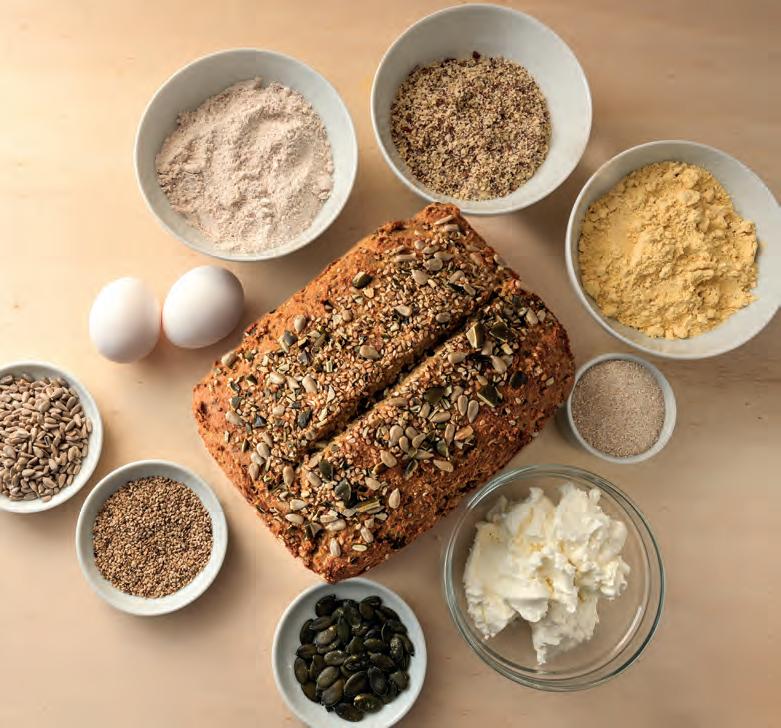
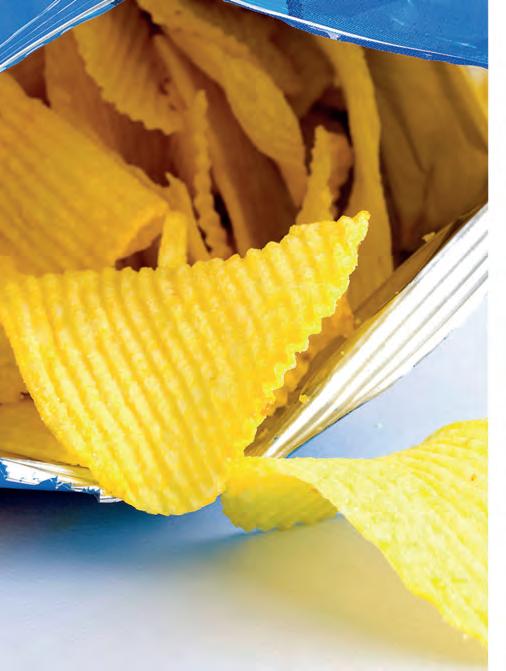
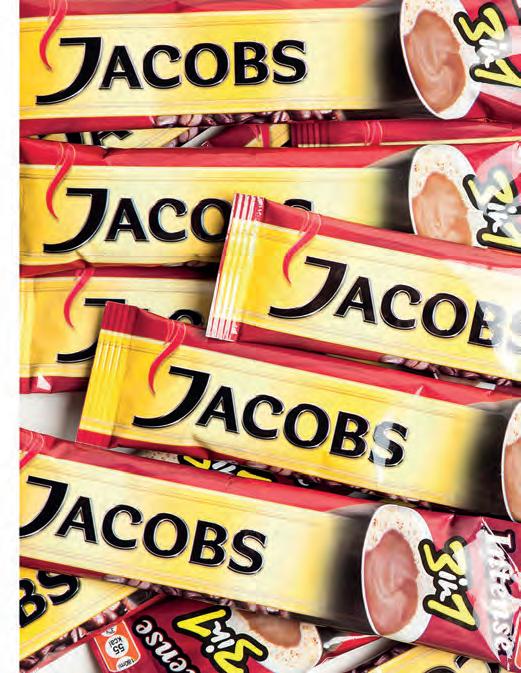
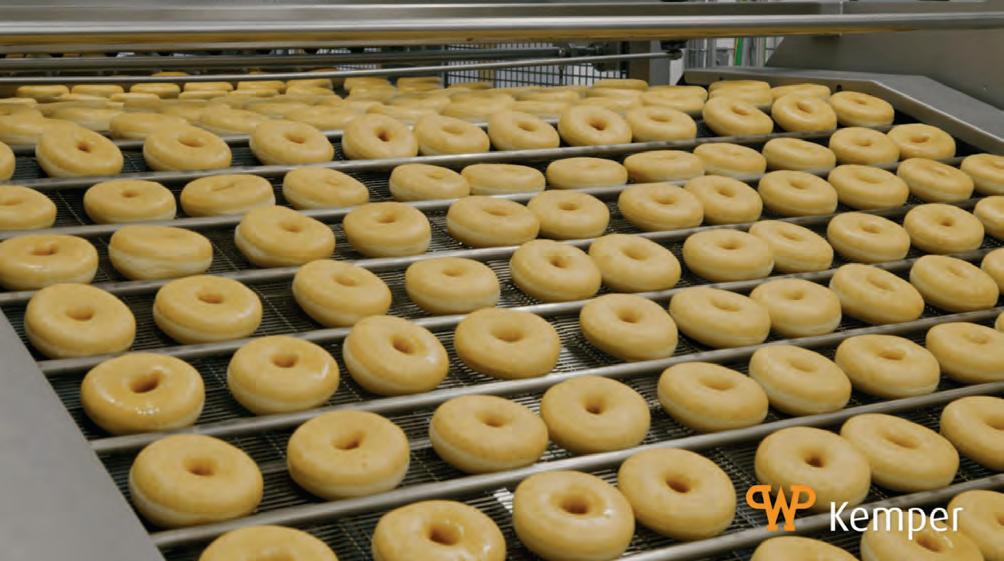
BAKERY - CONFECTIONERY - PASTRY - SNACKS
LAWER SPA
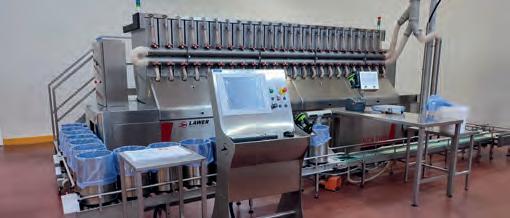
MICRO-INGREDIENTS, MAXIMUM PRECISION: HOW AUTOMATION IS CHANGING FOOD PRODUCTION. PG. 8-9
53-66 PRESERVING INDUSTRY
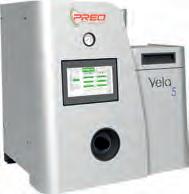
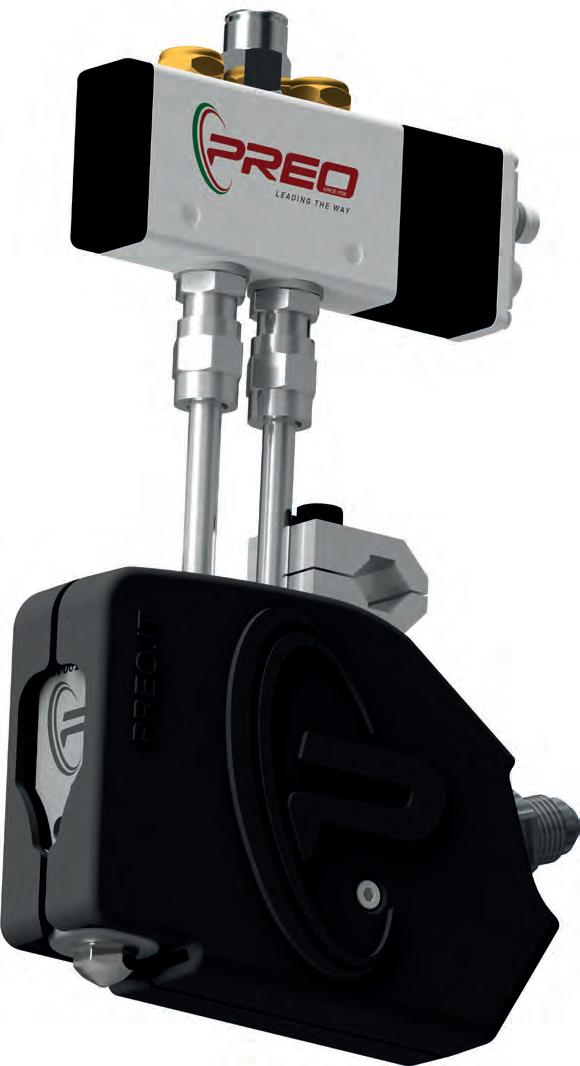
ALMOST 90 YEARS OF PREO, BETWEEN DESIGN, EFFICIENCY AND A SUSTAINABLE FUTURE. PG. 40-41 PREO SRL
83-97
37-52 PACKAGING 98-104 EXHIBITIONS
SONIA V. MAFFIZZONI Editorial Manager
TROPICAL FOOD MACHINERY SRL
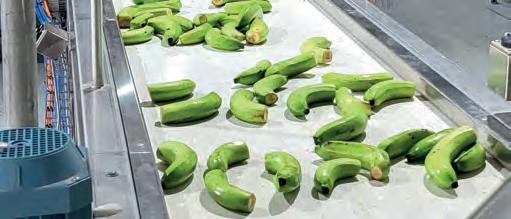
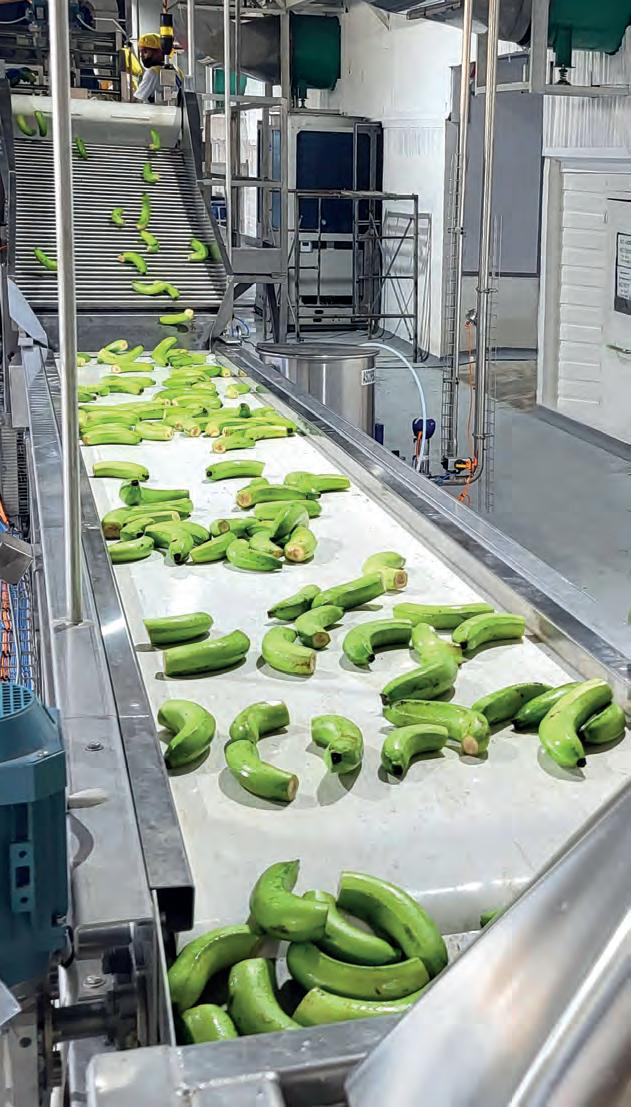
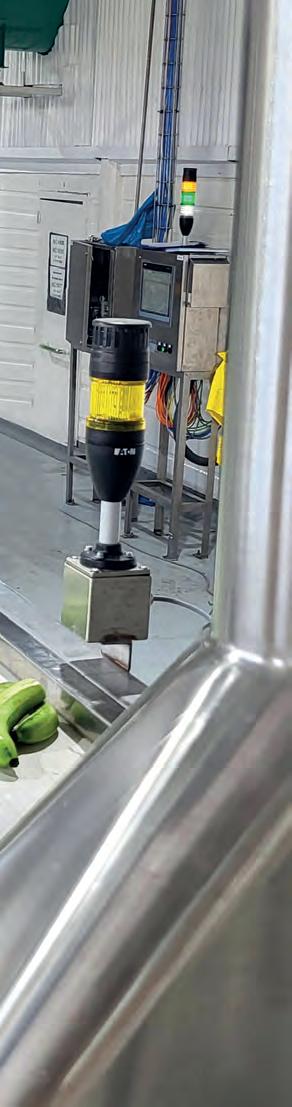
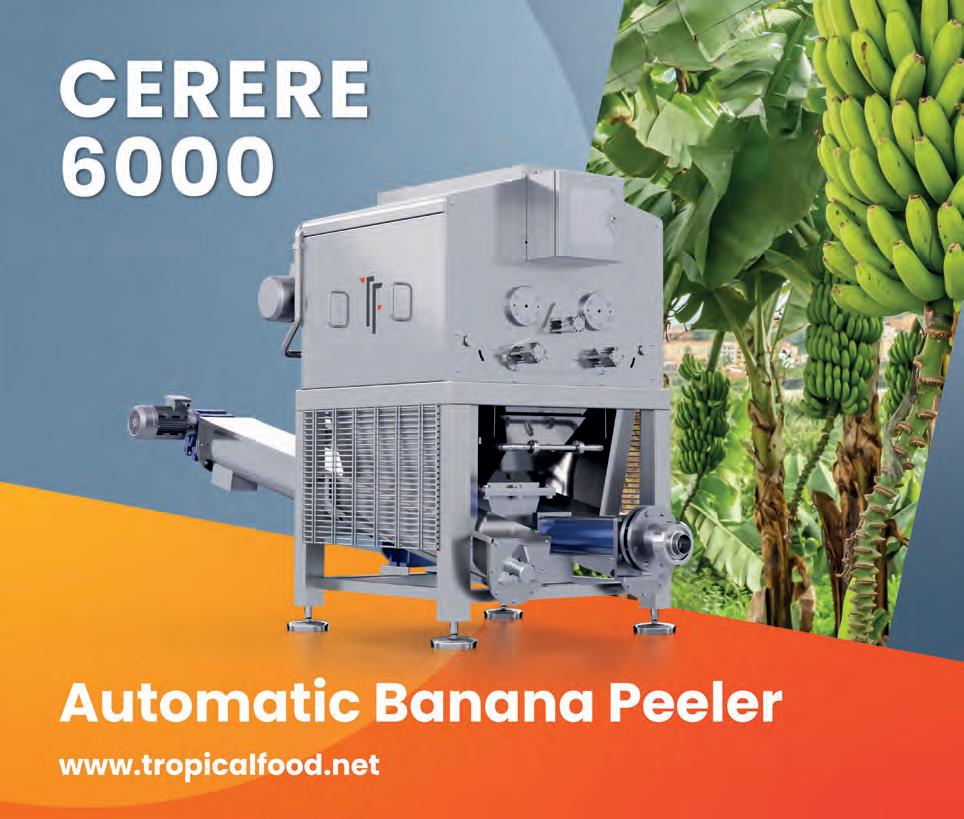
AUTOMATION AND QUALITY IN BANANA PROCESSING. PG. 60-61
Efficiency, flexibility and responsible production have become essential pillars for today’s confectionery and bakery sectors.
Rising energy costs, evolving regulations and the need to reduce waste are pushing manufacturers to rethink every stage of the process.
Modern lines increasingly rely on smart drives, digital monitoring and modular systems capable of handling delicate chocolates as well as robust baked goods with minimal losses.
From dough preparation to enrobing and packaging, the focus is shifting toward energy-efficient components, hygienic design and automation that ensures consistency even with rapid product changeovers.
Data-driven control makes it possible to optimise resources, stabilise quality and extend the life of equipment. In a market defined by innovation and sustainability, competitiveness now depends on technology that can combine precision, reliability and reduced environmental impact
LEADING THE CHANGE: ROCKWELL AND THE EVOLVING OEM LANDSCAPE. PG. 86/89
editorial management and registered office: Editrice Zeus Srl: Via Cesare Cantù, 16 20831 Seregno (MB) - Italy
Machineries, plants and equipment for food and beverage industry year XXXVI - issue n. 6 - December 2025
editorial manager
S.V. Maffizzoni redazione@editricezeus.com
editorial production Sonia Bennati bennati@editricezeus.com
account dep. manager Elena Costanzo amministrazione@editricezeus.com
project and layout design ZEUS Agency grafica@editricezeus.com
creative dep ZEUS Agency grafica@editricezeus.com translations ZEUS Agency in partnership with: Thai-Italian Chamber of Commerce info@thaitch.org printing ZEUS Agency
Italian Magazine Food Processing
Europe: single issue: Euro 25 Annual (six issues): Euro 120
Outside Europe: single issue: US$ 30
Annual (six issues): US$ 170
Subscription payment can be made in the name of Editrice Zeus srl, by bank money transfer or cheque.
Italian Magazine Food Processing
An outline of the suppliers of machines, plants, products and equipment for the food industry. Published: monthly. Registration: Court of Monza no.10 of 05.09.2018. Shipment by air mail art.2 comma 20/b law 662/96 Milan. Panorama dei fornitori di macchine, impianti, prodotti e attrezzature per l’industria alimentare Periodicità: mensile. Autorizzazione del Tribunale di Monza, n.10 del 05.09.2018
Spedizione in a. p. 45% art. 2 comma 20/b legge 662/96 Filiale di Milano
BEYOND THE COCOA CRISIS:
HOW THE GEOGRAPHY OF CONFECTIONERY EXPORTS IS BEING RESHAPED
“ “
The cocoa crisis has exposed the fragility of a supply chain tied to an increasingly unpredictable raw material. Climate instability, poor harvests and price volatility are forcing companies to rethink strategies, markets and formulations.
One of the clearest consequences is the realignment of export destinations. With Europe showing more cautious spending and stronger price sensitivity, interest is shifting toward fast-growing markets such as the Middle East, Southeast Asia and East Africa.
Demand in these regions is driven by a young population and a strong appetite for affordable, shelf-stable snacks less dependent on cocoa. Wafer products, extruded snacks, functional bars and cereal-based items are gaining relevance, offering more predictable margins and greater flexibility.
by the editorial staff
In parallel, the industry is moving toward ingredient diversification. This is not simply about replacing cocoa but reducing dependence on a single raw material while responding to evolving consumer expectations.
Companies are experimenting with cocoa fruit, lowcocoa formulations, fermentation-derived flavors, vegetable fibers and upcycled ingredients from agricultural by-products. These solutions help contain costs while aligning with the growing demand for transparency, sustainability and clean-label formulations.
Success in international markets also depends on taste localization. The era of the “universal” product is over: performance now hinges on the ability to interpret regional sensory preferences. Asian markets often favor fresh and fruity notes; Gulf countries value aromatic richness; North America responds strongly to complex, layered textures. The most competitive companies are those capable of adjusting recipes and formats without compromising stability or product identity.
This shift requires more flexible and automated production processes. Precise dosing technologies, in-line quality control, data-driven analysis and reconfigurable
production lines allow companies to manage smaller batches and diversified recipes while minimizing waste and maintaining the sensory consistency essential for export.
At the same time, rising regulatory demands, from sugar-reduction policies to digital traceability and stricter safety standards, call for continuous investment in compliance and validation.
In such a dynamic context, raw material availability is no longer the only critical factor: what truly differentiates companies is their ability to create value beyond cocoa. Technical reliability, product identity, measurable sustainability and sensory quality have become decisive levers in global buyers’ choices.
The cocoa crisis has therefore acted as a catalyst. It has complicated the present but opened a broader horizon: an export model built on diversification, resilience and a sharper understanding of international markets.
For companies ready to embrace this evolution, the future offers an opportunity for solid, lasting growth, less dependent on the fluctuations of a single commodity.
MICRO-INGREDIENTS, maximum precision: how automation is changing food production
In the world of food production, the management of micro-ingredients is one of the most sensitive phases of the entire process. We are talking about components that determine the taste, texture, quality and stability of the finished product. In an increasingly high-standards market, weighing automation is becoming a strategic lever to improve accuracy, repeatability and control.
Lawer automatic weighing systems introduce a level of precision that eliminates unwanted deviations, ensuring consistent formulations and reliable performance.
Batch repeatability, achieved through digitized processes, strengthens brand identity and reduces the variability typical of manual operations. At the same time, automation reduces uptime, streamlines workflow, and lowers costs, which has a real impact on productivity.
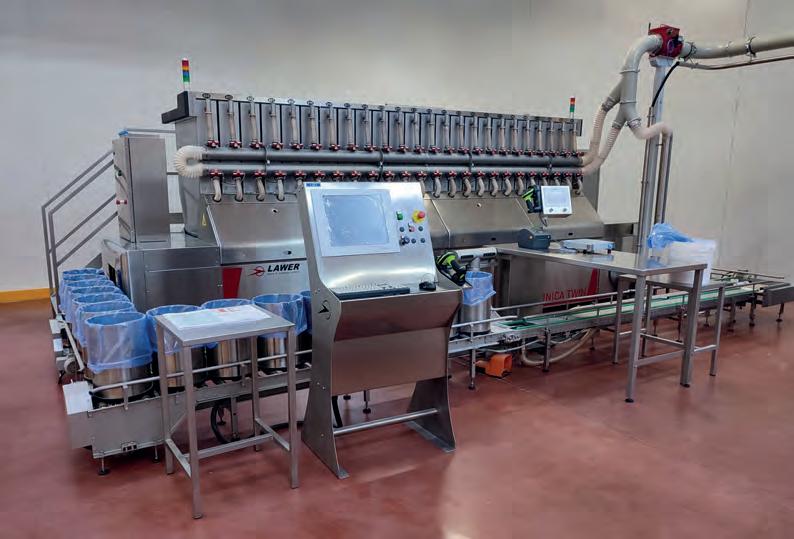
Solutions such as SUPERSINCRO and UNICA combine precision, flexibility and traceability.
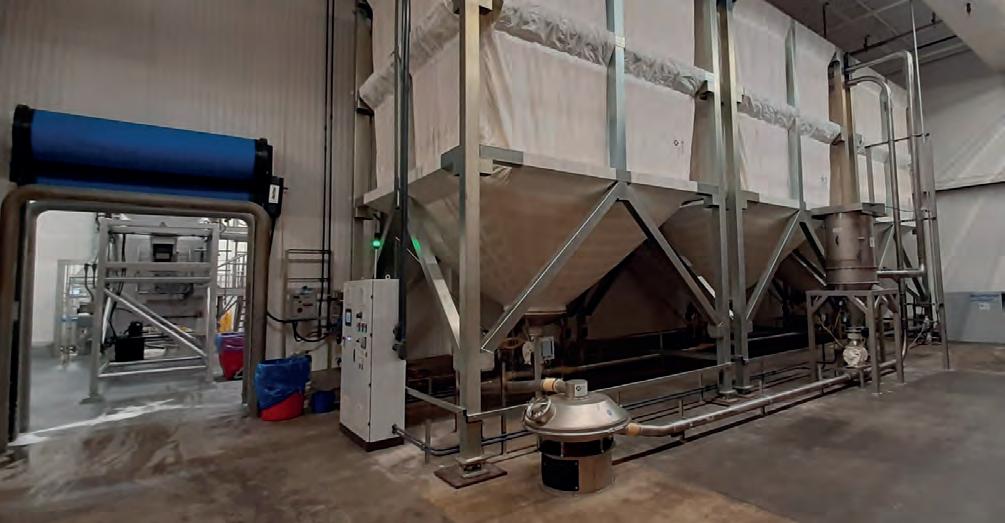
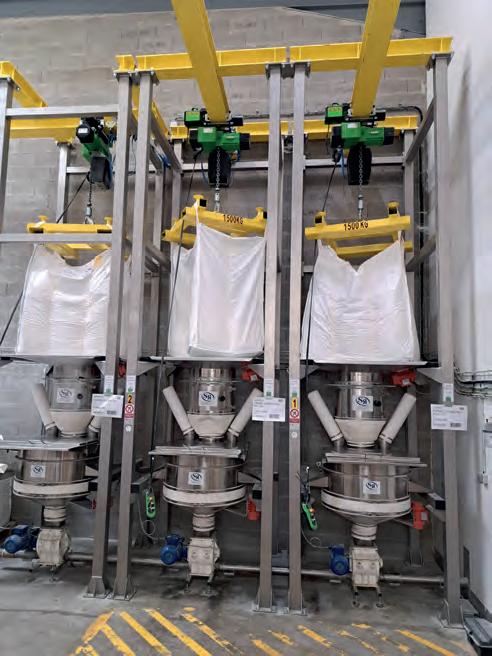
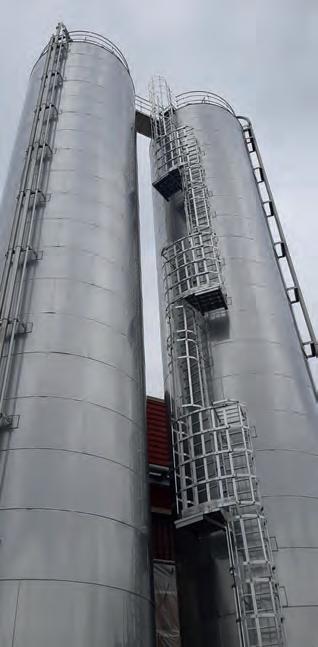
Stainless steel silos, anti-clogging devices, gravity or vacuum loading systems and software that can be integrated with MES systems allow companies to work with maximum safety and total transparency of the process.
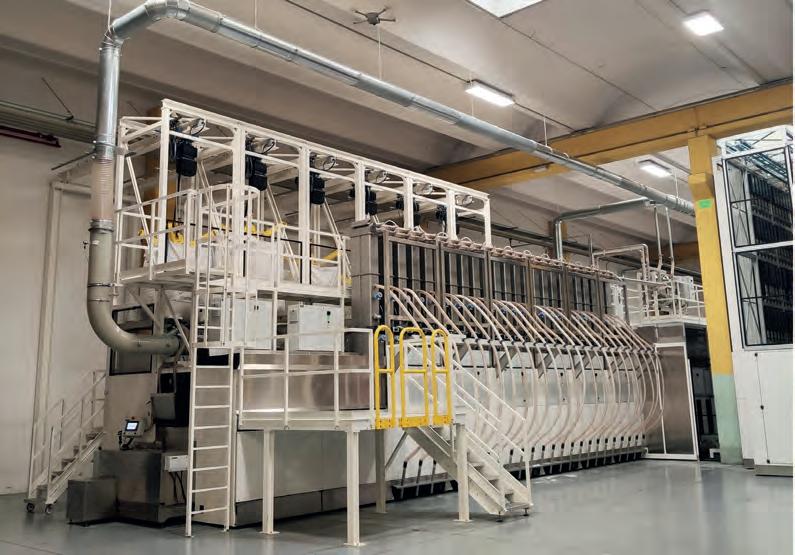
Lawer systems at a glance SUPERSINCRO
• Fully customizable
• Modular systems
• Silos (fixed and interchangeable), hoppers, big-bags for the storage of products (from 380 to 1800 l)
• Automatic generation of bags of different sizes (from 9 to 36 l)
• A bag with a recipe every 30 seconds
• Loading of products by gravity or vacuum
• Double dosing screw and anti-clogging devices
• Efficient suction filtering system
• Integrated control software with external systems
• Ideal for large productions
UNICA TWIN
• 12, 24 or 36 stainless steel silos, capacity 100 l
• One or two scales, with a resolution of 0,1 g
• Loading of products by gravity or vacuum
• Dosing screw (Lawer patent) and anti-clogging devices
• Efficient suction filtering system
• Control software integrated with external systems
• Ideal for small to medium productions
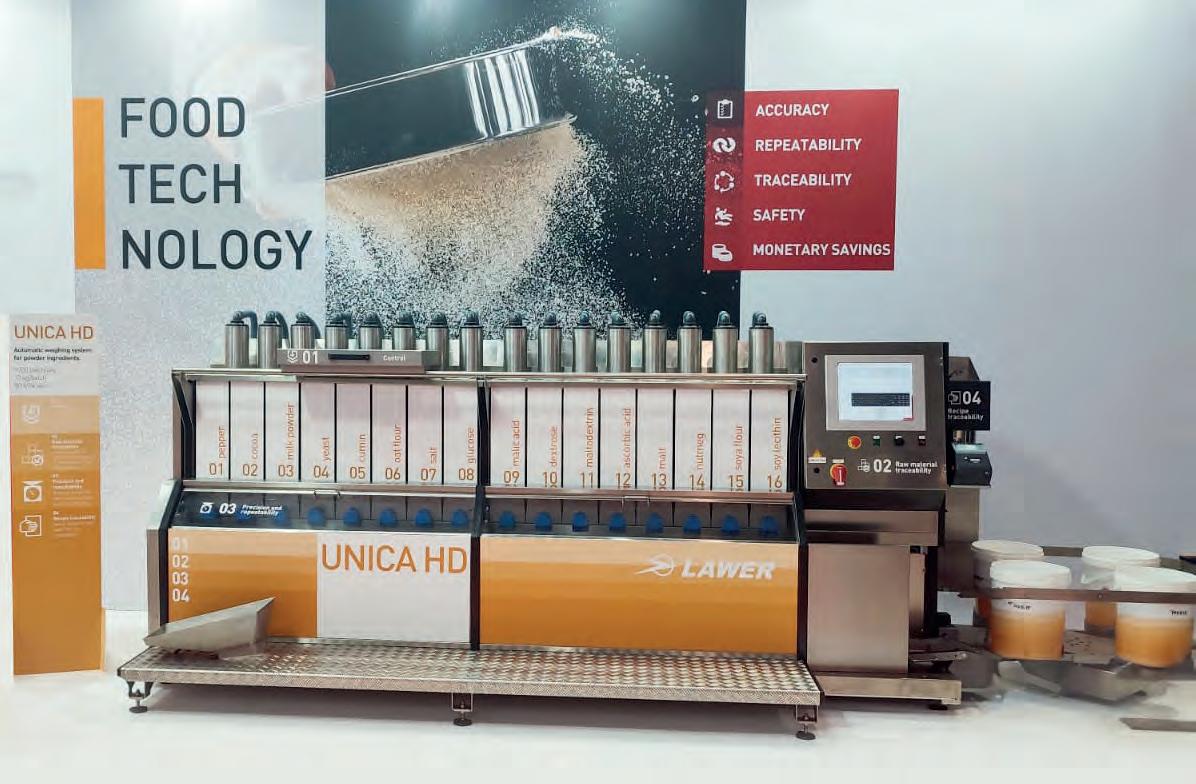
UNICA HD
• 8-16 or 24 silos, capacity 50 l
• Stainless steel silos
• One scale, capacity 30 kg and resolution 1 g
• Loading of products by gravity
• Control software integrated with external systems
• Ideal for small-medium productions
Lawer, an Italian company founded in 1970, has developed advanced technologies and knowhow in the automatic weighing of powder and liquid products
Their expertise in single or multiple weighing systems has made them a trusted partner in the food
industry. Continuous investments in safety and improvement of the working environment further increase the reliability and efficiency of their systems.
In conclusion, the benefits and advantages of automatic weighing systems are many. From precision and quality to efficiency and traceability, these systems revolutionize the food production process, ensuring high-quality products, optimizing production, and reducing costs
As the food industry continues to evolve, the integration of advanced automated weighing systems will become increasingly important to maintain competitive advantage and meet consumer demands.
Visit: www.lawer.com
PROSWEETS COLOGNE 2026: TRENDS AND TECH SHAPING SWEETS AND SNACKS
by Guido Hentschke
Director ProSweets Cologne and ISM Ingredients
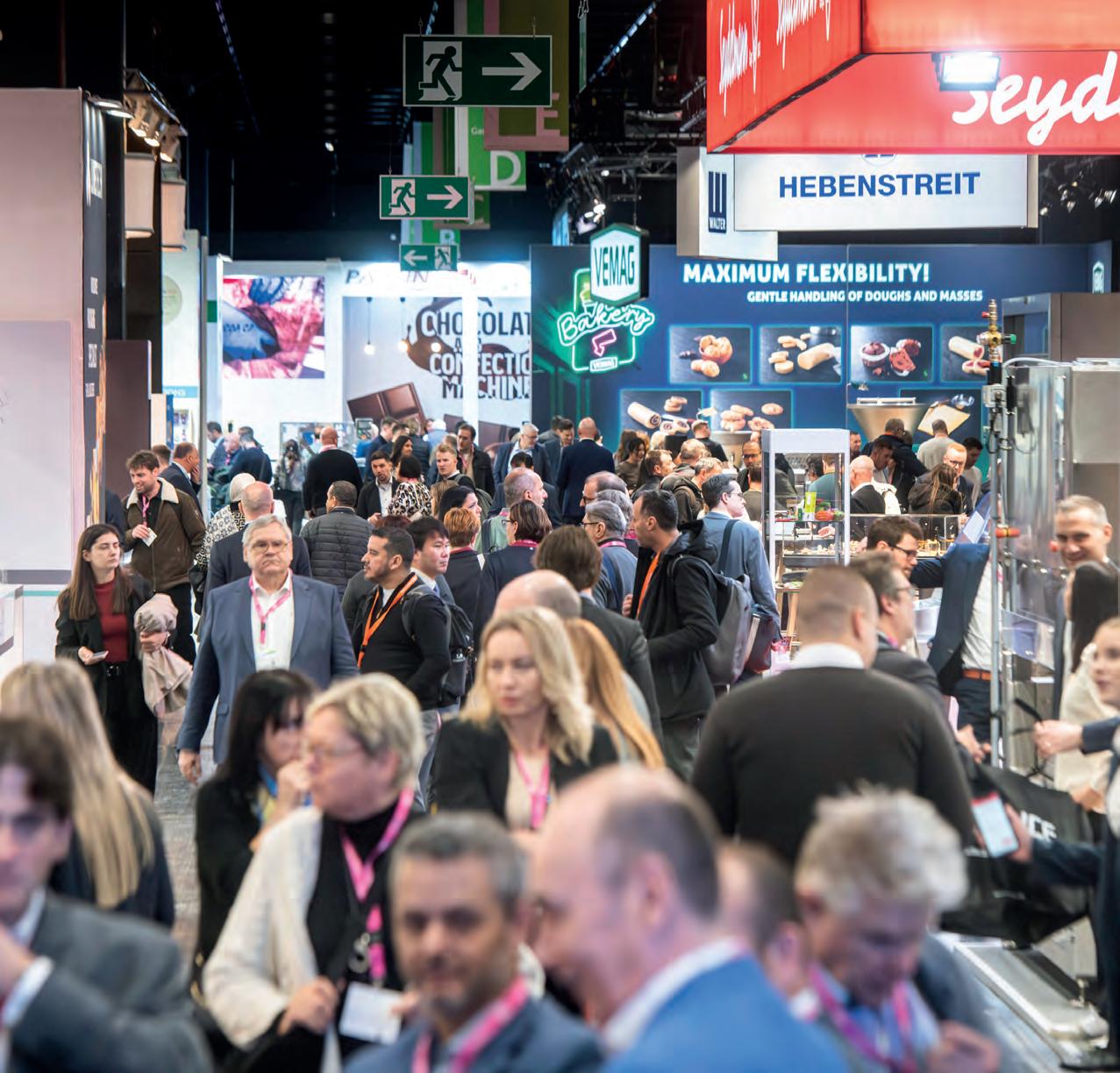
ProSweets Cologne 2026 prepares for an edition focused on innovation, new formats, and the trends reshaping the sweets and snacks industry.
In anticipation of the 2026 edition, ProSweets Cologne outlines how stages, workshops and new formats will connect innovation, ingredients and industry knowledge. In this interview, Guido Hentschke, Director ProSweets Cologne and ISM Ingredients, explains the key developments driving the event’s future direction.
The “Talks & Tasting Stage” returns with interactive formats and live tastings. What role does this stage play in connecting trends, innovation and audience engagement?
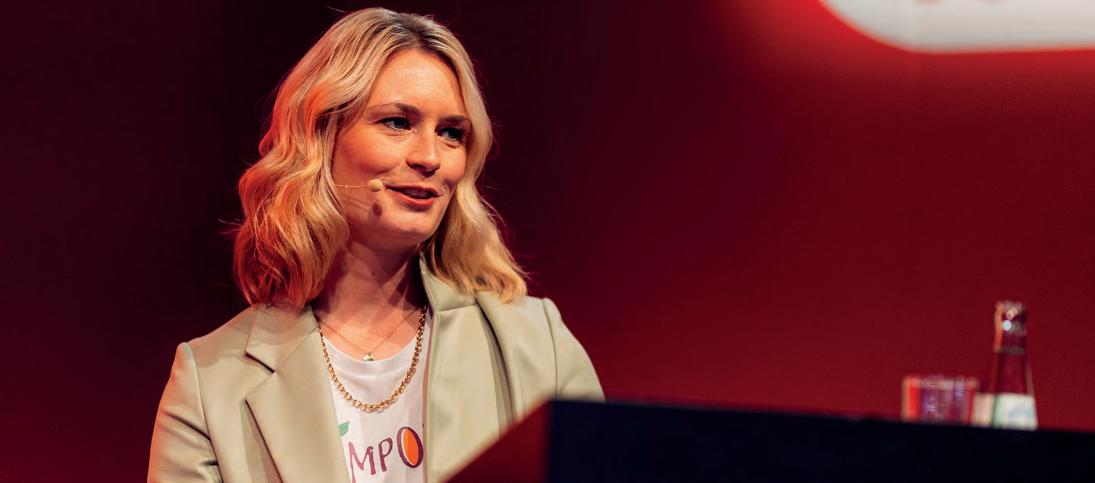
The Talks & Tasting Stage has quickly become one of the most dynamic and experience-driven elements of the fair. For 2026, we are significantly expanding the set-up to offer even more room for dialogue, inspiration and direct product experience. Influencers, podcasters and industry experts bring real-world perspectives to the stage and encourage visitors to actively engage in discussions.
At the same time, the tasting formats allow attendees to experience new ingredients, product ideas and flavour innovations firsthand. This combination of sensory discovery
and expert insights makes trends tangible and connects the creative, technological and consumer sides of the market in a unique way.
The Expert Stage showcases the entire industrial value chain of sweets and snacks. Which key topics or industry shifts will be highlighted in the 2026 edition?
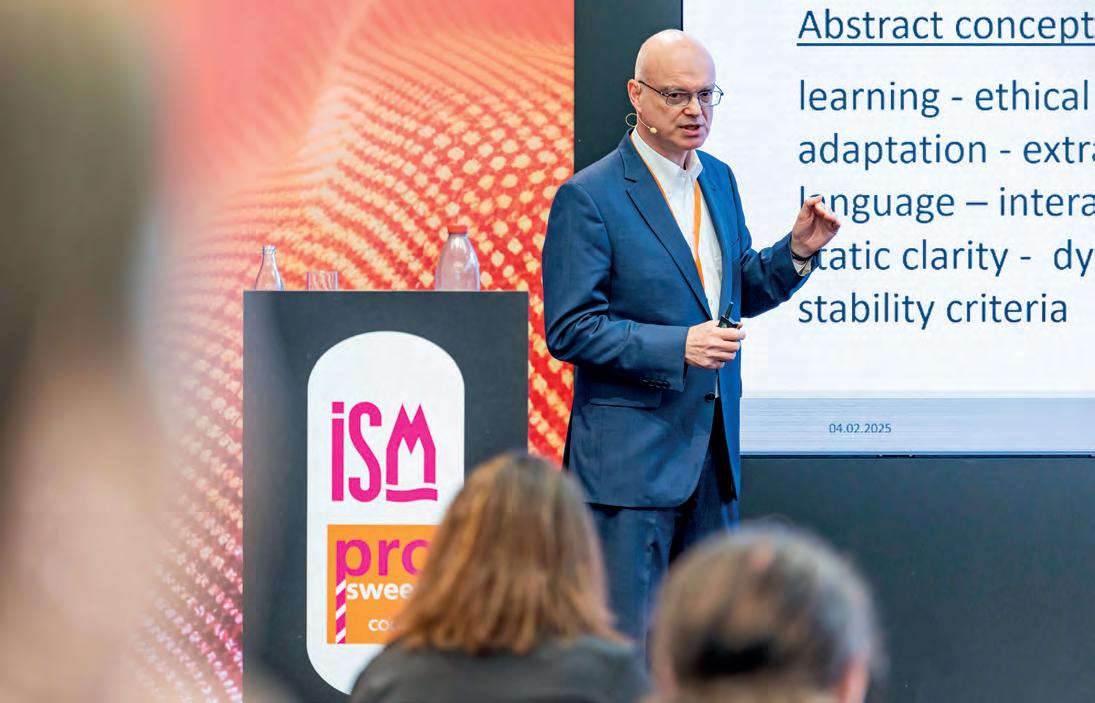
The Expert Stage acts as our central “Knowledge Hub” and clearly demonstrates why ProSweets holds a content leadership position in Europe. In 2026, we focus on the decisive transformation drivers of the industry: AI and digitalisation in production processes, sustainable and resource-efficient manufacturing, rising raw material prices, reformulation demands and increasingly complex supply-chain structures.
Together with the DLG – a strong partner and conceptual sponsor – we dive deep into technical and strategic developments. Complementary formats such as the DLG Career’s Day and the Guided Tours “Ingredients of the Future” strengthen orientation and knowledge exchange across the entire value chain.
COMPANIES insights
The Packaging Workshops are gaining strong traction among visitors. What practical knowledge and insights will participants take away this year?
The Packaging Workshops, developed together with our partner pacoon, address the fundamental shifts currently reshaping the packaging world. Key topics include the transition from film to paper, the integration of AI into packaging workflows and the practical implications of the new PPWR regulation. Participants receive hands-on insights into PPWR-compliant packaging solutions, paper-based innovations and AI-supported optimisation approaches. Pacoon and partners such as PwC, delfort and interzero present concrete examples and methods that help companies adapt their processes efficiently and sustainably while gaining a deeper understanding of technological, regulatory and material-related opportunities.
Looking ahead to the 2026 edition, what key developments or goals is Koelnmesse prioritising for the future of ProSweets?
ProSweets Cologne will continue to serve as the central platform
for technology, packaging and machinery, supporting manufacturers in enhancing efficiency, automation, digitalisation and sustainability. At the same time, we see significant growth potential in the field of raw materials, ingredients and semifinished products. With the launch of ISM Ingredients, we are creating an ideal and future-oriented bridge between ISM and ProSweets Cologne. Integrating this new format into the ISM brand world places suppliers even closer to producers and reflects the growing importance of functional, plantbased and sustainable ingredients. Together, the three platforms provide a truly holistic view of the entire value chain and actively drive the industry’s future development.
With its expanded stages, specialised workshops and the introduction of ISM Ingredients, ProSweets Cologne 2026 positions itself as a forward-looking platform where technology, creativity and market intelligence converge. A renewed focus on efficiency, sustainability and ingredient innovation confirms the event’s role as a key meeting point for shaping the future of the global sweets and snacks industry.
www.prosweets.com
BRUNNER always in perfect shape
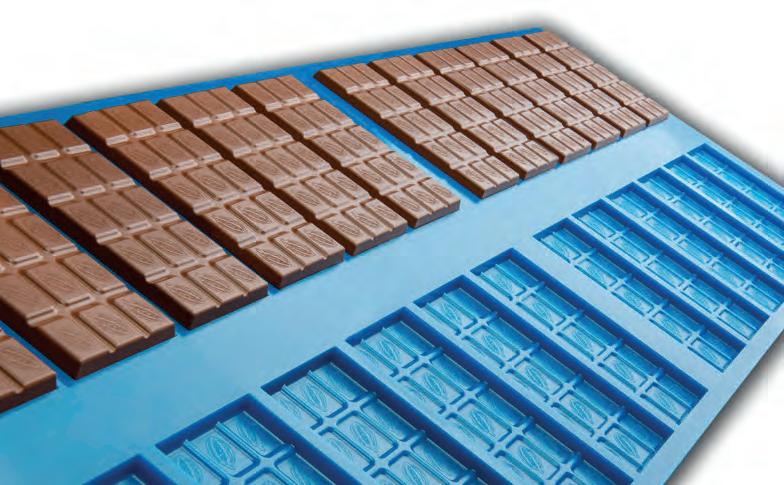
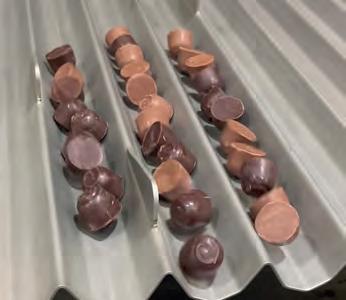
Hans Brunner GmbH is one of the worldwide leading manufacturers of chocolate moulds, catering to both artisanal confectioners and large industrial chocolatiers with exceptional quality, reliability, and technical expertise. Visitors and clients will find a wide range of designs and moulds including hollow figures, pralines, bars, lollies, moulds for transfer sheets, one shot depositors, and holographic moulds, suitable for both artisanal confectioners and machine-supported chocolatiers.
For the industry Brunner develops and produces molds for all kind of molding lines. In the Germany plant near Munich Brunner produces molds with a length of more than 1200 mm.
Over the last years Brunner also invest in a new factory to enhance the
partnership and support for our clients and established a new plant in Brazil close to Porto Alegre which is capable to produce moulds size until 650mm in length.
Using our unique system of thermopressing and our brilliant designer team, Brunner produces high-quality spinning molds with several hollow figurines designs which become Brunner specialists in this field.
The latest development is a small spinning machine called „MiniSpin“. It works with special molds that are
based on single cavities to allow privately design of spinning molds and truffles.
Mini-spin technology can be utilized within industrial applications to manufacture samples for market testing and design validation.
Explore hundreds of design variants—from Dubai-inspired chocolates and cannabis motifs to holographic effects—on brunnershop. com or Instagram @brunner_chocolate_moulds.
www.hansbrunner.de/en
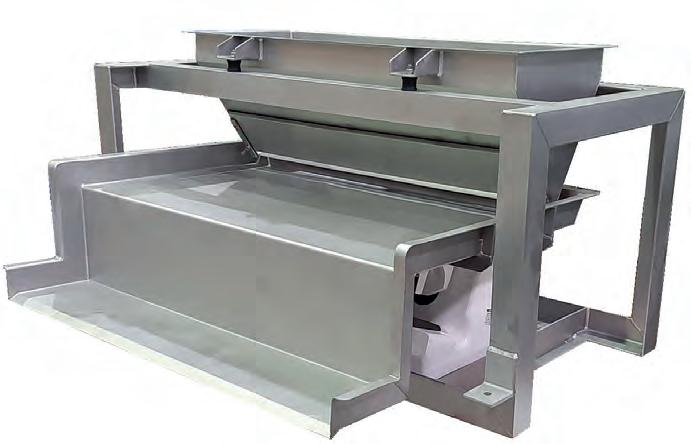
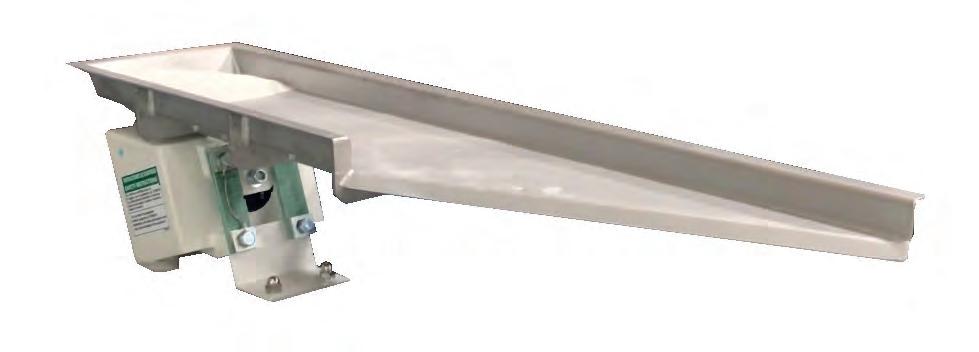
TARNOS precision vibrating feeders in the confectionary industry
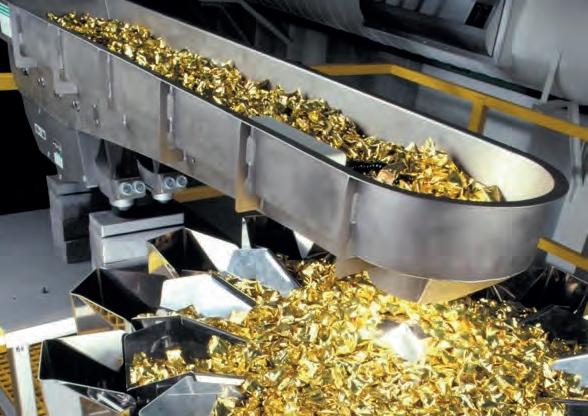
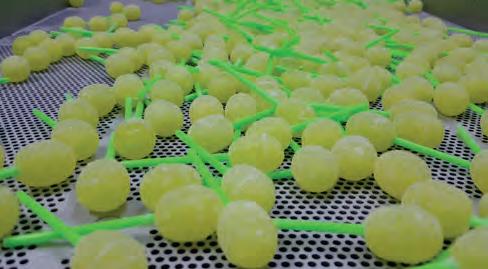
Efficiency, precision and product integrity are non-negotiable in the confectionary industry. From delicate chocolates to chewy gummies, every treat must be handled with care to maintain quality an appeal, playing a critical role the vibrating feeders, moving sweets through productions lines with consistency, speed, and minimal damage.
Vibrating feeders use controlled vibrations to move products between different stages of production. From cooling to coating, and weighing to wrapping, vibrating feeders are critical for keeps the lines running smoothly, minimize downtime, and ensure quality at every stage.
Why choose Tarnos vibrating feeders?
1. Controlled flow = reduced downtime: Feeder speed and vibration amplitude can be adjusted to control the rate of product flow, essential when synchronizing with other machines on the line such weighers, packaging systems, or coating drums, also, preventing overloading downstream equipment and keeping the line running without interruption. Vibrating feeders are low maintenance by design, with minimal wear parts.
2. Gentle handling for fragile products: Vibrating feeders provide smooth motion that eliminates the need for rollers or belts, which can crush, stick, or deform items.
3. Hygienic, easy to clean design. Complying sanitary demands is critical in food production. Vibrating feeders are usually made from stainless steel, with smooth surfaces and minimal crevices to prevent product buildup and allow for easy cleaning, meeting strict FDA or EU food-grade standards.
4. Seamless integration with automation: Easily connect with existing PLCs, sensors, and robotic pick-and-place systems
5. Space efficiency: compact and customizable, vibrating feeders can be design to fit into tight spaced and complex layouts.
Common applications in the confectionary production:
• Feeding into packaging lines: ensuring consistent supply to
vertical or horizontal form-fill-seal machines.
• Connecting processing stages: moving product between cooking, cooling, coating, and wrapping areas.
• Portioning systems: delivering precise amounts of product to weighing and batching equipment.
• Sorting: aligning or spacing items for individual wrapping or placement.
In a market where presentation and product quality directly impact brand perception, Tarnos vibrating feeders offer a reliable way to maintain high standards while optimizing throughput. Their gentle handling, hygienic design, and precise control make them a foundational element in the sweet science of candy making.
Whether you’re scaling up production or upgrading your line for better efficiency, investing in a quality vibrating feeder is a move worth making—because every candy deserves a smooth ride.
www.tarnos.com
Accurate
Compliance
Customized
Manual or remote control
Instant regulation
Zero maintenance
Water and dust protection IP-66
Stainless steel components
FDA painting
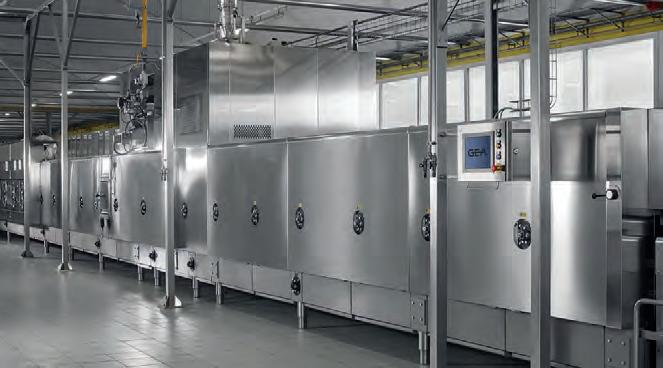
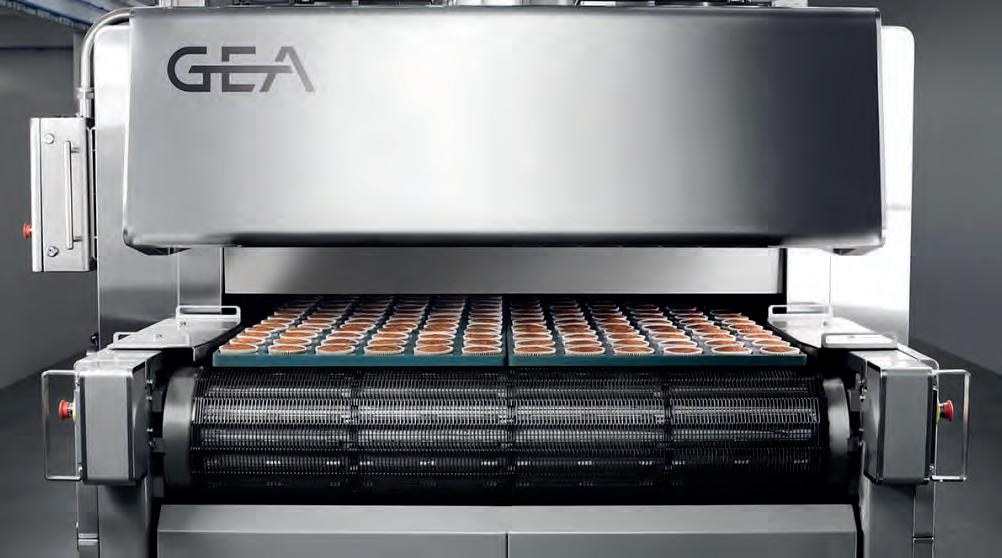
Discover innovative bakery tunnel ovens by GEA
Explore GEA’s advanced bakery tunnel ovens, revolutionizing baking efficiency and quality. Perfect your baking process with precision engineering and cutting-edge technology.
GEA’s bakery tunnel ovens redefine baking standards with state-of-the-art features tailored for optimal performance and consistency.
Designed for industrial-scale operations, these ovens ensure uniform baking from crust to crumb, meeting the highest industry demands.
Featuring robust construction and intuitive controls, GEA ovens guarantee reliability and ease of use.
Whether producing breads, pastries, or specialty items, each oven is crafted to enhance productivity and quality. Experience precise temperature
control and energy efficiency, reducing operational costs while maintaining superior baking results.
GEA’s commitment to innovation ensures that every bakery benefits from en-
hanced throughput and product uniformity. Discover the future of baking technology with GEA’s versatile and reliable bakery tunnel ovens.
www.gea.com
THE NEW CHALLENGE OF GLUTEN-FREE: A PASTRY THAT
IS GOOD, SAFE AND TECHNOLOGICALLY ADVANCED
Gluten-free pastry has evolved from a niche to a mature market. This growth is pushing the industry to innovate recipes and processes to ensure quality, safety, and results comparable to traditional pastry.
FA cura della redazione
rozen yogurt is no longer a passing trend imported from the United States. In recent years it has secured a stable position in consumers’ minds as a “lighter” alternative to traditional gelato. But how much does it actually influence the market and, above all, is it really healthier than a well-made artisanal gelato?
In the consumer’s perception, frozen yogurt relies on three main elements: the word “yogurt”, which instantly evokes well-being; the promise of lower calories; and the idea of a customizable product enriched with fresh fruit or “superfood” toppings. Artisanal gelato, on the other hand, is strongly associated with indulgence, tradition, and the quality of ingredients rather than a healthy choice.
This perception often oversimplifies reality. A highquality frozen yogurt made from real milk and yogurt, with moderate sugar content and balanced toppings, can indeed be lighter than many gelatos. But when cups are overloaded with sweet sauces, crumbled cookies and chocolate, the caloric advantage disappears quickly. At the same time, many artisanal gelaterie
are increasingly offering “better for you” recipes, including high-protein yogurt bases, reduced sugar and natural ingredients.
For aspiring entrepreneurs, the key question is not only “what does the customer like?”, but “what kind of experience do I want to offer?”. Frozen yogurt naturally fits fast, urban, self-service formats, where customers fill their cup, choose toppings and pay by weight.
This model requires limited space, careful cost management, and an attractive layout that communicates freshness and immediacy. Artisanal gelato, by contrast, carries a narrative of craftsmanship, recipes, raw-material seasonality and a close relationship with the gelato maker.
From an operational standpoint, opening a frozen yogurt shop begins with one fundamental choice: use ready-made mixes or develop your own recipe. The “DIY yogurt” route may seem more
creative or cost-effective, but it requires technical expertise, rigorous cold-chain management, proper equipment and flawless HACCP procedures. Relying on high-quality suppliers offering balanced bases, technical support and training can make a real difference, especially for newcomers.
In this case, the added value lies not only in the mix itself, but in the service: consultancy on recipes, equipment selection and brand positioning.
Equipment plays a decisive role. Frozen yogurt machines must ensure product stability, creamy consistency, and ease of cleaning and maintenance. The choice between countertop or floor models depends on expected volume and available space, but in all cases service assistance, spare parts and staff training are essential.
Toppings management is another key factor: fresh fruit, compotes, granola, chocolate, crunchy inclusions. Too broad a selection increases waste and complexity, while a curated, seasonal assortment enhances both product appeal and margin.
Then comes the big question: annual or seasonal business? Frozen yogurt naturally peaks in spring and especially summer, with a physiological drop in colder months.
Entrepreneurs must therefore consider whether to expand the offer with complementary products such as hot beverages, spoon desserts, waffles, crêpes, or even a small artisanal gelato line to smooth out seasonal fluctuations. In tourist areas, seasonality can be less restrictive, while in medium-to-large cities a broader assortment can help maintain steady business throughout the year.
Ultimately, rather than a clash between frozen yogurt and artisanal gelato, the market is moving toward coexistence. Each format meets different consumption needs. Frozen yogurt appeals to customers who seek lightness, personalization and quick experiences.
Artisanal gelato keeps its stronghold on taste, tradition and ingredient quality, while increasingly adopting “healthy” inspirations.
For new business owners, the real choice lies not simply between yogurt and cream, but among business models, brand identities and consumption narratives that can communicate clearly with a more informed and demanding customer base.
VALIN launches new snack pellet shapes and ingredients for evolving consumer tastes
In response to shifting consumer preferences, VALIN, which will exhibit at ISM INGREDIENTS 2026, is going to unveil a new range of snack pellet shapes and ingredients, including 3D designs and children’s shapes. The company is also exploring sweet snack options with fruit content and leveraging natural coloring agents like natural extract and vegetable carbon.
These innovations reflect VALIN’s agility in product development and its focus on health-conscious, plant-based snacking.
At the same time VALIN is reinforcing its role as a responsible industry leader by integrating sustainability and social equity into its core operations.
The company has implemented initiatives focused on water consumption reduction, gender equality, sustainable procurement, and labor rights.
As part of its long-term vision, Valin is aiming for net-zero emissions, and is
actively pursuing ISO 50001 certification for energy management.
These efforts underscore Valin’s dedication to shaping a healthier and more equitable future through responsible production practices.
ViviOn is the name of a new family of cyclic block copolymers (CBC), a fully hydrogenated polymer from USI Corporation, which now complements the product portfolio of the German distributor Dreyplas. In addition to high purity, all grades provide low density, high transparency, low water absorption, and a low amount of extractables.
Depending on the microstructure, the mechanical properties range from rigid to soft. ViviOn can be used as a separate layer in multilayer films or as a blend partner with PE or PP. The wide range of applications extends from packaging for food and medical
devices to biodiagnostics, UVC disinfection, optics, and IC manufacturing.
Enhanced barrier effect with metallized films
Thanks to their excellent barrier properties, vacuum-metallized cast films are often used in multilayer packaging. However, the comparatively low stiffness and strength of substrates made of pure PE or PP can cause cracks to form in the ultra-thin metal layer applied to them when subjected to stress.
This allows oxygen and moisture to penetrate the packaging, reducing the shelf life of the contents. Blends with ViviOn 8210XT offer higher stiffness
without compromising flexibility, thus reducing the risk of cracking. Depending on the application, this may also allow for the use of more materialefficient films with lower thicknesses. In addition, this CBC can be used to optimize the tear propagation resistance of the film, which is an important convenience feature for easy opening applications.
ViviOn 8210XT comes with a “Recyclability of Packaging Material” certificate issued by cyclos-HTP Institute and is approved for use in food and pharmaceutical applications.
ViviOn™ ist a trademark of USI Corporation
Smarter DONUT production – minimal waste: more variety and maximum efficiency
Traditionally, donuts are punched from a dough sheet –resulting in significant waste.
Our new, patented technology revolutionizes this process: far less waste, 3 % redough and maximum format flexibility – all without any tool changes. In traditional donut production, donuts are punched from a flat dough sheet –leaving a lot of unused scrap dough around the edges and in the center. The process is similar to cutting cookies.
Our technology rethinks this process from the ground up – and is protected by multiple patents.
The Softstar head machine portions perfectly shaped dough pieces with less than 1 g tolerance. These are then rolled, flattened and further processed.
The result: currently the most efficient donut production process on the market – with minimal waste, maximum dough recovery and outstanding format flexibility.
Why is it so efficient?
Because the hole in the center isn’t punched right away – it’s gently prepressed first. This stabilizes the outer dough ring and significantly reduces waste during the final cut.
The key: When the hole is finally punched, only a very thin dough core is removed – generating just around 3% waste, early enough in the process to be fully re-integrated.
The system runs at up to 44 stokes and supports 6 to 22 rows. Product changeovers? Tool-free and done at the push of a button. Up to
three formats can be switched flexibly – whether donuts, Ball Donuts or Pop Dots.
We also focus on quality and efficiency when it comes to frying: Our donuts are fried in a cold zone fryer.
In this system, residues such as crumbs or dough particles sink into a cooler zone below the heating area – they don’t burn and therefore don’t affect the oil quality or the taste of the product.
This results in longer oil life, less cleaning effort, and consistently clean, golden frying results.
Donut production has never been this efficient, flexible and resource-sa.
www.wp-kemper.de
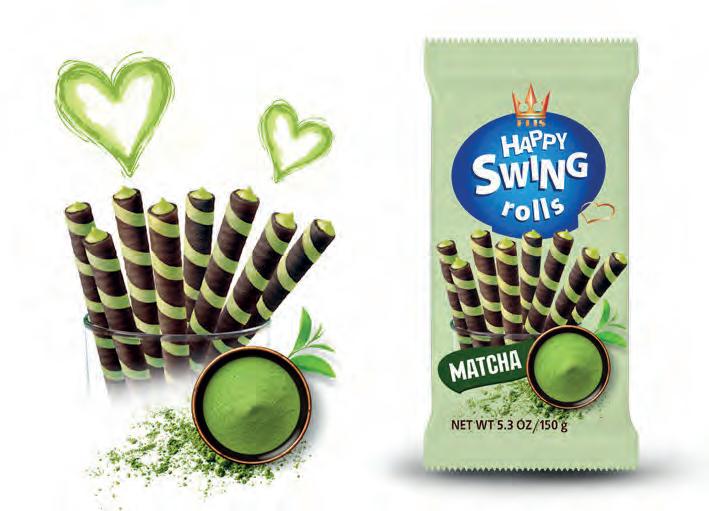
ZPC FLIS presents Happy Swing Matcha – crispy, creamy and inspired by Japanese green tea
ZPC FLIS (Stand: 3.2 C 30) proudly presents its latest innovation at ISM Cologne 2025 – Happy Swing Matcha. This unique creation combines the crispy lightness of wafer rolls with a velvety cream made from authentic Japanese matcha green tea. ZPC FLIS, a Polish family-owned confectionery company, has been creating high- quality wafer and sweet products for many years. Combining tradition, innovation and a passion for excellence, FLIS continues to develop new and inspiring flavour experiences that delight consumers worldwide. Visit us at ISM Cologne 2025, Hall 3.2, Stand C 30, to discover Happy Swing Matcha and other new additions to the FLIS range.
www.flis.pl
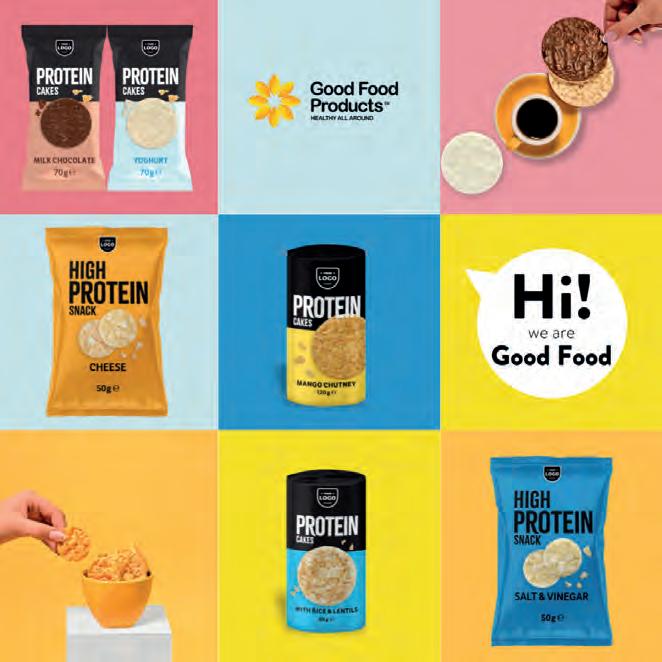
GOOD FOOD PRODUCTS offers a full protein portfolio
From savoury air-popped snacks to sweet protein cakes - Build Your Protein Shelf with Us!
Protein consumption is driven by consumer needs linked to energy, functional nutrition, dieting and workout performance. As consumers across Europe seek snacks that combine enjoyment with functionality, Good Food Products S.A. continues to lead the “better-for-you” movement with its expanded Protein Portfolio.
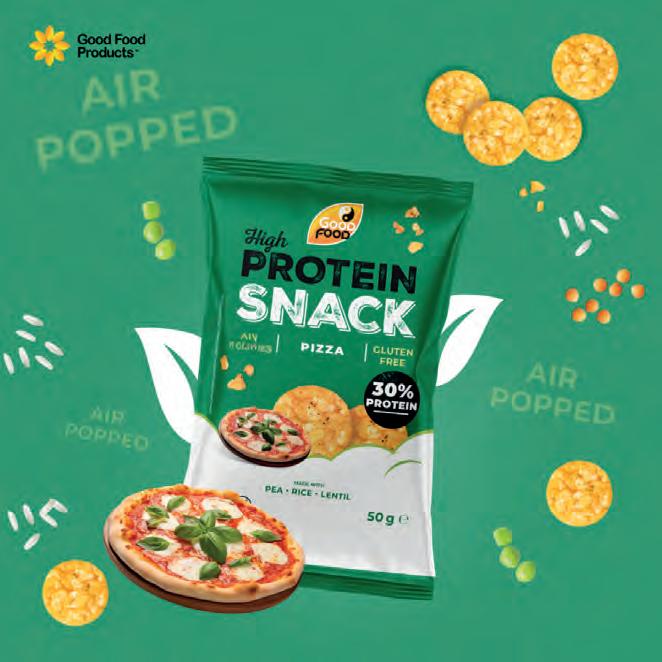
From air-popped snacks to bread alternatives and sweet protein cakes, the company is redefining what protein-based indulgence can look — and taste — like. Each product delivers high 2030% protein content, offering both nutrition and satisfaction in one bite.
A rich and versatile Protein Portfolio
Good Food’s Protein line covers a wide range of formats, making it easy for retailers to build a comprehensive protein block on the shelf.
At the heart of these products are plantbased protein pellets sourced from lentils, peas, and beans — ingredients that bring both nutritional value and a naturally wholesome image. The result is a range that fits perfectly into the growing trend for high-protein, high-satiety, and plantpowered snacking.
Taste meets Function
During the ISM trade fair 2026, visitors will have the opportunity to sample the latest High Protein Snack range — a collection of light, crispy, air-popped chips available in Paprika, Pizza, Chilli & Lime, and Sour Cream & Onion flavours. Each combines a bold, familiar
taste with a nutrient-rich recipe that supports today’s active, health-conscious lifestyle.
Beyond the savoury aisle, Good Food Products also introduces protein-enriched bread alternatives and sweet protein cakes, with chocolate or yoghurt coating — a perfect example of how indulgence can stay balanced.
The Protein trend keeps rising Protein remains one of the most powerful growth engines in the European snacking and bakery categories. Consumers associate it with energy, satiety, and balance, and they’re actively loo-
king for products that make it easier to reach daily intake goals.
By integrating protein into familiar formats — from rice and corn cakes to snackable mini cakes — Good Food helps retailers unlock new consumer missions, from post-workout bites to afternoon pick-me-ups.
“Build Your Protein Shelf with Us”
With its broad assortment, innovative air-popped technology, and proven private-label capabilities, Good Food Products invites category buyers and brand owners to create a dedicated
protein shelf — one that unites health, taste, and variety in every segment. The future of snacking is functional. And with over 30% protein, clean ingredients, and outstanding flavour, Good Food’s High Protein range proves that better nutrition doesn’t mean compromise.
About Good Food Products S.A.
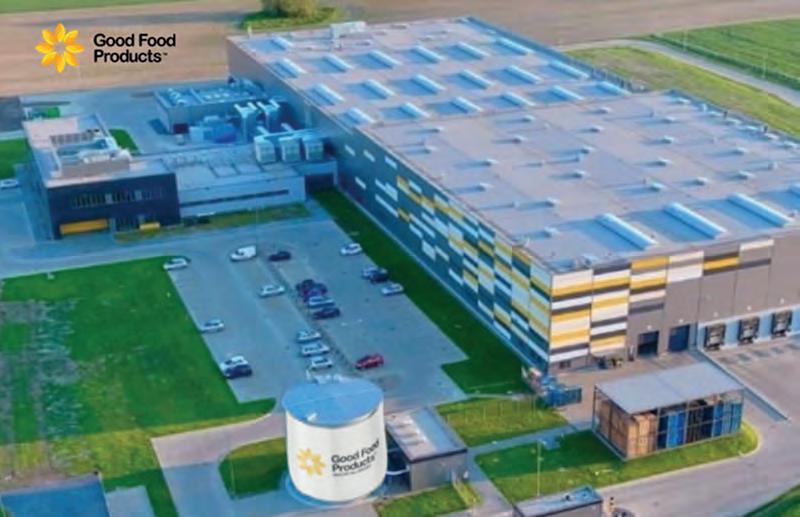
Good Food Products S.A. is one of Europe’s leading manufacturers of rice and corn cakes, protein snacks, and air-popped innovations that combine health and taste in one crunchy bite. With over 35 years of experience and exports to 30+ markets, the company supplies major retail chains under both its Good Food brand and private label partnerships. The company’s portfolio covers the fastest-growing “betterfor-you” segments — from air-popped chips to high-protein snacks, bread alternatives, and sweet cakes — reflecting its mission to make healthy choices deliciously simple.
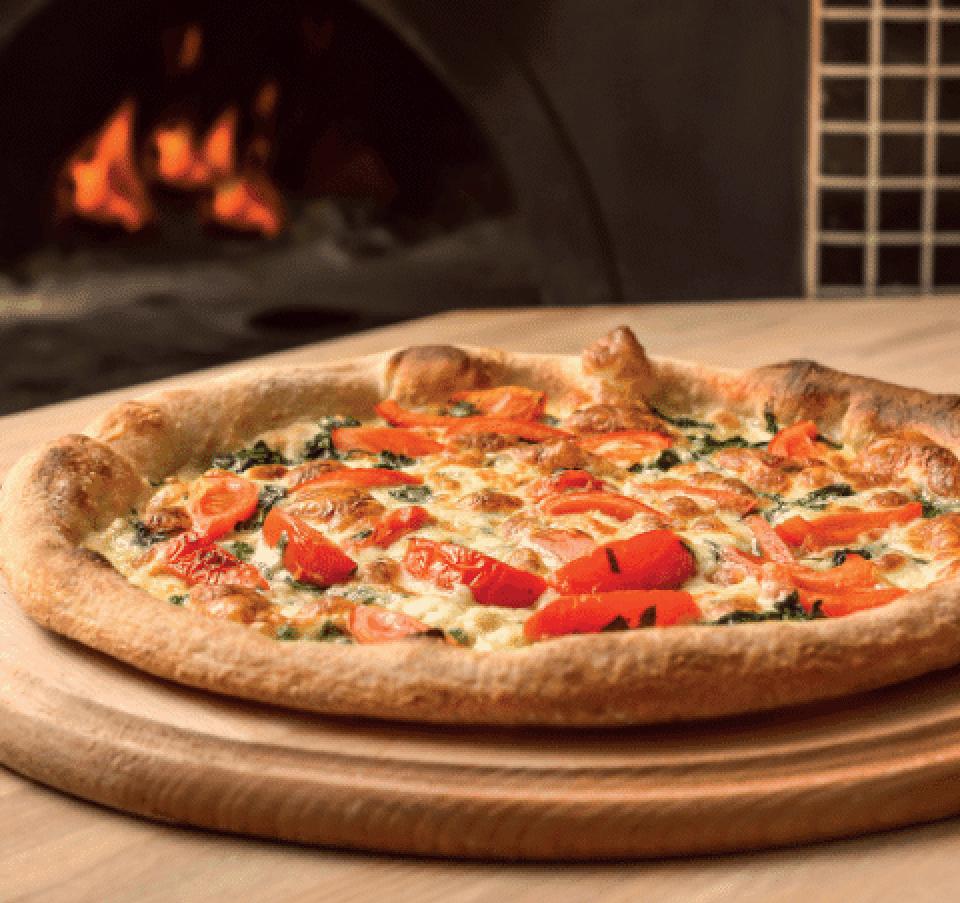
PIZZA & FLATBREADS production technology
ABakery Systems delivers turnkey equipment tailored for producing artisan-style flatbreads, sheeted and pressed pizzas, pitas, tortillas, and more.
Key Systems
• Sheeted Pizza & Flatbread System
Ideal for high-volume production of sheeted pizzas, flatbreads, pita, naan, and tortillas. This fully automated line—complete with mixing, fermentation, sheeting, proofing, baking, cooling, and decorating—can produce up to 80,000 pieces per hour using components like Tromp SF sheeting lines and Den Boer Multibake® tunnel ovens. It includes PLC control and real-time data monitoring (AMFConnect™).
• Pressed Pan Pizza System
Designed for producing rustic-quality but high-output pressed pizzas, offering precise topping capabilities and up to 30,000 units per hour.
•Pizza Dough Ball System
Uses extrusion and sanitary rounding belts to portion dough into consistent balls—ideal for midsize to industrial production settings.
• Tromp Powershot Depositor – delivers smooth or chunky sauce with 50% greater accuracy than traditional applicators, featuring a “no product, no deposit” function to reduce waste.
• Target Applicator – ensures uniform, efficient distribution of cheese and toppings, ideal for maintaining product consistency in high-throughput environments.
Process Automation & Flexibility
AMF’s systems are built for scalability and flexibility. From different crust styles (thin crispy to thick and rustic) to voice-customized decoration, their lines support artisanal quality across production volumes
SUMMARY TABLE
System
Sheeted Flatbread & Pizza Line
Feature Highlights
Up to 80,000 pcs/hr; full automation; real-time control
Pressed Pan Pizza System Up to 30,000 pcs/hr; rustic and high-quality output
Pizza Dough Ball System
Precise extrusion & rounding for consistent sizing
ANTHON BERG addresses consumer trends with two new partnerships
Toms Group’s international growth brand, Anthon berg, is strengthening its position through strategic partnerships with pernod Ricard and Luxardo. These collaborations reflect shifting consumer preferences and support the brand’s ambition for continued growth.
The Baileys range and business, which have experienced impressive growth of over 400 percent in the past two years, stand as a success story.
This strategy also forms the foundation for the launch of the new partnerships.
Anthon Berg offers the world’s widest selection of partner brands, collaborating with 20 different brands represented in over 300 airports globally.
In Autumn 2025, the portfolio will expand with two exciting new international launches: the Luxardo Cherry Liqueur Bottle and the Kahlúa Praline. “We are continuously working to strengthen and develop our partnerships.
Two clear consumer trends show increased demand for stronger flavor experiences and ‘no- or low-alcohol’ products – which is why we are proud to present the new Kahlúa and Luxardo variants,” Jens Egelund Jakobsen, Head of International Marketing at Toms Group, says.
Alcohol-filled liqueur bottles remain a core part of the business
While the classic alcohol-filled liqueur bottles still remain a crucial part of the core business, the company has noted a growing consumer trend toward ‘low-alcohol’ products and emerging markets lacking premium offerings.
“The cherry syrup harmonizes perfectly with the taste and complements the dark chocolate bottle beautifully. We see significant market potential, and we are not shy to say that the combination of Luxardo Maraschino and Anthon Berg’s dark chocolate is nothing short of a taste sensation,” Jens Egelund Jakobsen, further elaborating on the Kahlúa partnership, says and continues.
“Millennials are driving growth in specialty coffee shops in Western markets.
By combining Kahlúa with chocolate, we tap directly into the global coffee trend and launch a product that captures the zeitgeist while opening up new market opportunities.”
From February 2 to 5, Toms Group will be resenta t ISM in Cologne, Hall 11.2 Stand G20, the world’s leading confectionery and snacks trade fair with over 25,000 visitors from 135 countries, where the Kahlúa and Luxardo products will be presented to existing and new partners for the first time.
Alcohol-filled liqueur bottles remain a core part of the business
•Luxardo: An Italian brand with over 200 years of experience, one of Europe’s oldest producers of liqueurs and spirits based on Maraschino cherries.
•Kahlúa: A Mexican coffee liqueur from 1936, a key ingredient in many classic cocktails such as the popular Expresso Martini.
•Rainforest Alliance-certified cocoa is used in production.
www.tomsgroup.com
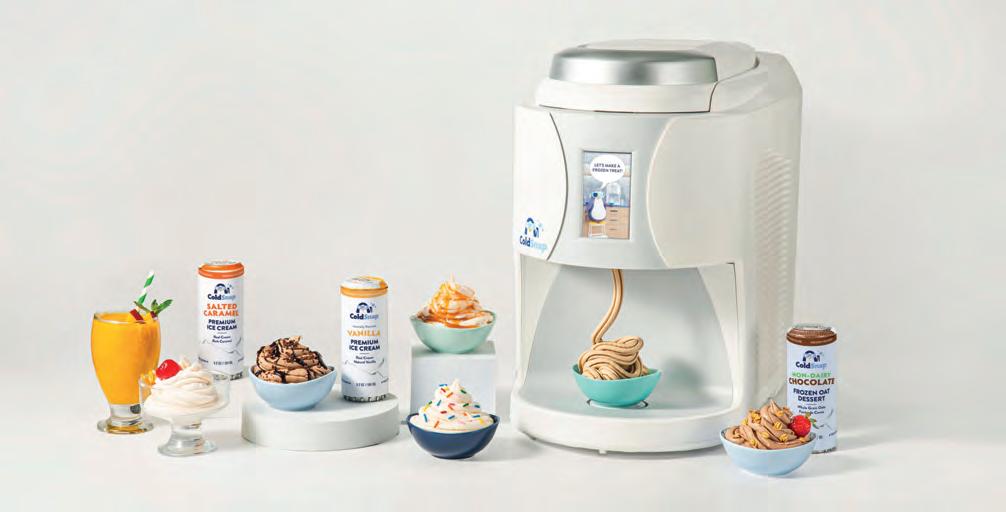
COLDSNAP partners with FOODBUY to deliver on-demand frozen treats to foodservice operators
ColdSnap (coldsnap.com), the Boston-based food technology company behind the revolutionary self-serve frozen treat system, is proud to announce its national distribution partnership with Foodbuy. Foodbuy is the largest foodservice procurement organization in North America and a subsidiary of Compass Group USA. Through this collaboration, Foodbuy’s extensive national network of hospitality, healthcare, education, and corporate clients can purchase ColdSnap’s selfserve system that freezes premium ice creams, smoothies, protein shakes, frozen lattes, and seasonal specialties on demand.
ColdSnap’s unique rapid-freezing technology transforms each singleserving ColdSnap “pod” of premium liquid ice cream or beverage mix into a frozen treat in approximately two minutes. The system is incredibly easy
to set up and use; no plumbing or waterlines are required – just plug in the machine and go! And because food never touches the ColdSnap machine –all food product is mixed and frozen within the pod – there is no cleaning of the machine.
ColdSnap pods are shelf-stable and do not require refrigeration. ColdSnap is reshaping the frozen food landscape, offering unmatched flavor, convenience, sustainability, and efficiency while creating an additional revenue stream for Foodbuy clients.
“We’re excited and grateful to partner with Foodbuy,” said Matthew Fonte, President of ColdSnap. “This partnership opens the door for broad adoption across thousands of Foodbuy customers. We believe that ColdSnap is a better way to serve frozen treats, and we look forward to bringing ColdSnap to Foodbuy custo-
mers that value convenience, cleanliness, exceptional taste, and profitability.”
With Foodbuy’s estimated $30 billion in managed annual spend and extensive operator network, ColdSnap gains direct access to high-volume foodservice sectors across the country.
If you are a member of the Foodbuy network and are interested in learning more about ColdSnap, please visit
www.coldsnap.com
CONTACTO integrates KARL FRITZ
CONTACTO is a leading supplier of catering tableware from Erkrath near Düsseldorf. In 2021, Contacto took over FRILICH from Buseck near Giessen, a world-renowned specialist for buffet systems. In 2025, KARL FRITZ, a factory from Stuttgart-Zuffenhausen founded in 1912, followed.
KARL FRITZ has been producing baking appliances at the Stuttgart-Zuffenhausen site since 1912. In future, production and sales will be handled by CONTACTO, Erkrath.
The contracts for the takeover of production tools, machines and semi-finished and finished products were concluded between the owner families in May 2025.
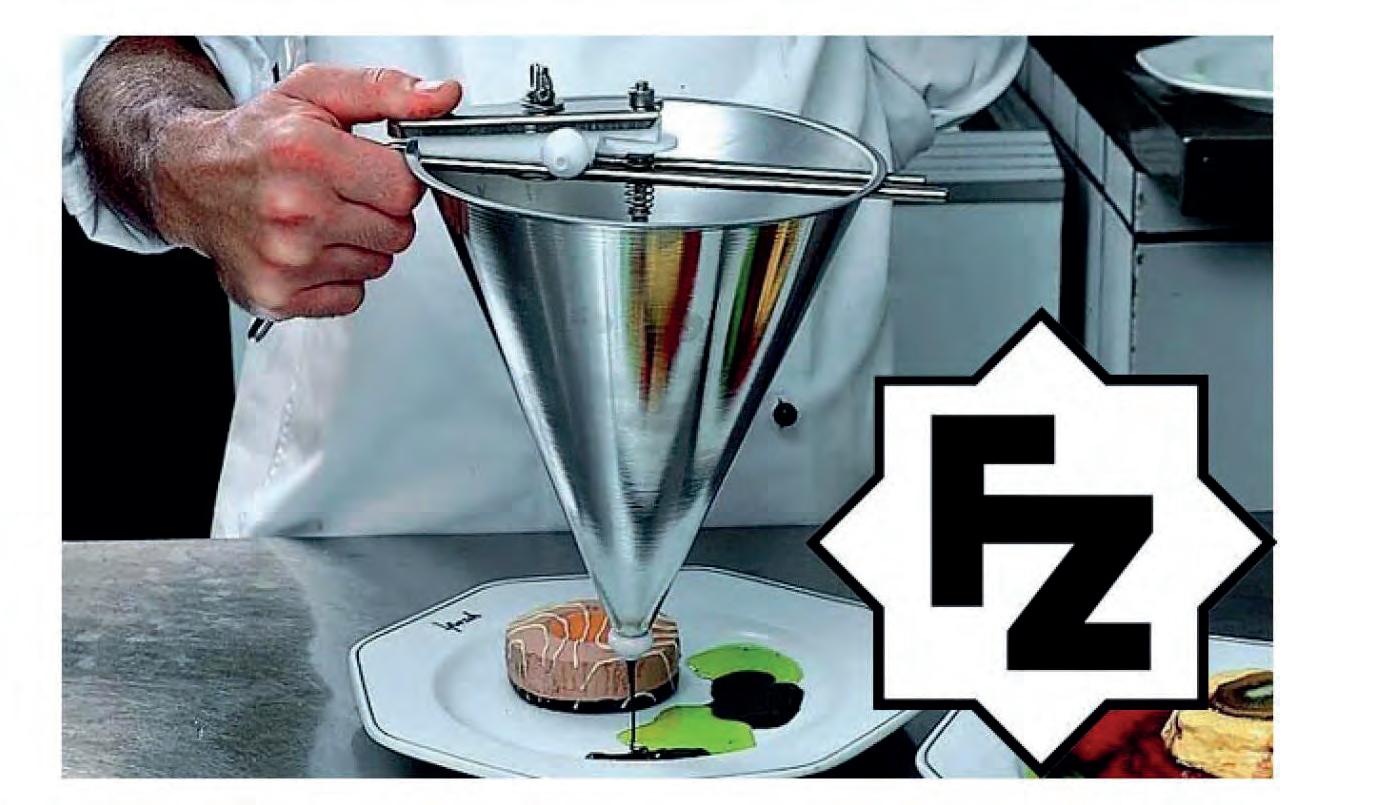
KARL FRITZ had specialised in injection and garnishing nozzles and cookie cutters, most recently almost exclusively made of 18/10 stainless steel. The product depth is unsurpassed.
The range extends from standard perforated nozzles from 2 to 24 mm to star nozzles with different numbers of prongs, rose turners, star ribbon nozzles and St-Honoré nozzles. There are also cake dividers in intermediate sizes, high-performance pa-
stry fillers and a very popular liqueur funnel.
The products ideally complement Contacto’s already very wide range in this area.
This means that the supply of spare parts for the liqueur funnels and fillers will also be guaranteed in the future.
www.contacto.de
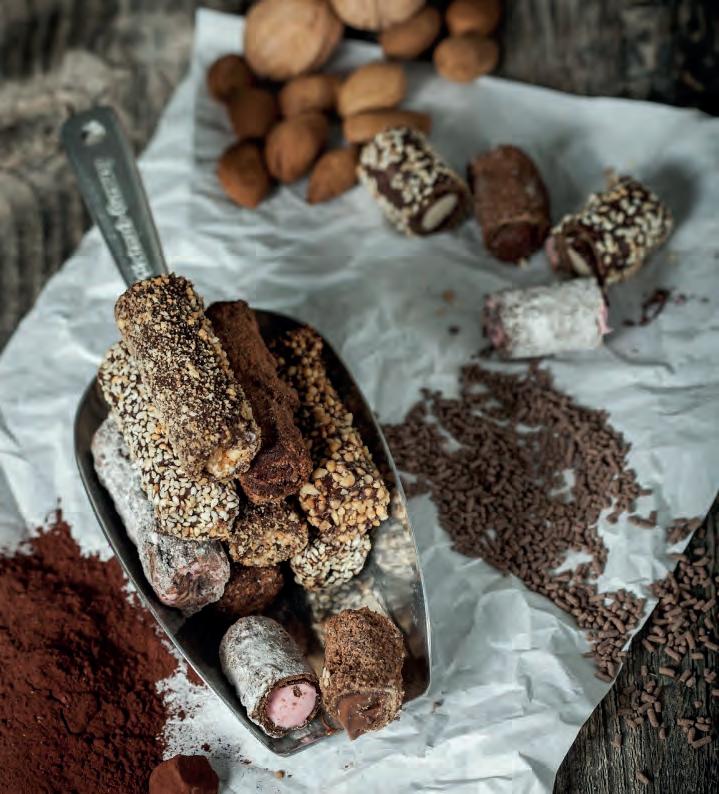
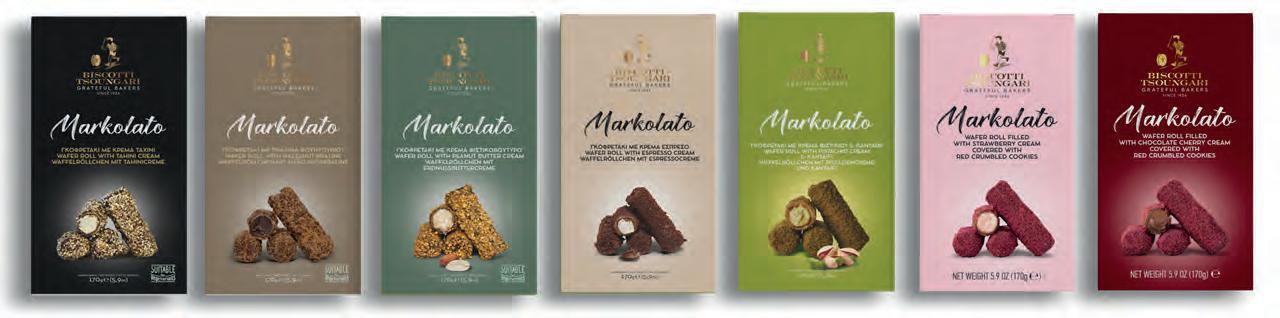
MARKOLATO by Biscotti Tsoungari: Premium. Artisanal. Unique.
IIn the world of high-quality confectionery, Markolato by Biscotti Tsoungari stands out as a true signature creation. It is not just a sweet treat but an expression of craftsmanship and mastery of flavour. Introduced in 2013, Markolato has redefined the classic wafer roll, transforming a familiar pleasure into a modern, elegant experience that reflects the Mediterranean spirit of authenticity and enjoyment.
Each Markolato is crafted in small batches, using carefully selected ingredients to ensure stability, depth and a rich sensory character. The perfect balance between the crisp wafer and the velvety filling creates a meltin-the-mouth texture, a harmony of layers, aromas and sensations that makes every bite unforgettable.
The tahini cream variety remains the hallmark of the collection, a timeless bestseller that embodies Tsoungari’s philosophy: combining tradition and innovation with uncompromising quality.
Alongside it, visitors to ISM Cologne 2025 will discover a range of exceptional combinations, including:
•Hazelnut praline
•Peanut butter cream
•Espresso cream
•Strawberr y cream
•Pistachio kataifi cream
•Chocolate-cherry cream
Each flavour features its own distinctive decoration, elegantly echoing its aromatic identity.
With 50% filling, real chocolate coating and a naturally rich fibre content, Markolato offers a refined, balanced pleasure that elevates every moment.
More than a product, Markolato is a declaration of quality, a creation that enhances every brand that offers it. It is chosen by grocery stores, bakeries, gourmet boutiques and fine-food retailers who aim for excellence.
Because at Biscotti Tsoungari, quality is not a slogan, it is a choice.
www.biscotti-tsoungari.com
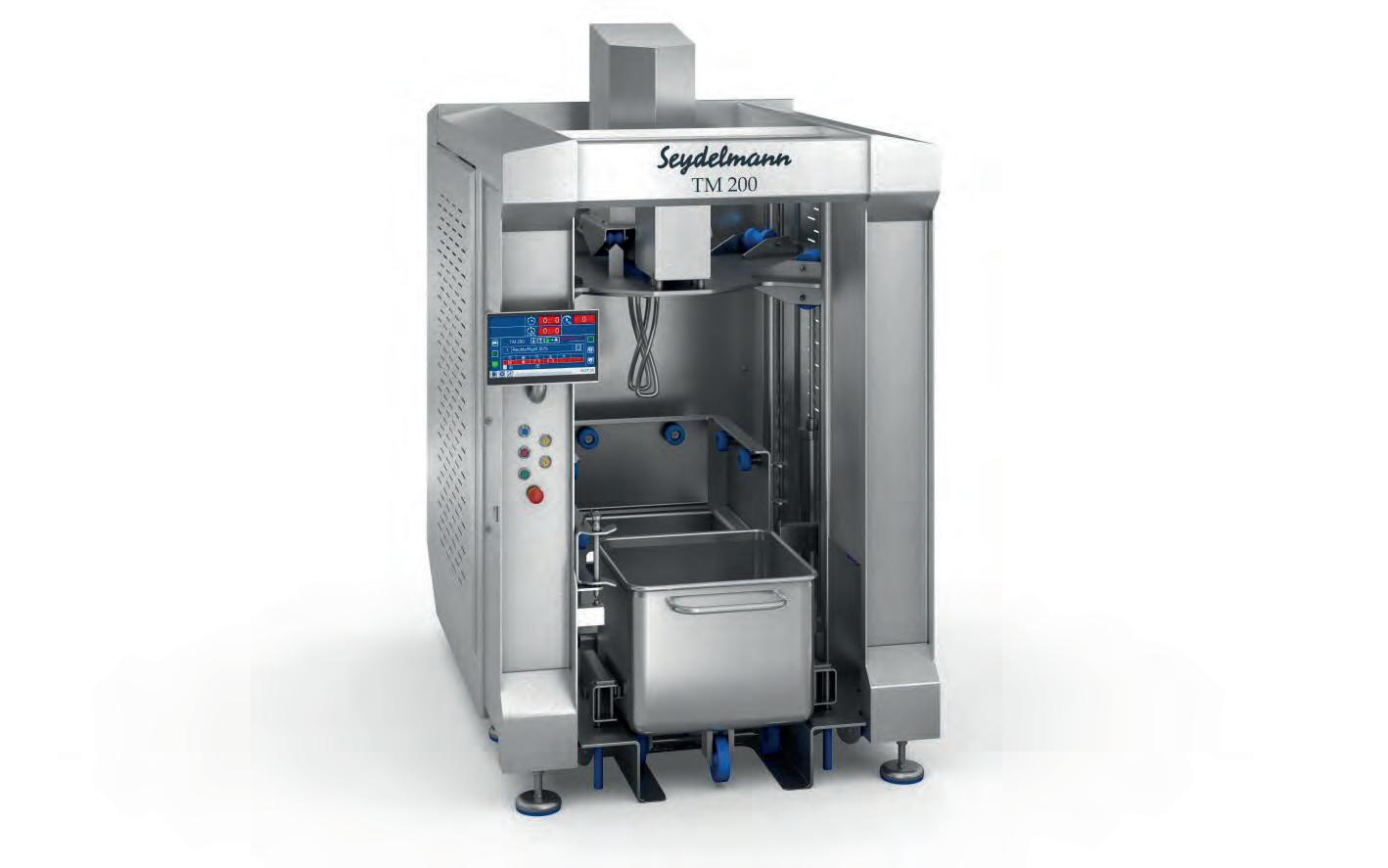
It goes round in the square the TROLLEY MIXER
The German soccer legend Sepp Herberger once explained
the quintessence
of
the
game with the
words: “The round must go into the square.” - At Seydelmann, the motto is now: It goes round in the square.
The Trolley Mixer enables products to be mixed directly in industry-standard square containers - the standard trolleys with 200 l or 300 l capacity. Different mixing arms are available for the machine, which either gently standardize products, mix them in a binding manner or knead them intensively. These can be inserted without tools using a quick-change system.
A combination of the movement of the rotating mixing arms and the trolley itself makes it possible to reach every angle in the angular trolley and ensure that the entire mix is reliably captured and mixed.
The use of a standard trolley as a mixing container offers many advantages. There is no need for timeconsuming transfer - often by hand -which contains the risk of product contamination.
Downstream production machines, such as fillers or portioners, can be loaded with the same trolley using lifting and tipping devices that are usually already in place. In addi-
tion, standard trolleys are significantly cheaper than the round mixing containers of comparable machines and require significantly less storage space for the same internal volume.
The Trolley Mixer relies on the use of existing equipment and thus contributes to cost reduction in production.
Visit: www.seydelmann-sweets.com
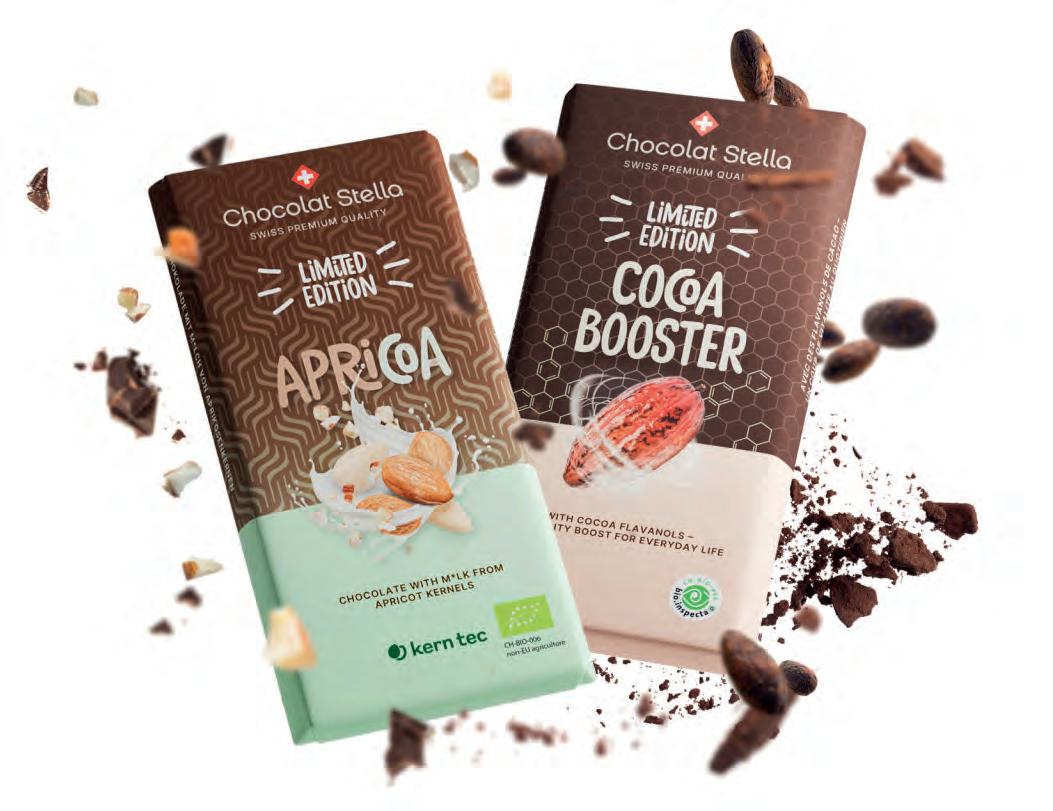
New limited editions by STELLA: functional indulgence and upcycling
Following the success of the 2024 Limited Editions – ChoViva & Cookies and Cocoa Fruit Crunch by Koa – Stella is once again making a statement this year in terms of innovation, sustainability, and conscious indulgence.
This bar embodies the principles of the circular economy: it combines smooth, vegan chocolate indulgence with apricot kernel milk and crunchy apricot kernel pieces. Apricot kernels – a largely untapped by-product of agriculture –are refined in a resource-efficient and flavorful way. The result is a unique treat for lovers of sustainable, vegan sweets. This extraordinary creation was
developed in close collaboration with Austrian upcycling specialist Kern Tec.
This bar is designed for health-conscious connoisseurs who want to incorporate functional indulgence into their daily routine.
Whether as a mindful snack or a small break – this chocolate combines intense flavor with noticeable added value.
Cocoa flavanols are natural plant compounds found in cocoa beans, known for their positive health effects.
Thanks to an innovative process, Stella has succeeded in preserving these
valuable ingredients in a particularly gentle way and incorporating them into the chocolate in concentrated form –for an intense taste experience with functional benefits.
Both bars are available in a Limited Edition.
www.chocolatstella.ch
HEINEN SERVICE: 360° support to keep you running
Heinen offers 24/7 service for pasteurisers, proofers, coolers, and freezers— covering inspections, repairs, spare parts, remote support, upgrades, relocations, training, and SLAs, even for other brands, to keep your production running smoothly. When things get complicated, Heinen delivers - worldwide. Their 24/7 full-range service ensures that you’re supported by highly qualified and dedicated professionals who won’t consider the job done until you’re satisfied.
Core service offerings include:
•Inspections
Regular inspections, maintenance, and wear-part replacements—keeping pasteurisers, proofers, coolers, and freezers operating smoothly.
•Repairs
Fast and reliable repairs—because time is money—and ensuring production resumes quickly with the right expertise and tools.
•Spare Parts
From screws to conveyor belts, they deliver perfectly fitting original parts exactly when needed.
•Remote Services
Thanks to the digitalization of their systems, Heinen’s technicians can troubleshoot and optimize processes remotely, saving time and cost.
•Retrofits & Relocations
You don’t always need a new system—Heinen can upgrade existing equipment or support relocating it.
•Training
Even automated systems depend on skilled operators. Heinen’s team ensures your staff can get the best results from your technology.
• Service Level Agreements (SLAs)
Flexible service contracts tailored to your needs help ensure continuous and optimal performance of your systems.
And they don’t stop at their own systems: Heinen also supports pasteurizers, proofers, coolers, or freezers made by other manufacturers.
Learn more about us and our services: www.heinen.biz/service
FROZEN YOGURT AND ARTISANAL GELATO
BETWEEN MARKET TRENDS, HEALTH AND BUSINESS
“
Frozen yogurt is no longer a passing trend imported from the United States. In recent years it has secured a stable position in consumers’ minds as a “lighter” alternative to traditional gelato. But how much does it actually influence the market and, above all, is it really healthier than a well-made artisanal gelato?
In the consumer’s perception, frozen yogurt relies on three main elements: the word “yogurt”, which instantly evokes well-being; the promise of lower calories; and the idea of a customizable product enriched with fresh fruit or “superfood” toppings. Artisanal gelato, on the other hand, is strongly associated with indulgence, tradition, and the quality of ingredients rather than a healthy choice.
This perception often oversimplifies reality. A high-quality frozen yogurt made from real milk and yogurt, with moderate sugar content and balanced toppings, can in-
by Walter Konrad
deed be lighter than many gelatos. But when cups are overloaded with sweet sauces, crumbled cookies and chocolate, the caloric advantage disappears quickly. At the same time, many artisanal gelaterie are increasingly offering “better for you” recipes, including high-protein yogurt bases, reduced sugar and natural ingredients.
For aspiring entrepreneurs, the key question is not only “what does the customer like?”, but “what kind of experience do I want to offer?”. Frozen yogurt naturally fits fast, urban, self-service formats, where customers fill their cup, choose toppings and pay by weight. This model requires limited space, careful cost management, and an attractive layout that communicates freshness and immediacy.
Artisanal gelato, by contrast, carries a narrative of craftsmanship, recipes, raw-material seasonality and a close relationship with the gelato maker.
From an operational standpoint, opening a frozen yogurt shop begins with one fundamental choice: use ready-made mixes or develop your own recipe. The “DIY yogurt” route may seem more creative or cost-effective, but it requires technical expertise, rigorous cold-chain management, proper equipment and flawless HACCP procedures. Relying on high-quality suppliers offering balanced bases, technical support and training can
make a real difference, especially for newcomers. In this case, the added value lies not only in the mix itself, but in the service: consultancy on recipes, equipment selection and brand positioning.
Equipment plays a decisive role. Frozen yogurt machines must ensure product stability, creamy consistency, and ease of cleaning and maintenance.
The choice between countertop or floor models depends on expected volume and available space, but in all cases service assistance, spare parts and staff training are essential.
Toppings management is another key factor: fresh fruit, compotes, granola, chocolate, crunchy inclusions. Too broad a selection increases waste and complexity, while a curated, seasonal assortment enhances both product appeal and margin.
Then comes the big question: annual or seasonal business? Frozen yogurt naturally peaks in spring and especially summer, with a physiological drop in colder months.
Entrepreneurs must therefore consider whether to expand the offer with complementary products such as hot beverages, spoon desserts, waffles, crêpes, or even
a small artisanal gelato line to smooth out seasonal fluctuations. In tourist areas, seasonality can be less restrictive, while in mediumto-large cities a broader assortment can help maintain steady business throughout the year.
Ultimately, rather than a clash between frozen yogurt and artisanal gelato, the market is moving toward coexistence.
Each format meets different consumption needs. Frozen yogurt appeals to customers who seek lightness, personalization and quick experiences. Artisanal gelato keeps its stronghold on taste, tradition and ingredient quality, while increasingly adopting “healthy” inspirations.
For new business owners, the real choice lies not simply between yogurt and cream, but among business models, brand identities and consumption narratives that can communicate clearly with a more informed and demanding customer base.
AMC, Burrata from milk to packaging
Burrata is a prime example of Italian gastronomic excellence that, in recent years, has rapidly become one of the most popular dairy products in the world. Thanks to its versatility and quality, it has reached an increasingly wide audience, confirming Italy’s leadership in the global dairy sector.
Many Italian companies have chosen to invest in technologies for the production of this fresh cheese.
However, due to its delicate nature, burrata has traditionally suffered from a limited shelf life, making long-distance exports and large-scale retail distribution difficult. This limitation is largely due to production phases that still rely on manual handling.
AMC, a company long dedicated to developing cutting-edge solutions for the dairy industry, has designed
and patented a fully automated system for the transport and packaging of burrata, entirely free from human contact.
Adaptable to any shape and weight, the system guarantees maximum product quality, extended shelf life, and a significant reduction in production costs.
For more information, contact us at info@amcpackaging.com www.amcpackaging.com
5 reasons start-up drinks brands should choose paper-based cardboard tubes
For start-up drinks brands, packaging isn’t just about housing products – it’s about making a statement. In a crowded market where countless products vie for consumers’ attention, the right packaging can elevate your brand, create a memorable customer experience, and drive sales.
Paper-based tubes do more than just protect your product; they set the tone for your brand. With a sleek, premium appearance, sustainable materials, and the strength to safeguard even the most delicate drink bottles, these tubes are the ultimate choice for start-ups committed to quality, reliability, and sustainability. They help you stand out, impress, and build a lasting brand.
1.Cardboard tubes premiumise products and boost shelf appeal
Paper-based cardboard tubes showcase premium quality, making them the perfect choice for supercharging shelf appeal. Their cylindrical design creates a high-end feel that not only stands out on shelves but creates a coveted sense of craftsmanship and exclusivity.
As a start-up striving to establish yourself as a premium brand in a competitive market - with many new brands on the block already successfully making their mark (Kantar) - cardboard tubes with lids reinforce the idea that your brand prioritises superior quality and attention to detail.
2.Cardboard tubes give start-ups a competitive edge
Unique packaging creates a lasting impression, and cardboard tubes are the perfect way to make your brand
unforgettable. In a sea of drinks brands all competing for the same customers, the visual appeal and tactile feel of cardboard tubes allow your product to grab attention and instantly connect with consumers. What’s more, not only do they look and feel great, but paper-based cardboard tubes are also a sustainable packaging solution. With 75% of consumers saying they are more likely to purchase from brands that offer green or sustainable products (Deloitte), this presents a massive opportunity for your brand to capture the attention of eco-conscious shoppers, giving you an edge over competitors that haven’t yet embraced packaging that’s kinder to the planet.
3.Paper-based cardboard tubes provide unmatched product protection
Cardboard tubes enhance product protection by offering durable and reliable packaging that protects drinks, particularly during transit. Packaging tubes help products arrive in perfect condition, reducing the risk of breakage or damage. This is important for any brand, but for start-up brands selling premium or limited edition drinks, you get one chance to make a good first impression. Cardboard tubes give you the peace of mind your products will stay safe and secure during shipping, so they’ll reach customers in one piece. That means a more positive and memorable unboxing experience
for customers, not to mention reduced returns and their associated costs.
4.Branded tube packaging enhances perceived value and the unboxing experience
Cardboard tubes elevate the perceived value of your products instantly. Customers naturally associate durable, stylish packaging with luxury, and the premium look and feel of a cardboard tube creates that high-end impression before they even open the product. This packaging sets your product apart and gives it the edge it needs to shine on shelves and retail environments. With
the addition of embellishments such as foil stamping, embossing, and spot UV, you can enhance the tactile and visual appeal, adding even more sophistication to your packaging.
These details contribute to a richer, more engaging experience, making your product feel even more premium in the eyes of consumers.
Packaging plays a hugely important role in the unboxing experience, with nearly half of shoppers in the UK thinking so (Internet Retailing).
Cardboard tubes enhance this experience, turning a simple unpacking task into a memorable and exciting moment. The unboxing experience created by custom drinks tube packaging can boost your marketing efforts by leading to positive customer reviews and social media shares and
keeps customers coming back and buying from you time and time again.
5. Packaging tubes for drinks are ideal for gift-giving 52% of adults in the UK have bought alcoholic drinks as a gift for someone in the past (Mintel) and printed cardboard tubes play an important part in the experience. Paper-based cardboard tubes and ready-to-gift packaging mean there’s no need to use any additional gift wrapping.
Consumers crave convenience, so drinks tubes are particularly convenient when purchasing drinks as gifts for family and friends. For start-ups, this is beneficial during holidays or special occasions, as the premium packaging enhances the overall gifting experience and can be the deciding factor that pips competitor products to the post.
Paper-based tubes offer endless possibilities for customisation, making them perfect for seasonal or limited-edition releases that boost their appeal as unforgettable gifts.
For start-ups, cardboard tubes open the door to exciting special promotions and collaborations, ensuring your products stand out during peak gifting seasons.
With durable, sustainable and flexible paper-based cardboard tubes, your brand can create buzz and drive sales with exclusive, eye-catching designs that customers won’t be able to resist.
Find out more by speaking to our packaging experts, who are ready to help your start-up make a splash with paper-based tubes.
www.smurfitwestrock.com
a chat with ALMOST 90 YEARS OF PREO, BETWEEN DESIGN, EFFICIENCY AND A SUSTAINABLE FUTURE
Edited by SONIA V. MAFFIZZONI BENNATI
With nearly ninety years of history, Preo stands as a key player in the field of industrial gluing solutions.
From artisanal beginnings to an international presence, the company has grown while maintaining an approach based on versatility, technological innovation, and close attention to customer needs.
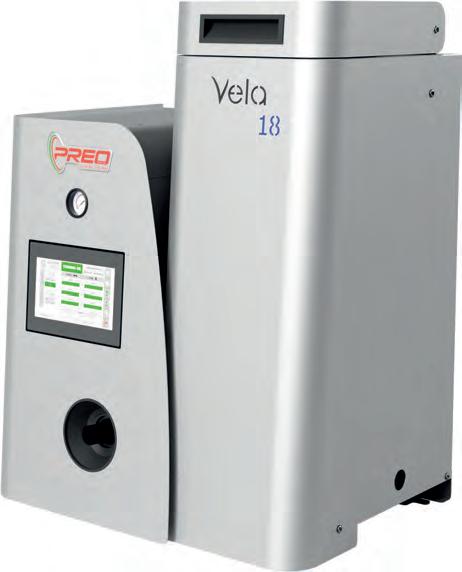
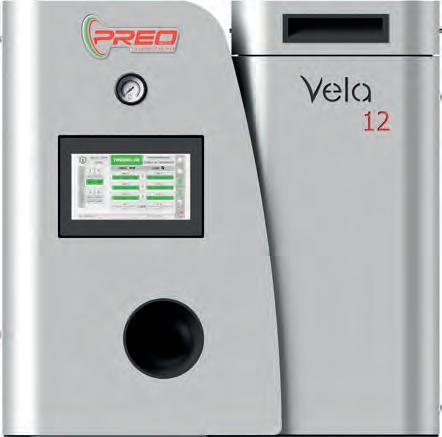
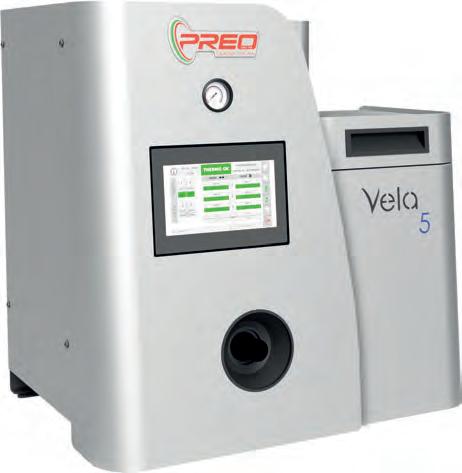
Today its portfolio expands with Vela, a new line of melters that marks a significant step forward in terms of design, energy efficiency, and seamless integration with packaging lines.
Ermanno, can you give us an overview of Vela’s main features?
The 5 kg Vela was first previewed at Fachpack, and today the range is complete.
Alongside our flagship model, we have introduced 12 and 18 kg versions, available with both pneumatic and gear pumps.
This represents a significant expansion, as it allows us to meet very different production needs.
What benefits does this solution bring to customers?
Beyond design, there are several innovative technical aspects.
First of all, interconnectivity: Vela integrates easily with packaging systems from different manufacturers, without the need for invasive modifications to the machine.
Another crucial point is sustainability and energy saving: beneath its sleek design, Vela features a thermal insulation system that ensures faster heating with lower energy consumption.
Preo boasts almost 90 years of activity. What are your plans for the future?
Our goal is to continue strengthening our position in the Italian market, supporting customers with direct and timely service.
At the same time, we aim to expand our international presence through partnerships, acquisitions, and collaborations with other companies, growing without losing the connection to our roots.
With Vela, Preo reaffirms its commitment to innovation and its ability to deliver solutions that combine design, efficiency, and reliability. A range that looks to the future of industrial gluing while keeping sustainability and adaptability to modern production lines at its core.
www.preo.it
of Ermanno Preo CEO of Preo
ERCOPAC: flexibility, innovation and sustainability in end-of-line automation
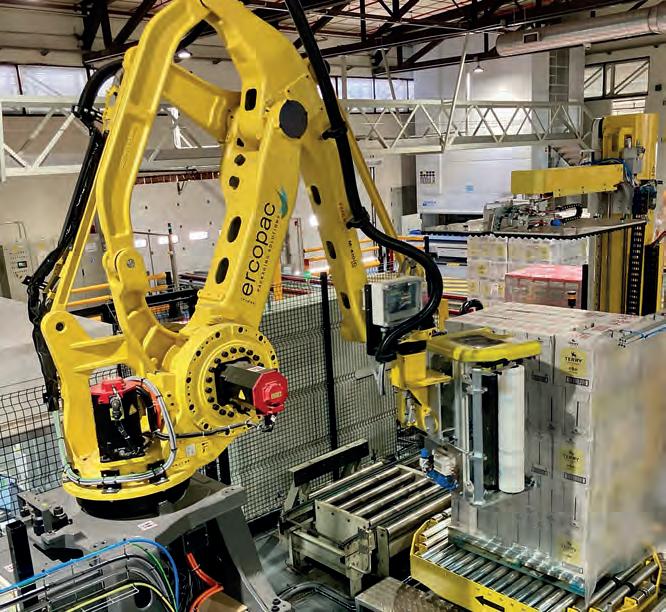
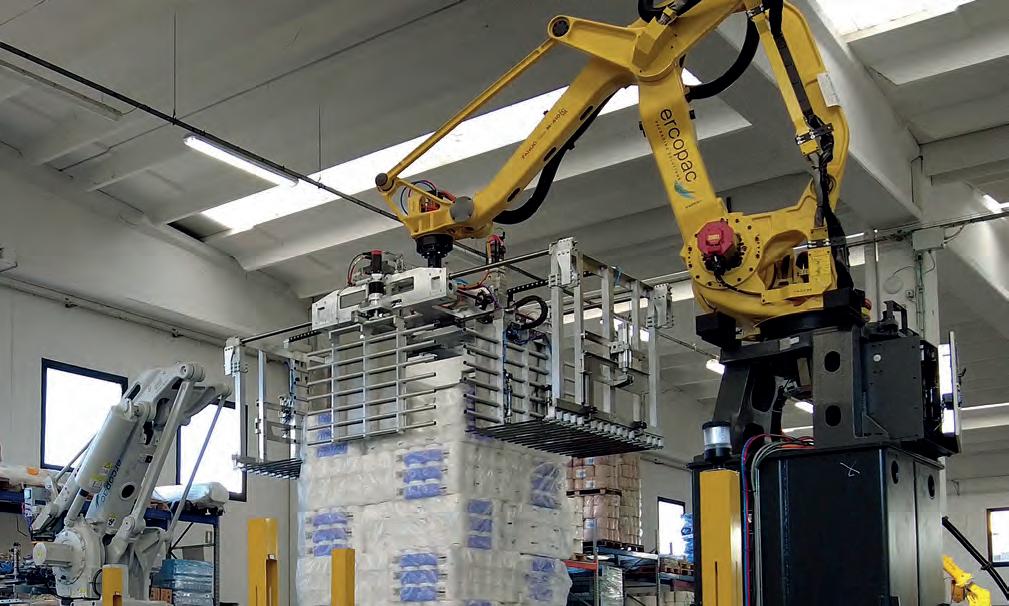
Ercopac, a company founded in 2022 in Scandiano (Reggio Emilia), operates in the automation and packaging industry and stands out for its flexibility, innovation, and sustainable approach.
Despite economic and geopolitical challenges, the company has quickly established a solid market presence by focusing on robotic end-of-line and intralogistics solutions for the food, beverage, and tissue industries. Its product portfolio includes:
• Robotic palletizing systems
• Robotic and traditional stretch wrapping systems
• Robotic empty pallet handling and control systems
• Robotic labeling systems
• Robotic depalletizing systems
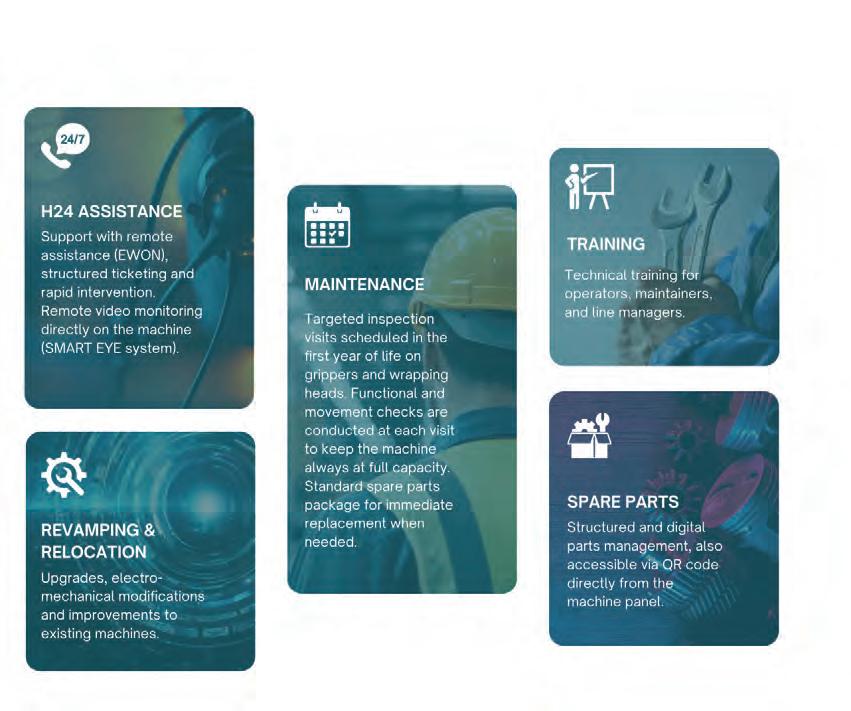
All solutions are designed and developed in-house, leveraging a unique combination of hands-on experience built over the past twenty years and a young, highly skilled team. In addition to supplying machines, Ercopac offers a wide range of customized services, from routine maintenance to complete revamping.
Since 2024, the company has been ISO 9001 and 14001 certified, a clear sign of its commitment to environmental responsibility and stakeholder satisfaction.
Innovation and new technologies
At IPACK-IMA, Ercopac will unveil major technological advancements, including the integration of delta robots into palletizing systems for managing loads of up to 50 kg, aimed at improving performance and efficiency. New patents will also be revealed, targeting pallet stability optimization and
real-time monitoring, along with developments in the company’s intralogistics portfolio.
International expansion
Ercopac is actively expanding into foreign markets, with partnerships and systems already installed in Europe, the Middle East, and the Americas, and plans underway for a new branch in South America. Strategic collaborations with local companies are key to ensuring top-quality service wherever customers operate.
Sustainability and digitalization
Sustainability and digital transformation are core pillars of Ercopac’s
growth strategy. The company has developed patented technologies for using recycled film and more efficient wrapping systems, achieving up to 30% material savings.
It is also exploring artificial intelligence to enhance its intralogistics solutions, with a vision to deliver groundbreaking AGV and LGV systems.
Driven by innovation, global vision, and a strong commitment to sustainability, Ercopac is emerging as a leading player in the automation and packaging landscape. Visit: www.ercopac.com
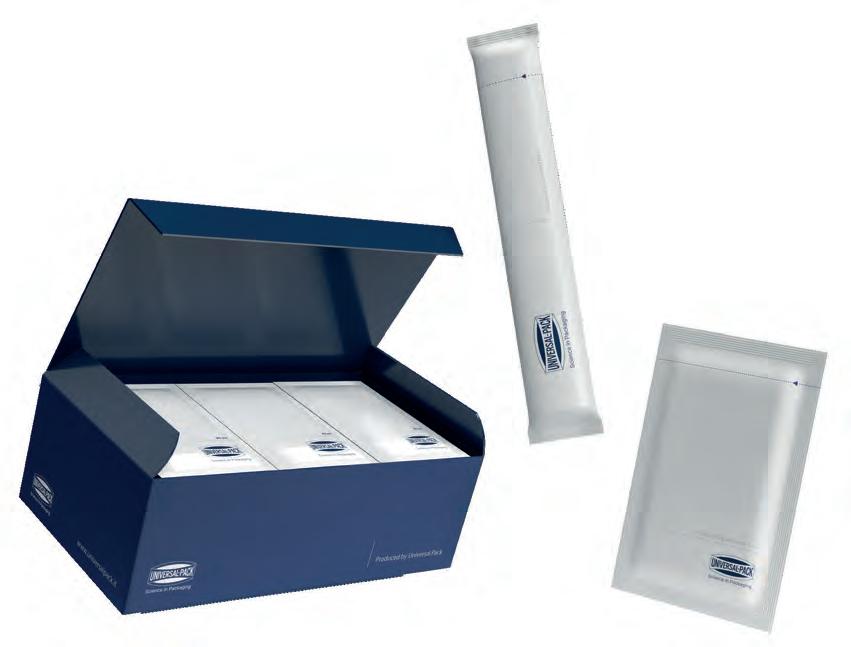
UNIVERSAL PACK: advancing sustainable solutions for single-dose packaging
Universal Pack, a leader in packaging machines and automated lines for singledose solutions, promotes sustainable practices in the food industry. Their innovative approach ensures compatibility with compostable and recyclable laminates, balancing efficiency with environmental responsibility.
Eco-Friendly packaging for the planet
Universal Pack focuses on optimizing machines to work seamlessly with compostable, recyclable, and recycled materials. Using Life Cycle Assessment (LCA) to measure environmental impact, they prioritize ecofriendly processes at every stage of production. Collaborations with global film suppliers and major corporations allow the company to deliver turnkey solutions that align with environmental standards.
designed to minimize energy use, ensuring that the entire packaging process has a reduced carbon footprint. This holistic approach reflects Universal Pack’s dedication to the environment while providing customers with a competitive edge.
Collaborative innovation
Partnerships are key to Universal Pack’s success. By working with film suppliers, customers, and universities, they develop advanced, sustainable laminates and ensure optimal
performance on their machines. These collaborations drive innovation across the industry, setting new standards for environmentally responsible packaging.
Universal lab: engineering backed UP by science
Universal Pack’s in-house lab, Universal Lab, has been pivotal in testing over 350 sustainable laminates and refining machine designs for maximum efficiency. Combining 30 years of research with cutting-edge technology, Universal Lab guarantees that every solution upholds product integrity while meeting sustainability goals. In addition to materials testing, Universal Lab conducts durability and performance analyses to ensure that packaging maintains product integrity. Whether it’s for powders, liquids, or semi-solids, the lab’s rigorous testing guarantees that every package withstands the demands of real-world distribution, helping to reduce food waste and ensure freshness.
Advanced machines for the food industry
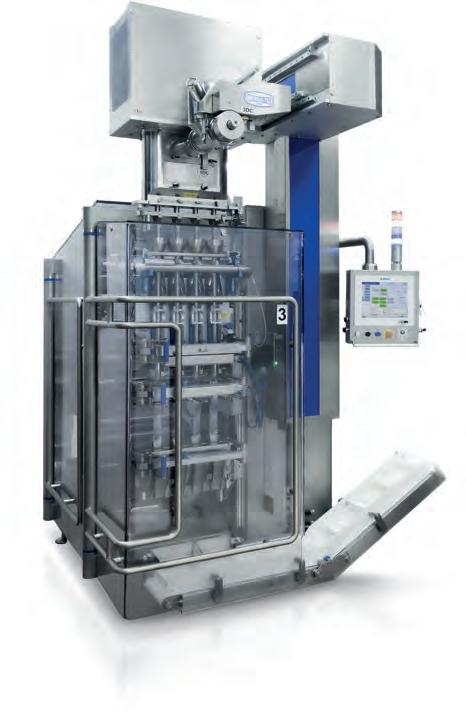
Universal Pack designs and manufactures highend packaging machines and automated lines for single-dose formats
such as stick-packs and sachets. Its top-tier machines, optimized to work with compostable and recyclable materials, serve a variety of industries, especially the food market. The flexibility of their equipment allows manufacturers to transition seamlessly to eco-friendly solutions while maintaining high production speeds and precision.
Their machines are not only reliable but also scalable, capable of supporting businesses of all sizes, from small producers to large multinational corporations. With customizable features, Universal Pack ensures that their systems meet the specific needs of each client, further enhancing their reputation as a leader in sustainable packaging technology.
Serving the global food industry
With 60 years of experience and 8,000 systems in more than 150 countries, Universal Pack leads in packaging solutions for the food industry. Their machines can handle all the products ranging from powders and granules to viscous and liquids, ensuring sustainable packaging options for a wide array of food products.
Universal Pack’s expertise extends to diverse food applications such as dairy, sauces, spices, sugar and coffee, showcasing their versatility and adaptability.
Whether packaging instant coffee sticks or mayonnaise sachets, their machines deliver precision and su-
stainability for every product. As sustainability becomes more important, Universal Pack remains at the forefront, offering innovative solutions for environmentally conscious packaging.
www.universalpack.it
ADVANCING CIRCULARITY: Pro Carton members lead the way to a sustainable future
As the Packaging and Packaging Waste Regulation (PPWR) approaches its finishing line, the carton and cartonboard industry further strengthens its leadership in sustainability and circularity. Years worth of discussions have culminated in a robust legal framework that sets the stage for long-term investment decisions, creating opportunities to advance environmental goals and drive innovation.
At Pro Carton, we firmly support the PPWR, recognising its role in shaping a sustainable future for the entire packaging sector. By building on the proven strengths of cartonboard, we aim to meet ambitious targets whilst addressing today’s environmental challenges.
Leading in circularity
The cartonboard industry has long embraced circularity as the cornerstone of sustainable packaging. Cartonboard, made from renewable resources, is a trusted material with a well-established collection and recycling infrastructure. Significant progress has been achieved in recent years, with CO2e emissions associated with folding carton production reduced by 24% between 2018 and 2021. This reduction reflects the industry’s investments in minimising waste, increasing the share of renewable energy, and managing resources responsibly.
Meanwhile, the Pro Carton „Rethinking Packaging“ - Consumer Survey, 2024 highlights strong consumer con-
fidence in cartonboard packaging, with 88% of respondents trusting the collection and recycling systems in place – a figure that has surpassed glass for the first time, which stands at 85%. This trust is supported by an impressive recycling rate of 83.2%, underscoring the effectiveness of the existing infrastructure.
The cartonboard industry is more determined than ever to push these achievements further, setting an ambitious target to raise the bar and increase the recycling rate to 90% by 2030. This goal is attainable through a collective effort, innovation, and the commitment of all stakeholders in the value chain.
Building on success
Achieving higher recycling rates hinges on several factors that demand
attention and action. Firstly, the separate collection of fibre-based materials is essential to maximise recycling results. Ensuring these materials are kept distinct during collection helps avoid contamination, preserving their integrity and suitability for recycling. Effective resource management also plays a vital role. Fibre based materials are valuable also end of life and should never end up in general waste. By strictly separating these materials at the source, they can be efficiently processed and recycled into new packaging, contributing to a circular economy.
Additionally, harmonisation across European collection systems is another key element.
Whilst mandatory collection targets at the country level can help improve recycling rates, they will not always be necessary. A disciplined approach within the value chain – where fibrebased materials are consistently
treated as precious resources – can achieve similar results without adding regulatory complexity.
Paving the way forward
The progress made by the cartonboard industry so far is proof that innovation, collaboration, and a shared commitment to sustainability delivers tangible results.
The industry’s ongoing investments in reducing CO2 emissions and improving resource efficiency align seamlessly with the objectives of the PPWR.
Pro Carton members continue to champion these efforts, emphasising the importance of cooperation along the value chain.
By uniting and working together to address challenges, we ensure all fibre-based materials are available for recycling and help to educate those who are unsure.
The path forward demands both encouragement and responsibility. With the support of the PPWR, the industry is well-positioned to achieve its am-
bitious goals. The trusted nature of cartonboard, combined with its collection and recycling infrastructure, sets a solid foundation for continued progress.
As we strive towards a 90% recycling rate by 2030, the cartonboard sector exemplifies what is possible when sustainability is prioritised. Through collaborative efforts, we reaffirm our role as leaders in circularity, making a positive impact on the environment and setting a benchmark for others to follow.
www.procarton.com
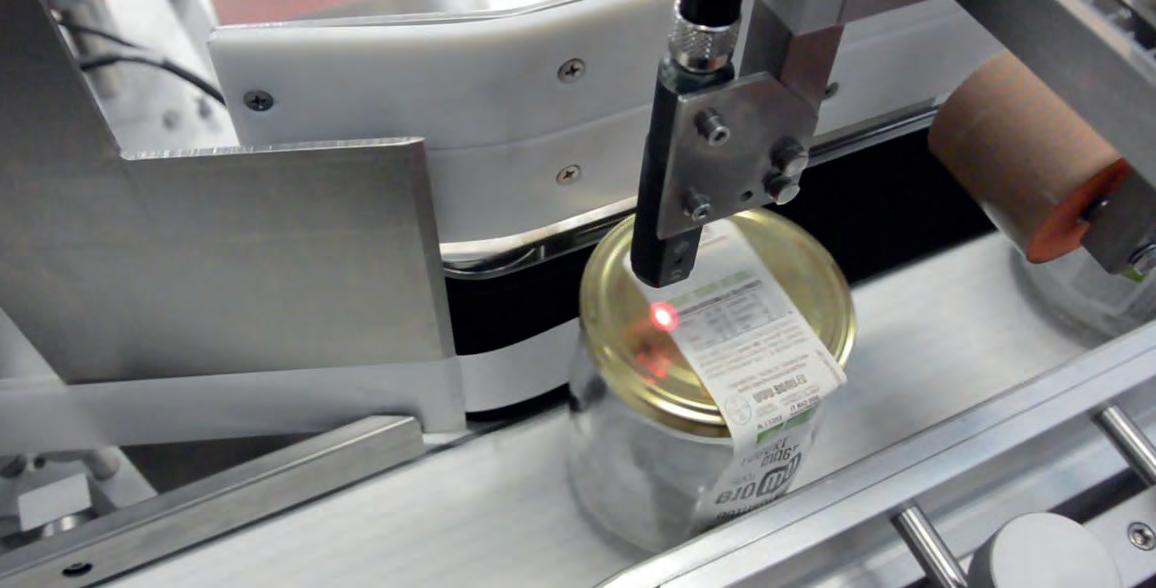
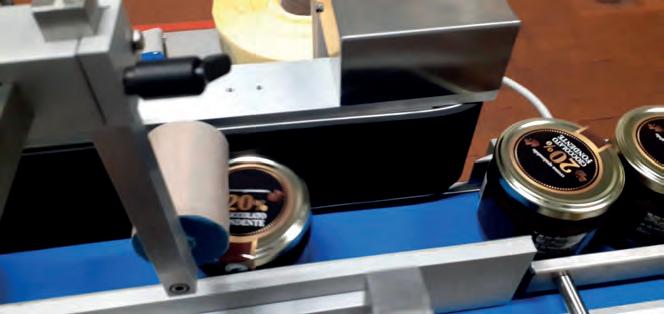
High-performance, modular automatic labelling systems for beverage and liquid food production lines
In beverage and liquid food production, labelling represents a critical interface between filling operations, packaging integrity and downstream logistics.
STAMPA SU CARTA PATINATA OPACA
Labelling systems are required to operate reliably at sustained production speeds, manage frequent changeovers and ensure precise application on containers that may be lightweight, unstable or subject to surface variability caused by condensation, temperature or product characteristics.
For manufacturers handling liquids and semi-liquids, including beverages, sauces, condiments and fresh products, the technical challenge lies in combining application accuracy, repeatability and overall line efficiency with the flexibility needed to process multiple formats, materials and labelling configurations within the same production environment.
Etipack designs and manufactures automatic labelling solutions engineered
to meet these operational constraints, supporting both food and beverage producers and OEM manufacturers of complete packaging lines. Supported by strong in-house engineering capabilities, Etipack develops modular and scalable systems that integrate seamlessly into modern beverage and liquid food production lines and can be configured to meet specific technical requirements and custom project specifications.
Automation designed for beverage and liquid food producers
Beverage and liquid food containers vary widely in shape, size and mate-
rial, ranging from glass and PET bottles to metal cans, jars and tubs, in cylindrical, elliptical, square or truncated-cone formats.
Etipack addresses this diversity with compact, self-sufficient labelling systems designed to operate either as stand-alone units or fully integrated into existing filling and packaging lines.
All Etipack labelling machines are engineered to guarantee:
• Accurate and repeatable label placement
• High-quality adhesion, even at elevated production speeds
• Smooth and controlled handling of containers
• Full compatibility with traceability, coding and identification requirements
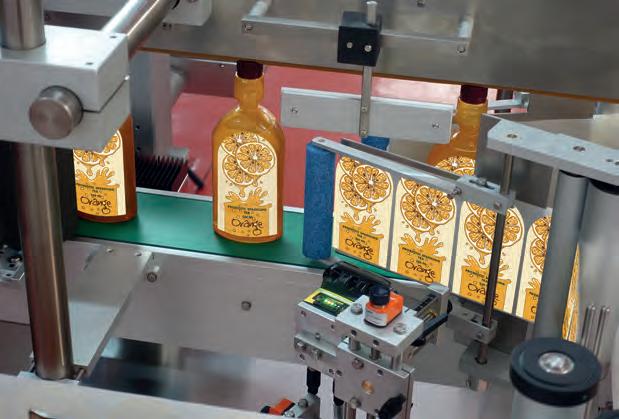
Front–back labelling and tamper-evident seals: System 5
System 5 is a modular automatic labelling solution designed for beverage containers up to 380 mm in height, including elliptical, square and cylindrical bottles made of plastic, glass or metal.
The system is particularly suited for products requiring front and back labels combined with a tamper-evident seal. A dedicated module applies a guarantee label from the cap down to the side of the container, ensuring product integrity and consumer safety.
Two additional labelling stations then apply the front and back labels with a high degree of precision.
The rear label can be marked with variable data such as batch number and production date, supporting full traceability and compliance with food and beverage regulations. Final application rollers ensure optimal label adhesion, even on complex or irregular container surfaces.
Typical applications include:
•Fresh and functional beverages
•Plant-based milk alternatives
•Premium juices and ready-to-drink products
Wrap-around labelling for cylindrical containers and liquid foods: System 1
System 1 is designed for cylindrical and truncated-cone containers up to 200 mm in height. Its modular architecture allows the application of wrap-around, semi-wrap or shaped labels with an integrated tamper-evident seal.
A rotating three-roller unit ensures smooth and precise application around the container body, while dedicated guiding components fold and secure the seal over the cap. Labels can also
be accurately oriented in relation to the cap or to a predefined reference point, such as a logo or graphic element.
With appropriate customisation, the system effectively manages typical challenges associated with cylindrical containers, including air bubbles, multiple formats and difficult materials, ensuring consistent and repeatable results across different product lines.
This solution is particularly suitable for:
• Water and soft drink bottles
• Functional and sports beverages
• Dairy and plant-based drinks in cylindrical packaging
Modular, scalable and futureproof solutions for beverage and liquid foods
Both labelling systems are conceived as compact, fully automatic lines with integrated product transport. Their modular design enables straightforward customisation, system upgrades and adaptation to new container formats or labelling requirements over time.
Designed to support beverage and liquid food producers as well as OEM partners operating in dynamic and
competitive markets, Etipack solutions combine mechanical reliability, application accuracy and long-term flexibility. This approach allows both brand owners and machine builders to maintain high quality standards while responding efficiently to evolving market and production demands across a wide range of fluid and semi-fluid products.
Etipack:
a partner for beverage and liquid food labelling
With decades of experience in industrial labelling and identification, Etipack supports manufacturers and line builders with tailor-made solutions that enhance production efficiency and brand value. From single machines to fully integrated labelling systems, Etipack delivers technology designed to evolve alongside production processes and business requirements.
www.etipack.it
Protecting your products SINCE 1991
It was 1991 when Walter, Maria Grazia, and Davide started and shaped their project of manufacturing beehives and separators. Back then, the idea of offering the market that particular support for protecting products being shipped worldwide wasn’t very widespread, but it immediately received a positive response.
From that moment, the three pioneers made investments and innovations to
stay one step ahead, creating a wellorganized structure with technologies and machinery and ensuring quick and customized responses to their customers. Today, L’Alveare, considered a leading company in the production and delivery of tensioned and corrugated cardboard packaging products, relies on highly experienced collaborators, an always updated machine park, the ability to work with various sizes, and the availability of
its own means for direct deliveries. Sustainability, environmental attention, and organizational efficiency are at the core of the company’s philosophy, in addition to being the basis for the quality of the offering, with the awareness that dealing with fragility and responding to the need to “protect” means thinking thoroughly about preserving every creation of humankind.
The use of recycled and recyclable cardboard allows customers to reduce the carbon footprint of their products, supporting the image of a sustainable company, which is increasingly demanded by the market and consumers.
Solutions of every complexity and size are available for different categories of clients, including the Beverage Sector (separators and beehives for wine, spirits, beverages, and water bottles), Glassware Sector (for glass bottle and container manufacturers, up to a maximum size of 1250 mm), Mechanical and Mechatronics Sector, as well as the Pharmaceutical/ Cosmetic Sector
www.alveare.com
VILSA NIX-PACK: adhesive dots that repackage the six-pack
How can plastic be saved, CO2 reduced and functionality maintained?
VILSA-BRUNNEN - in collaboration with KHS GmbH - has found the answer: in the form of the VILSA NIX-PACK. VILSA is the first German beverage manufacturer to replace the familiar shrink wrap with adhesive dots
Less plastic, more future
The VILSA NIX-PACK drastically reduces the use of plastic. “We want to offer our customers an environmentally friendly alternative that combines the highest quality and innovation. The decision to dispense with film is a clear commitment to more resource conservation and a cleaner future,” says Hans-Dietrich Kühl, Managing Partner at VILSA-BRUNNEN Otto Rodekohr GmbH. According to VILSA, it saves around 50 tons of plastic per year, which equates to around 2,000 kilometers of shrink film. “Compared to the greenhouse gas emissions associated with shrink film, we achieve a reduction in CO₂ emissions between 40 and 70 percent, depending on the bottle sizes. We save 62.5% of CO₂ emissions with the 1-liter NIXPACK, for example,” Kühl calculates and adds: ”Replacing shrink film is an important step in terms of immediately visible waste avoidance in retail –who’s never seen a tattered-looking disposable shelf? The introduction of the VILSA NIX-PACK is the next logical step in a series of innovations we have brought to the market in recent years.”
Packaging rethought: adhesive dots and cardboard carriers as key technology
What is special about the VILSA NIXPACK? It uses no plastic film at all and relies on strong adhesive dots to hold the bottles together. These are environmentally friendly and robust, resistant
to environmental influences and do not hinder the recycling process. They do not need to be disposed of before the bottles are returned and, according to the company, have no impact on the recycling process.
Also, a cardboard carrier made from 100% recyclable material replaces the previous plastic handle and ensures safe transportation, even in cold, hot or damp conditions. After use, it can easily be disposed of in waste paper bins. The NIX-PACK is due to be launched across the board from May.
When companies think more sustainably, they also do so in the interest of consumers. Consumers increasingly expect environmentally conscious packaging solutions that are both functional and sustainable. The VILSA NIXPACK shows how plastic can be reduced while at the same time increasing convenience and practicality.
Sustainability as a success factor in the industry
Packaging made from recycled PET that reduces CO2 emissions is no longer the exception. Innovations such as VILSA’s water six-pack
show that the industry is increasingly moving towards minimizing the environmental impact of packaging. It is essential for them to keep pace and take advantage of trends like these to reduce their environmental footprint and increase their competitiveness.
The company
VILSA-BRUNNEN
VILSA-BRUNNEN from BruchhausenVilsen in Lower Saxony is at the center of the VILSA Group and employs more than 500 people. The main brand is VILSA, with Bad Pyrmonter, BAD, Mineau and Sodenthaler also part of the group.
Equipment and lines for the integrated processing of FRUIT and VEGETABLES
The company Navatta, founded by Mr. Giuseppe Navatta in 1983, produces and installs fruit and vegetable processing lines and boasts references across the globe.
NAVATTA, THE GLOBAL SUPPLIER OF INTEGRATED FRUIT & VEGETA-
BLES PROCESSING EQUIPMENT AND LINES, PROVIDING WELL PROVEN AND INNOVATIVE SOLUTIONS FOR A FULL RANGE OF PLANTS also thanks to the numerous companies’ acquisitions over the years, such as Dall’ Argine e Ghiretti in 2001, a 40–year-old company world famous for rotary can pas-
Line to produce thermostable jams for bakery products. Working capacity: up to 2.400 kg/h product ready for hot filling.
teurizers and tomato pulping lines; Mova, in 2010, with extensive experience in bins handling, bins and drums emptying, palletizers and depalletizers, washing systems; Metro International, in 2012, leader in fruit and vegetables processing, boasting international patents for juice and puree extraction, concentration plants
Bag-in-drums 220 l frozen fruit puree processing line: emptying, heat treatment, aseptic filling 3 - 5 kg.
and thermal treatment; Ghizzoni Ettore, in 2012, specialized in special batch plants for ketchup, sauces and jams.
Manufacturing range
NAVATTA GROUP manufactures and commissions Processing Lines, Systems, Equipment for Fruit, Tomato, Vegetables for:
• Peeled / diced / crushed tomatoes, tomato sauces and purees, tomato paste, all filled into any kind of package or in aseptic;
• Diced, puree, juices (single strength or concentrated) from Mediterrane-
an / tropical fruit, all filled into any kind of package or in aseptic;
•Fruit crushing lines from IQF, frozen blocks and frozen drums
• High yield PATENTED fruit puree cold extraction, fruit purees / juices equalized in aseptic.
•Wide range of evaporators to produce tomato paste Mediterranean
Single head aseptic filler “Webzero” for web small bags 3-5-10-20 liters - automatic loading system - no operator needed – patented system. Semi-automatic filling of 220 bags in drum. Aseptic tank and sterilizer.
• Formulated products productions (jam, ketchup, sauces, drinks) starting from components unloading to dosing, mixing, mechanical / thermal stabilizing, to filling into any kind of package or into aseptic;
•Processing pilot plants;
• Vegetable processing as receiving, rehydration, cooking, grilling
Navatta Group’s headquarter and the two production units are located in Pilastro di Langhirano, Parma, with a total production area of 10,000 square meters. A new area of 10,000 square meters has recent-
ly been purchased and is ready for the third processing unit to be built.
Vision: passion is the factor that drives us to higher targets, in terms of technology, products and services.
Mission: to constantly increase Customers’ satisfaction and fidelity.
Visit: www.navattagroup.com
Navatta, the global supplier of integrated fruit&vegetables processing equipment and lines, providing well proven and innovative solutions for a full range of plants.
NICOFRUIT: past, present and future FRAGOLA MATERA®
NICOFRUIT is a registered trademark, owned and distributed by Frutthera Growers, an Italian company located in the Basilicata region, in the south of the Country.
This area is well known and is ideally suited to the growing of strawberries, grapes, kiwi and citrus. These fruits find their natural habitat here and are included in the most representative made-in-Italy productions
Adopting the integrated production quality system means employing environmentally friendly production methods, protecting the health of both workers and consumers, making use of technical and economic features of the most modern production systems.
Special care to the environmental issues led the company to achieve an important result: the drastic reduction of pesticides, implementing specific natural technics and recurring to a massive use of antagonistic insects.
Natural protection of the plants gave a large contribution to get a “zero residues” pesticides for a lot of the fruit we produce.
Packaging represents another way to respect Earth. A totally brand new compostable packaging has been implemented in our production lines,nicofriendly, being entirely degradable and used as a natural fertilizer. Great help for the environment!
Frutthera adopts the integrated production quality system that consists of a combination of eco-friendly production methods, the protection of both workers and consumers’ health, and technical
and economic requirements of the most modern production systems.
Storage and conditioning are controlled by a software cell that provides constant monitoring of the products’ temperature and humidity, from the countryside until their final destination into targeted markets.
Monitoring the correct temperature during transport is guaranteed by small electronic recorders installed on the means of transport. NICOFRUIT products are traceable and trackable.
Thanks to a computerized system, the product will be followed through all the stages of processing, packaging and storage to the sale moment so that the consumer can trace back the
soil where the fruits and vegetables have grown.
Today FRUTTHERA Growers can count on more than 40 partners that cultivate more than 500 hectares of land.
On average, 160 seasonal workers are employed with a max of 350 in the most intense harvest periods.
The factory is 12.300 sqm (indoor and outdoor). It is newly built and it has been designed to guarantee the quality of the products.
Sustainable development is the only possible model for NICOFRUIT - solar panels are located on the storage and on the processing plants, and they are sufficient to feed most of the company’s energy needs.
From the very beginning, dynamism and long-term outlook have allowed the company to reach internal large-scale retailers and important market spaces from South America to the Middle East. Analysing percentage shares, the products are sold 50% in the foreign market, 30% in the internal retail and 20% in the general market.
Since commercial aggregation is a very important target to achieve, Frutthera joined one of the biggest Producers Organization in south Italy, with a total turnover > 70 mln €, Asso Fruit Italia, that is also a partner of Italia Ortofrutta, the biggest Italian National Union.
As a natural consequence of environmental awareness, Frutthera takes part in a lot of projects to achieve this target, organized by Universities, Research Institutions and many other reliable partners.
www.nicofruit.it
TROPICAL FOOD MACHINERY: AUTOMATION AND QUALITY IN BANANA PROCESSING
Edited by SONIA V. MAFFIZZONI BENNATI
Banana processing is one of the most challenging tasks in the food industry, especially when it comes to efficiency, yield, and the quality of the final product.
Tropical Food Machinery has developed an innovative technology, already tested and operating, that automates the peeling phase and significantly improves the production of banana purée.
With more than forty years of experience and a solid presence in the world’s main producing countries, the company continues to introduce solutions that combine innovation and reliability.
What is the most recent installation carried out by Tropical Food Machinery?
We installed a new automatic banana peeler in Costa Rica. Startup and commissioning were completed just a few weeks ago, and both the results and customer feedback have been very positive.
What concrete benefits has this new line delivered?
The first advantage is the reduction in manpower required for peeling, since the process is fully automated. But there are two other key aspects: the quality of the banana purée is higher than that obtained through manual peeling, and there is also an increase in yield, providing the customer with more final product.
So this is already a proven technology?
Yes, absolutely. This is not an experimental solution. In addition to the new line in Costa Rica, we already have two machines that have been running for
more than two years in the Philippines. We now have concrete data that demonstrate the benefits of our patented technology, which allows us to promote it successfully in other markets as well.
What prospects do you see internationally?
We have received many requests from countries such as Costa Rica, Guatemala, and Ecuador, as well as strong interest from major international companies. Our goal is to further expand the presence of these automatic lines worldwide in the coming years.
With these solutions, Tropical Food Machinery strengthens its role as a reference player in the sector, offering technologies that increase productivity and quality while reducing operating costs, supporting producers in moving towards a more modern and competitive management model.
of Guido Diemmi Sales Director of Tropical Food Machinery
All about food: MAXIMUM EFFICIENCY for all production lines!
Effective planning and controlling of processes are one of the most important things when it comes to fresh food. However, the reality is different: Many producers, importers or packing houses still work with manual entries in confusing Excel tables.
Planning errors are based on this and on insufficient networking of the systems. How can this be avoided?
Smart, individual, digital: Food production 4.0. with 30% efficiency increase
Although Industry 4.0 is a hot topic for decision-makers, there are only a few software providers dedicated to Food Production 4.0. An example of this digitalization offensive is the “PECS” tool.
The Production Efficiency Control System covers the complete production control and networks plants and machines - regardless of the maker. Production lines are set up in just a few clicks, personnel planning is carried out in no time, and the performance data of the respective production is made available in a clear manner.
Future orders and activities can be forecast to the minute. An average 30% increase in production efficiency can be expected.
Import & maturity planning: Preventing sources of error that often cannot be taken into in the daily business routine
Especially in the case of perishables, it`s necessary to know exactly at which time which quantity is available
Effective planning and controlling of processes are one of the most important things when it comes to fresh food.
at which location. This is the only way to minimize over- or underdeliveries and the spoilage of goods. Planning is usually based on Excel lists, which then have to be manually converted into orders in the ERP system. The fact that errors happen here can hardly be avoided. The changeover to a database-based solution opens new potential.
The Fruit Import Planning System “FIPS” generates orders based on a
planning quantity and considers live data such as sales quantities, spoilage, lead times, transport times and ripening cycles.
This guarantees supply chain traceability and detailed planning of ripening chamber utilization. Underdeliveries are immediately apparent and appropriate replacements can be provided at an early stage.
ERP: Making yields visible even before the harvest
In many ERP systems, a comprehensive data exchange and thus a continuous, clear planning and control is only possible to a limited extent. The step towards an industry-specific solution such as “traceNET”, which can map the processes of food-producing
companies, is therefore obvious and necessary. Instead of manual entries, it works with automatisms that make everyday production easier. The complex processes of food producers are mapped and optimised in detail. Crop and harvest reporting, ordering, packaging material planning, batch tracing and certificate management are just some of the comprehensive functions.
Individual software solutions for food producing companies, mobile solutions, realtime overview & business intelligence tools can be found at “activeIT-Software & Consulting GmbH”.
www.active-it.at
New Success for AKOMAG
In recent years there has been a strong growth in the market of gallon water bottles, both in Italy and worldwide.
Dispensers showed a positive trend, apart from the temporary setback caused by the Covid-19, mainly involving offices, factories, warehouses and various communities.
The success of gallon bottles, in particular those of reusable PET or PC bottles, obviously involves the need to guarantee the safety of water, and consequently the cleaning of containers and dispensers. Which must be accurately and periodically sanitized. The water used to fill the gallon bottles, which can be natural spring water or water from other sources, must comply
with the quality parameters defined in Community legislation on water intended for human consumption.
Used empty gallon bottles, if still intact, can be reused. But before being inserted in a new filling cycle, they must be inspected for integrity, absence of discoloration and possible odours.
After that, they must be washed with water and specific detergents and rinsed thoroughly with special machines. Like those built by Akomag, for example, an Italian company specialized in the design and production of machines and plants for the bottling industry.
Washing, rinsing, filling, capping The Monobloc washer for gallon bottles Sira has been designed by
Akomag for washing and sterilizing PET or PC gallon bottles or other bottles of various sizes, to be filled with still water.
The washing cycle adapts to the various production needs of the end customer and is very effective. For this machine Akomag has designed and produced a special spraying and brushing device for gallon bottles that ensures total cleanliness.
Through the use of special mobile nozzles furniture (penetrating and rotating), the machine washes the bottle internally at high pressure (5 bar). While the outside is brushed by means of nylon brushes.
The machine can be quickly adapted to the different bottle formats by sim-
ply setting the type of container to be handled on the control keyboard.
The stainless steel control board installed next to the monobloc is easily accessible for the operator. The panel is equipped with a touchscreen for the complete manage-
ment of all line functions, and the display of operating parameters and alarms.
The Monobloc features an automatic de-capper in stainless steel: a pneumatic system grips the bottle neck while ejecting the cap. The system is
safe, but it can be equipped with a system for the selection and ejection of gallon bottles that have not been properly de-capped.
The bottles are then filled by means of special inverter- controlled pumps.
A valve designed by Akomag guarantees a laminar flow and no contact between the valve and the bottle.
The filling is carried out by means of a special metering device that ensures extreme filling accuracy.
The capper consists of soundproof vibrating hopper, a descent channel, and a tear-off pick-up head.
The closure of the bottle is guaranteed by an inclined pressure belt characterized with adjustable pressure.
All adjustments are automatic and managed from the control panel
www.akomag.com
Rockwell Automation the trusted partner for OEMs simplifying machine operations and connectivity
Industrial automation is no longer just about efficiency: today it means reliability, interoperability, and scalability. In this evolving scenario, Rockwell Automation stands out as a key partner for companies designing and building high-performance machines and systems. Choosing a technology partner goes beyond the quality of individual components. It’s about the entire production ecosystem: from control logic to connectivity, from safety systems to global support. Companies integrating Rockwell components report a common language, easy integration, and fast commissioning. In an industrial world shaped by increasingly demanding customers and fragmented markets, relying on a solid, globally recognized infrastructure makes all the difference.
What does that mean in practice?
It means reducing startup times, ensuring continuous operations, and simplifying support services, anywhere in the world. Those who design complete lines know that every second matters. That’s where Rockwell
Automation’s technology becomes a true competitive advantage. Its open, modular platform allows OEMs to deliver customized solutions with advanced control logic, intuitive interfaces, and built-in traceability in line with Industry 4.0 standards. All of this comes with a constant focus on operator safety and easy maintenance. But it’s not just about technology. It’s also about partnership.
Rockwell Automation supports its partners throughout every phase of the project: from co-design and technical training to post-sales assistance and software updates.
This collaborative approach builds strong, lasting relationships, enabling OEMs to grow over time with the confidence of continuous support. For machine builders, choosing Rockwell Automation means responding to the market with agility, innovation, and reliability.
It means delivering real value to their
customers. And above all, it means building the automation of tomorrow on a foundation that is solid and shared.
This vision of shared success is further amplified through the Rockwell Automation PartnerNetwork™, a powerful, global ecosystem of leading technology companies, system integrators, OEMs, distributors and solution providers. By joining the PartnerNetwork™, companies gain access to innovative technologies, superior support, and scalable business opportunities that no single vendor can offer alone. This collaborative framework enhances interoperability, accelerates time-to-market, and ensures long-term competitiveness in an increasingly complex industrial landscape.
It’s how Rockwell Automation and its partners deliver the full value of The Connected Enterprise
rockwellautomation.com
The Poland dairy Polmlek fills low acid dairy products and desserts on an aseptic pouch machine from IMA Fillshape
The market for spouted pouches continues to grow rapidly. They are extremely easy for consumers to handle and manufacturers benefit from lower storage space compared e.g. with preformed cups. Polmlek was looking for a new packaging for the launch of its’ new low acid dairy products and desserts. IMA Fillshape is the only company worldwide able to supply the unique technology of a spouted pouch, aseptic, high speed rotary filling machine for high and low acid products.
These are the reasons why Polands’s dairy company has chosen this consumer-friendly packaging for its’ new products. The pouch filler Ermetika Aseptic EAS240 is a continuous motion rotary filler with a capacity of 240 pouches per minute. The machine works with premade pouches, spouts and caps.
Spouted pouches are assembled at the welding carrousel and then sterilized internally and externally by means of VHP (Vaporized Hydrogen Peroxide). Caps are sterilized by means of VHP and applied after the filling is complete. Filling and capping are performed in the sterile isolator area. The machine features dedicated skids for the VHP preparation and for the chemicals preparation for cleaning and sterilization cycles (CIP-COP and SIP-SOP).
The brand new dairy products Pomlek Homogenized cheese strawber-
From left to right: Andrzej Grabowski (Polmlek Co-founder/Owner ), Monika Białobrzewska (Mazowiecka Spółka Mleczarska SA Vice President), Enzo Bocelli (Sales Manager IMA FILLSHAPE), Bogdan Wójcik (FORMA President – IMA FILLSHAPE agent for Poland), Jerzy Borucki (Polmlek Co-founder/Owner)
Portfolio of the new products filled on the Ermetika Aseptic EAS240
Official opening: ribbon cuttening of the aseptic pouch filler Ermetika Aseptic EAS240 in October 2025.
From left to right: Andrzej Grabowski (Polmlek Co-founder/Owner ) Enzo Bocelli (Sales Manager IMA FILLSHAPE), Jerzy Borucki (Polm lek Co-founder/Owner)
ry, Pomlek Prebiotic on strawberry and desserts such as Pomlek Nut and Chocolate milk dessert, Pomlek Poezja LUX Strawberry flavored dessert are filled into spouted pouches. The machine allows the customer to produce: ESL products (Extended Shelf Life) by cold distribution chain for a shelf life up to 60 days and products in Full Aseptic mode for High Acid and Low Acid products: for a shelf life at ambient temperature for 6-12 months.
The practical pouches are an ideal solution for offices, hotels, cafés, fast-food chains, trains and buses as well as on-the-go.
“We are very satisfied with this state-of-the art pouch machine. “ reported Monika Białobrzewska, Vice President Mazowiecka Spółka Mleczarska. „The inauguration of the new aseptic production line is a
great milestone for Polmlek. The first spouted pouch aseptic rotary filler in Poland, gives us a step ahead to our competitors, introducing in the market brand new ESL and Aseptic (low acid) dairy products and desserts.” Polmlek Group is the leader of the Polish dairy industry - the largest private company in the sector, built entirely on domestic capital. For over 30 years, it has been setting the standards for quality, innovation, and development. With 15 modern production facilities, over 5,000 employees, unique recipes, advanced technologies, a robust logistics network, and a presence in international markets, Polmlek stands on solid foundations – a brand that combines tradition with the future.
ima.it
About IMA Fillshape: IMA Fillshape, based in Parma/Italy designs and manufactures pouch making and filling machines for flexible stand-up pouches - with and without spout – and doypacks for dairy, food, beverage and personal care sectors with more than 100 employees.
About IMA DAIRY & FOOD
IMA DAIRY & FOOD is one of the world’s leading suppliers of packaging machinery, technology and services and has extensive know-how in the key industries of dairy and food products. Based in Ranstadt, Germany, the holding company currently represents 5 production locations in Europe as well as numerous sales and service companies. IMA DAIRY & FOOD employs a workforce of more than 550 worldwide.
a chat with TECNO PACK: TECHNOLOGY, EXPERIENCE AND AN INCREASINGLY INTERNATIONAL VISION
Edited by SONIA V. MAFFIZZONI BENNATI
Growth, internationalization and construction quality lie at the heart of Tecno Pack’s strategy, balancing technological innovation with a new generational shift that looks ahead.
During the latest edition of IPACK-IMA (May 2025), Tecno Pack reaffirmed its identity as a company in constant expansion, able to establish itself on the international stage thanks to mature technology, high construction quality and a clear strategic vision. The solutions displayed at the fair represent a concrete evolution of the company’s design philosophy, which focuses on reliability, flexibility and continuous dialogue with the market.
Long specialized in primary and secondary packaging, Tecno Pack works to anticipate customer needs through complete, modular and digitalized lines designed to ensure maximum efficiency and operational simplicity.
Material quality, attention to construction details and the adoption of advanced technologies are distinctive elements that allow the company to position itself as a reliable partner in increasingly complex automation projects.
Among the most recent innovations, several machines have been developed with integrated Rockwell Automation components: a technical choice that responds to precise requirements of performance, control and traceability, fully aligned with international standards.
This integration is consistent with the company’s evolutionary path, which aims to strengthen machine intelligence and offer increasingly connected, safe and scalable solutions.
Today Tecno Pack is a solid industrial reality led by Corrado Pozzer together with long-standing partner Corrado Trentin. The two complementary figures have successfully grown the company through determination, vision and investment capability.
The future is also being built thanks to the involvement of the new generation: Pozzer’s sons and daughters – Federico, Michele, Sasha and Nicole – are now actively involved in the company’s activities, bringing new skills and a perspective focused on innovation and expansion into new markets. Likewise, once they have completed their studies, Corrado Trentin’s children will join the company, ensuring continuity and fresh energy for the group’s growth path.
Corrado Pozzer CEO of Tecno Pack
Federico Pozzer Sales Manager of Tecno Pack
Michele Pozzer Project Engineer of Tecno Pack
a chat with
“We grew up breathing the atmosphere of the company from childhood,” says Federico Pozzer. “Now we have the opportunity to contribute directly, with enthusiasm and a sense of responsibility, to a journey that looks far ahead.”
Internationalization, after-sales service, customization capability and customer focus remain central to the Tecno Pack approach: a balance between continuity and renewal that allows the company to face new challenges without losing the identity built over fifty years of work.
LThe Tecno Pack booth at IPACK-IMA 2025: CONSTRUCTION QUALITY and INNOVATION at the core of the offer
Key technologies
•Primary and secondary packaging
•Modular, fully digitalized lines
•Integration of Rockwell Automation components
•Scalable, traceable, connected solutions
growth indicators
••Constantly expanding international presence
•Investments in R&D and intelligent automation
•New generation already active in key roles
•50 years of experience, with eyes on the future
technology and growth at the forefront
At IPACK-IMA 2025, the Tecno Pack booth embodied the company’s core values: construction solidity, applied innovation and market responsiveness.
The solutions presented highlighted primary and secondary packaging systems designed to be modular, fully digitalized and seamlessly integrated with the most advanced control systems, including Rockwell Automation components.
The result is a range of scalable, traceable and connected machines designed to meet different production needs with precision.
Tecno Pack’s growth is also reflected in several strategic indicators. The company continues to strengthen its presence in international markets, supported by ongoing investment in research and development and by an increasingly strong focus on intelligent automation.
This is accompanied by the operational involvement of the new generation in company management, confirming a continuity built on fifty years of experience and clearly oriented toward the challenges of the future.
Watch the video interview conducted at IPACK-IMA 2025:
UF INTERNATIONAL launches state-of-the-art e-commerce platform to simplify global wholesale
UF International, a leading provider of UK and European grocery products, has launched a new e-commerce website designed to streamline wholesale ordering and support retailers, importers, and brand owners across the globe. The platform gives users access to over 16,000 products from more than 800 trusted brands, covering ambient, chilled, frozen, and speciality categories, all ready for wholesale distribution.
The new website offers a seamless experience for retailers, providing full product information, pricing, and easy order management in one intuitive platform. Users can explore a wide range of popular UK and European brands, check availability in real time, and place orders from anywhere in the world, saving time and simplifying the wholesale process.
“At UF International, we’re passionate about helping our partners succeed in international markets,” said a spokesperson. “This new platform reflects our commitment to innovation, efficiency, and simplicity, ensuring that customers can access the products they need with minimal complexity.”
UF International works closely in brand distribution, partnering with brand owners to help them access new markets and retail opportunities through our expertise. Some of the brands we support include Pea Pops, Lady Sophia, Mallow & Marsh, and many more. Our team provides gui-
dance across every stage of the process, and the new website further enhances these capabilities by giving brands a platform to showcase their products, connect with retailers worldwide, and expand their reach efficiently and strategically.
The e-commerce platform is part of UF International’s comprehensive suite of services, which includes wholesale supply, logistics, compliance, and brand distribution.
With in-house logistics expertise, temperature-controlled warehouses, and real-time stock management, the company ensures that products reach their
destination safely, quickly, and in perfect condition.
The platform is designed to be userfriendly, flexible, and forward-thinking, allowing businesses of all sizes to register and start ordering within minutes.
By combining extensive product range, operational expertise, and global distribution capabilities, UF International continues to simplify international trade and provide strategic support for retailers and brands seeking to grow their presence across the UK and beyond.
www.ufinternational.co.uk/
RASSPE BY CHIARAVALLI GROUP: tradition meets innovation
RASSPE Blades the most ancient brand of blades for slicing machines was established in 1827
RASSPE Blades is a unique symbol of history and innovation: the most ancient brand of blades for slicing machines was established in 1827 and shines nowadays within the innovative environment of CHIARAVALLI Group.
Today, in fact, RASSPE Blades are a 100% Made in Italy excellence prod-
uct that joins 30 years of craftsmanship know-how with the productive strength of a multisectoral Group.
Starting from the design of each model, passing through the study of the numerous phases of production, up to their development and application, everything is based on the passion for a unique product.
Each step is the outcome of years of experience and constant innovation dedicated to refining each detail that pours into unmatched quality blades for slicing machines.
What makes RASSPE a leading player in its sector is not just quality: thanks to the latest productive machines, more than 30 000 blades are monthly pro-
duced in the group plants to grant the supply of a vast warehouse to support all customers in such a complex macro-economic context.
Serving worldwide customers, RASSPE Blades perfectly embodies the idea of a group with an Italian heart that deals on the global stage.
Such expertise within the food industries represents for the group a fun-
damental asset: RASSPE team will be leading the Food Division of the Group, founded to expand the range of products offered to the alimentary sector.
From tensioners and open transmission components to electric motors CHIARAVALLI Group manages various products that are at the foundation of the food industry machines and that thanks to RASSPE expertise
represent a tangible opportunity for growth for all the group.
Founded on past success, fueled by the actual challenges, and projected towards the future, CHIARAVALLI Group has in RASSPE one of the gems that shines and will shine even more, just like one of its stunning blades.
www.chiaravalli.com
Technology, skills and a human perspective
industrial transformation through the eyes of CAMA and Confindustria
CAMA Group’s headquarters hosted a meeting dedicated to the relationship between technological innovation, skills and the future of the metalworking and packaging sectors.
The event brought together company management, representatives of Confindustria and students from the Maria Ausiliatrice Institute in Lecco, offering a concrete overview of the evolution of production processes and the professional profiles required by industry.
The session opened with remarks from Annalisa Bellante, co-owner of CAMA Group, who outlined the main pillars of the ongoing transformation: collaborative robotics, humanoids, artificial intelligence and flexible automation.
These advanced technologies, she noted, do not replace the human component but enhance its value.
To operate effectively, they require well-prepared teams, collaboration skills, empathy and continuous train-
ing capable of integrating technical expertise with responsibility.
This vision was shared by Marco Galbiati, president of the metalworking division of Confindustria Lecco, who highlighted how technological acceleration is creating new professional roles: technicians capable of interacting with complex robotic systems, sales profiles prepared for global markets, and specialists able to interpret data, processes and intelligent interfaces.
Hence the importance of investing in young people and bringing them closer to companies through direct engagement initiatives.
On the technical and application side, Alessandro Rocca, sales director, outlined CAMA’s international positioning: over 250 employees, offices in the United States, Asia, Australia, the United Kingdom and France, industrial certifications and a widespread global network of agents.
Rocca illustrated the trends reshaping the secondary and tertiary packaging
sector, from high-efficiency systems to integrated lines capable of handling different formats and materials, all the way to the strategic role of packaging design in consumer behaviour. The theme of multiculturalism was explored by Alessandra Butti, marketing manager, who explained how industrial communication requires different approaches depending on the geographical area.
Languages, platforms, habits and sensitivities vary from market to market, making constant adaptation and attentive listening essential.
The final session featured contributions from the international sales team: Alessio Borgo (USA), Francesco Riva (MENA) and Lorenzo Birro (Asia). They shared their operational methods and cultural dynamics related to their respective regions, from managing the first meeting to negotiation processes.
The visit to the production department and the presentations prepared by the students on commercial approaches in different markets highlighted a key aspect of the initiative: technology, no matter how advanced, requires a continuous balance between technical skills and human capabilities. The meeting showed that the future of the sector will not be built solely with robots and intelligent systems, but through relationships, training and a shared vision. And it is precisely in this dialogue between innovation and humanity that the industrial transformation of the coming years takes shape.
www.camagroup.com
SILOS REVOLUTION: storage, conveying and dosing solutions for food industries
Silos Revolution is a company specializing in the design, development and customization of Raw Material Storage, Conveying and dosing systems for the food, chemical and pharmaceutical industries. Silos Revolution puts the customer’s needs at the first level and then tailors on them what will be the customer’s tailor-made system.
Dealing with particular and unique systems, there can be no copy and paste. Each system is different because the requests of the individual customer are different, only the gained experience on how to deal with certain particular ingredients that can be a game-changer.
This technical conception of work combined with the availability and flexibility of the company’s engineers and technicians has initiated important collaborations with large Italian and foreign groups.
The silos most demanded by industries are:
- The anti-static Trevira Fabric Silo model STT. This particular silo is the most economical version of the varieties of silos for storing food, chemical and pharmaceutical powders and granules. It is tailor-made, so it fits well in any interior space intended for storage, with the advantage of utilizing all available height. The sack can be washed and sanitized in any industrial laundry.
- The Monolithic Outdoor StainlessSteel Silo model SAI or Painted Steel Silo model SAV. This particular silo is mostly used when there is insufficient interior space for storing raw materials. There is an insulated version in case the stored ingredients are sensitive to high summer temperatures or relative humidity of outside air.
- The Modular Cylindrical Segment Silo made of stainless-steel or Paint-
ed Steel outdoor model SMC. This particular silo is the natural variant of the monolithic silo, when the storage exceeds 100 m3 or the silos have to be transported in containers by ship.
Bag emptying systems for bags up to 1 ton or bag emptying systems of 2550 kg conclude the range of products dedicated to powder storage.
On the company website you can find all storage solutions for powders, granules and liquids suitable for all needs, from the most economical fabric silos to monolithic stainless-steel outdoor silos to thermo-conditioned tanks.
Indicate the precision in the dosages of individual ingredients you would like to have, and Silos Revolution will build the appropriate system to guarantee those accuracies.
Silos Revolution micro-dosing systems guarantee accuracy of +/- 5 grams per individual ingredient.
Special production processes such as:
- Flour disinfestation: We prevent the problem of flour infestation upstream of the silo.
- Flour cooling: We solve the summer problem of hot flour for leavened baked goods. Our cooling systems lower the temperature of flour by 20°C, during the automatic dosage stage. Stop dry ice.
- Powder mixing stations: We make powder and granule mixing systems with or without fat additions. Ideal systems for all those who want to prepare automatic pre-mix of powders ready for a wide variety of uses.
- Powdered sugar: We help confectionery industries produce their own powdered sugar and manipulate it as needed.
- Inverted sugar systems: They are designed and sized ad-hoc so that they can be integrated into classic storage facilities.
Each system is managed by industrial PLC, and if the customer wishes, we can supplement the supply with management supervisors open to dialogue with existing systems and remote assistance.
If you already own a raw material storage transport and dosing system, but you are not satisfied with its performance, Silos Revolution can safely solve your problems and guarantee you the production you set out to achieve.
“Choose to be free” is Silos Revolution’s slogan, come and find out how.
You can visit our website on the following address: www.silosrevolution.com
EMILOS: leader in the production of vibrating screens
The Emilos sieving system is patented and delivers outstanding performance in terms of productivity and quality. Emilos’ dynamic approach ensures direct and immediate alignment with customer needs.
To address any challenges, the company conducts specific screening tests and manufactures vibrating screens that are exclusively Made in Italy.
Emilos designs and produces vibrating screens suitable for sieving both food and non-food products, offering both in series and customized solutions.
Designed for continuous 24/7 operation, Emilos vibrating screens stand out from traditional models on the market due to their unique construction concept and the vibrator motor they are equipped with. Operating at 3,000 rpm instead of the stand-
ard 1,400 rpm, and allows for high hourly production.
For screening particularly challenging products, Emilos equips its vibrating screens with systems to prevent mesh clogging, thus increasing production and reducing downtime caused by interruptions for cleaning clogged meshes.
These systems include brushes, perforated trays with rubber balls or anti-clogging rings, and mesh frames featuring spokes and a small timed pneumatic motor.
The Emilos double-groove mesh frame allows operators to replace the mesh quickly and independently, reducing labor and transportation costs as well as downtime for technical assistance from the manufacturer.
Emilos vibrating screens are entirely constructed from stainless steel AISI 304L (or AISI 316 upon request) and can be equipped with Emilos-branded motors certified for explosive environments (Atex II 2GD EEx d IIB T4 certification).
The screens can handle any type of mesh, from the finest (e.g., 0.035 mm mesh size) to the largest, and are characterized by minimal maintenance requirements.
Emilos’ product range includes circular vibrating screens with diameters ranging from a minimum of 450 mm to a maximum of 1,800 mm.
Additionally, the company produces rectangular screens for high hourly throughput or with side-mounted motors instead of the traditional bottom-mounted ones, coarse sieves, refining vibrating screens, as well as automatic and manual magnets.
FERRARA COSTRUZIONI MECCANICHE: leaders in vegetable processing solutions
• Fresh artichokes processing lines
• Cherry peppers Coring machines
• Tomatoes and vegetables cutting machines
•Continuous Blanchers
The strengths of Ferrara Costruzioni Meccaniche are:
•Specific knowledge of the production process of different Countries
• Considerable expertise due to thirty years of experience in the sector
• Meticulous attention to production details
•High quality and efficency standards thanks also to a machines CNC with 4.0 interconnection
• Recognized globally as a reliable partner for the construction of tailored equipments and for the efficency and speed for pre and post-sales assistance.
www.ferraramacchine.com
Maximising operational excellence: The role of predictive and preventive maintenance in modern industry
Looking into how - with a tailored approach to maintenance, we can predict the lifetime of a system and know when preventive maintenance should happen.
By Roger Savo, Aftermarket Director,
Europe at ELGi
In today’s fast-paced industrial environment where downtime equates to significant financial losses and operational inefficiencies, implementing predictive and preventive maintenance (PPM) has become not just an option, but a necessity for companies across all sectors. This integrated strategy not only enhances the reliability and performance of equipment, but also extends its operational life ensuring both efficiency and durability in industrial operations in a manner that underscores cost-effectiveness.
What is predictive maintenance and what are its key components?
Predictive maintenance is an advanced maintenance strategy that leverages data analytics, machine learning,
and sensor technologies to predict and prevent equipment failures before they occur. Unlike traditional maintenance approaches, such as reactive maintenance (fixing issues after they happen) or preventive maintenance (scheduled maintenance regardless of equipment condition), predictive maintenance focuses on data-driven insights to optimise maintenance schedules and maximise equipment uptime and reliability
Connected new technologies play a crucial role in driving the efficiency of predictive maintenance. By integrating sensors and networks with analytics and augmented intelligence tools, predictive maintenance systems can offer more accurate predictions and real-time insights.
Call-out box
ELGi’s Air~Alert is an IoT-based, smart 24/7 remote machine monitoring and alert system which can be implemented on new and existing installations. The service enables customers to act in time to avoid potential failures of compressors with 24/7 remote monitoring of a compressed air system. It does this by delivering trend graphs and information about operating parameters including discharge pressure, oil temperature, variable frequency drive (VFD) speed, total running hours, trips, and alerts on a live online interface accessible remotely from anywhere in the world. Air~Alert also functions as a predictive maintenance system notifying customers and ELGi Channel Partners about scheduled maintenance, fault occurrence, and predicts commonly occurring failures. Monthly summary reports on overall health and operating parameters include upcoming planned service requirements, as well as preventative maintenance based on system data.
Smart technology integrations allow for “always-on” agility, where unforeseen machinery conditions can be addressed promptly, thus mitigating potential damage and optimising decision-making processes. Connec-
tivity facilitates a comprehensive data exchange, enhancing the predictive analysis and enabling more informed, strategic decisions regarding asset maintenance.
Key components of Predictive and Preventative Maintenance (PPM) systems: Implementing preventive maintenance requires a strategic approach, underpinned by several key components:
• Advanced Sensor Technology: IoT sensors are crucial for real-time monitoring of equipment conditions, providing the data necessary for predictive analysis.
• Data Analytics and Artificial Intelligence (AI): The heart of PPM lies in data analytics and AI algorithms which process data collected by sensors to identify patterns, predict potential failures, and suggest preventive measures.
• Skilled Workforce: A workforce skilled in data analysis, machine learning, and the operation of sophisticated monitoring equipment is essential for interpreting data and implementing maintenance strategies effectively.
• Cultural Shift: Embracing PPM requires a cultural shift within the organisation, moving from a reactive to a proactive maintenance mindset. This shift involves training, change management, and ongoing support.
How Predictive Maintenance Operate:
The predictive maintenance process unfolds through several stages:
1. Data Collection: Continuous monitoring and data capture from machinery.
2. Data Analysis: Application of statistical techniques and machine learning to analyse the collected data.
3. Anomaly Detection: Identification of data patterns that deviate from the norm, indicating potential issues.
4. Prediction and DecisionMaking: Use of predictive algorithms to forecast failures and decide on maintenance actions.
5. Proactive Maintenance: Execution of maintenance tasks before failures occur, based on predictive insights.
Benefits of implementing PPM methodology:
The rationale for adopting the predictive and preventive maintenance methodology within business operations is underlined by its significant benefits for companies:
1. Downtime Minimisation:
Unplanned downtime is the bane of productivity. The adoption of predictive maintenance has been linked to a significant reduction in unplanned downtime, enhancing overall productivity. Connected technologies facilitate the predictive maintenance process, allowing for real-time insights and the efficient deployment of maintenance resources. According to Deloitte Analytics Institute Position Paper on Predictive Maintenance, this efficiency translates into a 20-50% reduction in maintenance planning time, a 10-20% increase in equipment uptime, and a 5-10% reduction in overall maintenance costs. Notably, implementations of predictive maintenance in sectors such as chemical manufacturing and transportation have led to significant decreases in down-
time and maintenance costs, with one large chemical manufacturer achieving an 80% reduction in unplanned downtime and savings of around $300,000 per asset.
2. Cost Reduction: PPM significantly lowers maintenance costs by identifying issues before they escalate into costly repairs or complete equipment replacements. By optimising maintenance schedules, companies can avoid unnecessary maintenance activities, saving on labour and parts. According to Advanced Technology Services (ATS), predictive maintenance yields cost savings between 8% to 12% over preventive maintenance and up to 40% over reactive maintenance. This insight underscores the financial benefits
of adopting predictive maintenance strategies over traditional maintenance approaches.
3. Extended Equipment Life:
Regular and precise maintenance extends the operational lifespan of machinery. According to research by McKinsey, predictive maintenance can lead to a reduction in machine downtime by 30% to 50% and increase machine life by 20% to 40%. This demonstrates the significant impact that predictive maintenance strategies can have on extending the operational lifespan of machinery, enabling companies to defer capital expenditures on new equipment and optimise the return on investment for their existing assets.
4. Enhanced Safety and Compliance. Implementing PPM strategies can significantly enhance workplace safety and ensure compliance with safety regulations. By proactively identifying and addressing potential equipment failures before they occur, PPM minimises the risks of accidents, creating a safer environment for employees. This proactive approach not only protects the workforce but also helps companies adhere to stringent safety standards, thereby avoiding legal and financial penalties associated with non-compliance.
5. Operational Efficiency: With PPM, companies benefit from an overall increase in operational efficiency. If data is collected and analysed correctly and maintenance tasks are performed just in time, equipment wear and tear is reduced, improving the performance of equipment.
Conclusion
The implementation of predictive and preventive maintenance is not just a best practice, it’s a strategic imperative for companies aiming to thrive in the competitive and fast-evolving landscape of Industry 4.0. By adopting PPM, businesses can achieve not only significant cost savings and efficiency gains, but also enhance their operational resilience. In an era where downtime can be a critical setback and efficiency gains are continuously sought, PPM stands as a beacon of operational excellence, ensuring companies remain agile, proactive, and ahead of potential failures. www.elgi.com
LEADING THE CHANGE: ROCKWELL AND THE EVOLVING OEM LANDSCAPE
by Gustavo Zecharies regional president EMEA
Gustavo Zecharies and Rockwell’s vision for the future of the OEM industry, between global challenges and shared innovation
Industrial automation, cybersecurity, sustainability, operational resilience, these are just some of the key concepts that define the present, and even more so the future, of global manufacturing.
In this landscape, Rockwell Automation stands out as both a technological and strategic partner for the OEM world, thanks to a long-term approach built on targeted acquisitions, skilled talent, and ongoing collaboration with machine builders.
We discussed all this with Gustavo Zecharies, President of the EMEA region at Rockwell Automation, who at IpackIma 2025 clearly outlined the industry’s priorities, from new technologies to people and partnerships.
Gustavo, taking on the role of EMEA President at such a delicate time for the manufacturing industry comes with many challenges. How do you intend to drive growth in this market?
Over the past few years, especially since the pandemic, we’ve seen a kind of global synchronization in customer needs.
Regardless of where they’re based, clients today are all asking for the same things: cybersecurity, sustainability, resilience, agility. It’s no longer a regional issue. It’s a shared evolution, a common language.
Edited by SONIA V. MAFFIZZONI BENNATI
And how is Rockwell addressing these universal needs?
Our job is to anticipate what the market will ask for, Sonia. We live in a connected world, and we need to stay ahead of our customers’ expectations. It’s not about reacting, it’s about being prepared.
When a client asks us to help reduce their energy consumption or to build a machine that’s secure in a specific environment, we must already have the answer. Our role is to deliver solutions before they’re urgently needed, so our customers can stay competitive in any scenario.
Rockwell Automation has always been a key partner for machine builders.
How are you supporting this segment today, especially in the face of challenges like digital transformation and sustainability?
We operate on two fronts.
The first is technology. We’ve embraced a strategy of inorganic growth through targeted acquisitions.
Think of Plex, which brought us closer to the software world;
a chat with
Sonia Bennati
MES and QMS Systems; our partnership with PTC; and the acquisition of CUBIC, which has allowed us to develop innovative capabilities in panel design.
All of this helps us equip OEMs with the tools they need to innovate for their own customers.
The second front is people, human capital.
At Rockwell, we’re proud to have one of the most skilled technical teams in the world. Our consultants and engineers work closely with machine builders, helping them adopt our technologies with ease. Technology and people are the twin pillars of our strength.
Gustavo, markets are evolving day by the day.
What’s your perception of Europe, and what trends are you observing?
I’m genuinely impressed by the diversity of opportunities across the European, and broader EMEA, region.
Yes, it’s a complex area, but also an exciting one.
Each country has its own way of interpreting the major themes of our industry.
Sustainability, for example, is perceived very differently in Turkey compared to Germany.
At the same time, we face shared challenges: geopolitical instability, inflation, tariffs, regulatory pressures. And we are committed to being there for our customers through all of it, every single day.
That’s our role, and we fully believe in it.
You’ve had a close look at the technologies on display at Ipack-Ima. What has impressed you the most?
Without a doubt, the level of mechanical expertise.
Especially in Italy and Germany, the precision, the ability to solve physical challenges with elegant, almost artistic engineering.
For those of us who focus on electronics, keeping pace with that level of mechanical complexity is an amazing technical challenge. It forces us to push beyond our own limits, to stay sharp, current, and ready.
And honestly, that’s exactly what we love doing.
So perhaps we could say that today, even technology is a form of creativity?
Absolutely, Sonia.
And I’d add, it’s a kind of creativity that only works when it’s shared.
We innovate together with the machine builders. And we do it every single day, in the field.
In a rapidly evolving industrial landscape, Rockwell Automation positions itself not just as a supplier, but as an active participant in transformation.
As Gustavo Zecharies points out, the company is reinforcing its dialogue with the OEM ecosystem and moving forward with a technology vision grounded in practicality, partnership and trust. An approach that focuses not only on machines, but on the essential relationship between industry, territory and innovation.
www.rockwellautomation.com
ANGELUS: can seaming equipment manufacturer
In the late 1800’s and early 1900’s, the invention of the double seam – a means of folding 5 layers of material in a way that interlocks a can end with a can body – transformed Food and Beverage packaging by eliminating the need for soldered seams to achieve a hermetic seal. By 1910, Henry L. Guenther had taken this advancement to the next level by designing and patenting the first machinery to create these double seams on cans. With that invention, the Angelus Sanitary Can Machine company was founded, with a vision of creating the finest machines of their kind, anywhere in the world.
Today, more than a century later, and with more than 16,000 seamers sold
in 132 countries across the globe, Henry’s vision has been realized, and the Angelus name is still recognized as the standard for excellence in seaming technology and equipment.
Joined with Pneumatic Scale Corporation in 2007, the combined company of Pneumatic Scale Angelus is a global leader in the design and manufacture of packaging machinery for liquid and dry filling, capping, can seaming, and labelling applications as well as state-of-the-art container handling solutions. The company is a division of BW Packaging under the Barry-Wehmiller umbrella of companies.
In recent years, the company has introduced the Angelus V-Series line, designed to meet the specific needs of
the Food and Beverage markets. The same technology used for high-speed seaming applications has also been scaled for the needs of the craft beverage space. Angelus has manufacturing facilities in Ohio in the United States, as well as its Parma, Italy location.
In nearly all markets Angelus serves, concerns for sustainability and increased, pandemic-driven demand for shelf-stable products created a surge in can demand and a subsequent shortage of them. Though pressures have eased somewhat, with can makers working aggressively to increase production, it will still take time for supply to catch up with demand.
In addition, the lightweighting of cans brings challenges to seaming
equipment, as lighter cans can often lead to an increased risk for can damage during production and even transportation. Seamer suppliers like Angelus are responding with innovations to seamer design and container handling.
For Pneumatic Scale Angelus, consistent communication with can makers helps drive not only future product design, but also current partnerships with customers to analyze produc-
tion and mitigate potential areas for damage, not only at the seamer, but also upstream and downstream from the seaming process. Angelus currently has patents pending for several new developments in seamer design and container handling that it believes will provide superior solutions for its customers, as well as a competitive advantage for the company.
When asked about the future of sea-
mers for Food and Non-Food cans, Thomas Thiel, Product Line Leader for Can Seaming replied, “Angelus continues serving the Food and Beverage markets with seamers specially designed to address their unique needs. We have a long history of innovation in seaming, and we are excited about our plans to continue that legacy well into the future.’’
www.psangelus.com
The barcode turns 50 and doubles in power
Fifty years after its debut in an Ohio supermarket, the barcode that identifies retail products is evolving into a new two-dimensional format, offering consumers with more information and enhancing efficiency for retailers.
On June 26, 1974, a supermarket cashier in Troy, Ohio, made history by scanning a barcode on a ten-pack of Wrigley’s Juicy Fruit chewing gum with a Magellan Model A scanner. Developed by Spectra Physics, now part of the Italian multinational Datalogic, this was the world’s first fixed retail scanner.
The ability to automatically identify products at checkout marked the beginning of a new era, revolutionizing the retail industry with unprecedented speed and accuracy.
Fifty years later, this innovation remains indispensable.
As a pioneer in identification technologies, Datalogic has recognized
Magellan 9600i/9900i scanners speed up code reading, identify products, and reduce theft
the vast potential of barcode from the start. Building on its early success with scanners like the Magellan Model A, the company has become a leader in the retail automatic identification
market. Datalogic has consistently remained at the cutting-edge of technological advancements to better serve its customers.
Beginning with the development of the first 1D scan readers, the company later led the way in using imager technology in scanners, and has recently elevated performance by integrating the latest AI-based technologies.
A new information-rich twodimensional code
We are at a critical turning point as the retail industry gears up for the rollout of the GS1 Digital Link, a groundbreaking product identification code, which will gradually appear on all consumer product packaging by 2027, complementing the traditional linear barcode.
The GS1 Digital Link barcode is an upgraded version of the traditional barcode, embedding digital information accessible via a URL. This creates
a direct connection between a physical product and its associated digital content. The new GS1 standard QR code will enable consumers to instantly access up-to-date information about products they are considering purchasing by scanning the packaging.
This includes details of ingredient origins, allergens, usage (such as cooking tips and recipe suggestions), recycling or disposal guidelines, nutritional values, and much more. The code will also include detailed information about the specific package, such as the expiration date, production lot, or a unique serial number. This data can be integrated into retailers’ point-of- sale systems, improving security, streamlining procurement processes, and minimizing the risk of fraud.
Fabrizio Pareschi, Datalogic’s Global Account Manager, stated, “Consumers will be empowered to make more informed purchases by gaining insights into the environmental impact of the products they buy. They will have access to detailed information, such as the origin of a product and its ingredients, as well as guidance on how to recycle or reuse packaging. Retailers and supply chain companies can offer personalized content, promotions, or offers tailored to consumer preferences or location.
In addition, the new GS1 standard enhances traceability throughout the supply chain, aiding in the fight against counterfeiting and improving product recall management. It also optimizes inventory, warehouse management, and logistics processes by integrating with enterprise ERP and CRM systems. For these processes, Datalogic is the ideal technology partner, offering solutions for point-ofsale and data management through professional mobile computers like the new Memor 30/35. It is the perfect tool for tasks such as inventory management, price control, and stock re-
plenishment. All Datalogic retail products are already fully compatible with GS1 code management”.
The role of software, systems, and artificial intelligence
So, how is the retail industry gearing up for the introduction of these new two-dimensional codes? Michele Benedetti, Chief Technology Officer at Datalogic, explains: “Our goal is to ensure that reading these two codes on packages is seamless and rapid, maintaining the same level of reliability we currently have with linear barcodes. Our scanners and mobile devices can read both types of code simultaneously, with the same speed and accuracy. But the real game-changer will come from integrating smart systems and software to create innovative applications that improve the shopping experience, support sustainability, and give retailers a competitive edge. For example, our next-generation Magellan scanners are truly intelligent machines capable of processing not just product codes, but also images captured by in-store and point-of-sale cameras. This paves
the way for innovative applications, such as advanced anti-theft solutions, which will make retailers more efficient and ready to tackle the challenges of a rapidly evolving market.”
Here’s to the enduring legacy of the barcode and its successor, as they guide us into the next era of retail. Datalogic is poised to lead the charge.
Datalogic Group
Global leader in the automatic data capture and industrial automation markets since 1972, Datalogic empowers the efficiency and quality of processes in the Retail, Manufacturing, Transportation & Logistics and Healthcare industries.
Datalogic S.p.A. is listed in the STAR segment of the Italian Stock Exchange since 2001 as DAL.MI. Visit www. datalogic.com.
Datalogic and the Datalogic logo are registered trademarks of Datalogic S.p.A. in many countries, including the U.S.A. and the E.U. Other trademarks belong to their respective owners.
Mr.Gabriele Macchi, Operations Director at PROXAUT, tells us how the new automated guided vehicle was born: the CUBE. Thanks to the skills acquired in the field of R&D, Mr. Macchi has become a promoter of technological innovation and supporter of new employment policies.
Listening to the market demands of this last year and after having carried out a dedicated strategic marketing study, together with the Management of PROXAUT, Mr. Macchi and his team of researchers have taken care of developing a new AGV vehicle.
“The challenge was to find a SMART solution, designing and building a small and versatile AGV, capable of carrying weights up to 1000 kg (2200 Lbs). PROXAUT vehicles, in fact, are built to work in narrow spaces, such as in warehouses where we have a few centimetres of tolerance for our automatic handling.
We have therefore used years of experience to create a small self-driving shuttle (1300 x 900 x 300 mm h) with inertial guidance capable of passing where others do not enter. There are no application and industry limitations for this automated transportation system. Do you have a Euro pallet with
Gabriele Macchi Operations Director at PROXAUT
goods weighing 1000 kg to be transported from point A to point B? Here’s the solution: CUBE by PROXAUT!
An efficient automated warehouse worker which will work for you 24/7, without going on vacation or getting sick. “I don’t deny that a minimum maintenance must be done regularly, but this operation takes only a few hours a year and serves to ensure optimal performance and maintain maximum efficiency levels, also in terms of the durability of lithium batteries” Mr. Macchi tells us. “Moreover, the advantages of these forklifts with and without forks are now known: reduction of personnel and indirect costs in general, reduction of human error thanks to integration with WMS and management software, improvement of traceability and management of warehouse stocks, maximum configurability with company management
systems, increase in production with 24/7 shifts, improvement of safety, optimization of flows and traffic, operation in environmental conditions hostile to man, hygiene and cleanliness”.
But we are curious... We want more... What about the price? The Operations Director smiles and replies without hesitation: “I’m a technician, not a salesman. However, I can tell you that we have tried to make a lowcost shuttle. If we don’t consider the prototype presented at the fair MECSPE (6-8 March 2024 in Bologna) and LogiMAT (19-21 March 2024 in Stuttgart), we have already put a series of vehicles into production. The trade fairs have given us the desired results, we have already concluded some sales contracts for AGV plants, including of course also several CUBEs that should be operational at the end of summer 2024. We
have already had confirmation from our Production Manager that, compared to the prototype, prices have dropped: the industrialization of this model allows us to enter the market with a very interesting and competitive price!”
The challenge of a market in constant revolution does not scare Proxaut.
The trade fairs of recent months and a growing market have given new life to a company that has been on the market for over 30 years. From a small family-run business, it has become part of an international group, the Middleby Corporation, a world leader in the food machinery industry. In 2022, the year Proxaut was acquired, it was named “World’s Best Employer” by Forbes magazine.
For more information: www.proxaut.com www.middleby.com
ifm revolutionizes the food industry with SM Foodmag, new flow sensor with IO-Link SAPUTO
In the world of the food industry, product safety is of paramount importance. The challenge of keeping food safe and of high quality throughout the entire production and distribution process is complex but essential.
For over 50 years, ifm has been committed to providing integrated automation solutions for the food sector.
The company offers products and services aimed at ensuring transparent processes in food processing, packaging, and cold chain management, thus guaranteeing food safety “from field to table.” Specifically in this field, ifm can play a leading role because it has all the necessary automation and process digitaliza-
tion technologies to support safe production, and because its expertise is demonstrated by its membership in EHEDG (European Hygienic Engineering & Design Group)—a European consortium that includes food companies, equipment manufacturers, research institutes, and public health authorities.
Today, ifm expands its already extensive range for this sector with the
brand-new SM Foodmag, a magneto-inductive sensor that meets the highest standards of the food industry by bringing hygienic measurement of liquid food flows to a new level.
Equipped with IO-Link, the sensor requires no mechanical components in contact with the fluid and simplifies direct transmission of digital data, effectively eliminating the last blind spot in the production process and
thus providing complete transparency.
Highly functional (it is also available with a display and 360-degree status LEDs for precise and timely information), SM Foodmag by ifm detects in real time the presence of fluid, its flow rate, total volume, and direction.
It also transmits data regarding the liquid’s conductivity and temperature to the control system and IT level. As a result, it offers the advantage of “measuring what matters” with a single device, reducing the need for additional measurement points in the system.
Integrating SM Foodmag with existing systems is extremely straightforward. Its standard M12 connector, combined with a flexible choice of seals and process adapters, ensures a quick, hygienic, and errorfree connection to the infrastructure. The app-based menu structure and optional guided installation make
parameter setting an extremely intuitive task.
Rigorous
testing ensures lasting quality
Through meticulous internal and external tests, SM Foodmag is guaranteed from the outset to withstand the extreme conditions typical of daily production in the food industry.
The thermal shock test evaluates the sensor’s accuracy under significant temperature changes, such as those occurring during pasteurization.
In this process, milk or highly acidic products are heated to temperatures between 72 °C and 95 °C and then rapidly cooled to ensure their preservation. Even after one thousand hours of continuous stress caused by sudden temperature changes from below zero to above zero, the measurements must remain within predefined accuracy limits.
To transfer fluids from tanks to subsequent processing phases, pumps
and valves are used. Pumps generate constant vibrations, while valves undergo rapid openings that cause pressure spikes.
The pressure spike test replicates these surges by intentionally applying pressures that exceed the nominal values indicated in the technical documentation.
After one million cycles, the Foodmag SM undergoes a strict seal test. Additionally, shocks and vibrations along the X, Y, and Z axes are intensely simulated over several days to ensure that external influences do not compromise the device’s performance.
In the condensation test, cold fluid flows through the piping system and the sensor in a warm environment. The Foodmag SM is exposed to high humidity and condensation for weeks and in various installation positions, confirming that moisture does not penetrate inside the device.
www.ifm.com/it
FRUIT LOGISTICA 2026: the trends reshaping the future of the fresh produce industry
The fresh produce sector is entering a phase of unprecedented transformation. Between digitalisation, climate challenges and new distribution demands, the entire supply chain is accelerating toward smarter and more efficient models.
In this landscape, Fruit Logistica confirms its role as a strategic platform, capable of anticipating the trends that will drive the evolution of the global fruit and vegetable industry.
A key element is the expansion of the international ecosystem that meets in Berlin each year, with more than 2,500 exhibitors and a steadily growing global presence.
Across the supply chain, from genetics to logistics, companies are being
asked to ensure consistent quality, reduce waste, respond to climate pressures and support rapidly rising worldwide demand.
Climate impact is also central to the FRUTIC Science Symposium, which highlights how robotics, hyperspectral imaging, autonomous platforms, smart irrigation and predictive modelling are transforming fruit production from field to post-harvest.
The programme reflects a sector increasingly able to integrate scientific research with industrial applications to manage water stress, climate variability and the need for uniform and predictable quality.
At the same time, artificial intelligence is reshaping the entire supply chain.
The latest Trend Report describes an increasingly data-driven ecosystem: automated greenhouses, digital quality assessment, predictive harvest mo-
dels and advanced systems optimising the cold chain and distribution. These are no longer experimental tools but technologies already adopted by international players such as Dole, Clarifresh and Agriplace, delivering measurable gains in productivity, waste reduction and supply-chain traceability.
The message emerging is clear: the sector is ready to grow, but to grow smarter.
Automation, precision agriculture, predictive quality management and next-generation logistics are converging toward a shared goal: providing better, safer and more sustainable products.
Fruit Logistica thus stands not only as a marketplace, but also as a privileged observatory on the transformations reshaping the future of fresh produce. With one shared understanding: innovating today means building a food system capable of withstanding tomorrow’s challenges.
www.fruitlogistica.com
EXHIBITIONS 2025-2026
PROSWEETS
02-05/02/2025
COLOGNE
Trade fair on technologies for the confectionery and snack industry.
FRUIT LOGISTICA
05-07/02/2025
BERLIN
Trade fair on technologies for the fruit and vegetable industry.
BEER&FOOD ATTRACTION
16-18/02/2025
RIMINI
Trade fair for the beer, food & beverage world.
SANA FOOD
23-25/02/2025
BOLOGNA
International exhibition of healthy eating out.
SLOW WINE FAIR
23-25/02/2025
BOLOGNA
International fair dedicated to the good, clean, and fair wine.
MECSPE
05-07/03/2025
BOLOGNA
International trade fair for the manufacturing industry.
PROWEIN
16-18/03/2025
DUSSELDORF
International trade fair for wine and spirits.
VINITALY
06-09/04/2025
VERONA
International exhibition for wine and spirits.
LATINPACK
16-18/04/2025
SANTIAGO, CHILE
International trade fair on packaging and packing technologies.
TUTTOFOOD
05-08/05/2025
MILAN
B2B trade fair for the entire agri-food ecosystem.
MACFRUT
06-08/05/2025
RIMINI
Trade fair for the fruit and vegetable industry.
SPS/IPC/ DRIVES ITALIA
13-15/05/2025
PARMA
Fair on automation, components, and software for the industry.
IBA
18-22/05/2025
DÜSSELDORF
Trade fair for the bakery and pastry industry.
IPACK-IMA
27-30/05/2025
MILAN
Trade fair on technological solutions for food and non-food processing and packaging.
MIDDLE EAST 2025/26
GULFOOD
17-21/02/2025
DUBAI
Fair on hospitality and food products.
DJAZAGRO
07-10/04/2025
ALGIERS
Salon for companies of the agri-food sector.
IRAN FOOD+BEV TEC
19-22/05/2025
TEHRAN
Fair on packaging technologies.
PROPACK ASIA
11-14/06/2025
BANGKOK
International exhibition for packaging.
GULFOOD MANUFACTURING
04-06/11/2025
DUBAI
Fair for the packaging and food & beverage industries.
GULFHOST
2025
DUBAI
Hospitality fair for the Middle East, Africa, and Asia.
HOSPITALITY
QATAR
2025
DOHA
Fair on hospitality and HORECA.
EXHIBITIONS 2025-2026
FISPAL
24-27/06/2025
SAO PAULO, BRAZIL
Trade fair on packaging technologies.
DRINKTEC
15-19/09/2025
MUNICH
Trade fair for the beverage industry.
SUDBACK
20-23/09/2025
STUTTGART
Trade fair for baking technologies.
POWTECH
23-25/09/2025
NUREMBERG
Trade fair on technology for powder product processing.
FACHPACK
23-25/09/2025
NUREMBERG
Trade fair for the packaging industry.
MCTER EXPO
08-09/10/2025
VERONA
Exhibition on energy efficiency and renewable sources.
SAVE
08-09/10/2025
VERONA
Fair on automation and instrumentation.
HOST
17-21/10/2025
MILAN
Trade fair for the hospitality and HORECA sectors.
CIBUS TEC FORUMLABOTEC
28-29/10/2025
PARMA
Conference-exhibition on production lines and technologies for the food industry.
Salon for the laboratory and analysis sector.
MARCA
15-16/01/2026
BOLOGNA
European trade fairs for the private label industry and the International supermarket label exhibition.
INTERPACK
07-13/05/2026
DUSSELDORF
Fair on production lines, solutions, and materials for packaging.
SIAL
17-21/10/2026
PARIS
Trade fair on food products.
CIBUS TEC
27-30/10/2026
PARMA
Fair on technology for the food and beverage industry.
BRAU BEVIALE
10-12/11/2026
NUREMBERG
Fair on technologies for beer and beverage production.
SIMEI
17-20/11/2026
MILAN International exhibition on enology and bottling.
ALL4PACK
23-26/11/2026
PARIS
International exhibition for packaging.
AKOMAG SRL
65-66
Frazione Diolo, 15/D 43019 Soragna - PR Italy
CAMA GROUP
76-77
Via Verdi, 13 23847 Molteno - LC Italy
CHIARAVALLI GROUP SPA SOCIO UNICO
74-75
Via per Cedrate, 476 21044 Cavaria con Premezzo - VA Italy
DUBAI WORLD
TRADE CENTRE - DWTC
100
P.O. Box 9292 Dubai - U.A.E
United Arab Emirates
EMILOS SRL
1-80-81
Via della Costituzione, 6 42025 Cavriago - RE Italy
ERCOPAC SRL
42-43
Via Pietro Nenni, 8 42019 Scandiano - RE - Italy
ETIPACK SPA 48-49
Via Aquileia, 55-61 20092 Cinisello Balsamo - MI Italy
FERRARA COSTRUZIONI MECCANICHE SRL
82
Via N.B. Grimaldi, 83 84014 Nocera Inferiore - SA - Italy
FRUTTHERA GROWERS SOC. COOP. AGR. 56/59
Via Provinciale, 15 75020 Scanzano Jonico - MT Italy
IFM ELECTRONIC SRL
96-97
Centro Direzionale Colleoni Palazzo Andromed 2
Via Paracelso, 18 20864 Agrate Brianza - MB Italy
IMA SPA
68-69
Via Tosarelli, 184 40055 Castenaso - BO - Italy
INDUSTRIAL AUCTION BV 19
Looyenbeemd 11 5652 BH - Eindhoven The Netherlands